

Running News Daily
Running News Daily is edited by Bob Anderson and team. Send your news items to bob@mybestruns.com Advertising opportunities available.
Index to Daily Posts · Sign Up For Updates · Run The World Feed



A Record-Breaking Day at the Osaka Marathon

With five 180˚ turnaround points and serious hills in its last 12 km the Osaka Marathon course isn't the fastest around, but that didn't hold back record-breaking runs in both the women's and men's races. Great conditions, 5˚~7˚C, light clouds and very light winds definitely helped.
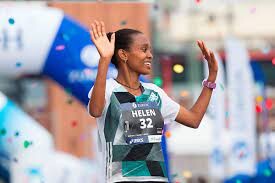
The women's race went steadily on 2:22 pace, an early group of six shaking down to just four, Japan's Momoko Watanabe (Tenmaya), favorite Vivian Kiplagat (Kenya) and Ethiopian duo Helen Bekele Tola and Beyenu Degefa, by 30 km with Australian a few seconds behind. Bekele made the winning break, pulling away to win in a course record 2:22:16. Watanabe, who came into the race with a best of only 2:30:42 PB, led Degefa in the home straight but lost out in the last kick. Degefa was 2nd in 2:23:07 and Watanabe 2:23:08 for 3rd, clearing the 2:24:00 auto-qualifying standard for MGC Race Olympic marathon trials qualification.
Only getting faster with age, the 43-year-old Weightman ran Kiplagat down for 4th in 2:23:15, beating her PB from last fall's Berlin Marathon by 45 seconds. Weightman is also entered to run next weekend's Tokyo Marathon. Misaki Nishida (Edion) and Yuri Karasawa (Kyudenko) also caught Kiplagat, Nishida taking 5th in a PB 2:25:51 to qualify for the Olympic trials and Karasawa running 2:27:27 in her debut but missing qualification by 27 seconds. The pre-race favorite, Kiplagat fell to 7th in 2:28:44.
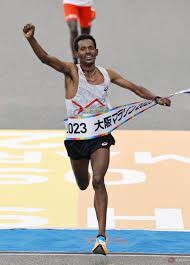
The shinkansen effect was in full effect in the equally well-paced men's race, a quartet led by Tomoki Ota (Toyota) running with almost zero variation through 25 km in 1:15:00 and pulling along a pack of almost 50. After Ota stopped at 25 km the pacing over the next 5 km was a bit shakier, but after hitting 30 km in 1:30:13 and the remaining pacers dropping out Eritrean Merhawi Kesete initiated a series of attacks that saw six different athletes take the lead over the hilliest section of the course. Among them was former Toyo University Hakone Ekiden star Kazuya Nishiyama (Toyota), who made moves to the front twice while on 2:06 pace in his debut.
With 5 km to go Ugandan Victor Kiplangat threw off his hat and surged, pulling South African Stephen Mokoka, Tanzanian Alphonce Felix Simbu and #1-ranked Ethiopian Hailemaryam Kiros with him. Behind them a chase trio of Nishiyama and fellow first-timers Charles Kamau (NTN) and Yohei Ikeda(Kao) congealed, all three of them sub-61 half marathoners and on the cusp of hanging on to a 2:06 debut. Kiplangat, 2:05:09 in Hamburg last fall, did all the work up front, shaking off Mokoka and Simbu but unable to get rid of 2:04:41 man Kiros.
With just 200 m to go Kiros surged, taking the win in a 2:06:01 CR with Kiplangat just 2 seconds back. Simbu was 3rd in 2:06:19, but behind him Kamau closed hard to run down Mokoka for 4th, 2:06:37 in his debut to the veteran Mokoka's 2:06:42. Mokoka had a near-miss on the South African NR, finishing just 9 seconds off Gert Thys' 2:06:33 at the 1999 Tokyo International Marathon.
Both only 24 years old, Nishiyama and the Toshinari Takaoka-coached Ikeda were next in 2:06:45 and 2:06:53, each of them well under the old debut marathon NR of 2:07:31 set by last year's Osaka winner Gaku Hoshi. With Nishiyama having dominated Hakone's First Stage at Toyo and Ikeda having been the top Japanese finisher on its most competitive stage his fourth year the relationship between Hakone success and later marathon performance is clearer than ever. 2021 Olympic team alternate Shohei Otsuka (Kyudenko), another Hakone stage winner, closed hard to take 8th in 2:06:57 and make it three Japanese men under 2:07.
Already qualified for the Olympic marathon trials after a 2:11:41 debut for 2nd at August's Hokkaido Marathon, Yugo Kashiwa (Toyo Univ.) ran the 2nd-fastest collegiate time ever, 2:08:11, for 20th. Like Mokoka, Mongolian Jamsran Olonbayar came painfully short of the Mongolian NR, missing Ser-Od Bat-Ochir's 2:08:50 record by just 8 seconds at 2:08:58 for 29th. Tokyo Olympian Yuma Hattori (Toyota) had his best race since the 2019 trials, finishing 34th in 2:09:47, but will have to try again before the end-of-May deadline to hit a trials qualifier. Further back, visually-impaired T11 WR holder Shinya Wada broke his own best with a new world record of 2:24:29.
Including Nishiyama and Ikeda a total of nine men qualified for October's MGC Race Olympic marathon trials, along with Watanabe and Nishida in the women's race. The top 18 went under 2:08 and top 29 under 2:09, both bettering the numbers at the legendary 2021 Lake Biwa Marathon where 15 men were sub-2:08 and 28 sub-2:09. But this year's Osaka came up short of Lake Biwa's depth further down, with only 35 men sub-2:10 versus 42 at Lake Biwa. But with over 50 men on the entry list at Tokyo next week having run sub-2:10 in the last three years the stage is set for something even wilder there.
by Brett Larner, Japan Running News
Login to leave a comment

Osaka Marathon
Let’s run for fun in the shadow of Osaka Castle, the symbol of the city!This is a fun running event, which welcomes international runners from all corners of the global alongside families, friends and Japanese runners; all running together through the colored leaves of Osaka Castle Park on a crisp autumn morning. The fun and pleasure of running is universal! ...
more...Latest Running News
Melissa Jefferson-Wooden Blazes To 10.62 World Lead And Ultimate Championship Glory
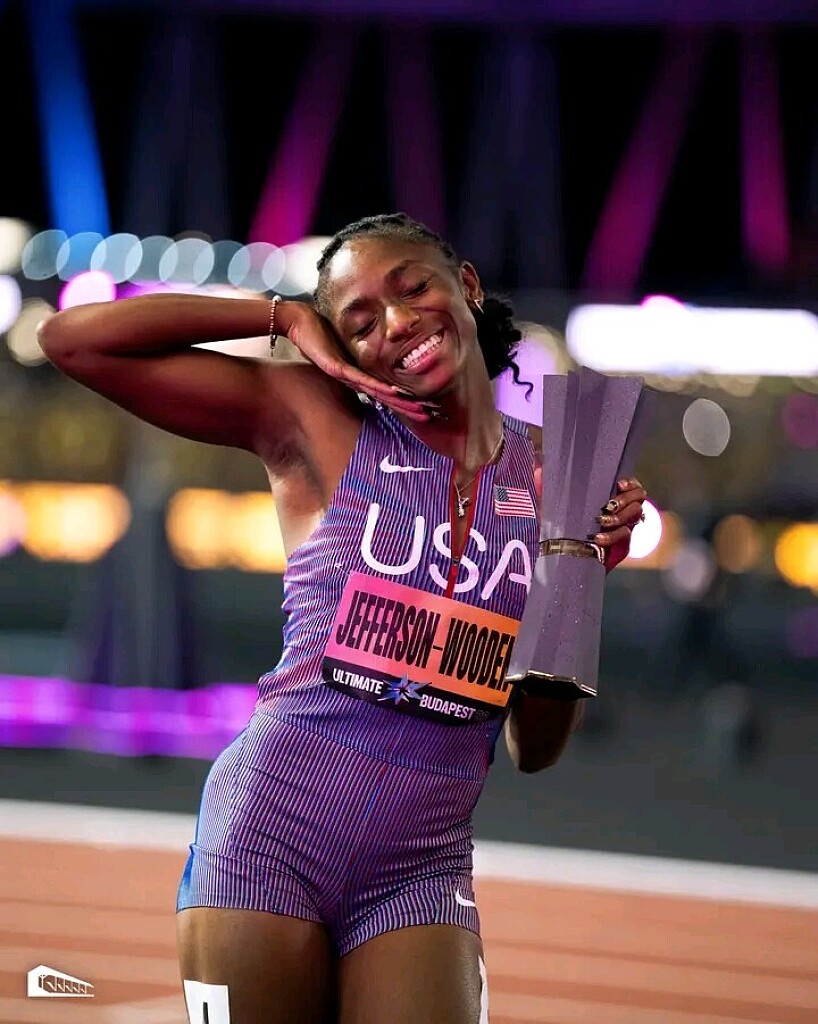
Melissa Jefferson-Wooden delivered a sensational performance in Budapest, storming to victory in the women’s 100m at the inaugural World Athletics Ultimate Championship in a breathtaking 10.62 seconds.
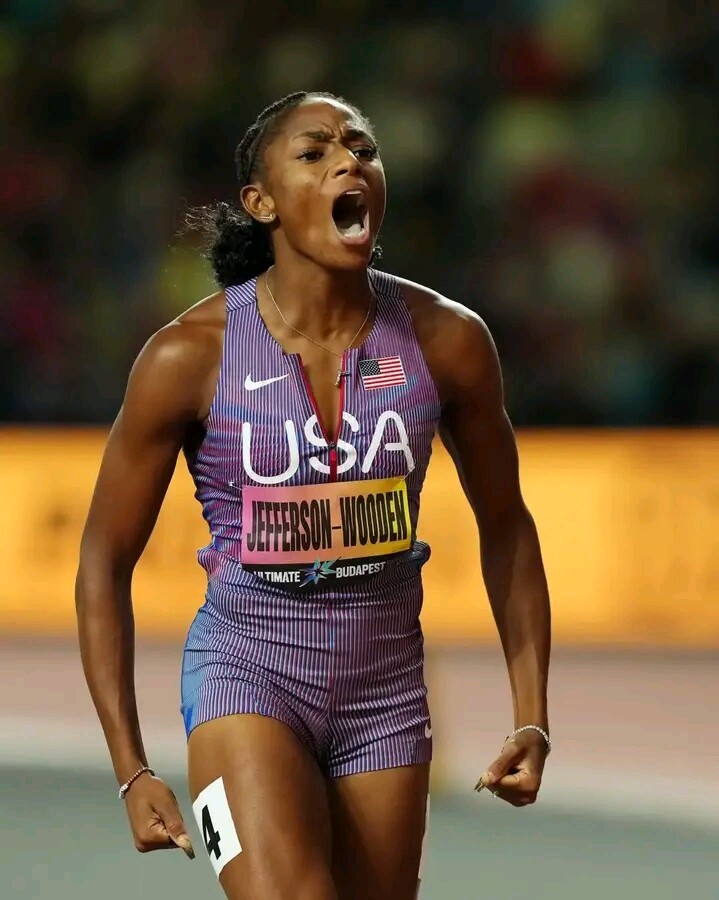
The American produced a superb display of acceleration and composure to claim the World Ultimate Championship title while recording the fastest women’s 100m time in the world this year. Her 10.62 mark underlined her exceptional form and placed her firmly at the top of the global sprinting hierarchy.
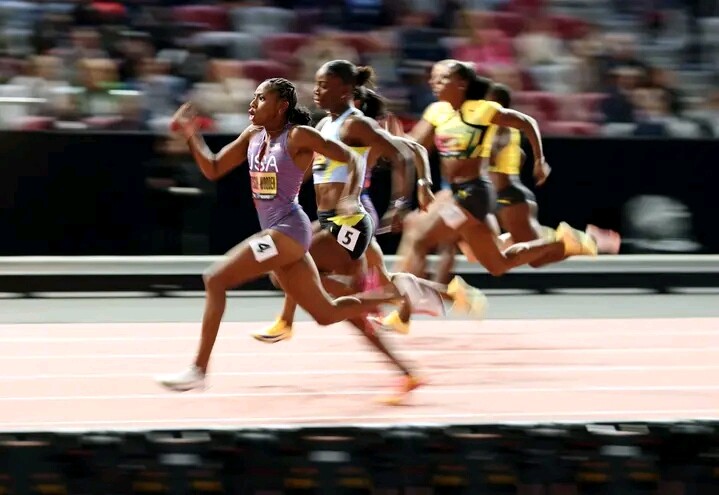
Jefferson-Wooden controlled the race through the decisive stages and maintained her form all the way to the finish to secure a statement victory against a field packed with championship pedigree. She crossed the line ahead of Olympic champion Julien Alfred, who clocked 10.74 seconds with a -0.2 m/s wind, while Sha’Carri Richardson took third in 10.76.
Women’s 100m Final
1. Melissa Jefferson-Wooden — 10.62
2. Julien Alfred — 10.74 (-0.2 m/s)
3. Sha’Carri Richardson — 10.76
The victory was especially significant given the quality of the opposition. Jefferson-Wooden held her nerve against Alfred and Richardson, two of the most accomplished sprinters of the current generation, to produce the fastest performance in the world this year when it mattered most.
Alfred once again demonstrated her consistency at the highest level by taking silver, while Richardson completed an all-star podium in a race that brought together three of the biggest names in women’s sprinting.

But beyond the time, the title and the celebration, one of the most touching moments came after the race when Jefferson-Wooden embraced her father, Melvin, in an emotional celebration.
Their moment carried a deeply personal meaning. When Melissa was just 17 years old, she donated her stem cells to help her father undergo a bone marrow transplant after he was diagnosed with myelodysplastic syndrome. Years later, the two shared an unforgettable embrace in Budapest after she had become the World Ultimate Champion.
For Jefferson-Wooden, however, the evening was about far more than a medal. It was the culmination of an extraordinary journey, now highlighted by a world-leading 10.62 seconds on one of the biggest stages in athletics.
With the Ultimate Championship title secured and her father by her side, Jefferson-Wooden leaves Budapest with more than being an ultimate champion. She leaves with momentum, confidence and a powerful statement of intent — turning a high-profile showdown into one of the defining sprint performances of her season.
by Erick Cheruiyot for My Best Runs.
Login to leave a comment
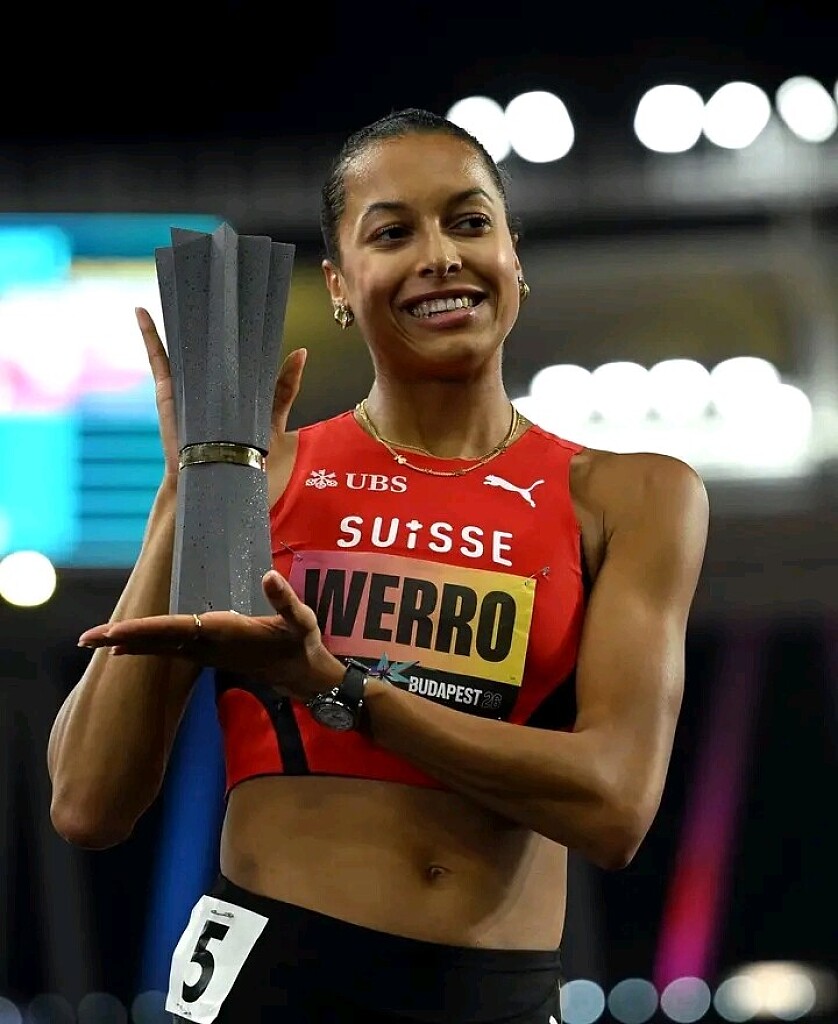
Audrey Werro Rules The 800m As Swiss Star Claims Ultimate Championships Crown
Audrey Werro has added another major title to her extraordinary season, storming to victory in the women’s 800m at the inaugural World Athletics Ultimate Championships in Budapest.
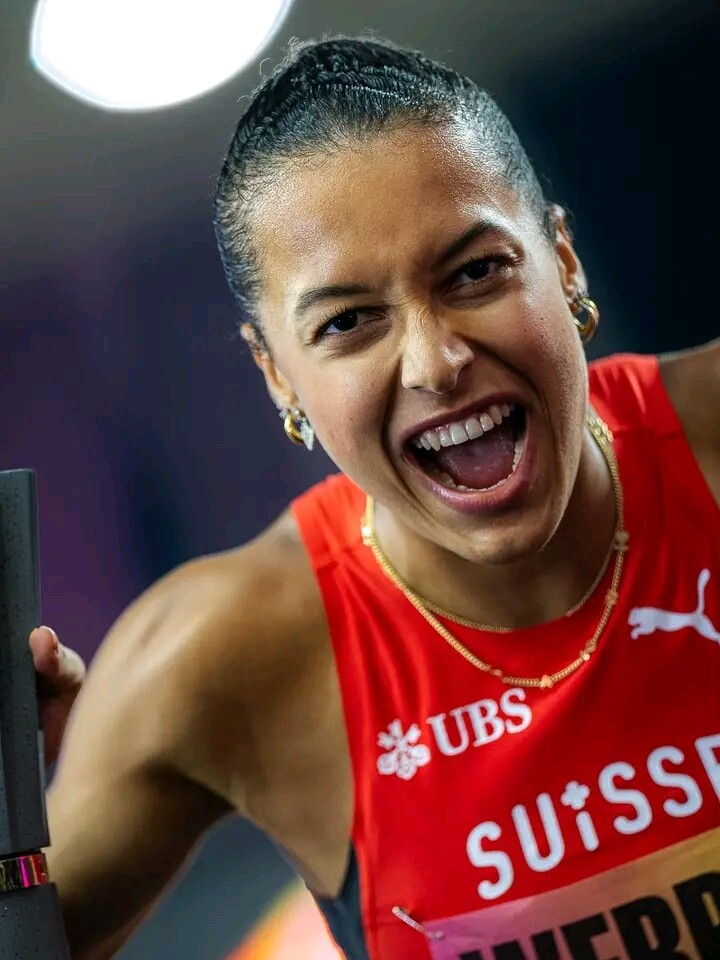
The Swiss star delivered a commanding performance, taking control from the opening gun and refusing to surrender the lead as she powered through an absorbing battle against two of the biggest names in the event.
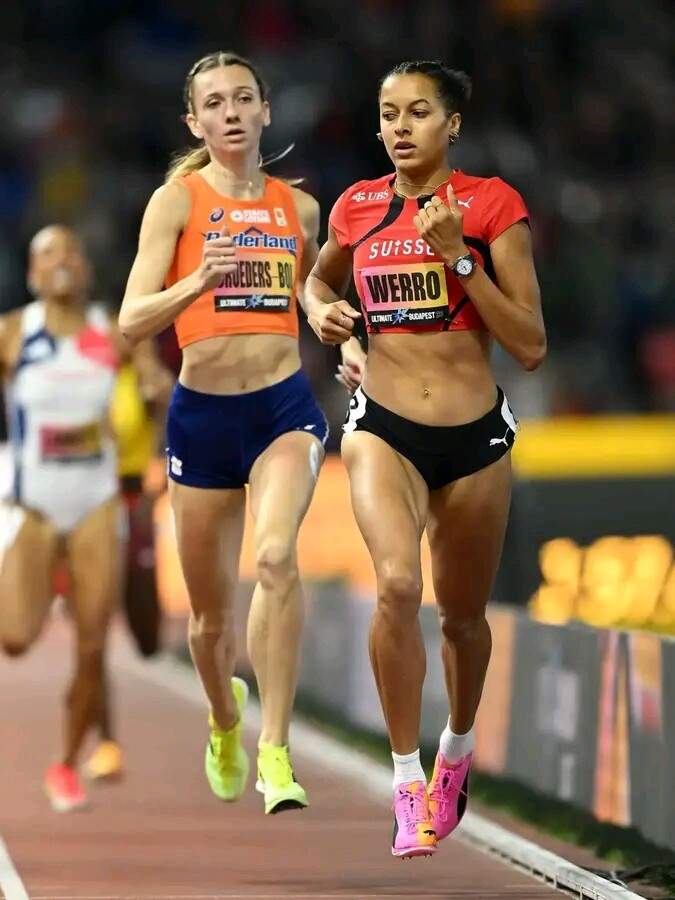
Werro stopped the clock at 1:55.88 to become the Ultimate Championships 800m champion, producing another statement performance on one of the sport’s newest and most prestigious stages.
Behind her, Great Britain’s Keely Hodgkinson fought her way to second in 1:56.26, while the Netherlands’ Femke Broeders-Bol completed the podium in 1:56.74.
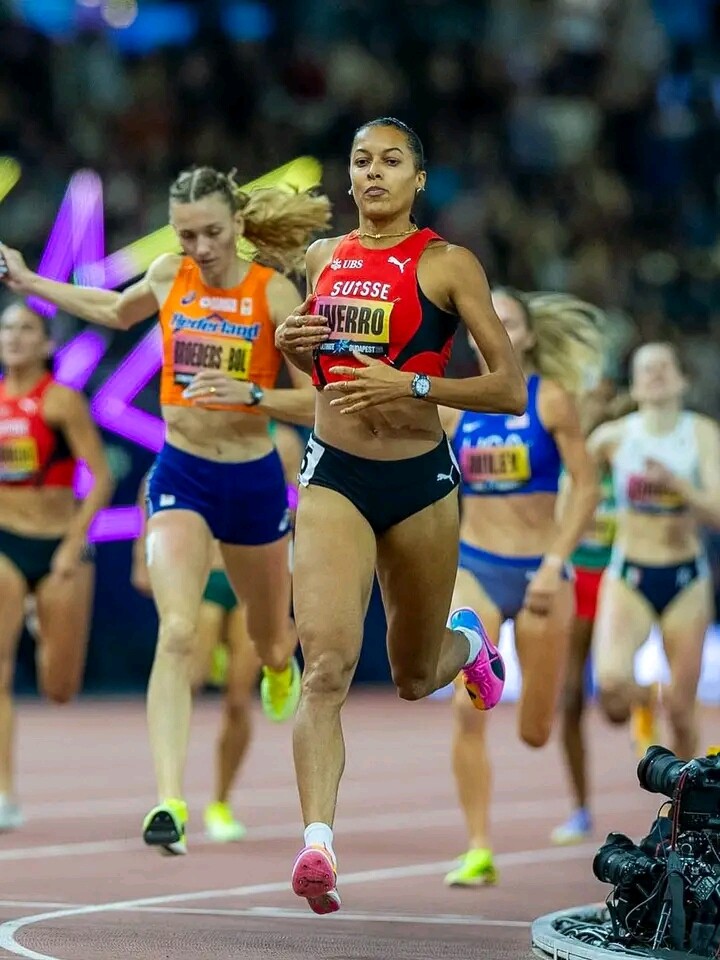
The result once again brought together the same formidable trio that featured on the podium at the European Championships, but Werro again proved to be the athlete who could rise above the challenge when it mattered most.
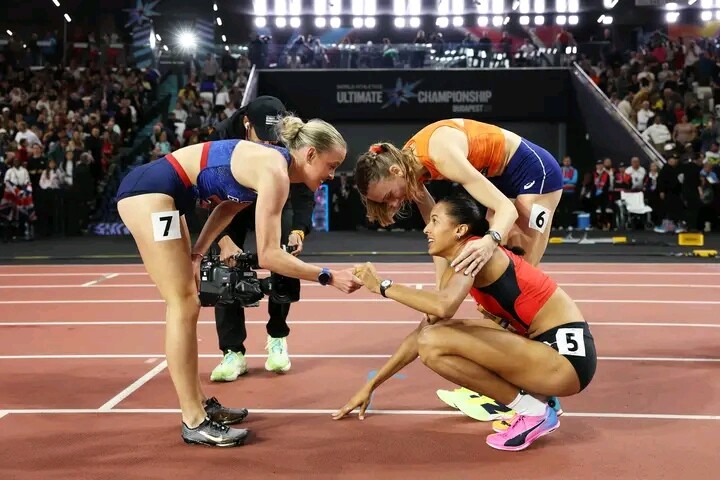
Her Budapest triumph is the latest chapter in a season that has already included records, a successful Diamond League Trophy defence and European Championship gold. Now, she can add the Ultimate Championships crown to a growing list of accomplishments.
Werro’s consistency has been particularly impressive in an 800m event packed with elite talent. Rather than simply relying on a fast finish, the Swiss athlete showed her authority by taking the initiative from the beginning and maintaining enough strength and composure to hold off Hodgkinson and Broeders-Bol all the way to the line.
The victory also underlined the remarkable depth of the women’s 800m, with three athletes separated by less than a second at the finish. Hodgkinson’s 1:56.26 and Broeders-Bol’s 1:56.74 showed just how fiercely contested the race was, but Werro’s decision to dictate the pace ultimately gave her the decisive advantage.
For Werro, this was more than another medal. It was another opportunity to demonstrate that her rise is no passing moment. On a stage featuring established champions and elite rivals, she once again produced the performance required to claim the biggest prize.
For Hodgkinson, the silver medal adds another major podium finish, while Broeders-Bol once again demonstrated her ability to compete with the very best over two laps.
But the spotlight in Budapest belonged unmistakably to Werro.
With another championship crown secured, the Swiss star has strengthened her claim as the athlete setting the standard in women’s 800m running. This is Audrey Werro’s era — and the rest of the field is chasing.
by Erick Cheruiyot for My Best Runs.
Login to leave a comment

Collen Kebinatshipi Does It Again! 43.39 Makes Botswana Star Fifth All-Time.
Busang Collen Kebinatshipi has delivered another sensational performance, storming to victory in the men’s 400m at the inaugural World Athletics Ultimate Championship in Budapest.
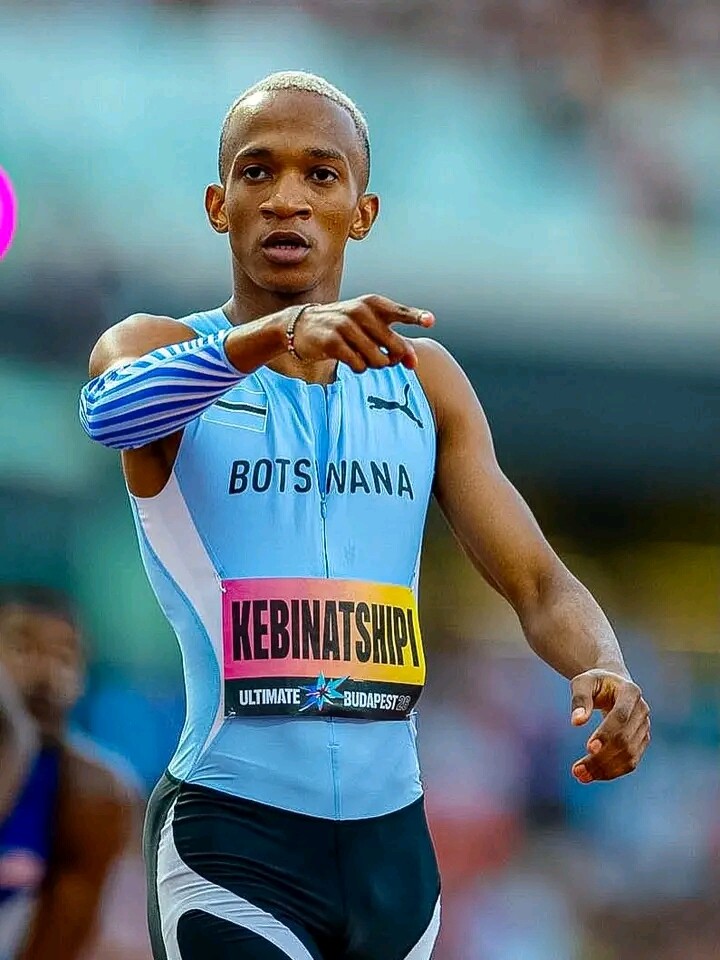
The reigning world champion stopped the clock at an astonishing 43.39 seconds, smashing his own Botswana national record and moving to fifth on the world all-time list.
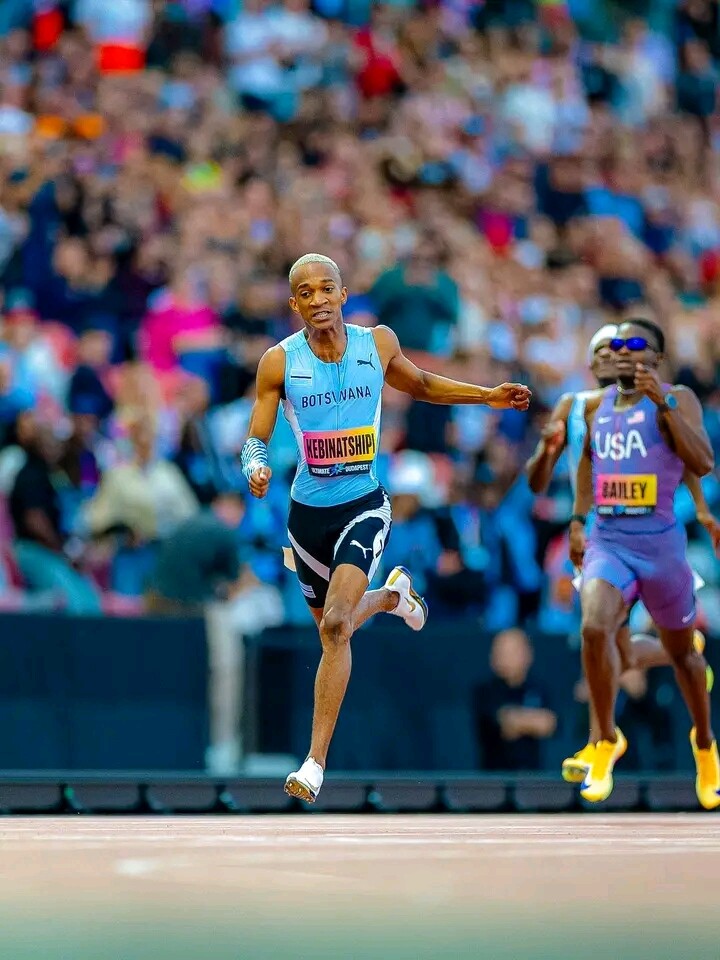
Kebinatshipi produced a commanding finish to pull away from his rivals and secure the Ultimate Championship title. American star Rai Benjamin finished second in 44.15, while Jereem Richards of Trinidad and Tobago completed the podium in 44.23.
Men’s 400m
1. Busang Collen Kebinatshipi — 43.39 NR
2. Rai Benjamin — 44.15
3. Jereem Richards — 44.23
The performance is even more remarkable considering that Kebinatshipi had already rewritten the Botswana record just one week ago in Brussels, where he ran 43.40. In Budapest, he lowered that mark by another 0.01 seconds to establish a new national record of 43.39.
That improvement has also propelled the 22-year-old into rare territory. His latest time now ranks him fifth fastest in history over 400m, placing him among an extraordinary group of athletes who have broken the 43.40 barrier.
Kebinatshipi's victory also caps an extraordinary season for the Botswana star. After establishing himself as a global champion, he has continued to demonstrate that he belongs among the very best one-lap runners in the world.
And there is a major reward for his historic night in Budapest: Kebinatshipi walks away as the Ultimate Champion and $150,000 richer.
From another national record to a place among the five fastest 400m runners ever, Kebinatshipi has turned an already remarkable season into something truly special.
Botswana has its latest sprinting superstar — and Kebinatshipi is showing that his ceiling may be even higher than anyone imagined.
by Erick Cheruiyot for My Best Runs.
Login to leave a comment
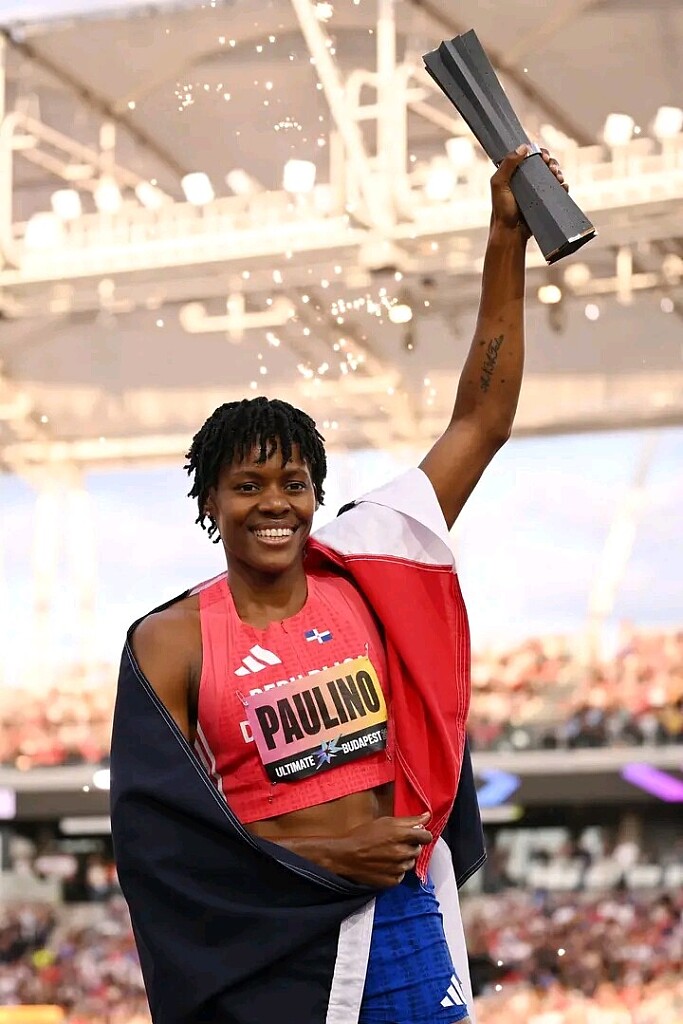
Marileidy Paulino Strikes Again To Rule The One-Lap Showdown In Budapest
Marileidy Paulino once again proved why she is the undisputed queen of the one-lap event, powering to victory in the women’s 400m at the inaugural World Athletics Ultimate Championship in Budapest.
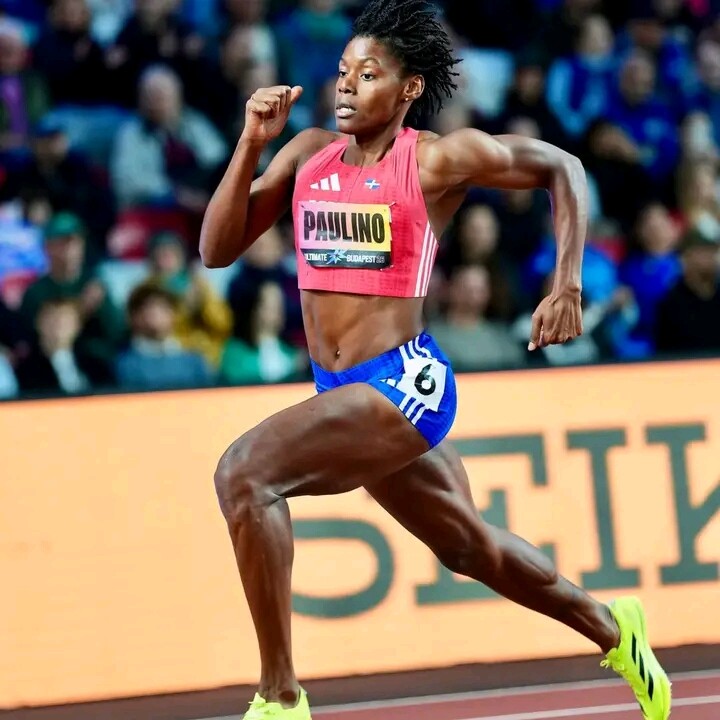
The Dominican Republic superstar produced a sensational 49.07 seconds to claim gold, pulling decisively away in the final straight and holding off a fiercely competitive field to extend her remarkable unbeaten run.
Paulino delivered her trademark combination of controlled speed and devastating finishing strength. She remained firmly in contention through the opening stages before unleashing her decisive move down the home straight, where she quickly opened a gap on her closest challengers.
Norway’s Henriette Jæger mounted a strong challenge but could not match Paulino’s finishing speed, crossing the line second in an impressive 49.28. Jamaica’s Nickisha Pryce completed the podium after clocking 49.56, ensuring that three of the world’s leading 400m talents occupied the medals.
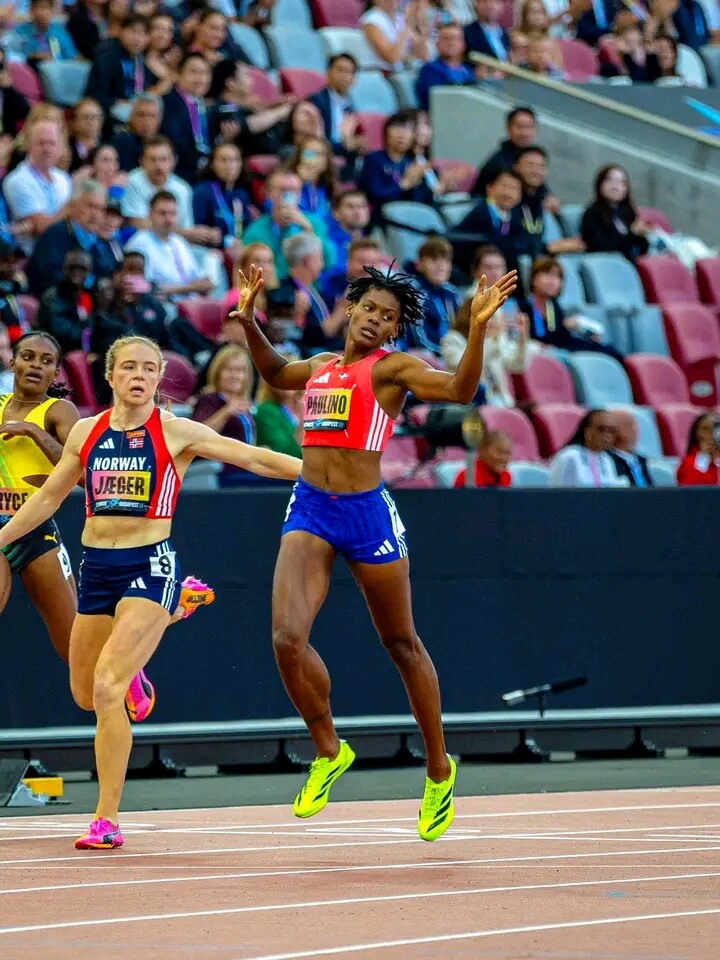
The result once again underlined Paulino’s extraordinary consistency at the highest level. She entered Budapest as the world leader after running 48.48 in Paris in June, a performance that also set a Diamond League record. She subsequently remained unbeaten throughout her Diamond League campaign, closing the circuit with a meeting-record 48.64 in Brussels.
Budapest has also become a special venue in Paulino’s career. Three years ago, at the same National Athletics Centre, she captured her first individual world title, marking the beginning of another dominant chapter in her career. She later added Olympic gold in Paris in 2024, further establishing herself among the defining 400m athletes of her generation.
The inaugural World Athletics Ultimate Championship has brought together the sport’s biggest stars in a new winner-takes-the-spotlight format, with Olympic and world champions, Diamond League winners and leading performers competing for ultimate honours.
For Paulino, the occasion once again ended with Ultimate Crown on her arms.
With 49.07 seconds, she did more than win another major 400m title. She delivered another statement of authority, powering through the final straight with the confidence and speed that have made her one of the most dominant figures in modern women’s athletics.
Marileidy Paulino remains unbeaten, remains relentless and, once again, remains the queen of the one lap.
by Erick Cheruiyot for My Best Runs.
Login to leave a comment
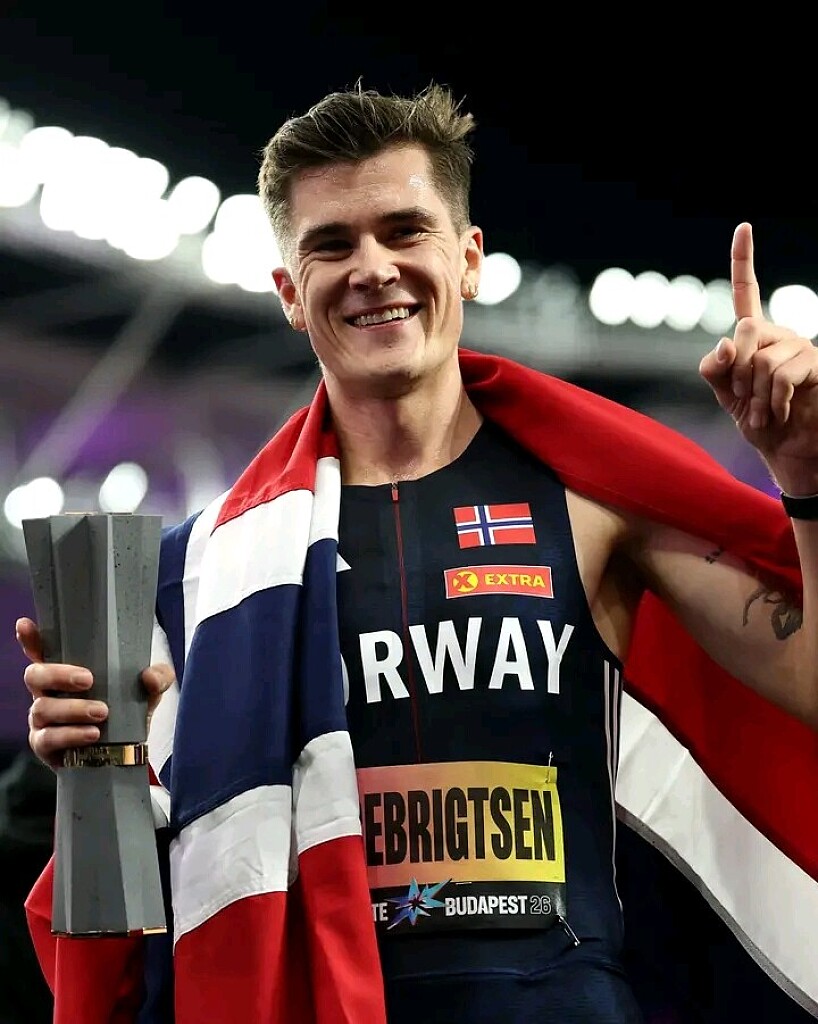
Jakob Ingebrigtsen Withdraws From Budapest 1500m After Stunning 5000m Victory: “Fitness Cannot Be Faked”
Jakob Ingebrigtsen has made a major decision regarding the remainder of his World Athletics Ultimate Championship campaign, confirming that he will withdraw from the men’s 1500m in Budapest despite producing a sensational performance to win the 5,000m title.
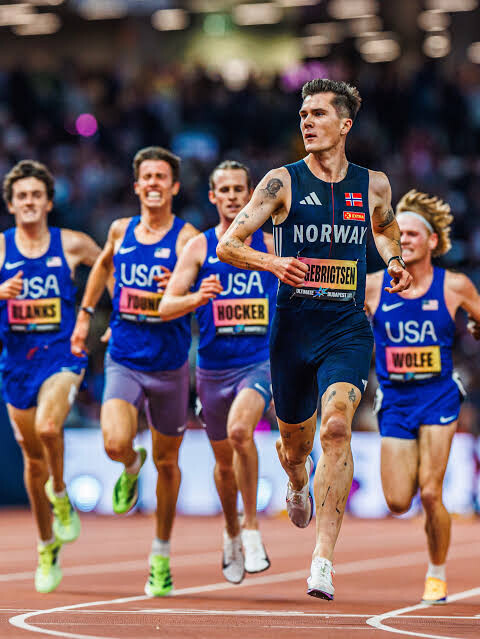
The Norwegian superstar stormed to victory in the inaugural Ultimate Championship 5,000m on Friday night, clocking a season-best 12:59.24 and delivering a devastating finishing kick to defeat Olympic 5,000m champion Cole Hocker and American Parker Wolfe.
Ingebrigtsen’s final 100 metres was arguably the defining moment of the race. The Olympic champion produced a remarkable 12.60-second closing 100m, powering away from the field to secure the $150,000 winner’s prize and underline just how far his fitness has progressed since returning from Achilles surgery.
The victory was particularly significant after what has been an extremely difficult period for the 25-year-old. Earlier in the season, Ingebrigtsen faced serious uncertainty over whether he would even be able to compete at the highest level again. His return has gradually gathered momentum, and his performance in Budapest offered perhaps the clearest indication yet that the Norwegian is rediscovering his formidable racing ability.
But rather than risk pushing his recovering body further, Ingebrigtsen has now opted to step away from the 1500m.
The decision means the highly anticipated showdown with British rival Josh Kerr will not take place in Budapest after all. The two stars had been expected to renew one of the biggest rivalries in modern middle-distance running in the 1500m final.

Instead, Ingebrigtsen is looking beyond the immediate opportunity and towards the bigger picture.
“I’m thinking about 2027… Fitness cannot be faked,” the Norwegian said, signalling that protecting his long-term condition has become more important than chasing another major victory only days after his return to peak-level competition.
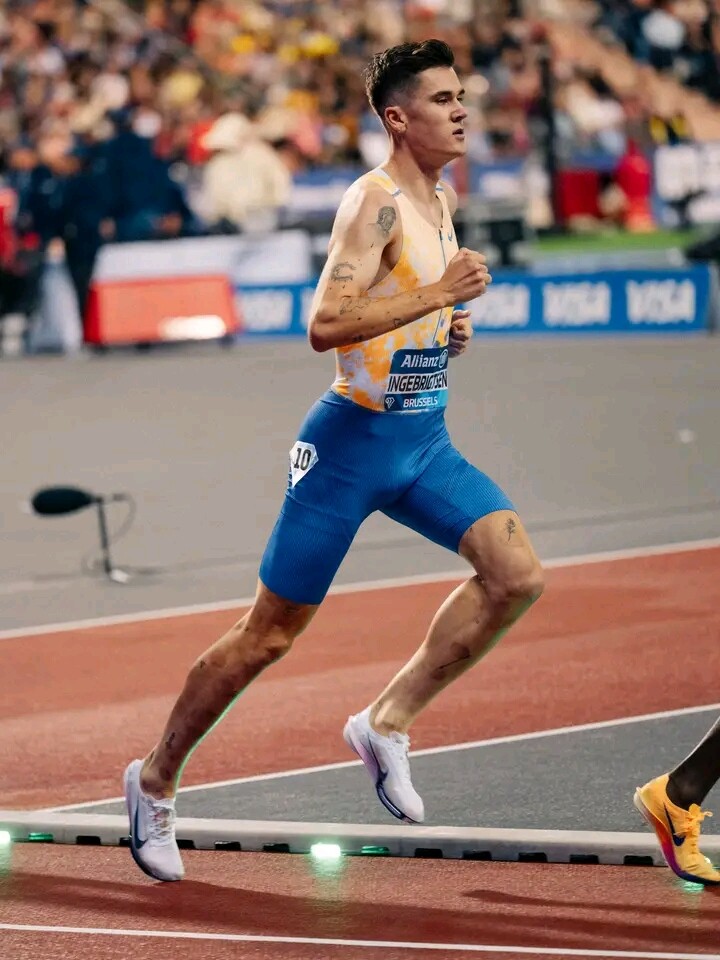
The decision comes just one week after an emotionally charged Diamond League Final in Brussels, where Ingebrigtsen finished fourth in the 1500m behind Australia’s Cameron Myers, Kenya’s Phanuel Kipkosgei Koech and American Ethan Strand.
After that race, Ingebrigtsen delivered a fiery assessment of his rivals and questioned the tactics surrounding the pacemaking, particularly involving Hocker. He later acknowledged that there had been “a little too much adrenaline and emotion” when microphones were placed in front of him immediately after the race.
Yet his latest decision shows that beneath the emotion and competitive intensity lies a longer-term strategy.
Ingebrigtsen has already demonstrated that he can compete at an elite level again. His 12:59.24 in Budapest was not simply a victory — it was a statement that the Norwegian remains capable of producing a world-class finish even after months of injury rehabilitation.
Now, however, he is choosing not to gamble with that progress.
For a runner who has spent much of the year fighting his way back from injury, another 1500m race could have offered enormous rewards but also carried unnecessary risk. By withdrawing, Ingebrigtsen is effectively prioritising longevity over one more opportunity for immediate glory.
His message is clear: the comeback is underway, but it will not be rushed.
The 5,000m victory has given Ingebrigtsen confidence, momentum and perhaps, most importantly, proof that his body can once again handle elite competition.
Now comes the harder part — knowing when to stop.
With 2027 already firmly in his sights, the Norwegian has chosen recovery over risk. And after everything he has endured, that could ultimately prove to be one of the most important decisions of his comeback.
Jakob Ingebrigtsen is not walking away from the sport. He is protecting his future in it.
by Erick Cheruiyot for My Best Runs.
Login to leave a comment
