

Running News Daily
Running News Daily is edited by Bob Anderson and team. Send your news items to bob@mybestruns.com Advertising opportunities available.
Index to Daily Posts · Sign Up For Updates · Run The World Feed
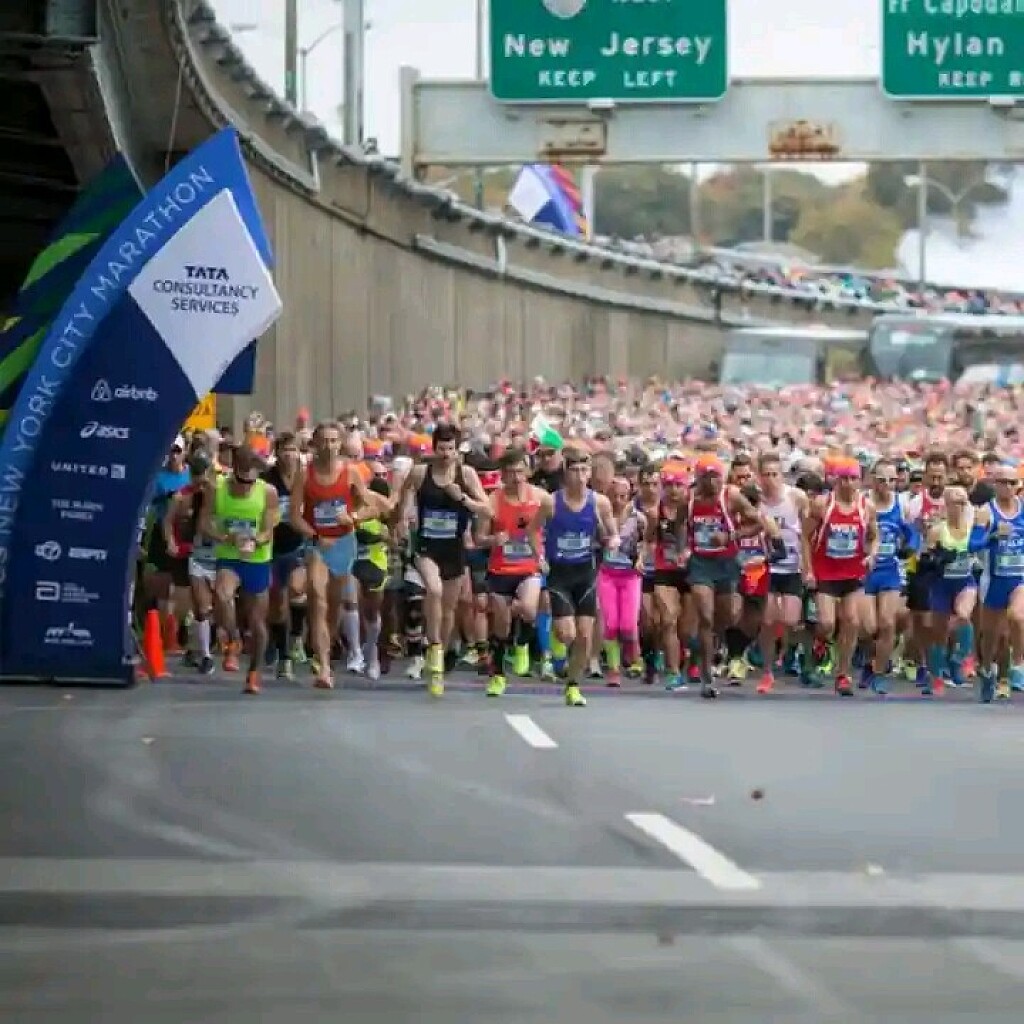


From $1 To $358: How The New York City Marathon Became A Global Running Phenomenon

What began as a modest race through Central Park, with a handful of determined runners and a budget of just $1,000, has evolved into one of the most prestigious and sought-after marathons in the world. More than five decades later, the New York City Marathon tells a remarkable story of how distance running has grown from a grassroots sporting event into a global spectacle.
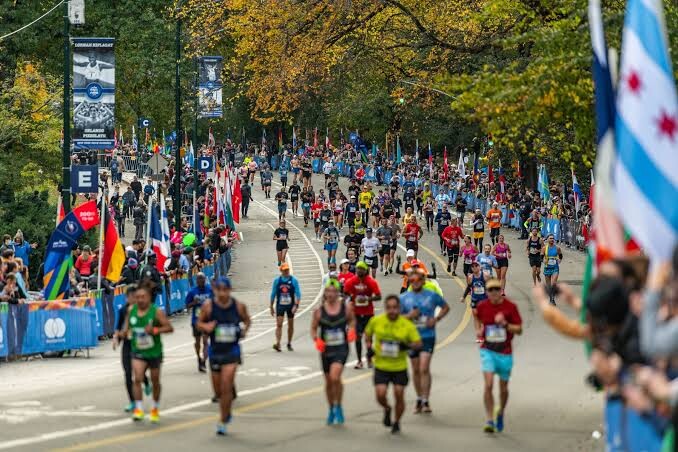
When the inaugural New York City Marathon took place in 1970, the entry fee was just $1. Organised by the New York Road Runners, the race was held entirely within Central Park, far removed from the enormous crowds, international attention and commercial scale that define the event today.
Of the 127 registered participants, only 55 completed the race. Yet, despite its modest beginnings, the event laid the foundation for a marathon that would eventually capture the imagination of runners from every corner of the world.
The first champion was Gary Muhrcke, a New York City firefighter whose victory remains one of the most memorable stories from the race's early years. According to accounts of the inaugural edition, Muhrcke had finished a night shift before entering the competition shortly before the start. He went on to win in approximately 2:31, securing his place in the marathon's history.
The inaugural race also featured Nina Kuscsik, the only woman in the field. She started the event but withdrew after becoming ill, meaning no woman finished that first edition. Kuscsik would later become an important figure in the campaign for women's inclusion in competitive distance running.
Over the years, the New York City Marathon expanded beyond Central Park, eventually developing into the iconic five-borough journey that takes runners through Staten Island, Brooklyn, Queens, the Bronx and Manhattan. Its transformation helped turn the race into a celebration of athletic achievement, community spirit and the extraordinary diversity of New York City.
Today, the marathon attracts elite athletes chasing victories and records, recreational runners pursuing personal milestones, charity participants raising funds for important causes, and thousands of international visitors eager to experience one of running's most celebrated events.
by Erick Cheruiyot for My Best Runs.
Login to leave a comment

TCS New York City Marathon
The first New York City Marathon, organized in 1970 by Fred Lebow and Vince Chiappetta, was held entirely in Central Park. Of 127 entrants, only 55 men finished; the sole female entrant dropped out due to illness. Winners were given inexpensive wristwatches and recycled baseball and bowling trophies. The entry fee was $1 and the total event budget...
more...Latest Running News
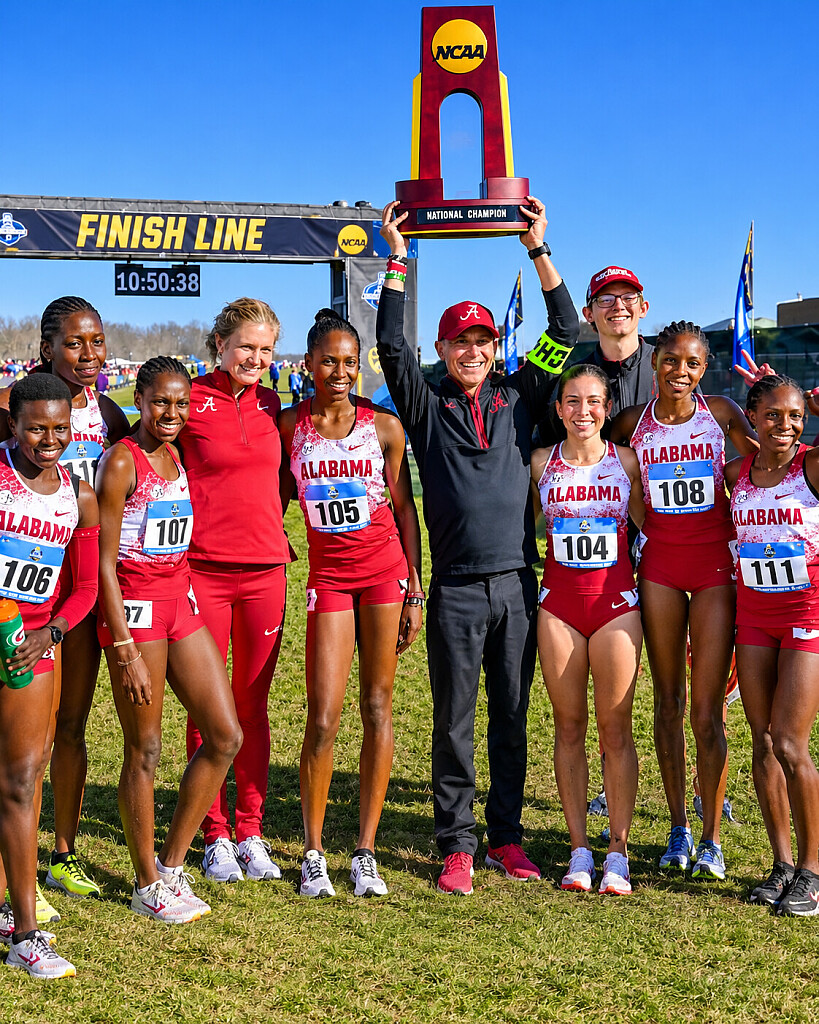
History Made In Terre Haute! Alabama Claims First-Ever NCAA Women’s Cross Country Team Championship In Stunning Upset!
The University of Alabama has etched its name into NCAA cross country history, capturing its first-ever NCAA Division I Women’s Cross Country Team Championship with a remarkable performance in Terre Haute, Indiana, on Saturday.
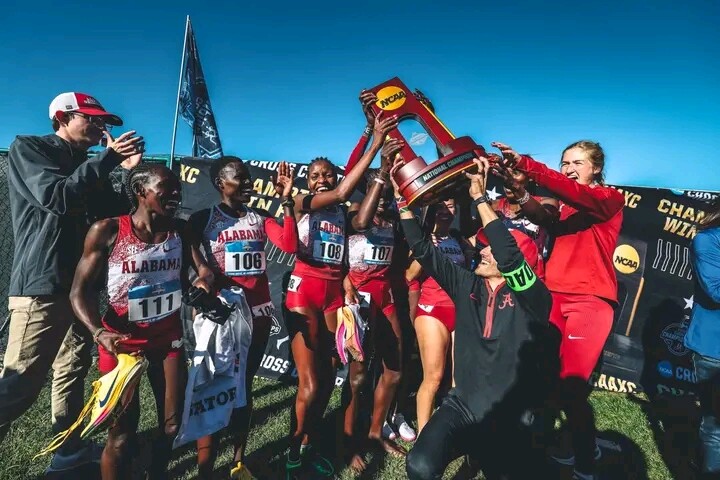
The Crimson Tide delivered a spectacular team effort at the LaVern Gibson Championship Cross Country Course, accumulating 120 points to overcome West Virginia and pre-race favourites BYU, who had to settle for third place. Alabama entered the championship ranked fourth nationally, but produced its finest performance when it mattered most, proving that rankings mean little once the battle for the national crown begins.
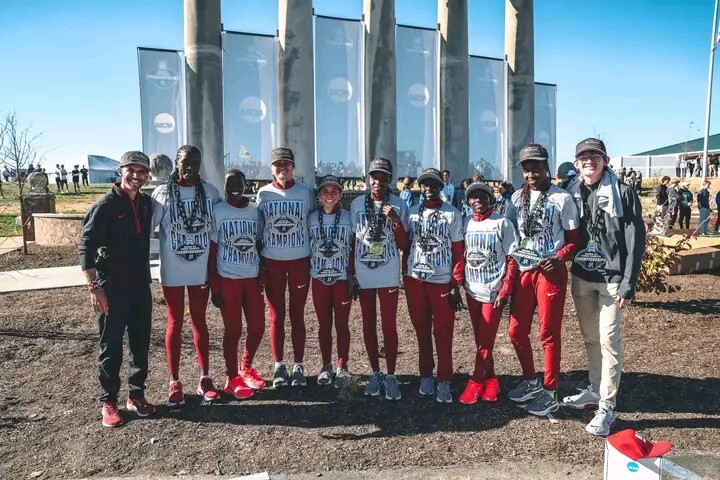
The historic triumph capped an outstanding season for Alabama, which had already established itself as one of the strongest teams in the country. The Crimson Tide dominated the SEC Championships, winning the conference title by an impressive 32-point margin before producing another exceptional performance at the South Regional Championships.
There, Alabama recorded a meet-record 21 points, placing five runners inside the top seven with an outstanding 1-2-5-6-7 finish. Having conquered its conference and regional competitions, the national championship was the final piece of the puzzle. On Saturday, the team completed its mission in spectacular fashion.
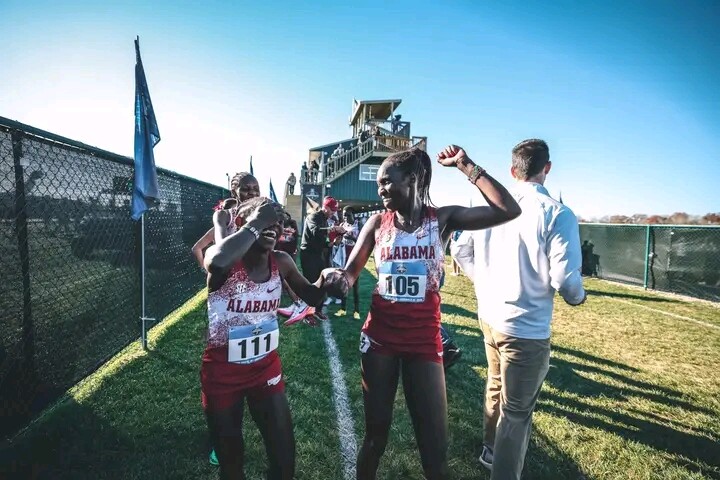
BYU arrived in Terre Haute as the leading contender, boasting a formidable lineup built around its NCAA 5,000m and 10,000m record holder. However, Alabama proved too strong on the day, delivering the collective performance required to dethrone the favourites and secure a historic national championship.
Meanwhile, the individual women's crown belonged to NC State senior Hannah Gapes, who produced a commanding performance to take the victory. Gapes took control of the race from the early stages and never surrendered her advantage, crossing the finish line as the new course record holder.
Her achievement was particularly impressive because she had already established the previous course record at the Pre-National meet in October. Having remained unbeaten throughout the season, including a dominant 30-second victory at the ACC Championships, Gapes completed a remarkable campaign by adding the NCAA individual title to her collection.
NC State, meanwhile, had arrived hoping to capture its fifth national team championship in six years but ultimately fell short of that ambition as Alabama stole the spotlight.
For Alabama, this championship represents a particularly special milestone. The programme has already celebrated individual NCAA glory through Doris Lemngole, who captured back-to-back women's individual cross country titles in 2024 and 2025. However, the team championship had remained beyond its reach until this extraordinary performance in Terre Haute.
Now, the Crimson Tide have finally conquered the biggest team prize in American collegiate cross country, transforming years of ambition and preparation into a historic achievement.
It was a victory built on teamwork, consistency, determination and collective excellence. Alabama did not simply arrive in Terre Haute to compete; it arrived ready to make history — and the Crimson Tide delivered!
by Erick Cheruiyot for My Best Runs.
Login to leave a comment
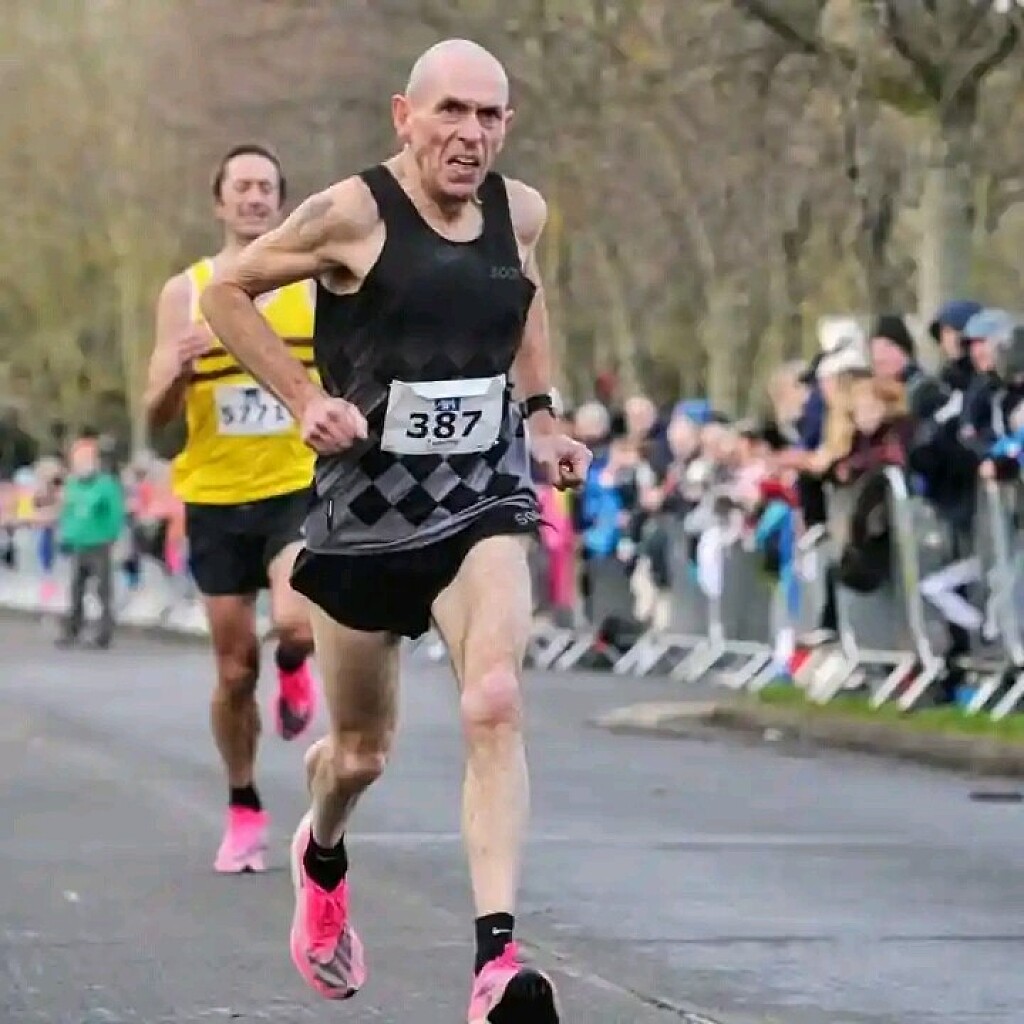
Faster At 60 Than At The Olympics! Tommy Hughes’ Extraordinary Marathon Journey Proves That Age Is No Barrier To Greatness!
Some athletes spend their careers chasing personal bests, while others spend their later years proving that age does not have to dictate the limits of human performance. Irish distance-running legend Tommy Hughes belongs firmly in the latter category.
Born on January 8, 1960, Hughes has built an extraordinary career spanning generations, establishing himself as one of the most remarkable masters marathon runners in history. His achievements are particularly impressive because, decades after representing Ireland on the Olympic stage, he was still producing performances that many much younger runners could only dream of.
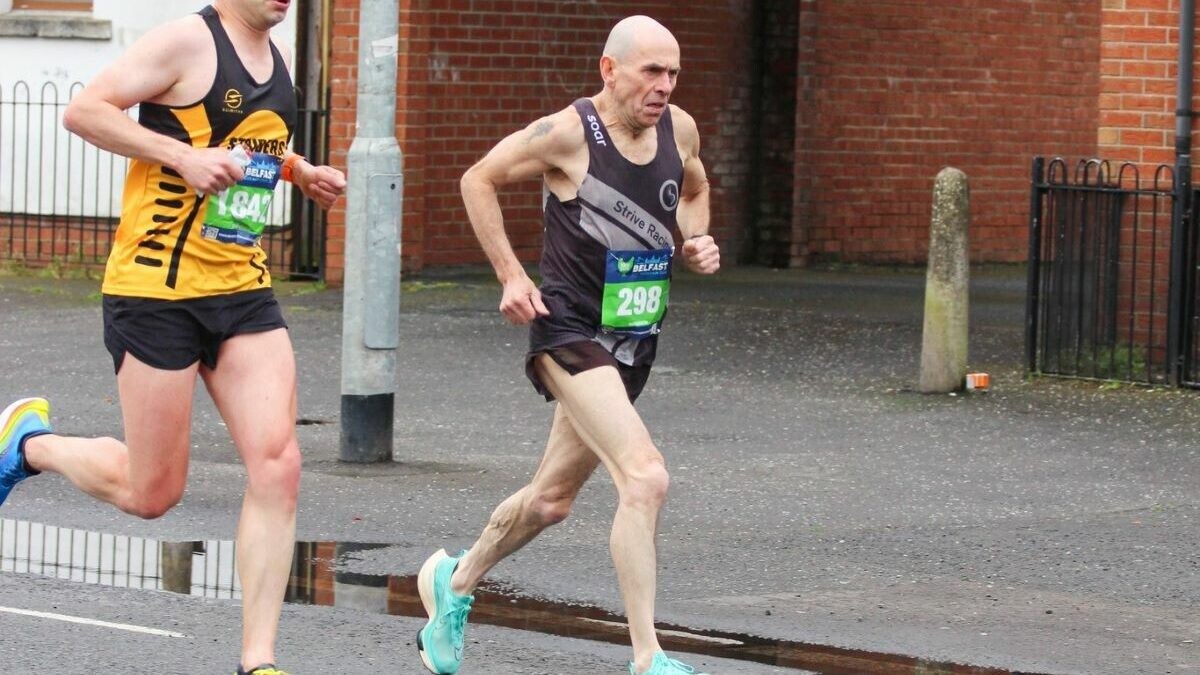
One of the defining moments of his early career came in January 1988, when he won the Marrakech Marathon in Morocco in an impressive 2:15:48. He continued to establish himself among Ireland's leading distance runners, eventually earning selection for the 1992 Barcelona Olympic Games.
At Barcelona, Hughes completed the men's marathon in 2:32:55, finishing 72nd in an extremely challenging race. However, that Olympic appearance would eventually become an important reference point in one of the most extraordinary comeback stories athletics has witnessed.
After stepping away from competitive running for a period, Hughes experienced difficult years away from the sport, including a serious battle with alcoholism. His personal struggles threatened to derail his life, but he eventually found his way back to running, demonstrating that determination and the courage to start again can change everything.
His return was nothing short of remarkable.
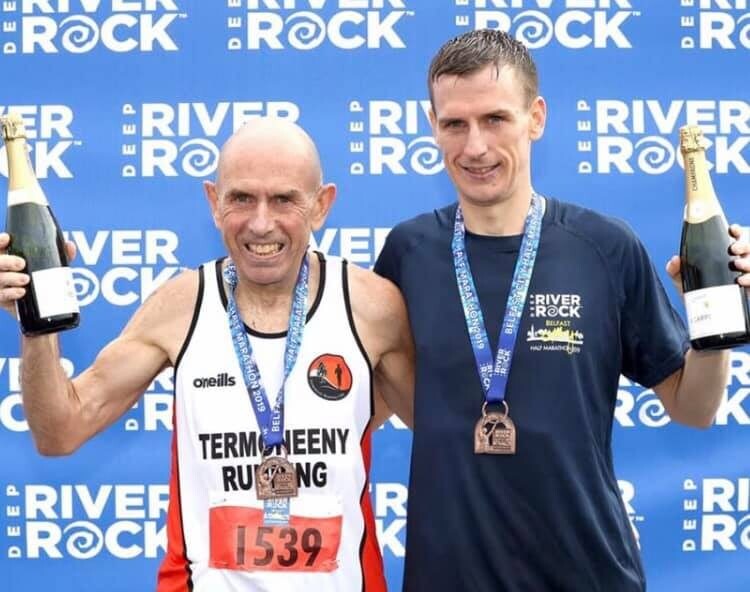
In 2019, Hughes captured international attention when he teamed up with his son, Eoin, at the Frankfurt Marathon to establish a Guinness World Record for the fastest combined father-and-son marathon time. Their remarkable aggregate time was 4:59:22, with Tommy contributing an outstanding 2:27:52.
But his greatest masters achievement was still to come.
On October 25, 2020, at the age of 60, Hughes delivered a performance that stunned the distance-running world. Competing at Down Royal Racecourse in Northern Ireland, he completed the marathon in 2:30:02, establishing a new M60 world record at the time.
The performance carried extraordinary significance. He had run almost three minutes faster than his 2:32:55 Olympic marathon performance in Barcelona, achieved 28 years earlier.
Think about that for a moment: a runner in his 60s outperforming his younger Olympic self over the marathon distance!
His remarkable form was not limited to the marathon. In September 2020, he had already recorded 1:11:09 at the Antrim Coast Half Marathon, setting an outstanding age-group world best.
Hughes continued to demonstrate his exceptional consistency in the years that followed. At 62, he ran 2:30:05 at the 2022 Manchester Marathon, while at 63, he clocked 2:30:46 at the 2023 London Marathon, producing another outstanding performance against considerably younger competitors.
Even at 64, his competitive spirit remained undiminished. At the 2024 Belfast Marathon, he recorded 2:36:37, a remarkable single-age achievement that further underlined his longevity in the sport.
That same year, he also produced an exceptional performance over 10 miles at the Portaferry race, clocking 58:13 to establish another remarkable M60 age-group benchmark.
One of the secrets behind Hughes' extraordinary longevity has been his commitment to training. His approach has involved substantial weekly mileage, with reports indicating that he has regularly covered approximately 100 miles (161 kilometres) or more during marathon preparation.
However, his story is about much more than training schedules, finishing times and world records. It is about a man who faced significant personal difficulties, rediscovered his passion for running and returned to competition with an extraordinary hunger to achieve more.
Tommy Hughes has shown that greatness is not necessarily defined by how quickly someone reaches the top, but also by their ability to keep going when life becomes difficult.
His remarkable journey from Olympic marathoner to record-breaking masters athlete is a powerful reminder that sporting ambition does not have to disappear with age.
At 60, he was running faster than he had at the Olympics. At 64, he was still delivering performances that commanded international respect.
His message to the running world is unmistakable: the finish line of one chapter does not have to mark the end of another.
Age may change the body, but determination, discipline and an unbreakable love for running can keep the dream alive.
What an extraordinary athlete and an inspiring human story!
by Erick Cheruiyot for My Best Runs.
Login to leave a comment
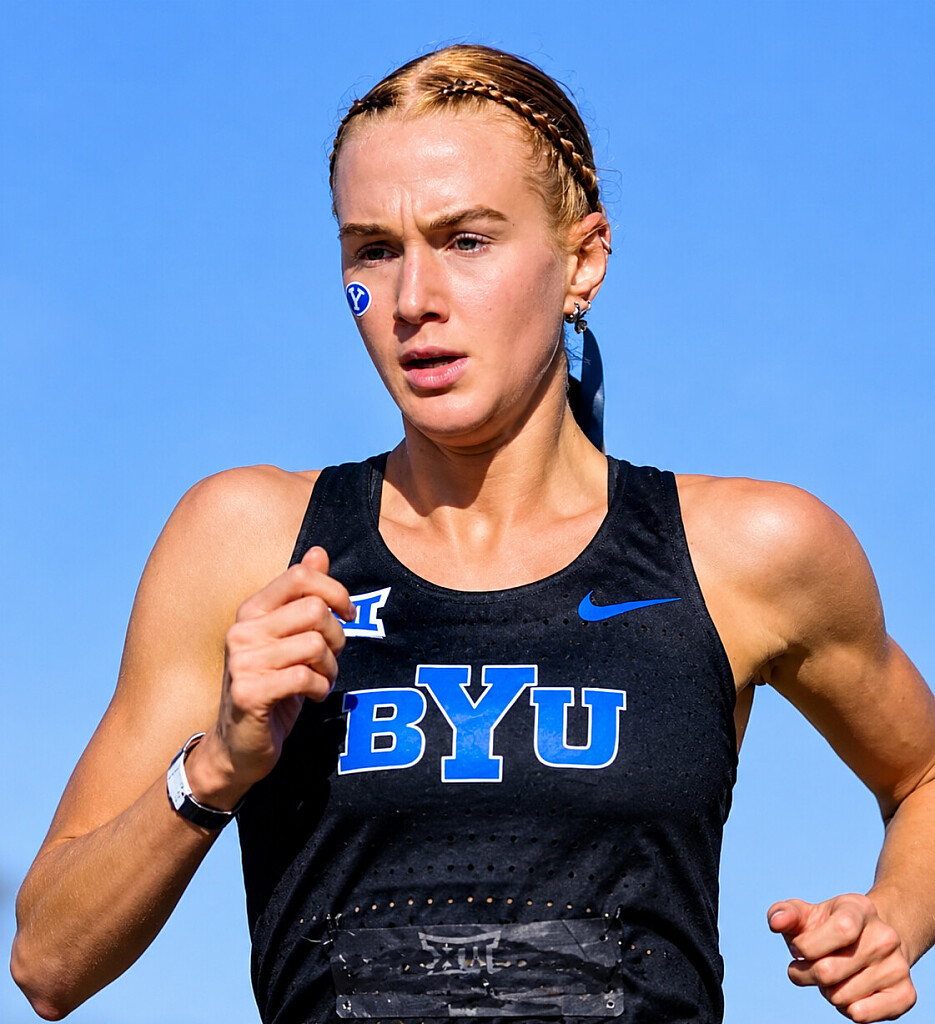
From NCAA Record Holder To 39th Place! Jane Hedengren Shows Grit By Fighting Through Calf Injury To Secure All-America Honours!
Jane Hedengren arrived at the 2026 NCAA Division I Cross Country Championships in Terre Haute, Indiana, as one of the biggest favourites for the women's individual crown. However, what unfolded on Saturday was a difficult test of resilience for the BYU sophomore, whose championship ambitions were overshadowed by a calf problem that nearly prevented her from competing.
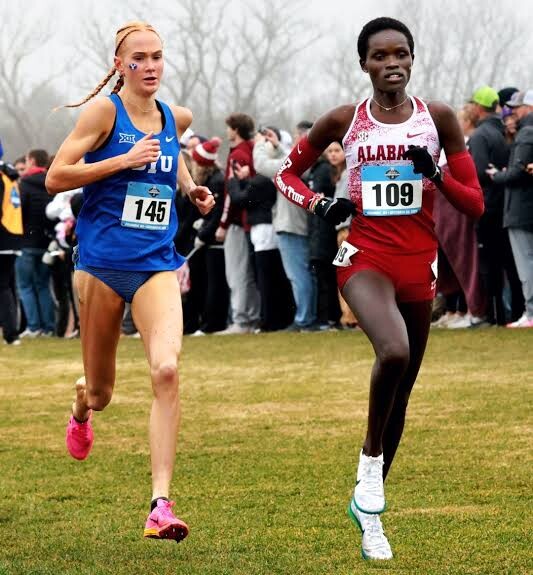
The reigning NCAA 5,000m and 10,000m record holder had every reason to believe she could challenge for the national title. After finishing runner-up behind Alabama's Doris Lemngole at last year's championships, Hedengren returned with enormous expectations and the credentials of an athlete capable of dominating the collegiate distance-running scene.
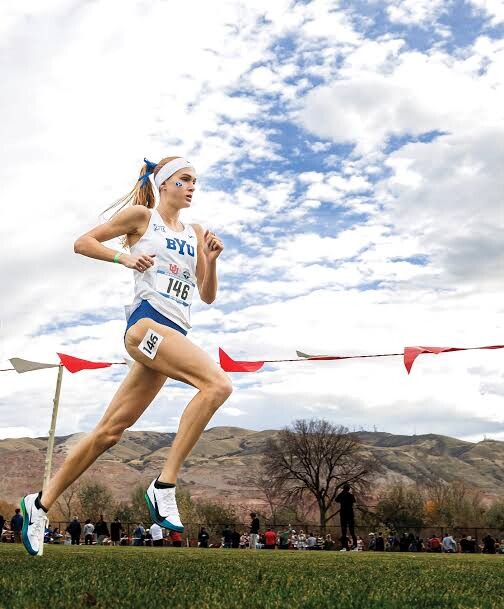
But the race almost never happened.
According to BYU head coach Diljeet Taylor, Hedengren had been struggling with a calf issue that came close to forcing her out of the championship altogether. Despite the uncertainty surrounding her fitness, the determined American chose to take her place on the starting line and give herself a chance to compete.
Unfortunately, the physical problem appeared to take its toll as the race progressed. Unable to reproduce the form that had made her one of the most feared competitors in the field, Hedengren gradually slipped down the standings before eventually crossing the finish line in 39th place.
It was a dramatic contrast to her second-place finish a year earlier, representing a drop of 37 positions on a championship course that returned to Terre Haute for the first time in seven years.
Yet, even on a day when everything seemed to go against her, Hedengren managed to secure something important: All-America recognition. By finishing 39th, she stayed inside the top 40, the cutoff for All-America honours, ensuring that her difficult afternoon did not end without something to show for her determination.
Her performance also puts her journey into perspective. Hedengren has previously battled back from a stress fracture during her high school years and has spoken about the importance of carefully managing her training workload. Her latest setback is another reminder that even the most talented athletes can find themselves confronting challenges that go beyond fitness, preparation and expectations.
For BYU, which had significant hopes riding on its star sophomore, the result was undoubtedly disappointing. For Hedengren, however, simply making it to the starting line and fighting through the race under difficult circumstances demonstrated a different kind of competitive spirit.
Championships are often remembered for victories, records and podium celebrations, but they also reveal the character of athletes when circumstances refuse to cooperate.
Jane Hedengren may not have left Terre Haute with the NCAA title she came to pursue, but she leaves with another All-America honour and a difficult experience from which to rebuild.
Sometimes, the biggest victory is finding the courage to keep going when your body is telling you to stop.
by Erick Cheruiyot for My Best Runs.
Login to leave a comment
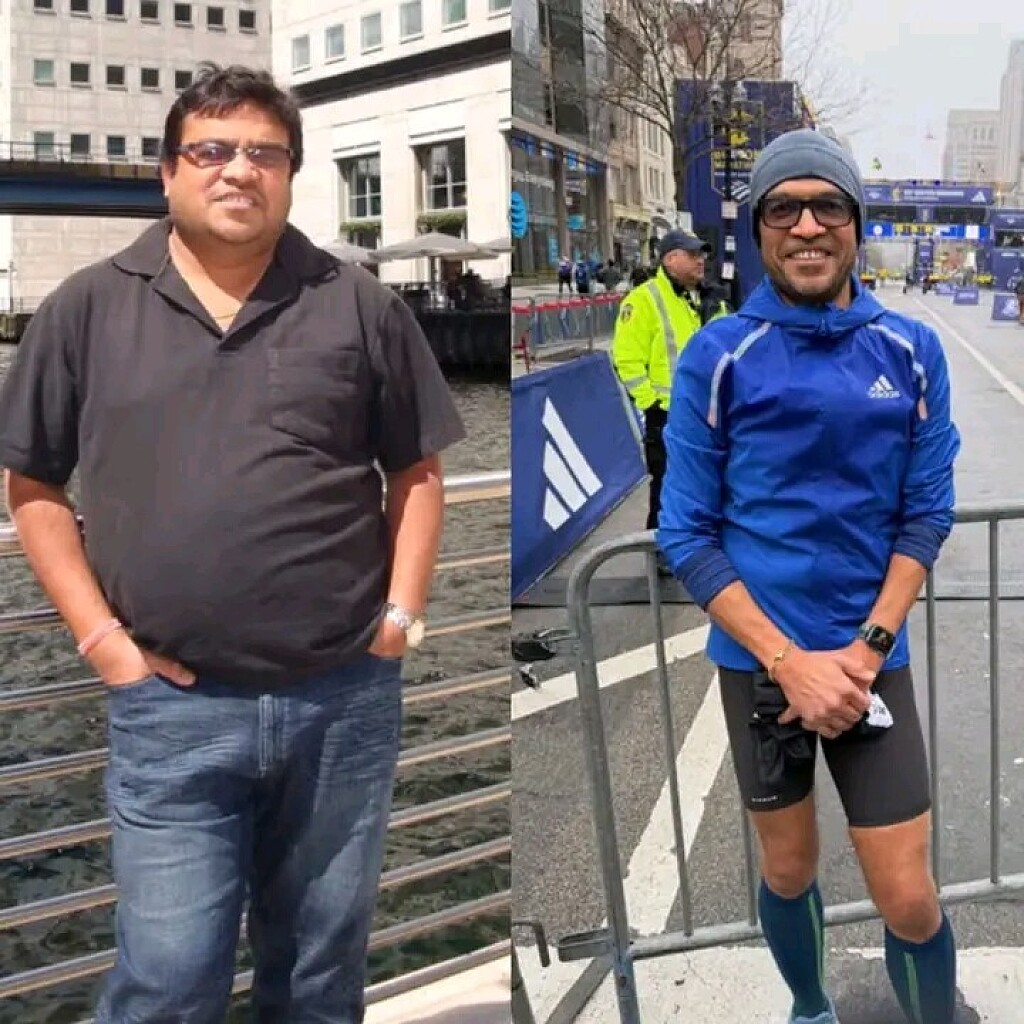
From 100kg And Struggling To Run 100 Metres To Conquering All Six World Marathon Majors At 52! Raj Sinha’s Extraordinary Journey Of Courage, Discipline And Transformation!
At 47, Raj Sinha was facing a battle that extended far beyond his physical fitness. Weighing 100kg and living with Type 2 diabetes, chronic hypertension and dangerously high cholesterol, even running 100 metres was an enormous challenge. Yet, five years later, he has transformed his life in remarkable fashion, becoming a marathon runner and completing all six Abbott World Marathon Majors at the age of 52.
His incredible transformation did not begin with an ambitious marathon target or an elaborate training programme. It started with a simple but life-changing decision to take responsibility for his health and make a fresh start.
With no expensive running coach or overnight solution, Raj began by taking slow walks around his neighbourhood. As his fitness gradually improved, he challenged himself to run his first 100 metres. Even that short distance was difficult, forcing him to stop two or three times to catch his breath before continuing.
However, rather than allowing his limitations to discourage him, he embraced the process and remained committed to improving one step at a time.
His progress was gradual but consistent. He moved from 100 metres to 200 metres, then 300 metres, 400 metres and eventually longer distances. What initially seemed impossible slowly became achievable, with every small milestone strengthening his confidence and determination.
Over the following five years, Raj lost an astonishing 35kg, reducing his weight from 100kg to approximately 65kg. More importantly, his health improved dramatically. Under medical supervision, his blood sugar, blood pressure and cholesterol returned to healthy ranges, and his reliance on medication changed with guidance from his medical team.
But transforming his health was only the beginning of an even bigger adventure.
Having discovered what consistency and determination could achieve, Raj set his sights on one of the most prestigious accomplishments in distance running: completing the Abbott World Marathon Majors.
One by one, he took on the six legendary races in Tokyo, Boston, London, Berlin, Chicago and New York. Each marathon presented its own challenges, but his determination carried him through, ultimately earning him the coveted Six Star Finisher Medal.
For someone who once struggled to run even 100 metres, completing six of the world's most celebrated marathons represents an extraordinary personal achievement.
Now aged 52, Raj is refusing to slow down. Having completed the original six World Marathon Majors, he is already looking towards two more races as he pursues the prestigious Nine Star Medal.
His story is a powerful reminder that a person's starting point does not have to determine their destination. It demonstrates what can happen when determination, patience and consistency become part of everyday life.
Raj's journey is not simply about losing 35kg or collecting marathon medals. It is about reclaiming his health, rebuilding his confidence and discovering possibilities he may once have considered beyond his reach.
From struggling to run 100 metres at 47 to conquering six World Marathon Majors at 52, Raj Sinha has shown that life-changing transformations do not necessarily begin with extraordinary achievements. Sometimes, they begin with one small step, followed by another.
His message is simple but powerful: Start where you are, work with what you have and never underestimate the power of consistency.
Because sometimes, the greatest victory is not crossing a marathon finish line ahead of thousands of other runners. It is overcoming the obstacles that once made you believe you could never get there.
Raj Sinha did not just change his body. He changed the direction of his life, one step at a time. What an extraordinary reminder that it is never too late to start again!
by Erick Cheruiyot for My Best Runs.
Login to leave a comment
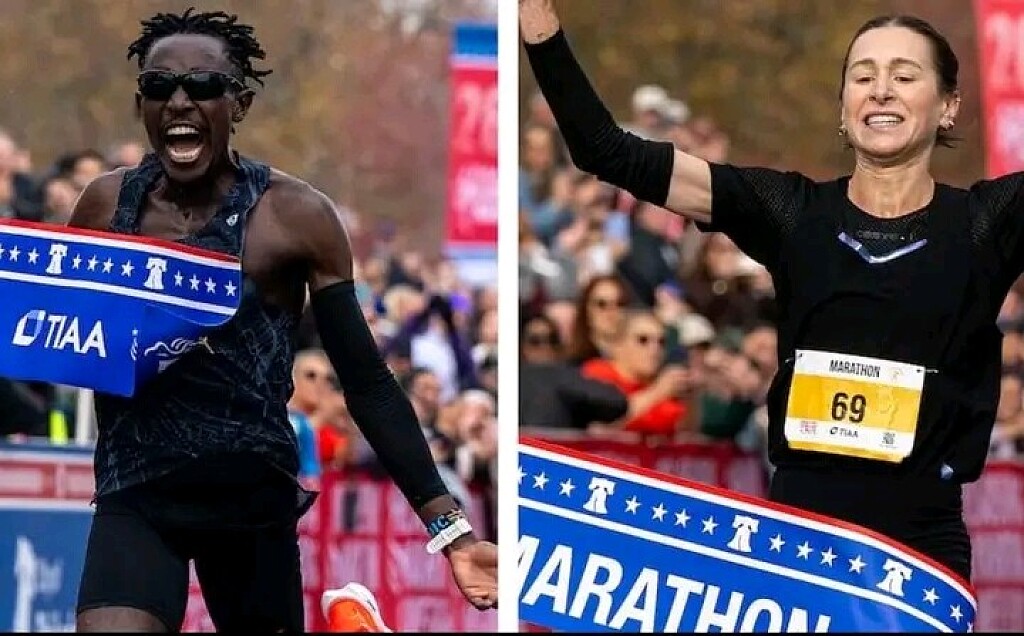
Kenya And Canada Conquer Philadelphia! Victor Shitsama And Dayna Pidhoresky Smash Course Records At The 2026 Philadelphia Marathon!
The 2026 Philadelphia Marathon delivered a spectacular morning of distance-running excellence on Sunday, November 22, as Kenya's Victor Shitsama and Canada's Dayna Pidhoresky produced outstanding performances to capture the men's and women's titles, with both athletes setting new course records.
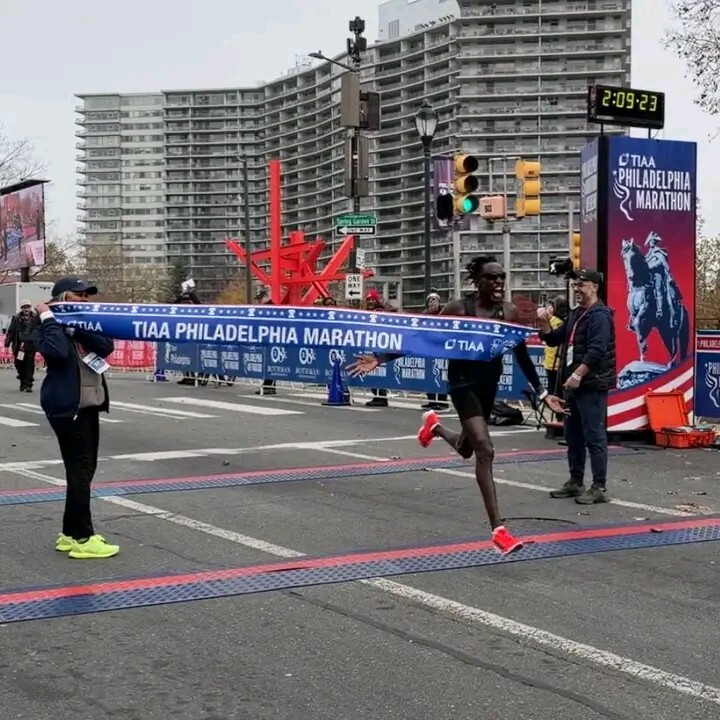
On a humid morning in Philadelphia, Shitsama dominated the men's race, powering his way to an impressive victory in 2:09:23. The Kenyan delivered a commanding performance over the 26.2-mile distance, finishing more than five minutes ahead of his nearest challenger to secure the men's crown and establish a new course record.
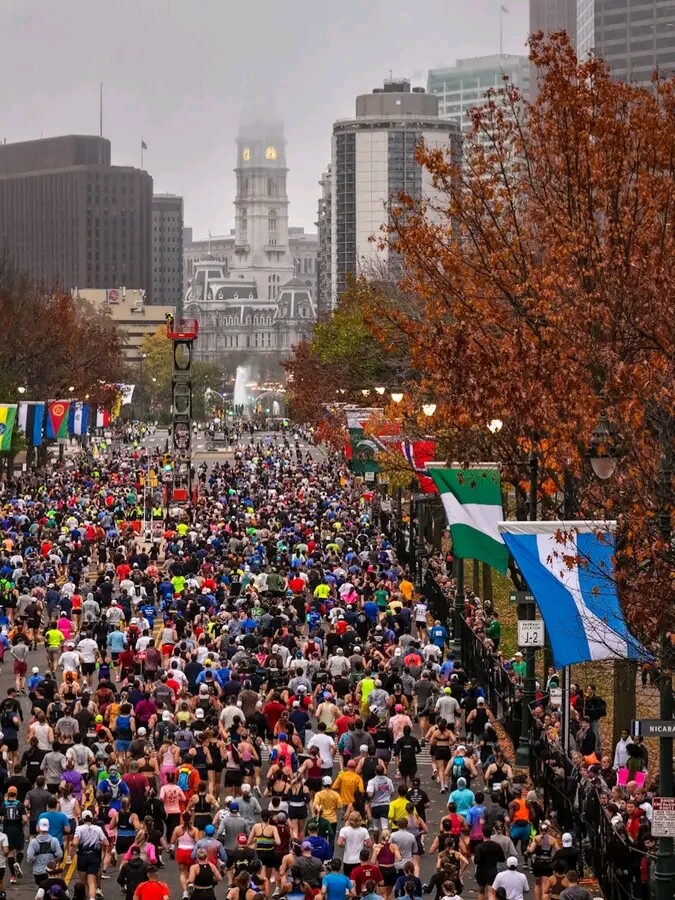
American-based Milton Rotich, representing the United States, finished second in 2:14:34, while compatriot Jared Ward claimed third place in 2:18:29. Aaron Davidson followed in fourth in 2:19:02, with Brendan Flynn completing the top five in 2:20:52.
Colin McCauley secured sixth place in 2:21:41, followed by Christian Schaaf in seventh in 2:22:30. Colombia's Edisson Gilberto Bernal Triana finished eighth in 2:23:46, while American Connor Pivirotto claimed ninth in 2:27:47. Evan Dorenkamp rounded out the men's top ten in 2:31:02.
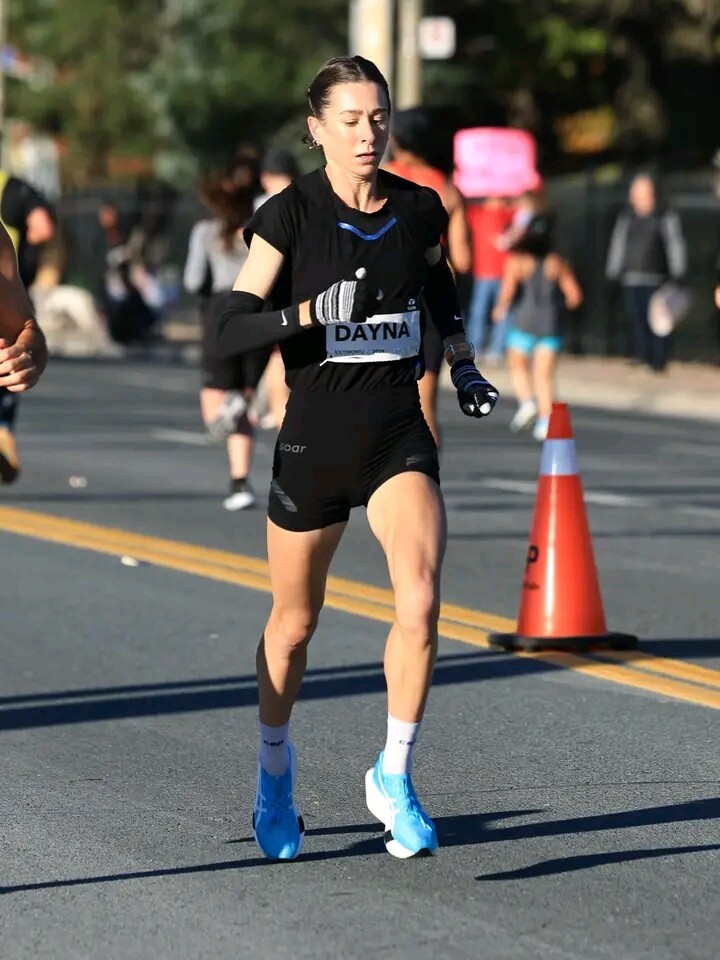
The women's contest also produced an outstanding display of marathon running, with Canada's Dayna Pidhoresky taking control of the race and powering to an emphatic victory in 2:26:34. Her performance secured the women's title and a new course record, underlining her impressive strength and determination over the marathon distance.
American Orla Rocha finished second in 2:34:05, while compatriot Rachel Schilkoswky claimed third place in 2:35:32. Madison Offstein crossed the line fourth in 2:36:28, followed by Mia Behm in fifth in 2:39:27.
Dee Buchholz finished sixth in 2:42:00, with Amanda Chang taking seventh in 2:43:39. Lauren McAdams secured eighth place in 2:44:51, ahead of Lauren Kelly, who finished ninth in 2:46:29. Susan Pardo completed the women's top ten in 2:47:19.
The 2026 edition will be remembered for two impressive course-record performances, with Shitsama delivering a dominant victory for Kenya and Pidhoresky bringing Canada into the spotlight with her commanding performance in the women's race.
Both champions produced memorable displays of endurance and determination, adding their names to the history of the Philadelphia Marathon and bringing an exciting conclusion to another major day of road racing.
by Erick Cheruiyot for My Best Runs.
Login to leave a comment

Philadelphia Marathon and Half
Have the time of your life in 2022 completing 13.11 miles! Runners will start along the Benjamin Franklin Parkway in the cultural Museum District and wind through Philadelphia’s most scenic and historic neighborhoods. From the history-steeped streets of Old City, through one of the liveliest stretches of Center City, across the Schuylkill River...
more...