

Running News Daily
Running News Daily is edited by Bob Anderson and team. Send your news items to bob@mybestruns.com Advertising opportunities available.
Index to Daily Posts · Sign Up For Updates · Run The World Feed
Articles tagged #Tommy Hughes
Today's Running News
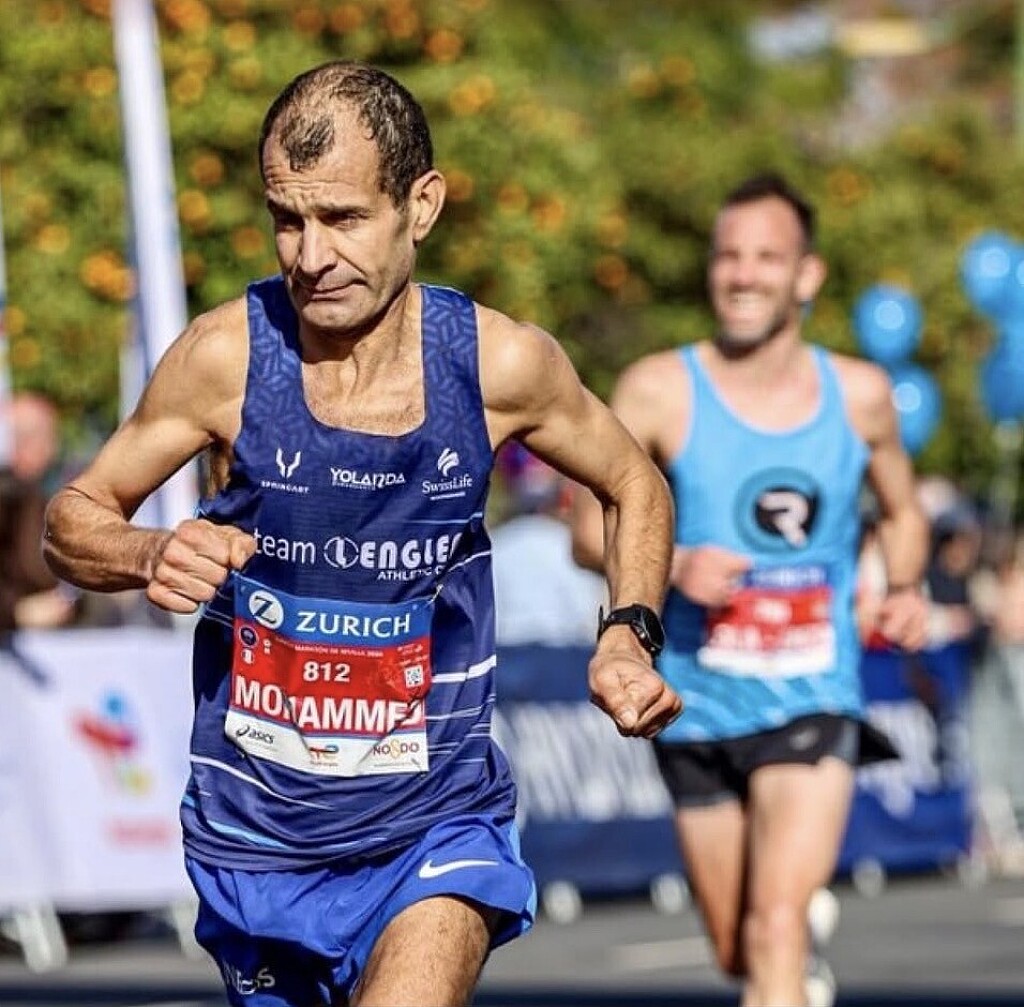


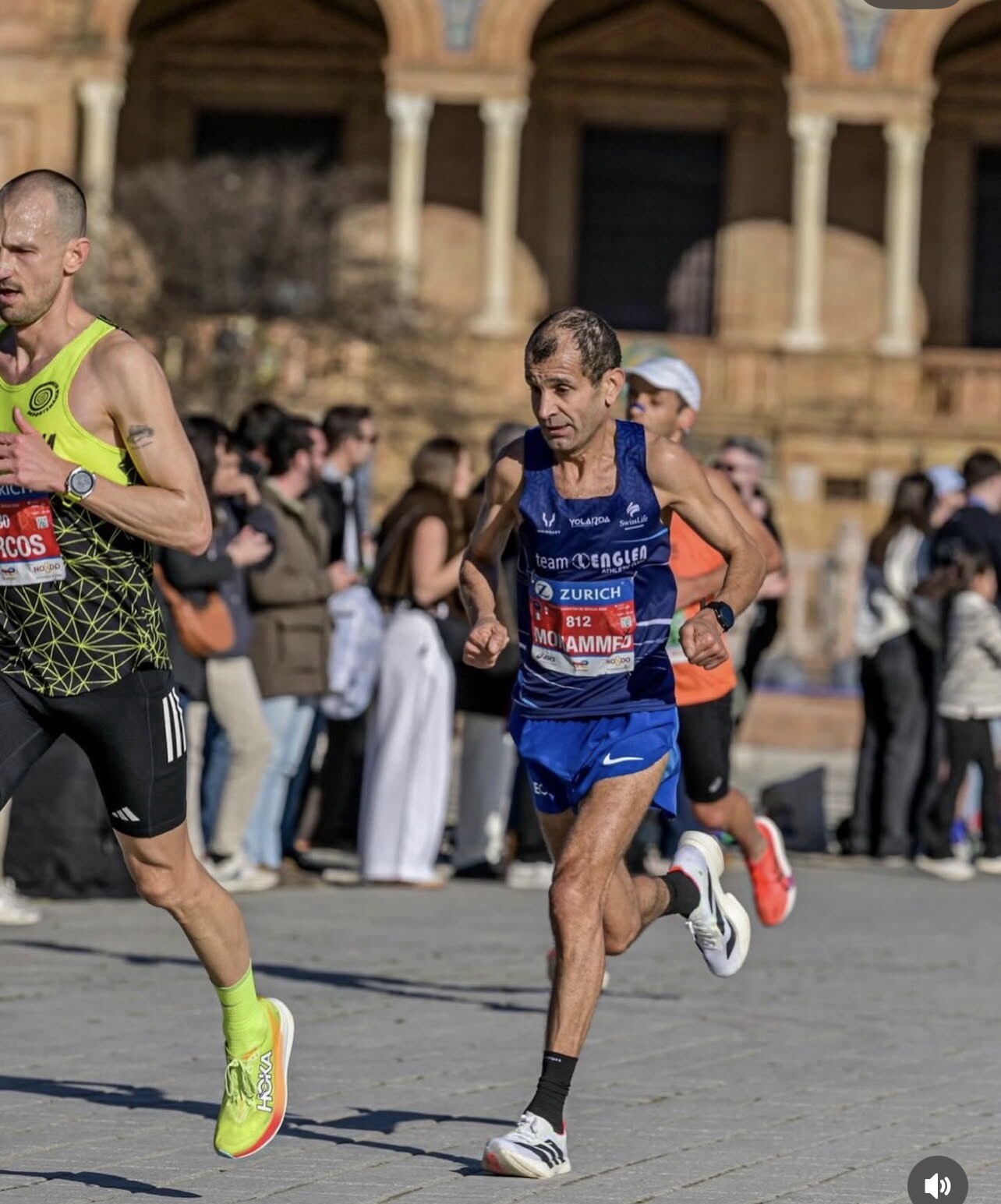
Defying Age and Injury Mohammed El Yamani Runs 2:28 to Break World Record at 61
At an age when most runners are simply hoping to stay active, France’s Mohammed El Yamani delivered one of the most remarkable performances in masters marathon history.
Competing on February 22, 2026, at the Zurich Sevilla Marathon in Seville, Spain, the 61-year-old clocked 2:28:28, shattering the men’s 60–64 age-group world record. The previous mark of 2:30:02 was set in 2020 by Irish Olympian Tommy Hughes.
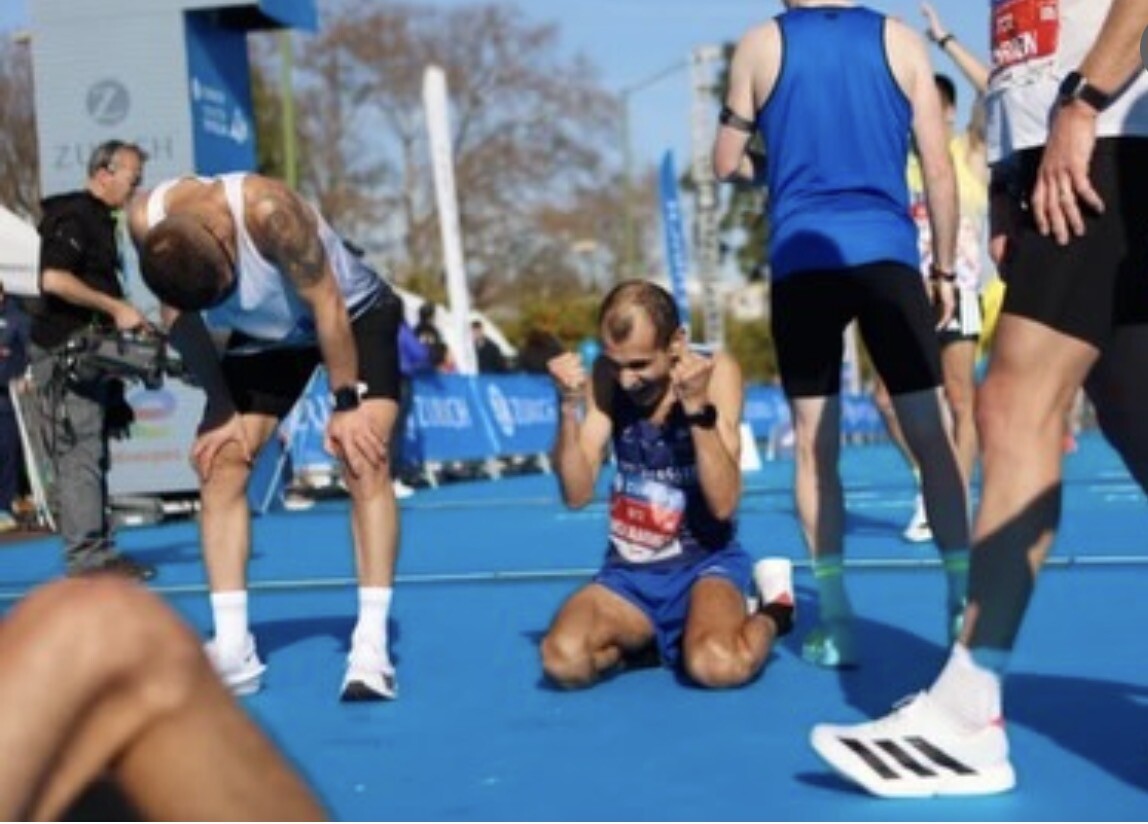
El Yamani’s run did not just slip under the old record—it took a full 1 minute and 34 secondsoff a time many believed would stand for years. In a field filled with elite international runners, he finished 145th overall, an extraordinary placement considering both his age and the circumstances leading into the race.
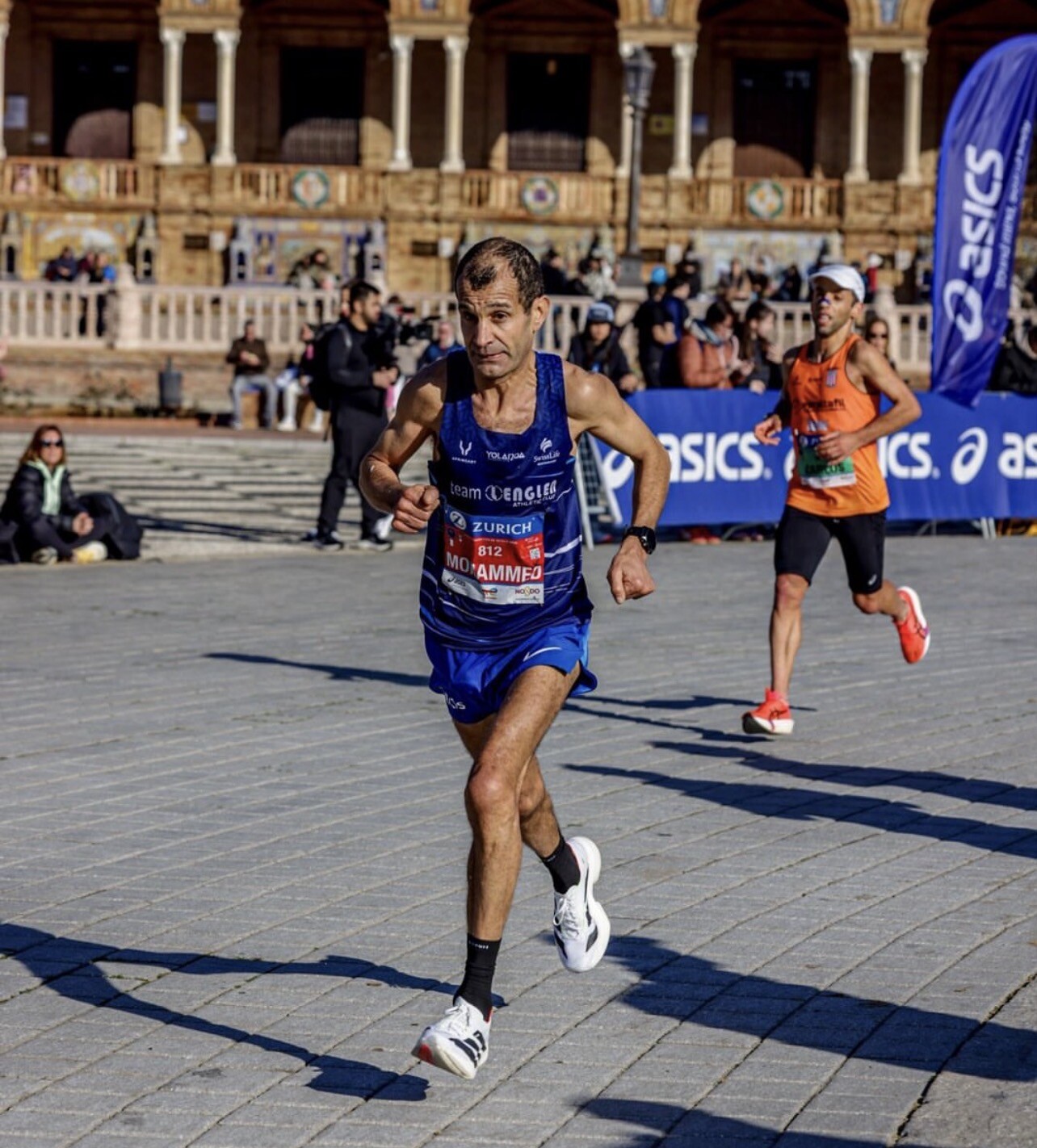
What makes the performance even more remarkable is the road he took to reach the starting line.
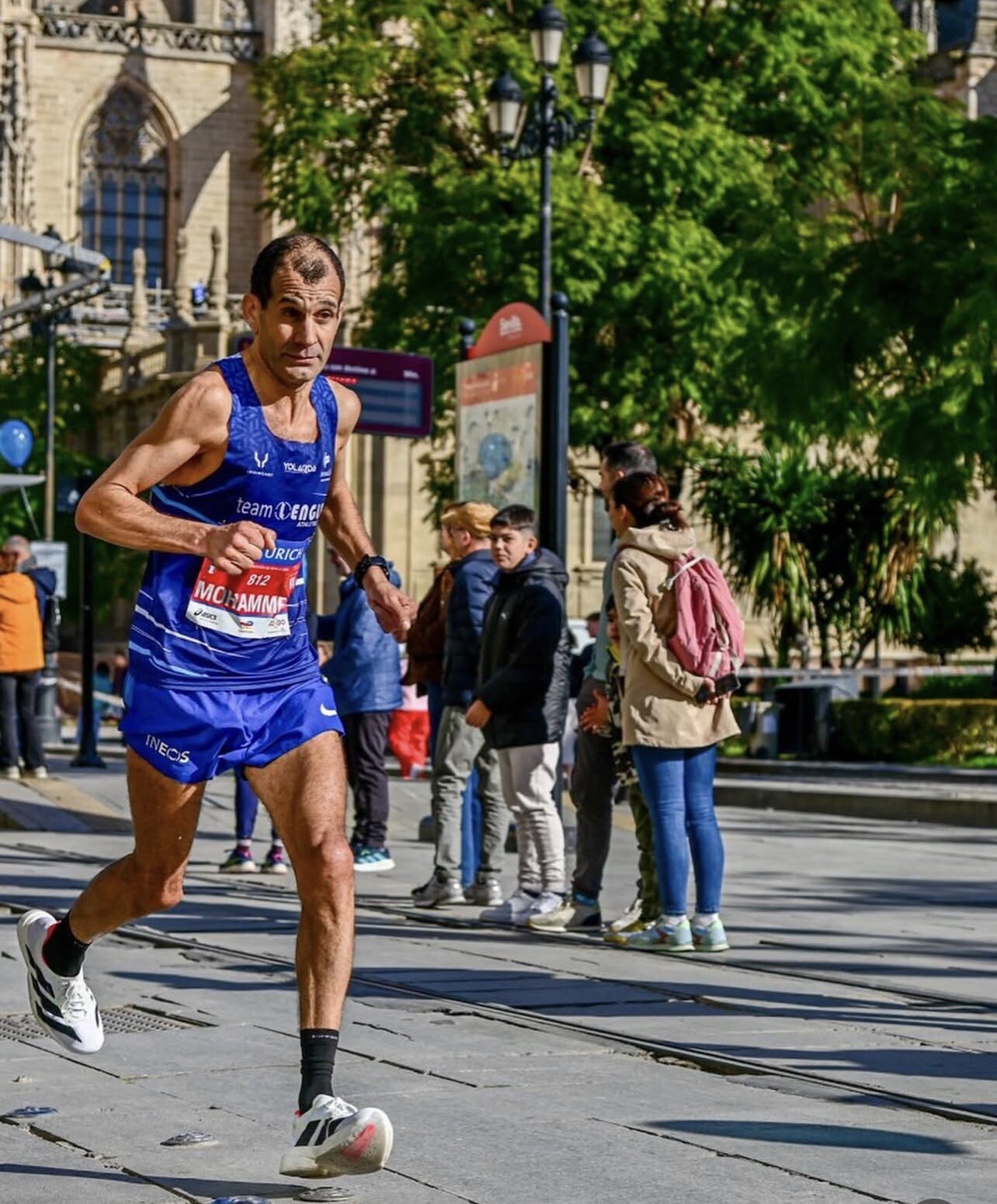
According to El Yamani, the race marked his first marathon in three years. During that time he battled a series of serious setbacks, including gluteal tendonitis, two vertebral fractures, and significant back problems that kept him away from running for nearly two full years.
Yet the dream never disappeared.
In a message he shared afterward, El Yamani reflected on the difficult journey back:
“Three years without a marathon, three years without a race number, two years without running due to injury. I doubted myself at times, I was depressed at times, but I never gave up on my dream. Some said I was old, others that I was finished, but I say I have the experience of years lived, the strength of my conviction in my dreams, and the drive and will to improve.”
Before the long injury break, El Yamani had run 2:31:21 at the 2023 Tokyo Marathon, showing strong form even then. But few could have predicted that his return would produce a world record.
The performance also highlights something the running community continues to witness: athletes are pushing the boundaries of what is possible at every age. Masters runners today are training smarter, recovering better, and in some cases producing times that would have been competitive in open races not long ago.
A 2:28 marathon at age 61 is not just impressive for a masters runner—it impressive for any runner.
And for Mohammed El Yamani, it stands as proof that persistence, patience, and belief can sometimes bring an athlete back even stronger than before.
by Barks Baron for My Best Runs
Login to leave a comment

Zurich Marathon Sevilla
This urban, flat, fast and beautiful brand new race course will drive athletes through the most beautiful monuments of the city. Zurich Maraton de Sevilla brings the unique opportunity to brake the Best personal result over the mythical distance to all the athletes, professional or age groupers, in one of the most perfect international marathon circuits. This fast marathon takes...
more...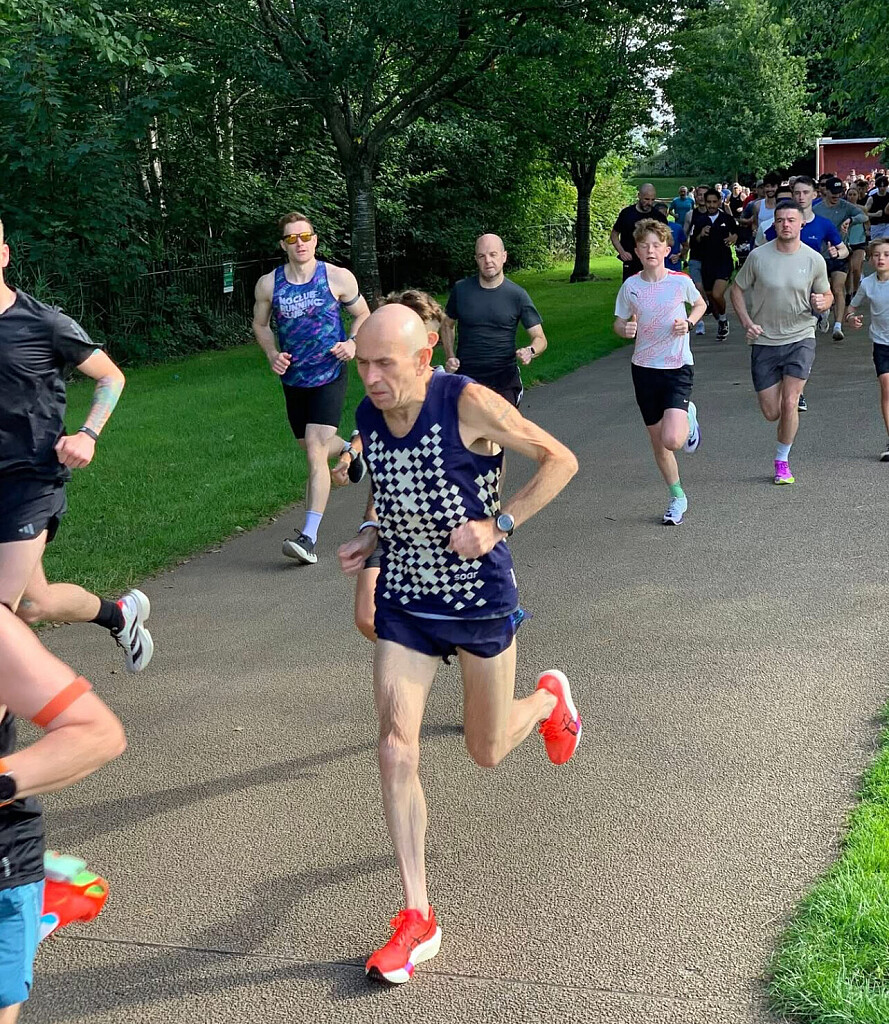
Tommy Hughes Matches Legendary Ed Whitlock’s 65+ 5K Mark in Belfast
On August 2, 2025, at the Victoria Belfast Parkrun, 65-year-old running sensation Tommy Hughes clocked a blistering 17:24 for 5K — tying the official world best for men aged 65–69.
The mark equals the time set by the late Canadian master runner Ed Whitlock, who ran 17:23 25 years ago at age 67. Whitlock’s record has long been one of the most revered in masters running, symbolizing an extraordinary blend of speed and longevity.
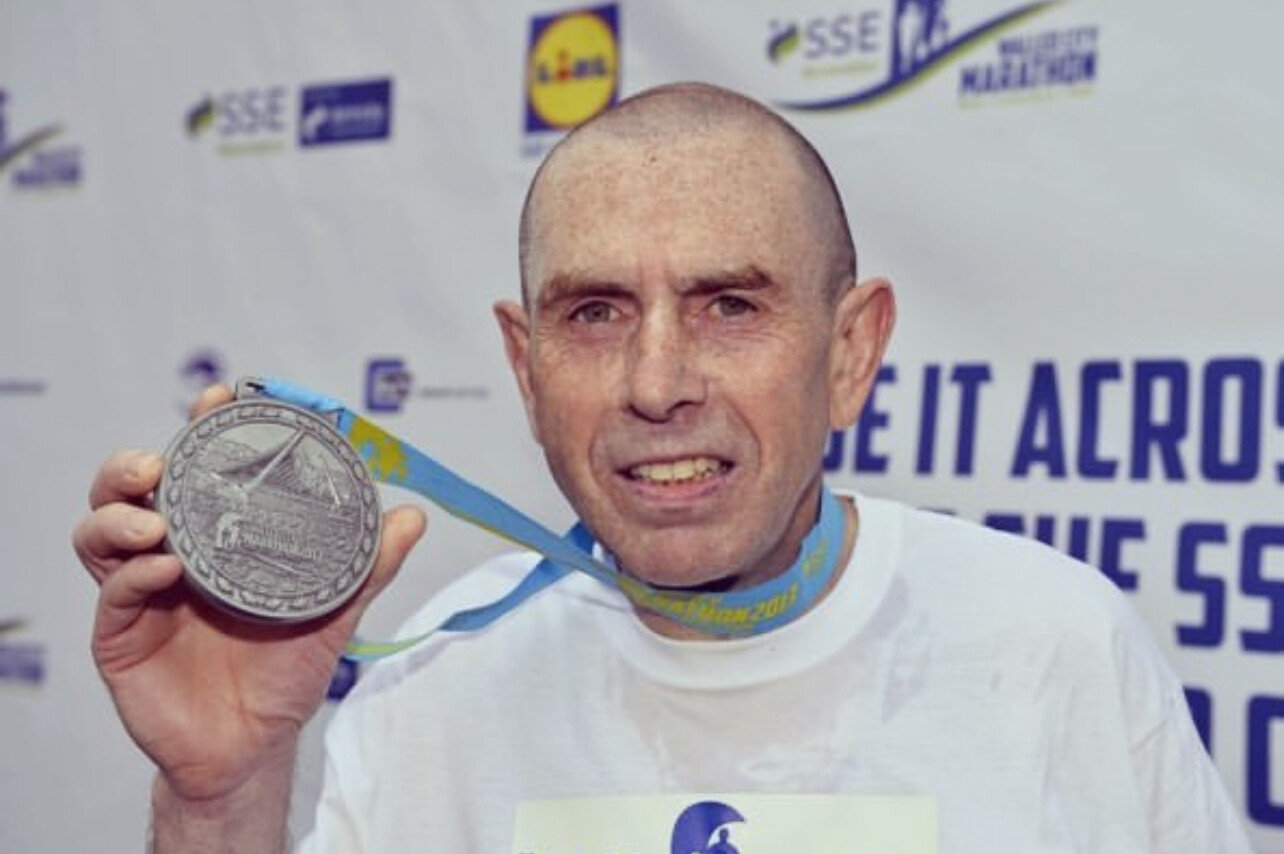
Hughes, known for his remarkable consistency and endurance across decades of racing, once again demonstrated that age is no barrier to elite-level performance. His run in Belfast was not only fast but also symbolic — a connection between two generations of masters running legends.
The Victoria Belfast Parkrun, part of the global Parkrun network, provided the perfect backdrop: a fast, flat course and a supportive running community. For Hughes, it was another milestone in a career that has spanned everything from marathons to track distances, and now includes a share of one of the most iconic age-group marks in distance running history.
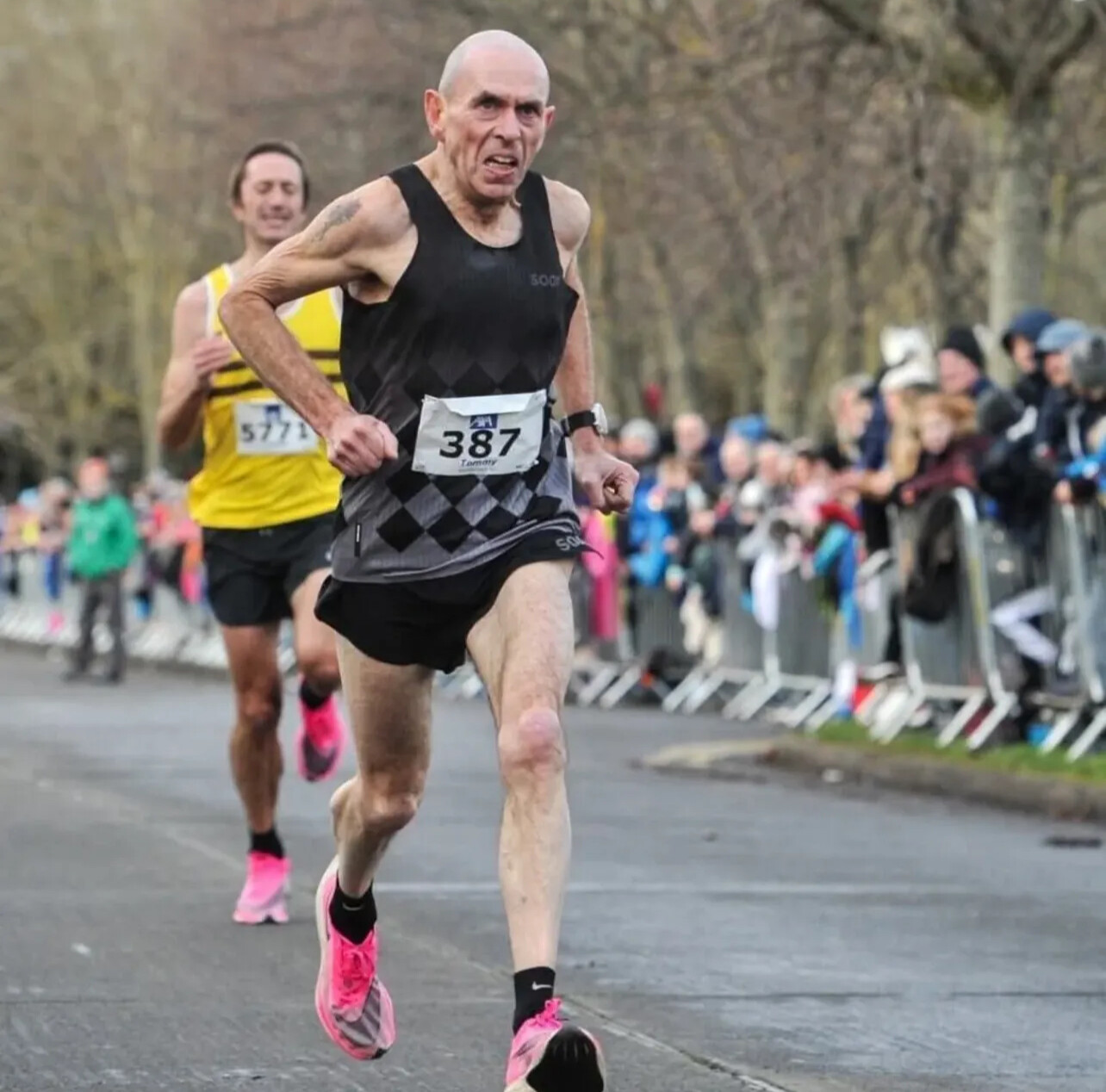
With Hughes still in top form, the question now is whether he can find that extra second to eclipse Whitlock’s long-standing time — and make the record fully his own.
by Boris Baron
Login to leave a comment
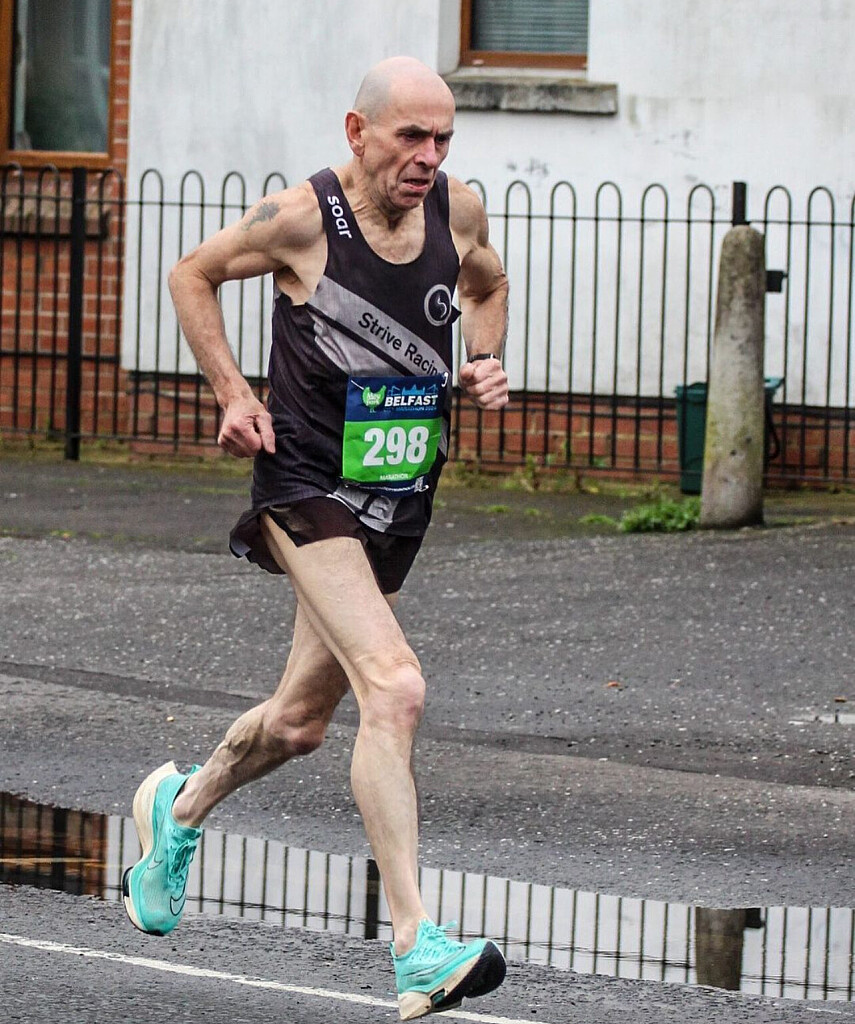
Tommy Hughes at 65 Still Breaking Records and Defying Expectations
Tommy Hughes is not just running into his golden years—he’s racing through them at world-record pace. Now 65 years old, the legendary Irish marathoner continues to show that age is just a number when matched with grit, discipline, and passion.
Born on January 8, 1960, Hughes has been rewriting the masters record books for the past several years. At age 60, he stunned the running world by clocking a 2:30:02 marathon, setting a new M60 world record—a blistering pace of 3:33 per kilometer. But he hasn’t stopped there.
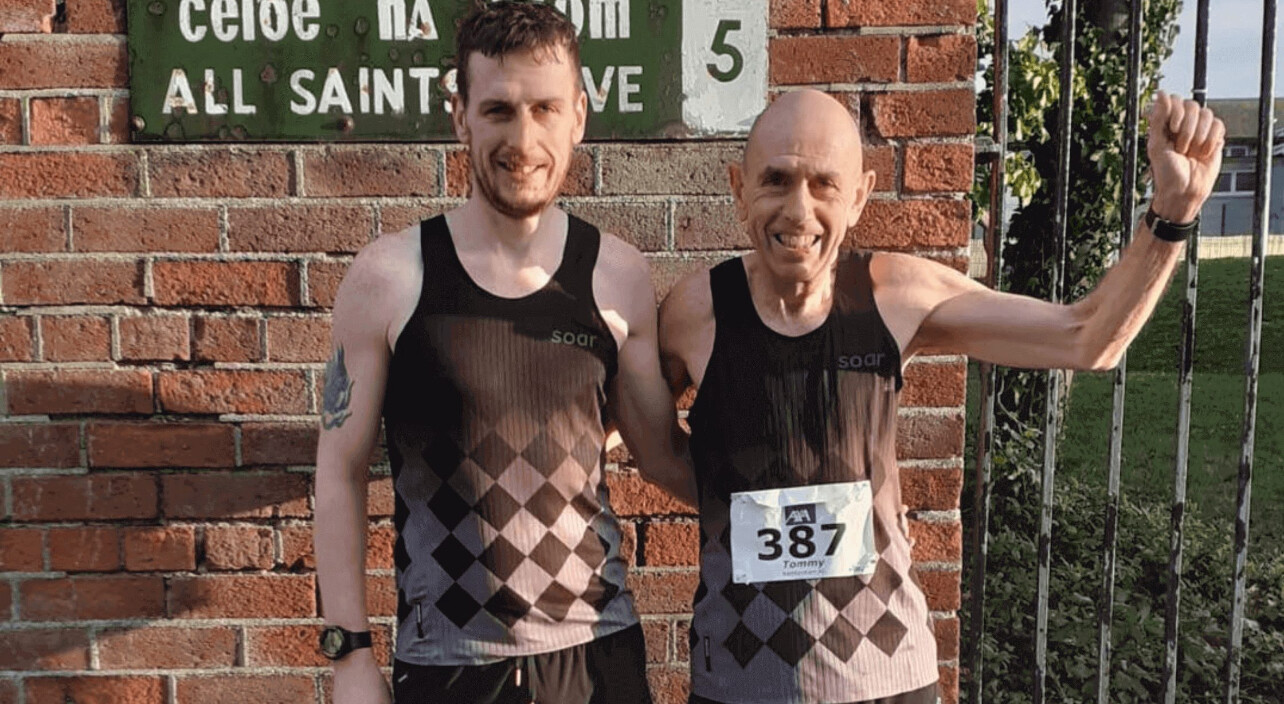
In May 2024, at 64 years old, Hughes ran the Belfast Marathon in 2:36:37, setting a new single-age world record for age 64. Despite battling a severe cold, he executed a well-paced race with a negative split, proving once again that his training and racing instincts are second to none.
Just two months later, in July 2024, Hughes added another major accomplishment to his resume by breaking the M60 10-mile world record, clocking 58:13 at the Portaferry 10-mile race—surpassing the legendary Ed Whitlock’s previous mark.
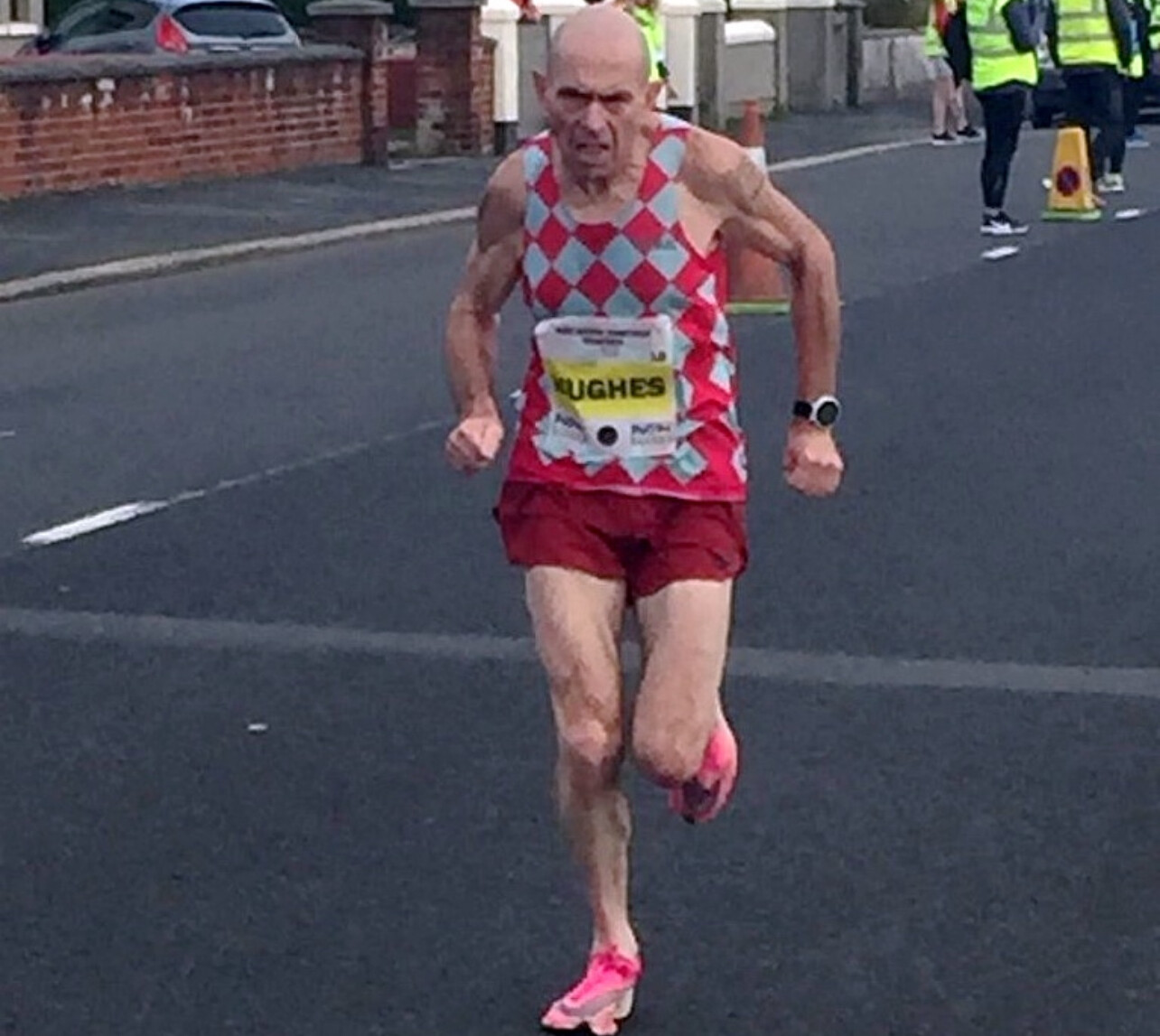
Now in the M65 age group, Hughes has his sights set on the marathon world record for this category: 2:41:57. Given his consistency and recent form, the running community is watching closely—few would be surprised if he takes that record down too.
Hughes’ achievements are all the more remarkable considering his personal journey. He began running at age 23, worked for decades as an electrician, and overcame serious challenges, including a battle with alcoholism. In 2018, he had surgery for a parathyroid tumor—a turning point that led him to embrace sobriety and double down on his running.
In addition to his individual accolades, Hughes shares a unique father-son accomplishment: in 2019, he and his son Eoin set the Guinness World Record for fastest combined father-son marathon time(Tommy in 2:27:52 and Eoin in 2:31:30 at the Frankfurt Marathon).
Today, Hughes helps with his daughter’s business and continues to train with the same determination he had decades ago. His story is one of persistence, reinvention, and inspiration—not just for master runners, but for athletes of all ages.
Tommy Hughes proves that you don’t age out of greatness—you just run into it.
by Boris Baron
Login to leave a comment
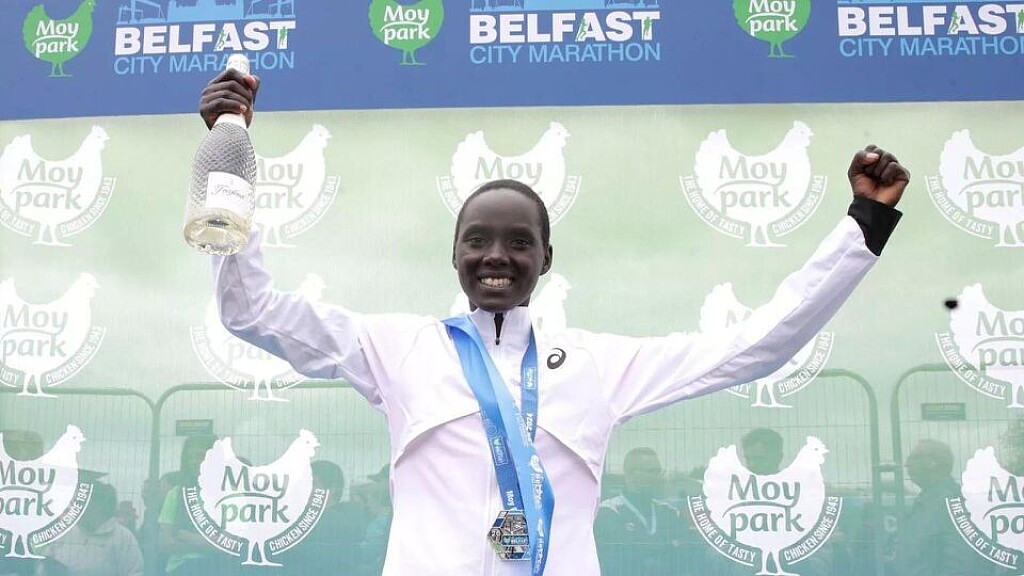
Kenyans dominate Belfast City Marathon with record-breaking performances
Kenyan athletes triumph at Belfast City Marathon setting new records and demonstrating their dominance in long-distance running.
Kenyan athletes reigned supreme at the Belfast City Marathon by smashing records and leaving their competitors in awe on Sunday.
Beatrice Jepkemei and Mathew Kiplimo emerged as the champions in the women's and men's races respective.
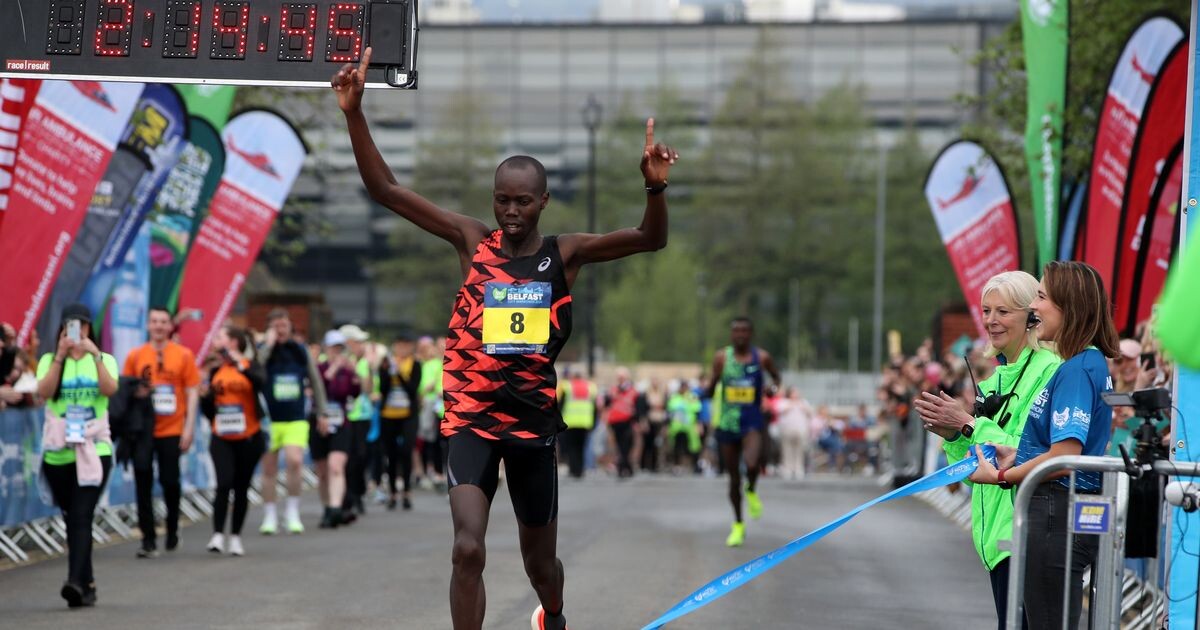
Jepkemei, 26, delivered a stunning performance breaking the women's race record with a remarkable time of two hours, 35 minutes, and three seconds.
Her outstanding achievement shaved off one minute and 47 seconds from the previous record set in 2012 by Ukrainian Nataliya Lehonkova.
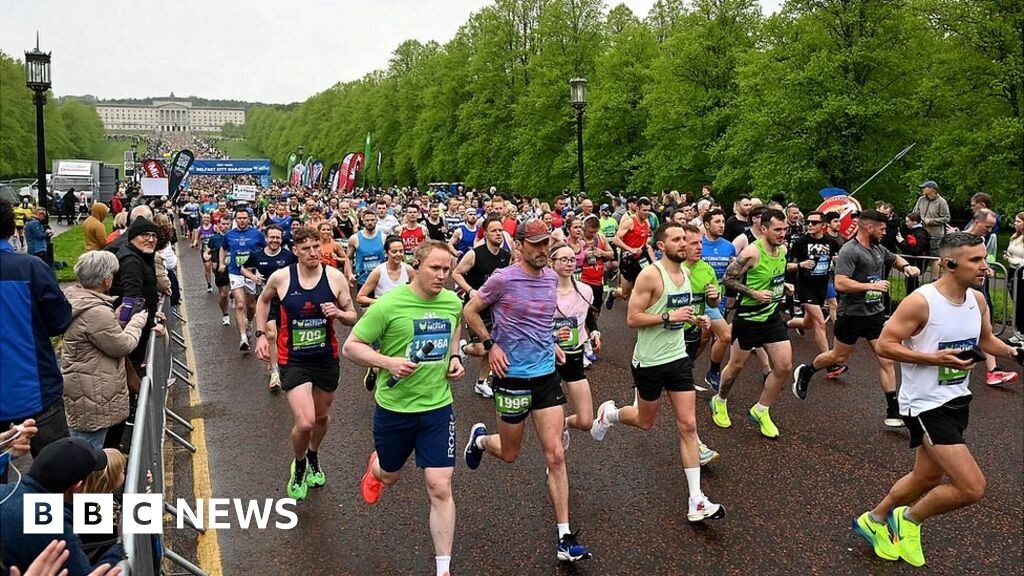
Despite facing a fierce challenge from Morocco's Lalla Aziza Alaoui Selsouli in the final stretch Jepkemei held her nerve to secure victory, finishing 17 seconds ahead of her rival.
In the men's race, debutant Mathew Kiplimo showcased his potential by claiming victory in a time of 2:14:44.
Kiplimo's triumph was all the more impressive as he overtook long-time leader Aweke Ayalew of Bahrain in the final mile, crossing the finish line a mere eight seconds ahead of Ayalew. Moses Kilmulwo of Kenya completed the men's podium, finishing in 2:15:10.
Last year's women's champion, Ethiopian Shewaye Woldemeskel, put in a commendable performance to secure third place with a time of 2:39:58, holding off a challenge from Glady Ganiel, the 2022 winner from North Belfast, who finished fourth.
The ideal running conditions set the stage for outstanding performances, with over 5,000 runners participating in the full marathon and an additional 12,000 taking part in the relay event.
Jepkemei and Woldemeskel dominated the women's race from the outset, with Jepkemei surging ahead after the 22 kilometers mark to secure her lead.
In the men's race, Kiplimo, Ayalew, and Kenyans Matthew Kemboi and Moses Kimulwo formed a leading quartet until the halfway mark.
Ayalew and Kimulwo then broke away, with Ayalew appearing poised for victory until Kiplimo unleashed a remarkable burst of speed in the final mile to claim the title.
Local athletes also made their mark on the event, with Annadale Striders' Eskander Turki finishing as the top Northern Ireland-based athlete in ninth place, clocking an impressive time of 2:22:22 in his marathon debut.
Additionally, 64-year-old Tommy Hughes delivered a standout performance finishing 25th overall with a time of 2:36:37.
Hughes who represented Ireland at the 1992 Olympics has set numerous world age-group records in recent years.
by Festus Chuma
Login to leave a comment

Belfast City Marathon
The event has grown with the inclusion of new sponsors which now include Deep River Rock, Belfast City Council, U105, ASICS, Daily Mirror, Translink, Athletics Northern Ireland, Linwoods, Belfast Live, Centra, White's Oats, Podium 4 Sport, U105 and Tayto. The route will remain the same - starting at the City Hall and finishing at Ormeau Park. The race starts at...
more...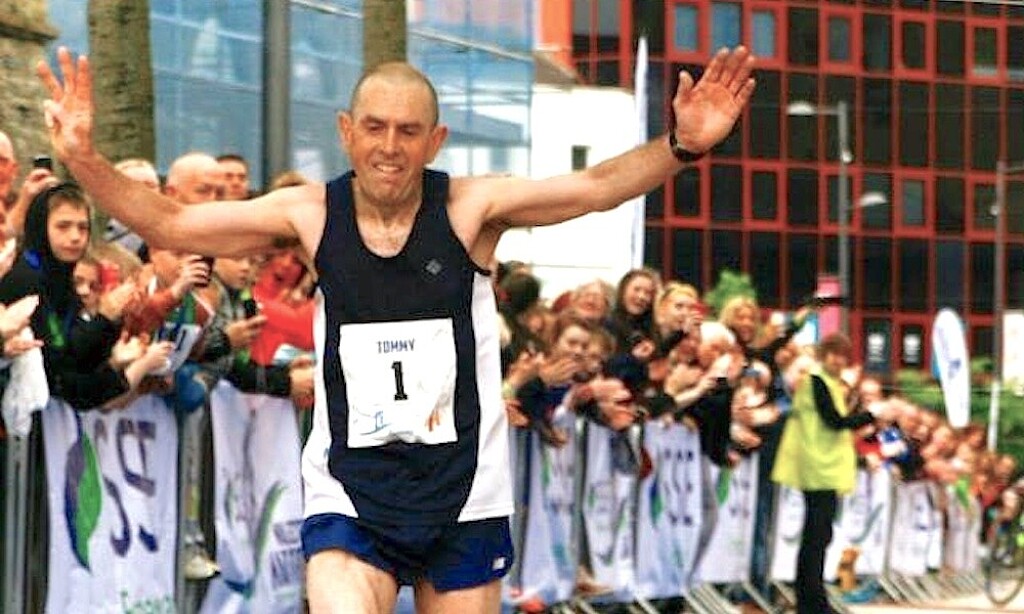
Most People Get Slower with Age. But Is That Inevitable? Age may be just a number—but so is your weekly mileage
Recently, while sifting through some of the excruciatingly detailed performance data he’d collected over decades as a Colorado-based triathlon coach, Alan Couzens noticed a pleasing symmetry. All else being equal, the amount of aerobic fitness his athletes lost by getting a year older was almost identical to the amount they gained by adding an hour per month of training time. Want to freeze the biological clock from one birthday to the next? Find a spare 15 minutes per week and fill it with running.
The long-haul practicality of this approach is debatable: after a decade, that additional training time would total 2.5 hours a week. But the underlying premise of what we might call the Couzens Immortality Quotient taps into a fertile area of debate. How much of the aging process is an inevitable slide into decrepitude, and how much is a result of not getting enough exercise?
That’s the question Johannes Burtscher of the University of Lausanne, along with colleagues in Switzerland and Austria, posed recently in the International Journal of Environmental Research and Public Health. By pooling the results of more than a dozen studies, the group reached an encouraging, quantifiable conclusion: only about half of the fitness losses suffered by endurance athletes as they get older are attributable to the passage of time. The other half can be chalked up to reduced training.
The standard gauge of aerobic fitness is VO2 max, which measures how quickly you’re able to breathe oxygen into your lungs, pump it through your arteries, and use it to help fuel muscle contraction. It’s expressed in milliliters of oxygen per kilogram of body weight per minute, and in young adults it typically hovers somewhere in the forties.
After age 25, it declines by about 10 percent each decade, dropping more quickly in your sixties and seventies. Among endurance athletes, the numbers aren’t so predictable. Some studies find losses of 5 percent per decade; others as much as 46 percent. What accounts for the difference? The extent to which you continue training as you get older. After all, the fitter you are, the more you stand to lose.
The effects of ceasing training entirely seem to be similar in athletes of all ages. Your VO2 max begins to plummet within a few days of stopping exercise, and you might lose as much as 20 percent after 12 weeks. These losses are explained mostly by changes in how much blood your heart can pump with each beat; the good news is that the trend can be reversed fairly quickly when training is resumed. Other age-related changes, such as stiffening arteries, occur more slowly and are harder to undo.
When Burtscher and his colleagues ran the numbers, they found that 54 percent of the variation in fitness loss by male endurance athletes was explained by differences in how much they trained. That number in women was 39 percent, but the scarcity of data for female subjects makes it impossible to tell whether there’s a real physiological difference between the sexes. Overall, the data fits with the observation that athletes who keep training at a fairly constant level over the years lose about 5 percent per decade—half as much as the typical nonathlete.
There are a couple of key questions raised by these findings. The first one: If you miss a year, or a decade, can you get back to where you were? Or is some of that fitness lost forever? There’s no research to suggest a solid answer, according to Grégoire Millet, one of Burtscher’s colleagues at the University of Lausanne. It probably depends to some degree on how much you trained prior to stopping, and for how long. The risk upon resuming would be that your bones and connective tissue are no longer prepared to handle a heavy load, making you more susceptible to injury.
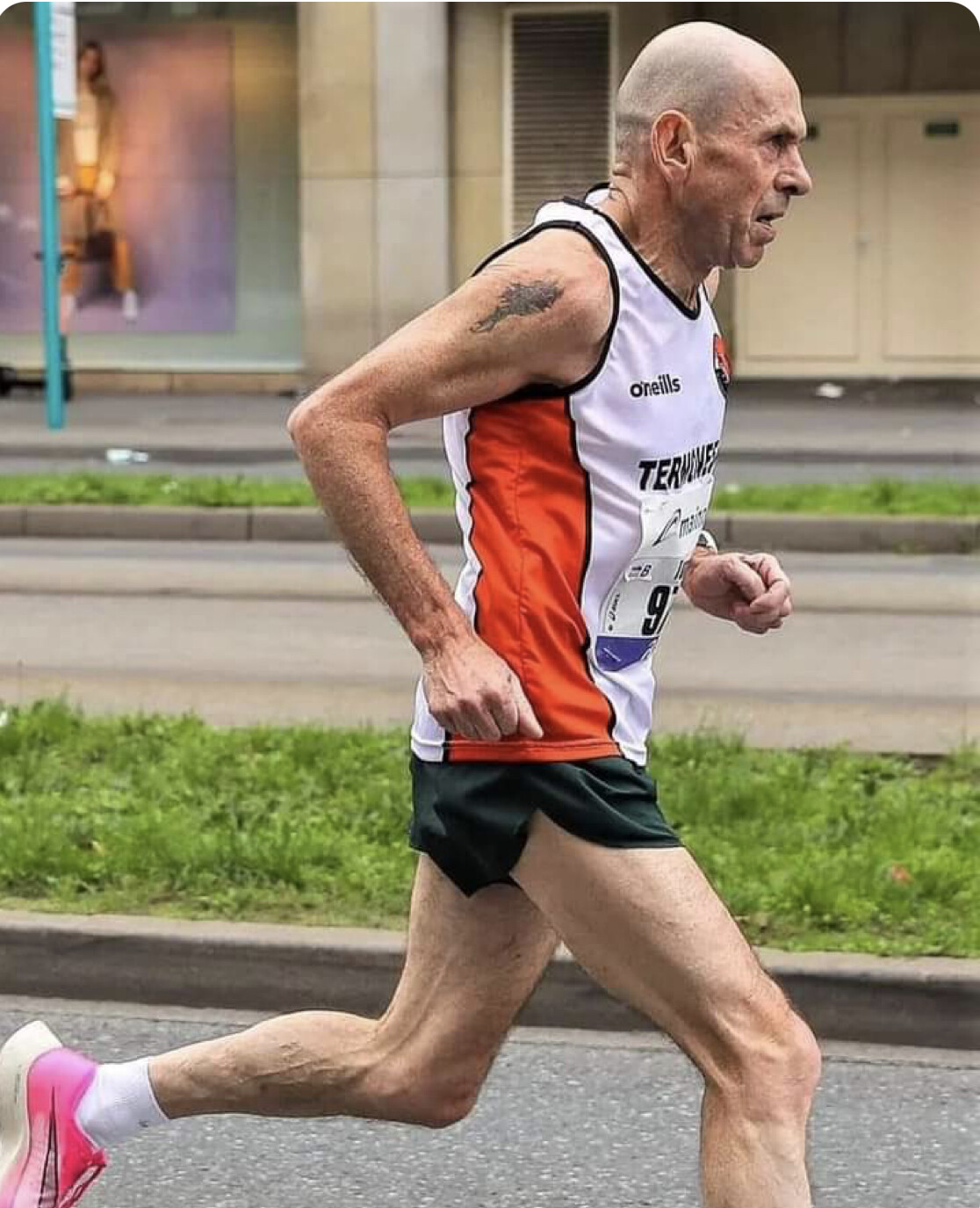
Still, there are some encouraging hints in the literature. In 2020, researchers published lab dataon Tommy Hughes (first photo) an Irish man who’d recently run an eye-popping 2:27 marathon at age 59. Hughes’s VO2 max was 65.4, more than twice what you’d expect from a largely sedentary man his age.

Not surprisingly, Hughes was a former elite marathoner; he competed at the Barcelona Olympics in 1992. But he’d taken a 16-year break from running, starting again at the age of 48. We can’t know for sure if that pause hurt him—if it did, it couldn’t have been by much, given that he currently holds the world marathon record for the 60-to-64 age group, at 2:30:02.
The other question is how to maintain your training level as the years pass. We all have good intentions, but real life rarely resembles the smooth aging curve that results from graphing the average data from large groups of people. Instead, there are plateaus and gentle declines punctuated by steep drops—you break a leg, your first kid is born, you become addicted to social media, and so on. Avoiding periods of rapid decline goes a long way toward slowing the overall slide.
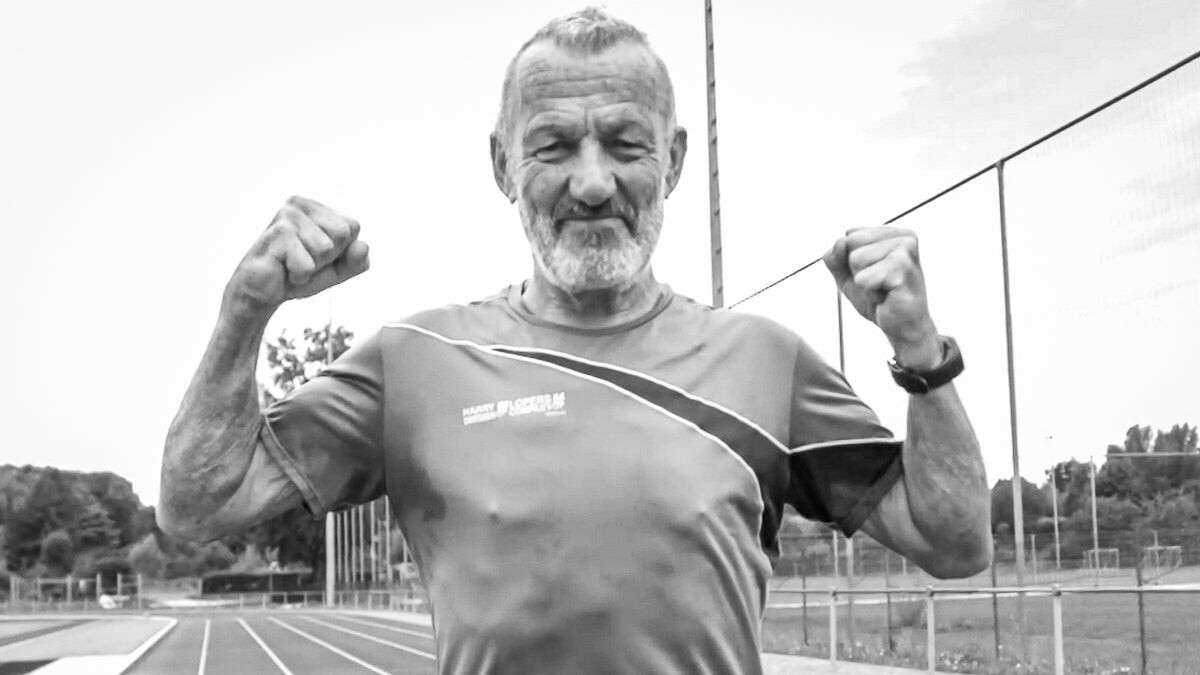
Another superstar case study, this one published in 2022 by a team led by Bas Van Hooren of Maastricht University in the Netherlands, illustrates the benefits of consistency. A 75-year-old middle-distance runner named Hans Smeets (second photo), who holds multiple European and world age-group records, had clocked a VO2 max of 50.5, equal to the highest known measurement for his age. Smeets only began running at 50, further evidence that it’s never too late to start (or start again). And once he’d begun, he kept going. Over the next 25 years, he never missed more than a week of training. Initially, he ran more than 85 miles per week, and at 75 he was still logging as many as 50. He attributed his ability to handle all that mileage without injury to doing most of his runs at, in his words, “an easy pace.”
That, as it turns out, aligns perfectly with Couzens’s view about what’s required for long-term athletic success: lots of low-intensity exercise. To be sure, the idea of adding an hour of training per month every year to ward off the effects of aging sounds suspiciously like an endurance version of the legend of Milo of Croton, the ancient Olympian wrestler said to have lifted a calf over his head every day until it was a full-grown bull. In both cases, each step in the process seems simple, but the result is nonetheless… improbable, let’s call it.
Yet, as an aspiration, or simply as a formulation of what’s possible, the Couzens Immortality Quotient tells us the same thing as the examples of Tommy Hughes and Hans Smeets, and as Johannes Burtscher’s meta-analysis. You don’t train less because you’re getting old; you get old, to a surprising extent, because skipping that long Sunday run with your pals becomes a habit instead of a rare exception. Don’t do it.
by Alex Hutchinson (Outside Online)
Login to leave a comment
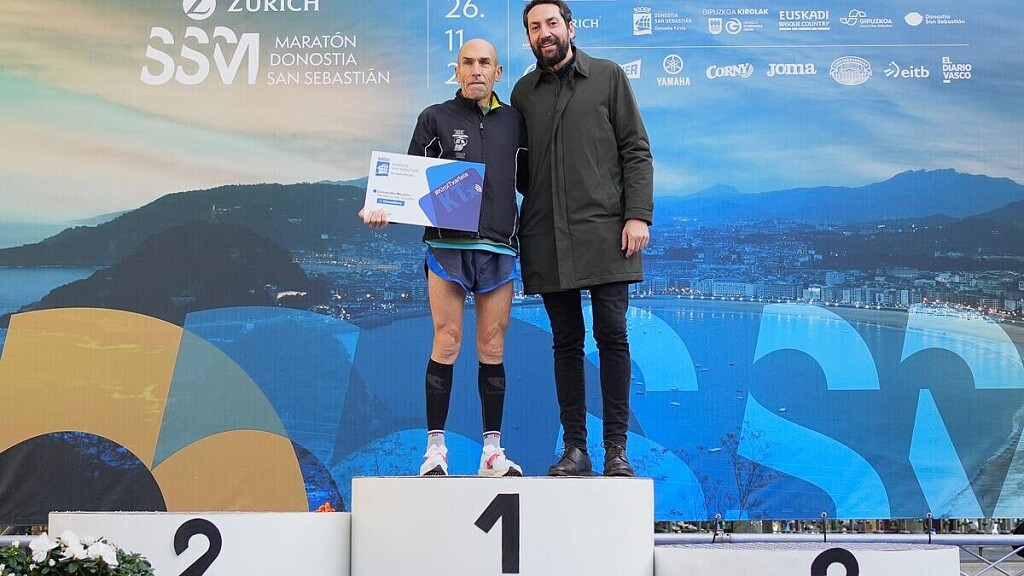
60-year-old runner sets Spanish masters record with 2:34 marathon
Last weekend, Spanish masters runner Jon Arzubialde, threw down a record-setting performance at his hometown Zurich San Sebastián Marathon, in San Sebastián, Spain. At a spry 60, Arzubialde not only finished inside the top 25 but shattered the Spanish M60+ masters marathon record, crossing the finish line in a jaw-dropping two hours, 34 minutes and six seconds.
Zooming through the 42.2K course, Arzubialde recorded an average pace of three minutes and 39 seconds per kilometer, leaving his M60+ competition in the dust by 18 minutes.
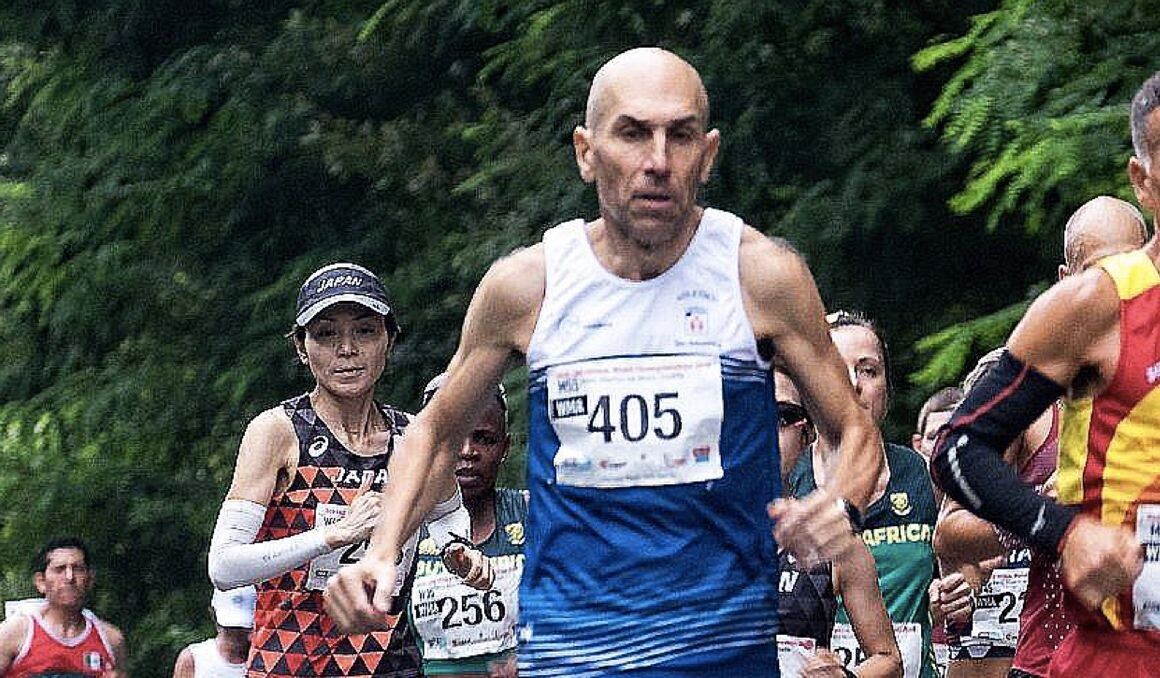
He breezed through the 10K mark at 36:28 and hit the half marathon point in a swift 1:16:46. In a field of 3,000, he was 23rd overall, falling short only to women’s champion Kenya’s Emmah Cheruto Ndiwa, who finished just ahead of Arzubialde in two hours and 31 minutes.
Breaking records is nothing new for Arzubialde. The masters runner holds multiple records in the M55+ category for both the 3,000m (9:20.60) and the 100K (7:34:29) distance, proving he’s a force to be reckoned with across various distances. Arzubialde told local reporters that he has come a long way since he first ran a four-hour marathon at this race when he was 16. His training regimen consists of runs six days a week, averaging around 70 kilometers.
Sunday’s marathon wasn’t just a notch on Arzubialde’s belt; he was just a few minutes shy of the M60+ masters world record of 2:30:02, set by Irish Olympian Tommy Hughes in 2020.
Hughes broke the previous record held by Japan’s Yoshinisa Hosaka of 2:36:30. Since setting the record, he has run sub-2:32 on three separate occasions. And get this—he almost one-upped himself at 62, finishing just three seconds off his mark at the 2022 Manchester Marathon in 2:30:05.
Arzubialde is only the second 60-year-old in history to run a marathon in under 2:35.
by Marley Dickinson
Login to leave a comment

Zurich San Sebastian Marathon
More than 6,500 runners have raced in previous editions in the centre of San Sebastian on an urban route at sea level. Take part in this prestigious race and enjoy the beauty, cuisine and culture of one of the world’s most beautiful cities. In 2016, 64% of participants improved their PB....
more...
Most People Get Slower with Age. But Is That Inevitable?
Recently, while sifting through some of the excruciatingly detailed performance data he'd collected over decades as a Colorado-based triathlon coach, Alan Couzens noticed a pleasing symmetry. All else being equal, the amount of aerobic fitness his athletes lost by getting a year older was almost identical to the amount they gained by adding an hour per month of training time. Want to freeze the biological clock from one birthday to the next? Find a spare 15 minutes per week and fill it with running.
The long-haul practicality of this approach is debatable: after a decade, that additional training time would total 2.5 hours a week. But the underlying premise of what we might call the Couzens Immortality Quotient taps into a fertile area of debate. How much of the aging process is an inevitable slide into decrepitude, and how much is a result of not getting enough exercise?

That's the question Johannes Burtscher of the University of Lausanne, along with colleagues in Switzerland and Austria, posed recently in the International Journal of Environmental Research and Public Health. By pooling the results of more than a dozen studies, the group reached an encouraging, quantifiable conclusion: only about half of the fitness losses suffered by endurance athletes as they get older are attributable to the passage of time. The other half can be chalked up to reduced training.
The standard gauge of aerobic fitness is VO2 max, which measures how quickly you're able to breathe oxygen into your lungs, pump it through your arteries, and use it to help fuel muscle contraction. It's expressed in milliliters of oxygen per kilogram of body weight per minute, and in young adults it typically hovers somewhere in the forties. After age 25, it declines by about 10 percent each decade, dropping more quickly in your sixties and seventies. Among endurance athletes, the numbers aren't so predictable. Some studies find losses of 5 percent per decade; others as much as 46 percent. What accounts for the difference? The extent to which you continue training as you get older. After all, the fitter you are, the more you stand to lose.
The effects of ceasing training entirely seem to be similar in athletes of all ages. Your VO2 max begins to plummet within a few days of stopping exercise, and you might lose as much as 20 percent after 12 weeks. These losses are explained mostly by changes in how much blood your heart can pump with each beat; the good news is that the trend can be reversed fairly quickly when training is resumed. Other age-related changes, such as stiffening arteries, occur more slowly and are harder to undo.
How much of aging is an inevitable slide into decrepitude, and how much is a result of not getting enough exercise?
When Burtscher and his colleagues ran the numbers, they found that 54 percent of the variation in fitness loss by male endurance athletes was explained by differences in how much they trained. That number in women was 39 percent, but the scarcity of data for female subjects makes it impossible to tell whether there's a real physiological difference between the sexes. Overall, the data fits with the observation that athletes who keep training at a fairly constant level over the years lose about 5 percent per decade-half as much as the typical nonathlete.
There are a couple of key questions raised by these findings. The first one: If you miss a year, or a decade, can you get back to where you were? Or is some of that fitness lost forever? There's no research to suggest a solid answer, according to Gregoire Millet, one of Burtscher's colleagues at the University of Lausanne. It probably depends to some degree on how much you trained prior to stopping, and for how long. The risk upon resuming would be that your bones and connective tissue are no longer prepared to handle a heavy load, making you more susceptible to injury.
Still, there are some encouraging hints in the literature. In 2020, researchers published lab data on Tommy Hughes, an Irish man who'd recently run an eye-popping 2:27 marathon at age 59. Hughes's VO2 max was 65.4, more than twice what you'd expect from a largely sedentary man his age. Not surprisingly, Hughes was a former elite marathoner; he competed at the Barcelona Olympics in 1992. But he'd taken a 16-year break from running, starting again at the age of 48. We can't know for sure if that pause hurt him-if it did, it couldn't have been by much, given that he currently holds the world marathon record for the 60-to-64 age group, at 2:30:02.
The other question is how to maintain your training level as the years pass. We all have good intentions, but real life rarely resembles the smooth aging curve that results from graphing the average data from large groups of people. Instead, there are plateaus and gentle declines punctuated by steep drops-you break a leg, your first kid is born, you become addicted to social media, and so on. Avoiding periods of rapid decline goes a long way toward slowing the overall slide.
Another superstar case study, this one published in 2022 by a team led by Bas Van Hooren of Maastricht University in the Netherlands, illustrates the benefits of consistency. A 75-year-old middle-distance runner named Hans Smeets, who holds multiple European and world age-group records, had clocked a VO2 max of 50.5, equal to the highest known measurement for his age. Smeets only began running at 50, further evidence that it's never too late to start (or start again). And once he'd begun, he kept going. Over the next 25 years, he never missed more than a week of training. Initially, he ran more than 85 miles per week, and at 75 he was still logging as many as 50. He attributed his ability to handle all that mileage without injury to doing most of his runs at, in his words, "an easy pace."
That, as it turns out, aligns perfectly with Couzens's view about what's required for long-term athletic success: lots of low-intensity exercise. To be sure, the idea of adding an hour of training per month every year to ward off the effects of aging sounds suspiciously like an endurance version of the legend of Milo of Croton, the ancient Olympian wrestler said to have lifted a calf over his head every day until it was a full-grown bull. In both cases, each step in the process seems simple, but the result is nonetheless improbable, let's call it.
Yet, as an aspiration, or simply as a formulation of what's possible, the Couzens Immortality Quotient tells us the same thing as the examples of Tommy Hughes and Hans Smeets, and as Johannes Burtscher's meta-analysis. You don't train less because you're getting old; you get old, to a surprising extent, because skipping that long Sunday run with your pals becomes a habit instead of a rare exception. Don't do it.
Login to leave a comment
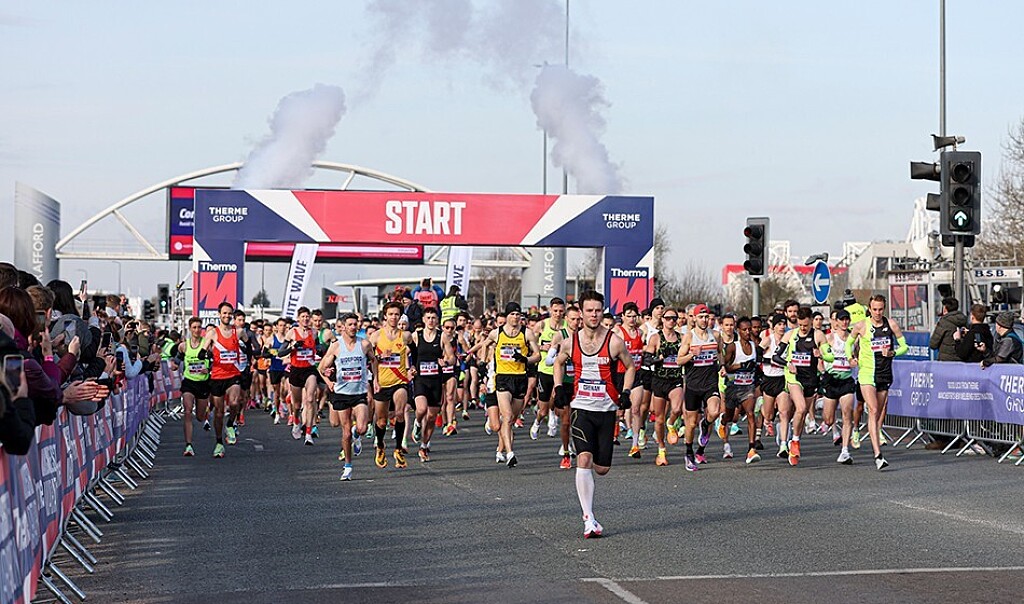
Becky Briggs and Jonny Mellor take Manchester Marathon victories
Becky Briggs enjoyed a huge breakthrough as she took five minutes off her PB with 2:29:04, while Jonny Mellor was close to his lifetime best with a commanding men’s win in 2:10:46 at the Therme Manchester Marathon on Sunday April 3.
In ideal conditions for marathon running, Briggs and Mellor both smashed the England qualifying standard for the Commonwealth Games of 2:14:00 plus the European Championships mark of 2:14:30 on a day of brilliant racing.
A total of 20 Brits broke the 2:20 barrier with Mellor’s training partner Ross Millington clocking 2:11:38 in his debut marathon in second place, as Kevin Seaward of Northern Ireland was third in 2:11:54.
Behind Briggs, Naomi Mitchell was runner-up in a PB of 2:30:54 while Georgina Schwiening was third in 2:31:37 and Sonia Samuels, 42, fourth in 2:32:32.
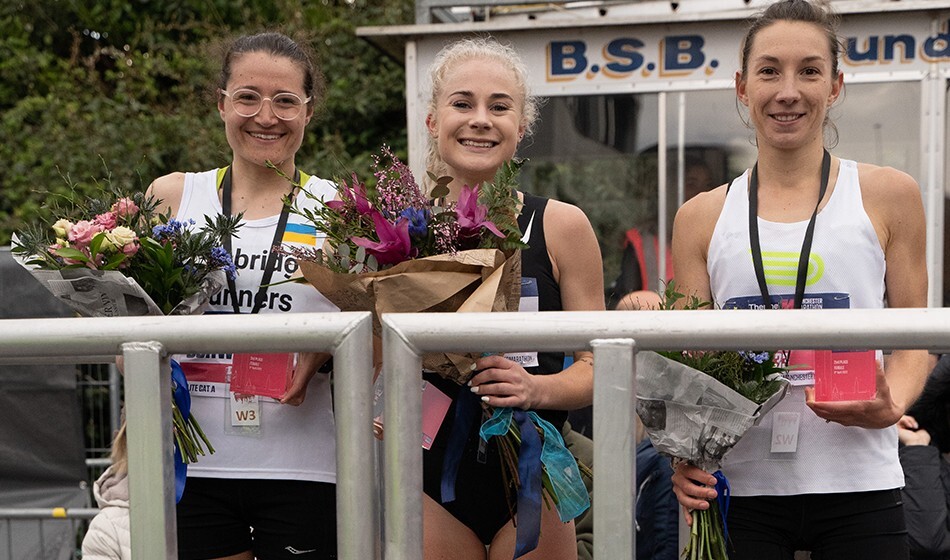
All of them were well inside the 2:34:00 women’s qualifying standard for the Commonwealth Games. Although in addition to places in the England team for Birmingham in July and GB team for Munich in August, the race was also a trial for the GB team for the IAU 50km European Championships in Avila, Spain, in October.
In a race packed with top-class performances, the super-vet Tommy Hughes (second photo) clocked a phenomenal 2:30:05 aged 62, although it is not quite as quick as his M60 record of 2:30:02 set two years ago.
Defending champion Matt Crehan enjoyed an early lead in the race but he was caught before halfway – which the leaders reached in 66:05 – and Mellor, who had been helped by pacemakers such as Ben Connor, Omar Ahmed and Charlie Hulson, made a strong move just after 20 miles to break away from his rivals.
Mellor and Millington are both members of Team New Balance Manchester and are coached by Steve Vernon. Millington ran for Britain over 10,000m at the Rio Olympics but Mellor has endured bad luck with major championships qualification, being overlooked by England in the run-up to the 2018 Commonwealth Games and then being forced to miss last year’s Olympic marathon trial due to a freak leg injury caused, he thinks, by compression socks during his sleep.
Briggs only turned 22 last month but looks ideally suited to the marathon. Just three years ago she was the third British athlete in the under-20 race at the World Cross Country Championships in Aarhus but ran 2:38:58 on her marathon debut in the Olympic trial last year and then 2:34:34 in London last October.
Here she went through halfway in 74:16, then overhauled long-time leader Mitchell with about 10km to go and finished strongly to smash the 2:30 barrier and to go No.20 on the UK all-time rankings.
Tom Craggs, England Athletics road running manager, added: “We are delighted to see such tight competition today, with the athletes pushing themselves to place within the top three in order to join Team England this year for the Commonwealth Games 2022.
“This year is an incredibly exciting year for home nations athletes with three major championships taking place, and we were delighted to have worked with the team at Therme Manchester Marathon to support athletes to have the best possible experience at the England Commonwealth Games and British Athletics European Championship trials.”
With a rich history dating back to 1908, the Therme Manchester Marathon is increasingly popular due to its fast, flat course, welcoming Mancunian atmosphere – and Sunday saw 24,000 runners taking part.
Next year’s event is on April 16, 2023.
by Athletics Weekly
Login to leave a comment

Manchester Marathon
We pride ourselves on welcoming all to take on our 26.2 mile challenge, from some of the world's greatest elite runners, to those who thought completing a marathon would never be possible. Many regular runners find this the ideal event to get a personal best time, whilst everybody finds the incredible Mancunian support throughout the course unforgettable. ...
more...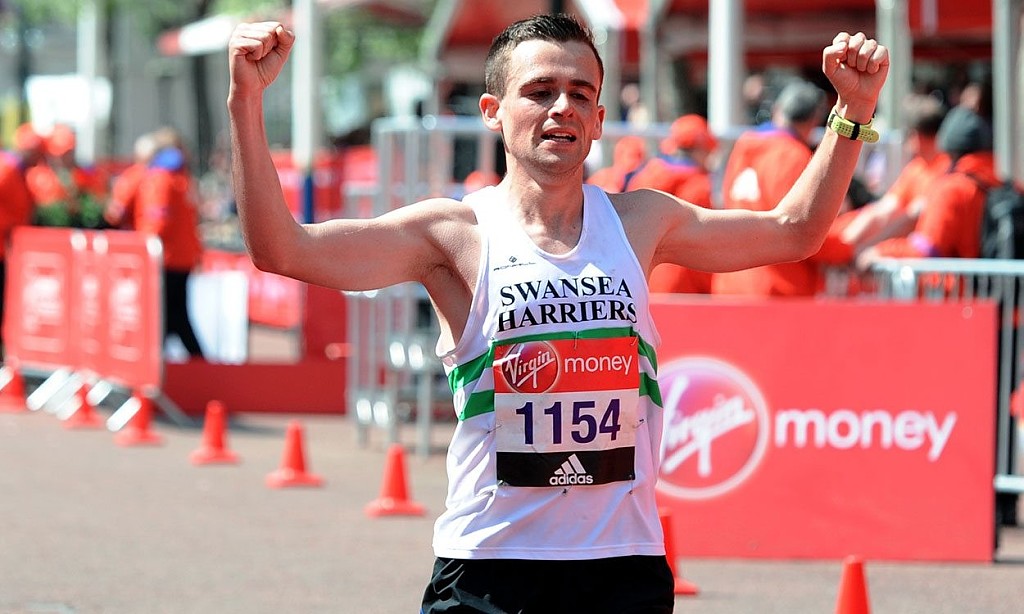
Welsh athlete Josh Griffiths Aiming For Extraordinary World Record At London Marathon
Josh Griffiths has a number of targets at this Sunday’s Virgin Money London Marathon . . . including a world record attempt!
But the Swansea Harrier won’t be going for Eliud Kipchoge’s remarkable 2:01.39 world best for the 26.2 mile distance.
Griffiths, who will be eyeing a top British placing in the elite race, is also targeting the Guinness world record for the fastest marathon run by a father and son.
The Carmarthenshire athlete and his dad – Nick Griffiths – are hoping to challenge the record set by Tommy Hughes, who ran at the 1992 Olympics, and his son Eoin.
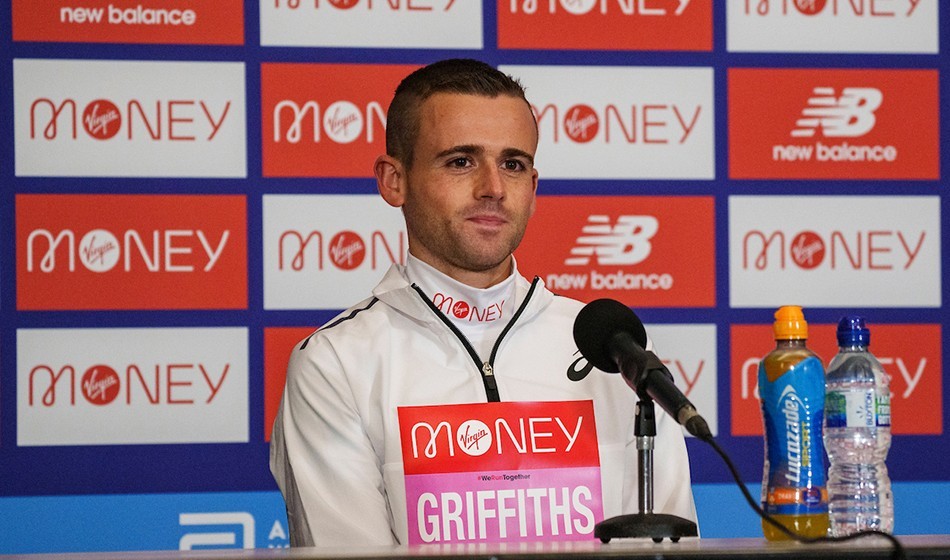
At the Frankfurt Marathon in 2019, the Irish pair ran an aggregate time of 4:59:22, which will be under serious threat on Sunday if the Griffiths boys are on top form.
Griffiths Junior’s personal best is 2:13:11 from the 2020 London Marathon where he finished third Briton home.
Griffiths Senior, meanwhile, only began running in his 40s after previously being a rugby player with the likes of Amman United and Aberavon, but clocked a PB of 2:47:17 at the age of 52 at the Cheshire Elite Marathon in April this year.
“I think if we both run a personal best or if one of us runs a PB and the other gets really close then there’s a possibility it could happen,” says Josh, who also trains his dad.
“He’s running really well for a 52-year-old. If there’s a chance we can do it, it will be pretty awesome.
“But I think if we both just focus on our own races and running well, then we’ll have half a chance,” says Josh, whose mother has also run internationally for Wales.
As much as Griffiths would love to enter the record books with his father, his main focus on Sunday will be his own performance in the men’s elite race.
The Swansea Harrier hit the headlines back in 2017 London Marathon when he emerged from the ranks of the club runners to finish as the first British athlete home.
That performance earned him a place in the Great Britain team at the World Athletics Championships in London later that year.
This time around the Carmarthenshire runner will need to improve his PB by almost two minutes to make the GB team at next year’s World Championships in Eugene, Oregon.
But the worlds aren’t the only show in town next summer, which will also see the European Athletics Championships in Germany and the Birmingham Commonwealth Games being staged in quick succession.
Griffiths already has the qualifying standard for the Commonwealth Games but also has ambitions of possibly wearing the Great Britain vest in Germany or the United States.
With next summer’s championships coming in such a quick succession, those who are eligible for all three will have to make a tough choice over which one to compete in.
Griffiths just hopes there may be a choice to make.
“Next year is a dream year for marathon runners, there’s three championships to aim for,” he said.
by Owen Morgan
Login to leave a comment

TCS London Marathon
Since its inaugural edition on March 29, 1981, the TCS London Marathon has grown into one of the world's most prestigious road races, blending elite competition with an extraordinary charitable legacy. Founded by former Olympic champion and journalist Chris Brasher alongside Welsh athlete John Disley, the event has been staged every year and has been held in the spring annually...
more...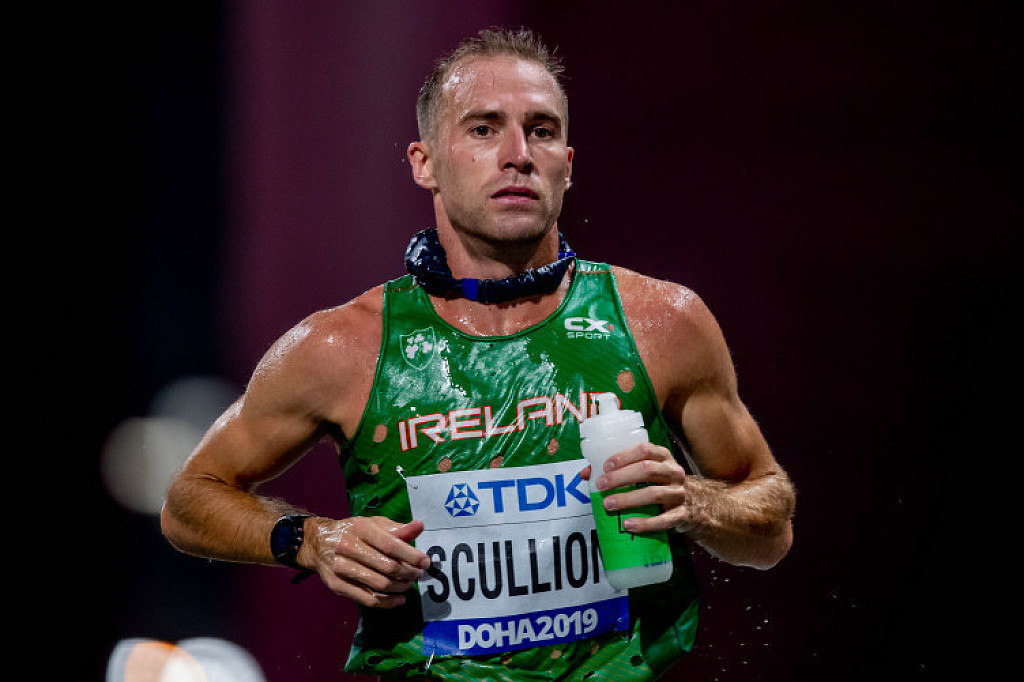
Stephen Scullion and Paul Pollock ready for big guns in Antrim Coast Half Marathon
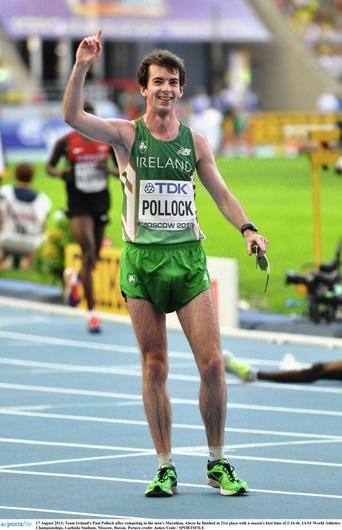
Tokyo Olympians Stephen Scullion and Paul Pollock will spearhead the local challenge against a star-studded international field in the Antrim Coast Half Marathon on Sunday.
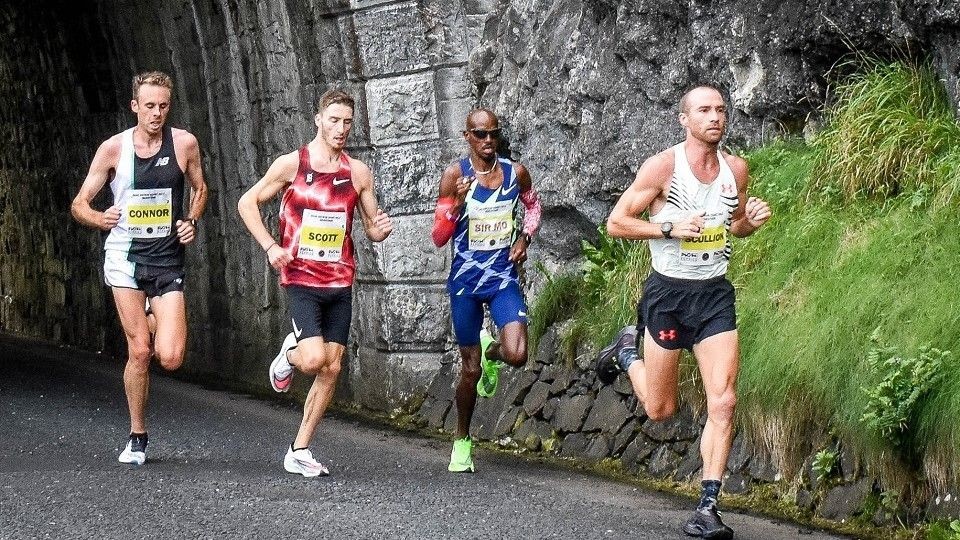
Sir Mo Farah - who won the 5,000m and 10,000m double at both London 2012 and Rio 2016 before missing out on Tokyo qualification - is unable to defend the inaugural title he won last year in a time of one hour and 27 seconds due to injury but will be at the event as race starter and will also carry out media and ambassadorial roles. Sir Mo said: "I can't wait to be involved this time around, especially with the kids race.
I aim to be back for another crack at the race next year." Big-race organiser James McIlroy - an 800m semi-finalist at the 2000 Sydney Olympics and who roomed with Sir Mo on Team GB trips - feels it will be one of the strongest half marathon line-ups ever seen on these islands.
"It promises to be one of the greatest half marathons ever assembled in the UK or Ireland with 53 men and 25 women taking to the start. With three full national teams confirmed, and runners from Africa, America, Europe, UK and Ireland, this year’s first ever World Athletics event in the province promises to be one of the leading road races in the world for 2021," said the Larne man, grandson of Belfast Celtic legend Sid McIlroy.
In addition to boasting 11 Olympians, headlining the men’s race will be Ethiopian record holder Jemal Yimer. Yimer won his last half marathon outing at the Houston half marathon in 2020 and has also achieved the fastest ever debut half marathon in 59:00 achieved in R’as al Khaimah in the UAE back in 2019.
He will be joined by countryman Tesfahun Akalnew, who has a personal best of 59:22, previously finished second in the African Games and comes to the Antrim Coast with strong runs in 2020, finishing fifth in the Barcelona Half Marathon and sixth in New Delhi. Completing the African trio will be Shadrack Kimining, winner of the 2016 Cardiff Half Marathon and in Gothenburg in 2018 and 2019.
Leading the UK and Ireland challenge will be Tokyo Olympians Scullion, Pollock and Marc Scott, the latter the two-time European record holder and second fastest all-time Briton behind Sir Mo over 10,000m. On Sunday Scott will seek to become only the second Briton to break the 60-minute barrier.
Belfast ace Scullion finish fourth in last year’s race on the way to setting a new Northern Ireland record of 61.12. Pollock, fresh from his second Olympics, will make his debut on the fast scenic course and should also threaten the top positions.
Barcelona Olympian and multiple World record holder Tommy Hughes will have huge crowd support as he makes his latest bid on the Vet +60 World record, which he smashed at last year’s race in a time of 71.09. McIlroy added: "With full strength teams from Ireland, England and Northern Ireland, we may well see the first ever sub-60-minute half marathon in Ireland." The women’s race is headlined by Ethiopian sensation Yalemzerf Yehualaw.
The 22-year-old finished third in last year’s World Half Marathon Championship after tripping on the finishers mat, and has targeted the Antrim Coast's fast course since lthe inaugural event last September. The elite race starts at 8.00am in Larne with the mass participation event - cancelled last year due to the Covid pandemic - starting at 9.30am. There will be live coverage on the BBC.
by Frank Brownlow
Login to leave a comment

MEA ANTRIM COAST HALF MARATHON
The MEA Antrim Coast Half Marathon 2022 has been approved by World Athletics as an Elite Event. The World Athletics certified course takes in some of the most stunning scenery in Europe, combined with some famous landmarks along the route. With it's flat and fast course, the race is one of the fastest half marathons in the world. Starting...
more...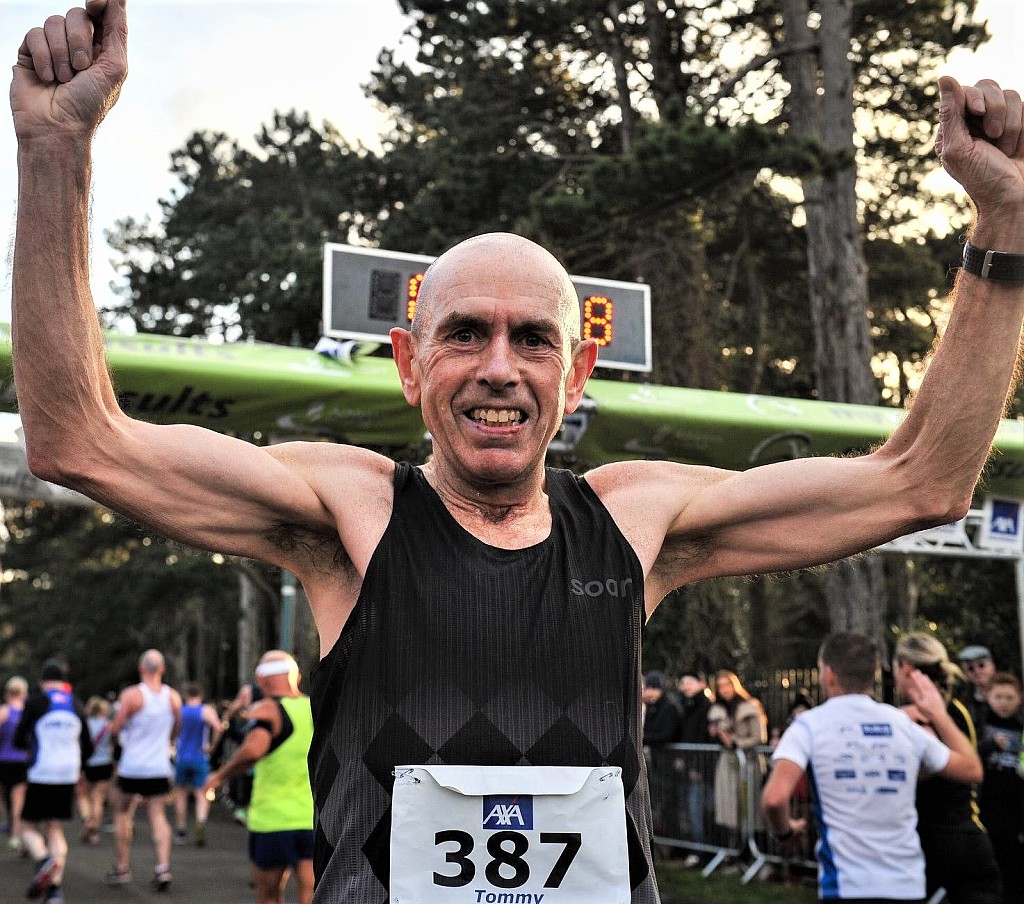
Tommy Hughes has won the prestigious Athletics Weekly World Masters Athlete of the Year award.
The 60-year old former Maghera man has had a remarkable year of running achievements, despite a much reduced programme due to the Covid-19 pandemic.
Back in October, he set a record-breaking time for athletes aged over 60 when he clocked 1.11.09 at the Antrim Coast Half Marathon.
Commenting on that performance, the judges said: “Tommy set a stunning world masters half-marathon record of 71:09 at Larne to even overshadow Mo Farah’s victory.
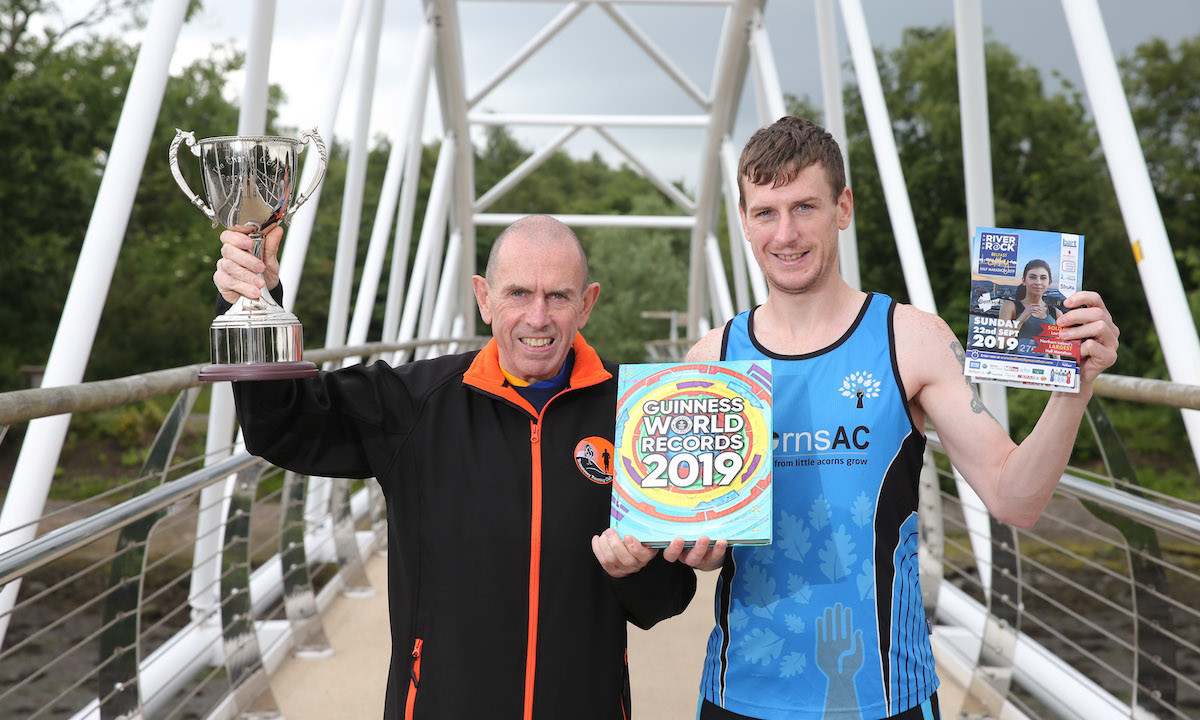
“He also set a world indoor M60 3000m record of 9:41.24 and wins the world masters male award.”
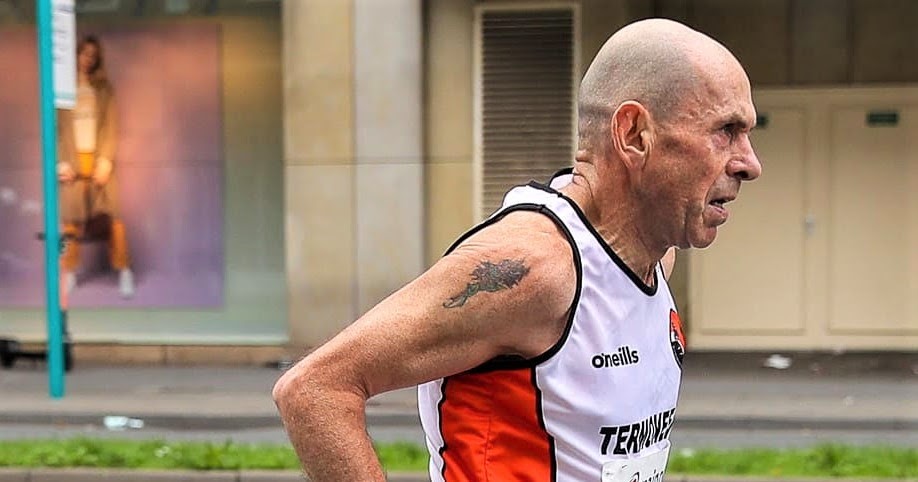
It is a remarkable time for someone entering his seventh decade. However, Tommy says he is nothing but thankful to running for even getting him this far.
At the peak of his powers Tommy was ready to compete at the Barcelona Olympics in 1992.
He had qualified after running 2:13:59 in the Marrakesh Marathon in Morocco, but a stress fracture in his foot significantly affected him in Barcelona.
The men’s marathon was the last event and because of the closing ceremony taking place that night, anyone with a finishing time longer than 2:45 would redirected to a finish outside the stadium. As he soldiered around the streets, he was determined to finish inside the stadium. He managed to do it, finishing 72nd in 2.32.55.
Tommy got married at 21, moved to Maghera, and in his own words began ‘piling on the pounds.’
To counteract that, he played Gaelic football and went for runs on his own. That provided him with something of a revelation, a passion and a huge talent, for running.
At the Rotterdam Marathon in April last year, he ran 2:30:15, and in Frankfurt in October, 2019 he teamed up with his eldest son, Eoin, to become the fastest father-son marathoners of all time. Tommy ran an over-55s world record of 2:27:52, while Eoin clocked 2:31:30 for a combined time of 4:59:22.
by The Down Recorder
Login to leave a comment
MEA ANTRIM COAST HALF MARATHON
The MEA Antrim Coast Half Marathon 2022 has been approved by World Athletics as an Elite Event. The World Athletics certified course takes in some of the most stunning scenery in Europe, combined with some famous landmarks along the route. With it's flat and fast course, the race is one of the fastest half marathons in the world. Starting...
more...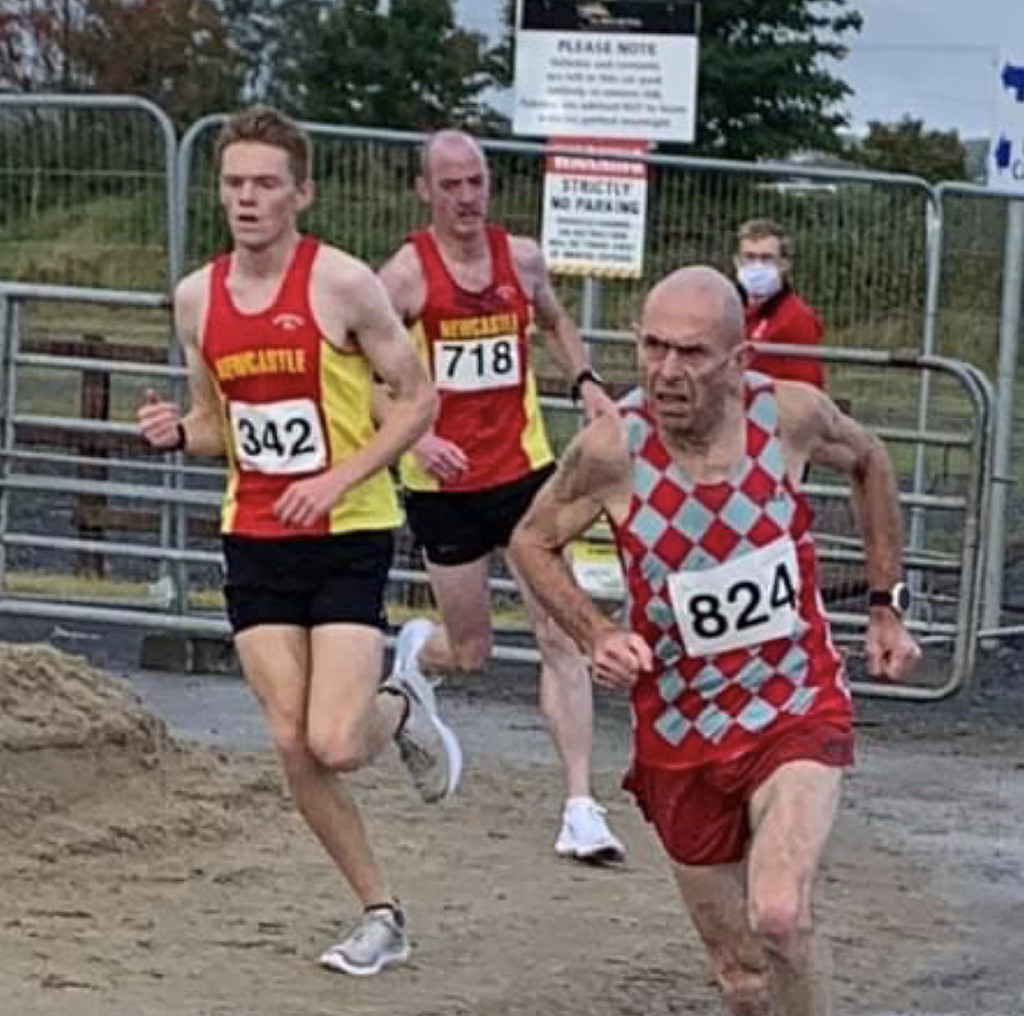
Tommy Hughes breaks 60 plus world marathon record by over six minutes
"I am delighted with a new world marathon record for 60 plus age group," says Ireland's Tommy Hughes. He clocked 2 hours 30 minutes 2 seconds beating the old record of 2 hours 36 minutes and 30 seconds set in 2009 at Oita marathon (Japan) by Yoshihisa Hosaka (Japan)
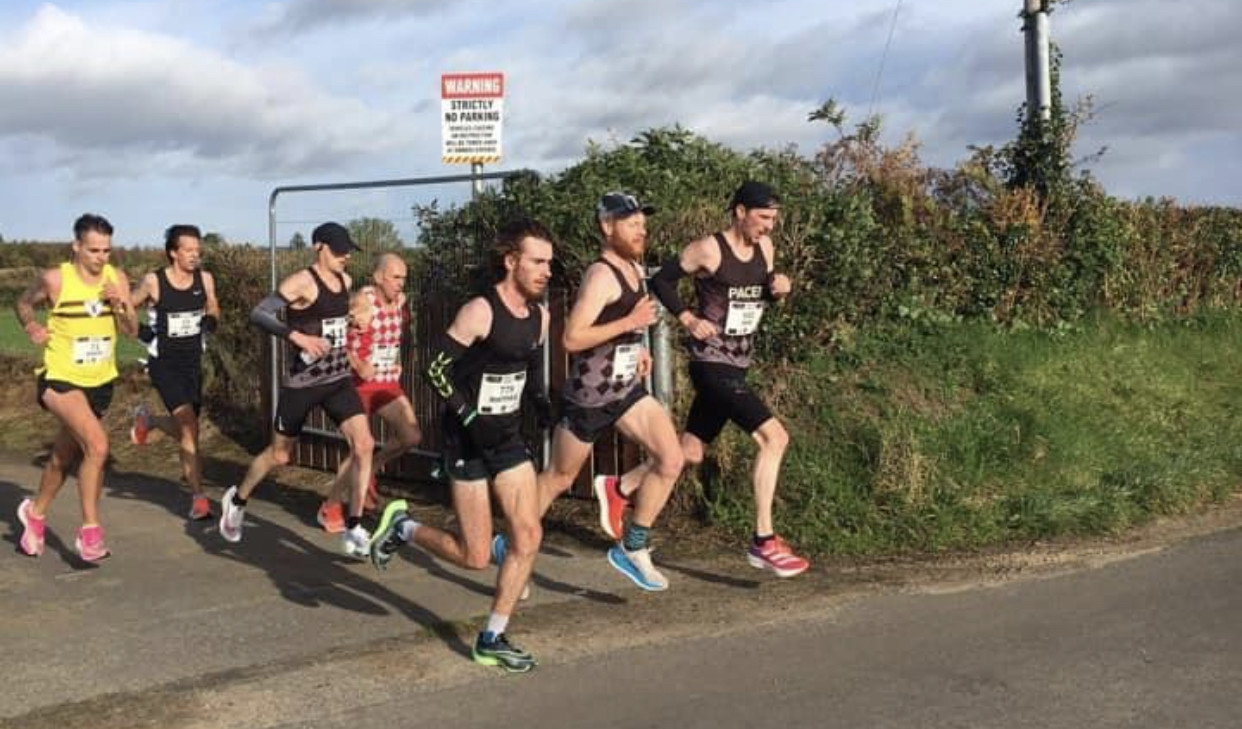
"Thanks very much to ChampionChip Ireland for putting on this event for me to try and achieve it. It was 14 and a half laps around Down Royal and the windy conditions were tough. Thanks to my son Eoin and our new running club (Strive Racing Club) for the great pacing."
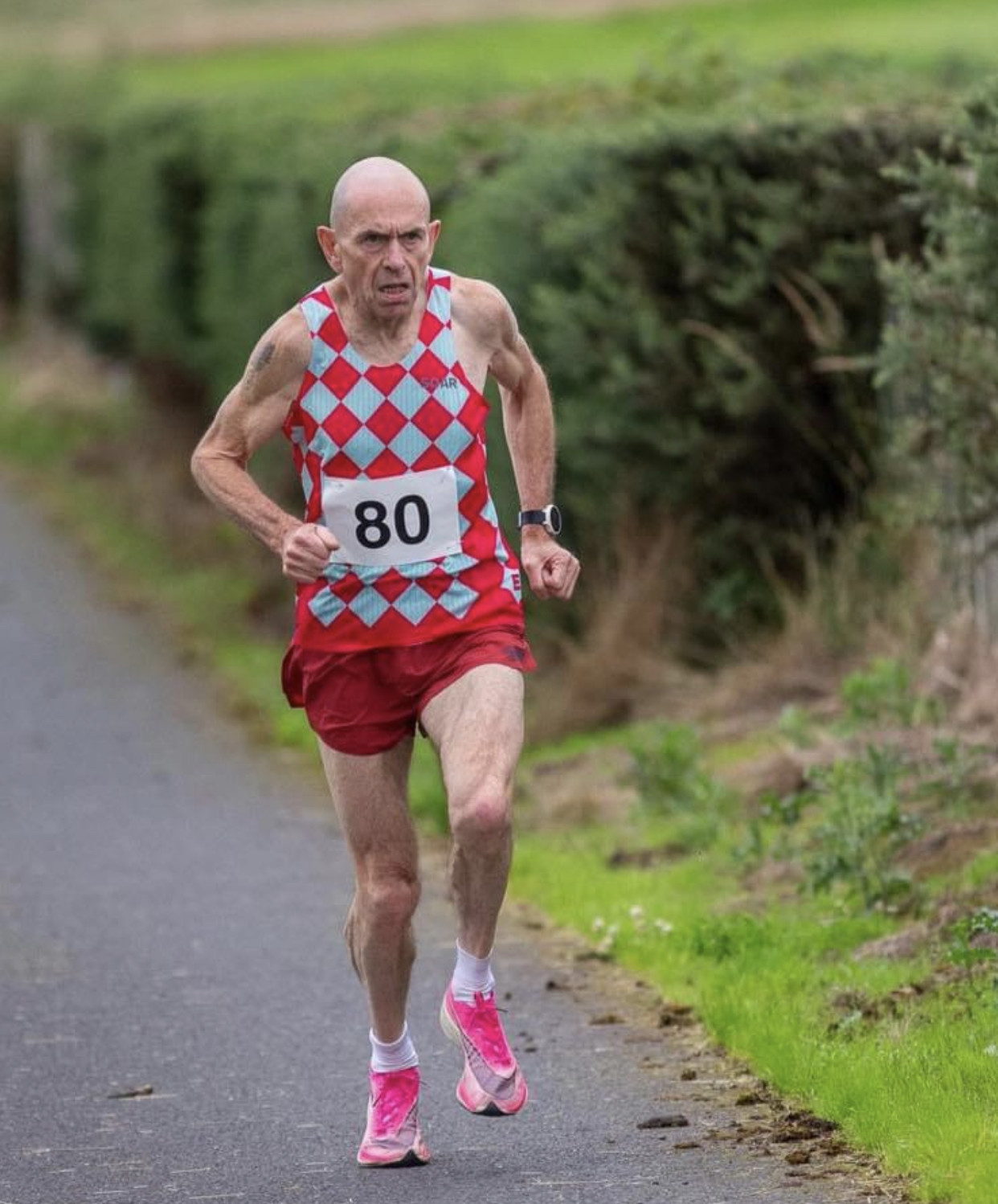
His halfway split was 1:14:32. Tommy is 60-years-old.
Login to leave a comment
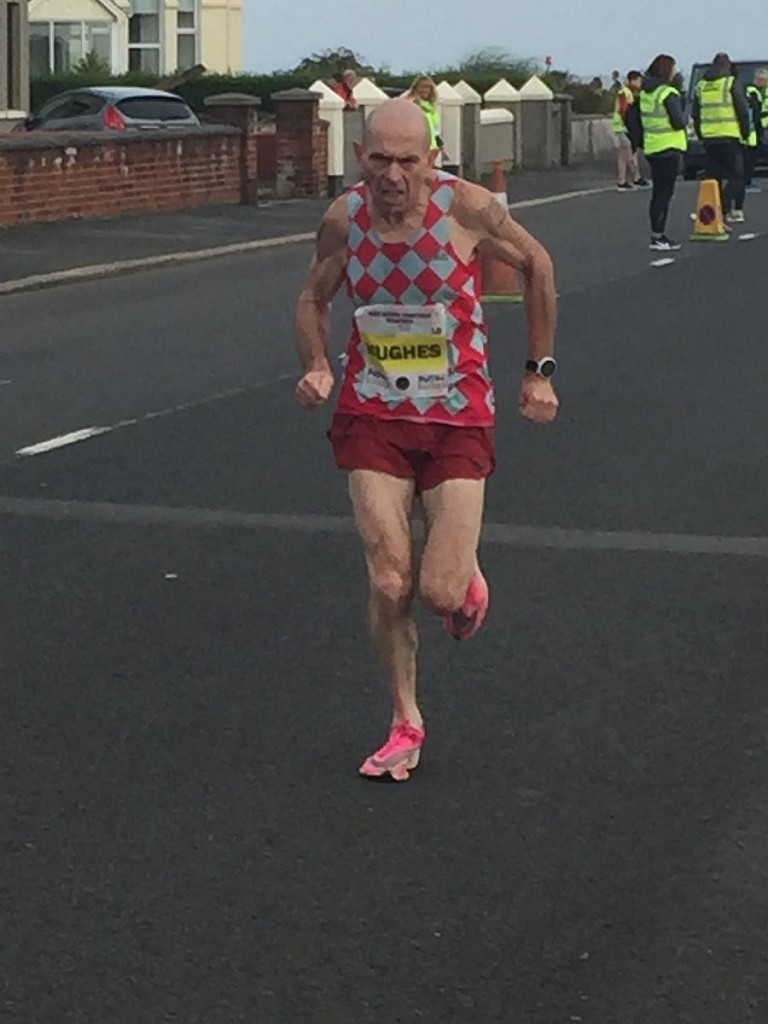
Tommy Hughes sets half marathon world record for M60
All eyes were on Mo Farah on Saturday at the Antrim Coast Half-Marathon, but the most impressive result of the day came from 60-year-old Tommy Hughes, who shattered the M60 half-marathon world record, finishing in 1:10:09. The previous record was held by Martin Rees who ran 1:10:26.
Hughes, the Irish runner who turned 60 in January, has run a 2:27:52 marathon, also a world record for his age. While Hughes’ times continue to be extremely impressive, he has a long history in the sport and even competed in the marathon at the 1992 Olympics, where he finished 72nd. His lifetime personal best is 2:13:15 from the Marrakech Marathon.
With his son Eoin Hughes, he broke the Guinness World Record for fastest marathon by a father and son at the 2019 Frankfurt Marathon. Tommy ran a blazing 2:27:52 and Eoin ran 2:31:30 for a combined time of 4:59:22, two minutes and 50 seconds better than the previous record of 5:02:12, set in 2015 by Graham and Ben Green.
Login to leave a comment
MEA ANTRIM COAST HALF MARATHON
The MEA Antrim Coast Half Marathon 2022 has been approved by World Athletics as an Elite Event. The World Athletics certified course takes in some of the most stunning scenery in Europe, combined with some famous landmarks along the route. With it's flat and fast course, the race is one of the fastest half marathons in the world. Starting...
more...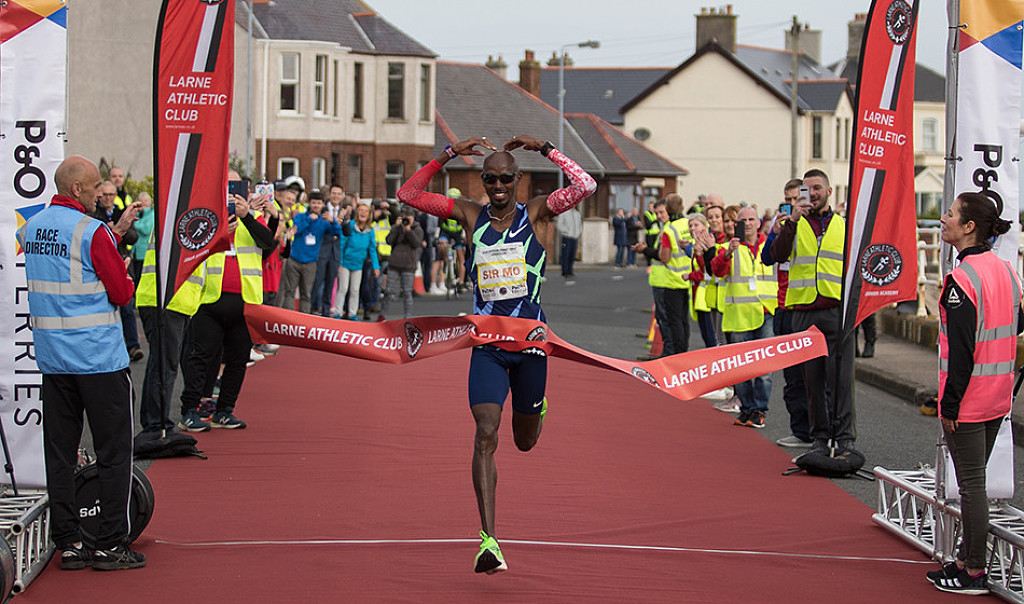
Mo Farah and Lily Partridge were the winners at Antrim Coast Half Marathon
Mo Farah takes first as Marc Scott, Ben Connor, Stephen Scullion and M60 Tommy Hughes impress, while Lily Partridge enjoys women’s win
Mo Farah was first across the line in the Antrim Coast Half Marathon on Saturday (Sept 12) in 60:31 but the most eye-catching performances came from those following in his slipstream.
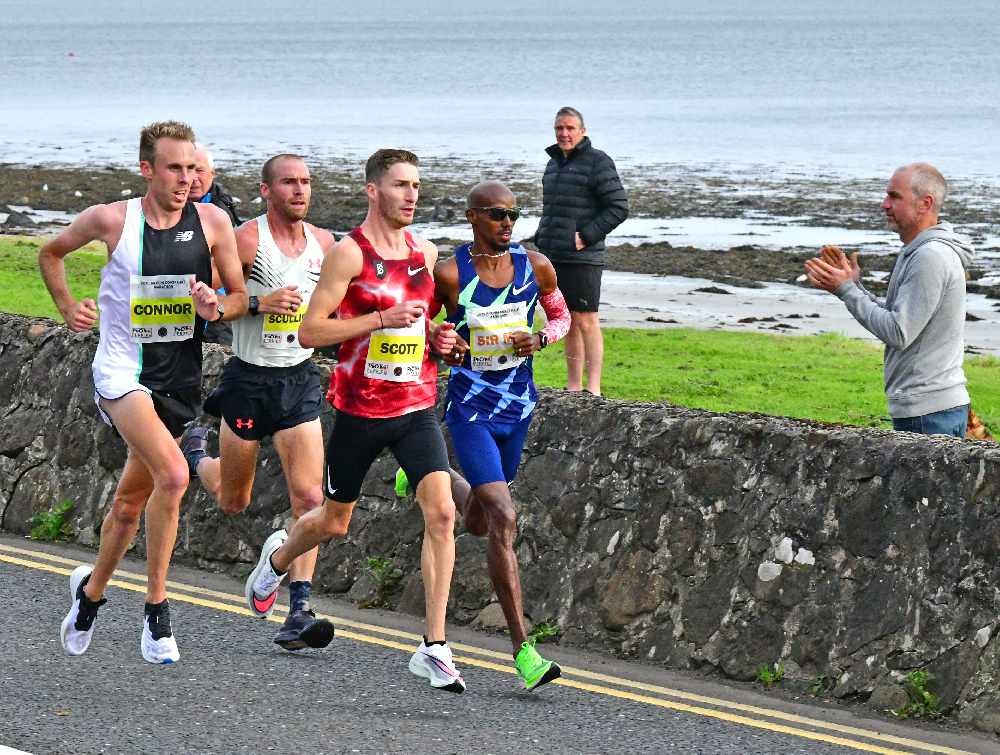
Runner-up Marc Scott was close behind with 60:43 on his debut at the distance to go No.3 on the UK all-time rankings. In third, London Marathon-bound Ben Connor took 16 seconds off his PB with 60:59 to go equal fourth with Steve Jones in fourth on the UK all-time lists.
Stephen Scullion, in fourth, smashed the Northern Ireland record by a big margin with 61:12. Like Connor, the Belfast man is set to run the London Marathon on October 4 too as the popular local athlete took more than two minutes off his best.
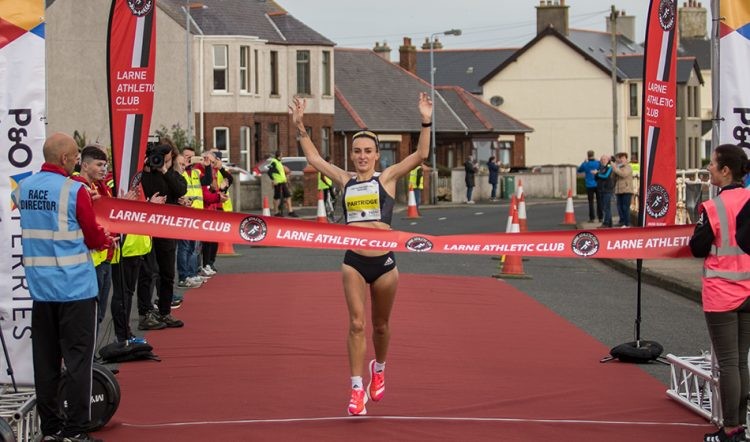
Lily Partridge, another London Marathon-bound Olympic hope, impressed as well as she broke away from Sam Harrison to win the women’s race in a Northern Ireland all-comers’ record of 71:36 – around a minute outside her PB but 23 seconds ahead of Harrison (71:58) as Clara Evans was third 72:21 and Becky Briggs, in fourth, ran a UK under-20 record of 72:54.
Perhaps most impressive of all, though, was masters sensation Tommy Hughes, who broke Martin Rees’ world half-marathon record for an M60 with 71:09 (even quicker than the 71:26 originally publicised shortly after he finished).
An Olympian in the marathon back in 1992, the Irish runner Hughes has been on a record-breaking spree recently and continued his great form here.
Ordinarily Farah and others might have been racing in the 40th Great North Run this weekend but with the event cancelled due to coronavirus he came to Northern Ireland instead to run in an event organised by his old friend and fellow athlete from his student days, James McIlroy.
McIlroy put together a fine domestic field for the event and Farah certainly did not have it all his own way as he only broke away from the in-form Scott in the final mile.
Scott has broken the UK 5km road record this summer and took the British 5000m title last week. He was leading in the closing stages but had no answer to Farah’s breakaway surge in the final mile.
A lead quartet of Farah, Scott, Connor and Scullion broke away early and ran together for much of the distance. Behind, Kevin Seaward was fifth in 63:09 followed by Josh Griffiths (63:12), Tom Evans (63:19), Adam Craig (63:28) and Adam Hickey (64:37).
There had been talk of Farah potentially attacking his UK record of 59:32 from Lisbon in 2015 but during media interviews on Friday he said winning the race was the main goal and he did not want to underestimate his rivals and treat it as a time trial.
Runners in this elite-only event, which was sponsored by P&O Ferries, enjoyed decent weather on a picturesque course that proved a great advertisement for athletics in Northern Ireland. The only frustration for fans was the poor quality of the live stream, which made following the race difficult after organisers had, ironically, encouraged spectators to stay at home instead of supporting from the side of the road.
by Jason Henderson
Login to leave a comment

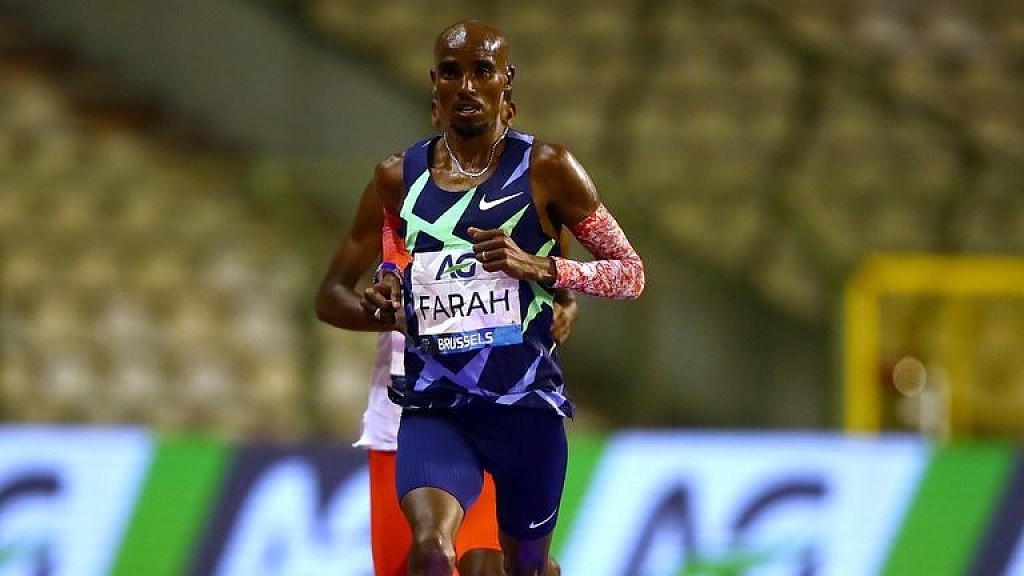
Mo Farah has asked for pacing assistance in this weekend's P&O Antrim Coast Half Marathon
Four times Olympic champion Mo Farah has asked for pacing assistance in this weekend's P&O Antrim Coast Half Marathon which is shaping up to be the highest quality road race ever in the province.
The 37-year-old is planning for the Larne event on the back of his weekend one hour World track record in Brussels.
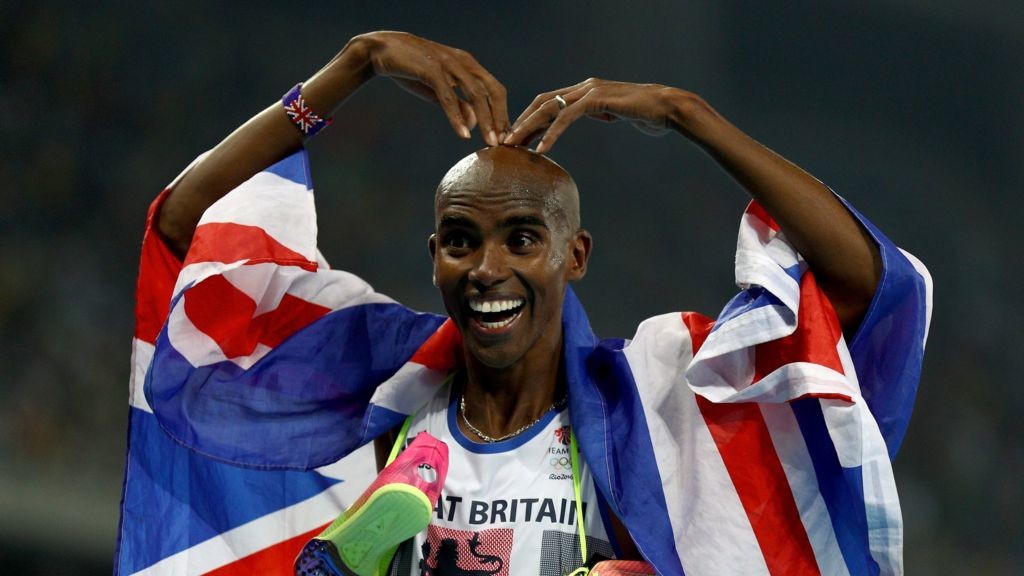
Farah ran a total of 21,330 metres, which beat Haile Gebrselassie's 2007 record by 45m, to seal his first ever outdoor world record.
Farah was so focused that he appeared not to realise when the hour was up and kept running before being told he could stop.
There was also a world record in the women's event as Holland's Sifan Hassan set a new best of 18.93km.
Farah has made it clear that, in Larne, he is hoping to beat his own British Half Marathon record of 59 mins 32 secs set five years ago.
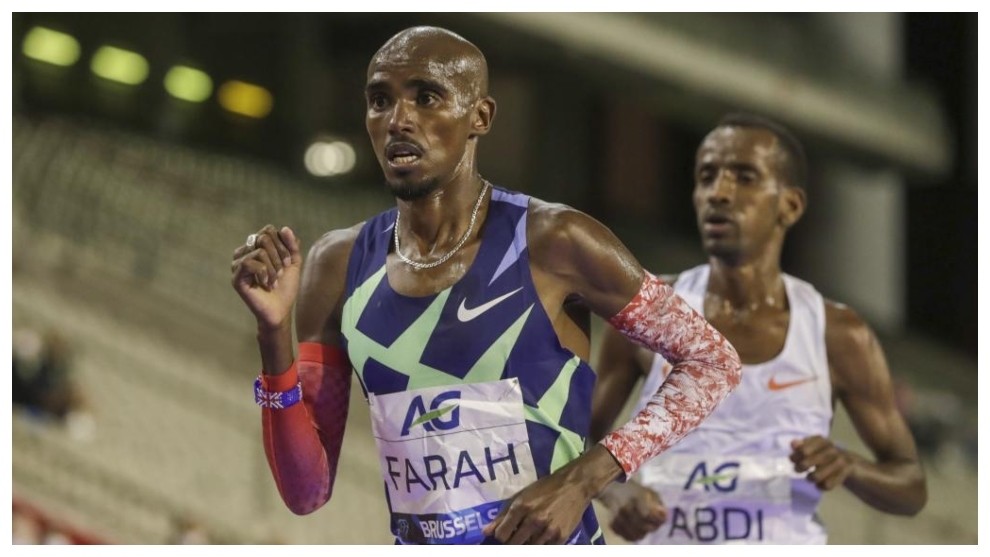
In order to do so, however, he has requested help to maintain the hectic pace.
This has created an issue for the organisers as there is no-one in the current list of runners who is capable of maintaining the tough sub one hour pace alongside Farah. GB's Ben Conor is the fastest athlete with a personal best of 61.11.
A possible compromise is simply for Farah to be paced by someone for as much of the race as possible.
Either way, a new NI All Comers record is certain. The current record stands to the Klimes twins, who were joint winners of the 1986 Belfast Half when they ran 62.22.
World Championship 1,500 metres finalist Ciara Mageean will, meanwhile, race tomorrow in the Golden Spike meeting in Ostrava, in the Czech Republic.
The 28-year-old Portaferry woman will be trying to repeat her recent top form which has produced Irish records at 800 and 1,000 metres.
Elsewhere, around 400 competitors took part in the latest Eikon road races at Down Royal.
Victory in the 5k event went to Willowfield's Aaron Woodman in 15 minutes, 31 seconds. He was followed by Peter Donnelly (15.42), who was a second ahead of Foyle Valley's Darragh Crossan.
In the ladies race, North Down's Jessica Craig was a comfortable winner in 16.18. She was followed by Finn Valley's Natasha Kelly (17.46) and Omagh's Lauren Molloy (17.52).
The 10K race went to Derry's Stephen McAlary (31.50) followed by North Belfast's David Hamilton (32.47).
Lagan Valley's Caitlyn Harvey took the ladies prize in 38.00 from Newcastle's Anne Gosling (39.57).
60-year-old Tommy Hughes, of Strive Racing, dominated in the 10 miles race with a time of 54.40.
Second went to team mate Eoin Hughes (55.09), followed by Edward Cooke of Victoria Park (55.45). Sperrin's Karen Alexander won the Ladies race by four minutes in 63.49.
by Brian Hill
Login to leave a comment
MEA ANTRIM COAST HALF MARATHON
The MEA Antrim Coast Half Marathon 2022 has been approved by World Athletics as an Elite Event. The World Athletics certified course takes in some of the most stunning scenery in Europe, combined with some famous landmarks along the route. With it's flat and fast course, the race is one of the fastest half marathons in the world. Starting...
more...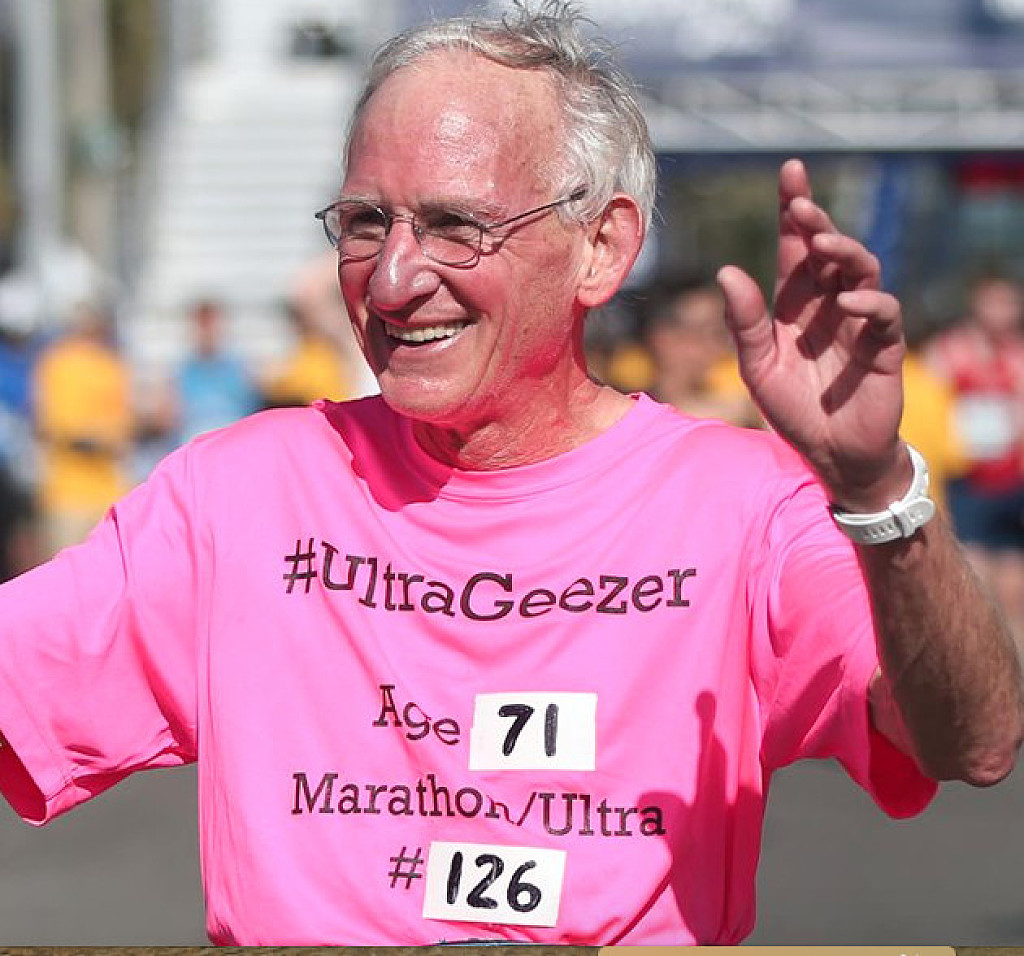
Why you can still run your fastest marathon after 50
Back in 2014, in a bid to identify the best age for marathon running, a team of Spanish researchers analysed the finishing times of 45,000 athletes at the New York City Marathon.
The results found that for men the golden age was 27 and for women 29. More surprising, perhaps, was the discovery that 18-year-old marathon runners had similar times to 60-year-old athletes. While that result can be partly explained by 60-year-old runners’ experience at the distance, there’s also some science to suggest why masters runners can still post some incredible times over the marathon.
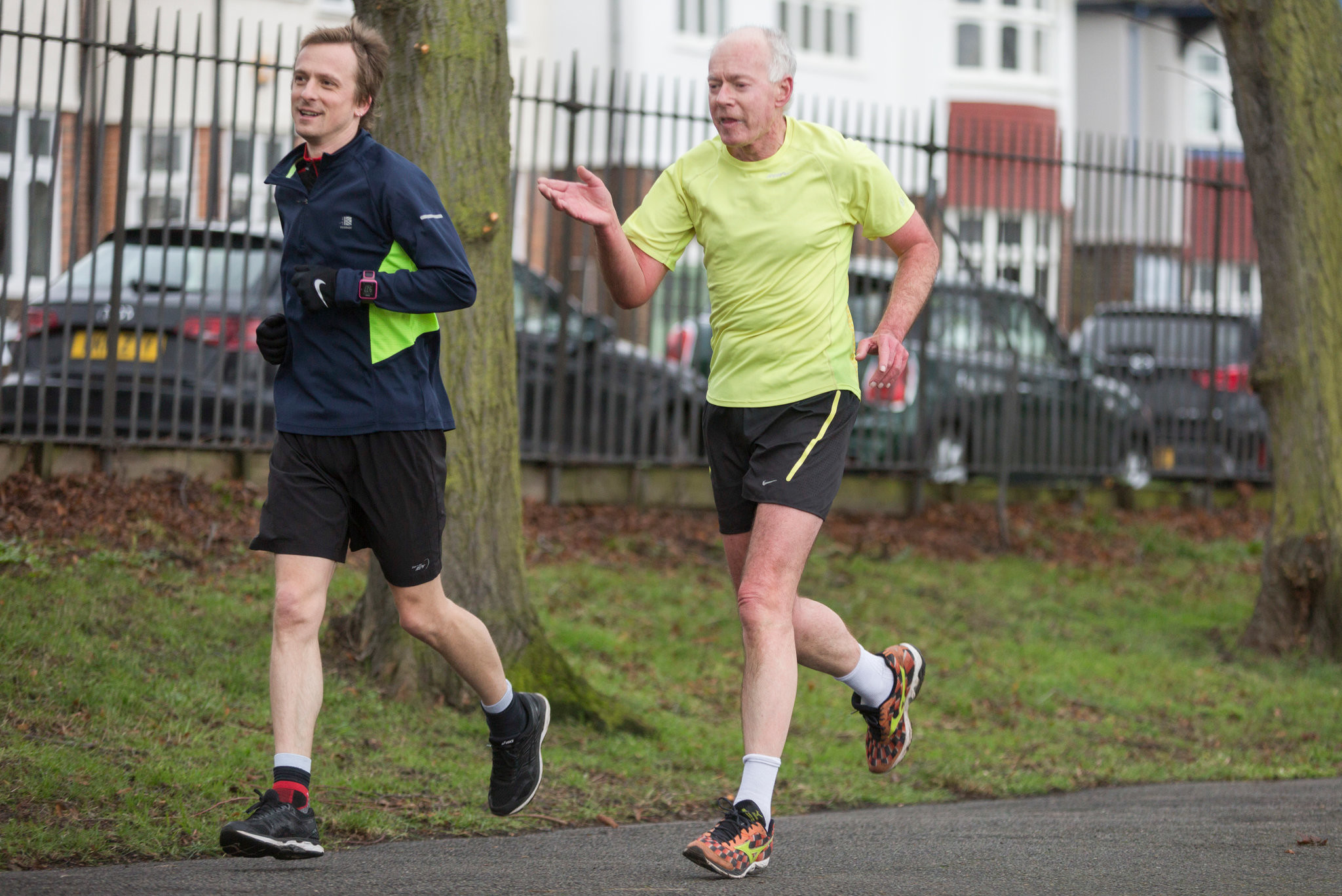
Take Tommy Hughes. The 59-year-old Northern Irishman ran a time of 2:27:52 at last year’s Valencia Marathon, finishing just under four minutes faster than his son, Eoin, 34, who posted a time of 2:31:30. (Their combined time of 4:59:22 was a Guinness World Record for fastest father-and-son duo.)
Following the result, the Hugheses took part in various physiological tests. Among other things, this tested their respective VO2 max (the amount of oxygen you can use while exercising). While Tommy and Eoin had very similar VO2 max scores – 65.4ml/kg/min for Tommy and 66.9ml/kg/min for Eoin – Tommy was seemingly able to run entire marathons at close to his VO2 max. Interestingly, the same is seemingly true of Gene Dykes, who ran a 2:54:23 marathon at the age of 70. The data would seem to suggest he ran the entirety of that race at 95 per cent of his VO2 max – an unbelievably high percentage.
So, one reason why it may be possible to run a blistering marathon in your fifties and beyond is some older runners’ ability to run close to their VO2 max for longer periods than some of their more youthful competitors.
But there’s more: another study showed that lifelong exercise can counteract the age-related decline in VO2 max. In other words, if you’ve been running consistently for decades, your VO2 max will not decline at the same rate as your more sedentary peers.
That’s an interesting development, as there has previously been a belief that at a certain age – approximately around 70 – people’s VO2 max falls off a cliff. By contrast, the study suggests that the steepest declines occur as a result of exercising less, not simply of adding another candle to your birthday cake.
by Runner’s World
Login to leave a comment
