

Running News Daily
Running News Daily is edited by Bob Anderson and team. Send your news items to bob@mybestruns.com Advertising opportunities available.
Index to Daily Posts · Sign Up For Updates · Run The World Feed



Running Community Mourns Two Runners After Separate Half Marathon Tragedies

The global running community is mourning the heartbreaking deaths of two runners who suffered medical emergencies during separate half marathons on Sunday, October 4, 2026.
The two incidents occurred thousands of miles apart, in Wisconsin in the United States and Cardiff in Wales, casting a sombre shadow over what should have been a day of celebration, competition and personal achievement.
Milwaukee Lakefront Half Marathon Tragedy
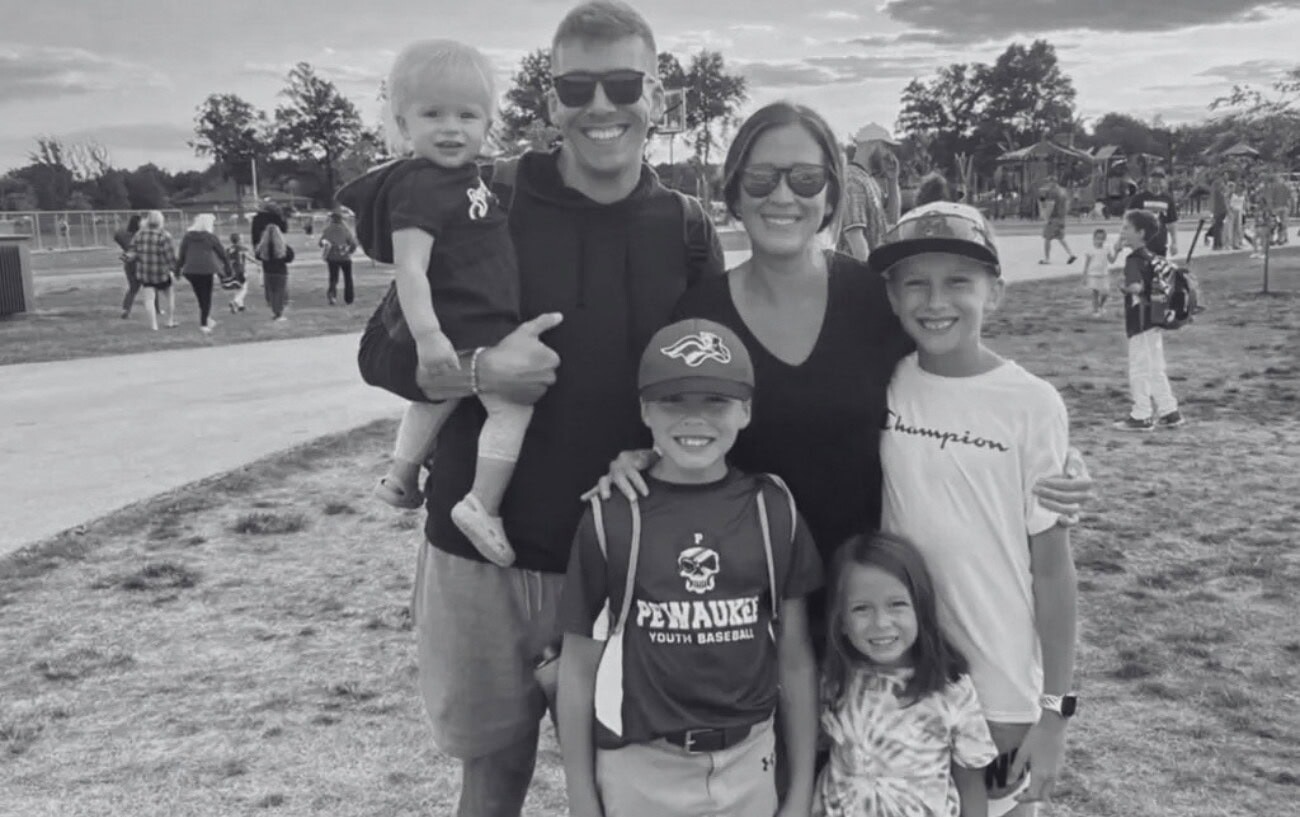
At the Milwaukee Lakefront Marathon in Wisconsin, a 36-year-old father of four from Waukesha tragically collapsed near the 13-mile mark while running across the Hoan Bridge, just approximately 600 feet from the finish line.
Witnesses and medical personnel responded immediately, beginning CPR and using a defibrillator in an attempt to save his life. He was subsequently transported to Froedtert Hospital, where he was pronounced dead.
According to his family, the runner had no known previous medical history. The race was reportedly his first half marathon.
Race organisers confirmed that the tragedy marked the first fatality in the event's 44-year history, leaving the local running community deeply saddened.
A separate tragedy unfolded at the Cardiff Half Marathon in Wales, where another runner suffered a medical emergency after completing the 13.1-mile race.
Medical teams stationed at the finish area and throughout the event immediately provided treatment before the runner was taken to the University Hospital of Wales. Despite the efforts of the medical teams, the runner later died.
Event organiser Run 4 Wales expressed its deep sorrow over the loss and praised the medical personnel at both the race and hospital for their swift response.
The two incidents serve as a painful reminder that, while distance running brings together millions of people through a shared passion for sport, medical emergencies can occur unexpectedly even among apparently healthy participants.
The running community now stands together in grief, extending its deepest condolences to the families, friends, fellow runners and all those affected by these devastating losses.
by Erick Cheruiyot for My Best Runs.
Login to leave a comment
Latest Running News
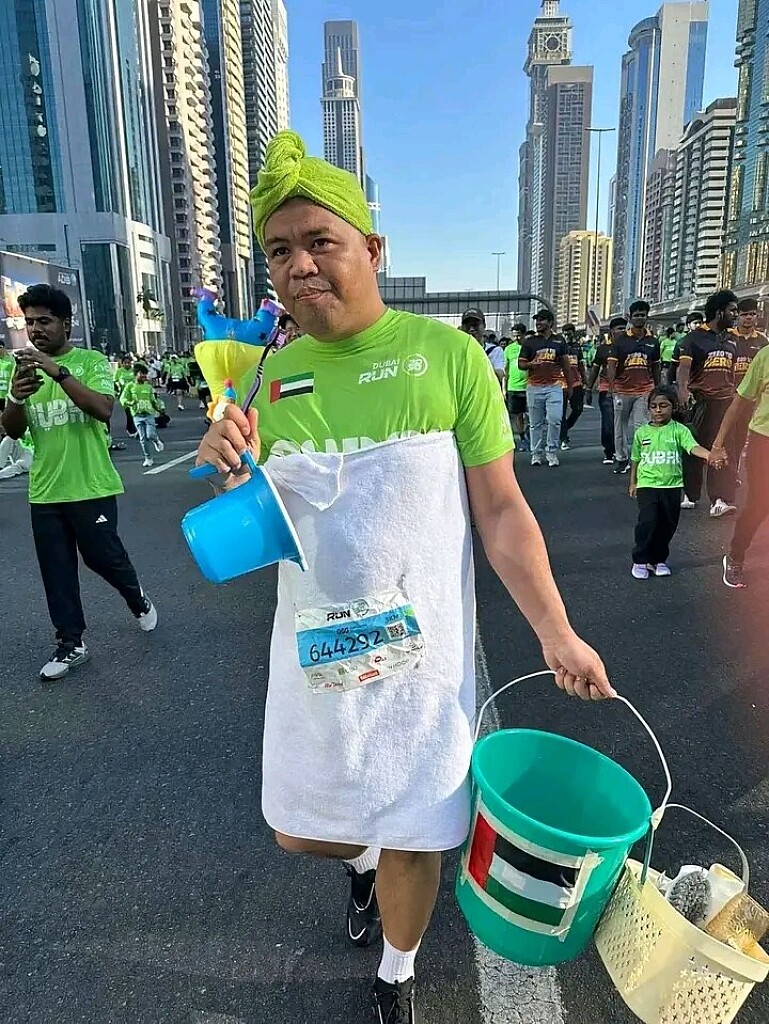
Filipino Runner Turns Dubai Run Into a Powerful Reminder of Life in Shared Accommodation With Hilarious Bathroom-Themed Costume
A Filipino runner brought laughter and plenty of attention to the 2026 Dubai Run on Sunday after appearing in an unusual costume that turned an everyday struggle into one of the event’s most memorable moments.
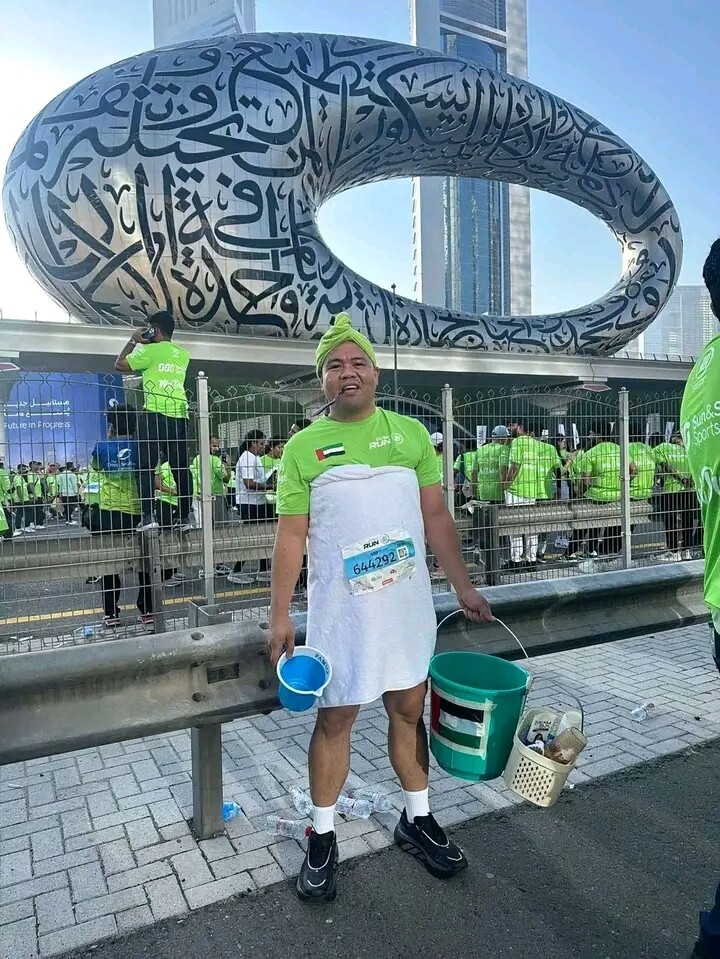
Known as Ang Less, the runner stood out from the thousands of participants by carrying an entire collection of bathroom essentials, including a towel, toothbrush, bucket, toiletries basket and a traditional Filipino water dipper known as a tabo.
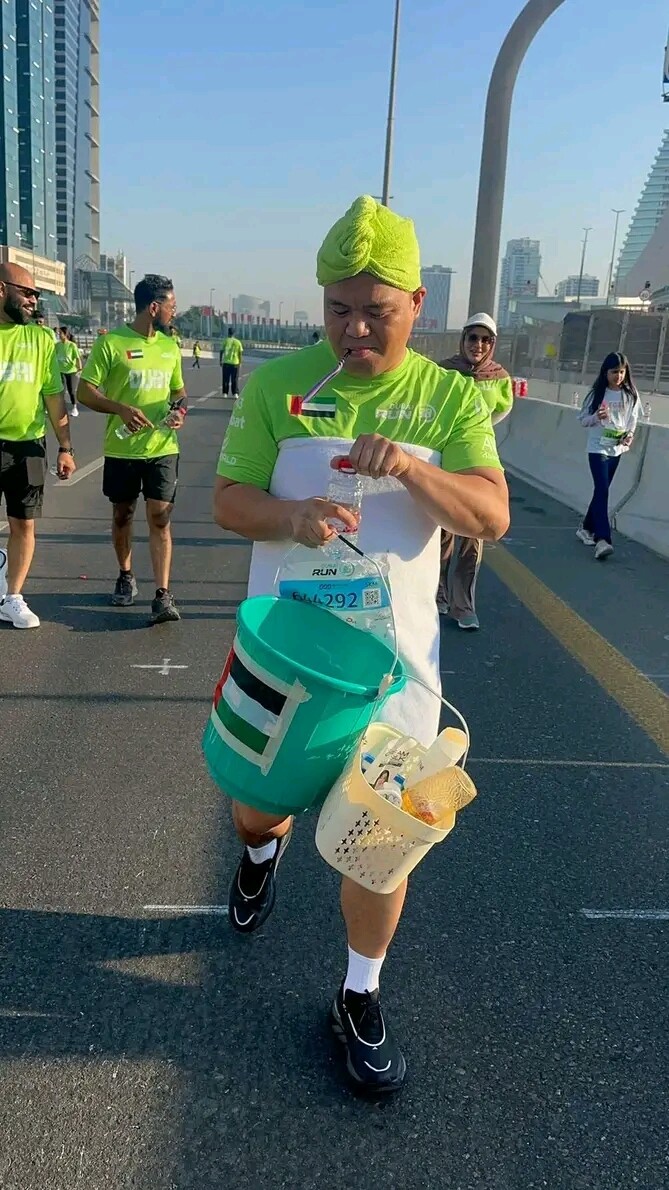
While the outfit looked humorous at first glance, it carried a much deeper meaning, reflecting a chapter of her life that many migrant workers in Dubai can easily relate to.
Ang Less used the costume to recreate her past experience of living in shared bed-space accommodation, where several people often share limited bathroom facilities. In such arrangements, getting ready for work can mean waiting in a long queue for a shower, carrying personal toiletries back and forth and patiently taking turns with other residents.
For her, the costume was more than just a creative outfit designed to entertain fellow runners. It was a personal reflection of the challenges she had experienced while navigating everyday life in Dubai.
Adding another humorous twist to her appearance, the costume also inspired the playful suggestion that even when you are running late, the opportunity to compete for the AED 10,000 prize money is simply too important to miss. It perfectly captured the spirit of Dubai Run 2026, where determination, creativity and a sense of humour came together.
Her unusual appearance also sparked a conversation about the creativity participants bring to the event, with many likely wondering what could be more memorable than turning an ordinary bathroom routine into a running costume.
Her appearance offered a refreshing reminder that behind the smiles, celebrations and colourful costumes at mass-participation events, there are often meaningful personal stories waiting to be told.
What initially looked like a funny bathroom-themed costume became a powerful tribute to humble beginnings, resilience and personal growth.
Sometimes, the greatest achievement is not simply how far you run, but how far you have travelled in life. And for Ang Less, the Dubai Run provided the perfect opportunity to celebrate that journey while making thousands of people smile.
by Erick Cheruiyot for My Best Runs.
Login to leave a comment
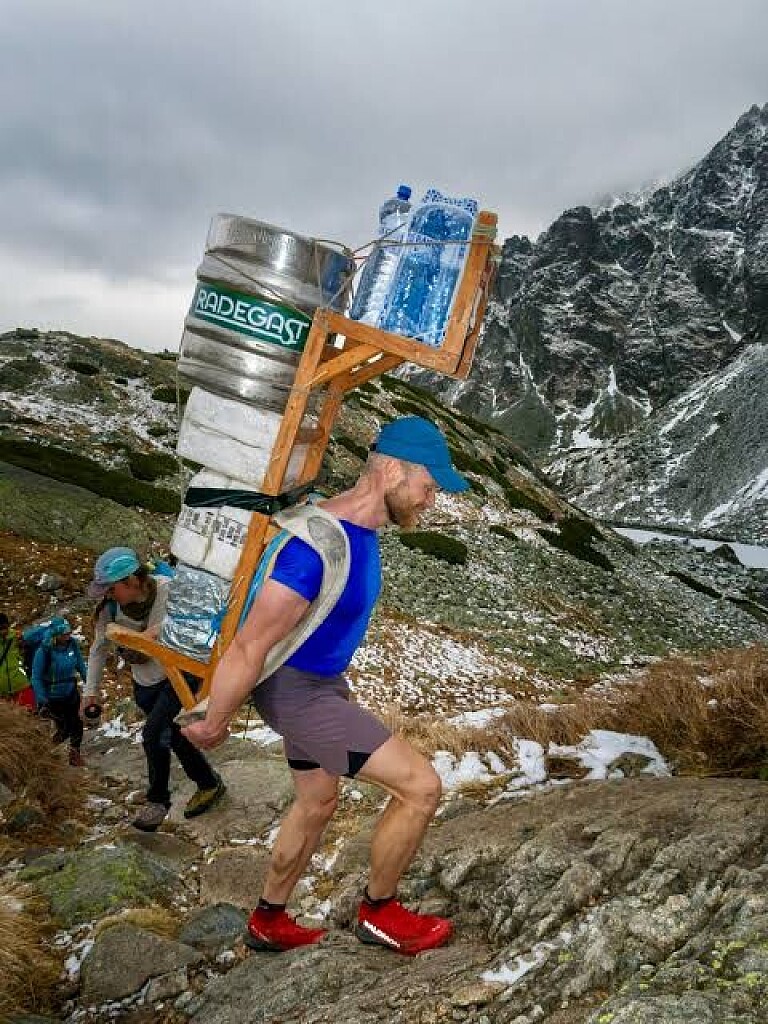
The World’s Toughest Beer Run? Runners Battle Steep Mountain Terrain Carrying Up To 60kg Of Supplies
Running up a steep mountain trail is already a demanding physical challenge, but imagine tackling the same terrain with a heavy keg of beer strapped to your back. That is the extraordinary test awaiting competitors at Slovakia’s annual Sherpa Rallye, one of the most unusual and physically demanding mountain races in the world.
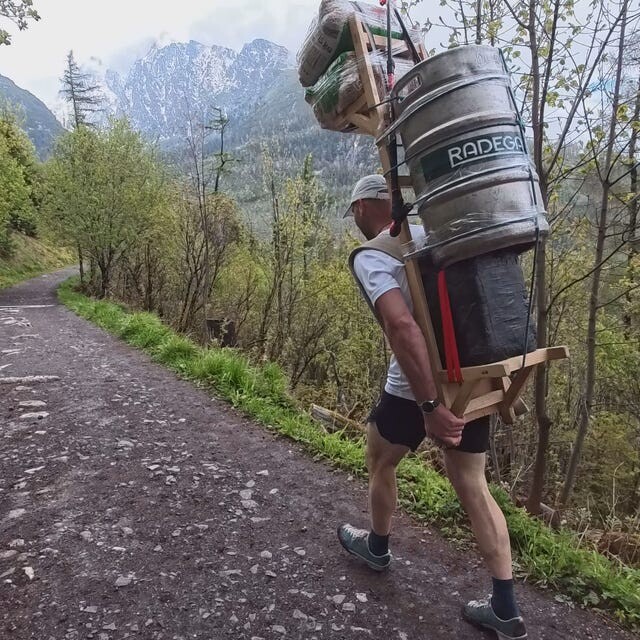
Held on October 24, the traditional event once again brought together mountain porters and endurance enthusiasts for a gruelling uphill journey through the rugged High Tatras mountain range, where strength, stamina and determination are pushed to their limits.
Unlike conventional running competitions, participants do not race empty-handed. Male competitors carry traditional wooden backpack frames loaded with supplies, including a 30-litre keg of beer, weighing more than 60 kilograms (130 pounds) in total. Female participants typically transport cases of beer and other supplies, with their loads weighing approximately 20 kilograms (44 pounds).
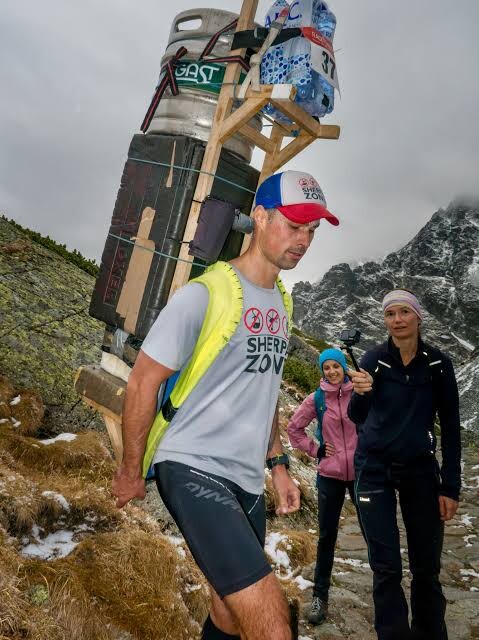
The challenge begins just above the mountain town of Starý Smokovec and follows a steep, rocky and technically demanding trail for approximately 3.5 miles (5.6 kilometres), finishing at Zbojnícka chata, a mountain refuge situated high in the High Tatras, more than a mile above sea level.
First organised in 1985, the Sherpa Rallye celebrates Slovakia’s remarkable tradition of mountain porters, locally known as horský nosi. These workers have spent generations transporting essential supplies to remote mountain huts, shelters and chalets that cannot be reached by conventional delivery vehicles.
The competition was founded by mountain porter Viktor Beránek as a way of bringing together people involved in this demanding profession and celebrating their unique contribution to life in the mountains.
Although commonly referred to locally as mountain sherpas, Slovakia’s porters have no ethnic or historical connection to the Sherpa people of the Himalayan region. Their work, however, reflects a similarly extraordinary commitment to carrying heavy loads through challenging mountain environments.
For these experienced porters, transporting food, beverages, equipment and other essential supplies is not simply a sporting challenge but part of their everyday responsibility. The Sherpa Rallye offers an opportunity to demonstrate the physical demands of a profession that remains an important part of the High Tatras' mountain culture.
Perhaps the most surprising part of the competition is what happens at the finish line. Despite carrying heavy kegs of beer and other supplies up the mountain, competitors do not get to celebrate by enjoying their precious cargo. Instead, everything they deliver is placed into storage at the mountain refuge for use during the winter season.
It is a remarkable combination of endurance sport, mountain tradition and sheer physical strength, making the Sherpa Rallye a race unlike almost any other in the world.
by Erick Cheruiyot for My Best Runs.
Login to leave a comment
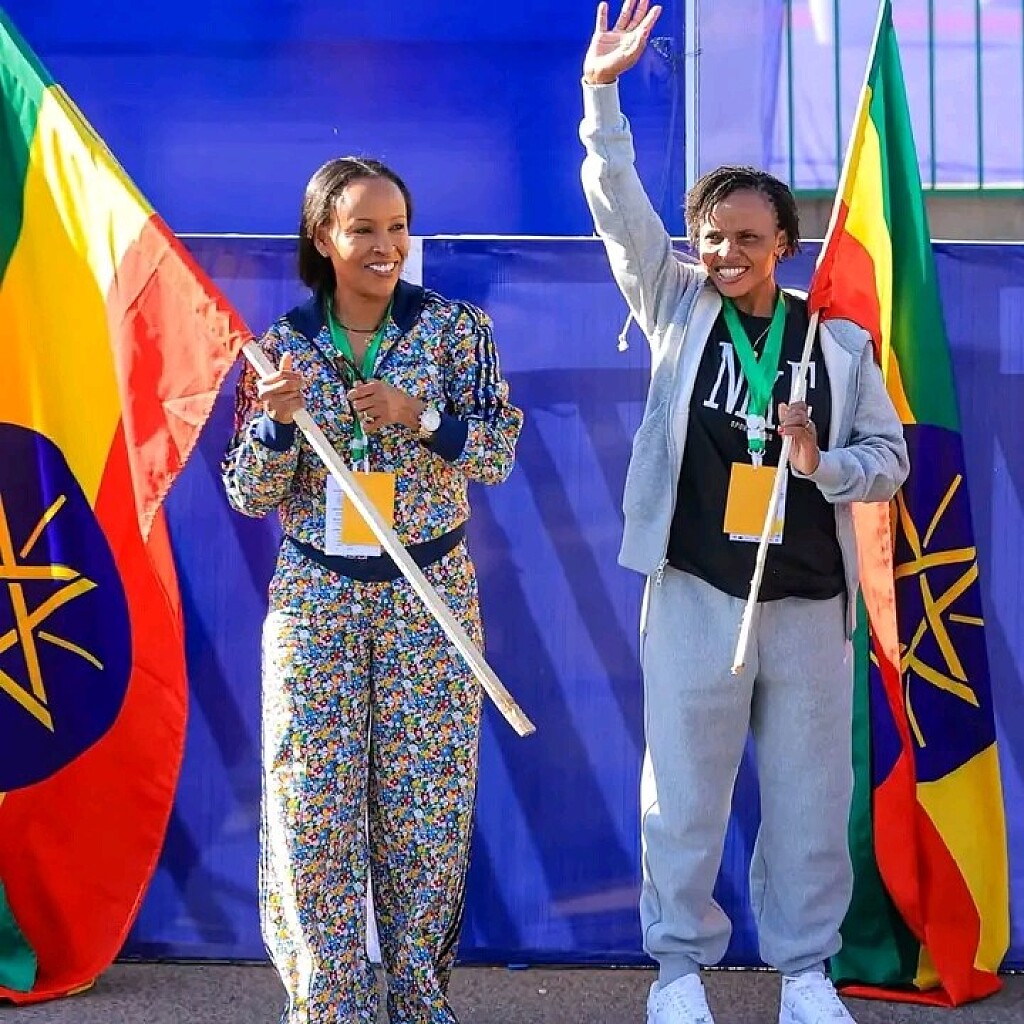
Meseret Defar And Beatrice Chebet Unite Two Generations Of 5,000m Greatness In Addis Ababa
Two remarkable champions from different generations of distance running came together in Addis Ababa as Ethiopia's legendary Meseret Defar and Kenya's Beatrice Chebet shared a special moment during the 26th edition of the Great Ethiopian Run on November 22, 2026.
The meeting brought together two athletes whose achievements have helped define the history of women's long-distance running, highlighting the extraordinary legacy of the 5,000m and the champions who have continued to push its boundaries.
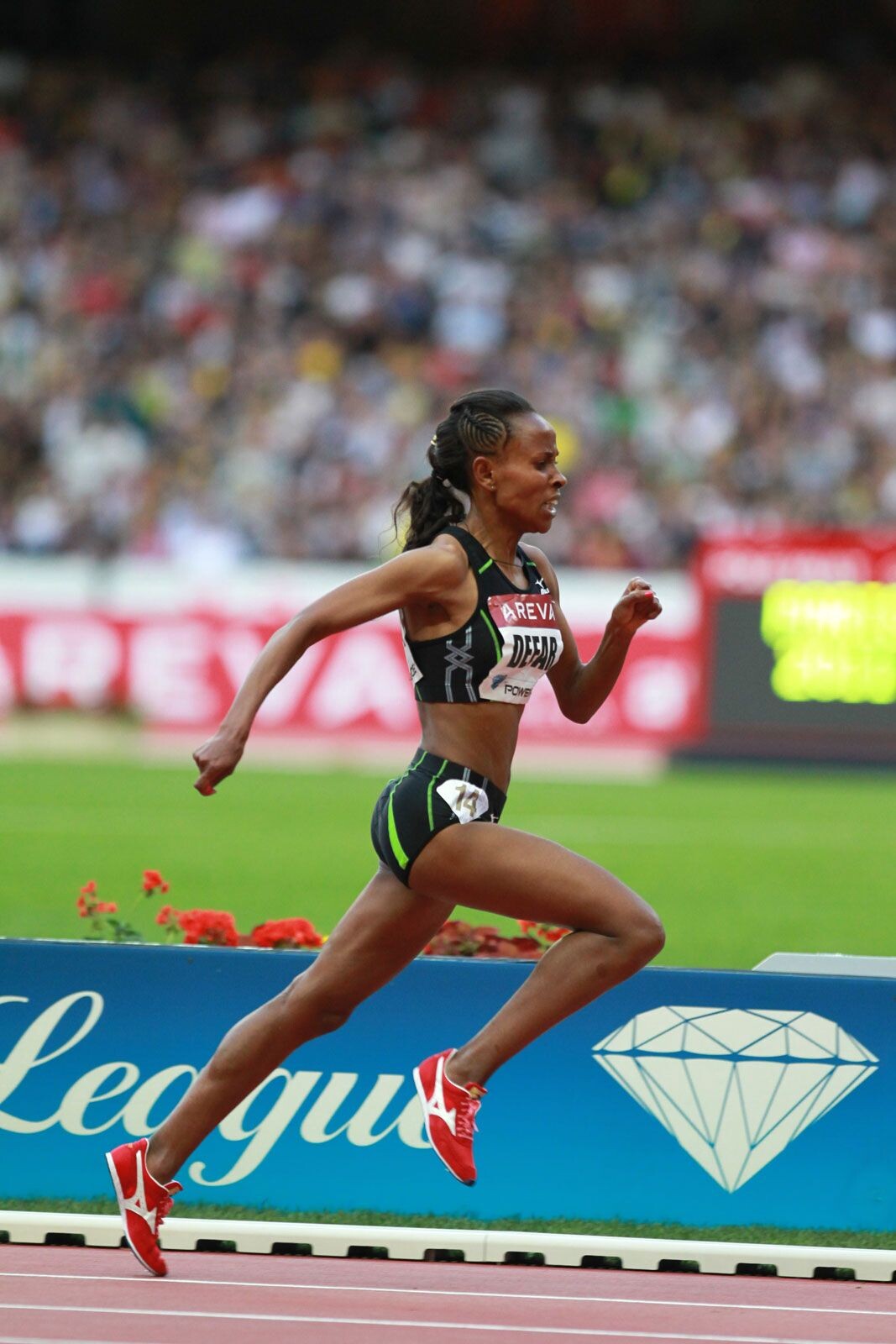
Defar, one of Ethiopia's greatest distance runners, built an illustrious career highlighted by two Olympic 5,000m titles and two World Championship gold medals. She also held the world record in the event with an outstanding time of 14:16.63, establishing herself as one of the defining figures of her generation.
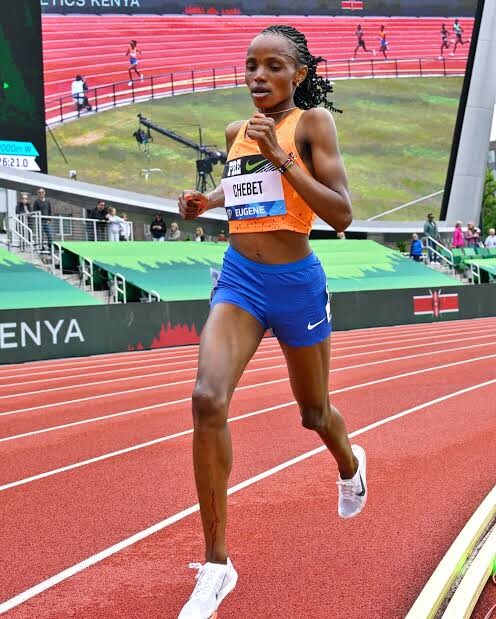
More than a decade later, Chebet has taken the event to unprecedented heights. The Kenyan superstar made history in July 2025 by becoming the first woman to break the 14-minute barrier, setting a remarkable world record of 13:58.06. Her achievements also include Olympic and World Championship titles in the 5,000m, alongside 10,000m gold medals at both championships.
Their meeting was particularly special as Chebet attended the celebrated Ethiopian road race as Guest of Honour, marking her first visit to Ethiopia and her first major public appearance since becoming a mother in June 2026. Her presence added further significance to an occasion celebrating the sport's finest achievements and the enduring connections between its greatest athletes.
Defar was also among the distinguished personalities at the celebrations, joining fellow athletics champions and Great Ethiopian Run founder Haile Gebrselassie in marking another memorable edition of the event.
Although their greatest achievements came in different eras, Defar and Chebet share something much bigger than their impressive records: they have both helped shape the evolution of women's distance running, inspiring generations of athletes to believe that even the most extraordinary performances can be surpassed.
From Defar's dominance on the global stage to Chebet's historic assault on the 14-minute barrier, their meeting in Addis Ababa was a powerful reminder that greatness does not belong to one generation alone. It is built, carried forward and redefined by those who follow.
by Erick Cheruiyot for My Best Runs.
Login to leave a comment
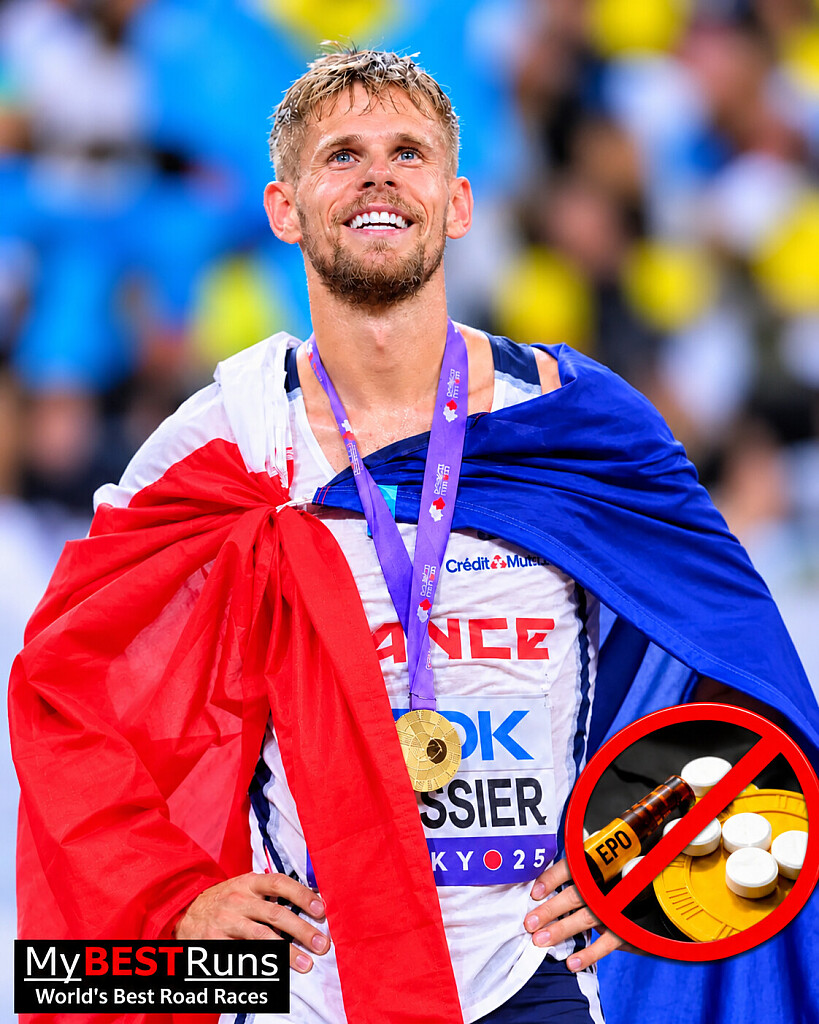
Jimmy Gressier Breaks Silence on Kenyan Doping Scandals, Points Finger at Athlete Agents
French distance-running star Jimmy Gressier has delivered a strong message on doping in athletics, arguing that the sport has been deceived for years by cheating among some Kenyan athletes while questioning the role played by those managing their careers.
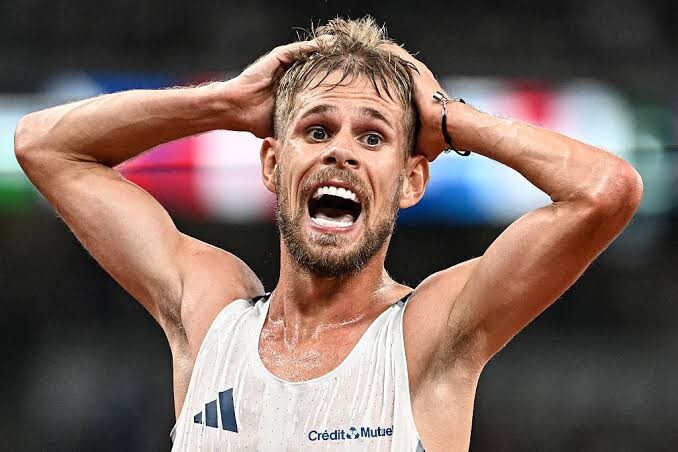
The reigning world 10,000m champion took to Instagram on November 19, following the announcement of sanctions against three Kenyan athletes by the Athletics Integrity Unit (AIU). His comments reignited an increasingly important debate about doping in distance running, extending beyond individual athletes to the wider structures surrounding the sport.
Gressier expressed his frustration at what he believes has been a prolonged problem, suggesting that the athletics community had been misled by athletes who competed while violating anti-doping rules.
"I think that for a good number of years, we were duped by these athletes' cheating," he said.
However, the Frenchman also directed attention towards athlete agents, accusing some of exploiting the financial vulnerability of runners from Kenya. He argued that individuals who profit from managing athletes can contribute to an environment in which vulnerable competitors are exposed to pressure and questionable decisions.
Gressier acknowledged that poverty can help explain why some athletes might be tempted to turn to prohibited substances, particularly when they come from difficult economic backgrounds. Nevertheless, he made it clear that financial hardship cannot be used to justify doping.
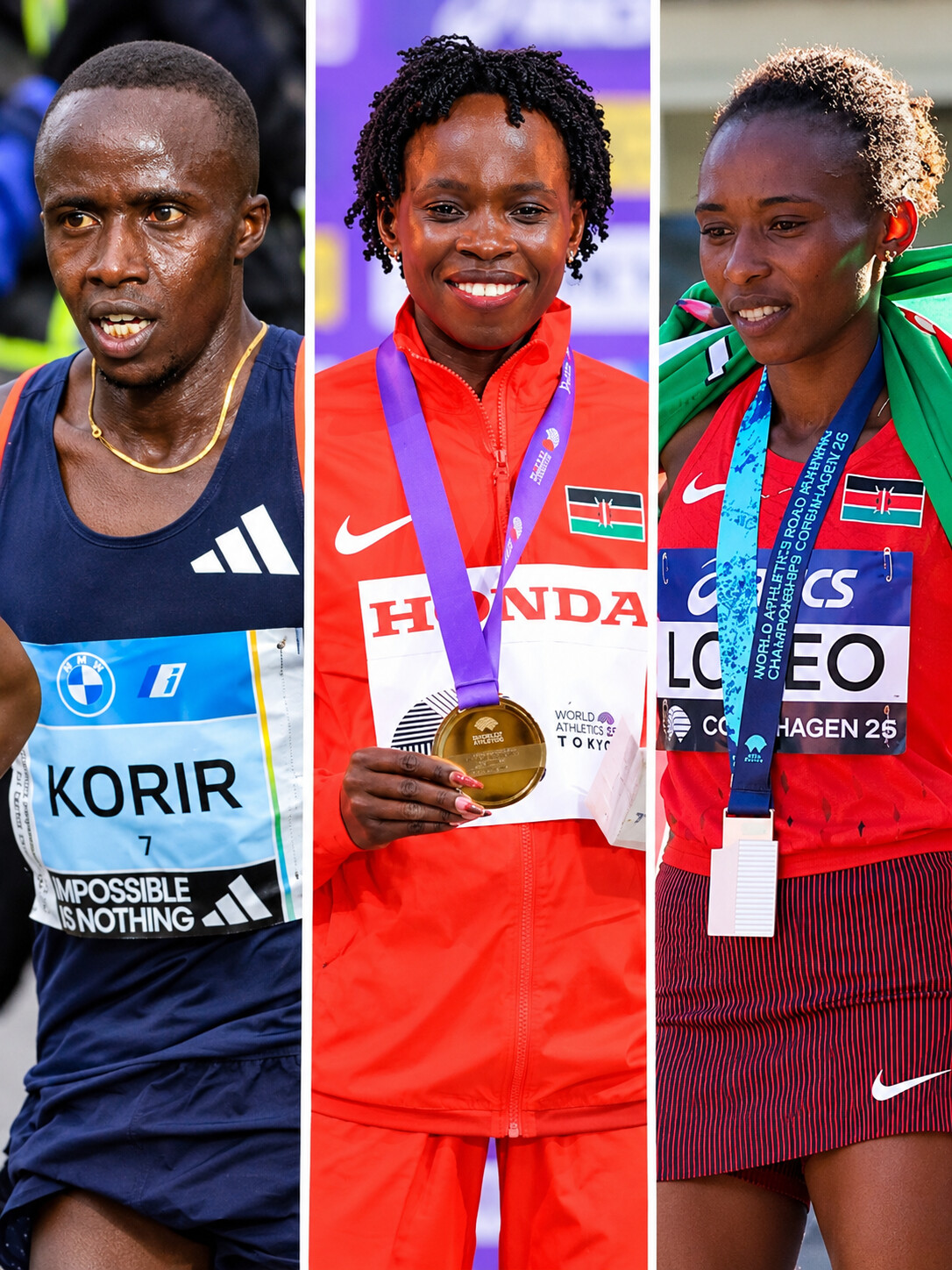
His remarks came on a particularly significant day for Kenyan athletics. The AIU announced three separate sanctions involving prominent Kenyan distance runners, including former world marathon champion Peres Jepchirchir, world half-marathon silver medallist Veronica Loleo and marathoner Ronald Korir.
Jepchirchir and Loleo each received three-year bans after committing EPO-related anti-doping violations, while Korir was handed a six-year suspension following an adverse finding connected to his Athlete Biological Passport.
The latest cases have once again placed Kenya's anti-doping efforts under scrutiny, with questions being raised about athlete management, education, testing and accountability across the sport.
However, Kenya's anti-doping leadership has pushed back against attempts to associate individual violations with the entire country's athletics community.
Peninah Wahome, head of the Anti-Doping Agency of Kenya (ADAK), told AFP that doping remains an individual decision and urged the public not to generalise the actions of a few athletes.
"It’s an individual decision by an athlete to dope, and let’s not condemn all the athletes," Wahome said.
Her response highlights an important distinction in the ongoing debate: while doping cases involving Kenyan athletes must be addressed firmly, they should not overshadow the achievements and integrity of the many clean competitors representing the country.
Gressier's intervention adds another prominent voice to the growing calls for greater accountability in athletics. Beyond suspensions and positive tests, the sport must also examine the networks surrounding athletes, including the agents and management structures that influence their careers.
Ultimately, protecting the credibility of athletics will require more than punishing those who break the rules. It will also mean strengthening anti-doping education, protecting vulnerable athletes and ensuring that everyone who profits from the sport contributes to keeping competition fair.
by Erick Cheruiyot for My Best Runs.
Login to leave a comment

Is Femke Bol’s 400m Hurdles Career Over Forever? The Dutch Superstar’s Remarkable 800m Transformation Raises Big Questions Ahead Of LA 2028!
Could we have witnessed the final chapter of Femke Bol’s extraordinary career in the 400m hurdles? The two-time world champion has opened the door to the possibility that she may never return to the event that established her as one of the biggest stars in global athletics.
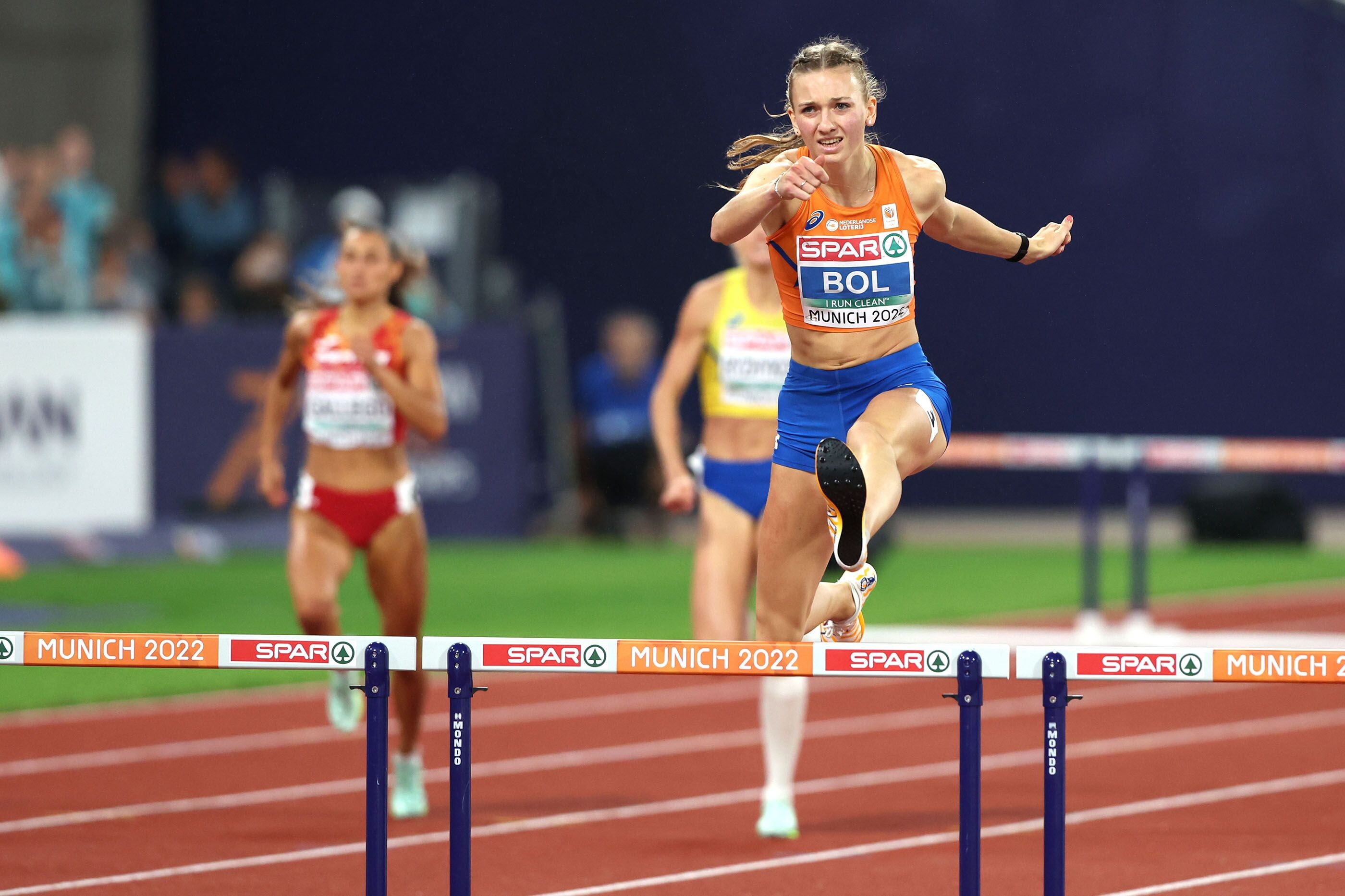
After successfully defending her 400m hurdles world title at the 2025 World Athletics Championships in Tokyo, the Dutch sensation made one of the boldest decisions of her career, announcing in October 2025 that she would move to the 800m in search of a new challenge.
It was a surprising change for an athlete who had spent years mastering the barriers, but her first full season over two laps in 2026 has demonstrated that she possesses the talent and determination to compete among the world's best in an entirely different discipline.
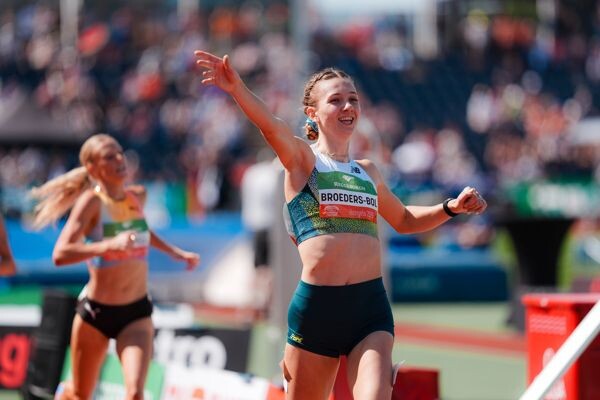
Bol's transition has already produced remarkable results. She claimed bronze at the European Athletics Championships in Birmingham, clocking 1:55.54, before securing another bronze medal at the World Athletics Ultimate Championships in Budapest with 1:56.74.
Her progress reached another level in August when she stormed to a Dutch national record of 1:54.71 in Zurich, establishing herself among the fastest women in the history of the event. The performance underlined just how quickly she has adapted to the demands of middle-distance running.
However, moving from the 400m hurdles to the 800m is about much more than simply running an additional lap. The event requires a different approach to pacing, tactical awareness, endurance and positioning, all of which Bol continues to develop as she gains experience against established middle-distance specialists.
Despite her impressive progress, the question surrounding her future in the 400m hurdles remains intriguing. Having already achieved almost everything there is to accomplish in her former speciality, Bol appears increasingly committed to discovering just how far her abilities can take her over 800 metres. Although a return to the hurdles has not been completely ruled out, the possibility of seeing her compete in the event again remains uncertain.
Her long-term ambitions are now firmly connected to the 2028 Los Angeles Olympic Games, where she will hope to transform her promising start in the 800m into a genuine challenge for Olympic gold.
The challenge will be enormous, particularly with established stars such as Keely Hodgkinson and rising Swiss sensation Audrey Werro setting the standard. Nevertheless, Bol's rapid improvement suggests that she should not be underestimated.
From conquering the barriers to embracing the tactical battles of two-lap racing, the Dutch superstar is proving that even the most successful athletes can reinvent themselves and pursue new ambitions.
Could Femke Bol become an Olympic 800m champion at Los Angeles 2028, or will we one day see her return to the 400m hurdles? One thing is certain: her next chapter promises to be fascinating.
by Erick Cheruiyot for My Best Runs.
Login to leave a comment
