

Running News Daily
Running News Daily is edited by Bob Anderson and team. Send your news items to bob@mybestruns.com Advertising opportunities available.
Index to Daily Posts · Sign Up For Updates · Run The World Feed



LA28 Olympic Flame To Make History With First-Ever Journey Through All 50 U.S. States

The Olympic flame is preparing for a journey unlike any it has made before.
For the first time in Olympic history, the flame heading to the Los Angeles 2028 Olympic Games will travel through all 50 U.S. states, bringing one of the Games’ most enduring traditions directly into communities across the country.
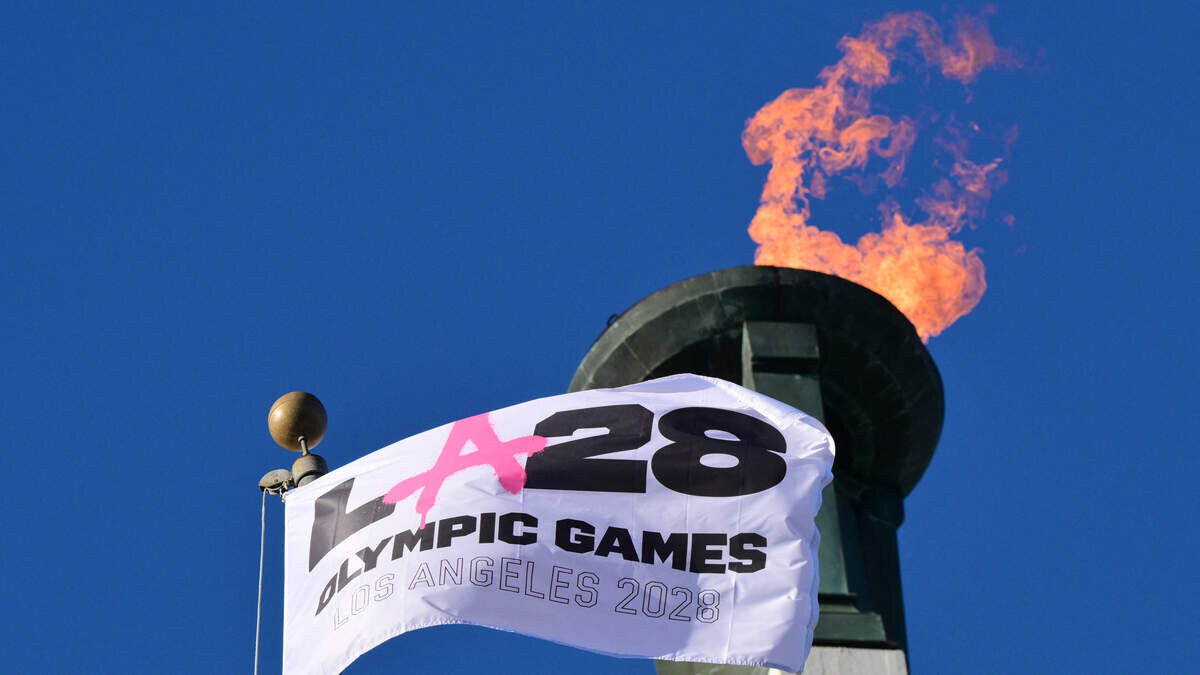
The historic American chapter will begin in Atlanta, Georgia, the host city of the 1996 Olympic Games and the last U.S. city to stage a Summer Olympics. Thirty-two years after the Atlanta flame was extinguished, the Olympic flame will return to the city to begin its extraordinary journey toward Los Angeles.
Before reaching American soil, the flame will be ceremonially lit in Olympia, Greece, the birthplace of the ancient Olympic Games. From there, it will make its way to the United States before beginning a nationwide relay in spring 2028. The complete route is expected to be announced in 2027.
50 STATES. ONE FLAME. ONE JOURNEY.

From Hawaii to North Dakota and from South Dakota to California, the relay is being designed to showcase communities, landmarks, cultural celebrations and major events across the United States.
LA28 says the relay will be one of the largest in Olympic history, with the flame passing through iconic locations and bringing celebrations to selected cities along the way. The journey is intended to give people across the country an opportunity to experience the Olympic spirit before the Games officially begin in Los Angeles.
The public will also have an opportunity to become part of the history. LA28 has confirmed that members of the general public will be eligible to be nominated as torchbearers, although further details about the nomination process will be announced later.
The full route remains under development, meaning the landmarks, cities and communities that will welcome the flame are still to be revealed. What is already certain, however, is the scale of the journey: every U.S. state will have a place in the Olympic Torch Relay for the first time.
THE OLYMPIC STORY WILL CONTINUE
The flame's journey will not be the only torch relay connected with LA28.
Following the conclusion of the Olympic Games, the Paralympic Torch Relay will begin in August 2028. Its flame will originate in Stoke Mandeville, United Kingdom, the birthplace of the Paralympic Movement, before continuing its own journey toward Los Angeles. The starting point of the U.S. portion of that relay will be announced at a later date.
The LA28 Paralympic Games are scheduled for 15–27 August 2028, marking Los Angeles' first time hosting the Paralympic Games.
For LA28, the Olympic flame will therefore become more than a symbol carried toward an opening ceremony. It will become a moving connection between communities separated by thousands of miles, linking America's Olympic past in Atlanta with its Olympic future in Los Angeles.
One flame. Fifty states. Millions of people. One extraordinary road to LA28.
by Erick Cheruiyot for My Best Runs.
Login to leave a comment
Latest Running News
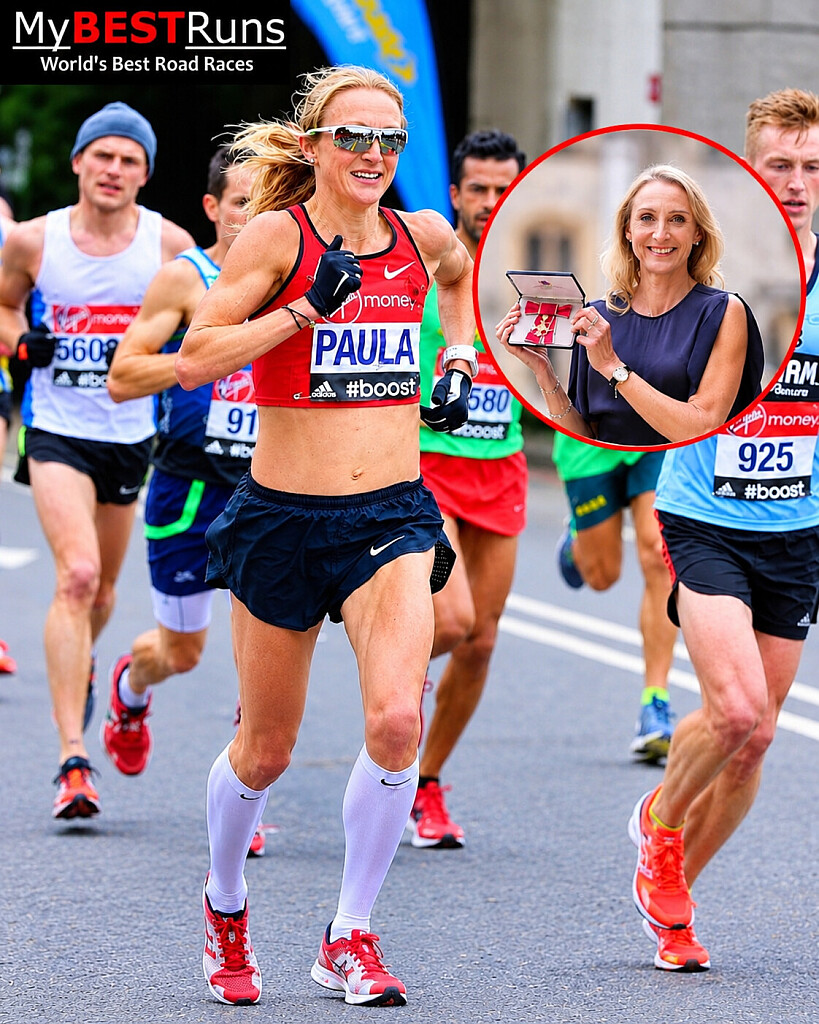
Royal Recognition For A Marathon Legend! Paula Radcliffe Officially Becomes Paula Radcliffe OBE As Prince William Presents Her With Prestigious Honour At Windsor Castle!
British distance-running legend Paula Radcliffe has officially added another prestigious milestone to her extraordinary career after receiving the Officer of the Order of the British Empire (OBE) honour at Windsor Castle, recognising her outstanding services to sport.
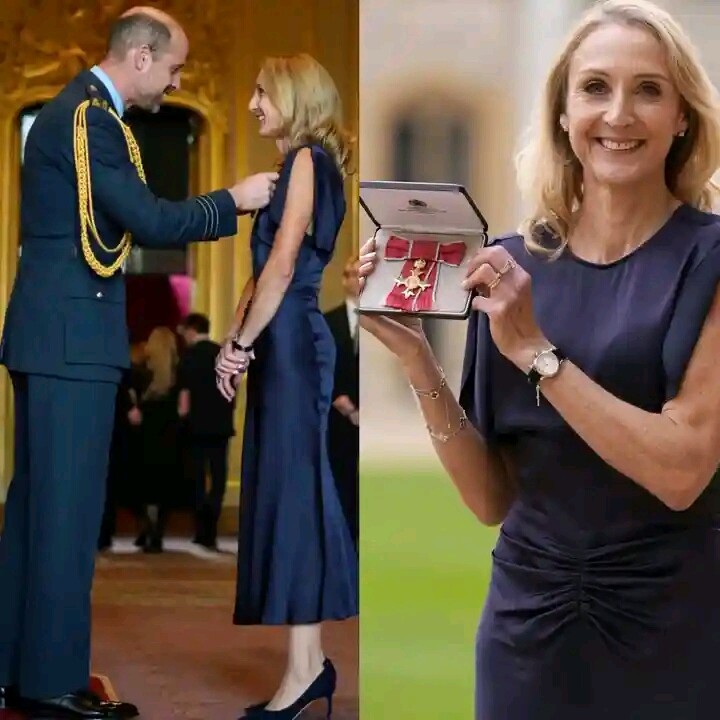
The 52-year-old former marathon world record-holder was presented with the honour by the Prince of Wales, Prince William, during a royal investiture ceremony on Tuesday, November 10, 2026. Her appointment had first been announced in the King's New Year Honours List in January.
Paula Radcliffe is now officially Paula Radcliffe OBE, marking another significant recognition for an athlete whose achievements have helped shape the history of women's distance running.
The honour represents a step up from the Member of the Order of the British Empire (MBE) she received in 2002, a remarkable year in which she won the London Marathon, the Chicago Marathon and the European 10,000m title.
Just one year later, Radcliffe produced the performance that would define her place in marathon history.
At the 2003 London Marathon, she stormed to an astonishing 2:15:25, establishing a women's world record and becoming the first woman to break the 2:16 barrier. The record stood for 16 years before Kenya's Brigid Kosgei shattered it with 2:14:04 at the 2019 Chicago Marathon. Radcliffe's legendary performance remains the British national record.
Her dominance over the marathon distance was not limited to record-breaking performances. She accumulated seven World Marathon Majors victories during her career, winning the London Marathon three times, the New York City Marathon three times and the Chicago Marathon once.
Another defining achievement came at the 2005 World Athletics Championships in Helsinki, Finland, where she captured the women's marathon gold medal in 2:20:57, adding a world championship title to her already impressive collection.
Radcliffe also established herself as one of Britain's greatest track and cross-country athletes, collecting major international honours across the 5,000m, 10,000m and cross country.
Although she retired from elite competitive athletics in 2015, her connection with marathon running never disappeared.
In 2025, a decade after stepping away from professional competition, Radcliffe returned to the marathon distance with a remarkable personal challenge: completing all six Abbott World Marathon Majors to earn her coveted Six Star Medal.
She began the final chapter of that journey at the Tokyo Marathon, finishing in 2:57:26, before travelling to the United States seven weeks later for the Boston Marathon. There, she crossed the finish line in 2:53:44, completing all six major marathons and adding another extraordinary achievement to her running story.
Her return demonstrated that her passion for the sport extended far beyond the records and championships she had accumulated during her professional career.
During Tuesday's ceremony, Radcliffe also spoke about the significant progress made in women's and girls' participation in sport. She highlighted the importance of women-only races, safer running environments and more inclusive opportunities that encourage women to take up athletics.
She also praised Princess Charlotte as a positive role model for young girls, highlighting how seeing prominent members of the Royal Family participating in physical activities can inspire the next generation to become more active.
Radcliffe discussed these issues with Prince William, who also recalled watching her compete during his younger years. Their conversation reflected the lasting influence of her performances and the wider importance of encouraging people to embrace sport and healthy lifestyles.
Today, Radcliffe remains one of the most recognisable voices in international athletics. Rather than chasing victories on the roads, she now regularly brings major athletics competitions and marathon races to millions of viewers through her broadcasting and commentary work with the BBC.
It is a fitting continuation of a remarkable relationship with the sport, as she now analyses and commentates on the same prestigious races she once dominated as an elite competitor.
From her historic 2:15:25 world record to seven World Marathon Majors victories, a world championship title and her remarkable Six Star Marathon achievement, Radcliffe's contribution to distance running stretches across generations.
Her latest royal recognition is a reminder that sporting greatness is not measured only by medals, finishing times and world records, but also by the influence an athlete leaves behind.
At Windsor Castle, a new honour was added to an already extraordinary legacy, officially recognising Paula Radcliffe's lasting contribution to British sport and global athletics.
by Erick Cheruiyot for My Best Runs.
Login to leave a comment
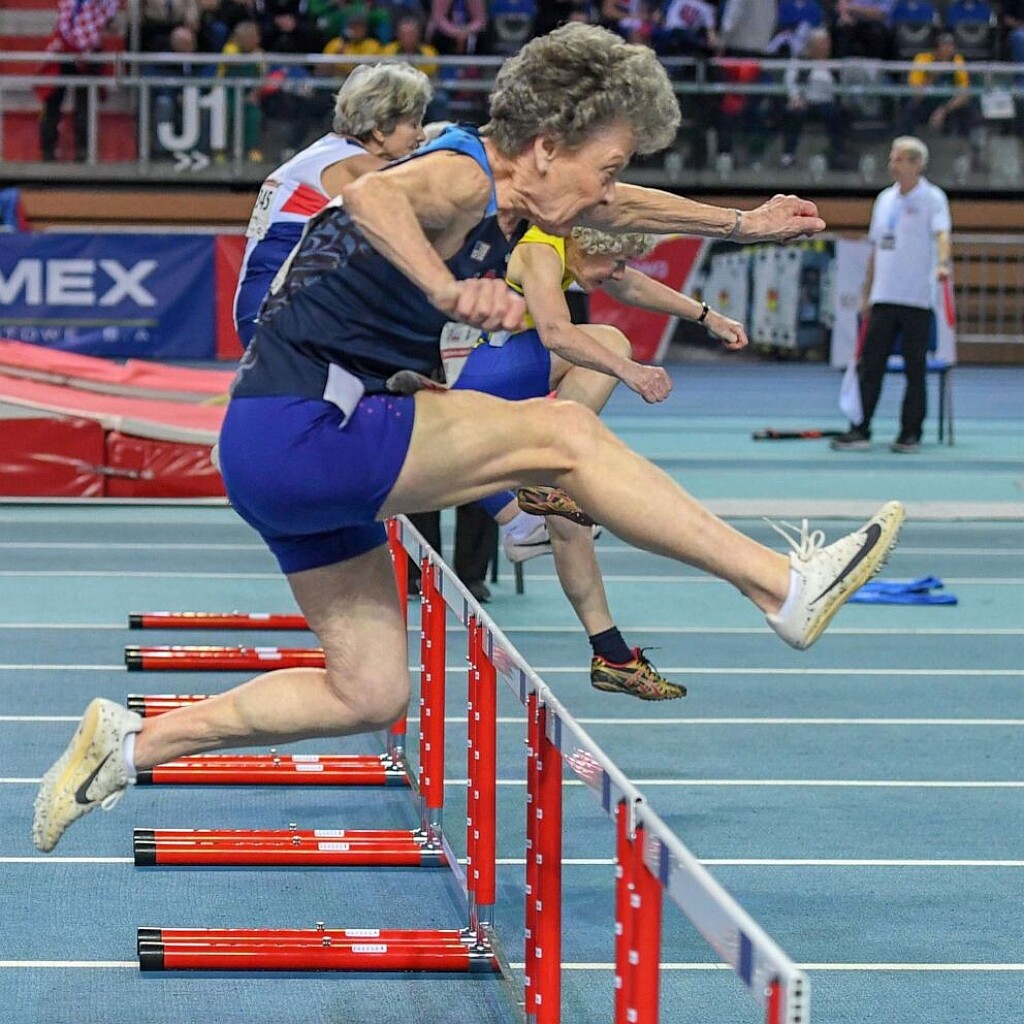
Age Is Just A Number! 91-Year-Old Flo Meiler Continues To Shatter World Records After Starting Athletics At 60!
At an age when many people have long stepped away from competitive sport, 91-year-old American athletics sensation Florence “Flo” Meiler is continuing to rewrite the limits of what is possible in masters athletics, proving that determination, discipline and a passion for competition do not have an expiry date.
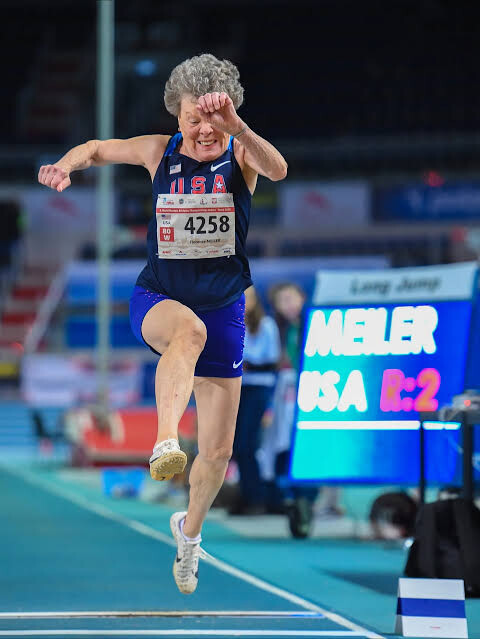
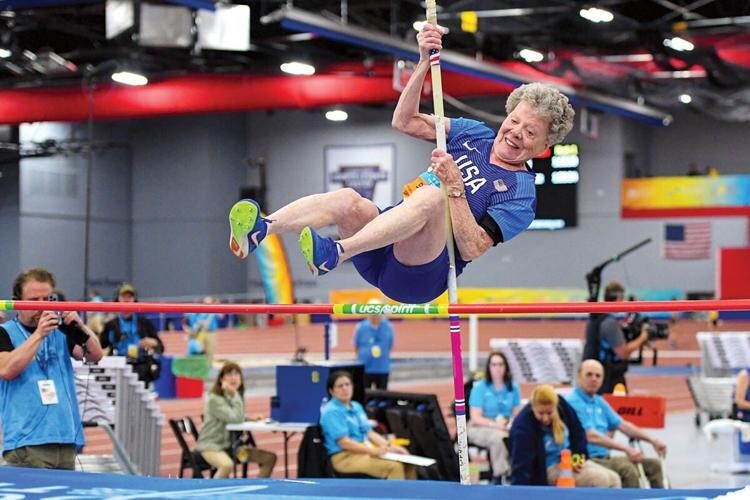
The remarkable athlete from Shelburne, Vermont, United States, has become an extraordinary figure in the masters athletics community, holding six World Masters Athletics records in the women's 90–94 age category. Her achievements span an impressive range of disciplines, including the 2,000m steeplechase, 80m hurdles, pole vault, high jump, triple jump and pentathlon.
What makes her story particularly remarkable is that Meiler did not begin competing in track and field until she was 60 years old. More than three decades later, she is still competing, setting records and inspiring athletes across generations.
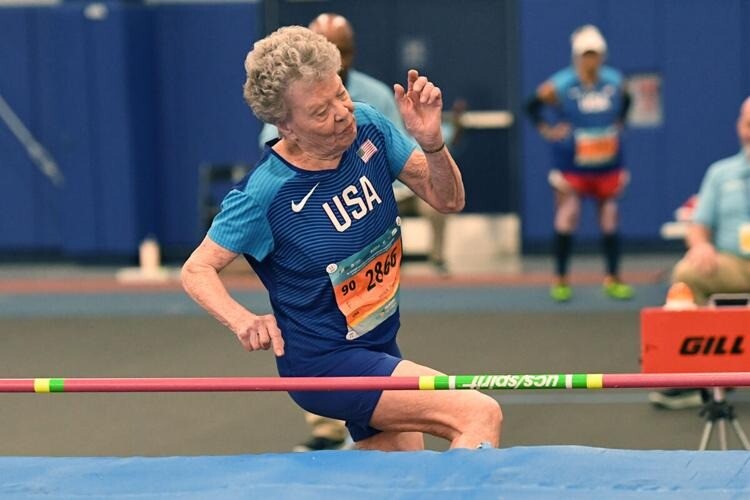
Her introduction to athletics came through her close friend Barbara Jordan, who encouraged her to try the long jump at the Vermont Senior Games. What began as an opportunity to experience something new soon developed into a lifelong sporting passion.
The two friends went on to train and compete together for approximately 20 years, challenging one another and achieving remarkable success. Their partnership was more than a sporting relationship; it was built on friendship, encouragement and a shared determination to keep improving.
However, their journey together eventually came to an end after Jordan was diagnosed with cancer. She stopped participating in sport and passed away in 2020 at the age of 85. Meiler has openly spoken about missing her longtime friend, remembering the special bond they shared on and off the track.
Despite the emotional loss, Meiler has continued pursuing the passion they built together. Training without her longtime companion has not always been easy, but she has maintained her competitive determination and continues to honour those memories through her performances.
According to World Masters Athletics, her six world records in the 90–94 age category demonstrate extraordinary versatility, particularly in technically demanding events such as pole vault, hurdles and the multi-event pentathlon.
Her achievements are also a reminder that masters athletics offers opportunities for people to remain competitive, discover new sporting interests and pursue ambitious goals well beyond the conventional years of elite competition.
Beyond the records and medals, Meiler takes great satisfaction in knowing that her journey has encouraged other people to remain active and challenge themselves. She has spoken about the special feeling she gets when fellow athletes approach her to explain how much her achievements have inspired them.
Her philosophy is beautifully captured in three simple words she previously shared with the Olympic Channel: “Never too late.”
At 91, Flo Meiler is not simply collecting records; she is challenging perceptions about ageing and demonstrating that the desire to compete, improve and achieve something extraordinary can remain alive throughout life.
Her story is a powerful reminder that sporting dreams do not necessarily have to begin in childhood, and that some of the most remarkable journeys can start when others might assume the opportunity has already passed.
With every training session and competition, Meiler continues to make her mark on masters athletics, offering an inspiring example of resilience, friendship and lifelong dedication to sport.
by Erick Cheruiyot for My Best Runs.
Login to leave a comment

Road To LA28: World Athletics Unveils Olympic Marathon Qualification Rules As Sub-2:05:00 Men And Sub-2:22:20 Women Target Los Angeles 2028!
The race for places at the Los Angeles 2028 Olympic Games has officially taken another significant step forward, with World Athletics publishing the qualification system for the athletics programme, outlining the standards, qualification windows and selection procedures that will determine which athletes earn the opportunity to compete on the biggest sporting stage.
However, it is the marathon qualification pathway that is already attracting considerable attention, with the governing body setting demanding entry standards of 2:05:00 for men and 2:22:20 for women as the world's leading distance runners begin preparing for the journey to Los Angeles.
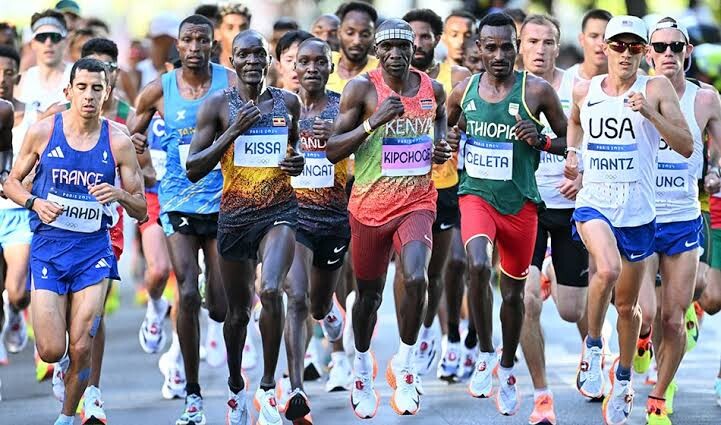
The marathon qualification period will run from 1 November 2026 through to 30 April 2028, giving athletes an extended opportunity to secure their Olympic places through outstanding performances at recognised competitions and the World Athletics rankings.
Unlike previous qualification systems that relied on a more balanced distribution between entry standards and rankings, LA28 will adopt a dual-pathway approach in which approximately 40 per cent of athletes are expected to qualify through the automatic entry standards, while the remaining 60 per cent will earn their places through world rankings.
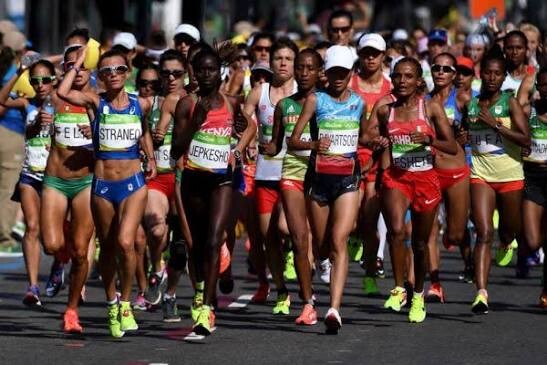
Importantly, achieving the qualifying standard will not automatically guarantee an Olympic place if the number of athletes meeting the mark exceeds the available quota. In such circumstances, priority will be given to the athletes with the strongest performances during the qualification period, within the established allocation limits.
For the men's and women's marathon, the qualification process will also introduce a significant ranking-based mechanism designed to provide greater clarity well before the final selection deadline.
According to the published regulations, any athlete ranked within the top 56 on the filtered 'Road to LA' marathon qualification list as of 19 March 2028 will be considered qualified, with the rankings calculated using a maximum of three athletes per National Olympic Committee.
The remaining 15 places will subsequently be allocated through the established dual qualification system, without displacing athletes who have already secured their positions by the March deadline.
Another important feature of the marathon qualification pathway concerns performances at Platinum Label marathons. The first five finishers at these designated races throughout the entire qualification period will automatically be considered to have achieved the Olympic entry standard and will receive priority placement on World Athletics' official 'Road to LA' qualification list.
National Olympic Committees will also retain limited flexibility when finalising their Olympic teams. They may reallocate a marathon quota place to an athlete who has not otherwise qualified, provided the selected runner has recorded at least 2:11:00 for men or 2:29:00 for women during the qualification window.
The new standards reflect the increasingly competitive nature of international marathon running, with World Athletics explaining that its calculations were informed by performances from the previous four major global championships: the 2022 and 2023 World Athletics Championships, the 2025 World Championships and the Paris 2024 Olympic Games.
The governing body also considered the continuing improvement in marathon performance levels, particularly the trend towards faster winning and qualifying times during Olympic years, when performances have historically been approximately 30 to 60 seconds quicker than ordinary projections.
With the marathon qualification window opening in November 2026, elite runners now have a clearly defined target as they begin planning their campaigns towards Los Angeles. The coming months and seasons will be crucial for athletes seeking to establish themselves among the world's leading marathoners and secure a place in the Olympic conversation.
The Los Angeles 2028 Olympic athletics programme will feature 23 events for men and 23 for women, alongside two mixed relay events. The Games are scheduled to take place from 15 to 30 July 2028, with athletics once again expected to provide some of the most compelling moments of the Olympic competition.
World Athletics is expected to launch its official 'Road to LA' qualification monitoring platform during the latter part of 2027, allowing athletes, national federations and athletics fans to follow the developing Olympic qualification race.
With the qualifying standards now officially published, the countdown to the Los Angeles Olympic marathon has entered a new phase, setting the stage for an intense international battle as the world's finest distance runners chase their Olympic dreams.
by Erick Cheruiyot for My Best Runs.
Login to leave a comment
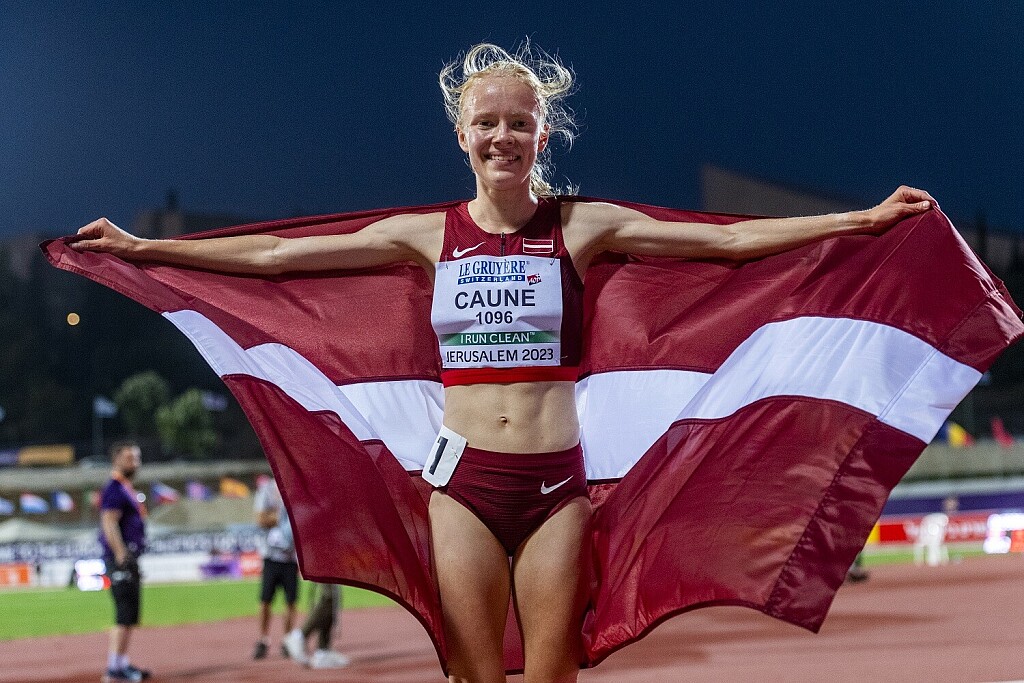
Heartbreaking Career Decision: Latvian Olympian Agate Caune Announces Retirement From Professional Athletics At Just 22 After Remarkable Rise!
Latvian distance-running sensation Agate Caune has announced her retirement from professional athletics at just 22 years old, bringing an unexpected end to a promising career that saw her rise from a highly decorated junior athlete to an Olympian and one of Europe's most exciting young distance-running talents.
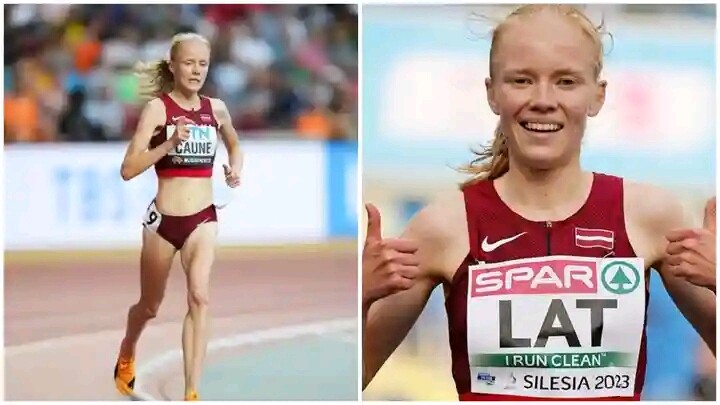
Caune made the announcement on Monday, November 9, opening up about the difficult experiences behind her decision to walk away from competitive athletics at an age when many distance runners are only beginning to reach their full potential.
In reflecting on her journey, the young Latvian revealed that her career was not always as straightforward as it appeared from the outside. She spoke candidly about periods when she questioned whether her body could continue coping with the physical demands of professional running and whether she would ever achieve the performances she had worked so hard to reach.
She also disclosed that certain hurtful words and experiences affected her more deeply than those around her may have realised, offering a glimpse into the personal challenges she faced away from the competition arena.
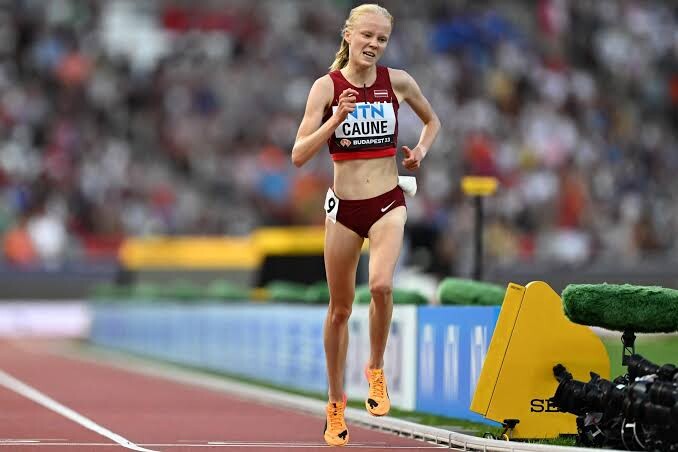
Despite the difficult moments, Caune looked back on her athletics journey with gratitude, emphasising that the experiences and achievements she collected along the way had given her more than she could have imagined.
"Some may say my athletic career was short, but I would say it was long enough to experience and achieve a lot," she reflected.
She also expressed appreciation to the people who supported her throughout her career, extending her gratitude to her coaches, physiotherapists, doctors, family members, supporters and everyone who played a part in her development and stood beside her during both the successful and challenging periods.
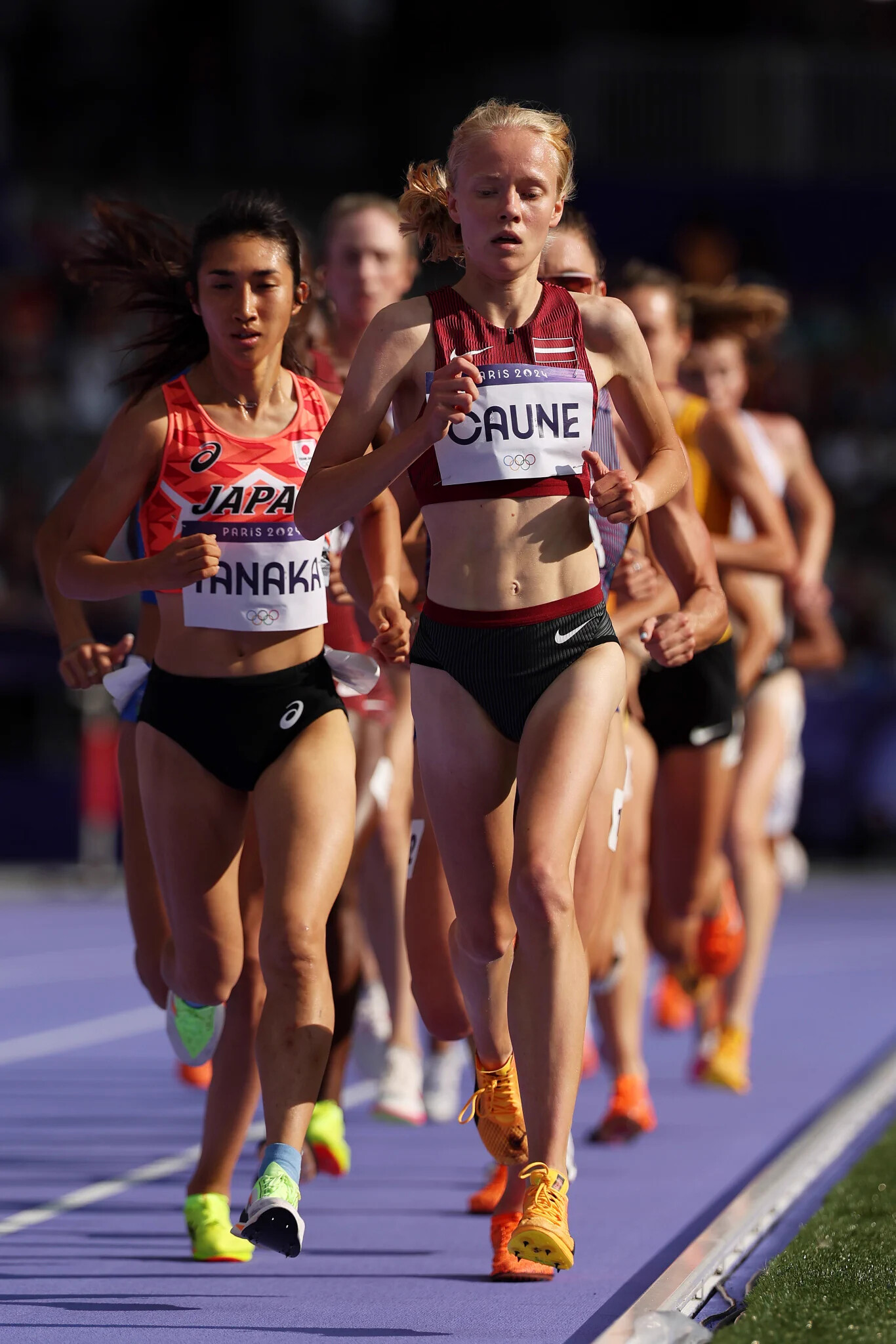
Although she is stepping away from professional competition, Caune has made it clear that running itself is not leaving her life. She intends to continue running for fitness, personal enjoyment and occasionally alongside friends, while turning her attention towards new ambitions, opportunities and challenges beyond professional sport.
Her departure marks the conclusion of a career that delivered several outstanding achievements, particularly during her remarkable junior years. Caune first attracted international attention at the 2022 World Athletics U20 Championships in Cali, Colombia, where she secured silver in the women's 5000m, establishing herself among the most promising young distance runners in Europe.
She continued her impressive progression in 2023, producing a memorable double victory at the European Athletics U20 Championships in Jerusalem, Israel, where she captured gold medals in both the 3000m and 5000m. The performances confirmed her status as one of the continent's leading emerging talents.
That same year, she added another significant achievement by winning the women's 5000m title at the European Games in Poland, further strengthening her growing reputation on the international stage. She also established several Latvian age-group records during her development, underlining the scale of her potential.
One of the defining moments of her career came at the 2023 World Athletics Championships in Budapest, Hungary, where she demonstrated remarkable courage against some of the biggest names in women's distance running.
Competing in the 5000m heats, Caune took an aggressive approach, surging into a commanding lead ahead of established stars including Ethiopia's Gudaf Tsegay and Kenya's Beatrice Chebet. Although the experienced contenders eventually caught and passed her in the closing stages, her fearless performance earned her a place in the final and attracted widespread attention.
In 2024, she reached another major milestone when she represented Latvia in the women's 5000m at the Paris Olympic Games, taking her place among the world's finest distance runners on the biggest sporting stage.
Her competitive journey also extended beyond the track, with Caune exploring road racing as part of her development. During the 2026 season, she competed in the women's half marathon at the World Athletics Road Running Championships, finishing 72nd in 1:14:27.
For an athlete who had achieved so much in such a relatively short period, the decision to leave professional athletics at 22 represents a particularly unexpected turning point. Her journey, however, is a reminder that the life of an elite athlete involves challenges that are not always visible through medals, records and championship appearances.
From junior championship podiums and European titles to the World Championships and Olympic Games, Caune leaves professional competition having represented Latvia on some of the sport's biggest stages.
While her professional racing career has come to an end, her connection with running remains. The Latvian now looks forward to a different chapter, one in which she can enjoy the sport without the pressures and demands of elite competition, while pursuing new goals beyond the athletics track.
by Erick Cheruiyot for My Best Runs.
Login to leave a comment
Ethiopia’s Netsanet Selemon Claims Youth Olympic 800m Gold As The Philippines’ Naomi Cesar Makes History With Silver In Dakar!
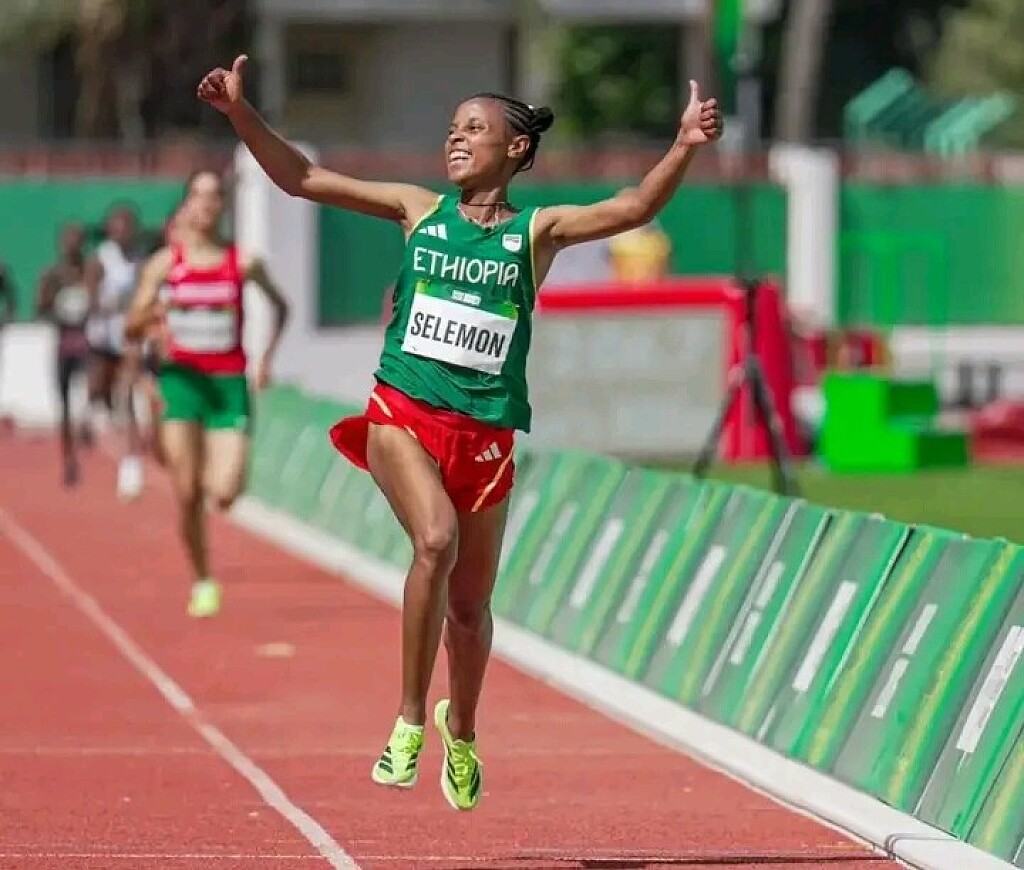
Ethiopia’s Netsanet Selemon delivered a commanding performance to capture the women’s 800m title at the 2026 Summer Youth Olympic Games in Dakar, Senegal, while the Philippines celebrated a historic breakthrough as Naomi Marjorie Cesar secured the silver medal.
Selemon produced an impressive performance in Monday’s final on November 9, crossing the finish line in 2:04.43 to take the gold medal and establish a new personal best. The Ethiopian showcased her strength and composure over the two laps, securing another major achievement for Ethiopia’s celebrated middle-distance running tradition.
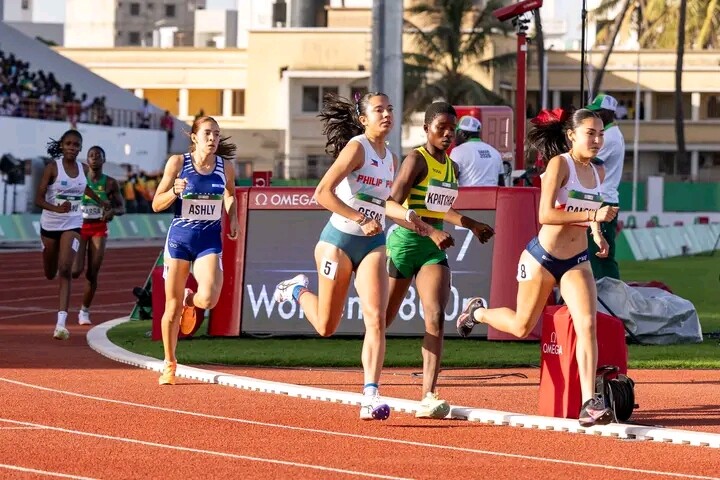
The biggest talking point of the race, however, was Cesar’s outstanding second-place finish. Representing the Philippines, she clocked 2:09.34 to claim the silver medal, delivering a landmark result for her country on the international athletics stage. Her podium appearance marked a significant milestone for Philippine athletics and placed her among the standout young performers of the competition.
In a particularly memorable achievement, Cesar became the first Philippine athletics athlete to win a medal in Youth Olympic Games history. Her silver also gave the Philippines its first medal at the 2026 edition of the Games in Dakar, making her performance an important moment for the country's sporting history and a source of inspiration for the next generation of Filipina athletes.
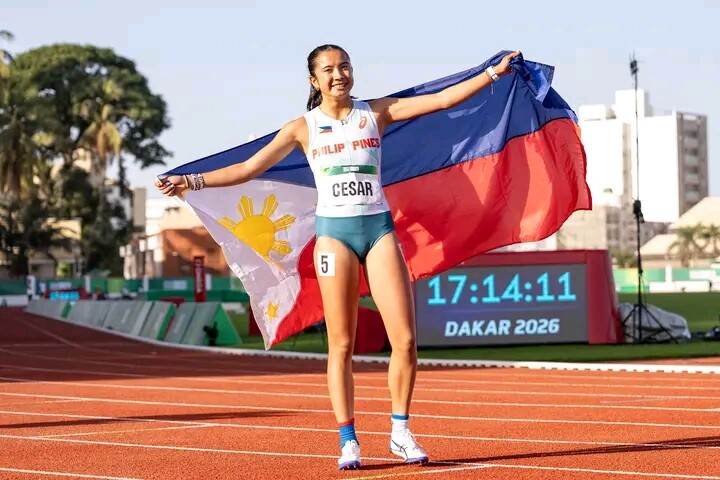
Cesar's achievement was even more remarkable considering the competitive nature of the final. The young Filipina demonstrated determination and confidence against an international field, securing her place on the podium and bringing considerable attention to the development of middle-distance running in the Philippines. Her breakthrough represents a significant step forward for Philippine athletics on the global stage.
Morocco’s Khadija Elmostaqim completed the podium, taking bronze in 2:10.05 after a strong performance, while Slovenia’s Masa Weber finished fourth in 2:10.58.
Togo’s Yvette Kpatcha placed fifth in 2:15.80, followed by Chile’s Valentina Cancino in sixth with 2:18.59. Spain’s Benítez Ashly finished seventh in 2:21.07, Botswana’s Mpho Maano was eighth in 2:26.58, and Mali’s Awa Diarra completed the top nine in 2:31.29.
The final brought together emerging middle-distance talents from different continents, highlighting the growing international depth of women’s 800m running and providing a glimpse of athletes who could make their mark at senior level in the years ahead.
For Ethiopia, Selemon’s victory added another gold-medal moment to the country’s rich athletics legacy. For the Philippines, Cesar’s silver-medal achievement provided one of the most significant stories of the competition, underlining the growing reach of athletics beyond its traditional powerhouses.
The women’s 800m final in Dakar will be remembered for Selemon’s gold-medal performance and Cesar’s historic breakthrough, as two young athletes from different continents made their mark on the Youth Olympic stage.
by Erick Cheruiyot for My Best Runs.
Login to leave a comment
