

Running News Daily
Running News Daily is edited by Bob Anderson and team. Send your news items to bob@mybestruns.com Advertising opportunities available.
Index to Daily Posts · Sign Up For Updates · Run The World Feed



26 Years Later, Vivian Cheruiyot Returns To Sydney As A Kenyan Distance-Racing Legend

Twenty-six years ago, a 17-year-old Vivian Cheruiyot arrived in Sydney carrying the dreams of a young Kenyan athlete and the promise of a remarkable future.
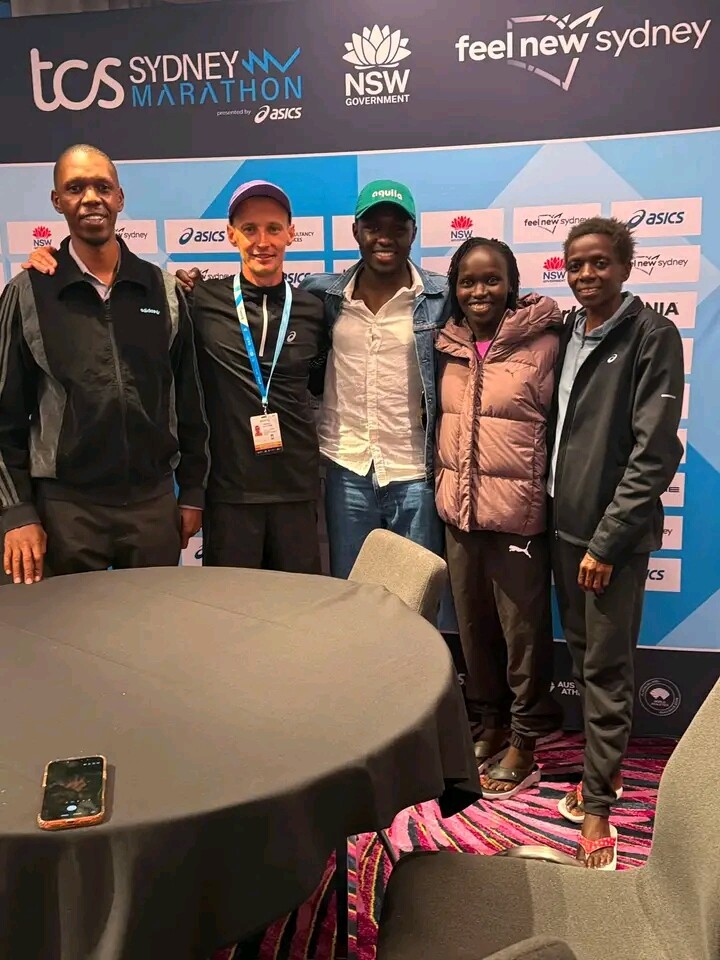
Today, she returns to the same Australian city as something far greater — an Olympic champion, four-time world champion, world cross-country champion, London Marathon winner, Laureus Sportswoman of the Year and one of Kenya’s most accomplished distance runners.
At 42, Cheruiyot will line up for the TCS Sydney Marathon on Sunday, August 30, completing an extraordinary full circle in a career that has stretched across more than two decades and transformed her from a teenage Olympian into one of the defining figures of her generation.
When Cheruiyot first competed in Sydney at the 2000 Olympic Games, few could have imagined the heights she would eventually reach. Still only 17, she advanced to the 5000m final and finished 14th — an experience that became the first chapter of an Olympic journey that would eventually span four Games.
The years that followed brought an extraordinary collection of victories.
Cheruiyot became world 5000m champion in 2009, then produced one of the greatest championship performances of her career in Daegu in 2011, winning both the 5000m and 10,000m titles while also claiming World Cross Country gold earlier that year. She added another world 10,000m title in Beijing in 2015, taking her tally to four senior world championships.
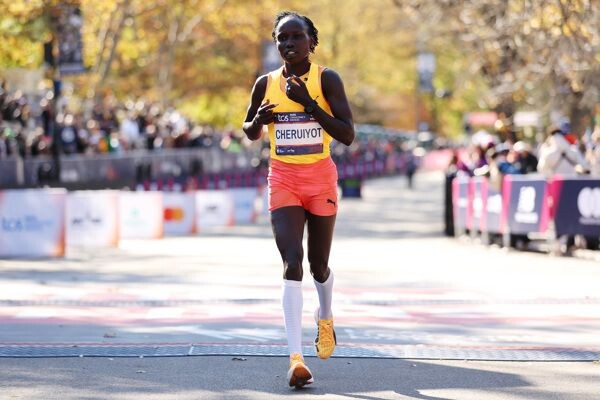
But the Olympic gold medal remained the one prize missing from her collection.
That changed dramatically in Rio in 2016.
After winning silver in the 10,000m, Cheruiyot returned to the track for the 5000m final and delivered a masterclass in championship racing. She surged away from Ethiopia’s Almaz Ayana in the closing stages to win Olympic gold in 14:26.17, finally completing the collection of major titles she had chased for so many years.
“I said I want to win,” Cheruiyot recalled after that historic victory. “This was my fourth Olympics and I’ve been dreaming about this since the very start.”
Her brilliance was not confined to the track.
After moving into marathon running, Cheruiyot established herself among the world’s best over 42.195km. She finished fourth in her London Marathon debut in 2017 before returning the following year to produce a stunning victory in 2:18:31 — a performance that placed her fourth on the world all-time list at the time and remains her marathon personal best.
She also finished runner-up in the New York City Marathon in 2018 and second in London in 2019, further demonstrating that her extraordinary competitive instinct had successfully followed her from the track to the roads.
Away from competition, Cheruiyot’s story has also evolved with her life. She became a mother, welcomed her daughter Arielle in 2021 and returned to competitive racing in 2023. In 2024, she claimed third place at the New York City Marathon, followed by fifth at the 2025 London Marathon.
Now Sydney offers her another opportunity to write her name into the city’s sporting history.
“I look back on my career with pride. I was able to win almost everything and have been at the top for a long time,” Cheruiyot said ahead of her return.
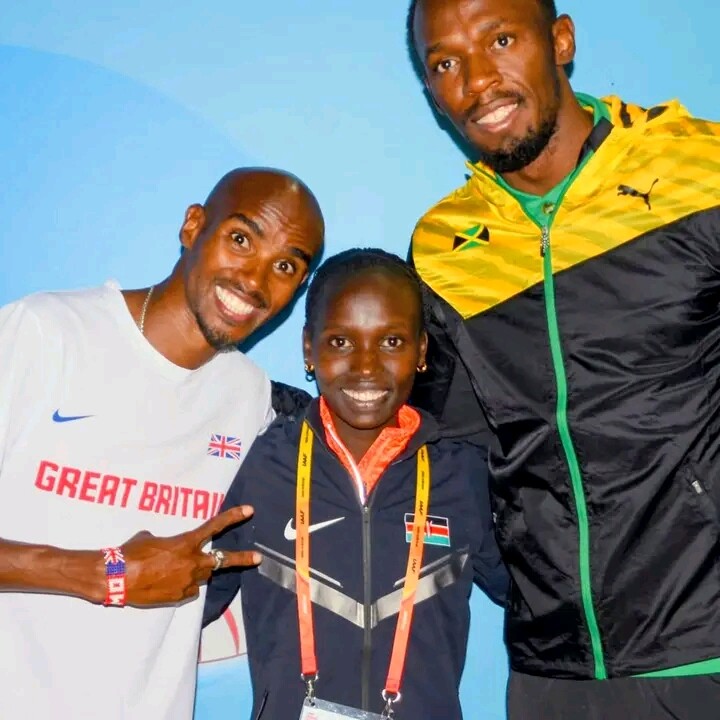
She also remembers the extraordinary generation in which she competed — an era that included global icons such as Usain Bolt, Tirunesh Dibaba and Meseret Defar.
“I was running in a great era and had a close-up view of athletes like Usain Bolt setting the world alight,” she reflected.
Yet perhaps the most remarkable aspect of Cheruiyot’s return is not simply the passage of time, but her willingness to keep challenging herself.
She arrives in Sydney having put considerable work into rebuilding her fitness, knowing that the marathon demands something entirely different from the explosive championship races that defined her track career.
“I am very excited to go back to Sydney,” she said. “It has been 26 years since I was there, and a lot has changed in my life since then. I hope to have a good run — I have put in a lot of work to regain fitness and hope my body will stand up to the 42km.”
Twenty-six years ago, Sydney introduced the world to a fearless Kenyan teenager chasing an Olympic dream.
Now, the same city welcomes back a woman who went on to conquer the track, cross country and marathon — and to leave an indelible mark on Kenyan athletics.
From teenage Olympian to Olympic champion. From world champion to marathon winner. From rising talent to mother and enduring icon.
Vivian Cheruiyot has come full circle — and Sydney is once again the stage.
by Erick Cheruiyot for My Best Runs.
Login to leave a comment

Sydney Marathon
The Sydney Marathon is a marathon held annually in Sydney, Australia. The event was first held in 2001 as a legacy of the 2000 Summer Olympics, which were held in Sydney. In addition to the marathon, a half marathon, 9 kilometres (5.6 mi) "Bridge Run", and a 3.5 kilometres (2.2 mi) "Family Fun Run" are also held under the banner...
more...Latest Running News
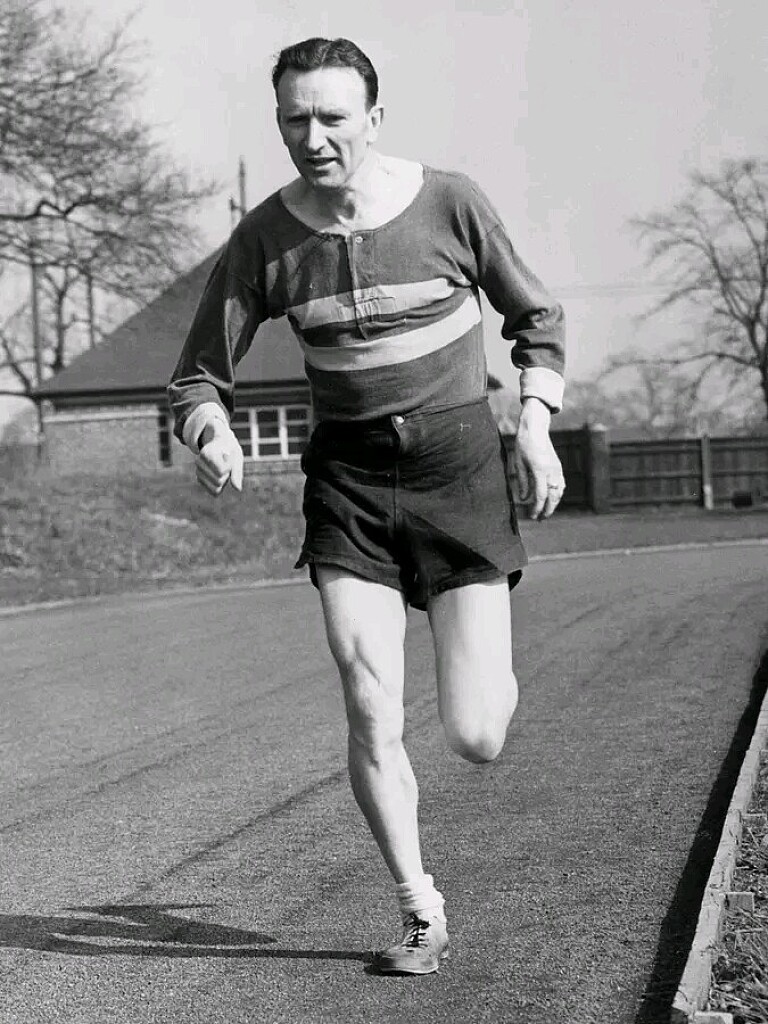
Jim Peters: The British Marathon Legend Who Made History As The First Man To Break 2:20
British distance-running pioneer Jim Peters was born on October 24, 1918, leaving behind a remarkable legacy that helped transform marathon running and redefine the limits of human endurance.
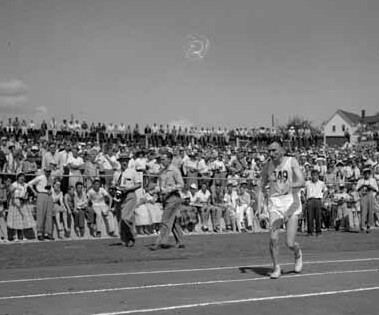
Born in Homerton, London, Peters became one of the most influential marathon runners of the 1950s, setting four world records and becoming the first athlete to complete the marathon in under two hours and 20 minutes.
His journey to greatness reached a defining moment on June 13, 1953, at the Polytechnic Marathon in England. Peters clocked 2:18:40.2, becoming the first man to break the historic 2:20 barrier in a marathon performance that marked a turning point in the sport's history.
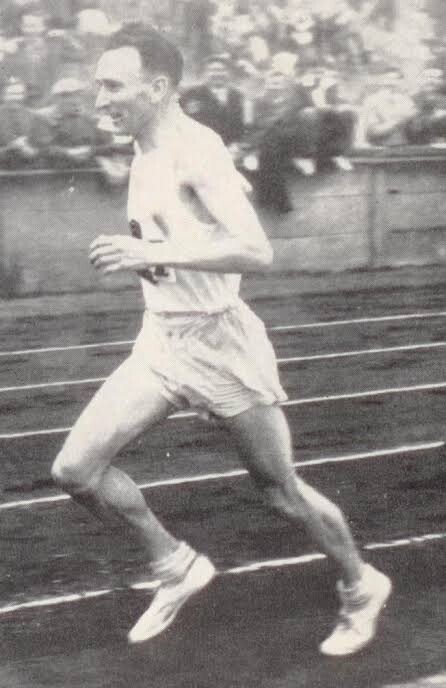
The achievement was comparable in significance to Roger Bannister's historic sub-four-minute mile the following year, demonstrating how dramatically athletes could continue to push the boundaries of endurance running.
Peters had already announced himself as a marathon revolutionary in 1952 when he recorded 2:20:42.2 at the Polytechnic Marathon, breaking the existing world record. Rather than settling for that milestone, he continued to improve, producing another world record in 1953 before reaching an even higher level the following year.
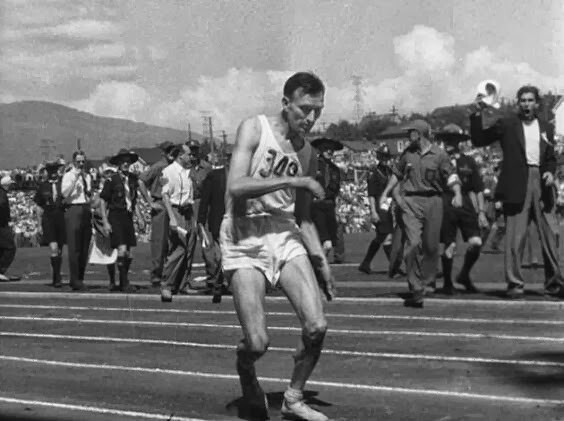
On June 26, 1954, Peters delivered the finest performance of his career, clocking 2:17:39.4 at the Polytechnic Marathon to establish his fourth and final marathon world record. His remarkable progression demonstrated an extraordinary ability to sustain an aggressive pace over the demanding 42.195-kilometre distance.
Beyond the marathon, Peters also represented Great Britain at the 1948 London Olympic Games, finishing eighth in the 10,000 metres. He later earned a bronze medal in the six-mile race while representing England at the 1954 British Empire and Commonwealth Games in Vancouver, Canada.
However, the Vancouver Games also brought one of the most heartbreaking moments of his athletic career. After building an enormous lead in the marathon, Peters collapsed from the effects of the heat and severe dehydration just short of the finish. Despite repeatedly attempting to continue, he was unable to complete the race.
The incident became one of the most poignant episodes in marathon history, but it could not diminish the extraordinary achievements that had established him as one of the greatest distance runners of his generation.
Peters retired from competitive athletics following the 1954 Games and returned his attention to his profession as an optician. He died on January 9, 1999, at the age of 80, following a battle with cancer.
More than six decades after his record-breaking performances, Peters remains a towering figure in marathon history. His courage, relentless pursuit of faster times and pioneering achievements helped lay the foundations for future generations of athletes to challenge the limits of the 42.195-kilometre race.
On what would have been his 108th birthday, the legacy of Jim Peters endures as a reminder that sporting history is often shaped by pioneers courageous enough to attempt what once seemed impossible.
by Erick Cheruiyot for My Best Runs.
Login to leave a comment
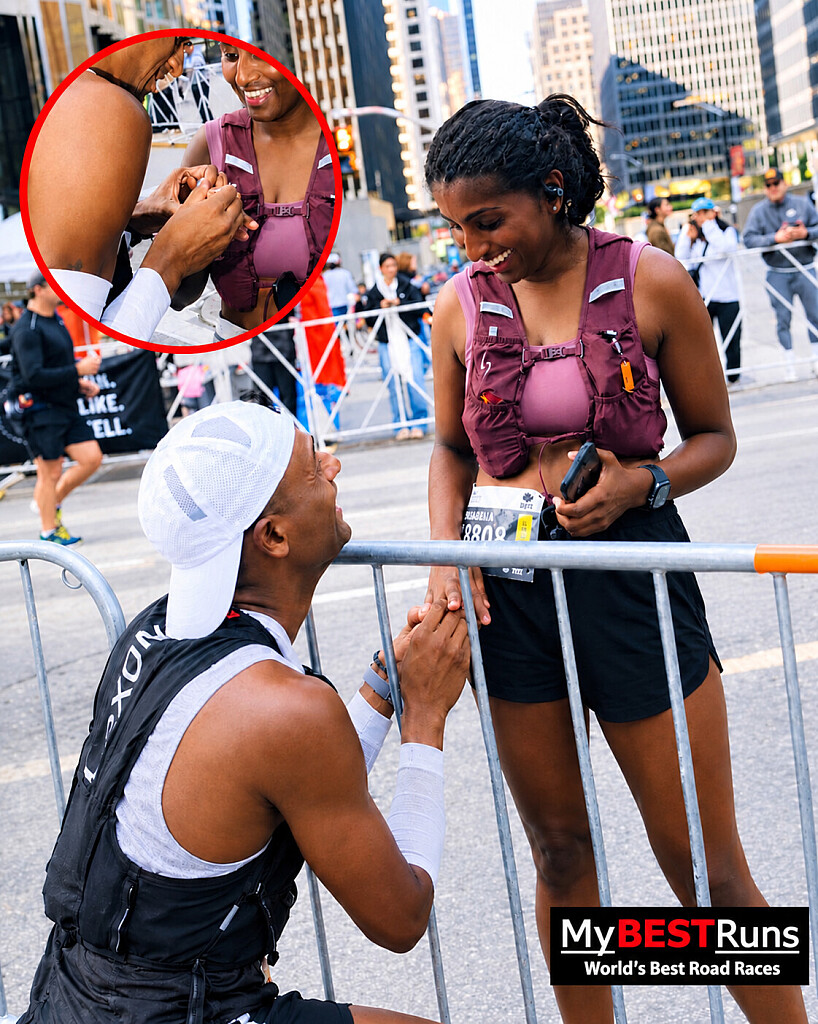
Love At The Half Marathon Mark: Gowsic Thevendran Proposes To Girlfriend Shaaruujaa Nadarajah During Toronto Marathon
For most marathon runners, reaching the halfway point means taking stock of their pace, conserving energy and preparing for the challenging kilometres ahead. But for Ontario runners Gowsic Thevendran and Shaaruujaa Nadarajah, the 21.1-kilometre mark of the TCS Toronto Waterfront Marathon became the setting for a moment that would change their lives forever.
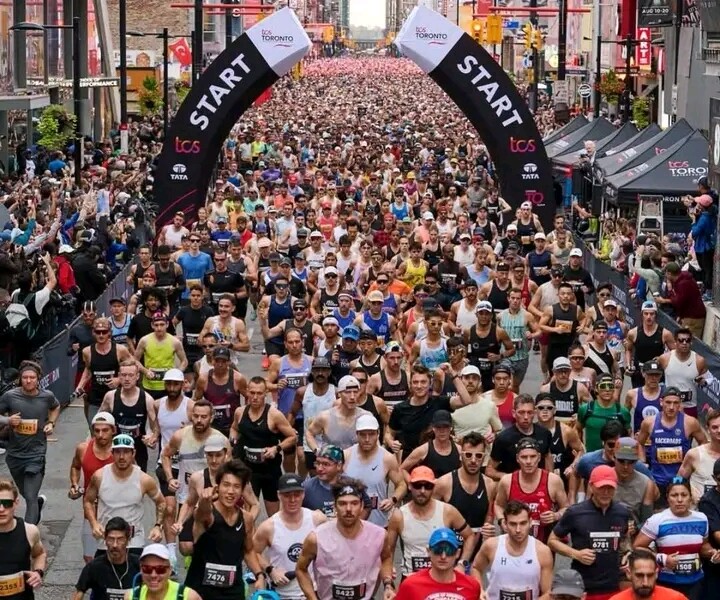
During Sunday's race, Gowsic turned an ordinary marathon checkpoint into an extraordinary romantic milestone by proposing to his girlfriend, Shaaruujaa, over the race barricade. The heartfelt moment transformed their shared running experience into a memory they will cherish long after the finish-line celebrations have ended.
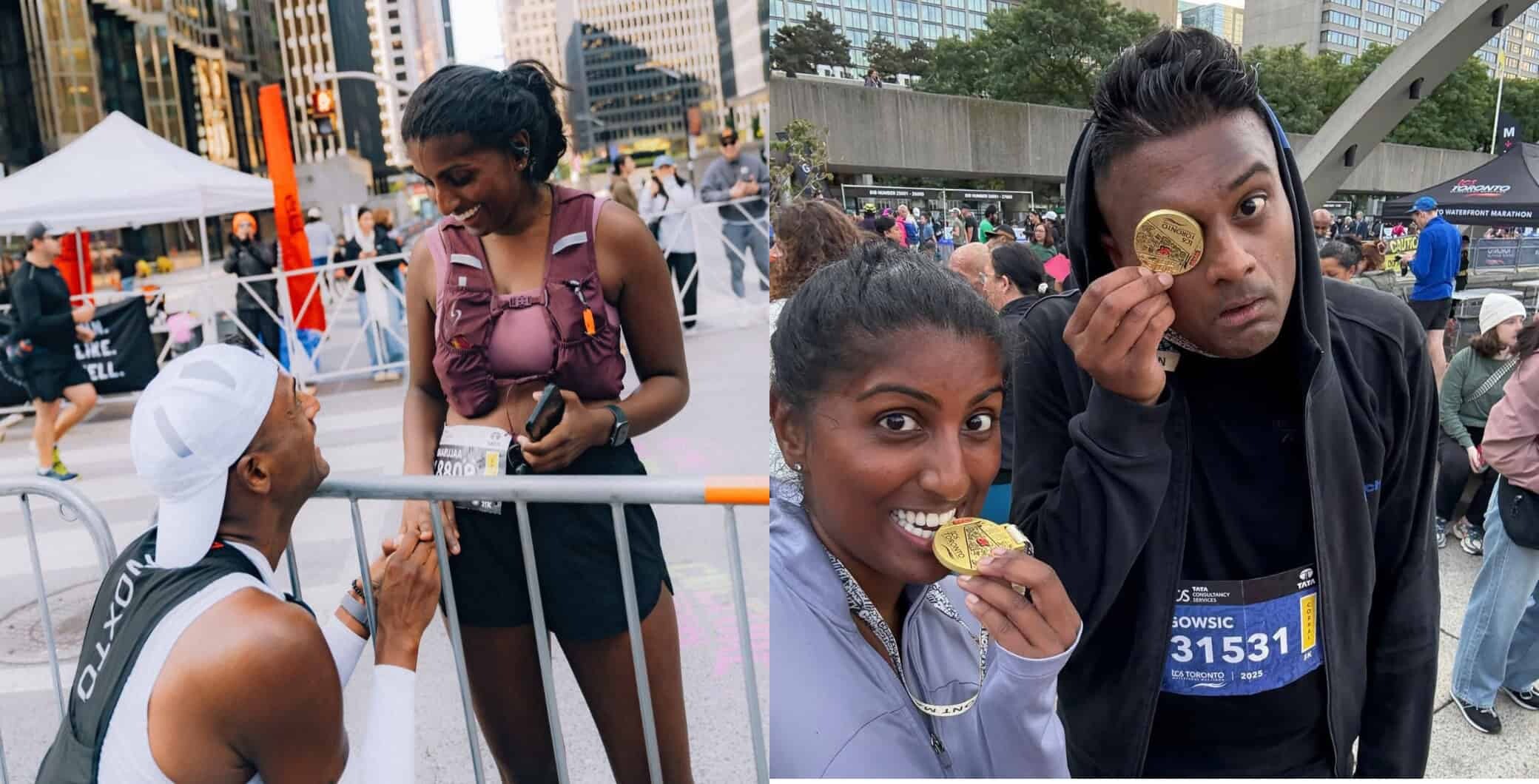
As Shaaruujaa stood on the other side of the barrier, Gowsic went down on one knee and asked the question that mattered far more than any finishing time or personal best. Her delighted reaction captured the emotion of the occasion, creating a memorable scene amid the excitement of one of Canada's major road-running events.
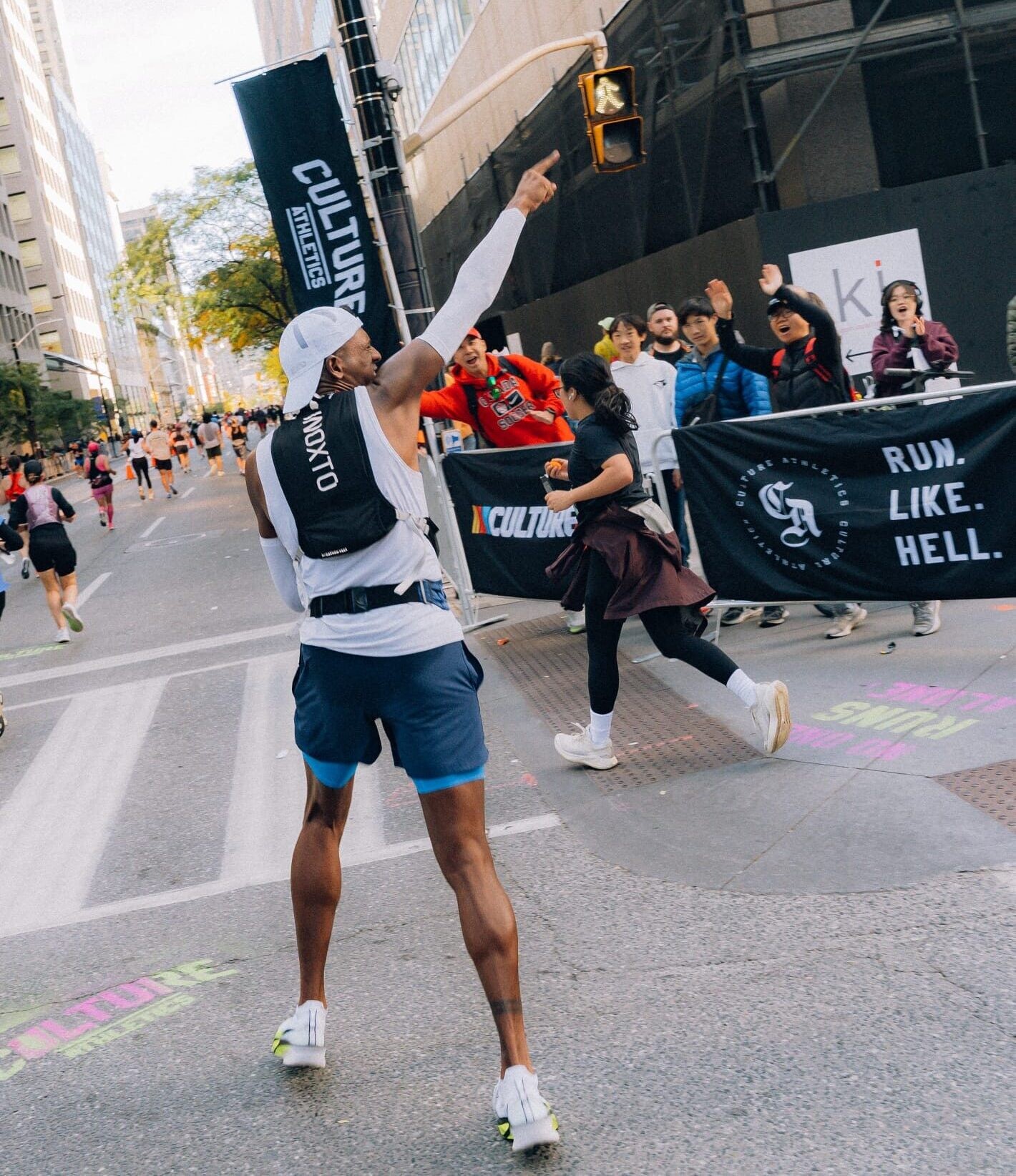
What made the moment even more remarkable was that the proposal came halfway through the marathon. With 21.1 kilometres already behind him, Gowsic still had another half marathon to complete after asking the biggest question of his life.
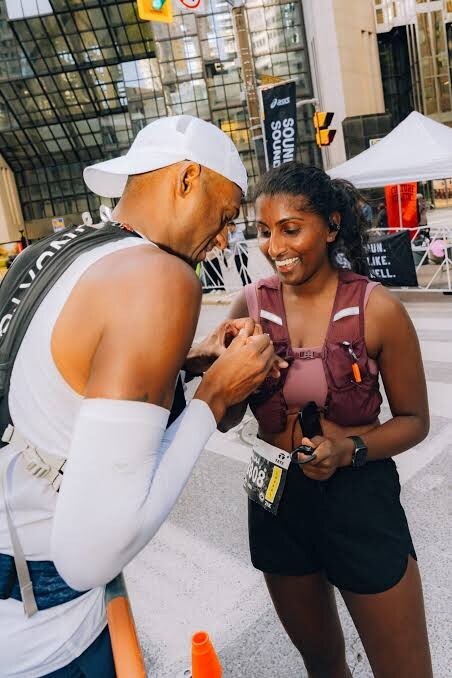
Rather than choosing a traditional setting for the proposal, he incorporated the couple's shared passion for running into a milestone they will forever associate with their relationship. Surrounded by fellow competitors, spectators and the energy of race day, the couple celebrated a moment that extended far beyond the sporting challenge unfolding around them.
Marathon proposals can sometimes spark debate, particularly when they interrupt a runner's race or catch a partner off guard. However, this occasion brought a different perspective, with both Gowsic and Shaaruujaa participating in the event and sharing their love of running.
For thousands of athletes on the Toronto streets, Sunday was about chasing ambitious times, achieving personal goals and crossing the finish line. For Gowsic and Shaaruujaa, the race also became the backdrop for a deeply personal milestone.
Marathons test endurance, patience and determination, but they can also produce unexpected moments of happiness that have nothing to do with the clock.
And while Gowsic still had another 21.1 kilometres to run, he had already secured a moment that no finishing time could measure.
Some races are remembered for records. Others are remembered for the people who make every kilometre worthwhile. For Gowsic and Shaaruujaa, this was a marathon in which love took centre stage.
by Erick Cheruiyot for My Best Runs.
Login to leave a comment
TCS Toronto Waterfront Marathon
The Scotiabank Toronto Waterfront Marathon, Half-Marathon & 5k Run / Walk is organized by Canada Running Series Inc., organizers of the Canada Running Series, "A selection of Canada's best runs!" Canada Running Series annually organizes eight events in Montreal, Toronto and Vancouver that vary in distance from the 5k to the marathon. The Scotiabank Toronto Waterfront Marathon and Half-Marathon are...
more...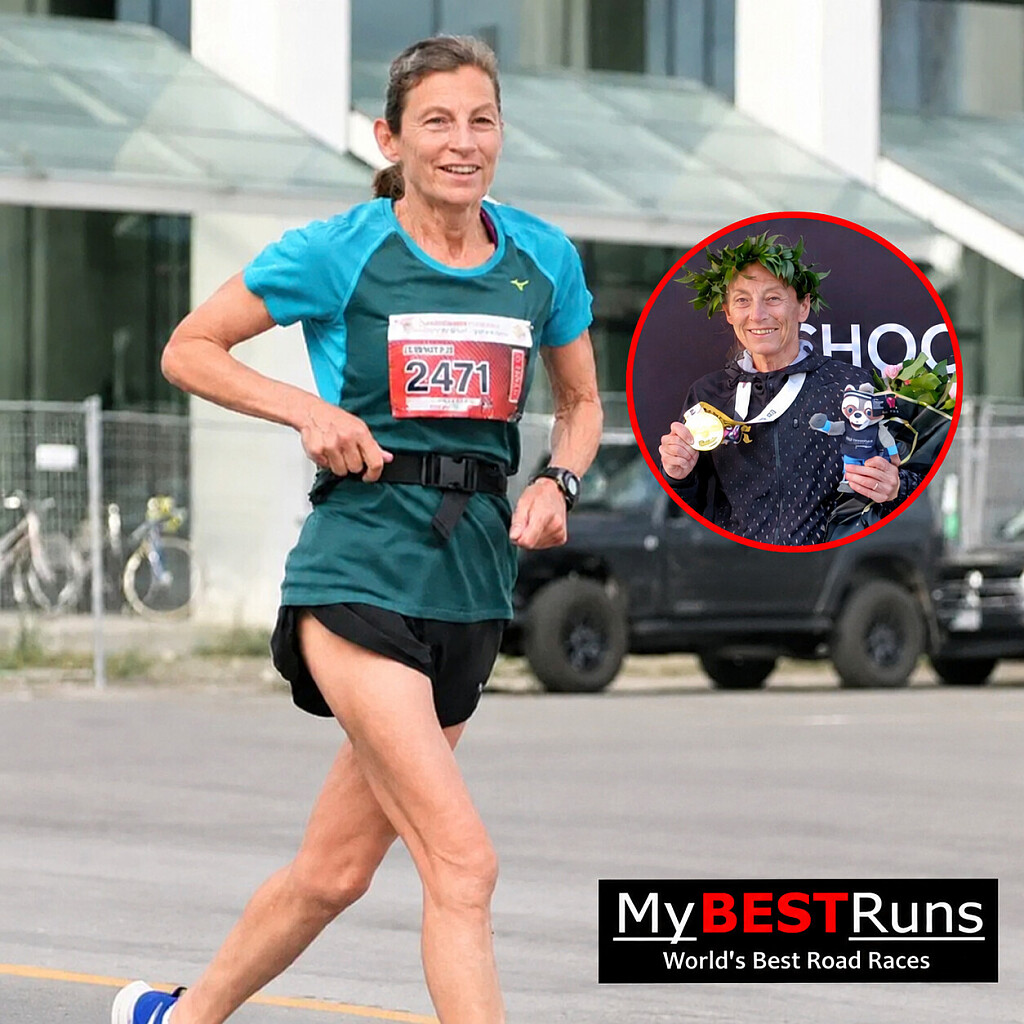
Jennifer MacDonell Runs 3:23:59 At 70 To Set Pending World Marathon Record In Toronto
At 70 years old, Canadian distance runner Jennifer MacDonell is challenging conventional expectations of ageing after producing a remarkable marathon performance that could rewrite the record books in masters athletics.
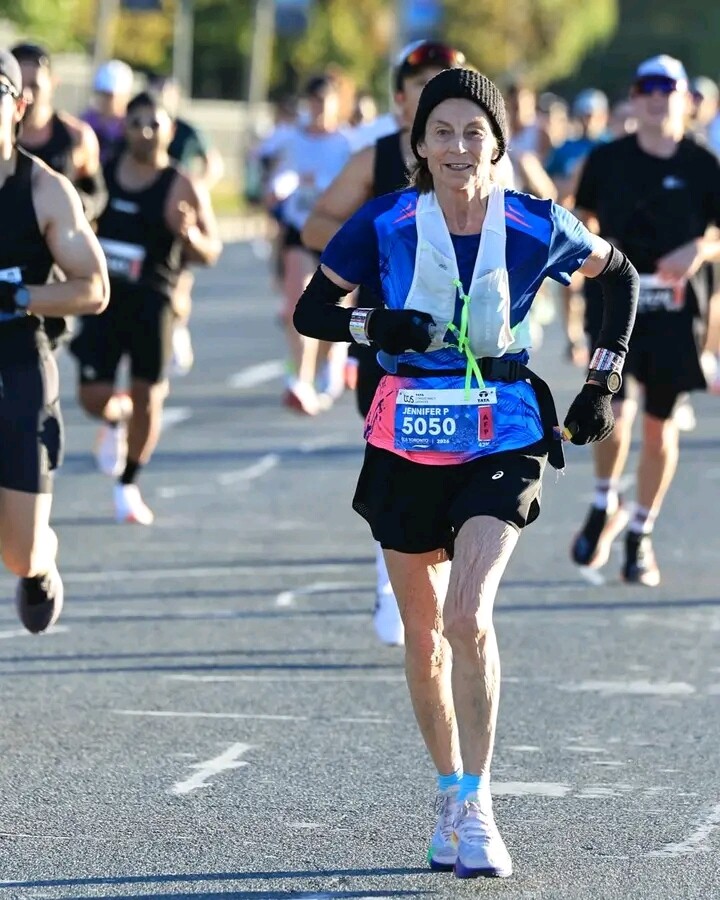
MacDonell, who hails from Ottawa, Canada, clocked an outstanding 3:23:59 at the TCS Toronto Waterfront Marathon, setting a pending world record in the women's 70–74 age category. Her performance eclipsed the previous mark of 3:27:00, set by France's Laurence Dupont Alnet in 2024, by more than three minutes.
Her extraordinary achievement stands as a powerful testament to the rewards of disciplined training, intelligent race preparation and a determination to continue competing at the highest possible level, regardless of age.
Completing the 42.195-kilometre distance in 3:23:59 required MacDonell to maintain an average pace of approximately 4:50 per kilometre, or 7:47 per mile, throughout the race. It was a phenomenal display of endurance from an athlete who continues to demonstrate that age alone does not define the boundaries of athletic performance.
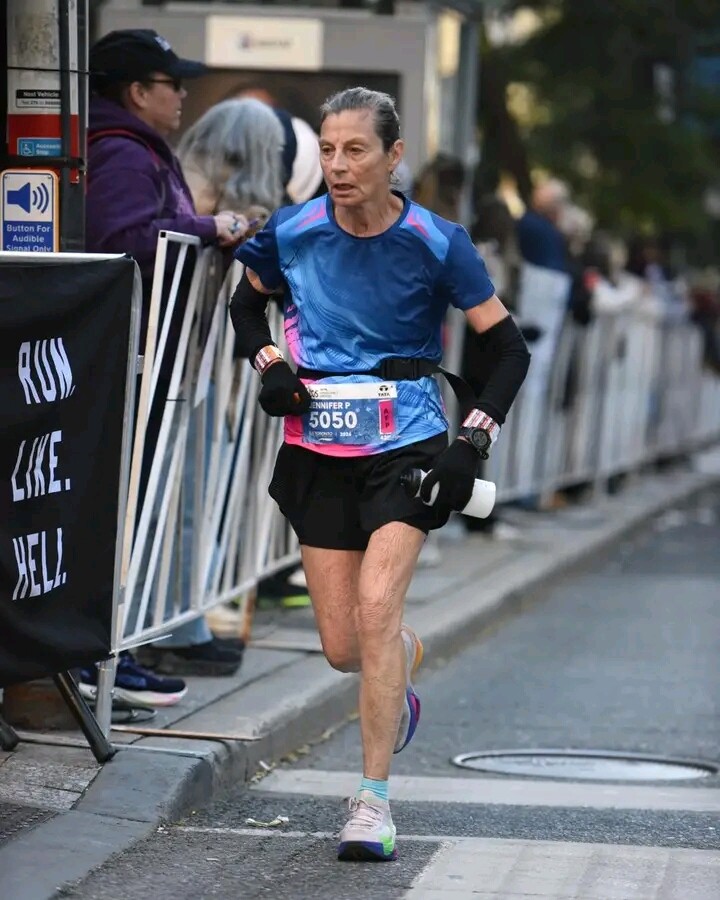
However, her marathon breakthrough was only the highlight of an extraordinary period of racing.
Just nine days before her performance in Toronto, MacDonell travelled to Montreal, where she set a Canadian age-group mile record with a time of 6:51. The following morning, she returned to the track and roads to record another national age-group mark, clocking 21:40 over 5km.
Producing two Canadian records on consecutive days before delivering a potentially world-record marathon performance little more than a week later highlights the remarkable consistency and preparation behind her achievements.
According to reports by Canadian Running Magazine, MacDonell devoted an entire year to studying the Toronto marathon course, carefully analysing its hills, anticipating potential headwinds and tailoring her training to meet the demands of race day.
That preparation proved crucial as she navigated the challenging course in pursuit of her ambitious goal. Even when a calf cramp emerged during the final two kilometres, threatening to disrupt her rhythm, she continued towards the finish line and completed one of the most impressive performances of her running career.
MacDonell's achievement also offers a compelling reminder of the importance of masters athletics, a competitive arena in which experienced runners continue to challenge records and redefine what is possible later in life.
While marathon running demands tremendous physical endurance at every age, maintaining the ability to compete at such a high level at 70 requires years of commitment, careful preparation and an enduring passion for the sport.
Her approach was driven by a fundamental question: how fast can the human body go?
In Toronto, MacDonell delivered an extraordinary answer, demonstrating that the pursuit of excellence does not have to end when an athlete reaches a milestone birthday.
Although her 3:23:59 performance remains subject to official ratification as a world record, the time has already established an impressive benchmark for women competing in the 70–74 age category.
For runners around the world, her story is about much more than a time on the clock. It is about setting ambitious goals, embracing the discipline required to achieve them and refusing to let age alone dictate the limits of one's ambitions.
At 70, Jennifer MacDonell is still chasing faster times, breaking records and inspiring others through her performances. Her remarkable run in Toronto sends a powerful message to the running community: the finish line of one achievement can always become the starting point for another.
by Erick Cheruiyot for My Best Runs.
Login to leave a comment
TCS Toronto Waterfront Marathon
The Scotiabank Toronto Waterfront Marathon, Half-Marathon & 5k Run / Walk is organized by Canada Running Series Inc., organizers of the Canada Running Series, "A selection of Canada's best runs!" Canada Running Series annually organizes eight events in Montreal, Toronto and Vancouver that vary in distance from the 5k to the marathon. The Scotiabank Toronto Waterfront Marathon and Half-Marathon are...
more...
Femke Bol Returns To Training After Bold 800m Switch As Dutch Star Targets A Bigger 2027 Season
Dutch athletics superstar Femke Bol is back on the track and preparing for the 2027 season after a remarkable year that saw her explore a new challenge on the track while celebrating a major milestone in her personal life.
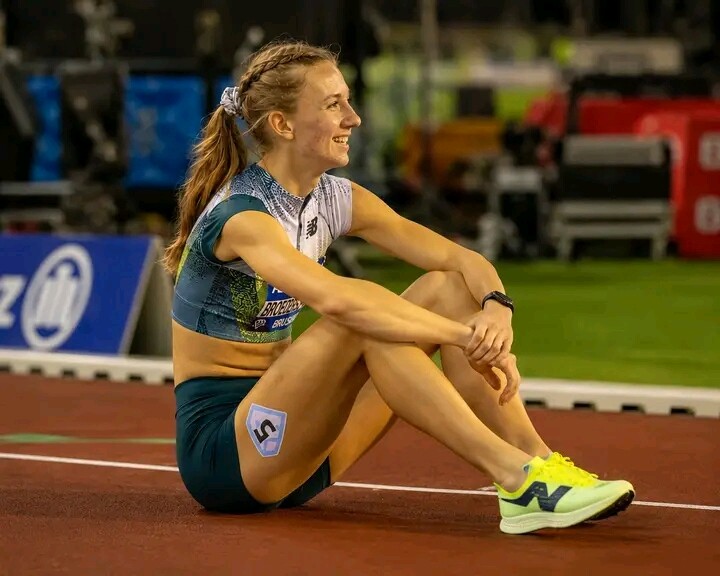
The 26-year-old, who established herself as one of the world's leading 400m hurdlers, made headlines in 2026 with an ambitious transition to the women's 800m. The move opened an exciting new chapter in her career, testing her speed, endurance and tactical abilities over the longer distance.
Bol quickly demonstrated that she could compete at an impressive level in her new event, setting a Dutch national record of 1:54.71 at the Zurich Diamond League. She also clocked 1:55.41 in Lausanne and secured victory in the 800m at the FBK Games in Hengelo, delivering performances that strengthened expectations surrounding her future in the discipline.
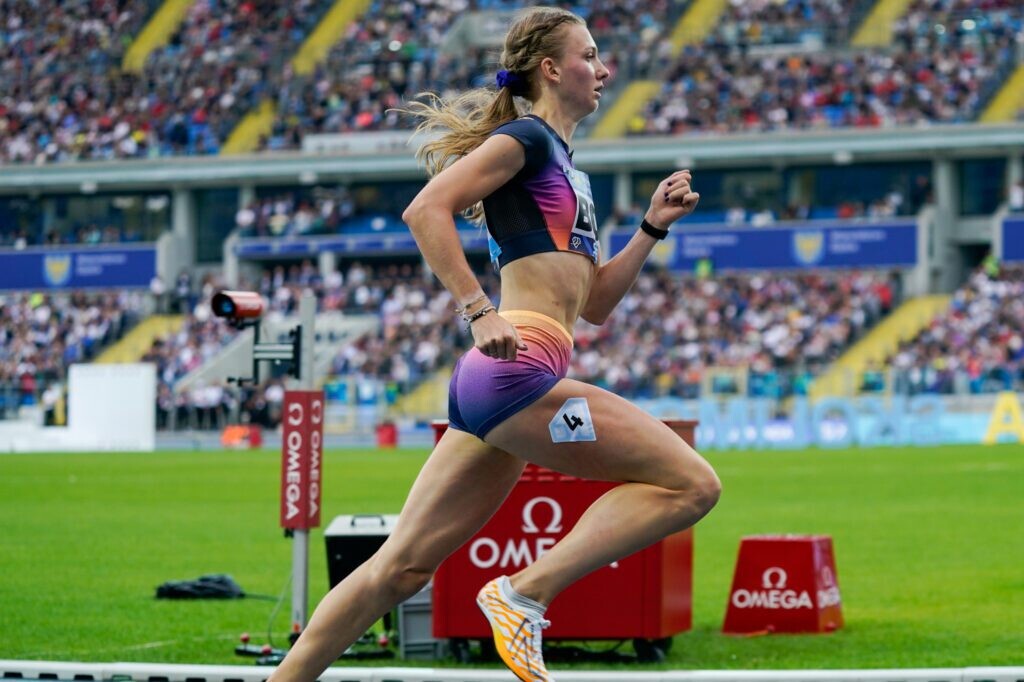
Her decision to move away from the 400m hurdles represented a significant change for an athlete who had dominated the event for several seasons. Renowned for her exceptional speed, powerful finishing ability and consistency on the international stage, Bol now faces the challenge of translating those qualities into success over two laps.
Beyond athletics, 2026 also brought a special moment in her personal life as Bol married Belgian pole vaulter Ben Broeders, marking another important milestone away from competition.
With the new season approaching, the Dutch star has returned to training, beginning the process of building her fitness and preparing for the demands of another year at the highest level. Her immediate focus will be on developing further in the 800m and determining how far she can push her performance in an event traditionally dominated by specialist middle-distance runners.
Bol's transition has already generated considerable interest, and her national record suggests that she has the potential to become an increasingly formidable competitor over the distance. However, establishing herself among the world's leading 800m runners will require continued development, consistency and the ability to deliver against an increasingly competitive international field.
As preparations for 2027 gather momentum, attention will turn to how much further she can progress after her promising first season over two laps.
Can Femke Bol transform her successful transition into a serious challenge for global honours in the women's 800m in 2027? The Dutch star's next chapter promises to be one of the most intriguing storylines in international athletics.
by Erick Cheruiyot for My Best Runs.
Login to leave a comment
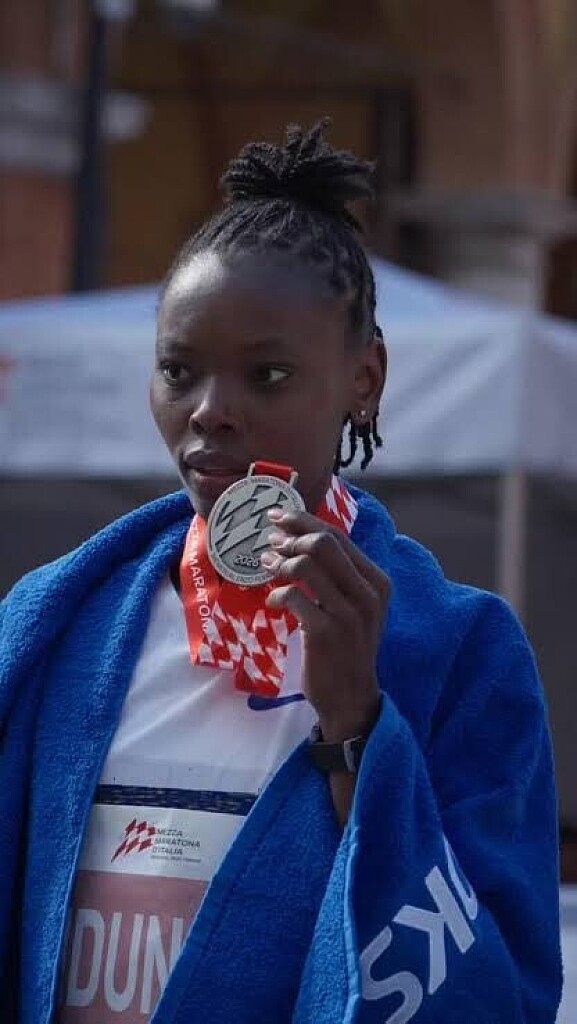
Casablanca Half Marathon 2026: Regina Wambui Ndungu Leads Kenyan Charge Against Morocco’s Best
The women’s elite race at the 2026 Casablanca Half Marathon promises an exciting battle for supremacy on Sunday, October 25, as Kenya’s Regina Wambui Ndungu leads a competitive international field featuring Uganda’s Rispa Cherop and Morocco’s homegrown stars.
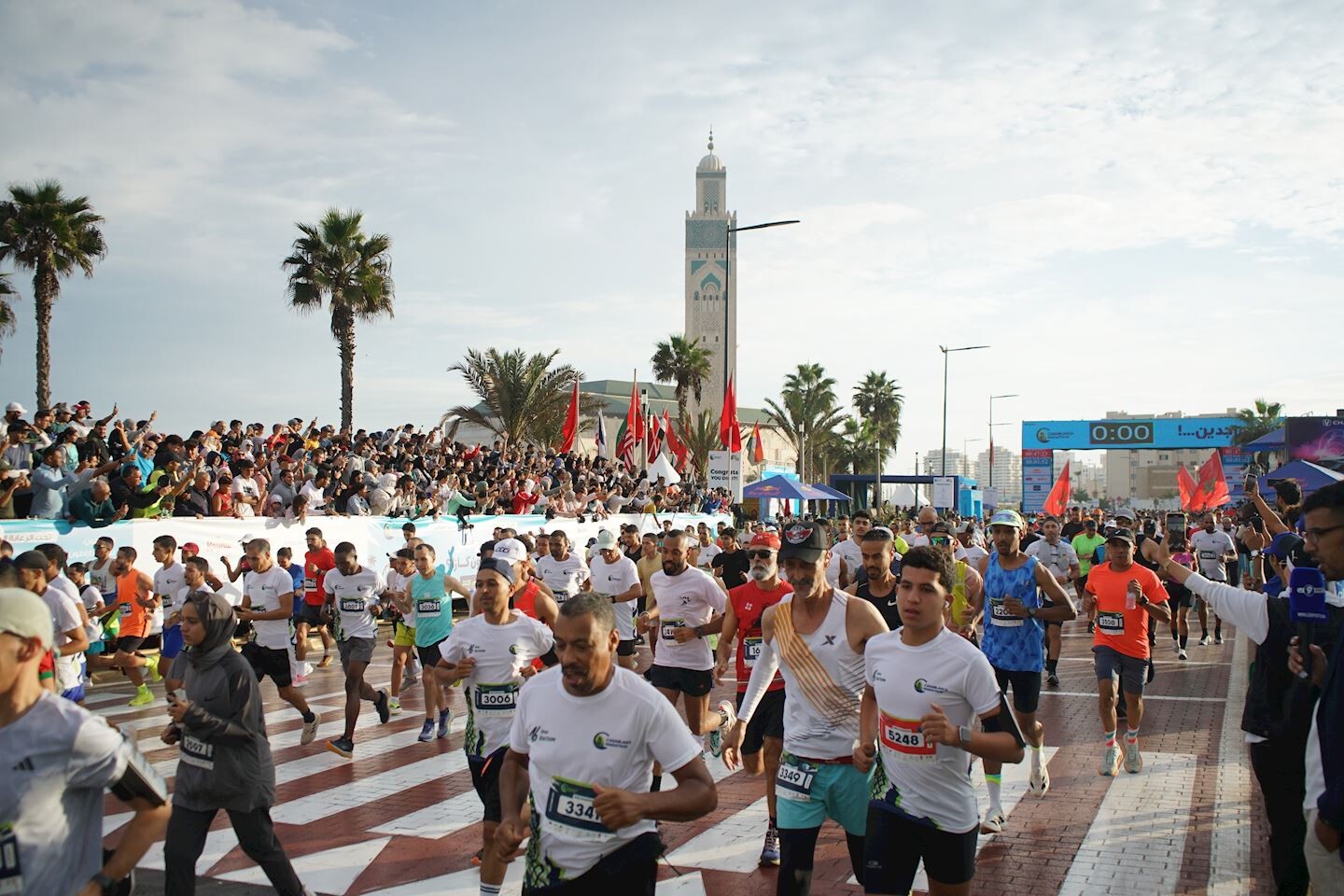
With a personal best of 1:07:10, Ndungu arrives as the fastest athlete listed in the women’s elite field, making her a leading contender for victory. However, the Kenyan will face a determined challenge from athletes eager to seize the spotlight on Moroccan soil, setting the stage for an intriguing contest over 21.0975 kilometres.
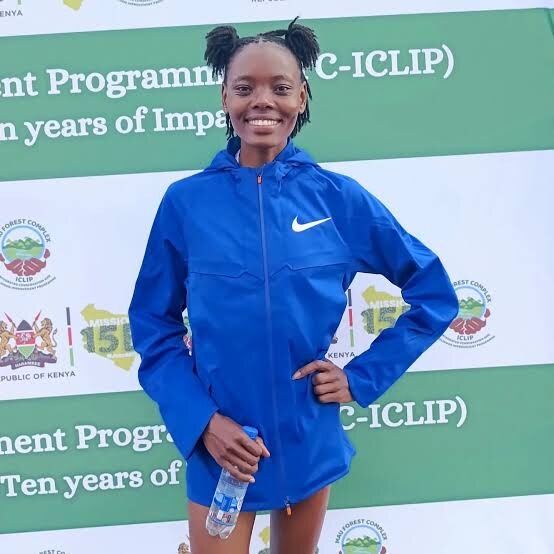
Ndungu’s credentials place her firmly among the favourites, but translating that status into victory will require a composed and tactically intelligent performance. The outcome could depend on how the leading contenders manage the pace, respond to changes in the race, and position themselves for the decisive kilometres.
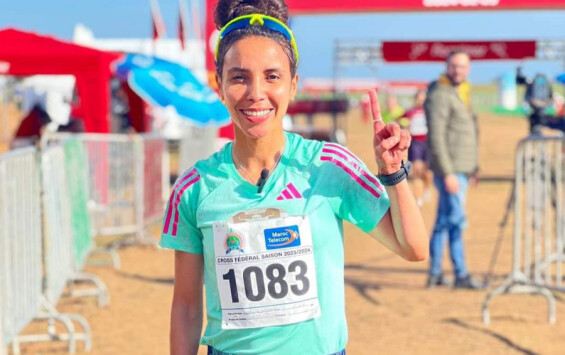
Morocco’s Rahma Tahiri is expected to be among the principal challengers. With a personal best of 1:08:34, she possesses the speed to compete for the title and will have the added motivation of racing in front of the home crowd. A victory on familiar roads would be a significant achievement, and Tahiri will be eager to make the most of the opportunity.
Uganda’s Rispa Cherop also enters the contest with a strong performance record. Her personal best of 1:08:53 places her among the leading contenders, within striking distance of Tahiri and close enough to Ndungu to make the contest unpredictable. If she can remain in contact with the front-runners through the early stages, Cherop could emerge as a serious threat in the closing kilometres.
Beyond the leading trio, the field features several Moroccan athletes seeking to challenge the established favourites. Meryeme Azrour, with a personal best of 1:09:46, and Kaoutar Farkoussi, who has run 1:09:58, are both capable of adding depth to the contest. Fatima Aafir, listed at 1:10:54, will also be among the athletes looking to produce a competitive performance.
Other names on the entry list include Soukaina Elhaji (1:12:49), Hanane El Bajjaoui (1:14:13), Rababe Arafi (1:14:20), Jamila Ayachi (1:15:12), Liz Romo (1:14:59), Sakina El Adel (1:16:51) and Fatima Zahra Erregui (1:17:44).
With several athletes boasting personal bests below 1:10, the leading group could produce an aggressive race from the outset. However, the fastest personal best does not guarantee victory, and the ability to execute the right strategy on race day will ultimately determine who comes out on top.
The Casablanca Half Marathon will provide an important opportunity for the elite women to test themselves against international opposition while showcasing the depth of distance-running talent from Morocco and beyond.
For Ndungu, the objective will be to convert her position as the fastest entrant into a winning performance. For Tahiri, the challenge is to turn home advantage into a memorable triumph. Cherop, meanwhile, will be looking to upset the leading contenders and take the title back to Uganda.
With Kenyan ambition, Ugandan determination and Moroccan home-crowd support converging on the same course, the women’s elite contest promises to be one of the key attractions of the 2026 Casablanca Half Marathon.
by Erick Cheruiyot for My Best Runs.
Login to leave a comment

Casablanca Half Marathon
A real sporting festival placed under the theme "The Casablanca half-marathon: Two races for the pleasure of the people of Casablanca: 21km97m, 10km", which will bring together a large audience of spectators all along the course and personalities, professionals but also technical assistance from several Olympic and world champions....
more...