

Running News Daily
Running News Daily is edited by Bob Anderson and team. Send your news items to bob@mybestruns.com Advertising opportunities available.
Index to Daily Posts · Sign Up For Updates · Run The World Feed
Articles tagged #1918
Today's Running News
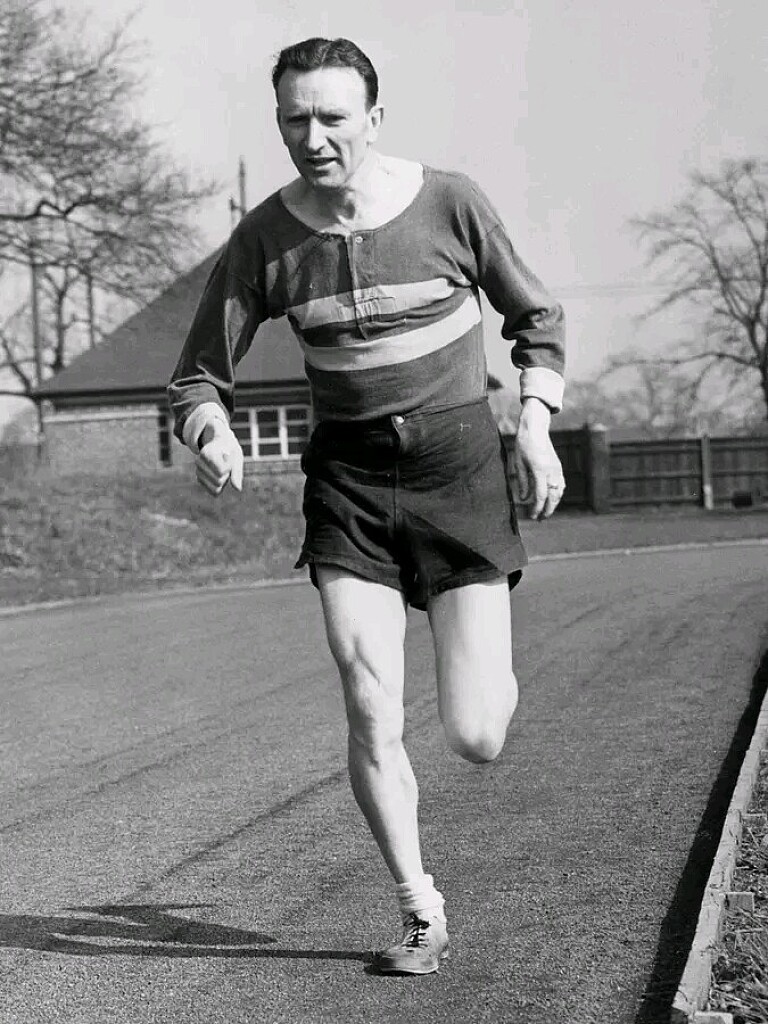


Jim Peters: The British Marathon Legend Who Made History As The First Man To Break 2:20
British distance-running pioneer Jim Peters was born on October 24, 1918, leaving behind a remarkable legacy that helped transform marathon running and redefine the limits of human endurance.
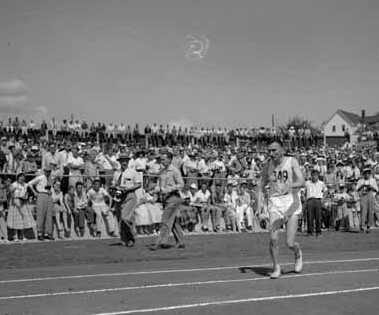
Born in Homerton, London, Peters became one of the most influential marathon runners of the 1950s, setting four world records and becoming the first athlete to complete the marathon in under two hours and 20 minutes.
His journey to greatness reached a defining moment on June 13, 1953, at the Polytechnic Marathon in England. Peters clocked 2:18:40.2, becoming the first man to break the historic 2:20 barrier in a marathon performance that marked a turning point in the sport's history.
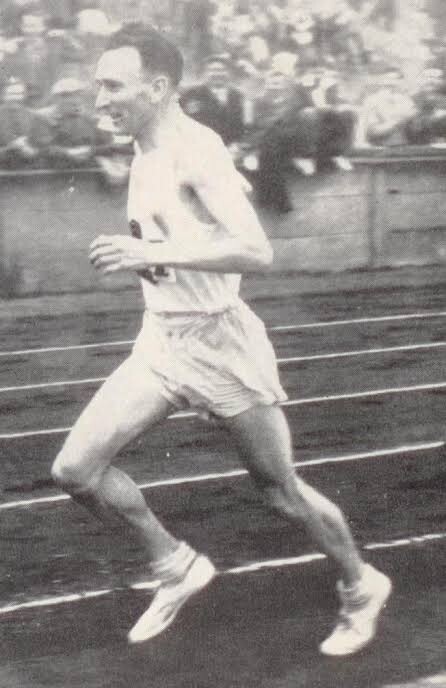
The achievement was comparable in significance to Roger Bannister's historic sub-four-minute mile the following year, demonstrating how dramatically athletes could continue to push the boundaries of endurance running.
Peters had already announced himself as a marathon revolutionary in 1952 when he recorded 2:20:42.2 at the Polytechnic Marathon, breaking the existing world record. Rather than settling for that milestone, he continued to improve, producing another world record in 1953 before reaching an even higher level the following year.
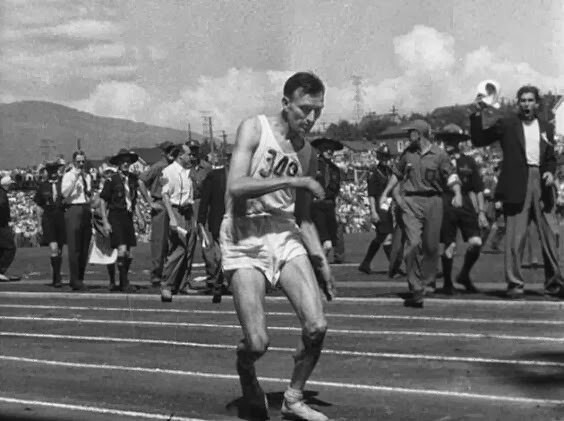
On June 26, 1954, Peters delivered the finest performance of his career, clocking 2:17:39.4 at the Polytechnic Marathon to establish his fourth and final marathon world record. His remarkable progression demonstrated an extraordinary ability to sustain an aggressive pace over the demanding 42.195-kilometre distance.
Beyond the marathon, Peters also represented Great Britain at the 1948 London Olympic Games, finishing eighth in the 10,000 metres. He later earned a bronze medal in the six-mile race while representing England at the 1954 British Empire and Commonwealth Games in Vancouver, Canada.
However, the Vancouver Games also brought one of the most heartbreaking moments of his athletic career. After building an enormous lead in the marathon, Peters collapsed from the effects of the heat and severe dehydration just short of the finish. Despite repeatedly attempting to continue, he was unable to complete the race.
The incident became one of the most poignant episodes in marathon history, but it could not diminish the extraordinary achievements that had established him as one of the greatest distance runners of his generation.
Peters retired from competitive athletics following the 1954 Games and returned his attention to his profession as an optician. He died on January 9, 1999, at the age of 80, following a battle with cancer.
More than six decades after his record-breaking performances, Peters remains a towering figure in marathon history. His courage, relentless pursuit of faster times and pioneering achievements helped lay the foundations for future generations of athletes to challenge the limits of the 42.195-kilometre race.
On what would have been his 108th birthday, the legacy of Jim Peters endures as a reminder that sporting history is often shaped by pioneers courageous enough to attempt what once seemed impossible.
by Erick Cheruiyot for My Best Runs.
Login to leave a comment
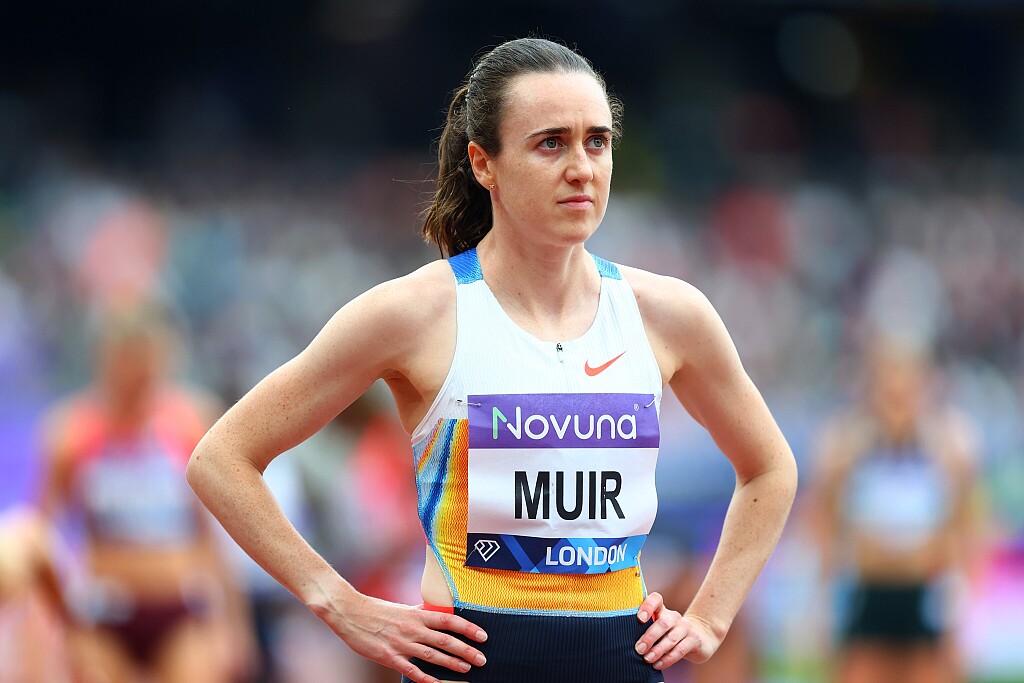
Racing Legacy and Light: Laura Muir Returns for the Millicent Fawcett Mile
History and high performance will meet in powerful harmony on May 4 at Iffley Road Track, as Laura Muir steps onto the start line for the Millicent Fawcett Mile—her first competitive mile in three years. More than a race, the occasion carries the weight of legacy, honouring one of Britain’s most influential voices for equality, Dame Millicent Fawcett.
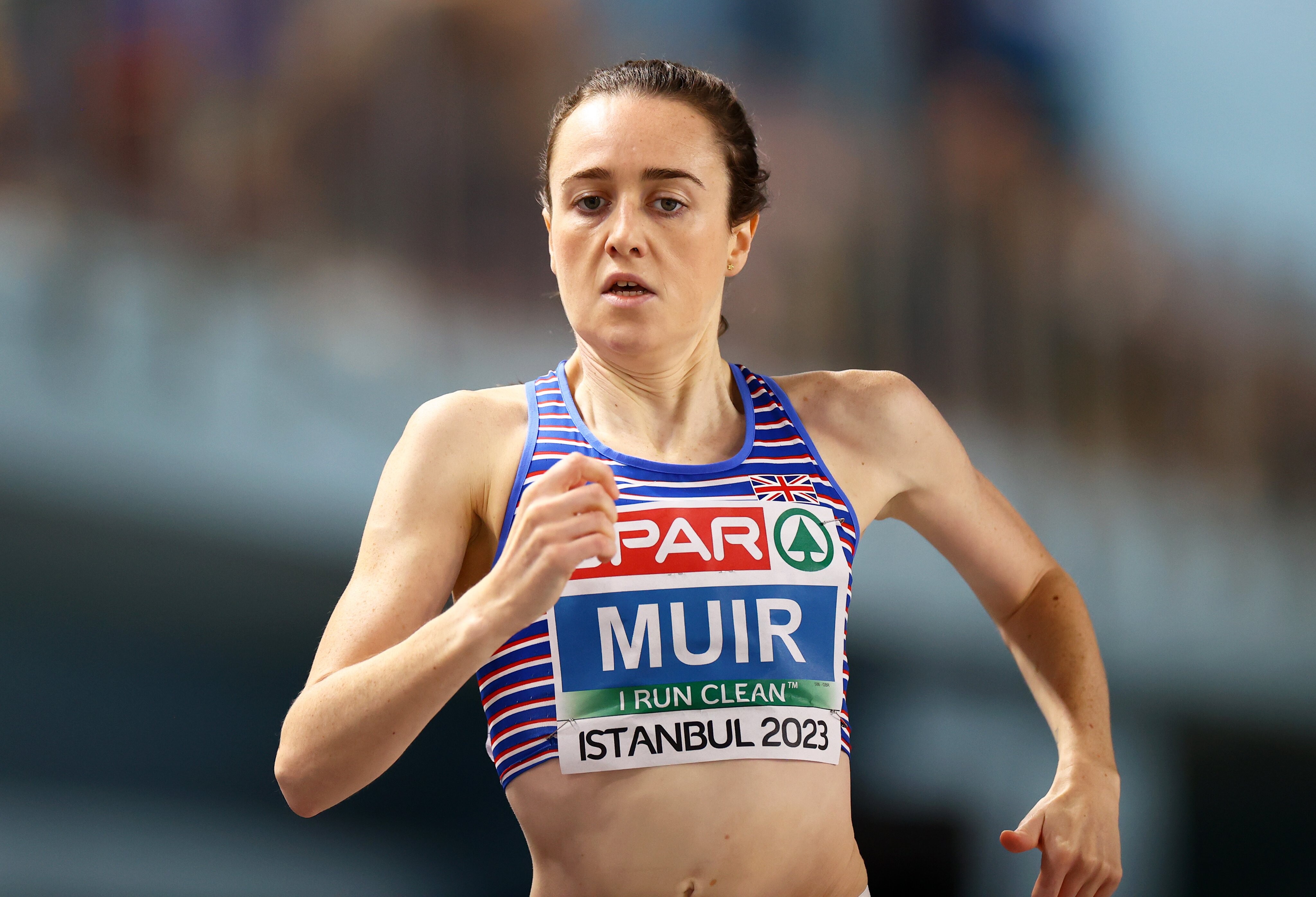
Fawcett, who lived from 1847 to 1929, led the National Union of Women’s Suffrage Societies with unwavering resolve. Her advocacy championed peaceful, strategic campaigning at a time when the call for women’s voting rights faced deep resistance. That persistence proved pivotal in the passage of the Representation of the People Act 1918, a landmark reform that granted voting rights to women for the first time in the United Kingdom. The race named in her honour serves as both tribute and reminder—of progress earned through courage and conviction.
Into this historic setting arrives Muir, one of Britain’s most accomplished middle-distance athletes. Her return to the mile distance carries both intrigue and expectation. The last time she contested the event was at the Monaco Diamond League 2023, where she delivered a performance of rare brilliance, clocking 4:15.24 to set a British record that still stands. That run not only reaffirmed her class but placed her among the fastest milers of her generation.
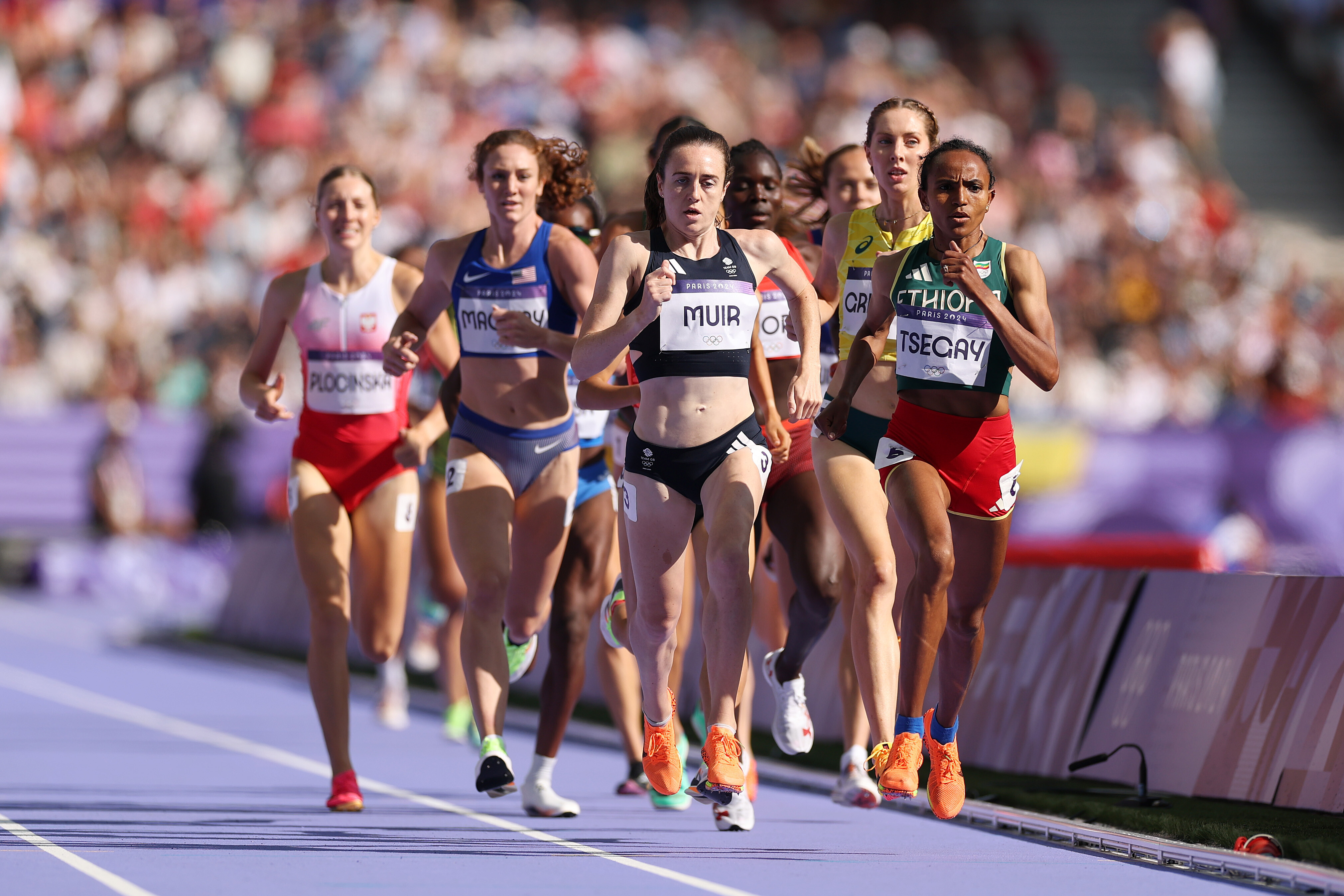
Now, the focus shifts to Oxford, where another mark beckons. The long-standing Iffley Road track record of 4:27.79, set by Sonia O’Sullivan in 2004, has endured for over two decades. It is a time etched into the fabric of the venue—resilient, respected, and waiting.
Muir’s return raises a compelling question: can she reshape that history? On paper, her pedigree suggests she can. Yet athletics has always thrived on the uncertainty between potential and execution. The magic of race day lies in that delicate balance.
What makes this moment particularly striking is its symbolism. At a venue steeped in athletic tradition, in a race named after a pioneer of social change, an elite athlete returns to test her limits once more. It is a convergence of past and present—of barriers broken and new ones challenged.
As the gun goes off on May 4, the Millicent Fawcett Mile will offer more than a contest against the clock. It will stand as a celebration of legacy, resilience, and the enduring pursuit of progress—on the track and far beyond it.
by Erick Cheruiyot for My Best Runs.
Login to leave a comment
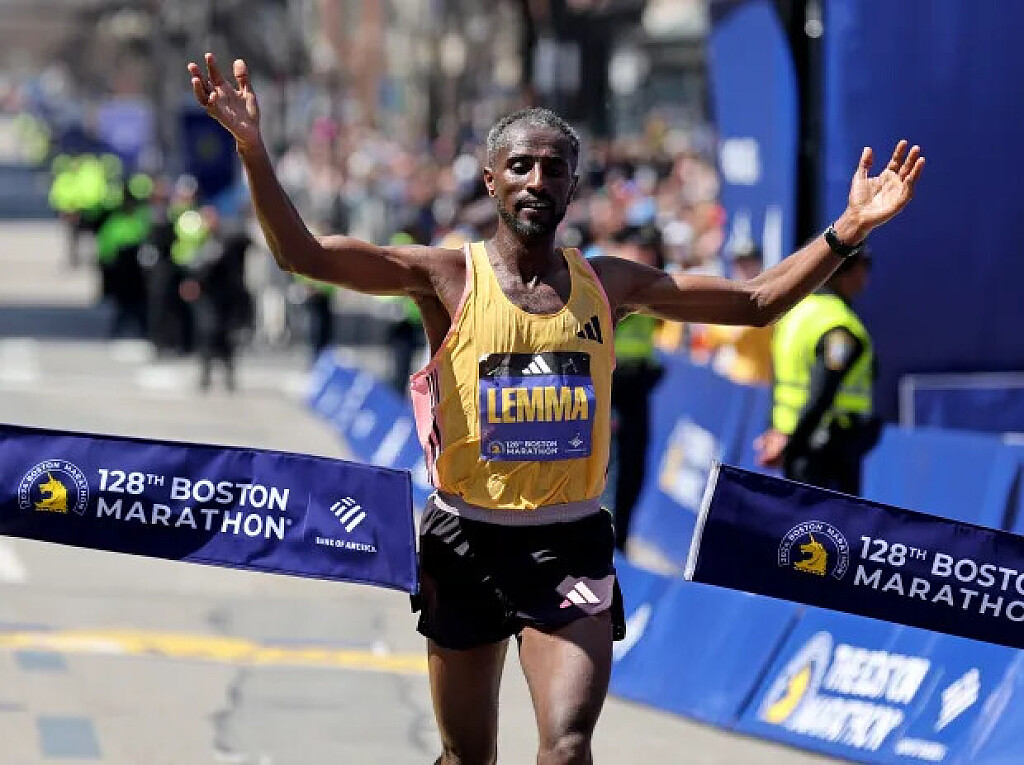
Who is Sisay Lemma, the winner of the 2024 Boston Marathon?
Sisay Lemma was born in 1990 in the Oromia Region of Ethiopia. He is the winner of the 2024 Boston Marathon, with a time of 2:06:17.
Sisay Lemma is an Ethiopian long-distance runner who specializes in the marathon. He is the winner of the 2024 Boston Marathon, with a time of 2:06:17.
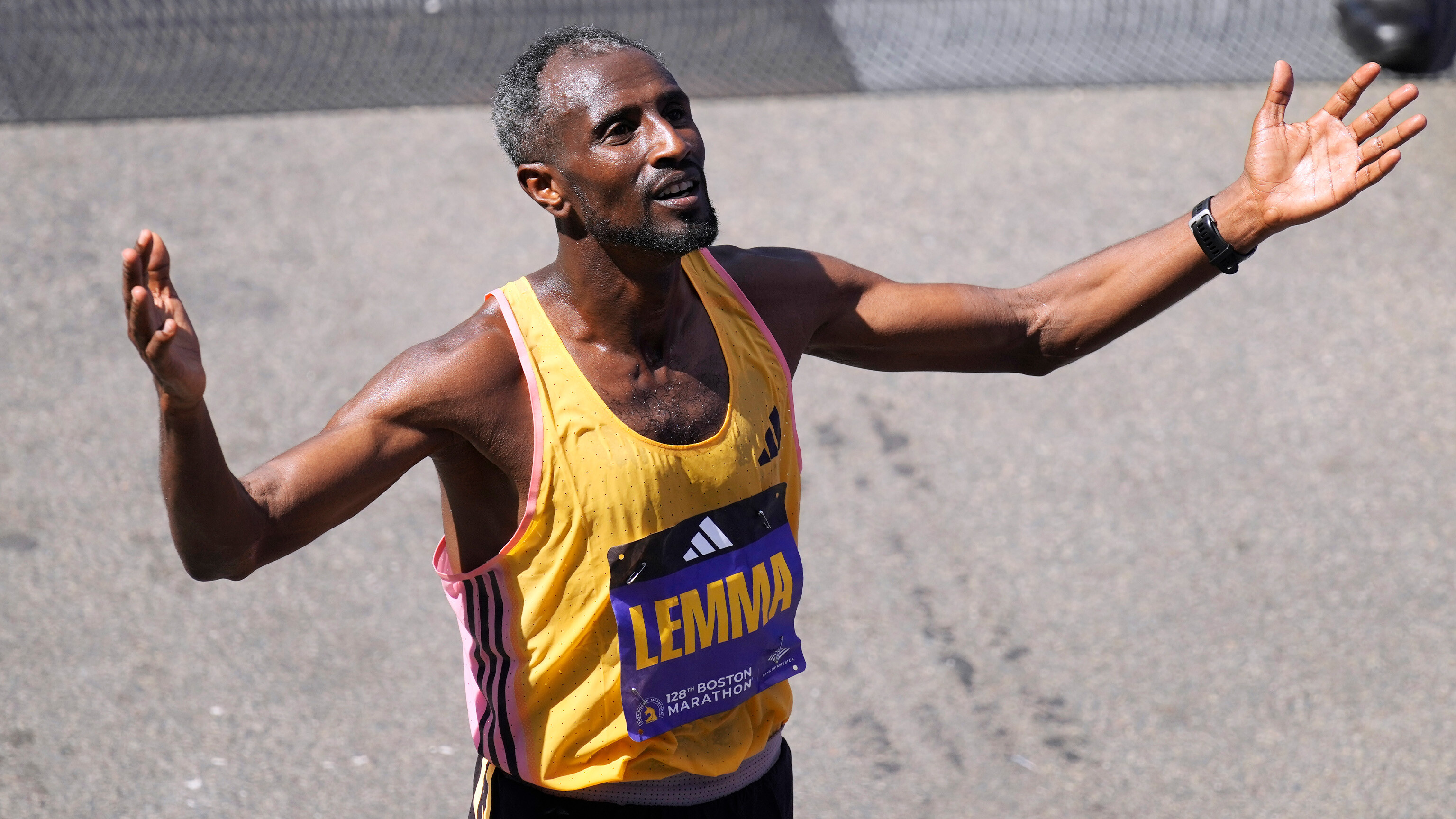
This was his first victory at the Boston Marathon, but he has previously won other major marathons, including the 2021 London Marathon and the 2023 Valencia Marathon. Lemma is also a three-time bronze medalist at the World Athletics Championships.
Lemma was born in 1990 in the Oromia Region of Ethiopia. He began running at a young age, and quickly showed promise. He made his international debut in 2013, and won his first major marathon in 2018, when he won the Rotterdam Marathon.
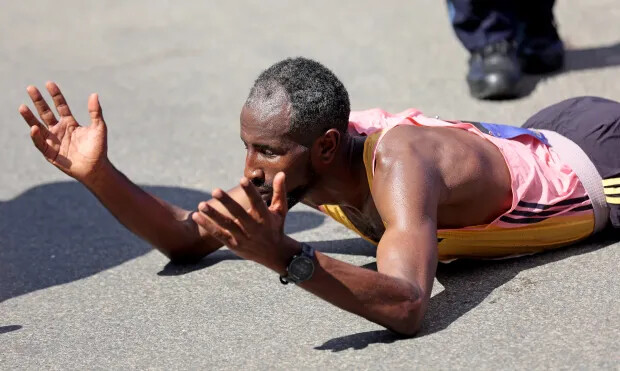
Lemma is known for his strong finishing kick. He has often won races by coming from behind in the final stages. He is also a very consistent runner, and has never finished a marathon outside of the top 10.
Lemma is a rising star in the world of marathon running. He is still relatively young, and has many years of good running ahead of him. He is a strong contender for medals at the major marathons, and the Olympic Games.
Here are some of Sisay Lemma’s career highlights:
Winner of the 2024 Boston Marathon
Winner of the 2021 London Marathon
Winner of the 2023 Valencia Marathon
Three-time bronze medalist at the World Athletics Championships
Winner of the 2018 Rotterdam Marathon
Personal best of 2:01:48 for the marathon
The Boston Marathon: The King of Marathons
The Boston Marathon is an annual foot race held in Boston, Massachusetts, United States. It is considered to be the most prestigious marathon in the world, and is one of the world’s oldest continuously run sporting events. The race is traditionally held on the third Monday in April, and it follows a 26.2-mile (42.2 km) route through the streets of Boston and the surrounding towns.
The Boston Marathon was first held in 1897, and it was inspired by the success of the marathon race at the 1896 Summer Olympics in Athens, Greece. The race was originally intended to be a qualifier for the 1897 Summer Olympics, but it quickly became a popular event in its own right. The Boston Marathon has been held every year since 1918, with the only exceptions being in 1918 due to World War I, and in 2020 due to the COVID-19 pandemic.
The Boston Marathon is known for its challenging course, which features several hills, including the infamous Heartbreak Hill at mile 20. The race is also known for its large and enthusiastic crowds, which line the streets throughout the course to cheer on the runners.
The Boston Marathon has been won by some of the greatest marathon runners in history, including Dick Hoyt, Bill Rodgers, Joan Benoit Samuelson, and Kathrine Switzer. The race has also been the site of several world records, including the first sub-2:00 marathon in 1978 by Geoffrey Hirt.
The Boston Marathon is more than just a race; it is a tradition and an institution. The race is a symbol of Boston’s resilience and spirit, and it is a source of pride for the city’s residents. The Boston Marathon is also a major fundraiser for charity, and it has raised millions of dollars for local charities over the years.
by Laura Islas
Login to leave a comment

Boston Marathon
Among the nation’s oldest athletic clubs, the B.A.A. was established in 1887, and, in 1896, more than half of the U.S. Olympic Team at the first modern games was composed of B.A.A. club members. The Olympic Games provided the inspiration for the first Boston Marathon, which culminated the B.A.A. Games on April 19, 1897. John J. McDermott emerged from a...
more...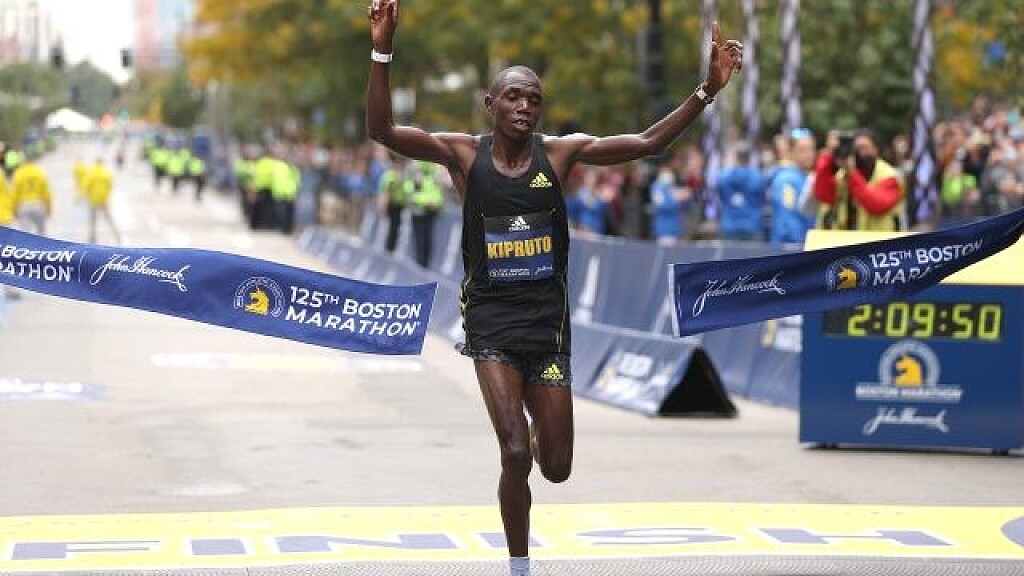
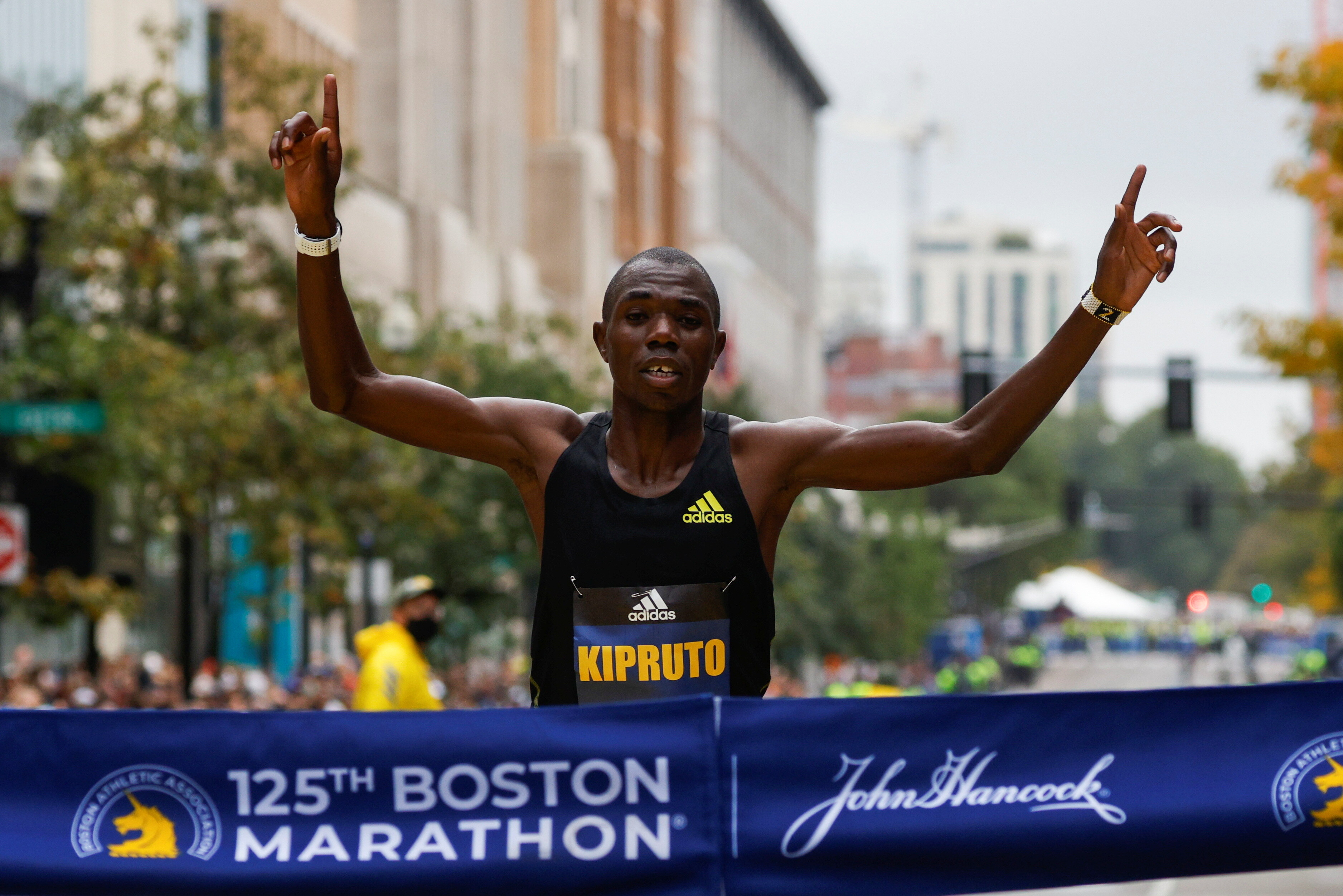
Kenyan Benson Kipruto crosses the finish line to win at the125th boston marathon
Kenya’s Benson Kipruto won the pandemic-delayed Boston Marathon on Monday as the race returned from a 30-month absence and moved to the fall for the first time in its 125-year history.
Kipruto waited out an early breakaway by American CJ Albertson and took the lead as the race turned onto Beacon Street at Cleveland Circle. By the time he approached the 1 Mile to Go marker in Kenmore Square, he was in front by 12 seconds.
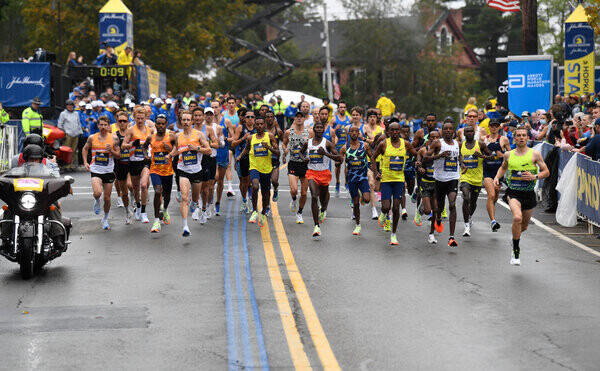
A winner in Prague and Athens who finished 10th in Boston in 2019, Kipruto finished in 2 hours, 9 minutes, 51 seconds to claim the $150,000 first prize. Lemi Berhanu, the 2016 winner, was second, 46 seconds behind; Anderson was 10th, 1:53 back.
Marcel Hug of Switzerland won the men’s wheelchair race earlier despite making a wrong term in the final mile, finishing the slightly detoured route just seven seconds off his course record in 1:08:11.
Manuela Schär, also from Switzerland, won the women’s wheelchair race in 1:35:21.
Hug, who has raced Boston eight times and has five victories here, cost himself a $50,000 course record bonus when he missed the second-to-last turn, following the lead vehicle instead of turning from Commonwealth Avenue onto Hereford Street.
“The car went straight and I followed the car,” said Hug, who finished second in the Chicago Marathon by 1 second on Sunday. “But it’s my fault. I should go right, but I followed the car.”
With fall foliage replacing the spring daffodils and more masks than mylar blankets, the 125th Boston Marathon at last left Hopkinton for its long-awaited long run to Copley Square.
A rolling start and shrunken field allowed for social distancing on the course, as organizers tried to manage amid a changing COVID-19 pandemic that forced them to cancel the race last year for the first time since the event began in 1897.
“It’s a great feeling to be out on the road,” race director Dave McGillivray said. “Everyone is excited. We’re looking forward to a good day.”
A light rain greeted participants at the Hopkinton Green, where about 30 uniformed members of the Massachusetts National Guard left at 6 a.m. The men’s and women’s wheelchair racers — some of whom completed the 26.2-mile (42.2 km) distance in Chicago a day earlier — left shortly after 8 a.m., followed by the men’s and women’s professional fields.
“We took things for granted before COVID-19. It’s great to get back to the community and it puts things in perspective,” said National Guard Capt. Greg Davis, 39, who was walking with the military group for the fourth time. “This is a historic race, but today is a historic day.”
Kenya’s Lawrence Cherono and Worknesh Degefa of Ethiopia did not return to defend their 2019 titles, but 13 past champions and five Tokyo Paralympic gold medal winners were in the professional fields.
Held annually since a group of Bostonians returned from the 1896 Athens Olympics and decided to stage a marathon of their own, the race has occurred during World Wars and even the 1918 Spanish flu pandemic. But it was first postponed, then canceled last year, then postponed from the spring in 2021.
It’s the first time the event hasn’t been held in April as part of the Patriots’ Day holiday that commemorates the start of the Revolutionary War. To recognize Indigenous Peoples Day, race organizers honored 1936 and ’39 winner Ellison “Tarzan” Brown and three-time runner-up Patti Catalano Dillon, a member of the Mi’kmaq tribe.
To manage the spread of the coronavirus, runners had to show proof that they’re vaccinated or test negative for COVID-19. Organizers also re-engineered the start so runners in the recreational field of more than 18,000 weren’t waiting around in crowded corrals for their wave to begin; instead, once they get off the bus in Hopkinton they can go.
“I love that we’re back to races across the country and the world,” said Doug Flannery, a 56-year-old Illinois resident who was waiting to start his sixth Boston Marathon. “It gives people hope that things are starting to come back.”
Police were visible all along the course as authorities vowed to remain vigilant eight years after the bombings that killed three spectators and maimed hundreds of others on Boylston Street near the Back Bay finish line.
But the crowds lining the course as it wends through eight cities and towns were expected to be smaller. Wellesley College students have been told not to kiss the runners as they pass the school’s iconic “scream tunnel” near the halfway mark.
by Jimmy Golen
Login to leave a comment
Boston Marathon
Among the nation’s oldest athletic clubs, the B.A.A. was established in 1887, and, in 1896, more than half of the U.S. Olympic Team at the first modern games was composed of B.A.A. club members. The Olympic Games provided the inspiration for the first Boston Marathon, which culminated the B.A.A. Games on April 19, 1897. John J. McDermott emerged from a...
more...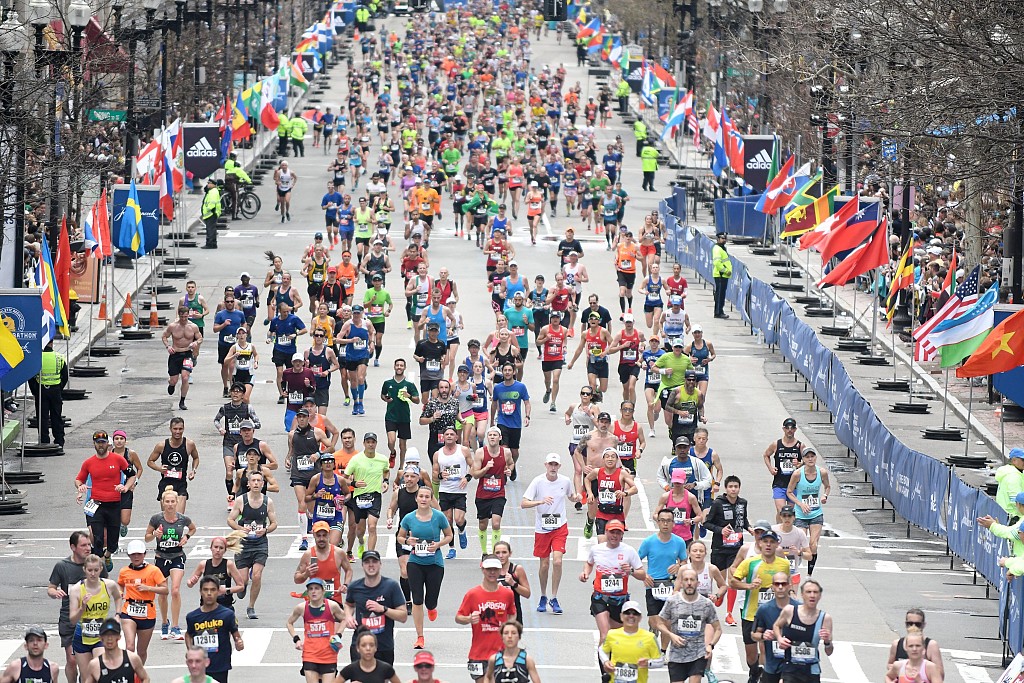
The Boston Marathon has been canceled for the first time in its 124-year history.
The 2020 Boston Marathon has been canceled.
BAA organizers said Thursday that they instead will have a “virtual event” in which participants who verify that they ran 26.2 miles on their own will receive their finisher’s medal. The race had originally been scheduled for April 20 before being postponed for five months because of the coronavirus pandemic.
“While we cannot bring the world to Boston in September, we plan to bring Boston to the world for a historic 124th Boston Marathon,” said Tom Grilk, the CEO of the Boston Athletic Association.
The BAA has announced that the 124th Boston Marathon will be held as a virtual event, following Boston Mayor Martin Walsh’s cancellation of the marathon as a mass participation road running event due to the COVID-19 pandemic. pic.twitter.com/tlIdvsU9sq
The B.A.A. will offer a series of virtual events & activities throughout September’s Marathon Week to bring the Boston Marathon experience to the world. This will include exclusive panel discussions, champions interviews, and a downloadable toolkit with signature race elements.
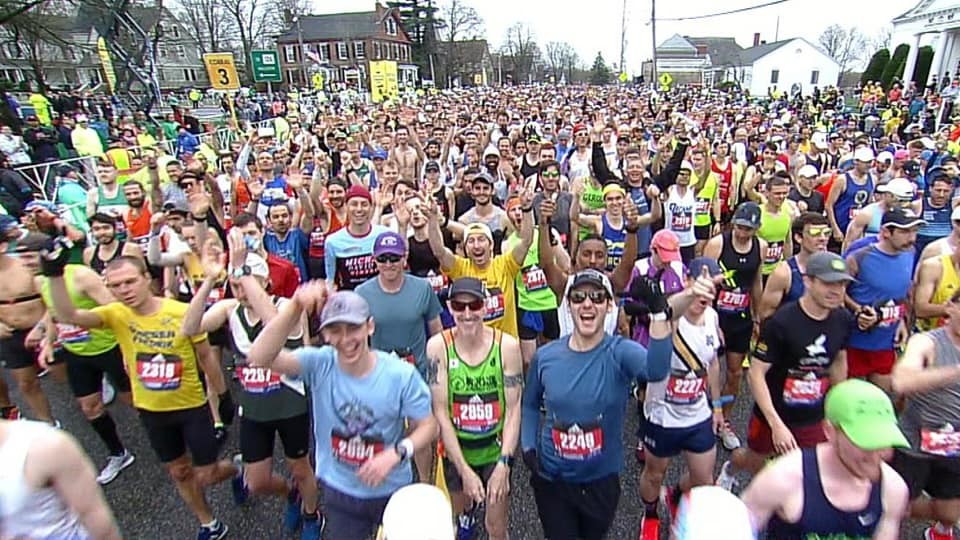
Although the title of Boston Marathon champion is contested by a few dozen elite athletes, the field includes more than 30,000 recreational and charity runners, with as many as 1 million people lined up along the course trek from Hopkinton to Boston’s Back Bay. That presented organizers with a social distancing problem that won’t be solved by the fall.
The cancellation is the first ever for the race, which began in 1897 when 15 men drew a starting line in the dirt in Ashland and headed for the city to commemorate the first modern Olympic Games the previous year. In 1918, the format was modified to a relay due to World War I; the 2013 race was stopped when two bombs exploded at the finish line, several hours after the winners had finished but while many recreational runners were still on the course.
For each of those years, the race was held in April on the state holiday to commemorate the battles in Lexington and Concord that marked the start of the Revolutionary War. Traditionally, the Red Sox have scheduled their first pitch for the morning so baseball fans could wander over to Kenmore Square after the game to see the runners pass by with one mile to go.
In March, when the race was postponed to Sept. 14, Mayor Marty Walsh cited the desire to salvage the estimated $211 million pumped into the city’s economy each year. The Boston Athletic Association and marathon runners also raise about $40 million for charity.
Walsh said at the time that there was no thought of excluding the tens of thousands of amateur runners who consider running Boston a bucket list achievement. The Tokyo Marathon went on as scheduled in March with just over 200 elite runners but not the 38,000 recreational runners who had signed up; spectators at the Los Angeles Marathon were advised to practice social distancing.
“That’s not the Boston Marathon. We’re an inclusive marathon,” Walsh said. “The Boston Marathon is for everyone.”
The 2021 Boston Marathon is scheduled for April 19 and the 125th anniversary edition is scheduled for April 18, 2022.
Login to leave a comment
Boston Marathon
Among the nation’s oldest athletic clubs, the B.A.A. was established in 1887, and, in 1896, more than half of the U.S. Olympic Team at the first modern games was composed of B.A.A. club members. The Olympic Games provided the inspiration for the first Boston Marathon, which culminated the B.A.A. Games on April 19, 1897. John J. McDermott emerged from a...
more...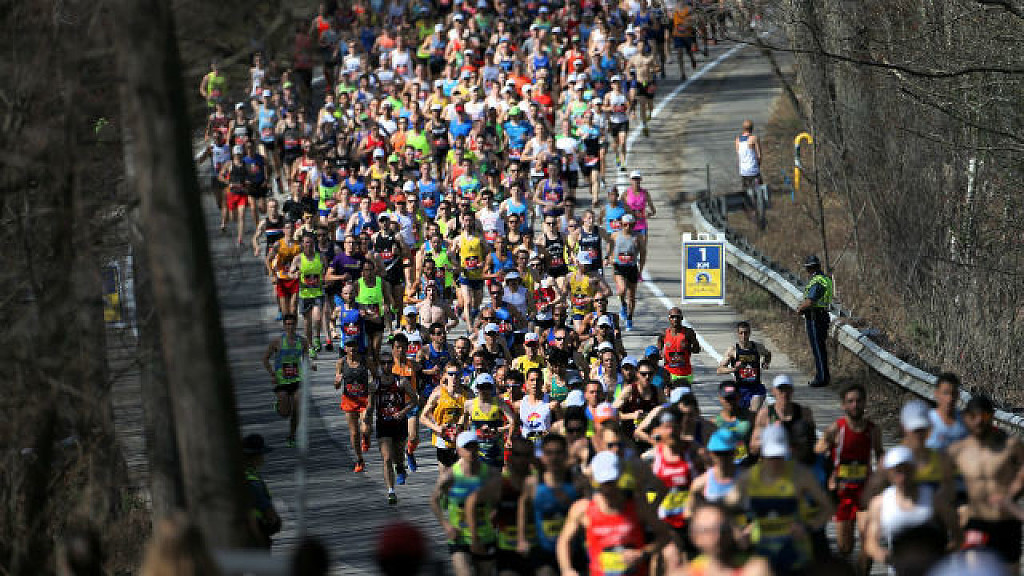
The Boston Marathon is still unsure if it can happen September 14th due to the COVID-19 pandemic
As Massachusetts begins to slowly loosen regulations in an effort to restart an economy halted by the coronavirus, organizers of the historic race remain in consultation with governmental entities to see if they can avoid canceling the event for the first time in 124 years.
Even with the marathon still four months away, the magnitude of ensuring runners and spectators stay safe and do not become vectors of the coronavirus is a colossal one.
More than 31,000 runners would have to be bused or find transportation to Hopkinton the morning of Sept. 14, then socially distance themselves before the start of the race when runners usually stand in close quarters.
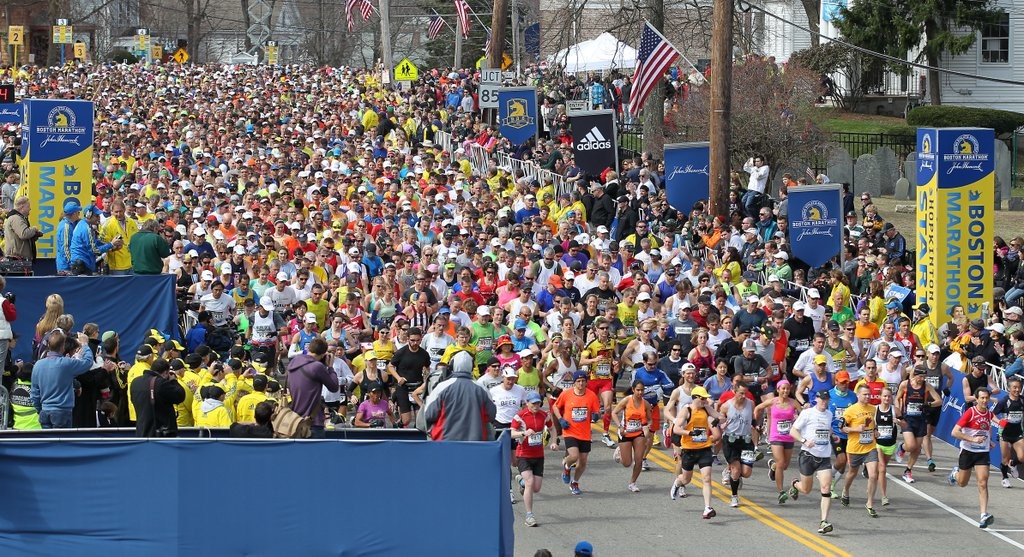
When the race begins, the concerns only mount. Runners face the prospect of unwittingly transmitting or receiving the virus from not only fellow runners, but an estimated million spectators who usually line the 26.2-mile course from Hopkinton to the Back Bay.
“The Boston Athletic Association continues to work closely with local and state officials as we consider what Sept. 14 looks like for the Boston Marathon,” said the BAA in a statement Tuesday. “Guided by public officials, we are actively exploring all options for this year’s race and will continue to follow public health and safety guidance.”
In comments to reporters at his daily briefing, Boston Mayor Marty Walsh also struck a cautionary tone while stressing that no official decision on a cancellation has been made.
“Certainly when we originally made the decision to postpone the marathon [to] September, we were already hopeful coronavirus would no longer be a significant public health risk for our residents,” said Walsh. “We are continuing to have, right now, a conversation with the BAA on the best way for all of us to move forward. I don’t have any specific updates to share on the Marathon at this time, but will keep everyone informed as we move forward.”
The marathon has been run every year since 1897, making it the oldest annual marathon in the world.
In 1918, the year of the last pandemic, the race was switched to a military relay event on the course due to American involvement in World War I.
The race is believed to pump some $200 million into the Massachusetts economy.
by Michael Silverman
Login to leave a comment
Boston Marathon
Among the nation’s oldest athletic clubs, the B.A.A. was established in 1887, and, in 1896, more than half of the U.S. Olympic Team at the first modern games was composed of B.A.A. club members. The Olympic Games provided the inspiration for the first Boston Marathon, which culminated the B.A.A. Games on April 19, 1897. John J. McDermott emerged from a...
more...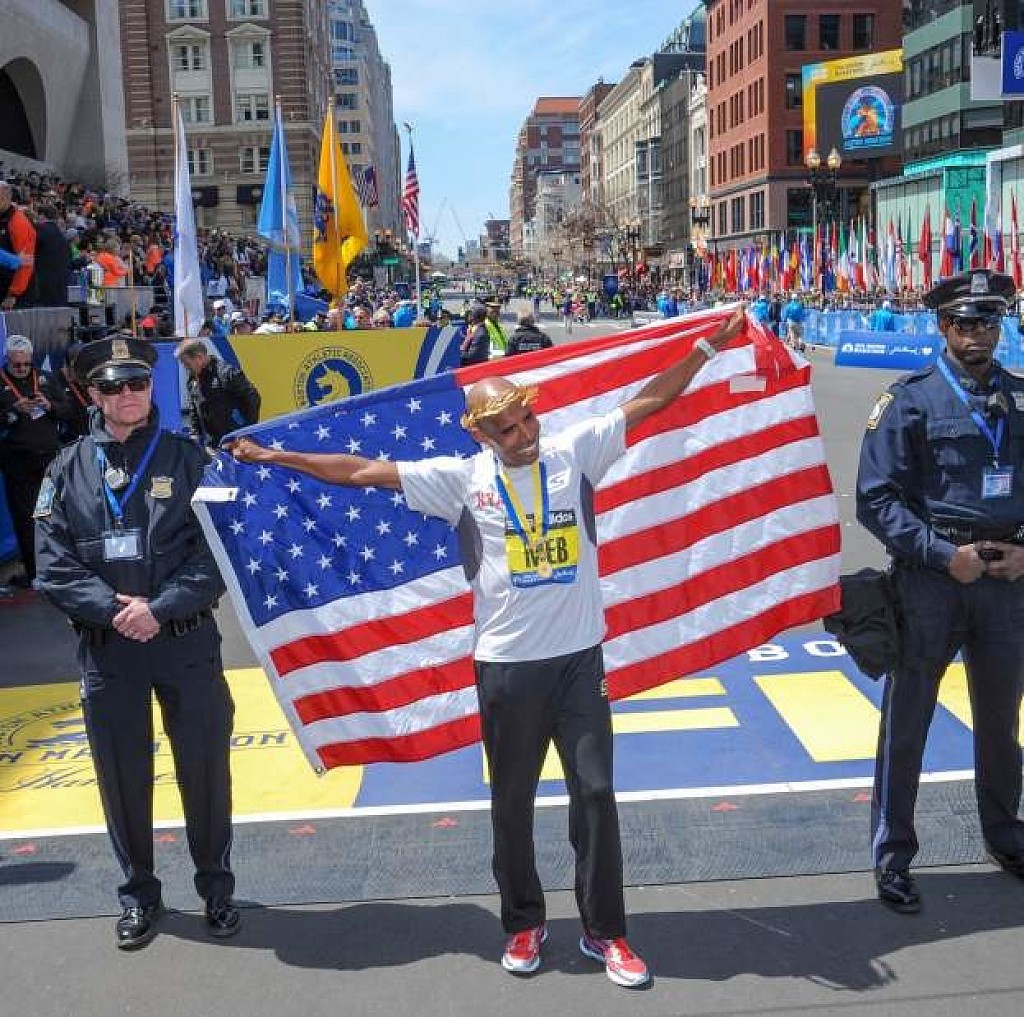
The 2020 Boston Marathon was postponed but some experts are saying maybe it should be canceled altogether until the fall of 2021
The 2020 Boston Marathon was postponed due to the coronavirus. Could it be canceled altogether?
Marty Walsh is "hopeful" the race will happen in September. Some experts aren't sure it should.
For the first time since the 19th century, April will pass in Boston without a Boston Marathon.
Rather than cheering crowds, the course was overcome by eery silence this Patriots’ Day, after the 124th edition of the race was postponed until Sept. 14 due to the coronavirus outbreak.
Boston Mayor Marty Walsh has said he hopes runners and fans will still embrace the “once-in-a-lifetime” late-summer race. But as a clearer picture begins to emerge of the steps needed to effectively beat back the virus, it’s increasingly unclear whether the 2020 marathon can — or should — happen at all.
“I do not think such a race will be wise in September,” said Glen Weyl, a co-author of a report released this week by Harvard’s Safra Center for Ethics on the steps needed to combat the pandemic in order to safely return to normalcy.
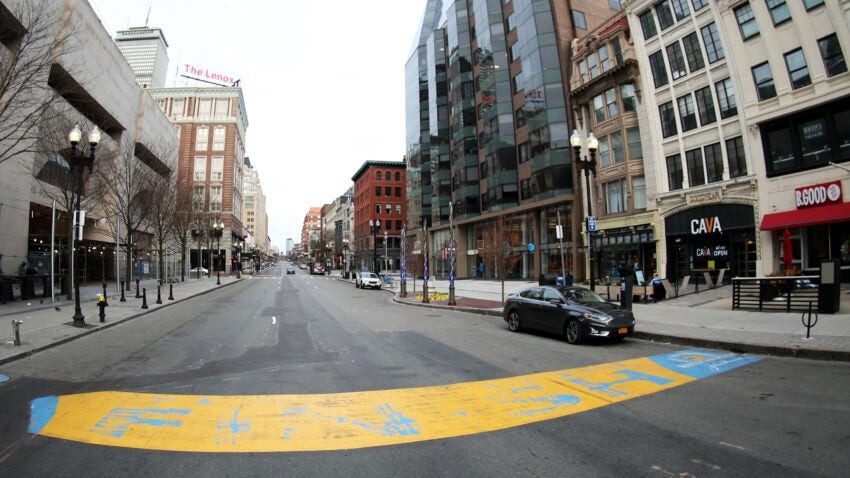
The Safra Center report and others, released by both right-leaning and left-leaning groups, broadly recommend a similar path forward: While certain nonessential businesses may be allowed to reopen in phases as COVID-19 testing and tracing is ramped up, bans against mass public gatherings — like concerts and sporting events — should remain in place until mass immunity or a vaccine is developed, which is expected to take at least another year.
Given its usual pool of 30,000 runners and hundreds of thousands of spectators along the 26.2-mile course, it’s hard to foresee the Boston Marathon going forward in any recognizable way in September, according to Weyl.
“Anything even close to the current format could not work,” he told Boston.com.
Walsh is aware of the bleak projection; in a recent CNN interview, he acknowledged the possibility that concerts and sporting events may not be able to resume in Boston until 2021.
And during a press conference Wednesday, he noted the recent cancellation of the Berlin Marathon — a 60,000-person race scheduled two weeks later than the Boston Marathon and in a country with more widespread testing — after city officials extended a ban on all events of more than 5,000 people through Oct. 24.
“To be honest, we haven’t had those conversations yet,” the mayor said during a press conference Wednesday, when asked about the chances that the Boston Marathon would happen as planned in September.
“I am hopeful that we will be able to have the marathon, because certainly it felt on Monday there was a void in the city of Boston,” he added. “But we will have more conversations and discussions.”
The Boston Athletic Association, which organizes the annual race, says it will follow the guidance of city and state officials on matters of public health and safety, particularly when it comes to the coronavirus pandemic.
“We will remain flexible to address and explore all factors with public officials as we plan for the race,” the BAA told Boston.com in a statement. “Our priority remains the health and well-being of members of our community.”
The marathon has never been canceled in its history. Only in 1918, due to World War I, was the annual Patriots’ Day race changed to a military relay race. In the midst of the coronavirus pandemic, the usually 38,000-runner Tokyo Marathon last month narrowed down its field to 200 elite runners and advised spectators against gathering along the route.
Walsh, however, has dismissed the notion of stripping the Boston Marathon of its defining characteristics.
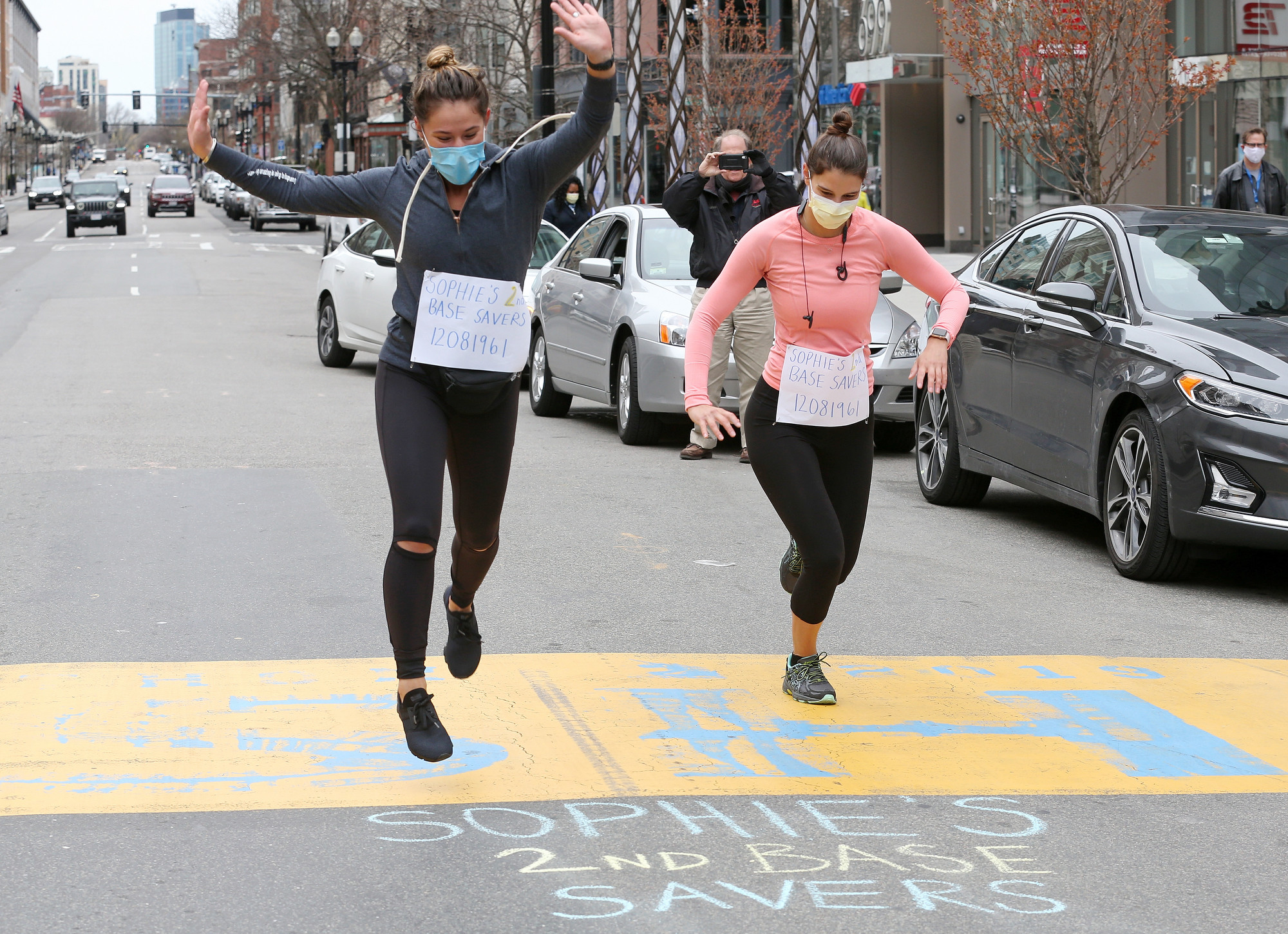
“That’s not the Boston Marathon,” he said last month, when asked about restricting the race to elite runners. “We’re an inclusive marathon. The Boston Marathon is for everyone.”
While the Berlin race will not take place in September “as planned,” the Boston Marathon isn’t the only major event still slated for this year.
Major marathons in London and Madrid, originally scheduled in April, have also been postponed until the fall. And the New York City Marathon is still officially planned to go forward on Nov. 1.
Experts say certain social distancing measures could be incrementally repealed this summer in the so-called second phase of the coronavirus response. However, they agree that bans on large gatherings will be the last to be lifted.
Scott Gottlieb, the former Food and Drug Association commissioner under President Donald Trump, wrote in a recent report that while “the majority of schools, universities, and businesses” could reopen during the second phase, “social gatherings should continue to be limited to fewer than 50 people wherever possible,” until a vaccine has been approved.
The liberal-leaning Center for American Progress made a similar recommendation.
“Gatherings of more than 50 people must continue to be banned,” the think tank wrote in a report earlier this month. “Once herd immunity has been achieved through mass vaccination, all remaining restrictions can be lifted.”
Given the timeline for developing a treatment for the disease, epidemiologists at Harvard’s Chan School of Public Health estimated in a report last week that the bans on large gatherings may not be “fully relaxed by early- to mid-2021,” with intermittent social distancing possibly needed until 2022.
“It depends on the data and information we have available to us and where we are with the coronavirus, what cases are still active, how much testing do we have, how many people are immune to the virus,” Walsh told CNN last week.
There are also some concerns about a second wave of coronavirus hitting in the fall in conjunction with flu season when the weather gets colder.
In a recent New York Times interview, bioethicist Zeke Emmanuel ridiculed the notion that the largest gatherings — specifically conferences, concerts, and sporting events — could be put off until later in the year.
“When people say they’re going to reschedule this conference or graduation event for October 2020, I have no idea how they think that’s a plausible possibility,” Emmanuel said. “I think those things will be the last to return. Realistically we’re talking fall 2021 at the earliest.”
by Nik DeCosta-Klipa (Boston.com)
Login to leave a comment
Boston Marathon
Among the nation’s oldest athletic clubs, the B.A.A. was established in 1887, and, in 1896, more than half of the U.S. Olympic Team at the first modern games was composed of B.A.A. club members. The Olympic Games provided the inspiration for the first Boston Marathon, which culminated the B.A.A. Games on April 19, 1897. John J. McDermott emerged from a...
more...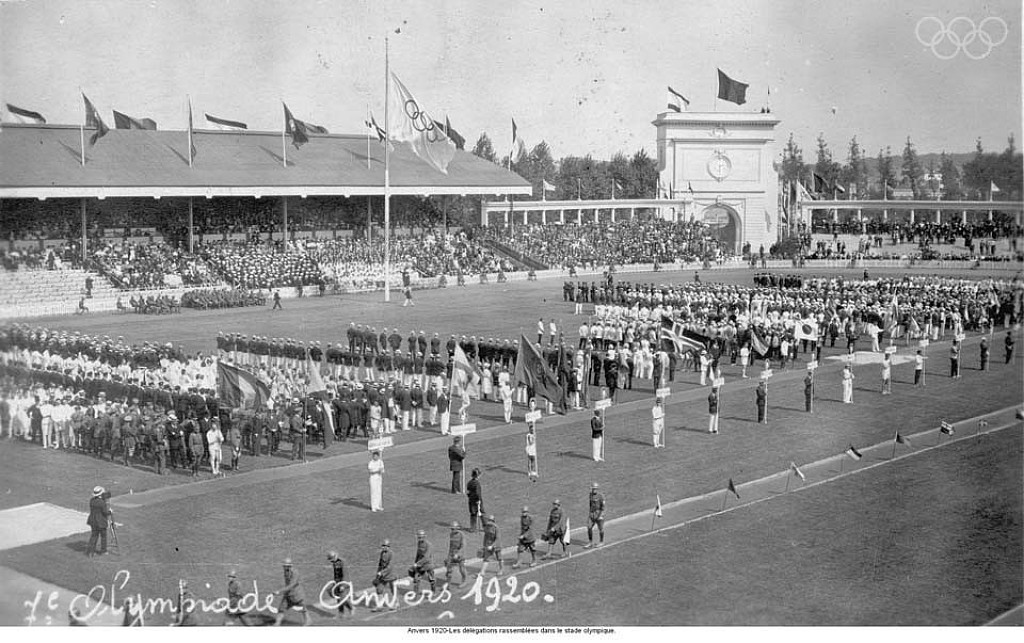
Despite the epidemic in 1920, Olympics went ahead
It’s a macabre coincidence that the lead-up to the Olympic Games of 100 years ago was fraught with a universal calamity all too similar to that which we are now facing in 2020.
Already by January of 1919 there had been 400,000 deaths reported in the USA alone from the “Spanish Influenza” epidemic which was ravaging the world, but there was no question of that country – the most successful at the Games since their revival in 1896 – withdrawing from the next celebration planned for 1920. Far from it.
In March 1919 the Central News Agency in New York reported the definitive decision of the US sports administrators: “In reply to a query from the Swedish Athletic Association, prominent officials here at the Amateur Athletic Union declared ‘America stands ready to send a representative athletic team to the next Olympic Games, regardless of the time or place which may be designated’”.
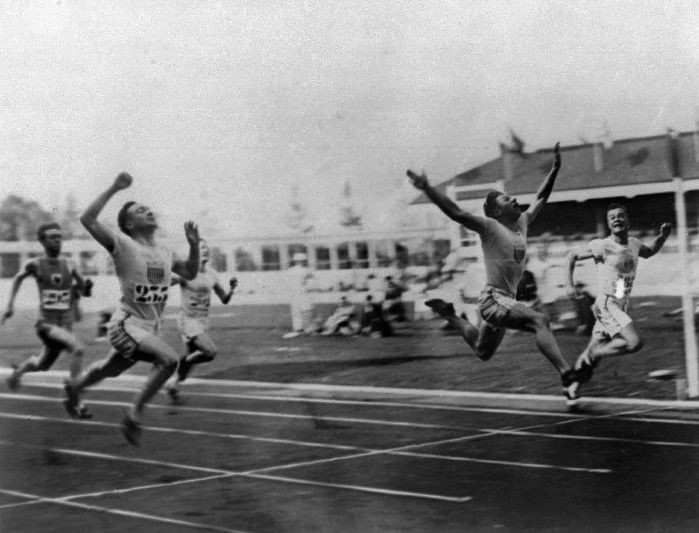
The members of the French Olympic Committee – whose opinion counted for much as founders of the modern Olympic movement – were more circumspect, but their hesitation had nothing to do with health matters. They declared, “The Olympic Games should not be held before 1921 as there would not be sufficient time for the Allied countries which have supported, and are still supporting, the burdens of the war to prepare adequately for a meeting in 1920”.
Those burdens of war had, of course, been horrendous. There had been an estimated 8.6 million military fatalities – 1.3 million of them in France and over 900,000 throughout the British Empire – and yet the toll from influenza between 1918 and 1920 would be far greater. Though there was not even public radio in those days there was still widespread newspaper reporting of the epidemic but no screaming headlines of doom-laden predictions. The Minister of Health in Great Britain, for instance, announced in July 1919 that in the six months to 31 March there had been 136,000 deaths from influenza in England and Wales, but this caused no barrage of demands from Members of Parliament for immediate Government action. To provide some sort of perspective, in his same address to the House of Commons the Minister reported that there had been 488,000 visits to venereal disease treatment centres the previous year. The MPs moved on, undisturbed, to other business.
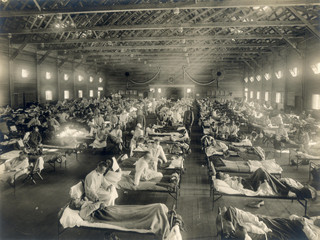
No thought was apparently given to the idea of suspending major international sporting events attracting thousands of spectators. Already in 1919, in the euphoria of peace at last, there had been an Inter-Allied Games held from 22 June to 6 July at the Stade Pershing, in Paris, specially built for the occasion by the US Army, in which 1500 athletes from 18 nations took part. Then, when the protracted Olympic Games of 1920 opened in Antwerp as per schedule on 20 April, lasting until 12 September; there were actually more competitors than there had been in the Stockholm Olympics of 1912 (2607 as against 2547) and one more country (29).
Why was there such indifference at these mass gatherings to the health implications? Well, that’s a question which needs more expertise to answer fully than that of a mere athletics writer with an interest in history, but perhaps a salient factor is that the populace of a century ago lived with the impact of infectious diseases every day of their lives to a far greater extent than we do today, and though there were strong views expressed on the wisdom of taking part in an Olympic Games these were for other reasons entirely.
In Britain a campaign to boycott the Games on the grounds that they were getting too seriously competitive was led by no less a person than Sir Theodore Cook, who had helped organise the 1908 London Games and had written the Official Report and become an International Olympic Committee member! For those reasons, his views were naturally given due attention but were out-weighed most notably by the counter-arguments of Sir Arthur Conan Doyle, the creator of Sherlock Holmes and an avid athletics enthusiast. Then Sir Theodore rather undermined his stance by entering the literature section of the Olympic Arts competitions in Antwerp and taking second place!
by Bob Phillips
Login to leave a comment

Tokyo 2020 Olympic Games
Fifty-six years after having organized the Olympic Games, the Japanese capital will be hosting a Summer edition for the second time, originally scheduled from July 24 to August 9, 2020, the games were postponed due to coronavirus outbreak, the postponed Tokyo Olympics will be held from July 23 to August 8 in 2021, according to the International Olympic Committee decision. ...
more...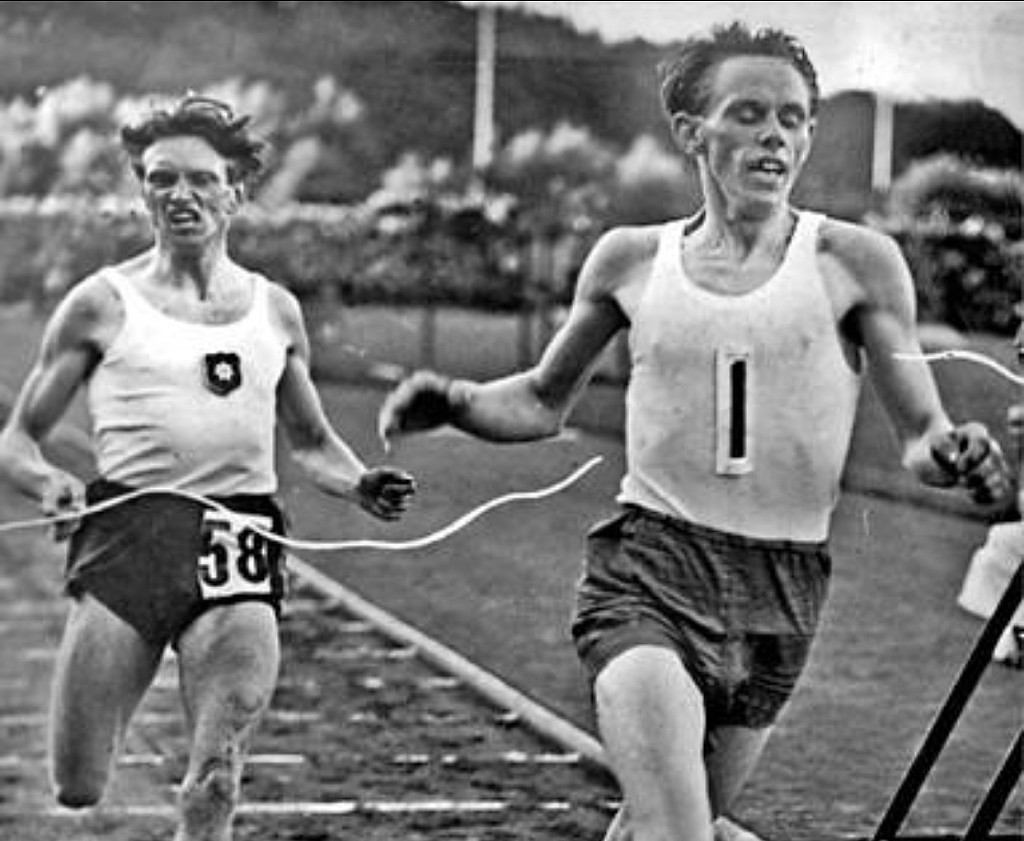
Gunder Hagg's world records stood for almost a Decade
Login to leave a comment
