

Running News Daily
Running News Daily is edited by Bob Anderson and team. Send your news items to bob@mybestruns.com Advertising opportunities available.
Index to Daily Posts · Sign Up For Updates · Run The World Feed
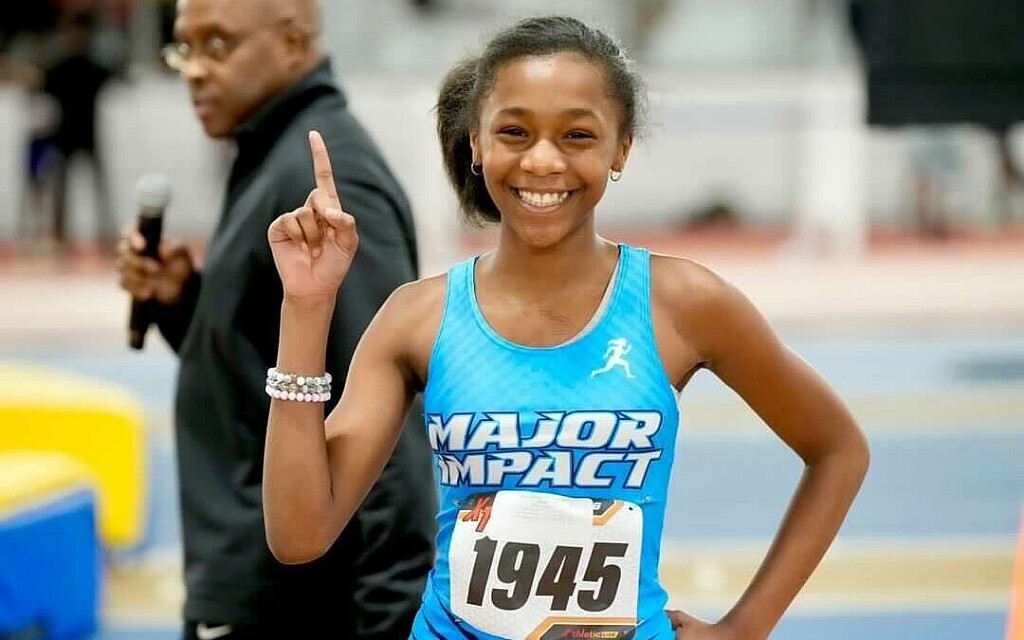


Teenage Thunder: Melanie Doggett Smashes Age-14 World Record in Stunning 200m Run

A sensational new chapter in sprinting history unfolded at the GHSA State Championships in Athens as 14-year-old American sensation Melanie Doggett delivered a jaw-dropping performance to rewrite the Age-14 world record books in the women’s 200m.
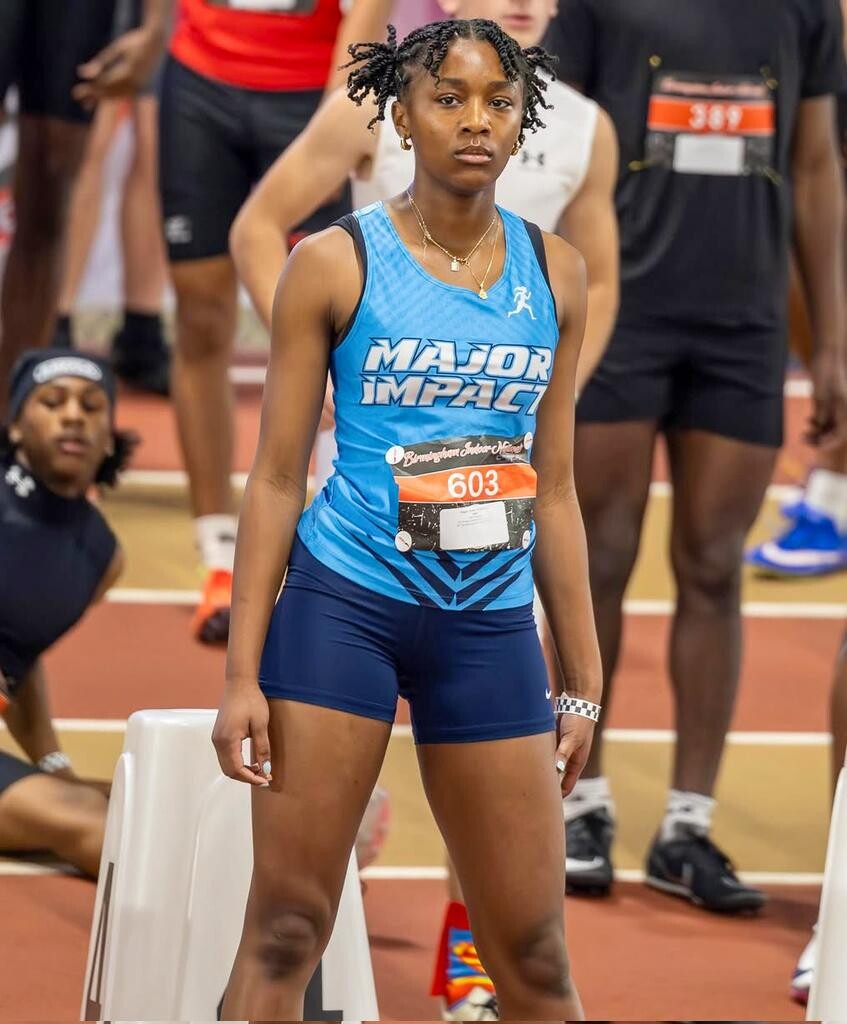
Doggett stormed to an electrifying 22.71 seconds with a legal +2.0m/s tailwind, becoming the fastest 14-year-old girl ever recorded over the distance. In doing so, she erased the previous Age-14 world best of 22.73 seconds, a mark that had only been set last month by fellow rising sprint star Camryn Dailey.
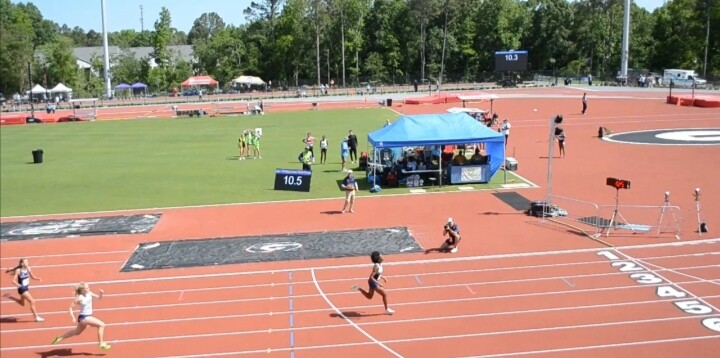
The performance sent shockwaves through the athletics world, not only because of the record itself, but because of the composure, power and technical brilliance Doggett displayed against older competition on one of the biggest stages of her young career. Her acceleration out of the bend and fearless finish down the home straight reflected a maturity far beyond her years.
What makes the achievement even more remarkable is the growing wave of teenage sprint talent now emerging across the globe. In recent months, junior sprinting has entered a new era, with young athletes consistently producing times once considered impossible for their age groups. Doggett’s record-breaking run now places her at the forefront of this exciting generation.
Athens erupted in celebration as the clock confirmed the historic time, with coaches, fans and fellow athletes fully aware they had witnessed something extraordinary. At only 14 years old, Doggett is already showing the qualities of a future global sprint star, and her latest achievement will undoubtedly ignite even greater expectations heading into the years ahead.
The future of women’s sprinting looks breathtakingly fast — and Melanie Doggett has just announced herself as one of its brightest new faces.
by Erick Cheruiyot for My Best Runs.
Login to leave a comment
Latest Running News
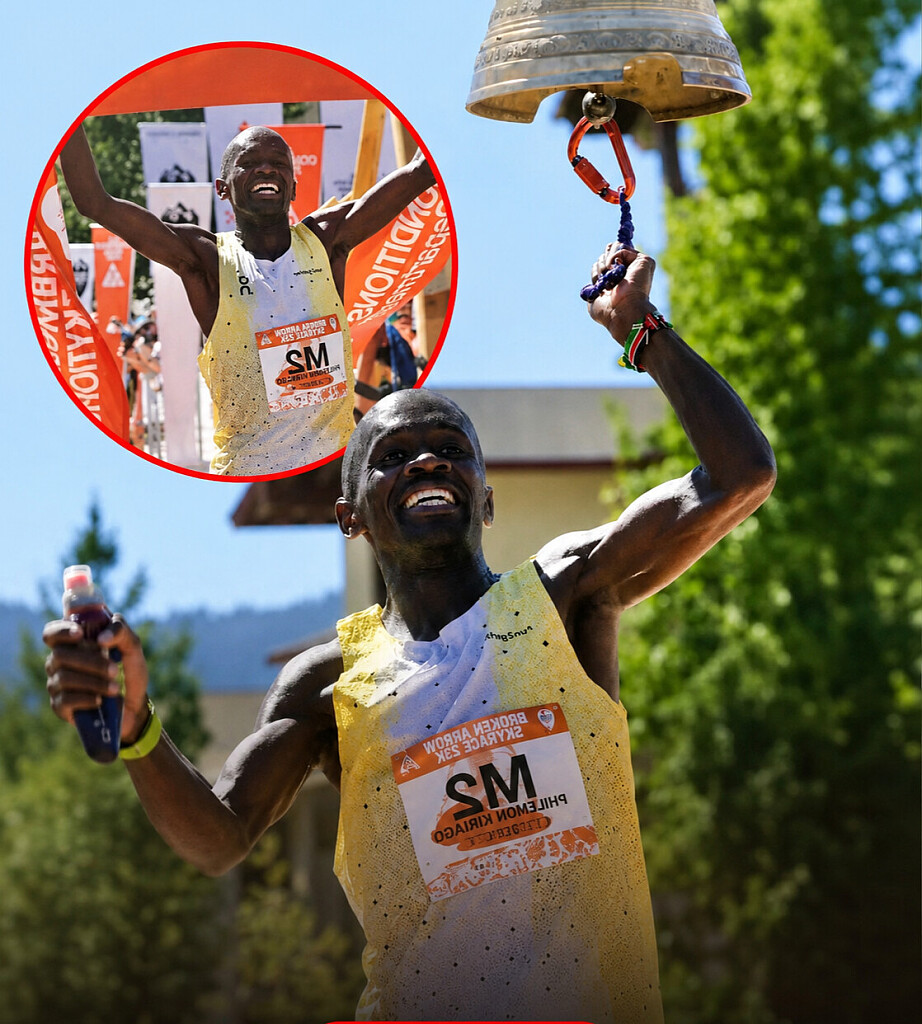
Kiriago Conquers Broken Arrow as Course Record Falls in Epic Mountain Running Showcase
Kenya’s Philemon Kiriago delivered a masterclass in endurance, strength, and tactical brilliance to shatter the Broken Arrow 23K course record on Sunday, producing one of the most memorable performances of the Mountain Running World Cup season.

Widely regarded as one of the most demanding races on the global mountain running calendar, the Broken Arrow 23K pushes athletes to their absolute limits. Featuring more than 6,000 feet of climbing, exposed alpine sections, punishing technical descents, and temperatures approaching 30°C, the race offers little margin for error. Yet Kiriago made the impossible look remarkably controlled.
The Kenyan star crossed the finish line in a stunning 1:42:18, slicing 54 seconds off the previous course record set just a year ago by Morocco’s Elhousine Elazzaoui. On a day when the mountains tested every competitor, Kiriago rose above the challenge with a performance that will be remembered for years to come.

From the opening stages, Kiriago took command of the race and dictated the pace. Elazzaoui, the defending course record holder, refused to let him escape and remained within striking distance throughout the contest. Time and again, the Moroccan launched challenges in an attempt to regain control, but Kiriago responded to every move with authority, refusing to surrender the lead.
The duel between the two mountain-running giants elevated the race to extraordinary levels. Elazzaoui ultimately finished second in 1:43:12—also faster than his own previous course record—highlighting just how exceptional the pace was at the front of the field.
Completing a high-quality podium was fellow Kenyan Patrick Kipngeno, who clocked 1:44:34. Kipngeno’s performance was made even more impressive by the fact that he had captured victory in the Broken Arrow Ascent just two days earlier, demonstrating remarkable resilience and versatility across the weekend.
Beyond the prestige of victory, there was also a significant financial reward on offer. The winners of the men's and women's 23K races each earned a lucrative $30,000 prize, adding further significance to an already world-class competition.
In the end, however, the day belonged to Kiriago. On one of the toughest courses in mountain running, against one of the strongest fields assembled this season, the Kenyan produced a near-flawless display to rewrite the record books.
Broken Arrow has long been known as a race where champions are forged through suffering and perseverance. This year, Philemon Kiriago not only conquered the mountain—he redefined what was possible on it.
by Erick Cheruiyot for My Best Runs.
Login to leave a comment
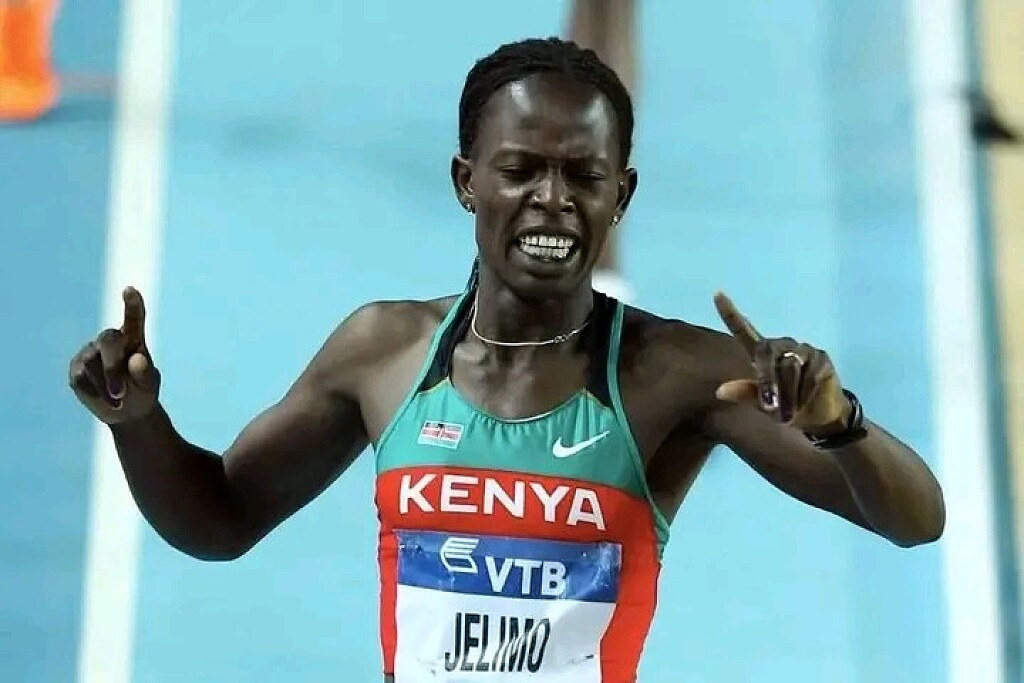
A Silver Worth the Wait: Pamela Jelimo Officially Recognized as London 2012 Olympic Runner-Up
More than a decade after competing on athletics' grandest stage, Kenyan middle-distance star Pamela Jelimo has officially been confirmed as the silver medalist in the women's 800 metres at the London 2012 Olympic Games following a medal reallocation approved by the International Olympic Committee (IOC).
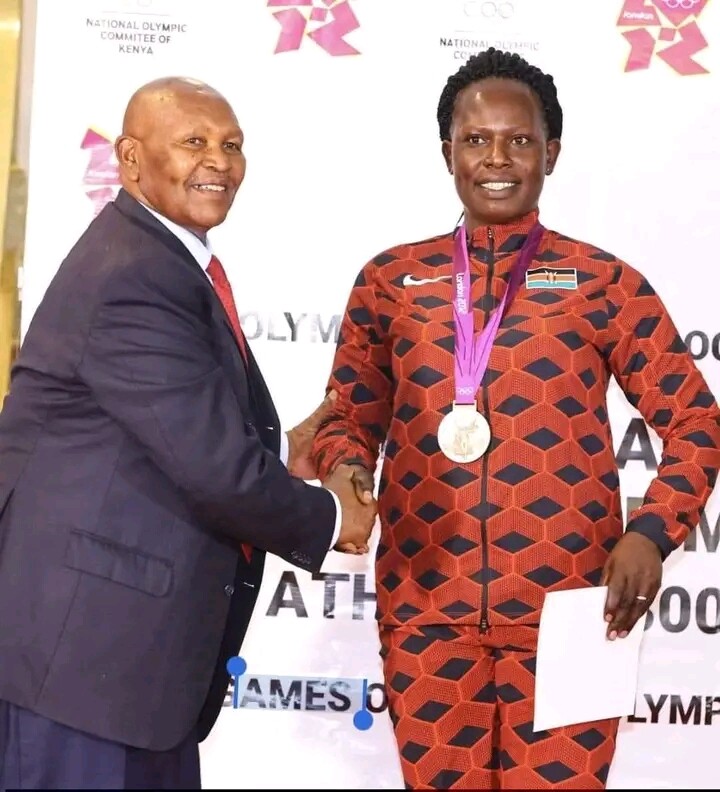
The IOC Executive Board ratified the revised results after the disqualification of Russian athlete Yekaterina Poistogova for an anti-doping rule violation. With all legal processes now concluded, the final standings have been formally updated, bringing long-awaited recognition to athletes who competed cleanly.
The decision elevates Jelimo from third place to the Olympic silver medal position, adding another prestigious chapter to the career of one of Kenya's most accomplished middle-distance runners. While the moment comes years after the race was run, it reinforces the enduring principle that integrity in sport ultimately prevails.
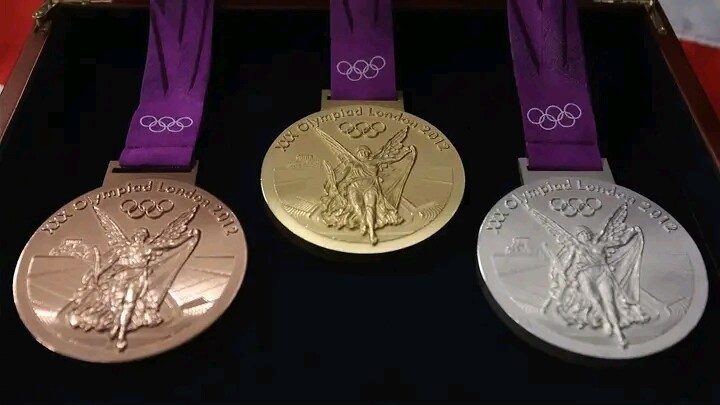
The revised podium now sees American athlete Alysia Montaño promoted to the bronze medal position. Meanwhile, Francine Niyonsaba moves into fourth place, with fellow Kenyan Janeth Jepkosgei Busienei officially ranked fifth.
For Kenya, Jelimo's promotion represents more than a statistical adjustment. It is a belated reward for an athlete whose remarkable talent helped shape a golden era of Kenyan women's middle-distance running. Although the medal upgrade arrives years after the celebrations that followed the London Olympics, its significance remains undiminished.
Jelimo burst onto the international scene as a teenage sensation, capturing global attention with her fearless racing style and dominant performances. Her newly confirmed Olympic silver medal further cements her legacy among Kenya's finest athletes and adds another distinguished achievement to an already impressive career.
The reallocation also serves as a powerful reminder of the ongoing fight for clean sport. While athletes affected by doping violations often endure years of waiting before receiving rightful recognition, the updated results demonstrate the commitment of sporting authorities to preserving fairness and protecting the integrity of competition.
Fourteen years after the London Games captivated the world, justice has finally caught up with the women's 800 metres final. For Pamela Jelimo, the silver medal may have arrived late, but its value and meaning remain as powerful as ever.
by Erick Cheruiyot for My Best Runs.
Login to leave a comment
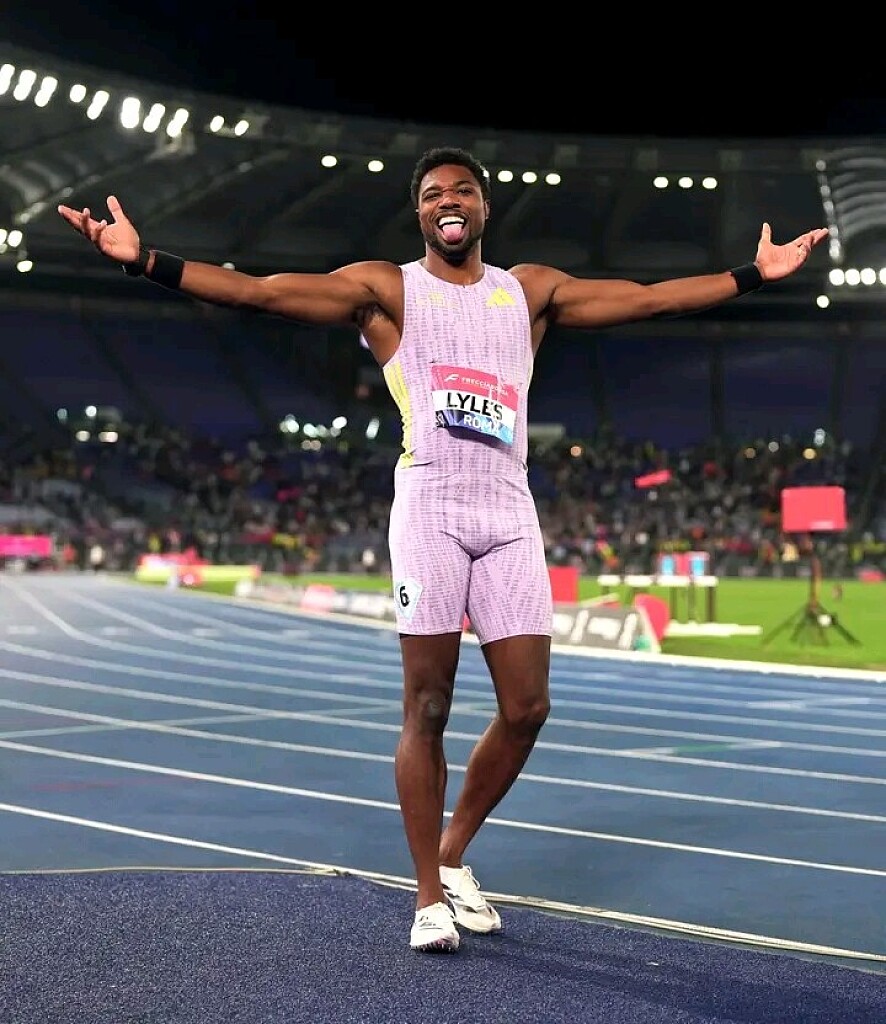
Sprint Titans Set for Paris Showdown as Noah Lyles Returns to Familiar Ground
Just one week after rewriting history with a sensational world-record performance over 150 metres, Noah Lyles is set to return to Paris, the city where some of his most memorable career moments were forged. The American sprint superstar will headline a blockbuster men's 100m field at the Paris Diamond League on June 28, promising one of the most captivating races of the season.
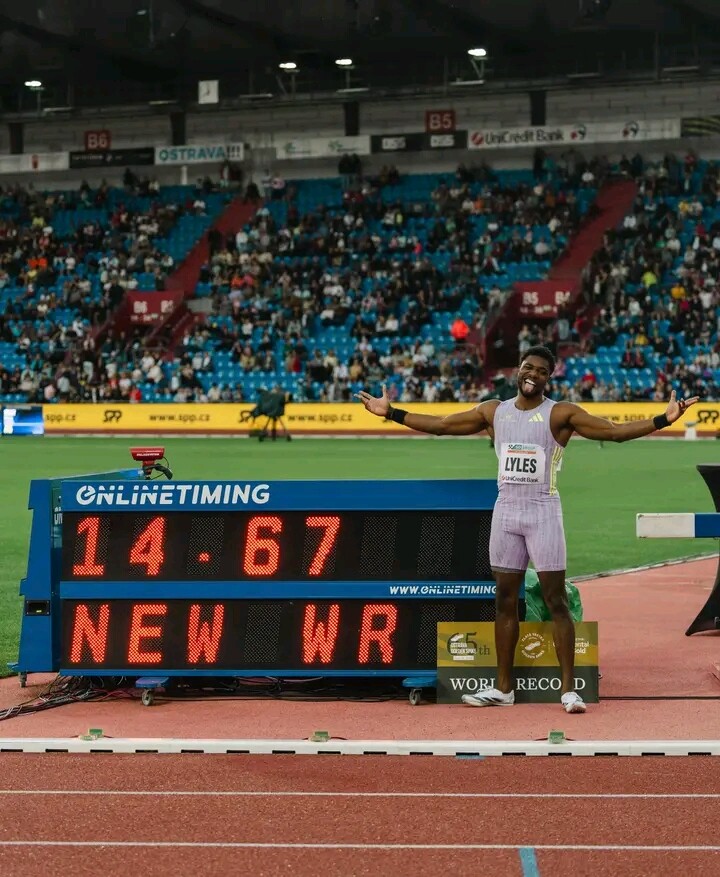
Paris has earned a reputation as one of the fastest tracks in world athletics, and Lyles will be hoping the magic returns once again as he steps back onto the same stage that witnessed his Olympic triumphs. Carrying the momentum of his recent world-record achievement, the reigning global sprint king arrives as the man everyone will be chasing.
Yet victory will be far from guaranteed.
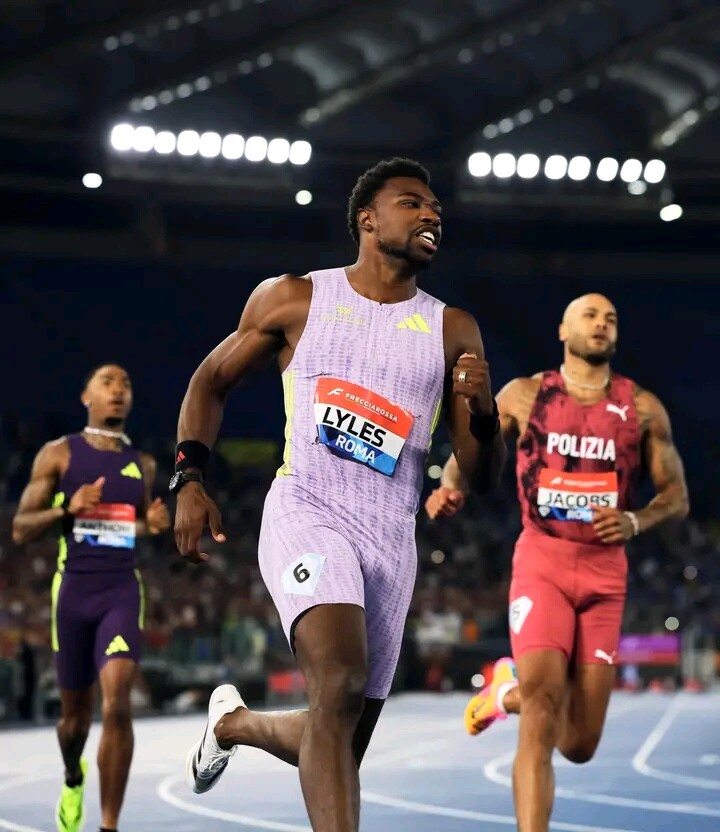
The men's 100m field is loaded with world-class talent, bringing together Olympic champions, Diamond League winners, continental record holders and emerging stars in what promises to be a battle from the gun to the finish line.
Kenya's Ferdinand Omanyala, Africa's fastest man, will be eager to use his trademark explosive start to challenge the favourite. South Africa's Akani Simbine, one of the most consistent performers on the international circuit, arrives in exceptional form and remains a serious contender for victory. Italy's Olympic champion Lamont Marcell Jacobs adds further championship pedigree, while American speedsters Trayvon Bromell and rising star Jordan Anthony strengthen an already formidable field.
Great Britain's Jeremiah Azu and Cameroon's Emmanuel Eseme complete a lineup capable of producing fireworks on one of athletics' quickest stages.
Official Men's 100m Start List – Paris Diamond League
1. Noah Lyles (United States)
2. Jordan Anthony (United States)
3. Emmanuel Eseme (Cameroon)
4. Trayvon Bromell (United States)
5. Akani Simbine (South Africa)
6. Lamont Marcell Jacobs (Italy)
7. Ferdinand Omanyala (Kenya)
8. Jeremiah Azu (Great Britain)
With the World Championships drawing closer, every race carries added significance. Paris offers athletes a chance not only to collect valuable Diamond League points but also to send a statement to their rivals ahead of the season's biggest tests.
For fans, the ingredients could hardly be better: a world-record holder at the peak of his powers, a lightning-fast track, and a field packed with elite sprinters capable of producing something special. The result is a race that has all the makings of one of the standout moments of the Diamond League campaign.
On June 28, the spotlight will once again shine on Noah Lyles. But against a field this strong, the road to victory will demand nothing less than brilliance.
by Erick Cheruiyot for My Best Runs.
Login to leave a comment
Audrey Werro Smashes European 600m Best as Remarkable Season Reaches New Heights
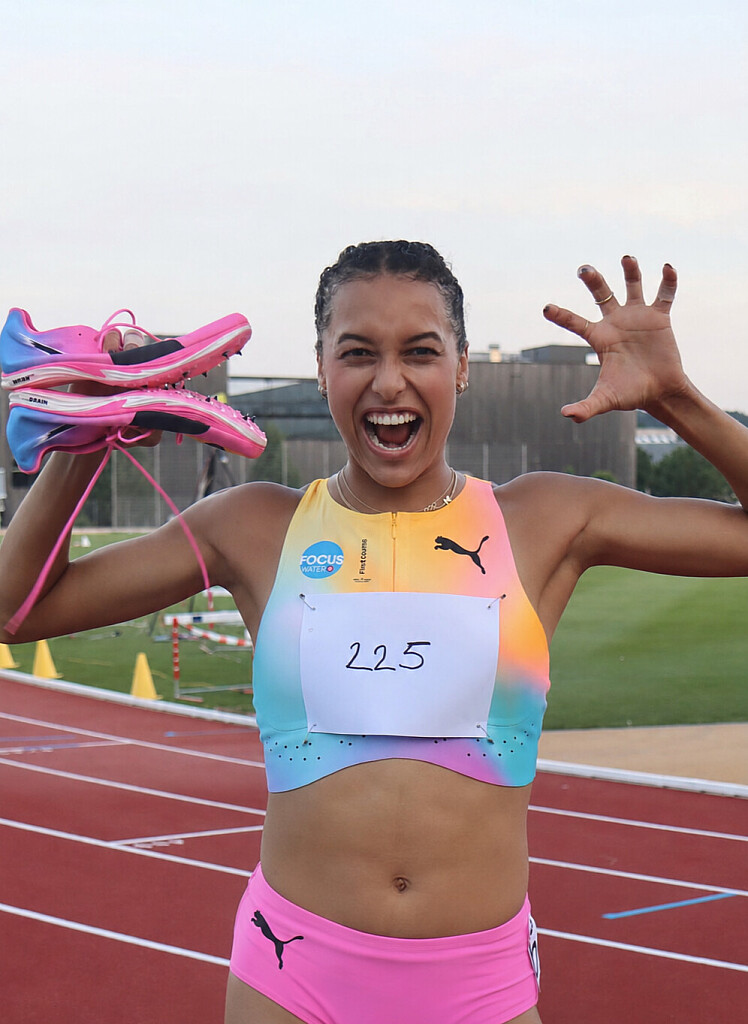
Swiss middle-distance sensation Audrey Werro continues to redefine the limits of European athletics after producing a breathtaking performance in front of her home supporters, setting a new European best of 1:22.85 in the women's 600m.
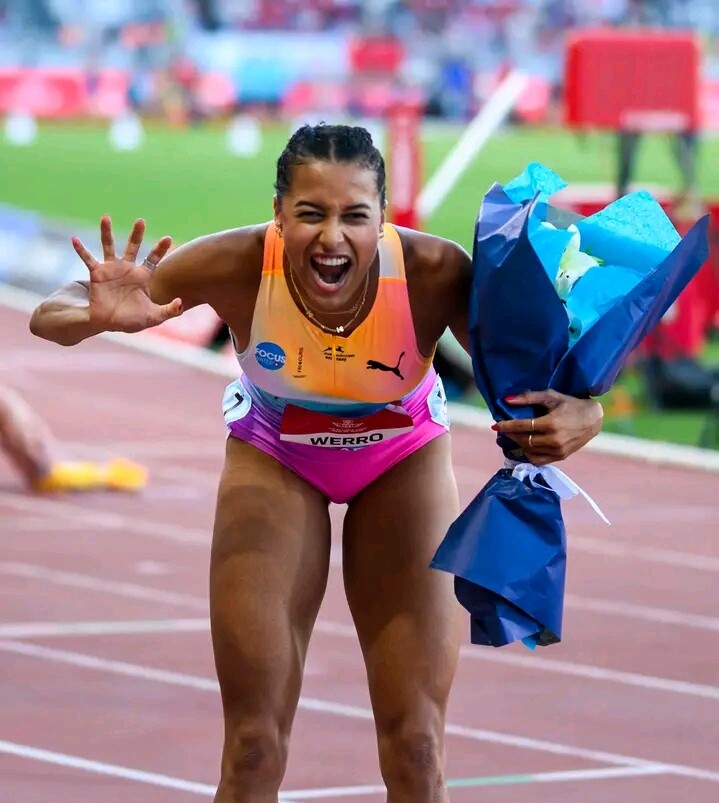
Competing on home soil in Switzerland, Werro delivered a run of exceptional quality and composure, eclipsing the previous European best of 1:23.41 that had been established by Keely Hodgkinson in 2023. The performance further underlined the extraordinary form that has transformed the Swiss star into one of the most exciting athletes in world athletics this season.
The new mark is another milestone in what is rapidly becoming a breakthrough year for the 22-year-old. Werro has consistently demonstrated her ability to blend speed, strength and tactical intelligence, qualities that have elevated her from a promising talent to a genuine global contender.
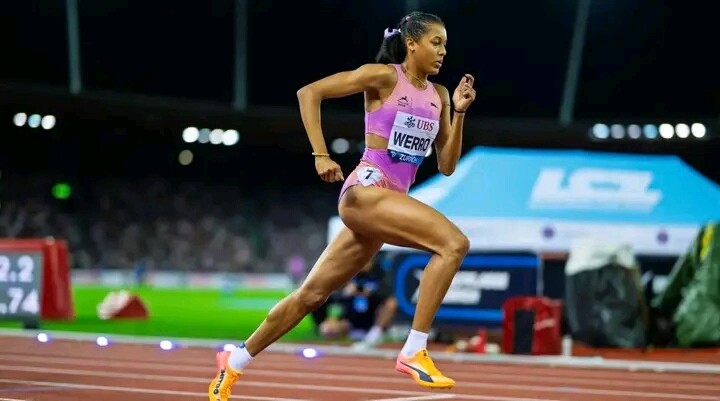
Her latest achievement arrives just days after she stunned the athletics world in Stockholm, where she defeated Hodgkinson in a sensational women's 800m race. On that occasion, Werro crossed the line in a remarkable 1:53.98, a performance that elevated her to third on the all-time women's 800m list and firmly established her among the greatest one-lap-and-a-half runners in history.
The 600m is often regarded as a demanding test of both sprint speed and middle-distance endurance, making Werro's record-breaking effort all the more impressive. From the opening stages, she controlled the pace with confidence before powering through the final stretch to stop the clock at a historic time that rewrote the European record books.
For Swiss athletics, the moment was especially significant. Roared on by a passionate home crowd, Werro delivered a performance that showcased not only her immense talent but also the growing strength of Switzerland on the international athletics stage.
With every race, Werro appears to be pushing the boundaries of what is possible. Her victory in Stockholm and now a European-best performance over 600m suggest that the Swiss star is entering the prime of her career, carrying momentum that could make her one of the defining figures of the current athletics era.
As the season gathers pace, the athletics world will be watching closely. If recent performances are any indication, Audrey Werro's remarkable rise is far from over—and more records may soon be within reach.
by Erick Cheruiyot for My Best Runs.
Login to leave a comment

Historic Breakthrough at Bighorn 100 as Bo Shelby Becomes First Runner to Shatter 18-Hour Barrier
A landmark chapter was written in ultrarunning history on Friday as Bo Shelby delivered a performance for the ages at the renowned Bighorn Trail Run in Dayton, Wyoming.

For 25 years, the demanding 100-mile mountain race had resisted every attempt to be conquered in under 18 hours. The rugged trails, relentless climbs, punishing descents, and unpredictable mountain conditions had combined to make the barrier seem almost untouchable. Shelby changed that narrative in emphatic fashion.
Producing one of the finest performances ever seen on the course, Shelby stormed to victory in an astonishing 17:58:03, becoming the first athlete in race history to break the coveted 18-hour mark. In doing so, he not only secured the title but also established a new course record, setting a benchmark that many once believed was beyond reach.
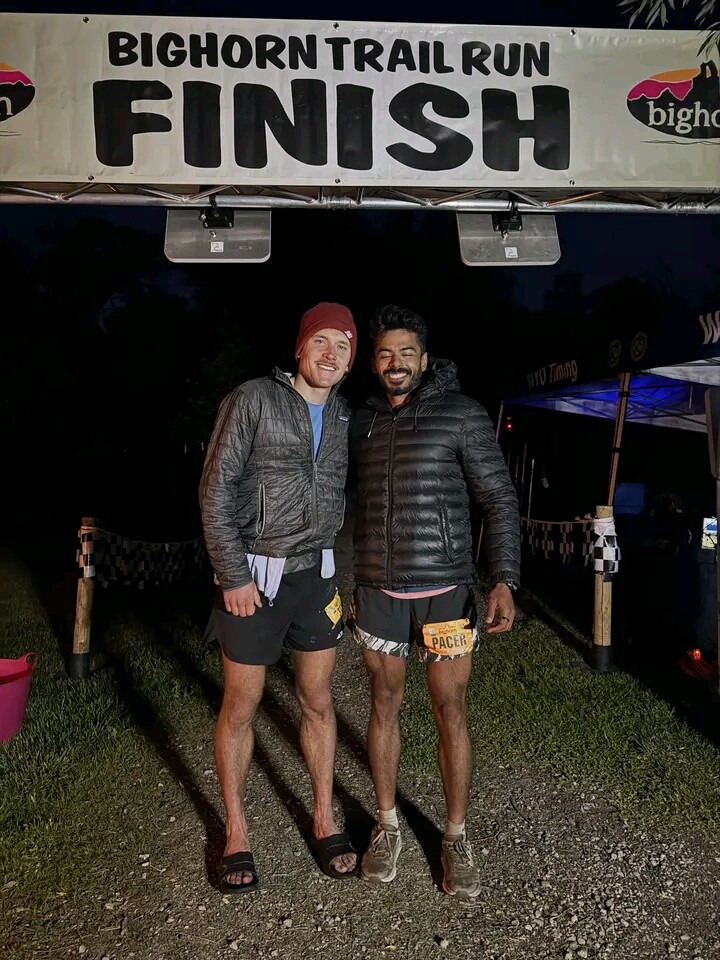
The achievement carries added significance given the reputation of the Bighorn 100, one of North America's most respected ultramarathons. Winding through the breathtaking yet unforgiving Bighorn Mountains, the race features significant elevation changes across its 100-mile route and allows runners a generous 35-hour cutoff simply to reach the finish line. For most participants, earning a finisher's buckle is considered a triumph. Shelby, however, elevated the standard entirely.
What made the race even more remarkable was the depth of competition at the front. Ben Quatromoni also delivered a historic run, crossing the line in 18:10:31. His performance eclipsed the previous course record as well, making it the second-fastest time ever recorded at Bighorn despite finishing second on the day.
Completing an outstanding men's podium was John Dragon, who secured third place in 19:48:48 after a strong and resilient effort across the challenging mountain course.
In the women's race, Leah Handelman produced a commanding display to capture victory in 24:23:35, successfully navigating the demanding terrain to claim top honors.
As the Bighorn 100 celebrates a quarter-century of racing, the 2026 edition will be remembered as a defining moment in its history. A course that had stood unconquered beneath the 18-hour threshold for 25 years finally yielded, and in spectacular fashion. Shelby's record-breaking run did more than earn a victory—it redefined what athletes can dream of achieving on one of ultrarunning's most formidable stages.
by Erick Cheruiyot for My Best Runs.
Login to leave a comment
