

Running News Daily
Top Ten Stories of the Week
7/13/2019
These are the top ten stories based on views over the last week.



The family of marathoner Frank Meza Says He Was Cyberbullied and then committed suicide
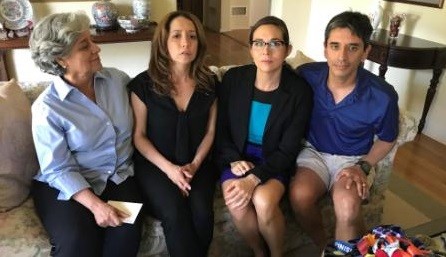
The family of Frank Meza, the 70-year-old marathoner who was found dead Thursday amid cheating allegations, spoke exclusively to Inside Edition about his death.
Authorities say a 70-year-old man has died by suicide after he was disqualified from the Los Angeles Marathon over cheating allegations.
Frank Meza of South Pasadena was found in the Los Angeles River last Thursday after reports that someone may have jumped from a bridge.
The Los Angeles County coroner’s office says Meza died from multiple blunt force traumatic injuries and ruled his death a suicide.
Meza, a retired physician, was a longtime marathon runner.
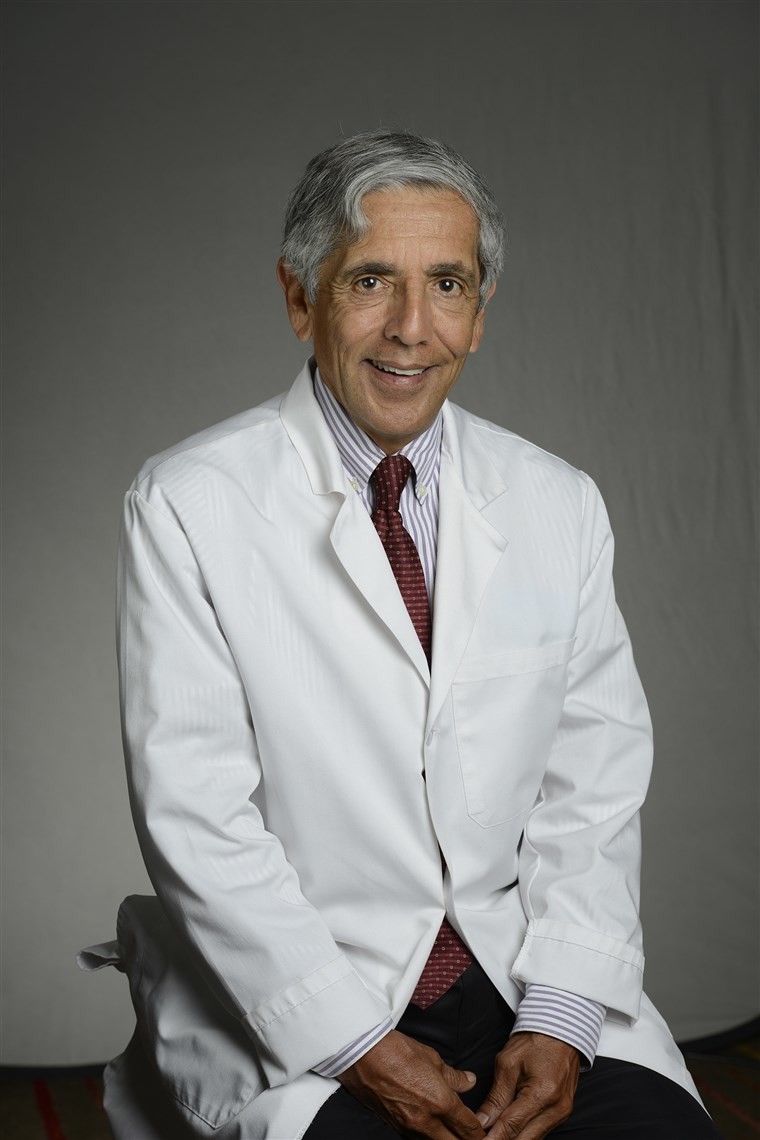
Days before his death, the Los Angeles Marathon disqualified his finish in the March race. Officials said he left the course and came back from a different position. His time of 2 hours, 53 minutes 10 seconds had been the fastest ever for a man his age.
Meza said he only stopped to relieve himself.
Asked whether the allegations against him killed her husband, Meza's wife, Tina Nevarez, replied, "Yes, I do believe that." He was found dead Thursday in the LA River.
The family said they didn't anticipate he would take his own life but believe cyberbullying led him to do it.
(07/09/19) Views: 682
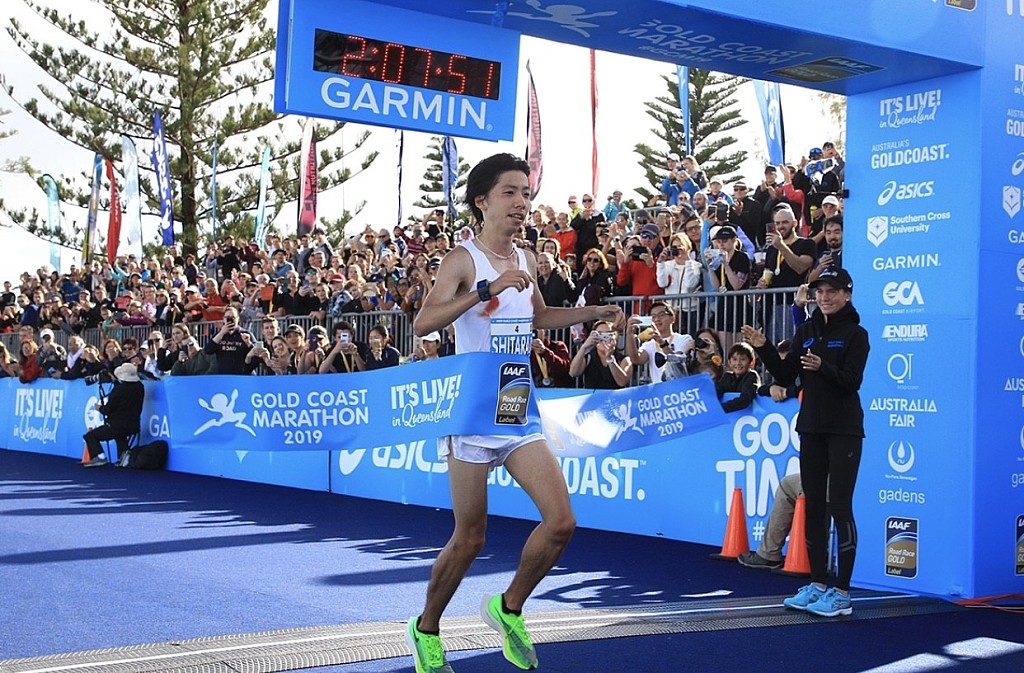
Yuta Shitara sets new course record at the Gold Coast Marathon even when weather conditions were not ideal
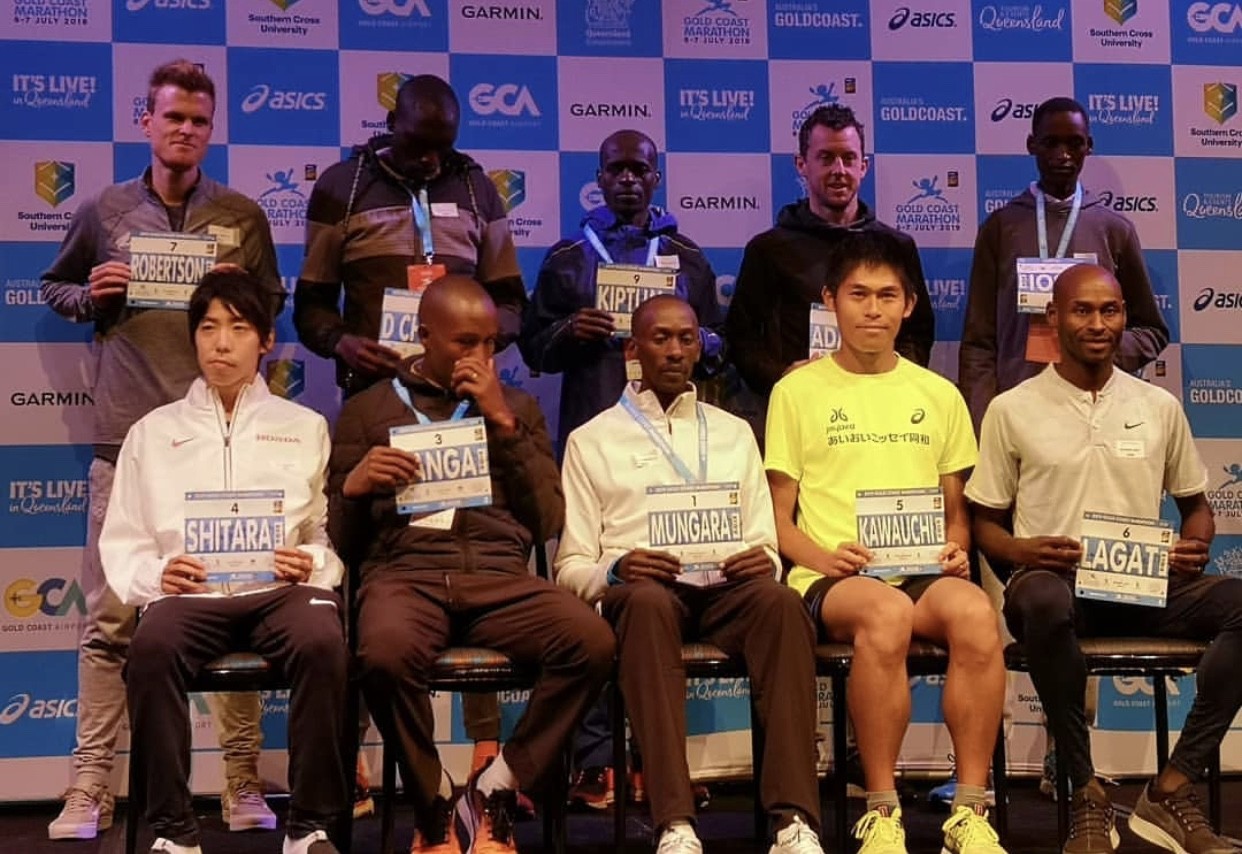
The second fastest Japanese marathon runner in history became the fastest runner in Gold Coast Marathon history when Yuta Shitara won the IAAF Gold Label race in 2:07:50 this morning.
The 27-year-old had an exciting duel with placegetters Barnabus Kiptum of Kenya and Zane Robertson of New Zealand over the final 12km before making his move with 2km remaining.
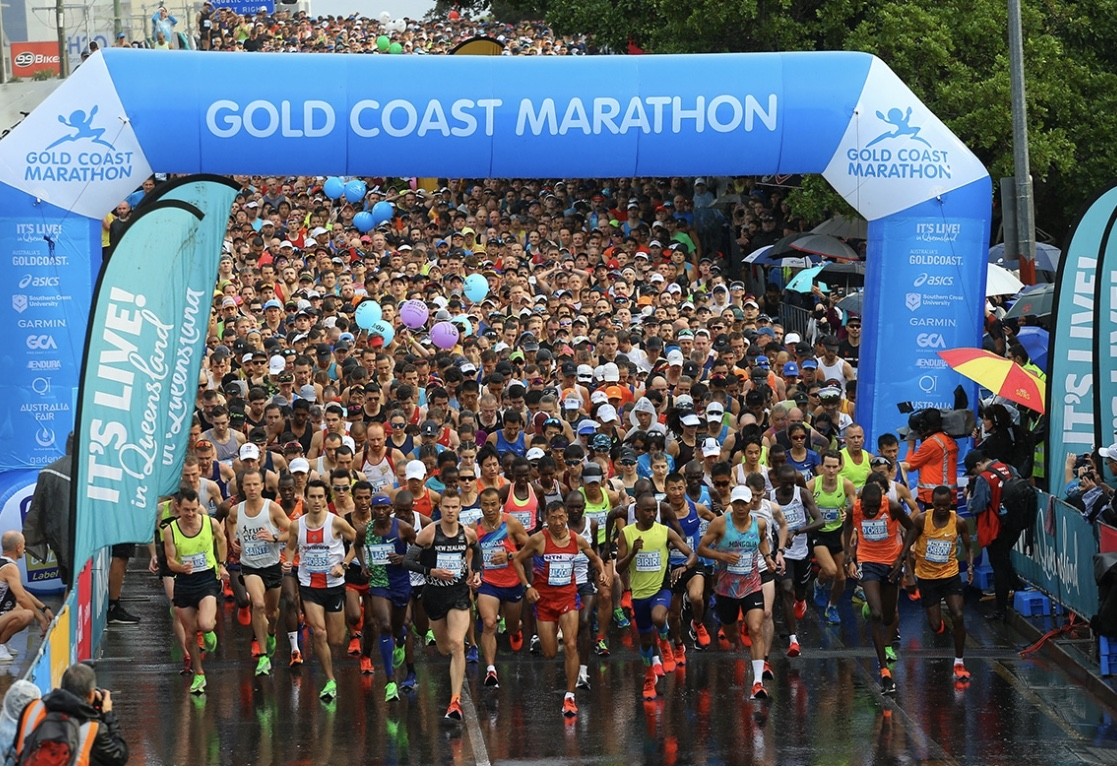
It was the eighth win by Japanese men in the 41-year history of the event and bettered the race record and Australian all comers record previously held by Kenyan Kenneth Mungara (2:08:42).
Shitara takes home $20,000 in victory prize money and an additional $10,000 time bonus for his record-breaking effort today.
Kiptum, the winner of the Hong Kong Marathon in February, finished second in a personal best 2:08:02, while marathon debutant Robertson placed third in 2:08:19.
It was an extra special result for Robertson as his time was a New Zealand record, bettering the previous mark of his brother Jake (2:08:26, Lake Biwa, 2018), and he was crowned the IAAF Oceania Area Marathon Champion for 2019.
The first Australian across the line was Victorian Liam Adams in sixth place clocking a pb 2:11:36 – a bittersweet result for the 32-year-old as it was an agonising six seconds outside the 2020 Olympic qualification standard.
Dual world champion over 1500m and 5000m on the track Bernard Lagat (USA) improved his marathon pr to 2:12:10 for seventh place, while 2013 race winner Yuki Kawauchi (JPN) placed 13th in 2:15:32.
"It's definitely a confidence builder, and I have had a lot of things to make me confident, but this is a big one heading into the Japanese Olympic trials," said Shitara.
Shitara, who stayed with the lead group of four throughout the race, said although he was not aiming for a particular time or result, the win showed his training had paid off.
“We did a lot of training, and I think that helped," he said in a post-race interview.
Weather conditions on the Gold Coast were less than ideal, with athletes in both the full- and half-marathons battling headwinds and heavy rain.
"Honestly, I'd like to be able to run together with Yuta but I'm still not good enough," Kimura said.
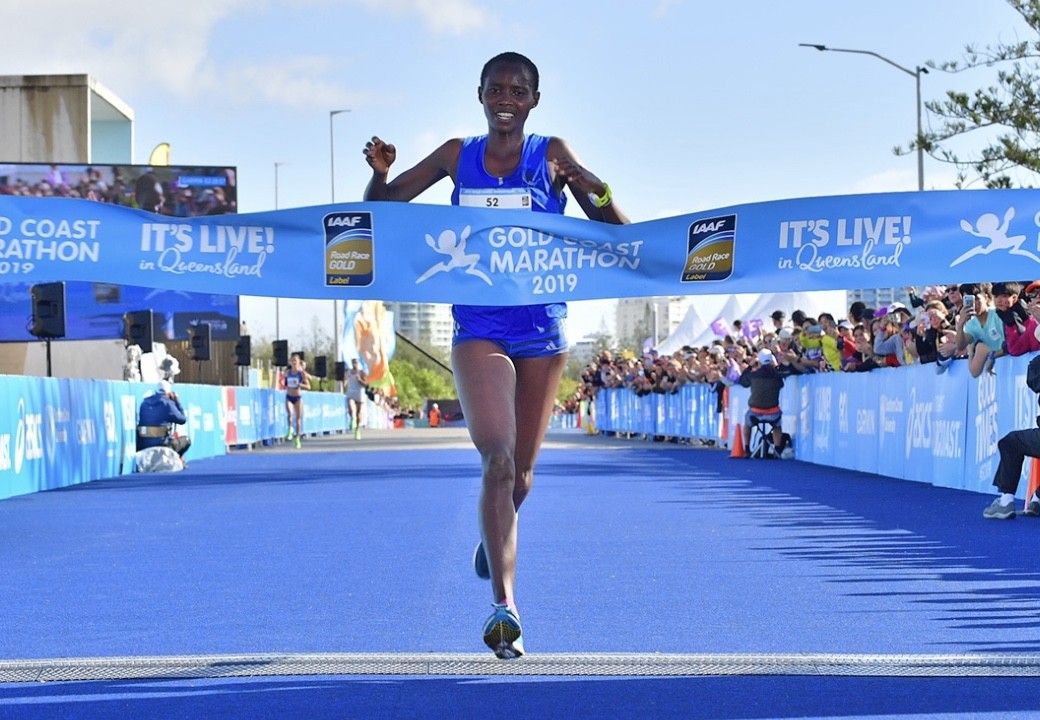
Kenyan Rodah Jepkorir (KEN) held off a strong finishing burst from Tasmanian Milly Clark (AUS/TAS) to take the women’s Gold Coast Marathon.
The 27-year-old broke away from the 30km mark and then lasted to break the tape in 2:27:56, with Clark second (2:28:08) and Eritrea’s Nazret Weldu (ERI) third in 2:28:57.
This year’s eight Gold Coast Marathon races attracted a total of 26,287 entries, including 3,678 overseas competitors, as the event continues to achieve a long-term upward trend.
(07/06/19) Views: 217
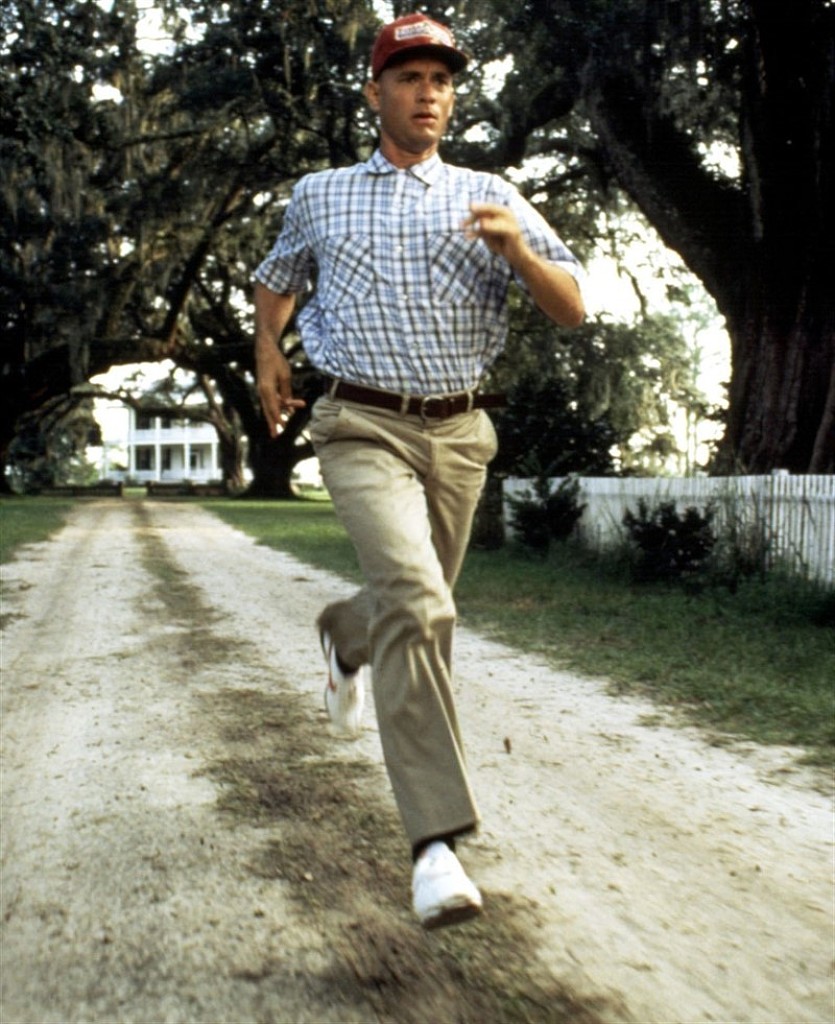
The movie, Forrest Gump was released on July 6, 1994, it won six Oscars and became one of the most popular running films of all time
It was 25 years ago Saturday that Robert Zemeckis’s film Forrest Gump opened to wild acclaim and became one of the world’s best-loved running films.
Based on a novel by Winston Groom and adapted for the screen by Eric Roth, the movie concerns a simple-minded but wise man (played by Tom Hanks) who overcame childhood polio to become an endurance runner, on a whim, and went on to participate in some of the most significant events of the 20th century.
One day Forrest just starts running, and ends up running from his home in Alabama to the California coast, then back across America to the Atlantic. He runs back and forth across America for three years, two months, 14 days and 16 hours. And he inspires others to run, as well.

The movie most likely appeals to endurance runners in particular because of Forrest’s stripped-down approach. When asked by reporters if he was running for world peace, or the homeless, or women’s rights, or the environment, or for animals, Forrest replies, “I just felt like running.”
“They just couldn’t believe that somebody would do all that running for no particular reason,” he narrates.

Of course, Forrest eventually gets tired of running, and quits as suddenly as he started, possibly having fulfilled his purpose of outrunning the past.
Forrest Gump won Academy Awards for directing, best picture, best actor, best adapted screenplay, best film editing and best visual effects.
(07/08/19) Views: 153Anne Francis
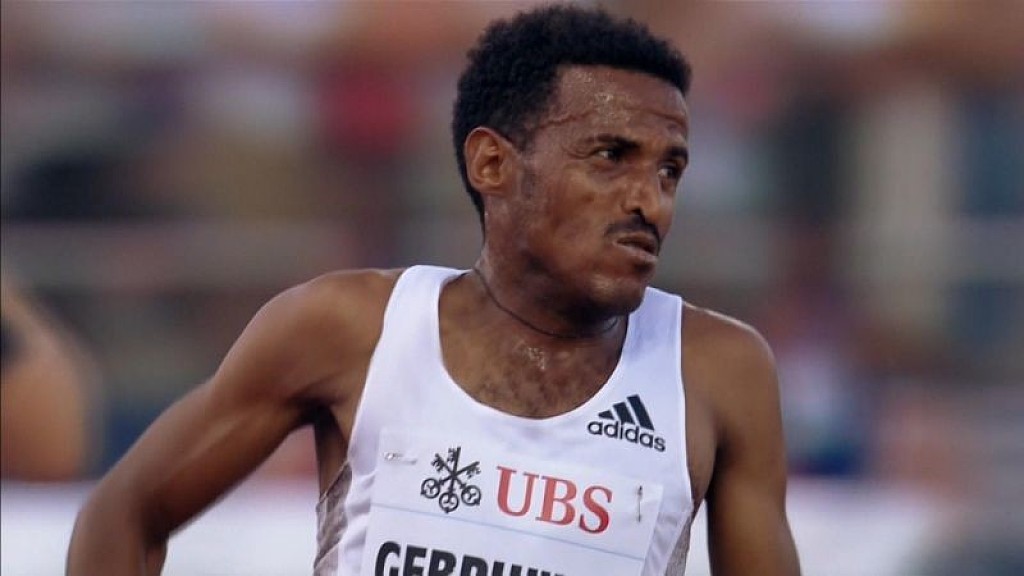
Hagos Gebrhiwet thought he had won the Lausanne 5,000m and stops running one lap too early
Hagos Gebrhiwet, a former world champion, is proof that even the best runners make crucial mistakes. On Friday evening at the Lausanne Diamond League, Gebrhiwet crossed the line with 400m to go and pulled off the track, raising his hands.
The runner was under the impression that he’d won, but he’d miscounted his laps.
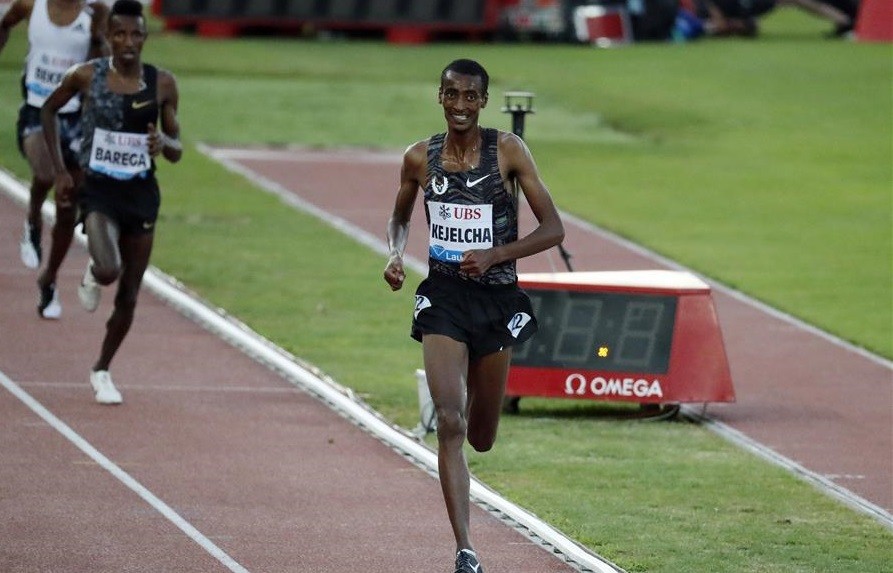
Indoor mile world record holder Yomif Kejelcha saw this mistake and continued, taking the win in 13:00.56. Gebrhiwet finished 10th in 13:09.59 — still very impressive considering his temporary celebration.

Brandon McBride got the Canadians started on the track on Friday. The Canadian record holder ran just off his season’s best of 1:43.90 and finishing in 1:44.14.
McBride was fourth, running smooth through the finish and narrowly missing out on a top three finish. First place when to Wyclife Kinyamal in 1:43.78 and second to Ferguson Rotich in 1:43.93.
Aaron Brown was doubling and started the night with a third place finish in the 100m and a season’s best of 10.07. He followed up his 100m with a fourth place finish in the 200m in a new personal best of 19.95.
(07/06/19) Views: 67Madeleine Kelly
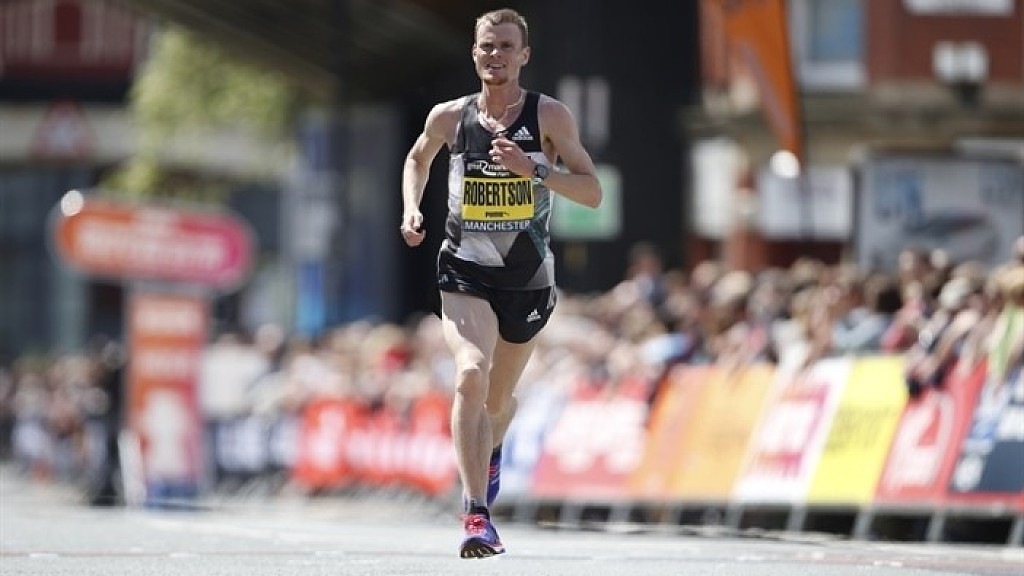
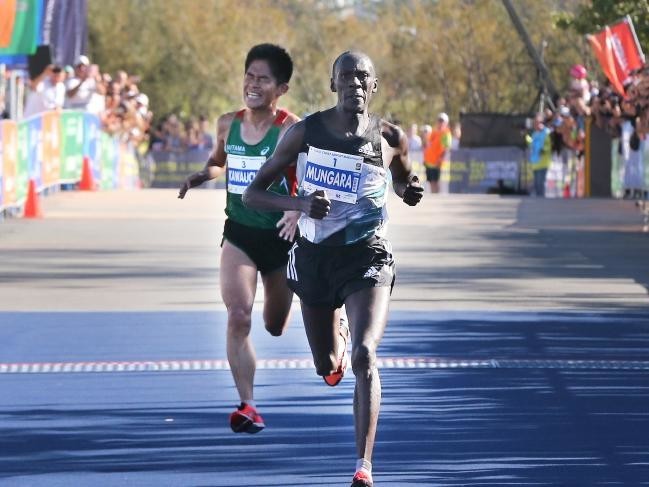
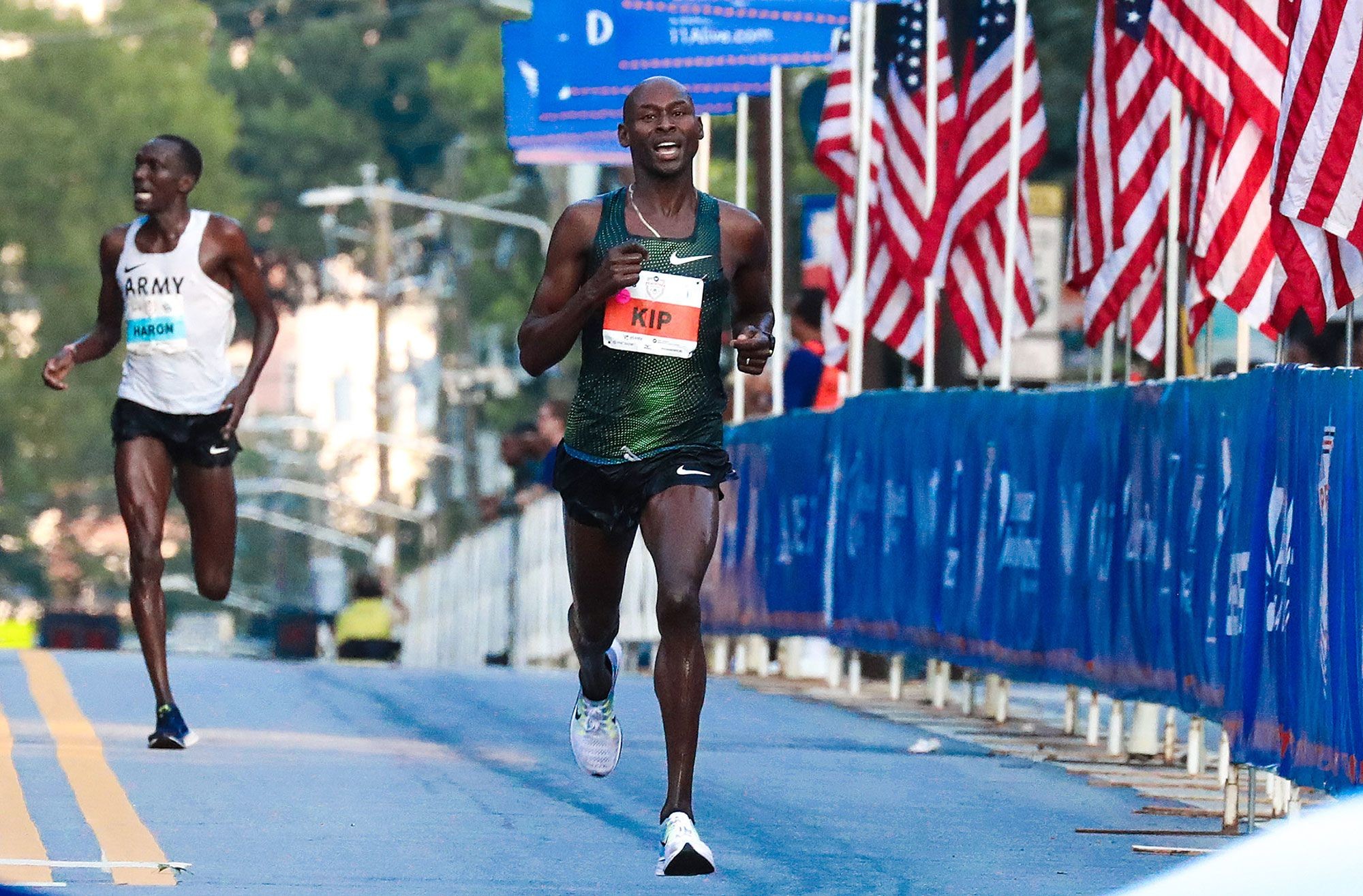
Kenyan Kenneth Mungara, Bernard lagat, Zane Robertson and Yuki Kawauchi are ready to compete at Gold Coast Marathon
Can the man dubbed ‘King Kenneth’ by race organizers, Kenya’s Kenneth Mungara, continue to hold back the years to achieve a fourth victory on the Gold Coast? Has Bernard ‘Kip’ Lagat learned enough from a humbling marathon debut in New York last year to mount a credible challenge? Can New Zealand’s Zane Robertson, who missed last year’s Commonwealth Games marathon on the Gold Coast through injury, atone with a victory this time and perhaps take the family record off twin brother Jake into the bargain?
First, let’s take Mungara, as befits an athlete who is the defending champion and holds the race and Australian all-comers’ records with his 2:08:42 in 2015. Sunday will be precisely two months before his 46th birthday, but he shows no signs of slowing down. Should he win again, Mungara will join Pat Carroll, who himself has the credentials to be considered king of the Gold Coast, and Margaret Reddan as four-time winners of the event.
He may not even be first in category. Bernard Lagat turns 45 in December. By any measure, Lagat is the best all-round distance runner to compete in the Gold Coast race. A silver and bronze Olympic medallist at 1500m and second-fastest ever at the event, world over 1500m and 5000m in Osaka in 2007 – he sits comfortably in any conversation of track distances up to, and including, the 10,000m. The marathon is another matter. His debut of 2:17:20 in New York last year was a harsh learning experience and left him with something to prove.
“One of the most important things I learned from running the New York Marathon,” Lagat said when his Gold Coast commitment was announced, “was the experience of ‘hitting the wall’. A lot of people warned me about it and told me to watch for it, but nothing quite teaches you like living through that experience… I panicked a bit, questioned myself if I could finish.”
If Lagat has conquered those doubts, he could be a big factor on the Gold Coast.
Zane Roberston believes he could have won the Commonwealth Games race. A half-marathon PB of 59:47 suggest that is more than just idle talk. He was happy to talk up his chances pre-race.
“First and foremost, I always target the win,’ Robertson said. “I want to run as fast as the pacemakers allow and once they step off the road anything can be possible. Perhaps a new Oceania record?”
Robert de Castella holds the Oceania record at 2:07:51, his winning time the first year the Boston marathon went open in 1986. Of equal note, Zane’s twin brother Jake holds the New Zealand, and family, record at 2:08:26.
The Gold Coast race also serves as the Oceania championships, so the Oceania champion will accrue valuable rankings points for the Tokyo 2020 Olympics.
Kenyan pair Ezekiel Chebii and Philip Sanga Kimutai both boast personal bests of 2:06:07, the former from 2016 in Amsterdam, the latter from 2011 in Frankfurt. But the man with the most recent 2:06-clocking is Japan’s Yuta Shitara who ran a national record 2:06:11 in Tokyo last year, a mark subsequently bettered by Suguru Osako’s 2:05:50 in Chicago. Along with the indefatigable Yuki Kawauchi, he gives Japan a strong hand in what has been traditionally a strong race for them.
(07/05/19) Views: 66IAAF
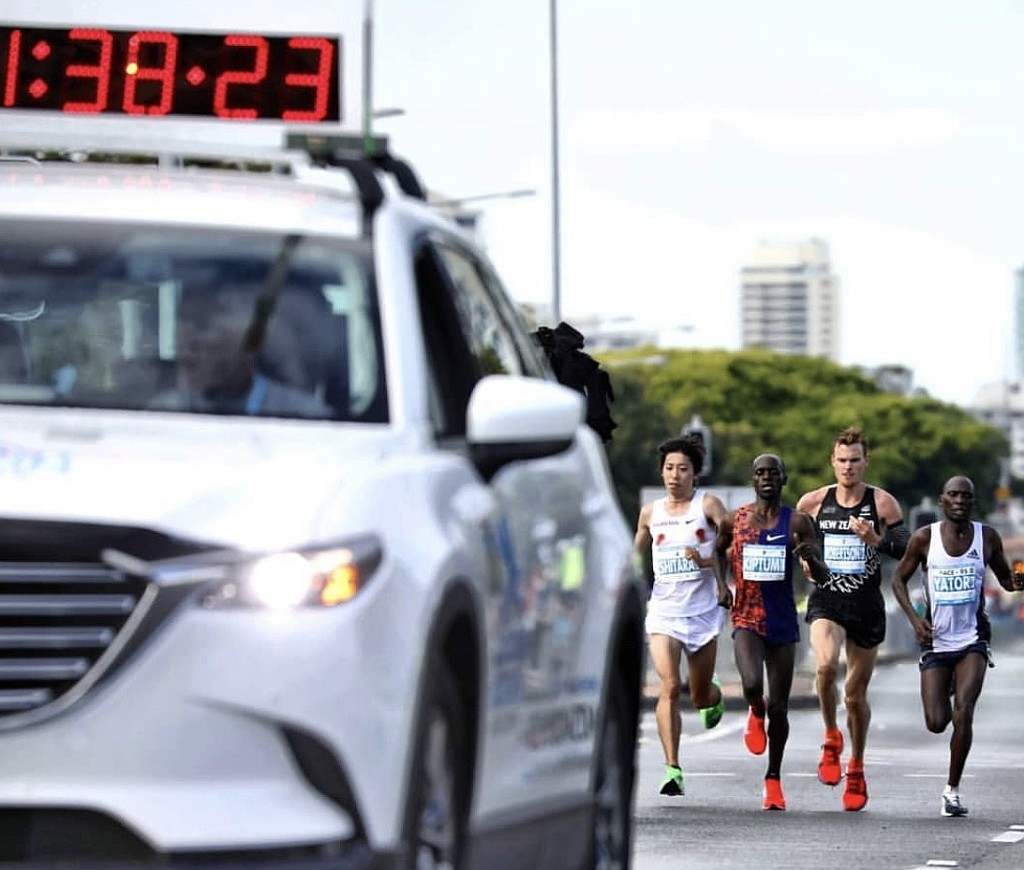
Zane Robertson sets new national New Zealand marathon record clocking 2:08:19 at Gold Coast Marathon
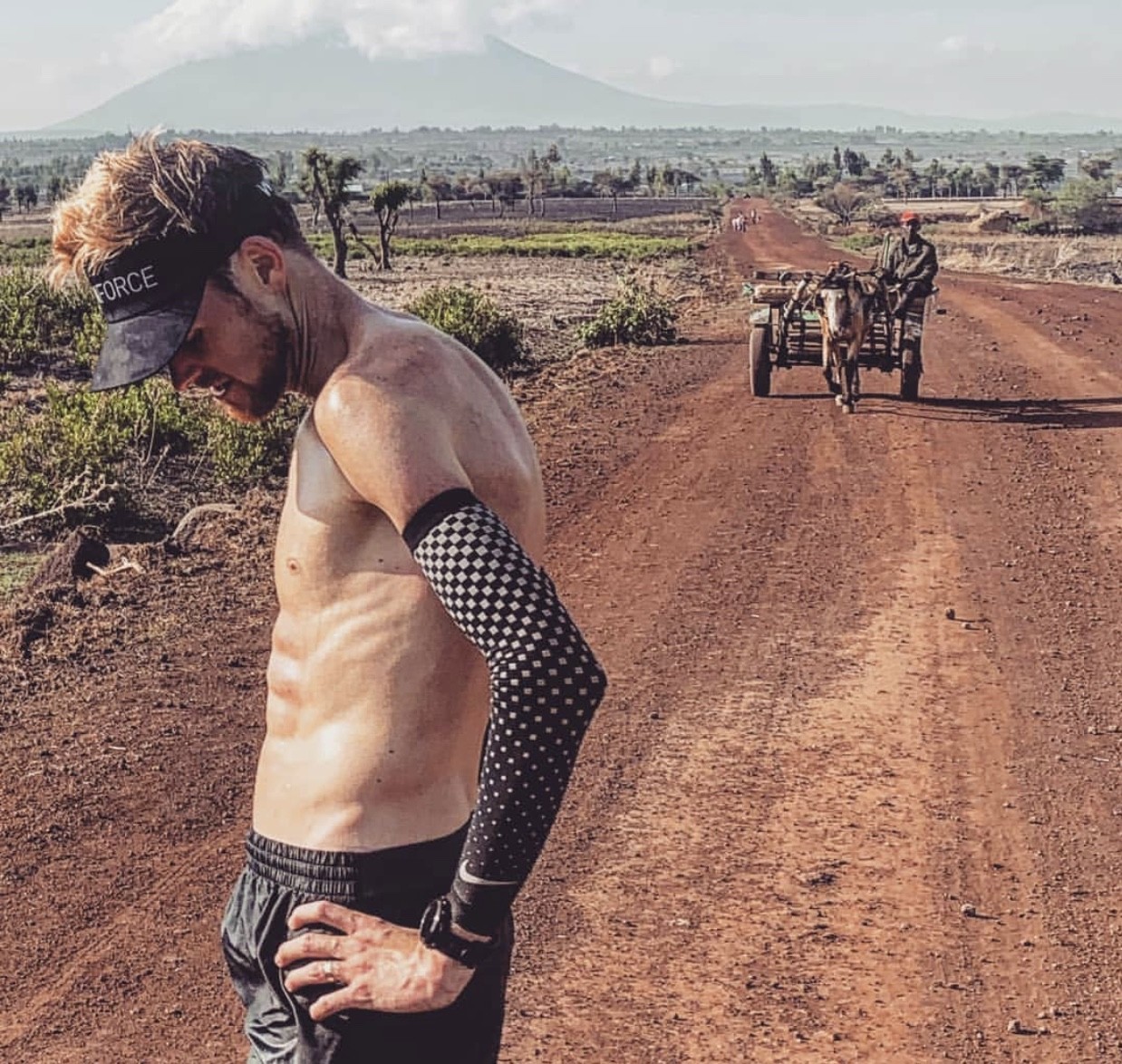
Zane Robertson was off to find a juicy steak to eat after setting a new New Zealand men's marathon record on his debut at the distance.
Robertson finished third in the Gold Coast marathon on Sunday in a time of two hours eight minutes and 19 seconds.
That time qualifies Robertson for next year's Tokyo Olympics and this year's world track and field champs in Doha. The previous NZ record was set by his brother, Jake Robertson, in March last year.
The men's race was won by Japan's Yuta Shitara in 2:07.50, with Kenya's Barnabas Kiptum second, 17 seconds ahead of the Kiwi.
"Gave it everything out there today," Robertson wrote on Instagram after the race.
"Pushed the pace and set us up to run a 2.06 sadly failed to hold it together with Kiptum in the last 5k with the headwind gusts.
"We got caught by the dropped off Yuta Shitara and he destroyed us the last 2.5km.
"91% humidity, headwinds first 16.5km and last 5k, rained on us, oh and the shoe lace came undone at 5k into the race.
"So overall pretty happy with a NR (new record).... For now I'm off to have a hot shower, lay down and some dinner at the steak house with good friends.
Zane and his twin brother Jake Robertson moved to Kenya several years ago and have been training there.
(07/06/19) Views: 54
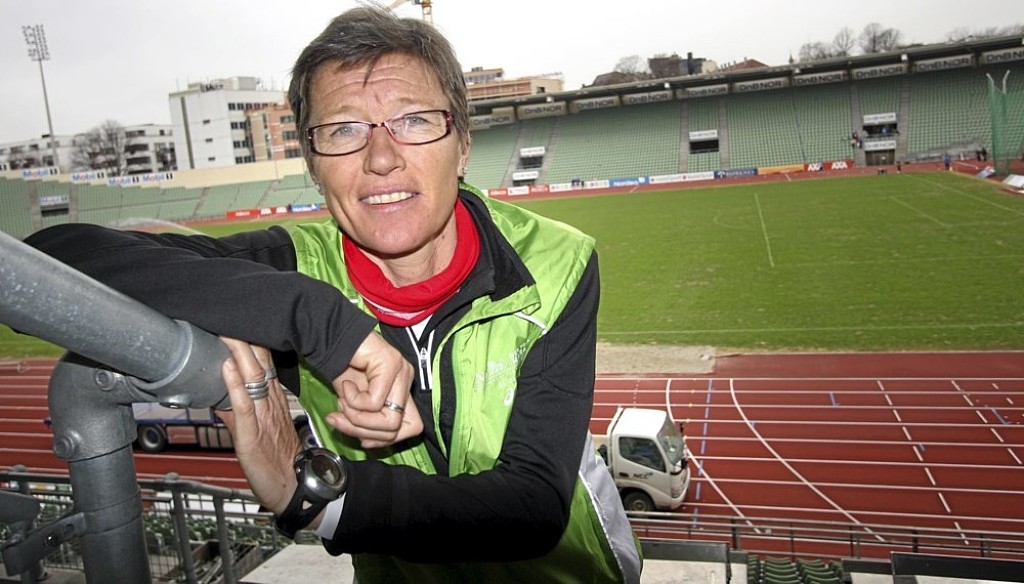
Norwegian Marathon superstar Ingrid Kristiansen will be heading the Kosice Peace Marathon in October
Kosice Marathon organizers are honored that Ingrid Kristiansen, one of the best distance runners in history, will visit Kosice in October as a special guest of the Kosice Peace Marathon.
She was the first woman to become world champion – on the track, road and cross-country. She broke many world records and took many victories at great marathons around the world.
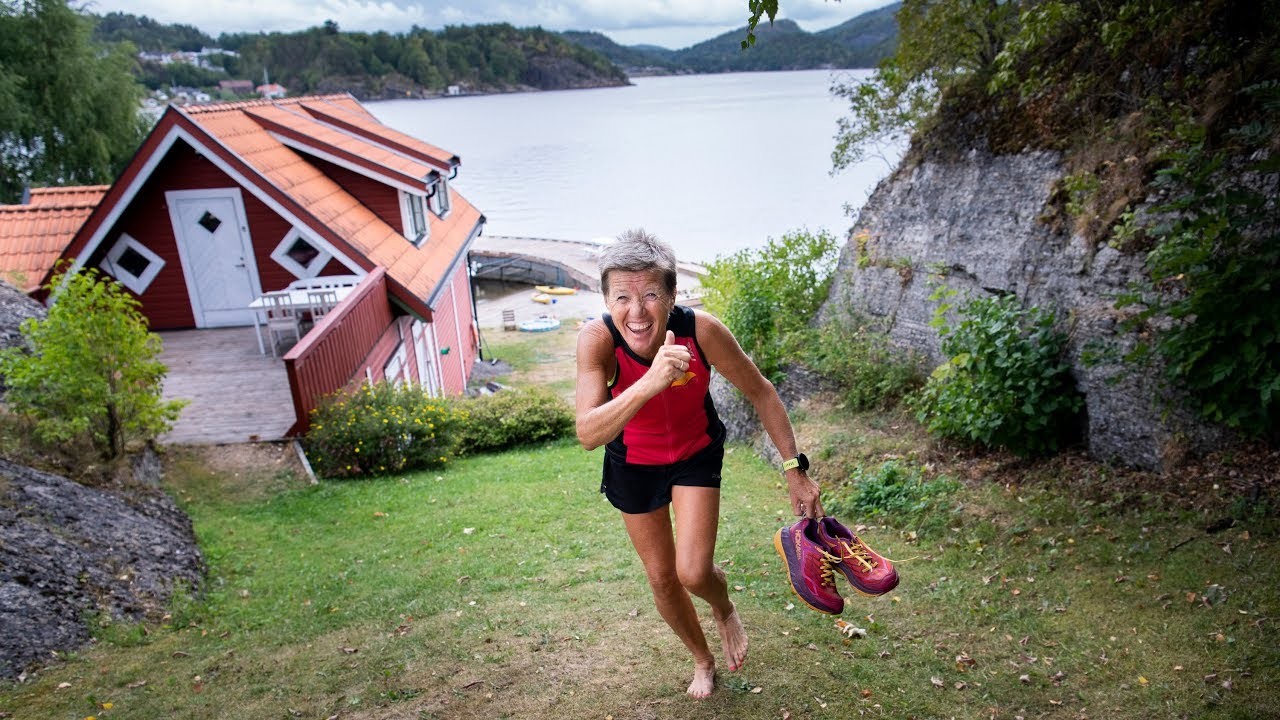
She set a world record for 5000m in London in 1985 to become the first woman to run under 15 minutes.
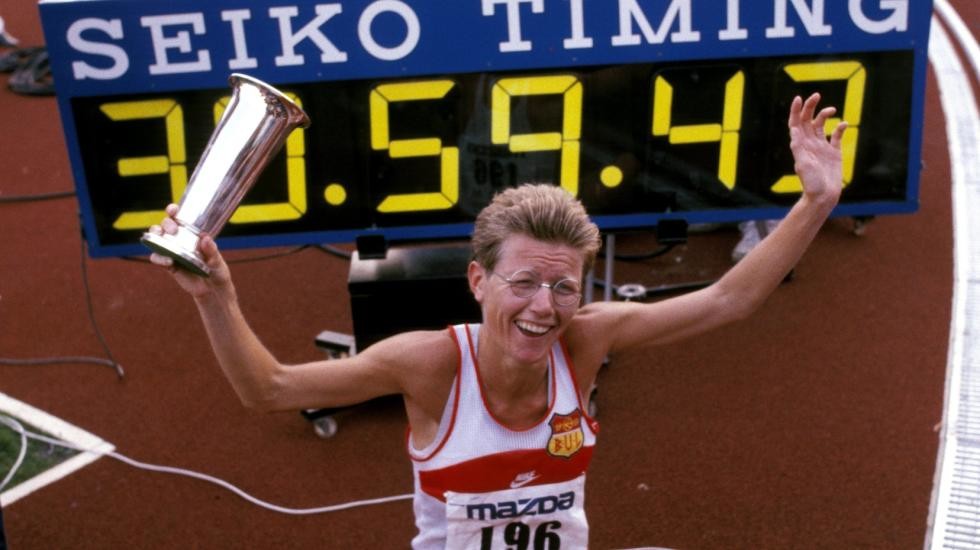
That same year her winning time in the London Marathon, 2:21:06, stood as a world record for 13 years. She won the London Marathon four times, the Boston Marathon twice as well as the New York and Chicago marathons. Her greatest success on the track was becoming world champion at 10,000m in Rome in 1987.
She attends the Kosice Marathon, founded in 1924 and second only to the Boston Marathon in longevity, as part of the “In the Footsteps of Marathon Legends” project.
(07/10/19) Views: 53
Everything you need to know about 2020 US Olympic Marathon trials
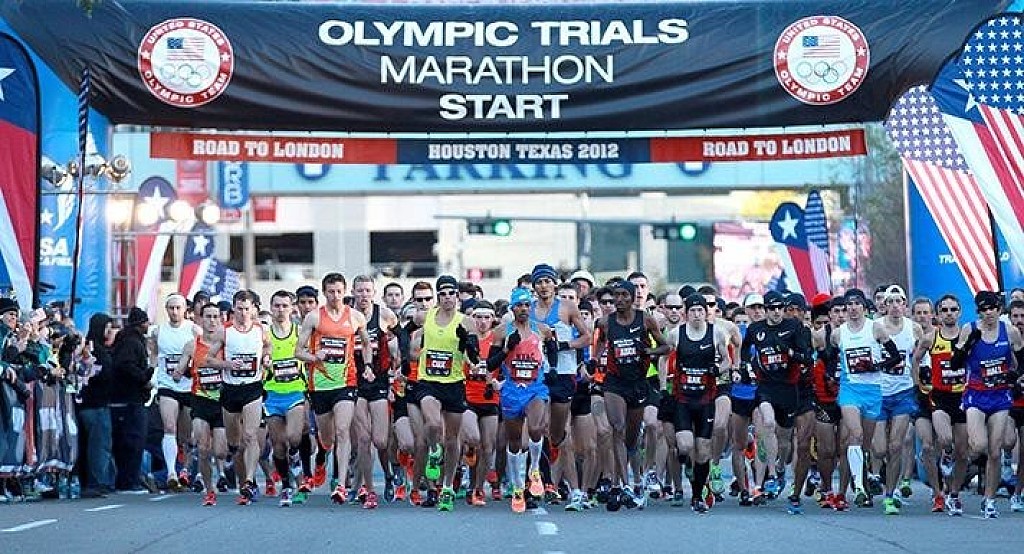
The selection policy for the 2020 US Olympic marathon team, cloudy for months after the IAAF announced in March that the qualification process for the 2020 Olympic Games is changing, is quietly beginning to take shape. For those wishing to preserve the best thing about the US Olympic Marathon Trials — top three across the line make the team — there was some good news, but there remains work to be done. After speaking with sources at the IAAF and USATF, here’s where we stand eight months from the Olympic Trials, which will be held in Atlanta on February 29.
The first bit of news trickled out on June 25 in the IAAF Athlete Representative Newsletter, which was promptly shared by agent Dan Lilot on Twitter. The update? After lobbying from USATF, the IAAF Council approved that “national Tokyo 2020 Olympic selection championship/trials in the men’s and/or women’s marathon, held in 2019 or 2020, may be granted Gold Label status if requested by the Member Federations and if the race can meet the Gold Label requirement for number of Gold Label athletes.”
Normally, Gold Label status is awarded to a marathon based on the previous year’s field. So to attain Gold Label status in 2020, the 2019 edition of the race would have to have six men and six women with Gold Label status that year, or seven athletes if it’s a single-gender race (Gold Label status is awarded to an athlete based on their world ranking at the end of the previous year; a marathoner has to be ranked in the world’s top 200 to earn Gold Label status). The 2019 edition of the US Olympic Marathon Trials would normally be the 2019 USATF Marathon Championships, but USATF isn’t holding a marathon championship this year.
So what the IAAF is saying is that USATF doesn’t have to worry about the field at the 2019 USATF Marathon Championships; as long as the Trials has enough Gold Label athletes, it can be granted Gold Label status.

This is good news for American women. Remember, an athlete automatically achieves the Olympic standard by finishing in the top five at a Gold Label marathon. And the women’s race at the US Olympic Trials should have no problem hitting the minimum Gold Label requirements; 11 American women had Gold Label status in 2019, and as of the most recent world rankings, 10 are on track to earn it in 2020. That means that on the women’s side, the Olympic Trials will be able to use the “top three make the team” model. (Also note that Japan, which is holding its first Olympic marathon trials in September, will easily meet the criteria on the men’s and women’s side).
That may not sound like a huge deal, considering nine American women already have the Olympic standard. But consider two women who do not have the standard: Amy Cragg and Shalane Flanagan, both members of the 2016 Olympic team. If it’s a bad weather day on the hilly Atlanta course, it’s not out of the question that third place could be slower than the Olympic time standard of 2:29:30 (Flanagan finished third at the ’16 Trials in 2:29:19). Achieving Gold Label status puts any of those worries to bed. That’s a win for USATF.
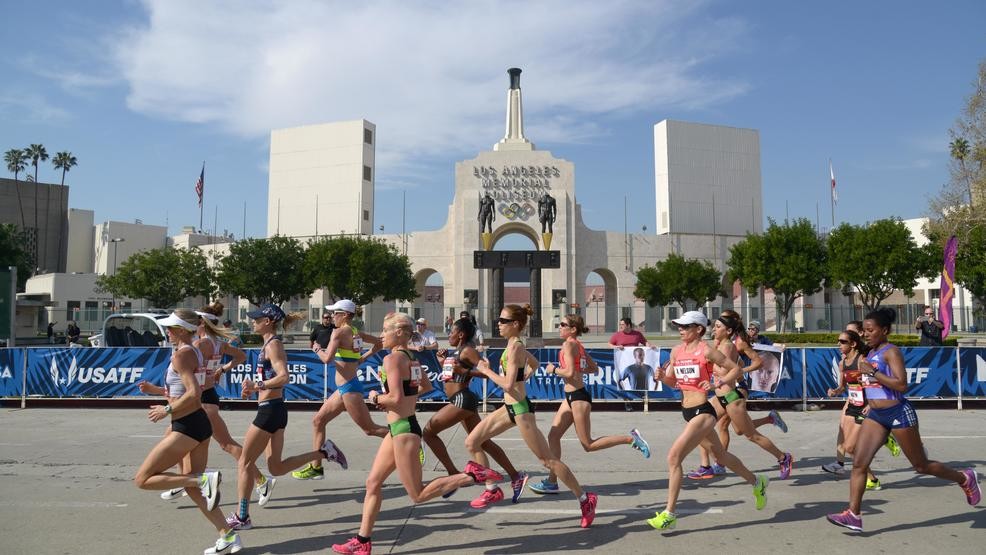
On the men’s side, USATF still has some work to do. Only one American man, Galen Rupp, qualified for Gold Label status in the marathon in 2019. And right now, Rupp is the only American man on track to earn it again in 2020 (Scott Fauble and Jared Ward are just outside, at #205 and #210 in the current world rankings).
That means that, based on the criteria the IAAF announced on June 25, there’s no way that the men’s race at the Olympic Trials will qualify for Gold Label status. And the men are the ones who need it: Fauble and Ward are the only Americans with the Olympic standard, and the time standard of 2:11:30 could be tough to hit on the day in Atlanta.
(07/09/19) Views: 52
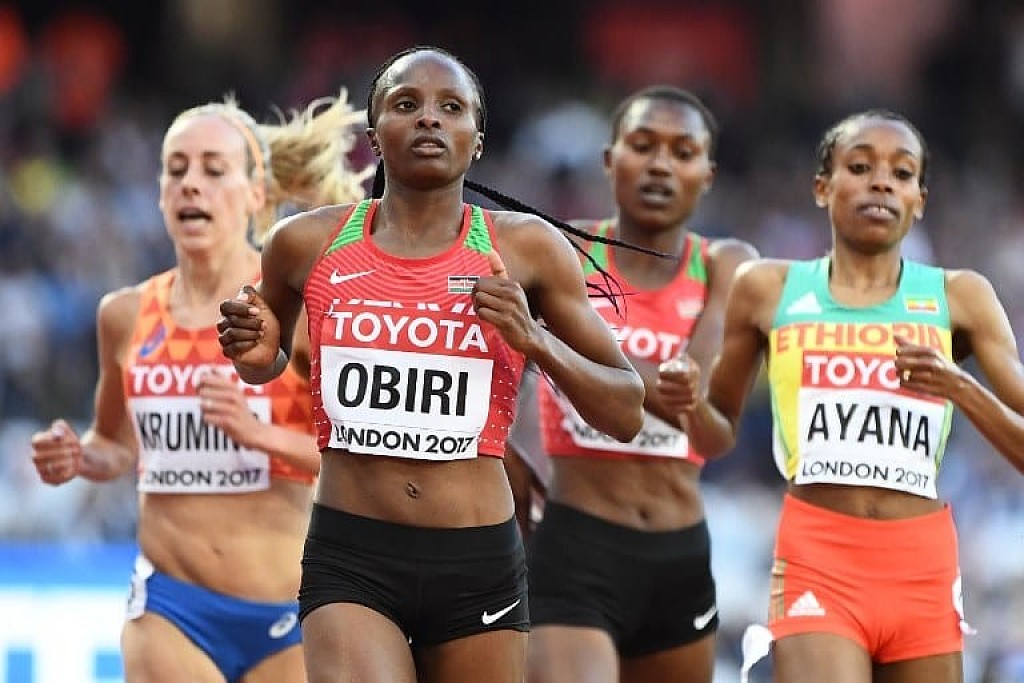
Olympic silver medalist Hellen Obiri is targeting qualification times to enable her to chase double gold at the World Championships in Doha, Qatar in October
Obiri confirmed on Friday that with a conducive program in Doha, she will try her luck in both 5,000m and the 10,000m races.
However, there is a small matter of qualifying in the 10,000m distance to confirm her slot in the Kenya team.
"I have shaken off the bruises from my fall in Stockholm and am back in good shape despite not running well at the Prefontaine Classic in California, USA, last Sunday," said Obiri on Friday in Nairobi.
The Africa champion in 5,000m says London leg of the Diamond League in two weeks' time will offer her a best chance to clinch the qualifying times.
"I will be running and looking for qualifying time in 5,000m at the London Diamond League on July 20-21 after the Stockholm mishap," she said.
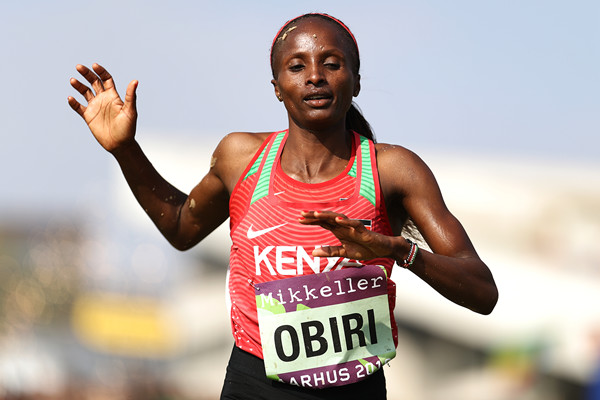
On Thursday she won in the Kenya Defence Forces championships clocking 31:43.
On May 20, Obiri endured torrid time in Stockholm as she fell hard and eventually finished 12th in the 5,000m.
However, she will have to be wary of world half marathon record holder Joyciline Jepkosgei who was second to her in Nairobi.
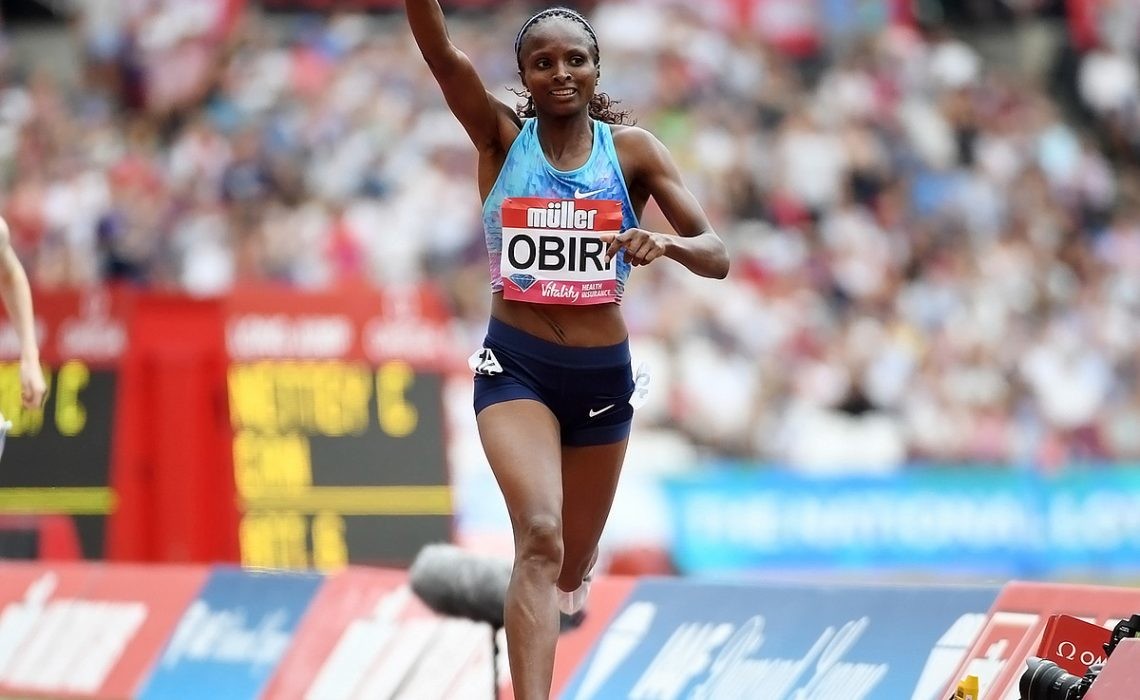
Jepkosgei said she has shelved her marathon plans to focus on making Kenya team for the World Championships. Others are Agnes Tirop, Pauline Korikwiang, former World Champion Linet Masai and Commonwealth 10,000m champion Stella Chesang.
"The focus is always on getting in the best shape and going for the gold. But I have not competed in the 10,000m for a while and that is why I want to test and see how my performance will be in London and then I will decide," said Obiri.
As the defending champion Obiri has an automatic ticket for the 5,000m race. However, she must hit the qualifying mark in the 10,000m race and be among the top two at the Kenyan trials later in July.
(07/05/19) Views: 50
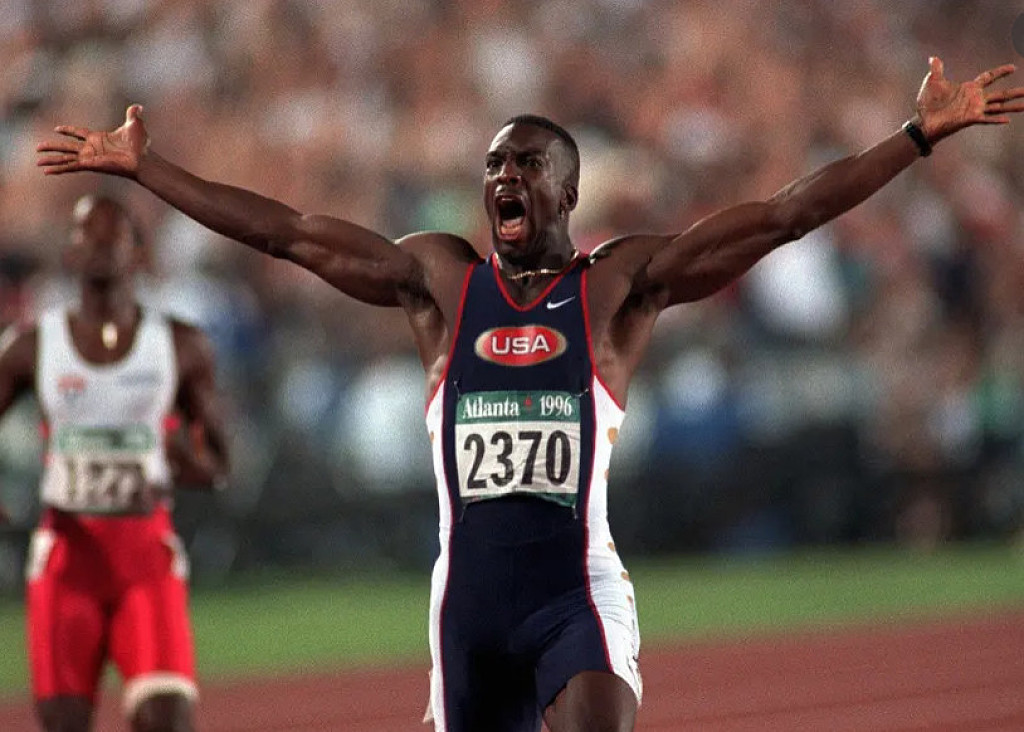
Michael Johnson suffered a stroke last August and now he talks about his recovery
Michael Johnson is recalling the unusual physical sensations – involuntary movement of his left foot, numbness, “a sort of tingling sensation” in his left arm – that came over him moments after finishing his daily workout in his home gym in August last year. “I hobbled over to my weights bench and thought, am I having a cramp or something? I called my wife Armine over and said: ‘Hey, something feels weird. Something doesn’t feel right.’”
The cause wasn’t a cramp, though, overexertion or an infection. The legendary athlete – a four-time Olympic sprint champion, just 50 years old at the time – was having a stroke. As he tweeted soon after: “It seems these things can affect anyone, even the once-fastest man in the world!”
The confusion he felt was fairly typical, he points out now, eight months later. Many stroke victims do not realize at first that they are experiencing an event that could leave them dead or seriously disabled, potentially for life.
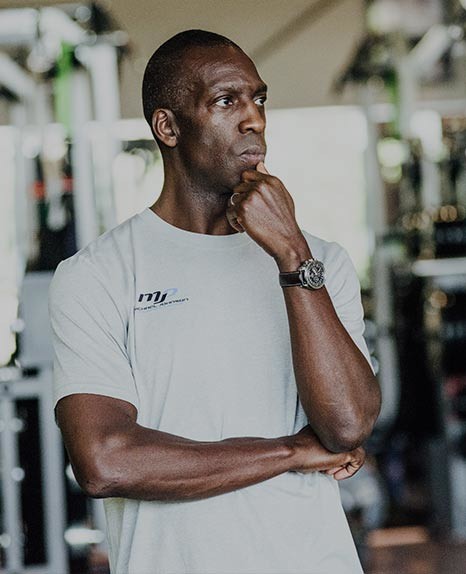
After half an hour spent wondering what to do, Johnson decided to go to hospital. Armine drove him to the Emergency Room at UCLA Medical Center in Santa Monica. It was a wise call. A CT scan, then an MRI confirmed the ER doctor’s diagnosis of a stroke.
Initially, Johnson was angry; angry that someone as determinedly clean-living as himself, with no obvious risk factors – he didn’t smoke, ate healthily, kept fit and had no family history of cardiovascular disease – had suffered a stroke. “I did feel like: ‘Why did this happen to me, when I was doing all the right things?’” But within 24 hours he had gained a different perspective. “It’s natural for anyone to go through that period of anger. I was pretty fortunate to get past that situation [the stroke], with an opportunity to completely recover, which is what I hoped to do.”
Johnson decided to put the same determination that he had brought to his athletics career into recovering from his stroke.
It was an arduous process, both physically and mentally. The first stage of his recovery involved a physiotherapist helping him to learn to walk again using a walking frame.
How did a legendary athlete, a champion, deal with being so helpless? “I think about looking at myself in the mirror, struggling to hold a balance position for more than 10 seconds or struggling to coordinate my body when I used to be one of the best athletes in the world.”
He learned – impressively quickly – to walk, then to walk in a balanced way, and then to be mobile, and then to get up and down stairs. Then he succeeded in eliminating his limp, although that took a month. Then he began working on regaining his strength, power and fine motor skills on his left side. He drew on a key lesson of his path to sporting glory: often progress comes in small, incremental steps. In one of his early progress reports, he tweeted that, while his recovery was going well, relearning the very basics of movement was “gruelling.” But by December he said, “I was almost back to what I would consider my normal. And now, eight months on, I’m 100% recovered.”
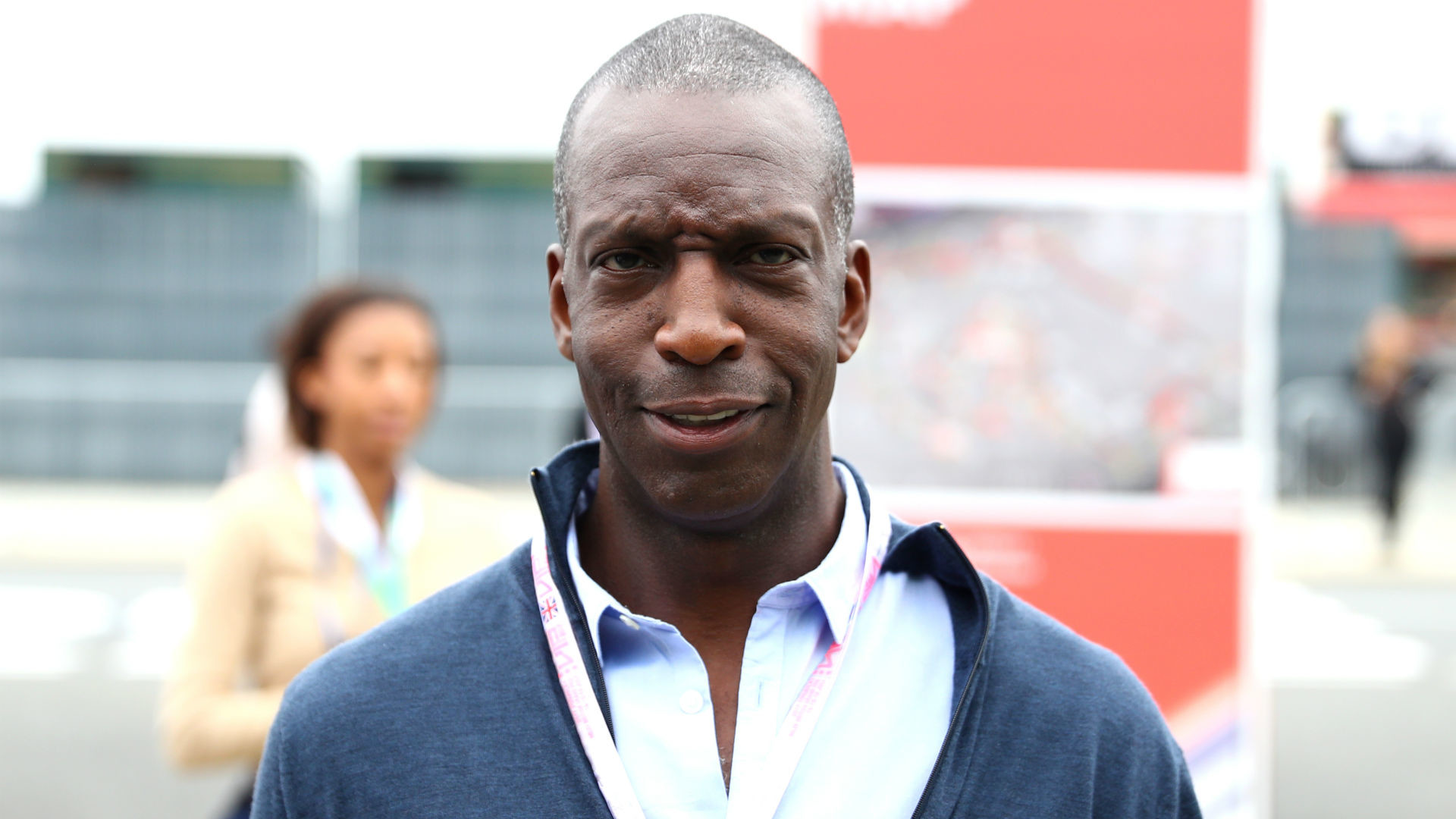
Going to the ER might have saved him from a future of dependence and life in a wheelchair.
His advice on how to minimise the danger of stroke is what any doctor or nurse would say. “Be your own case manager. Understand your own health, understand the risk factors and understand how you can take control and minimise the risk. Stop smoking if you are a smoker. Being overweight increases your risk so keep your weight down. Eat a balanced, nutritious diet. Stay active.”
Johnson now takes aspirin, a statin, a blood-thinner and a drug to keep his blood pressure in healthy range. He is is acutely aware that, having had one stroke, he could easily have another. After eight months and a host of medical tests, neither he nor his doctors know what caused his stroke – 30% of strokes have no obvious cause, he explains. Is that frustrating? “No. I mean, I can’t force an answer where there isn’t one. All I can do is do what I do, so I’m OK with that. I kind of have to be.”
(07/08/19) Views: 50The Guardian
