

Running News Daily
Top Ten Stories of the Week
3/7/2026
These are the top ten stories based on views over the last week.
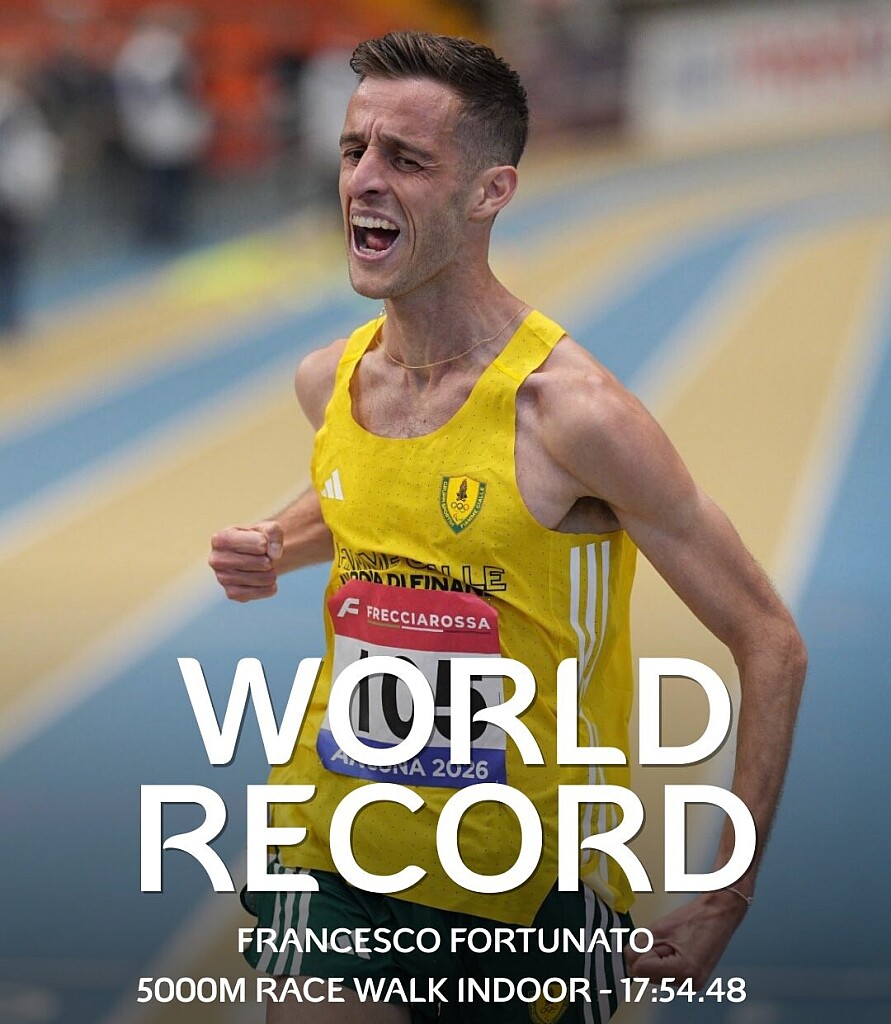


Fortunato Lowers the Bar Again with Another World-Best Walk in Ancona
Italy’s master of precision has rewritten his own script once more.
At the Campionati Italiani Indoor di Atletica Leggera in Ancona, Francesco Fortunato delivered another performance of rare composure and control, stopping the clock at 17:54.48 in the 5000m race walk (short track). With that effort, he shaved more than a second off his previous global mark of 17:55.65—also achieved at this very meet—once again pushing the boundaries of what is possible in the discipline.
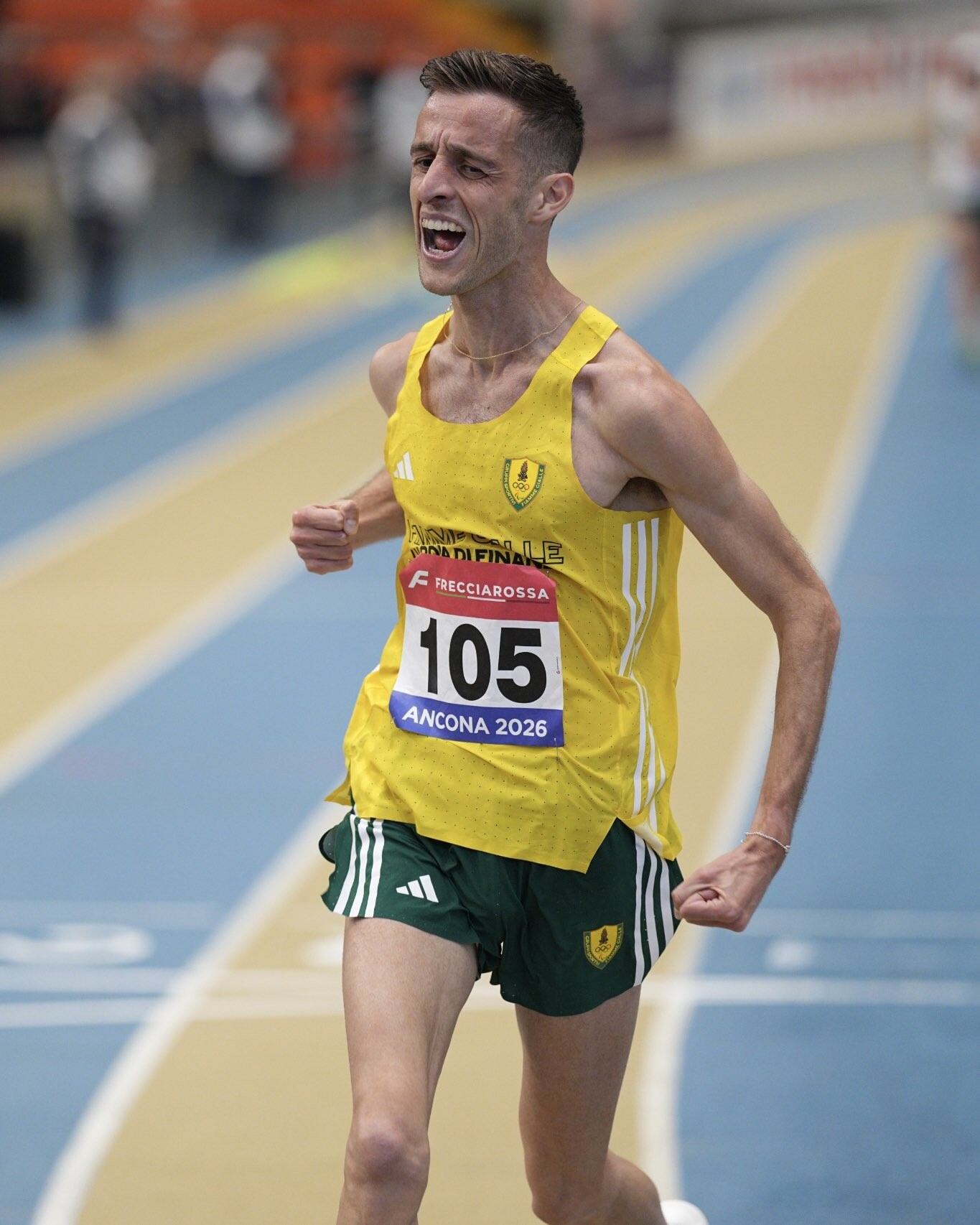
By breaking 18 minutes with his earlier mark of 17:55.65, Francesco Fortunato did more than set a world record—he dismantled a barrier that had stood firm for nearly three decades. The previous global standard of 18:07.08, untouched since 1995, had long seemed beyond reach, a time preserved in the record books as a symbol of endurance and technical mastery. Yet in Ancona, Fortunato rewrote that chapter with fearless precision, becoming the first athlete in history to walk 5000 metres indoors in under 18 minutes. It was not simply a faster performance; it was a defining moment that shifted the limits of the event itself.
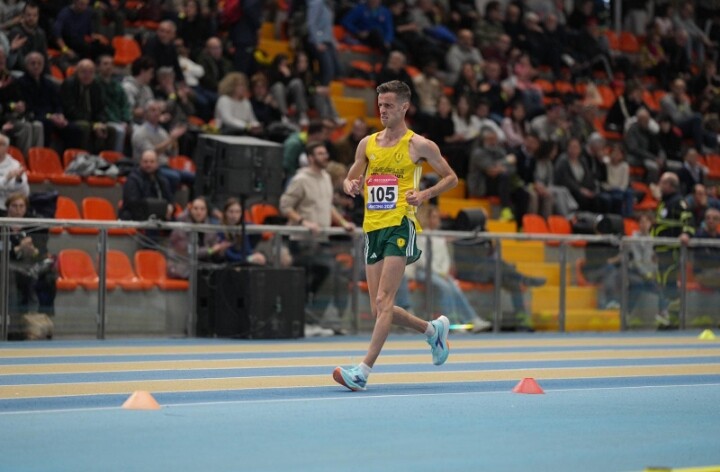
Competing on the indoor circuit, where rhythm, concentration and technical efficiency are magnified on the tighter turns, Fortunato demonstrated why he remains one of the most consistent figures in modern race walking. From the opening laps, his cadence was smooth and assertive. There was no sign of strain, only the quiet authority of an athlete fully in command of his craft.
His earlier record had already set a high standard, but returning to the same venue and raising it further speaks volumes about his preparation and mental resilience. Ancona has become a familiar stage for Fortunato’s brilliance—a place where timing, technique and confidence converge.
The 5000m race walk on short track demands relentless discipline. Every stride must meet strict technical criteria while maintaining speed over 12 and a half laps. One lapse in form can undo months of preparation. Yet Fortunato walked with remarkable fluency, sustaining pace and form to the final lap before sealing another historic time.
The mark now awaits the customary ratification procedures, but the performance itself leaves little doubt. Fortunato has not only defended his global standing—he has strengthened it. In an event defined by margins measured in fractions of a second, he has once again proven that excellence is not accidental; it is carefully built, patiently refined and courageously repeated.
In Ancona, under the bright indoor lights, Francesco Fortunato did what champions do best: he returned to the scene of his triumph and made it even greater.
(02/28/26) Views: 803Erick Cheruiyot for My Best Runs.
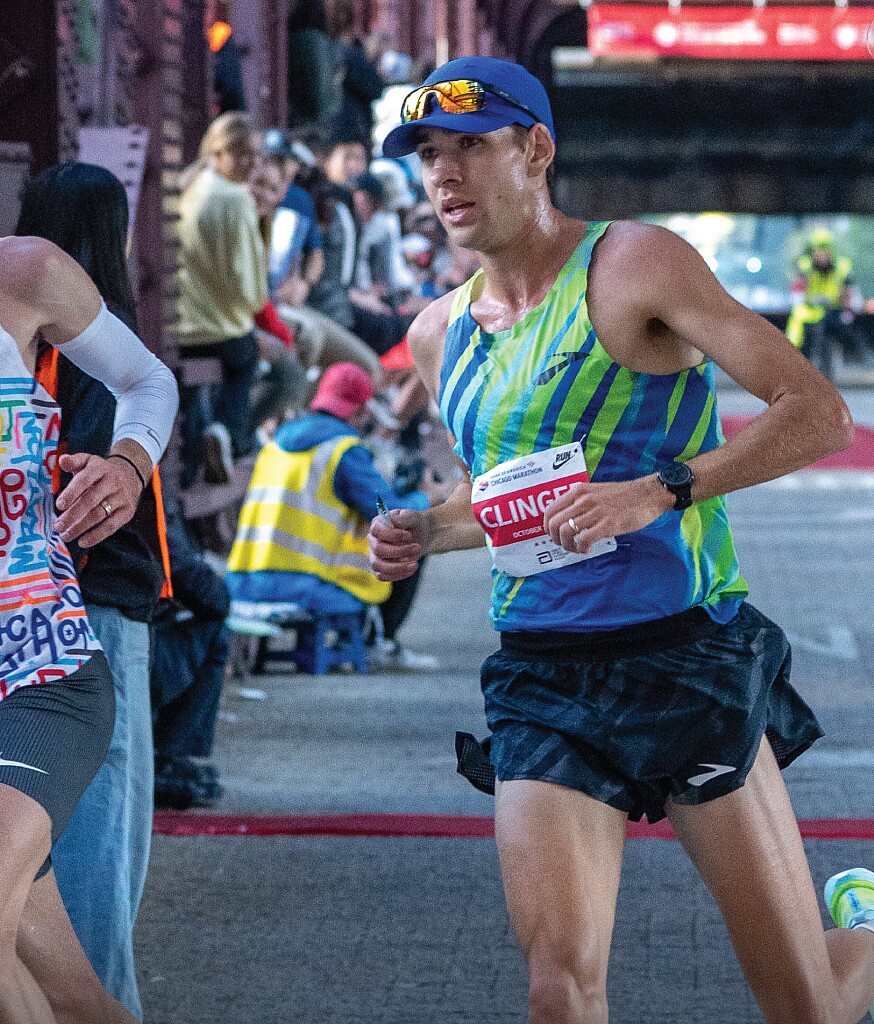
KLINGER RISES IN TOKYO: A Breakthrough Run and a New Personal Standard
Under the crisp morning skies of Japan, American distance runner Casey Klinger delivered a performance that signaled both progress and promise at the 2026 Tokyo Marathon. Finishing 24th overall in 2:08:43, Klinger emerged as the top American on the day — a result that underlined his growing presence on the global marathon stage.
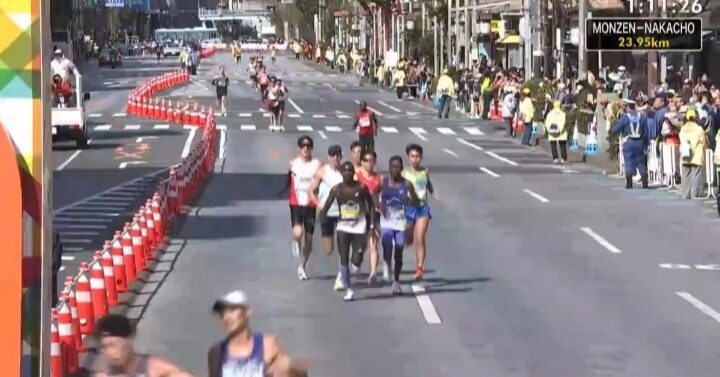
What made the performance particularly striking was not just his placement, but the magnitude of his improvement. In only his second marathon appearance, Klinger carved more than seven minutes off the personal best he set during his debut in Chicago in late 2025. For an athlete still navigating the early chapters of his marathon career, such a leap speaks volumes about discipline, adaptation, and belief.
Tokyo’s fast and highly competitive course has long been a proving ground for the world’s elite. Against a field stacked with seasoned international contenders, Klinger ran with composure and resilience, holding his rhythm through the decisive stages of the race. His 2:08:43 finish reflects not only enhanced endurance but a refined race strategy — measured early pacing followed by strength when it mattered most.
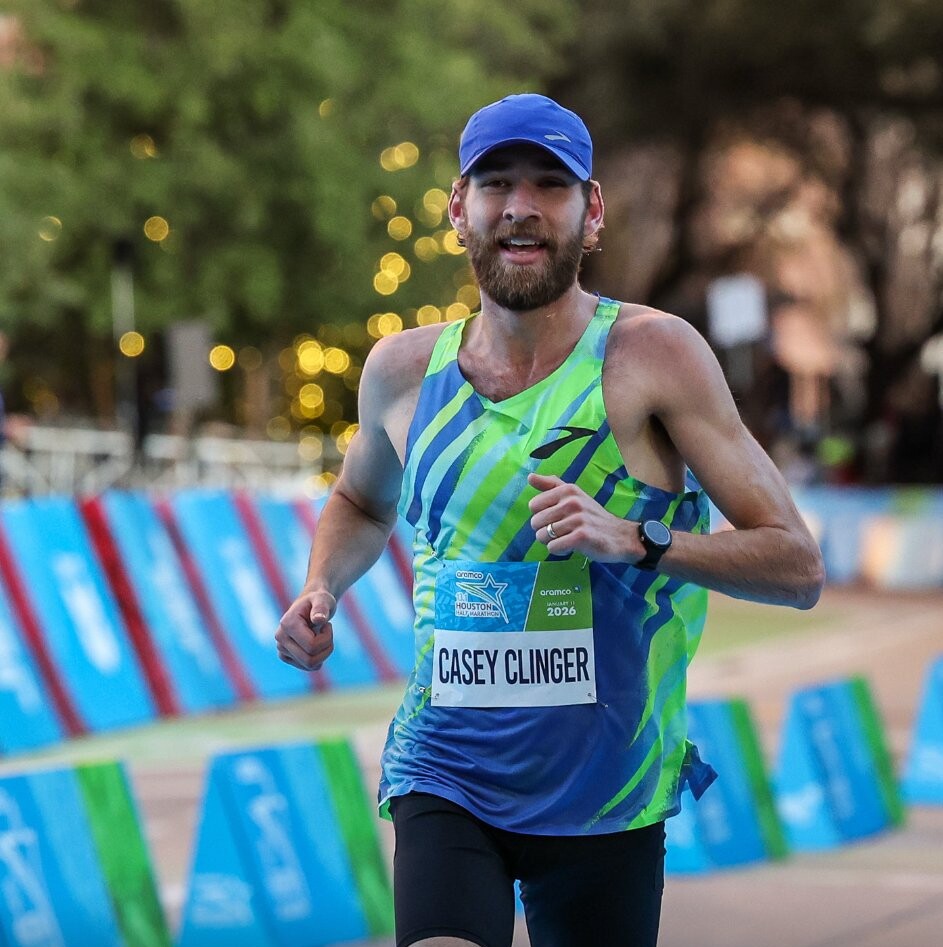
To shed over seven minutes between marathon starts is no small feat. The marathon is a distance that rewards patience and punishes haste. Progress often comes in marginal gains, earned over months of calculated training. Klinger's breakthrough in Tokyo suggests a runner who has learned quickly, adjusted intelligently, and executed bravely.
Being the top American finisher in a World Marathon Major carries its own weight. It places Klinger firmly in conversations about the next wave of American marathoners seeking to challenge the global hierarchy. While the marathon landscape remains fiercely competitive, performances like this hint at deeper potential still waiting to be unlocked.
Tokyo 2026 may well be remembered as the race where Casey Klinger transitioned from promising newcomer to serious contender. For now, the numbers tell a compelling story: 2:08:43, 24th place, top American — and a personal best improved by more than seven minutes. In the long arc of a marathon career, that is not just progress. It is momentum.
(02/28/26) Views: 338Erick Cheruiyot for My Best Runs.
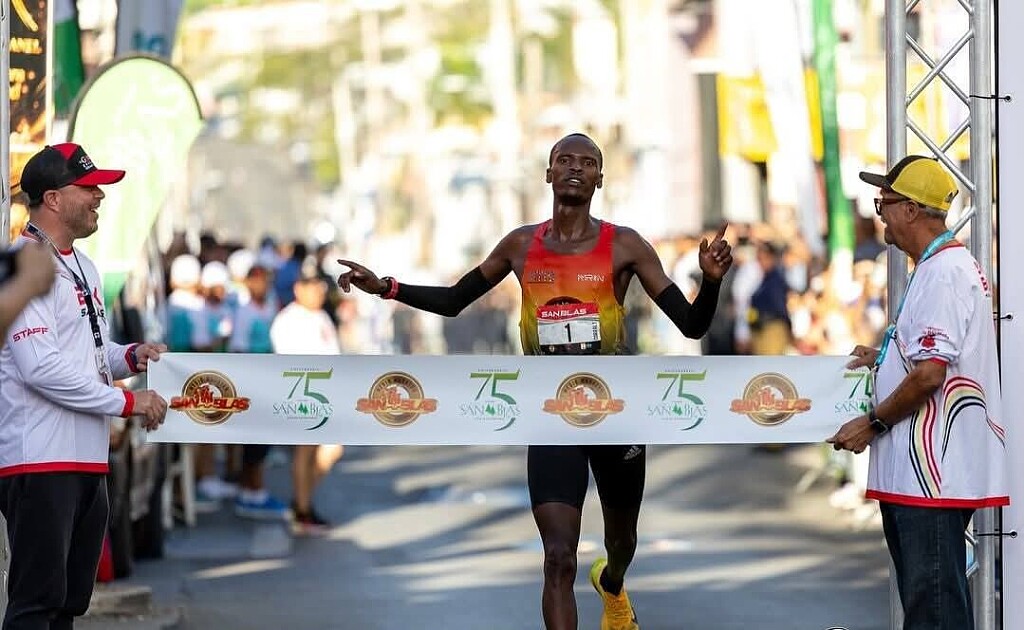
Peter Njeru Reigns Again: Back-to-Back Glory at the 2026 Medio Maratón San Blas
Coamo, Puerto Rico – March 1, 2026.
Under the warm Caribbean skies, Peter Njeru once again proved that consistency is the true measure of greatness. The Kenyan distance star delivered a composed and commanding performance to successfully defend his crown at the prestigious Medio Maratón San Blas, securing back-to-back victories and reinforcing his growing legacy on Puerto Rican soil.
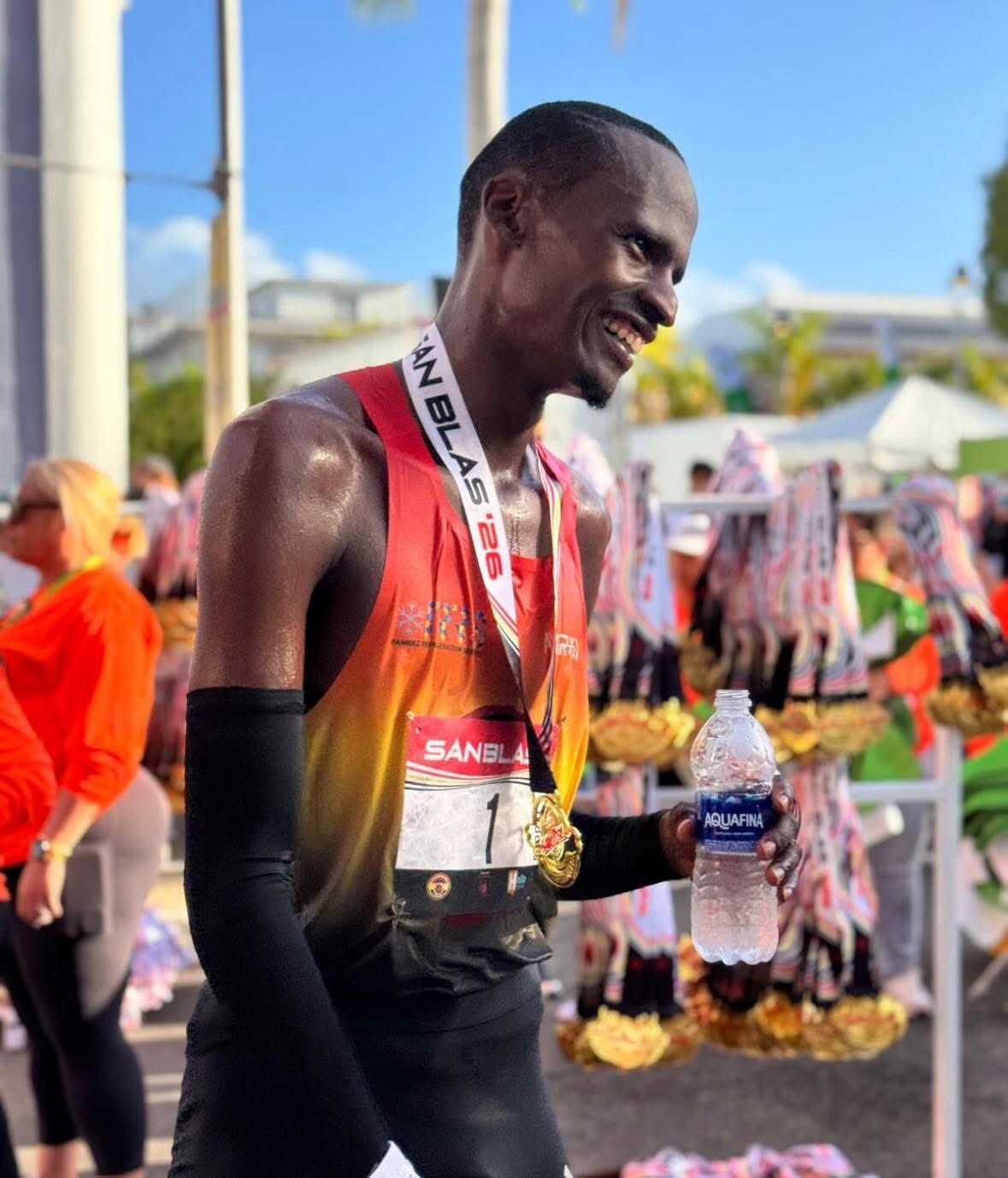
Njeru arrived in Coamo as the reigning champion after winning the 2025 edition of the race in 1:03:08 — the fastest performance recorded at San Blas in more than a decade. That breakthrough victory not only elevated his profile internationally but also established him as the man to beat in 2026.
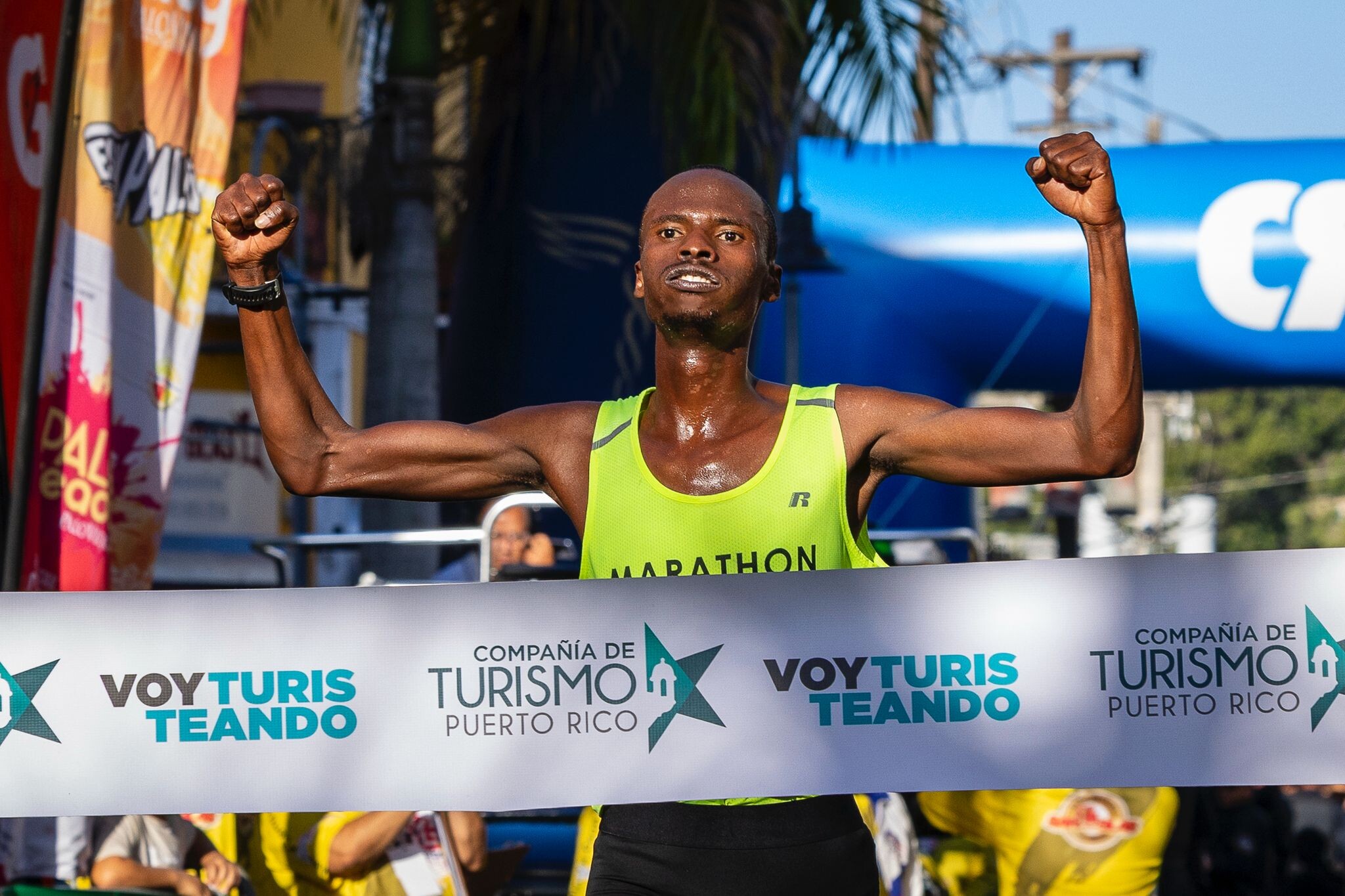
From the early kilometers of this year’s contest, the pace was uncompromising. A competitive lead pack pushed assertively across the undulating 21.1-kilometer course, testing endurance and resolve. Njeru, however, remained tactically disciplined, conserving energy while closely monitoring every move.
As the race entered its decisive phase, he gradually applied pressure. What began as a subtle increase in tempo evolved into a definitive breakaway. With smooth acceleration and unwavering focus, he separated himself from his challengers and powered toward the finish line unchallenged.
He crossed the line in 1:03:15, sealing his second consecutive San Blas crown with authority.
Ecuador’s Luis Miguel Masabanda mounted a determined effort to secure second place in 1:03:49, demonstrating resilience in the closing stretch. Fellow Kenyan Reuben Keiro claimed third in 1:04:18 after a measured and disciplined run.
Ethiopia’s Ali Abdilmana finished fourth in 1:04:41, while Kenya’s Sosten Kipchirchir rounded out the top five in 1:04:57, ensuring that the competition at the front remained intense until the final kilometers.
Top 5 Results – 2026 Medio Maratón San Blas
1. Peter Njeru (Kenya) – 1:03:15
2. Luis Miguel Masabanda (Ecuador) – 1:03:49
3. Reuben Keiro (Kenya) – 1:04:18
4. Ali Abdilmana (Ethiopia) – 1:04:41
5. Sosten Kipchirchir (Kenya) – 1:04:57
Defending a title at an event as internationally competitive and historically rich as the Medio Maratón San Blas demands more than physical strength. It requires mental discipline, race intelligence, and the courage to strike at the decisive moment. By conquering the course for the second year in succession, Njeru reaffirmed his status as one of the most dependable performers on the global road racing circuit.
As jubilant crowds celebrated another thrilling chapter of San Blas history, one truth stood clear: Peter Njeru did not merely return to Coamo — he returned to reign.
(03/01/26) Views: 316Erick Cheruiyot for My Best Runs.
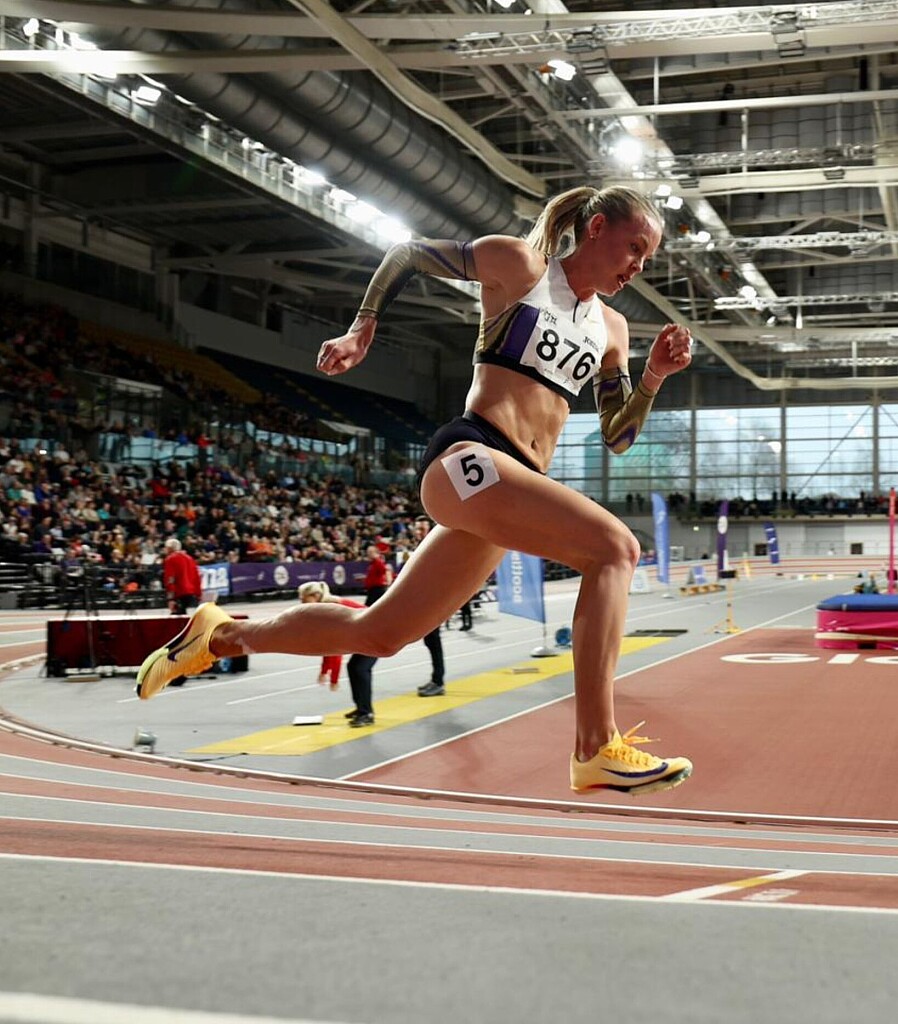
Keely Hodgkinson Blazes to 400m Personal Best in Glasgow, Signaling World Indoors Intent
Under the bright lights of Glasgow, Keely Hodgkinson delivered a statement performance that resonated far beyond the finish line. Known globally for her mastery of the 800 metres, the British middle-distance star ventured into the one-lap arena — and emerged with a stunning personal best of 51.49 seconds in the 400 metres.
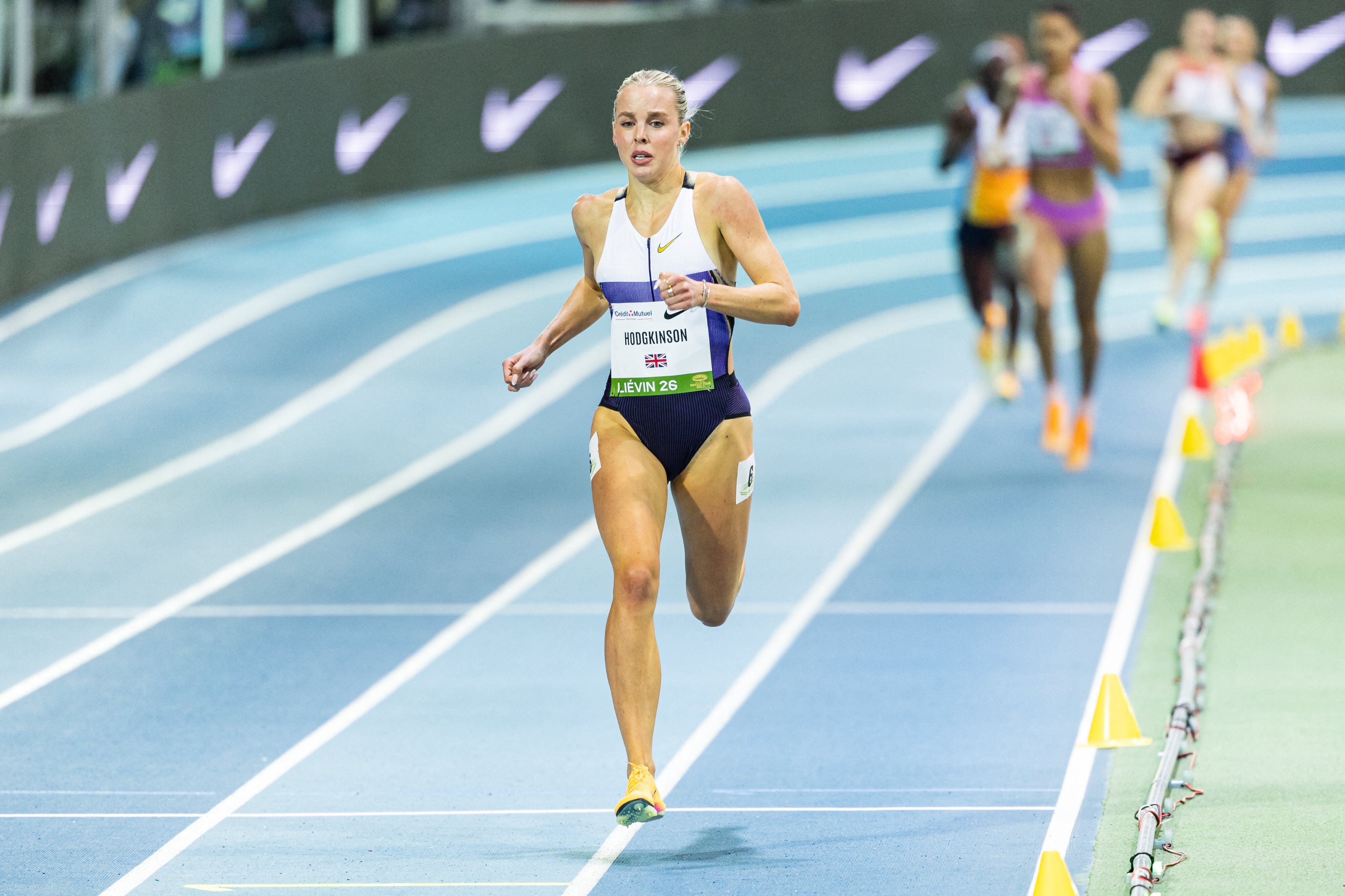
From the gun, Hodgkinson’s intent was unmistakable. She attacked the opening 200 metres with controlled aggression, driving her knees high and maintaining composure despite the early surge from Louisa Stoney in the outside lane. The pace was honest — unforgiving, even — but Hodgkinson refused to be rattled.
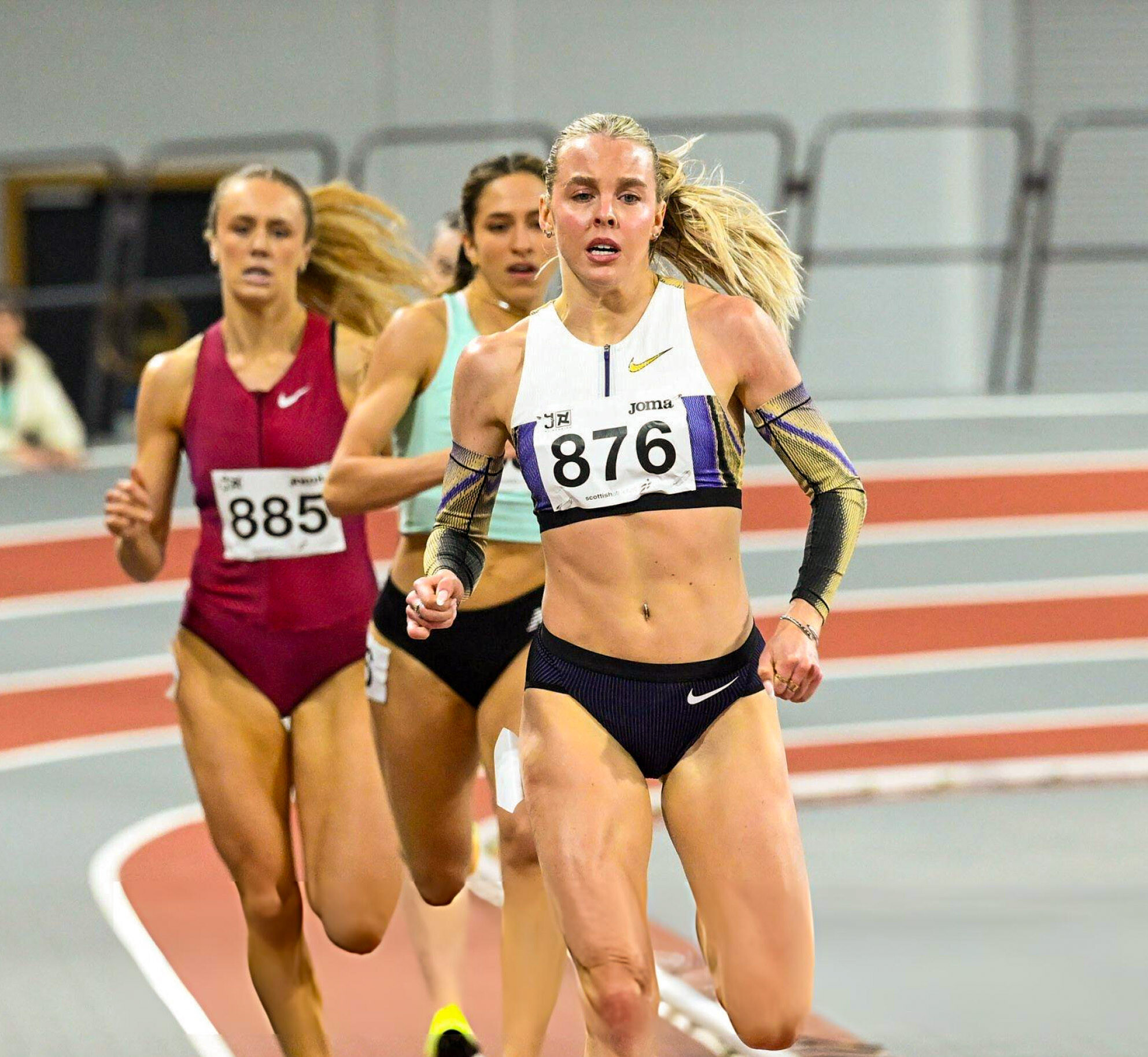
As the stagger unwound down the back straight, the true measure of her class began to show. Where others tightened, she lengthened. Where the field strained, she flowed. Drawing deeply on the endurance that has defined her 800m success, Hodgkinson shifted gears with authority, her stride pattern holding firm as she began to separate decisively from the chasing pack.
By the final bend, the contest had tilted irreversibly in her favor. The clock stopped at 51.49 — a personal best that not only underlined her raw speed but also confirmed her growing versatility. For an athlete already established among the world’s elite over two laps, such a performance over one signals a carefully calibrated training phase and a sharpening competitive edge.
This was more than just a 400m race; it was a glimpse into preparation. Each element — the explosive start, the sustained drive phase, the composed finish — suggested an athlete meticulously ticking every box in her build-up to the upcoming global stage.
With the World Indoor Championships on the horizon, Hodgkinson appears to be balancing speed and strength with clinical precision. If Glasgow was any indication, she is not merely preparing to compete — she is preparing to contend.
(03/02/26) Views: 299Erick Cheruiyot for My Best Runs.
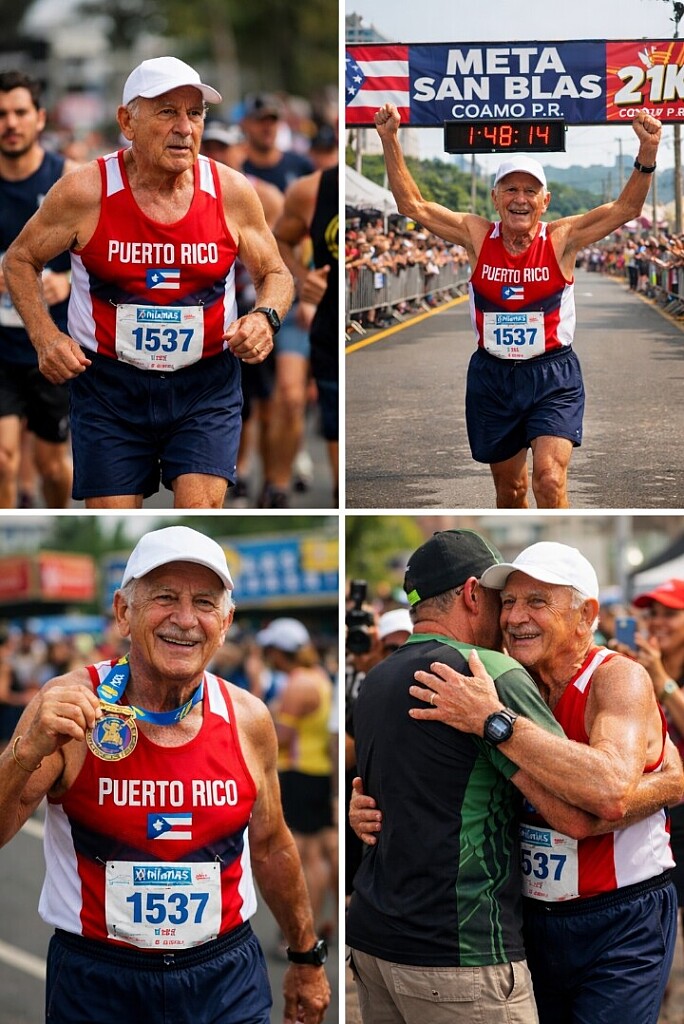
A Timeless Stride: Puerto Rico’s Distance Legend Radamés Vega Conquers San Blas at 76
Under the radiant morning skies of Coamo, where history and endurance intertwine on the storied roads of the Medio Maratón San Blas, one of Puerto Rico’s most revered distance running icons reminded the island — and the sport — that greatness does not fade with age. It simply evolves.
Among the thousands who gathered for the annual 21-kilometer test was Radamés Vega, a name etched deeply into Puerto Rico’s distance-running legacy. During the 1970s, Vega stood as one of the nation’s premier marathoners, carrying Boricua pride across demanding courses at a time when international exposure for Caribbean athletes required both resilience and relentless self-belief.
Now 76 years old, Vega returned not as a headline-seeking competitor, but as a living embodiment of the sport’s enduring spirit. Yet when he crossed the finish line in Coamo this morning, his performance commanded attention all the same. Clocking an impressive 1:48:14 over the 21K distance, Vega delivered a time that many younger runners would proudly claim — a testament to discipline maintained across decades.
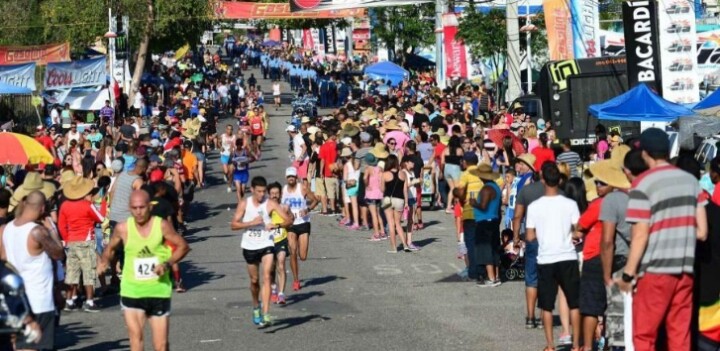
The San Blas course is not forgiving. Its rolling terrain, tropical humidity, and electric atmosphere demand respect from even the most seasoned elites. For Vega, however, these roads are woven into memory. They represent eras of transformation in Puerto Rican athletics, years when distance running was fueled by passion more than sponsorship, and when ambition often traveled farther than resources.
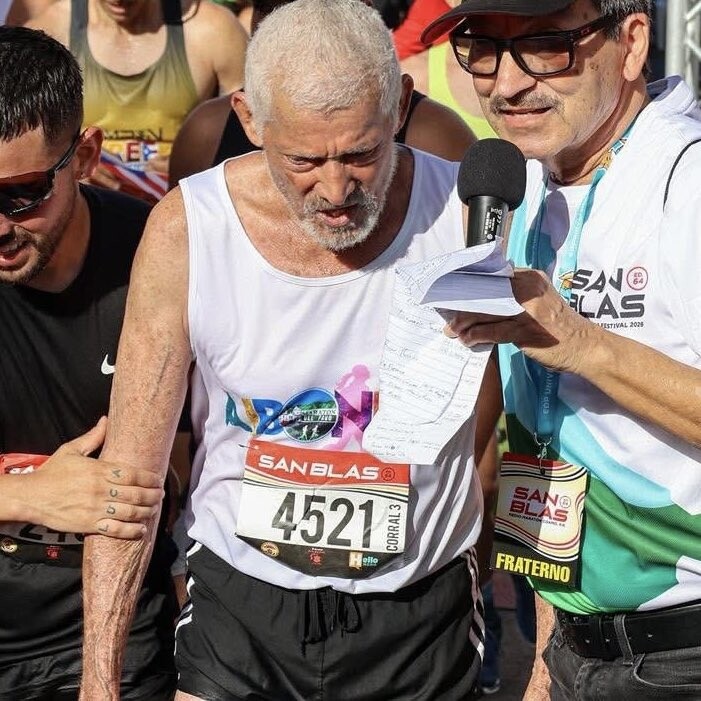
His stride today may carry the wisdom of age, but it still reflects the rhythm of a competitor shaped in the crucible of elite marathoning. Each kilometer he covered served as a bridge between generations — linking the pioneers of Puerto Rico’s distance tradition to the rising talents who now chase their own dreams on the same asphalt.
What makes Vega’s performance remarkable is not simply the stopwatch reading. It is the continuity. It is the quiet declaration that commitment to the sport extends beyond podiums and headlines. At 76, to complete a demanding half marathon in under two hours — and in 1:48:14 no less — speaks to a lifetime devoted to preparation, resilience, and respect for the craft of distance running.
In Coamo this morning, the applause was more than polite admiration. It was recognition. Recognition of a career that helped shape Puerto Rico’s marathon narrative in the 1970s, and recognition of a present-day effort that proves the competitive fire still burns.
Radamés Vega did not merely finish the San Blas. He honored it. And in doing so, he reminded everyone watching that legends are not defined solely by what they once achieved, but by the courage to keep running long after the spotlight shifts.
On the roads of Coamo, time moved forward — yet for a moment, it also stood still.
(03/01/26) Views: 259Erick Cheruiyot for My Best Runs.
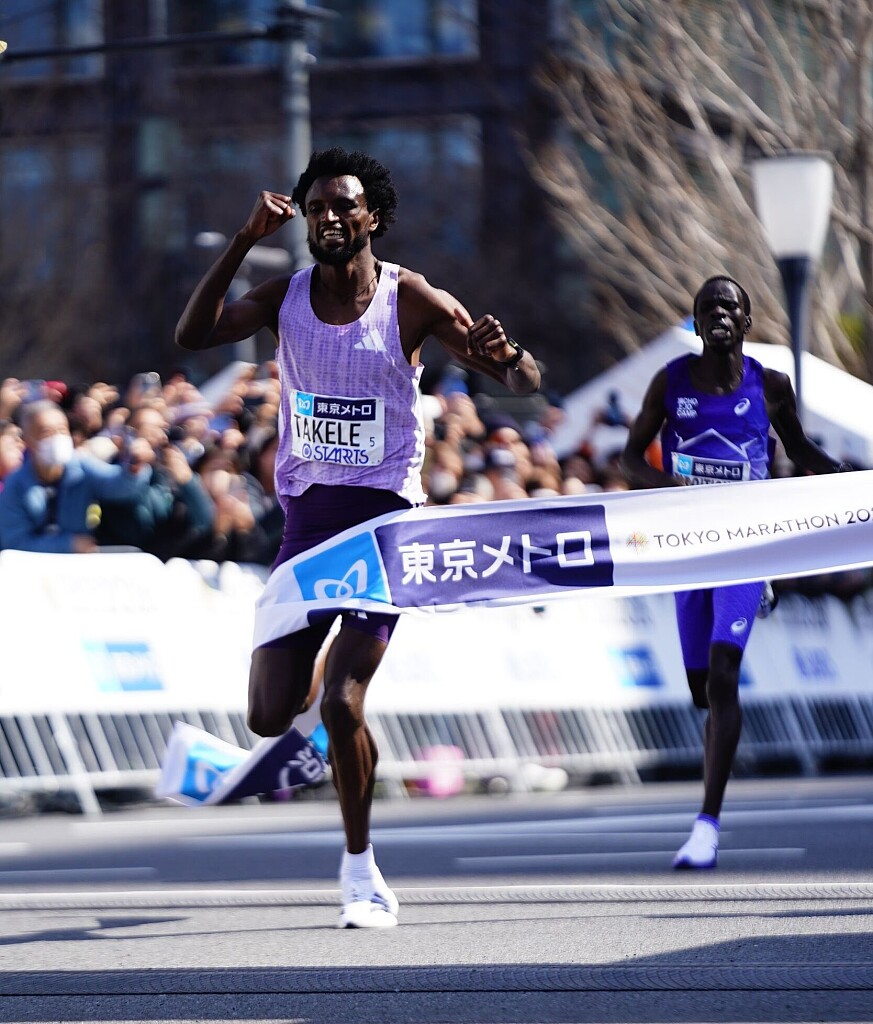
Takele Triumphs Again: A Historic Photo Finish at the 2026 Tokyo Marathon
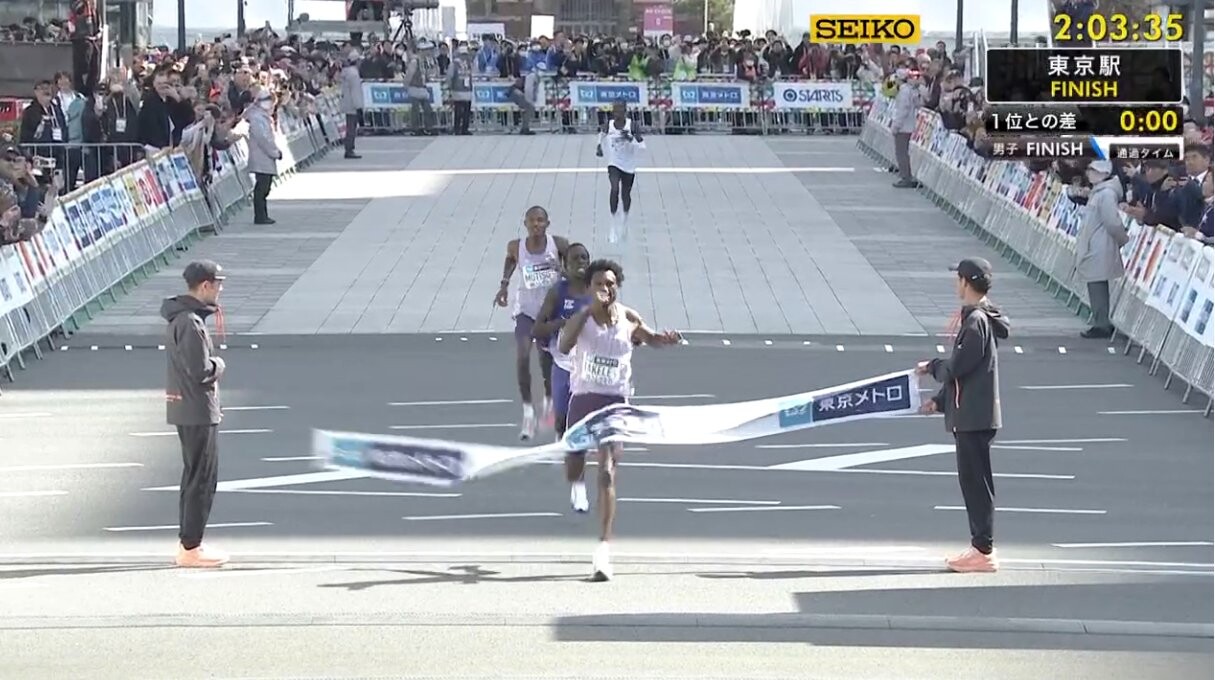
The streets of Tokyo delivered drama of the highest order as the 2026 Tokyo Marathon men’s race unfolded into one of the most electrifying finishes in recent memory. Under clear skies and roaring crowds, Ethiopia’s Tadesse Takele etched his name deeper into history, defending his crown in breathtaking fashion and clinching victory in 2:03:37.
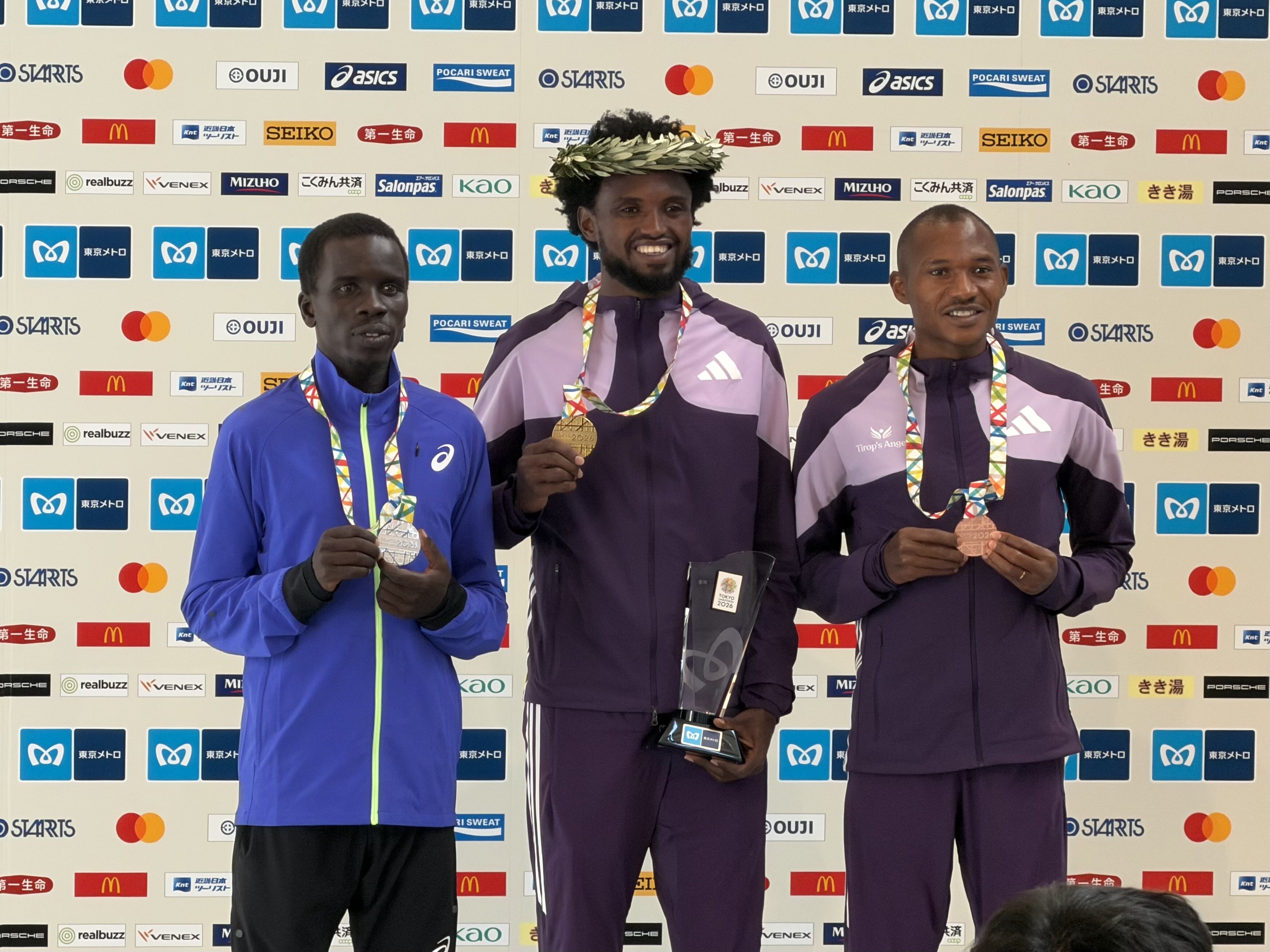
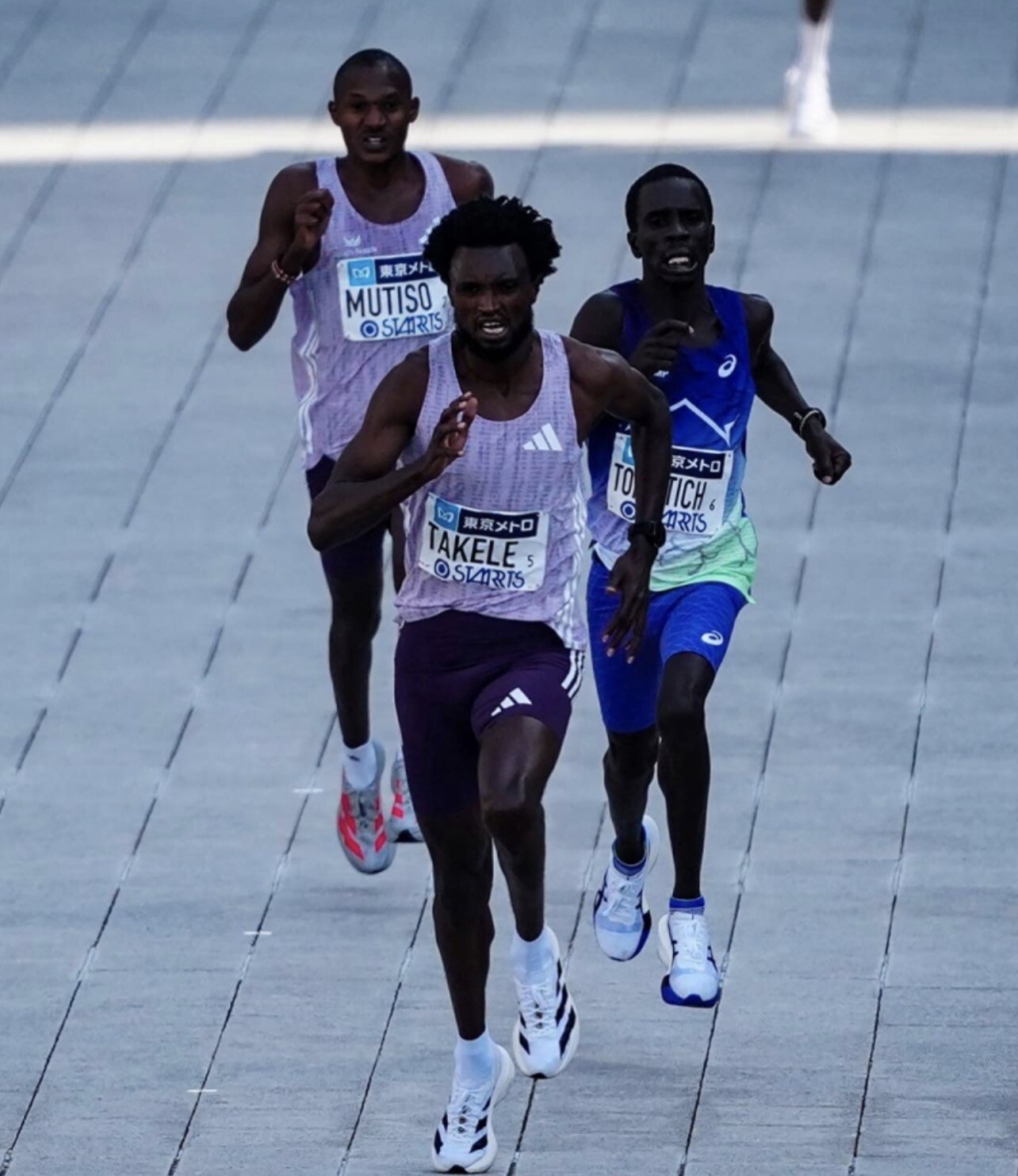
In a finish so tight it demanded a second glance, Kenya’s Geoffrey Toroitich crossed the line in the exact same time — 2:03:37 — pushing Takele to the absolute limit in a pulsating sprint down the final straight. Just a heartbeat behind them, fellow Kenyan Alexander Mutiso surged home in 2:03:38, turning the closing meters into a masterpiece of courage and endurance.
For Takele, this was not just another victory. It was confirmation of dominance — a second Tokyo title earned through patience, tactical intelligence, and a devastating finishing kick when it mattered most. He held his nerve as the leading pack thinned after 35 kilometers, responding to every surge before unleashing his final acceleration in the shadow of the finish gantry.
Behind the podium trio, Kenya’s ever-reliable Daniel Mateiko demonstrated remarkable consistency to claim fourth place in 2:03:44, keeping the pace honest throughout the decisive middle stages. Ethiopia’s Muktar Edris rounded out the top five in 2:04:07, adding depth to an already stacked elite field.
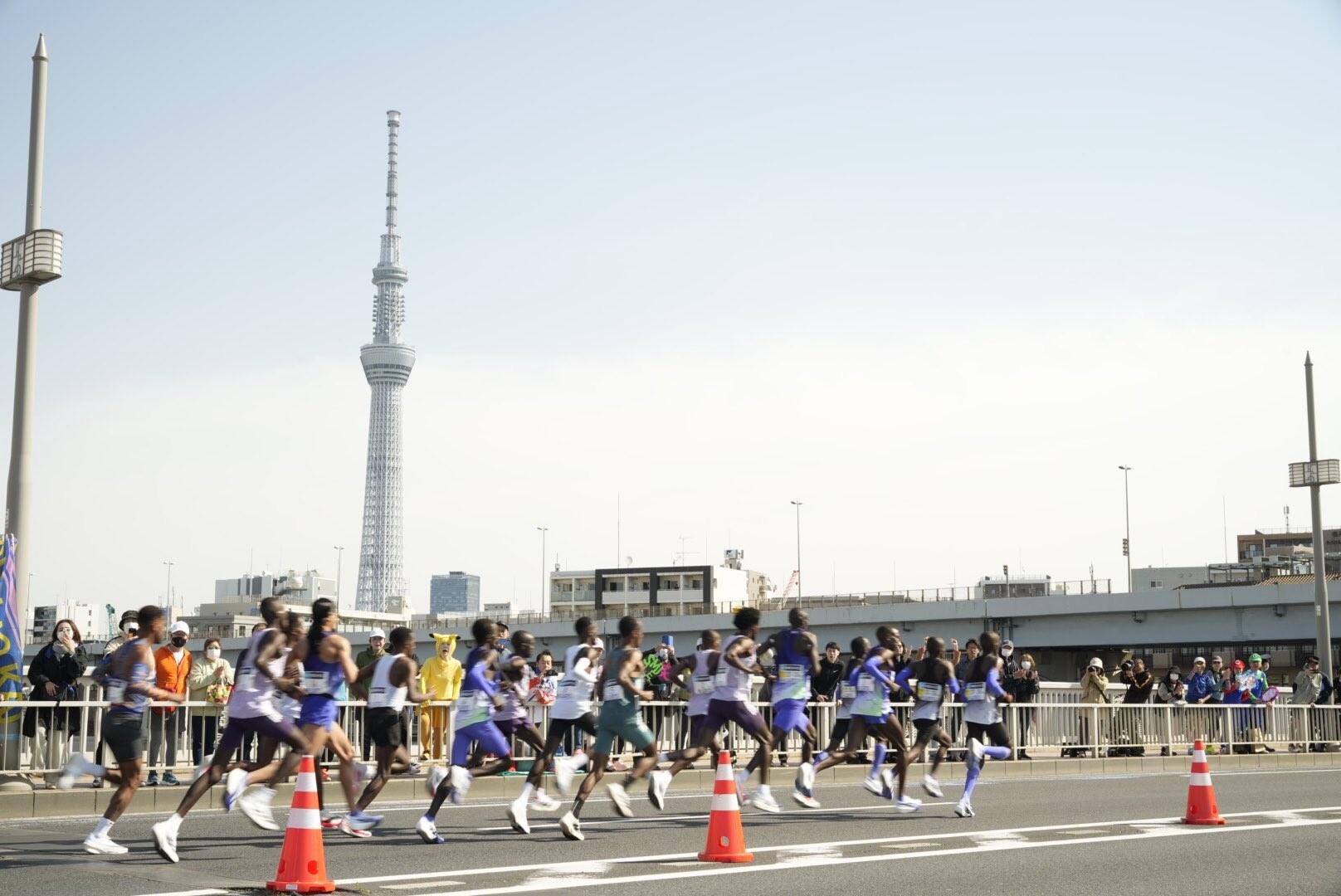
The race, part of the prestigious Abbott World Marathon Majors, once again showcased why Tokyo remains one of the fastest and most competitive marathon stages in the world. From the early controlled rhythm to the blistering final kilometers, it was a contest defined by precision pacing, strategic restraint, and fearless finishing speed.
Further down the standings, strong performances came from Italy’s Iliass Aouani (2:04:26), Ethiopia’s Olympic champion Selemon Barega (2:05:00), and Japan’s national icon Suguru Osako, who delighted the home crowd with a 2:05:59 effort.
Top 10 Finishers – Tokyo Marathon 2026 (Men)
1. Tadesse Takele (ETH) – 2:03:37
2. Geoffrey Toroitich (KEN) – 2:03:37
3. Alexander Mutiso (KEN) – 2:03:38
4. Daniel Mateiko (KEN) – 2:03:44
5. Muktar Edris (ETH) – 2:04:07
6. Iliass Aouani (ITA) – 2:04:26
7. Selemon Barega (ETH) – 2:05:00
8. Seifu Tura (ETH) – 2:05:02
9. Vincent Kipkemoi Ngetich (KEN) – 2:05:21
10. Shifera Tamru (ETH) – 2:05:56
But the story of the day belonged to Takele. In a race measured in seconds and decided in strides, he proved once more that championship composure is as vital as raw speed. Tokyo witnessed not just a marathon — but a duel worthy of the sport’s grandest stage.
(02/28/26) Views: 233Erick Cheruiyot for My Best Runs.
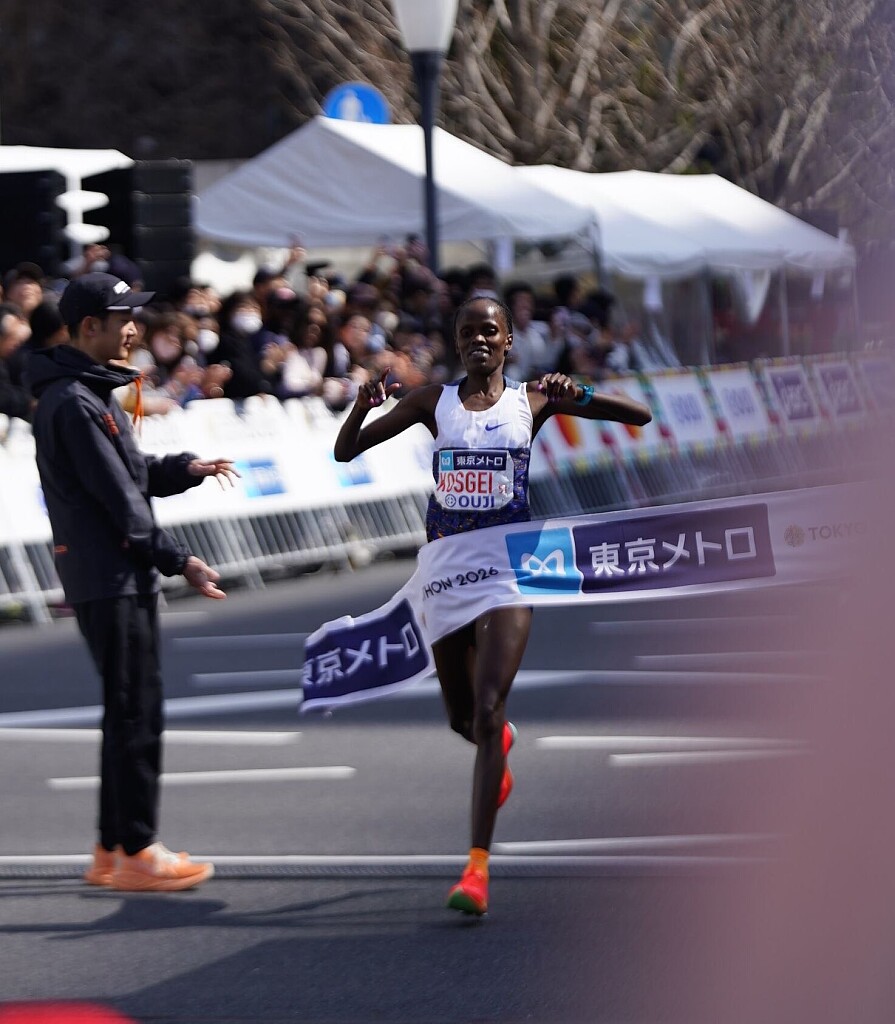
Kosgei Reigns Supreme in Tokyo as Course Record Falls in Women’s Marathon Thriller
The streets of Tokyo witnessed a masterclass in endurance and tactical brilliance as the women’s elite race at the Tokyo Marathon 2026 delivered one of the most compelling chapters in the event’s history. At the heart of it all was Kenya’s marathon queen, Brigid Kosgei, who stormed to victory in a breathtaking 2:14:29, smashing the course record and reaffirming her status among the greatest marathoners of her generation.
From the early kilometres, the pace signaled serious intent. The lead group moved with composure through Tokyo’s iconic avenues, but as the race stretched beyond the 30km mark, it became clear that Kosgei was running with something extraordinary in reserve. With controlled aggression and trademark efficiency, she gradually broke away, her stride smooth and decisive.
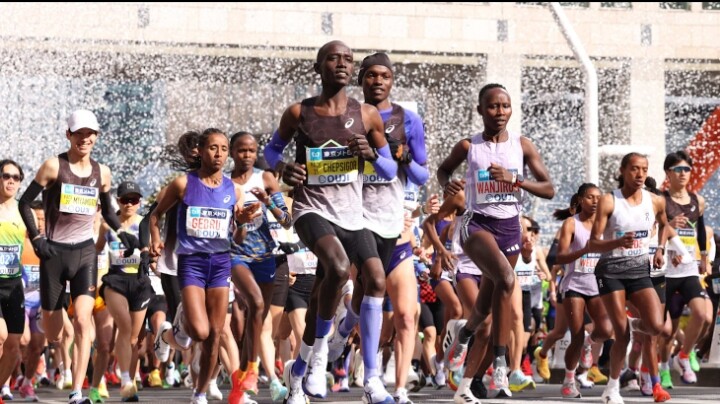
By the final stretch, the outcome was no longer in doubt. Kosgei powered through the closing kilometres to cross the line alone, arms raised in triumph, the clock confirming a new course record — a performance of authority, experience, and pure class.
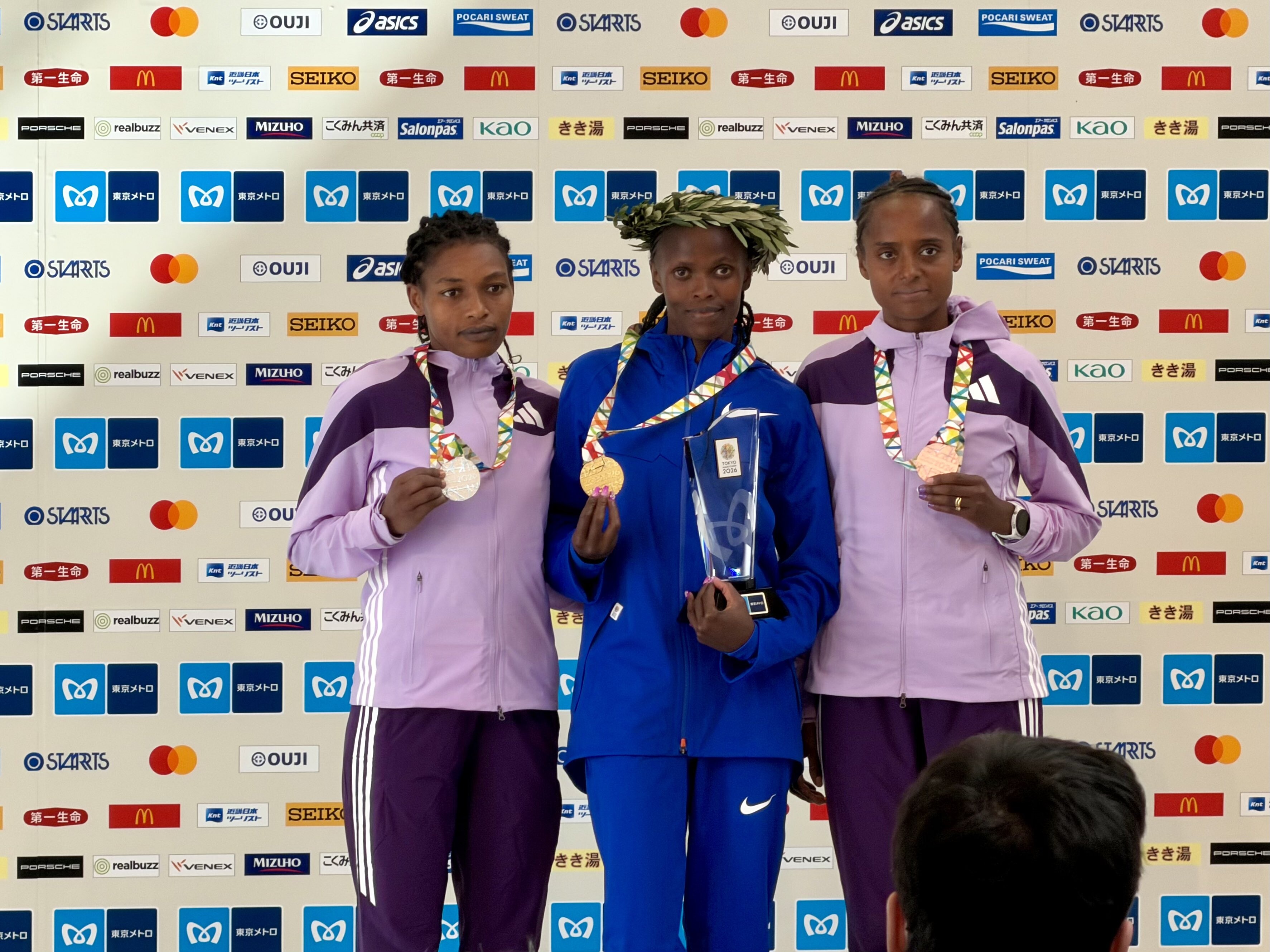
Behind her, Ethiopia’s Bertukan Welde delivered a career-defining run. Clocking 2:16:36, she secured second place with a personal best, demonstrating remarkable composure in one of the deepest fields assembled this season. Her breakthrough performance signals a powerful emergence on the global marathon stage.
The battle for the final podium spot produced the day’s most dramatic moment. Ethiopia’s Hawi Feysa and compatriot Sutume Asefa Kebede were inseparable in the closing metres. In a thrilling sprint to the line, both were credited with 2:17:39, but Feysa edged ahead by the narrowest of margins to claim third, sealing an unforgettable duel that electrified the finish area.
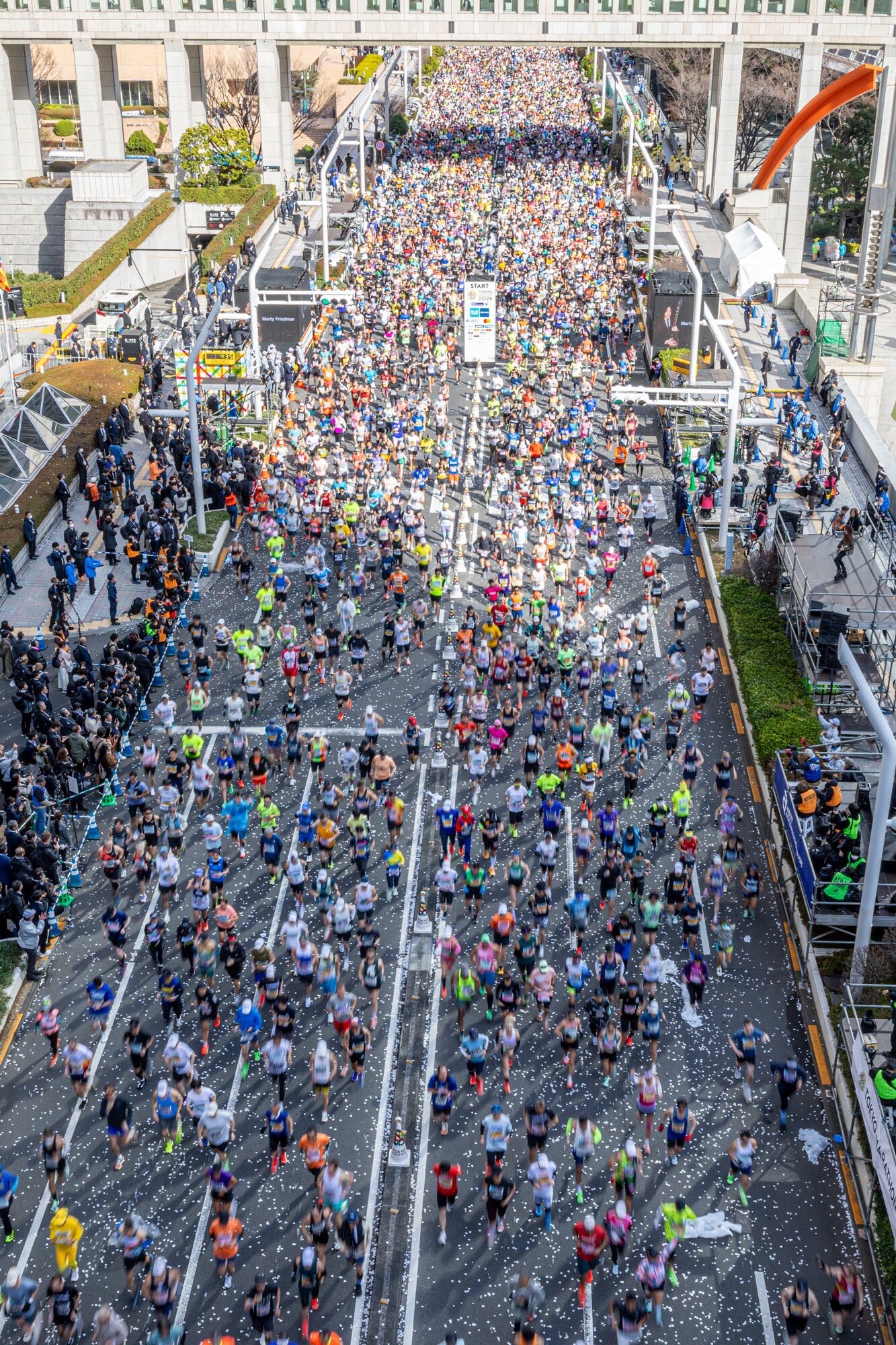
The 2026 edition once again highlighted Tokyo’s reputation as one of the premier stages in global road racing, blending fast conditions with elite depth and tactical racing of the highest order.
Top 10 Women – Official Results
1. Brigid Kosgei (KEN) – 2:14:29 (CR)
2. Bertukan Welde (ETH) – 2:16:36 (PB)
3. Hawi Feysa (ETH) – 2:17:39
4. Sutume Asefa Kebede (ETH) – 2:17:39
5. Megertu Alemu (ETH) – 2:18:50
6. Viola Cheptoo (KEN) – 2:19:05
7. Mestawut Fikir (ETH) – 2:20:00
8. Aberu Ayana (ETH) – 2:20:30
9. Pascalia Jepkogei (KEN) – 2:21:39
10. Ai Hosoda (JPN) – 2:23:39
Beyond the podium, the depth of the field reflected the continued rise of women’s marathon running across continents — from Africa to Asia, Europe to Oceania and the Americas. Every athlete in the top ranks contributed to a race defined by courage, precision, and competitive spirit.
Tokyo once again proved that when the world’s finest gather on its roads, history is never far away. And in 2026, it belonged to Brigid Kosgei — a champion rewriting records with every decisive stride.
(02/28/26) Views: 156Erick Cheruiyot for My Best Runs.
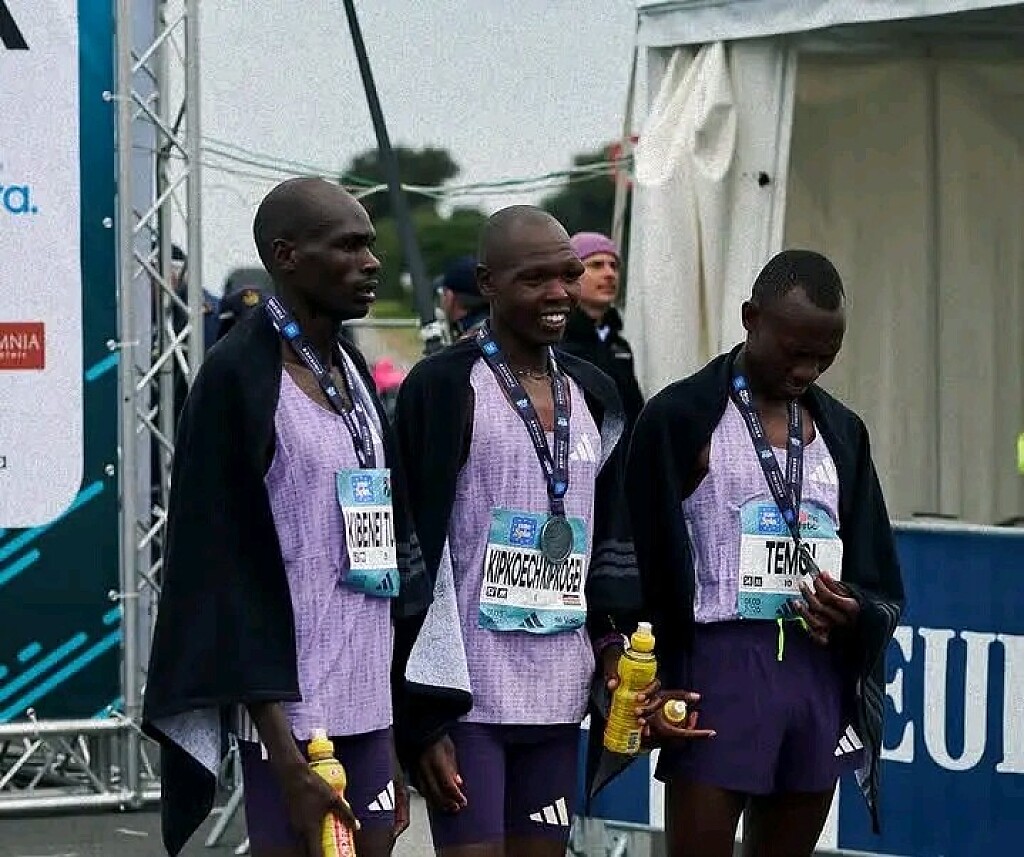
Kenyan Masterclass in Rome: Temoi’s Record-Breaking Debut Headlines RomaOstia Sweep
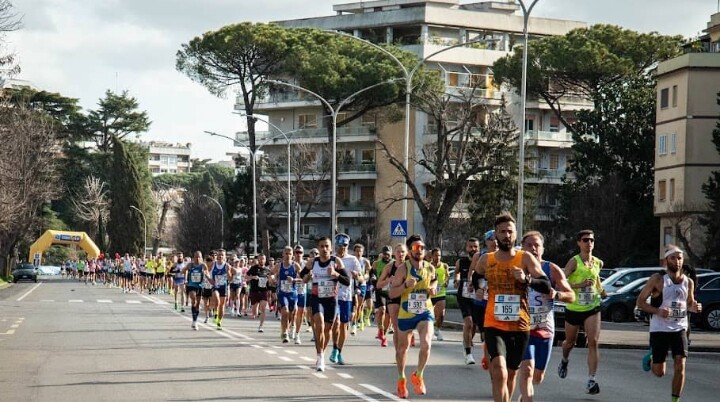
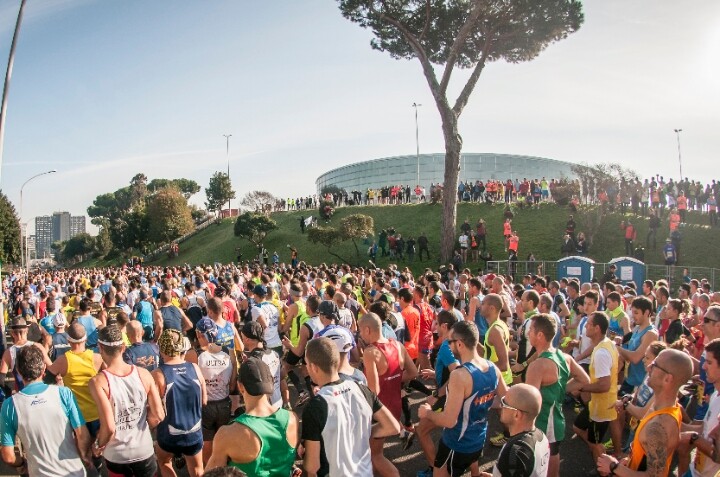
The 2026 RomaOstia Half Marathon will be remembered as a day when Kenyan excellence painted the streets between Rome and Ostia in bold, unmistakable colors. From the first surge off the start line to the final strides along the coast, it was a commanding display that left little room for doubt — this was a Kenyan affair in every sense.
In the men’s race, Michael Temoi delivered a performance of rare authority. Making his debut over the distance, Temoi stormed to victory in a stunning 58:00, slicing through the course with composure and confidence to set a new course record. It was not merely a win; it was an announcement. The young Kenyan showed maturity beyond expectation, controlling the pace and unleashing a decisive push that broke the race open. To debut with a course record on such a historic stage speaks volumes about his talent and his readiness to challenge the world’s finest.
Behind him, James Kipkogei ensured the podium remained firmly in Kenyan hands. Crossing the line in 58:39, Kipkogei ran a tactically intelligent race, staying within striking distance before securing second place with strength and poise. Completing the men’s sweep was Peter Kibenei, whose 59:05 finish marked a personal best. Kibenei’s performance underlined the depth of Kenyan distance running — disciplined, resilient, and relentlessly competitive.
If the men set the tone, the women elevated the statement.
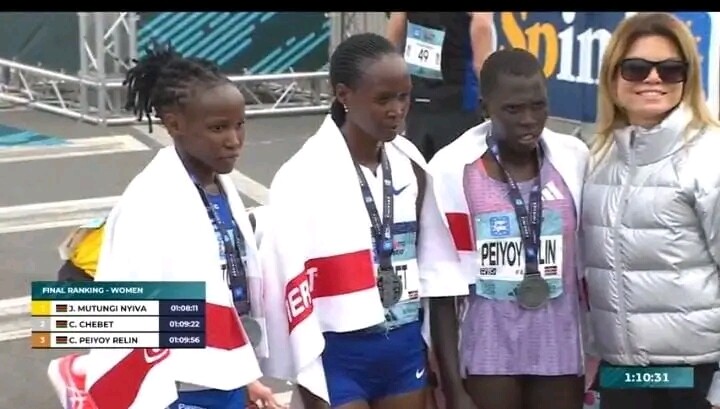
Janeth Mutungi led the charge in the women’s race, clocking 1:08:11 in a performance defined by rhythm and control. She dictated the tempo with confidence, gradually stretching the field and sealing victory with measured authority. Her triumph reflected not only individual brilliance but also the structured strength that continues to define Kenyan road running.
Close behind, Caren Chebet impressed on her debut, finishing second in 1:09:22. Stepping onto a major international stage for the first time, Chebet displayed courage and composure, signaling that she, too, belongs among the elite. Third place went to Catherine Peiyoy, who clocked a personal best of 1:09:56, adding yet another milestone to an already memorable Kenyan sweep.
The RomaOstia course, known for its speed and history, has witnessed many remarkable performances over the years. Yet the 2026 edition will stand out for the unity of purpose shown by the Kenyan contingent. It was not just about medals or times; it was about dominance built on preparation, discipline, and belief.
From record-breaking debuts to personal bests and commanding victories, Kenya’s athletes transformed the race into a showcase of national pride and athletic mastery. On Italian soil, they reminded the world why the half marathon remains one of their strongest stages — and why, when the pace quickens and the pressure rises, Kenya so often rises with it.
(03/02/26) Views: 154Erick Cheruiyot for My Best Runs.
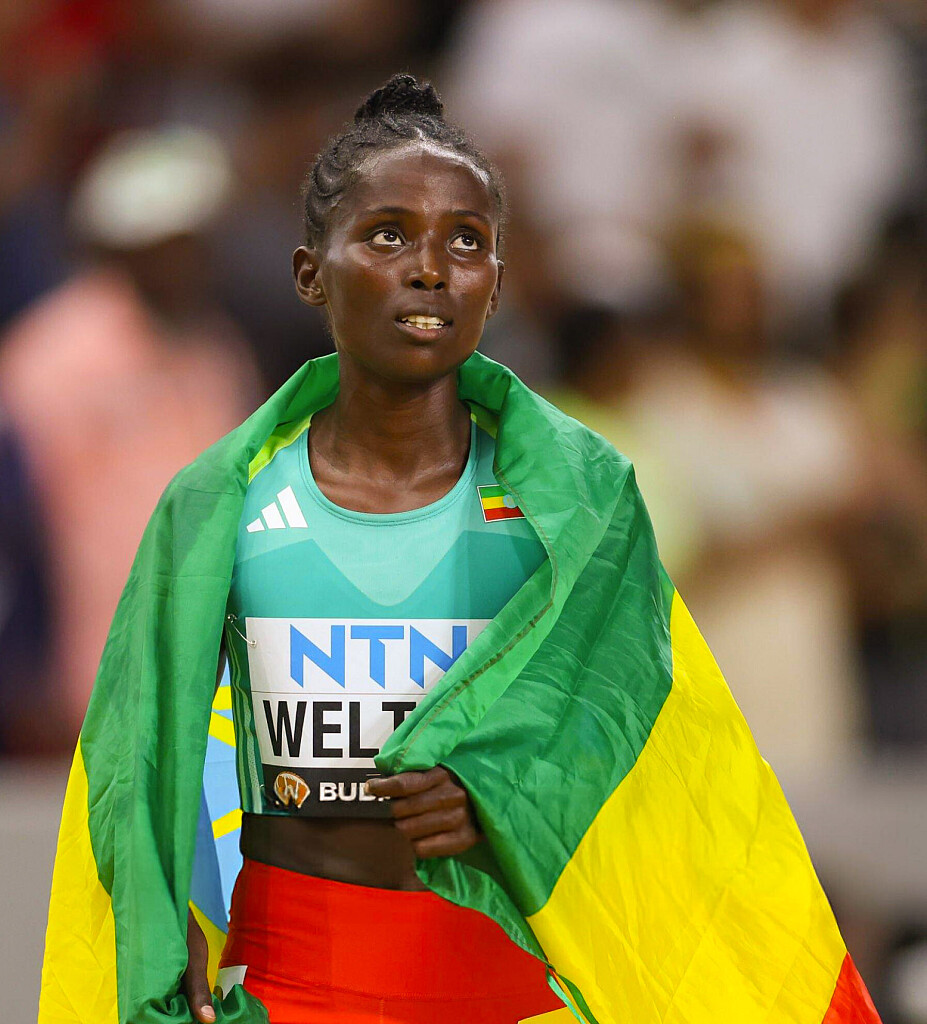
Diribe Welteji Receives Two-Year Ban Following CAS Decision
Ethiopian middle-distance runner Diribe Welteji has been handed a two-year ban after the Court of Arbitration for Sport (CAS) partially upheld an appeal filed by World Athletics.
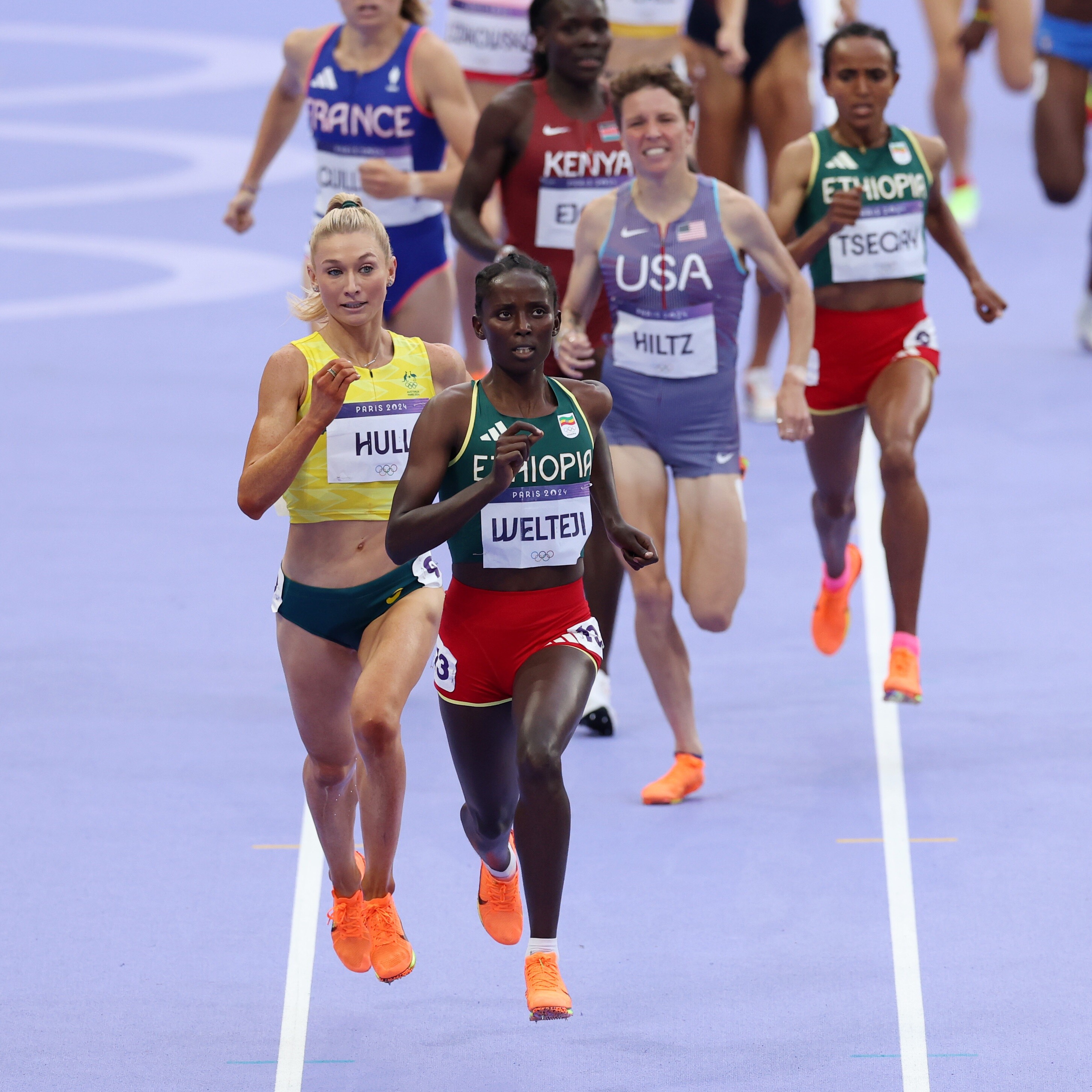
The ruling confirms that Welteji committed an Anti-Doping Rule Violation after failing to provide a sample during an out-of-competition test conducted on 25 February 2025.
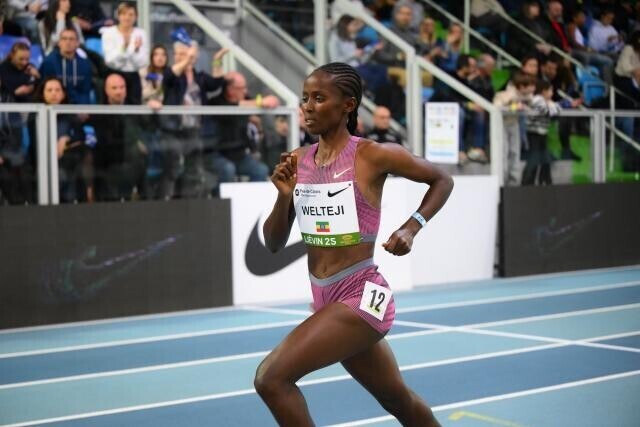
In its decision, CAS stated that the violation was not intentional. However, the panel determined that the athlete was negligent and did not present sufficient justification for failing to comply with the testing requirements. Under global anti-doping regulations, athletes are strictly responsible for cooperating with testing procedures at all times.
As a result of the ruling, Welteji will serve a two-year period of ineligibility from 8 July 2025 through 30 June 2027, with credit given for the provisional suspension already served. In addition, all competitive results recorded from 25 February 2025 onward have been disqualified.
The decision marks a significant pause in the career of one of Ethiopia’s leading middle-distance talents, who has been a regular presence on the international circuit in recent seasons.
Welteji will be eligible to return to competition on 30 June 2027. Until then, the sanction stands under the framework of World Athletics’ anti-doping code, reinforcing the sport’s commitment to maintaining integrity and equal standards for all competitors.
(02/27/26) Views: 153Erick Cheruiyot for My Best Runs.
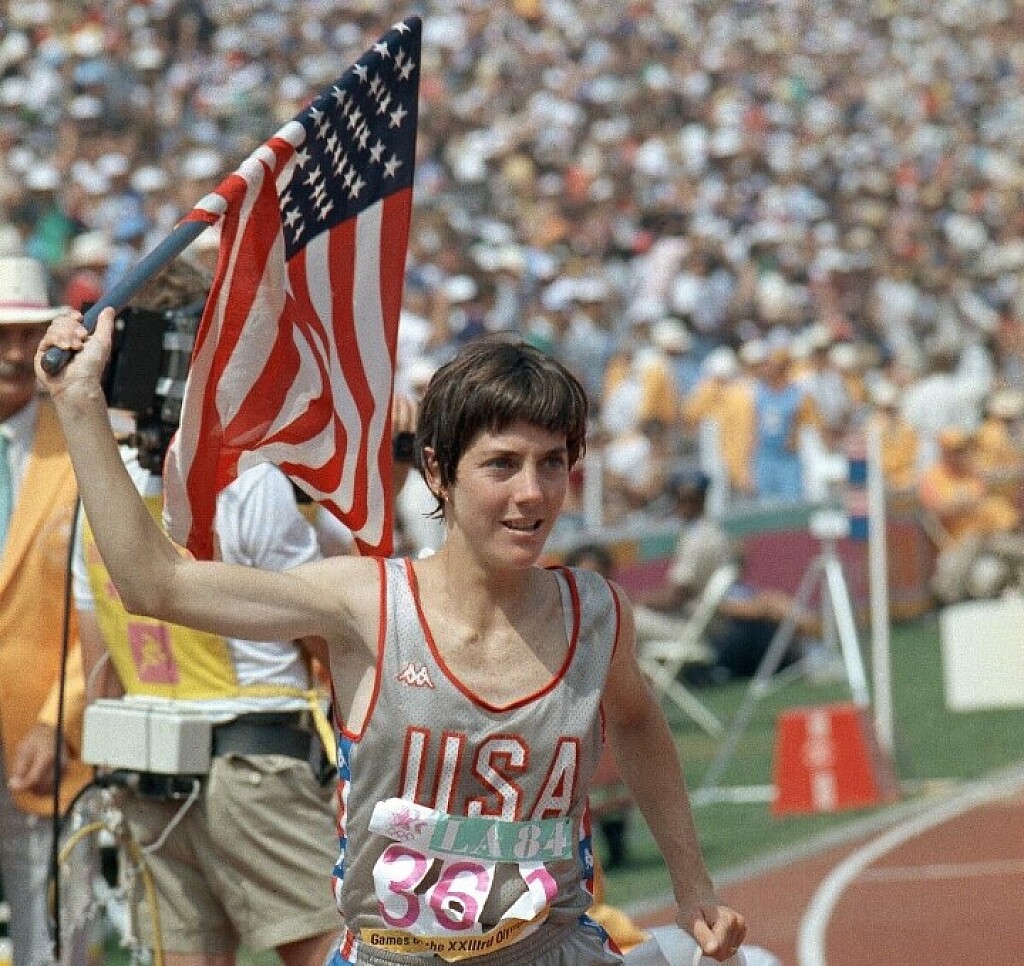
When History Finally Opened the Road: Joan Benoit’s Defining Run in Los Angeles, California — August 5, 1984
Los Angeles, California — August 5, 1984.
The California sun pressed heavily against the city streets, the temperature rising past 80 degrees as thousands of spectators lined the course. In the distance, a lone figure in a white painter’s cap ran with fearless intent, far ahead of the world’s best.
That woman was Joan Benoit — and she was not even supposed to be there.
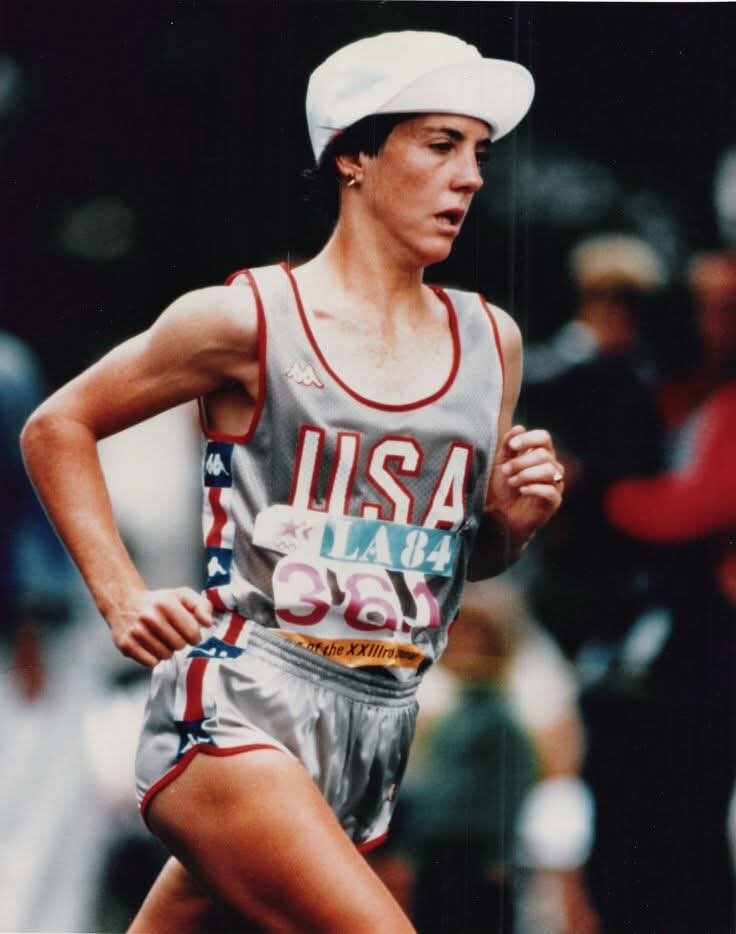
Just three months earlier, her knee had collapsed in training. Doctors delivered a harsh verdict: immediate surgery, followed by months of recovery. Yet the U.S. Olympic Trials were only 17 days away. For most athletes, that diagnosis would have ended the dream.
But 1984 was no ordinary Olympic year. It marked the first time women were officially allowed to compete in the marathon at the 1984 Summer Olympics. For decades, women had been barred from long-distance racing under claims that their bodies were too fragile, that endurance would harm their health, even that it would threaten their ability to bear children. The resistance had been so entrenched that the Boston Marathon only officially opened its doors to women in 1972.
This was not just a race; it was a long-overdue correction.
Benoit understood the gravity of the moment. There would only ever be one first women’s Olympic marathon. If she missed it, that page of history would turn without her name written on it.
She chose surgery. Seventeen days later, still healing, she stood at the Trials start line — and won.
On August 5, 1984, the Olympic marathon began on the streets of Los Angeles, California, winding through the city beneath relentless summer heat. And before the race even reached mile three, Benoit did something astonishing.
She surged.
Breaking away from the pack with bold conviction, she committed herself to more than 23 miles alone. Commentators questioned the move. Behind her were giants of the sport — Grete Waitz and Rosa Mota — champions with unmatched credentials. Surely, they would reel her back in.
But mile after mile, the gap held.
She ran with a composure that defied both heat and doubt. The chase pack never closed the distance. Instead, Benoit extended her lead, stride by determined stride, as if carrying the weight of generations who had been denied this very opportunity.
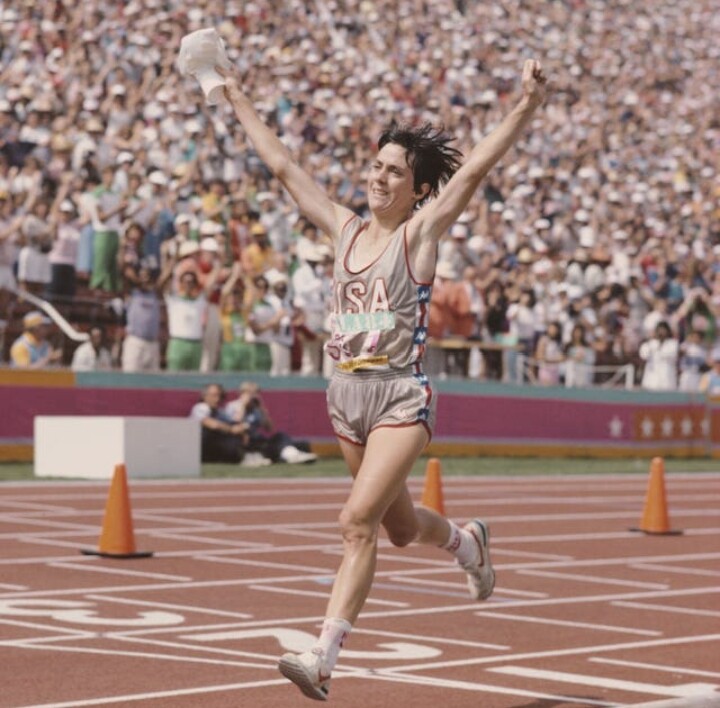
At mile 23, she approached the iconic Los Angeles Memorial Coliseum. Still alone. Still leading. As she entered the stadium, more than 70,000 spectators rose to their feet, their roar echoing through the historic arena.
She crossed the finish line in 2:24:52, winning by over 400 meters.
The woman who had undergone knee surgery just weeks before the Trials had conquered the world’s finest on the sport’s biggest stage — in the very first women’s Olympic marathon ever held.
But her victory meant more than gold. It ended a debate that never deserved to exist. It proved that endurance does not belong to one gender, and that courage, when paired with conviction, can dismantle decades of disbelief.
Today, the women’s marathon stands as one of the most prestigious events in global athletics. Records have fallen, legends have risen, and young girls everywhere line up believing they belong.
It all traces back to Los Angeles, California — to August 5, 1984 — to a woman in a white cap who ran alone from mile three and refused to let history move forward without her
(02/27/26) Views: 143Erick Cheruiyot for My Best Runs.
