

Running News Daily
Top Ten Stories of the Week
2/28/2026
These are the top ten stories based on views over the last week.
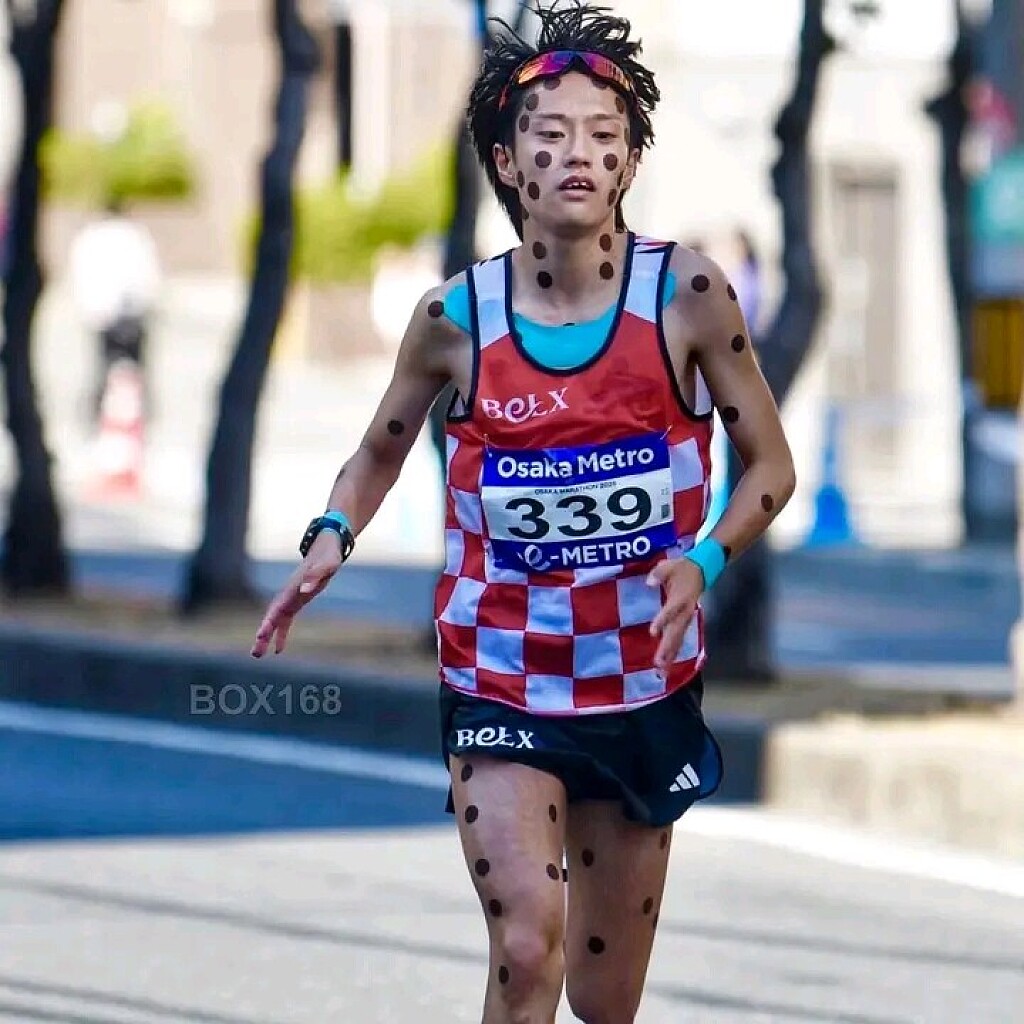


Relentless Dawn: Hibiki Yoshida’s Fearless Marathon Baptism in Osaka
At just 23 years old, Hibiki Yoshida announced himself to the marathon world with a performance that was equal parts audacity and endurance, launching a blistering debut at the Osaka Marathon that nearly defied logic. From the opening kilometers, Yoshida refused caution. He surged ahead of the pacemakers before 8km, committing to a punishing rhythm that projected a sensational finish deep into the 2:03 territory—an extraordinary gamble for a first attempt over 42.195 kilometers.
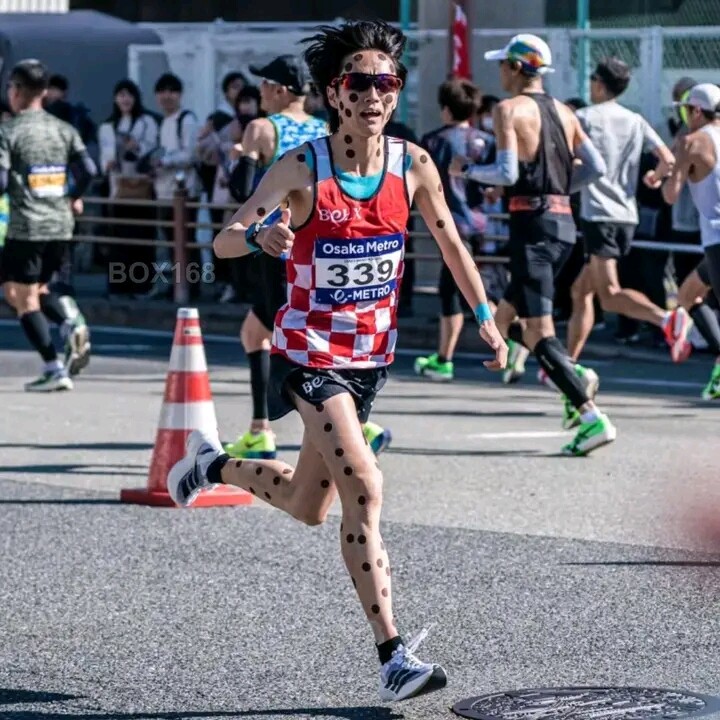
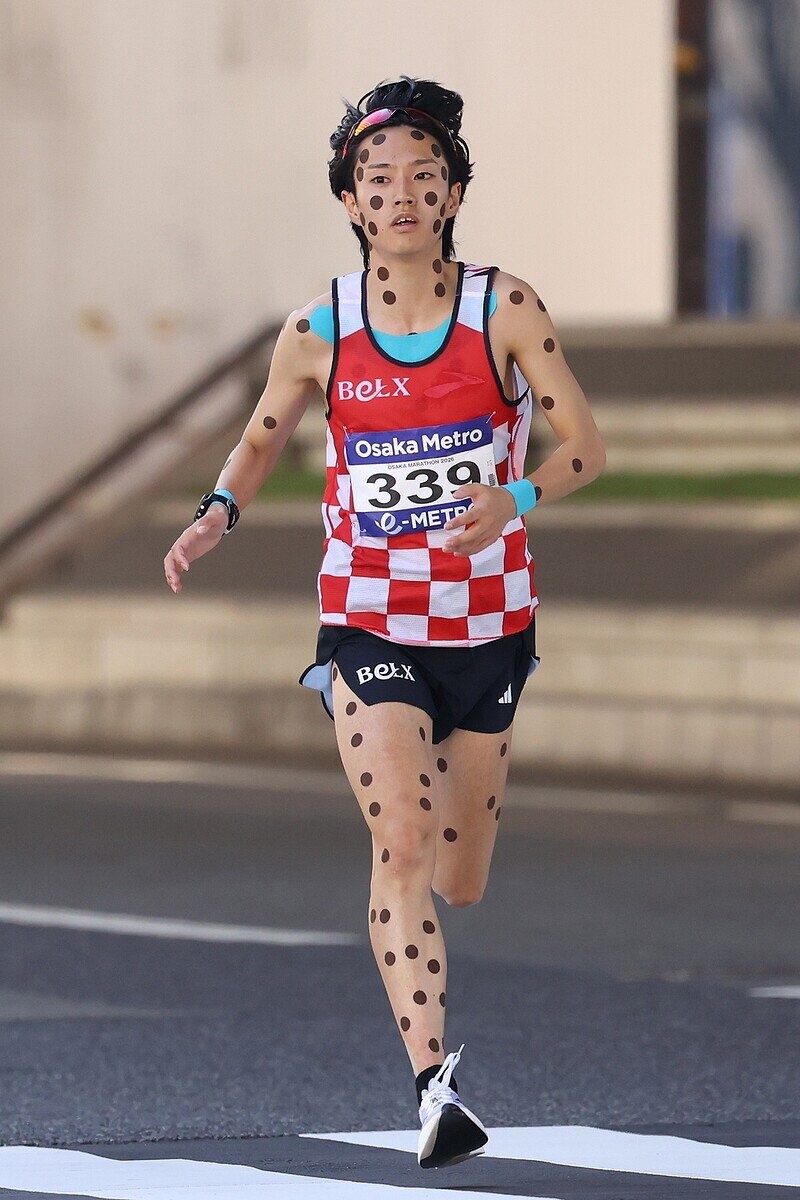
For the first half, his stride carried the confidence of youth and the composure of a seasoned racer. He passed halfway in 1:02:39, running with a cushion and the kind of relaxed efficiency that suggested something historic might unfold. Magnetic therapeutic tape stretched across his face—a small but telling detail—helped him maintain looseness through 25km, where many marathons truly begin. Up to that point, Yoshida looked not only competitive, but dangerous.
Yet the marathon is an unforgiving examiner. Around 25km, the first signs of strain appeared. By 30km, the early aggression began to extract its price. Complicating matters further, his personal drinks bottle had been misplaced at the start, forcing him to improvise hydration from paper cups until he finally recovered his bottle later in the race. The cumulative toll—pace, dehydration, and physiological stress—began tightening his muscles and clouding his awareness.
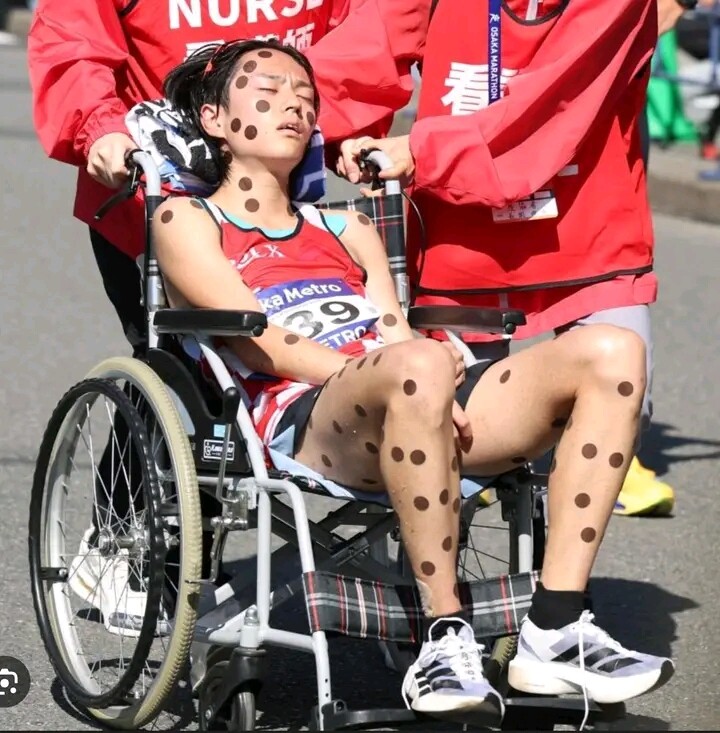
From 35km onward, the race transformed into survival. His rival Hirabayashi moved past him near 37km, while Yoshida fought waves of fatigue severe enough that he later admitted he remembered little of those closing kilometers. With roughly 3km remaining, the thought of abandoning the race briefly crossed his mind. What carried him forward instead was something less tangible but equally powerful: the roar of spectators and the silent encouragement of fellow runners overtaking him on the road.
He staggered home in 2:09:33—far from the dazzling projections of the early pace, yet profoundly impressive given the circumstances. The time also underscored his enormous potential. At 30km (1:28:07), he had come within seconds of the revered Japanese benchmark set by Takayuki Matsumiya two decades earlier, evidence that his aggressive approach was not reckless fantasy but rooted in genuine ability.
Race Splits
5K — 14:50
10K — 29:33
15K — 44:10
20K — 58:42
Half — 1:02:39
25K — 1:13:16
30K — 1:28:07
35K — 1:43:20
40K — 2:02:49
Finish — 2:09:33
Afterward, Yoshida spoke with remarkable humility and clarity. He acknowledged the suffering, the confusion, even the momentary temptation to quit—but also the joy. To him, the experience was not a failure of pacing but a lesson in possibility. Once recovered, he vowed, he would return stronger and wiser.
This was more than a debut. It was a declaration of intent.
In Osaka, Hibiki Yoshida did not merely run his first marathon—he revealed the outline of a future contender. Courage often arrives before mastery, and on this day, courage was unmistakable. The clock read 2:09:33, but the deeper story was written in resilience: a young athlete pushed to the edge, dehydrated yet unbroken, already imagining the next starting line.
(02/24/26) Views: 981Erick Cheruiyot for My Best Runs.
European Marathon Classics Launches New Era for Distance Running
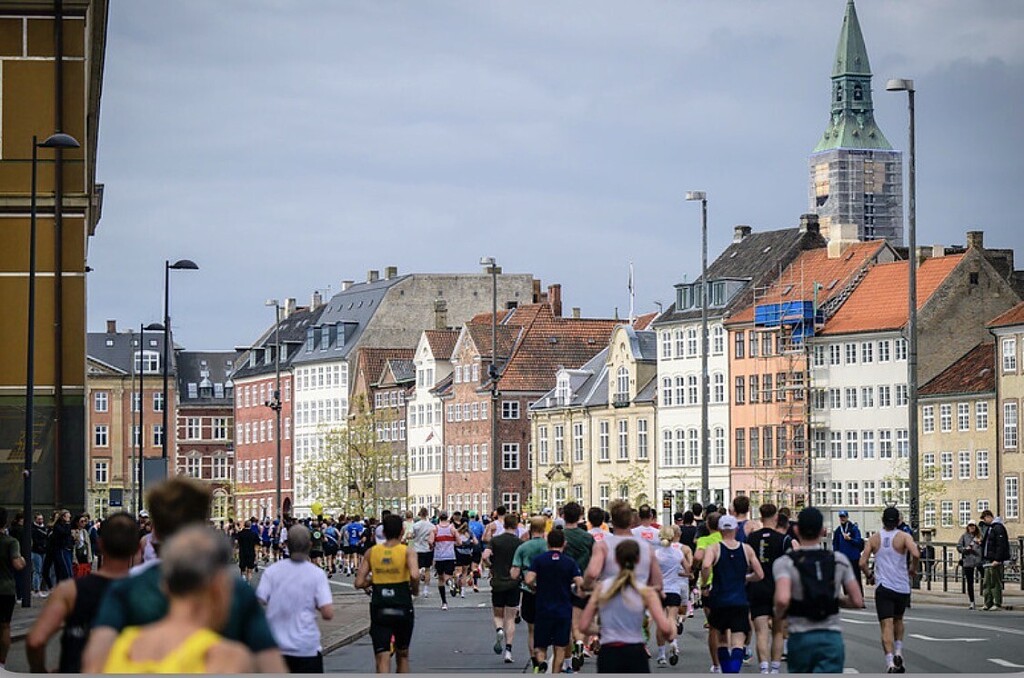
A new chapter in European marathon running was unveiled on February 25, 2026, when organizers introduced the European Marathon Classics, a series linking eight of the continent’s most established races into one long-term challenge for runners.
The announcement was made in Vienna at the historic Schönbrunn Palace, bringing together race directors and organizers from across Europe. The concept is simple: one distance, eight cities, and a shared journey through some of Europe’s most celebrated marathon courses.
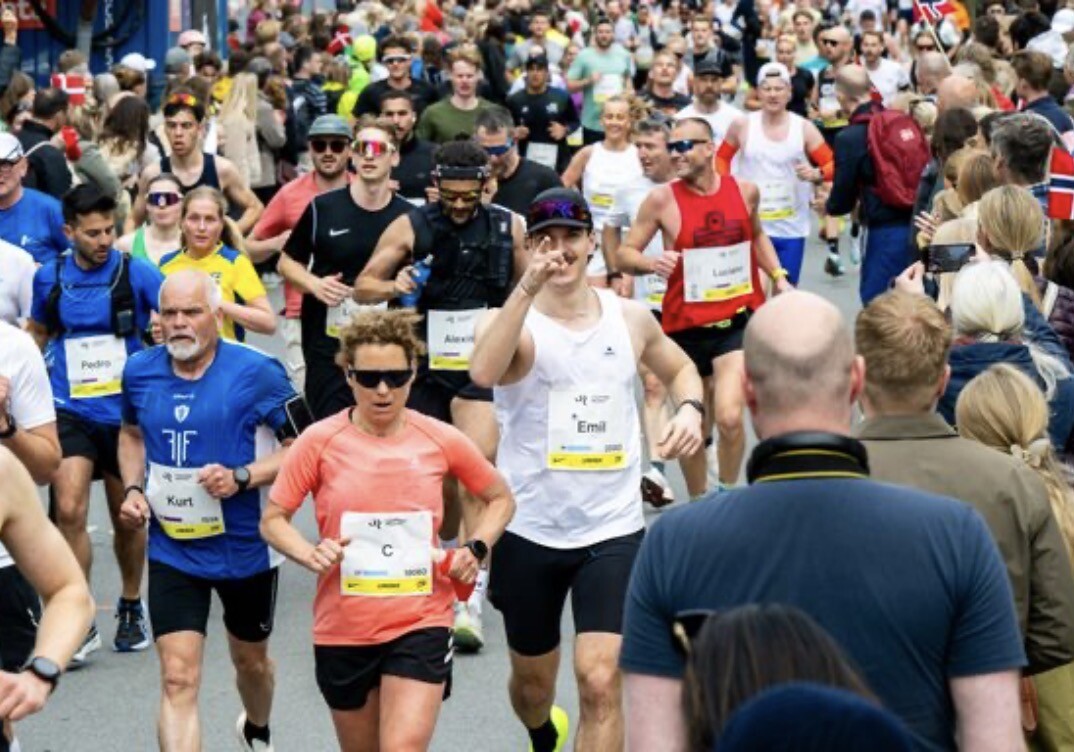
The new series connects races that already have strong identities of their own. By linking them together, organizers hope to inspire runners to explore different countries, cultures, and running traditions while pursuing a personal challenge.
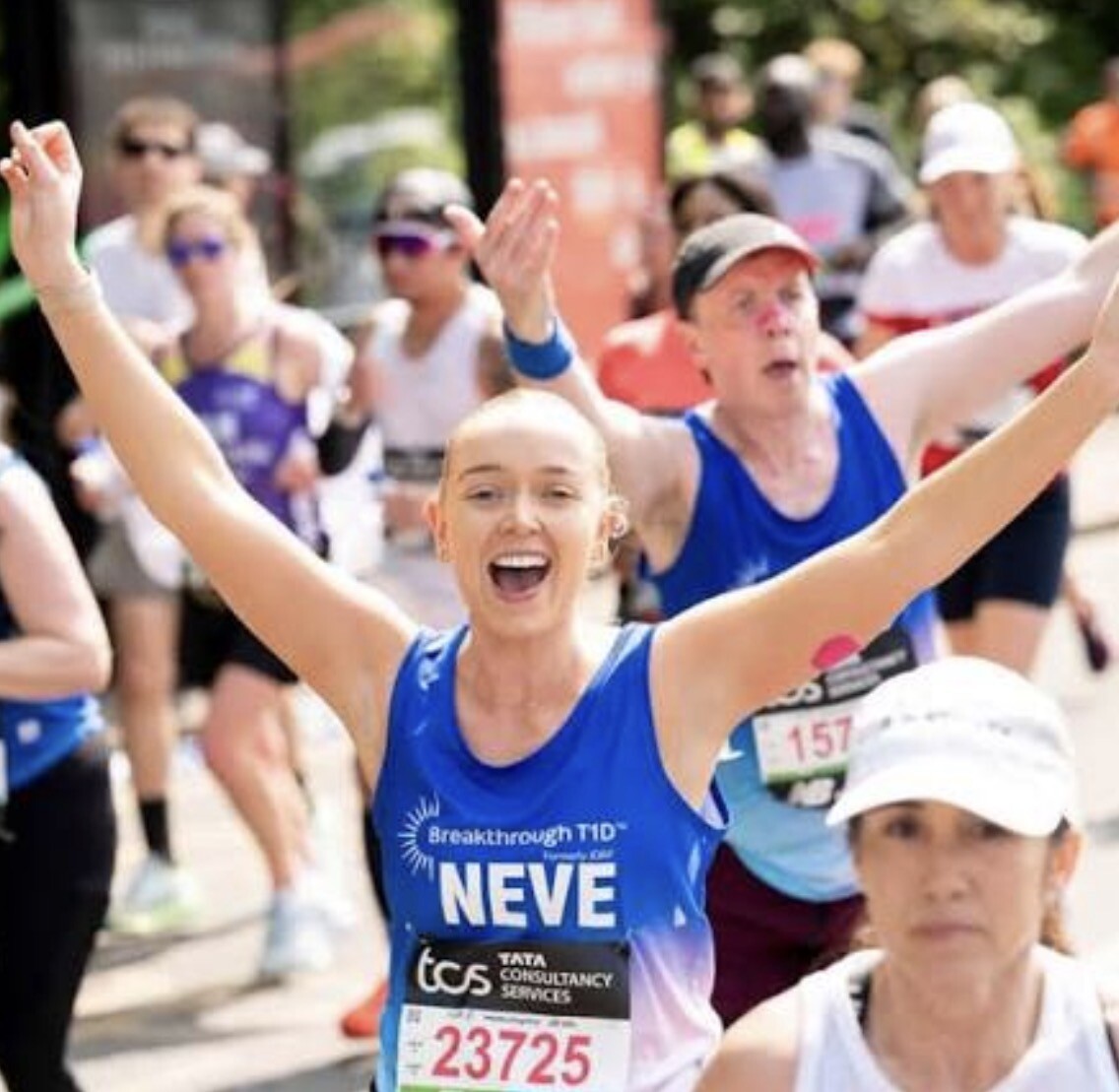
To earn the title European Marathon Classics Finisher, runners must complete five of the eight marathons, each in a different city. There is no time limit, allowing participants to build their journey over several seasons.
The eight races in the series form a calendar stretching from early spring to autumn:
2026 European Marathon Classics Schedule
March 22 – Rome Marathon (Italy)
April 19 – Vienna City Marathon (Austria)
April 26 – London Marathon (United Kingdom)
April 26 – Madrid Marathon (Spain)
May 10 – Copenhagen Marathon (Denmark)
September 27 – Warsaw Marathon (Poland)
October 10 – Lisbon Marathon (Portugal)
October 25 – Frankfurt Marathon (Germany)
Runners who complete five races will receive a commemorative medal designed to reflect the journey. The medal includes magnetic elements that allow athletes to add a marker for each marathon they finish.
One unusual feature of the project is that past results will count. Organizers say runners will be able to register historical performances from earlier editions of the races, recognizing the long traditions behind these events.
London Marathon Event Director Hugh Brasher said the idea is meant to highlight what connects runners across the continent.
(02/25/26) Views: 790Bob Anderson for My Best Runs
Ashley Paulson Breaks Women’s 100-Mile World Record in Nevada
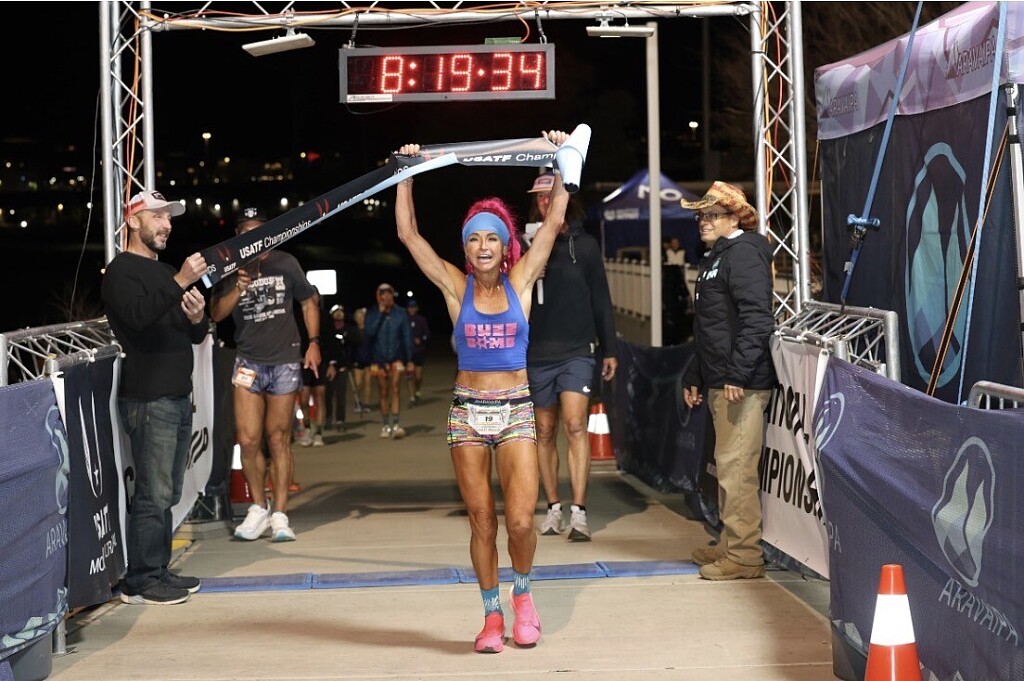
On February 20, 2026, American ultrarunner Ashley Paulson delivered one of the fastest performances in the history of ultradistance running, setting a new women’s 100-mile world record at the Jackpot 100 Mile in Henderson, Nevada.
Paulson stopped the clock at 12:19:34, breaking the previous mark of 12:37:04 set by Ireland’s Caitriona Jennings at the 2025 Tunnel Hill 100 Mile. Her performance shaved more than 17 minutes off the record and came during the USATF 100 Mile National Championships, held just outside Las Vegas.

The race unfolded on a 1.19-mile loop around the pond at Cornerstone Park. Cool morning temperatures and calm early conditions created a fast environment, though winds increased later in the day as runners continued circling the course.
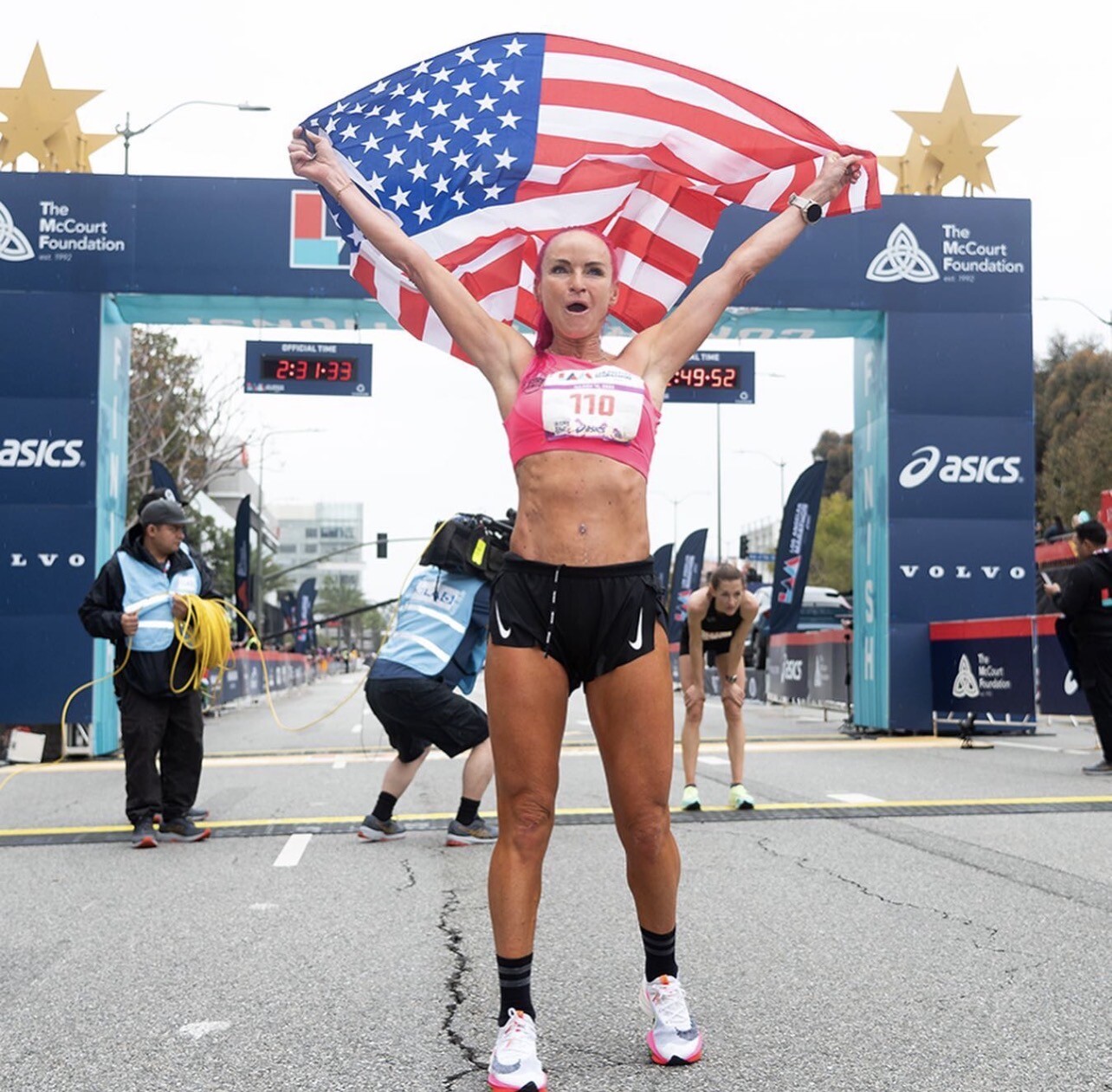
To break the record, Paulson needed to average roughly 7:34 per mile for 100 miles. She went out aggressively, covering the early miles near the 7-minute pace and building a significant cushion on record schedule. By the halfway point she had established a comfortable margin, allowing for a gradual slowdown later in the race while remaining ahead of record pace.
Over the final miles the gap narrowed slightly, but Paulson maintained control and crossed the finish line with history secured.
The performance adds another major accomplishment to a résumé that already includes the women’s course record at the Badwater 135, one of the most demanding ultramarathons in the world. Paulson is also familiar with the Jackpot event, having won the race previously.
The course in Henderson is certified, meaning the mark is eligible for official recognition once ratified by the International Association of Ultrarunners.
Paulson entered the race openly targeting the record, and her decisive effort delivered exactly that — a new global standard for the women’s 100-mile distance.
(02/21/26) Views: 764Boris Baron for My best Runs
Victory Taken Away in Toruń Masalela Disqualified After Dramatic 1500m Finish
The men’s 1500 meters at the 2026 Orlen Copernicus Cup in Toruń, Poland produced one of the most dramatic finishes of the indoor season—only for the result to change minutes later.
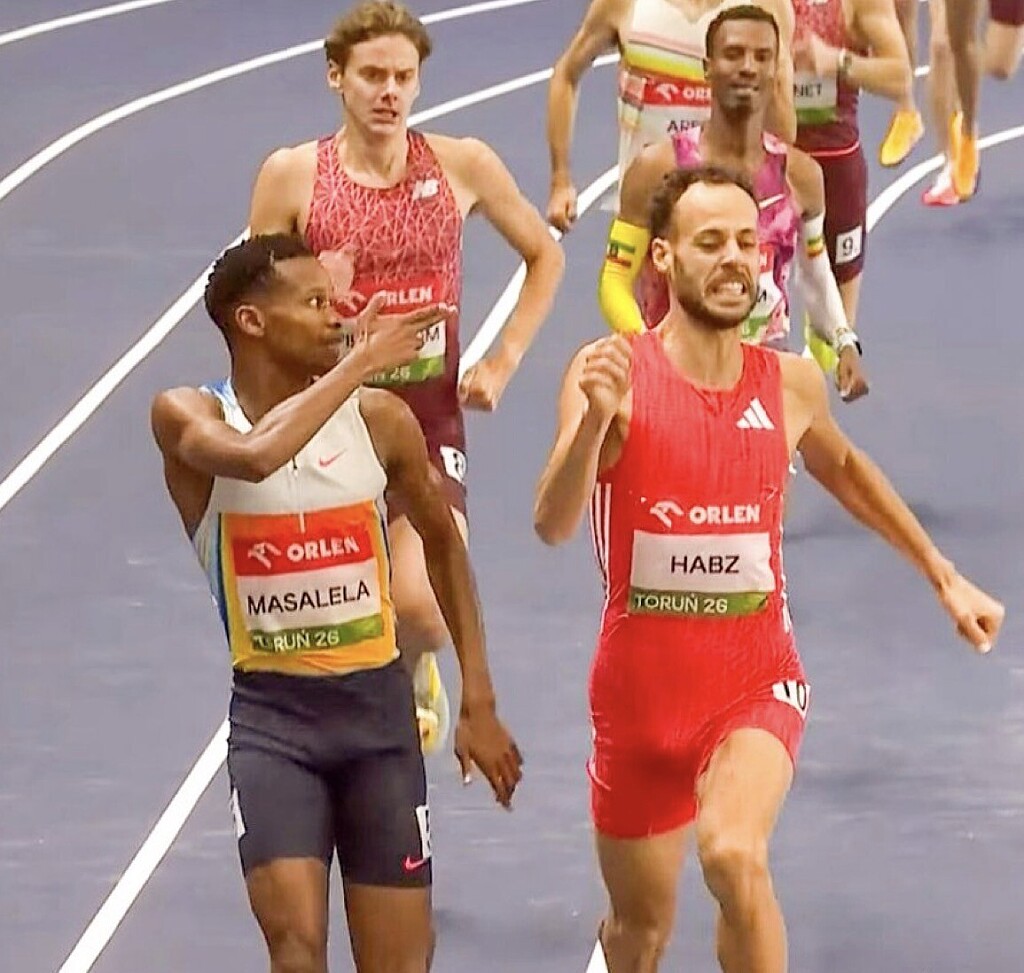
South Africa’s Tshepiso Masalela crossed the line first in 3:32.55, appearing to claim a major victory at the World Athletics Indoor Tour Gold meeting held on February 16, 2026.
But the celebration was short-lived.
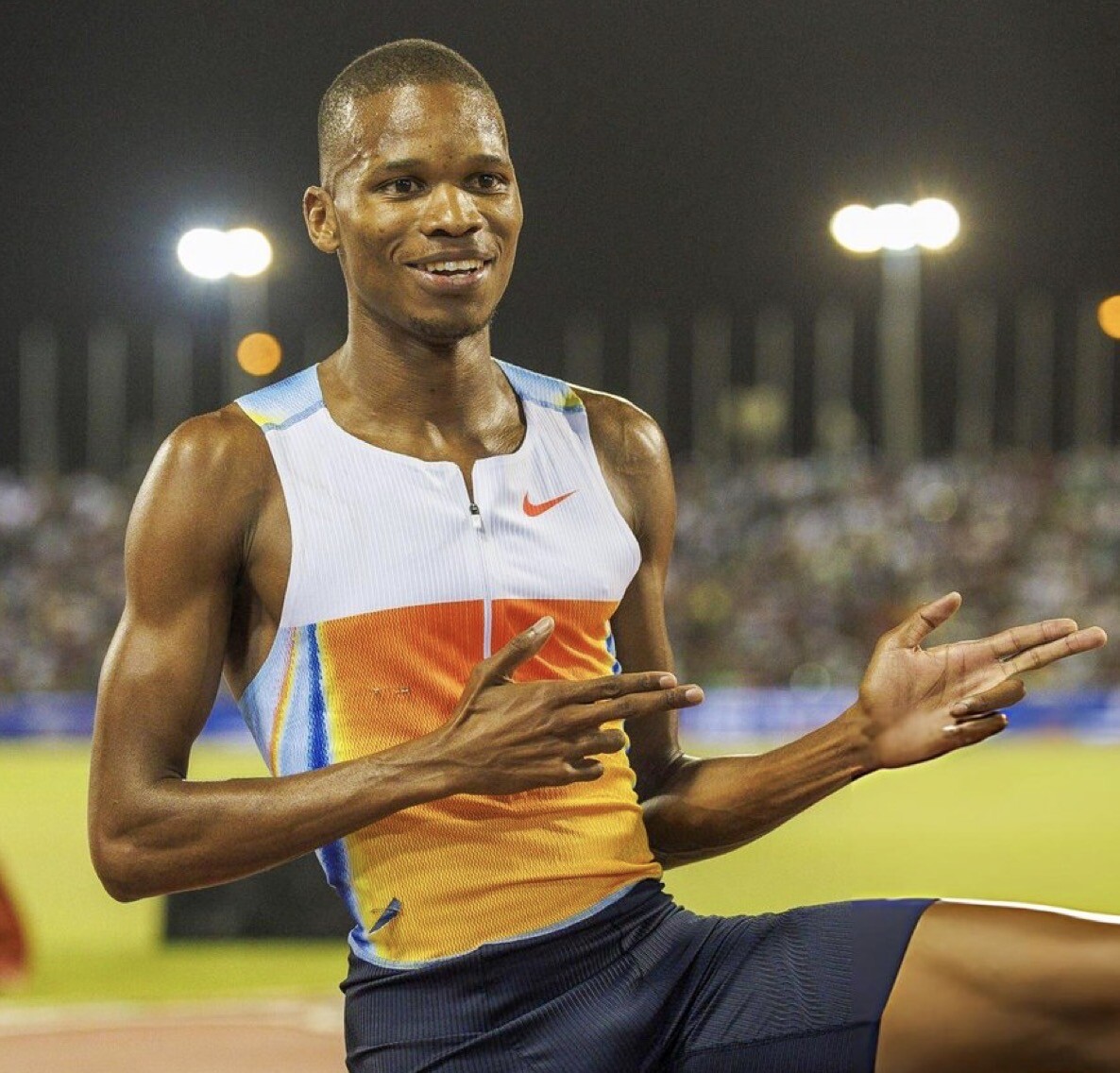
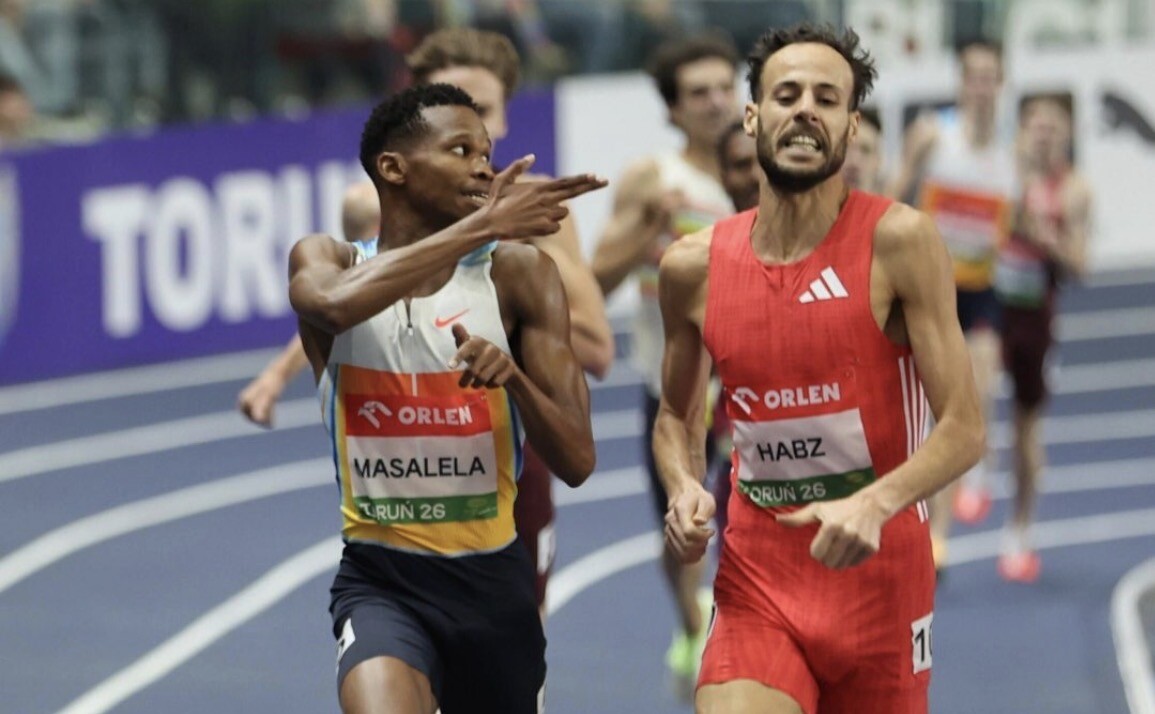
Officials reviewed the race and disqualified Masalela for unsportsmanlike conduct after he gestured aggressively toward Morocco’s Azeddine Habz during the final sprint down the homestretch.
With the disqualification enforced, Habz was awarded the victory in 3:32.56, just one hundredth of a second behind Masalela at the finish.
Officials ruled that the gun gesture violated Rule TR 7.1 (improper conduct) under World Athletics’ competition regulations. The rule addresses behaviour considered unsportsmanlike or inappropriate during competition.
The incident unfolded in the final meters of a fiercely contested race. As the athletes drove toward the line, Masalela appeared to turn and gesture toward Habz while still sprinting. Officials ruled the action violated competition rules governing athlete conduct.
The decision immediately changed the outcome of one of the fastest indoor 1500-meter races of the season.
The Orlen Copernicus Cup is one of the premier meets on the World Athletics Indoor Tour, often serving as a key tune-up ahead of championship racing. The fast indoor track in Toruń has produced numerous world-class performances over the years, and this race looked destined to be remembered purely for its speed before the post-race ruling shifted the spotlight.
For Habz, the victory stands as an important result in a season building toward the World Athletics Indoor Championships in Toruń next month.
For Masalela, it was a painful lesson in how quickly a victory can disappear—even after crossing the finish line first.
(02/23/26) Views: 513Boris Baron
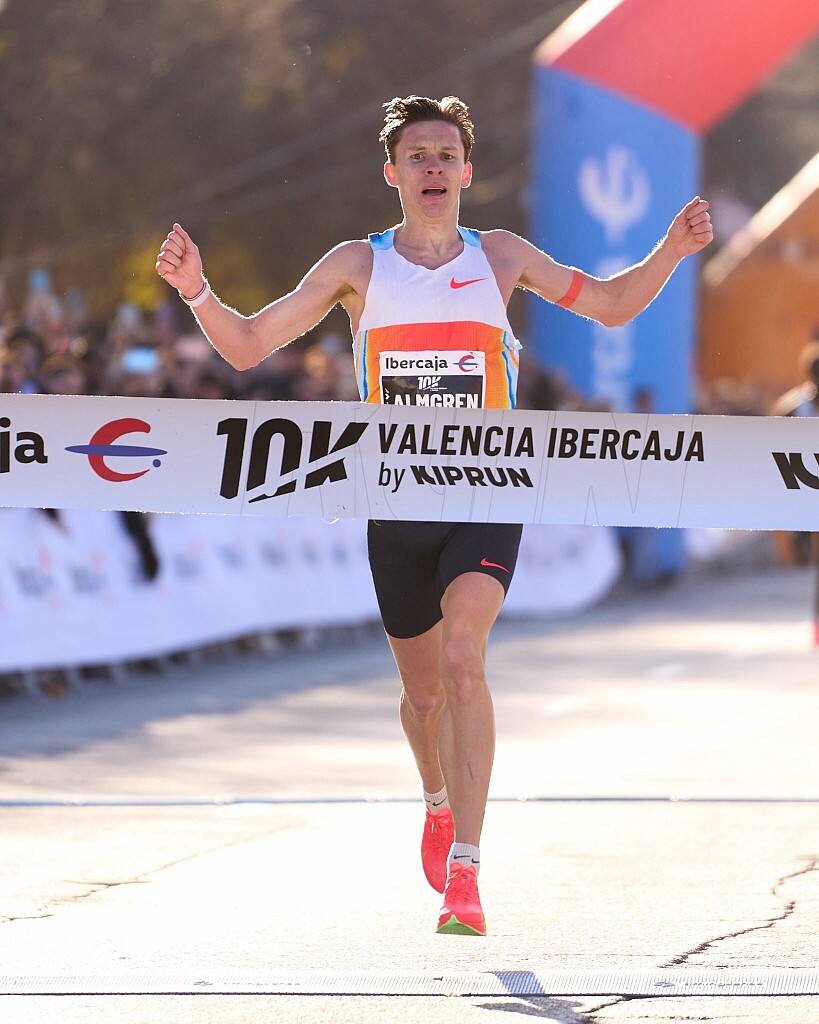
10K Facsa Castelló: Is a World Record Within Reach for Andreas Almgren?
On Sunday, February 22, 2026, the streets of Castelló, Spain, could become the stage for something extraordinary. Sweden’s distance sensation Andreas Almgren is set to attack the 10-kilometre distance once again — and this time, the target is nothing short of historic. Reports suggest he will be chasing a time under 26:40, a mark that edges dangerously close to global supremacy.
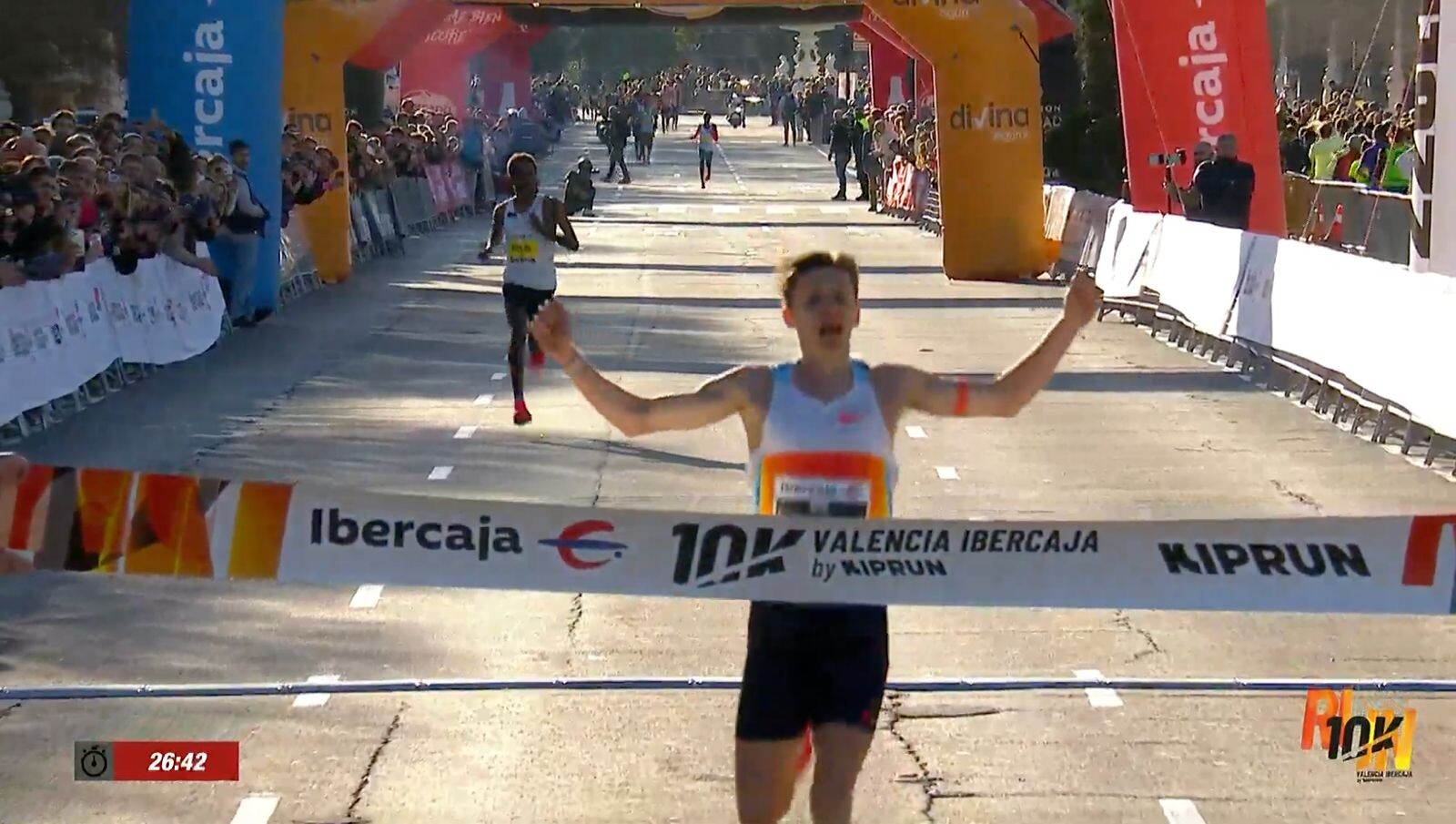
Almgren arrives in Castelló carrying the weight of momentum and the confidence of an athlete operating at the very peak of his powers. Earlier this January in Valencia, he shattered his own European 10km record, clocking a breathtaking 26:45. That performance was not an isolated flash of brilliance; it was another link in an impressive chain of continental records he has forged in recent seasons.
His résumé now reads like a masterclass in modern distance running. A blistering 12:44 for 5km. A commanding 26:45 for 10km. A superb 58:41 in the half marathon. Each mark underlines not only speed, but also remarkable strength and endurance — the rare blend required to flirt with world-record territory.
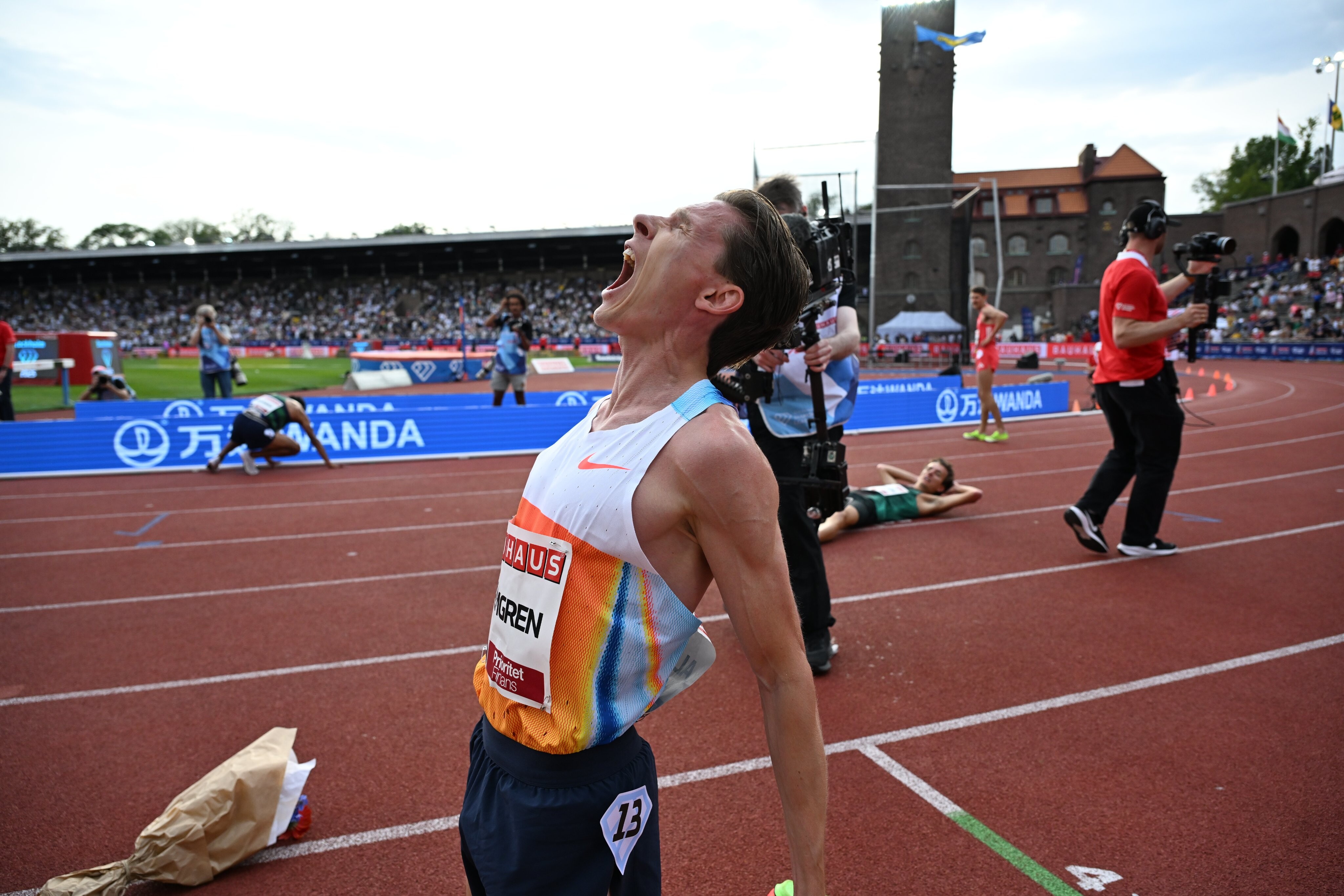
What makes Almgren especially dangerous is his fearless front-running style. He does not wait. He dictates. He stretches the field, dares others to follow, and often runs alone against the clock. Yet even for an athlete of his calibre, raw courage will not suffice on Sunday. To dip under 26:40, precision pacing will be critical. The margin for error at such velocity is razor-thin, and the assistance of disciplined pacemakers could determine whether this becomes a fast race — or a truly historic one.
Castelló is known for producing rapid times, and conditions permitting, the course may offer the perfect arena for Almgren’s bold ambitions. If the early kilometres are controlled and the rhythm sustained deep into the race, we could witness a performance that redefines European excellence and edges into global legend.
Elite contenders from Ethiopia, Kenya, France, Norway, Germany, Australia, Eritrea, Switzerland, Chile, and Ireland converge on a course engineered for velocity. With ideal winter conditions forecast and a layout designed to reward rhythm and boldness, the tempo is expected to be unrelenting from the opening stride. Tactical discipline, calibrated pacing, and uncompromising endurance will determine who survives the inevitable surge.
Elite Men’s Start List – 10K Facsa Castellón 2026
Andreas Almgren (Sweden) – 26:45 AR
Kuma Girma (Ethiopia) – 26:58
Jack Rayner (Australia) – 27:09.57
Victor Kipruto (Kenya) – 27:10
Yann Schrub (France) – 27:20
Dawit Seare Berhanyukun (Eritrea) – 27:21
Magnus Tuv Myhre (Norway) – 27:22
Dennis Mutuku (Kenya) – 27:22.89
Zerei Kbrom Mzengi (Norway) – 27:39
Morgan Le Guen (Switzerland) – 27:42
Filimon Abraham (Germany) – 27:48.82
Bereket Nega Batebo (Ethiopia) – 27:49
Carlos Díaz (Chile) – 27:58.97
Simon Boch (Germany) – 28:01
Cormac Dalton (Ireland) – 28:03
A global convergence of speed and ambition awaits in Castelló — a morning where world-class credentials meet one of Europe’s fastest 10K stages, and where the line between continental dominance and world-record territory may grow perilously thin.
World record? Perhaps. Something astonishingly close? Almost certainly.
One thing is undeniable: Andreas Almgren is not merely chasing times — he is chasing history. And on Sunday, the clock will have to be ready.
(02/21/26) Views: 375Erick Cheruiyot for My Best Runs.
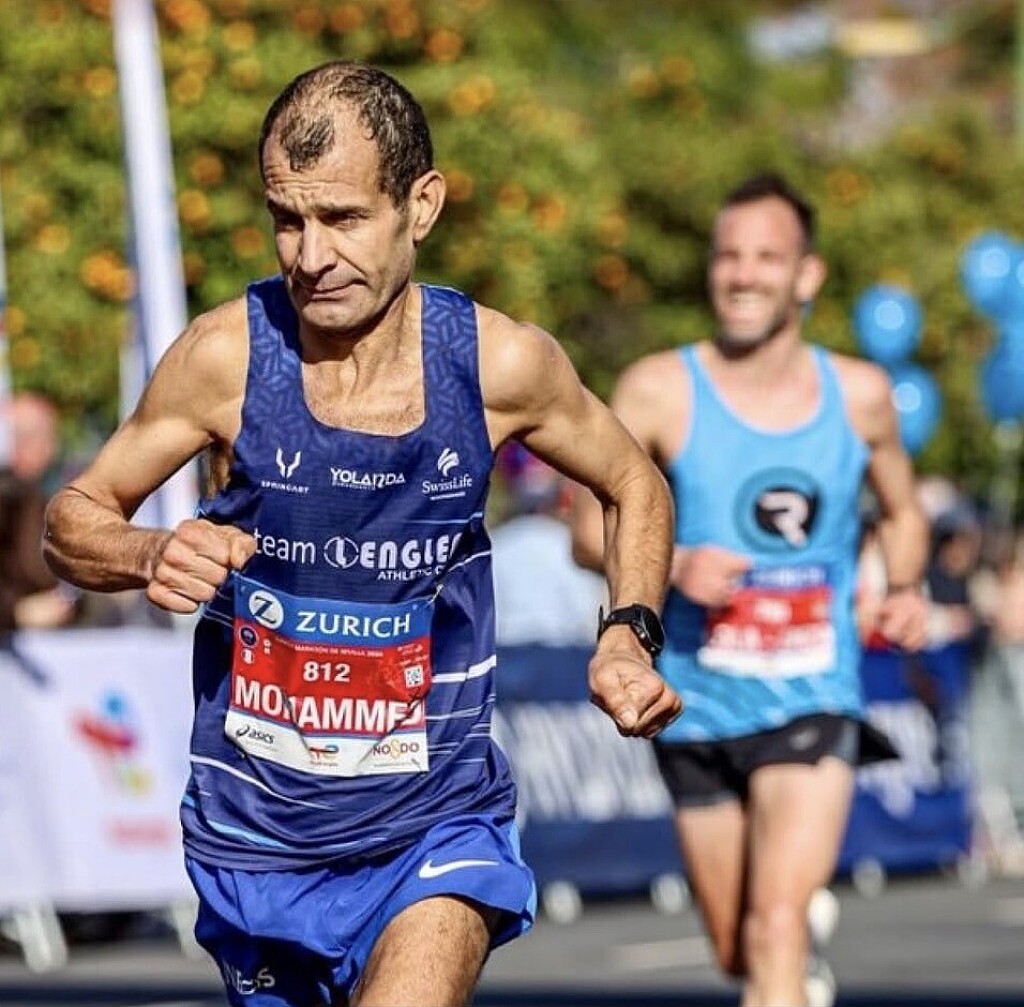
Defying Age and Injury Mohammed El Yamani Runs 2:28 to Break World Record at 61
At an age when most runners are simply hoping to stay active, France’s Mohammed El Yamani delivered one of the most remarkable performances in masters marathon history.
Competing on February 22, 2026, at the Zurich Sevilla Marathon in Seville, Spain, the 61-year-old clocked 2:28:28, shattering the men’s 60–64 age-group world record. The previous mark of 2:30:02 was set in 2020 by Irish Olympian Tommy Hughes.
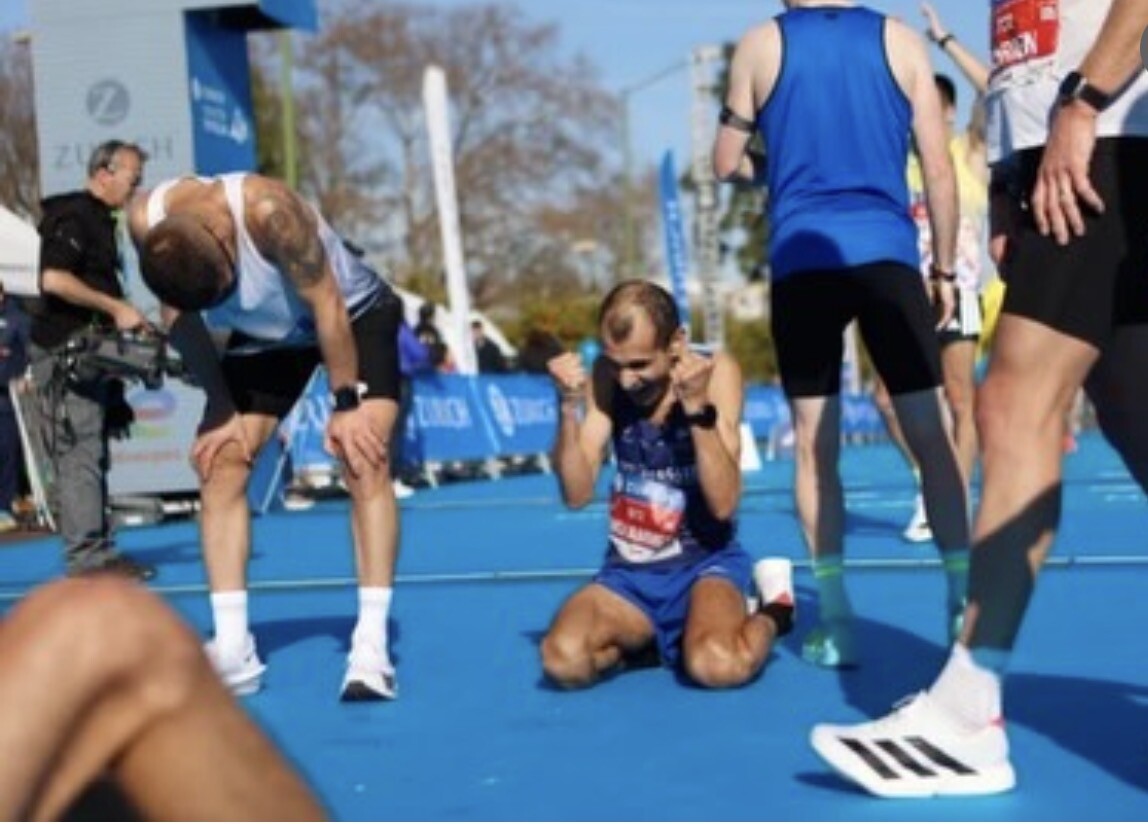
El Yamani’s run did not just slip under the old record—it took a full 1 minute and 34 secondsoff a time many believed would stand for years. In a field filled with elite international runners, he finished 145th overall, an extraordinary placement considering both his age and the circumstances leading into the race.
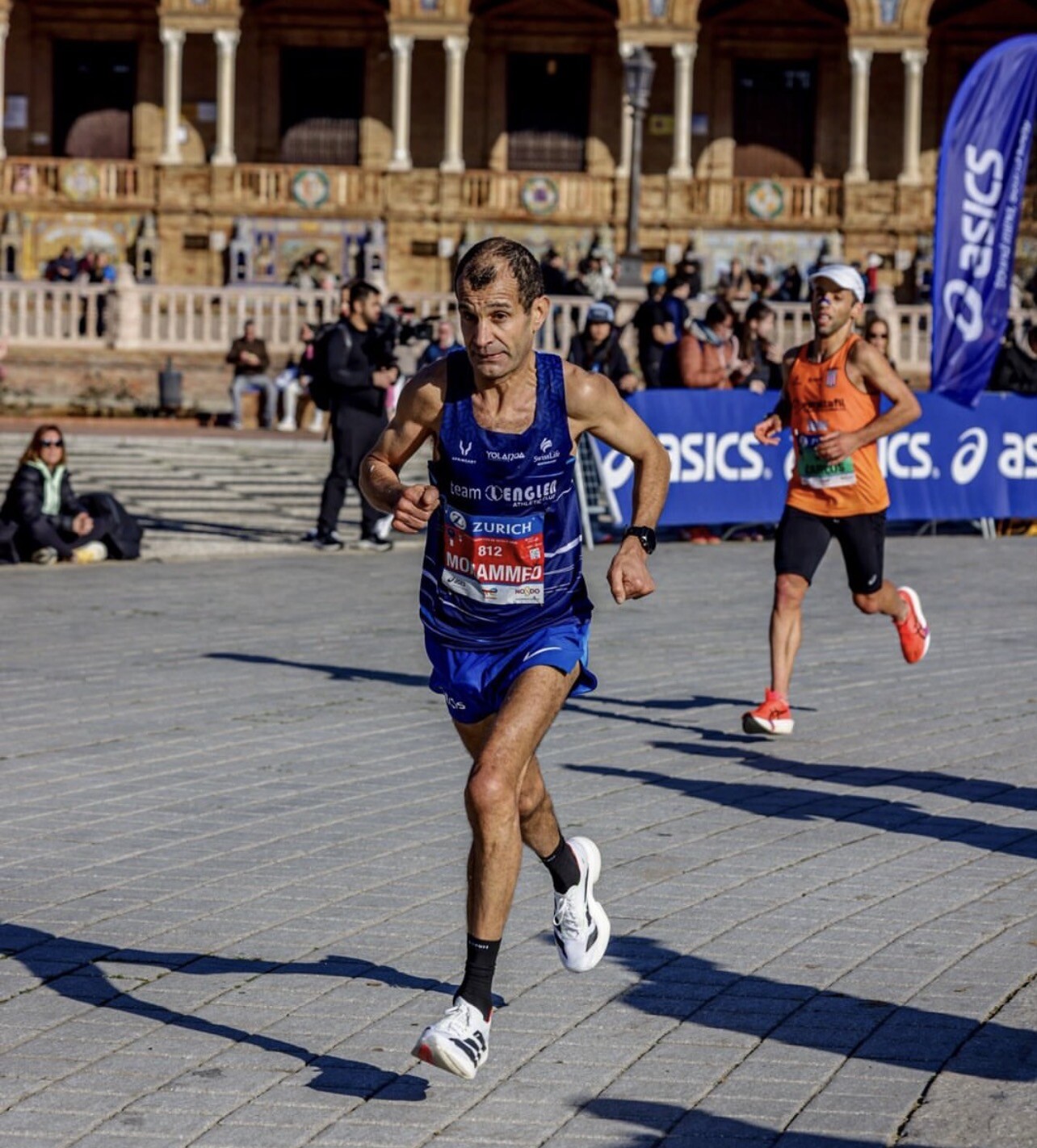
What makes the performance even more remarkable is the road he took to reach the starting line.
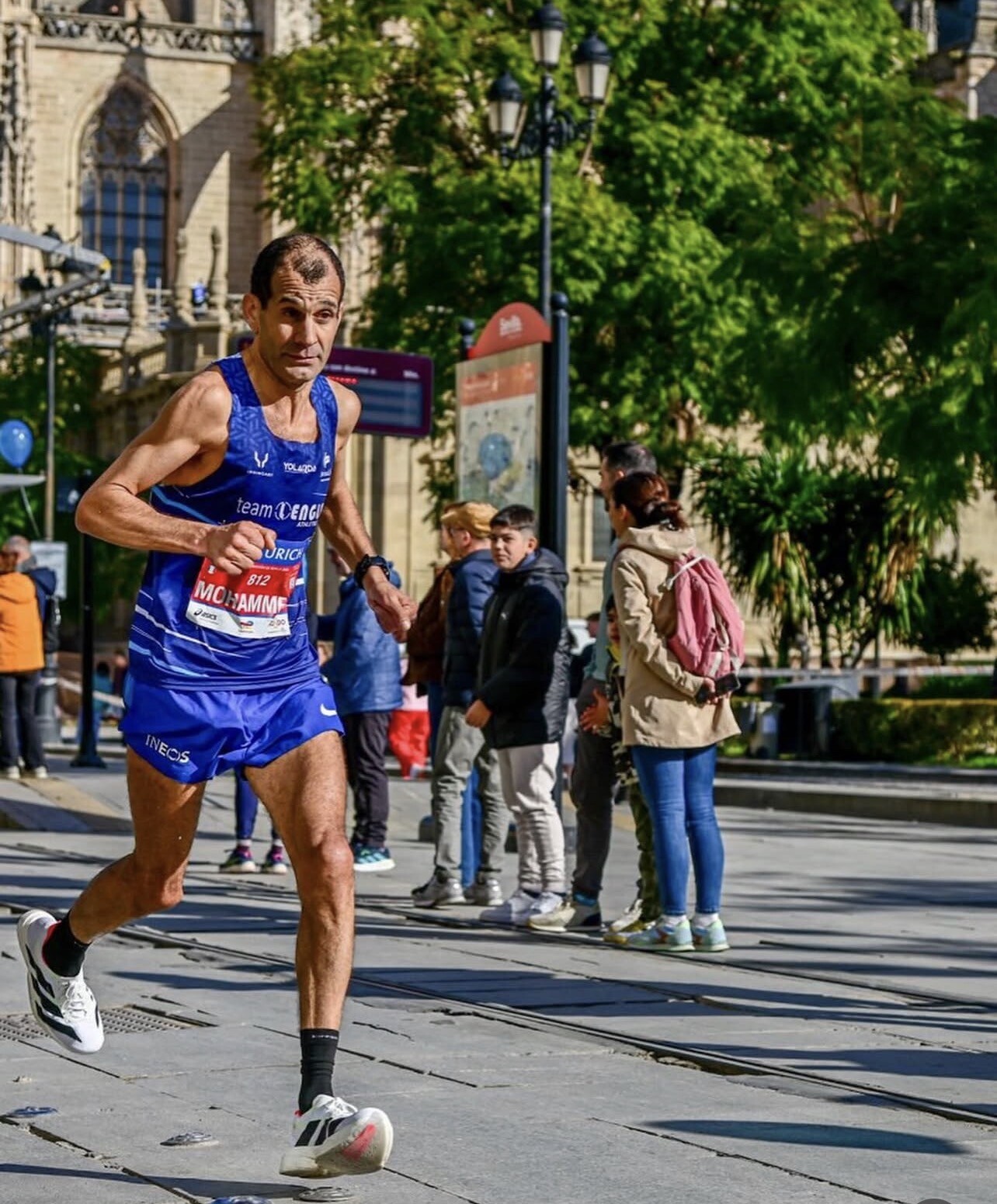
According to El Yamani, the race marked his first marathon in three years. During that time he battled a series of serious setbacks, including gluteal tendonitis, two vertebral fractures, and significant back problems that kept him away from running for nearly two full years.
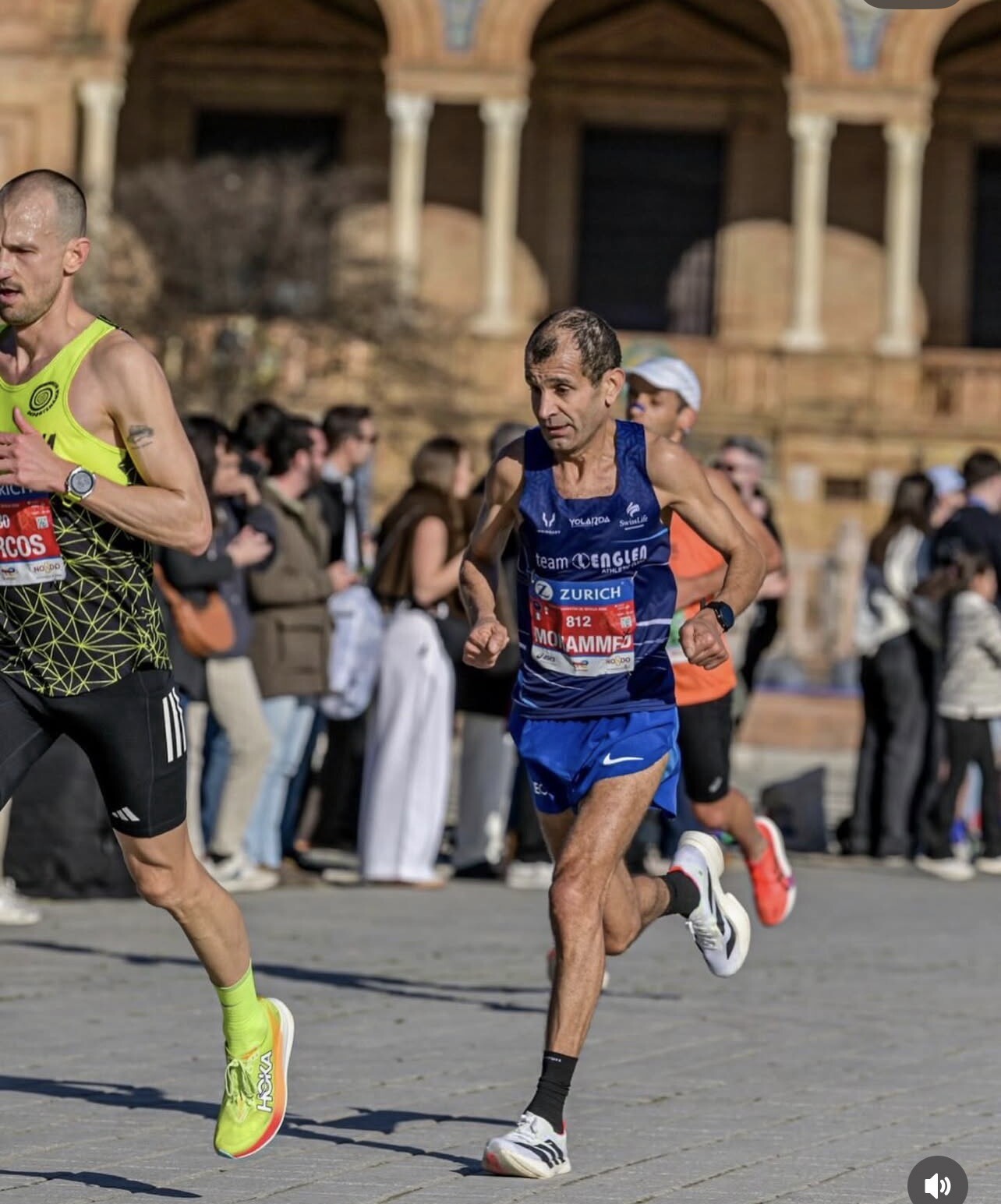
Yet the dream never disappeared.
In a message he shared afterward, El Yamani reflected on the difficult journey back:
“Three years without a marathon, three years without a race number, two years without running due to injury. I doubted myself at times, I was depressed at times, but I never gave up on my dream. Some said I was old, others that I was finished, but I say I have the experience of years lived, the strength of my conviction in my dreams, and the drive and will to improve.”
Before the long injury break, El Yamani had run 2:31:21 at the 2023 Tokyo Marathon, showing strong form even then. But few could have predicted that his return would produce a world record.
The performance also highlights something the running community continues to witness: athletes are pushing the boundaries of what is possible at every age. Masters runners today are training smarter, recovering better, and in some cases producing times that would have been competitive in open races not long ago.
A 2:28 marathon at age 61 is not just impressive for a masters runner—it impressive for any runner.
And for Mohammed El Yamani, it stands as proof that persistence, patience, and belief can sometimes bring an athlete back even stronger than before.
(02/25/26) Views: 347Barks Baron for My Best Runs
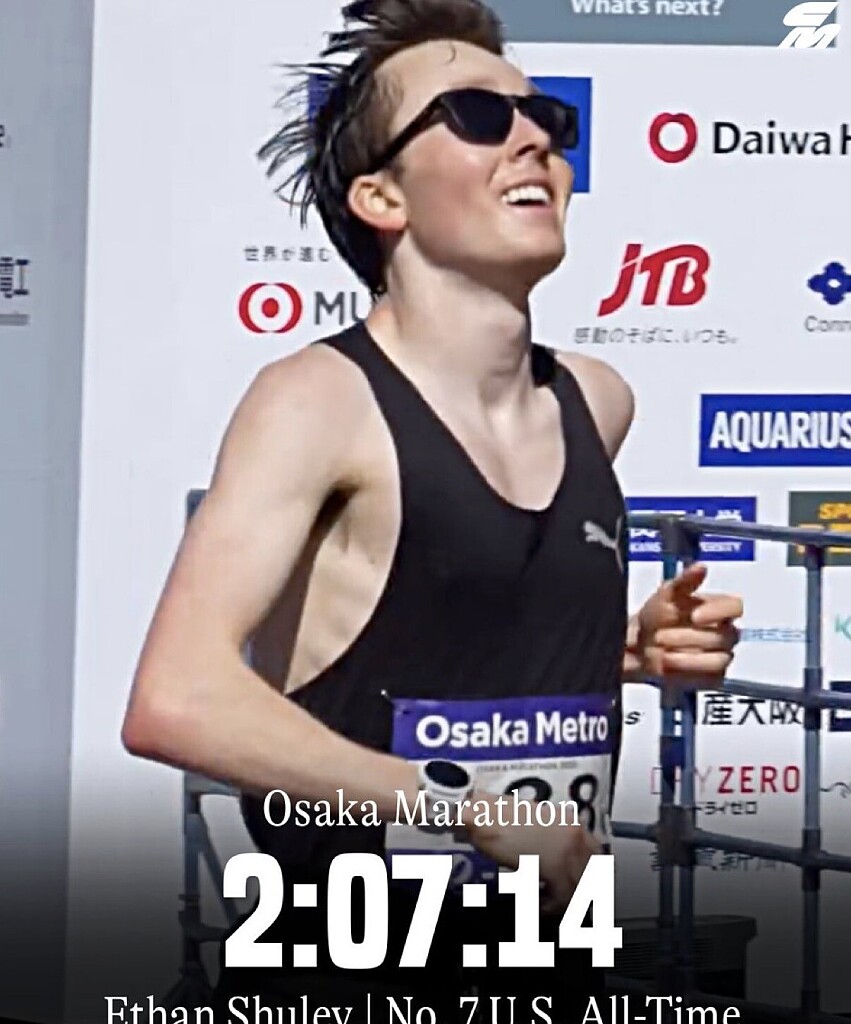
Ethan Shuley Breaks Through in Osaka With the Seventh-Fastest Marathon Ever by an American
The Osaka Marathon, held February 22, 2026, in Osaka, Japan, produced one of the most significant American marathon performances of the year. While the race featured a deep international field and fast times at the front, the biggest story for U.S. distance running came from former BYU athlete Ethan Shuley.
Shuley ran 2:07:14, a performance that now ranks as the seventh-fastest marathon ever by an American on a record-eligible course
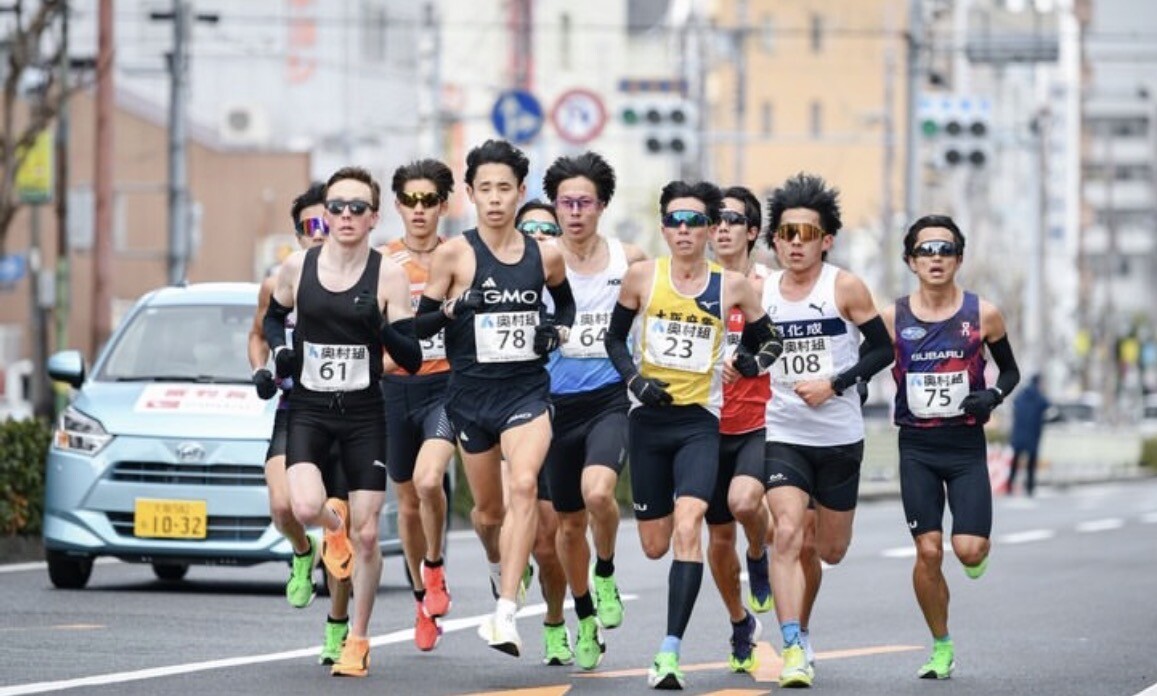
Just two years ago, Shuley’s personal best stood at 2:20:53, making his rise particularly striking. During the 2025 season he began to show major progress, running 2:18:13 for fifth place at the Nagano Marathon in April before finishing second at the Kobe Marathon in November with 2:11:30. In Osaka he took another massive step forward, slicing more than four minutes off that mark.
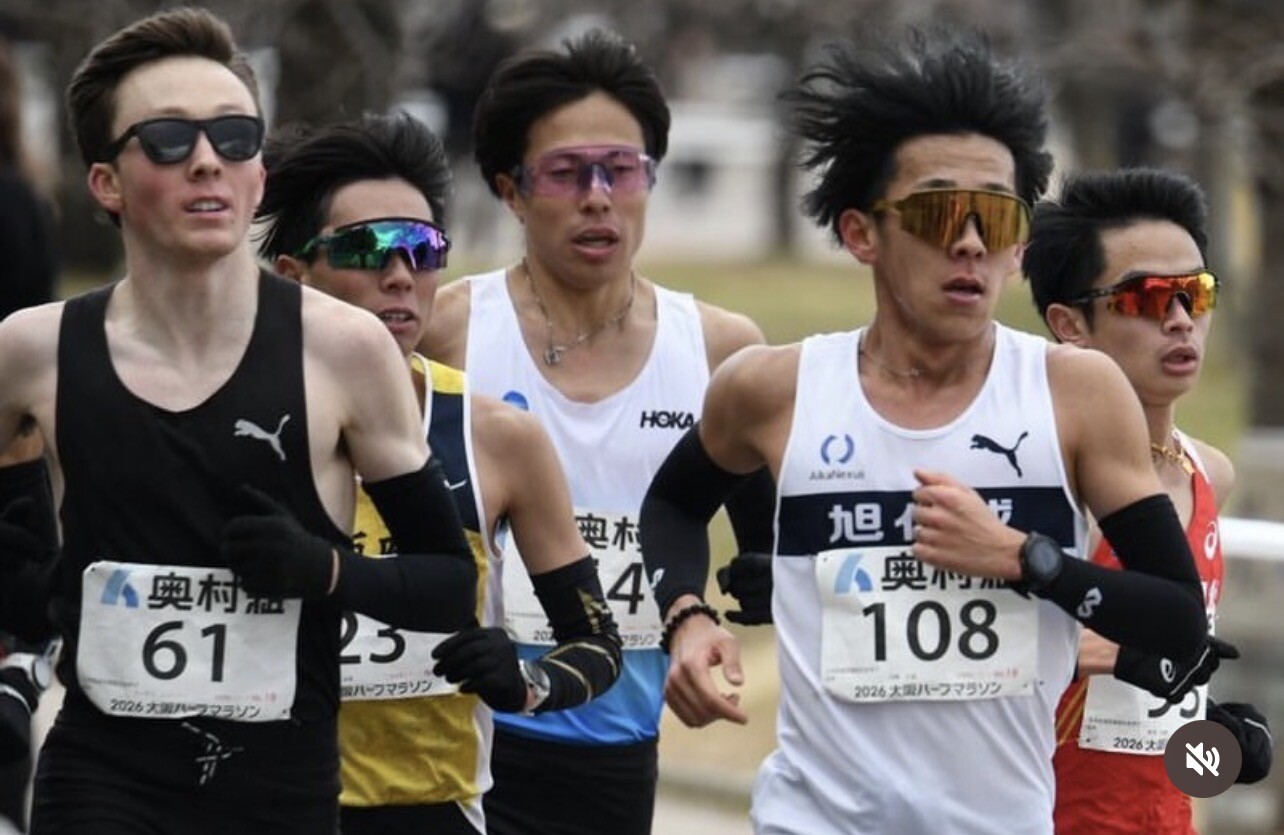
Shuley’s path to elite running is far from traditional. The American is currently based in Shinjuku, Tokyo, where he studies film while continuing to train and compete. He shares much of his training and life in Japan on his YouTube channel, offering a rare look into the life of a developing international marathoner.
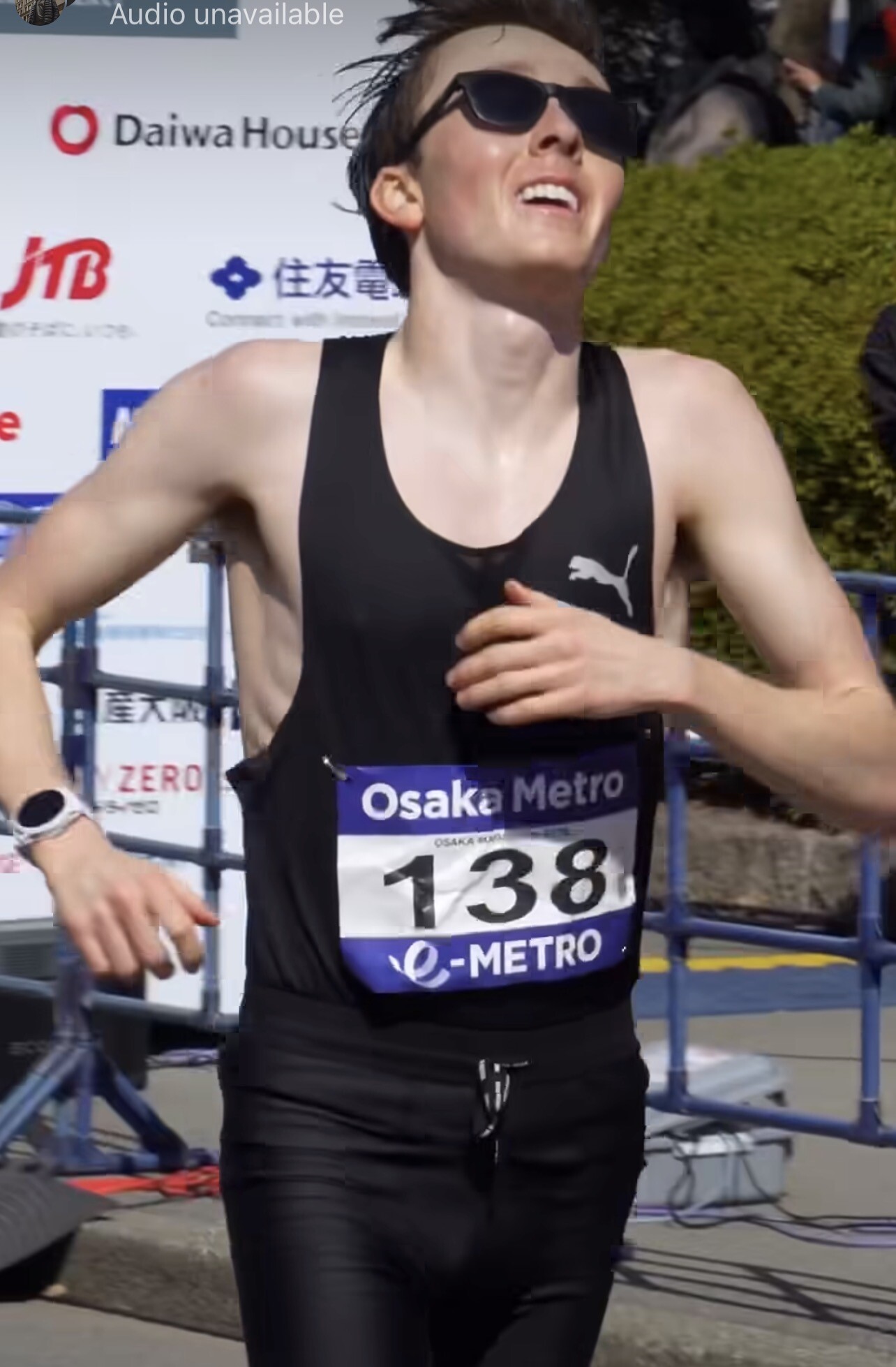
His coaching situation is equally unconventional. Shuley works remotely—sometimes even communicating through Instagram—with coach Isaac Wood.
The Osaka Marathon has built a reputation as one of Asia’s premier road races, known for producing fast times and attracting strong international competition. The 2026 edition continued that tradition, with elite runners battling through cool conditions on a course that winds through the heart of the city.
While international athletes claimed the overall titles, Shuley’s performance stood out as one of the most important American results of the year and immediately placed him among the country’s top marathoners.
Fastest American Marathons
(Record-Eligible Courses) Because the Boston Marathon is a point-to-point course with significant net downhill, performances there are not eligible for records. The following marks were run on courses that meet international record standards.
1. Conner Mantz – 2:04:43 (Chicago 2025)
2. Khalid Khannouchi – 2:05:38 (London 2002)
3. Zouhair Talbi – 2:05:45 (Houston 2026)
4. Galen Rupp – 2:06:07 (Prague 2018)
5. Ryan Hall – 2:06:17 (London 2008)
6. Biya Simbassa – 2:06:53 (Valencia 2024)
7. Ethan Shuley – 2:07:14 (Osaka 2026)
Breaking into this list is no small achievement. It places Shuley alongside some of the most accomplished runners in U.S. marathon history.
For now, Osaka may be remembered as the race where a new American contender officially arrived. If Shuley’s trajectory continues, this performance could be only the beginning.
(02/22/26) Views: 337Boris Baron for My Best Runs
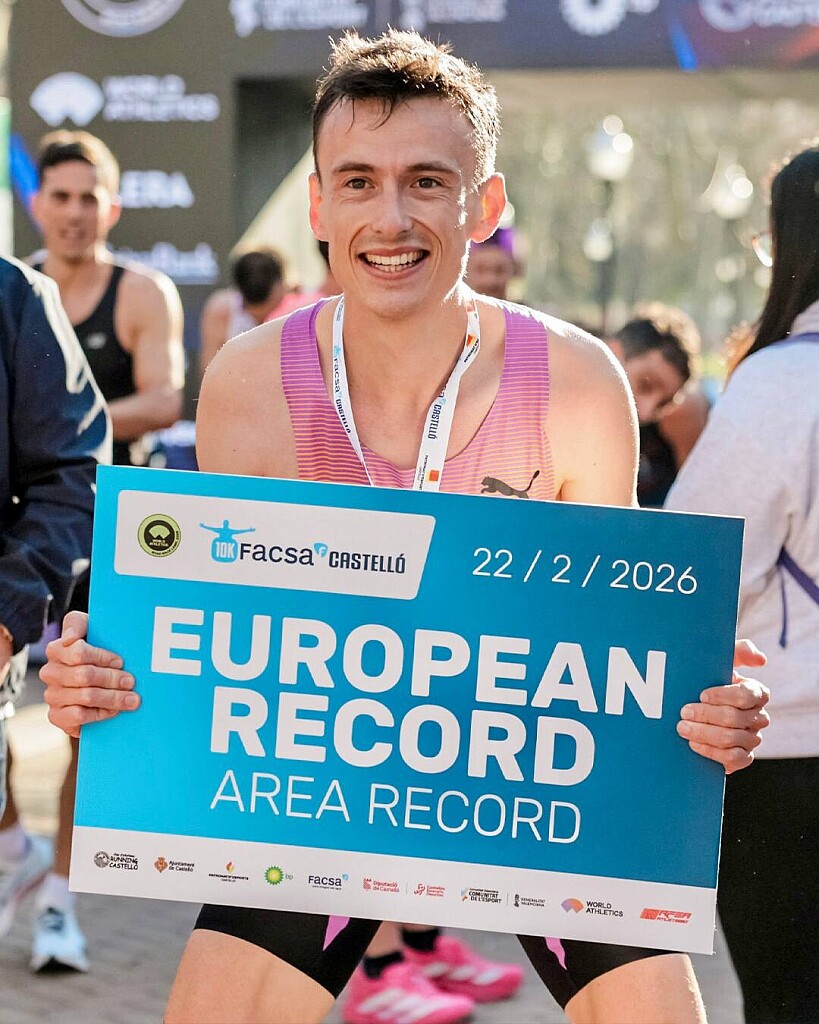
A Continental Earthquake in Castelló: Europe’s Fastest Day Ever
On Sunday, February 22, 2026, under radiant Mediterranean skies in Castelló, Spain, the energy was electric as Europe’s finest lined up for the prestigious 10K Facsa Castelló. Known for its lightning-fast layout and flawless organization, the event once again proved why it is regarded as one of the quickest 10K circuits in the world. What unfolded was more than a race — it was a defining chapter in European distance running.
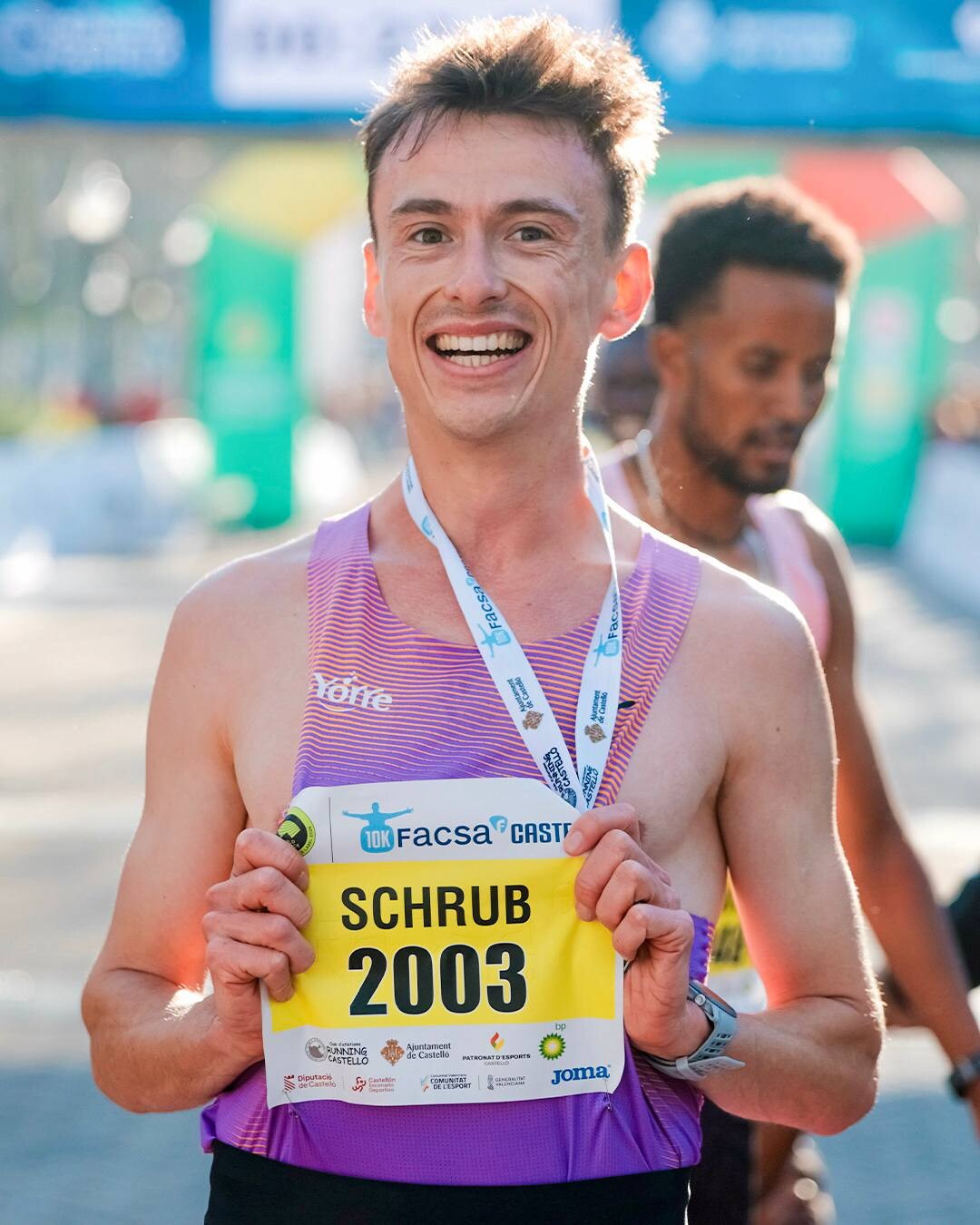
France’s Yann Schrub delivered a performance of rare brilliance, storming to 26:43 to become the fastest European man ever over 10 kilometers on the roads. In doing so, he erased the previous continental record of 26:45 set earlier this year by Sweden’s Andreas Almgren in Valencia. The significance of Schrub’s run extends beyond the two-second improvement — he demolished the long-standing psychological barrier of 27 minutes, redefining what European athletes can now believe is possible.
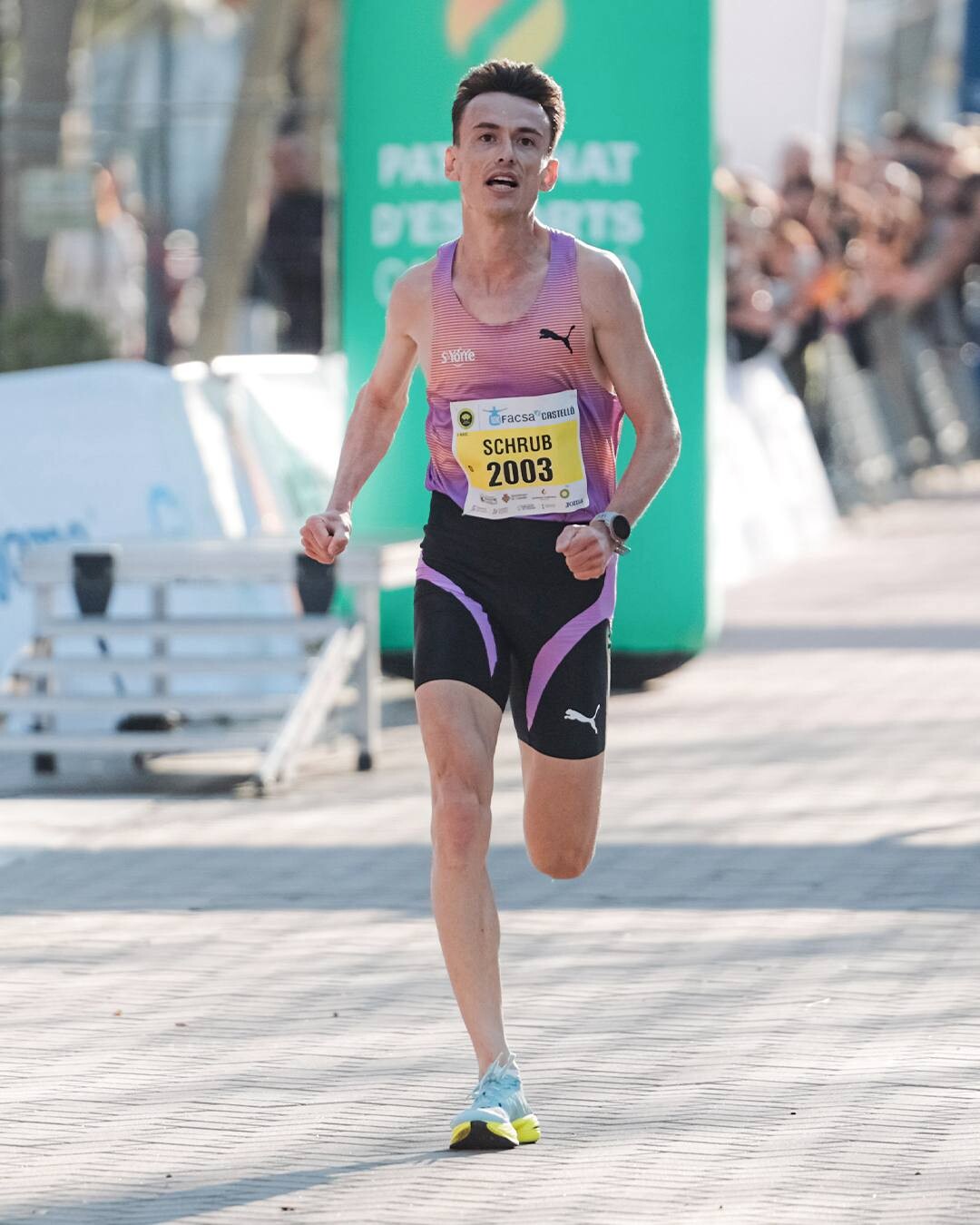
Composed in the early stages and relentlessly precise over the closing kilometers, Schrub executed his race with tactical maturity and fearless ambition. His record crowns a remarkable spell of form, coming just weeks after his national indoor 3000m record of 7:29.38 in Metz. Two national records in rapid succession, followed by a European record on the roads, confirm that the Frenchman is operating at an exceptional level.
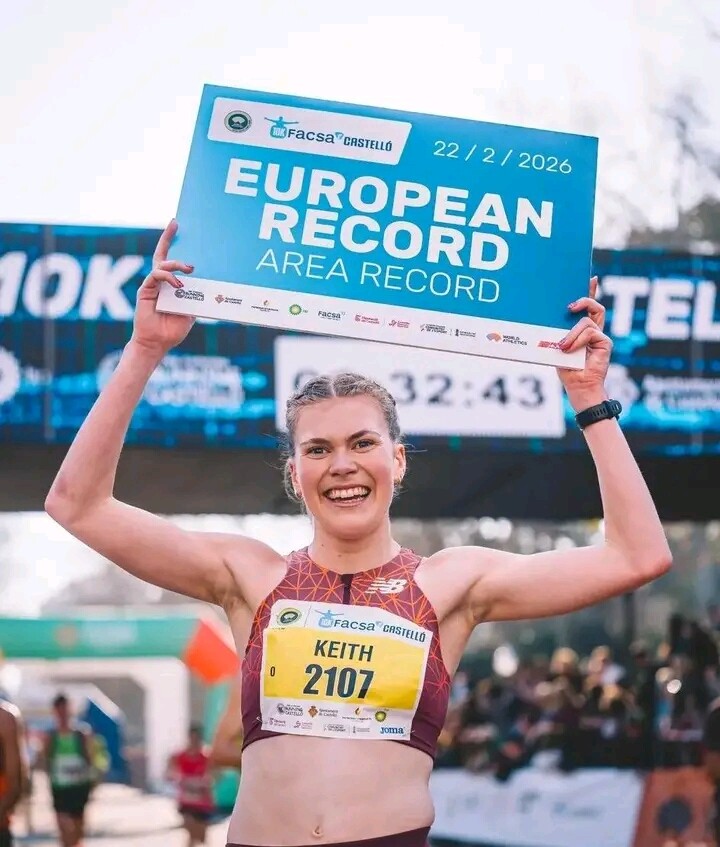
The women’s race brought equal drama and historic significance.
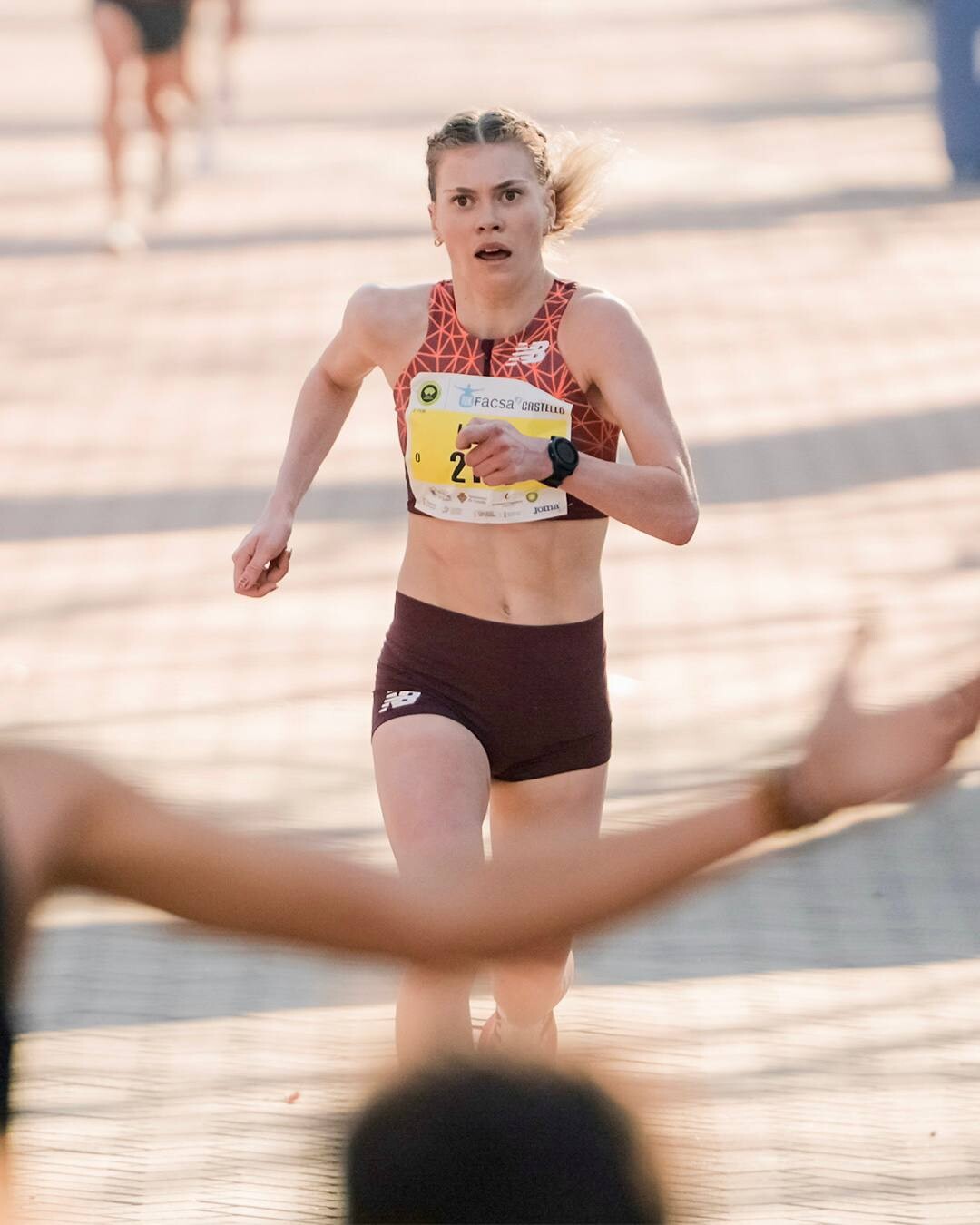
Great Britain’s Megan Keith surged to 30:07, slicing one second off the previous European record of 30:08 set last month by compatriot Eilish McColgan in Valencia. Keith finished fourth overall in a fiercely competitive field, her record forged through bold pacing and uncompromising intensity, while McColgan placed sixth in 30:35 — highlighting the extraordinary depth within British women’s distance running.
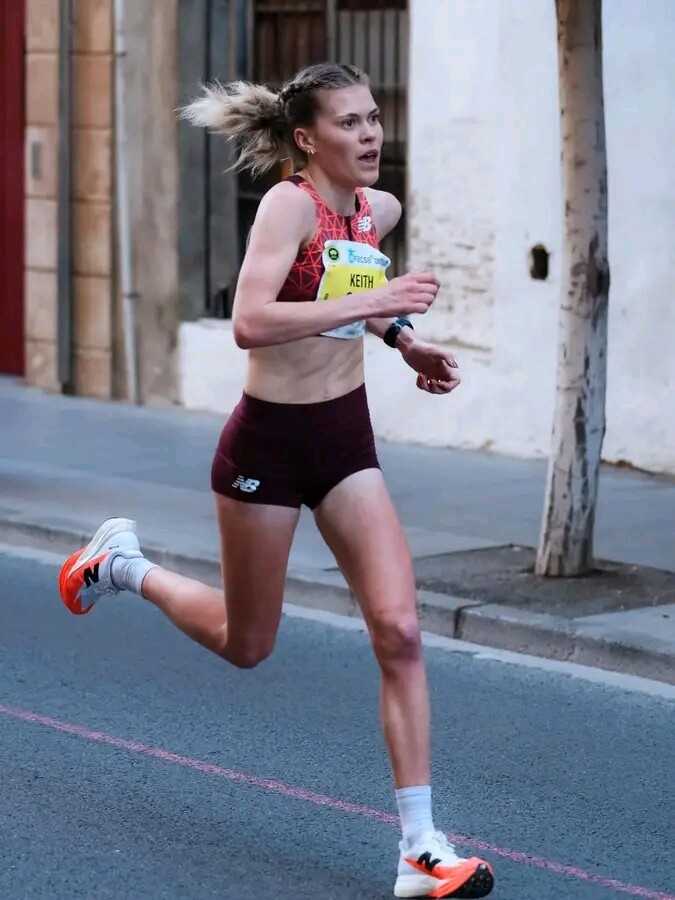
Keith’s run was not just about the stopwatch — it was a statement of courage, precision, and ambition, finished in fourth place overall against a field brimming with world-class talent. With every stride, she demonstrated that the ceiling in women’s distance running is no longer fixed, that European women are stepping onto a stage where every second is a declaration, and every finish line is a new possibility. Her performance, daring and decisive, ensured that Castelló would be remembered not only as the stage of record-breaking speed for men but as a triumphant milestone for women who continue to redefine the sport.
As the final finishers crossed the line and the Mediterranean breeze drifted through Castelló’s streets, it became clear that February 22, 2026 would stand as a landmark date. Records were not merely broken — they were elevated to new dimensions. Sub-27 is no longer a European aspiration; it is a standard. Thirty minutes is no longer a ceiling; it is a battleground. At the 10K Facsa Castelló, Europe did not just chase history — it outran it.
(02/22/26) Views: 227Erick Cheruiyot for My Best Runs.
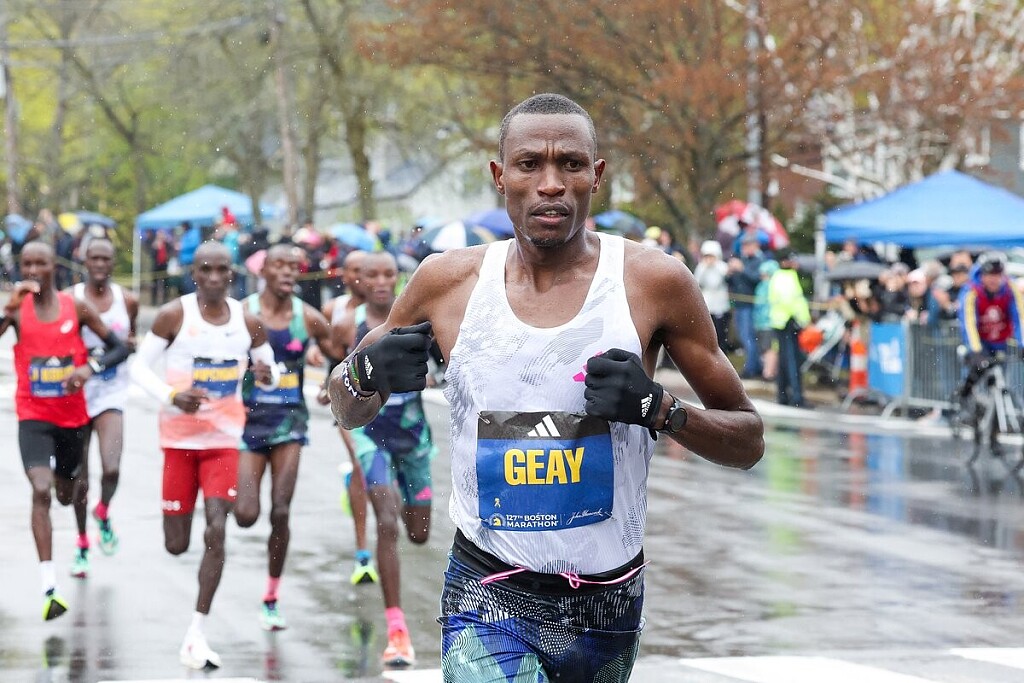
Titans on the Tarmac: Gabriel Geay Targets Back-to-Back Glory at the 2026 Daegu Marathon
The streets of Daegu are set for another spectacle of endurance and speed this Sunday, February 22, as the 2026 Daegu Marathon assembles a field rich in pedigree and ambition. At the center of it all stands Tanzania’s premier long-distance force, Gabriel Geay, who returns with one clear objective — to defend the crown he claimed in emphatic fashion last year.
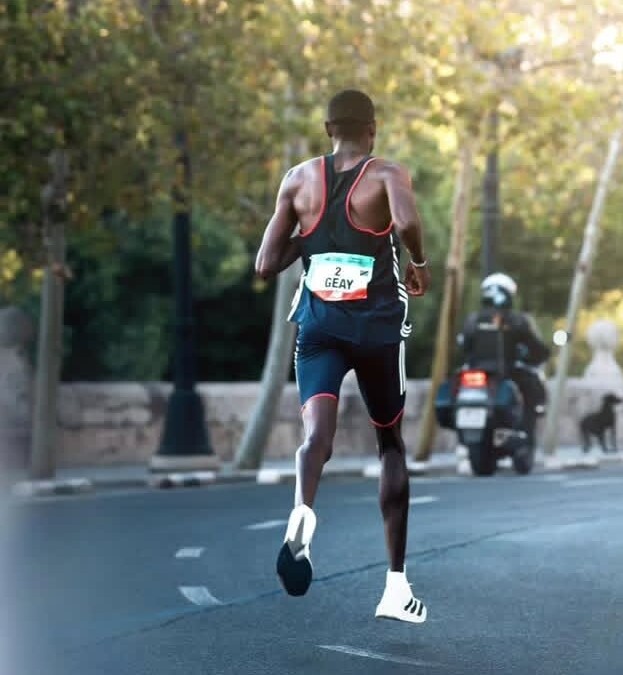
Armed with a staggering personal best of 2:03:00, Geay enters the race not merely as the reigning champion, but as the benchmark. His résumé places him among the fastest marathoners of his generation, and his efficiency over 42.195 kilometers has consistently demonstrated a rare blend of tactical intelligence and sustained aggression. Daegu’s flat and historically quick course appears tailor-made for his rhythm, yet defending a title is often a sterner challenge than winning it the first time.
Standing in his path are two formidable East African rivals eager to disrupt his reign.
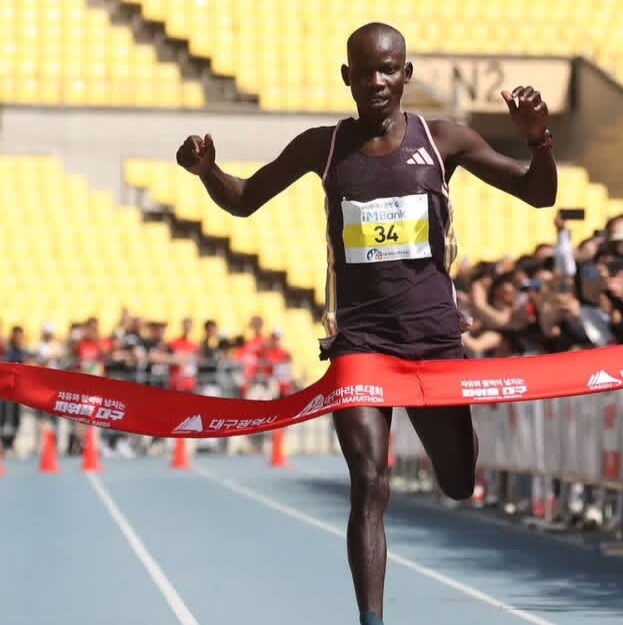
Kenya’s Stephen Kiprop arrives with a personal best of 2:07:04. Though numerically slower on paper, Kiprop represents the relentless depth of Kenyan distance running — disciplined, strategic, and capable of surging when the race begins to fracture in its decisive stages. Championships are rarely won on statistics alone, and Kiprop’s competitive maturity could transform him into a serious threat if the contest becomes tactical.
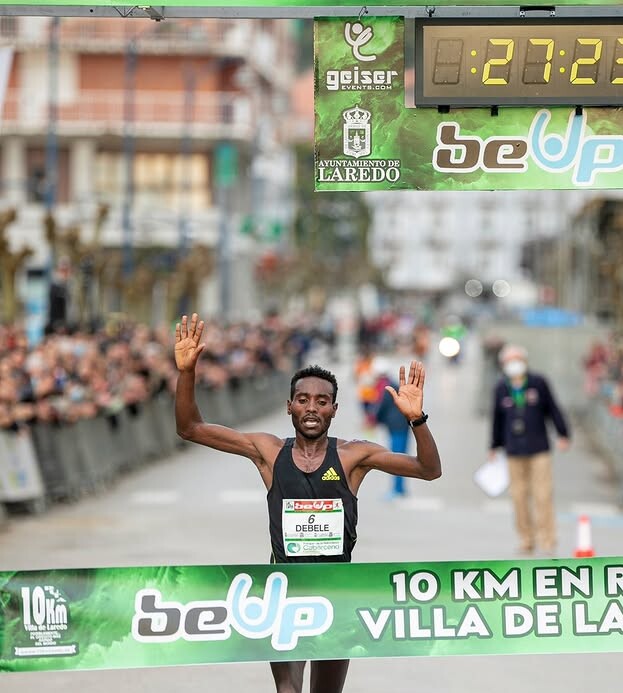
Equally dangerous is Ethiopia’s Chimdesa Debele Gudeta, whose 2:04:44 lifetime best signals genuine world-class credentials. Gudeta possesses the kind of speed endurance that can destabilize even the strongest frontrunner. Should the pace escalate early, he has the credentials to match it — and perhaps exceed it — in the unforgiving final kilometers.
The narrative unfolding in Daegu is therefore more than a title defense. It is a clash of contrasting strengths: Geay’s proven dominance, Kiprop’s calculated resilience, and Gudeta’s formidable pace capacity. With three athletes boasting elite credentials, the 2026 edition promises a contest that could be dictated by courage as much as conditioning.
As dawn breaks over South Korea on race day, one certainty prevails — the margins will be razor thin, the pace uncompromising, and the battle for supremacy fiercely contested. Whether Gabriel Geay consolidates his authority or a new champion rises, the 2026 Daegu Marathon is poised to deliver a performance worthy of the global stage.
(02/21/26) Views: 214Erick Cheruiyot for My Best Runs.
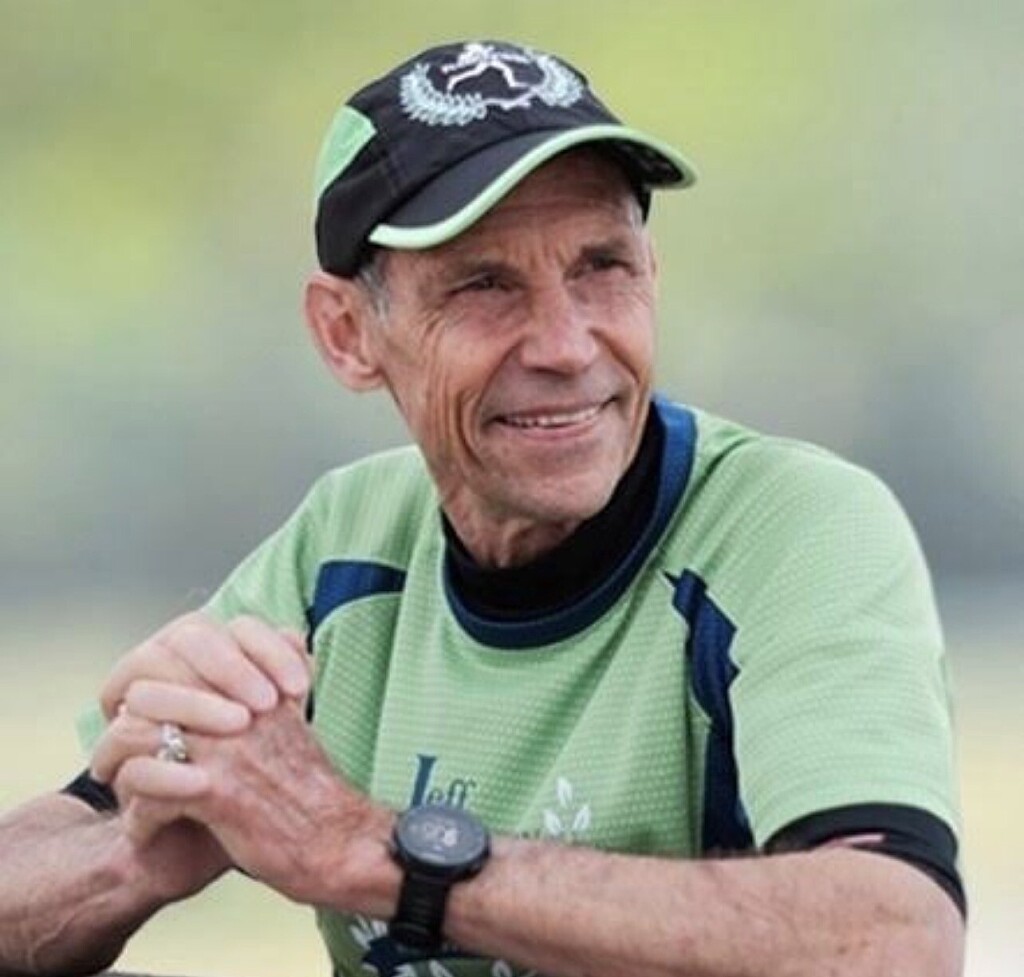
Jeff Galloway Dies at 80 Leaving a Legacy That Changed Running
The running world has lost one of its most influential voices. Olympian, author, and lifelong running advocate Jeff Galloway has died at the age of 80 following complications from a stroke.
For more than five decades, Galloway inspired runners of all ages and abilities to lace up their shoes and head out the door. His message was simple but powerful: running is for everyone.
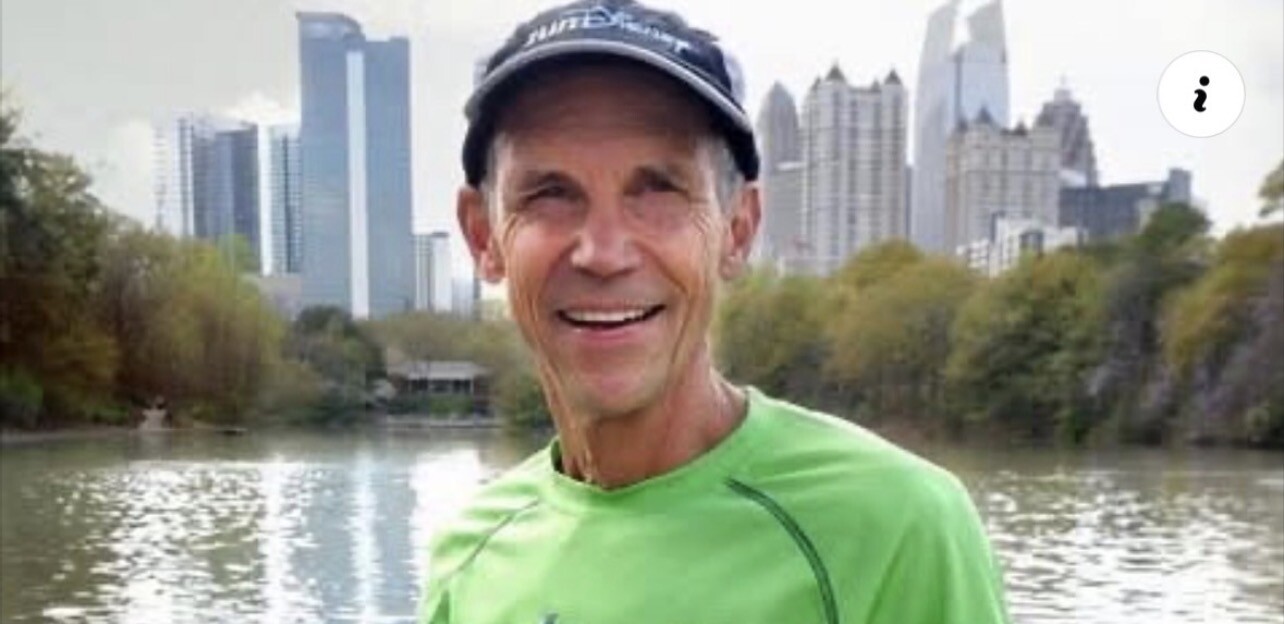
From Olympic Athlete to Running Pioneer
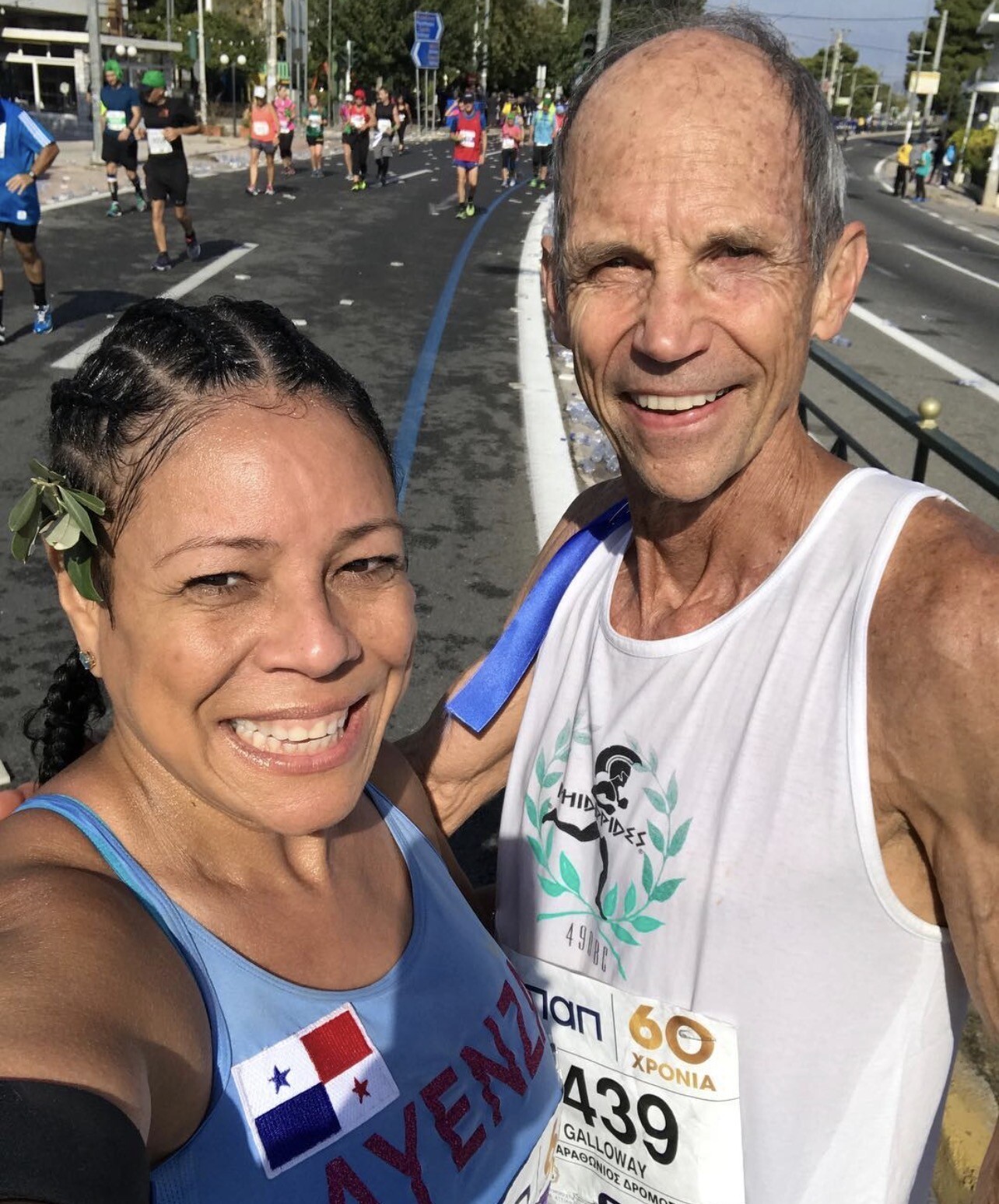
Born July 12, 1945, in Raleigh, North Carolina, Galloway rose to prominence during the great running boom of the late 1960s and early 1970s. A talented distance runner, he earned a spot on the U.S. Olympic team in the 10,000 meters at the 1972 Olympic Games in Munich.
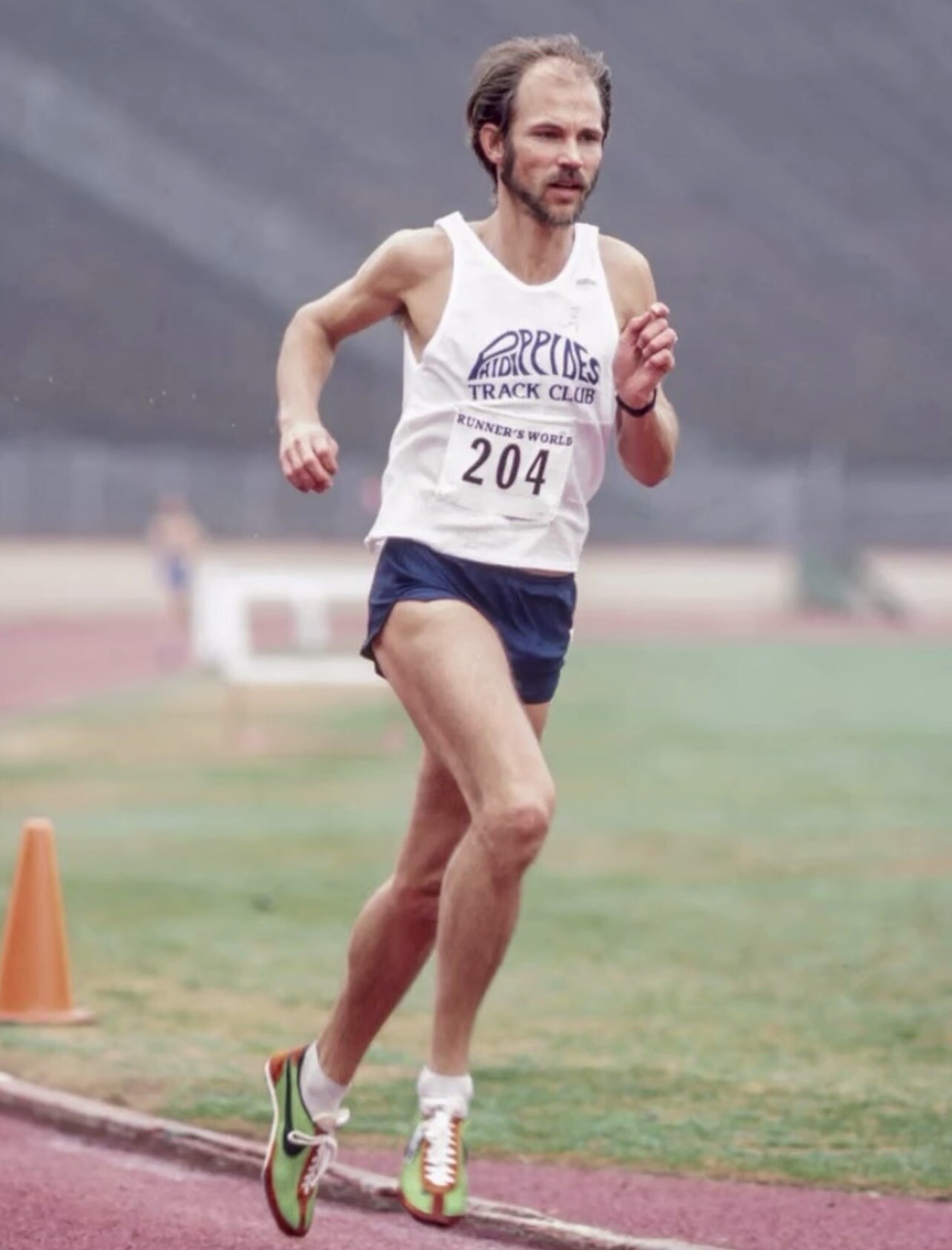
While his own racing career was notable, Galloway’s greatest contribution to the sport came afterward.
He understood something that would shape the future of running—that millions of people wanted to run but needed encouragement, guidance, and a realistic path to get started.
The Method That Opened the Sport to Millions
Galloway became widely known for developing the Run Walk Run method, a training strategy that encouraged runners to take short, planned walking breaks during their runs.
At the time, the concept challenged traditional thinking. Many believed walking during a run meant failure. Galloway saw it differently.
By alternating running and walking, runners could go longer, recover faster, and reduce injury risk. The method helped countless beginners complete races they once thought impossible and helped experienced runners stay consistent.
Over time, the strategy spread around the world. In many running communities it earned its own nickname: “Jeffing.”
A Teacher and Ambassador for the Sport
Beyond races and training plans, Galloway became one of the most recognizable teachers in running. Through books, clinics, and coaching programs he helped guide generations of runners toward their first 5K, half marathon, or marathon.
He had a rare ability to make the sport feel welcoming rather than intimidating.
Many runners credit him with helping them start—or continue—their running journey.
Part of Running’s Greatest Era of Growth
Galloway was part of the generation that helped shape modern distance running. During the early years of the running boom, voices like his helped bring the sport out of the shadows and into everyday life.
The idea that anyone could become a runner helped transform road racing from a niche activity into a global movement.
Few people contributed more to that shift than Jeff Galloway.
A Lasting Legacy
Even in his later years, Galloway remained deeply connected to the sport, continuing to coach, speak, and encourage runners to stay active.
Today, countless runners crossing finish lines—from small community races to major marathons—are part of the legacy he helped build.
Jeff Galloway was 80 years old. His influence on running will continue for generations.
(02/25/26) Views: 187Bob Anderson for My Best Runs
