

Running News Daily
Top Ten Stories of the Week
11/22/2025
These are the top ten stories based on views over the last week.
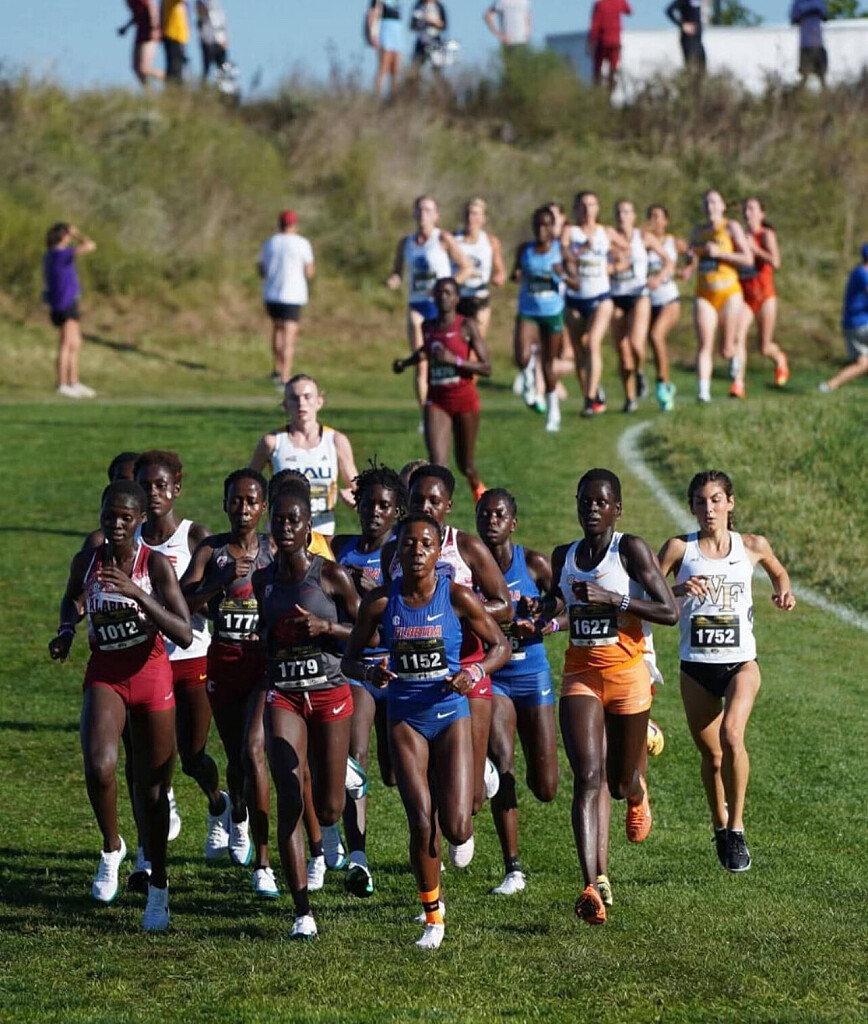


A Record-Breaking Journey: 60 Townhall Athletes Set for NCAA Nationals
For young runners in Kenya, the dream has always extended far beyond the finish line. It is about opportunity, education, and building a future through running. On November 22, sixty alumni of Townhall Athletics will stand on the starting line at the Gans Creek Cross Country Course in Columbia, Missouri—not only as competitors, but as student-athletes whose journeys blend world-class talent with academic ambition.
Their road to the NCAA National Cross Country Championships was forged through nine regional qualifiers, where Townhall athletes earned advancement both individually and through team berths. Each qualifier represents a story that began on rugged high-altitude trails in Kenya and continued in American classrooms—balancing mileage with lectures, workouts with research projects.
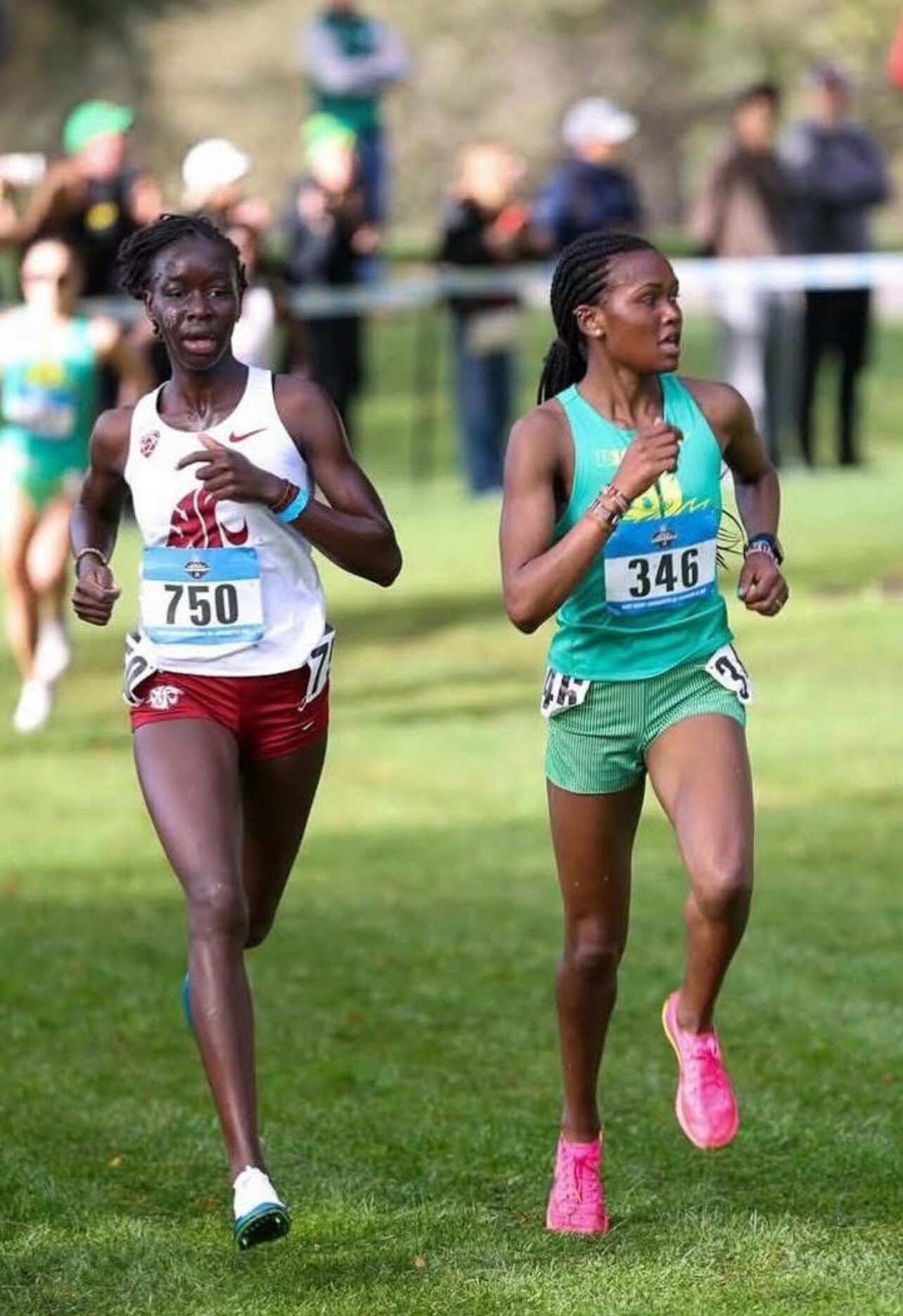
A Pipeline for Talent and Learning
Many of these athletes grew up with limited access to formal training facilities—sometimes even without proper running shoes. Through Townhall Athletics, runners such as Brian Musau, Dennis Kipngetich, and Laban Kipkemboi at Oklahoma State University received structured coaching and the mentorship needed to secure life-changing scholarships.
In Florida, Kelvin Cheruiyot, Desma Chepkoech, and Judy Chepkoech have combined tactical racing with strong academic records, while Debora Cherono at Texas A&M has emerged as a respected leader both on campus and on the track.
In the Mountain West Conference, New Mexico’s Evans Kiplagat and Vincent Chirchir continue to show how academic and athletic development go hand in hand. At Iowa State, Joash Rutto and Mercylin Kirwa have built reputations for consistency and endurance, exemplifying the discipline long associated with Kenyan distance running.
Other Townhall standouts, including Meshack Kuiyo at Boise State and Gilbert Rono at Tulane, carry the hopes of their programs while pursuing degrees and competing at the top level of collegiate sport.
Gans Creek: Where Experience Meets Ambition
Gans Creek is known for its rolling hills, long grass straights, and technical curves—terrain that demands smart pacing and a strong finish. For Kenyan athletes who grew up training at altitude, the course offers a blend of familiarity and challenge, providing a perfect stage to showcase endurance, resilience, and race intelligence.
Lining up against top collegiate athletes from across the United States and around the world, Townhall runners bring not only speed but also the mental fortitude and tactical awareness refined through years of structured training back home.
Voices of Support
Kenyan sports leaders continue to stress that athletic success must be paired with education to secure a long-term future.
Barnaba Korir, AK Youth Development Director and NOC-K First Vice President, emphasizes:
“These scholarships are more than athletic opportunities—they are life-changing. Education ensures our youth can thrive long after the final lap.”
Ibrahim Hussein Kipkemboi, Director of the Africa Athletics Development Centre, adds:
“Blending study with sport protects athletes from early burnout and equips them for the future.”
Athletics Kenya President Lt. Gen. (Rtd) Jackson Tuwei reinforces the message:
“The goal is not just fast runners, but well-rounded individuals. Education and athletics go hand in hand for global success.”
Impact Beyond the Course
These sixty qualifiers demonstrate how structured development and academic pathways can open doors for rural youth across Kenya. Their progress validates youth programs, inspires younger athletes, and shows how scholarships allow talent to flourish both on the track and in the classroom.
The Journey and the Finish Line
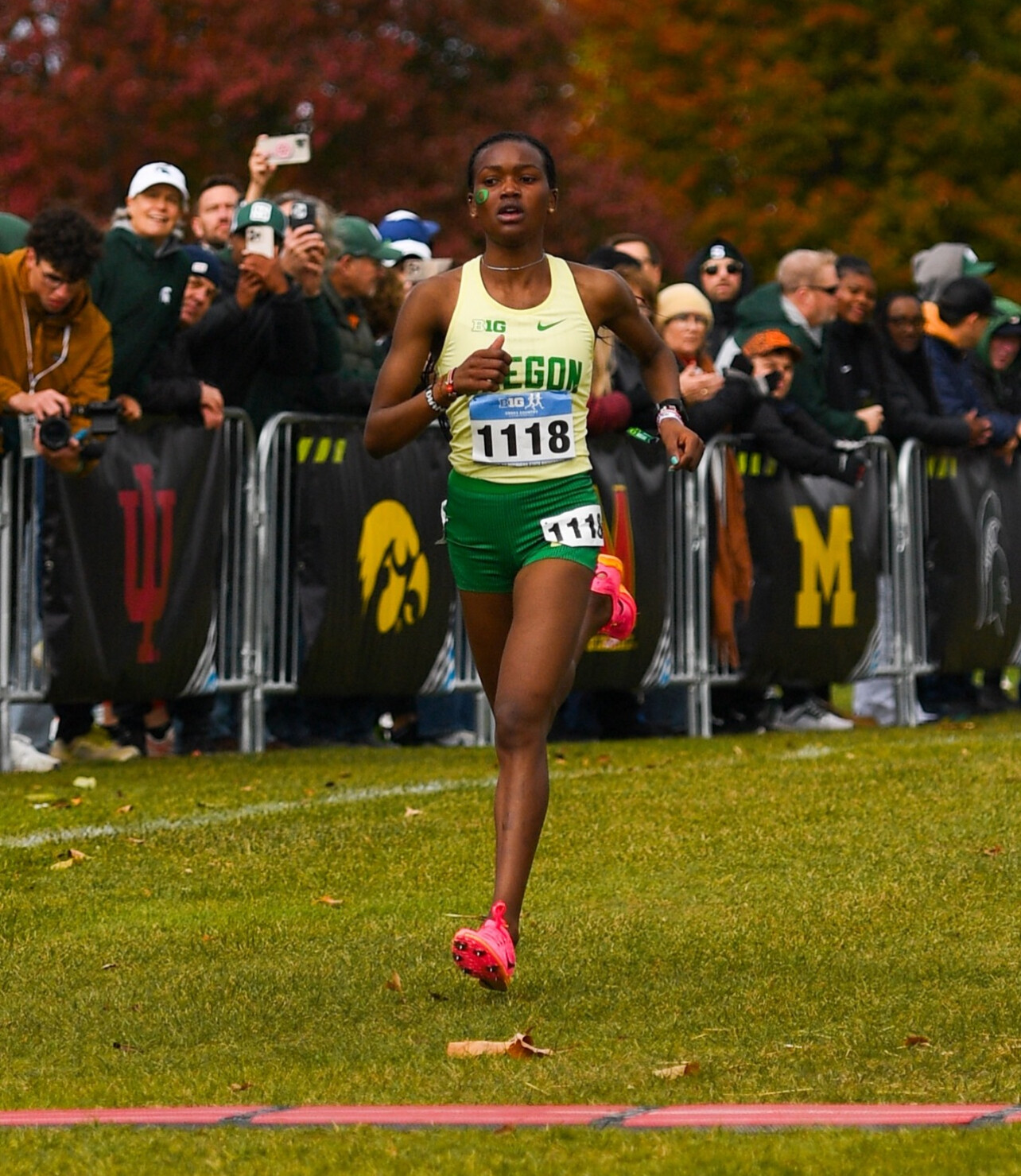
On race day, athletes such as Rosemary Longisa and Caroline Jepkorir of Washington State University, Evans Tanui of Arizona, and Diana Cherotich of Oregon will carry far more than personal ambition. They will carry the dreams of families, coaches, and communities who believed in them from the start.
Every stride over Missouri’s rolling terrain reflects years of discipline, sacrifice, and the pursuit of excellence—both academic and athletic.
When the final lap is run, results will matter. But so will the journey that brought them here. From dusty Kenyan tracks to the championship stage at Gans Creek, Townhall athletes have shown that with vision, support, and resilience, success in running and life can grow together.
As they race for NCAA glory, they continue to inspire a generation to see that the finish line is not an end—it is, in fact, the beginning.
(11/16/25) Views: 242Robert Kibet
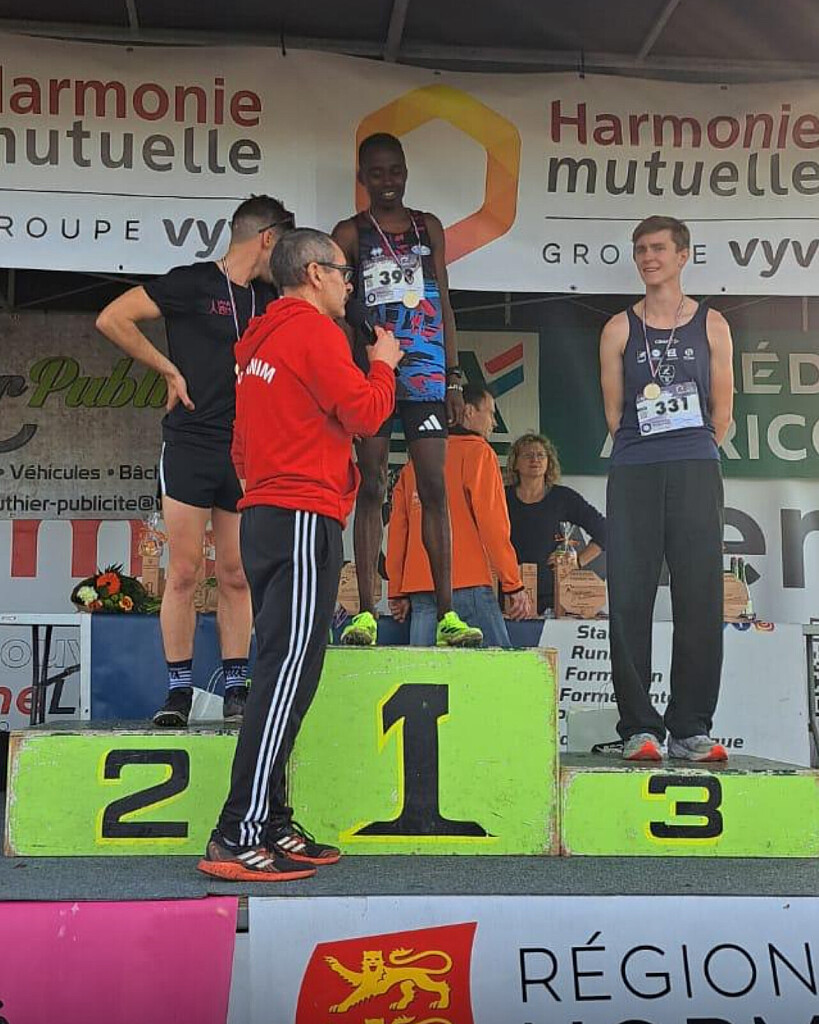
Introducing the 200,000 KES KATA Athletics Performance Contest
To further motivate and reward our dedicated athletes, we’re launching the KATA Athletics Performance Contest—a biannual competition designed to celebrate the top earners among our athletes and camps.
How It Works:
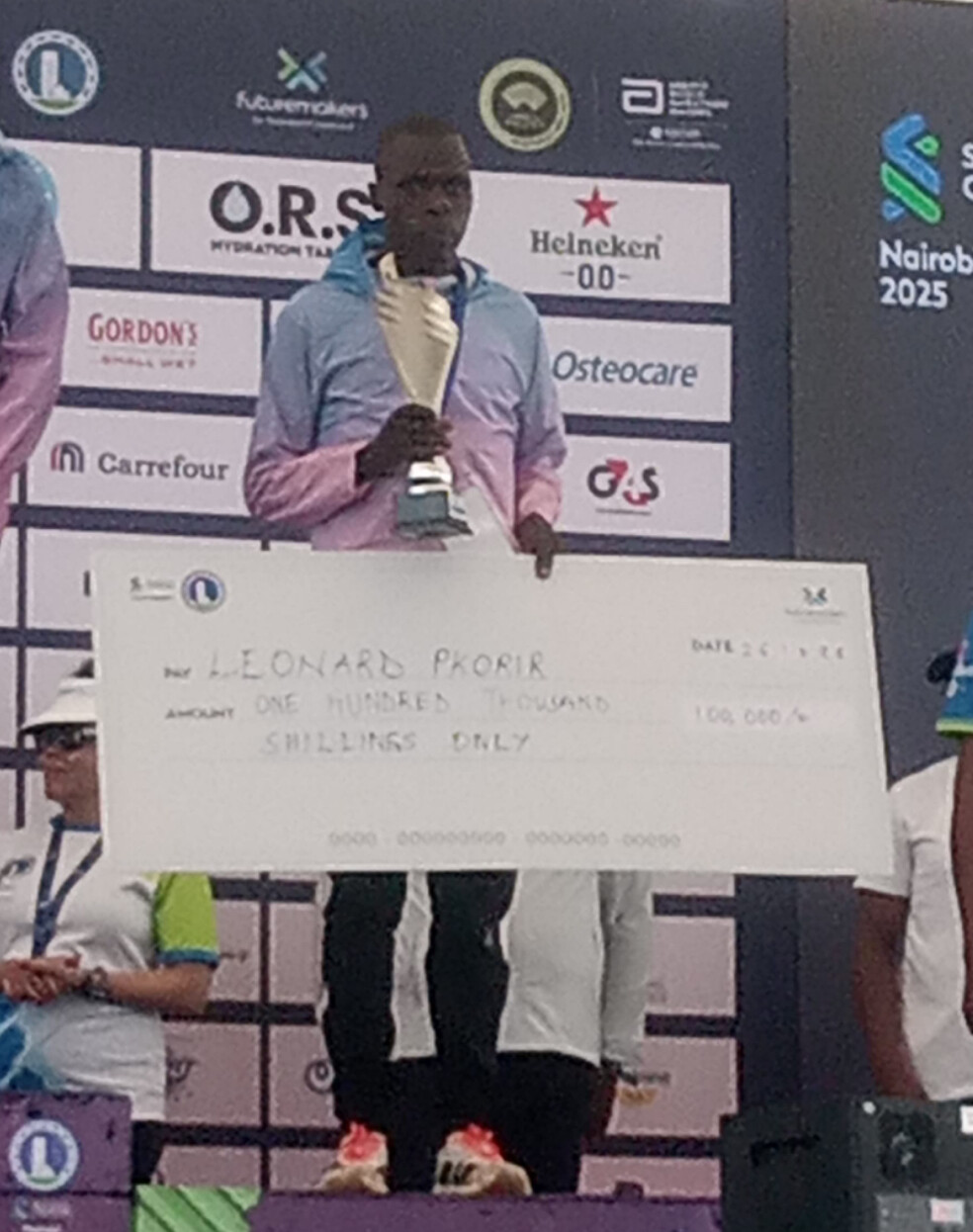
Twice a year, KATA will reward the athlete who has earned the most prize money by sending 15% of their winnings to KATA’s bank account. The responsibility lies with the camp or farm operator to ensure these funds are submitted, as results only count once the money is received in our account.
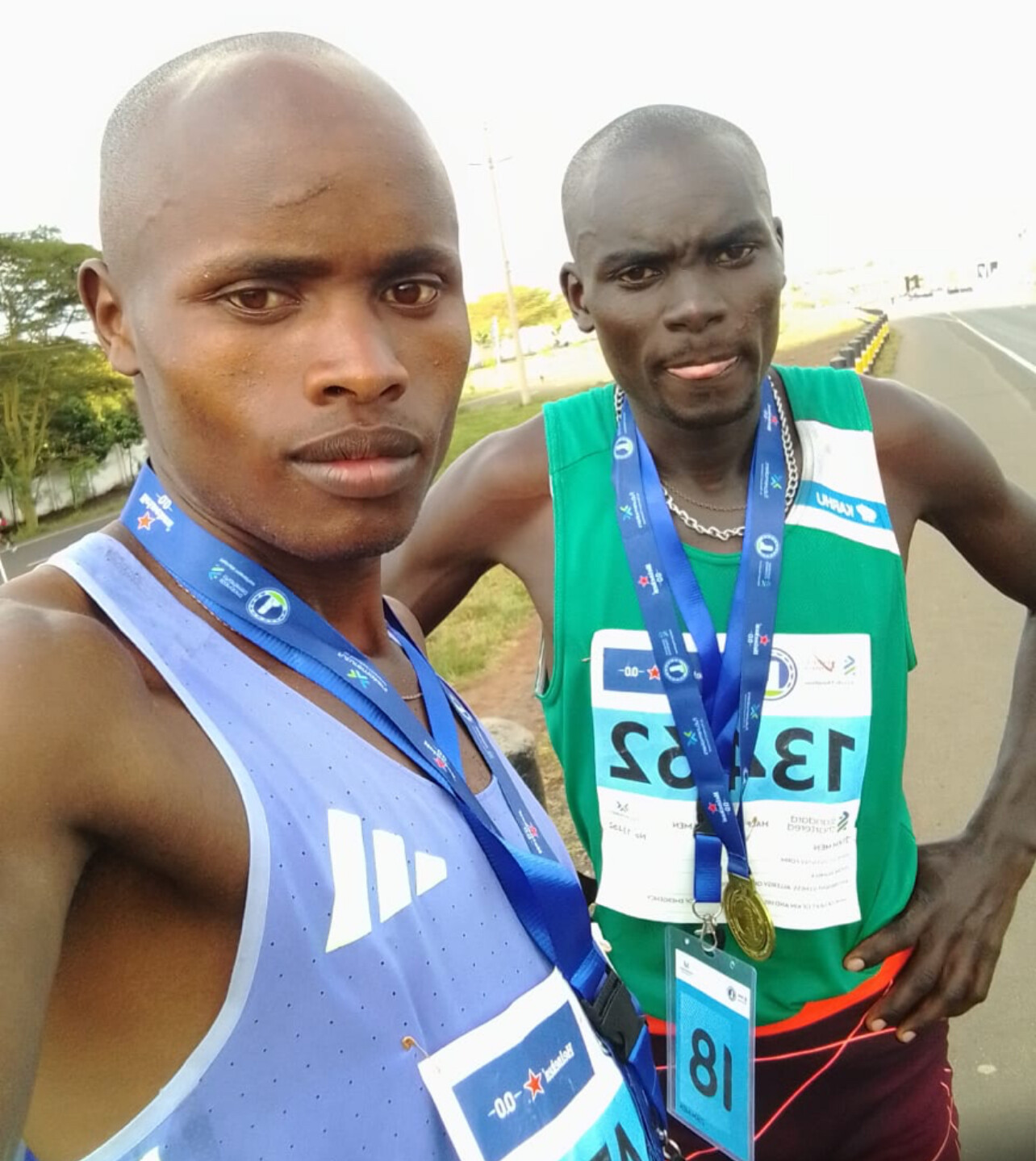
The first contest period will conclude at the end of January 2026, allowing for any delays in prize money payments. The second contest will wrap up at the end of July. This twice-annual schedule ensures everyone has ample time to report and account for their winnings.
Camp and Athlete Rewards:
At the end of each contest period, the individual athlete who has earned the most prize money will receive a 25,000 KES bonus. Additionally, the top three KATA camps—those whose athletes collectively submit the highest total winnings—will each receive 25,000 KES.
In other words, each contest distributes a total of 100,000 KES: 75,000 KES to the top three camps (25,000 each) and 25,000 KES to the top individual athlete. Over the course of a year, that’s a total of 200,000 KES in rewards.
Conclusion:
Because there can be delays in receiving prize money, the contest periods are extended slightly to ensure all earnings are accounted for. We’re excited to see our athletes and camps compete and look forward to celebrating their achievements together!
(11/15/25) Views: 172Bob Anderson
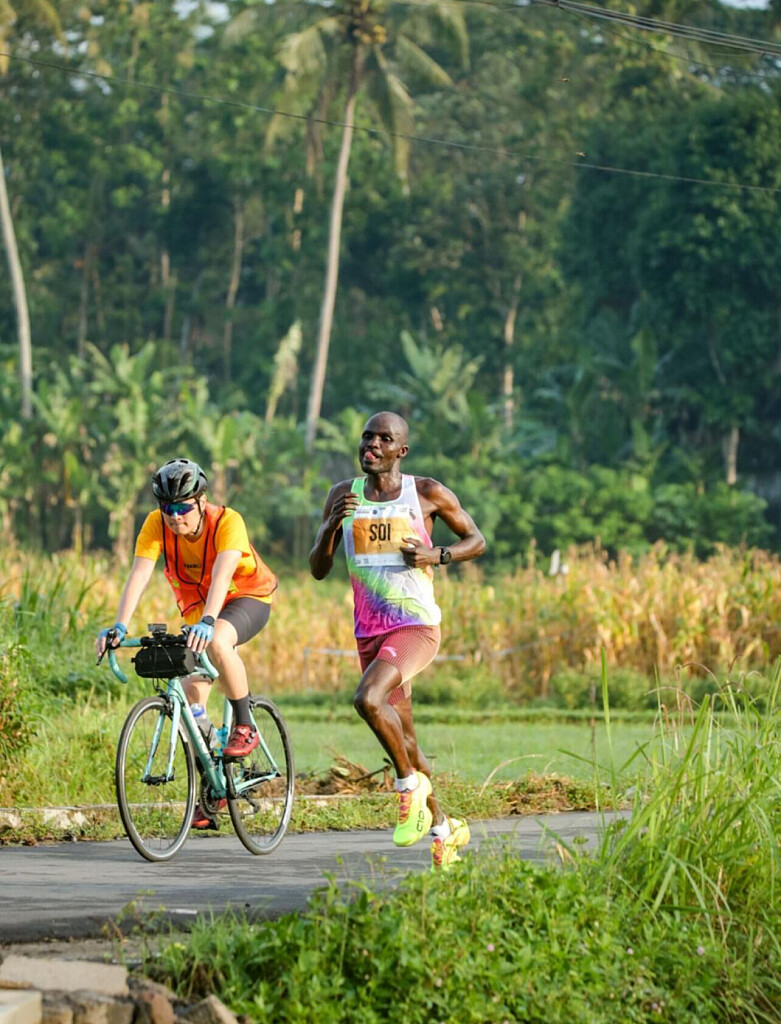
Edwin Soi’s Second Act: Veteran Track Star Turns Mentor While Leading Kenyan Charge at the Borobudur Marathon
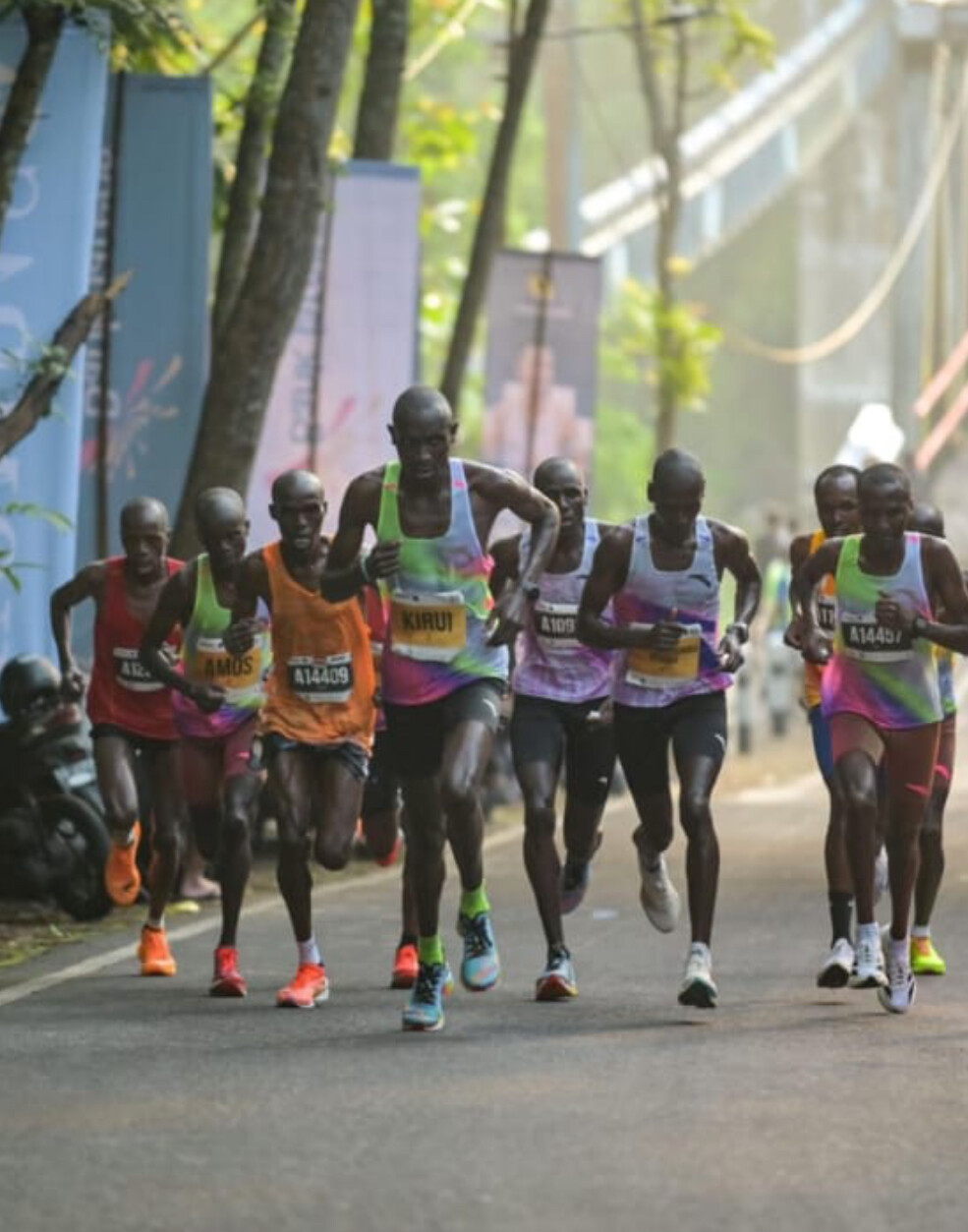
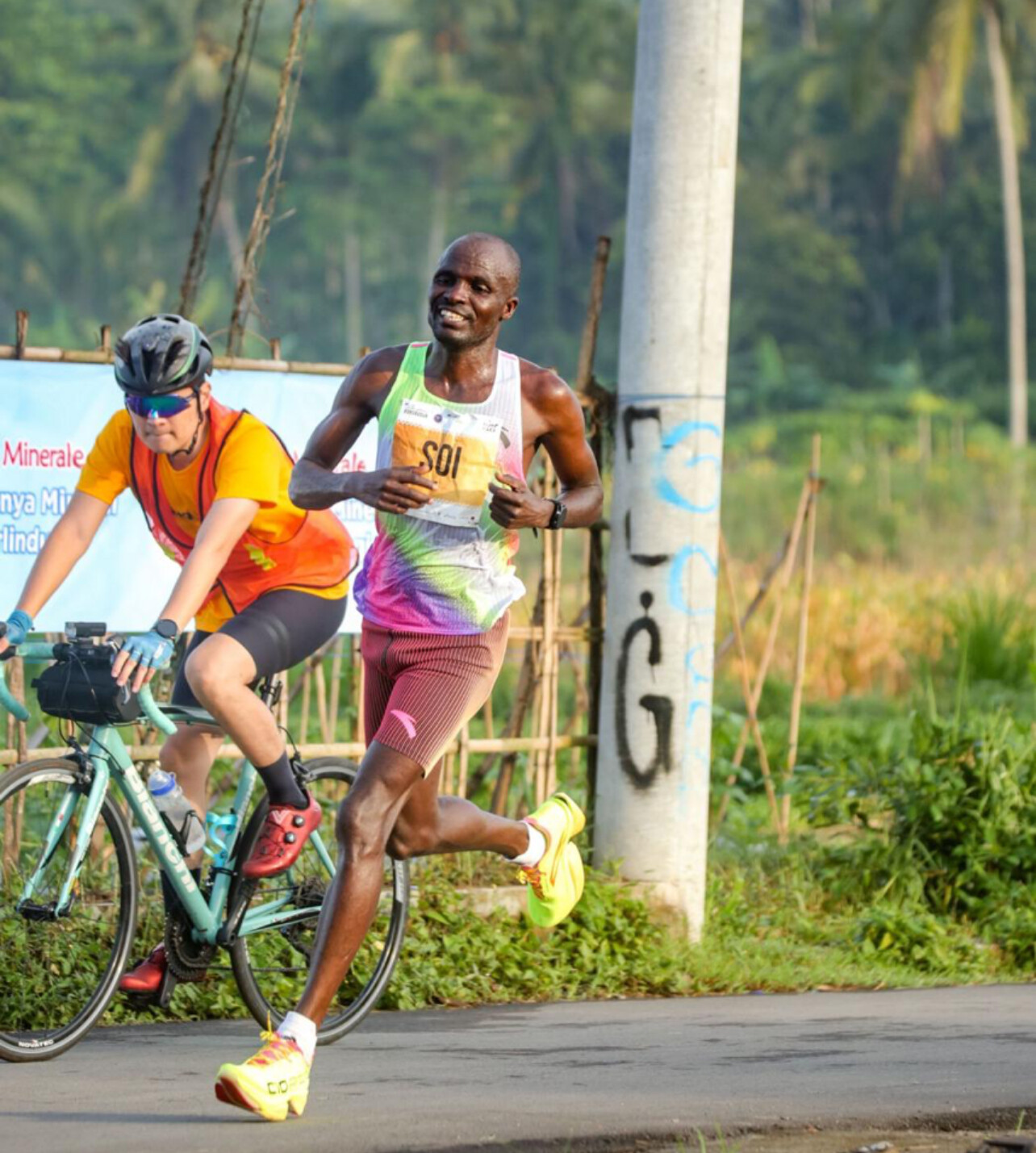
In the tranquil dawn surrounding Indonesia’s ancient Borobudur Temple, Kenya’s Edwin Soi—once one of the world’s deadliest final-lap specialists—returned to the global stage with a performance defined by grit, maturity, and renewed purpose. His 2:20:21 fourth-place finish may have placed him just outside the podium, but it became one of the most compelling stories of this year’s Borobudur Marathon.
On a redesigned course rich in culture and punishing in terrain, Soi showed the poise of an athlete embracing the complexities of his second act—a transition from mid-distance brilliance to marathon resilience.
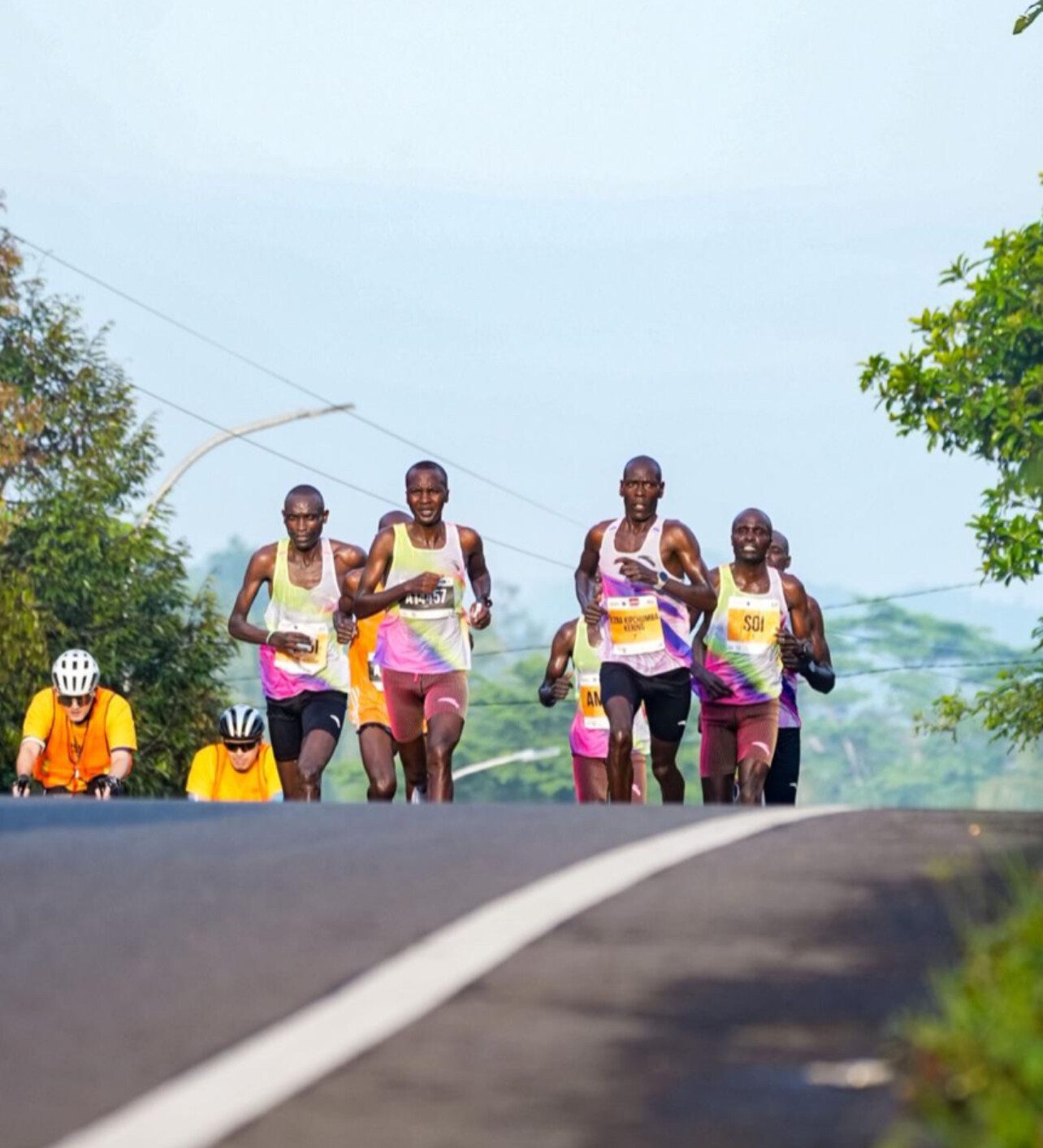
Speaking with My Best Runs after the race, Soi described the deep transformation required to evolve from track icon to marathon contender.
“My career on the track—my Olympic bronze in the 5,000m—was built on the fast finish,” he said. “But the marathon is completely different in the final 5km. You can’t just turn your legs over like on the track; the fuel is nearly gone. The biggest adjustment is shifting from raw speed to relentless endurance.”
A Course That Demands Respect
The Borobudur route, winding through rice terraces, traditional villages, and the rolling Menoreh highlands, offered no shortcuts—and no mercy. It rewarded steady pacing, intelligent energy management, and deep aerobic strength, qualities Soi has been sharpening as he shifts to longer distances.
“The tropical heat and especially the humidity were the biggest challenges,” he said. “Even with the early start, the air felt heavy and thick as the sun rose. For us, training in the altitude and cooler air of Kenya, it required immense discipline with hydration from the first kilometer.”
The constant undulation of the course forced him into a measured rhythm:
“I had to run more conservatively in the first half to save energy for the inevitable struggle after 25km. But the scenery, the villages, the people cheering… it is one of the most beautiful races I’ve experienced.”
From Track Legend to Builder of Future Champions
Though he remains globally known for his devastating last-lap kick, Soi’s greatest work today may be happening far from stadium lights. In Kuresoi, through Bob Anderson’s KATA programme, he now mentors a rising generation of disciplined young runners.
“This has been a year of deepening purpose,” he said. “My reflection is less about my personal stopwatch and more about the impact I can have on the future of Kenyan running.”
He still trains at a high level, balancing heavy marathon mileage with the demands of leadership.
“Running competitively keeps me sharp and helps me understand the sacrifices my young athletes are making. Every morning, I run alongside them—I’m not just a coach shouting instructions; I am a competitor in the pain cave with them.”
On the misty loops of Kuresoi, he passes down the two things that shaped him: the speed of the track and the patience of the marathon.
Kenyan Depth on Full Display
Despite missing the podium, Soi helped anchor a dominant Kenyan performance in Magelang, Central Java, Indonesia, where the marathon began and finished inside the historic Lumbini Park complex at Borobudur Temple.
The top four in the elite men’s marathon—all representing Kenya—were:
1. Ezra Kipchumba Kering (Kenya) — 2:17:33
2. Alex Oloitiptip Korio (Kenya) — 2:17:43
3. Kiprop Tonui (Kenya) — 2:18:01
4. Edwin Cheruiyot Soi (Kenya) — 2:20:21
A Cultural and Competitive Showcase
The 2025 Borobudur Marathon, elevated to World Athletics Elite Label status, attracted more than 11,500 runners from 38 countries. Its scenery, cultural performances, and enthusiastic supporter crowds generated more than Rp 73 billion in economic impact, cementing its place as one of Asia’s rising marathon gems.
A Legacy in Motion
For Soi, Borobudur was more than a race—it was a declaration. A reminder that champions don’t fade; they evolve.
His footsteps now tell two intertwined stories: a veteran still capable of racing among the world’s best, and a mentor shaping futures in the hills of Kuresoi.
As Kenyan runners painted the leaderboard red, green, and black, Soi’s fourth-place finish stood out not for what it lacked, but for what it symbolized: a champion transforming—and lighting the path for those who follow.
(11/18/25) Views: 117Robert Kibet
BingwaFest Returns: A High-Stakes Track Opportunity for KATA Athletes
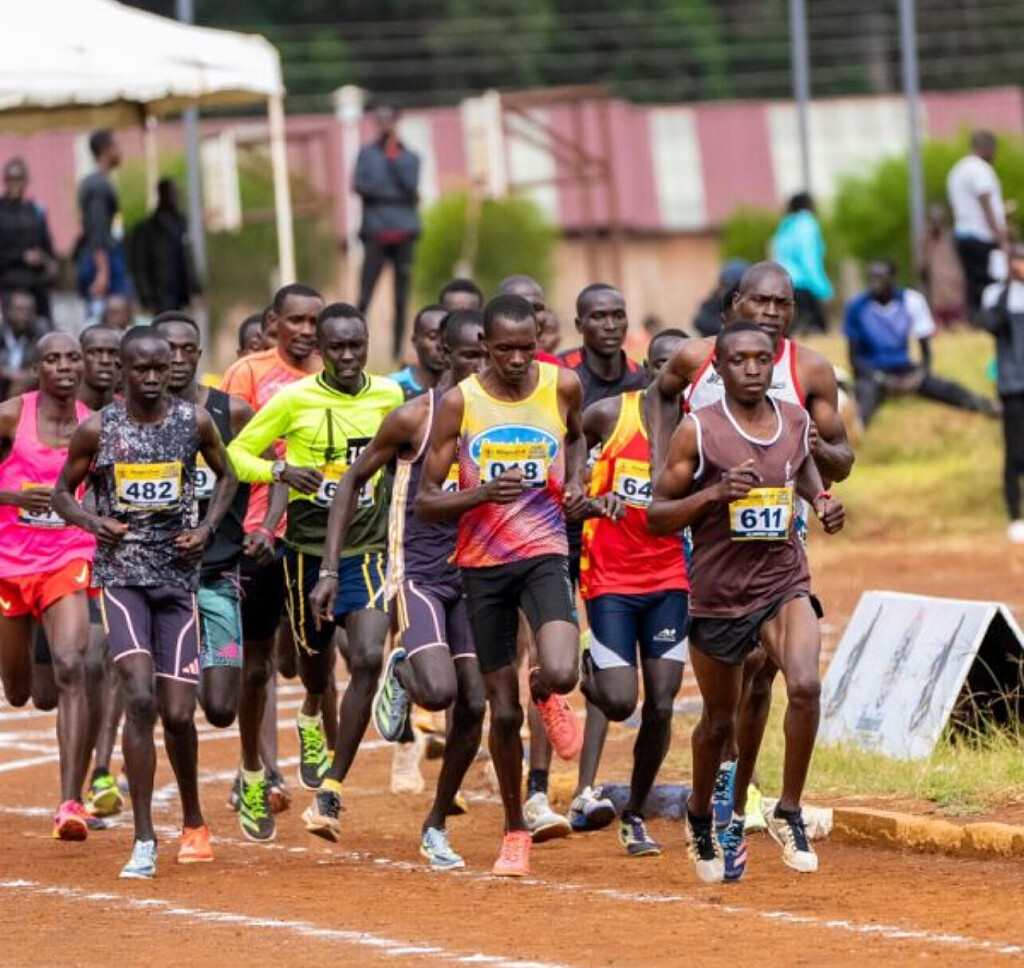
After a competitive season across Nakuru, Siaya, and Machakos, Nairobi is set to host the Season 2 BingwaFest Nairobi Edition on November 22 at Kasarani Stadium. For KATA athletes spread across Kenya, this meet is far more than another race on the calendar—it’s a chance to shine on home soil, compete for substantial prize money, and demonstrate the strength of regionally developed talent. Powered by Betika, the Nairobi edition underscores the resurgence of Kenyan athletics and the rising impact of local competitions.
The season opened in Nakuru, where Maurine Jepkoech Chebor stamped her authority by sweeping both the women’s 5,000m and 10,000m. In the men’s events, Richard Etir and Daniel Kimaiyo delivered standout performances that set an early standard. Their efforts framed a season defined not just by speed and endurance, but by smart racing and tactical maturity.
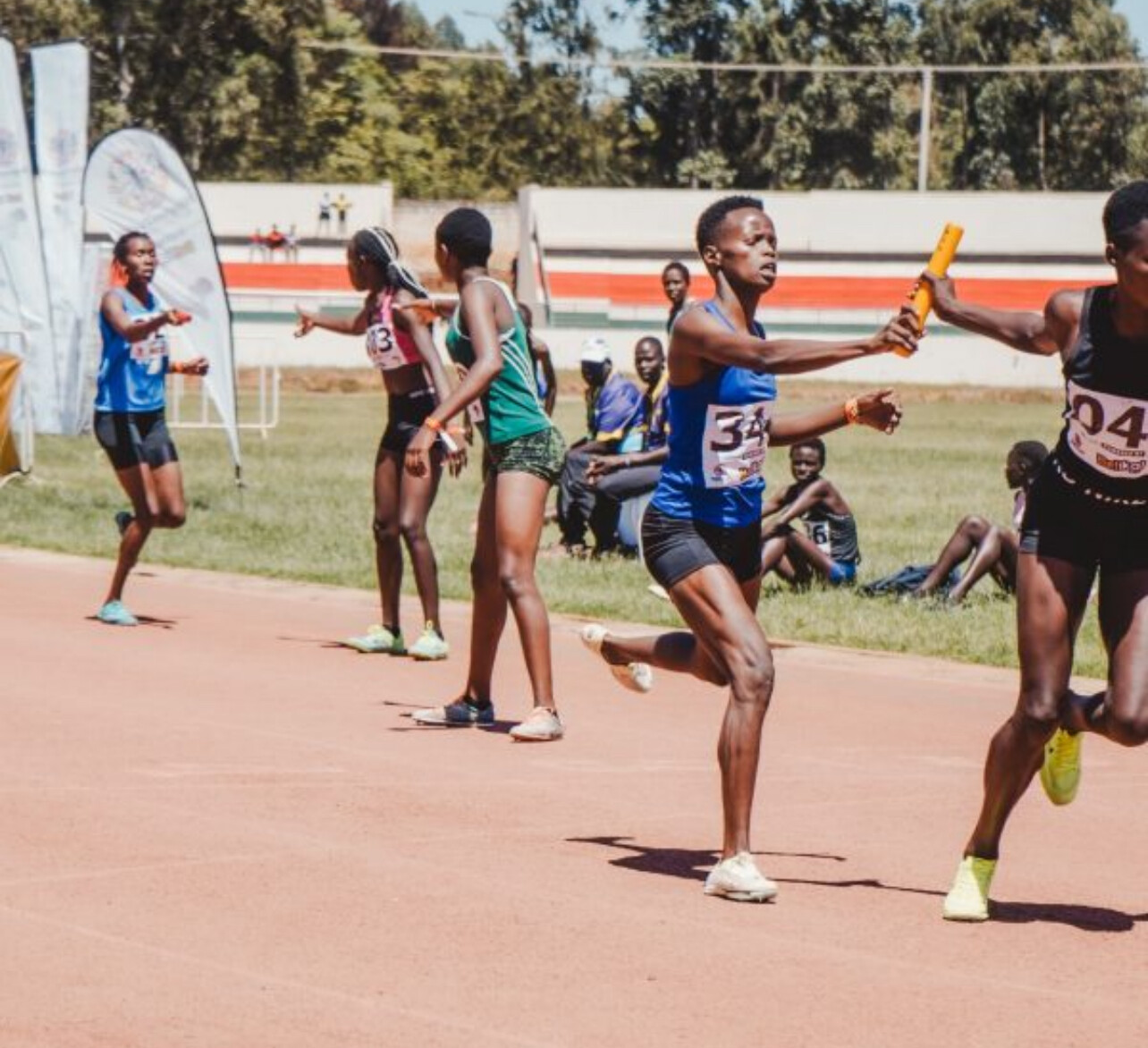
Siaya continued the trend, with Miriam Chebet taking double gold in the 5,000m and 10,000m. “Winning both races is a big confidence boost,” she said after her victories. “I hope to perform even better.” Titus Kiprotich provided a masterclass in patience and pacing to secure the men’s 10,000m. In Machakos, veterans Glorious Chepkurui and Francis Langat showcased consistency and experience, winning their respective 5,000m and 10,000m races with measured execution.
KATA athletes have been prominent across the domestic circuit, bolstered by strong results at major recent events such as the Standard Chartered Nairobi Marathon 2025. Under the guidance of Coach Philemon Kiptoo of KATA001 Kapcherop, athletes have not only raced well—they have emerged as crowd favorites, blending disciplined training with tactical sharpness. Their appearance in Nairobi reinforces the rising credibility of Kenya’s regional training hubs and shows that structured local programs can produce athletes capable of competing at international levels.
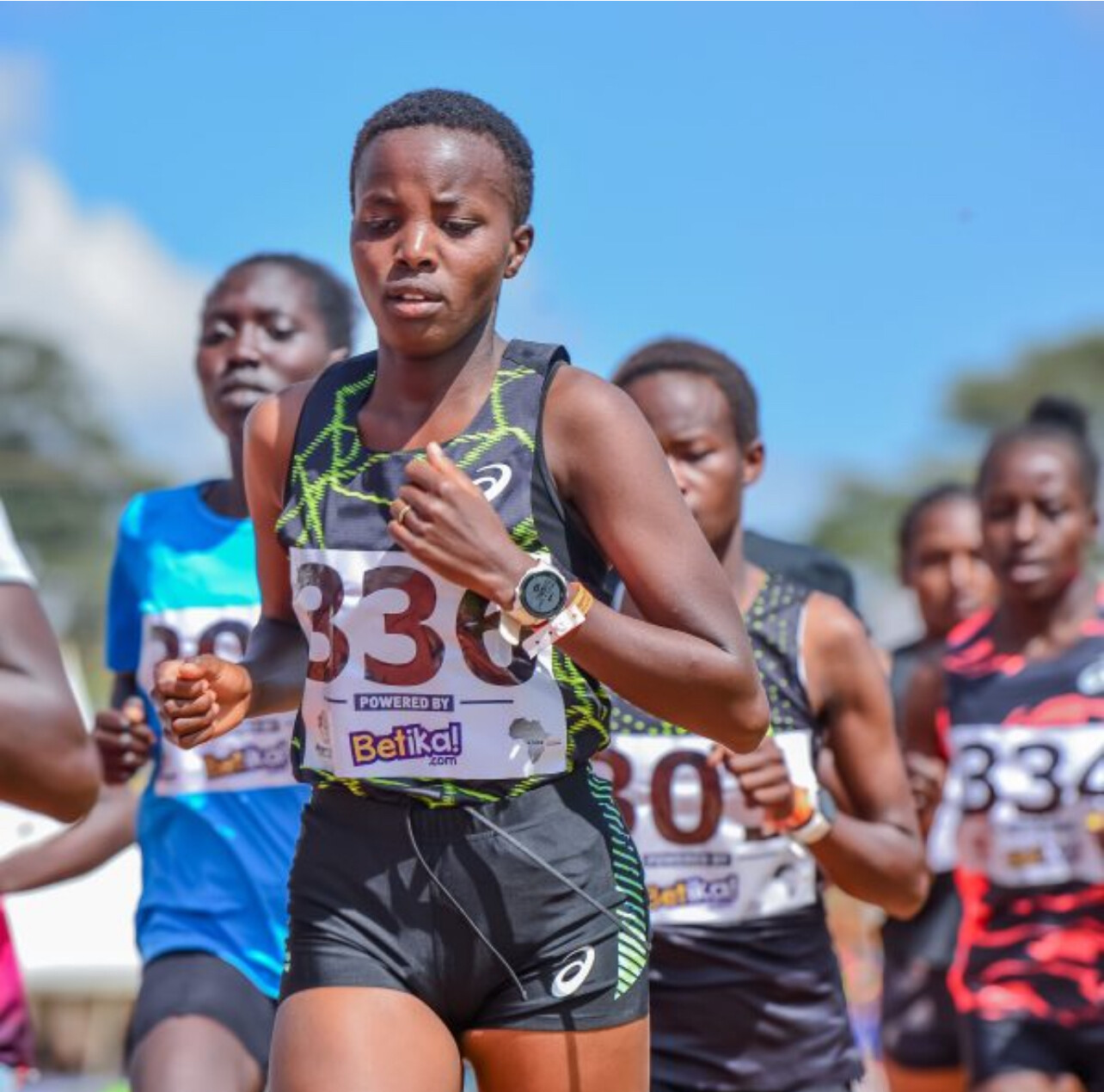
A distinctive factor behind the KATA program’s momentum is the community-driven economic engine supporting its athletes. Bob Anderson’s potato farming initiative—spread across the highland regions where KATA camps operate—has become a vital funding source. Revenue from these farms helps cover training expenses, travel costs, and essential equipment, allowing athletes to focus fully on performance. This model of local empowerment gives athletes the stability to build careers at home rather than chasing uncertain opportunities abroad.
This year’s event also marks the reopening of Kasarani Stadium following CHAN football upgrades, offering athletes a world-class track and a renewed sense of pride. For many, racing at Kasarani is deeply personal. As Timothy Cheruiyot has said of past editions, competing at home brings a sense of belonging and motivation unmatched by international travel. KATA athletes will look to create similar moments across the full program of events—from the 100m to 400m sprints, 800m and 1,500m middle distances, 5,000m and 10,000m long-distance races, and both the 4×100m and 4×400m relays.
The incentives are significant. Individual winners will earn 250,000 shillings, with 150,000 for second place and 100,000 for third. Relay teams will compete for up to 300,000 shillings. These rewards highlight a growing truth: Kenyan athletes can build sustainable careers through domestic competitions.
For KATA athletes, the return to Nairobi is a moment where disciplined training, homegrown support, and community-driven funding intersect. It’s proof that local competitions can create real opportunities—and that economic empowerment initiatives, like the KATA potato program, can directly fuel athletic success. As Kasarani opens its gates on November 22, the stage is set for Kenya’s rising stars to make their mark and keep the momentum of a nationwide athletics revival firmly in motion.
(11/15/25) Views: 104
Robert Kibet
