

Running News Daily
Top Ten Stories of the Week
11/15/2025
These are the top ten stories based on views over the last week.
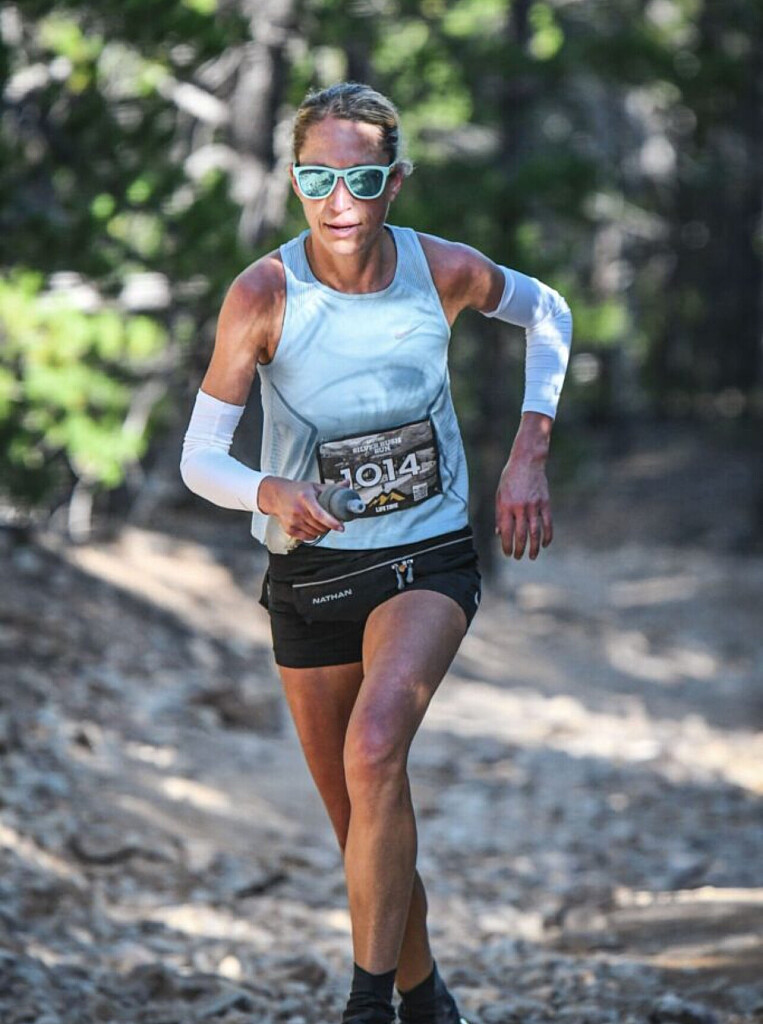


Anne Flower Sets New Women’s 50-Mile World Record at the 2025 Tunnel Hill 50 Mile
In a stunning display of endurance and precision pacing, emergency-room physician and ultramarathon standout Anne Flower blazed to a new women’s world record of 5:18:57 for the 50-mile distance at the 2025 Tunnel Hill 50 Mile in Vienna, Illinois. The mark shatters the previous record of 5:31:56 held by Courtney Olsen, set on the same course last year.
Record-Setting Performance
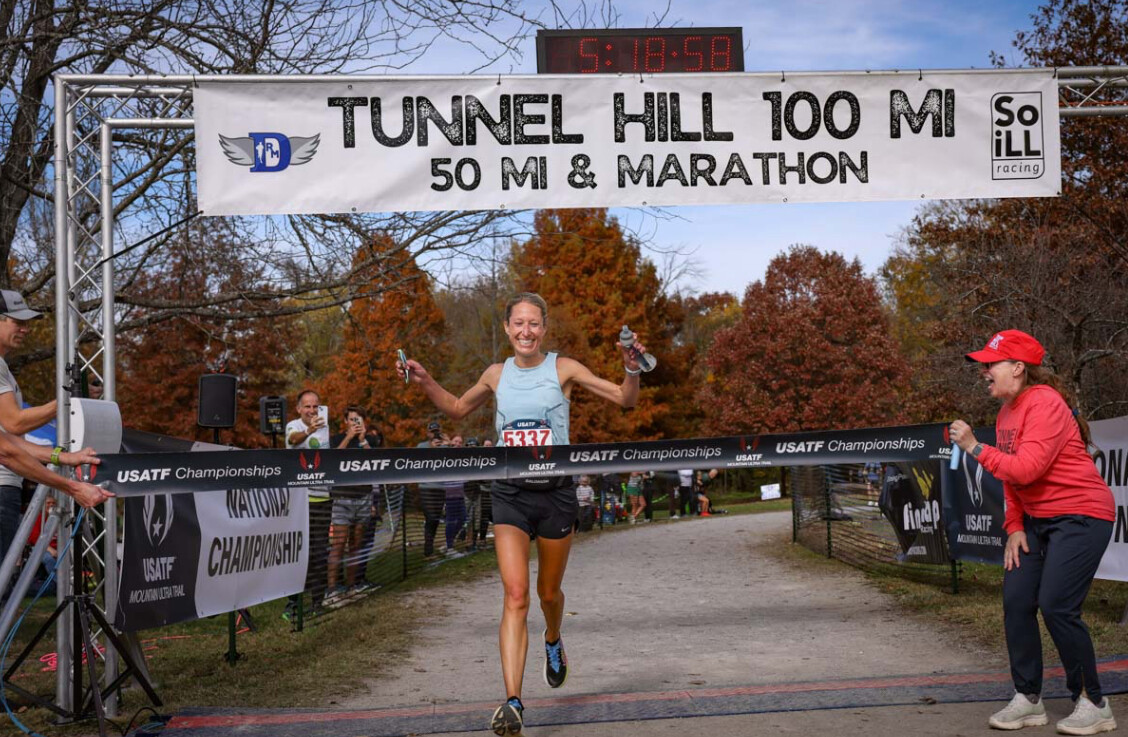
Held on the flat, crushed-gravel rails-to-trails route of the Tunnel Hill State Trail, the race has become a proving ground for world-class performances. Flower averaged an extraordinary 6:23 per mile (3:57 per kilometer) across the full 80.47 km course, running even splits and showing no signs of strain even as temperatures climbed later in the race.l
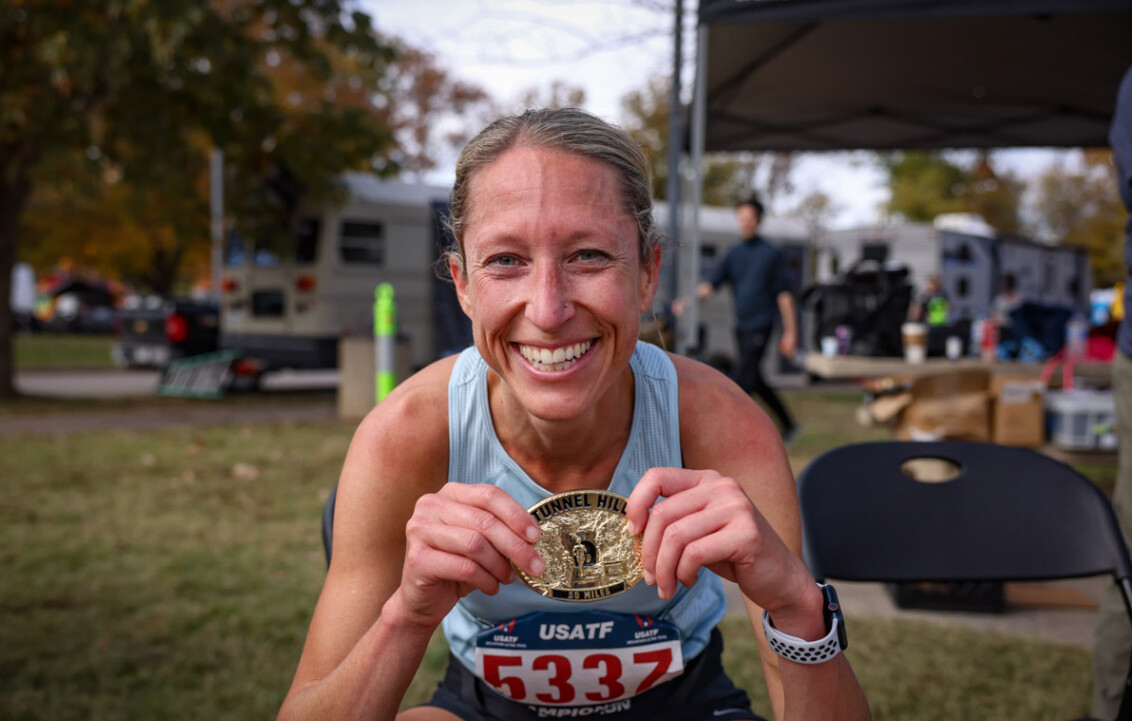
From the opening miles, Flower stayed well ahead of record pace, never faltering and closing strongly to seal a performance that redefines the women’s 50-mile standard. Olsen, competing in the 100k event this year, passed the 50-mile mark in 5:33:59—still an elite split, but more than 15 minutes behind Flower’s record pace.
From Marathons to Ultramarathons
Based in Colorado Springs, Colorado, Flower balances her demanding career as an emergency-room doctor with elite-level training. Before moving to the trails in 2019, she competed in marathons and took part in the 2020 U.S. Olympic Marathon Trials. Her road background shows in her efficient stride and disciplined pacing.
Over the past two seasons, she has built an impressive résumé:
Winner of the 2024 Javelina 100k
Champion of the 2025 Silver Rush 50 Mile
Record-breaker at the 2025 Leadville 100 Mile, where she eclipsed Ann Trason’s 31-year-old mark in her debut at the distance
These results paved the way for her dominant performance at Tunnel Hill, demonstrating both her endurance and her remarkable consistency.
Raising the Bar for Women’s Ultrarunning
Flower’s 5:18:57 isn’t just fast—it’s a historic leap forward. Taking more than 12 minutes off a world record at this level is rare, and doing so with such control underscores her potential for even greater achievements ahead.
Tunnel Hill has become synonymous with world-record performances, and Flower’s run further cements the race’s reputation as one of the premier venues for ultradistance excellence.
What’s Next
With records now at both 50 and 100 miles, Flower’s next challenge may be defending or lowering her new mark—or shifting her focus toward international championship events. Whatever path she chooses, her rise through the sport has been nothing short of extraordinary.
Anne Flower has proven that it’s possible to balance a demanding professional life with world-class athletic performance. Her blend of discipline, determination, and pure endurance has elevated her into the top tier of ultrarunning’s global elite.
(11/09/25) Views: 196
Boris Baron
Fantaye Belayneh Repeats, Isaia Lasoi Shines at the 2025 Boston Half Marathon
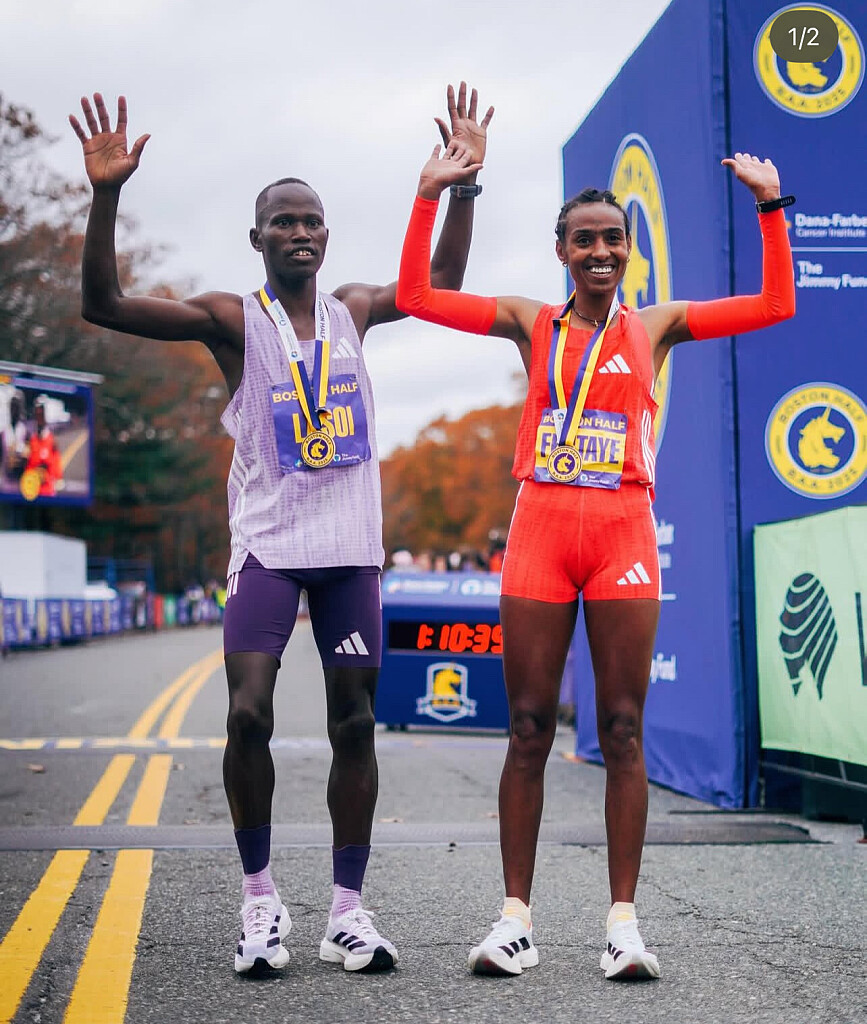
Boston’s Emerald Necklace once again set the stage for one of the country’s most scenic and competitive half marathons on Sunday morning. Over 7,000 runners lined up at Franklin Park for the 2025 Boston Half Marathon, where Ethiopia’s Fantaye Belayneh successfully defended her women’s title and Kenya’s Isaia Lasoi powered to an impressive victory in the men’s race. Each champion earned $15,000 for their wins.
Men’s Race – Lasoi Dominates in 1:00:59
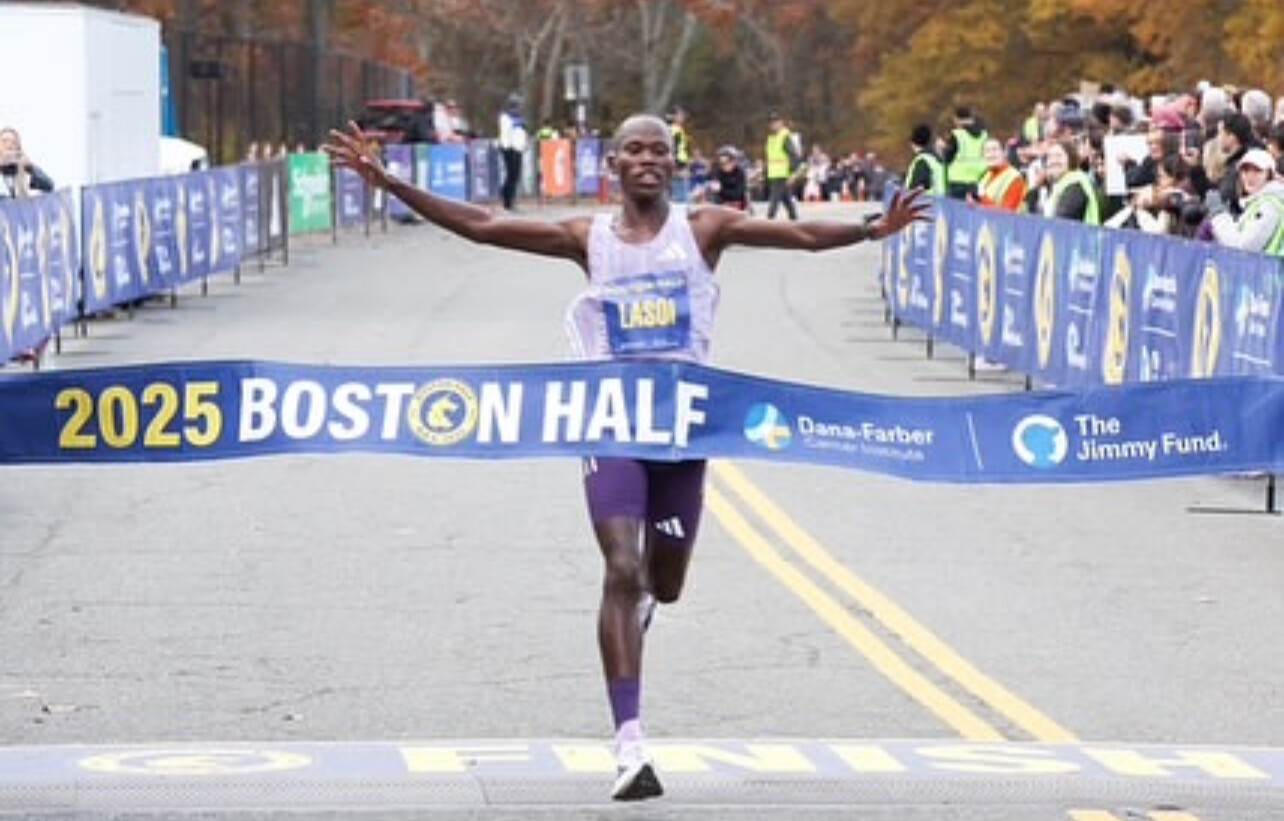
Kenya’s Isaia Lasoi delivered a commanding performance, clocking 1:00:59 to capture the men’s crown and the $15,000 winner’s prize. The race unfolded at a fast but controlled pace through the park-lined streets, with Lasoi making his decisive move in the final 5K. Uruguay’s Santiago Catrofefollowed in 1:01:23, while Kenya’s Andrea Kiptoo secured third in 1:01:30.
Lasoi’s sub-61 performance on Boston’s undulating course reinforced his growing status among Kenya’s new generation of road racing talent. His powerful stride and tactical patience over the final stretch left no doubt about his supremacy.
Women’s Race – Belayneh Holds Off Wudu in a Thrilling Finish
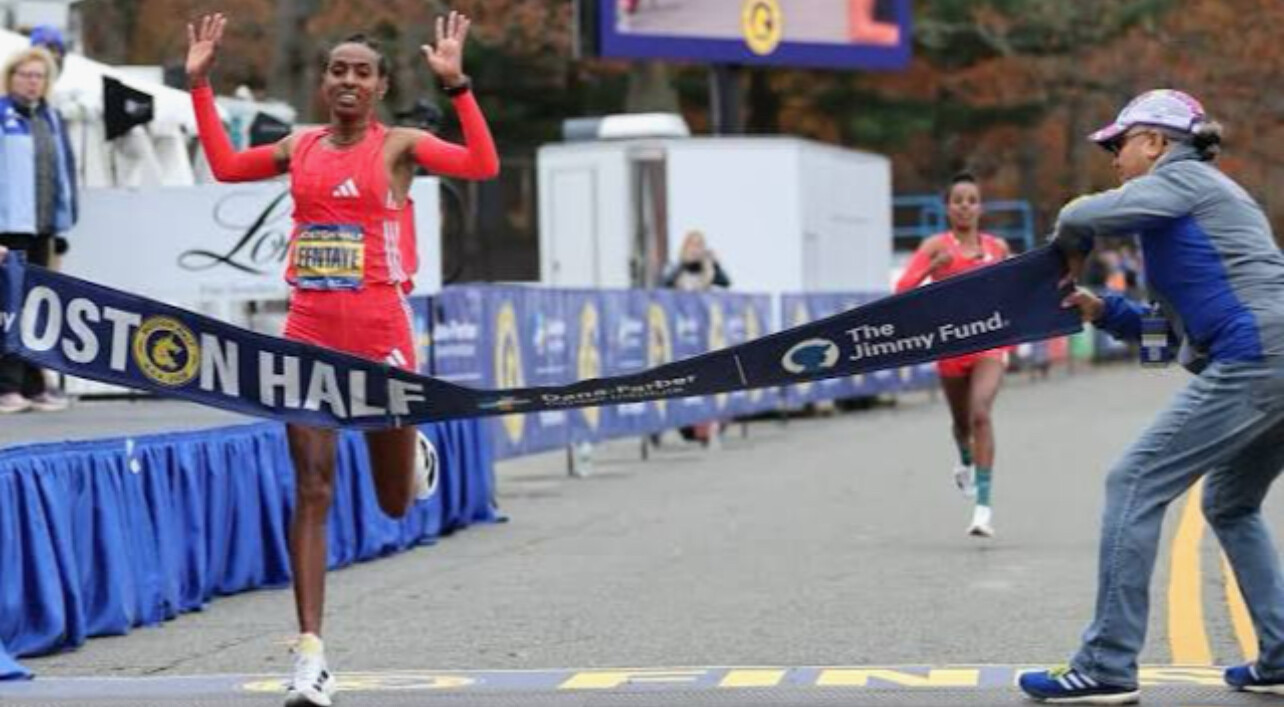
In the women’s division, Ethiopia’s Fantaye Belayneh out-kicked her compatriot Melknat Wudu in a dramatic finish, crossing the line in 1:08:51 — just two seconds ahead of Wudu (1:08:53). Kenya’s Evaline Chirchir completed the podium in 1:09:01. Belayneh’s repeat win also earned her $15,000, matching Lasoi’s prize.
Her victory made her the first woman since Joan Chelimo Melly (2017–2018) to win back-to-back Boston Half titles. With calm focus and a perfectly timed surge in the final meters, Belayneh turned a shoulder-to-shoulder battle into a defining moment of determination and poise.
Course and Conditions
Runners traversed Boston’s “Emerald Necklace,” a 13.1-mile loop of winding parkways and rolling roads connecting the city’s most picturesque green spaces. Conditions were ideal — cool temperatures and light winds — creating the perfect backdrop for fast times and fierce competition.
Race Legacy and Global Field
The Boston Half Marathon continues to attract elite international athletes alongside thousands of passionate runners from around the world. With its blend of competition, camaraderie, and New England charm, the event remains one of the premier fall half marathons in the United States.
Belayneh and Lasoi’s victories underscored the enduring global depth of distance running — and confirmed once again that Boston’s roads remain among the finest proving grounds for champions.
(11/10/25) Views: 172Boris Baron
2026 Boston Marathon Qualifying Standards Among the Most Demanding Ever Issued
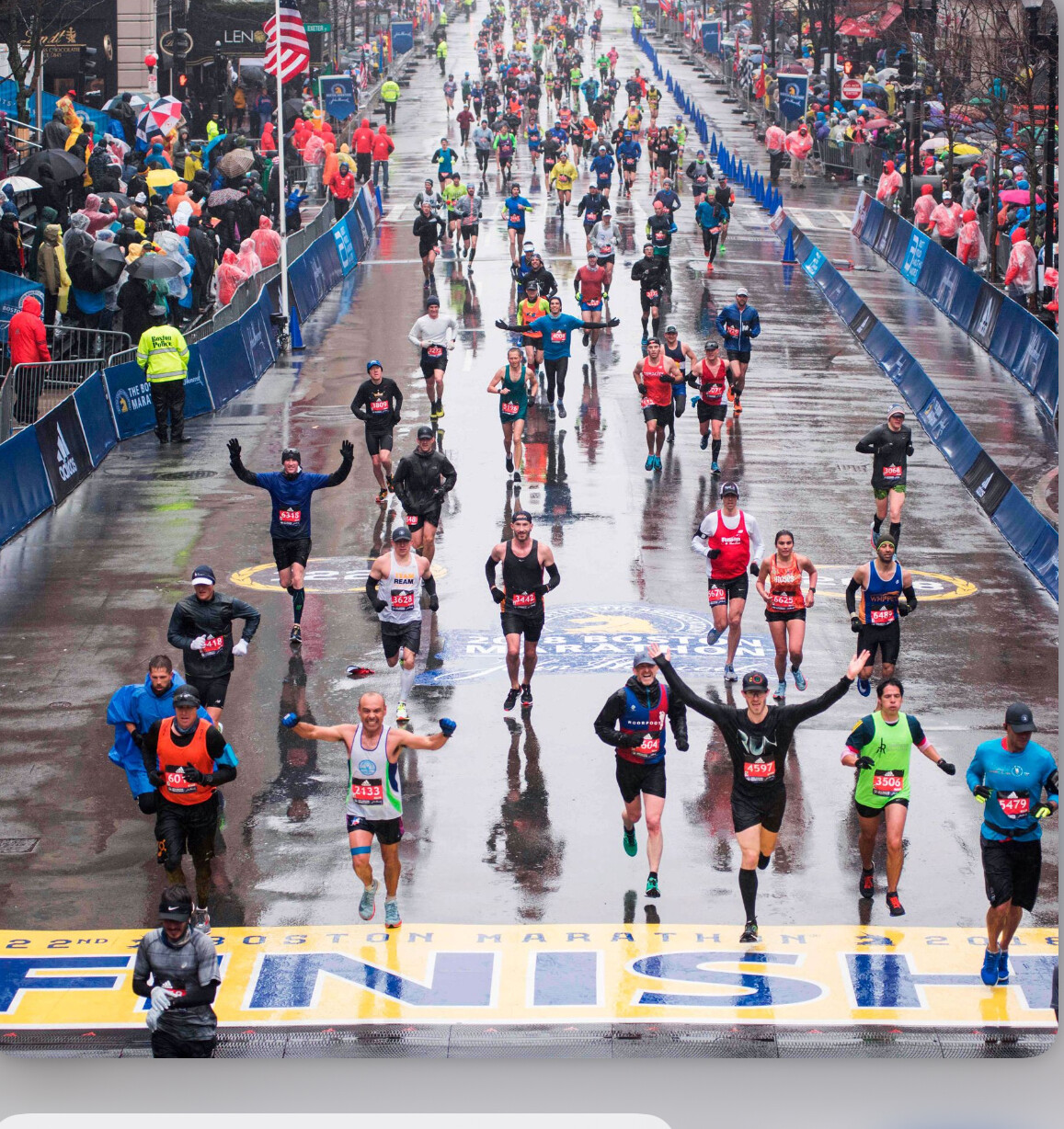
The Boston Athletic Association (B.A.A.) has confirmed new qualifying standards for the 2026 Boston Marathon, scheduled for April 20, 2026, and they are among the most demanding ever issued in the event’s 130-year history. For runners aged 18 to 59, the time standards have been made five minutes faster than those used for the 2025 race — a reflection of both the extraordinary growth in marathon participation and the deepening field of competitive age-group runners.
These updates reinforce the B.A.A.’s commitment to maintaining the Boston Marathon as the pinnacle of achievement for amateur and professional runners alike. With more applicants qualifying each year than the race can accept, meeting the standard no longer guarantees entry — runners must often exceed the qualifying mark by several minutes to secure a bib.
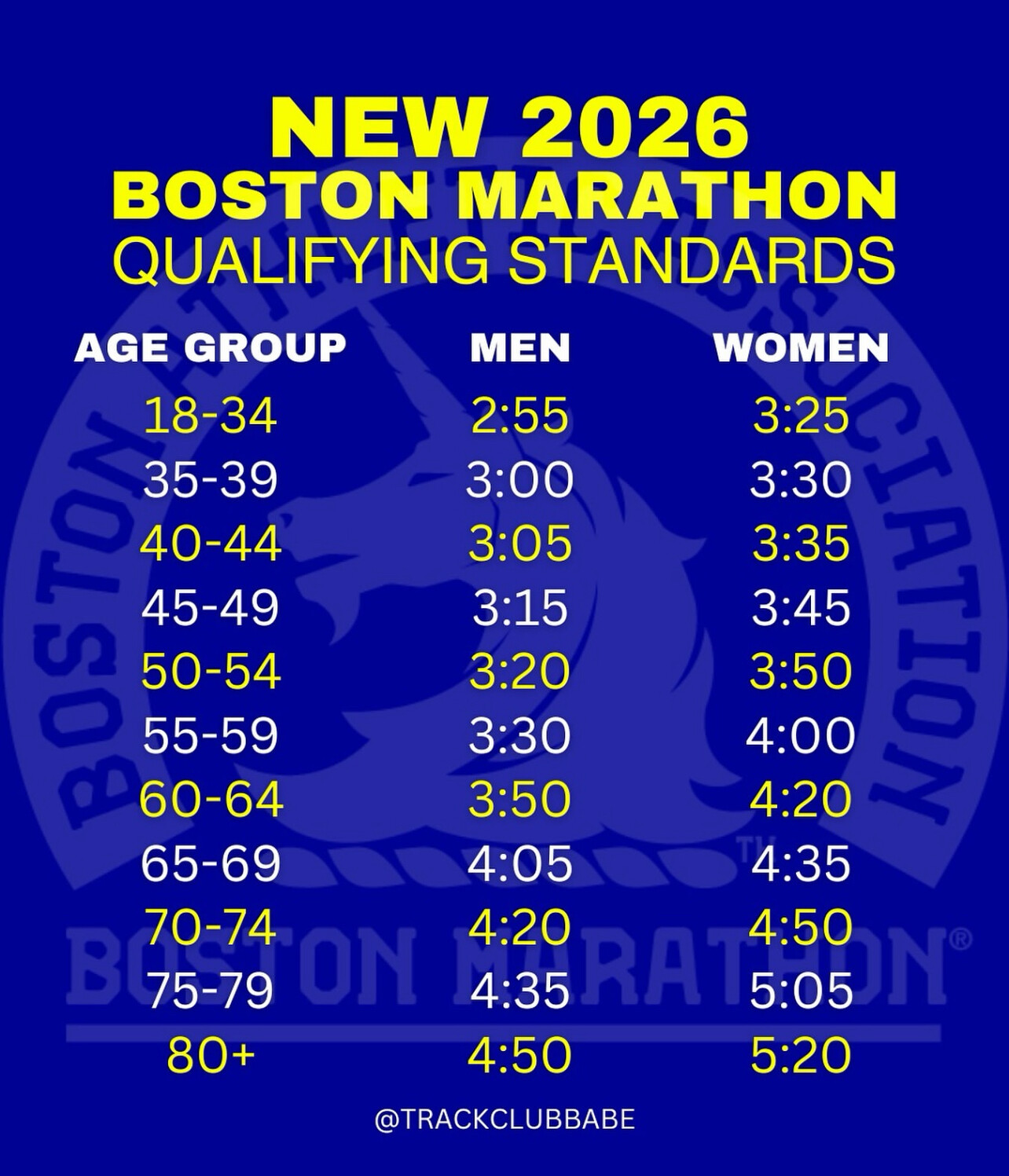
2026 Boston Marathon Qualifying Standards
Age Group – Men – Women
18–34 – 2:55:00 – 3:25:00
35–39 – 3:00:00 – 3:30:00
40–44 – 3:05:00 – 3:35:00
45–49 – 3:15:00 – 3:45:00
50–54 – 3:20:00 – 3:50:00
55–59 – 3:30:00 – 4:00:00
60–64 – 3:50:00 – 4:20:00
65–69 – 4:05:00 – 4:35:00
70–74 – 4:20:00 – 4:50:00
75–79 – 4:35:00 – 5:05:00
80+ – 4:50:00 – 5:20:00
These standards closely match the official 2026 qualifying table published by the B.A.A. Standards for runners aged 60 and above have changed little or remained consistent with prior years, while younger age divisions (18–59) now face significantly faster requirements.
Meeting these times makes a runner eligible to apply for registration, but acceptance depends on the number of applicants. For the 2025 Boston Marathon, runners needed to be 6 minutes and 51 seconds faster than the posted standard to gain entry. For the 2026 edition, the cutoff narrowed but remained steep — 4 minutes and 34 seconds faster than the standard.
Elite Field Entry
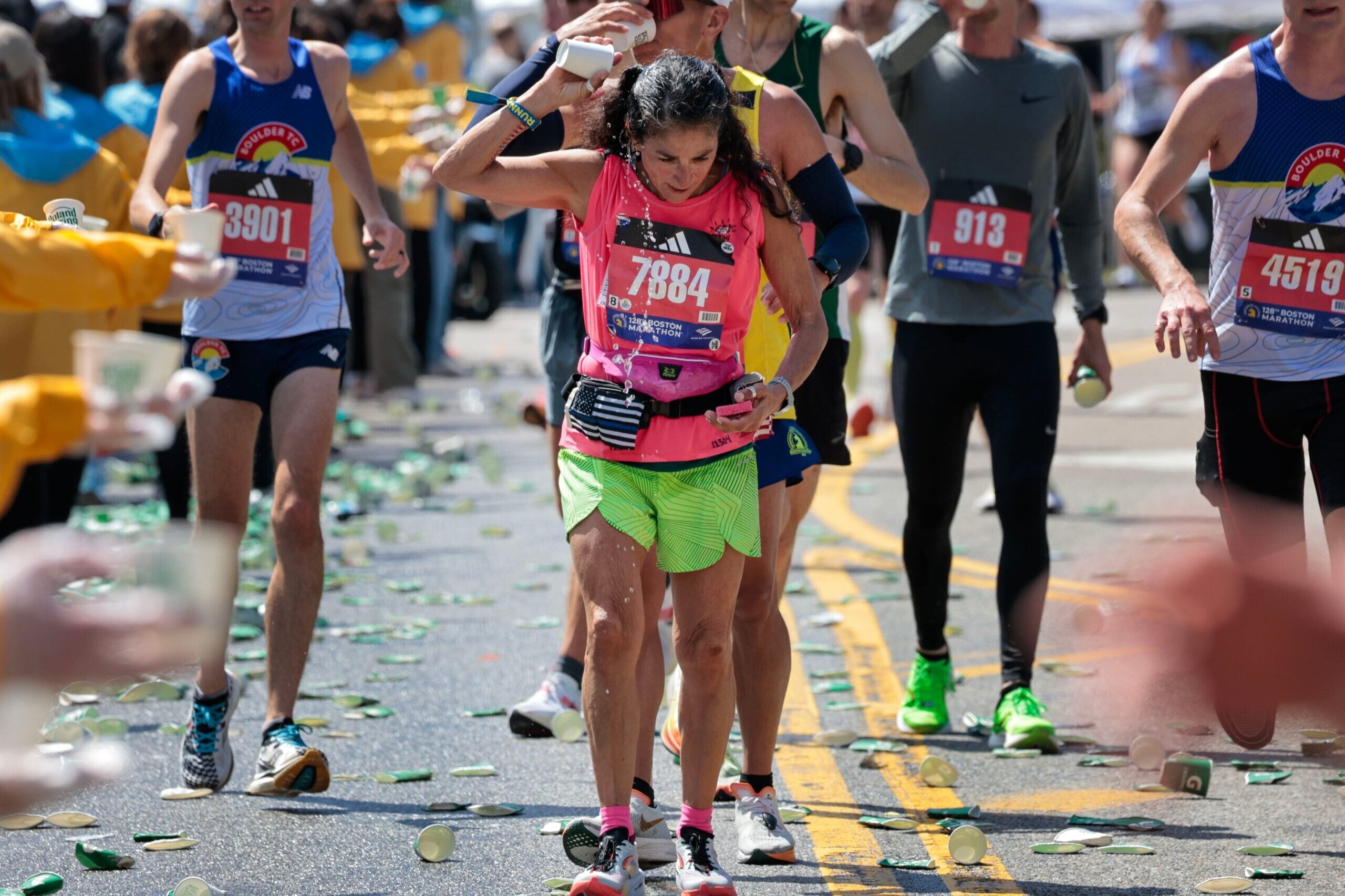
The B.A.A. does not publicly post official qualifying times for elite athletes. Instead, entries are extended by invitation to runners who have recently achieved world-class performances. While not formalized, typical benchmarks for consideration are around sub-2:20 for men and sub-2:45 for women, depending on the depth of the field and prior race results.
Course Adjustments Coming for 2027
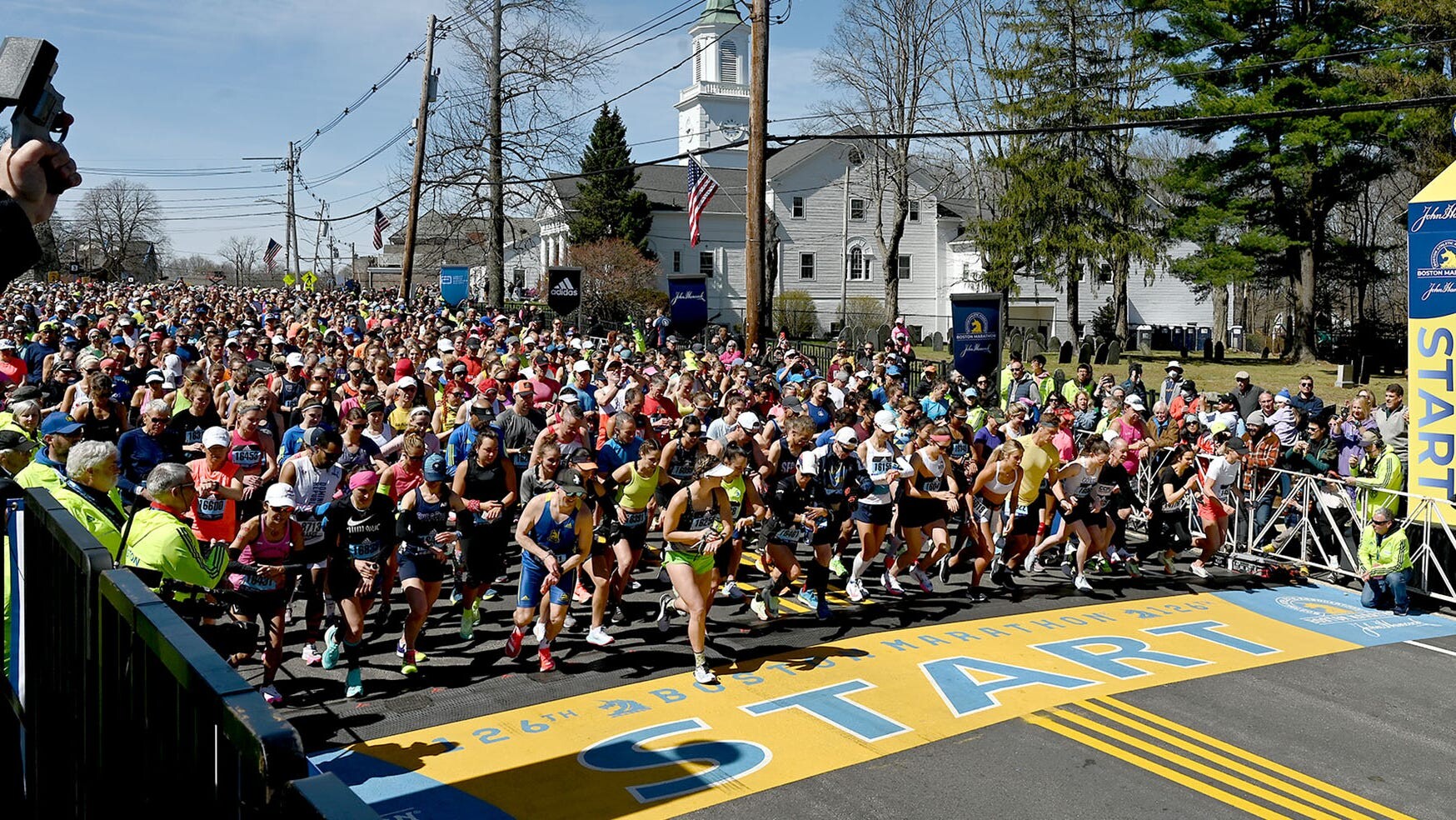
Beginning with the 2027 Boston Marathon, new rules will redefine which marathon courses count toward qualification. Races with net-downhill profiles will face time “indexing” to ensure fairness:
• Courses dropping 1,500–2,999 feet: +5 minutes added to finishing time
• Courses dropping 3,000–5,999 feet: +10 minutes added
• Courses dropping 6,000 feet or more: will no longer count as qualifiers
These adjustments, already confirmed by the B.A.A., are designed to standardize qualifying efforts across all marathon courses and eliminate advantages from steep downhill profiles.
What This Means for Runners
For competitive marathoners worldwide, the 2026 standards mark one of the most significant tightening periods in recent memory. The message from the B.A.A. is clear:
• Run faster than ever before.
• Choose a certified, fair course.
• Don’t aim to meet the standard — aim to beat it decisively.
The Boston Marathon remains the benchmark for excellence in distance running. With the 2026 standards now in place and additional adjustments ahead for 2027, the pursuit of a Boston Qualifier (BQ) remains one of the most respected — and challenging — achievements in the sport.
(11/10/25) Views: 157Boris Baron
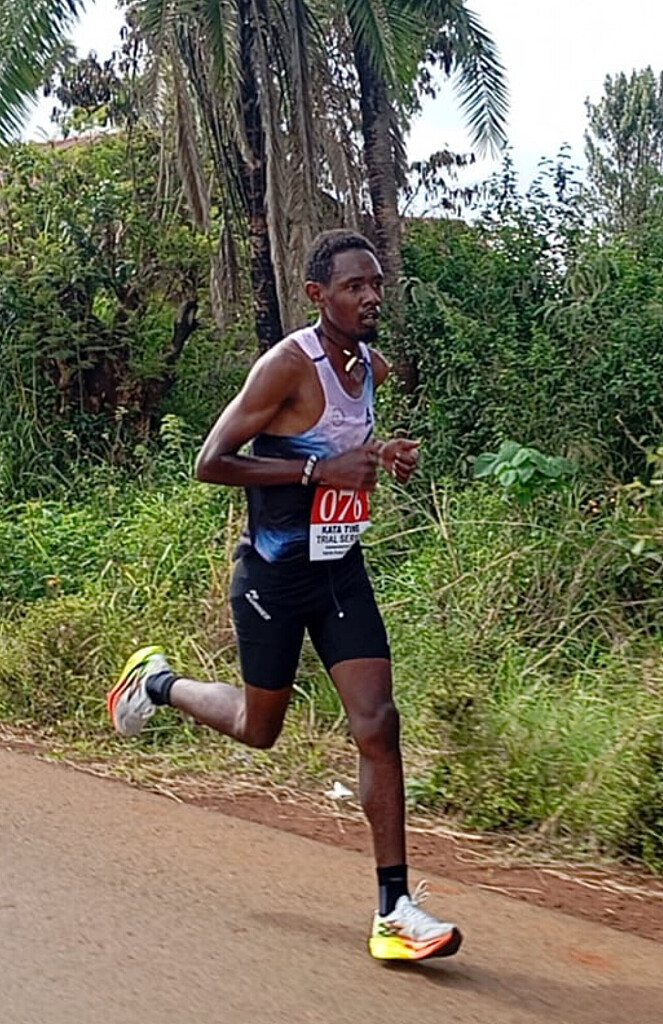
KATA Time Trial 50 Marks Milestone with Strong Performances in Thika
THIKA, Kenya — November 12, 2025 — The 50th edition of the KATA Time Trial was held today at the Kenyan Athletics Training Academy (KATA) in Thika, marking a major milestone for the event that continues to nurture and test athletes under challenging conditions. Despite the warm, humid air and gusty winds, runners delivered impressive performances across both the 5km and 10km distances.
In the men’s 5km race, Charles Ndirangu, still recovering from injury, displayed determination and class to cross the finish line first in 15:32. Sixteen-year-old James Lawrence followed with a strong run of 18:01, showing promise as one of KATA’s rising young athletes. Eric Mwaura, 18, clocked 18:07to round out the top three.
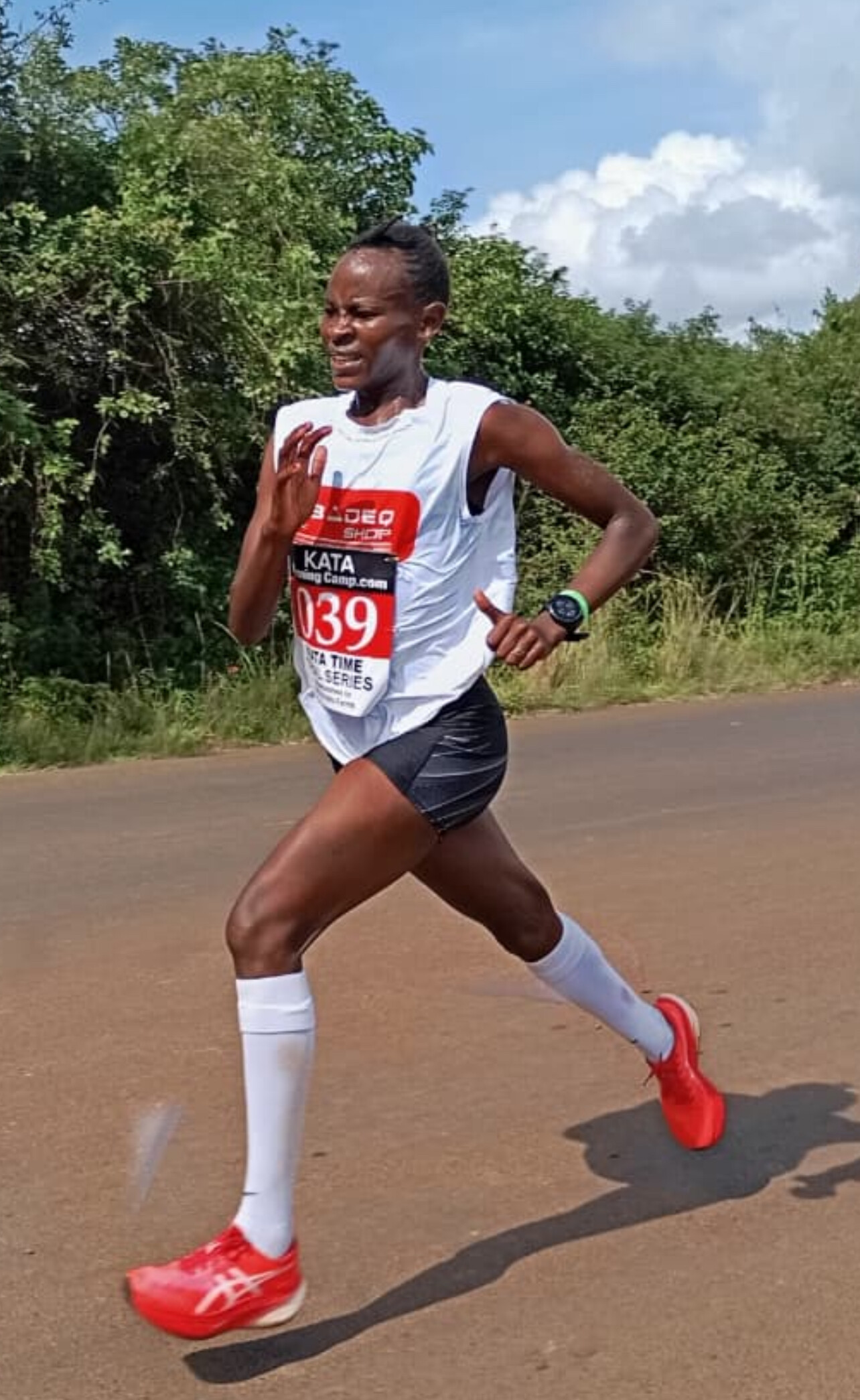
The women’s 5km race saw Agnes Wanjiru take to the course solo, clocking 19:21. Having recently battled illness, her performance reflected admirable resilience and commitment to the KATA program.
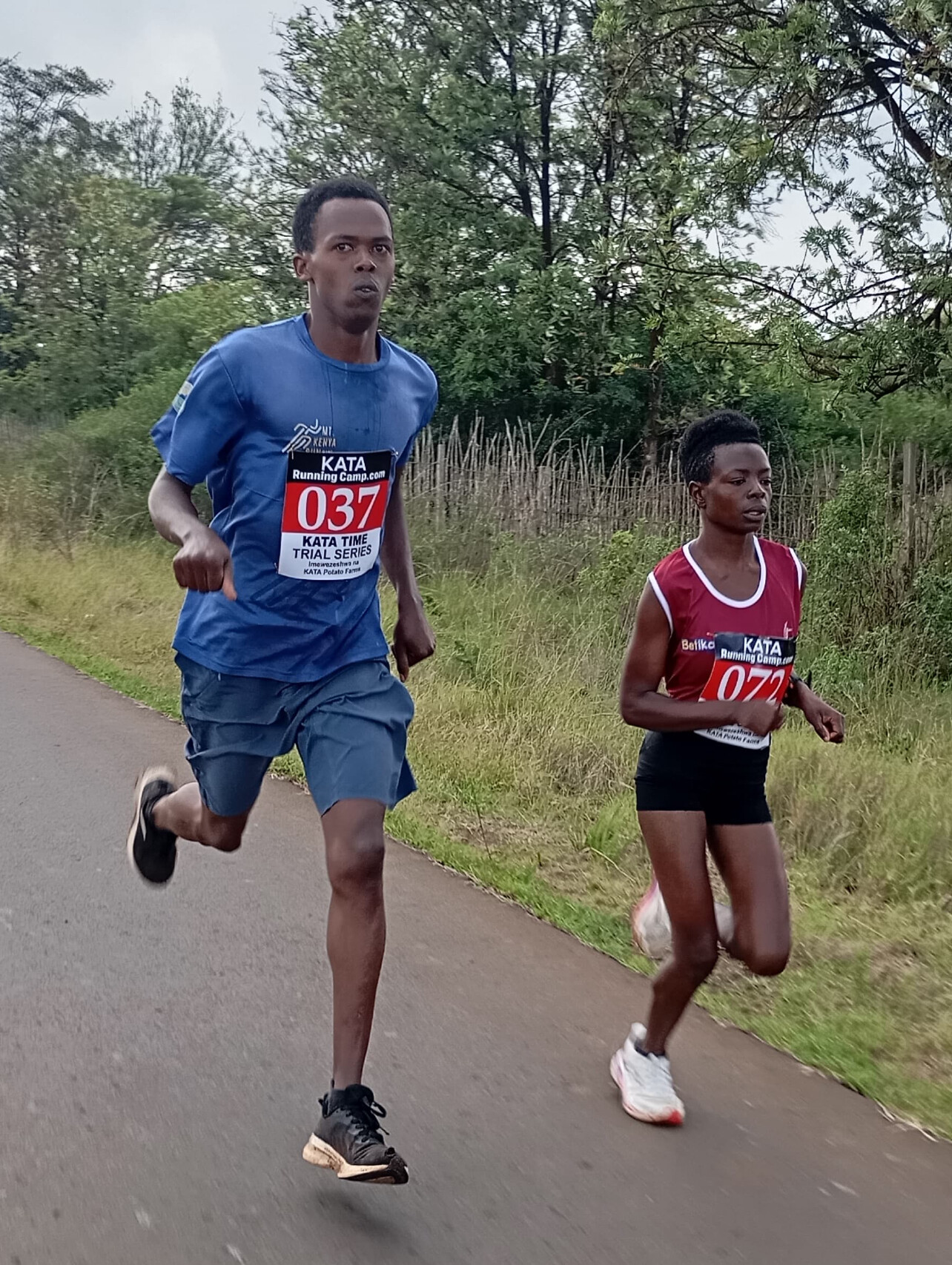
The men’s 10km was one of the most competitive fields of the day. John Chege, 21, took command early and maintained his lead to win in 29:49. He was followed by Bernard Waweru (40) in 30:29, with Stephen Ngigi, 22, close behind in 30:36 to complete the podium.
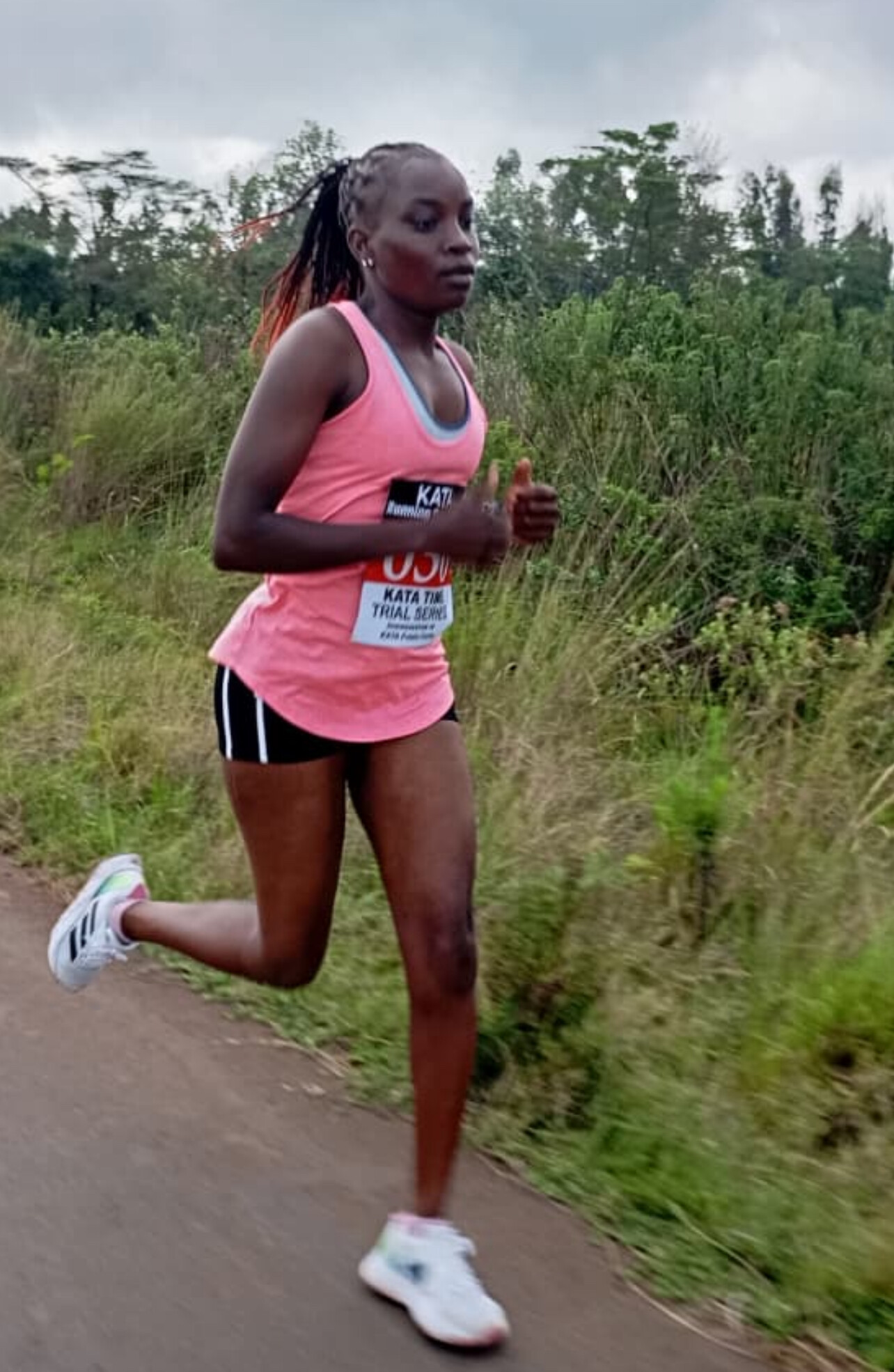
The women’s 10km produced another standout performance, with Loise Kiarie, 24, setting a new personal best of 33:49, improving her previous time by 30 seconds despite the less-than-ideal weather. Jacinta Kamau, also 24, claimed second in 34:48, while Kellen Waithira (38) finished third in 36:11.
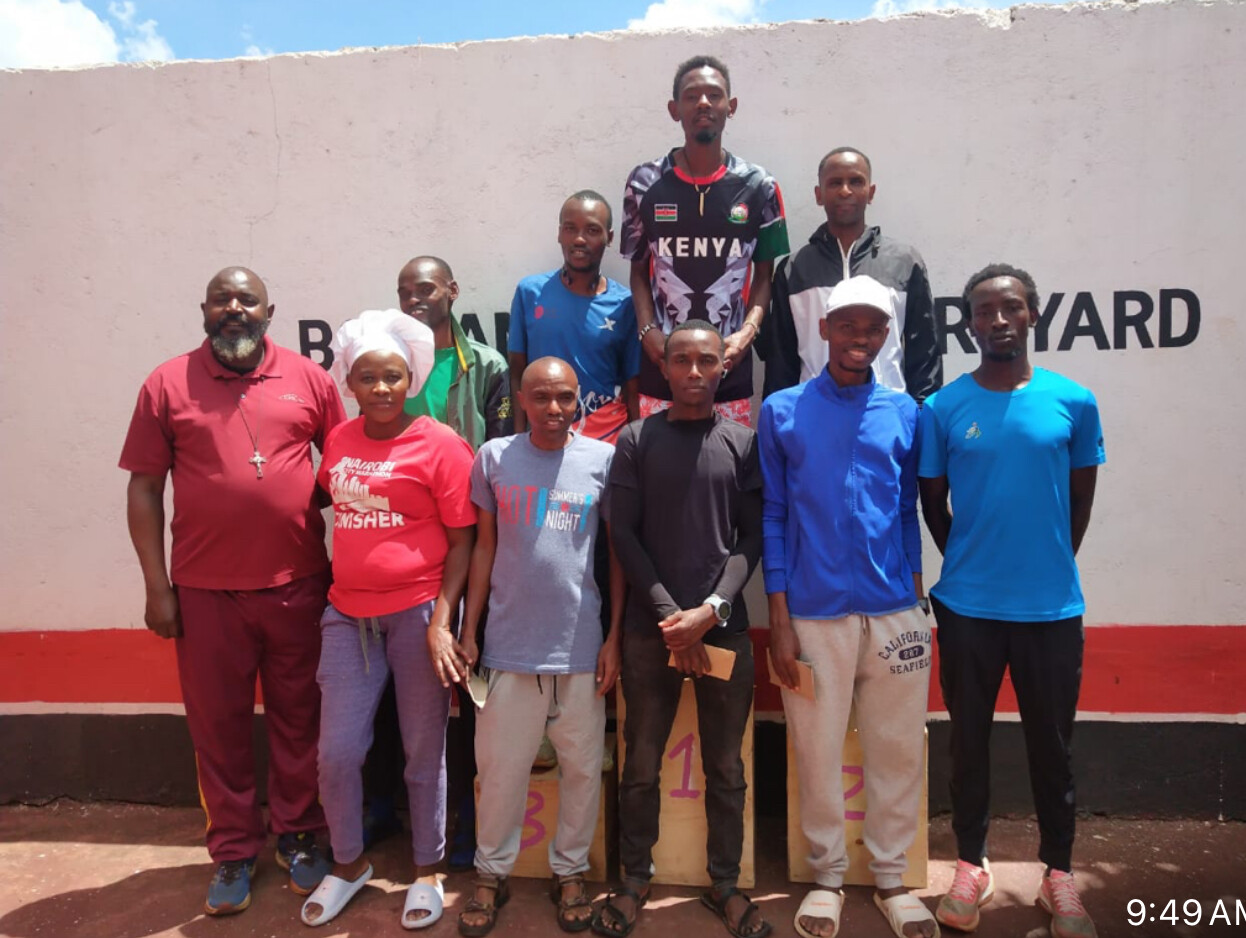
The KATA Time Trials, founded by Bob Anderson, continue to provide a world-class platform for Kenyan athletes to measure progress and stay race-ready between competitions. Today’s edition celebrated not only endurance and improvement but also the spirit of consistency that has defined the KATA community since its inception.
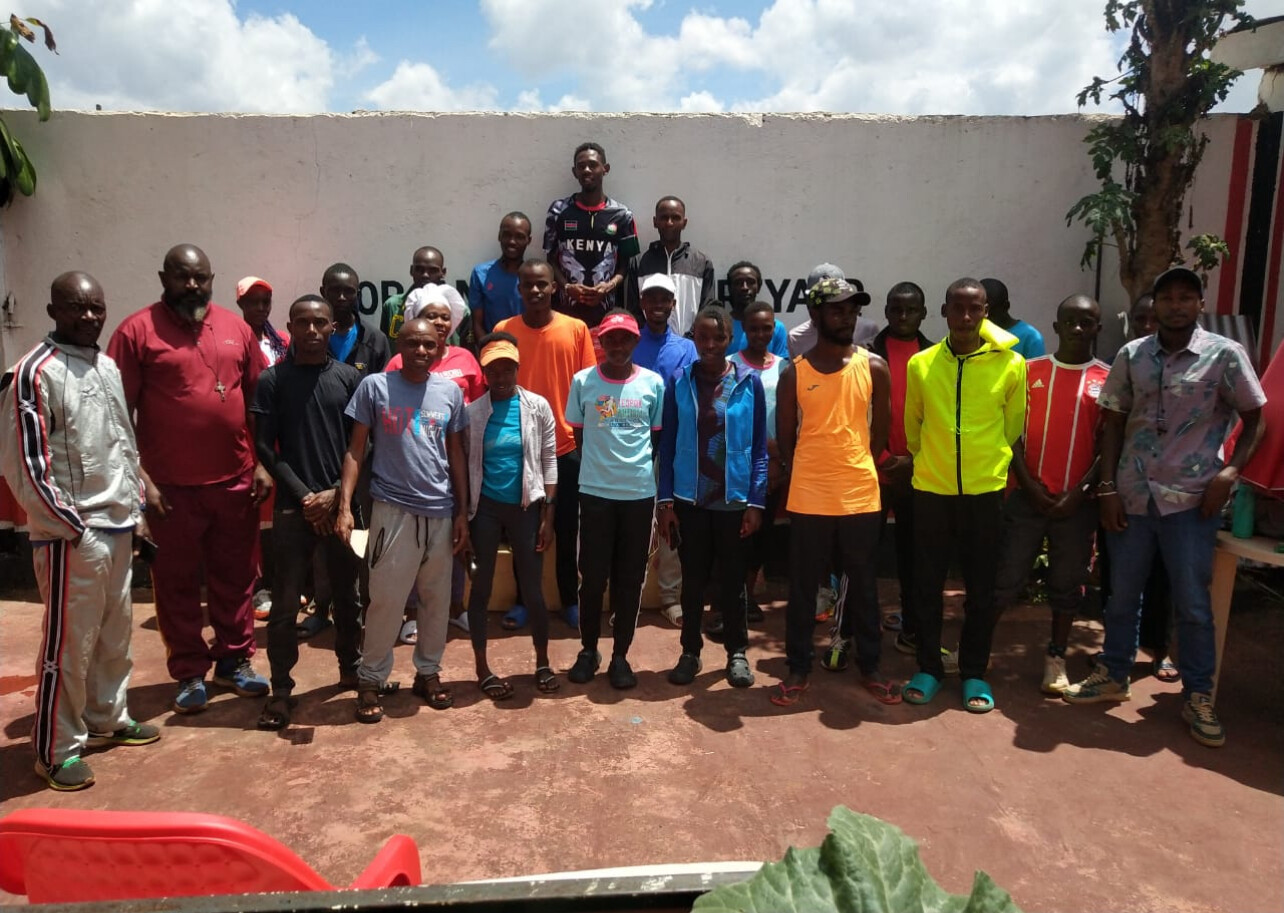
The next KATA Time Trial will take place on December 17, both in Thika and at most of KATA’s satellite running camps across Kenya, as the program continues to expand its reach and provide competitive opportunities to athletes nationwide.
KATA Time Trial #50 – Official Results
5km Men
- Charles Ndirangu – 24 yrs – Bib 74 – 15:32
- James Lawrence – 16 yrs – Bib 73 – 18:01
- Eric Mwaura – 18 yrs – Bib 35 – 18:07
- Tobias Kosgei – 16 yrs – Bib 73 – 18:50
5km Women
- Agnes Wanjiru – 20 yrs – Bib 33 – 19:21
10km Men
- John Chege – 21 yrs – Bib 76 – 29:49
- Bernard Waweru – 40 yrs – Bib 31 – 30:29
- Stephen Ngigi – 22 yrs – Bib 71 – 30:36
- Boniface Mungai – 30 yrs – Bib 77 – 30:53
- Dan Lolngojine – 19 yrs – Bib 49 – 31:01
- John Kuria – 30 yrs – Bib 40 – 31:33
- Joel Maina – 43 yrs – Bib 41 – 32:15
- Justus Nyamai – 18 yrs – Bib 48 – 33:25
- Ismael Mburu – 25 yrs – Bib 50 – 33:44
- Eric Cheruiyot – 30 yrs – Bib 46 – 33:55
- Joseph Nyota – 20 yrs – Bib 32 – 34:05
- Peter Mukundi – 27 yrs – Bib 37 – 36:46
- Charles Ndirangu – 65 yrs – Bib 53 – 38:02
10km Women
- Loise Kiarie – 24 yrs – Bib 39 – 33:49 (PB)
- Jacinta Kamau – 24 yrs – Bib 38 – 34:48
- Kellen Waithira – 38 yrs – Bib 54 – 36:11
- Susan Njuu – 40 yrs – Bib 52 – 36:34
- Lilian Nyamai – 25 yrs – Bib 47 – 37:04
- Karen Cheokemoi – 24 yrs – Bib 51 – 37:29
- Ruth Maina – 23 yrs – Bib 72 – 37:36
- Felistas Maina – 37 yrs – Bib 34 – 40:04
- Mary Wangari – 35 yrs – Bib 36 – 40:04
Boris Baron
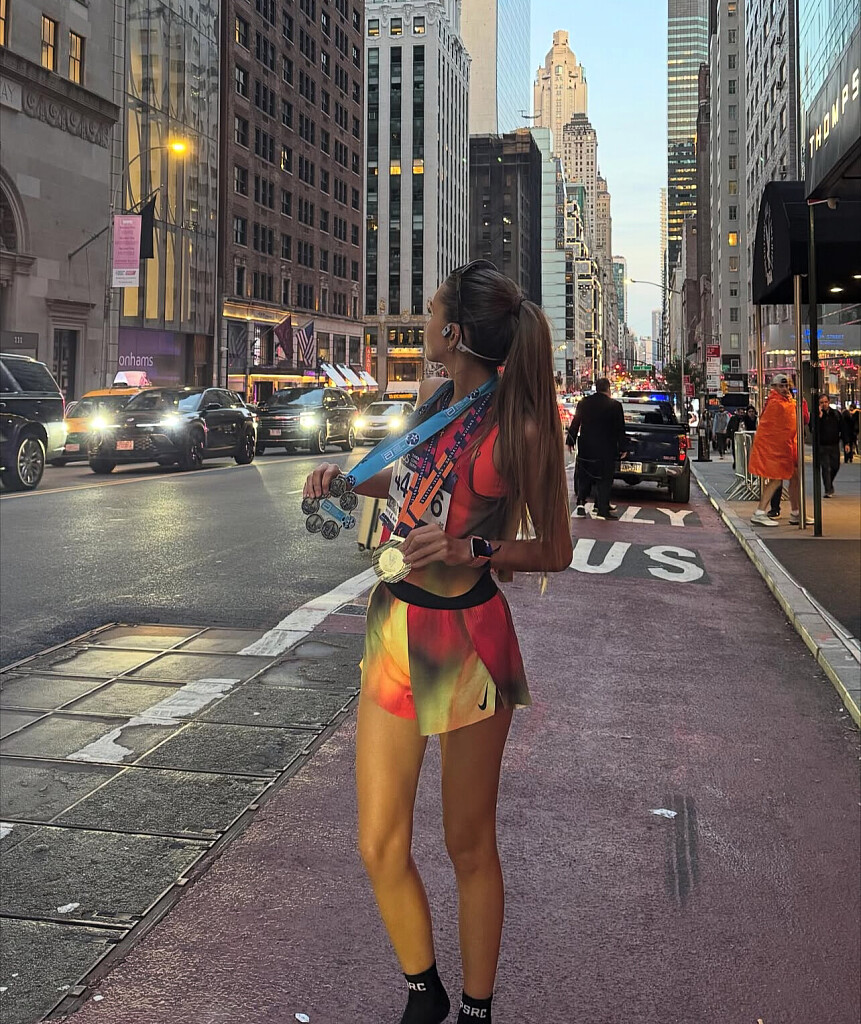
20-Year-Old Becomes Youngest Ever to Earn the Seven Star Medal
A 20-year-old British runner has officially become the youngest person in history to complete all seven World Marathon Majors and earn the coveted Seven Star Medal, Abbott World Marathon Majors announced.
Lucy Scott, from Bishop’s Stortford in Hertfordshire, completed the seven marathons over an 18-month stretch: Tokyo, Boston, London, Berlin, Chicago, New York City, and Sydney. She secured the honor on November 2 when she crossed the finish line at the New York City Marathon, making her the “youngest Seven Star athlete” to date.
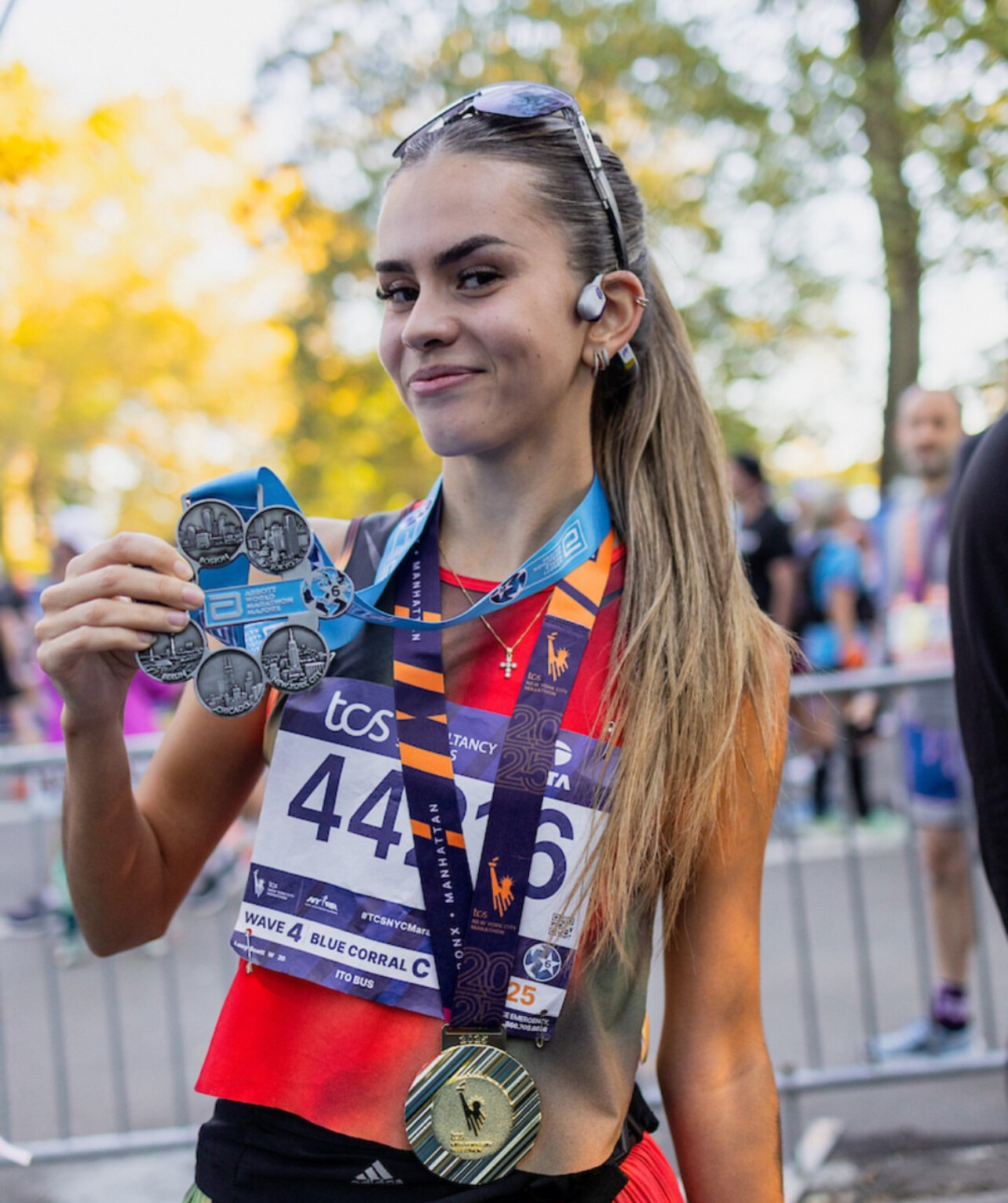
Scott, a history student at the University of Nottingham, only began running in 2024. “It’s the best thing I’ve ever done,” she said.
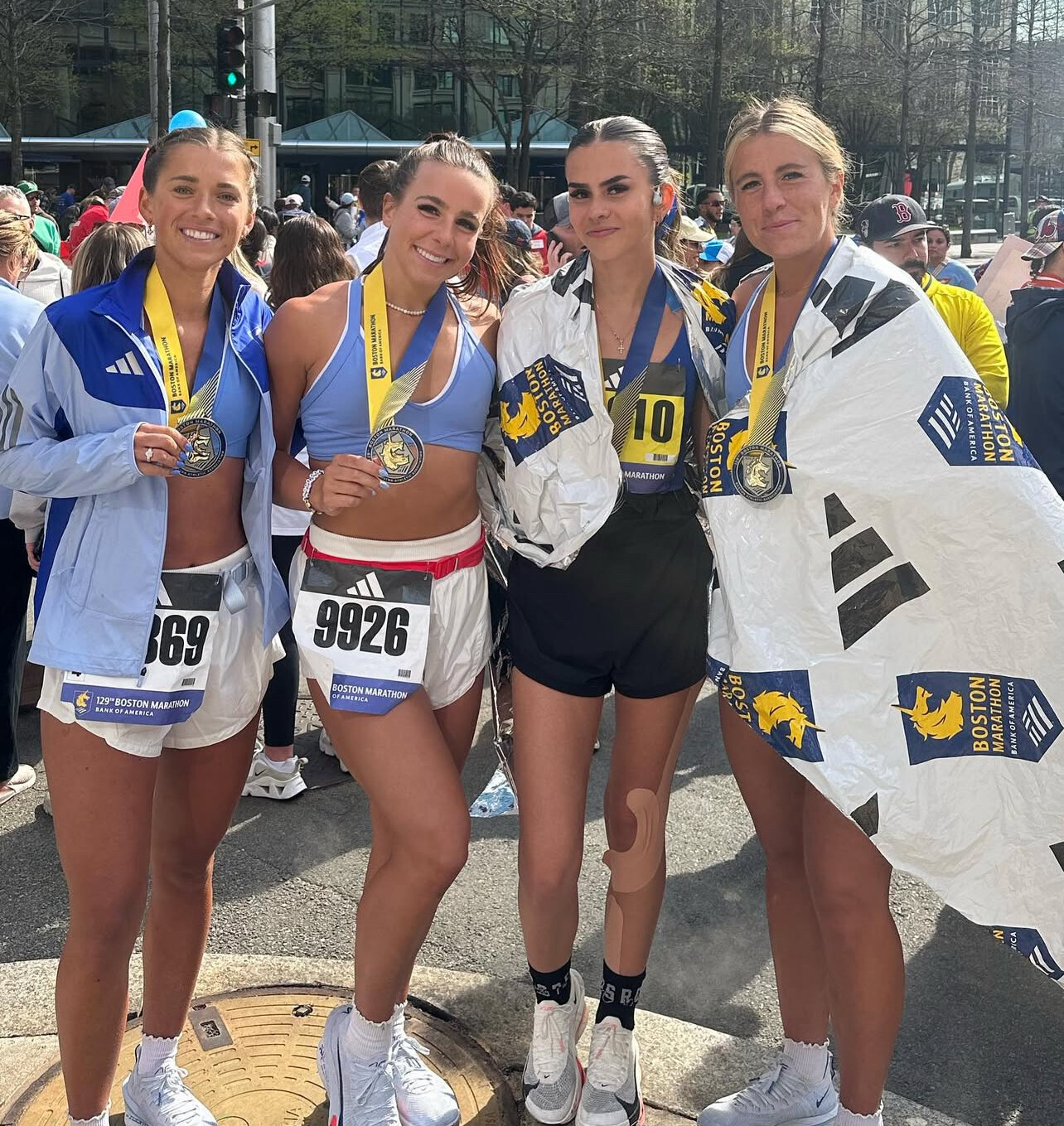
Introduced in 2016, the Six Star Medal originally honored runners who completed the six established majors. The series expanded in November 2024 with the addition of the Sydney Marathon, creating the Seven Star Medal Scott has now earned.
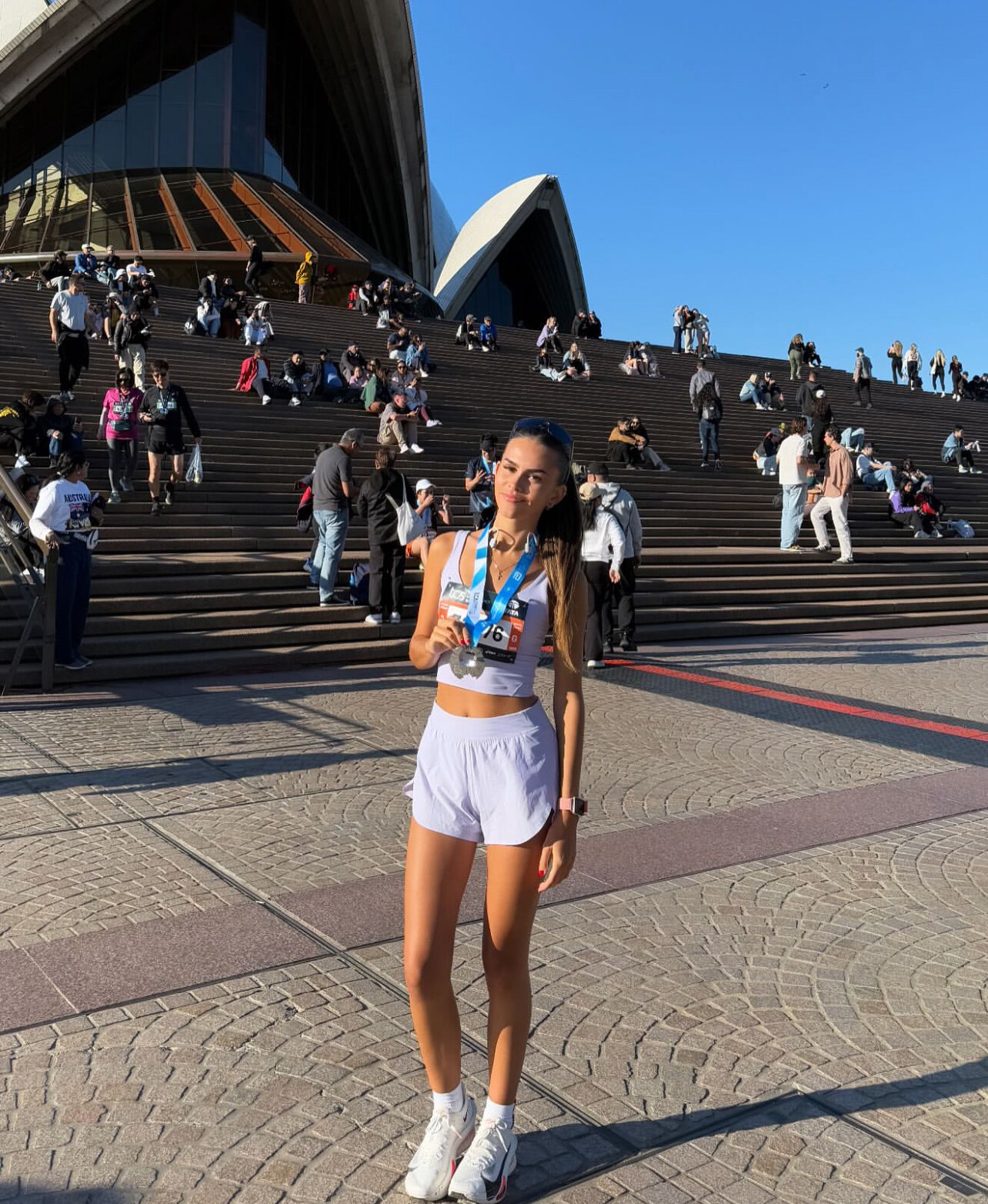
Despite having no previous running experience, Scott took up the sport during her first year at university. Her debut marathon came in 2024 at the TCS London Marathon, where she raised £7,685 for The Essex Disabled Sport Foundation.
She credits her father, John Scott, as her inspiration. He had been pursuing the Six Star Medal before the Covid pandemic, but injuries prevented him from completing Tokyo and Boston. Lucy has since carried his dream forward, with her parents traveling the world to cheer her on at every finish line.

“I think they’ve loved the experience as much as I have,” she said.
Looking ahead, Scott plans to run her third London Marathon in April 2026—“if I can balance university and fundraising,” she noted. She also hopes to pursue the proposed Nine Star Medal, which Abbott World Marathon Majors is considering adding by including Cape Town and Shanghai.
“If I can get a place, I would love to do that,” she said.
(11/13/25) Views: 104Boris Baron
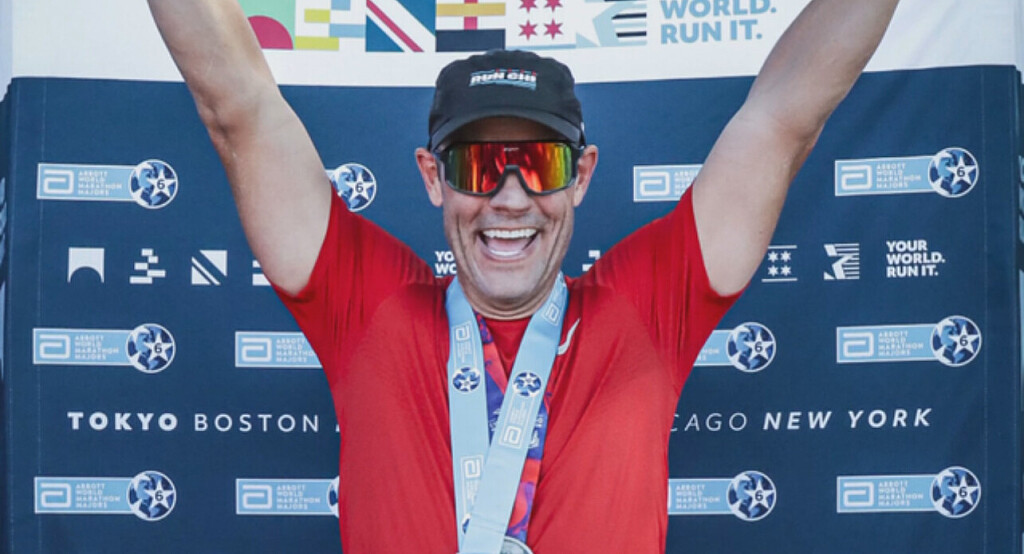
Colorado Runner Completes All Seven World Marathon Majors in One Year
l“My wife thinks I’m crazy,” says 49-year-old Max Fulton
Golden, Colorado — Completing all six Abbott World Marathon Majors is a lifetime goal for many runners. But in 2025, with Sydney officially added as the seventh race, one Colorado man decided to do them all — in a single year.
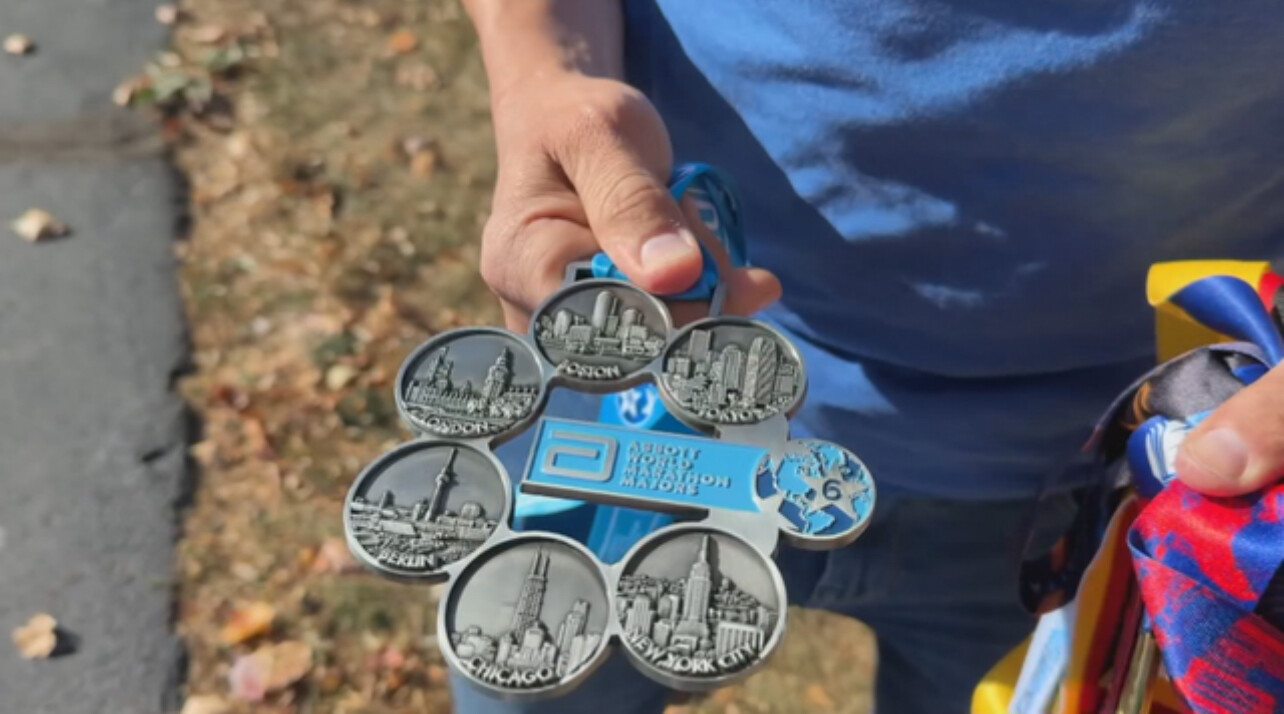
Max Fulton, 49, from Golden, crossed his final finish line last weekend, completing an extraordinary year that took him across the globe to tackle the world’s most iconic marathons: Tokyo, Boston, London, Berlin, Chicago, New York, and now Sydney.
“It was interesting. It was hard,” Fulton said, displaying his seven medals — one from each of the World Marathon Majors. “A lot of people try this and it takes them five or six years to get accomplished. I thought, what if I did them all in one year? And what if I’m the first person to do it?”
Fulton isn’t new to endurance challenges. A veteran ultrarunner, he’s finished the grueling Leadville 100 ten times. But he admits this marathon mission tested more than just his legs. “The hardest part, actually, was getting into all of them,” he said. “Even if you qualify, it doesn’t always guarantee entry.”
He managed it through a mix of qualification times, charity bibs, marathon tours, and lottery wins. Along the way, his family supported his ambitious plan — mostly. “My wife thinks I’m crazy,” Fulton laughed. “My daughter’s probably with her. My son thinks it’s awesome.”
Fulton believes he’s one of fewer than ten runners worldwide to have completed all seven Majors in 2025. For comparison, roughly 20,000 runners have finished all six Majors over their entire lives.
As for what’s next? “Maybe it’s time to spend more time on the bike,” he said — before pausing with a grin. “But Abbott is adding South Africa and Singapore. Maybe I’ll end up running nine of them.”
(11/11/25) Views: 94Boris Baron
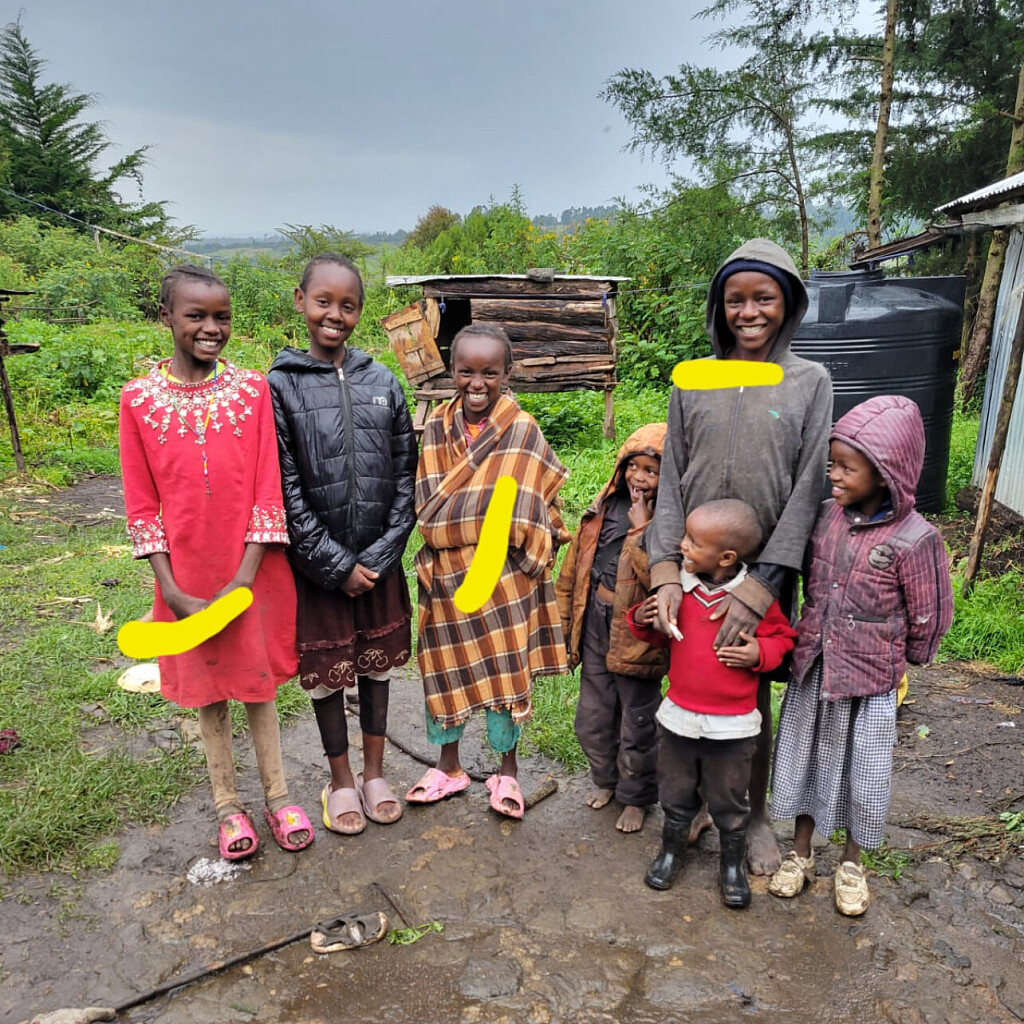
Lucy Muritu’s Young Athletes Set Sights on 3rd Edition of Great Chepsaita Cross Country Run
NYANDARUA, Kenya Lucy Muritu, a dedicated KATA beneficiary and mentor, is preparing her young athletes to shine on the global stage at the upcoming 3rd edition of the Great Chepsaita Cross Country Run (Gold Label), set for December 6.
Beyond her success as a KATA potato farmer, Lucy has devoted herself to nurturing young running talent, proving that grassroots mentorship can open doors for children to excel both on the track and in the classroom.
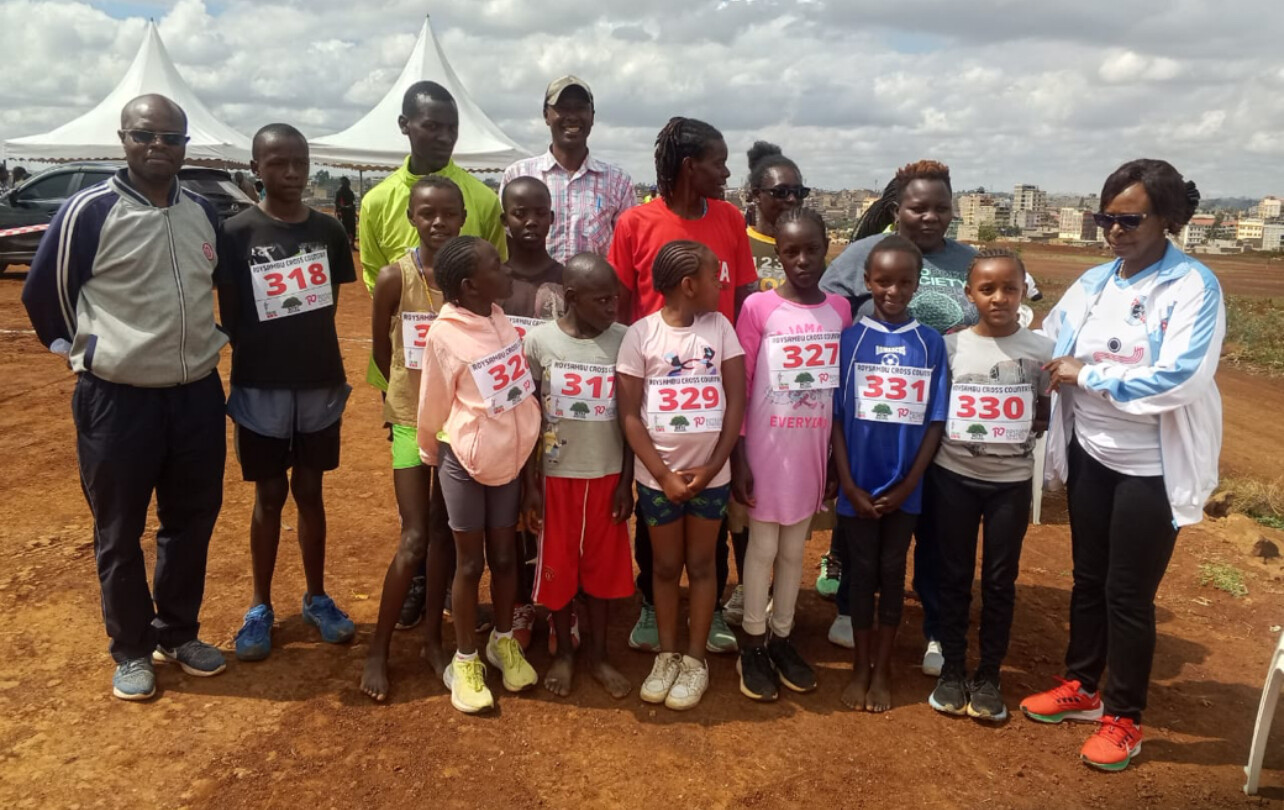
Among her protégés are sisters Florence Wangui (13) and Margaret Wanja (11), whose performances have already drawn national attention. The two recently triumphed in Bob’s One Mile Children’s Race, an initiative created by Bob Anderson to support emerging young runners. Alongside the annual Double Road Race, Bob’s One Mile has become a vital platform for discovering and nurturing athletic talent at the youth level.

Florence and Margaret continued their winning streak by capturing titles at the Roy Sambu United Environment Cross Country Run in Nairobi, confirming their rising status among Kenya’s promising young athletes.
Lucy has already registered her full team for Chepsaita: Florence Wangui, Margaret Wanja, Godfrey Kahora (19), Ann Wanjiku (16), Tabitha Wanjiru (15), Tashian Wangari (8), and Alisha Njoki (9). Many of these young athletes come from humble backgrounds, yet through Lucy’s mentorship—and the support of programs like KATA and Bob Anderson’s initiatives—they are gaining both guidance and opportunity to grow in sport and in education.
Reflecting on her journey, Lucy said:
“I would like to sincerely thank Bob for the wonderful opportunity he has given me through KATA. Being part of this program has truly empowered me as a farmer and a mentor, and I am grateful for the trust and support that has been shown to me. With KATA’s guidance, I look forward to achieving even greater results and continuing to contribute to the growth of our community. At the same time, I am preparing our young athletes for a great race—the upcoming Chepsaita Cross Country Gold Label event. I’m excited to nurture and guide the next generation, and I believe their participation in such a prestigious event will inspire them to reach new heights.”
The Great Chepsaita Cross Country Run, recognized internationally as a Gold Label event, gives young athletes the chance to compete alongside elite runners—learning lessons in discipline, training, and sportsmanship that will shape their futures.
For Lucy and her team, the event represents far more than a race. It’s a platform where talent meets education, helping mold a generation of athletes who can thrive in both athletics and life.
KATA’s framework offers this same opportunity to coaches across Kenya, empowering them to identify young runners in their communities, register them in programs like Bob’s One Mile, and access mentorship and resources that foster both athletic and academic growth.
Lucy encourages other coaches to join the effort:
“There is talent everywhere, and KATA gives us a way to find it, guide it, and give children the opportunities they deserve. With more coaches participating, we can build a network of mentorship that reaches every county and ensures no gifted child goes unnoticed.”
As December 6 approaches, Lucy’s young athletes stand as a testament to the power of community-based mentorship. From the rolling hills of Nyandarua to the Gold Label course at Chepsaita, these children embody the resilience, dedication, and promise that programs like KATA and Bob’s One Mile are designed to nurture. Their journey shows that with the right guidance and opportunity, Kenya’s next generation of runners can achieve greatness—on the course and beyond.
(11/11/25) Views: 89Robert Kibet
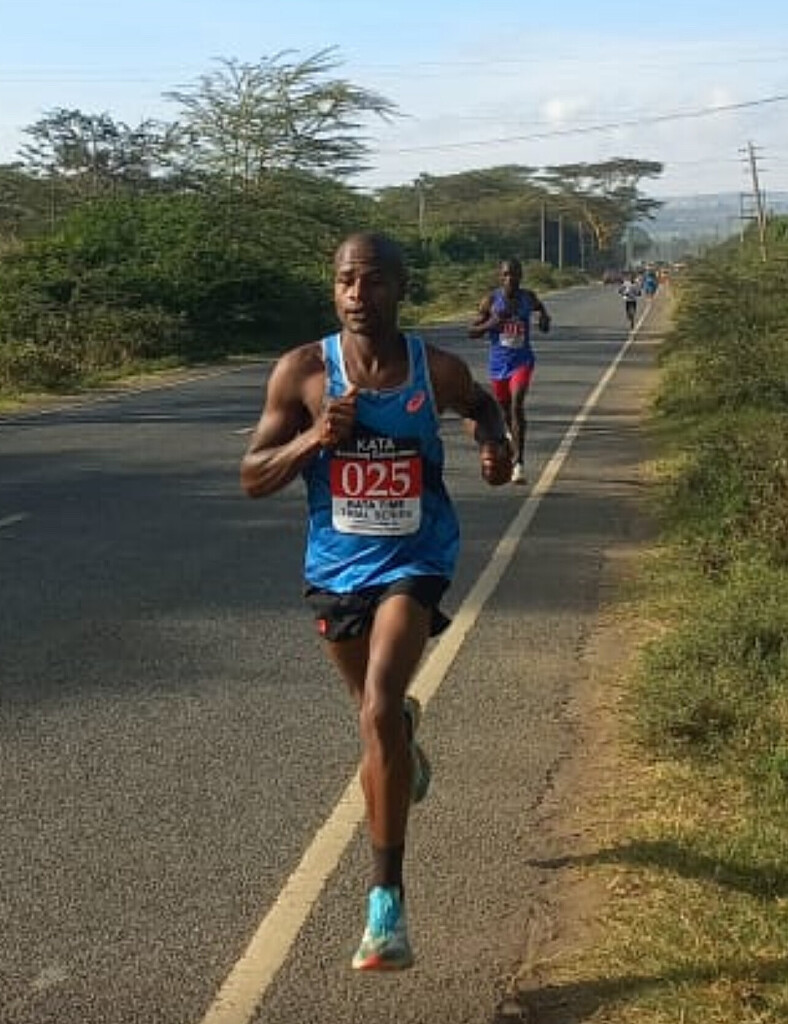
Weldon Langat Shines Again at Sachangwan KATA Running Camp Time Trial
The third edition of the KATA Sachangwan Running Camp K 07 Time Trial on the scenic yet demanding Salgaa–Rongai route was held under bright, sunny skies with temperatures at 64°F (18°C), 67% humidity, light winds of 2 mph, and a moderate UV index of 4.5. Despite the tough weather and rolling terrain, athletes displayed tremendous resilience and speed, once again proving why the KATA Time Trials are a breeding ground for Kenyan endurance talent.
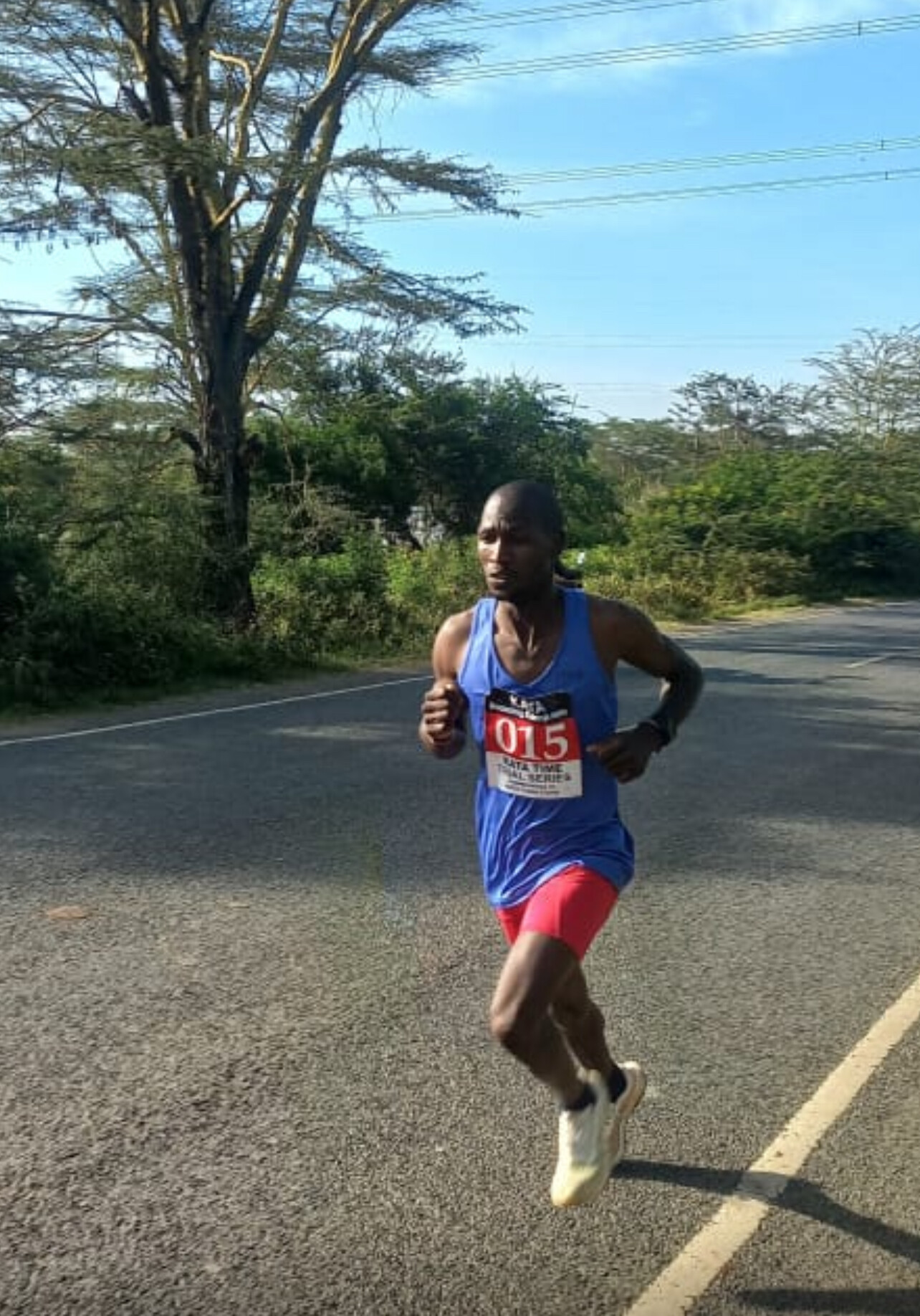
In the men’s 10km, Weldon Langat (19 years, Bib 025) extended his dominance on this course, unleashing a powerful finishing kick to win in 30:49. Langat has made the Salgaa–Rongai route his own, demonstrating both tactical awareness and strength through the hills. Ronald Cheruiyot (25 yrs, Bib 015) followed in 34:24, while Sammy Sang (35 yrs, Bib 022) took third in 37:50, rounding out a solid men’s podium.
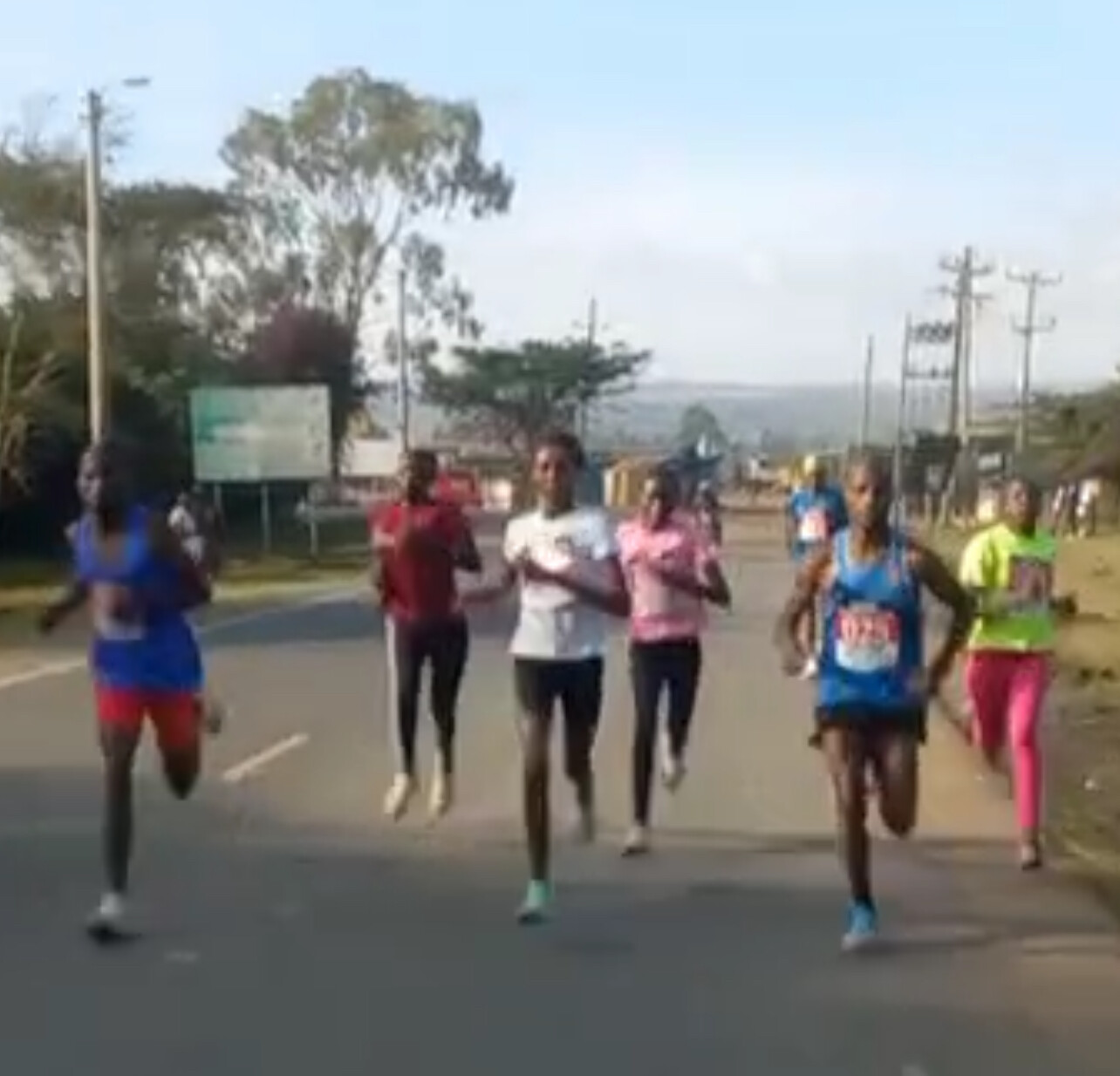
The men’s 5km saw rising star Benard Kitum (20 yrs, Bib 040) clock a personal best of 16:35, continuing his steady improvement within the KATA Running Camp system. His confidence and form signal a bright future ahead.
In the women’s 5km, Elizabeth Wambui (20 yrs, Bib 036) impressed once again, winning in 18:08with her trademark consistency and drive. Sandra Cheptoo (13 yrs, Bib 018) showed great promise in second, running 21:00, while Faith Chebet (16 yrs, Bib 033) was third in 23:12. Miriam Chebet (18 yrs, Bib 035) followed closely in 23:17, with Rahab Chemutai (13 yrs, Bib 019) finishing fifth in 25:27.
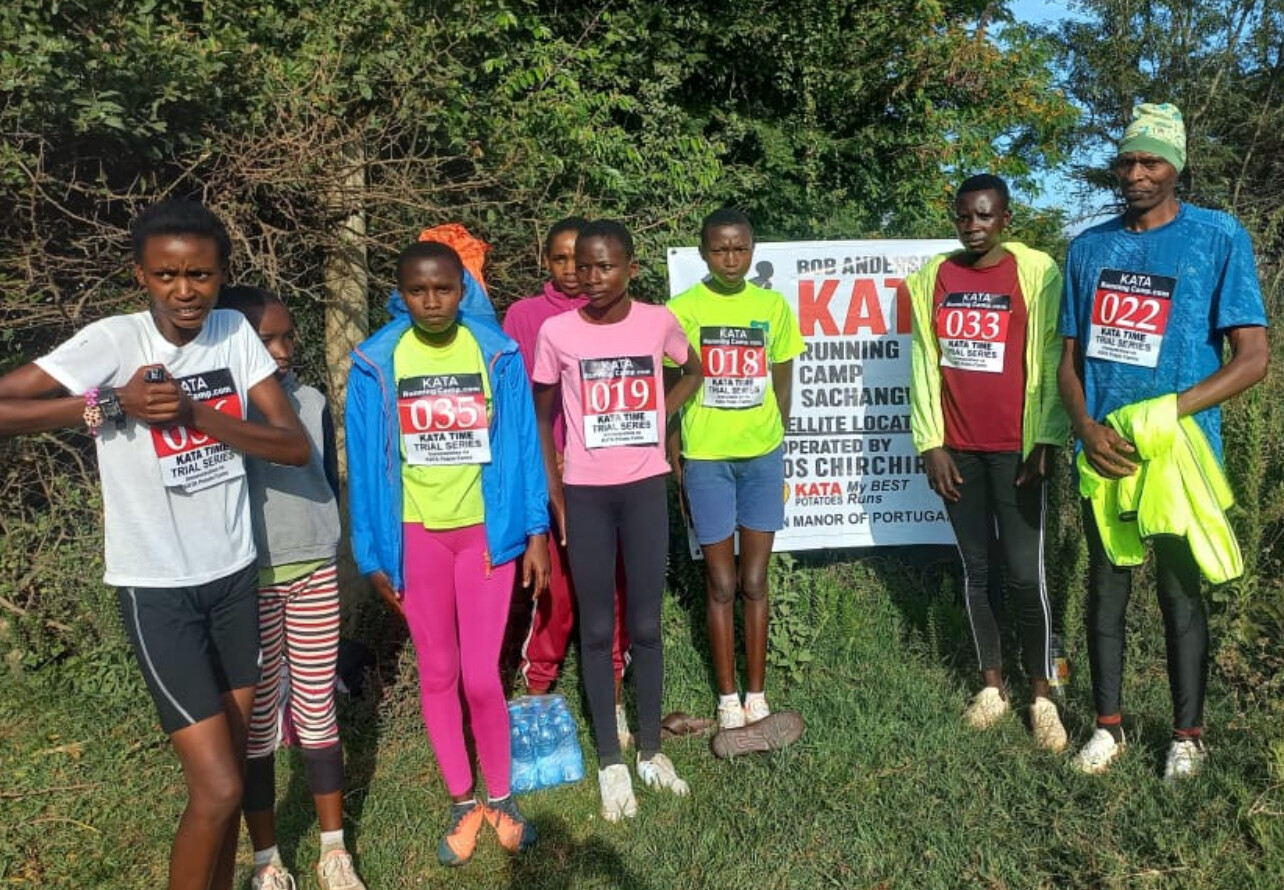
These performances highlight the diversity of talent within KATA’s growing satellite network — from seasoned runners to young emerging athletes.
The next KATA Time Trial will take place on December 17 across most of KATA’s satellite running camps, including the main academy in Thika, continuing the momentum of KATA’s “Fuel of Champions” program that blends training, racing, and development across Kenya.
The Salgaa–Rongai KATA Running Camp, one of KATA’s newest and most promising satellite locations, continues to build its reputation as a key hub for athlete development. Its consistent time trial events are helping to identify and prepare the next generation of Kenyan champions — runners who are fast proving that talent, dedication, and the right support can overcome even the toughest conditions.
KATA Time Trial – Salgaa–Rongai (3rd Edition) Official Results
10km Men
1. Weldon Langat – 19 yrs – Bib 025 – 30:49
2. Ronald Cheruiyot – 25 yrs – Bib 015 – 34:24
3. Sammy Sang – 35 yrs – Bib 022 – 37:50
5km Men
1. Benard Kitum – 20 yrs – Bib 040 – 16:35 (PB)
5km Women
1. Elizabeth Wambui – 20 yrs – Bib 036 – 18:08
2. Sandra Cheptoo – 13 yrs – Bib 018 – 21:00
3. Faith Chebet – 16 yrs – Bib 033 – 23:12
4. Miriam Chebet – 18 yrs – Bib 035 – 23:17
5. Rahab Chemutai – 13 yrs – Bib 019 – 25:27
(11/12/25) Views: 89Boris Baron

This Is What It Really Takes to Get Faster
Every runner who dreams of shaving seconds—or minutes—off their personal best has to confront one truth: speed is earned through consistent work, not a single breakthrough workout.
Build Your Base First
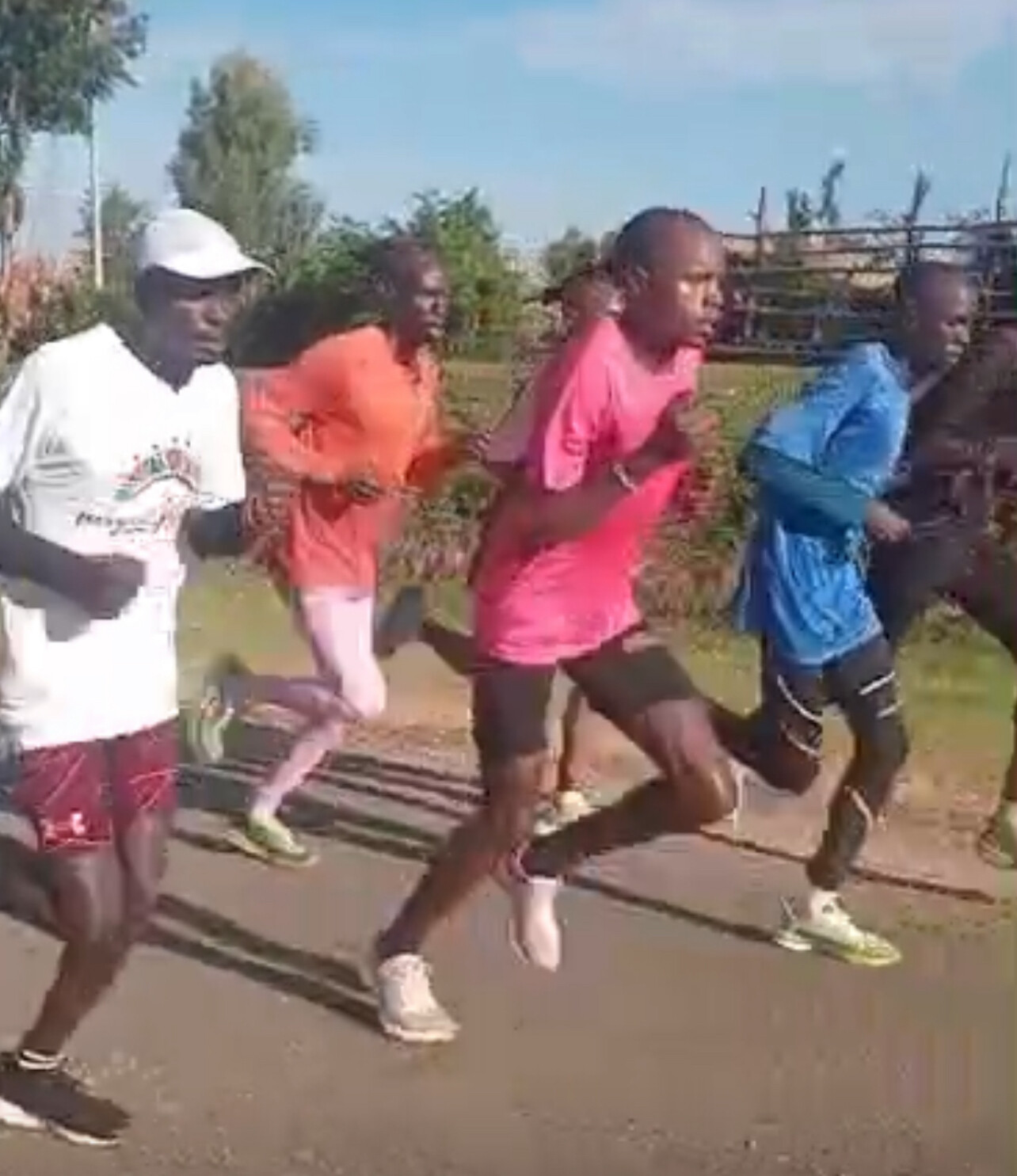
“You can’t get faster if you don’t already have an aerobic base,” says Kelly Roberts, RRCA-certified coach and founder of the Badass Lady Gang. That base comes from running three to four times per week for about 40 minutes at a conversational pace. Once you can sustain that comfortably, you’re ready to introduce speed work.
Speed Comes From Teaching Your Body to Run Fast
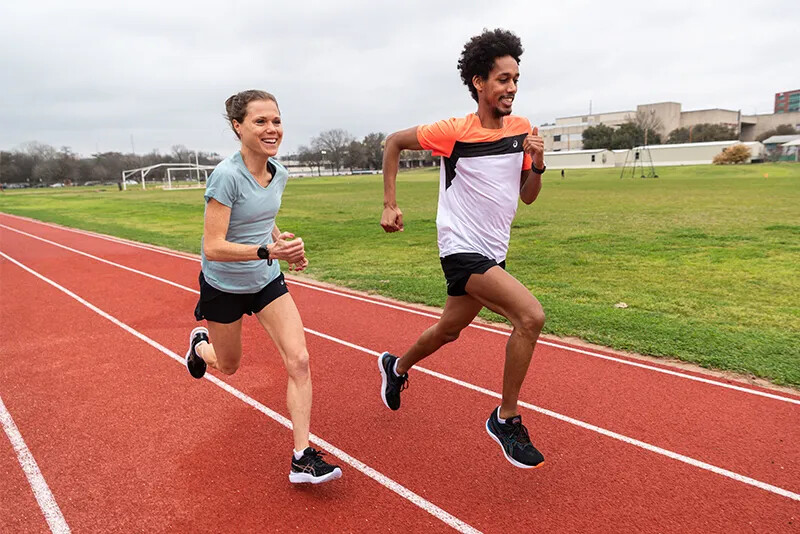
“Speed doesn’t come from one magical workout,” says Jes Woods, RRCA-certified Nike Running coach. “It comes from consistent speed work. That’s where you actually teach your body how to run fast.”
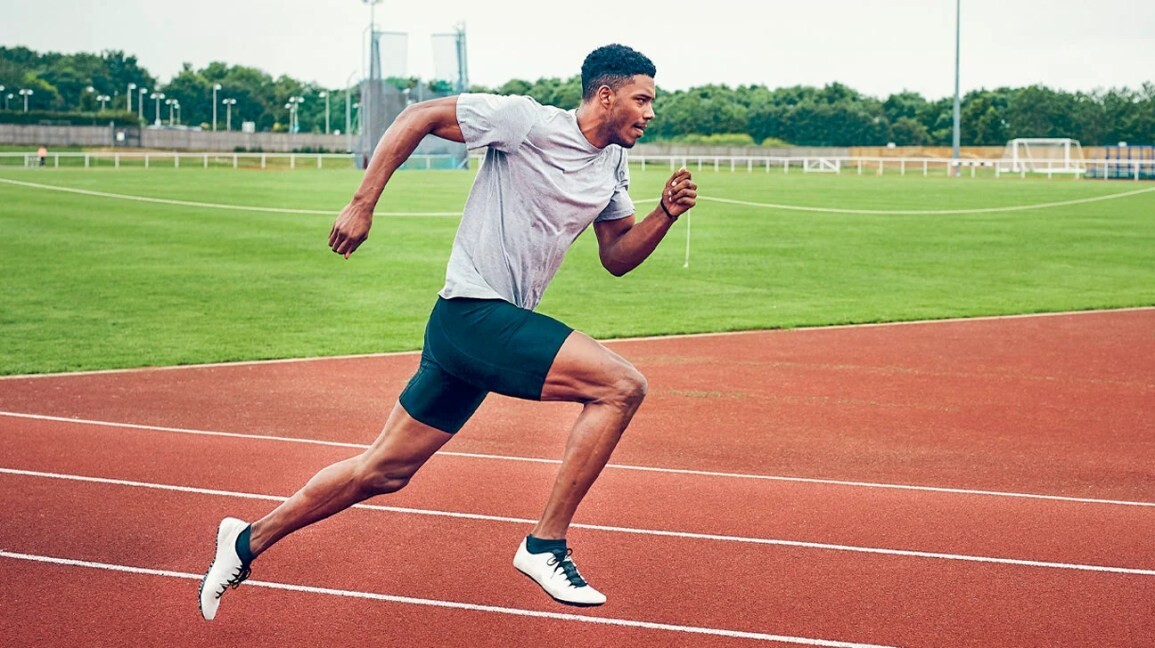
Speed work develops efficiency: better oxygen use, quicker lactate clearing, and greater tolerance for harder efforts. In short, it trains your body to handle more stress—and recover from it—at faster paces.
What Speed Workouts Look Like
You can build speed in several ways:
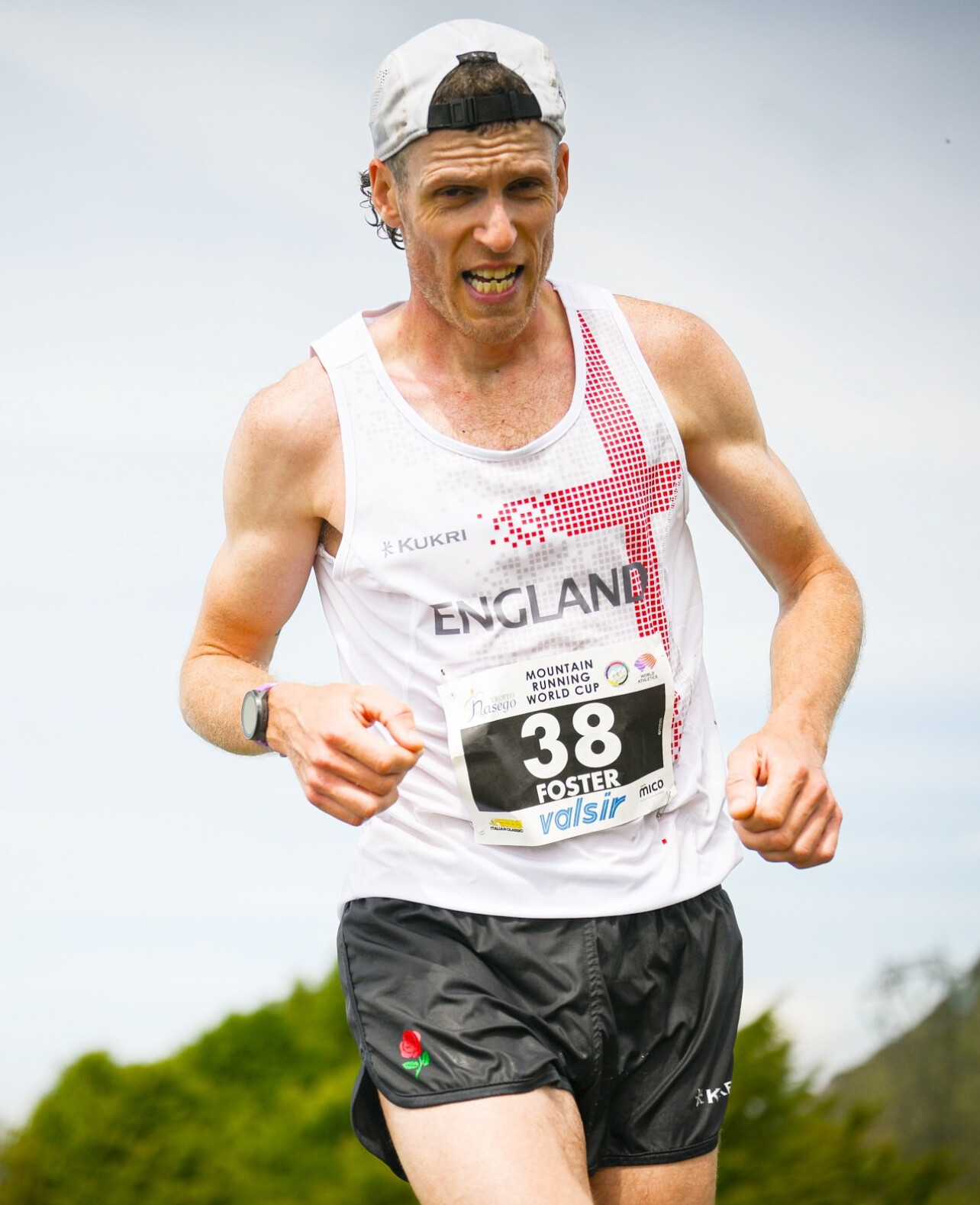
• Intervals: Fast segments with recoveries.
• Fartleks: Speed play with less structure.
• Tempo runs: Steady efforts just outside your comfort zone.
• Hill sprints: Strength and power mixed with speed.
A solid weekly plan to improve speed usually includes 1–2 speed sessions, 1–2 easy runs, one strength day, and a long run. Easy runs promote recovery, strength training builds power and stability, and long runs expand endurance—all essential pieces alongside your speed days.
“That balance allows your body to stress, adapt, and recover in the right proportions,” Woods says.
The Mental Side of Getting Faster
Speed training isn’t just physical. Roberts says the hardest part is managing the mental noise when things get uncomfortable.
“When you run faster, everything gets louder,” she says. “Your legs scream, and the little parrots on your shoulder scream back.”
Her advice: pay attention to self-talk and lean on mantras. One of her go-tos is, “I don’t know if I can do this. Let’s see what happens when I give my best.”
When You’ll Start Seeing Results
If you train consistently, most runners notice progress in six to eight weeks. Research backs this up: intermittent sprint training improved 10K times in six weeks in one study, and VO₂ max increased significantly after eight weeks of aerobic training in another.
“You’ll feel different,” Roberts says. “Your runs will feel easier as your aerobic strength improves.”
Beginner vs. Experienced Runners
Genetics, training history, and consistency all shape how quickly you’ll get faster. Some runners respond more quickly, while others chip away over time. But beginners often see the biggest gains because there’s more room for improvement.
“If you’re looking to get faster, you’ll never see bigger PR swings than you will as a new runner,” Roberts says.
The Bottom Line
Speed is attainable for every runner. Build your base, train consistently, mix your workouts, and practice staying calm when things get uncomfortable. Over time, the seconds will fall off—and you’ll become a faster, stronger version of yourself.
(11/12/25) Views: 57Boris Baron
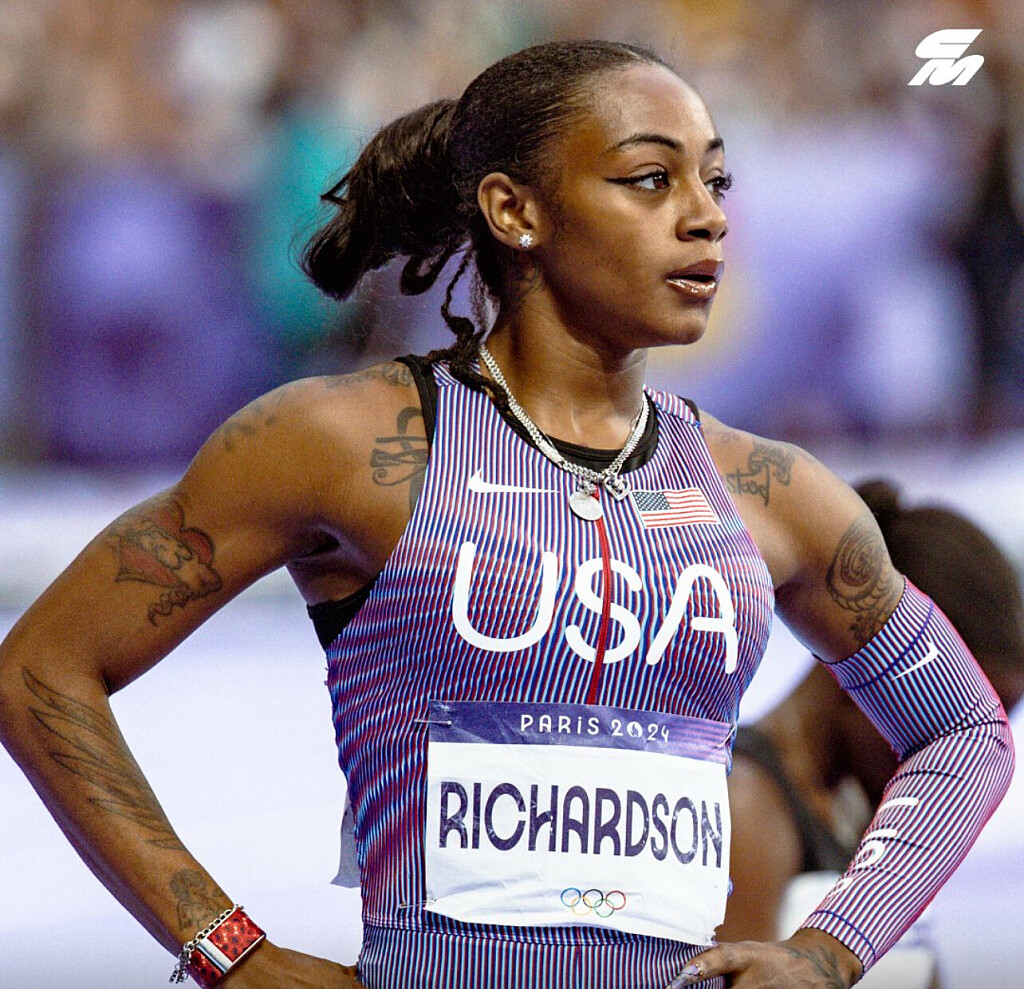
Women’s 100 Meters to Be Contested in All Three Rounds on One Day at the 2028 Los Angeles Olympics
World Athletics has confirmed a major schedule change for the 2028 Los Angeles Olympic Games: all three rounds of the women’s 100 meters—including the final—will take place on the same day, July 15, 2028.
The morning session will open with the preliminary round featuring universality athletes from smaller nations, followed by the first round with the full roster of qualified sprinters. That evening, the championship stage will unfold rapidly with both the semifinal and the final, closing out an action-packed first day on the track.
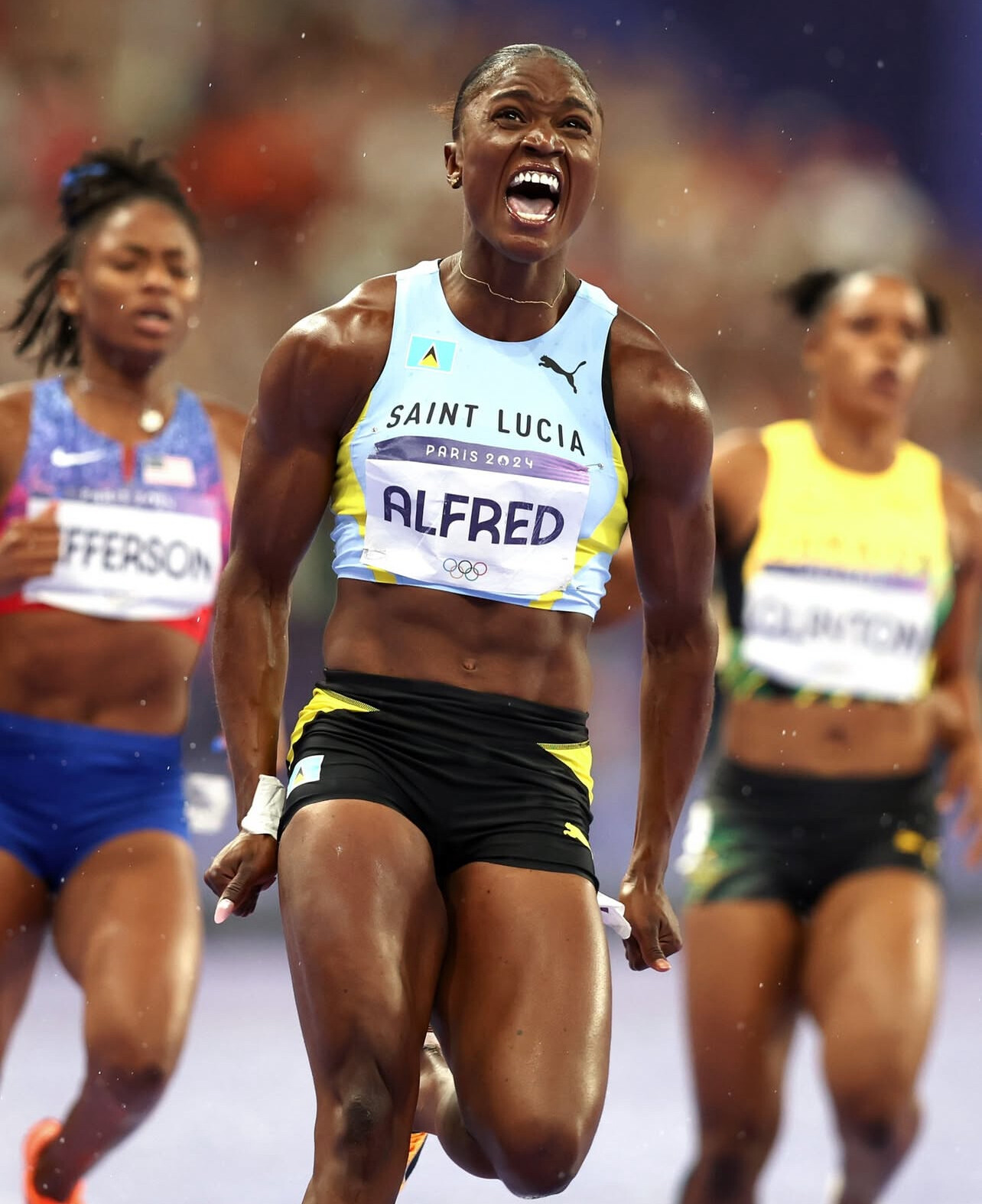
This format marks a significant shift from the usual two-day schedule used at recent Olympics and World Championships. Traditionally, the first round and semifinals are separated by many hours—often by a full day—to maximize recovery. Compressing the event into a single day places a greater emphasis on depth, consistency, and the ability to deliver multiple high-level performances in short succession.
Why the Change?
LA28 organizers and World Athletics have collaborated on a schedule designed to deliver a fast-moving, high-impact viewer experience on opening day. Condensing the women’s 100m serves several goals:
• A blockbuster start to the athletics program, with one of the Olympics’ most iconic events featured immediately.
• Improved broadcast flow, concentrating marquee moments into unified viewing windows.
• Greater schedule flexibility for the remaining days, especially for athletes competing in multiple sprint events.
Officials have also noted that elite sprinters frequently run multiple rounds in a single day during national trials and certain elite meets. However, doing so on the Olympic stage—with global pressure and championship-level stakes—adds a new layer of intensity.
What About the Men’s 100?
While the women’s 100m will be fully completed on July 15, the men’s 100 meters will remain on a two-day format. The men’s prelims and first round will also take place on July 15, but the semifinal and final are scheduled for the following evening, July 16. This staggered approach further highlights how unique the one-day women’s format will be in Los Angeles.
A Big Opening Day
The women’s 100m program will headline a Day 1 that also includes:
• Women’s Shot Put Final
• Men’s 10,000m Final
With sprinting, endurance, and power all showcased, July 15 is positioned to deliver one of the most compelling opening days in Olympic track and field history.
(11/13/25) Views: 49Boris Baron
