

Running News Daily
Top Ten Stories of the Week
11/1/2025
These are the top ten stories based on views over the last week.
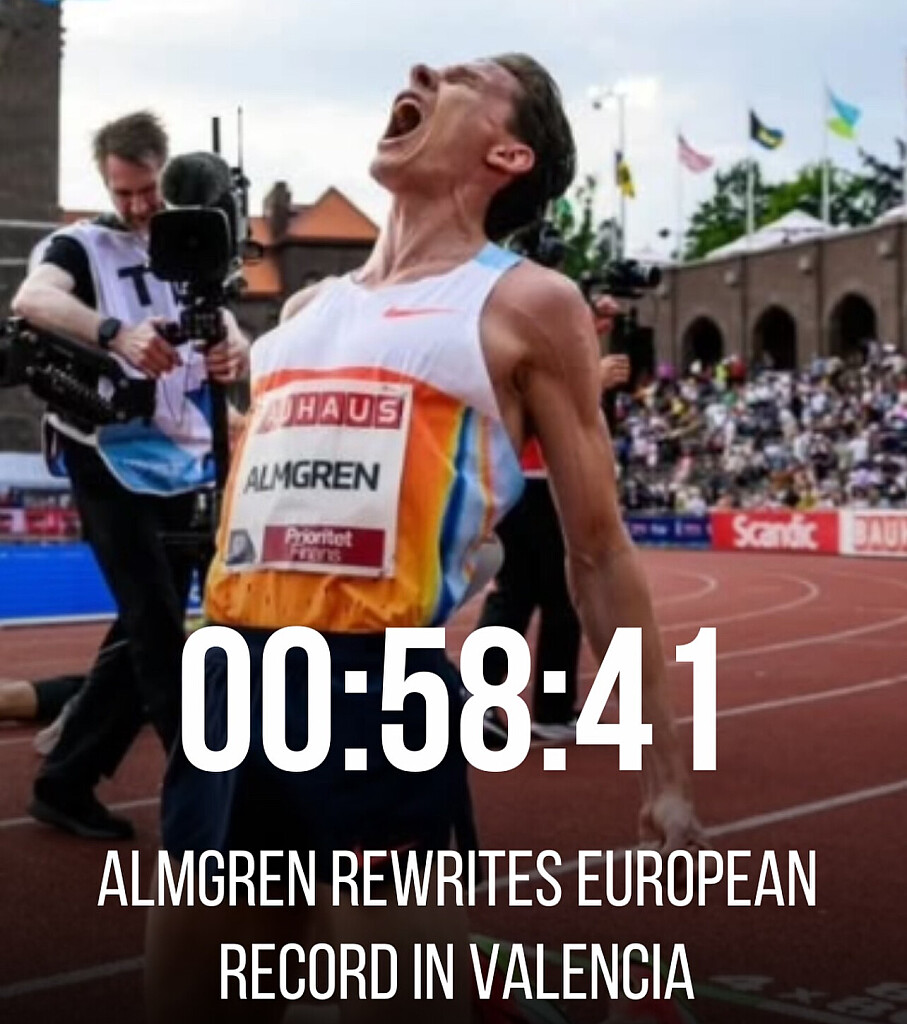


Andreas Almgren Breaks European Record as Agnes Ngetich Runs Second Fastest Half Marathon Ever in Valencia
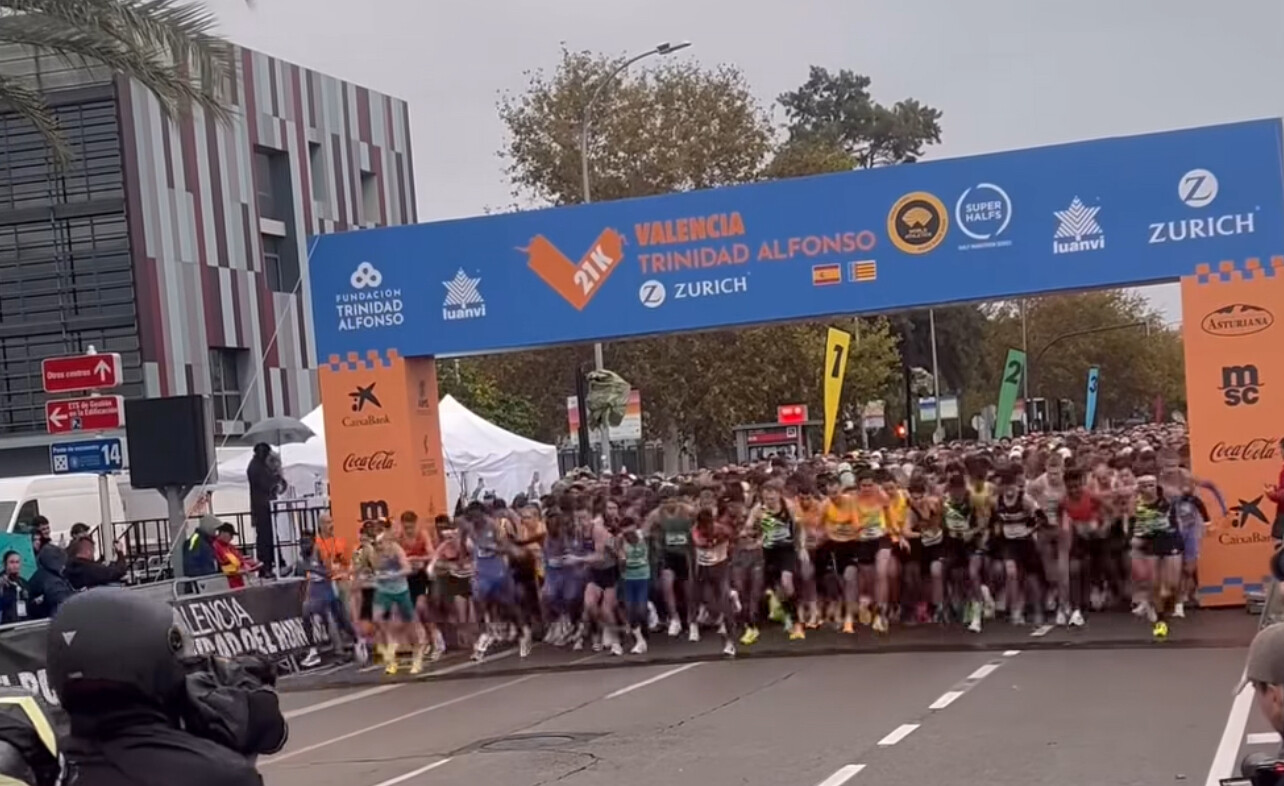
Valencia, Spain — October 26, 2025 - The 2025 Valencia Half Marathon Trinidad Alfonso Zurich once again lived up to its global reputation as the fastest half marathon on Earth. The flat, coastal course produced extraordinary performances from both the men’s and women’s elite fields — highlighted by Sweden’s Andreas Almgren becoming the first European ever to break 59 minutes, and Kenya’s Agnes Jebet Ngetich clocking the second-fastest women’s time in history.
MEN’S RACE: ALMGREN MAKES HISTORY AS KEJELCHA DOMINATES
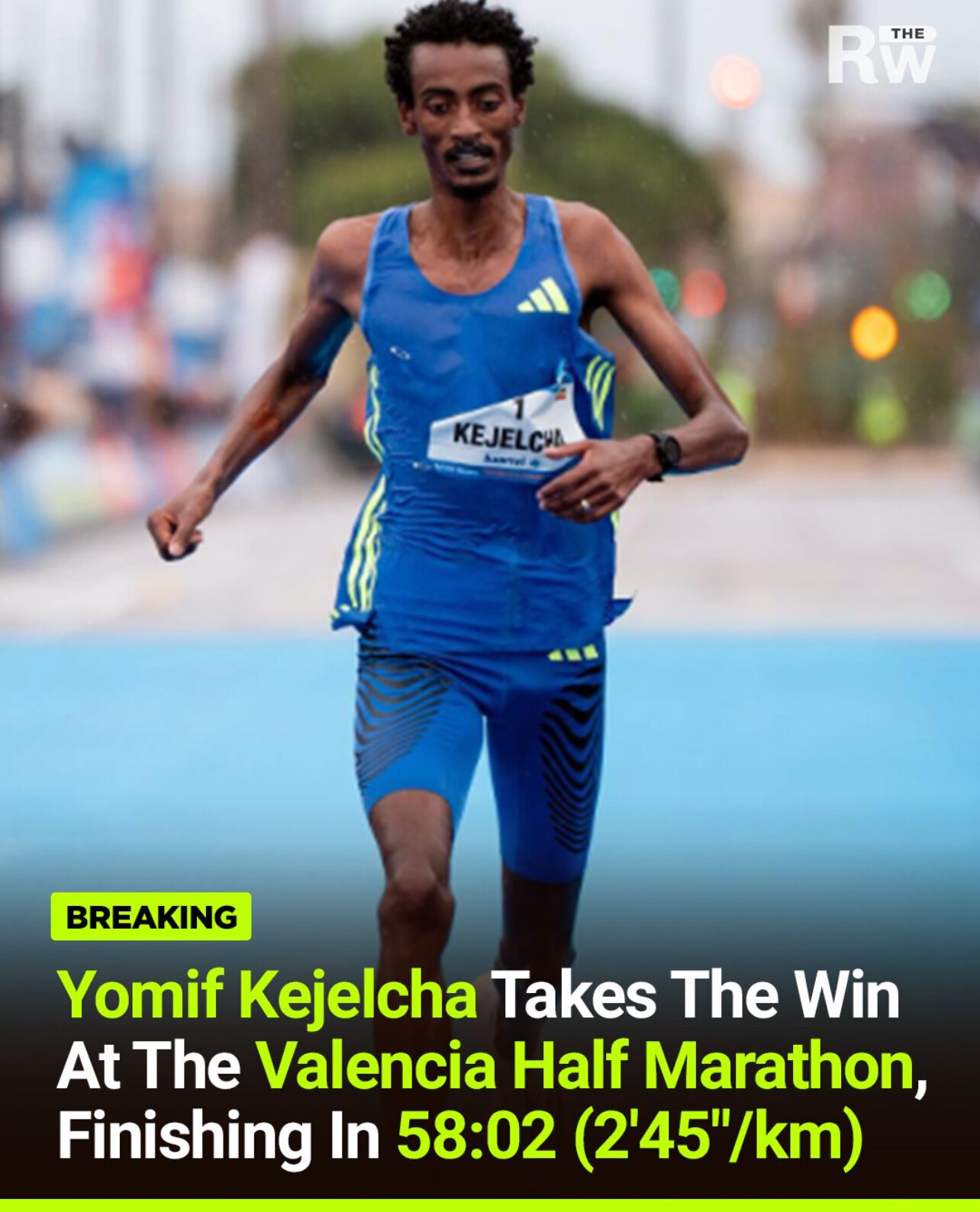
Ethiopia’s Yomif Kejelcha retained his Valencia title with a blistering 58:02, further cementing his place among the all-time greats. Though it was outside the current world record of 56:42, set earlier this year by Uganda’s Jacob Kiplimo at the Barcelona Half Marathon, Kejelcha’s effort was commanding from start to finish.
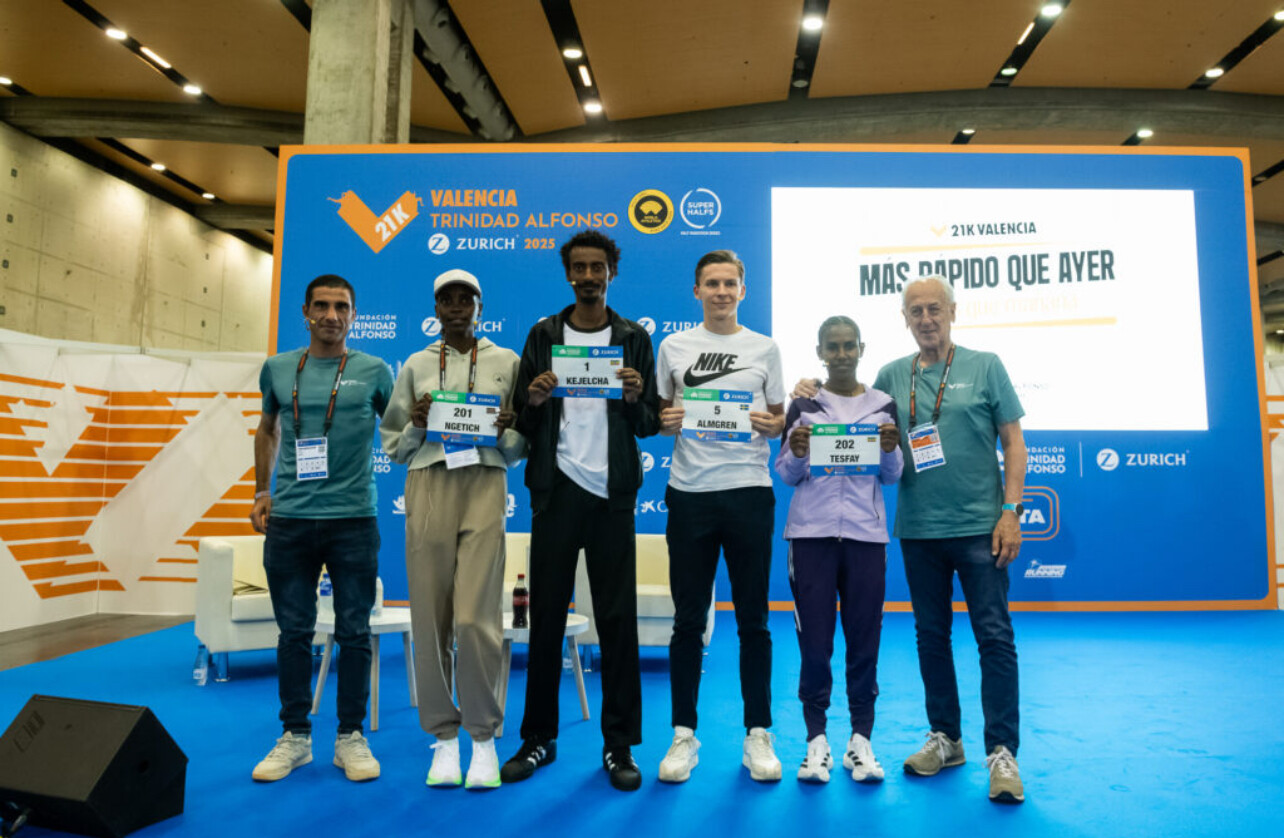
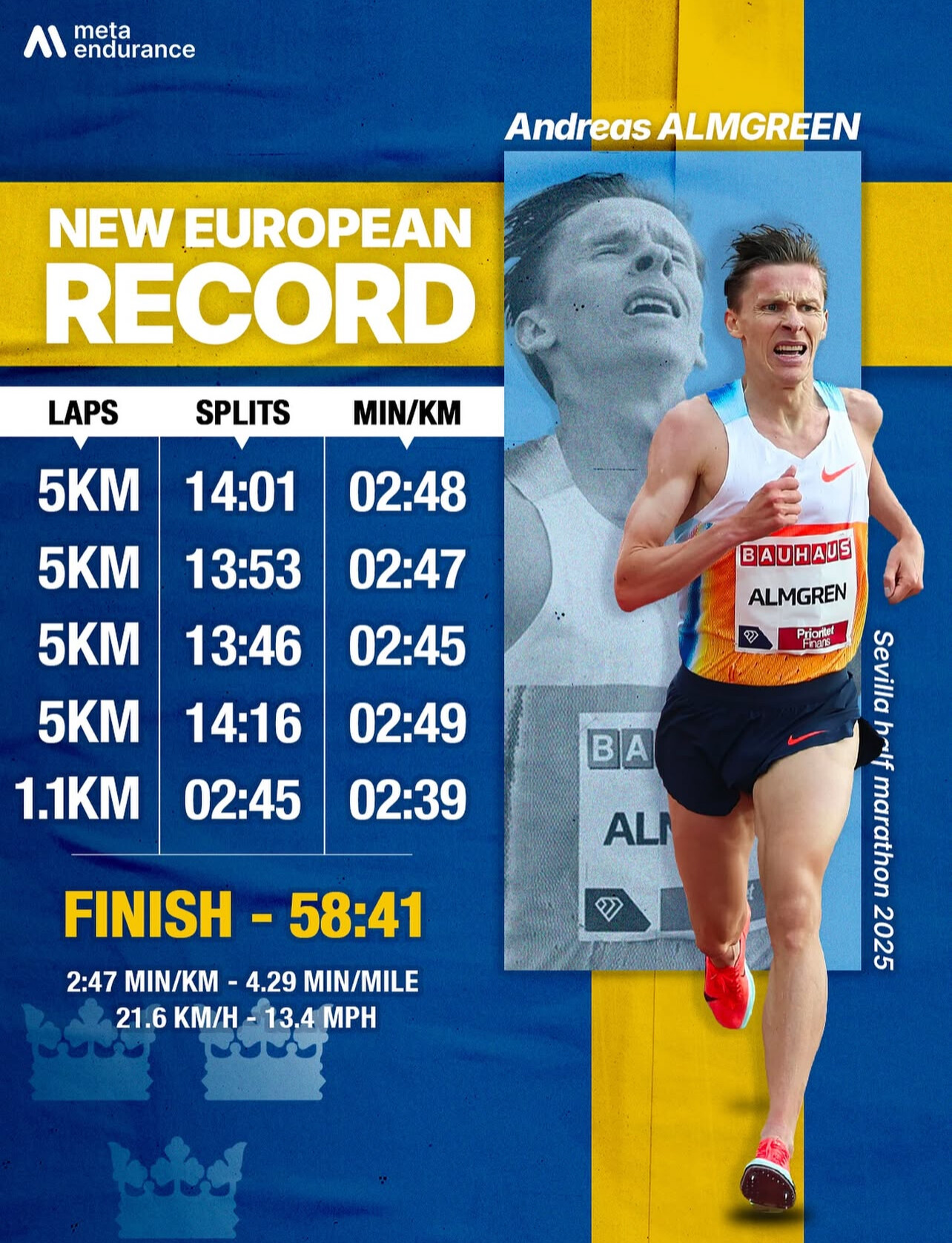
Running in his slipstream, Rodrigue Kwizera of Burundi and Brian Kibor of Kenya both crossed in 58:39, but the day’s biggest breakthrough came from Sweden’s Andreas Almgren, who stormed home in 58:41 — a stunning new European record.
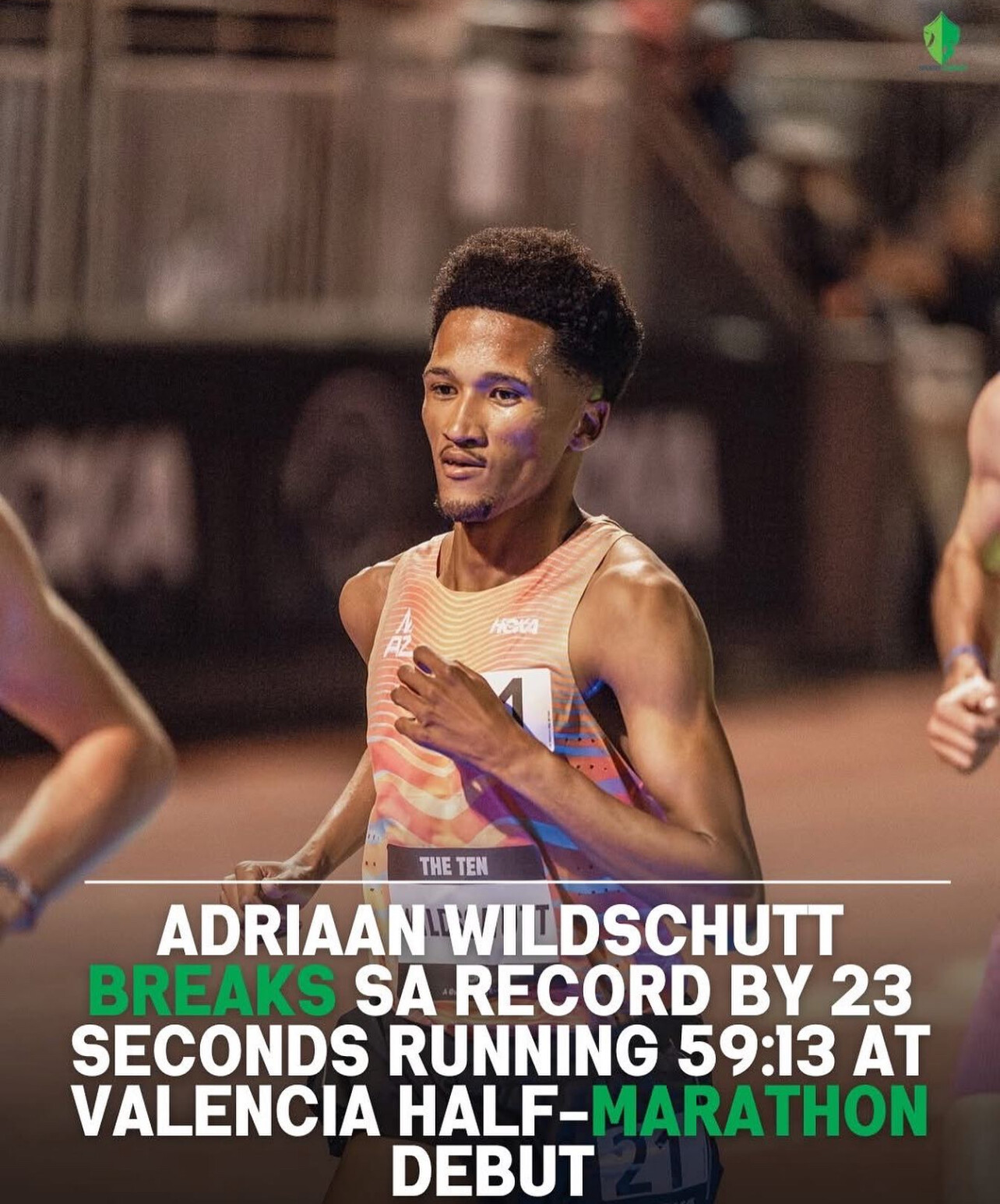
The 29-year-old Almgren shattered the previous continental best of 59:13, set by Julien Wanders in 2019, and became the first European athlete in history to dip under the 59-minute barrier.
“This means everything,” Almgren said after the finish. “I came to Valencia knowing it was the place for fast times, but to run 58:41 — it’s beyond my dreams. Europe is back in the game.”
Kejelcha went out hard with early splits suggesting another sub-58 performance might be possible, hitting 10K in around 27:13. Slight headwinds in the final kilometers kept him just off world-record pace, but his margin of control was never in doubt.
WOMEN’S RACE: NGETICH CLOSES IN ON THE WORLD RECORD
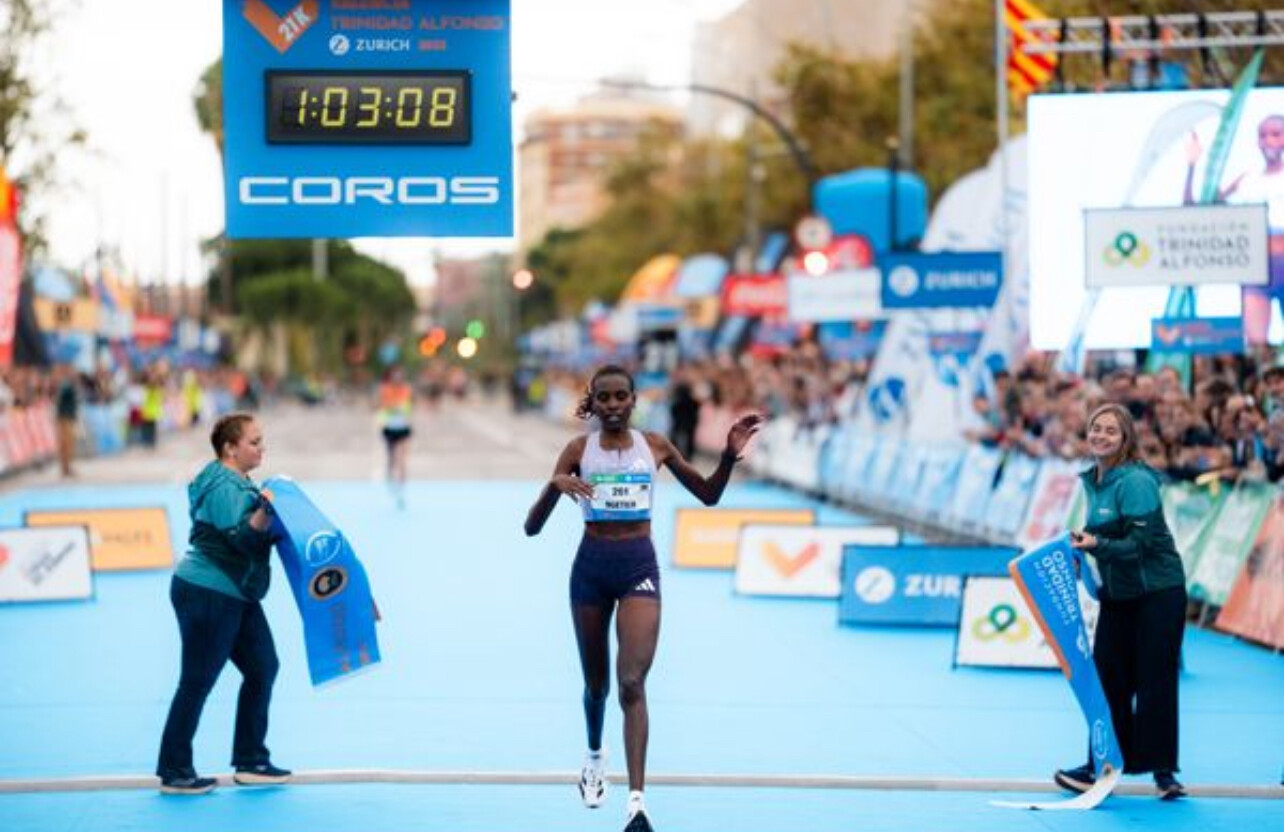
Kenya’s Agnes Jebet Ngetich produced yet another masterpiece on the streets of Valencia, winning the women’s title in 1:03:08, the second-fastest time ever recorded for the half marathon. Only Letesenbet Gidey’s world record of 1:02:52, also set in Valencia in 2021, stands ahead of her on the all-time list.

Ngetich went out aggressively, passing 10K in 29:28, well inside world-record pace. But a headwind over the final five kilometers cost her valuable seconds. Despite missing the record, her performance once again showcased her dominance and her special connection with the streets of Valencia, where she has repeatedly delivered career-defining runs.
“Valencia brings out the best in me,” Ngetich said. “I felt strong, and even though I missed the record, I know it’s within reach. I’ll be back.”
Ethiopia’s Fotyen Tesfay took second in 1:05:11, while Kenya’s Veronica Loleo ran a superb personal best of 1:05:46 to finish third. The top performances underscored the remarkable depth and quality in women’s distance running today.
RACE CONDITIONS AND COURSE
Cool temperatures, light humidity, and minimal wind set the stage for another record-friendly day in Valencia. The famously flat and fast course — celebrated for its long straightaways and sea-level setting — once again proved why it’s the go-to destination for athletes chasing lifetime bests and global marks.
Pacemakers set an aggressive tempo from the start in both races, and despite minor breezes in the final stretch, the results confirmed that Valencia remains the gold standard for road racing worldwide.
TOP RESULTS
Men’s Elite Results
1. Yomif Kejelcha (Ethiopia) – 58:02
2. Rodrigue Kwizera (Burundi) – 58:39
3. Brian Kibor (Kenya) – 58:39
4. Andreas Almgren (Sweden) – 58:41 (European Record)
5. Milkesa Mengesha (Ethiopia) – 59:12
6. Boniface Kibiwott (Kenya) – 59:16
7. Sebastian Sawe (Kenya) – 59:22
8. Mohamed Essa (Morocco) – 59:45
9. Tadese Worku (Ethiopia) – 59:58
10. Gabriel Geay (Tanzania) – 1:00:02
Women’s Elite Results
1. Agnes Jebet Ngetich (Kenya) – 1:03:08 (Second-fastest time ever)
2. Fotyen Tesfay (Ethiopia) – 1:05:11
3. Veronica Loleo (Kenya) – 1:05:46 (Personal Best)
4. Irine Cheptai (Kenya) – 1:06:03
5. Melat Kejeta (Germany) – 1:06:37
6. Viola Chepngeno (Kenya) – 1:06:44
7. Tsige Haileslase (Ethiopia) – 1:06:56
8. Eilish McColgan (Great Britain) – 1:07:09
9. Selly Chepyego (Kenya) – 1:07:16
10. Marta Galimany (Spain) – 1:08:21
WHY VALENCIA CONTINUES TO INSPIRE THE WORLD
For more than a decade, Valencia has been the epicenter of half-marathon excellence. From Gidey’s women’s world record in 2021, to Kandie’s men’s mark in 2020, to Kejelcha’s near-record runs and now Almgren’s European breakthrough — the course has become synonymous with speed and history.
This year’s edition reinforced three powerful truths about modern distance running:
1. Yomif Kejelcha remains one of the greatest half-marathon specialists of all time.
2. Agnes Jebet Ngetich has brought women’s road racing to new heights, now sitting just seconds shy of a world record.
3. Andreas Almgren’s European record symbolizes a resurgent era for European endurance running.
FINAL SUMMARY
Event: 2025 Valencia Half Marathon Trinidad Alfonso Zurich
Date: October 26, 2025
Location: Valencia, Spain
Men’s Champion: Yomif Kejelcha (Ethiopia) – 58:02
Women’s Champion: Agnes Jebet Ngetich (Kenya) – 1:03:08 (Second-fastest ever)
European Record: Andreas Almgren (Sweden) – 58:41
(10/26/25) Views: 6,137Boris Baron
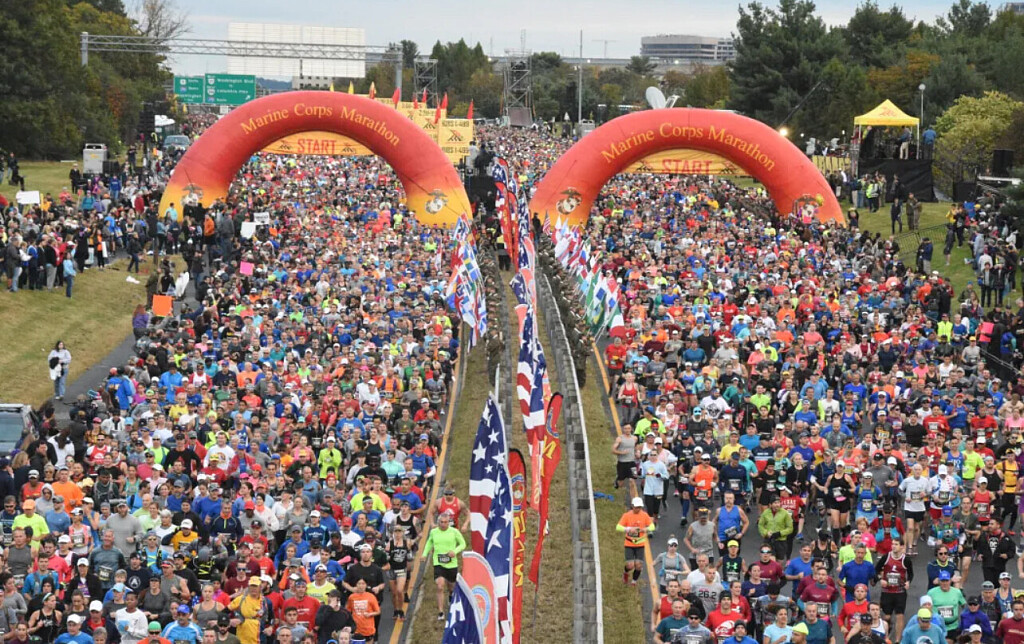
The 50th Marine Corps Marathon Celebrates 50 Years of Pride and Perseverance
This Sunday, October 26, 2025, the Marine Corps Marathon will celebrate its 50th anniversary, marking half a century of inspiring runners to “run with purpose and finish with pride.”
Affectionately known as “The People’s Marathon,” the Marine Corps Marathon (MCM) stands apart from the world’s other great races. It offers no prize money, focusing instead on participation, community, and service. For fifty years, it has united civilians, service members, and runners from around the world in one of the most patriotic and emotionally charged marathons on the planet.
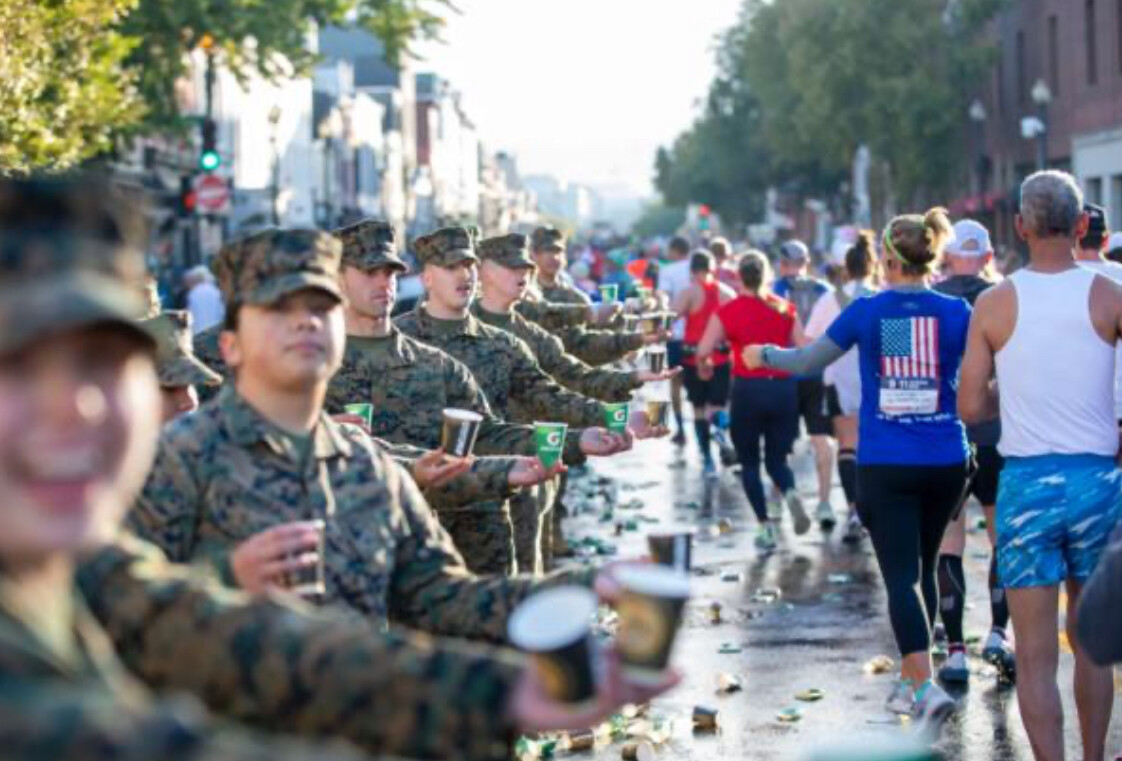
A Legacy Born in 1976
The first Marine Corps Marathon was held in 1976, founded by the U.S. Marine Corps to promote physical fitness, community goodwill, and the Marine tradition of excellence. Over time, it grew into one of America’s largest marathons, famous for its inclusivity and purpose-driven mission.
Unlike most major races, the MCM awards no cash prizes to top finishers. Instead, it honors every participant who crosses the line, from first to last. This spirit of equality earned it the nickname “The People’s Marathon.”

This year’s event is completely sold out, with more than 40,000 registered runners from all 50 states and dozens of countries. Despite uncertainty surrounding the ongoing government shutdown, organizers confirmed the race will go on as planned.
The Course: A Run Through History
The Marine Corps Marathon offers one of the most scenic and symbolic marathon routes in the world. The race begins in Arlington, Virginia, just steps from the Pentagon, before leading runners into the heart of Washington, D.C.
Participants cross the Key Bridge into Georgetown, pass through Rock Creek Park, and continue along the Potomac River, circling the Jefferson and Lincoln Memorials. They run past the Washington Monument, the U.S. Capitol, and the National Mall before heading back into Arlington.
The final miles take runners alongside Arlington National Cemetery before the course finishes at the Marine Corps War Memorial — the iconic Iwo Jima statue. The short but steep “Victory Hill” leading to the finish line has become legendary, offering one of the most emotional finishes in the sport.
Course Records and Champions
Over five decades, the Marine Corps Marathon has witnessed remarkable performances. The men’s course record of 2 hours, 14 minutes, and 1 second was set in 1987 by Jeffrey Scuffins of the United States. The women’s record of 2 hours, 37 minutes, was set in 1990 by Olga Markova of Russia.
Notable champions over the years include two-time winner Darrell General in the 1990s and Augustus Maiyo, representing the U.S. Army World Class Athlete Program, who won in 2012. In 2024, Marine officer Kyle King claimed victory in 2 hours, 25 minutes, and 6 seconds.
Though these times stand out, the marathon’s true spirit lies not in record books but in its participants — from elite athletes to first-time marathoners, from active-duty Marines to civilians running in honor of loved ones.
The 50th Anniversary Edition
This year’s golden anniversary promises to be the largest and most memorable in race history. More than 40,000 participants will line up at dawn, cheered on by tens of thousands of spectators. Security will be heightened, and logistics finely tuned to handle the largest field ever.
The Marine Corps Marathon remains a race about pride, not paychecks. Each runner earns a medal from a uniformed Marine at the finish line — a simple, powerful gesture that captures the spirit of the event.
Why It’s One of the World’s Best Runs
Few marathons can match the Marine Corps Marathon for emotion and meaning. The course passes the monuments of American history, but its greatest monument is the collective spirit of the runners themselves.
It’s a race that demands effort — the rolling hills early on and the final climb to Iwo Jima test every runner — but it rewards every step with purpose. To finish here is to be part of something larger than sport.
The Marine Corps Marathon is more than a race. It’s a salute — to endurance, to courage, and to the shared belief that running can unite people in pride and purpose.
Final Word
As the Marine Corps Marathon celebrates 50 years, it reminds us why we run. We run to test our limits. We run to honor service and sacrifice. We run to connect — with others, with history, and with something greater than ourselves.
This Sunday, tens of thousands will run those 26.2 miles through the capital of freedom, cheered on by Marines and crowds waving flags. And when they reach the finish line beneath the shadow of Iwo Jima, every runner will know: they didn’t just finish a marathon — they became part of history.
(10/25/25) Views: 548Boris Baron
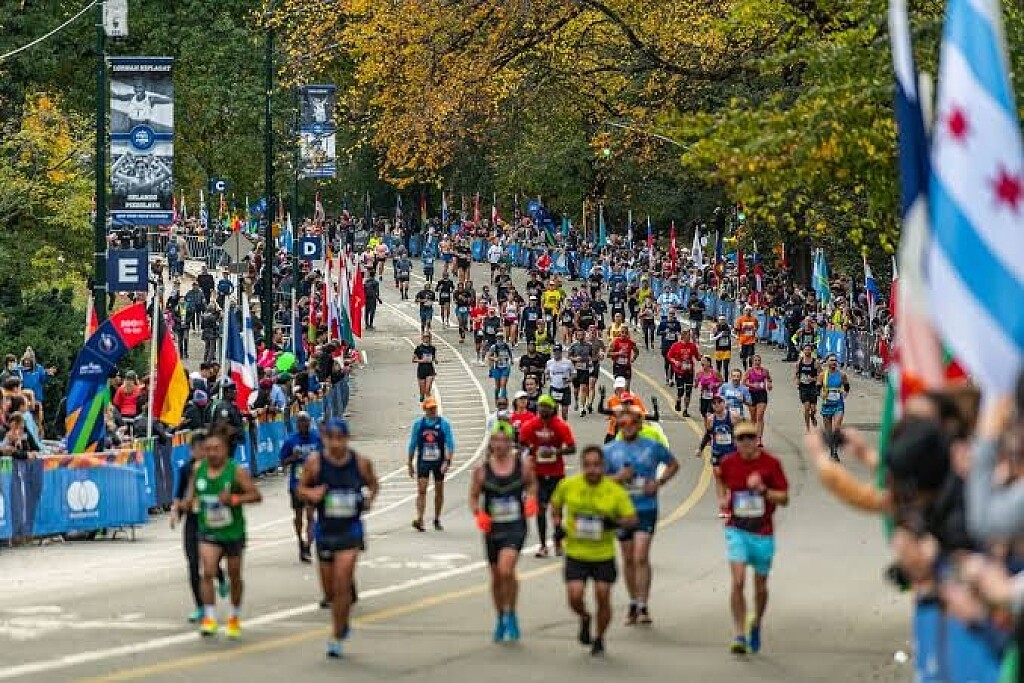
Running Through The City Of Dreams New York Marathon 2025
On Sunday, November 2, 2025, the five-borough spectacle of the New York City Marathon will unfold once again, offering more than 50,000 runners the chance to push 26.2 miles through the heart of New York. From the cannon blast on Staten Island to the triumphant finish in Central Park, this is a race that marries endurance, emotion and urban drama.
Kipchoge and Hassan Headline an Extraordinary Field
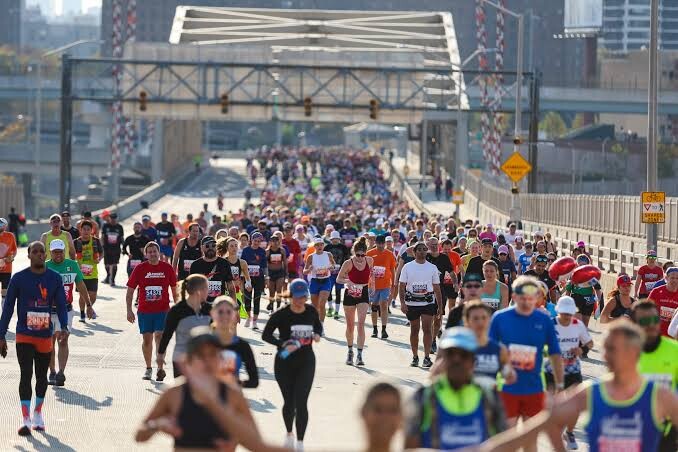
The biggest storyline heading into this year’s race is the presence of Eliud Kipchoge, the greatest marathoner in history, and Sifan Hassan, the double Olympic champion who stunned the world with marathon victories in both London and Chicago. For Kipchoge, New York completes his journey through all six Abbott World Marathon Majors — a crown that has eluded him until now.
Hassan, meanwhile, returns to the marathon distance after a string of world-class performances on both track and road, her fearless racing style perfectly suited to the unpredictable rhythm of New York’s streets.
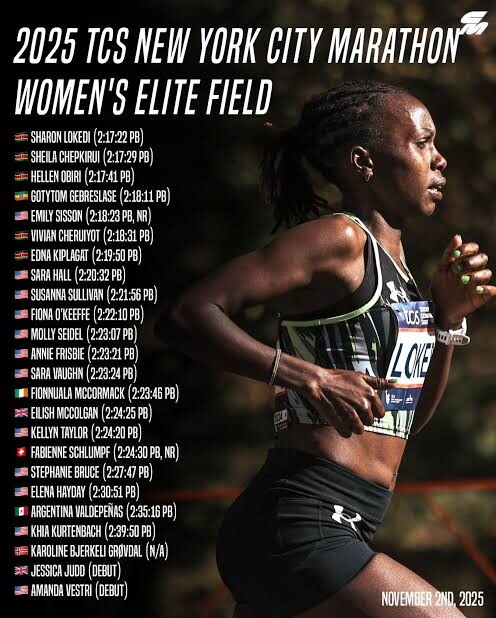
They’ll face an elite field stacked with world-class names, including Benson Kipruto of Kenya (2:02:16 PB), Evans Chebet (two-time Boston champion, 2:03:00 PB), and defending champion Tamirat Tolaof Ethiopia (course record holder at 2:04:58). The women’s field is equally star-studded, featuring 2022 champion Sharon Lokedi, Tokyo winner Rosemary Wanjiru, and a host of East African contenders ready to test Hassan on one of the sport’s toughest stages.
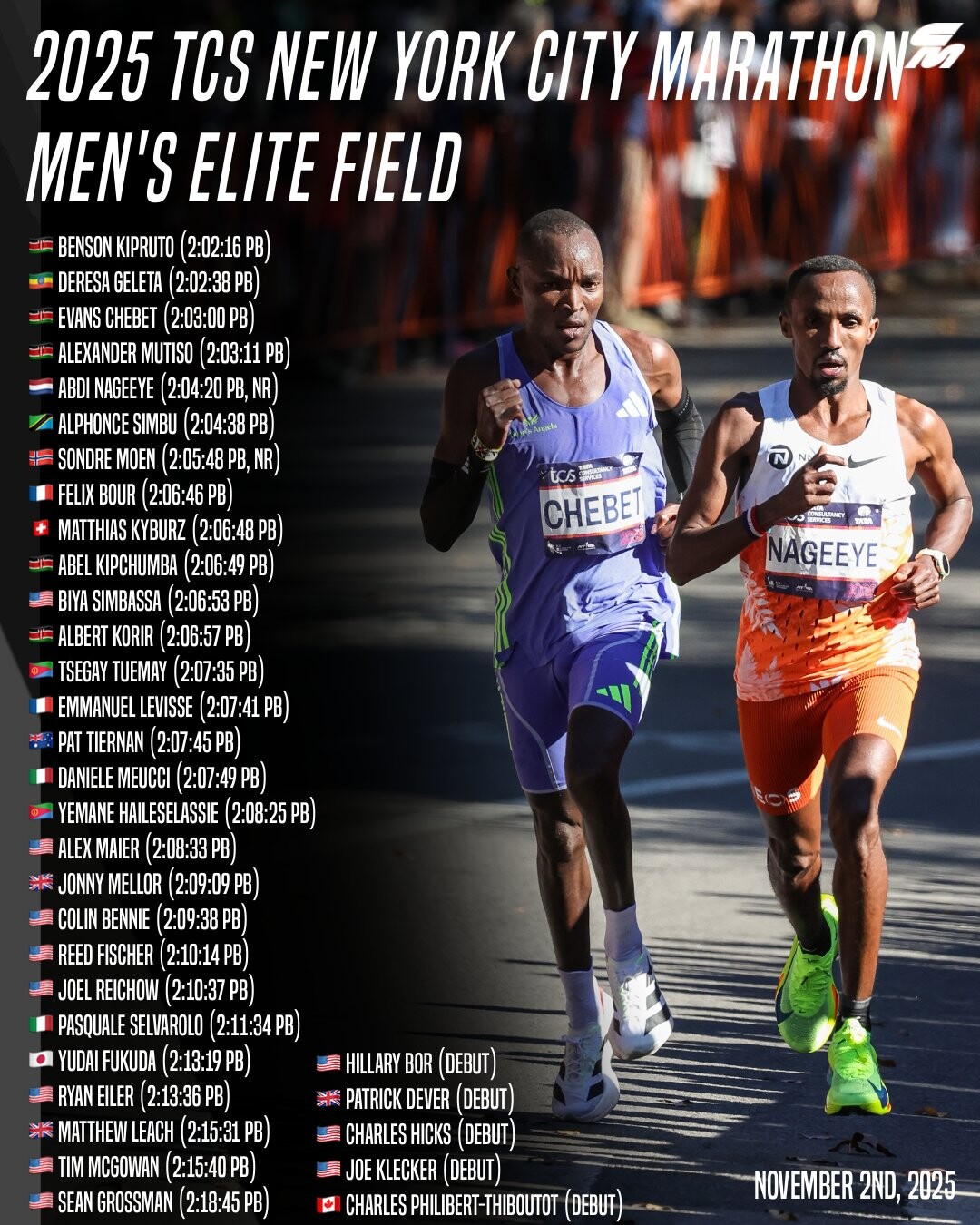
Among the American hopefuls, Emily Sisson, the U.S. record holder in the marathon, headlines the women’s field and will make her New York debut. On the men’s side, Biya Simbassa leads the U.S. charge, joined by a deep domestic field racing for top-American honors and prize bonuses.
Course Records
• Men: 2:04:58 — Tamirat Tola (ETH), 2023
• Women: 2:22:31 — Margaret Okayo (KEN), 2003
These records reflect both top-tier performance and the challenging character of the course — rather than flat, pacer-assisted routes that routinely see world-record times.
Prize Purse
The stakes are high. Open-division winners stand to earn $100,000, with descending prizes through 10th place. The event also offers a $50,000 bonus for a winner who breaks the standing course record, plus separate prize pools for top U.S. finishers and wheelchair divisions. With total payouts approaching nearly a million dollars, the financial motivation is real — even if the course isn’t built for world-record thrills.
Why a World Record Isn’t Realistic
Make no mistake: the New York course is legendary for its toughness rather than its speed. Runners face five major bridge crossings, a long ascent up the Queensboro Bridge around mile 15–16, variable terrain, sharp turns and a final push up Fifth Avenue into Central Park. Unlike flat, pacemaker-led courses such as Berlin or Chicago, NYC emphasises tactical racing, rivalries and finish-line theatre. The organising body eliminated dedicated elite pacemakers years ago in favour of pure head-to-head competition.
While pace groups may support recreational waves, elite winners will race without the type of structured pacemaking that enables constant sub-2:03 splits. In short: this is a championship-style contest, not a time-trial.
What Makes NYC Unique
• Cityscape & crowd noise: From Staten Island’s Verrazzano Narrows Bridge to Brooklyn’s vibrant neighborhoods, the Queensboro Bridge, Manhattan’s First Avenue and the final loop in Central Park, the scenery is unmatched.
• Massive scale but elite depth: The global field, the tens of thousands of recreational runners, the international media — the race’s atmosphere is unmatched in road-racing.
• Legacy of racing over timing: Past editions have celebrated bold attacks and dramatic finishes more than normally smooth pacing. That makes this one of the world’s most storied and unpredictable marathons.
What to Watch on November 2
• How Kipchoge adapts his disciplined, flat-course style to a course that demands rhythm changes, hills and surges.
• Whether Hassan will leverage her track speed and tenacity to counter a course that rewards strength and race-tactics.
• Whether Sisson (and other U.S. entrants) can navigate the final tougher miles to claim top-American status or even an open podium spot.
• The weather and pacing strategy: any wind across the bridges or mis-timed surge could decide the race more than early splits.
• Whether someone dares to go after Tola’s 2:04 : 58 mark — unlikely but possible under perfect conditions.
The 2025 New York City Marathon is more than a race. It is a testament to endurance, to the city that hosts it and to runners who thrive in challenge rather than comfort. Kipchoge and Hassan bring star power. The U.S. challengers bring ambition. And the 50,000+ starters bring stories.
Whether you’re chasing a personal best, seeking a finish-line moment or just watching from the sidelines, November 2 will be unforgettable. The bridges, the boroughs, the final climb into Central Park — the city will judge your resolve. And with no pacemakers to pull you through, this year’s finishers will know they earned every step with heart.
(10/25/25) Views: 351Boris Baron
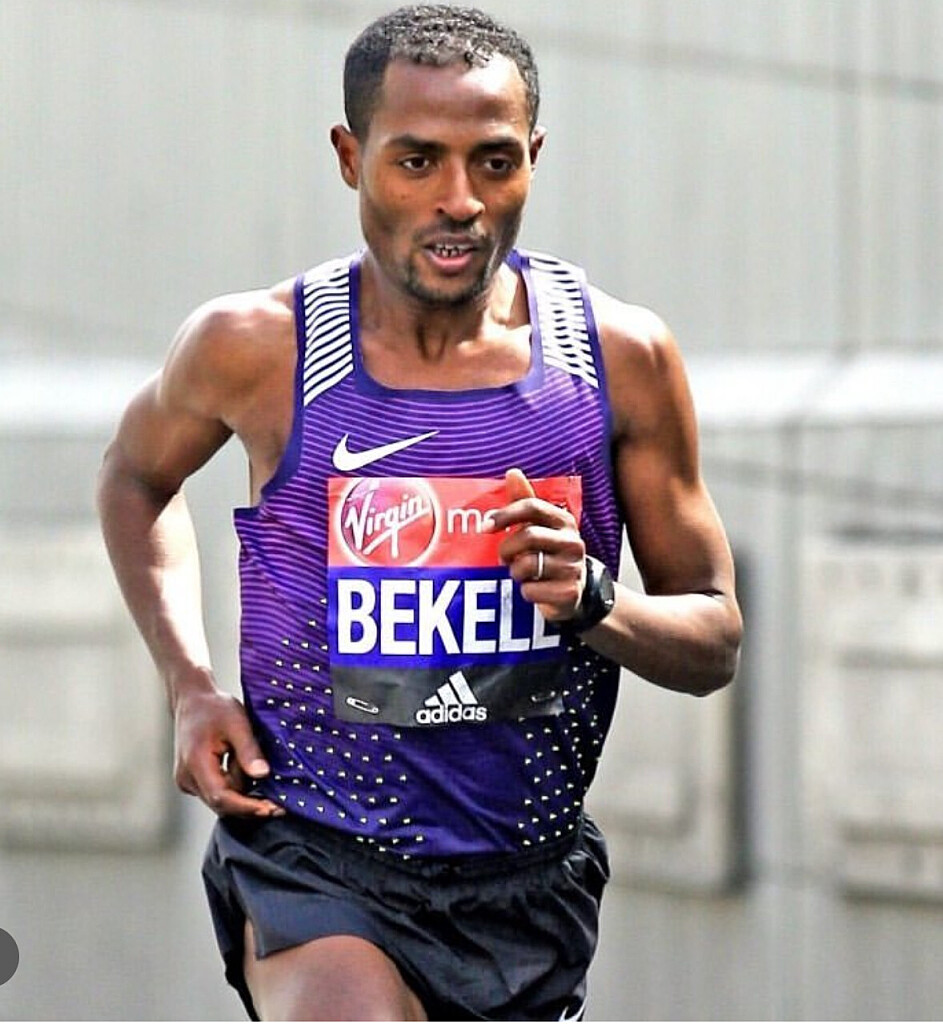
Kenenisa Bekele Joins 2025 New York City Marathon Elite Field
Ethiopian legend Kenenisa Bekele, the third-fastest marathoner in history with a 2:01:41 personal best from Berlin 2019, has officially been added to the 2025 TCS New York City Marathon elite men’s field — setting up yet another thrilling clash with Eliud Kipchoge.
Bekele, now 43, withdrew from April’s London Marathon due to recurring injuries that disrupted his buildup. His most recent marathon finish came at the Paris Olympic Marathon, where he placed 39th in 2:12:24. Despite the setback, Bekele’s experience and resilience continue to make him one of the sport’s most compelling figures.

This year’s New York City Marathon will mark Bekele’s sixth career race against Kipchoge, the reigning Olympic champion and former world record holder. Bekele’s only “victory” in that rivalry came at the Paris Olympics, when Kipchoge dropped out mid-race.
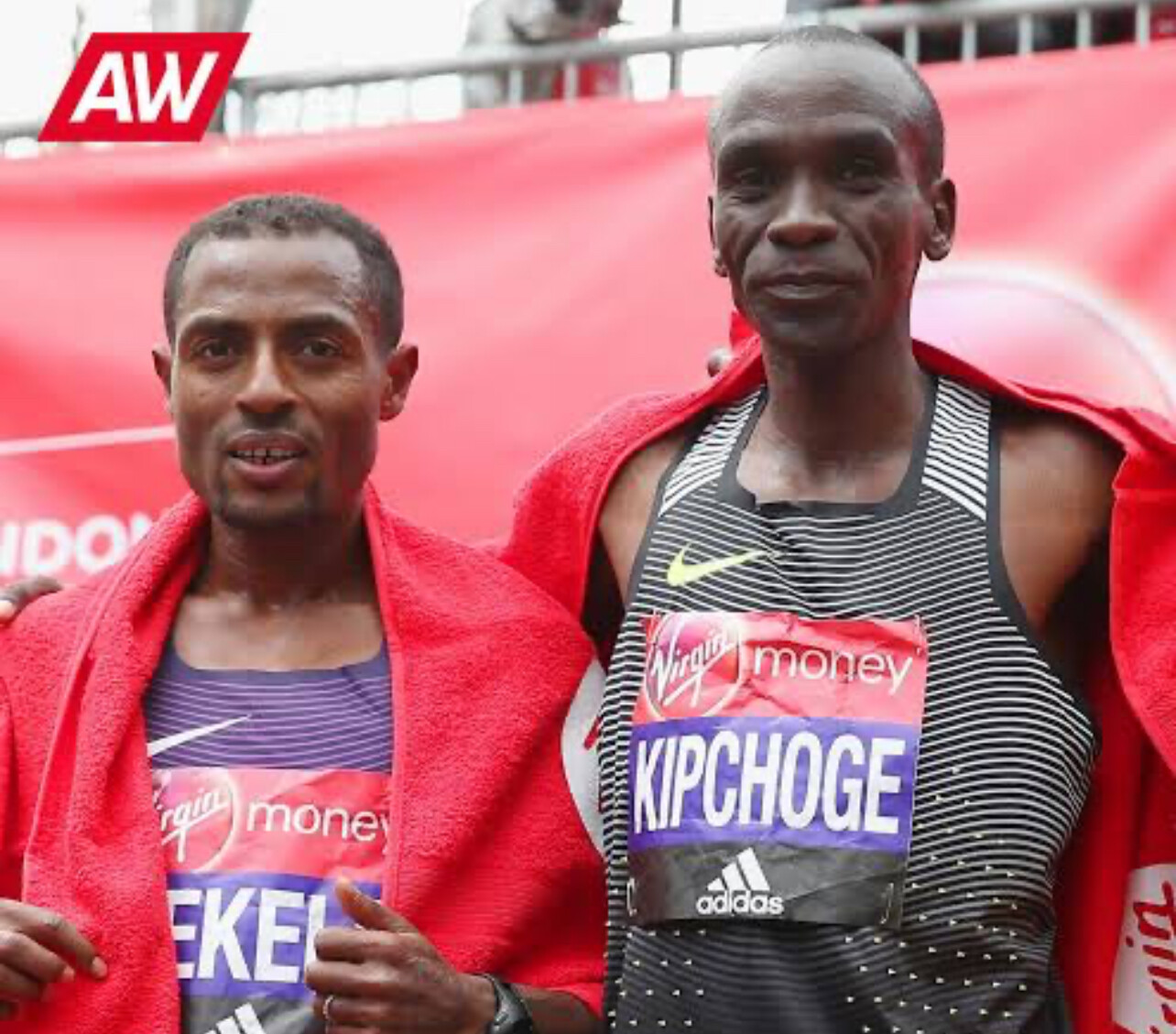
Bekele’s addition brings new intrigue to a field already rich in talent and storylines. While New York’s undulating course rarely produces record times, it remains one of the most prestigious and unpredictable races on the global marathon calendar — a true test of strategy and mental strength.
Notably absent from the 2025 lineup is Evans Chebet, the 2022 NYC Marathon champion and last year’s runner-up. Chebet has withdrawn from this year’s race after failing to finish at the Boston Marathon in April.
As the countdown begins, all eyes turn to Central Park, where two of the greatest marathoners of all time — Bekele and Kipchoge — are set to renew their rivalry on one of the world’s toughest stages.
Will Bekele’s comeback write a new chapter in marathon history, or will Kipchoge’s consistency once again define the day? On November 2, New York will have its answer.
(10/27/25) Views: 213Boris Baron
KATA’s Donald Kimaru Finishes 4th at 2025 Standard Chartered Nairobi Marathon
The 2025 Standard Chartered Nairobi Marathon delivered a thrilling showcase of endurance on October 26, as top athletes battled it out on the streets of Nairobi under ideal racing conditions. This year’s event, one of the premier marathons on the African continent, once again attracted a deep field of elite talent.
Among the day’s standout performances was Donald Kimaru, a KATA athlete training out of the Kapcherop KATA Running Camp, who finished a remarkable 4th place in a highly competitive men’s race.
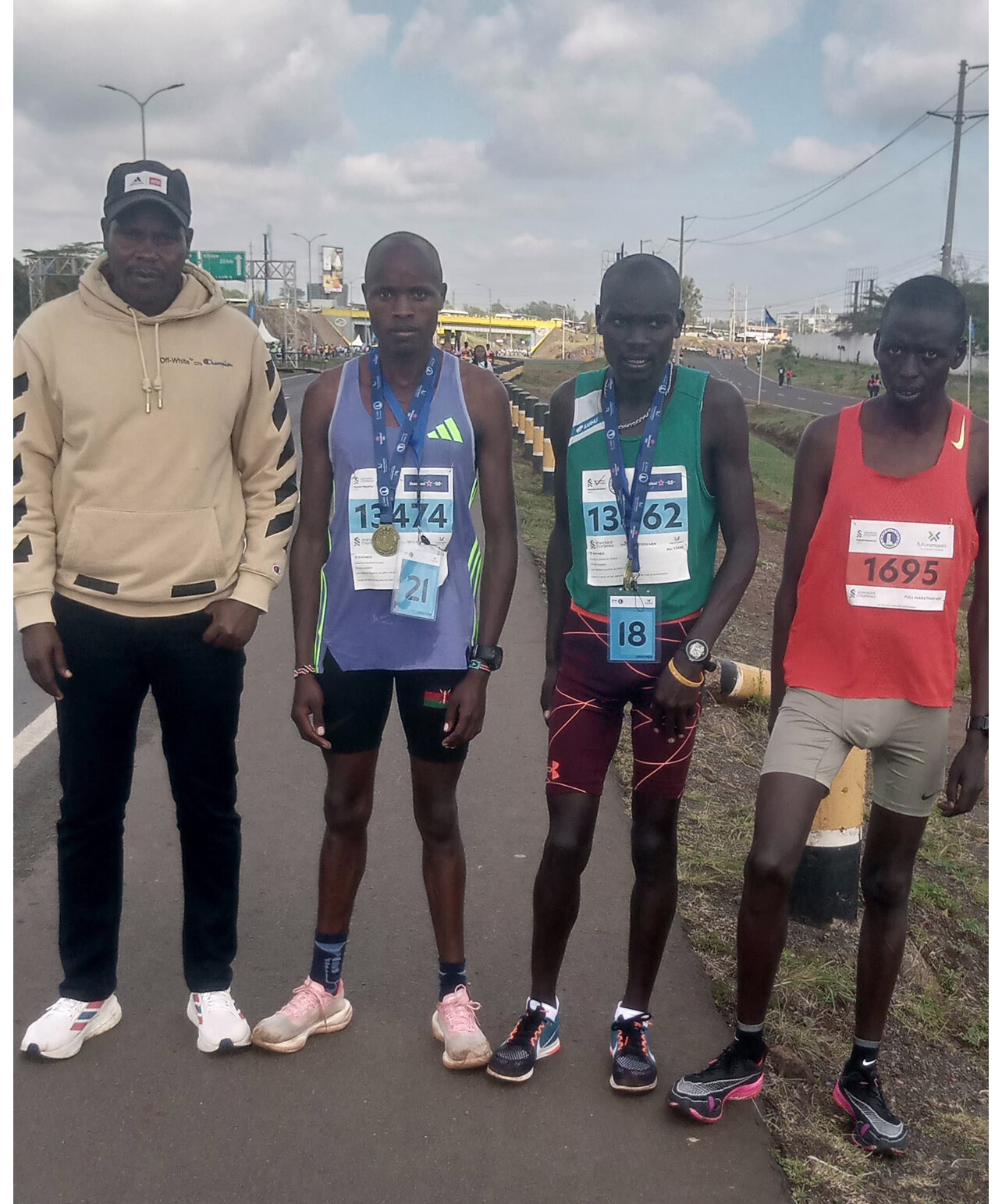
Donald Kimaru: Fuelled by KATA, Ready for the Global Stage

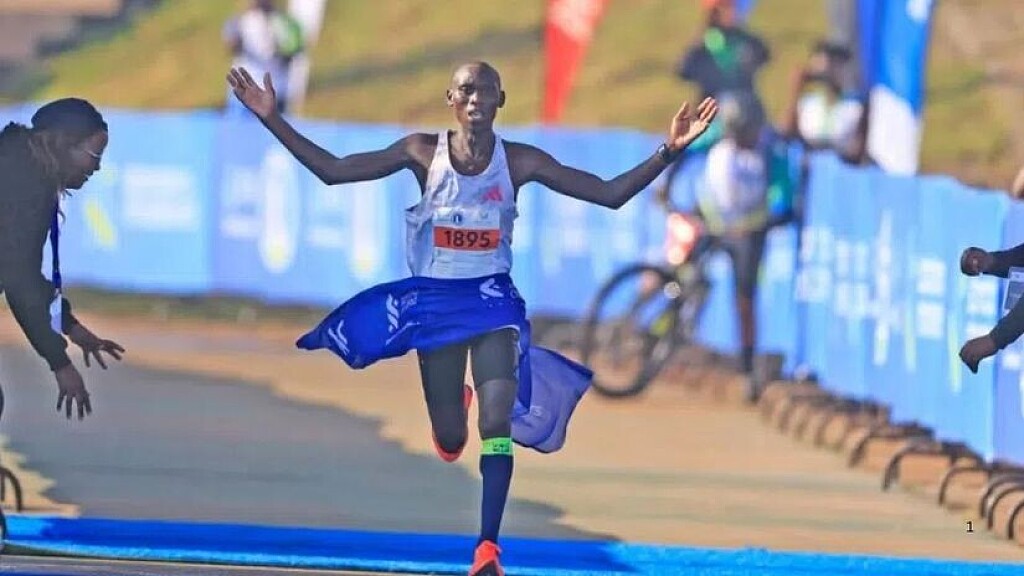
Clocking a time of 2:12:02, Kimaru finished just over a minute behind the winner, Benard Chepkowny (2:11:01), and less than 30 seconds from the podium. It was a huge breakthrough for the rising long-distance runner, who trains under the high-altitude guidance of Coach Philemon Kipruto at the KATA facility in Kapcherop.
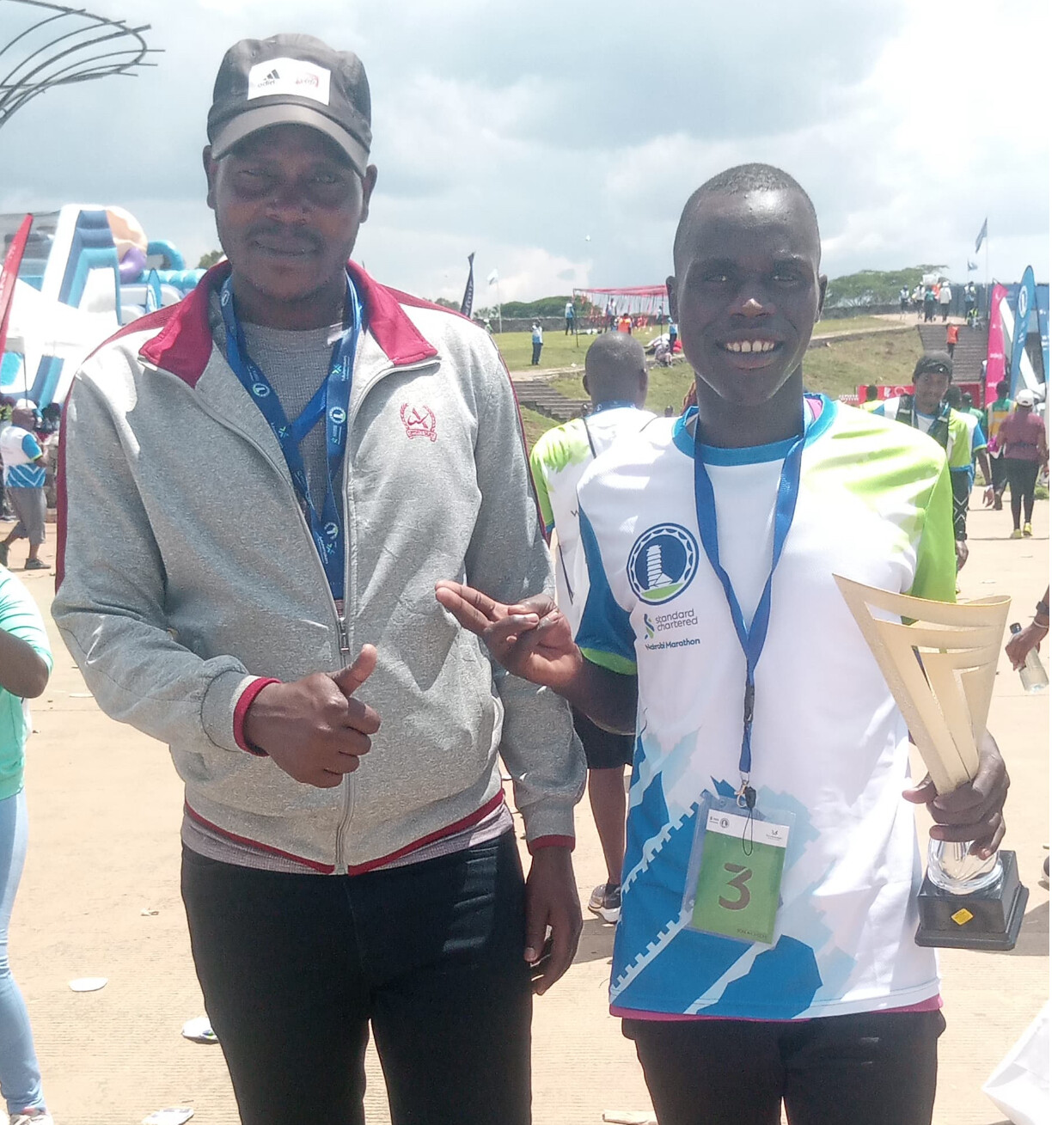
“Donald is showing the power of patience and consistency,” Coach Kipruto noted. “We’ve known he had the potential, and now he’s proving it in one of Kenya’s most important races.”
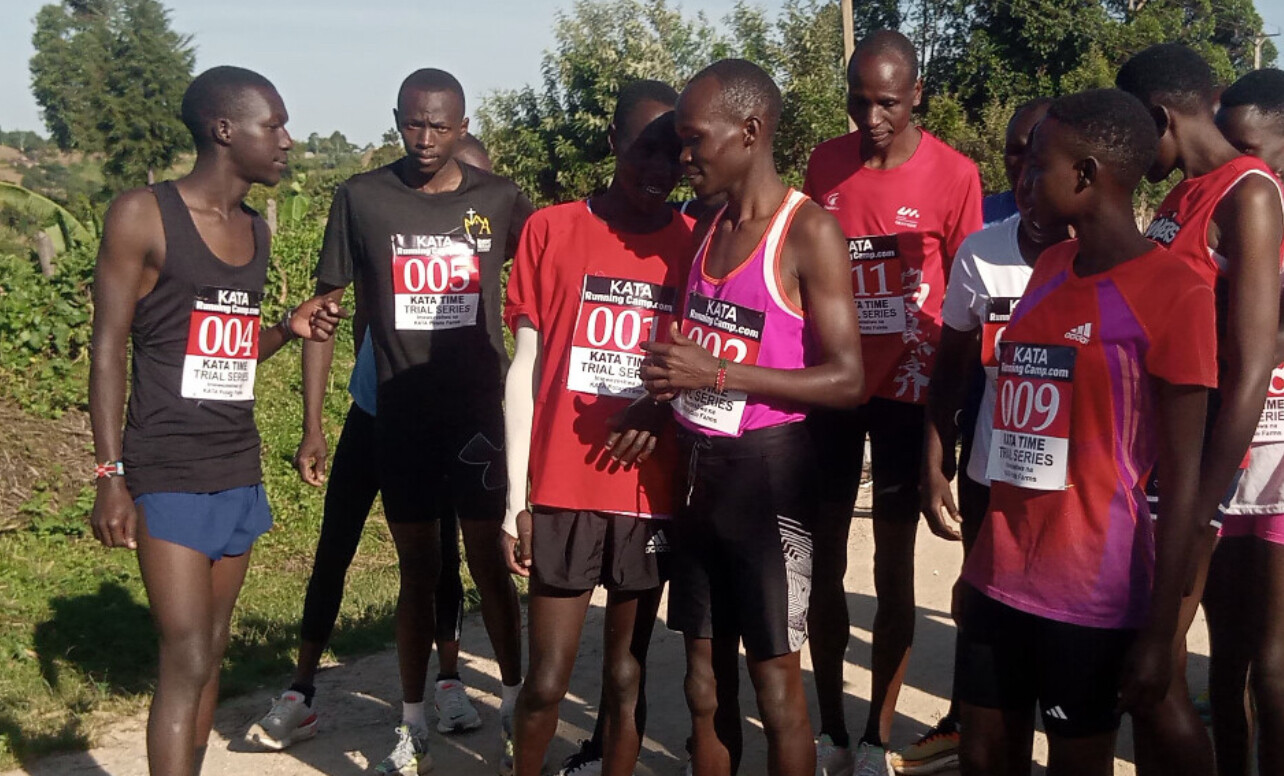
Chepkwony, returning to major competition, wasted no time asserting his intent. He set a strong pace from the start, joined by Silas Chesang, Donald Kimaru, Ezekiel Kemboi, Bethwel Chemuno, and Wilfred Kiplagat, all determined to stay in contention.
As the race progressed past the 30km mark, Chepkwony maintained the lead despite Chesang mounting a late push after struggling on the uphill sections.
Chepkwony’s endurance and composure carried him through to the finish line, clocking an impressive 2:11:01 to seal his comeback victory.
Kimaru trains in an environment designed to create champions, where runners combine disciplined training with the nutritional strength of KATA Potatoes – The Fuel of Champions. His performance in Nairobi is a testament to this holistic approach. Donald had placed second at the KATA Double Road Race 15k held September 20 in Thika.
Top 10 Elite Men – 2025 Standard Chartered Nairobi Marathon
1. Benard Chepkowny – KEN – 2:11:01 (first photo)
2. Alex Chepkwik Saekwo – KEN – 2:11:26
3. Ezekiel Kemboi Omullo – KEN – 2:11:40
4. Donald Kimaru – KEN – 2:12:02
5. Wilfred Kiplagat – UGA – 2:13:42
6. Charles Kimeli – KEN – 2:14:08
7. Nehemiah Kiprono Sang – KEN – 2:14:38
8. Solomon Yego – KEN – 2:14:50
9. Dennis Kipkemboi Koech – KEN – 2:15:39
10. Silas Chesang Keitany – KEN – 2:15:51
Women’s Race Highlight
In the women’s marathon, Hellen Chepkorir dominated with a powerful performance, finishing in 2:27:17 at an average pace of 3:30/km.
KATA’s Impact Growing
Donald Kimaru’s top finish adds to the growing list of success stories emerging from the KATA Running Camp ecosystem. Founded by Bob Anderson, KATA is reshaping the Kenyan distance running scene with over 30 camps across the country, combining elite training with a sustainable agricultural model. Runners like Donald are not only developing as athletes but also helping uplift their communities.
Next for Donald? A potential international marathon debut in 2026, where he’ll look to break the 2:10 barrier and cement his name among Kenya’s top marathoners.
(10/25/25) Views: 197Boris Baron

Uasin Gishu Half Marathon The Spirit of Eldoret Lives On
The Uasin Gishu Half Marathon, that is held annually in August in the heart of Kenya’s running country, once again showcased the nation’s unrivaled distance-running talent and spirit.
Thousands of athletes took to the scenic, high-altitude roads of Eldoret, cheered on by local fans who lined the streets from start to finish. The race, sponsored by Betika, continues to grow in stature each year, combining elite performances with strong community participation.
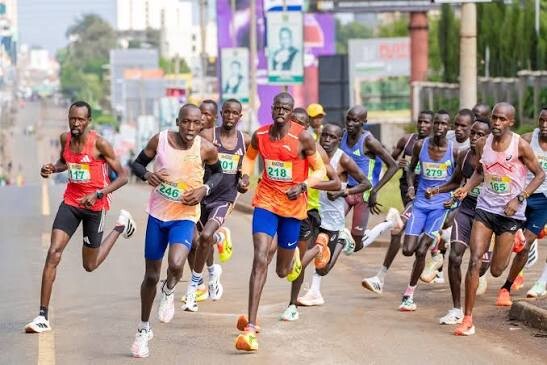
In the men’s race, Robert Kiprop stormed to victory with an impressive time of 1:00:56, pulling away in the final kilometers to secure the crown. On the women’s side, Gladys Chepkurui was dominant, finishing in 68:56, ahead of Vivian Cherotich, who clocked 70:02. Both races reflected the incredible depth of talent that defines Kenyan running—where even regional competitions produce world-class results. The champions each earned KSh. 300,000, with the runners-up taking home KSh. 200,000—a reflection of the event’s growing professional stature.
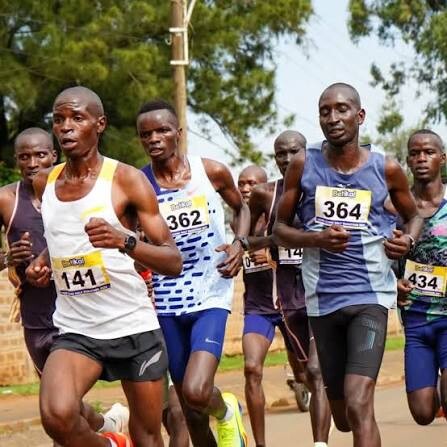
Beyond the competition, the Uasin Gishu Half Marathon offered an unforgettable racing experience. The rolling terrain, high altitude, and enthusiastic crowds create a course that challenges every runner while celebrating Kenya’s proud running heritage.
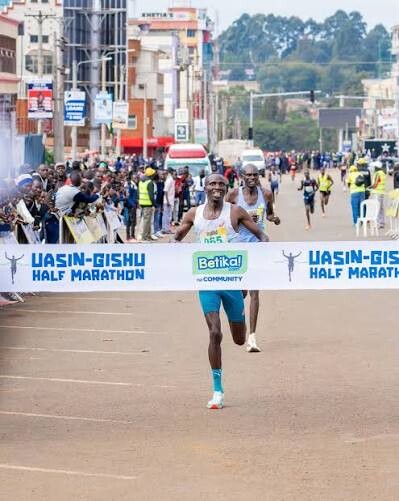
As one of the country’s most exciting half marathons, Uasin Gishu has become a proving ground for rising stars and a celebration for local and visiting runners alike. It’s a reminder that in Kenya, running is more than a sport—it’s a way of life.
(10/29/25) Views: 192Boris Baron
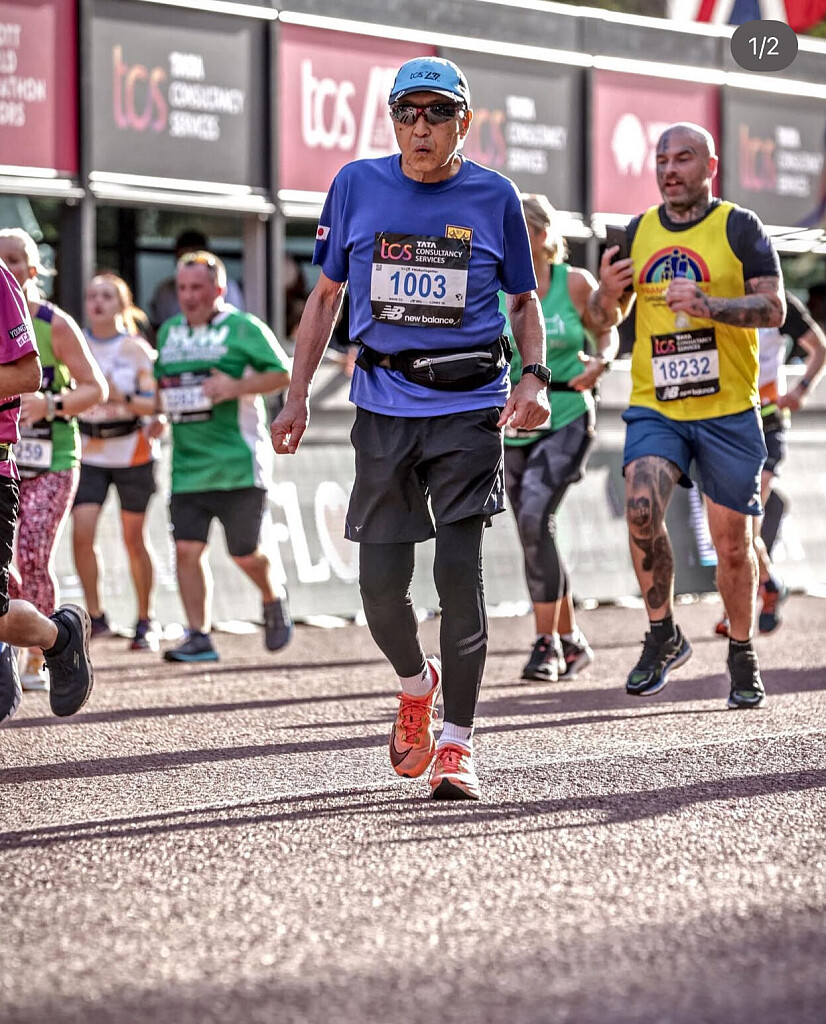
At 91, Koichi Kitabatake Will Be the Oldest Runner in the 2025 New York City Marathon
When Koichi Kitabatake steps onto the starting line of the 2025 TCS New York City Marathon on November 2, he will make history as the oldest competitor in the field — at 91 years old.
The runner from Kanagawa, Japan, didn’t start running until long after most people retire. In fact, he only took up the sport at age 74, after finishing a long career as a telecommunications specialist. Four years later, at 78, he ran his first marathon — and he hasn’t stopped since.
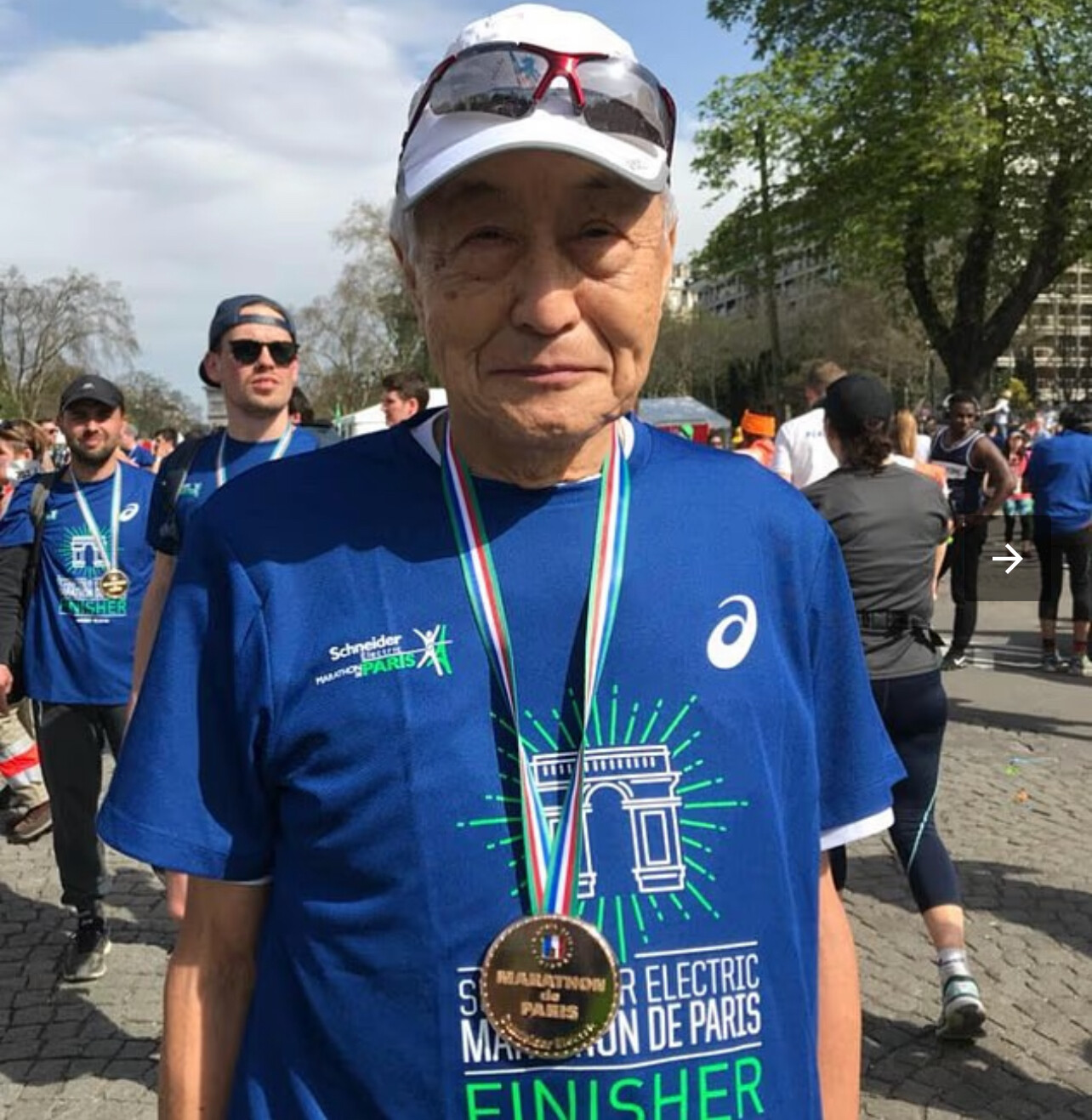
This year’s race will mark his 34th marathon, including two previous finishes in New York City. Kitabatake has flown across the world to participate in marathons on nearly every continent, proving that passion and discipline know no age limits.
Running Into His 90s
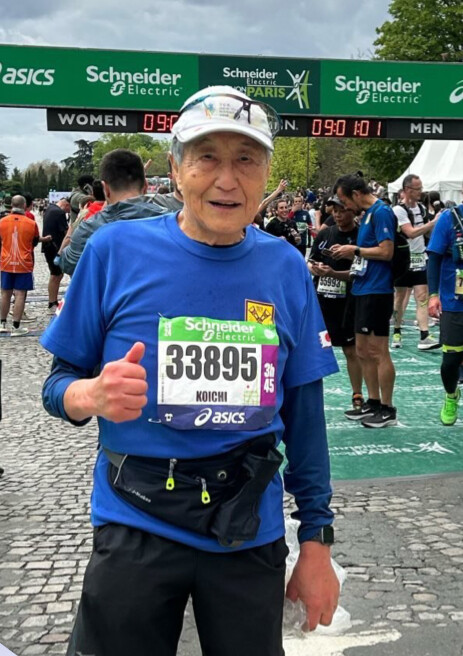
As he prepares for the 26.2-mile journey through all five boroughs of New York City, Kitabatake shared with the Daily Mail some of his daily habits that keep him strong — both physically and mentally — well into his 90s.
“I do a short workout and stretching every morning for about half an hour,” he said. “Then I run four to six miles twice a week, depending on how I feel.”
It’s a simple but powerful routine — one that underscores his belief in consistency over intensity.
Beyond the physical benefits, Kitabatake says running has transformed his outlook on life.
“Running has changed how I see things,” he told the Daily Mail. “It helps me stay positive and keeps my mind healthy.”
A Source of Inspiration
Kitabatake’s story has inspired countless others, especially those who feel it’s “too late” to start something new. His steady approach, humility, and unwavering commitment to movement highlight the broader spirit of the marathon itself — endurance, courage, and the celebration of life at every age.
As thousands line up in Staten Island to begin the 2025 TCS New York City Marathon, Kitabatake will stand among them — proof that age is just a number, and that the human spirit, when fueled by purpose, can keep running forever.
(10/27/25) Views: 120Boris Baron
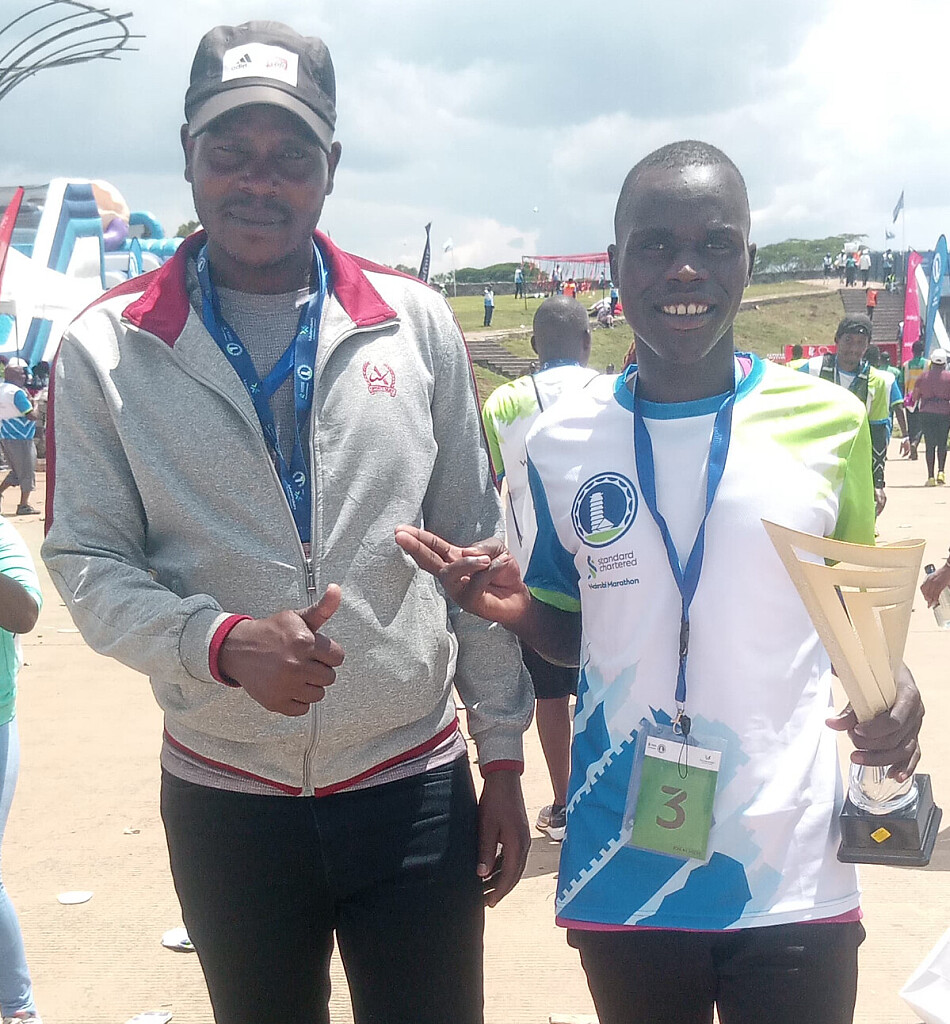
From Charcoal Seller to Champion Coach: The Remarkable Journey of Philemon Kiptoo in Kapcherop
In the cool highlands of Kapcherop, where morning mist drapes over rolling potato farms and runners trace winding red-dirt trails, coach Philemon Kiptoo is living out a dream that once seemed far beyond his reach.
The son of a humble family of nine, Philemon’s rise from selling charcoal barefoot to mentoring Kenya’s next generation of marathon stars is a story of resilience, faith, and the transformative power of community.
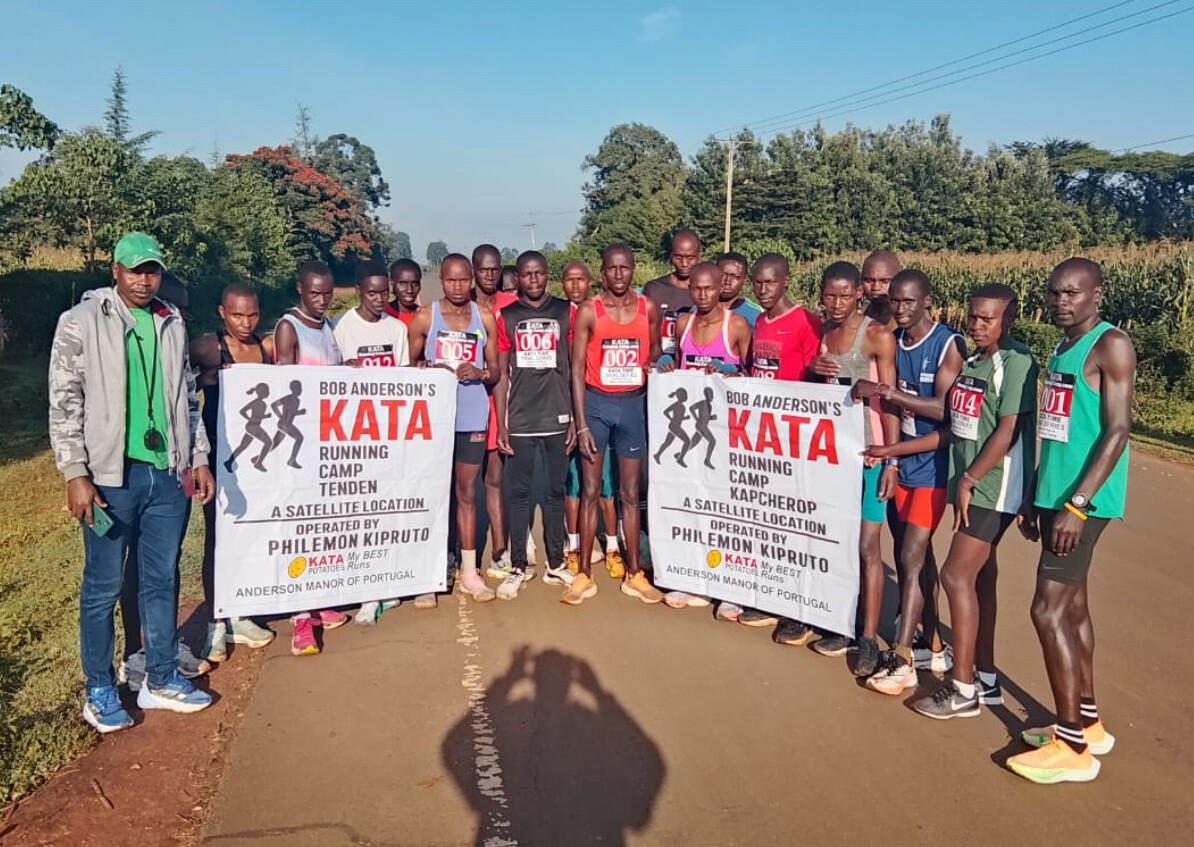
A New Chapter with KATA

Philemon’s turning point came when he joined the KATA network — an initiative founded by U.S.-based running pioneer Bob Anderson to empower grassroots runners and coaches through mentorship, clean sport advocacy, and sustainable income projects.
At his Kapcherop Training Camp, KATA’s support extends beyond athletics. Through the organization’s integrated potato farming program, athletes earn a steady income that helps cover food, accommodation, and basic gear.
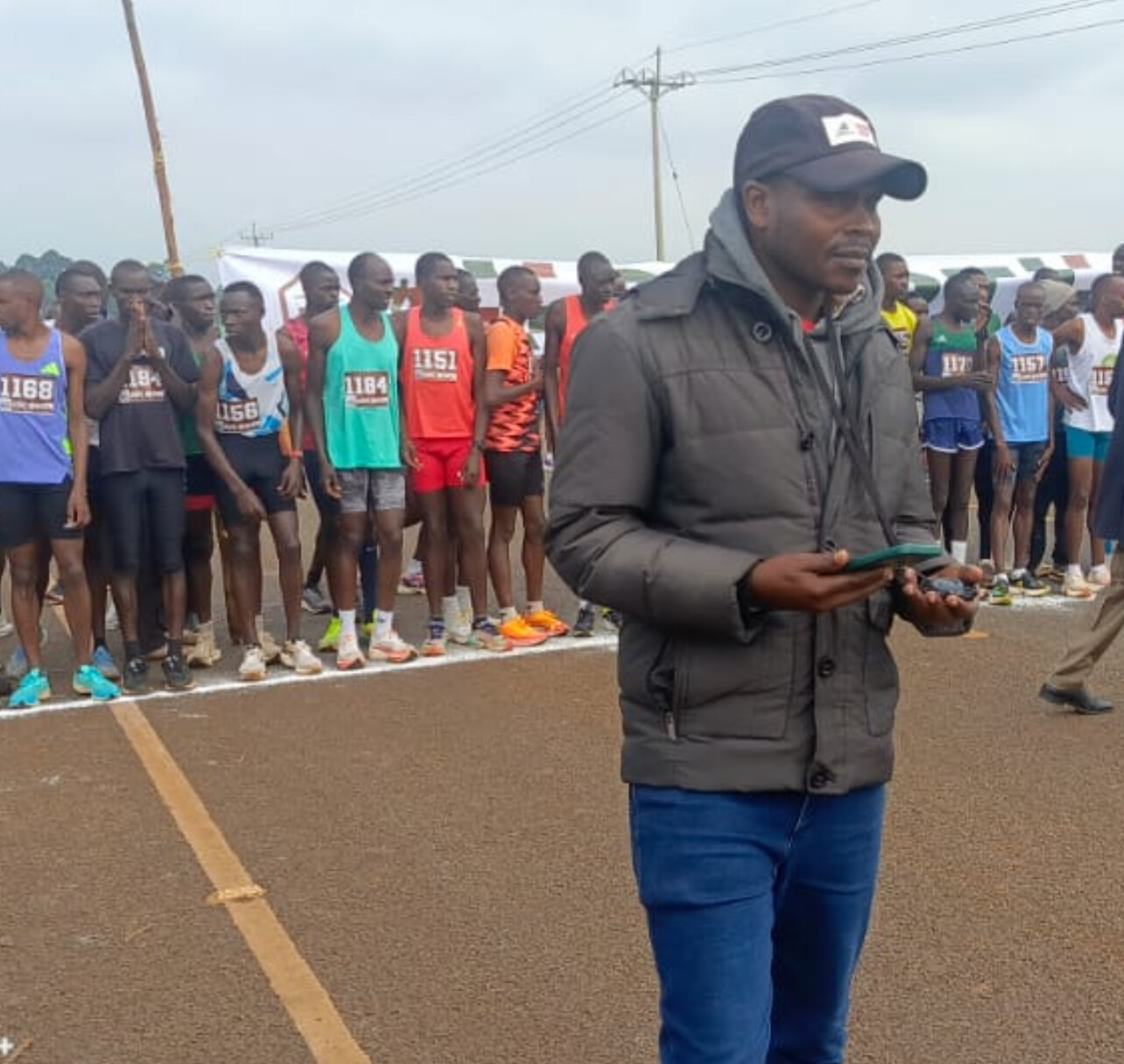
“The support from KATA has made a big difference,” Philemon says with quiet pride. “Most of my athletes come from humble backgrounds like mine. With potato farming and basic support, we can now train without worrying about what to eat or where to stay.”
That stability has begun to pay off. At the Standard Chartered Nairobi Marathon on October 26, his athletes delivered impressive performances: Donald Kimaru finished 4th in the men’s marathon; Dancan Kemei and Dennis Kosgei placed 18th and 21st in the men’s half marathon; Beatrice Rutto finished 11th in the women’s marathon; and in the men’s 10K, Leonard Pkorir and Enoch Tanui placed 3rd and 5th respectively, with Evans Kemboi 16th. Donald also on September 20th placed second at the Double Road Race 15k just 17 seconds behind the winner Edwin Soi in the two leg race. The sixth best time ever.
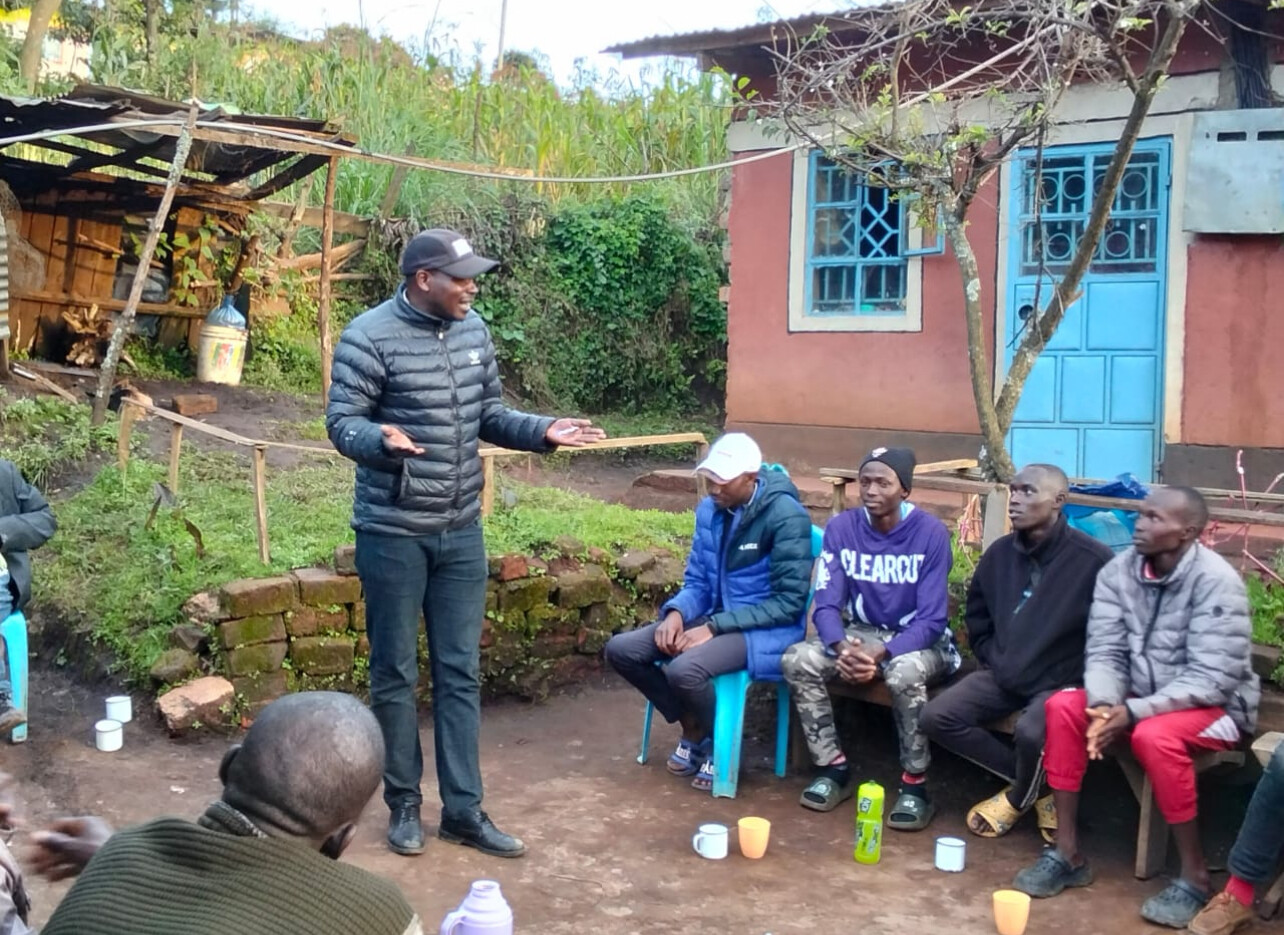
“Each of these athletes represents hope,” Philemon reflects. “With clean training and support, young people from small villages can stand tall on the national stage.”
Humble Beginnings
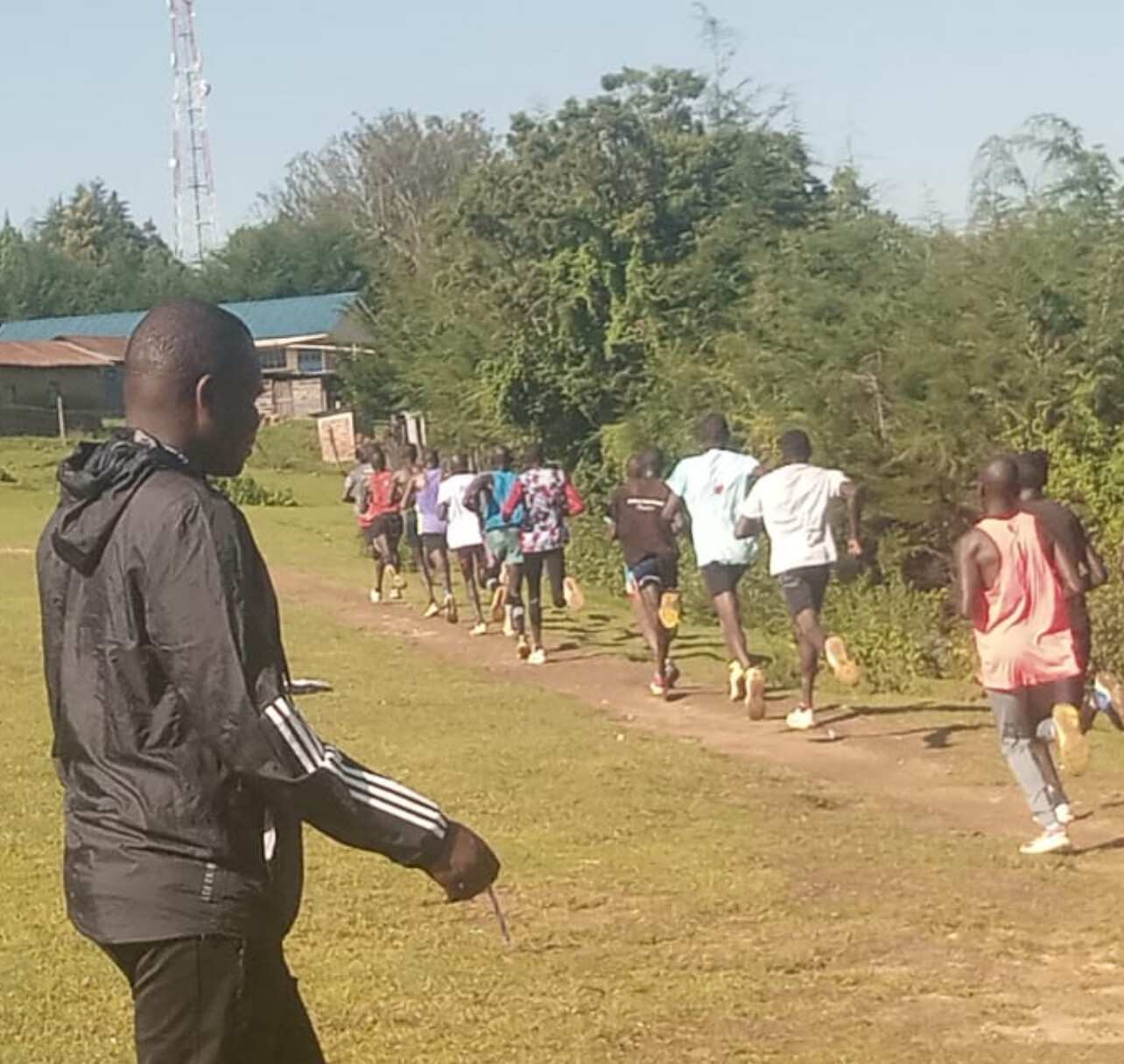
Born in Sing’ore, near the slopes of Elgeyo Marakwet, Philemon’s path to athletics was shaped by hardship.
“I was the last born in a family of nine — three brothers and sisters,” he recalls. “I attended Kobil Primary near Sing’ore Girls and later Kimuron Secondary, but I couldn’t finish because of school fees.”

Returning home to Kapkanyar, he refused to give up.
“In 2007, I started training with no shoes,” he says. “I sold charcoal to buy my first pair of Asics for 700 shillings (about $6).”
Years of persistence paid off when he began racing in 2012, earning his first major result with a runner-up finish at the Kakamega Forest Half Marathon. That breakthrough fueled his dream — not just to compete, but to guide others.
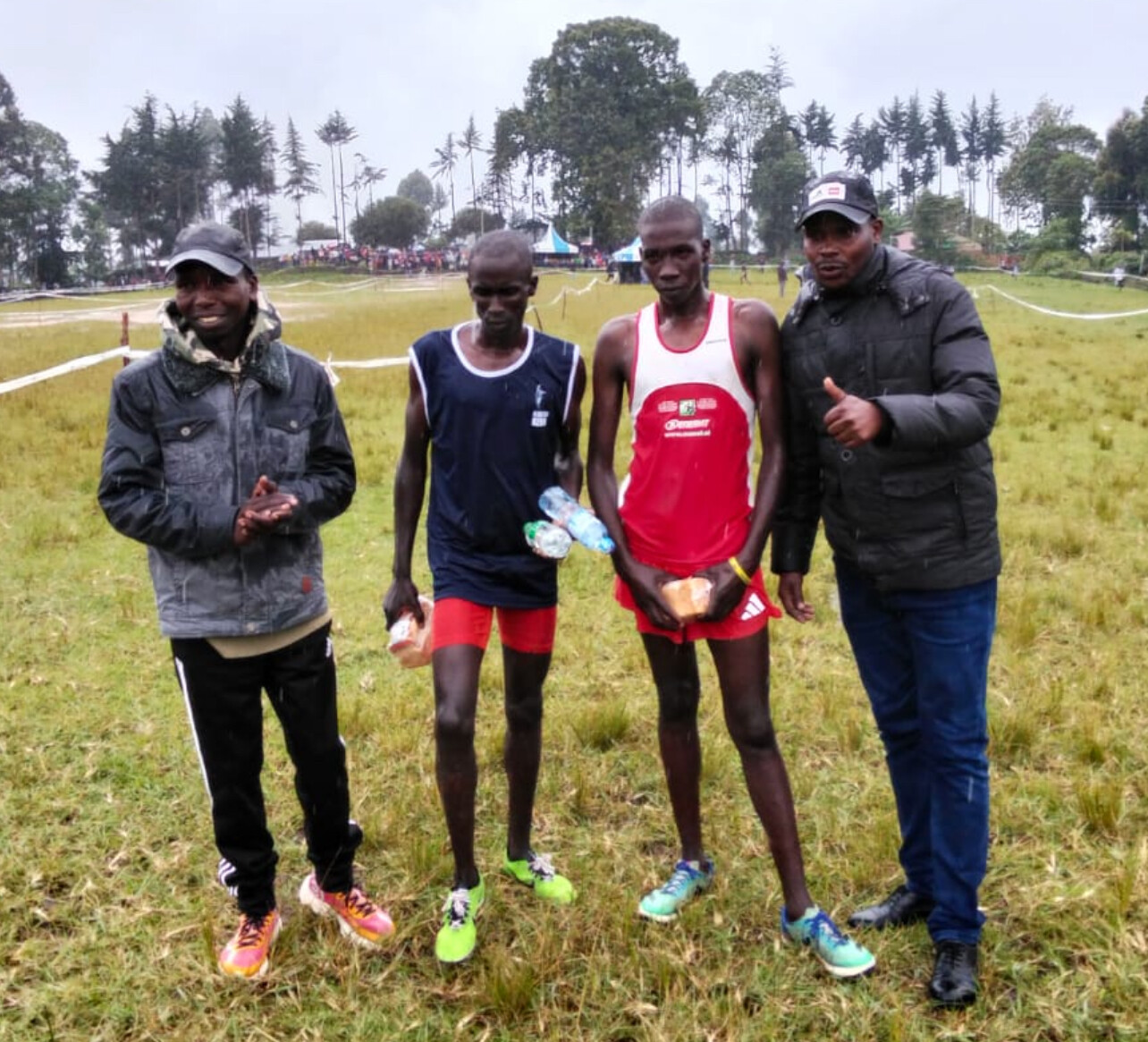
Building Champions
“I started with a few athletes,” Philemon says. “I rented them a small house and bought food — not because I had much, but because I knew what it felt like to need a chance.”
Today, he stands alongside a remarkable family of mentors: four brothers, all coaches.
• Eric Kimaiyo leads the Kapsait Training Camp.
• Andurson Chirchir coaches in Kaptagat.
• Kimutai runs training at Srowback.
• And Philemon oversees the Kapcherop Camp — a thriving hub for emerging distance runners.
Integrity and Clean Sport
What makes Philemon’s story powerful isn’t only perseverance — it’s integrity. A vocal advocate of clean sport, he embodies KATA’s core philosophy.
“We must speak the truth and say no to doping,” he insists. “If you train clean and stay patient, you’ll win with pride. There are no shortcuts to greatness.”
KATA’s influence has reinforced those values, fostering a culture of honesty and teamwork across its growing network.
“Bob Anderson’s support hasn’t just sustained our camp,” Philemon adds. “It has helped shape a generation built on discipline and hard work. We are building athletes who can inspire others.”
A Legacy of Hope
To his athletes, Philemon is more than a coach — he’s a father figure.
“He treats us like family,” says Leonard Pkorir, who won bronze in the Nairobi 10K. “He believes in our dreams even when we doubt ourselves.”
Looking ahead, Philemon’s goal remains simple yet profound: to use running as a bridge to a better life.
“My happiness will be to see my athletes doing great things, helping others, and carrying forward the spirit of running clean,” he says. “That will be my legacy.”
As evening fog rolls across the Kapcherop hills and the rhythmic thud of training shoes fades into the distance, Philemon Kiptoo’s story stands as a reminder that greatness can indeed grow from the humblest soil — when it is nurtured with purpose, honesty, and heart.
(10/27/25) Views: 117Robert Kibet
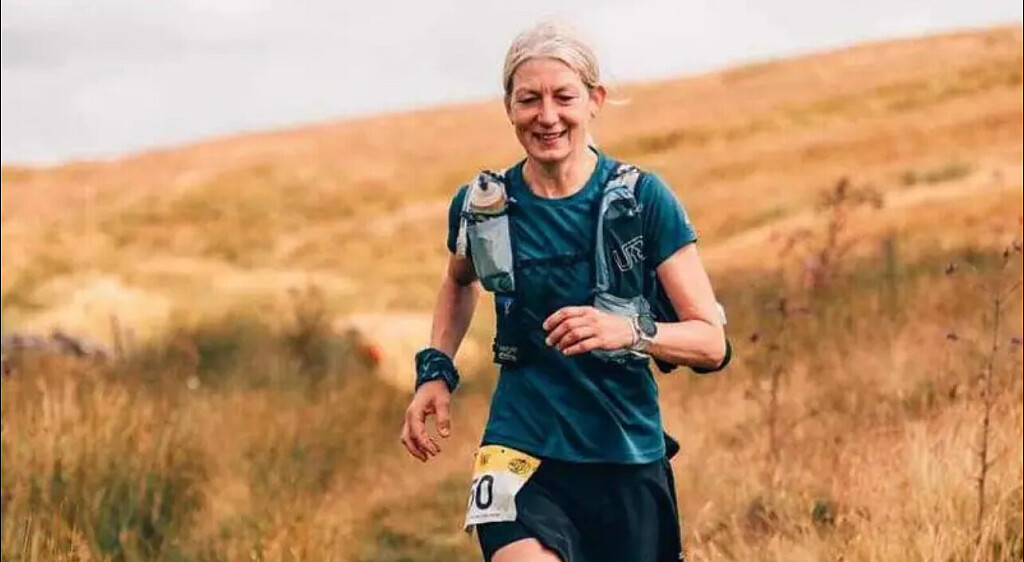
Finding Freedom on the Trails: How Running Helps a Yorkshire Mum Reclaim Her Identity
For 52-year-old Jude Harrison of York, North Yorkshire, England, running is far more than a fitness routine—it’s a lifeline. Between caring for her 17-year-old stepdaughter Emily, who was born with a rare chromosome translocation, and raising her 11-year-old daughter Tilly, life can feel like a constant balancing act. Yet through trail running, Jude has discovered a renewed sense of freedom and self.
“Sometimes it feels like Steve and I are two single parents living together,” Jude admits. “We’re always dividing our time because the girls have such different needs.”
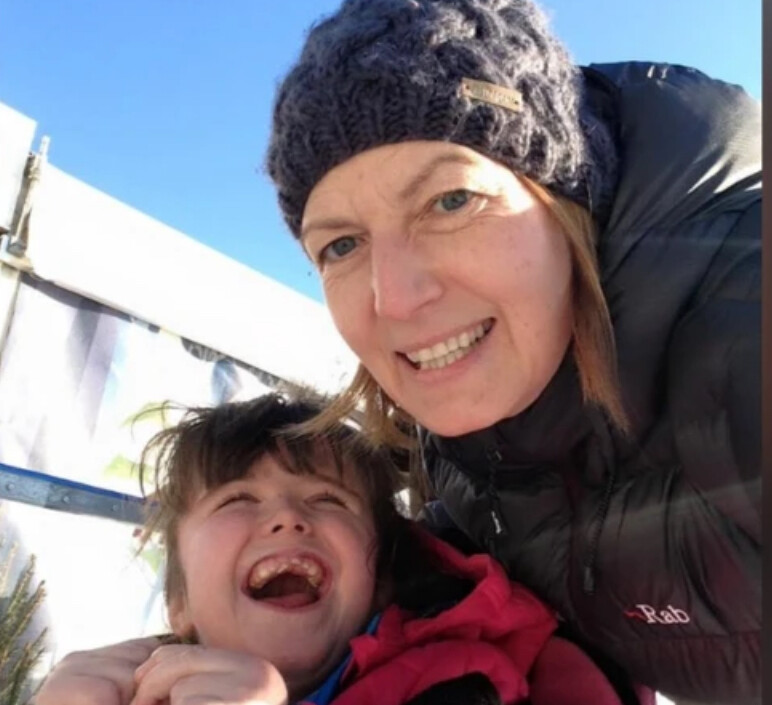
Emily is non-verbal, non-mobile, and lives with developmental delays that require full-time care. She attends a special needs school and receives monthly respite support, but most of the time, Jude and her husband Steve share her day-to-day care.
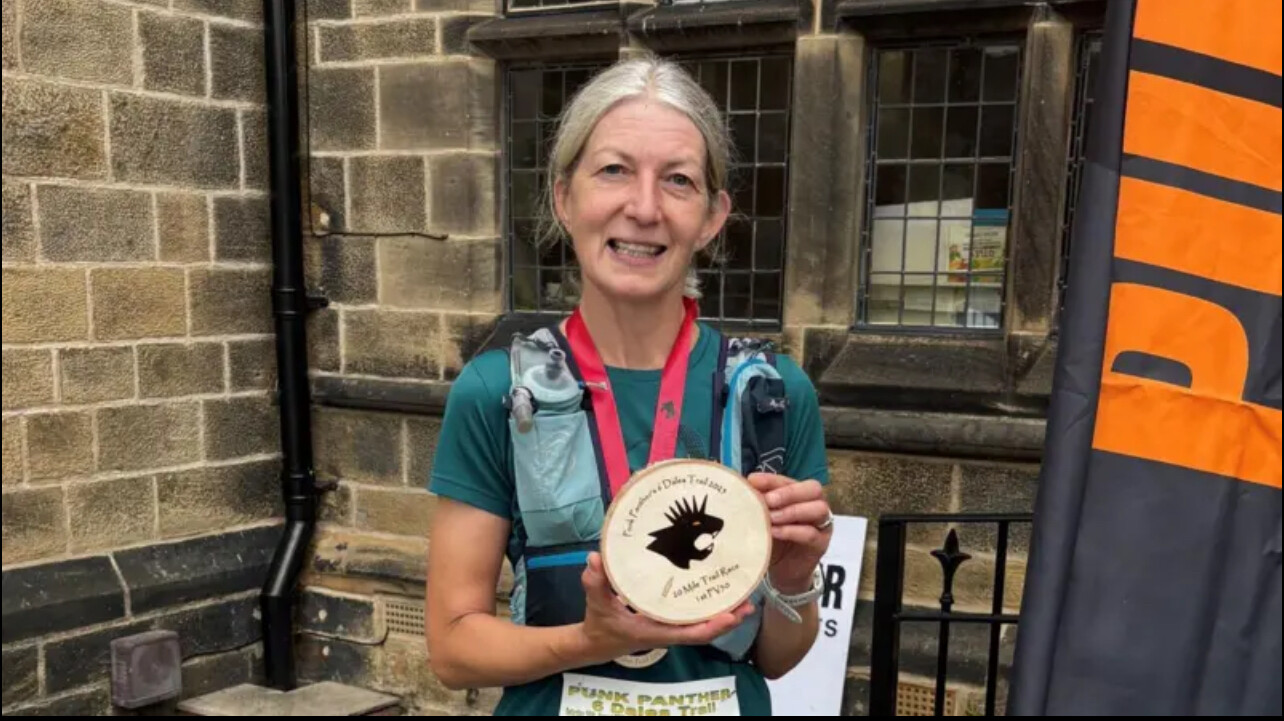
“When you become a parent, it’s easy to lose your sense of identity,” Jude says. “With a child who has complex needs, that feeling can be even stronger. Running is the time I carve out just for me. It’s my thing—it’s who I am. Out on the trails, I’m not just Emily’s mum or Tilly’s mum—I’m Jude.”
Trail running has become her sanctuary, helping her manage stress and stay mentally strong. Jude says the variety of the terrain, the scenery, and the camaraderie make it more rewarding than road running.
“People think trail running is harder, but I disagree,” she says. “There’s an unspoken rule that you walk the hills, run the flats, and enjoy the downhills. It’s about fun and community as much as fitness.”
Last month, Jude took on the 2 Valleys 22K Trail Race in the Lake District, England. With her husband staying home to care for Emily, she joined a team of 25 athletes and adventurers sponsored by Coventry Building Society, part of its campaign to support over-50s achieving their goals.
“Crossing the finish line in Keswick felt incredible,” she recalls. “Everyone was shouting my name. For once, it was just about me. It reminded me that I’m still capable of chasing my own goals.”
Now, Jude has her sights set on next year’s 5 Valleys Challenge, which doubles the distance of her most recent race.
“I sometimes have to remind myself that I’m 52 and still out here doing this,” she says. “It’s not about trophies—it’s about being present, keeping fit, and showing my daughters that age and circumstance don’t define you. I’ve still got plenty of running left in me.”
(10/28/25) Views: 115Boris Baron

Still Racing Strong, Olympic Medalist Edwin Soi Leads by Example at KATA — Growing Potatoes, Training Hard, and Competing for the Half-Million Shilling Farmer Bonus
Edwin Soi is a 5000m Olympic medalist and still running well photo of him running 27:30 just a few months back at altitude). He is also one of the KATA Running Camp operators and has three acres of KATA potatoes. He posted this after we announced our new contest for our KATA farmers.
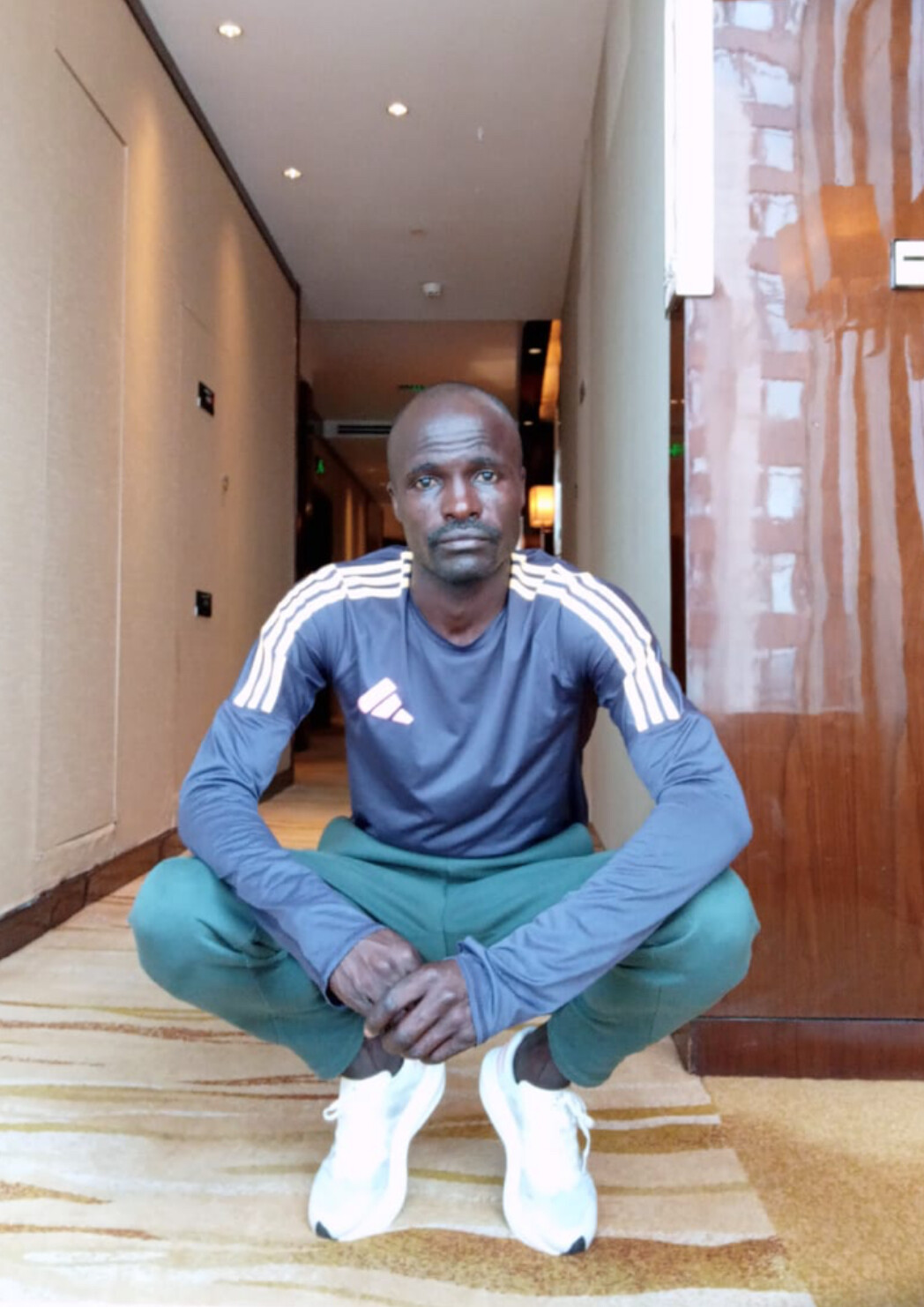
“This is the kind of motivation,” says Edwin that pushes us past our limits. We promise to take this challenge to the top notch in both arenas.

On the farm, we focused on achieving a record potato yield per acre to be a winner in both Contest #1 and Contest #2. On the running field, that spirit translates directly into training harder and competing fiercer.
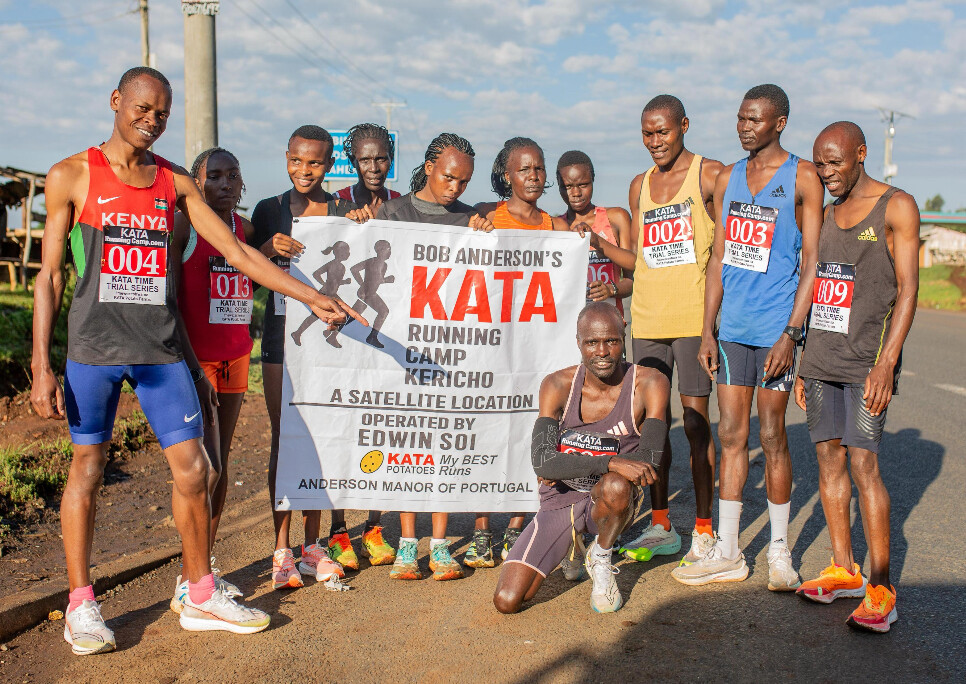
We will not just grow strong; we will demonstrate absolute excellence. Thank you Bob for fueling our drive to be champions. #GoKATA
Here are the details of our new contest:
KATA Potato Farmer Half-Million Bonus! ?
KATA is bringing its competitive spirit to the fields!
Twice a year, five KATA farmers with the best yield per acre will each earn 50,000 KES — that’s half a million shillings annually! ?
Contest #1 closes: Dec 31, 2025
Contest #2 closes: Jun 30, 2026
✅ Yields counted in 50 kg bags sold to verified buyers
✅ One bag kept for personal use not counted
✅ Once funds are received by KATA and confirmed by CTO Dennis, your yield is officially recorded
All results verified by Dennis (CTO), Gideon & John (Sales Directors), and Fridah (Accounts Manager).
Each contest will name five different winners — but a farmer can win both see seasons!
“KATA rewards excellence — on the track and in the field.”
— Bob Anderson, Founder & Director
Additional camps and farms will be added starting in December. Contact Bob Anderson on WhatsApp.
Stay current at www.KATA.ke
(10/30/25) Views: 86Boris Baron
