

Running News Daily
Top Ten Stories of the Week
4/22/2023
These are the top ten stories based on views over the last week.



Most People Get Slower with Age. But Is That Inevitable?
Recently, while sifting through some of the excruciatingly detailed performance data he'd collected over decades as a Colorado-based triathlon coach, Alan Couzens noticed a pleasing symmetry. All else being equal, the amount of aerobic fitness his athletes lost by getting a year older was almost identical to the amount they gained by adding an hour per month of training time. Want to freeze the biological clock from one birthday to the next? Find a spare 15 minutes per week and fill it with running.
The long-haul practicality of this approach is debatable: after a decade, that additional training time would total 2.5 hours a week. But the underlying premise of what we might call the Couzens Immortality Quotient taps into a fertile area of debate. How much of the aging process is an inevitable slide into decrepitude, and how much is a result of not getting enough exercise?

That's the question Johannes Burtscher of the University of Lausanne, along with colleagues in Switzerland and Austria, posed recently in the International Journal of Environmental Research and Public Health. By pooling the results of more than a dozen studies, the group reached an encouraging, quantifiable conclusion: only about half of the fitness losses suffered by endurance athletes as they get older are attributable to the passage of time. The other half can be chalked up to reduced training.
The standard gauge of aerobic fitness is VO2 max, which measures how quickly you're able to breathe oxygen into your lungs, pump it through your arteries, and use it to help fuel muscle contraction. It's expressed in milliliters of oxygen per kilogram of body weight per minute, and in young adults it typically hovers somewhere in the forties. After age 25, it declines by about 10 percent each decade, dropping more quickly in your sixties and seventies. Among endurance athletes, the numbers aren't so predictable. Some studies find losses of 5 percent per decade; others as much as 46 percent. What accounts for the difference? The extent to which you continue training as you get older. After all, the fitter you are, the more you stand to lose.
The effects of ceasing training entirely seem to be similar in athletes of all ages. Your VO2 max begins to plummet within a few days of stopping exercise, and you might lose as much as 20 percent after 12 weeks. These losses are explained mostly by changes in how much blood your heart can pump with each beat; the good news is that the trend can be reversed fairly quickly when training is resumed. Other age-related changes, such as stiffening arteries, occur more slowly and are harder to undo.
How much of aging is an inevitable slide into decrepitude, and how much is a result of not getting enough exercise?
When Burtscher and his colleagues ran the numbers, they found that 54 percent of the variation in fitness loss by male endurance athletes was explained by differences in how much they trained. That number in women was 39 percent, but the scarcity of data for female subjects makes it impossible to tell whether there's a real physiological difference between the sexes. Overall, the data fits with the observation that athletes who keep training at a fairly constant level over the years lose about 5 percent per decade-half as much as the typical nonathlete.
There are a couple of key questions raised by these findings. The first one: If you miss a year, or a decade, can you get back to where you were? Or is some of that fitness lost forever? There's no research to suggest a solid answer, according to Gregoire Millet, one of Burtscher's colleagues at the University of Lausanne. It probably depends to some degree on how much you trained prior to stopping, and for how long. The risk upon resuming would be that your bones and connective tissue are no longer prepared to handle a heavy load, making you more susceptible to injury.
Still, there are some encouraging hints in the literature. In 2020, researchers published lab data on Tommy Hughes, an Irish man who'd recently run an eye-popping 2:27 marathon at age 59. Hughes's VO2 max was 65.4, more than twice what you'd expect from a largely sedentary man his age. Not surprisingly, Hughes was a former elite marathoner; he competed at the Barcelona Olympics in 1992. But he'd taken a 16-year break from running, starting again at the age of 48. We can't know for sure if that pause hurt him-if it did, it couldn't have been by much, given that he currently holds the world marathon record for the 60-to-64 age group, at 2:30:02.
The other question is how to maintain your training level as the years pass. We all have good intentions, but real life rarely resembles the smooth aging curve that results from graphing the average data from large groups of people. Instead, there are plateaus and gentle declines punctuated by steep drops-you break a leg, your first kid is born, you become addicted to social media, and so on. Avoiding periods of rapid decline goes a long way toward slowing the overall slide.
Another superstar case study, this one published in 2022 by a team led by Bas Van Hooren of Maastricht University in the Netherlands, illustrates the benefits of consistency. A 75-year-old middle-distance runner named Hans Smeets, who holds multiple European and world age-group records, had clocked a VO2 max of 50.5, equal to the highest known measurement for his age. Smeets only began running at 50, further evidence that it's never too late to start (or start again). And once he'd begun, he kept going. Over the next 25 years, he never missed more than a week of training. Initially, he ran more than 85 miles per week, and at 75 he was still logging as many as 50. He attributed his ability to handle all that mileage without injury to doing most of his runs at, in his words, "an easy pace."
That, as it turns out, aligns perfectly with Couzens's view about what's required for long-term athletic success: lots of low-intensity exercise. To be sure, the idea of adding an hour of training per month every year to ward off the effects of aging sounds suspiciously like an endurance version of the legend of Milo of Croton, the ancient Olympian wrestler said to have lifted a calf over his head every day until it was a full-grown bull. In both cases, each step in the process seems simple, but the result is nonetheless improbable, let's call it.
Yet, as an aspiration, or simply as a formulation of what's possible, the Couzens Immortality Quotient tells us the same thing as the examples of Tommy Hughes and Hans Smeets, and as Johannes Burtscher's meta-analysis. You don't train less because you're getting old; you get old, to a surprising extent, because skipping that long Sunday run with your pals becomes a habit instead of a rare exception. Don't do it.
(04/16/23) Views: 302

Unlock the Benefits of Kinesiology Tape
How to use this stretchy, therapeutic tape to effectively reduce pain and support muscles, tendons, and ligaments (almost) anywhere on your bodyWhatever your sport, avoiding or mitigating injuries is as important as logging miles or sessions. But if you find yourself toeing the line between pushing it too far or sitting on the sidelines, one preventative measure can help support your body so you can keep training: kinesiology therapeutic tape. Utilizing this elastic tape to reduce injuries and boost performance isn’t a revolutionary idea in exercise science—especially when integrated with other body maintenance and recovery best practices. Using the right tape effectively, however? Now that’s another story.
And it’s not just elite athletes who can benefit, either. You don’t need to resemble the colorfully taped Olympic beach volleyball champs who come to mind. When applied correctly, kinesiology tape can ease pain, mitigate injuries, and reduce post-workout muscle soreness in mortal athletes engaged in any type of outdoor exertion or active venture. Here’s how.
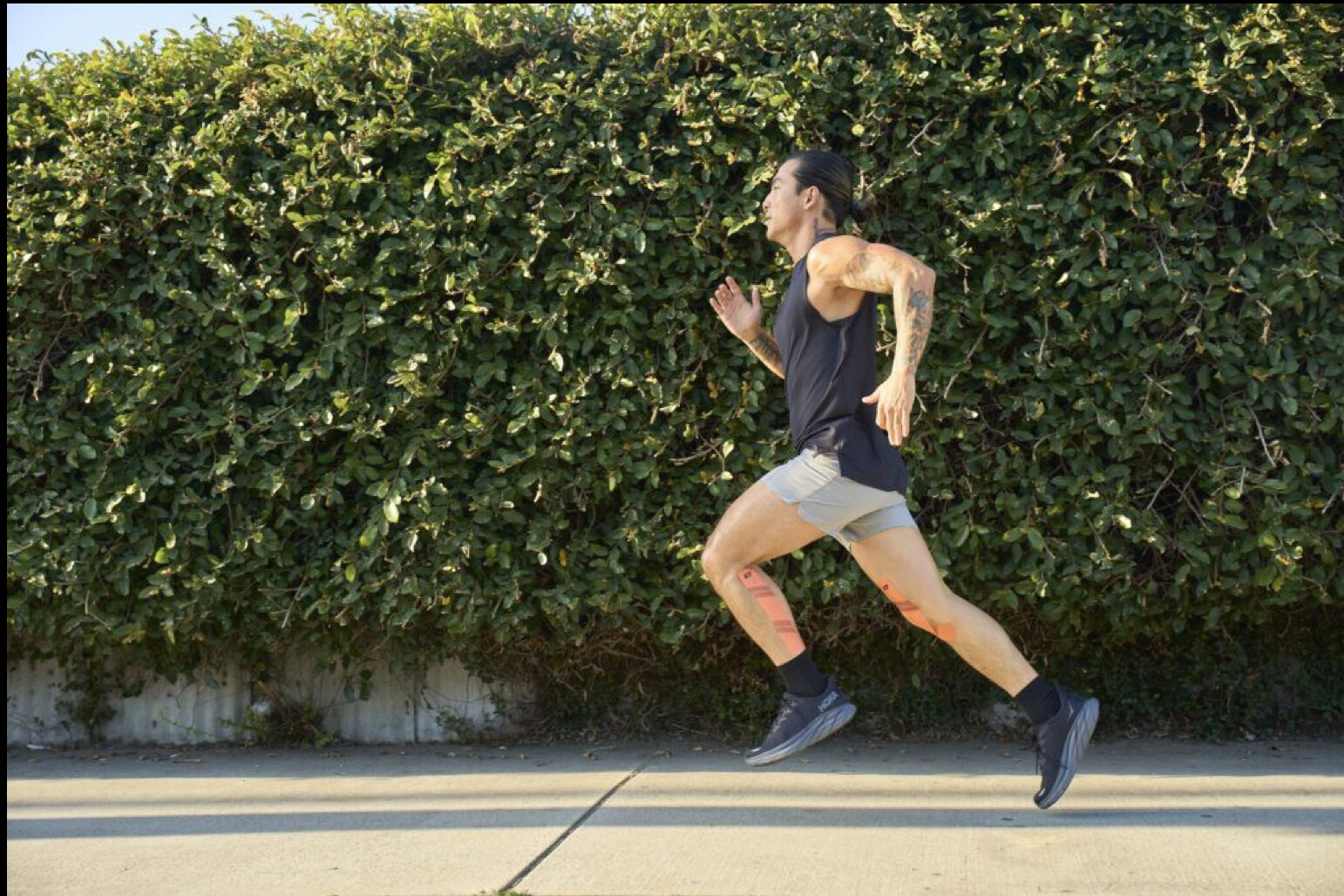
Not surprisingly, not all kinesiology tapes are created equally. When you compare options, look for one that offers non-restrictive movement so you can continue to train comfortably. High-quality adhesives help tape to last longer, offering more support to the target area before, during, and after a workout. KT Tape Pro stands up to your toughest workouts. Made from synthetic fibers featuring an elastic core, this performance tape provides more support than cotton kinesiology tape without restricting movement. The adhesive also lasts four to seven days through sweat, swims, and showers—meaning it’s an easy addition to a daily, or even weekly, routine. Plus, rounded corners on each strip reduce snags and peeling. Sure, your old-school gym trainer’s tape can provide support in a pinch. And modernizing to a kinesiology tape can address a number of common athletic injuries. But creating the perfect balance of support and flexibility is an art. One of the most common errors? Applying the tape right before activity. It needs an hour to adhere; proper advance application time helps it last for days (vs. hours) of continuous use. Strips should also be sized long enough to cover the affected area without stretching 1.5 inches at either end. KT Tape Pro comes in pre-cut strips that take the guesswork out of taping. But before you even take the backing off the tape, watch a video to learn the proper taping technique for the target area (or areas) you’re experiencing pain. KT Tape has a library of 35+ video tutorials to help you utilize the tape like a pro. Seriously, you’ll feel like you just walked out of your PT’s office.
Once you have a game plan, it’s time to prep your skin before applying the tape. Remove any lotions, body oils, or sunscreen. You may want to trim excess body hair. Then, wipe down your skin with rubbing alcohol and let the area dry before applying the tape directly to your skin. For best results, apply KT Tape at least an hour before training. Removal is painless and simple even with body hair, where first applying some baby or mineral oil to the tape, or peeling off in the shower, can also help.Kinesiology tape isn’t just helpful for supporting muscle groups and injuries during training. If soreness affects your ability to stick to a movement routine, KT Tape can help your body recover by supporting sore muscles and joints before, during, and after your workout. Studies have shown kinesiology tape helps to aid recovery and reduce soreness by up to 50 percent when worn during and at least 48 hours after exercise. Integrate it into your routine as general preventative (eg. tape before, foam-roll after) and as a key body-maintenance tool to keep you out there performing with less pain and risk of injury.
KT Tape moves with you so you can crush every moment and unleash your potential. The product provides long-lasting support and pain relief for muscles, tendons, and ligaments for anyone who loves to move, wherever your adventures take you.
(04/15/23) Views: 148Outside
Boston Marathon preview: will Kipchoge break the course record?
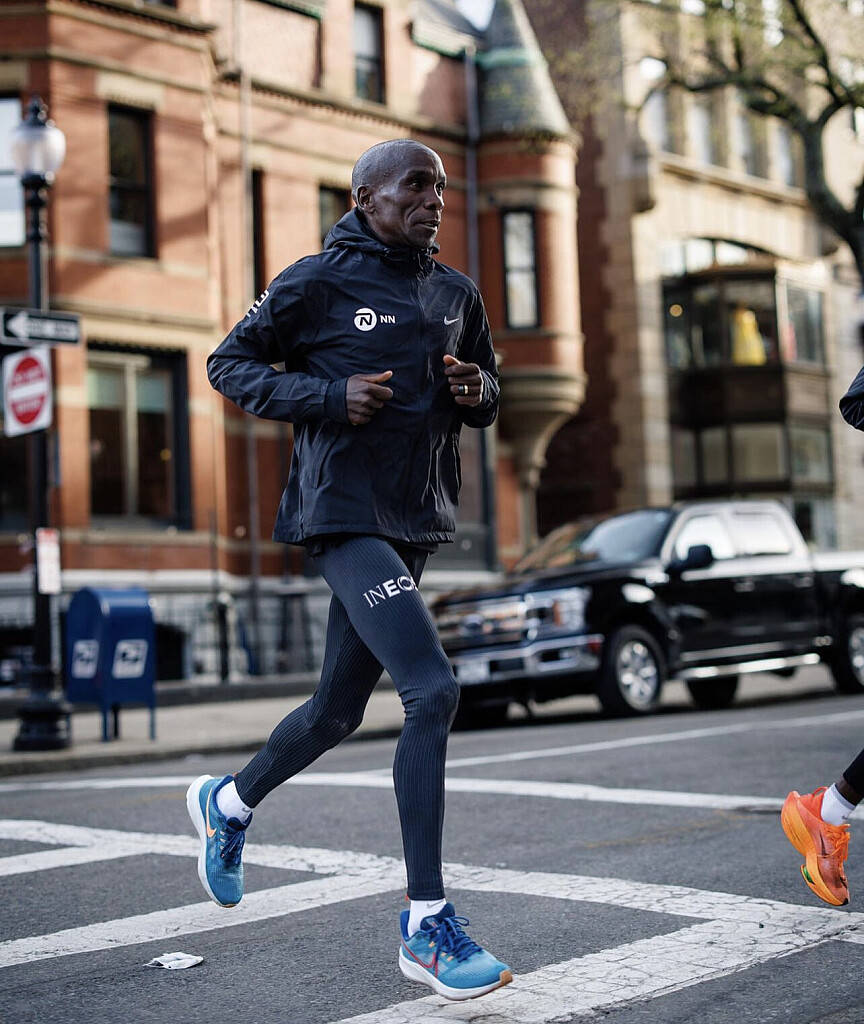
The 127th Boston Marathon is bound to be historic, for two main reasons: it’s the 10-year anniversary of the 2013 Boston bombing. And the men’s marathon will host the world’s fastest marathoner, Eliud Kipchoge, for the first time. Kipchoge is obviously the favourite to win, as he furthers his quest for all six Abbott World Marathon Majors. But nothing comes easy, and here’s why Boston might be Kipchoge’s toughest test yet.
The course and weather
The Boston Marathon course looks like it should be fast, but it isn’t. You start out in the distant suburb of Hopkinton, 150 m above sea level, and cruise downhill for the first eight miles before heading back uphill to finish at sea level in downtown Boston. The course runs almost entirely from west to east, meaning the wind will either be with or against you, which adds variability to the results.
Earlier this month, Kipchoge told Nation that he’s ready for any challenges the Boston course throws at him. “The weather can be unpredictable, but I am trying to be an all-weather man,” said the reigning back-to-back Olympic marathon champion. Kipchoge also said he and his training partners designed a hilly long-run route in Kaptagat, Kenya to emulate the Boston hills, involving 40+ kilometres of rolling hills at 2,500 metres above sea level.
Kenya‘s Geoffrey Mutai holds the course record of 2:03:02 from the 2011 Boston Marathon, when there was a 20 km/h tailwind. Unlike at other marathon majors, pacers are not allowed at Boston, meaning Kipchoge will have to set a 2:02 pace from the get-go if he wants the course record.
Kipchoge’s competition
The 2023 Boston Marathon features of five of the last six marathon majors winners (the only one missing is Amos Kipruto, who will attempt to defend his London Marathon crown on April 23).
Usually, the former Boston champion is the favourite heading into race week, but that isn’t the case when you have the world record holder making his first appearance.
Last year, reigning Boston champion Evans Chebet had a season to remember, becoming the first marathoner to win Boston and NYC in the same year since Mutai did it in 2011. Chebet is fast, and he’s a bit of a tactician, which can work in his favour if Kipchoge mistimes his move. Chebet’s best performance is from the 2020 Valencia Marathon, where he took the win in 2:03:00 (the eighth fastest time in history).
Chebet’s training partner and Kenyan compatriot, Benson Kipruto, is one of the best tactical marathoners in the world. He’s a two-time major marathon champion (Chicago 2022 and Boston 2021) and in both wins he has showcased his ridiculous speed, dropping a 13-high 5K split between kilometres 35 and 40. Kipchoge will need to find a strategy to manage the two-headed dragon of Kipruto and Chebet, who are both familiar with the course and know what it takes to win.
Kipchoge, Kipruto and Chebet will be the main contenders to watch, but there are a few other candidates who could either pull off an upset or get dropped by Kipchoge around kilometre 35, starting with Tanzania’s Gabriel Geay. Geay has always been the bridesmaid but never the bride–he was second in Valencia last December, fourth at Boston in 2022 and seventh at the 2022 World Championships. The 2:03-flat runner ranks inside the top 10 for all-time in the marathon but has yet to win a major–will he get his first win in Boston?
Shura Kitata of Ethiopia was the last man to beat Kipchoge in a marathon major, which happened on a wet day at the 2020 London Marathon. Kitata’s results have been up and down since his 2020 win, but he bounced back last fall, placing second at the 2022 NYC Marathon. Like Kipruto, Kitata is much more of a tactical racer than a speedy one. His personal best of 2:04:49 was set as a 21-year-old at the 2018 London Marathon.
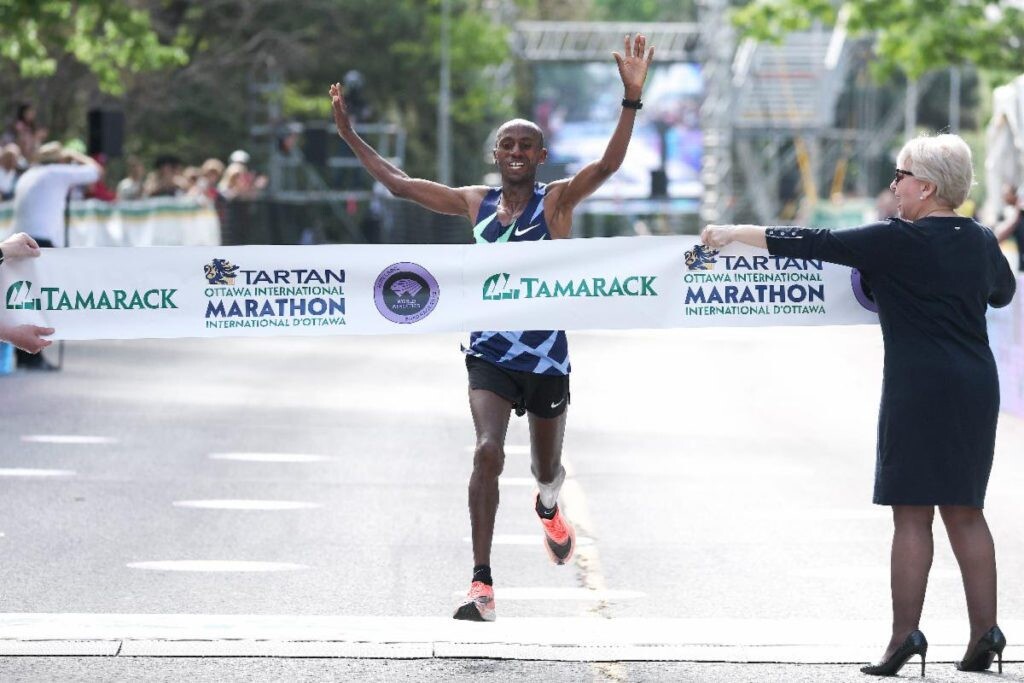
A dark horse who might be a familiar name to many Canadians is the 2022 Ottawa Marathon champion, Adualem Shiferaw of Ethiopia. Shiferaw won Ottawa in a course record 2:06:04 on a warm and windy day in the nation’s capital last year, and has only lost one marathon since 2018 (he was 2nd at the 2022 Riyadh Marathon). This is Shiferaw’s first marathon major, and he has little to lose. If you are looking for a sleeper pick, Shiferaw could certainly catch a few people by surprise.
Prediction
Kipchoge will win this race, but he won’t do it in course record time. The conditions won’t be perfect, and there’s too much uncertainty and variability around the Boston course for him to go out at a 2:01 or 2:02 pace. If I had to guess, Kipchoge will execute a similar race strategy as he did in the Tokyo Olympic marathon, where he sat with the lead group for 25 km and then took matters into his own hands, winning by a minute and a half.
Although he may not have the Boston experience, he is the fastest athlete in the field. What matters to Kipchoge first and foremost is getting the victory, and he’ll execute whatever race strategy it takes to get the job done. Look for him to sit on former champions Chebet and Kipruto early on, and make his move around the 25- to 27-kilometre mark before the Newton Hills, then ride the roar of the crowd home to Boylston Street.
Canadian Running pick: Eliud Kipchoge (Kenya) – 2:05-mid
Stay tuned for our women’s marathon preview.
How to watch
The 2023 Boston Marathon will be broadcasted on TSN 5 beginning at 8:30 a.m. E.T. on Monday, April 17. The men’s open race will begin at 9:37 a.m. E.T. and will likely conclude around noon E.T.
Canadian Running will be your home for the 127th Boston Marathon, featuring live-tweeting for April 15th’s B.A.A 5K and the Boston Marathon. Follow us on Twitter and Instagram for news and updates.
(04/15/23) Views: 93Marley Dickinson
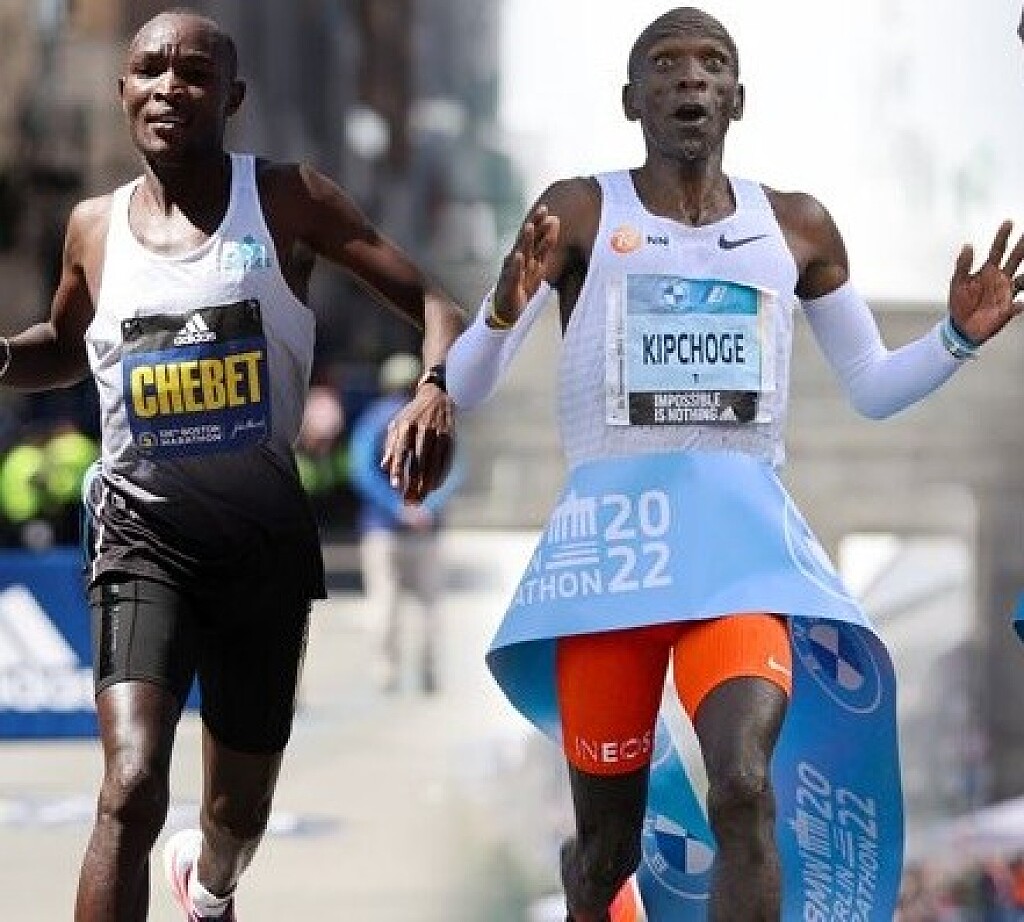
Evans Chebet will be facing the fastest man in the world to defend his Boston Marathon title
Boston Marathon champion Evans Chebet relishing clash with the real ‘G.O.A.T’ .
Evans Chebet will be facing the fastest man in the world over the distance when he steps on the road on Monday to defend his Boston Marathon title.
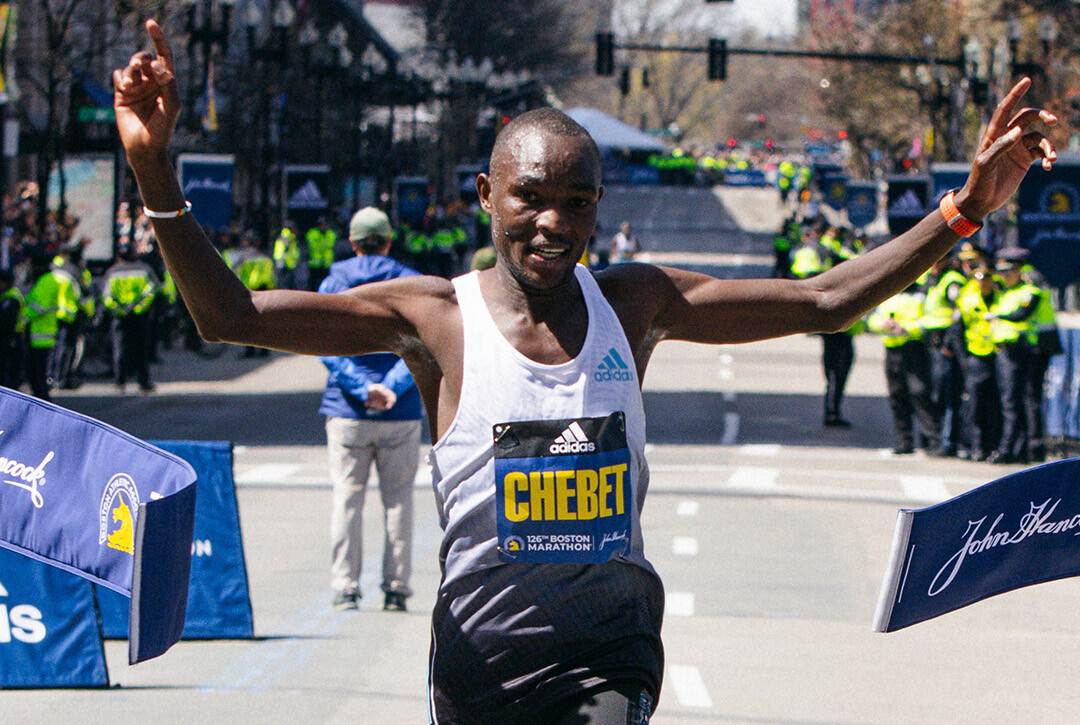
Chebet cannot wait to clash with marathon record holder Eliud Kipchoge whom he will be racing against for the first time in his career.
The Kapsabet-based Chebet says he is highly motived to compete against Kipchoge considered the Greatest of All Time (G.O.A.T) in marathon racing.
“I have never competed against the fastest man over the distance. We are finally meeting in Boston and I believe the race will be faster and that will help me improve on my personal best. My target is to be on the podium. Expect an exciting race on Monday,” said Chebet who trains under 2Running Athletics Club in Kapsabet, Nandi County.
Chebet, will also be competing against his compatriot and training mate Benson Kipruto.
The reigning Boston Marathon champion said that his preparations for the race have gone on well, he is injury free and wants to show what he has got on the road on Monday.
“I love the Boston Marathon course and given that we shall be competing with other Kenyans, it will be a tough affair but a race normally starts after 35km and that is where you can know if you will finish as a winner,” said Chebet.
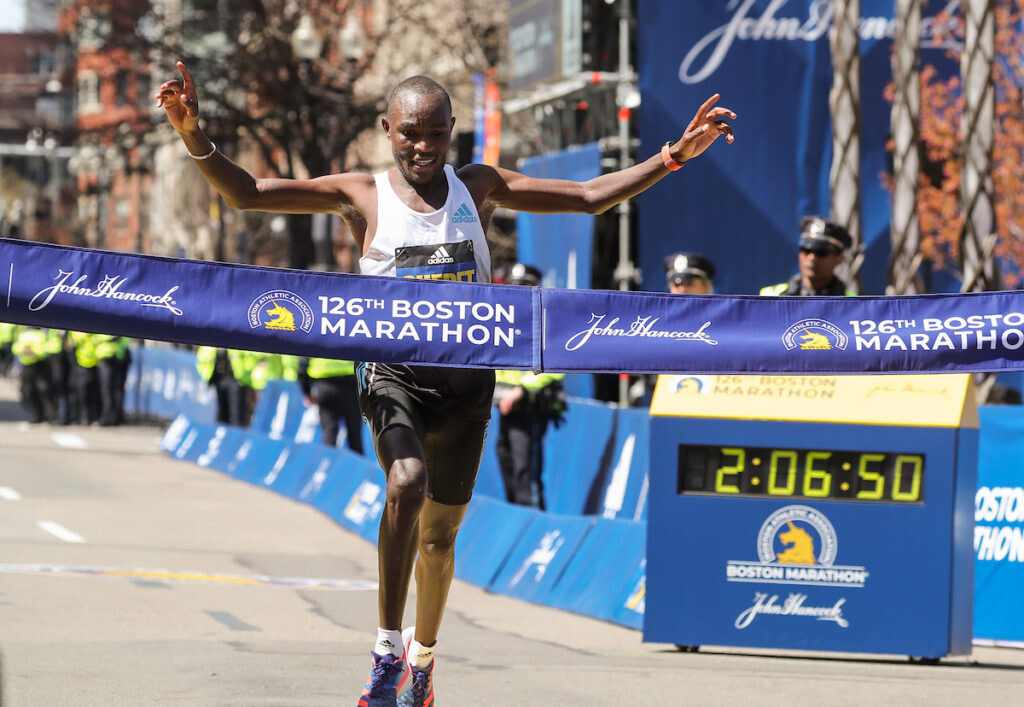
In last year’s race, Chebet pulled away from a loaded field in the last few kilometres to surge to victory in 2:06:51. Compatriot Lawrence Cherono finished second in 2:07:21 while Benson Kipruto was third in 2:07:27.
Kipruto, Chebet's training partner, won the 2021 Boston Marathon champion.
He will be coming up against Kipchoge for the second time on Monday after the 2021 London Marathon where he emerged seventh while Kipchoge settled for eighth position.
“In 2021, I competed against Kipchoge though we both finished outside the podium. I believe that we'll have a good race this year. I will be eyeing a podium position despite the stiff competition. It's a rich field but I will do my best and apply what I have been working on in training,” said Kipruto, the 2022 Chicago Marathon champion.
Other Kenyan athletes who will be competing in the race include John Korir who was third in last year’s Chicago Marathon, Nobert Kigen, Mark Korir, who was second in 2022 Berlin Marathon, Michael Githae, and the 2021 New York Marathon champion Albert Korir.
(04/14/23) Views: 91Bernard Rotich

New unbelievable Netflix documentary unpacks 2013 Boston Marathon bombing
This year marks the 10th anniversary of the 2013 Boston Marathon bombing, which shook the world and the running community, killing three and injuring more than 200 people. On Wednesday, April 12, Netflix will release a three-part documentary series, American Manhunt: The Boston Marathon Bombing, which looks back on the attack and its aftermath, but also on the past 10 years and the events that have transpired since the bombing.
The documentary looks at the four days after the bombing and the 101-hour search for 19-year-old Dzhokhar Tsarnaev and his 26-year-old brother Tamerlan. Tamerlan Tsarnaev died on April 19 (four days after the marathon), following a confrontation with Boston police, and after his brother accidentally hit him with a stolen SUV while trying to escape. Dzhokhar Tsarnaev was convicted of the bombing and sentenced to death in 2015. He remains on death row.
American Manhunt also features never-seen interviews with members of law enforcement, such as then-Boston Police Department superintendent William Evans and then-Boston Police commissioner Ed Davis; survivors including Karen McWatters, whose friend Krystle Campbell died in the attack and who lost her leg as a result of the bombing; and Youssef Eddafali, who had been a friend of Dzokhar’s before the bombing, and more.
“It took a very long time for us to be able to contextualize and understand what happened in such an unbelievable manhunt, but also emotionally, in terms of what happened to the victims and to the entire city,” said director Floyd Russ in an interview to The Independent. “There are so many different types of trauma in the story.”
The city of Boston will observe the 10th anniversary of the attacks on Saturday, April 14, with One Boston Day: a day for volunteer events and acts of kindness. There will be a shoe drive, a donation drive for food, baby supplies, and clothing, and a blood drive, plus many other initiatives to honour the city’s “spirit of care for one another in response to the tragic events from 2013.”
The documentary will be released on Netflix U.S. and Canada on April 12.
(04/15/23) Views: 90Running Magazine
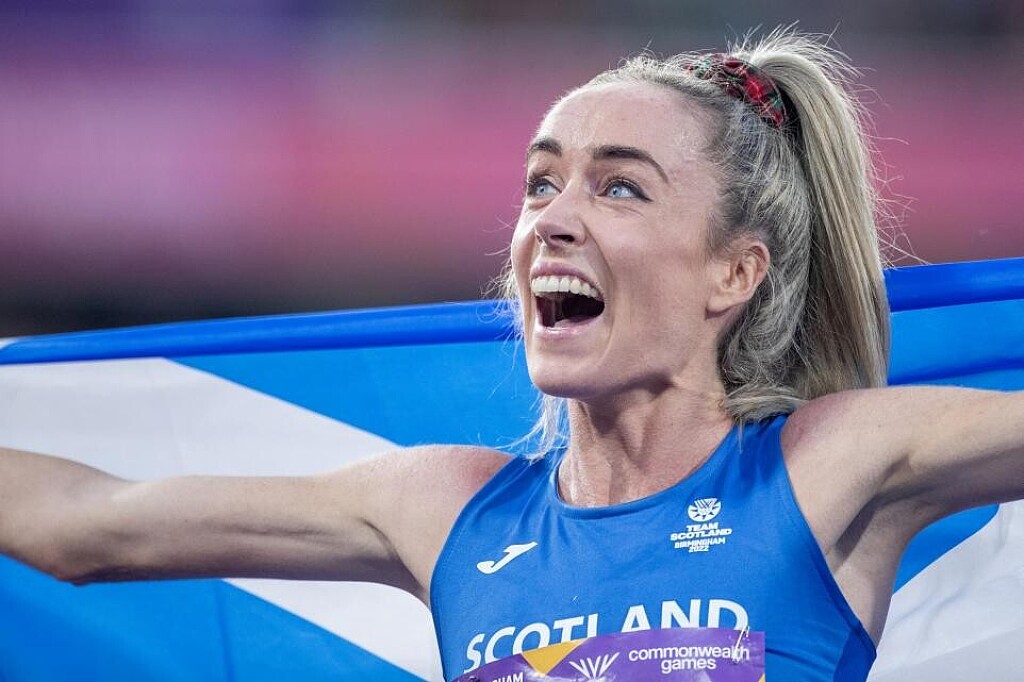
Eilish McColgan has had a spectacular year and now she has her sights set on competing at the Olympics in the marathon but she has not run a marathon yet
After three decades immersed in athletics, there are not too many times now when Eilish McColgan is stepping into the unknown.
Next Sunday, however, will be one of those unusual occasions when she stands on the start line not knowing quite what to expect as she will make her marathon debut in London.

For all the thousands upon thousands of miles she has run in training over the years, she is treading new ground.
“I’ve never run 26 miles,” she says. “I don’t actually know many athletes who do the full distance in training.
“We coach amateur runners and we advise not to do more than 22 miles in training and that’s what I’ve been doing myself. There is the mental aspect of can you actually get round 26 miles? But I’ve done 22-mile runs and I had no doubt at the end of them I could have run another four-mile loop. So it’s not so much the distance for me that will be tough, it’s going to be the pace of it.
“There’s a big difference between a long run and a hard, hard effort for that long. So for me, that’s what’s unknown and not something I’ve particularly tested in training.
“I think that’s something that only comes with the experience of racing.”
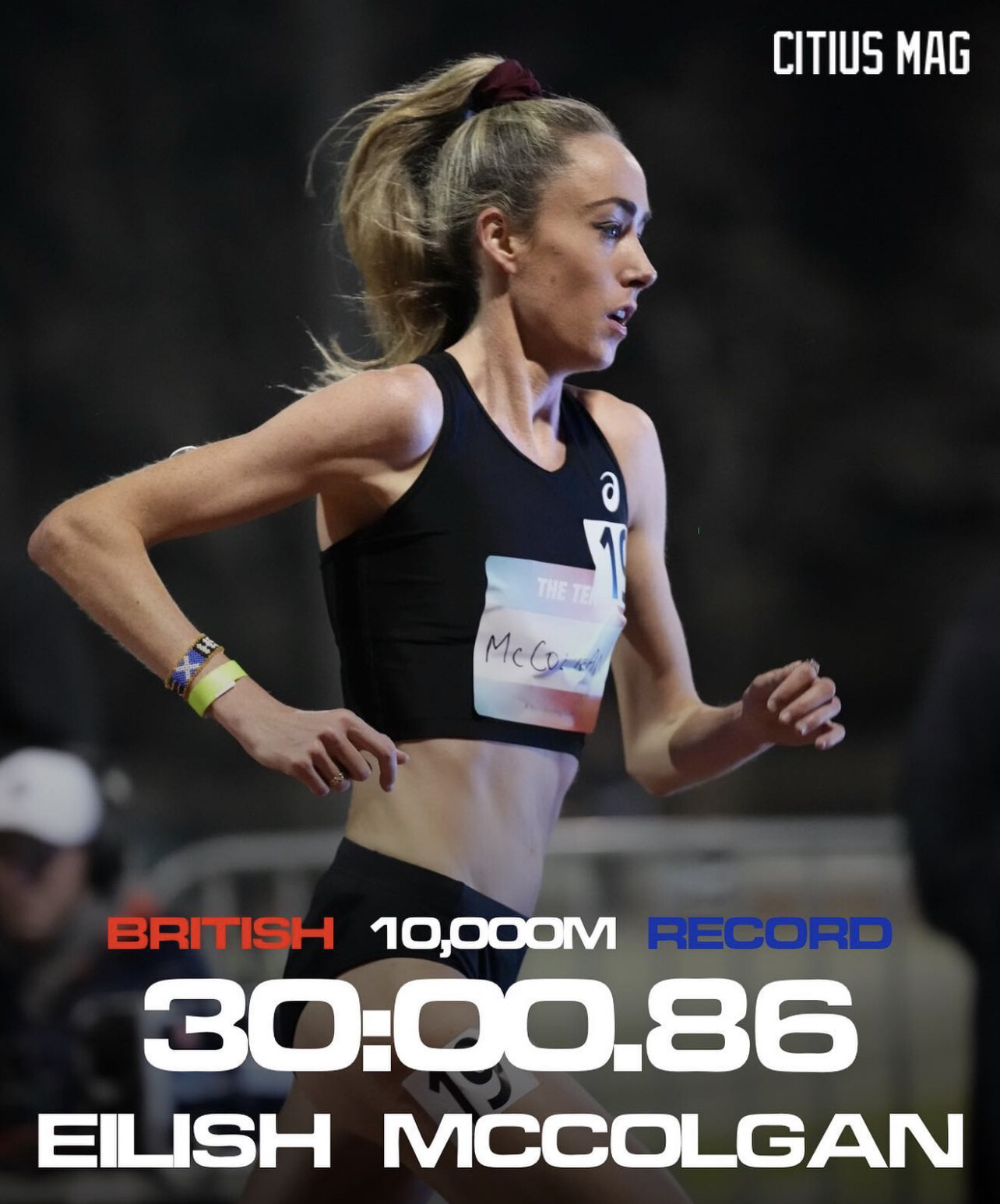
McColgan is certainly not easing herself in gently. London boasts the strongest women’s marathon field ever assembled with defending champion and world 10k record holder Yalemzerf Yehualaw, marathon world record holder Brigid Kosgei and Olympic champion Peres Jepchirchir all going to be on the start line.
However, with the 32-year-old from Dundee having had the year of her life over the past 12 months, she could not be in a better frame of mind.
McColgan has been on the international scene since 2012, when she competed in her first Olympic Games, but it was in 2022 that she really grabbed the spotlight.
Commonwealth gold in the 10,000m in Birmingham was the most memorable of her performances, but that win was accompanied by a raft of Scottish, British and European records both on the track and on the road.
McColgan has continued her sparkling form into 2023, with her opening appearance of the year a run over 10,000m of 30 minutes 0.86 seconds, breaking Paula Radcliffe’s long-standing national record and smashing her own personal best by 19 seconds.
That was followed by a win at the Berlin Half Marathon two weeks ago in yet another British record and McColgan admits that despite the trepidation that is certainly present about running her first marathon, she is in a confident mood.
“I’m really pleased with my runs. To have come away with British records and such big PBs, I was really happy,” she says. “It’s given me quite a lot of confidence knowing that the training I’m doing is really suited to me.
“I know for sure I can run a good 5k, a good 10k and a good half marathon so now the question is whether or not I can run a good marathon because it’s something I’ve never done. I’m certainly in a better place to run the marathon now than I ever have been but how I actually cope with it, we won’t know till race day.”
The one, and perhaps only, down side of McColgan’s spectacular year is that expectations from observers are now sky-high regarding what she is likely to achieve in London.
However, McColgan is far too pragmatic and too experienced to expect anything spectacular and instead, she sees next weekend’s race as the start of her marathon journey which will, she hopes, lead to the start line of the Olympic marathon in Paris next summer.
“This first marathon is about getting the experience of it,” she says. “I’m in a much stronger position than I’ve ever been and so I’ve given myself the best opportunity to run a good marathon but there’s a lot of things that come into play on the day with regard to the mental side of it, the physical side of covering that sort of distance at that fast pace and the fuelling side of things to make sure I don’t hit the wall.
“There’s a lot more elements that come into a marathon than do on the track or on the shorter road races.
“I know other people maybe expect me to go to London and be competitive but that’s not realistic.
“I’m going into the best marathon field that’s ever been assembled so I have to be realistic with what I can achieve within that. I’m certainly not going in there to win.”
McColgan may not be targeting a podium place but she is not lacking goals for the race.
With the 2024 Olympic Games already in her mind, qualification for Paris is of primary importance – and ideally sooner rather than later – but she also has her mum, Liz’s, one remaining time that is faster than her in her sights over those 26.1 miles in London.
“I have a few goals for London,” she says. “Firstly, I want to get round in one piece. That’s my No.1 goal – to get round and feel like yes, I want to do the marathon at the Paris Olympics,” she says.
“Secondly, this is the final PB that my mum still has of 2 hours 26 mins. Steph Twell took her Scottish record a couple of years ago when she ran 2:25 so I have that in my head as a time target.
“I do feel I’m capable of running faster than my mum and getting that Scottish record and it’d be a triple-whammy because it’d be a qualifying time for the Paris Olympics too.
“I’d like to be competitive against the British girls and if I can do that, I think I can knock those three goals off in the process.
“If I can achieve all my personal goals, that’d be a good day for me.”
(04/16/23) Views: 90Susan Egelstaff
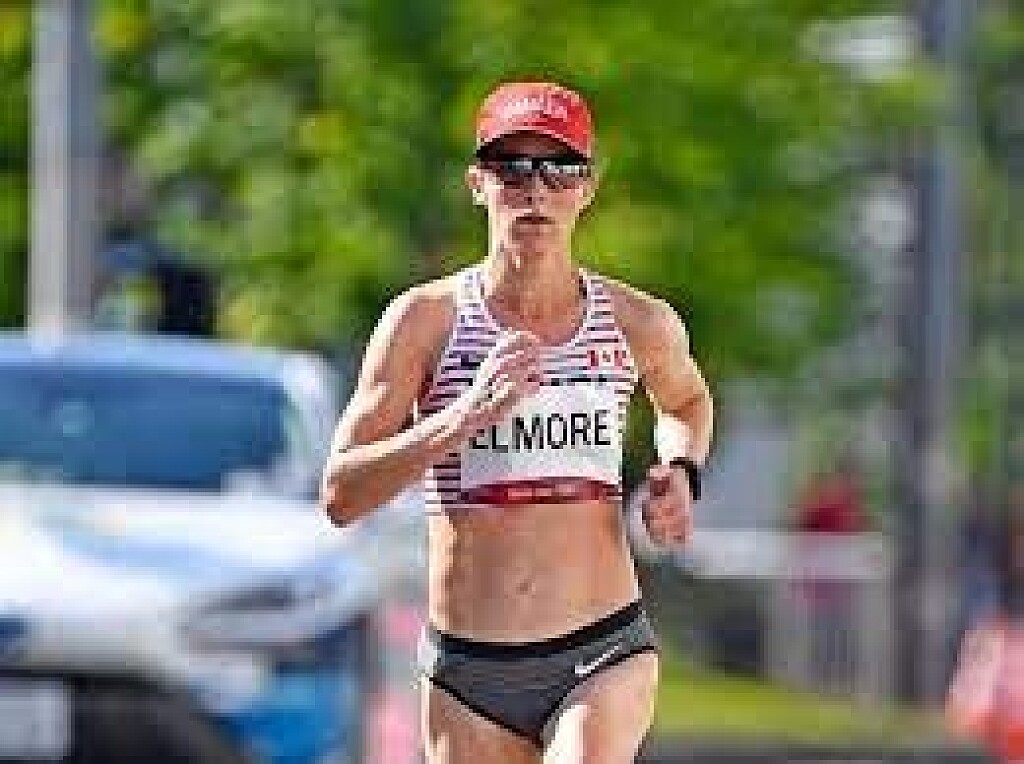
Former Canadian record holder Malindi Elmore will run her first Tartan Ottawa International Marathon
Malindi Elmore will be making her first appearance in the Tartan Ottawa International Marathon leading a star-studded field as part of the Tamarack Ottawa Race Weekend on 27–28 May.
Elmore, 43, debuted in the Athens Olympics in 2004 and returned to the Olympics Games in 2021 in Tokyo. In between, Elmore has won Canadian Championships, competed in triathlon, and had two children.
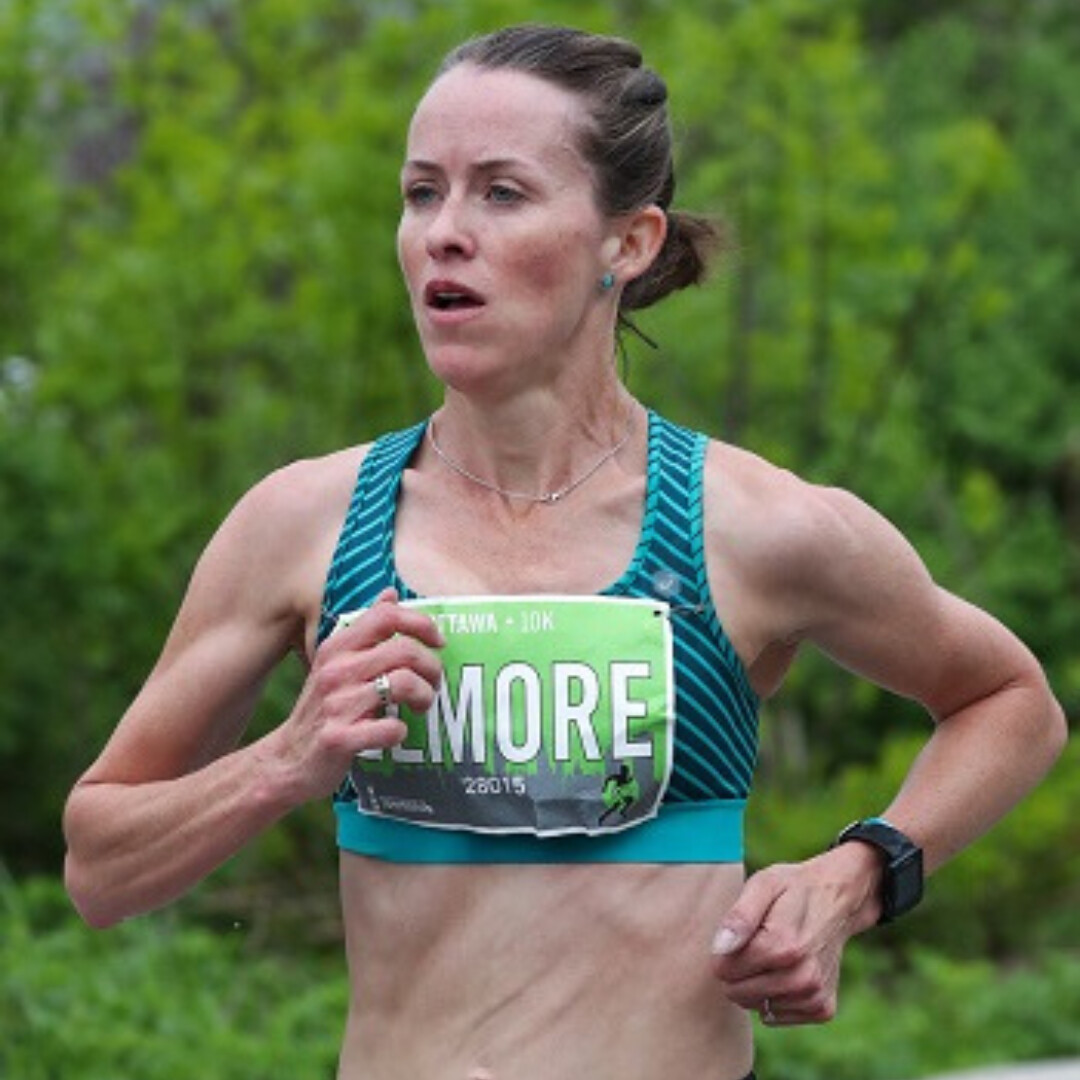
In her 1500m career Elmore won a bronze at the Pan American Games and at the World University Games. She is also 4x Canadian Champion over 1500m.
But Elmore found her stride in the marathon after her debut in Houston in 2019. She proceeded to break the Canadian record in 2020, running her personal best of 2:24:50. In another outstanding run, Elmore was 9th in the 2021 Olympic Games Marathon, the second highest-ever placing for a Canadian woman. She is also the defending Canadian Marathon Champion.
Elmore is running the Tartan Ottawa International Marathon as a stepping stone to a hopeful return to the Olympic Games next year in Paris.
“I can’t wait to see what Canada’s capital has in store for me,” said Elmore. “My goals for the race are to run competitively and finish strong! The marathon is a race that requires a lot of respect so if I can achieve those two goals, I will run fast!”
“We cannot wait to host Malindi in the nation’s capital for Tamarack Ottawa Race Weekend,” said Dylan Wykes, Elite Athlete Coordinator. “Malindi is such a great role model in our sport as a mom, a coach, and world class marathon runner.”
Tamarack Ottawa Race Weekend is Canada’s biggest race weekend and will run on May 27–28, 2023. You can learn more and register by visiting runottawa.ca.
(04/15/23) Views: 88AIMS
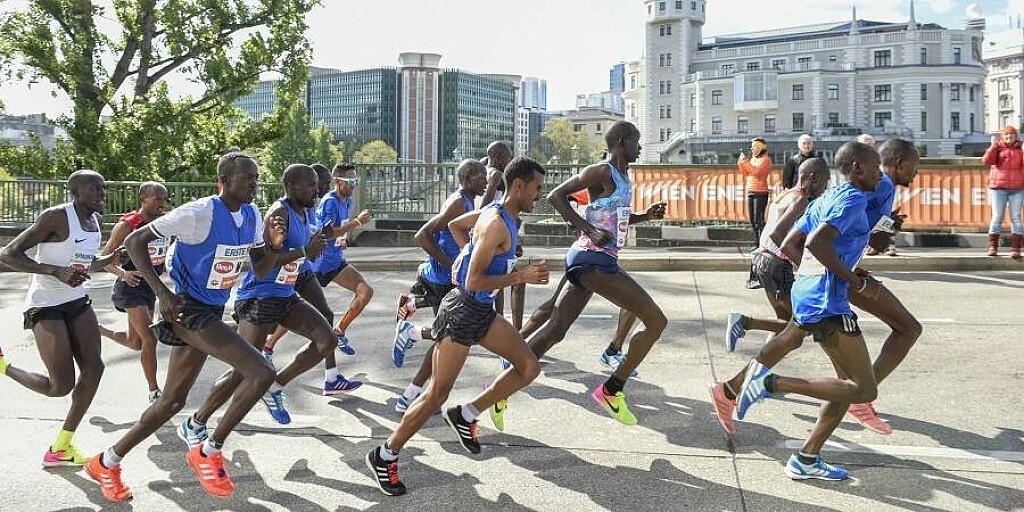
Norway’s Sondre Moen and Visiline Jepkesho of Kenya head the start lists of Vienna Marathon 2023
Fine elite fields have been assembled for the Vienna City Marathon, which will be staged for the 40th time on 23rd April.
Norway’s Sondre Moen and Visiline Jepkesho of Kenya head the start lists of the jubilee edition. The Vienna City Marathon is Austria’s biggest one-day sporting event and the only road race in the country that features a World Athletics Elite Label. Including races at shorter distances organisers have now registered more than 38,000 entries. Over 9,000 of them will run the classic distance.
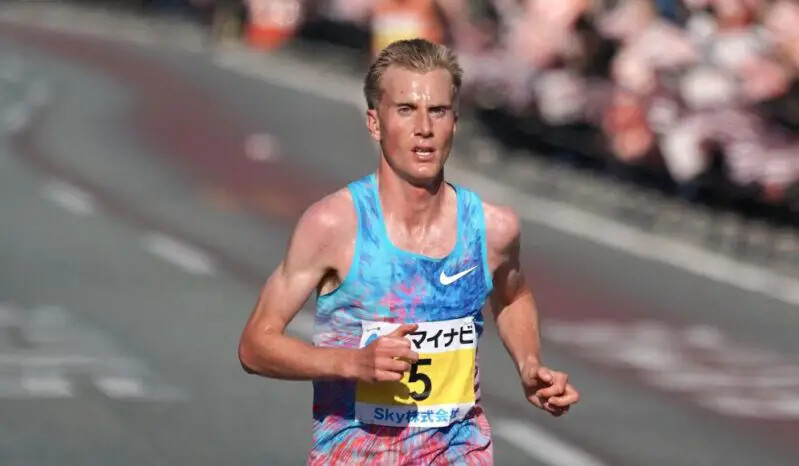
The men’s field includes eleven athletes with personal bests of sub 2:10. While Sondre Moen features the fastest personal best with a time of 2.05:48 the Norwegian former European record holder will concentrate on running a solid sub 2:10 race to come back from a less successful period. Therefore Abdi Fufa and Bethwel Yegon, who have both been added to the field in recent days, as well as Samwel Mailu and Titus Kimutai are more likely regarded as favorites.
Ethiopia’s Fufa has a PB of 2:05:57 from 2021 and knows the Vienna City Marathon well. He placed tenth here a year ago with 2:10:32. Bethwel Yegon is the fastest Kenyan on the start list and is said to be in fine form. He ran 2:06:14 in 2021 when he surprised with a second place in Berlin. Samwel Mailu looks well placed for a personal best. The Kenyan ran 2:07:19 in Frankfurt for the runner-up position last October. It was an unexpected marathon debut by Mailu since he was originally entered as a pacemaker. Fellow-Kenyan Titus Kimutai ran his marathon debut last autumn as well. He clocked 2:08:31 and was seventh in Linz, Austria. Germany’s Sebastian Hendel is among those athletes looking to break 2:10 for the first time. Andreas Vojta of Austria might also target such a result.
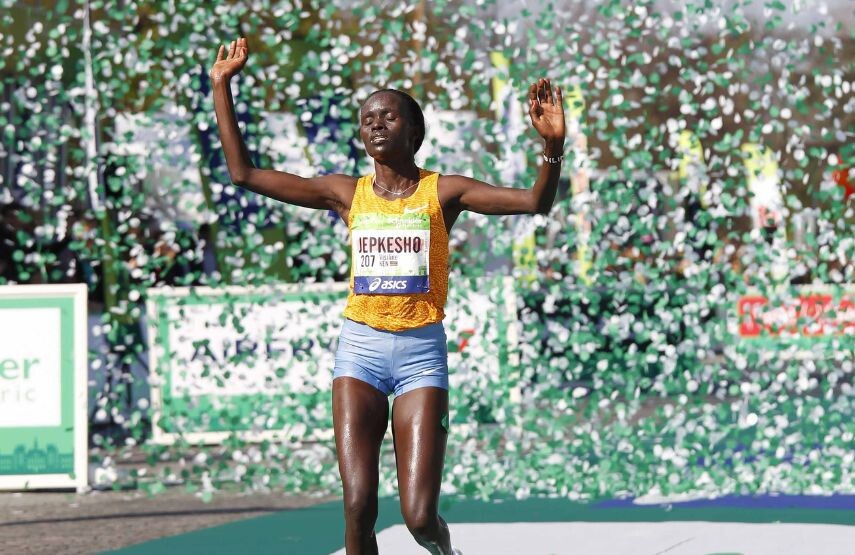
Kenya’s Charles Ndiema and Ser-Od Bat-Ochir of Mongolia as well as Ethiopia’s women only 5k world record holder Senbere Teferi had to withdraw from the race recently. However the women’s elite field of the Vienna City Marathon looks strong. Ten athletes have personal bests of sub 2:30 and four of them have already run faster than 2:23:30.
The former Paris and Rotterdam Marathon champion Visiline Jepkesho is the fastest woman in the field with a PB of 2:21:37. It looks likely that a Kenyan women will win the Vienna City Marathon for a sixth time in a row since the next couple of athletes on the entry list are also from Kenya. Magdalyne Masai (PB: 2:22:16), Rebecca Tanui (2:23:09) and Agnes Keino (2:23:26) should be among the contenders in Vienna. Fellow-Kenyan Caroline Jepchirchir hopes to improve her PB of 2:26:11 and could be among the top finishers. Poland’s Angelika Mach and Branna MacDougall of Canada are the fastest non-African runners on the list with PBs of 2:27:48 and 2:28:36 respectively. Julia Mayer of Austria is expected to perform well and might achieve a time of around 2:30:00.
(04/15/23) Views: 86AIMS
Running 900 km to the Boston Marathon2
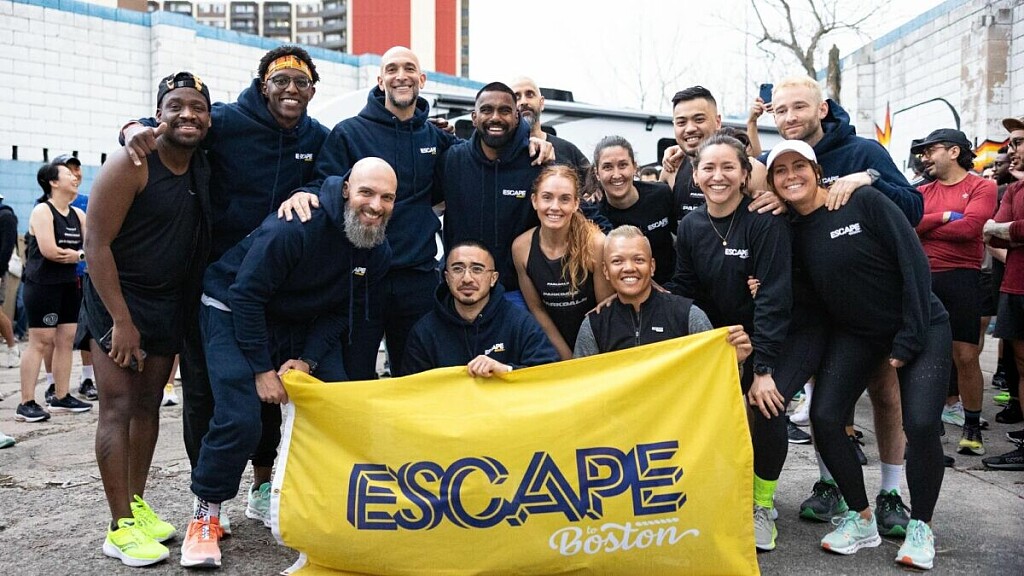
On Tuesday night in Toronto’s Parkdale neighborhood, it was business as usual for community builder Quinton Jacobs. Jacobs and his team of 13 runners departed on their four-day, 904.5-kilometer journey from Toronto to the historic Boston Marathon finish line on Boylston St.
The team left Toronto on April 11, at 8 p.m. and plan to arrive in Boston on Saturday–two days before the start of the 127th Boston Marathon.
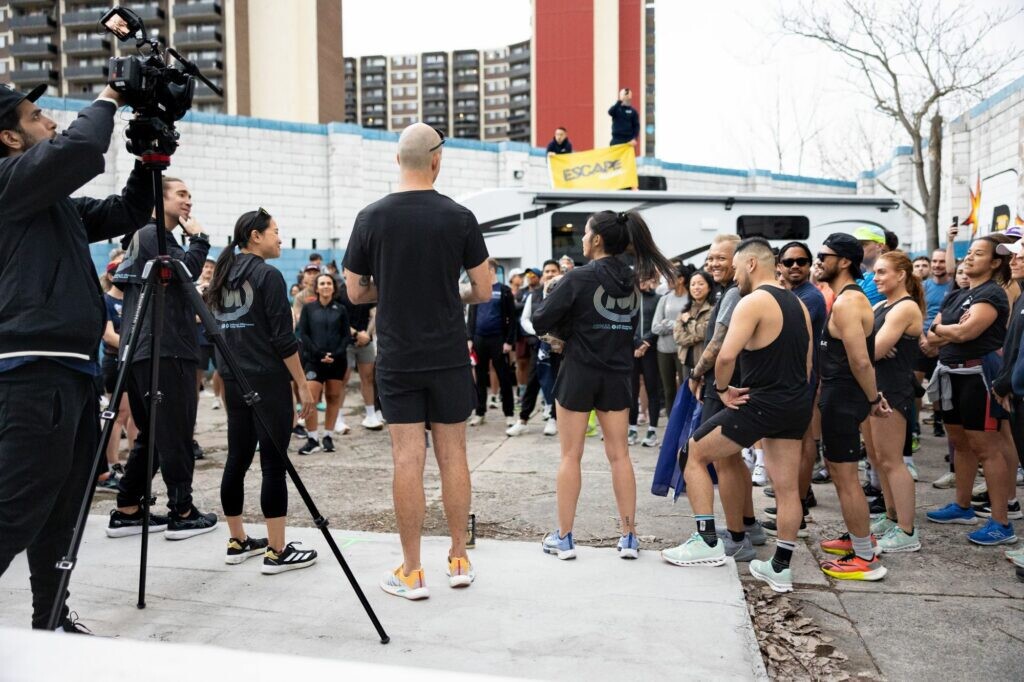
Jacobs’s Escape project started out as a ridiculous idea with his friend Anoke Dunston on a 2019 trip to New York. “We saw the first Escape to NYC as a challenge,” he says. But Jacobs ended up tearing his Achilles playing basketball before the journey started, so he did not get to run in New York City.
After Escape to NYC, Jacobs and Dunston knew that the project had the potential to turn into something extraordinary. In 2021, the two men ran to Chicago for the Chicago Marathon with a team of 12 runners from different backgrounds. “We decided that Chicago was our canvas, and we wanted to create something entirely new,” says Jacobs.

Their past two destination ultras to New York and Chicago have been done in the fall, and Boston is their final major, facing their hardest Escape route to date, encountering the Appalachian Mountains of upstate New York and western Massachusetts.
“Escape is about celebrating the diversity of our running community,” says Dunston. “Our goal is to bring people together, no matter their background.”
The team aspect is special for Jacobs, who met his teammates through volunteering in the running community. “We have a team of people from Toronto, Montreal, New Orleans and Chicago,” says Jacobs. “People are all tapped into our ground for all different reasons–it’s special.”
Jacobs is a familiar face to many in the Toronto running scene, as he has been giving back to the city as a volunteer for seven years. He was named community builder of the year by Canadian Running in 2021.
This year Jacobs, Dunston and Hamilton’s Andre Morgan launched their own not-for-profit charity, Ubuntu, which gives back to underprivileged communities in Toronto. Ubuntu is a Zulu word meaning that we are all connected and that one’s sense of self is shaped by relationships with others. “I love to bring people together, where they can enjoy each other’s company.”
Toronto filmmaker and videographer Jason Dam of Tenfold Productions will accompany Jacobs, Dunston and the 11 other runners, capturing all the emotions and moments from their Boston journey into a documentary.
“Running isn’t the hard part,” says Dunston. “The hardest part is battling your body on sleep deprivation and trying to be the best version of yourself for the team.”
“There’s a beauty and a struggle to all our Escape challenges,” Dunston says. “But I think the triumph to battle through means everything.”
You can follow their journey from Toronto to Boston via their Instagram page, @escape_to___. The Escape to Boston team is projected to arrive in Boston on the morning of April 15, and is hosting a panel discussion at the Boston Marathon expo on Saturday at 4 p.m. on how ultra running is changing.
(04/14/23) Views: 85Marley Dickinson
Eliud Kipchoge is human afterall
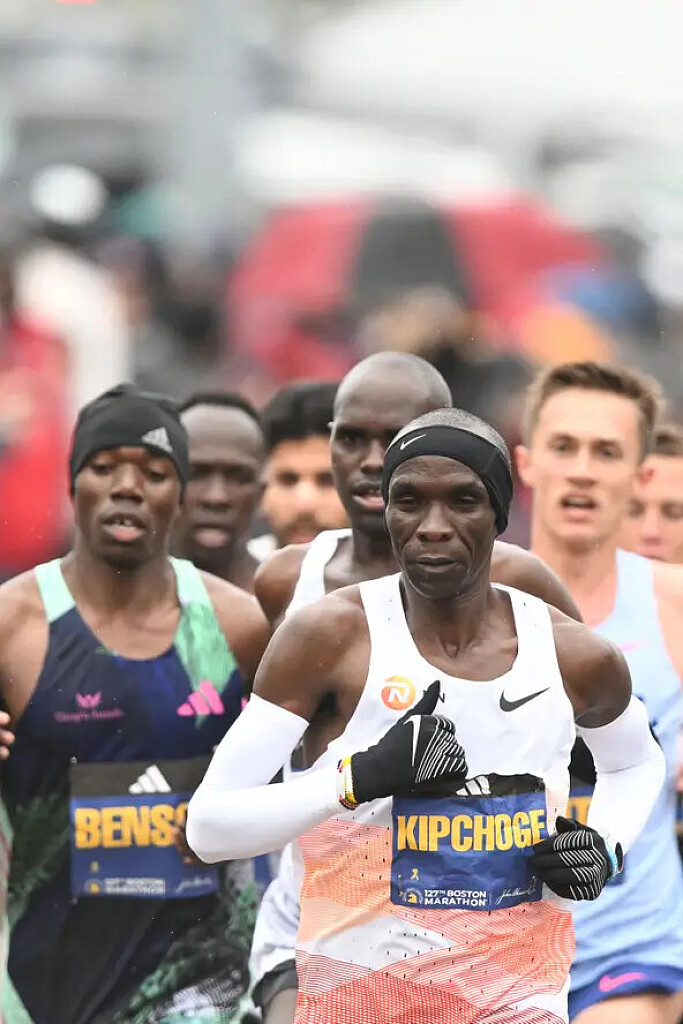
Eliud Kipchoge came to Boston seeking to add the world’s most storied annual marathon to his unrivaled trophy case. He will leave with a sixth-place result and questions about whether he can achieve two outstanding, unprecedented goals.
“I live for the moments where I get to challenge the limits,” was posted on Kipchoge’s social media four hours after he finished. “It’s never guaranteed, it’s never easy. Today was a tough day for me. I pushed myself as hard as I could but sometimes, we must accept that today wasn’t the day to push the barrier to a greater height.”
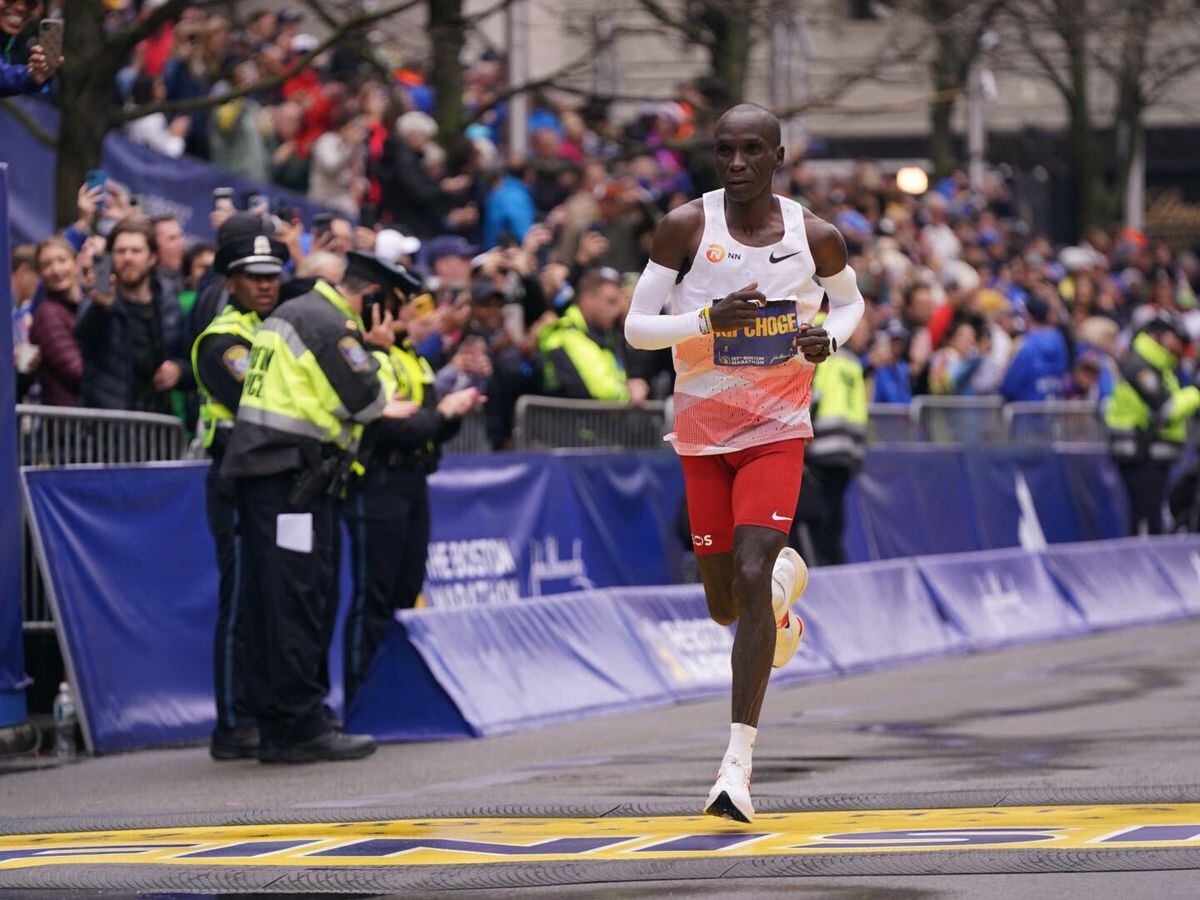
Kipchoge was dropped in the 19th mile in his Boston Marathon debut in the middle of the race’s famed hills. He finished 3 minutes, 29 seconds behind fellow Kenyan Evans Chebet, who clocked 2:05:54 and became the first male runner to repeat as Boston champion since 2008.
“I did not observe Kipchoge,” Chebet said of what happened, according to the Boston Athletic Association. “Eliud was not so much of a threat because the bottom line was that we trained well.”
It marked just Kipchoge’s third defeat in 18 career marathons, a decade-long career at 26.2 miles that’s included two world record-breaking runs and two Olympic gold medals.

Kipchoge, 38, hopes next year to become the first person to win three Olympic marathons, but major doubt was thrown on that Monday, along with his goal to win all six annual World Marathon Majors. Kipchoge has won four of the six, just missing Boston and New York City, a November marathon that he has never raced.He skipped his traditional spring marathon plan of racing London to go for the win in Boston, the world’s oldest annual marathon dating to 1897.
Kipchoge has yet to speak to media, but may be asked whether a failed water bottle grab just before he lost contact with a leading pack of five contributed to his first defeat since he placed eighth at the 2020 London Marathon. Boston’s weather on Monday, rainy, was similar to London in 2020.
Kipchoge’s only other 26.2-mile loss was when he was runner-up at his second career marathon in Berlin in 2013.
He is expected to race two more marathons before the Paris Games. Kipchoge will be nearly 40 come Paris, more than one year older than the oldest Olympic champion in any running event, according to Olympedia.org. Kenya has yet to name its three-man Olympic marathon team.
“In sports you win and you lose and there is always tomorrow to set a new challenge,” was posted on Kipchoge’s social media. “Excited for what’s ahead.”
Kenyan Hellen Obiri won Monday’s women’s race in 2:21:38, pulling away from Ethiopian Amane Beriso in the last mile.
Obiri, a two-time world champion and two-time Olympic medalist in the 5000m on the track, made her marathon debut in New York City last November with a sixth-place finish. She was a late add to the Boston field three weeks ago after initially eschewing a spring marathon.
“I didn’t want to come here, because my heart was somewhere else,” said Obiri, who is coached in Colorado by three-time U.S. Olympian Dathan Ritzenhein. “But, my coach said I should try and go to Boston.”
Emma Bates was the top American in fifth in the second-fastest Boston time for an American woman ever, consolidating her status as a favorite to make the three-woman Olympic team at next February’s trials in Orlando. Emily Sisson and Keira D’Amato, who traded the American marathon record last year, didn’t enter Boston.
“I expected myself to be in the top five,” said the 30-year-old Bates, who feels she can challenge Sisson’s American record of 2:18:29, if and when she next races on a flat course.
The next major marathon is London on Sunday, headlined by women’s world record holder Brigid Kosgei of Kenya, Tokyo Olympic champion Peres Jepchirchir of Kenya and Olympic 5000m and 10,000m champion Sifan Hassan of the Netherlands in her 26.2-mile debut.
(04/17/23) Views: 82Olympic Talk
