

Running News Daily
Top Ten Stories of the Week
4/15/2023
These are the top ten stories based on views over the last week.



The benefits of running for mental health
Boosting Mood and Reducing Stress Through Running
Running is an effective form of exercise for improving both physical and mental health. Not only can it help with weight management, but running can also be a great way to boost your mood and reduce stress levels. Many people find that running can be therapeutic and calming, helping them to relax and manage stress better.

In terms of mood-boosting benefits, running increases the production of endorphins, which are the brain’s feel-good hormones. Endorphins not only make us feel good while running but they also have long-term effects on our overall well-being. Studies have found that regular runners tend to report lower levels of depression compared to those who don’t exercise regularly.
Endorphins can also help reduce anxiety as they promote positive thinking and reduce negative thoughts or worries. Running helps to clear your mind, allowing you to focus on something other than your worries or anxieties. Additionally, being in nature while running can allow you to appreciate the beauty of your surroundings while taking a break from technology and other distractions in modern life.
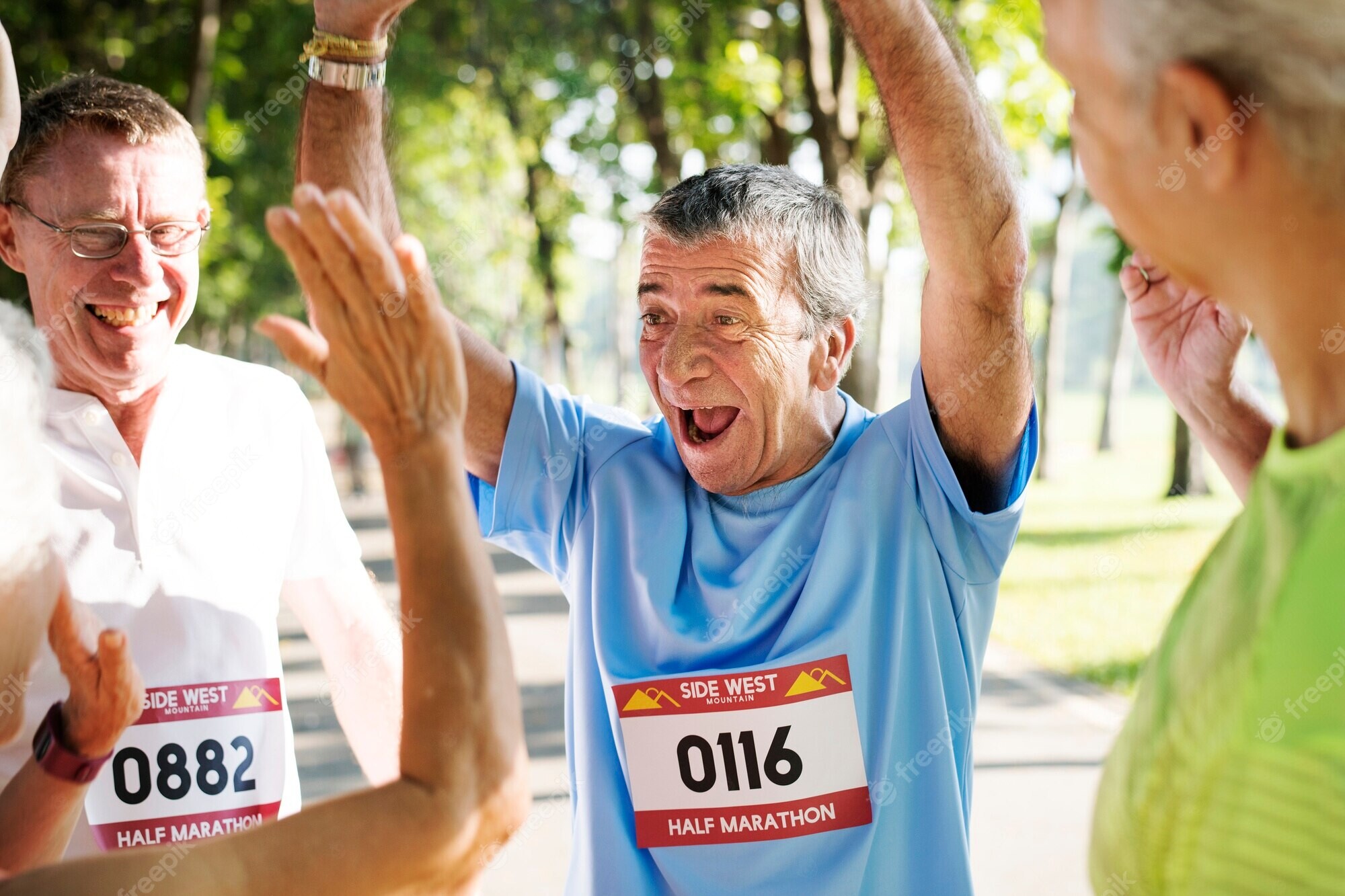
Running is also an excellent form of exercise for reducing stress levels by providing a way for people to release their frustrations in a healthy manner. Exercise can be a distraction from everyday stresses, as it provides an outlet for people dealing with difficult situations or overwhelming feelings of anxiety or despair. Furthermore, studies have found that aerobic exercises like running help increase the amount of cortisol released by the body which has been shown to improve one’s ability to cope under pressure – this makes it perfect for managing stressful situations more effectively.
For those looking to improve their mental health through physical activity and exercise, incorporating regular runs into your routine is an ideal way to do so! As well as boosting moods and reducing stress levels, running is easy and accessible; anyone can start at their own pace with no special equipment needed other than a good pair of shoes! At PMAC, we strongly encourage all businesses to provide mental health awareness about how physical activity contributes towards improved mental health amongst all employees at all levels – making sure everyone understands the value of regular exercise when it comes to emotional well being.
Regulating Sleep Patterns and Improving Cognitive Function With Regular Exercise
Regular exercise has significant benefits for both our physical and mental health. When it comes to mental well being, exercise can help regulate sleep-wake cycles, also known as circadian rhythms, and boost cognitive functions like memory, attention, and problem-solving skills.
Circadian rhythms are physiological, mental, and behavioral changes that follow a roughly 24-hour cycle. They are primarily influenced by light exposure and melatonin secretion. Exercise has been shown to increase sensitivity to light cues that regulate circadian rhythms, making it easier to fall asleep and wake up at the desired times. This can be especially helpful for those struggling with insomnia or irregular sleep schedules.
Exercise also increases blood flow to the brain, which delivers more oxygen and nutrients that power brain cell function. Studies show that regular aerobic exercise leads to increased volume of brain regions involved in memory, attention, planning, and organization, which translates to improved cognitive performance. Even brief walks or other light activity can provide cognitive benefits for older adults and those with neurodegenerative conditions like dementia.
Overall, establishing a regular exercise routine has significant and wide-ranging benefits for both physical and mental health. Whether it’s a daily walk, jog, strength training session, or yoga practice, find physical activities you enjoy and stick to a regular schedule to experience better sleep, improved cognition, and an enhanced sense of well being.
Strengthening Mental Health Awareness and Creating Positive Habits Through a Running Routine
Establishing a regular running routine has significant benefits for both physical and mental health. For mental health in particular, running can help raise awareness of how you are feeling and thinking, and create positive habits to support well being.
As you run, pay attention to your thoughts and feelings. Notice how your mood changes, what you’re thinking about, and how your body feels. This awareness of your internal state is the first step to managing your mental health. If you notice negative or unhelpful thoughts, try to re-frame them into more positive and realistic ones. Recognize and appreciate any positive feelings or accomplishments, however small. With regular running, this awareness and management can become habitual.
Beyond awareness, running also leads to improved sleep, reduced stress and anxiety, and better self-esteem—all of which support mental health. The ‘runner’s high’ can boost your mood and act as a natural anti-depressant. As you achieve goals and see your endurance and speed improve, you build confidence and a sense of achievement. A predictable running routine provides a sense of structure and control, which can decrease stress and symptoms of anxiety. Overall, establishing a regular running routine, even just a few times a week, can significantly and positively impact your mental health. Running fosters awareness and management of your internal state, and creates positive habits and benefits that translate to all areas of your well being. Through running, you can strengthen your mental health each and every day.
About PMAC
PMAC are a leading provider of workplace mental health and well being training. Their team incorporate years of experience to provide bespoke mental health and well being training to companies globally.
(04/07/23) Views: 188
Colorado Runner
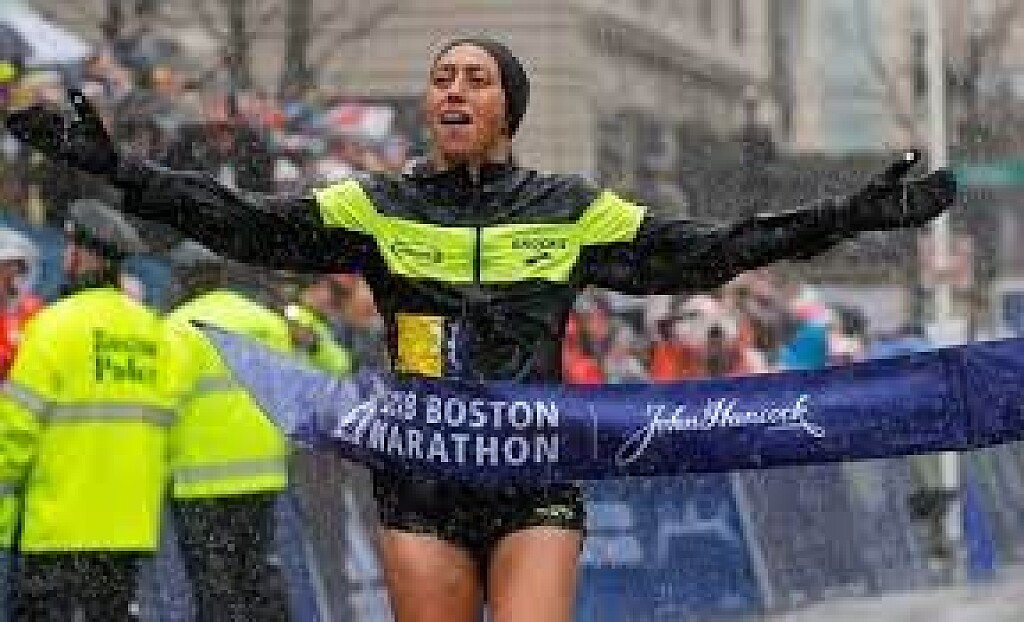
The Boston Marathon has never been easy, that’s why Des Linden keeps coming back
The conditions were wretched when Des Linden first toed the starting line in Hopkinton in 2007. An amped-up nor’easter brought rain, a 30-mile-per-hour headwind, and soggy, chilly misery for the runners.
“I was one probably of the few people who felt, that was one of the best things I’ve ever done,” Linden recalled years later. “I’m going to do this forever. I loved it.”
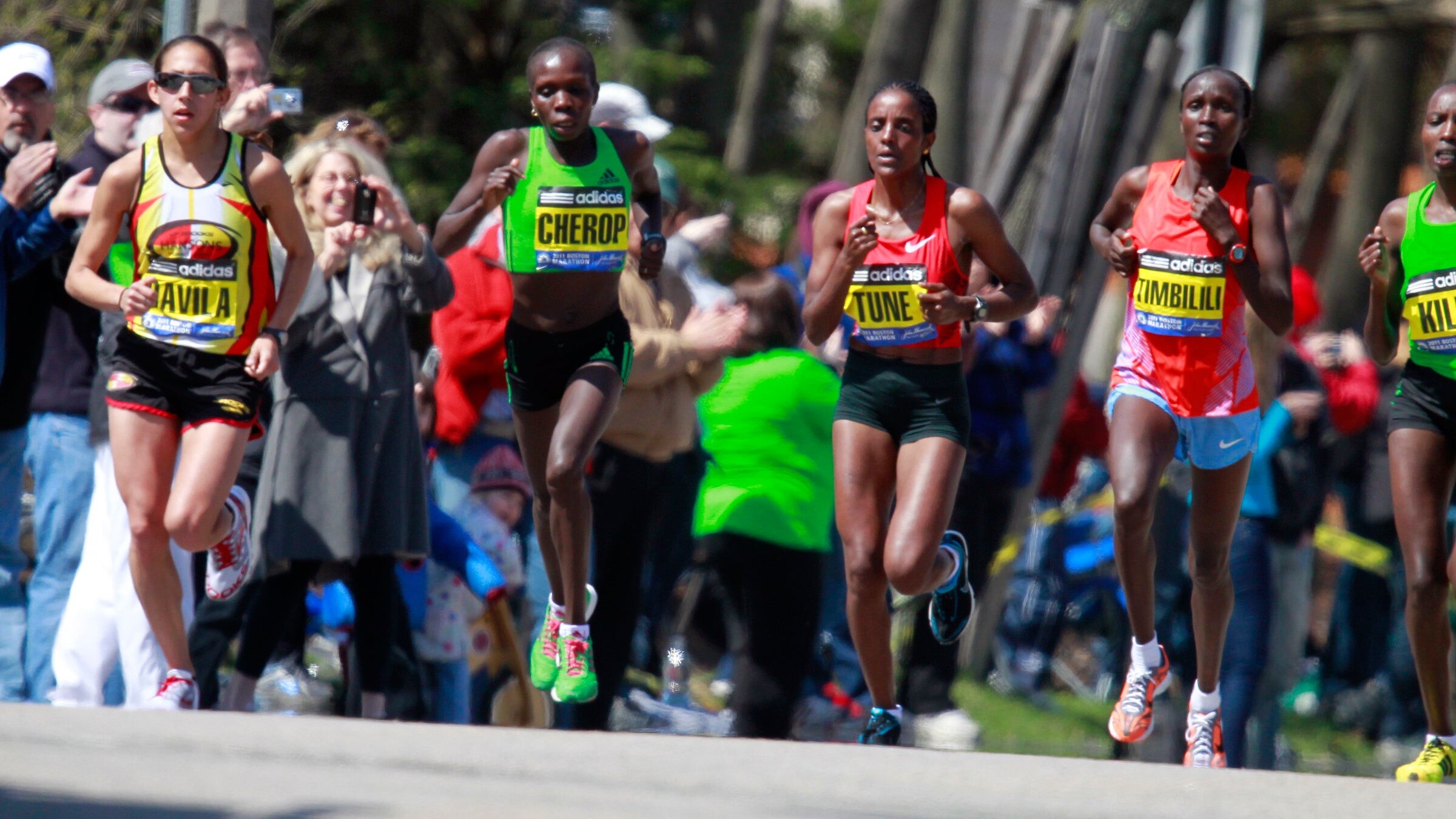
On Patriots Day Linden will lace up for her 10th Boston Marathon. During the 16 years since her first appearance here, which also was her 26-mile debut, Linden has won the laurel wreath (”storybook stuff”), lost by two seconds on a sprint down Boylston Street, finished fourth twice, and 17th in a “total suffer-fest.”
Every trip here is a homecoming, said the California native and Michigan resident who has a dog named Boston. What brings Linden back is the race’s incomparable history, the feeling of family that she gets from the Boston Athletic Association, the exuberant crowds along the course, “the greatest finish line in our sport,” and the unchanging challenge from the lumpy layout and mercurial weather.
“We’re in this era where we want the marathon to be easier than ever before,” said Linden. “We want it faster, we want it flatter, we want wind blockers, we want shoes that bounce you forward, we want better gels. You name it, we’re trying to dumb this thing down. Boston is already not going to manage well with a lot of those things, then you throw in the weather conditions. I’ll take the tough one every time.”
Boston never has been easy. For decades there were no mile markers or water on the course. There was no prize money until 1986 — the reward was a medal and a bowl of canned beef stew. The starter fired the gun and sent you off. If you ended up sitting on the curb, cramped and blistered, the “meat wagon” picked you up.
Linden loves the purity of a race that always has the same course but rarely the same conditions. “A lot of people get surprised by it,” she said. “Well, it’s Boston in the spring.”
Boston is the recurring theme of “Choosing To Run,” Linden’s new memoir written with Bonnie D. Ford. Chapters recounting her 2018 triumph, the first by an American woman here in 33 years, are interspersed with a narrative of her evolution from a track racer to a marathoner.
Linden, who’ll officially become a master when she turns 40 in late July, is in the final stretch of her elite career, which she hopes will include a third Olympic team next year in Paris. Maybe she’ll run a fall marathon to prep for the Orlando trials in February. “Or maybe I just spin the legs and do some fast stuff,” she mused.
At this stage of her career it’s all about being smart and patient. “It’s a challenge letting go of your prime years, but there’s also a reality to it,” Linden said. “It’s recalibrating and readjusting what the goal is. I’m learning.”
One significant concession is her weekly mileage, which Linden has reduced from 120 to between 95 and 105. “I have this mentality that I’m being lazy if I’m not doing 115-120-mile weeks,” she said. “ ‘You’re not being lazy,’ my coach [Walt Drenth] said. ‘It’s just not practical.’ ”
At her age, maintaining speed and power are more important than training volume. “So work on what’s going away,” Linden said, “and rely on what you’ve done in the past as far as the volume goes.”
The lighter workload paid dividends at the recent New York City Half Marathon, where she placed fifth in 1 hour, 12 minutes, 21 seconds, the top American finisher. “It was the first time in a while that I got good momentum from a race,” she said.
Up against a stacked Boston field that includes Gotytom Gebreslase and Lonah Salpeter, the world gold and bronze medalists; two-time Boston victor Edna Kiplagat; returning medalists Ababel Yeshaneh and Mary Ngugi; two-time Olympic track medalist Hellen Obiri; and Amane Beriso, a sub-2:15er, Linden is realistic about her chances.
“Top 10 is a great goal at times and particularly this year — the field’s incredible,” said Linden, who was 13th last year. “Just mixing it up and racing is fun for me.”
At this point in her career Linden has little left to chase. She was seventh in the 2016 Olympics, cracked the top 10 at the 2009 world championships, and has posted top-five efforts in New York, Chicago, and Berlin.
But her crowning achievement came in Boston five years ago when she slogged her way through punishing wind and chilly rain to win a race that she didn’t plan on finishing. “It’s not gonna be my day,” Linden told Shalane Flanagan after 6 miles. “I think I’m going to drop out soon.”
But she pushed on, thinking more about survival than victory. “I was running in fear for most of the race,” Linden said. “Even halfway through Boylston I was thinking, if someone comes up on my shoulder I know I can respond.”
She won by more than four minutes, to her astonishment. Linden’s jacket and headband were added to the BAA memorabilia collection, whose artifacts date from the 19th century. “The same museum I had once viewed as an unattainable sanctum,” she wrote in “Choosing To Run.”
Gloria Ratti, the BAA’s longtime first lady, had given Linden the tour before her 2007 debut. That, she said, “made me fall in love with 26.2.”
“Everyone talks about Boston’s special history,” Linden said. “You can feel it on the course, you can see it on race day. But to have that collection of the very first medals and the shoes that were being worn … ”
(04/10/23) Views: 177John Powers

How Long Does It Take To Get Used To Running?
You have decided to start running. Well done, you have taken the most important step. But after the first few workouts, you feel tired and want to quit.
In this article, you will find out how long it takes to get used to running.
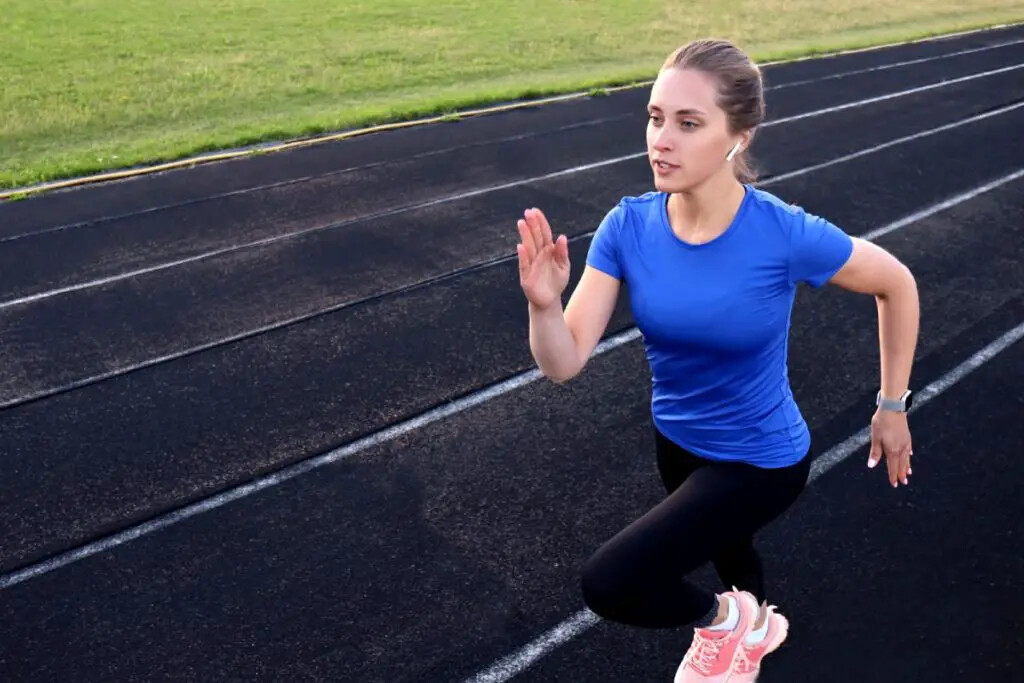
Generally speaking, it takes an average person about 4 to 8 weeks to get used to running. The final time is influenced by current fitness level, age, and obesity. With a consistent and proper training approach, you will get used to running faster.
Some get used to the stress of running after just a few weeks, while others need several months. It is difficult to give an exact answer because it depends on the person.

Most people think that if you run continuously for 30 minutes without stopping or slowing down too much, you will get used to running.
It is important to follow the guidelines in the beginning so you do not overdo it and give up training or get injured.
Tip
When you enter the world of running, trust the process because you have a long way to go. The more effort you put in, the more you will get back. Try to enjoy every mile of running and the daily victories of yourself. Over time, you will get used to the exertion of running and it will become easier.
Below are tips that will help you get used to running as quickly as possible.
How to get used to running as soon as possible?
Running is not that easy, but with these tips you will quickly get used to the exertion of running.
Here are some guidelines that will help you get the most out of it.
1. Start slow
Whether you have just started running or you want to take it a step further and run a longer distance or get faster, the important thing is to start slow.
If you are a beginner, start with a combination of walking and running. For example, run for 1 minute, then walk for 1 minute, and so on for 8 reps.
Over time, you will build up so much endurance that you will no longer need walking breaks. Run the running segments at a conversational pace. This means that you can talk normally while running without getting out of breath.
In the initial phase of training, you cannot run too slow, just too fast.
In the beginning, three training sessions per week are enough. Make sure you have at least one day of rest between training sessions. Be sure to take at least one rest day between workouts.
2. Progress gradually
It is important to gradually increase the distance and intensity of your running.
If you change your training plan too quickly and do not give your body a chance to adapt, you run the risk of injury or overtraining, which will keep you from continuing to train.
3. Choose a training plan or consult a coach
Novice runners very often start with training that is too intense. They want to progress as quickly as possible, but out of ignorance they overdo it.
If you are new to running, join a running club or choose a training plan to follow. This way you are less likely to overdo it and quickly give up or get injured.
4. Include strength training
It is important to prepare your body for the stress of running to reduce the likelihood of injury. It is necessary to do strength exercises to strengthen muscles, tendons, ligaments, and joints.
Runners should do strength training at least twice a week. Research has shown that it is optimal to strength train 2 to 3 times per week for a period of 8 to 12 weeks to improve the running abilities of middle and long-distance runners.
Strength training not only reduces the risk of injury but also improves running technique and thus running economy.
They also improve neuromuscular efficiency, which is the communication between nerves and muscles, by speeding up the nerve impulses that send signals to muscle fibers.
In this way, your muscles are better coordinated for a more intense workout or race and you can run longer.
You can do strength training anywhere, even at home, without excuses.
5. Focus on running technique
With proper running technique, you can improve your running economy and efficiency. You will tire less, be able to run longer and get used to the effort of running faster.
When running, it is important to:
Keep your body straight, lean slightly forward
Look straight ahead.
Arms are bent at the elbows at a 90-degree angle. Swing your arms in the direction of your movement.
Do not clench your fists, keep your palms open.
Pay attention to the position of your feet. Do not run on your heels. When running fast, run on the balls of your feet.
Tip
Avoid overstriding, as this wastes too much energy and decreases your performance. Foot strike should be just below the knee and slightly in front of your center of gravity. This maintains speed and helps avoid braking. It also protects the knee and allows the muscles and tendons of the legs to absorb the force of the impact.
6. Take care of adequate recovery
Recovery is just as important as training.
Do not neglect your rest days, no matter how good you feel. More training does not mean you will progress faster.
Without adequate recovery, you risk injury, and it is very likely that results will stagnate. This will further demotivate you and you will most likely give up.
7. Listen to your body
Every runner is an individual and each of us knows our body best.
Listen to your body and gradually push your limits.
If you feel tired or sore, take a break and let your body recover before continuing. However, do not let a lack of discipline and motivation keep you from sticking to your plan and reaching your goal.
8. Be patient
Patience is a trait of every runner because nothing happens overnight. It takes time for the body to get used to the exertion/effort of running.
Just as one missed training session will not set you back, one training session is not enough to make progress.
9. Keep a running log
Record the workouts you complete in a running log. Describe how you felt before, during, and after the workout. Note which workouts were easy and which were too hard.
Keeping a log makes it easier to monitor your progress and review your goals to see if you are on track.
Tip
Keeping a running log not only helps you track your progress, but also helps you stay motivated. When your workouts get too strenuous, you can refer back to your previous records and remind yourself of the progress you have made since you started.
10. Don’t compare yourself with others
There will always be runners who are faster or slower than you. Focus on yourself and your abilities and push yourself to your own limits. Others can only help you get the best out of you.
11. Believe in yourself
I often hear “I can’t do that”, but don’t limit yourself with bad preconceptions. Prove to yourself that you can do it the very next workout.
There will be better days and worse days. Sometimes you can’t wait to go running, and sometimes you just don’t feel like it. And that’s perfectly normal. When a crisis comes to you, remember why you are running and what your goal is.
If you listen to the coach’s advice or follow the training plan, and take care of your nutrition and hydration, there is no reason why you can’t run.
What running taught me is that the more effort you put in, the more you will get back.
12. Enjoy running
Finally, no matter how crazy it sounds, enjoy it. With a smart approach to training, that is possible.
(04/07/23) Views: 173Matea Matošević
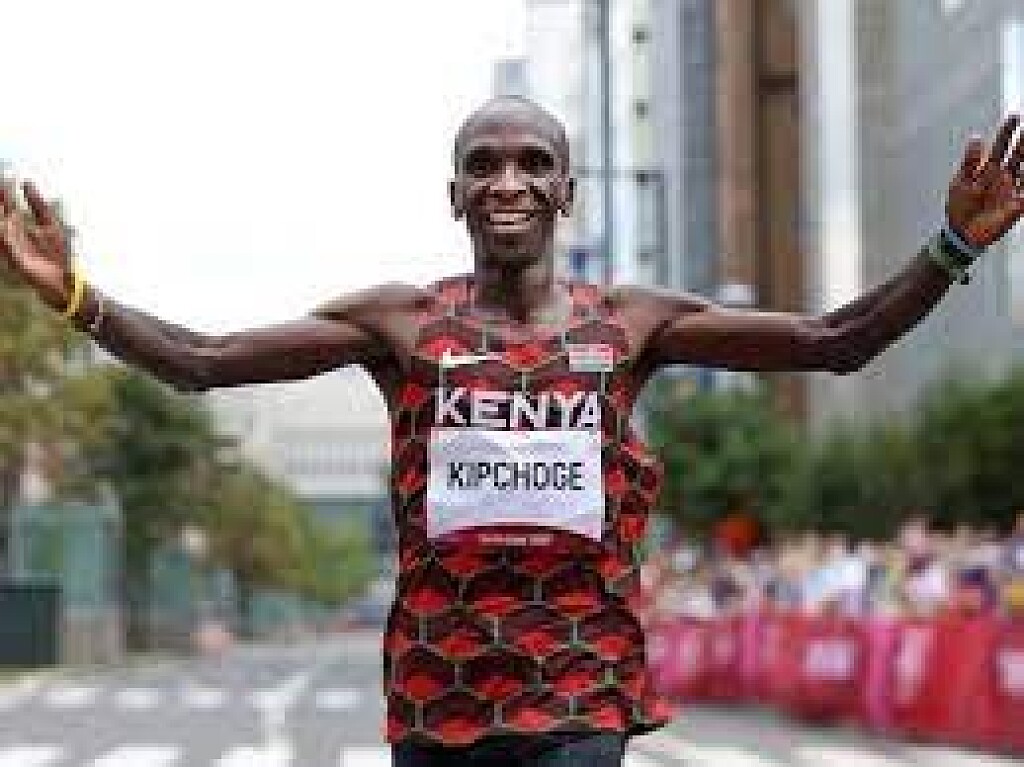
How to rest, fuel and recover like the marathon world record holder Eliud Kipchoge
Over the years marathon running has become something of an art form. The science of running has also progressed significantly since the days of the St. Louis 1904 Olympic marathon where athletes including the eventual winner Thomas Hicks drank brandy and even strychnine, a form of rat poison, in the belief that they would improve their performance.
Today’s elite marathon runners like Eliud Kipchoge have strict training plans and diets that help them achieve peak performance on race day.
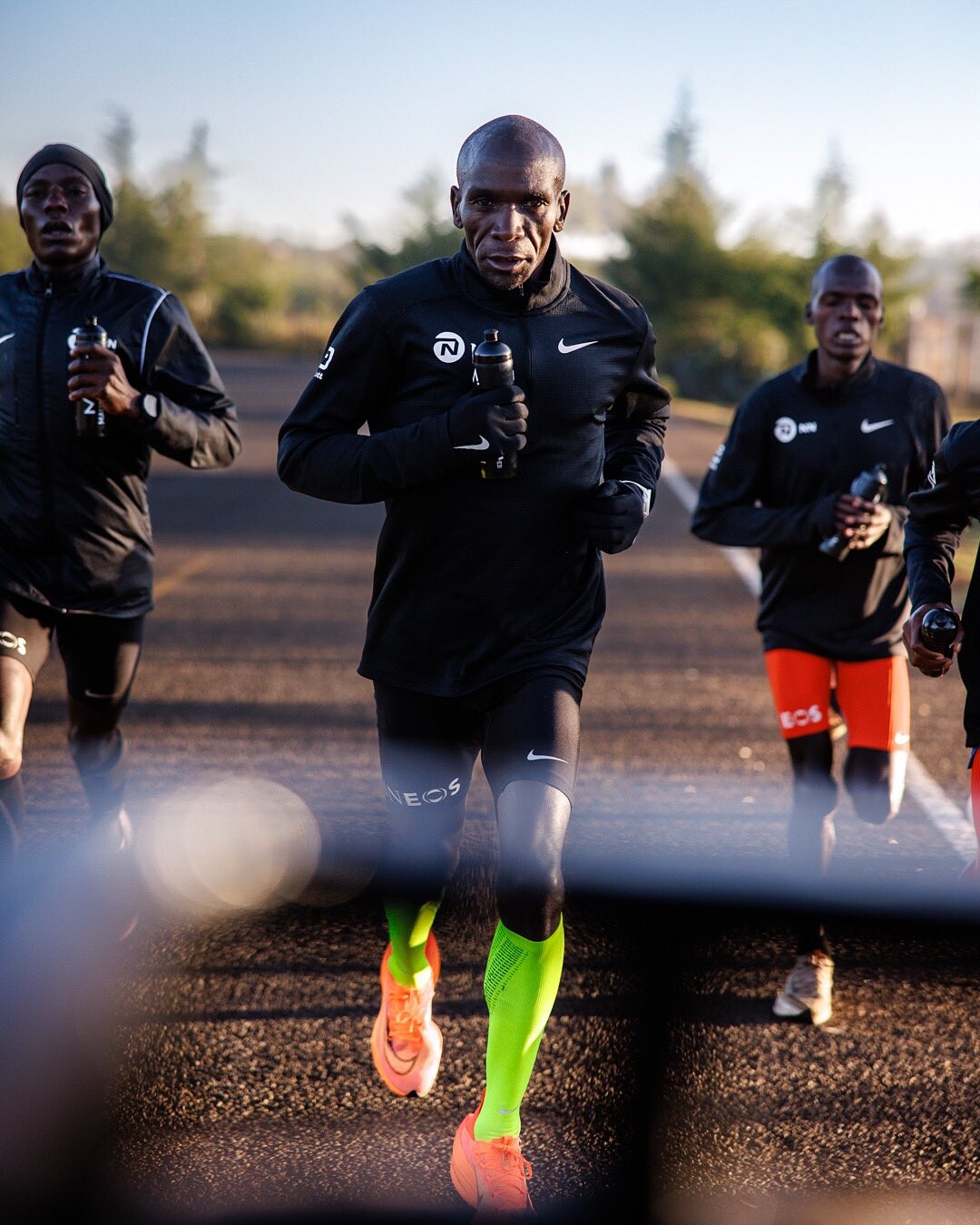
However, one thing that often goes underlooked is the importance of rest, fueling and recovery in marathon training and running.
And whether you’re an elite runner or training for your first big event, there’s no one better to learn from than double Olympic champion and reigning marathon world record holder, Eliud Kipchoge.
How much does Eliud Kipchoge sleep?
While staying in bed is a luxury some can’t afford when they’re training for a marathon, sleep is probably the best way your body has to recover from hard training runs and set yourself up for a successful marathon.
For Kipchoge that means a whopping 10 hours on average - but that doesn’t all come in one big overnight sleep session
“I’m sleeping eight hours during the night and two hours during the day,” the only man to run a marathon in under two hours revealed while training for the Ineos 1:59 Challenge.
And it’s not just Kipchoge who sleeps this much when preparing for race day. NN Running Team coach Addy Ruiter, who has trained Olympic 5,000 and 10,000 metre gold medalist Joshua Cheptegei, revealed that the 10-hour rule is commonplace among elite marathon runners.
“In general the average elite marathon runner would get around eight hours (a night) plus another two hours during the day for a total of 10 hours. During those two hours, an athlete may not always be sleeping but they’ll at least be lying on their beds making sure that they rest.”
While non-elite runners may struggle to find time for a mid-day rest, the principle of getting a good night’s sleep has been well established, with benefits that include muscle repair and the release of growth hormone.
So if you are struggling to keep up with your marathon training plan, more sleep is a good way to get your body in the right shape for another session.
How does Eliud Kipchoge taper before a marathon?
For many people, tapering before a race is key to their marathon day performance. In simple terms, it involves reducing your training for two to three weeks before your race so that you can arrive at the starting line rested and ready to run at your best.
While this works wonders for a lot of runners, Kipchoge does not taper in the traditional sense before his races.
In his training log for the 2017 Berlin Marathon, the Kenyan revealed that just a week out from the race he had run 182 km (113 miles). It was only in the final week when he travelled to Berlin that he lowered his mileage from his weekly average.
For a large part of the marathon running community, simply copying what Kipchoge does would be futile. He takes no days off during training and his rest day - if you can call it that - includes a 20km easy run.
However, it does make you understand that there’s no “one size fits all” solution for marathon running. While two to three weeks at reduced mileage may be best for some, as little as a week can work for others - including the greatest marathon runner to have ever lived.
How does Eliud Kipchoge fuel during a race?
While a runner’s diet leading up to a marathon race can help them get into tip-top shape, what they consume during a race is equally important.
For Kipchoge, that means taking on large amounts of carbohydrates in the form of drink mixes and running gels.
In the build-up to his 2018 marathon, it was revealed that Kipchoge was consuming around 100 grams of carbohydrates per hour in his race, the equivalent of two cups of long-grain brown rice or just over four slices of white bread.
For most athletes, 100 grams would be on the higher side of what their bodies are able to consume, with many non-elite runners staying within the 25-60 grams per hour range.
However, as with many things to do with marathon running, much of this is down to trial, error and indeed training (in this case training your gut to handle the carbohydrate intake). And if in doubt, it is recommended that you speak to a registered nutritionist.
How does Eliud Kipchoge recover from a marathon?
So, your marathon is done and the first thing you want to do is put your feet up and relax to recover from the strenuous effort you’ve just put your body through.
However, as with so many other aspects of his marathon plan, Kipchoge doesn’t follow conventional wisdom.During his training for the Ineos 1:59 challenge, Kipchoge revealed that he runs slowly for four days after a marathon. The main reasons for this are to check whether he has "cured well" and doesn't have any physical injuries that require medical treatment following his race.
After this, however, it’s time to rest. And for Kipchoge that means three weeks of "total" or "active" rest to ensure his body has recuperated before he once again begins training.
As coach Ruiter explains, athletes don’t have to be at their peak all year round - it’s all about resting, fueling and recovering in the right way to be at your very best on race day.
“The elite athletes I work with don’t have to be in peak physical shape the whole year round they just try and peak for competition, which in the case of many marathon athletes is twice a year,” he says. “They then take a post-race rest for three to four weeks to recharge the batteries. Most marathoners would then do two months of basic training followed by a more specific block of three-month training before the marathon.”
(04/10/23) Views: 138Sean McAlister
Six Best Marathon Runners of all time
The marathon is one of the toughest running events. This event is set at 26.2 miles or 42.195 kilometers, as presented by the International Association of Athletic Federations (IAAF) in 1921.
It's a significantly long-distance race that most people could not complete. It takes lots of training. One of the most famous marathon is Boston coming up Monday April 17. And one of our top six will be running, Eliud Kipchoge. So here are our six marathoners as the best of all time. What are your top six?
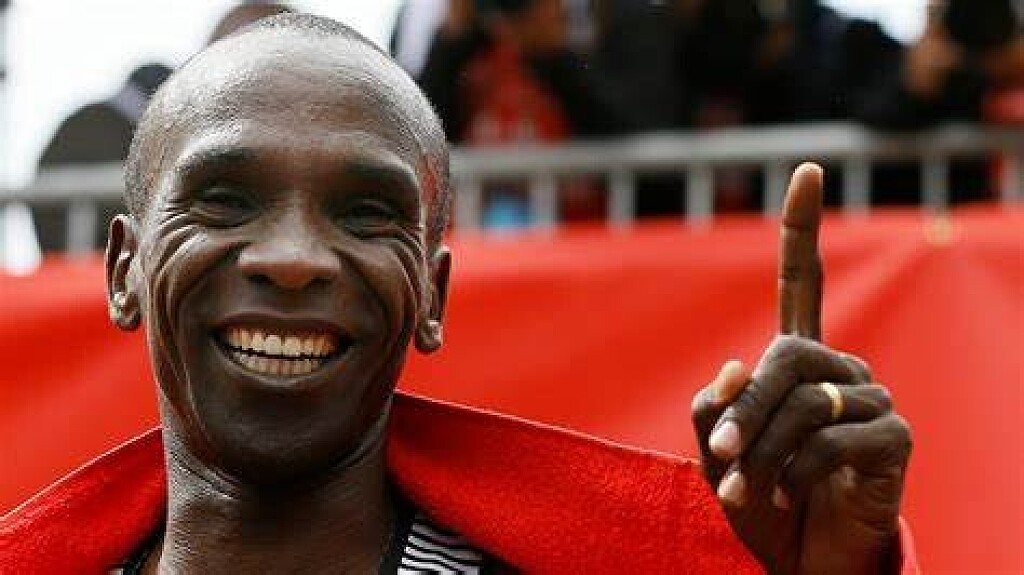
Eliud Kipchoge
Eliud Kipchoge easily tops this list as being the GOAT (greatest of all time!) in marathon history. He's a Kenyan runner that participated in marathons and used to specialize in the 5000-meter distance. Kipchoge has already made history and set a world record last September 2018 in Berlin after he completed the distance set for the Olympic men's race with 2:01:39.
No one else was able to defeat the record for several years until Eliud Kipchoge himself broke his own record at his fifth Berlin marathon last year, September 2022 with 2:1:9. It's a 30-second gap from his initial world record, which is a significant improvement already as a runner.
Not only that but he's also been a three-time London and Berlin champion since 2015! At 38 years old, he's already achieved so much, and he's not stopping just yet. Kipchoge also informed everyone that he'll be aiming for the Paris 2024 games, so you should also wait for that and check the updates on FanDuel Sports online.
Haile Gebrselassie
Next on the list is truly one of the marathon legends who dominated the industry when he was still active. Haile Gebreselassie is an Ethiopian long-distance runner who retired last 2015 after over 20 years of long-distance running. He's been active from the late 90s to the early 2000s, and a few of his astonishing achievements include consecutively winning the Berlin Marathon four times and the Dubai Marathon three times.
He also has four World Championship titles (1993 Stuttgart, 1995 Gothenburg, 1997 Athens, and 1999 Seville) and two Olympic golds (1996 Atlanta and 2000 Sydney) in a 10,000-meter distance run. Although he's no longer in the running scene, his legendary achievements will live long.
Abebe Bikila
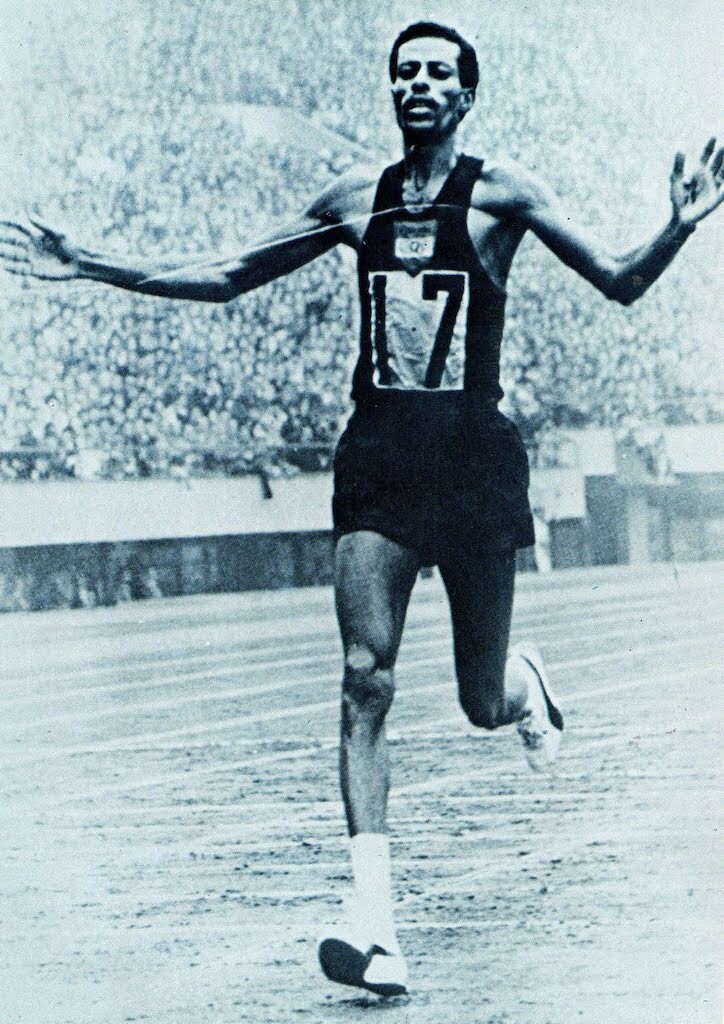
If you're a huge fan of marathon events, you should already know about Abebe Bikila by now. He's a pioneer marathon runner that made significant feats in the history of the marathon. To start, he's the only athlete who ran barefoot during the Rome 1960 Olympics. He faced the cobblestones head-on, won a gold, and even set a world record. Bikila became the first Black African that ever topped at the Games in a 42.195km race.
Furthermore, his amazing barefoot run made it to the Guinness World Record as the fastest marathon run in bare feet at the 1960 Olympic Games with 2:15:16.2. Additionally, Abebe Bikila was also the first runner to win two Olympic marathon events after he grabbed another gold at Tokyo 1964
Mo Farah
Mo Farah is a British marathon runner who's only the second athlete to win 10,000-meter and 5,000-meter titles at successive Olympic Games. Throughout his athletic career, he accumulated 19 gold with nine silvers and two bronzes.
Moreover, he initially planned to retire but then changed his mind and participated in the Tokyo Olympics in 2020 and was even tipped by the excellent Eliud Kipchoge. He's still active to this day, but Farah shared with everyone that 2023 will be his final year after confirming that he will be participating in the London Marathon this April and giving it "one more shot."
Catherine Ndereba
Catherine, the Great Ndereba, is the first woman on this list, and she deserved it. She's one of the marathon runners that other athletes should recognize. The Olympics even regarded her achievement as one of the great.
In 2005, she was even awarded by the former Kenya president Mwai Kibaki with the Order of the Golden Aware due to her excellent accomplishments. Not only that, but she was also awarded 2004 and 2005 Kenyan Sportswoman of the Year.
Although she couldn't bring home gold from participating in the Olympic Games, she got to win silver awards for the 2004 Athen Games and 2008 Beijing Games. Additionally, she also has eight gold wins in World Championships and World Marathon Majors combined.
Paula Radcliffe
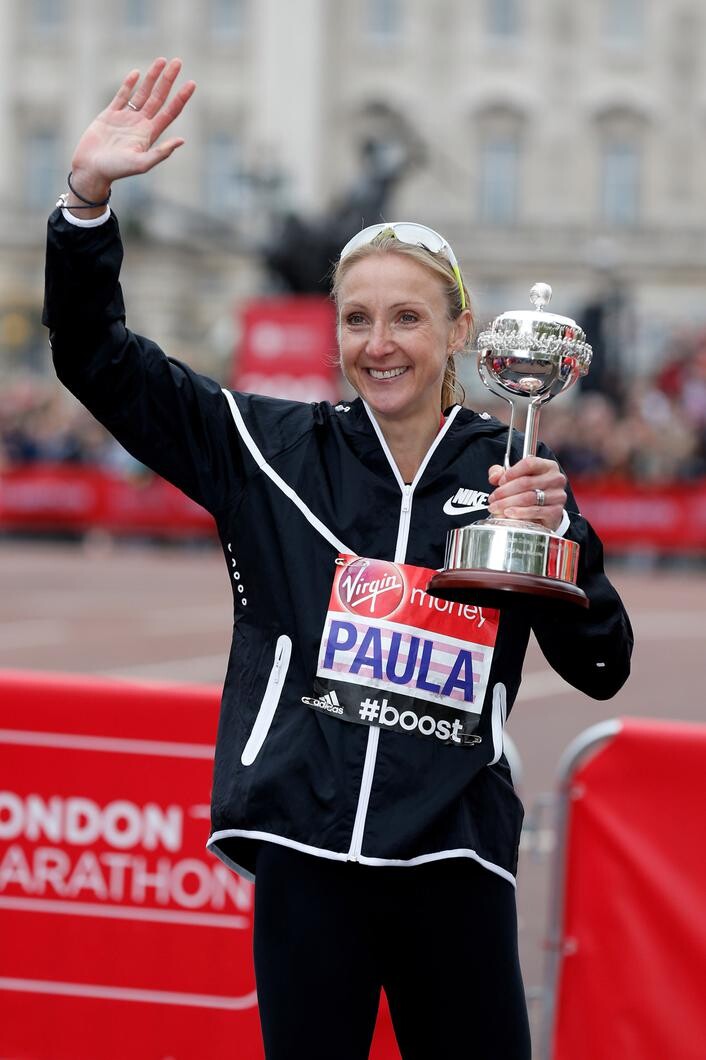
Paula Radcliffe is also one of the marathon runners that overcame her health issues as a child and became a successful athlete as an adult. Growing up, she struggled with anemia and asthma, but these were just a few bumps in the road as she continued to work hard and brought home several gold awards.
This British long-distance runner was the women's world record holder for over 16 years (2003 to 2019) for being the fastest female marathon runner with 2:15:25 until Brigid Kosgei broke it in 2020. Aside from that, she's also able to win New York City and London marathons three times and won 15 gold awards in total.
Final Thoughts
Marathon is an exciting sport, and no regular person can participate. It takes great understanding that a marathon is more than just running. Being as powerful as the runners mentioned above takes months of training and endurance. Although there are still other remarkable marathon runners, these six, in particular, made significant achievements in this field.
(04/11/23) Views: 137

Yes, Zone 2 Training Is Important. (Just Don't Forget the Other Stuff.)
Right now in the fitness community, the hottest topic is Zone 2 training.
Everywhere you look, both coaches and runners are extolling the benefits of running at a Zone 2 effort, while advising runners to be wary of running too hard on easy days.
Make no mistake: there are great reasons for running most of your mileage at an easy effort around Zone 2. No coach worth her salt will tell runners that easy running isn't advantageous. In fact, a lot of easy running is the key to racing faster and building a strong body that's resilient against injuries.
But with all this focus on Zone 2, are we ignoring other zones? What about Zone 1? Or what about Zone 3 (which seems to have become the boogeyman of running efforts)? Despite the baggage of Zone 3, and most athletes ignoring Zone 1, these zones still have value.
In fact, every zone has a place in a well-designed training program. Let's get into the weeds, explore the nuance, and discover each shade of gray about zone training.
What is Zone 2 Running?
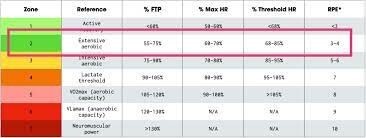
Zone 2 running is best defined as easy running where you're still able to hold a conversation with a friend. The effort usually corresponds to about 60-70 percent of maximum heart rate.
This zone is part of the 5-zone system:
Zone 2 is often considered the lowest intensity that produces meaningful training adaptations. It's receiving a lot of attention in the running community because it has a lot of benefits with very little risk of over-training or injury. But this is not new. Runners have been married to the idea of easy running since the 1970s, when US marathoner Bill Rodgers was winning major marathons while running up to 180 miles per week-nearly all at an easy effort.
We've called long runs LSD ("Long Slow Distance"), short runs "recovery jogs," and bemoaned our training partners for not running at "conversational pace." In Boulder, Colorado, there's a weekly "fun run" at such an easy effort it's called "soft hour."
There's no denying that Zone 2 is a key pillar of any endurance runner's training-in fact, it's likely the most important intensity zone for every runner-but that doesn't mean it's the only actor in the play.
Runners know and understand the value of easy, comfortable running. It's just currently being rebranded into something new called "Zone 2 training" (just like, a decade ago, we heard all about High Intensity Interval Training-or hard track workouts).
Zone 2 is Just One Piece of the Puzzle
There's no denying that Zone 2 is a key pillar of any endurance runner's training-in fact, it's likely the most important intensity zone for every runner-but that doesn't mean it's the only actor in the play. While it's vital, it's just one piece of the puzzle.
Zone 1 running can be enormously helpful for base building, especially with longer efforts that last multiple hours. A four-plus hour fast hike at altitude up a mountain is a good example of beneficial Zone 1 training.
However, Zone 1 isn't as productive at producing endurance adaptations, so it's usually reserved for cross-training, very long efforts, or just parts of certain runs (where most of the effort is Zone 2). A good example is a short recovery run where the first 10 minutes might be at a Zone 1 effort before gradually transitioning to a Zone 2 effort.
And while Zone 3 is often presented as a "danger zone" or the "gray zone" of training, it also has its place. High-level, competitive athletes have the talent to spend more time during an easy run at these moderate intensities. And beginners who are running low mileage can also do a fair amount of Zone 3 running because their volume is low, and they likely won't make as many adaptations without it.
Just be careful with too much Zone 3 running: if more than 40-50 percent of your mileage is at this intensity, it presents a higher injury risk due to additional mechanical stress and less recovery due to higher intensities.
Of course, any performance-oriented runner with goals of running a certain finish time will want to spend time in both Zones 4 and 5, too, which we can consider "workout zones." Race paces of 10K and faster fall into these zones and can be used for structured workouts for approximately 15-20 percent of total weekly volume.
An example week with mileage levels, workouts, and zones illustrates this concept:
In this example, the athlete is running 80 percent of their total weekly volume at a Zone 1 or Zone 2 effort, 10 percent of their effort in Zone 3, and 10 percent in Zone 5.
As we think about the complete training program over the course of a season, we can see that many intensities (like Zone 2) will remain constant throughout the season. Some intensities will have a stronger presence during the base phase, like Zone 1, while others will be prioritized late in the season (like Zone 5).
Just like a delicious soup, every ingredient has its place.
The Bottom Line
Clearly, I'm a Zone 2 stan. It's an integral intensity zone for any runner, whether you're a professional track and field athlete, frequent half marathoner, or a first-time ultramarathoner. If I was forced to choose the single-most important zone for running, I'd choose Zone 2.
But it's not the only party in town. Every runner should strive to be a well-rounded athlete who's capable at every intensity zone. Simply put: Zones 1-3 build capacity while Zones 4 and 5 sharpen your existing fitness. Any good training program should include a healthy mix of all zones because these energy systems all contribute to an athlete's ability.
Ultimately, good runners have range at a variety of distances because they don't ignore any zones or over-prioritize a specific zone. And that range-the ability to run well at the 5K, half-marathon, and ultra distances-is a testament to preparing every energy system during training.
(04/08/23) Views: 136Trail Runner Magazine

Running a marathon: Tips for a race day success
After the hard work of training, you'll probably be anxious and excited for the big event – the actual marathon. Here are some tips for the day of the race that will help you to be prepared and ready for any unforeseen glitches.
Stay Hydrated
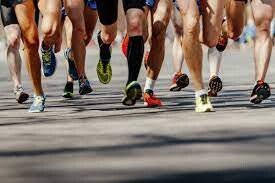
Hydration should not begin the morning of the race. Instead, you should make a conscious effort to stay well hydrated at least 48 hours before the start of your marathon. The American College of Sports Medicine recommends drinking 5 to 12 ounces of fluids every 15 to 20 minutes during a marathon, although this is often difficult to accomplish and can result in over hydration if your sweat loss is low. Therefore, it is recommended that you learn how much your body needs to consume to stay well hydrated during your training period, especially on the long runs. Checking your weight before and after a long run to make sure that you haven't lost more than 2 percent of your body weight, and checking that your urine is not too concentrated (dark yellow) are simple ways to assess your hydration needs.
To hydrate before a marathon, try drinking two 8-ounce glasses of water or sports drink exactly two hours before the run starts so that by the time the race begins, the fluids will have been absorbed into your system. If you think you may take longer than five hours to run the marathon, keep in mind that your sweat losses will be less, and so you will not have to drink as much fluid before the race.
Eat Right
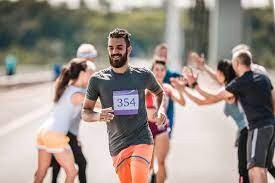
Eat at least 300 calories an hour before the race starts. Test out your food choices during your training, so that you know which foods help fuel your body for a long run. And if you feel your body needs more food, eat your final snack no more than 30 minutes before the start of the race.
Wear the Proper Gear
Be sure to check the weather forecast and dress appropriately. However, it is important that you do not overdress, which can increase your risk for dehydration. Also, don't wear new shoes, socks, clothing or accessories for the race. Everything you wear should be well broken in and have gone through a test run.
Check the Course
It is highly recommended that you review the marathon course before race day. If you live close to where the marathon will take place or have time when you arrive in town, it is helpful to drive the entire course, noting any landmarks or difficult patches. If you are not able to review the course yourself, see if you can order a video of the course or talk to people who have completed the marathon in the past.
Warm Up
Before the marathon, make sure to go through a thorough warm-up that can include about 15 minutes of light jogging, followed by another 15 minutes of stretching. Some people like to incorporate a few strides at race pace to prepare their body for the race. It is important to follow the strides with constant, light movement, such as easy jogging, until the race begins – even if you are in a crowded start line – so that your muscles stay loose and do not tighten. At the same time, it is essential that you do not overexert yourself during your warm-up.
Give Yourself Plenty of Time
You're likely to feel a bit nervous and anxious before the race, and the last thing you want is to be rushed. Wake up early enough to give yourself ample time to take care of everything you must do – dress, eat, shower, use the restroom, drink, etc. And, if you haven't already done so, coordinate a time and place to meet after the race with your family and friends. Also, depart for the marathon with enough time to be able to check your bag and warm up before the race begins.
Pace Yourself
Most people experience an adrenaline rush while waiting for the race to begin, which may cause you to barrel out of the start line at an accelerated pace without even noticing it. It is important to pace yourself and pull back until you hit the 10-mile mark. You don't want to wear yourself out early on in the race.
(04/11/23) Views: 126UCSF Health

Five keys to run-streaking, try these few tips to get into the habit of running every day
So you want to start a run streak. That’s a cool, fun and fulfilling challenge to set for yourself, and whether you’re aiming to run every day for the next month, every day for the next year or every day indefinitely, you should have a good time chasing that goal. Regardless of how long you plan to streak for, there are a few things you need to think about before starting (and throughout your streak). Here are five keys to finding success with this running challenge.
1.- Don’t overdo it
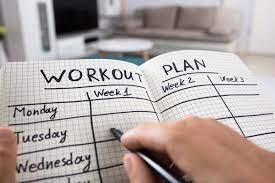
If you’re used to a high running volume already, you should adapt pretty easily to training every day, but if you’re not, you need to slowly build into your run streak. This is not to say that you shouldn’t run every day, but you do have to keep your training light for the first little while as your body becomes accustomed to running day after day. Soon, you’ll be ready to increase your mileage, but for now, keep your runs easy and relatively short.
2.- Run in weird places

To be a proper run streaker, you have to get used to running in weird places. If your streak extends long enough, you’re bound to eventually hit a day when everything goes wrong and you find yourself nearing midnight without having done your run. In those cases, you’re going to have to run wherever you find yourself at the time–even if you’re in an airport, or on the side of the road with a flat tire. To preserve your streak, you’ll need to lace up and run in an unorthodox location.
3.- Plan your days
Finding success with a run streak depends on your ability to plan ahead. You can’t wing it. You may be able to get away with that for a while, but soon enough, you’re going to arrive at a day when your schedule is packed, and if you haven’t made a plan to fit a run in, you’ll have to helplessly watch the day slip by while you sit in meetings, errands or whatever else is keeping you from your run. Plan ahead, because life can get hectic, and it doesn’t care if you miss out on a day of running.
4.- Sleep, sleep, sleep
Running every day is going to wear you down, and if you’re not sleeping well, you’ll hit a wall soon enough. Get to bed early enough to get your seven to nine hours of shut-eye, minimum. (That’s good advice for anyone, not just run streakers.)
5.- Recover well
You must take care of your body. Do a proper warmup and cooldown with your workouts, use a foam roller after your runs, drink lots of water, and do whatever else you’ve found that works for your recovery.
An important note
This is a reminder that no run streak is worth hurting yourself. If you’re injured or sick, don’t force yourself to get out the door for yet another run. Forcing yourself to run will only lead to a worse injury or illness. Run streaks are supposed to be fun, and pushing your body past reasonable limits is never a good idea. It’ll be unfortunate to lose your streak, but here’s the good news: you can always start a new one.
(04/07/23) Views: 125Ben Snider-McGrath
Competition Is Stacked at This Year's Lake Sonoma 50
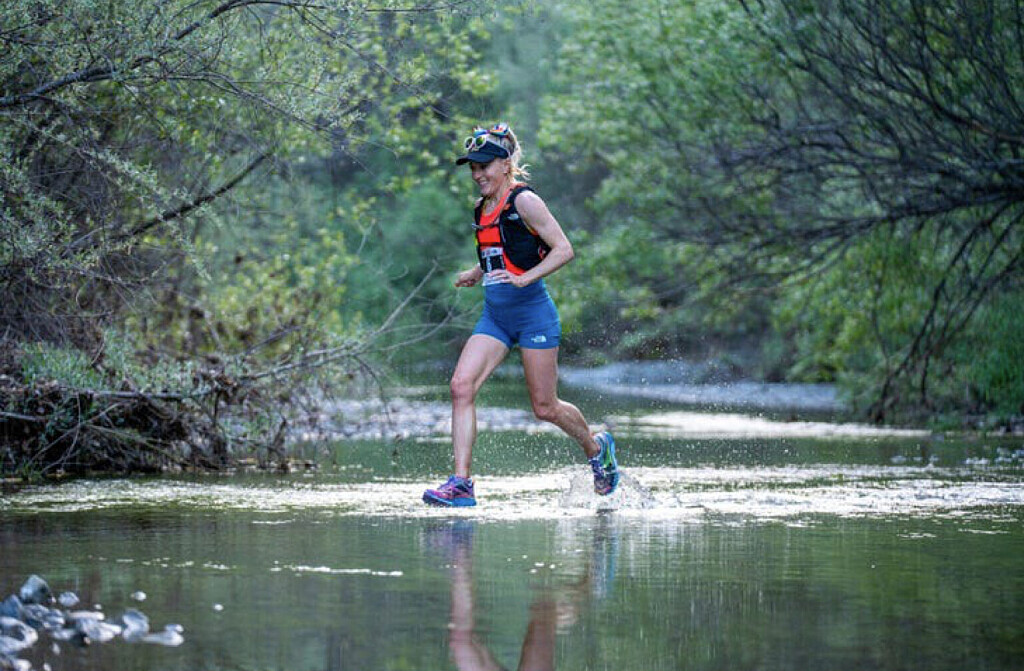
The Lake Sonoma 50 is one of the fastest and most competitive 50-milers in the U.S., and it's turning up the notch on competition in its 16th year.
Set in the rolling foothills near Healdsburg, California, the hilly course is known for its smooth singletrack and more than a dozen creek crossings. For the first time, Lake Sonoma will be the 50-mile selection race for Team USA, and all runners who race their way onto the podium will get an automatic invitation to run for Team USA in the long-format race in this year's World Mountain and Trail Running Championships set for June 6-10 in Innsbruck-Stubai, Austria.

While Lake Sonoma has always been a competitive event (previously a Golden Ticket Race), that invitation has certainly encouraged a high level of competition.
"I'm super psyched for Lake Sonoma to be a USA Selection Race," says Gina Lucrezi, race director and founder of Trail Sisters, a non-profit that supports women in the trail space. "This event has been a top 50-mile race in the U.S. since its inception. John Medinger, Lisa Henson, and Skip and Holly Brand have created a sought-after course and event, and I'm proud to continue their legacy of keeping it a barn burner event, pulling in top talent to test their fitness and abilities." Lucrezi represented the U.S. at several USATF MUT Championship events, and she's excited that her event will extend that opportunity to a new generation of ultra athletes. "It's both an honor and privilege to host this opportunity for runners vying to represent the USA," says Lucrezi.
The event is Trail Sisters certified, which means there will be equal podium spots, awards, women's specific race swag, menstrual products at aid stations, and equal space for women on the start line. Lake Sonoma races are held within the Native lands of the Southern Pomo. The Southern Pomo are part of the Federated Indians of Graton Rancheria, a federally recognized tribe. The race has also partnered with a local charity, The Children of Vineyard Workers Scholarship, which provides education funding to the kids of agricultural workers in the area.
"In terms of diversity, equity, and inclusion, when hosting the lottery, we split the field 50/50 male/female. (Non-binary folks were grouped in the field that they noted as their gender assigned at birth). We then utilized gender-specific waitlists if participants cancel or defer, but we extinguished our waitlists and then allowed for open registration to fill our vacant spots. In the lottery form, we requested race and ethnicity information," Luzrezi told Trail Runner in an interview. "This provided insight into the diversity of signups and helped us make sure the starting line could be as diverse as possible."
Sweet Sixteen
In its 16th year, Lake Sonoma has ushered a generation of ultrarunners onto the scene, and many are returning to reconnect with those fond memories at an event that epitomizes the grassroots appeal of trail races, with an internationally competitive field.
Ultrarunner Devon Yanko is competing in the marathon after her win and earning a Hoka Golden Ticket at Javelina Jundred, says she feels a deep connection to the race after winning it early on in 2010. Building up to Western States in June, Yanko says her primary objective is to feel healthy and enjoy the race.
"I have been a part of Lake Sonoma almost since its inception and have been a spectator/crew for most of its biggest years," says Yanko, who formerly lived in San Anselmo, California. "It was an extension of my local community and always had the best vibes. I'm mostly looking forward to seeing friends, supporting the race, and helping keep the tradition of Lake Sonoma alive."
Many runners have long histories with the buttery, grass-lined trails. Lake Sonoma was one of the first ultras OCR athlete and ultrarunner Amelia Boone ever knew about more than a decade ago. But, a broken femur derailed her initial attempts at the 50-mile event, and she's been looking for an opportunity to get back to Lake Sonoma's start line ever since. She says the high level of competition and community vibe were big draws as well.
"I'm looking to run strong in a competitive field. It's been a while since I've run a race with a super deep field, so I'm looking to put the ego aside and have some faith in myself. My ultimate reach goal would clearly be top 3 to qualify for the U.S. World team, but that'd just be a bonus," says Boone. "Oh, and give as many high fives on the trails as possible."
Brett Hornig, a coach and athlete from Ashland, Oregon, hopes that the third time's the charm. He's run the race twice, and hasn't had the day he wanted.
"LS50 was one of the premier 50-mile races in the world when I was first introduced to trail and ultrarunning around 2014, so the allure of competing against the best has always been there for me," says Hornig. "That initially drew me to the race, and the competition is still there, but it is the community who puts on the race that keeps me coming back. The race directors (both past and current), the volunteers, sponsors, and fans of the sport put on an incredible event that everyone should check out for themselves at least once."
Ryan Miller, the winner of the 2022 Gorge Waterfalls 50k and Bandera 100k, from Vero Beach, Florida, says he's excited by the fast and smooth Sonoma trails.
"The primary allure of Lake Sonoma 50 has to be the trails themselves. Have you seen the videos and pictures of this place?! It's absolutely stunning. I'm most looking forward to the competitive racing with big stakes as it tends to bring the best out of everyone," says Miller.
The proximity to wine country doesn't hurt either.
"Throw in a deep competitive field, prize money, my wife's excitement to go to California wine country, and an opportunity to earn a spot on the World Championship team, and it's a no-brainer for an athlete like me focusing on the 50K-100K distances."
Miller, like others, is gunning for a podium finish that would earn an invitation to race for Team USA at the World championship.
The race field is chock full of talented runners, including the women's field with Abby Levene, Anne-Marie Madden, Allison Baca, Tara Fraga, Sarah Keys, Megan Drake, Sarah Biehl, Erin Clark, Natalie Sandoval, Erin Viehl, Amelia Boone, Anna Kakis, Catrin Jones, Mercedes Siegle-Gaither, Sarah Cummings, Kristina Randrup, Jackie Merrit and Hannah Osowski.
The men's race includes Miller, Hornig, Drew Holmen, Seth Ruhling, David Kilgore, Drew Macomber, Preston Cates, Terence Copeland, Reed Breuer, Aubrey Myjer, Charlie Ware, Ryan Sullivan, Caleb Olsen, Chris Myers, Jason Schlarb, Erik Sorenson, Matthew Seidel, Morgan Elliot, Addison Smith, and Travis Lavin.
"The overall Lake Sonoma race event is focused and centered on community," says Lucrezi. "I'm really excited about our new start and finish location and the celebration vibe we are creating. No matter your pace, experience, or what place you finish, Lake Sonoma is an event that welcomes all runners and fosters friendships made through the event and on the trails."
(04/08/23) Views: 123
Which Alternative Therapies Can Athletes Trust, and Which Are Just Placebo?
A quick guide to the scientific credibility and safety of cupping, cryotherapy, and moreAustralian humorist Tim Minchin once said, “You know what they call alternative medicine that’s been proved to work? Medicine.”
While Minchin’s comment was intended as a joke, there’s a lot of truth to it. Many so-called alternative treatments lack empirical evidence to support them, instead relying on some combination of celebrity and athlete endorsements and pseudoscience. Some alternative therapies are appealing because they’re perceived as new or cutting edge, while others benefit from the aura of thousands of years of use.
So what’s worth trying? After all, the placebo effect—whereby you gain a tangible benefit from merely believing a treatment will work—is very real. Here we cover several popular therapies that some runners swear by and others eschew. In addition to describing the therapy, we answer the most important questions: Does it work? Is it safe? Should I try it?
Cupping
In the 2016 Summer Olympics, countless athletes were seen with round discolorations all over their bodies. Given that one of those athletes was swimmer Michael Phelps, who would go on to win five gold medals that year, widespread interest arose around what these marks meant and how they might have aided Phelps’s performance.
Those marks were the aftereffects of a technique known as cupping. Cupping is the practice of placing glass cups against the skin to form a partial vacuum, which lifts the skin. A form of myofascial decompression, it is believed to stimulate the circulation of blood to the area.
Cupping can be traced back thousands of years to China, Egypt, and the Middle East. Proponents claim it can help with issues such as pain and inflammation, can improve blood flow, and can assist in the removal of “toxins.”Does It Work?
Advocates are quick to point to Phelps and other world-class athletes who swear by the treatment. Still, the actual mechanism by which cupping therapy is supposed to work is unclear. While some studies have shown benefits ranging from improvements in blood cholesterol levels to pain relief, most peer-reviewed science is not as supportive of the technique’s efficacy. Designing double-blind studies (in which both the investigator and the subject are unaware of whether the technique in question or a placebo is being used) is difficult when researching something like cupping, and most of the evidence used to argue in favor of cupping comes from studies that pair it with another treatment or have other biases. Much of the benefit seen may be attributed to the placebo effect.
Is It Safe?
Other than the telltale bruising, side effects are fairly minimal, though some instances of burning have also been observed.
Should I Try It?
For the most part, the scientific community does not support cupping. Evidence-based practitioners point out that its advocates rely on anecdotal evidence and the placebo effect. Yet while cupping alone is not going to propel you to the next Olympic games, some clinicians keep it in their soft tissue mobilization toolbox. Emmi Aguillard, a physical therapist and running coach, uses a combination of hard, plastic cups and soft, silicon cups in her physical therapy practice. She applies them to help fascia glide more smoothly in areas of the body that have very dense connective tissue such as the IT band.
Whole Body Cryotherapy
Whole body cryotherapy (WBC) is a technique in which your body is enclosed in a chamber and exposed to extremely cold air for two to four minutes. The term cryotherapy simply means cold therapy, and WBC is, as the name suggests, a means of delivering that therapy to the whole body rather than a localized area, as with an ice pack.
Does It Work?
Advocates claim WBC can help with everything from migraines to weight loss, arthritis pain to mood disorders, low-risk tumors to Alzheimer’s disease. However, the suggestion that its efficacy is any greater or wider ranging than simpler, more traditional administration of cold therapy is dubious at best. Aron Yustein, M.D., a medical officer in the Food and Drug Administration’s (FDA) Center for Devices and Radiological Health, has stated unequivocally that the FDA has not cleared or approved WBC devices as safe and effective to treat medical conditions, no matter what advertisers may have you believe.
A review of research on WBC by sports scientists and public health researchers in Australia and the U.K. failed to find sufficient evidence that WBC reduces self-reported muscle soreness or improves subjective recovery after exercise. In other words, the research just is not there to support this intervention.
Is It Safe?
Rashes, burns, and frostbite are among the potential side effects of WBC. Fatalities have occurred when this therapy is used improperly and unsupervised. For instance, in 2015, a cryotherapy spa worker was using the chamber unsupervised and either accidentally locked herself in or passed out. She was found dead 10 hours later.
Should I Try It?
As with many other showy techniques, there’s a certain “cool factor” to WBC (pun intended). However, there’s reason to be wary of claims that this technique is any more beneficial than an ice pack, ice bath, or other cold therapy that physical therapists, physicians, and athletic trainers have been using for decades.
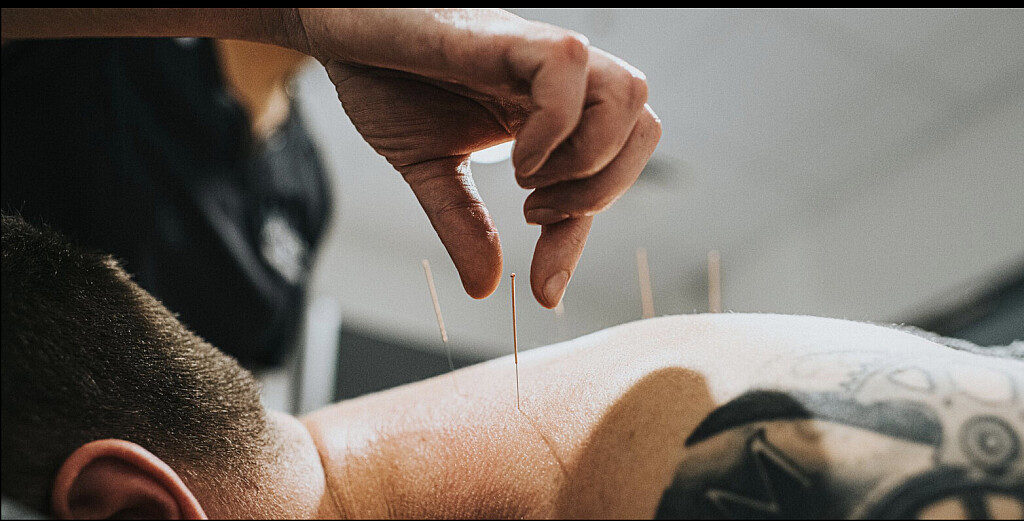
Acupuncture
Acupuncture is a centuries-old method of treating pain, along with many other ailments, and is considered a staple of traditional Chinese medicine. It involves the insertion of very thin needles through the patient’s skin at specific points on the body. The theory behind acupuncture is that it balances the patient’s chi, or energy, which flows through specific pathways in the body. The insertion of needles into precise areas along this path is said to allow the practitioner to balance that flow.
Does It Work?
As is often the case, it depends whom you ask. On the one hand, acupuncture is widely used not only in Asia but across the United States and elsewhere, including within more conventional medical settings. On the other hand, the vast majority of peer-reviewed studies offer reason for skepticism. Simulated acupuncture, which involves randomly placing needles, rather than inserting them at precise sites, has shown comparable results to traditional acupuncture.
Similarly, studies in which the subject is unable to view the insertion have shown that poking, but not breaking, the skin with toothpicks produces similar results. The Mayo Clinic points out “there’s also evidence that acupuncture works best in people who expect it to work”—which is a strong argument for the placebo effect.
Is It Safe?
When working with a certified practitioner who uses sterile needles, acupuncture is safe. There is very little risk of infection, and pain is usually minimal.
Should I Try It?
Many people classify acupuncture in the “what’s the harm?” category. When done by a trained acupuncturist, the answer is almost definitely “no harm.” Whether it will be of any benefit remains an outstanding question.
Infrared Saunas
Traditional saunas have been around for thousands of years. Typically they use charcoal or stones to heat a room, causing anyone shut inside to heat up and eventually sweat. Infrared saunas (or far-infrared saunas) rely on infrared light, which is purported to heat the body from the inside out, therefore requiring far lower temperatures (around 135 degrees Fahrenheit) than in traditional saunas (typically 185 degrees Fahrenheit or more).
Some advocates of infrared saunas suggest that their mechanism is more effective for removal of heavy metals or other “toxins.” Others suggest that the simple fact that it’s more comfortable than traditional saunas allows the user to tolerate it for a longer period of time, thereby increasing its efficacy.
Does It Work?
As with many other health trends, those promoting infrared saunas make vague health claims, reference unnamed “toxins,” and rely heavily on celebrity testimonials. Meanwhile, scientific consensus is equivocal at best. Some studies have shown benefits for chronic health conditions, and some have suggested modest cardiovascular benefits in untrained populations. Some people may also like it to help with heat acclimatization if they’re training for a hot-weather race while living in a cooler climate. However, the notion that a sauna of any type will help you sweat out toxins to any significant degree is not backed by science.
Is It Safe?
If you’re pregnant, lactating, or have cardiovascular disease, you may want to err on the side of being overly cautious and avoid saunas. Otherwise, saunas—infrared or otherwise—appear to be safe.
Should I Try It?
Think of saunas as the “chicken soup” of wellness: You may enjoy them, and they may make you feel a little better, but it’s highly unlikely that they have any magic properties.
The reality is that if a runner is faster than you, it’s likely due to some combination of genetics, training, and experience—not the pills or drinks or jellybeans they’re endorsing. That’s not to say you can’t boost your confidence with certain innocuous practices (lucky socks, anyone?).
After all, the brain is a powerful organ! And science is always evolving, so there may be a real recovery breakthrough on the horizon However, when a new treatment comes across your radar, remember that scientific proof doesn’t come from anecdotes, no matter how numerous or high-profile the source.
(04/09/23) Views: 117Runner’s World
