

Running News Daily
Top Ten Stories of the Week
12/31/2022
These are the top ten stories based on views over the last week.
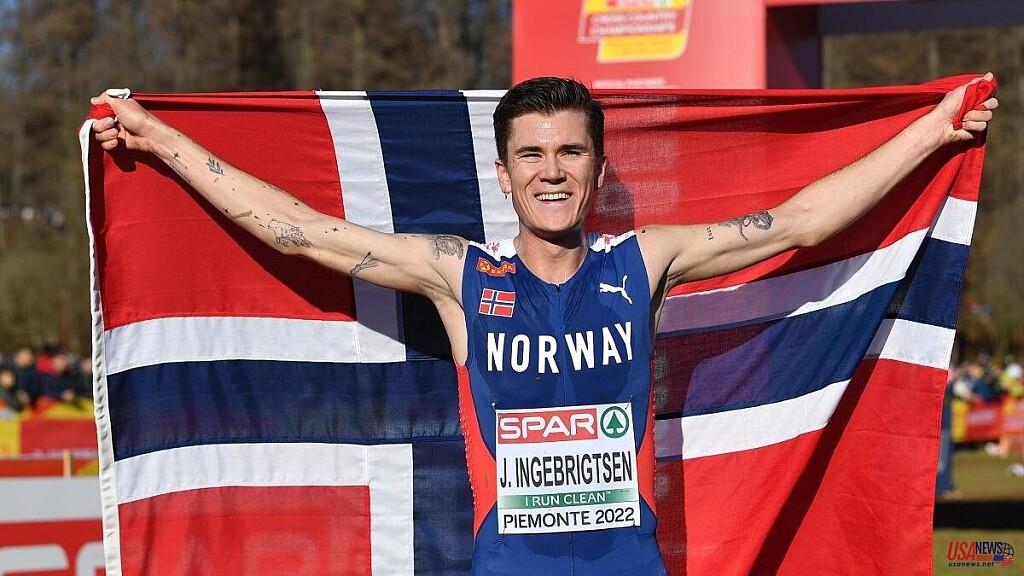


Jakob Ingebrigtsen racing the Race of the Cursa dels Nassos
Definitely committed to the end of the year, the Cursa dels Nassos (Barcelona's San Silvestre) aims to get people talking about it almost as much as we talk about the San Silvestre Vallecana (Madrid) or the San Silvestre in São Paulo, which is the most popular in the world.
Definitely committed to the end of the year, the Cursa dels Nassos (Barcelona's San Silvestre) aims to get people talking about it almost as much as we talk about the San Silvestre Vallecana (Madrid) or the San Silvestre in São Paulo, which is the most popular in the world.
So bet big.
And bet on insurance.

Or perhaps Jakob Ingebrigtsen is not a guarantee of quality?
Olympic champion of the 1,500, world champion of the 5,000, multiple European champion of both distances, the Norwegian talent (22) has confirmed his presence in the short distance of the Nassos, the 5K, a race that will be held at 7:00 p.m. on the 31st of December and in which we could witness a European record: Ingebrigtsen will look for the 13m14s of the Italian Yemane Crippa, an objective that is within his reach, since the Norwegian has come to sign 12m48s45 in the 5,000m, record of the track test.
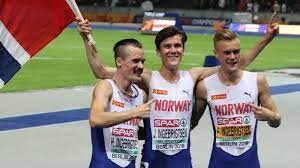
The organizers assure that Jakob Ingebrigtsen will not run alone, but rather escorted by his older brothers, Henrik (31) and Filip (29), European champions of the 1,500 in 2012 and 2016, a magnificent display of Norwegian athletics that includes Karoline Grovdal (32), European cross country gold in the last two editions, including the most recent, just a week and a half ago, in Turin.
Grovdal will run in the same distance, the 5K, where the Ethiopian Ejegayehu Taye (22), world record holder (14m19s from last year right here, in Barcelona), and the sharp German Konstanze Klosterhalfen await her.
The 10K will have been held earlier, starting at 5:15 p.m.
(12/26/22) Views: 89
Half Marathon training tips for beginners
Training for your first half marathon? Congratulations! The half marathon race distance is a big goal for a lot of runners—it’s far enough to challenge your body and mind, without taking you quite as far as the full marathon distance.
If it’s your first half marathon it might seem like an intimidating ambition, but our half marathon training tips for beginners will get you ready for the race line in no time.
After all, you’ll need some structure to your training, you’ll probably want to venture into the world of sports nutrition and fueling, and the weeks ahead might include some of the longest runs you’ve done so far. Fortunately, we can help but those fears to rest. With the following half marathon training tips, we’ll walk you through three ways to train smarter, not harder.
Follow along and we’ll show you how to train for a half marathon (the right way)!
Top 3 Half Marathon Training Tips for Beginners.

Tip #1: Include a “Pre-Training” Phase
First off, don’t rush the process when you’re preparing to run a half marathon—it’s all about that base. Jumping straight into a training plan isn’t recommend due to the demands of the weeks ahead. The best way to train for a half marathon is take it slow.
Learn how to prepare for a half marathon—from start to finish (which is what you’re already doing by reading this).
Taking four weeks or so before the start of your “official” training cycle can help ease in. Use this time to make sure you’ve got the appropriate level of fitness and endurance for your 12-16 week training cycle. This can be especially helpful for new runners to build confidence before tackling the training needed for your big race.
Build-Up Half Marathon Tips
Here are some things to consider in your build-up:
Commit to 3-4 weekly training runs. Just 3-5 miles per run will do the trick to build you up to 9-20 miles per week. Newbies, stay on that lower end. Experienced runners, you can aim for the higher end of the weekly mileage.
Think about what habits you need to build into your training cycle. Getting to bed at a reasonable hour, having post-run fuel prepped and ready to go, and carving out time for daily mobility are all great starting points.
Use the small aches and pains that come up along the way as the warning signs they are. Typically it means that your run form could use some improvement, whether that’s trying to improve your hip posture or open up your arm swing. Or it could mean that you need to put a little more effort into your recovery practices.
Now is the time to make mobility a habit. Just 10 minutes a day can loosen up tight muscles and help improve your range of motion. Coach Holly has a video to guide you through a mobility routine in “Beginner Runners’ Guide to Stretching and Mobility.”
In addition to using this base-building phase to prepare your body, these can be the weeks to gather your gear:
Running shoes—test out a few pairs at your local running store to find the right fit for you.
Running clothes—make sure to have weather-appropriate clothing not only for training but also race day.
Fueling—While your training runs in the first few weeks will be short enough you might not need calories mid-run, you’ll probably want some form of nutrition as your training progresses. Whether that’s energy gels or sports drink, think about what you’ll want to practice with during your training.
Nutritionist Coach Elizabeth breaks down how to fuel before, during, and after your run in her video Beginners’ Long Run Fueling Guide.
Tip #2: Have A Plan—But Make It Work For You
Don’t follow a plan. Let a plan follow you.
Now, we all have to start somewhere with our training. So maybe you did a search for a training plan, or you talked to your personal trainer about their half marathon training tips. You found a spreadsheet with all the columns filled out. Eight weeks from start to finish, with weekly workouts and runs all lined up, right? We’re not pointing any fingers, but it’s important to take that spreadsheet with a grain of salt.
After all, these training schedules are pretty generic. They don’t necessarily take into account your fitness level, your work and home life schedule, or the days that you wake up feeling less than stellar. When your training is laid out day-by-day, mile-by-mile, it’s easy to fall into a trap of thinking that you have to follow the plan to a T.
Instead, make the plan follow you with the right balance. Here are some tips to help you make that happen:
Muscles are feeling sore? Spend some extra time mobilizing. Foam rolling and working on your range of motion can help limber up your muscles so they’re ready for the next workout. This can also be an important step to prevent common overuse injuries. Check out the following videos for some ideas:
Runner’s Knee Pain | Symptoms, Treatment and Prevention
How To Fix Shin Splints
Your schedule calls for hills but you’re stuck in the gym on a rainy day? Try the treadmill or a cross-training workout instead.
20 Minute Follow Along Hill Workout
Follow Along Bodyweight Workout
Planning a vacation in the middle of your training cycle? Enjoy your time off, but don’t totally slack.
How To Eat While Traveling
15 Minute Travel Strength Circuit Workout
DON’T BE AFRAID TO CHANGE THE PLAN.
Listen to your body and rearrange things accordingly. By all means, get the work in, but NOT at the expense of an early injury or poor running form. You can supplement your plan with cross-training, running on a treadmill, or mixing up your rest days depending on how you feel.
Tip #3: Running Isn’t The Only Way To Prepare For a Half Marathon
Don’t be fooled into thinking that getting better at running can only come from running more. This is a classic misconception that can often lead to excessive wear and tear on the body as well as overuse injuries. The great news is, you can build strength and skill as a runner through strength training as well as getting in those miles.
Strength training brings a variety of benefits:
Build muscle by adding weight to movements.
Start with bodyweight and add weight or load as you get comfortable. Adding just five pounds to your lunges will make running uphill feel that much easier.
Develop hip stability, core engagement, and upper body strength to supplement your running.
Adding supplemental movements such as glute bridges, planks, and push ups target strength for the whole body.
Practice controlled breathing patterns while not under the stress of running.
Taking big belly breaths by engaging the diaphragm can be difficult when we’re pushing the pace on a run. Instead, spend time consciously breathing while moving through a squat or when doing push ups.
Moving under greater ranges of motion than you would use while running can help build stability and control.
For example, a lunge puts your rear leg into full hip extension. When you run, your rear leg also goes into extension. By training lunges outside of running, you’ll be able to practice this range of motion without having to actually run. And as a bonus, you can improve your strength and muscular endurance at the same time!
Strength training just twice a week, for 20-30 minutes per day is all you need to gain access to a full range of motion and stable control in all of the joints being impacted by those miles- i.e. hips, ankles, knees, you name it.
Favorite Strength Exercises
Some of our favorite tried and true strength movements:
Push-ups: A simple and effective way to find your midline, access your glutes, stabilize the shoulders…the list goes on.
Squats: These strengthen the leg muscles that carry you through every stride.
Lunges: These improve mobility, engage your core, and build leg strength.
Planks: They engage your core, which helps you maintain good posture while running.
Burpees: They are a great cardio activity to get your heart pumping and increase your cardiovascular ability!
The best part…you don’t even need a gym for most of this stuff! Try this follow-along bodyweight strength workout to see how simple it can be:
Bonus Tip: Prep For Race Day In Advance
Your weeks of training will give you plenty of time to think about race day itself. It doesn’t hurt to think ahead about how you’ll prepare for the starting line. Check out the video below for some of Coach Holly’s race day tips and logistics:
Know your race course: scout out the course in person or check out a map so you have an idea of what to expect.
Have a plan for race morning: use your race’s website to know what time you should arrive, where the start line and bag drops are, and where restrooms are located at the start and along the course.
Get in the habit of including a dynamic warm up before every run and workout during training. Use that warm up on race day to lumber up, dispel any nerves, and get ready to run!
(12/23/22) Views: 87
Holly Martin

Tata Mumbai Marathon to be held in January 2023 after two year gap
The Tata Mumbai Marathon (TMM), a World Athletics Elite Label Road Race, will be held on January 15, 2023, said its organizers Procam International.
This will be the 18th edition of the marathon and will be flagged off from the Chhatrapati Shivaji Maharaj Terminus (CSMT) and the categories are classic distance marathon, popular half marathon, open 10k, Senior Citizens’ Run, Champions with Disability, and Dream Run.
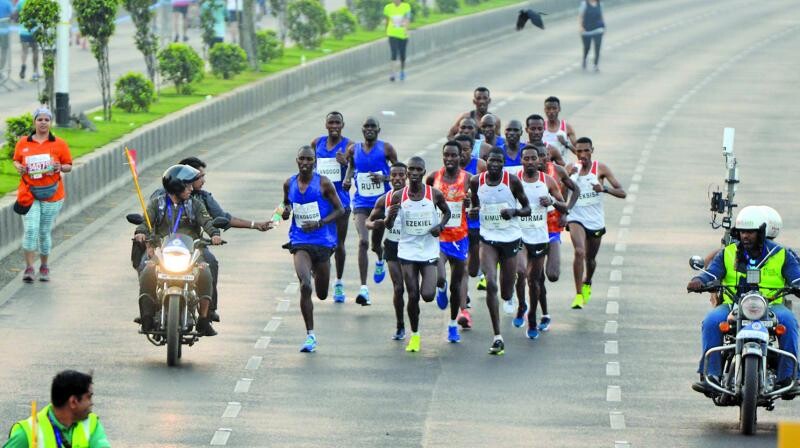
Eknath Shinde, chief minister of Maharashtra, said, “The much awaited marathon returns after two years. Today the event is one of the top 10 marathons in the world and that is a big achievement. It is a pride of Mumbai and India, that brings our community together across all ages, caste, creed to run as one. We extend our support to the event and we are with you."
Harish Bhat, brand custodian, Tata Sons, said “The Tata Group is proud to be associated with this iconic race that brings alive the essence of Mumbai. Embodying the spirit of Mumbai, the city that never stops moving, overcoming every challenge just like the marathon runners moving towards their goal with a never-give-up attitude, the marathon brings together amateur and professional runners from across the country. The race gives every runner the opportunity to push beyond the limits of body and mind to succeed in this test of human strength and endurance. Ujjwal Mathur, senior vice president and country head, India business, TCS said “TCS has been associated with the marathon for many years and has now grown as a pioneer of running events across the globe.“
Bollywood actor Tiger Shroff is the face of the event. IDFC First Bank will be a part of the marathon for the first time after the technology-led bank signed up to be an associate sponsor across Procam International’s four events and marked their arrival in mass-participation sport, at the TCS World 10K Bengaluru in May this year.
(12/23/22) Views: 82
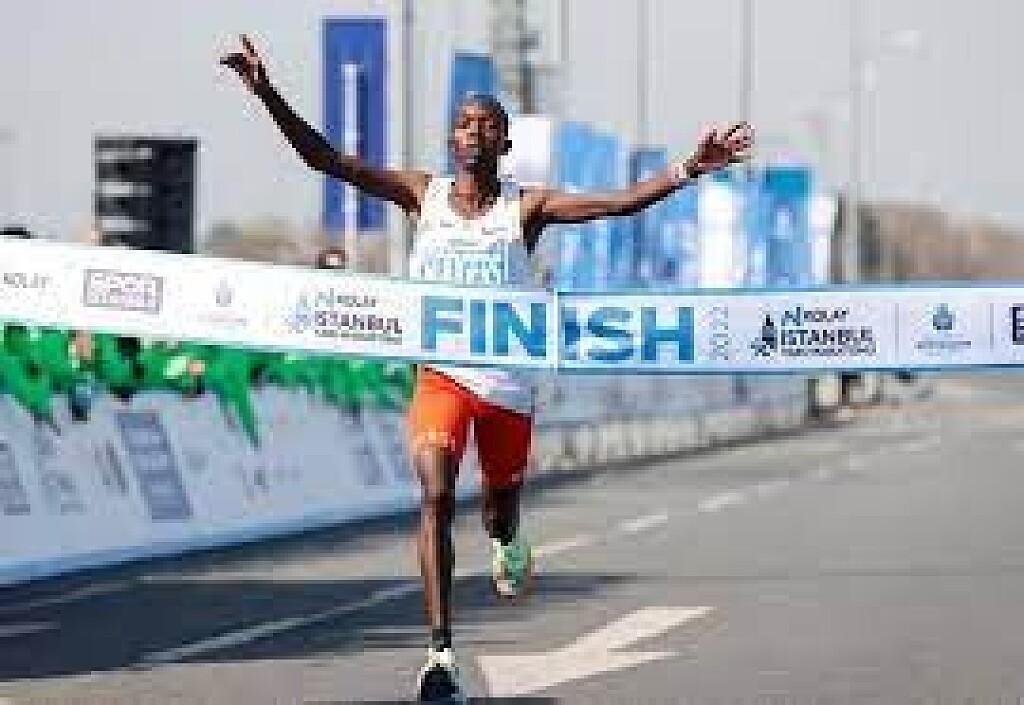
Daniel Mateiko sets sights on World Championships
The 2022 Istanbul Half Marathon's runner-up Daniel Mateiko is targeting a podium finish at next year’s World Championships in Budapest, Hungary.
This is after skipping Athletics Kenya's national trials for next year's World Cross-country Championships.
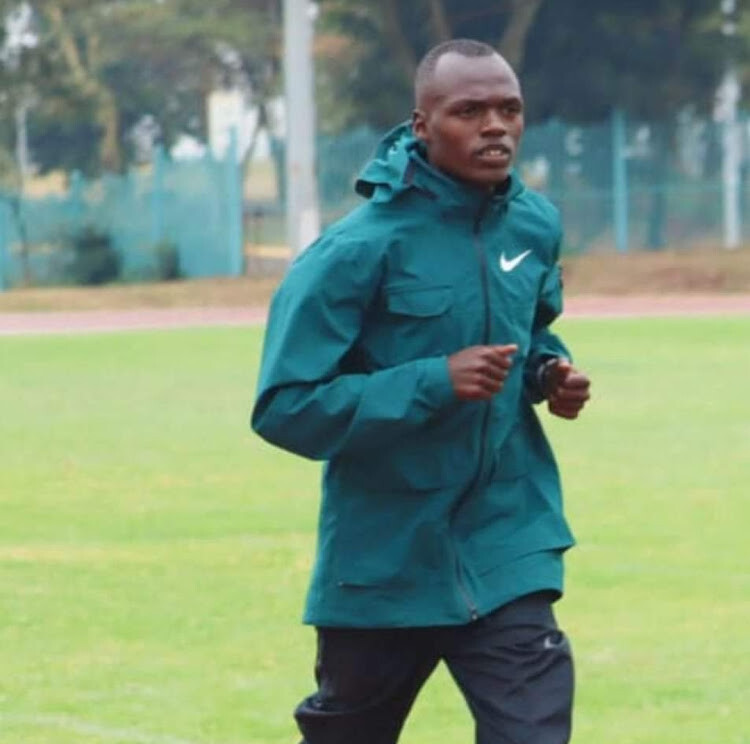
Mateiko, who finished eighth (27:33.57) in the 10,000m during this year’s trials, said his main focus now is to qualify for the World Championships.
“My primary focus is on the World Championships, where I intend to finish among the top three athletes. I had really wanted to participate in the Word Cross-country Championships but the trials caught me off guard…I had not trained well,” Mateiko said.
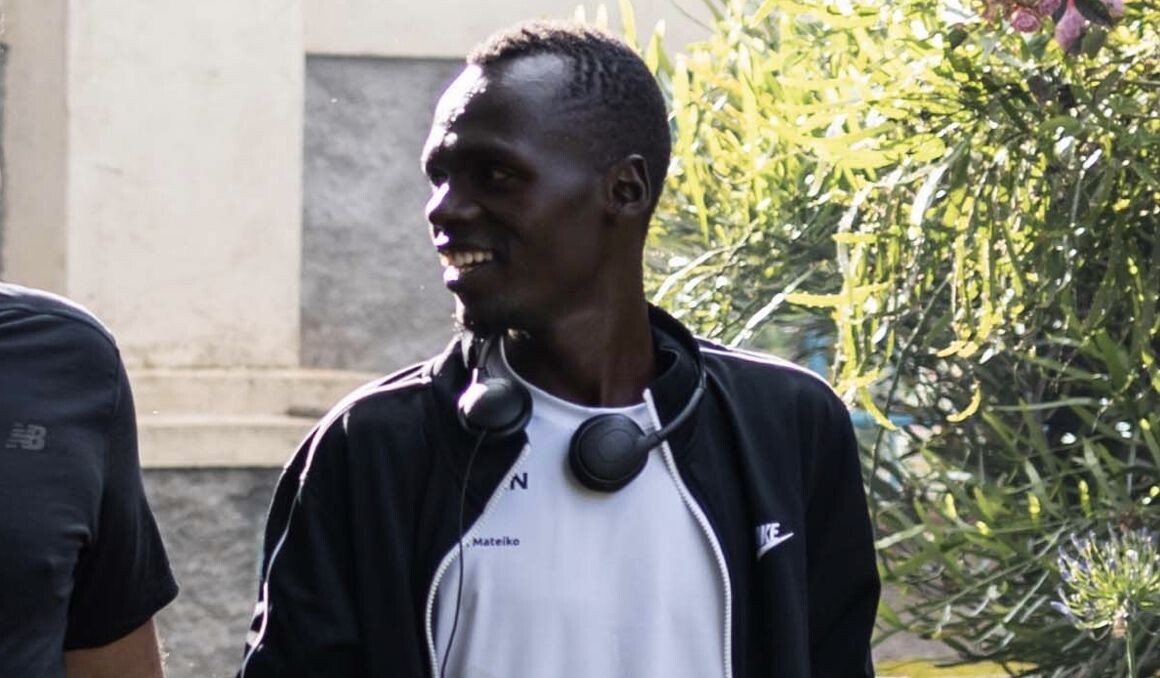
He revealed he will not also participate in February’s Sirikwa Classic Cross Country meeting as he will be preparing for a half marathon race which will serve as a build-up for the global show.
He added that he had been battling an injury before competing at the Valencia Half Marathon, where he placed third in 58:40. “In Valencia, I did not perform to my expectations due to an injury which stalled my training process,” he said.
“At the moment, I am getting ready for a half marathon in February, where I intend to lower my personal best time.”
His personal best time in the half marathon currently stands at 58:26.
At the moment, Mateiko revealed he is attending gym sessions with an aim of improving his endurance. “From January, I intend to start working on my speed,” he added.
Mateiko also said he is looking forward to making his debut at the Paris Olympics in 2024.
“When I come back from the World Championships, I will have identified some of my weaknesses which I will work on ahead of the 2024 Olympics. Participating in such a big stage will be a dream come true,” he concluded.
(12/24/22) Views: 81Abigael Wuafula
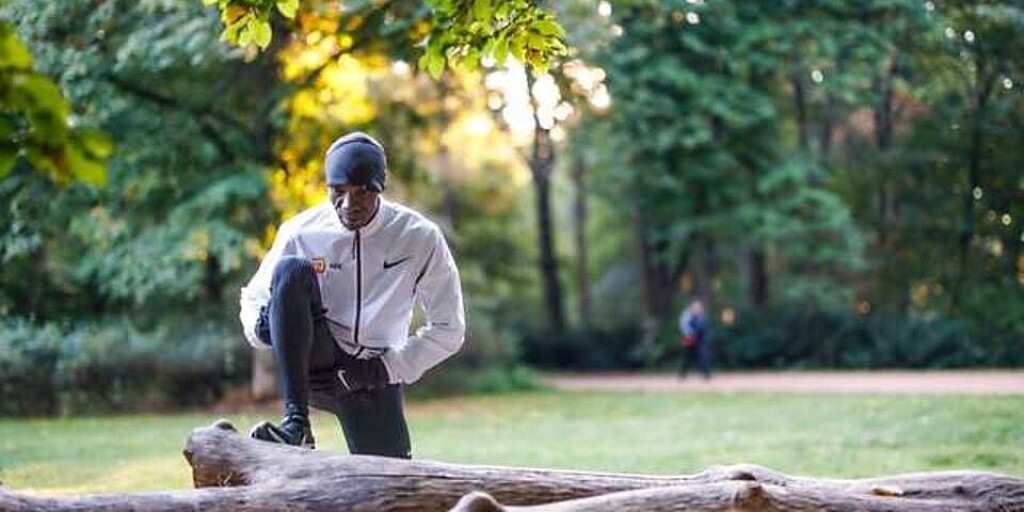
Kipchoge wished the sporting fraternity God’s blessings during the holidays
World marathon record holder Eliud Kipchoge spent his Christmas Day with his family at his rural home in Kapsisiywa in Nandi County.
“I’m getting re-energised for the next season which has already started and my focus will be on the Boston Marathon where I’m debuting. I believe I will be able to do well just like the previous races,” said Kipchoge.
This year, Kipchoge ran a new world record of 2:01:09 in Berlin Marathon, lowering his previous record of 2:01:39.
Kipchoge will come up against defending champion Evans Chebet and 2021 winner Benson Kipruto in Boston.
Chicago Marathon champion Benson Kipruto is also at his home in Kapsabet, Nandi County.
Kipruto is looking forward to a better season.
“I took a short break from training. I want to wish everybody a good festive season full of God’s blessings as we look forward to a busy season,” said Kipruto, who trains under the 2Running Athletics Club.
World 10,000m bronze medallist Margaret Chelimo is also in Kapsabet for the festivities but her eyes are fixated on winning gold over the distance in Budapest next year.
“We are celebrating Christmas but my training has been good since I resumed. I will be competing in various races just to prepare for the World Championships,” said Chelimo.
Athletes representative Milcah Chemos urged athletes to stay focused ahead of the new season and strive to run clean.
"We have a lot of competitions coming up this season. We have been fighting the doping menace for some time now and it is time the athletes reward Kenyans by avoiding use of banned substances,” said Chemos.
(12/26/22) Views: 79Bernard Rotich
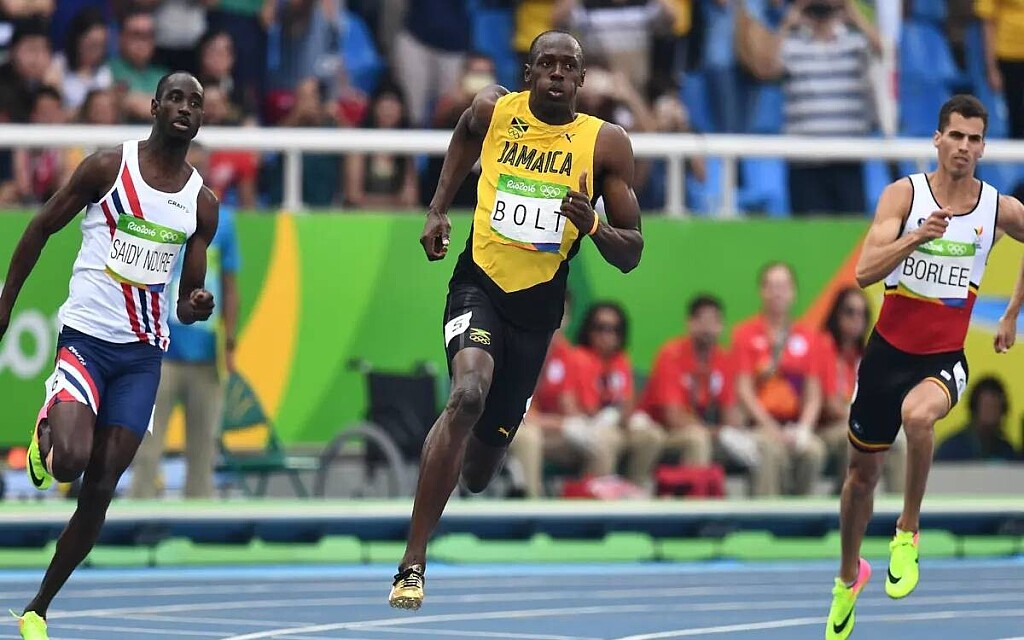
Usain Bolt honored to join great names who have won lifetime achievement award
Usain Bolt was delighted to join a stellar list of sporting greats after being chosen as the BBC Sports Personality of the Year Lifetime Achievement Award winner for 2022.
The 36-year-old Jamaican retired from athletics five years ago but he has left an indelible and so far unbeatable mark on his sport.
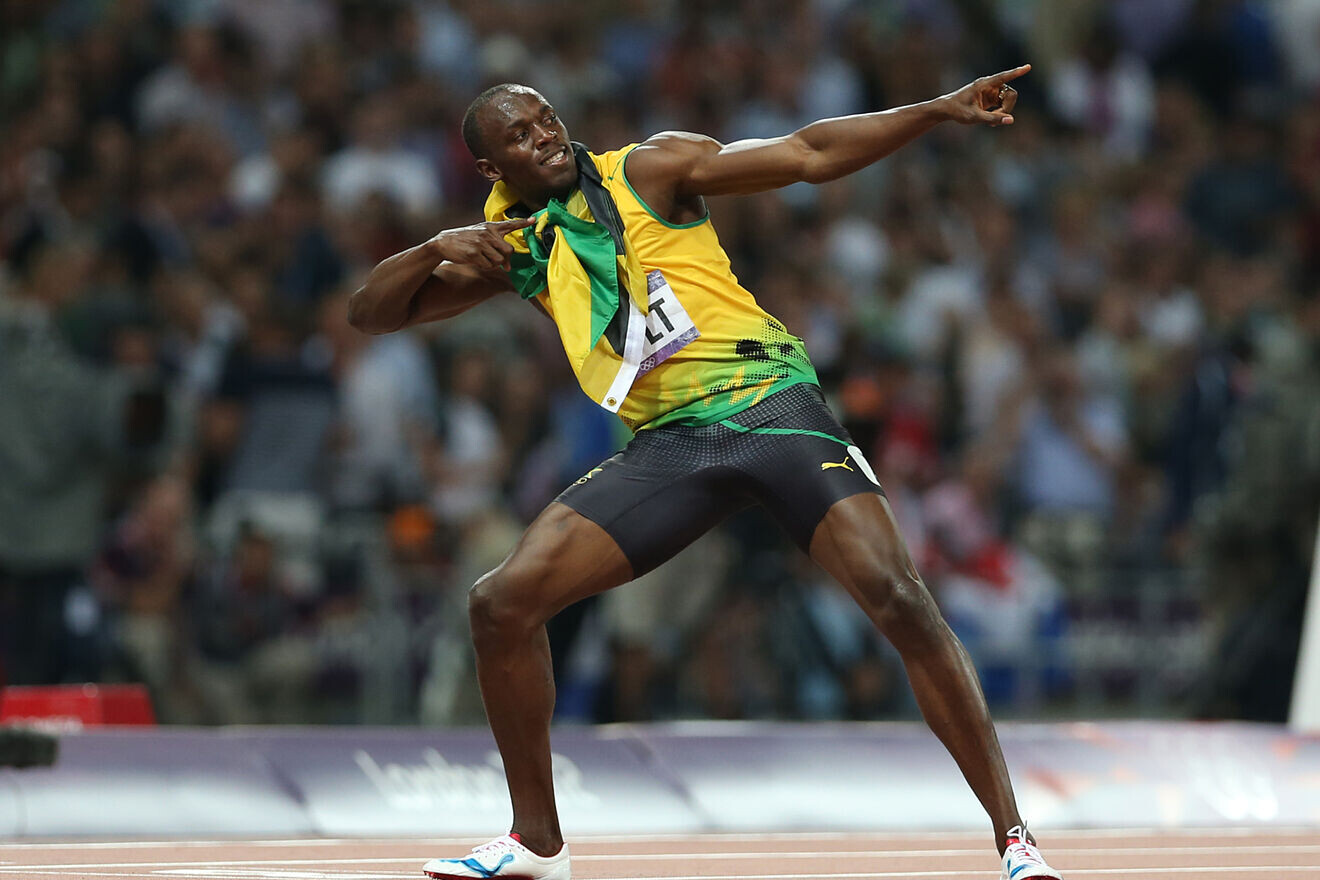
Bolt became a global superstar at the Beijing Olympics in 2008, lowering his own world record mark to win the 100m gold and then breaking Michael Johnson’s 200m record to also win gold in that event.
A year later he again broke his 100m world record in winning the world title in Berlin – and his time of 9.58 seconds still stands today. Four days later he lowered his 200m mark to 19.19secs which has also not been beaten.
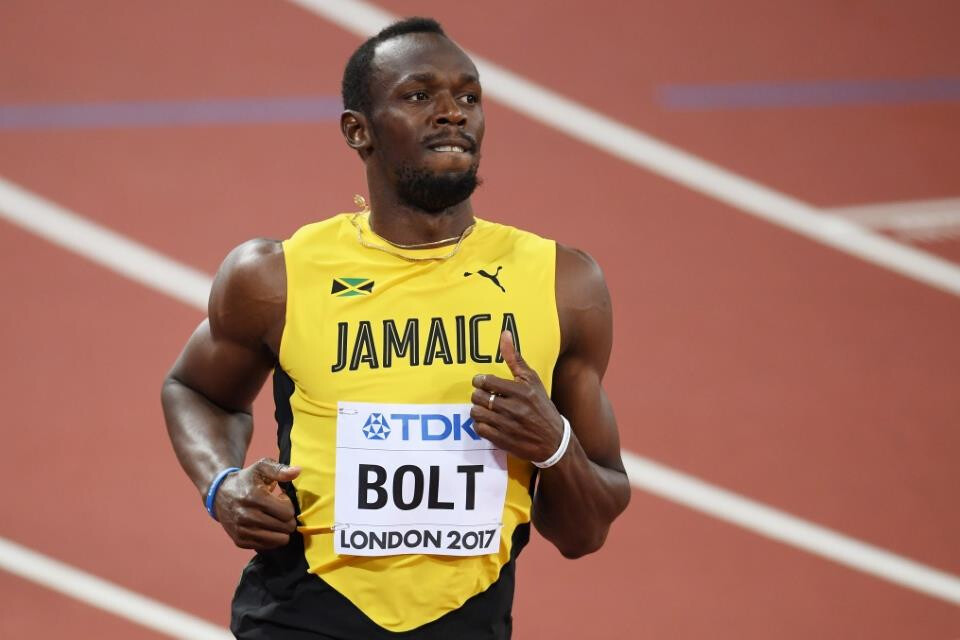
He went on to retain his 100m and 200m Olympic titles at the next two Games in London and Rio de Janeiro.
Bolt retired in 2017 after the World Championships in London, where he won a bronze in the 100m.
“For me it’s an honour to be amongst the greats who have received this before like Pele, Muhammad Ali,” Bolt said in a message to the awards ceremony from Jamaica.
“For me these guys are some of my favourite athletes and I look up to them.
“Also, I want to thank my family, my friends and the fans for everything throughout the years. I’ve worked hard and to get this award means a lot.”
(12/23/22) Views: 77Jamie Gardner
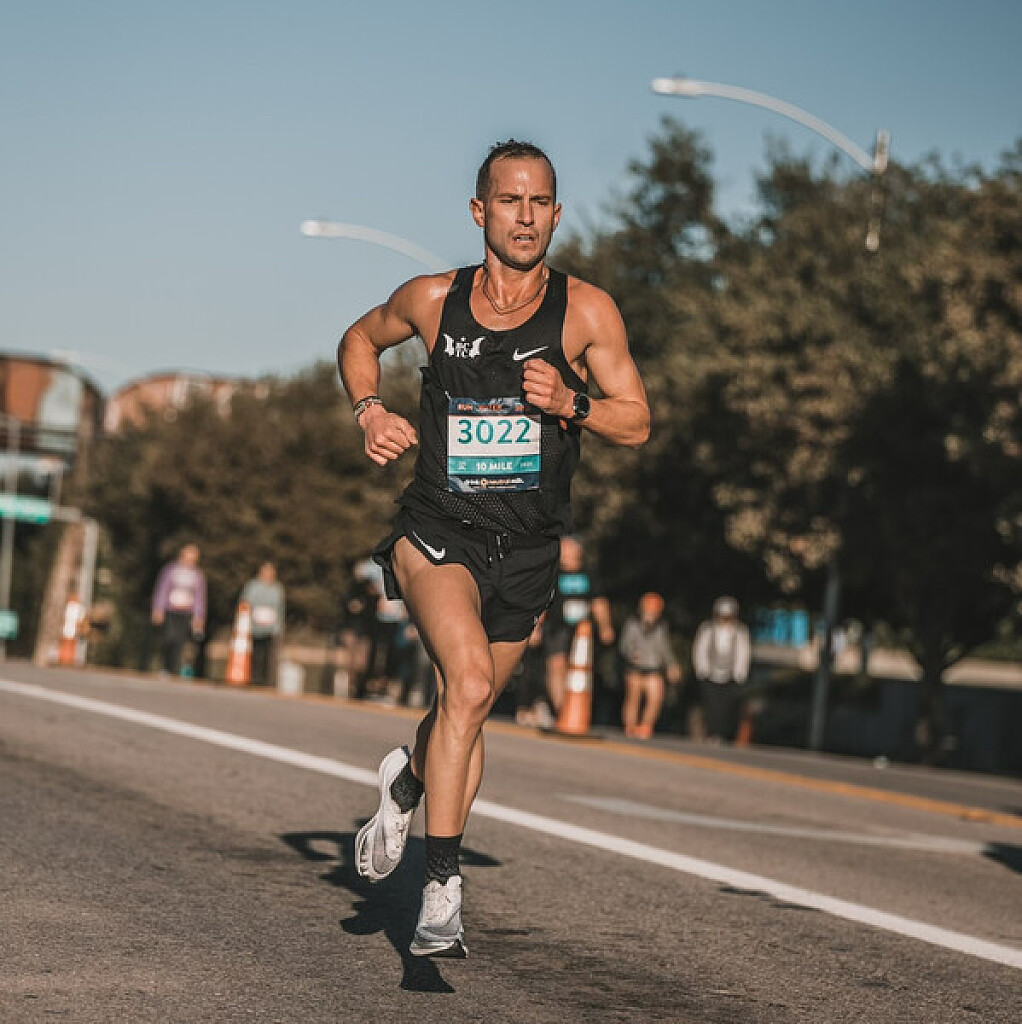
Run to redemption: Austin marathoner Mitch Ammons has won the race of life, too
When Austin’s Mitch Ammons qualified for the 2024 Olympic Marathon Trials at the California International Marathon on Dec. 4 in Sacramento people asked him what college he had run for. His answer was, “I didn’t.”
“Qualifying for the Olympic trials marathon without a collegiate running background? Almost unheard of,” said Ammons' coach, Jeff Cunningham.
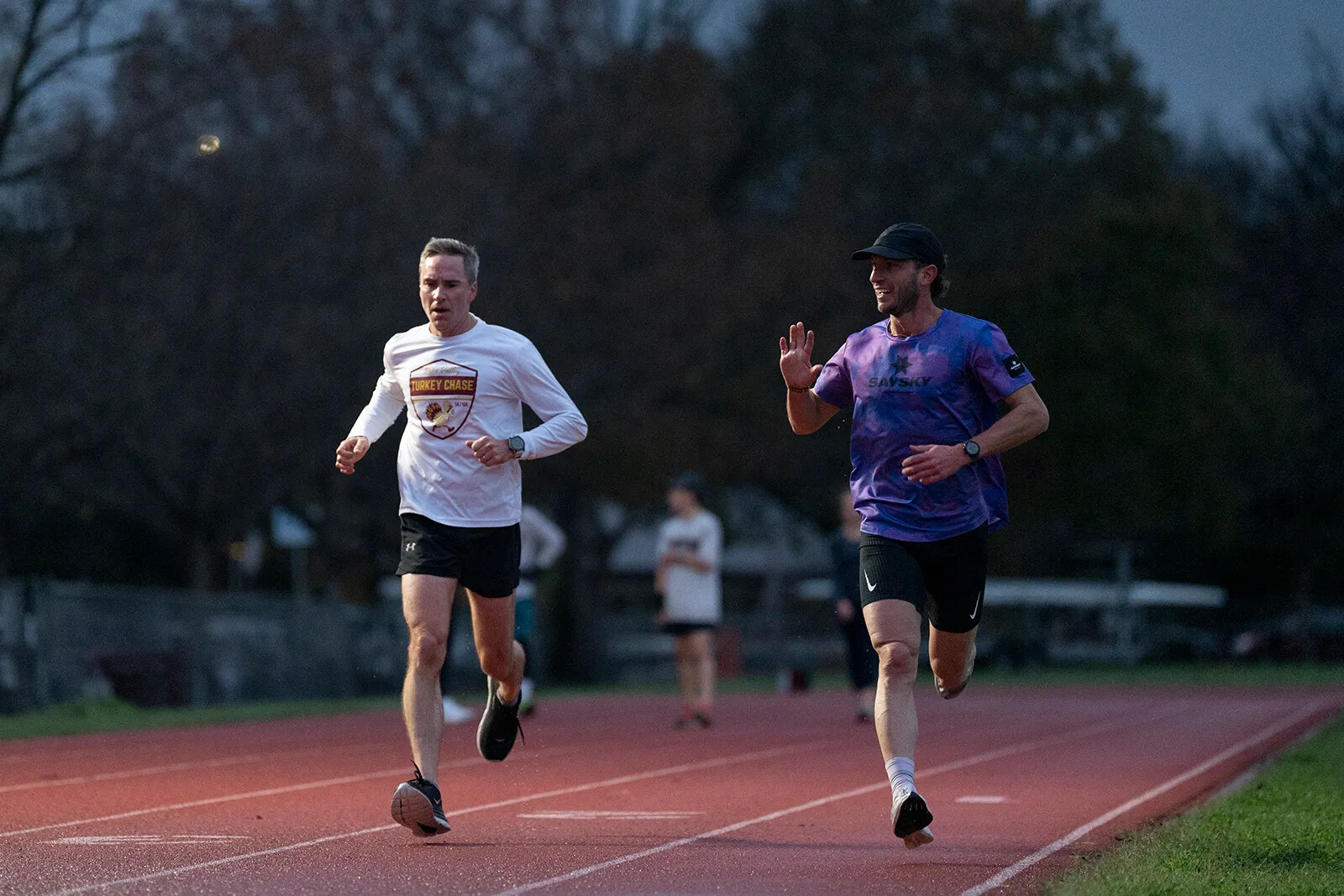
Ammons, 33, played football and ran track as a high school freshman at Dallas Bishop Lynch, even popping a speedy 4-minute, 50-second mile. But then he quit sports. He pretty much quit everything.
“That’s when drugs kicked in,” said Ammons. “I was hanging out with the wrong crowd.”
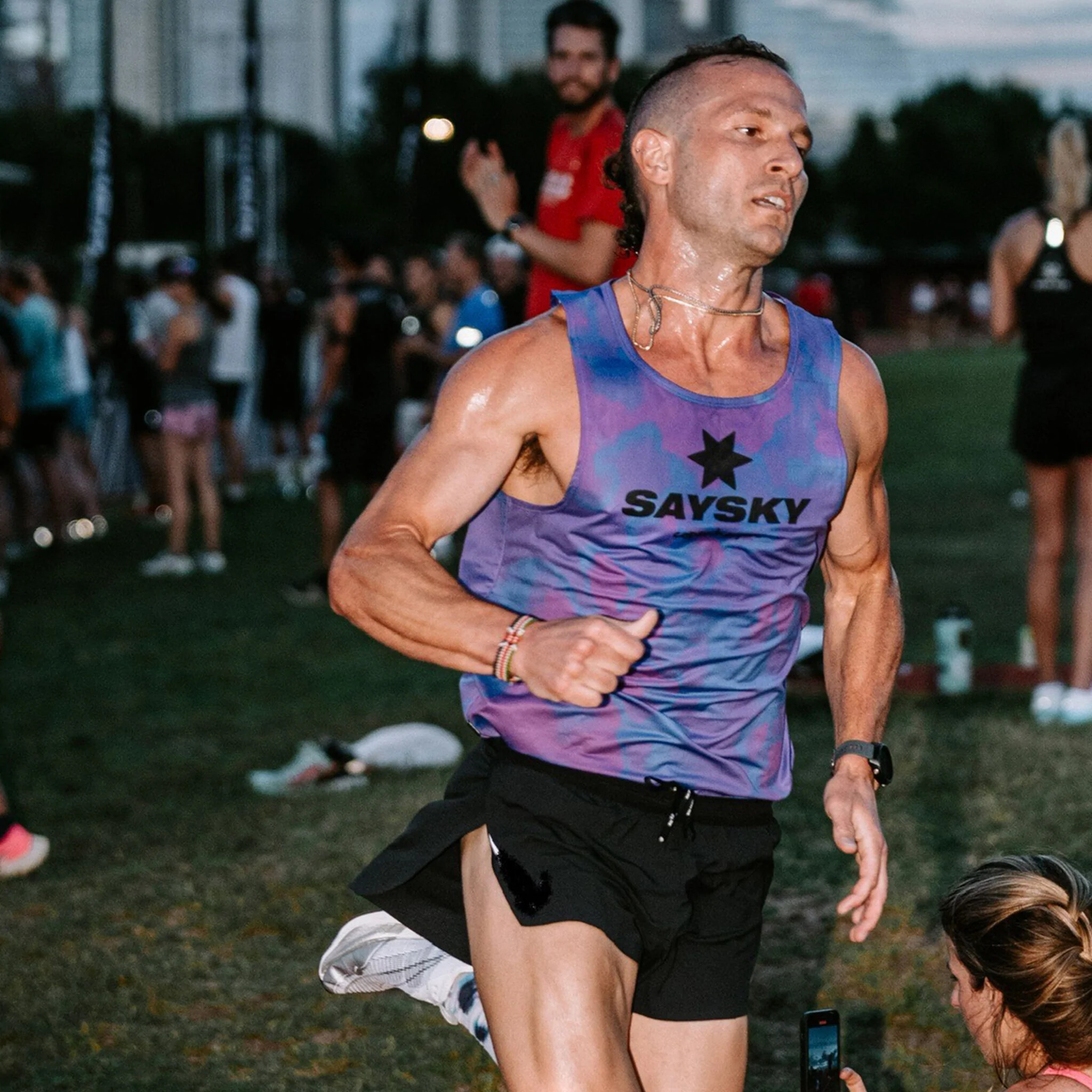
Ironically, Ammons went on to attend the University of Arkansas in the fall of 2008, an NCAA Division I distance running powerhouse. But he never thought about making the track or cross-country team, not even as a walk-on. Instead he partied, he said, escalating his marijuana habit to opioids.
“It was a slow progression,” Ammons said. “I went to the University of Arkansas to party. I started using Oxycontin my freshman year there and I loved it. It quickly became an addiction.
“I clearly remember the first time I had withdrawals,” he said. “I thought I had the flu, and of course took more Oxycontin and that fixed it. At that point I understood I was addicted. Oxycontin turned to heroin along with meth, because heroin was cheaper. I switched from pills and smoking it and started shooting up as a sophomore.”
Like many addicts, Ammons was in out and out of rehab — in his case, six times. He’d always relapse, sometimes the same day he got out. “I’d even try to smuggle drugs in to rehab,” Ammons said. “It’s amazing how much it takes over the survival part of the brain.”
But something finally clicked that sixth time at a rehab center in Kerrville, and when Ammons moved to Austin in 2015, that marked the beginning of his sobriety. Still, he wasn’t exactly in good shape. “I was a two-pack a day smoker and ate junk food and didn’t exercise at all,” he said.
But in January 2018, he joined Gilbert’s Gazelles, a local running program coached by nationally renowned Gilbert Tuhabonye. The long-lost spark of a budding high school miler — all but extinguished — caught fire. His path to redemption was clear.
“That was the beginning of my running journey,” said Ammons, who is an Austin real estate agent. “Gilbert said, ‘I don’t think you realize how good you are.’ He believed in me.”
Ammons got serious about his running a year later, and sought out Cunningham, who coaches a group of top-tier runners in Austin. It didn’t take long before he began hitting notable times, starting with a time of 1 hour, 7 minutes, 38 seconds at the 2019 Garry Bjorklund Half Marathon in Duluth, Minn.
“You can measure an athlete’s metrics in a lab and make predictions regarding their potential. But that does not tell the whole story,” Cunningham said. “Mitch has the ability to work through discomfort and to endure pain — the essence of distance running. He’s as tough as they come.”
In Oct. 2021 Ammons ran the Bank of America Chicago Marathon in 2:23:56 — placing 24th in a world major race. He followed that with a win at the 2021 BMW Dallas Half Marathon in 1:06:42 and lowered his half-marathon time still further a few months later, posting a 1:05:28 at the Aramco Houston Half Marathon in January of this year.
“That showed me I could probably break 2:20 (in the marathon),” said Ammons, who by then had his eye on an Olympic marathon qualifying time.
“It turned out Mitch had a fever during the Aramco Half,” Cunningham said. “He had appendicitis, and a few days later was in the hospital having an emergency appendectomy. That epitomizes everything he is as a competitor. His ability to endure pain is off the charts. I was concerned about his health but impressed nonetheless.”
Under the watchful eye of Cunningham, Ammons built up to running 110 miles a week, training with top area runners David Fuentes and Ronan O’Shea. The 2024 Olympic marathon trials qualifying time is 2:18:00 or better, a one-minute drop from the 2020 standard of 2:19:00. But Ammons was ready.
“As a runner you don’t really know your potential until a race clicks, and then the confidence starts to compound,” said Fuentes, a two-time Olympic marathon trials runner and the 2022 Statesman Capitol 10,000 champ. “Mitch has been training with some of the best runners in Austin, and he’s flourished as a result. It’s been a remarkable progression.”
“My coach gave me a very different buildup from previous ones, focusing on tempo runs,” Ammons said. “I nailed every workout. On one 21-mile training run, I averaged 5:08 per mile for the second half of it. Headed into CIM, I was confident I could run a good race.”
At the California International Marathon, Ammons made it through the halfway mark in 1:08.30 and then he said he picked it up. "It hurt, but I tired to get every bit out of my legs that I could," he said.
And that’s exactly what he did. Seven years after going sober, Ammons crossed the finish line at CIM in 2:16:48, qualifying for the Olympic trials in Orlando that are scheduled for Feb. 3, 2024. To date, only 106 men have met the standard, including another area runner Will Nation, former Cedar Park High School runner Parker Stinson and former Vista Ridge High runner Zachary Ornelas.
“It took a couple of days for it to really sink in," Ammons said. "It was pretty emotional to think of where I was seven years ago and where I am now. I’m living a life beyond my wildest dreams. I never, ever thought I’d be where I am today.
"I attribute running to all the positive changes in my life: my friends, my job, everything," he continued. “Running has taught me so much. You could say I wasted a large amount of my young adult life. But I have no regrets. I probably wouldn’t be who I am today without those struggles.”
(12/27/22) Views: 77Brom Hoban
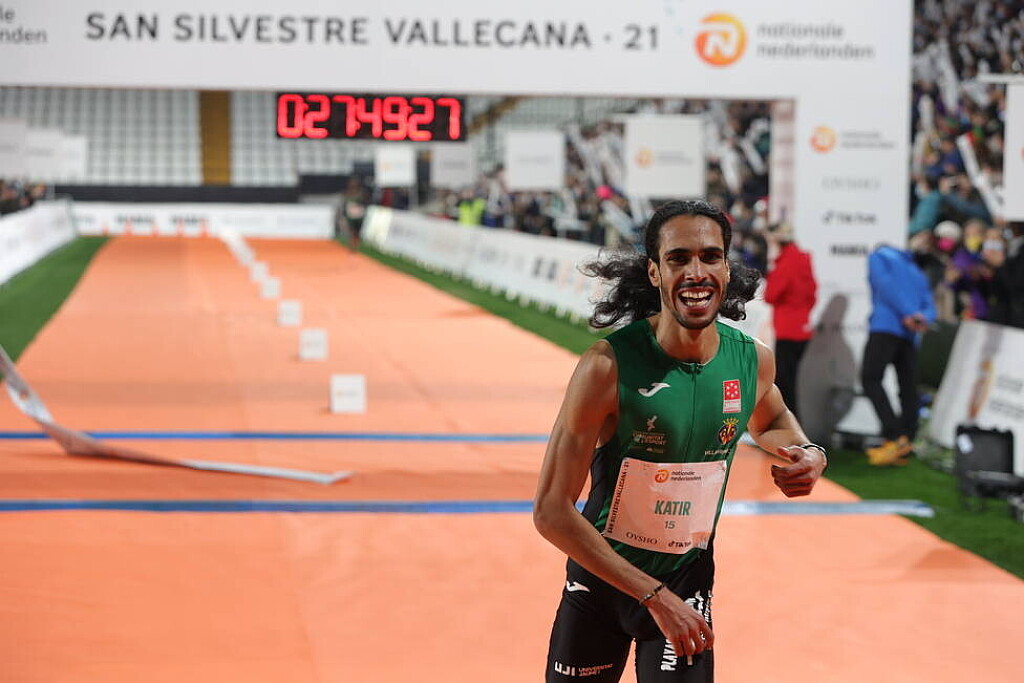
Mohamed Katir will defend his win at San Silvestre Vallecana
Spanish athlete Mohamed Katir will try to repeat his victory at the Nationale-Nederlanden San Silvestre Vallecana which will take place on December 31 through the streets of Madrid.
One of Mola became last year First national athlete to win the traditional test In men since the guy from madrid did it Chima Martinez in 2003after clearly outperforming its competitors, with the best Spanish brand in history (27:45), and came in second place with Burundian Rodrigue Kwezira.

Now the challenge for Cater will be even greater. Since then, in addition to trying to repeat his victory, something that has not happened in the men’s category since 2015 when Kenyan Mike Kegen repeated, he will have to fight Uganda’s Joshua Cheptegei, Olympic champion in the 5,000-meter race meters.
Long distance runner He will try to bid farewell to the year 2022 with a new success After a season in which he finished second in Europe in the 5000m and won the bronze medal in the 1500m World Cup trials in Eugene (USA). On the other hand, Carlos Mayo, one of the top national specialists in the 10 km events, will also compete, as confirmed by the organization.
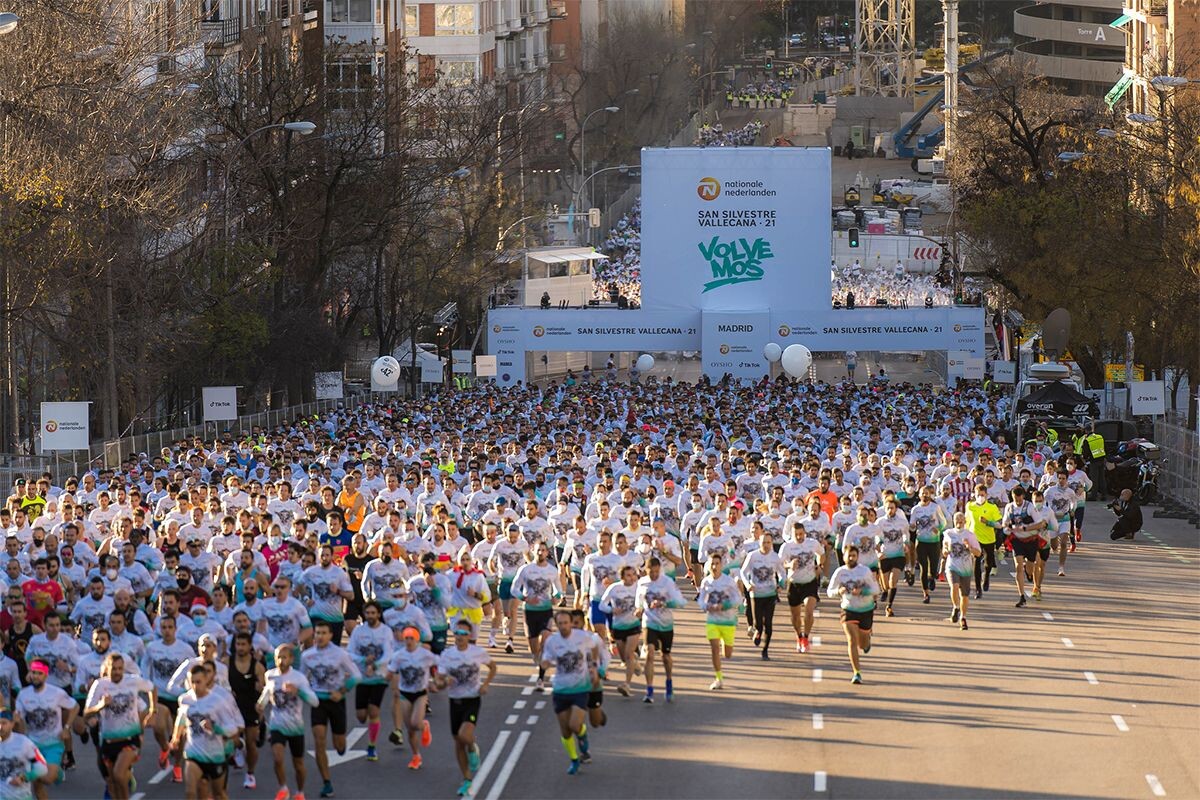
The Aragonese long-distance runner will for the first time take the traditional test through the streets of Madrid as he bids farewell to the year where he hopes to shine, buoyed by being the best. The current Spanish champion in the 10,000m race And the thirteenth in Tokyo 2020 and at the last World Cup in Eugene (USA).
(12/26/22) Views: 75
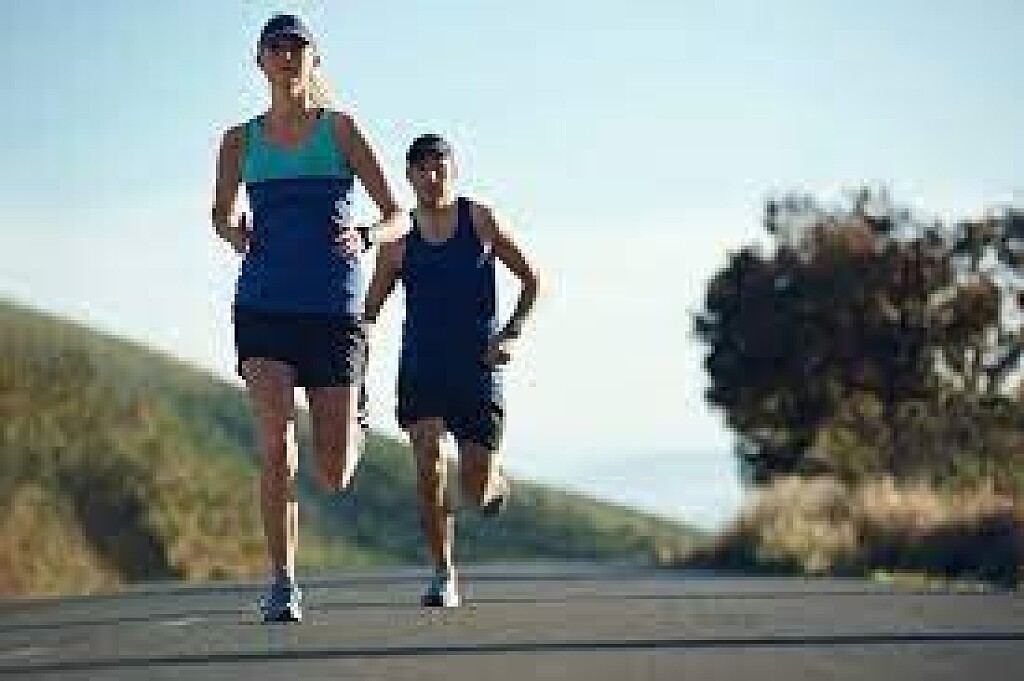
These super simple exercises to become a better runner
There comes the point where it is not enough to go running 5 or 10 kilometers and try to make it faster than the previous time, you are looking to become a better runner.
If you want to become a better runner, make sure you acquire a reliable technique and do the proper training before you start adding kilometers to your training routine. Set a schedule and look for different ways to motivate yourself to maintain consistency, rain, shine or sunshine.
Last but not least, you will have to practice to improve your endurance and your speed, using techniques such as uphill slope races, continuous races, and athletic track training. Regardless of the level you have, you can be a better runner if you make training a priority.
1.- Single-leg squat
As a runner, you need to have strong and healthy legs to be able to run many kilometers more efficiently.
Squats are one of the best ways to strengthen your legs. And although sometimes it can be hard to stop running for a day for strength training, the benefits of these exercises are well worth it.
The squat is a multi-joint exercise that strengthens the hamstrings, hips, quadriceps, and glutes. It is a simple exercise to do. However, it is essential to know the proper technique of this exercise to make it as effective as possible, especially in this case, it will be with only one leg.
The method of single-leg squats
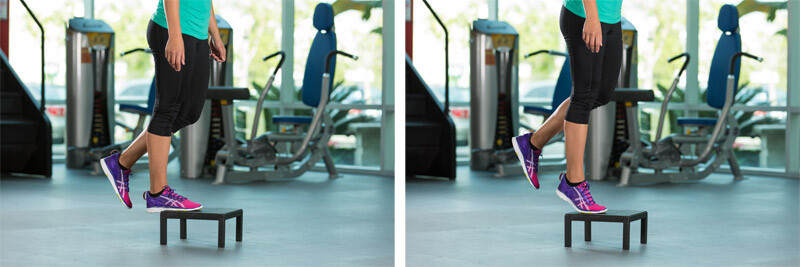
During this exercise, as its name says, you must do it with one foot. You can start with the one you want, you can place the foot that will be in “rest” it in front of your body, as in the image below.
Keep in mind not to bend your back: it has to be straight. Pull out the chest with the shoulders back.
Unlike a squat with both legs, in this case, your leg should be at a mid-point for balance, the leg that “rests” also helps maintain stability.
Keep your back as straight as possible, bend the knee until you are seated: the buttocks go backwards. The back is slightly inclined forward, and the knee does not have to pass the length of the foot.
Once in this position, you should feel that your glutes and thighs are working. The most important thing is to keep the body firm and not loose balance.
To return to your initial position, anchor your feet on the floor to avoid any imbalance and push up with your legs. You can contract the buttocks during the rise to make the exercise more effective.
In the beginning, it can be complicated, mainly to go down, for not having the balance and strength necessary, but do not worry, you will improve with practice. As you progress, you can add discs or dumbbells to add difficulty.
5 reasons why you SHOULD include them in your routines
1. To help with the strength of your hip.
The hip plays a super important role in your runner body since it prevents your body from “moving” while you run. But by working your hip, you can direct your movements more effectively.
2. To improve your posture.
Now you know! The posture of a runner is everything, and squats help your trunk stay straight while you run.
By having an adequate posture, your performance will improve. Checked.
3. To gain strength in your glutes.
Did you hear that the squats are perfect for your glutes? It is accurate, and the physical work that you can develop in that part of your body is essential to improve your running technique.
4. To improve strength in your legs.
Who does not want strong legs? Especially when running, they are our biggest asset as runners, and with squats, you can strengthen them, and improve your coordination to develop a more efficient stride.
5. To help improve your stride.
Yes, according to what the previous point says, performing squats allows your legs to assimilate the effort to take a more efficient stride, and if you develop these exercises with slurs, your benefit will be better.
How often to do squats?
Three to five series, of 5 to 10 repetitions twice a week.
2.- Heel raise
The exercise of elevation of heels aims to train the calves, which are an essential part of the leg’s muscle group. It is a little forgotten part of the body, as far as the time dedicated in training, but indispensable for the proper functioning of the inferior trunk.
To execute this exercise correctly, some kind of step is necessary. A resistant platform of at least 6 inches that allows you to do the exercise comfortably. It is a movement that must be carried out slowly and concentrating the effort in this area of the body.
One important aspect must be taken into account before performing the exercise. Correctly doing the movement requires balance and practice. We recommend, in the first sessions, to execute it with your own weight, without dumbbells. It is easy to lose balance and work both legs equally. We usually tend to make more effort with one of the two legs, you should avoid it.
Undoubtedly the calves are one of the most involved muscles in the race. The heel elevation is an exercise that enhances the stride but also protects the runner from many injuries.
In your weekly routine, you must not miss a heel raise exercise in one of its variants.
When we hit the ground with the foot, the ankle maintains its stability thanks in large part to the calves. They prevent the footfall from sinking and help to perform a more effective and explosive impulse phase.
Stronger calves will allow us a better technique, something fundamental to improve the training. Another aspect of working the calves is their protective effect against sprains of the ankle or possible inflammations or lesions of the Achilles tendon. A running workout involves thousands of impacts on the ground, something that can affect the joints in the Achilles tendon. Strengthening calves with this exercise will minimize injuries that may affect the area.
The method of the heel raise
Standing on a raised platform, support the metatarsal, leaving the heel protruding and falling slightly.
If we want to increase the intensity, we can put a bar on the shoulders, although I advise you to hold dumbbells with your hands.
Maintain a straight position and begin to raise the calves little by little, extending the ankle. Try not to lose balance and control the movement at all times.
Safety tips when performing heel raises:
It is very common to suffer a small rupture of the calf by overloading it with this exercise. At first, it will be enough to do it without weight, paying attention to the technique and marking the rise and fall correctly. Nor should rebounds be made when we get down.
When you put your feet on the elevated platform, try not to be too close to the edge, because you are going to overload the area of the fingers and the exercise will not be so effective for the calves. The feet should be half in and half out.
Main benefits of heel raise to become a better runner
Strengthens the calve’s musculature: as we have said before, this exercise focuses mainly on working the calves. Thanks to the heel raise, the calves will be strengthened, which will generate better balance in the legs.
Ideal for runners: it is an exercise that enhances the momentum of the stride, in addition to protecting the runner from many other injuries. For this reason, it is an essential movement for runners. You will gain resistance and explosiveness.
With this exercise, you will tone the lower extremities and gain strength in the calves. Also, it is an ideal movement to recover after an injury in the ankle joint.
How often to do heel raises?
Three to five series of 5 to 10 repetitions twice a week.
3.- Three-dimensional hops
You can’t deny that at some point in your childhood you jumped just for fun. It was a pretty fun game that you could share with your friends. At some point in life, we stop practicing it, without realizing that now, as runners, we can benefit from it more than we imagine.
Jumping burns approximately 10 calories per minute and is an excellent activity to finish a running session, or even to relieve stress. What are you waiting for to start doing it! Go back to that time of your childhood and exercise.
This type of jump is based on increasing calf strength, as well as adding explosiveness. In general, jumping and other plyometric activities make the tendons more efficient to absorb and transmit energy.
The impact of the jump also stimulates bone growth and should protect against stress fractures.
The calf is a kind of spring when we talk about running or jumping. The three-dimensional jump is an exercise that offers a different way of exercising and strengthening the muscle and tendons since the movement is made to the sides and not only upwards as a typical leap. This increases endurance, it also builds movement ability and general agility.
Three-dimensional jumps are made with both feet, they are of low intensity, and it is a safe exercise that does not cause injuries.
The method of Three-dimensional hops
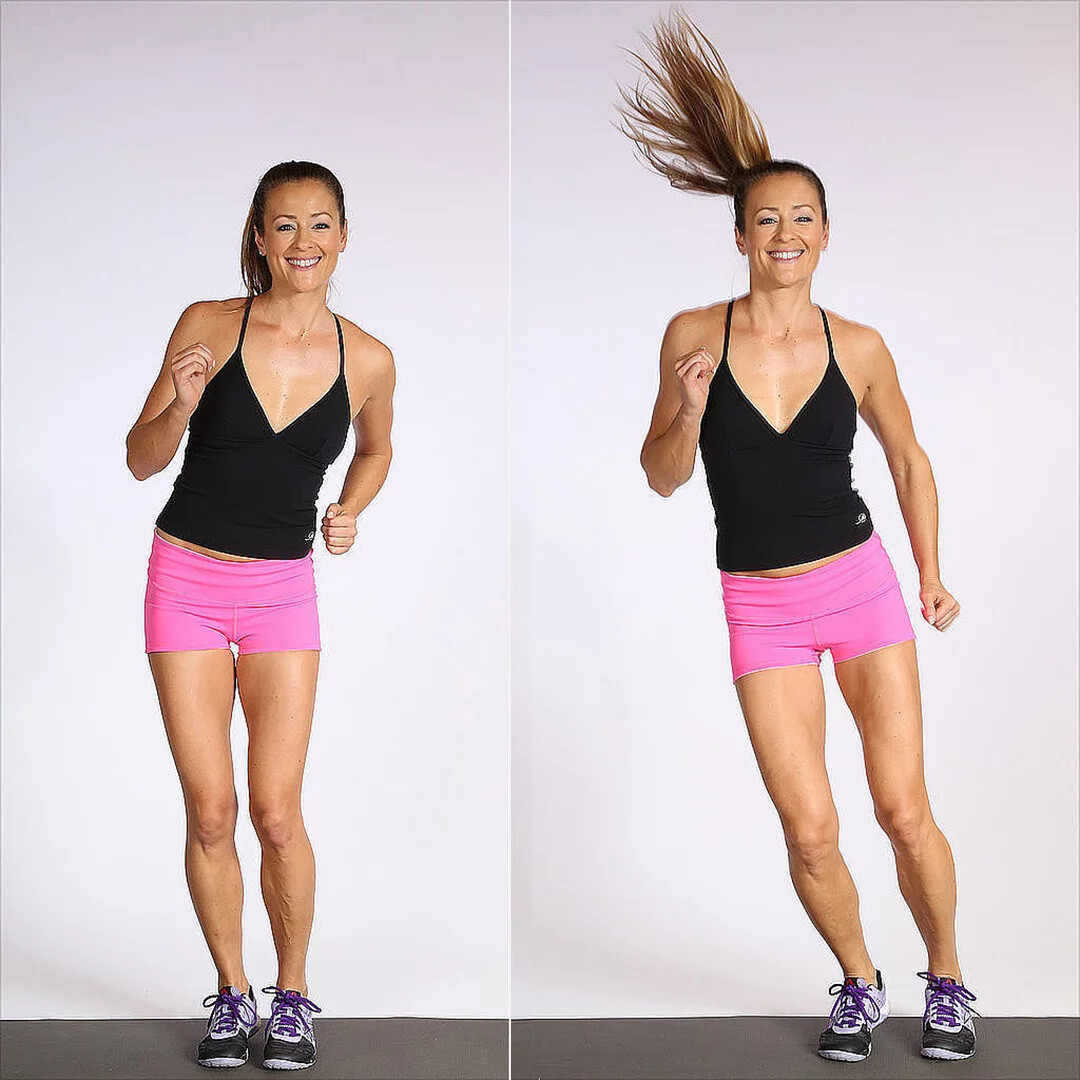
These are short, low and fast jumps, to all sides, forward, back, sides, and in a rotating motion.
Basically, it is about jumping and landing in each of the directions as specified in the previous paragraph. You can do it with both feet, which is equal to two contacts. If you do it with one foot equals one contact, so you do half for each leg.
Jump from side to side, as if there was an imaginary line.
You should not bend your knees to take more momentum, remember that they are short jumps, try to make them fast.
In the case of jumps with rotation, your chest should always remain static.
Benefits to become a better runner
1. It will help improve your cadence and stride.
2. You will burn calories.
You can burn up to 300 calories per 30-minute session.
3. Tone your body.
It is a very effective exercise since it works your whole body and also strengthens it. That is the reason boxers do it all the time.
4. Help with your concentration.
Jumping, even for experienced runners, is not easy, so it will allow you to have a demanding level of concentration, while you begin to master it.
5. It gives you muscular resistance.
As it is a continuous exercise, your resistance will improve considerably, while you gain strength.
6. Improve your aerobic conditioning.
At first, it will be challenging to hold the jump, but you will see how little by little your breathing improves and you will stand more time, and you will even get to do it faster.
7. Increase your power.
By working your legs, you will improve your stride, and with it, your power and speed.
8. It is a super practical exercise.
You can basically jump anywhere.
9. It allows you to work your entire body in one exercise.
Legs, torso, shoulders, arms, abdomen, are the parts of the body that you can exercise.
10. It’s fun.
We assure you that in addition to working your body, you will have fun as in the old days.
How often do Three-dimensional hops?
Unlike the previous exercises, the series and repetitions are different.
Beginner: 80-100 standing contacts
Intermediate: 100-120 standing contacts
Advanced: 120-140 standing contacts
You must jump quickly and keep your feet on the ground the shortest time possible.
Do this 2-3 times per week.
Finally, improving your cadence for running is a great way to improve.
(12/27/22) Views: 75Runners On Fire
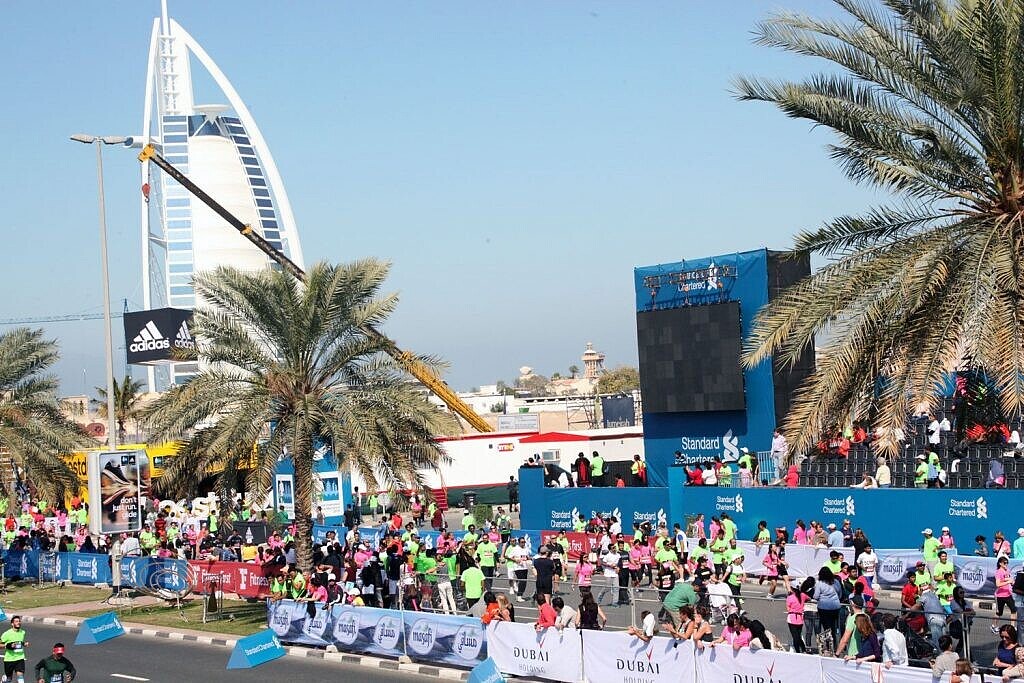
Adidas joins Dubai Marathon 2023 as key partner
Adidas launches three community training programs for participants to run their best marathon: adidas Runners Marathon, Women’s First 10K Program and Speed Squad.
The Dubai Marathon is back on February 12, 2023, with adidas chosen as a key partner and lead sponsor for the much-awaited sporting event in the region.
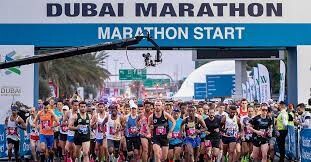
The 22nd edition of the Dubai Marathon is expected to attract more than 30,000 resident and international participants who will be descending on the Emirate to run across three races - the full marathon, the popular 10km road race and the 4km Fun Run. Named one of the world’s fastest marathons, the route will take runners through the popular Umm Suqeim, Jumeirah Beach and Al Sufouh roads, with iconic landmarks of Burj Al Arab, Madinat Jumeirah and The Westin Dubai Seyahi in the backdrop.
As part of this year’s marathon, adidas has launched three programs to give runners a leg up and achieve their personal bests. The initiative also aims to strengthen the running culture in the UAE with a focus on race prep, panels and discussions, nutrition and recovery, and exclusive experiences.
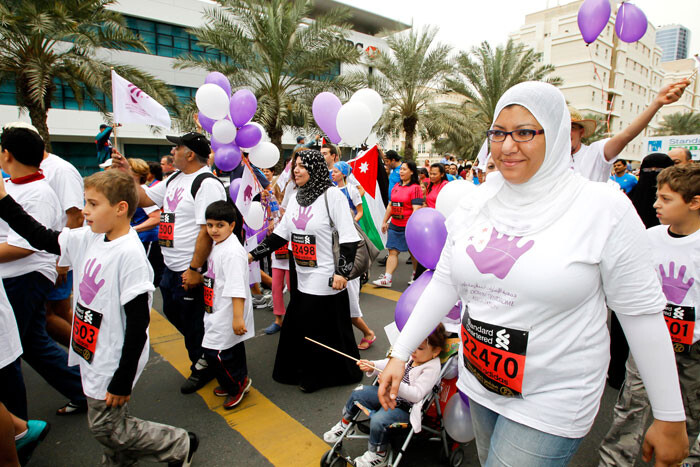
The adidas Runners community 12-week Marathon Training Program, led by the adidas coach teams, has three sessions a week to help enhance runners’ foundational sport and running performance. The program focuses on the full holistic approach that includes Mobility, Strength, Mindset, Nutrition, recovery and running. The program will be complimented by panel talks, discussions focusing on race prep, running gear and many other topics covered by the adidas Runners coaching team to support all runner to be ready for the big day.
The Women’s First 10K Program is aimed at female runners in the MENA region who want to conquer their first 10KM race. The program aims to give 100 first time female runners an inclusive, judgment free and supportive safe space within the adidas Runners Womens Squad to help them achieve their goals.
The Speed squad has been designed for Dubai runners who are chasing the ultimate marathon goal (sub3:15 for Women and sub3 for men – completing the marathon under 3 hours) giving a group of amateur runners an elite bespoke training experience. 12 candidates (6 men and 6 women) were selected from over 60 applications to this unique program. adidas will highlight the journey of these athletes on social media with a range of informational content as they work towards their goal.
(12/27/22) Views: 72
