

Running News Daily
Top Ten Stories of the Week
3/19/2022
These are the top ten stories based on views over the last week.
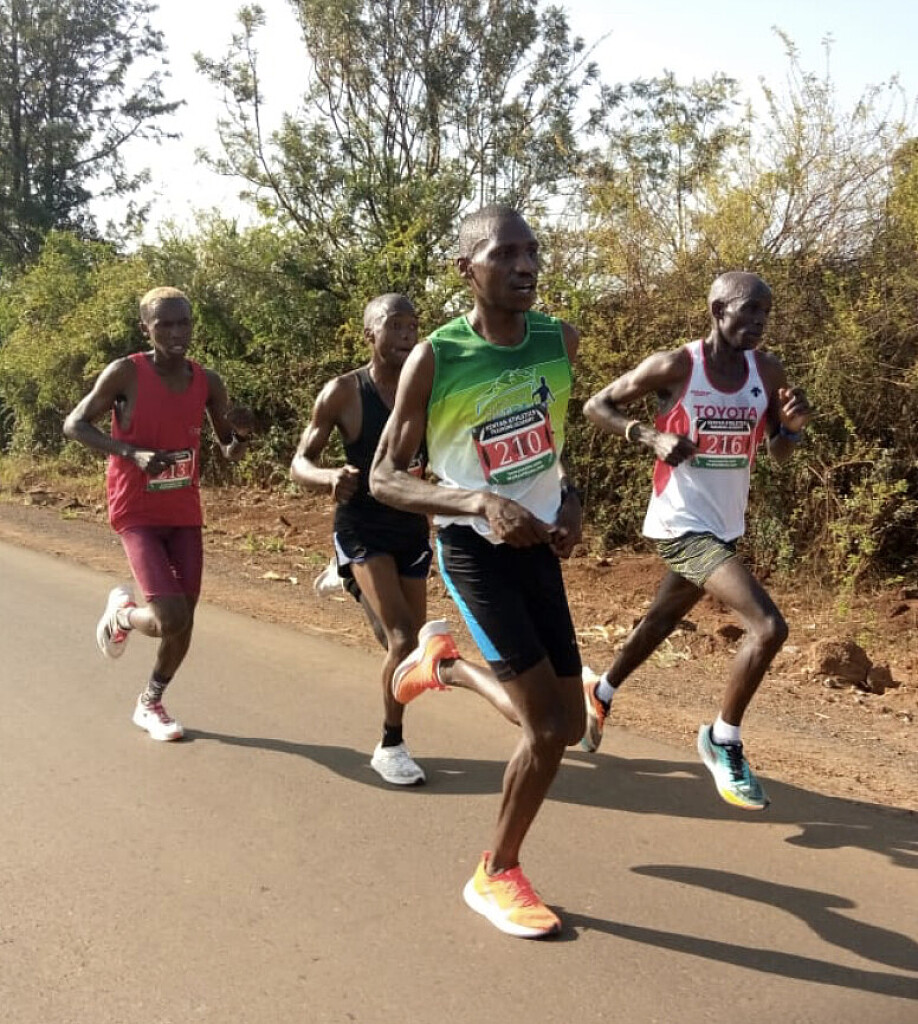


Peter Wanyoike and Catherine Njihia are the March 2022 Kenyan Athletics Training Academy (KATA) 10K Time Trial champions with individual personal records
Peter Wanyoike edged out 42-year-old Peterson Wachira from Nyahururu during the 10k time trial held in Thika Kenya on Wednesday morning (March 16) on the newly upgraded Bob Harris Road. He completed the course in 29:57.8 after covering the first 5Km in a slow 15:40.5 while Peterson finished in 30:06.0 which is a 95.79% age-graded.
The monthly time-trial, the 7th since Kenyan Athletics Training Academy was officially opened in September last year, saw most KATA athletes post their Personal Bests with third-place finisher Zakariah Kirika and women champion Catherine Nikihia maintaining remarkable consistency.
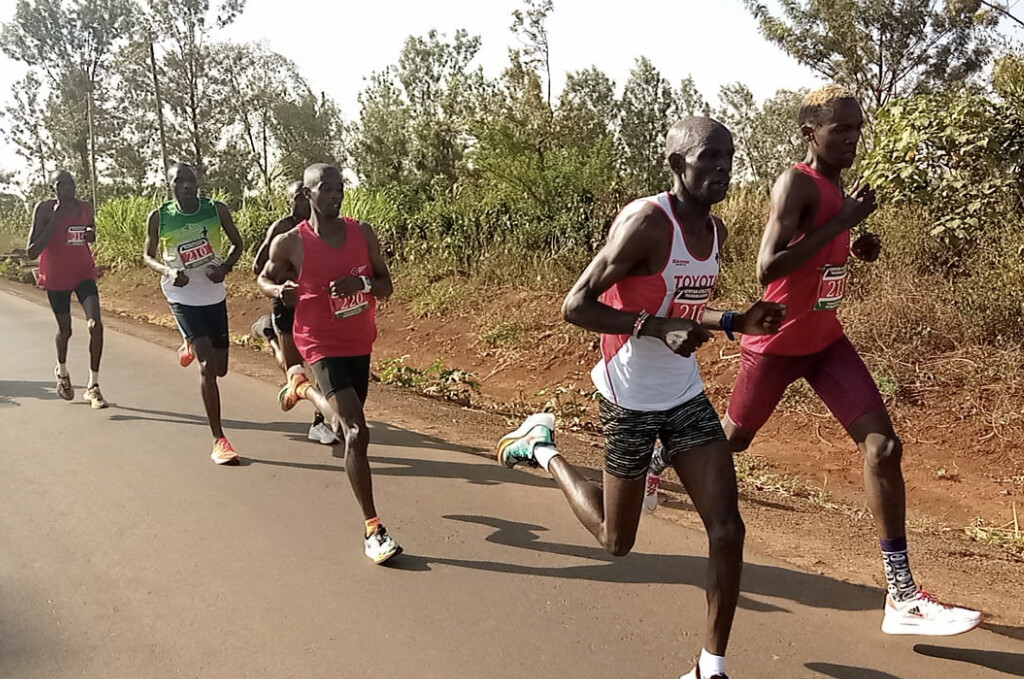
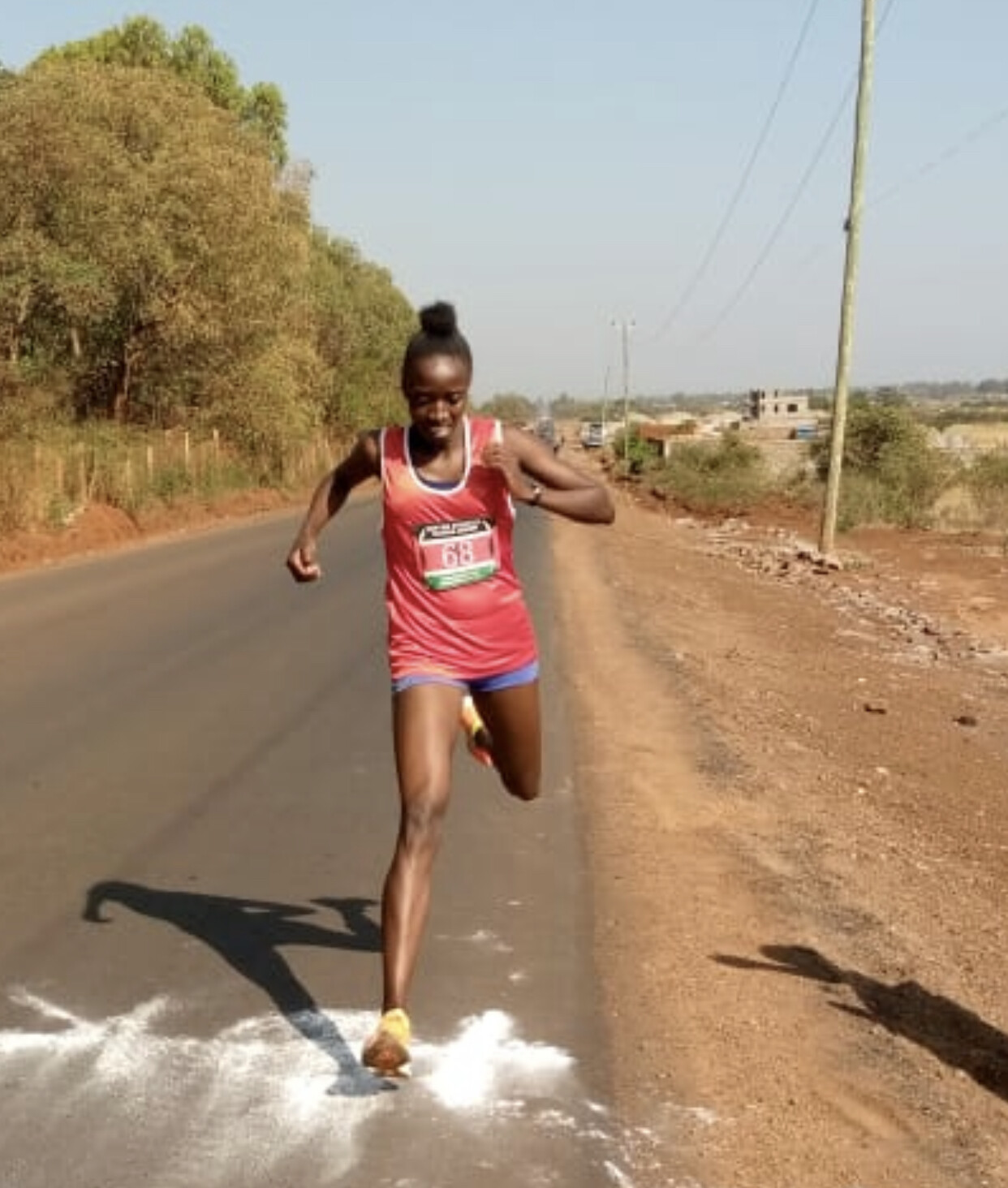
Zakariah clocked 30:25.7, bettering his previous 30:41.9 while Catherine, the winner of the women category clocking 35:35.2. Her December time on the same course was 36:54.1.
Others with positive results included Peter Mburuwho clocking 30:43.5 from December’s 31:28.2, Paul Ng’ang’a 34:01.7, improving his 34:31.9 and Alfred Kamande who timed 34:41.4. Alfred did 35:16.5 in December.
60-year-old KATA athlete Charles Ndirangu clocked 38:08 which is 87.54% age-graded.
With Athletics Kenya lining up a lot of activities in April, the KATA 10k Time Trial 8th edition is slated for 20th.
"We welcome runners to our next event in Thika, Kenya," says director Bob Anderson. "We do not charge an entry fee and there is no prize money. What we offer is an official 10k time. Times are published on our sponsor My Best Runs website."
Place, name, time, bib number and age.
1.Peter Wanyoike M 29:57.8 (210) Age 262. Peterson Wachira M 30:06.0 (216) Age 423. Zakariah Kirika M 30:25.7 (213) 214. Peter Mburu M 30:43.5 (211) 265. Peter King’ori M 31:38.7 (218) 256. Eston Mugo M 31:45.3 (220) 297. Erick Cheruiyot M 32:10.5 (214) 278. Raphael Gacheru M 32:48.3 (225) 239. Christian Muthini M 33:00.4 (234) 2910. Paul Ng’ang’a M 34:01.7 (224) age 4211. Alfred Kamande M 34:41.4 (217) age 2412. Samuel Chege M 34:59.4 (236) age 2513. Nicholas Kitundu M 35:19.6 (233) age 2214. Catherine Njihia F 35:35.2 (68) age 2315. Levis Kuria M 35:38.8 (231) age 2116. John Mwangi M 36:24.0 (235) age 4017. Solomon Njenga M 37:04.6 (232) age 3818. Lamech Cheleket M 37:32.1 (228) age 2319. Samuel Kamau M 38:01.7 (73) age 2720. Charles Ndirangu M 38:08.6 (237) age 60
Karren Chepkemoi F 20:37.9 (5KM) 69 age 21
Erick Mutuku M 15:05.8 (5KM) 229 age 20
(03/16/22) Views: 159
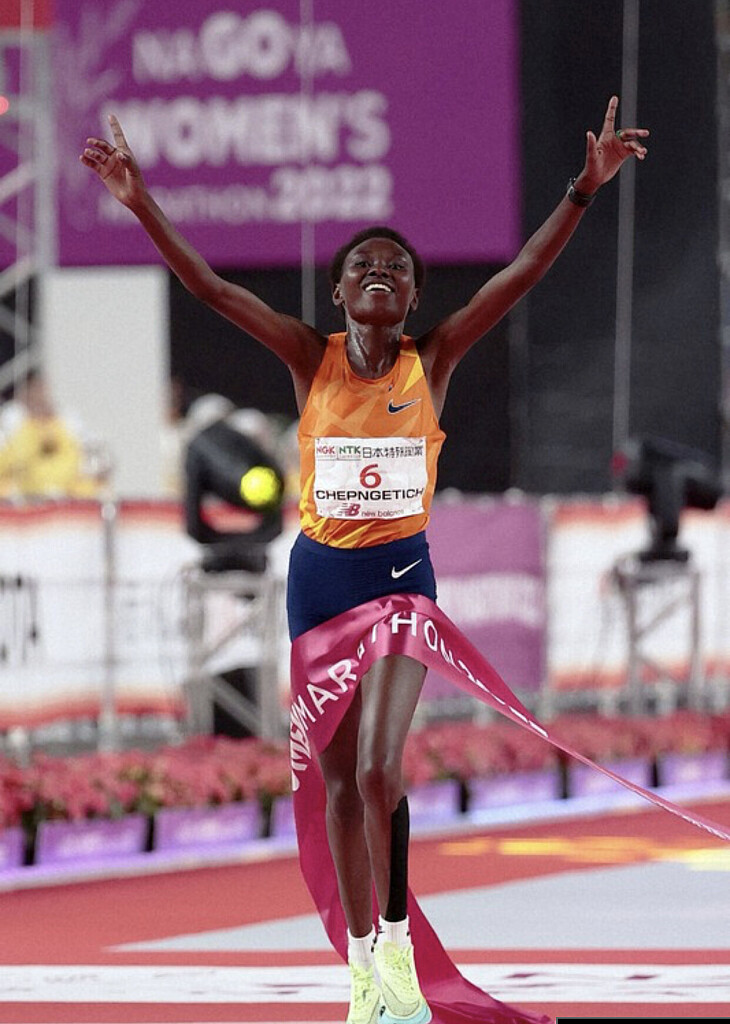
Ruth Chepngetich won $250,000 when she won the 2022 Nagoya Women’s Marathon
Kenya's Ruth Chepngetich won the Nagoya Women's Marathon in a new race-record time on Sunday, finishing ahead of Israel's Lonah Chemtai Salpeter and Japan's Yuka Ando in second and third, respectively.
The winner of the 2022 race received $250,000, currently the highest first-place prize money for a marathon in the world, according to organizers. In addition to elite competitors, it also admitted general-entry runners residing in Japan.
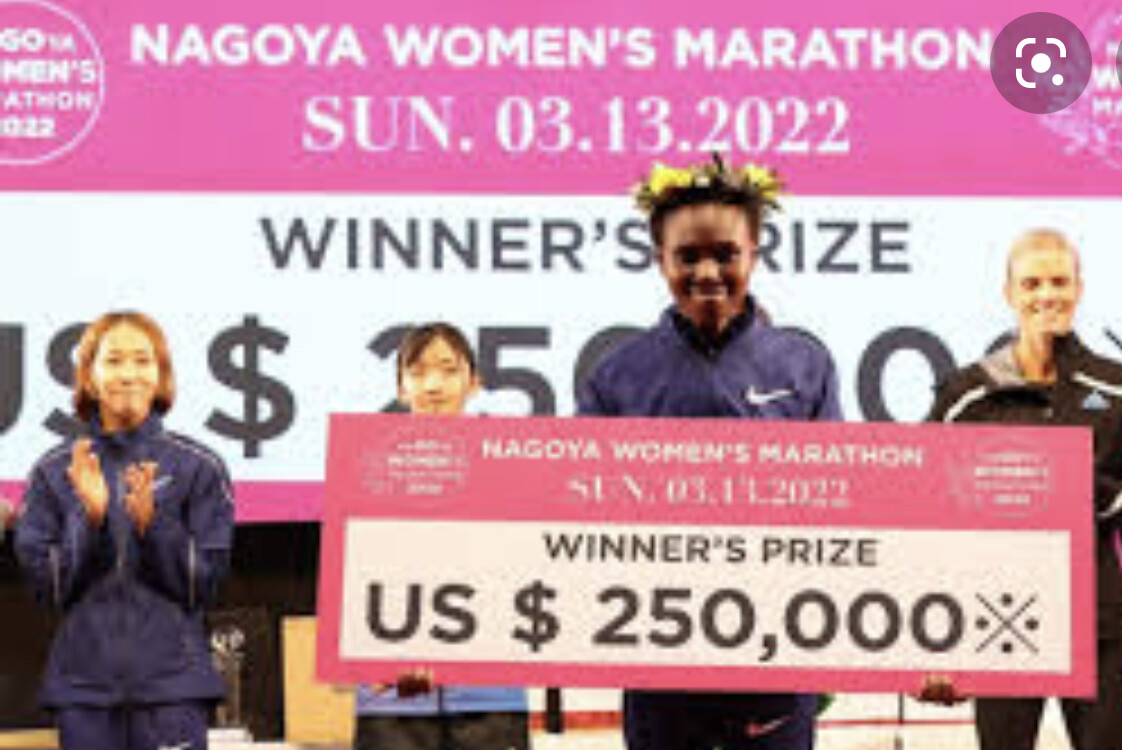
Chepngetich, the 2019 world marathon champion and 2021 Chicago Marathon winner, crossed the line at Vantelin Dome Nagoya in 2 hours, 17 minutes, 18 seconds, more than a minute ahead of Salpeter, winner of the 2020 Tokyo Marathon. Ando clocked 2:22:22.
Ando, who competed in the 10,000 meters event at the Tokyo Olympics last summer, met the qualifying time of sub-2:23:18 to be granted entry into the world athletics championships to be held in Oregon in July.
The race became a two-woman battle between Chepngetich and Salpeter after the 30-kilometer mark, but Chepngetich made a decisive uphill surge with around 8 km remaining, running strongly all the way to the finish line.
(03/13/22) Views: 121
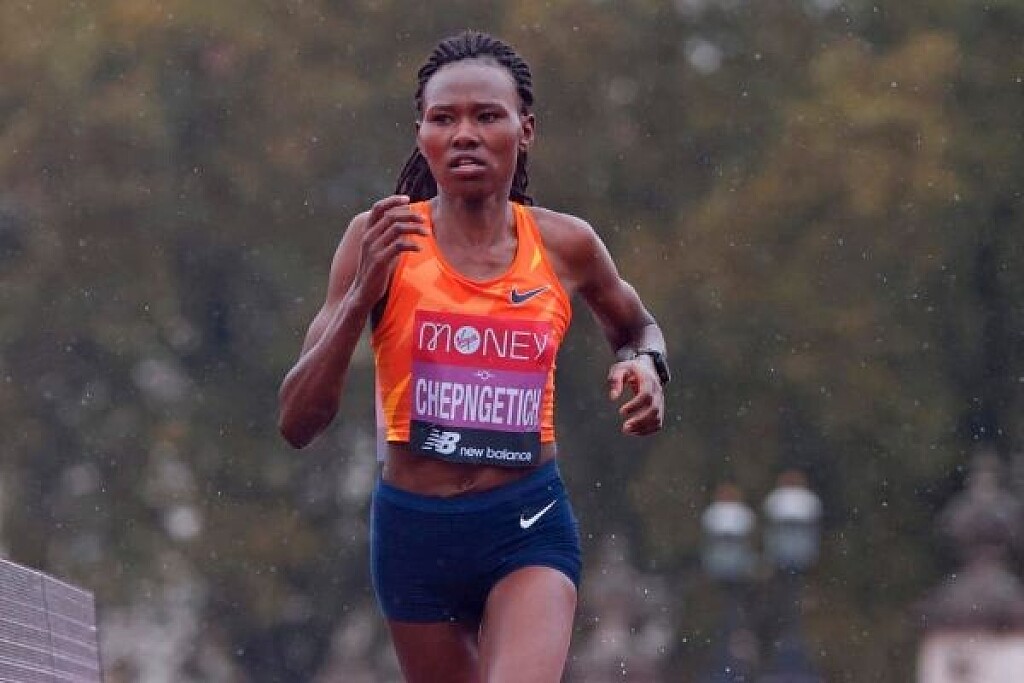
Ruth Chepngetich and Lonah Chemtai Salpeter ready to clash at Nagoya Women’s Marathon
World marathon champion Ruth Chepngetich and Tokyo Marathon winner Lonah Chemtai Salpeter will renew their rivalry at the Nagoya Women’s Marathon – a World Athletics Elite Platinum Label road race – on Sunday (13).
Athletes in Nagoya will be racing for the largest first prize in the world of marathon running: US$250,000. Being the world’s largest women’s marathon, one of the world’s top-level races, and the only women’s race with a World Athletics Platinum Label, the Nagoya Women’s Marathon continues to be a global leader in women’s running.
To date, Chepngetich has won five of the seven marathons she has completed, and still made it on to the podium in her other two. The consistent Kenyan had her best year in 2019, starting with her 2:17:08 PB in Dubai in January, then following it eight months later by winning the world title in Doha.
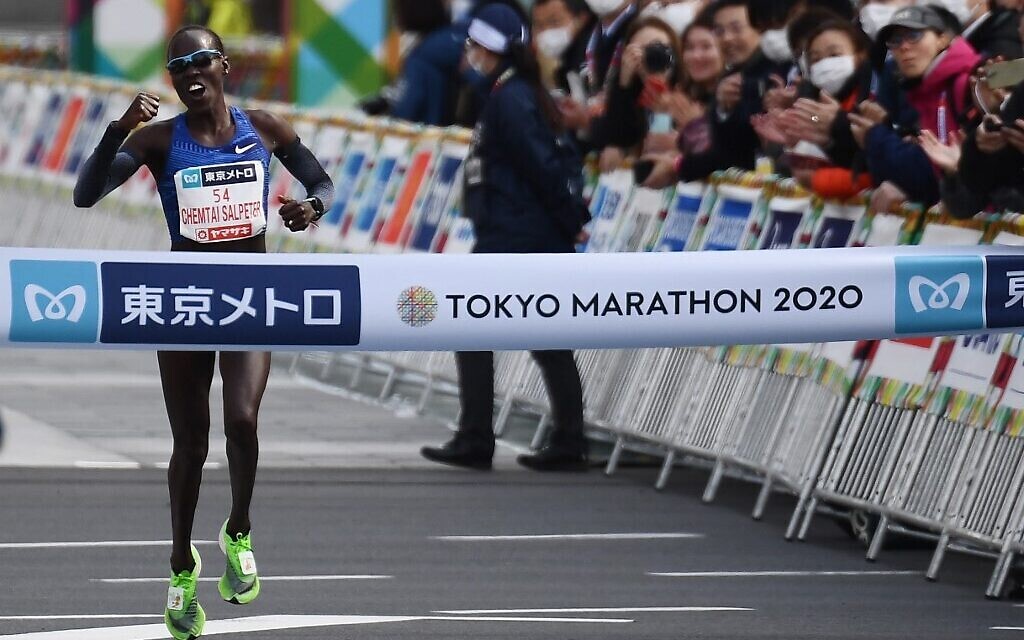
Like many athletes, she had a low-key year in 2020 but still finished third at the London Marathon in 2:22:05. Last year she failed to finish the Olympic marathon but rebounded two months later by taking victory in Chicago in 2:22:31.
While the 27-year-old appears to be more focused on victories than records, she is more than capable of producing fast times, too. In April last year she set a world half marathon record of 1:04:02 in Istanbul.
"I chose to run the Nagoya Women’s Marathon because Japan is a nice place and the environment is good," said Chepngetich. "And, as women, we have to encourage ourselves and do better. I'm looking forward to a nice race and I'd like to set a PB."
Chepngetich’s only competitive outing so far this year was at the Kenyan Cross Country Championships in Eldoret in January where she finished sixth – roughly in line with her performances at that event in previous years. She feels far more at ease racing on the roads, though.
So too does Salpeter. The Israeli distance runner won the 2020 Tokyo Marathon in a lifetime best of 2:17:45, having previously set national records when winning in Prague and Florence. Her return to Japan for the Olympics in 2021 didn’t quite go to plan as she finished down in 66th, but she bounced back in October to place fifth in London in 2:18:54.
"I’m happy to be here," said Salpeter. "It's my first time and I hope to do my best on Sunday. My training has been good. I was in Kenya for eight weeks, so I’m ready for Sunday. I’m trusting my training."
This could be the first time Chepngetich and Salpeter have a true clash over the marathon distance. In their two previous encounters over the distance, Salpeter failed to finish at the 2019 World Championships while Chepngetich did likewise at the Tokyo Olympics. Their only other duel to date was at the 2018 World Half Marathon Championships in Valencia, where Salpeter finished just one place ahead of Chepngetich.
Four years on from that, and over double the distance, this weekend’s race could be a different story.
They are among four sub-2:24 athletes entered for the event, as Japan’s Yuka Ando and Reia Iwade lead a strong Japanese contingent.
Ando ran her PB of 2:21:36 when finishing second in Nagoya in 2017 and started this year with a half marathon personal best of 1:08:13 in Yamaguchi, while Iwade ran her best marathon time of 2:23:52 in Nagoya in 2019.
Australia’s Sinead Diver will be making her third Nagoya appearance. She finished 10th in 2017 with a then PB of 2:31:37, then recorded a DNF in 2020. Now with a best of 2:24:11 and a 10th-place finish at last year’s Olympics, the 45-year-old could content for a top-five finish.
Japan’s Rie Kawauchi and marathon debutantes Kaena Takeyama and Yuka Suzuki are also athletes to look out for. Depending on their placing and position, the top Japanese finishers could earn selection for the World Athletics Championships Oregon22 or Japan’s Olympic Trials race for the 2024 Games.
Kenya’s Stellah Barsosio, Japan’s Mao Uesugi and Britain’s Charlotte Purdue will be among the pace-making team.
Last year’s edition of the Nagoya Women’s Marathon was held as a domestic race, and was won by Japan’s Mizuki Matsuda in 2:21:51.
Ten years on since the inaugural edition of the race in 2012, the Nagoya Women's Marathon continues to be the leading women-only marathon in the world. It attracted 21,915 runners in 2018 - a world record for a women-only marathon. After receiving the Japan Olympic Committee Women and Sport Award in 2017, the race was awarded the International Olympic Committee Women and Sport Achievement Diploma in 2019 for playing a significant role in the increase of women runner population in Japan.
The race, which starts at 9:10am local time on Sunday, will be streamed live to 33 countries and regions (Argentina, Australia, Brazil, Brunei, Cambodia, Chile, Colombia, Egypt, Ethiopia, France, Germany, Hong Kong, Indonesia, Italy, Kenya, Macau, Malaysia, Mexico, Monaco, Myanmar, Namibia, Netherlands, New Zealand, Papua New Guinea, Philippines, Singapore, South Africa, South Korea, Spain, Taiwan, Thailand, United Kingdom, and United States of America).
Elite field
Ruth Chepngetich (KEN) 2:17:45
Lonah Chemtai Salpeter (ISR) 2:17:45
Yuka Ando (JPN) 2:21:36
Reia Iwade (JPN) 2:23:52
Sinead Diver (AUS) 2:24:11
Rie Kawauchi (JPN) 2:25:35
Hanae Tanaka (JPN) 2:26:19
Mirai Waku (JPN) 2:26:30
Ayano Ikemitsu (JPN) 2:26:07
Ai Hosoda (JPN) 2:26:34
Chiharu Ikeda (JPN) 2:27:39
Eloise Wellings (AUS) 2:29:19.
(03/11/22) Views: 101World Athletics
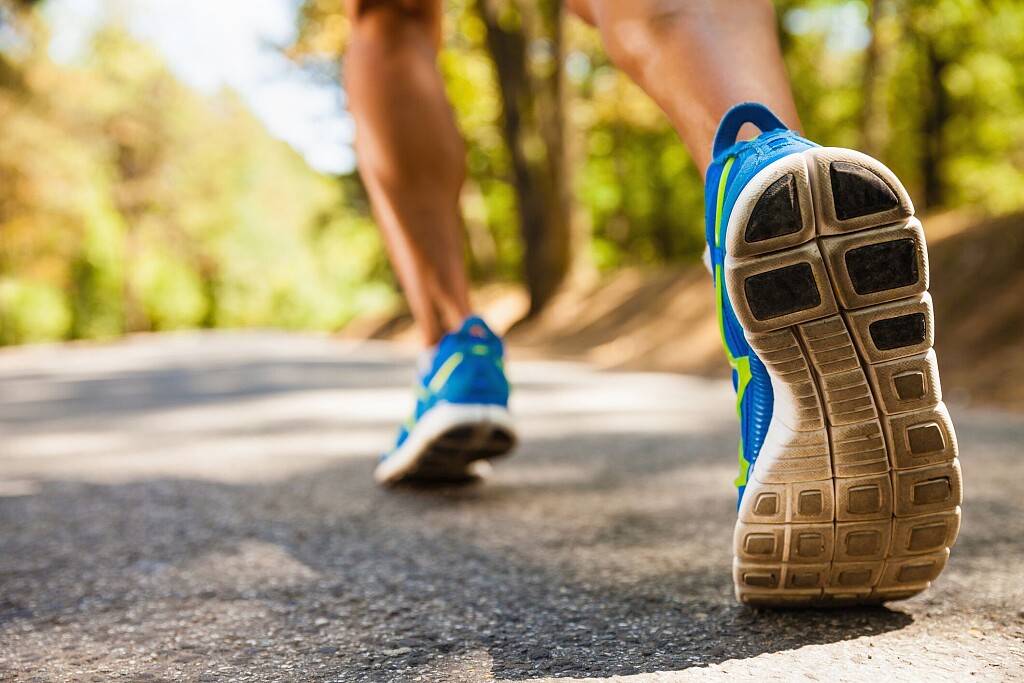
Study: do minimalist shoes cause injuries?, New research says minimalist shoes may increase your risk for foot injuries, but not everyone agrees
Before the super shoe debate took over our collective conversation, there was the minimalist vs. conventional shoe debate. While that argument has cooled off in recent years, there are still those who swear by their barely-there footwear and those who are adamantly against it, citing an increased risk for injuries.
Recently, researchers took another look at the argument to determine exactly how minimalist shoes affect runners, and the results are (as you may have guessed) still up for debate.
The study
The study, published in the journal Applied Sciences, recruited 21 experienced minimalist shoe runners to run for 30 minutes at 80 per cent of their max aerobic speed in either minimalist or conventional footwear. This is different from many other studies, which tend to focus on just one step on a force plate.
As they ran, the researchers measured participants’ mean pressure, peak pressure, contact time, centre of pressure velocity, relative force and contact area.
The results indicated that when running in minimalist shoes, the athletes had shorter contact times but higher peak forces on their feet. These results were the most significant for the runners who landed on their forefeet, compared to those who had a midfoot or rearfoot-striking pattern.
The researchers concluded that considering this data, wearing minimalist shoes increases your risk for foot injuries. Since the research was published, however, others in the industry have weighed in, and are less convinced. One of these commentators is Canadian Max Paquette, associate professor in sport science & biomechanics at the University of Michigan. In his opinion, these differences between minimalist and conventional shoes likely won’t amount to an increased injury risk.
So should you wear minimalist shoes? The choice is up to you. Injuries, as we know, are often caused by a multitude of factors, with your footwear only one potential contributor. If you are considering making the switch, make sure you ease yourself into them gradually by alternating them with another less-minimal pair to avoid injuries, and pay attention to your body. Everyone is different, and a shoe that works for your running may not be what works for you.
(03/12/22) Views: 98Brittany Hambleton
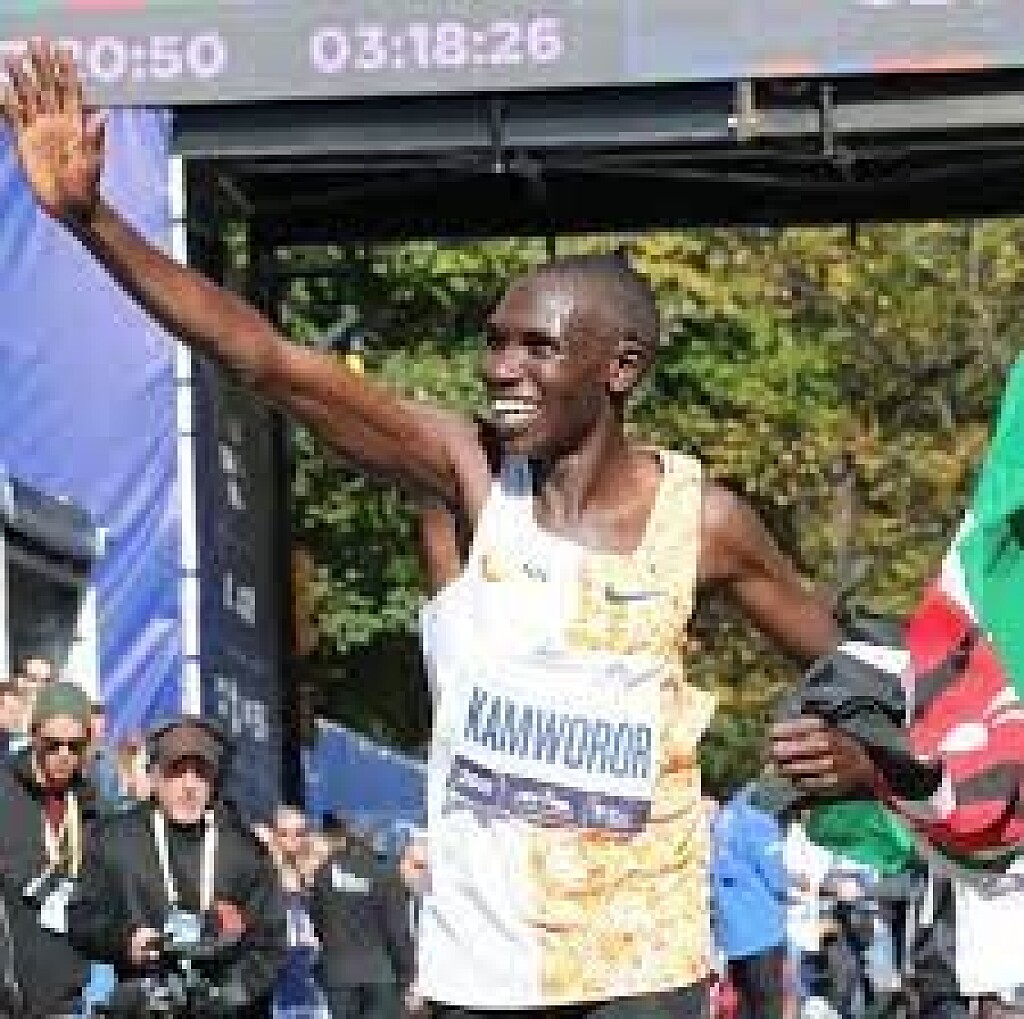
Two-time New York City Marathon champion Geoffrey Kamworor will be making his debut on the streets of Boston on April 18
Three-time World Half marathon champion Geoffrey Kamworor has set his focus on next month's Boston marathon after shaking off a groin injury that ruled him out of last month's Agnes Tirop Memorial World Cross Country Tour.
The two-time New York City Marathon champion will be making his debut on the streets of Boston on April 18 seeking to add to his burgeoning accolades on American soil.
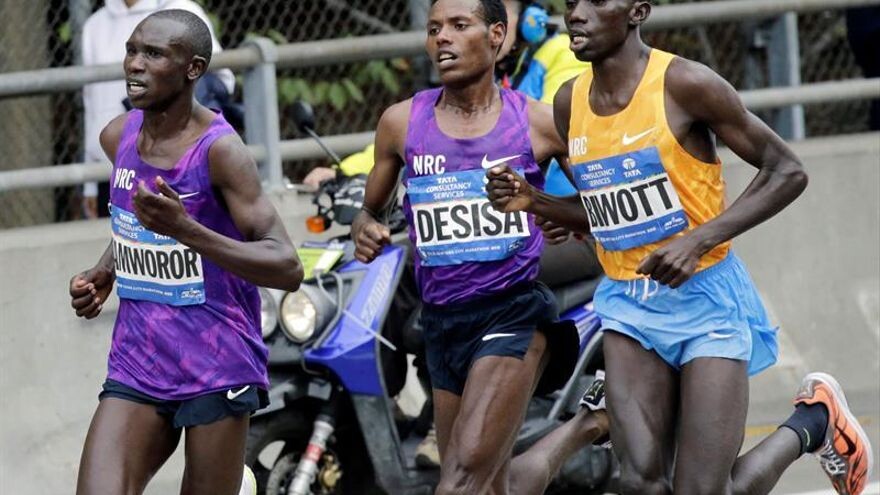
“I was well prepared for the Agnes Tirop World Cross Country Tour but it was very unfortunate that two weeks to the event, I got a groin injury and I had to pull out,” said the 2015 world championships 10,000m silver medalist.
Kamworor said he is targeting a podium finish on debut.
“I feel in great shape, just trying to sharpen my skills a little bit. My training has been flawless and I am hoping for a good result in Boston,” he added.
The four-time world cross country champion (two in senior and two in junior) will be joining a host of top athletes in Boston including compatriots Benson Kipruto (defending champion), Geoffrey Kirui (2017 champion) Evans Chebet, Titus Ekiru, Lawrence Cherono (2019 winner), Bernard Koech, Eric Kiptanui, Bethwell Yegon and Albert Korir (New York City Marathon champion).
Rivals Ethiopia are also represented by a huge, talented contingent led by three-time Olympic champion and the second-fastest marathon runner in history with a best of 2:01:41 Kenenisa Bekele, Lemi Berhanu (2016 winner), Lelisa Desisa (2015 and 2013 winner), Bayelign Teshager and Jemal Yimer.
Italian Eyob Faniel of Italy, Japan's Yuki Kawauchi (2018 winner), Amanuel Mesel, Tsegay Tuemay Weldibanos (Eritrea), Scott Fauble, Colin Bennie, Jared Ward, Ian Butler, Mick Iacofano, Jake Riley, Jerrell Mock, Matt McDonald, Matt Llano, Elkanah Kibet, CJ Albertson, Diego Estrada (USA), Trevor Hofbauer (Canada), Juan Luis Barrios (Mexico) and Gabriel Geay of Tanzania are also in the mix.
(03/14/22) Views: 78Emmanuel Sabuni
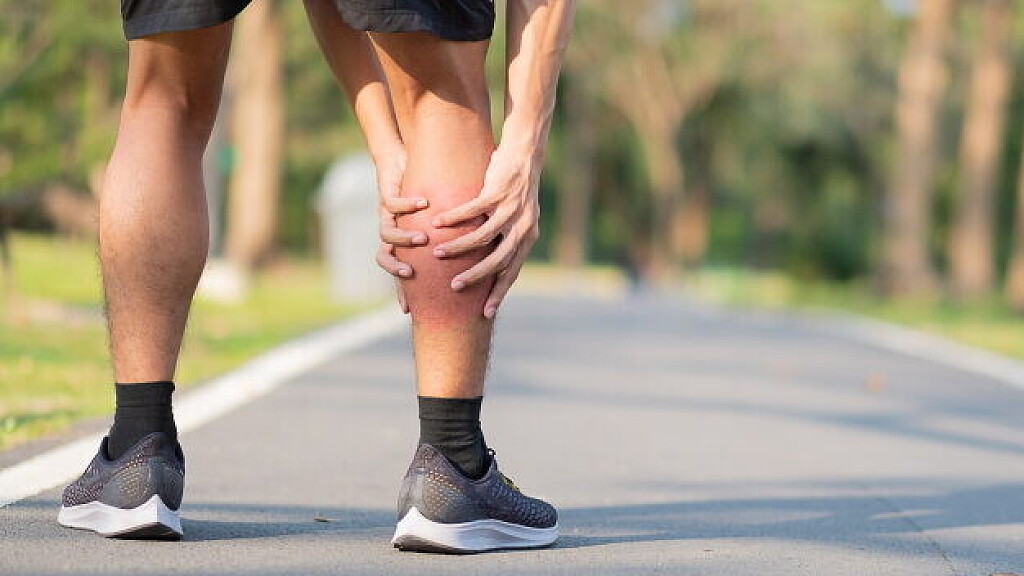
Five steps to preventing calf strains, are you prone to calf injuries? Follow these steps to keep the muscles in your lower legs healthy
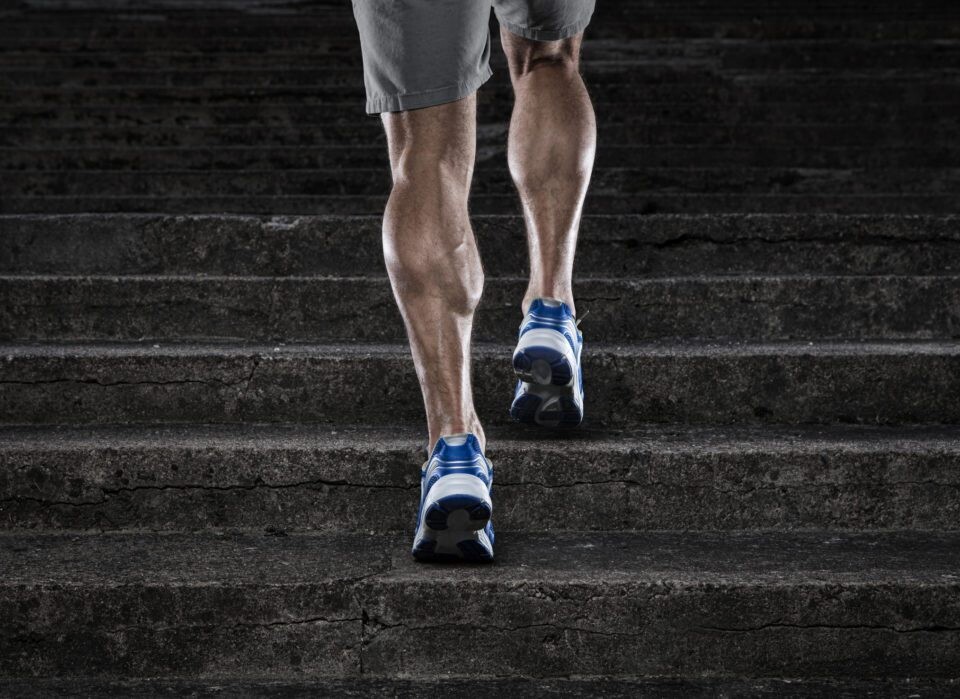
Calf strains, while not as common as Achilles injuries, are still a common problem among runners. Your calves do a lot of work while you’re running to propel you forward, making them vulnerable to fatigue and over-use, but by following these five steps, you can lower your risk for injuries and even improve performance.
Warm-up
All runners can benefit from a quick warm-up before heading out for their daily miles, but if you’re prone to calf injuries, a little pre-run work can go a long way in keeping calf issues at bay. All it takes is some simple, light movement to get your blood flowing and to loosen up tissues — even just walking for a few minutes before beginning can help. You can also try this quick pre-run warm-up to get yourself ready to hit the road.
Foam roll before your run
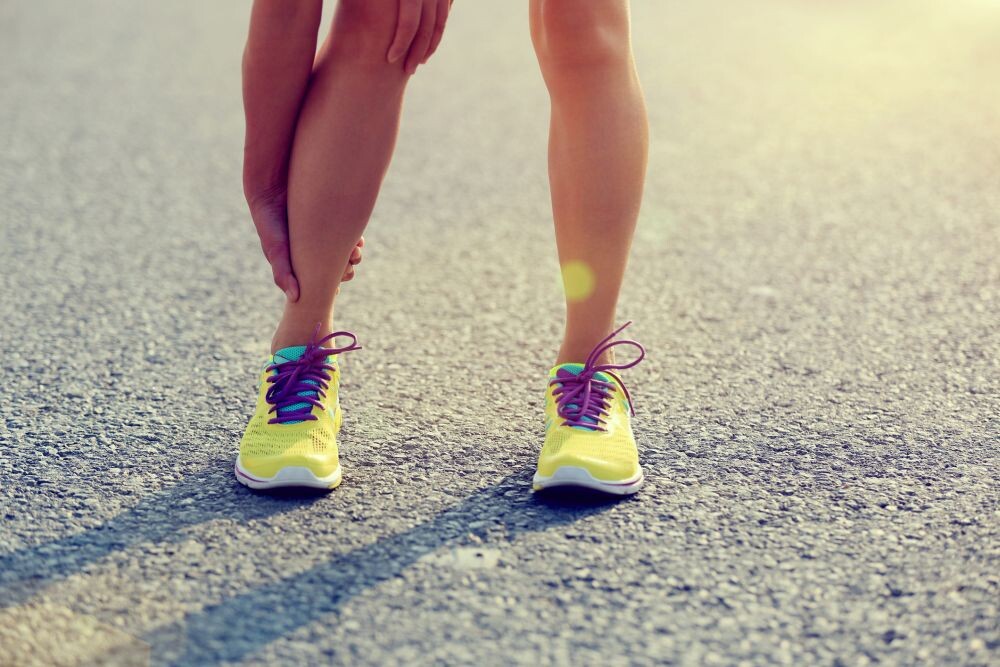
Foam rolling is a great addition to your pre-run routine, and rolling out your calves before a run can increase your range of motion in your ankles without affecting muscle strength. Make sure you check out our tips for how to foam roll properly so you get the most out of your pre-run routine.
Do explosive work at the beginning of your run
Explosive movements are when you’re most likely to injure your gastrocnemius (the larger of the two calf muscles). If you’re prone to calf injuries, plan to do these movements (like hills, sprints or jumps) earlier in your workout, before your muscles are fatigued.
Avoid low-drop shoes
Runners who experience chronic calf injuries should avoid running shoes with a low heel drop, since they put more strain on your lower legs, particularly your calves. Shoes with a heel drop of eight to 10 mm or more are likely a better choice for runners with problematic calves.
Strengthen your calves
This is perhaps the most important piece of advice of all. Your calves take more load for their size than any other muscle in your body when you’re running, so making sure they’re strong enough to withstand the demands of running is crucial for preventing injuries. As a bonus, having strong calves can help you run faster, and for masters athletes, they will help you slow down less as you get older. Try adding these calf exercises into your strength routine to keep your calves strong and durable.
(03/14/22) Views: 78Running Magazine
The Fukuoka Marathon will return in a revamped form this year
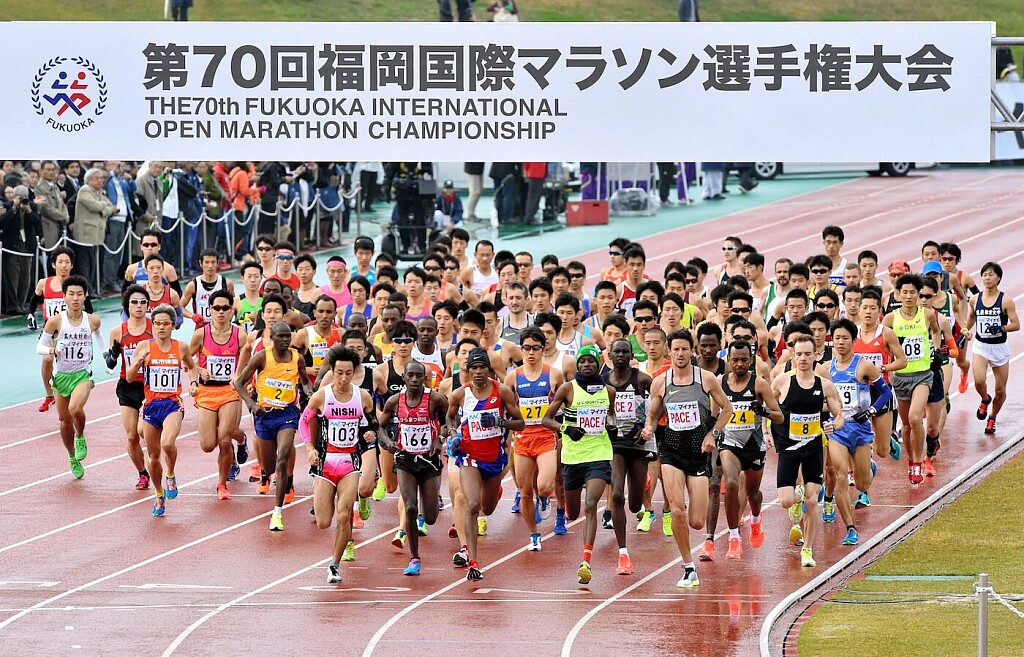
On Mar. 14 the JAAF, Fukuoka Athletics Association and Fukuoka Prefectural Government announced that the Fukuoka International Marathon, discontinued after its 75th running last year, will return in a revamped form this year on Dec. 4 under the tentative name "Fukuoka International Marathon 2022." The new version of the race will inherit the history and tradition on which the curtain came down so shockingly last December.
The Fukuoka International Marathon began in Kumamoto in 1947 as the "Kanakuri Prize Asahi Marathon" in honor of the father of Japanese distance running, Shizo Kanakuri.
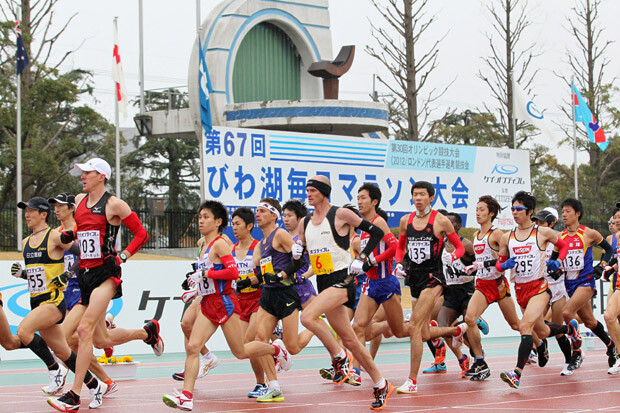
In its early years it was held in different cities across the country, first coming to Fukuoka in 1951 and settling there for good in 1964. It took the name Fukuoka International Marathon at its 28th running in 1974, and with numerous course changes over the years continued to be held under that name.
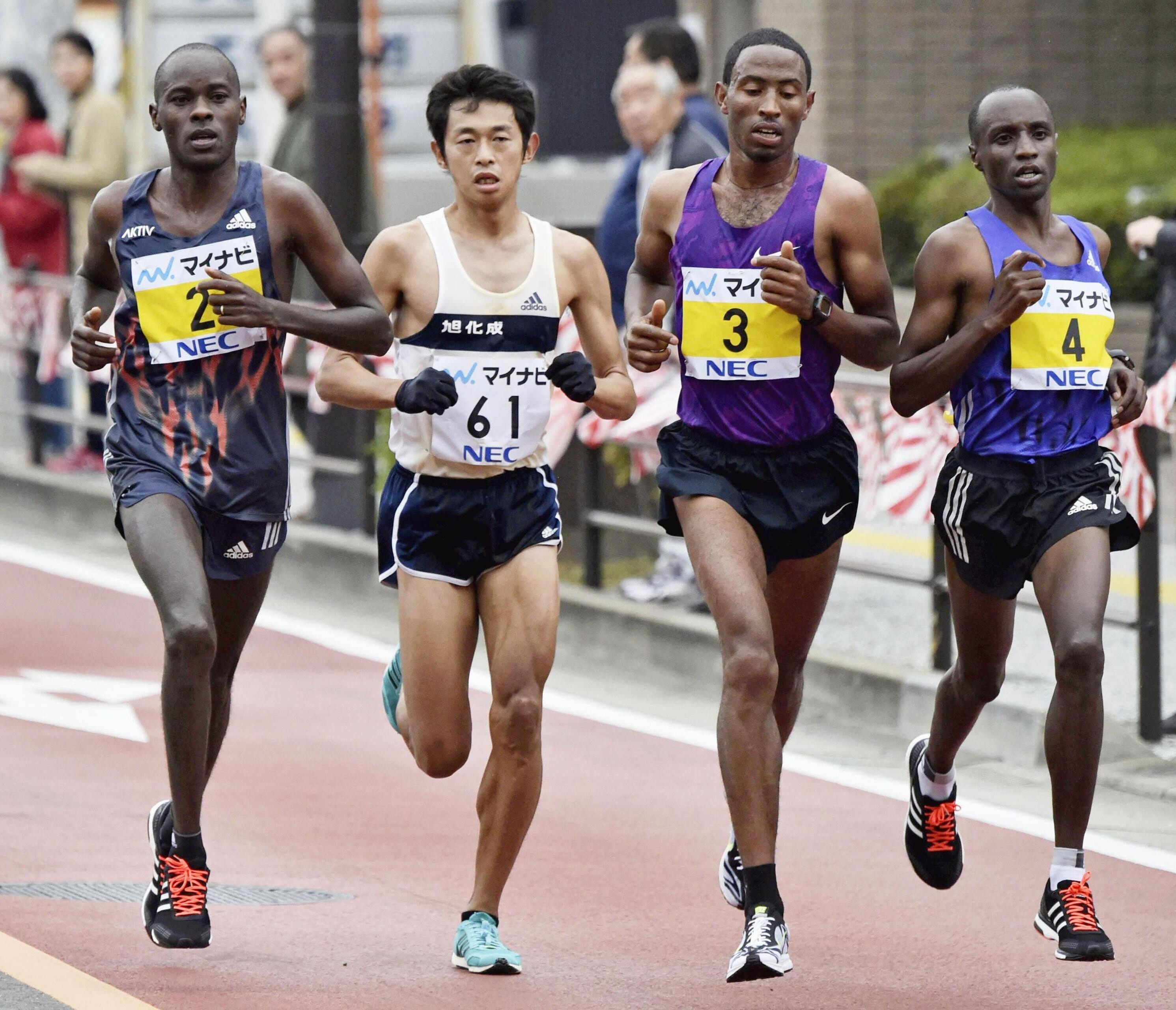
Most of the world's best runners competed there, and in the 1970s and 1980s its high-level races were so exciting that it was known as the best marathon in the world. World Athletics selected the Fukuoka International Marathon to receive its Heritage Plaque, making it effectively a World Heritage Site of the sport.
But in March last year it was decided to discontinue the race after its 75th running on Dec. 5 that year, with economic issues and declining interest cited as reasons for the decision.
The news of the cancelation was greeted with widespread shock and dismay. In light of the reaction, the prefectural government and the two athletics federations met to discuss possibilities for bringing the race back.
The statement issued today read, "As a result of exploring ways to preserve the history and value of the race, we have created a new race management organization and reached an agreement with the Kyushu Asahi Broadcasting Co., Ltd to handle to brunt of broadcasting duties. Under this arrangement it will be possible to go ahead with the new version of the race."
JAAF head Mitsugi Ogata said, "I am very happy that we will be able to stage this race in a new form while maintaining its history and tradition." Fukuoka governor Seitaro Hattori commented, "This race is one of Fukuoka's great winter traditions, and by holding it again we hope to help our people feel that things are opening up again after being shut in by the pandemic.
We hope that this will bring energy and life to all the citizens of our prefecture and to marathon fans everywhere. We in the prefectural government want to build on Fukuoka's reputation as a home for sport. We hope to see this race once again be a proving ground that will help produce top-class athletes who will go on to success around the world."
The race will be held on Dec. 4 this year on the same course as last year. Initial plans call for an elite field of around 100, with organizers expected to apply for JAAF Grade 1 labeling to enable it to continue as part of the Japan Marathon Championship series and play a vital role in selection for national teams and qualification for the MGC Olympic marathon trials.
The organizing group's statement concluded, "We will aim to hold the race up to the same standard as in the past, but will work to develop both it and the Japanese marathon world further."
(03/14/22) Views: 77Japan Running News (Brett Larner)
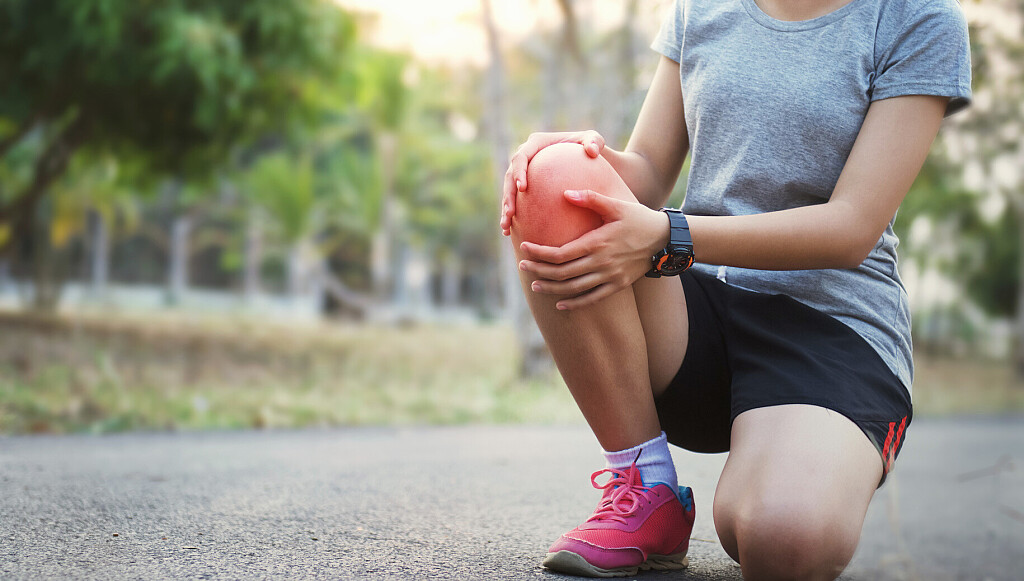
The most common running injuries that you need to be aware of
Many people across the globe enjoy running, whether it’s jogging, athletics, or other sports. Some do it for weight loss and others because they enjoy being competitive. Whilst it’s a great way to stay in shape, it can also be dangerous if you’re not aware of the potential injuries. In this article, we’ll discuss some of the most common running injuries and how to prevent them.
Pulled Muscles Or Ligaments
Pulled muscles or ligaments can be caused by a sudden movement or overuse of the muscle, and they can bring considerable pain and discomfort. If you’re experiencing any sort of pain when running, it’s best to stop and seek medical attention. Continuing to run with an injury can lead to further damage and make the healing process much longer.
To help prevent pulled muscles or ligaments, be sure to warm up properly before beginning your run. This will help loosen up the muscles and prepare them for activity. Additionally, be sure to stretch after your run as well. This will help keep the muscles limber and reduce your risk of injury. If you do experience a pulled muscle or ligament, be sure to take some time off from running and allow yourself to heal. This may mean missing out on a few races, but it’s important to make sure you are taking care of your body so that you can continue running long term.
Runner’s Knee
This is a condition that can be caused by overuse or injury, and it can cause pain, swelling, and stiffness in the knee. Treatment includes rest, ice, compression, and elevation (RICE). Physical therapy may also be recommended to help strengthen the muscles around the knee. Surgery may be appropriate if other treatments prove ineffective. Prevention of runner’s knee includes warming up before running, stretching regularly, and avoiding excessive mileage. If you are experiencing symptoms of a runner’s knee, stop running and see your doctor.
If you need to visit an injury treatment center and it was someone else’s fault, it’s possible to access a team of highly trained medical professionals who know how to treat accident injury victims. Having a complete examination, proper diagnosis, and detailed documentation can be the difference between receiving or not receiving a financial settlement potentially worth millions.
Shin Splints And Achilles Tendinitis
Shin splints are a common running injury, especially among beginners. They occur when the muscles and tendons around your shin bone become overworked and inflamed. Shin splints can be painful and make it difficult to continue running. If you think you may have them, rest is the best course of treatment. Ice and pain relievers can also help reduce inflammation and pain. If the shin splints are severe or don’t improve with rest, see a doctor for further treatment options.
Achilles tendinitis is another common running injury. It occurs when the Achilles tendon (which connects your calf muscles to your heel bone) becomes inflamed. Achilles tendinitis can be quite painful and make it difficult to walk or run. Treatment includes rest, ice, and pain relievers. In severe cases, surgery may be necessary, so always see a doctor early on.
Plantar Fasciitis And Iliotibial Band Syndrome
Plantar Fasciitis is an especially common running injury among new runners. It occurs when the Plantar Fascia becomes inflamed. Plantar Fasciitis can be extremely painful and make it difficult to walk or even stand. If you suspect you have it, see a doctor quickly for diagnosis and treatment.
Iliotibial Band Syndrome (ITBS) is a common injury for runners that’s caused by the iliotibial band becoming irritated and inflamed. Symptoms of ITBS include pain on the outside of the knee, swelling, and stiffness. The best way to treat ITBS is to rest, ice the affected area, and stretch the iliotibial band.
Hip Flexor Strain
This is caused by the overuse of the muscles and tendons that support the hip joint. It’s often seen in runners and other athletes who participate in activities requiring repetitive motion of the legs. Some of the most common symptoms include:
Pain in the front of the hip
Difficulty walking or running
Stiffness in the hip
Muscle spasms
If you’re experiencing any of these symptoms, it’s important to see a doctor or physical therapist so that you can begin treatment. Hip flexor strain is treatable, but if it’s ignored it could lead to more serious injuries such as tendonitis or bursitis. Treatment for hip flexor strain includes RICE to help reduce the pain and inflammation. Physical therapy can help to stretch and strengthen the muscles and tendons around the hip joint, so they are better able to support it.
Hip Bursitis
Bursitis is a condition that results from inflammation of the bursa (which is a small, fluid-filled sac located between the skin and underlying muscles or tendons). Hip bursitis may be caused by overuse, age-related changes, or injury.
Symptoms include pain and tenderness in the hip area, difficulty walking, swelling, and redness. Treatment typically includes rest, ice therapy, medication to reduce inflammation, and physical therapy.
Pulled Hamstring And Hamstring Strain
A pulled hamstring is when one or more of the hamstring muscles are stretched or torn. A hamstring strain is a specific type of pulled hamstring, and it happens when one or more of the fibers in a muscle are overstretched or torn. Both conditions can cause pain and difficulty walking and running. If you think you have either condition, see your doctor as soon as possible for an evaluation. Treatment may include RICE, physical therapy, and/or surgery.
In terms of prevention, always:
warm-up before running
stretch your hamstrings regularly
cross-train so that you’re not putting all of the stress on your legs from running
We’ve now covered major ground in terms of common running injuries. We’ve discussed their symptoms, treatment, and prevention. Always build up your sporting activities slowly, and consult with a doctor and personal trainer before you begin. Then you can enjoy running both now and for many years to come.
(03/12/22) Views: 68Colorado Runner

How to get the stink out of your running clothes
Running clothes stink. After just a few runs, technical fabrics, like Lycra, Coolmax or Dri-fit, start to hold onto odours, even after they’ve gone through the “heavily soiled” cycle in your washing machine. If the scent of your running gear is starting to become overwhelming, fear not: these six tips will have your favourite racing kit smelling like daisies in no time (or at least they won’t be completely repulsive).
Air them out
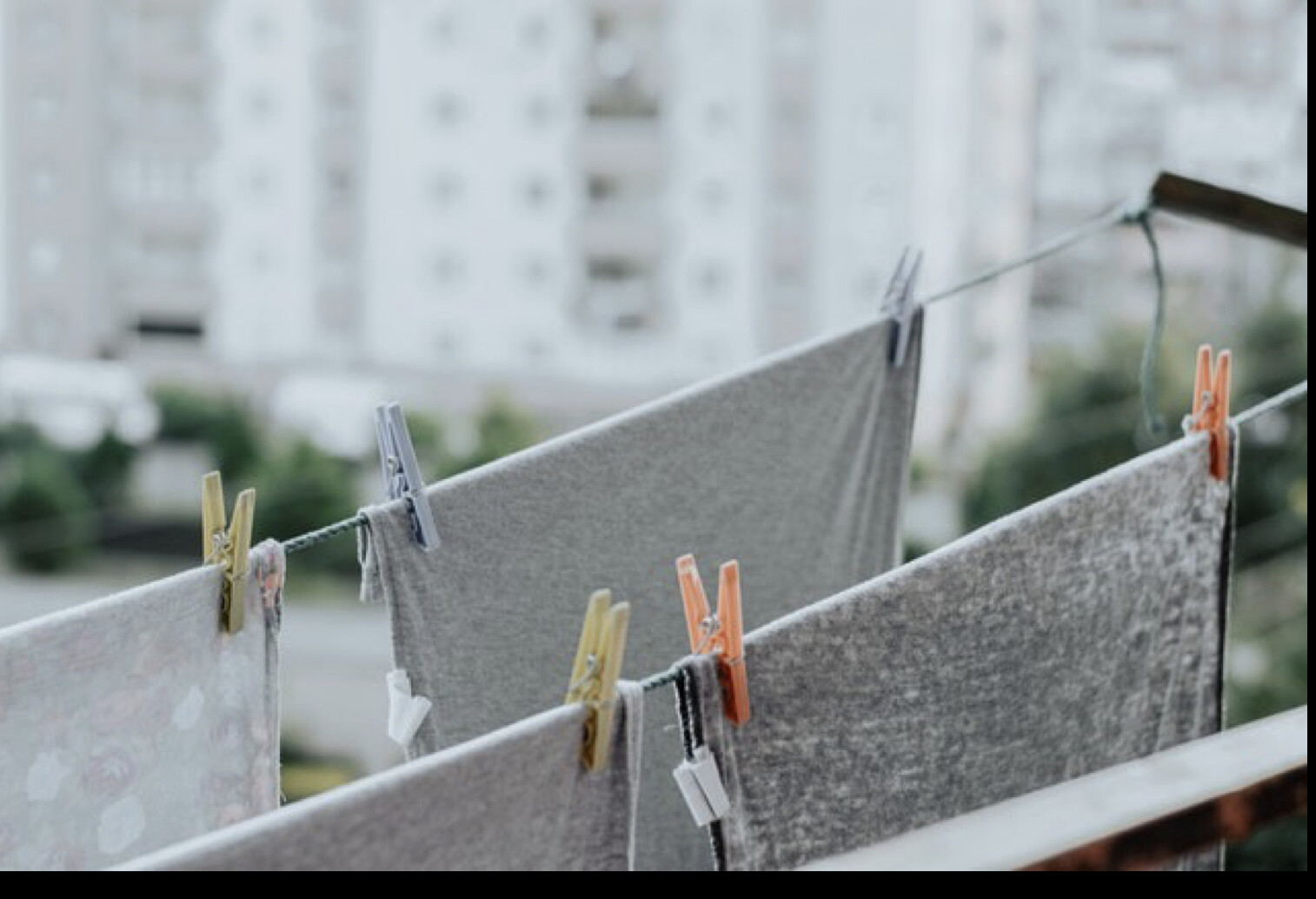

When you come in from a run and your clothes are sweaty, don’t immediately throw them into the laundry hamper. Hang them up to air them out first, bonus points if you can hang them outside in the fresh air. Not only will this help reduce the stink, but it’ll help your running clothes last longer, too.
Don’t over-do detergent
A common mistake runners make is thinking that if they put extra detergent in, their clothes will get extra clean. While this sounds logical, it doesn’t actually work and could make things worse. Your laundry machine is likely set up to handle a certain amount of detergent, and if you put too much in, the machine won’t be able to wash it all out. This will leave residue on the fabric, which over time leads to a buildup of mold and mildew and eventually, bacteria.
To be on the safe side, start with three-quarters, or even half, of the amount of detergent you would normally use and adjust as you see fit. You can also try using a detergent that’s designed specifically for sports clothing.
Say no to fabric softener
Fabric softener is great for your sheets and towels, but terrible for your running gear. It can lock smells in and prevent detergent from getting into all of the nooks and crannies of the fabric. Fabric softener also breaks down stretchy materials, so it can ruin the shape and fit of your running gear.
Add vinegar
Pre-soaking your clothes in a 4:1 mixture of water to distilled vinegar for 30 minutes before washing can do wonders for removing stubborn smells. Vinegar helps release bacteria from the fabric so they can be washed away in the laundry.
Turn them inside-out
The smelliest and dirtiest parts of your running clothes are on the inside, so turn your gear inside out (especially your tights) to give detergent direct access to those parts.
Hang them to dry
Never — we repeat, never — put your running clothes in the dryer. This has less to do with smell and more to do with taking good care of your gear so that it lasts a long time. High heat can damage or shrink your clothes, which shortens their useable life. Hang them out to dry, if not outside, then on a rack somewhere in your home.
(03/12/22) Views: 65Running Magazine
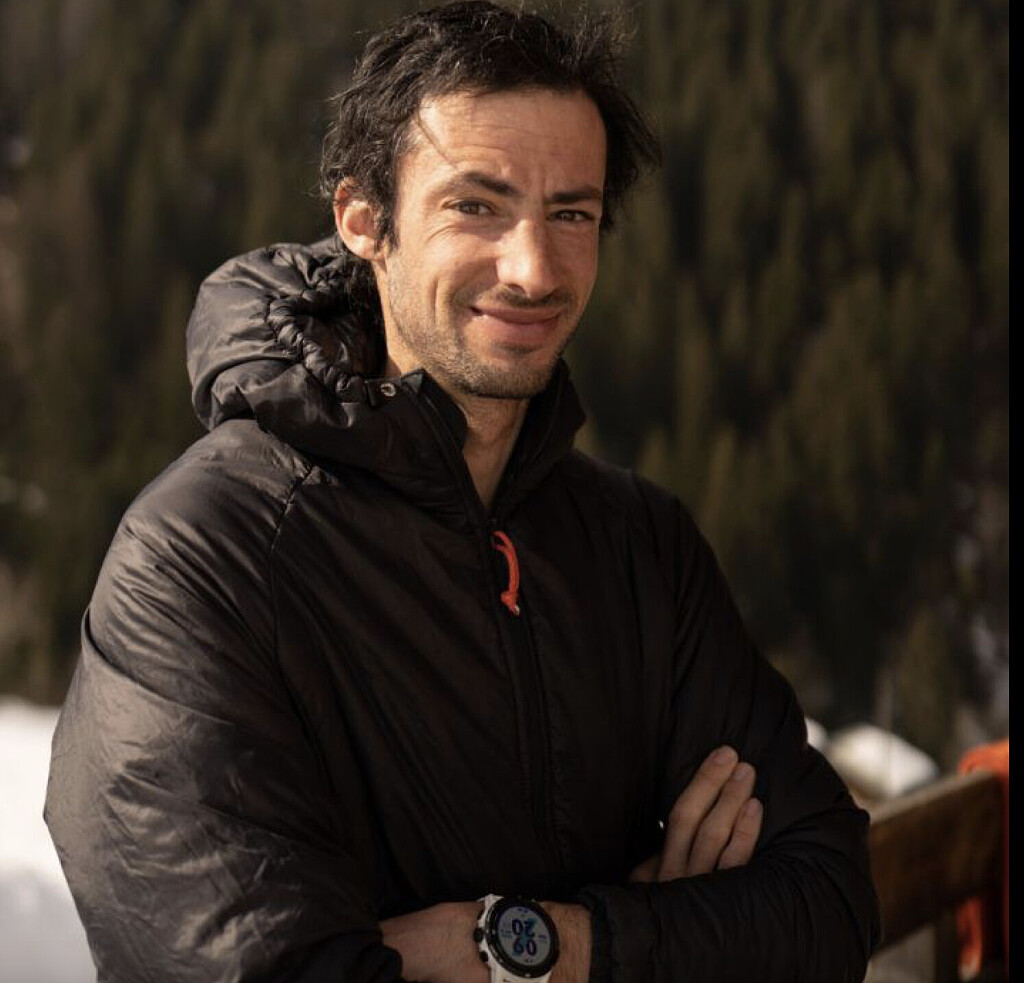
Kilian Jornet partners with Coros wearables
The world-class GPS watch company Coros has partnered with two new athletes to expand their trail and mountain running audience. World sky-running champions Kilian Jornet and Emelie Forsberg are the newest pro-athletes to represent the company.
The strategy behind the partnership is Coros’ commitment to helping athletes train and perform at the highest levels. Coros continues to cement itself as the leader in athletic performance-focused wearables, as Jornet and Forsberg join a growing roster of truly world-class athletes that include marathon world record holder Eliud Kipchoge and Olympic bronze medallist Molly Seidel.
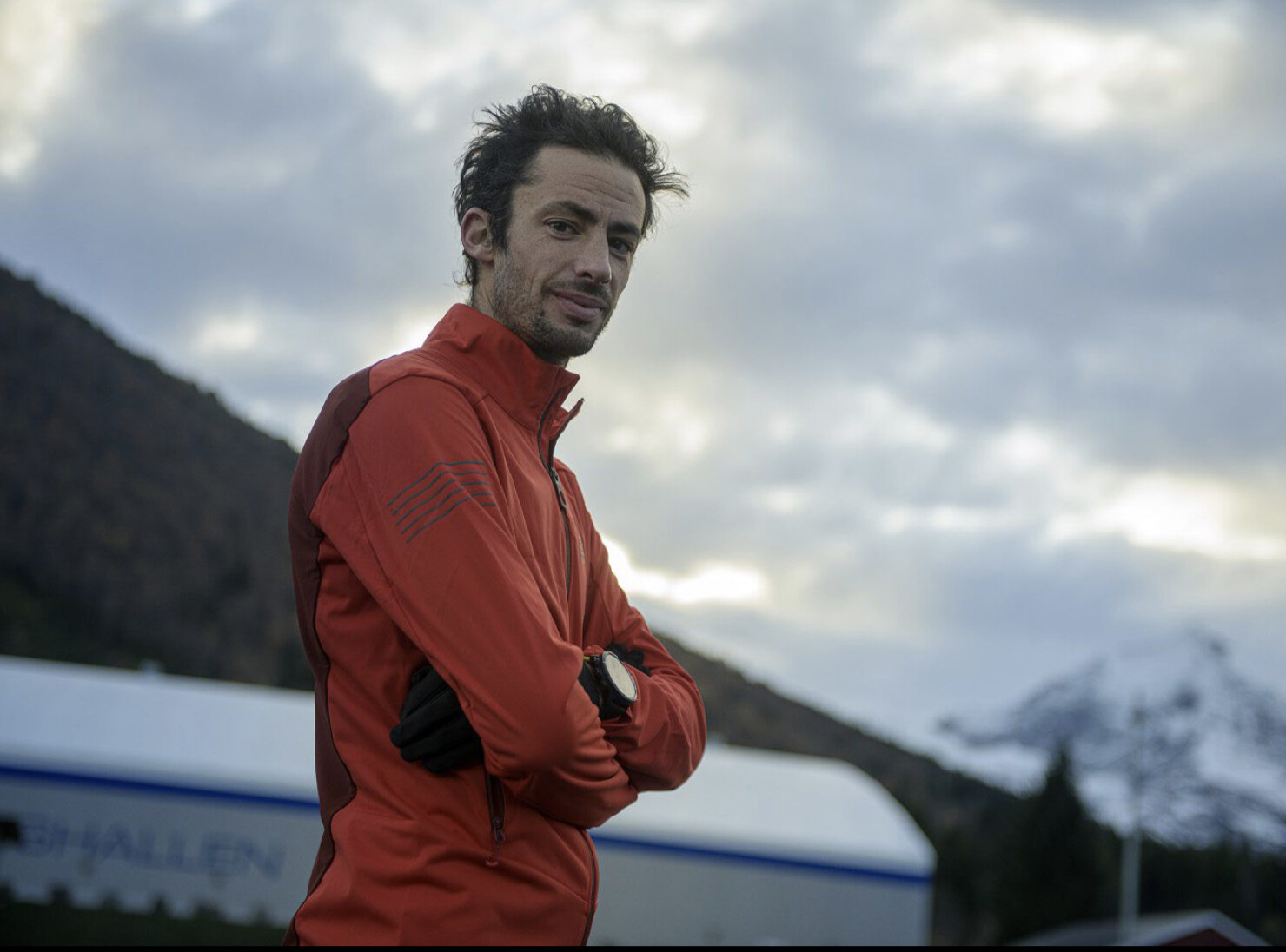
Jornet has significant goals for 2022, as the three-time UTMB champion to returns Chamonix, France, for another crack at glory. Jornet, who recently left his sponsor Salomon, will also be competing at Hardrock, where he is a four-time champion, and Sierra-Zinal, which he has won nine times (including the last five editions).
Forsberg, who is Jornet’s partner, has the women’s FKT up and down from Mont Blanc in 7:53:12. Forsberg was the world sky-running champion in 2014 and is making a comeback to the sport after the birth of her second daughter in April 2021.
Drawn by its light weight, size and the inclusion of mountain-compatible features, both Jornet and Forsberg will wear the Coros Apex Pro as their primary GPS watch. The Coros Apex Pro features Ski Touring mode with auto ascent/descent detection, SpO2 (pulse oximeter) sensor with specially designed altitude mode, trail running mode and more…
(03/12/22) Views: 64Running Magazine
