

Running News Daily
Running News Daily is edited by Bob Anderson and team. Send your news items to bob@mybestruns.com Advertising opportunities available.
Index to Daily Posts · Sign Up For Updates · Run The World Feed
Articles tagged #Western States Endurance Run
Today's Running News
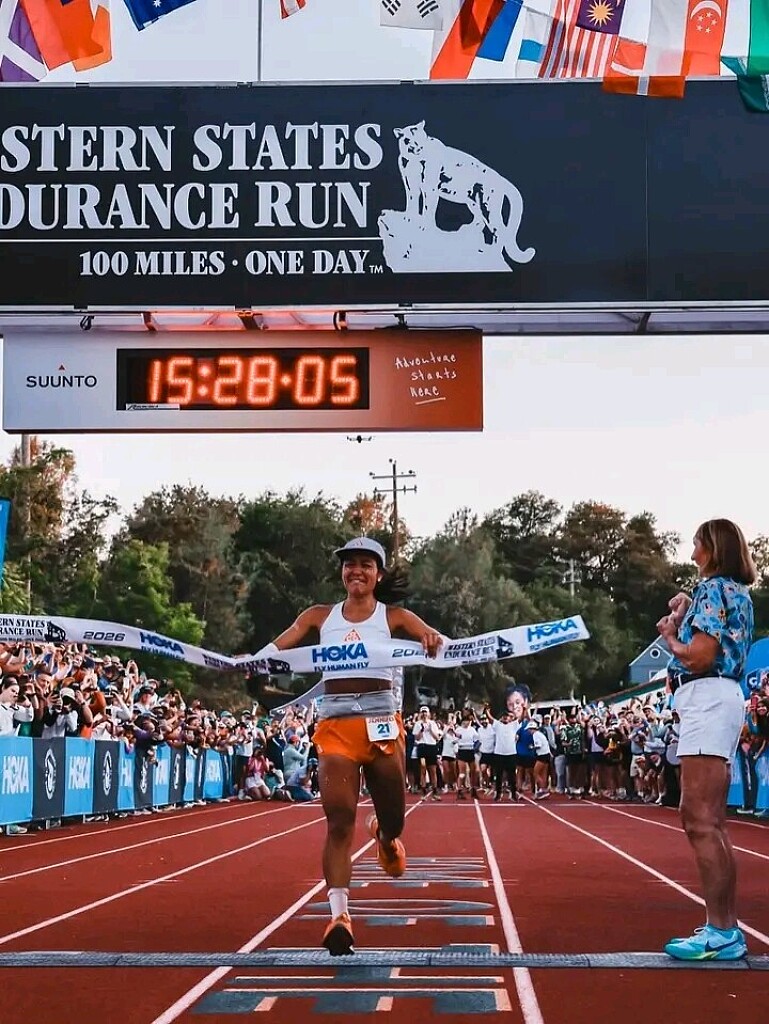


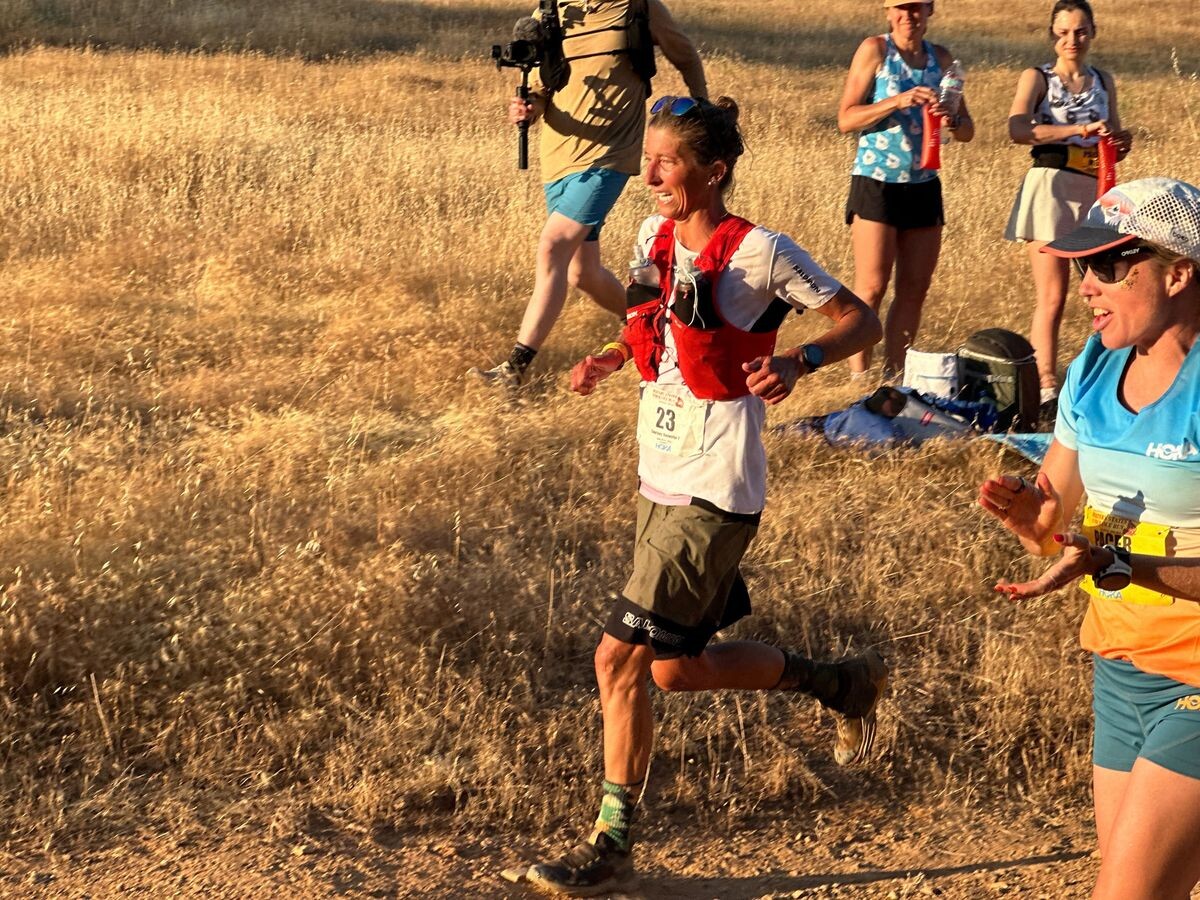
Jennifer Lichter Stuns Ultra-Running World with Record-Breaking Western States 100 Debut
In one of the most remarkable performances in recent ultra-running history, Jennifer Lichter announced herself on the biggest stage by rewriting the record books at the Western States Endurance Run.
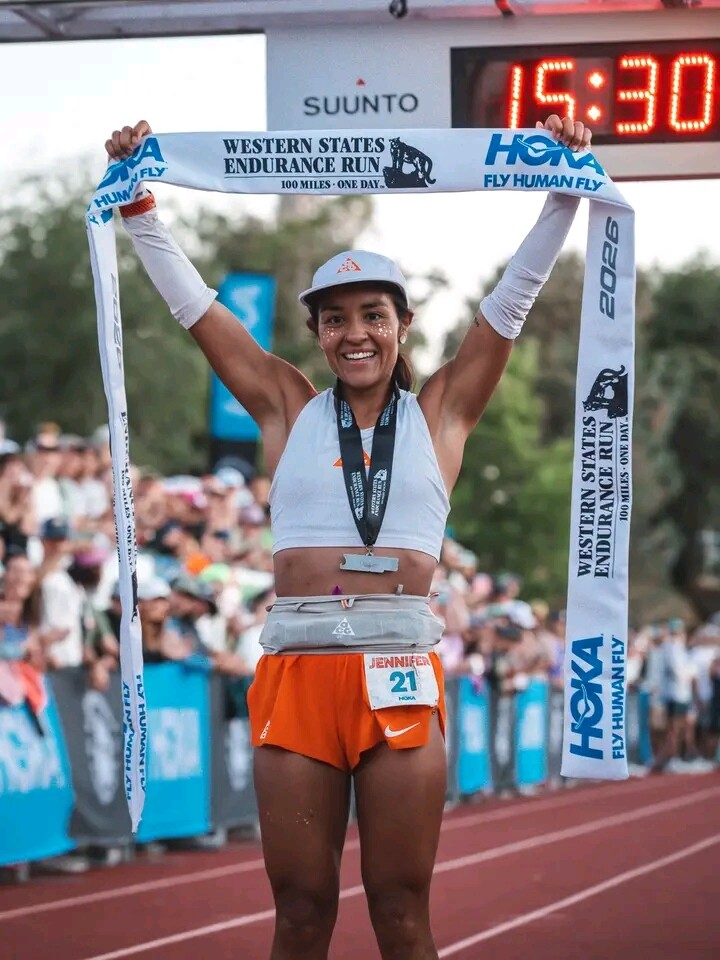
Making her debut over the iconic 100-mile distance, Lichter delivered a breathtaking performance to claim victory while shattering the women's course record that many believed would stand for years. She crossed the finish line in an astonishing 15:28:05, eclipsing the previous course record of 15:29, set by ultra-running legend Courtney Dauwalter.
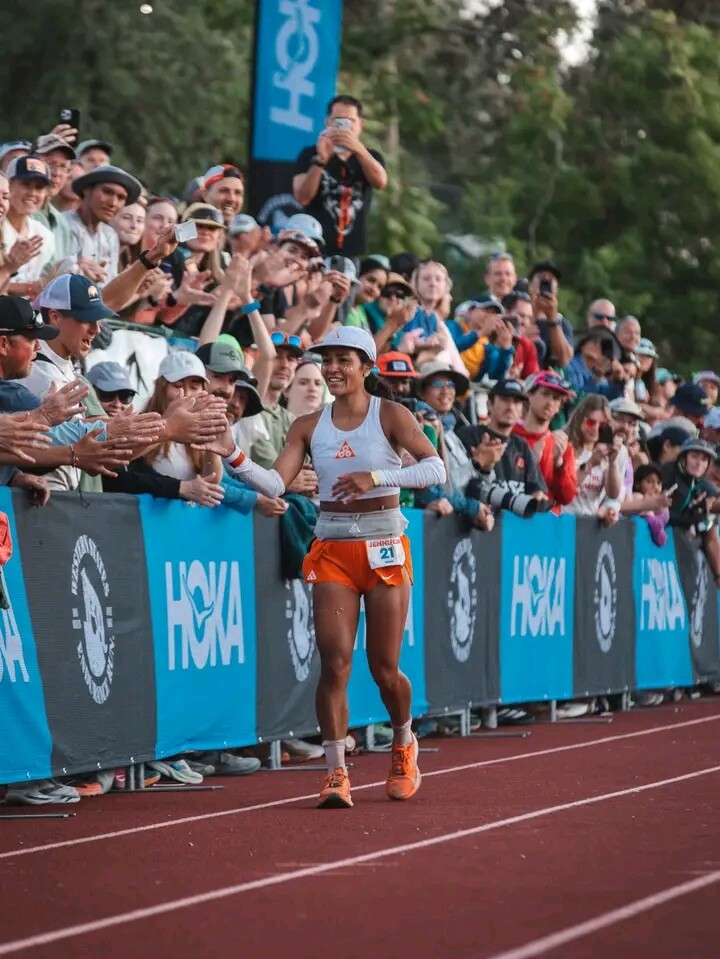
As if breaking one of the sport's most revered records wasn't enough, Lichter also finished an impressive 11th overall, underlining the exceptional quality of her performance against the entire field.
The Western States Endurance Run is widely regarded as one of the world's most prestigious and demanding ultramarathons, testing athletes across 100 punishing miles of rugged terrain, steep climbs, and extreme temperatures. To win the race is an extraordinary feat; to do so in record-breaking fashion on a 100-mile debut is even more remarkable.
Lichter's commanding performance has immediately established her among the sport's elite, producing a run that will be remembered as one of the greatest debut performances in the history of ultrarunning.
The historic victory marks a new chapter for women's ultrarunning, with Jennifer Lichter becoming the latest athlete to leave an indelible mark on one of the sport's most iconic races. Her record-breaking triumph is expected to be one of the defining stories of the 2026 ultra-running season.
by Erick Cheruiyot for My Best Runs.
Login to leave a comment

Western States 100
The Western States ® 100-Mile Endurance Run is the world’s oldest and most prestigious 100-mile trail race. Starting in Squaw Valley, California near the site of the 1960 Winter Olympics and ending 100.2 miles later in Auburn, California, Western States, in the decades since its inception in 1974, has come to represent one of the ultimate endurance tests in the...
more...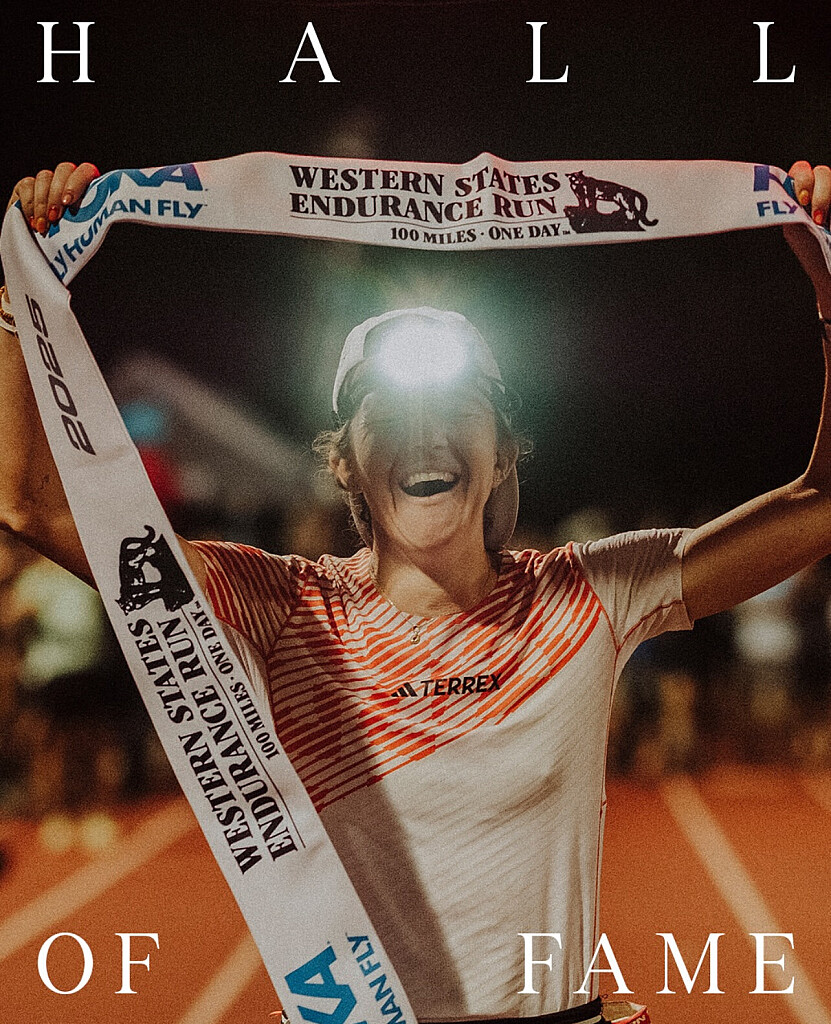
Abby Hall Claims Fairytale Victory at 2025 Western States 100 After Golden Ticket Surprise
In a race defined by resilience, heat, and high drama, Abby Hall delivered one of the most emotional and triumphant performances in Western States Endurance Run history, winning the women’s race at the 52nd edition of the world’s oldest and most iconic 100-mile trail event.
Hall, who just months ago wasn’t even on the start list, crossed the finish line at Placer High School in 16 hours, 37 minutes, and 16 seconds, recording the fourth-fastest women’s time in race history. Her victory marks a stunning return to form after years of injury setbacks and a last-minute Golden Ticket entry.
A Storybook Build-Up to the Start Line
Hall’s journey to Western States was anything but straightforward. After a lengthy recovery from a serious knee injury, the American ultrarunner returned to form with a win at Ultra-Trail Kosciuszko by UTMB in December 2024. But a Golden Ticket to Western States proved elusive.
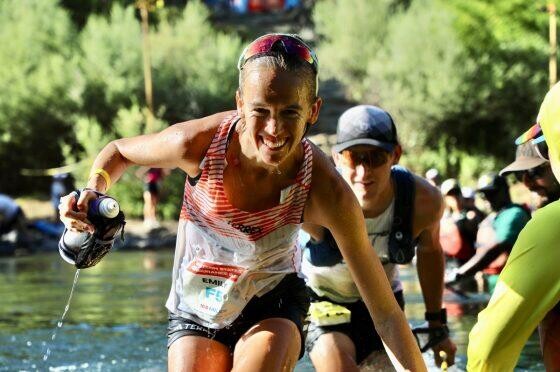
She finished fifth at the Black Canyon Ultras, narrowly missing an automatic entry. However, fate intervened when a pregnancy deferral by fellow runner Emily Sullivan caused the Golden Ticket to roll down—giving Hall an unexpected but welcome shot at redemption.
“It was such a beautiful passing of the baton,” Hall shared on Instagram. “I’m so inspired watching an incredible athlete like Emkay enter this new season of her life as she becomes a mother.”
How the Race Unfolded
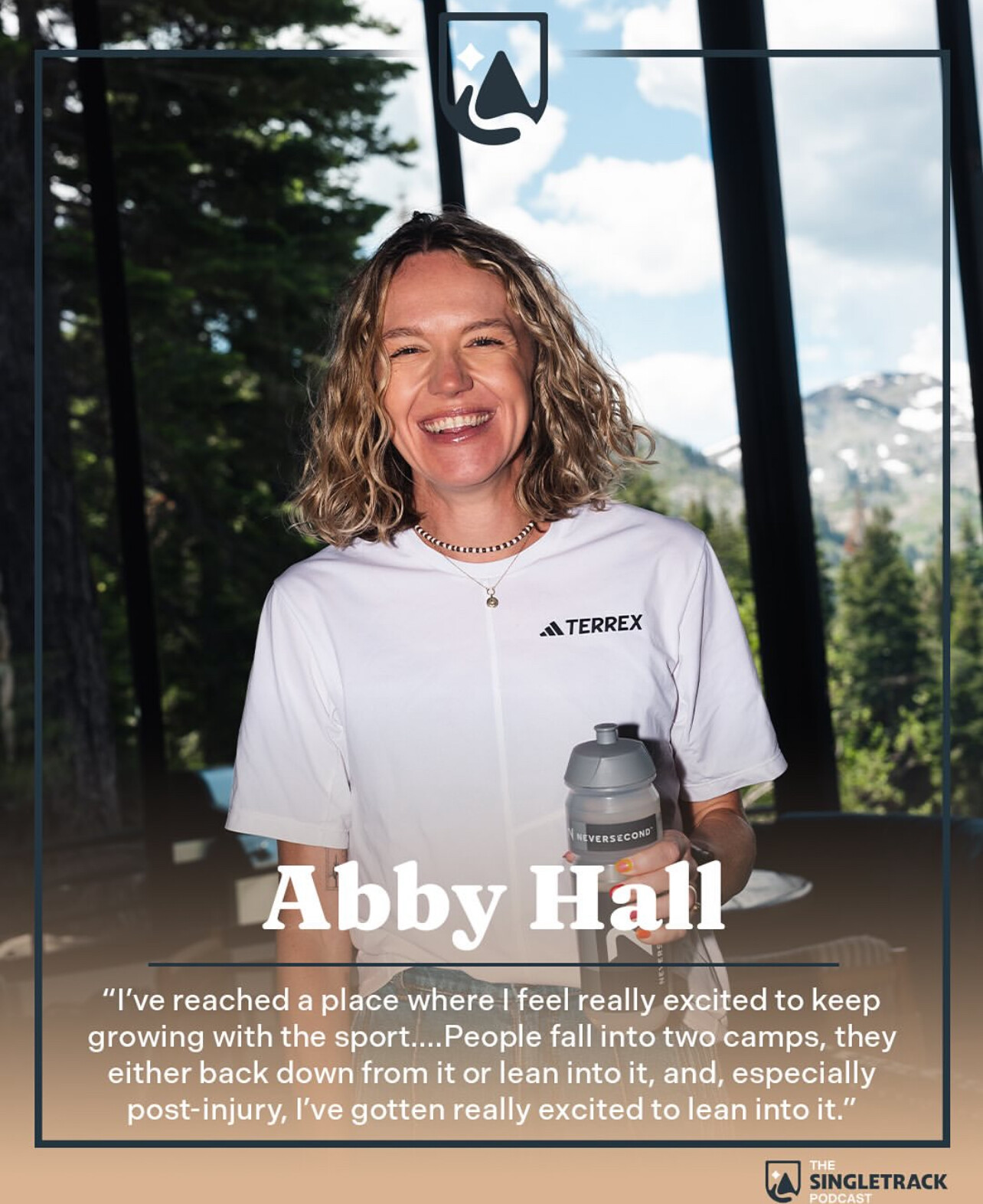
Hall made her intentions clear early, leading through the Escarpment checkpoint at mile 4. Although she was briefly overtaken, she reclaimed the lead shortly after mile 60 and never looked back.
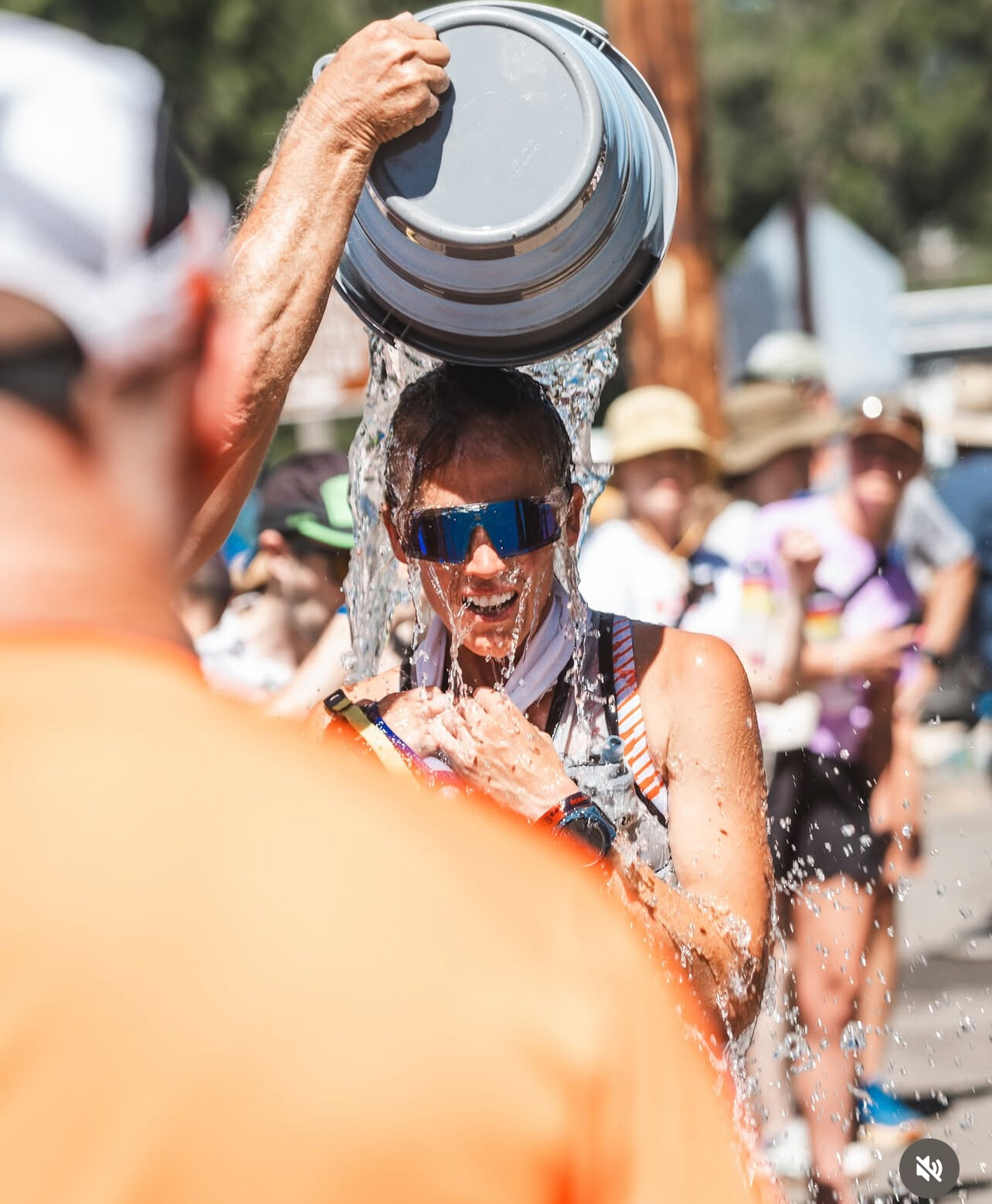
Facing fierce competition from Fuzhao Xiang (CHN)—who finished second last year—Hall maintained a steady and commanding pace through the canyon heat, where temperatures reached 104°F (40°C). With 10 miles to go, she held a 10-minute lead over Xiang, and that gap remained virtually unchanged to the finish.
Xiang once again finished runner-up, clocking 16:47:09, while Marianne Hogan (CAN) surged late in the race to secure third in 16:50:58, overtaking Ida Nilsson (SWE) in the final miles. Fiona Pascall (GBR) rounded out the top five.
2025 Western States 100 – Women’s Results
June 28, 2025 | 100.2 miles
1. Abby Hall (USA) – 16:37:16
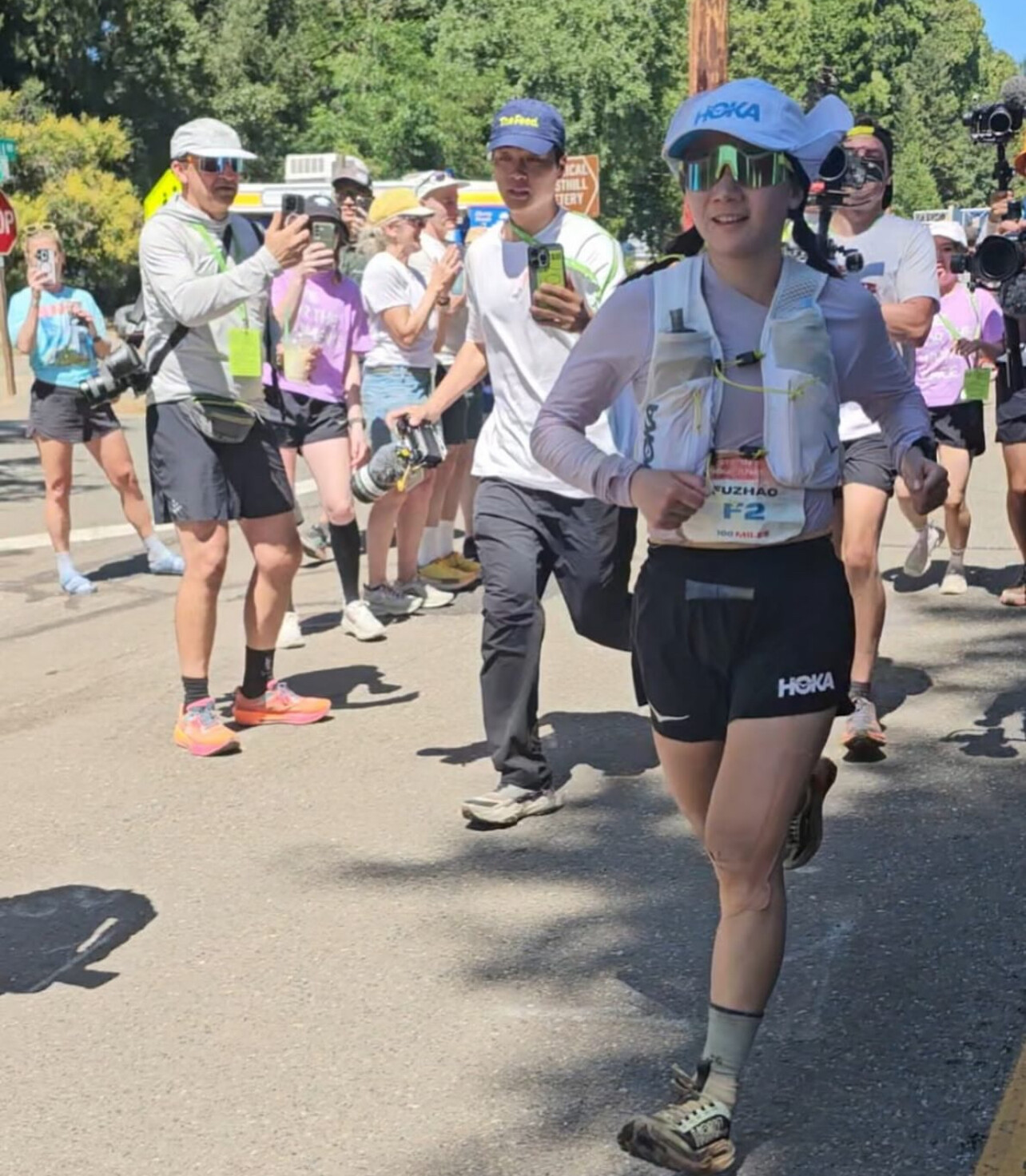
2. Fuzhao Xiang (CHN) – 16:47:09
3. Marianne Hogan (CAN) – 16:50:58
4. Ida Nilsson (SWE) – 17:00:48
5. Fiona Pascall (GBR) – 17:21:52
Hall also placed 11th overall, finishing just behind many top men’s competitors in one of the deepest fields in race history.
A Career-Defining Moment
This was Hall’s second appearance at Western States—her first came in 2021, when she finished 14th. Her return this year wasn’t just about redemption; it was a masterclass in determination, patience, and execution.
“It’s surreal,” Hall said at the finish. “This race has meant so much to me for so long. To be back here, to be healthy, and to be crossing that line first—it’s everything.”
The Global Rise of Women’s Ultrarunning
With five nations represented in the top five, the 2025 women’s race showcased the global depth and diversity of talent in ultrarunning. From Xiang’s technical brilliance to Hogan’s consistency and Nilsson’s enduring grit, this was a race that highlighted how far the women’s field has come—and how fast it continues to get.
by Boris Baron
Login to leave a comment
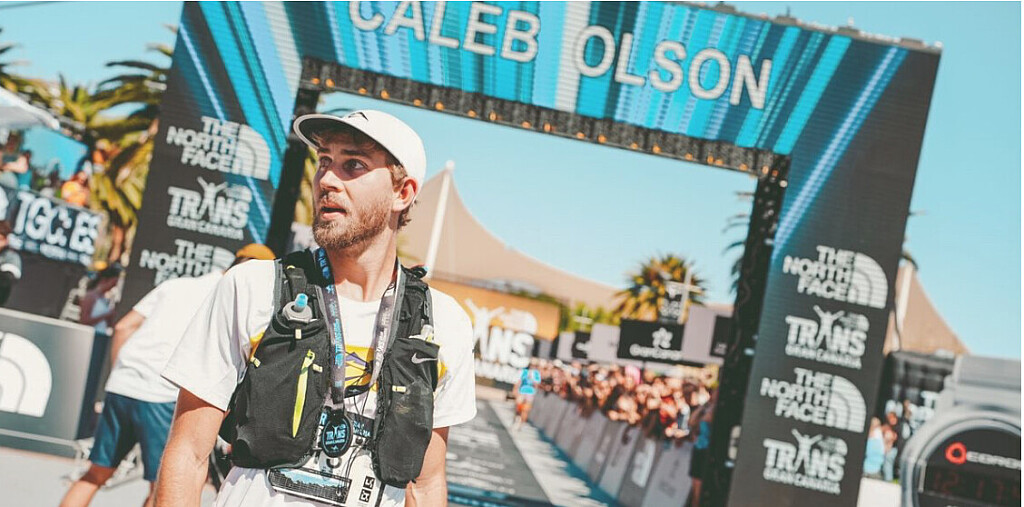
Caleb Olson Stuns the Field with Breakthrough Win at the 2025 Western States 100
American ultra-trail runner Caleb Olson delivered a career-defining performance at the 2025 Western States Endurance Run, emerging as the surprise champion in what was billed as one of the most competitive editions in the race’s 52-year history.
The 29-year-old from Salt Lake City conquered the infamous 100-mile (161-kilometer) course through Northern California’s rugged Sierra Nevada mountains, finishing in 14 hours, 11 minutes, and 25 seconds—just two minutes shy of Jim Walmsley’s legendary course record set in 2019 (14:09:28). Olson’s time is now the second-fastest ever recorded at Western States.
His win comes just a year after a strong fifth-place finish in 2024 and cements his place among the top ranks of global ultrarunning.
A Battle of Heat, Elevation, and Grit
The race began at 5:00 a.m. in Olympic Valley, with runners quickly climbing to the course’s highest point—2,600 meters (8,600 feet)—before descending into the heat-scorched canyons. Snowfields in the early miles gave way to punishing heat, as temperatures soared to 104°F (40°C) in exposed sections of the trail.
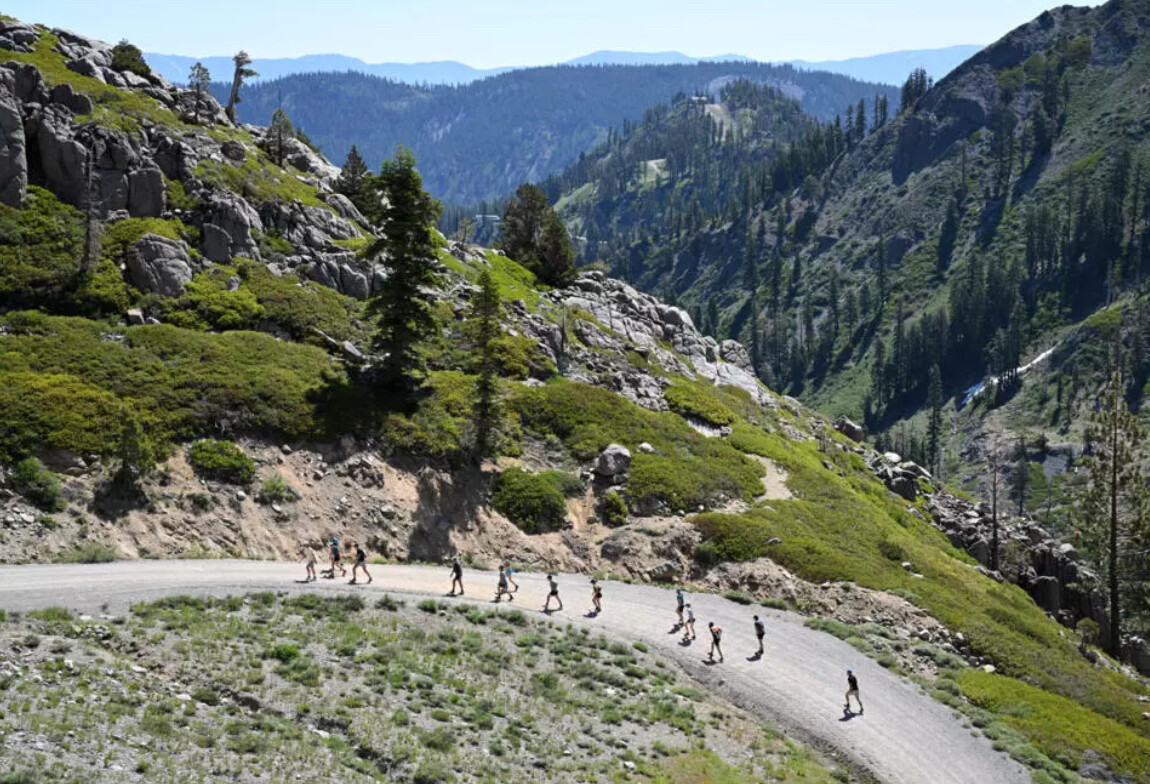
Despite the brutal conditions, approximately 15 elite athletes crested the high point together, setting the stage for a tactical and attritional race. Olson surged to the front midway, clocking an average pace near 12 kilometers per hour and never relinquished his lead.
Elite Field Delivers Drama
Close behind Olson was Chris Myers, who battled stride-for-stride with the eventual winner for much of the race before taking second in 14:17:39. It was a breakthrough performance for Myers, who has been steadily climbing the ultra ranks.
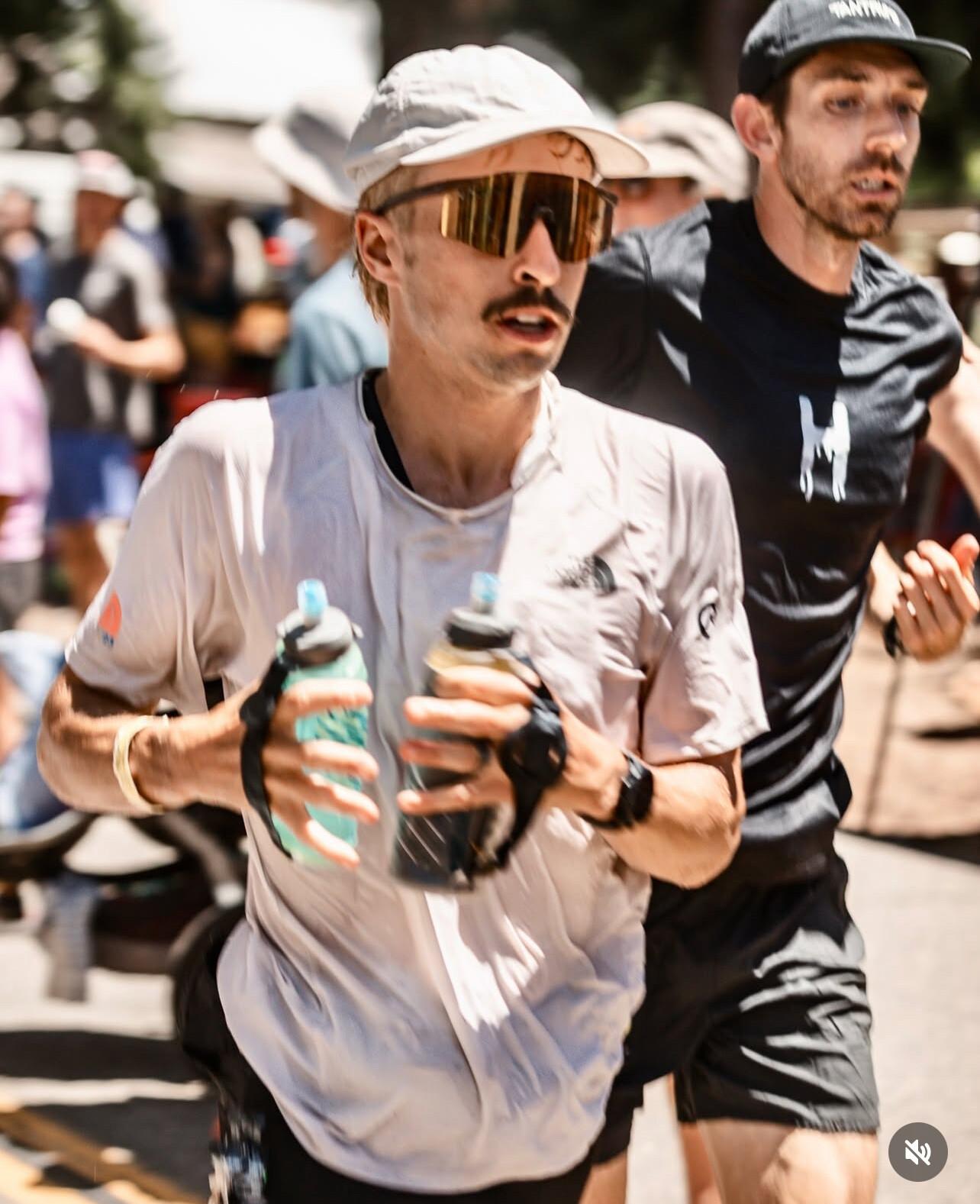
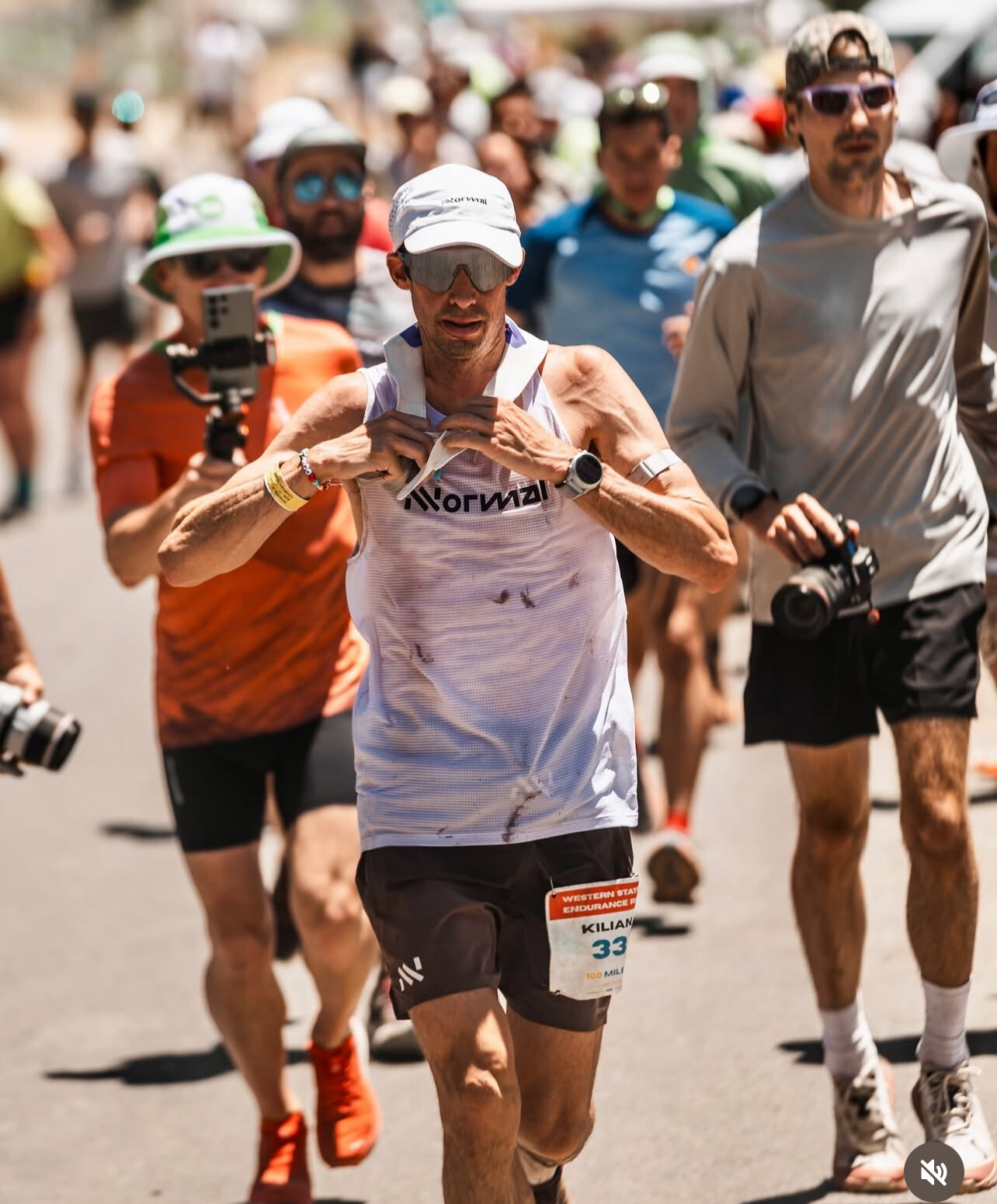
Spanish trail running legend Kilian Jornet, 37, finished third, matching his 2010 result. Returning to Western States for the first time since his win 14 years ago, Jornet hoped to test himself against a new generation on the sport’s fastest trails. Though renowned for his resilience in mountainous terrain, he struggled to match the frontrunners during the course’s hottest sections.
“Western States always finds your limit,” Jornet said post-race. “Today, that limit came earlier than I’d hoped.”
Rising Stars and Withdrawals
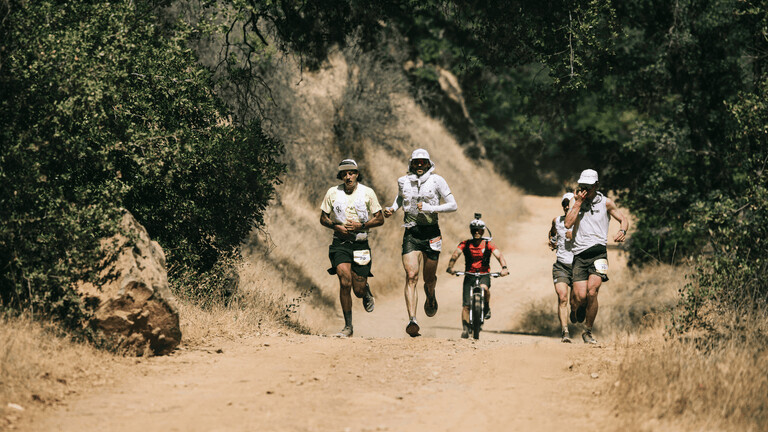
Among the elite field was David Roche, one of America’s most promising young ultrarunners, who was forced to withdraw after visibly struggling at the Foresthill aid station (mile 62). Roche had entered the race unbeaten in 100-mile events.
“I’ve never seen him in that kind of state,” said his father, Michael Roche, who was on hand to support him. “This race just takes everything out of you.”
Roche’s exit was a reminder that, even with perfect preparation, the Western States 100 is as much about survival as speed.
The Lottery of Dreams
Held annually since 1974, the Western States Endurance Run is more than a race—it’s a pilgrimage. With only 369 slots available, most runners enter via a lottery system with odds of just 0.04% for first-timers. Elite athletes can bypass the lottery by earning one of the coveted 30 Golden Ticketsawarded at select qualifying races each year.
For many, getting to the start line takes years of qualifying and persistence—making finishing the race an achievement in itself.
Olson’s Star Ascends
Before this landmark win, Caleb Olson was already on the radar of the ultra community. He had logged top-20 finishes at the “CCC”—a 100-kilometer race associated with the Ultra-Trail du Mont-Blanc series—and had demonstrated consistency in major trail events.
Saturday’s victory vaults him into the upper echelon of global ultrarunners and marks a generational shift in the sport.
“I’ve dreamed of this moment,” Olson said at the finish. “Today, everything came together—the training, the heat management, and the belief. This is why we run.”
2025 Western States results
Men
Saturday June 28, 2025 – 100.2 miles
Caleb Olson (USA) – 14:11:25
Chris Myers (USA) – 14:17:39
Kilian Jornet (SPA) – 14:19:22
Jeff Mogavero (USA) – 14:30:11
Dan Jones (NZL) – 14:36:17
by Boris Baron
Login to leave a comment
Western States 100
The Western States ® 100-Mile Endurance Run is the world’s oldest and most prestigious 100-mile trail race. Starting in Squaw Valley, California near the site of the 1960 Winter Olympics and ending 100.2 miles later in Auburn, California, Western States, in the decades since its inception in 1974, has come to represent one of the ultimate endurance tests in the...
more...
Western States 100 Gears Up for an Epic Showdown Across Sierra Trails
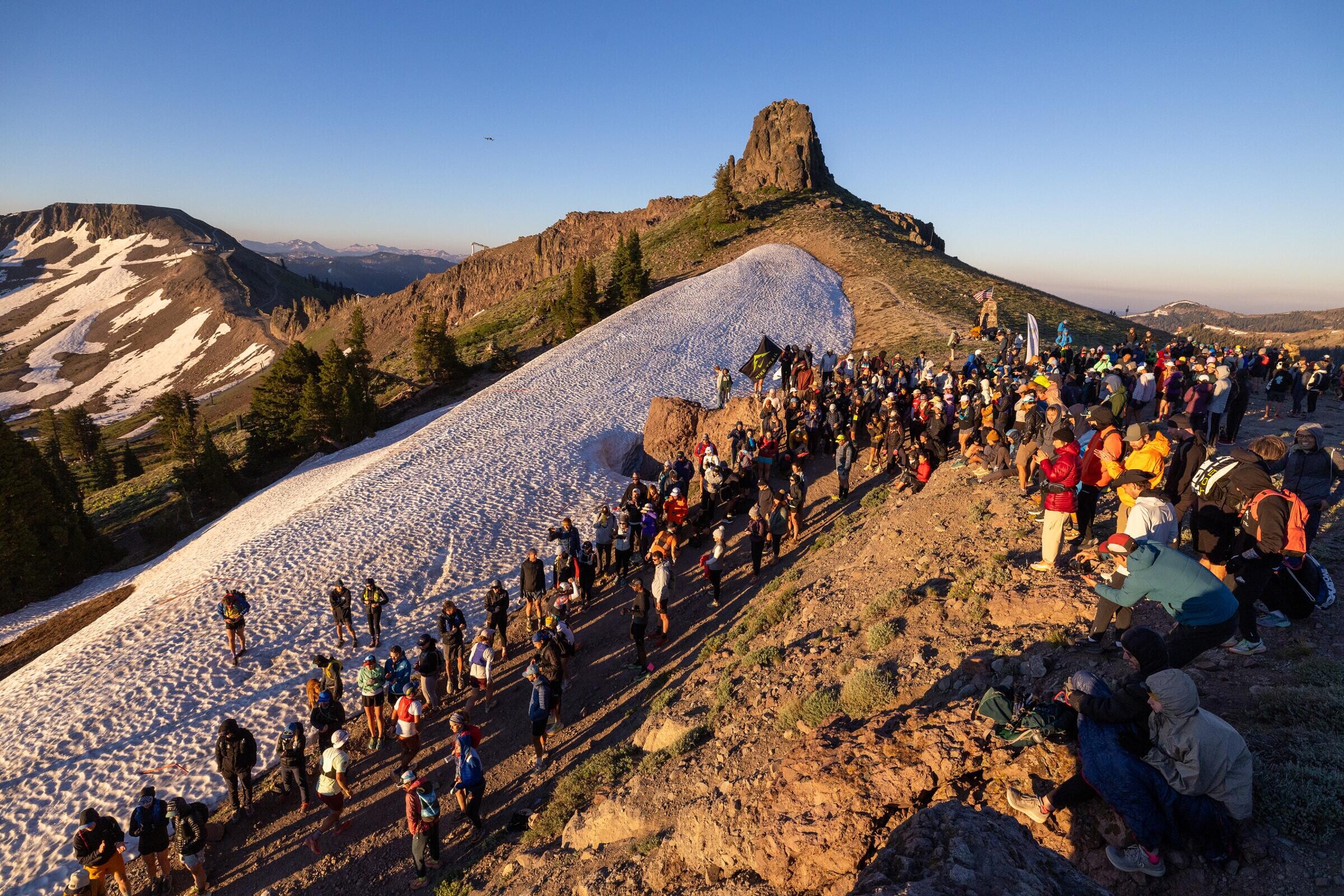
The legendary Western States 100-Mile Endurance Run returns June 28–29, 2025, promising one of the most competitive and compelling editions in its storied history. Known as the world’s oldest 100-mile trail race, this ultra begins in Olympic Valley (formerly Squaw Valley) and finishes 100 rugged miles later at Placer High School in Auburn, California.
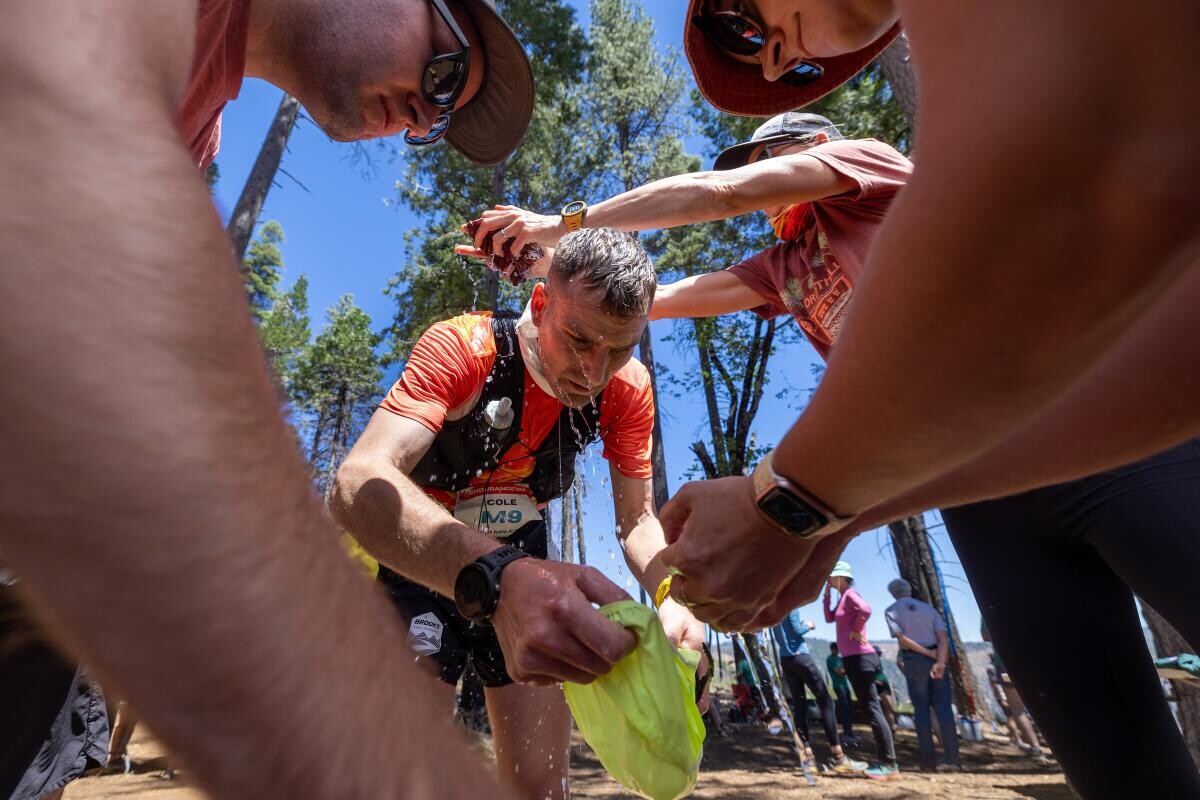
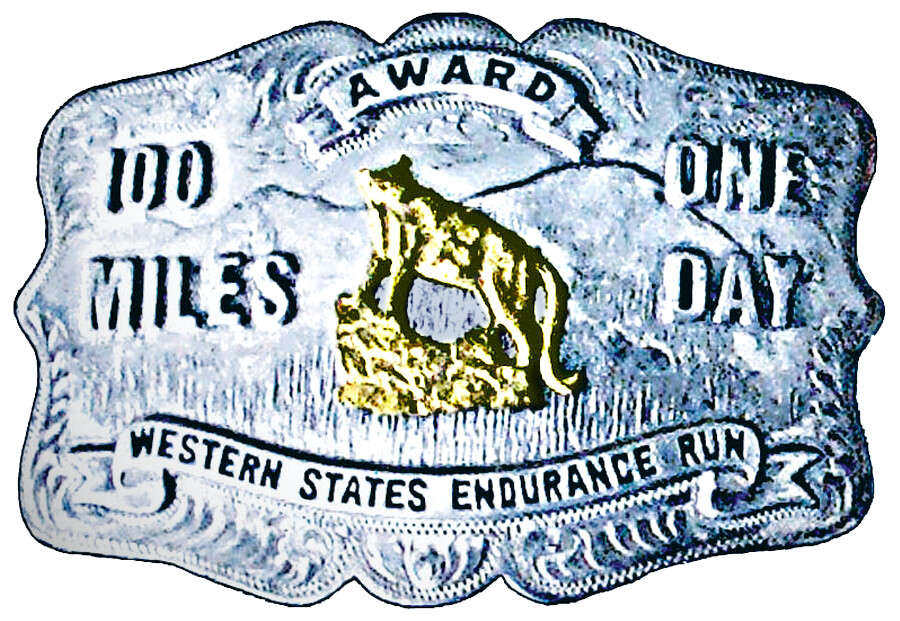
With more than 18,000 feet of climbing and 23,000 feet of descent, the race tests every aspect of a runner’s will and endurance. From snow-capped ridges to sweltering canyon floors, the course traverses remote backcountry, river crossings, and punishing climbs—all under the clock, with the coveted silver belt buckle awaiting those who finish under 24 hours.
Who’s Racing?
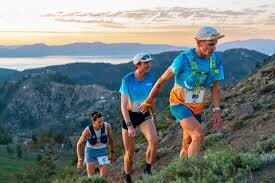
This year’s field is packed with elite talent, resilient veterans, and powerful storylines.
Top Men’s Contenders:
• Rod Farvard (USA) – One of the fastest Golden Ticket winners this season.
• Dan Jones (New Zealand) – Former Olympic Trials marathoner.
• Caleb Olson (USA) – Rising talent on the ultra scene.
• Chris Myers (USA) – Strong performances across the trail circuit.
• Jia-Sheng Shen (China) – Brings international prestige to the field.
Leading Women:
• Emily Hawgood (Zimbabwe) – Regular top-10 finisher with unfinished business.
• Eszter Csillag (Hungary) – One of Europe’s most consistent mountain runners.
• Heather Jackson (USA) – Former pro triathlete turned ultra star, back after a win at Unbound Gravel XL.
• Fu-Zhao Xiang (China) – Dominant at multiple global ultras.
• Ida Nilsson (Sweden) – Former European mountain running champion.
Notable Golden Ticket Winners:
• Riley Brady, Hannah Allgood, Rosanna Buchauer, Hậu Hà, Tara Dower, Abby Hall, Lin Chen, Caitlan Fielder, Nancy Jiang, Fiona Pascall, Johanna Antila
A Field That Crosses Generations
One of the most heartwarming developments this year is the record-setting six athletes aged 70 or older toeing the line.
Among them is Jim Howard, a two-time Western States champion (1981, 1983), who is making an inspiring return at age 70—running with two artificial knees. “I want to go out there one more time and be part of this incredible race,” Howard told Canadian Running.
Also returning is Jamil Coury, founder of Aravaipa Running, looking to build on his strong performance 15 years ago.
The Course
• Start: Olympic Valley (elevation: ~6,200 ft)
• Highest Point: Emigrant Pass (~8,750 ft)
• Finish: Auburn (elevation: ~1,200 ft)
• Snow is often a factor in the early miles, with extreme heat common in the canyons. Aid stations are spaced roughly every 4–8 miles, supported by over 1,500 volunteers.
Runners cross rivers, climb ridgelines, descend technical single-track, and are cheered into the stadium at Placer High—often in the dead of night.
Media and Spectator Access
• Live coverage, tracking, and video will be available on the Western States Endurance Run website.
• Key aid stations will allow crew and spectators, including Foresthill (mile 62) and Robie Point (mile 99).
A Race Like No Other
• One of the five races in the Grand Slam of Ultrarunning
• A UTMB World Series qualifier
• Historic, grassroots feel with world-class competition
Whether you’re cheering for a podium contender, an age-defying legend, or simply following the passion of runners determined to finish within 30 hours, this year’s Western States 100 is poised to deliver drama, beauty, and inspiration.
Let the countdown begin.
by Boris Baron
Login to leave a comment
Western States 100
The Western States ® 100-Mile Endurance Run is the world’s oldest and most prestigious 100-mile trail race. Starting in Squaw Valley, California near the site of the 1960 Winter Olympics and ending 100.2 miles later in Auburn, California, Western States, in the decades since its inception in 1974, has come to represent one of the ultimate endurance tests in the...
more...
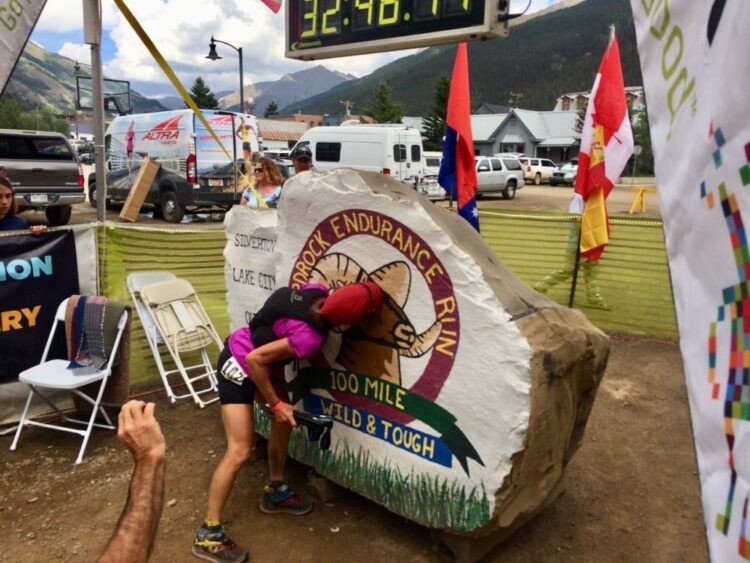
Hardrock 100 extends pregnancy deferral for up to five years
While some runners complained the policy is long overdue, most greeted the news with cheers.
The ultra-trail world is applauding Hardrock 100’s progressive, new pregnancy/parental deferral policy, which the race announced on Instagram on Monday. The new policy encompasses both pregnancy and situations involving adoption and surrogacy.
The new policy allows any woman who has been selected to race (or who gets in off the waitlist) who was pregnant on lottery day (Dec. 2, 2023, for the 2024 race), or who becomes pregnant between lottery day and race day (July 12), or who has given birth anytime during the six-month period leading up to lottery day, to defer their entry for five years. It may also be claimed by the partner of women who give birth during the six months leading to race day, or up to two months after race day.
Further, the policy allows surrogate parents whose due date falls within the six-month period leading up to race day to claim a one-year deferral. This policy also applies to parents who adopt a child during the same six-month period (provided the child is under five years old).
“At Hardrock, we firmly believe that runners of all types shouldn’t have to choose between chasing their dreams on the trails and pursuing the option of becoming parents,” the race posted on Instagram. “That is why we have updated our Pregnancy Entry Deferral policy to provide a more generous deferral period for pregnant women and new mothers, and expanded coverage to include other types of new parents, such as in situations of surrogacy and adoption.”
News of the new policy was greeted with mostly positive comments, though some decried the length of time it has taken for the race to finally acknowledge the realities of life for parents and those who are trying to have children. Canadian ultrarunner Stephanie Case (@theultrarunnergirl), who finished second in 2022, is a Hardrock board member and spoke to Canadian Running about her own fertility journey in a feature in the 2024 Trail Special Issue, commented “Proud to be on this board!”
The policy is somewhat less generous than that of the Western States Endurance Run (as an example of a comparable race), in that the eligibility period begins when a runner enters the lottery, and deferral may be for an indefinite period; however WSER’s policy applies only to pregnant women. The policy at Ultra-Trail du Mont Blanc (UTMB), like Hardrock’s, applies to surrogate and adoptive parents and partners of pregnant women, for up to five years (with certain restrictions).
by Anne Francis
Login to leave a comment

Hardrock 100
100-mile run with 33,050 feet of climb and 33,050 feet of descent for a total elevation change of 66,100 feet with an average elevation of 11,186 feet - low point 7,680 feet (Ouray) and high point 14,048 feet (Handies Peak). The run starts and ends in Silverton, Colorado and travels through the towns of Telluride, Ouray, and the ghost town...
more...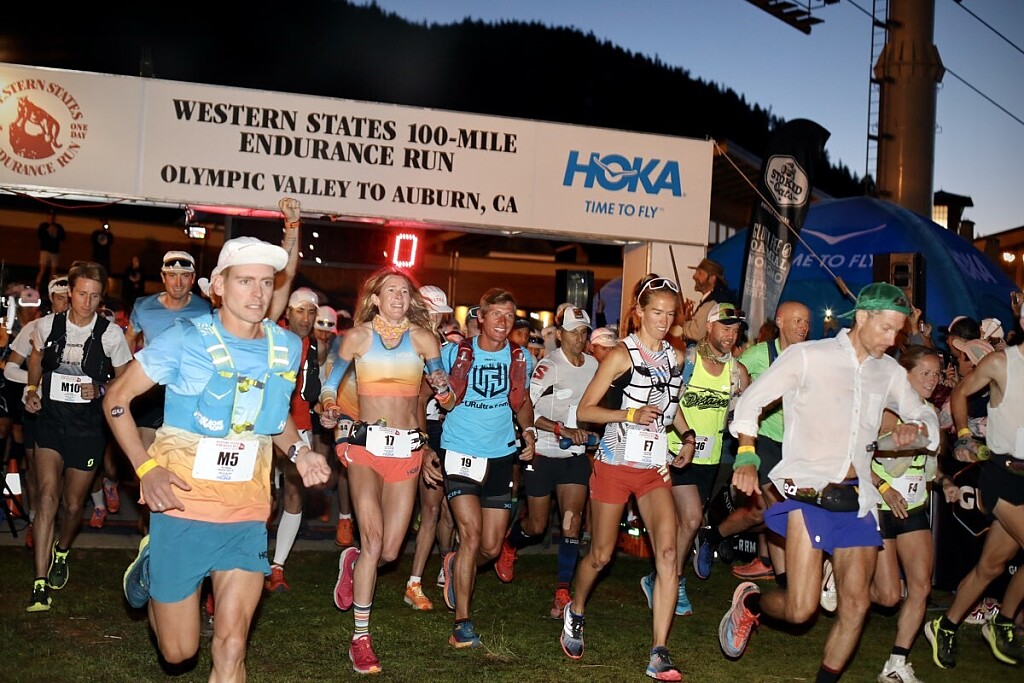
Western States unveils new anti-doping policy
The legendary 100-mile race has partnered with the U.S. Anti-Doping Agency as part of an "ongoing commitment to clean sport".
On Tuesday, Western States Endurance Run (WSER) revealed a new partnership with the U.S. Anti-Doping Agency (USADA), unrolling new regulations around anti-doping and reaffirming the race’s “continuing commitment to clean sport,” as their website explains. Here’s what you need to know.
While WSER has for years had drug testing in place, the previous policies were not as stringent (and were not governed by USADA). For some runners eager to toe the line in Auburn, Calif., on June 29, the rules and expectations around testing are now more clearly laid out; others have more questions and are requesting further clarification.
Entry rules
WSER’s entry rules explain that athletes found guilty of doping offenses by governing bodies like WADA or USADA are barred from participating in WSER during their period of ineligibility. Additionally, any athlete subjected to a ban of three months or more is ineligible unless otherwise approved by WSER. Previously, athletes who had any infractions against the WADA code were banned for life from participating in WSER—but, as ultrarunning world champ Camille Herron explains on X, the new policy allows for “more leniency of entry for those who were given a warning/1-2 month ban.”
Levelling the playing field
WSER will be taking testing seriously and targeting elite athletes and top age-group competitors for post-race urine and/or blood testing. Sample collection and analysis will be handled by USADA, ensuring a thorough and transparent process. USADA will also be responsible for results management, including communicating with athletes regarding test results, investigating violations and imposing sanctions as necessary. WSER also reserves the right to impose its own sanctions.
Prohibited substances
WSER strictly adheres to the WADA (World Anti Doping Agency) Code, prohibiting the use of substances on the WADA Prohibited List. Athletes are responsible for knowing and complying with these rules. The WSER website provides resources to help athletes check their medications and suggests that runners be extremely cautious when using supplements.
Athlete response
The updated drug policies have garnered some positive responses on social media, while some athletes, such as Canadian pro mountaineer and ultrarunner Adam Campbell, are asking for further explanation.
WSER has a partnership with trail running giant UTMB, and while NSAIDs (nonsteroidal anti-inflammatory drugs, including aspirin and ibuprofen) are, notably, banned at all UTMB races, runners at WSER would not be tested for them under these new guidelines.
“The issue is the terms are not clearly defined,” Campbell posted on X. “Strong stances usually demand greater clarity. If UTMB sanctioned someone for a doping violation how would WSER handle it? Their possible violations do not necessarily sync with WADA—seems like a reasonable question to clarify.” At the time of publication, the race had not yet responded.
The 2024 edition of WSER will take place on June 29-30.
by Keeley Milne
Login to leave a comment
Western States 100
The Western States ® 100-Mile Endurance Run is the world’s oldest and most prestigious 100-mile trail race. Starting in Squaw Valley, California near the site of the 1960 Winter Olympics and ending 100.2 miles later in Auburn, California, Western States, in the decades since its inception in 1974, has come to represent one of the ultimate endurance tests in the...
more...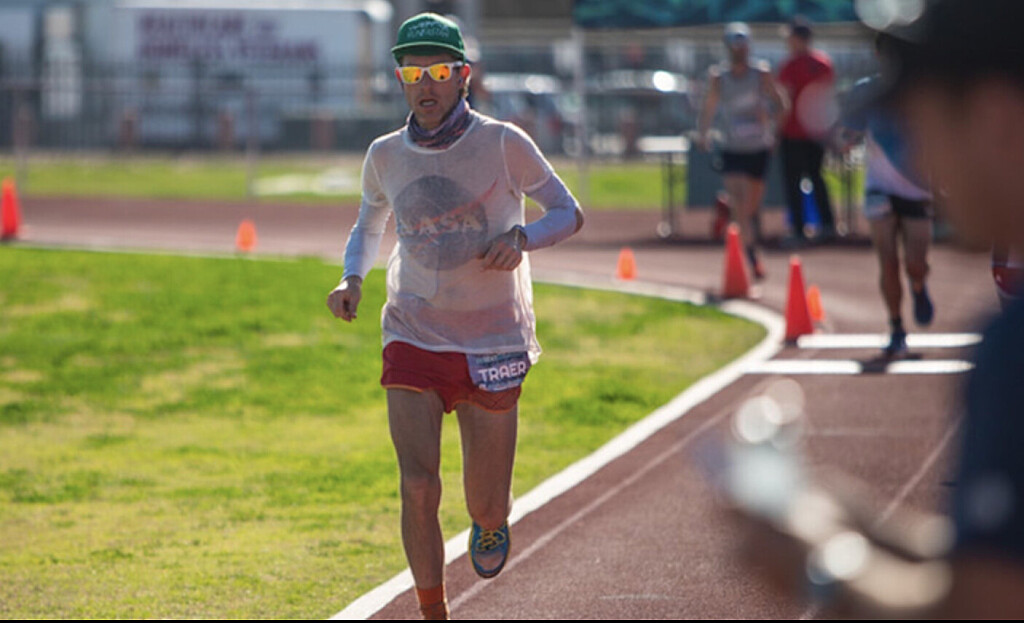
He Qualified for Team USA. Then Came the Bill.
Even as trail and ultrarunning explode, the spoils of professionalization aren’t spread equally across the sport. Athletes on this year’s U.S. 24-hour team are looking to change that
Scott Traer qualified for his first U.S. national team more than a decade ago in 2012. He was new to the sport and naive about what it took to compete at the international level—even after being selected as one of the country’s best athletes in the 24-hour discipline, a niche tributary of trail and ultrarunning where athletes complete as many laps around a track as possible within 24 hours.
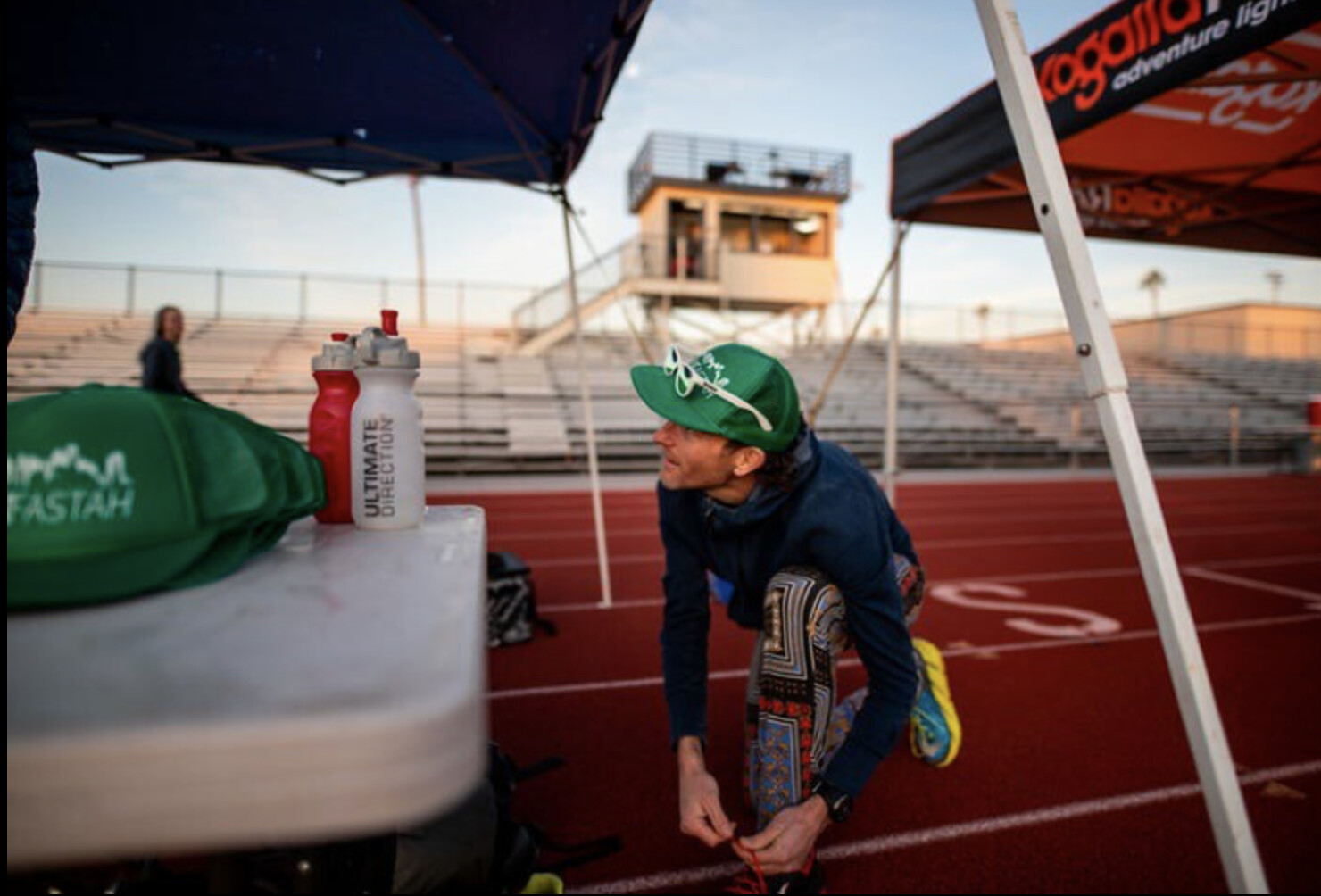
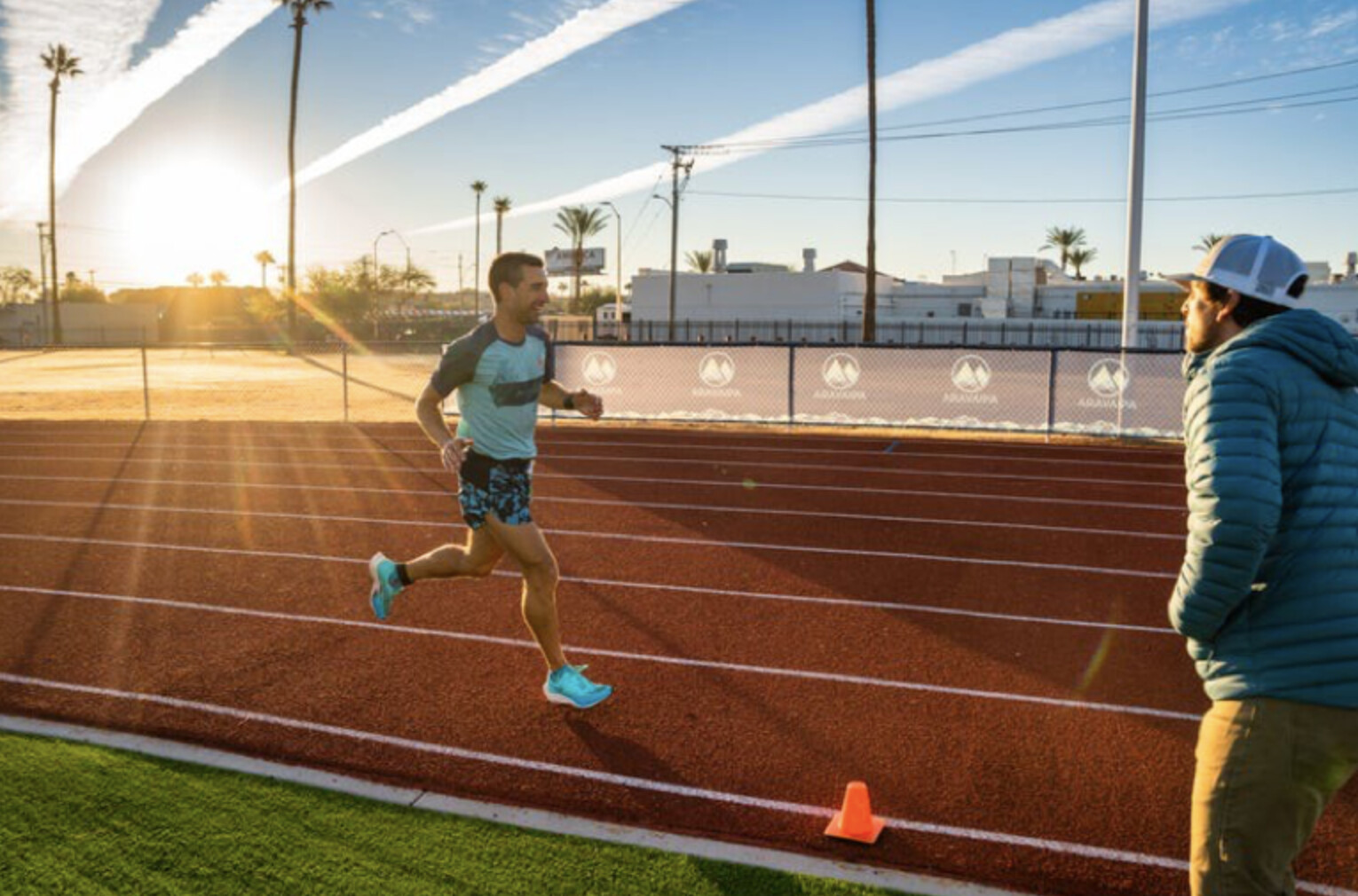
While the 24-hour race format may seem eccentric, well-known names like Courtney Dauwalter, Kilian Jornet, and Camille Heron have dabbled in the ultra-track scene. International governing bodies regulate the discipline with USA Track & Field (USATF), the national governing body for track and field, cross country, road running, race walking, and mountain-ultra-trail (MUT) disciplines, overseeing the American contingent.
Traer, then 31, was working odd construction jobs in and around Boston to make ends meet while training when he got the call from USATF that he had been selected for Team USA.
“I was really excited,” says Traer. “Then, I found out that I had to pay for everything. So I was like, ‘Forget about it.’”
That financial reality took the wind out of Traer’s sails. He didn’t have the disposable income to foot the bill for international travel and didn’t have paid time off from his jobs. While he was disappointed that he wouldn’t get to represent his country in 2012, he was still determined to pursue his dream of chasing a career in coaching and racing.
Now, Traer, 42, is a full-time coach living near Phoenix and working with the Arizona-based event organization Aravaipa Running as an assistant race director. He has earned top accolades in the sport, including a course record at the Javelina 100K and a Golden Ticket to Western States at the Black Canyons 100K, eventually leading to a top-ten finish at the Western States Endurance Run.
True to his blue-collar roots, he is known for racing in unbranded gear, typically a long-sleeve, white SPF shirt unbuttoned and flapping in time with his stride. Ten years after making his first 24-hour team, he re-qualified for the opportunity to compete for the U.S. again, this time for the 2023 IAU 24-Hour World Championships in Taiwan (which international sports federating bodies officially refer to as Chinese Taipei), on December 2.
The catch: USATF is only providing a stipend of $600 to Team USA athletes.
Oregon ultrarunner Pam Smith has competed on Team USA seven times in the 24-hour and 100K world championship events. Now, she’s serving as the Team USA manager to help steward the next generation of ultra athletes. But that passion has come at a cost.
“I estimate I’ve spent around $10,000 in personal funds to be able to compete at the world championships and to represent the USA at these events,” says Smith, 49, who finished fourth at the 2019 IAU World Championships in France. “USATF does pay for the manager’s travel expenses, but there is no other compensation; in fact, the managers have to use their own funds to cover some fees, like membership dues and background checks.”
It might surprise fans of the sport that many of their favorite athletes are paying significant money to sport the red, white, and blue uniform—and that many can’t compete because they cannot shoulder the cost. The U.S. is known for strong 24-hour runners, and the men’s and women’s teams both won gold at the previous IAU 24-Hour World Championships in 2019 in Albi, France, with two individual podium spots.
“The U.S. has many of the best 24-hour runners in the world,” says Smith. “It’s a shame that these athletes don’t even get their airfare covered.”
While Smith’s airfare is covered, her work and that of her colleagues is presumed to be done on a volunteer basis. (A quick online search shows a flight to Chinese Taipei from most U.S. cities costs in the $1,500-$2,400 price range.)
Trail running, particularly the elite side of the sport, is at an inflection point. While some races dole out prize money, and a select few athletes at the top of the sport command respectable salaries, most runners at the elite level rely on a scattershot combination of brand partnerships and personal funding to float their racing. While the sport’s very best athletes are well compensated professionals, most “sponsored” trail runners earn between $10,000 and $30,000 per year. Between travel, gear, nutrition, and other expenses, many runners at the elite level are fronting their own cash to compete.
When Chad Lasater qualified for Team USA after a strong run at the Desert Solstice 24-Hour Race, he hadn’t planned on making the team. But, when he found out he’d qualified, he started looking into the logistics and was shocked to discover he’d be responsible for paying his way to Taipei.
“The cost of airfare, lodging, food, and time away from work can be significant, especially when traveling to somewhere like Taipei,” says Lasater, 51, from Sugar Land, Texas. “I feel that everyone should have an equal opportunity to be on the U.S. team, and the cost of traveling to the world championships should not preclude anyone from accepting a spot on the team. We should really be sending our best 24-hour athletes to the world championships, not the best athletes who can afford to travel.”
Teams that rely on individual brands or athletes to foot the bill will prefer runners with sponsorships or disposable income and can afford to take time off work and pay for childcare.
At the top of the sport, like the world championships, it’s routine to see completely unsponsored runners competing with no brand affiliation, especially in the eccentric realm of 24-hour track events. Even some sponsored runners don’t always get their travel expenses covered.
While a world championship event is certainly a big deal, it doesn’t command the same fanfare and media attention as other marquee events, like the Western States Endurance Run or Ultra-Trail du Mont-Blanc, where many brands prefer to focus their resources.
Jeff Colt, a 32-year-old professional ultrarunner for On who lives in Carbondale, Colorado, publicly debated the merits of returning to Western States in California this year or competing in the 2023 World Mountain and Trail Running Championships in Austria in early June. (The trail running world championships and 24-hour world championships are different events, but the Team USA athletes who compete in each one face similar challenges when it comes to funding and market value to brands.) He ultimately decided to claim his Golden Ticket and compete at States. More eyeballs on the event mean a higher return on the investment for running brands, which in turn elevates athletes’ value to their sponsors
“My sponsor, On, was clear that they supported my decision either way, but they were more interested in me running Western States,” says Colt. “And rightfully so. There’s a lot of media attention at races like States and UTMB, which allow brands to activate and get visibility for their logo. That support feels good as an athlete, too. It’s not just better for the brand.”
Nike has an exclusive partnership with USATF; all athletes competing at any world championship event in the mountain-ultra-trail disciplines (as well as the Olympics and World Athletics Championships for track and field and the marathon) must wear Nike-issued Team USA uniforms that are provided to the athletes free of charge, with the exception of shoes. Any photos or videos of professional runners at these events are less valuable to competing running brands because their athletes will appear bedecked in another company’s logo. This disincentivizes many brands from investing in unsponsored athletes’ travel expenses and limits athletes’ ability to get financial support, most of which currently comes from shoe and apparel brands in the trail running industry. And if athletes cannot compete because of illness or injury, they must return parts of the kit. Even if they keep the kit, many sponsored runners’ contracts prohibit them from training and racing in the gear, so it gathers dust at the back of their closets.
Arizona runner Nick Coury, preparing to compete on his third U.S. 24-hour team, says this contract limits the economic opportunities of unsponsored athletes—partially because it disallows an athlete to place another sponsor’s logo on the Nike gear.
“This is especially upsetting to many because Nike provides large sums of money to USATF for this arrangement, yet neither passes through significant support to national teams despite USATF being a nonprofit aimed at ‘driving competitive excellence and popular engagement in our sport,’” says Coury, 35, from Scottsdale, Arizona. “USATF is taking money from Nike, restricting elite athletes to fund themselves through sponsorship, and doing little to nothing to encourage a competitive national team.”
One athlete, sharing anonymously, reported selling parts of their Nike kit to help offset travel expenses. “It’s the same kit [100-meter and 200-meter track and field superstar] Noah Lyles wears, so it’s super valuable.”
Traer thinks it’s unfair that athletes are forced to wear Nike gear and render free labor supporting a huge company, especially when the 24-hour team isn’t fully funded. Lyles, an Adidas athlete who won the 100-meter dash at this year’s World Athletics Championships in Budapest, had to wear Nike gear while warming up and racing, too. But his travel and expenses were paid in full by USATF, and his Adidas relationship benefits because track and field stars get considerably more exposure than ultrarunners. Furthermore, in track and field, the world championships serve as a prelude to the biggest running event on the calendar, the Olympics, which take place every four years and attract an expansive viewership that reaches far beyond hardcore running fans.
“It bothers me because Nike is making a huge amount of money,” Traer says. “I don’t want to hear that there isn’t enough money to support athletes because I see smaller brands in our sport that have less money doing a much better job supporting athletes.”
Nancy Hobbs is the chairperson of the USATF Mountain and Ultra Trail Running Council, the division of USATF that oversees the U.S. 24-Hour Team. Her executive committee has been discussing more equitable distribution of funds. Initially, funding was based on the number of years the championships had been held and how many athletes were attending.
Ultimately though, it comes down to the relatively small amount of Nike money that USATF allocates to the USATF MUT Running Council.
“With a certain amount of money in the budget, we could choose to send fewer athletes (i.e., just a scoring team with no spares in case of injury, etc.), but the council discussion has been on the importance of fielding a full team with some additional athletes for attrition and providing more athletes an opportunity to compete internationally (provided they qualify for the team based on selection criteria),” says Hobbs.
Though the compensation for mountain-ultra-trail athletes may feel low, it is significantly higher than in the past. In 1999, a mere $250 was distributed to each MUT subcommittee, totaling $750 for all 1999 expenses. In 2013, MUT teams received $25,000 in funding for travel. This year, $83,000 was distributed across all of the teams it sends to international championships for MUT disciplines.
“We’ve come a long way with MUT since 1998,” says Hobbs. “We have more work to do. This is a volunteer-driven group which is passionate about our sport and trying to provide athletes opportunities through championships, teams, and programs within the structure of USATF.”
Coury qualified for his third U.S. 24-hour team in 2021 and broke the American 24-hour record. He’s had to fund his travel out of pocket for all three international appearances. He says the lack of funding limits the team’s ability to compete on the world stage.
“I’ve found it extremely challenging to train for a 24-hour event while holding a full-time job, as have others, and I know I haven’t and won’t hit my personal potential as a result,” says Coury. “We’ve seen an explosion in the competitiveness and interest in trail races, and part of that is the ability for ultrarunners to make a living as professional athletes. We see very few runners in the 24-hour space who can go professional, which reflects in our team’s competitiveness.”
While Team USA won both gold medals in 2019, international competition is escalating. Coury says opening up additional funding would help draw elites and strong amateurs alike to try their hand at the 24-hour format, which would help Team USA’s standing on the world stage.
“Athletes like Courtney Dauwalter and Camille Herron have represented Team USA multiple times and been key to our results,” says Coury. “Yet I am certain they must weigh training, qualifying, and representing Team USA against the sponsorship opportunities in trail ultrarunning, where financial support is much greater. I imagine there would be more interest from some of our most capable athletes if we had a better financial story around the team, providing a path for it to fund an athlete’s career instead of costing out of pocket. Given the prospects of making a living at a trail race versus paying to represent Team USA, I’m positive we’re discouraging some of our best athletes from even wanting to try.”
In previous years, Team USA has resorted to raising money through bake sales and selling T-shirts to raise funds for the team’s travel expenses. Past team captain Howard Nippert made and sold ice bandanas to support the team. This year’s captain Smith is hosting fundraising dinners. Coury says that the ultrarunning community has stepped up to support the team where traditional funding has failed.
“It reminds me in some ways of the amateur athlete situation back in the 1970s, where representing your country came at a significant financial burden and really made athletes reconsider it,” says Coury. “Why isn’t USATF making it desirable to train and compete for Team USA? Why is it seemingly doing the opposite?”
The 24-hour team is at a crossroads: either it will receive adequate funding and support to send the best team possible to the world championships, or it will maintain this status quo while Team USA falls further and further behind on the international stage. Traer has launched a petition on Change.org to draw attention to the funding issue and is determined to sound the alarm about how a lack of funding holds athletes and all of Team USA back.
“No one should have to decide that they made Team USA but can’t afford to pay to wear their country’s flag,” says Traer. “If an athlete earns their spot on the team, they should get the support they need to compete. End of story.”
by Outside Online
Login to leave a comment
New prison marathon documentary chronicles San Quentin's 1,000 Mile Club
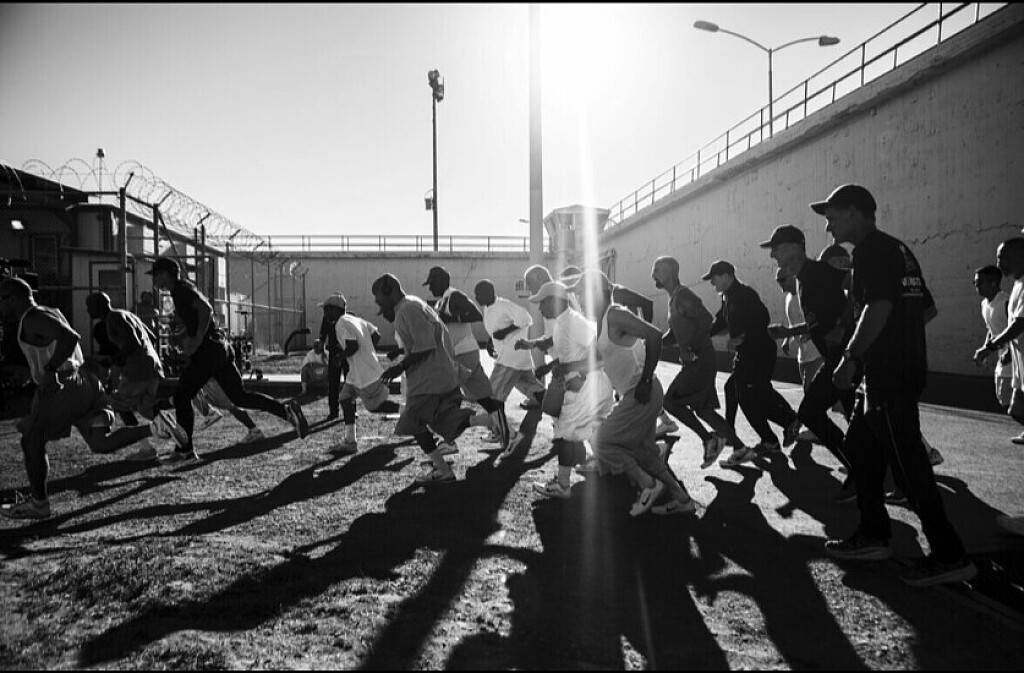
26.2 To Life, by San Francisco filmmaker Christine Yoo, documents the story of the San Quentin Marathon–a marathon that takes place every November inside the walls of a maximum-security prison, and which, for several men, has represented a path to rehabilitation and a new life. The film opens in U.S. theatres on Sept. 22.The club, which evolved sometime after a small group of volunteer coaches were given permission to start a running club in the prison 16 years ago, is called the 1,000 Mile Club–the idea being that interested inmates could rack up 1,000 miles during their period of incarceration.
The club’s leader is volunteer coach Frank Ruona, a veteran of 78 marathons (including many Boston Marathon finishes) and 38 ultras. Other regular volunteers include Western States Endurance Run board president Diana Fitzpatrick and popular ultrarunner Dylan Bowman.The film documents the 2018 San Quentin Marathon, which involves 105 laps of the prison yard–a combination of gravel, pavement and dirt, with six 90-degree turns in each loop. Twice, that year’s marathon was delayed–once by wildfires in the area, and once by deaths in the prison due to drug overdoses. Sometimes the race itself is interrupted by alarms. When an alarm sounds, everyone in the yard must drop to the ground. The first time an alarm sounds during the 2018 marathon, the men are sitting on the ground for seven minutes.
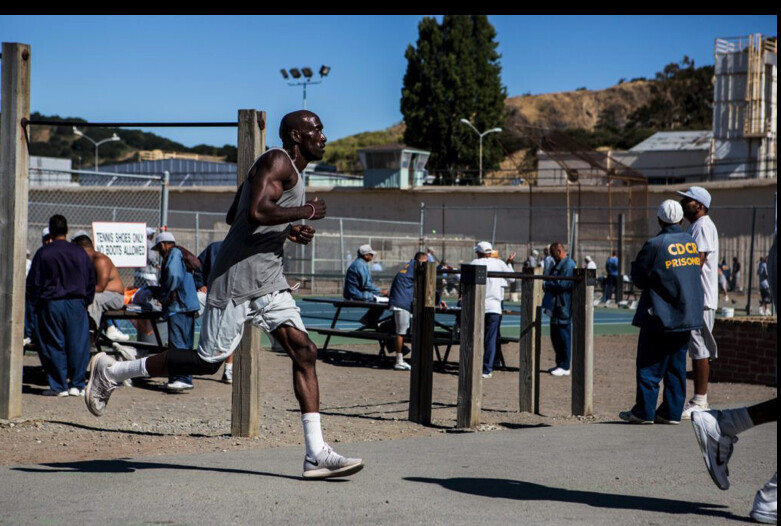
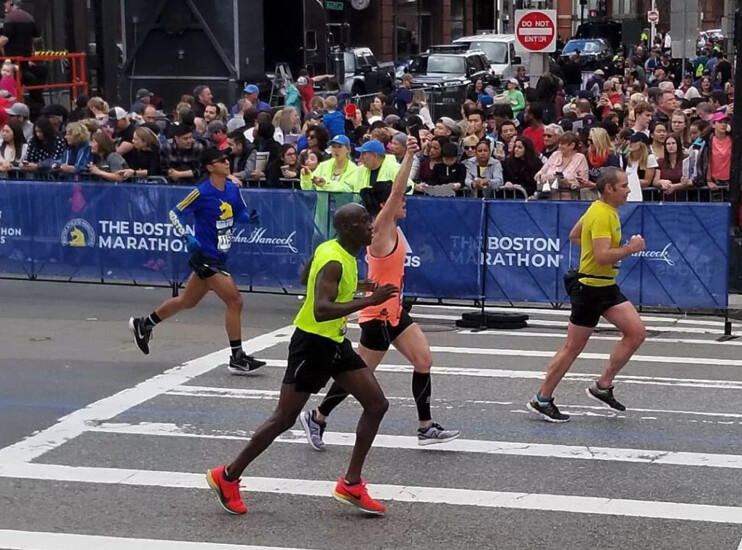
Then the race resumes.As he does every year, the club’s fastest runner, Markelle Taylor (nicknamed “The Gazelle”), won the race. As it happened, Taylor’s sentence was commuted the same year, and he went on to run the 2019 Boston Marathon as a charity runner, finishing in 3:03–a nearly seven-minute personal best.
San Quentin is a Level 4 maximum security prison, and many of the men depicted in the film are serving life sentences for murder. Each describes what led to their incarceration, but Ruona says he’s not interested in their crimes–he will lend an ear if an inmate wants to talk, but he does not ask what brought them to San Quentin. He is simply there to help–and to be a witness to the transformative power of running to change lives that are sometimes without hope. “I just feel like I am my brother’s keeper,” Ruona says, citing an Old Testament verse about Cain and Abel. “If he needs help, I’m gonna try and help him.”At the time the film was made, another runner, Tommy Wickerd, had been sober and gang-free for 18 years, and had recently completed his high school diploma. He applied for a commutation of his sentence, but never got a response.
His earliest possible release date is in 2053; he will be 86 when he gets out. But he’s philosophical. His wife, Marian, is determinedly loyal, and he has a son with whom he has a strong relationship. “If I keep running, I’ll be all right,” he says.
26.2 To Life opens in theatres in New York City, the San Francisco Bay area, Los Angeles, Milwaukee and Seattle on Sept. 22, and there will be a 72-hour virtual premiere from Sept. 29 to Oct. 1. There are currently no screenings scheduled in Canada, but we’ll provide updates if that changes. For more information, consult the film’s website, here.
by Running Magazine
Login to leave a comment
Montreal ultrarunner Mathieu Blanchard to join star-studded UTMB field
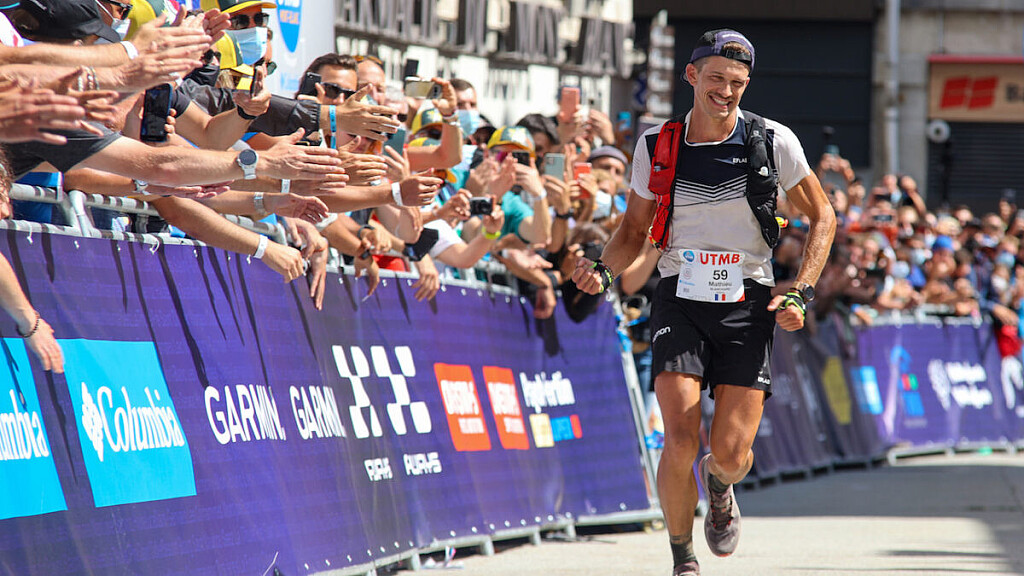
Montreal’s Mathieu Blanchard has confirmed he will toe the start line at Ultra Trail du Mont-Blanc in two weeks, joining an elite lineup that organizers of the 171-km race are billing the strongest elite field since the race began 20 years ago.
Blanchard will be vying for his third consecutive podium finish in Chamonix on Sept. 1. He ran last year’s race in 19 hours, 54 minutes and 50 seconds to finish a close second behind Spain’s Kilian Jornet, who ran 19:49:30 for a new course record. In 2021, Blanchard finished third behind French runners François D’haene (20:45:59) and Aurélien Dunand-Pallaz (20:58:31).
In June, Blanchard ran 15:37:02 to finish sixth in his Western States Endurance Run debut. He told Canadian Running after the race that Western States presented a uniquely difficult challenge: “I pushed through, I fought hard, my body was super painful like never before,” he said, adding he was proud to earn the “mythic buckle” awarded to Western States winners.
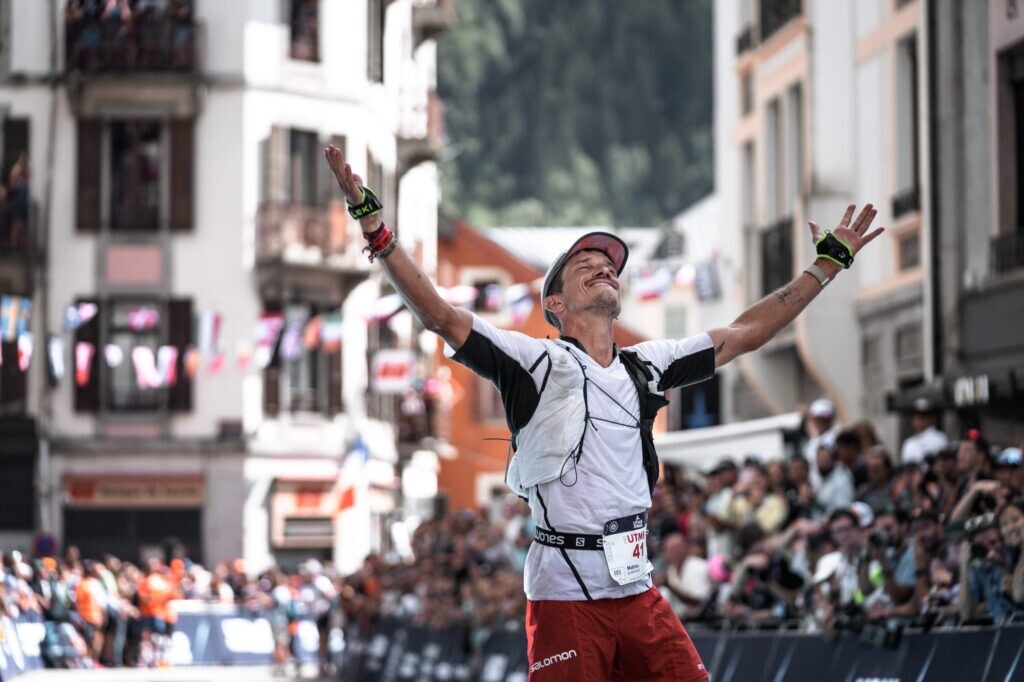
Among the giants of trail running Blanchard will be up against at UTMB is British runner Tom Evans, who ran the fourth-fastest time in Western States history (14:40:22) to win this year’s men’s race, and who finished behind Blanchard at last year’s UTMB to place third (20:34:35).
“I’m incredibly enthusiastic about the idea of taking part in the UTMB this year,” Evans recently told UTMB. “I’m coming into the event in a much better position than last year when I was fresh from a knee operation. The race is so full of history and for the 20th anniversary, I want to be part of the story by doing a Western States 100 Endurance Run and UTMB double. It’s a big challenge and with the strength of the peloton, it won’t be easy, but it’s a contest I’m looking forward to and believe I can achieve.”
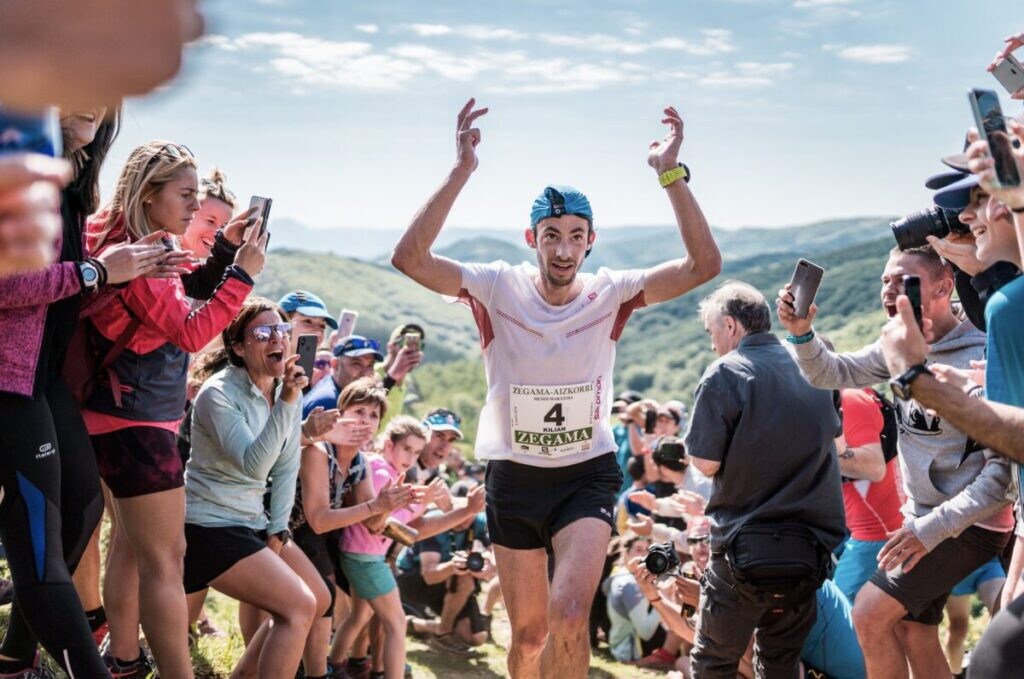
In addition to Jornet, this year’s men’s field will see the return of American Jim Walmsley, who finished fourth in last year’s race (21:12:12) and who has held the Western States course record (14:09:28) since 2019.
Other notable entries in the men’s field include Swiss runner Jonas Russi (winner of the Lavaredo Ultra Trail by UTMB 2023), fellow Swiss runner Jean-Philippe Tschumi (who shared victory at the 100K Trail 100 Andorra by UTMB with the American Ben Dhiman) and Sweden’s Petter Engdahl.
Arguably the most compelling storyline from this year’s UTMB will be American trail running phenom Courtney Dauwalter‘s quest for the triple crown following her resounding victories at Western States (where she ran 15:29:33 to smash the 16:47:19 course record set by Canadian Ellie Greenwood in 2012) and Hardrock 100 (where she set a new course record in 26:14:08). The Golden, Colo.-based runner won UTMB in 2019 (24:34:26) and again in 2021, when she set the current women’s course record (22:30:54).
She stands to face fierce competition from an elite field that includes New Zealand’s Ruth Croft (who finished second at Western States last year), Germany’s Katharina Hartmuth (winner of this year’s Eiger Ultra Trail by UTMB), Italy’s Martina Valmassoi (winner of the 2022 TDS in Chamonix) and Hungary’s Eszter Csillag, who finished fifth at last year’s UTMB.
by Paul Baswick
Login to leave a comment
North Face Ultra Trail du Tour du Mont-Blanc
Mountain race, with numerous passages in high altitude (>2500m), in difficult weather conditions (night, wind, cold, rain or snow), that needs a very good training, adapted equipment and a real capacity of personal autonomy. It is 6:00pm and we are more or less 2300 people sharing the same dream carefully prepared over many months. Despite the incredible difficulty, we feel...
more...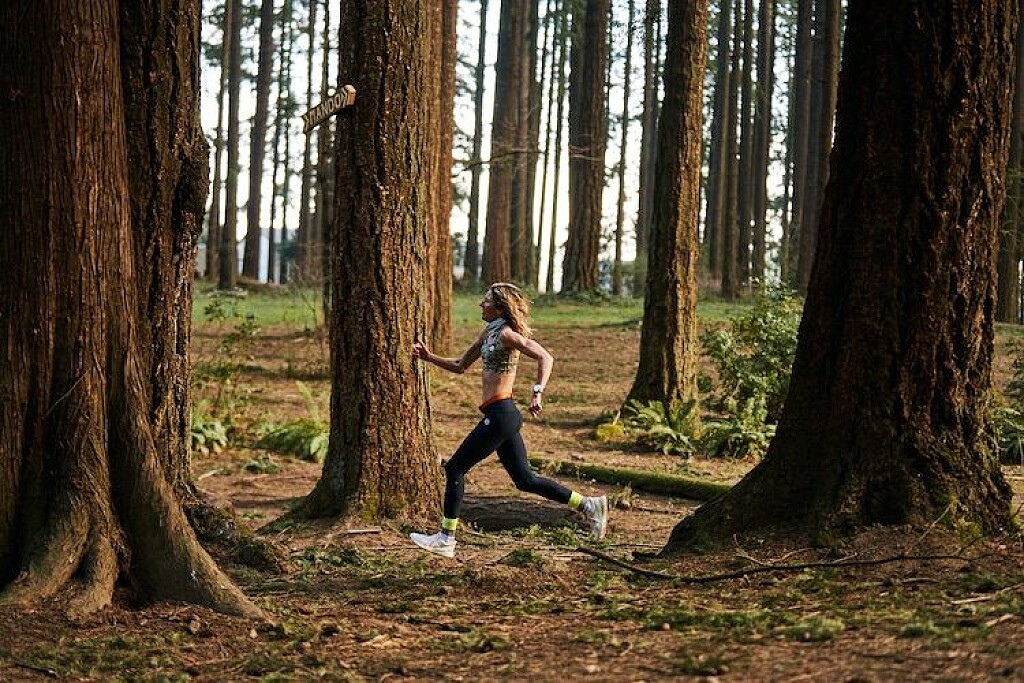
World-record holder Camille Herron lands a bird feeder after ruling the roost in her final long-distance race before Western States
U.S. ultrarunner Camille Herron broke the men’s course record at a trail marathon in Texas over the weekend, confidently capping off her last long-distance race ahead of the 100-mile Western States Endurance Run at the end of the month.
Herron finished Saturday’s 42.2-km race at the Texas Trail Running Festival in 3:49:47, beating the men’s course record by 1:41 and the women’s course record by almost 29 minutes. She completed the four-loop course at the Grelle Recreation Area trail system in Spicewood, Texas, more than 40 minutes before this year’s top men’s finisher and more than an hour before the marathon’s second-place women’s finisher. There were 10 runners in the women’s category of this year’s race and 57 competitors overall.
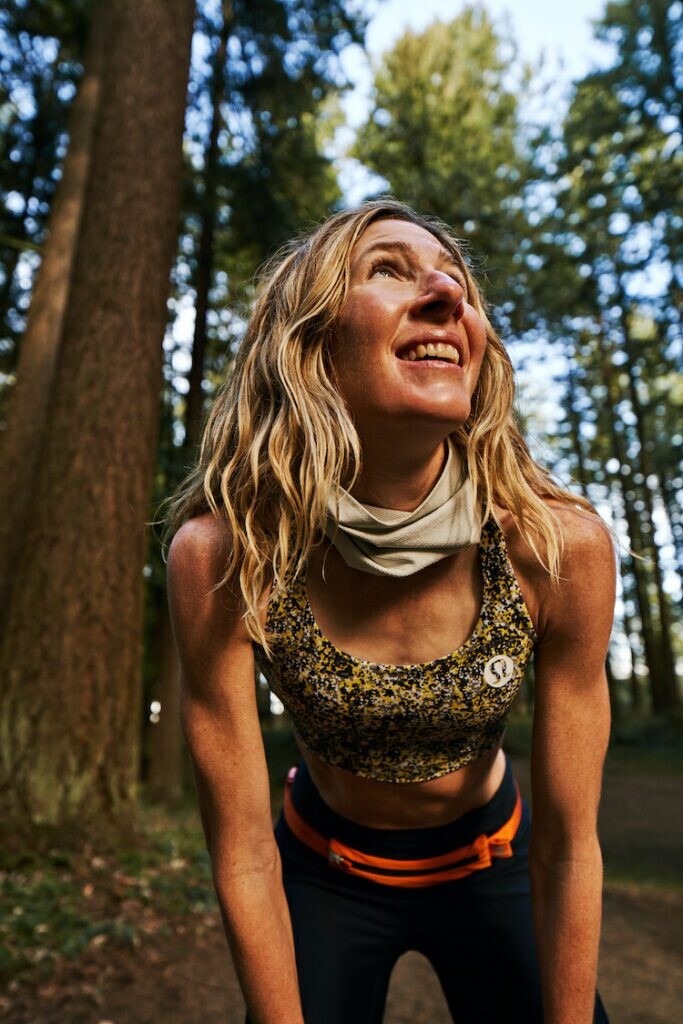
Herron proudly displayed her first-place prize—a bird feeder in the shape of a Texas Longhorn—in social media posts over the weekend. “It was a great course and good prep for Western States,” Herron wrote. “I won a really sweet bird house. Thank you @trejatrails for putting on a fun event.”
Herron, who lives in Oklahoma, wrote that it had been a few years since she’d run in Texas and that it was good to be back: “They have a great trail community—I’ll have to come back for more.”
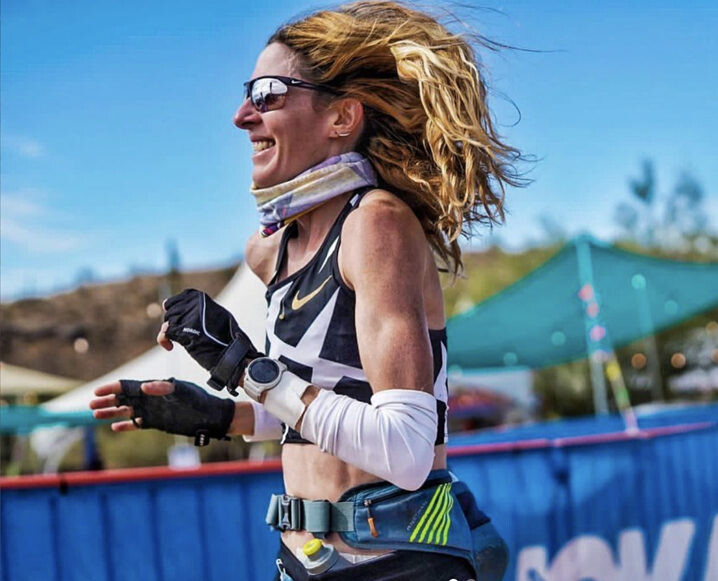
Amid the many congratulations posted in her Instagram feed, Herron was asked if Saturday’s race will be her final long run before Western States, which kicks off in California’s Olympic Valley on June 24. “Yep,” she replied, “ready to roll.”
A “roll” is exactly what Herron has been on at events large and small in 2023. The runner, who has set world records in 50-mile, 100-mile, 100-kilometer, 12-hour and 24-hour events, set the 48-hour women’s world record in Canberra, Australia in March by running 435.336km. If she’s to add to her impressive string of ultrarunning records at this year’s Western States, Herron will have to best the 16:47:19 run by Vancouver’s Ellie Greenwood in 2012. Herron cracked the top 10 in the women’s field at last year’s Western States, running 18:51:54 to place eighth.
Looking beyond Western States, Herron will be among 10 women athletes to compete in Lululemon’s recently announced Further six-day ultramarathon next March.
She noted she’ll also need to fit hanging a birdfeeder into her busy schedule, and that she’s curious to see who flocks to her newest racing trophy. “Can’t wait to see who becomes our new neighbor.”
by Paul Baswick
Login to leave a comment
Western States 100
The Western States ® 100-Mile Endurance Run is the world’s oldest and most prestigious 100-mile trail race. Starting in Squaw Valley, California near the site of the 1960 Winter Olympics and ending 100.2 miles later in Auburn, California, Western States, in the decades since its inception in 1974, has come to represent one of the ultimate endurance tests in the...
more...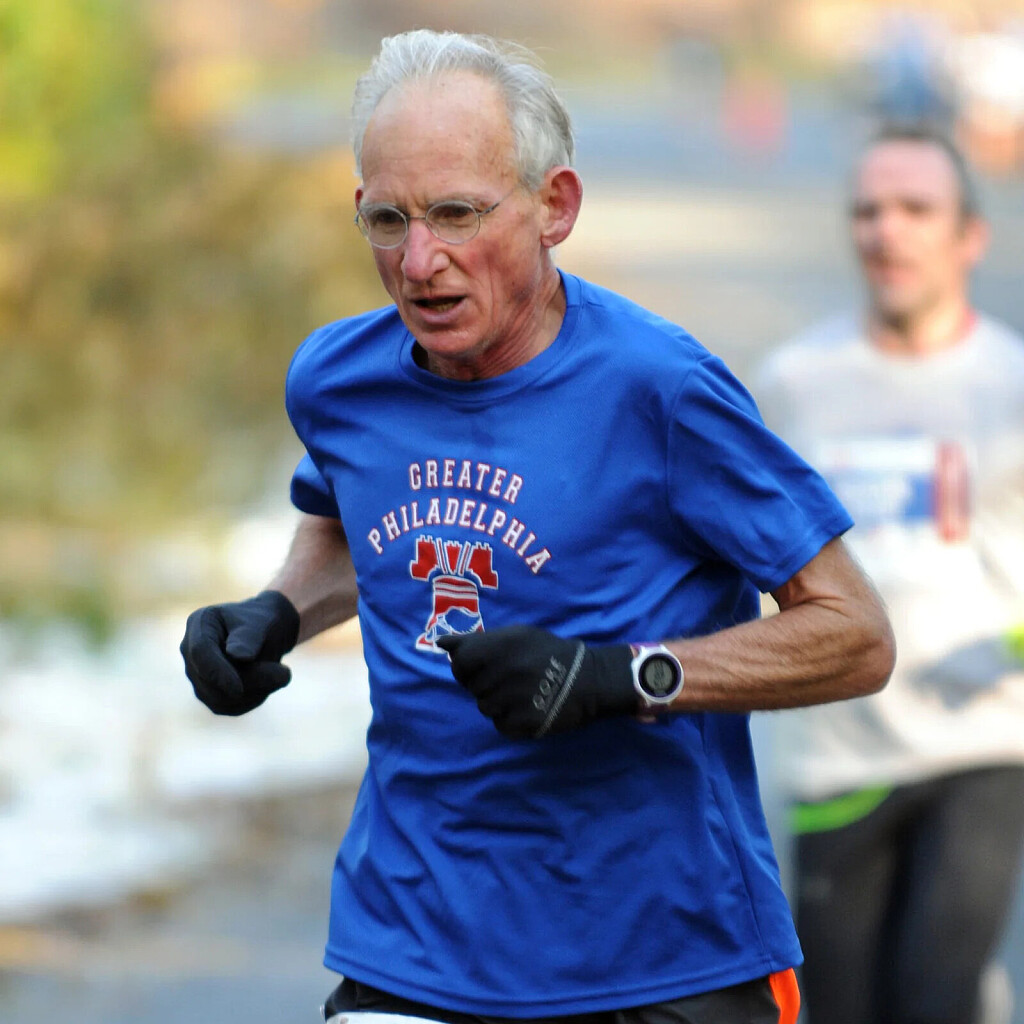
Gene Dykes, 75, sets seven U.S. masters records
Accomplished ultrarunner Gene Dykes, 75, looks to have set no fewer than seven U.S. masters records at a 12-hour race in his home state of Pennsylvania over the weekend, surprising himself as he pushed past health issues to pass the 100-km mark with 400 metres to spare.
The records, which have yet to be ratified by USA Track and Field, include the fastest outdoor track times in the U.S. men’s 75-79 category for 25K (2:48:33), 30K (3:24:08), 50K (5:40:39), 20 miles (3:41:28), 50 miles (9:25:10) and 100K (11:56:26), and the longest distance run in that category for a 12-hour period (100,481 metres). Dykes set the records during his 12-hour overnight effort at the Dawn to Dusk to Dawn Track Ultras in Sharon Hill, Pa., on May 13-14.
The 100K record was the most surprising to Dykes, who has broken multiple records since he took up competitive racing in his 60s. “I didn’t think I had a prayer,” he says. “It’s hard running 100K at my age. I only made it by four minutes.”
Making his latest effort even more remarkable was the fact he was battling a host of health issues on race night.
“I told people I’m battling the three C’s out here,” says Dykes. “Two weeks ago I contracted COVID, and I also had cold symptoms going into the race. Six months before I had been diagnosed with blood cancer, and that’s been really hurting my fast pace, but I have this theory that it doesn’t affect ultra paces and that seems to have really been borne out here. The only symptom I have is that I can’t breathe hard enough when I run fast, but when you’re running 12 hours, you’re never running hard. I was really happy to be able to get through 12 hours with all those health problems.”
Dykes says although he has been sitting out races recently due to health challanges, it was important for him to step up to the starting line over the weekend, as he prepares to make history next month as the oldest finisher of the 100-mile Western States Endurance Run.
“I kind of had to take a chance, because the really big race is next month,” says Dykes. “That’s a big deal. I’ve got a sponsor, and everybody’s expecting me to become the oldest-ever finisher there. So I thought, If I can’t run for 12 hours, how am I going to run for 30 hours?”
The self-described “ultra geezer” says his race on the weekend—his longest since receiving his cancer diagnosis—is a good confidence booster ahead of Western States.
“When you haven’t done something that like in a while, doubts creep in. A lot of things could have gone wrong. I could have got nauseated, I could have bonked, running out of glycogen, in which case you’re going to slow down no matter how much you want to run faster. None of those things happened. You get in this strange mindset where you just kind of dial out misery and keep on going.”
Reflecting on his latest effort with humility, Dykes says many of the U.S. masters records he set on the weekend were “low-hanging fruit,” saying he could “think of a half a dozen 75-year-olds out there” who could have set records in the 25- and 30-km distances “if they had the mind to.”
He adds, however, that he was proud to have hit the 100-km distance under the wire. “At 50 km I asked my crew to find out the new pace I would have to run over the next 50 km for the 100 km. I had to pick up from my comfortable pace. I thought I don’t care if I have no chance—I’m going to run the pace I need and keep doing it until I can’t do it anymore.’ Somehow, for seven hours I managed to keep pushing myself right up to the ending bell.”
Dykes is now looking forward to bringing that same determination to Western States on June 24-25. “It’ll be fun trying,” he says. “There are just so many ways to enjoy running. I’m really fortunate.”
by Paul Baswick
Login to leave a comment
Western States 100
The Western States ® 100-Mile Endurance Run is the world’s oldest and most prestigious 100-mile trail race. Starting in Squaw Valley, California near the site of the 1960 Winter Olympics and ending 100.2 miles later in Auburn, California, Western States, in the decades since its inception in 1974, has come to represent one of the ultimate endurance tests in the...
more...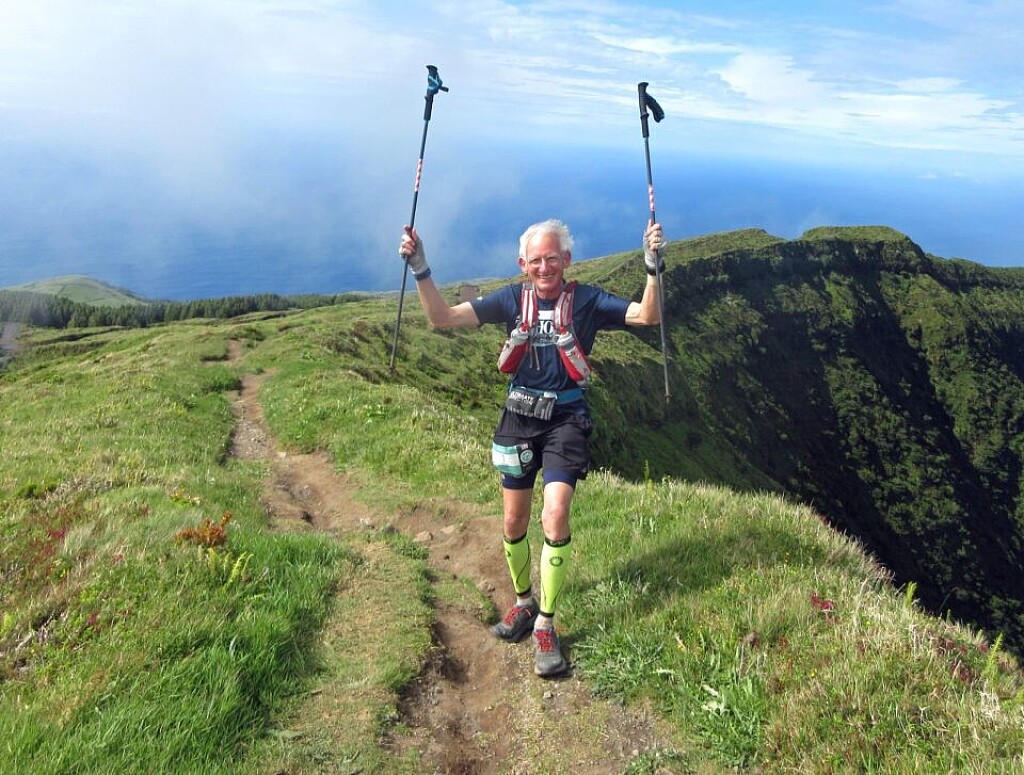
Gene Dykes hopes to become oldest Western States finisher
Gene Dykes, the record-setting 75-year-old ultrarunner from Philadelphia, will hit the trail this summer in a bid to become the oldest finisher in the history of the 100-mile Western States Endurance Run.
This year’s event, which takes place June 24-25 in Auburn, Calif., will mark the race’s 49th year.
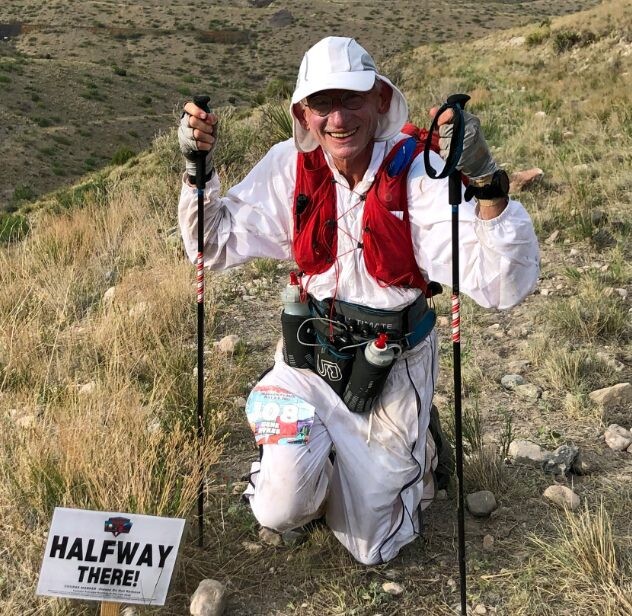
The current oldest finisher is Nick Bassett of Cheyenne, Wy., who finished the 2018 race in 29:09. (The cutoff for all finishers is 30 hours.) Bassett was 73.
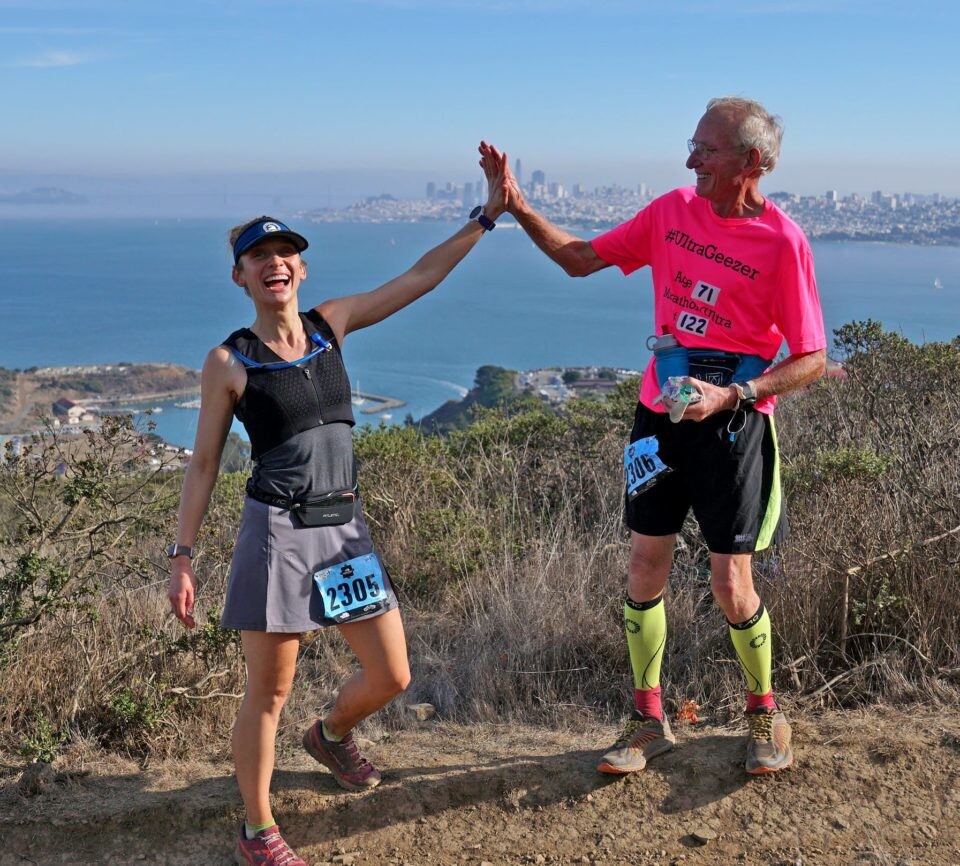
A self-proclaimed “ultra geezer,” Dykes started competing in races when he was in his 60s and has since broken multiple records for his age group. In 2021, he broke the M70 50K world record at the USATF national 50K road championships in East Islip, N.Y., crossing the finish line in 3:56:43 and beating the previous record of 4:15:55, set by Germany’s Wilhelm Hofmann in 1997, by nearly 19 minutes. Dykes broke the M70 100-mile and 24-hour track records at the Dawn 2 Dusk 2 Dawn 24-hour ultramarathon in Sharon Hill, Penn., in 2019.
In 2018, Dykes ran his fastest marathon time—2:54:23—at age 70 at the Jacksonville Marathon in Florida. The result would have seen him take the world M70 marathon title from former record holder Ed Whitlock, but Dykes’s final time was not ratified due to the race not being a USATF-sanctioned event.
In total, Dykes has run 157 marathons and ultras since 2006. His daughter Hilary will pace him at this year’s WSER.
Dykes is being sponsored in his latest effort by Calgary-based Stoked Oats. As part of their support, the company has kicked off its Breakfast with Gene series on Instragram and YouTube. The series will feature guests including Vancouver-based WSER female record holder Ellie Greenwood, three-time WSER racer Michael Wardian and race director Craig Thornley.
In 2016, 72-year-old Wally Hesseltine made a valiant and heartbreaking attempt to break the “oldest finisher” record, but missed the 30-hour cutoff by two minutes.
“We are thrilled to be supporting Gene on his journey to WSER,” says series host and Stoked Oats founder Simon Donato. “Running 100 miles is a tall order for professional runners, let alone someone in their 70s. What Gene is trying to accomplish is truly remarkable and we’re looking forward to supporting him every record-setting step of the way.”
Western States, first run in 1974, is the world’s oldest 100-mile trail race and one of the most prestigious. Each June, 369 runners from across the United States and around the world embark from the start line in Olympic Valley, Calif., to tackle a challenging course to the coveted finish line at Placer High School in Auburn.
by Paul Baswick
Login to leave a comment
Western States 100
The Western States ® 100-Mile Endurance Run is the world’s oldest and most prestigious 100-mile trail race. Starting in Squaw Valley, California near the site of the 1960 Winter Olympics and ending 100.2 miles later in Auburn, California, Western States, in the decades since its inception in 1974, has come to represent one of the ultimate endurance tests in the...
more...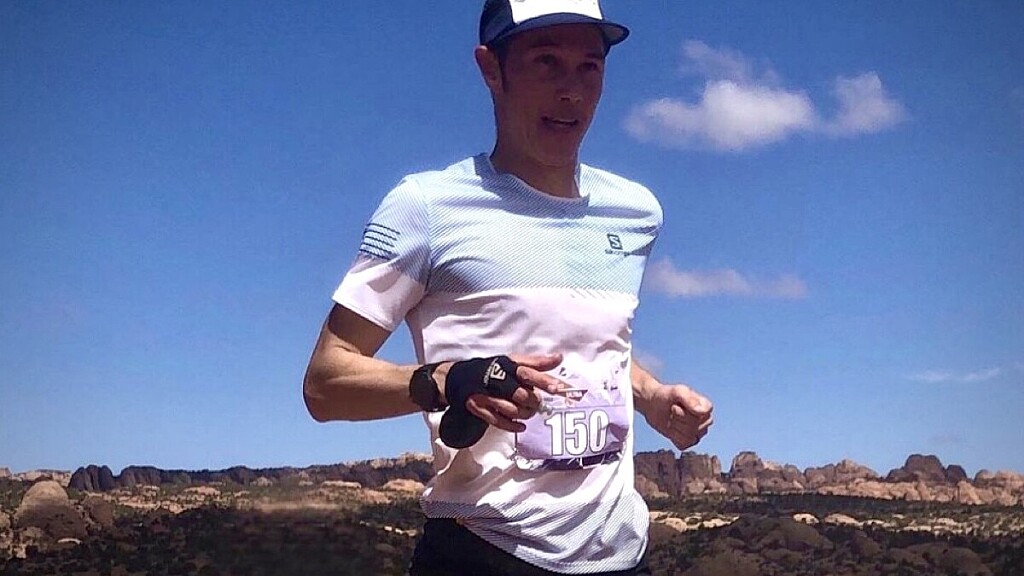
Course records fall at chilly Black Canyon 100K in Arizona
Temperatures were cooler than usual at Saturday’s Black Canyon 100K near Phoenix, Ariz., a Golden Ticket race for Western States Endurance Run. The race started just a degree or two above freezing, and gradually got warmer as the day wore on, resulting in some record-breaking finish times.
Anthony Costales of Salt Lake City, Utah, took the overall win in a new course record of 7:32:50 (20 minutes faster than Sage Canaday’s CR from 2016), improving on his fifth-place finish last year. Keely Henninger of Portland, Ore., won the women’s race in 8:45:30, three minutes ahead of Brittany Petersen’s CR from 2021, and 15th overall.
Tom Evans of the U.K. finished second, five minutes behind Costales, with Germany’s Janosh Kowalczyk third, in 7:40:00. All three were ahead of the previous course record. American pro triathlete Heather Jackson, who is relatively new to the trail running world, took second in the women’s race, in 7:47:59 (also under the previous CR), with Meghan Morgan third, in 8:53:52.
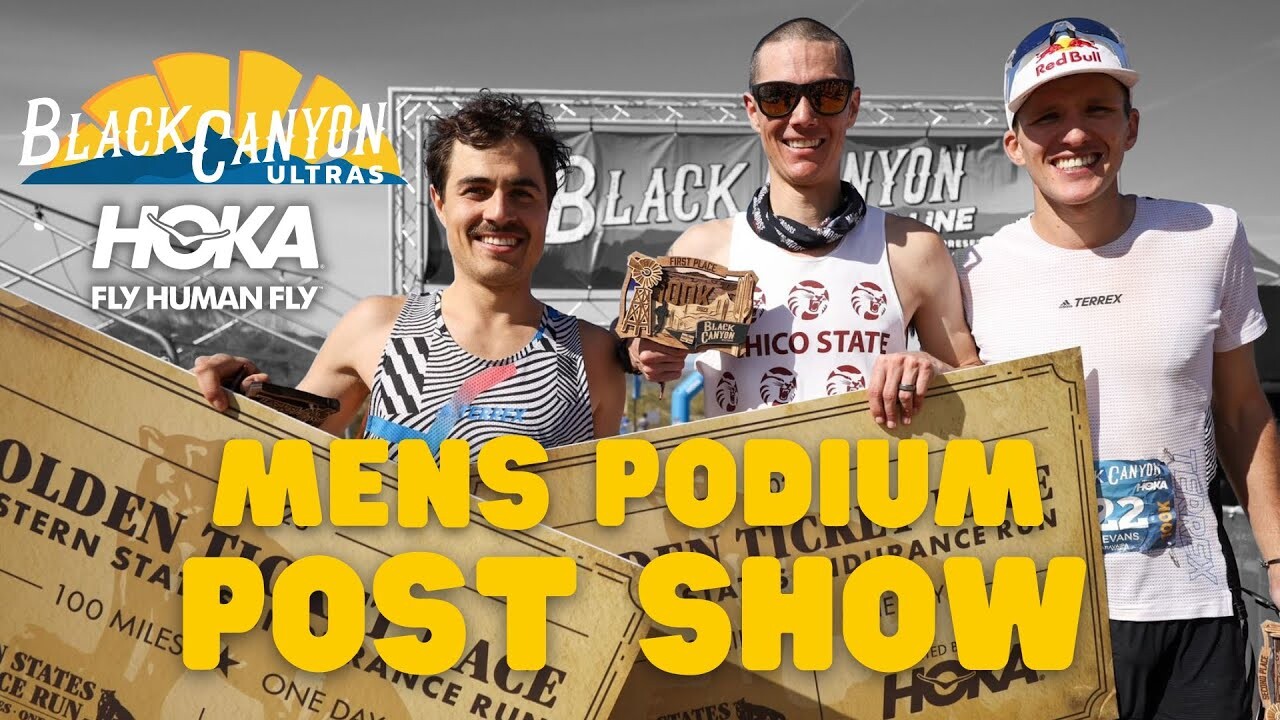
The first and second women and men receive automatic entry to the Western States Endurance Run, to be held June 23 in Olympic Valley, Calif.
Top Canadians

Elliot Cardin of Bromont, Que., was the fastest Canadian in the 100K race, snagging an eighth-place finish in 8:10:22, after finishing 14th in 2022. Mercedes Vince, another relative newcomer to the trail scene, was the top Canadian woman, finishing 14th, in 10:04:20.
The 60K race, which took place Sunday, was won by Joshua Park (4:37:10) and Mimmi Kotka of Sweden (4:55:46, for sixth overall).
by Anne Francis
Login to leave a comment

Black Canyon Ultras
The Black Canyon Ultrasoffer runners an immersive experience along Arizona's historic Black Canyon National Recreation Trail. This event features two point-to-point races: a 100K on Saturday and a 50K on Sunday, both traversing the rugged and scenic Sonoran Desert. The 100K race begins at Mayer High School in Spring Valley and concludes at the Emery Henderson Trailhead near New River....
more...
Western States 100 aims for inclusivity in updated policies for transgender, non-binary, and pregnant athletes
One of the oldest and most respected ultratrail races in the world has taken a further step at making their race more inclusive. On Wednesday morning, the board of Western States Endurance Run (WSER) released policy updates around transgender and non-binary entrants, as well as an updated pregnancy deferral policy.
WSER says that these new rules align with their “goal of ensuring fair and inclusive practices that respect the personal rights and dignity of transgender and nonbinary entrants while preserving the integrity of competition for awards and records.”
In October, Riley Brady became the first ever non-binary athlete to secure a golden ticket to WSER, finishing second at Javelina Jundred 100-mile race. While Ultrasigup allows runners to choose from three gender categories, it was the first time that Javelina Jundred organizers had included a non-binary division. An already urgent and important conversation about the need to expand inclusivity in ultrarunning–and inclusivity in general in the sport–became heightened after Brady’s remarkable performance.
In an article Brady coauthored with coach David Roche in trailrunnermag, Brady explains: “Leading up to Javelina, I had emailed the race directors to inform them that I was seeking a Golden Ticket, which the race organization asks you to do. On my Ultrasignup page, I have indicated my gender as ‘nonbinary’ and my division as ‘female.’
As this was the first year Javelina had a non-binary division, the live results updates defaulted to the gender category. “As I understand it now, that misunderstanding may have contributed to some confusion online after the race, even as I emailed them in advance and followed the rules at every step,” shared Brady.
While WSER already had policies in place for transgender athletes, they have now clarified and updated those regulations, as well as added clear rules for non-binary entrants and an updated and more inclusive pregnancy deferral policy.
Updates for transgender athletes
Transgender women can register to compete in the female category, provided they have been undergoing continuous, medically supervised hormone treatment for gender transition for at least one year prior to the race, or in the male category with no restrictions.
Transgender men can register to compete in the male or female category, unless they are undergoing hormone treatment related to gender transition that includes testosterone or any other banned substance in which case they must register in the male category.
Policy for non-binary athletes
During registration all entrants will have the opportunity to select their gender category–male, female, or non-binary. Entrants who select nonbinary will also need to choose a category (male or female) for results and awards.
Non-binary entrants who are male-assigned at birth must select male as their category for results and awards, unless they meet the requirements for transgender women to compete in the female category under this policy.
Non-binary entrants who are female-assigned at birth can choose the female or male category for results and awards, unless they are undergoing hormone treatment related to gender transition that includes testosterone or any other banned substance, in which case they must select the male category.
Pregnancy deferral policy update
In order to defer a race entry due to pregnancy, entrants must submit a pregnancy entry deferral request in writing to the race director no later than one pm on the Friday before the race, as well as provide written confirmation of the pregnancy signed by a physician or medical professional.
The pregnancy deferral policy applies to anyone with a race entry who is pregnant at the time they enter the lottery and gets selected, becomes pregnant after the lottery and prior to race day regardless of how they obtained their race entry (lottery, sponsor etc.), or is an automatic entrant (top ten, golden ticket, etc.) and becomes pregnant or gives birth after obtaining their race entry and prior to race day.
by Keeley Milne
Login to leave a comment
Western States 100
The Western States ® 100-Mile Endurance Run is the world’s oldest and most prestigious 100-mile trail race. Starting in Squaw Valley, California near the site of the 1960 Winter Olympics and ending 100.2 miles later in Auburn, California, Western States, in the decades since its inception in 1974, has come to represent one of the ultimate endurance tests in the...
more...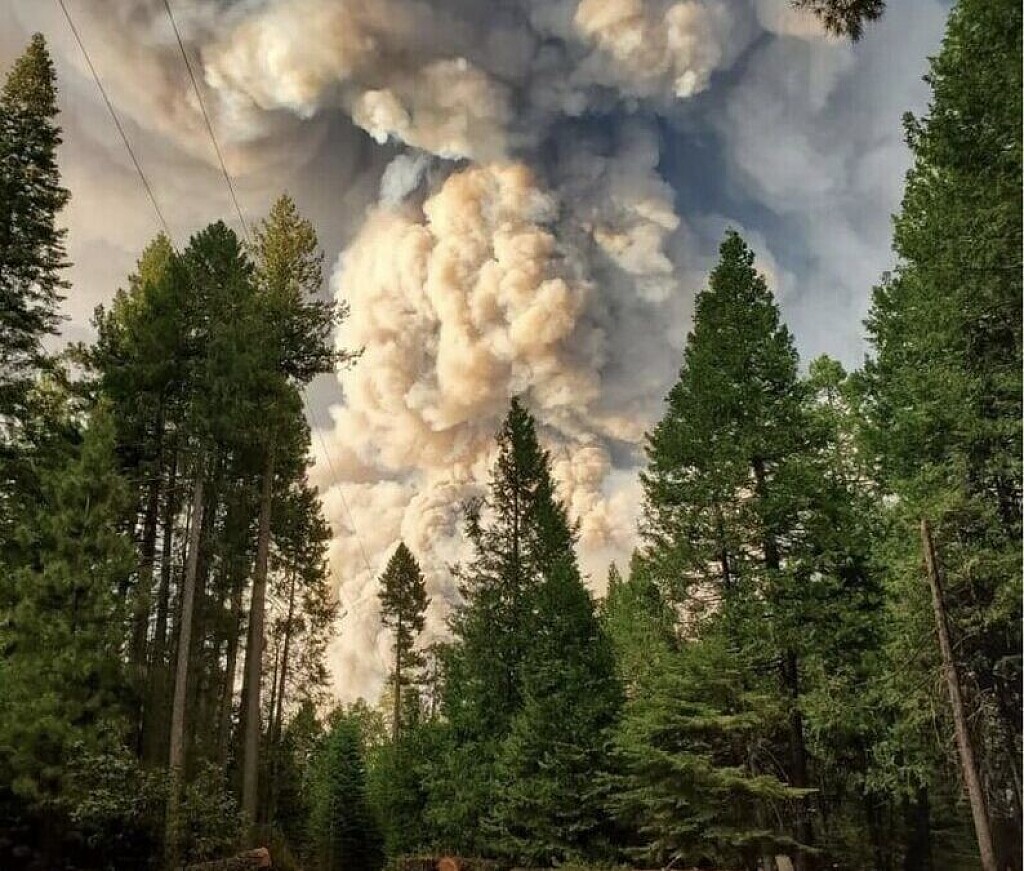
Wildfire in California causes thousands to evacuate, impacts Western States course
The Mosquito wildfire, which began west of Lake Tahoe amid extreme heat on Sept. 6, is the largest fire currently burning in California. The blaze has already burned through 58,544 acres in El Dorado and Placer counties.
Western States Endurance Run (WSER), one of the most famous ultra trail races in the world, sits right in Mosquito’s path. Runners begin the annual, much-revered 100-mile race in Auburn, and finish on the track at Placer High School.
On Tuesday afternoon the fire flared up, pushing toward the community of Foresthill and arriving at the edge of Foresthill High School, blazing through structures across the street. Firefighters appear to have kept the fires away from the high school, but it’s not clear how many cars and structures were consumed in the flare-up.
We connected with Craig Thornley, race director of WSER, on Tuesday. “Lives and homes are the highest priority right now. The WSER trail and our race is a lower priority,” Thornley said.
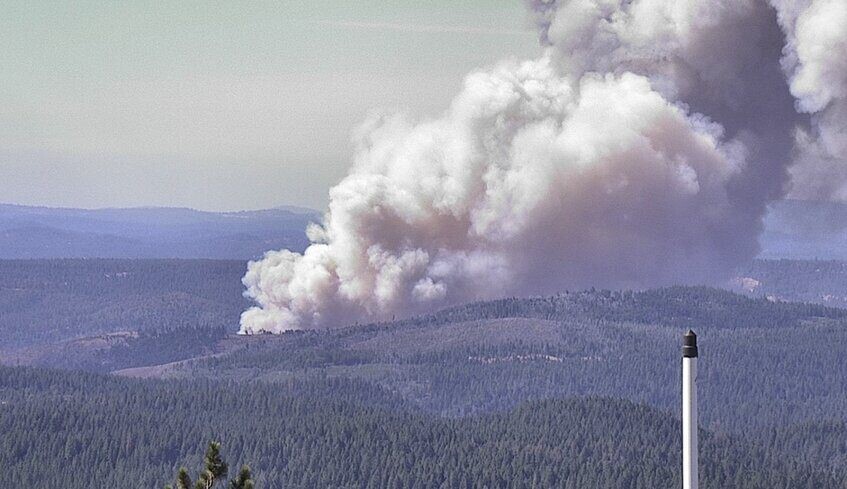
“That said, eventually the fire will be contained and the US Forest Service will be able to go in and assess the damage to the WS trail and the bridges. Currently, the fire has affected the trail as far up as Devil’s Thumb [aid station] through El Dorado Canyon and Michigan Bluff, to the turnoff onto the single track from Chicken Hawk. That’s about 10 miles of trail. It still could burn up towards Last Chance and Dusty Corners, but it is unclear what effect the burn scar will have on fire growth,” added Thornley.
The flames have forced more than 11,200 people to flee as they encroach on homes and buildings, burning 64 structures by Wednesday including at least 25 homes, according to Cal Fire. The fire grew more than 8,000 acres overnight and is spreading through the Sierra Nevada mountains.
“It continues to push steadily to the east in heavily forested areas with extremely dry vegetation,” officials said Wednesday morning. There is some optimism, however, as firefighters have the fire now 20 per cent contained.
by Keeley Milne
Login to leave a comment
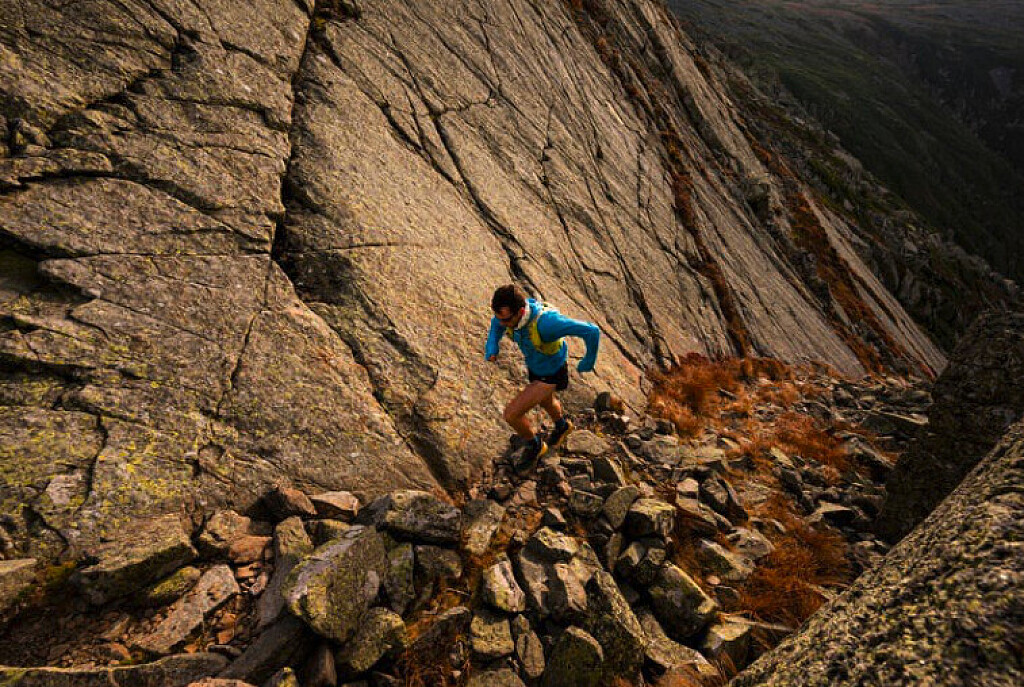
Elite Runners and Coaches Bust Six Major Training Myths
Let's be honest. There's a ton of bad training advice out there. Heck, there's just unchecked advice flung here and there and everywhere these days, on all topics of living and being.
So how do you best navigate these thickets of often dubious recommendations? How do you validate what's solid, and what's not? At Trail Runner, we turn to the experts. We turn to well-respected coaches and the most consistent and high-performing elites in the business. We turn to science.
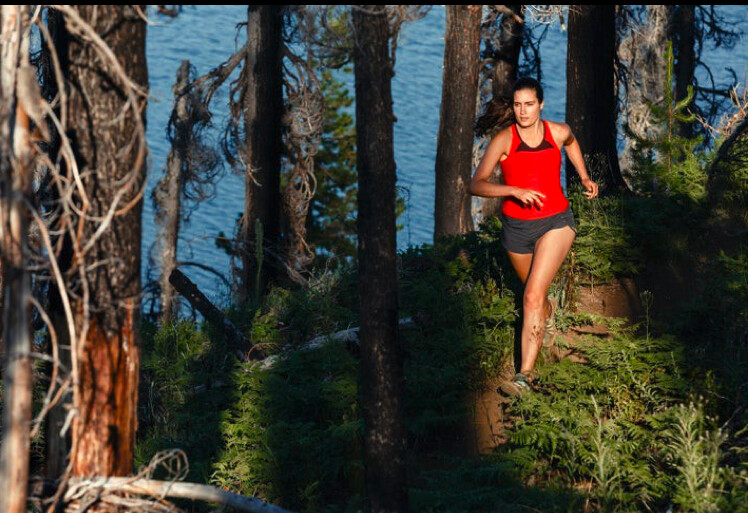
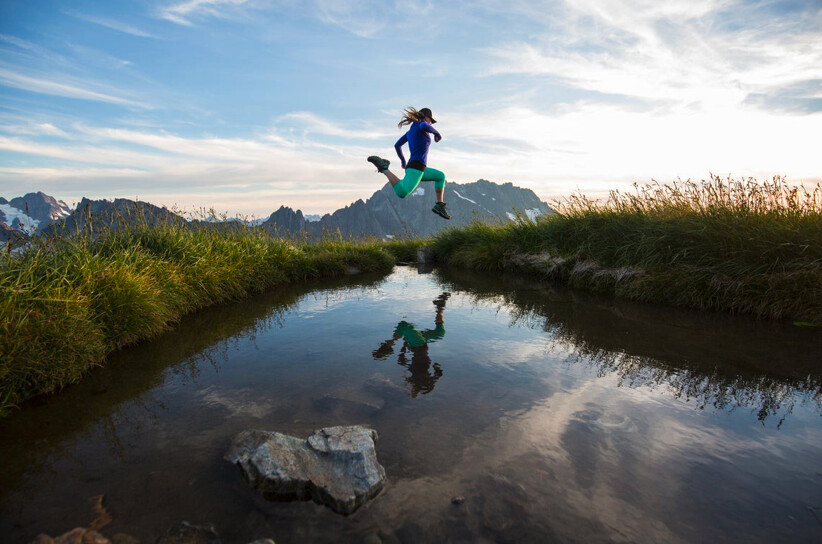
From bro science to outdated training methods, here are eight stubborn training myths that just won't go away, and some proactive solutions to keep you tacking in the right direction.
Myth #1: Always Run High Mileage
It's tempting to think the only way to improve is to run more and more and to keep piling on the miles. But, high-volume training can have diminishing returns for many athletes.
"Running more miles isn't always the answer and comes with a laundry list of disclaimers: injury, sickness, burnout. Instead of adding more miles, fold in a form of cross-training. This helps keep training fresh, the body happy, and it's still stoking that aerobic engine," says coach and elite mountain runner Tabor Hemming.
However, it's also not never the answer. Less isn't always more.
"Adapting over many training cycles usually requires alterations in stress across years, so the best volume an athlete can do is often the least they can do while still adapting consistently, as long the total is within the general range that is needed to spur high-performance in their events for their physiology and load capacity," says coach and Trail Runner columnist David Roche.
"The long-term approach to volume increases leaves room for growth, prevents stagnation, and limits breakdown that can stop an athlete in their tracks long before they figure out where their true ceiling is."
To advance and adapt, you do, in fact, need additional training stress as you progress. Just don't jump into triple-digit miles right off the bat.
Remember that running is different from other sports like cycling because repeated impact leaves athletes more injury-prone. Build up your volume over time, and back off (here's a handy guide) if you're feeling excessively fatigued or if soft tissue injuries occur. Myth #2: Always Give 110%
Elite mountain runner and coach Mason Coppi was hard on himself, always pushing his body to the limit in training and racing.
"No matter what races I won or what times I ran, it was never enough. In my mind, there was always something I could have done differently. I could have always just given a little more effort. Every race and workout I ran I tried to give 110% effort. But here's the thing about 110% effort: it doesn't exist," says Coppi.
Coppi tried to just work harder, to effort more in an attempt to reach his potential. But his performance in races declined steadily as Coppi ignored the signs his body was giving him to loosen up and rest. The more tired he felt, the harder he tried. The harder he tried, the more tired he felt. That feedback loop led to burnout, and Coppi is now taking a temporary step back from running. "You can only give what you have on that day, nothing more," says Coppi. Now, he's working to destigmatize the concept of taking easy days really easy. He works with other runners to help them understand that mental toughness is learning to listen to your body, to assess what your mental and physical needs are on a particular day and respond accordingly.
"Once I realized my best on a given day was my best, a weight was lifted off me," says Coppi. "I knew my all-out effort was enough whether I was limited by something physical or mental."
Now, he no longer chases PRs and fast times on every run and instead works on flexing his adaptability muscle in training. To quote Coach Ted Lasso, "I want 60% effort, 1000% of the time."
Consistency beats intensity when it comes to reaching your athletic potential, and enjoying the process.
Myth #3: Don't Worry About Speedwork
Speedwork is a trail runner's best friend.
"It's a myth that you have to train for ultras very slow, via many, many miles. High-intensity work is an ultrarunner's friend and diminishes the need to run 100+ mile weeks," says Jessica Riojas Schnier of Smiles and Miles Coaching. Use high and moderate-intensity workouts to train smarter and more efficiently. You'll reduce your risk of injury and burnout if you are more efficient with your training, which then makes us happier runners, for longer!"
Start by integrating 15-30 second strides at the fastest pace you can go without straining with one to two minutes of easy, recovery-effort running in between. Do four to eight sets, two to three times a week throughout your runs.
Then, you can start integrating more structured workouts into your training. We recommend beginners start with these looser, more relaxed trail workouts. More advanced runners can skip right to these race-oriented workouts, or even get into some fun, combo workouts.
Don't be afraid of a little speedwork. It'll help you train smarter, faster - and maybe you'll even have more fun. Myth #4: You Must Move to Boulder
While many top trail runners live in mountain Meccas like Boulder or Flagstaff, there are plenty of folks who live and train far from the Rocky Mountains and still compete at a high level. Take Ohio-native Arlen Glick, for example, who finished third at this year's Western States Endurance Run.
"There is still a myth that if you do not live near mountains, you can't do well or complete mountainous races. I have seen numerous athletes repeatedly train in the prairies (flat flat flat lands) of Canada and crush some of the most technical trails and races with incredible vertical gain and loss," says coach Jenny Quilty.
There's plenty you can do to prepare for steep races, even if you don't live in Chamonix. Functional leg strength, like Mountain Legs, can help build strength and resilience through specific movement patterns. Improving your running economy through speedwork and hill strides is also key for mountain adventures and competition.
Also, don't fear the dread-mill. Treadmills can help you practice power hiking, and just a few concentrated sessions are enough for some mega-mountain adaptations. Uphill treadhill doubles are also a great way of getting some vert in, all while reducing impact. Don't overlook the eccentric strength required to rock downhills, though, as many runners' legs are more affected by descents than the climbing.
Myth #5: Run a Metric-Ton of Vert
While you'll want to do some vert-specific work to get better at climbing, overdoing it can lead to slow-downs and stagnation.
"You don't have to run a ton of vert to get better at climbing," says Nike pro athlete Matt Daniels. "I have seen with many athletes that the ones who have developed more speed and better running economy without hundreds of miles in the mountains are the ones who end up handling the vert better on race day. There has to be a fine balance between vert-heavy runs and economy build-in training to be a good climber on race day."
Work on improving overall fitness without overemphasizing vert. According to coach and columnist David Roche, "The best climber is usually the best runner with just enough specific training on climbs." Focus on improving your running in training, while mixing in strength work (like mountain legs) and incorporating more vert as you get closer to your goal event.
Try to get out on trails with race-similar terrain on the weekends leading up to your event, and mix in some mid-week vert during workouts and easy runs, too. Try to run the downhills with intention to get your legs ready for the muscle breakdown they'll incur on race day.
Myth #6: Don't Race Until Perfectly Trained
Curious about diving into your first trail race? Don't wait!
"It's a myth that you have to already be an accomplished trail runner to register for a trail race. Most trail races are not that much different than road races (except if you're racing in the mountains, of course) in terms of their footing," says Denver-based Strength Running Coach Jason Fitzgerald. "Get a good pair of trail running shoes, get comfortable on all kinds of surfaces, and you'll have a blast at your first trail race!"
If you're curious about jumping into a trail race, reaching out to the race director can help determine if you're ready for and interested in a particular event. Researching past participants' race reports can help, too. (Remember to always take race reports with a grain of salt, since it's just one person's experience and perspective.) It doesn't hurt to have a friend sign up for the event with you for moral support and training accountability.
Our advice? Start small. Find an event that's short enough that it sounds fun, rather than a huge stretch for your first race.
Also, make sure you have a solid, consistent base of miles and you're not jumping into something that's hugely above your pay grade. We recommend at least six hours a week of training before jumping into a 50K, and closer to nine hours a week when you're looking at the 50-mile distances and up. If you're not sure where to start, check out our full catalog of training plans here.
by Trail Runner Magazine
Login to leave a comment
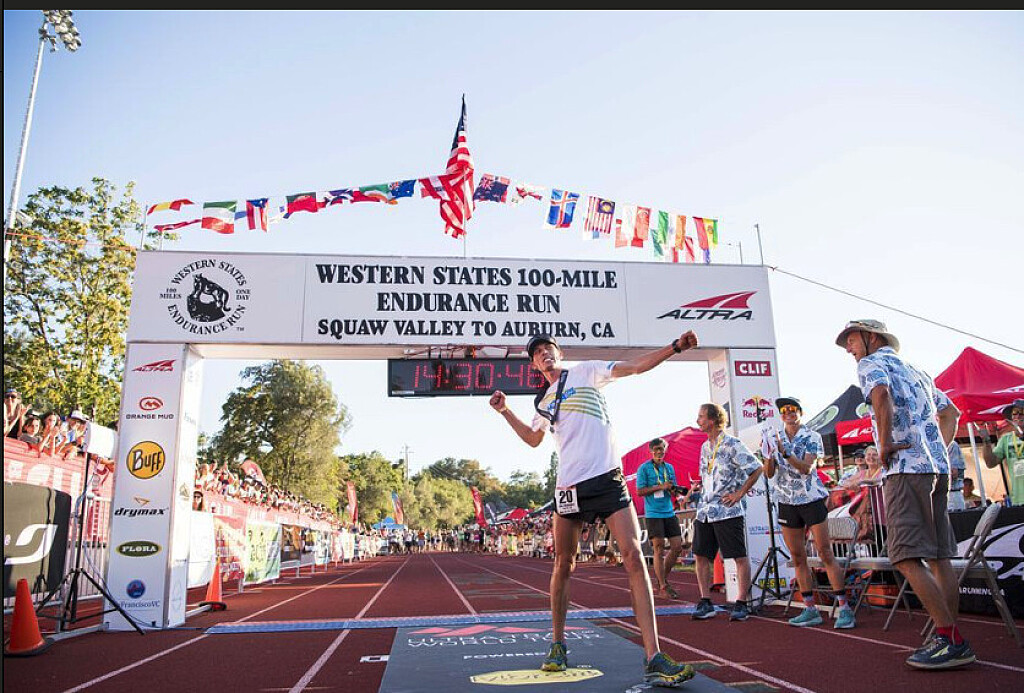
Western States Endurance Run Announces This Year's Golden Ticket Races
On August 9th, 2022, the Western States Endurance Run (WSER) updated its schedule and criteria for the 2022-2023 Golden Ticket races. For the second consecutive year, the lineup will include three international races, including UTMB, and the first-ever Golden Ticket event in Asia.
The Western States Endurance Run is the U.S.'s oldest and most competitive 100-mile race and has long depended on a lottery system to modulate the number of runners on the start line. Golden Ticket events give the top two runners automatic entry into the race, allowing them to bypass the competitive lottery. In this system, 28 spots are reserved for Golden Ticket winners in WSER. If the recipient of the Golden Ticket winner already has an entry (either through the lottery or another Golden Ticket event) the ticket rolls down to the next runner without entry. All runners who finish in the top ten at Western States also get automatic entry the next year.
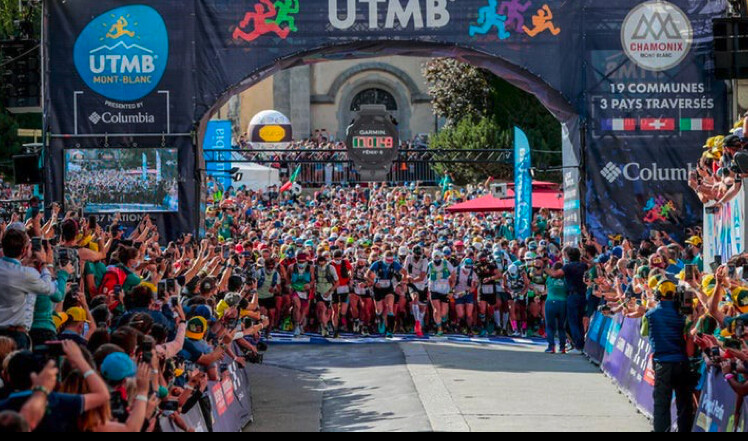
Like last year, the list includes Ultra Trail Mont Blanc (France, Italy and Switzerland) and Tarawera by UTMB (New Zealand). However, the Endurance Trail des Templiers (France) has been replaced with the Doi Inthanon Thailand by UTMB 100M. This is the second year that international races have been Golden Ticket events, and the first year that features an event in Asia, which spreads out and diversifies opportunities for international elites to gain entry to WSER.
There are still only four Golden Ticket races in the U.S., and each year these events get even more competitive. Historically, there have been five to six Golden Ticket events in the U.S. Notably, the Lake Sonoma 50 is no longer on the docket, which was the only sub-100k chance at a Golden Ticket. All the remaining events are now at least 100k, which is WSER's current qualifying distance. There are now three 100-mile qualifiers: UTMB, Doi Inthanon Thailand 100M, and Javelina Jundred (Arizona).
The inclusion of four UTMB-branded events signals the coalescing of trail running's most competitive events under a single UTMB banner. Additionally, if runners want to run at the UTMB main event in Chamonix, France, they need to first run a UTMB-branded race to collect sufficient running stones to qualify.
by Trail Runner Magazine
Login to leave a comment

How to talk to a runner
Talking to runners can be intimidating. I have been running for decades and I still find myself occasionally searching up terms I overhear fellow-athletes use in casual conversation.
We’ve defined some commonly used acronyms so that you can throw around your running lingo like you’re the GOAT.
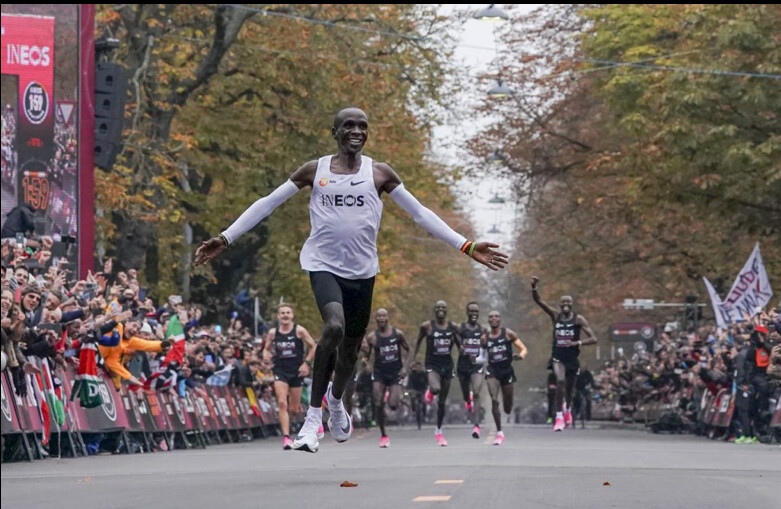
Running basics: I was wearing my HRM, but my HR was wonky for my entire LSD
HMP: half-marathon pace HR: heart rate HRM: heart rate monitor HRV: heart rate variability (the fluctuation in the time intervals between adjacent heartbeats) KOM/QOM: king of the mountain/queen of the mountain (a badge on Strava) LR: long run ER: easy run LSD: long slow distance MP: marathon pace FOMO: fear of missing out (if I’m an IPSOS I have to miss all the races and I’ll be stuck at home with FOMO) XT: cross train XC: cross country VO2 max: the maximum (max) rate (V) of oxygen (O₂) your body is able to use during exercise FKT: fastest known time
Racing terms: “You had better start training for WSER or you’ll finish DFL”
BQ: Boston qualifier (or Boston qualified) CR: course record (or Canadian record) DFL: dead f*cking last DMR: distance medley relay (a four-person event on the track, consisting of a 1,200m leg, a 400m leg, an 800m leg and a 1,600m leg) DNF: did not finish DNS: did not start GOAT: greatest of all time NR: national record OCR: obstacle course race PB: personal best (used in Canada) PR: personal record (used in the U.S.) PW: personal worst
RD: race director SB: season’s best SC: steeplechase UTMB: Ultra-Trail du Mont-Blanc (one of the most challenging ultratrail races, held in Chamonix, France) WL: world lead WR: world record WSER: Western States Endurance Run (as in ‘see you at states’ aka one of the most challenging ultratrail races, held in Auburn, Cali.)
Reovery and injuries: “I went out too hard in my BQ attempt, ran a PW, and now I’m an IPOS with FOMO”
DOMS: delayed onset muscle soreness (why an easy run the day after a hard workout doesn’t hurt as much as expected) IPOS: injured piece of sh*t IT band: iliotibial band (the band of tissue that starts at the hip and runs down the outside of the thigh) ITBS: iliotibial band syndrome LEA: low energy availability RED-S: relative energy deficiency in sport RICE: rest, ice, compression, elevation (common injury-treatment advice) IYNYN: If you know, you know (sometimes only those who have been there can truly understand)
by Running Magazine
Login to leave a comment
The Joys of Small Local Races
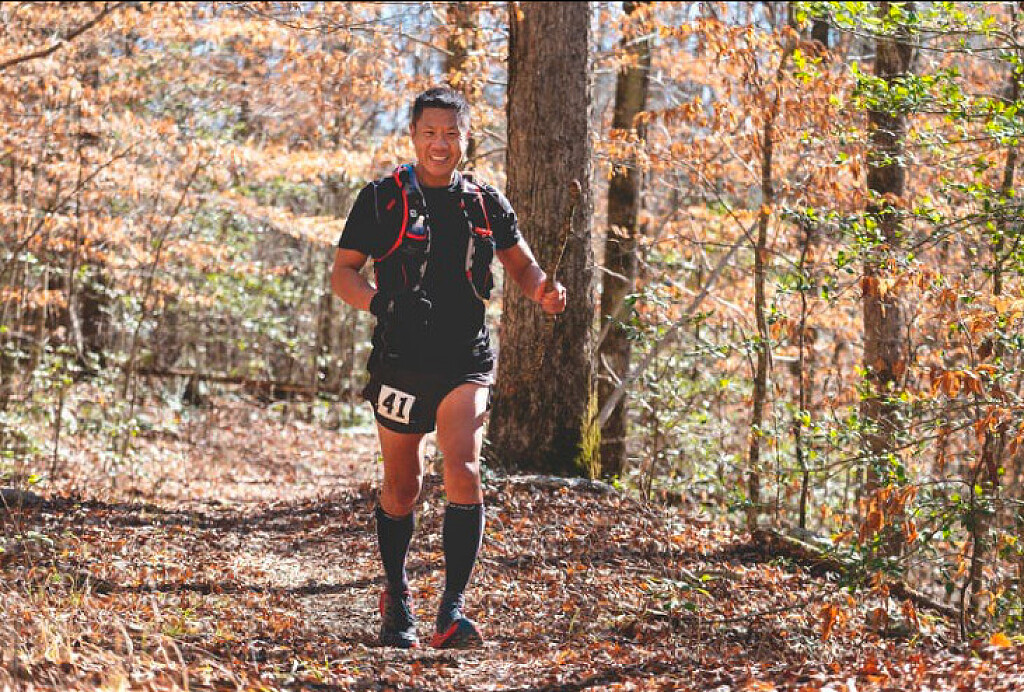
But what it lacks in high-falutin' swag, it more than makes up for in community and character. While there are speedsters at the front of the pack, pushing each year to lower the course record (now a mind-boggling 4:07:48), some runners take well over nine to complete the course, marshaled by regional runners and the Ouachita Amateur Radio Association.
The race is capped at around 90 runners and remains small enough to fit all entrants in an annual start line group photo. The race is the destination, not a waypoint en route to some larger, shinier thing.

"I think that ABF has always been special because it is one of those events that feels like a big family reunion," says Stacey Shaver, who's been the race director for ABF for the past five years. "It's also just a cool corner of the state, where you can forget that modern (in)conveniences like smartphones and email exist for a few hours. We have runners come back year after year and from across several states. Even for runners new to our event, it feels like going to grandma's house. Grandma's house means fun, games, laughter, and leaving well fed. That is exactly what our runners get."
In addition to the homey feel of Grandma's house, the past few year's awards for first place finishers have included hand-harvested local honey, hand-soldered fork statuettes, and a charming cross-stitched winner's plaque.
Community Roots
As more races are becoming consolidated under increasingly large banners, company sponsors, and race series, many runners are looking to smaller, home-grown events with a family feel. Few things top the feeling of seeing friends and run family out along the course and feeling supported by your home community.
Runner Justin Grigg recommends Missoula, Montana's Double Dip race for just that reason.
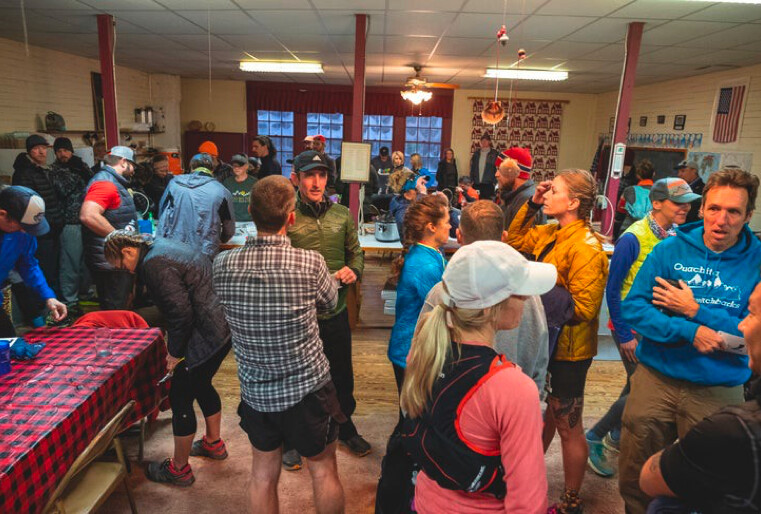
"You'll usually see friends racing, but also working aid stations, spectating along the course or gathered at the start/finish area. With the two out-and-back sections, you more than likely will see friends who are racing ahead of or behind you, and people who aren't racing will run up University and Sentinel to watch," says Grigg.
Many runners appreciate being able to share their race-day experience with the larger community and enjoy being cheered on while they're competing. Live music, food, and adult beverages don't hurt either when it comes to incentivizing community members to come and bask in the finish line stoke. Some events can almost feel at odds with the communities they happen in, and it's a breath of fresh air when everyone feels included in race day festivities.
Close to Home
The International Trail Running Association (ITRA) estimates there are around 3,600 trail races every year, and approximately 1,400 of those are in the U.S. While big events garner the most press and social media attention, there are hundreds, if not thousands of smaller, local races that are providing the bulk of opportunities for runners to lace up their shoes and hit the trails.
Aside from the accessibility, there are economic and environmental reasons that racing closer to home is more appealing.
Sam Robinson, from Oakland, California, loves the local Woodmonster Trail Race because it's practically in his backyard.
"I've run over every trail in the park numerous times. The main climb in the race is a spicy 0.9-mile ascent with a 14% grade-one of my favorite hills to run up in California. I know and love almost every inch of those trails and that makes the race joyous to me."
Traveling is a hassle. Trying to make sad hotel-room oatmeal in a tiny coffee maker from the 1990s at three a.m. before having a blow-out fight with my phone's GPS system to find the start line in the pitch dark of rural Nowhere is never fun. You know what's even better? Sleeping in your own bed, eating your own properly-cooked oatmeal, and navigating your own self to the start line.
Race locally. If not for the community or environmental plusses, then for the extra 20-90 minutes of sleep.
It's Not About Speed
"I love when a race director focuses more attention on the experience than the results of the race itself," says pro athlete Jeff Colt. "it makes the event fulfilling for the entire field instead of just some of the top runners. Jemez Mountain Trail Runs is another good example of this - instead of making grandiose prizes for the top three or some fancy sweatshirt included with registration. It makes the event fulfilling for the entire field instead of just some of the top runners." Colt's favorite small race is the Randolph Ramble, based in Randolph, New Hampshire.
Many RD's are subbing out swaggy grab bags filled with gear and gels no one wants with bespoke items and experiences instead. "The Jemez Mountain Runs offer breakfast before the race, amazing aid stations, a live band at the finish, and a full dinner after the race," says Colt.
Registration for the Ramble? Just $45. Many big ticket races cost hundreds of dollars to enter, before even forking over cash for housing and meals, making smaller, local races an affordable alternative. Washington State's Capitol Peak 50 only costs $50. At a dollar a mile, you'd be breaking even, even if you didn't have a lick of fun. Additionally, many smaller races like ABF invest in their home communities. Every cent raised at ABF goes directly to the Big Fork Community Center.
The community created by the races is important, too. While many larger races inspire buy-in from the community they happen in (I was recently blown away by the volunteers at the Western States Endurance Run, many of whom abandoned their weekend running plans to stand in a river or hand out flat coke), many volunteers at smaller races aren't trying to up their chances in a lottery or waitlist. They're simply there because they want to be. Whether it's operating a HAM radio or flipping pancakes at the finish, a race that's stacked with community-run aid stations feels extra special.
"I want to meet people at races and the ones that foster community are the ones that attract me the most. The Randolph Ramble welcomes runners in and makes them feel like a neighbor. I'd be surprised if you didn't end up with a new running buddy after running the Ramble," says Colt.
The worse the website the better the race.
The worse the website the better the race. For years, the race existed only as a Facebook page, with no website or online registration, a testament to the "if you build it they will come" spirit nascent in the true grassroots of trail running.
"At the Ramble, expect lumberjacks to be out there in their leather hiking boots, elite trail runners who prefer to stay out of the limelight, mountain wanderers who descend from above the clouds only to resupply for food and to run the Ramble, and other local north country neighbors who want a good morning workout," says Colt.
Race Director Doug Mayer (also a columnist for this magazine) says that the community feel is very much by design.
"We turn to our community for everything we need, from food courtesy of the local pub and cafe to handmade finisher awards. There's a strong sense of community and self-reliance in the White Mountains, so we're used to thinking this way. If you just stop and look for a moment, you'll discover all kinds of talents and services practically at your feet. And when the community is powering the event, almost by default it will have a great local vibe," says Mayer.
Are Small Races on the Rise?
"The big races grab the headlines, but under the surface, every day and all around the country, local trail runners are coming together to create authentic, unique, and wonderful events," says Mayer. "Most of us got our start that way. I'm deep in the world of marquee races now, but it's still true that nothing makes me happier than seeing 100 runners head up Mount Crescent at the start of every Ramble."
"Trail running as a whole is growing, and people who can't get into those events but still want the challenge of a mountain race will find that and much more at Athens Big Fork Trail Marathon but without the big race fees," says ABF RD, Stacey Shaver.
"We simply ask people to pay what they can. We don't want money to be the reason someone misses out on experiencing our races or feeling connected to the club and community. I also think it's really special to help people see the fantastic beauty that we have here in our backyard. I always feel such a sense of local pride when I see the beauty here, and I'm so grateful that we get to enjoy it in this special way."
Because local races are often directed by, well, locals, they can be more responsive and receptive to the community's needs, whether that's access or affordability. At ABF, it's not uncommon to see competitors hiking in full hunting get-ups. I've seen makeshift garbage bag ponchos, blue jeans, and an actual, hand-carved wooden hiking staff. And maximizing points of entry to the sport via affordable local events is a great way to grow the sport.
But what happens when races become victims of their own success? As a younger runner, sometimes it's hard not to feel nostalgic for a trail running world I never experienced but hear frequently about - one without waitlists or golden tickets, a utopic vision where you could register for marquee ultras day of, at the start line. The way these stories are passed down from my older trail buds, it seemed as though at every race you might see Scott Jurek flipping finish line pancakes, or that running Western States wasn't a matter of "if" but "when." It's hard not to pine for the trail running days of yore, even if they frequently involved non-technical fabrics and carrying your water in a Gatorade hockey bottle a la Matt Carpenter. It's not "Make Trail Running Great Again" nostalgia, but the ability to connect with the running community stripped of the pretenses of needing something flashier than the simple appeal to come and run.
Even so, I'm glad trail running is growing. And I'm glad it's getting more competitive. I'm especially glad that more folks every day might have the opportunity to race, wherever they are, and fall more in love with this wonderful, heart-breaking, silly sport.
Should I be more worried about people "discovering" my favorite local race? Will gushing about its unique charms be the very thing that causes it to become a big box event?
"I'm not worried about sharing how great this event is with a national publication, because the beauty of this event is that it can be recreated with little effort, and SHOULD BE recreated in your little pocket of the country," says Colt. "It's a local race, but it is a great example of what is needed to replicate this in your own backyard. You need an idea, a desire to gather some runners together, and maybe some local sponsors who dig what you're trying to doHave a fun, local event on the 10K of trails nearby your house and build that community where you are. We all have the tools to make something special."
There's nothing wrong with big races either. Getting to compete with the world's best athletes in amazing locations with well-trained aid station attendees is amazing - but it's no replacement for the local rotary club dishing out Fireball and pie on a 30-degree drizzly morning in the Ozarks.
Meanwhile, Back at Big Fork
I'll keep signing up for big races. I'll keep accepting swag bags full of expired lube samples and discount massage flyers. I'll keep setting alarms for the crack of dawn to register for races and I'll keep refreshing my browser to see if my name is moving up the waitlist.
But, I'll also still keep rolling up to the Big Fork Community Center on the second Saturday in January to subject my ligaments to the indifference of Ozark trails. I'll keep showing up to run a course that's only marked by comically sporadic blazes to get a result that will never show up on UltraSignup, or affect my ITRA score whatsoever.
I'll keep running ABF because I like that you can't upload the race to Strava for hours due to a lack of cell service. By the time you have enough bars to post a recap on Instagram, the urge to seek validation via screen has faded into a warm glow of post-run beer and real-life high fives.
I'll keep doing it because sometimes my legs and my heart need a reminder of why I trail run: not for accolades, recognition, or points, but for community and homemade chili. In lieu of a finishing chute, there's a chalk line etched onto the highway, a lone man clad in his warmest hunting wear with a clipboard marking down finishing times. Finish line IPAs and fresh biscuits are a bigger reward than any kudo, and time spent running in the woods with close friends will always be my favorite way to spend a Saturday.
here's no gun.
No timing mat. No official start line.
The Athens Big Fork Trail Marathon starts at the Big Fork Community Center, the barn-quilted hub of an unincorporated community in southern Arkansas boasting 179 residents, at last count. Nestled in the Polk County region of the Ouachita Mountains, the trail itself was constructed by the U. S. Postal Service 125 years ago along pre-established Choctaw and Caddo trade routes and game trails and was partially restored in 1986. Summits along the course, which boast (according to my GPS, though the thick foliage can fool even the highest of tech) almost 8,000 feet of climbing, are charmingly named Brushy, Big Tom, Brusheap, and Hurricane Knob. The average grade is 12%.
I was drawn to this race after reading about it in this very magazine, a story called The Toughest Trail Marathon You've Never Heard Of. After seeing how close this southern trail test-piece was to the Ozark hills, where I spent my childhood, I was drawn by the allure of something that felt comfortably familiar, and familiarly uncomfortable. There's a warning on the race's website meant to deter beginners. Below that, a secondary deterrent should the original warning have the opposite of its intended effect.
"Please do not be enticed into trying this run because of the difficulty warning-it is merely an honest attempt at preventing the run organizers from having to find and rescue someone ill-equipped for the event."
For the uninitiated, the trails of the southeast are punishingly steep and Dantean in nature - where the trail exists at all. For much of ABF (what locals lovingly call the marathon) the "trail" is in fact, a dried-out ol' crick. Mossy "baby-heads" (aptly named rolly-polly rocks approximately the size of a baby's head) and slick roots cackle at the futility of rubber outsoles and lugs. Forest Service literature euphemistically refers to it as "unsurfaced".
There's no entry fee. No timing chip. No YouTube stream.
Login to leave a comment
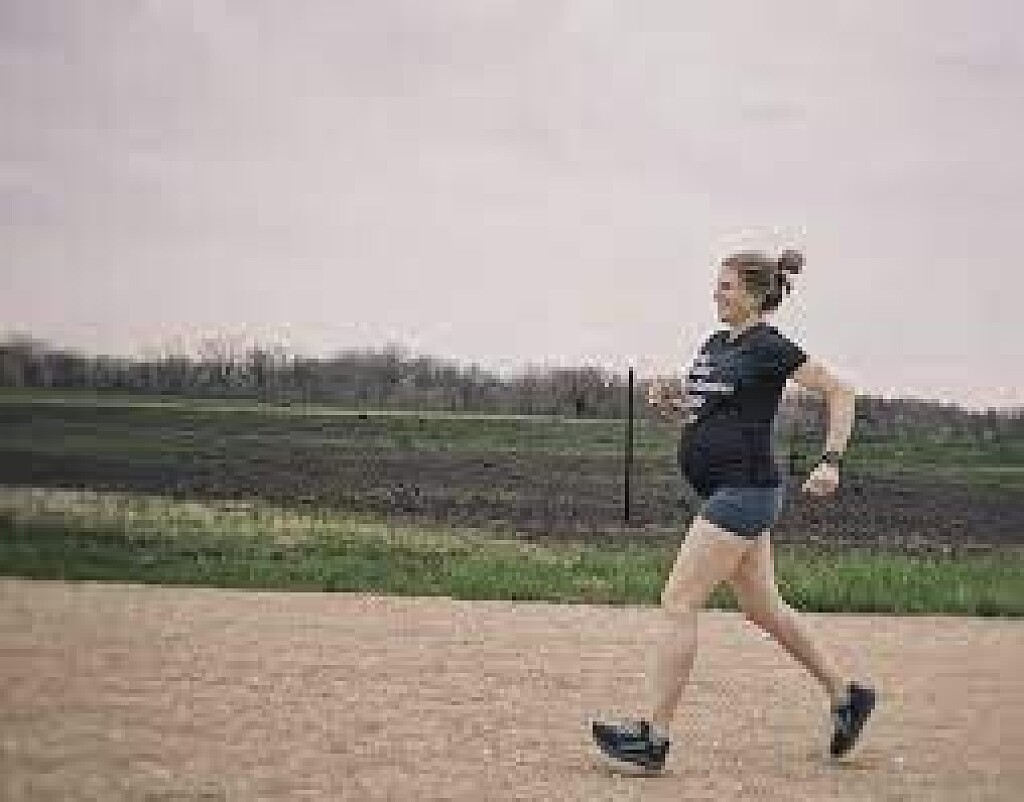
TCS London Marathon extends pregnancy deferral for up to 3 years
The 2022 TCS London Marathon has announced that they will now allow pregnant and postpartum women to defer their racing spot for up to three years. Along with the updated pregnancy deferral terms, the marathon has made several other substantial policy changes to enhance the inclusivity of their race.
Pregnancy deferrals were previously allowed at London Marathon, but only for one year, and participants weren’t able to retain the category they had qualified for the race in. If a runner qualified into a Championship or Good For Age category, they had to defer to a general entry or re-qualify.
Last year, ultrarunner Sophie Power campaigned for this policy. After a photo of the athlete breastfeeding during Ultra-Trail du Mont-Blanc (UTMB) went viral, the runner was inspired to advocate for more fair race policies for pregnant and postpartum women through her initiative SheRACES.
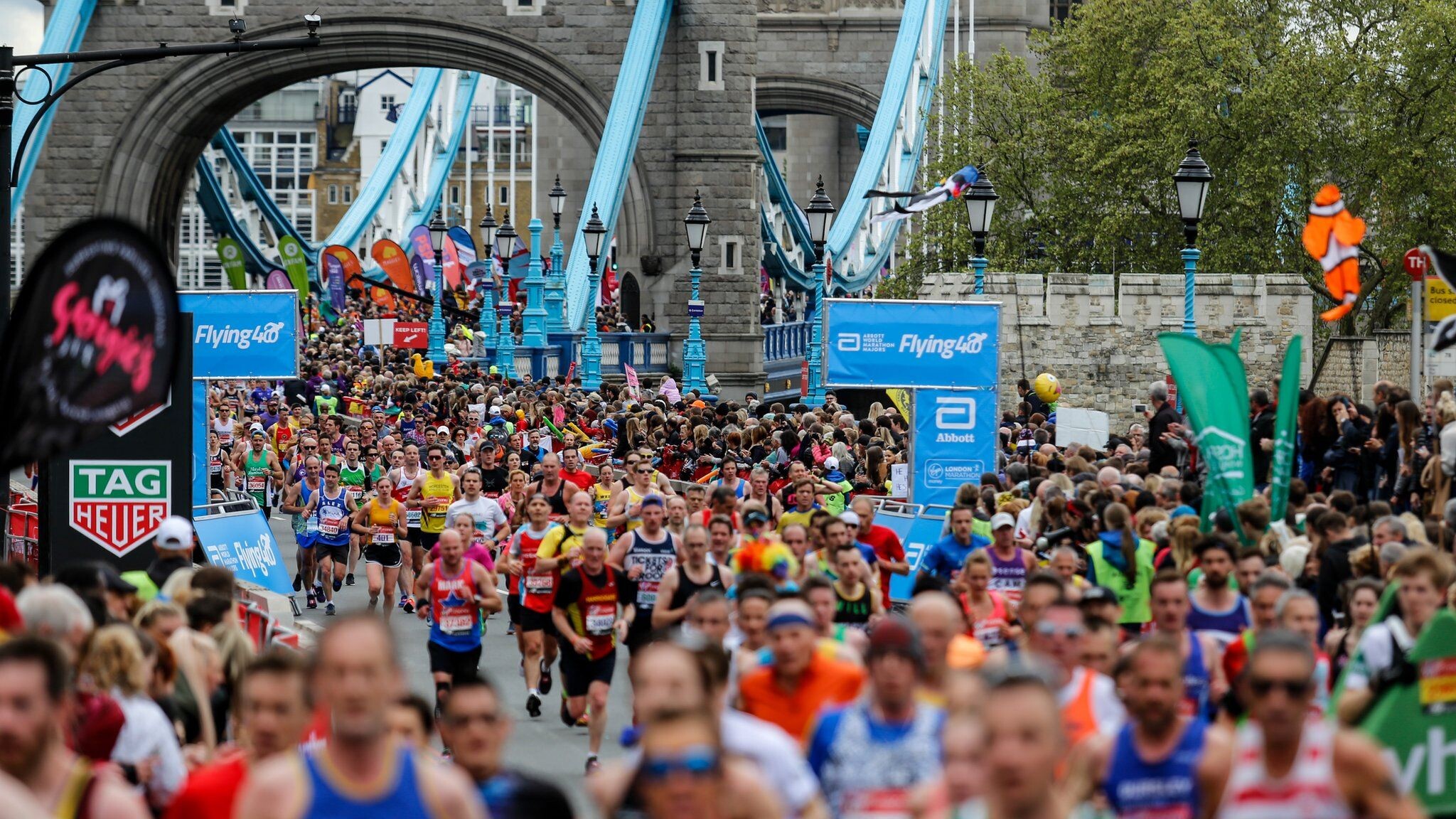
Powers explains on the SheRACES website: “I was famously photographed racing the UTMB, a 106-mile mountain race whilst breastfeeding my 3-month-old baby. I wanted to defer my place until I was fully fit but whilst the organization will defer places for injury, for them pregnancy is seen as a choice. Completing the UTMB was a dream for me, and having already lost a hard-won place whilst pregnant with my first son I chose to race. Many women lose out on that opportunity.”
Entries for assisted participants
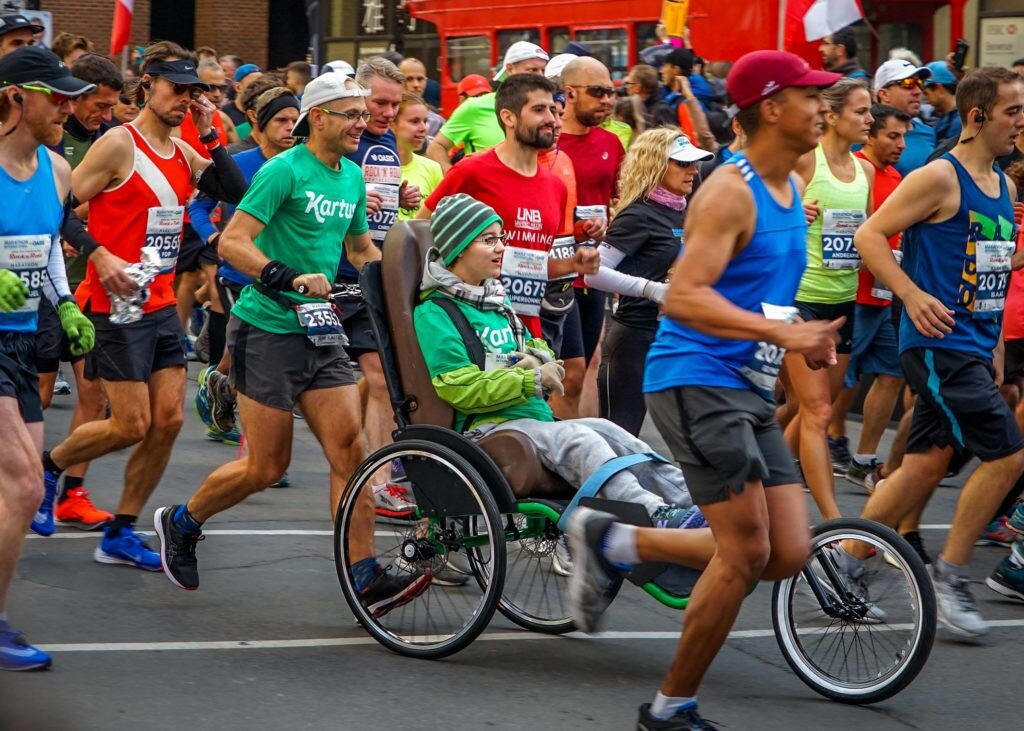
Until 2022, wheelchair participants had to be complete the marathon by themselves: no assistance was allowed. Wheelchair racers who need to be assisted or pushed by others will be allowed to enter the London Marathon.
Virtual London Marathon special considerations
Runners who opt for the virtual London Marathon are currently required to run the 42.2 kilometres on race day (within 24 hours). As of 2022, those who cannot run on marathon day for religious reasons can run their race on the next appropriate day. Participants with a disability that prevents them from completing the virtual race within the time limit have now been given special dispensation to finish their run taking any time that they need.
These changes follow in the footsteps of other races: Western States Endurance Run, a 100-mile ultra, changed its race policies to include a three-year deferral for pregnant runners last year.
London Marathon event director Hugh Drasher says the new policies are part of a series that will be expanded in the future, with the objective of making the race: “the most diverse, equitable and inclusive marathon in the world.”
by Keeley Milne
Login to leave a comment

TCS London Marathon
Since its inaugural edition on March 29, 1981, the TCS London Marathon has grown into one of the world's most prestigious road races, blending elite competition with an extraordinary charitable legacy. Founded by former Olympic champion and journalist Chris Brasher alongside Welsh athlete John Disley, the event has been staged every year and has been held in the spring annually...
more...
Yoshihiko Ishikawa wins Badwater 135 for the 2nd time
The male course record holder celebrated his second victory, while American Ashley Paulson's new female course record raised a few eyebrows
The 45th anniversary of the Badwater 135 race wrapped up Wednesday, with no shortage of both heat and excitement. Yoshihiko Ishikawa of Japan took his second victory at the race, running negative splits to finish in 23:08:20. Ishikawa previously set the course record at Badwater 135 in 2019, in 21:33:01. He famously followed his win by proposing to his then-girlfriend, and the couple has since married.
The famously gruelling Badwater 135 starts at Badwater in California’s Death Valley at 85 metres below sea level (the lowest elevation in North America), taking runners 135 miles (216 km) through Death Valley and up Mount Whitney, reaching 2,548m of altitude at its highest point. Temperatures have been known to soar well above 100 F (37 C). The cutoff time is 48 hours, and the average finishing time is 40 hours. As at the Western States Endurance Run, finishers receive a much-coveted belt buckle. There is no prize money for winners. The race is invitational, and 94 athletes started the event this year, with 77 finishing.
Fan favourite and last year’s winner Harvey Lewis, of Cincinnati, finished his 11th Badwater in fourth place with 27:16:05, while his partner, Kelly O’Dell, completed her first Badwater with just over an hour to spare, in 46:57:33.Ultrarunner and race director Bob Becker, 77, of Fort Lauderdale, attempted to become the race’s oldest finisher. In a heroic effort, Becker made it across the line just over the 48-hour cutoff. The athlete made an attempt at the same title last year, but had to drop at mile 50. His dedication won the hearts of fellow athletes and supporters as he struggled to complete the last few steps of the race.
Two Canadians competed in Badwater 135 this year. Norma Roberts, 63, of Calgary, finished in 37:00:13 and was the 11th female, while Rich Peers, 51, of Kitchener, Ont. finished in 44:13:01.
Login to leave a comment

Badwater 135
Recognized globally as "the world’s toughest foot race," this legendary event pits up to 90 of the world’s toughest athletes runners, triathletes, adventure racers, and mountaineers against one another and the elements. Badwater 135 is the most demanding and extreme running race offered anywhere on the planet. Covering 135 miles (217km) non-stop from Death Valley to Mt. Whitney, CA, the...
more...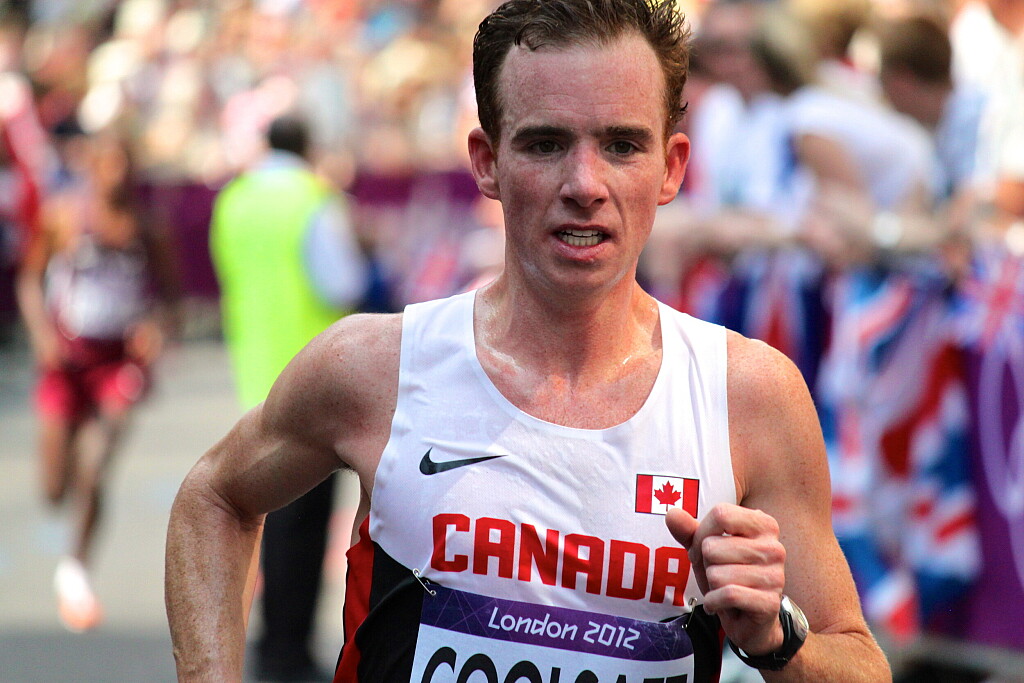
Canadian Reid Coolsaet signs with Salomon
Since making the jump from the roads to the trails, Canada’s Reid Coolsaet has already begun making a name for himself and brands have taken notice. The two-time Olympian announced Thursday he had signed a sponsorship agreement with Salomon heading into the 2022 ultra-trail racing season.
Coolsaet is one of Canada’s most successful distance runners. He represented Canada twice in the Olympic marathon (London 2012 and Rio 2016) and has competed on the track at multiple World Championships and international competitions. In 2011, he ran the second-fastest marathon by a Canadian athlete at the time, finishing third in the Toronto Waterfront Marathon with a time of 2 hours, 10 minutes, 55 seconds. Today, he still holds the fifth-fastest Canadian marathon time in history.
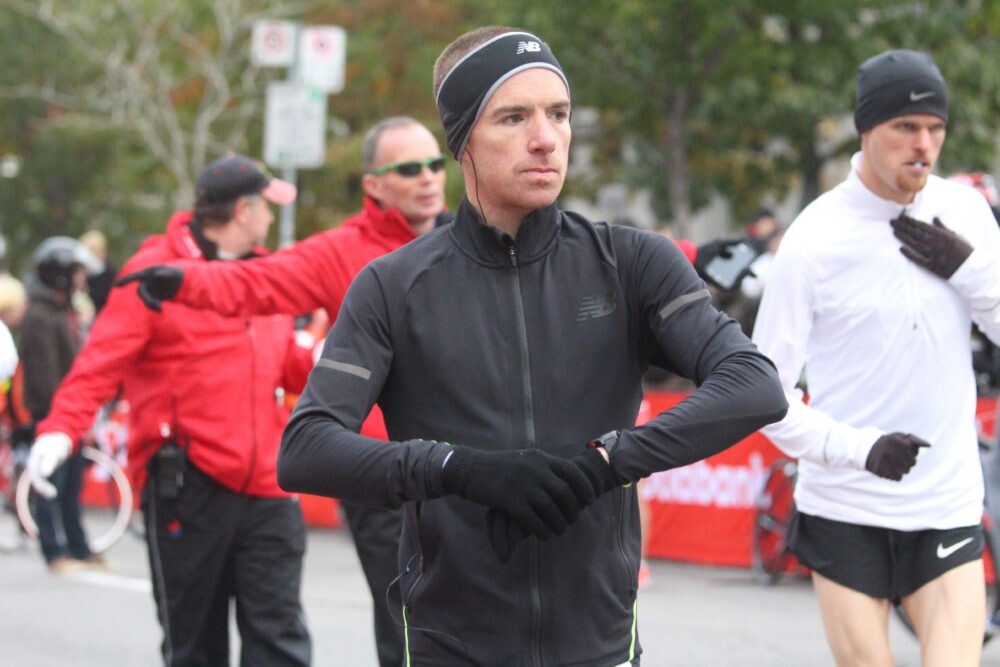
Even after his Olympic days had come to a close, Coolsaet continued his career, turning his attention to master’s records. In June 2020, he ran 14:39 over 5K for the Canada Running Series virtual Spring Run-Off, breaking the Canadian M40 5K record of 14:42 held by Steve Boyd. His time was not ratifiable, but demonstrated he was still competitive in the sport.
Recently, he’s pivoted yet again, this time to the ultra-trail running scene. In August 2021, he won his debut ultra-trail race, placing first at the Quebec Mega Trail 110K in 14:24:16 despite taking a wrong turn and running 10K more than the rest of the field. Thanks to his partnership with Canadian company Stoked Oats, he was granted entry to this year’s Western States Endurance Run, and will be lining up in Olympic Valley, California on June 25.
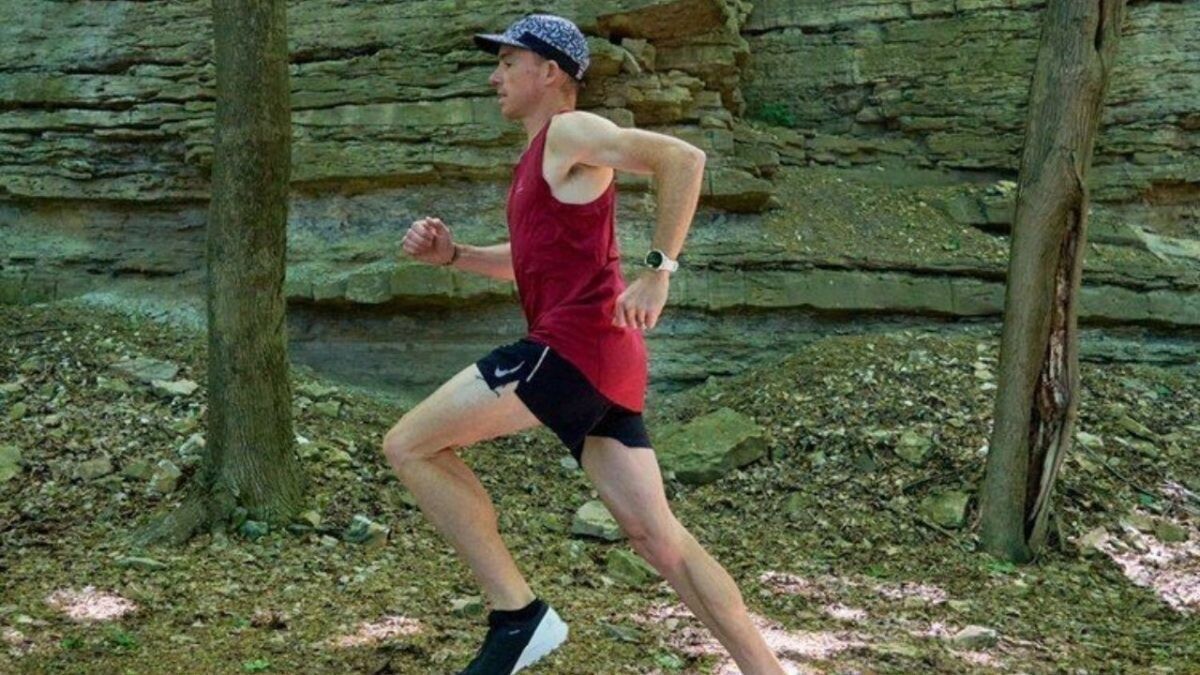
“We are thrilled to announce that Reid Coolsaet is joining our Salomon Canada elite running team,” says Sr. Marketing Manager at Salomon Canada Virginie Murdison. “Reid is a prominent figure in the Canadian running scene, a well-regarded coach, and exemplifies Salomon’s values of inclusivity, clean sport, encouraging every individual to get outside and play. We are excited to partner with Reid as he takes on new adventures on and off the trails.”
Running fans across the country have been excited to see Coolsaet back on start lines (and podiums), and with this new sponsorship, Canadians everywhere will be excitedly waiting to see what he does next.
by Brittany Hambleton
Login to leave a comment
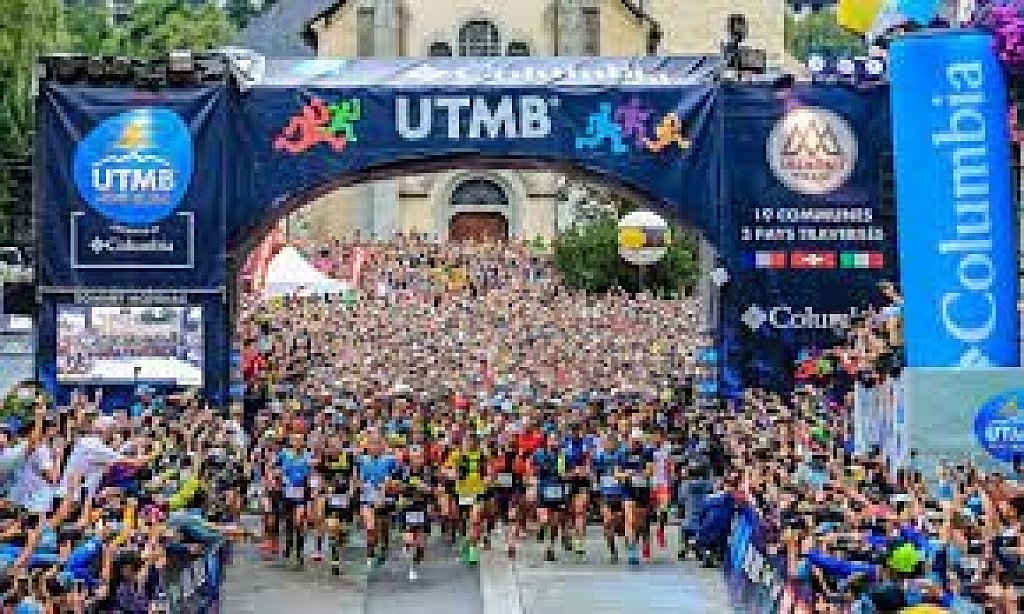
So You Want To Run UTMB. Here's How To Qualify.
The trail and ultra world was rocked this spring when the Ultra-Trail du Mont-Blanc announced a partnership with Ironman, the global triathlon brand. Aside from the inevitable financial questions that pop up with such an acquisition, many trail runners were left wondering how am I going to get into UTMB?
To compete at the UTMB World Series Finals in Chamonix, runners must compete in at least one of the 30 UTMB World Series Events or one of the three UTMB World Series Majors, where they can collect Running Stones for use in the lottery or be rewarded for their performance with direct access. Men's and women's champions will be crowned for each of the three key distances of the UTMB race week in Chamonix: the OCC (50K), CCC (100K) and UTMB (100 miles).
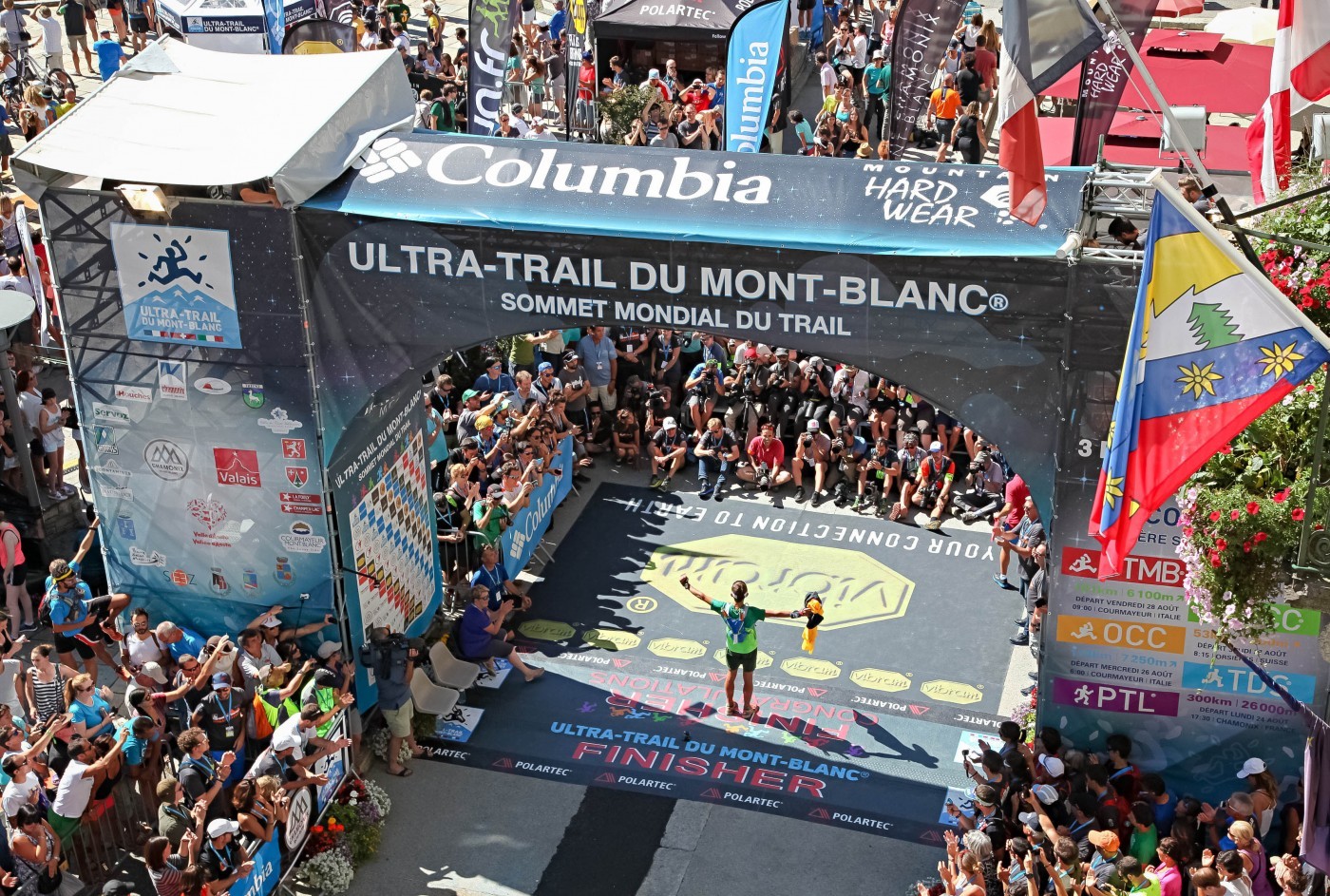
The full UTMB World Series calendar will be announced sometime this fall, including several UTMB World Series Events and one UTMB World Series Major in the U.S.
"Trail running was born in the USA [but] it's not easy for a French company to develop something [there]," said UTMB Co-Founder and Co-Owner Michel Poletti, in an interview with Trail Runner columnist Doug Mayer. "That's part of our decision to partner with Ironman, is that it will be easier for them to develop the sport in the U.S. than for us in France." Poletti noted they are talking with "many other races in the world, including the United States."
What The Heck Is A Running Stone?
A Running Stone is like a lottery ticket. It's your entry into the lottery to compete at UTMB, CCC, TDS and OCC. If you have seven stones, that means your name is in the lottery seven times, giving you a higher chance of being selected than someone with only three stones.
You can earn stones by competing in UTMB associated races. For example, competing in a 50k+ race "by UTMB" will earn you nine stones. Competing in an Ultra-Trail World Tour (UTWT) race over 50k will earn three stones. Western States Endurance Run finishers and Javelina Jundred runners can earn three stones. UTMB is now a Western States Golden Ticket Race, as is Javelina. You can see the full list of qualifying races here.
UTMB, CCC, TDS and OCC do not earn runners Running Stones.
UTMB Qualifying Points
Runners who haven't collected Running Stones can enter the lottery if they have the required number of qualifying points from no more than two races.
Elite Runners
UTMB races save spots for elite runners according to the number of ITRA points a runner has. For men, anyone with an ITRA score over 880 can skip the lottery and entry fee. Elite men with scores between 800-880 can skip the line but still pay an entry fee. Women with an ITRA score over 760 get free entry and no lottery, while women with a score between 760 and 675 skip the lottery, but pay the entry fee. The top three runners from any given country get in free. Easy!
All Roads End In Chamonix
UTMB is calling its new global race series the "UTMB World Series," which breaks down into four categories of races: World Series Qualifiers, Events, Majors and Finals. Qualifier races, whose numbers will apparently be in the thousands, give "privileged access" to World Series Events and World Series Majors, both of which feature 50K, 100K and 100-mile distances. Each World Series race gives a participant one lottery entry (UTMB calls them "stones") to the finals in Chamonix. The World Series Majors are the flagship races on each continent, with two entries to the Chamonix lottery. Between the Majors and Events categories, UTMB expects to have 30 to 40 races take part.
Everything points toward Chamonix and the World Series Finals-and the only way to get there will be through the new race series. To get to Chamonix, runners will also need to finish a race of comparable difficulty in one of the other UTMB race series.
by Trail Runner Magazine
Login to leave a comment
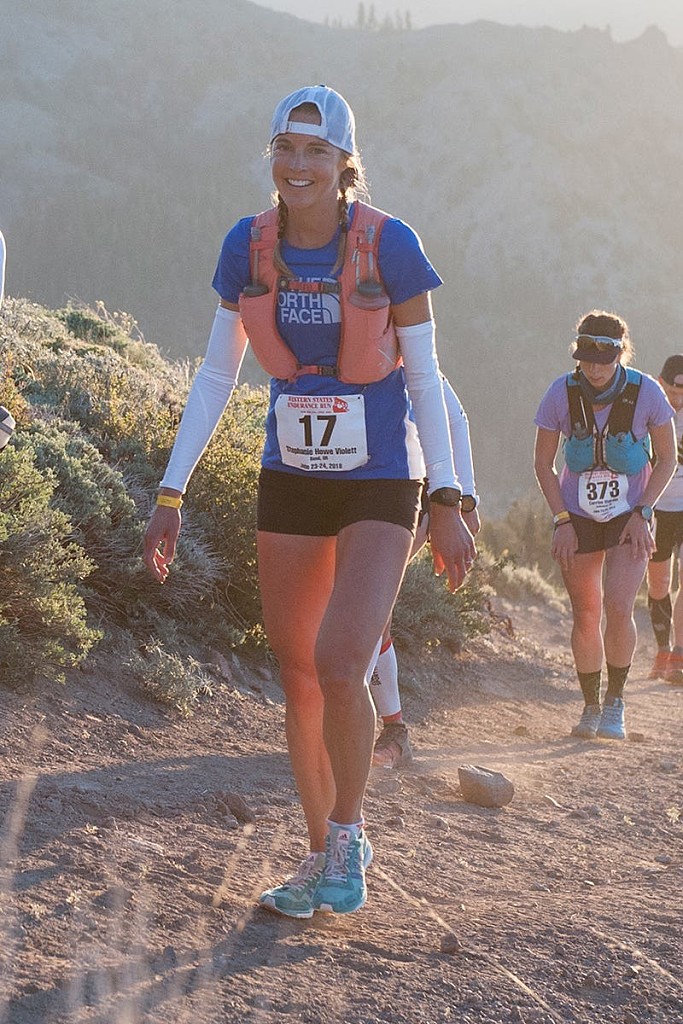
The Western States 100 Is Back and It’s Going to be HOT!
Western States is famously competitive - and this year is shaping up to be one of the toughest competitions yet with hot temps, and a stacked field.
Jim Walmsley and Magda Boulet will be back at the Western States Endurance Run this week.
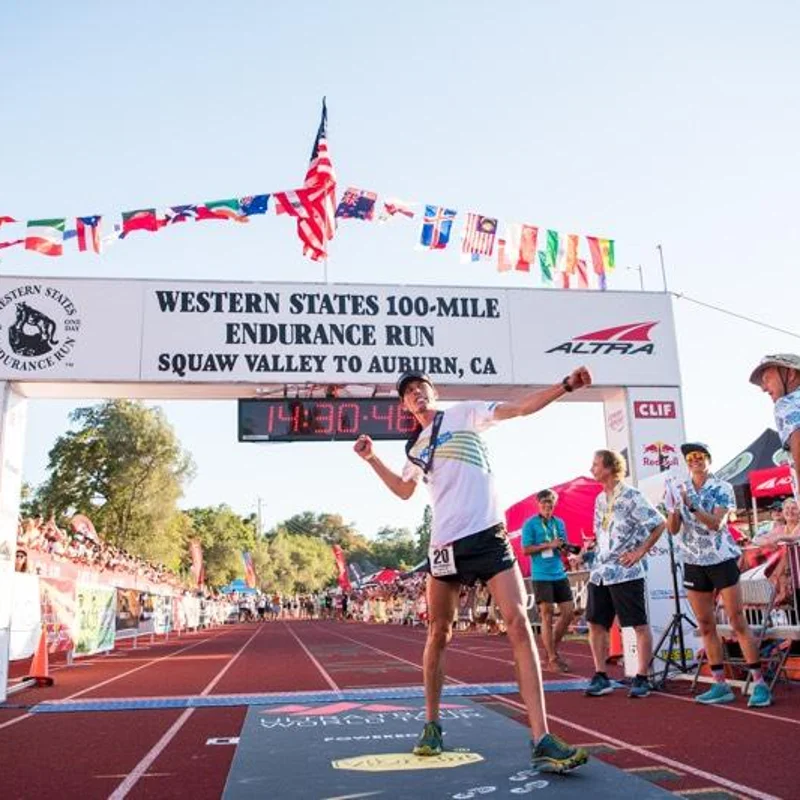
And so will Clare Gallagher, Patrick Reagan, Max King and Brittany Peterson. And, so too is race pioneer Gordy Ainsleigh and 312 other inspired runners who have been training for more than a year and a half to get to the starting line. In fact, we’re all heading back to the Sierra Nevada range this weekend — even if vicariously — to what feels like a bit of normalcy returning.
After a year mostly away from the trail racing running scene, things are starting to feel like old times. With stacked men’s and women’s fields, scorching heat in the forecast and last year’s Covid-19 hiatus hopefully mostly behind us, it’s definitely the event the ultrarunning community has been looking forward to. The race begins at 5 a.m. PST on June 26 and it looks like it’s going to be an epic one. (Follow via live tracking or the live race-day broadcast.)
“Yeah, it will be good to be there and see people and actually be in the race,” says Walmsley, who won the race in 2018 and 2019 in course-record times. “It’s been an odd year.”
Odd for sure, but with deep men’s and women’s fields, hot weather, dusty trail conditions and the late June gathering of a few hundred runners on this hallowed ground feels somewhat normal. The mountains and canyons in and around Olympic Valley northwest of Lake Tahoe have been a sacred place for the native Washoe people for thousands of years before Gordon Ainsleigh’s first romp over the Western States Trail in 1974.
It’s been an especially odd year for Walmsley, who, for the second straight year, had planned to use the first half of his year training for the 90K Comrades Marathon in South Africa. But that was canceled last year (with just about every other big race, including the Western States 100) and this year, too.
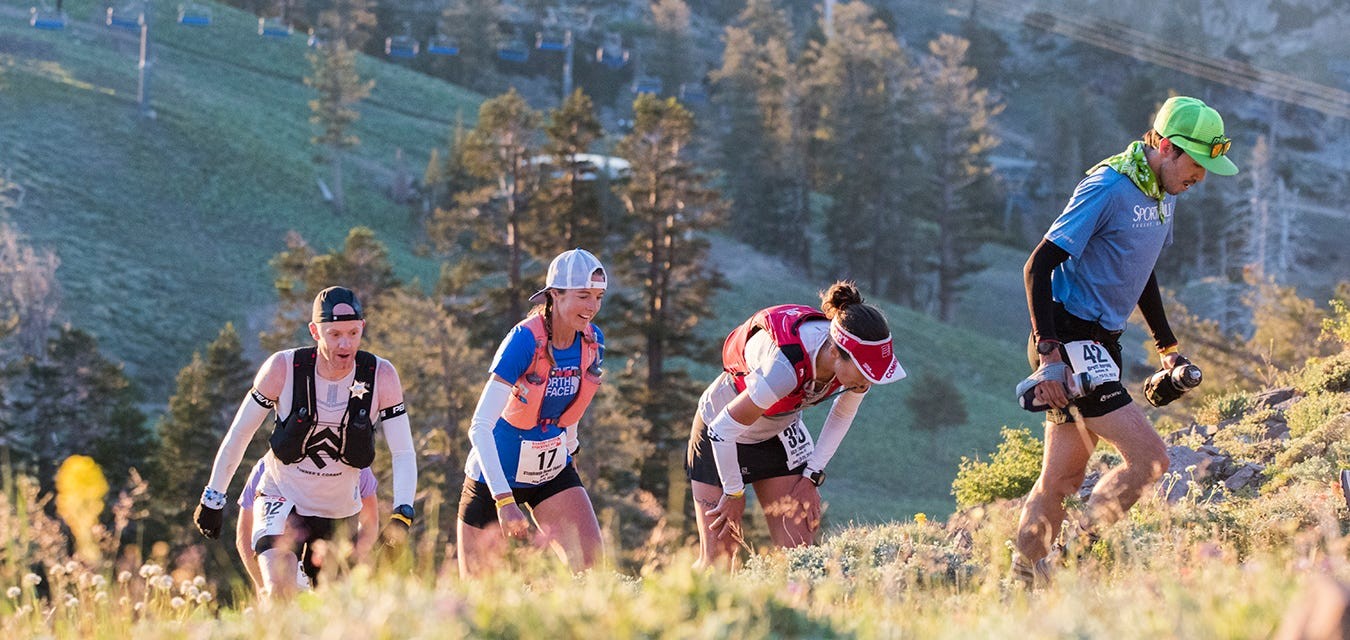
So instead, after setting a new U.S. 100K road record in January, he took a sponsor’s entry into the Western States 100 from HOKA One One and will be once again lining up in America’s most celebrated trail running race. With notable first-timers Tim Tollefson and Hayden Hawks in the mix along with Walmsley, Reagan, King, Matt Daniels, Alex Nichols, Kyle Pietari, Mark Hammond, Stephen Kersh, Jeff Browning and Jared Hazen all returning with previous top-10 finishes, on paper anyway, the men’s race is shaping up to be one of the most competitive in recent memory or maybe ever, even though it’s comprised entirely of domestic runners.
The women’s race might be even more competitive with former champions Boulet, Gallagher (2019) and Kaci Lickteig (2016) leading the way, plus elite American runners Camille Herron, Addie Bracy, Camelia Mayfield and Keely Henninger and international stalwarts Ruth Croft (New Zealand), Audrey Tanguy (France), Beth Pascall (UK), Emily Hawgood (Zimbabwe), Kathryn Drew (Canada) and Ragna Debats (Spain) joining the fray.
Who are the favorites? It’s hard to tell. Most of those runners, including Walmsley and Boulet, have admitted to having dealt with some minor injuries, inconsistent training, a lack of motivation and other setbacks over the crazy year that was. Based on what runners have been reporting, it seems like most are just eager to get back and immerse in a competitive 100-miler and see what they can do.
However, one of the keys will certainly be who can survive the heat the best. The forecast is calling for high temperatures in the upper 80s to the high 90s on Saturday after and the canyons between Robinson Flat and Michigan Bluff could even reach over 100 degrees.
Walmsley has said he’s dealt with some IT band issues and has focused mostly on running with a lot of vert, focusing on getting optimal recovery, strength sessions and body work, as well as spending as much time running in extreme heat as possible. That includes running and hiking countless laps to the summit of 9,298-foot Mt. Elden in Flagstaff, averaging 20 to 25 hours per week on the trails and also spending a lot of time on a bike trainer.
But he’s also spent a lot of time in the infrared sauna in his home and spent time with family in the Phoenix area, where he ran in the afternoons amid 115- to 120-degree heat.
“The heat training is kind of lucky for me, because growing up in the heat in Arizona, I didn’t know any different,” Walmsley says. “I just thought everyone was roasting in the heat. It’s what I grew up with and I try to lean into those memories and embrace the heat.”
Boulet, who lives in Berkeley, Calif., has also gone out of her way to train in the heat. While she says her build-up has been inconsistent compared to previous years, she’s been doing a lot of climbing and descending in the heat, and also working on box jumps to strengthen her legs for the long descent into Auburn. She says a recent 40-mile run up 3,849-foot Mt. Diablo east of Berkeley, is a good indicator that she’s ready to roll.
“I’ve definitely been spending more time in the heat lately, which is something I personally don’t enjoy running in,” says Boulet, who won the race in 2015, DNF’ed in 2016 and placed second in 2017. “But I know the importance of preparing in the heat and falling in love with running in the heat by race day. You can be as physically as ready as possible in terms of your fitness, but if you don’t have the heat training and you’re trying to tackle some of the parts of the canyons that are in the middle of the race, It’s really tough.”
Given the extreme heat, it’s not likely that anyone will challenge Walmsley’s 14:09 course record set two years ago, when it was in the low-80s and cloudy on race day. But there’s also no snow on the course this year, so the early sections that have previously forced runners to hike and walk early on will likely be faster, and that will likely result in fatigue that will slow them down in later stages of the race.
“You’ve got to take what the course gives you,” Walmsley says. “I’ve learned that you don’t fight the course where you shouldn’t. I have some splits in mind that would get me there under 15 hours and maybe close to 14:30, but it’s going to be all about feeling out what the course is giving me, following those guidelines and not forcing it. Because anyone who forces it in that heat will be doomed.”
by Outside Online (Brian Metzler)
Login to leave a comment
Western States 100
The Western States ® 100-Mile Endurance Run is the world’s oldest and most prestigious 100-mile trail race. Starting in Squaw Valley, California near the site of the 1960 Winter Olympics and ending 100.2 miles later in Auburn, California, Western States, in the decades since its inception in 1974, has come to represent one of the ultimate endurance tests in the...
more...
Spanish UTWT race launches campaign to get trail running into the Olympic Games
The organizing team of the Penyagolosa Trails race in Castellón, Spain, has launched a campaign titled Make Trail Olympic in an attempt to get the International Olympic Committee (IOC) to add off-road running to the 2028 Summer Games in Los Angeles. Organizers of the race, which is a stop on the Ultra-Trail World Tour, have written a manifesto in which they include eight reasons why trail running deserves a spot in the Olympic program, and they have also created a petition that they hope will sway the IOC.
The Penyagolosa Trails team introduced this campaign on Thursday, three years to the day that they hosted the Trail World Championships on their home course in Spain. In their manifesto, the team notes that trail running not only deserves to be included in the Olympics, but that it meets the IOC’s requirements for a sport to be added to the Games.
Trail running “is present in more than 75 countries and five continents,” the manifesto reads, adding that the sport has an established world championship system, which as another important note for the IOC. They add that trail running represents the “core values” of the Olympics, which are “excellence, friendship and respect.”
On the more technical side of the Games, doping control is mentioned. “Trail running fights against doping through the global anti-doping system based on the intrinsic value of sport, which is often referred as ‘sportsmanship,'” the manifesto says. “Anti-doping programmes are designed to protect the health of athletes and provide them with the opportunity to pursue excellence without the use of prohibited substances or methods.”
One of the most important parts of the manifesto (and perhaps the point that would have the most impact on the IOC if they view this petition) quickly dives into the popularity of the sport. As the authors explain, there are millions of trail runners worldwide, and the sport has seen tremendous growth in recent years. This growth isn’t slowing down, and trail running sees more and more new members each year, as well as new deals with major athletic brands.
he U.S. is a country where trail running is extremely popular, which is why the team from Penyagolosa Trails say the 2028 Games will be a perfect time to add the sport to the Olympic program. “The United States has a great history in organizing ultra-trail races,” the manifesto says, “and California hosts the world’s oldest 100-mile race, which in turn is one of the most prestigious: the Western States Endurance Run.”
It might be a long shot to get another running event into the Olympics, but the Penyagolosa Trails organizers make some valid points. It’s certainly fun to imagine an Olympic trail race, and if that one day becomes a reality, it will no doubt contribute to the already booming sport. To view the full manifesto and to sign the petition to have trail running added to the Olympics, click here.
by Running Magazine
Login to leave a comment

Don’t let blisters ruin your run
We’ve all been there: a couple miles into what was supposed to be a long outing on the trail, you feel the hot spot burning inside your shoe. A damn blister. Maybe you’re in ill-fitting new shoes or bunchy socks that caused your feet to sweat. Maybe you just have blister-prone feet. Either way, a skin bubble can put an end to an otherwise great day—or lead to some serious discomfort.
Vonhof is a former paramedic and an ultrarunner who now works the medical tents at races like California’s 100-mile Western States Endurance Run and the Badwater 135, as well as Decaman, a series of ten back-to-back Ironmans in New Orleans. He gave us his best advice on blister prevention and treatment.
Take Blisters Seriously
They always seem tiny and innocuous, but they can be day enders. “Even a blister the size of a pea in the wrong spot—at the base of the toe or ball of the foot—can disrupt your gait, meaning pain could go up into your knees or your back,” says Vonhof. “Blisters can seem very minor, but if you don’t take care of them, they can get larger.” He has seen instances where a runner pushed on through a hot spot, not bothering to stop and treat it, and instead of a quarter-inch inflammation, the runner was left with a two-inch bulge covering the whole arch of their foot. Once ripped, a blister leaves a huge patch of raw, exposed skin rubbing the inside of the shoe—not a comfortable situation.
Know the Causes
It’s generally understood that pressure, friction, heat, or moisture can cause blisters to form. When layers of skin and bones move against each other, the inner connections can break down, and a fluid-filled cavity forms. There are a few simple rules to help avoid blister-causing situations. “The most important thing is fit,” Vonhof says. Not enough room in the toe box or too much space in the heel can cause pinching or shifting. Also, Vonhof says, “Skip the cotton socks.” Technical, breathable wicking blends that stay in place are key. We can recommend a few: Balega Blister Resist socks prevent clamminess and eliminate friction, Drymax makes a collection of socks for runners that keep your feet moisture-free, and Injinji’s toe socks keep your digits from rubbing. Mileage matters, too. If you try to run 50 miles off the couch, you’ll probably wind up with blisters. But steadily add distance with a training plan and your feet will thank you.
Prep Your Feet
Proper foot care means good preparation, according to Vonhof. Before a big run or hike, he recommends reducing calluses, trimming and filing toenails, and getting proper insoles for your shoes. If you’re racing long distances, plan to change your socks often, air your feet out at regular rest stations, and carry a foot-care kit (Trail Toes makes a prepackaged blister kit). If you clench your toes, work to relax your feet while running. If you’re prone to blisters or are running ultramarathons, taping problem areas in advance might be a good idea. At Badwater, Vonhof regularly pretapes the entire bottom of a runner’s foot, and he recommends Leukotape K Kinesiology tape since it stays put and molds easily. If you’re running in wet conditions or your dogs tend to sweat, apply a layer of protective, moisture-managing cream, like RunGoo, before putting on your socks. Vonhof likes Squirrel’s Nut Butter Anti-Chafe salve for slathering between toes or on heels to prevent irritation.
Ditch the Moleskin
People used to rub Vaseline on a blister, then cover it with a doughnut-shaped piece of moleskin. These days, Vonhof prescribes lancing. “It’s a debate. Should you lance the blister and get the fluid out or leave it?” Vonhof says. “Sometimes it’ll pop on its own. If it’s in an area where you’re going to continue to put pressure on it while you run or hike, you’re better off lancing it.” To do that, he recommends cleaning the skin first, then piercing it in two places with a sterile pin or needle—a safety pin, tweezers, or pocketknife sterilized with a flame or vodka will work. Gently push the fluid out. (Gravity will also help the blister drain.) Then apply an antibiotic ointment, like Neosporin, and put 2nd Skin or KT tape over the top. Standard Band-Aids don’t stick well and tend to shift.
by Megan Michelson
Login to leave a comment
Over Half Of Ultrarunners Get Nauseous During Races; Here's Why
The list of issues and injuries that an ultrarunner can face while racing is lengthy. Blisters, chafing, cramps, muscle strains, knee pain, heat illnesses, and altitude sickness are just a handful of the possibilities. Perhaps none of these potential problems, however, are as prevalent and impactful during ultramarathons as nausea and vomiting. Indeed, practically every ultrarunner has their own tale of yakking on the side of a trail or into an aid station trashcan. For some, it's an unlucky one-off event, but for others, recurrent nausea consistently mars their ability to perform up to their expectations.
The reason so many ultrarunners get stricken with nausea is undoubtedly multi-faceted, and to be honest, there is not a cut-and-dry singular explanation. Still, we do have some clues as to why the prevalence of nausea and vomiting is up to 2-3 times more common in these races than much shorter distances. Let's take a look at what the research says about the possible culprits as well as some of the strategies you can try to deal with this troublesome symptom.
Just How Common Is Nausea?
Beyond the anecdotes, what exactly do we know about the prevalence of nausea in ultrarunners? Before we get to some data on that question, it's important to recognize that surveys used to gather this information quantify nausea differently. In addition, the occurrence of nausea is likely to vary with temperature and humidity, elevation, and the length of a race. As such, it's a bit foolhardy to throw out a single estimate of nausea and think that it applies to every ultrarunning scenario.
Caveats aside, some of the relevant data tells us that nausea incidence clearly increases with race duration. Dr. Martin Hoffman, professor emeritus in the Department of Physical Medicine and Rehabilitation at the University of California, Davis, has overseen several studies on this topic, and in some cases, up to 6 out of 10 runners experience nausea during an ultramarathon. To give you some perspective, consider that around 10% of regular marathoners typically suffer from nausea.
Now, some of these cases of nausea are quite mild or transient, meaning they won't hurt performance much. Still, up to half of cases can be severe enough to impact ultrarunning performance. In fact, one of Hoffman's investigations found that nausea or vomiting was the leading reason for racers to drop out of the Western States 100-mile Endurance Run. During a regular 26.2-mile marathon, a runner suffering from nausea near the end of the race is likely to grit their teeth and finish. In contrast, the thought of having to suffer for another 20, 30, or 50-plus miles while feeling queasy is, very understandably, too much for some ultrarunners to cope with.
Multiple Causes
The puzzle of why nausea is so common during ultrarunning is difficult to solve, in large part because there are multiple physiological changes occurring simultaneously over the course of an ultrarace. It's also incredibly tough to match the demands of an ultrarace in a laboratory, so mechanistic studies looking at the origins of nausea during super-prolonged exercise are few and far between.
Even with the scientific uncertainty, we do have some decent guesses as to what's provoking the urge to spew in so many ultrarunners. During prolonged exercise, you secrete hormones like adrenaline and glucagon into your blood that allow your body to liberate fat stores, make glucose, and maintain your blood sugar levels. Arginine vasopressin, a fluid-conserving hormone, is also released so that you can reduce urine production. Blood levels of endotoxins (sort of invader molecules that seep through your gut's walls) and inflammatory molecules can also surge. And finally, you've got muscle breakdown products, like urea and creatine kinase, spilling into your bloodstream. All these substances can stimulate what's called the chemoreceptor trigger zone in your brainstem, which communicates with another brain region called the vomiting center.
Long story short, you've got a cocktail of substances circulating in your bloodstream that act as a potent trigger for nausea. The concentrations of all these substances tend to increase over time during prolonged exercise, which may help to explain why nausea becomes much more common in the latter half of ultraraces.
A Nervous Gut
The release of stress hormones like adrenaline can also occur even before you take your first official stride during an ultra. Throughout the history of sport, many athletes have been plagued by precompetition anxiety severe enough to induce vomiting. Bill Russell, perhaps the best center of all-time in the sport of basketball, reportedly vomited before many of his big games. There's also a moment in the Steve Prefontaine biopic Without Limits that perfectly captures what prerace nerves can do to even the most elite athletes. In the scene, Prefontaine is seen puking under the grandstands before his race against other running greats like Frank Shorter and Gerry Lindgren, even as the crowd chants his name.
These anecdotal accounts are also beginning to be backed by research. Just this year, two of my colleagues and I published an investigation that found anxiety to be associated with the occurrence of nausea in endurance race competitors. The study, published in the European Journal of Sport Science, had 186 endurance-trained individuals document their life stress and anxiety as well as the gut symptoms they experienced during one of their recent races. A subset of the subjects also reported how anxious they felt on race morning. Ultimately, racers who reported higher levels of general anxiety had over three times the odds of experiencing significant levels of nausea during competition. Further, those who reported lots of anxiety on race morning had over five times the odds of experiencing substantial in-race nausea.
These are correlations, so it's hard to definitively prove that these athletes' nausea issues were completely due to anxiety. That said, other lines of evidence support the idea that this relationship is at least partially cause and effect. Plus, most of us have had our own out-of-sport run-ins with gut distress stemming from worries and anxieties, whether they be from a first date, a medical procedure, or an interview.
Sweltering Heat and Altitude
Environmental conditions also play a major role in development of nausea during ultras. Some of the most prominent ultramarathons in the world (e.g., Western States Endurance Run, Badwater Ultramarathon, Marathon des Sables) are held in sweltry conditions. When researchers ask runners to exercise in the heat, the incidence of nausea can quadruple in comparison to exercise carried out at the same intensity in more mild conditions.
Besides the heat, another environmental factor that many ultrarunners deal with is altitude. Nausea is a well-known symptom of acute mountain sickness, with written accounts going back at least several hundred years. Add exercise to the mix, and you can start to understand why nausea is a big issue for competitors at races like the Hardrock 100 and the Khardung La Challenge, which has the highest elevation of any ultrarace in the world.
Fueling: A Delicate Balance
One other notable contributing factor to nausea is in-race fueling. The nutritional demands of ultrarunners can far outpace those of other athletes competing at shorter distances. For those ultrarunners who are looking to push the boundaries of what their bodies can do, they might end up consuming carbohydrate at rates of 60-90 grams per hour. That's roughly equivalent to 3-4 sport gels per hour! Even lesser amounts of carbohydrate (30-60 grams per hour), though, can pose a significant challenge to the gut's capacity to digest and absorb fueling.
In short, fueling during an ultramarathon often takes place on a knife's edge. Too little can lead to a bonk and even nausea if your blood sugar gets too low, while too much foodstuff can also provoke the gut and induce queasiness. With that in mind, it's critical that ultrarunners practice their fueling strategies multiple times throughout the weeks leading up to a race. Ideally, at least some of these gut-training sessions would be done at a pace similar to race-pace and in similar environmental conditions that an athlete expects to compete in.
Strategies to Quell or Avoid Nausea
Given all this information, you might be wondering how to best avoid the nauseous fate of so many ultrarunners. First, you should accept the fact that there is likely no ironclad way to completely eliminate the risk of nausea during an ultra. There are just too many potential causes. That being said, you do have the power to minimize your risk of being stricken with severe nausea. And for some athletes, it will be important to take a multi-pronged approach as opposed to relying on a single strategy. Below are my top five tips for reducing the odds of tossing your cookies during your next ultra.
Acclimate to the heat and altitude if your race is held under those conditions. Likewise, employ cooling strategies (e.g., drinking cool beverages, putting some ice in your cap or shirt, dousing yourself with cool/cold water, etc.) throughout a race that's held in sweltering conditions.
If you suffer from prerace nerves, try techniques like slow deep breathing or mindfulness. Better yet, consult with a sports psychologist.
Avoid both overhydrating as well as underhydrating. During a single-stage ultramarathon, some amount of weight loss is normal (due to the loss of energy stores), so you shouldn't be drinking so much that you weigh the same or more after a race as before the race. On the other hand, large body mass losses (e.g., >5%) may be a sign that you're underhydrating.
Train your gut! If you plan to push the boundaries of food and fluid intake during the race, of course it makes sense that you should practice your nutrition plan during some of your longer training runs. Much like other organs in your body, the gut is adaptable.
Try ginger. I'm generally not a purveyor of supplements, but if the above mentioned strategies don't do the trick for you, there is at least one nutritional product that has shown some anti-nausea properties in settings outside of exercise: ginger. To be specific, these anti-queasiness effects have been most often studied in nausea occurring during pregnancy, motion sickness, and chemotherapy. No supplement is without risk, and many products sold in the U.S. are of questionable quality, so anyone looking to use ginger supplements-or any other supplement for that matter-should do their research and consult with their healthcare provider as well.
by Trail Runner Magazine
Login to leave a comment
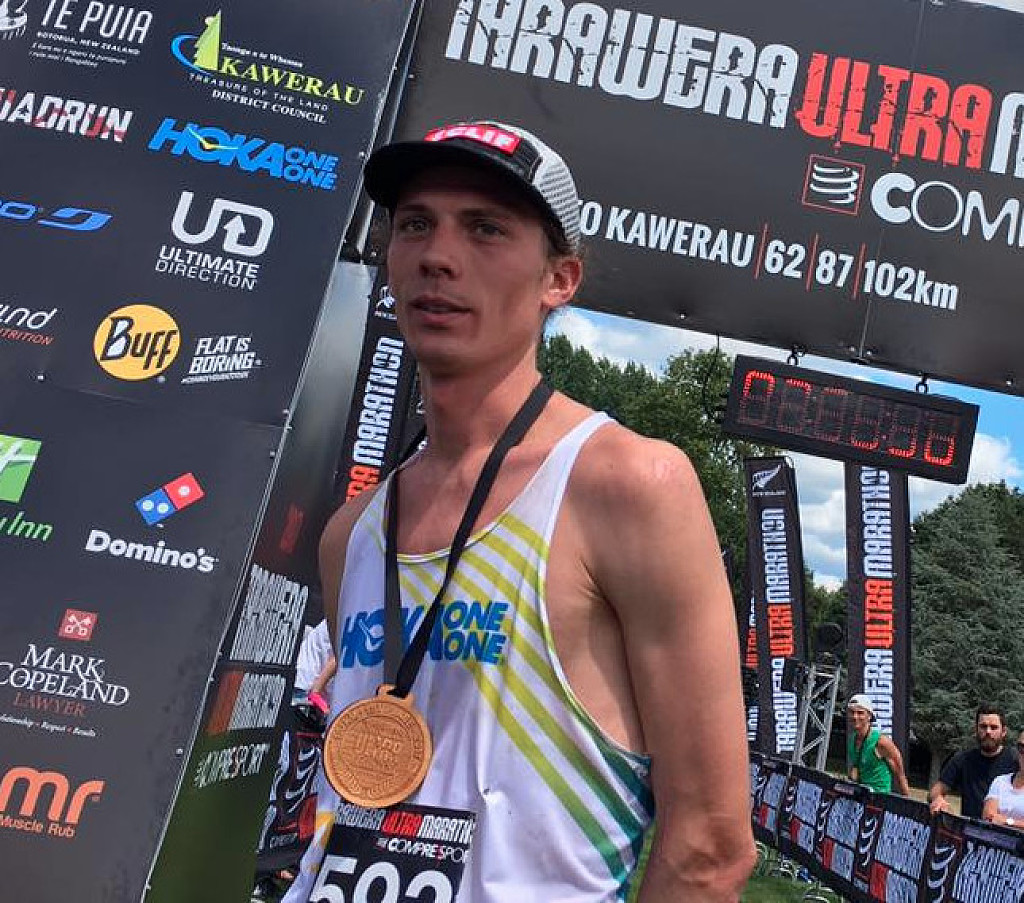
Jim Walmsley says he can take a 2:05 marathoner in a trail scenario
Walmsley on the road versus trail argument
Jim Walmsley ran a 1:04:00 in the Houston Half-Marathon on Sunday. Since his performance, many people have been critical of his race and returned to comparing the trail and road running scenes in a futile attempt to try and identify which discipline is more difficult.
Walmsley is an ultra and trail runner who’s the Western States 100 course record holder, and was formerly a high school and collegiate track runner (8:41.05 3,000m steeplechaser). Walmsley was ranked 23rd male on Sports Illustrated’s Fittest 50 athletes in 2018 (marathon world record-holder Eliud Kipchoge ranked 21st) and is very well known for his accomplishments on the trails.
His 1:04:00 at Houston qualified him exactly for the 2020 U.S. Olympic Marathon trials where he will run his marathon debut. As Walsmley straddles the boundary between ultra-trail runner and road runner, he’s become a focal point for the trail versus road argument.
Walmsley was a guest on the Citius Mag podcast the week following his half-marathon and was asked to address some of the comments. Here’s what he had to say regarding a 2:05 marathoner being thrown into the Western States Endurance Run. “The way that I attack the downhills, I will break your quads and you won’t be able to jog the flats after. Like, give me a 2:05 guy, you don’t need Western States, call me up, give me a 2:05 guy, give me a couple hours in the canyon and I’ll be the first one out.” This is a clip starting at minute 58 in the podcast.
Walmsley adds that of course a marathoner could learn to be good at ultra running, but it takes practice. He’s not denying that road runners wouldn’t be capable of becoming strong trail runners, what he’s saying is that like anything in sport, it takes practice.
by Running Magazine
Login to leave a comment
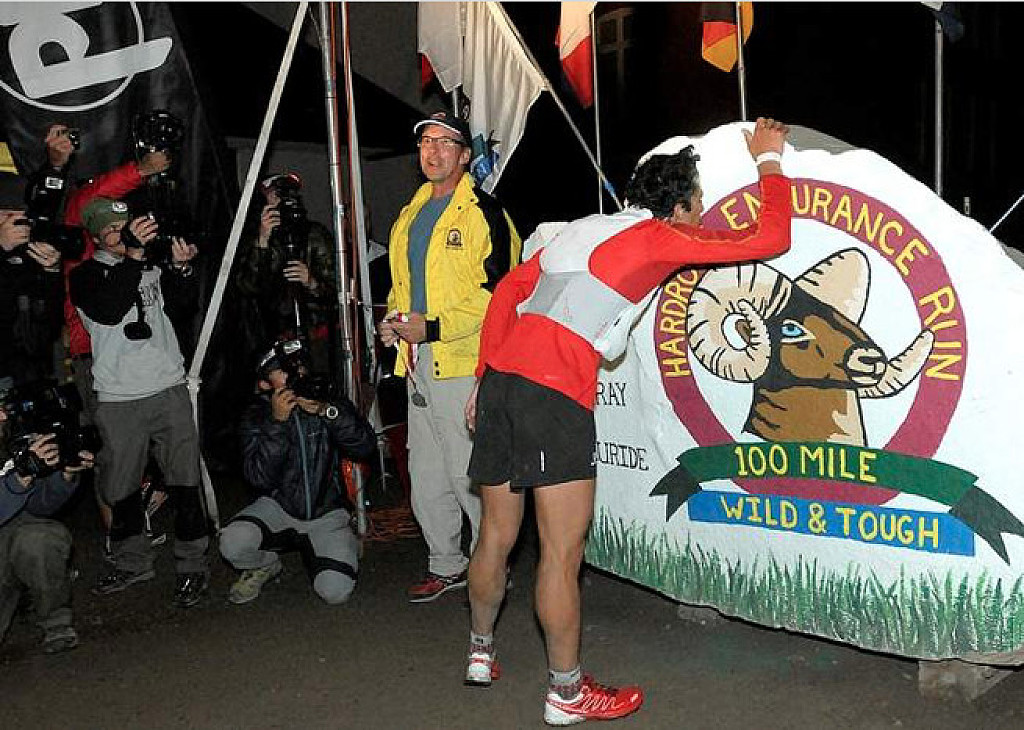
Hardrock 100 canceled for second time in as many years
Avalanche debris in 2019, COVID-19 in 2020 wipe out famed ultra-marathon
The Hardrock Hundred Endurance Run can’t catch a break.
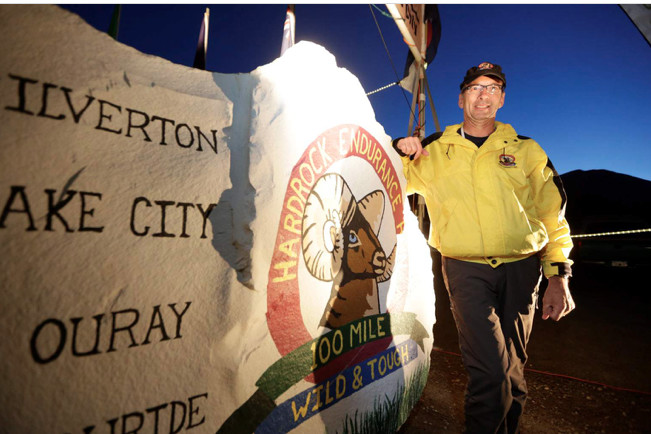
After unveiling a loaded field of U.S. and international runners selected through the lottery in December 2018, the Hardrock 100 ultra-marathon that starts and finishes in Silverton was canceled in 2019 after a winter of heavy snow left avalanche debris and dangerous high water along its 100.5-mile loop through the heart of the southern San Juan Mountains.
A year later with the same field of registered runners as 2019 set to compete, the Hardrock 100 board of directors once again had to cancel one of the world’s most iconic mountain ultra-marathons. This time, it is because of the global COVID-19 pandemic with public health orders in place prohibiting large gatherings such as the Hardrock, which has a field of 145 runners. Though it is a small field of athletes, hundreds more are involved in the form of pacers, crew members, media and run volunteers.
The Hardrock 100 continued to delay its decision until Saturday while similar events in the U.S., such as the Western States Endurance Run in California, canceled much earlier. Western States 100 made its decision March 27.
“This is a tough decision,” said Hardrock 100 director and co-founder Dale Garland in a phone interview with The Durango Herald. “I hated making it. It is not one where just sat down one day and decided to pull the plug. We realize we have an impact on the sport and the economics of the area, and it’s something done with a lot of consideration. I’m really sad, and I have heartache about it.”
The latest Hardrock 100 cancellation is another blow to Silverton, which suffered economically from the affects of less tourism because of the 416 Fire near Durango in 2018. Already in 2020, Silverton has seen the Iron Horse Bicycle Classic, which brings more than 3,000 people to Silverton on Memorial Day weekend, canceled because of COVID-19. Many businesses in Silverton remain closed with only essential visitors allowed into the small mountain town of fewer than 700 residents. In 2019, DeAnna Gallegos, the director of the Silverton Area Chamber of Commerce, said the Hardrock 100 helped deliver $1 million to the local economy.
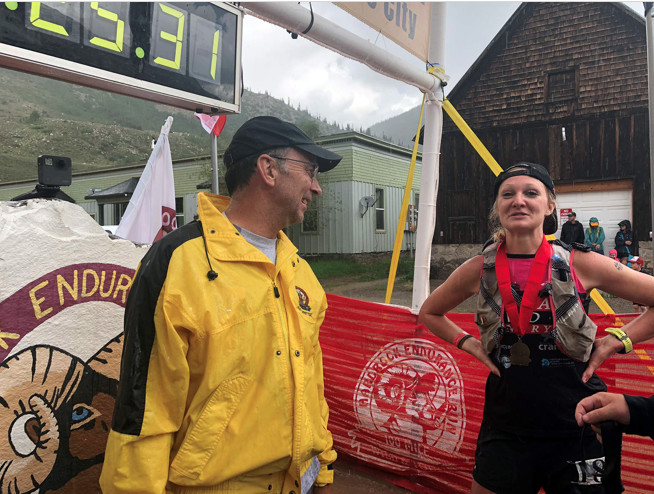
Past experience pays off
The cancellation is the fourth in Hardrock 100 history dating back to 1992. The previous cancellations were all because of natural causes. Along with the dense avalanche debris scattered across the course in 2019, the event was called off in 1995 because of too much snow and in 2002 because of extreme fire danger in the San Juan National Forest.
It was because of that first cancellation in 1995 that Hardrock is able to financially survive a cancellation, even with two in a row. After 1995, the board of directors established a reserve bank account to set aside funds in the case of another lost year.
“We just needed to make a decision by June 1, if we could,” Garland said. “Part of that is to honor people’s flight plans, vacation rentals and all those things. Also, we felt if we made a decision by June 1 we could still buy everything we needed. We hadn’t spent a whole lot of money with equipment, merchandise, awards or anything like that. So, we’re in pretty good shape and didn’t have to hit the reserve account very hard.”
A loaded field awaits fate
The run, which traverses across the rugged San Juan Mountains with 66,050 feet of elevation change at an average elevation of more than 11,000 feet, including the 14,048-foot summit of Handies Peak outside Lake City and seven mountain passes at higher than 13,000 feet, has become a legend among the world’s best ultra runners. Athletes must complete previous qualifying 100-mile races to even enter the lottery, which had a record 2,487 applicants for the 2019 race.
While U.S. stars such as Courtney Dauwalter, Dylan Bowman, Jeff Browning, Jason Schlarb, Sabrina Stanley, Darcy Piceu and Darla Askew were among those expected to run in 2019 and then in 2020, French stars Francois D’Haene and Xavier Thévenard were also highly-anticipated competitors who had gained a lottery spot.
It was expected to be the most talented field in the history of the event, and it has now been put on hold twice.
No announcement was immediately made regarding registration for the 2021 race and if it would once again carry over from the 2019 lottery or if there would be a new lottery.
“It’s up in the air,” Garland said. “That is a board decision, and it’s split. That’s why it hasn’t been decided yet. It’s been two years, so do we keep rolling people over or give 145 new people a shot at it? They’ve been waiting two years for a new lottery, as well. It’s a philosophical difference not resolved yet. We will keep people updated as soon as those decisions are made.”
Garland said making the event larger to accommodate the addition of new runners to the existing pool of 145 already selected would require discussions with the Bureau of Land Management and forest service, as that would exceed what the event’s permit is allowed. He did not indicate that there was a plan to try to increase the size of the event.
Alternative formats didn’t fit Hardrock’s image
Garland and the run committee considered alternative plans to the traditional Hardrock 100 this year. Some suggested it be conducted virtually. There was discussion of holding the event as usual but with staggered starts and without gatherings such as Camp Hardrock, the pre-race briefing and the awards banquet which would have brought all the runners together at the same time.
“I don’t think you can replicate the Hardrock experience virtually,” Garland said. “We entertained the idea, but no, we couldn’t do that. Then we looked to see if we could do it without all the experiences that make Hardrock what it is and build our community. At some point it was like, ‘What are we trying to create?’ Especially for a first time runner, we didn’t want that to be their experience.
“We also thought about doing a regional Hardrock and limiting it to the Four Corners states. But we couldn’t come to a philosophical agreement that we wanted to do something like that, either.”
While Garland said canceling the event stings, he is confident it can move forward and remain a special event. In a year in which the Ultra Trail du Mont Blanc in France and other U.S. events such as Western States and the Leadville 100 have been canceled, he believes the running community will understand.
“What does it say when we can’t do it two years in a row?” Garland said. “That’s why we wanted to wait and see as it got really close if things were going to change or not or if we could make it work. We kept trying to move forward, but we couldn’t do it.”
Login to leave a comment
Hardrock 100
100-mile run with 33,050 feet of climb and 33,050 feet of descent for a total elevation change of 66,100 feet with an average elevation of 11,186 feet - low point 7,680 feet (Ouray) and high point 14,048 feet (Handies Peak). The run starts and ends in Silverton, Colorado and travels through the towns of Telluride, Ouray, and the ghost town...
more...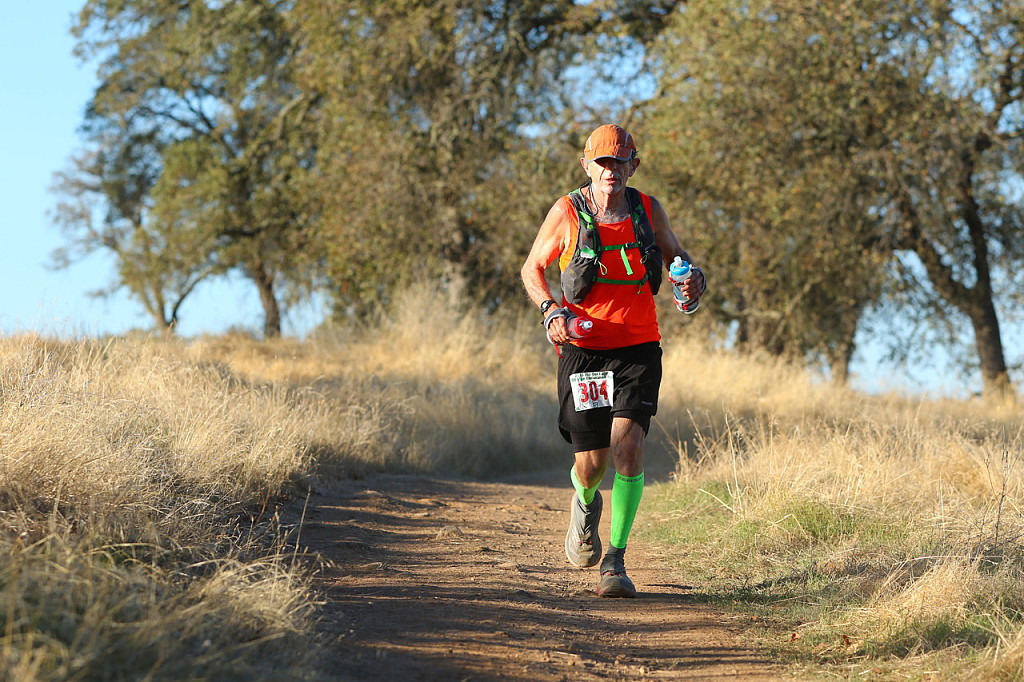
With his race event cancelled, 72-year-old Eric Spector inspires other seniors to remain active
The key is to commit to staying fit, whether during a pandemic or not, says Eric Spector.
If these were normal times, Eric Spector would be in the final phase of training for the race of his dreams — the annual Western States Endurance Run, a 100-mile trail run from Squaw Valley to Auburn. It's an event he calls the Superbowl of ultramarathons.
But with the June event canceled, along with most other activities, due to the coronavirus crisis, the 72-year-old fitness enthusiast has been forced to adapt his fitness routine.
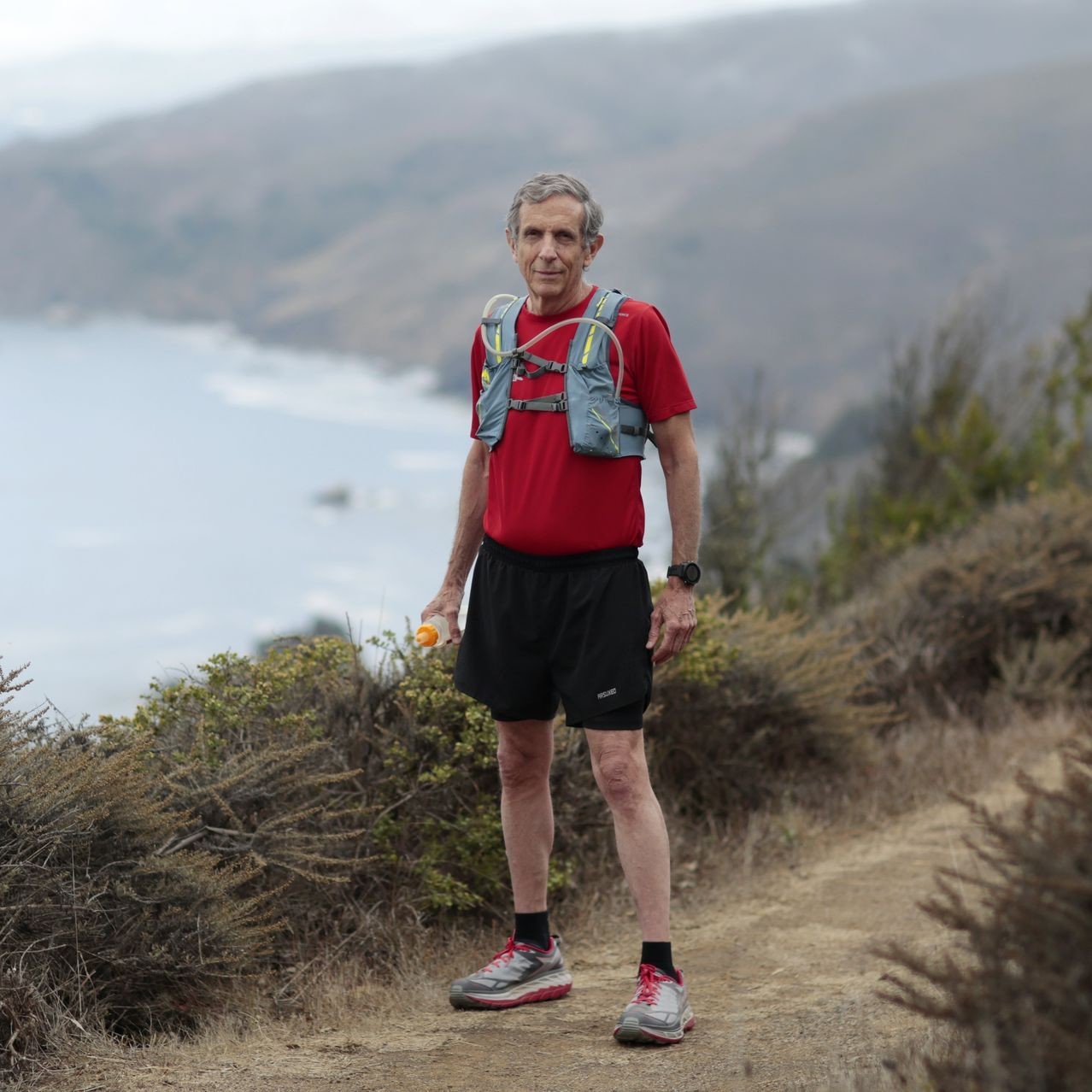
Rather than rigorously training in the hills above Palo Alto, Spector has turned to power walking. And rather than swimming and exercising at the Oshman Family Jewish Community Center, he has set up a gym in his garage where he can lift weights, ride a stationary bicycle and generally keep moving.
"The key is working up a sweat and getting the benefit of a cardiovascular workout," said the Palo Alto resident, who has participated in more than 20 marathons in the United States and abroad and was the oldest person to complete the 2018 Rio del Lago 100-Mile Endurance Run in the Sierra Nevada foothills.
Though a committed runner, Spector, who turns 73 on May 5, is no exercise snob. In fact, he's a promoter of exercise for anybody and everybody through his Twitter page, [ @fitatallages.
"It doesn't really matter what activity somebody chooses — the benefits of being fit are extraordinarily clear," he said."It prevents so many diseases and, if you get sick, your recovery time is usually much shorter because of your fitness.
"Whether you speed walk, bicycle, play racquetball, hike — the most important thing is that you do it regularly and that you sweat. With those two ingredients, it provides a longer, healthier, more vigorous life."
On his Twitter feed, Spector often shares links to inspirational stories of older athletes as well as small exercise tips like:"Well, you don't want to run? Then dance."
During the stay-at-home order, he has been sharing the many ways athletes, from Olympians to coaches, have adapted their fitness routines. One marathoner who qualified for this year's Olympics in Tokyo, shared this philosophy with the New York Times: The only thing athletes can control at this point, since competitions and events are canceled, is their training routines. Another story that Spector shared from Sports Illustrated features a running coach who provided some creative inspiration to those looking to compete or exercise: He organized a virtual ultramarathon where participants mapped out their own running loop in their backyards, neighborhoods or treadmills and livestreamed their runs on Zoom.
Spector said the key is to commit to staying fit, whether during a pandemic or not. He recommends picking an exercise and following through with a routine. This can be anything from walking around the block once a week to walking around the backyard everyday. Tracking when, where and for how long you do a particular activity will help you maintain a routine and stay motivated.
Exercise wasn't always a priority for Spector.
As a young man he was overweight and working long hours at a New York City startup.
"I wasn't at all plugged in to athletics of any kind — I'd really done nothing more than work and eat and put on some weight," he said.
But he became intrigued when some of his business school classmates flew in from California to run the 1978 New York City Marathon.
"I thought, 'If these guys can do it, I should be able to do it,' so I bought some sneakers, went out for a run to the west side of the Hudson River and barely made it," he said.
Spector kept at it, and a little more than a year later, he entered the 1979 New York City Marathon.
"It was my first running event ever but I did quite well and loved it," he said."I really loved the fitness, the clarity of mind, the stream of consciousness as you're running."
He grew to love the "runner's high," which he describes as"a kind of a euphoria, where you're not even conscious of the effort. It's just the rhythm and the joy of physical activity.
"For me, that kind of activity has been a mainstay of mental health and sanity, with the benefit of staying fit," he said.
by Chris Kenrick
Login to leave a comment
Western States 100
The Western States ® 100-Mile Endurance Run is the world’s oldest and most prestigious 100-mile trail race. Starting in Squaw Valley, California near the site of the 1960 Winter Olympics and ending 100.2 miles later in Auburn, California, Western States, in the decades since its inception in 1974, has come to represent one of the ultimate endurance tests in the...
more...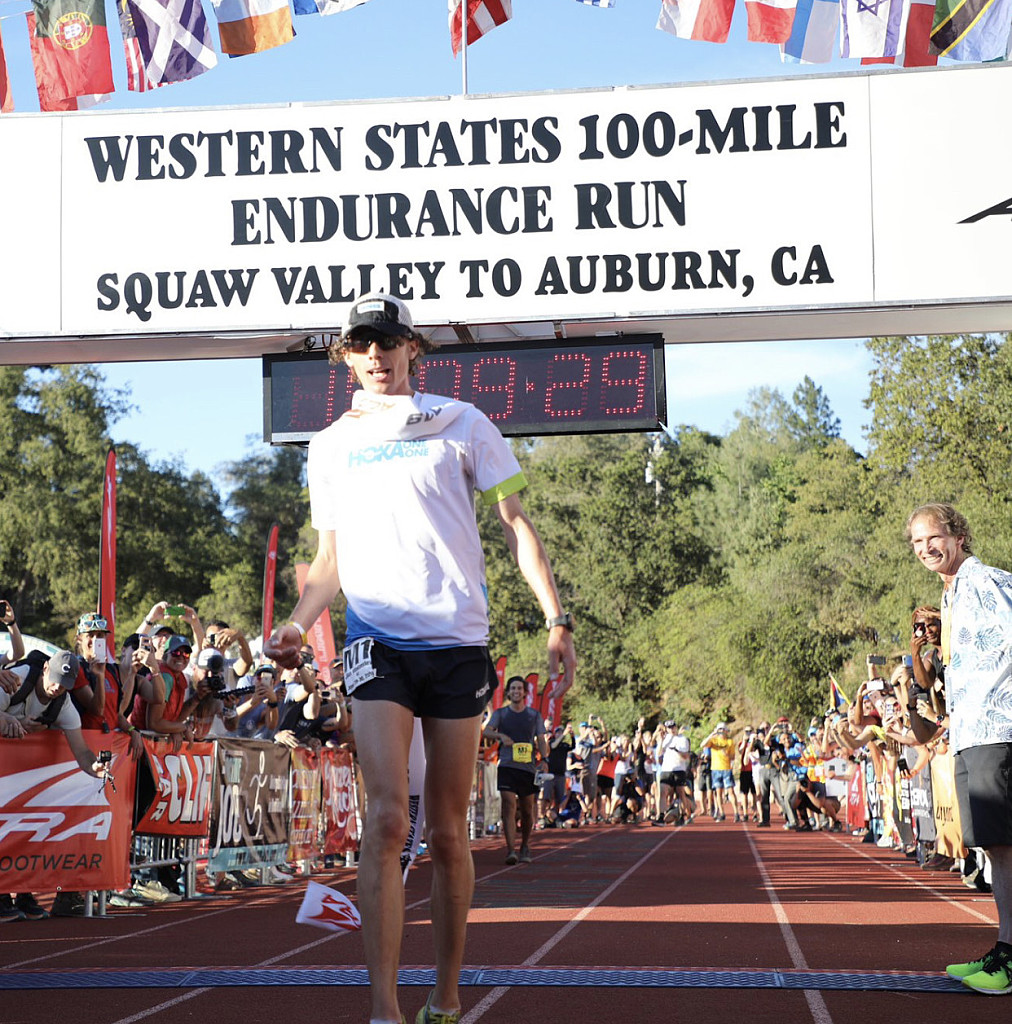
Western States 100 has been cancelled due to the war the world is in gaged in with the Cornavirus
The decision to cancel the 2020 Western States Endurance Run was a tough one. In accordance with this decision, we are offering an entry spot for the 2021 race to all runners entered in this year’s race and a wait list spot on the 2021 wait list to all people on this year’s wait list.
The 2020 Memorial Day training runs are cancelled and all registrations for those events will roll over to the 2021 Memorial Day training runs. More details on entry and registration for 2021 events will be provided later.
We have made the decision to cancel after careful deliberation, knowing that our foremost responsibility is to ensure the health, safety, and well-being of our 2020 entrants, our volunteers, our broader running community, and society at large.
The current situation in the United States and throughout the world is one of disruption and uncertainty. We feel that moving forward with plans for a race in June is not aligned with what our government, medical experts, and society is asking us to do. While painful to do knowing the hopes and dreams that surround this event, we feel it is the responsible action to take in light of what is going on in the world around us.
Login to leave a comment
Western States 100
The Western States ® 100-Mile Endurance Run is the world’s oldest and most prestigious 100-mile trail race. Starting in Squaw Valley, California near the site of the 1960 Winter Olympics and ending 100.2 miles later in Auburn, California, Western States, in the decades since its inception in 1974, has come to represent one of the ultimate endurance tests in the...
more...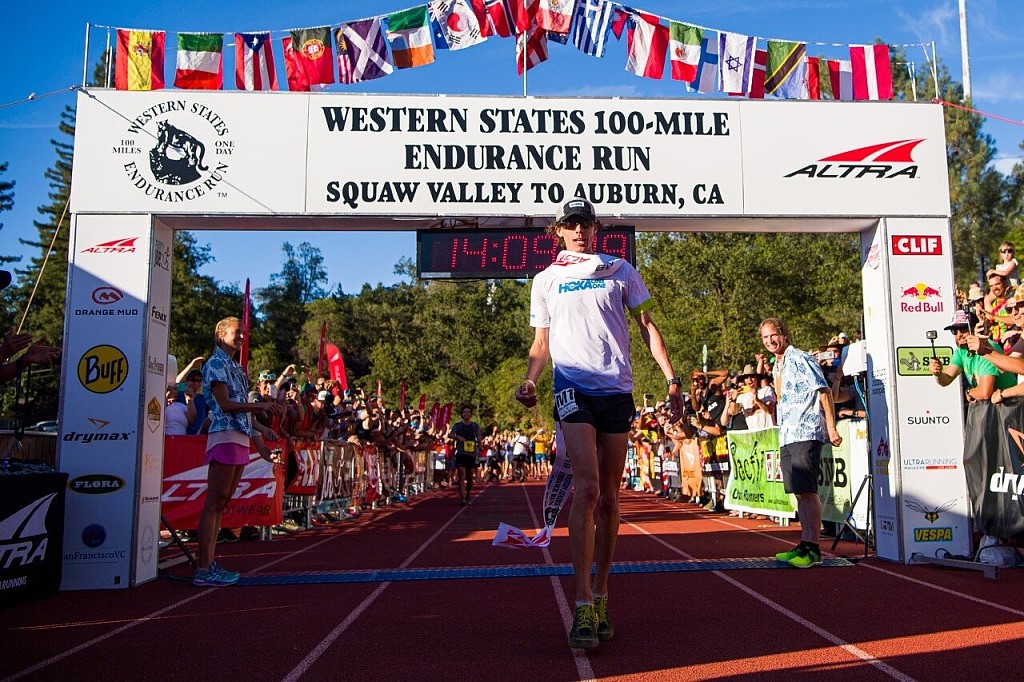
HOKA ONE ONE have been named as presenting sponsors of the Western States 100-Mile Endurance Run.
The deal also includes a rebranding of a series of races which allow entry to WSER as the “HOKA ONE ONE Golden Ticket Races”.
The series for 2020 will consist of the Bandera 100km in January, Black Canyon 100km in February, Georgia Death Race in March, Lake Sonoma 50-miler in April and the Canyons 100km in April.
The USA’s most prestigious trail ultra takes place in Olympic Valley, California, and will next be staged on June 27 2020.
Race director Craig Thornley: “We are extremely excited that HOKA has made such a strong commitment to our mission as an organisation, which is to serve the ultra community as one of the thoughtful leaders in our sport and culminates each June with putting on the highest-quality, yet intimate 100-mile experience we can possibly present for all of our runners.”
Mike McManus, director of global sports marketing for HOKA ONE ONE, said: “HOKA was born in the mountains and gained an early foothold in the trail ultrarunning community, so it is only natural that we would help put on the original trail 100-mile race. The Western States Endurance Run is an iconic event with an incredible community behind it, and one where some of the best-known legends of ultrarunning are born. We are beyond thrilled and proud to be the presenting sponsor.”
Registrations for the ballot for the 2020 WSER will open on November 9.
Login to leave a comment
Western States 100
The Western States ® 100-Mile Endurance Run is the world’s oldest and most prestigious 100-mile trail race. Starting in Squaw Valley, California near the site of the 1960 Winter Olympics and ending 100.2 miles later in Auburn, California, Western States, in the decades since its inception in 1974, has come to represent one of the ultimate endurance tests in the...
more...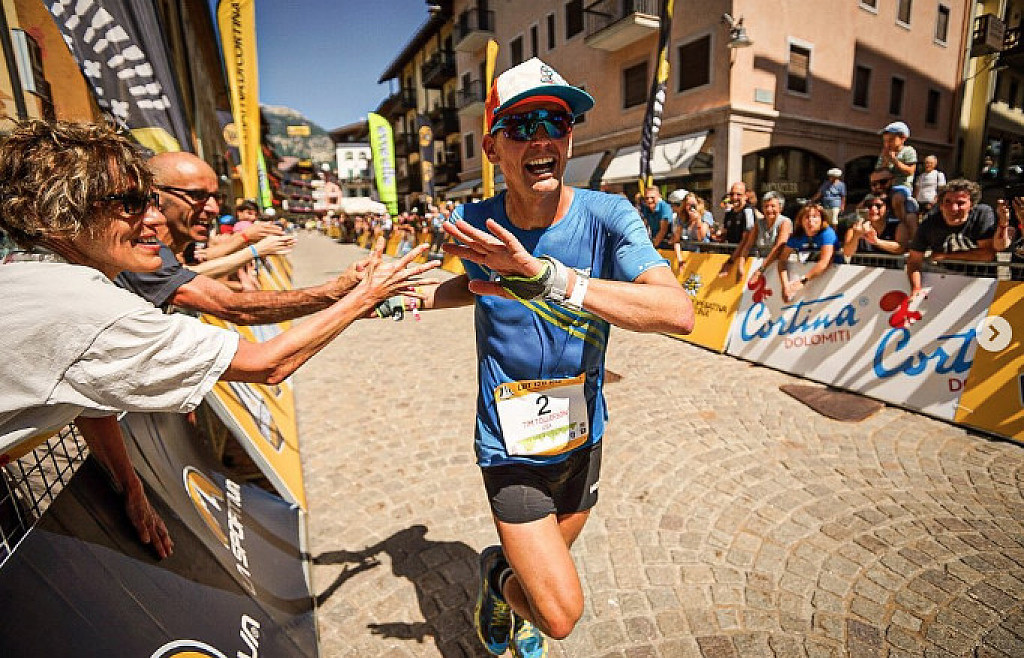
Tollefson, Dauwalter Lead a Strong Pack of Americans at 2019 UTMB
A year after a bad fall ended Tim Tollefson’s latest effort to be the first American atop the podium at the Ultra-Trail du Mont-Blanc (UTMB), the ultrarunner is returning with reignited determination—but also a heavy heart.
Twice a third-place finisher of the daunting 171K, the Mammoth Lakes, California, pro is primed and ready to compete in this epic race through the French, Italian, and Swiss Alps between Friday and Saturday. This comes after Tollefson’s bid in 2018 ended around the 48K mark when a fall required stitches in his left quad, forcing him to withdraw, but not leading to any long-term damage.
Though a disappointing way to end his day and his hunt for first, he’s put that behind him as he once again tries to become the first American man to finish atop the podium in the 17-year history of the race.
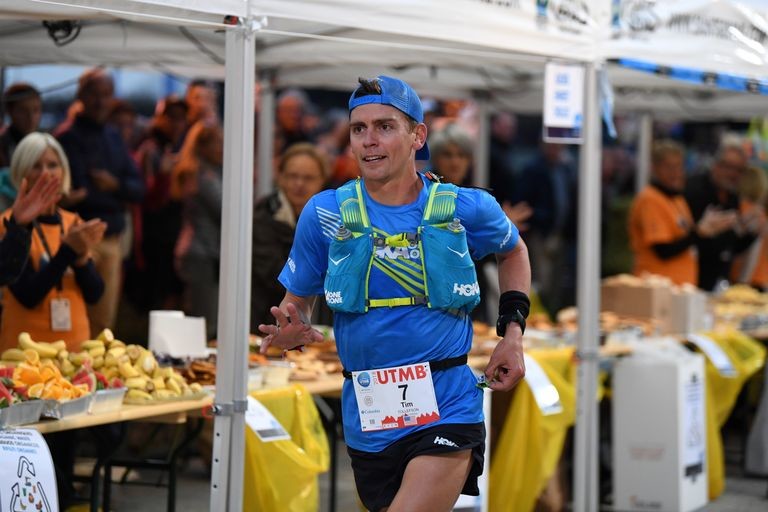
“Last year doesn’t haunt me, but it’s something I would like to avenge,” Tollefson told Runner’s World. “It serves more of a constant reminder that I need to come back here and prove something to myself because I think I have unfinished business. I think this race in particular plays to experience, and I’d like to think that I now have enough experience and the skill set to put together the performance I have dreamt of.”
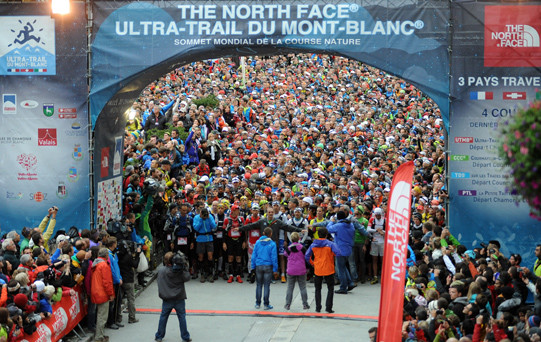
Training was slightly different this year to prepare. The 34-year-old physical therapist added about 20 percent more vertical gain during his weekly training, especially on long runs. This included dozens of 20- to 30-mile runs with about 9,500 feet of vertical gain. He also won the popular 120K Lavaredo Ultra Trail in June in Cortina, Italy, with a time of 12:18:47.
With more than 32,000 feet of vertical gain and often inclement weather, the UTMB course has been known to crush even the strongest and fittest runners. Tollefson proved worthy of the challenge in 2016 and 2017 with third-place efforts, not to mention his runner-up showing in the adjacent CCC 100K in 2015.
This year, Tollefson is competing for more than just his personal goals: He is running to honor a fallen friend. On August 14, friend and fellow Mammoth Lakes resident Cody Tuttle, a 32-year-old professional filmmaker and photographer who documented Tollefson for several projects, died in a paragliding accident near Lone Pine, California.
“It was a tragic loss for the community,” Tollefson said. “It’s a sobering reminder that every time we go into the mountains, there is an inherent risk, and yet there is a reason we are all drawn to this type of rugged mountain environment.”
Tollefson will have heavy competition as he strives for his goal. As usual, the men’s field of the race is deep, with Frenchman Xavier Thévenard, a three-time winner and defending champion as the clear favorite. Last year’s runner-up Robert Hajnal of Romania is also in the field, but Americans Zach Miller, twice a top-10 finisher at UTMB, Alex Nichols, who was second at the 2018 Hong Kong 100K, Hayden Hawks, who has had big success at 50K and 100K races, and Jason Schlarb, who has been on a tear since turning 40, could all be contenders.
“I feel like I’ve finally acquired the climbing skills that allows me to run with the Europeans and be able to be confident coming into this race,” Tollefson said. “It still comes down to executing the race, but I’m really psyched to get out there and run another lap around Mont Blanc.”
The women’s field is also intriguing, especially from an American point of view. Although defending champion Francesca Canepa of Italy returns, all eyes are on Courtney Dauwalter, who has dominated women’s ultrarunning in recent years, right up to the point when she dropped out of the Western States Endurance Run in late June with a hip injury. The 34-year-old Golden, Colorado, resident is healthy, but admits she didn’t do the training she had hoped while recovering from her injury.
“It’s a long race and, from what I hear, it’s a grind, so it’s not a fast 100-miler,” Dauwalter told Runner’s World. “I’m not sure how my skills and experience will play into it, but I’m going to take each section as they come and run as efficiently as possible and see what happens. These mountains are awesome and the challenge will be big.”
Two-time winner Rory Bosio (2013, 2014) from Truckee, California, is also back after running the shorter OCC in 2017 and the longer TDS last year, while Nebraska’s Kaci Licktieg, who took third at Western States Endurance Run this year, and Katie Schide, an American living in Switzerland, both could be poised to compete for podium finishes.
“I don’t know if I can be competitive; the women’s field is bonkers this year, and I think that’s great,” Bosio told Runner’s World. “Winning those races back to back seems so long ago, almost like it happened to a different person. But it’s going to be an exciting race, no matter what because it’s UTMB.”
More than 2,300 runners from 90 countries will start the race at noon ET on Friday. You can follow along live here.
by Runner’s World
Login to leave a comment
North Face Ultra Trail du Tour du Mont-Blanc
Mountain race, with numerous passages in high altitude (>2500m), in difficult weather conditions (night, wind, cold, rain or snow), that needs a very good training, adapted equipment and a real capacity of personal autonomy. It is 6:00pm and we are more or less 2300 people sharing the same dream carefully prepared over many months. Despite the incredible difficulty, we feel...
more...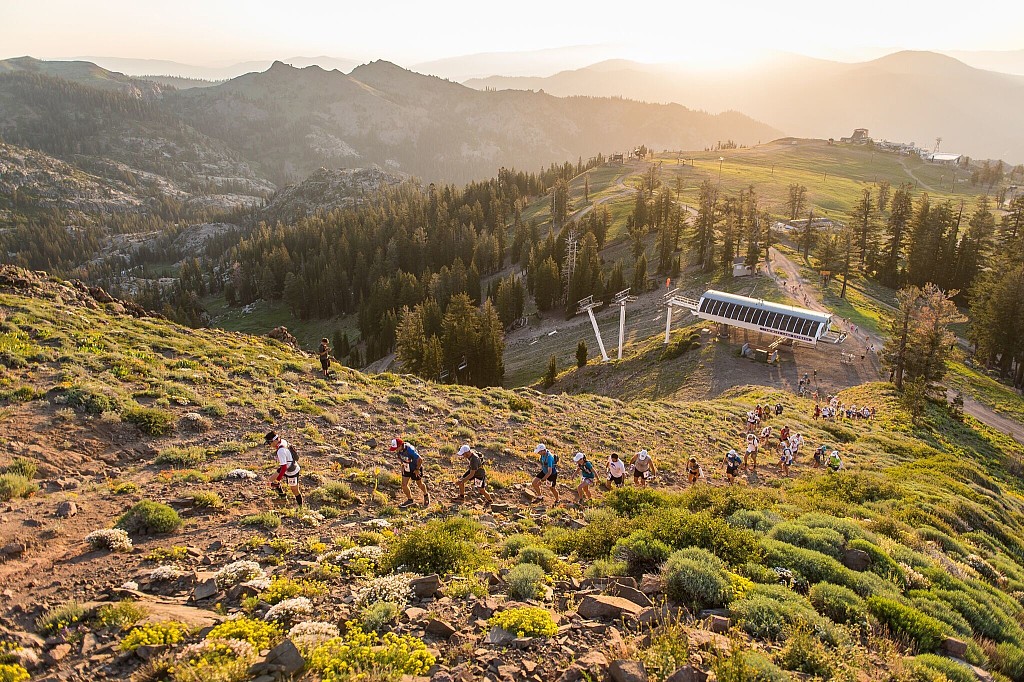
Strong, talented and deepest field at Western States Endurance Run at this year race
More than 350 of the world’s best endurance athletes will emerge from the cold and dark Saturday morning to stand at the start line at Squaw Valley, eager to begin the Western States 100-Mile Endurance Run from the resort to Auburn.
This year’s field of runners is one of the deepest in the history of the race, featuring the return of both the men and women’s champions along with several top-10 finishers from last year.
After coming up short in two previous bids to set the course record at Western States, Jim Walmsley, of Flagstaff, Arizona, broke through last year, finishing with a record time of 14 hours, 30 minutes, 4 seconds. Walmsley, 29, is set to defend his title this year against a deep field in the men’s division, which features eight of last year’s top-10 finishers.
Walmsley will make his fourth appearance in the race on Saturday. His attempt to break the course record in 2017 ended due to exhaustion at around mile 78. He rebounded the following year by setting the course record, and said breaking that mark could be in play on Saturday.
Walmsley said he’s also been told the early stages of the course are in better shape than they were in 2017, which had a similarly large snowpack. During 2017’s race he was also several minutes ahead of the record-breaking time he set in 2018.
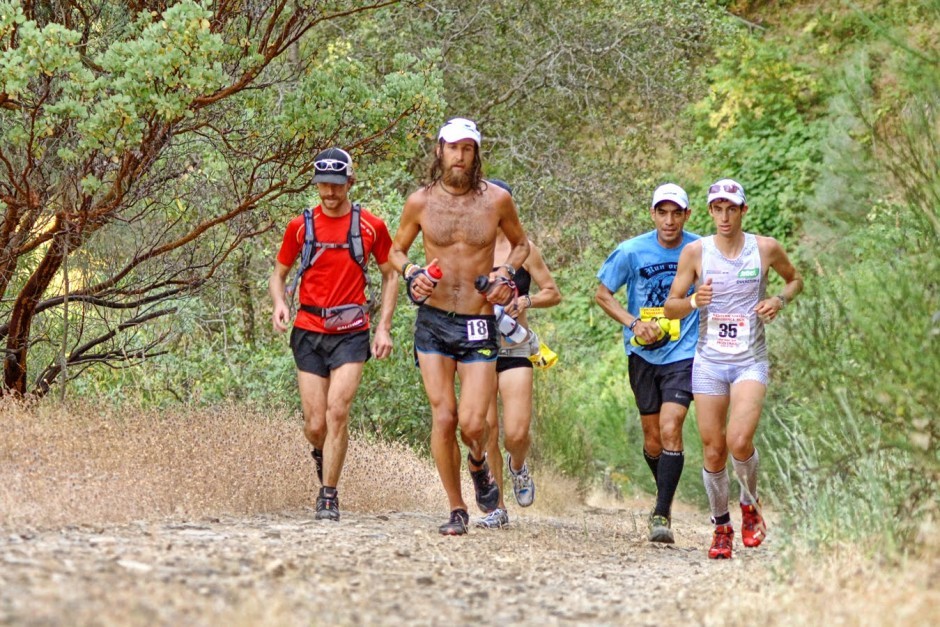
“Ultimately, it’s about listening to my own pace and just putting everything out there regardless,” he said. “As long as I end up giving my best effort and going to the well to get there, I’m always happy with it. Whether it’s the DNF in 2017 or the course record last year. I’m pretty proud of both days and the fact that I know I gave everything at both races. You can always live with that.”
Among those who could challenge Walmsley will be 2017 Western States winner Ryan Sandes. The 37-year-old South African broke through in his third attempt to win at Western States, and then ran as a pacer during last year’s event.
“I feel like it was a big thing for me to win Western States and a big achievement, so I feel pretty relaxed going into Western States from that point of view, but Western States is still one of the biggest 100 milers in the world, if not the biggest,” said Sandes. “I’ve still got that drive and hunger and I think that’s why I came back here. That’s a big motivating factor and I’m definitely hungry.”
Other top competitors on the men’s side include: Mark Hammond, Ian Sharman, Jeff Browning, Charlie Ware, Kyle Pietari, Paul Giblin and Kris Brown.
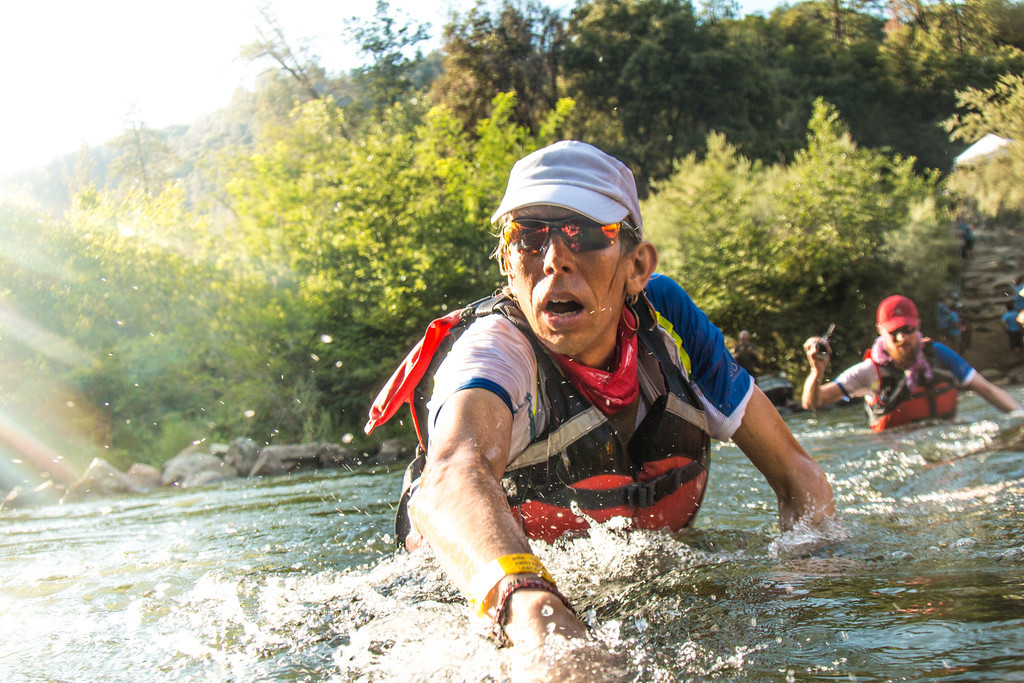
On the women’s side, defending champion Courtney Dauwalter, of Golden, Colorado, returns after winning in her first time out.
Dauwalter, 34, finished with the second fastest time ever for a woman last year, reaching Auburn with a time of 17:27:00.
Second-place finisher Katlyn Gerbin, 30, of Issaquah, Washington will also be in the field. Lucy Bartholomew, 23, of Melbourne, Australia, finished third last year and will be in this year’s field as well. Bartholomew has spent the past few weeks training in the area, and running with Truckee-Tahoe athletes at local races.
Kaci Lickteig, 32, of Omaha, Nebraska, who won in 2016, will race as well.
Other returning top-10 finishers from a year ago include: Amanda Basham, Cecilia Flori, Camelia Mayfield, Aliza Lapierre and Corrine Malcolm.
Login to leave a comment
Western States 100
The Western States ® 100-Mile Endurance Run is the world’s oldest and most prestigious 100-mile trail race. Starting in Squaw Valley, California near the site of the 1960 Winter Olympics and ending 100.2 miles later in Auburn, California, Western States, in the decades since its inception in 1974, has come to represent one of the ultimate endurance tests in the...
more...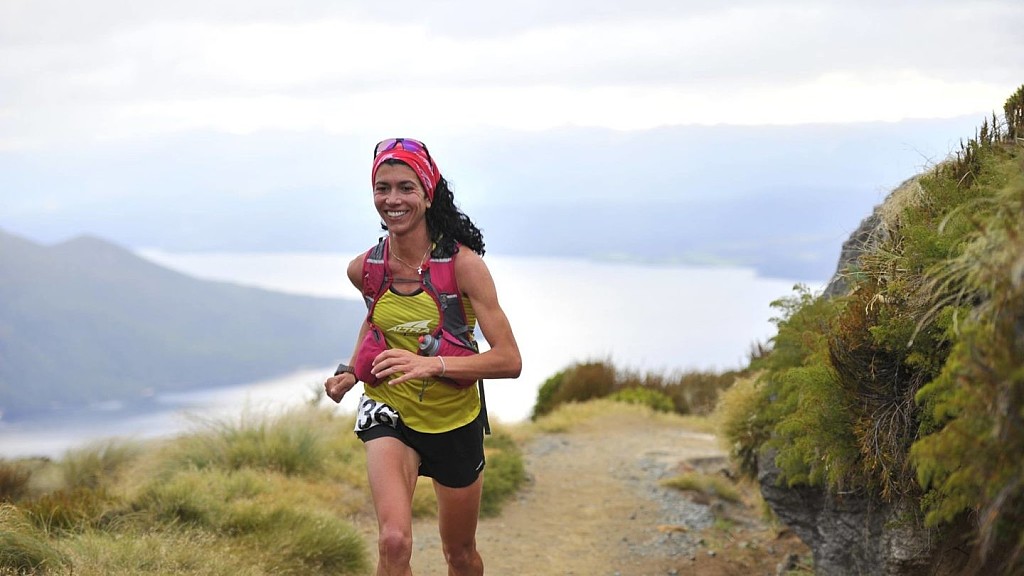
Cecilia Flori often smiles through pain, but now she’s hoping an injury doesn’t keep her from competing at the 2019 Western States 100-mile race
The gap between elites and amateurs can feel wide indeed, but one area of common ground is an injury that threatens the start line of an important race. That’s the relatable place elite ultrarunner Cecilia Flori finds herself as she struggles with a foot injury a few weeks out from the Western States Endurance Run, the 100-mile race on June 29, from Squaw Valley to Auburn, California.
Expected to be a favorite in this year’s event, Flori arrived in California more than a month before the race, hoping to train on the course. The 38-year-old Italian physicist, who currently calls New Zealand home, earned bib F5 and says she was feeling as fit as ever when her foot began to hurt.
“I’ve been working on my speed by running marathons this year,” she said. “I think the Western course suits my strengths and I was more than ready for it.”
Relatively new to the ultra scene—and running in general—Flori made a big entrance to the sport, nabbing a podium spot at the North Face Endurance 50-miler in Canada in 2015.
“I’ve always loved the outdoors and was a climber before a triathlete friend convinced me to run a half marathon with him,” she said. “I really enjoyed it and I was hooked.”
Flori says the flow of running is what drew her in. “The repetitive motion makes me feel alive,” she said. “It’s a primal feeling—I’m at one with nature when I’m on trails.”
Relocating for her research to scenic New Zealand in 2016, Flori migrated entirely from climbing to running, joining a running club for training. She took on some shorter distance trail races and then won the Taupo 100K. “I started thinking that maybe I was good at endurance,” she says. “In 2017, I entered the Tarawera 100 and took third behind [2008 U.S. Olympic marathoner] Magda Boulet and [2017 Comrades champion] Camille Herron. I was shocked but I realized I could compete on an international level.”
Herron has since become Flori’s coach, and it was that Tarawera race that made Herron take note.
“I watched her run neck-and-neck with Magda Boulet,” Herron said. “What I remember most as I looped around and saw her was the big smile on her face.”
Since then there have been few hiccups in Flori’s ascent to the upper echelons of ultras. She pulled off fifth at last year’s Western States in 19:44 and followed it up with a 10th place finish at the 101K CCC in the French Alps last September, which she admits, tested her. “It was a learning experience,” she said. “I was sick and had to stop at aid stations quite a bit. But I still managed 10th and I’m proud of myself.”
Herron says Flori has a bright future ahead of her. “I saw that same smile on Cecilia’s face at 62 miles into Western last year. For someone to look that good in fifth place tells me she has lots more to give.
by Amanda Loudin
Login to leave a comment
Western States 100
The Western States ® 100-Mile Endurance Run is the world’s oldest and most prestigious 100-mile trail race. Starting in Squaw Valley, California near the site of the 1960 Winter Olympics and ending 100.2 miles later in Auburn, California, Western States, in the decades since its inception in 1974, has come to represent one of the ultimate endurance tests in the...
more...
A Response from a Proud “Lazy Parasite†Trail Runner
Marc Peruzzi’s recent Ouside magazine column about trail work clearly touched a nerve in the running community. Part of his argument is fair criticism, but he got some important things wrong.
I’ve been a competitive trail runner for over a decade; I’ve participated in some of the most well-known and competitive ultras around the world, including the Barkley Marathons, the Ultra-Trail du Mont Blanc, and the Western States Endurance Run.
I’ve also been a human rights lawyer for about the same period of time, and I take a deep interest in how we in the trail and ultrarunning community contribute to broader society. I know I’m not alone in this—as trail runners, many of us pride ourselves on being responsible stewards of our environment and contributing members in the outdoor sports community. We pick up trash left behind on the trails by inconsiderate urbanites. We don’t cut switchbacks, and we know how deep a hole to dig to bury our own poop (minimum: six inches).
We see ourselves as the “good ones”—runners who lightly tiptoe along mountain and forest paths, leaving no trace. Our intimate connection with the outdoors makes us protective of the wilderness that we enjoy, and that is something we hold tightly as part of our culture and identity as runners.
Given all that, it’s no surprise that when Outside published an article on May 22 calling trail runners “lazy parasites” and “deadbeats,” the reaction from the trail and ultrarunning community was swift and fierce. The writer, Marc Peruzzi, claimed that we simply aren’t pulling our weight when it comes to trail work. “When compared to mountain bikers and hikers, trail runners are the least likely to volunteer to build and maintain trails,” Peruzzi wrote. Leaning heavily on anecdotal evidence to back up his views, Peruzzi tried to hit us right where he knew it would hurt—and it did.
Candice Burt, an elite ultrarunner and the race director of the Triple Crown 200 mile series, wrote in a response on her website that she was shocked when she read the article. “I have no issue with asking user groups to do more to give back,” she wrote. “However, this article was not so much a call to action as it was a full on insulting diatribe aimed at my community.” For her part, Burt wrote about how she organizes an annual volunteer work party to maintain trails that would otherwise cease to exist, and how her company donates over $20,000 to the Tahoe Rim Trail Association for building and maintaining trails. “Trail running and stewardship are my life,” she wrote, “[It] has always been an important part of the trail running culture.” Many others in the trail community echoed her reaction.
A number of prominent ultramarathon races in North America in addition to Fat Dog and Burt’s 200 mile race series, require volunteer service from entrants, typically in the form of eight hours of trail maintenance. (Peruzzi briefly acknowledged this in his story.) These races include the Western States Endurance Run, the Vermont 100 Endurance Race, Angeles Crest 100 miler, and the Wasatch Front 100 Mile Endurance Run.
In short, we in the trail running community know that we aren’t the lazy parasites and deadbeats Peruzzi claims we are. So why does he have this impression? And are we taking his criticism so personally because there is a kernel of truth to it? Could we be doing more?
The short answer is yes, we could be doing more. Adam Chase, the President of the American Trail Running Association (ATRA), responded to Peruzzi’s article on Facebook by saying: “I must confess. We are guilty as charged…we need [to do] more. A lot more.” Indeed, as trail running continues to increase in popularity, it will become even more important that we expand our volunteer and conservation efforts.
Clare Gallagher, an elite ultrarunner and environmental activist, has not been shy in calling us out on this and urging us to do more, long before Peruzzi’s story was published. “If we are not engaging with the politics of public land protections, we are freeloading,” she wrote in September 2017.
While I’m more than willing to admit that we need to do more as a community, I refuse to accept the suggestion that we are lazy deadbeats who “are the least likely to volunteer to build and maintain trails,” as Peruzzi claims.
Does that mean that we aren’t deeply involved at a grassroots level or that we don’t care? Hell no. We may be a ragtag bunch, but we are compassionate and committed. From the moment I joined this community, I understood that the expectation was to give back, whether through trail work, guided running for visually impaired athletes, or simply picking up garbage left behind by others. Advertising these good deeds was certainly not required, and it was maybe even discouraged.
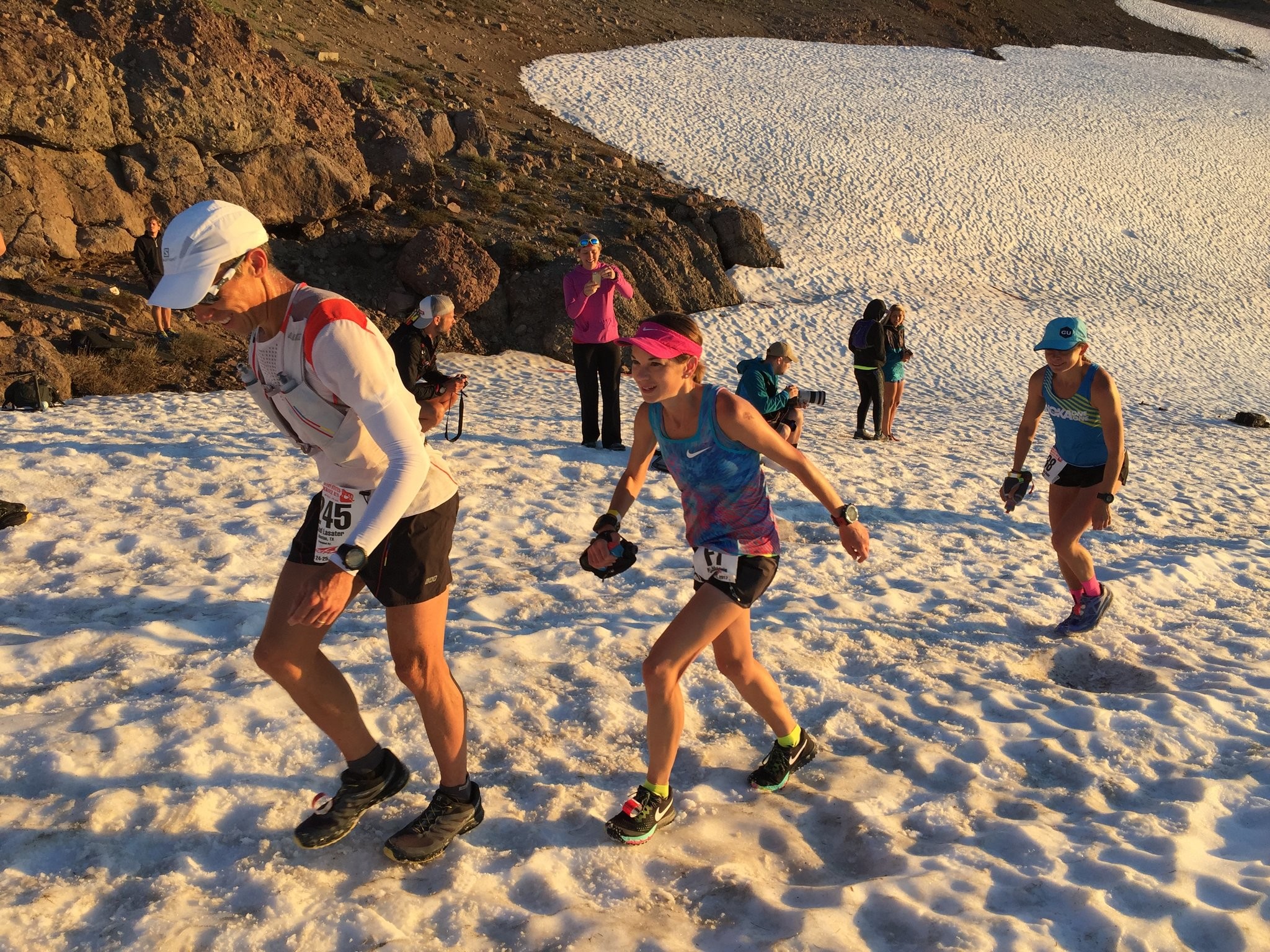
But rather than engage in a pissing contest with our fellow athletes over who is doing more to protect our common lands, I’d prefer to join forces to make us all more effective.
The definition of a parasite is something that exists by taking from or depending on something else. In that sense, I will happily embrace Peruzzi’s label. I am a trail running parasite: I truly rely on the trails to exist. For that reason, I see it as my duty to ensure that the trails I run on—and all the ones I haven’t yet—are protected. I will do this by working alongside my trail running companions, and learning from my mountain biking colleagues. The only way to make progress on these issues is to band together, not drive each other apart. As for the rest of Peruzzi’s article? Well, it’s going in a six-inch hole, where it belongs. See you out on the trail.
(Editor’s note: this is a condensed version of Stephanie’s article. Click on the link to read her entire article.).
by Stephanie Case for Outside Online
Login to leave a comment
Jim Walmsley said that he could beat a 2:05 marathoner if they were matched up on a trail race
Jim Walmsley ran a 1:04:00 in the Houston Half-Marathon last Sunday (January 20). Many people have been critical of his race and returned to comparing the trail and road running scenes in a futile attempt to try and identify which discipline is more difficult.
Walmsley is an ultra and trail runner who’s the Western States 100 course record holder, and was formerly a high school and collegiate track runner (8:41.05 3,000m steeplechaser). Walmsley was ranked 23rd male on Sports Illustrated’s Fittest 50 athletes in 2018 (marathon world record-holder Eliud Kipchoge ranked 21st) and is very well known for his accomplishments on the trails.
His 1:04:00 at Houston qualified him for the 2020 U.S. Olympic Marathon trials where he will run his marathon debut. As Walsmley straddles the boundary between ultra-trail runner and road runner, he’s become a focal point for the trail versus road argument.
Walmsley was a guest on the Citius Mag podcast the week following his half-marathon and was asked to address some of the comments. Here’s what he had to say regarding a 2:05 marathoner being thrown into the Western States Endurance Run.
“The way that I attack the downhills, I will break your quads and you won’t be able to jog the flats afterwards. Like, give me a 2:05 guy, a couple hours in the canyon (like at Western States) and I’ll be the first one out.”
Login to leave a comment

2028 US Olympic Trials Marathon
Most countries around the world use a selection committee to choose their Olympic Team Members, but not the USA. Prior to 1968, a series of races were used to select the USA Olympic Marathon team, but beginning in 1968 the format was changed to a single race on a single day with the top three finishers selected to be part...
more...
Camille Herron is back and better than ever after suffering a quad injury
Herron transitioned to trail running in 2016 and promptly set a course record by 27 minutes at the Ultra Race of Champions 100K in 9:36:05—and did it while drinking a Rogue Ales Dead Guy Ale during the last few miles of the race, which has since become part of her racing strategy.
In June 2017, Camille Herron competed in Comrades Marathon, a race in South Africa known for its 55-miles of torturous mountainous climbs. She crossed the line first by over four minutes, and became the third American ever to win the race.
Then in November, Herron not only won her first 100-mile race at the Tunnel Hill 100, but broke the World Record for the women’s 100-mile distance by over an hour.
During the race, she averaged a pace of 7:38 per mile. For Herron, running is not only a sport, but an extension of her identity; she is voracious in her pursuit of distance, but she has fun, too.
She looks forward to her post-run bacon and beer and, the night before big races, Herron brings a speaker to host dance parties. Sometimes she’s still dancing the next morning on the start line. This year, Herron was poised to return to the 2018 Comrades race in the best shape of her life.
However, in late May of 2018, just weeks before she was set to toe the line, she tried a new quad strengthening routine she found on YouTube. Always one to push herself to the limits, Herron found herself limping in the days that followed, due to a stress reaction of the femur and she withdrew from Comrades.
Weeks later, realizing she could not run at all, she withdrew from the 2018 Western States Endurance Run as well. Herron, 36, who now splits her time between Alamosa, Colorado, and Oklahoma City, Oklahoma, took her first steps back running eight weeks ago and recently completed a 114.6-mile week of training. Camille is back and will be racing soon.
Login to leave a comment
Francois d’Haene, is a favorite at Western States 100 Mile Endurance Run
Login to leave a comment
Ultra Running Picture Of the Year 2017
Login to leave a comment
