

Running News Daily
Running News Daily is edited by Bob Anderson and team. Send your news items to bob@mybestruns.com Advertising opportunities available.
Index to Daily Posts · Sign Up For Updates · Run The World Feed
Articles tagged #US Olympic Marathon Trials
Today's Running News
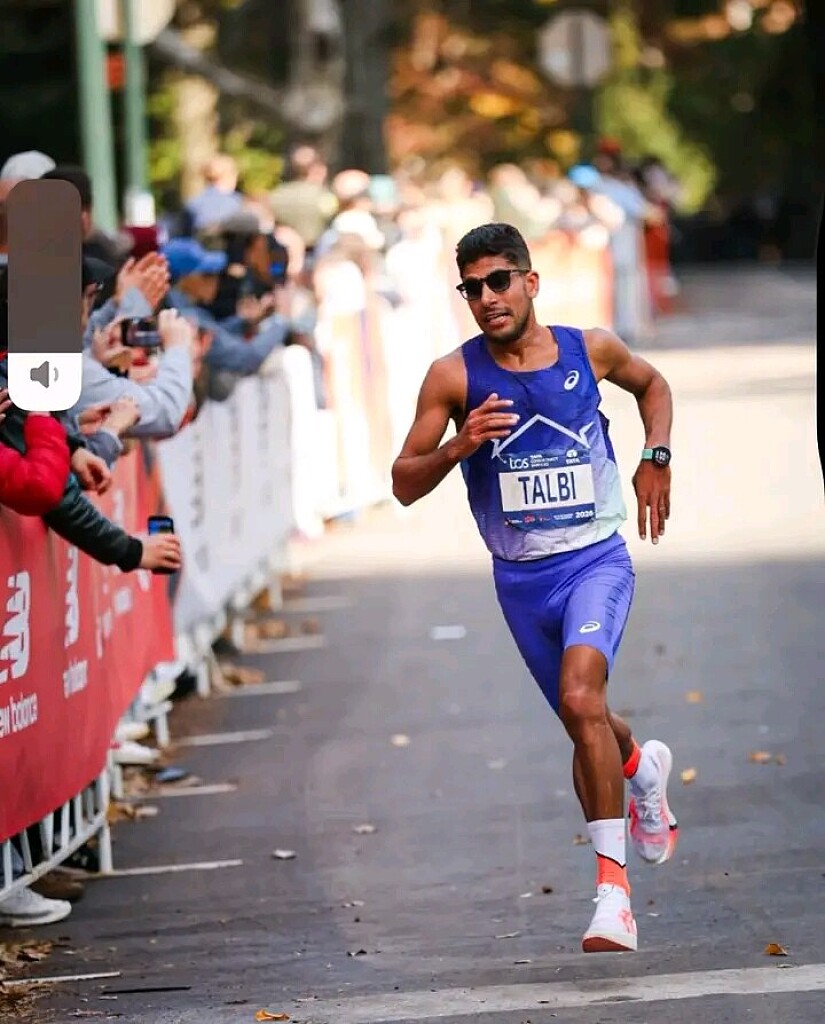


Zouhair Talbi Leads Star-Studded American Marathon Field As Battle For Three LA28 Olympic Spots Intensifies
The race for three coveted places on the United States men's marathon team for the 2028 Los Angeles Olympic Games is already generating enormous interest, with several of America's leading distance runners positioning themselves for what promises to be a fiercely competitive selection battle.
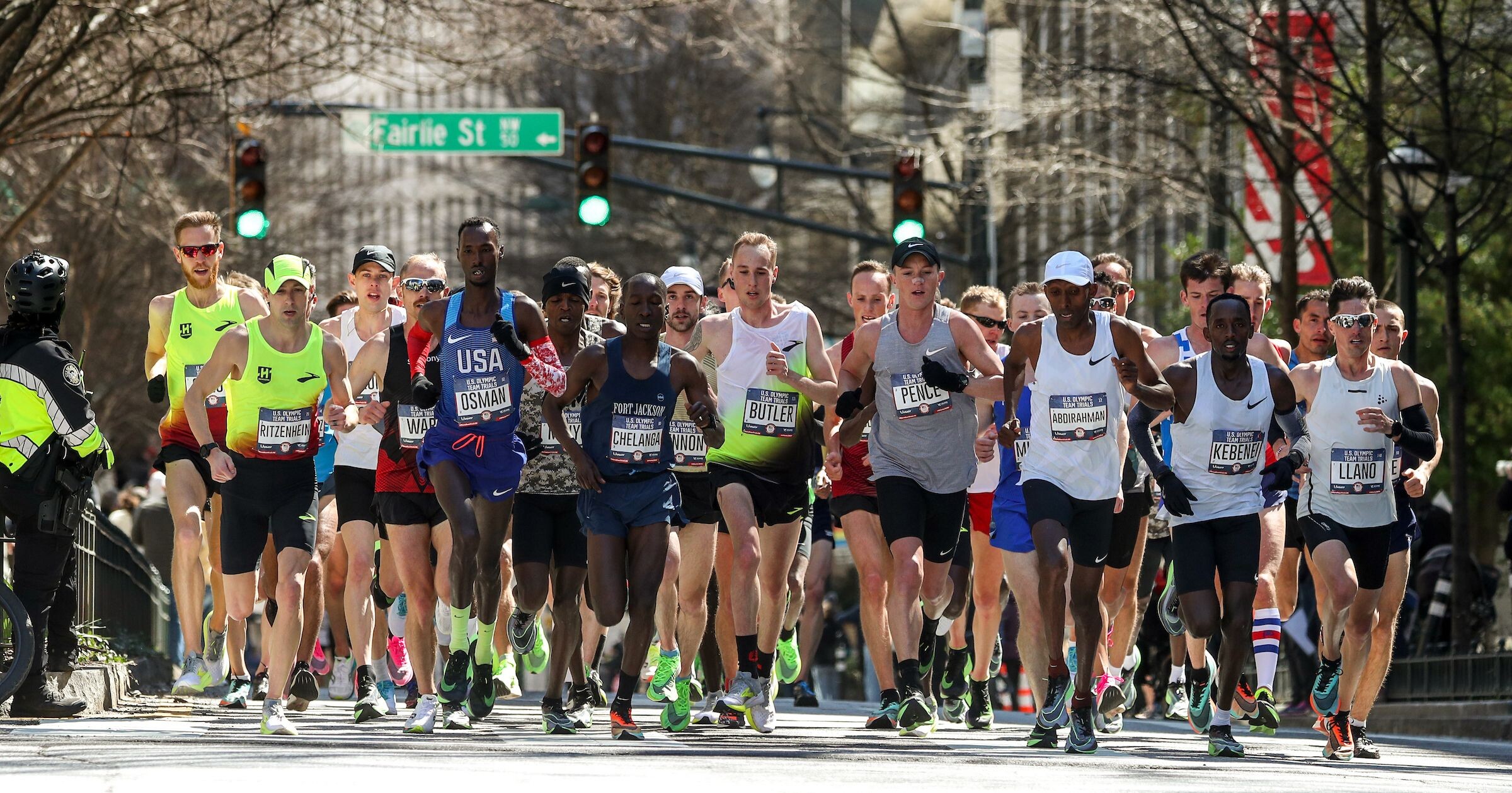
With the US Olympic Marathon Trials scheduled for March 25, 2028, in St. Louis, Missouri, the countdown has entered an important phase. The depth of talent emerging in American marathon running has created an intriguing selection contest, particularly after a series of outstanding performances throughout the 2026 season.
Among the athletes attracting the most attention is Zouhair Talbi, who has arguably produced the strongest collection of marathon performances among American runners this year. Talbi has broken 2:07 on three occasions in 2026, winning the Houston Marathon in 2:05:45 before finishing fifth at the Boston Marathon in an outstanding 2:03:45. He subsequently placed sixth at the New York City Marathon in 2:06:43.
His remarkable consistency has made him an early favourite in discussions surrounding the 2028 selection race, with his ability to deliver fast performances across different courses strengthening his credentials.
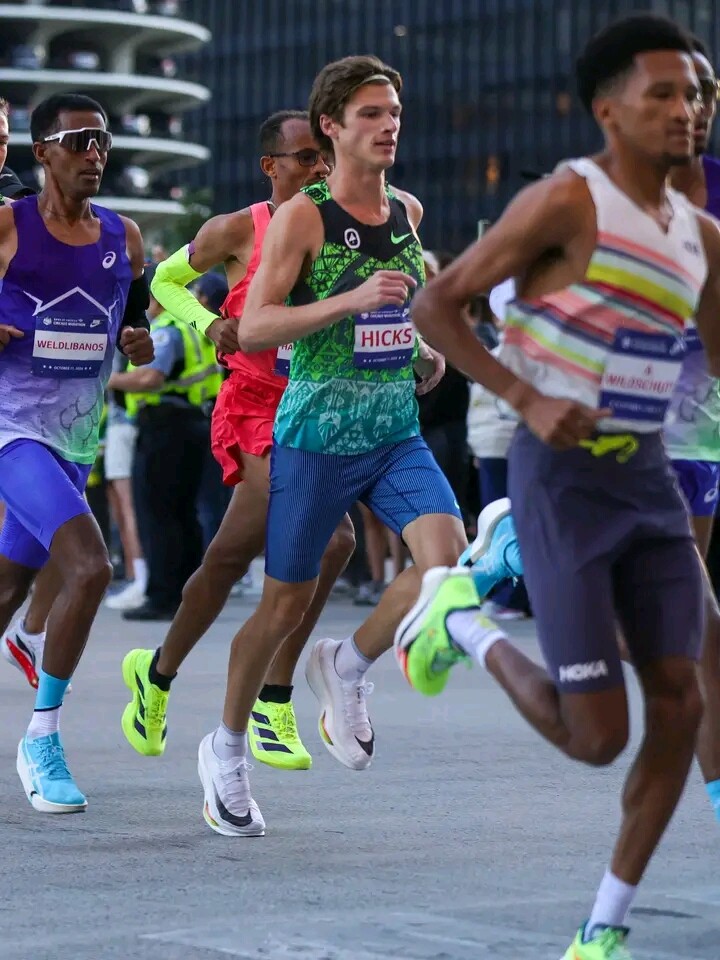
However, standing in his way is reigning US Olympic Marathon Trials champion and American record holder Conner Mantz. The accomplished distance runner secured his place at the 2024 Paris Olympics after winning the American Trials and remains one of the country's most established marathon competitors. Although his 2026 New York City Marathon performance of 2:07:27 was not among his fastest outings, his experience, championship pedigree and previous achievements make him a formidable contender for another Olympic appearance.
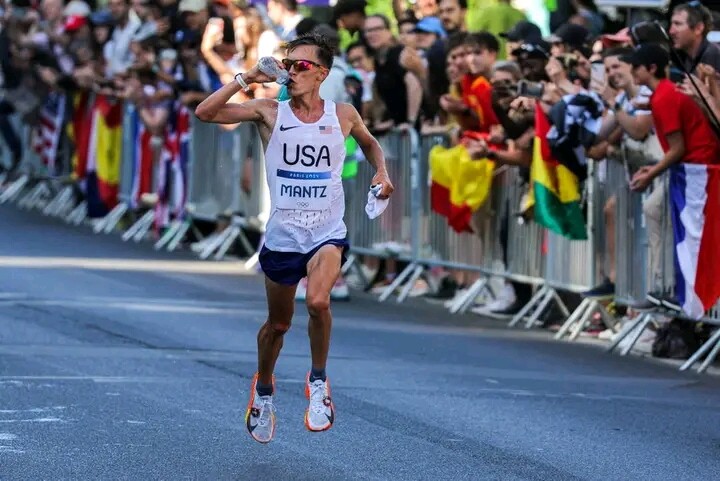
Charles Hicks has also made a significant statement in his marathon career. The young American finished seventh at the 2026 Boston Marathon in 2:04:35, establishing himself among the fastest American marathoners of the season. He followed that performance with an eighth-place finish in Chicago in 2:05:35, demonstrating that his Boston result was no isolated achievement.
Clayton Young is another serious contender. He finished 11th at Boston in 2:05:41 before returning to Chicago to record 2:05:23, finishing seventh overall and narrowly ahead of Hicks. His consistency over the distance and experience at major international competitions could prove valuable when the Olympic selection battle reaches its decisive stage.
Vincent Mauri is equally deserving of attention. He announced himself as a major emerging talent with an impressive 2:05:55 performance at the Glass City Marathon in Toledo before recording another strong result of 2:06:45 in Chicago. His progression has attracted considerable interest, with his potential suggesting he could become one of the most dangerous challengers in the American marathon field.
Beyond these leading names, the competition extends to several other accomplished athletes. Ryan Ford clocked 2:05:46 at Boston, while Joe Klecker recorded 2:05:56 at the same race, further demonstrating the remarkable depth of American marathon running.
Veteran Galen Rupp also remains part of the conversation. The two-time Olympic medallist delivered a 2:06:55 performance at the Chicago Marathon, keeping alive the possibility of another Olympic campaign. Having represented the United States at four Olympic Games, Rupp could pursue a remarkable fifth appearance in Los Angeles, although the challenge of securing selection against a younger and increasingly competitive generation will be considerable.
Ahmed Muhumed has also entered the discussion after running 2:07:09 in his marathon debut at the New York City Marathon, finishing eighth overall. His impressive introduction to the distance suggests he could develop into an important contender over the next two years.
What makes this selection race particularly fascinating is the number of athletes already producing performances around the 2:05 mark. Six American men have recorded sub-2:06 marathon times in 2026, underlining the extraordinary depth currently available in the country's men's marathon programme.
Nevertheless, impressive personal bests alone will not guarantee Olympic selection. Maintaining fitness, delivering consistent performances and peaking at the right moment will be essential as the athletes prepare for the decisive Trials in St. Louis.
Ultimately, only three runners will earn the opportunity to represent the United States in the men's marathon at the Los Angeles 2028 Olympic Games. With established Olympic performers, rising stars and experienced marathon specialists all competing for those positions, the next two years could produce one of the most compelling selection battles in American distance-running history.
The question is no longer simply who has the fastest personal best, but who will deliver when everything is on the line in St. Louis.
Who are your three picks to make Team USA for the 2028 Olympic men's marathon, and who deserves to be considered the leading favourite at this stage?
by Erick Cheruiyot for My Best Runs.
Login to leave a comment
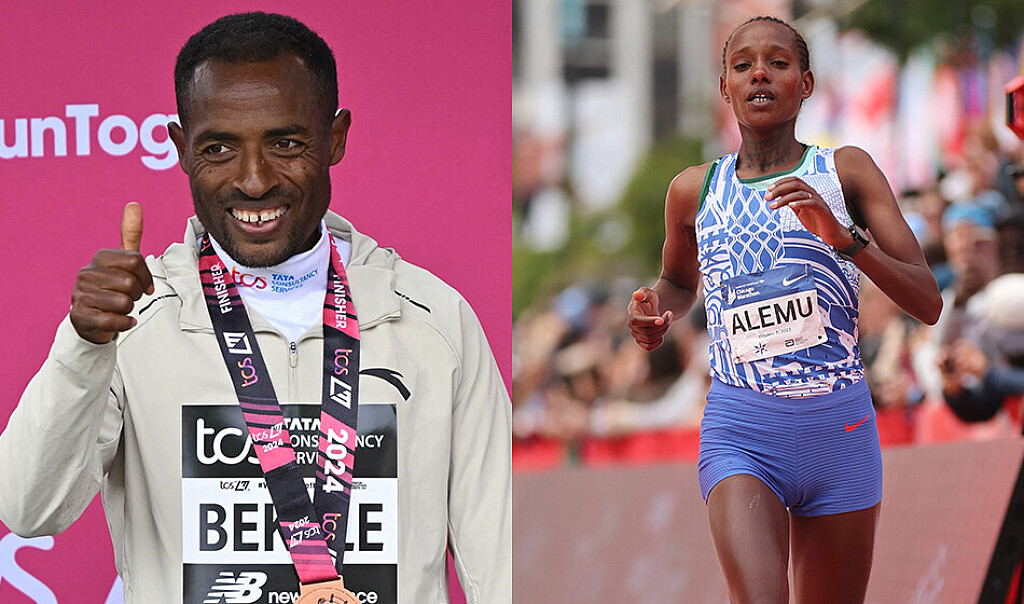
Kenenisa Bekele and Alemu Megertu lead Valencia line-ups
The Spanish city hosts star-studded fields, with athletes hoping to run extremely quick times on the traditionally fast course.
Some of the greatest marathon runners in the world will once again descend on Valencia on Sunday (December 1), just two months on from the horrific floods that devastated the region.
Given the severity of the damage on Valencia – it saw two months of rain in as many days at the end of October – there was uncertainty about whether the event would even take place.
Organisers decided that the Valencia Marathon would go ahead in the end, with a moment of remembrance occurring before the start of the elite races.
“It will be a hug to this wounded city and a promise of recovery, a moment in which sport becomes hope and help for those who need it most,” organisers said.
“This year, the record we want to beat is that of solidarity, the record of a marathon that will remind each one of us of the power of being together. The immense strength of the collective as a society, and of sport, as a vehicle for reconstruction and recovery.
“We want that Valencia Marathon, your race, be a symbol of support for every family that has suffered, for every street and every corner of Valencia that is in the process of reconstruction.”
People lining the streets can look forward to watching some scintillating action, with a myriad of stars taking to the streets of the Spanish city.
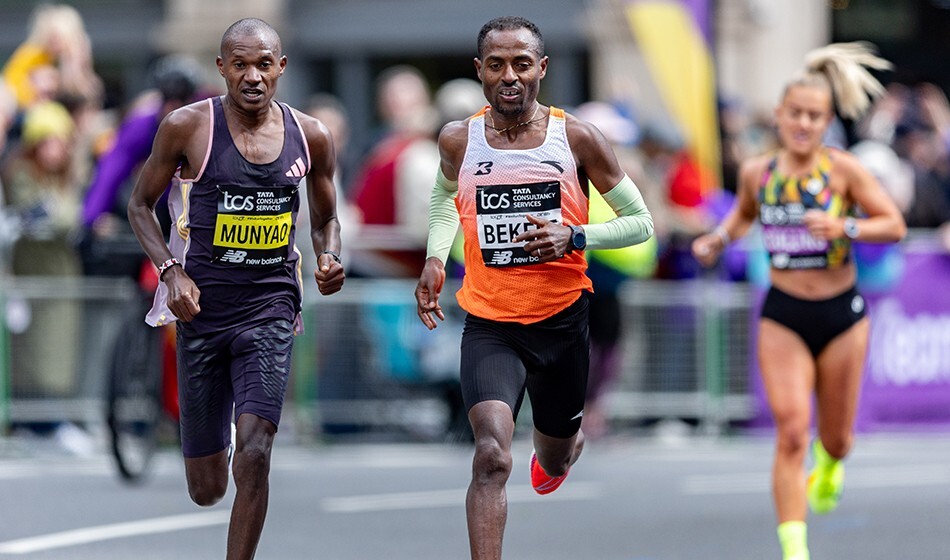
A stacked men’s field is led by Kenenisa Bekele and Sisay Lemma.
Bekele, a triple Olympic and five-time world track champion, is the third fastest marathon runner in history, with his personal best of 2:01:41 set back in Berlin five years ago.
The 42-year-old also created in history at last year’s Valencia Marathon, after he became the first athlete aged over 40 to run a sub-2:05 marathon, clocking 2:04:19.
At this year’s London Marathon, Bekele lowered that mark by four seconds, before going on to finish 39th for Ethiopia in the Olympic marathon in Paris.
On paper, Lemma – the reigning champion in Valencia – is the one to beat once again.
Last year, the 33-year-old clocked 2:01:48 in his victory, going fourth on the all-time list over 26.2 miles behind Bekele, Eliud Kipchoge and the late Kelvin Kiptum.
Lemma also secured the Boston marathon crown back in March and is a two-time major marathon champion, after his victory in London three years ago.
The athlete who might be most likely to challenge Lemma is Sabastian Sawe, who is the world half-marathon champion and making his debut over 26.2 miles in Valencia.
The Kenyan’s first ever marathon carries a lot of anticipation and expectation, given the 28-year-old’s personal best in the half-marathon is a blistering 58:05, which he set in Copenhagen back in September.
Double Tokyo Marathon champion Birhanu Legese and the 2021 Berlin Marathon winner Guye Adola will also be ones to watch.
The British challenge is led by Ross Braden, who boasts a personal best of 2:14:32 from London two years ago and has clocked 2:19:49 this season. Dan Nash and Norman Shreeve are also among the British men in action.
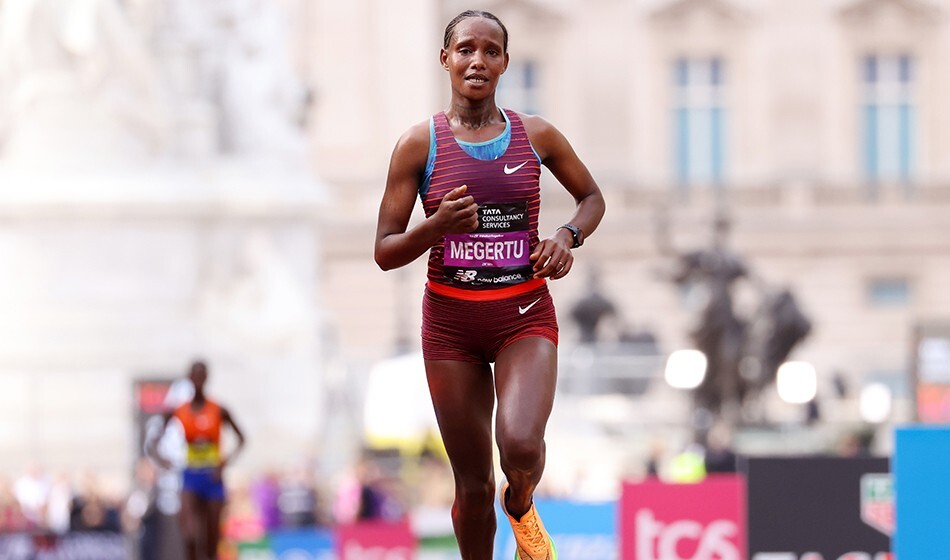
Expect a pulsating battle in the women’s field, with Ethiopian Megertu Alemu the stand-out name, following the withdrawal of her compatriot Amane Beriso through injury.
Alemu, who’s placed second and third at the London Marathon in the last two years respectively, has a best of 2:16:34, which has her 14th on the all-time list.
You should also be aware of Hiwot Gebrekidan and Tiruye Mesfin, who are the second and third quickest athletes in the women’s field, with respective bests of 2:17:59 and 2:18:47.
Sara Hall flies the flag for the US and goes into Valencia off the back of fifth and 15th place finishes at the US Olympic Marathon trials and Boston.
Clara Evans will be hoping to improve her PB of 2:25:01, which was set in Valencia last year, after finishing top British woman at the Olympics with 46th place in Paris.
Evans is fresh from setting a Welsh half-marathon record of 69:00 in Valencia too.
She is joined by fellow Brits Becky Briggs and Alice Wright among others.
Ireland’s Fionnuala McCormack finishes off a spectacular season in the Spanish City, with the 40-year-old having finished 28th in the Olympic marathon – her fourth Games – in Paris.
Another fascinating storyline is that of Alice Braham, who is aiming to get near her personal best of 2:35:20 from 2008.
The 48-year-old became the oldest British female to run a marathon in under 2:40 in Berlin, clocking an incredible 2:39:42 on the streets of the German capital.
Braham recently spoke exclusively with AW, opening up about how she got into running, overcoming adversity and her top tips for others over 26.2 miles.
by Tim Adams
Login to leave a comment

VALENCIA TRINIDAD ALFONSO
The Trinidad Alfonso EDP Valencia Marathon is held annually in the historic city of Valencia which, with its entirely flat circuit and perfect November temperature, averaging between 12-17 degrees, represents the ideal setting for hosting such a long-distance sporting challenge. This, coupled with the most incomparable of settings, makes the Valencia Marathon, Valencia, one of the most important events in...
more...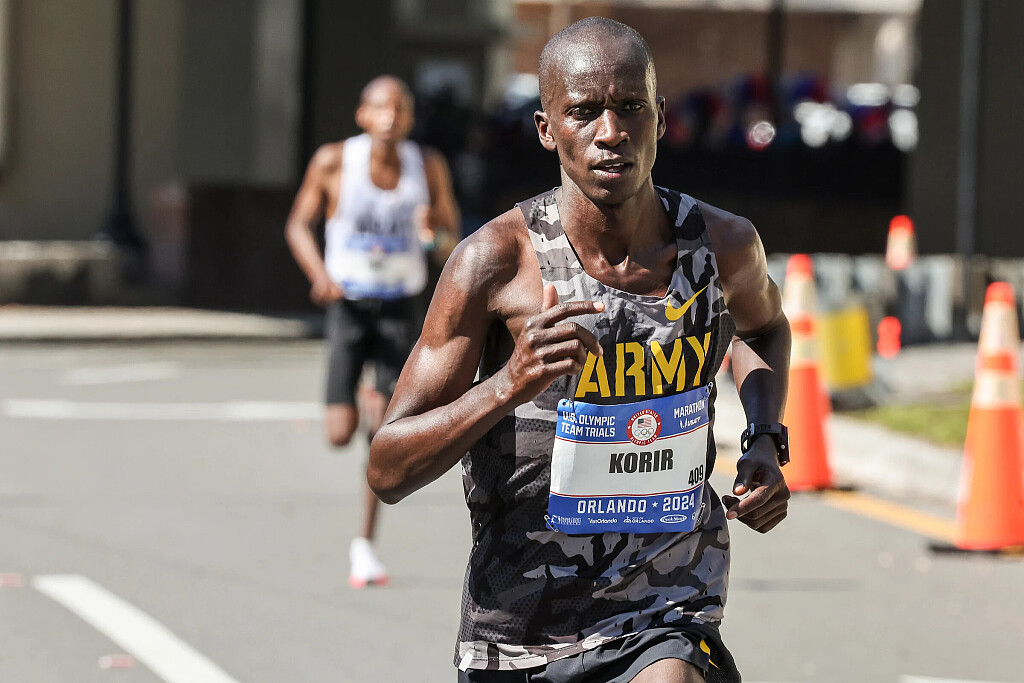
World Athletics Adds Ranking Spots to Olympic Men’s Marathon Field — American Leonard Korir Will Run in Paris
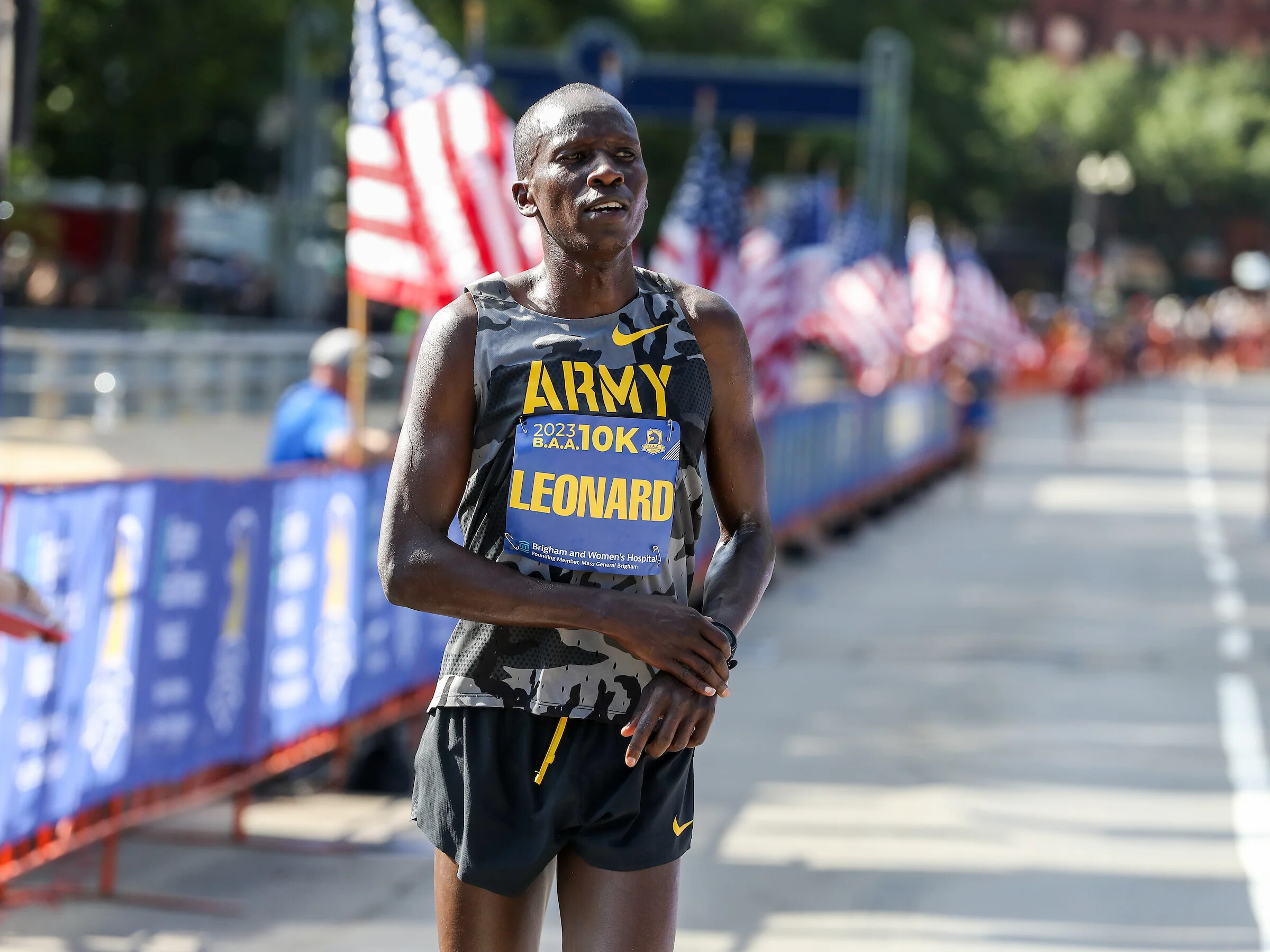
The United States will have three men in the 2024 Olympic marathon after all. Following months of uncertainty, World Athletics added one universality place and four rankings places to the Olympic marathon field on Tuesday. The four ranking spots were awarded to athletes from Chile, South Africa, the United States, and Australia, meaning that Leonard Korir will join Americans Conner Mantz and Clayton Young on the Olympic marathon start line on August 10.
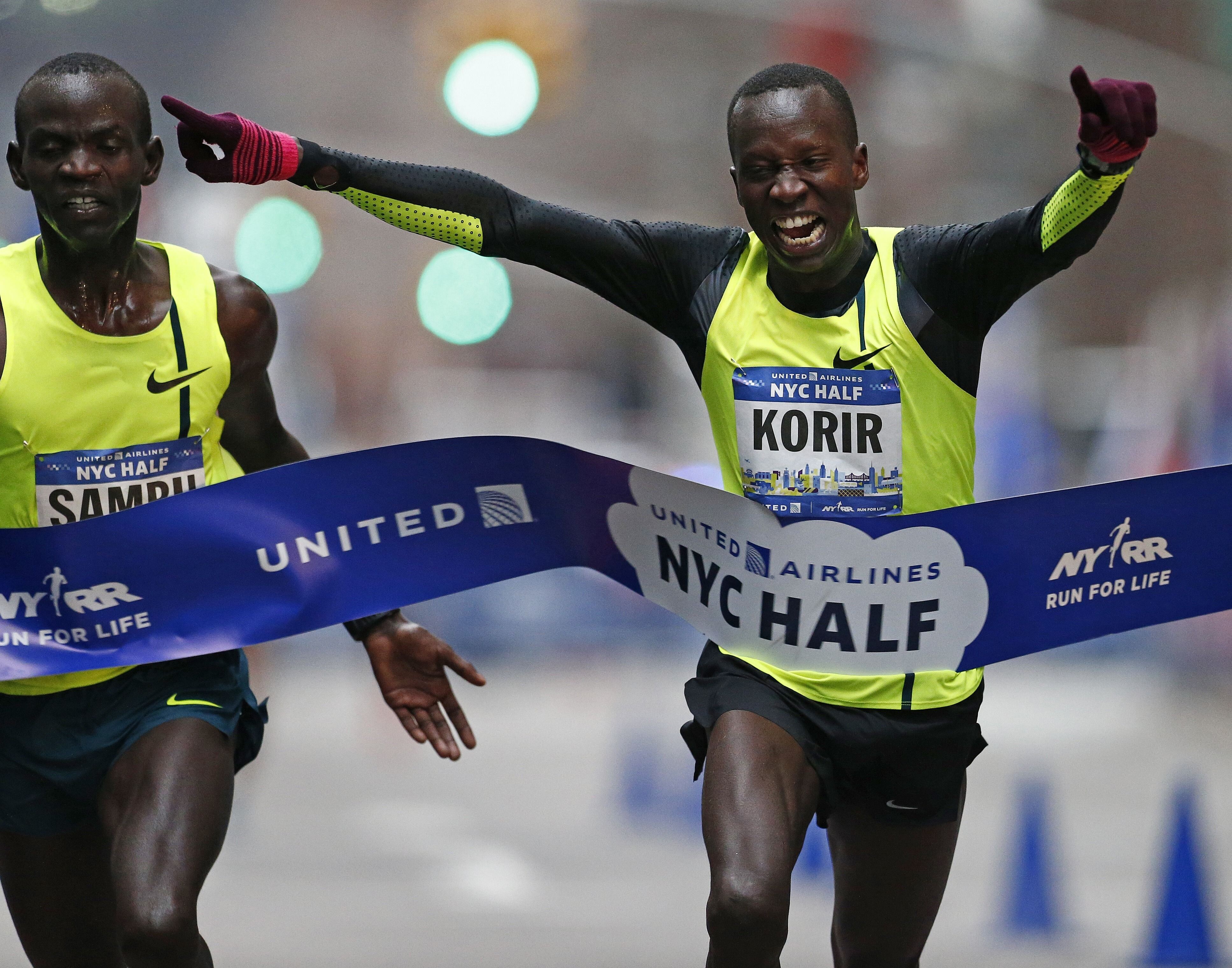
Korir’s spot had been in jeopardy after World Athletics added 11 universality places on May 8, but the Road to Paris list of qualifed athletes has been updated and American CJ Albertson is now listed as qualified at spot #84. Per USATF selection procedures, Albertson’s place will pass to Korir, the third-placer at February’s US Olympic Marathon Trials. Korir’s coach Scott Simmons confirmed to LetsRun.com that Korir is now qualified and will compete in the Olympic marathon on August 10.
Australia’s Wide World of Sports reported that in recent weeks, World Athletics had been working on a solution to fit some highly-ranked athletes into the Olympic marathon while respecting Olympic sport quota limits set by the International Olympic Committee.
It was not immediately clear why World Athletics added four ranking places on Tuesday; this story will be updated as LetsRun.com learns more.
by Jonathan Gault
Login to leave a comment

Paris 2024 Olympic Games
For this historic event, the City of Light is thinking big! Visitors will be able to watch events at top sporting venues in Paris and the Paris region, as well as at emblematic monuments in the capital visited by several millions of tourists each year. The promise of exceptional moments to experience in an exceptional setting! A great way to...
more...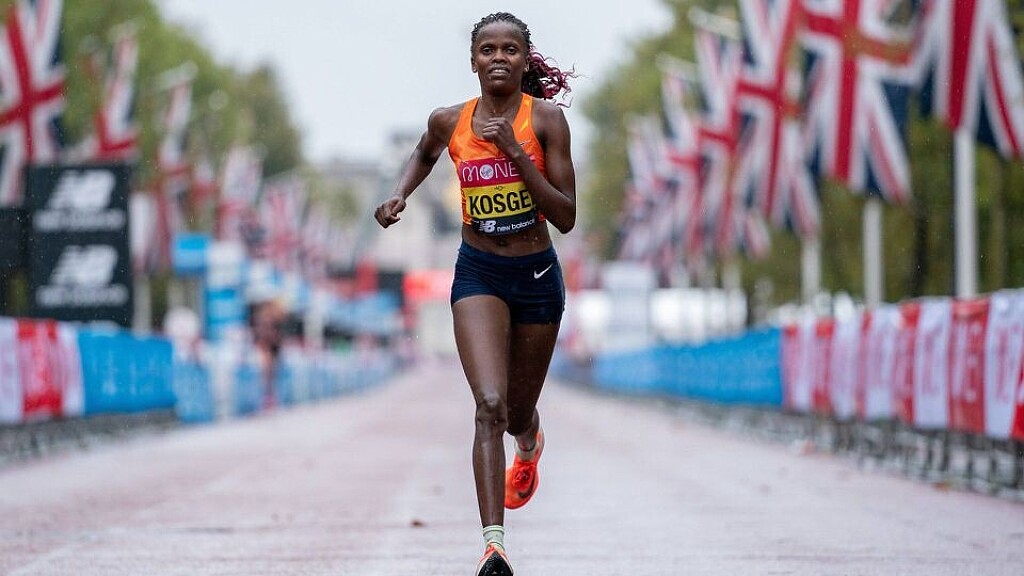
Brigid Kosgei sets lofty ambitions at Lisbon Half Marathon as big bonus awaits
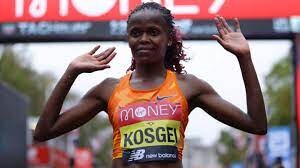
Kenya’s Brigid Kosgei is keen to make history at the Lisbon Half Marathon on Sunday as she seeks to use the race to tune up for next month’s London Marathon.
Kenya’s Brigid Kosgei is keen to break her half marathon personal best during the Lisbon Half Marathon on Sunday.
The former marathon world record holder is using the Lisbon Half Marathon to gauge her level of preparedness for the London Marathon set to take place on April 21 and she feels she can lower her half marathon personal best of 1:04:49.
"I'm really happy to be here again. I wanted to run this race because I want to test my speed for London Marathon in April,” Kosgei said on Friday.
“I come here to see how my body respond. I'm feeling good, I'm happy, did a good preparation. The course is very fast and I hope to have a good race on Sunday. If the weather is good, I will try to break my personal best in half marathon.”
The 30-year-old is no stranger to the Portuguese capital having won the 2016 Lisbon Marathon but she will come up against a stellar field on Sunday, in want has been termed the fastest half marathon in the world.
Seeking to upstage her is compatriot Vivian Cheruiyot, the 2018 London Marathon champion, whose last race was the Valencia Marathon in 2019 when she finished fourth.
There are also Kenyans Betty Chepkemoi, Pauline Esikom and Vivian Melly, Ethiopia’s Bosena Mulatie, fourth at the 2023 Istanbul Half Marathon and Senayet Getachew, the 2023 Junior World Cross-Country champion, who will be keen to upstage her.
The men’s field has attracted 10 athletes with the best marks under one hour. Abraham Kiptum will be returning and he is the biggest highlight, with a personal best of 59.09.
He will face a stern test from Ethiopians Solomon Berihu (59.17) and Dinkalem Ayele (59.30), but also compatriots Brian Kwemoi and Bravin Kipkogei Kiptoo (both with 59.37).
American Leonard Korir, third in the last month's US Olympic Marathon Trials, will also be in the race.
Korir achieved the needed spot in the podium, but not the time to guarantee the place in Paris. That's why he chose Lisbon to try to run a fast time, and maybe break the American record (59:43).
"I heard so many good things about the race, I heard that it's super fast. There were some guys that run fast here, like Jacob Kiplimo. I wanted to run something faster, and I told myself 'let me try to go to Lisbon',” said Korir.
“I heard the organisation is very good, the course is very nice. I just want to see if I can run a quick time, to see how my body feels before running a marathon in the near future,” added the 37-year-old American.
Lisbon Half Marathon oragnisers have set aside a €150,000 (Ksh22,044,775) bonus for new world records with the times to beat being 57:31 set by Ugandan Jacob Kiplimo, at this same race in 2021, and 1:02:54 by Ethiopian Letesenbet Gidey in Valencia.
by Joel Omotto
Login to leave a comment

EDP HALF MARATHON OF LISBON
EDP Lisbon Half Marathonis an annual internationalhalf marathoncompetition which is contested every March inLisbon,Portugal. It carries World Athletics Gold Label Road Racestatus. The men's course record of 57:31 was set byJacob Kiplimoin 2021, which was the world record at the time. Kenyanrunners have been very successful in the competition, accounting for over half of the total winners, withTegla Loroupetaking the...
more...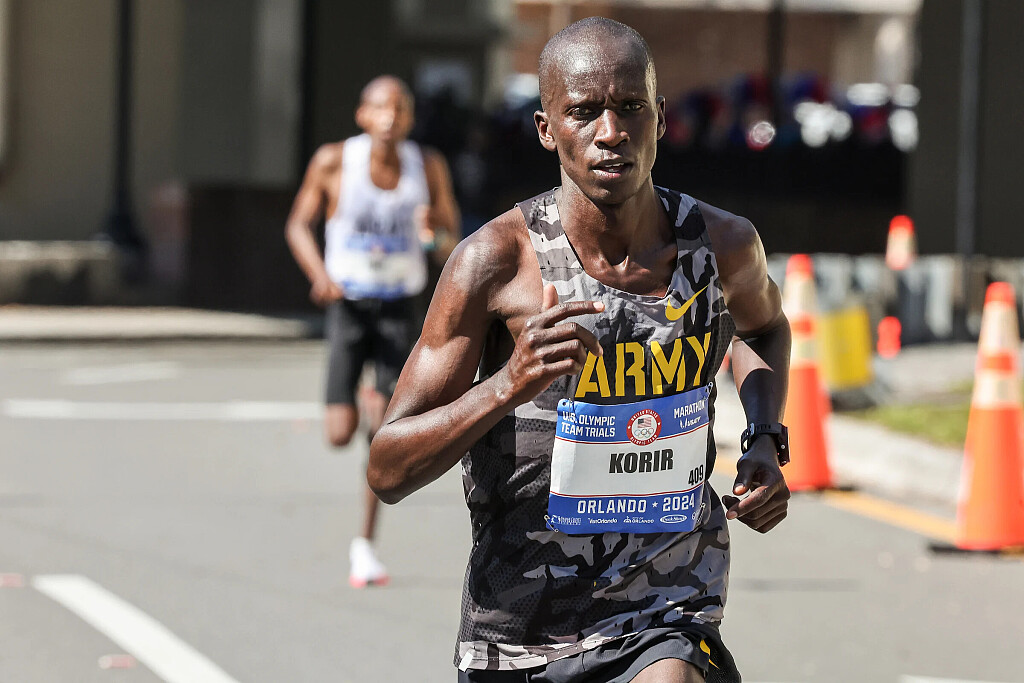
Leonard Korir running Lisbon Half and Rotterdam Marathon to improve olympic chances
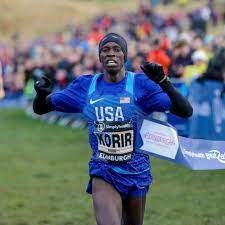
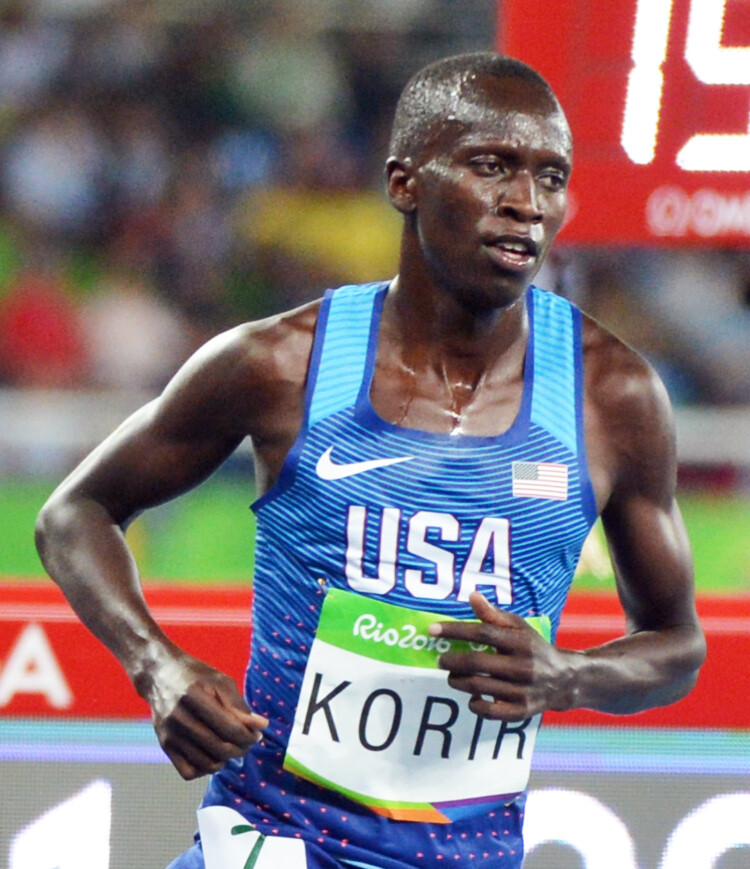
Leonard Korir, who finished 3rd at the US Olympic Marathon Trials on February 3, will run the EDP Lisbon Half Marathon on Sunday in Portugal in an attempt to improve his world ranking and gain Olympic selection. His coach Scott Simmons also told LetsRun.com that Korir will run the Rotterdam Marathon on April 14. If Simmons runs the 2:08:10 Olympic standard in that race, he will clinch a spot in the Olympic marathon in Paris.
Simmons said Korir has recovered well from the Trials, where he ran 2:09:57 in Orlando. Rotterdam comes 10 weeks after the Trials.
“If you’re 100% prepared for the marathon, then you recover well,” Simmons said. “If you’re not prepared, even if you run well, then it takes a bit of time to come back. It was within two weeks and he was back to doing workouts.”
The question of whether USATF would allow Korir to run a spring marathon to chase the Olympic standard had been a matter of confusion both before and after the Trials. In a January 13 Zoom call ahead of the Trials (skip to 1:04:40 mark), USATF director of long distance running programs Amy Begley said that anyone who finished in the top 3 at the Trials would not be able to run a spring marathon.
“[The USATF Long Distance Running committees] decided that they wanted to send the best team to the Olympics and so they did not want anyone that was in the top three to go and try to run another marathon between the Trials and the Olympics to try to better their time to ‘chase the standard,'” Begley said in the call.
Then, two days before the Trials, USATF sent an email to competitors saying that an athlete would not be removed from the Olympic team for competing in a spring marathon as long as they had “met the qualification standards or have achieved the performance standard by the conclusion of the Trials.” The email was an attempt to clarify the situation but still left some athletes and coaches confused.
The selection procedure posted on USATF’s website states the following:
Please note, finishers at the Selection Event will not be permitted to “chase” the time qualifying standard following the Selection Event if they have not already met the Qualified Athlete standards or have achieved at least a 2:29:30 (women)/2:11:30 (men) performance during the Qualification Period as of the conclusion of the Selection Event.
But Korir had run under 2:11:30 by the end of the Trials, and there was nothing in the published selection procedure that prohibited him from chasing the time — despite what had been said on the Zoom call. In 2019, Simmons successfully appealed against USATF when the organization did not follow its published selection procedure for that year’s Pan American Games. He knew that the published selection procedure was what mattered, and that Korir would be allowed to chase the Olympic standard if he wanted — something Begley confirmed to Simmons after the Trials.
“It’s a matter of them not understanding their own selection procedures,” Simmons said. “At that point, by the end of the Trials, it was a contract that they couldn’t back out of, even if they wanted to.”
There are 17 weeks between Rotterdam on April 14 and the Olympic marathon on August 10, which Simmons believes is plenty of time to recover for the Games — indeed, it is common for athletes to run a spring marathon before the Olympics. The bigger challenge for Korir will be the cumulative fatigue of the Trials and Rotterdam — the Olympics would be his third marathon in seven months.
Looking to Lisbon: “For him to change his standing, it’s going to take a really good half marathon, a really remarkable half marathon”
Because Korir does not currently have the standard, Olympic status is currently in limbo. In order to be selected for the Games, he, or a third American besides Young or Mantz, needs to be in the top 80 of the Road to Paris list when the qualification period ends on May 5. Currently, Korir is the highest ranked American on the list in 71st*, though the list does not include universality spots that have yet to be awarded.
With only a few major spring marathons still to come, it is looking more and more likely that Korir will be at the Olympics. For Korir to be left out, 10 men would need to pass him in the next two months.
“As far as Paris, it’s looking really good for him,” Simmons said.
Still, Korir can increase his odds by moving up the Road to Paris list. And he can do that by running a fast half marathon.
by Jonathan Gault
Login to leave a comment
EDP HALF MARATHON OF LISBON
EDP Lisbon Half Marathonis an annual internationalhalf marathoncompetition which is contested every March inLisbon,Portugal. It carries World Athletics Gold Label Road Racestatus. The men's course record of 57:31 was set byJacob Kiplimoin 2021, which was the world record at the time. Kenyanrunners have been very successful in the competition, accounting for over half of the total winners, withTegla Loroupetaking the...
more...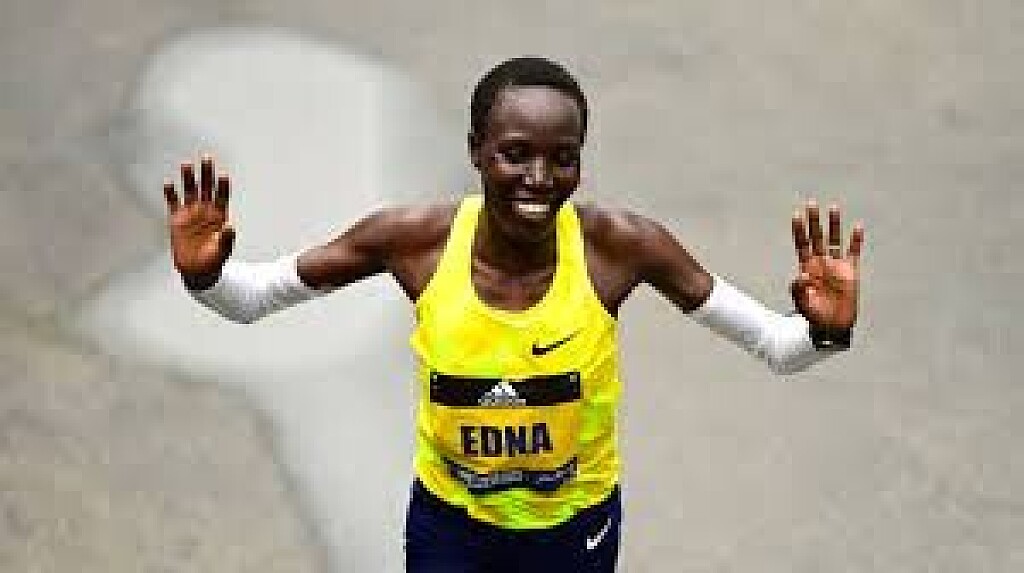
Ednah Kiplagat confirms next race as she chases more history
Forty-four-year-old Edna Kiplagat has opened up on where she will compete next, giving the impression that she is not hanging her spikes anytime soon.
More than 25,000 runners have confirmed participation at the New York City Half Marathon scheduled for Sunday, March 17 from Brooklyn to Manhattan, finishing in Central Park.
One of the headliners in the women’s field is 44-year-old Kenyan runner Edna Kiplagat who will be using the race as part of her preparations for the Boston Marathon.
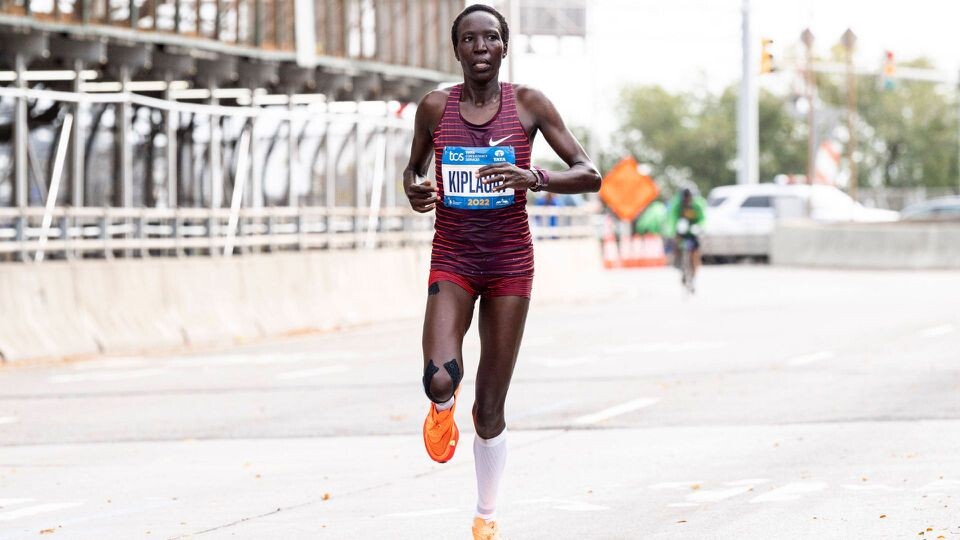
Kiplagat is one of the most successful long-distance runners and from her records, she is a two-time Boston Marathon champion and former London and New York City Marathon champion.
Kiplagat will be up against compatriots Gladys Chepkurui, the reigning Tokyo Half Marathon champion, and Cynthia Limo, a World Athletics Championships half-marathon medalist. The duo has the two fastest times in the women's open division.
Two-time US Olympian and 2018 Boston Marathon champion Desiree Linden will return as the top American finisher from last year's race, having recently finished 11th at the US Olympic Marathon Trials.
Olympic and World Championships medalist Emily Simpson will make her United Airlines NYC Half debut but she is no stranger to NYRR races as an eight-time winner of the New Balance 5th Avenue Mile.
Lindsay Flanagan and Annie Frisbie, both of whom finished in the top 10 at the 2024 US Olympic Marathon Trials, will also be ones to watch.
Ethiopia's Kenenisa Bekele, a four-time Olympic medalist, 16-time world champion, and the third-fastest marathoner in history, will challenge the Kenyan charge in the men’s race. He will be competing in the streets of New York for the second time after finishing sixth at the 2021 TCS New York City Marathon.
The Kenyan charge will be led by, Abel Kipchumba, the reigning champion of the B.A.A. Boston Half Marathon who owns one of the top 10 half-marathon times in history.
Morocco's Zouhair Talbi will return to the event after taking third in his United Airlines NYC Half debut last year, which he called "the race of his life."
Since then, he finished fifth at the Boston Marathon and broke the Houston Marathon course record in January.
Tanzanian Olympian and marathon record-holder Gabriel Geay, who was the runner-up at last year's Boston Marathon, will race the United Airlines NYC Half for the first time.
An American contender to watch will be Hillary Bor, a two-time U.S. Olympian and five-time national champion who will be making his half-marathon debut.
by Abigael Wuafula
Login to leave a comment

United Airlines NYC Half-Marathon
The United Airlines NYC Half takes runners from around the city and the globe on a 13.1-mile tour of NYC. Led by a talent-packed roster of American and international elites, runners will stop traffic in the Big Apple this March! Runners will begin their journey on Prospect Park’s Center Drive before taking the race onto Brooklyn’s streets. For the third...
more...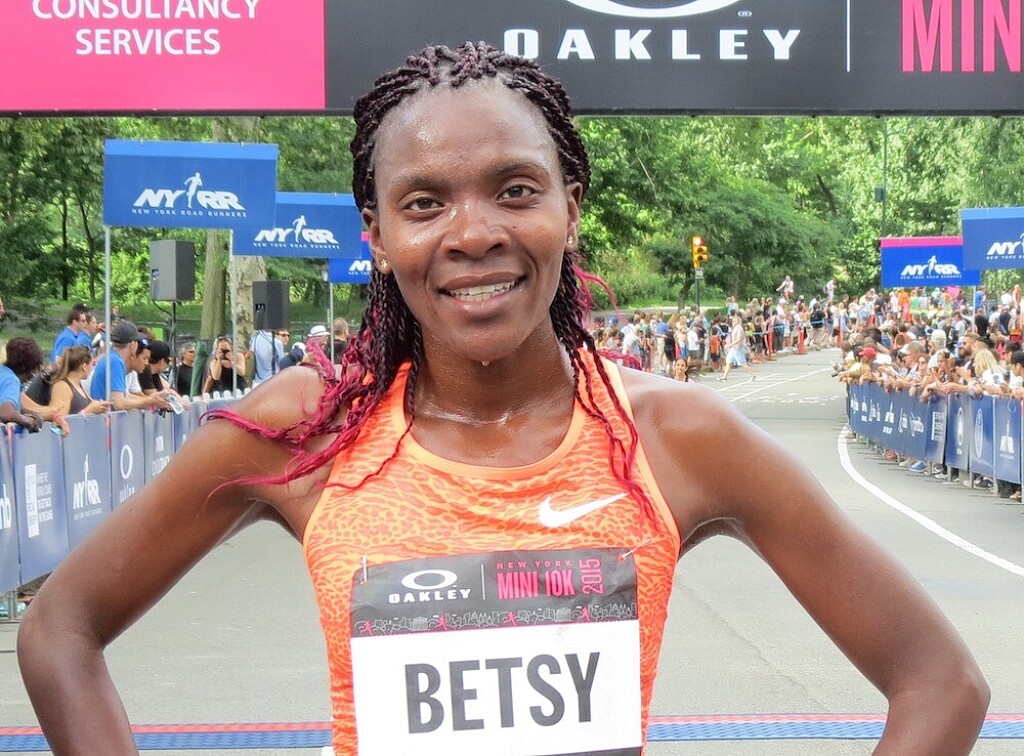
Kenyan-born American runner seeking redemption at Tokyo Marathon after US Olympic trials heartbreak
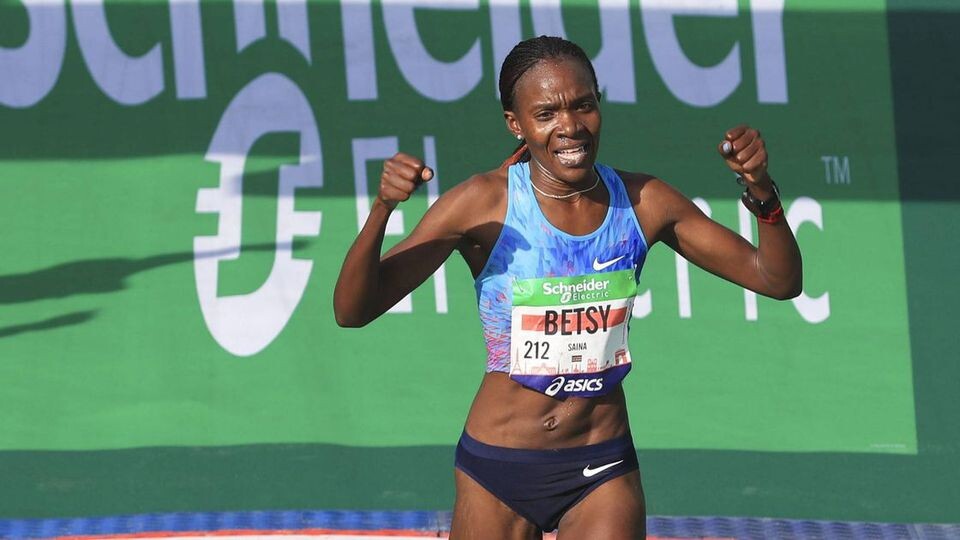
Kenyan-born American runner Betsy Saina is seeking a comeback at the Tokyo Marathon after missing out on the US Olympic marathon trials.
Kenyan-born American runner Betsy Saina will seek redemption at the Tokyo Marathon after a heartbreaking run at the US Olympic Marathon trials.
Saina exuded confidence ahead of the Olympic trials in Orlando but unfortunately failed to finish the race after the hype surrounding her. She now heads to the Tokyo Marathon on Sunday, March 3 where she hopes to bounce back to winning ways.
Follow the Pulse Sports Kenya WhatsApp Channel for more news.
Two days ahead of the marathon trials, Saina had opened up on how her son motivates her to do better and she was optimistic of representing the US at the Olympic Games.
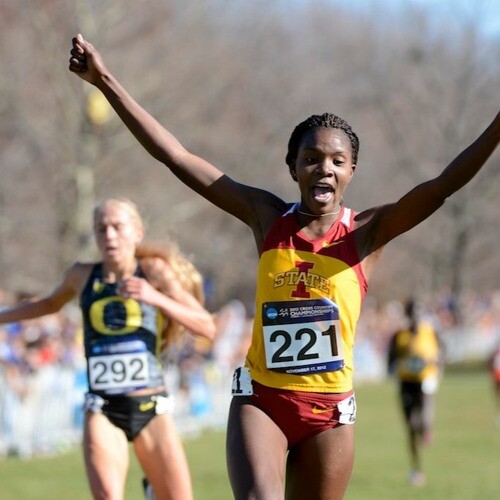
In a post on her Instagram, she said: “My little man has taught me to be resilient and brave. Everything I do he is the priority before anything else comes.
On Saturday I will be running for him, He has changed my life in many ways, I am the happiest woman in the world.”
She has now put the setback behind her and is looking forward to bouncing back at the Tokyo Marathon where she will be up against some of the greatest marathoners.
Defending champion Rosemary Wanjiru will be returning with the hope of bagging another title. During last year’s edition of the race, Wanjiru destroyed a strong field to claim the top prize, cutting the tape in 2:16:28. She enjoyed her 2023 season and will be looking to continue the hot streak to 2024.
Wanjiru also represented Kenya at the World Championships in Budapest, Hungary where she finished sixth in the marathon.
2023 London Marathon champion Sifan Hassan will also be in the mix, hoping to notch up her third marathon victory since her debut in London last year. The Dutch woman has proven what she can do both on the track and the full marathon.
Hassan made her full marathon debut at the London Marathon and won most dramatically. She clocked 2:18:33 to beat marathon experts including Peres Jepchirchir, the reigning Olympic marathon champion.
She extended her winning streak to the Chicago Marathon where she stunned defending champion Ruth Chepng’etich to second place.
Hassan will be eyeing the Olympic Games and the Toyo Marathon is a better place for her to build up for the event.
Kenyan-born Israeli Lonah Salpeter has also been invited and she will be out to challenge the double Olympic champion and Wanjiru for the top prize. The Ethiopian charge will be led by Sutume Kebede and Tigist Abayechew who will be out to reclaim the title they lost to Kenya last year.
Magdalena Shauri of Tanzania will also be hoping to continue soaring high after her dominant exploits in Berlin last year where she finished third.
by Abigael Wuafula
Login to leave a comment

Tokyo Marathon
The Tokyo Marathon is a world-renowned annual marathon held in Tokyo, Japan. As one of the prestigious Abbott World Marathon Majors, it attracts elite and amateur runners from around the globe. The race holds World Athletics Platinum Label status, recognizing its high competitive standards, top-tier organization, and international appeal. Sponsored by Tokyo Metro, the Tokyo Marathon has grown into one...
more...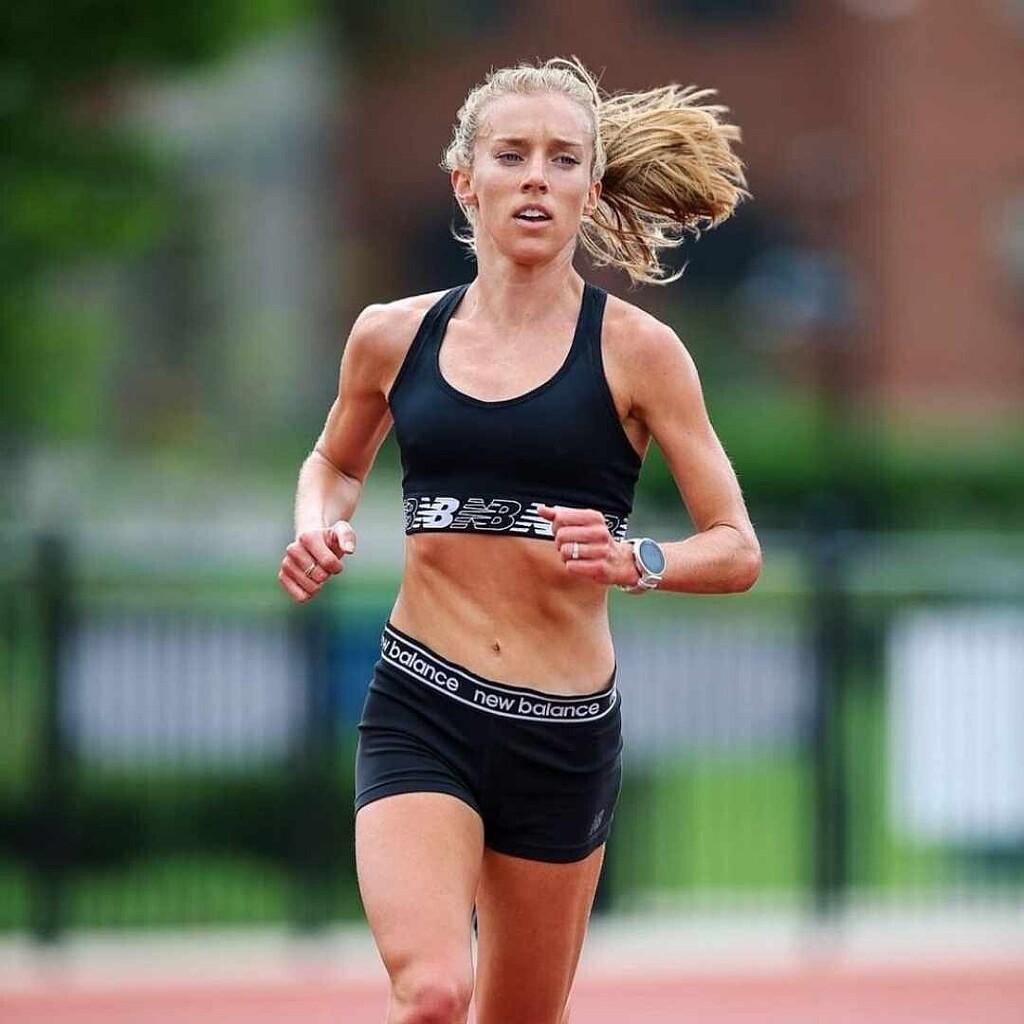
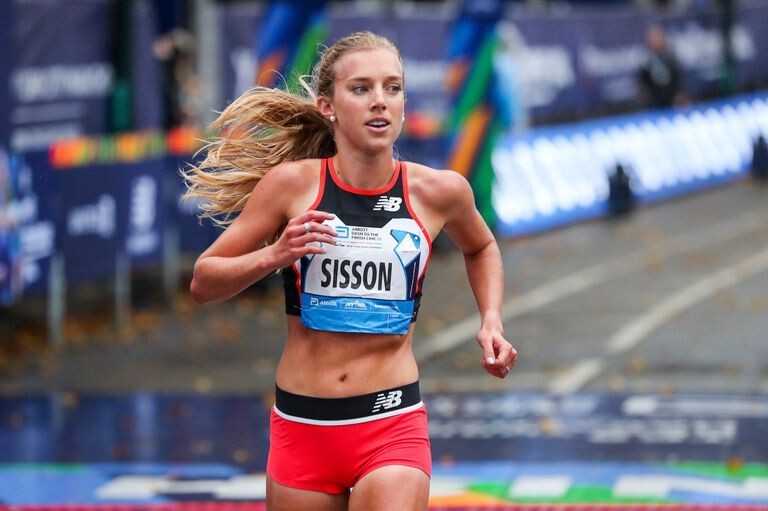
Emily Sisson, Olympic Marathon Trials favorite, is ready for Saturday
Emily Sisson is the American record holder (2:18:29) in the marathon and the pre-race favorite to win the 2024 US Olympic Marathon Trials.
At the time of publication, 64.2% of you are picking her to win the Trials in the LRC $20,024 Prediction Contest Sponsored by Relay.
Sisson talked to LRC this week via video conference, and by all accounts her buildup for Orlando has gone very well.
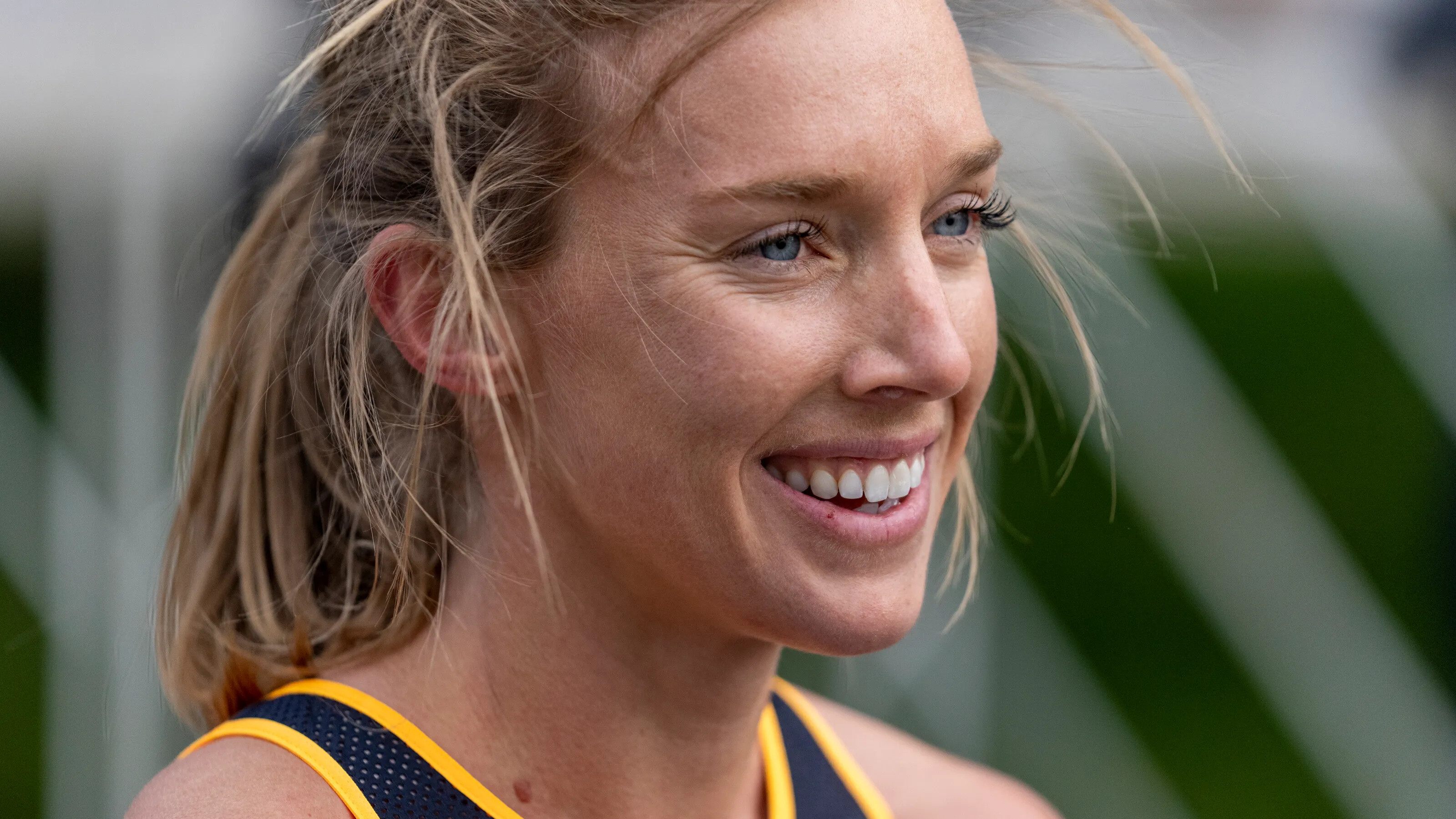
“Everything’s been better, all the long runs, all the tempos, and actually my long interval workouts, those have actually been better than they’ve been before.”
When Sisson was asked to compare her fitness and buildup to the 2022 Bank of America Chicago Marathon where she broke the American record, she said:
Everything’s been better, all the long runs, all the tempos, and actually my long interval workouts, those have actually been better than they’ve been before.
The workouts like on paper, like the times they’re all better. I think like I get confidence from that, but also just I’m feeling good and I’m feeling strong. So the training’s been good.
Sisson ran a 30:52 time trial on the roads in Arizona, which is just slightly slower than her official track PB of 30:49. Sisson, unlike Trials #2 contender Betsy Saina who ran a workout with 12 male pacers in Kenya, ran the workout all alone although her husband Shane was next to her on a bike. Sisson wasn’t blown away by almost setting a 10k PR in practice, as she said her track PR should be much faster. But she was pleased she could run that pace by herself. “I was happy that I was able to push myself that hard on my own,” she said.
Lessons from Chicago 2023
Chicago 2023 didn’t go as well as Chicago 2022 for Sisson, as she developed a side stitch later in the race and ran 2:22:09 for 7th place.
Sisson now views the Chicago 2023 setback as a positive experience as she learned from it. “We found some videos early on in Chicago and I just looked a little less fluid this past fall than I did in my 2022 Chicago. It was really subtle, like there was a little bit more movement in my upper body. So, we’re trying to like stay on top of that a bit more this time just to make sure nothing like a side stitch or anything else breaks down again,” she said, adding she worked with chiropractor John Ball.
Respect for the competition and the marathon distance
Sisson enters the Trials not only fit but healthy. When asked whether she worries about the other competitors in the race, she said, “It’s not that I don’t worry about my competitors. It’s not that I don’t think about them, but, I just feel like the marathon’s different than like a half marathon or a 10k. When I go into those races, I’m just trying to be as fit as I can and try to be fitter than my other competitors. But in the marathon, you are racing your other competitors, but you’re also racing the marathon itself. So it doesn’t matter, what your competitors are doing.”
“I feel fit and I feel healthy. With a marathon, that’s not everything, but those are two big parts of it. So I am happy with that. I’m happy with how training went,” Sisson said.
Getting a Real Olympic Experience
While Sisson made the 2020 Olympic in the 10,000m, she, like Aliphine Tuliamuk, said she missed out on the traditional Olympic experience because of the Covid protocols. She’d like to get another shot at it. “Being an Olympian is like the biggest dream,” she said of a goal that started when she watched Olympic gymnastics with her mom as a kid.
“I was so thankful they happened in 2021, but it was definitely a different Olympic experience than Olympics prior. So I’d love to get back there.”
Of Sisson’s 5 marathons, the only one that went poorly was the 2020 Olympic Marathon Trials in Atlanta where she dropped out.
Now with some time to reflect, Sisson has a better picture of what she think went wrong. “I think I went too hard in the buildup. I think my body, when I was standing on the start line, I think I was tired and, and I just didn’t realize it at the time because I was so new to the marathon, I thought it was just so normal to be tired, but there were things afterwards that I looked back on and there were signs that maybe I’d pushed it too hard in training.”
Sisson has backed off a little in her training this time. “So we did try to focus this time on getting good training in, getting in a good buildup, but just not overdoing it. I don’t wanna leave my race in training,” she said.
Sisson does believe she can do well in a hilly marathon. If she qualifies for Paris, she’ll get the chance as the Olympic course has a massive uphill heading to Versailles.
by Weldon Johnson
Login to leave a comment

2028 US Olympic Trials Marathon
Most countries around the world use a selection committee to choose their Olympic Team Members, but not the USA. Prior to 1968, a series of races were used to select the USA Olympic Marathon team, but beginning in 1968 the format was changed to a single race on a single day with the top three finishers selected to be part...
more...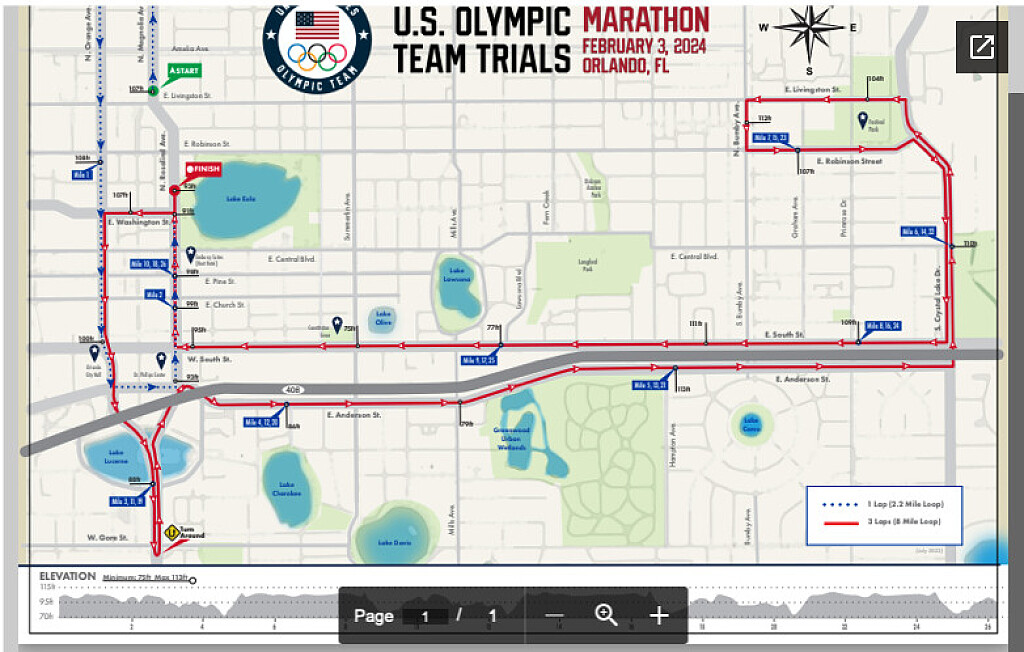
Orlando Unveils 2024 US Olympic Marathon Trials Course, Announces Races Will Start at 12:10 and 12:20 pm ET
Just over six months out from race day, organizers revealed the course for the 2024 U.S. Olympic Team Trials – Marathon on Tuesday morning. The race, which will be held on February 3, 2024, in Orlando, Fla., will consist of one 2.2-mile loop through the downtown business district and three 8-mile loops through the city’s Milk District — so-called because it features the headquarters of T.G. Lee Dairy, which has been based in the area for 98 years. It will start and finish at the Walt Disney Amphitheater at Lake Eola Park. None of the course will run through Disney World, which is located to the southeast of the city of Orlando.
Unlike the Paris Olympic marathon course, which features considerable climbing and descending during the middle of the race, the Orlando course is relatively flat, with few small inclines but a variation of just 38 feet (11.6 meters) between the course’s lowest and highest points.
Mid-Day Start Time
Getting the actual course layout is nice but not that significant. We knew the course was going to be mostly flat as Orlando is mostly flat.
Organizers also announced something more significant: the start times for the race. The men will begin at 12:10 p.m. ET with the women to follow at 12:20 p.m. ET. Both races will be shown in their entirety on NBC.
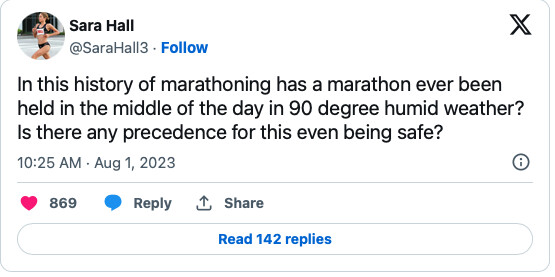
With basically a noon start in Florida, it’s possible the race could be run in quite warm conditions. The debate of the once-rumored but now confirmed 12ish start times has been intense on the LRC forums for over a month now.
A couple of Trials veterans have already shared their thoughts, with Sara Halland Des Linden offering contrasting viewpoints. Hall, who is known to not like racing in hot weather, expressed concern about the heat and the safety of the athletes. She even challenged USATF CEO Max Siegel to run a hot weather marathon this summer.
It must be noted that Orlando has not seen a 90-degree day in February since 1962.
Meanwhile, two-time Olympian Linden had no issue with the start time and thought it could boost her chances of making the team by running smart.
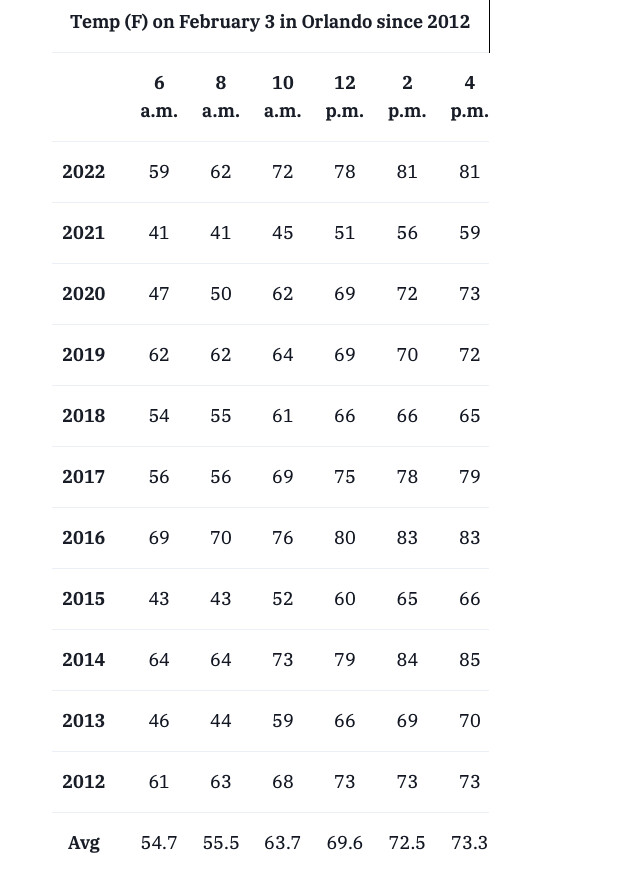
For those interested in what the weather is typically like in Orlando on February 3, here’s a look at the temperature, wind, and dew point at specific times from 2012-22.
If the goal of the Olympic Marathon Trials was for every athlete to run their fastest possible race, obviously it would be better to start the race earlier, but there are other concerns. Television is the reason why the race is being held in the afternoon (there’s not a huge amount of West Coasters watching TV at 5 or 6 a.m. on a Saturday). The 2016 Trials began at 1:06 p.m. ET (10:06 a.m. local in Los Angeles) while the 2020 Trials in Atlanta began at 12:08 p.m. ET. Both races were shown on NBC in their entirety.
The fact is, in professional sports, there are often competing interests — what’s best for the athletes isn’t always what’s best for TV, and someone is going to be unhappy. USATF designed its US championships schedule this year with athletes in mind but the result was that USATF could not get the US outdoor championships shown on NBC. With the Trials, USATF is prioritizing the broadcast on NBC with the athletes a secondary consideration. You can be mad about one of those two things, but not both.
Orlando can be warm in February, no doubt about it — from 2012-22, the average temperature at 2 p.m. on February 3 was 73 degrees. But guess which race also is warm? The Olympic marathon. The Olympic marathons will be held on July 10-11, 2024. On July 10-11 this year, it was 73 degreees at 10 a.m. in Paris, which is when the marathons would be nearing their completion (8 a.m. start times).
In general, we are for athletics to be on live TV so we are fine with the races being scheduled for 12:10 and 12:20. We do believe if the temperatures are truly extreme (say 75 or higher at the start, certainly 80), USATF should move the race up and show it on tape-delay. But if you’re looking for conditions that mirror the Olympic marathon, Orlando in February is not a bad facsimile.
The one big issue we still have is with the new Olympic qualifying system. If you haven’t run under 2:11:30 for the men or 2:29:30 for the women during the qualifying window, you aren’t going to the Olympics even if you are in the top three. We think that’s ridiculous but those are the rules. That’s tough to do in warm weather. While it’s very unlikely someone who hasn’t run at least 2:11:30 or 2:29:30 in the window finishes top three, it could happen in the case of someone just moving up the marathon like Molly Seidel did in 2020 or someone coming back from injury or maternity leave like Kellyn Taylor.
We really wish WA would simply accept the top three from the Trials since the US is sending three per gender most likely no matter what happens, but we’d rather take the small risk that someone without the 2:11:30/2:29:30 times is top three and have the race be on live TV than put it early in the morning. Plus athletes could chase the time up until April 30 and we’d love to see WA have to take the PR hit of someone on the way back from maternity leave having to run a time. Maybe it would finally make them let the spots go to countries as long as the countries hold legitimate trials.
(To cover all our bases, it’s worth noting there’s a small chance on the men’s side that the US has only one or two qualified men’s athletes at the start of the Trials. We’re pretty sure we’ll have at least three but it’s not set in stone and we won’t know for sure until after the fall marathon season is over. If that’s the case, then the start time is more problematic as the US men would either have to hit the 2:08:10 auto standard or run fast enough to raise their world ranking into a qualification spot. If that’s the case and the US men don’t have three spots guaranteed, we think the men’s start time should be moved up and shown on tape delay but keep the women’s race as scheduled).
Talk about the trials on our forum:
by Let’s Run
Login to leave a comment
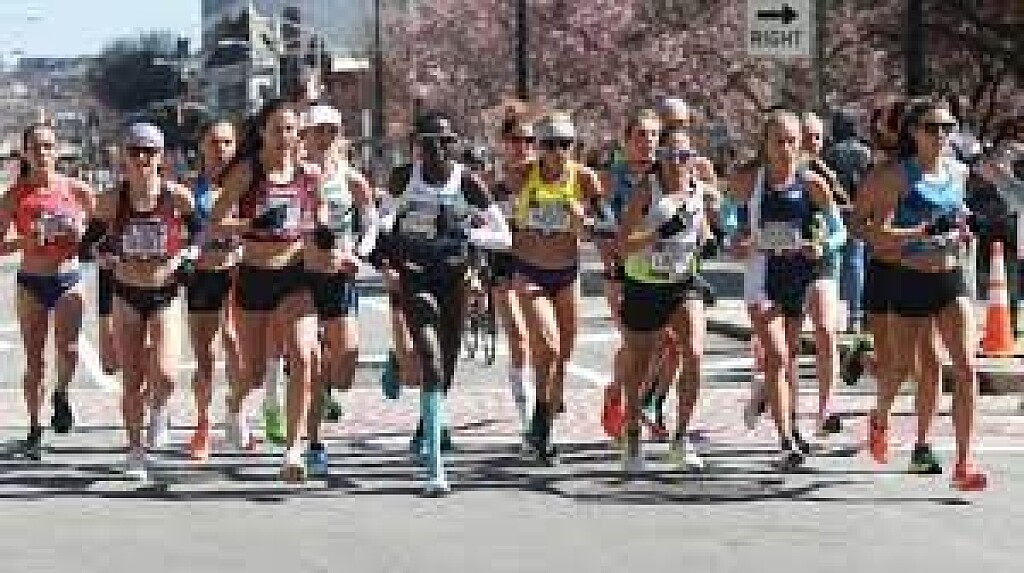
Orlando will host US Olympic Marathon Trials for Paris 2024
Orlando will host the United States Olympic Marathon Trials for Paris 2024, USA Track & Field (USATF) and the United States Olympic and Paralympic Committee (USOPC) have announced.
The top three men and women at the event, due to be held on February 3 in 2024, will be chosen to represent the US in the French capital, providing they have achieved the necessary qualifying criteria.
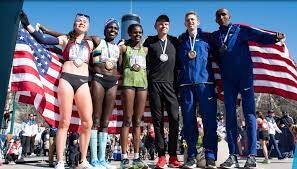
Chattanooga in Tennessee was the only other city known to be interested in bidding for the event.
"We look forward to a fantastic marathon on the streets of Orlando in selecting USATF’s first six 2024 Olympians," said USATF chief executive Max Siegel.

"The competition is the culmination of months of preparation on their journeys to gold and we’re excited to see great competition and fast times."
Orlando, home to more than a dozen theme parks, including Walt Disney World, is the first Florida city to be awarded the event.
This will mark the 15th time the men's marathon trials have been held, with the first at Alamosa in Colorado for Mexico 1968.
It will be the 11th time the women's marathon team has been selected in a Trials event.
The inaugural women's marathon trials were held at Olympia in Washington to select the team for Los Angeles 1984.
The winner of those trials, Joan Benoit, went on to be crowned the first women's Olympic marathon champion.
The trials for the last Olympics in Tokyo were held in February 2020, less than a month before the Games were postponed by a year because of the coronavirus pandemic.
The men’s race was won by Galen Rapp of the US and the women’s by compatriot Aliphine Tuliamuk.
The race is set to be organised by Track Shack, a race management company led by Jon and Betsy Hughes that stages a number of events in the Orlando area.
The Olympic marathons at Paris 2024 are scheduled to be held on August 10 and 11.
"On behalf of the U.S. Olympic & Paralympic Committee, I offer congratulations to the city of Orlando for being selected to host the 2024 U.S. Olympic Trials - Marathon and look forward to celebrating this great event on the road to Paris 2024 with the athletes, fans, and our partners at USATF," said USOPC chief executive Sarah Hirshland.
"As the pathway for making Team USA, the US Olympic Team Trials stand out as remarkable sporting events, and we have no doubt Orlando will welcome our elite runners and put on a world-class event."
by Duncan Mackay
Login to leave a comment
Paris 2024 Olympic Games
For this historic event, the City of Light is thinking big! Visitors will be able to watch events at top sporting venues in Paris and the Paris region, as well as at emblematic monuments in the capital visited by several millions of tourists each year. The promise of exceptional moments to experience in an exceptional setting! A great way to...
more...
Olympic hopes ready to bloom at Kew Gardens
Marathon runners and race walkers are poised for thrilling and richly symbolic races on March 26 in Kew Gardens
If athletes taking part in the Müller British Athletics Olympic Marathon and 20km Walks Trials in Kew Gardens this month need to focus their minds on what is at stake, they merely need to glance to the side of the course during their race.
The event on March 26 coincides with ‘Sakura season’ – the time of year when cherry blossom trees come into bloom. Not only will it provide a picturesque back-drop but it is the national flower of Japan and a timely reminder to the runners that their efforts on the roads of south-west London could see them win a ticket to Tokyo.
Tom Bedford, the race director, describes it as an amusing twist of fate. It certainly was not in anyone’s mind when the Borough of Richmond venue was chosen ahead of Manchester, Dorney Lake and various horse and motor-racing courses to host the Olympic trials.
Instead, the main requirements were a fast, flat and sheltered course that can help athletes nail Olympic qualifying standards, plus the reliability factor of a venue during such an uncertain pandemic-hit period.
Marathon runners will tackle one small lap followed by 12 big laps, therefore passing the cherry blossom trees and Japanese gardens a dozen times. Organisers have worked in recent months with course measurer Hugh Jones to iron out some of the mild corners on the route, which means the course is not just aesthetically pleasing but fast too.
Bedford is certainly happy with the progress made and points to one particular straight that is almost an entire metric mile in distance.
Contenders like Steph Davis have already checked out the course and Bedford describes it as “more of a flat road relays kind of course” such as the well-known circuit used at Sutton Coldfield for road relays “as opposed to the kind of course you get in big city marathons”.
This is partly because the path is only about four metres wide in places. However, with small fields and multiple pacemakers to ensure the going is quick through the first 30km in order to achieve qualifying times of 2:11:30 and 2:29:30, this should not be an issue. Plus, the course includes none of the inclines that the well-known Sutton Coldfield course contains.
“Our intention has been to make it as fast as possible,” says Bedford. “My advice to athletes is that they just switch off and go to sleep for an hour and follow ‘the train’ and then get ready to go when the pacemakers drop out.”
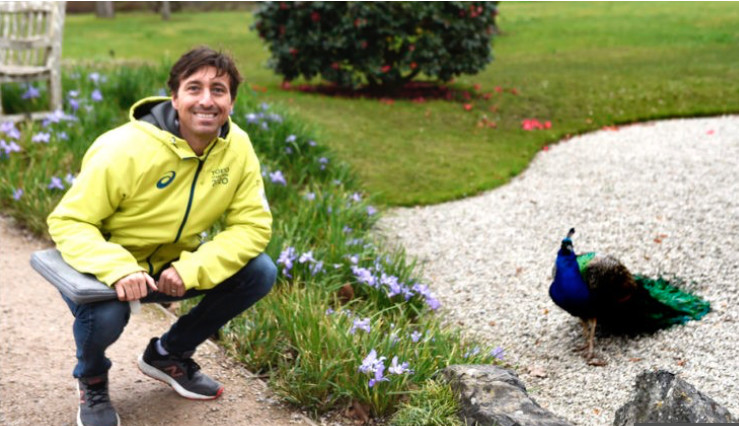
Amusingly the event also has an unofficial mascot, which Bedford discovered at Kew Gardens recently with AW photographer Mark Shearman. ‘Eric the peacock’ (see below) is a Richmond resident although runners will be hoping he doesn’t stray on to the course on race day.
On a more serious note, Bedford has been helped by his father, Dave, the former London Marathon race director with organising the event. Among other things Bedford Jnr was based in Portugal during the winter and fell ill with coronavirus in January, so his dad stepped into help primarily with technical areas.
The duo have also worked closely with staff at UK Athletics such as competitions and events director Katie Brazier during what has inevitably been a tricky few months due to the pandemic. Was there a particularly bad moment when the race was in doubt?
Bedford says shortly after Christmas when the virus began to surge and hospitals were in danger of being over-run was a worrying time. The Richmond Runfest, which was due to be held at the same venue on the Saturday and Sunday following the trials events on Friday, was postponed until mid-May. Apart from this, the organisers have been keen to give the Olympic hopefuls a near-definite goal to work toward.
“It’s been tough for athletes and they have my utmost respect for how they’ve managed to get themselves through this with everything from problems seeing physios to not even having a national endurance coach in charge during the winter,” says Bedford.
Spectators will not be allowed on race day, but each runner will be permitted one Tour de France-style ‘soigneur’ to help with their drinks. After the mild controversy relating to the British trials for the European Indoor Championships not being streamed, British Athletics are this time showing the action from Kew Gardens while there is still the possibility BBC may show the races too.
This will be the first time for 40 years that a British Olympic marathon trial has been staged as a standalone race in a similar style to the US Olympic trials. In 1980 the AAA Championships and trial for the Moscow Olympics took place in Milton Keynes. It was won by Ian Thompson in 2:14:00 from Dave Black and Andy Holden as 195 men finished. Yet from 1983 onwards the national championships and trials have been part of the London Marathon and the battle for selection is often a ‘race within a race’ with television struggling to capture the action.
There are also obvious comparisons with the standalone US Olympic marathon trials that have taken place in recent years in Atlanta (2020), Los Angeles (2016), Houston (2012) and New York (2011) with the latter, in the city’s Central Park, on a similar multi-lap course to the one we will see in Kew Gardens.
“There is such an appetite for this event,” Bedford enthuses. “I’ve always been a fan of the American trials system. The men’s race will be great on March 26 but the women’s race is going to be an absolute cracker as there are so many top runners in it. And if the athletes can make it as competitive as I think it’s going to be then this kind of trials race could become the norm.”
The venue has great history, too, with the Borough of Richmond being something of a home to British distance running. Not only does the area feature popular training areas of Bushy Park, Richmond Park and Wimbledon Common but it was birthplace of the London Marathon and parkrun.
In the race for Olympic selection, runners and race walkers will finish in front of Kew Gardens’ iconic Palm House glass building. The most symbolic feature, though, will surely be the cherry blossom trees that they will pass on a long winding road that will end, for some, on the streets of Tokyo.
by Athletics Weekly
Login to leave a comment
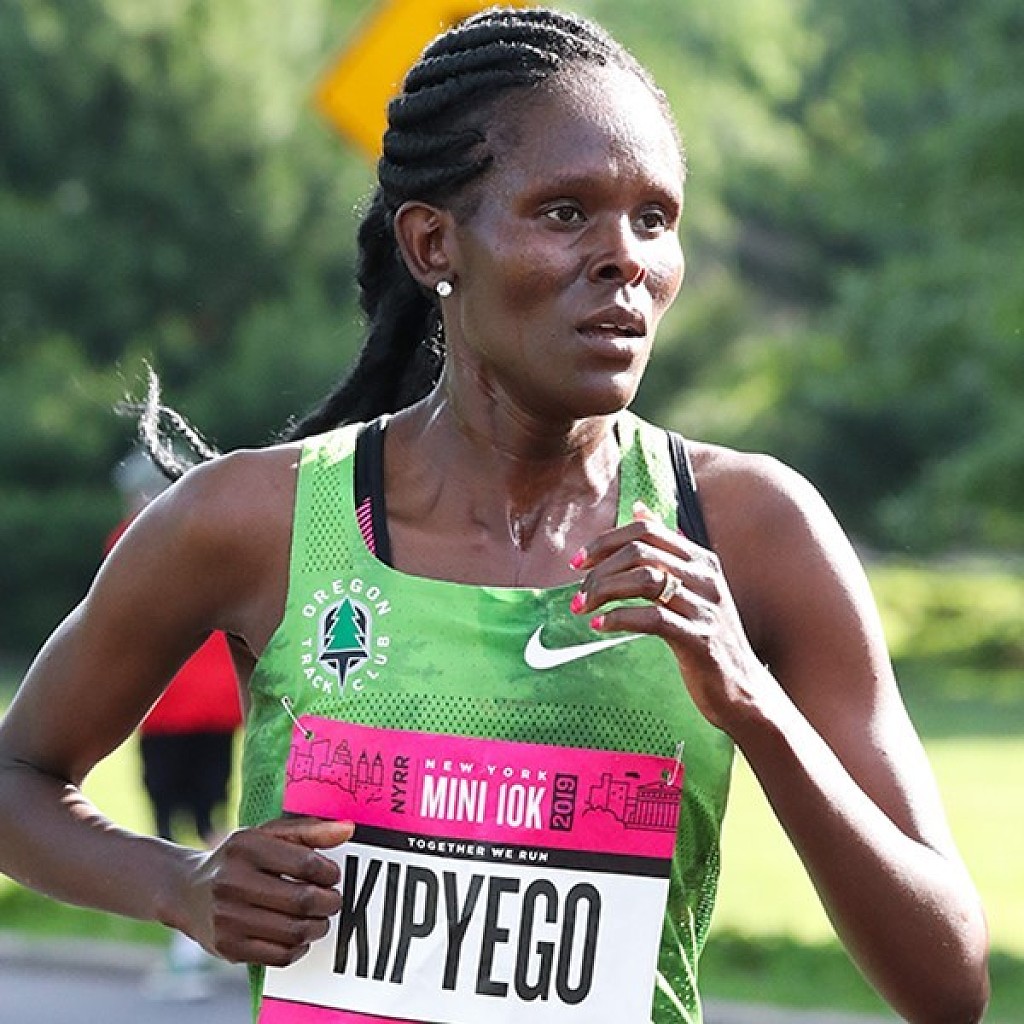
Sally kipyego is focused on winning a medal in the Olympic marathon
After the 2020 Olympics were postponed last March because of Covid-19, US Olympic marathoner Sally Kipyego and her coach Mark Rowland decided to take a laid back approach to the rest of 2020 with the hope that Kipyego’s body would feel refreshed when she resumed training in earnest last fall. The time is coming, however, to return to competition.
Kipyego was scheduled to race last week for the first time since she made Team USA at the US Olympic Marathon Trials in February 2020. But the race she was planning on running, the RAK Half Marathon in the United Arab Emirates, was cancelled. Instead, she has a 15K planned for March (Kipyego could not officially announce it, but the logical assumption is she means the USATF 15K champs in Jacksonville on March 20) and a 10,000 on the track in April, where she hopes to hit the qualifying standard for the 2022 Worlds in Eugene. After that, she will shift to marathon mode and focus on building up for the Olympics.
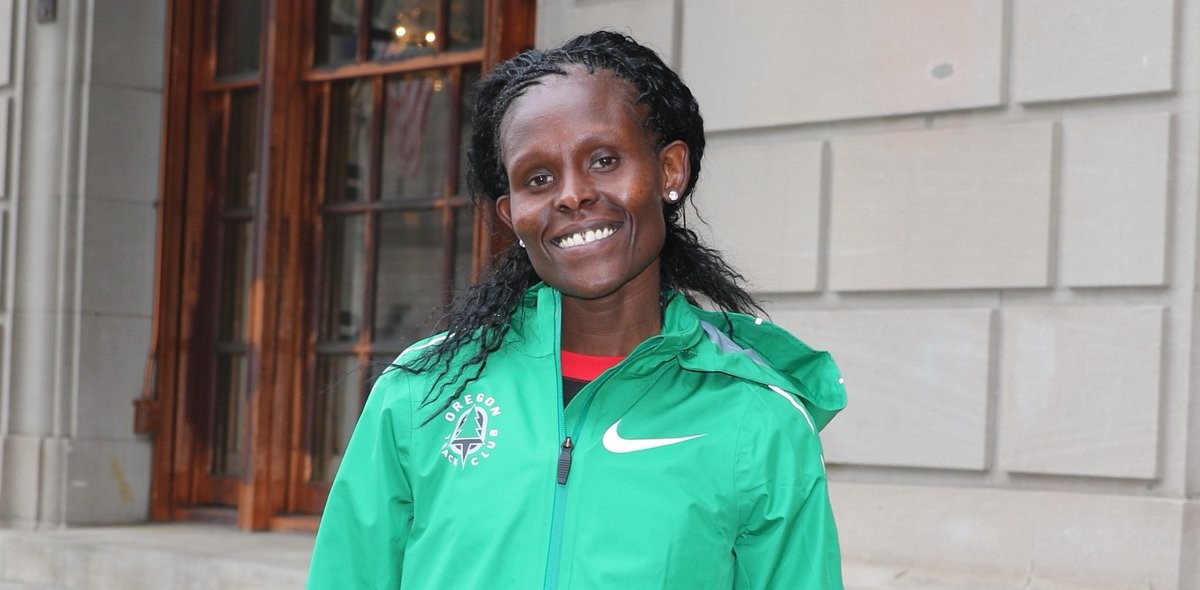
And Kipyego is dreaming big. And for good reason. Kipyego is the only member of the US women’s marathon squad with an Olympic medal, having earned a silver in the 10,000 in London in 2012 for her native Kenya, and believes she is capable of taking home another one this summer.
“I feel like if I get good consistent training — which I have been able to do the last one-and-a-half years — proper training, I think I’ll have a chance of medaling,” Kipyego says. “That is really the objective for this season for me, is to be able to medal.”
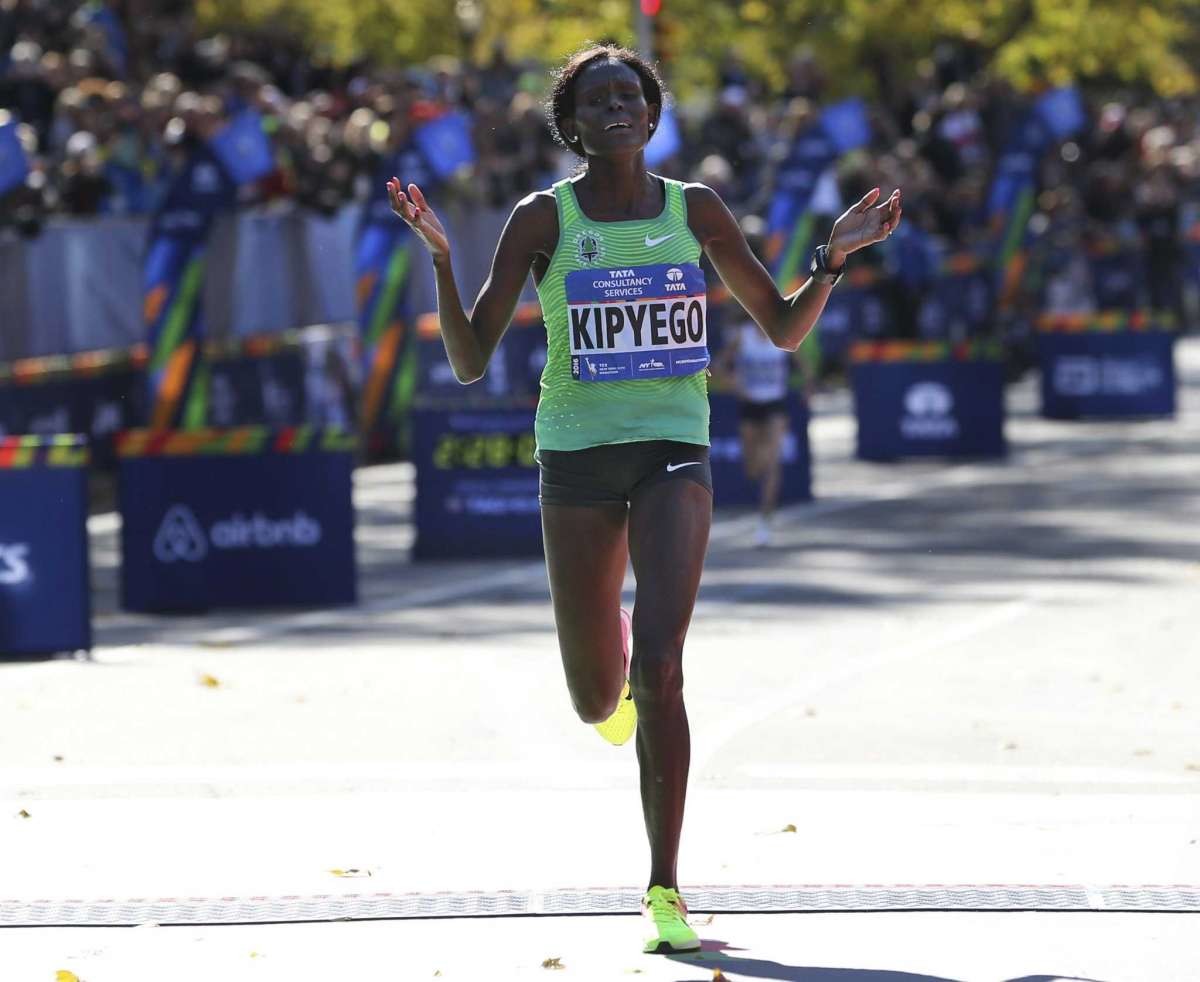
Some may think that is an ambitious goal for a 2:25 marathoner who was only third at the US Olympic Trials. After all, it has been over five years — when she was 5th in the 10,000 at the 2015 Worlds — since Kipyego has been competitive in a global championship. But those numbers don’t tell the whole story.
For one, Kipyego, who at 35 is two years younger than Sara Hall, feels she has yet to demonstrate her full potential at 26.2 miles, going so far as to say, “I haven’t really quite gotten a good marathon in.” Kipyego was second in the first marathon she finished, running 2:28:01 in New York in November 2016, but she was way back of winner Mary Keitany who ran 2:24:26. Shen then missed all of 2017 after giving birth to daughter Emma, and it took her longer than expected to get back to top form after her pregnancy.
It was not until the fall of 2019, when she ran 2:25:10 in Berlin, that the world began to catch a glimpse of the Kipyego of old, and she is confident in the training she has stacked together since then. But that still leaves a second problem: can Kipyego possibly get into medal shape given the current state of women’s marathoning? Of the seven fastest women in history, five have set their personal bests (all 2:17:45 or faster) since the start of 2019, led by Brigid Kosgei‘s 2:14:04 world record in Chicago.
“We’re talking about championships,” Kipyego says. “When it comes to championships, they’re not the same as major marathons, for example. You can still be competitive in a championship because you’re not running 2:14 or 2:12 marathon pace. If the race is being run at 2:20, most of us can be able to put themselves there. So I believe that if I can get — and I’m trying to get myself into — 2:20 or sub-2:20 shape going into Tokyo, and I think if I am in that kind of shape, my chances are pretty good at medaling.”
by Jonathan Gault
Login to leave a comment

Tokyo 2020 Olympic Games
Fifty-six years after having organized the Olympic Games, the Japanese capital will be hosting a Summer edition for the second time, originally scheduled from July 24 to August 9, 2020, the games were postponed due to coronavirus outbreak, the postponed Tokyo Olympics will be held from July 23 to August 8 in 2021, according to the International Olympic Committee decision. ...
more...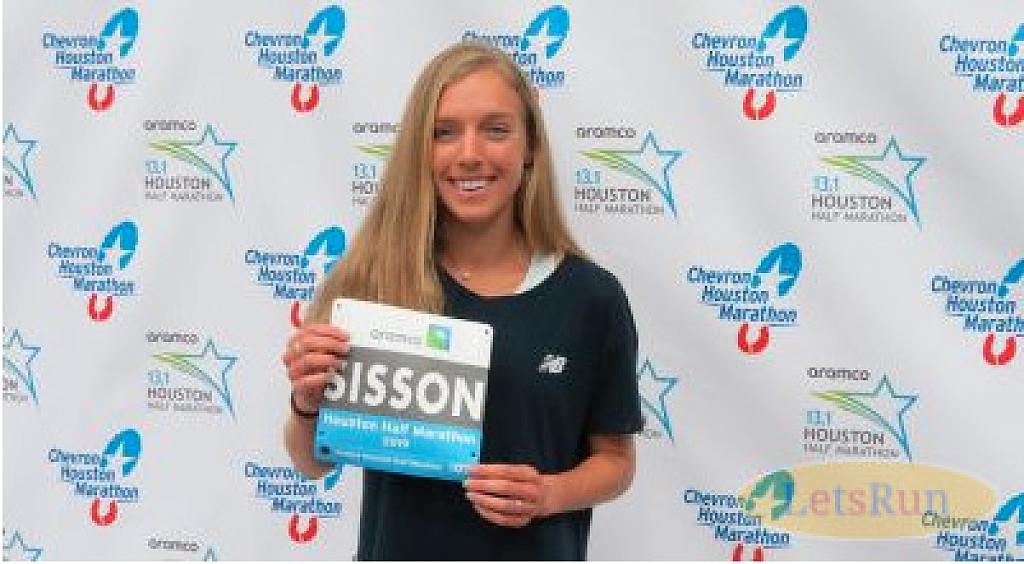
American Record Alert: Emily Sisson Targeting Molly Huddle’s 67:25 AR at Sunday’s Valencia Half Marathon
At times, the 2020 track & field season has felt like one giant record chase. With the vast majority of major championships cancelled, athletes have shifted their targets from medals to times. And with the ability to focus on one race with the sole goal of running as fast as possible, records have tumbled around the globe. Uganda’s Joshua Cheptegei took down Kenenisa Bekele‘s 16-year-old 5,000-meter world record in August. In the span of one hour in October, Letesenbet Gidey broke Tirunesh Dibaba‘s 5,000-meter world record and Cheptegei fully erased Bekele from the outdoor record books by breaking his 10,000m mark. Domestically, Shelby Houlihan chopped over 10 seconds off her American 5,000-meter record back in July, taking it down to 14:23.92.
The latest installment of the Great Record Chase of 2020 comes on Sunday in Valencia, where distance studs Rhonex Kipruto, Jacob Kiplimo, and Gidey will have the half marathon world records in their sights. Just a few minutes back, Emily Sisson — one of the few Americans making the trip to Spain (Jordan Hasay is also entered in the marathon) — will be shooting for a mark of her own: the 67:25 American half marathon record, currently held by her friend and occasional training partner Molly Huddle.
says Ray Treacy, who coaches both Sisson and Huddle. “That’s the goal and see how she feels the last 5k…We’re just hoping for the best and she gets her reward for all the hard work she’s done over the last four or five months, because this is her only race.”
Sisson hasn’t raced since dropping out of the US Olympic Marathon Trials in February, though she did run the virtual New York City Marathon in 2:38:00 in October (Treacy says the aim was merely to get in a good long run effort, adding that it felt “easy” for Sisson and that she recovered “immediately”). Considering her goal is to make the Olympic team at 10,000 meters next year, Treacy did not want Sisson to run another marathon this fall, making the half marathon a natural distance for a target race. And with USATF opting not to send a team to the World Half Marathon Championships, Valencia was the best option.
Treacy says Sisson’s fitness is “really, really good” at the moment, with the 29-year-old clocking 24:37 recently for a five-mile time trial and averaging 5:05 pace for a 4 x 2-mile workout — well under American record pace (AR paceis 5:09). Currently, Sisson sits #2 on the all-time US list thanks to her 67:30 in Houston last year.
There are a couple of potential stumbling blocks, however. First, Sisson may not have any company during the race. The top women will be aiming to run the world record (64:31) or close to it, which is beyond Sisson’s abilities. Though there are two other women — Kenyans Brenda Jepleting (67:07) and Sheila Chepkirui (67:37) — with personal bests close to Sisson, it’s unclear whether they’ll try to run with her or opt for the more aggressive pace up front.
Treacy believes Sisson should be able to handle that situation just fine, though. She was alone for most of the second half of her marathon debut in London in 2019 and came out with a stellar 2:23:08 personal best.
“She’s pretty good at doing that anyway, so I’m not worried about it,” Treacy says.
The larger concern is the weather. The high of 58 degrees in Valencia on Sunday is fine, but the projected winds of 15 to 25 miles per hour could prove problematic.
While Sisson still has several years of her prime remaining, record opportunities like this are precious. Under Treacy, Huddle only raced one half marathon per year from 2015 to 2020, and three of those came on a relatively tough course in New York. Even when Huddle did finally set the record in Houston in 2018, she wasn’t 100% as she had gotten sick a few days earlier.
“[Huddle] never had the opportunity to run really, really fast,” Treacy says. “Certainly when Molly was in the shape she was in Rio, (where she ran an American 10,000m record of 30:13 at the 2016 Olympics), I think she could have run 66:30, 66:40.”
Sisson will get her shot on Sunday. Can she give the Great Record Chase of 2020 a fitting send-off?
by Let’s Run
Login to leave a comment
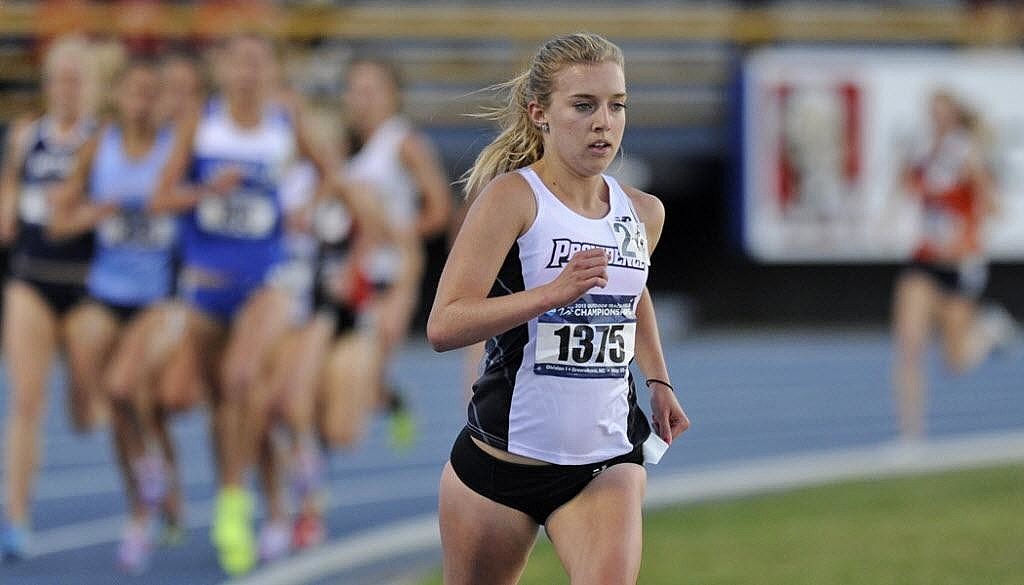
Emily Sisson will be targeting Molly Huddle’s 67:25 AR at Sunday’s Valencia Half Marathon
At times, the 2020 track & field season has felt like one giant record chase. With the vast majority of major championships cancelled, athletes have shifted their targets from medals to times. And with the ability to focus on one race with the sole goal of running as fast as possible, records have tumbled around the globe. Uganda’s Joshua Cheptegei took down Kenenisa Bekele‘s 16-year-old 5,000-meter world record in August. In the span of one hour in October, Letesenbet Gidey broke Tirunesh Dibaba‘s 5,000-meter world record and Cheptegei fully erased Bekele from the outdoor record books by breaking his 10,000m mark. Domestically, Shelby Houlihan chopped over 10 seconds off her American 5,000-meter record back in July, taking it down to 14:23.92.
The latest installment of the Great Record Chase of 2020 comes on Sunday in Valencia, where distance studs Rhonex Kipruto, Jacob Kiplimo, and Gidey will have the half marathon world records in their sights. Just a few minutes back, Emily Sisson — one of the few Americans making the trip to Spain (Jordan Hasay is also entered in the marathon) — will be shooting for a mark of her own: the 67:25 American half marathon record, currently held by her friend and occasional training partner Molly Huddle.
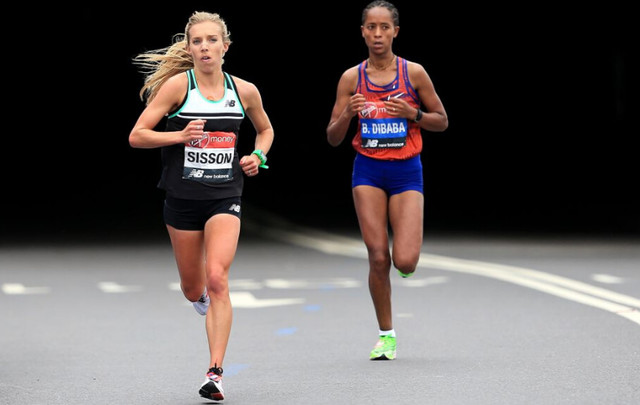
says Ray Treacy, who coaches both Sisson and Huddle. “That’s the goal and see how she feels the last 5k…We’re just hoping for the best and she gets her reward for all the hard work she’s done over the last four or five months, because this is her only race.”
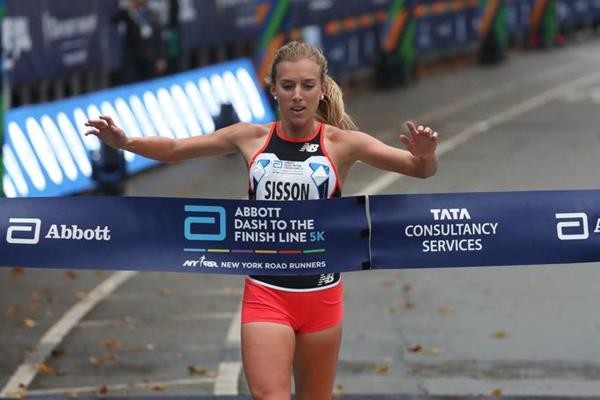
Sisson hasn’t raced since dropping out of the US Olympic Marathon Trials in February, though she did run the virtual New York City Marathon in 2:38:00 in October (Treacy says the aim was merely to get in a good long run effort, adding that it felt “easy” for Sisson and that she recovered “immediately”). Considering her goal is to make the Olympic team at 10,000 meters next year, Treacy did not want Sisson to run another marathon this fall, making the half marathon a natural distance for a target race. And with USATF opting not to send a team to the World Half Marathon Championships, Valencia was the best option.
Treacy says Sisson’s fitness is “really, really good” at the moment, with the 29-year-old clocking 24:37 recently for a five-mile time trial and averaging 5:05 pace for a 4 x 2-mile workout — well under American record pace (AR paceis 5:09). Currently, Sisson sits #2 on the all-time US list thanks to her 67:30 in Houston last year.
There are a couple of potential stumbling blocks, however. First, Sisson may not have any company during the race. The top women will be aiming to run the world record (64:31) or close to it, which is beyond Sisson’s abilities. Though there are two other women — Kenyans Brenda Jepleting (67:07) and Sheila Chepkirui (67:37) — with personal bests close to Sisson, it’s unclear whether they’ll try to run with her or opt for the more aggressive pace up front.
Treacy believes Sisson should be able to handle that situation just fine, though. She was alone for most of the second half of her marathon debut in London in 2019 and came out with a stellar 2:23:08 personal best.
“She’s pretty good at doing that anyway, so I’m not worried about it,” Treacy says.
The larger concern is the weather. The high of 58 degrees in Valencia on Sunday is fine, but the projected winds of 15 to 25 miles per hour could prove problematic.
While Sisson still has several years of her prime remaining, record opportunities like this are precious. Under Treacy, Huddle only raced one half marathon per year from 2015 to 2020, and three of those came on a relatively tough course in New York. Even when Huddle did finally set the record in Houston in 2018, she wasn’t 100% as she had gotten sick a few days earlier.
“[Huddle] never had the opportunity to run really, really fast,” Treacy says. “Certainly when Molly was in the shape she was in Rio, (where she ran an American 10,000m record of 30:13 at the 2016 Olympics), I think she could have run 66:30, 66:40.”
by Jonathan Gault
Login to leave a comment

Valencia Half Marathon
The Trinidad Alfonso Valencia Half Marathon has become one of the top running events in the world. Valencia is one of the fastest half marathon in the world. The race, organized by SD Correcaminos Athletics Club, celebrated its silver anniversary in style with record participation, record crowd numbers, Silver label IAAF accreditation and an atmosphere that you will not find...
more...
Sara Hall Among Pros Who Will Take Shot at Treadmill World Records on June 6 in Chaski Challenge
Inspired by the success of last month’s Quarantine Backyard Ultra, a handful of elite runners will attempt to break treadmill world records across five distances next week. Sara Hall, the fastest American female marathoner of 2019, is the headliner, and will be shooting for the women’s treadmill half marathon record of 1:20:43 (Hall’s pb is 1:08:58).
The event, which will be held on Saturday, June 6, and is known as the Chaski Challenge, is the brainchild of Tyler Andrews, a 2:15 marathoner who ran a world best of 2:46:06 for 50,000 meters on the track in 2018 (LRC recorded a podcast with him shortly before that race). Before the coronavirus pandemic hit, Andrews had planned to spend the spring training with Jim Walmsley in Flagstaff as the two men prepared to race the famed Comrades Marathon in South Africa. Instead, Andrews is now based at his parents’ house in Concord, Mass., but is still training hard and wanted to create an opportunity to allow himself and others to demonstrate their fitness.
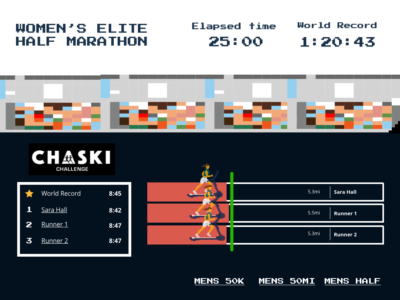
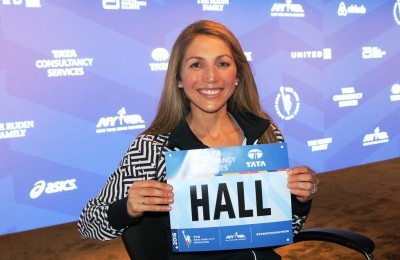
“A lot of people are really fit out there right now and have nothing to do with it,” Andrews says. “So we wanted to do that. And then just create a really compelling, fun, conversation-provoking event that people can watch on a Saturday night and have fun with.”
Similar to the Quarantine Backyard Ultra, the Chaski Challenge will feature a free live online broadcast and tracking of the record attempts around the country with cameras aimed at each elite runner’s treadmill. 2016 Olympian Marielle Hall and ultrarunner Kris Brown (13th at 2019 Western States 100) will serve as commentators.
“Chaski Endurance Collective, which is my coaching collective, we have a bunch of different athletes from different areas on staff and we were kind of just bouncing around ideas and talking about what could we do that’s kind of building off what Quarantine Backyard Ultra did really well, because that event just absolutely crushed it,” Andrews says.
Andrews also felt the inclusive nature of the Quarantine Backyard Ultra — anyone could sign up and compete — was one of the keys to its success, and to that end, the Chaski Challenge will feature free-to-enter 5k and 50k races, which anyone can sign up for and complete during a 24-hour window beginning on June 5 at 4 p.m. ET (there is an optional donation to Feeding America’s COVID-19 relief efforts).
At 6 p.m. ET on June 6, the broadcast will begin with the men’s 50k, which features Andrews, 2014 world 100k champ Max King, and Quarantine Backyard Ultra champion Mike Wardian (2:54 50k pb). Midway through that race, the men’s half marathon (featuring 61:51 man John Raneri) and the women’s half marathon (featuring Hall and 2:27 marathoner Renee Metivier) will begin. Mario Mendoza will also be attempting to break the 50-mile record; that attempt will begin prior to the broadcast. The current treadmill world records for each event are as follows (the men will also try to break the marathon record en route to 50k):
Women’s half marathon: 1:20:43, Jenna Wrieden, USA, 2014
Men’s half marathon: 1:03:37, Tyler Andrews, USA, 2015
Men’s marathon: 2:20:45, Paul Zwama, Netherlands, 2018
Men’s 50k: 2:56:35, Matthias Kyburz, Switzerland, 2020
Men’s 50-mile: 4:57:45, Jacob Puzey, USA, 2016
Andrews chose those events because he believes each record is ripe for the taking. The 50k record has been broken three times already this year; both Wardian and Mendoza are former holders of the record.
“We are 100% sure that we are going to break these records in this race,” says Andrews. “There’s zero question. The women’s half marathon mark is 1:20. I’m pretty sure that women out there have done that in training before and not recorded it. We’re not just looking to break these; we want to make these legitimate. We want to have actual, really good athletes just totally destroy them and set them way out of reach.”
Andrews feels confident he is just as fit as when he ran 2:46 for 50,000 meters in 2018; on Sunday, he ran a workout of 7 x 5k (16:19, 16:20, 16:20, 16:16, 16:11, 16:07, 15:51) with 1k recovery for a total of 41k on the treadmill in 2:16. He will be making the attempt in a room that doubles as his office and a storage room for his dad’s clothes.
“There’s a TV inside the cabinet [in front of the treadmill],” Andrews says. “I don’t watch television when I’m running, but I actually kind of like it because it’s almost a black mirror, so I can see my upper running form, so I can see if I’m starting to list to one side or slouch a little bit.”
Hall bouncing back from Olympic Trials disappointment
Andrews has run into one issue with the Chaski Challenge: Hall will not be able to run her portion of the event live. Instead, she will record her attempt this week, and it will be played at the same time as the other attempts on the broadcast next week. Still, she is excited to give it a go.
“It’s a tough time for all sports, but especially with ours including the masses, people need things to stay motivated or to get a benchmark of fitness,” Hall says. “I wanted to support that and it will be nice to get a benchmark of fitness for myself in the process and hopefully provide some entertainment to people.”
Hall’s most recent race was the US Olympic Marathon Trials in Atlanta on February 29, where she dropped out after 22 miles. Hall says her recovery has been “a process.”
“I wanted that team more than any other race of my career, so I think I’m still somewhat getting over the disappointment and I think I’ll always look back on it with frustration,” Hall says.
After falling short in the Marathon Trials, Hall’s initial plan was to give the track trials a go in either the 5,000 or 10,000; even once they were postponed, her recent training has focused on those distances. She eventually plans to transition into a buildup for a fall 2020 marathon (if they happen) before returning to the track for the 2021 Olympic Trials.
For a woman who has run 1:08 for a half, 1:20 should be a piece of cake — theoretically. But Hall is not peaking for the Chaski Challenge. And since she rarely runs on treadmills, she doesn’t want to risk injury by giving a full race effort. In addition, she’ll likely be running at almost 7,000 feet in Flagstaff — which Hall says usually knocks 15 seconds per mile off her tempo pace. Still, record pace is just 6:10 per mile, which is very attainable for Hall, even with those caveats.
Hall won’t be able to make her attempt from the comfort of home as her treadmill is currently broken. Her plan is to head to a gym (which are now open in Arizona) and take her shot there. Unlike most half marathon record attempts, however, Hall will be able to have her four daughters cheer her on every step of the way — if they choose to.
“I’ll create a playlist to give me some entertainment and the girls will probably cheer me on, but will likely get bored after a few minutes and wander off,” Hall says.
Login to leave a comment
Twenty years, it’s been a good run, but as of May 7, 2020, LetsRun.com will be no more, LetsRun.com declares bankruptcy says Jonathan Gault
The worldwide economic depression that has resulted from COVID-19 has cratered the advertising markets and it’s no longer economically feasible to run the website.
“May 7, 2000, was a dark day for US distance running fans and me personally, so the 20th anniversary of that date is the perfect day to go out,” said LetsRun.com co-founder Weldon Johnson, who saw his Olympic dream denied on the streets of Pittsburgh at the 2000 US Olympic Marathon Trials on May 7 when only one man made the team. “The coronavirus canceled the Olympics and now it’s canceled LetsRun.com.
“It’s never been easy to make a living while giving away everything for free, but the decline in the online ad markets over the last few weeks has been unprecedented. Couple that with the fact that online ad marketplaces have gotten much better at tracking people in recent years and our revenue has almost entirely dried up. The advertisers now know that most of our visitors haven’t achieved the ‘LetsRun triple.’ While many have the potential to make well over $250,000 a year, the reality is most of them have never had a full-time job and are living in mom and dad’s basement still chasing that final PR before Father Time gets to them.”
Robert Johnson, Weldon’s brother and the website’s co-founder, didn’t want to talk on the phone. He issued the following statement via email.
Weldon keeps telling me our demise is all the result of COVID-19. That’s hard for me to believe, but maybe that’s because I live in Baltimore, where in the month of March we’ve had 18 killed by murder and only 3 by the coronavirus. Ironically, given the leading role we’ve played during the last two decades in the anti-doping movement, I blame our demise on Travis Tygart and USADA. Once Alberto Salazar got banned, the messageboard traffic really plummeted. People had been speculating about drugs in regards to Athletics West and Salazar since our founding, but now that that storyline has come to a conclusion, there isn’t anything left to talk about.
I begged Weldon to keep the site going until Salazar’s appeal is heard. If his ban gets overturned, the site could become profitable again. But with his baby due in early May, he told me can’t hold out any longer. He’s heard he can make six figures delivering for Instacart in San Fran and since he was used to sleeping in his car often high up in the mountains in Flagstaff, he’ll give that a go until the economy comes back. I feel for him as he won’t even get to see his daughter in person.

Weldon, the elder brother and brains behind the LetsRun.com operation, refused to take a negative view about the closure of the site.“This isn’t a day for ‘woe is me.’ It’s been a great run and I’m really proud of the contributions the platform has made to elevating distance running. When we started the website, the marathon world records were 2:05:42 for the men and 2:20:43 for the women. Now a man has run 1:59:41 and a woman 2:14:04 and we’ve certainly played a role in that, both by developing a platform where coaching advice could spread and by actually pacing two of those world records, one for Catherine Ndereba and one for Paula Radcliffe. Social justice warriors be damned, I’m most proud of the role we’ve played in elevating women’s distance running across the globe. That’s what I hope people will remember us for,” said Weldon.
by Jonathan Gault
Login to leave a comment
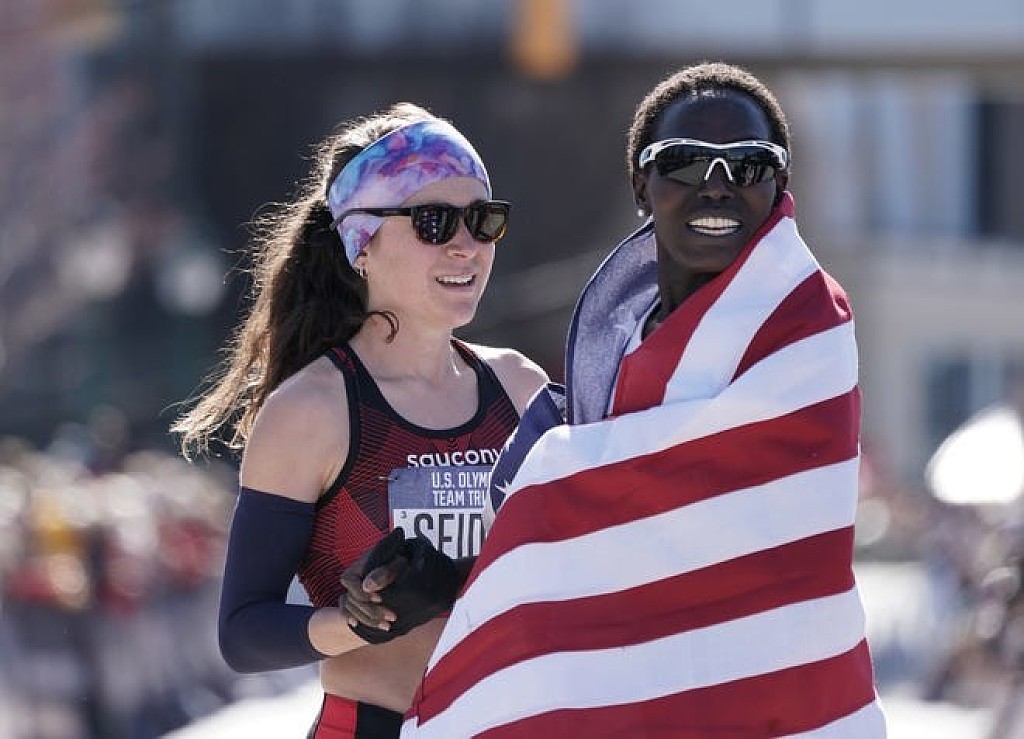
Boston resident Molly Seidel qualified for the Olympic marathon but she’s worried about what happens now
The trials was one of the best days of my life, Seidel said. “To potentially have that taken away is very stressful."
When Molly Seidel reflects on the day she qualified for the 2020 Summer Olympics, she’s reminded of a seemingly distant reality.
“Just thinking back to the huge number of crowds that were there and the hugs after the race,” recalled Seidel in a telephone interview Tuesday afternoon. “Hell, just sitting down at a restaurant afterward. We all went out to a bar that night, too, and shared drinks at the bar. It’s a completely different world than the one we’re in now.”
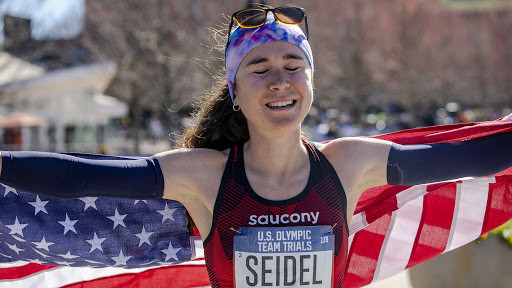
Less than a month ago, Seidel placed second in the US Olympic marathon trials to punch her ticket to Tokyo. The 25-year-old Boston resident finished the race, her first-ever marathon, with a time of 2:27:31, just eight seconds behind Aliphine Tuliamuk.
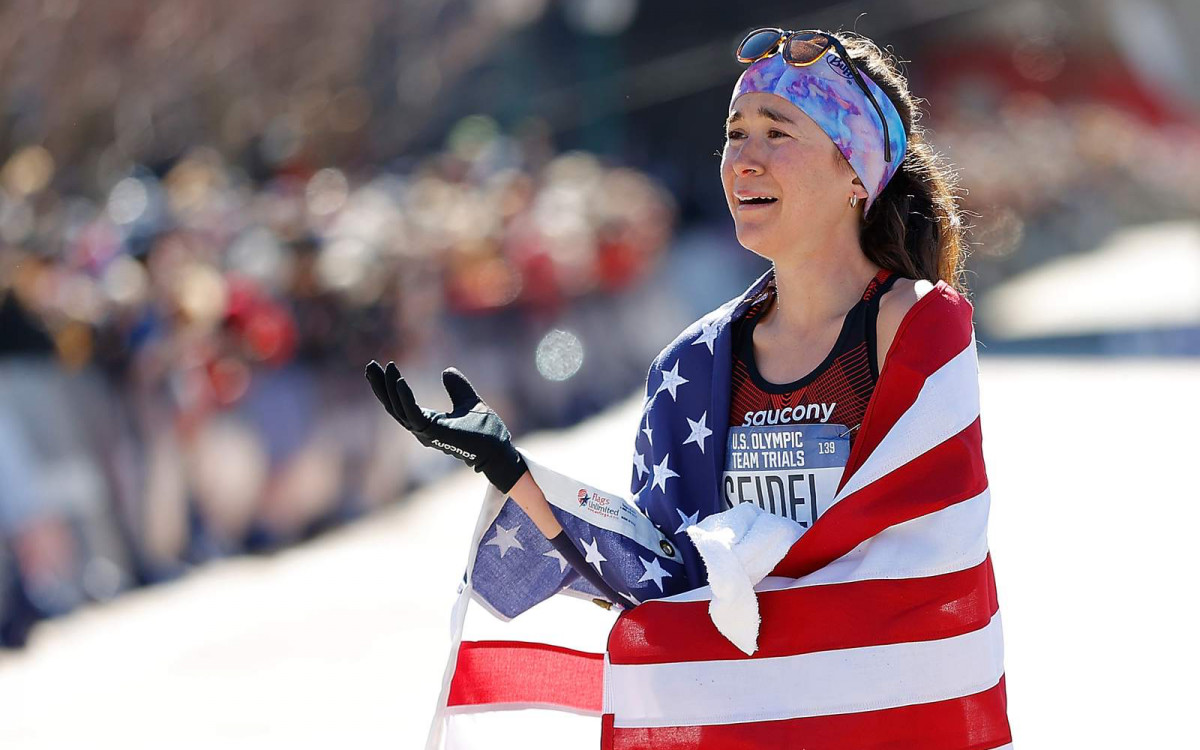
As the threat of the coronavirus escalated rapidly, and the list of postponed or canceled sporting events grew, Seidel started to consider the possibility more and more. Could the Olympics really go on as scheduled?
She wasn’t shocked when the postponement became official Tuesday.
“I just don’t think there is any way we could be planning for an Olympics four months from now, especially when the country is going through such a difficult time and the world is going through such a difficult time,” said Seidel. “It would have put a lot of athletes and spectators and just the general public in a lot of danger.”
While Seidel agrees with the International Olympic Committee’s decision, she is certainly disappointed. She’s also incredibly frustrated. The US Olympic & Paralympic Committee, Seidel says, has not been forthcoming with updates. The lack of communication leaves her worried about her status.
There has been some chatter about whether runners should have to re-qualify, given the extended period of time between the marathon trials, which took place Feb. 29, and the rescheduled Games, which do not yet have new dates.
Seidel is hopeful that won’t be the case.
“The trials was one of the best days of my life,” she said. “To potentially have that taken away is very stressful. I’m hoping that they honor the Olympic trials and keep their current marathon team, but we haven’t heard anything from USOC, USATF, from anybody. It’s been difficult getting the information that we need.”
Fellow marathoner Des Linden, who placed fourth in the trials, doesn’t foresee a re-qualification. Linden recently called Seidel to express her support.
“I haven’t heard anything from governing bodies, and I would imagine that they’re not even entertaining that idea,” Linden said. “I think it’s just kind of interesting talk right now, particularly with so much time on our hands.”
Amid the uncertainty, Seidel is still training. She frequently runs on the Esplanade and will soon ramp up her mileage after recovering from the trials. Her coach, who lives locally, is encouraging her to make the best of the extra year, especially considering the fact she’s participated in only one marathon.
Should road races resume this fall, Seidel is looking forward to gaining more experience at the distance.
In her free time, Seidel enjoys binging “Gilmore Girls,” reading, and practicing her banjo and ukulele. She no longer has a job or a roommate, as Tatte cut most of its staff amid the coronavirus outbreak and her sister moved back to their home state of Wisconsin for the time being. But Seidel’s doing her best to make due.
“It was so weird coming off that huge emotional high at the trials,” she said. “Now, it’s just like, ‘OK, back to quarantine.’”
by Nicole Yang
Login to leave a comment
Tokyo 2020 Olympic Games
Fifty-six years after having organized the Olympic Games, the Japanese capital will be hosting a Summer edition for the second time, originally scheduled from July 24 to August 9, 2020, the games were postponed due to coronavirus outbreak, the postponed Tokyo Olympics will be held from July 23 to August 8 in 2021, according to the International Olympic Committee decision. ...
more...
Looking for Some Running Content to Watch? On Running’s Chasing Tokyo Series May be Just For You
On Running’s Chasing Tokyo series may be just for you. The video series chronicled the nine athletes of the On ZAP Endurance professional running team (Tyler Pennel, Joe Stilin, Andrew Colley, Johnny Crain, Tristin Van Ord, Matt McClintock, Joanna Thompson, Josh Izewski, and Nicole DiMercurio) and their attempts to qualify for the 2020 US Olympic marathon team. The five-part series became a hit on social media, with 1.35 million views on YouTube, and more than 7.2 million views across all platforms according to On.
The On ZAP runners came up short of the Olympic goal.
If you want to watch the series without knowing how the On runners did, scroll to the videos embedded below. Otherwise keep reading.
However, they had two strong performances in the men’s race at the US Olympic Marathon Trials in Atlanta. with Tyler Pennel (11th in 2:12:34) and Josh Izewski (17th in 2:14:15) both posting top-20 finishes. Pennel’s run showed just how strong the men’s race was; despite a PR on the tough Atlanta course, Pennel could not match his 5th-place finish from the 2016 Trials.
While the top 3 finishers in Atlanta got the most attention, the series captures why so many runners dedicate a significant portion of their lives training for and dreaming of the Olympics. Joe Stilin, who had an off day at the Trials and finished 107th, is in tears in the final episode talking about how much it meant to him to have his high school coach, his dad, his brother, and even fellow teammates encouraging him at the Trials.

“It’s what the sport’s about…Sometimes, it’s not about just crushing and being top 3 and all that. It’s why we run,” Stilin said (that clip is here).
The series is directed by Emmy-winning director, Andrew Hinton (“Man with the Halo”) and starts following the team in 2019 in episode 1, “Dudes in the Woods,” which explains what the On ZAP team — located in the Blue Ridge Mountains in Boone, N.C., — is all about. Episode 5 concludes with the Olympic Trials. There isn’t much footage from the Trials — only four minutes of the one-hour series comes from once they’re on the starting line in Atlanta — but the point isn’t to capture the race itself, but to show the buildup and struggles all Olympic dreamers go through.
Episode 1 is only five minutes, so give it a shot and see if you get hooked.
And don’t feel too bad that the ZAP runners didn’t make it to Tokyo. They’re already dreaming of Paris 2024. “Of the nine athletes on the team, I think probably half of them are thinking about this race four years from now. Sometimes it’s the people who are just too stupid to quit who get things done and we’re probably in that category,” said On ZAP head coach Pete Rea in the final episode.
One final thing: is the On ZAP runners were allowed to wear the new Nike super shoes during the race. We are full of praise for On for allowing this: it shows they put their athletes first. On was founded by former world duathlon champion Olivier Bernhard, who knows a thing or two about performance (LRC’s Wejo went to Olivier’s house in Switzerland in 2012 or 2013). Olivier was a Nike-sponsored athlete back in the day, and when he got injured he tinkered with his shoes, and that led him to starting a shoe company once he stopped competing. Roger Federer is now working with On and an investor in the company. Athletes of that caliber know is it not right to force athletes to compete at a disadvantage, so they let the On ZAP runners wear the Nike shoes. We applaud them. None of the ZAP runners are forced to wonder “What if…
by Let’s Run
Login to leave a comment
Keira D’Amato has been selected to represent the USA in the World Half Marathon Championship in Oct. 2020 in Poland
It was a surprising accomplishment, as Keira had been training for the past year for the US Olympic Marathon trials in Atlanta for the 2020 Summer Olympics in Tokyo.
“The race was everything I hoped the Olympic dream would be and as terrible as the marathon can feel,” said D’Amato.
The 35-year-old finished 15th out of 511 women with a time of 2:34.34 (which is 5:42 minutes per mile)!
“To think that 4 years ago, watching the Olympic trials I was pregnant with my daughter Quinn and on the couch 50-plus pounds overweight watching them on TV, thinking I would never be there and just fast forward 4 years later, and somehow I was there in the mix of things and finished 15th, I’ve come a long way,” said D’Amato.
This was the first time Atlanta’s Olympic Cauldron torch has been lit since 1996.
“It was a surreal experience to run through where they hosted the '96 Olympics. Through the course, you run by the Olympic rings and you go by the Centennial Olympic Park," said D’Amato. "Watching the Olympics in '96 as a child, I saw the torch the lit, the torch that day, it hasn’t been lit since the '96 Olympics and it was really cool.”
Unfortunately, Keira’s running time and placement wasn’t fast enough, but she still held her head high and proud as she crossed the finish line.
“When I saw the finish line, everything just hit me like a ton of bricks and I saw the finish line and I started pumping my arms and I was flying down the straightaway and I’m sure people watching realized 'she’s not winning, right, she’s 15th, she’s not making the team, someone should probably tell her,'" said D’Amato. "But I was so proud of the work I had done and that I finished and that I can hold my head up high knowing that I left it all on the course that day.”
Several weeks before the big race in Atlanta, Keira competed in the Houston half marathon to prepare herself for what was in store in Atlanta.
She finished the race 8th with the time of 69:59 and little did she know that race in Houston would change her life.
“I got an email and I didn’t really read it correctly, so I thought they were saying would you been interested, and so I wrote back saying 'Heck, yeah I’m interested, let me know how,' and they wrote back saying, 'maybe you didn’t understand, congratulations: you’ve been selected for the USA team,'” said D’Amato. “Running a half marathon for the US definitely hits my goal for just representing the U.S."
Keira is currently training day and night with the team’s coach and hopes to bring home the Gold.
"Nothing has set in yet, still feels like this wild ride that I’m watching from the sideline or the stadium like I can’t believe this is me,” said D’Amato.
by Terrance Dixon
Login to leave a comment

World Half Marathon Championships
The Chinese city of Yangzhou will host the 2022 World Athletics Half Marathon Championships. China, one of the fastest-growing markets in road running, had 24 World Athletics Label road races in 2019, more than any other country. It hosted the World Half Marathon Championships in 2010 in Nanning and will stage the World Athletics Indoor Championships in Nanjing in 2021. ...
more...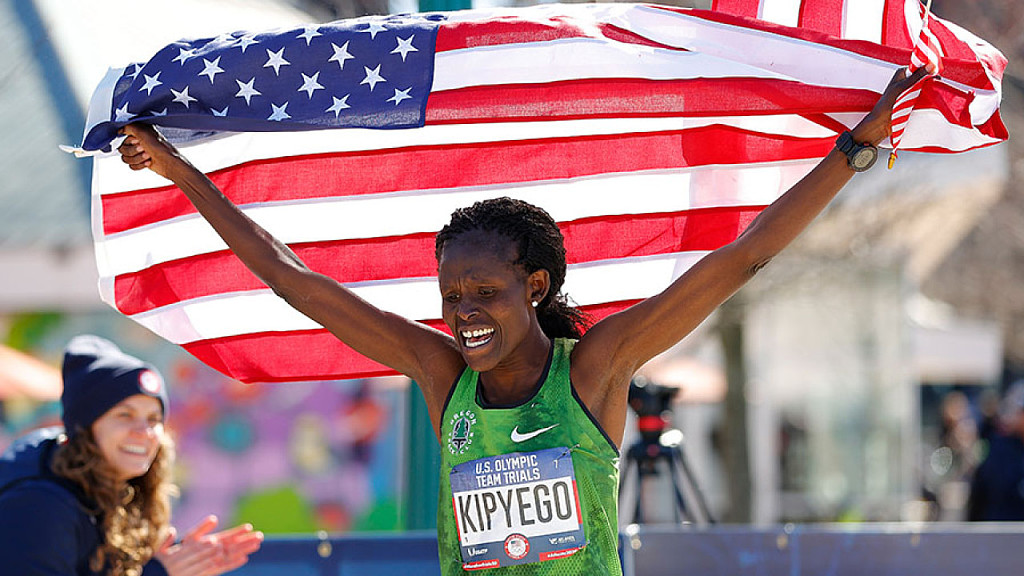
More about the Legendary Texas Tech track and field distance runner Sally Kipyego who qualified for Tokyo Olympics
Legendary Texas Tech track and field distance runner Sally Kipyego qualified for the 2020 Summer Olympics Saturday in the marathon. Kipyego, 34, competed at the US Olympic Marathon Trials in Atlanta, where she ran 2:28.52 to claim the third and final spot on the roster.
The Kenyan-born runner will represent the United States in Tokyo this summer, a goal she has had since becoming a U.S. citizen in 2017. She was one of three to make the U.S. team Saturday, joining 10-time national champion and fellow Kenyan immigrant Aliphine Tuliamuk and Molly Seidel.
"What a great accomplishment for Sally," said Director of Track & Field and Cross Country Wes Kittley, who coached Kipyego at Tech from 2006-2009. "Red Raiders far and wide are so proud of what she has accomplished."

Kipyego's return to the Olympics is being praised across the track world, as the former Tech runner has battled through considerable adversity to make it back to the Games. After earning silver in the 10,000m in London in 2012, Kipyego had to pause her training in 2017 while she was pregnant with her daughter, Emma. During her pregnancy, she was unable to run from 18 weeks through childbirth. In the months following, she struggled with pneumonia and malaria, making a return to racing shape even more difficult. Ultimately, she was forced to delay her comeback and withdraw from the NYC Marathon in November 2018.
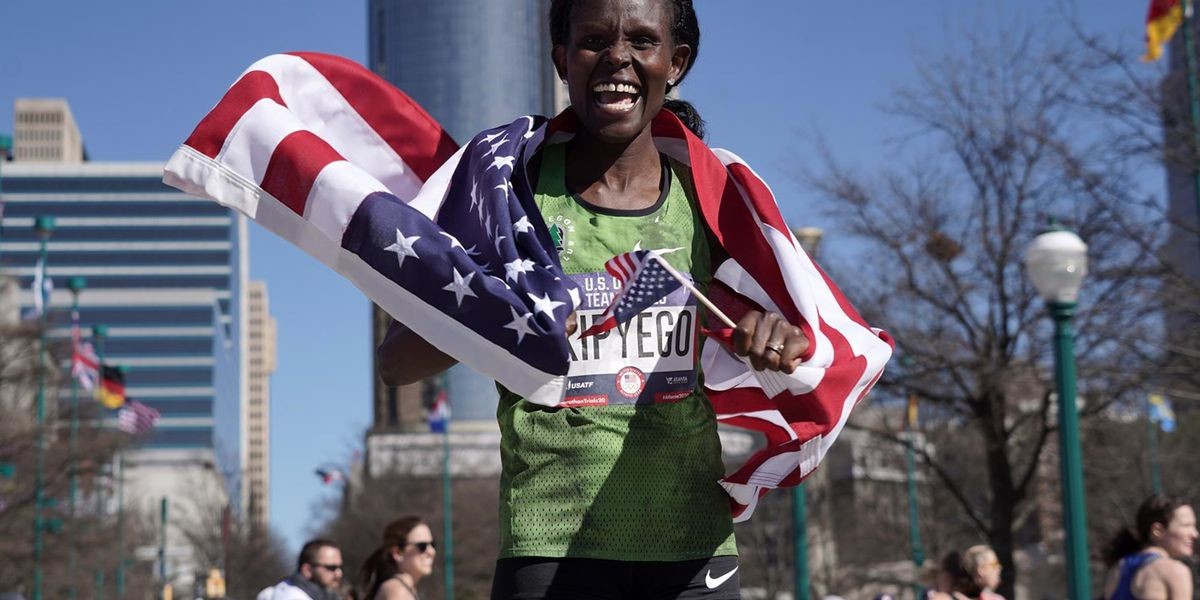
Still, Kipyego persevered, eyes set on Tokyo. A member of the elite Oregon Track Club, she lived and trained in her home country of Kenya, using the altitude to bolster her regimen. By early 2019, she had worked her mileage up to 115 per week at marathon pace.
In April of that year, she attempted a comeback at the Boston Marathon but walked off the course after 18 miles due to fatigue. Though the plan was to not run another marathon until Saturday's Trials, Kipyego, seeking redemption and a confidence boost, entered the Berlin Marathon last September. It was the perfect decision, as she ran a lifetime best of 2:25.10. Five months later, of course, she would complete her comeback and earn a spot on the U.S. team.
"It's just a testament to her incredible hard work and dedication to the sport," said head distance coach Jon Murray, who coached Kipyego to three straight NCAA and Big 12 titles in cross country. "Coming back from pregnancy and some of the rough times she's had these past few years really shows her commitment. At Tech, she hated to lose, and I think that shows in her continued pursuit to be back in race shape and be the best that she can be."
Kipyego's career at Tech is considered one of the greatest of any collegiate athlete in any sport in NCAA history. During her four years in Lubbock, she won eight national titles. Kipyego is the only NCAA athlete ever to win four national titles in one year, doing so in 2007 when she won championships in cross country, the indoor 3000m, indoor 5000m and the outdoor 10,000m. She is the only Big 12 runner ever to win three consecutive conference titles in cross country. Kipyego owns the outdoor school records in the 1500m, 5000m and 10,000m, and ran on the record-holding distance medley relay. Indoors, her records in the mile, 3000m and 5000m still stand today, as do her 5k and 6k cross country marks.
In 2019, Kipyego was inducted into the Texas Tech Athletic Hall of Fame.
Login to leave a comment
Tokyo 2020 Olympic Games
Fifty-six years after having organized the Olympic Games, the Japanese capital will be hosting a Summer edition for the second time, originally scheduled from July 24 to August 9, 2020, the games were postponed due to coronavirus outbreak, the postponed Tokyo Olympics will be held from July 23 to August 8 in 2021, according to the International Olympic Committee decision. ...
more...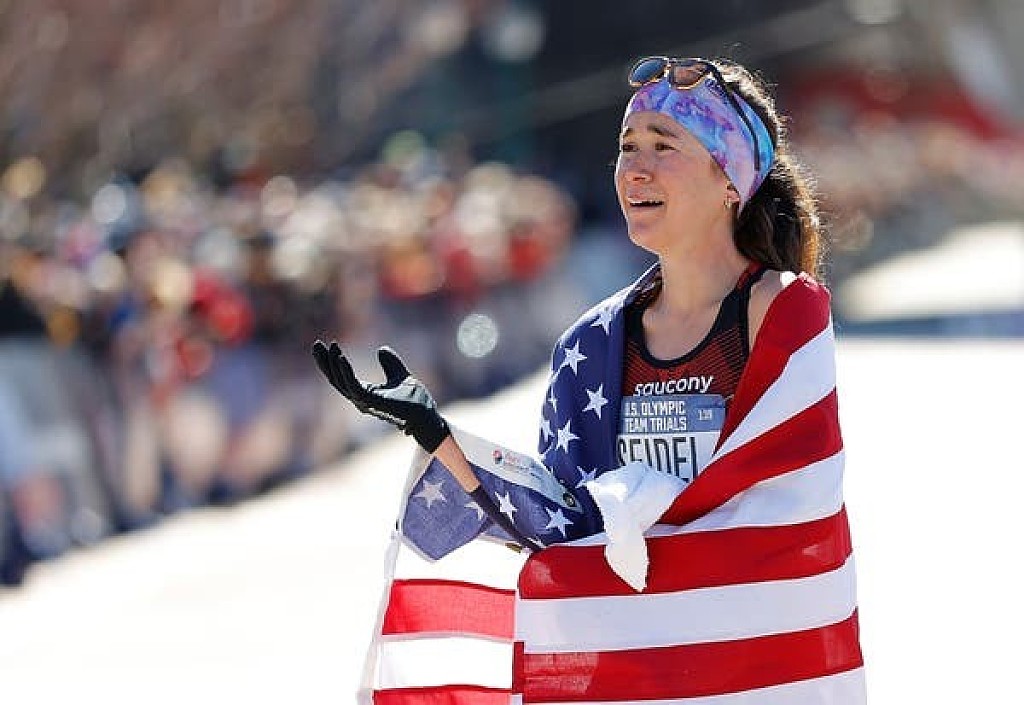
Molly Seidel had never run a marathon until Feb 29 where she made the 2020 US Olympic Marathon team
The US Olympic Marathon Trials in Atlanta February 29 was Molly Seidel’s First Marathon.
Seidel, 25, has two jobs, shares an apartment with her sister and runs turkey trots in costume. No, she can’t believe this is happening, either.
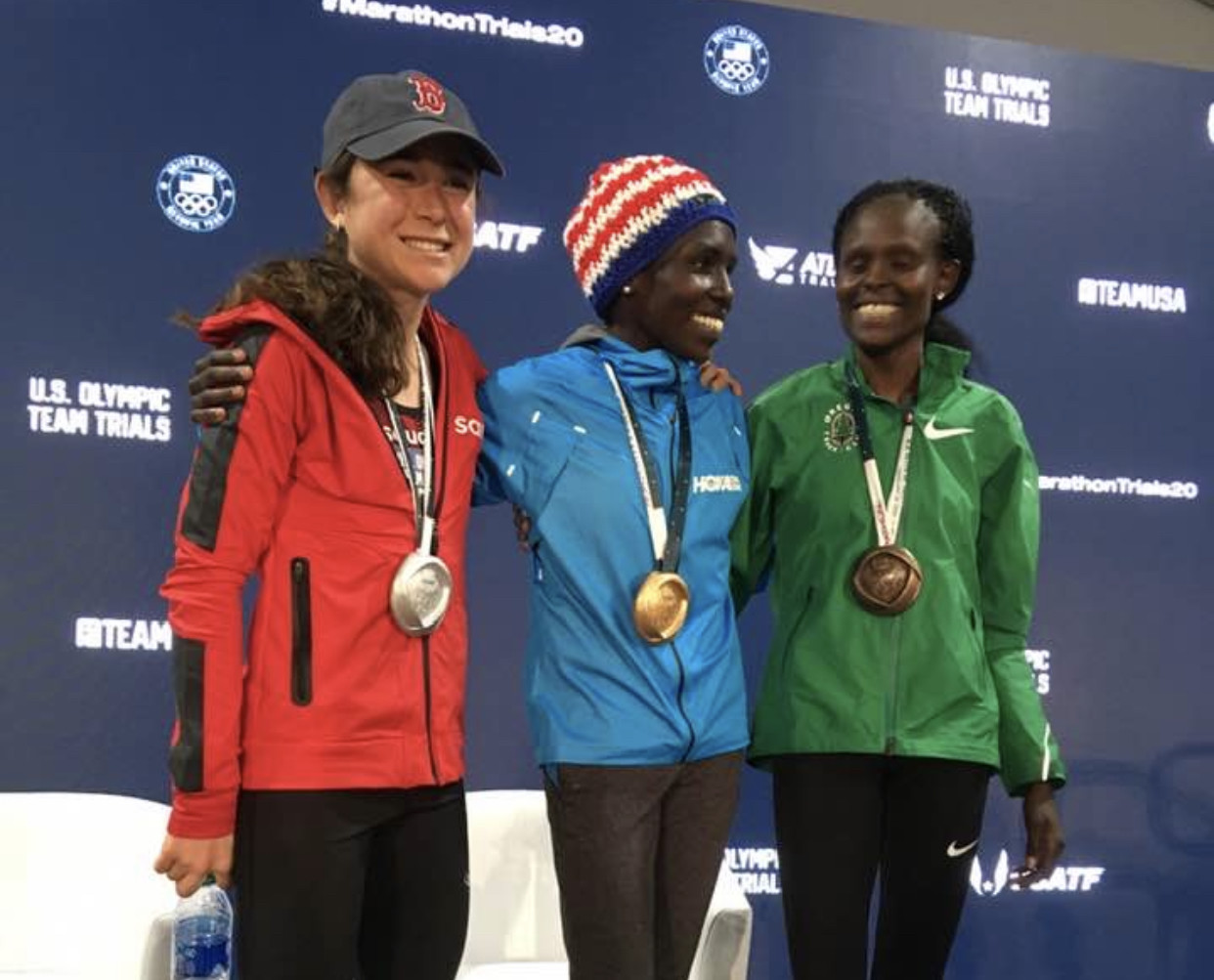
What does it feel like to qualify for the 2020 Olympics in your debut marathon?
Molly Seidel was ebullient when she qualified for the U.S. Olympic marathon trials.
She had been a standout athlete in college, but in recent years she had struggled with injuries. She’d started working at a coffee shop in Boston and babysat to make ends meet. She hoped for a good race at the trials in Atlanta on Saturday, but tried not to have big expectations.
It would be her first marathon, after all. She never could have predicted it would lead to the Olympics.
Seidel, 25, ran away with second place at the trials, finishing in 2 hours 27 minutes 31 seconds and securing one of three spots on the U.S. women’s team for the Tokyo Games this summer.
Seidel is known for her performances in 5,000- and 10,000-meter races. She won the Foot Locker Cross Country Championship in 2011and has four N.C.A.A. titles. She qualified for the Olympic marathon trials with her time in the half marathon, a 1:10:27 in San Antonio in December.
“I had no idea what this was going to be like,” she said after the race on Saturday. “I didn’t want to oversell it and put way too much pressure on, knowing how competitive the field was going to be. But talking with my coach, I didn’t want to phone it in just because it was my first one.”
The challenging course played to Seidel’s strengths. She called herself a racer, not someone who would thrive in a time trial. And she said the conditions — a hilly course on a chilly, windy day — played to her advantage.
In a race that included some of the biggest names in running — Jordan Hasay, Sara Hall, Molly Huddle, Emma Bates, Des Linden — Seidel flew under the radar until she broke away from the pack along with Aliphine Tuliamuk and Sally Kipyego in Mile 21. When she made the move, she said she knew she would “make the team or spectacularly go down in flames.” All three made the Olympic team, with Tuliamuk in first with a time of 2 hours 27 minutes and 23 seconds.
by Talya Minsberg
Login to leave a comment
Tokyo 2020 Olympic Games
Fifty-six years after having organized the Olympic Games, the Japanese capital will be hosting a Summer edition for the second time, originally scheduled from July 24 to August 9, 2020, the games were postponed due to coronavirus outbreak, the postponed Tokyo Olympics will be held from July 23 to August 8 in 2021, according to the International Olympic Committee decision. ...
more...
Starla Garcia is looking forward to being part of the US Olympic marathon trials this weekend
Starla Garcia ran in circles during a part of her life.
It could have killed her.
After battling with herself as well as anorexia and osteopenia, a weakening of the bones, she’s back. Now, she runs when she wants instead of when she thinks she has to. And she wants to run, especially Saturday, Feb. 29, when she will be one of more than 500 runners competing at the Olympic Marathon Trials in Atlanta.
She qualified by coming in under the 2-hour, 45-minute mark at the Houston Marathon, where she now lives. Garcia has no false beliefs that she will be among the top three runners to qualify for the games; she still has goals.
“A lot of people are like ‘you can make it to the Olympics,’ that’s so nice and supportive,” she said. “But imagine the talent. I already had a ticket to go and watch it in real time and was so pumped up. My goal is to be as close as to what I did in Houston.
“I knew I was on pace, sitting behind the pacer. Maybe two or three of us went for it near the end and I was one of those girls. When you stress your body, your mind just shuts off and you stop telling yourself that you’re tired and you start trusting your body to do what it’s supposed to do.”
The former PSJA North and University of Houston cross country runner fell into a pattern in high school that female runners can fall prey to. She would run, have a little better race time, lose a half pound of pound of body weight and run with the results being even a little faster.
“I would be told great job with my time and friends and others would tell me I was looking good and it was just a pattern I couldn’t stop,” Garcia said. “I started restricting foods and it wasn’t a good time.”
A self-described “Type A, overachieving kid,” Garcia said her junior year in high school she had several AP classes and had put a lot of pressure on herself, all while still trying to run at a high level, a level that brought her a regional championship in cross country her senior year and a state appearance in the 3,200.
It was what she described as the “golden days of PSJA North Cross Country. It was so fun to be there,” she said.
“I used to run because I thought I had to. Now I run because I love to.”
by Henry Miller
Login to leave a comment
2028 US Olympic Trials Marathon
Most countries around the world use a selection committee to choose their Olympic Team Members, but not the USA. Prior to 1968, a series of races were used to select the USA Olympic Marathon team, but beginning in 1968 the format was changed to a single race on a single day with the top three finishers selected to be part...
more...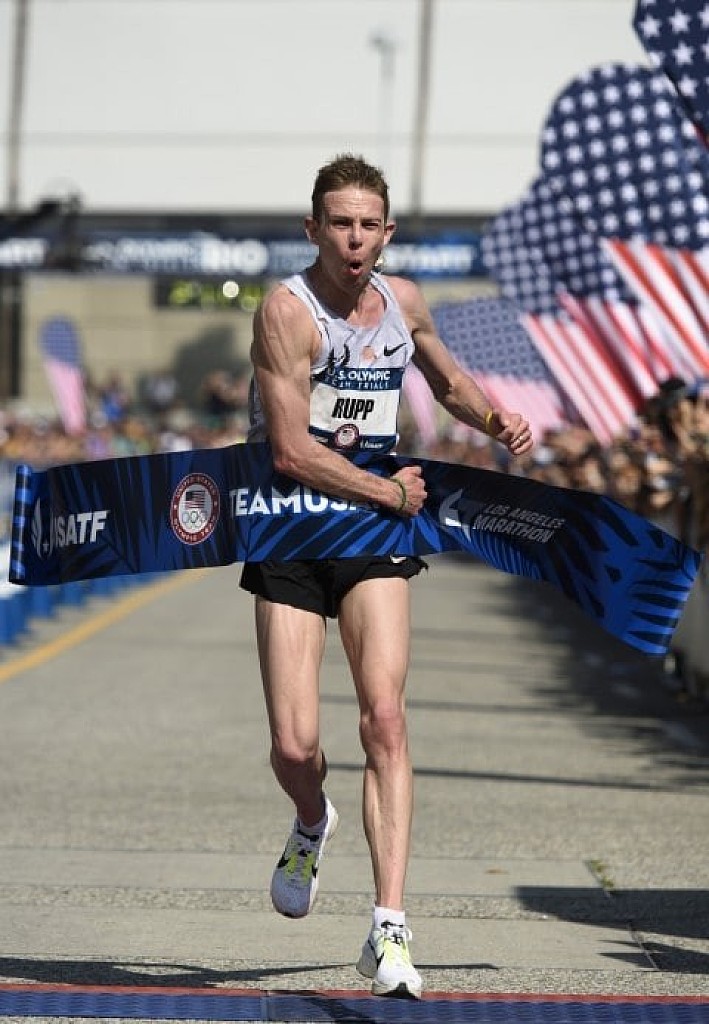
Galen Rupp says he is ready for the US Olympic Marathon Trials
Portland's Galen Rupp will attempt to make his fourth U.S. Olympic team in next weekend's marathon trials in Atlanta.
After a turbulent 16 months Galen Rupp is in a better place now physically and emotionally, and just in time.
The former University of Oregon star and Portland resident will attempt to make his fourth U.S. Olympic team in next Saturday’s marathon trials in Atlanta.
“I’ve had a great last week and a half of training,” Rupp says. “I got some good speed work in. I did a really long run that went longer than marathon distance. I’m feeling really good about where I’m at.”
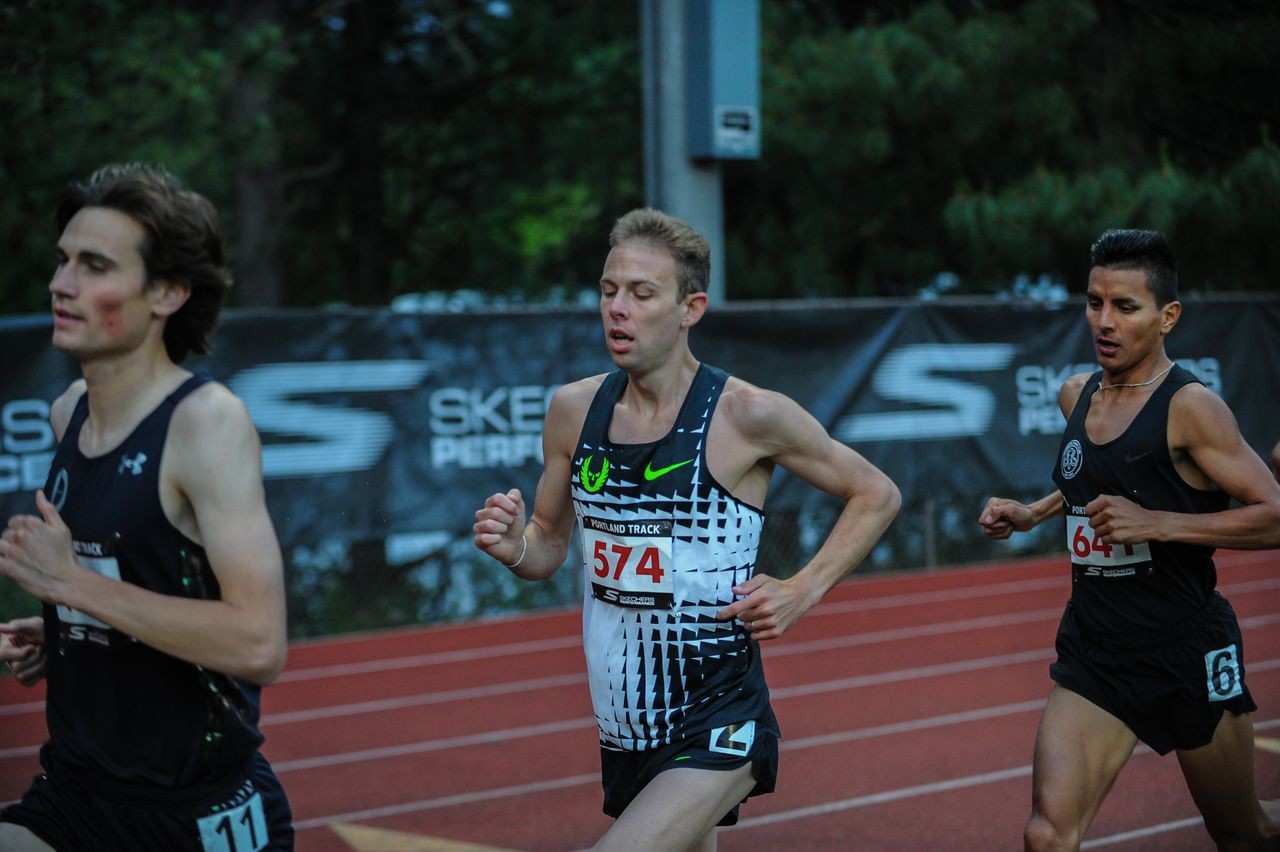
Rupp, 33, is the reigning men’s trials champion and the 2016 Olympic marathon bronze medalist. But in some ways that was in another lifetime.
He last completed a marathon in October of 2018, when he came across fifth in Chicago. The next day his left foot was so swollen he barely could walk.
Doctors determined the problem was a bony protrusion on his heel that was causing the Achilles tendon to fray. It required surgerythat kept him out of action for months.
Rupp’s left leg still wasn’t right when he returned to competition a year later for last fall’s Chicago Marathon. He was forced off the course late in the race with a calf strain.
“I told myself, ‘This is going to hurt like crazy. You’re just going to have to suck it up and get through it,’” Rupp says of his pre-race mindset. “Unfortunately, my body didn’t allow me to do that.”
By then, Rupp was without his coach, Alberto Salazar. Salazar had been given a four-year ban two weeks earlier for violating doping rules. Nike disbanded the Oregon Project, the distance team which Salazar coached and of which Rupp was a member.
None of the violations for which Salazar was banned were for intentionally doping athletes. None of Salazar’s athletes were implicated in violations that led to the ban, nor have any failed drug tests. Salazar is appealing the ban.
But the upshot was, Rupp was without the man who had been his primary coach since high school. It was a tough time.
“I’m pretty religious, a strong Catholic,” Rupp says. “I truly believe God has this big plan for each and every one of us. Even if it doesn’t make sense at the time, or you’re struggling to see some good in it, you have to just keep pushing through it. It’s about having faith that it’s going to be all right.”
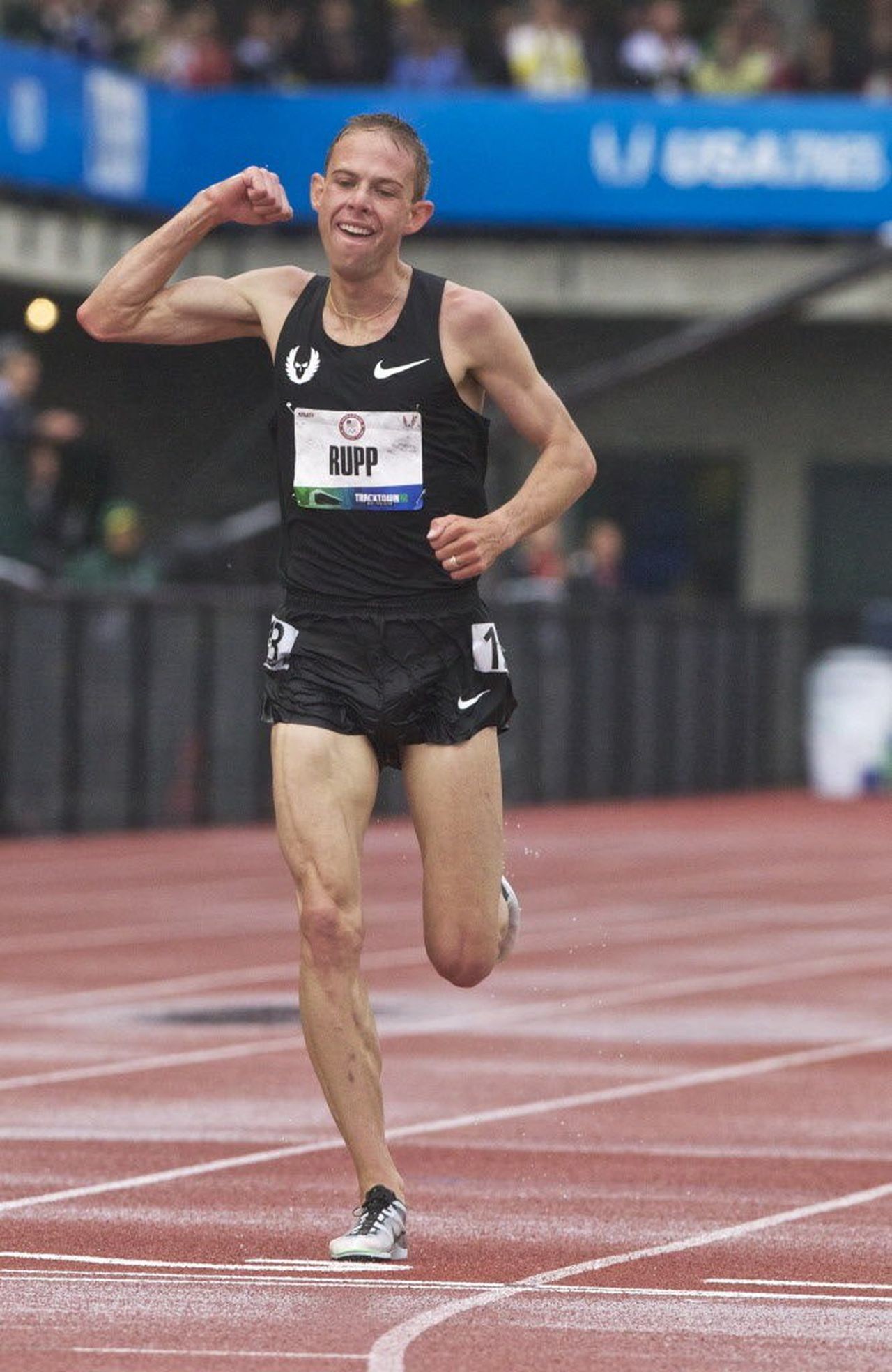
The philosophy has allowed him to put the pain, the injury setbacks, the coaching upheaval aside and turn his attention inward.
“All I can do is try to be the best athlete, the best person, the best husband, the best father I can be.” Rupp says. “Obviously, none of us is perfect. I would rather focus on what I can do to keep making myself better than worry about things I can’t control.”
He studied Tai Chi, which has helped him zero in on what matters most to him, being fully present for his wife, Keara, and their four children and getting race-ready for Atlanta.
At long last, Galen Rupp is within reach of the mountain top
He hired Northern Arizona coach Mike Smith to oversee his training. Smith has flown up from Flagstaff a few times to supervise workouts. But for the most part, former Oregon Project assistant Tim Rowberry has served as Smith’s eyes in Portland.
Rupp says the new coaching arrangement has worked well. Smith kept much of the training Rupp had been doing with Salazar, but not all.
“I wasn’t looking for someone who just wanted to replicate things and be a yes man,” Rupp says. “I think that would have been almost the worst thing. I wanted someone who was going to continue to challenge me.”
Rupp tested himself three weeks ago while winning the Sprouts Mesa Half Marathon in Mesa, Arizona in 1 hour, 1 minute, 19 seconds.
He looked good, felt good and came back from Arizona with renewed confidence. His left leg held up.
“There were a few little thoughts, like, ‘What if it does start to hurt again?’” Rupp says. “Obviously, the last year hasn’t gone all that great.
“That stuff certainly was running through my head. But running the race and feeling as good as I did and as strong as I did on that leg — I wouldn’t say it’s completely back to where it was before the surgery, but it’s pretty darn close.”
Rupp says he has driven himself hard to be prepared for anything he might see in Atlanta — the weather, the hills, the competition and the physical discomfort.
“It’s how I’ve always looked at training,” he says. “You put yourself in extremely uncomfortable situations. You make yourself hurt. You make yourself suffer. That’s how you get better.”
by Ken Goe (Oregon Live)
Login to leave a comment
2028 US Olympic Trials Marathon
Most countries around the world use a selection committee to choose their Olympic Team Members, but not the USA. Prior to 1968, a series of races were used to select the USA Olympic Marathon team, but beginning in 1968 the format was changed to a single race on a single day with the top three finishers selected to be part...
more...
Emma Kertesz will be running the 2020 US Olympic Marathon Trials at the end of the month
Emma Kertesz returns to the 2020 United States Olympic Team Trials in the Marathon later this month in Atlanta.
Kertesz is a graduate of Central Catholic High School and a former University of Toledo runner. She competed four years ago in the same event in Los Angeles where she finished 39th.
Returning to the trials for the second straight cycle was painful.
"I tore my hamstring," Kertesz said. "I ran the California International Marathon to qualify for the trials, and then I've been dealing with what I thought was some high hamstring tendinitis. I'm pretty sure on even 80 percent training I'll be able to hit the qualifying standard and then I'll deal with my hamstring after.
"And then I got an MRI and found out that I actually had a tear in my hamstring. So I ended up take off almost three months."
But Kertesz still had a spot in the U.S. Olympic Team Trials Marathon. She recently took a leave from her teaching job to focus on applying for doctoral programs; she would ultimately like to work at the local or state level with education curriculum or research.
The doctoral program starts in the coming months, all while running an average of 85 miles per week over the last several weeks while training for the trials.
"Now that the field is doubled in size than it was in 2016 where I was 39th," Kertesz said. "But I think that I have a good shot of placing in the top 40. I'd like to be competitive and maybe I eke out a personal best that would be great, especially on that kind of course."
If Kertesz is not busy enough, she still has a side project she is working on related to her family's ancestry -- specifically her father David. At 18-years-old, he found out he was adopted and is a Navajo Native American.
"It's emotional but it's cathartic for both of us," Kertesz said. "Ultimately, it's brought us closer together and given me a chance to reflect on my dad more as a person more than just being my dad."
This project also has influence in her running life.
"I have a greater appreciation for diversity in this sport," Kertesz said. "(Watching videos of Billy Mills win the gold medal) that's really awesome that a Native American who came out of nowhere really if you watch that race to win a gold medal that was just so great."
Mills won the gold medal at the 1964 Olympics in the 10,000-meter race. At the time, Mills set a world record in the 10,000-meter event and is still the only American to ever win gold in the 10,000-meter race.
"You don't really see in terms of American distance runners a lot of Native Americans being represented," Kertesz said. "It feels really special to be a part of that and to represent my ethnicity on this stage."
One strategy she will carry with her to this stage in Atlanta is something she learned from Dave Carpenter, her coach at Central Catholic, is to make sure to stay competitive in the race and not worry about setting a personal record.
When Kertesz competed for the Rockets, she was an All-American in the 10,000-meters at the 2012 NCAA Outdoor Track and Field Championships.
Kertesz currently lives and trains in Boulder, Colo.
by Steve Slivka
Login to leave a comment
2028 US Olympic Trials Marathon
Most countries around the world use a selection committee to choose their Olympic Team Members, but not the USA. Prior to 1968, a series of races were used to select the USA Olympic Marathon team, but beginning in 1968 the format was changed to a single race on a single day with the top three finishers selected to be part...
more...
Tyler Day broke Galen Rupp’s American collegiate 5,000m record indoor record on Saturday at Boston University
Tyler Day of NAU (Northern Arizona University) broke Galen Rupp’s American collegiate 5,000m indoor record on Saturday at Boston University. Day finished second at the Boston Terrier Invitational in 13:16.95 to Nike’s Paul Tanui who won in 13:15.72.
Rupp announced only two weeks ago that he’s now coach by Mike Smith, head coach at NAU, who also coaches Day. Rupp made the move after his former training group, the Nike Oregon Project, was shut down in October.
Smith is one of the most successful men’s distance running coaches currently working in the NCAA. He helped the NAU men to back-to-back cross-country championships in 2017 and 2018. Rupp has reportedly been working with the coach for several months. The runner told The Oregonian that he plans to remain in Oregon but will have his training overseen by Smith. Rupp is currently training for the upcoming US Olympic Marathon Trials in Atlanta.
As for Day, Saturday was a breakout performance. Day’s previously held 5,000m indoor personal best was from 2019, where he ran 13:55.40 in Birmingham, Alabama at the NCAA Indoor Championships. Day’s a senior majoring in journalism who has been a big part of NAU’s cross-country dynasty.
by Madeleine Kelly
Login to leave a comment
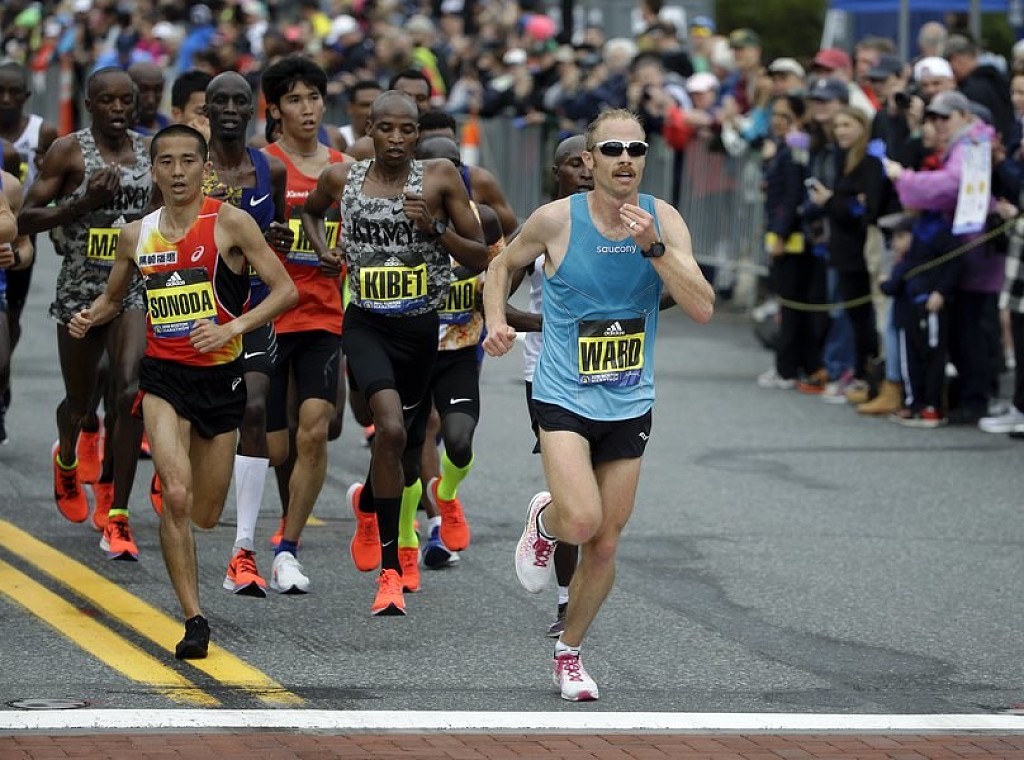
Jemal Yimer, Jared Ward, Sara Hall, Molly huddle and more on Tap at 2020 Houston Half Marathon
Year-in, year-out, no American half marathon assembles better fields than Houston. In addition to being the site of both the men’s (Ryan Hall, 2007) and women’s (Molly Huddle, 2018) American records, there is always a deep list of sub-60:00 men and sub-67:00 women on the start line. Last year, Brigid Kosgei kicked off one of the greatest years in the history of distance running with a win in Houston.
The international fields in Houston, which takes place on Sunday, are strong once again. But from an American perspective, the more intriguing storyline is the impending US Olympic Marathon Trials, to be held in six weeks’ time in Atlanta. Several top Trials contenders — Molly Huddle and Sara Hall on the women’s side, Jared Ward and Shadrack Biwott on the men’s — will be racing on Sunday, and while no result will make or break their Trials hopes, it does give us one last piece of evidence to go on.
When Huddle debuted in the marathon, placing third in New York in 2016, it looked to be the first step in a journey that would culminate at the 2020 Olympic marathon. Among Americans, Huddle was the queen of all distances between 5k and the half marathon and her grind-it-out style seemed well-suited to marathon success.
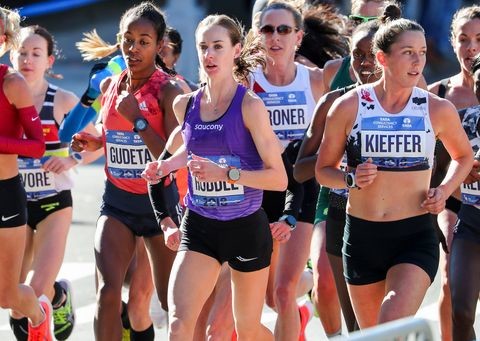
Tuliamuk, the 2018 US half marathon champ, is an option, though she’s got progressively slower in Houston the last three years, from 69:58 in 2017 to 71:41 in 2018 to 72:03 last year. She’ll need to get back to her 2017 form to crack the top two Americans on Sunday.
Katy Jermann (née Moen) and Molly Seidel both ran 70:27 last year, tied for third-fastest in the US. Of the two, Seidel, who in 2015 broke the “Foot Locker curse” to win the the 2015 NCAA XC title, is the more intriguing prospect. Seidel had never run a half before October 2019, but Houston will be her third in three months, and she plans to make her marathon debut at the Trials.
With a 2:09 in Boston and two sixth-place finishes in New York, Jared Ward has been the most consistent American marathoner over the last 18 months. Beating him on Sunday doesn’t guarantee a repeat result next month in Atlanta, but it would be a positive sign for the other Olympic hopefuls in this field.
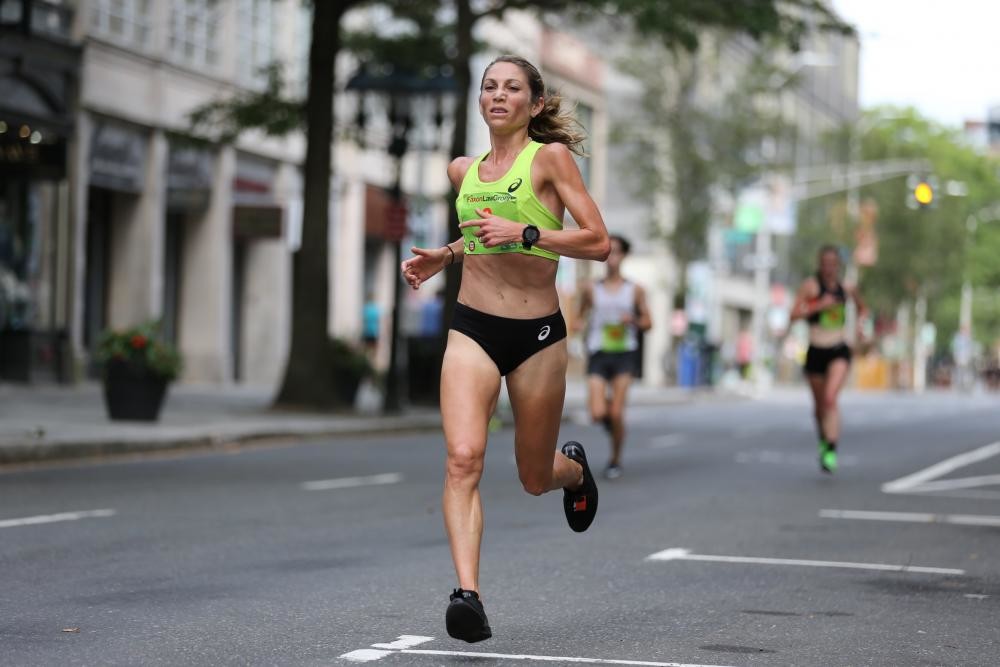
With a high of 59, the temperature looks great for running on Sunday, though 13 mph winds mean the conditions won’t be perfect. Still, with the talent on hand in Houston, there should be competitive races up front. In the men’s race, there’s no clear favorite.
Ethiopia’s Jemal Yimer (58:33), the fourth-fastest man ever, was a close second last year after taking a wrong turn late in the race. He went on to run 59:09 in Valencia in October, where he finished two seconds behind Kenya’s Bernard Ngeno, also entered in Houston. Andamlak Belihu had a terrific 2019 (26:53/59:10, 5th at Worlds in 10k), while the last two Houston champs, Shura Kitata of Ethiopia and Jake Robertson of New Zealand, return as well.
Login to leave a comment

Aramco Houston Half Marathon
The Chevron Houston Marathon provides runners with a one-of-a-kind experience in the vibrant and dynamic setting of America's fourth-largest city. Renowned for its fast, flat, and scenic single-loop course, the race has earned accolades as the "fastest winter marathon" and the "second fastest marathon overall," according to the Ultimate Guide to Marathons. It’s a perfect opportunity for both elite athletes...
more...
A New York Times study finds the Nike Next% and Vaporfly could lead runners to improved odds of a personal best
The New York Times repeated, with a larger sample size, the study of the Nike Vaporfly that they conducted in 2018. Their updated study included the Nike Next% and the findings were surprising. We knew the Vaporfly and Next% were arguably some of the best shoes on the market, but the NYT finds that their current dominance is undeniable.
The New York Times repeated, with a larger sample size, the study of the Nike Vaporfly that they conducted in 2018. Their updated study included the Nike Next% and the findings were surprising. We knew the Vaporfly and Next% were arguably some of the best shoes on the market, but the NYT finds that their current dominance is undeniable.
The study founds that, “The Zoom Vaporfly 4% or ZoomX Vaporfly Next% — ran 4 to 5 percent faster than a runner wearing an average shoe, and 2 to 3 percent faster than runners in the next-fastest popular shoe.” The name four per cent was born out of Nike’s finding that the shoe could make the wearer four per cent more efficient–efficiency translates to less effort at the same pace, which means a runner can go faster. So the claim that the shoe makes a runner faster as opposed to simply more efficient is new.
Another key finding was that men had a 73 per cent chance of running a personal best in the shoes, while women had a 74 per cent chance, “In a race between two marathoners of the same ability, a runner wearing these shoes would have a significant advantage over a competitor not wearing them.” The Times also reports, “In the final months of 2019, about 41 per cent of marathons under three hours were reported to have been run in these shoes (for races in which we have data).”
When someone first comes to running, they find that after the initial agony of getting your legs used to the motion, there’s quick improvement. You’ll run a 5K personal best and then a subsequent PB just weeks (or even days) later. Because you’re new to the sport, the time melts away in the first few races.
But as you progress and become better, it can take months and even years to run a personal best. And for the competitive runner, staying patient is the hardest part. But what if someone told that runner who’d been trying to PB for 14 months, 27 days and 13 hours, that if they spent $330 CAD they had a 73 per cent chance at finally improving? If they have the budget, that’s an appealing statistic.
Two weeks ago Molly Huddle, who has the sixth-fastest marathon time among American women in 2019 (she ran a personal best 2:26:33 at the London Marathon), replied to a tweet by sports journalist Cathal Dennehy about the AlphaFly (Nike’s next step in the carbon-plated game). The shoe was first seen on the feet of marathon world record-holder Eliud Kipchoge, who raced to a 1:59:40 finish in them at the INEOS 1:59 Challenge in Vienna last month. Huddle’s comment: “Kinda nervous as to how this would affect the Olympic Trials over here @usatf.”
It’s not just Huddle who has noticed the effect the shoe (or prototype versions) could have on the US Olympic Marathon Trials. Runners are qualifying for the event at unprecedented rates. With the qualifying window still open for another five weeks, entries are already nearing the thousands.
It’s important to note that the qualifying standard for the trials did get two minutes easier (2:43 in 2016 to 2:45 in 2020). But does two minutes warrant a potentially doubled field size or are technological advantages, like the Nike shoes, the reason for the jump? The New York Times’ finding would suggest the latter.
by Madeleine Kelly
Login to leave a comment
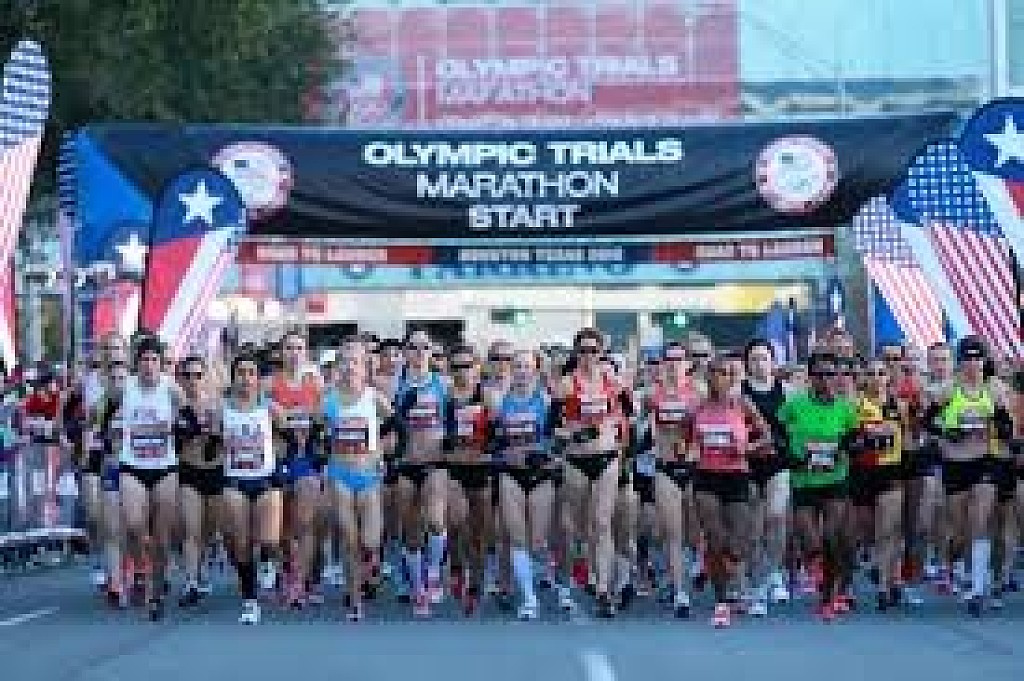
Course Adjustments Announced For The 2020 US Olympic Marathon Trials
With record participation expected and after receiving feedback from America’s best marathoners and coaches, Atlanta Track Club and USATF announced adjustments to the 2020 U.S. Olympic Team Trials Marathon course. The race organizers will replace a previously planned six-mile-loop with an eight-mile-loop which the athletes will run three times. This change will decrease the number of turns and reduce overall elevation gain on the course.
The updated course utilizes an additional mile of Peachtree Street in the heart of Atlanta. Competitors will begin their race in front of Centennial Olympic Park – the crown jewel of the 1996 Atlanta Games – and head down Marietta Street toward Peachtree. They will proceed three miles north on Peachtree until they pass the intersection of Peachtree and West Peachtree, then turn around and head back down Peachtree in the opposite direction, loop through Atlanta’s Old Fourth Ward neighborhood and return to downtown.
The runners will complete this loop nearly three times before diverting to a three mile final loop that runs under the Rings and Torch structure from the 1996 Atlanta Olympics, goes by the Georgia Capitol building and passes by the sports stadiums that house the Atlanta Falcons, Atlanta Hawks and Atlanta United FC. They will then reach the welcome sight of the finish line inside Centennial Olympic Park.
Eliminated was a loop around the Margaret Mitchell House and onto 10th Street, which included four turns on narrow roads in the span of less than one tenth of a mile.
The 2020 U.S. Olympic Team Trials – Marathon will be held in Atlanta on Saturday, February 29, 2020 as part of America’s Marathon Weekend. The top three women and top three men will be selected to the team that will compete in the Olympic Marathon in Tokyo next August. Spectators are invited to enjoy the race for free along the route. The race will also be broadcast nationally live on NBC.
Login to leave a comment
2028 US Olympic Trials Marathon
Most countries around the world use a selection committee to choose their Olympic Team Members, but not the USA. Prior to 1968, a series of races were used to select the USA Olympic Marathon team, but beginning in 1968 the format was changed to a single race on a single day with the top three finishers selected to be part...
more...
Anthropology Professor Gabrielle Russo is training for the 2020 US Olympic Marathon Trial
Gabrielle Russo, Stony Brook University Assistant Professor of Anthropology is not just training any marathon, she’s training for the 2020 US Olympic Marathon Trials.
To compete at the trials, runners must meet a qualifying time standard of 2:45. Russo earned her way with a qualifying time of 2:44:51 at the Philadelphia marathon in November 2018 – keeping her dream alive by a scant nine seconds. Only a few hundred women in the entire nation will compete for these three spots; earning the golden Olympic Trials Qualifying ticket is considered an honor in itself.
So far her Olympic Trials quest has been a two-year affair with marathons that began when she completed the Long Island Marathon in May of 2017. Under the coaching of Tommy Nettuno, it’s a quest that will continue until at least February, when the qualifying race takes place in Atlanta on Leap Year Day, February 29, 2020.
Although somewhat new to marathon racing, Russo’s running story actually began as a high schooler in East Stroudsburg, PA, where she was a sprinter and hurdler – and good enough to still hold some local records and a spot in her high school’s Athletic Hall of Fame. She continued her passion at Dickinson College where she ran both track and cross country, and where she would take the class that would open the door to her future career.
“I always had an interest in anatomy,” said Russo. “Sophomore year I found my way into an Introduction to Biological Anthropology class and that was it — from that point on there was no plan B.”
Though it set her on the path to what would become her career, the epiphany would also take her off the road. Russo would take nearly a decade off from running as she pursued graduate school, earning her PhD at the University of Texas at Austin in 2013, completing two post-doctoral positions, and then joining the Stony Brook faculty in the Fall 2014 semester. She initially lived in bustling Manhattan and then Queens, but eventually moved to the more open spaces of Long Island. Once there, she quickly joined the nearby Sayville Running Club and dusted off her running shoes.
“Running is almost spiritual to me, it gives my life something that nothing else can,” she said. “It can also be a form of relaxation and meditation, which certainly served me well through my first year in a tenure-track position.”
Seeking to push herself even further, Russo began competing in ultramarathons – which are any races longer than a typical 26.2-mile marathon. She would eventually complete a 50-mile ultramarathon (the JFK 50), finishing sixth overall in the women’s division. It was after that remarkable achievement that she set her sights on the 2020 Olympic Trials and earned a spot on her running team, Rabbit. Her training as a scientist would come to play an important role.
Login to leave a comment
2028 US Olympic Trials Marathon
Most countries around the world use a selection committee to choose their Olympic Team Members, but not the USA. Prior to 1968, a series of races were used to select the USA Olympic Marathon team, but beginning in 1968 the format was changed to a single race on a single day with the top three finishers selected to be part...
more...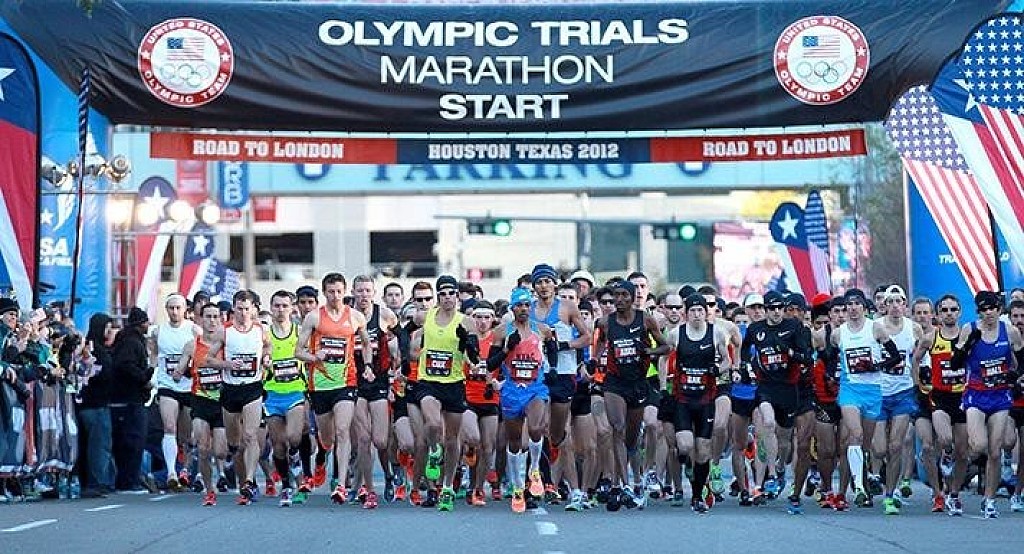
Everything you need to know about 2020 US Olympic Marathon trials
The selection policy for the 2020 US Olympic marathon team, cloudy for months after the IAAF announced in March that the qualification process for the 2020 Olympic Games is changing, is quietly beginning to take shape. For those wishing to preserve the best thing about the US Olympic Marathon Trials — top three across the line make the team — there was some good news, but there remains work to be done. After speaking with sources at the IAAF and USATF, here’s where we stand eight months from the Olympic Trials, which will be held in Atlanta on February 29.
The first bit of news trickled out on June 25 in the IAAF Athlete Representative Newsletter, which was promptly shared by agent Dan Lilot on Twitter. The update? After lobbying from USATF, the IAAF Council approved that “national Tokyo 2020 Olympic selection championship/trials in the men’s and/or women’s marathon, held in 2019 or 2020, may be granted Gold Label status if requested by the Member Federations and if the race can meet the Gold Label requirement for number of Gold Label athletes.”
Normally, Gold Label status is awarded to a marathon based on the previous year’s field. So to attain Gold Label status in 2020, the 2019 edition of the race would have to have six men and six women with Gold Label status that year, or seven athletes if it’s a single-gender race (Gold Label status is awarded to an athlete based on their world ranking at the end of the previous year; a marathoner has to be ranked in the world’s top 200 to earn Gold Label status). The 2019 edition of the US Olympic Marathon Trials would normally be the 2019 USATF Marathon Championships, but USATF isn’t holding a marathon championship this year.
So what the IAAF is saying is that USATF doesn’t have to worry about the field at the 2019 USATF Marathon Championships; as long as the Trials has enough Gold Label athletes, it can be granted Gold Label status.
This is good news for American women. Remember, an athlete automatically achieves the Olympic standard by finishing in the top five at a Gold Label marathon. And the women’s race at the US Olympic Trials should have no problem hitting the minimum Gold Label requirements; 11 American women had Gold Label status in 2019, and as of the most recent world rankings, 10 are on track to earn it in 2020. That means that on the women’s side, the Olympic Trials will be able to use the “top three make the team” model. (Also note that Japan, which is holding its first Olympic marathon trials in September, will easily meet the criteria on the men’s and women’s side).
That may not sound like a huge deal, considering nine American women already have the Olympic standard. But consider two women who do not have the standard: Amy Cragg and Shalane Flanagan, both members of the 2016 Olympic team. If it’s a bad weather day on the hilly Atlanta course, it’s not out of the question that third place could be slower than the Olympic time standard of 2:29:30 (Flanagan finished third at the ’16 Trials in 2:29:19). Achieving Gold Label status puts any of those worries to bed. That’s a win for USATF.
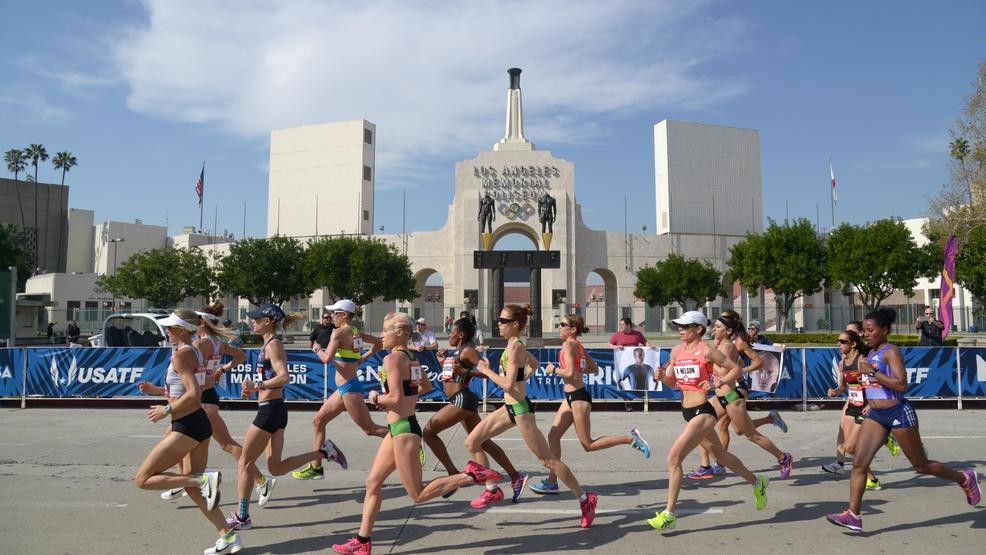
On the men’s side, USATF still has some work to do. Only one American man, Galen Rupp, qualified for Gold Label status in the marathon in 2019. And right now, Rupp is the only American man on track to earn it again in 2020 (Scott Fauble and Jared Ward are just outside, at #205 and #210 in the current world rankings).
That means that, based on the criteria the IAAF announced on June 25, there’s no way that the men’s race at the Olympic Trials will qualify for Gold Label status. And the men are the ones who need it: Fauble and Ward are the only Americans with the Olympic standard, and the time standard of 2:11:30 could be tough to hit on the day in Atlanta.
Login to leave a comment
 The standards are tough but the US is running the trials in weather most similar to Tokyo. - Bob Anderson 7/10 9:54 pm |
2028 US Olympic Trials Marathon
Most countries around the world use a selection committee to choose their Olympic Team Members, but not the USA. Prior to 1968, a series of races were used to select the USA Olympic Marathon team, but beginning in 1968 the format was changed to a single race on a single day with the top three finishers selected to be part...
more...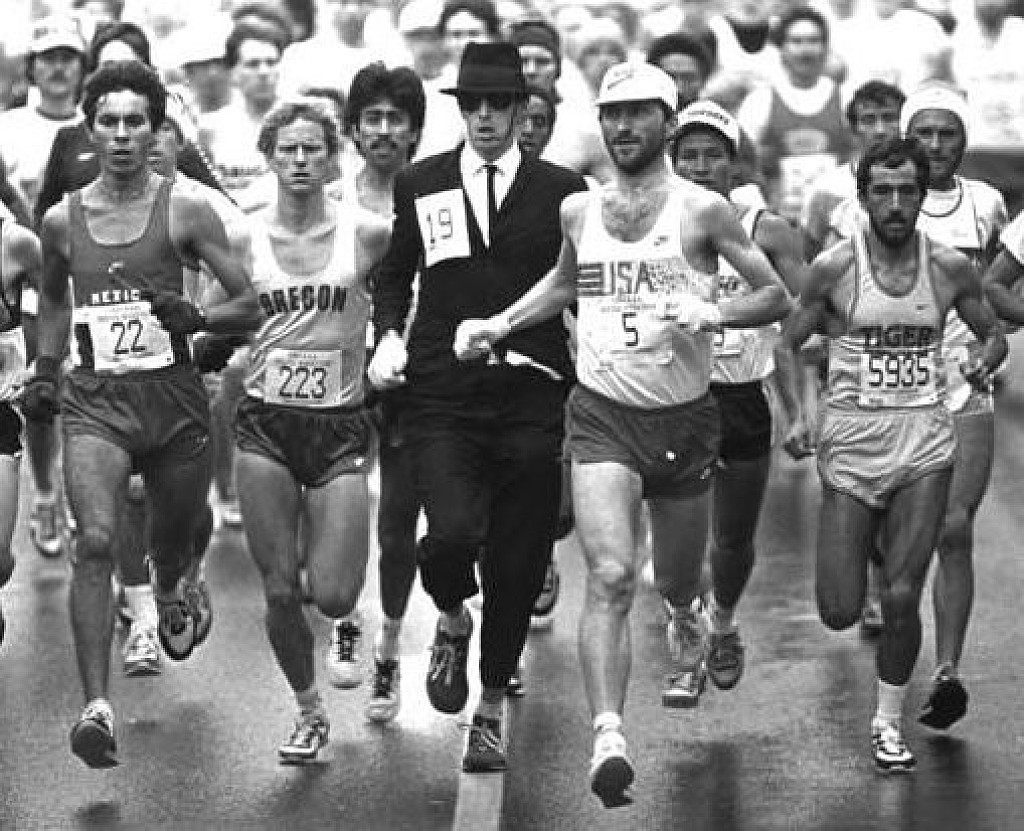
How come you think everything is funny? Just seems funny to me!
"I can always count on Gary Fanelli Sr. to see the humor in my FB posts," says Bob Anderson. "It is refreshing." I asked him about this.
He says, "Growing up I had an unusually keen sense of humor... it runs in my family on my Mom's side aka Irish wit . I saw humor in just about everything. It got me in trouble in school. Sometimes my Mom would ask "Gary, how come you think everything is funny?"
I'd answer "Well I don't know, it just seems funny to me." He was one of the first to wear a costume in a race. After running 25 flat in a five mile race as Elwood Blues his next stop was the New York City Marathon.
He said, "Fred Lebow liked the idea...The reaction at NYC was fabulous... I enjoyed so much running races as Elwood Blues.
"I felt I was truly entertaining people." Gary started racing in 1961 as a 10 year old in the Philadelphia area. Gary kept on running until he reached World Class level.
He participated in two US Olympic Marathon Trials and has a marathon best of 2:14:15 set in 1980 in Montreal.
Login to leave a comment
Is Atlanta going to be the site of the 2020 US Olympic Team Marathon Trials?
Login to leave a comment
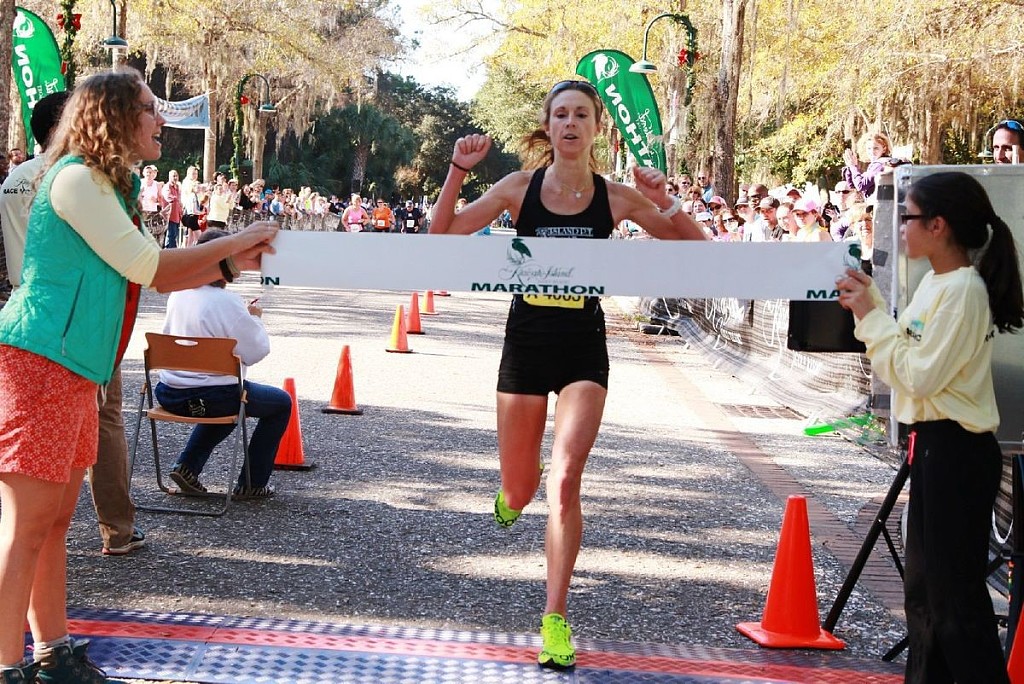
Batten goal is to qualify for the US Olympic Marathon Trials in Austin
Login to leave a comment
