

Running News Daily
Running News Daily is edited by Bob Anderson and team. Send your news items to bob@mybestruns.com Advertising opportunities available.
Index to Daily Posts · Sign Up For Updates · Run The World Feed
Articles tagged #Naoko Takahashi
Today's Running News
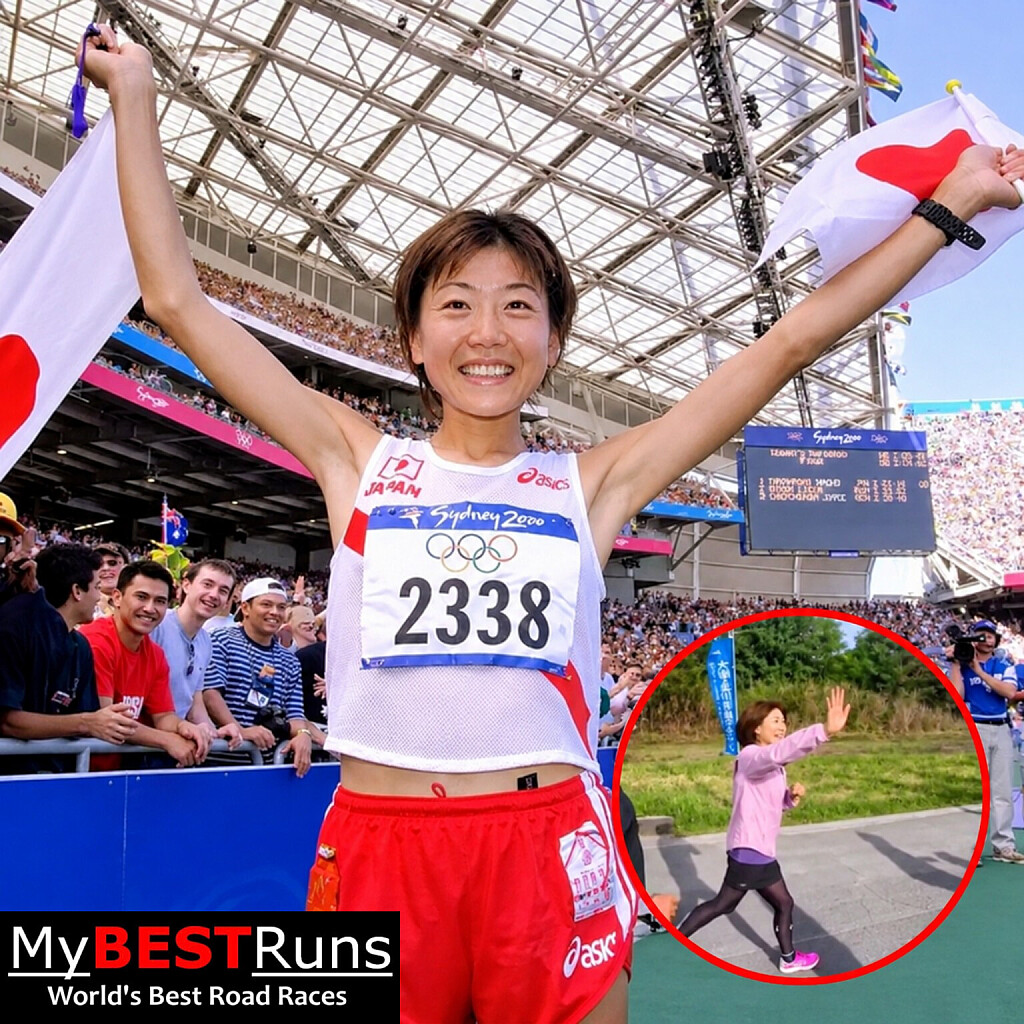


Naoko Takahashi: The Olympic Champion Who Continues To Inspire Runners Beyond The Finish Line!
Winning an Olympic gold medal and setting world records can define an extraordinary athletic career, but for Japan’s Naoko Takahashi, greatness extends far beyond the achievements recorded in history books. Her influence on the sport continues through the encouragement, kindness and genuine connection she shares with runners of all abilities.
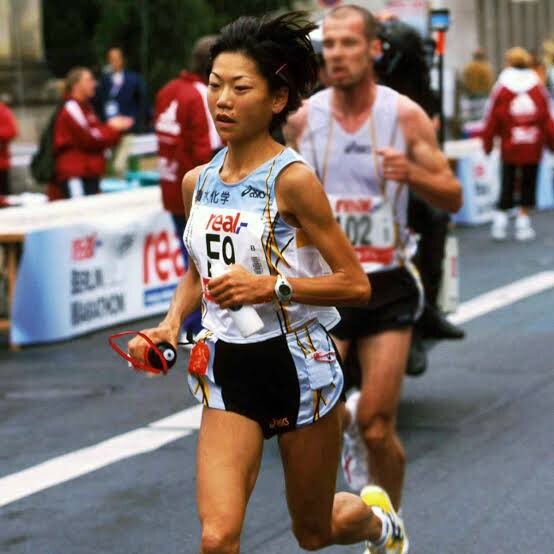
Takahashi became a national sporting hero when she captured the women’s marathon gold medal at the 2000 Sydney Olympic Games, becoming the first Japanese woman to win Olympic gold in athletics. Her remarkable career reached another historic milestone in September 2001, when she won the Berlin Marathon in 2:19:46, becoming the first woman in history to break the 2:20 barrier. It was a landmark performance that elevated women's marathon running to another level.
However, one of the most beautiful aspects of Takahashi's legacy is the way she continues to give back to the running community long after her greatest competitive achievements.
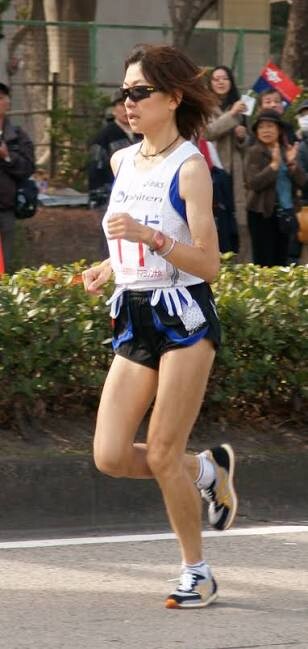
A familiar and welcome presence at numerous road races across Japan, the Olympic champion regularly makes herself available to ordinary participants. Whether attending race expos, posing for photographs, participating in opening ceremonies or cheering along the course, she brings the same enthusiasm to recreational runners that she once displayed on the world's biggest athletic stages.
Her involvement often goes much further than simply appearing as a special guest. She has been known to join runners during the opening kilometres, encourage participants throughout their races and return to the finish area to celebrate their achievements. On some occasions, she even offers a helping hand to struggling participants who are fighting to complete their marathons before the official cut-off time.
It is a powerful reminder that the true spirit of marathon running cannot be measured by finishing times, medals or world records alone.
For many participants, simply completing 42.195 kilometres represents months of preparation, personal sacrifices and overcoming challenges. Having an Olympic champion take the time to encourage them can turn an already unforgettable experience into something truly special.
Takahashi understands that every runner has a different journey. While elite athletes compete for championships and records, thousands of ordinary runners take to the roads to challenge themselves, achieve personal goals and discover what they are capable of accomplishing.
Her willingness to celebrate those individual victories reflects a beautiful side of athletics that deserves recognition.
Naoko Takahashi may forever be remembered as the woman who conquered the Olympic marathon in Sydney and broke the historic 2:20 barrier in Berlin, but her continued contribution to grassroots running demonstrates that sporting greatness is also about the lives an athlete touches.
A champion who once made history for her country and continues making a difference for runners everywhere. That is a legacy worth celebrating!
by Erick Cheruiyot for My Best Runs.
Login to leave a comment
MARATHON GROUNDBREAKERS
Since Australia’s Derek Clayton ran history’s first sub—2:10 marathon in Fukuoka, Japan, on 3 December 1967, there have been a total of 4538 sub—2:10 marathons (as of 30 October 2024), 4537 by men, one by a woman.
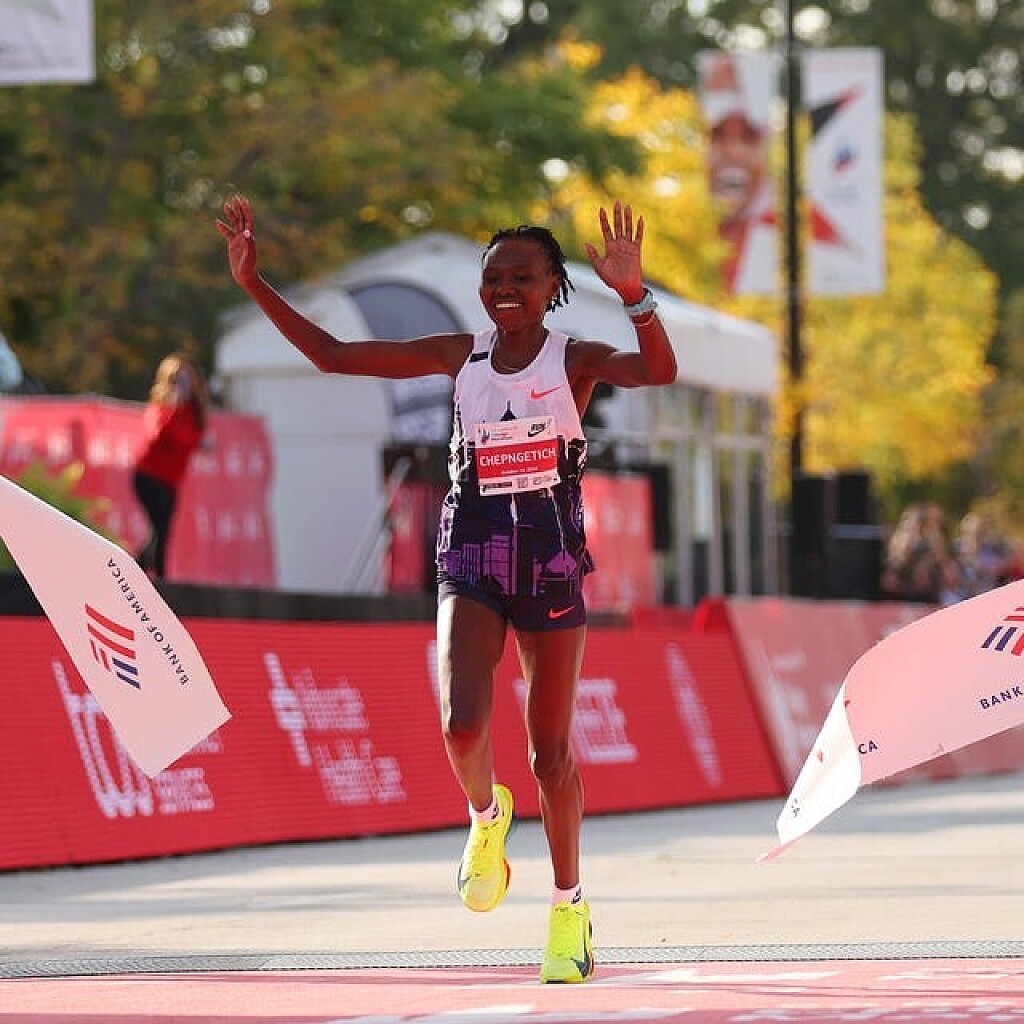
As with any new ground-breaking performance, Ruth Chepngetich’s 2:09:56 in Chicago on 13 October has forced us to reassess all our past assumptions, or, like many, to doubt the validity of the performance itself. But no matter how we got here, to whatever you want to ascribe it, this is where we are now, 2:09:56 by a woman.
In this new reality, until proven otherwise, Ruth Chepngetich is the new Paula Radcliffe, just as Paula was the new Grete Waitz, one ground-breaker to the next, 1978 to 2003 to 2024.
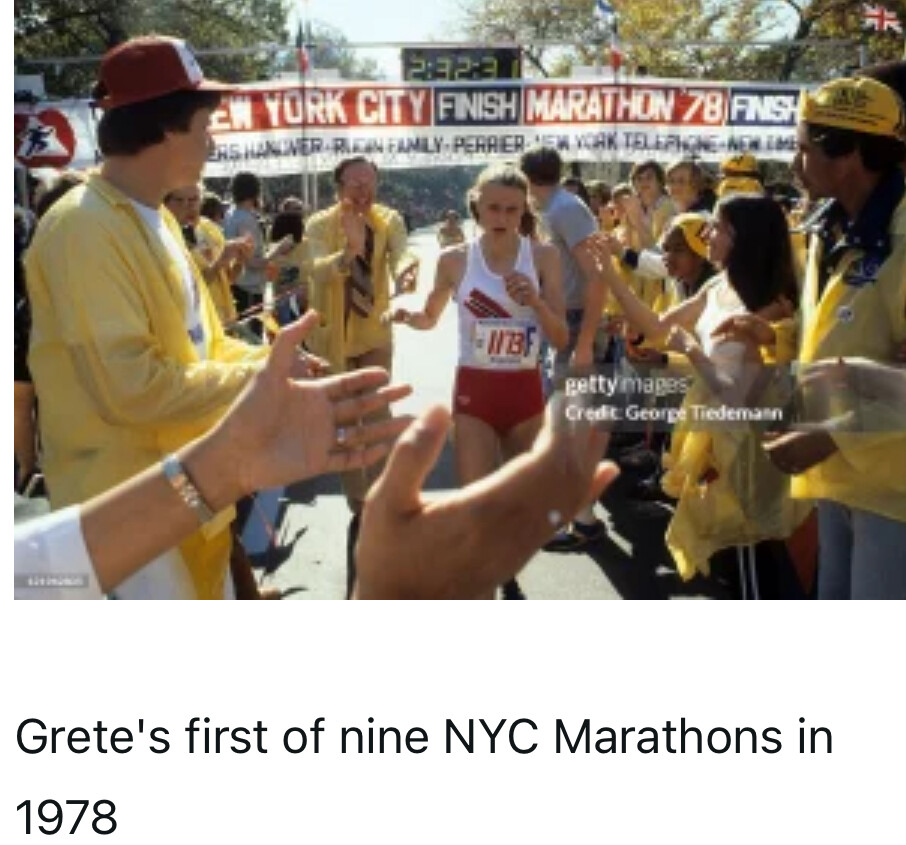
There have been many talented women champions through the years besides those three, including all the pioneers who had to overcome centuries of gender bias that restricted women from even showing their stuff.
But in terms of pure ground-breaking, the 1978 New York City Marathon drew a bright line between what once was and what would be.
On 22 October 1978, Norway’s track and cross-country star Grete Waitz participated in the marathon for the first time, almost on a whim, as the trip was more of a honeymoon for her and husband Jack after the long track season.
The 2:32:30 world record Grete ran that day was totally unexpected by both the public and Grete herself. She wore bib #1173, wasn’t included on the list of elite women, and came with no specific marathon preparation (not a single run over 13 miles). In fact, she was so upset with husband, Jack, for suggesting she come run the marathon that she threw her shoes at him in the hotel room following her victory.
Still, like almost all debuting marathoners, after a short period of recovery and reflection, Grete concluded she could probably improve next time.
Thus, in New York 1979, following a more careful preparation, Grete ripped nearly five full minutes off her 1978 mark to record history’s first sub—2:30 by a woman at 2:27:33. Her margin of victory over England’s Gillian Adams was 11 minutes (2:38:33). The combination of the mild-mannered former geography teacher from Oslo and the raucous New York City crowds proved transformative, elevating women’s running to heights previously unimagined.
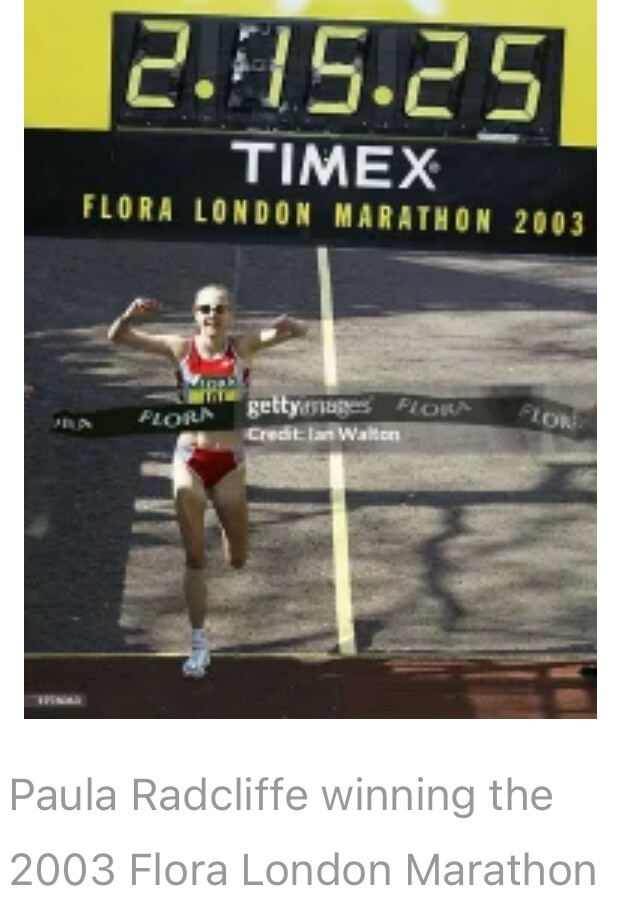
Though Japan’s Naoko Takahashi broke the 2:20 barrier for women in Berlin 2001, after Norway’s Ingrid Kristiansen (2:21:15, London ‘85), America’s Joan Benoit Samuelson (2:21:21, Chicago’85), and Kenyan Tegla Loroupe (2:20:43, Berlin ‘99) all challenged the barrier in the 1980s and ‘90s, it was England’s Paula Radcliffe who established new headlands in the marathon in London 2003 with her 2:15:25.
Nearly two minutes faster than her own 2:17:18 record from Chicago the year before, her 2:15 arced away from Catherine Ndereba’s 2:18:47 from Chicago 2001, completed just one week after Takahashi’s first sub-2:20 in Berlin.
The quality of Paula’s 2:15 can be seen in the 16 years and an entire shoe technology revolution that developed before Kenya’s Brigid Kosgei did Paula one better in Chicago 2019 at 2:14:04. That performance plowed new ground again. And now we have Ruth Chepngetich in Chicago 2024 with history’s first sub-2:10, just a year after Ethiopia’s Tigst Assefa’s first sub—2:12 in Berlin `23 (2:11:53).
Twice before, Chepngetich had come to Chicago with world record intentions. In 2022, she won the race in 2:14:18, just 14 seconds off Kosgei’s record. In 2023 she finished second in 2:15:37. On both occasions she flew through halfway under 66 minutes, only to falter in the second half. Perhaps she was a close reader of Malcolm X.
“There is no better teacher than adversity. Every defeat, every heartbreak, every loss, contains its own seed, its own lesson on how to improve your performance the next time.” – Malcolm x
In simple terms, making innovative strides in athletics requires time, experimentation, and reviewing, similar to how new scientific theories are examined before full acceptance. But women just haven’t been at the marathon game long enough to produce a large enough sample size to define their outer limits with any accuracy. They are barely two generations in since 1978.
Men have been competing for a much longer time with a much larger sample size.
Though Eliud Kipchoge surpassed the two-hour barrier in Vienna in 2019, that was accomplished as an exhibition, not a sanctioned race. In that sense, we are still awaiting the next barrier breaker on the men’s side in the Marathon.
Looking back, England’s Jim Peters stands as the first modern barrier breaker with his 2:18:40 win at the 1953 Polytechnic Marathon between Windsor and Chiswick in West London, England, history’s first sub—2:20.
Next was Ethiopia’s Abebe Bikila, the legendary double Olympic victor in Rome 1960 and Tokyo 1964. His 2:15:17 in Rome still stands as the barefoot marathon world record.
Next came Australia’s Derek Clayton, the first man under both 2:10 and 2:09. His 2:08:34 from Antwerp 1969 lasted for 12 years, holding off challenges throughout the entire Running Boom era headed by Americans Frank Shorter and Bill Rodgers.
Though never world record holders, the two Americans dominated the 1970s boom era, Shorter through the first half, Rodgers the second.
The Eighties were the last decade of international marathon champions: American (Al Salazar, Greg Meyer); European (Steve Jones, Carlos Lopes); Japanese (Toshihiko Seko and the Soh brothers); and Australian (Rob de Castella). Kenya’s Joe Nzau won Chicago in 1983 in a thrilling duel with England’s Hugh Jones when Chi-town was still developing its reputation as a world class event.
Ibrahim Hussein set new records in Honolulu and kick-started the Kenyan marathon revolution
The full East African deluge didn’t begin until 1987 and ‘88 when Kenya’s Ibrahim Hussein (already a two-time and soon to be three-time Honolulu Marathon champion) became Africa’s first New York City and Boston Marathon winner and Ethiopia’s Belayneh Dinsamo set the world record, 2:06:50, in Rotterdam 1988 that lasted over a decade.
The list of marathon stars from other nations scaled back markedly in the 1990s. Mexico had its turn at the top via greats like Dionicio Cerón (1994-`96 London champion), and back-to-back New York Ciy winner German Silva (1994 & 1995).
Moroccan-born American Khalid Khannouchi twice ran a world marathon record, first in Chicago 1999 (2:05:42), then three years later in London 2002 (2:05:38). And who could forget the personable Brazilian, Marílson Gomes dos Santos, who won New York City twice in 2006 & 2008, or Meb in NYC `09 and Boston 2014??
But the United Nations pickings get rather meager after that as East African athletes have had a stranglehold on the sport of marathoning, most dominatingly by Kenya’s Eliud Kipchoge. His run of sustained excellence over 42.2 kilometers was, and is, unprecedented in its longevity, including double gold in Rio 2016 and London 2020. And his last world record of 2:01:09 in Berlin 2022.
Sadly, the current record holder, Kelvin Kiptum, died in a car accident in February 2024 after establishing the 2:00:35 world record in Chicago 2023.
With the 2024 TCS New York City Marathon scheduled this weekend, we don’t expect to see any record performances. Yet, all the above is why we follow the game, isn’t it, to witness the arc of improvement over time, while hoping to discover a new name to remember? It’s as valid a focus as any other in this life.
And despite its many flaws and corruptions, the sport of marathoning retains an innate dignity that many endeavors do not. People may have bruised, battered, and tarnished it in the name of glory and money. But it survives, nonetheless, as a simple reflection of the human drive to achieve more in the quest to discover our best.
Doesn’t always turn out that way, but I don’t think we are done with it quite yet. Onward!
by Toni Reavis
Login to leave a comment
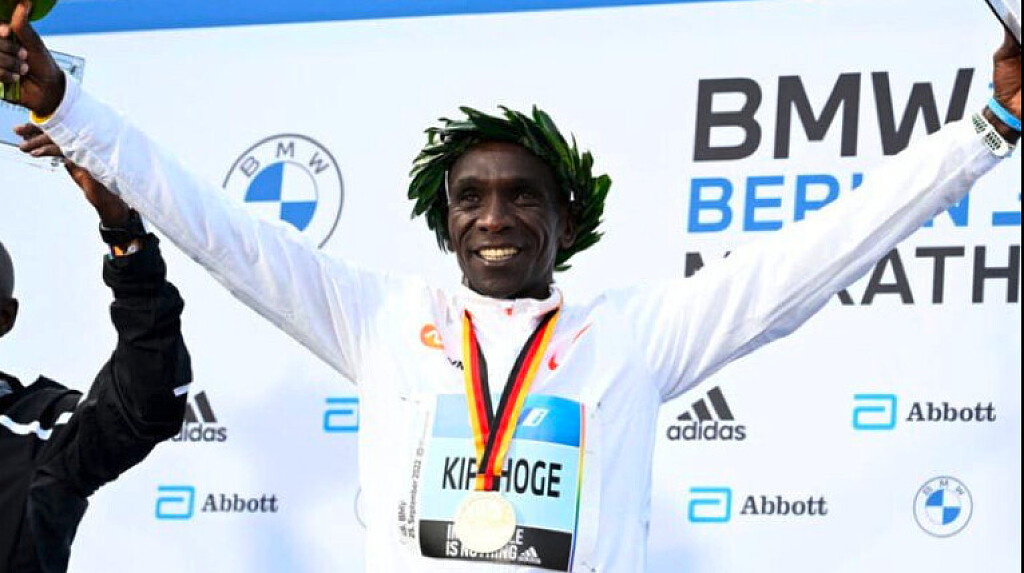
10 Things to Know About the 2023 Berlin Marathon
Here’s how you can watch the race, track runners, and register for next year
More than 45,000 runners are expected to participate in the Berlin Marathon on September 24 in Germany’s capital city. It’s the 49th edition of the race and one of the six World Marathon Majors races along with races in Chicago, New York, Boston, London and Tokyo. The weather forecast is calling for cloudy and cool conditions on race morning in Berlin, so fast times are once again expected.
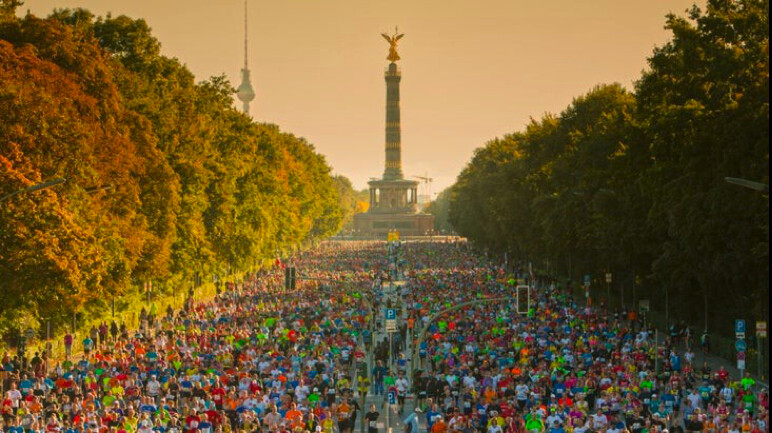
Here’s a rundown of 10 noteworthy elements about this year’s race.
The Berlin Marathon has produced 12 world records—more than any other marathon—since its inception in 1974, including the past eight men’s records since 2003. Kenya legend Eliud Kipchoge lowered the world record for the fastest official marathon ever run (2:01:09) last year in Berlin, and it’s also where he ran the previous world record (2:01:39) in 2018.
Berlin has produced six of the top 10 fastest men’s times in history, including three of the four sub-2:02 efforts (including the 2:01:41 run by Kenenisa Bekele in 2019). It hasn’t been quite as fast for women, however it has been the site of three women’s world records, most recently when Japan’s Naoko Takahashi ran the world’s first sub-2:20 marathon (2:19:46) in 2001. Last year, Ethiopia’s Tigst Assefa won the women’s race in 2:15:37, which, at the time, was the second-fastest marathon ever run and now ranks fifth.
Berlin is the flattest course of all the World Marathon Majors, with a total elevation gain of 241 feet and loss of 260 feet. (The biggest “hills” come between miles 16 and 20, but they max out at less than 30 feet of gain.) Berlin annually produces some of the fastest pro results in the world, in part because it’s a flat course, but also because the race organization provides pacemakers (auxilliary runners who set an optimal pace but only run about a portion of the course before dropping out) so the opportunity for fast times are assured. (There are no pacemakers at the Chicago, New York City Marathon, and Boston Marathon, so those races play out only by the tactics of the runners in the field.) But the fast elite times, flat course, and typically cool weather conditions have attracted age-group runners targeting new PRs, too.
Running legend Eliud Kipchoge, universally accepted as the G.O.A.T. of marathoning, has won 15 of the 18 marathons he has entered, including the past two Olympics. Berlin is where he’s had most of this success, dating back to his first victory in 2015 and he has since also won there in 2017, 2018, and 2022. Can he add one more victory to his total?
He lowered his own world record to 2:01:09 last year by averaging 14:21.4 per 5K, or 4:37 per mile. However, the 38-year-old Kenyan is coming off an uncharacteristically disappointing race at the 2023 Boston Marathon, where he finished sixth in 2:09:23. Will he approach another world record? “My aim is to always run a good race,” he said recently. “Berlin is like home for me. In view of the Olympic Games next year in Paris, I thought about which race could be the best preparation for the Games for me, and Berlin is the best option.”
Including Kipchoge, the men’s field in Berlin includes 10 runners who have run faster than 2:06 and seven more who have broken 2:07, including last year’s runner-up Mark Korir (2:05:58). Kipchoge should be challenged by fellow Kenyan Amos Kipruto, who owns a 2:03:13 from his runner-up showing at last year’s Tokyo Marathon. The winner of the 2022 London Marathon last fall (2:04:39), Kipruto, 31, placed a distant second in the 2018 Berlin Marathon behind Kipchoge (2:06:23) and owns a bronze medal in the marathon from the 2019 World Athletics Championships in Doha.
Other top runners in the field include Kenya’s Geoffrey Kamworor, who ran 2:04:23 to place second at the London Marathon in April, Ethiopia’s Birhanu Legese, who was second (2:02:48) in Berlin in 2019 and Kenya’s Wilson Kipsang, 41, a former winner in Berlin, New York, and Tokyo. However, Kipsang, who lowered the world record to 2:03:23 on the Berlin course in 2013, is coming off a four-year ban for missing drug tests in 2018 and 2019.
Last year, Ethiopia’s Tigist Assefa, a 2016 Olympian in the 800-meter run, entered the race as an untested marathon (with a PR of 2:34:01) and surprised everyone with her 2:15:37 victory in the third-fastest time ever.The 26-year-old is back this year but hasn’t run any races because she’s been sidelined with a few nagging injuries.
Her biggest competitor will likely be Sheila Chepkirui, who holds a personal best of 2:17:29 from last December’s Valencia Marathon. She’s a former African Cross Country Championships winner and was the bronze medalist in the 10,000-meter run at the 2022 Commonwealth Games. Other top women runners include Ethiopians Tigist Abayechew (2:18:03), Workenesh Edesa (2:18.51), and Hiwot Gebrekidan (2:19:10).
Scott Fauble, a three-time seventh-place finisher at the Boston Marathon (including this year in 2:09:44), is racing Berlin with the hopes of securing the Olympic-qualifying standard of 2:08:10. The 31-year-old runner from Portland, Oregon, will still need a top-three finish at the U.S. Olympic Trials Marathon on February 4 in Orlando, but securing the time will give him a leg up on qualifying for the Paris Olympics next summer.
Also racing in Berlin are 2016 U.S. Olympian Jared Ward (Provo, Utah) and 2020 U.S. Olympian Jake Riley (Boulder, Colorado). Ward, 35, owns a 2:09:25 personal best, but he hasn’t run faster than 2:12 since his sixth-place finish (2:10:45) in the New York City Marathon in 2019. The 34-year-old Riley, who owns a 2:10:02 PR, is coming back after having double Achilles surgery in July 2022 to correct Haglund’s syndrome (the second time in his career), and hopes to run in the 2:12-2:14 range. Ethiopian-born Teshome Mekonen, who recently received U.S. citizenship, will also be racing in Berlin. The 28-year-old, who lives in New York City, has a 1:00:02 half-marathon personal best and lowered his marathon personal best to 2:11:05 last January in Houston.
Annie Frisbie is the top American runner in the women’s field in Berlin. The 26-year-old from Hopkins, Minnesota, made her marathon debut at the 2021 New York City Marathon with an impressive seventh-place finish (2:26:18). She’s continued to run well since then, placing 20th (2:28:45) in the 2023 Boston Marathon (2:28:45) and most recently finishing fifth (1:07:27) at the U.S. 20K Championships on September 4 in New Haven, Connecticut. Frisbie was a Wisconsin state champion runner in high school and an All-American runner for Iowa State University.
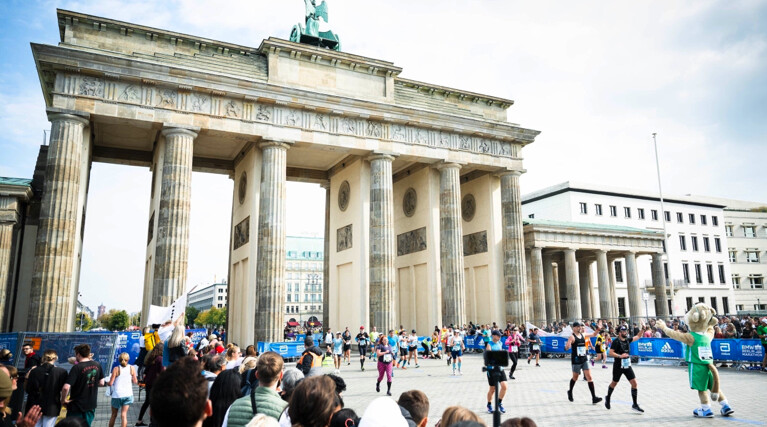
The Berlin Marathon was started in 1974 by Horst Milde, a German baker and running enthusiast. When it began at the height of the Cold War and East Berlin being sealed off by a wall, the marathon was run only in West Berlin. Since 1990, it has started and ended near the Brandenburg Gate, sending runners on a jagged loop through the city—including the neighborhoods of Charlottenburg, Tiergarten, Moabit, Mitte, Friedrichshain, Kreuzberg, Neukölln, Schöneberg, Friedenau, and Zehlendorf. Runners will pass tourist sites like the Reichstag building, the Siegessäule (Victory Column), Berlin Cathedral, and Potsdamer Platz. Live music is played at more than 60 locations along the course, including at all the famous landmarks.
The inaugural Berlin Marathon had 244 finishers; 234 men and 10 women, and was won by Günter Hallas (2:44:53) and Jutta von Haase (3:22:01), respectively. Last year, the race had 34,788 finishers, including 23,280 men (67 percent) and 11,508 women (33 percent). The last German runners to claim victory were Irina Mikitenko (2:19:19) in 2008 and Ingo Sensburg (2:16:48) in 1980. No American man or woman has ever won the Berlin Marathon.
The Berlin Marathon has an inline skating division for 500 participants that begins at 3:30 P.M. after all runners are cleared from the course. The skater course record of 56:46 was set last year by Belgian Bart Swings, and he’s back this year aiming for his ninth victory. In the women’s race, all eyes are on last year’s winner, Marie Dupuy of France, in 1:11:19. All finishers of the inline skating division are eligible to enter the 2024 Berlin Marathon as runners.
The race, which starts at 9:15 A.M. local time (or 3:15 A.M. ET in the U.S.), will be broadcast worldwide by several TV partners, but not in North America. However, several websites offer live streaming so people can watch the Berlin Marathon from anywhere in the world, especially if you’re a VPN subscriber. Watch Athletics will be broadcasting the race online in real time for free, while FloTrack’s livestream requires a subscription ($29.99 for one month) in order to view their livestream. Runners can be tracked via the Berlin Marathon website’s Results page, or via the BMW Berlin Marathon App app available on Apple or Google Play.
Race day begins with the elite handbike division at 8:50 A.M., followed by the wheelchair and handcycle divisions at 8:57 A.M. Runners are sent off in four waves beginning at 9:15 A.M., starting with the men’s and women’s elite waves. The race has a strict time limit of 6 hours, 15 minutes as well as course closure times at the 33K/20.5-mile mark (3:50 P.M.) and 38K/23.6-mile mark (4:35 P.M.). Runners who have not reached those points by those times can continue on the sidewalks alongside the course or get a ride on the course-sweeping bus.
Entry to the 2024 Berlin Marathon, which is slated for September 29, 2024, will be done via a lottery that will open in October. You can enter the lottery as a solo runner or as a team consisting of two or three people. (If the team is drawn, all persons from the team are included.) Lottery dates for 2024 have not yet been announced, but the draw for the 2023 edition took place in December 2022.
If you’re selected, the registration fee will be about $160 euros. You can also secure a guaranteed spot in the race based on previous marathon times. In 2023, female runners up to 44 years old qualified if they ran faster than 3:00; female runners up to 59 years old qualified if they ran under 3:20; and female runners over 60 years qualified if they ran under 4:10. For men, the qualifying times were 2:45 (up to 44 years old), 2:55 (46-59 years old), 3:25 (60 and older.)
If you don’t get in through the lottery, you may still be able to get into the race via a charity bib or through tour operators.
by Outside online
Login to leave a comment
2022 February's Ohme 30 km Road Race Cancelled Due to Pandemic
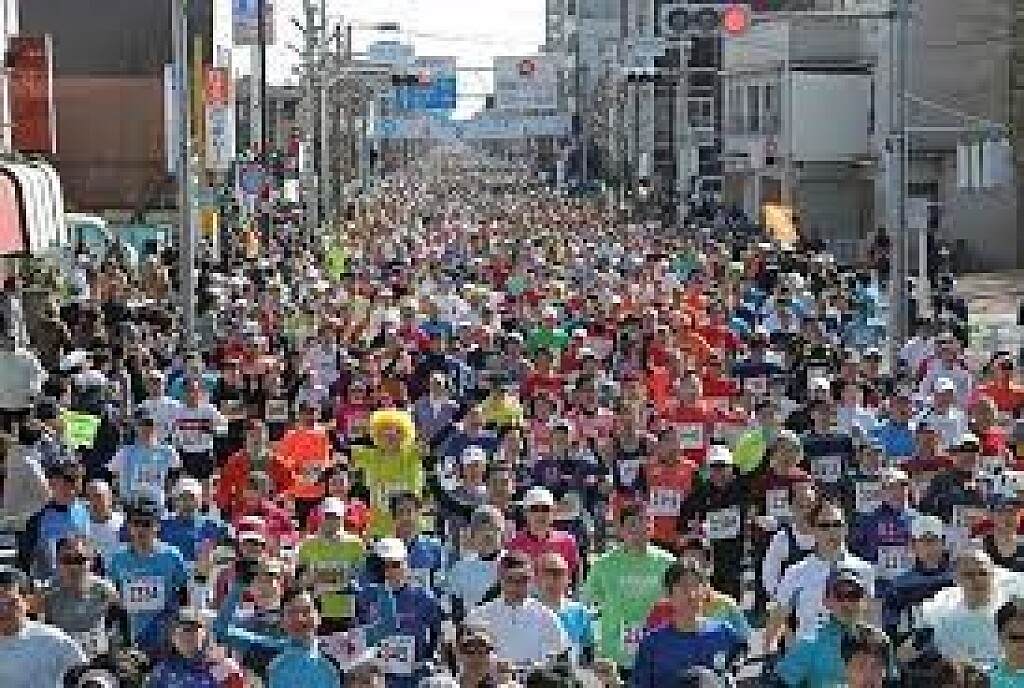
On Oct. 14 the organizers of Tokyo's Ohme 30 km Road Race announced that the popular event's 55th running, scheduled for Feb. 20, 2022, will not go ahead and will instead be postponed a year.
Organizers said that due to the ongoing coronavirus pandemic they had concerns about being able to stage the event in a way safe for runners, local residents, race staff and volunteers. The Ohme 30 km's 55th running was originally scheduled for February, 2021 but was postponed to 2022, meaning the new decision will in effect be a two-year postponement.
The Ohme 30 km Road Race was founded in 1967. Starting in the western Tokyo suburb of Ohme, the race follows a mountainous route along the upper Tama River gorge and back.
Featuring both 30 km and 10 km races, the race seen wins from Olympic gold medalists like Naoko Takahashi and Mizuki Noguchi, and is one of Japan's most popular races for amateur runners, with over 12,000 finishers every year. In place of the 2022 event, organizers will hold a virtual race.
by Brett Larner
Login to leave a comment

Ohme Road Race
Ohme-Hochi 10K Road Race is organized by Ome Athletic Association in Ome, Tokyo, Japan in the month of February. The road race held just outside Tokyo, is part of a longstanding exchange program between the BAA and the Ohme Road Race, which is sponsored by the Hochi Shimbun. The events include 30K Race and a 10K Run. The number of...
more...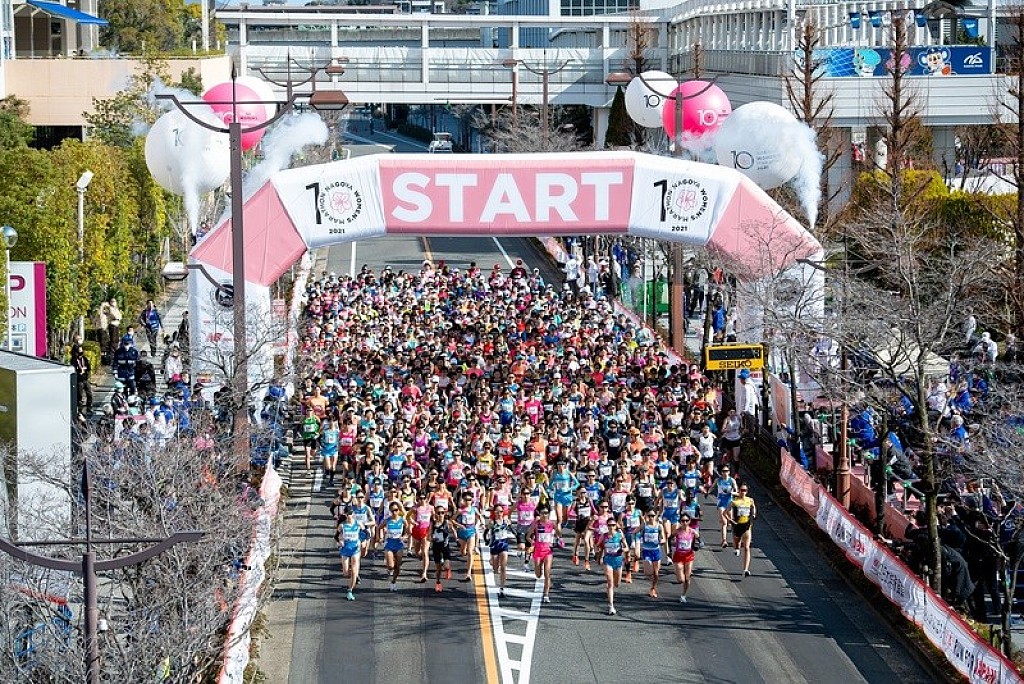
2022 Nagoya Women’s Marathon will be offering US$250,000 as prize money for the winner
Organizers of the Nagoya Women’s Marathon have announced they will increase the prize money for the 2022 race, scheduled for March 13, 2022, to US$250,000, making the World Athletics Elite Platinum Label road race the highest prize paying marathon in the world.
Being the world’s largest women’s marathon, one of the world’s top-level races, and the only women’s race with a World Athletics Platinum Label, the Nagoya Women’s Marathon continues to be a global leader in women’s running.
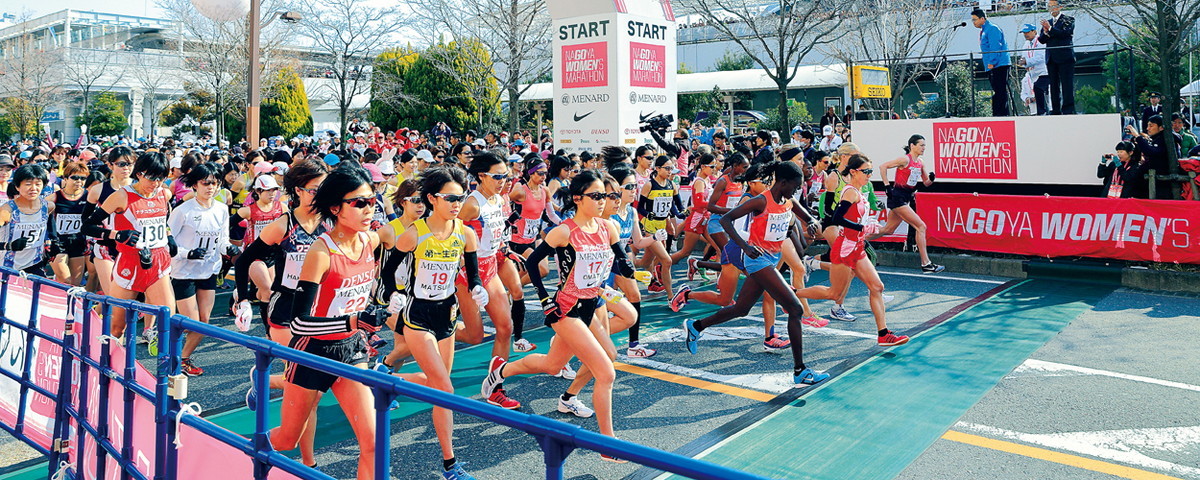
This year’s edition went ahead on 14 March as a domestic race, and it was won by Japan’s Mizuki Matsuda in 2:21:51. Compatriot Mao Ichiyama won the 2020 edition in a course record of 2:20:29 and she went on to place eighth in the Olympic marathon, making her the top Japanese finisher in Sapporo.
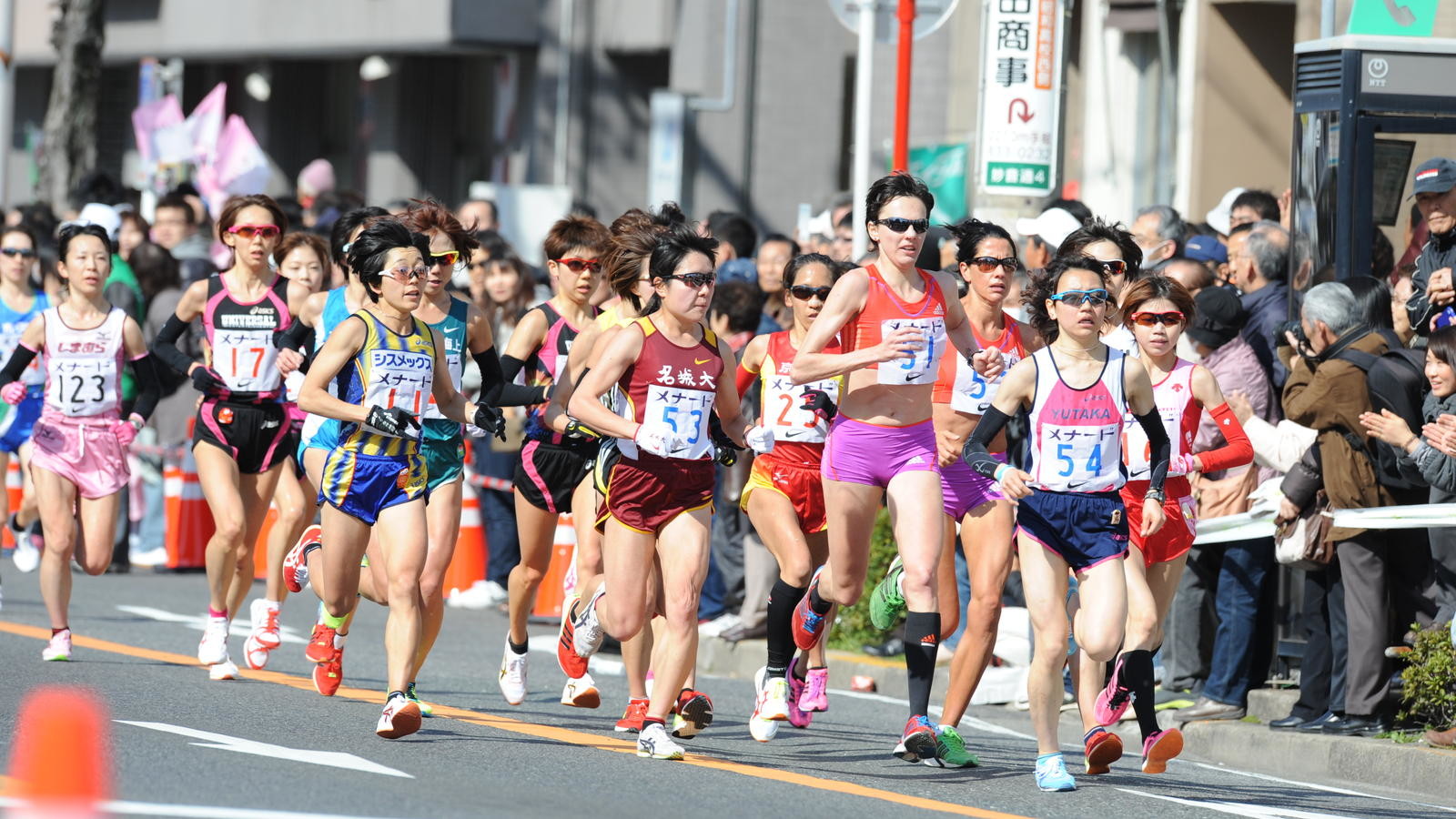
Other past winners of the race include 2000 Olympic champion Naoko Takahashi, 2004 Olympic champion Mizuki Noguchi and world bronze medalist Helalia Johannes.
Nagoya’s increase in prize money is welcome news to the world of road running. Since the start of the Covid-19 pandemic in 2020, many road races have been forced to be cancelled or postponed and athletes’ competing opportunities have been lost. But thanks to the dedication of organizing committees and medical professionals around the world, large-scale road races are slowly returning to the international calendar.
by World Athletics
Login to leave a comment

Nagoya Women's Marathon
The Nagoya Women's Marathon named Nagoya International Women's Marathon until the 2010 race, is an annual marathon race for female runners over the classic distance of 42 km and 195 metres, held in Nagoya, Japan in early March every year. It holds IAAF Gold Label road race status. It began in 1980 as an annual 20-kilometre road race held in...
more...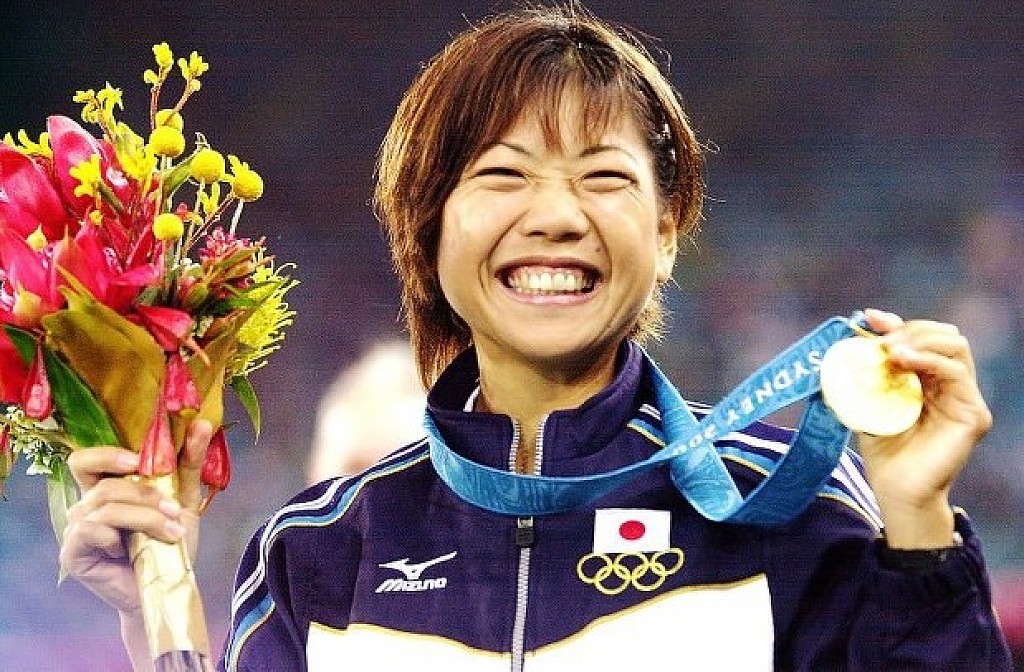
Sydney Olympics marathon gold medallist Naoko Takahashi among 12 women added to Tokyo organisers' board
Sydney Olympics marathon gold medalist Naoko Takahashi and former Paralympic alpine skier Kuniko Obinata were among 12 women added to the Tokyo Olympics organizing committee board on Wednesday, more than doubling the ratio of women on it to 42per cent.
The organizing committee said on Tuesday it would increase female representation on its board after its former president, Yoshiro Mori, stepped down last month over sexist remarks he made.
Mori, a former Japanese prime minister, resigned as Tokyo Games president after sparking a furore when he said during a Japanese Olympic Committee meeting in February that women talk too much.

Among others joining the organizing committee board were Japan Rugby Football Union executive board member Naoko Saiki, Chukyo University sports science professor Kyoko Raita and Tokyo Metropolitan Sports Association for the Disabled chair Yaeko Shiraishi.
The 12 new members bring the number of women on the 45-member board to 19.
"We selected people in order to get opinions from different angles through diversity, harmony and gender equality," Seiko Hashimoto, who replaced Mori, told reporters.
"What should we do to best tackle staging these Games amid the coronavirus concerns? I want to organize our response making use of the perspectives from various fields."
Login to leave a comment

Tokyo 2020 Olympic Games
Fifty-six years after having organized the Olympic Games, the Japanese capital will be hosting a Summer edition for the second time, originally scheduled from July 24 to August 9, 2020, the games were postponed due to coronavirus outbreak, the postponed Tokyo Olympics will be held from July 23 to August 8 in 2021, according to the International Olympic Committee decision. ...
more...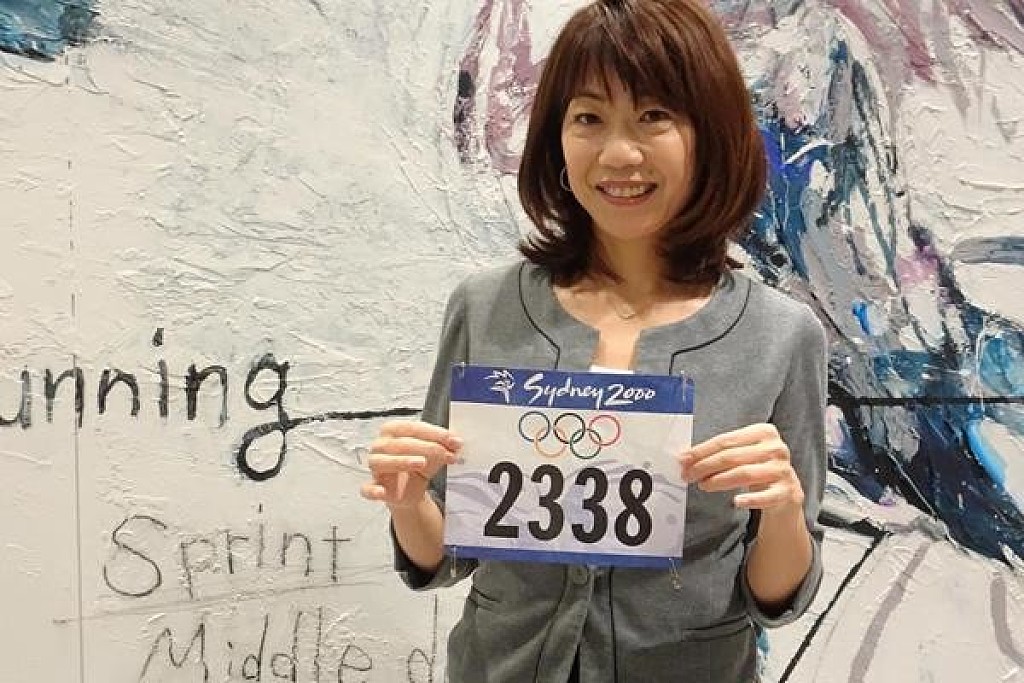
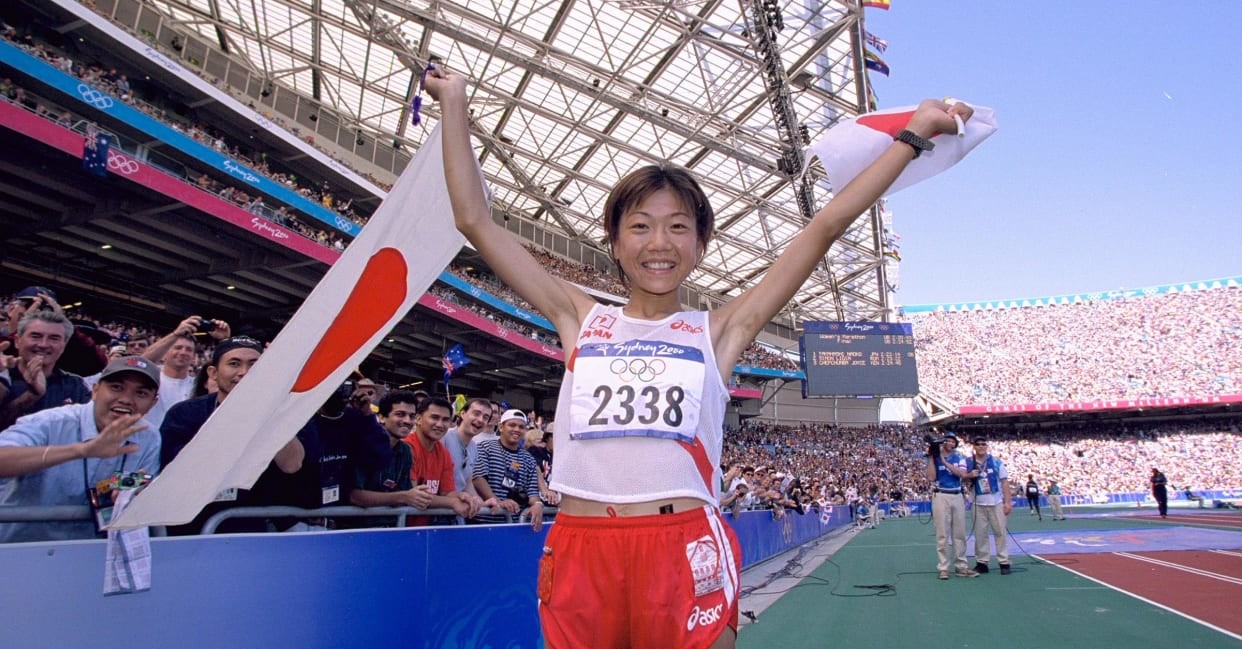
Japan's former Olympic marathon champion Naoko Takahashi has donated her winning bib at the 2000 Sydney Olympics to the World Athletics Heritage Collection
Naoko Takahashi, the first woman to run a marathon in under two hours 20 minutes, has become the latest athletics star to generously donate a competition item from their career to the World Athletics Heritage Collection.
Takahashi clocked an Olympic marathon record of 2:23:14 on 24 September 2000 to win at the Sydney Olympic Games. It was the first Olympic victory at the marathon by a Japanese woman and her Games record was not broken until 2012.
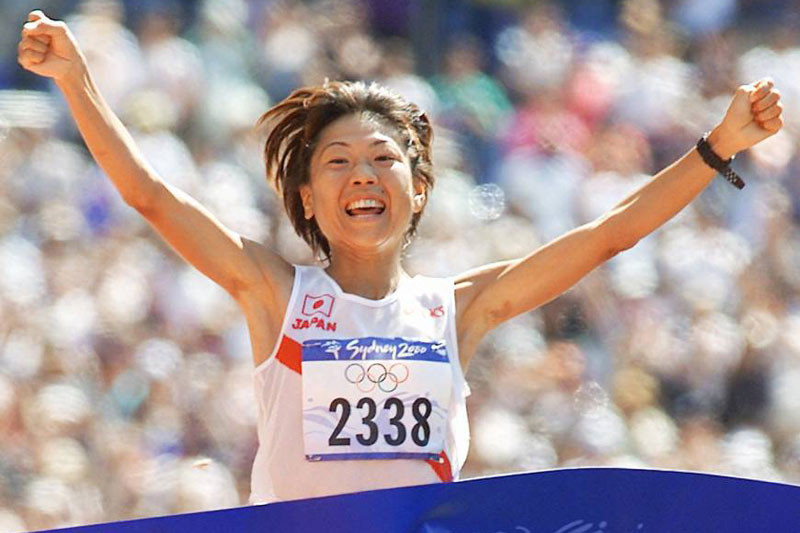
Takahashi moved to the front of the race at the 20-kilometre point along with her compatriot Ari Ichihashi and Romania’s Lidia Simon. Ichihashi dropped off the pace five kilometres later, leaving Takahashi and Simon to battle for the title. The two ran together until 35 kilometres when Takahashi broke away, quickly establishing a 30-metre lead. She extended it over the next five kilometres and although Simon narrowed it slightly over the waning two kilometres, Takahashi, wearing bib number 2338, went on to a comfortable victory.
It is that bib which she has very kindly donated today.
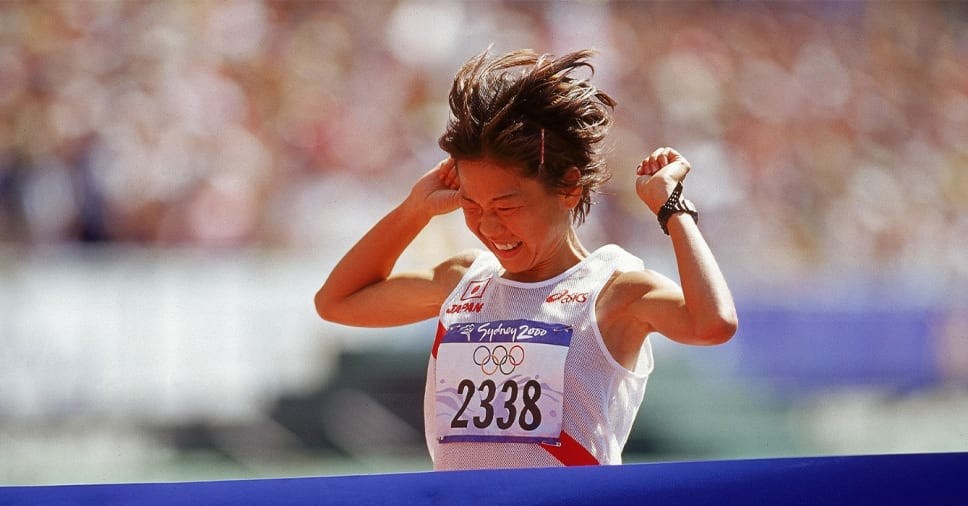
“I am happy to see my Sydney bib join the Heritage collection,” said Takahashi. “I would like the bib’s donation to help increase interest in the marathon, and the challenge and beauty of distance running. It might also help motivate more people to take up running for fitness and fun, or perhaps even competitively, picturing themselves in my shoes.”
Daughter Of The Wind
There was no underestimating Takahashi’s national popularity and fame after her Olympic triumph. She was the subject of a comic strip entitled "Kazekko," or "Daughter of the Wind". Launched in May 2001, the strip told Takahashi’s life story and at its height attracted 700,000 readers weekly.
Takahashi’s career was inspired by the legend of Ethiopia’s two-time Olympic marathon champion Abebe Bikila. As she developed as a runner, Takahashi was also impressed by the running of Japan’s Yuko Arimori, who raced to Olympic silver in 1992 and bronze in 1996.
Yet it was only when her training partner Hiromi Suzuki won the 1997 world title in the marathon that Takahashi, who had debuted with a seventh place finish in 2:31:32 in Osaka in January of that year, truly believed that her future lay in the marathon.
Audience Of 55 Million
Takahashi, who was coached by the late Yoshio Koide who last year was posthumously awarded the World Athletics Plaque, won the first of her two Berlin Marathon titles in September 2001 with a landmark 2:19:46 performance, a world best and the first time in history that a woman had broken 2:20 for the distance.
Estimates vary but it is believed that 55 million Japanese, nearly half of the country’s population, watched Takahashi’s Berlin race on television.
“I am really happy about the (Berlin TV audience),” Takahashi told The Japan Times in 2003. “It’s an honour that people still remember me, and you can tell that people’s awareness of the sport is big.”
“There are so many different sports these days and the level of viewership is a tribute to the people who came before me and built the marathon up and made it as popular as it is now. Being a part of that is amazing and I am grateful.”
by World Athletics
Login to leave a comment
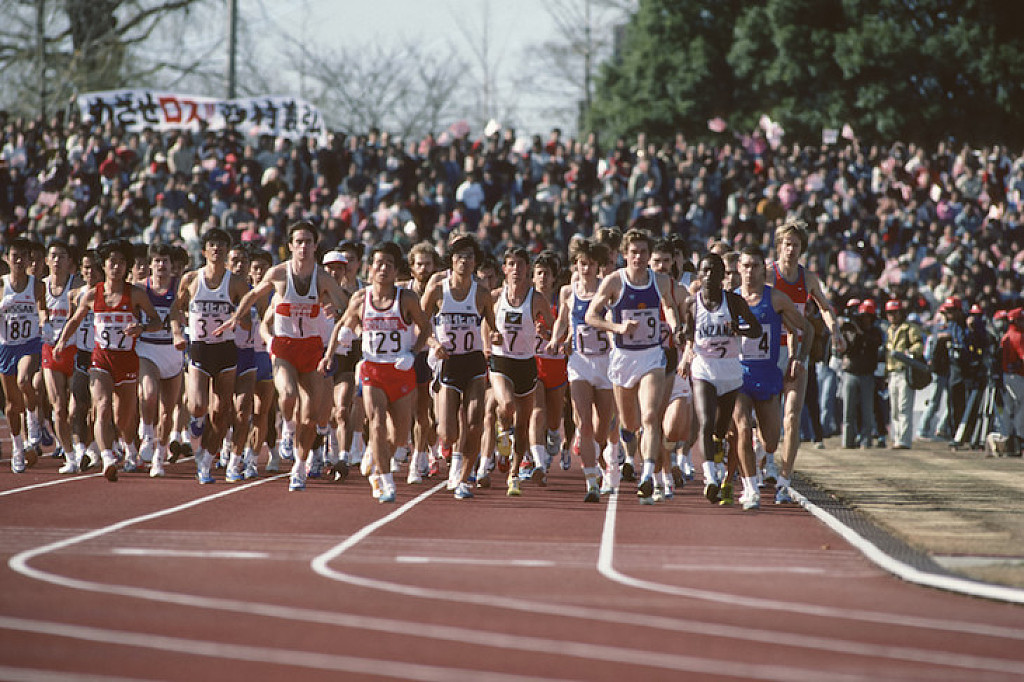
The Fukuoka Marathon, one of the world’s oldest footraces, was awarded World Athletics Heritage status for its advancement of the track and field event
The marathon was one of six events that received the status from World Athletics on Oct. 3, and it is the fifth Japanese recipient of a Heritage Plaque under the recognition system that started in 2018.
The Asahi Shimbun is one of the organizers of the Fukuoka marathon, which was first held in 1947.
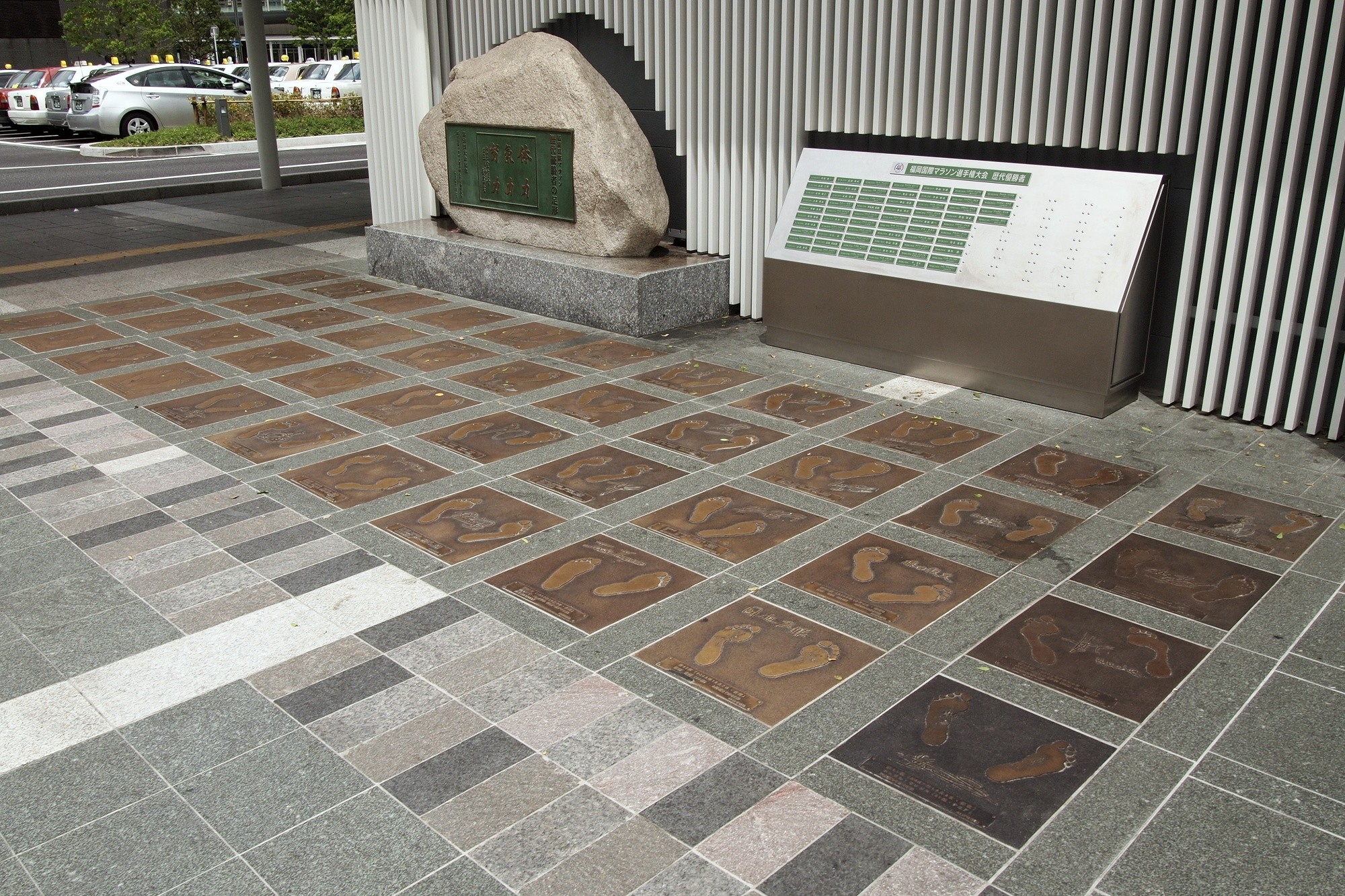
From the 1960s to the 1970s, the marathon course was praised as a high-speed track, and two world records were set in the race, including the first finish under 2 hours and 10 minutes, by Australian Derek Clayton in 1967.
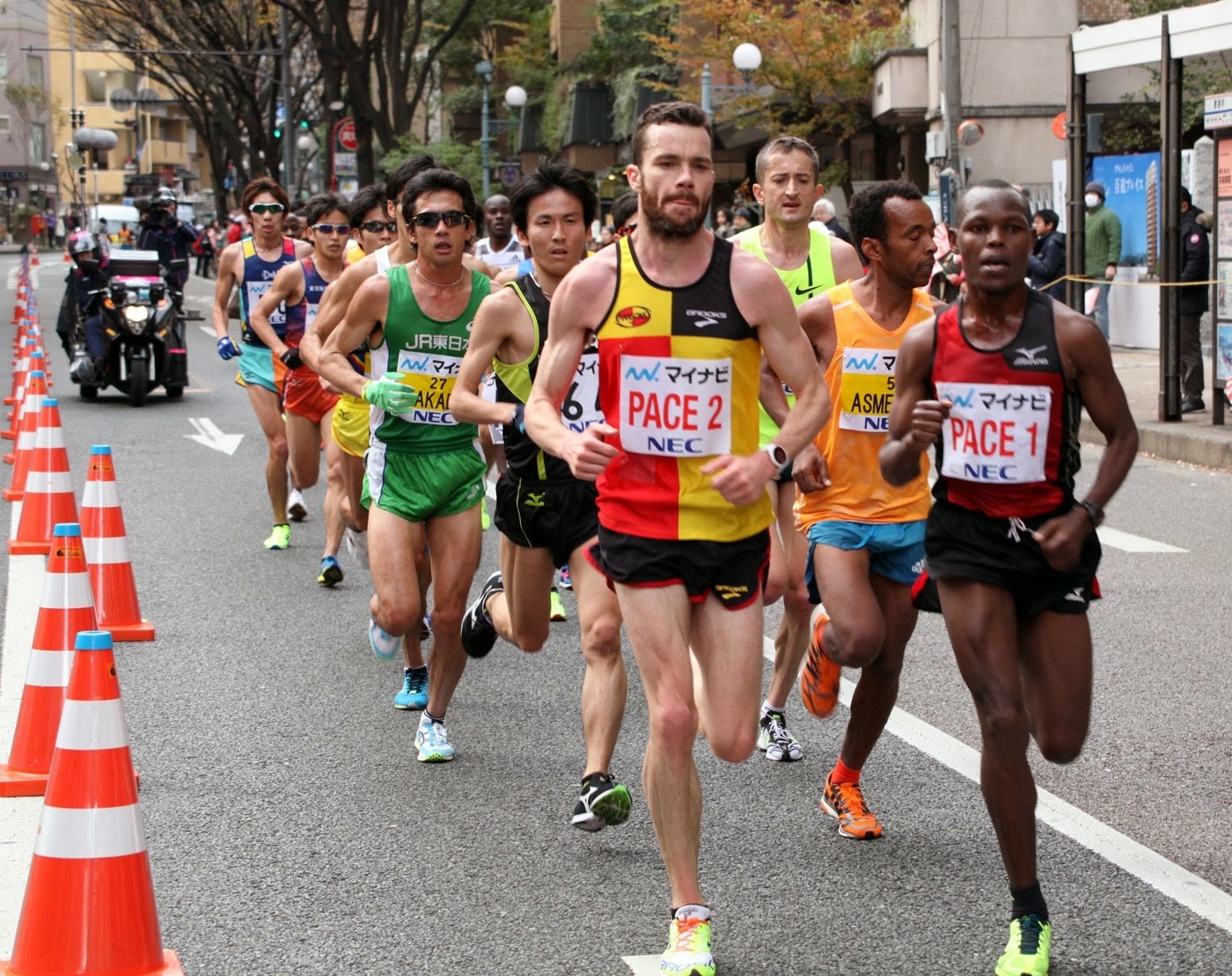
The competition was called “the effective world’s top marathon championship” at the time, and the smooth management of the event received international accolades.
In a statement, British track legend Sebastian Coe, president of World Athletics, praised the Fukuoka race for the excellent reputation it earned in the global athletics community through its long history.
Past Heritage Plaque winners from Japan are: Chuhei Nanbu, who won gold in the triple jump at the 1932 Los Angeles Olympics; the Hakone Ekiden relay marathon; Yoshio Koide, who coached Olympic marathon gold medalist Naoko Takahashi; and the Rikujo Kyogi Magazine (Track and field magazine).
Login to leave a comment
Fukuoka Marathon
The Fukuoka International Open Marathon Championship is one of the longest running races in Japan, it is alsoan international men’s marathon race established in 1947. The course record is held by Tsegaye Kebede of Ethiopia, running 2:05:18 in 2009. Frank Shorter won first straight years from 1971 to 1974. Derek Clayton set the World Record here in 1967 running 2:09:37. ...
more...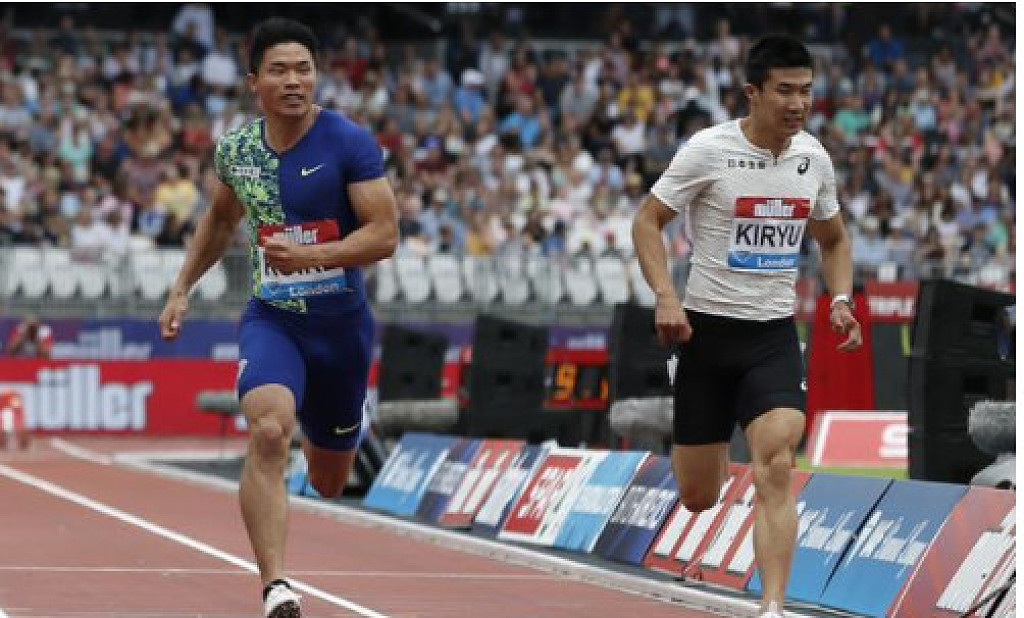
Japan’s finest athletes to assemble at Golden Grand Prix
Most of Japan’s finest athletes will be out in force for the Seiko Golden Grand Prix, a World Athletics Continental Tour Gold meeting, in Tokyo, on Sunday (23).
The meeting, to be staged at Tokyo’s Olympic Stadium, was initially intended as a late spring preview for the Tokyo 2020 Olympic Games, but those plans were halted in their tracks with the spread of the coronavirus pandemic. Postponed at first from its original date, it’s now being held as a national event without spectators to align with restrictions on public gatherings. Nonetheless, it will still provide a strong competitive opportunity for Japanese athletes on the track that will host the Games next year.
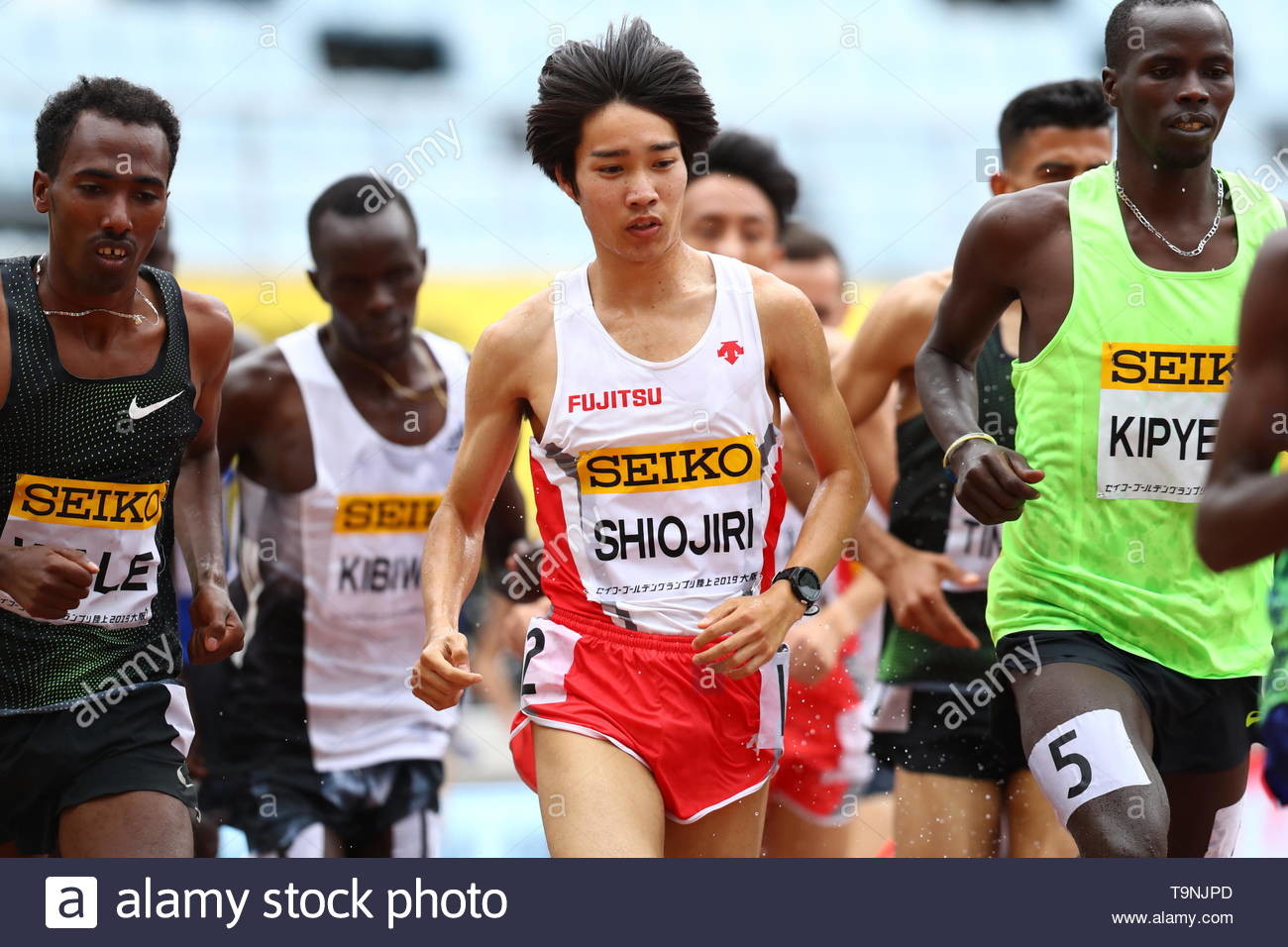
World U20 3000m champion Nozomi Tanaka will be the focus of attention after her 8:41.35 performance in Fukagawa last month to break the national 3000m record. She will contest the 1500m on Sunday where she’s already improved to 4:08.68 this season, not too far from the national record of 4:07.86.
The men’s 100m features five of the fastest 11 Japanese men of all time. Asian champion Yoshihide Kiryu, the first Japanese athlete to break the 10-second barrier, has a 9.98 career best as does Yuki Koike, who clocked his at the Diamond League meeting in London Last year.
They'll be joined by Ryota Yamagata, who has clocked 10.00, and Shuhei Tada, who led off Japan's bronze-winning quartet at the past two World Championships. Kiryu and Koike (heats) were also on the 4x100m relay squad in Doha.
Aska Cambridge, a 4x100m relay Olympic silver medallist in Rio four years ago, will also be in the field.
The men’s 200m features Olympic 4x100m silver medallist Shota Iizuka and world 4x100m bronze medallist Kirara Shiraishi.
Sprint hurdlers Shunya Takayama and Asuka Terada will also be in action. Takayama twice equalled the Japanese 110m hurdles record of 13.36 last year before breaking it outright with 13.30 and then reducing it further to 13.25. Terada set two national records last year in the 100m hurdles, first with 13.00 and then with 12.97 two weeks later.
On the infield, the men’s long jump is building to be a competitive event, with Koki Fujihara, who broke the Japanese U20 record last year with 8.12m, taking on national record-holder Shoutarou Shiroyama and 2018 world U20 champion Yuki Hashioka.
Naoto Tobe, the World Indoor Tour winner in the high jump in 2019, heads the field in his event. Tobe, who improved to 2.35m indoors in 2019, will take on Takashi Eto, a 2.30m jumper. Daichi Sawano, Seito Yamamoto and Masaki Ejima, all 5.71m men last season, will compete in the pole vault.
National record-holder Haruka Kitaguchi leads the javelin throw field, joined by three other Japanese women who’ve thrown beyond 60 metres: 2018 national champion Marina Saito, 2011 Asian bronze medallist Yuka Sato and two-time Asian bronze medallist Risa Miyashita.
The men’s javelin is of a similar high standard with four 80-metre throwers entered: Asian bronze medallist Ryohei Arai, 2012 Olympic finalist Genki Dean, Takuto Kominami and Yuta Sakiyama.
Organisers will also provide some of Japan's finest high school athletes an opportunity to compete against their nation's best athletes on the Olympic Stadium track through a ‘Dream Lane’ set aside in nine men’s and nine women’s events.
The decision to include high school athletes came after the Interscholastic Sport Games, the annual national high school championships in 30 sports, were cancelled due to the Covid-19 pandemic. A selection committee, which included 2000 Olympic marathon champion Naoko Takahashi, 2008 Olympic 4x100m relay silver medallist Shinji Takahira and High Performance Committee Track & Field Director Kazuhiko Yamazaki, selected 28 athletes. Some of the athletes include Kosuke Kawata, who has a 10.39 best in the 100m and Haruto Ishizuka, a 3:44.62 1500m runner.
by World Athletics
Login to leave a comment
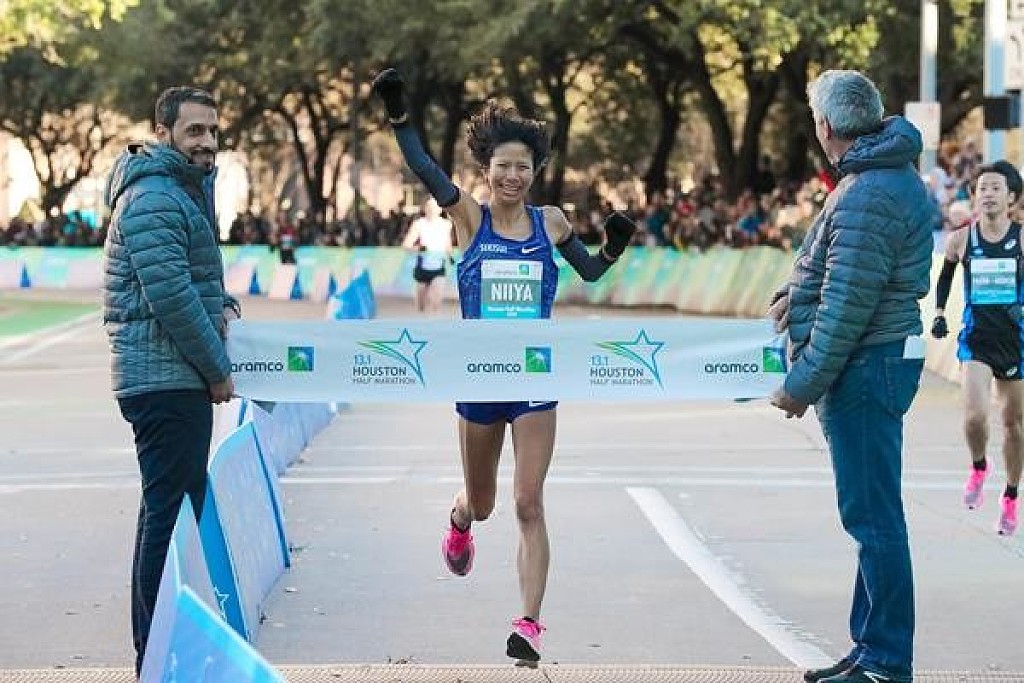
Hitomi Niiya is back from retirement and now is fully focused on Tokyo 2020 Olympic Games
It is a little hard to fathom, but Hitomi Niiya – potentially one of Japan’s strongest track hopes at the Tokyo 2020 Olympic Games – hates running.
The 32-year-old, who blitzed to a Japanese half-marathon record in Houston and is eyeing up a spot on the 10,000m team for this year’s Olympics, says with a smile that running makes her tired and does not remotely compare with her passion for shopping.
However, what Niiya lacks in enthusiasm for the sport, she certainly makes up for in ability and it is not beyond the realms of possibility that the diminutive athlete could threaten the podium in Tokyo.
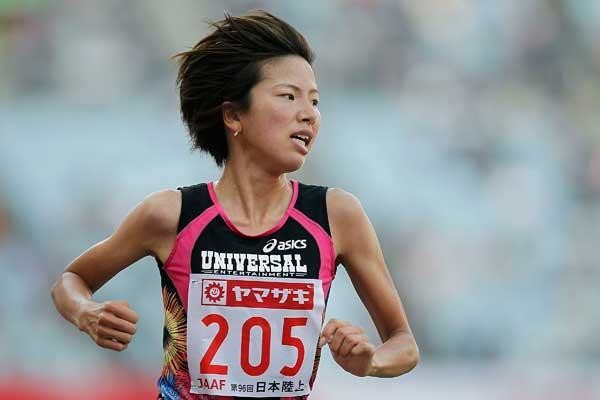
Born in the Okayama Prefecture in the south of the island of Honshu, Niiya was inspired to take up running after watching her compatriot Naoko Takahashi win marathon gold at the 2000 Sydney Olympics.
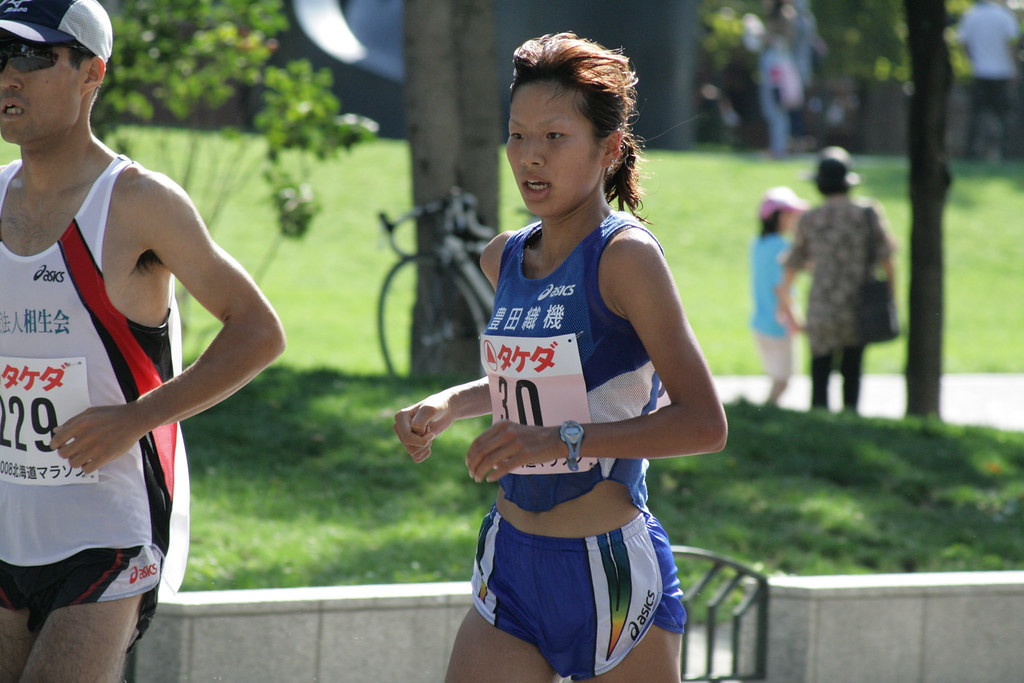
“I did a lot of sports when I was younger,” says Niiya. “My two older brothers played football so I did too, but it was watching Takahashi that inspired me and I joined a club team at junior high school.”
She made quick progress and at the age of 15 her talent was snapped up to attend the Kojyokan High School, one of Japan’s most powerful running schools.
The impact was immediate. At the age of 16 she represented Japan at the 2004 World Cross Country Championships in Brussels. On hilly terrain and thick mud, Niiya performed respectably to finish 19th in the women’s U20 race, helping her country secure team bronze.
However, the Japanese teenager was far from satisfied.
“When I arrived, I thought I could beat the athletes from the other countries,” she says. “But it was after competing in Brussels that I first realized the level of the athletes from the African countries was higher.
“It was also the first event I’d been to without my coach,” she adds. “The experience taught me I needed to be more independent. Running in Brussels acted as motivation to return to the World Cross and run better.”
She was good to her word. Twelve months later she competed at the 2005 World Cross Country Championships in St Galmier and placed 13th. Later that year she gave more evidence of her exciting potential, earning 3000m bronze at the World U18 Championships in 9:10.34 in Marrakech.
“I didn’t expect to win a medal because the Africans are so strong,” she recalls. “I was very proud. Winning bronze and watching the Japanese flag at the medal ceremony was such a happy memory.”
Training at an intensity which she believes puts her on a similar level to the top African athletes, her coach elected to enter Niiya for the Houston Half Marathon in January. Her main intention was to use the event as preparation for her 10,000m ambitions, but she excelled and won the race in 1:06:38 to carve 48 seconds from the Japanese record set by Kayoko Fukushi in 2006.
“My aim was to break the national record and I was really pleased to do so,” she adds.
“My hope is to make the Olympic team,” she explains. “If I do, I will feel a lot of responsibility for a good result. The aim is to win a medal for all the people who have supported me, from my coach, my sponsors and all the people in my life.”
by World Athletics
Login to leave a comment
Tokyo 2020 Olympic Games
Fifty-six years after having organized the Olympic Games, the Japanese capital will be hosting a Summer edition for the second time, originally scheduled from July 24 to August 9, 2020, the games were postponed due to coronavirus outbreak, the postponed Tokyo Olympics will be held from July 23 to August 8 in 2021, according to the International Olympic Committee decision. ...
more...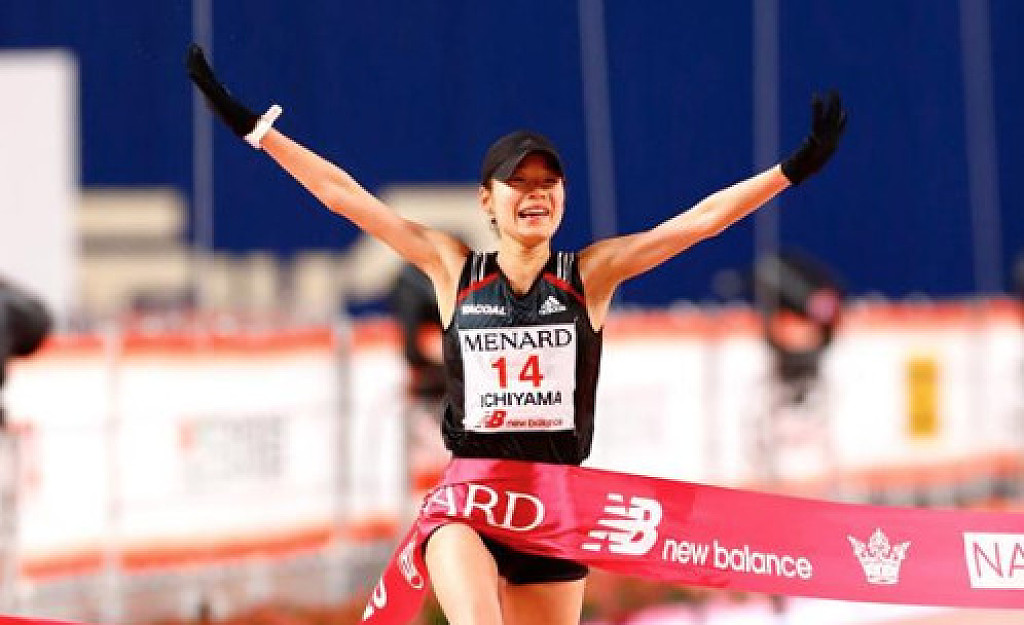
Ichiyama clinches final spot on Japan’s Olympic marathon team in Nagoya
Going into the Nagoya Women’s Marathon on Sunday (8), the goal for Japan’s leading distance runners was clear: run faster than 2:21:47 at the World Athletics Platinum Label road race and secure a spot on the national Olympic team.
Mao Ichiyama, who had finished sixth at last year’s Marathon Grand Championship, Japan’s main trial race, broke away from the two fastest runners in the field at 30km to go on to win in 2:20:29, claiming the third and final spot on Japan’s Olympic marathon squad.
Before this race, Mizuki Matsuda – who had won the Osaka Women’s Marathon in January in 2:21:47 – was in line to take the third place on the team, but she will now be entered as a reserve after being supplanted by Ichiyama.
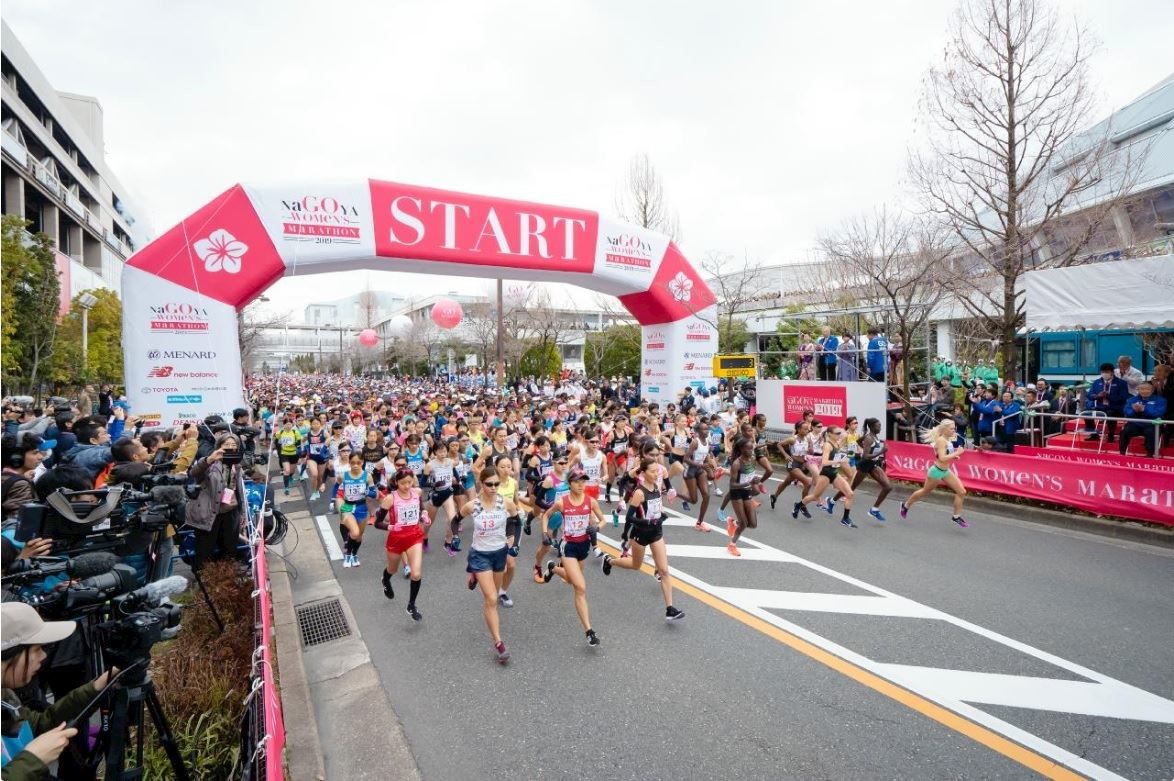
The pacemakers, aiming for a finishing time of 2:20:30, led a huge pack through 5km in 16:41 and 10km in 33:19. Nancy Kiprop was the first big name to drop out, stopping at 11km. Betsy Saina, who finished fifth in the 10,000m at the 2016 Olympic Games, did likewise one kilometre later.
After 15km, reached in 50:12, Olympic team contenders Reia Iwade and Kayoko Fukushi started to falter. 11 runners passed 20km in 1:06:50 and only Ai Hosoda had drifted out of the group by 25km (1:23:30). After passing 30km in 1:40:31, Ichiyama made a decisive move, covering the next five-kilometre segment alone in 16:14.
By 35km Ichiyama was 25 seconds ahead of Rionoripo. By the time she reached the finish line in 2:20:29, a PB by four minutes, the 22-year-old was more than two minutes ahead of the next finisher.
Yuka Ando, who passed four runners in the final seven kilometres, finished second in 2:22:41, the second-fastest time of her career. Rionoripo, who was in second at 40km, finished third in 2:22:56, while Ethiopia’s Hirut Tiberu was fourth in a PB of 2:23:17. Marathon debutante Sayaka Sato was fifth in 2:23:27.
Ichiyama is now the fourth-fastest Japanese woman in history, behind Mizuki Noguchi, Yoko Shibui and Naoko Takahashi, all legendary runners in Japan. Her winning performance is also the fastest time by a Japanese woman on home soil, replacing Noguchi’s 2:21:18 from Osaka in 2003.
“I had been dreaming of a day like this,” said Ichiyama. “The weather was bad, so I thought it would look great if I ran fast today. My goal was to run under 2:21:47, so I am very happy to run much faster.
“I trained to run alone from 30km on, so I am happy that the race went as planned. However, my time is still not world class, so I am going to train at a higher level for the Olympics and produce a great performance at the Games for my country.
“Last year at the Tokyo Marathon the weather was even worse, but that was a good rehearsal for today,” she added. “My only concern today was my time, so I was not worried about my overseas opponents. The race went exactly as I imagined. At about 37km, I was sure I could run under 2:21. But after 40km, it was starting to get tough.”
by World Athletics
Login to leave a comment
Nagoya Women's Marathon
The Nagoya Women's Marathon named Nagoya International Women's Marathon until the 2010 race, is an annual marathon race for female runners over the classic distance of 42 km and 195 metres, held in Nagoya, Japan in early March every year. It holds IAAF Gold Label road race status. It began in 1980 as an annual 20-kilometre road race held in...
more...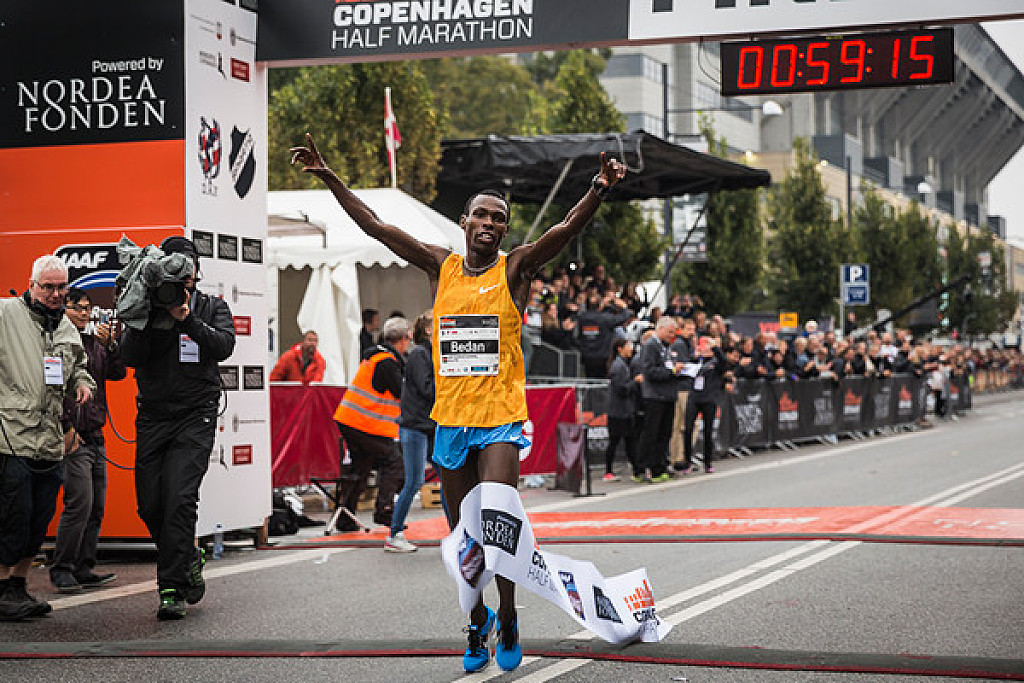
Bedan Karoki and Eunice Kirwa, both past winners of the Gifu Seiryu Half Marathon, will return to defend their titles this weekend
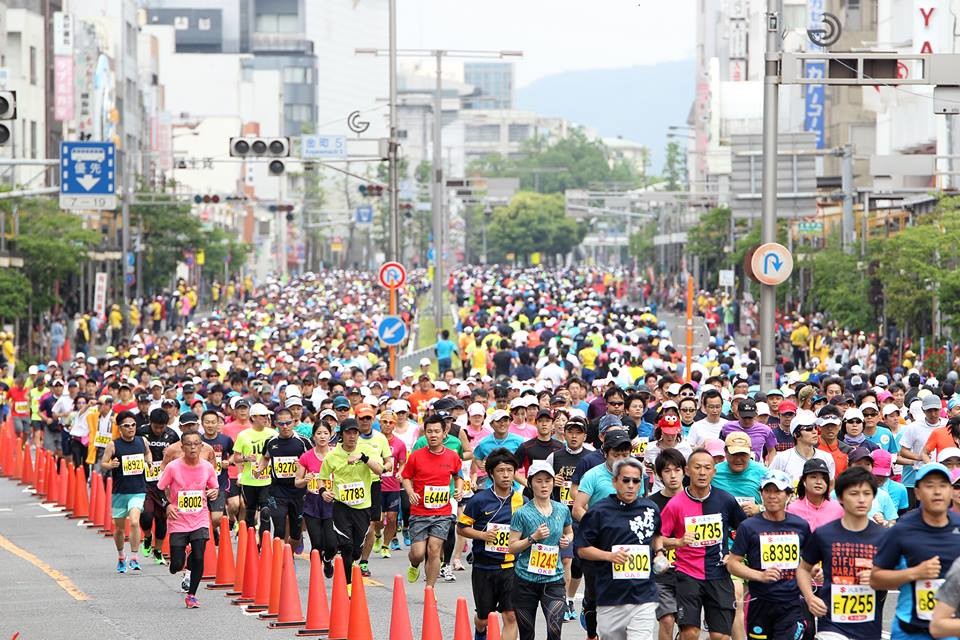
Gifu Seiryu Half Marathon, Also known as the ‘Naoko Takahashi Cup’ as it is held in the home town of the 2000 Olympic marathon champion, the men’s course record of 1:00:02 was set by Karoki when he won in 2014, while the women’s course record of 1:07:44 was set by world record-holder Joyciline Jepkosgei in 2017.
Karoki, world ranked No.13 in road running, will be aiming to become just the second two-time men’s champion in Gifu. Since his last run in Gifu, Karoki earned world silver medals at cross-country in 2015 and at the half marathon in 2016.
He also improved his half marathon PB to 58:42 in 2018 and earlier this year clocked a marathon best of 2:06:48 to finish second in Tokyo.
His main challengers are Eritrea’s Samuel Tsegay, who has a best of 59:21, Abraham Kipyatich, world ranked No.79, and Uganda’s Abdallah Mande, world ranked No.30. Tsegay’s best was recorded back in 2014, but Kipyatich and Mande both set PBs at various distances in 2018 so will likely be bigger threats to Karoki.
Yuki Kawauchi, the 2018 Boston Marathon champion, is the most famous Japanese runner in the field, but national half marathon record-holder Yuta Shitara is the fastest of the domestic entrants. Shitara’s half marathon best is 60:17 recorded in 2017.
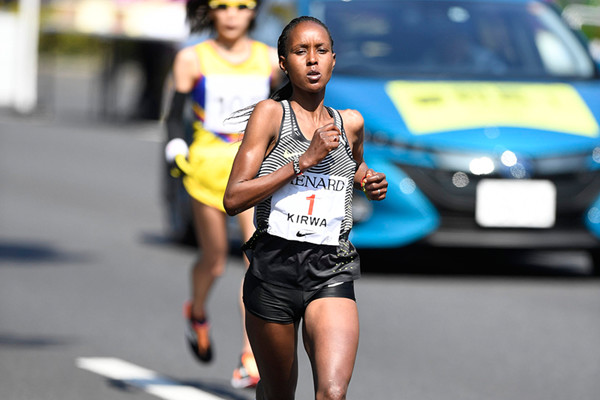
Two time Gifu Seiryu Half Marathon champion Eunice Kirwa Jepkirui leads the loaded women’s field. The Olympic marathon silver medallist set an Asian half marathon record of 1:06:46 in Istanbul in 2017 in what was her last race over the distance.
The 2015 world bronze medallist didn’t race at all in 2018, though, and she may need to be at her best if she hopes to win her third title in Gifu.
Joan Melly Chelimo, world ranked No.3 in road running, has the fastest PB of the field. The Kenyan clocked 1:05:04 in Prague last year, making her the fourth-fastest woman in history for the distance.
Ruth Chepngetich, world ranked No.1 in the marathon, heads to Gifu in the form of her life. She won this year’s Dubai Marathon in 2:17:08, the third-fastest time in history, and followed it with half marathon performances of 1:06:09 and 1:05:29.
World marathon champion Rose Chelimo will be aiming to improve on her PB of 1:08:08, while Ana Dulce Felix, Mimi Belete and Gotytom Gebreslase are also in the field.
by Ken Nakamura
Login to leave a comment

Gifu Half Marathon
The Gifu Seiryu Half Marathon is an annual half marathon road running competition held in Gifu, Japan. First held in 2011, the race is also called the Naoko Takahashi Cup, named after Naoko Takashi, the retired local runner who won the marathon at the 2000 Sidney Olympics and broke the marathon world record in 2001, becoming the first woman to...
more...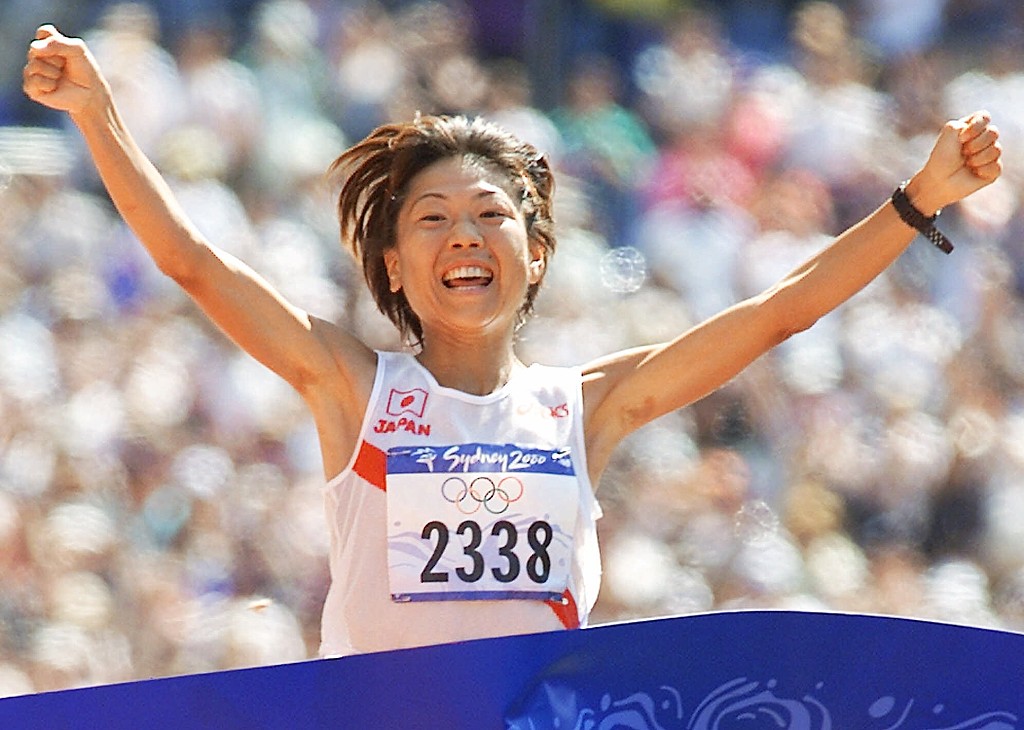
Marathon gold medallist Naoko Takahashi says Tokyo 2020 marathon will be tough
Login to leave a comment
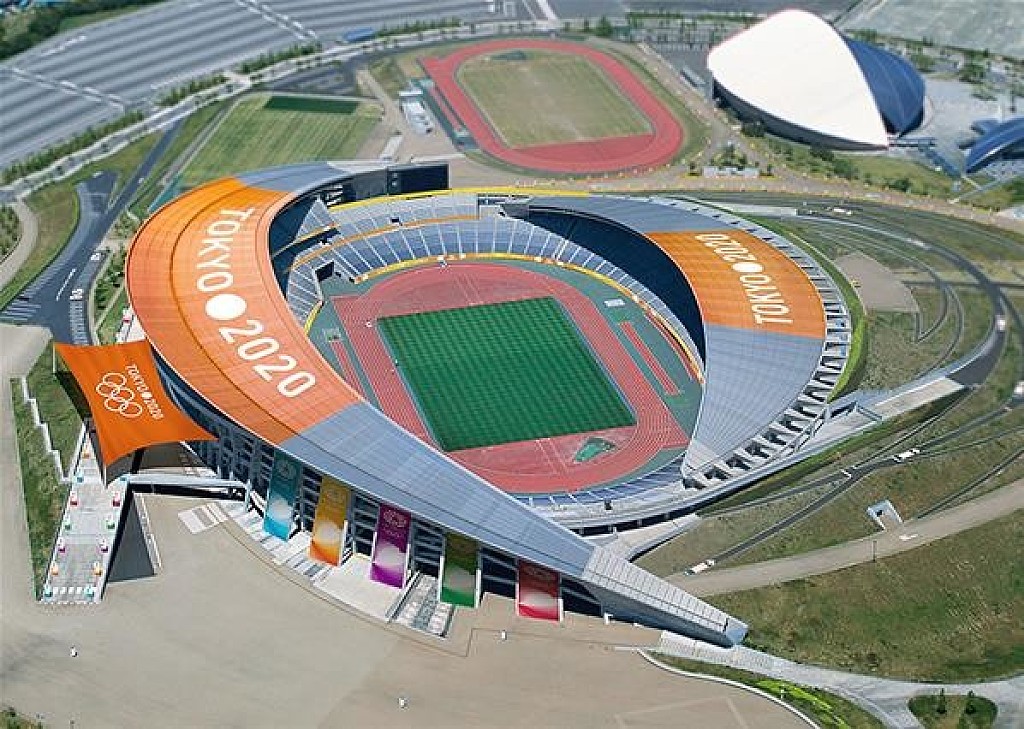
Tokyo 2020 marathon will end with a grueling incline at the newly built Olympic stadium
Login to leave a comment
