

Running News Daily
Running News Daily is edited by Bob Anderson and team. Send your news items to bob@mybestruns.com Advertising opportunities available.
Index to Daily Posts · Sign Up For Updates · Run The World Feed
Articles tagged #Damian Hall
Today's Running News
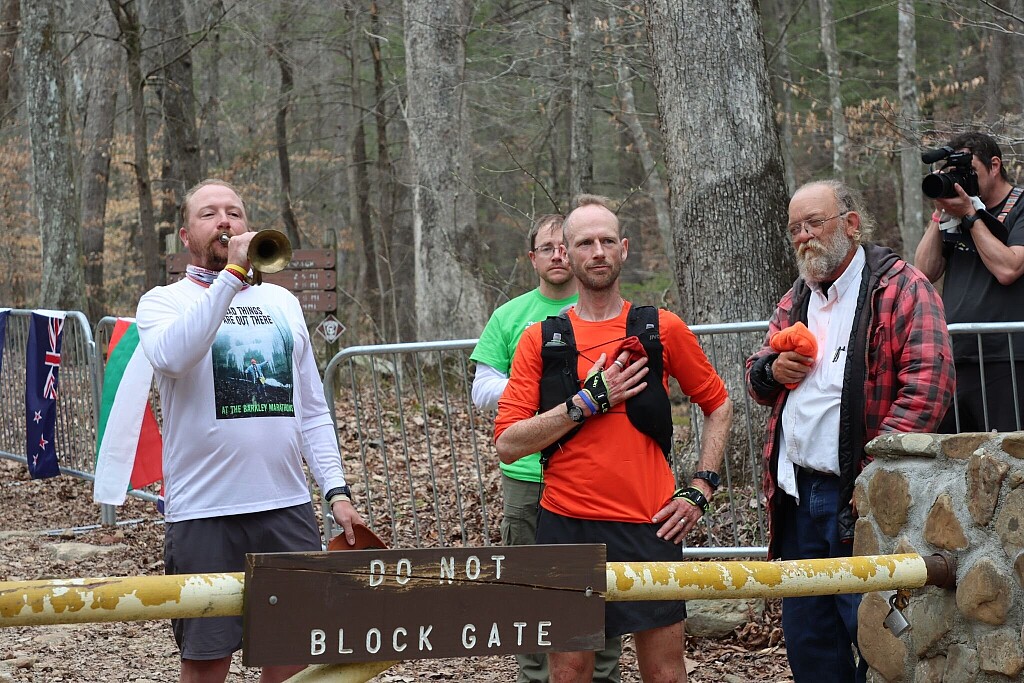


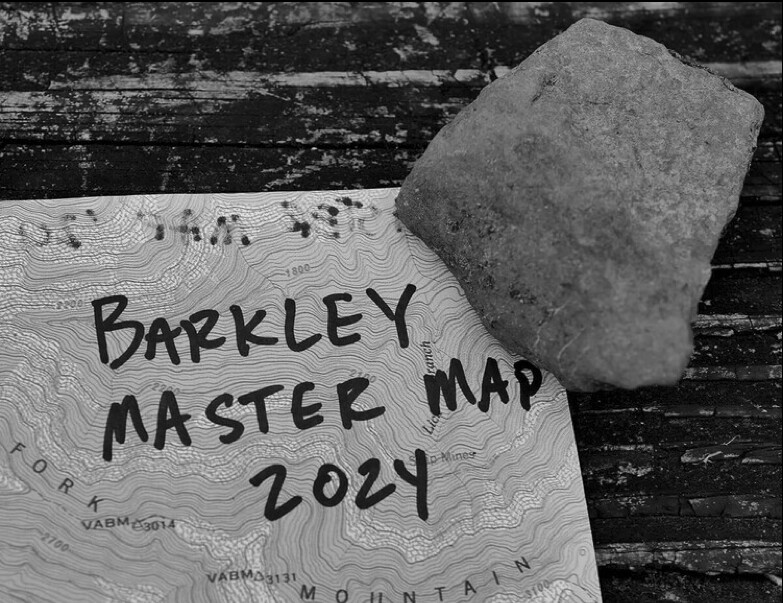
The Barkley Marathons: Where the World's Toughest Race Reveals Its Kindest Heart
The Barkley Marathons has long been shrouded in legend. It is the race that humbles elite athletes, breaks spirits, and sends even the most accomplished ultrarunners staggering out of the Tennessee wilderness defeated. With only 20 finishers in its 39-year history, it has earned a reputation as perhaps the most unforgiving endurance event on Earth.
Yet beneath the race's brutal exterior lies a story that few people hear.
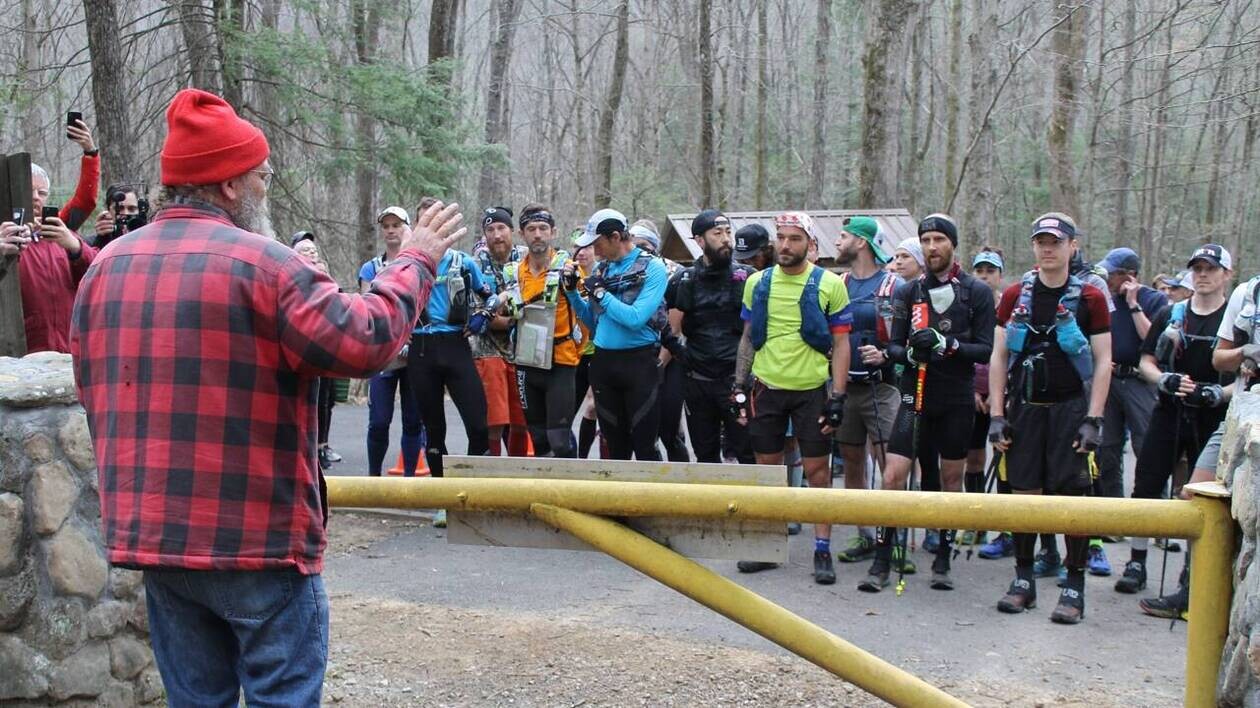
In a column published by Runner's World UK on June 6, British ultrarunner Damian Hall offered a perspective that challenges many assumptions about the infamous event. Having experienced the Barkley Marathons three times at Frozen Head State Park, Hall argues that while the race itself may be merciless, the people surrounding it are remarkably compassionate.
The contradiction is striking.
Every runner who stands on the starting line is effectively told the same thing: once they disappear into the dense forests and steep ridgelines, they are on their own. There are no aid stations scattered throughout the course, no cheering crowds, and no guarantees of rescue. The Barkley demands self-reliance to a degree rarely seen in modern sport.
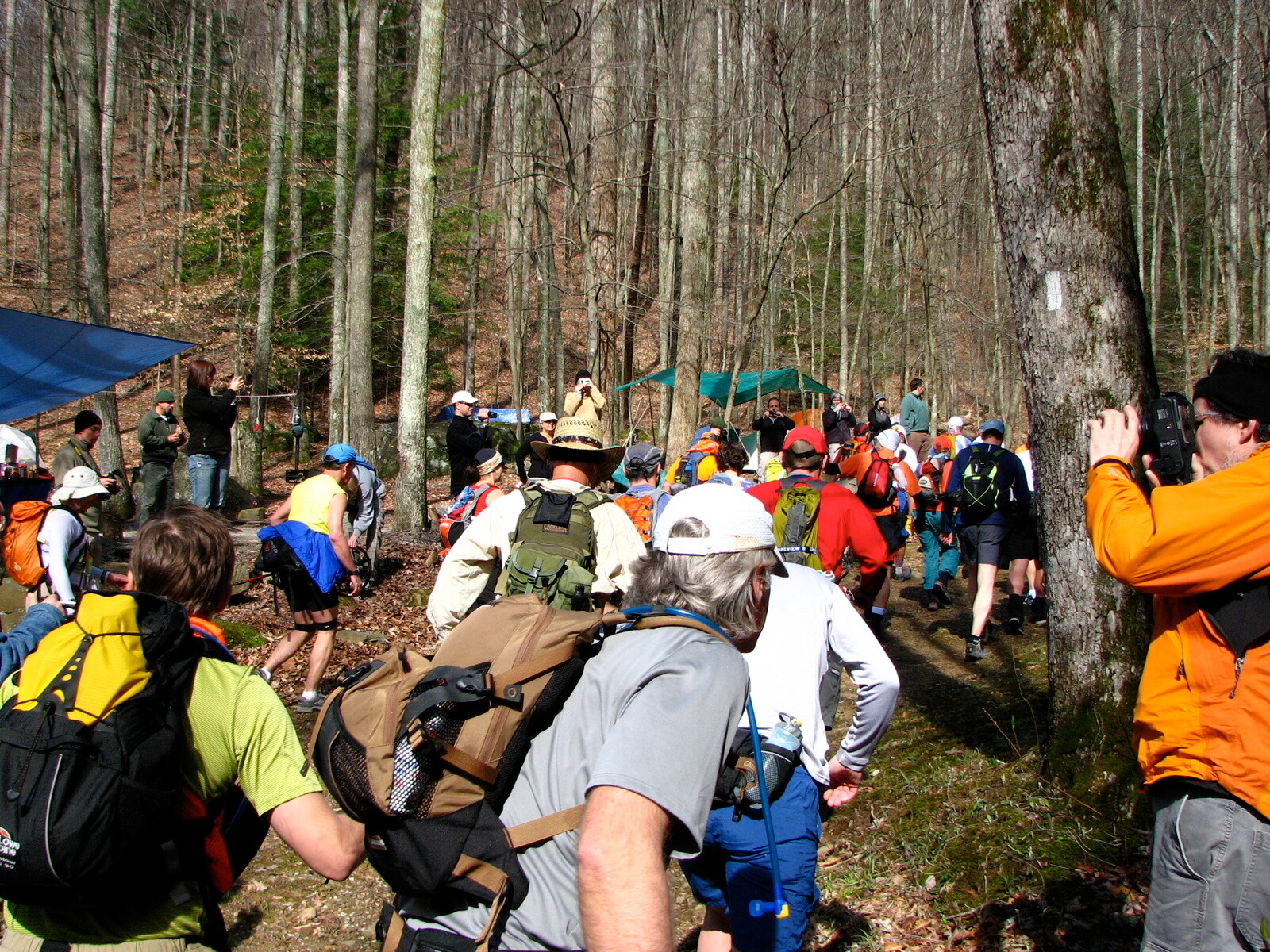
Yet Hall discovered that the community built around the race tells a very different story.
He recalls meeting rugged Barkley veterans whose tough appearances suggested they would be indifferent to the struggles of others. Instead, he found people deeply invested in the welfare of runners still battling through the darkness. Conversations around camp were not about personal achievements or race strategies, but about competitors who had yet to return.
Did they have enough food?
Were their headlamp batteries still working?
Had they packed sufficient warm clothing for the cold mountain night?
These were the questions being asked.
According to Hall, the atmosphere at the Barkley campground is defined not by competition, but by concern. In a race designed to push individuals to their absolute limits, participants and spectators alike seem united by a shared understanding of human vulnerability. The harsher the challenge becomes, the stronger the sense of community appears to grow.
Perhaps that is what makes the Barkley Marathons so unique.
Its reputation is built on suffering, failure, and impossibly difficult terrain. But behind the stories of exhaustion and heartbreak lies something far more inspiring: a gathering of people who genuinely care about one another. The race may demand that runners face the wilderness alone, yet they are surrounded by a community that never stops hoping for their safe return.
The Barkley Marathons remains one of the world's toughest sporting tests. But as Damian Hall's reflections suggest, it may also be one of the greatest reminders that endurance is not only about resilience and grit—it is also about humanity, generosity, and the bonds forged when people confront extraordinary challenges together.
by Erick Cheruiyot for My Best Runs.
Login to leave a comment
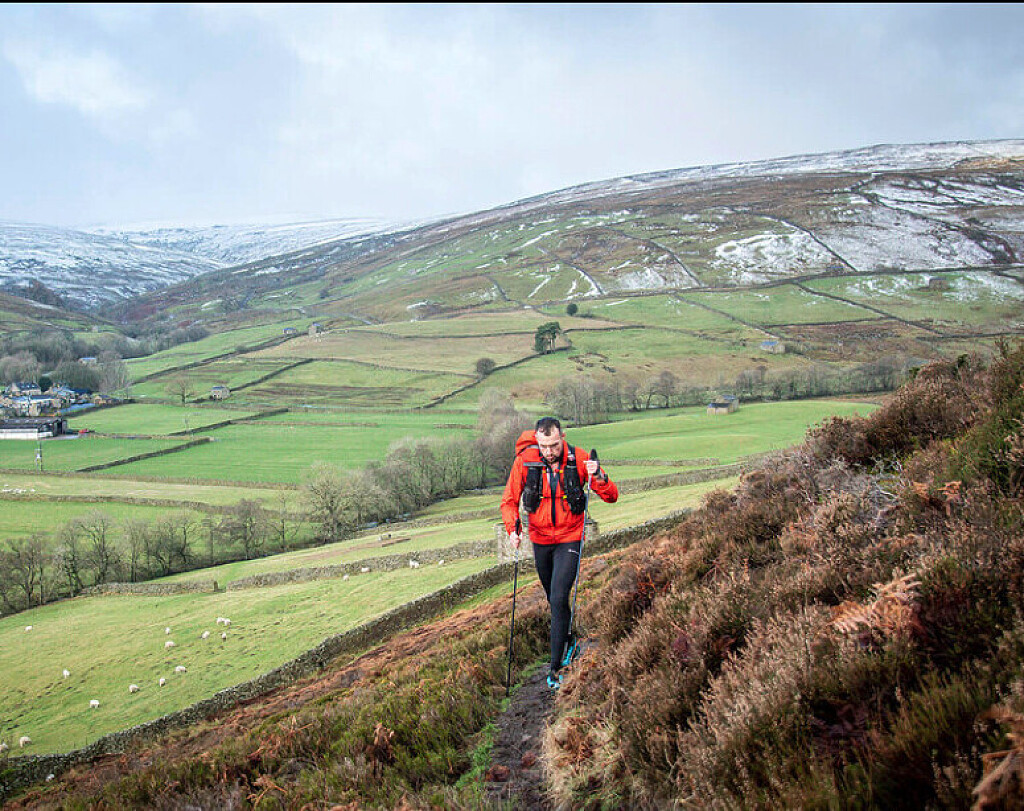
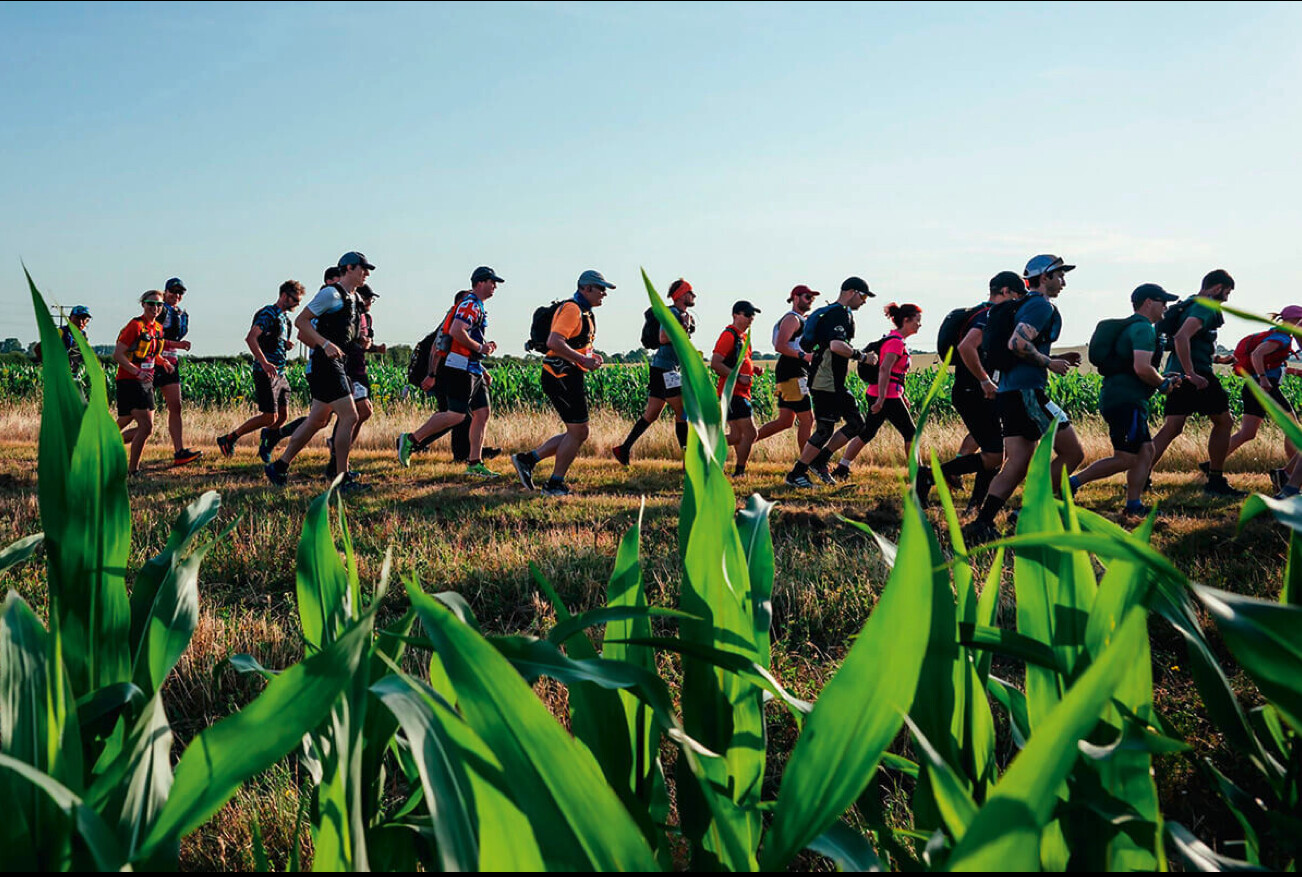
Runners have gone wild in the current boom, increasingly hitting the trails and embracing ultra distances
that immerse us in nature, where mile splits matter far less than the experience of respondents to a 2024 Runner’s World survey have run an ultramarathon.
65%
of those ran their first ultra in the past five years.
33%
said that they’re planning to run or considering running an ultra in the next two years.
‘It definitely feels more people are running trail and ultra, certainly post-Covid. The scene is really exciting with more races (and more accessible races), more brands, more sport-specific media, more younger, faster runners and more women – but they’re still a minority. Black Trail Runners and others are doing great work to make the scene more diverse. It’d be great to see more diversity, more accessibility and gender equality.’
Damian Hall, author and record-breaking ultrarunner236%
The year-on-year increase in internet searches for the Barkley Marathons from August 2023.
61%
of those surveyed by RW are interested or may be interested in following the big ultra races, such as the Barkley Marathons, Spine and Ultra-Trail du Mont-Blanc. 34%
This year’s increase in registrations for the Ultra-Trail du Mont-Blanc World Series Finals, compared with 2023. Demand is two to three times higher than max capacity.
43
Events in UTMB World Series in 2024, in Asia, Oceania, Europe, Africa and the Americas.
$7.3 billion
The value of the global trail running shoes market in 2022, according to a report by Allied Market Research. Up from $1.38bn in 2016, according to data from Grand View Research.
$12.4 billion
Predicted value of the global trail running shoes market in 2032, according to Allied Market Research.
30%
Year-on-year increase in numbers for the Montane Spine races. ‘The Montane Spine has expanded with more races within the events and more locations. We’ve had to organise other races to keep up with demand because the Montane Spine races continue to consistently sell out. We’re seeing people looking for ultramarathons to help with their mental health.’
Phil Hayday-Brown, founder of the Montane Spine Race
63%
The year-on-year increase in participants at Black To The Trails, with a waiting list operating for 2024’s sold-out event. 58% of runners were people of colour, with 14 of the 19 UK ethnic categories represented; 70% of participants were women.‘The Black Trail Runners community continues to grow daily with thousands of followers in the UK and globally, we’re a registered community and campaigning charity with the mission to increase the inclusion, participation and representation of people of Black ethnicity in trail running. If you want to see a more ethnically diverse sector, you can join us to help us do that – you don’t need to be of Black ethnicity to support the work that we do.’
Sabrina Pace-Humphreys, ultrarunner and co-founder of Black Trail Runners
5,252%
Growth in trail races with 500 or more participants in the 10 years leading up to 2022, according to RunRepeat. 11%
The year-on-year increase in runners on Strava completing at least one ultra, according to 2024 Strava data, growing at the same rate for men and women.
10% year-on-year increase in 50Ks.16% year-on-year increase in 50-milers. 14% year-on-year increase in 100Ks.
1,676% increase in ultra participation between 1996 and 2018, according to a recent report from RunRepeat, with numbers rising from just 34,401 to 611,098.
5,590 races
on the International Trail Runners Association calendar between January and August 2024: a 458% increase from the 1,002 races planned a decade ago.
49%
of respondents to the RW survey who run on trails started trail running within the past five years.
231%
Growth in trail running worldwide in the decade leading up to 2022, according to RunRepeat research. ‘All our events have been sell-outs the last couple of years. The Tolkien Trail Race sells out 500 entries in under an hour, and we’re noticing races fill up quicker and quicker each year. Trail racing has the least barriers to compete, with less emphasis on times than road racing, which can be intimidating. There’s an element of adventure, a test of endurance and the release of being in nature that’s evidently being enjoyed across ages and genders.’
Chris Holdsworth, race director for Pennine Trailsitting the trails and embracing ultra distances that immerse us in nature, where mile splits matter far less than the experience
Login to leave a comment
UTMB Is Having a Golden Moment. But It’s Delicate.
After a year that included a maelstrom of controversy, the world’s most prominent ultra-trail running event has righted its path
“It felt like a golden era of trail running.”
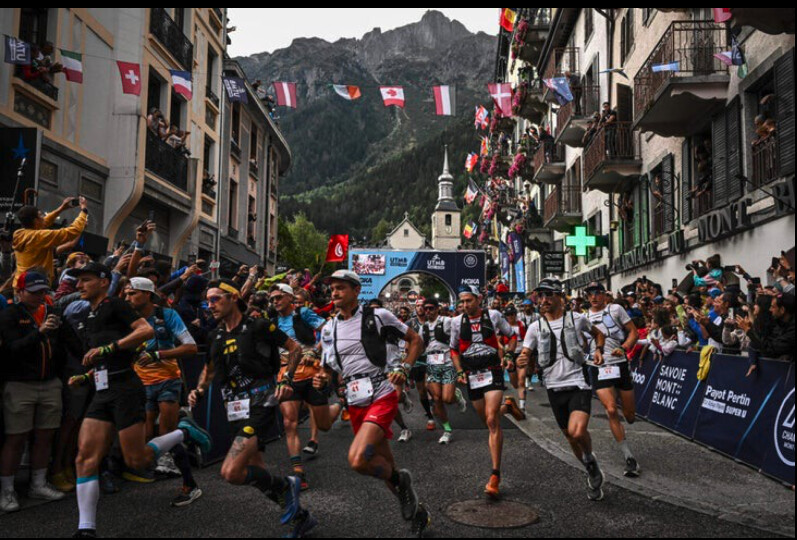
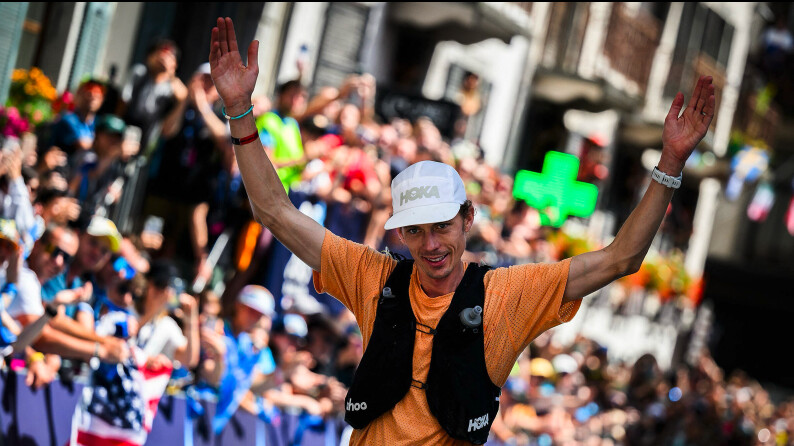
That quote came from Keith Byrne, a senior manager at The North Face and a UTMB live stream commentator for nearly a decade, who was talking about last summer’s UTMB World Series Finals in Chamonix, France.
The UTMB races during the last week of August last summer were, I thought, the most alluring in the event’s 20-year history.
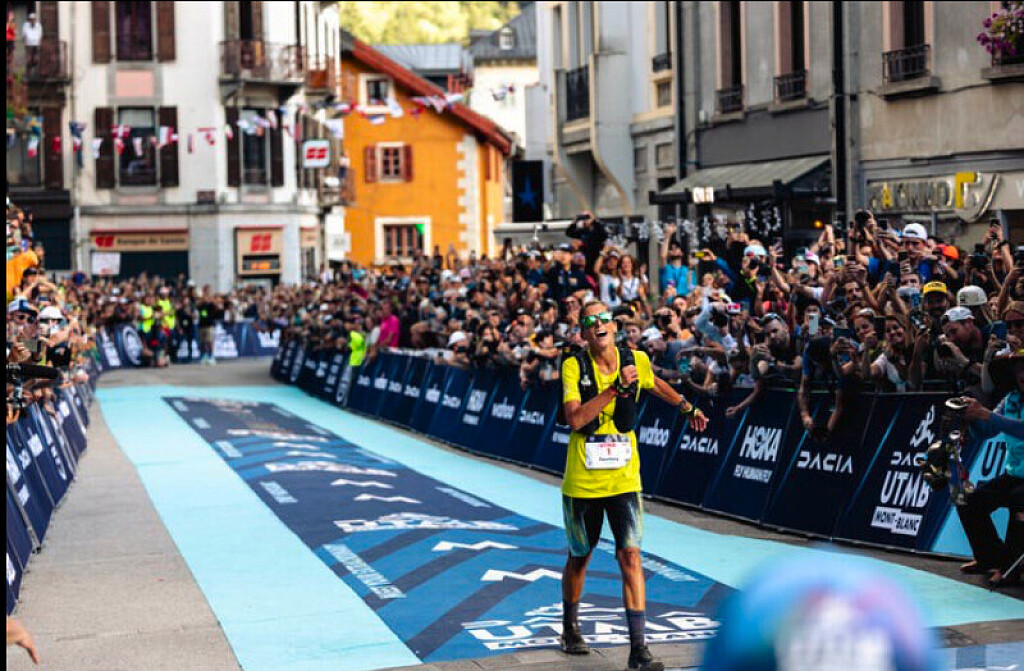
After years of being frustrated by the course, American Jim Walmsley finally put it all together for a victorious lap around Mont Blanc. In doing so he became the first U.S. man to win the race, setting a course record of 19:37:43. He and his wife, Jess, had moved from Arizona to live full-time in France to make it happen. And then there was Colorado’s Courtney Dauwalter, who won the race handily in 23:29:14 to notch her third victory and continue the strong legacy of American women on the course. The win felt extra historic because it made her the first person to win Western States, Hardrock, and UTMB in the same year—arguably the three most legendary and competitive 100-mile events in the world, and she dominated each one.
The events came off without a hitch and included record crowds in Chamonix, plus a record 52 million more tuning into the livestream.
Throughout the fall and winter, harmony and happiness seemed to give way to chaos and discontent. But a year later, as the UTMB Mont Blanc weeklong festival of trail running kicks off on August 26, everything seems back to normal in Chamonix. What happened along the way is a tale of drama, perhaps both necessary and unnecessary, all of it culminating in course corrections by the multinational race series.
In short, what a year it has been for UTMB.
And now, hordes of nervous and excited runners from all corners of the globe are descending on Chamonix for this year’s UTMB Mont-Blanc races. Registration for UTMB World Series events is reportedly up about 35 percent year over year with even greater growth in interest for OCC, CCC and UTMB race lottery applications. There is more media coverage, more pre-race hype, and more excitement than ever before. More running brands are using the UTMB Mont Blanc week to showcase their new running gear with media events, brand activations, and fun runs. Even The Speed Project—although entirely unrelated to UTMB—chose Chamonix as the starting point of its latest so-called underground point-to-point relay race to try to catch some of the considerable buzz UTMB is generating.
So what happened? Did the UTMB organization do its due diligence and make amends with several significant changes in the spring? Was the angst and stirring of emotions just not as widely felt as the fervent bouts of Instagram activism claimed it to be? Have the participants and fans of the ultra-trail running world suffered amnesia or become ambivalent? Or is it all a sign of the race—and the entire sport of trail running—going through growing pains as it adjusts to the massive global participation surge, increased professionalism, and heightened sponsorship opportunities?
On the eve of another 106-mile lap around the Mont Blanc massif, I wanted to take a look at what happened and the current state of UTMB’s global race series that culminates here in Chamonix this week.
We caught a glimpse of what was to come shortly before UTMB last year, when the race organization announced the European car company Dacia as its new title sponsor. A fossil-fuel powered conglomerate didn’t sit well with some fans of the event, coming amid an era of widespread climate doom (even though the brand would be highlighting its new Spring EV at the UTMB race expo.) The Green Runners, an environmental running community co-founded by British trail running stars Damian Hall and Jasmin Paris, called it an act of “sportswashing” and released a petition calling on UTMB to denounce the partnership. (Hall even traveled all the way to Chamonix to deliver the petition in person.)
These grumblings of discontent and others that followed exploded into a social media firestorm shortly after UTMB. In October, it became public that UTMB had moved to launch a race in British Columbia, Canada, just as a similar event in the same location was struggling with permitting. A he-said, she-said back-and–forth left onlookers with whiplash. Then on December 1, UTMB livestream commentator Corrine Malcolm announced on Instagram that she had been fired and in late January, a leaked email from elite runners Kilian Jornet and Zach Miller to fellow athletes called for a boycott of the race series. All of it, jet fuel for social media algorithms.
“We’re at a turning point in trail running, but we can keep the core values if the community stands up,” the Pro Trail Runners Association secretary, Albert Jorquera, told me at the time.
In the midst of these dramas, I interviewed race founders Catherine and Michel Poletti over lunch at a Chamonix cafe. For nearly a decade now, I have met with the couple for candid conversations that helped frame online articles and magazine stories, and most recently for the book, The Race that Changed Running: The Inside Story of UTMB.
I plunged headlong into two articles with hopes of explaining it all. There was so much heat swirling around the UTMB stories, and so little light.
“The very thing that made ultrarunning so bonding was being torn apart by the community itself through social media,” said Topher Gaylord. A former elite runner who tied for second in the inaugural UTMB in 2003, Gaylord engineered UTMB’s first title sponsorship with The North Face and has been a close supporter of the Polletis for 20 years. “Some players are using social media to divide the community. That’s super disappointing.”
To me, it felt like the aggressive online activists were winning the day. Trail running suddenly seemed polarized, infected with the intertwined social media viruses of false indignation and close-mindedness. Twice, I deep-sixed my article drafts. Friends and editors convinced me they wouldn’t be read dispassionately. Who wants to be handed a fire extinguisher, when your goal is to torch the house?
Well, what a difference eight months can make. We now have some perspective and, with it, some answers.
Since its earliest days, UTMB’s volunteer founding committee believed in the values of the sport. The very first brochure produced for the race—a mere sheet of paper—featured a paragraph on values. In later years that statement became much more comprehensive, expanding to cover a wide range of topics and the race’s mission to support and protect them.
But maintaining those values in an organization that has gone from a singular race with a literal garden-shed office to a 43 global event series with a staff of more than 70 full-time employees is tricky at best. In an interview once, Michel Poletti paused, asking if I had seen a photo of a mutual friend that was making the rounds. He was climbing one of Chamonix’s famed needle-sharp aiguilles, one foot on each side of a razor sharp ridge—a perilous balancing act, big air on each side. It was his metaphor for trying to move ever up, while balancing business growth and heartfelt values.
Over the course of dozens of hours of interviews with the Polettis, I came to learn one thing: UTMB always moves forward up the ridge. In the process, UTMB corrects its course. It starts with a careful analysis after each edition, evaluating pain points in areas such as logistics, security, media, traffic, and others, discussing how they can be addressed. Historically, those course corrections haven’t been at the pace others might want—especially since the social unrest that developed during the Covid pandemic—but the organization has a reliable pattern of steadily addressing concerns.
And so, not too many weeks after that lunch meeting, UTMB set to work. First came a heartfelt effort they kept under the radar—traveling around the U.S. to listen and learn. They spent two weeks in the U.S. in February, visiting with American athletes, race directors, journalists, consultants, and their Ironman partners. “We need to learn from our mistakes and from this crisis,” Michel said.
Methodically over the ensuing months, UTMB rolled out a series of changes. Some were aimed at directly addressing the controversies, others were overdue for what is, by any metric, the world’s premier ultra-trail running event.
“My hope is that the trail running community understands that we are human,” Catherine had told me over the winter.
Four months ago, at the end of April, the race organization announced that Hoka would become the new title sponsor of UTMB Mont-Blanc and the entire UTMB World Series through 2028. It was a huge move because Hoka, one of the biggest running brands in the world, essentially doubled-down on its support of UTMB and trail running in general. The five-year deal brought benefits other than cash, too. Hoka has a strong history of inclusivity and growing representation among marginalized communities, an area UTMB has announced it intends to focus more on beginning this year. The deal also moved Dacia out of the title sponsor limelight, instead bringing a brand with a strong reputation in trail running to the fore.
Dacia was shifted to the role of a premier partner in Europe, and now plays an integral part in a new eco-focused mobility plan UTMB updated in July. Fifty of their cars can be signed out for use by over 70 staff and 2,500 volunteers, encouraging them to arrive in Chamonix using public transportation instead. The move is estimated to eliminate 200 vehicles driving into the valley. (The organization’s new mobility plan will transport an estimated 15,000 runners and supporters, eliminating the need for approximately 6,000 cars during the UTMB Mont-Blanc week. On average, a bus will run every 15 minutes between Chamonix and Courmayeur, Italy, and Chamonix and Orsières, Switzerland.)
In May, UTMB announced a new anti-doping policy it had developed with input from PTRA. The organization committed to spending at least $110,000 per year, money that will be allocated to test all podium finishers and a randomized selection of the 687 elite athletes in attendance. The new policies will be implemented by the International Testing Association, an independent nonprofit that has also conducted two free informational webinars for the 1,400 UTMB Mont Blanc elite runners.
Not long after the announcement, Catherine Poletti suggested this was just a start. Speaking at TrailCon, a new conference held in Olympic Valley, California, on June 26, she said, “It’s a first big step for us. And we’ll continue to develop this policy.” (The most important anti-doping protocol may still be beyond UTMB, however. “The elephant in the room is that we need a coordinated approach to establish out-of-competition testing,” Tim Tollefson, an elite U.S. runner and director of the Mammoth TrailFest in California, who spearheaded independent testing at his event in 2023. “Individually, we’re just lighting our money on fire.”)
In mid-June, UTMB addressed a longtime issue with top runners—prize money. A chunk of the funding from the ratcheted-up Hoka sponsorship was directed to supporting the bigger prizes for the OCC, CCC and UTMB races in Chamonix—about $300,000 this year, nearly double of 2023—as well as more prize money for the three UTMB World Series Majors. (The sequence was intentional. The organization wanted a new doping policy in place before increasing prize purses, since large cash awards are often thought to lead to a growth in doping.)
It’s a move that was long overdue—the most celebrated marquee event in any sport should reward its top athletes more than any other event—but not possible without Hoka’s increased involvement. The proposal was shared with PTRA in advance of the announcement, and the group provided feedback that was incorporated into the final divvying up of the purse. The total amount spent on prize money across all UTMB races is now more than $370,000.
“We increased the prizes quite dramatically,” said UTMB Group CEO Frédéric Lenart. “It’s very important for us to support athletes in their living.”
Finally, just last week, UTMB announced a new department within the company called “Sport and Sustainability.” The group is headed by longtime UTMB staffer Fabrice Perrin. He was a driving force behind the creation of UTMB’s live coverage back in 2012. Heading up relations with the pro athletes will be longtime elite trail runner Julien Chorier. Nicolas LeGrange, UTMB’s Director of Operations, will be in charge of sustainability and DEI, Diversity, Equity Inclusion.
On the DEI front, UTMB is calling its strategy “leave no one behind,” and they promise new initiatives coming this fall so that, according to Perrin, “every athlete feels a sense of belonging within our community,” he says. “I am committed to ensuring that we perfect symbiosis with the entire community of trail running.”
UTMB has already begun to embrace adaptive athletes, something it was criticized for lacking as recently as last year. This year’s UTMB Mont Blanc races will feature a team of 12 adaptive athletes who will be participating in the MCC, OCC and UTMB races. Under the direction of adaptive athlete and team manager Boris Ghirardi, who lost his left foot and part of his left leg after a motorcycle accident in 2019, the race organization recruited the athletes from around the world to showcase how adaptability and resilience are key elements of the UTMB values.
“I proposed this program to make a concrete action around adaptive athletes and the inclusion policy, and to prove that it was possible,” he said this weekend. “If you really get everyone working on this, you can change the game.”
And with that, UTMB Mont-Blanc 2024 is underway, resuming the golden era status that Byrne raved about last August. Starting this past weekend, banners have been unfurled over Place du Triangle de l’Amitié in the heart of Chamonix, kicking off the carefully choreographed trail running Super Bowl that is UTMB. The excitement begins on August 26 and culminates as the race for UTMB individual crowns reach a tipping point on August 31. (The golden hour of the final finishers on September 1 will be something to behold, too.)
“It’s like wrapping the Tour de France, Burning Man, and the biggest industry trade show into one giant, week-long festival,” Gaylord says. “It’s an amazing week for our sport, one of the biggest showcases we have.”
The aura of Chamonix and the opportunity to run a race there is drawing as much or more interest than ever before. It is perhaps the essence of what will keep the UTMB World Series afloat into the distant future. Runners will continue to chase Running Stones at qualifying events around the world, knowing the carrot of running one of the races around the Mont Blanc massif is second to none.
Trail running is booming on a global scale, and it’s not just UTMB shouldering the burden or reaping the benefits. The Golden Trail World Series, Spartan Trail Running, Xterra Trail Running—and even the World Trail Majors, Western States 100, and dozens of other more prominent trail races—are all trying to get a bigger piece of the pie, either by way of money or relevance.
UTMB Mont Blanc, as trail running’s most important race, is at the very beating heart of it all. And trail running is a soul sport, so when change and growth happen, it can feel threatening to all of us whose lives have been changed for the better by time spent with dirt underfoot and blue sky above. UTMB is big enough now that it’s urgently important that it make changes judiciously and preemptively.
As the world’s most significant trail race, the consequences of UTMB’s choices will ripple throughout the ecosystem. UTMB understands this. “Do we owe something to trail running? Yes, of course we do,” Michel Poletti once told me. That’s truer than ever now.
At TrailCon in June, Catherine Poletti summed up UTMB’s challenge. “Trail running is changing around the world. We’ve seen that evolution over 20 years. We need to adapt, to find a good balance, to accept different models and ways of organizing.”
Back in August 2021, I wrote an article here called, “UTMB, Don’t Break Our Hearts.” It came the summer after the organization announced its investment from the Ironman Group. Change– big change– was everywhere. Could the race around Mont Blanc maintain its soul and passion amid talk of multinational sports marketing, we all wondered? Michel Poletti closed the interview by saying, “Nous prenons un rendez-vous dans trois ans.” Simply translated: “We’ll schedule an interview in three years.”
Three years is now, and both UTMB and trail running’s landscape have changed dramatically, if not literally then certainly figuratively. We’ve seen UTMB adjust its rudder this past year, responding to concerns. Perhaps not at the pace any individual or specific group would like, and not to the extent some would wish. But it’s happening, and for that we should all breathe a cautious sigh of relief. Because if you love trail running, you have to care about what happens at the world’s biggest trail race.
As I write this in Chamonix very early on the morning of August 26, overcast skies are parting and blue skies are in the offing. The forecast for the week ahead is for bright sun with a few clouds. It’s a workable enough metaphor for trail running’s future. But one thing has to happen for it to come true. The race that changed running needs to continue to listen to its stakeholders around the world, and engage with them as it grows and develops in the days ahead. If that happens, Byrne’s vision of the golden age of our sport just might linger on. I can hope.
by Outside Online
Login to leave a comment
Why Jasmin Paris is about to become a household name
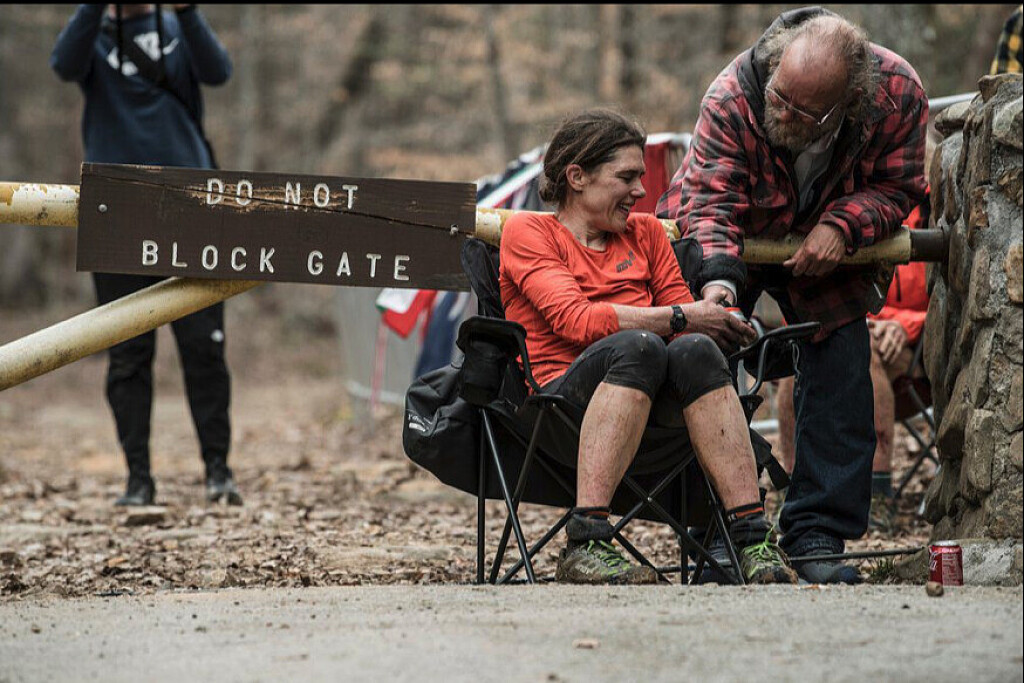
British ultrarunner Jasmin Paris made history on Thursday when she became the first woman runner to finish the Barkley Marathons, charging to the finish with only 99 seconds to spare before the 60-hour cutoff. But this is not the first time Paris, who runs free of sponsorships and is an environmental advocate, has achieved something remarkable in the trail running world. Here’s what we know about the 40-year-old ultra-trail champion.
Paris is a veterinarian and research scientist from Midlothian, Scotland. In 2019, she jumped to world attention on the ultra scene when she smashed the overall (men’s) course record–by 12 hours–at Britain’s 268-mile Montane Spine Race, finishing in 83 hours, 12 minutes, 23 seconds–while also pumping breastmilk for her infant daughter.
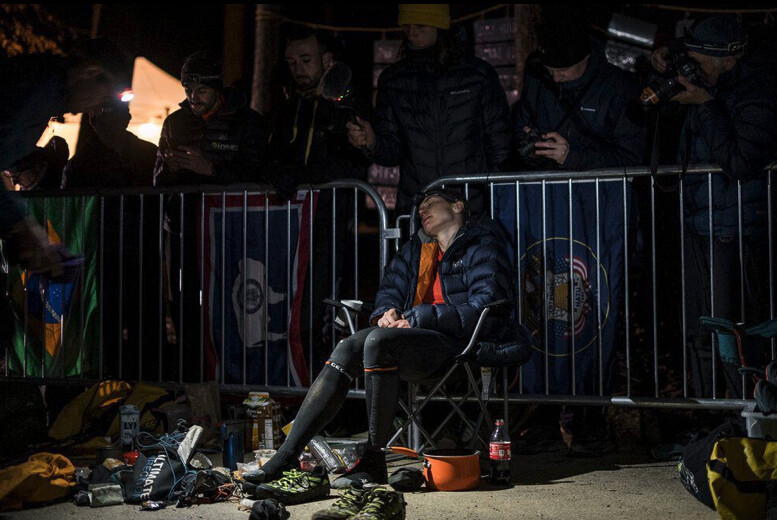
“When it was really difficult I made myself think about my daughter and imagined the different things she does—that kind of kept me distracted and entertained,” she told British Vogue after her Spine Race success.“Some of the time you don’t really think about anything. It’s mindful, you’re just putting one foot in front of the other.”
The Barkley Marathons is five loops of a 20+ mile course in Frozen Head State Park, near Wartburg, Tenn. (distances vary; the race is thought to be well over 100 miles) featuring thousands of metres of elevation gain, with a time limit of 60 hours. It was first run in 1986, and was inspired by the prison escape of James Earl Ray, who was serving time at Brushy Mountain penitentiary for the murder of Martin Luther King, Jr. (He was captured soon after.) Gary Cantrell (a.k.a. Lazarus Lake, or “Laz” to his friends) dreamed up a 100-miler in the vicinity of the prison, which is now abandoned and is a feature of the course. GPS watches are not allowed; each runner is issued a cheap watch set to “Barkley time,” i.e., the 60-hour limit. Runners must collect pages corresponding to their bib number from 13 books hidden on the course (they receive a new bib for each loop); missing pages mean disqualification. There is water available on the course, but no aid stations. Runners may only receive aid from their crew between loops, in camp, where they are on the clock.
Paris was always passionate about the outdoors, but only took up running in university. She began winning local and national fell-running and ultrarunning events, including the Scottish Hill Running Championships, British Fell Running Championships and then the 2016 Extreme Skyrunner World Series. Paris ran a hill race 10 days before giving birth to her daughter.
While Paris says it has been challenging to juggle training as a parent to a young child, she adds that it’s important to maintain a balanced life.”It doesn’t make you a worse parent if you have something else that is just yours; in fact I think that it’s probably inspirational to your child, she told British Vogue.”I hope my daughter will be inspired when she grows up to believe that she can do anything.”
Barkley creator Laz Lake asked Paris to run the race after her victory at the Spine Race—he thought Paris might be the only woman who could possibly finish. In 2o22, she completed three loops (which is dubbed a “fun run”); in 2023, she was eliminated after four loops, falling short of the 48-hour cutoff time to begin the fifth loop. Paris was only the second woman ever to attempt a fourth loop; the first was Sue Johnston of Vermont, in 2001.
Fellow British runner and two-time Barkley Marathons competitor, Damian Hall, made it to loop five for the second year in a row, but was unable to complete the race. He commented on Paris’s remarkable finish to his sponsor, Inov8: “It was still an amazing experience, and incredible to see Jasmin finish and make history. That wiped away most of my personal disappointment. It was the greatest sporting achievement I’ve seen in the flesh.”
“The final minutes were so intense, after all that effort it came down to a sprint uphill, with every fiber of my body screaming at me to stop,” Paris told The New York Times post-race.“I didn’t even know if I’d made it when I touched the gate. I just gave it everything to get there and then collapsed, gasping for air.”
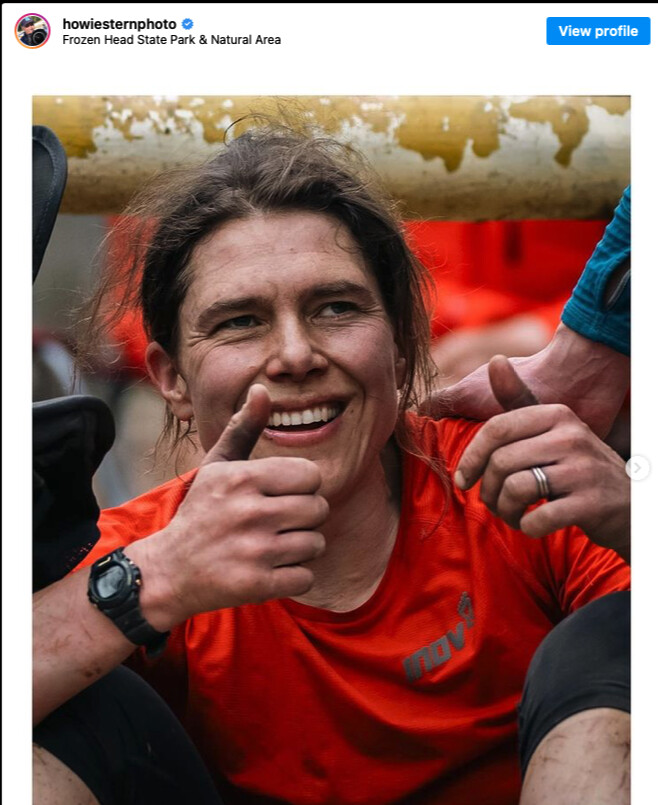
Renowned photographer Howie Stern is a regular at the Barkley Marathons, and captured Jasmin throughout the race.”Thank you Jasmin for putting your heart and soul into the dark world that takes place in a little park in Tennessee, which has captivated and inspired women and men the world over,” he said on Instagram.
by Running Magazine
Login to leave a comment
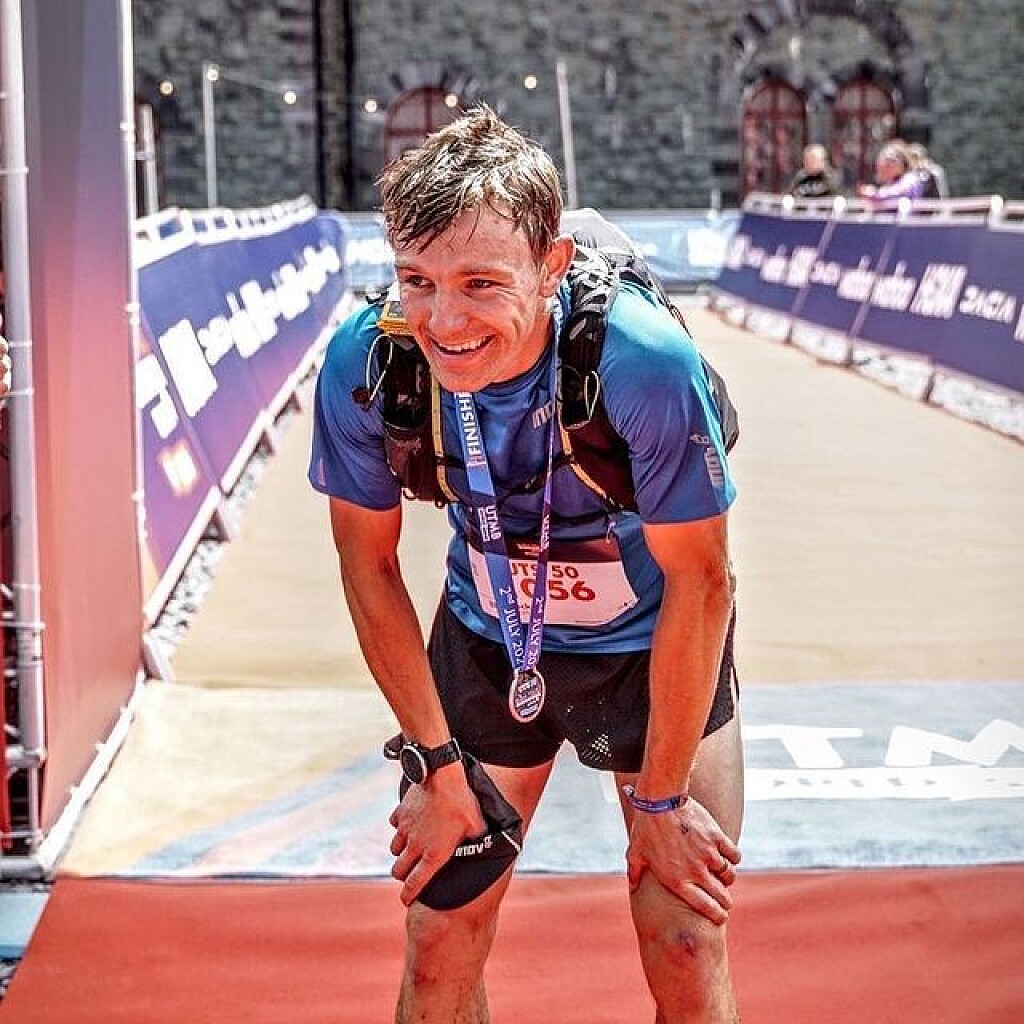
Try the Spine Race champion’s bonkers treadmill workout
In January, Great Britain’s Jack Scott, 29, clinched a record-breaking victory on the grueling 432-km Pennine Way, winning the Montane Winter Spine Race in 72 hours, 55 minutes and five seconds. After facing setbacks and physical challenges in the lead-up to the race, Scott was forced to go beyond conventional training methods to keep his body healthy and strong, and he shared his training secrets in a blog post with his sponsor, Inov8—revealing a bonkers treadmill workout that played a pivotal role in his success.
Scott’s extraordinary achievement not only eclipsed fellow Brit Damian Hall’s previous men’s record of 84 hours, 36 minutes, and 24 seconds; it also surpassed the overall best set by Jasmin Paris in 2019 (by more than 10 hours), a record considered by many to be unbeatable. Here’s how the ultra runner achieved the impossible.
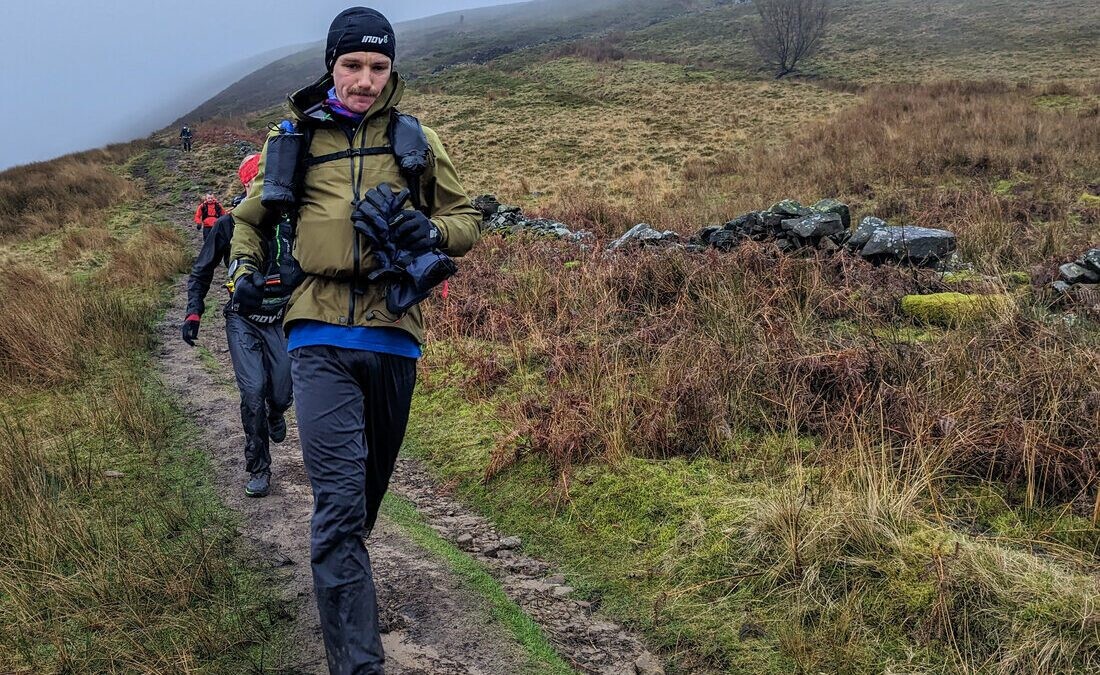
Training challenges
Scott encountered unexpected obstacles during his final preparations for the 2024 Spine Race. Battling fatigue, IT band issues and a series of daily discomforts, he found himself unable to execute his training plan as desired. Scott strategically adapted his approach, incorporating longer days out on the course with a structured gym program and a distinctive treadmill workout.
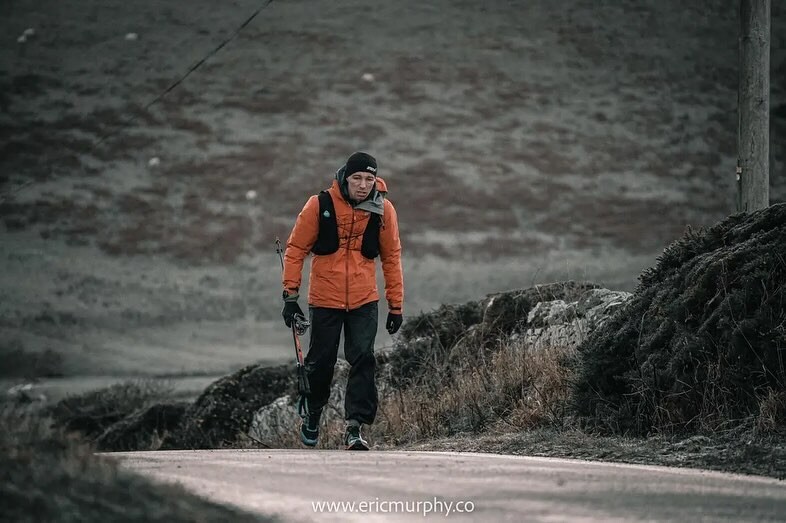
Scott’s treadmill routine, aptly named “The Uphill Treadmill Power Hour,” proved to be a game-changer. With a short warm-up preceding an hour-long ascent on the treadmill set at a staggering 25 per cent incline, Scott gained between 1,375 and 1,525m of elevation. During this intense session, he varied his pace, ranging from 5.4 kph to 7.2 kph, and covering a distance of no more than 6 km total. The average pace across all of Scott’s sessions remained around 10 minutes per kilometer.
Maximum effect with minimal mileage
The uniqueness of this workout lies in its efficiency. “What I was doing here was working at Spine Race pace but also exploring a very high-intensity session for my heart and lungs (my heart rate would easily be above 175 [bpm] for 50 minutes during a session like this),” said Scott. This approach allowed him to maintain fitness and train race-specifically, all while keeping the mileage low and manageable.
Scott emphasized the session’s effectiveness in maximizing elevation gains without placing undue stress on his body. The treadmill power hours became a crucial component of his preparation, enabling him to adapt to the challenges of the Spine Race course and the unpredictable conditions he would face.
Try it at home
While most of us aren’t training for a challenge quite as tough as the Spine Race, we can still adapt Scott’s approach to help us crush our race goals. Try tweaking the workout to fit the length of time you have available, and your ability.
Warm up with a 10-minute brisk walk or easy jog.
Crank up the incline on your treadmill, adjusting it until you find a sweet spot—you should feel as though you are putting out a hard, leg-burning effort, but you should still feel comfortable and safe on the treadmill, and as though you can sustain your output for at least fifteen minutes.
Cool down with 10 minutes of very easy running or walking.
For regular runners seeking to inject innovation into their training routines, Scott’s power hour offers a fresh perspective, combining elevation-focused workouts with interval training to enhance race-specific fitness without overloading with excessive mileage.
by Keeley Milne
Login to leave a comment
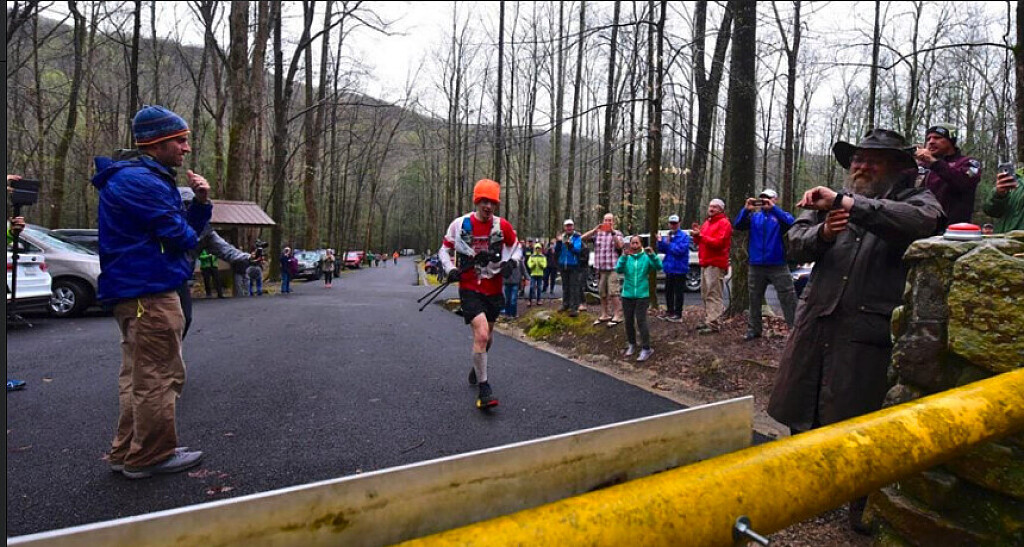
The 2023 Barkley Marathons Has Three Finishers
This week on the rough and rugged terrain of Tennessee's Frozen Head State Park, legends were born.
Amid cold, wet weather and little sleep, John Kelly, Aurelian Sanchez, Karel Sabbe, and Damian Hall put on quite a show this week at the dastardly and often cruel ultra-distance quagmire known as the Barkley Marathons in Wartburg, Tennessee. So did Jasmine Paris, even though she didn't last quite as long as her male counterparts in what was one the best and most exciting editions of this small, quirky, and extremely grueling race yet.
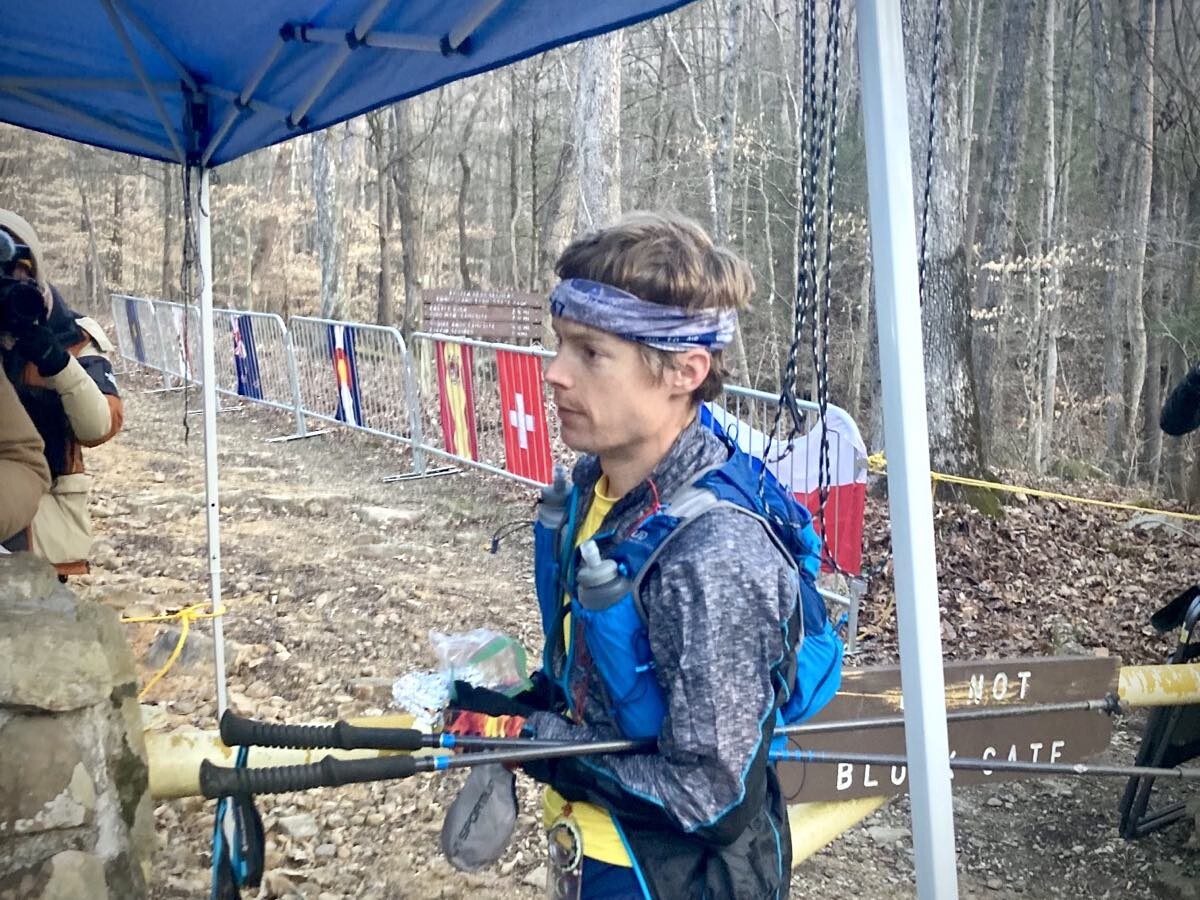
This year's race was the first time that four runners began the rarely-experienced fifth loop and only the second time three runners completed the course, which is roughly 130 miles in length and includes about 63,000 feet of elevation gain, within the 60-hour time cutoff.
Aurelian Sanchez was the first to finish the race, but not without encountering a bit of a challenge near the end after a day hiker removed one of the books, believing the race was over. The 32-year-old Frenchman thought he was doomed and returned to the yellow gate with the pages he had, only to find the book waiting for him at the finish. He tore out his page and got credit for completing the course in 58 hours, 23 minutes, and 12 seconds.
Next was John Kelly, the 38-year-old local runner from nearby Boone, North Carolina, who became a two-time finisher and only the third person to record more than one successful finish. He wound up back at the infamous yellow gate of the start/finish area about 19 minutes after Sanchez, in 58:42:23. He had been the most recent Barkley finisher back in 2017, which seems like a lifetime ago, given how COVID-19 seemed to change the scope of time.
"Call me the Benjamin button of Barkley," Kelly tweeted at one point on the last day of the race. "I'm reverse aging on course."
After that, a suspenseful hour went by in anticipation of Karl Sabbe. Finally, with less than seven minutes to spare, the 32-year-old Belgian dentist, who holds the Fastest Known Time on the Appalachian Trail, finally appeared with all the necessary pages to become the third and final finisher of the 2023 event in 59:53:33.
Hall, a Barkley "virgin" (as race director Gary Cantrell refers to participants) from the UK, started the fifth loop with 10 minutes to spare-marking the first time in the race's 36-year history that four runners were out on the final lap-but returned after 53 hours of sleep-deprived running with no pages, tapping out and calling it quits after getting lost for a long period of time.
Earlier in the event, the UK fell running champion Jasmin Paris became the second woman ever to start the fourth lap of the five-lap event in the event's history. She gave it a good go at becoming the first woman finisher, but ultimately timed out on the fourth loop when she returned with nine pages collected. She didn't finish, but she did set a new women's record after becoming only the second woman to start the fourth loop along with Sue Johnston's strong effort in 2001.
The event began on Tuesday, March 14, when about 40 intrepid runners headed out on the course to see if they could join the very exclusive finisher's club. Since the race's inception in 1986, only 18 of the roughly 1,000 runners who have attempted the Barkley Marathons have completed it.
Although Utah's Jared Campbell has finished it three times (2012, 2014, 2016), the only other runner with more than one finish, aside from Kelly, is Colorado's Brett Maune (2011, 2012).
Boulder-based Brian Metzler has run more than 75,000 miles in his life, competing in every distance from 50 meters to 100 miles, running the Rim-to-Rim-to-Rim run across the Grand Canyon and back several times, racing pack burros on many occasions and going up Colorado's Longs Peak 20 times. In 2018, he ran the Great Wall of China, completed the Leadman series and ran a 100K in South Korea. He is the founding editor of Trail Runner and the author of "Kicksology: The Hype, Science, Culture and Cool of Running Shoes."
by Trail Runner Magazine
Login to leave a comment
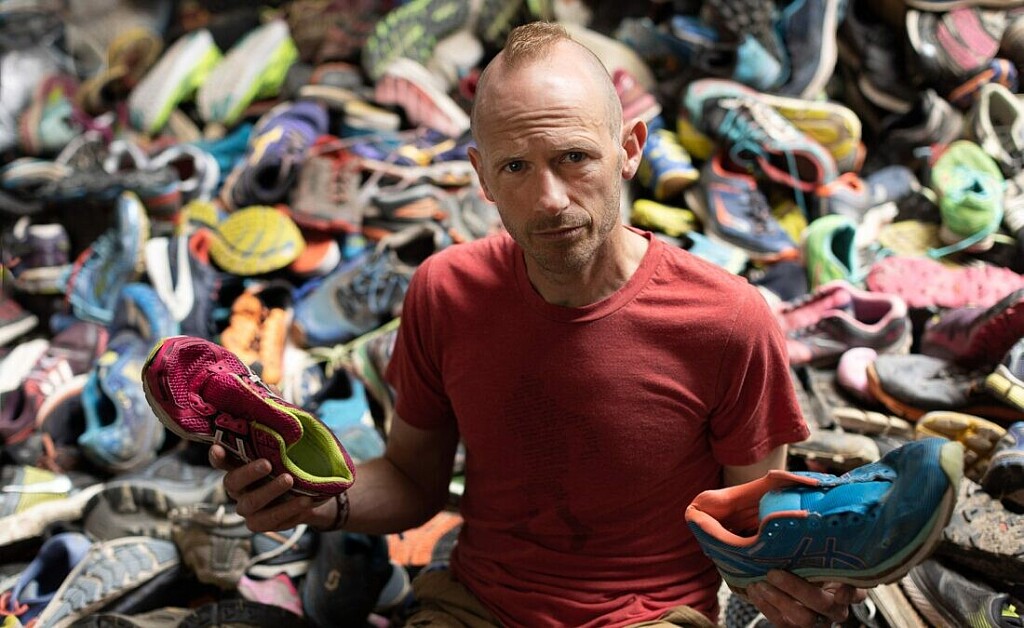
Three things this pro ultrarunner is doing to save the planet
Ultrarunner, coach and activist Damian Hall is taking steps to tackle the climate emergency and has advice for runners who want to do the same. U.K.-based Hall is a record-breaking endurance athlete who holds multiple huge FKTs, including the Cape Wrath Trail, Wainwright’s Coast to Coast and the Pennine Way; he also took fifth at UTMB in 2018.
Hall uses his record attempts to raise awareness about the climate emergency, including taking public transport to races and fuelling without animal products or plastic waste. He collects litter and raises money for Greenpeace on his runs, and has recently written his second book: We Can’t Run Away From This.
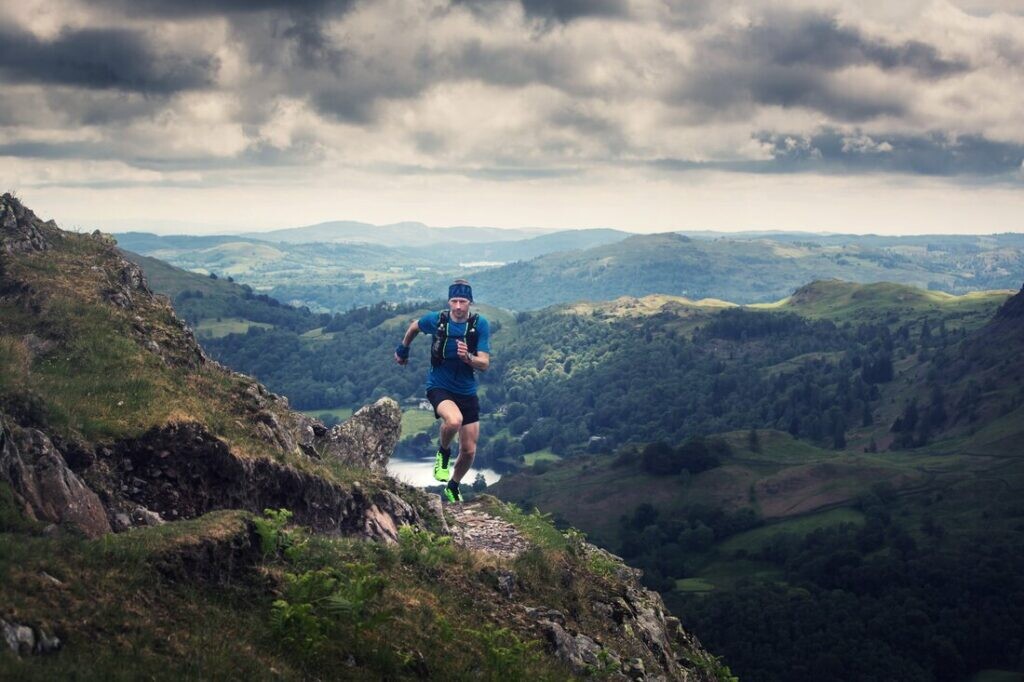
Hall is also co-founder of The Green Runners, a group that strives to inform runners about their impact on the planet (when training, eating and racing) so they can make decisions about how to change their behaviour.
“Though I think individuals should only fuss about their individual CO2e [carbon dioxide equivalent] footprint so much, there are three big areas where we can reduce our impact,” says Hall. Travel, diet and gear (or kit, as Hall calls it) are what Hall calls the big three. Here’s what we can all do.
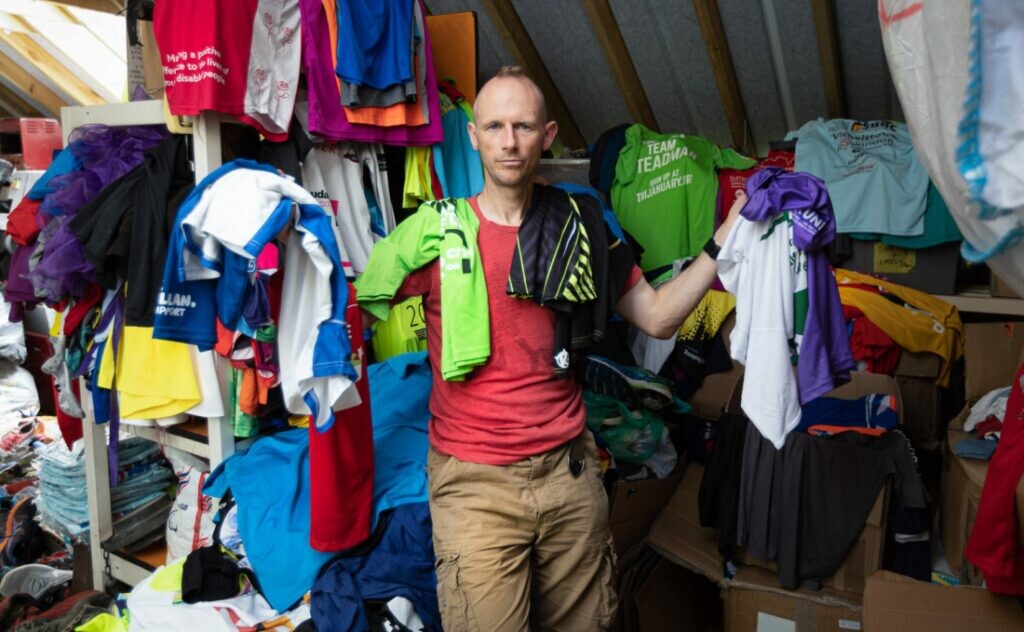
Limit travel to races
“For most runners and outdoor folk, the largest slice of their individual emissions will be caused by travel, which accounts for one-fifth of global emissions. Flying is the most carbon-intensive thing we can do, Hall recently explained to Adventure Books.
Hall suggests using public transportation as much as possible, but that can be tricky in North America. Public transportation (i.e., trains) is not nearly as accessible in Canada as in Europe, and with many runners living outside of big cities, travel can seem like a necessary evil in order to race.
While carpooling whenever possible helps, I asked Hall for more suggestions around this. “That’s tricky, and I think individuals who already care and are already making sacrifices shouldn’t punish themselves too much further. We should continue to do the things that give us joy, but maybe with a little less harm to the planet where possible,” says Hall.
Hall’s tip: “Nowadays I ask myself: A. Do I really need to do the race? B. If so, what’s the lowest-carbon way I can practically travel there? C. Can I stay longer and/or make more out of the trip? D. Offsetting definitely isn’t the solution, but I do it anyway.”
Eat less meat
“Eating meat is terrible for the planet,” says Hall. “Meat and dairy alone are responsible for 18 per cent of global CO2e, more than travel. Beef is by far the worst offender. This graph turned me vegan,” he adds. “A quarter of our footprint comes from food, and it can be reduced by over 70 per cent simply by cutting out animal flesh and juices.”
What about locally or sustainably-raised meat? Hall says it’s just as bad. “Eating local isn’t usually better environmentally (90 per cent of international food is shipped, which is really efficient). “Food waste is also far more significant than where the food came from and what it’s wrapped in,” he explains.
Buy less gear
Those shoes you purchased because they were touted as eco-friendly? Hall says they’re part of the problem. ‘The industry excels at “greenwash,” bandying phrases like “eco-friendly” about while pumping out an endless stream of products in what constitutes an overconsumption crisis,” he explains. The running shoe industry is responsible for approximately the same annual emissions as the entire U.K., Hall shares.
“Those shoes are almost all made from plastic (i.e., fossil fuels), almost all are non-recyclable and brands tell us we should bin our daps after 300 miles in case they injure us (which no studies prove),” says Hall. Our running attire is just as bad. “The clothing industry as a whole is responsible for many times more pollution again, possibly as much as 10 per cent of global CO2e,” adds Hall. “And then there’s the large range of environmental and ethical issues around the production process.”
Hall’s tip: “The most sustainable kit is the stuff we’re already wearing. We need to buy less and make it last longer.”
‘To me it’s fairly simple: do your best with the big three: travel, kit and diet. No one is, or can be, perfect. We’re just seeking progress,” says Hall, explaining that we don’t need to entirely give up the things we love. He has one more tip for us–advocate. “Help push for system change. Join protests, vote, email your representatives, push for changes in your local running club or race.”
by Keeley Milne
Login to leave a comment

Faith Kipyegon has the marathon in mind
In the new issue of AW, the Olympic and world 1500m champion reveals that close friend Eliud Kipchoge has inspired her to tackle the 26.2-mile event in future
Many view already her as a true athletics great, but Faith Kipyegon doesn’t quite see it that way. Yet. Despite being a two-time Olympic and world champion over 1500m, the Kenyan believes she has more work to do before any such tag can be justified.
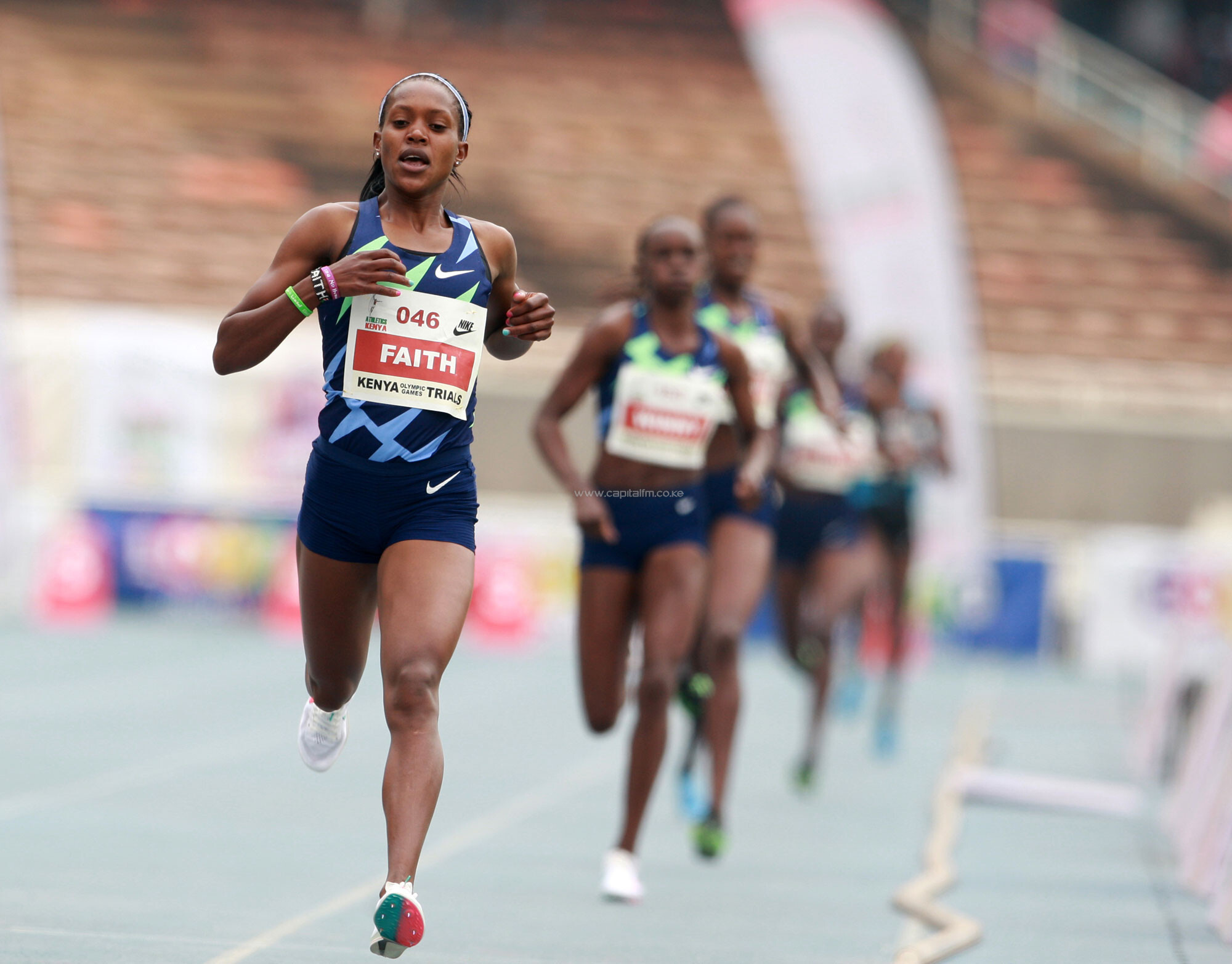
In a wide-ranging exclusive interview with Euan Crumley in the latest issue of AW, which is on sale from November 10, among other things the Kenyan discusses how she wants to leave a legacy, as well as outlining what she believes needs to happen in the fight against doping in her home country.
The 28-year-old still has more ambitions to fulfil on the track, too, but admits that the future will see her heading down a road which she hopes will lead to even more success.
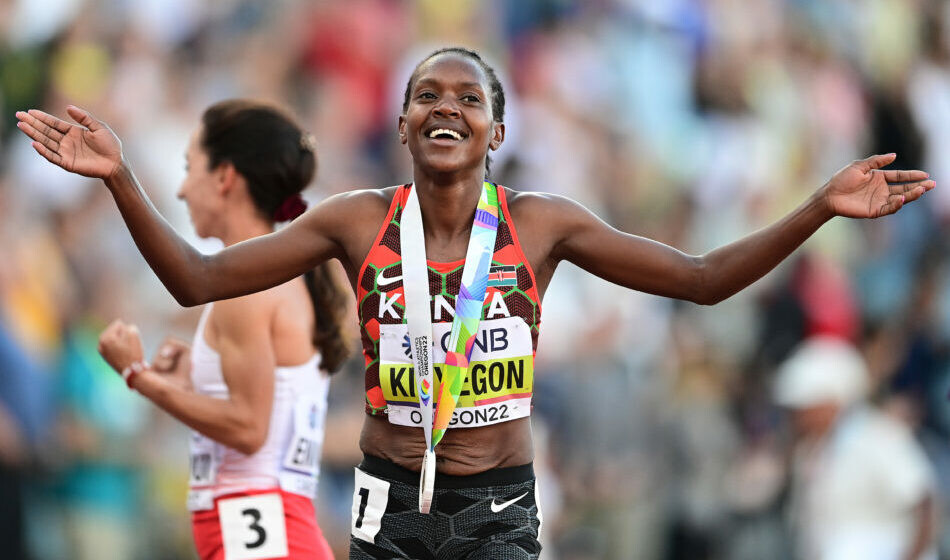
Kipyegon trains at the camp in Kaptagat from which her close friend Eliud Kipchoge hones his mastery of the marathon, and admits that seeing the world record-holder at work has inspired her to tackle the 26.2-mile event in the future.
“I don’t see myself as a great, yet,” says Kipyegon who, like Kipchoge, is also coached by Patrick Sang. “I need to achieve more towards the marathon and I’m really looking forward to following in Eliud’s footsteps.
“He has already shown us the way and, training with him, I see what he does every day.
“I will work my way up towards the marathon in future and I will be the greatest.
“When you stay with marathon runners, you don’t see yourself as a 1500m athlete any more – you see yourself as a marathoner. You follow them on long runs, you follow them on fartleks and you see every day what they do. [It makes you feel like] ‘I need to do this’.
“That’s motivation from Eliud, from the whole group in Kaptagat that has really inspired me to see myself in the marathon in future.
“[When I will run one] is something I can’t predict, but I want to build myself and build my commitment towards marathon and just go step by step [through the distances] towards it.”
Kipyegon is one of the nominees in this year’s AW Readers’ Choice Awards, which launch this week in the magazine and online. This is your chance to pick which individuals, across a range of categories, you think have excelled in 2022.
Elsewhere in the issue, we take a deep dive into the state of play when it comes to officials. What does the future hold for those who make athletics tick? Paul Halford finds out, plus we feature a brilliant extract from new book Unsung, in which Alan Bell takes us into the world of the starter.
As we come to the end of the major road racing events season for the autumn, a trend of lower event entry levels is becoming all too evident. Tim Adams asks where all the runners who were expected to provide a boom for mass participation races post Covid have gone, while author Damian Hall examines the environmental impact of events and outlines what runners can do to make a difference in the climate crisis.
Elsewhere in the issue, there is also an exclusive interview with international marathon runner Callum Hawkins, who continues his recovery from injury, while our packed performance section features plyometric tips from coach John Shepherd, training insight from Amelia Quirk and running shoe guru Paul Freary tests out the best gear for off-road adventure this winter.
With coach and commentator Geoff Wightman the focus of this month’s Ask The Athlete, Richard Whitehead recalling his greatest race and columnist Katharine Merry looking at the huge impact felt when the rules are broken, there are plenty of reasons to pick up your copy.
by Athletics Weekly
Login to leave a comment
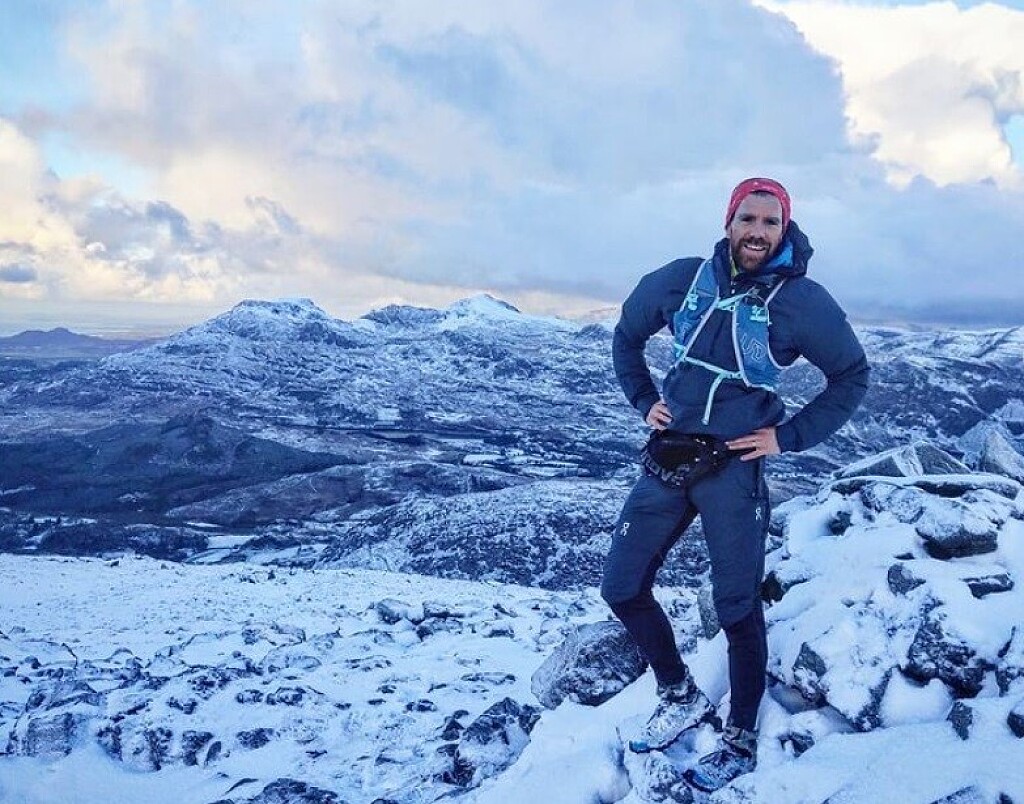
British runner Russell Bentley breaks winter Paddy Buckley Round fastest known time
American ultrarunner John Kelly and British ultrarunner Russell Bentley set out to complete midwinter Paddy Buckley Rounds, starting out in the same place and running opposite directions to meet each other back at the finish. Bentley had a fantastic day, and ended up setting a new FKT (fastest known time) on the 100K route, finishing in 20:15:49.
The Paddy Buckley Round is an extremely challenging course in Wales that takes runners over 47 summits throughout the 100K route for a total of 28,000 feet of elevation gain. According to fastestknowntime.com, it was first completed in 1982 by Wendy Dobbs. The winter FKT on the course was previously held by British runner Damian Hall, who completed the loop on January 29, 2020, in 21:30:06.
Bentley’s time smashed Hall’s record by nearly one hour and fifteen minutes, and Hall himself made a point of congratulating Bentley on his accomplishment.
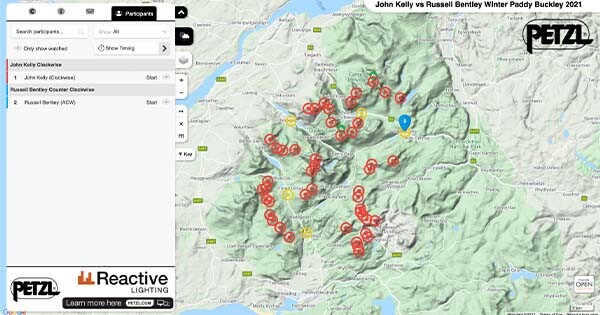
Bentley ran the course unsupported, counter-clockwise, while Kelly ran the route clockwise. Unfortunately, Kelly made it as far as the Llanberis checkpoint in 14:49:29 before throwing in the towel. This was Bentley’s second attempt at the winter Paddy Buckley Round after his first try in December 2020, which he completed in 22:45.
Bentley is a UK Athletics-qualified coach and is sponsored Noble Pro VJ Sport Vroom Nutrition. He has a marathon personal best of 2:20:20 from the Berlin Marathon, and has only begun tackling longer runs since the COVID-19 pandemic began.
by Brittany Hambleton
Login to leave a comment
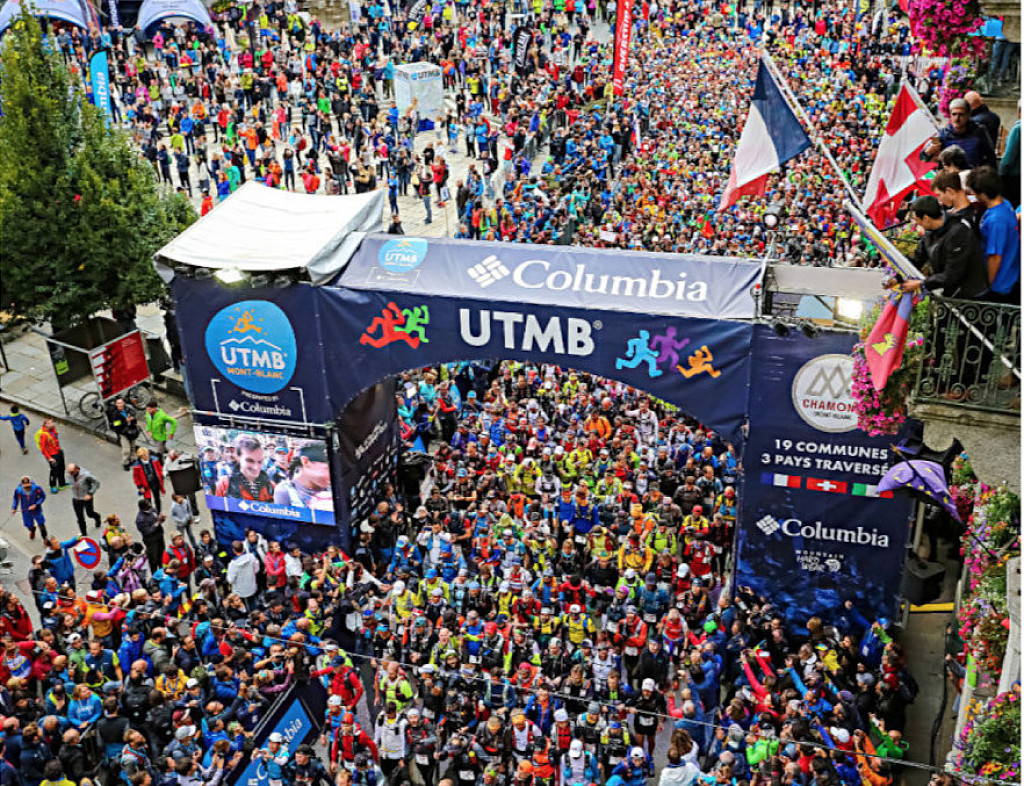
UTMB announces stacked fields for 2021 races
The 2021 edition of the Ultra-Trail du Mont-Blanc (UTMB) is still months away, but the fields for the August race are officially set. After UTMB organizers cancelled their event in 2020 due to COVID-19, any race would have been exciting to watch this year, but fans will be treated to a pair of stacked lineups in the men’s and women’s fields. With six former UTMB champions and many other world-class runners set to race in Chamonix, France, later this year, the storied 170K ultramarathon looks like it will be can’t-miss action.
The women’s race
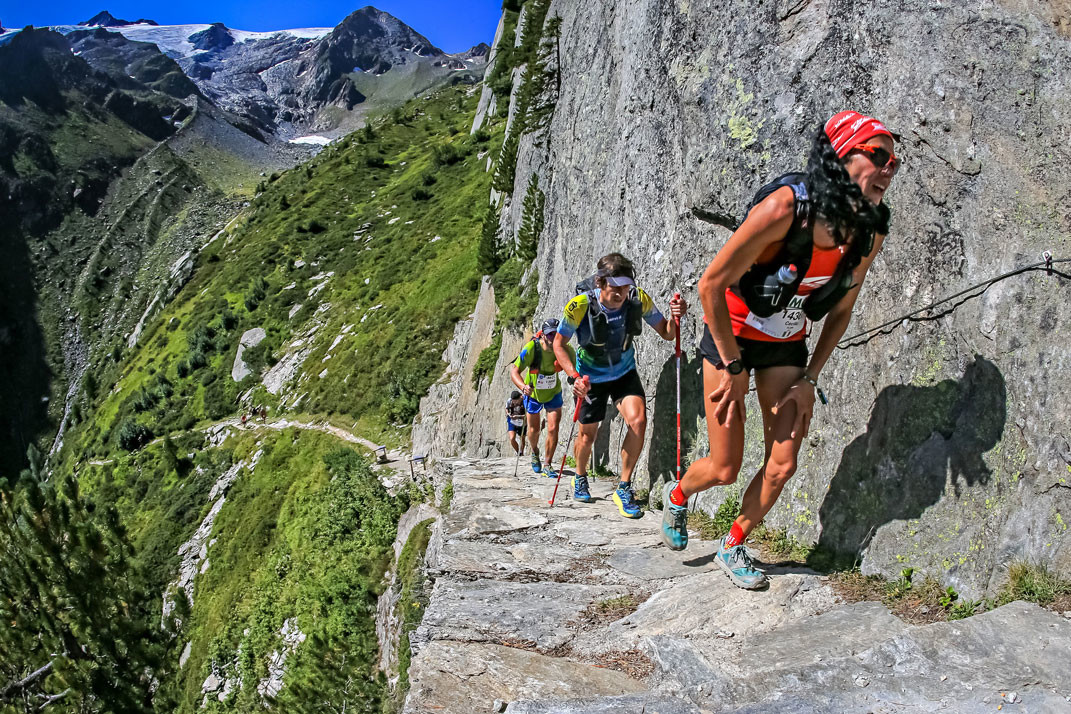
Former UTMB champs Courtney Dauwalter of the U.S. and Francesca Canepa of Italy headline the women’s race. Dauwalter is the reigning UTMB champion after her win in 2019, which was her first time running the race. She is widely recognized as one of the best ultrarunners on the planet, and she will be extremely tough to beat in Chamonix.
RELATED: UTMB adds to international race lineup with Thailand ultramarathon
Canepa won the women’s UTMB crown in 2018, and she also placed second in 2012. Other former top UTMB finishers on the start list for 2021 include Japan’s Kaori Niwa (fourth in 2017 and the winner of the 2019 Oman by UTMB 170K ultramarathon), Uxue Fraile Azpeitia of Spain (three-time UTMB podium finisher) and Beth Pascall of the U.K. (fourth- and fifth-place finishes in 2018 and 2019).
Multiple world record holder Camille Herron is also set to race in Chamonix. She has won ultramarathons around the world, including the Comrades Marathon in South Africa in 2017 and the Tarawera 100-miler in New Zealand in 2019, and she certainly has what it takes to win or place high in the overall UTMB standings.
Ailsa Macdonald is the lone Canadian in the elite UTMB women’s field. With big results like her wins at the Golden Ultra in B.C. in 2018 and the Tarawera 100 in 2020, Macdonald is another podium threat. She also has experience in Chamonix, having placed sixth in the UTMB’s CCC 101K ultra in 2019.
The men’s race
On the men’s side, there are four former UTMB winners: Pau Capell of Spain (winner in 2019) and French athletes François D’Haene (won in 2012, 2014 and 2017), Ludovic Pommeret (won in 2016) and Xavier Thévenard (won in 2013, 2015 and 2018). The past eight UTMB crowns belong to these four men, and they’re all capable of extending that streak to nine straight this year.
Jim Walmsley and Tim Tollefson are the top two American hopes on the men’s side. Tollefson made the UTMB podium in 2016 and 2017 with a pair of third-place finishes, while Walmsley has only raced in Chamonix once, running to fifth place. As Walmsley showed recently in a 100K world record attempt (he ran 6:09:26, missing the record by 12 seconds), he is in incredible shape this year, and while August is still months away, he has to be considered a favourite.
Also on the start list is the U.K.’s Damian Hall, who finished in fifth at the 2018 edition of UTMB. Hall is coming off a fantastic year of running that featured several prominent FKTs, and although he hasn’t raced in a while, he shouldn’t be counted out come August.
Finally, Canada will be represented by Mathieu Blanchard. Born in France, Blanchard now lives and trains in Montreal. He has raced in Chamonix before, running to a 13th-place finish in 2018, and in 2020 he ran onto the podium at the 102K Tarawera Ultra race.
UTMB is set to run from August 23 to 29, 2021.
by Running Magazine
Login to leave a comment
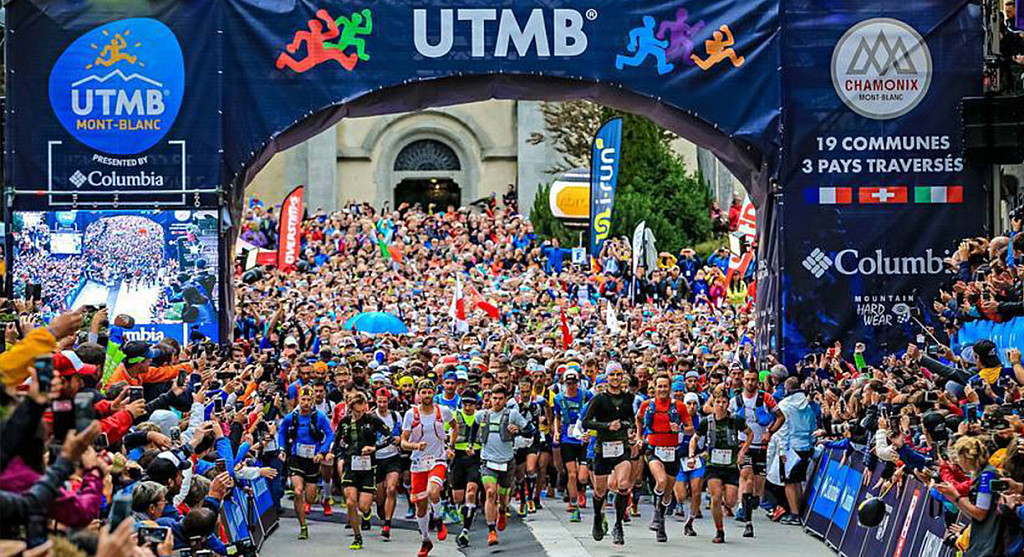
Six former UTMB champs are on the start lists for the famed ultramarathon's comeback in August
The 2021 edition of the Ultra-Trail du Mont-Blanc (UTMB) is still months away, but the fields for the August race are officially set. After UTMB organizers cancelled their event in 2020 due to COVID-19, any race would have been exciting to watch this year, but fans will be treated to a pair of stacked lineups in the men’s and women’s fields.
With six former UTMB champions and many other world-class runners set to race in Chamonix, France, later this year, the storied 170K ultramarathon looks like it will be can’t-miss action.
The women´s race
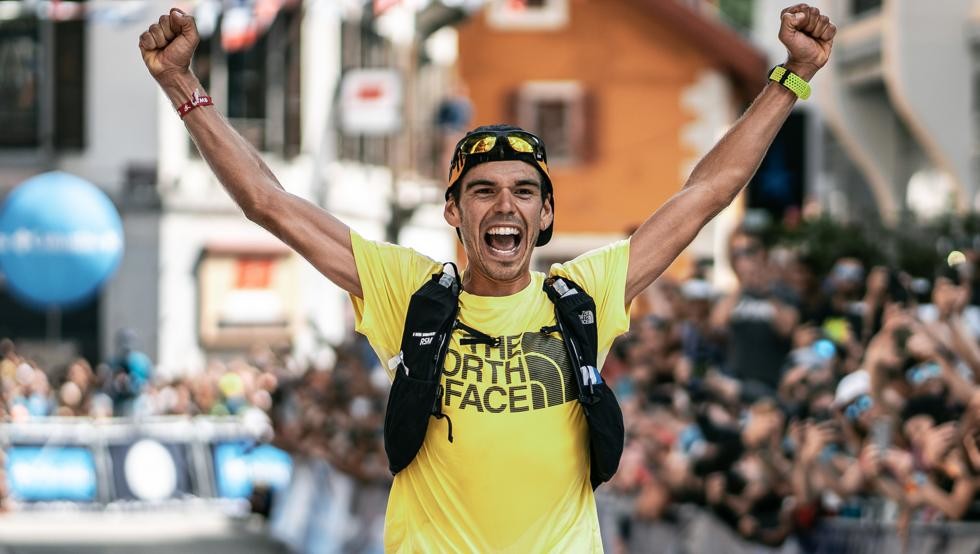
Former UTMB champs Courtney Dauwalter of the U.S. and Francesca Canepa of Italy headline the women’s race. Dauwalter is the reigning UTMB champion after her win in 2019, which was her first time running the race. She is widely recognized as one of the best ultrarunners on the planet, and she will be extremely tough to beat in Chamonix.
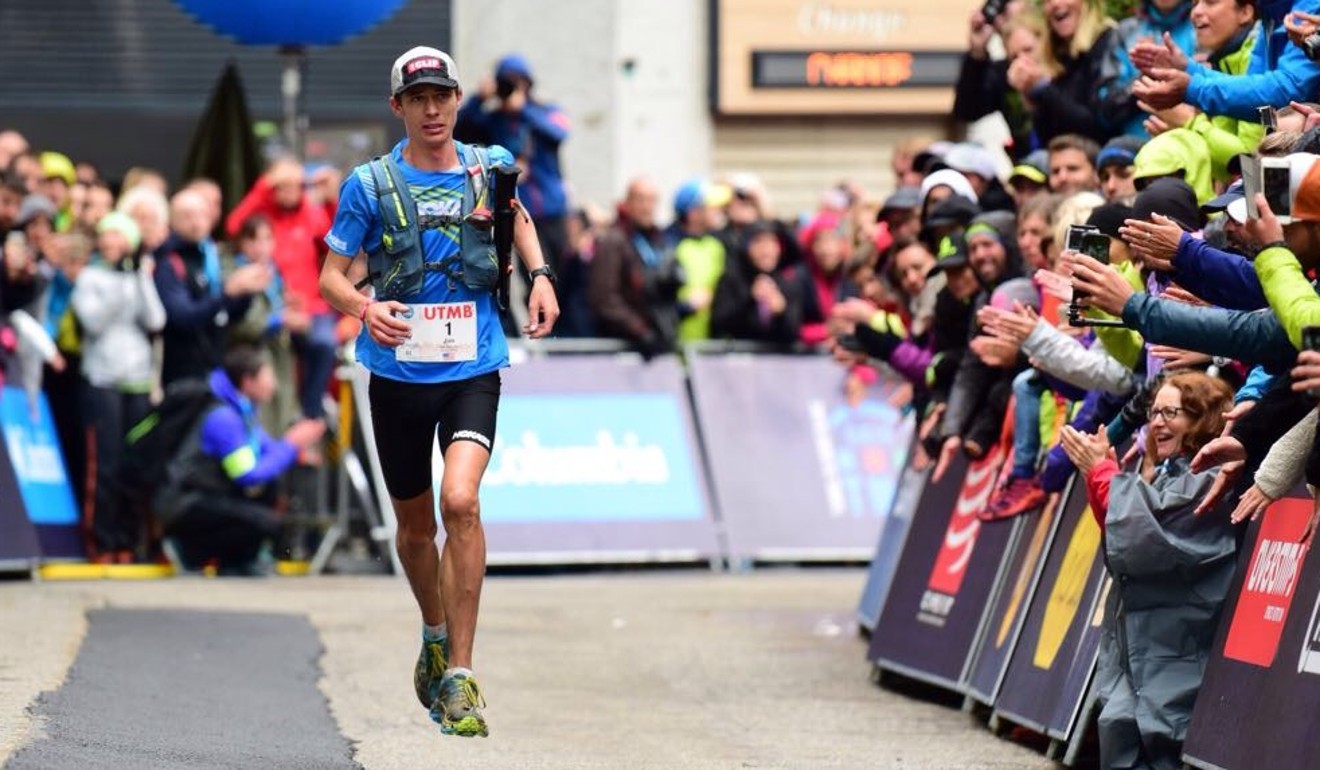
Canepa won the women’s UTMB crown in 2018, and she also placed second in 2012. Other former top UTMB finishers on the start list for 2021 include Japan’s Kaori Niwa (fourth in 2017 and the winner of the 2019 Oman by UTMB 170K ultramarathon), Uxue Fraile Azpeitia of Spain (three-time UTMB podium finisher) and Beth Pascall of the U.K. (fourth- and fifth-place finishes in 2018 and 2019).
Multiple world record holder Camille Herron is also set to race in Chamonix. She has won ultramarathons around the world, including the Comrades Marathon in South Africa in 2017 and the Tarawera 100-miler in New Zealand in 2019, and she certainly has what it takes to win or place high in the overall UTMB standings.
Alisa McDonald
Is the lone Canadian in the elite Camille Herron is also set to race in Chamonix. She has won ultramarathons around the world, including the Comrades Marathon in South Africa in 2017 and the Tarawera 100-miler in New Zealand in 2019, and she certainly has what it takes to win or place high in the overall UTMB standings.
The men’s race
On the men’s side, there are four former UTMB winners: Pau Capell of Spain (winner in 2019) and French athletes François D’Haene (won in 2012, 2014 and 2017), Ludovic Pommeret (won in 2016) and Xavier Thévenard (won in 2013, 2015 and 2018). The past eight UTMB crowns belong to these four men, and they’re all capable of extending that streak to nine straight this year.
Jim Walmsley and Tim Tollefson are the top two American hopes on the men’s side. Tollefson made the UTMB podium in 2016 and 2017 with a pair of third-place finishes, while Walmsley has only raced in Chamonix once, running to fifth place.
As Walmsley showed recently in a 100K world record attempt (he ran 6:09:26, missing the record by 12 seconds), he is in incredible shape this year, and while August is still months away, he has to be considered a favorite.
Also on the start list is the U.K.’s Damian Hall, who finished in fifth at the 2018 edition of UTMB. Hall is coming off a fantastic year of running that featured several prominent FKTs, and although he hasn’t raced in a while, he shouldn’t be counted out come August.
Finally, Canada will be represented by Mathieu Blanchard. Born in France, Blanchard now lives and trains in Montreal. He has raced in Chamonix before, running to a 13th-place finish in 2018, and in 2020 he ran onto the podium at the 102K Tarawera Ultra race.
by Ben Snider-McGrath
Login to leave a comment
North Face Ultra Trail du Tour du Mont-Blanc
Mountain race, with numerous passages in high altitude (>2500m), in difficult weather conditions (night, wind, cold, rain or snow), that needs a very good training, adapted equipment and a real capacity of personal autonomy. It is 6:00pm and we are more or less 2300 people sharing the same dream carefully prepared over many months. Despite the incredible difficulty, we feel...
more...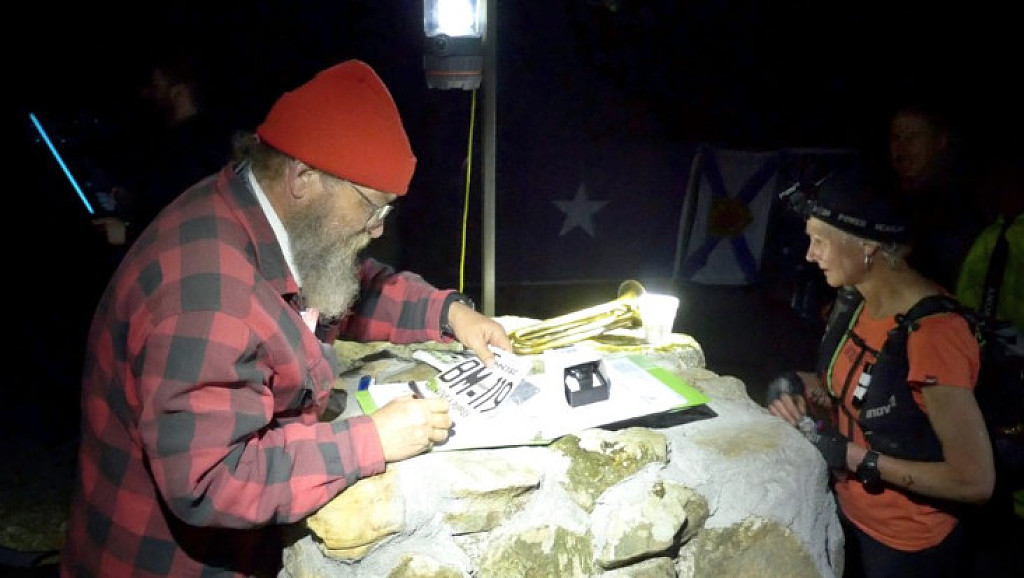
New documentary on Nicky Spinks at the Barkley Marathons
The doc follows the British ultrarunner on her quest to become the first woman to finish the infamously difficult race.
Back in March, the British runner Nicky Spinks, 52, was considered the most likely of the seven women registered for the Barkley Marathons to become the first-ever female in the race’s 33-year history to finish. Along with Canadian Stephanie Case (a Barkley veteran who had attempted the race in 2018), Spinks had to bail on the second of five 20-mile loops. Her sponsor, the British gear company Inov-8, in partnership with Summit Media, has produced a documentary on her attempt, entitled Last Women Standing: The Barkley Marathons 2019.
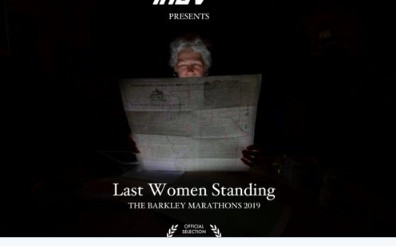
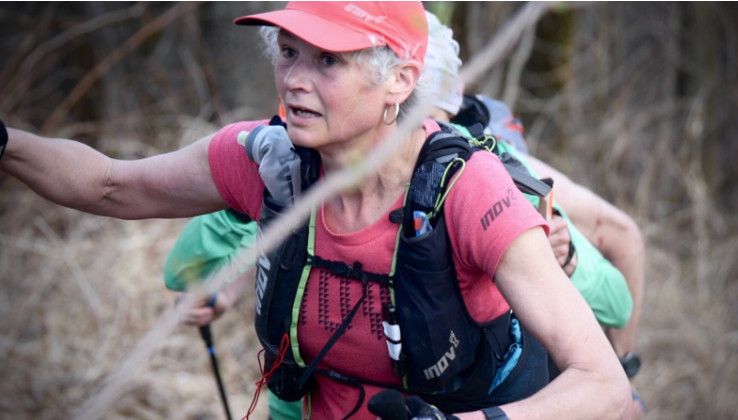
Spinks is the first person ever to complete doubles of all three classic British fell-running rounds, which link numerous peaks in a circuit (the Paddy Buckley Round, the Ramsay Round and the Bob Graham Round), among many impressive accomplishments in her fell-running career. She crewed Damian Hall to a fifth-place finish at UTMB in 2018.
Login to leave a comment
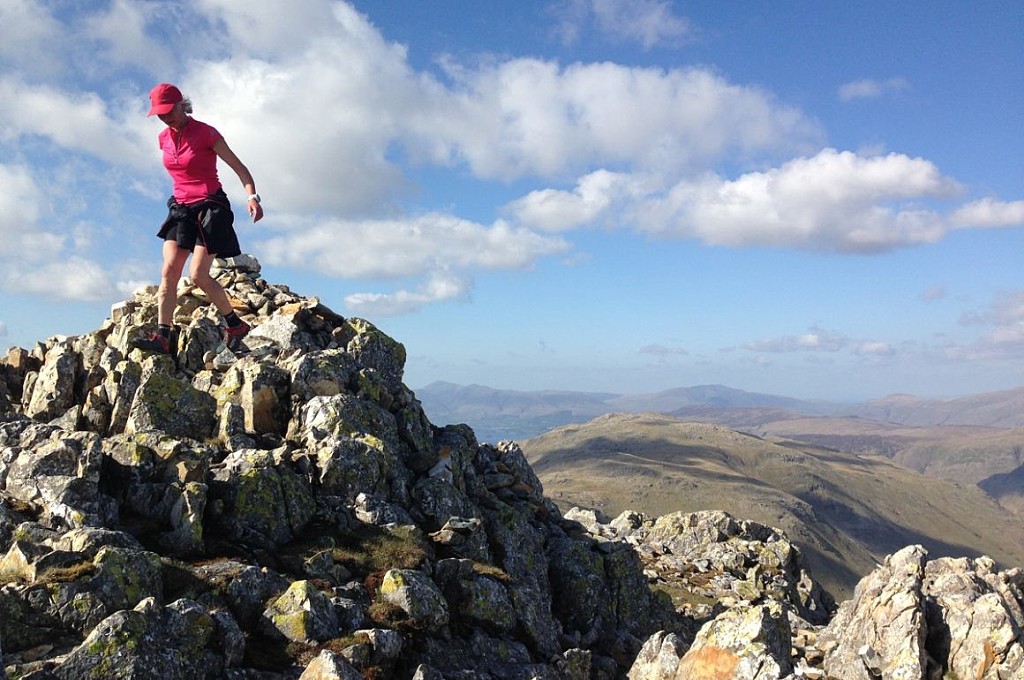
Nicky Spinks is hoping to be the first woman to finish the Barkley marathons
The Barkley Marathons, which is “rumoured” to take place this weekend, is surrounded by folklore about prison escapes and encounters with wild boar. If you’ve never been to Frozen Head, you might think of it as a mysterious, forbidding place whose only reason for existence is as the site of Laz Lake’sinfamous 100-miler.
But Jamil Coury who is returning to the Barkley for the fifth time this year, you’ll see that it’s just a state park like any other, with trails and campgrounds where families go to relax a little later in the season, just like they do in state, national and provincial parks across North America.
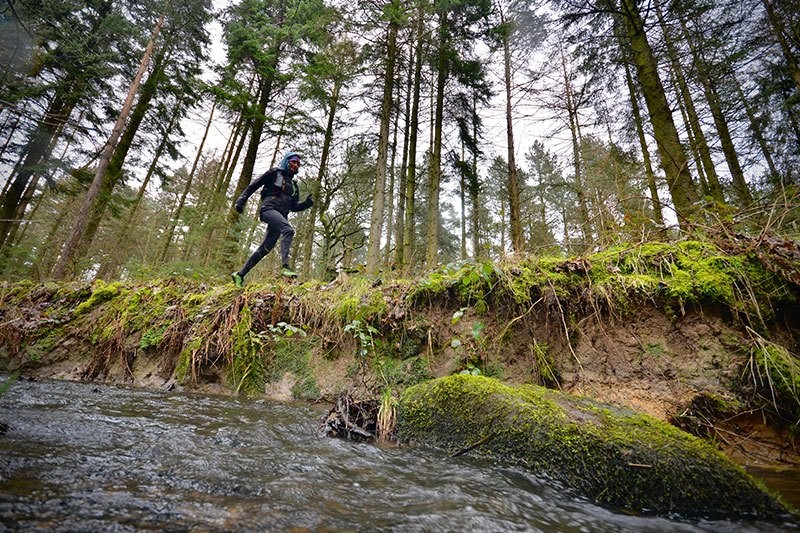
Coury and another Barkley veteran, Guillaume Calmettes of France, spent a few days together last month, running the trails in Frozen Head to get in shape for this year’s race. They make Frozen Head look positively benign.
Last year there were no finishers, thanks largely to terrible weather. Spring weather can be unpredictable anywhere, and last year Frozen Head got walloped with a massive rainstorm, dense fog and cold temperatures on race weekend.
Running five 20-mile loops in 60 hours with no course markings and no organized aid stations is hard enough–add bad weather to the mix, and any hopes of finishing were dashed for most people after a loop or two. Gary Robbins completed a “fun run,” three loops in under 40 hours.
This year could be a different story. The forecast for Frozen Head is for temperatures of between 50 F (10 C) and 68 F (20 C), with thunderstorms possible on Saturday.
We’ve also just learned that Nicky Spinks is among the starters. The British ultrarunner ran a double Ramsay Round last year, has also run a double Bob Graham Round, and crewed for Damian Hall at UTMB last year.
Let’s hope the will be some finishers this year.
Login to leave a comment
