

Running News Daily
Running News Daily is edited by Bob Anderson and team. Send your news items to bob@mybestruns.com Advertising opportunities available.
Index to Daily Posts · Sign Up For Updates · Run The World Feed
Articles tagged #Brimin Kipruto
Today's Running News
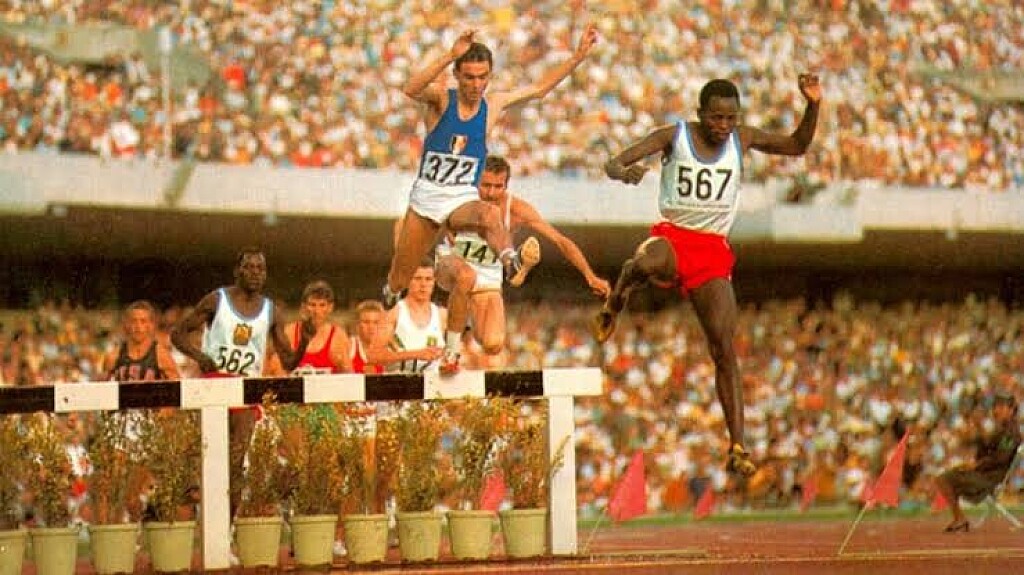


Kenya’s Steeplechase Dynasty Under Siege: Edmund Serem Keeps Hope Alive with Tokyo Bronze
For decades, the men’s 3000m steeplechase was as Kenyan as tea fields in Kericho or herds grazing the Rift Valley floor. Since Amos Biwott (first photo) struck Olympic gold in 1968, generations of Kenyan athletes turned the event into a national pig treasure, piling up Olympic and World titles with almost mechanical consistency. But the 2025 World Championships in Tokyo told a different story—one of fading dominance, foreign breakthroughs, and a teenager fighting to keep the flame alive.
A Race That Shook Tradition
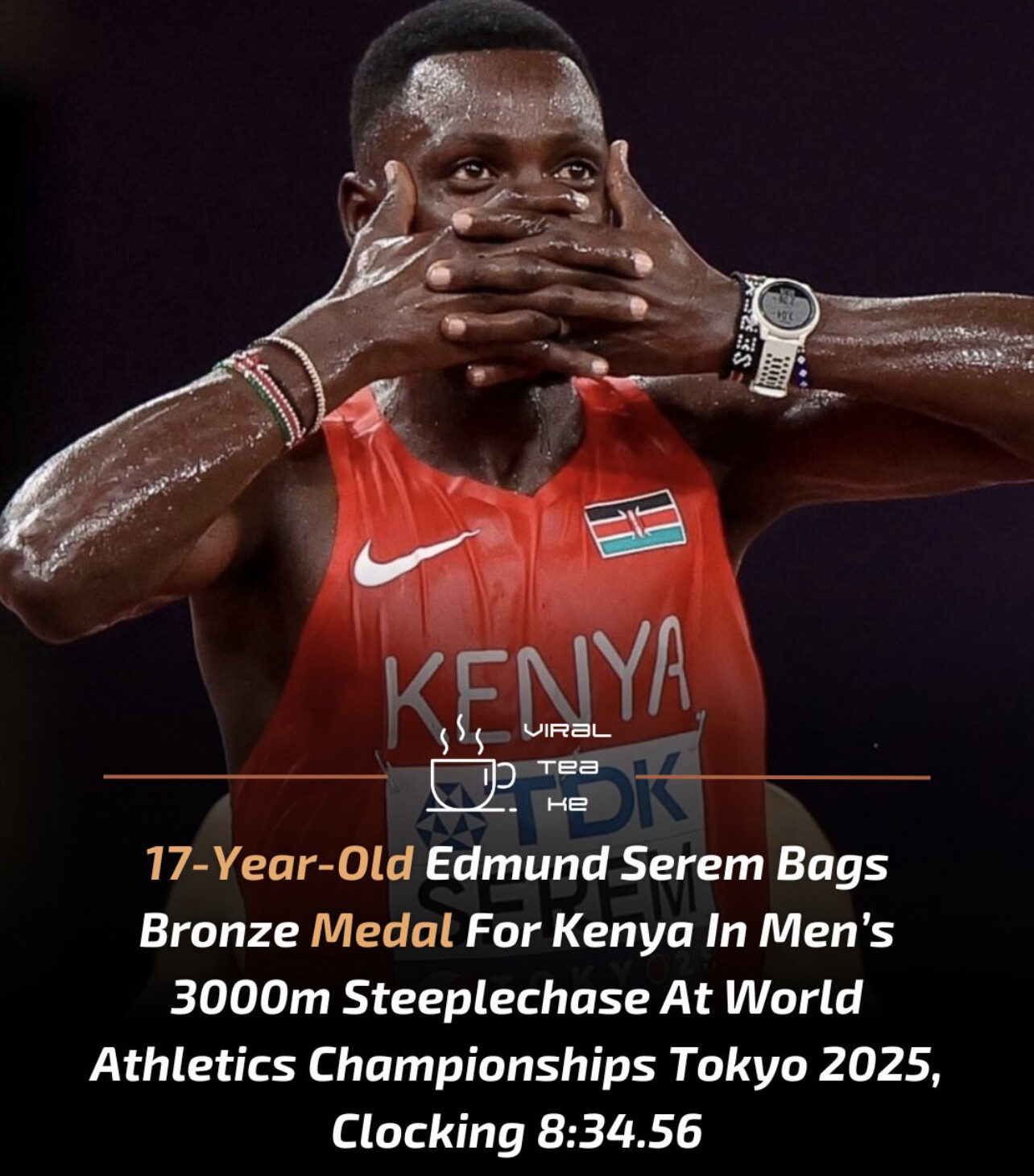
On a humid evening inside Tokyo’s National Stadium, 17-year-old Edmund Serem—younger brother of 2021 World U20 champion Amos Serem—lined up against the world’s best: Olympic champion Soufiane El Bakkali, Ethiopia’s Lamecha Girma, New Zealand’s rising star Geordie Beamish, and a host of challengers from Europe, North America, and Asia.
For Serem, the mission was clear: keep Kenya’s flag on a podium that has become increasingly elusive.
From the gun, he ran bravely, shadowing Germany’s Karl Ruppert in the early laps, exchanging leads and refusing to yield. Ethiopia’s Samuel Firewu, Canada’s Jean-Simon Desgagnés, Poland’s Krzysztof Michalski, and Japan’s Ryuji Miura all joined the fight, turning the race into a tactical chess match.
With five laps to go, Serem was still in contention. But as the tempo shifted, the global pack pressed harder. Girma and El Bakkali moved menacingly forward, Desgagnés surged, and Michalski stunned the field by briefly taking the lead.
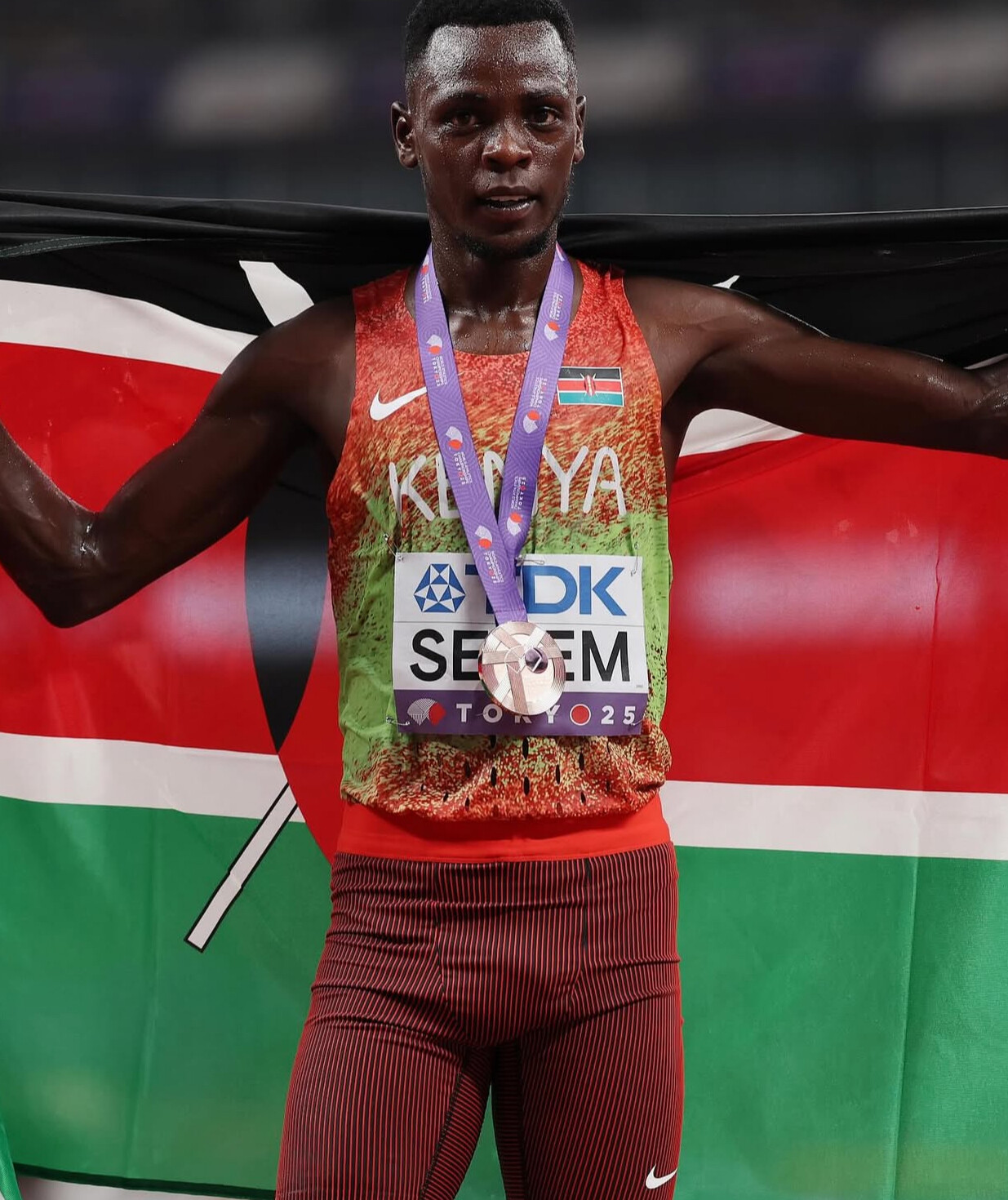
Then came the bell lap. In a race once synonymous with Kenyan processions, the battle had become a global dogfight. Beamish timed his kick to perfection, flying past Girma and fending off El Bakkali to seize a historic gold in 8:33.88. El Bakkali took silver in 8:33.95, while Serem, showing maturity beyond his years, held his ground to claim bronze in 8:34.56.
A Bittersweet Podium
For Kenya, the bronze carried mixed emotions. Serem’s medal, won by a teenager not yet old enough to vote, proved the country’s future is bright. Yet it also underscored a sobering reality: the days of near-total dominance are gone.
Speaking after the race, Serem was humble but defiant:
“It was tough out there, but I told myself Kenya must be on that podium. I am only 17, and I know this is just the beginning. One day, I will bring the gold back home.”
The Crumbling Fortress
The numbers tell the story. Since Conseslus Kipruto’s World title in 2019, Kenya has not won a global steeplechase gold. Instead, El Bakkali, Girma, and now Beamish have rewritten the script, dismantling the aura of invincibility once carried by legends like Ezekiel Kemboi, Brimin Kipruto, and Stephen Cherono.
Even with Abraham Kibiwot also in Tokyo, Kenya could not tilt the balance back. What was once fortress Kenya is now open territory.
Lessons and a Call to Action
Beamish’s victory offered a warning. New Zealand has no steeplechase tradition, yet through structured NCAA development and consistent Diamond League racing, Beamish matured into a world champion. Kenya, by contrast, must adapt: better coaching, tactical planning, and holistic athlete support are now non-negotiable.
Serem’s bronze provides a flicker of hope. His resilience against seasoned opponents shows promise, but it also highlights the urgent need for reinvestment. Athletics Kenya’s famed pipeline of school and military talent remains deep, but without evolution, history and reputation alone will not win medals.
The Future
As Edmund Serem stood on the Tokyo podium, the Kenyan flag draped over his shoulders, pride and resolve mixed in his eyes. Behind the applause lay a challenge: reclaim what has been lost.
If the steeplechase is to remain the beating heart of Kenya’s athletics heritage, Tokyo 2025 must not mark the continuation of decline, but the beginning of a fightback. And perhaps—just perhaps—it will be Serem, the teenager who dared to dream, who leads the revival.
by Robert Kibet
Login to leave a comment
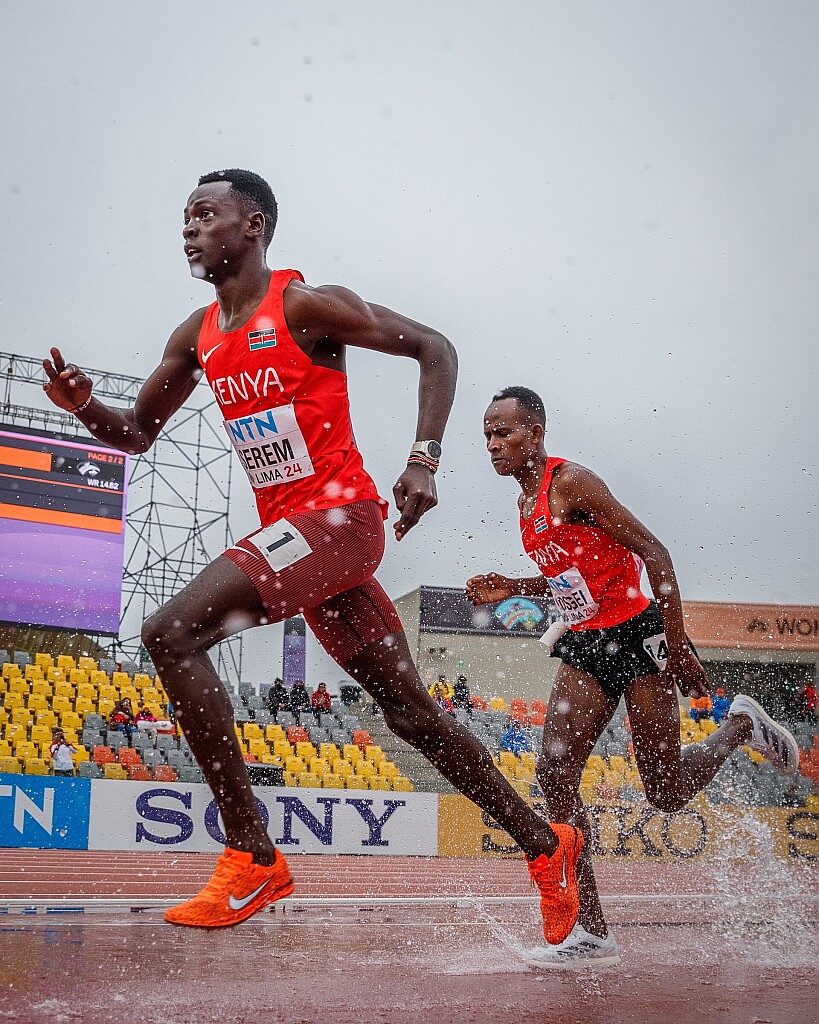
Emerging Kenyan star Serem inspired by family’s steeplechase passion
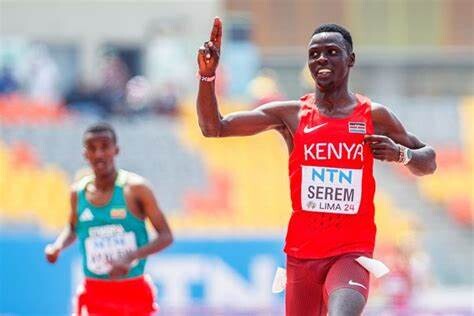
Edmund Serem’s steeplechase triumph at the World U20 Championships in Lima was very much the result of a family effort.
Not only does he have older brother Amos – the 2021 world U20 champion – as a role model, he also has his father to thank for getting him into athletics, and particularly the steeplechase.
“It has always been our dad's dream to see us (Amos and Edmund) achieve what he wanted to achieve for himself as a youth, but didn't due to lack of support,” said Serem.
During their youth, their father took them to several athletics competitions around Kenya, and went on to provide his sons with everything they needed to establish their running careers.
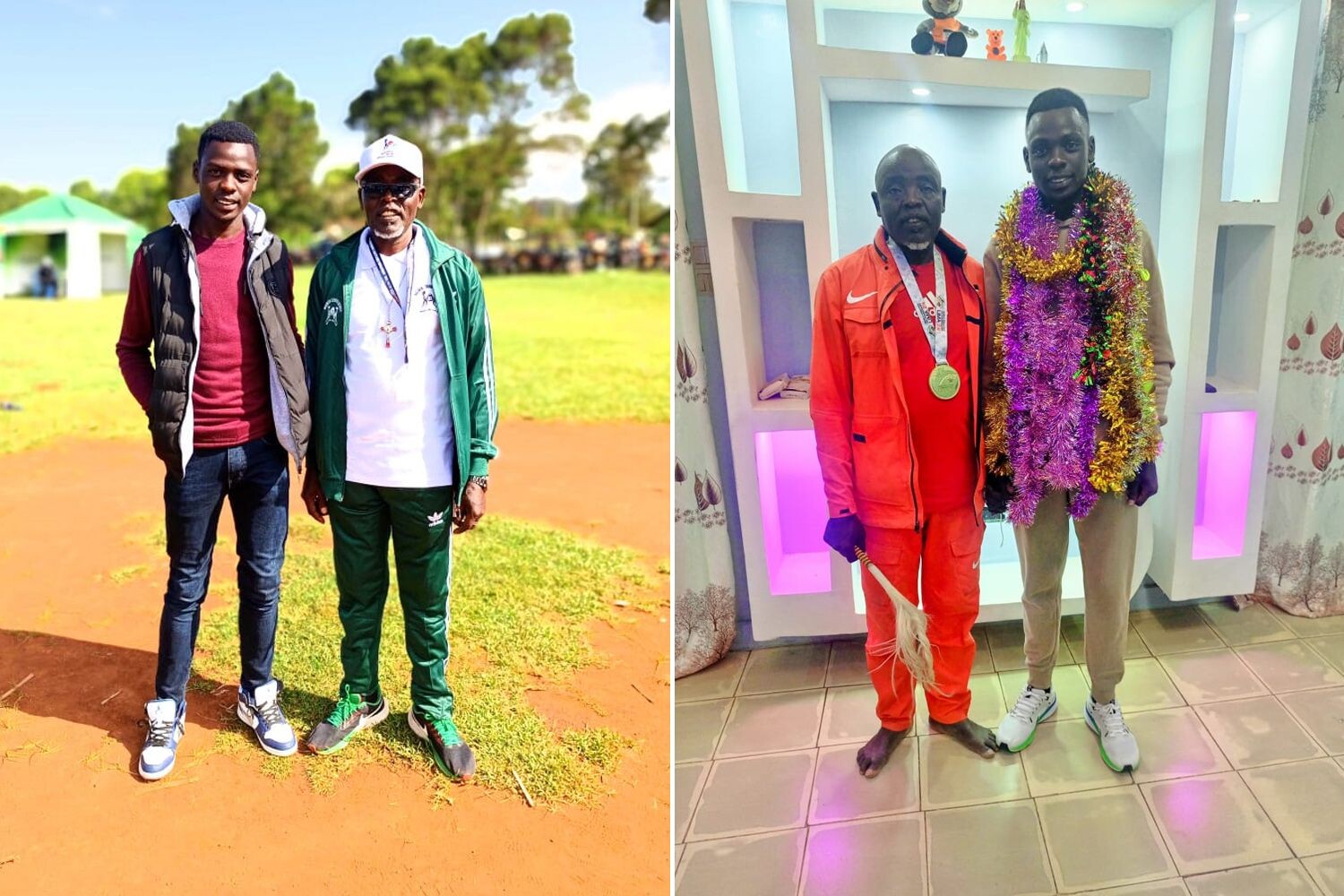
“He would buy training shoes and running apparel and provide transport money for us to attend all the weekend meetings in the region,” recalled Serem, adding that their father chose the steeplechase distance for them.
“He would show us videos of Ezekiel Kemboi, Brimin Kipruto, Conseslus Kipruto and other steeplechasers competing at major championships. He erected barriers for us to practice jumping over and was so careful in choosing the right surfaces for us to do so as he didn't want us to get injured.”
Serem started running at the age of eight. Despite Amos being older than him, Edmund would join his brother on training runs, though would often take a shorter route. “My brother would then have to run faster and try to finish his route in the time it took me to complete the shorter one.”
When Amos started high school, the brothers trained under different coaches and environments. Edmund would later join St Patrick's Iten High School and trained under the famous Irish coach, Brother Colm O'Connell.
Edmund missed out on some competitive opportunities during his early high school years due to the Covid pandemic. Amos, meanwhile, went on to train under Patrick Sang in Kaptagat, but fate would bring the two brothers back together again.
They both now train in Kaptagat under coach Sang's programme. Despite being in two separate camps, wearing different brands and under two separate management groups, their training camps are just 600 metres apart and they see one another every morning for their training.
Sibling rivalry
Serem speaks fondly of his brother. While he has no desire to outshine his brother, he always enjoys competing alongside him in races. That feeling appears to be mutual, too.
"Every time my brother and I are in the same race, he usually performs very well,” says Serem. “I don't know if it is because he doesn't want me to beat him or because he feels stronger when I am around him, but I still look forward to racing against him.”
Both brothers have earned world U20 steeplechase titles in recent years. Three years after Amos’s triumph on home soil in Nairobi, Edmund followed in those footsteps by taking the steeplechase gold medal at this year’s World U20 Championships in Lima.
In a race in which 12 of the 16 finalists set PBs, Serem led a Kenyan 1-2 from teammate Mathew Kosgei to win in 8:15.28. Not only is it a world-U20-leading time, it’s also the third fastest in history by an U18 athlete.
He eventually won by more than two seconds, but he had struggled with stomach ache in the heats three days prior.
“After I rehydrated and recovered from the heats, my body felt good for the final,” he says. “I had high hopes of winning the race, and I told myself on the start line that if anyone else wanted to win it, they would have to fight hard for it.”
The performance capped a remarkable season for the 16-year-old. Back in March he finished sixth at the African Games, then he narrowly missed making the team for the Paris Games, finishing fourth at Kenya’s Olympic Trials. Just eight days later, he earned silver at the senior African Championships before ending his season on an even bigger high with his triumph in Lima.
Managing expectations
Having achieved so much at such a young age, and with the steeplechase being one of Kenya’s strongest disciplines, Serem knows that all eyes will be on him and his brother in the coming years. He takes it all in his stride, though.
"Most of my friends and relatives now believe more in me and see our dream to restore the steeplechase glory to Kenya becoming a reality,” he says. “Many are telling me that my brother and I are the potential runners to dominate the steeplechase in the future.”
Apart from two editions of the Games that the country boycotted, Kenya won every Olympic title in the men’s 3000m steeplechase from 1968 to 2016. That streak came to an end in 2021 when Soufiane El Bakkali won gold in Tokyo. The Moroccan has won three more global titles since then, while the world record was broken last year by Ethiopia’s Lamecha Girma.
But Kenya is keen to reassert its dominance on the event.
Serem was one of several up-and-coming talents who were recently invited to meet with Kenya's Cabinet Secretary for Sports and Athletics Kenya senior officials to plan a way forward in ensuring Kenya remains a powerhouse in athletics.
“We talked about strategic plans to nurture and work with the young and emerging stars to maintain Kenya's glory in athletics into the future, especially in the steeplechase,” he said. “In recent years the men's steeplechase has been dominated mostly by Morroco's Soufiane El Bakkali, but we plan to end that.”
Although he’ll be an U20 athlete for two more years, and will be young enough to defend his world U20 title in 2026, Serem already has his eye on competing at the World Athletics Championships Tokyo 25.
“We’re taking things one step at a time,” he says. “The first step will be to make the team at the national trials, and then we will make the plans for the World Championships after that.”
Serem and his training group spent the past month working primarily on gym work before gradually moving to some longer and easier runs to build endurance. He may also participate in some local cross-country races as part of his training.
Heading into next year and beyond, perhaps the biggest motivating factor for both Edmund and Amos will be to accomplish the kind of successes that their father was unable to achieve due to the lack of support back then.
"Our father had a great passion for athletics but didn't get enough support at the time. He has provided Amos and me with everything we’ve needed, telling us, 'I don't want you to lack anything as I did during my time'.
“So I don't care which one of us wins the race,” added Serem of the prospect of racing against his brother in the future. “Because the success will eventually end up at home.”
by Justin Lagat for World Athletics
Login to leave a comment
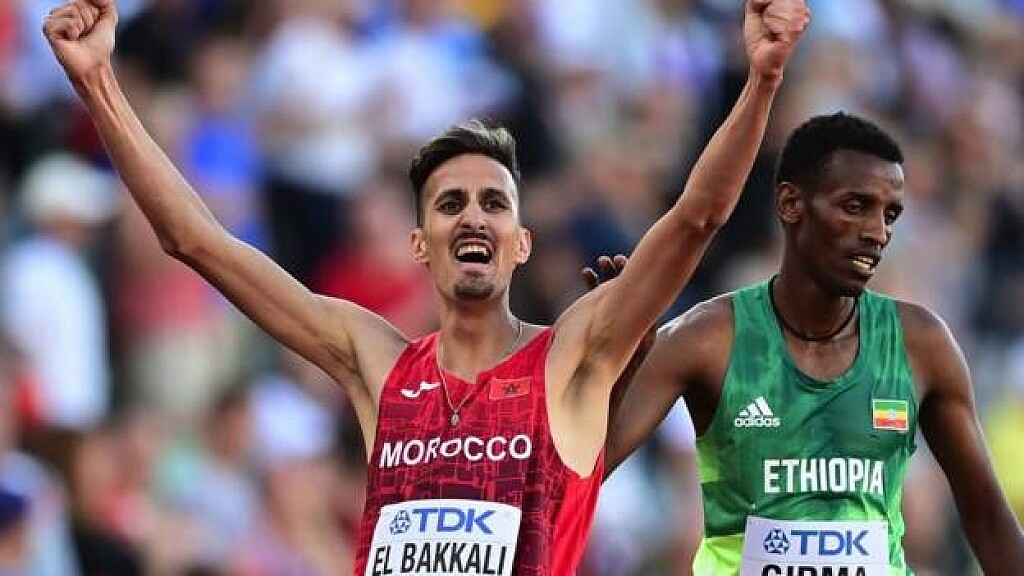
Soufiane El Bakkali is the king of the steeplechase after claiming world title
Morocco's Soufiane El Bakkali believes he is the "king of steeplechase" after adding the world title to his Olympic Games gold.
The 26-year-old put on a tactical masterclass over the 3,000m course in Eugene to end Kenya's 15-year reign in the discipline at the World Athletics Championships.
In a repeat performance of his Olympic success in Tokyo last year, he stayed near the back of the leading pack for much of the race before making the decisive move in the last 200m to claim gold in a time of eight minutes 25.13 seconds.
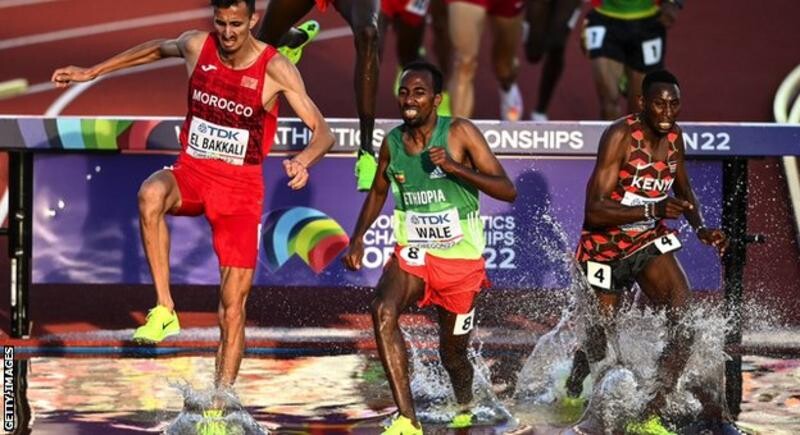
"I am the king of steeplechase because I have gained confidence on the track. That's why I am the Olympic champion and now the world champion," El Bakkali told BBC Sport Africa.
Ethiopia's Lamecha Girma had to settle for silver once again, having finished second in Tokyo and in Doha three years ago, while Kenya's Conseslus Kipruto, the 2019 champion, ended with bronze.
Kenyan runners had won men's steeplechase gold in every edition of the World Championships since Brimin Kipruto's success in Osaka in 2007 and El Bakkali said his finishing speed had been the key to victory in Oregon.
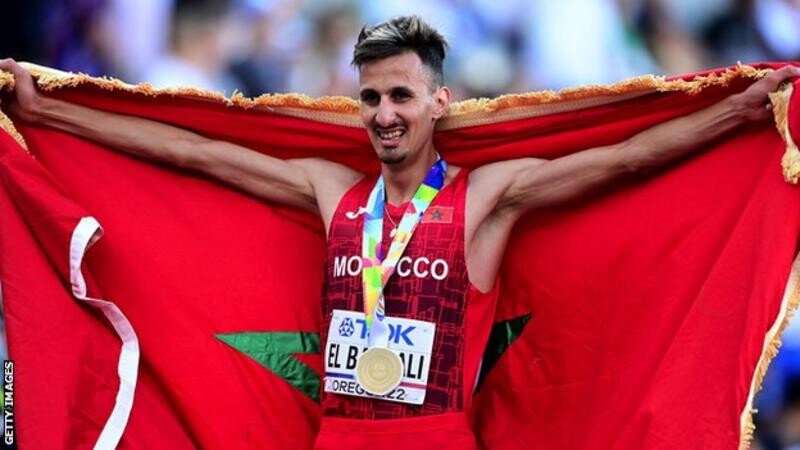
"The course was very tactical, slow. We had very good runners like defending champion Kipruto," said El Bakkali, who beamed as he waved the Moroccan flag over his head.
"I positioned well in the last lap. I am very strong in the 400m and it worked out for me.
"After the semi-final I had a good look at the strategy of the Kenyan athletes. I was on my own, the only Moroccan in the race, but I did not limit myself to winning silver nor bronze. Instead I managed to come first in two world league meetings and now the World Championship."
Kenya's Kipruto upbeat despite bronze
Girma, after another second-placed finish, intends to reassess his training with an eye toward next year's World Championships in Budapest.
"The pace was very slow today, my tactic did not work and that [cost] me the gold," he said.
"I was trying to change the tactic but the pace limited me very much. I will go for gold next year and my training is starting from now on."
Dethroned world champion Kipruto, meanwhile, said he "did not execute the race as planned".
"I was running against athletes who have two years of consistent running when I was struggling," he added.
"It was never going to be easy. But I take the bronze positively."
Kipyegon now the greatest 1500m runner?
Meanwhile two-time Olympic champion Faith Kipyegon of Kenya took 1500m gold in an astonishing time of 3:52.96 to regain her world title.
Kipyegon first took the crown in London in 2017 and becomes the first woman to win four global 1500m titles, with Ethiopia's Gudaf Tsegay second and Britain's Laura Muir in third.
Winning silver in Doha in 2019, having spent 12 months out of competitive running the year before when her daughter was born, meant crossing the line first in Eugene was even more fulfilling for the Kenyan.
"I knew it was going to be fast so I was really expecting that tight race," she told BBC Sport.
"I was not scared. I was like 'everything is possible' and I had to calm down, enjoy the race and I won.
"It feels very good to get back the world title that I lost in 2019 when I was coming back from giving birth to my daughter, who means the world to me."
Login to leave a comment

World Athletics Championships Budapest23
Budapest is a true capital of sports, which is one of the reasons why the World Athletics Championships Budapest 2023 is in the right place here. Here are some of the most important world athletics events and venues where we have witnessed moments of sporting history. Throughout the 125-year history of Hungarian athletics, the country and Budapest have hosted numerous...
more...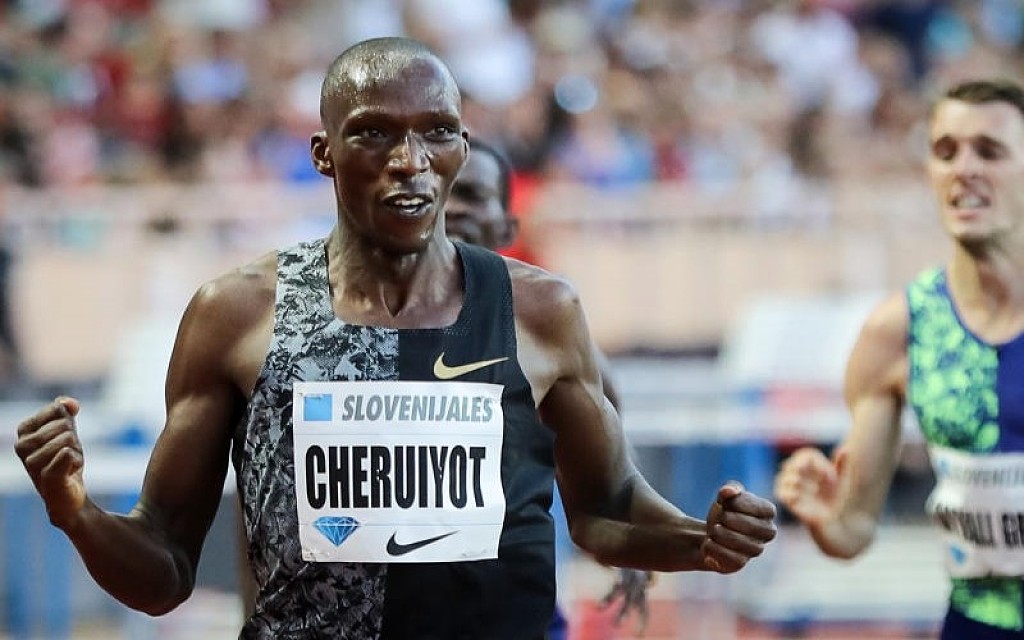
World champions Timothy Cheruiyot and Conseslus Kipruto are planning to raise the bar in the 800m and 1,500m respectively at the Doha Diamond League meeting on Friday
The world and Olympic 3,000m steeplechase champion Kipruto, who missed the opening leg of Diamond League series in Monaco in August after testing positive for COVID-19, will return to action after shaking off the virus.
However, the 25-year-old Kipruto will be competing in an unfamiliar event in Doha, when he takes on compatriot Brimin Kipruto, Vincent Kibet and Bethwell Birgen in the men's 1,500m event.
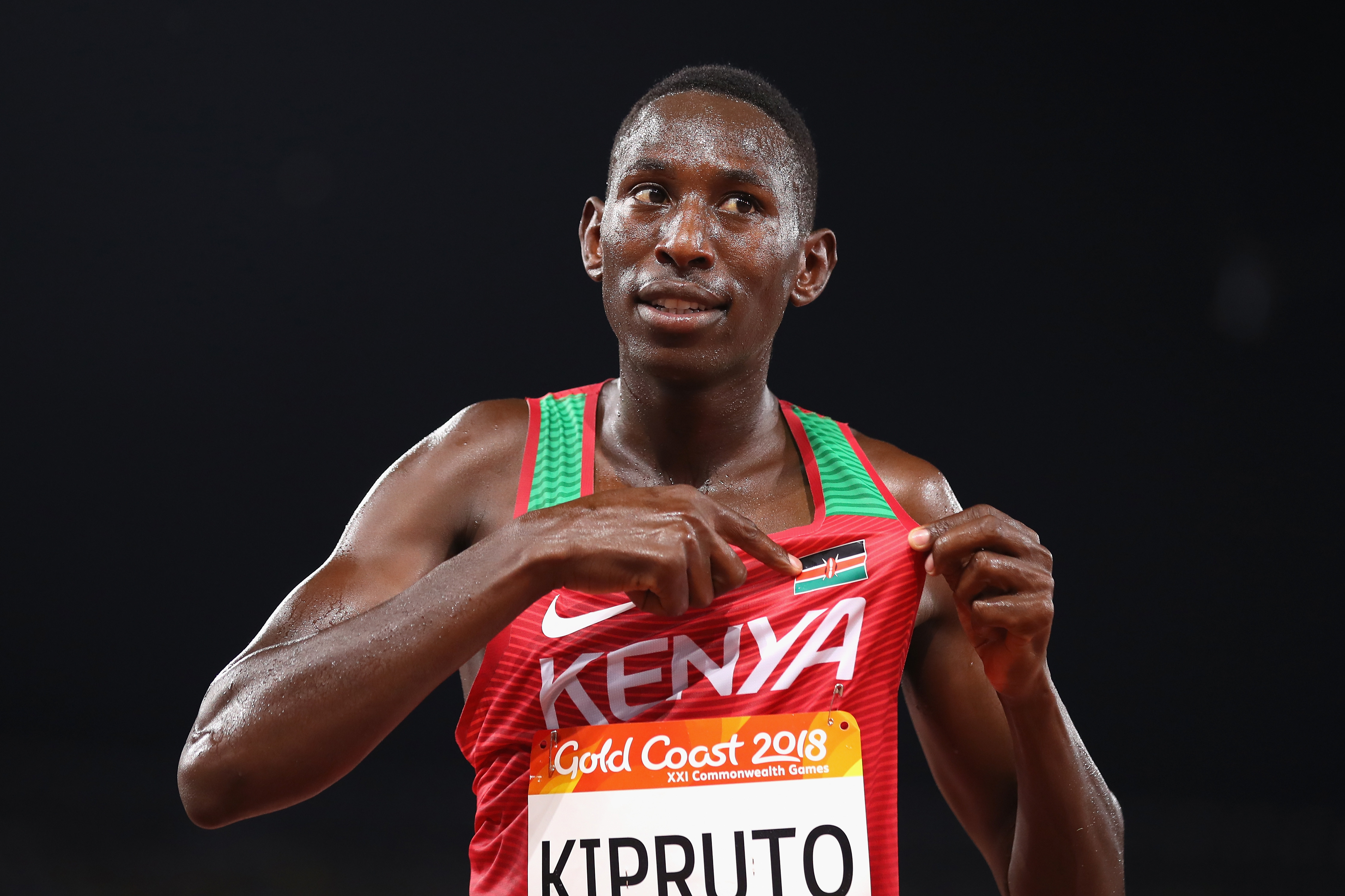
"I am glad to have been declared fit to compete after missing the opening leg of the series. I am also excited to compete in the 1,500m, I am really looking forward to running the shorter distance on Friday," Kipruto, who boasts a personal best of 3:39.57 in the 1,500m told Xinhua on Tuesday.
Cheruiyot, the world 1,500m champion, will race over 800m. The 24-year-old has a personal best of 1:43.11 in the event from August 2019 during the Kenyan national championships in Nairobi.
He clocked an impressive 3:28.45 to win the 1,500m in Monaco, just four one-hundredths of a second outside his lifetime best.
Cheruiyot will contest the event with fellow Kenyans including the world 800m bronze medalist Ferguson Rotich and Commonwealth Games 800m champion Wycliffe Kinyamal.
Both Kinyamal and Rotich boast personal bests of 1:43.12 and 1:42.54 respectively in the 800m.
"It's good to try other events, but I haven't run an 800m event outside Kenya and I will be happy to register good times and compete against the events specialist," Cheruiyot told Xinhua.
There will be an exciting lineup in the women's 3,000m. The event will consist of Kenyan quartet Hellen Obiri and Beatrice Chepkoech, 2019 world champions over 5,000m and 3,000m steeplechase respectively, in addition to Olympic 3,000m steeplechase silver medalist Hyvin Kiyeng, and world 5,000m runner-up Margaret Chelimo.
The world 10,000m bronze medalist Agnes Tirop of Kenya will also spice up the 3,000m event.
After running 2:29.15 for the 1,000m in Monaco, narrowly missing the world record in the process, Kenyan Faith Kipyegon, the Olympic 1,500m champion will return to her specialty, the 1,500m.
by Xinhua News
Login to leave a comment
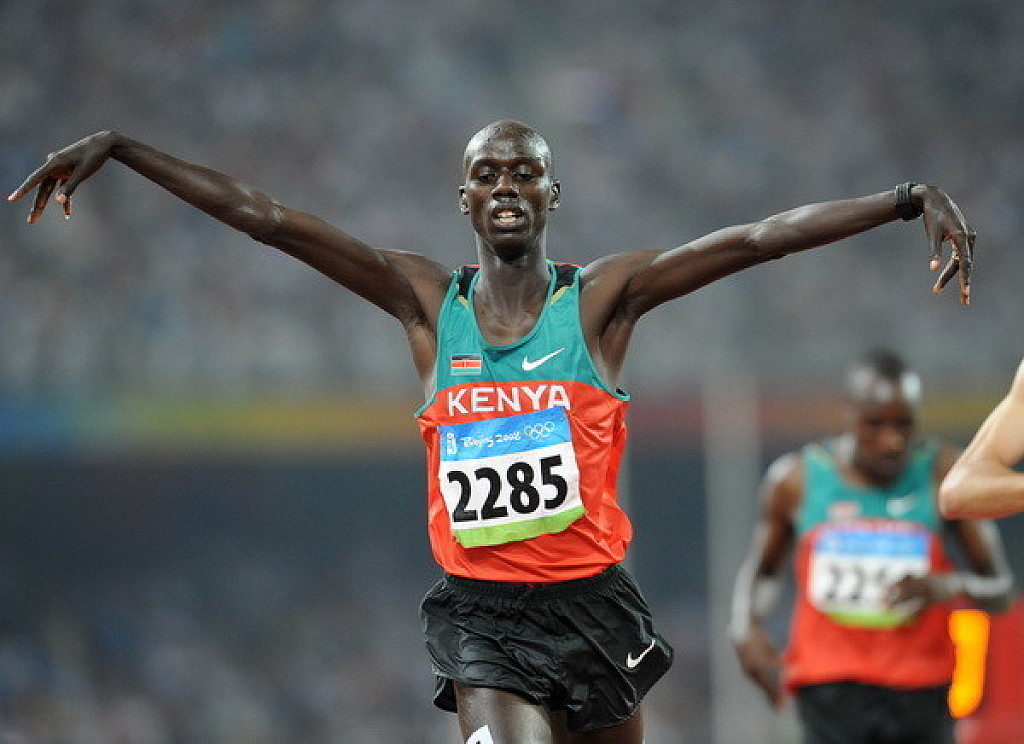
2008 Olympic steeplechase champion Brimin Kipruto of Kenya will make his marathon debut in the Austrian city, at the Linz Marathon on April 14
2008 Olympic steeplechase champion Brimin Kipruto of Kenya will finally take a leap of faith as he eyes his debut at the ultimate distance when he competes at the Linz Marathon on April 14.
The 33-year-old Kenyan will make his marathon debut in the Austrian city, having run 62:25 for the half marathon at the end of last year.
He will be keen to eclipse his steeplechase mentor and running partner Ezekiel Kemboi, who will also be changing gears to the marathon in Hamburg, also in April.
"It is time I transitioned to the marathon. I may not be fast enough to win or do well in the steeplechase and the marathon offers me a new life, new challenge and new tactics. I want to do my best, but I have to be patient and listen to my body, feel the pain of running a marathon and know how easy or hard it is on the other side," said Kipruto on Wednesday in Eldoret.
Kipruto's training partner, Kenyan Nicholas Rotich, who was fourth in the Vienna Marathon last year, and Patrick Kibet Cheruiyot will also compete in Linz.
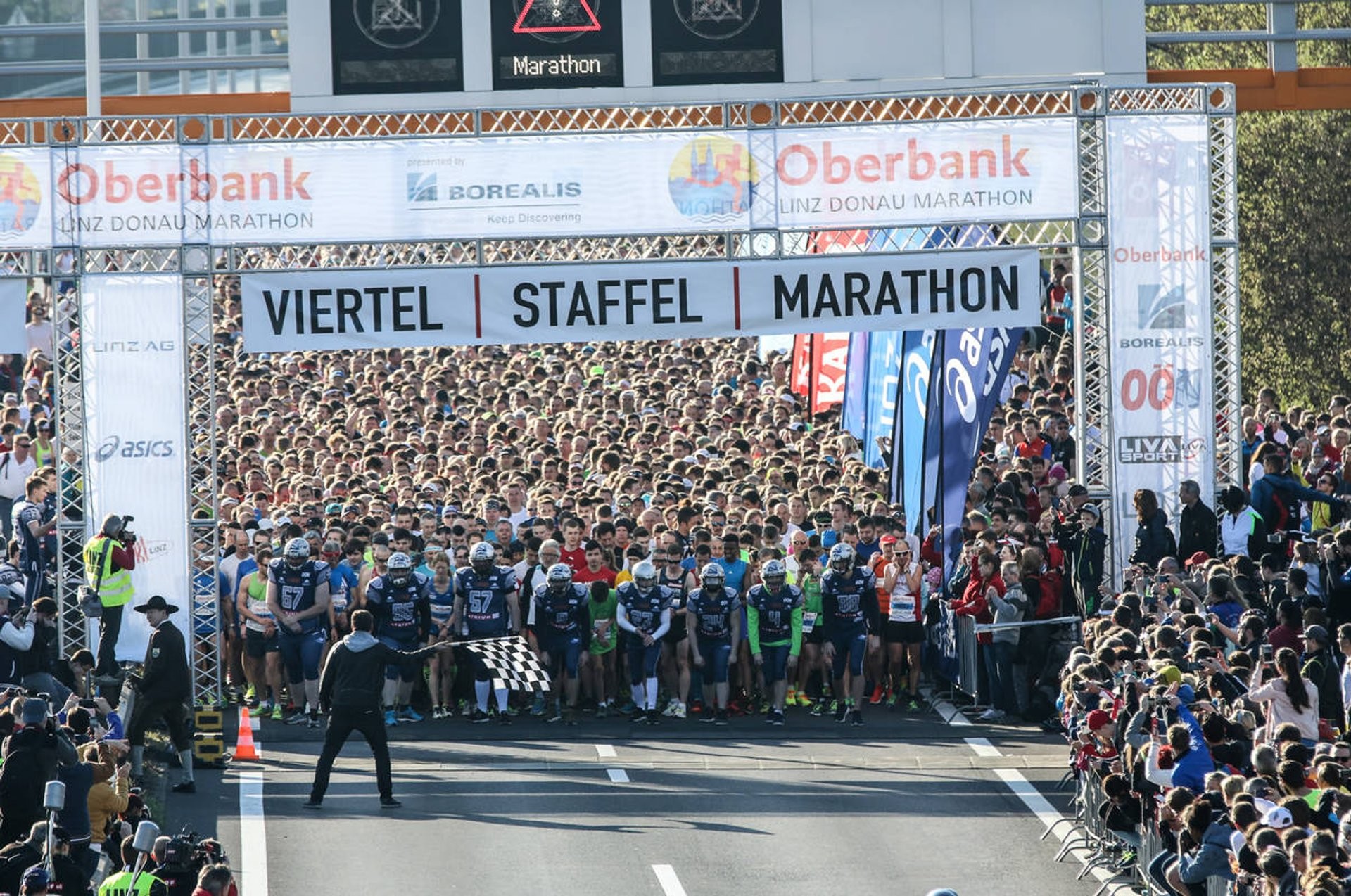
Kenya's Samuel Theuri Mwaniki, who was fifth in 2013, and Uganda's Felix Chemonges further boost the field.
"Kipruto will make his marathon debut in Austria. As the organizers of the Linz Marathon can confirm, the winner of the 2008 Summer Olympics will be at the starting line on April 14," said organizers.
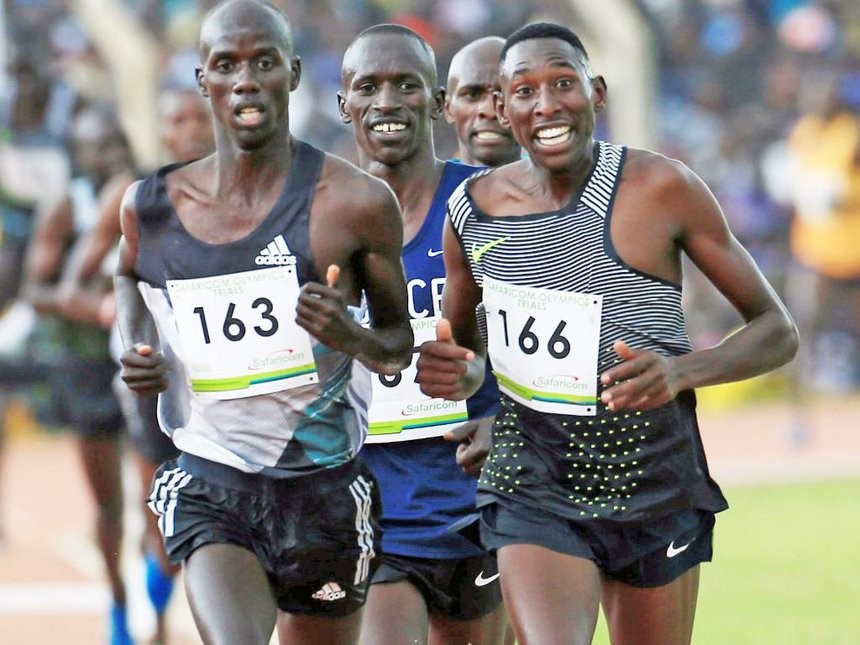
Kipruto is considered the top favorite in the eight-member elite field of men and though he has no previous experience in the marathon, hopes are high that he may seek to challenge the current course record of 2:07:33.
"I am looking forward to the challenge at the Linz Marathon. I have heard a lot of positive things about the event and the course," Kipruto said.
Login to leave a comment

Linz Donau Marathon
The Linz Marathon is one since 2002 taking place in April each year marathon in Linz . Besides the classic route over 42.195 km, there is a half marathon , quarter marathon 10.5 km, a relay marathon and competitions for hand cyclists and inline skaters (since 2005).The marathon route starts on the VÖEST bridge the A 7 runs in the...
more...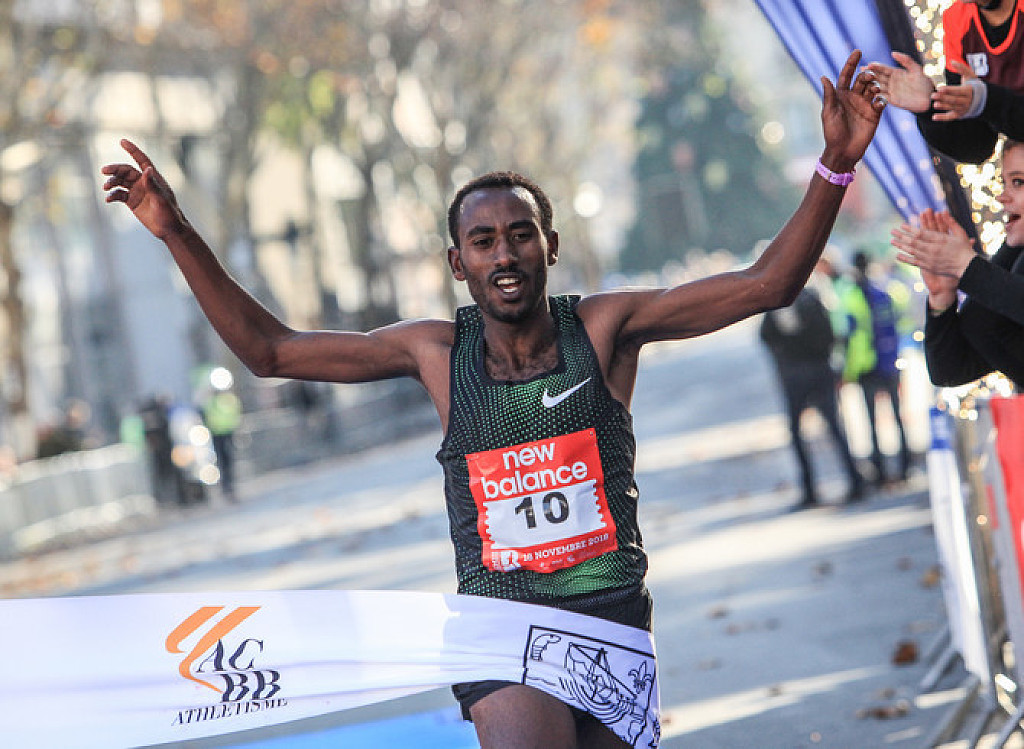
Taye Girma captured victory at the Boulogne-Billancourt Half-Marathon,
Login to leave a comment
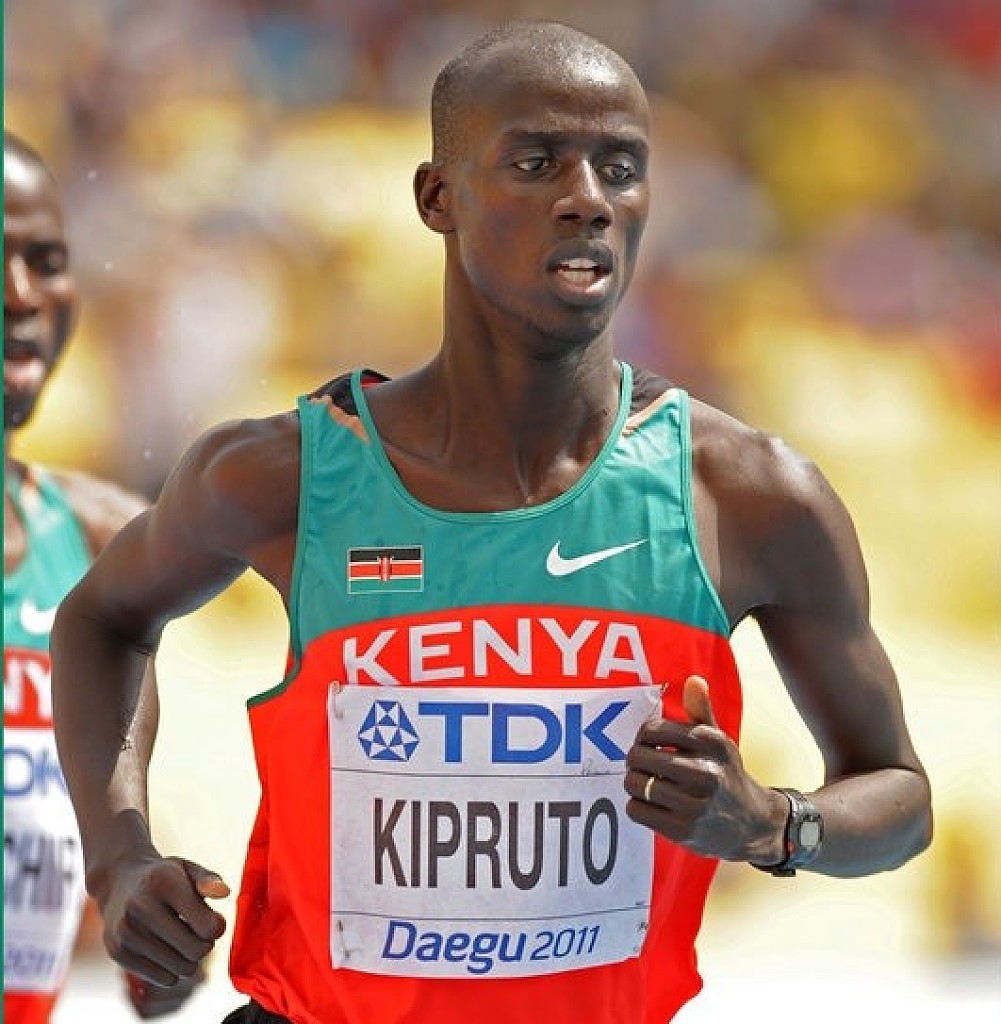
Brimin Kipruto will make Half Marathon Debut in Boulgne-Billancourt on Sunday
Login to leave a comment
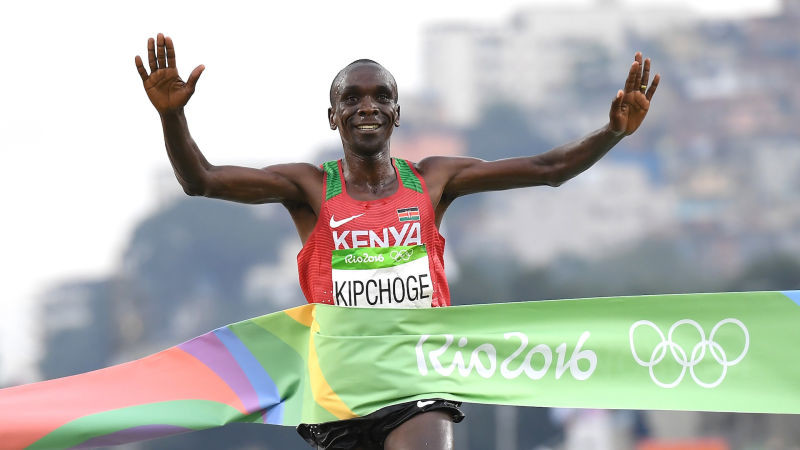
Eliud Kipchoge says he handles pain by smiling - Part two of a three part series on the King of the Marathon
The King of The Marathon Part Two: an inside look into the life of Kenya's Eliud Kipchoge. He began his move into road running in 2012 when he clocked 59:25 for the half marathon. In 2013 Eliud ran his first marathon when he won the Hamburg Marathon clocking 2:05:30, setting a new course record.
In 2016 he won the gold medal in the marathon at the Rio Olympics. He has won 10 out of the 11 marathons he has run. Wilson Kipsang beat him in 2013 in Berlin when setting the world record.
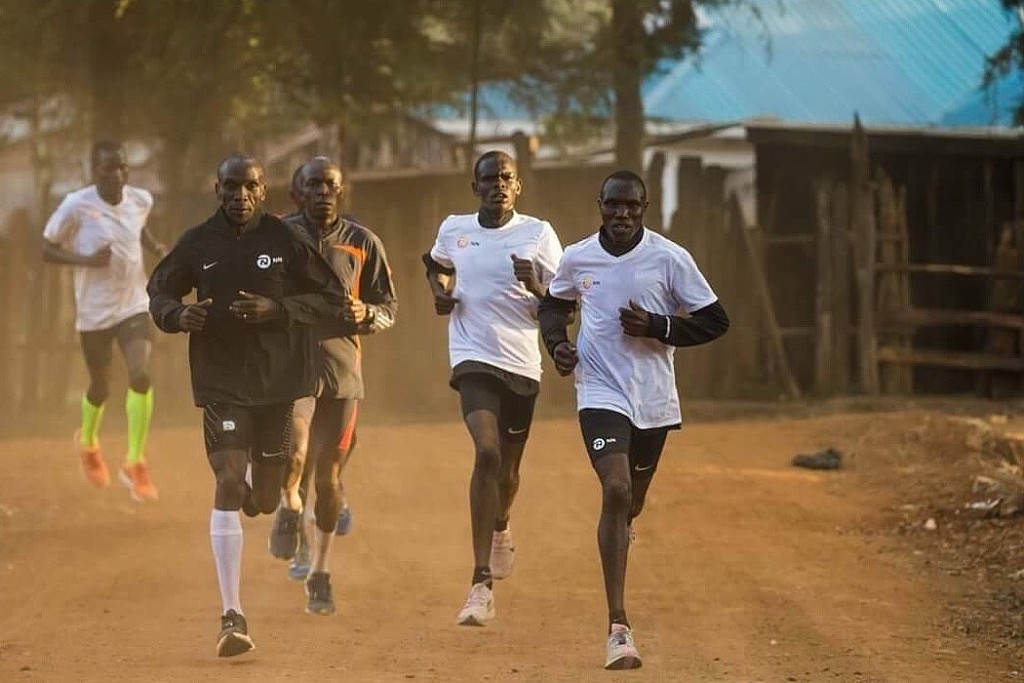
We Eliud trains in Eldoret, the home of Champions. His humbleness is seen when training with athletes. Eliud keeps a low-profile and even does house chores in camp like washing toilets, utensils, cutting grass and cleaning the dining hall. He uses public buses or bodaboda to travel despite having good cars.
He has earned a lot of prize, bonus and sponsorship money from running especially since he moved to the road. However, money hasn't changed his character. He says, "An athlete with 50 million Kenyan shillings ($500,000US) in his bank account can brag, but a farmer who uses the same amount to plant wheat is not even noticed as he walks around town."
Eliud loves the simple life and when he travels he arrives without many people realizing it. He loves his Nike shoes and is comfortable with NN running and with his mentor and neighbor Patrick Sang. During the Nike project, he almost broke the two hour mark clocking 2:00:23 for the full Marathon. Yes, the conditions were perfect and he was paced like in a time trial but his body ran the distance.
He puts in a lot of hardwork, discipline and good training. He also eats a healthy diet. Before he lined up to run the Berlin Marathon this was the kind of workouts he was doing. 8x1600 (recovery 1:30) + 10x400m (recovery 45 seconds) in Eldoret altitude 2200m (7200 feet) above sea level. His 1600m times were: 4:35, 4:33, 4:32, 4:34, 4:33, 4:32, 4:33, 4:33. His 400m times were: 62, 63, 63, 62, 62, 62, 61, 62, 61, 60.
He always does speedwork on the track wearing racing shoes with other fast athletes like Kamworor, Brimin kipruto and Conselsius. "You can't train alone because you need others to push you higher to reach your best limit," Kipchoge told me last month at Kabarak university. No marathoner has been more dominant in the marathon than Kipchoge.
The 5'6" 115 pound Eliud has never sustained a serious injury because he listens to his body and eats a healthy diet. Even the greatest runners have days when they have a strained muscle or an upset stomach kept them from winning but not Kipchoge.
He actually has a winning formula: Motivation plus disipline equals consistency. Pain, he says, is nothing more than a mind set so he distracts himself with other thoughts such as the joy of running and the finish line ahead, then the pain fades with a smile on his face. He has a habit of smiling whenever pain sets in.
Tomorrow in part three of this series we look closer at Eliud’s healthy diet and at the day he broke the world Marathon record. We talk about the prize money and how Eliud wants to help others.
by Willie Korir reporting from Kenya
Login to leave a comment
