

Running News Daily
Running News Daily is edited by Bob Anderson and team. Send your news items to bob@mybestruns.com Advertising opportunities available.
Index to Daily Posts · Sign Up For Updates · Run The World Feed
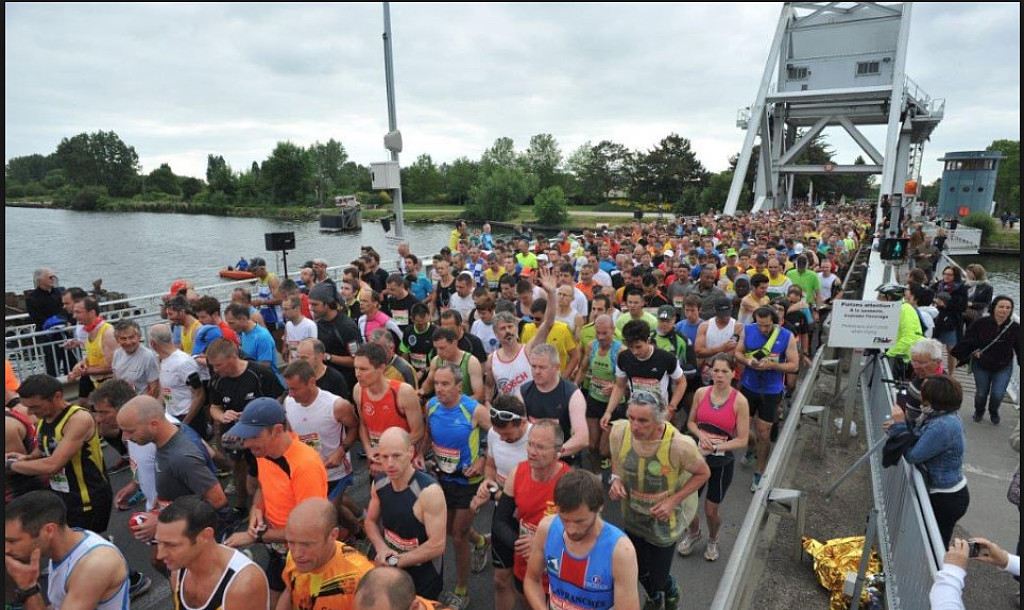


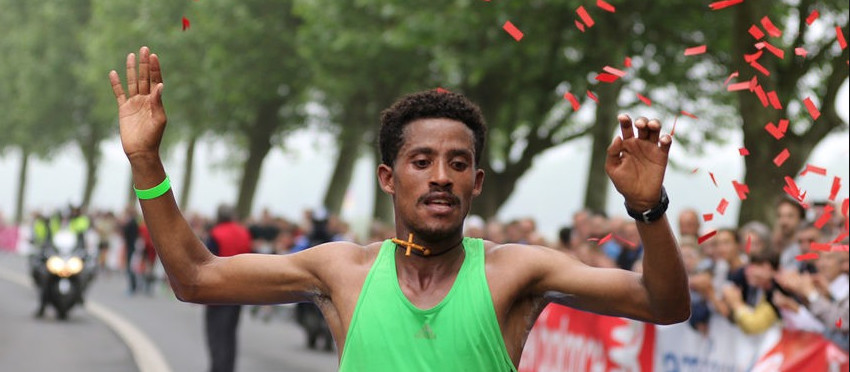
Windy conditions slowed the field at the Courts of Freedom marathon

In windy conditions, no record fell on Sunday in Caen during the Courts of Freedom. Ethiopian Yetsedaw Belie won the marathon, as in 2018. On the half marathon Kenyan Paul Koech and Loïc Letellier reached the podium like last year.
The wind slowed the pace and the course record was not obtained but that did not stop the winner of last year, Yetsedaw Belie winning again clocking 2:23:22. In 2018, Belie clocked 2:18:32. In second Kenya’s Richard Beth clocked 2:24:06.
Login to leave a comment

Maraton de la Liberte
Freedom Marathon is a marathon held annually on a part of the coast of Normandy, from Courseulles-sur-Mer to the Caen Memorial since 1988. In remembrance of d-day, theruns is close to the June 6 date. With 30 editions, the Marathon de la Liberté is the leading event of Les Courants de la Liberté, on the legendary distance of 42.195km. Tribute...
more...Latest Running News
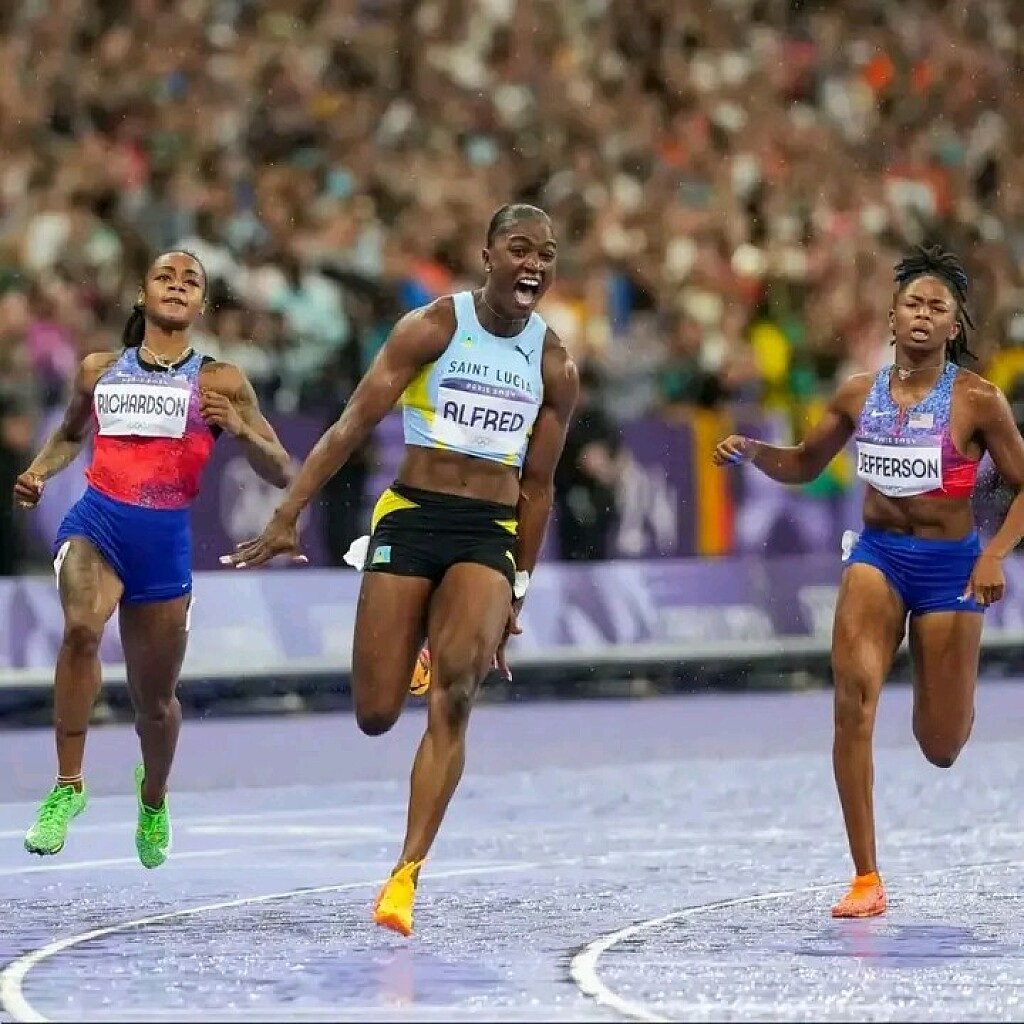
Three Champions, One Crown: Budapest Braces For A Women’s 100m Battle For Supremacy
The women’s 100m at the World Athletics Ultimate Championship in Budapest is shaping up to be one of the most compelling sprint showdowns of the season, with three of the world’s biggest names set to collide in a race where reputation, speed and championship pedigree will all be put to the ultimate test.
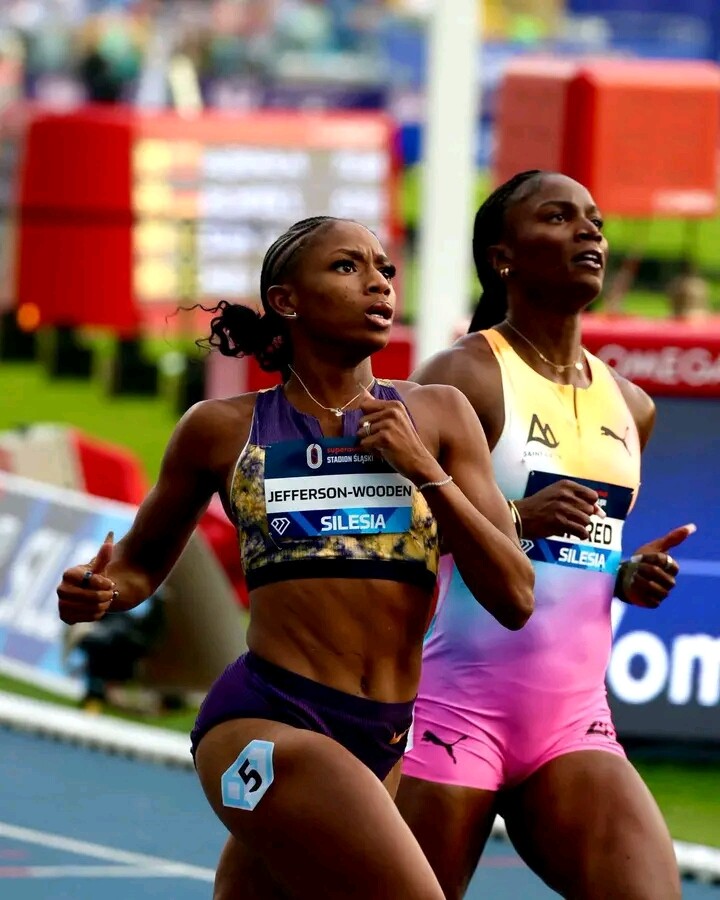
Leading the charge is Saint Lucia’s Julien Alfred, the reigning Olympic champion who established herself as the fastest woman on the biggest stage at the Paris 2024 Games. Alfred’s rise to the summit of global sprinting has been remarkable, and she arrives in Budapest carrying the confidence and prestige that come with an Olympic title.
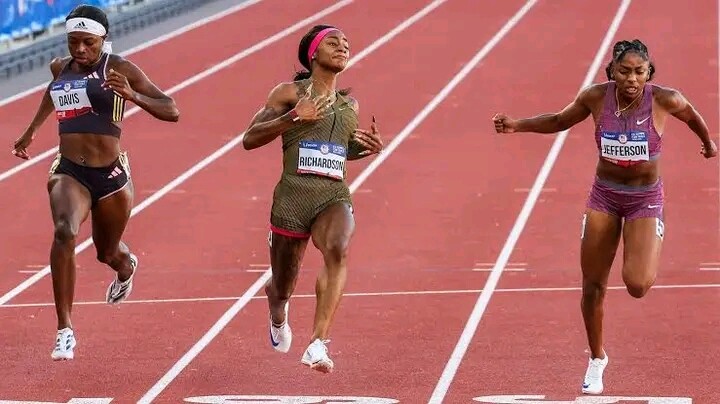
Standing alongside her will be American sprint star Melissa Jefferson-Wooden, the reigning world champion and one of the most formidable forces in the modern 100m. Her championship credentials have already placed her among the elite, and Budapest presents another opportunity to underline her status against the very best in the world.
Then there is Sha’Carri Richardson, another American powerhouse whose explosive speed and major-championship experience make her impossible to overlook. A former world champion, Richardson has repeatedly demonstrated her ability to thrive under the brightest lights, bringing both raw pace and an unmistakable competitive edge to the starting line.
The presence of three champions transforms the Budapest contest into far more than another 100m race. It is a meeting of athletes who have already conquered the highest levels of the sport and now have another prize to chase: the title of Ultimate champion.
With the world’s attention fixed on the start line, every fraction of a second could prove decisive. Alfred will seek to reaffirm her Olympic supremacy, Jefferson-Wooden will look to demonstrate that her world title was no coincidence, while Richardson will be determined to remind the field of the speed that has made her one of the most recognizable names in global sprinting.
For the spectators, the attraction is obvious. Three champions, three different journeys to the top and just 100 metres separating glory from disappointment.
Budapest is therefore set for a sprinting spectacle in which there will be no room for hesitation. When the gun fires, Olympic glory, world championship pedigree and personal ambition will converge on one track — and only one woman will leave as the Ultimate champion.
by Erick Cheruiyot for My Best Runs.
Login to leave a comment
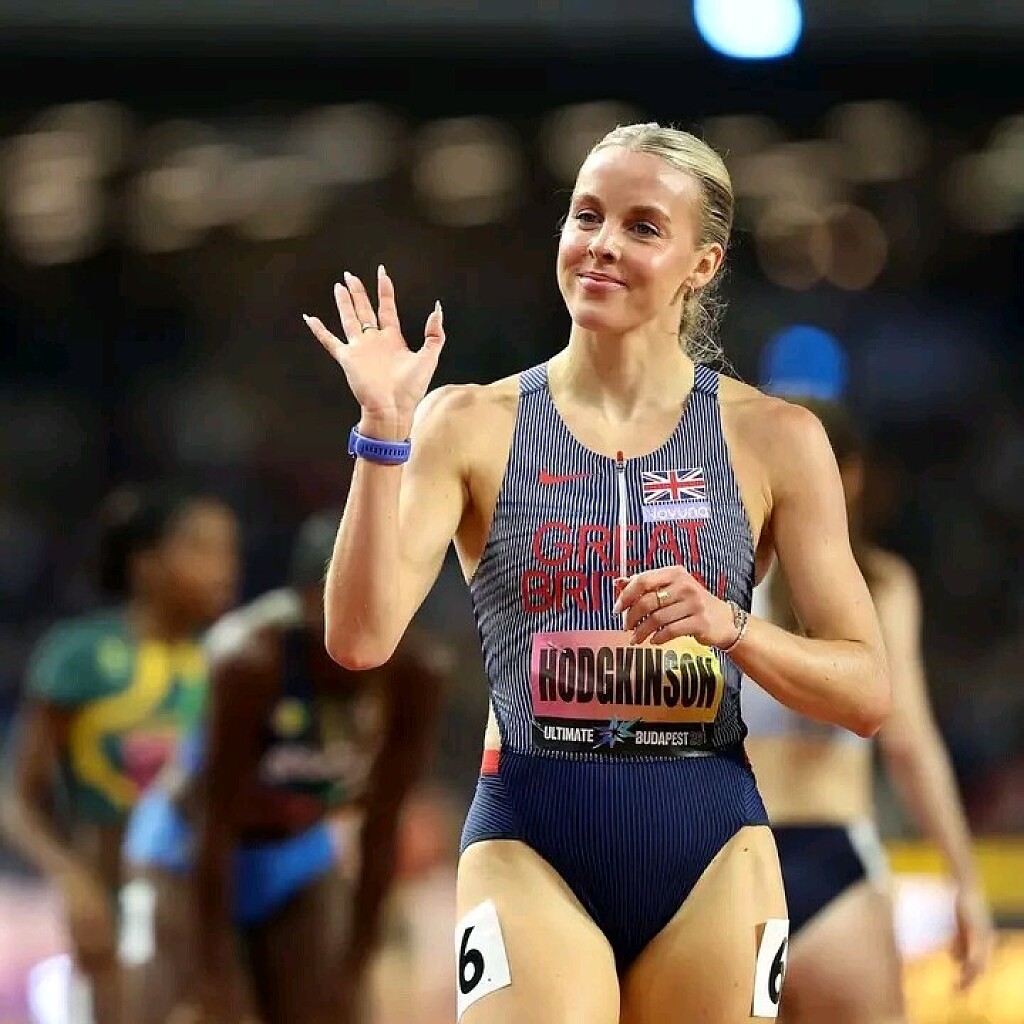
Keely Hodgkinson Strikes First In Budapest As Olympic Champion Leads 800m Finalists
Keely Hodgkinson made a powerful return to the track at the World Athletics Ultimate Championship in Budapest on September 11, storming to victory in the opening women’s 800m semifinal in 1:57.57 to record the fastest time across both semifinals and immediately establish herself as the athlete to beat in the final.
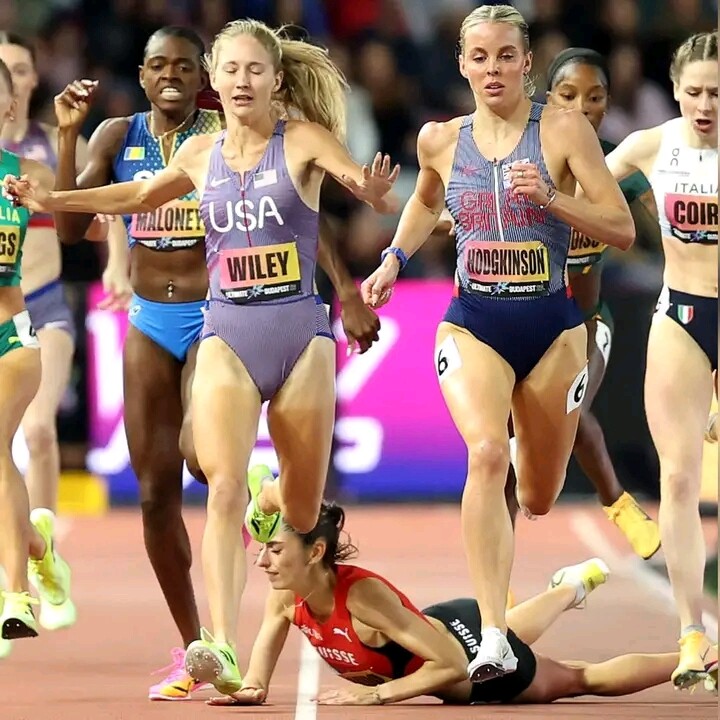
The British Olympic champion looked composed from the opening metres, taking control of the race before gradually increasing the pressure as the finish approached. Hodgkinson produced a decisive surge over the final 200 metres, pulling clear of her rivals and crossing the line comfortably in 1:57.57.
Addison Wiley of the United States followed in 1:58.14, while Australia’s Sarah Billings secured third in 1:58.37. Italy’s Eloisa Coiro also produced a strong performance to finish fourth in 1:58.48, ensuring that the opening semifinal was packed with sub-two-minute performances.
For Hodgkinson, the performance was particularly significant given the circumstances surrounding her return. She had not raced since winning silver at last month’s European Championships and subsequently missed the closing Diamond League meetings, including the Brussels Final, because of hamstring discomfort.
There was little evidence of any lingering problem in Budapest. Hodgkinson appeared relaxed and confident throughout the race, before shifting gears when it mattered most and delivering a performance that immediately put the rest of the field on notice.
The race also contained a dramatic twist in the closing stages when Switzerland’s Veronica Vancardo suffered a heavy fall following contact with Coiro. Despite the setback, Vancardo recovered and eventually crossed the finish line in 2:16.75.
Officials subsequently reviewed the incident and advanced Vancardo to the final, giving her a place in the championship race despite finishing well outside the automatic qualifying positions. Her advancement added another layer of drama to an already eventful evening in Budapest.
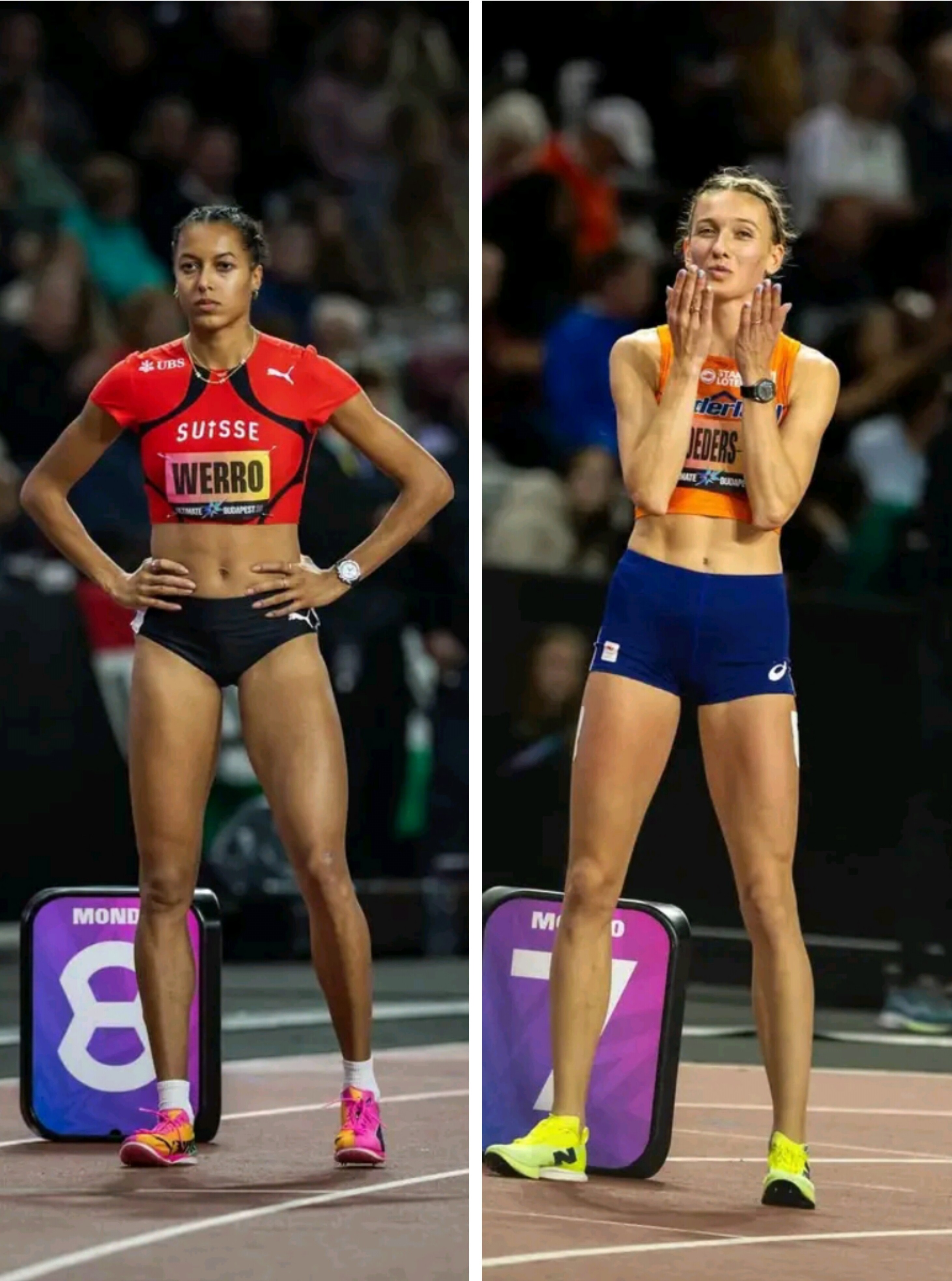
The second semifinal produced another impressive performance as Switzerland’s Audrey Werro controlled the race and delivered a strong finish to win in 1:59.05. Femke Broeders-Bol of the Netherlands followed closely in 1:59.19 after leading much of the contest.
The qualification picture then became clear, with nine athletes securing places in the women’s 800m final. Hodgkinson leads the field with 1:57.57, followed by Wiley at 1:58.14 and Billings at 1:58.37.
Coiro qualified in 1:58.48, while Werro and Broeders-Bol advanced with 1:59.05 and 1:59.19 respectively. Ethiopia’s Nigist Getachew clocked 1:59.69, Switzerland’s Valentina Rosamilia ran 1:59.78, and Vancardo completed the finalists after her advancement in 2:16.75.
Wiley’s qualification is also notable because she is the only American to advance to the Budapest final, adding further significance to her impressive 1:58.14 performance.
With Hodgkinson producing the fastest semifinal time, Werro looking increasingly dangerous and Broeders-Bol once again proving her ability to remain in contention, the final is shaping up to be one of the most anticipated 800m races of the championship.
Hodgkinson has already struck the first blow in Budapest. But with the medals now at stake, Werro, Broeders-Bol and the rest of the finalists will have the opportunity to turn the tables when it matters most.
The Olympic champion has made her intentions clear: she is back, she is healthy enough to race at championship pace, and she wants the Budapest crown.
The stage is now set for a thrilling women’s 800m final, where Hodgkinson will attempt to turn her semifinal dominance into gold. Who will be crown the Ultimate Champion in Budapest — Hodgkinson, Werro or Broeders-Bol? Or the table will turn?
by Erick Cheruiyot for My Best Runs.
Login to leave a comment

Masai Russell Reigns Supreme in Budapest as American Claims Ultimate Championship Crown
Masai Russell has added another major achievement to her remarkable 2026 season, powering to victory in the women’s 100m hurdles at the inaugural World Athletics Ultimate Championship in Budapest.
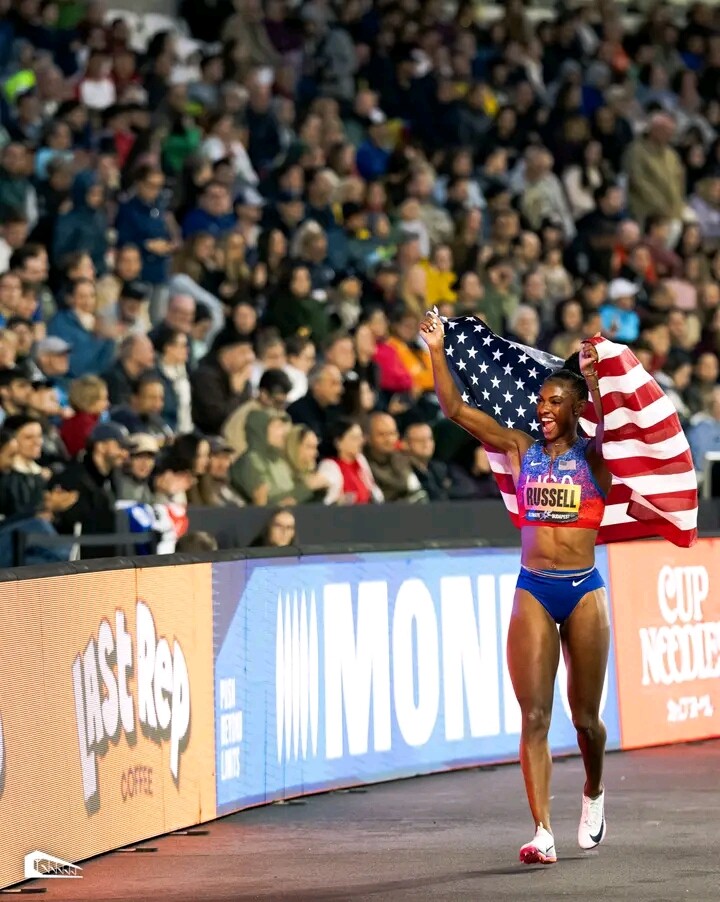
The American produced a brilliant 12.22 seconds to capture the Ultimate Championship title, once again demonstrating her ability to deliver when the pressure is at its highest.
Russell controlled the race from the opening hurdles, attacking each barrier with precision before powering down the home straight to secure a convincing victory. Her performance confirmed why she has been one of the most dominant hurdlers in the world this season.
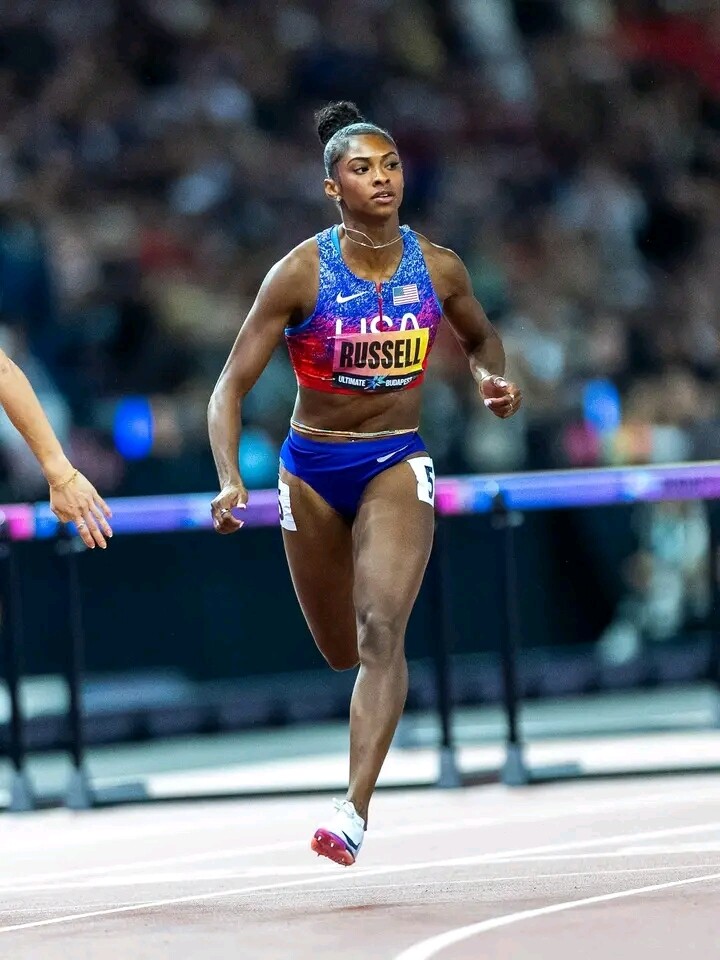
Nigeria’s Tobi Amusan, a former world-record holder and one of the most experienced athletes in the field, mounted a strong challenge but had to settle for silver in 12.34 seconds.
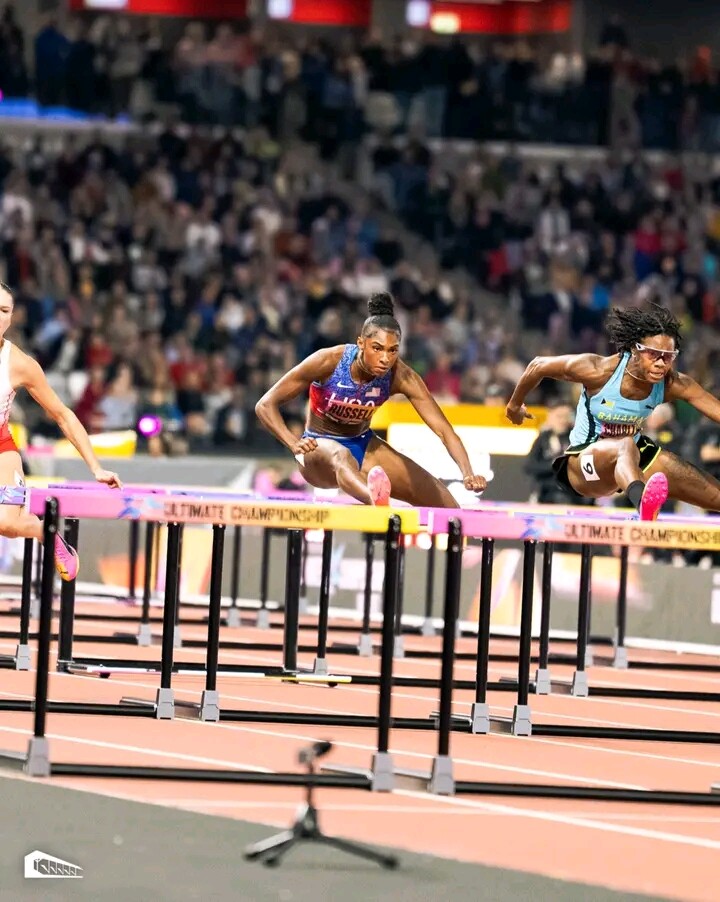
The bronze medal went to the Netherlands’ Nadine Visser, who crossed the line in 12.39 seconds after another impressive championship performance.
Women’s 100m Hurdles Final
1. Masai Russell — United States — 12.22
2. Tobi Amusan — Nigeria — 12.34
3. Nadine Visser — Netherlands — 12.39
Beyond the medals and times, the race produced one of the most memorable images of the championship.
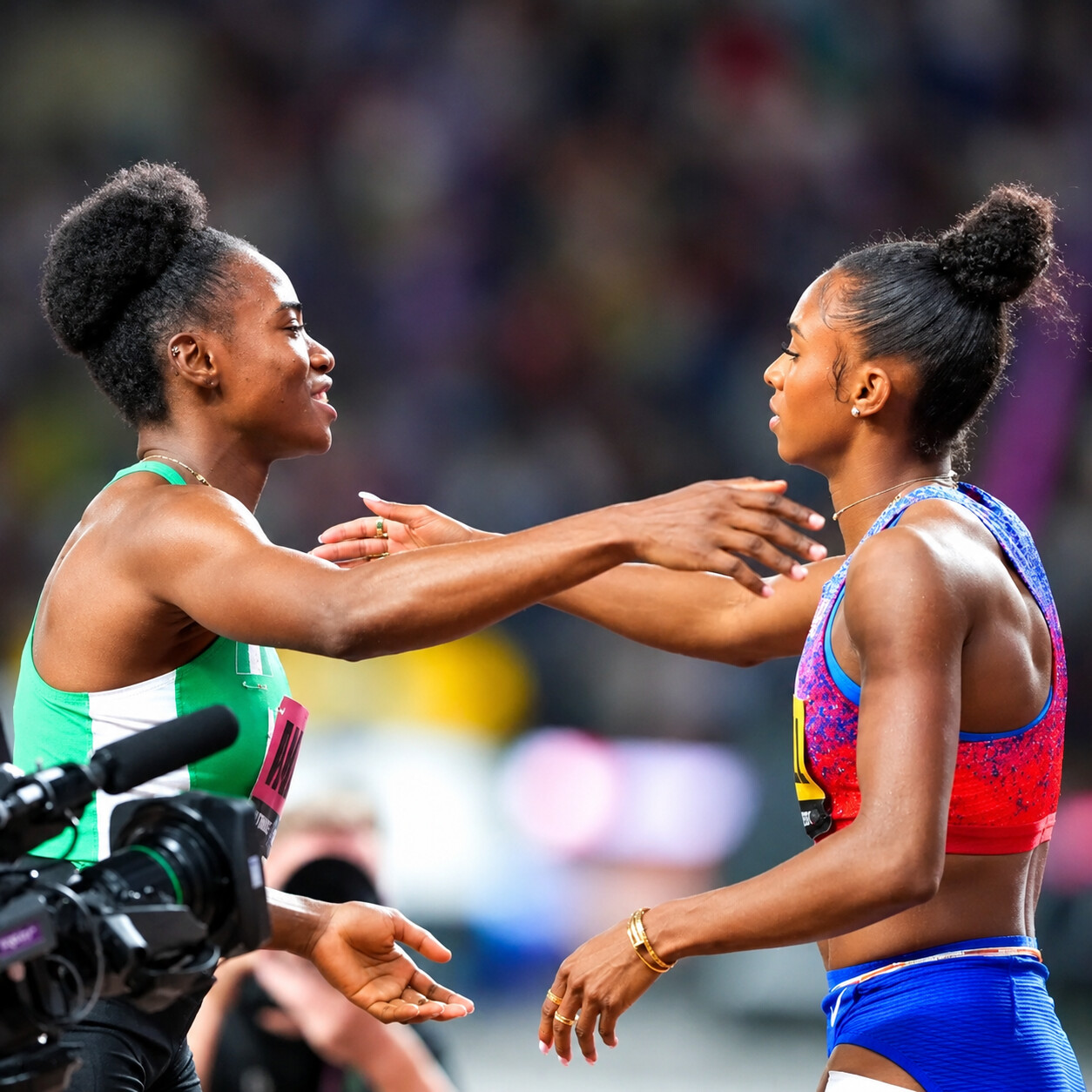
Moments after Russell secured the title, she shared a warm embrace with Amusan, creating a striking scene of mutual respect between two athletes who have played major roles in the evolution of women’s sprint hurdling.
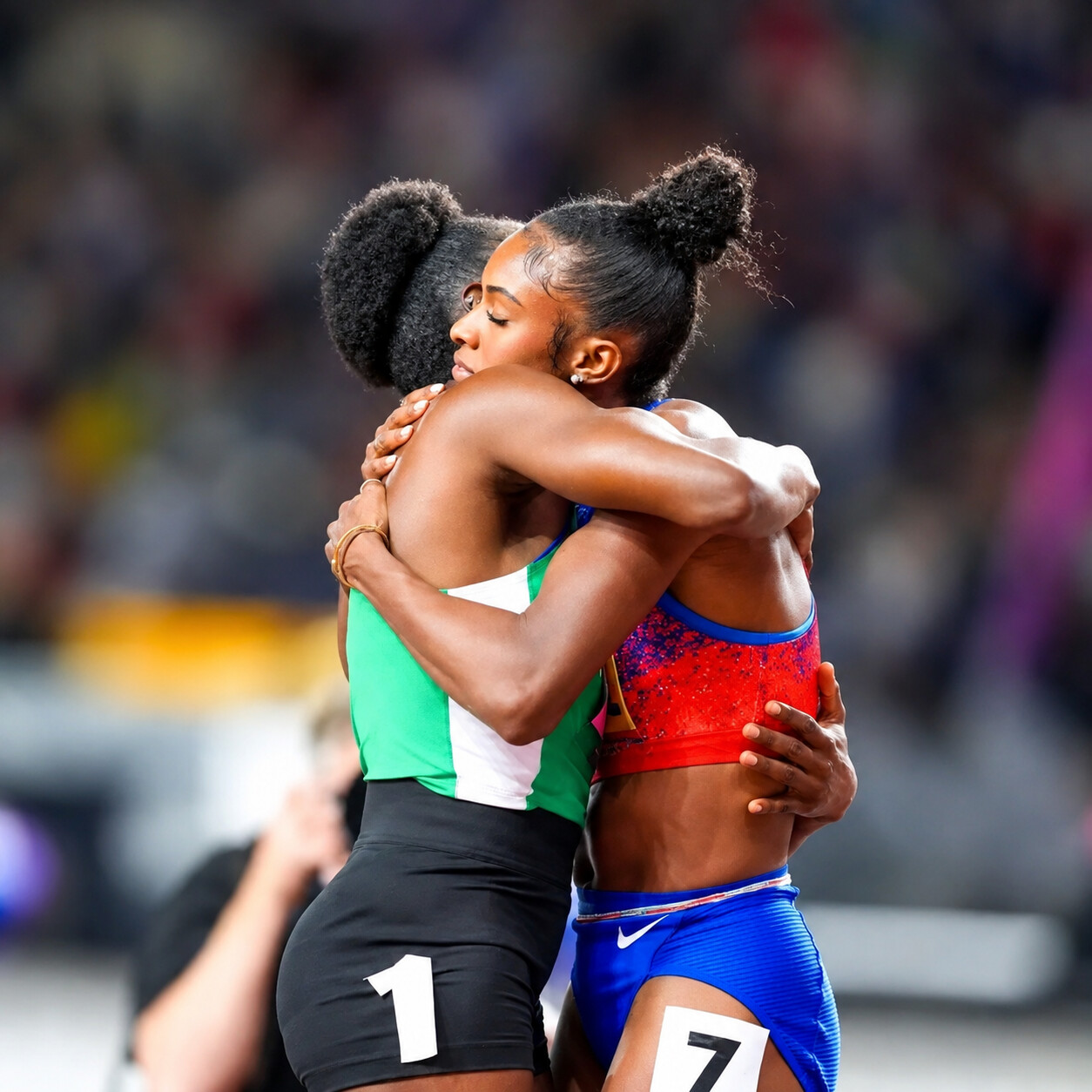
There was no love lost between the former world-record holder and the athlete who has now taken over the top spot. Amusan’s journey helped redefine the event, while Russell has emerged as the new generation’s leading force.
The embrace offered a fitting reminder that elite sport is not only about rivalry and competition. Behind the starting line are athletes who understand the sacrifice, pressure and dedication required to reach the highest level.
For Amusan, the silver medal represents another podium finish at the highest level, while Visser continues to underline her credentials among the world’s elite hurdlers.
But the night belonged to Russell.
With another major title secured and her confidence soaring, the American has made it increasingly difficult for anyone to challenge her position at the top of women’s sprint hurdling.
And perhaps the most fitting image of the night came after the race — the former world-record holder embracing her successor as Russell celebrated becoming the inaugural Ultimate Champion.
Budapest has crowned its first Ultimate Champion, and Masai Russell has once again shown that when the biggest moment arrives, she is ready to answer.
by Erick Cheruiyot for My Best Runs.
Login to leave a comment
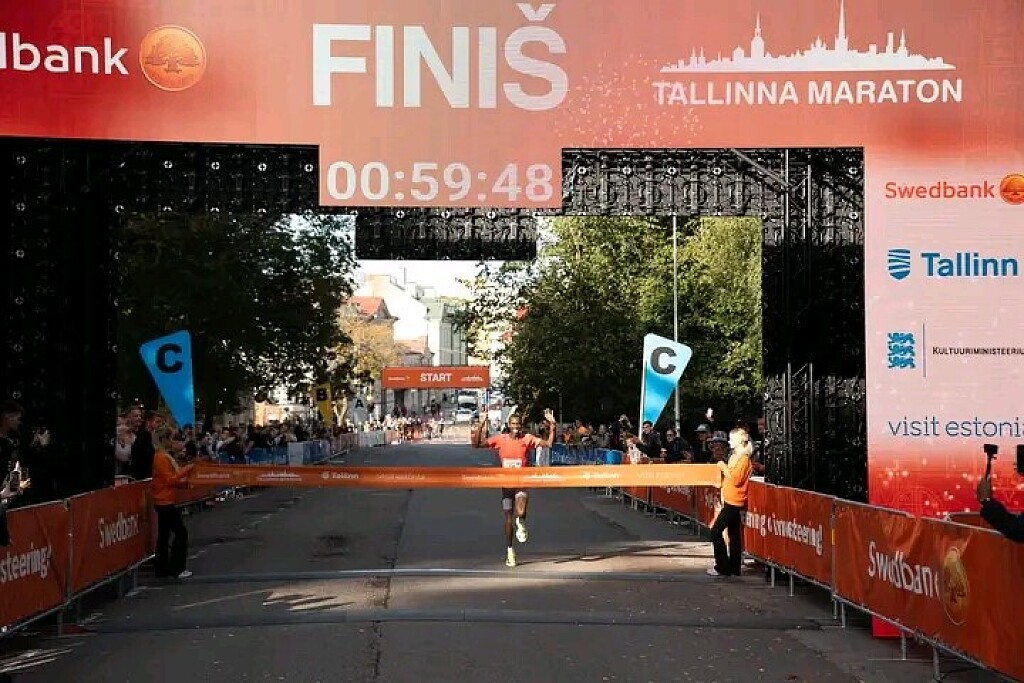
History Made in Tallinn as Vincent Kiptoo Breaks One-Hour Barrier in Estonia
Kenya produced a remarkable double victory at the 2026 Swedbank Tallinn Marathon Half Marathon in Estonia, with Vincent Kiptoo and Regina Wambui Ndungu claiming the men’s and women’s titles in record-breaking fashion.
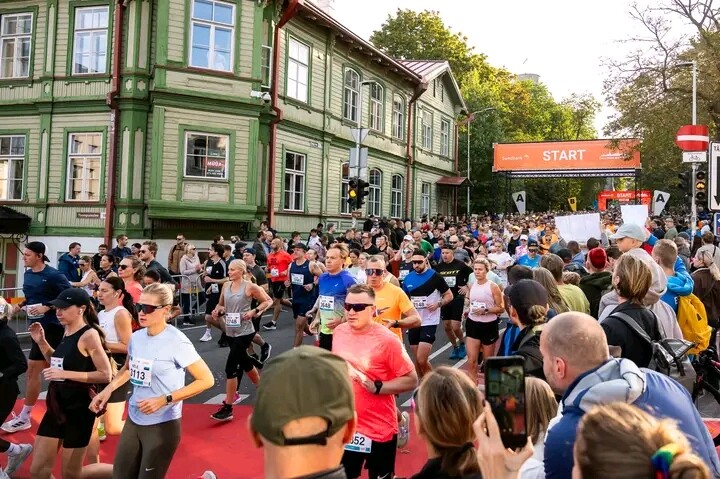
Kiptoo delivered the headline performance of the morning, storming to victory in 59:48 to become the first athlete to run a half marathon in under one hour on Estonian soil. His performance also established a new Tallinn Half Marathon course record, marking a historic milestone for both the Kenyan and the race.
The Kenyan’s victory was backed by an impressive display of depth from his compatriots. Johana Erot finished second in 1:00:51, recording a personal best, while Enos Kipruto Saat completed the podium in 1:01:22. Kenya therefore swept all three men’s podium positions.
The fastest Estonian in the men’s race was Leonid Latsepov, who finished in 1:04:20, giving the home crowd another performance to celebrate despite the dominance of the Kenyan contingent.
The women’s race provided another Kenyan triumph, with Regina Wambui Ndungu producing a superb 1:07:35 to take the title and set a new Tallinn Half Marathon course record. Her performance completed a memorable Kenyan double on a morning when both winners rewrote the course records.
Winsam Jerono secured second place in 1:10:29, also improving her personal best, while Morocco’s Soukaina Atanane took third in 1:11:24. The fastest Estonian woman was Pille Hinn, who crossed the line in 1:23:02.
The men’s result was particularly striking, with Kenya occupying every place on the podium. Kiptoo’s historic sub-hour run was followed by Erot’s personal-best performance and Kipruto Saat’s strong third-place finish, underlining the depth of Kenyan talent over the half-marathon distance.
For Kiptoo, the 59:48 performance represents more than a race victory. Breaking the one-hour barrier in Estonia places his name in the history of the Tallinn Half Marathon and gives him a course record that will now become the benchmark for future editions of the race.
Ndungu’s victory added another layer to the Kenyan success. Her 1:07:35 not only secured the women’s title but also lowered the course record, meaning both elite races produced new standards on the same morning.
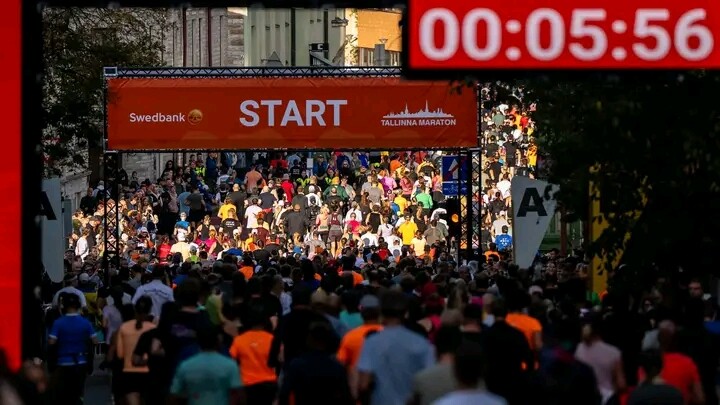
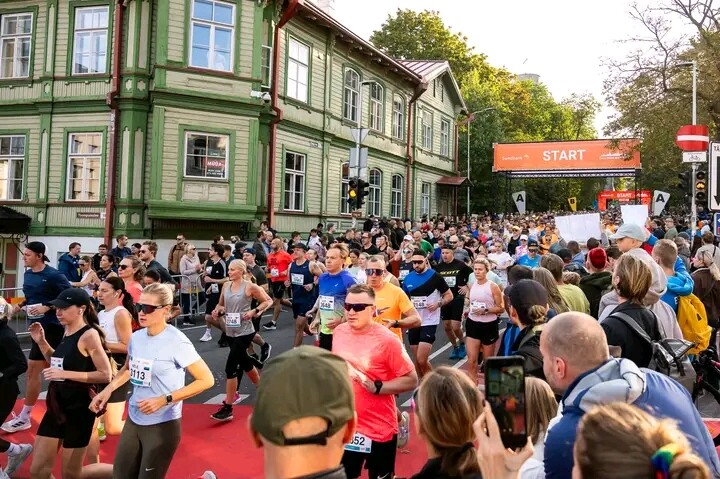
The scale of the event added to the occasion, with more than 5,000 runners taking on the 21.1-kilometre challenge. The streets of Tallinn were filled with runners of different levels, creating a vibrant backdrop for a morning that produced two Kenyan victories and two new course records.
The half marathon was only one part of a packed Tallinn running weekend. The 10K Tallinn Autumn Run was scheduled to follow at 14:00, with the Nike Youth Run later in the evening at 18:30, keeping the Estonian capital at the centre of the running action throughout Saturday.
The weekend will then reach its grand finale on Sunday morning with the Tallinn Marathon, scheduled for a 09:00 start. With thousands of runners continuing to take to the streets, the city’s celebration of distance running is set to continue.
For Kenya, however, the defining moment of the half marathon will remain Kiptoo’s historic 59:48. Alongside Ndungu’s course-record victory, it gave the country a spectacular start to the Tallinn Marathon weekend and etched another memorable chapter into Kenya’s remarkable road-running story.
by Erick Cheruiyot for My Best Runs.
Login to leave a comment

Tallin Marathon
The Tallinn Marathon has won a sure place in the competition calendar of runners and has become an attractive destination for running tourists looking for new experiences. About 20 000 running enthusiasts from 56 different countries participated in the 2017 event. As a tradition, the marathon will take place in every second Sunday of September, this year 9th of September,...
more...
Jakob Ingebrigtsen Completes Remarkable Comeback With Ultimate 5000m Gold
Eleven months away from racing. Achilles surgery. Just six weeks of serious training.
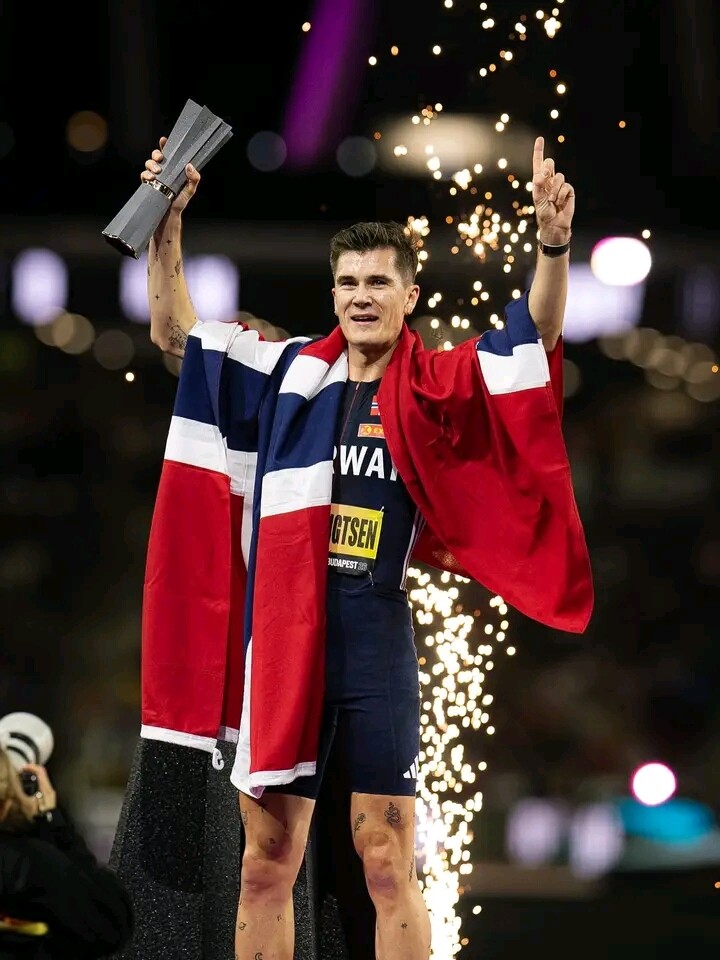
Now, Jakob Ingebrigtsen is an Ultimate Champion.
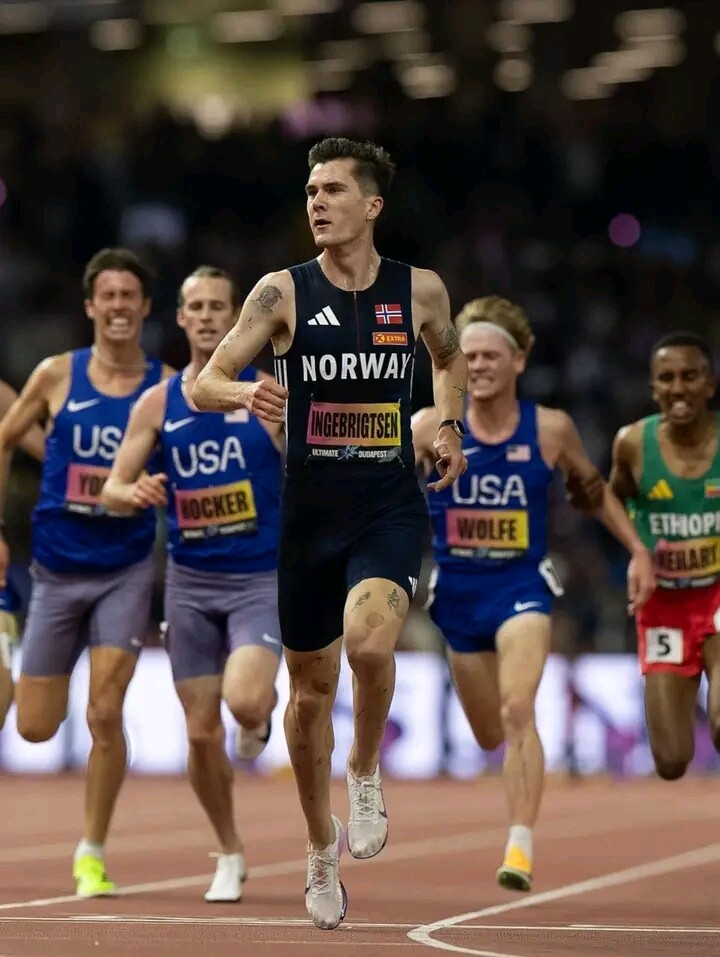
The Norwegian star delivered a stunning performance in Budapest, winning the men’s 5000m at the inaugural World Athletics Ultimate Championship in 12:59.24.
It was a race that demanded patience, tactical intelligence and a perfectly timed finish—qualities Ingebrigtsen has repeatedly demonstrated throughout his career.
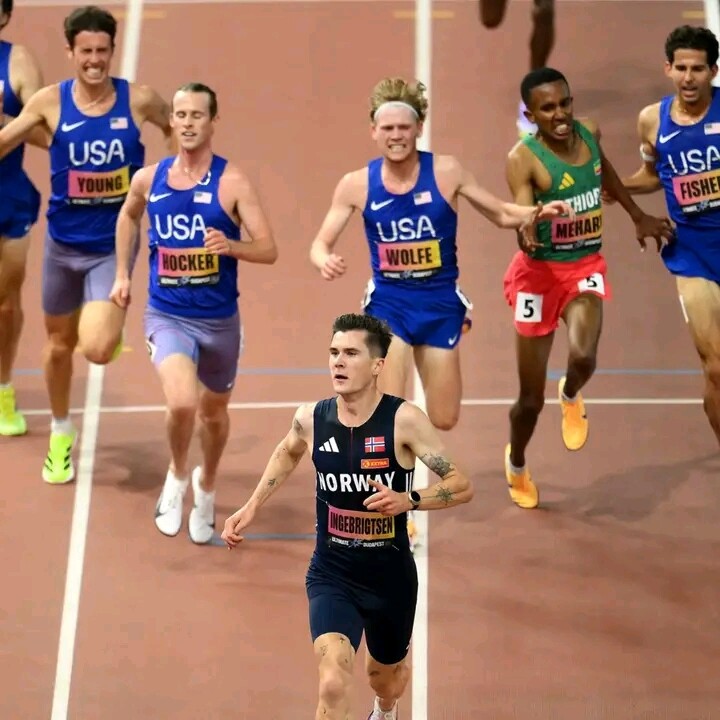
Rather than forcing the pace from the front, Ingebrigtsen stayed towards the back of the field and waited as the race unfolded. He remained composed while the leading group battled for position, conserving his energy for the moment that mattered most.
That moment came in the final straight.
Ingebrigtsen unleashed his trademark finishing speed, powering past his rivals and holding off a determined challenge from American star Cole Hocker to secure the gold medal.
Hocker finished second in 13:00.05, while fellow American Parker Wolfe took third in 13:00.13. The result gave Ingebrigtsen another major title in a season that began with serious questions about how quickly he could return to his best.
His comeback has been extraordinary.
After nearly 11 months away from competition and a spell on the sidelines following Achilles surgery, Ingebrigtsen returned to racing with limited preparation. Just six weeks of serious training stood between him and his return to the highest level.
Yet he has already transformed that uncertainty into success.
The victory in Budapest also adds another fascinating chapter to his rivalry with Hocker. The American, who has established himself among the world's leading middle-distance runners, will get another opportunity to challenge Ingebrigtsen when the pair meet again in the 1500m later this weekend.
The 5000m may belong to Norway, but the rivalry is far from over.
For Ingebrigtsen, the message from Budapest is clear: the long road back has not weakened his competitive instincts. If anything, it has made his return even more impressive.
He waited. He watched. He chose his moment.
And when it was time to strike, Jakob Ingebrigtsen did what Jakob Ingebrigtsen does best—he finished the job.
by Erick Cheruiyot for My Best Runs.
Login to leave a comment
