

Running News Daily
Running News Daily is edited by Bob Anderson and team. Send your news items to bob@mybestruns.com Advertising opportunities available.
Index to Daily Posts · Sign Up For Updates · Run The World Feed
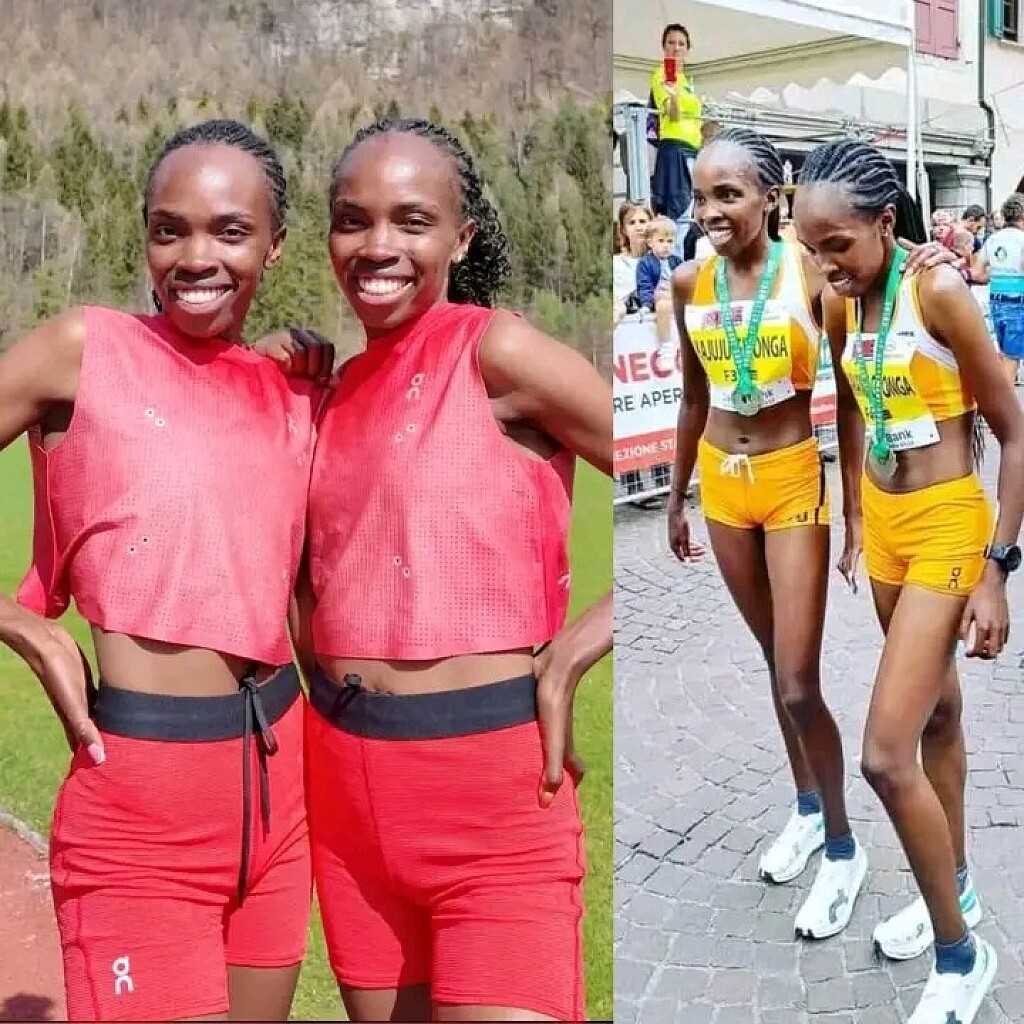


Gitonga Twins Caroline And Purity Set For Star-Studded Valencia Half Marathon Showdown

Kenyan twin sisters Caroline and Purity Gitonga are preparing to take on a formidable international field at the Valencia Half Marathon Trinidad Alfonso Zurich in Spain on Sunday, October 25, 2026, as they look to make their mark on one of the world's premier road-running stages.
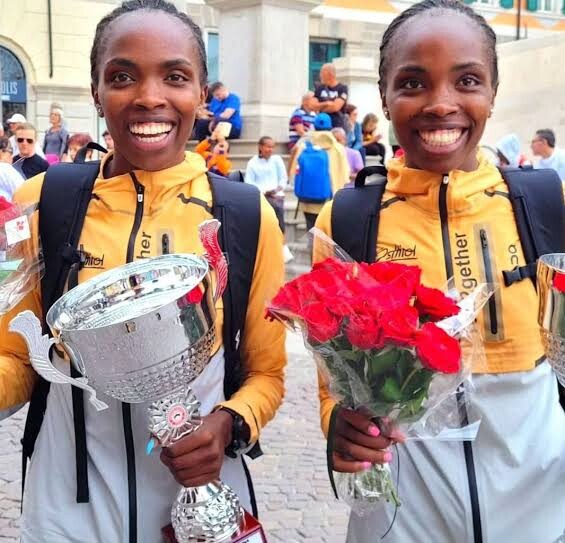
The sisters will carry Kenya's hopes into a highly competitive women's race featuring Ethiopian stars Yalemzerf Yehualaw and Tsigie Gebreselama, setting the stage for an exciting showdown over the 21.0975-kilometre distance.
Caroline heads to Valencia in impressive form following a breakthrough season that has elevated her profile on the international road-running circuit. She claimed silver in the women's 5km at the World Athletics Road Running Championships in Copenhagen before continuing her strong campaign with a commanding victory in the 10km race in Castellón, Spain, clocking 29:34.
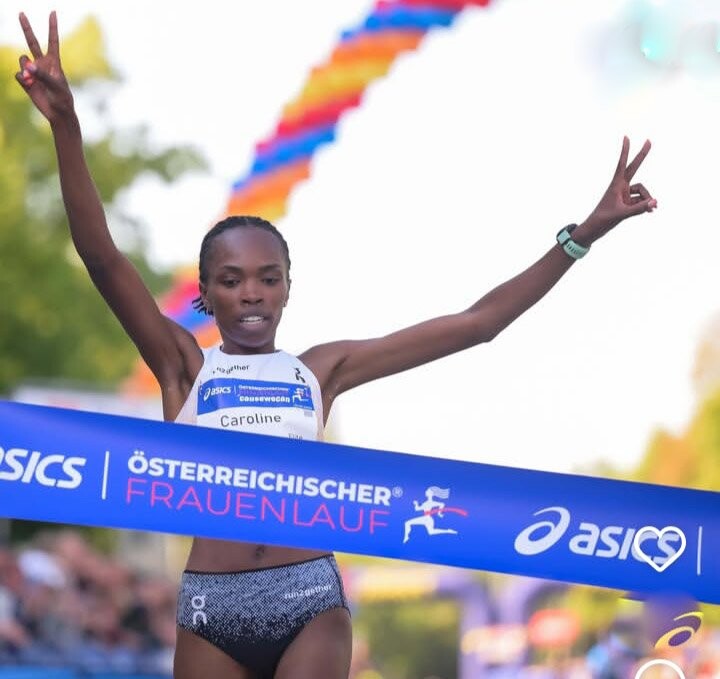
Her performances have underlined her speed, consistency and growing confidence on the roads. The Valencia Half Marathon, however, presents a different challenge, requiring greater endurance and tactical discipline against some of the world's most accomplished distance runners.
Caroline will be particularly keen to translate her success over shorter distances into a strong performance over the half-marathon distance. With a personal best of 1:06:16, she has already demonstrated considerable ability over 21.1 kilometres and will be looking to build on that foundation against a world-class field.
Purity will join her twin sister on the starting line, adding an intriguing family dimension to Kenya's challenge in Spain. The two athletes have demonstrated their quality on the roads, and their participation in such a competitive race offers another opportunity to showcase their talent on the international stage.
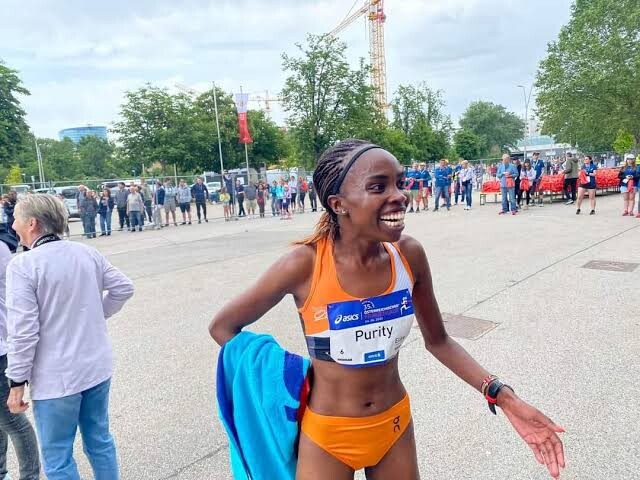
Purity also brings valuable experience to the contest, having recorded a half-marathon personal best of 1:06:50. Her presence alongside Caroline gives the Kenyan contingent two capable competitors, each with the potential to produce an impressive performance against the elite opposition.
Standing in their way will be a formidable Ethiopian challenge led by Yalemzerf Yehualaw and Tsigie Gebreselama. Both athletes bring considerable international pedigree, making them important names to watch as the race unfolds. Their presence raises the competitive stakes and ensures the Kenyan sisters will need to deliver their best performances to contend for the leading positions.
The Valencia Half Marathon has established itself as one of the most prestigious races on the international road-running calendar, attracting elite athletes seeking fast times and strong competition. Its reputation makes it an ideal stage for runners looking to test their fitness, challenge their personal bests and measure themselves against the world's leading distance-running talent.
For Caroline, Sunday's race represents an opportunity to build on the momentum generated by her world championship silver medal and impressive Castellón victory. A strong performance would further strengthen her standing among Kenya's emerging road-running stars while demonstrating her potential over the longer distance.
For Purity, the challenge offers an equally important opportunity to make her mark in a race packed with international quality. Competing alongside her twin sister may add a special dimension to the occasion, but both athletes will ultimately be focused on executing their individual race strategies and producing their strongest possible performances.
With Kenya and Ethiopia set to feature prominently in the women's contest, the Valencia Half Marathon promises a compelling battle of speed, endurance and tactical judgment. The quality of the field means that every kilometre could prove decisive as the contenders position themselves for a strong finish.
Kenyan athletics fans will be watching closely to see whether Caroline can carry her outstanding shorter-distance form into the half marathon and how Purity fares against the experienced international opposition. Their participation adds another exciting storyline to a race renowned for its fast pace and elite competition.
As the countdown to Sunday continues, the Gitonga twins will be aiming to turn their preparations into memorable performances on Spanish soil. With Caroline arriving on the back of major international success and Purity bringing her own credentials to the challenge, the sisters will have a valuable opportunity to showcase Kenyan distance-running talent against some of the strongest athletes in the world.
by Erick Cheruiyot for My Best Runs.
Login to leave a comment
Valencia Half Marathon
The Trinidad Alfonso Valencia Half Marathon has become one of the top running events in the world. Valencia is one of the fastest half marathon in the world. The race, organized by SD Correcaminos Athletics Club, celebrated its silver anniversary in style with record participation, record crowd numbers, Silver label IAAF accreditation and an atmosphere that you will not find...
more...Latest Running News
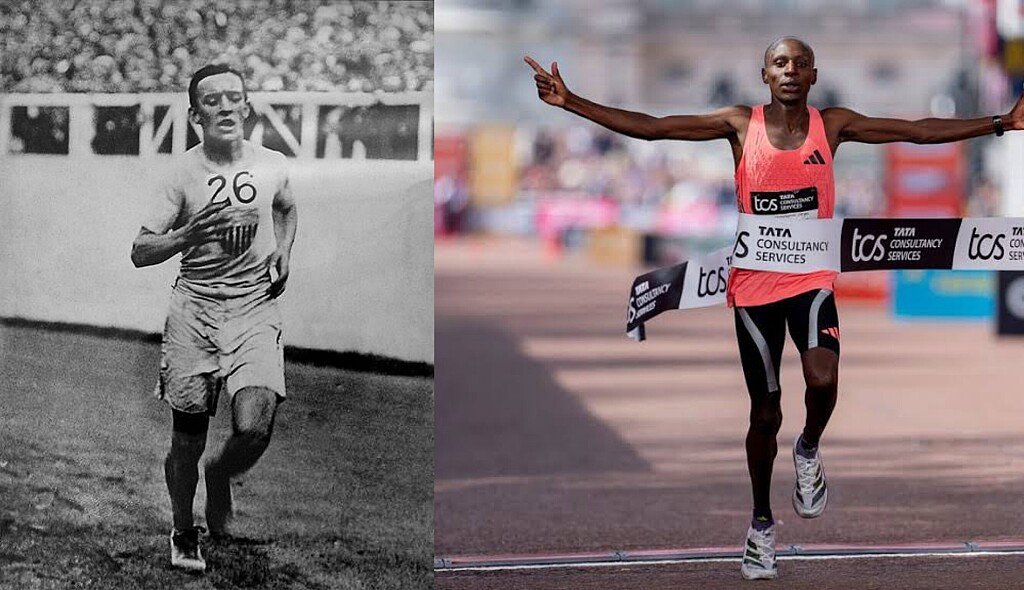
From 2:55:18 To 1:59:30: How 118 Years Transformed The Marathon
The marathon has undergone one of the most extraordinary transformations in sporting history, and two landmark performances separated by 118 years offer a remarkable illustration of just how far human endurance has advanced.
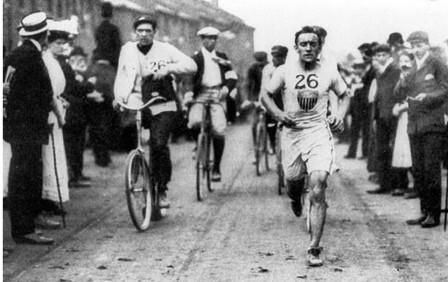
In 1908, American distance runner Johnny Hayes won the Olympic marathon in London in 2:55:18, producing one of the defining performances of the early modern era of distance running. On April 26, 2026, the same city witnessed another historic moment when Kenya’s Sabastian Sawe stormed to victory at the London Marathon in 1:59:30, becoming the first man to complete the marathon in under two hours in a record-eligible race.
Although their achievements belong to different eras, the contrast between the two performances captures more than a century of progress in athletics.
Hayes’s victory at the 1908 London Olympics came in a race that helped shape the modern marathon. His winning time of 2:55:18 was an Olympic milestone, although it was not an officially ratified marathon world record under the standards used today. Marathon world records were formally recognised much later.
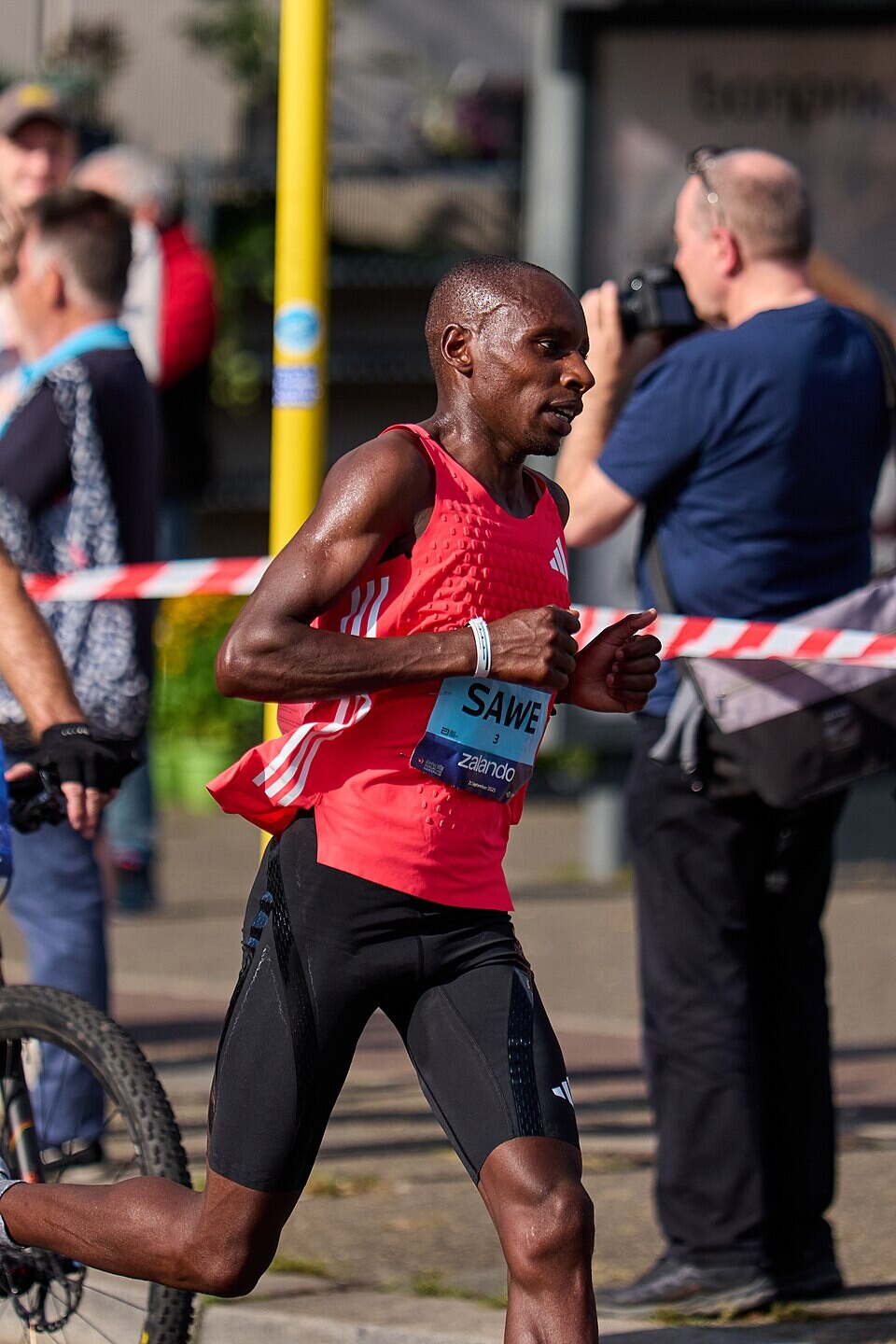
More than a century later, Sawe rewrote the limits of what was considered possible over the classic 42.195-kilometre distance. His sensational 1:59:30 performance at the 2026 London Marathon broke the recognised men’s world record by 65 seconds, becoming the first officially eligible sub-two-hour marathon in history.
The difference between Hayes’s finishing time and Sawe’s is a staggering 55 minutes and 48 seconds.
Put another way, Sawe completed the marathon almost an hour faster than Hayes, despite both athletes tackling the same fundamental challenge: covering 42.195 kilometres on foot.
The pace comparison makes the scale of that evolution even more striking. Hayes averaged approximately 4:09 per kilometre, while Sawe maintained an astonishing average of about 2:50 per kilometre.
That means Sawe ran each kilometre roughly 79 seconds faster than Hayes’s average pace. Sustaining that difference over the entire marathon adds up to an extraordinary gap between two generations of distance running.
Imagine placing the two performances side by side. At Hayes’s average pace, Sawe would already have crossed the finish line while Hayes still had approximately 13.4 kilometres left to cover.
Such a comparison would have been almost unimaginable in the early days of Olympic marathon running.
The evolution of the sport has been driven by numerous advances. Modern athletes benefit from more sophisticated training methods, scientific approaches to recovery, carefully planned race strategies and increasingly precise nutritional support. Advances in footwear, particularly lightweight racing shoes incorporating carbon-fibre plates and advanced foams, have also changed the landscape of elite marathon running.
Pacing strategies have become more refined, while sports science has helped athletes understand how to distribute their energy, maintain efficiency and sustain demanding speeds over longer periods.
Sawe’s performance demonstrated what can happen when exceptional natural ability, meticulous preparation, modern technology and near-perfect race execution come together. His achievement was not simply a victory over the clock; it was a breakthrough that pushed the perceived boundaries of human endurance into new territory.
Yet, amid all these changes, one essential element has remained constant.
The marathon is still 42.195 kilometres long.
From Hayes’s triumph in London in 1908 to Sawe’s historic sub-two-hour performance in the British capital in 2026, the distance has remained unchanged while the speed at which the world’s finest athletes cover it has evolved dramatically.
One performance belongs to the formative years of modern marathon running. The other represents a new frontier in a sport that continues to redefine its limits.
London has now witnessed both ends of this remarkable historical comparison: an Olympic champion completing the marathon in 2:55:18 and a Kenyan world-record holder conquering it in 1:59:30.
The distance stayed the same. The shoes, science, training and understanding of human performance changed. And the clock tells the story of just how far marathon running has come.
by Erick Cheruiyot for My Best Runs.
Login to leave a comment
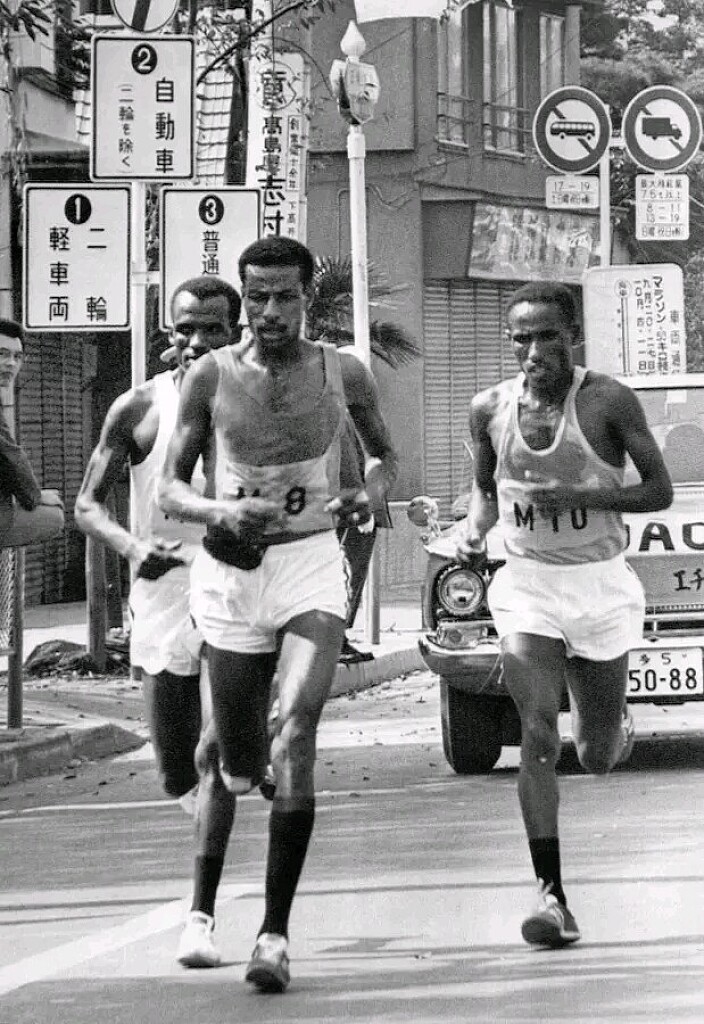
Abebe Bikila’s Historic Double: The Ethiopian Legend Who Conquered The Olympic Marathon Twice
On This Day in 1964, Ethiopian distance-running legend Abebe Bikila cemented his place among the greatest marathon runners in history, winning his second consecutive Olympic marathon gold medal at the Tokyo Games with a sensational world-record performance.
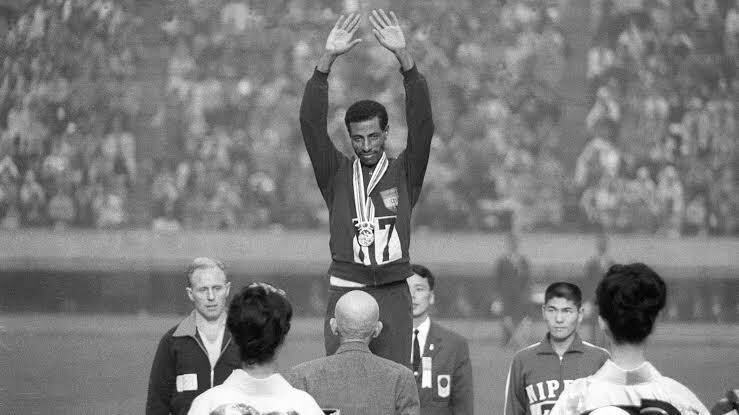
Four years after making history at the 1960 Rome Olympics, Bikila returned to the biggest stage in athletics and delivered another extraordinary display of endurance, determination and class. He crossed the finish line in 2:12:11.2, setting a new world record and Olympic record to become the first athlete to successfully defend the men’s Olympic marathon title.
His triumph in Tokyo was particularly remarkable because it came just weeks after he underwent an appendectomy. Despite the setback, the Ethiopian champion demonstrated exceptional resilience, proving once again that his greatness extended far beyond his remarkable physical abilities.
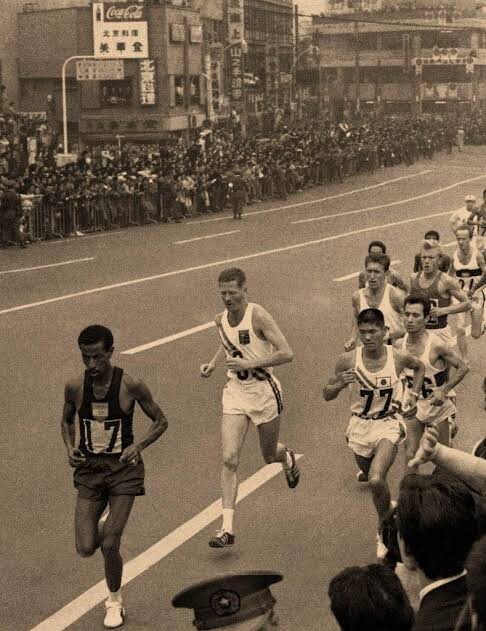
Bikila had first announced himself to the world in Rome in 1960, where he won the Olympic marathon in 2:15:16.2, establishing a world record. Running barefoot on the streets of the Italian capital, he became an international sensation and the first athlete from sub-Saharan Africa to win an Olympic gold medal.
His victory carried enormous historical significance, making him a symbol of African sporting excellence and inspiring generations of distance runners across Ethiopia and the wider continent.
At Tokyo 1964, Bikila returned in even more commanding fashion. This time, he wore running shoes as he navigated the Japanese capital’s streets, producing a masterful performance to finish more than four minutes ahead of his closest rival. His winning time of 2:12:11.2 lowered his own world record by 3 minutes and 5 seconds, an astonishing improvement at the highest level of marathon running.
Great Britain’s Basil Heatley claimed the silver medal in 2:16:19.2, while Japan’s Kōkichi Tsuburaya delighted the home crowd by securing bronze in 2:16:22.8.
The Tokyo podium reflected Bikila’s extraordinary superiority on the day, as he once again demonstrated his ability to rise to the occasion when Olympic glory was at stake.
Bikila’s back-to-back victories established a rare benchmark in Olympic marathon history. Only three men have successfully defended the Olympic marathon title: Bikila in 1960 and 1964, East Germany’s Waldemar Cierpinski in 1976 and 1980, and Kenya’s Eliud Kipchoge in 2016 and 2021.
Cierpinski and Kipchoge would later join the Ethiopian in this exclusive club, but Bikila remains the man who first achieved the feat, setting a standard that endured for more than half a century before Kipchoge became the third man to accomplish it.
Beyond his medals and records, Bikila’s legacy rests on the barriers he broke and the inspiration he provided. His performances helped establish Ethiopia as a global distance-running powerhouse and opened the door for generations of African athletes to excel on the international stage.
More than six decades after his Tokyo triumph, Abebe Bikila’s name remains synonymous with courage, endurance and Olympic greatness. His remarkable achievement in 1964 was not merely another marathon victory; it was a defining moment in the history of athletics, securing his place among the sport’s most enduring legends.
by Erick Cheruiyot for My Best Runs.
Login to leave a comment
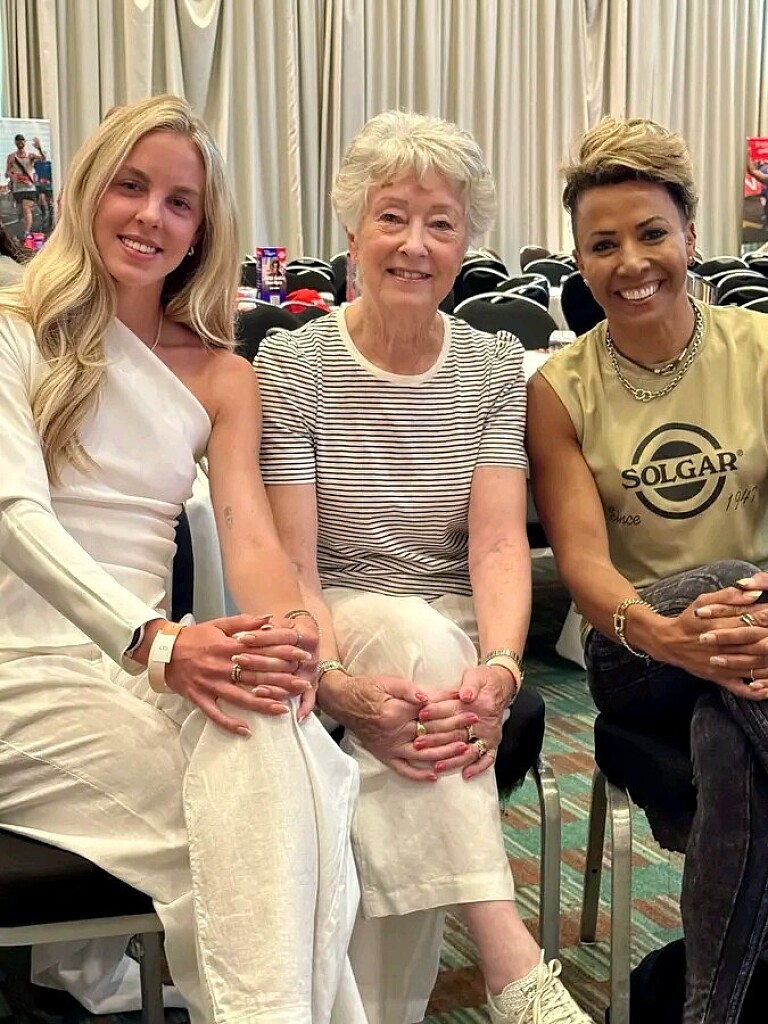
Ann Packer’s Historic Olympic Triumph: The First British Woman To Win 800m Gold
British middle-distance running has a proud Olympic legacy, but only three women from Great Britain have ever climbed to the top of the Olympic podium in the women’s 800 metres: Ann Packer, Kelly Holmes and Keely Hodgkinson. Each achieved the milestone in a different era, creating a remarkable connection between generations of British athletics.
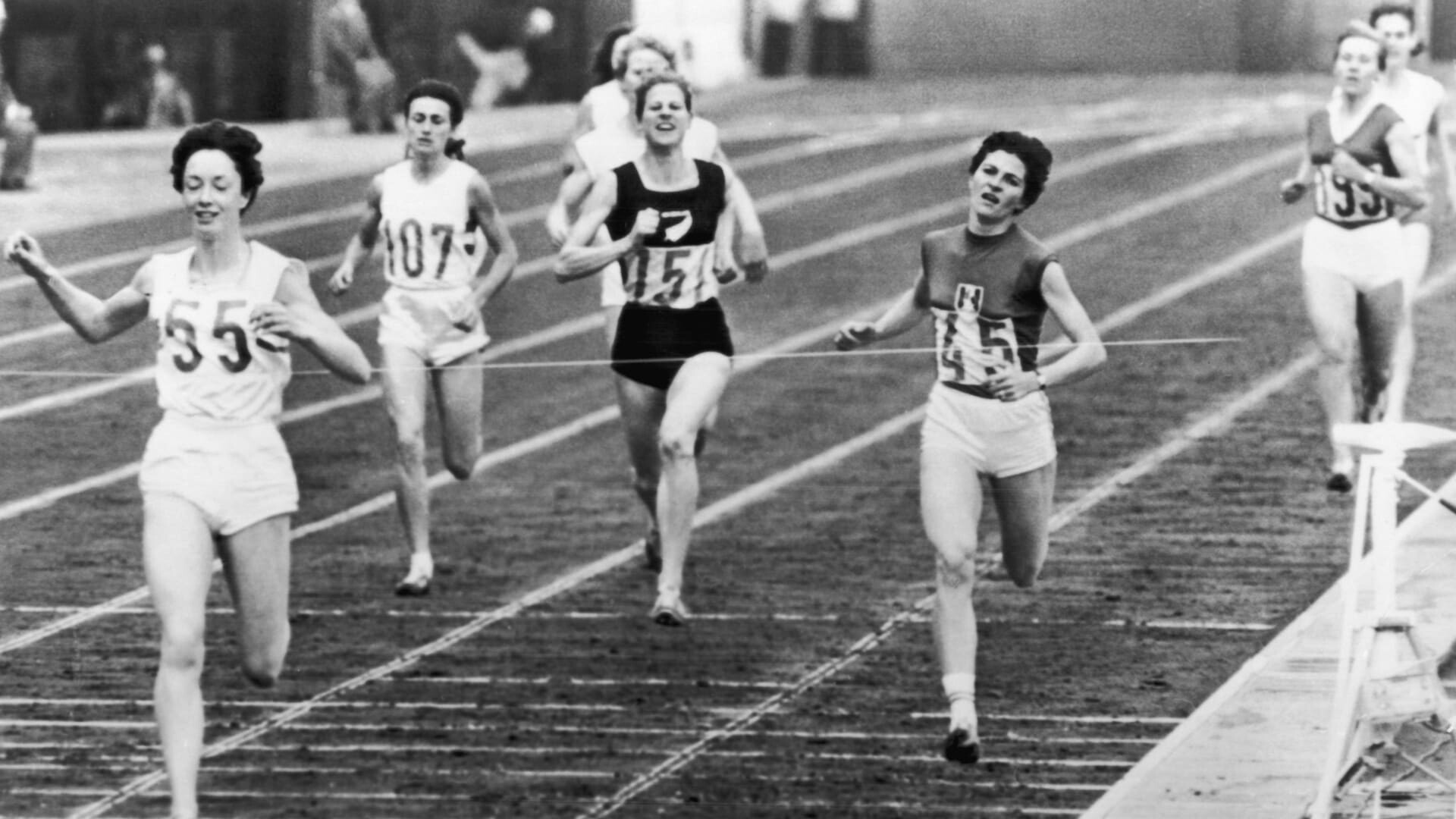
Packer made history at the Tokyo 1964 Olympic Games, becoming the first British woman to win Olympic gold in the 800m. Her triumph on October 20, 1964, remains one of the defining moments in the history of British women’s middle-distance running.
The British athlete delivered a memorable performance in Tokyo, winning in a world-record time of 2:01.01. Her victory was particularly significant because the women’s 800m had a complicated Olympic history. The event was first contested at the 1928 Amsterdam Games but was subsequently removed from the programme before returning at Rome 1960. Packer’s achievement four years later helped establish her place among the pioneers of British Olympic athletics.
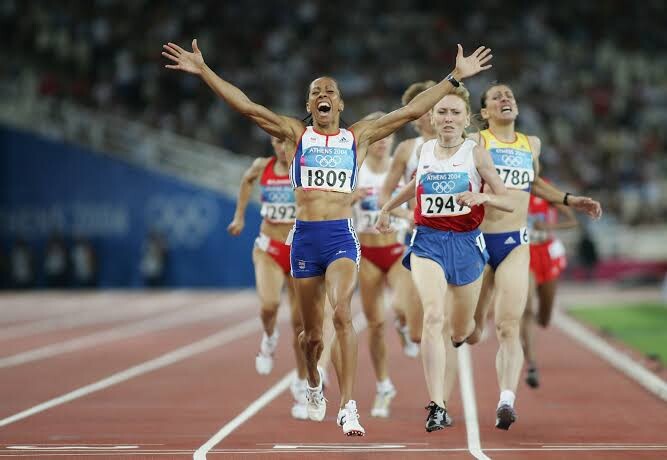
Nearly four decades after Packer’s breakthrough, Kelly Holmes carried the tradition forward at the Athens 2004 Olympics. Holmes produced an outstanding performance to win the women’s 800m in 1:56.38, adding Olympic gold to her growing collection of international honours. Her victory came during a remarkable championship in which she also won the 1500m, completing a historic middle-distance double.
Holmes became one of Britain’s most celebrated track athletes, demonstrating the combination of endurance, tactical intelligence and finishing speed required to succeed at the highest level. Her double-gold achievement in Athens placed her among the defining figures of British Olympic sport.
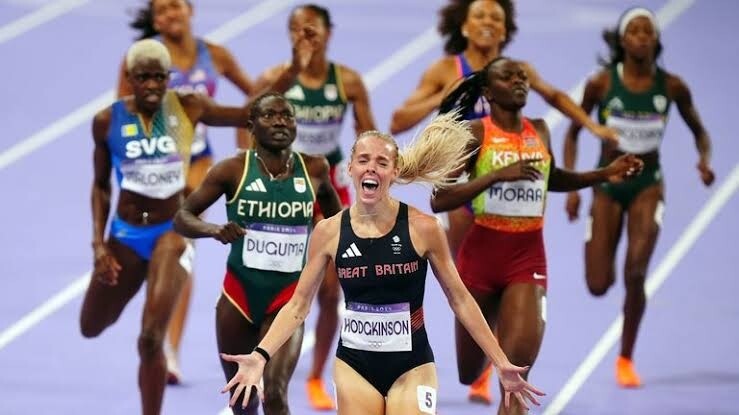
At Paris 2024, Keely Hodgkinson became the third British woman to win Olympic 800m gold. The reigning middle-distance star delivered a composed and powerful race, crossing the finish line in 1:56.72 to secure the title and fulfil a long-held Olympic ambition.
Hodgkinson’s victory continued a legacy that had begun 60 years earlier with Packer in Tokyo. While the three champions competed in different eras and faced different generations of rivals, they share the distinction of having won the most prestigious prize in Olympic middle-distance running for Great Britain.
From Packer’s world-record breakthrough in 1964, through Holmes’s golden double in 2004, to Hodgkinson’s triumph in 2024, the story of British women’s Olympic 800m champions is one of extraordinary performances and lasting inspiration.
Three athletes. Three Olympic generations. One historic distinction: Olympic 800m gold for Great Britain.
by Erick Cheruiyot for My Best Runs.
Login to leave a comment
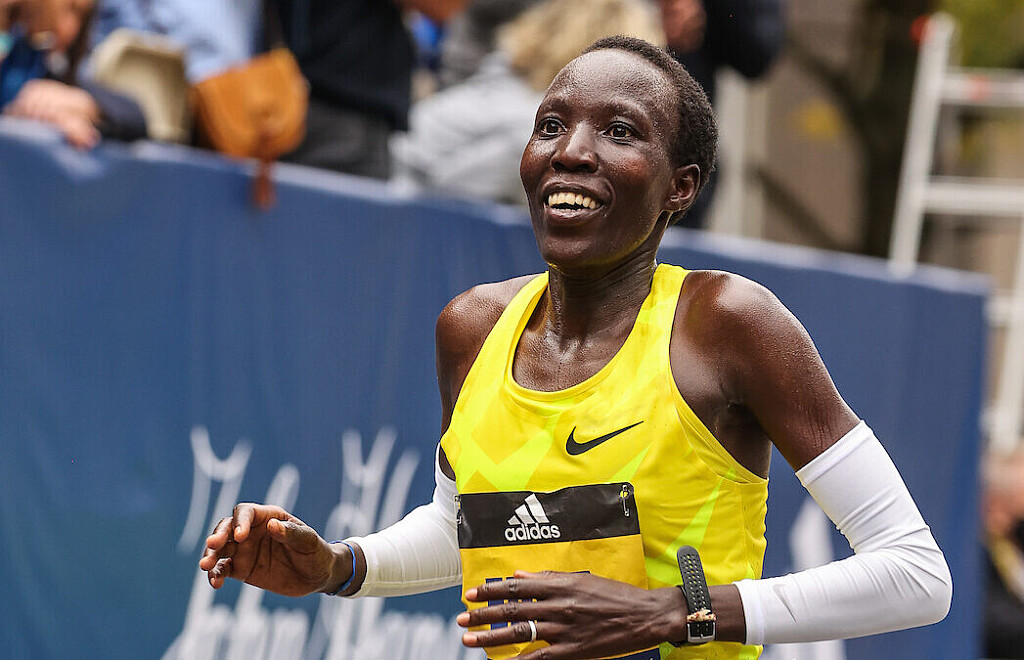
Age Is Just A Number: Edna Kiplagat, 46, Set For Inspiring Return To New York City Marathon
Kenyan marathon legend Edna Kiplagat is preparing to add another chapter to her remarkable career as she returns to the streets of New York for the 2026 TCS New York City Marathon on November 1, carrying the experience, resilience and competitive spirit that have defined her extraordinary journey in distance running.
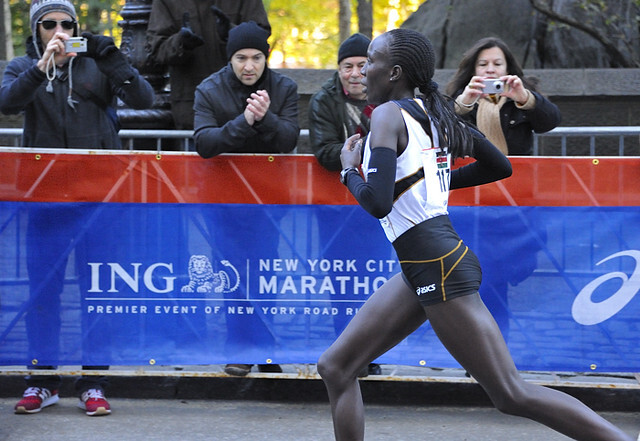
At 46, Kiplagat remains a formidable presence in elite marathon racing, continuing to compete against younger athletes on the world's biggest stages. Her return to the Big Apple is another testament to her remarkable longevity and determination to remain competitive at the highest level of the sport.
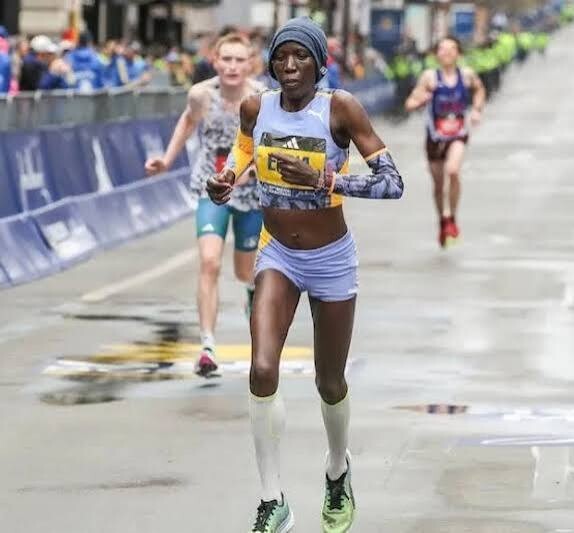
The two-time world marathon champion heads to New York following an impressive fifth-place finish at the Cape Town Marathon, where she clocked 2:25:44. The performance underlined her enduring ability to deliver competitive results in a discipline that demands exceptional endurance, consistency and years of experience.
Kiplagat's personal best of 2:19:50 places her among the outstanding marathoners of her generation, while her achievements across major international competitions have secured her a lasting place in the history of women's distance running.
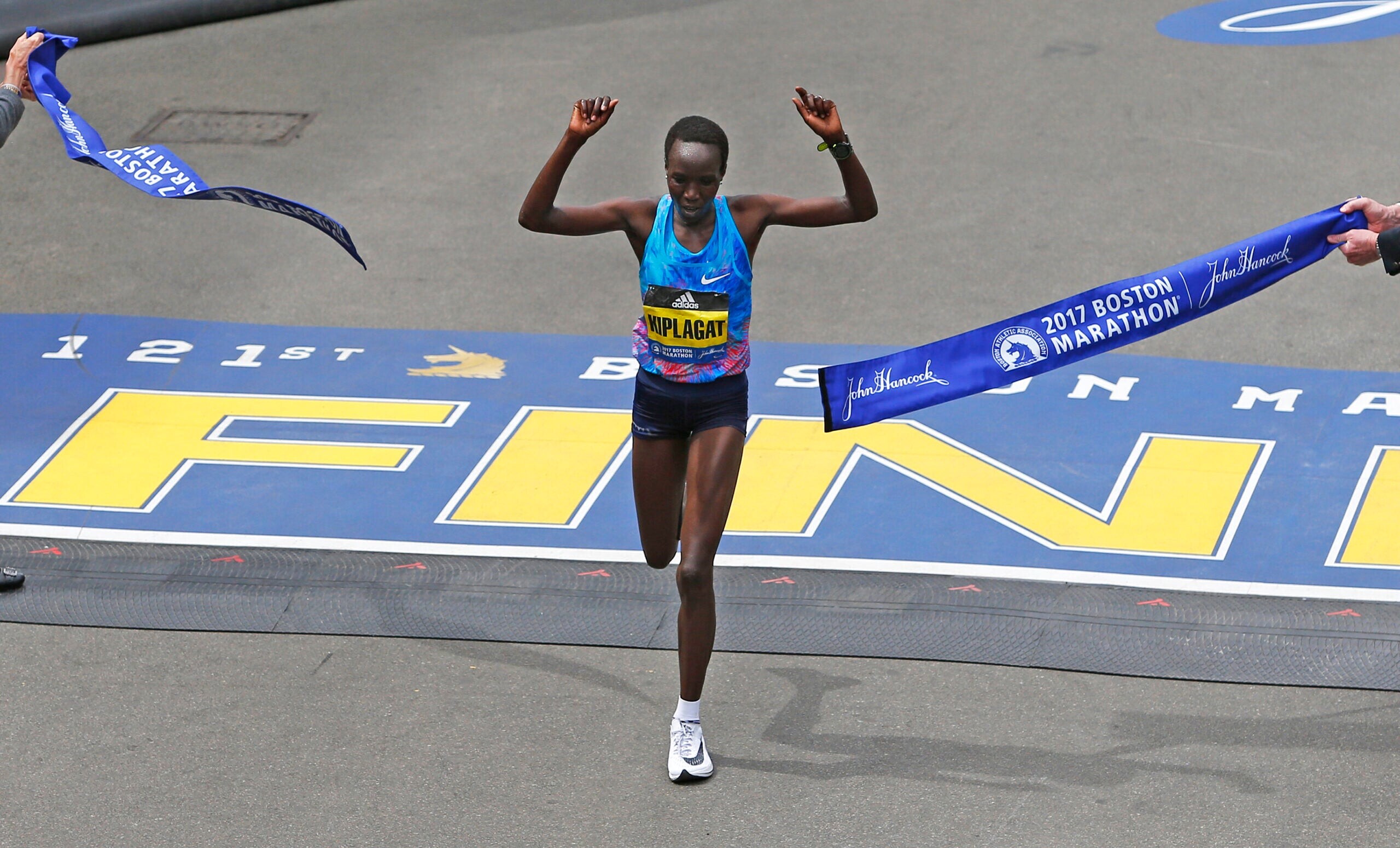
Her return to New York also brings her back to a course where she has previously enjoyed success, having won the women's title in 2010. That victory was one of the defining moments of a career built on patience, tactical intelligence and an ability to rise to the occasion when the stakes are highest.
Kiplagat's record in the World Marathon Majors is a story of sustained excellence. She won the New York City Marathon in 2010 before conquering London in 2014 and Boston in 2017 and 2021, establishing herself as one of the most accomplished marathon runners of her era.
Her second Boston triumph was particularly remarkable. Initially finishing second in 2021, she was subsequently declared the winner following the disqualification of the original champion for a doping violation. At 41, she became the oldest official winner of a World Marathon Major, adding another extraordinary milestone to an already distinguished career.
Beyond her major-marathon victories, Kiplagat has twice ruled the world marathon stage, winning gold at the World Athletics Championships in Daegu in 2011 and Moscow in 2013. She also claimed silver at the 2017 World Championships in London, further demonstrating her consistency across different competitive environments.
New York, however, remains a special destination in her career. After winning on her debut in 2010, she continued to return to the race, recording fourth-place finishes in 2017 and 2022 before placing seventh in 2024. Her latest appearance offers another opportunity to compete on familiar roads against a formidable international field.
The Kenyan veteran will line up alongside compatriots Hellen Obiri and Sheila Chepkirui, adding further depth to Kenya's challenge in the women's elite race. Obiri, a two-time New York City Marathon champion, and Chepkirui, the 2024 winner, bring formidable credentials of their own, setting the stage for an intriguing contest through the streets of the American metropolis.
For Kiplagat, the challenge will be about more than chasing another podium finish. It will be an opportunity to demonstrate once again that elite distance running can reward experience, discipline and resilience long after many athletes have stepped away from the highest level of competition.
At 46, she continues to carry the Kenyan flag with distinction, inspiring athletes across generations through a career that has spanned world titles, major-marathon victories and remarkable longevity.
As the world's leading marathoners prepare for the November 1 showdown, Kiplagat's presence adds a compelling story to the 2026 New York City Marathon. Whatever the final result, her return to the Big Apple is a reminder that greatness is not measured by age alone, but by the achievements, determination and enduring passion that define an athlete's journey.
by Erick Cheruiyot for My Best Runs.
Login to leave a comment
TCS New York City Marathon
The first New York City Marathon, organized in 1970 by Fred Lebow and Vince Chiappetta, was held entirely in Central Park. Of 127 entrants, only 55 men finished; the sole female entrant dropped out due to illness. Winners were given inexpensive wristwatches and recycled baseball and bowling trophies. The entry fee was $1 and the total event budget...
more...
238 Medic Runners To Put Personal Bests Aside And Help Save Lives At Singapore Marathon
The race against the clock will take on a completely different meaning at the BYD Singapore International Marathon 2026, presented by Adidas, where 238 specially trained medic runners will enter the course not simply to compete, but to help save lives.
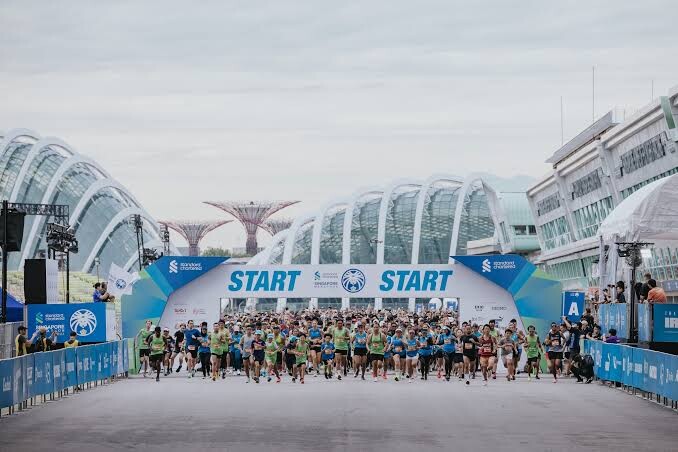
Instead of focusing solely on personal bests, podium places and finishing times, these dedicated volunteers will run among thousands of participants with another responsibility in mind — identifying athletes in distress and providing potentially life-saving assistance before professional medical teams can arrive.
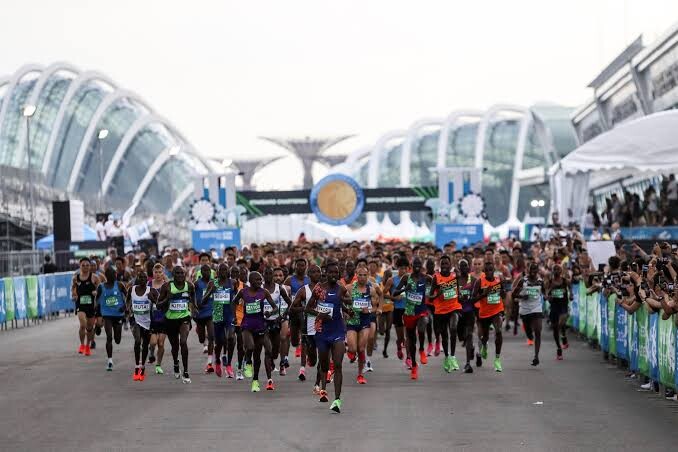
It is an initiative that places humanity at the heart of competition.
The medic runners will be deployed across both the full marathon and half-marathon courses, where they will be prepared to respond to medical emergencies and provide immediate first aid to runners who suddenly become unwell.
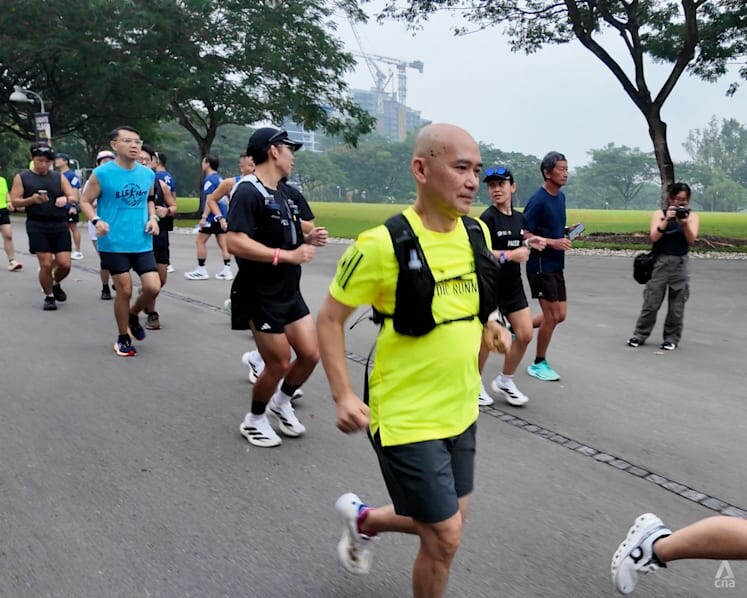
Every medic runner must complete mandatory training in cardiopulmonary resuscitation (CPR) and the use of an automated external defibrillator (AED), giving them the essential skills needed to respond when every second matters.
They will also take part in group practice runs with the Lion City Road Runners, allowing them to become familiar with working together while running and responding to situations that could arise during the race.
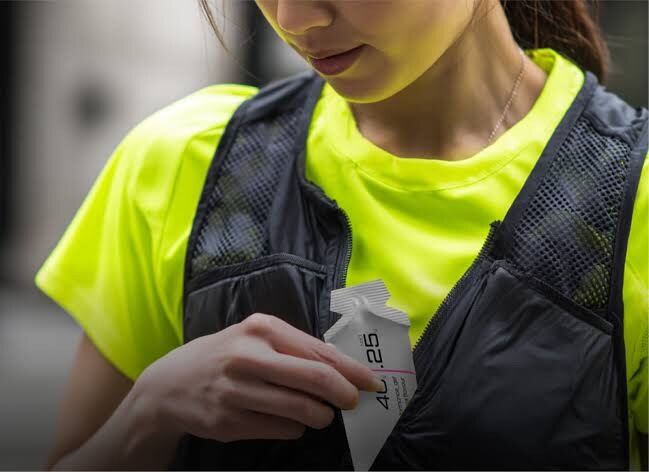
Their equipment will include basic first-aid supplies such as bandages, ice packs and muscle sprays, along with gels and water. More importantly, however, they will carry the knowledge and training needed to recognise signs of serious medical distress and act quickly.

Their responsibilities could include responding to conditions such as heat-related illness, dehydration and cardiac arrest — helping to bridge the critical gap between the moment an emergency occurs and the arrival of professional medical responders.
For these runners, the stopwatch will not always be the priority.
A personal record can wait.
A fellow runner's life cannot.
The medic runner initiative will apply specifically to the marathon and half-marathon events. The 10km and 5km races will continue to rely on their existing medical tents and route-response teams, which organisers consider appropriate for those distances.
The programme has been inspired in part by similar initiatives overseas, including the Bangsaen21 Half Marathon in Thailand, where trained runners are positioned throughout the course to provide rapid assistance when athletes encounter medical difficulties.
The concept is particularly valuable in mass-participation races, where runners can be spread across many kilometres and fixed medical stations may not always be close enough to reach an emergency immediately.
The introduction of the programme also comes against a sobering backdrop for Singapore's running community.
In December 2024, a participant died after crossing the finish line at the Standard Chartered Singapore Marathon. Several months later, in April 2025, a 23-year-old runner collapsed and died while taking part in the 21.1km category of the 2XU Compression Run.
Yet there has also been a powerful reminder that immediate action can change an outcome.
During the previous year's half-marathon, a runner who collapsed survived after fellow participants stopped to administer CPR. The incident demonstrated one of the most important principles in responding to cardiac arrest: rapid intervention can be crucial, particularly when CPR and access to an AED are provided as quickly as possible.
Singapore's hot and humid conditions add another layer of challenge for endurance athletes, making awareness, early recognition of medical problems and rapid intervention particularly important during long-distance races.
That is why the 238 medic runners will have a role extending far beyond the traditional definition of a competitor.
They will still be runners. They will still experience the fatigue, heat and physical demands of the course. But they will also be watching for the runner beside them who may suddenly need help.
They may sacrifice a personal best.
They may lose minutes — or even much more — from their finishing time.
But if their intervention helps another athlete survive, their race will have achieved something far more important than a medal or a record.
The initiative sends a powerful message to the global running community: distance running is not only about how fast we can reach the finish line, but also about making sure everyone has the chance to reach it safely.
The 238 medic runners will therefore begin their Singapore Marathon with a mission greater than competition — to watch, respond, assist and, when necessary, help save a fellow runner's life.
And in a sport built around moving forward together, there may be no greater finish than helping someone else make it safely to the end.
by Erick Cheruiyot for My Best Runs.
Login to leave a comment

SINGAPORE MARATHON
The Singapore Marathon is an annual international marathon race which is held in December in the city of Singapore. It is an IAAF Gold Label Road Race. It has grown significantly since its inaugural race in 1982 – the 2013 event attracted a total of 60,000 entrants for all categories. There are four separate categories of competition: the full marathon,...
more...