

Running News Daily
Running News Daily is edited by Bob Anderson and team. Send your news items to bob@mybestruns.com Advertising opportunities available.
Index to Daily Posts · Sign Up For Updates · Run The World Feed



Hellen Obiri Returns To New York With History In Her Sights As Star-Studded Field Targets Marathon Glory

Kenyan marathon star Hellen Obiri is set to return to the streets of New York City on November 1, 2026, determined to defend her title at the TCS New York City Marathon and strengthen her place among the greatest women ever to grace the 26.2-mile distance.
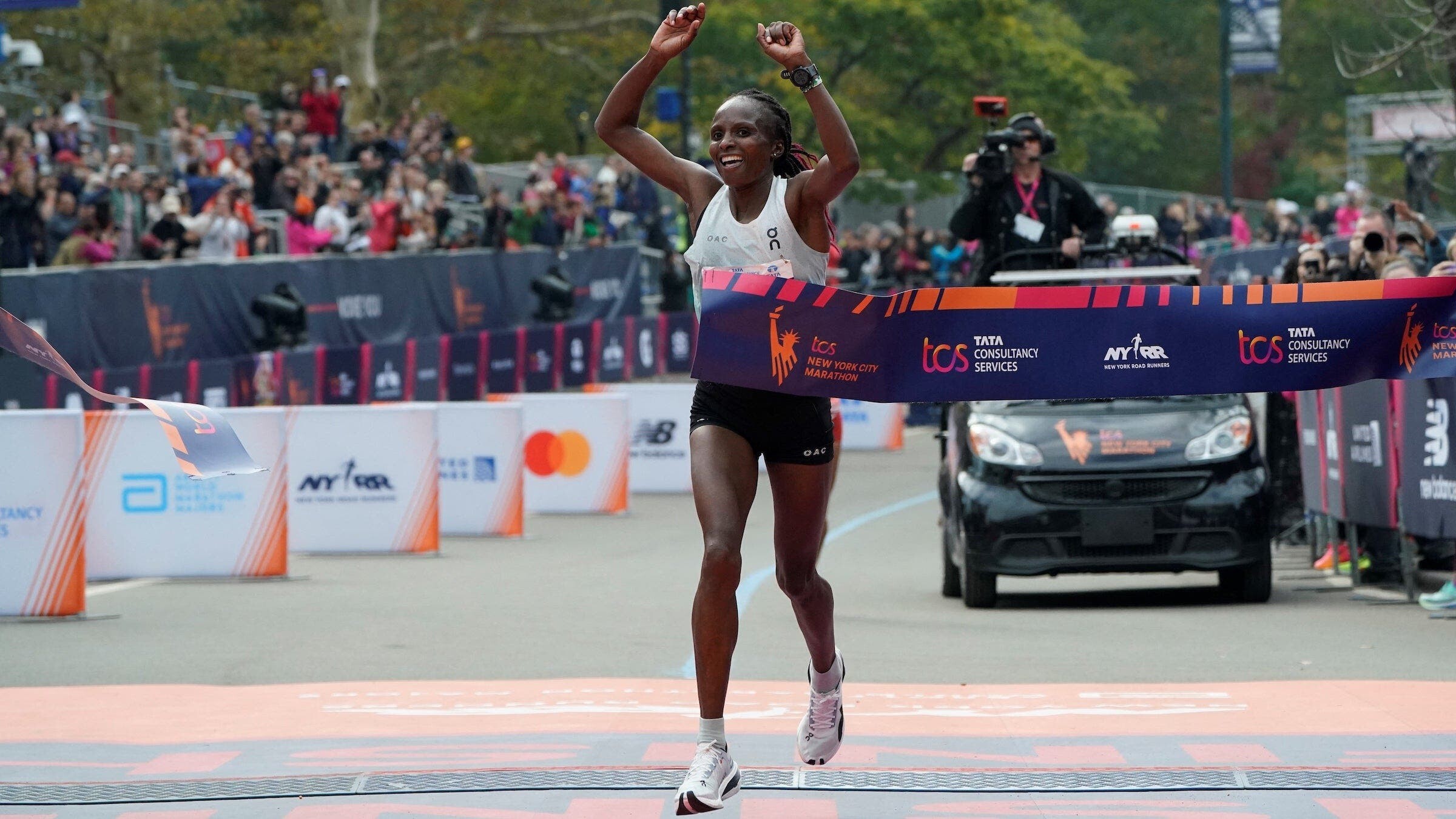
The two-time Olympic bronze medallist produced a remarkable performance in 2025, winning in 2:19:51 and breaking the women's course record that had stood for 22 years. Her victory underlined her exceptional ability to combine speed, strength and tactical intelligence on one of the world's most demanding marathon courses.
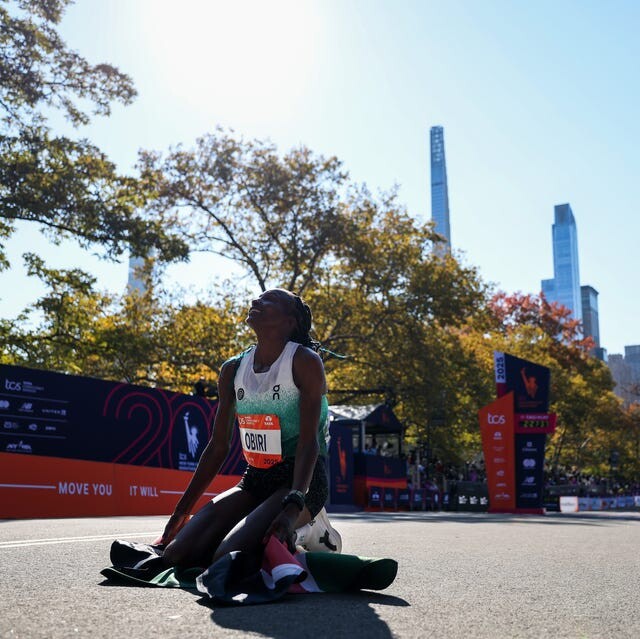
Now, Obiri returns to a city where she has already established herself as a formidable force, carrying the pressure that comes with being the defending champion and the opportunity to achieve another historic milestone.
A third New York City Marathon victory would place the Kenyan among an elite group of women who have won the prestigious race three times, alongside legendary champions Grete Waitz, Mary Keitany and Paula Radcliffe. Such an achievement would further enhance a career that has already brought her Olympic medals, world titles and major marathon victories.
However, another triumph will not come easily. The women's field features several accomplished international athletes, each bringing a different set of strengths and ambitions to the race.
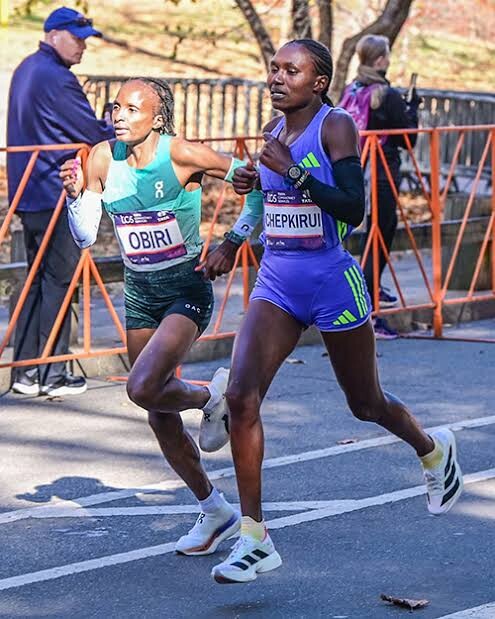
Fellow Kenyan Sheila Chepkirui will be among the leading challengers. The 2024 New York City Marathon champion returns with a personal best of 2:17:29, giving her the credentials to mount a serious challenge. Having already demonstrated that she can master the city's demanding course, Chepkirui will be eager to reclaim the title.
Ethiopian star Gotytom Gebreslase also adds considerable quality to the lineup. The 2022 world marathon champion owns a personal best of 2:18:11 and has the championship experience required to compete at the highest level. Her presence adds another layer of intrigue to a contest that could develop into a fierce battle among some of the world's leading marathon runners.
Kenya's Edna Kiplagat brings a wealth of experience to the field. A former world champion with an outstanding record on the international stage, the veteran remains a respected competitor whose patience and tactical awareness could prove valuable if the race develops into a closely contested affair.
Great Britain's Julia Paternain will also attract attention following her bronze-medal performance at the 2025 World Athletics Championships. Her championship credentials make her an interesting addition to a field in which experience, endurance and the ability to respond under pressure could determine the final outcome.
American hopes will be led by athletes including Weini Kelati and Jess McClain. Kelati is preparing to make her marathon debut after establishing herself among the leading American distance runners, while McClain will be looking to make her presence felt against a strong international opposition on home soil.
Beyond these prominent names, the depth of the women's lineup promises a competitive contest, with additional athletes hoping to upset the established favourites and seize their opportunity on one of marathon running's biggest stages.
The race will, however, proceed without two notable names. Dutch star Sifan Hassan and American Fiona O'Keeffe have withdrawn, removing two highly anticipated competitors from the women's contest.
Even with their absence, the defending champion faces a formidable challenge. New York's bridges, rolling terrain and late-race demands often reward runners who can manage their effort carefully and deliver when the decisive moments arrive.
For Obiri, the mission is clear: defend her crown, preserve her course record and move one victory closer to an exclusive place in the race's history. For Chepkirui, Gebreslase and the rest of the field, the objective is to prevent the Kenyan star from turning another appearance in New York into a celebration of her growing marathon legacy.
When the world's leading women line up on November 1, the spotlight will once again fall on Obiri. Yet the New York City Marathon rarely follows a predictable script, and the strength of this field suggests that the defending champion will have to earn every metre of her title defence.
One thing is certain: the battle for women's marathon supremacy in New York promises to deliver a compelling contest, with history within Obiri's reach and a determined group of challengers ready to stand in her way.
by Erick Cheruiyot for My Best Runs.
Login to leave a comment

TCS New York City Marathon
The first New York City Marathon, organized in 1970 by Fred Lebow and Vince Chiappetta, was held entirely in Central Park. Of 127 entrants, only 55 men finished; the sole female entrant dropped out due to illness. Winners were given inexpensive wristwatches and recycled baseball and bowling trophies. The entry fee was $1 and the total event budget...
more...Latest Running News
Elite Fields Unveiled For 2026 Vedanta Delhi Half Marathon As Kenyan And Ethiopian Stars Prepare For Battle
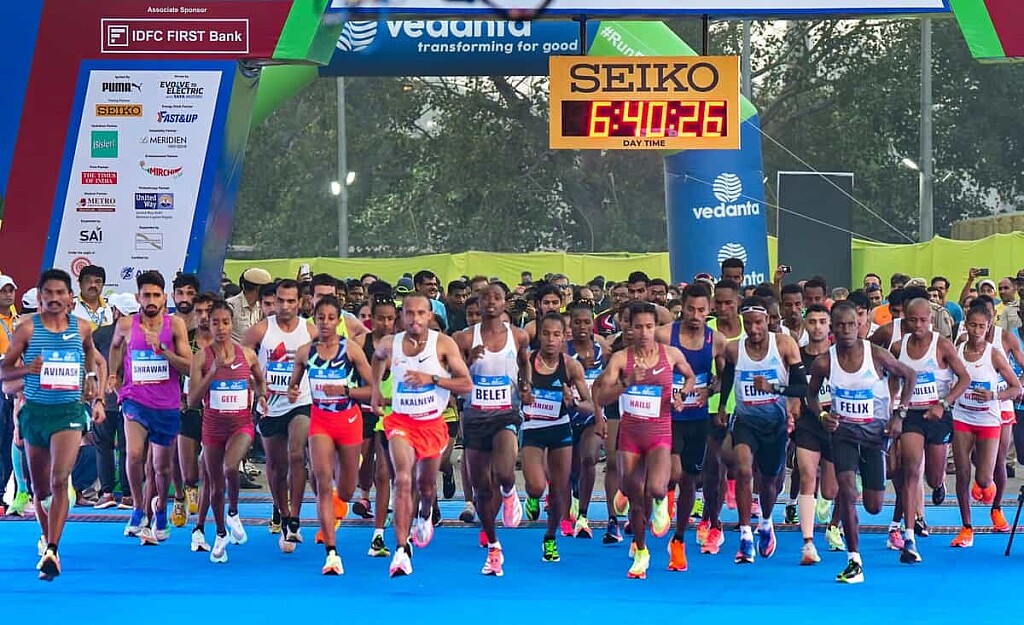
The elite start lists for the 2026 Vedanta Delhi Half Marathon have been unveiled, setting the stage for a compelling contest featuring some of the strongest distance runners from Kenya, Ethiopia and beyond.
Scheduled for October 18, the prestigious Indian road race has assembled a formidable international field, with established champions, proven half-marathon performers and ambitious debutants all preparing to take on the streets of New Delhi.
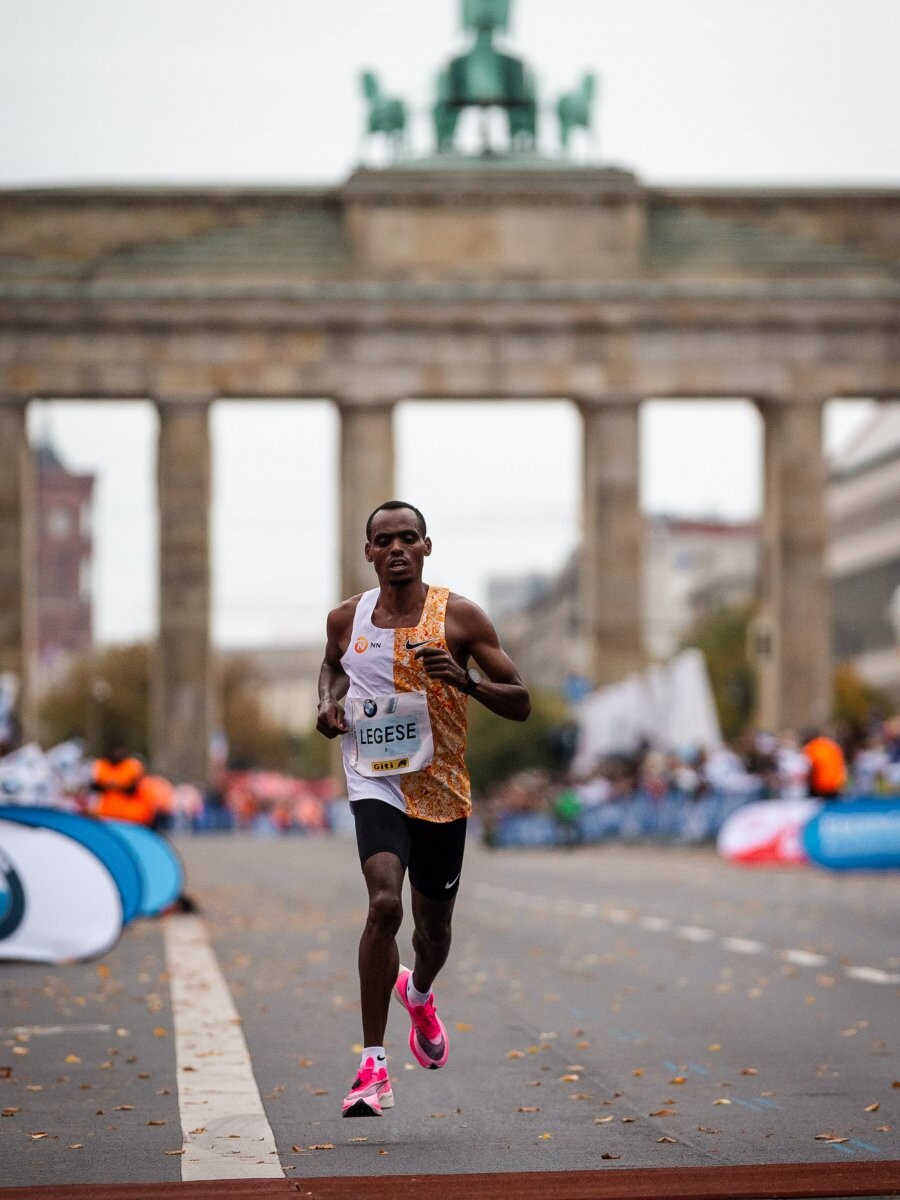
The men's race promises an intriguing showdown, led by Ethiopian star Birhanu Legese, whose personal best of 58:59 makes him one of the leading names on the entry list. Kenya's Samwel Chebolei Masai boasts an even faster personal best of 58:48, while compatriots Charles Mbatha Matata, Samwel Mailu and Robert Kiprop Koech bring impressive credentials, with personal bests of 59:15, 59:19 and 59:51 respectively.
The Kenyan challenge is particularly deep, with Samwel Chebolei Masai, Charles Mbatha Matata, Samwel Mailu, Robert Kiprop Koech, Jamal Kiprono, Peter Tuitoek and Stanley Waithaka among the athletes capable of making the contest highly competitive. Ethiopia will also be represented by Tesfaye Deriba, Melaku Belachew, Kasu Tsegaye and other experienced runners, while Tanzania's Daniel Sinda and Morocco's Abderrahmane Aferdi add further international depth to the men's field.
Attention will also be on Kenyan debutant Benson Kiplangat and Ethiopian newcomer Daniel Zewudu Bekele, both listed without a personal best. Their inclusion adds an element of uncertainty, as they prepare to test themselves against established performers on one of the world's prominent half-marathon stages.
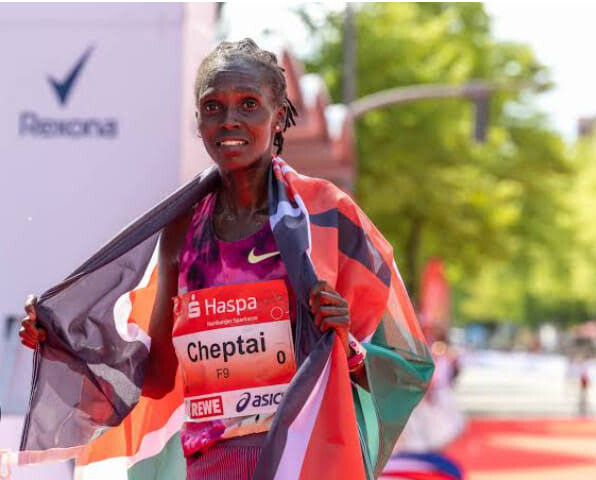
The women's race is equally compelling, with Kenya's Irine Chepet Cheptai heading the entry list by personal best, having clocked 1:04:53. Her compatriot Cynthia Jerotich Limo follows with 1:06:04, narrowly ahead of Israel's Lonah Chemtai Salpeter, whose personal best stands at 1:06:09.
Kenya's Cynthia Chepkwony, with a personal best of 1:06:49, further strengthens the country's challenge, while Ethiopia brings a formidable group led by Asmarech Anley, who has run 1:07:01. Melal Siyoum Biratu, Sewareg Haymanot, Wudinesh Alemu and Kiros Muaz are among the other Ethiopian athletes expected to contribute to the depth of the women's contest.
The Kenyan women's contingent also includes Orba Chemurgor, Caren Chebet and Selah Buseinei, while Christine Njoki Nalimo and Beatrice Chepkoech are listed for their half-marathon debuts. Ethiopia's debutants include Silnat Bitwe, Wubrist Aschal and Worknesh Yehualaw, creating further intrigue around how the newcomers will perform against more experienced opposition.
With established names boasting personal bests around the 59-minute mark in the men's race and the 64-minute range in the women's contest, the stage is set for a high-quality display of endurance and tactical racing. However, personal bests alone will not determine the outcome, with race-day conditions, pacing and tactical decisions likely to play crucial roles.
The Vedanta Delhi Half Marathon continues to attract leading international distance runners, bringing together athletes from different nations in a race where reputation must ultimately be matched by performance.
On October 18, the focus will shift from the names on the start lists to the athletes on the road, as Kenya and Ethiopia renew their rivalry in pursuit of victory in New Delhi.
by Erick Cheruiyot for My Best Runs.
Login to leave a comment

Vedanta Delhi Half Marathon
The Airtel Delhi Half Marathon is a haven for runners, creating an experience, that our citizens had never envisaged. The streets of Delhi converted to a world-class running track. Clean, sanitized road for 21.09 kms, exhaustive medical support system on the route, timing chip for runners, qualified personnel to ensure smooth conduct of the event across departments. The race...
more...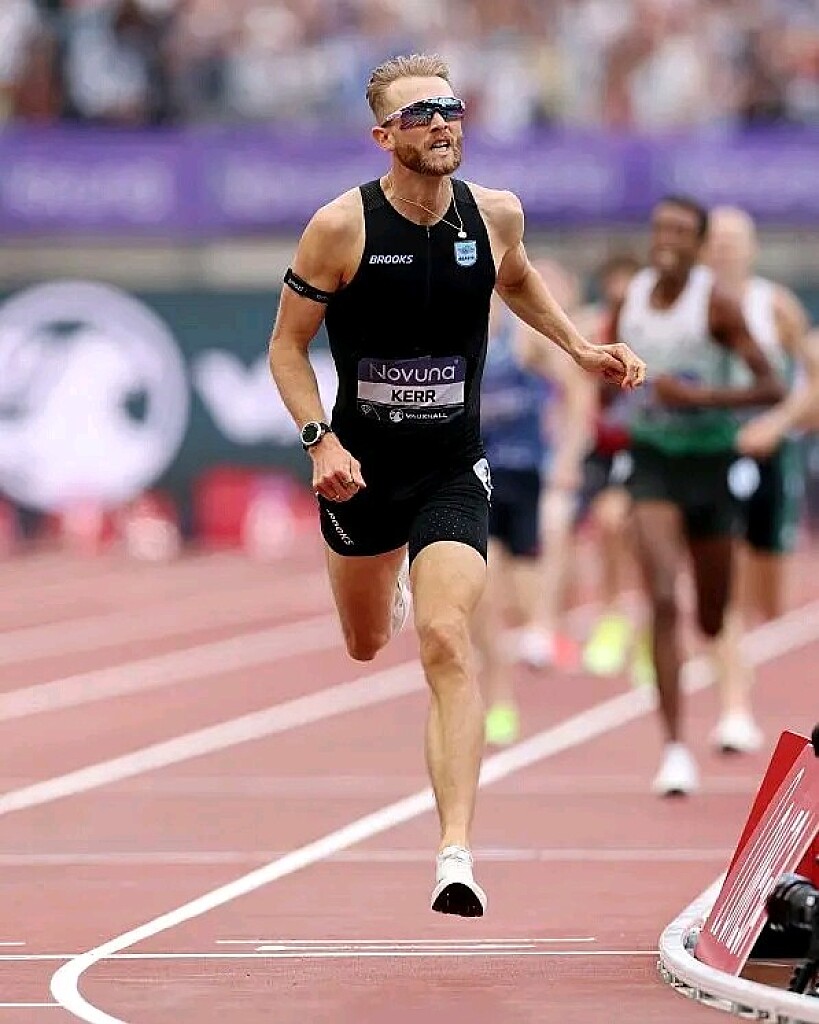
Josh Kerr Returns To Murrayfield As A World Champion To Deliver Scotland’s Match Ball Against New Zealand
Scottish athletics star Josh Kerr is preparing for a memorable return to his sporting roots when he delivers the match ball ahead of Scotland’s highly anticipated clash against New Zealand in the Nations Championship on November 7, 2026, at Murrayfield Stadium.

For the Edinburgh-born middle-distance runner, the occasion represents far more than a ceremonial appearance before an international rugby match. It brings him back to a stadium closely connected to his childhood dreams, his family’s sporting heritage and his lifelong admiration for Scottish rugby.
Kerr, 29, has established himself as one of the leading figures in world athletics, winning major championship titles and rewriting the record books. Yet, long before he became an internationally recognised runner, he grew up in a family where rugby occupied a special place.
His father, John Kerr, represented Scotland A, while his older brother, Jake Kerr, earned a senior Scotland cap in 2019. Growing up surrounded by the sport, Josh once dreamed of representing Scotland himself in front of a packed Murrayfield crowd.
Although his career ultimately took a different direction, his achievements on the track have now created an opportunity to return to the famous stadium in an extraordinary way.
Describing the occasion as a “huge honour,” Kerr will take centre stage before Scotland face the formidable challenge of the All Blacks, one of international rugby’s most celebrated teams.
The fixture carries considerable significance for the hosts, who will be seeking their first-ever victory over New Zealand. With Murrayfield expected to provide an electric atmosphere, Kerr’s involvement adds another personal story to an occasion steeped in sporting tradition.

His appearance also comes after a remarkable season in which he has continued to demonstrate his versatility and competitive strength at the highest level of athletics.
Kerr won the men’s 3,000 metres at the World Athletics Indoor Championships in Poland before producing a historic performance in London, where he set a mile world record of 3:42.66. He later claimed victory in the 1,500 metres at the Ultimate Championship in Budapest, further underlining his status among the world’s elite middle-distance runners.
His world mile record carries a particularly interesting connection to New Zealand, the homeland of legendary runner John Walker, who held the previous world record for several years during the golden era of middle-distance running.
Walker’s achievements helped establish the mile as one of athletics’ most prestigious events, and Kerr’s ascent to the top of the same record books has created a remarkable link between two generations of champions.
Reflecting on that achievement, Kerr said: “To now hold that same record is something I’m incredibly proud of.”
The connection adds another layer of sporting significance to his appearance before Scotland take on the All Blacks. Although the two sports demand different skills, both celebrate the same qualities of determination, courage and the pursuit of excellence.
Murrayfield itself has witnessed numerous unforgettable occasions throughout its history. Among them is the emotional match-ball delivery by the late Doddie Weir in 2017, a moment recently voted the greatest in the stadium’s 100-year history. Weir, the former Scotland international who became a prominent campaigner for motor neurone disease awareness, left a lasting legacy that extended well beyond rugby.
Kerr’s appearance will provide another opportunity to celebrate the connection between sporting achievement and personal history, although his own story is distinct from Weir’s extraordinary legacy.
For the Edinburgh-born runner, the significance lies in returning to a place he once associated with a dream of representing his country in rugby. Instead, he will arrive as a world champion in another discipline, carrying the accomplishments of an exceptional athletics career.
From winning global titles to breaking the mile world record, Kerr has already created a lasting place for himself in Scottish sporting history. His visit to Murrayfield offers a different kind of milestone, bringing together his family’s rugby heritage and his own success on the international stage.
When Scotland welcome New Zealand on November 7, Kerr will not be lining up for a race or chasing another record. He will instead deliver the match ball before thousands of supporters, celebrating the sport that helped shape his childhood while representing a country whose colours he has carried to the summit of world athletics.
Sometimes, a sporting journey does not lead to the destination first imagined. For Josh Kerr, however, it has brought him back to Murrayfield with a world record, championship gold and a lifetime of memories behind him.
by Erick Cheruiyot for My Best Runs.
Login to leave a comment
Amanal Petros Leads Frankfurt Marathon’s Fastest-Ever Men’s Field as European Record Comes Into View
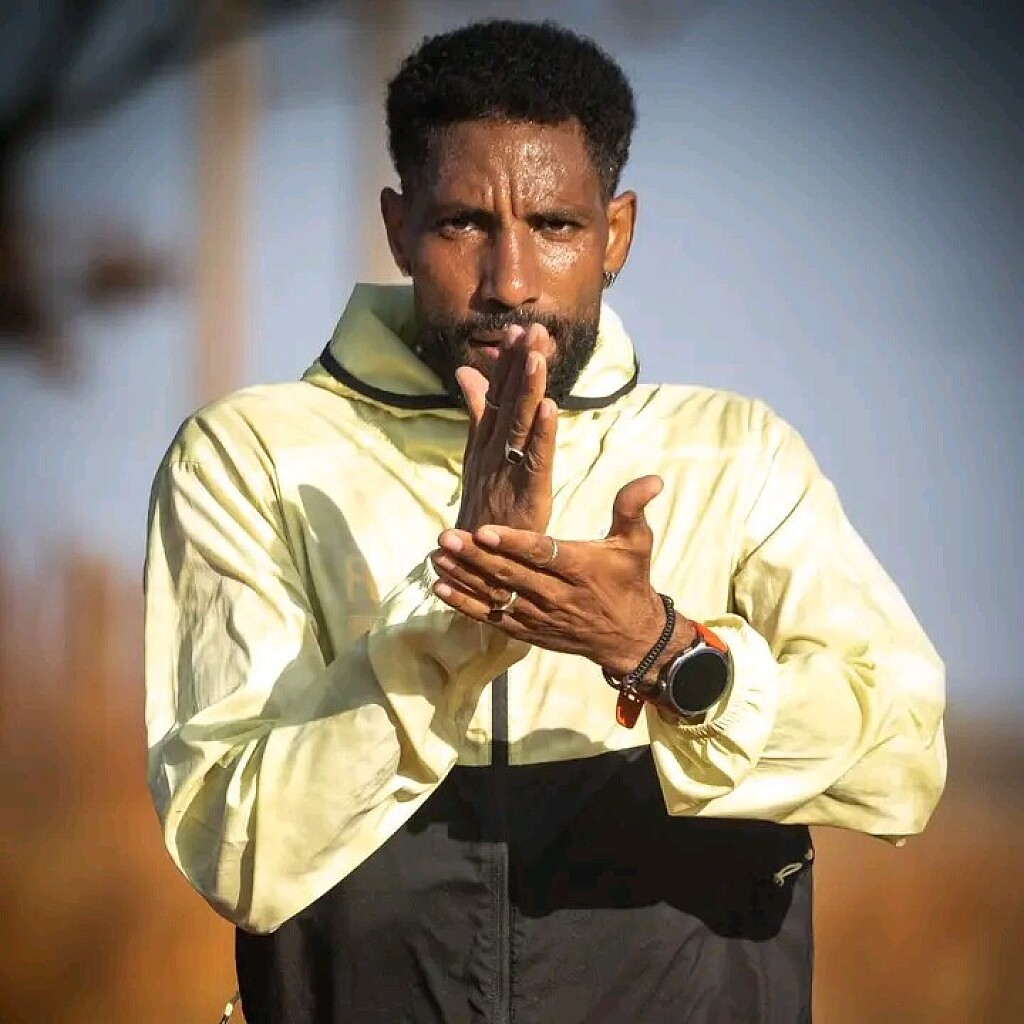
The 2026 Mainova Frankfurt Marathon is shaping up to be one of the most compelling races of the autumn, with German distance-running star Amanal Petros leading an exceptionally strong men’s field assembled for the October 25 showdown.
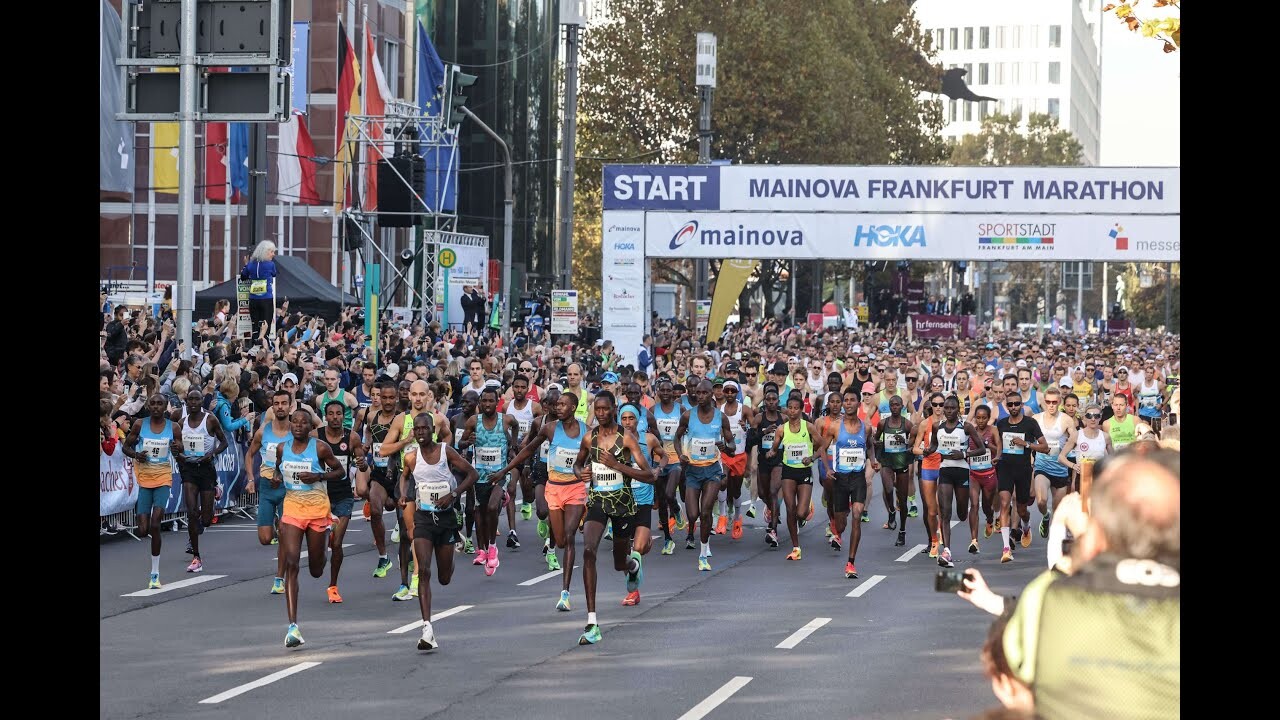
Organisers are preparing for what they describe as the fastest men’s elite field in the event’s 43-year history, raising expectations of an exciting contest on Frankfurt’s renowned fast course. At the centre of the attention is Petros, the reigning European marathon champion, whose pursuit of the continental record has become one of the major storylines surrounding this year’s race.
Petros enters the competition with a personal best of 2:04:03, placing him just 27 seconds outside Bashir Abdi’s European record of 2:03:36. The German star has made no secret of his ambition to challenge that mark, and Frankfurt offers him an opportunity to pursue it on familiar territory, backed by home support and a race environment designed for fast times.
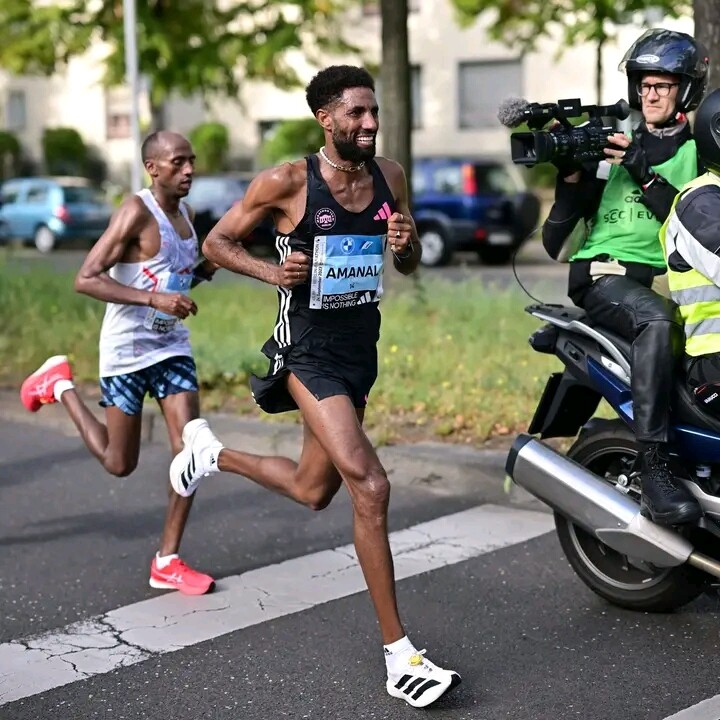
The course’s reputation for speed makes it an attractive setting for such an attempt. However, translating ambition into a record-breaking performance will require more than favourable conditions. Petros will need to maintain exceptional pace over all 42.195 kilometres, manage the demands of the race intelligently and find the strength to deliver when fatigue inevitably begins to take hold in the closing stages.
His challenge will be supported by a deep international field featuring elite runners from Kenya and Ethiopia, with pacemakers expected to help establish the demanding rhythm required for a serious assault on the clock. The depth of the lineup promises a race in which the leading athletes could push one another towards outstanding performances rather than allowing the contest to become a solitary pursuit of time.
For Petros, the significance of the occasion extends beyond winning another marathon. A successful attempt on the European record would strengthen his position among the continent’s leading distance runners and add another important chapter to German marathon history. Breaking the 2:04 barrier would also represent a major milestone, placing him among a select group of athletes capable of sustaining such extraordinary speed over the marathon distance.
Yet the presence of a formidable supporting cast means that Frankfurt’s men’s race should not be viewed exclusively through the lens of Petros’s record ambitions. The Kenyan and Ethiopian athletes arriving with ambitions of their own could turn the contest into a fiercely competitive battle, particularly if several runners remain together deep into the race. Their performances could prove decisive in determining whether the event produces not only a memorable winner but also a series of personal bests.
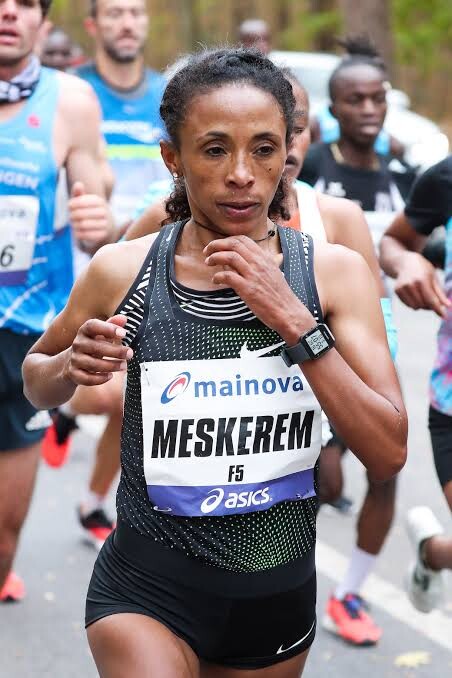
Meanwhile, the women’s race has received a welcome boost with the expected participation of Meskerem Assefa, the 2018 Frankfurt Marathon champion. After uncertainty surrounding a visa delay, the Ethiopian runner has reportedly resolved the issue and is set to return to a course on which she has already demonstrated her winning ability.
Assefa’s return adds valuable experience and familiarity to the women’s elite lineup. Former champions often approach a course with a different level of confidence, having already experienced its demands and discovered what it takes to succeed there. Her presence should therefore add another interesting dimension to a women’s race that organisers have been strengthening ahead of the event.
Although Frankfurt operates in the shadow of more globally celebrated marathons such as Berlin and London, its reputation as a venue for fast performances gives it a distinctive place on the international calendar. The combination of a record-focused men's field, experienced women’s contenders and a course suited to ambitious pacing has created a compelling narrative for this year’s edition.
Ultimately, the stopwatch will determine whether the pre-race expectations are justified. Petros must still negotiate the physical and tactical challenges of the marathon, while his rivals will be equally determined to seize their own opportunities. A fast field can create the conditions for history, but only exceptional execution can turn that potential into reality.
On October 25, Frankfurt will offer Petros the chance to transform a long-held ambition into a landmark achievement. Whether he reaches the European record or falls short, his pursuit of that standard will be one of the defining stories of the race—and a reminder of how relentlessly the world’s best marathoners continue to push the limits of human endurance.
by Erick Cheruiyot for My Best Runs.
Login to leave a comment

Mainova Frankfurt Marathon
Frankfurt is an unexpectedly traditional and charming city, with half-timbered buildings huddled in its quaint medieval Altstadt (old city), cosy apple wine taverns serving hearty regional food, village-like neighbourhoods filled with outdoor cafes, boutiques and street art, and beautiful parks, gardens and riverside paths. The city's cache of museums is second in Germany only to Berlin’s, and its nightlife...
more...
Athing Mu Announces First Pregnancy As Olympic Champion Prepares For A New Chapter Beyond The Track
Olympic glory has already secured Athing Mu a place among the finest middle-distance runners of her generation, but the American star is now preparing for a life-changing milestone beyond the athletics track — becoming a mother for the first time.
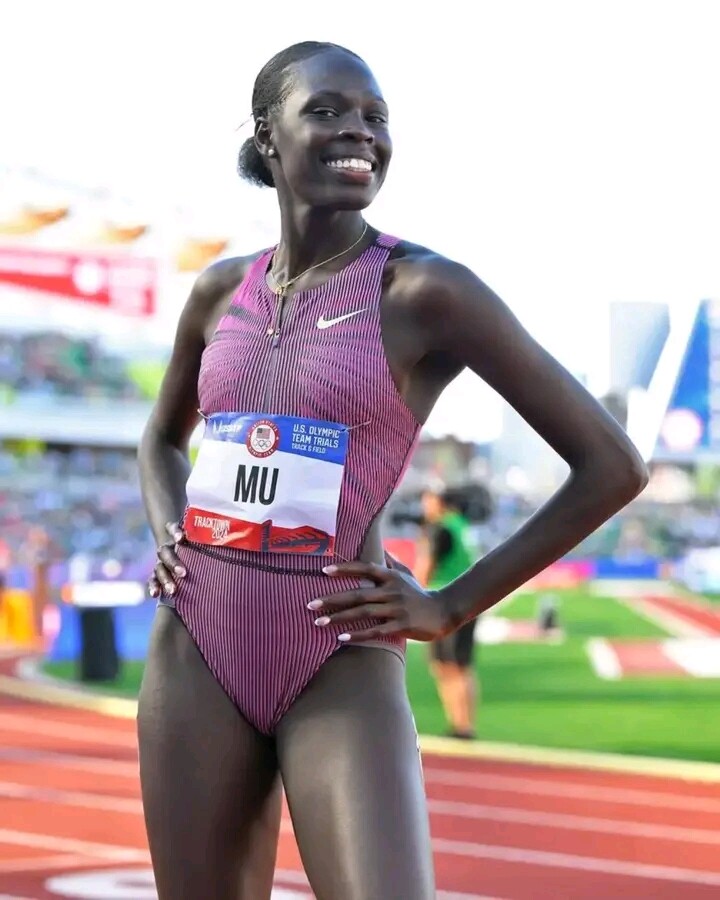
The Tokyo 2020 Olympic 800m champion and her husband, Yegor Nikolayev, announced that they are expecting their first child together, sharing news that marks the beginning of an exciting new chapter in their lives.
Mu revealed the joyful announcement on social media with a heartfelt message that captured the couple's excitement as they prepare to welcome their little one.

“Baby on board. Can't wait to meet our little Sunshine!” she wrote, sharing a glimpse of the happiness surrounding their growing family.
The announcement offers a more personal look into the life of an athlete whose career has been defined by remarkable talent, determination and success on the global stage. Having experienced the pressure of championship racing and the exhilaration of standing on the Olympic podium, Mu is now preparing for an entirely different journey, one that promises rewards no medal can measure.
Mu made history at the Tokyo Olympics, held in 2021 after being postponed because of the COVID-19 pandemic. She won the women's 800m gold medal in 1:55.21, becoming the second American woman to claim Olympic gold in the event after Madeline Manning-Mims first won in 1968 Mexico City Olympic Games. Her victory marked a defining moment in American middle-distance running and established her as one of the sport's brightest young stars.
She continued to demonstrate her class in 2022, winning the women's 800m title at the World Athletics Championships in Eugene, Oregon. That achievement further strengthened her reputation as a formidable championship competitor and added another major honour to her growing collection of accolades.
Away from the track, Mu's personal life has also been moving forward. She married Nikolayev in a private ceremony in March 2025, and the couple's pregnancy announcement now introduces another significant milestone in their relationship as they prepare to embrace parenthood.
The news comes after Mu remained absent from competition during the 2026 track season. Her future in athletics, including the possibility of a return ahead of the Los Angeles 2028 Olympic Games, remains uncertain, with no official comeback plans announced.
Her absence has left questions about what the next phase of her sporting career might look like. However, the arrival of her first child will undoubtedly bring new priorities and experiences as she balances her personal life with any future ambitions on the track.
For an athlete who has spent years chasing excellence against the clock, this moment represents a different kind of anticipation. There will be no starting gun, no finishing tape and no championship podium — only the extraordinary experience of welcoming a new life and discovering the joys and responsibilities of motherhood.
Mu's announcement also serves as a reminder that athletes have lives and dreams beyond competition. Their journeys do not begin and end with medals, and some of their most meaningful milestones unfold far away from stadiums and cheering crowds.
As she prepares for this new chapter alongside Nikolayev, the Olympic champion has every reason to look towards the future with excitement. Whether her path eventually leads back to elite competition or takes a different direction for a time, her achievements on the track will remain an important part of her legacy.
For now, the focus shifts from the demands of elite athletics to the quiet anticipation of a family waiting to meet its newest member. The woman who once raced towards Olympic history is preparing for a journey that will test and transform her in ways no race ever could.
And perhaps that is what makes this chapter so special: some of life's greatest moments cannot be timed, measured or celebrated with medals. They are experienced one heartbeat at a time, through the love that grows before a child arrives and the memories that begin when a new life enters the world. For Athing Mu, a remarkable journey beyond the track is about to begin — one in which the most precious finish line will be the moment she finally holds her little Sunshine in her arms.
by Erick Cheruiyot for My Best Runs.
Login to leave a comment

2027 Could Bring Unprecedented Heat, Raising New Concerns for Marathon Runners Worldwide
The global running community could face a formidable challenge in 2027, as forecasts of a potentially powerful El Niño raise concerns about rising temperatures and the impact of extreme heat on marathon performances.
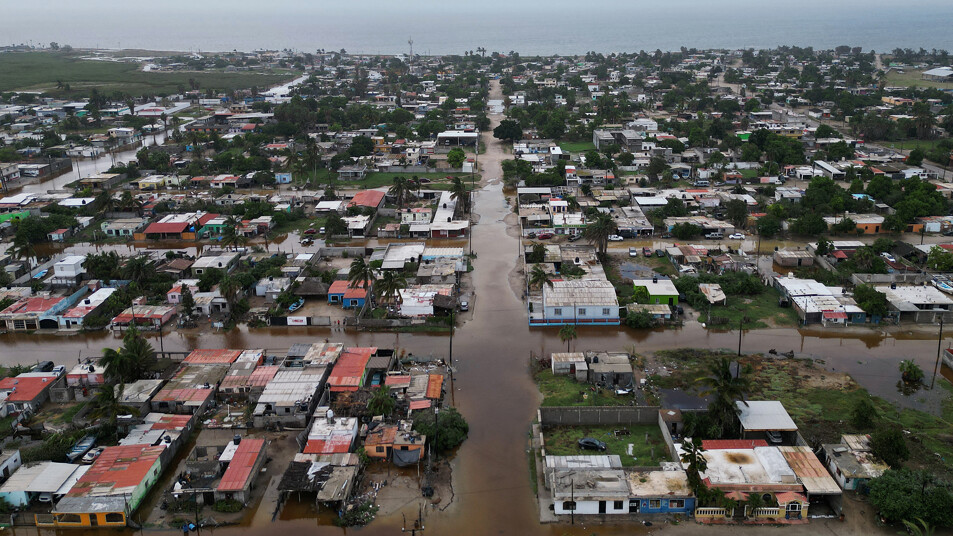
With long-distance runners increasingly chasing personal bests on the world's biggest stages, the prospect of another exceptionally warm year has placed race-day weather firmly in the spotlight. For marathoners, even a modest rise in temperature can make the difference between a record-breaking performance and a difficult battle to reach the finish line.
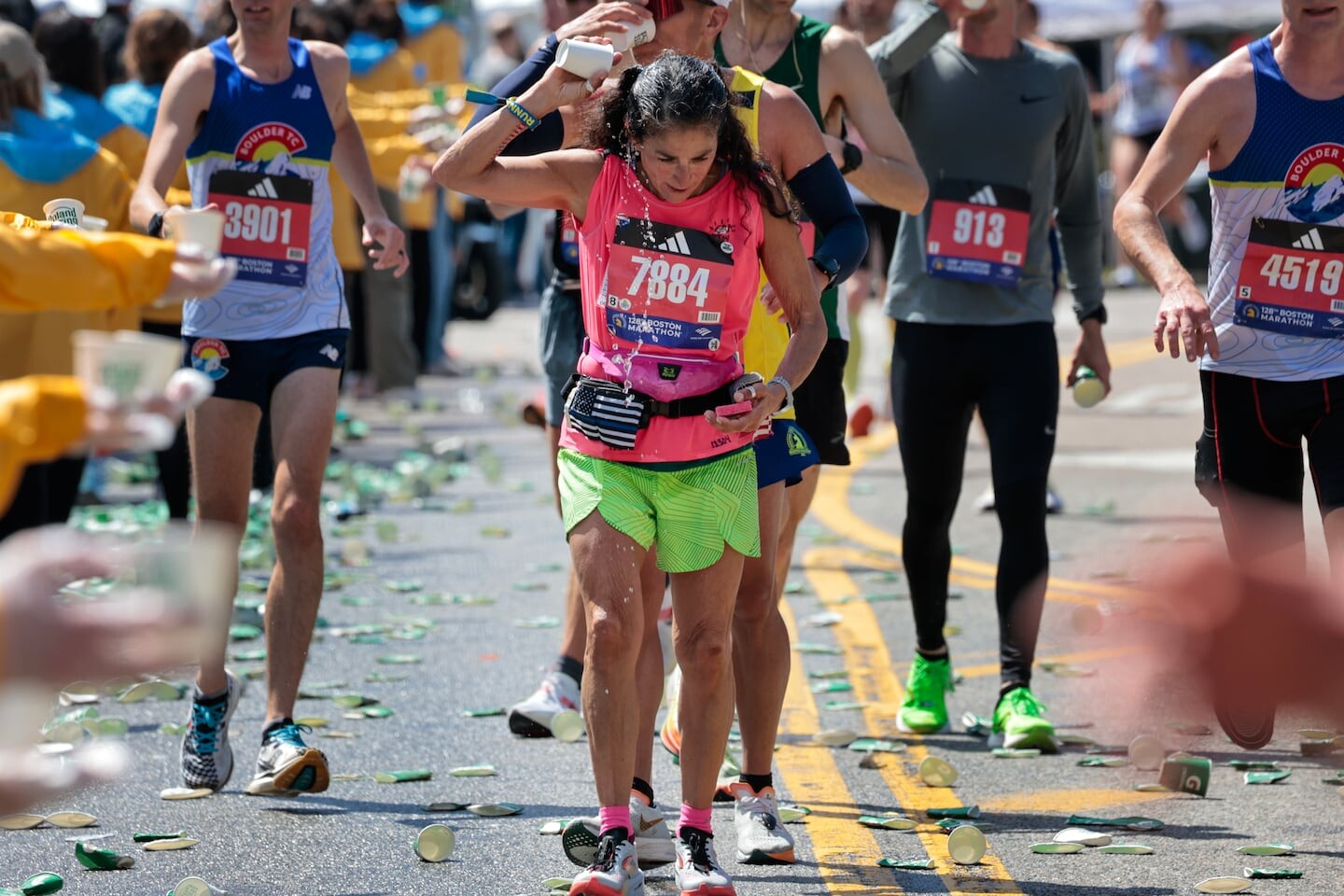
At the centre of the concern is the Pacific Ocean, where developing El Niño conditions could influence global temperatures. Forecasts have raised the possibility of an unusually strong event, although its eventual intensity and the precise effects on temperatures around the world remain uncertain.
El Niño is a natural climate phenomenon characterised by warmer-than-average sea surface temperatures across parts of the central and eastern equatorial Pacific. It can alter weather patterns across different regions, while its warming influence can contribute to higher global temperatures. The full impact depends on the strength of the event and how it interacts with other climate factors.
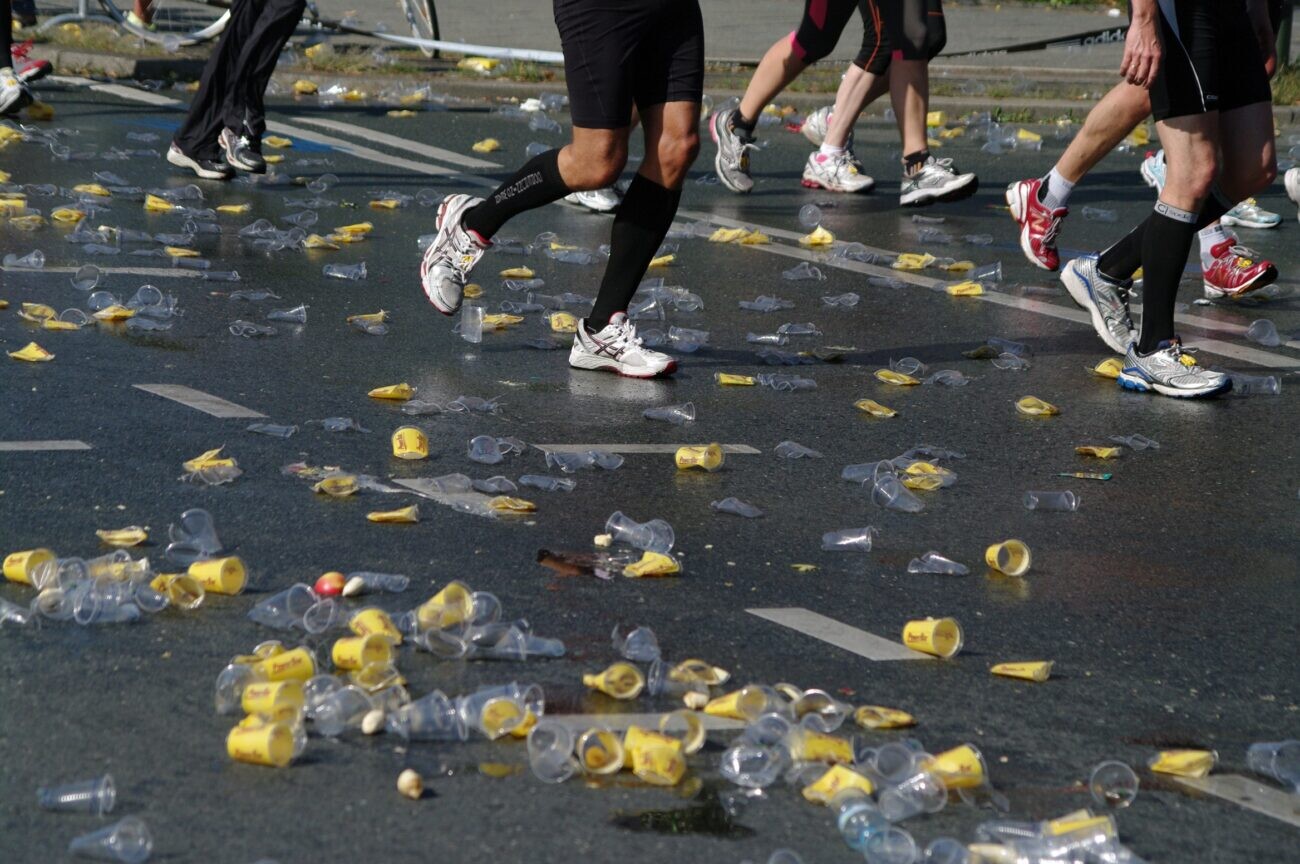
The timing is particularly important. Global temperatures have often responded strongly in the year following a major El Niño, meaning 2027 could face an increased risk of challenging heat. However, whether it ultimately surpasses the existing global temperature record will depend on evolving ocean conditions, atmospheric patterns and human-caused climate change.
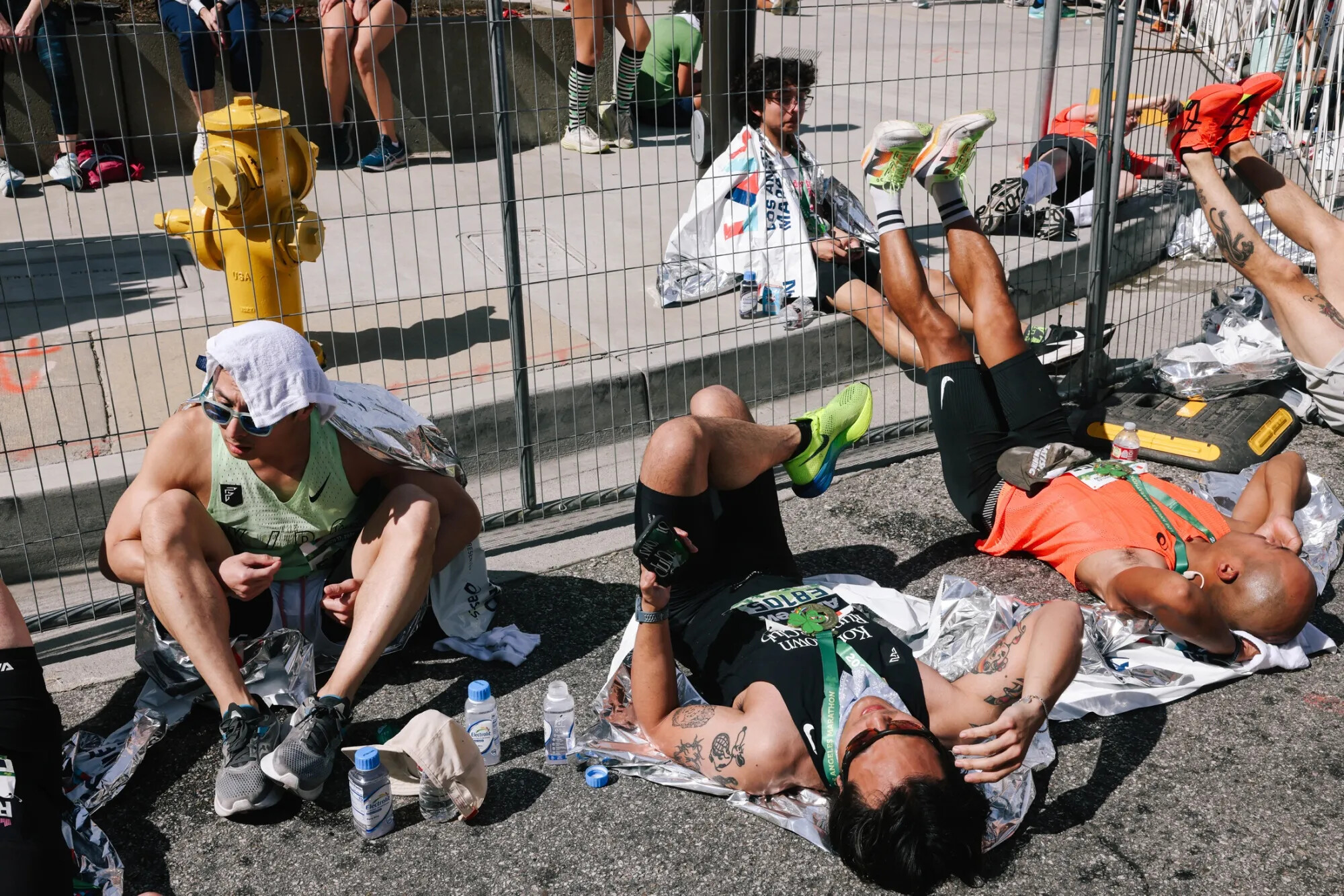
For marathon runners, the implications are significant. Scientific research has repeatedly shown that warmer conditions can reduce endurance performance, increase physiological strain and make it more difficult to maintain a planned race pace over 42.195 kilometres.
An analysis of seven North American marathons illustrates how substantially conditions can influence elite performances. Researchers found that leading male runners finished approximately 1.7 per cent slower relative to course records under the coolest conditions examined. In the warmest category, that difference increased to around 4.5 per cent.
For an athlete capable of running a marathon in 2:05:00, a slowdown of that magnitude could translate into several additional minutes on the clock. At the elite level, where races are frequently decided by seconds, such a difference can determine whether a runner achieves a personal best, secures a podium finish or misses a major performance target.
The consequences can be even more noticeable among recreational athletes, who often spend considerably longer exposed to the conditions.
A separate analysis by researchers at the University of Chicago, examining approximately 4.7 million marathon finishing times, highlighted the substantial effect of temperature on runners across different ability levels. The findings suggested that the typical participant could lose roughly 19 minutes when racing in temperatures in the 70s Fahrenheit, compared with conditions in the 40s. In the 80s Fahrenheit, the estimated time penalty rose to approximately 33 minutes.
These figures underline why marathon preparation involves much more than mileage, speed sessions and strength training. Temperature, humidity, direct sunlight and the body's ability to regulate heat can all influence how effectively a runner sustains an effort over the full distance.
Many marathon performances are achieved in cool conditions, with temperatures of approximately 4°C to 10°C often considered favourable for endurance running. As temperatures climb beyond that range, the body must devote more resources to cooling itself, potentially increasing cardiovascular strain and making a previously comfortable pace harder to maintain.
However, there is no universal temperature at which every marathon runner begins to slow down. Individual fitness, acclimatisation, humidity, wind, course exposure and race strategy all influence performance. A cool, overcast morning can produce very different outcomes from a sunny, humid day, even when the thermometer shows similar readings.
by Erick Cheruiyot for My Best Runs.
Login to leave a comment
