

Running News Daily
Running News Daily is edited by Bob Anderson and team. Send your news items to bob@mybestruns.com Advertising opportunities available.
Index to Daily Posts · Sign Up For Updates · Run The World Feed
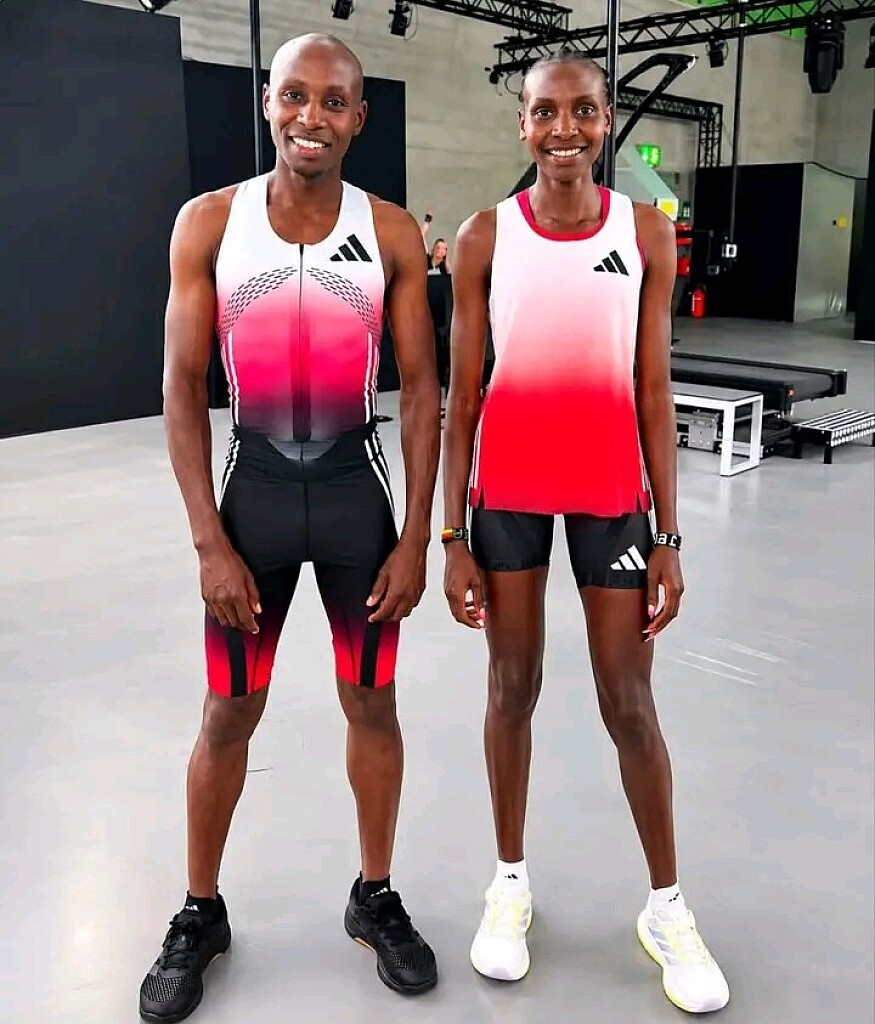


Two Kenyan Giants Rewriting The Record Books: Sabastian Sawe And Agnes Ngetich Lead A New Distance Running Era

Kenya continues to produce athletes capable of redefining the limits of distance running, and in 2026, two names have stood out above the rest: Sabastian Sawe and Agnes Ngetich.
Both Adidas-sponsored Kenyan stars have produced performances that have reshaped the global distance-running landscape, with Sawe conquering the marathon and Ngetich dominating across cross country, the half marathon and 10km.
Their paths are different, but the scale of their achievements is remarkably similar.
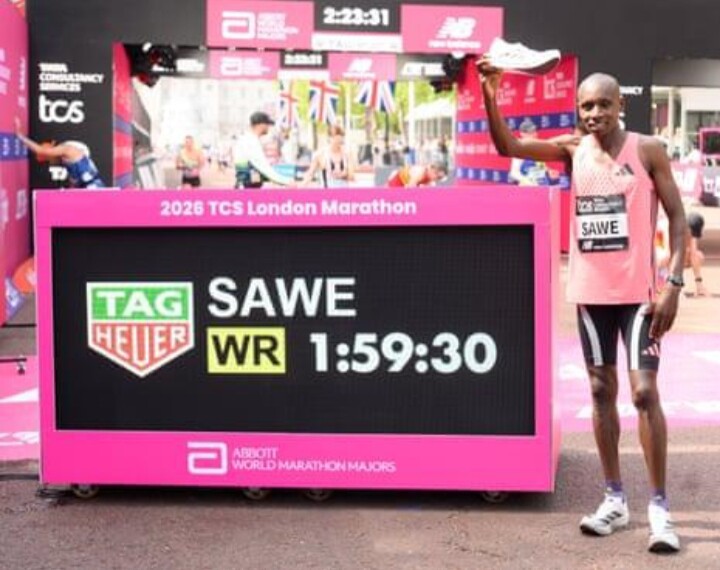
Sabastian Sawe: The Man Who Finally Broke Two Hours
Few performances in the history of marathon running can compare with what Sawe produced at the 2026 London Marathon on April 26.
The Kenyan stormed to 1:59:30, becoming the first athlete to officially break the two-hour barrier in a record-eligible marathon.
It was not merely a victory. It was a landmark moment for the event itself.
Sawe averaged approximately 2:50 per kilometre for the full 42.195km, sustaining a pace that had previously existed only as a theoretical boundary in competitive marathon running.
Remarkably, his historic London triumph was another chapter in an extraordinary marathon career.
Sawe first announced himself over the distance with a sensational 2:02:05 victory in Valencia in December 2024, establishing himself among the world's elite marathoners.
He followed that with a dominant 2:02:27 victory at the 2025 London Marathon, before returning five months later to win the 2025 Berlin Marathon in 2:02:16.
Those victories established Sawe as one of the most formidable marathoners of his generation.
His 2026 season then took another extraordinary turn.
In London, Yomif Kejelcha finished second in 1:59:41, becoming the second man under two hours in an official marathon, while Jacob Kiplimo completed the podium in 2:00:28.
Sawe had been scheduled to return to Berlin in September to defend his title, but an injury forced him to withdraw from the race.
Even without another appearance, his 1:59:30 has already secured its place among the defining performances in the history of the marathon.
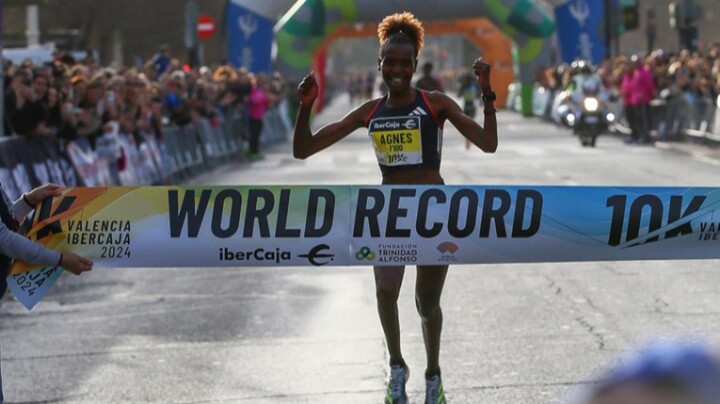
Agnes Ngetich: From Cross Country To World Records
If Sawe has rewritten the marathon script, Ngetich has been doing something similar across several disciplines.
Her 2026 campaign began in spectacular fashion at the World Athletics Cross Country Championships in Tallahassee, United States, on January 10.
Ngetich dominated the senior women's 10km race, crossing the line in 31:28 to win her first individual global title.
That victory was only the beginning.
Later in the year, Ngetich added another global title at the World Athletics Road Running Championships in Copenhagen, producing another masterclass over the half marathon.
The Kenyan ran 1:05:15 to win the women's half marathon and break the women-only world record by one second.
The performance underlined her extraordinary consistency at the highest level and added another global title to a season already highlighted by her World Cross Country triumph.
But Ngetich's record-breaking credentials stretch far beyond the half marathon.
She owns the women's 10km world record in a mixed race at 28:46, set in Valencia in January 2024. That performance made her the first woman to break 29 minutes over the distance.
She also holds the women-only 10km world record of 29:27, set in Herzogenaurach in April 2025. She became the first woman to break 30 minutes in a women-only 10km race.
Ngetich's achievements therefore span the full spectrum of modern distance running — from the grass of cross country to the roads of the world's biggest championships and record-setting races.
Two Stars, One Kenyan Running Revolution
Sawe and Ngetich represent two different sides of modern distance running.
Sawe has pushed the marathon beyond a barrier that once seemed almost untouchable, while Ngetich has demonstrated extraordinary versatility, winning on the grass at World Cross Country and then moving onto the roads to rewrite the record books over 10km and the half marathon.
Their achievements also underline the remarkable depth of Kenyan distance running.
Sawe has established himself as one of the defining marathoners of his generation, while Ngetich has built an extraordinary collection of global titles and world records across several distances.
Two athletes.
Different distances.
Different challenges.
But the same Kenyan flag at the centre of some of the most extraordinary performances the sport has witnessed.
Sabastian Sawe and Agnes Ngetich are not simply winning races — they are expanding the boundaries of what Kenyan distance runners, and distance runners everywhere, can achieve.
by Erick Cheruiyot for My Best Runs.
Login to leave a comment
Latest Running News

Tigst Assefa’s Achilles Surgery A Success As Marathon Star Begins Road To Recovery
Tigst Assefa has received encouraging news following the dramatic injury that overshadowed her remarkable victory at the 2026 Berlin Marathon.

The Ethiopian marathon star has successfully undergone surgery to repair a completely ruptured Achilles tendon, with her management team, Demadonna Athletic Promotions, confirming that the operation went well. The agency also shared photographs of Assefa recovering in hospital, offering fans a reassuring first glimpse of the marathon star after the procedure.
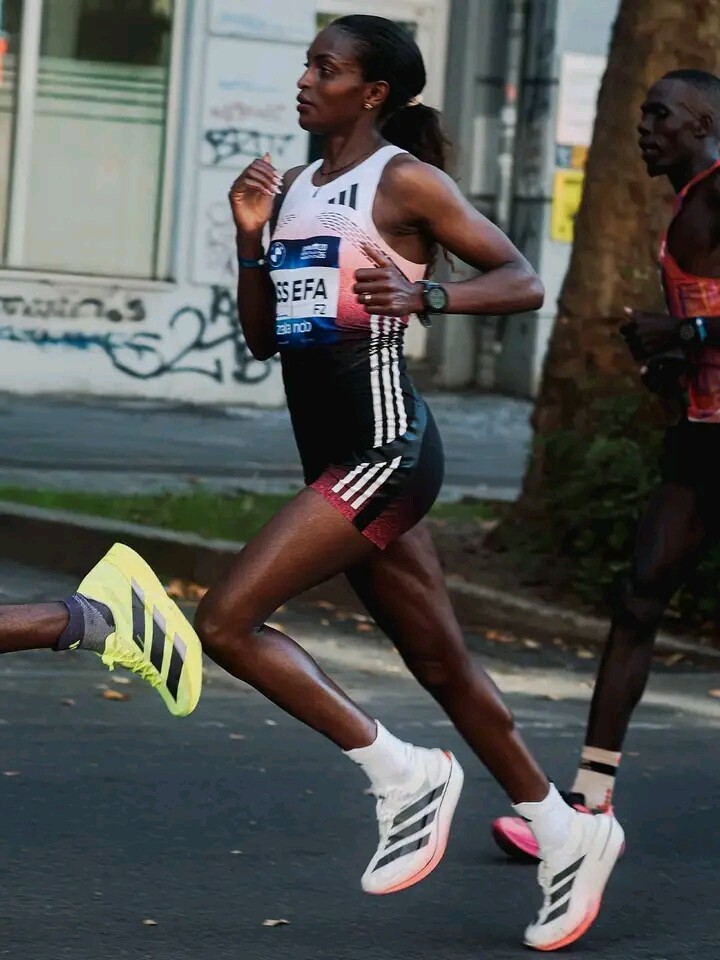
The successful operation comes just one day after Assefa produced one of the most extraordinary finishes in recent marathon history. She crossed the line in 2:11:04 to claim victory in Berlin despite suffering the serious Achilles injury during the closing stages of the race.
Assefa had been charging towards the world record of 2:09:56 and reached 40 kilometres in 2:03:00, remaining firmly on course for a historic performance. However, her stride suddenly deteriorated as the injury took hold, forcing her to limp through the final stages.
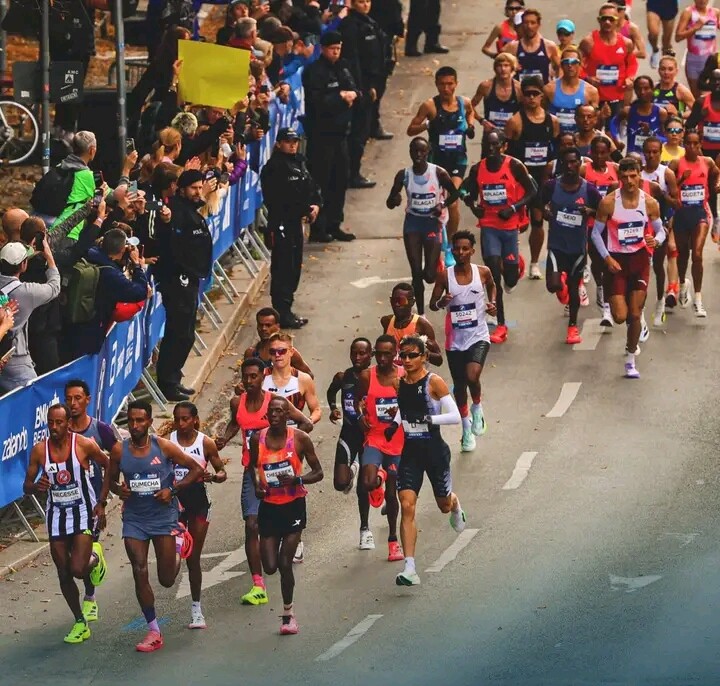
Despite the immense pain, Assefa refused to give up. She completed the final 2.195 kilometres in 8:04, displaying remarkable determination to reach the finish line and secure one of the most memorable victories of her career.
Her final time of 2:11:04 ranks among the fastest women's marathon performances ever recorded and also represents a new Berlin Marathon course record.
Demadonna Athletic Promotions praised Assefa's courage and resilience, expressing hope that she will be able to gradually return to training in the coming months. However, the exact timeline for her return to competition remains uncertain, with her recovery now taking priority.
For now, the focus is firmly on healing. Assefa's Berlin triumph ended under heartbreaking circumstances, but the successful surgery represents an important first step in her rehabilitation.
The running world will now wait patiently for the return of one of Ethiopia's greatest marathon stars. After showing extraordinary courage in Berlin, Assefa faces a very different challenge — rebuilding her strength, regaining full fitness and eventually finding her way back to the marathon start line.
by Erick Cheruiyot for My Best Runs.
Login to leave a comment

BMW Berlin Marathon
The story of the BERLIN-MARATHON is a story of the development of road running. When the first BERLIN-MARATHON was started on 13th October 1974 on a minor road next to the stadium of the organisers‘ club SC Charlottenburg Berlin 286 athletes had entered. The first winners were runners from Berlin: Günter Hallas (2:44:53), who still runs the BERLIN-MARATHON today, and...
more...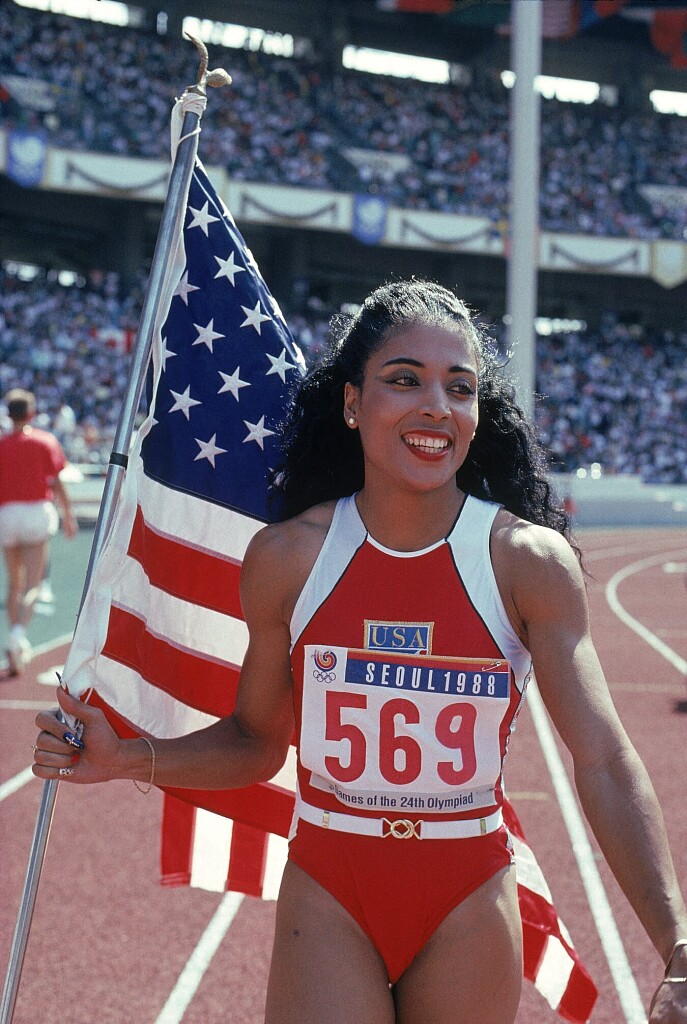
Florence Griffith-Joyner’s 21.34 Still Stands 38 Years Later
Thirty-eight years ago, Florence Griffith-Joyner produced a performance in Seoul that would go on to become one of the most enduring records in athletics history.
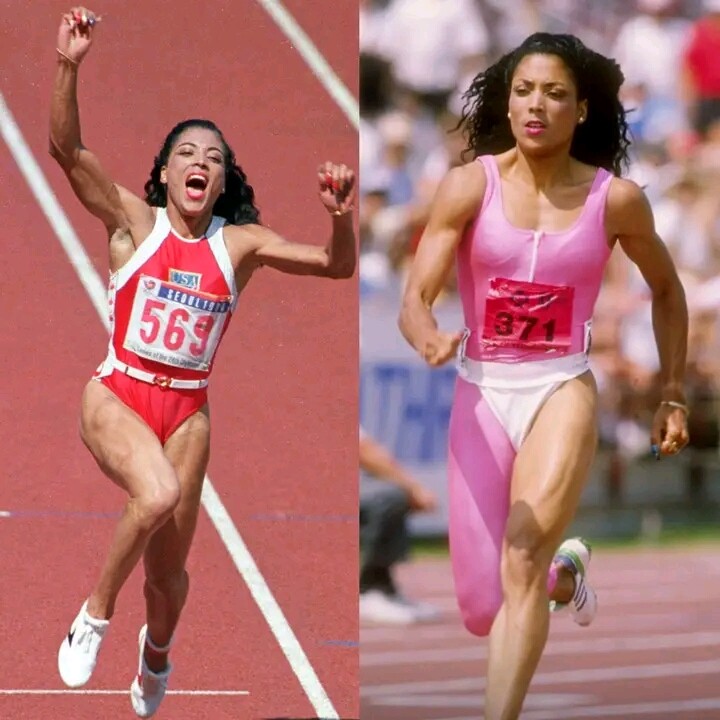
On September 29, 1988, the American sprint sensation lined up for the women’s 200m final at the Olympic Stadium in Seoul, South Korea, carrying the confidence of an athlete who had already announced herself as one of the stars of the Games.
What followed was extraordinary.
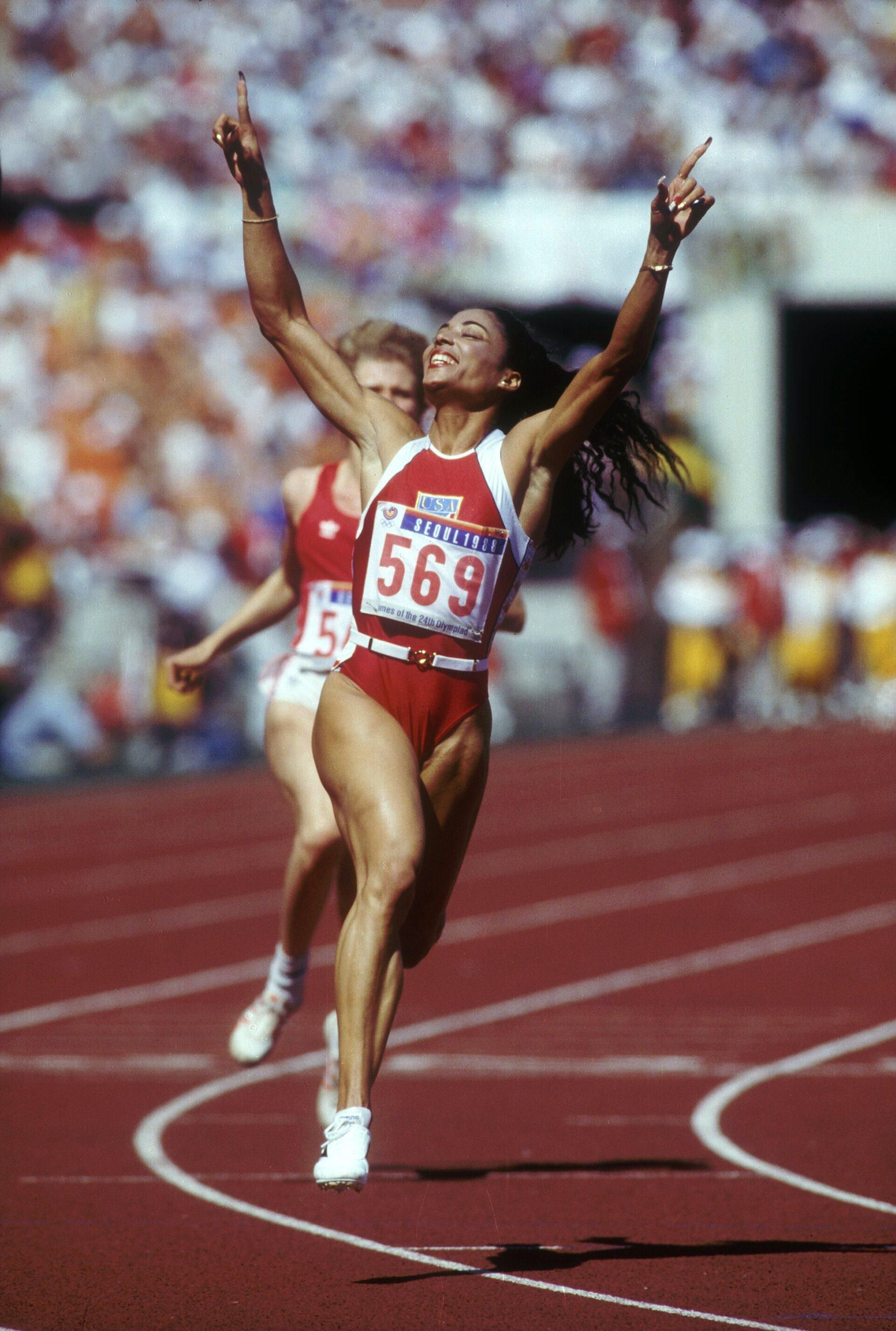
Griffith-Joyner stormed around the bend before unleashing an astonishing finish, stopping the clock in 21.34 seconds with a legal following wind of +1.3 m/s. The performance secured Olympic gold and shattered the world record she had set earlier that same day in the semifinal, when she ran 21.56.
It was not simply another Olympic victory. It was a performance that immediately entered sprinting folklore.
The 21.34 remains the women’s 200m world record, 38 years after it was established. World Athletics continues to list Griffith-Joyner at the top of the all-time rankings, with her mark standing ahead of every performance that has followed.
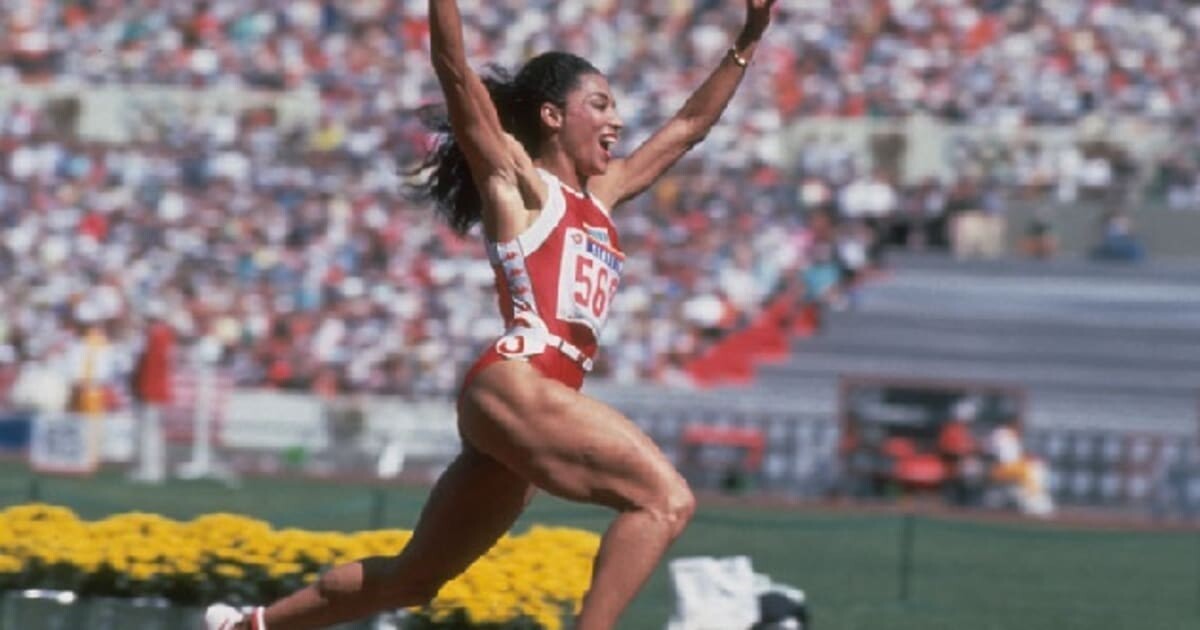
And there have been some remarkable attempts to take it down.
Jamaica’s Shericka Jackson came closer than anyone in recent years, running 21.41 to win the world title in Budapest in 2023 — just seven hundredths of a second away from Griffith-Joyner’s legendary mark. Elaine Thompson-Herah ran 21.53 in Tokyo in 2021, while Gabrielle Thomas has gone 21.61.
Yet 21.34 has continued to stand.
Griffith-Joyner’s Seoul campaign was remarkable beyond the 200m record. She won three Olympic sprint gold medals at the Games and established herself as one of the defining athletes of the 1988 Olympics. World Athletics records her as a three-time Olympic champion and the current world-record holder in both the 100m and 200m.
Her career also left behind an unmistakable visual legacy. The long, flowing nails, striking racing outfits and explosive sprinting made Flo-Jo one of the most recognisable figures the sport has ever produced.
But decades later, it is the number 21.34 that continues to command attention.
Generations of Olympic champions and world-class sprinters have come and gone. The event has evolved, training methods have advanced and the level of women’s sprinting has continued to rise. Still, Griffith-Joyner’s Seoul masterpiece remains untouched.
38 years. One legendary record. Still standing.
And with a new generation of elite 200m sprinters continuing to push the boundaries, the question remains fascinating: how much longer can Florence Griffith-Joyner’s 21.34 survive?
by Erick Cheruiyot for My Best Runs.
Login to leave a comment

Karsten Warholm Clears A Very Different Kind Of Hurdle As He Marries Oda Djupvik
World and Olympic champion Karsten Warholm has traded the pressure of the athletics track for one of life’s most meaningful celebrations after officially marrying his longtime partner, Oda Djupvik.
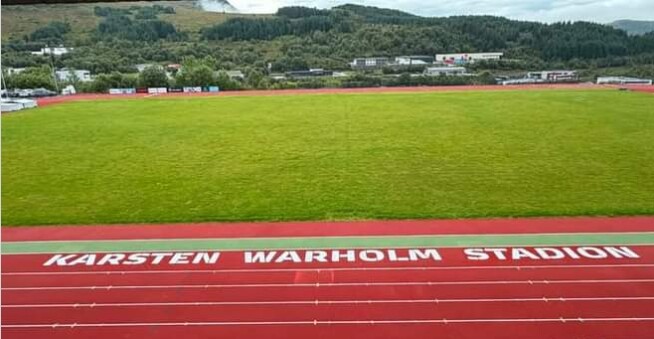
And true to the Norwegian hurdling superstar’s personality, the wedding photos were anything but ordinary.
Dressed in his elegant wedding attire, Warholm took the celebration back to familiar territory — the running track. But instead of preparing for another fierce 400m hurdles battle, the three-time world champion turned the moment into a playful and unforgettable wedding photo shoot.
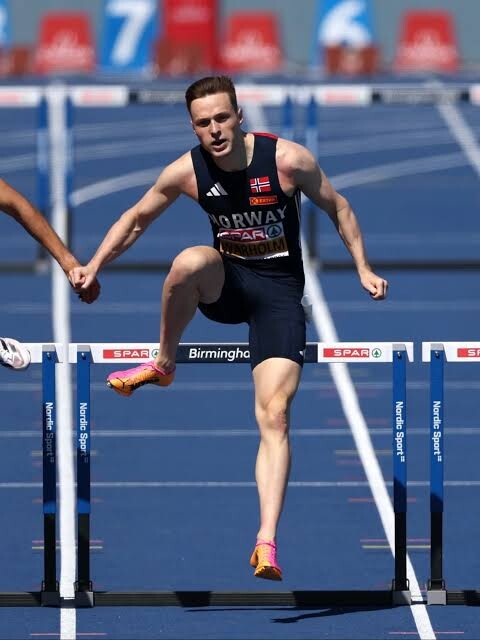
With his bride by his side, Warholm was pictured clearing a hurdle in full wedding attire, creating a perfect blend of his sporting career and the beginning of a new chapter in his personal life.
For an athlete who has spent years attacking barriers at breathtaking speed, there was something beautifully fitting about seeing him clear one more hurdle — this time with a smile, a wedding suit and his new wife waiting on the other side.
Warholm and Djupvik have shared a long relationship away from the spotlight, and their wedding marks another special milestone in a journey that has unfolded alongside one of the most remarkable careers in modern athletics.
From Olympic glory to world titles and unforgettable battles over 400m hurdles, Warholm has built a legacy defined by speed, determination and an extraordinary ability to overcome barriers. Now, he has taken on a very different kind of challenge — building a lifetime together with the person he loves.
And judging by those joyful wedding images, this is one race Warholm has no intention of running alone.
Warholm and Djupvik now begin a new chapter together, with the memorable trackside images offering a fitting glimpse of a celebration that brought together the world of elite athletics and one of life’s most personal milestones.
by Erick Cheruiyot for My Best Runs.
Login to leave a comment

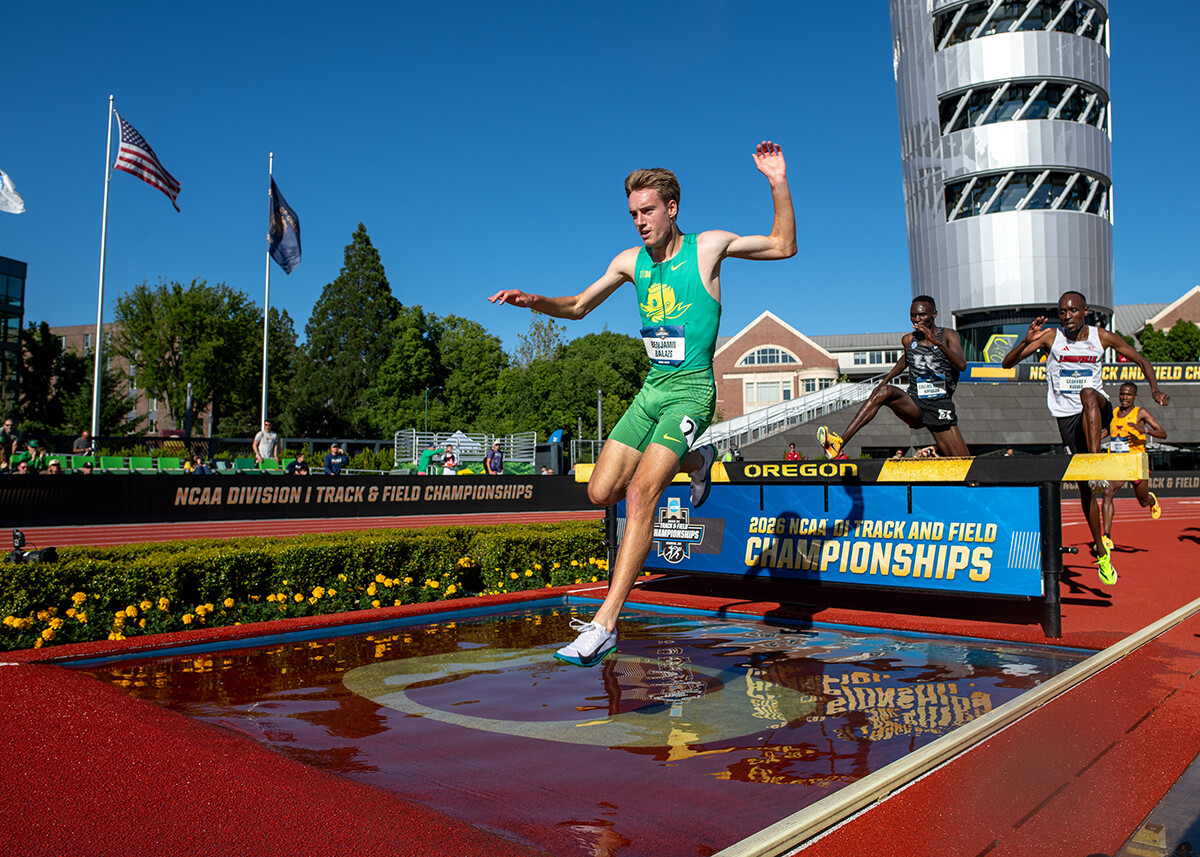
U.S. Senate Passes Major College Sports Bill 77-22, With Potentially Significant Impact On Track & Field
The landscape of American college sports moved closer to a major transformation on Monday after the U.S. Senate passed the Protect College Sports Act of 2026 by a 77-22 vote, sending the legislation to the House of Representatives for consideration.

The bipartisan bill seeks to establish a nationwide framework governing college athletics, including name, image and likeness (NIL), athlete compensation, transfers, eligibility and protections for non-revenue sports.
For college track and field, the legislation could be particularly significant because it specifically addresses the future of women’s and Olympic sports, which includes track and field.
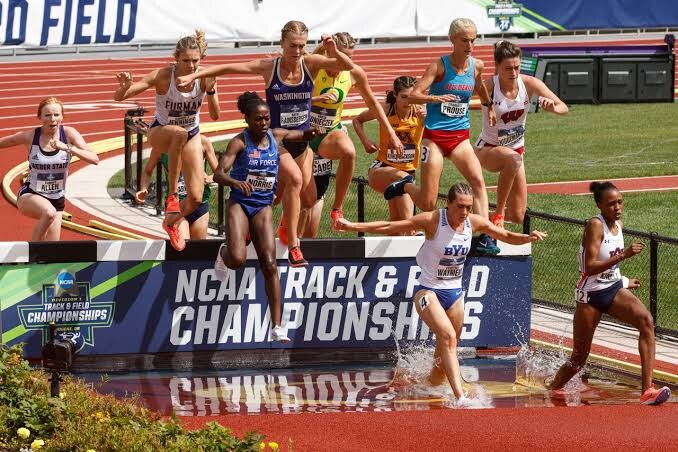
One of the key provisions would require qualifying institutions that receive collective media-rights revenue to maintain protections for non-revenue sports, including women’s and Olympic sports, in terms of roster spots and scholarship opportunities.
That could provide greater stability for track and field programs at schools navigating the rapidly changing financial structure of college athletics.
The legislation would also codify athletes’ right to earn money from their name, image and likeness, while establishing federal rules around NIL agreements and revenue sharing. Athletes would also be eligible to receive a defined share of certain athletics revenues under the proposed framework.
Transfers are another major component of the bill. The legislation would establish national rules governing athlete movement between schools, including a general one-time transfer opportunity without loss of eligibility, while introducing restrictions intended to address tampering and other transfer-related practices.
The bill also contains provisions involving scholarships, healthcare and eligibility. Among its proposals are protections for scholarships in certain circumstances, extended medical coverage after an athlete’s college career and a five-year eligibility framework with specified exceptions.
For track and field athletes, the potential changes extend well beyond competition. The legislation could influence how universities structure scholarships, manage rosters, distribute athletic revenues and create NIL opportunities for athletes competing in Olympic sports.
However, the bill is not yet law.
After clearing the Senate with overwhelming bipartisan support, the Protect College Sports Act must still pass the U.S. House of Representatives before it could reach the president for consideration.
The Senate vote marks another significant development in the continuing effort to reshape American college athletics following years of legal battles, NCAA rule changes and the rapid expansion of NIL opportunities.
For college track and field, much attention will now turn to whether the final legislation can provide greater stability for Olympic sports while giving athletes a clearer path to participate in the financial opportunities emerging across college athletics.
The Senate has taken the first major step. The next stage of the legislation now lies with the House.
by Erick Cheruiyot for My Best Runs.
Login to leave a comment
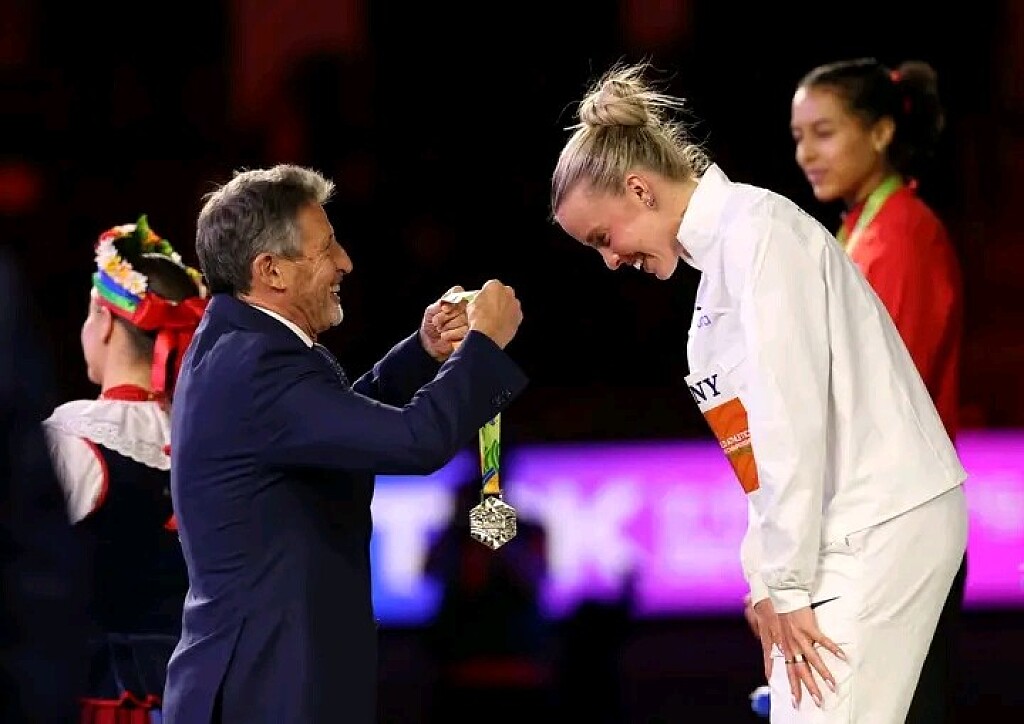
Sebastian Coe At 70: From Yorkshire Prodigy To Olympic Great And World Athletics President
Sebastian Coe turns 70 today, marking seven remarkable decades for a man whose name has become inseparable from some of the greatest moments in middle-distance running.
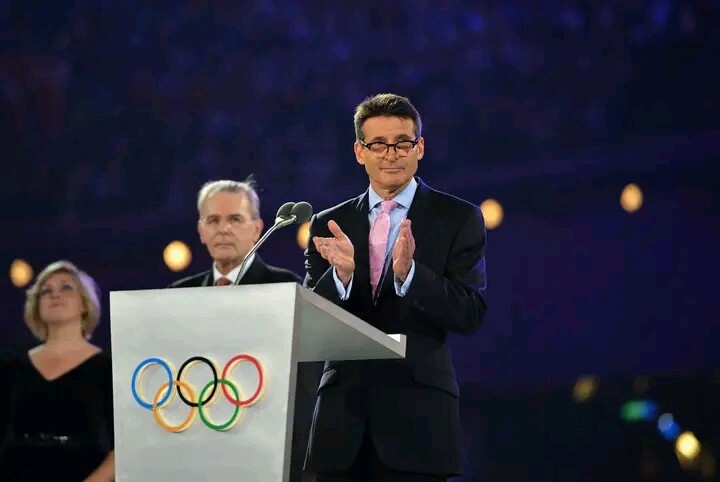
Born on September 29, 1956, Coe grew from a talented youngster in Yorkshire into one of the most influential figures athletics has ever produced — first as an extraordinary competitor on the track and later as a leader at the highest level of the sport.
His journey began long before the Olympic medals and world records. As a teenager, Coe was already attracting attention, and his early appearances in Athletics Weekly offered a glimpse of the remarkable career that was beginning to unfold.
By the late 1970s, he had established himself as one of Britain's brightest middle-distance prospects. His rivalry with Steve Ovett became one of the defining storylines of the era, while Coe's extraordinary combination of speed, tactical intelligence and finishing power allowed him to compete successfully across the 800m, 1500m and mile.
In 1979, Coe announced himself to the world in spectacular fashion. In Oslo, he smashed the 800m world record with 1:42.33, becoming the first man to break 1:43. Just weeks later, he added a world record in the mile with 3:48.53 before ending the season as one of the sport's dominant figures.
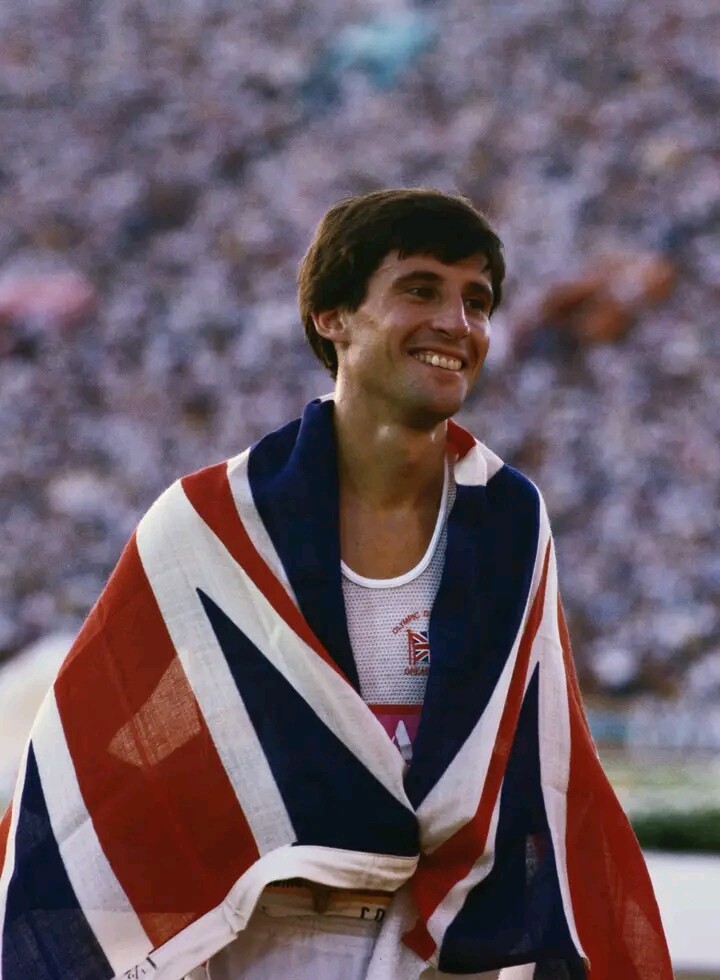
The following years produced even more extraordinary performances.
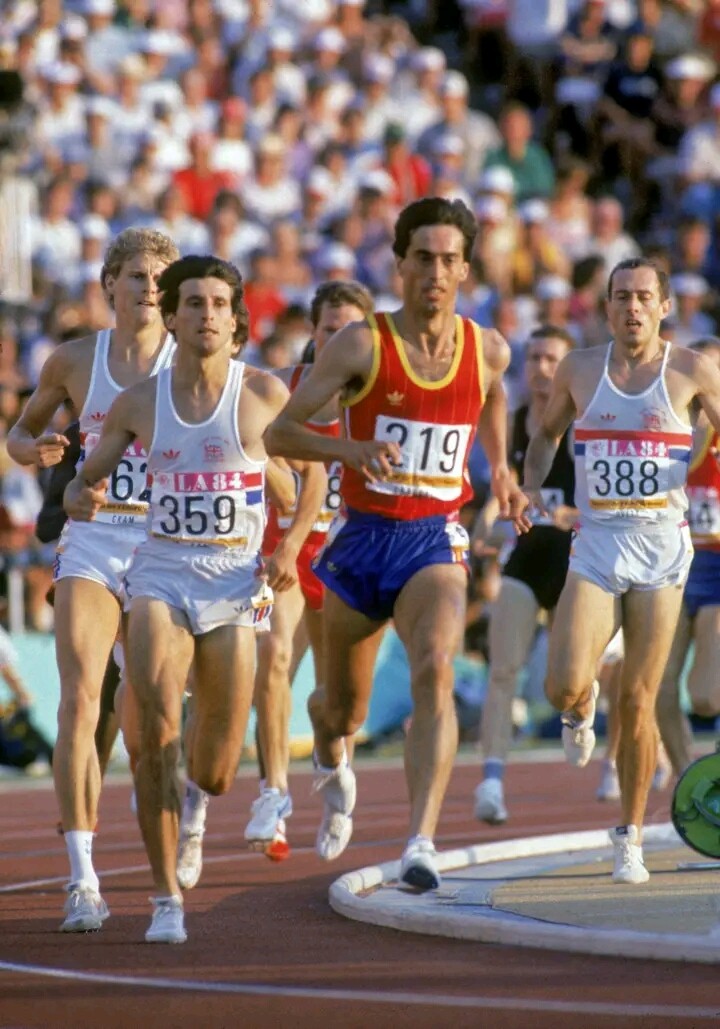
On June 10, 1981, in Florence, Coe lowered his own 800m world record to 1:41.73. The performance was historic. The mark remained untouched for 16 years before Wilson Kipketer equalled it in 1997. It remains one of the most iconic performances in 800m history.
Coe's Olympic career was equally remarkable.
At the 1980 Moscow Olympics, he won gold in the 1500m and silver in the 800m. Four years later in Los Angeles, he repeated that extraordinary combination, again taking 1500m gold and 800m silver.
His second Olympic 1500m victory in 1984 cemented his place among the greats of the event. His personal best of 3:29.77, set in 1986, remains one of the fastest marks of his era. World Athletics lists Coe as a two-time Olympic champion and two-time Olympic silver medallist, with 12 world records accumulated during his career.
His record-breaking career extended beyond the 800m and 1500m. Coe set world records over 800m, 1000m, 1500m and the mile, demonstrating an extraordinary range that was rare even among elite middle-distance specialists.
He also collected major European honours, including the European 800m title in 1986 and the European Indoor 800m crown earlier in his career.
Yet Coe's story did not end when he left competitive athletics.
After retiring from the track in 1990, he moved into public life and sports administration. His leadership role in London's successful bid for the 2012 Olympic and Paralympic Games became one of the most significant chapters of his post-athletics career. He later served as chairman of the London 2012 Organising Committee, helping oversee the preparation and delivery of the Games.
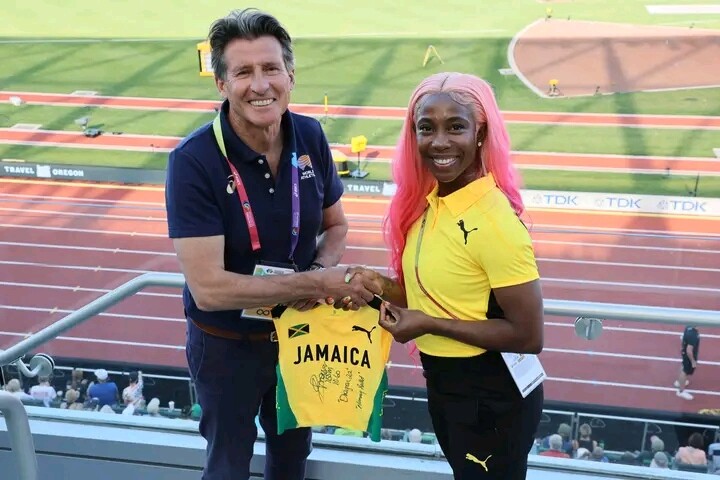
In August 2015, Coe took on perhaps his most influential role yet when he became president of World Athletics. He has since remained at the centre of global athletics, helping guide the sport through changes in competition, governance, commercialisation and athlete-focused initiatives. World Athletics currently lists him as president of the organisation.
Even at 70, Coe's connection with competition remains clear. His comments surrounding the inaugural World Athletics Ultimate Championship in Budapest in 2026 showed the same fascination with head-to-head racing that defined him as an athlete decades earlier.
From a young Yorkshire runner to an Olympic champion, world-record setter, London 2012 leader and now president of World Athletics, Coe's career has crossed almost every level of the sport.
His 1:41.73 may no longer be the world record, but the performance remains a permanent part of 800m history. His Olympic double-double remains extraordinary. And his transition from athlete to administrator has ensured that his influence extends far beyond the races he once dominated.
Seventy years on, Sebastian Coe's legacy is therefore not confined to medals, records or statistics. It is the story of a middle-distance pioneer whose impact has continued long after his final competitive race — and whose name remains firmly woven into the history of athletics.
by Erick Cheruiyot for My Best Runs.
Login to leave a comment
