

Running News Daily
Running News Daily is edited by Bob Anderson and team. Send your news items to bob@mybestruns.com Advertising opportunities available.
Index to Daily Posts · Sign Up For Updates · Run The World Feed
Articles tagged #U.S. Senate
Today's Running News
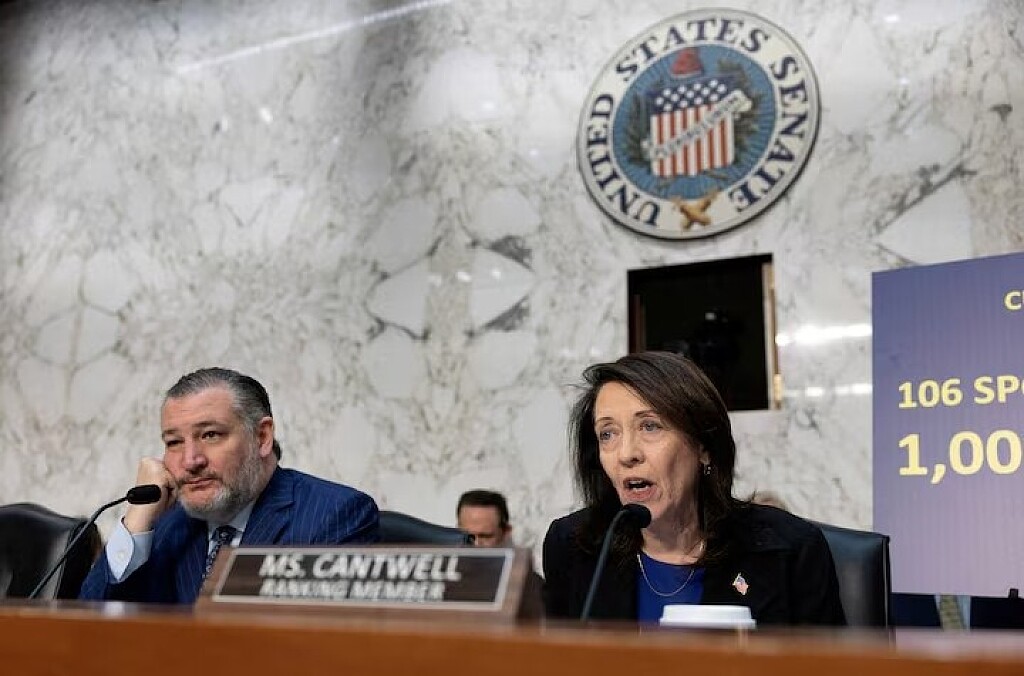


U.S. Senate Passes Major College Sports Bill 77-22, With Potentially Significant Impact On Track & Field
The landscape of American college sports moved closer to a major transformation on Monday after the U.S. Senate passed the Protect College Sports Act of 2026 by a 77-22 vote, sending the legislation to the House of Representatives for consideration.
The bipartisan bill seeks to establish a nationwide framework governing college athletics, including name, image and likeness (NIL), athlete compensation, transfers, eligibility and protections for non-revenue sports.
For college track and field, the legislation could be particularly significant because it specifically addresses the future of women’s and Olympic sports, which includes track and field.
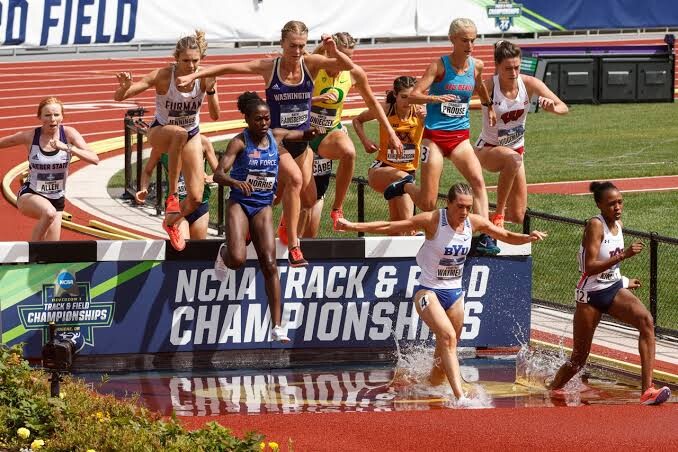
One of the key provisions would require qualifying institutions that receive collective media-rights revenue to maintain protections for non-revenue sports, including women’s and Olympic sports, in terms of roster spots and scholarship opportunities.
That could provide greater stability for track and field programs at schools navigating the rapidly changing financial structure of college athletics.

The legislation would also codify athletes’ right to earn money from their name, image and likeness, while establishing federal rules around NIL agreements and revenue sharing. Athletes would also be eligible to receive a defined share of certain athletics revenues under the proposed framework.
Transfers are another major component of the bill. The legislation would establish national rules governing athlete movement between schools, including a general one-time transfer opportunity without loss of eligibility, while introducing restrictions intended to address tampering and other transfer-related practices.
The bill also contains provisions involving scholarships, healthcare and eligibility. Among its proposals are protections for scholarships in certain circumstances, extended medical coverage after an athlete’s college career and a five-year eligibility framework with specified exceptions.
For track and field athletes, the potential changes extend well beyond competition. The legislation could influence how universities structure scholarships, manage rosters, distribute athletic revenues and create NIL opportunities for athletes competing in Olympic sports.
However, the bill is not yet law.
After clearing the Senate with overwhelming bipartisan support, the Protect College Sports Act must still pass the U.S. House of Representatives before it could reach the president for consideration.
The Senate vote marks another significant development in the continuing effort to reshape American college athletics following years of legal battles, NCAA rule changes and the rapid expansion of NIL opportunities.
For college track and field, much attention will now turn to whether the final legislation can provide greater stability for Olympic sports while giving athletes a clearer path to participate in the financial opportunities emerging across college athletics.
The Senate has taken the first major step. The next stage of the legislation now lies with the House.
by Erick Cheruiyot for My Best Runs.
Login to leave a comment

Rodchenkov Anti-Doping Act officially passed into law
The U.S. bill to criminalize doping has officially been passed into law despite objections from WADA
On December 4, the U.S. officially signed the Rodchenkov Anti-Doping Act into law. This new law will allow American prosecutors to investigate doping at international events in which Americans are participants, sponsors, or broadcasters. Violators will face up to 10 years in prison, as well as fines of $250,000 for individuals and $1 million for organizations.
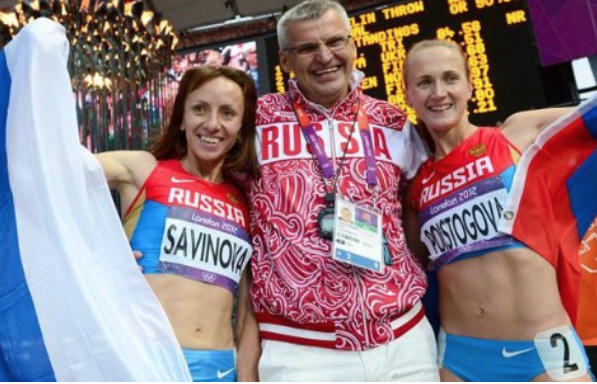
This comes less than one month after the bill was passed through the U.S. Senate, amid heavy criticism from the World Anti-Doping Agency (WADA). In a statement released on November 17, the agency expressed its concern that some important elements of the Act may have unintended consequences, and that its extraterritorial nature might undermine the global fight against doping.
“No nation has ever before asserted criminal jurisdiction over doping offences that occurred outside its national borders – and for good reason,” the Agency said. It is likely to lead to overlapping laws in different jurisdictions that will compromise having a single set of anti-doping rules for all sports and all Anti-Doping Organizations under the World Anti-Doping Code (Code).”
Additionally, WADA wants to know why the act excludes large areas of U.S. sports, including college and professional leagues. These leagues consist of nearly half a million athletes and yet were removed from the bill without explanation.
Despite this controversy, the law has officially been passed. Some prominent voices in the fight against doping are considering this a victory, including Jim Walden, the lawyer representing Grigory Rodchenkov, the Russian whistle-blower for whom the act is named. Walden says that it is now up to the Department of Justice to cooperate with the U.S. Anti-Doping Agency (USADA) and international law enforcement partners to develop an effective program that creates zero tolerance for doping in sport.
“Dopers should be on clear notice: there is a new sheriff in town, so cheat at your own peril,” he said in a statement.
It is important to note that this law is aimed not at individuals who are cheating, but at larger doping schemes. Walden is considering the Rodchenkov Anti-Doping Act a monumental step in the fight for clean sport, and is hoping that other countries will partner with the U.S. on cross-border law enforcement to protect the rights of clean athletes and the integrity of sport.
by Running Magazine
Login to leave a comment
