

Running News Daily
Running News Daily is edited by Bob Anderson and team. Send your news items to bob@mybestruns.com Advertising opportunities available.
Index to Daily Posts · Sign Up For Updates · Run The World Feed
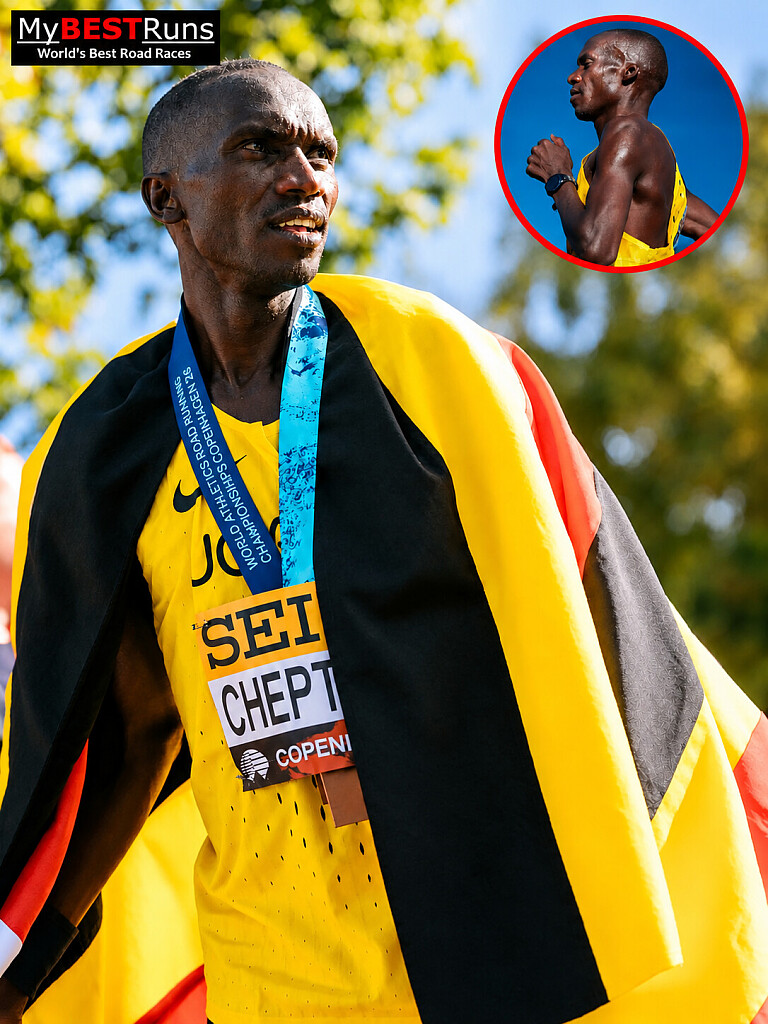


Joshua Cheptegei’s Road To The Marathon Takes Shape After World Half Marathon Bronze

Uganda’s Joshua Cheptegei has added another significant milestone to his remarkable distance-running career, securing bronze at the 2026 World Athletics Road Running Championships in Copenhagen with a personal best of 58:26 over the half marathon.
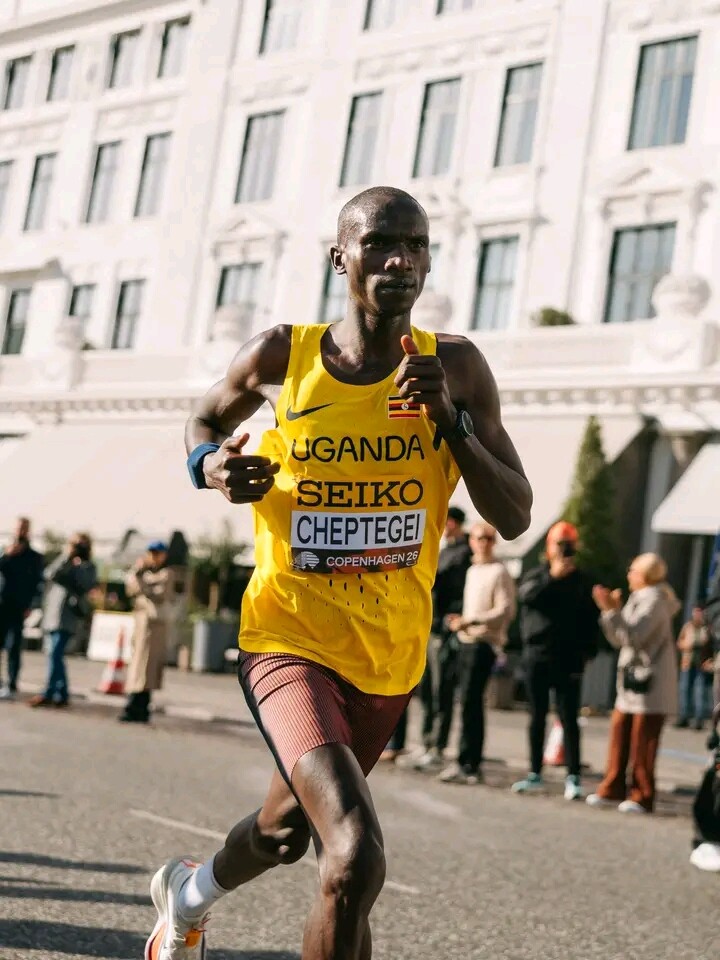
The performance marked a new chapter for the 30-year-old world record-holder, who had previously clocked 59:21 at the 2020 World Half Marathon Championships. In Copenhagen, Cheptegei improved that mark by 55 seconds while claiming his first individual medal on the road at a global championship.
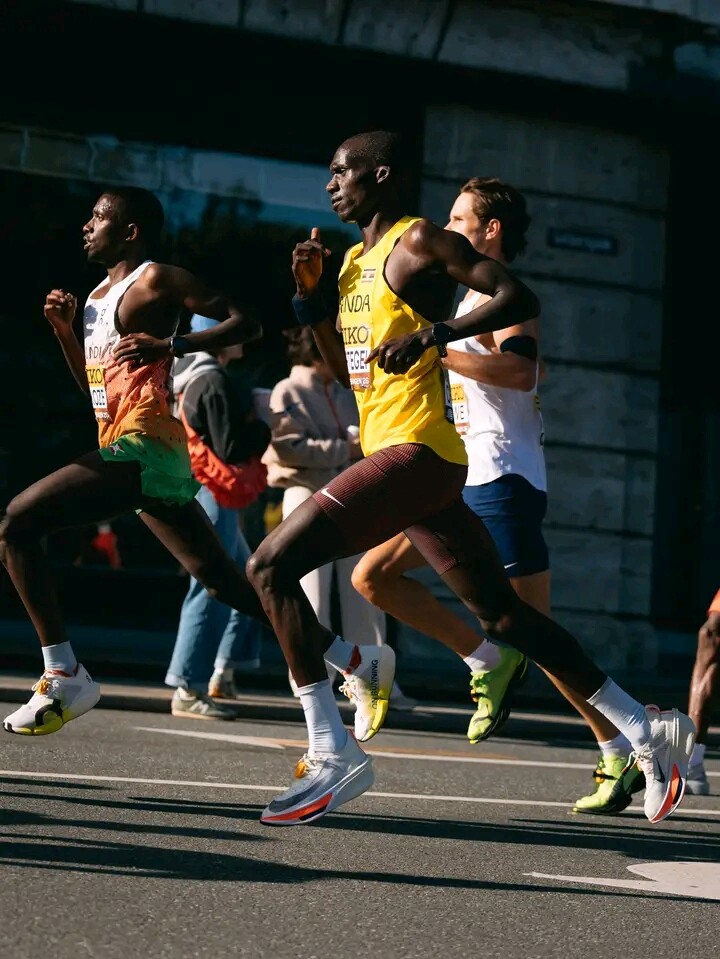
The race was won by Sweden’s Andreas Almgren in a European record of 58:06, with Kenya’s Nicholas Kipkorir taking silver in 58:11. Cheptegei finished 15 seconds behind Kipkorir and 20 seconds behind Almgren, completing a tightly contested podium in which all three athletes broke 58:30.
For Cheptegei, the result carries particular significance because of what he has already achieved on the track. In 2020, he established the men’s 5000m world record of 12:35.36 in Monaco before lowering the 10,000m world record to 26:11.00 in Valencia later that year. Both marks remain the current world records.
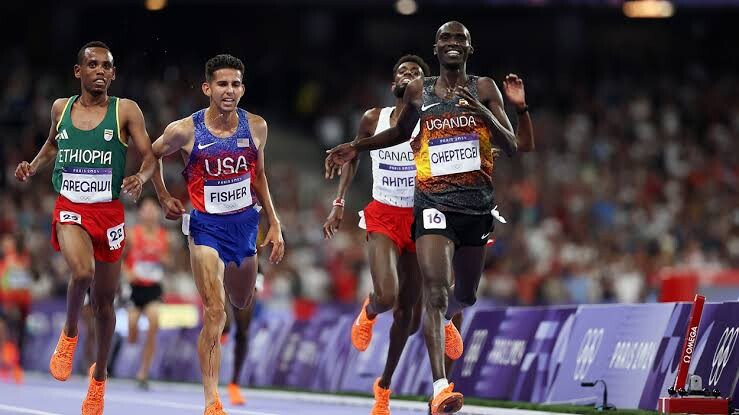
His Copenhagen performance also came during an extraordinary period for the men’s half marathon. Uganda’s Jacob Kiplimo ran 56:42 in Barcelona in 2025, although that performance was not ratified as a world record because the race conditions did not fully comply with World Athletics rules. Kiplimo later set the ratified world record at 57:20 in Lisbon in March 2026, before Ethiopia’s Yomif Kejelcha lowered it again to 56:51 in Buenos Aires in August.
Against that rapidly evolving road-running landscape, Cheptegei’s 58:26 places him among an increasingly competitive generation of athletes moving from the track to the roads. His Copenhagen run was not simply a podium finish; it was the fastest half marathon of his career and a clear demonstration of his continued development over longer distances.
The marathon is already familiar territory for Cheptegei. He made his debut in Valencia in December 2023, finishing 37th in 2:08:59 after going through halfway in 1:00:36. The experience was an important learning step as the Olympic and world champion began exploring the longest Olympic distance.
Now, after returning to the half marathon and producing a substantial personal best, Cheptegei is once again preparing to take on the marathon. The Copenhagen race formed part of his preparations for a marathon in the coming weeks.
The progression is striking. Cheptegei spent years defining an era on the track, setting world records, winning Olympic gold and collecting world titles. Now the challenge is different: adapting that extraordinary speed and championship experience to the demands of 42.195 kilometres.
His bronze medal in Copenhagen therefore feels like more than another entry on an already decorated résumé. It represents another step in the evolution of one of Uganda’s greatest distance runners — from a dominant track champion to an athlete increasingly testing himself against the very best on the roads.
The records that made Cheptegei a track legend remain untouched. But the next chapter of his career is being written on the roads — and Copenhagen may have provided another important glimpse of what could come next.
by Erick Cheruiyot for My Best Runs.
Login to leave a comment
Latest Running News
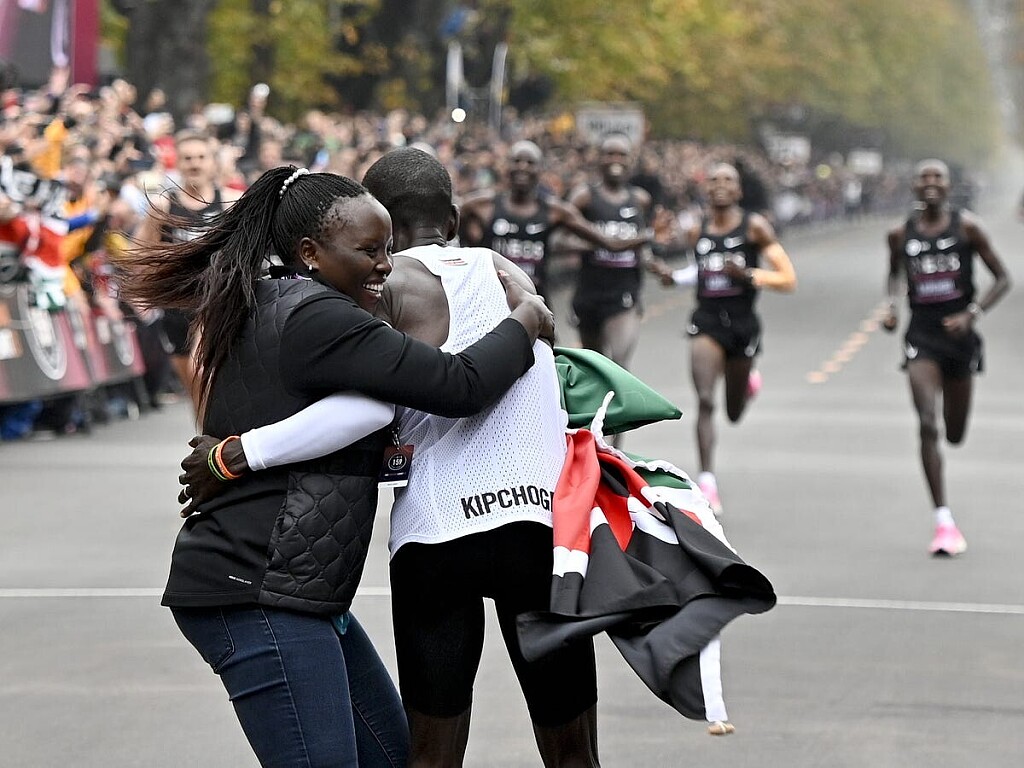
From Supporting Eliud Kipchoge To Chasing Her Own Marathon Dreams — Grace Sugut’s Journey Continues In Melbourne
For years, Grace Sugut has been a familiar presence alongside one of the greatest marathon runners in history, Eliud Kipchoge. Now, her own running story is beginning to take shape.

Sugut is preparing for the third marathon of her career when she lines up at the Nike Melbourne Marathon on Sunday, October 11, 2026, sharing the start line with her husband once again as Kipchoge continues his ambitious global marathon journey in Australia.
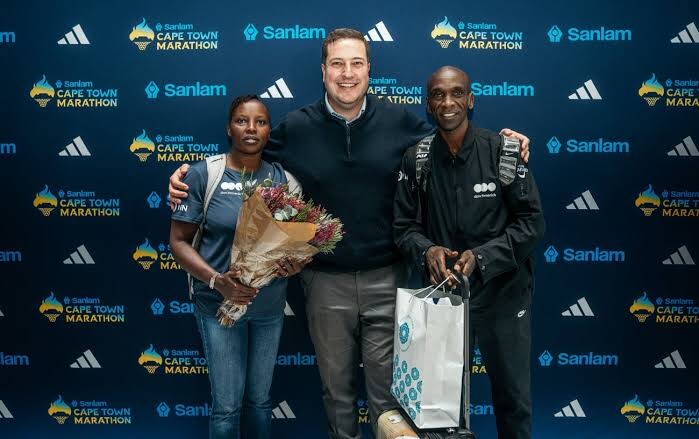
What makes Grace’s story particularly fascinating is the speed at which her marathon journey has developed. Rather than spending years building towards the distance, she has embraced the challenge in a relatively short period, travelling across continents and gradually establishing her own identity as a marathon runner.
Her journey began in Cape Town on May 24, 2026, where she completed her marathon debut in 4:29:59. That first race marked the beginning of a new chapter for a woman who had long been closely connected to marathon running through Kipchoge.
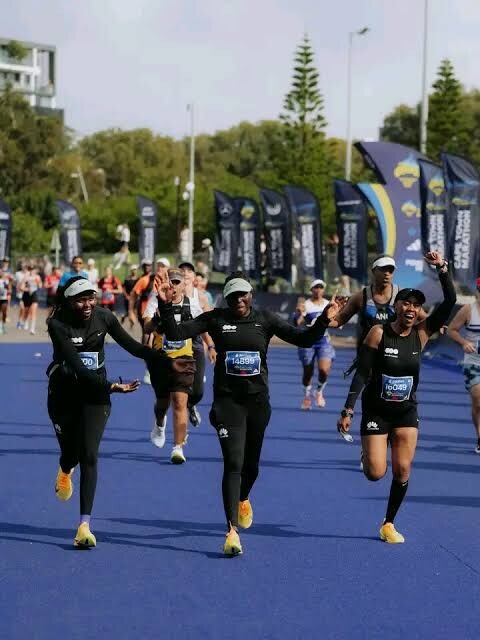
Just weeks later, she continued that adventure in South America, taking on the NB42K Porto Alegre Marathon in Brazil on July 12. The race provided another opportunity to gain experience over the demanding 42.195-kilometre distance and add another international marathon to her growing journey.
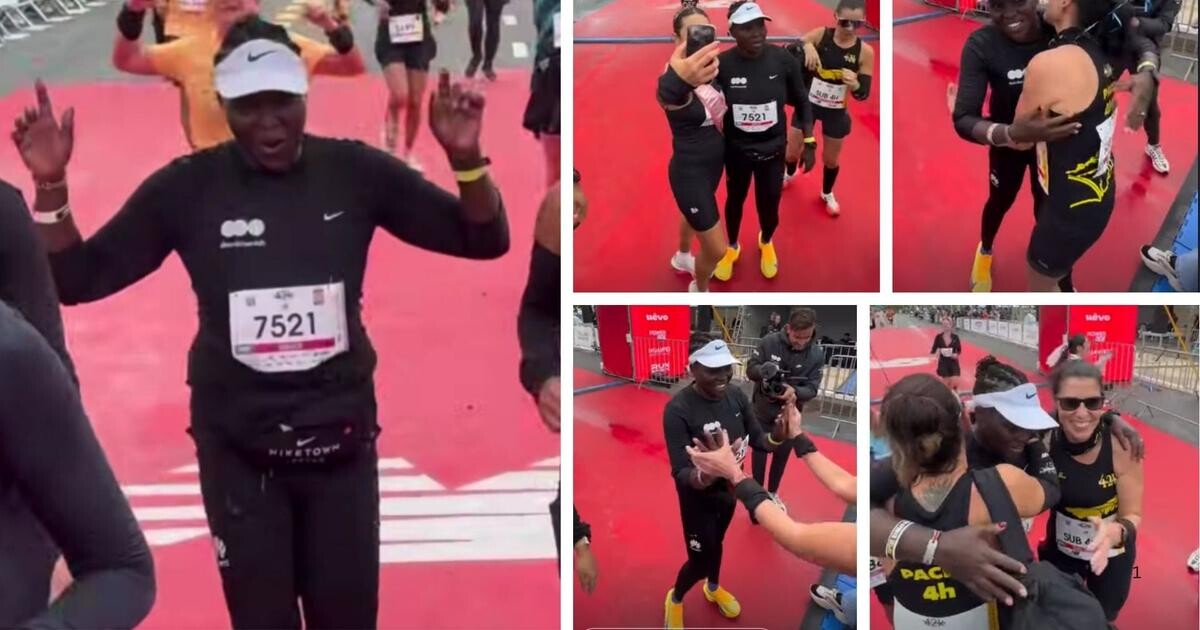
Now, Melbourne awaits.

The Nike Melbourne Marathon will give Grace another chance to test herself over the full marathon distance, this time on a redesigned course that organisers have made faster and flatter. The 2026 route features up to 20 per cent less elevation gain and 30 per cent fewer turns, while the race will once again finish inside the iconic Melbourne Cricket Ground.
The marathon starts at 6:15 a.m. from Batman Avenue before taking runners through some of Melbourne’s most recognisable areas and ultimately into the MCG for a memorable stadium finish.
For Grace, however, Melbourne represents more than another race on the calendar.
It places her directly inside the extraordinary global adventure being undertaken by her husband.
Kipchoge’s Eliud’s Running World project is taking him to seven marathons across all seven continents over a two-year period, combining marathon racing with a wider mission to bring communities together through running and support education and environmental initiatives through the Eliud Kipchoge Foundation.
Melbourne is the third stop of that journey, following Cape Town in South Africa and Porto Alegre in Brazil.
And this time, Grace is not simply accompanying the journey from the sidelines.
She is running it.
From Cape Town to Porto Alegre and now Melbourne, her progression reflects a personal transformation from being closely associated with marathon running through Eliud to taking on the distance herself.
There is something deeply compelling about that journey. While Kipchoge has spent more than a decade building one of the most celebrated marathon careers in history, Grace is beginning her own story from a very different starting point — learning the marathon one race, one continent and one kilometre at a time.
On October 11, thousands of runners will fill Melbourne’s streets, while the spectacular finish inside the MCG will provide the backdrop for another memorable day of marathon running.
Kipchoge will continue his seven-continent mission.
Grace Sugut will have a simpler but equally personal objective: to keep moving forward and complete another 42.195 kilometres.
From supporting a marathon legend to becoming a marathon runner herself, Grace’s journey is only beginning — and Melbourne could become another important chapter in a story that is already taking her around the world.
by Erick Cheruiyot for My Best Runs.
Login to leave a comment
Oldest Running World Records: The Historic Marks That Refuse To Fall
Some world records are broken within months or even weeks. Others survive for years, becoming part of athletics history and turning every new generation of challengers into another chapter in their remarkable story.
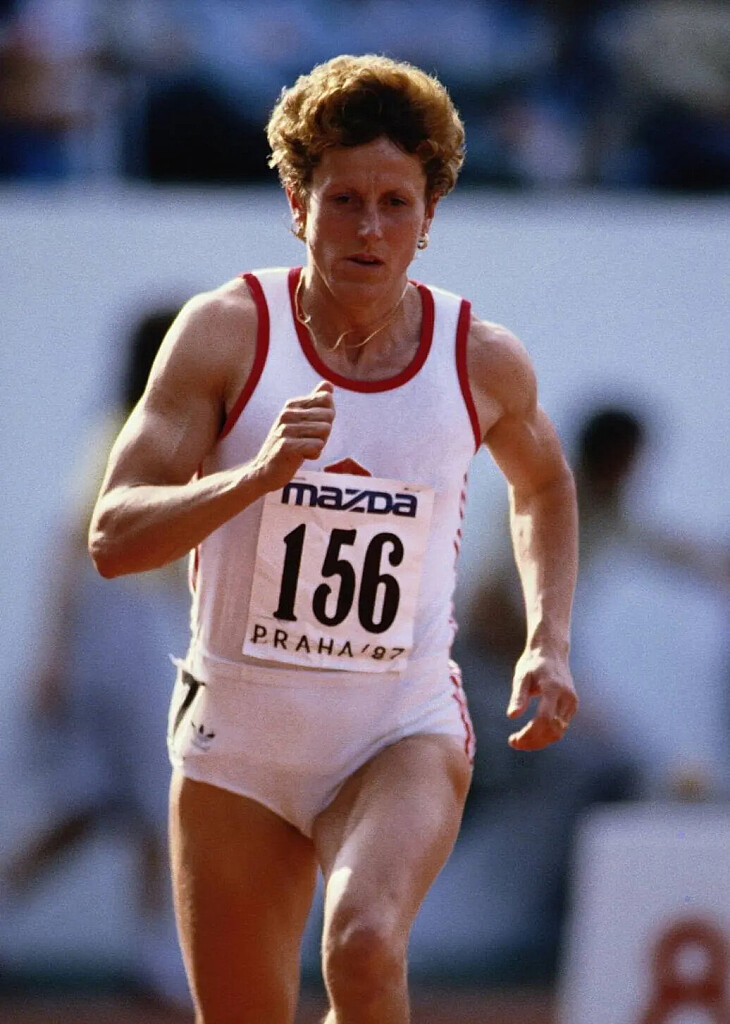
As of September 25, 2026, a remarkable collection of long-standing running world records continues to stand across the track. At the top of that list is one of the most enduring marks in modern athletics: Jarmila Kratochvílová’s women’s 800m world record of 1:53.28, set in Munich in 1983. The record has now stood for 43 years, making it the oldest current outdoor track world record in athletics.
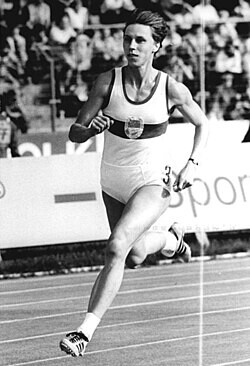
Kratochvílová’s performance remains extraordinary not only because of its longevity, but also because of how rarely athletes have come close to it. Decades after it was established, the 1:53 barrier remains one of the most formidable standards in women’s middle-distance running.
The next-oldest record on the board belongs to Marita Koch, whose 47.60 for the women’s 400m has remained untouched since 1985. Koch’s mark is now 40 years old, while Florence Griffith-Joyner’s extraordinary world records of 10.49 for 100m and 21.34 for 200m, both established in 1988, have survived for 38 and 37 years respectively.
Those records from the 1980s and early 1990s form one of the most intriguing chapters in athletics history. They belong to an era that produced performances still sitting at the very top of the all-time lists, with modern generations repeatedly attempting to reach standards that have resisted decades of competition.
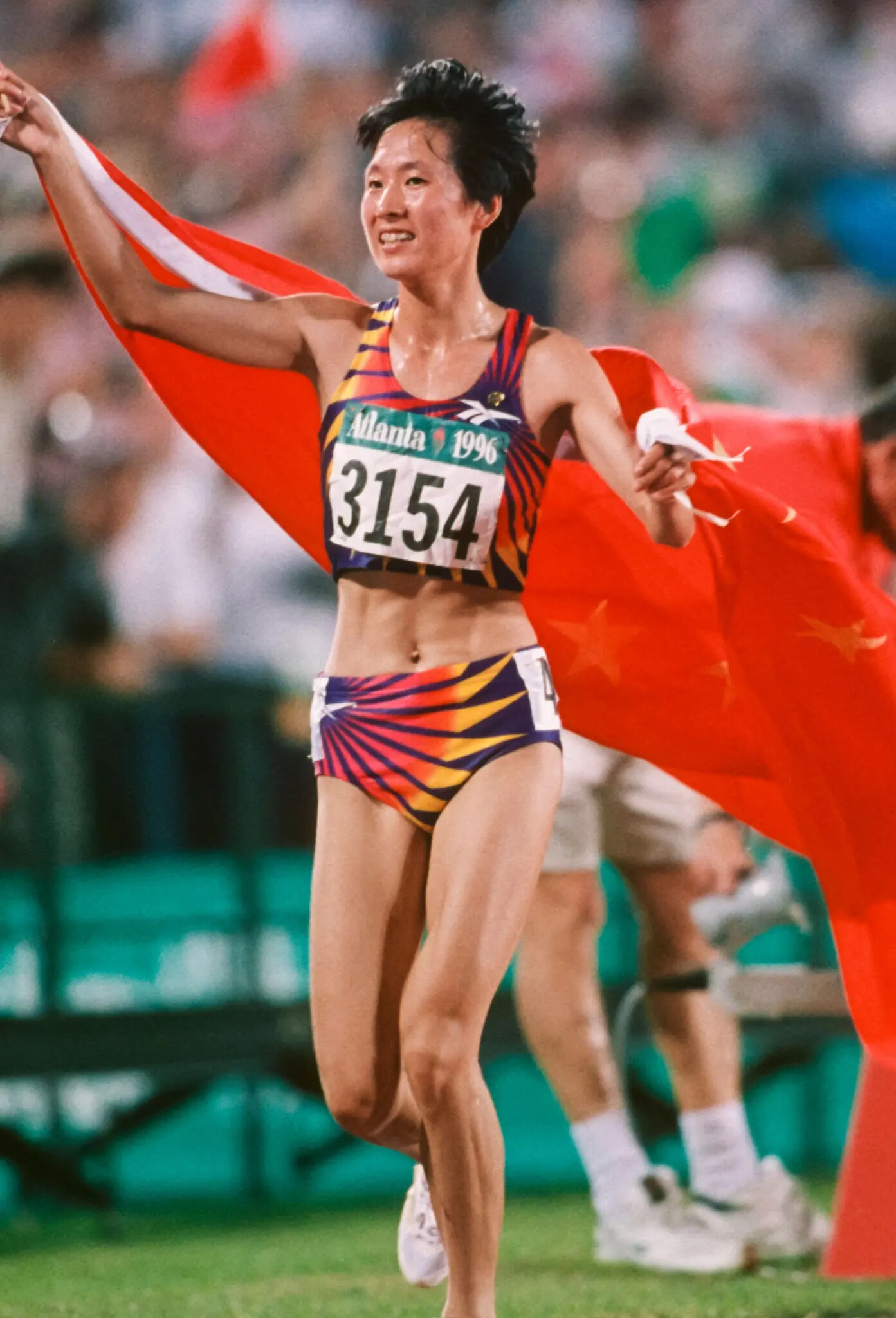
China’s Wang Junxia added another remarkable mark to that era when she ran 8:06.11 for 3000m in 1993. That record has now stood for 32 years, while Morocco’s Hicham El Guerrouj set the men’s 1500m world record of 3:26.00 in 1998, giving the list another mark that has survived for more than a quarter of a century.
Then comes a different kind of longevity: the extraordinary sprint records of Usain Bolt.
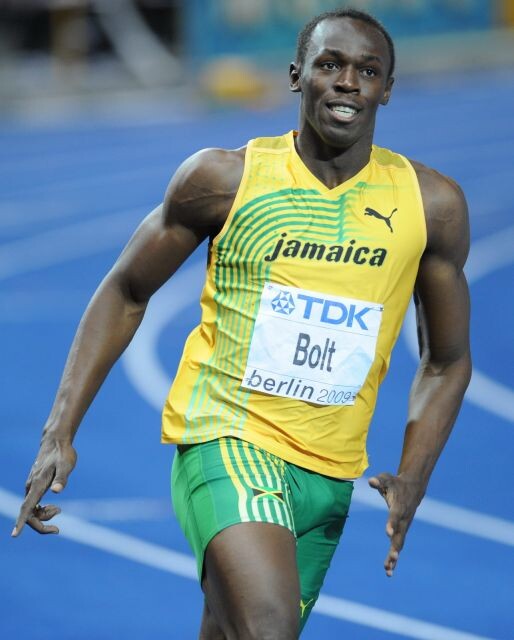
Bolt’s 9.58-second 100m world record, set in Berlin in 2009, and his 19.19-second 200m record, established at the same championships, are now both 17 years old.
When Bolt produced those performances, many of today’s elite sprinters were still children. Yet despite enormous advances in training, sports science, track technology and competition, his two marks remain the standards that every new generation must chase.
The list also highlights the remarkable staying power of more recent records. Kenya’s David Rudisha set the men’s 800m world record of 1:40.91 at the London 2012 Olympics, while South Africa’s Wayde van Niekerk stunned the world with 43.03 in the 400m at the Rio 2016 Olympics.
Kenya’s Beatrice Chepkoech followed with her historic 8:44.32 world record in the women’s 3000m steeplechase in 2018. Uganda’s Joshua Cheptegei then established the men’s 5000m and 10,000m records in 2020, running 12:35.36 and 26:11.00 respectively.
More recently, Ethiopia’s Lamecha Girma set the men’s 3000m steeplechase world record at 7:52.11 in 2023, while Kenya’s Faith Kipyegon produced another landmark performance that year, running 4:07.64 for the women’s mile.
Together, these records create a fascinating timeline of athletics—from the pioneering performances of the 1980s to the spectacular achievements of the modern era. Some have survived for more than four decades, while others are still in the early stages of what could become an equally remarkable reign.
And that is what makes world records so captivating: every generation arrives believing that today’s impossible can become tomorrow’s target, yet some numbers continue to stand as enduring reminders of performances that changed the sport forever.
by Erick Cheruiyot for My Best Runs.
Login to leave a comment
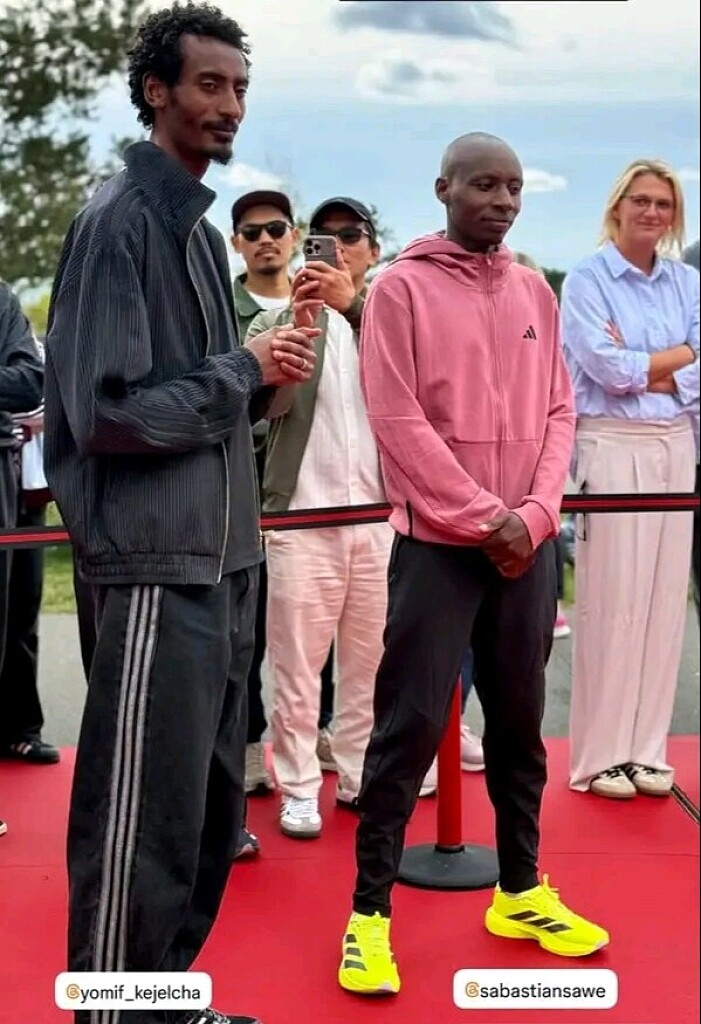
Sawe And Kejelcha Honoured At adidas Headquarters After Historic Sub-Two Marathons
Kenyan marathon star Sabastian Sawe and Ethiopian distance-running sensation Yomif Kejelcha have been honoured at the Adidas Group Headquarters in Herzogenaurach, Germany, following their historic sub-two-hour marathon performances in London.
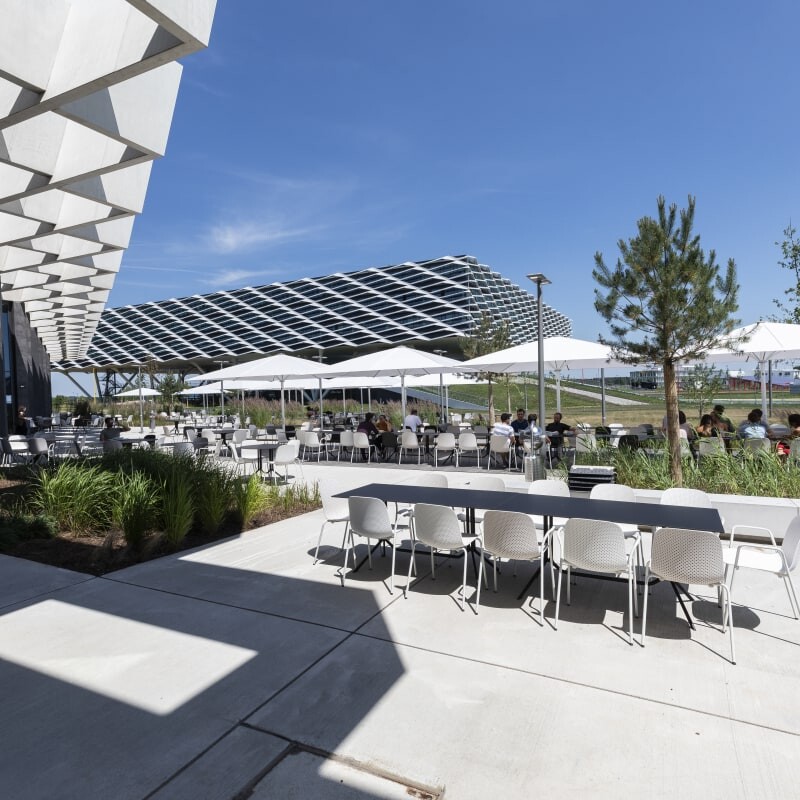
The adidas celebration brought together the only two men to have officially broken the two-hour barrier in record-eligible marathon races, marking a remarkable moment in the history of the sport.
Sawe etched his name into the record books at the 2026 London Marathon, producing an extraordinary 1:59:30 to become the first athlete to officially complete a record-eligible marathon inside two hours. His performance also lowered the previous world record by more than a minute.
Kejelcha followed closely behind with a stunning 1:59:41, making him the second-fastest marathoner in history and the second man to officially break the elusive two-hour barrier.
Together, Sawe and Kejelcha have achieved something that had remained beyond the reach of every marathoner before them. Their performances in London represented a defining moment for a discipline that has spent decades chasing the symbolic two-hour mark.
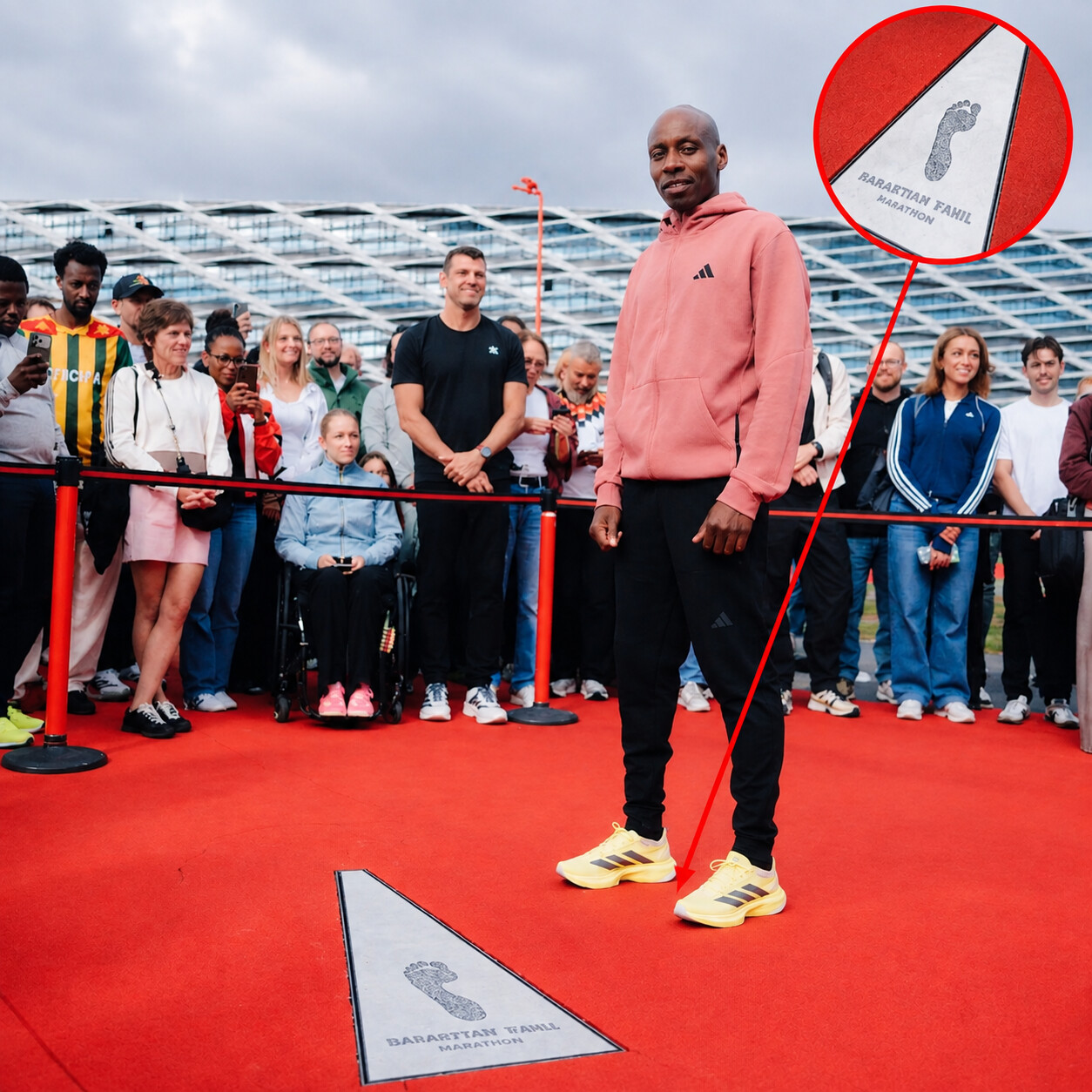
As part of the celebration at adidas headquarters, Sawe and Kejelcha were honoured for their groundbreaking achievements, with both Sawe and Kejelcha also leaving their footprints at the company's headquarters as a lasting physical reminder of their historic 1:59:30 and 1:59:41.

For Sawe, the visit provided another opportunity to commemorate the performance that transformed his career and pushed the limits of marathon running. His record-breaking run was achieved in adidas' Adizero Adios Pro Evo 3, further connecting the historic performance with the brand's technological development.
Kejelcha's achievement was equally significant. His 1:59:41 made him the second man to cross the two-hour threshold in an official marathon, placing him just 11 seconds behind Sawe and firmly establishing the Ethiopian among the greatest marathoners of the modern era.
Interestingly, neither of the two historic athletes will line up at this Sunday's BMW Berlin Marathon.
Sawe was scheduled to defend the title he won in Berlin in 2025, but an injury forced him to withdraw from this year's race. Kejelcha, meanwhile, will also be absent from the prestigious German marathon as he prepares for Valencia marathon in December, meaning the two men who recently rewrote the boundaries of the marathon will not be part of Sunday's elite field.
Their absence will nevertheless do little to diminish the significance of what they accomplished in London.
Two athletes. Two nations. One historic barrier.
Sawe's 1:59:30 and Kejelcha's 1:59:41 have created a new chapter in marathon history, and their performances are likely to remain a source of inspiration for generations of distance runners who will continue chasing the limits of human endurance.
by Erick Cheruiyot for My Best Runs.
Login to leave a comment
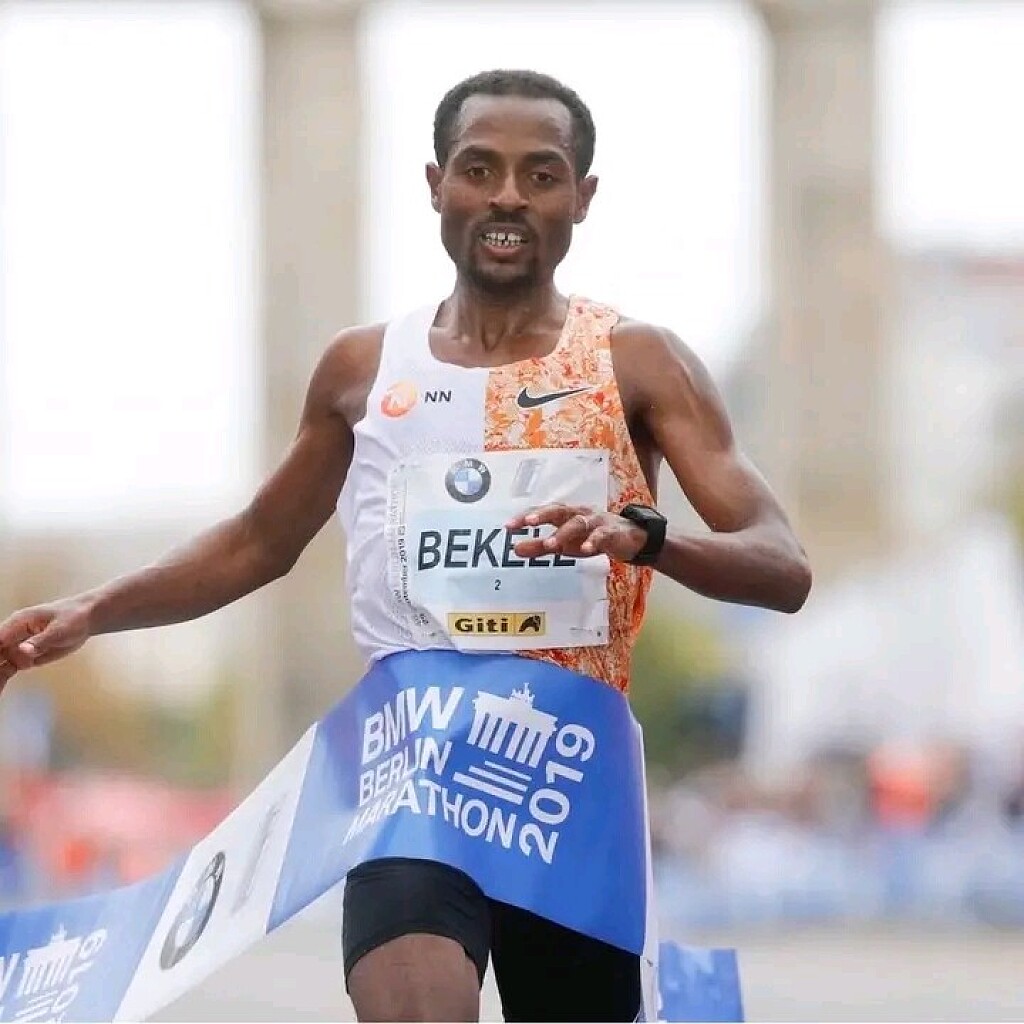
Kenenisa Bekele Withdraws From Berlin Marathon After Achilles Injury
Kenenisa Bekele’s much-anticipated return to the BMW Berlin Marathon has been abruptly cancelled after the Ethiopian distance-running legend suffered an injury to his left Achilles tendon during one of his final training sessions.
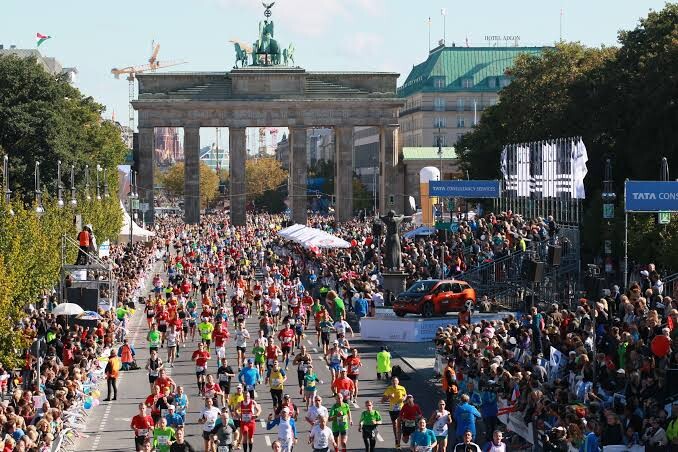
The 44-year-old Bekele was due to return to competitive action on Sunday, September 27, after being added to the elite field only last week. His late inclusion had generated enormous excitement, with fans looking forward to seeing one of the greatest distance runners in history back on one of the courses where he has produced some of his most memorable performances.
However, the injury has forced Bekele to withdraw just days before the race.
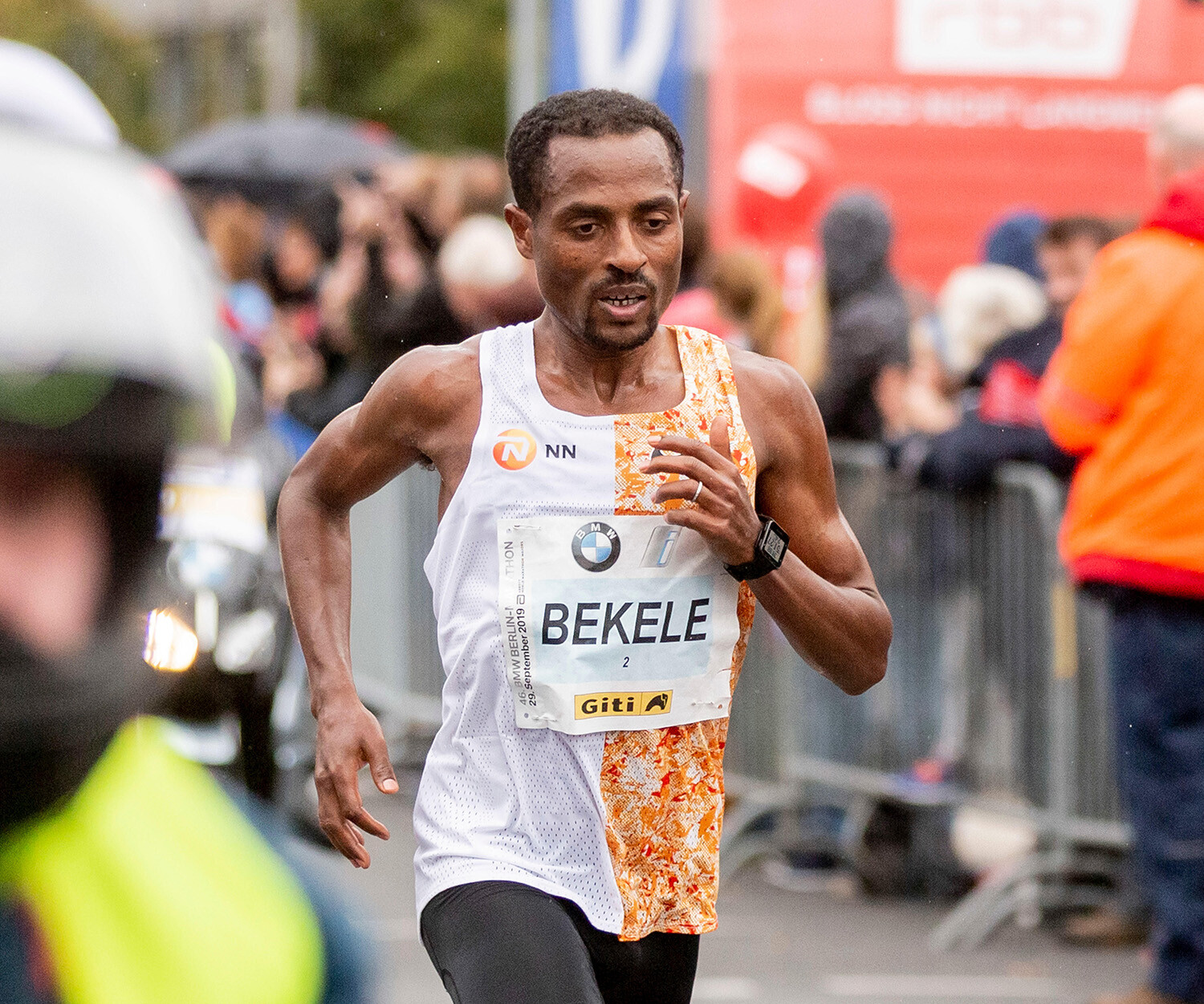
Bekele has a remarkable history in Berlin, having won the marathon twice. In 2016, he stormed to victory in 2:03:03 before returning three years later to produce one of the greatest marathon performances of his career, clocking 2:01:41 in 2019. That performance left him just two seconds short of Eliud Kipchoge’s then-world record of 2:01:39.
His 2:01:41 remains one of the fastest marathon performances ever recorded, and Berlin has long been a special stage in Bekele’s extraordinary career.
This year’s appearance was also expected to mark another chapter in his remarkable longevity. Bekele entered the race as a 44-year-old and had been targeting another strong performance after previously setting a masters marathon world record of 2:04:15 at the 2024 London Marathon, a mark he established at the age of 41.
Instead, his preparations have ended in disappointment.
Bekele has not completed a marathon since the Paris 2024 Olympic Marathon, where he finished 39th in 2:12:24. He subsequently entered the 2025 New York City Marathon but did not finish.
His withdrawal is another frustrating setback for a legendary athlete whose career has repeatedly been interrupted by injuries but who has continued to produce extraordinary performances well beyond the age at which many elite distance runners have retired.
For now, Berlin will have to wait for another Bekele appearance.
The Ethiopian legend will not be on the start line this Sunday, but his legacy on the Berlin streets remains firmly etched in marathon history.
by Erick Cheruiyot for My Best Runs.
Login to leave a comment

BMW Berlin Marathon
The story of the BERLIN-MARATHON is a story of the development of road running. When the first BERLIN-MARATHON was started on 13th October 1974 on a minor road next to the stadium of the organisers‘ club SC Charlottenburg Berlin 286 athletes had entered. The first winners were runners from Berlin: Günter Hallas (2:44:53), who still runs the BERLIN-MARATHON today, and...
more...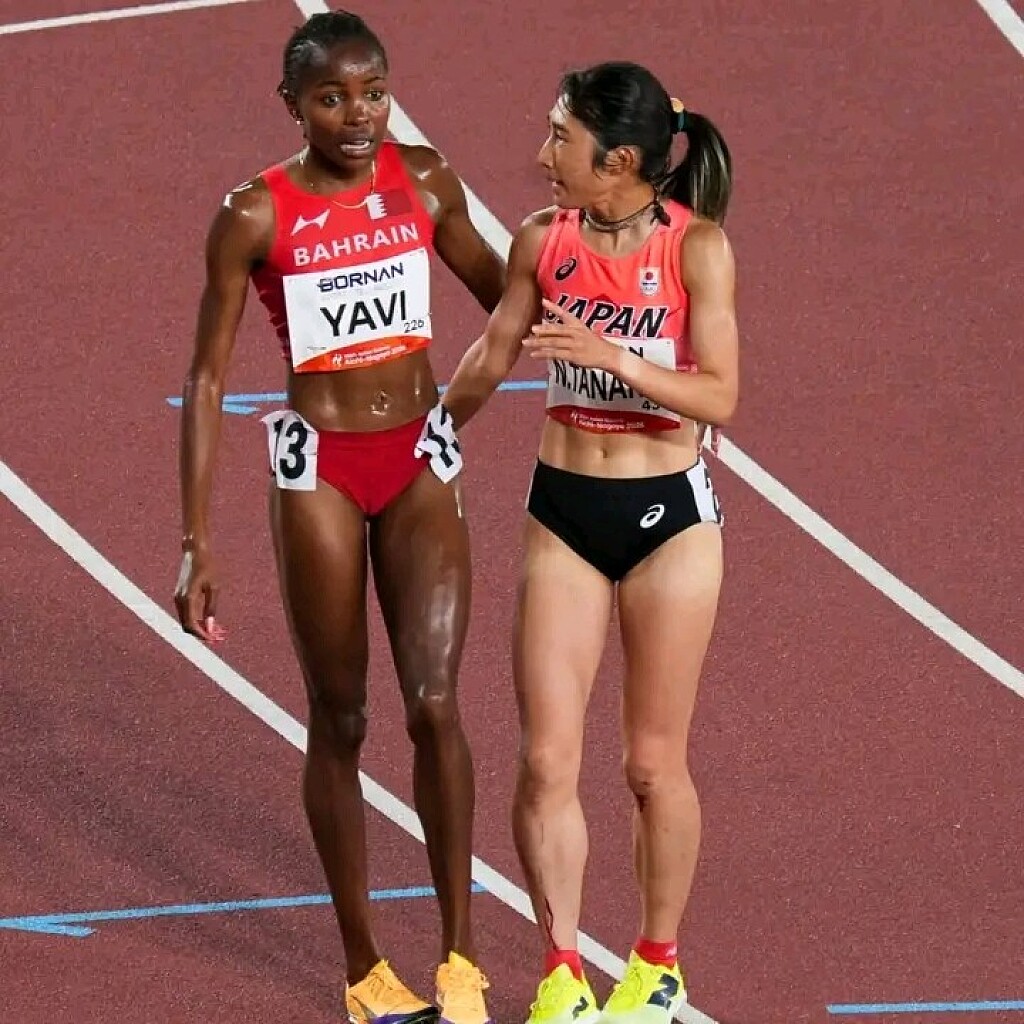
Winfred Yavi Holds Off Nozomi Tanaka To Win Asian Games 10,000m Gold
Winfred Yavi produced a powerful late surge to claim the women’s 10,000m title at the 2026 Asian Games in Aichi-Nagoya, edging Japan’s Nozomi Tanaka in a thrilling finish.
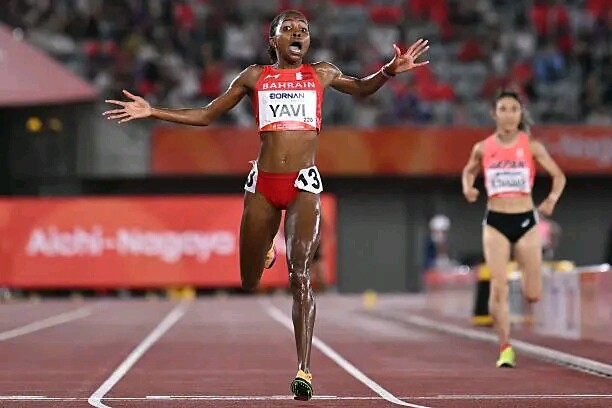
Yavi, representing Bahrain, stopped the clock at 32:39.18 to secure the gold medal, while Tanaka stayed within striking distance all the way to the final stages before crossing the line in 32:41.54 for silver. India’s Seema Kumari completed the podium in 32:50.05.
The race developed into a gripping battle as the leading group gradually separated from the field. Tanaka remained composed throughout the long-distance contest and positioned herself perfectly as the race entered its decisive stages.
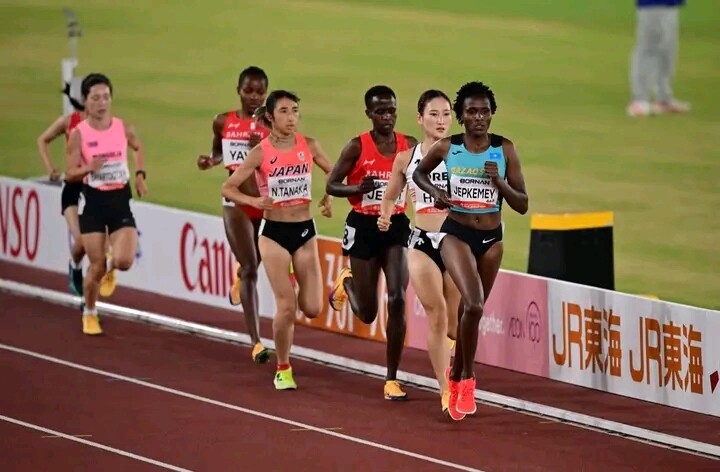
But when the medals were on the line, Yavi found another gear.
The Bahraini athlete produced the decisive acceleration over the closing stages, pulling away from Tanaka to secure gold. Tanaka fought all the way to the finish and settled for a hard-earned silver, while Kumari held on for bronze.
For Tanaka, however, the silver medal is only the beginning of an exceptionally demanding Asian Games campaign.
The Japanese distance star is attempting an ambitious 10,000m, 5,000m and 1,500m triple in Nagoya, meaning she still has two more events ahead of her. Having pushed Yavi to the limit over 10,000m, Tanaka will now have to recover quickly before turning her attention to the shorter distances.
Her performance in the 10,000m provides an encouraging start to that challenge and underlines the remarkable range she is bringing to these Games.
Kumari’s bronze, meanwhile, carried major significance for India. Her 32:50.05 ended a 16-year wait for an Asian Games women’s 10,000m medal, adding another important chapter to India’s history in the event.
The result produced a fascinating three-nation podium, with Bahrain taking gold, Japan silver and India bronze.
Yavi can now celebrate her Asian Games triumph, but Tanaka’s campaign is far from finished. With the 5,000m and 1,500m still to come, the Japanese star will have two more opportunities to add to her medal tally and complete one of the most demanding schedules of the Games.
by Erick Cheruiyot for My Best Runs.
Login to leave a comment
