

Running News Daily
Running News Daily is edited by Bob Anderson and team. Send your news items to bob@mybestruns.com Advertising opportunities available.
Index to Daily Posts · Sign Up For Updates · Run The World Feed



Alison dos Santos Makes History in Zurich, Smashing Warholm’s 400m Hurdles World Record

45.80 seconds. A new world record. A new chapter in the history of the 400m hurdles.
Brazilian star Alison dos Santos produced a breathtaking performance at the Zurich Diamond League on Thursday, storming to 45.80 seconds to shatter the men’s 400m hurdles world record and dethrone one of the greatest records in modern athletics.
Dos Santos delivered a sensational run at Weltklasse Zürich, becoming the first athlete to break the barrier set by Norway’s Karsten Warholm, whose legendary 45.94-second world record had stood since his spectacular victory at the Tokyo 2020 Olympic Games in 2021.
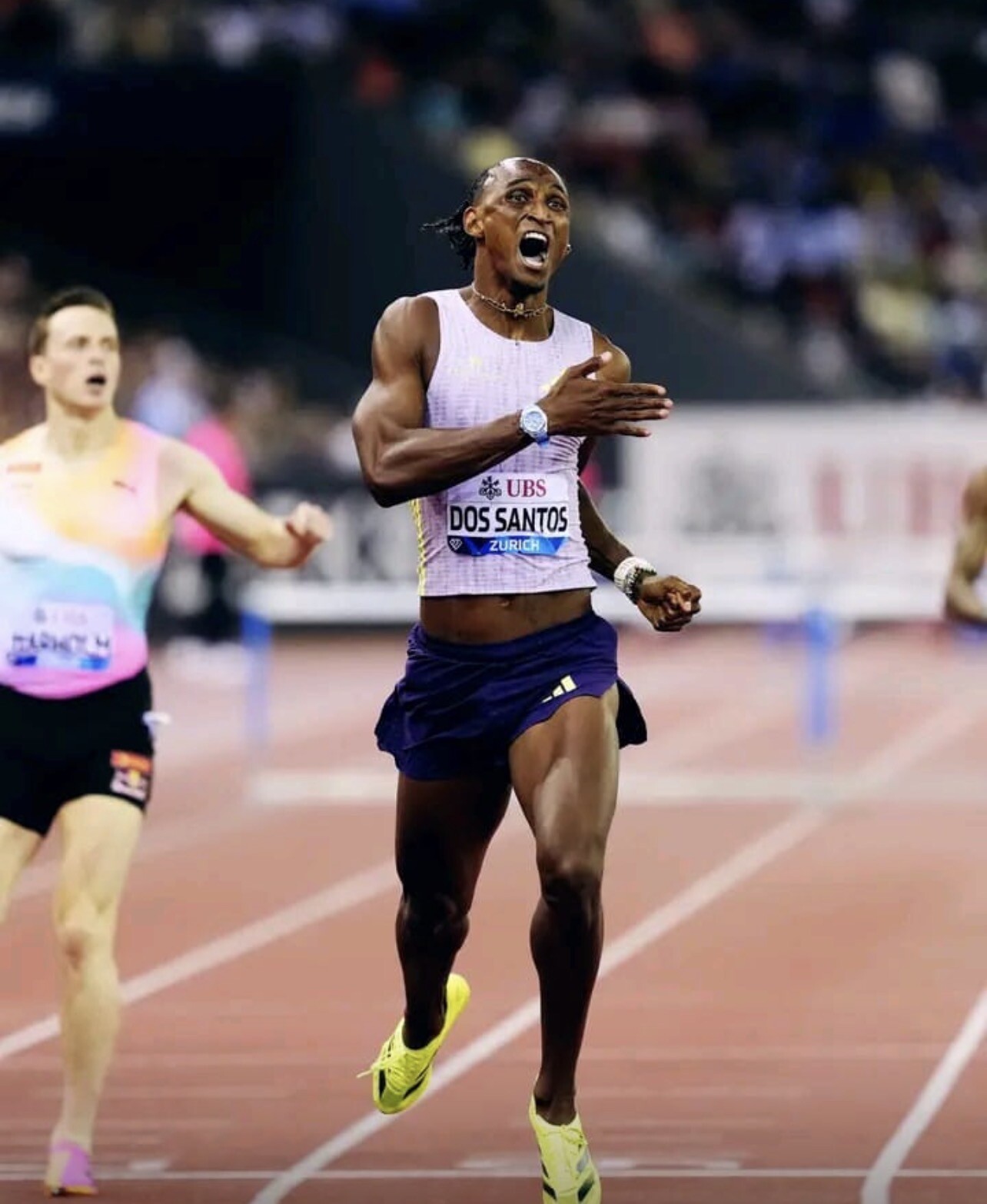
The Brazilian was in complete control from the opening stages, attacking the hurdles with remarkable speed and precision before powering down the final straight. The clock stopped at 45.80, sending shockwaves through the stadium and rewriting the record books.
Warholm, the former world-record holder and one of the sport’s most dominant figures, had to settle for second place in 46.69 seconds. Nigeria’s Ezekiel Nathaniel completed the podium in 47.50.

The result adds another extraordinary chapter to the rivalry between Dos Santos and Warholm. The pair have repeatedly pushed each other to new levels, but this time Dos Santos delivered the defining blow, taking down a record that had become synonymous with Warholm’s name.
The 26-year-old Brazilian has now cemented himself among the greatest 400m hurdlers in history. A world champion in 2022 and a two-time Olympic bronze medallist, Dos Santos has spent years chasing the sport’s very best — and in Zurich, he finally claimed its most coveted record.
His breakthrough is even more remarkable given that he entered the Zurich meeting with a personal best of 46.29 seconds in the 400m hurdles. His previous 2026 best had been 46.43, set just days earlier in Silesia, where he also defeated Warholm.
Now, the record belongs to Brazil.
Alison dos Santos — 45.80 seconds.
A new world record, a historic victory and a performance that will be remembered as one of the defining moments of the 2026 athletics season.
by Erick Cheruiyot for My Best Runs.
Login to leave a comment
Latest Running News
Masai Russell Makes History with Stunning 12.09 World Record in Zurich
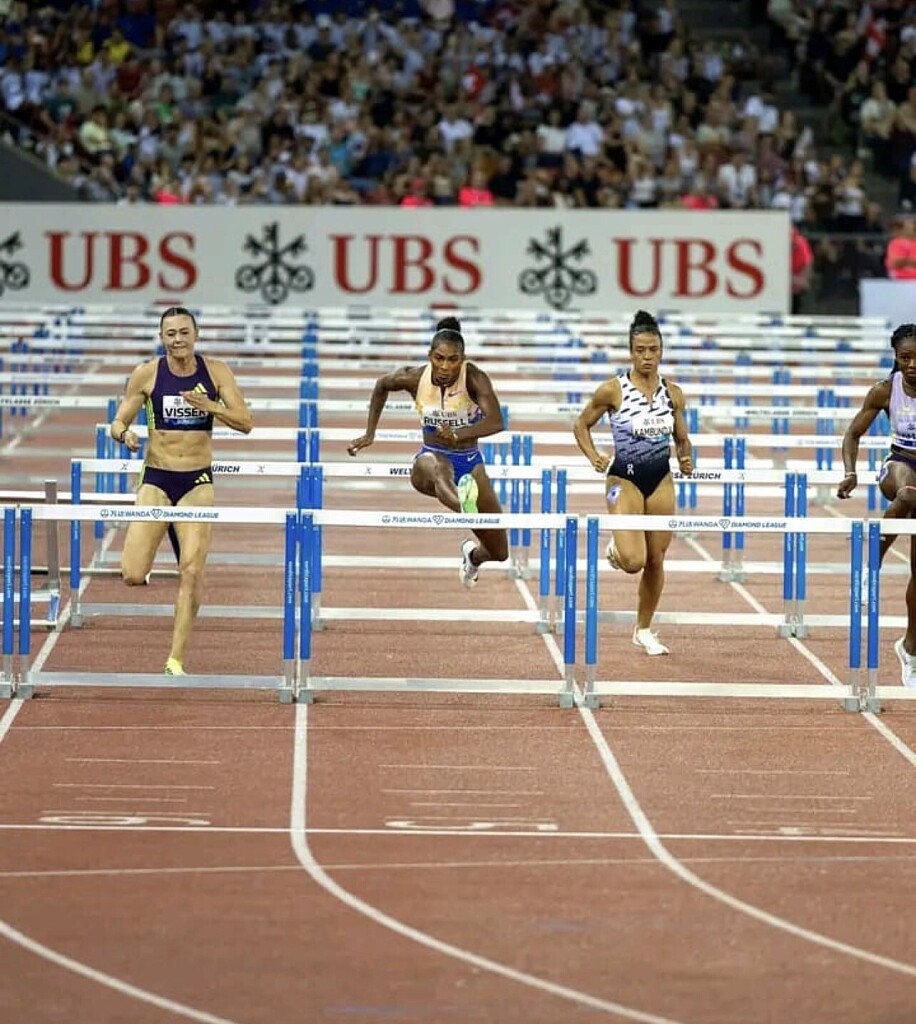
Masai Russell delivered a performance for the ages at the Zurich Diamond League, storming to a stunning 12.09 seconds in the women’s 100m hurdles to break Tobi Amusan’s world record.
Running in completely still conditions with a legal 0.0 m/s wind, the American Olympic champion became the first woman in history to break the 12.10-second barrier.

Russell improved upon Amusan’s previous world record of 12.12, set at the 2022 World Championships in Eugene. The mark is subject to the usual ratification process.
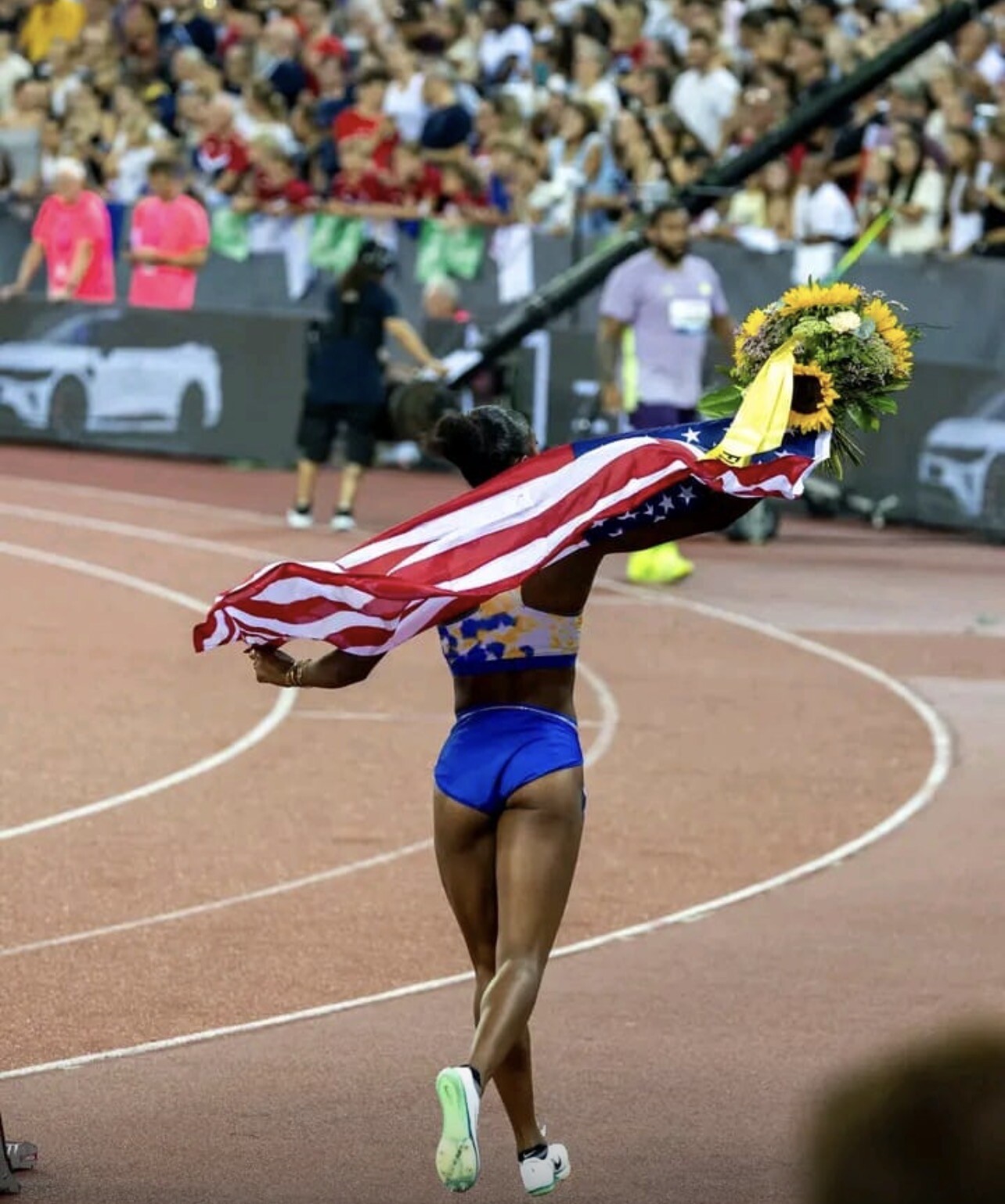
After repeatedly demonstrating her dominance throughout the season, Russell arrived in Zurich as the woman to beat. She attacked the race with extraordinary speed and precision, maintaining her rhythm over the hurdles before pulling away in the closing stages.
When the clock flashed 12.09, the significance of the performance was immediately clear. A barrier that had never been broken was gone.
Even more remarkably, the woman whose record she broke was racing beside her. Amusan, the Nigerian star who had held the world record for four years, finished second in 12.23.
The Netherlands’ Nadine Visser completed the podium in 12.34.
The performance adds another extraordinary chapter to Russell’s career. After establishing herself among the world’s elite and producing a season of remarkable consistency, she has reached the summit of the event as its fastest athlete in history.
Russell’s 12.09 was more than a victory. It rewrote the record books and provided the ultimate confirmation of her dominance.
Zurich had already witnessed a world record from Alison dos Santos in the men’s 400m hurdles. Less than 40 minutes later, Russell ensured the evening would become one of the most memorable in Diamond League history.
Masai Russell is now the world-record holder—and the first woman to run under 12.10 seconds for the 100m hurdles.
by Erick Cheruiyot for My Best Runs
Login to leave a comment
Two London-Area Standouts Set for Marathon Debuts at Toronto Waterfront
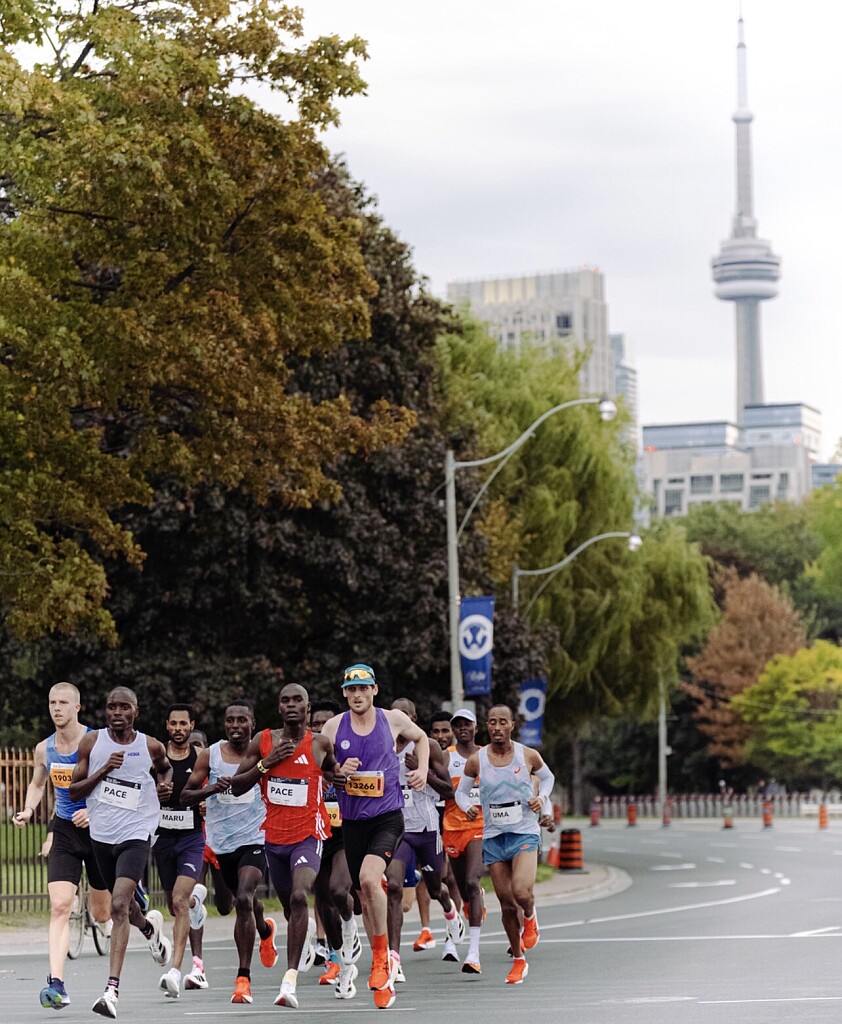
Two Canadian distance running stalwarts will make their marathon debuts at the 2026 TCS Toronto Waterfront Marathon October 18. Both make their homes in the London area of southwestern Ontario.
The event is a World Athletics Elite Label race and also serves as the official Athletics Canada Canadian Marathon Championships.
Connor Black and Jeremy Coughler are former training partners and Canadian championship medalists over 10,000m and cross country. They have followed different paths since the retirement of their coach, Dave Mills, although they occasionally meet for long runs while preparing for Toronto.
Coughler still follows a program designed by Mills—a special exception made by his former coach—while Black has worked with two-time Canadian Olympic marathoner Reid Coolsaet for the past two years. Their approaches to the Toronto race could hardly be more different.
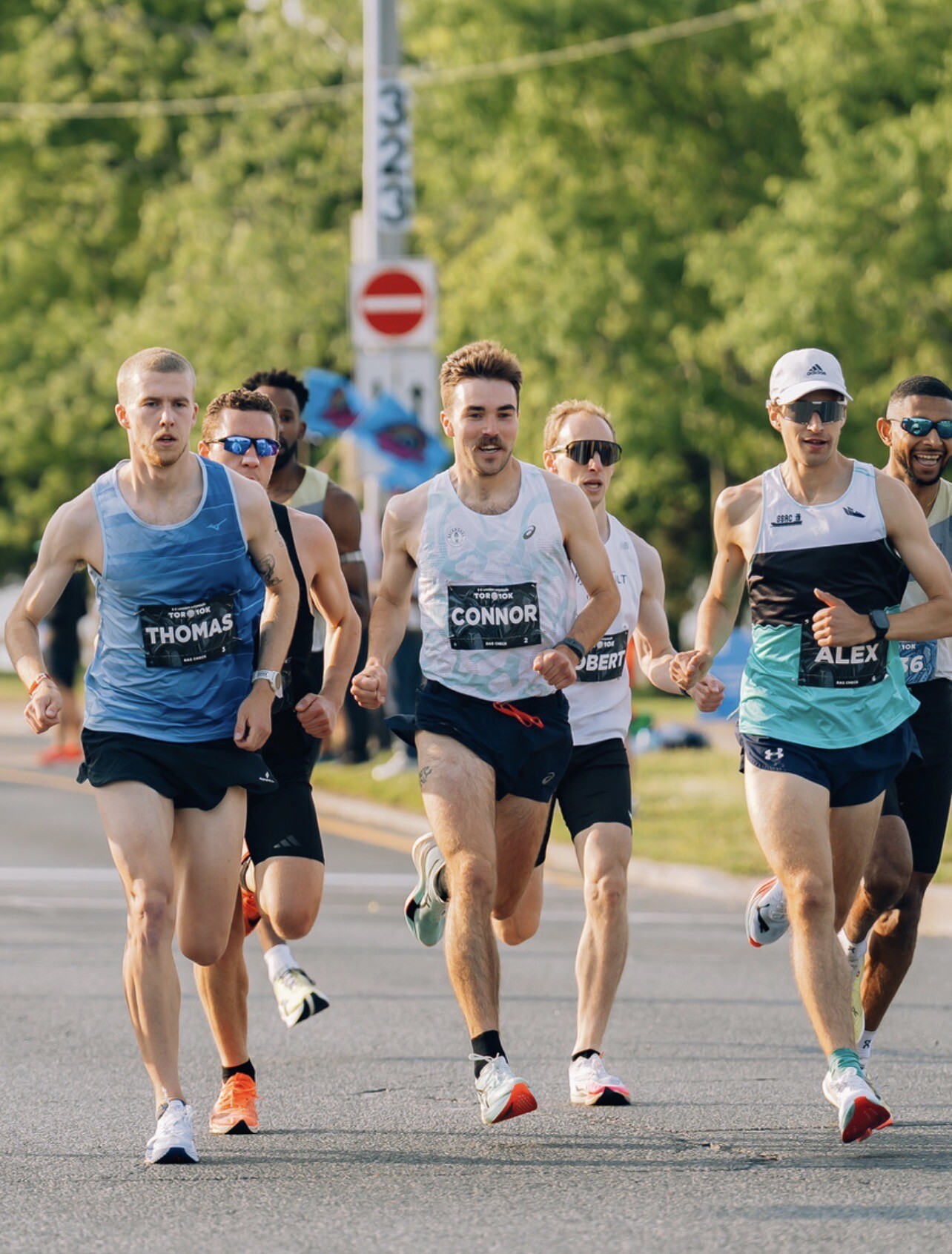
Black, who lives in London—known as “The Forest City”—sees his marathon debut as an important step toward a possible challenge for Canada’s 2028 Olympic team.
“I am 30 years old and I am not making money in the sport, but I still have goals,” Black declares. “My final goal would be to try and make an Olympic team, and I don’t think it’s feasible as an unsponsored track runner targeting the 5K or 10K.
“The marathon is a more even playing field. I can get into any marathon I want, within reason. There are 80 spots in the Olympics. So, if I am going to give it one last shot, it has to be in the marathon.”
At the 2025 Project 13.1 Half Marathon in Congers, New York, Black ran a personal best of 1:03:34 in his first race at the distance. Until then, he had competed primarily over 5,000m and 10,000m. In 2022, he won the Canadian Cross Country Championships.
Black is a secondary school teacher but remains classified as “Long Term Occasional,” meaning he moves from school to school wherever there is an opening.
“Last year I was at Strathroy District Collegiate Institute, which, funnily enough, was where Dave taught for 10 or 15 years,” Black says. “I taught phys ed and math. I can also teach English as a Second Language and biology. I am kind of a Swiss Army knife.”
As he increases his training load for Toronto, completing most of the work by himself, he admits he has reservations about returning to work.
“I am quite nervous to resume teaching,” he reveals. “Recently, my mileage has gone up. When you are starting your build, you are tired. It has been nice having the summer off and being able to focus on training.
“I used to believe you could train like a professional and have a full-time job. I think it’s possible, but if you want to run 200 kilometres a week for the marathon, it is definitely easier and probably better for your performance if you don’t have to work full time.”
Meanwhile, Coughler and his wife, Emma, are chiropractors and partners in Re-Charge Health and Wellness in London’s east end. They are also the parents of a young son, Otto, which means managing their time carefully.
“My wife and I split the work schedule,” Coughler, 30, explains during a day off. “I work Tuesday, Thursday, Friday and Saturday, so I try to do workouts on my days at home—Mondays and Wednesdays.
“If I have something first thing at 7 or 8 a.m., I do a run and then a shakeout between patients or after work. It’s not too bad.”
Running remains important to Coughler, but it is now one of several priorities. He estimates he is running up to 110 kilometres a week, similar to the volume he maintained when finishing third at both the 2023 and 2024 Canadian 10K Championships in Ottawa. He also won the Canada Running Series’ Beneva Spring Run-Off 8K four consecutive years between 2022 and 2025.
Although that mileage is well below what many elite marathoners run, Coughler set a half-marathon personal best of 1:04:33 earlier this year at the Project 13.1 Half Marathon in New York State. The performance earned him eighth place in a strong field. He admits his attitude toward running has changed.
“It’s a shift mentally because I have so much other stuff going on,” he explains. “I am trying to view running as something I do because I love it rather than because it’s my whole life.
“When I was at Indiana University, running was everything. When you run well, it’s great, but when you are not running well, it starts eating you alive.”
With the support and encouragement of Mills, they have mapped out a plan they hope will see Coughler finish his debut in the 2:14 to 2:16 range. He also intends to run more marathons in the future.
“It’s nice knowing there will be a bunch of other Canadian guys who can run around the same time, and that will make it deeper,” he says. “At the front, there are always good Kenyans and Ethiopians running fast. Even if there are a bunch of guys running between 2:12 and 2:20, it would be great.”
The race’s proximity to his home in Thamesford—15 minutes from his practice and about a two-hour drive from Toronto—means Emma, Otto and his parents can accompany him on race weekend. It is one reason he chose the TCS Toronto Waterfront Marathon for his debut.
Coughler is also familiar with the first half of the course, having finished third in the Toronto Waterfront Half Marathon a year ago. Runners in both events follow the same route until the 20-kilometre mark.
Between now and race day, there are many kilometres to be covered. Subject to their schedules and traffic conditions, the two London-area runners will reunite for some workouts.
If all goes well, they will arrive at the starting line ready to join the long list of Canadians who have successfully made the move to the classic marathon distance.
by Paul Gains
Login to leave a comment
TCS Toronto Waterfront Marathon
The Scotiabank Toronto Waterfront Marathon, Half-Marathon & 5k Run / Walk is organized by Canada Running Series Inc., organizers of the Canada Running Series, "A selection of Canada's best runs!" Canada Running Series annually organizes eight events in Montreal, Toronto and Vancouver that vary in distance from the 5k to the marathon. The Scotiabank Toronto Waterfront Marathon and Half-Marathon are...
more...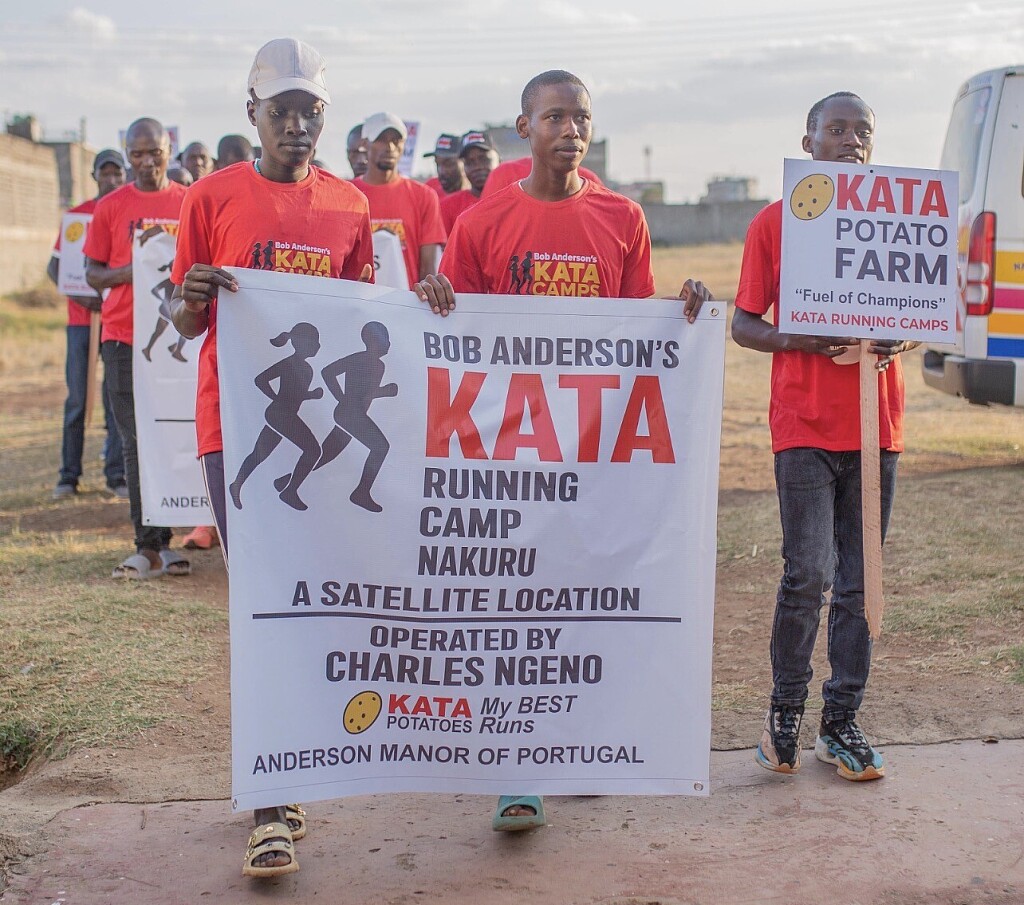
Was KATA’s Vision Too Grand? The 60-Camp Network That Could Have Supported 1,800 Kenyan Runners
KATA had assembled 30 running camps and planned to double that number. Its model used repayable, interest-free startup financing and potato farming to create a self-sustaining national network—but the expected repayments never materialized.
By Robert Kibet
Could a network of 60 self-supporting training camps have transformed life for 1,800 promising Kenyan runners?
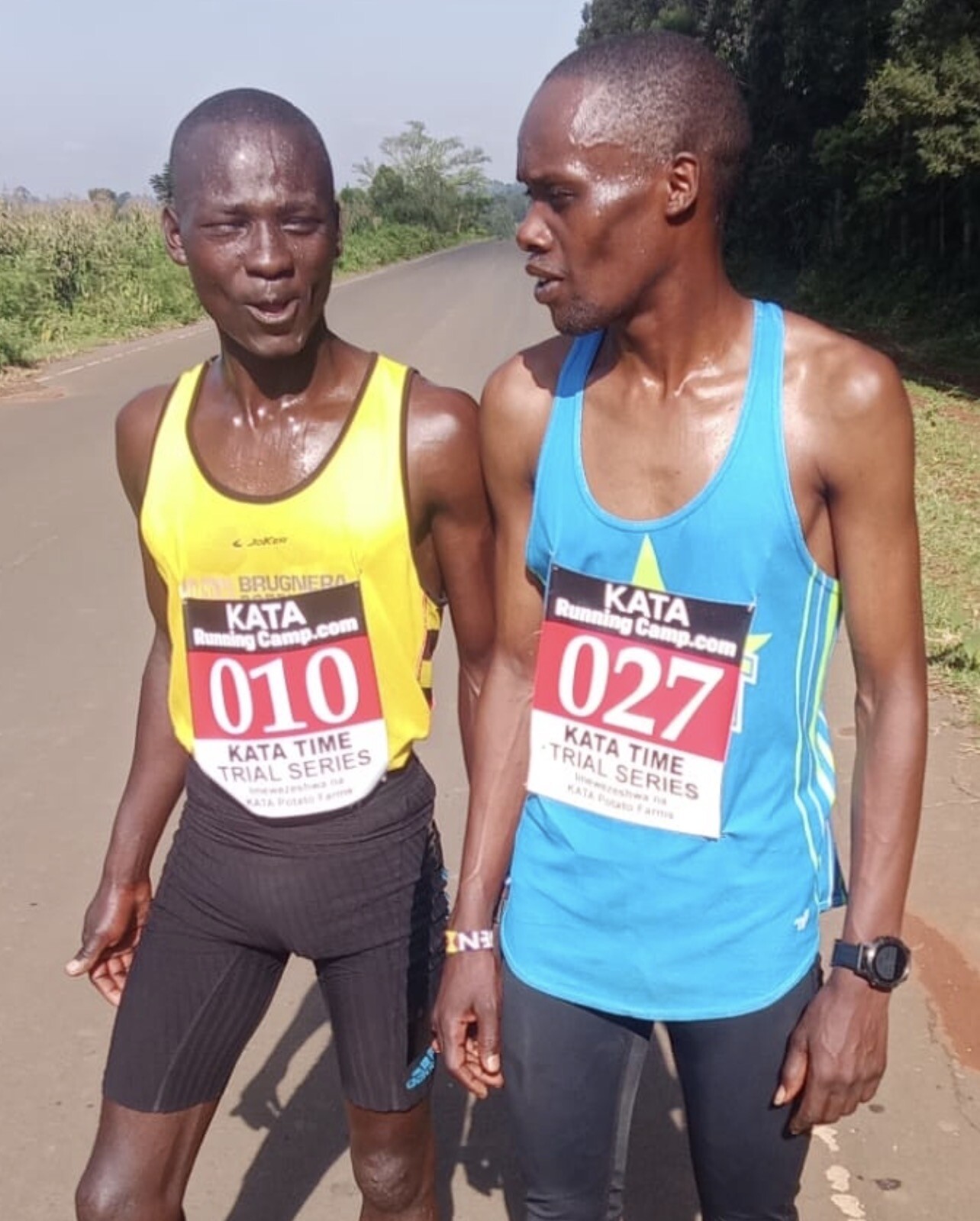
That was the vision behind the Kenyan Athletics Training Academy (KATA) programme created by Bob and Catherine Anderson.
KATA had assembled 30 running camps and planned to expand to at least 60. At 30 athletes per camp, the completed network could have provided accommodation, food and high-level training for approximately 1,800 runners at one time.
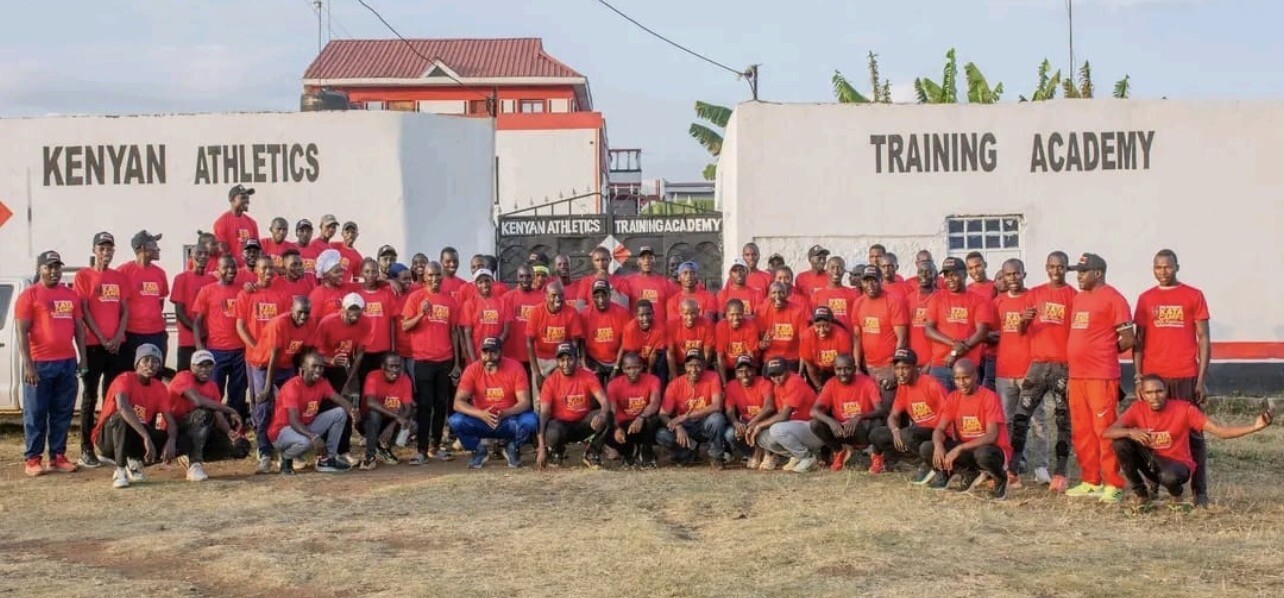
The objective was not simply to produce champions. KATA sought to improve daily living and training conditions for developing athletes while strengthening grassroots coaching.
The programme was ambitious, but it was not intended to depend permanently upon money from the Andersons.
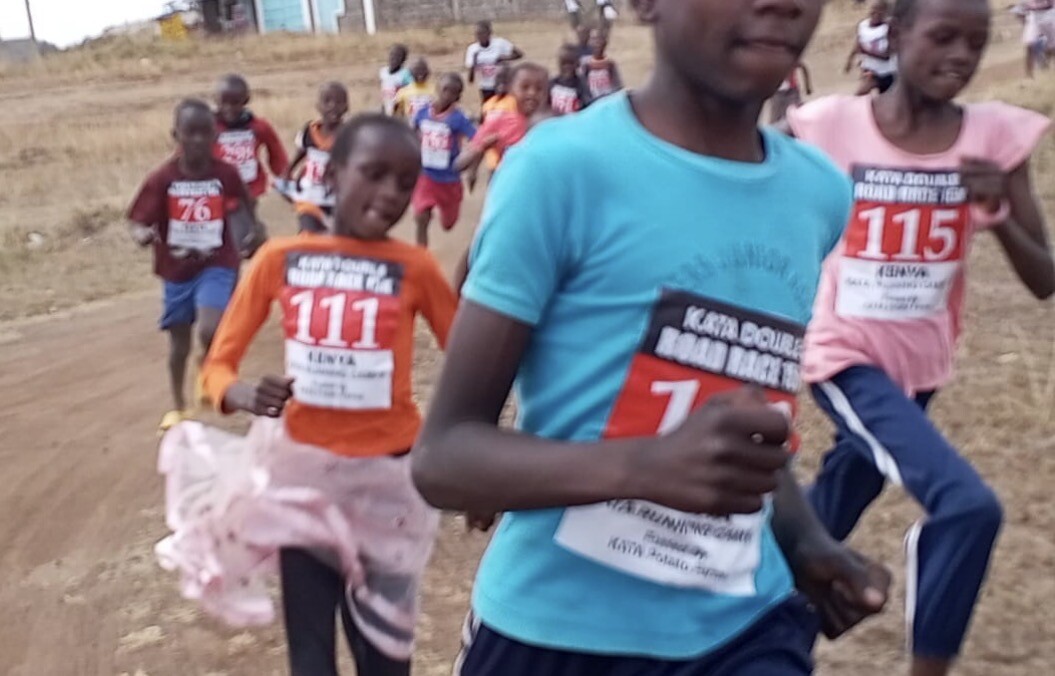
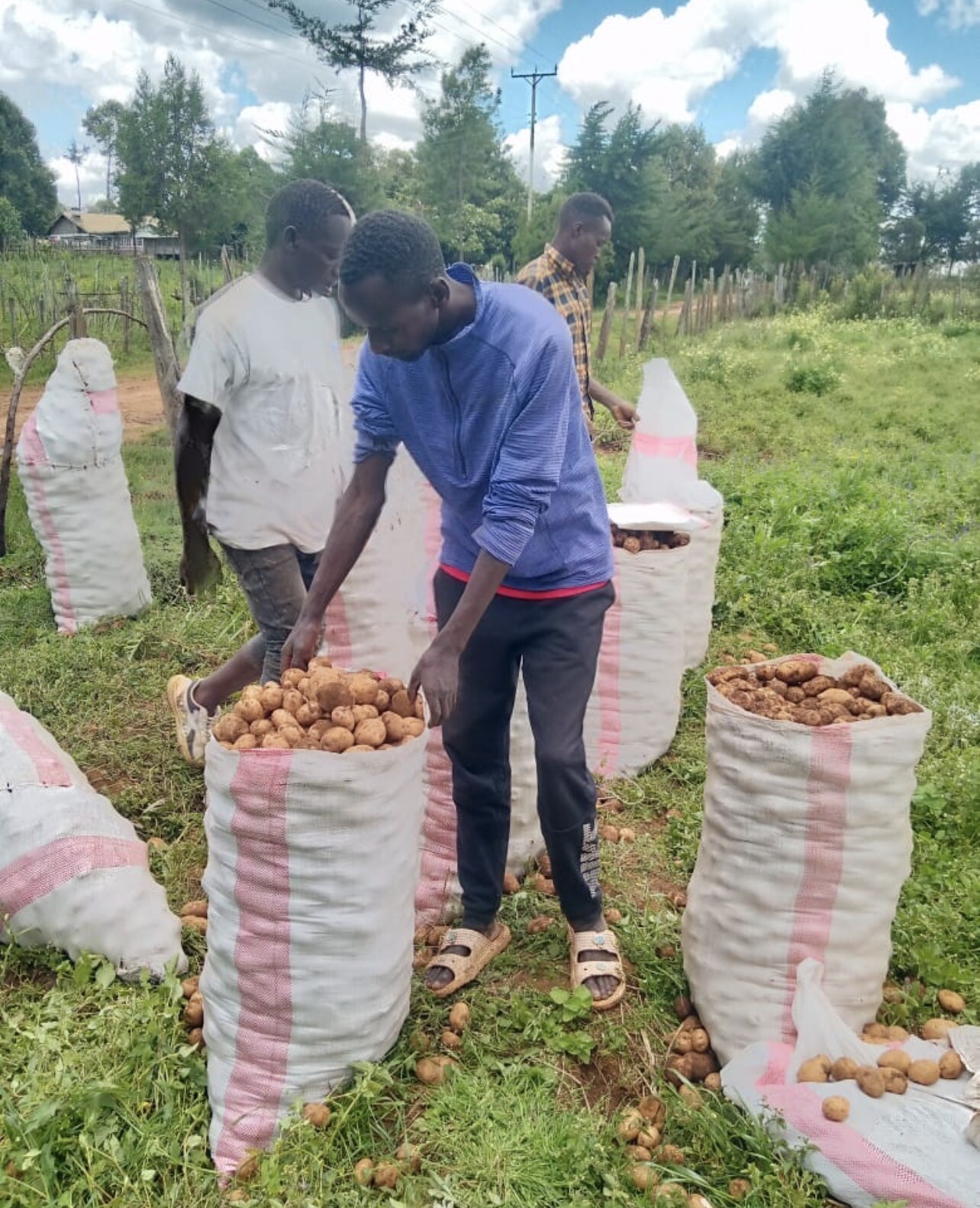
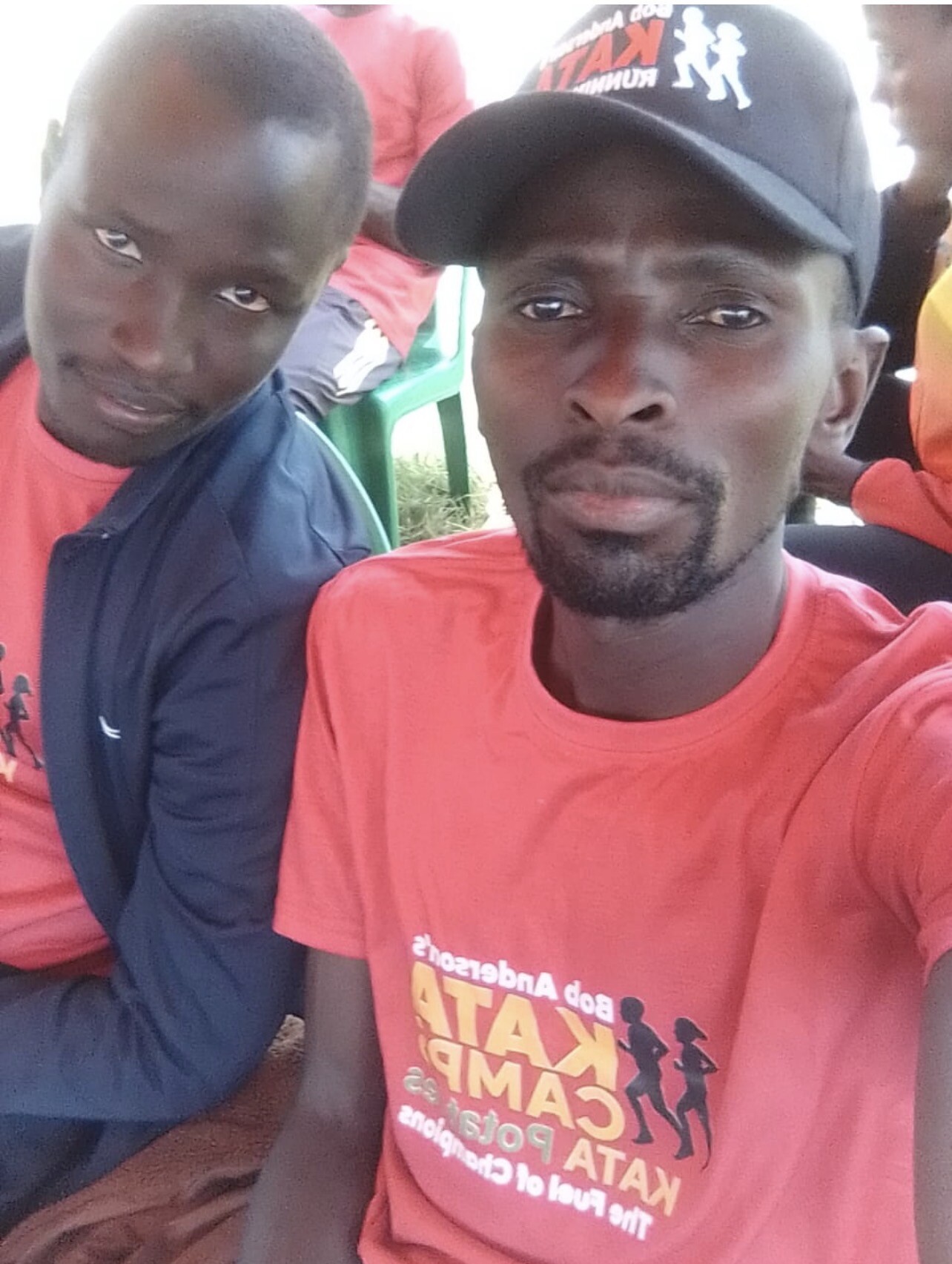
(These eight photographs were among more than 5,000 images sent to KATA founder Bob Anderson and his team as evidence of how the programme was progressing.
The photographs showed why individual coaches and camp operators believed they should receive interest-free loans and become part of the KATA family. Others documented the development of the camps, potato farming activities and the required 10-kilometre time trials held every two months.
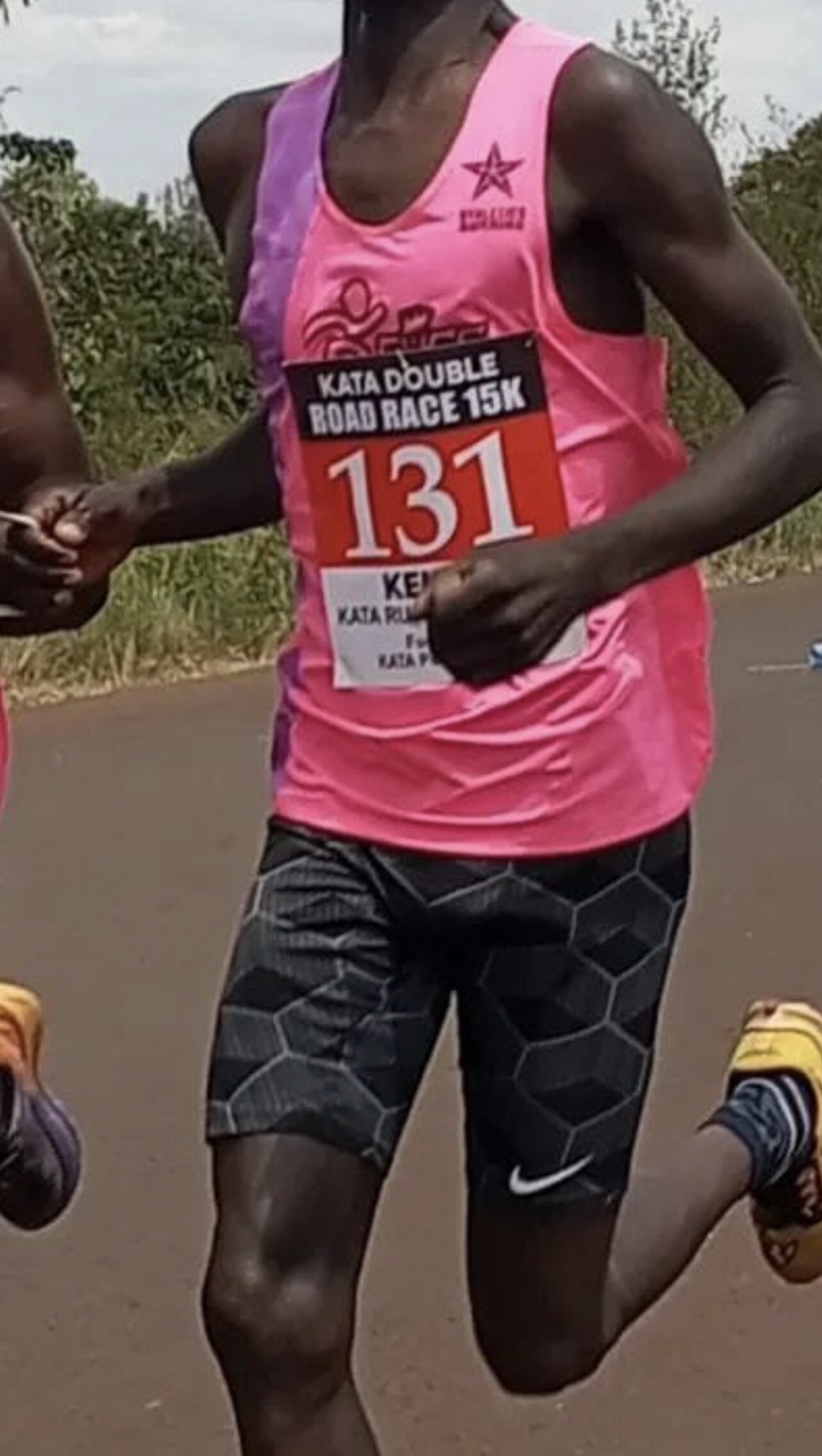
In September 2025, athletes from most of the 30 KATA camps travelled to Thika to compete in the KATA Double Road Race, where KSh100,000 in prize money was awarded. At that point, the programme appeared to be working as planned.
The situation changed shortly afterward. Potato harvests were completed and crops were sold, but despite repeated explanations and delays, very little of the money collected was returned to KATA.)

How a camp was supposed to become self-supporting
KATA’s financial model began with two interest-free loans.
The first supplied the capital required to open a running camp. An approved operator could receive as much as KSh500,000 for rent, beds, mattresses, furniture, food and other startup needs.
That money remained a debt to KATA. It was not a gift, grant or donation.
A second interest-free loan financed potato cultivation at a projected cost of approximately KSh100,000 per acre.
The plan called for the harvest revenue to retire both debts—the farming advance and the camp-establishment advance—before the remaining proceeds were used locally.
Potatoes were chosen because they are Kenya’s second-most important food crop after maize and form an industry worth an estimated US$400 million to US$500 million annually.
KATA’s working projection placed gross sales from a successful acre at about KSh400,000. This was a programme estimate rather than a guaranteed or national average result. Actual returns depended upon production, disease, weather and selling prices.
The projected economics of three acres illustrate the plan:
Estimated cultivation loan: KSh300,000;
Projected gross sales: KSh1.2 million;
Repayment of cultivation financing: KSh300,000;
Repayment of camp startup financing: up to KSh500,000; and
Potential balance for athletes and the next season: approximately KSh400,000.
Under this model, one strong three-acre harvest could potentially clear the money advanced to establish the camp and grow the crop. The following season could then help pay for food, housing and training while keeping the farm productive.
“We did not give away startup money,” Anderson said. “We provided interest-free loans that had to be repaid. The potatoes were the engine intended to repay both loans and create continuing income for the athletes.”
From 30 camps to a potential 60
Bob and Catherine Anderson say they invested more than KSh42 million in the wider programme.
Approximately KSh36 million was provided as interest-free financing, with more than KSh6 million spent on Kenyan independent contractors and related operational expenses.
The Andersons did not form a Kenyan company. Their California-based operation directed the programme and retained independent contractors in Kenya for coordination and monitoring.
If 75 percent of participating coaches, farmers and operators had repaid their loans, Anderson believes KATA would have had enough revolving capital to strengthen the 30 camps and expand to 60.
“The money was supposed to keep moving,” he said. “A repayment from one harvest could help establish or strengthen another camp. We would not have needed to start again with new outside money every season.”
A 60-camp network supporting 1,800 runners could also have developed a significant voice within Kenyan athletics.
“KATA was not created to oppose Athletics Kenya,” Anderson said. “But an independent programme improving conditions for 1,800 athletes would naturally have carried influence.”
Anderson has wondered whether that potential might have concerned people who wanted to control opportunities within the sport. He emphasizes that he has no evidence Athletics Kenya attempted to undermine KATA.
Charles Ngeno and claims of high-level access
While developing two proposed KATA camps, coach Charles Ng’eno repeatedly portrayed himself to Anderson as closely connected to leading figures in Kenyan athletics.
On July 22, 2025, Ng’eno wrote:
“I need to brief you tomorrow about good news we discussed with AK PRESIDENT about KATA.”
The message did not explain the “good news,” and no response from the Athletics Kenya president has been provided to confirm that discussion.
Ng’eno also sent photographs appearing to show him attending Athletics Kenya functions, including one in which he sat behind an Athletics Kenya nameplate and another showing him addressing a gathering.
The photographs indicate attendance at athletics-related events. They do not prove that AK supported KATA or authorized Ng’eno to speak on its behalf.
Ng’eno also supplied Anderson with messages addressed to senior athletics official Barnabas Korir.
In one, Ng’eno told Korir:
“You expressed happiness with KATA.”
He further attributed to Korir statements about protecting KATA because of its importance in empowering young people.
The screenshots do not show Korir confirming the statements. It remains unclear whether all the communications were sent, received or answered.
Prominent athletes and coaches
Ng’eno strengthened the appearance of influence by invoking other respected names.
In June 2025, he sent Anderson a message addressed to Faith Kipyegon in which he described himself as her “grassroots coach.” The screenshot contains no response from Kipyegon and does not independently establish the extent of Ng’eno’s early coaching role.
Ng’eno later said prominent coach Bernard Rono had consulted him about KATA and joined the programme.
“We are glad to have him with us at KATA,” Anderson replied. “We have a strong group of operators!”
Anderson says the combined effect of the messages and AK photographs was significant.
“Charles made it appear that he was plugged into the highest levels of Kenyan athletics,” Anderson said. “That gave me confidence that he could build successful camps and bring respected people into the KATA network.”
Whether Ng’eno accurately described those relationships remains unconfirmed.
Two camps appeared to be taking shape
Ng’eno supported his requests for money with budgets, reports, photographs and videos.
After confirming receipt of KSh40,000 in June 2025, he sent a photograph of a truck at a residential property and said he was installing items at the camp.
He later requested financing for nearby land, reported renting a house in Nakuru and sought money for beds and mattresses.
On August 3, Ng’eno submitted figures for the proposed Olenguruone and Nakuru camps. His presentation referred to a combined KSh1.3 million budget and reported KSh531,400 used for farming and camp expenses.
The KSh1.3 million was the proposed allocation—not the amount Anderson ultimately transferred.
Anderson says Ng’eno actually received KSh1,077,500. The funding was intended to establish two camps and cultivate six acres.
A video Ng’eno sent on August 5 appeared to show young athletes training indoors.
“These are the real stars,” he wrote, predicting they could reach the next World Cross Country Championships.
The material led Anderson to believe the camps were progressing.
“I could see athletes training and equipment apparently arriving,” he said. “It looked as though the programme was creating exactly what we intended.
Red flags halted further funding
Ng’eno continued presenting expansion plans, but promised repayments did not arrive.
In November 2025, he told Anderson nearly KSh600,000 would be paid before the end of December, followed by another KSh200,000 in January or February.
Ng’eno also referred to a plot of land allegedly worth KSh1.5 million that could be sold to clear the debt.
At the same time, he continued seeking additional money. When an account was restricted because no repayment had arrived, Ng’eno suggested that funds be sent through his wife’s M-Pesa number or another person.
Anderson refused to bypass the restriction.
In January 2026, Ng’eno made another commitment:
“Yes Bob, I need to start with 400,000 ksh.”
He said he was responsible and “must do payments.” He also attributed the delay to money spent constructing a residential building that would become a KATA camp.
Anderson says the KSh400,000 was not paid.
Ng’eno later attempted to persuade him to finance another six acres with approximately KSh600,000 in additional interest-free funding.
Anderson declined.
“I probably would have sent more if the promised repayments had started,” he said. “Fortunately, each missed date raised another red flag. I stopped after KSh1,077,500.”
What is known—and what remains unverified
The available communications show that Ng’eno:
Claimed to have discussed KATA with the Athletics Kenya president;
Attributed favorable statements about KATA to Barnabas Korir;
Presented himself as connected to leading athletes and coaches;
Supplied budgets and reports for two camps;
Sent images appearing to show camp development and athletes training;
Continued seeking new funding; and
Made several substantial repayment promises.
They do not establish whether Athletics Kenya endorsed or opposed KATA, whether the named officials made the statements attributed to them or how all the money was ultimately used.
There is no current evidence that Athletics Kenya developed or participated in a plan to stop KATA.
There is evidence that Ng’eno’s representations increased Anderson’s confidence in the camps and the wider programme.
Questions for Ng’eno and Athletics Kenya
Ng’eno should be asked:
What did he discuss with the Athletics Kenya president?
Did Barnabas Korir make the statements attributed to him?
What official athletics positions did Ng’eno hold?
How many athletes lived and trained at the two camps?
Was the residential building completed and operated as a KATA camp?
How was the KSh1,077,500 used?
What income was produced by the six acres?
Why were the promised repayments not made?
Did he own the reported KSh1.5 million property?
Athletics Kenya and the officials named in Ng’eno’s messages should have an opportunity to clarify what they knew about KATA and whether their positions were represented accurately.
Grand—but not impossible
KATA’s vision was undeniably large: 60 camps capable of supporting 1,800 runners.
Its financial premise was that repaid loans would become revolving capital. Each successful camp and harvest would help finance the next cycle of athlete support.
“The vision may have been grand, but it was not impossible,” Anderson said. “We already had 30 camps. What failed was the repayment system and our reliance on reports that were not independently verified.”
Whether Ng’eno truthfully described his Athletics Kenya discussions remains unanswered. Whether AK understood KATA’s potential scale is also unclear.
What is clear is that the programme was not offering free startup money. Every camp and agricultural advance was an interest-free loan that had to be returned.
Without those repayments, the revolving system stopped—and the planned network of 60 camps has never became a reality. If only most of the KATA operators had paid back their loan! "When they do things could still get back on track," says Bob Anderson.
by Robert Kibet
Login to leave a comment
Sydney Marathon’s Medal Blunder: How Munich’s Allianz Arena Ended Up in a Sydney Souvenir
The Sydney Marathon was meant to celebrate one of Australia’s most iconic cities. Instead, its 2026 finisher’s medal has unexpectedly brought a little piece of Munich into the spotlight.

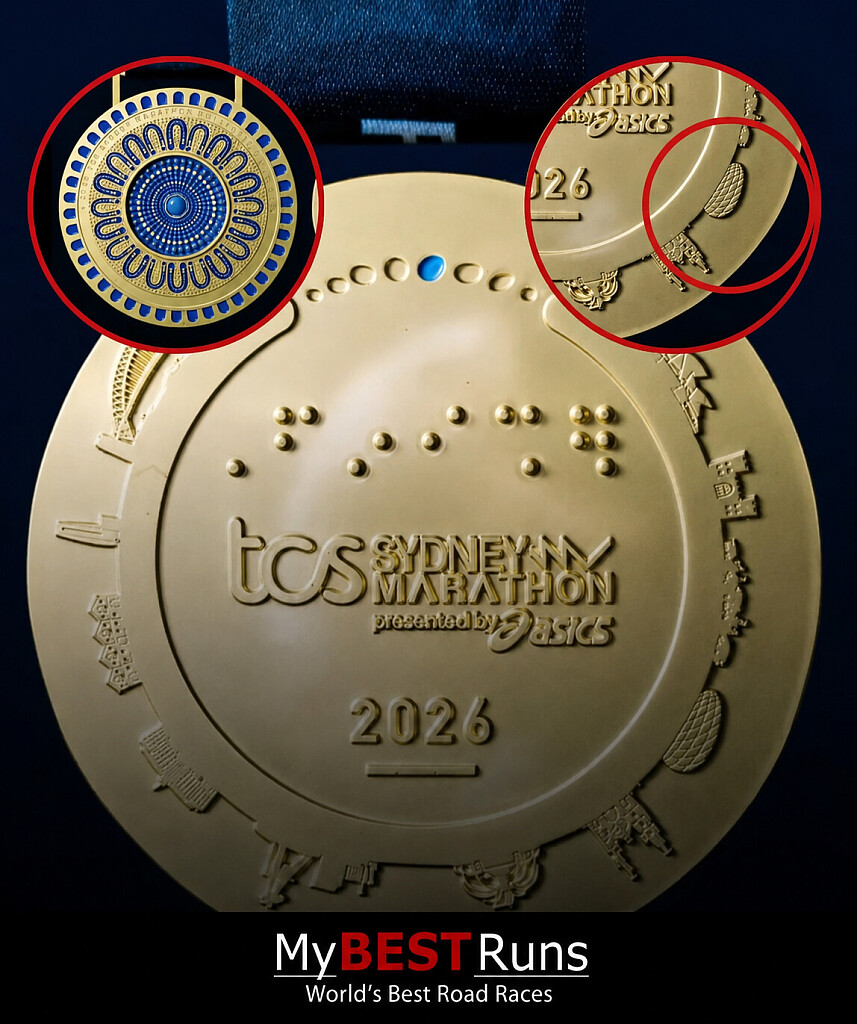
The back of the medal features a collection of landmarks designed to represent Sydney and the 42.2-kilometre journey runners will take through the city, including the Sydney Opera House and Sydney Harbour Bridge. But alongside those unmistakably Australian symbols is a rather surprising addition: Munich’s Allianz Arena.
The stadium was supposed to represent Sydney’s Allianz Stadium in Moore Park. Instead, the medal designers somehow used the distinctive home of Bayern Munich in Germany.
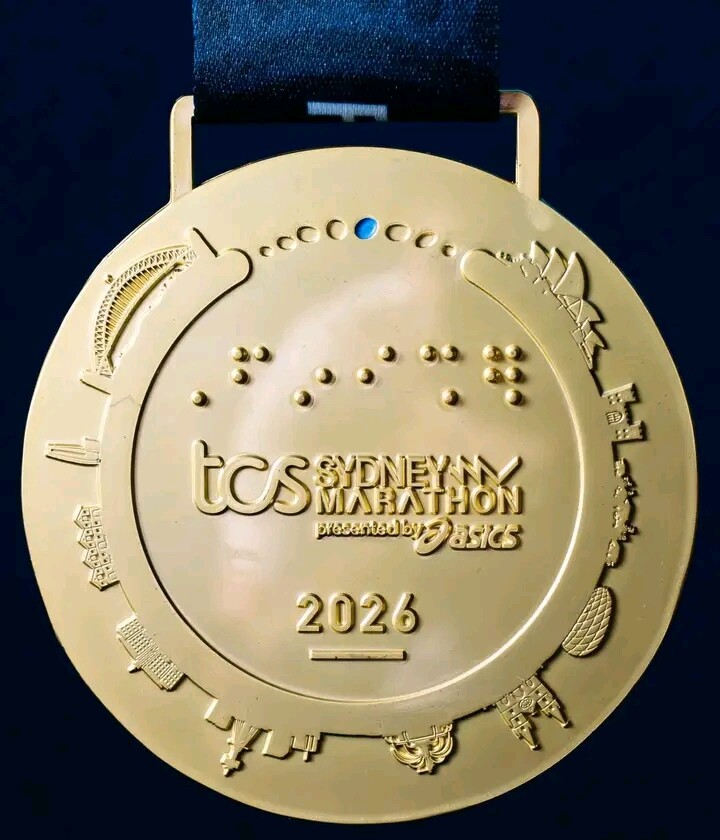
The mistake was spotted shortly after the medal was unveiled and quickly spread across social media before attracting international media attention. With the race now just days away, there is no time to redesign and replace the medals already produced for the event.
Organisers have acknowledged the mistake, describing it as an “unfortunate error” and making clear that the medals will still be presented to runners on race day.
Rather than attempting to hide the blunder, Sydney Marathon has chosen to embrace the unexpected twist, saying the medal is now “a little more unique.” Their response ended on a light-hearted note: “You noticed. We noticed. We’re human.”
And while the incorrect stadium may have created an embarrassing moment for the organisers, it has also given the 2026 medal something no previous Sydney Marathon medal has had — a story of its own.
That story will be carried around the necks of approximately 40,000 runners when the Sydney Marathon takes place on Sunday, August 30.
The timing could hardly be more significant for the race. Sydney is only in its second year as an Abbott World Marathon Major, having joined the prestigious series in 2024 alongside Tokyo, Boston, London, Berlin, Chicago and New York. The event has rapidly established itself as one of the world’s most sought-after marathons, with more than 123,000 runners entering the ballot for the 2026 race, a 56 percent increase from the previous year.
For those 40,000 successful entrants, the medal will ultimately represent something far more important than a design mistake. Behind every medal is months of preparation, early mornings, long training runs, sacrifices and the determination required to cover 42.2 kilometres.
And when the runners finally reach the finish line at the Sydney Opera House, they will receive a medal that was intended to tell the story of Sydney — but accidentally tells a small story about Munich too.
What began as an embarrassing design error may now become one of the most memorable quirks in Sydney Marathon history. Years from now, runners may look back at their 2026 medals not simply as souvenirs of finishing one of the world’s major marathons, but as unusual collector’s pieces from the year Sydney accidentally put Munich on its medal.
A Sydney marathon. A Munich stadium. One unforgettable medal.
by Erick Cheruiyot for My Best Runs.
Login to leave a comment
Sydney Marathon
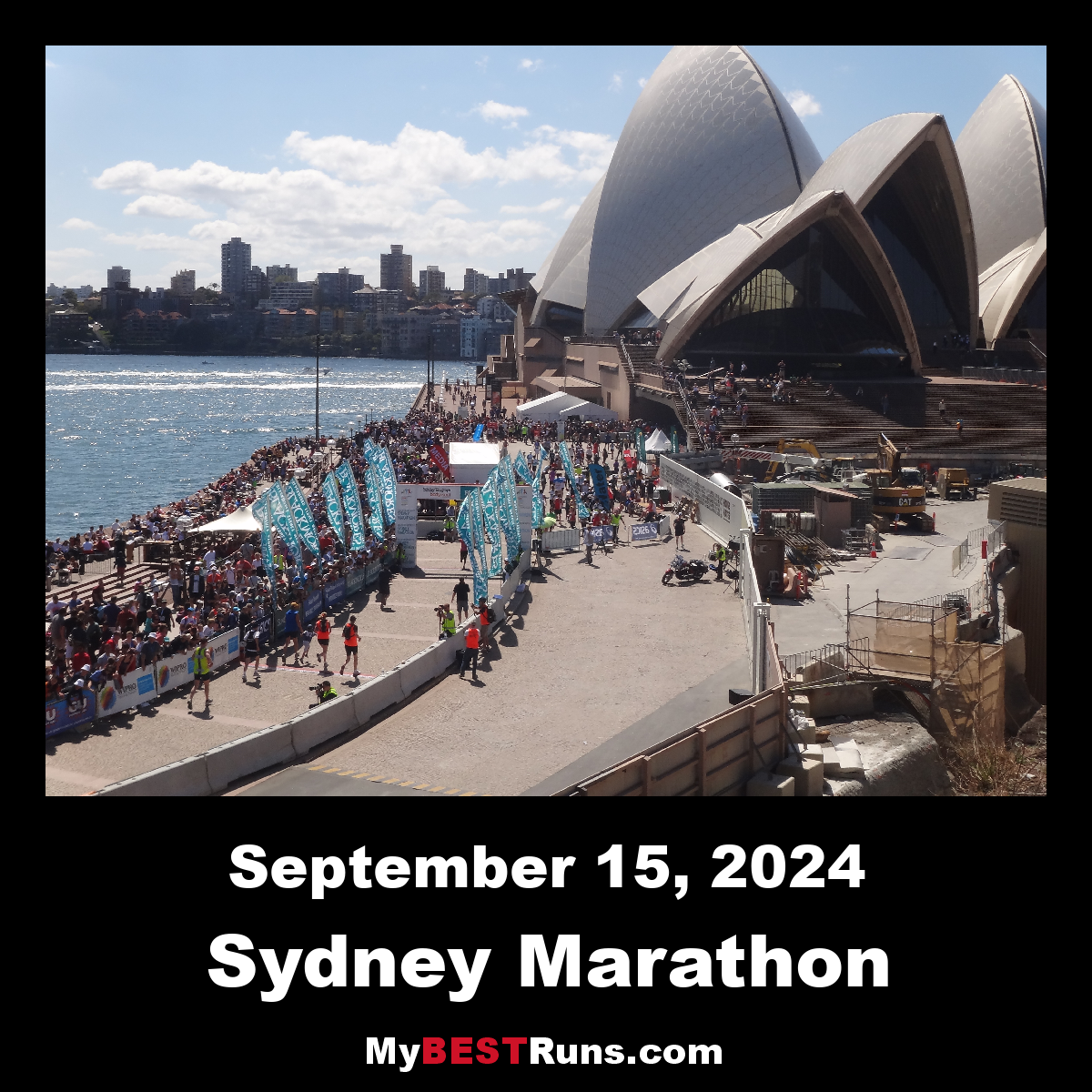
The Sydney Marathon is a marathon held annually in Sydney, Australia. The event was first held in 2001 as a legacy of the 2000 Summer Olympics, which were held in Sydney. In addition to the marathon, a half marathon, 9 kilometres (5.6 mi) "Bridge Run", and a 3.5 kilometres (2.2 mi) "Family Fun Run" are also held under the banner...
more...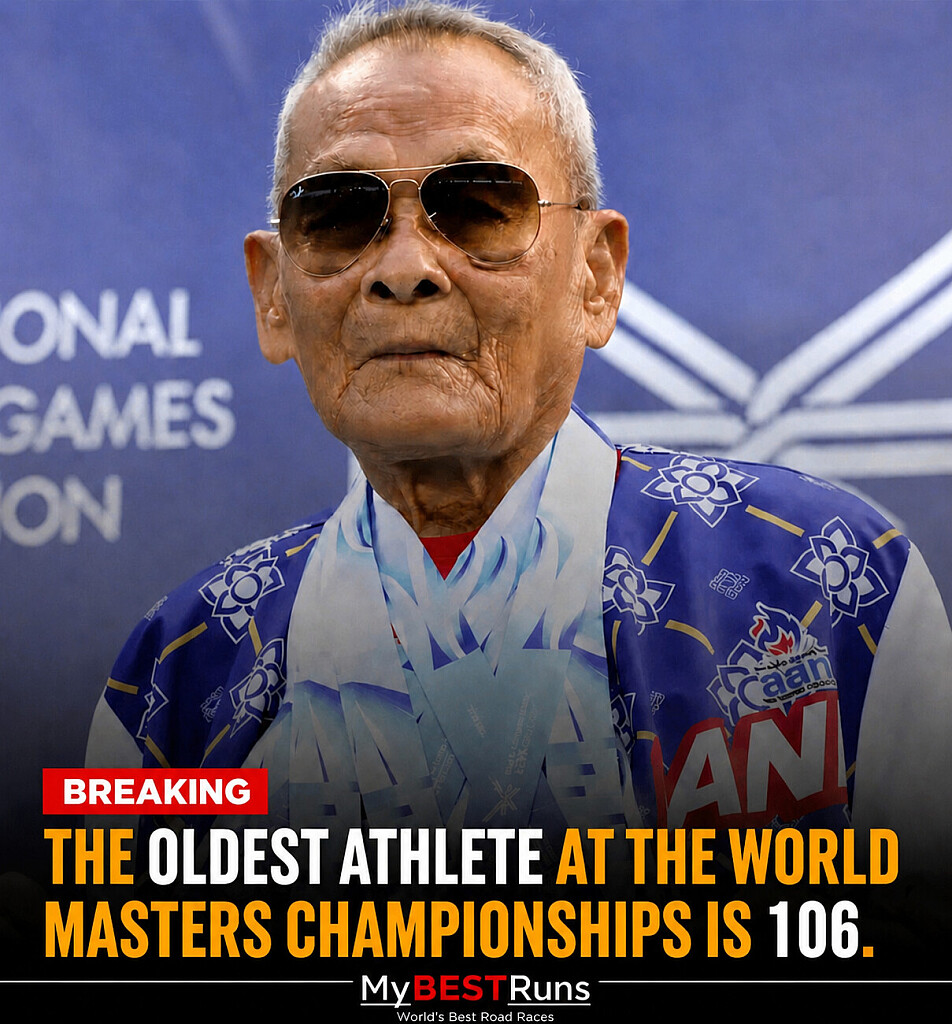
At 106, Sawang Janpram Is Still Running: Thailand’s Ageless Masters Champion Inspires Daegu
The World Masters Athletics Championships in Daegu, South Korea, have brought together thousands of athletes from around the world, but few have captured the imagination quite like Thailand’s Sawang Janpram.
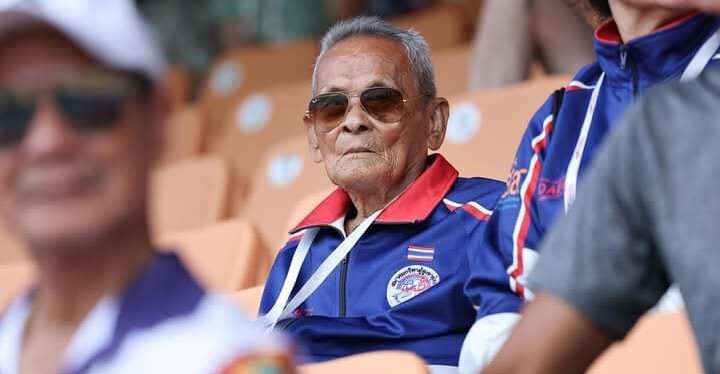
At 106 years old, Janpram is the oldest competitor at the 2026 championships, where more than 11,000 participants from 106 countries have gathered for a celebration of athletics across generations.
Yet Janpram’s remarkable story is not simply about longevity. It is about a decision he made late in life — one that transformed his health, his outlook and ultimately made him an international masters athlete.
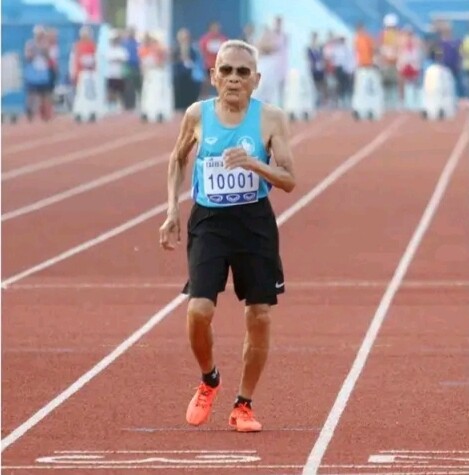
A former school principal and teacher, Janpram did not spend his retirement preparing for athletics competitions. He only began exercising regularly at the age of 80, after seeing people around him become increasingly inactive and bedridden as they grew older. His daughter, Siripan, who is now 74 and continues to accompany him as a training partner, also played an important role in encouraging an active lifestyle.
What began as a way of protecting his health eventually became something far greater.
Janpram started competing in athletics at 97, proving that there is no universally prescribed age at which a new chapter has to end. Since then, he has travelled internationally to compete and has accumulated 78 medals, according to reports ahead of the Daegu championships.
His training is remarkably simple. He walks, runs short distances and practises throwing events including the javelin, discus and shot put. His routine is not built around sophisticated facilities or elaborate technology. It is built around consistency.
That consistency produced one of his most memorable performances last year.
At the 2025 World Masters Games in Taiwan, Janpram competed at 105 and won gold in four events in the 100-plus age category. He completed the 100 metres in 38.55 seconds and also won gold in the shot put, discus and javelin. He was the only competitor entered in his age group, but he still had to step onto the track and complete each event.
Now, at 106, he has returned to the international stage once again.
In Daegu, Janpram is competing in the discus and javelin. Ahead of his first event, he was seen at Daegu Stadium walking and jogging alongside his daughter despite temperatures exceeding 36°C. Asked about his condition, he simply indicated that he had slept well and felt ready for competition.
His presence is a powerful reminder of what masters athletics represents. The championships are not solely about records, medals or finishing times. They are also about participation, resilience and the freedom to keep challenging yourself long after conventional sporting careers have ended.
Janpram represents the extreme end of that philosophy.
At an age when most people have long since stepped away from organised sport, he is still travelling across borders, warming up on an international championship track and preparing to compete alongside athletes many decades younger than himself.
His story began with a simple fear — the fear of losing mobility and independence in old age. Sixteen years after he first entered competitive athletics, that decision has taken him onto one of the world's biggest masters stages.
Sawang Janpram did not wait for youth to begin his athletic journey.
He began at 80.
He started competing at 97.
And at 106, he is still showing up.
That may be his greatest victory of all.
by Erick Cheruiyot for My Best Runs.
Login to leave a comment
