

Running News Daily
Running News Daily is edited by Bob Anderson and team. Send your news items to bob@mybestruns.com Advertising opportunities available.
Index to Daily Posts · Sign Up For Updates · Run The World Feed



Running Economy: The Hidden Advantage Behind Every Great Runner

Many runners spend years chasing greater speed by pushing harder, running longer, or increasing the intensity of their workouts. While endurance and determination are essential, one of the most powerful performance factors is often overlooked—running economy.

Running economy is the measure of how efficiently a runner uses oxygen and energy while maintaining a given pace. In simple terms, it determines how much effort your body requires to produce a certain speed. The more economical you are, the less energy you waste, allowing you to sustain faster paces for longer without feeling as fatigued.

This is why two athletes with nearly identical physiological abilities can produce very different race results. Even if they share the same VO₂ max—the maximum amount of oxygen the body can utilize during intense exercise—the runner with superior efficiency will almost always have the advantage. Every stride is more controlled, every breath is used more effectively, and every kilometre demands less energy.
Elite distance runners understand this principle exceptionally well. Their success is not built solely on extraordinary fitness but on the remarkable ability to transform every stride into forward motion with minimal wasted effort. Their movements appear smooth and effortless because years of disciplined training have refined both their technique and their efficiency.

Fortunately, running economy is not determined by genetics alone. It is a quality that can be developed through consistent and intelligent training. Regular mileage builds the aerobic system, while strength training enhances muscular power and stability. Proper running mechanics reduce unnecessary movement, and carefully structured speed sessions improve the body's ability to maintain efficient form even under fatigue.
Small improvements in efficiency can produce significant gains over race distances. When your body requires less oxygen to maintain the same pace, you conserve valuable energy reserves, delay the onset of fatigue, and finish stronger. Rather than working harder, you begin to work smarter.
The greatest breakthroughs in distance running often come not from dramatic changes but from refining the details. Better posture, stronger muscles, improved coordination, and consistent training all contribute to a more economical stride. Over weeks, months, and years, these seemingly minor adjustments can transform performance.
Running economy reminds every athlete that speed is not simply about power—it is about precision. The runners who master efficiency are the ones who make difficult paces look comfortable, conserve energy when others begin to struggle, and consistently produce outstanding performances when it matters most.
In the end, becoming a faster runner is not always about asking your body to do more. Sometimes, it is about teaching it to do the same work with greater efficiency. That hidden advantage is often what separates good runners from truly great ones.
by Erick Cheruiyot for My Best Runs.
Login to leave a comment
Latest Running News
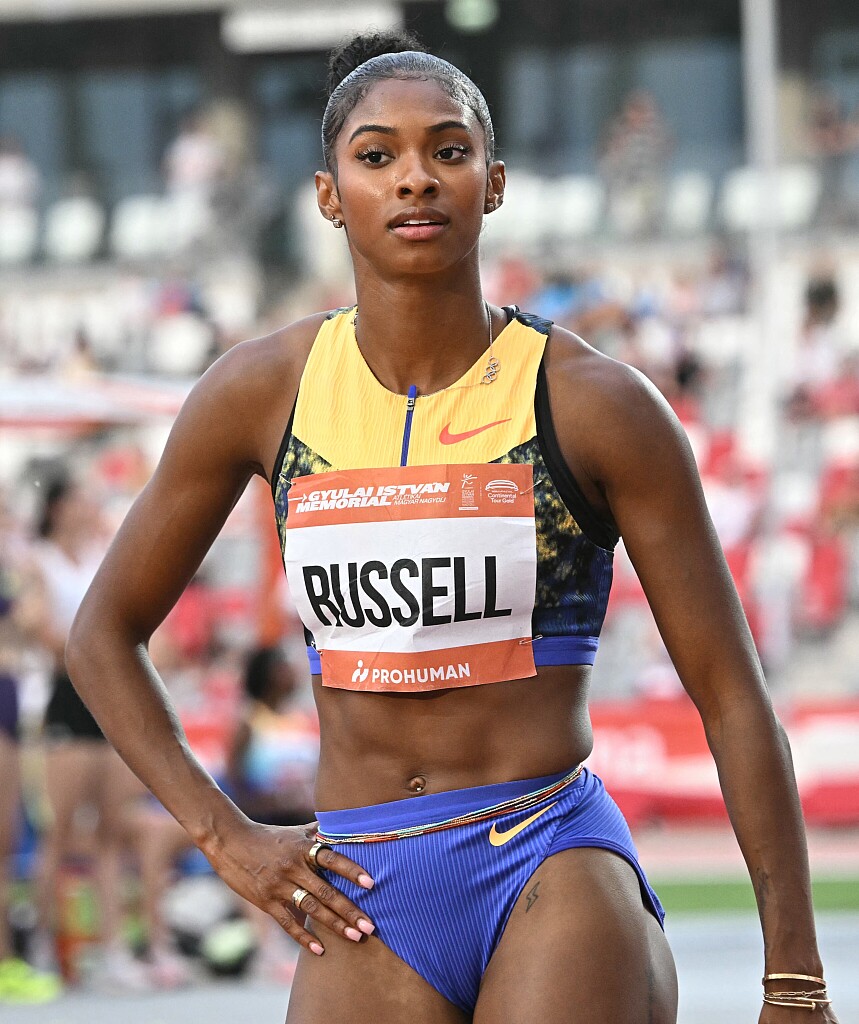
Masai Russell: Unstoppable Over the Hurdles as Perfect Season Rolls On
Masai Russell continues to establish herself as the undisputed force in the women's 100m hurdles, extending her flawless 2026 campaign with yet another commanding victory at the Gyulai István Memorial in Hungary.
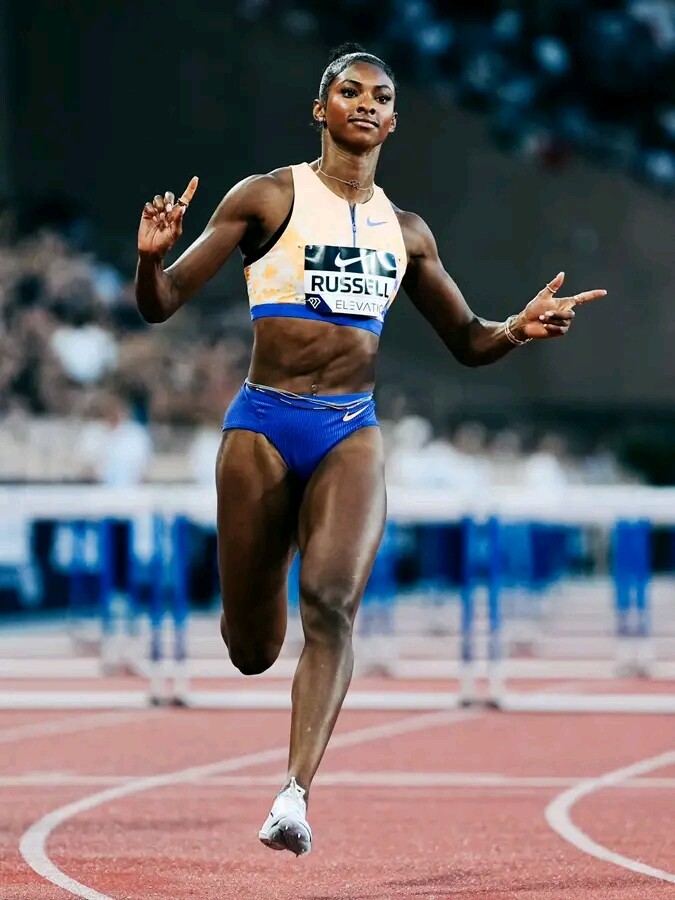
The reigning Olympic champion has now won all eight of her 100m hurdles finals this season, an extraordinary unbeaten run that underlines both her consistency and her dominance on the global stage. Even more remarkable is the quality of those performances, with five of her victories coming in times faster than 12.30 seconds—a standard that only the world's very best can consistently achieve.
Russell's latest triumph came in Hungary, where she crossed the finish line in 12.33 seconds despite a slight headwind of -0.4 m/s. While it was not her quickest race of the year, it was another composed and authoritative performance that reinforced her reputation as the athlete to beat every time she steps onto the track.
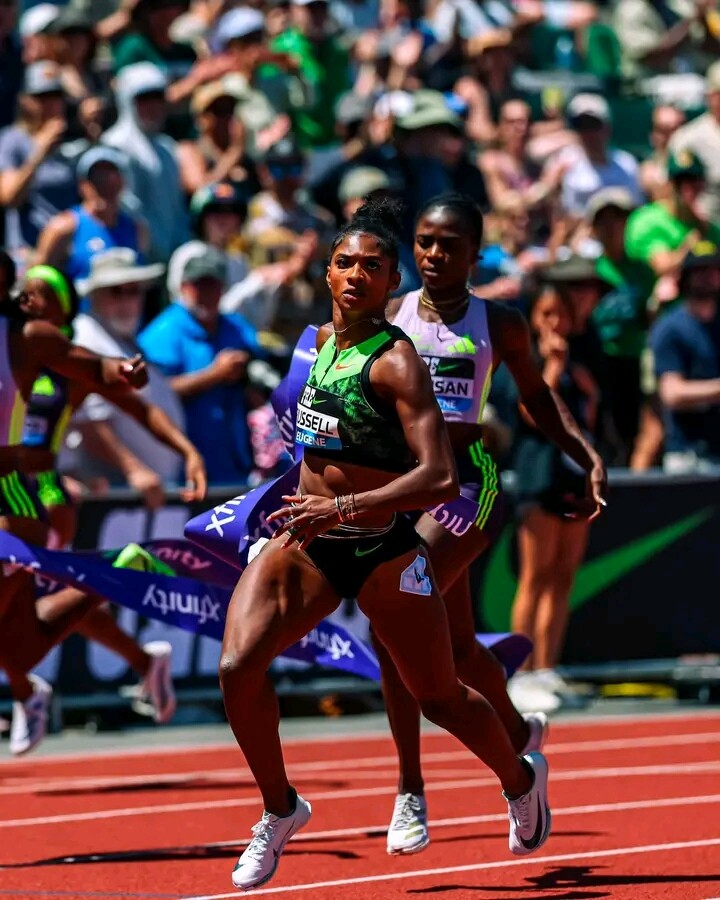
Her season began with victory at the Texas Relays before she followed it up with another win at the Jim Green Invitational. From there, Russell took her exceptional form onto the Diamond League circuit, conquering Xiamen, Shanghai, and Monaco while also claiming victory at the Los Angeles Grand Prix and the prestigious Prefontaine Classic.
Among her standout performances this season was a sensational 12.14 seconds in Xiamen, one of the fastest times recorded anywhere in the world this year. She also produced outstanding runs of 12.20 in Monaco, 12.24 at the Prefontaine Classic, 12.25 in Shanghai, and 12.26 in Los Angeles, proving her ability to deliver world-class performances across different continents and under varying race conditions.
Russell's unbeaten campaign has been built on explosive starts, exceptional hurdle technique, and remarkable composure in championship-calibre fields. Whether racing into a headwind or enjoying favourable conditions, she has repeatedly demonstrated the consistency that separates champions from the rest of the field.
With eight victories from eight finals, the American star heads into the second half of the season carrying tremendous momentum. As the major championships draw closer, her rivals face the daunting task of finding a way to stop an athlete who has looked virtually untouchable throughout 2026.
Every race has strengthened Russell's claim as the world's premier sprint hurdler, and if her current trajectory continues, this season could become one of the most dominant campaigns the event has witnessed in recent years.
by Erick Cheruiyot for My Best Runs.
Login to leave a comment
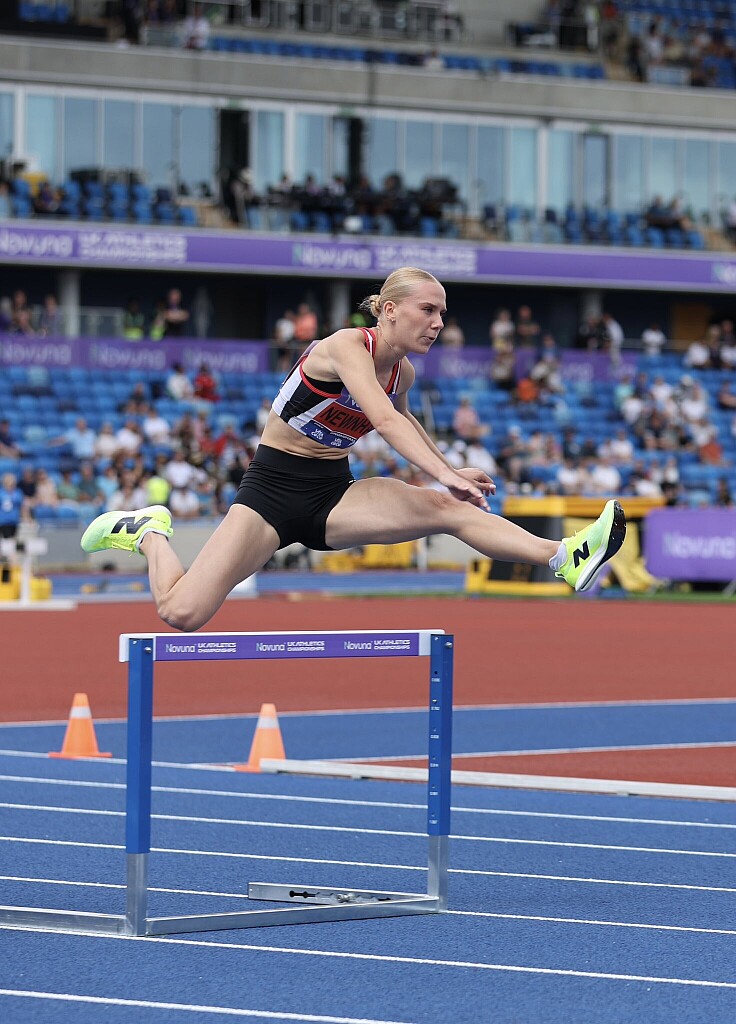
Emily Newnham breaks through: Britain has a new sub-54 star in the 400m hurdles
British athletics has a new name to celebrate after Emily Newnham produced the performance of her career, smashing through the coveted 54-second barrier in the women's 400m hurdles for the very first time.

The 22-year-old delivered a superb run in Tampere, stopping the clock at 53.97 seconds to reach a milestone that had long appeared within her grasp. More than just a personal breakthrough, the performance places her among an elite group of British athletes who have achieved one of the event's most respected benchmarks.
By dipping under 54 seconds, Newnham becomes the first British woman in 13 years to accomplish the feat, ending a wait that stretches back to Perri Shakes-Drayton's sub-54 performance in 2013. The achievement marks the arrival of another exciting talent in Britain's rich tradition of one-lap hurdlers.
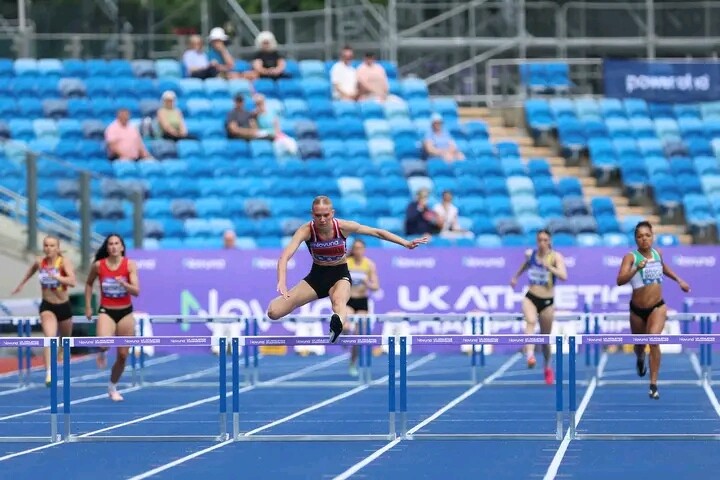
For any 400m hurdler, breaking the 54-second barrier is more than a statistical milestone. It is a statement of world-class potential, demanding a rare blend of speed, rhythm, endurance, and flawless hurdle technique. Newnham displayed all of those qualities in Tampere, attacking the race with confidence and maintaining her composure over the closing metres to secure the fastest time of her career.
The performance also reflects the steady progression she has shown over recent seasons. At just 22 years old, Newnham continues to develop both physically and technically, suggesting that her best performances may still lie ahead. Her latest breakthrough is not simply the reward for one outstanding race—it is the result of years of disciplined training, patience, and continual improvement.
With this landmark run, Newnham has announced herself as one of Britain's brightest emerging stars in the 400m hurdles. As the international championships approach, her confidence will undoubtedly soar, and so will expectations. Crossing the finish line in 53.97 was more than a personal best—it was the beginning of a promising new chapter in a career that now appears destined for even greater achievements.
by Erick Cheruiyot for My Best Runs.
Login to leave a comment
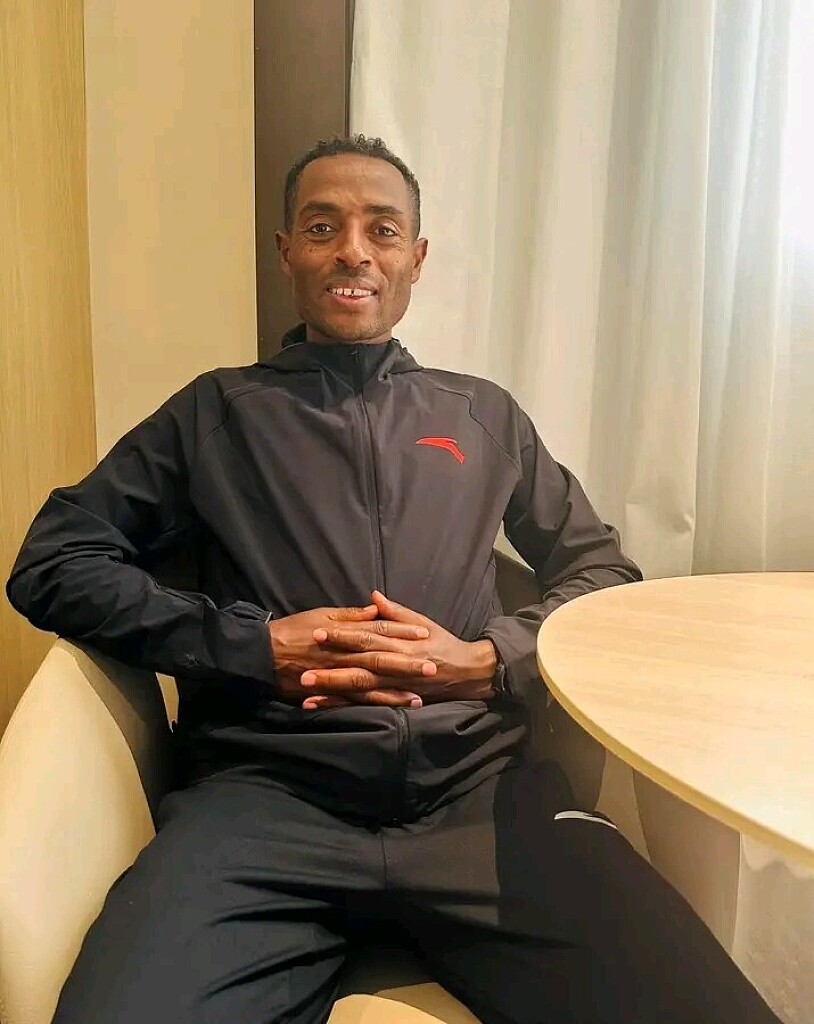
Kenenisa Bekele: The Legend Who Never Stopped Learning
In an era where athletic careers often fade long before the fourth decade of life, Kenenisa Bekele continues to challenge expectations. The Ethiopian icon has spent more than two decades redefining excellence, proving that greatness is not measured solely by records but by the relentless desire to keep evolving.
The 2024 season marked Bekele's fifteenth year as a professional marathon runner, another remarkable chapter in a career that has already secured its place among the greatest in athletics history. Long before conquering the roads, Bekele ruled the track with unmatched authority. He held the world record over 5,000 metres from 2004 until 2020 and the 10,000 metres world record from 2005 to 2020, dominating an era with a combination of tactical brilliance, devastating finishing speed, and extraordinary endurance.
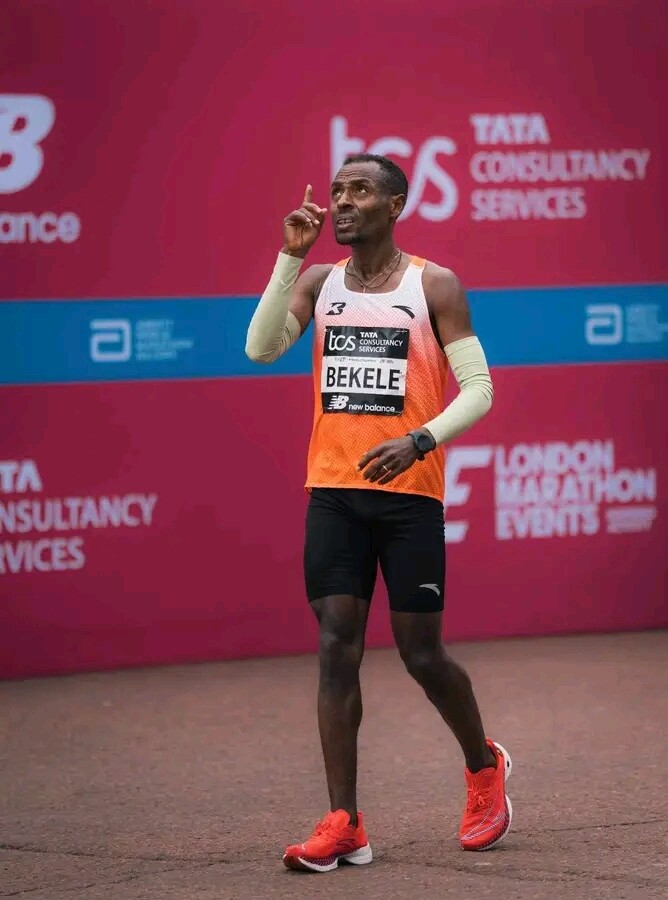
When he made the transition to the marathon in 2014, many wondered whether his brilliance on the track would translate to the roads. Bekele answered those doubts in spectacular fashion. His unforgettable 2:01:41 performance at the 2019 Berlin Marathon remains one of the fastest marathons ever run, cementing his status among the greatest marathoners the sport has ever witnessed.
By 2024, the mission had naturally evolved. Rather than chasing world records, Bekele focused on competing for podium finishes at the sport's biggest races. Even as younger athletes emerged with fresh legs and growing reputations, the Ethiopian veteran continued to demonstrate that experience, discipline, and intelligence can still compete with youth at the highest level.
What makes Bekele's longevity even more extraordinary is how rare it is in elite distance running. Most world-class runners reach their peak in their late twenties before gradually slowing in their thirties. Yet Bekele has continued to produce world-class performances well into his forties, still capable of running marathons in the low 2:03 range at an age when many former champions have long since retired.
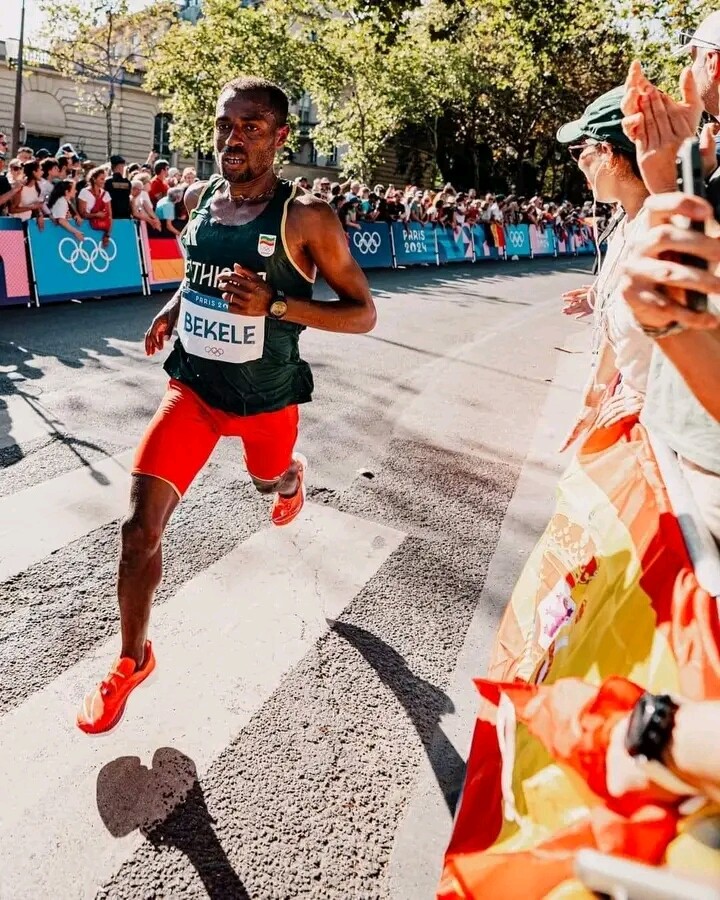
His remarkable durability has not come by accident. Over recent years, Bekele has reshaped his preparation with a greater emphasis on recovery, smarter workload management, and highly targeted marathon-specific training. Instead of relying on overwhelming mileage, his approach has become increasingly strategic, carefully building each season around the demands of the World Marathon Majors while allowing his body the recovery required to remain competitive.
Perhaps the greatest lesson from Bekele's career is not found in the medals or the records but in his mindset.
Despite achieving virtually everything the sport has to offer, Bekele has never believed he has mastered distance running completely. He continues to study training methods, exchange ideas with coaches and fellow athletes, and search for the smallest improvements that could make the difference on race day. His willingness to remain a student of the sport, even after becoming one of its greatest teachers through example, has become one of the defining characteristics of his enduring success.
That humility is what separates legends from champions. Records may eventually fall, rivals may come and go, and generations may change, but an athlete who never stops learning always finds new ways to remain relevant.
Kenenisa Bekele's story is no longer simply about speed. It is about resilience, adaptation, and an unwavering commitment to excellence. Every season serves as another reminder that true greatness is not built on past achievements alone, but on the courage to keep improving, regardless of age or accomplishment.
As athletics continues to evolve, Bekele remains a living testament that the pursuit of excellence has no finish line. For one of the greatest distance runners the world has ever known, every race is still another lesson, every season another opportunity to grow, and every step another chapter in a legacy that continues to inspire generations across the globe.
by Erick Cheruiyot for My Best Runs.
Login to leave a comment

WORLD RECORD FORM MEETS WORLD-LEADING SPEED IN LONDON
The stage is set for one of the most eagerly anticipated middle-distance races of the season as three of the world's fastest 800m stars prepare to collide at the London Diamond League on Saturday, 18 July 2026. With Olympic glory, world-leading performances, national records and personal pride all on the line, the British capital is ready for a race that could redefine the event this season.
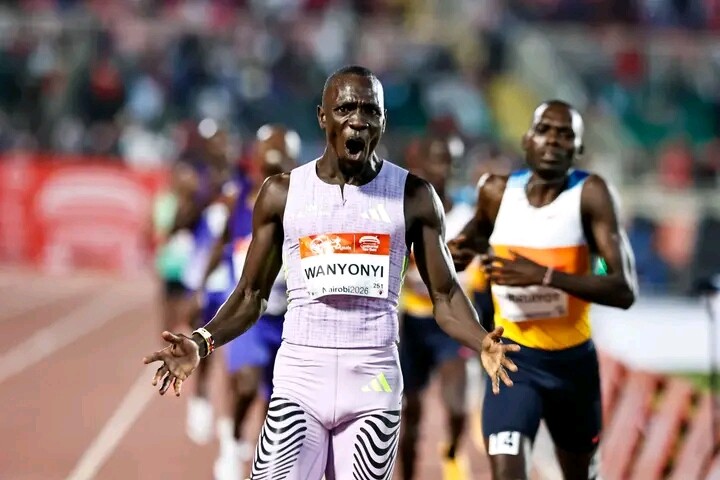
Leading the charge is Kenya's Emmanuel Wanyonyi, the reigning Olympic champion, who arrives in London riding an extraordinary wave of confidence. The 21-year-old has been virtually unstoppable in recent weeks and reminded the world of his exceptional talent when he produced a sensational 2:11.83 over 1,000m at the Monaco Diamond League on 10 July, smashing a world record that had stood for nearly three decades.
Now Wanyonyi returns to a track where he created unforgettable memories a year ago, storming to victory in a meeting-record 1:42.00. His mission this weekend is straightforward but far from easy—defend his London crown against the strongest field assembled this year.
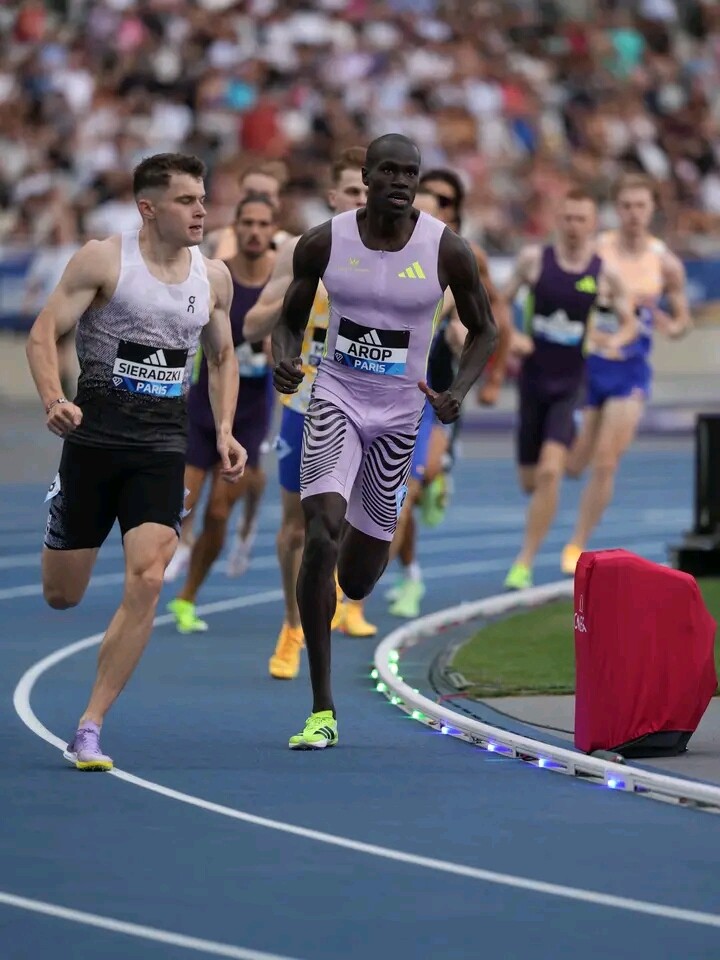
Standing in his way is Canada's Marco Arop, who has looked every bit the athlete capable of dominating the global 800m scene. The Olympic silver medallist currently owns the fastest two-lap performance in the world this season after an emphatic 1:41.84 victory at the Paris Diamond League in late June. Combining blistering speed with remarkable strength over the closing stages, Arop has established himself as one of Wanyonyi's greatest rivals.
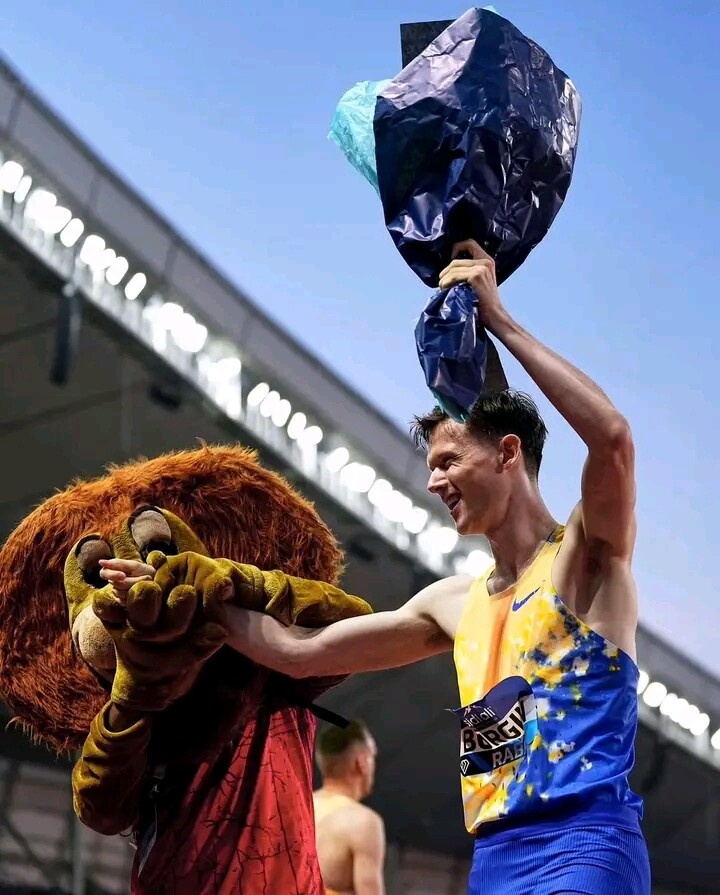
Adding another fascinating dimension is Great Britain's Max Burgin, who will enjoy the full backing of a passionate home crowd. Burgin already proved earlier this season that Wanyonyi can be beaten, producing a stunning upset in Rabat where he claimed victory in 1:42.98. Returning to compete on home soil, he now has an even greater target in sight—Sebastian Coe's British record of 1:41.73, a mark that has stood as one of the nation's most iconic athletics achievements for decades.
But the battle extends well beyond the headline trio.
The race features one of the deepest fields of the Diamond League season, with American star Bryce Hoppel, former world champion Jake Wightman, Australian standout Peter Bol, Ireland's experienced Mark English, Britain's Ben Pattison, Norway's Tobias Grønstad, Ireland's rising talent Cian McPhillips, and Poland's Patryk Sieradzki all capable of influencing the outcome.
With so much quality assembled on one start line, there will be little room for hesitation. Every tactical decision, every move through the bell lap and every stride over the final 200 metres could determine who emerges victorious.
London has witnessed countless unforgettable 800m battles over the years, but this edition promises something truly special. A reigning Olympic champion chasing another statement victory. The world's fastest man of the season determined to confirm his dominance. A home favourite inspired by the roar of the crowd and chasing history.
When the starter's gun fires, reputations will matter little. For two laps, only courage, speed and perfectly judged tactics will decide the champion.
The countdown is over. London is ready for another classic, and the men's 800 metres promises to be nothing short of spectacular.
by Erick Cheruiyot for My Best Runs.
Login to leave a comment

From Shark Attack Survivor to New York City Marathon Finisher: Ali Truwit's Extraordinary Journey of Courage and Resilience
Some victories are measured by finish times. Others are defined by the obstacles overcome simply to reach the starting line.
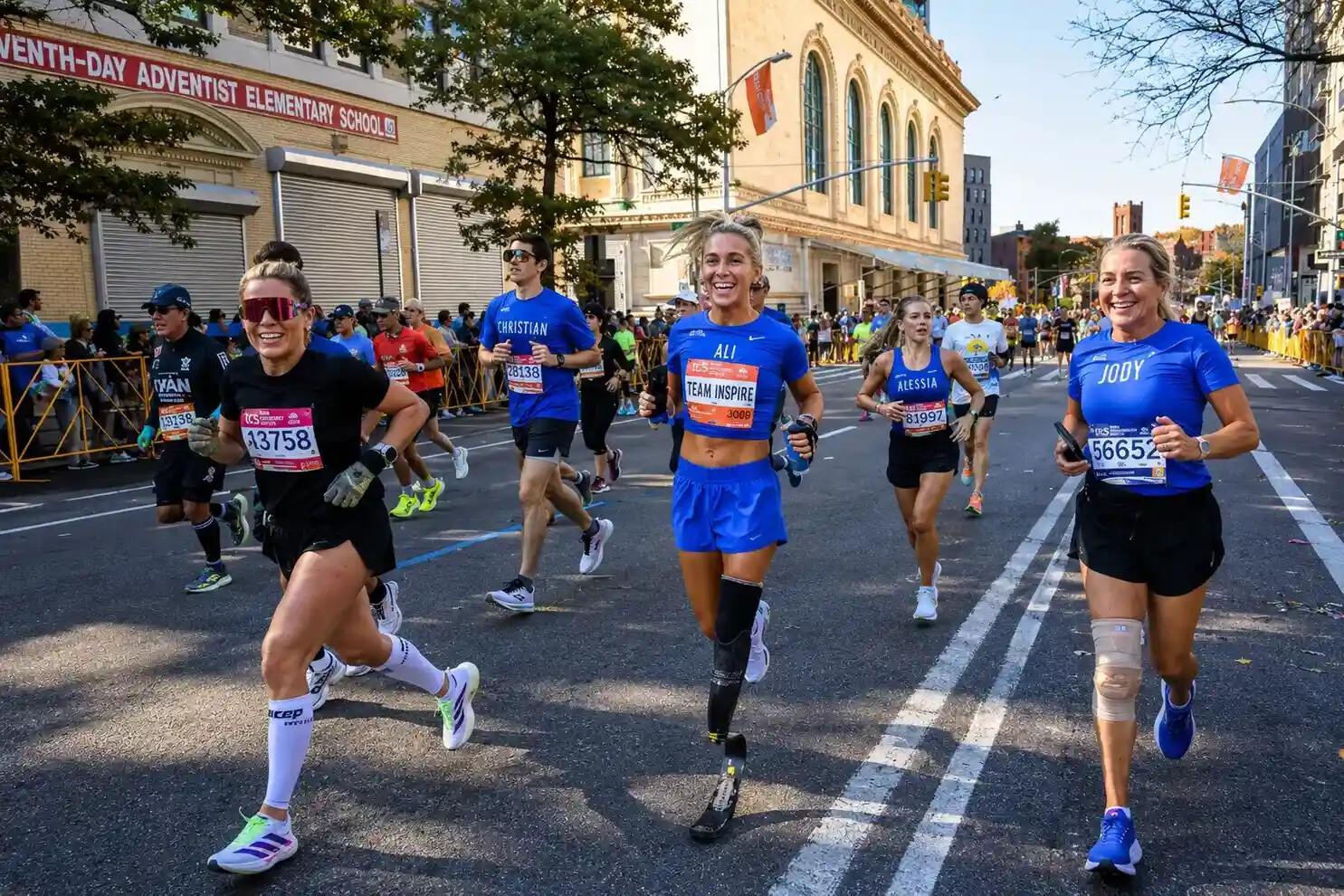
For American Paralympic swimmer Ali Truwit, completing the New York City Marathon represented far more than covering 26.2 miles. It was the culmination of an extraordinary journey of survival, resilience, and unwavering determination that began with a life-altering shark attack just two years earlier.
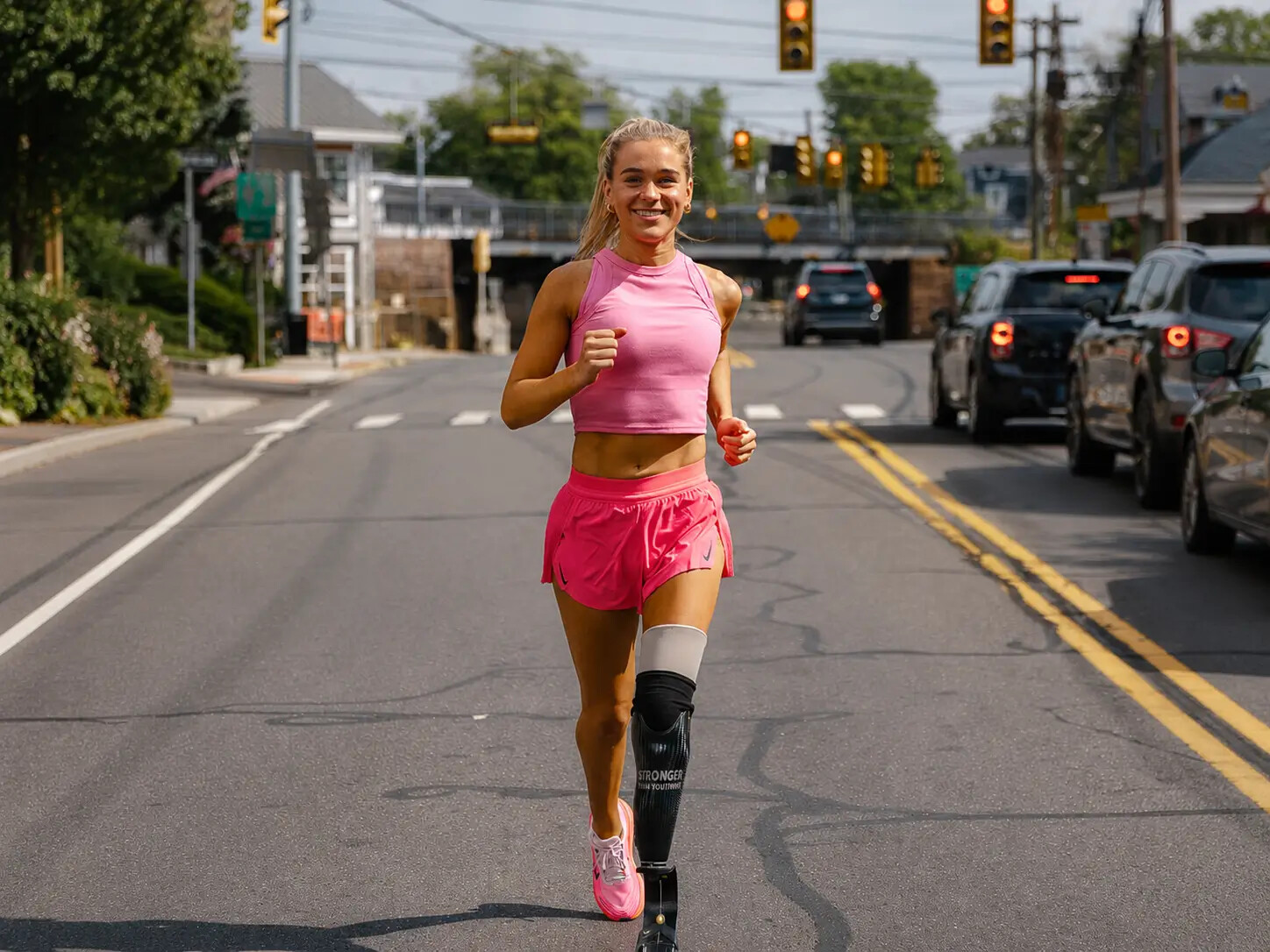
On a crisp November morning in 2025, Truwit crossed the iconic finish line wearing a carbon-fibre running blade, fulfilling a promise she had made while recovering in a hospital bed after losing her lower left leg. The emotional milestone marked another remarkable chapter in one of the most inspiring comeback stories in modern sport.
The road to that unforgettable finish began only days after Truwit celebrated a major personal achievement. In May 2023, she completed her first marathon in Copenhagen alongside her mother. Just ten days later, while enjoying a graduation trip to Turks and Caicos with former Yale swimming teammate Sophie Pilkinton, tragedy struck.
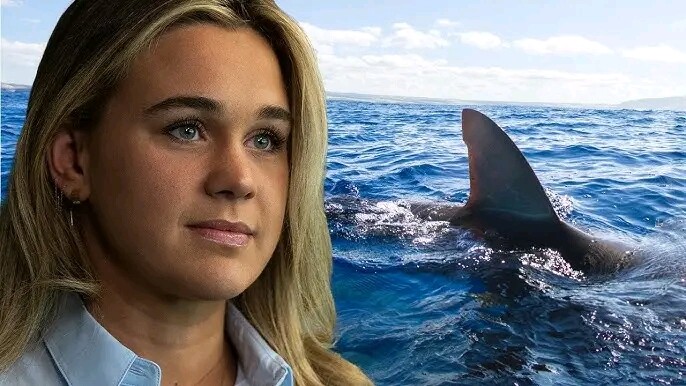
While the pair were snorkelling, a shark attacked Truwit, severely injuring her left leg. Displaying remarkable courage, the two swam approximately 55 metres back to their boat, where Pilkinton—then a medical student—quickly applied a tourniquet that stopped the bleeding and ultimately saved Truwit's life.
Doctors were forced to amputate her lower left leg on her 23rd birthday.
Even in the darkest moments of recovery, Truwit's determination never disappeared. Reflecting on having recently completed her first marathon, she joked with one of the first responders that at least she had managed to run a marathon before the attack. The responder's simple but powerful reply would remain with her throughout rehabilitation: "You'll run another one."
Those words became a source of hope during the long and demanding road back.
Only weeks after surgery, Truwit began learning to walk on a prosthetic limb before gradually returning to the swimming pool. The process was anything but straightforward. The water that had once been her sanctuary became a source of painful memories, yet she refused to allow fear to define her future.
Her relentless work ethic soon produced extraordinary results.
Less than 16 months after the attack, Truwit represented the United States at the Paris 2024 Paralympic Games, producing a sensational performance to claim both silver and bronze medals. Standing on the Paralympic podium was a powerful reminder of how far she had come in such a short period, and she dedicated those achievements to everyone who had helped save her life.
Still, another dream remained unfinished.
The New York City Marathon carried deep personal significance. It was not merely another endurance event but a symbolic return to the city where her life had changed forever. On November 2, 2025, she lined up in Staten Island accompanied by 13 family members and close friends, all proudly representing her nonprofit foundation, Stronger Than You Think. Among them was Pilkinton, the friend whose quick thinking had preserved her life on that unforgettable day in the Caribbean.
Together, they covered every mile of the marathon before celebrating an emotional finish that Truwit later described as being "over the moon."
Completing a marathon on a carbon-fibre running blade presents challenges far beyond those faced by able-bodied runners. The prosthetic demands greater strength from the hips, core, and remaining leg while requiring exceptional balance, coordination, and endurance. Truwit's preparation combined months of disciplined training, patience, and mental resilience as she effectively taught herself how to run again.
Her story extends well beyond medals and marathon finishes.
Inspired by her own recovery, Truwit founded Stronger Than You Think, a nonprofit organisation dedicated to helping individuals overcome physical and financial barriers following limb loss. Recognising that sports prosthetics can cost tens of thousands of dollars and are often not covered by insurance, the foundation provides financial assistance for prosthetic devices, supports water-safety education, and promotes opportunities within Paralympic sport.
The organisation has already helped provide more than 11 prosthetic limbs, delivered nearly $200,000 in direct support, and funded over 4,000 hours of water-safety lessons benefiting more than 700 young people.
Throughout her journey, Truwit has remained refreshingly honest about the emotional challenges that continue to accompany recovery. She has openly acknowledged that healing is an ongoing process and that grief can still come in waves. Rather than portraying an effortless comeback, she has demonstrated that resilience is built through persistence, even on the hardest days.
Her remarkable transformation resonates far beyond elite sport. While few people will ever experience the trauma she endured, countless runners and athletes understand the frustration of injury, disappointment, or rebuilding after adversity. Truwit's journey serves as a powerful reminder that recovery is rarely linear and that courage is often measured by the willingness to keep moving forward despite uncertainty.
Now looking ahead to the Los Angeles 2028 Paralympic Games, Truwit continues to redefine what is possible. She is no longer known simply as the swimmer who survived a shark attack. She has become a Paralympic medallist, marathon finisher, advocate, and symbol of resilience whose story continues to inspire athletes around the world.
Her journey proves that while life can change in an instant, so too can the strength of the human spirit. Sometimes the greatest triumph is not returning to the person you once were, but discovering someone even stronger than you ever imagined possible.
by Erick Cheruiyot for My Best Runs.
Login to leave a comment
