

Running News Daily
Running News Daily is edited by Bob Anderson and team. Send your news items to bob@mybestruns.com Advertising opportunities available.
Index to Daily Posts · Sign Up For Updates · Run The World Feed
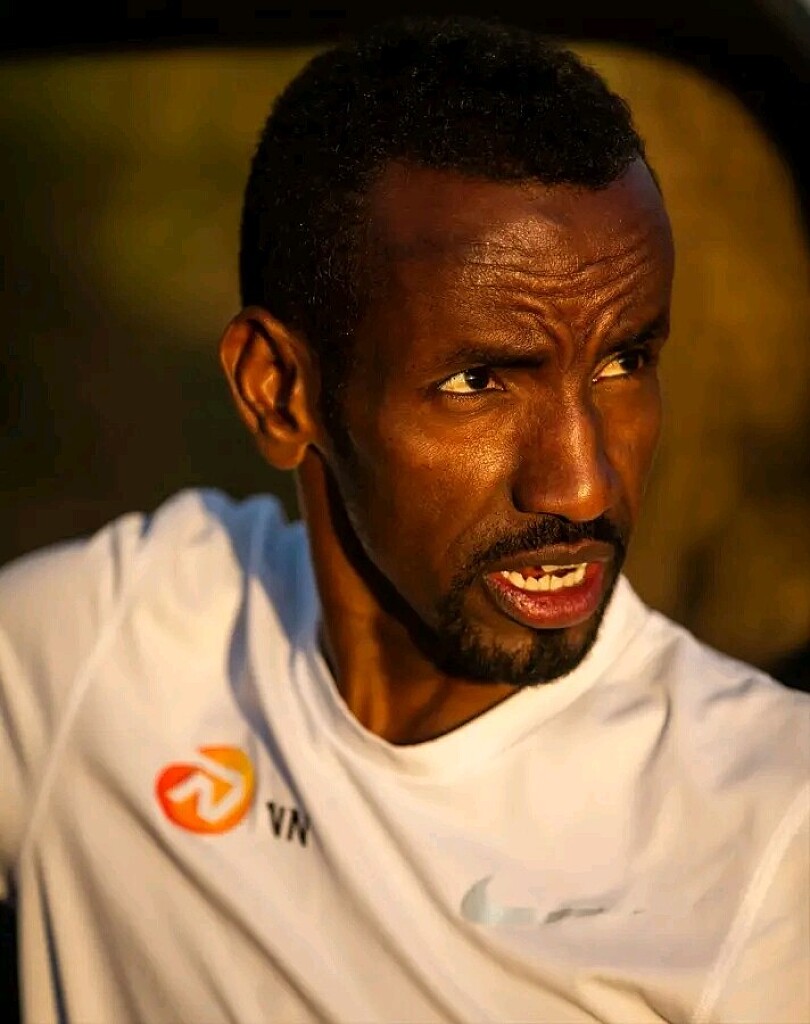


Bashir Abdi’s National Record Annulled After Half Marathon Course Found Short

Distance running can be brutally unforgiving, but few moments are as heartbreaking as producing the race of your life only to discover it will never officially count.
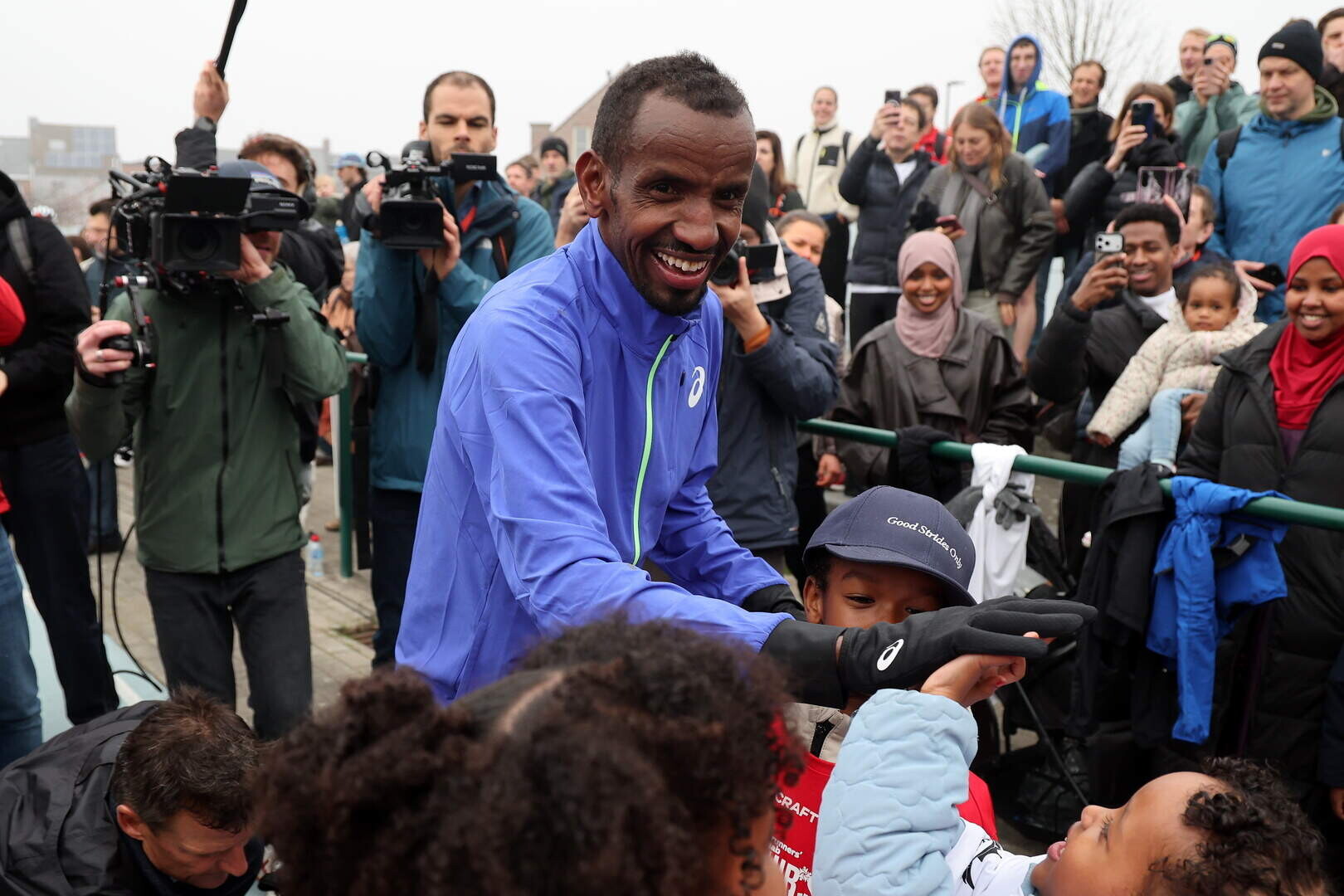
That painful reality has now struck Dutch long-distance star Bashir Abdi after his remarkable half marathon performance in Gentbrugge was annulled following confirmation that the course measured approximately 200 metres short.
Abdi had appeared to rewrite the Dutch record books with a sensational time of 59:28, slicing 23 seconds off his previous national mark of 59:51. The performance was initially celebrated as another milestone in the decorated career of one of Europe’s finest marathon runners, sparking excitement across the athletics world.
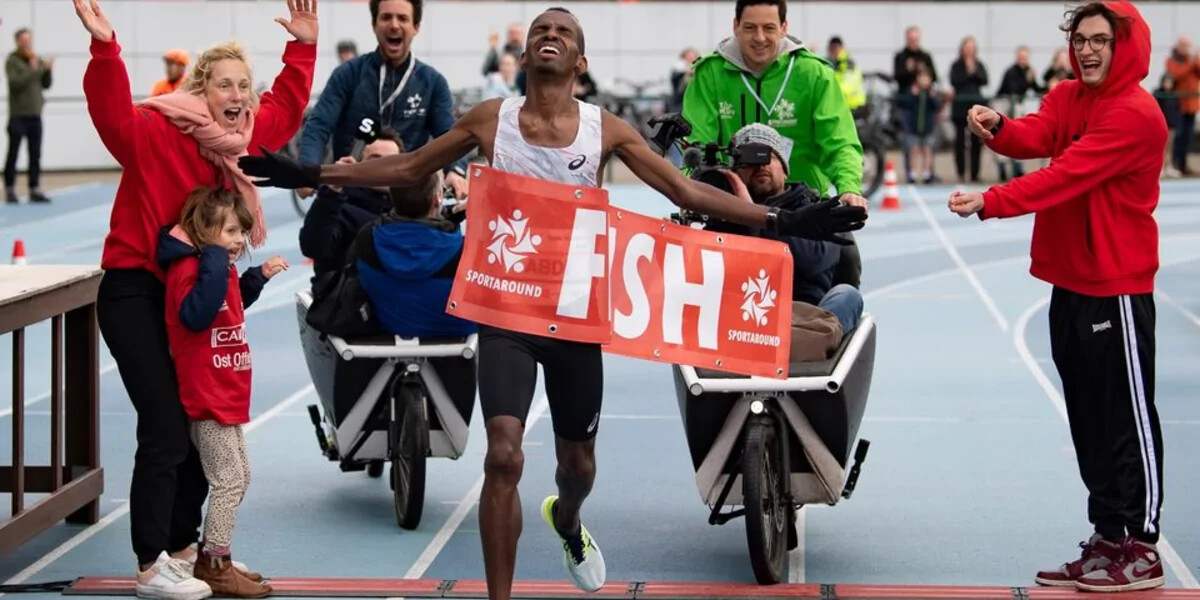
However, a post-race remeasurement later revealed that the course did not meet the official half marathon distance, forcing organizers to invalidate the result despite Abdi’s impressive effort.
The race organizers admitted the mistake in a statement, acknowledging that the error had led to a deeply disappointing outcome while promising to learn from the incident moving forward.
For Abdi, the news was understandably difficult to accept. The record had carried significant emotional value, representing months of preparation and another chapter in his distinguished career. Yet even in disappointment, the Olympic medalist responded with admirable sportsmanship and integrity.
“It is very unfortunate to hear that the course was too short. That record meant a lot to me, but sport is also about fairness. Right is right,” Abdi said after the decision was officially confirmed.
While the time will not stand in the record books, the performance itself still underlined Abdi’s exceptional form and enduring class on the roads. Few athletes would handle such a crushing setback with the same level of grace, and his reaction has earned widespread respect from fans and fellow athletes alike.
The incident also serves as a painful reminder of the precision required in elite road racing, where even the smallest measurement error can erase historic achievements in an instant. For organizers, the Gentbrugge controversy will likely become a hard lesson in the importance of course verification at the highest level of the sport.
For Abdi, meanwhile, the disappointment may only fuel greater motivation. Records can be erased on paper, but the determination and quality behind a world-class run remain impossible to measure away.
by Erick Cheruiyot for My Best Runs.
Login to leave a comment
Latest Running News
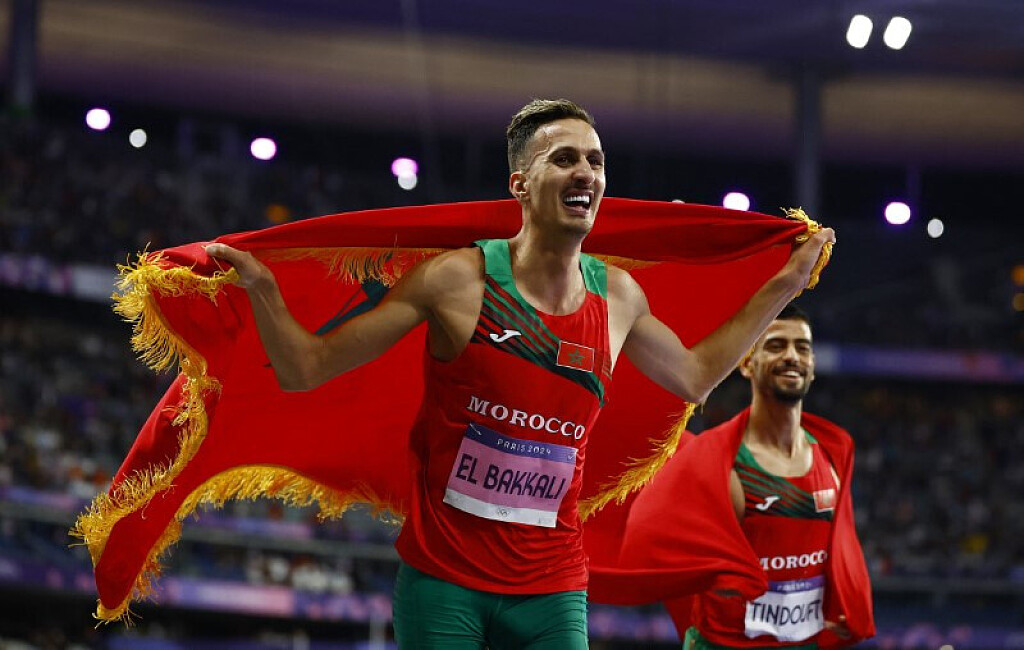
Soufiane El Bakkali Set to Ignite Rabat as Olympic Champion Returns to Home Soil
The spotlight of the athletics world will shine brightly on Morocco this weekend as hometown hero Soufiane El Bakkali prepares to headline a blockbuster men’s 3000m steeplechase at the Rabat Diamond League on May 31.
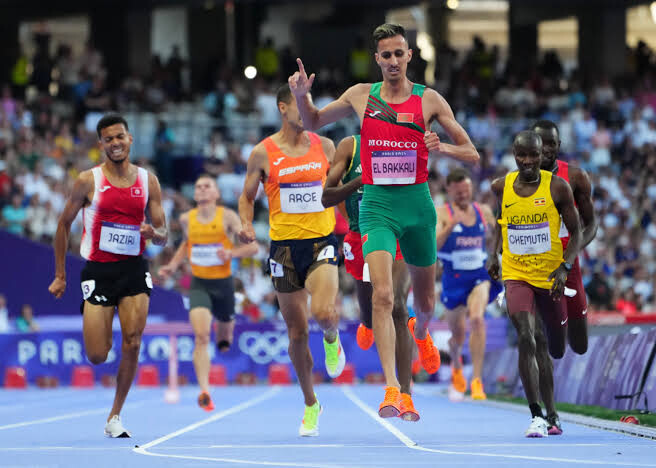
The double Olympic champion returns to familiar territory carrying the hopes of an entire nation, with thousands expected to pack the stadium in anticipation of another unforgettable performance from Morocco’s greatest distance-running star of his generation. Whenever El Bakkali races on home soil, the atmosphere transforms into something far beyond a regular Diamond League meeting — a celebration of national pride, excellence, and sporting passion.
After cementing his legacy on the global stage with Olympic glory and multiple world titles, El Bakkali now faces one of the strongest steeplechase fields assembled this season. The Moroccan ace will lead an elite international lineup featuring some of the most dangerous names in world distance running, setting the stage for a fiercely competitive showdown in Rabat.
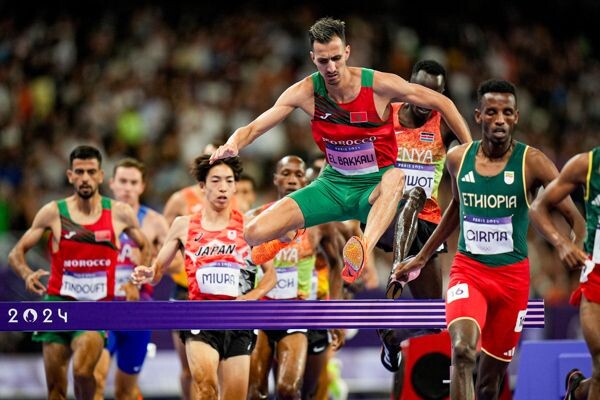
Among the top challengers is Ethiopia’s Samuel Firewu, whose aggressive racing style and finishing speed make him a serious contender over the barriers. Kenya will also arrive heavily represented with Olympic medalist Abraham Kibiwot, rising talent Edmund Serem, and the experienced Simon Kiprop Koech all chasing a major Diamond League victory.
The international depth continues with New Zealand star Geordie Beamish, Spain’s Daniel Arce, Germany’s Frederik Ruppert, France’s Djilali Bedrani and Alexis Miellet, Tunisia’s Mohamed Amin Jhinaoui, and American athlete Matthew Wilkinson. Morocco will also have additional home support through Salah Eddine Ben Yazide, adding even more local excitement to the event.
Despite the world-class opposition, the spotlight will remain firmly fixed on El Bakkali. The Moroccan icon has become synonymous with dominance in the steeplechase, ending years of Kenyan supremacy in the event and inspiring a new generation of North African athletes through his remarkable consistency on the biggest stages.
Rabat’s Diamond League meeting has steadily grown into one of the most electrifying stops on the international athletics calendar, and this year’s steeplechase could become one of the defining races of the season. With Olympic champions, global medalists, and emerging stars all sharing the same start line, fans can expect a tactical and high-intensity contest from the opening lap.
For Morocco, however, this race means more than points or rankings. It represents the return of a national hero whose achievements have elevated the country’s status in world athletics. As the crowd roars inside the stadium on Sunday, El Bakkali will once again carry the weight of expectation — and the energy of an entire nation behind him.
If history is any indication, Rabat may be about to witness another magical chapter in the remarkable career of Soufiane El Bakkali.
by Erick Cheruiyot for My Best Runs.
Login to leave a comment

No Coach, No Sponsor, No Limits: Vincent Mauri’s Historic Marathon Debut Shocks America
At a time when elite marathon success is often built around professional coaching teams, corporate sponsorships, altitude camps, and carefully managed race schedules, Vincent Mauri has rewritten the script in the most astonishing way possible.
The 25-year-old American stunned the distance-running world last month when he clocked a breathtaking 2:05:54 in his very first marathon — the fastest marathon debut ever recorded by an American athlete. What made the performance even more extraordinary was not just the time itself, but the unlikely path behind it.

No coach. No sponsor. No major professional backing.
Just relentless discipline, intelligent preparation, and a belief that bordered on fearless.
When Mauri crossed the finish line, disbelief spread almost instantly across social media and running forums. Many initially assumed the result had to be incorrect. A 2:05 marathon is already world-class territory. Producing it on debut, with virtually no public profile entering the race, felt almost unreal.
But the performance was no accident.
Behind the scenes, Mauri had quietly built himself into one of the most dangerous emerging talents in American distance running. While much of the spotlight remained fixed on established stars, he focused on consistency — stacking together weeks of demanding mileage, carefully structured workouts, and meticulous recovery habits without the luxury of a professional support system.
Those close to his training revealed sessions that bordered on outrageous: long runs at near-marathon pace, brutal threshold workouts, and remarkable solo efforts that hinted something special was brewing long before race day arrived.
Yet perhaps the most impressive aspect of Mauri’s rise is the independence with which he achieved it.
In an era where athletes often rely heavily on sports science teams and sponsorship infrastructure, Mauri trusted his own instincts and commitment. He trained largely outside the traditional elite system, proving that raw determination and attention to detail can still compete with the sport’s biggest resources.
His breakthrough has now sparked excitement across American distance running, with many already wondering how fast he can ultimately become. A debut of 2:05:54 immediately places him among the nation’s elite marathoners and signals the arrival of a serious contender on the international stage.
More importantly, Mauri’s story resonates because it feels authentic.
It is the story of an athlete who succeeded before the contracts, before the headlines, and before the spotlight found him. In a sport increasingly shaped by commercial expectations, Vincent Mauri delivered a reminder that extraordinary performances can still emerge from pure grit and self-belief.
America may have just discovered its newest marathon sensation — and he did it entirely on his own terms.
by Erick Cheruiyot for My Best Runs.
Login to leave a comment
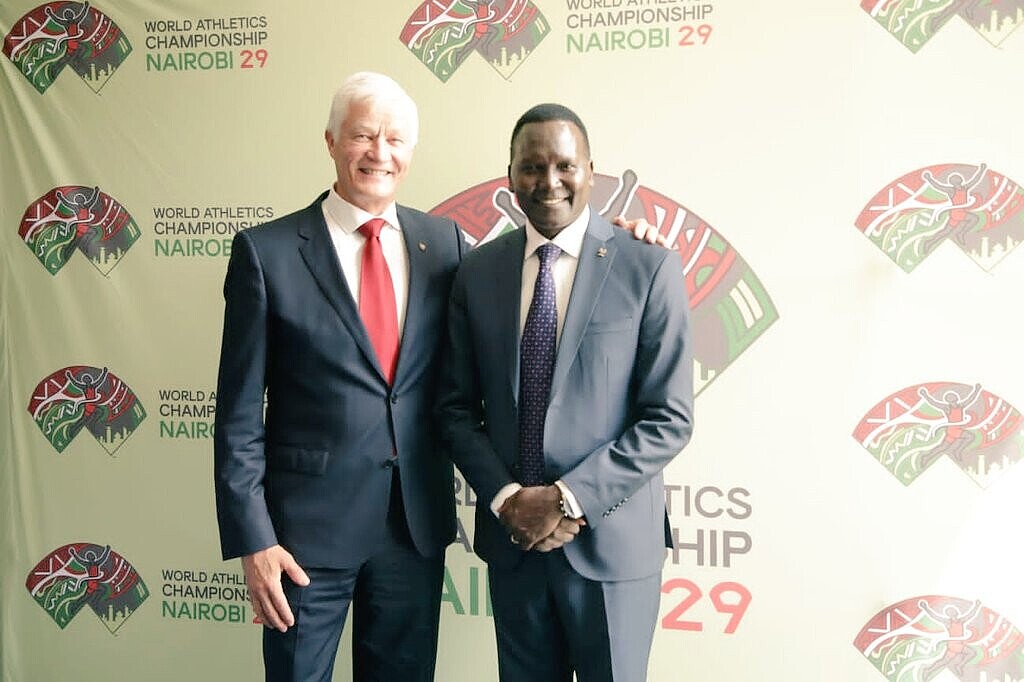
Paul Tergat Backs Kenya’s Ambitious Bid to Host World Athletics Championships
Kenyan athletics icon Paul Tergat has thrown his weight behind Kenya’s ambitious campaign to host the World Athletics Championships in 2029 describing the nation as the true heartbeat of global distance running.
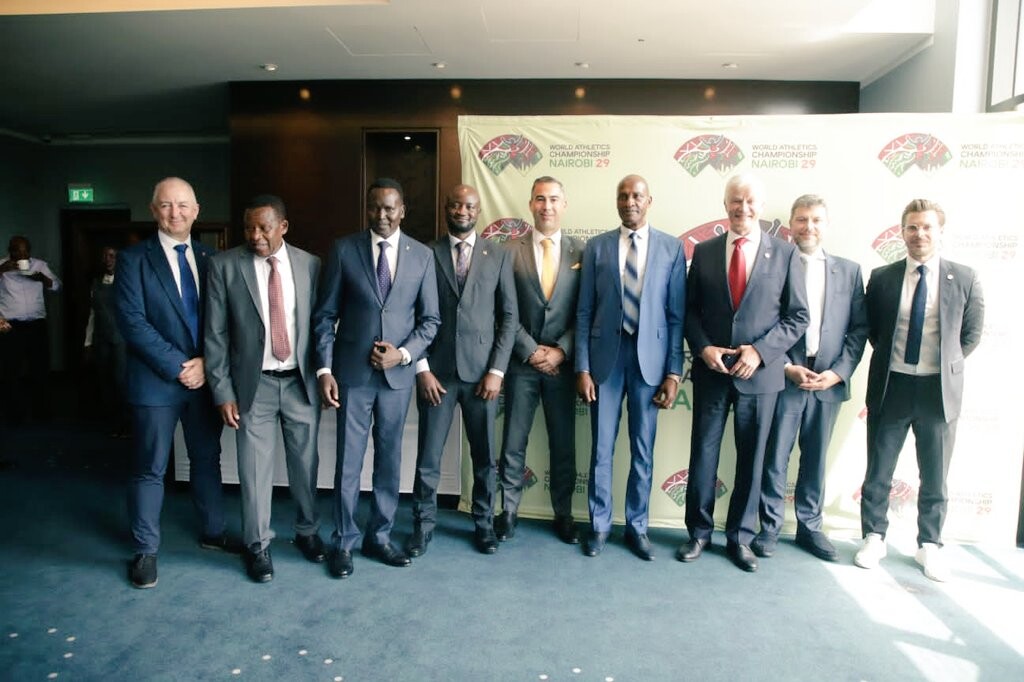
In a passionate message shared on X Space, the former marathon world record holder called on the international athletics community to experience the culture, heritage, and unmatched talent that have made Kenya one of the most dominant forces in the history of the sport.
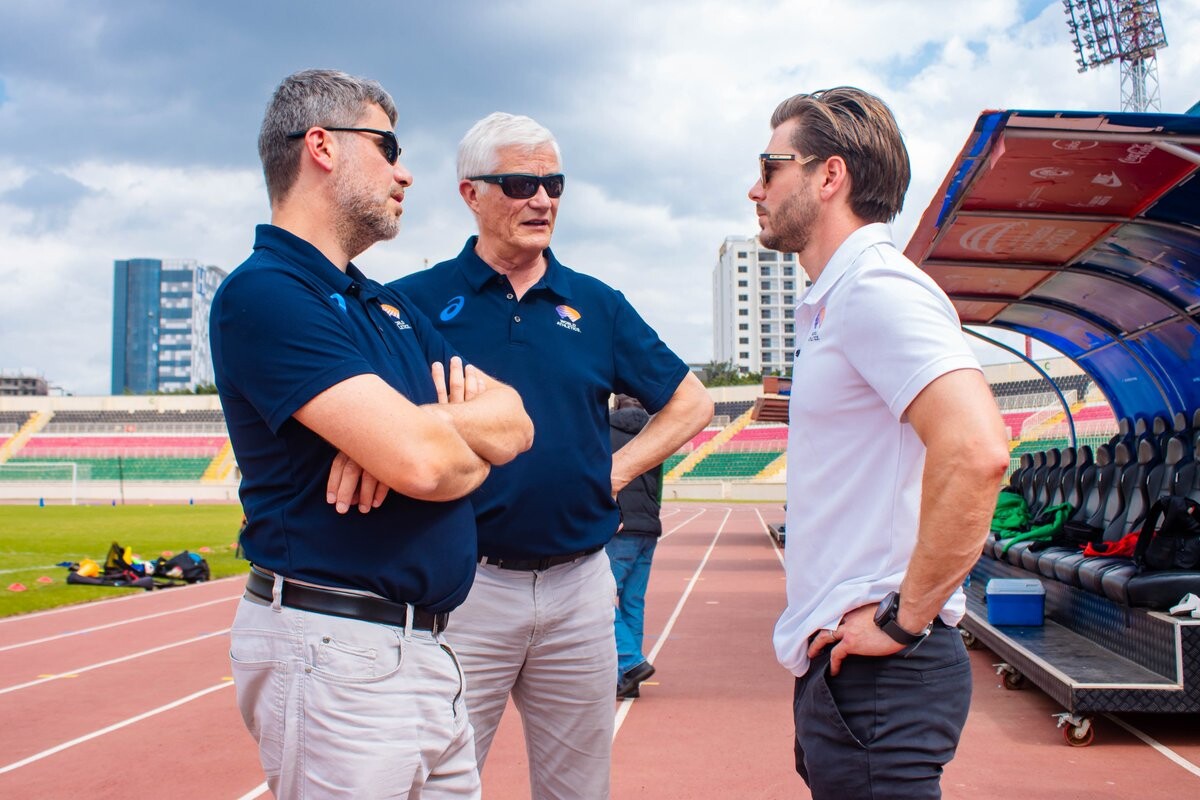
“Kenya is inviting the world to experience running at its source,” Tergat said. “From the soil that produces legends, from communities where athletics is lived, breathed, and passed through generations.”
His remarks arrive at a time when Kenya is intensifying efforts to secure hosting rights for one of athletics’ most prestigious global events — a move that would mark a historic milestone for both the country and the African continent.
Few figures embody Kenya’s running excellence more than Tergat himself. The legendary distance runner became the first Kenyan man to set a marathon world record after producing a groundbreaking performance of 2:04:55 at the Berlin Marathon 2003. His record stood until 2007 and cemented his place among the greatest marathoners in history.
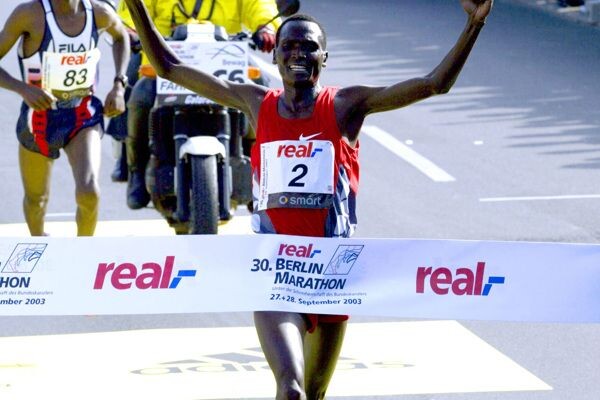
Before conquering the roads, Tergat had already established an extraordinary legacy in cross country running. Between 1995 and 1999, he achieved one of the sport’s rarest feats by winning five consecutive World Cross Country long-race titles, dominating an era filled with elite competition.
On the track, Tergat was renowned for his unforgettable rivalry with Ethiopian great Haile Gebrselassie. The Kenyan star captured Olympic silver medals in the 10,000m at both the 1996 Atlanta Games and the 2000 Sydney Olympics, while also earning silver medals at the 1997 and 1999 World Championships. Many of those races were decided in dramatic final laps, with Tergat and Gebrselassie pushing each other to historic performances.
His success extended beyond the track and marathon scene. Tergat claimed back-to-back IAAF World Half Marathon titles in 1999 and 2000 before later winning the prestigious 2005 New York City Marathon, further solidifying his reputation as one of the most versatile distance runners of his generation.
Away from competition, Tergat has remained deeply influential in Kenyan sport and athletics administration. He previously served as President of the National Olympic Committee of Kenya (NOC-K) and founded the Sports Personality of the Year Awards (SOYA), an initiative that continues to celebrate and recognize sporting excellence across the country.
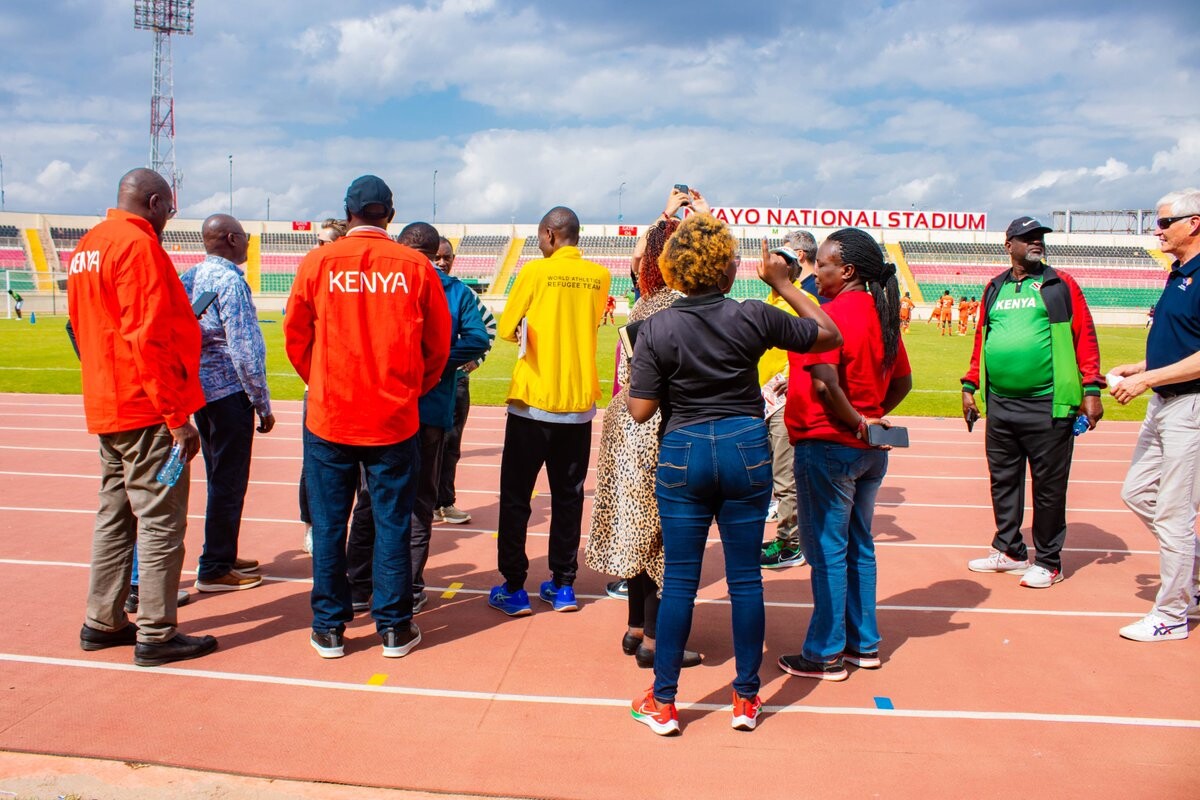
For decades, Kenya has remained synonymous with excellence in middle- and long-distance running, producing generations of champions who have rewritten world records, conquered Olympic podiums, and elevated the nation’s reputation on the global sporting stage. From the high-altitude training camps of the Rift Valley to packed road races across the world, Kenyan athletics has evolved into more than just sport — it is part of the country’s identity.
Tergat believes hosting the championships would offer the world an opportunity to witness firsthand the environment that shapes elite athletes. Beyond the competition itself, he emphasized the cultural significance of Kenyan running communities, where young athletes grow up inspired by local heroes and where endurance running is deeply woven into everyday life.
The bid also represents Africa’s growing desire to host more major international sporting events. While African athletes have consistently dominated global athletics for generations, the continent has rarely been given the opportunity to stage the sport’s biggest championships. Kenya’s proposal is therefore seen as both symbolic and transformative for athletics worldwide.
Tergat’s endorsement adds significant weight to the campaign. Widely regarded as one of the greatest distance runners in history, the Kenyan legend remains a respected voice within international athletics circles. His support reflects the confidence many within the sport have in Kenya’s ability to deliver a memorable and globally impactful championship.
If successful, the championships would not only showcase elite competition but also spotlight Kenya’s rich sporting heritage, passionate fans, and deep-rooted connection to athletics — offering the world a chance to experience the birthplace of countless running legends.
by Erick Cheruiyot for My Best Runs.
Login to leave a comment
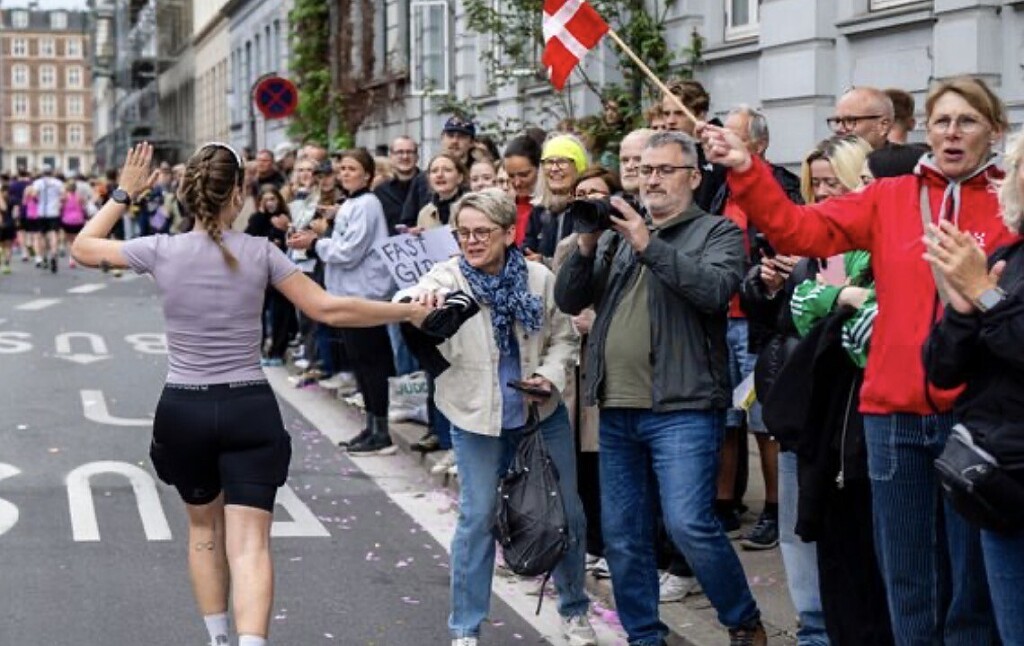
World Athletics Road Running Championships in Copenhagen Aim for Lasting Impact Beyond the Finish Line
When the World Athletics Road Running Championships arrive in Copenhagen Sept. 19-20, 2026, the focus will extend far beyond medals and finishing times. Organizers of the global event are positioning the championships as a model for how major sporting events can create long-term environmental and social benefits while still delivering world-class competition.
The championships will feature the world’s best athletes competing for official world titles in the half marathon, 5K, and one mile. They will be joined by an estimated 65,000 recreational runners racing on the same streets through the Danish capital.
But organizers say the bigger goal is to leave behind a meaningful legacy.

Behind the scenes, the event team is implementing a broad sustainability strategy designed to reduce climate impact while encouraging healthier lifestyles across Denmark. Organizers expect both runners and more than 100,000 spectators to participate in these efforts through responsible waste sorting, use of public transportation, and climate-conscious food choices.
At the same time, the championships are being used to engage children, young people, and individuals living with illnesses in programs aimed at improving long-term public health and community participation through sport.

“It may sound simple to ask people to sort their waste or take the bus, but as a leading green city, Copenhagen has a responsibility — especially when we welcome the world,” said Christopher Røhl, Mayor of Culture and Leisure for the City of Copenhagen. “We cannot take over the city and its public spaces without taking responsibility for the footprint we leave behind.”
One of the event’s major goals is to achieve gold certification under World Athletics’ “Athletics for a Better World Standard,” a sustainability framework requiring measurable progress across 55 action areas covering climate impact, governance, and social responsibility.
Sport Event Denmark CEO Lars Lundov said Denmark’s approach to hosting major sporting events has evolved significantly in recent years.
“When Denmark hosts major international sporting events, it comes with a responsibility to do so in a more sustainable way,” Lundov said. “It is about concrete actions — from renewable energy and reducing food waste to circular solutions and better use of public transport.”
Wonderful Copenhagen, the city’s tourism organization, also sees the championships as an opportunity to create behavioral change through sport.
“International events bring locals and visitors together around shared experiences, making them strong catalysts for changing behavior and creating long-term positive impact,” said Kit Lykketoft, Director of Congresses, Events & Sustainability.
Sparta Athletics & Running, the local organizing body behind the championships, says the approach is intentionally practical rather than built around one headline-grabbing promise.
“The World Championships provide a unique international platform that allows us to elevate our social responsibility efforts to a new level,” said Sparta CEO Dorte Vibjerg. “The experience we gain here will create lasting effects that extend far beyond the event itself.”
Nynne Ammundsen, Head of Sustainability for Sparta Athletics & Running, summarized the philosophy this way:
“We believe that an ‘every action counts’ approach will take us far. Rather than promoting one overly ambitious goal, we are setting measurable targets across a wide range of areas where we, as organizers, can genuinely make a difference.”
The championships’ sustainability campaign is built around the slogan:
“Do less. Do greener. Do it together.”
With elite racing, mass participation, and one of Europe’s most environmentally focused cities working together, Copenhagen 2026 hopes to demonstrate that the future of road racing can be both world-class and responsible.
by Sparta
Login to leave a comment
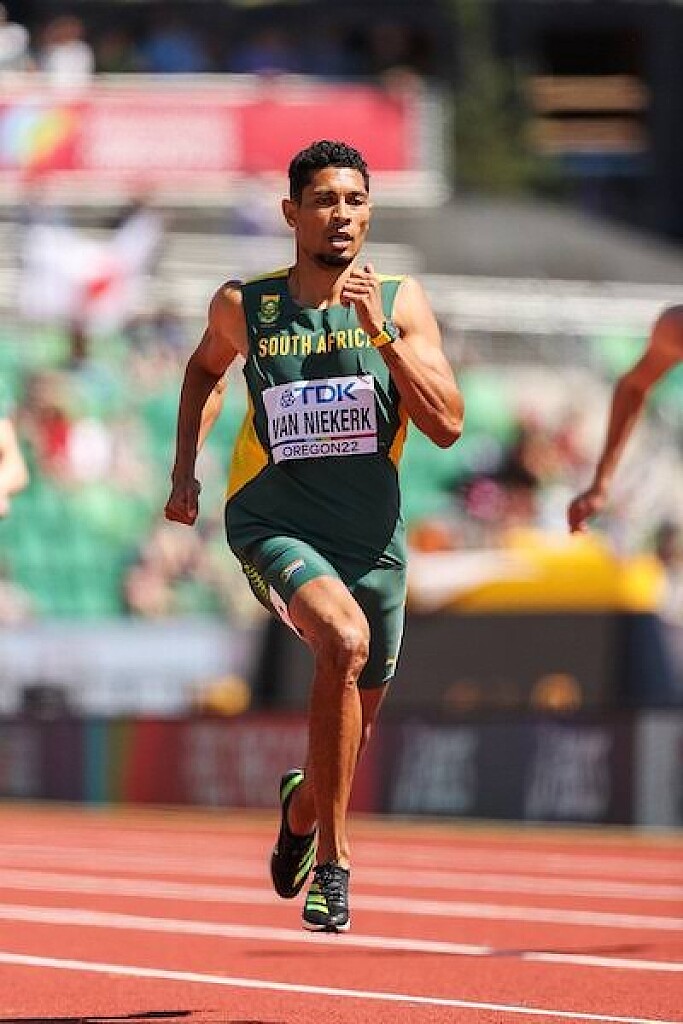
Wayde van Niekerk Withdraws from Rabat Diamond League Due to Ongoing Quad Injury
South African sprint star Wayde van Niekerk has officially withdrawn from the upcoming Rabat Diamond League meeting as he continues to battle a persistent quad injury, raising fresh concerns over the fitness of one of track and field’s most iconic athletes.

The 33-year-old had been expected to line up in the men’s 400m in Rabat, but the lingering injury has forced him to step away from competition in a bid to avoid further setbacks during the outdoor season.
Van Niekerk remains one of the greatest quarter-milers in athletics history. The South African stunned the world at the 2016 Rio Olympic Games when he stormed to a historic 43.03 seconds, a performance that still stands as the current men’s 400m world record. In addition to his Olympic title, he is also a two-time world champion and a World Championships silver medallist.
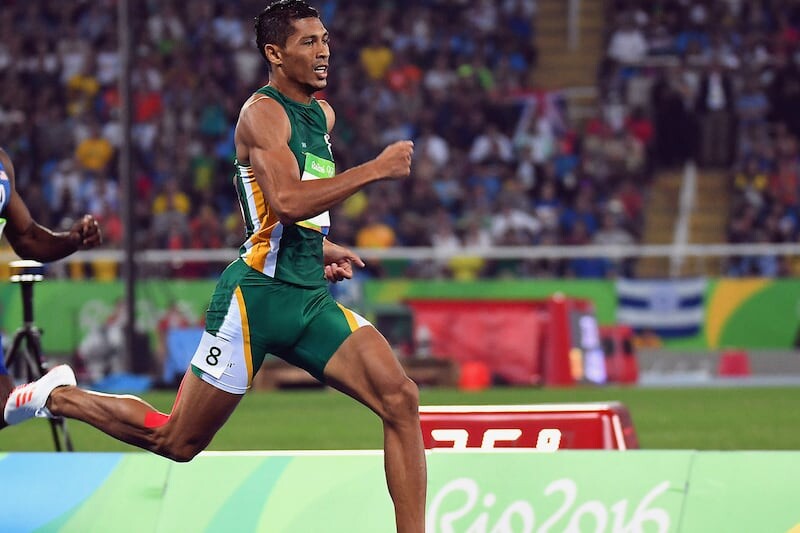
The former global champion has endured a difficult spell with injuries in recent years, preventing him from consistently returning to the dominant form that once made him virtually untouchable over one lap of the track. Although he has shown encouraging signs in recent appearances, fitness issues continue to interrupt his comeback efforts.
His withdrawal is a major disappointment for the Rabat Diamond League, where fans had hoped to see the South African legend test himself against a high-quality international field as the build-up toward the season’s major championships intensifies.
Despite the setback, the decision to pull out appears to be a cautious one focused on protecting his long-term health rather than risking a more serious injury at this stage of the campaign.
The athletics world will now wait for further updates on Van Niekerk’s recovery, with supporters across the globe hoping the Olympic champion can return fully fit and competitive in the coming weeks.
For now, the focus shifts from racing to rehabilitation as one of sprinting’s greatest talents works toward another comeback.
by Erick Cheruiyot for My Best Runs.
Login to leave a comment
