

Running News Daily
Running News Daily is edited by Bob Anderson and team. Send your news items to bob@mybestruns.com Advertising opportunities available.
Index to Daily Posts · Sign Up For Updates · Run The World Feed
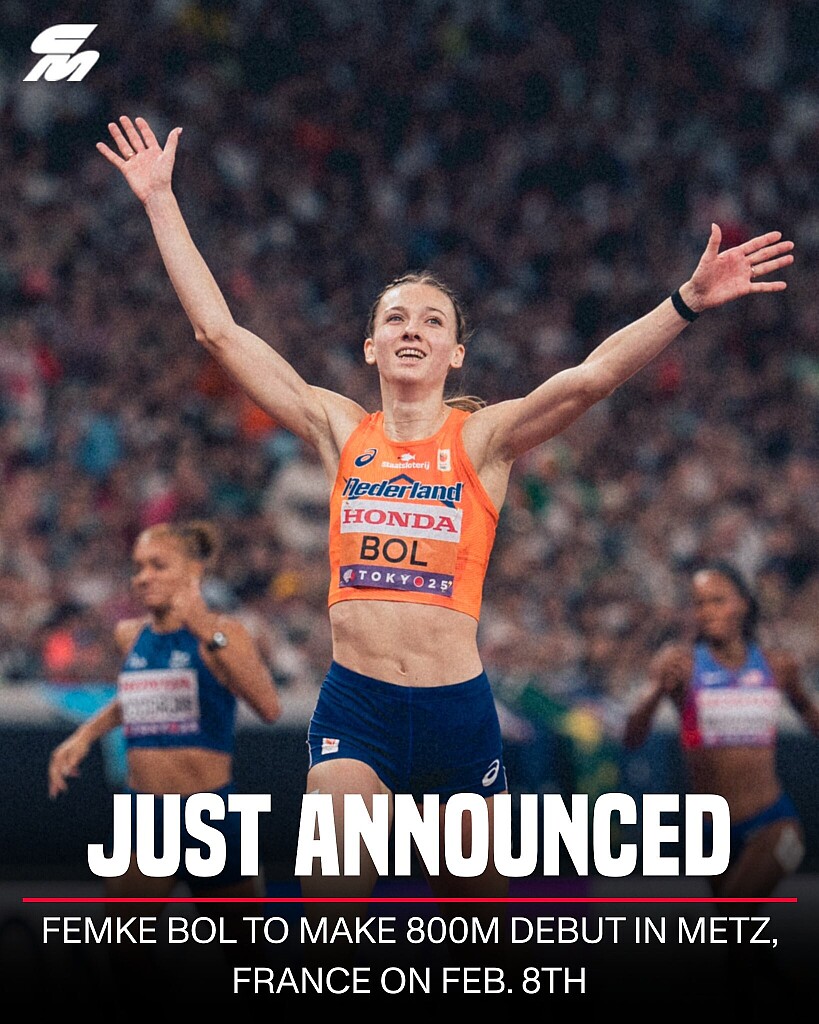


Femke Bol Set for 800m Debut at Athelor Meeting in Metz

The moment many athletics fans have been waiting for has finally arrived. Two-time world 400m hurdles champion Femke Bol is set to make her much-anticipated 800m debut at the Athelor Meeting in Metz, France, on February 8, meet organizers have confirmed.
The announcement was made on Moselle TV, sparking excitement across the track and field world as the Dutch superstar prepares to test herself over a new distance. Bol took the decision to explore the 800m back in October, shortly after sealing her second consecutive world title in the 400m hurdles in Tokyo, further cementing her dominance in the event.
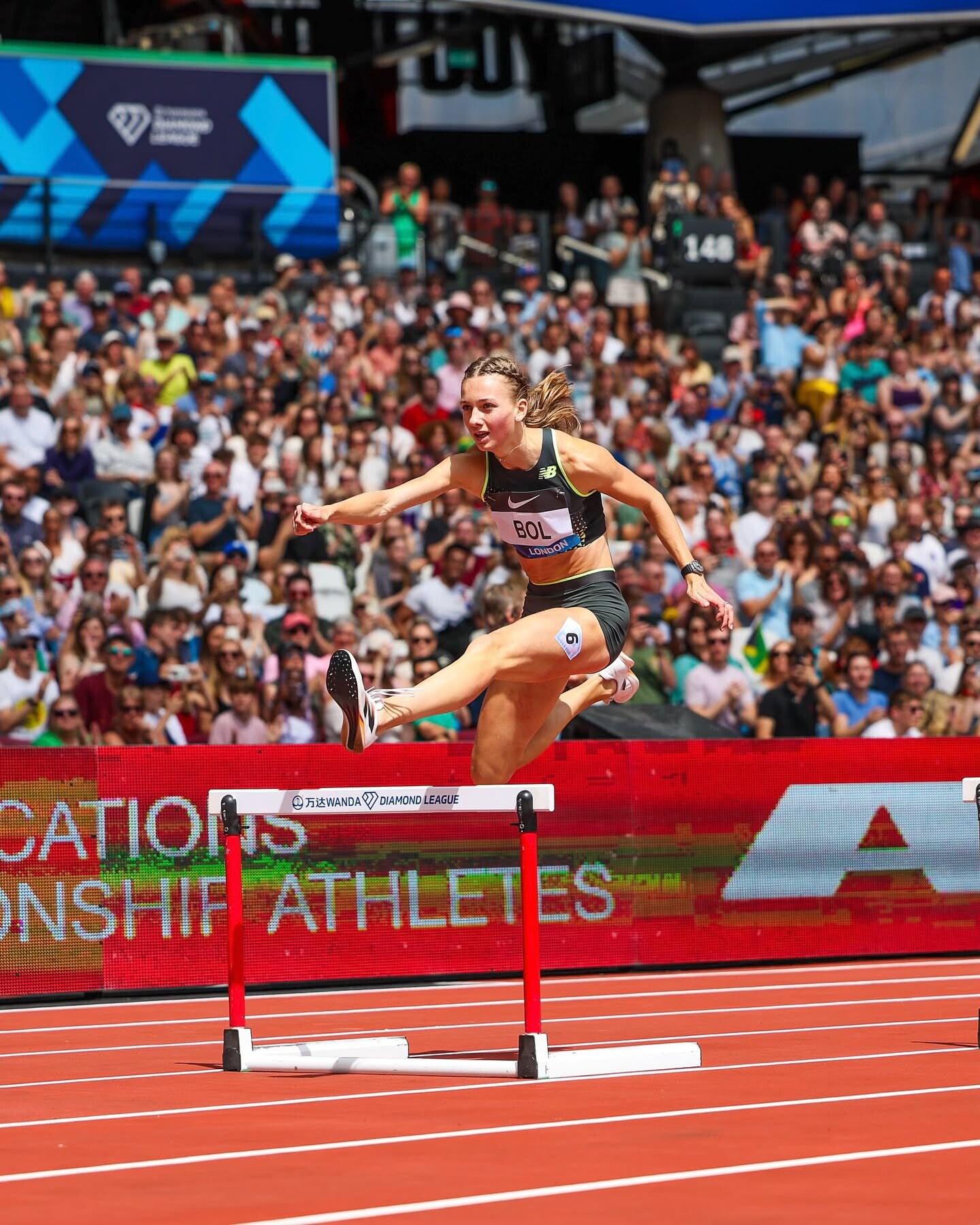
Meet director Dominique Abisse explained why Metz was chosen as the venue for this important career moment, highlighting both familiarity and comfort as key factors.
“She has chosen a place that reassures her, where she is on known ground, and a land that she appreciates,” Abisse said, speaking to French media.
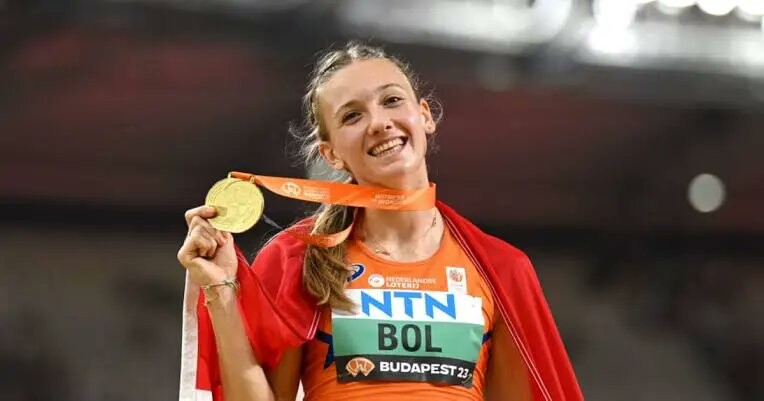
The choice of Metz also makes sense from a performance perspective. The city proved it can deliver fast middle-distance races last season, when Ethiopia’s Tsigie Duguma edged Britain’s Jemma Reekie in a thrilling 800m showdown, clocking 1:58.97 to Reekie’s 1:59.72. That race underlined the meet’s reputation as a stage capable of producing high-quality times.
Bol’s move to the 800m will be closely watched, given her exceptional speed, endurance, and tactical intelligence—qualities that have made her nearly untouchable over the one-lap hurdles. Whether this debut signals a long-term shift or a strategic experiment remains to be seen, but one thing is certain: all eyes will be on Metz on February 8 as one of the sport’s biggest stars takes on a bold new challenge.
by Erick Cheruiyot for My Bestruns.
Login to leave a comment
Latest Running News
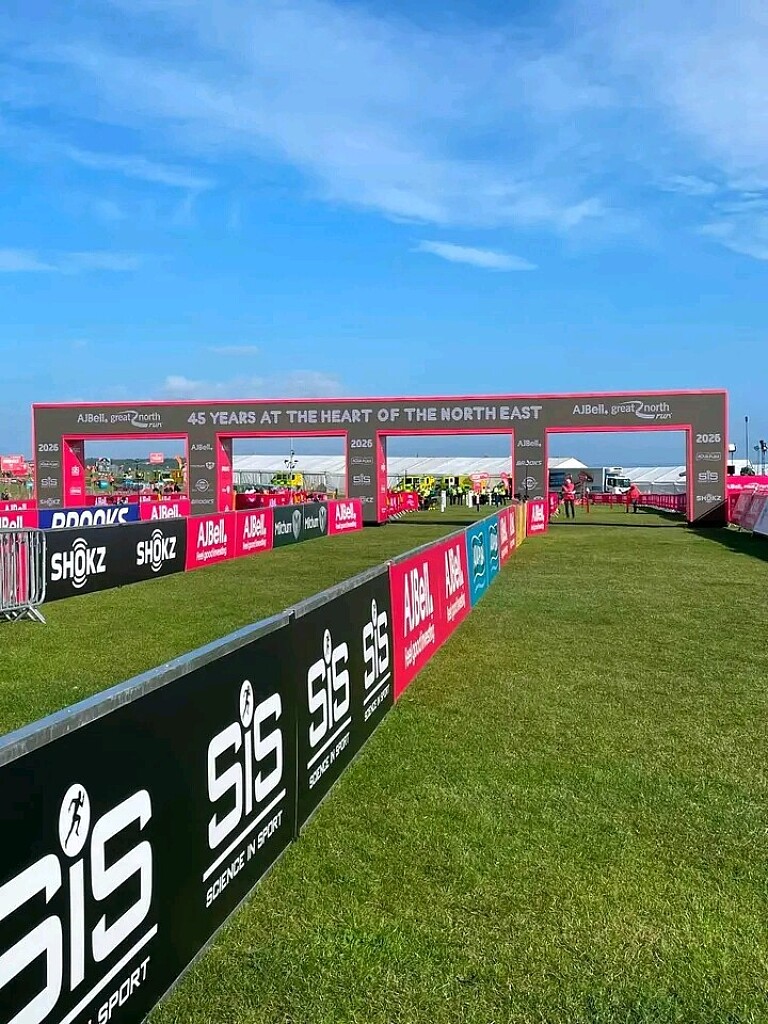
Tragedy Strikes Great North Run as Two Runners Die After Collapsing in Sweltering Conditions
The Great North Run was overshadowed by tragedy on Sunday after two 25-year-old runners died after collapsing during the iconic half-marathon from Newcastle upon Tyne to South Shields.
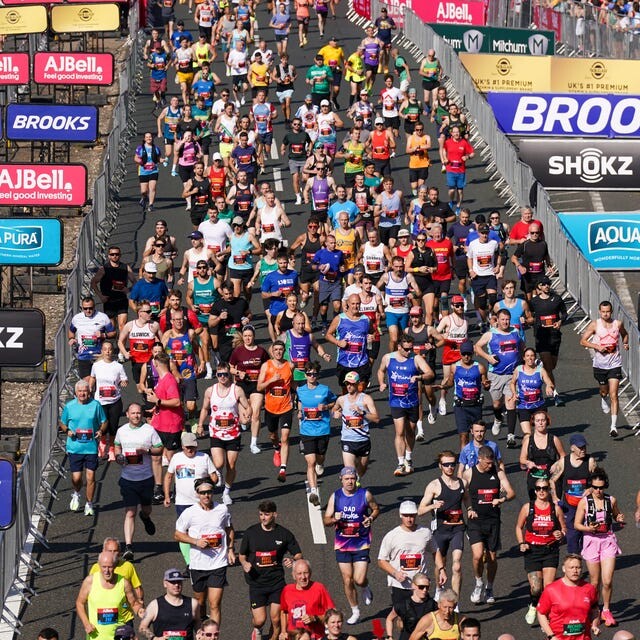
The two men, both from the North East of England, fell ill during the race despite the presence of extensive medical support along the 13.1-mile course. Organisers confirmed that emergency teams made their “very best efforts” to save them, but both runners sadly died.
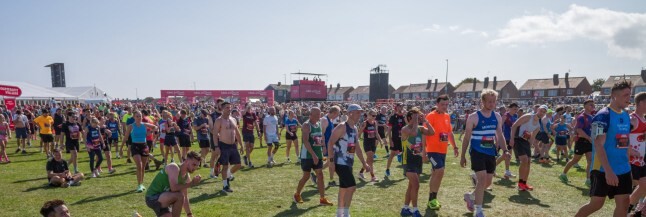
More than 63,000 participants took part in the 45th edition of the Great North Run, with huge crowds lining the route. However, what was expected to be a celebration of running was painfully disrupted by the deaths, with fellow competitors and spectators witnessing some of the emergency incidents.
One runner, Rob Nicholson, described the conditions as particularly difficult, saying it had been an exceptionally hot and crowded day.
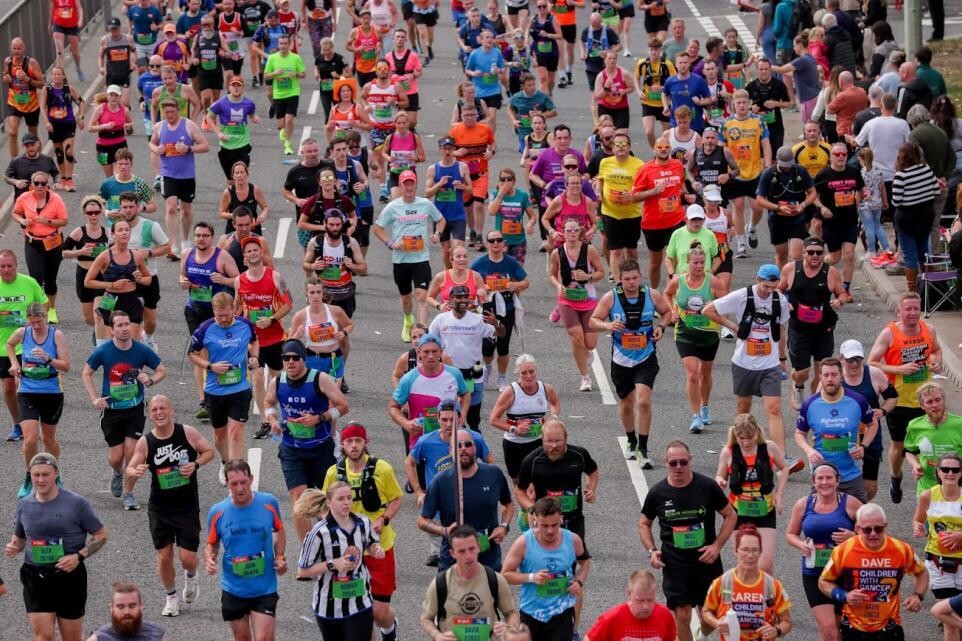
“Everyone that was there was great,” Nicholson said, highlighting the efforts of members of the public who stepped in to help. He said an off-duty nurse was among those who provided assistance to a collapsed runner.
The race featured numerous measures designed to help participants cope with the heat, including water stations, showers and water-spraying systems. Spectators also joined the effort, handing runners bottles of water, ice pops and other refreshments along the route.
Despite those measures, Nicholson said the combination of heat and congestion made the race especially challenging.
“It was a very hot day and the most crowded I’ve felt doing the run,” he said, explaining that some runners were forced to move onto paths used by spectators as they tried to navigate through the densely packed field.
The most distressing scenes came when runners stopped to protect and assist the collapsed competitors.
Nicholson recalled seeing participants form what he described as a “human shield” around one of the men, while emergency crews used medical screens around the second casualty to protect the scene from public view.
“It was really not nice to see,” he said.
The exact circumstances and cause of the two deaths remain under investigation, with work continuing to establish what happened to the two young runners.
News of the tragedy prompted an outpouring of grief, particularly from friends and fellow members of the local running community. One friend paid tribute on social media, describing one of the men as an “amazing, funny and kind man” and expressing sympathy for both families during what they described as an “awful time.”
The Great Run Company, which organises the event, also expressed its condolences to the families and friends of the two participants.
“Everyone involved in organising the Great North Run extends their heartfelt condolences to the family and friends of the two participants,” the organisers said.
They added that they were continuing to support the families during the difficult period and offered their thoughts and sympathies to everyone who knew and loved the two men.
The Great North Run remains one of the world's largest and most celebrated mass-participation half-marathons, bringing together tens of thousands of runners and hundreds of thousands of spectators each year.
But this year's edition will be remembered not only for the scale and atmosphere of the event, but also for the heartbreaking loss of two young lives on a day that was supposed to celebrate the joy of running.
by Erick Cheruiyot for My Best Runs.
Login to leave a comment

Great North Run
Great North Run founder Brendan Foster believes Britain is ready to welcome the world with open arms after the launch of the event's most ambitious plan to date. The Great World Run campaign seeks to recruit one runner from every country in the United Nations – 193 in total – to take part in the iconic half marathon in...
more...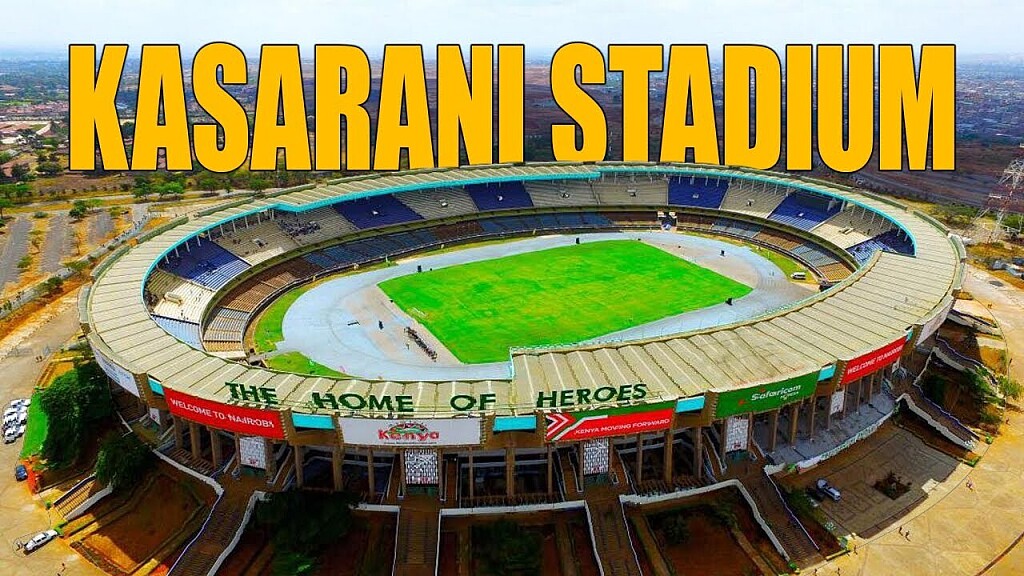
Nairobi 2029: Could Kenya Finally Bring the World Athletics Championships to Africa?
Tomorrow could be a defining day for Kenyan athletics — and potentially for the entire African continent.

The World Athletics Council is expected to announce the host of the 2029 World Athletics Championships, with Nairobi's bid carrying the hopes of a continent that has produced generations of extraordinary athletes but has never staged the senior global championships.
For Kenya, the moment could represent the culmination of decades of dominance, sacrifice and achievement on the international athletics stage.
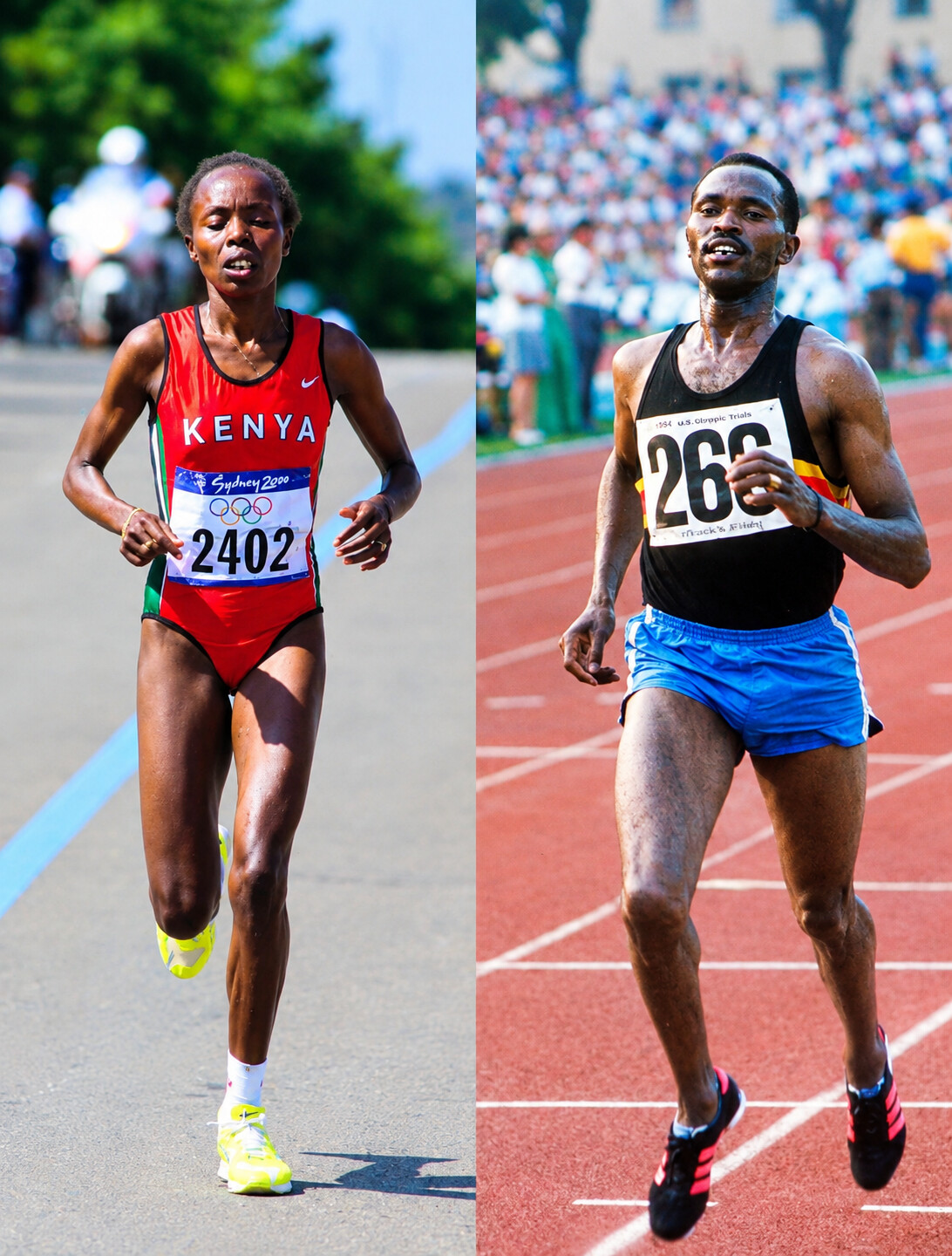
For generations, Kenya has built one of the most remarkable traditions in track and field. From pioneering legends such as Kipchoge Keino and Tegla Loroupe to modern icons including Eliud Kipchoge, Faith Kipyegon, David Rudisha, Sebastian Sawe, Beatrice Chebet and Ezekiel Kemboi among others. Kenyan athletes have repeatedly stood on the biggest stages in world sport.
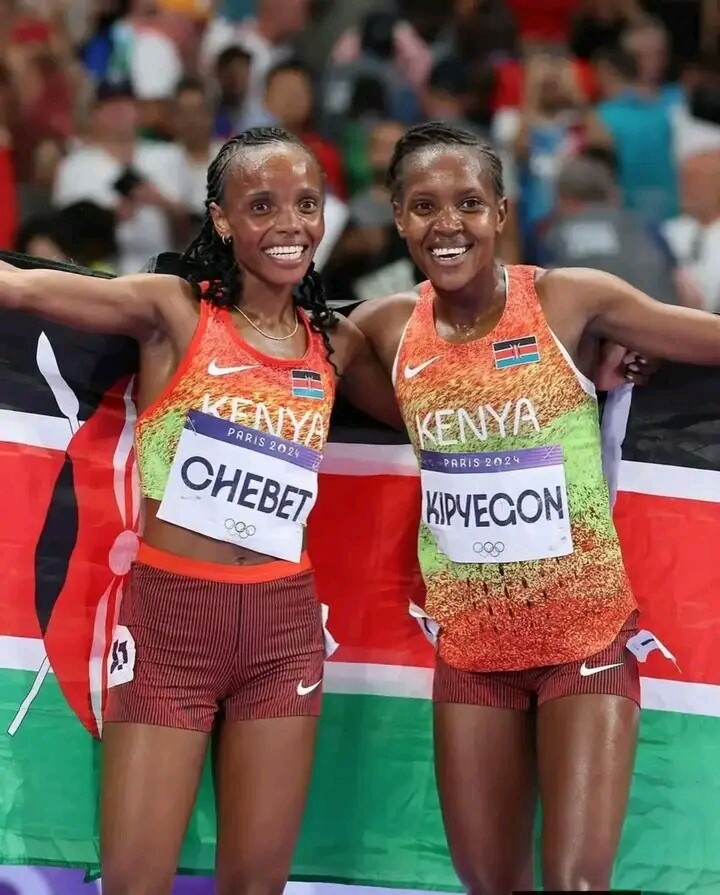
Their achievements have helped make Kenya one of the most respected names in global athletics. Olympic triumphs, world titles, records and unforgettable performances have carried the country's name across every corner of the sporting world.
But Kenya's relationship with athletics extends far beyond its medal collection.
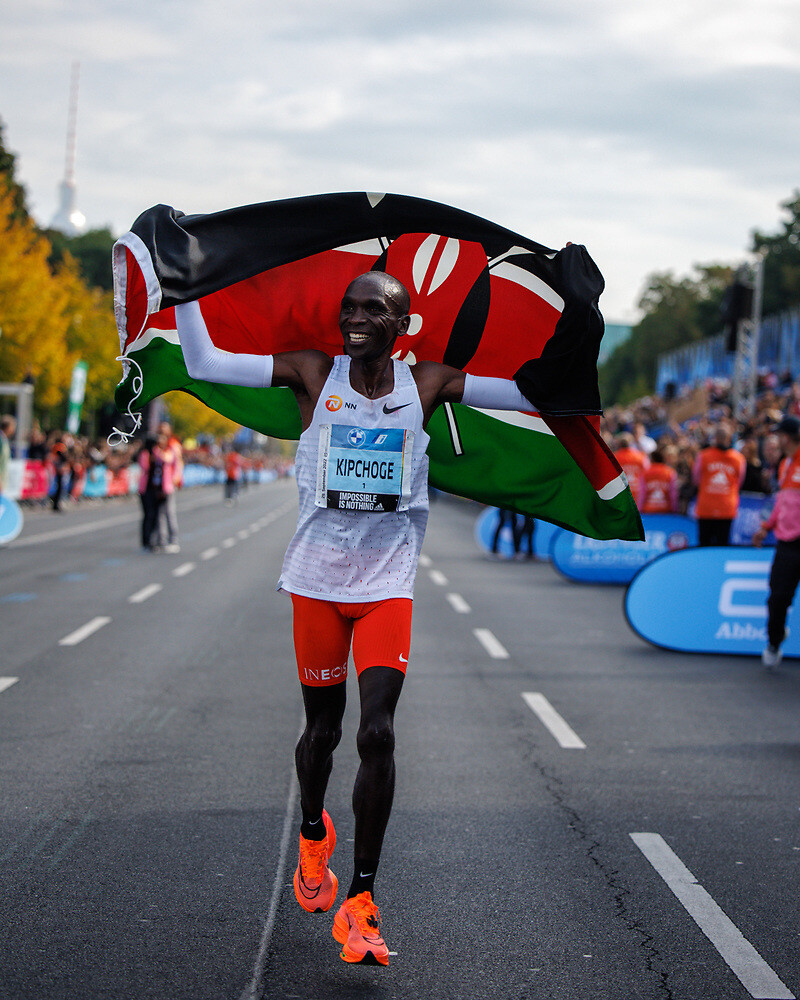
Running is deeply rooted in communities throughout the country, while the high-altitude training environments of the Rift Valley have become famous worldwide for producing elite distance runners. Behind every champion is a network of coaches, families, training partners and communities that have helped sustain Kenya's extraordinary athletics culture.
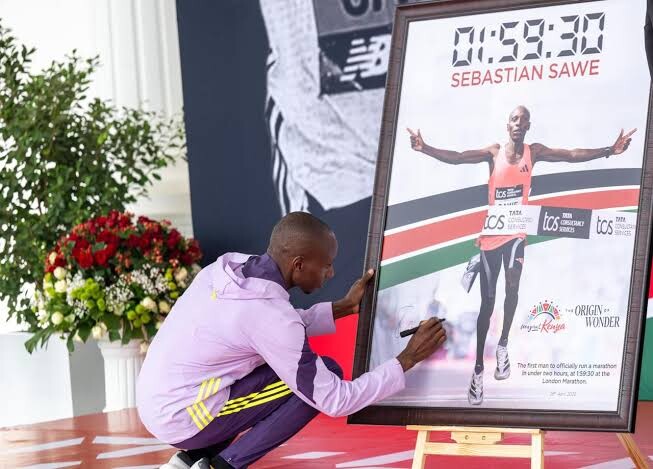
Now Nairobi is seeking to bring the world's biggest track and field championship to the country where so many champions have been produced.
The proposed centerpiece of Kenya's bid is Moi International Sports Centre, Kasarani, a venue already deeply connected to Kenyan athletics. If the bid succeeds, Kasarani could become the stage where the world's finest athletes gather in 2029 to compete for global titles.
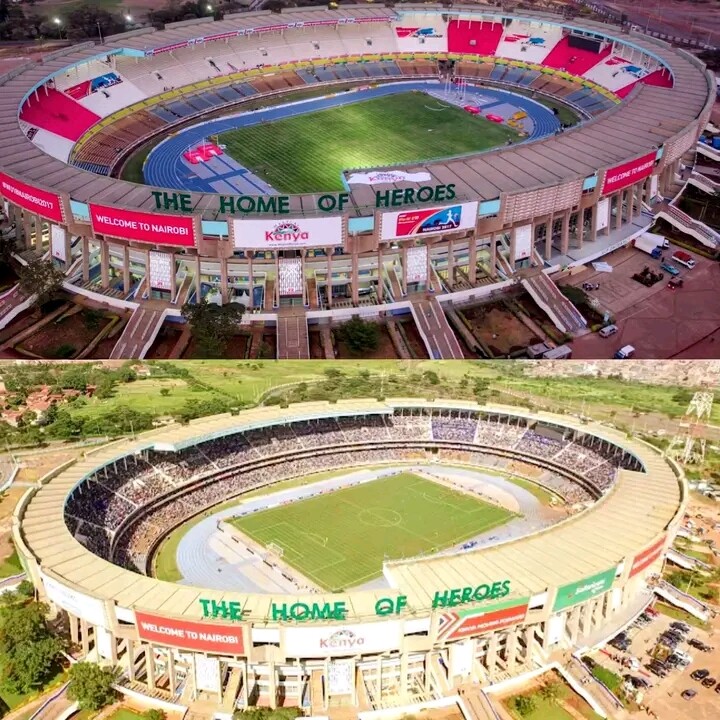
And the significance would extend far beyond Kenya.
Africa has produced some of the greatest athletes in athletics history, yet the continent has never hosted the World Athletics Championships. Nairobi's bid could change that.
Kenya's proposal is therefore not simply about staging another major sporting competition. It represents an opportunity to bring the championships to African soil for the first time and introduce millions of international fans to the continent's remarkable athletics culture.
However, Nairobi is facing formidable competition.
Kenya's bid is competing against proposals from London, Rome and Munich, three European cities with established sporting traditions and significant experience hosting major international competitions.
That sets up a fascinating choice for World Athletics.
Will the organization take the championships to a continent that has never hosted the event, creating a historic first for Africa? Or will the competition return to one of Europe's traditional athletics powerhouses?
For Nairobi, the stakes could hardly be higher.
A successful bid would give Kenyan athletes the opportunity to compete at a World Championships in front of their home supporters. It would give young runners across the country the chance to watch the world's best athletes compete in their own backyard. And it would place Kenya's extraordinary athletics heritage at the center of global attention.
It could also provide an opportunity to celebrate the champions who came before — athletes whose achievements helped establish Kenya as an athletics superpower — while inspiring the generation that will carry that legacy forward.
Imagine Kasarani filled with thousands of passionate supporters, the world's best athletes arriving in Nairobi, and Kenyan stars stepping onto the track knowing that the biggest championship in their sport is being staged on home soil.
For a country whose identity is so closely intertwined with running, it would be a remarkable sight.
And for Africa, it could be a moment of enormous symbolic importance.
Tomorrow, Kenya — and Africa — could hear its name called.
One decision. One host. One opportunity to make history.
If Nairobi is chosen, the story would not simply be about Kenya winning a bid. It would be about Africa finally welcoming the World Athletics Championships to its own soil.
It would be a celebration of the pioneers, the champions, the coaches, the communities and the generations of athletes who have helped make African athletics a global force.
And perhaps the headline of 2029 would already be waiting:
Kenya, the home of champions, has finally brought the world to its own backyard.
Nairobi 2029 — could this finally be Africa's moment?
by Erick Cheruiyot for My Best Runs.
Login to leave a comment
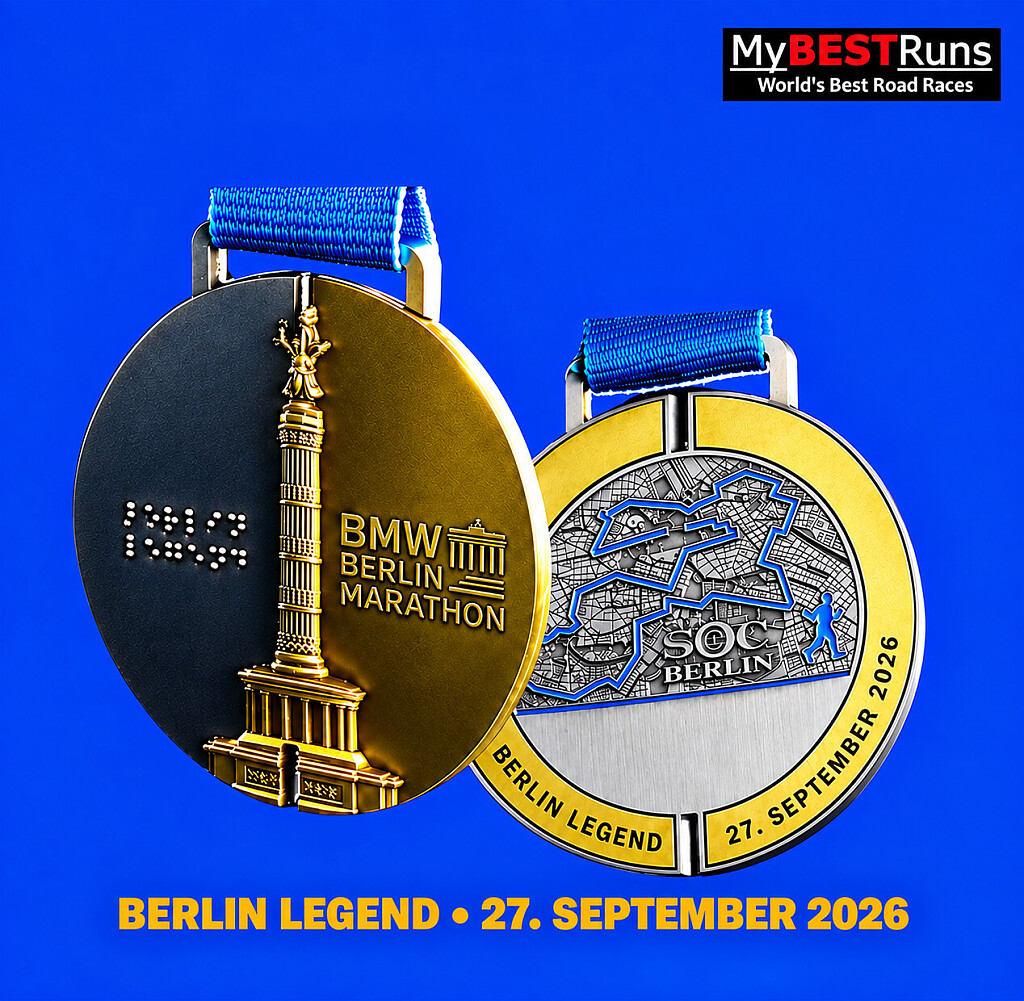
BMW Berlin Marathon Unveils 2026 Finisher Medal As Runners Prepare For September Showdown
The BMW Berlin Marathon has unveiled its official finisher medal for the 2026 edition, giving thousands of runners another exciting reminder of what awaits them when they cross the finish line in the German capital on September 27.
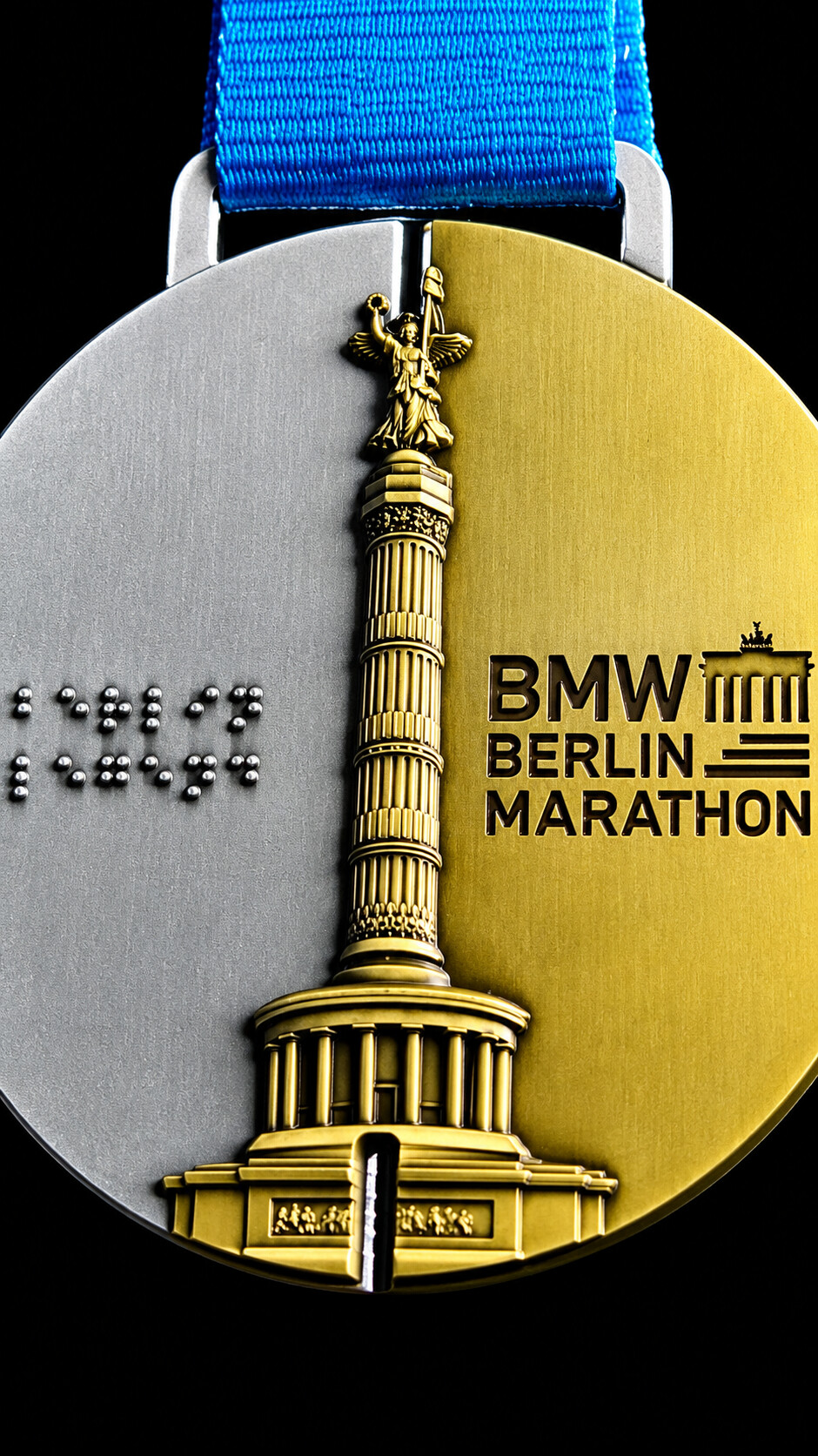
The striking medal celebrates Berlin through a distinctive combination of gold and silver tones. On the front, the city’s iconic Victory Column takes centre stage, creating a powerful symbol of the historic marathon and the unforgettable journey runners will make through the streets of Berlin.
The reverse side continues the city-inspired theme, featuring a detailed map of Berlin with the marathon course highlighted across it. The design also carries the words “Berlin Legend” and the race date, 27 September 2026, making the medal a lasting reminder of the occasion.
But while the medal offers a glimpse of the reward waiting at the finish, organisers are also making preparations to help runners manage one of the biggest challenges of marathon racing: staying cool during the closing stages of the 42.195-kilometre journey.
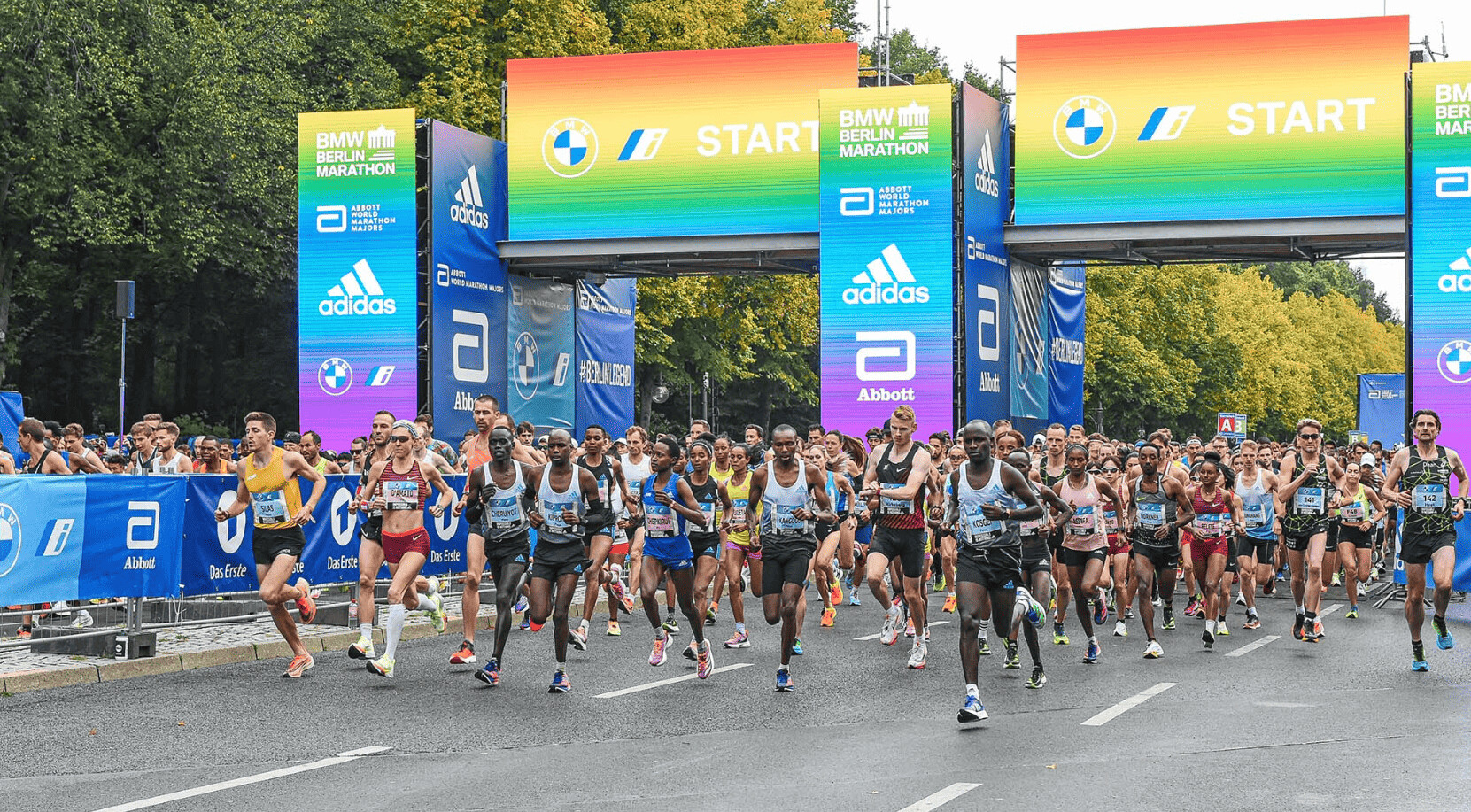
For the 2026 race, dedicated Cooling Stations will be available at kilometres 30 and 38, integrated into the aid-station areas. These locations are strategically positioned to provide runners with an opportunity to cool themselves during the demanding final stretch of the marathon.
The cooling facilities will be located before the respective aid stations in the direction of running, close to the showers. They will be clearly identifiable by an official sign attached to the wash trough, making them easy for participants to spot while racing.
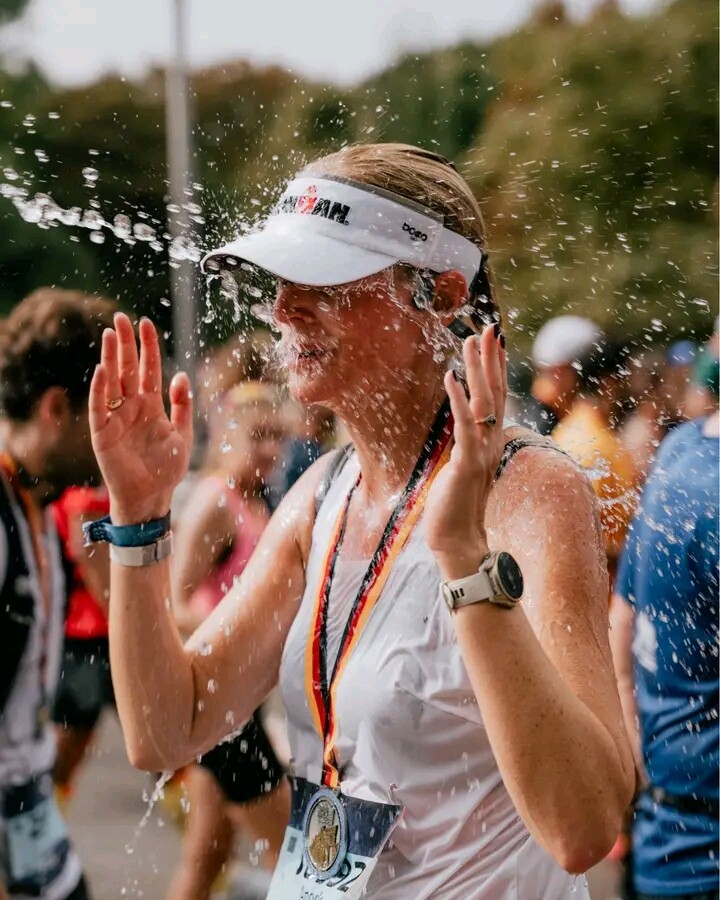
The wash troughs will be filled with water, allowing runners to dip their own sponges, towels, caps and other cooling items into the water before continuing their journey. Importantly, participants must bring these items themselves, as they will not be supplied or handed out at the cooling stations.
The reminder could prove particularly valuable for runners planning their race strategy. By preparing cooling equipment in advance and knowing exactly where the stations are located, participants can make the most of the facilities when fatigue begins to set in during the final 12 kilometres.
The BMW Berlin Marathon is one of the world's most prestigious marathon races and forms part of the Abbott World Marathon Majors, attracting elite athletes and recreational runners from across the globe. For many participants, finishing in Berlin represents the culmination of months of training, sacrifice and anticipation.
Now, with the 2026 finisher medal revealed and practical race-day details being released, the excitement is building. The goal for thousands of runners will soon become very real: navigate the streets of Berlin, manage the demanding final kilometres, cross the finish line and earn the coveted “Berlin Legend” medal.
For those lining up on September 27, the countdown is officially on.
by Erick Cheruiyot for My Best Runs.
Login to leave a comment
BMW Berlin Marathon
The story of the BERLIN-MARATHON is a story of the development of road running. When the first BERLIN-MARATHON was started on 13th October 1974 on a minor road next to the stadium of the organisers‘ club SC Charlottenburg Berlin 286 athletes had entered. The first winners were runners from Berlin: Günter Hallas (2:44:53), who still runs the BERLIN-MARATHON today, and...
more...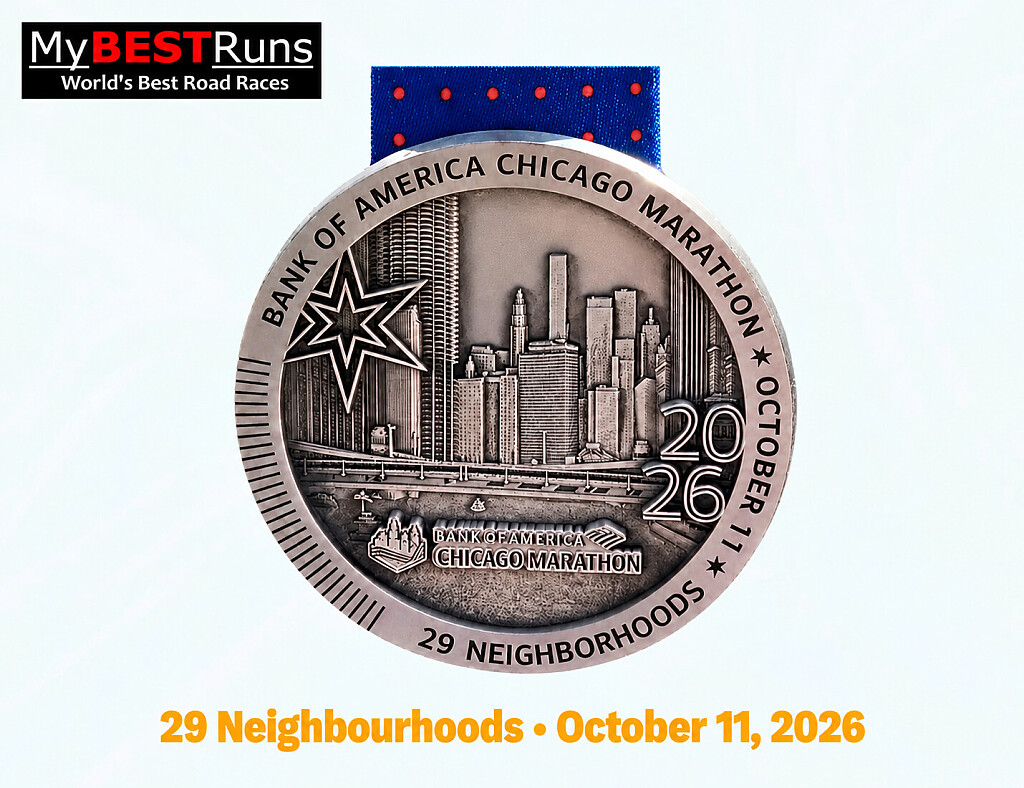
2026 Chicago Marathon Unveils A Stunning Medal Celebrating The City’s Iconic Route
The 2026 Bank of America Chicago Marathon has unveiled its official finisher medal, giving thousands of runners another exciting reason to look forward to one of the world’s most celebrated marathons.
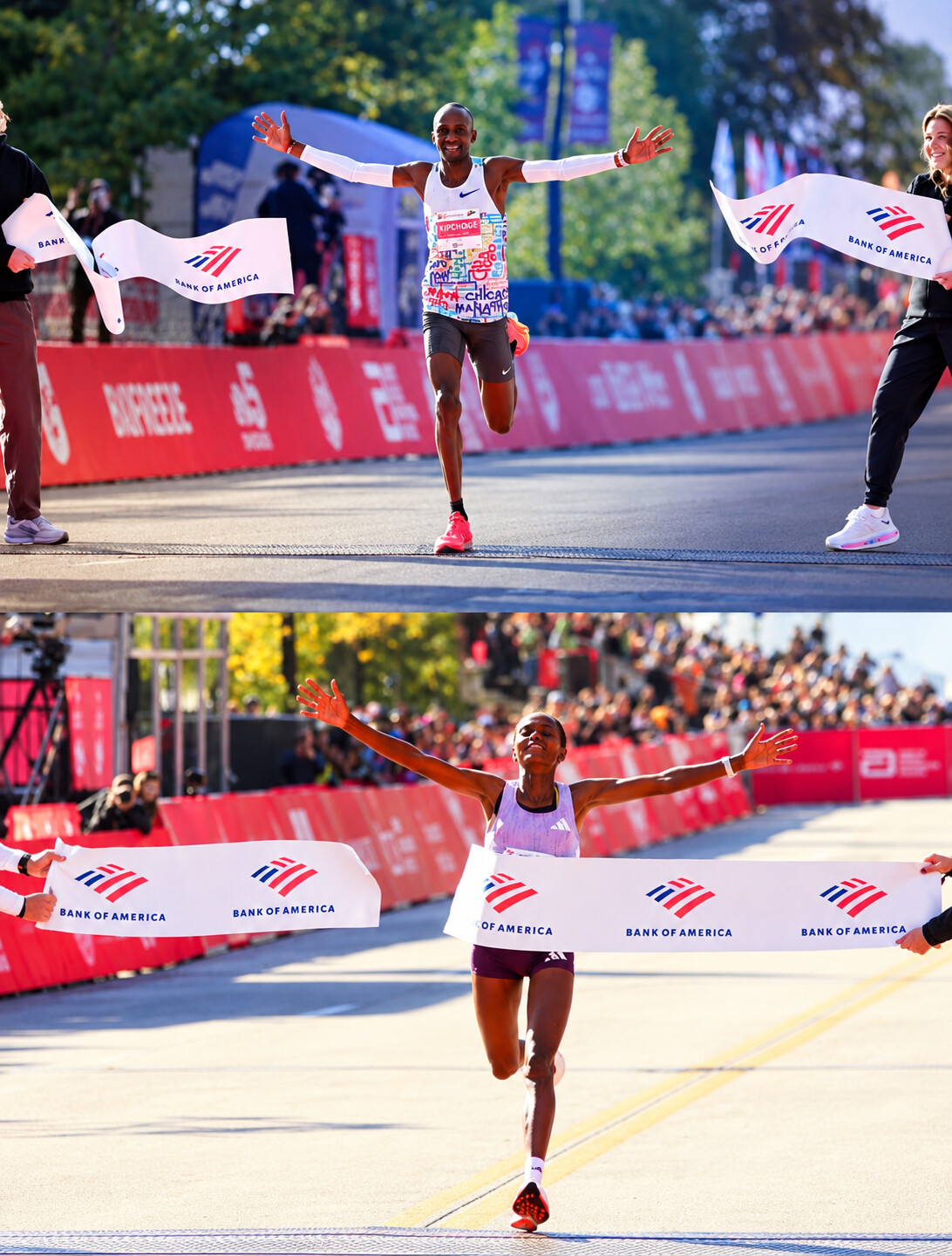
Designed as a tribute to the city and its legendary 26.2-mile course, the medal beautifully captures the character of Chicago while reflecting the experience runners will have as they race through the streets of the Windy City.
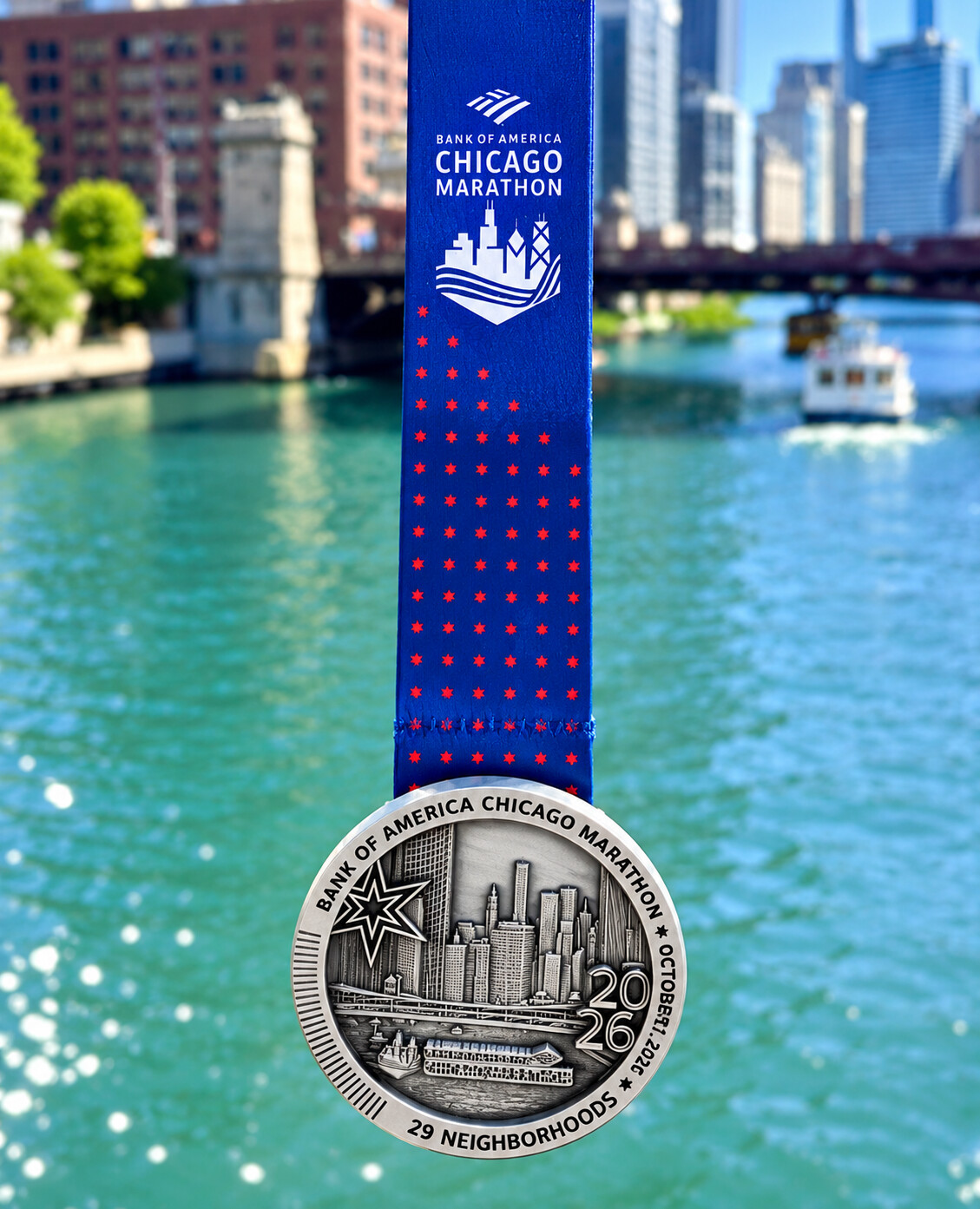
The front of the medal features the spectacular Chicago skyline rising behind the LaSalle Street Bridge, recreating an iconic view that participants will encounter during the race. While running along Wells Street, runners will be able to look to their left and see the very scene that has been immortalised on the medal.
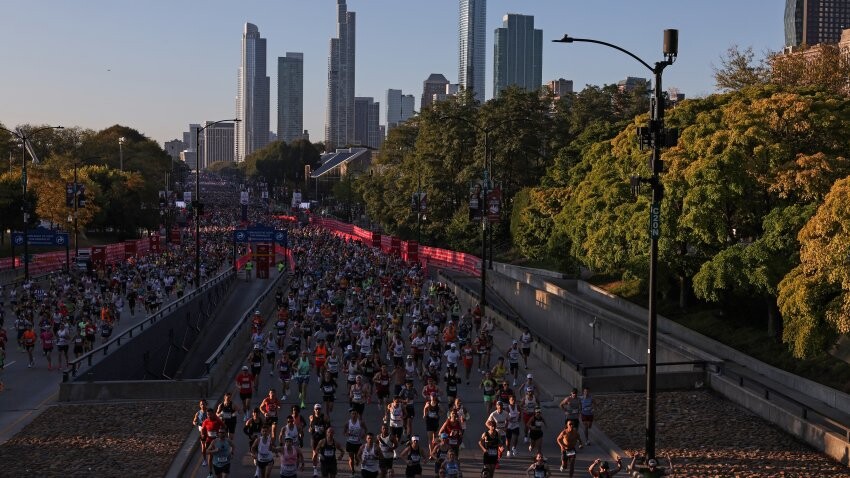
The location is particularly meaningful because the LaSalle Street Bridge comes into view during the fourth of the six crossings of the Chicago River that runners make along the marathon course. It creates a special connection between the physical experience of race day and the keepsake runners will proudly carry home after completing the 26.2 miles.
Turning the medal over reveals another remarkable detail, with all 29 neighbourhoods featured along the iconic marathon route. In this way, the medal becomes more than a finishing award—it serves as a lasting celebration of the communities, landmarks and streets that define the Chicago Marathon experience.
For those who earn it, the medal will represent far more than simply completing 26.2 miles. It will carry memories of months of preparation, demanding training sessions, personal sacrifices and the emotional journey of finally reaching the finish line.
The design also gives runners a unique opportunity to carry a piece of Chicago with them long after race day. Every glance at the medal will serve as a reminder of the streets they conquered, the river crossings they navigated and the atmosphere of a city that comes alive for marathon weekend.
With anticipation building among elite athletes and thousands of runners from around the world, the unveiling of the medal marks another exciting milestone on the road to race day. Chicago is preparing once again for a spectacular celebration of distance running—and this year’s medal promises to make the achievement even more memorable.
by Erick Cheruiyot for My Best Runs.
Login to leave a comment
Bank of America Chicago
Running the Bank of America Chicago Marathon is the pinnacle of achievement for elite athletes and everyday runners alike. On race day, runners from all 50 states and more than 100 countries will set out to accomplish a personal dream by reaching the finish line in Grant Park. The Bank of America Chicago Marathon is known for its flat and...
more...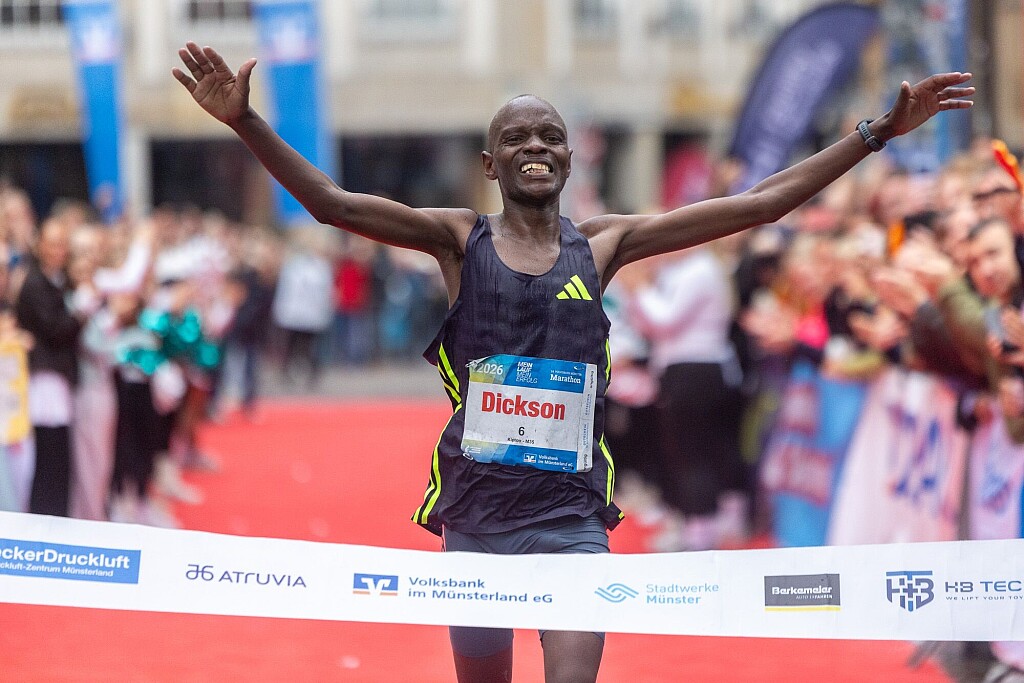
Kiptoo Leads Kenyan One-Two As Wole Triumphs In Dramatic Münster Marathon
Kenya produced a commanding display at the 2026 Volksbank-Münster-Marathon in Germany, with Dickson Kiptoo and Dickson Kiprop finishing first and second in the men’s race, while Ethiopia’s Agrie Wole claimed victory in the women’s competition.
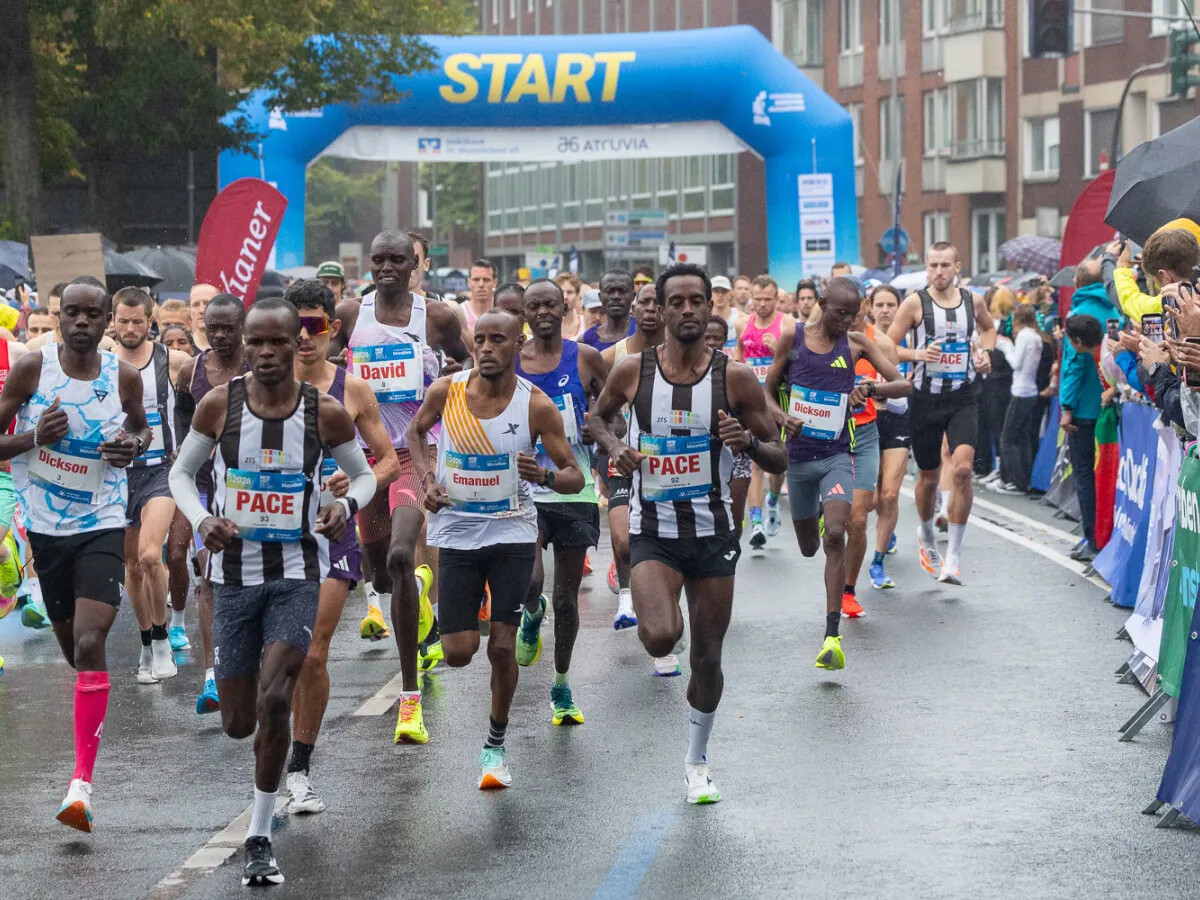
Kiptoo delivered the winning performance in 2:10:03, holding off compatriot Kiprop, who crossed the finish line just 43 seconds later in 2:10:46. The Kenyan dominance continued on the podium as Tanzania’s Emanuel Giniki secured third place in 2:12:37.
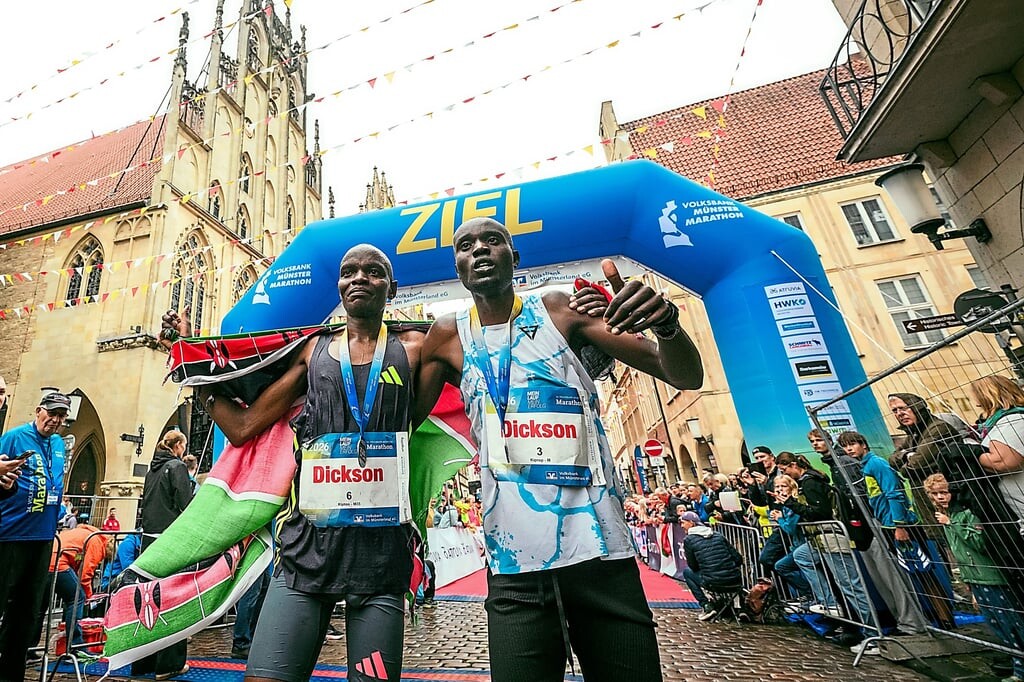
The men’s contest unfolded at a strong marathon pace, with the leading runners having to balance speed with the demanding conditions. Kiptoo ultimately produced the strongest performance on the day, securing the victory in just over two hours and ten minutes.
Kiprop remained within striking distance of his fellow Kenyan and finished with an impressive 2:10:46, making the battle for the top positions particularly compelling. Giniki also delivered a quality performance, breaking 2:13 to complete a highly competitive East African podium.
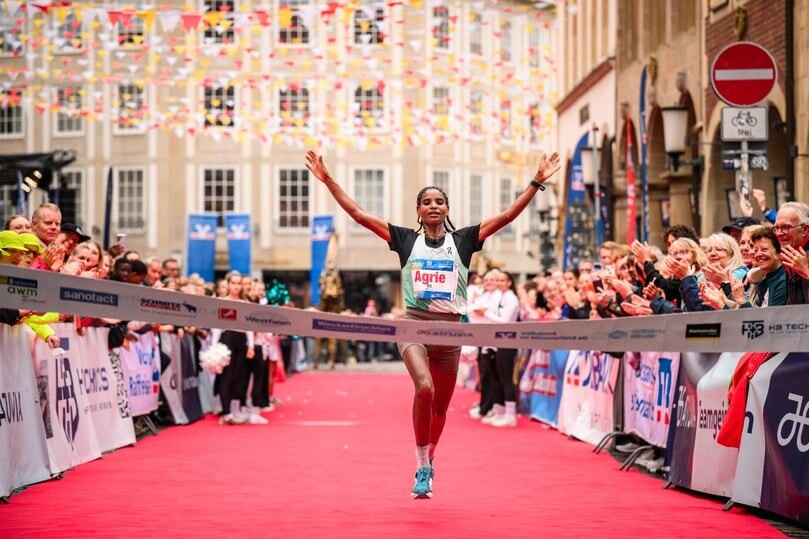
The women’s race was equally engaging, with Agrie Wole emerging as the strongest runner over the 42.195-kilometre distance. Her 2:28:43 winning time placed her comfortably ahead of Kenya’s Cecilia Wayua, who ran 2:30:21 to secure second.
Wayua’s performance added another Kenyan presence to the podium, while Ethiopia’s Azalech Woldesellase fought her way into third with 2:31:09. The result gave Ethiopia two athletes among the women’s top three and underlined the strength of East African distance running.
But the weather added another layer of drama to the race. Heavy rain accompanied the competition, creating difficult conditions for the athletes as they tackled the marathon course. The challenging weather demanded concentration and resilience, particularly as fatigue inevitably increased during the latter stages.
The conditions also had a serious consequence for Argentina’s Ignacio Erario, who was unable to finish after suffering a fall caused by the heavy rain. His withdrawal served as a reminder of just how unpredictable a marathon can become when athletes are forced to contend with difficult weather alongside the physical demands of the distance.
In the end, Münster belonged to East African distance running. Kiptoo and Kiprop delivered a Kenyan one-two in the men’s race, Wole led an Ethiopian triumph in the women’s competition, and the rain ensured that the 2026 edition would be remembered as a particularly demanding and dramatic marathon.
by Erick Cheruiyot for My Best Runs.
Login to leave a comment
Volksbank Munster Marathon
Word has long since got around that we are combining the marathon with a big event. Appreciation for our runners is very important to us. The Volksbank-Münster-Marathon is organized by runners for runners - mostly on a voluntary basis and with a lot of passion. There will again be theme power points, around 300 artists and bands and over 100,000...
more...