

Running News Daily
Running News Daily is edited by Bob Anderson and team. Send your news items to bob@mybestruns.com Advertising opportunities available.
Index to Daily Posts · Sign Up For Updates · Run The World Feed
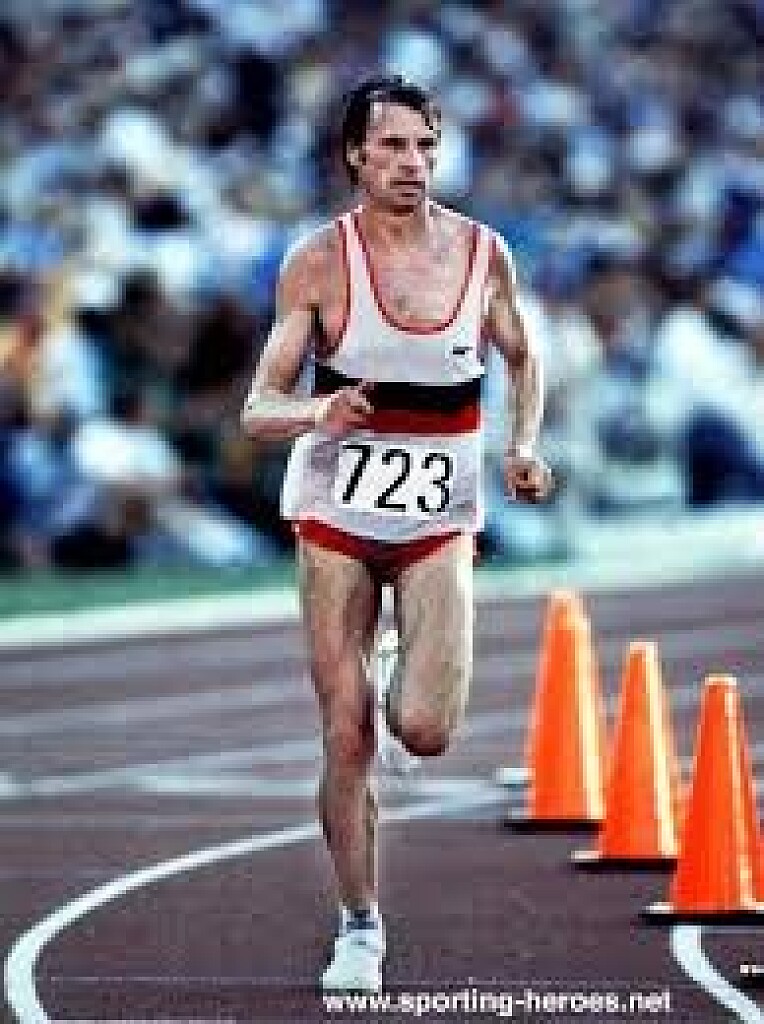


Carlos Lopes: The Endurance Icon Who Redefined Distance Running

Happy 78th birthday to Carlos Lopes, one of the greatest athletes in Portuguese history. From humble beginnings, Lopes defied the odds to become an Olympic champion and world-record holder, leaving an indelible mark on long-distance running.
Born in 1947 in Viseu, Portugal, Carlos Lopes did not follow the typical path of early athletic stardom. Unlike many top runners who emerge in their teenage years, Lopes only took up competitive athletics at the age of 20. It wasn’t until he was 29 that he secured a scholarship, finally allowing him to dedicate himself fully to the sport. Despite this late start, his remarkable work ethic and natural endurance set him apart.
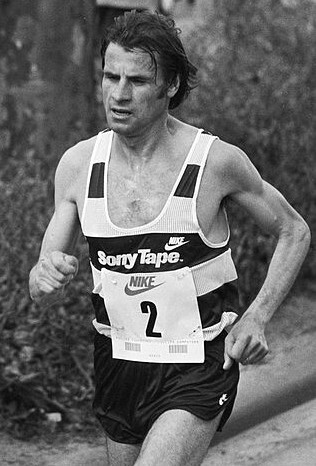
Lopes' tactical intelligence and diesel-like endurance made him a formidable force in cross-country running. He achieved unparalleled success in this discipline, winning three World Cross Country Championships in 1976, 1984, and 1985. His consistency also earned him two silver medals in 1977 and 1983, solidifying his status as one of the best cross-country runners of his generation.
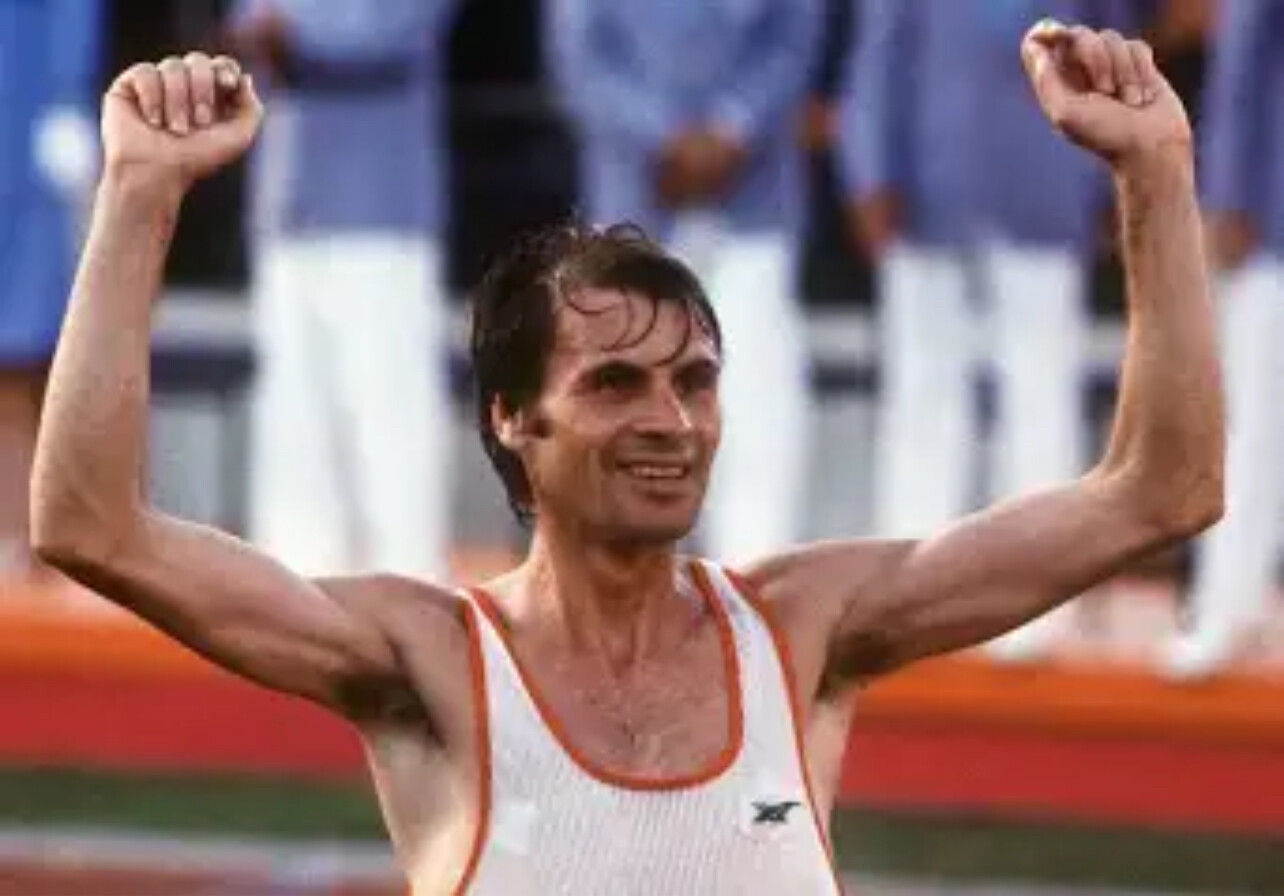
Lopes first made his mark on the Olympic stage in the 1976 Montreal Olympics, where he claimed the silver medal in the 10,000 meters. Eight years later, at the 1984 Los Angeles Olympics, he cemented his legacy by winning the marathon gold medal at the age of 37, setting an Olympic record of 2:09:21. His time stood as the Olympic best for an astonishing 24 years until it was finally broken by Samuel Wanjiru in 2008.
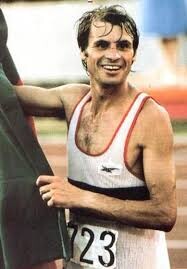
Even as he entered his mid-to-late 30s, Lopes continued to set new standards for long-distance running. At the age of 35, he broke the European record in the 10,000 meters, clocking an impressive 27:24.39. At 38 years old, he achieved the pinnacle of his career by setting a new world record in the marathon (2:07:12), proving that age was no barrier to excellence.
Carlos Lopes remains an inspiration to runners worldwide. His journey from late starter to Olympic champion, his dominance in cross-country, and his record-breaking performances well into his late 30s highlight the power of perseverance, strategy, and raw endurance. His impact on Portuguese athletics is immeasurable, and his achievements continue to serve as motivation for generations of aspiring athletes.
As he celebrates his 78th birthday, we honor a true legend who showed that dedication and resilience can lead to greatness, no matter when the journey begins.
by Boris Baron
Login to leave a comment
Latest Running News

A Century Of Greatness: Arch Jelley Witnesses Another Mile Revolution
Some moments in sport transcend generations. They remind us that while records may fall, the spirit of greatness never fades. One such moment unfolded when legendary New Zealand coach Arch Jelley watched Josh Kerr produce a breathtaking 3:42.66 mile world record—not from the stands, but from his bed, sharing the historic occasion with his former athlete, 1988 Olympian Christine Pfitzinger, herself once New Zealand's mile and 1500m record holder.

For most fans, Kerr's astonishing performance was simply another unforgettable chapter in the evolution of middle-distance running. For Jelley, however, it was something far more profound. It was a bridge between two eras separated by more than half a century, connecting the glorious past he helped shape with the remarkable future he lived long enough to witness.
As he approaches his 104th birthday on August 13, Jelley has seen the mile transformed in ways few people ever will. Long before modern technology, advanced sports science and super shoes reshaped the event, he guided one of athletics' greatest pioneers.
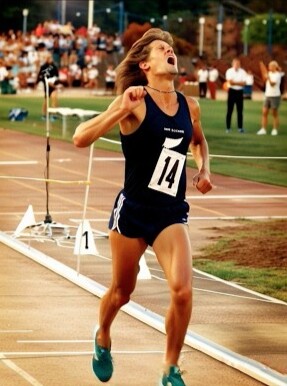
On August 12, 1975, in Gothenburg, Sweden, Jelley coached Sir John Walker to a revolutionary 3:49.4, making him the first man in history to break the seemingly impossible 3:50 barrier for the mile. It was a performance that changed the sport forever and cemented Walker's place among the all-time greats. Less than a year later, Walker crowned that success by winning the Olympic 1500m gold medal at the 1976 Montreal Games, fulfilling the promise of one of the finest coach-athlete partnerships athletics has ever known.
Yet Walker was only one chapter in Jelley's extraordinary coaching legacy.
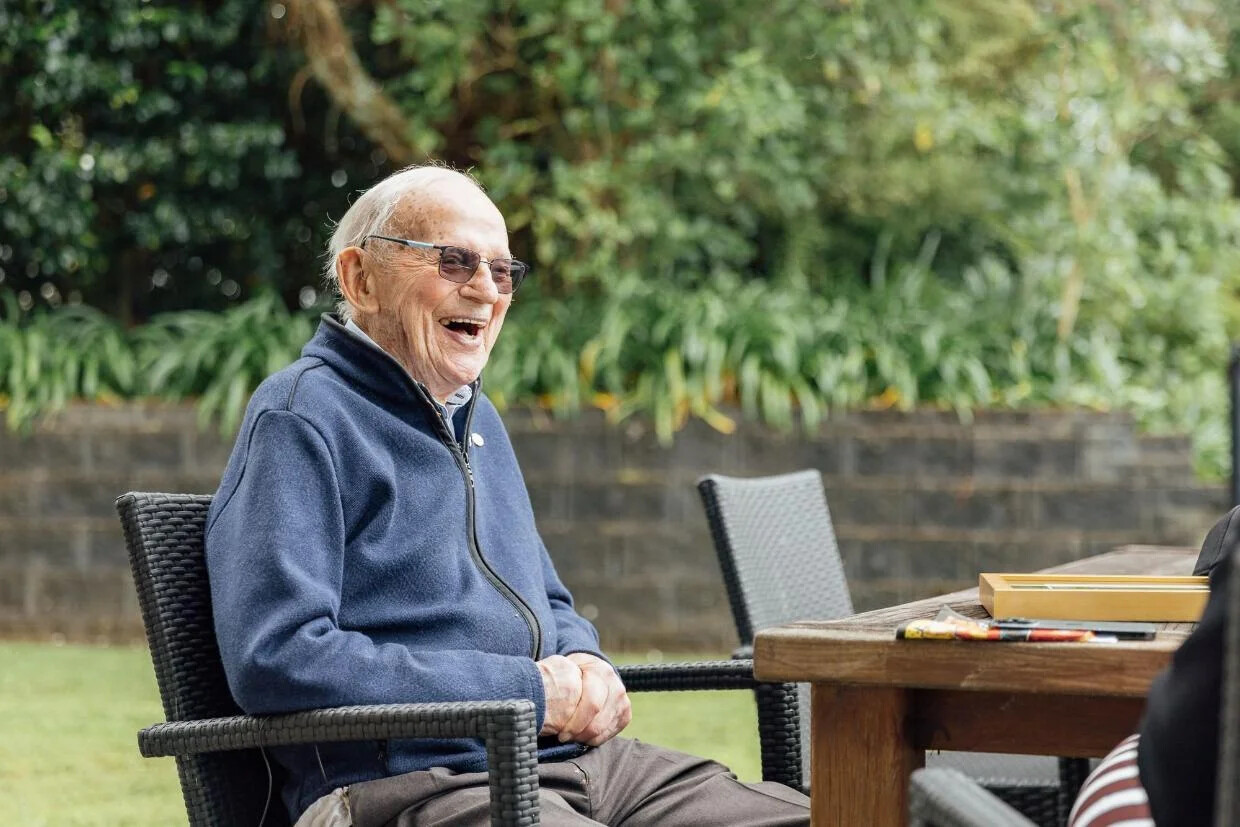
Across more than six decades, the master coach nurtured and inspired countless elite middle- and long-distance runners, earning a reputation for developing athletes through patience, wisdom and an unwavering belief in their potential. Even retirement could not keep him away from the sport he loved. At the remarkable age of 93, Jelley returned to coaching to help Hamish Carson qualify for the 2016 Rio Olympic Games, proving that passion for excellence has no expiration date.
Now, more than fifty years after witnessing Walker redefine what was possible, Jelley has watched another runner push the boundaries of human performance. Josh Kerr's magnificent 3:42.66 was not merely a new world record—it was another milestone in the endless pursuit of greatness, one observed by a man who has devoted almost an entire lifetime to that very journey.
There is something beautifully symbolic about the scene: a coach who once stood trackside guiding history now watching a new generation rewrite it through the lens of modern technology. The setting may have changed, but the emotion remains the same.
Few people in athletics can claim to have witnessed the evolution of the mile from the dawn of the sub-3:50 era to today's astonishing world-record performances. Arch Jelley can.
His life is more than a coaching story—it is a living timeline of the mile itself. From John Walker's historic breakthrough in 1975 to Josh Kerr's record-shattering masterpiece in 2026, Jelley has remained a constant witness to the relentless pursuit of human excellence, proving that while champions come and go, the love of the sport endures across every generation.
by Erick Cheruiyot for My Best Runs.
Login to leave a comment
Sir Roger Bannister's Greatest Legacy: From The First Sub-Four Mile To Josh Kerr's World Record
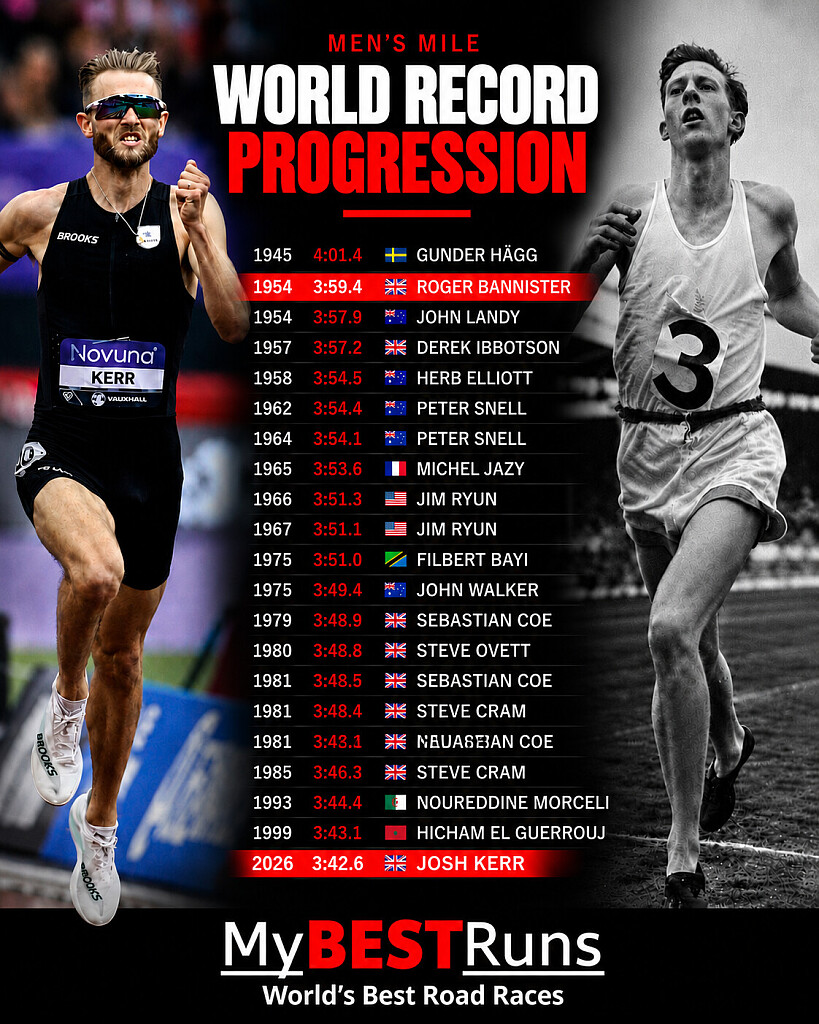
When Sir Roger Bannister crossed the finish line in Oxford on May 6, 1954, in 3:59.4, he did far more than become the first man to run a sub-four-minute mile. He demolished one of sport's greatest psychological barriers, proving that what had long been considered impossible was simply waiting for someone bold enough to achieve it.
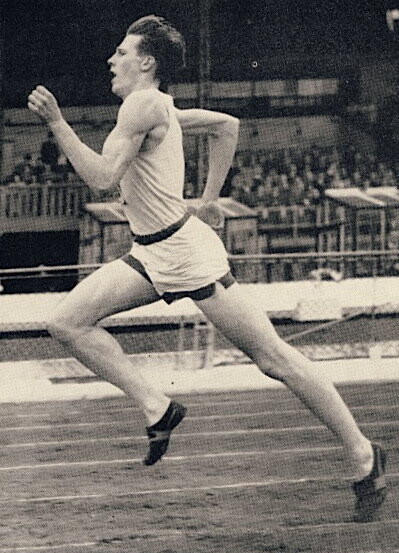
More than seven decades later, that historic run remains the most famous mile ever raced—not because it is still the fastest, but because it transformed athletics forever. Bannister's achievement inspired generations of runners to dream bigger, train harder and believe that seemingly unreachable barriers could be broken.
Today, however, the mile has entered an entirely different dimension.
Josh Kerr's sensational 3:42.66 world record has redefined the limits of middle-distance running. In one unforgettable race, the Scottish star erased Hicham El Guerrouj's legendary 3:43.13 mark that had stood untouched since 1999, proving once again that every era has its athlete capable of rewriting history.
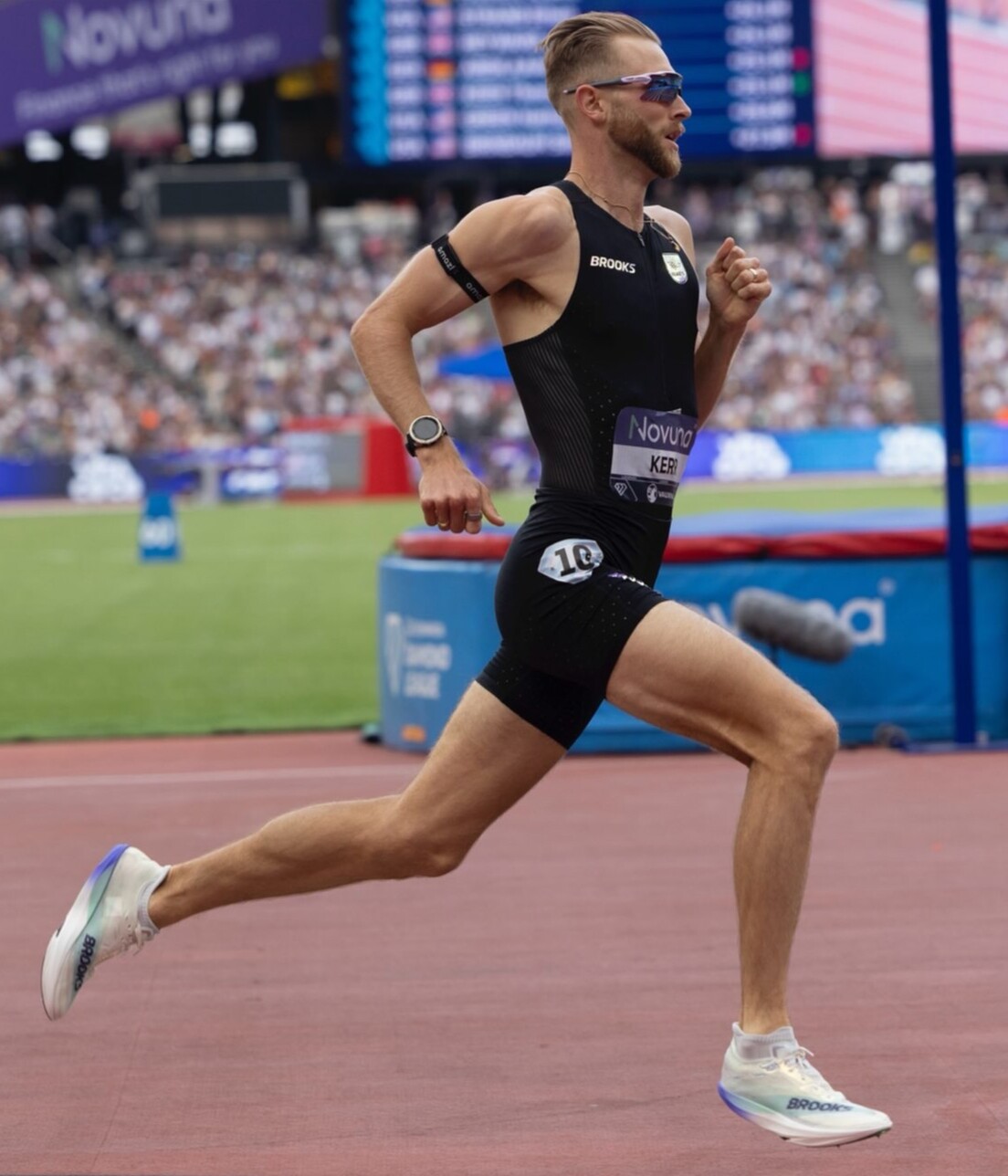
The numbers tell a remarkable story of progress. If Bannister's iconic 3:59.4 were placed in the same race as Kerr's 3:42.66, the man who first conquered the sub-four-minute barrier would finish almost 17 seconds behind. At the pace Kerr sustained, that deficit would amount to well over 100 metres—an extraordinary margin in an event where the world's best are often separated by hundredths of a second.
Yet those statistics should never be mistaken for a comparison of greatness. Bannister and Kerr competed in vastly different eras, under different conditions and with entirely different levels of sports science, training knowledge, footwear technology and track surfaces. Bannister raced on a cinder track wearing heavy leather spikes, balancing elite athletics with his demanding medical studies. Kerr benefits from decades of scientific advancement, world-class support systems and cutting-edge equipment that have helped athletes push the boundaries of human performance.
Every generation has added another chapter to the mile's extraordinary story. Just weeks after Bannister's breakthrough, Australia's John Landy lowered the record to 3:57.9. The baton then passed through legendary names including Derek Ibbotson, Herb Elliott, Peter Snell, Michel Jazy, Jim Ryun, Filbert Bayi, John Walker, Sebastian Coe, Steve Ovett, Steve Cram, Noureddine Morceli and Hicham El Guerrouj. Each champion dared to believe the record could fall again, leaving the event stronger than they found it.
Josh Kerr is now the latest custodian of that legacy. His world record is not simply another fast time—it is the culmination of more than 80 years of relentless progress. Every stride he took was built upon the courage, ambition and achievements of those who came before him.
Perhaps the most fascinating aspect of the mile is how dramatically its meaning has changed. In 1954, the world was captivated by one question: Could anyone ever run under four minutes? Today, the conversation has shifted to how much further the event can evolve. With Kerr already under 3:43, the now-unthinkable prospect of a sub 3:42 mile no longer feels like fantasy but a genuine possibility for the future.
That is the enduring beauty of athletics. Every world record eventually falls, but the performances that redefine belief never fade. Bannister's sub-four-minute mile remains the sport's most iconic breakthrough because it changed the way humanity viewed its own limits. Kerr's 3:42.66 is the newest benchmark of excellence, standing as proof that the impossible is never permanent—it is simply the starting point for the next generation.
by Erick Cheruiyot for My Best Runs.
Login to leave a comment

Is Josh Kerr Ready To Rewrite History Again? Why The 1,500m World Record May Be The Next Great Target
Josh Kerr has already etched his name into athletics history with a breathtaking world mile record of 3:42.66, but the numbers hidden within that extraordinary performance suggest an even greater achievement could be just around the corner.
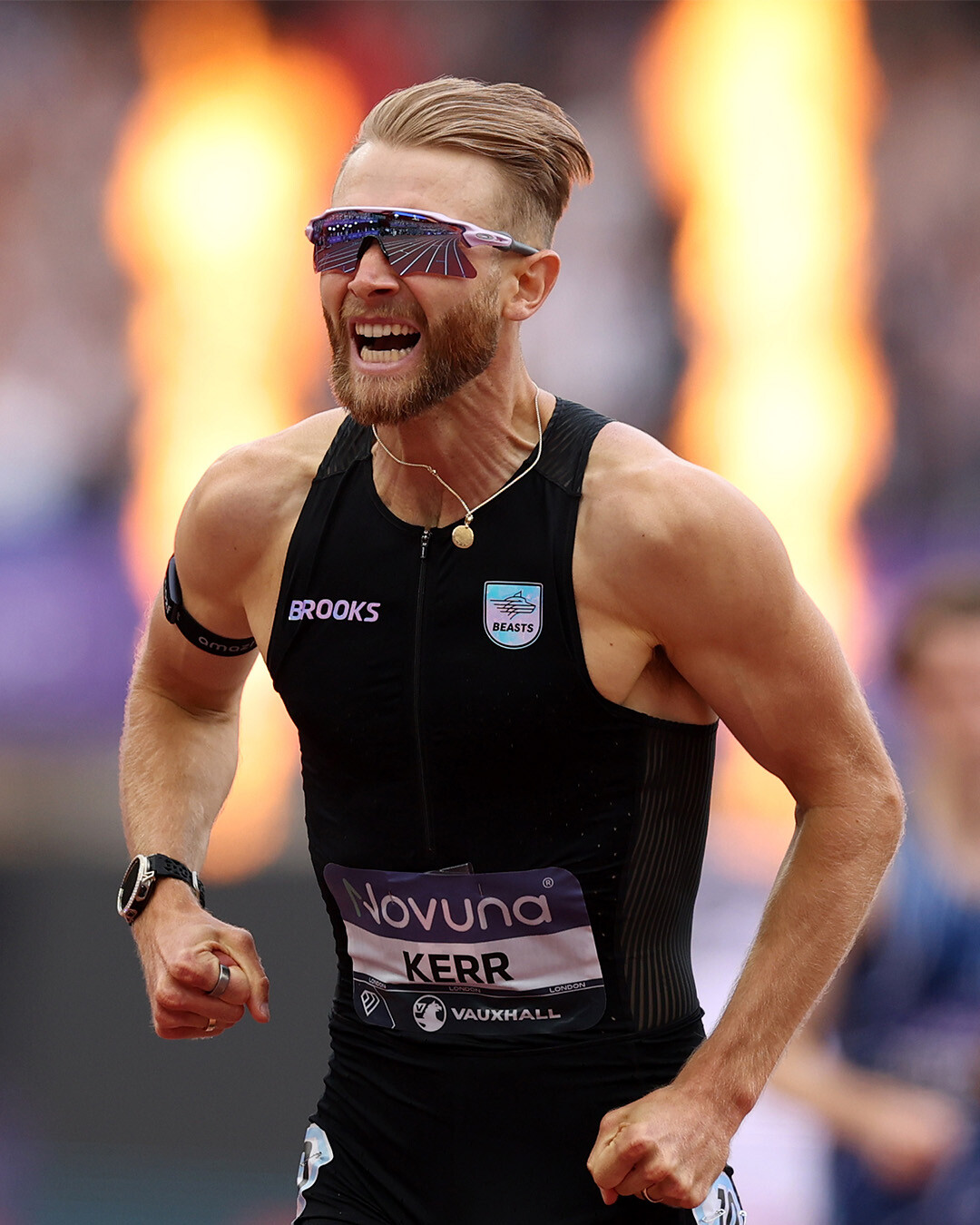
While the world celebrated the fastest mile ever run, another remarkable statistic quietly emerged. On his way to that historic finish, Kerr passed the 1,500m mark in an astonishing 3:27.62—the seventh-fastest performance ever recorded over the distance and just 1.62 seconds outside Hicham El Guerrouj's iconic world record of 3:26.00, which has stood as one of athletics' greatest benchmarks for more than a quarter of a century.
What makes Kerr's split so extraordinary is the context in which it was achieved.
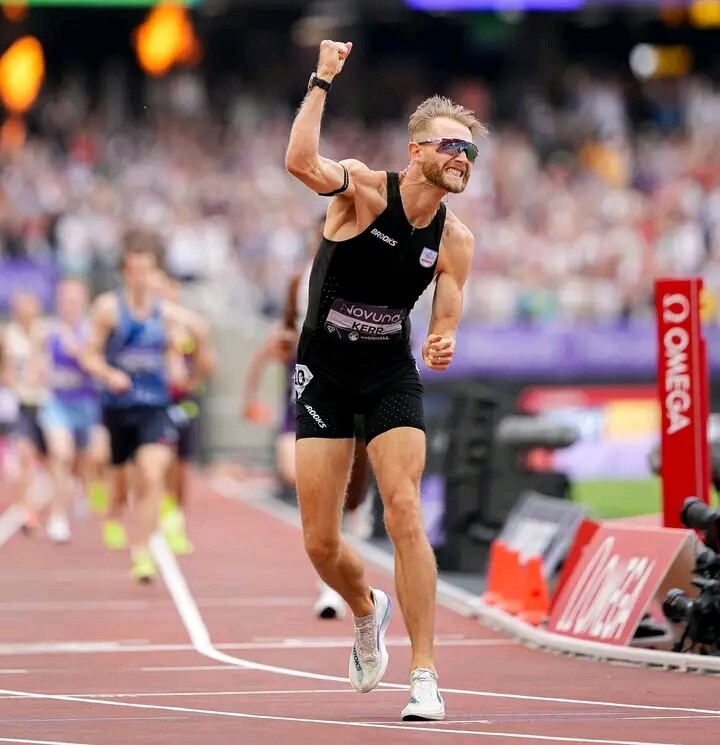
Unlike a dedicated 1,500m race, Kerr wasn't running to the finish line when he reached 1,500 metres. He still had another 109 metres remaining before completing the mile. Throughout the race, he had to carefully distribute his effort, knowing there was still significant work left after crossing the traditional 1,500m distance.
His world-record mile required approximately 724 strides, each averaging about 2.22 metres in length. By the time he reached the 1,500m split, he still had enough energy reserved to launch one final charge toward the mile finish, meaning he could not afford to completely exhaust himself at that point.
That reality has fuelled growing excitement across the athletics community.
Imagine Kerr lining up for a race built solely around the 1,500m. With elite pacemakers setting the perfect rhythm from the gun, competitors pushing the pace all the way to the finish, and no need to save anything for an additional 109 metres, the conditions would be dramatically different. Every stride, every surge and every ounce of energy could be devoted exclusively to chasing one target—the world record.
Many athletics experts believe that under those ideal circumstances, bridging the remaining 1.62 seconds is far from impossible. In fact, they see it as a realistic challenge for an athlete who has consistently demonstrated remarkable finishing speed, tactical intelligence and the ability to perform under immense pressure.
Hicham El Guerrouj's 3:26.00 has long been regarded as one of the most untouchable records in middle-distance running. Yet every era eventually produces an athlete capable of redefining what was once thought impossible.
After witnessing Kerr's astonishing mile masterpiece, the conversation has shifted dramatically. The question is no longer whether he belongs among the greatest milers in history—it is whether he can become the man who finally brings down one of the sport's most enduring world records.
If his latest performance is any indication, the countdown to another historic assault may already have begun.
by Erick Cheruiyot for My Best Runs.
Login to leave a comment

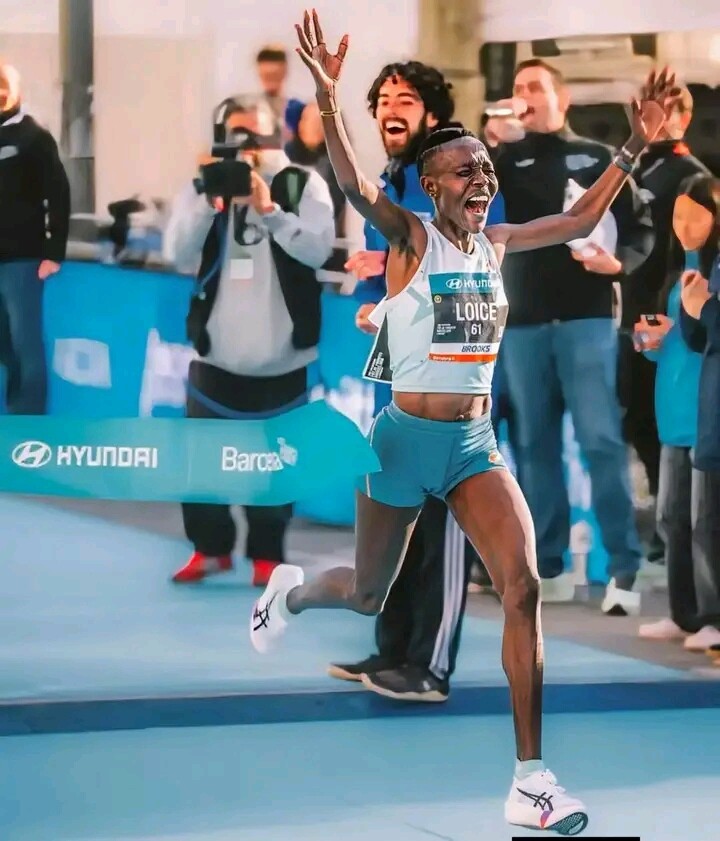
From Eugene To Global Greatness: How Lilian Kasait Rengeruk And Loice Chemnung Turned Teenage Promise Into World-Class Success
Twelve years can transform careers, but for Lilian Kasait Rengeruk and Loice Chemnung, they have transformed youthful potential into enduring excellence. Their remarkable rise from promising teenagers on the global junior stage to two of Kenya's finest distance runners stands as a testament to resilience, patience, and unwavering commitment.
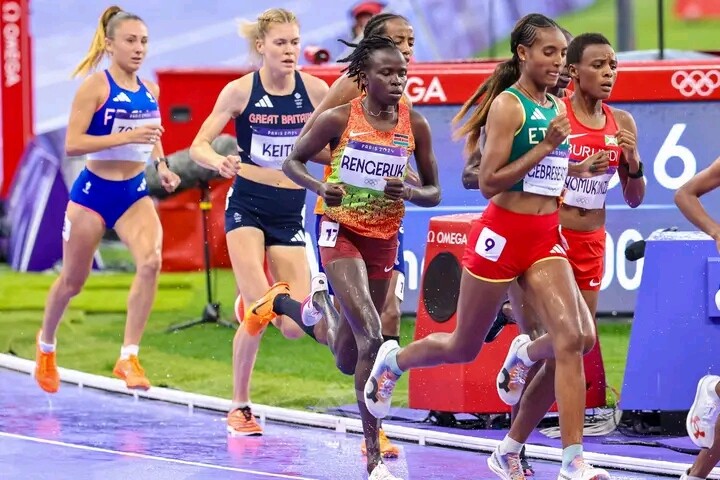
The story began in July 2014 at the World Under-20 Championships in Eugene, Oregon, where two 17-year-old Kenyan athletes stepped onto the famous Hayward Field with dreams far bigger than their years. Although their paths on the track differed, both displayed the talent and determination that would eventually propel them to the highest level of international distance running.
Rengeruk delivered one of the championship's most memorable performances in the women's 3,000 metres. Running with fearless confidence, she dictated much of the race before a thrilling final-lap battle saw American star Mary Cain surge past in the closing metres. Despite narrowly missing gold, Rengeruk secured a well-deserved silver medal in 9:00.53, announcing herself as one of the brightest young talents in global athletics.
Chemnung, meanwhile, contested the fiercely competitive women's 5,000 metres, where Ethiopia dominated the medals. She battled courageously throughout the race and finished fifth, gaining invaluable experience against some of the world's finest junior distance runners.
That championship proved to be only the beginning.
Over the past decade, both athletes have steadily evolved from accomplished track runners into elite performers over longer distances, earning recognition on some of the world's biggest roads while continuing to showcase Kenya's rich tradition of distance running.
Rengeruk has enjoyed an extraordinary transition. She stunned the athletics world by winning the Daegu Marathon on her debut in 2:19:33, overcoming a dramatic fall in the closing stages to still reach the finish line first. Her impressive résumé also includes a superb half marathon personal best of 1:03:32—among the fastest performances ever recorded—and a world-class 10,000-metre best of 29:26.89.
Chemnung's progression has been equally impressive. She has established herself as one of Kenya's premier long-distance runners by winning consecutive national 10,000-metre titles before making a spectacular impact on the roads. Her course-record victory at the Barcelona Half Marathon in 1:04:01 elevated her among the fastest women in history over the distance, while her outstanding marathon debut of 2:18:24 in Chicago confirmed her credentials as one of Kenya's brightest marathon prospects. Her commitment to the marathon was further demonstrated when she chose to focus on the event instead of pursuing a place at the Commonwealth Games.
Their achievements underline a truth often overlooked in modern sport: greatness is rarely built overnight. It is forged through years of disciplined training, perseverance during setbacks, and the courage to embrace new challenges.
Twelve years after sharing the world junior stage in Eugene, Lilian Kasait Rengeruk and Loice Chemnung continue to inspire a new generation of athletes. Their journey from talented teenagers to internationally acclaimed distance stars is more than a story of medals and records—it is proof that sustained hard work, belief, and consistency can transform youthful promise into a legacy of excellence.
by Erick Cheruiyot for My Best Runs.
Login to leave a comment

From Record-Breaking Strides To Motherhood: Kylie Mantz Welcomes Baby Boy After An Unforgettable Pregnancy Journey
Some victories are measured by stopwatches. Others are measured by life's most precious moments.

Just days after captivating the global running community with an astonishing mile performance while 38 weeks pregnant, American distance runner Kylie Mantz has celebrated the greatest milestone of her life—the arrival of her first child.
Kylie and her husband, U.S. marathon record holder Conner Mantz, have announced the birth of their baby boy, William. Both mother and son are doing wonderfully, marking the beginning of an exciting new chapter for one of athletics' most admired couples.
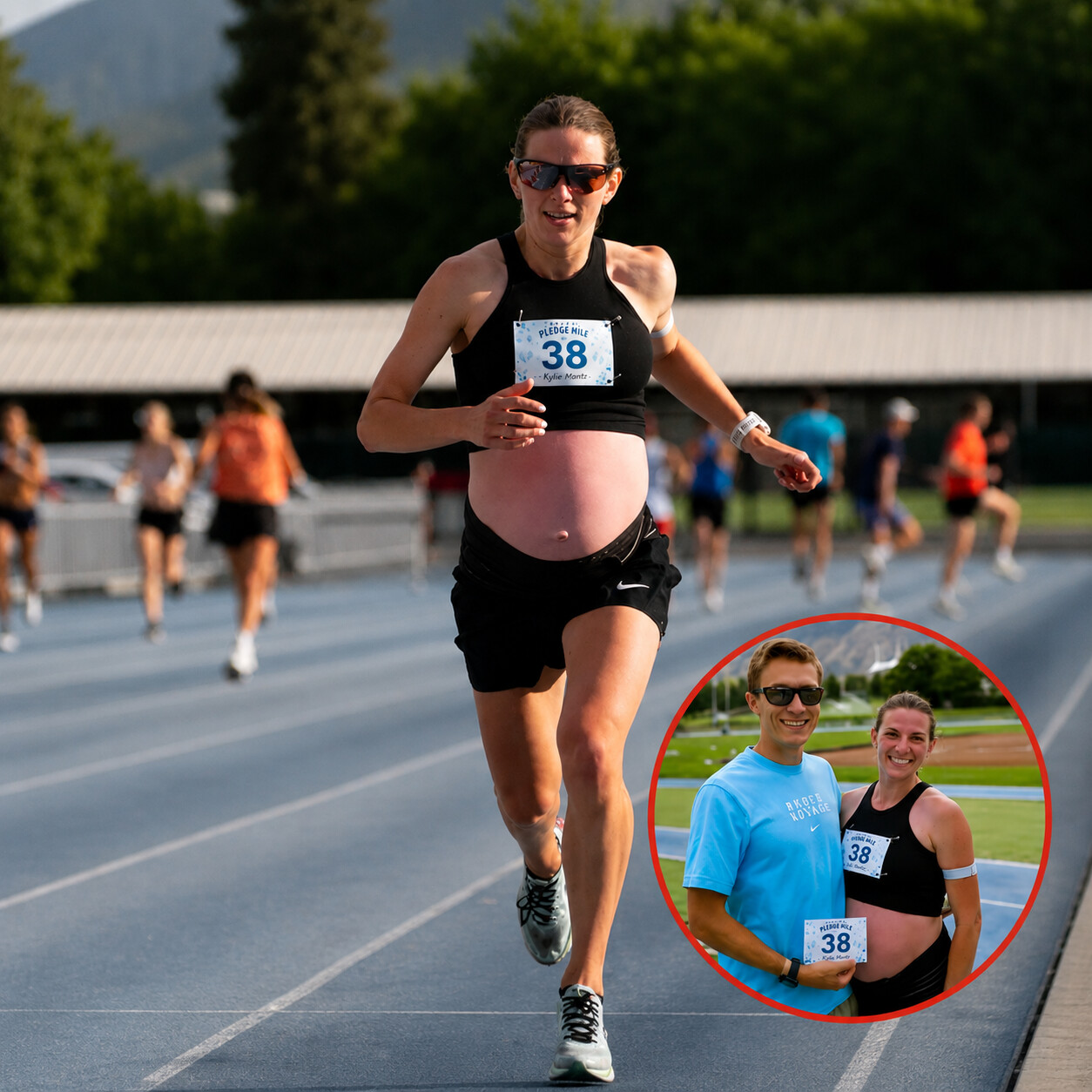
Only 10 days before giving birth, Kylie produced a performance that left runners and fans around the world in disbelief. At the BYU track, she ran an extraordinary 5:26.2 mile despite being in the final stages of pregnancy. The remarkable effort quickly spread across social media, earning widespread admiration for her resilience, determination, and confidence in listening to her body while continuing to pursue the sport she loves.
The unforgettable mile was only the latest highlight in an already extraordinary journey.
Last November, Kylie made an unforgettable marathon debut by winning the Two Cities Marathon in an impressive 2:43:49. What made the victory even more remarkable was the discovery weeks later that she had unknowingly completed the entire race while pregnant—a revelation that added another remarkable chapter to her inspiring story.
From winning a marathon under extraordinary circumstances to inspiring millions with a breathtaking late-pregnancy mile, Kylie has demonstrated that strength in sport extends far beyond medals and finish lines. Her journey has become a powerful reminder that determination, courage, and motherhood can coexist in truly remarkable ways.
As Kylie embraces motherhood and Conner begins life as a first-time father, the Mantz family's remarkable journey has entered a beautiful new chapter. After months of inspiring performances, unforgettable milestones, and worldwide admiration, their greatest story is no longer being written on the track—but at home with baby William, where a brand-new adventure has just begun.
by Erick Cheruiyot for My Best Runs.
Login to leave a comment
