

Running News Daily
Running News Daily is edited by Bob Anderson and team. Send your news items to bob@mybestruns.com Advertising opportunities available.
Index to Daily Posts · Sign Up For Updates · Run The World Feed
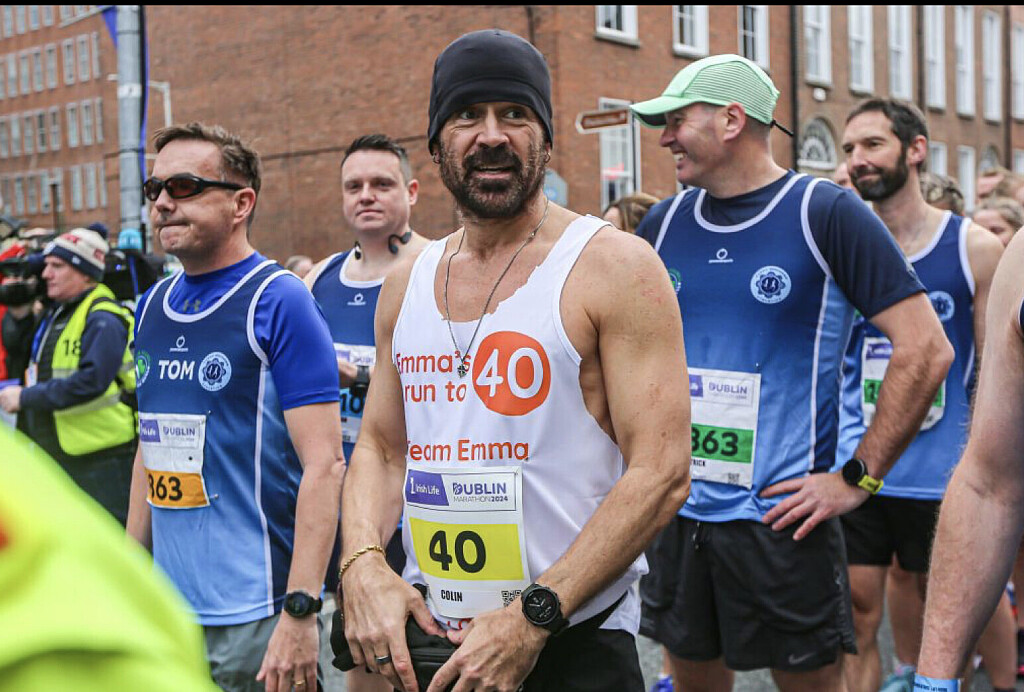


Colin Farrell Ran the Most Memorable Celebrity Marathon of 2024—but Not the Fastest

See which stars ran 26.2 miles and set PRs this year.
After a dip in participation levels due to the COVID-19 pandemic, marathons are finally seeing an upswing in popularity. This year, you had a better chance of getting into Yale University (5 percent) than having your name selected in the New York City Marathon lottery (4 percent).
While certain big shots prefer to stick to 5Ks or half marathons—or just like running to blow off some steam, like Kendrick Lamar—we’ve spotted stars in the crowds of some of the world’s largest races. The NYC Marathon, especially, is a popular destination for VIPs, with many celebrities choosing to raise money for charities.
Here are some of the top marathon times—and most inspiring stories—from celebs in 2024.
Colin Farrell, 4:06:45
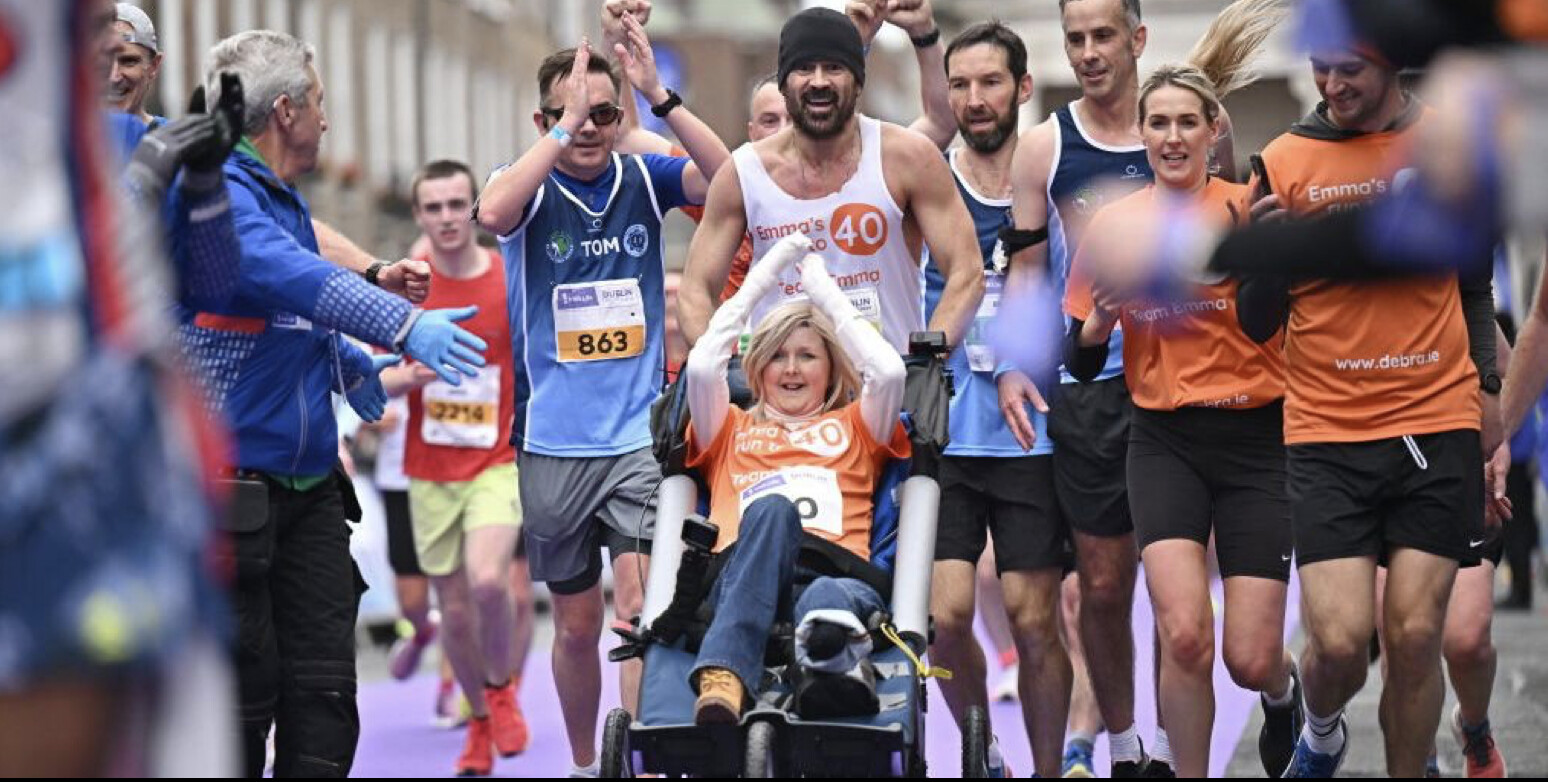
This wasn’t Farrell’s first marathon—he ran 3:53:14 at the 2021 Brisbane Marathon—but it sure was the most memorable. At October’s Dublin Marathon, the Irish actor finished in 4:06:45. But the time wasn’t important. Farrell, during the last 2.5 miles of the race, pushed his friend, Emma Fogarty, in a wheelchair. Fogarty has epidermolysis bullosa, a rare genetic skin condition, which can cause painful skin blistering. The pair raised nearly $1 million for Debra Ireland, a charity that helps fund research for the disorder.
Jennifer Connelly, 3:45:47
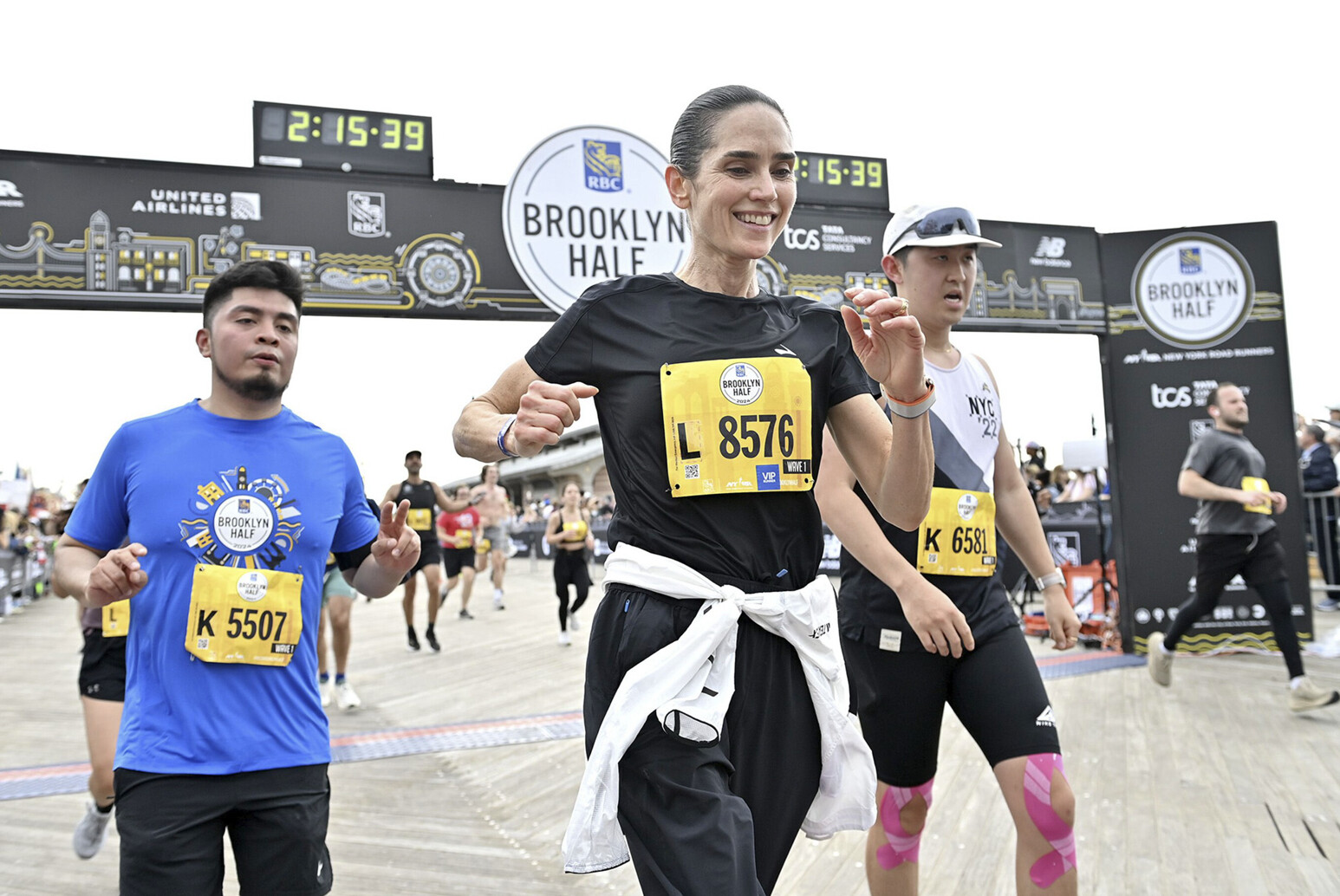
The actress, who won an Academy Award for portraying Alicia Nash in A Beautiful Mind, took on her first marathon on the streets of New York City in November. While she admitted she was nervous before the race, the Top Gun: Maverick alum looked like she had a blast, posing with other celebrity runners and thanking the famously boisterous New York crowd in a post-race Instagram post. She raised money for the cancer research organization Fred’s Team MSK.
Chelsea Clinton, 3:45:51
Just behind Connelly in New York was the former first daughter. Clinton was low-key about running the five boroughs. She didn’t publicly announce her participation; instead, she told the world after the race, posting a photo with her mother, Hillary, who met her at the finish line. Clinton ran with her friend, Jen, in support of the nonprofit Every Mother Counts.
Casey Neistat, 2:57:48
One of the most moving videos of the year was Neistat’s 12-minute documentary, “Sisyphus and the Impossible Dream.” In the video, Neistat, who has grown a massive following on YouTube since joining in 2010, chronicles his quest to break 3:00 in the marathon—ultimately a 17-year journey. He finally achieved his goal in December 2023 at the Tucson Marathon, where he ran 2:57:34. Before this year’s NYC Marathon, Neistat semi-jokingly asked his fans to refrain from waving to save him some precious seconds. It apparently worked; he nearly PR’d, running 2:57:48.
Matt James, 3:00:41
Matt James has worn a lot of hats: Wake Forest football player, Bachelor star, and now chronic marathoner. The 33-year-old is a regular at the World Majors. This year, he nabbed a personal best of 3:00:41 at April’s London Marathon and followed it up with a 3:29:26 at the New York City Marathon. He told Runner’s World his dream marathon partner would be Gordon Ramsay, who owns an impressive 3:30:37 PR himself. “After the marathon, you’re guaranteed a fire meal,” James said.
Phoebe Robinson, 5:53:19
The comedian and writer started running in March 2023 and bookended her 2024 with the Boston Marathon (5:53:19) and NYC Marathon (6:06:52). After Boston, Robinson posted on Instagram a thought that most people have after completing their first 26.2:
“I CAN. F***ING. DO. ANYTHING.”
Nev Schulman, untimed
Like Matt James, Schulman is a regular on the marathon circuit. He owns a PR of 2:58:54 from 2018, but lately, the host of MTV’s Catfish has focused on giving back to the running community.
At Boston in the spring, Schulman was a guide for blind para-athlete Francesco Magisano, who finished in 4:29:43. But in August, Schulman broke his neck after a truck hit him while he was biking. Incredibly, Schulman recovered in time to guide Magisano at the New York City Marathon, where Magisano crossed the finish in 4:02:31. (Since Schulman was a guide, he’s not listed in the official results.)
Login to leave a comment
Latest Running News
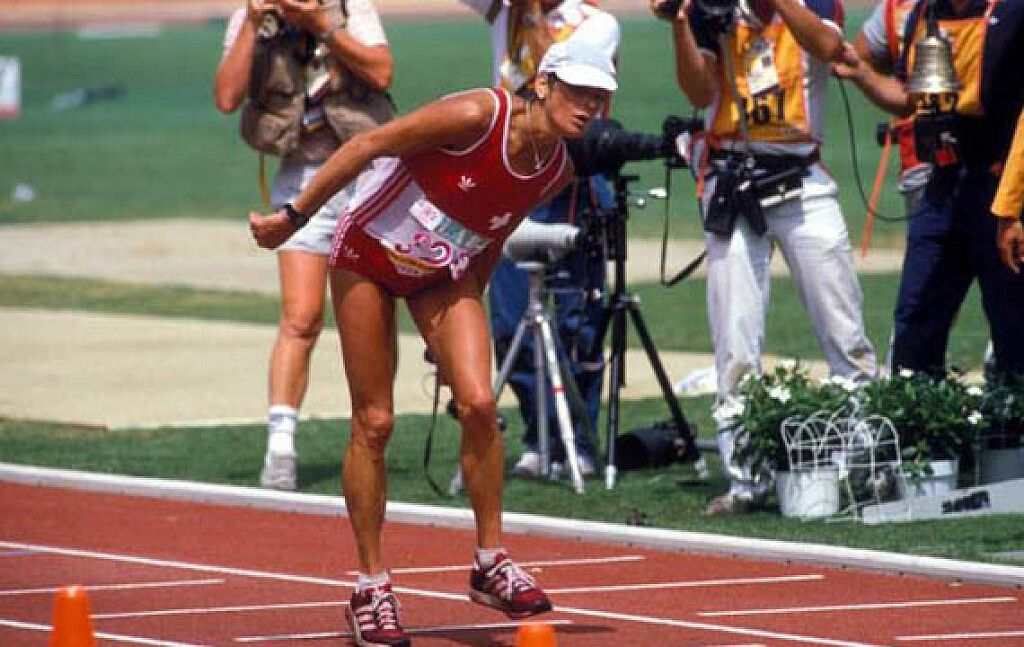
She Staggered, She Fell, But She Refused To Stop: The Olympic Finish That Became A Symbol Of Courage
At the 1984 Los Angeles Olympics, Gabriela Andersen-Schiess became part of Olympic history without winning a medal, setting a record, or standing on the podium.
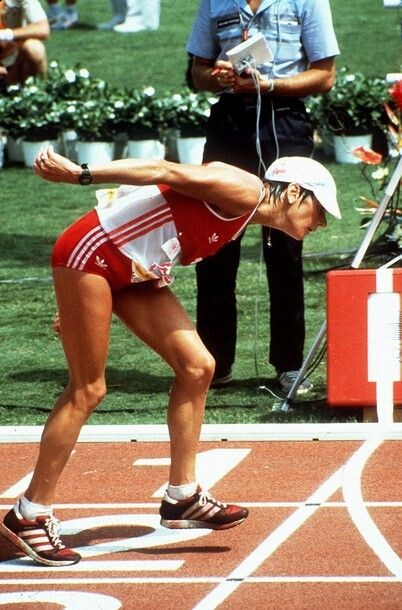
Instead, she gave the world something far more enduring: one of the most powerful displays of determination ever witnessed at the Olympic Games.
Andersen-Schiess, representing Switzerland, was competing in the inaugural women’s Olympic marathon when she entered the Los Angeles Memorial Coliseum after more than two hours of racing. What followed would become one of the most unforgettable moments in the history of distance running.
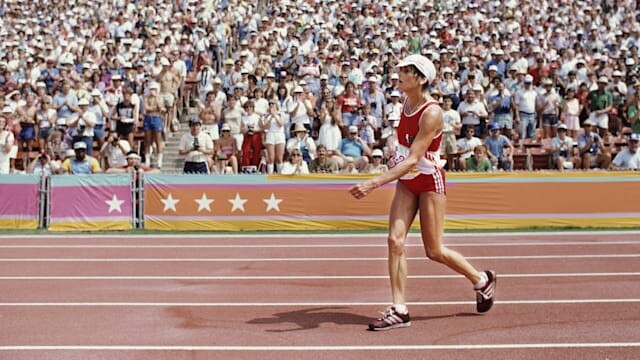
Severely exhausted and suffering from dehydration, the 39-year-old athlete could barely maintain her balance. Her body was visibly struggling. She staggered forward, her upper body leaning from side to side as she fought to keep moving.
Medical personnel immediately prepared to intervene.
But Andersen-Schiess knew that accepting assistance would mean being removed from the competition. She waved the medical staff away and continued, determined to reach the finish line under her own power.
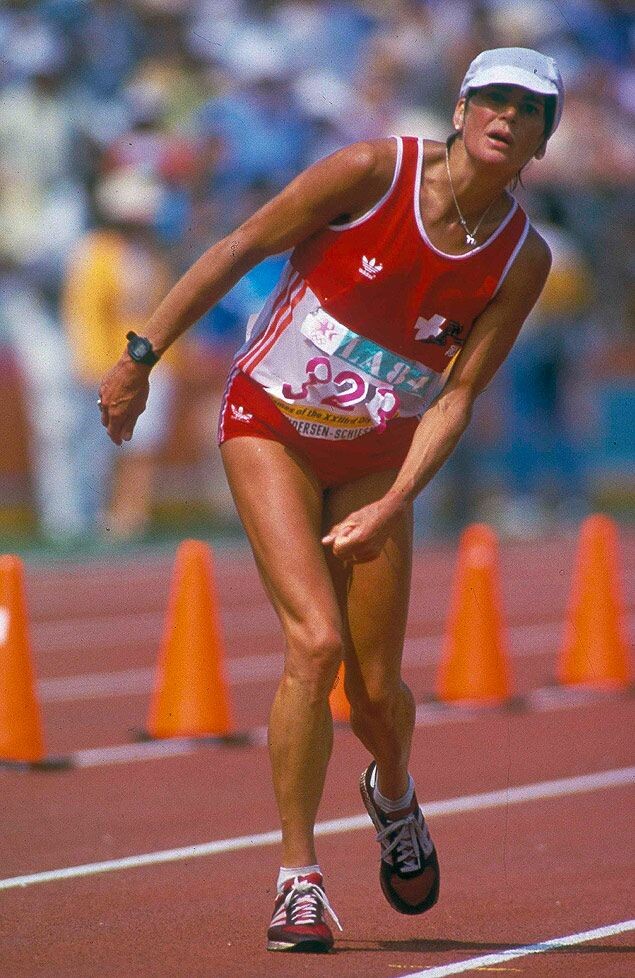
For the final stretch, every step appeared to require an enormous effort. She moved painfully around the stadium, stumbling and swaying as the crowd watched in stunned silence. The spectators could see that she was suffering, yet she refused to stop.
After an agonising final lap, Andersen-Schiess finally crossed the finish line in 37th place in 2:48:42.
The image of her struggling toward the finish quickly became one of the defining moments of the 1984 Olympics.
Earlier that day, American Joan Benoit had made history by winning the first women’s Olympic marathon in 2:24:52. Norway’s Grete Waitz took silver, while Portugal’s Rosa Mota claimed bronze.
Those athletes rightly received the medals and the headlines.
But Andersen-Schiess captured something different.
Her performance was not about victory over her rivals. It was about victory over exhaustion, pain and the overwhelming desire of the body to stop.
More than four decades later, her finish remains etched into the collective memory of Olympic sport. It stands as a reminder that courage is not always found in winning. Sometimes, it is found in taking one more step when every part of you is telling you that you cannot continue.
Gabriela Andersen-Schiess did not leave Los Angeles with an Olympic medal.
She left with something that has lasted far longer: a place in sporting history and a legacy of resilience that continues to inspire generations of runners.
That day, she did not simply finish a marathon.
She showed the world what it can mean to refuse to give up.
by Erick Cheruiyot for My Best Runs.
Login to leave a comment
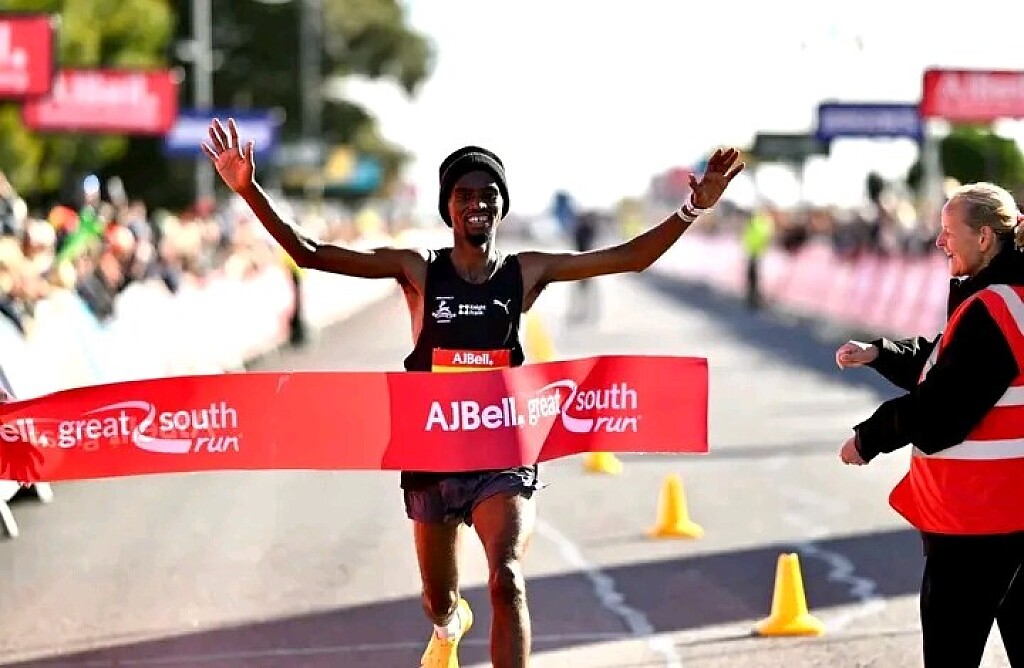
Kadar Omar And Hannah Irwin Triumph In Thrilling Great South Run Finishes
The AJ Bell Great South Run delivered a thrilling day of road racing, with Kadar Omar and Hannah Irwin claiming impressive victories after two contrasting battles at the front of the field.
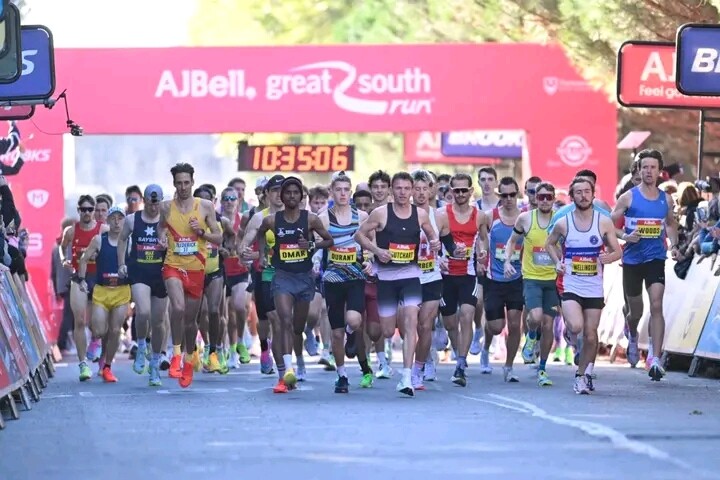
Omar produced a powerful display in the men’s race, breaking away early alongside twice Olympian Andy Butchart. The pair quickly established themselves at the head of the field and went through the 10-kilometre mark together in 29:34, setting the stage for a fascinating battle over the closing stages.
But while Butchart remained firmly in contention through the first part of the race, Omar began to turn the screw as the finish approached. The Birchfield Harriers athlete shifted through the gears and opened a 27-second advantage by 15 kilometres, putting himself firmly in control.
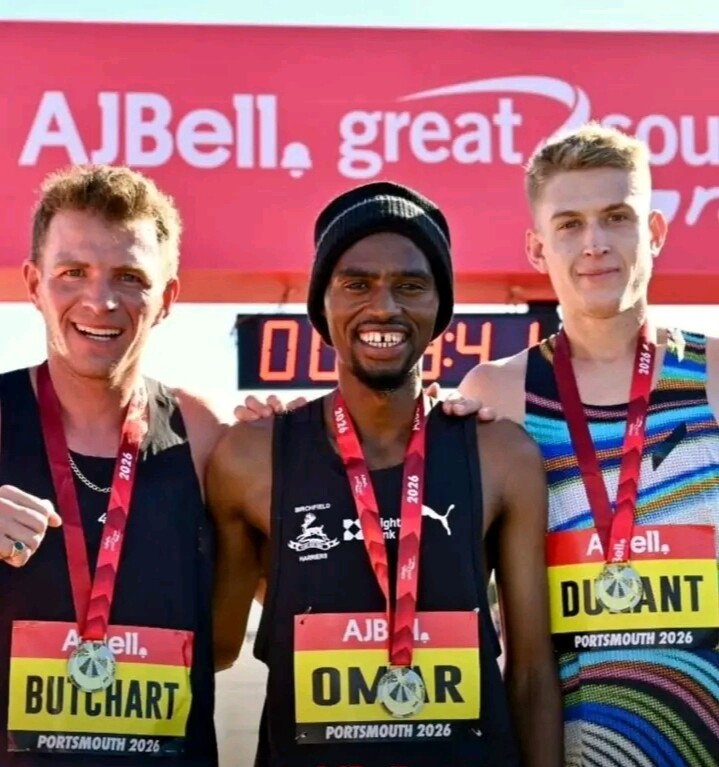
The 30-year-old continued to extend his advantage over the final kilometre before crossing the finish line in 47:27 to secure a convincing victory. His ability to maintain his pace and push clear in the closing stages ultimately proved decisive.
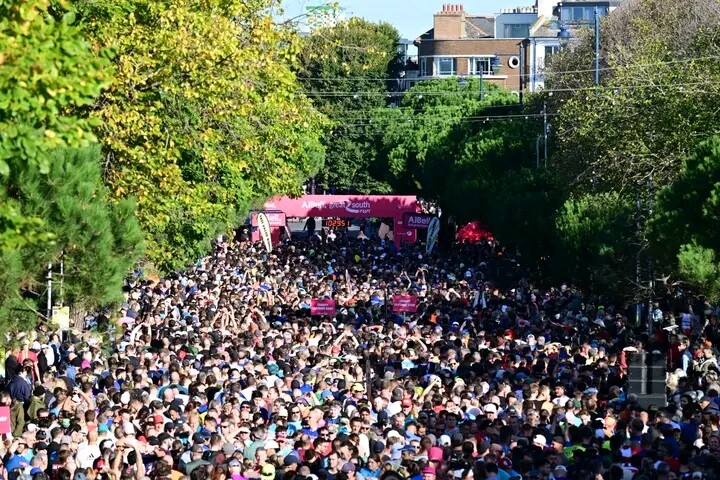
Butchart, making his Great South Run debut, finished strongly to take second in 47:49, while Alex Durant of Sheffield AC & Dearn secured third place. City of Portsmouth athlete Lachlan Wellington was sixth, completing the race in 50:27.
Omar’s victory was a testament to his ability to judge a race perfectly. After running conservatively alongside Butchart during the early stages, he found another level when it mattered most and produced the decisive move that separated him from his closest rival.
Speaking after his victory, Omar reflected on the demanding conditions and the effort required to secure the title.
“I pushed myself through the wind. And I gave it all I had,” Omar said. “I’m happy. It’s a great event, you know. Hopefully next year I can come back and race again.”
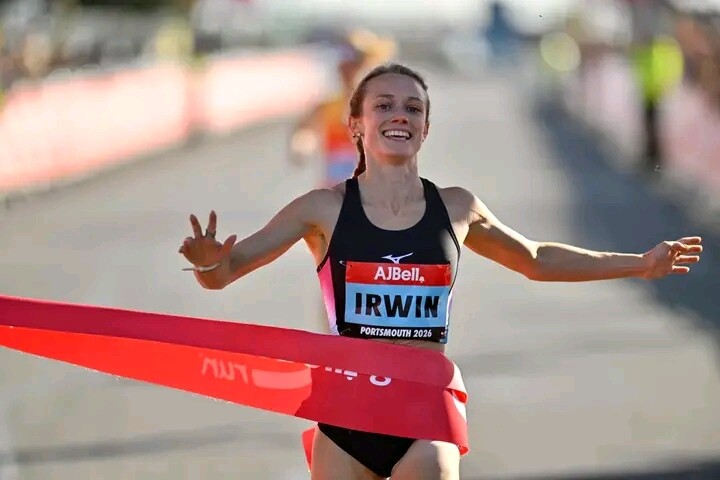
The women’s race was an entirely different story, with Hannah Irwin and defending champion Verity Ockenden locked in a remarkably close contest for almost the entire distance.
Irwin eventually prevailed in 53:34, with Ockenden finishing just three seconds behind in 53:37. Daisy Glover completed the women’s podium in 54:53 after another strong performance.
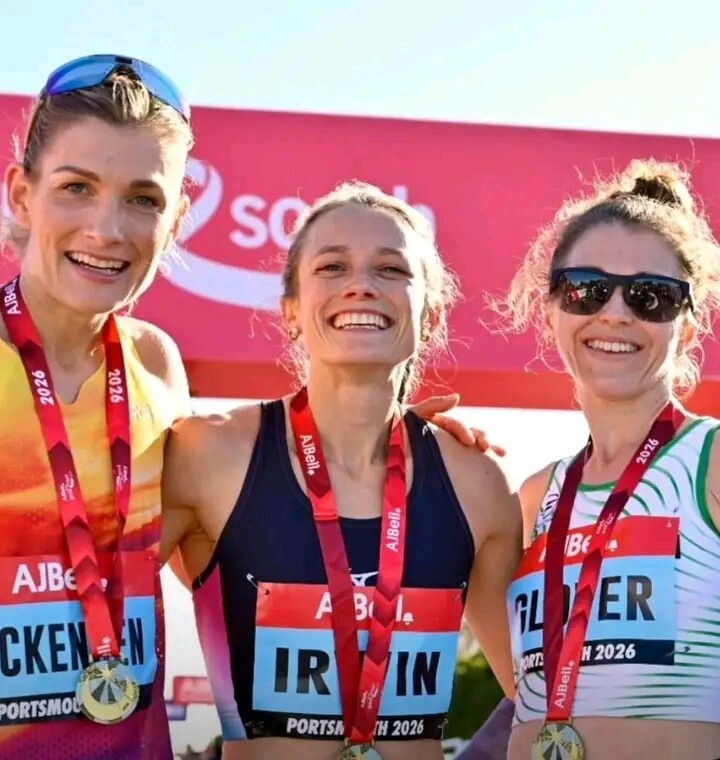
The closeness of the battle was reflected in Irwin’s comments after the finish. Rather than being a race dominated by one athlete, the two leaders remained virtually inseparable until the decisive moments.
“It was a really good fun race today. I really enjoyed having a battle with Verity,” Irwin said. “We were literally neck and neck the entire way, I think until like 200 to go.”
The weather added another challenge to the contest, with the athletes having to contend with strong winds for much of the race. Irwin explained that although the wind became a tailwind approaching the finish, that offered little relief after facing a headwind for much of the course.
“The wind was coming from the other direction, so it was a back wind coming into the finish. But that was no easier because it meant the majority of the rest of the race was a headwind,” she explained.
Irwin also revealed how she approached the tactical battle with Ockenden, recognising that the defending champion was having an exceptionally strong day and deciding that working together could benefit both athletes.
“I kind of thought, I think she (Ockenden) is having a really good day today, so we’re just going to have to work together,” Irwin said.
The decisive moment finally arrived in the closing stages, when Irwin found enough strength to hold off Ockenden and secure the victory by the narrowest of margins.
“I was pleased that my legs held on and I managed to come away with the win,” Irwin added.
The contrasting nature of the two elite races made for a memorable edition of the AJ Bell Great South Run. Omar gradually transformed an early breakaway into a commanding victory, while Irwin had to fight until the final moments to deny the defending champion.
With strong performances throughout both races, the event once again provided a compelling showcase of elite road racing, combining tactical battles, challenging conditions and dramatic finishes. For Omar and Irwin, however, the day belonged to them as they emerged victorious on a memorable day in Portsmouth.
by Erick Cheruiyot for My Best Runs.
Login to leave a comment

Great South Run
The Great South Run is an annual 10 miles (16.09 km) road running race which takes place in Portsmouth, United Kingdom providing an intermediate distance between the ten kilometre and the half marathon runs. Launched in 1990, it is part of the Great Run series created by former British athlete Brendan Foster. It was originally held in Southampton, but the...
more...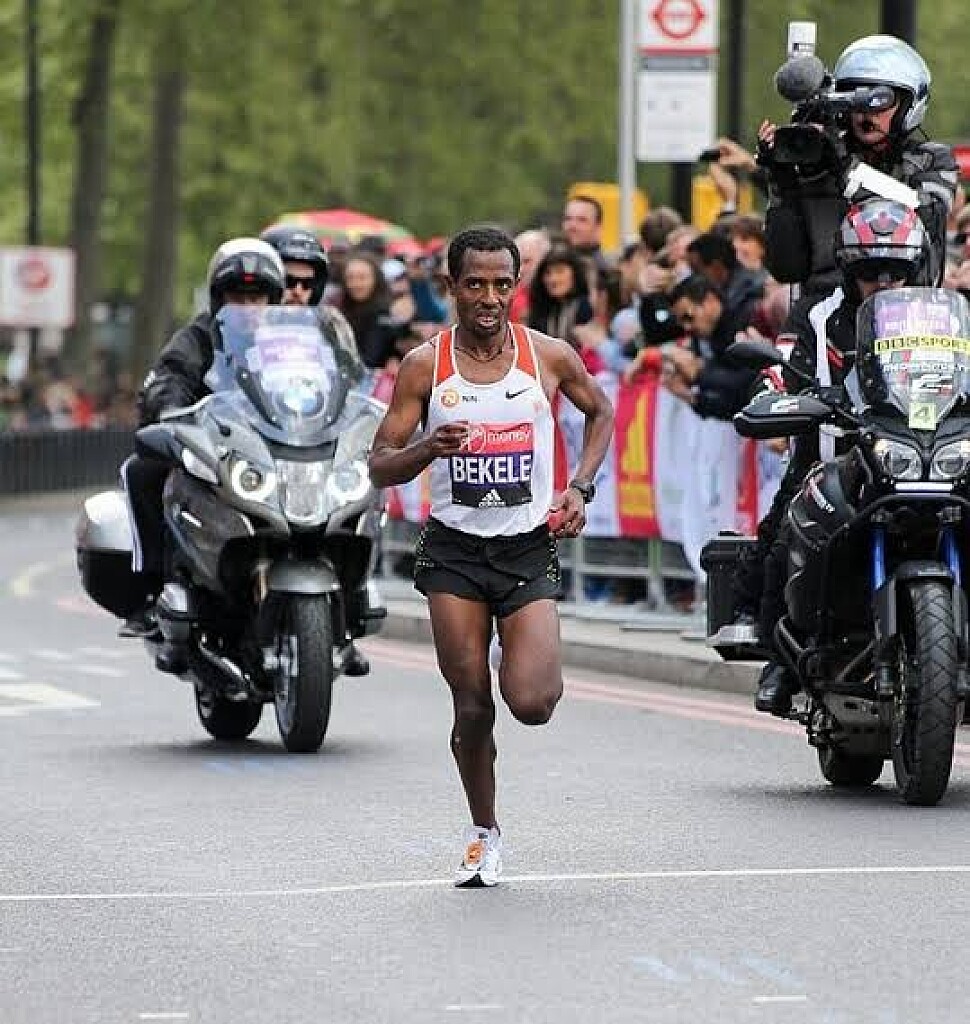
Kenenisa Bekele Targets Masters History In Valencia After Achilles Injury
Can The Legend Defy The Years? Kenenisa Bekele Is Chasing Another Piece Of History.
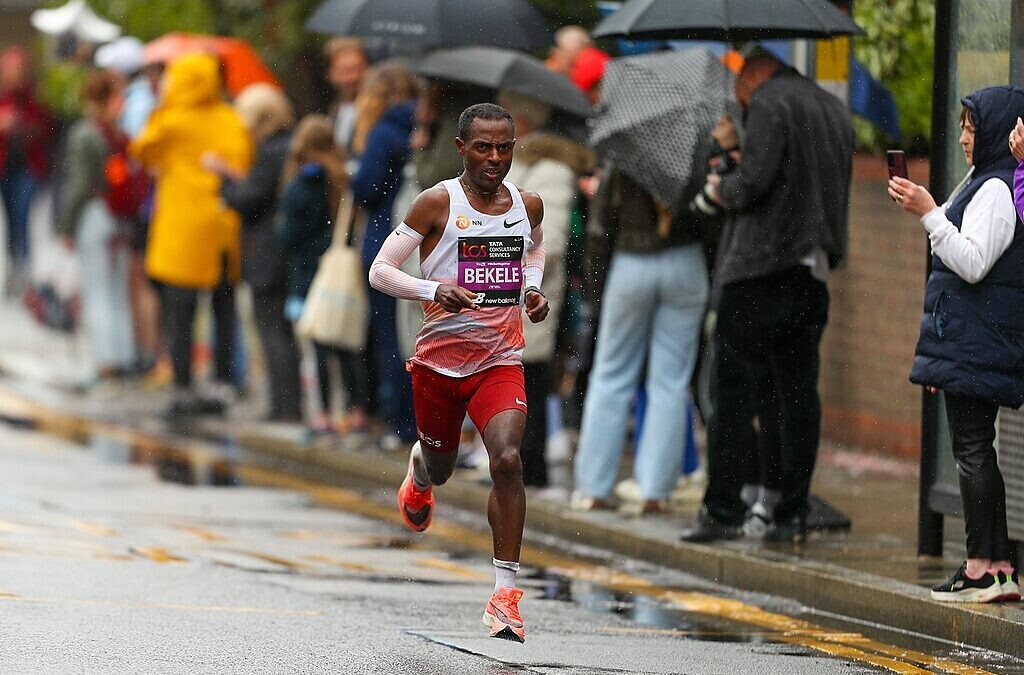
At 44, Ethiopian distance-running legend Kenenisa Bekele is preparing for another remarkable challenge as he returns to competition at the Valencia Half Marathon on October 25, 2026, only weeks after withdrawing from the Berlin Marathon because of a left Achilles tendon injury.
Rather than simply making a comeback, Bekele is targeting another piece of history. The three-time Olympic champion will have his sights set on the M40 world record of 59:53, held by Switzerland’s Tadesse Abraham.
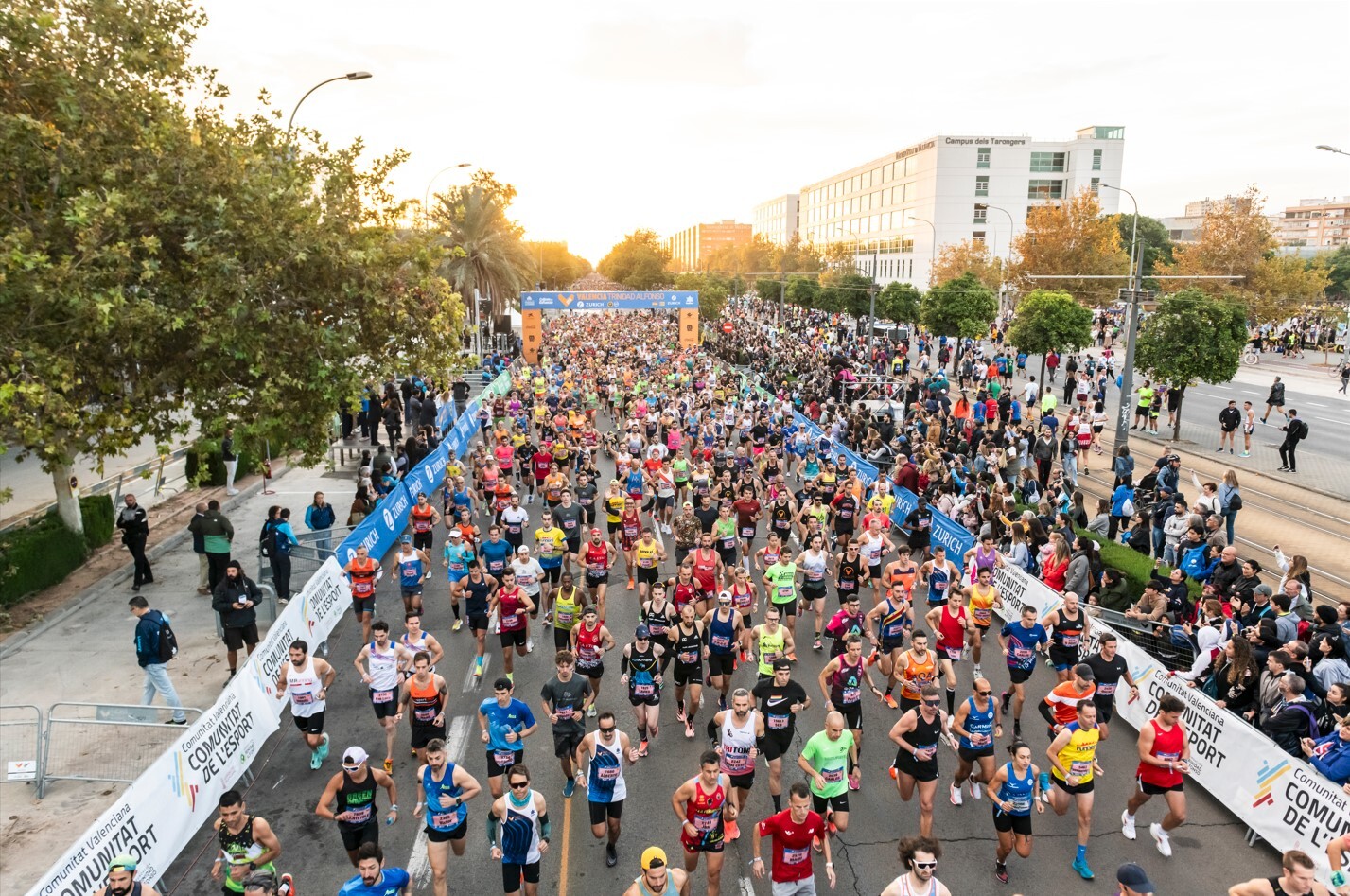
Bekele’s personal best stands at 1:00:22, set at the Big Half in London in 2020. To break Abraham’s mark, the Ethiopian will need to take almost 30 seconds off his best — a formidable challenge, particularly after an injury and a disrupted season.
But Bekele has never been a stranger to defying expectations. His return to Valencia comes at an age when most elite distance runners have long since retired, yet he continues to test himself against the best of a younger generation.
And the challenge awaiting him will be formidable. The men’s field includes Rodrigue Kwizera (58:16), Jemal Yimer (58:33), Tadese Worku (58:47) and Daniel Ebenyo (59:04), giving Bekele a formidable group of sub-one-hour performers to race alongside.
Bekele will wear bib number 18, adding another intriguing detail to a comeback that has already generated huge interest across the running world. Valencia’s famously fast course could provide the perfect setting for the Ethiopian to attack the clock if his body responds well on race day.
For Bekele, however, this is about more than a number on the clock. From his extraordinary track dominance to his longevity on the marathon and road-racing scene, he has repeatedly shown an ability to compete long after many expected his career to wind down.
Now, another chapter awaits in Valencia. Can the 44-year-old Ethiopian legend turn back the clock, overcome the effects of his Achilles injury and rewrite the masters record books? The answer will come on October 25.
by Erick Cheruiyot for My Best Runs.
Login to leave a comment
Valencia Half Marathon
The Trinidad Alfonso Valencia Half Marathon has become one of the top running events in the world. Valencia is one of the fastest half marathon in the world. The race, organized by SD Correcaminos Athletics Club, celebrated its silver anniversary in style with record participation, record crowd numbers, Silver label IAAF accreditation and an atmosphere that you will not find...
more...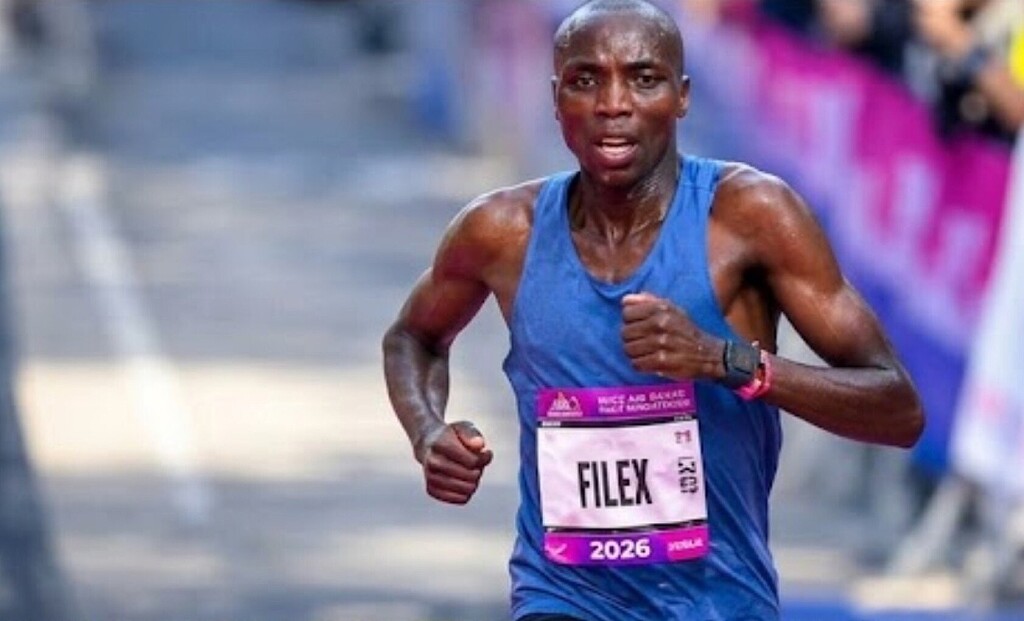
Filex Kibet Smashes Course Record as Netsanet Desta Claims Women’s Crown at Rome Half Marathon
Kenya’s Filex Kibet delivered a sensational performance at the 2026 Wizz Air Rome Half Marathon by Brooks, storming to victory in a remarkable 59:22 to establish a new men’s course record and headline an impressive display of distance running in the Italian capital.
The Kenyan produced a commanding performance over the 21.0975km distance, combining speed, endurance and tactical discipline to secure the prestigious title. His record-breaking achievement was the defining moment of an exciting competition that brought together some of the finest road-running talents from East Africa.
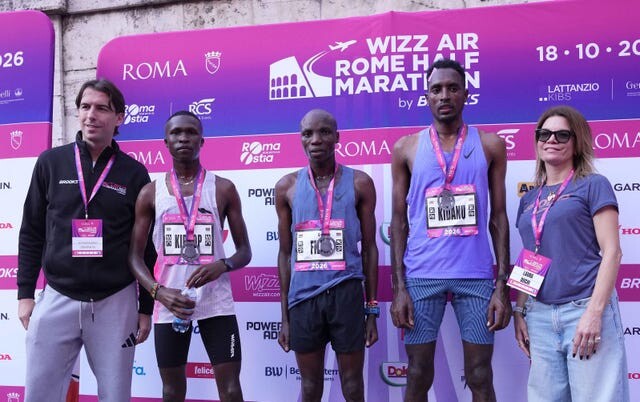
Kibet's winning time not only secured him a place in the event's history but also demonstrated his ability to compete at an exceptional level on the international road-running circuit. Breaking the one-hour barrier in a half marathon remains a significant benchmark in elite distance running, and his performance underlined the quality of the men's field.
Ethiopia's Selemon Atakiti Kidanu emerged as one of the standout performers of the day, producing an outstanding half-marathon debut to finish second in 59:38. Despite competing over the distance for the first time, the Ethiopian displayed remarkable composure and endurance, crossing the finish line just 16 seconds behind the eventual champion.
Kenya's Elisha Kiprop completed the men's podium after clocking 1:00:13, ensuring that two Kenyan athletes finished among the top three. His performance added further strength to Kenya's presence in a highly competitive race that saw the leading contenders produce impressive times on the streets of Rome.
While Kibet dominated the headlines in the men's competition, Ethiopia's Netsanet Desta delivered an equally impressive performance in the women's race, claiming victory in 1:07:26 to complete a memorable day of elite road racing.
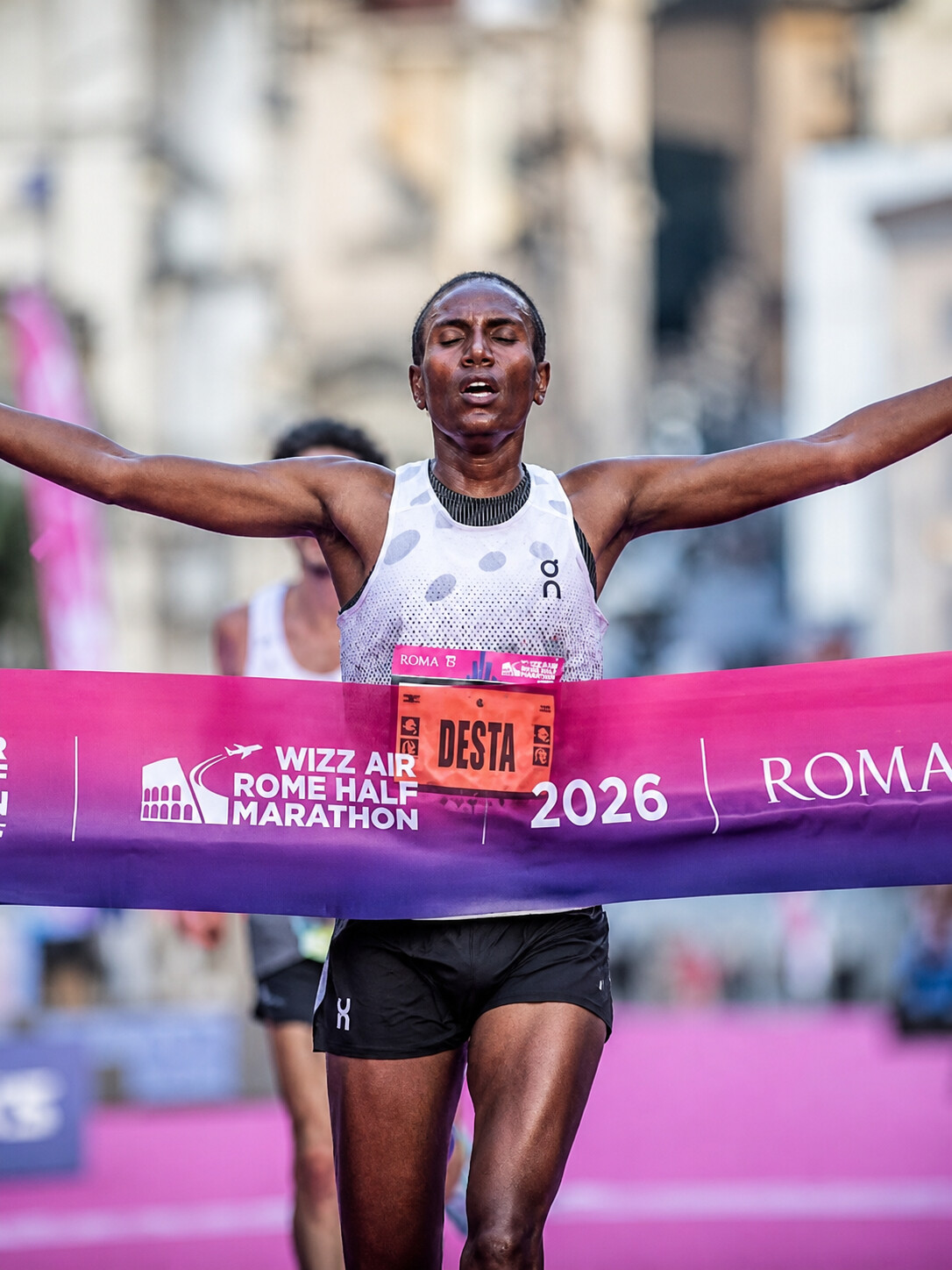
Desta demonstrated exceptional consistency throughout the demanding half-marathon distance, maintaining the pace necessary to overcome a competitive field and secure the women's title. Her victory highlighted Ethiopia's continued strength in international distance running.
Kenya's Regina Wambui Ndungu mounted a strong challenge but ultimately settled for second place in 1:07:48, finishing 22 seconds behind the Ethiopian champion. Ndungu's performance ensured Kenya was represented on both the men's and women's podiums.
Ethiopia's Yalemget Yaregal rounded out the women's top three, crossing the finish line in 1:08:22 to complete an impressive Ethiopian showing in the women's competition.
The contrasting victories of Kibet and Desta provided the perfect storyline for an event that continues to attract accomplished distance runners to one of Europe's most historic cities. With athletes competing against the clock and one another, the race delivered both a new course record and an impressive collection of performances.
For Kibet, the achievement represents another significant milestone, with his name now attached to the men's course record. His 59:22 performance establishes a new standard for future competitors seeking success at the Rome Half Marathon.
Kidanu's impressive debut also offered a glimpse of his potential over the distance, while the strong performances of Kiprop, Ndungu and Yaregal further demonstrated the depth of talent competing at the event.
The 2026 edition will be remembered particularly for Kibet's record-breaking triumph, as the Kenyan's exceptional run added a new chapter to the race's history and reinforced Rome's growing reputation as a destination for elite international road racing.
With the men's course record rewritten and two deserving champions crowned, the Italian capital once again provided a memorable stage for some of the world's most accomplished distance-running talents.
by Erick Cheruiyot for My Best Runs.
Login to leave a comment

Rome Half Marathon
An unforgettable race through the heart of Rome! The Rome Half Marathon will be an amazing opportunity to discover the city’s gems. The route, 21.0975 km long, will pass through the city center, crossing the city’s most iconic landmarks, including the Colosseum, the Circus Maximus, the Baths of Caracalla, Piazza Navona and many other historical sites. This incredible half marathon...
more...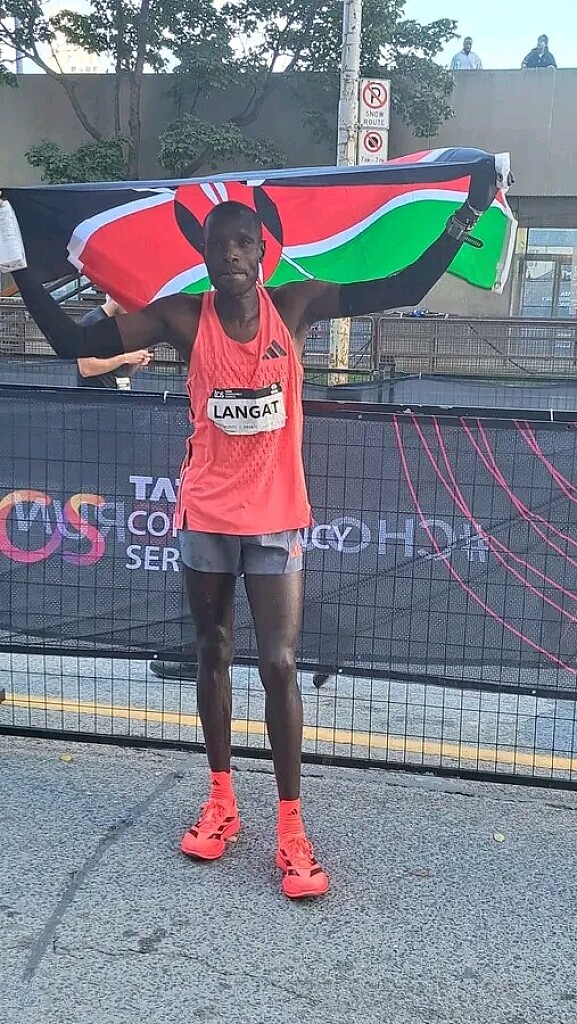
Leonard Langat Leads Kenyan Clean Sweep With Title Defence At Toronto Waterfront Marathon
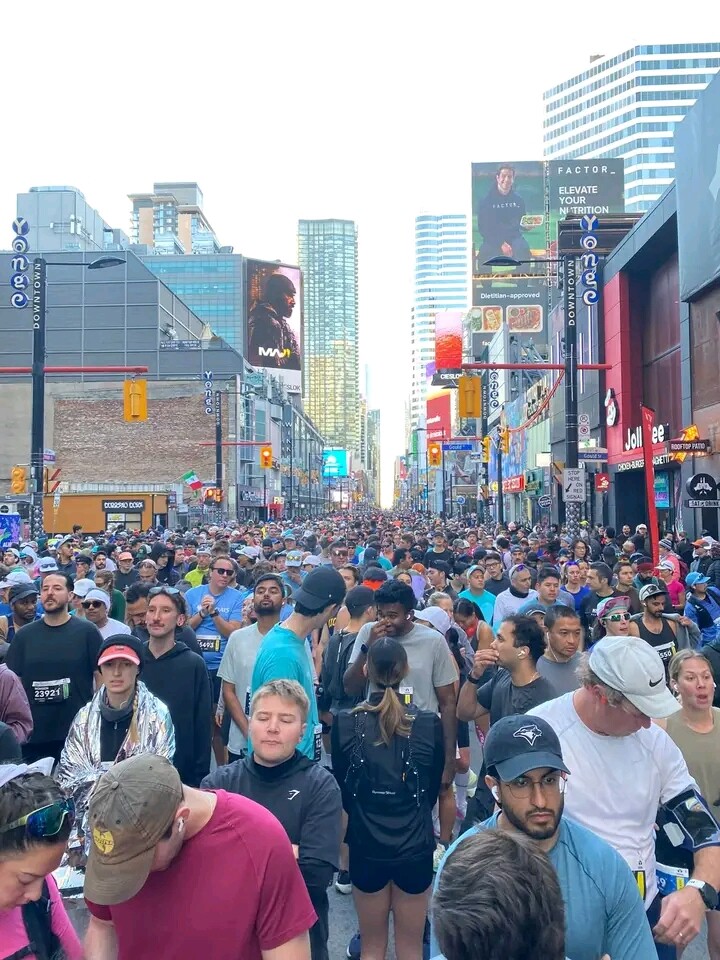
Kenya delivered a commanding performance at the 2026 TCS Toronto Waterfront Marathon, as Leonard Langat successfully defended his title and led a remarkable Kenyan sweep of the men’s podium in Toronto, Canada.
Langat crossed the finish line in 2:06:51, confirming his dominance for a second consecutive year. The Kenyan distance runner once again demonstrated his strength and consistency over the 42.195-kilometre distance, retaining the crown he claimed in 2025.
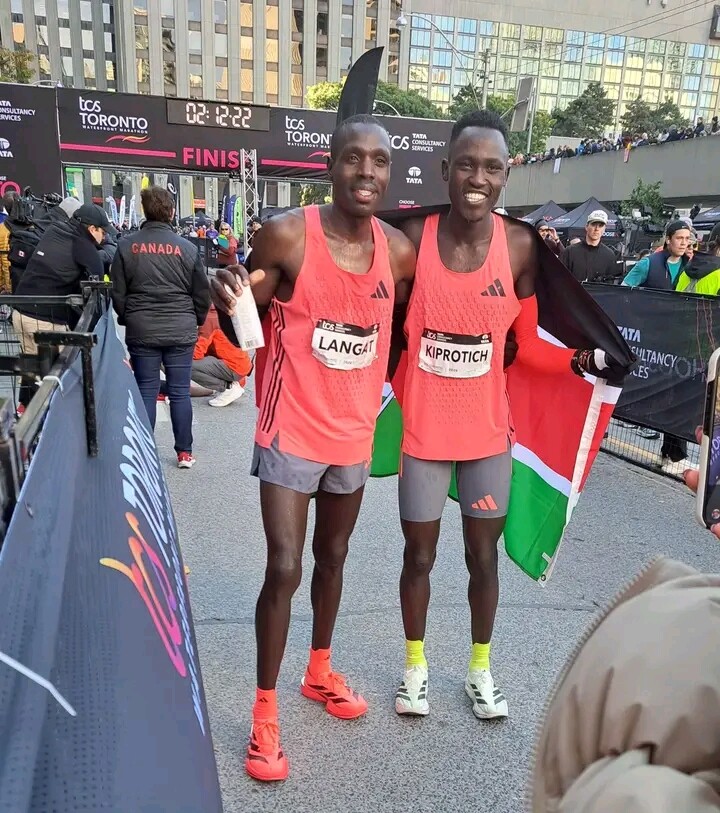
Fellow Kenyan Noah Kipkemboi secured second place in an impressive 2:07:21, while Fanny Kiprotich completed the all-Kenyan podium, finishing third in 2:07:25. The narrow four-second gap between Kipkemboi and Kiprotich added further intrigue to an outstanding Kenyan display.
Kenya’s dominance extended beyond the podium, with Absel Rutto finishing fourth in 2:07:32 and Elvis Cheboi taking fifth. The top five positions were occupied entirely by Kenyan athletes, underlining the country's remarkable depth and continued strength in international marathon running.
Langat's successful title defence was the highlight of a memorable day for Kenya, with three compatriots securing the podium places and five finishing among the top five. The performance reinforced Kenya's reputation as a powerhouse in long-distance running and demonstrated the country's ability to produce world-class marathoners.
The defending champion's victory was particularly significant given the competitive nature of the field, which featured accomplished marathon runners determined to challenge his supremacy. However, Langat rose to the occasion, producing another outstanding performance that demonstrated his ability to deliver under pressure on one of Canada's biggest road-running stages.
Meanwhile, Andrew Davies claimed the Canadian men's championship in 2:08:48. Davies delivered an impressive performance to become the leading Canadian finisher, earning national honours in a race that saw Kenyan athletes dominate the overall standings. His achievement provided a significant highlight for the home nation.
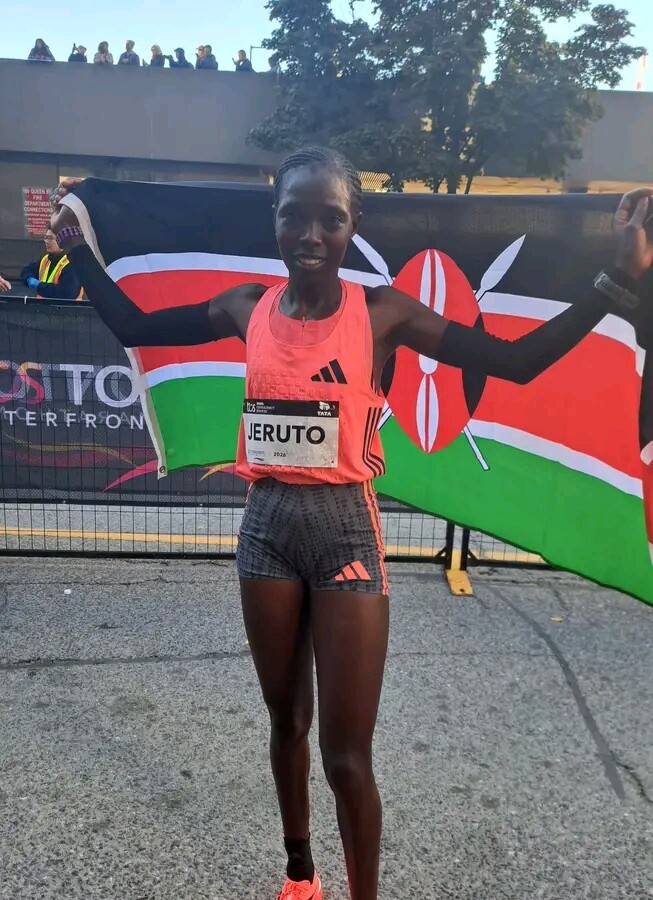
In the women's competition, Leah Jeruto emerged as the overall champion, crossing the finish line in 2:21:19 to secure victory at the 2026 TCS Toronto Waterfront Marathon. Her triumph added to Kenya's success at the event, making it another memorable outing for the country's distance-running contingent.
Jeruto faced strong competition from Ethiopia's Nigsti Haftu, who finished second in 2:21:34, just 15 seconds behind the winner. Fellow Ethiopian Ayinadis Teshome completed the women's podium in 2:22:51, while Biruktayit Degefa followed in fourth place with 2:24:07. Their performances highlighted the fierce rivalry between some of East Africa's leading marathon runners.
The women's race also demonstrated the remarkable depth of international marathon competition, with athletes from Kenya, Ethiopia and Canada producing impressive performances. Jeruto's victory, combined with Langat's successful title defence, ensured that Kenya celebrated a memorable double triumph in Toronto.
Canada also celebrated success in the women's national championship, with Dayna Pidhoresky taking the Canadian women's title in 2:26:02. Her performance highlighted the strength of the country's leading female distance runners and gave Canadian supporters another reason to celebrate at their home marathon.
Top 10 Men's Finishers – 2026 Toronto Waterfront Marathon
1. Leonard Langat (Kenya) – 2:06:51
2. Noah Kipkemboi (Kenya) – 2:07:21
3. Fanny Kiprotich (Kenya) – 2:07:25
4. Absel Rutto (Kenya) – 2:07:32
5. Elvis Cheboi (Kenya) – 2:07:37
6. Wesley Kiptoo (USA) – 2:08:08
7. Gizealew Ayana (Ethiopia) – 2:08:10
8. Yismaw Atinafu (Ethiopia) – 2:08:44
9. Andrew Davies (Canada) – 2:08:48
10. John Gay (Canada) – 2:13:01
Top 10 Women's Finishers – 2026 Toronto Waterfront Marathon
1. Leah Jeruto (Kenya) – 2:21:19
2. Nigsti Haftu (Ethiopia) – 2:21:34
3. Ayinadis Teshome (Ethiopia) – 2:22:51
4. Biruktayit Degefa (Ethiopia) – 2:24:07
5. Maritu Ketema (Kenya) – 2:24:45
6. Beatrice Cheserek (Kenya) – 2:24:54
7. Regina Cheptoo (Kenya) – 2:25:48
8. Dayna Pidhoresky (Canada) – 2:26:02
9. Betty Chepkorir (Canada) – 2:28:29
10. Florence Caron (Canada) – 2:29:37
Beyond the individual victories, the marathon once again demonstrated its importance as a major destination for elite distance runners seeking international recognition and competitive performances. The combination of established champions, emerging contenders and strong domestic representation contributed to another compelling edition of the prestigious Canadian road race.
With Langat defending his crown, Kenya sweeping the men's podium, Jeruto claiming the women's title, and Canadian champions Davies and Pidhoresky earning national honours, the 2026 TCS Toronto Waterfront Marathon delivered an impressive showcase of distance-running excellence. The event celebrated both international competition and domestic achievement, with Kenya's outstanding depth and Canada's leading runners sharing the spotlight.
by Erick Cheruiyot for My Best Runs.
Login to leave a comment
TCS Toronto Waterfront Marathon
The Scotiabank Toronto Waterfront Marathon, Half-Marathon & 5k Run / Walk is organized by Canada Running Series Inc., organizers of the Canada Running Series, "A selection of Canada's best runs!" Canada Running Series annually organizes eight events in Montreal, Toronto and Vancouver that vary in distance from the 5k to the marathon. The Scotiabank Toronto Waterfront Marathon and Half-Marathon are...
more...