

Running News Daily
Running News Daily is edited by Bob Anderson and team. Send your news items to bob@mybestruns.com Advertising opportunities available.
Index to Daily Posts · Sign Up For Updates · Run The World Feed


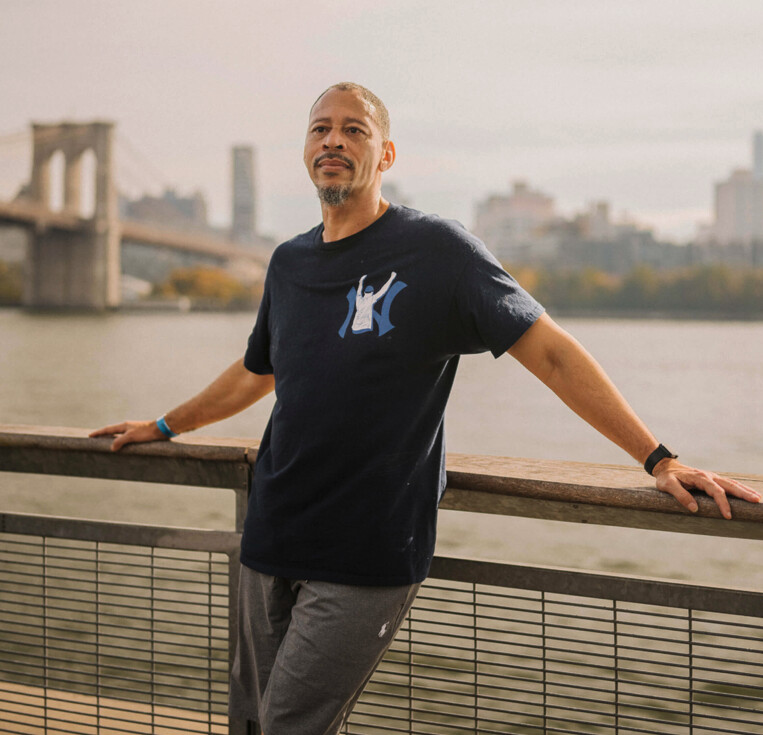
TWENTY-ONE YEARS AGO, HE WAS INCARCERATED FOR LIFE. LAST YEAR, HE RAN THE NYC MARATHON A RADICALLY CHANGED MAN.

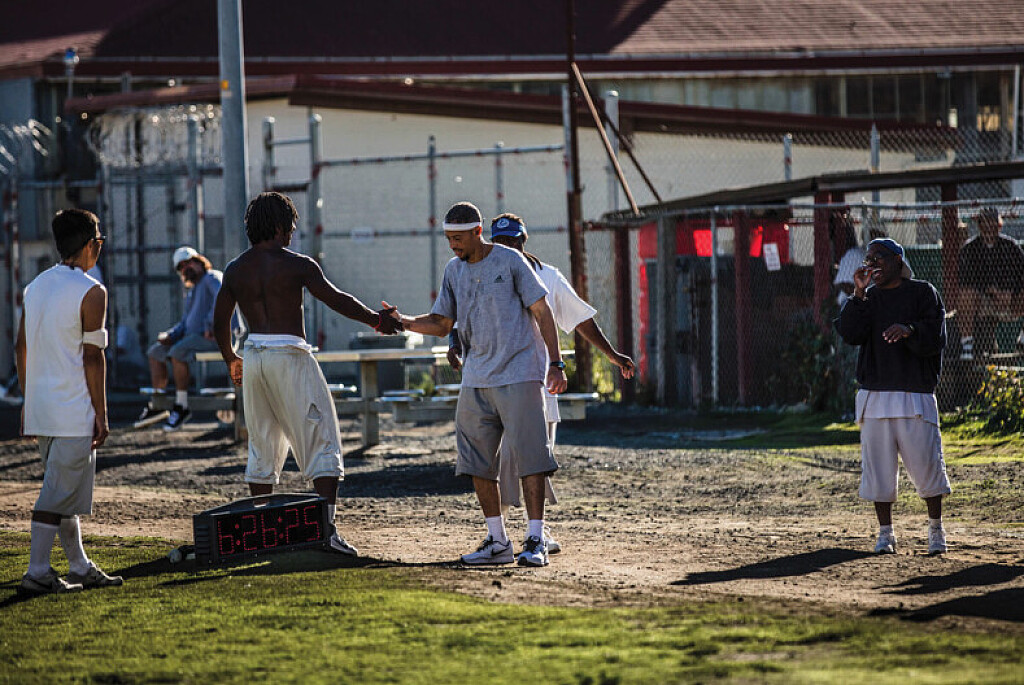
RAHSAAN ROUNDED THOMAS A CORNER. Gravel underfoot gave way to pavement, then dirt. Another left turn, and then another. In the distance, beyond the 30-foot wall and barbed wire separating him from the world outside, he could see the 2,500-foot peak of Mount Tamalpais. He completed the 400-meter loop another 11 times for an easy three miles.
Rahsaan wasn’t the only runner circling the Yard that evening in the fall of 2017. Some 30 people had joined San Quentin State Prison’s 1,000 Mile Club by the time Rahsaan arrived at the prison four years prior, and the group had only grown since. Starting in January each year, the club held weekly workouts and monthly races in the Yard, culminating with the San Quentin Marathon—105 laps—in November. The 2017 running would be Rahsaan’s first go at the 26.2 distance.
For Rahsaan and the other San Quentin runners, Mount Tam, as it’s known, had become a beacon of hope. It’s the site of the legendary Dipsea, a 7.4-mile technical trail from Mill Valley to Stinson Beach. After the 1,000 Mile Club was founded in 2005, it became tradition for club members who got released to run that trail; their stories soon became lore among the runners still inside. “I’ve been hearing about the Dipsea for the longest,” Rahsaan says.
Given his sentence, he never expected to run it. Rahsaan was serving 55 years to life for second-degree murder. Life outside, let alone running over Mount Tam all the way to the Pacific, felt like a million miles away. But Rahsaan loved to run—it gave him a sense of freedom within the prison walls, and more than that, it connected him to the community of the 1,000 Mile Club. So if the volunteer coaches and other runners wanted to talk about the Dipsea, he was happy to listen.
We’ll get to the details of Rahsaan’s crime later, but it’s useful to lead with some enduring truths: People can grow in even the harshest environments, and running, whether around a lake or a prison yard, has the power to change lives. In fact, Rahsaan made a lot of changes after he went to prison: He became a mentor to at-risk youth, began facing the reality of his violence, and discovered the power of education and his own pen. Along the way, Rahsaan also prayed for clemency. The odds were never in his favor.
To be clear, this is not a story about a wrongful conviction. Rahsaan took the life of another human being, and he’s spent more than two decades reckoning with that fact. He doesn’t expect forgiveness. Rather, it’s a story about a man who you could argue was set up to fail, and for more than 30 years that’s exactly what he did. But it’s also a story of navigating the delta between memory and fact and finding peace in the idea that sometimes the most formative things in our lives may not be exactly as they seem. And mostly, it’s a story of transformation—of learning to do good in a world that too often encourages the opposite.
RAHSAAN “NEW YORK” THOMAS GREW UP IN BROWNSVILLE, A ONE-SQUARE-MILE SECTION OF EASTERN Brooklyn wedged between Crown Heights and East New York. As a kid he’d spend hours on his Commodore 64 computer trying to code his own games. He loved riding his skateboard down the slope of his building’s courtyard. On weekends, he and his friends liked to play roller hockey there, using tree branches for sticks and a crushed soda can for a puck.
Once a working-class Jewish enclave, Brownsville started to change in the 1960s, when many white families relocated to the suburbs, Black families moved in, and city agencies began denying residents basic services like trash pickup and streetlight repairs. John Lindsay, New York’s mayor at the time, once referred to the area as “Bombsville” on account of all the burned-out buildings and rubble-filled empty lots. By 1971, the year after Rahsaan was born, four out of five families in Brownsville were on government assistance. More than 50 years later, Brownsville still has a poverty rate close to 30 percent. The neighborhood’s credo, “Never ran, never will,” is typically interpreted as a vow of resilience in the face of adversity. For some, like Rahsaan, it has always meant something else: Don’t back down.
The first time Rahsaan didn’t run, he was 5 or 6 years old. He had just moved into Atlantic Towers, a pair of 24-story buildings beset with rotting walls and exposed sewer pipes that housed more than 700 families. Three older kids welcomed him with their fists. Even if Rahsaan had tried to run, he wouldn’t have gotten far. At that age, Rahsaan was skinny, slow, and uncoordinated. He got picked on a lot. Worse, he was light-skinned and frequently taunted as “white boy.” The insult didn’t even make sense to Rahsaan, whose mother is Black and whose father was Puerto Rican. “I feel Black,” he says. “I don’t feel [like] anything else. I feel like myself.”
Rahsaan hated being called white. It was the mid-1970s; Roots had just aired on ABC, and Rahsaan associated being white with putting people in chains. Five-Percent Nation, a Black nationalist movement founded in Harlem, had risen to prominence and ascribed godlike status to Black men. Plus, all the best athletes were Black: Muhammad Ali. Reggie Jackson. Kareem Abdul-Jabbar. In Rahsaan’s world, somebody white was considered physically inferior.
Raised by his mother, Jacqueline, Rahsaan never really knew his father, Carlos, who spent much of Rahsaan’s childhood in prison. In 1974, Jacqueline had another son, Aikeem, with a different man, and raised her two boys as a single mom. Carlos also had another son, Carl, whom Rahsaan met only once, when Carl was a baby. Still, Rahsaan believed “the myth,” as he puts it now, that one day Carlos would return and relieve him, his mom, and Aikeem of the life they were living. Jacqueline had a bachelor’s degree in sociology and worked three jobs to keep her sons clothed and fed. She nurtured Rahsaan’s interest in computers and sent him to a parochial school that had a gifted program. Rahsaan describes his family as “upper-class poor.” They had more than a lot of families, but never enough to get out of Brownsville, away from the drugs and the violence.
Some traumas are small but are compounded by frequency and volume; others are isolated occurrences but so significant that they define a person for a lifetime. Rahsaan remembers his grandmother telling him that his father had been found dead in an alley, throat slashed, wallet missing. Rahsaan was 12 at the time, and he understood it to mean his father had been murdered for whatever cash he had on him—maybe $200, not even. Now he would never come home.
Rahsaan felt like something he didn’t even have had been taken from him. “It just made me different, like, angry,” he says. By the time he got to high school, Rahsaan resolved to never let anyone take anything from him or his family again. “I started feeling like, next time somebody tryin’ to rob me, I’m gonna stab him,” he says. He started carrying a knife, a razor, rug cutters—“all kinds of sharp stuff.” Rahsaan never instigated a fight, but he refused to back down when threatened or attacked. It was a matter of survival.
The first time Rahsaan picked up a gun, it was to avenge his brother. Aikeem, who was 14 at the time, had been shot in the leg by a guy in the neighborhood who was trying to rob him and Rahsaan. A few months later, Rahsaan saw the shooter on the street, ran to the apartment of a drug dealer he knew, and demanded a gun. Rahsaan, then 18, went back outside and fired three shots at the guy. Rahsaan was arrested and sent to Rikers Island, then released after three days: The guy he’d shot was wanted for several crimes and refused to testify against Rahsaan.
By day, Rahsaan tried to lead a straight life. He graduated from high school in 1988 and got a job taking reservations for Pan Am Airways. He lost the job after Flight 103 exploded in a terrorist bombing over Scotland that December, and the company downsized. Rahsaan got a new job in the mailroom at Debevoise & Plimpton, a white-shoe law firm in midtown Manhattan. He could type 70 words a minute and hoped to become a paralegal one day.
Rahsaan carried a gun to work because he’d been conditioned to expect the worst when he returned to Brownsville at night. “If you constantly being traumatized, you constantly feeling unsafe, it’s really hard to be in a good mind space and be a good person,” he says. “I mean, you have to be extraordinary.”
After high school, some of Rahsaan’s friends went to Old Westbury, a state university on Long Island with a rolling green campus. He would sometimes visit them, and at a Halloween party one night, he got into a scrape with some other guys and fired his gun. Rahsaan spent the next year awaiting trial in county jail, the following year at Cayuga State Prison in upstate New York, and another 22 months after that on work release, living in a halfway house in Queens. He got a job working the merch table for the Blue Man Group at Astor Place Theater, but the pay wasn’t enough to support the two kids he’d had not long after getting out of Cayuga.
He started selling a little crack around 1994, when he was 24. By 27 he was dealing full-time. He didn’t want to be a drug dealer, though. “I just felt desperate,” he says. Rahsaan had learned to cut hair in Cayuga, and he hoped to save enough money to open a barbershop.
He never got that opportunity. By the summer of 1999, things in New York had gotten too hot for Rahsaan and he fled to California. For the first time in his 28 years, Rahsaan Thomas was on the run.
EVERY RUNNER HAS AN ORIGIN STORY. SOME START IN SCHOOL, OTHERS TAKE UP RUNNING TO IMPROVE their health or beat addiction. Many stories share common themes, if not exact details. And some, like Rahsaan’s, are absolutely singular.
Rahsaan drove west with ambitions to break into the music business. He wanted to be a manager, maybe start his own label. His new girlfriend would join him a week later in La Jolla, where they’d found an apartment, so Rahsaan went first to Big Bear, a small town deep in the San Bernardino Mountains 100 miles east of Los Angeles. It’s where Ryan Hall grew up, and where he discovered running at age 13 by circling Big Bear Lake—15 miles—one afternoon on a whim. Hall has recounted that story so many times that it’s likely even better known than the American records he would go on to set in the half and full marathons.
Rahsaan didn’t know anything about Ryan Hall, who at the time was just about to start his junior year at Big Bear High School and begin a two-year reign as the California state cross-country champion. He didn’t even know there was a lake in Big Bear. Rahsaan went to Big Bear to box with a friend, Shannon Briggs, a two-time World Boxing Organization heavyweight champion.
Briggs and Rahsaan had grown up together in Atlantic Towers. As kids they liked to ride bikes in the courtyard, and later they went to the same high school in Fort Greene. But Briggs’s mom had become addicted to drugs by his sophomore year, and they were evicted from the Towers. Briggs and Rahsaan lost touch. Briggs began spending time at a boxing gym in East New York; often he’d sleep there. He had talent in the ring. People thought he might even be the next Mike Tyson, another native of Brownsville who was himself a world heavyweight champ from 1986 to 1989.
Briggs went pro in 1991, and by the end of that decade he was earning seven figures fighting guys like George Foreman and Lennox Lewis. Rahsaan was at those fights. The two had reconnected in 1996, when Rahsaan was trying to rebuild his life after prison and Briggs’s boxing career was on the rise. In August 1999, Briggs was gearing up to fight Francois Botha, a South African known as the White Buffalo, and had decamped to Big Bear to train. “He was like, ‘Yo, come live with me, bro,’” Rahsaan recalls.
Briggs was running three miles a day to increase his stamina. His route was a simple out-and-back on a wooded trail, and on one of Rahsaan’s first days there, he decided to join him. Rahsaan hadn’t done so much as a push-up since getting out of prison, but he wanted to hang with his friend. Briggs and his training partners set off at their usual clip; within a few minutes they’d disappeared from Rahsaan’s view. By the time they were doubling back, he’d barely made it a half mile.
Rahsaan never liked feeling physically inferior. So back in La Jolla, he started running a few times a week, going to the gym, whatever it took. Before long he was up to five miles. And the next time he ran with Briggs, he could keep up. After that, he says, “Running just became my thing.”
FOR YEARS, RAHSAAN HAD BUCKED AT TAKING RESPONSIBILITY for the murder that sent him to prison. The other guys had guns, too, he insisted. If he hadn’t shot them, they’d have shot him. It was self-defense.
In the moment, he had no reason to think otherwise. It was April 2000. A friend had arranged to sell $50,000 worth of weed, and Rahsaan went along to help. They met in the parking lot of a strip mall in L.A., broad daylight. The buyers brought guns instead of cash, things went sideways, and, in a flash of adrenaline, Rahsaan used the 9mm he’d packed for protection, killing one man and putting the other in critical condition. He was 29 and had been in California eight months.
After awaiting trial for three years in the L.A. County jails, Rahsaan was sentenced to 55 years to life. But for the crushing finality of it, the grim interminability, the prospect of never seeing the outside world again, he was on familiar ground. Even Brownsville had been a kind of prison—one defined, as Rahsaan puts it now, by division and neglect, a world unto itself that societal forces made nearly impossible to escape. He was used to life inside.
Rahsaan spent the next 10 years shuttling between maximum security facilities, the bulk of those years at Calipatria State Prison, 30 miles from the Mexican border. By the time he got to San Quentin, he was 42.
As part of the prison’s restorative justice program, Rahsaan met a mother of two young men who’d been shot, one killed and the other critically injured. Her pain, her dignity, her ability to forgive her sons’ shooters prompted Rahsann to reflect on his own crime. “It made me feel like, damn, I did this to his mother,” he says. “I did this to my mother. You don’t do that to Black mothers. They go through so much.”
ABOUT 2 MILLION PEOPLE ARE INCARCERATED IN THE UNITED States today, roughly eight times as many as in the early 1970s. Nearly half of them are Black, despite Black Americans representing only 13 percent of the U.S. population.
This disparity reflects what the legal scholar and author Michelle Alexander calls “the new Jim Crow,” an invisible system of oppression that has impeded Black men in particular since the days of slavery. In her book of the same title, Alexander unpacks 400 years of policies and social attitudes that have created a society in which one in three Black males will be incarcerated at some point in their lives, and where even those who have been paroled often face a lifetime of discrimination and disenfranchisement, like losing the right to vote. If you hit a wall every time you try to do something, are you really free? More than half of the people released from U.S. jails and prisons return within three years.
After Rahsaan got out of Cayuga back in 1992, with a felony on his permanent record, he’d had trouble doing just about anything legit: renting an apartment, finding a decent job, securing a loan. Though he’d paid for the Mercedes SUV he drove to California, the lease was in his girlfriend’s name. Selling crack had provided financial solvency, and his success in New York made him feel invincible. One weed deal in California seemed easy enough. But he wasn’t naive. Rahsaan packed a gun, and if he felt he had to use it, he would.
Today Rahsaan feels deep remorse for what transpired from there. But back then he saw no other way. “When we have a grievance, we hold court in the street,” he says of growing up in the Brownsville projects. “There’s no court of law, there’s no lawsuits.” Even while incarcerated, Rahsaan continued to meet threats with violence. But he also found that in prison, as in Brownsville, respect was temporary. “If you stab somebody, people leave you alone,” he says. “But you gotta keep doing it.”
Not long after Rahsaan got to Calipatria, around 2003 or 2004, an older man named Samir pulled him aside. “Youngster, there’s nobody that you can beat up that’s gonna get you out of prison,” Rahsaan remembers Samir saying. “In fact, that’s gonna make it worse.” Rahsaan thought about Muhammad Ali, how he would get his opponents angry on purpose so they’d swing until they wore themselves out. He realized that when you’re angry, you’re not thinking clearly or moving effectively. You’re not responding; you’re reacting.
The next time Rahsaan saw Samir was in the yard at Calipatria. They were both doing laps, and the two men started to run together. Rahsaan told Samir about the impact his words had on him, how they helped him see he’d always let “somebody else’s hangup become my hangup, somebody else’s trauma become my trauma.” Each time that happened, he realized, he slid backward.
Rahsaan began exploring various religions. He liked how the men in the Muslim prayer group at Calipatria encouraged him to think about his past, and the way they talked about God’s plan. He thought back to that day in April 2000 and came to believe that God would have gotten him out of that situation without a gun. “If I was meant to die, I was meant to die,” he says. “If I’m not, I’m not.” He started to see confrontations as tests. “I stopped feeding into the negativity and started passing the test, and I’ve been passing it consistently since,” he says.
CLAIRE GELBART PLACED HER BELONGINGS IN A PLASTIC TRAY AND WALKED THROUGH THE METAL detectors at the visitors’ entrance at San Quentin. She crossed the Yard to the prison’s newsroom. It was late fall of 2017, and Gelbart had started volunteering with the San Quentin Journalism Guild, an initiative to teach incarcerated people the fundamentals of newswriting and interviewing techniques.
Historically infamous for housing people like Charles Manson and Sirhan Sirhan, the man convicted of killing Robert Kennedy, and for having the only death row for men in California, San Quentin has in recent years instituted reforms. By the time Rahsaan arrived, the facility was offering dozens of programs, had an onsite college, and granted some of the individuals housed there considerable freedom of movement. Hundreds of volunteers pass through its gates every year.
Rahsaan was in the newsroom working on a story for the San Quentin News, where he was a staff writer. Gelbart and Rahsaan started to chat, and within minutes they were bonding over running. They talked about the San Quentin Marathon—in which Rahsaan was proud to have placed 13th out of 13 finishers in 6 hours, 12 minutes, and 23 seconds—and Gelbart’s plans to run her first half marathon that spring. “It was like I lost all sense of place and time,” Gelbart says, “like I could have been in a coffee shop in San Francisco talking to someone.”
In weekly visits over the next year, Gelbart and Rahsaan talked about their families, their hopes for the future. Gelbart had just graduated from Tufts University with dreams of being a writer. Rahsaan was working toward a college degree, writing for numerous outlets like the Marshall Project and Vice, and learning about podcasting and documentary filmmaking. In 2019, when Gelbart was offered a job in New York, she told Rahsaan she felt torn about leaving—they’d become close friends. They made a pact that if Rahsaan ever got out of prison, they would run the New York City Marathon together. “We couldn’t think of a better thing to celebrate him coming home,” Gelbart says.
When Rahsaan was sentenced, he still had hope for a successful appeal. But when his appeal was denied in 2011, he realized he was never going home. His parole date was set for 2085.
At the time, though, the political appetite for mass incarceration was starting to shift. Gray Davis, who was governor of California from 1999 to 2003, had never granted a single pardon; and his successor, Arnold Schwarzenegger, granted only 15. Then, between 2011 and 2019, Governor Jerry Brown pardoned or commuted the sentences of more than 1,300 people. Studies show that the recidivism rate among those who had been serving life sentences is less than 5 percent in a number of states, including California. And according to the U.S. Bureau of Justice, 98 percent of people convicted of homicide who are released from prison do not commit another murder.
In the fall of 2018, Governor Brown approved Rahsaan for commutation, but it was now up to his successor, Gavin Newsom, to follow through. And until a release date was set, there were no guarantees.
Back at San Quentin, Rahsaan was busier than ever. He was working on his fourth film, Friendly Signs, a documentary funded by the Marshall Project and the Sundance Institute; it was about fellow 1,000 Mile Club member Tommy Lee Wickerd’s efforts to start an ASL program to aid a group of deaf and hard-of-hearing newcomers to the prison. He had recently been named chair of the San Quentin satellite chapter of the Society of Professional Journalists and became a cohost and coproducer of Ear Hustle, a popular podcast about life in San Quentin that in 2020 was a finalist for a Pulitzer Prize. He was also sketching out plans for a nonprofit, Empowerment Ave, to build connections to the outside world for other incarcerated writers and artists and to advocate for fair compensation. And after five years, he was just one history class away from getting his associate’s degree from Mount Tamalpais College.
In January 2020, Rahsaan began his final semester, eager to don his cap and gown that June. MTC always organized a festive graduation ceremony in the prison’s visiting room, inviting families, friends, students, and staff. Then COVID-19 hit. Lockdown. All classes canceled until further notice. The 1,000 Mile Club suspended workouts and races as well, its 70-plus members scattering throughout the prison, not sure when or if they’d ever get together again. Covid would officially kill 28 people at San Quentin and make many more very ill. College graduation, let alone races in the Yard and parole hearings, would have to wait.
For the first time since arriving at San Quentin, Rahsaan felt claustrophobic in his 4-by-10-foot cell. He couldn’t work on his films or go to the newsroom. All he could do was read and write, alone. After George Floyd was murdered that May, Rahsaan fell into a depression. He remembered something Chadwick Boseman had said in a 2018 commencement speech at Howard University: “Remember, the struggles along the way shape you for your purpose.”
Rahsaan decided his purpose was to write. Outside journalists couldn’t enter the prison during the pandemic, but their publications were thirsty for prison Covid stories. Rahsaan saw an opportunity. Between June 2020 and February 2023, he published 42 articles, and thanks to Empowerment Ave, he knew what those articles were worth. As a writer for the San Quentin News, Rahsaan earned $36 a month; those 42 articles for external publications netted him $30,000.
DOZENS OF PEOPLE GATHERED OUTSIDE SAN QUENTIN’S GATES. IT WAS A FRIGID MORNING IN EARLY February 2023; the sun hadn’t yet risen. Among those assembled were two cofounders of Ear Hustle, Earlonne Woods and Nigel Poor, along with executive producer Bruce Wallace, recording equipment in hand. A procession of white vans, each carrying one or two men, arrived one by one. After three or four hours, the air had warmed to a balmy 60 degrees. Another van pulled up, Rahsaan got out, and the crowd erupted. Nearly 23 years after he’d been sentenced to 55 years to life, Rahsaan Thomas had been released.
Rahsaan got into a Hyundai sedan and was soon headed away from San Quentin. Wallace sat in the back, recording Rahsaan seeing water, mountains, and a highway from the front seat of a car for the first time in decades. “I feel like I’m escaping,” he joked. “Is anybody chasing us? This is amazing. This is crazy.”
Rahsaan called his mom, who wasn’t able to make it to California for his release.
“Hey, Ma, it’s really real,” he said, breathless with joy. “I’m free. No more handcuffs.”
Jacqueline’s exuberance can be heard in her laughter, her curiosity about what his first meal would be (steak and French toast), and her motherly rebuke of his plan to buy a Tesla.
“You ain’t been drivin’ in a while and I know you ain’t the best driver in the world,” she teased.
Rahsaan moved into a transitional house in Oakland and wasted no time adjusting to life in the 21st century. He got an iPhone, and a friend gave him a crash course in protecting himself from cyberattacks. He’s almost fallen for a few. “There’s some rough hoods on the internet,” he jokes. Earlonne Woods, who was paroled in 2018, and others taught Rahsaan how to use social media. He opened Instagram and Facebook accounts and worked on his own website, rahsaannewyorkthomas.com, which a friend had built for him while he was in San Quentin to promote his creative projects, Empowerment Ave, and even a line of merch.
Despite all the excitement and chaos, Rahsaan never forgot about the pact he’d made with Claire Gelbart. He found her on Facebook and sent a simple, two-line message: “Start training. We have a marathon to run.”
IN LATE MARCH, SIX WEEKS AFTER HIS RELEASE, RAHSAAN FLEW TO NEW YORK CITY. IT WAS THE FIRST time he’d been home in nearly a quarter century, and he hadn’t flown since before 9/11. The security protocols at SFO reminded him more of prison than of the last time he’d been in an airport. Actually, “it was worse than prison,” he jokes. They confiscated his jar of honey.
The changes to his home borough were no less surprising. He’d come to New York to take work meetings, see family, and catch a Nets game at Barclays Center in downtown Brooklyn. Rahsaan barely recognized Barclays; it had been a U-Haul lot the last time he was there, and skyscrapers now towered over Fulton Mall, where he used to buy Starter jackets at Dr. Jay’s and Big Daddy Kane tapes at the Wiz.
He met up with Gelbart on Flatbush Avenue, where come November they’d be just hitting mile 8 of the New York City Marathon. They hadn’t been allowed to touch at San Quentin and weren’t sure how to greet each other on the outside. “It was weird at first, because I was like, do we hug?” Gelbart recalls. But the awkwardness faded fast, and as they walked, Gelbart saw a different side of Rahsaan. “He seemed so much more relaxed,” she says. “Much happier, much lighter.”
Back in 1985, just a few blocks from where Rahsaan and Gelbart walked now, Rahsaan, his brother Aikeem, and his friend Troy had been on their way home from the Fulton Mall when out of nowhere, about a dozen guys rolled up on them. They started beating on Troy and, for a minute, left Rahsaan and Aikeem alone. Images of his father, throat slashed, flashed through Rahsaan’s mind. He pulled a rug cutter out of his pocket, ran to the smallest guy in the group, and jabbed it into the back of his head. “They looked at me like they were gonna kill me,” Rahsaan says. He threw the blade to the ground, slid his hand inside his coat, and held it there. “Y’all wanna play? We gonna play,” he said. The bluff worked; the guys ran. It was the first time Rahsaan had ever stabbed someone.
Change sometimes occurs gradually, and then all at once. That was a different Brooklyn, a different Rahsaan. He began to confront his own violence when he had met Samir some 20 years before, and continued to do so through his studies, his faith, his work in restorative justice, and his own writing. But the origin of his tendency toward violence, the death of his father, remained firmly rooted in his psyche. Then, in 2017, Rahsaan spoke for the first time with his estranged half-brother, Carl.
Carl had read Rahsaan’s work, and asked why he always said their father had been murdered.
“That’s what grandma told me,” Rahsaan said.
“But he wasn’t murdered,” Carl told him. “He killed himself.”
And it wasn’t in 1982, as Rahsaan remembered, but in 1985—the same year Rahsaan started carrying blades.
Rahsaan didn’t believe it until Carl sent him a copy of the suicide note. Even then he remained in shock. “To think I justified violence, treating robbery like a life-or-death situation, over a lie,” he says. Jacqueline was as surprised as Rahsaan to learn the truth of Carlos’s death. He never seemed troubled or depressed to her when they were together, but, “You can’t really read people,” she says. “You don’t know.”
Rahsaan still can’t account for why his grandmother told him what she did, nor for the discrepancy between his memory and the facts. Regardless, after more than 30 years, Rahsaan was finally able to let go of the one trauma that had calcified into an instinct to kill or be killed. And he has no intention of dredging it back up.
THE FASTEST RUNNER IN THE 1,000 MILE CLUB’S HISTORY IS MARKELLE “THE GAZELLE” TAYLOR, WHO was paroled in 2019 and went on to run 2:52 in the 2022 Boston Marathon. Rahsaan is the slowest. At San Quentin, he was often the last one to finish a race, but that wasn’t the point—he liked being out in the Yard with the guys. It gave him a sense of belonging, and not just to the 1,000 Mile Club, but to the running community beyond.
Like every other 1,000 Miler who gets released from San Quentin, Rahsaan had a rite of passage to conquer. On Sunday morning, May 7, 2023, he met a handful of other runners from the club and a few volunteer coaches in Mill Valley. After a decade of gazing up at Mount Tam from the Yard as he completed one 400-meter loop after another, Rahsaan was finally about to run over the mountain all the way to the Pacific.
The runners did a few final stretches, wished one another luck, and started to run. Almost immediately they had to climb some 700 stairs, many made of stone, and the course only got more treacherous from there. Uneven footing, singletrack paths, and 2,000-plus feet of elevation all conspire to make the Dipsea notoriously difficult. The giant redwoods and Douglas firs along the course were lost on Rahsaan; he never took his eyes off the ground.
One of the coaches, Jim Maloney, stayed with Rahsaan as his guide, and to help him if he slipped or fell. Markelle Taylor came too, but said he’d meet them in Stinson Beach. He knew how dangerous the trail was, Rahsaan says, and had vowed to never run it again. After his own initiation, Rahsaan decided that he, too, would never do it again. “I’ve been shot at,” he says. “I’ve been in physical danger. I don’t want to revisit danger.”
Rahsaan now logs most of his miles on a treadmill because of knee issues, but on occasion he ventures out to do the 3.4-mile loop around Lake Merritt, a lagoon in the heart of Oakland. He decided to use the New York City Marathon to raise money for Empowerment Ave, and to accept donations until he crossed the finish line in Central Park. Gelbart wrote a training plan for him and got him a new pair of shoes. In prison, Rahsaan had run in the same pair of Adidas for three years, and he was excited to learn about the maximalist shoe movement. Gelbart tried to interest him in Hokas, but Rahsaan thought they were ugly. He wanted Nikes.
In June, Gelbart went to the Bay Area to visit family and met Rahsaan for a six-mile run around Lake Merritt. As they looped the lake at a conversational 11:30 pace, they talked about work, relationships, and, of course, the New York City Marathon. Rahsaan was disappointed to learn that he would probably not be the last person to finish. (He still holds the record for the slowest San Quentin Marathon in its 15-year history, and he hopes no one ever beats it.) Besides, the more time he spent on the course in New York, he figured, the longer people would have to donate to Empowerment Ave.
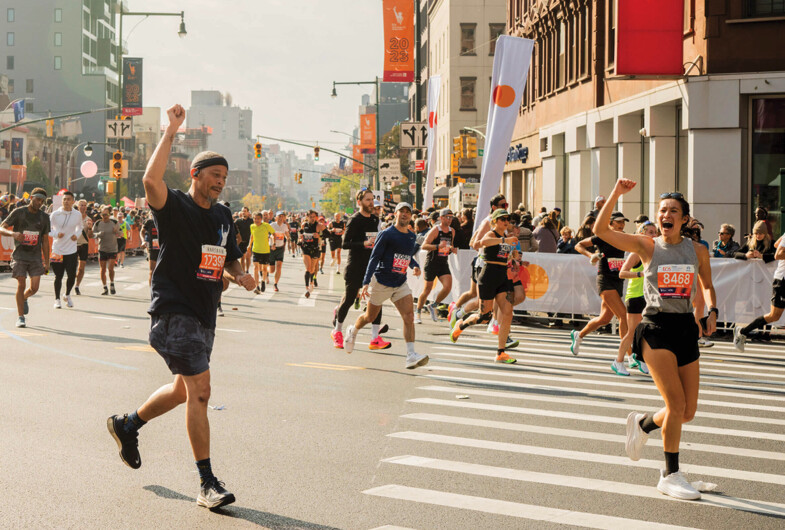
On Sunday, November 5, Gelbart and Rahsaan made their way to Staten Island. Waiting at the base of the Verrazzano Bridge, Gelbart recorded Rahsaan singing along to Frank Sinatra’s “New York, New York” for Instagram, and captioned the video “back where he belongs.” They documented much of their race as they floated through Brooklyn, Queens, Manhattan, and the Bronx: greeting friends along the course, enjoying a lollipop on the Queensboro Bridge, beaming even as their pace slowed from 11:45 per mile for the first 5K to 16:30 for the last. Rahsaan finished in six hours, 26 minutes, and 21 seconds, placing 48,221 out of 51,290 runners. The next day, he sent me a text: “The marathon was pure love.” What’s more, he received more than $15,000 in donations for Empowerment Ave, enough to start a writing program at a women’s prison in Texas.
Every runner has an origin story. Every runner finds a reason to keep going. At Calipatria, Rahsaan liked to joke that he ran because if an earthquake ever came along and brought down the prison’s walls, he needed to be in shape so he could escape and run to Mexico. In San Quentin, he ran for the community. Today he has a new reason. “I heard that running extends your life by 10 years,” he says, “and I gave away 22.” Now that he’s out, his motivation has never been higher. He has so much to do.
Login to leave a comment
Latest Running News
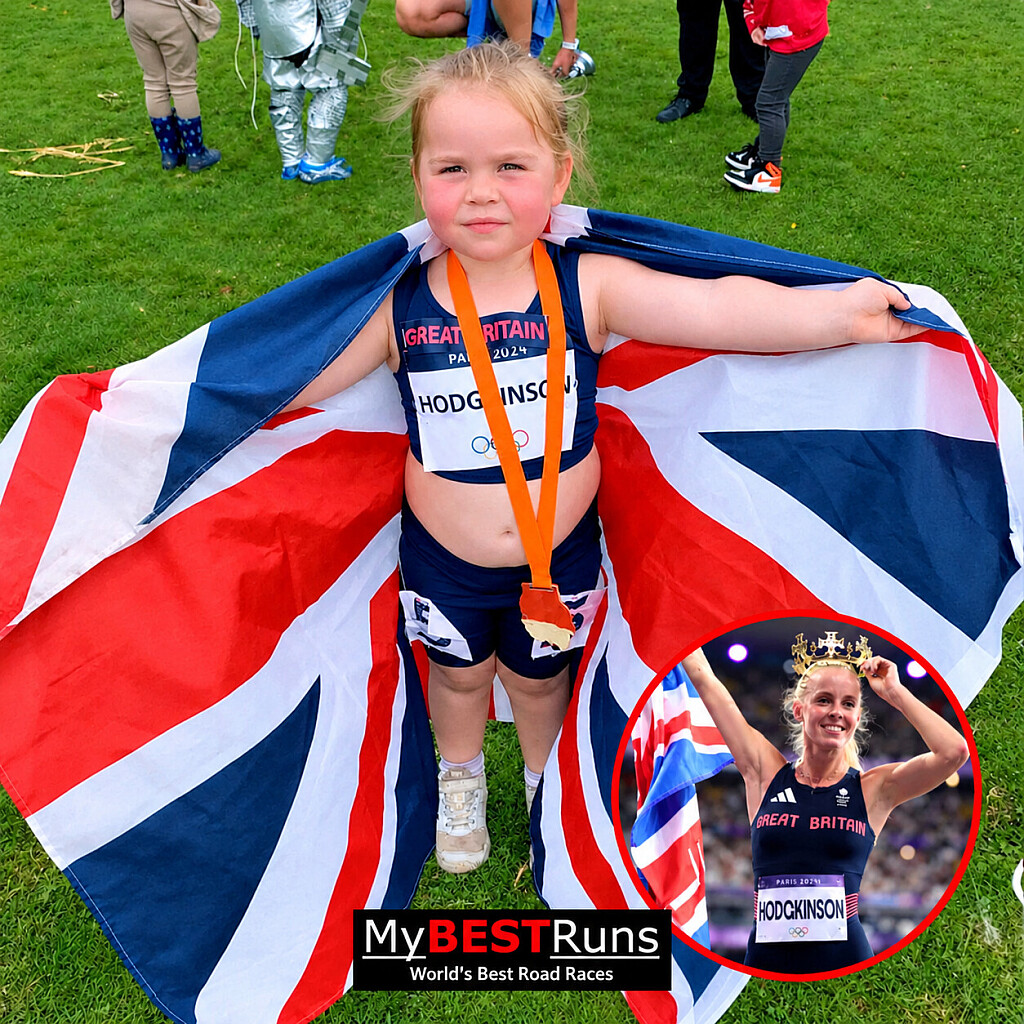
Keely Hodgkinson Inspires A New Generation As Young Fan Recreates Her Olympic Champion Moment
British middle-distance star Keely Hodgkinson is proving that the impact of an Olympic champion extends far beyond the medals she wins, as her remarkable achievements continue to inspire young girls to believe in their own sporting dreams.
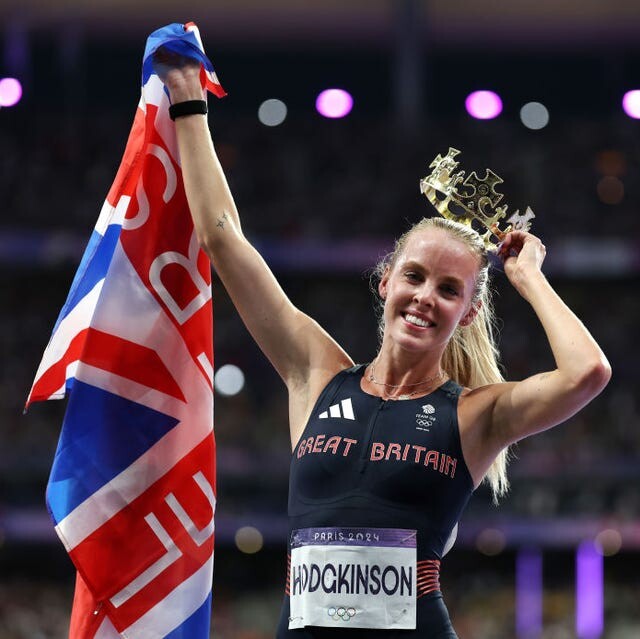
A heartwarming image of a young British girl recreating Hodgkinson’s iconic champion pose, dressed in a replica of her racing kit and proudly draped in the Union Jack, has captured the beautiful connection between sporting heroes and the next generation of athletes. It is a powerful reminder that what begins as admiration for a champion can eventually become the inspiration to follow in her footsteps.
Hodgkinson secured her place among Britain's greatest middle-distance runners at the Paris 2024 Olympic Games, where she won the women's 800 metres gold medal in 1:56.72. The victory marked the culmination of years of determination and perseverance, bringing Olympic glory to a career that had already seen her claim silver at the Tokyo 2020 Olympics and the 2022 World Athletics Championships.
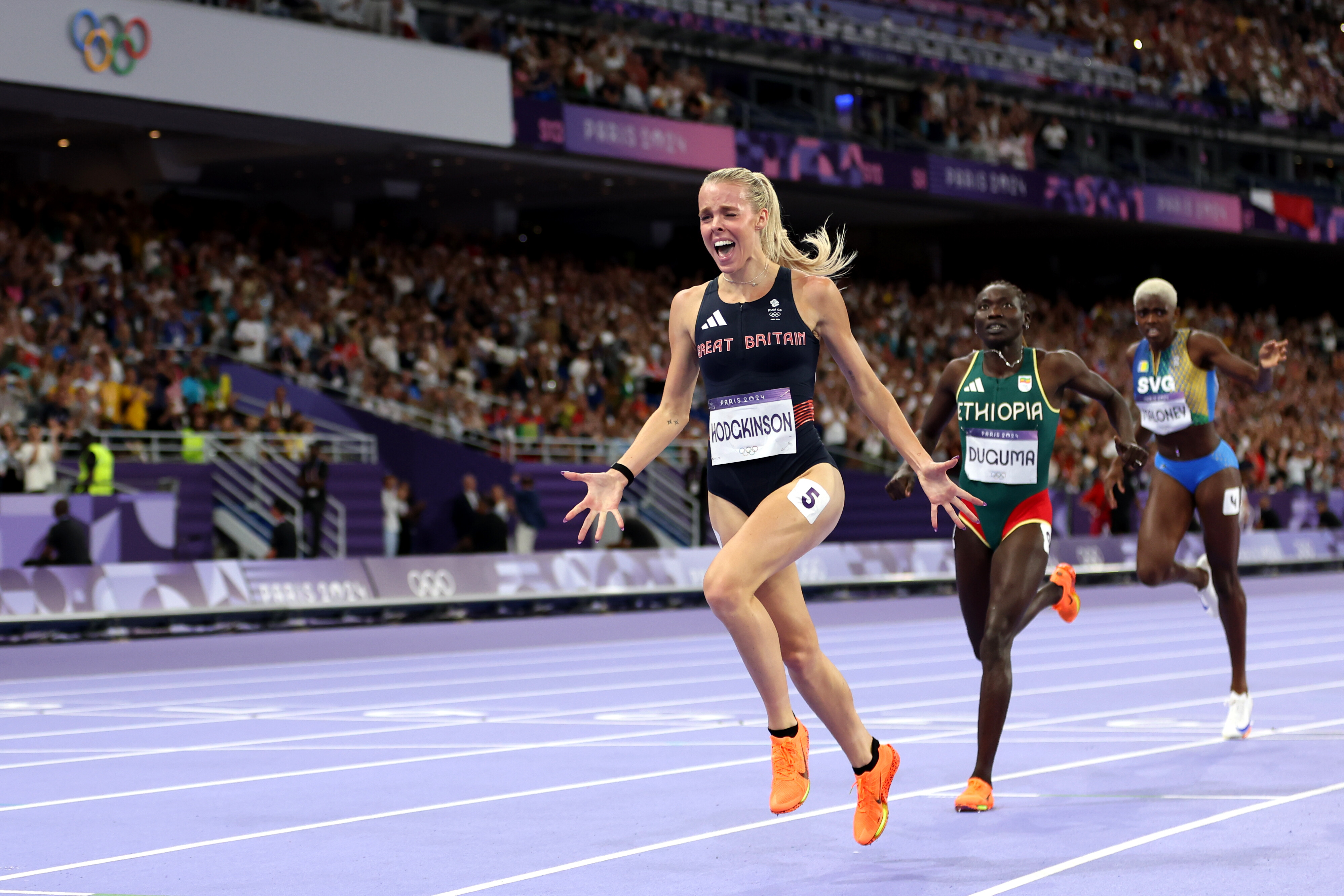
Her triumph in Paris was more than a personal milestone. It was a moment that allowed countless young athletes to see what was possible through dedication, confidence and a willingness to pursue ambitious goals.
For Hodgkinson, the power of inspiration is something she understands personally. As a nine-year-old girl, she watched Dame Jessica Ennis-Hill win heptathlon gold at the London 2012 Olympic Games. That unforgettable performance helped spark her own interest in athletics, setting her on a journey that would eventually lead her to the top of the Olympic podium.

Now, more than a decade later, Hodgkinson has become the very kind of sporting role model who can ignite that same ambition in another young athlete.
The young fan's recreation of her Olympic hero is a touching reflection of how sporting success can influence children long before they take their first competitive steps on the track. Wearing a champion's colours, adopting her winning pose and celebrating her achievements may seem like simple gestures, but they represent something much bigger: the beginning of a dream.
Hodgkinson has also developed a distinctive identity beyond her performances, with her confident race-day style, Union Jack-inspired details and unapologetic personality making her a recognisable figure in British athletics. For many young fans, she represents a modern champion who combines world-class ability with individuality and self-belief.
Her story also highlights the importance of visibility in sport. When young girls see women achieving extraordinary things on the world's biggest stages, they are given tangible examples of what determination and ambition can accomplish. Champions such as Hodgkinson help make athletics more accessible and exciting, encouraging the next generation to lace up their trainers, join a club and discover their own potential.
Of course, not every young admirer will become an Olympic medallist, but the influence of a sporting hero can extend well beyond competition. The confidence to try something new, the discipline to work towards a goal and the courage to keep going after disappointment are lessons that can shape a lifetime.
For Hodgkinson, her legacy will ultimately be measured by more than the gold medals she wins or the records she may break. It will also be reflected in the young athletes who find the courage to chase their ambitions because they watched her succeed.
Just as Ennis-Hill's triumph at London 2012 helped inspire a young Hodgkinson, the British 800m champion is now passing that inspiration forward, showing a new generation that today's dreams can become tomorrow's achievements.
Somewhere among the young fans proudly recreating her winning pose could be a future British champion, an Olympic medallist or even the next athlete to redefine the limits of the 800 metres.
Today, she may be a little girl looking up to her hero. Tomorrow, she could be the champion inspiring millions of others.
by Erick Cheruiyot for My Best Runs.
Login to leave a comment
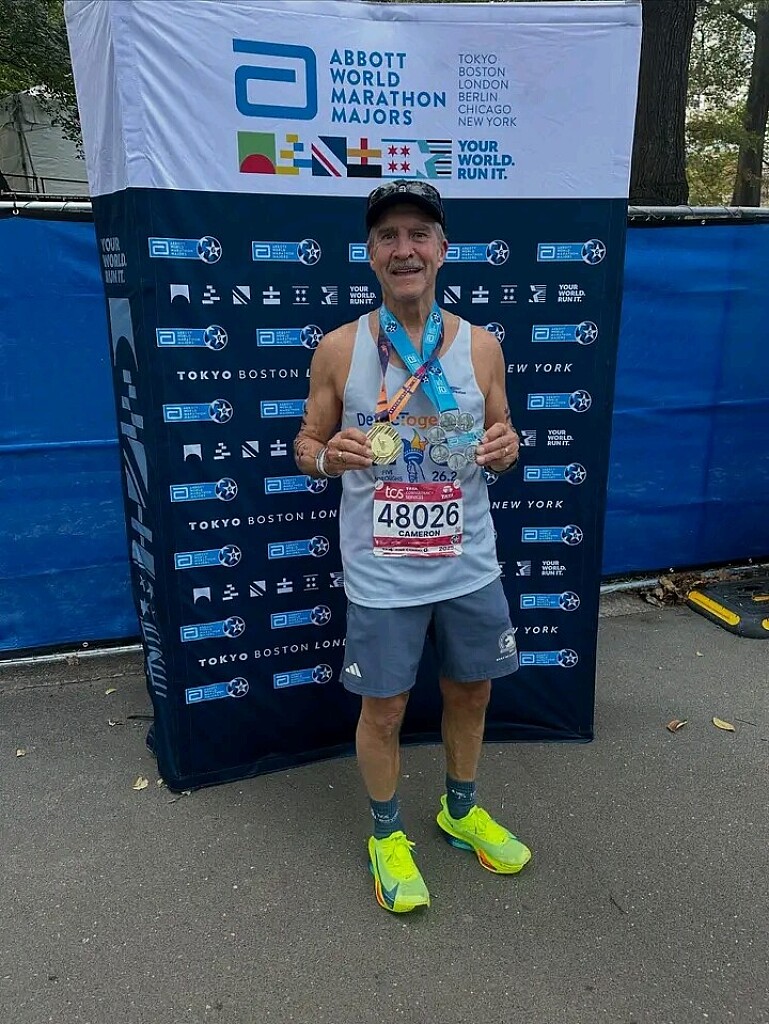
67-Year-Old Pete Benson Takes On Seven Marathons Across Seven Continents In Seven Days For A Worthy Cause
At 67, Canadian runner Pete Benson is preparing to take on one of the most extraordinary endurance challenges in marathon running: completing seven marathons across seven continents in just seven days while raising money for a cause that reaches far beyond the finish line.
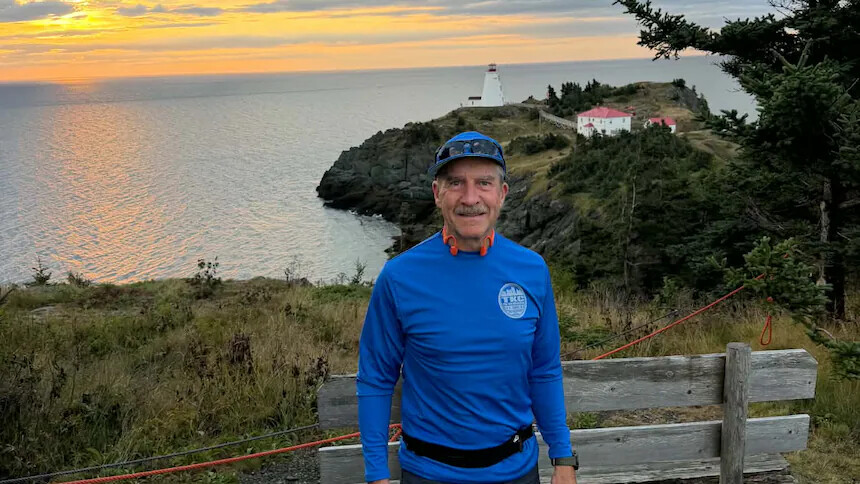
Hailing from Grand Manan, New Brunswick, Benson is set to participate in the Great World Race, an ambitious event that combines the physical demands of marathon running with a demanding journey around the globe. The challenge will require him to complete seven full marathons, each covering 42.195 kilometres, while travelling between continents on a tightly scheduled itinerary.
The challenge is scheduled to begin on November 15, 2026, with pre-event activities expected to start around November 12. Benson's adventure will begin in Antarctica, where the icy terrain and harsh conditions will provide a formidable introduction to the week ahead.
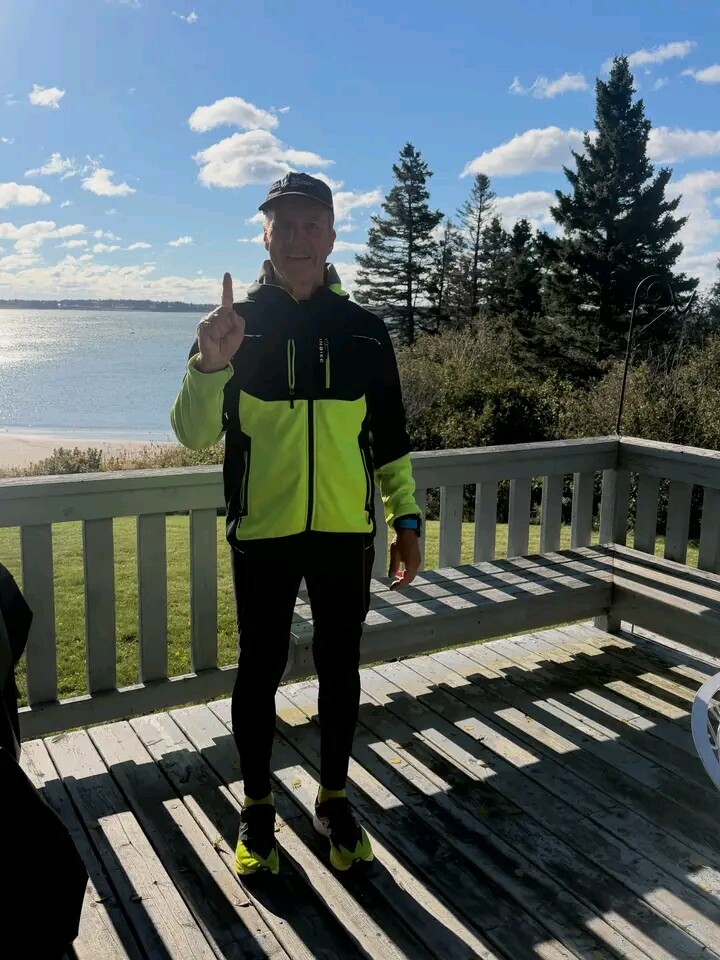
The opening marathon is scheduled for Wolf's Fang in Antarctica, where Benson will face the unfamiliar and potentially unforgiving conditions of the frozen landscape. Reflecting on the prospect of running through the ice and snow, he admitted that the experience is intimidating.
"That's pretty, pretty scary in itself," he said. "Through the ice and snow."
From Antarctica, Benson will travel to Cape Town, South Africa, for his second marathon on November 16. The journey will then continue to Perth, Australia, on November 17, followed by Singapore on November 18. On November 19, he is scheduled to race in the Algarve, Portugal, before heading to Cartagena, Colombia, on November 20. The challenge will conclude in Miami, United States, on November 21.
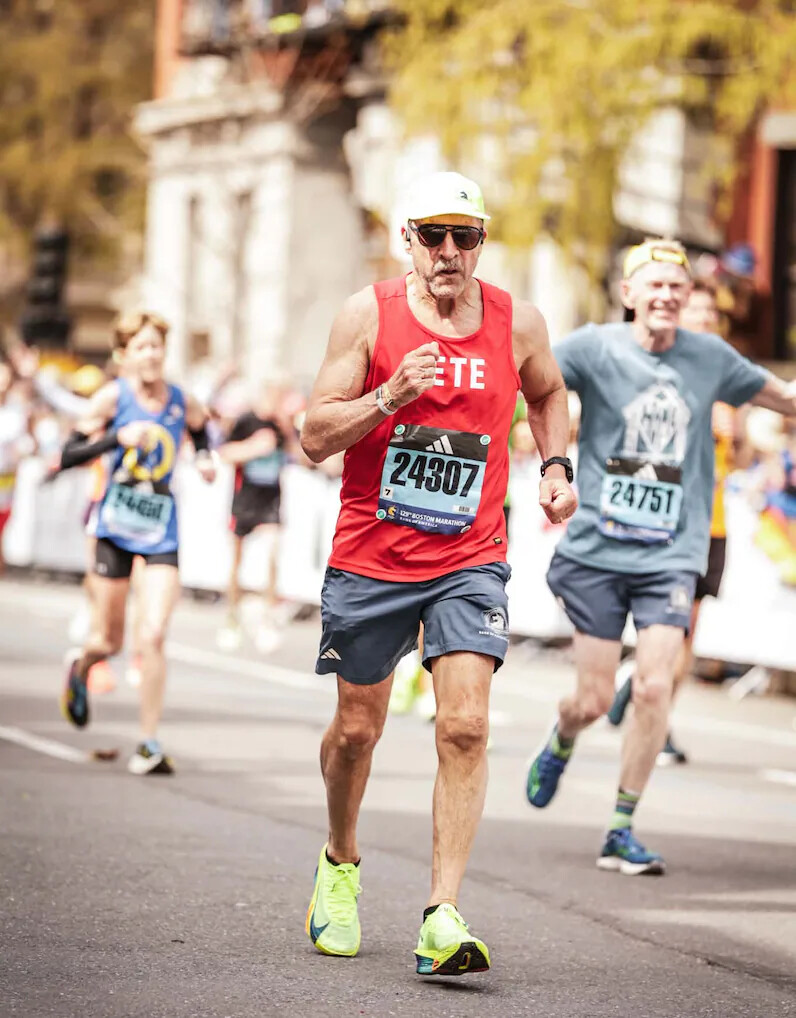
The demanding itinerary will leave little time for conventional recovery. After each marathon, Benson will need to travel to the next destination, navigate changing time zones and prepare for another 42.195 kilometres. Managing fatigue, nutrition, hydration and sleep will be essential as he attempts to complete the seven races within a single week.
Benson described the unusual routine that awaits him, highlighting the relentless cycle of running and travelling that defines the challenge.
"We run the race, get back on the bus, back on the plane, head to the next one and away we go around the world," Benson said. "That plane becomes our hotel and restaurant for the week, pretty much."
Beyond the physical demands, Benson recognises that taking part in such an ambitious international adventure comes at a considerable financial cost. He describes running as a personal investment, one that has provided him with valuable experiences and opportunities to discover more about himself.
"It's certainly a want, not a need," he said. "Some people go on river cruises and other things that they spend their money on and I spend my money on running and I've learned a lot from it."
Despite the expense, Benson believes the experience is worth the investment.
"So I think the investment is worth it, but it is extravagant," he said.
However, his motivation extends beyond personal achievement. Benson is also using the challenge to raise money for a nonprofit organisation that funds clean-water projects in countries around the world. The fundraising initiative is voluntary and is not a requirement for participating in the event.
By connecting his running adventure to a cause with a tangible impact on communities, Benson hopes to give every kilometre a greater purpose. His effort demonstrates how an individual sporting challenge can also become an opportunity to support work that improves lives.
"I'm happy that there's a purpose behind every mile that I run," he said.
That purpose adds another dimension to Benson's ambitious undertaking. While the seven marathons will test his physical strength, mental resilience and ability to recover between races, his fundraising mission will allow him to contribute to efforts aimed at improving access to clean water around the world.
As November 15 approaches, Benson is preparing for a demanding week that will take him from the ice and snow of Antarctica to the streets of Miami, with five other destinations in between. Each marathon will bring a new test, requiring careful preparation, determination and the ability to keep moving forward despite accumulating fatigue.
At 67, Benson is setting out to complete an extraordinary endurance challenge while supporting a cause beyond himself. Seven marathons, seven continents and seven days will test his limits, but his journey will carry a purpose that extends far beyond the finish line.
by Erick Cheruiyot for My Best Runs.
Login to leave a comment

Caroline And Purity Gitonga Deliver Personal Bests In Valencia Half Marathon With Impressive Kenyan Double
Kenyan twins Caroline and Purity Gitonga delivered outstanding performances at the 2026 Valencia Half Marathon in Spain, with both athletes setting new personal bests in a memorable display of endurance, determination, and sibling excellence.
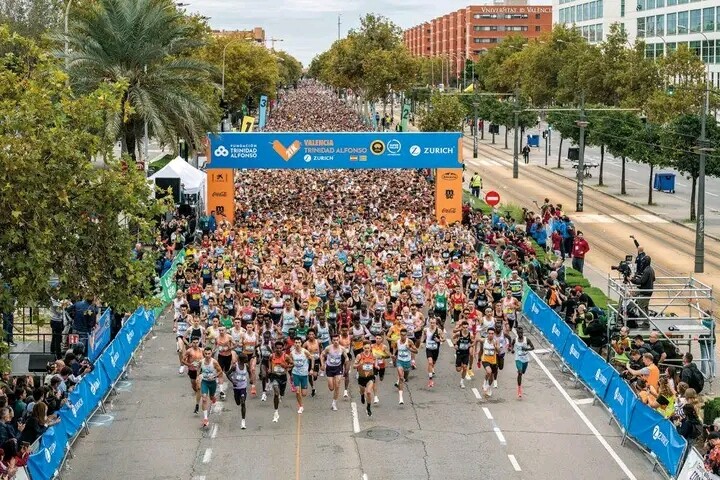
Caroline led the way, clocking an impressive 1:04:59 to finish sixth in the women's race. The performance marked a significant breakthrough for the talented Kenyan, who improved her previous personal best of 1:06:26 by 1 minute and 27 seconds, underlining her continued progress among the world's leading half-marathon runners.
Her twin sister, Purity, was equally impressive, crossing the finish line in 1:05:56 to secure 11th place. She shaved 1 minute and 35 seconds off her previous personal best of 1:07:31, completing a remarkable day for the sisters as they both reached new milestones in their athletic careers.
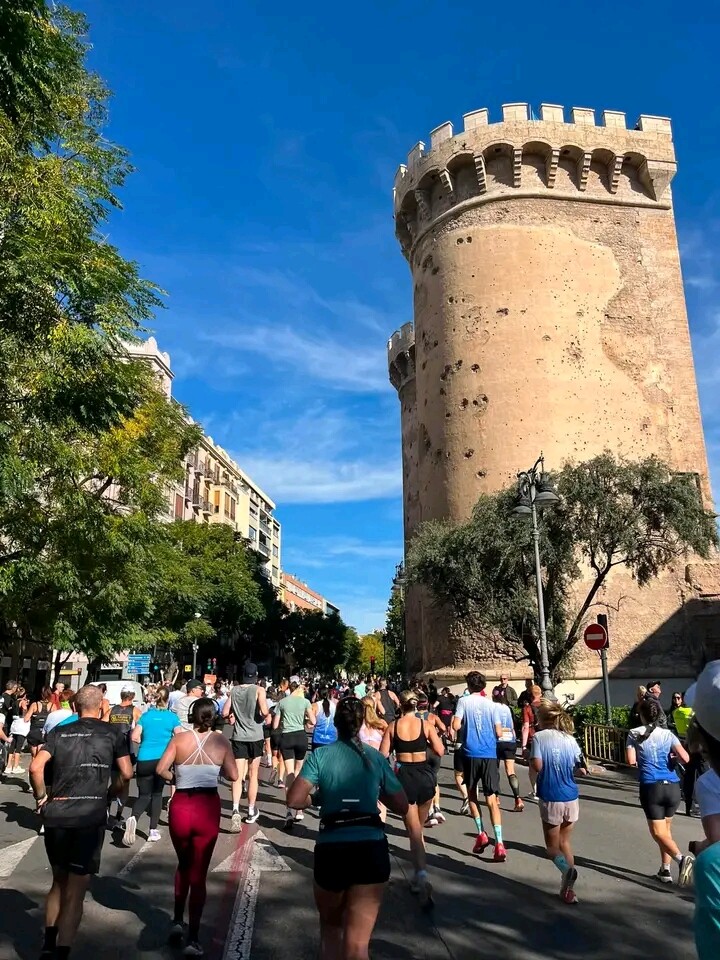
Their performances highlighted the strength of Kenya's distance-running tradition while showcasing the individual talent and shared determination that have made the Gitonga twins athletes to watch. Competing on one of the world's fastest half-marathon courses, Caroline and Purity demonstrated their ability to translate hard training into significant improvements on the international stage.
Having a twin sister who understands the demands of elite athletics can provide a unique source of motivation. From the discipline required during training to the challenges of competing against the world's best, the sisters share a journey that extends beyond the finish line. Their latest achievements in Valencia offer another inspiring example of how ambition, perseverance, and mutual encouragement can drive athletes toward new heights.
For Caroline, finishing sixth in 1:04:59 represents another important step in her development, while Purity's 1:05:56 performance confirms her own impressive progress. Although they finished several places apart, their achievements tell the same powerful story: two athletes pushing their limits and continuing to improve against a highly competitive international field.
Valencia once again provided a stage for exceptional distance-running performances, and the Gitonga twins made the most of the opportunity. Their personal bests are not only a testament to their hard work but also an encouraging sign of what they could accomplish as they continue to gain experience and pursue even greater ambitions.
Two sisters, two personal bests, and one unforgettable day on the roads of Valencia. Caroline and Purity Gitonga have given Kenyan athletics another reason to celebrate, and their latest performances will undoubtedly strengthen interest in what the talented twins can achieve in the seasons ahead.
by Erick Cheruiyot for My Best Runs.
Login to leave a comment
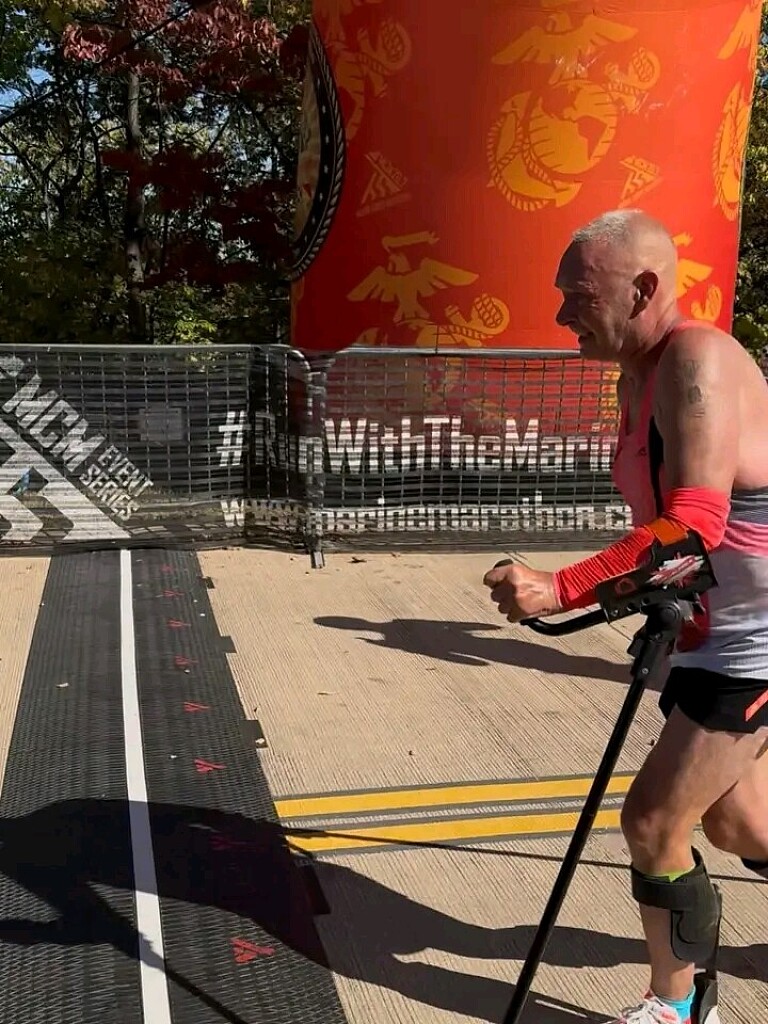
Mick Marshall Makes History With World Record For Fastest Marathon Completed On Crutches In Washington, D.C.
Australian endurance athlete Mick Marshall has achieved an extraordinary milestone at the 2026 Marine Corps Marathon in Washington, D.C., setting a world record for the fastest marathon completed on crutches after crossing the finish line in an incredible 5:35:50.
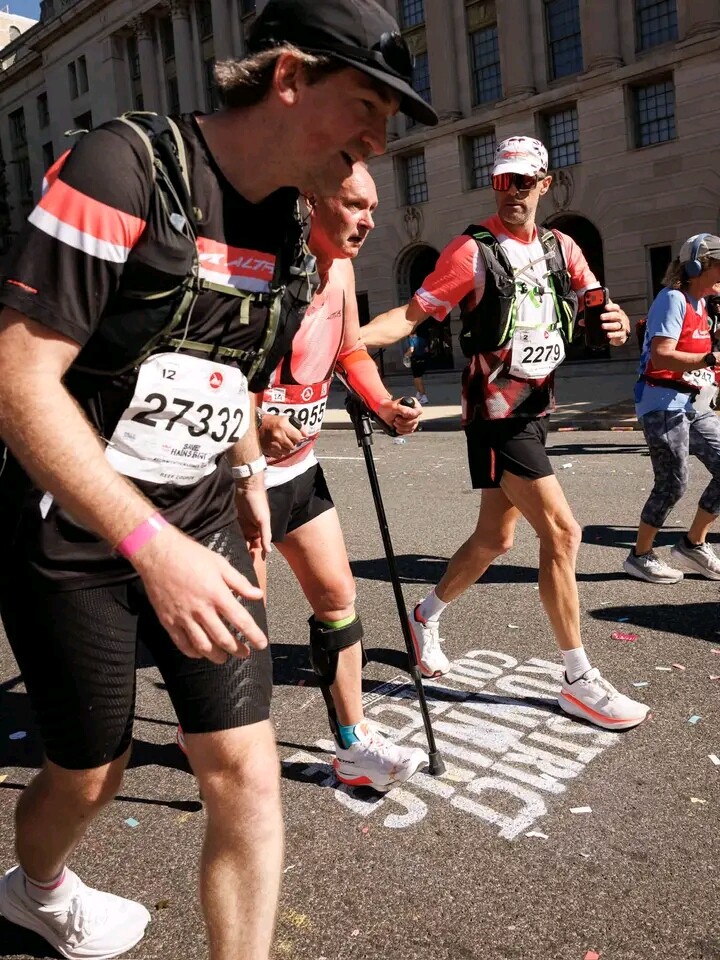
Representing Altra as an elite athlete, Marshall demonstrated remarkable determination and perseverance throughout the 26.2-mile (42.195-kilometre) race, turning one of the world's most celebrated marathon events into a stage for an inspiring display of human resilience.
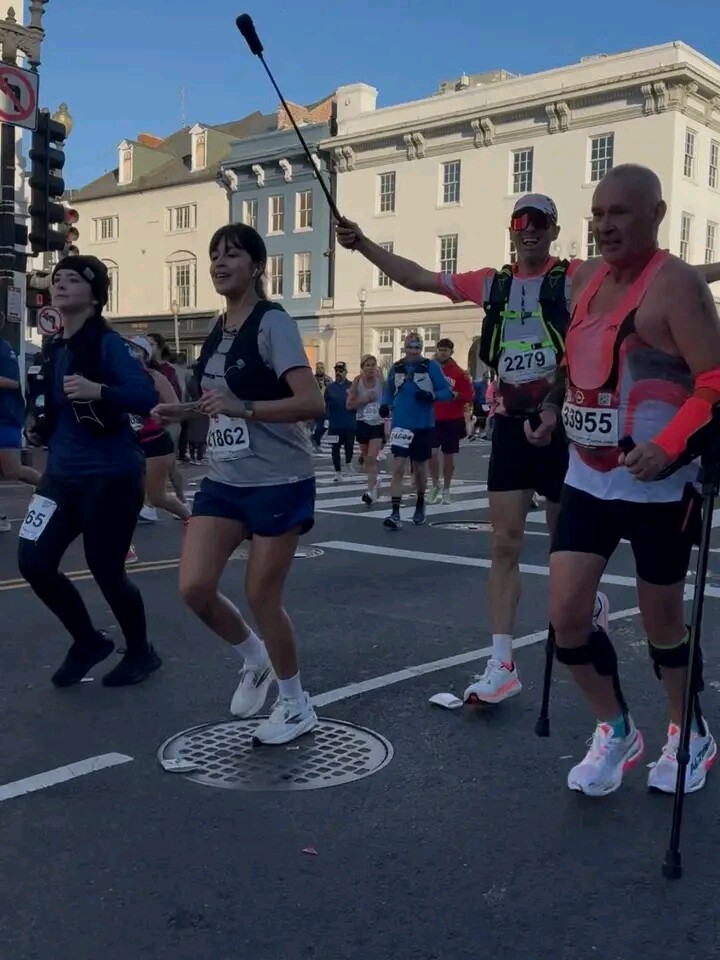
Completing a marathon is a demanding physical challenge for any athlete, requiring months of preparation, mental strength and the ability to push through fatigue. Covering the same distance on crutches presents a different set of challenges, placing considerable demands on the upper body, coordination and endurance. Marshall's achievement highlights the dedication required to overcome obstacles and pursue goals that many might consider beyond reach.
The Marine Corps Marathon, renowned for its patriotic atmosphere, enthusiastic spectators and scenic course through the nation's capital, provided a memorable setting for the record-breaking performance. As thousands of runners pursued their own finish-line goals, Marshall carved out a special place in the event's history with his remarkable effort.
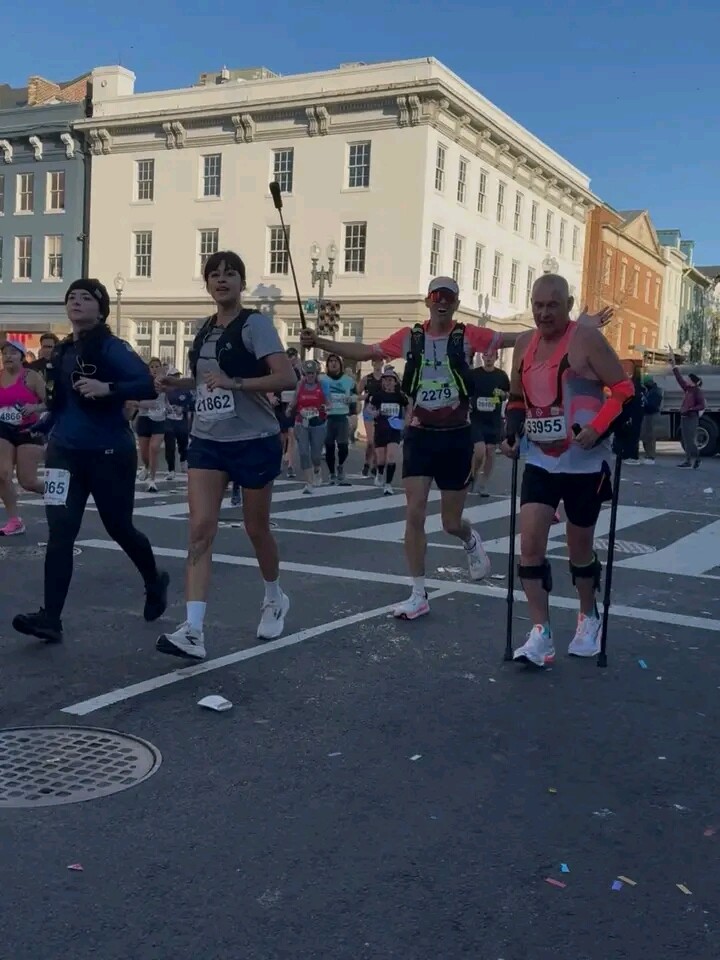
Beyond the record itself, Marshall's achievement carries a message that resonates far beyond the running community. Every movement toward the finish line required determination, patience and an unwavering commitment to the challenge before him. His performance is a reminder that greatness is not measured solely by how quickly someone reaches a destination, but also by the courage it takes to pursue a goal despite the difficulties along the way. For aspiring athletes and anyone facing personal challenges, his accomplishment offers a powerful lesson in perseverance, self-belief and the importance of refusing to give up when the journey becomes difficult.
His performance also serves as a reminder that marathon running is about far more than finishing times and podium positions. It is a test of courage, commitment and the willingness to redefine personal limits. Marshall's accomplishment demonstrates that the spirit of distance running extends beyond conventional expectations, inspiring athletes and spectators alike to reconsider what is possible through determination and hard work.
Marshall's remarkable run also reinforces the inclusive spirit of distance running, where the finish line belongs to everyone willing to take on the challenge. Whether competing for a championship, chasing a personal best or simply striving to complete the distance, every runner has a story worth celebrating. By setting a world record on crutches at one of America's prominent marathon events, Marshall has added an unforgettable chapter to that story, encouraging others to look beyond perceived limitations and pursue their ambitions with renewed confidence.
For Marshall, the 5:35:50 finish represents more than a time on the clock. It marks an extraordinary personal achievement and a moment that celebrates perseverance, resilience and the determination to keep moving forward. His performance has brought renewed attention to the remarkable possibilities within endurance sport and the many different ways athletes can challenge expectations.
Marshall's achievement at the Marine Corps Marathon stands as a powerful testament to the human spirit, demonstrating that success is not always about having the easiest path, but about finding the strength to keep going. His 5:35:50 performance is a reminder that the finish line can represent much more than the completion of a race: it can symbolise courage, possibility and the extraordinary things people can accomplish when they refuse to give up.
by Erick Cheruiyot for My Best Runs.
Login to leave a comment

Marine Corps Marathon
Recognized for impeccable organization on a scenic course managed by the US Marines in Arlington, VA and the nation's capital, the Marine Corps Marathon is one of the largest marathons in the US and the world. Known as 'the best marathon for beginners,' the MCM is largest marathon in the world that doesn't offer prize money, earning its nickname, “The...
more...
Abraham Kiptum And Mercy Kandie Rotich Crowned Champions After Thrilling 42km Battles At The 2026 Nairobi Marathon
The 23rd edition of the Standard Chartered Nairobi Marathon delivered a spectacular celebration of endurance, determination and competitive excellence on Sunday, October 25, 2026, as Abraham Kiptum and Mercy Kandie Rotich claimed the men's and women's 42km titles in a memorable showcase of Kenyan road-running talent.
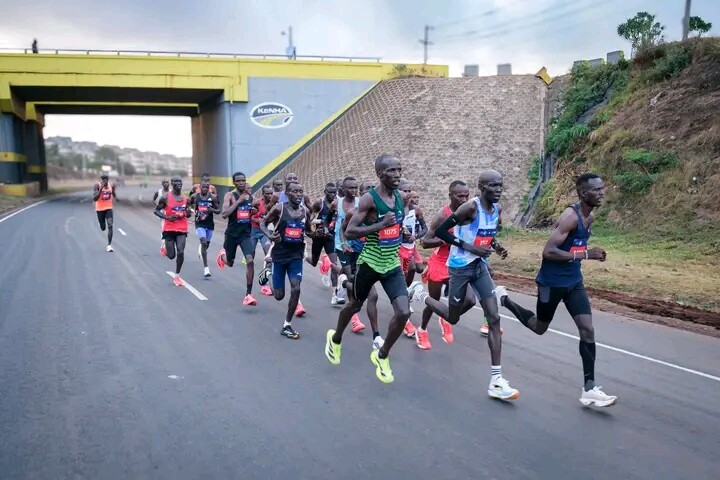
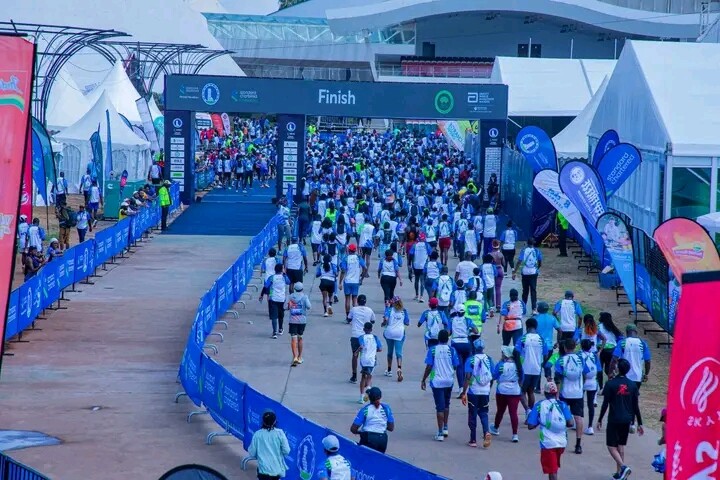
With thousands of runners taking to Nairobi's Southern Bypass, the full marathon provided a compelling test of physical strength, tactical discipline and mental resilience. For the elite athletes at the front, every kilometre presented an opportunity to gain an advantage, while the demanding distance required unwavering concentration from the starting gun to the finish line at Uhuru Gardens.
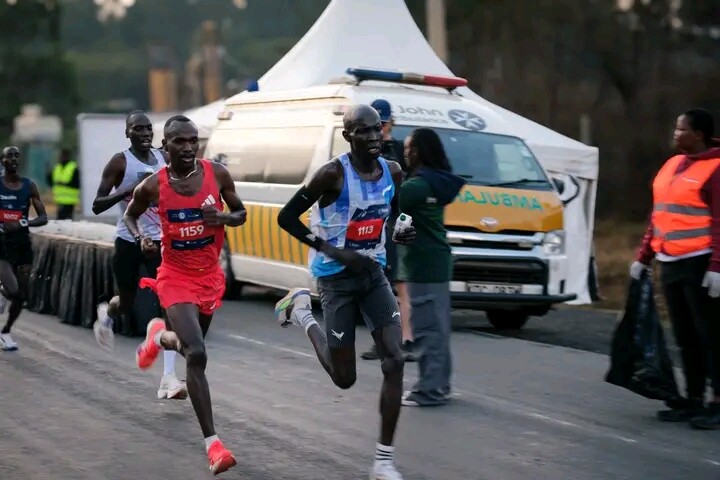
In the men's race, Kiptum produced an impressive performance to secure victory in 2:10:35, narrowly missing the course record by just 23 seconds. The 37-year-old Kenyan demonstrated his experience and endurance throughout the contest, ultimately establishing himself as the strongest performer over the 42.195-kilometre distance.
Kiptum's victory was particularly significant given his recent return to competitive marathon running. The athlete from Kapsabet had continued rebuilding his career and arrived in Nairobi following victory at the CRDB International Marathon in Dar es Salaam, Tanzania, in August. His latest triumph provided another encouraging chapter in his return to the forefront of distance running.
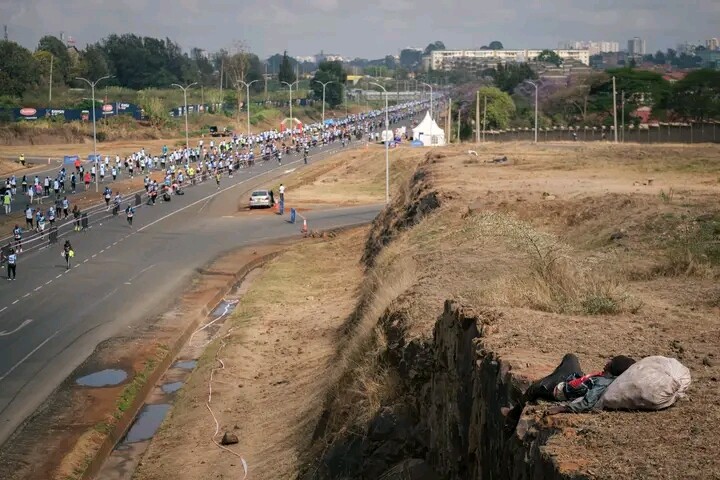
The men's contest produced an exceptionally close battle for the remaining podium positions. Fellow Kenyan Amos Kipkemoi Cheruiyot finished second in 2:10:37, just two seconds behind the champion, while Mark Kibiwott secured third place in 2:11:05.
Dismas Kiplimo finished fourth in 2:11:15, followed by Henry Kiprono Togom, who completed the top five in 2:11:55. The depth of the leading performances underlined the quality of competition on a morning when the front-runners pushed each other towards impressive finishing times.
Kiptum's performance also highlighted the importance of consistency and preparation in marathon running. Having invested months in training, the experienced Kenyan delivered when it mattered most, navigating the course with the composure required to emerge victorious against a competitive field.
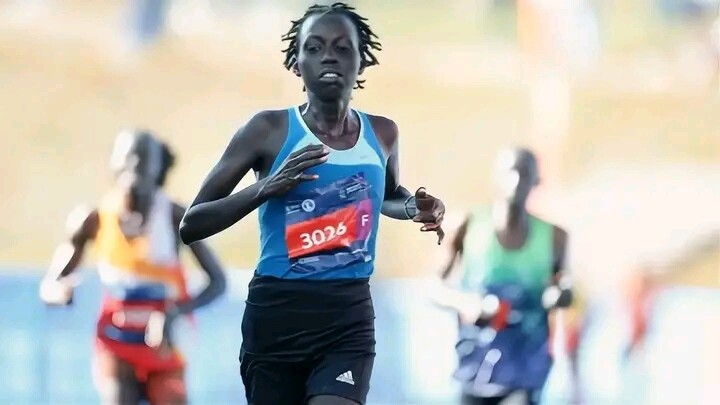
The women's 42km race was equally captivating, with Mercy Kandie Rotich claiming the championship in 2:31:25 after a determined performance over the challenging distance.
Rotich demonstrated resilience and composure as the race unfolded, maintaining her challenge through the later stages before securing the victory. Her performance earned her a place among the latest champions of one of Kenya's prominent annual road-running events.
The battle for the women's title was decided by the narrowest of margins. Peris Jerono finished second in 2:31:27, only two seconds behind Rotich, while Ruth Wakabu completed the podium in 2:31:36. The three leading women finished within just 11 seconds of one another, providing a dramatic conclusion to the contest.
Shyline Jepkorir placed fourth in 2:34:55, while Dorothy Kipkilach finished fifth in 2:36:38, rounding out the leading performers in the women's division.
The narrow margins between the leading athletes reflected the unpredictable nature of marathon racing, where pacing, endurance and the ability to respond under pressure can determine the outcome after more than 42 kilometres of competition.
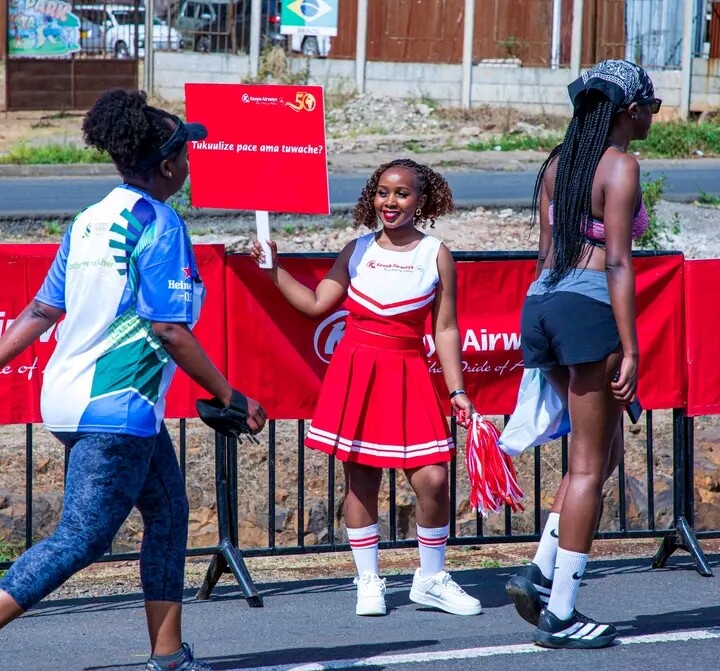
Beyond the podium battles, the full marathon represented a celebration of the determination that defines long-distance running. Every athlete who took on the distance faced the challenge of managing energy, overcoming fatigue and maintaining the mental strength necessary to reach the finish line.
The Southern Bypass provided the setting for these performances, with the runners navigating the Nairobi course before completing their challenge at Uhuru Gardens. The event brought together elite competitors and recreational athletes, united by the ambition to test their limits over the classic marathon distance.
The 2026 edition once again demonstrated the enduring appeal of road racing in Kenya, a country internationally recognised for producing exceptional distance runners. It also offered a platform for athletes to pursue personal ambitions, compete for prestigious honours and showcase the depth of talent within Kenyan athletics.
For Kiptum and Rotich, however, the day belonged to the pursuit of victory. Their respective performances secured them the coveted men's and women's marathon crowns, while the fiercely contested podium finishes ensured that the 42km races delivered the drama and excitement expected of a major road-running championship.
As the 23rd Standard Chartered Nairobi Marathon concluded, the achievements of the two champions stood out as the defining moments of the full-marathon competition, celebrating not only speed and endurance but also the preparation, perseverance and competitive spirit required to conquer 42.195 kilometres.
by Erick Cheruiyot for My Best Runs.
Login to leave a comment

NAIROBI MARATHON
Nairobi Marathon is an annual road running competition over the marathon distance held in October in Nairobi, Kenya. First held in 2003, the competition expanded and now includes a half marathon race along with the main race. It was part of "The Greatest Race on Earth", fully sponsored by Standard Chartered Bank....
more...