

Running News Daily
Running News Daily is edited by Bob Anderson and team. Send your news items to bob@mybestruns.com Advertising opportunities available.
Index to Daily Posts · Sign Up For Updates · Run The World Feed
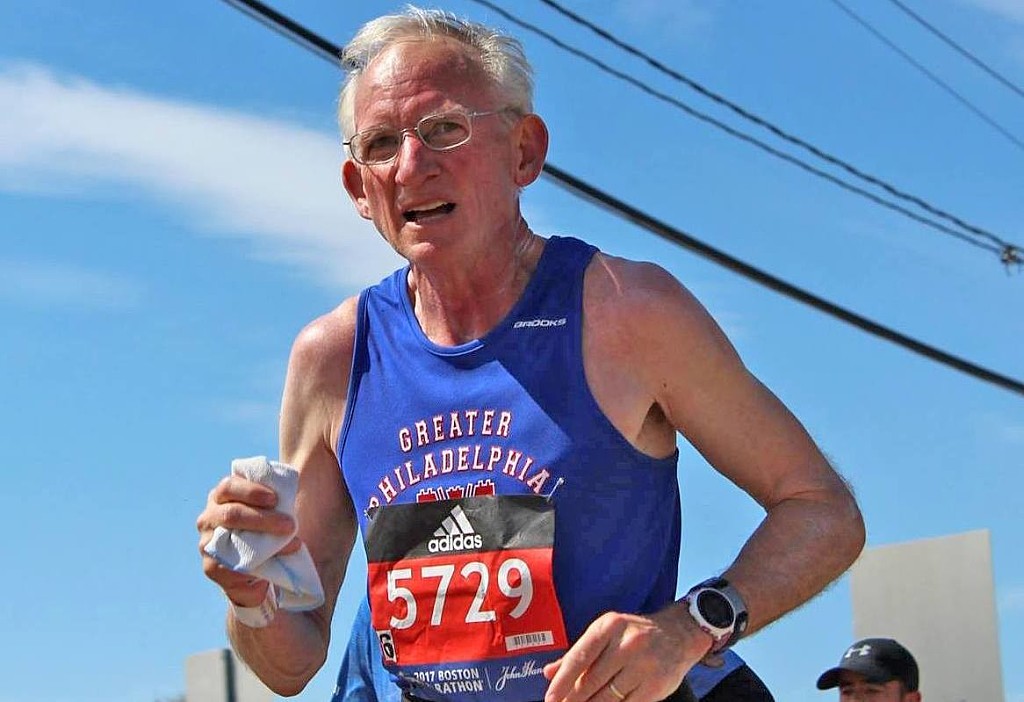


Gene Dykes is currently the world's top 70 Plus runner - My Best Runs Exclusive Profile Part One

Gene Dykes is the world's best runner in the world currently seventy plus. "One of my 'secret' training methods for marathons is to run a lot of ultras," Gene told My Best Runs in this exclusive profile.
"I’ll begin training for Boston in January, and to kick it off I’ll run a 50-miler in January and both a 100-miler and a 200-miler in February. During March I’ll convert that training base into marathon speed."
Sounds wild and unconventional but it has been working for 70-year-old Gene Dykes from Philadelphia..."It was thought by many of us that Canada's Ed Whitlock's records were way beyond reach," says lifelong runner and Runner's World and My Best Runs founder Bob Anderson.
"At age 73 Ed became the first 70 plus runner in the world to run the marathon under three hours." In 2004 73-year-old Ed Whitlock clocked an amazing 2:54:48 at the Scotiabank Tornonto Waterfront Marathon.
No one ever had run a marathon that fast 70 plus. The late Ed Whitlock was in a league of his own until now. At the same marathon this year on October 21, 70-year-old Gene Dykes clocked 2:55:18.
My Best Runs wanted to find out more about this new super star, a runner who has set PR's at all distances (other than the 5k) over the last year from 1500m to 200 miles. How did Gene discover running?
"It’s probably more accurate to say that I discovered running twice," said Gene. "The first time, when I was about fourteen, it just kind of popped into my head to run three miles to the house of a girl I was interested in. After about a mile and a half, I had to walk for a bit. I was really disgusted with myself, and I swore I would never again resort to walking on a run.
"I actually kept this promise, until I started doing trail races, of course, where there are lots of good reasons to walk now and then."
After this he ran track in high school for a couple of years. "In my senior year I thought I was pretty good when I dominated the 2-mile run in my county. That notion was quickly dispelled when I ran track in college and I was totally blown away by the competition. For the next four decades, I would stay in jogging shape much of the time, but it never occurred to me to race because it had been firmly impressed upon me that I wasn’t a very good runner," Gene remembers.
He rediscovered running in 2004 at the age of 56 after a six year layoff because of a torn hamstring... "A golfing acquaintance told me he had a running group and that I should join him sometime. A classic case of falling in with a bad crowd. They encouraged me to run some races with them, and discovering that I wasn’t half bad, my running career was born," Gene told us.
So how important is running to Gene? "It started out as an activity I looked forward to on weekends, and it slowly took over as my main hobby. Probably starting around 2011 when I ran my first adventure race and started training for Comrades (56-mile race in South Africa) it became way more than just a hobby. While it will never quite reach the point of being 'all-consuming.' I suppose you would be forgiven for thinking that, considering that I’ll have done 38 races in 34 weekends this year."
The obvious next question was, tell us about your training. "For about nine years I just stumbled my way through training. I did lots of long, slow runs with occasional track workouts. I gradually improved, and I was having a lot of fun, but I was worried that my best days were behind me when I fell miserably short of a new marathon PR at the 2013 Toronto Marathon.
"Swallowing my pride and opening my wallet, I hired a coach. What a life changing decision that was! In just five months I went from a half decent runner with modest goals to a runner capable of competing at the highest levels. Training now consists of fewer miles, but harder workouts and fewer rest days," says Gene.
He has set PR's in the last 12 months from 200 miles down to the 1500m. He clocked 98 hours, 10 minutes 22 seconds for 200 miles, 23:41:22 for 100 miles, 1:26:34 for the half marathon and 5:17 for 1500m.
In 2018 he won ten USATF national championships. His 2:57:43 clocked at this year's Rotterdam Marathon was a world single age record until he bettered it in Toronto.
Gene says, "I’m particularly fond of having won championships at both track 1500 meters and trail 100 mile this year.” In part two Gene talks about his diet, going after more records, dealing with injuries and a lot more. Coming tomorrow October 29 on My Best Runs.
by Bob Anderson
Login to leave a comment
Latest Running News
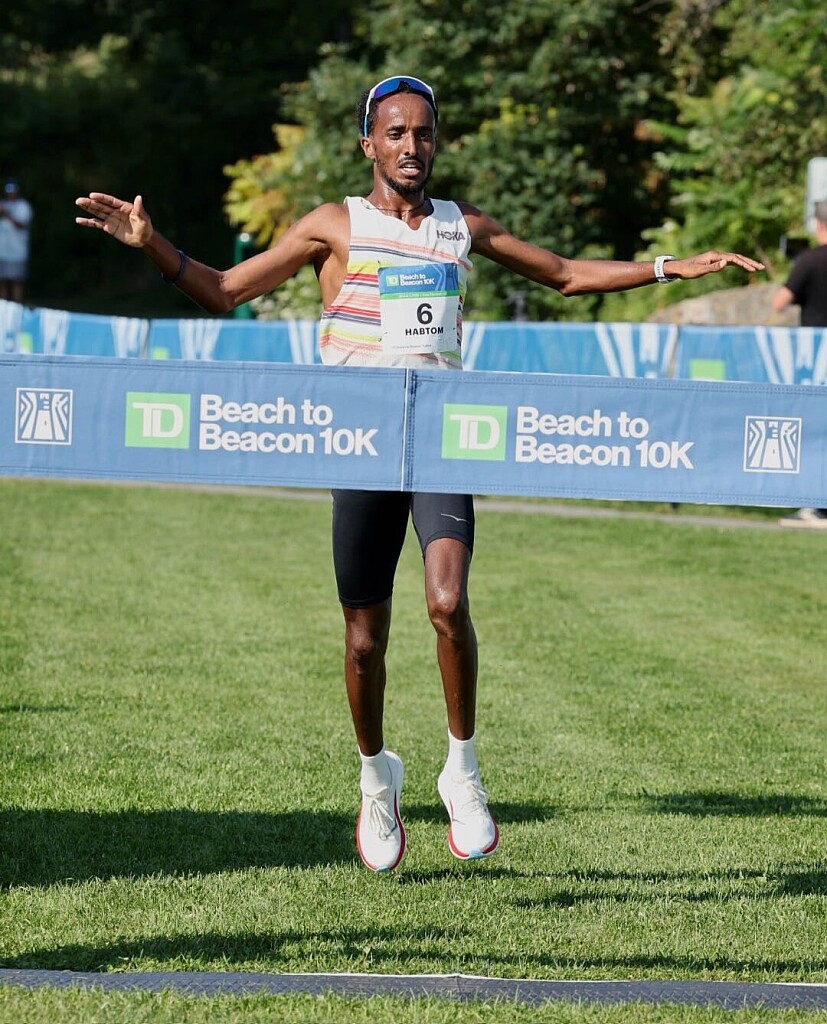
Habtom Samuel And Pamela Kosgei Shine With Brilliant Victories At TD Beach To Beacon 10K
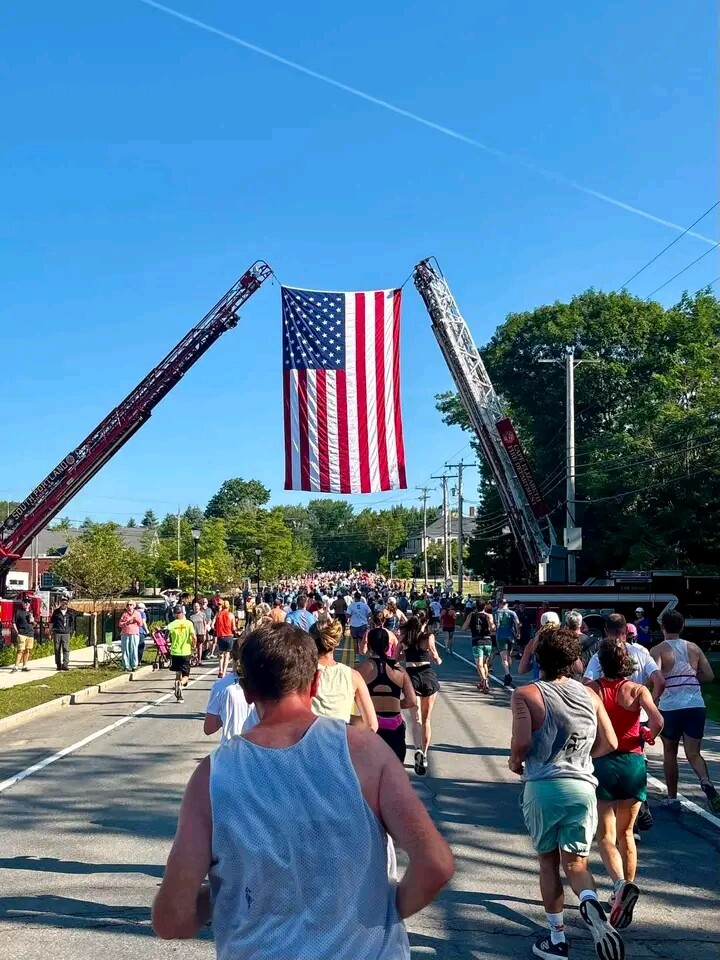
The 2026 TD Beach to Beacon 10K delivered another memorable chapter in one of America's most prestigious road races as Eritrea's Habtom Samuel and Kenya's Pamela Kosgei produced commanding performances to capture the men's and women's titles in Cape Elizabeth, Maine.
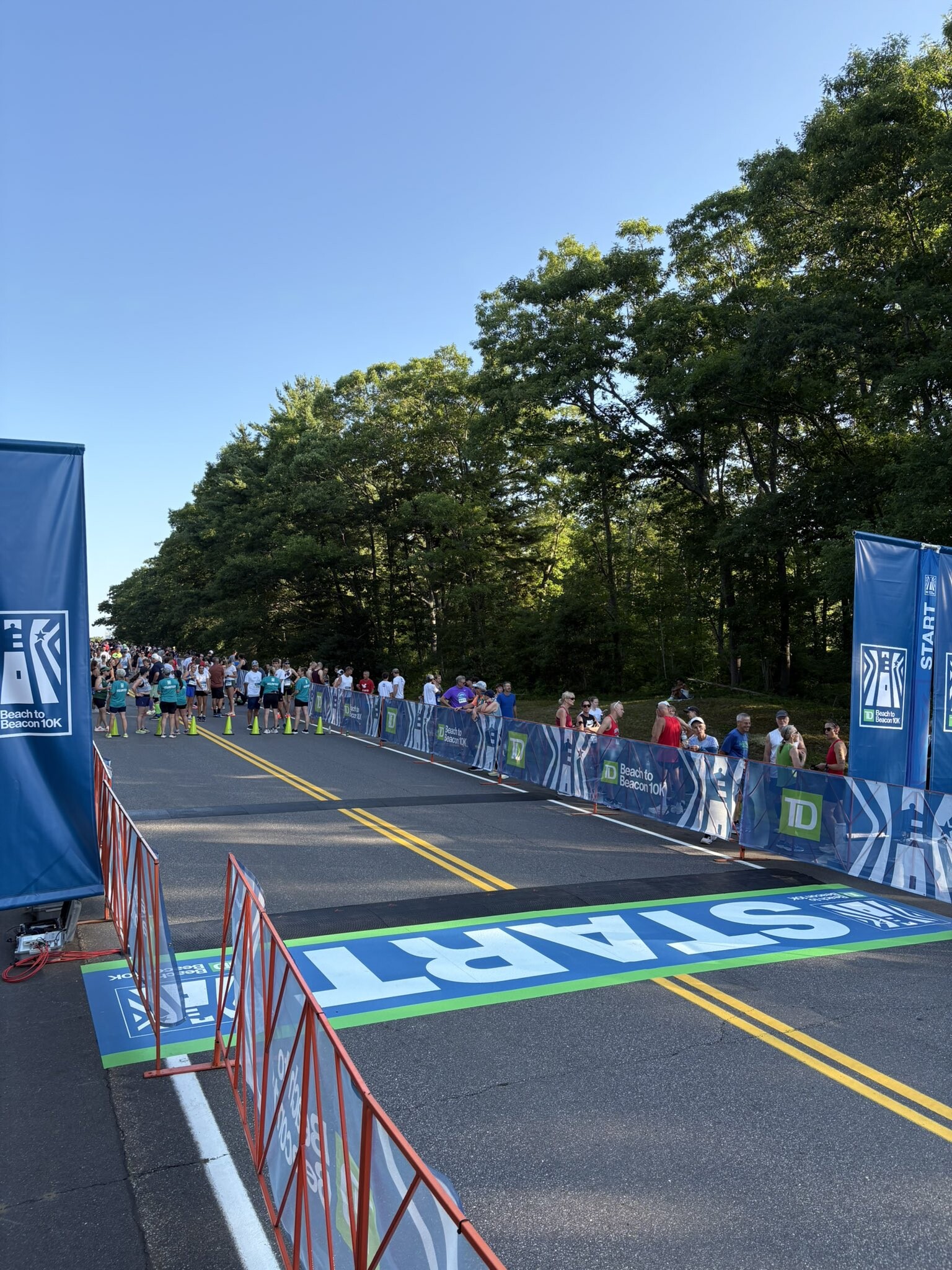
On a fast morning along the scenic coastal course, Samuel proved to be the class of the men's field. The Eritrean distance star surged to victory in an impressive 27:40, holding off a strong Kenyan challenge to secure one of the biggest road-racing victories of his career.
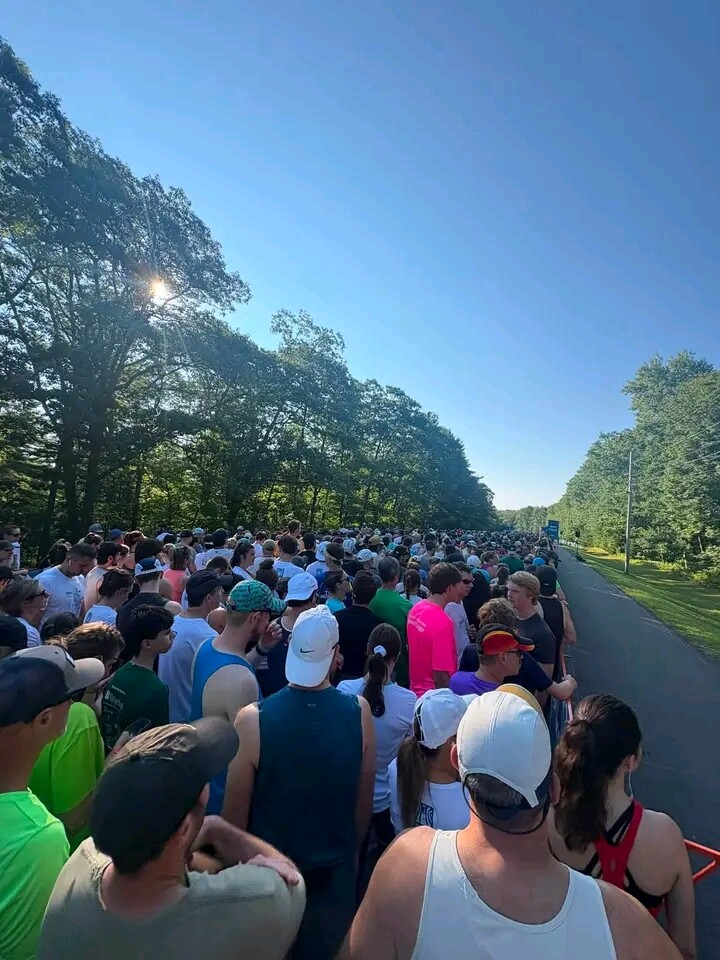
Patrick Kiprop led the pursuit and crossed the finish line eight seconds later in 27:48 to claim second place after a determined performance from start to finish. Fellow Kenyan Raphael Lekini Dapash completed the podium in 28:03, ensuring Kenya placed two athletes among the top three in a fiercely competitive international field.
Great Britain's Patrick Dever narrowly missed the podium with a time of 28:05, while American standout Biya Simbassa finished fifth in 28:11. Thailand's Kieran Tuntivate continued his consistent road-racing form by taking sixth in 28:12, ahead of Americans Joe Klecker (28:14) and Andrew Colley (28:16). Kenya's Pasanjo Kitonga finished ninth in 28:27, with Reid Buchanan rounding out the men's top ten in 28:29.
The women's race was equally captivating as Kenya's Pamela Kosgei displayed outstanding composure and strength to claim the title in 31:50. Kosgei faced relentless pressure from American distance star Elise Cranny throughout the closing stages but remained composed to cross the line just two seconds ahead and secure a memorable victory.
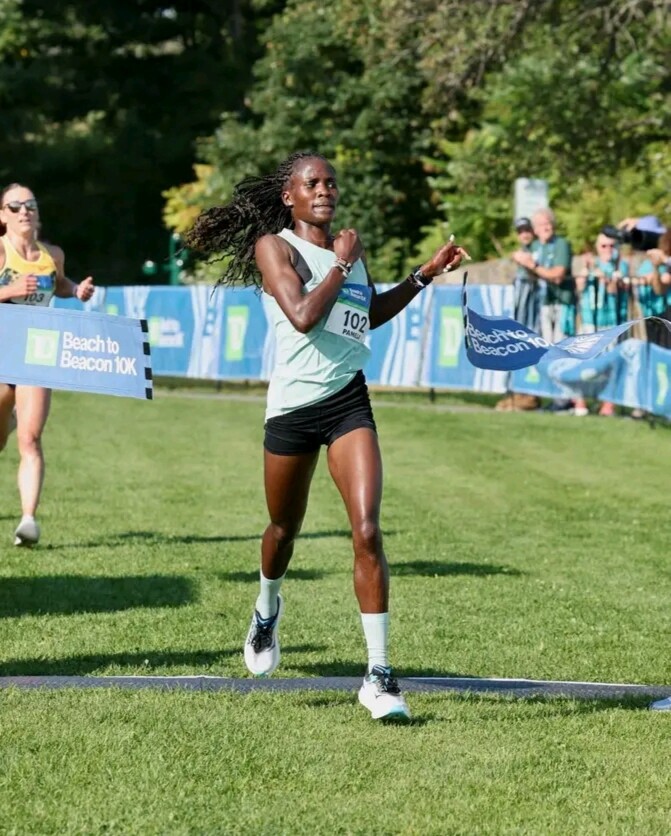
Cranny's courageous effort earned her second place in 31:52, while fellow American Molly Born completed the podium after running 32:14.
The battle for the remaining top positions was equally competitive. Annie Rodenfels finished fourth in 32:19, only one second ahead of China's Wuga He, who clocked 32:20. Megan Sailor placed sixth in 32:27, narrowly ahead of Kenya's Vicoty Chepngeno in 32:28. Dakotah Popehn finished eighth with 32:37, followed by Allie Buchalski in 32:40, while Uruguay's Julia Paternain completed the top ten in 32:57.
The 2026 edition of the TD Beach to Beacon 10K once again showcased world-class road racing, with elite athletes from across the globe producing exceptional performances on the renowned Maine course. Samuel's authoritative victory highlighted Eritrea's continued strength in distance running, while Kosgei reinforced Kenya's dominance on the international road-running circuit with a composed and tactical winning display.
The outstanding depth of both elite fields provided spectators with thrilling competition from the opening kilometers to the finish line, further cementing the Beach to Beacon 10K's reputation as one of the premier road races on the global athletics calendar.
by Erick Cheruiyot for My Best Runs.
Login to leave a comment

TD Beach to Beacon 10K
Joan Benoit Samuelson, a native of Cape Elizabeth, Maine, won the first-ever women's Marathon at the 1984 Olympics in Los Angeles and is founder and chair of the TD Bank Beach to Beacon 10K. "A long time dream of mine has been realized" says Samuelson. "I've always wanted to create a race that brings runners to some of my most...
more...
The Olympic Marathon's Most Bizarre Finish: When Frank Shorter's Greatest Triumph Was Almost Stolen
The men's marathon at the 1972 Munich Olympic Games produced one of the most extraordinary and misunderstood moments in Olympic history—a finish so surreal that even the man who won the gold medal was briefly denied the celebration he had earned.
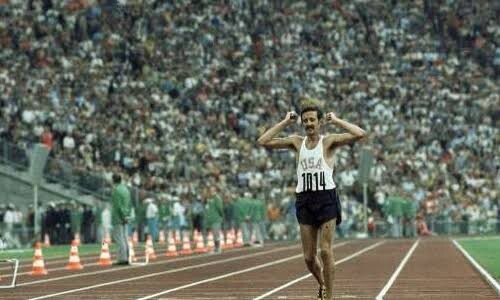
American distance star Frank Shorter had produced a masterclass over the 42.195-kilometre course. Breaking away from the field, he built a commanding lead of more than a minute and, with just one kilometre remaining, victory was all but certain. As he approached the Olympic Stadium, he could already hear the roar of nearly 80,000 spectators awaiting the arrival of the marathon champion.
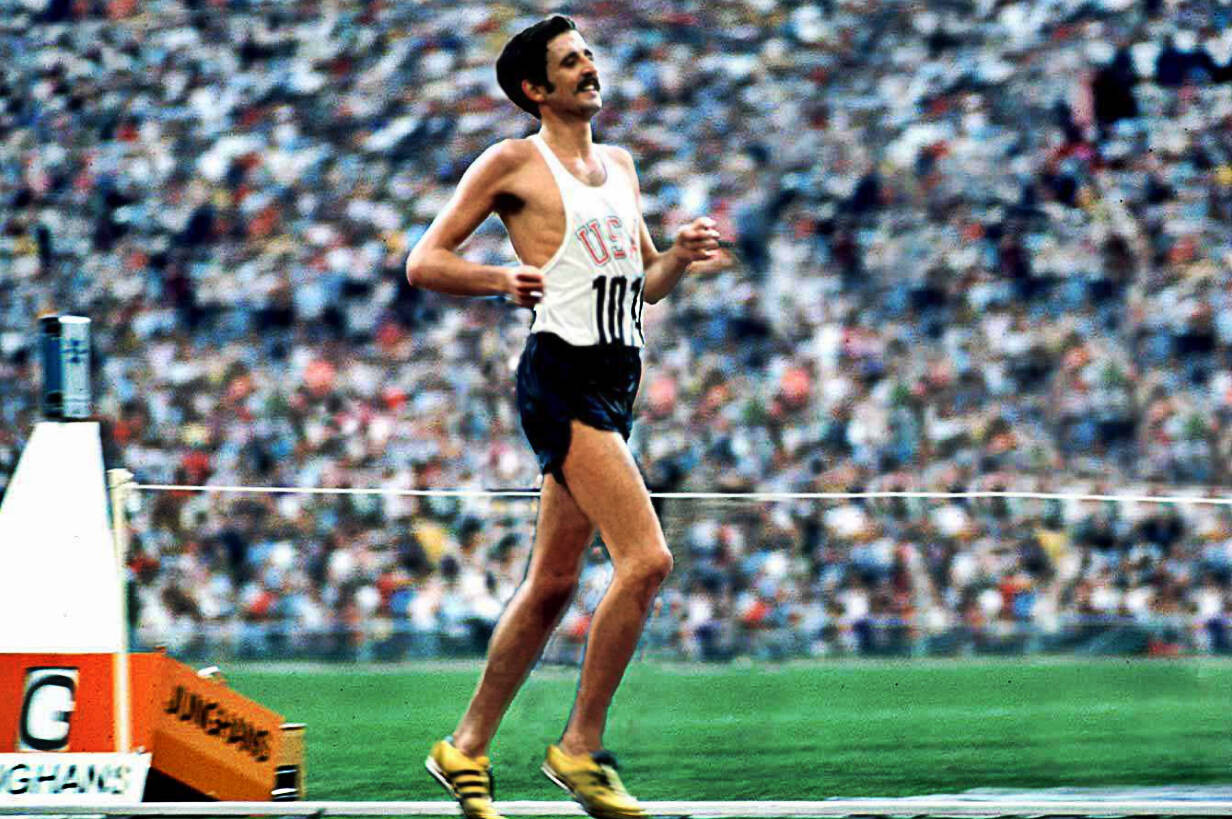
But inside the stadium, something astonishing had already happened.
A young man wearing a grey tracksuit burst onto the marathon course just before the entrance tunnel. His name was Norbert Sudhaus, a West German student with no connection to the race. Blending into the finish route, he sprinted into the stadium ahead of the real leader and completed what appeared to be the final lap of the Olympic marathon.
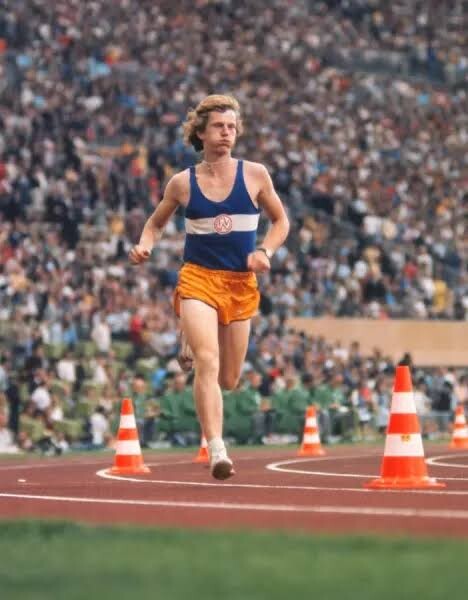
The unsuspecting crowd erupted.
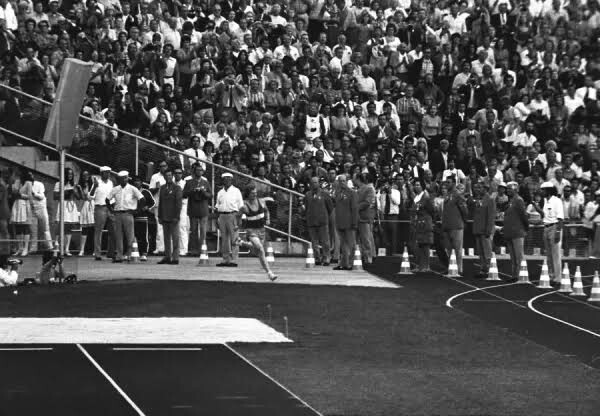
Believing they were witnessing the arrival of the Olympic champion, tens of thousands rose to their feet, cheering wildly as the imposter crossed the track. For several chaotic moments, confusion reigned. Security officials and race organisers eventually realised the deception, removed Sudhaus from the track, and hurried to restore order.
Then, about a minute later, the true champion finally emerged.
Frank Shorter entered the stadium expecting the deafening ovation reserved for an Olympic marathon winner. Instead, he was met by puzzled silence before the spectators slowly realised their mistake and began applauding again. The emotional climax of one of the greatest victories in American distance running had been unintentionally stolen by an unexpected intruder.
Despite the bizarre interruption, nothing could erase what Shorter had accomplished on the roads of Munich.
He crossed the finish line to claim Olympic gold, becoming the first American to win the Olympic marathon since 1908. His triumph inspired millions across the United States, igniting a running boom that transformed the marathon from a niche endurance event into one of the world's most popular races. Countless recreational runners, road races, and marathon events that flourished during the 1970s can trace part of their inspiration back to Shorter's unforgettable victory.
Yet history remembers an extraordinary twist.
One of the greatest marathon performances ever seen concluded not with the uninterrupted roar of a grateful stadium, but with a moment of bewilderment. The final 400 metres of Frank Shorter's Olympic masterpiece were overshadowed by a prank that fooled an entire stadium and created one of the strangest finishes the Olympic Games have ever witnessed.
More than five decades later, the image remains unforgettable—a champion running toward immortality while the loudest applause had already been given to someone who was never part of the race at all.
by Erick Cheruiyot for My Best Runs.
Login to leave a comment
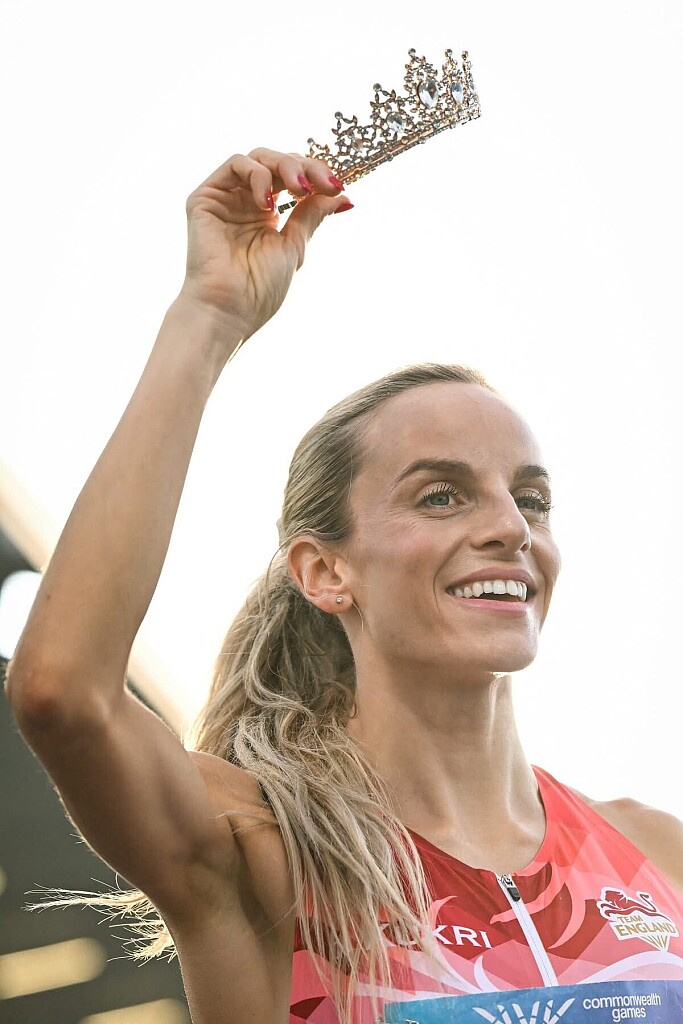
Georgia Hunter Bell Produces A Tactical Masterclass To Win Commonwealth Games 800m Gold
Georgia Hunter Bell delivered a performance of exceptional composure and precision to capture the women's 800m title at the 2026 Commonwealth Games in Glasgow, producing a perfectly judged race to secure gold for England in 1:59.51.
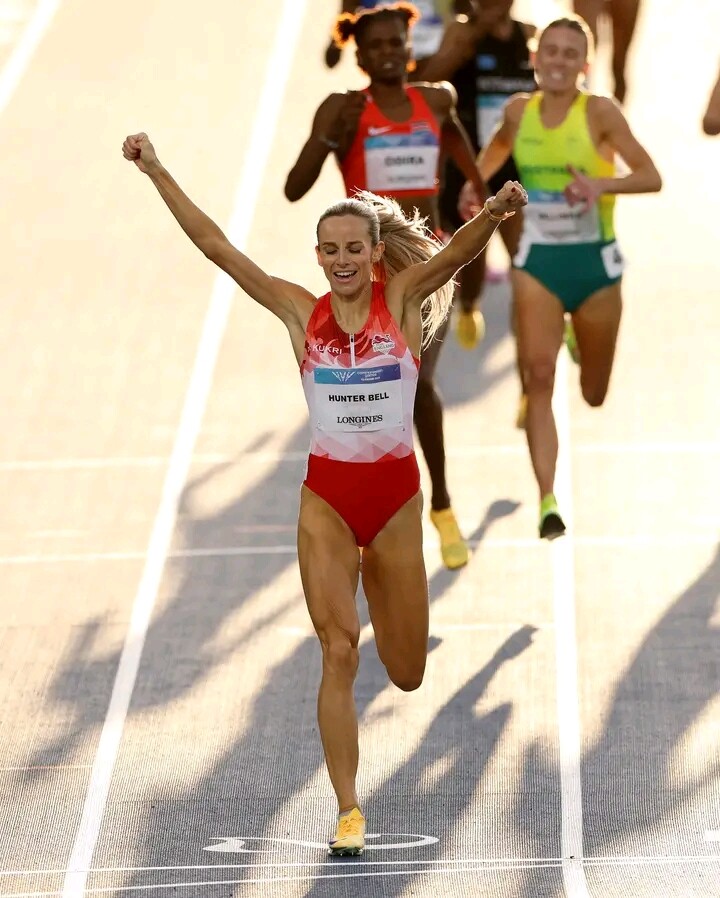
In a final featuring some of the Commonwealth's strongest middle-distance athletes, Hunter Bell refused to be drawn into an early battle for position. Instead, she dictated the rhythm from the front, maintaining complete control before unleashing a devastating surge over the final 250 metres that none of her rivals could match.
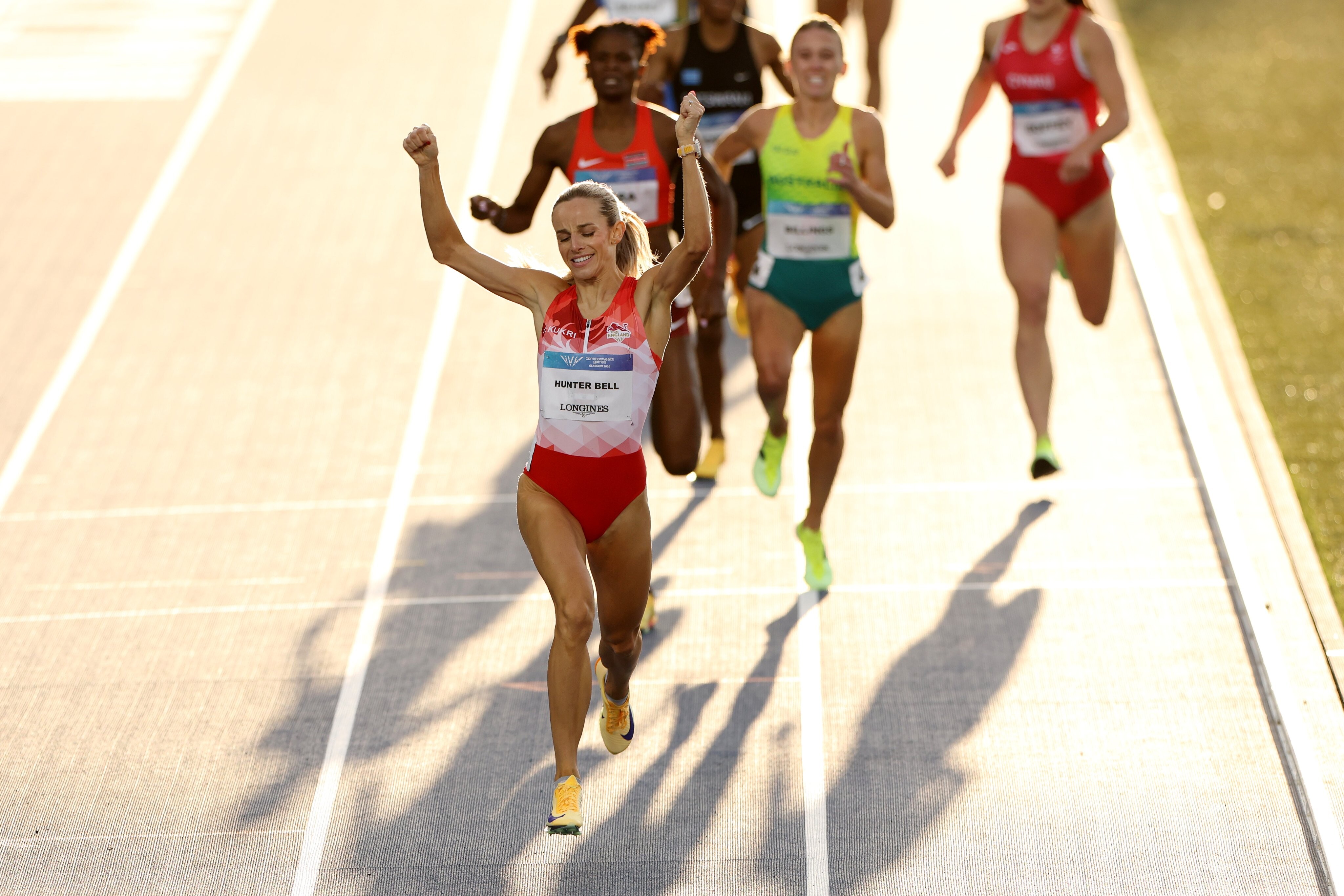
Her decisive finishing kick proved too much for Kenya's Lilian Odira, the reigning world champion, who chased hard over the closing stages but had to settle for the silver medal in 2:00.58. Australia's Sarah Billings completed the podium after edging a thrilling battle for bronze, crossing the line in 2:00.61, just three hundredths of a second behind Odira.
The race was a showcase of tactical intelligence rather than outright speed. Hunter Bell's confidence in setting the pace and her ability to produce a powerful finish at precisely the right moment highlighted why she has become one of the world's leading 800m runners.
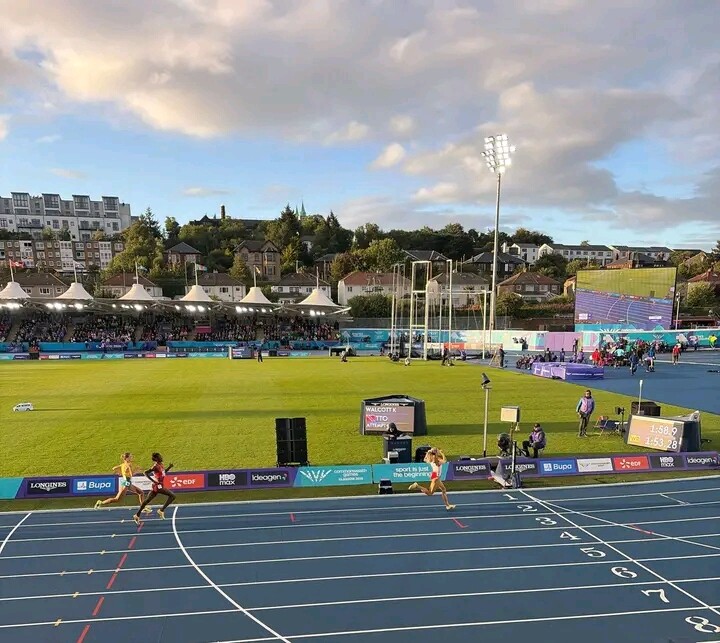
Behind the medal winners, Botswana's Oratile Nowe finished fourth in 2:01.29, followed by Wales' Isabelle Boffey in fifth with 2:01.44. Saint Vincent and the Grenadines' Shafiqua Maloney claimed sixth in 2:02.17, Jamaica's Kelly-Ann Beckford was seventh in 2:02.77, while Mauritius' Rachel Klopfenstein rounded out the finalists in eighth with 2:03.81.
Official Women's 800m Final Results
1. Georgia Hunter Bell (England) – 1:59.51
2. Lilian Odira (Kenya) – 2:00.58
3. Sarah Billings (Australia) – 2:00.61
4. Oratile Nowe (Botswana) – 2:01.29
5. Isabelle Boffey (Wales) – 2:01.44
6. Shafiqua Maloney (Saint Vincent and the Grenadines) – 2:02.17
7. Kelly-Ann Beckford (Jamaica) – 2:02.77
8. Rachel Klopfenstein (Mauritius) – 2:03.81
The victory adds another major championship title to Hunter Bell's growing résumé and underlines England's continued strength in middle-distance running. Her calm race management, combined with an explosive finishing burst, ensured she was in complete command when the medals were decided.
The women's 800m final proved to be one of the most captivating races of the Glasgow Games, blending tactical brilliance with fierce competition and producing a memorable finish that kept spectators on the edge of their seats until the final metres.
by Erick Cheruiyot for My Best Runs.
Login to leave a comment

The Commonwealth Games
The Commonwealth Games are coming to Victoria - bringing an action packed sports program to our regional cities and delivering a long-term legacy for our future. From 17 to 29 March 2026, Geelong, Bendigo, Ballarat, Gippsland and Shepparton will be on the world stage, attracting millions of viewers and creating thousands of jobs. The multi-city model will...
more...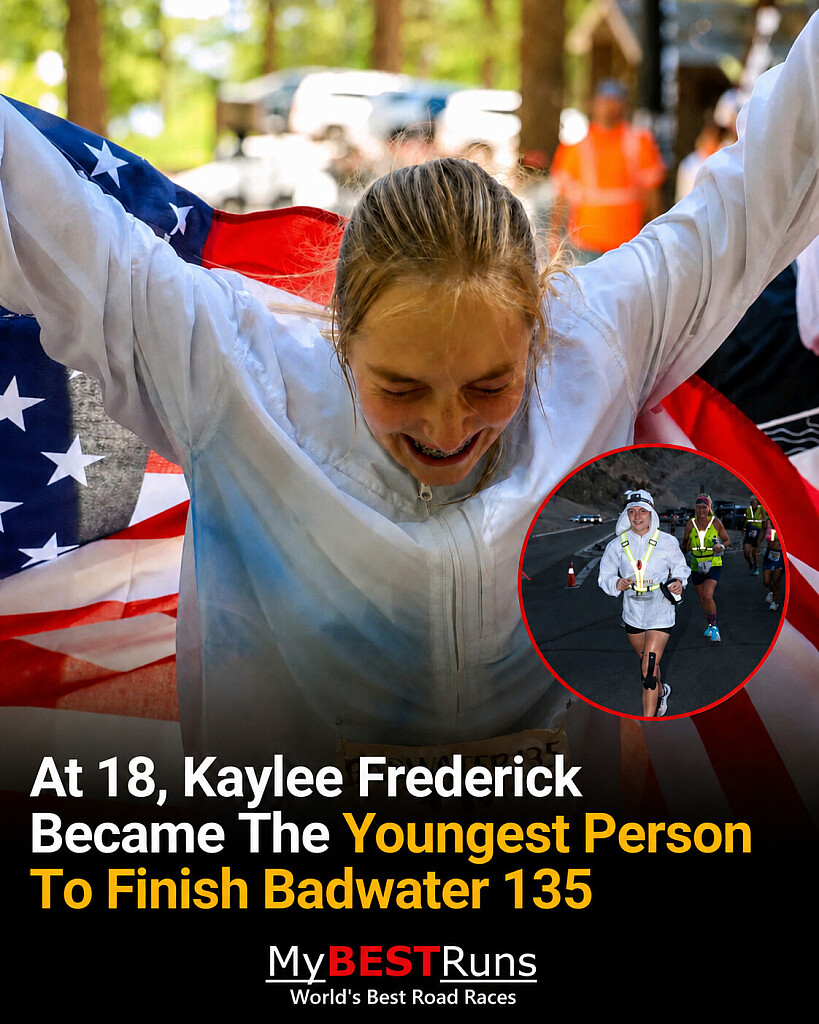
At Just 18, She Conquered The World's Toughest Footrace: Kaylee Frederick's Incredible Badwater 135 Story
Most athletes spend years building the experience, endurance, and mental resilience required to earn a place at the starting line of the Badwater 135. For Kaylee Frederick, age was never a barrier. Before she had even graduated from high school, the young runner from Johnstown, Pennsylvania had already etched her name into ultrarunning history.
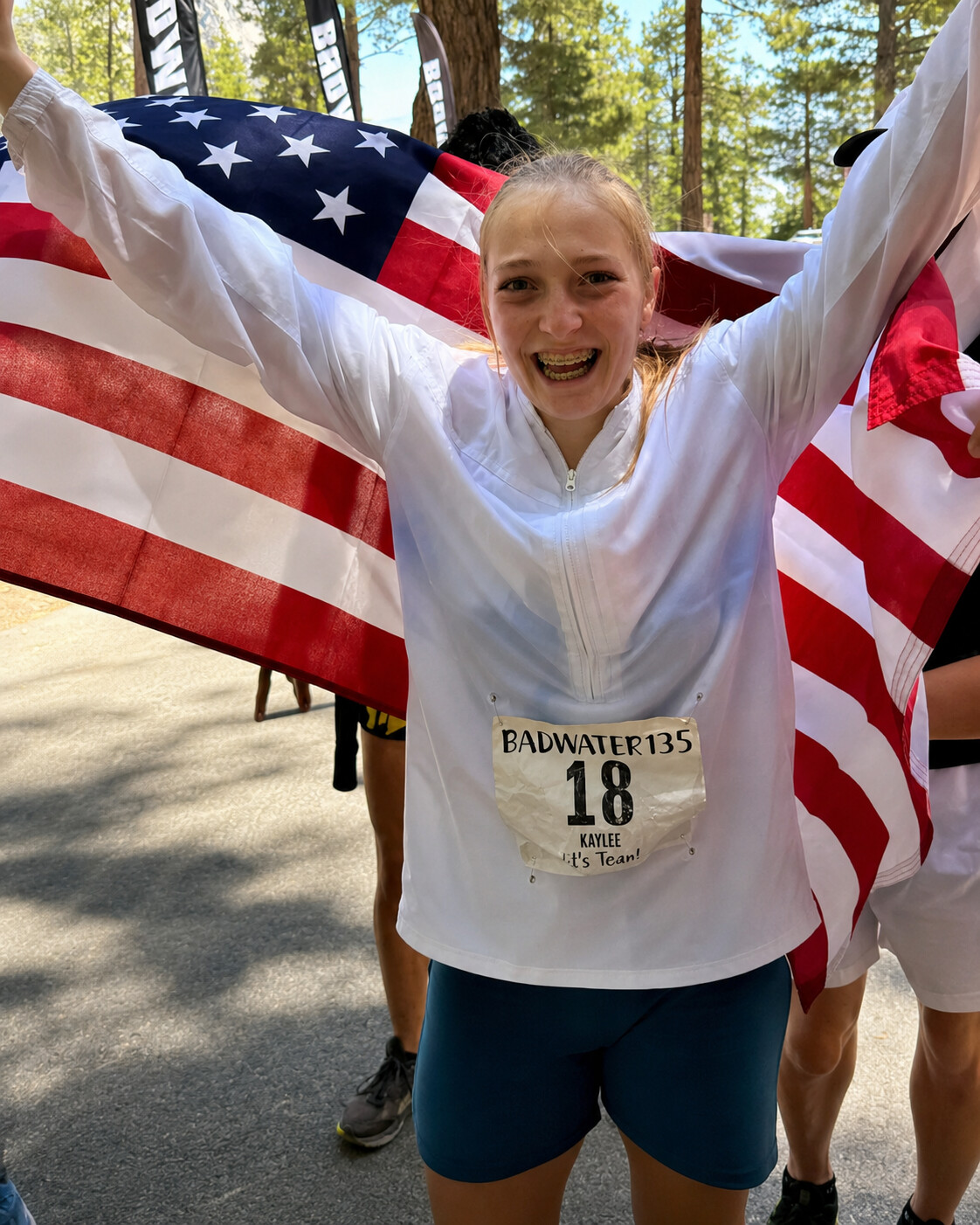
In July 2023, Frederick became the youngest person ever to finish the legendary Badwater 135, completing the brutal 135-mile (217-kilometre) race across California's Death Valley in an astonishing 40 hours, 6 minutes, and 43 seconds. She achieved the feat at just 18 years old, breaking barriers in one of the most unforgiving endurance events on Earth.
The Badwater 135 is widely regarded as one of the toughest footraces in the world. Athletes battle relentless heat that can push road temperatures beyond 120°F (49°C) while climbing thousands of feet in elevation across the scorching desert. Simply reaching the finish line is considered a victory, making Frederick's accomplishment even more extraordinary.
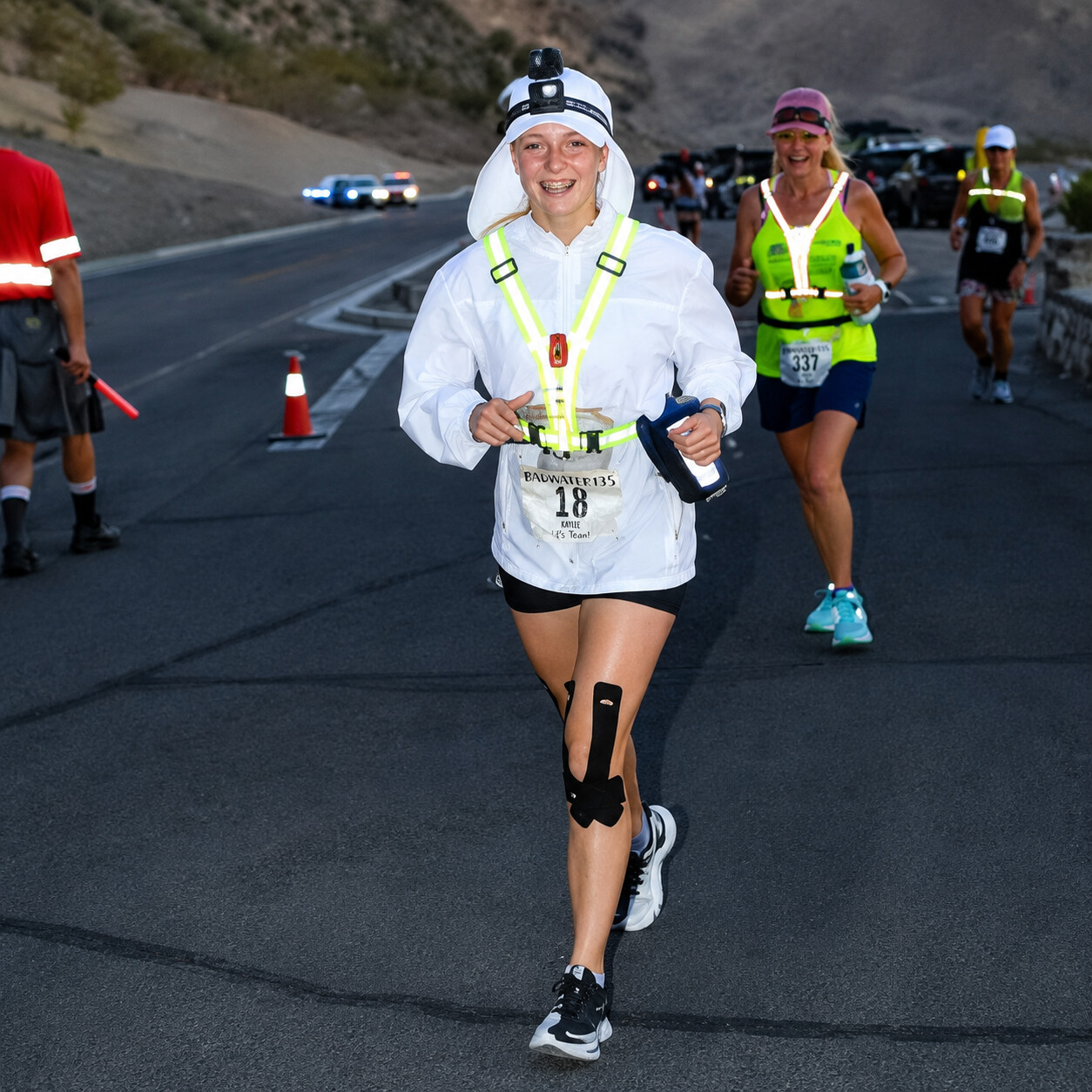
Her preparation reflected an uncommon level of dedication. Knowing she could not replicate Death Valley's extreme climate in Pennsylvania, Frederick trained through the summer wearing multiple layers of clothing and sauna suits to adapt her body to intense heat. Even more remarkably, she secured her coveted Badwater qualification while still just 17 years old—an achievement that many experienced ultrarunners spend years pursuing.
The race itself demanded every ounce of her physical and mental strength. For more than 40 hours, she remained on the course through two nights and an entire day without sleep. She chose to run without music, instead keeping her mind occupied by solving mathematical calculations in her head as the endless miles stretched before her.
There was one moment when everything nearly came to an end. Around mile 93, exhaustion overwhelmed her. She collapsed to the ground in tears, convinced her body had nothing left to give. But as she listened, she heard the footsteps of other competitors approaching from behind. That sound reignited her determination. She rose once more, gathered herself, and continued forward despite the overwhelming fatigue.
When the finish line finally came into view, Frederick found one final burst of energy. Rather than simply crossing it, she sprinted through the tape, completing a performance that will be remembered as one of the most inspiring achievements in the history of the race.
Still only 18 years old and months away from her 19th birthday, Kaylee Frederick proved that courage, preparation, and unwavering determination can outweigh age and experience. Her historic finish at Badwater 135 stands as a powerful reminder that extraordinary achievements often belong to those bold enough to challenge limits that others believe are impossible.
by Erick Cheruiyot for My Best Runs.
Login to leave a comment

Badwater 135
Recognized globally as "the world’s toughest foot race," this legendary event pits up to 90 of the world’s toughest athletes runners, triathletes, adventure racers, and mountaineers against one another and the elements. Badwater 135 is the most demanding and extreme running race offered anywhere on the planet. Covering 135 miles (217km) non-stop from Death Valley to Mt. Whitney, CA, the...
more...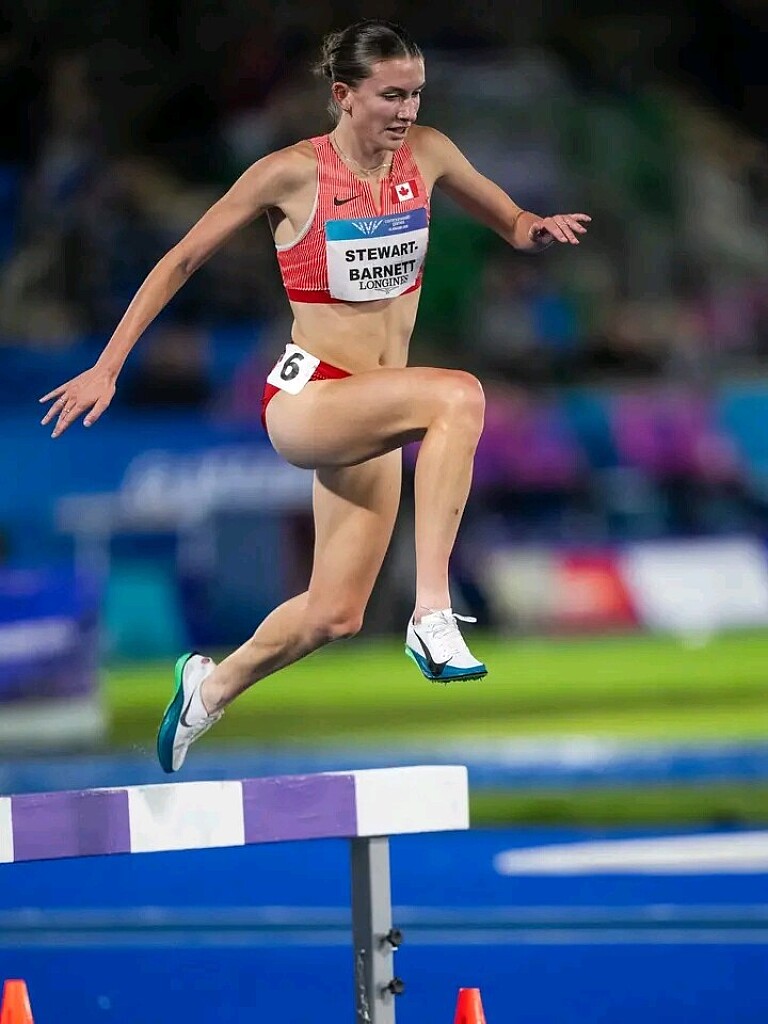
Two Canadians, One Big Statement: Fetherstonhaugh and Stewart-Barnett Shine in Commonwealth Steeplechase Final
Canada's Grace Fetherstonhaugh delivered the finest championship performance of her career on Wednesday night, producing a superb personal best of 9:27.49 to finish among the top six in the women's 3000m steeplechase final at the 2026 Commonwealth Games.
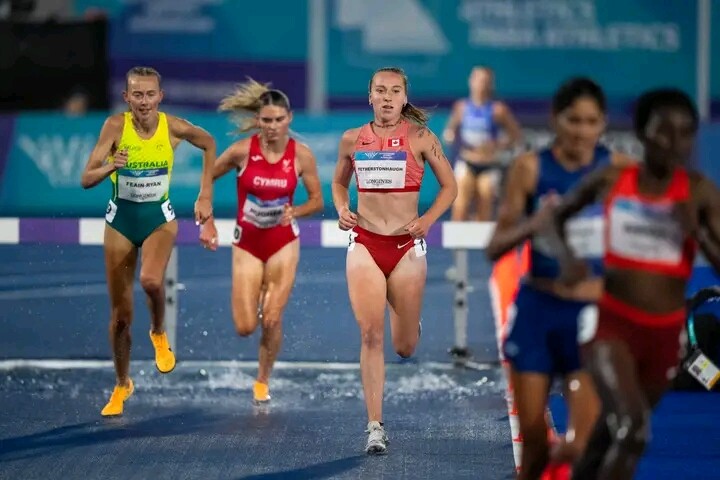
Competing against one of the strongest steeplechase fields assembled at the Games, Fetherstonhaugh showed remarkable composure from the opening laps. She stayed in contention throughout the demanding race, clearing each barrier with confidence before finishing strongly to slice valuable seconds off her previous lifetime best.
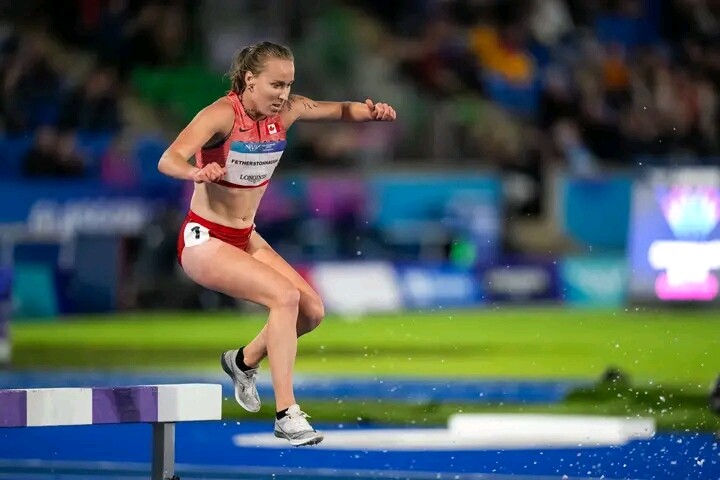
Her time of 9:27.49 not only marked a new personal record but also underlined her continued rise as one of Canada's most promising distance runners. Producing a career-best performance on one of the sport's biggest stages demonstrated both her physical preparation and her ability to thrive under championship pressure.
Canada's success in the final extended beyond Fetherstonhaugh's impressive run. Making her debut at a major international multi-sport Games, Katelyn Stewart-Barnett delivered an encouraging performance of her own, finishing ninth in 9:46.98. Competing on one of the biggest stages of her career, she raced with determination and poise, gaining invaluable championship experience while announcing herself as another emerging talent in Canadian distance running.
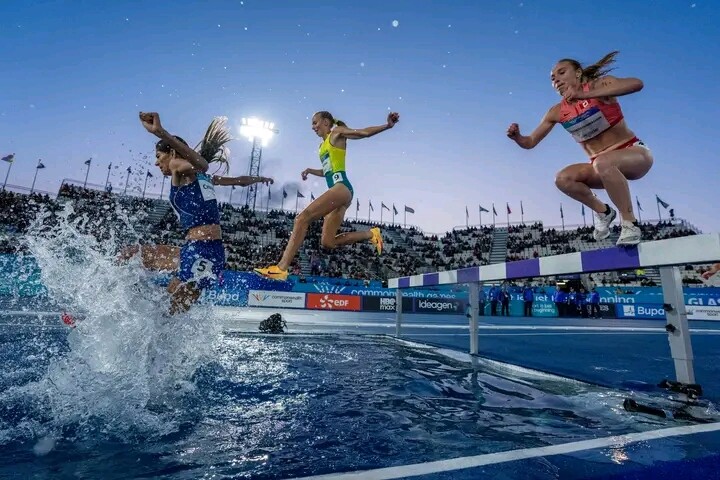
Although the medals were fiercely contested, Fetherstonhaugh's top-six finish and Stewart-Barnett's confident debut highlighted the depth of Canada's women's steeplechase program. Both athletes demonstrated resilience and composure against a world-class field, providing further evidence that Canada's future in the event is exceptionally bright.
The race also provided valuable championship experience that could prove instrumental in the years ahead. Performing at such a high level against elite opposition will give both athletes added confidence as they continue their development and prepare for future global championships.
For Canada, the performances were another encouraging sign of the nation's growing strength in women's distance running. By combining tactical discipline, technical efficiency over the barriers, and determined finishing efforts, Fetherstonhaugh and Stewart-Barnett left Glasgow with performances that will serve as important milestones in their careers.
Beyond the impressive times on the clock, both athletes showcased resilience and consistency throughout the demanding race. Their performances reflected not only months of preparation but also the determination required to succeed in one of athletics' most technically challenging events.
With a new personal best and a top-six Commonwealth Games finish now on her résumé, Fetherstonhaugh has taken another significant step forward in her career. Stewart-Barnett, meanwhile, can leave her first major international Games with confidence after a composed top-10 finish that signals an exciting future. Together, their performances marked a memorable night for Canadian athletics and offered plenty of optimism for the seasons ahead.
by Erick Cheruiyot for My Best Runs.
Login to leave a comment
