

Running News Daily
Running News Daily is edited by Bob Anderson and team. Send your news items to bob@mybestruns.com Advertising opportunities available.
Index to Daily Posts · Sign Up For Updates · Run The World Feed



Five Years On, Agnes Tirop’s Light Still Shines in the World of Athletics

Five years after the tragic death of Agnes Jebet Tirop, the Kenyan distance-running star remains a powerful symbol of sporting excellence, unfulfilled potential and the urgent fight against gender-based violence.
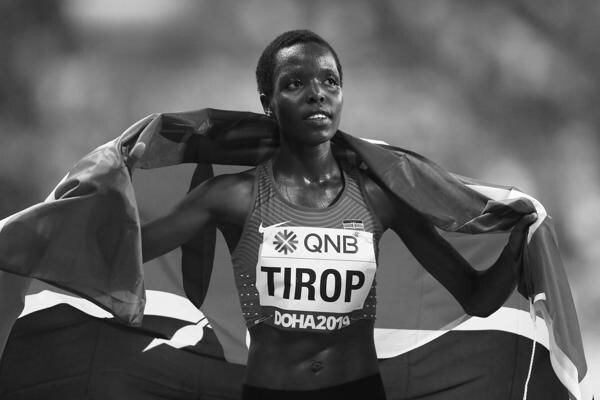
On October 13, 2021, the athletics world was plunged into mourning following the death of Tirop, who was found at her home in Iten, Kenya, at just 25 years old. Her life was cut short at a time when her career was flourishing, leaving behind a legacy that continues to resonate with athletes, fans and the wider community.
For Kenya, a country whose identity is deeply intertwined with distance-running success, Tirop represented a remarkable generation of female athletes taking the sport to new heights. Her achievements on the track, across country and on the roads had already secured her place among the country's outstanding distance runners.
Five years later, the sadness of her loss remains inseparable from the extraordinary story of what she accomplished in her short but memorable career.
A Champion Who Rose to the Top at 19
Tirop announced herself on the global stage in spectacular fashion at the 2015 World Athletics Cross Country Championships in Guiyang, China. At only 19, she won the senior women's race, becoming the youngest champion in the event since Zola Budd in 1985.
Her victory demonstrated not only her natural ability but also the composure and determination that would become defining features of her running career.
She subsequently established herself among the world's leading track athletes, winning bronze medals in the women's 10,000 metres at the 2017 World Athletics Championships in London and the 2019 edition in Doha.
Those back-to-back podium finishes confirmed her consistency at the highest level and underlined her ability to compete against the strongest distance runners in the world.
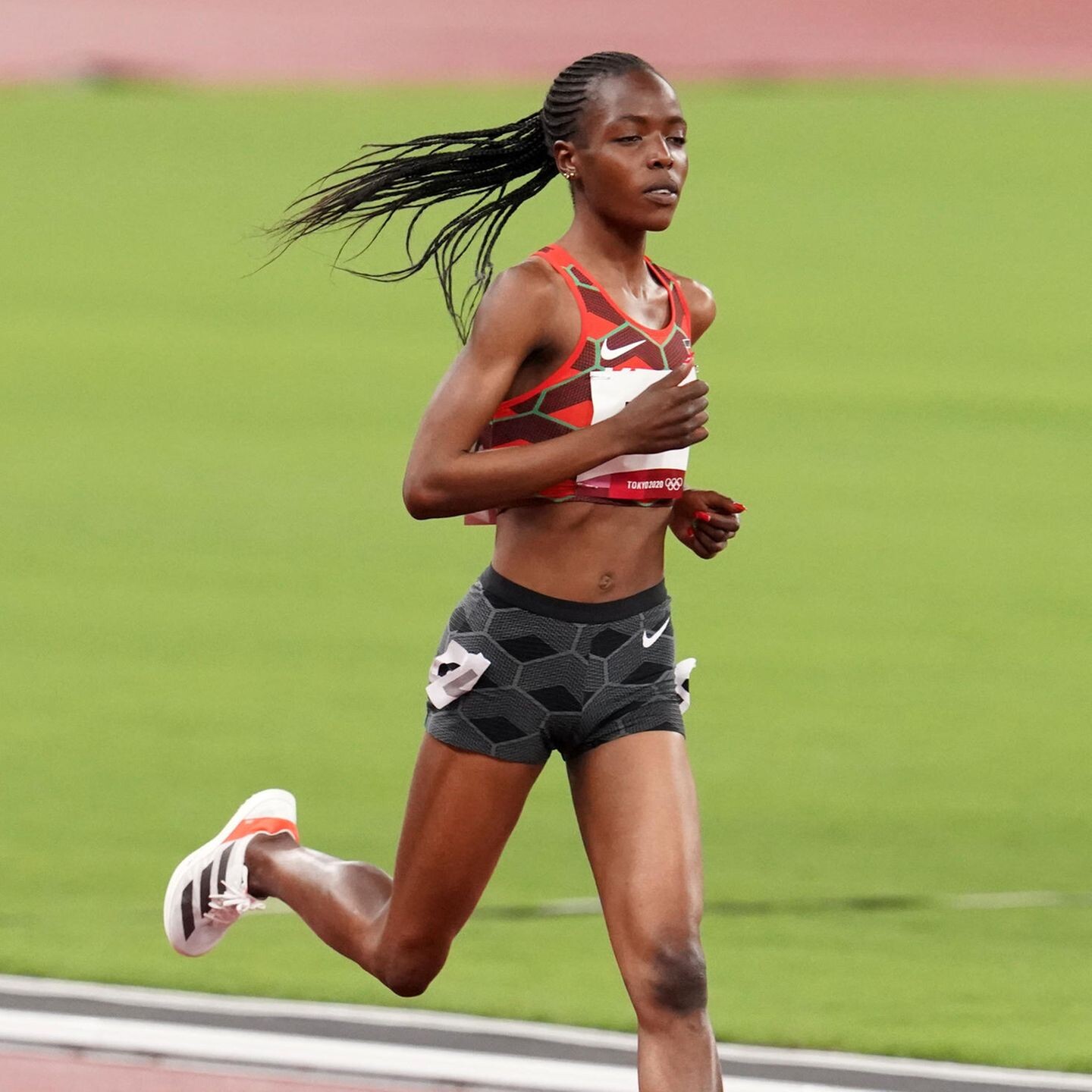
Tirop also demonstrated considerable versatility at the Tokyo 2020 Olympic Games, held in 2021, where she finished fourth in the women's 5,000 metres. Although she narrowly missed the podium, her performance reinforced her reputation as one of Kenya's most accomplished emerging distance-running talents.
A World Record That Made History
Just weeks before her death, Tirop delivered one of the defining performances of her career.
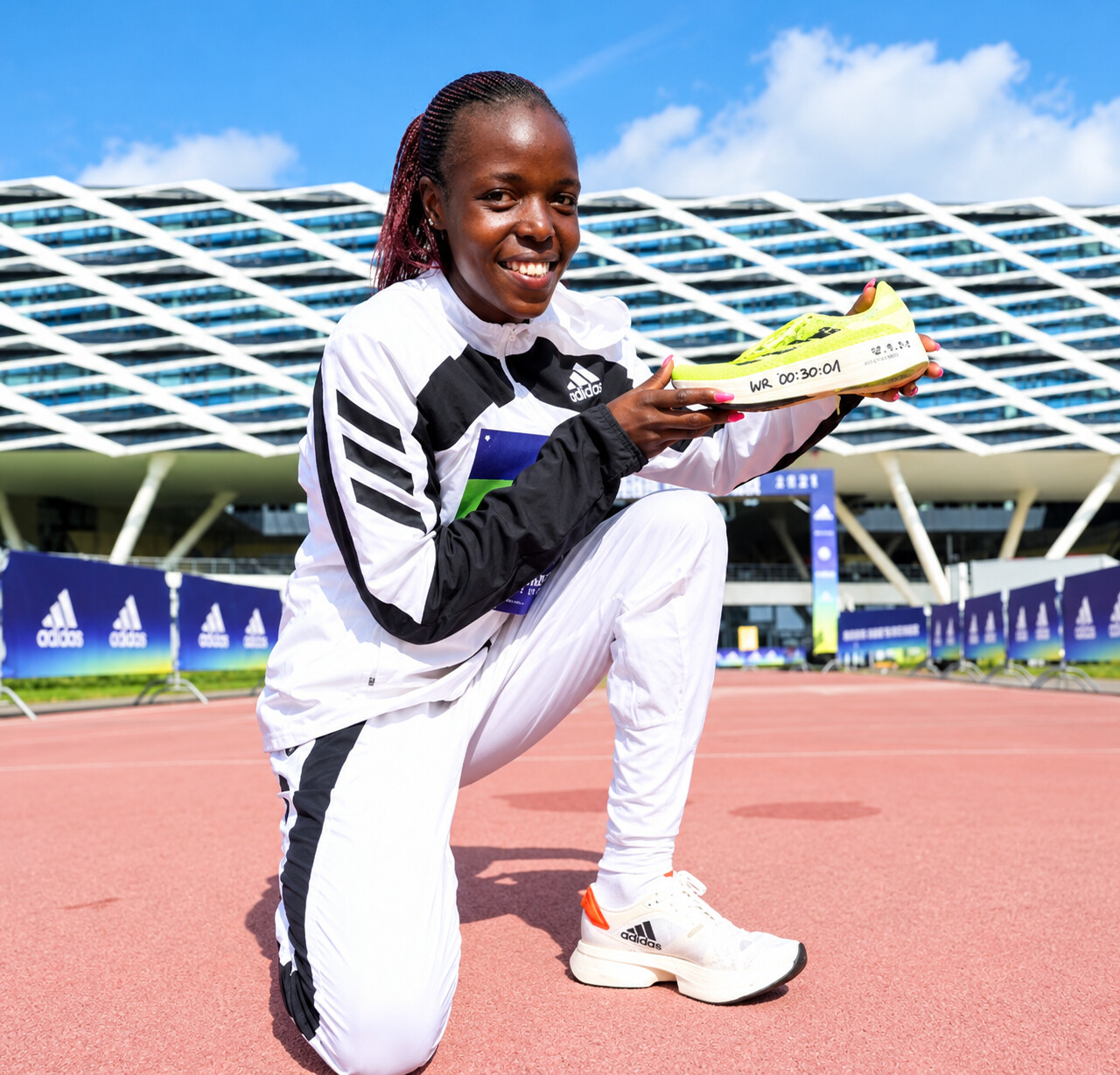
On September 12, 2021, she clocked an astonishing 30:01 to win the women's 10km road race at the adizero Road to Records event in Herzogenaurach, Germany.
Her performance broke the then women's-only world record by 28 seconds, establishing a new benchmark for the distance. The record was subsequently ratified by World Athletics. It was aremarkable achievement that placed her name among the legends of distance running. Although her record has since been broken, the greatness of her achievement remains untouched, and no change in the record books can diminish the extraordinary talent, courage and determination she displayed that day. Time may bring new champions and faster performances, but it can never erase the mark she left on athletics.
In a race that demanded patience, tactical awareness and an exceptional finishing effort, Tirop broke away from compatriot Sheila Chepkirui during the closing stages and powered towards the finish line.
The performance was a remarkable demonstration of her endurance and competitive instinct. It also offered a glimpse of what might have followed had she been given more years to develop her career.
Her final competitive appearance came on October 3, 2021, when she finished second in a 10km race in Geneva, Switzerland. Ten days later, the world learned of her death.
The timing made the tragedy particularly difficult to comprehend: an athlete who had just rewritten the record books and was still competing at the highest level was suddenly gone.
A Tragedy That Reached Far Beyond Sport
Tirop's death was not simply the loss of an elite athlete. It also brought renewed international attention to violence against women and the need to create safer environments in which women and girls can live, train and pursue their ambitions.
Her story became a painful reminder that medals, records and international recognition cannot shield someone from violence in their private life.
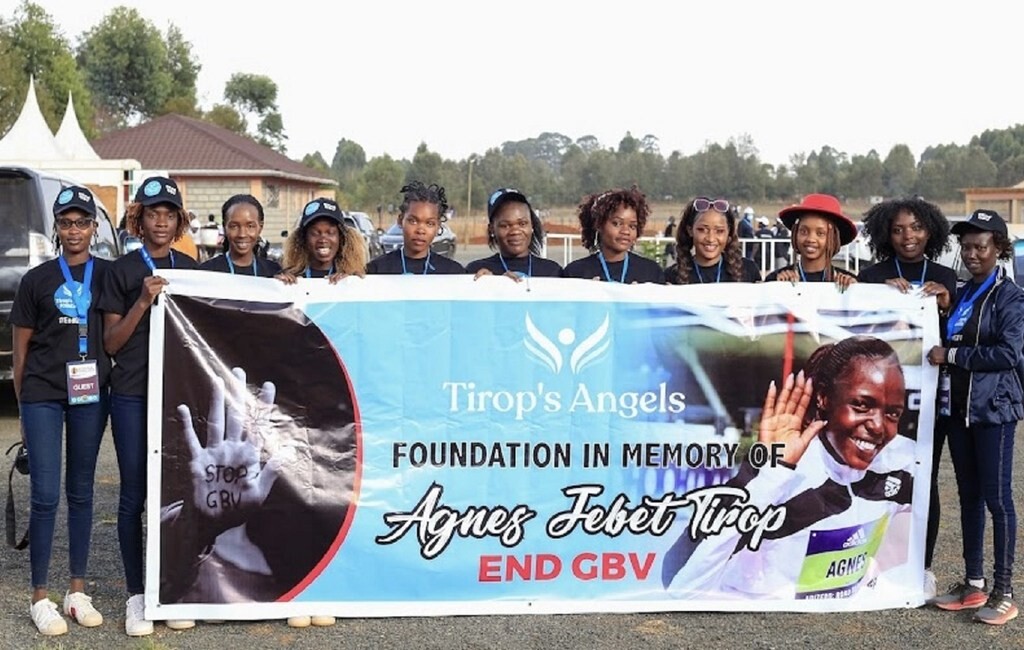
In the years since her death, her name has continued to feature in efforts to promote women's empowerment, athlete welfare and the prevention of gender-based violence. Initiatives associated with her legacy, including Agnes Tirop Angels, reflect the continuing determination to transform grief into meaningful action.
Her story remains especially significant within athletics, where the pursuit of excellence must go hand in hand with respect for athletes' safety, dignity and wellbeing.
Five Years Later, Her Legacy Endures
For young runners who dream of representing Kenya on the international stage, Tirop's career remains an example of what dedication, talent and courage can achieve.
She rose from a promising young athlete to a world champion, a two-time World Championships medallist and a world-record holder. She excelled across different distances and surfaces, leaving an impressive body of achievements before reaching her 26th birthday.
Yet her legacy cannot be measured by statistics alone. It also lies in the conversations her death continues to inspire, the women whose safety must be protected and the determination to ensure that sporting success is never separated from human dignity.
Five years on, Agnes Tirop is remembered not only for the records she set or the medals she won, but also for the future that was taken from her.
Her achievements remain part of Kenya's rich athletics history, while her story continues to call for a world in which women can pursue their dreams without fear of violence.
Agnes Tirop's life was tragically short, but her impact reaches far beyond the finish line. Her achievements will remain in the record books, her memory will endure in the hearts of athletics fans, and her legacy will continue to inspire generations to come.
by Erick Cheruiyot for My Best Runs.
Login to leave a comment
Latest Running News
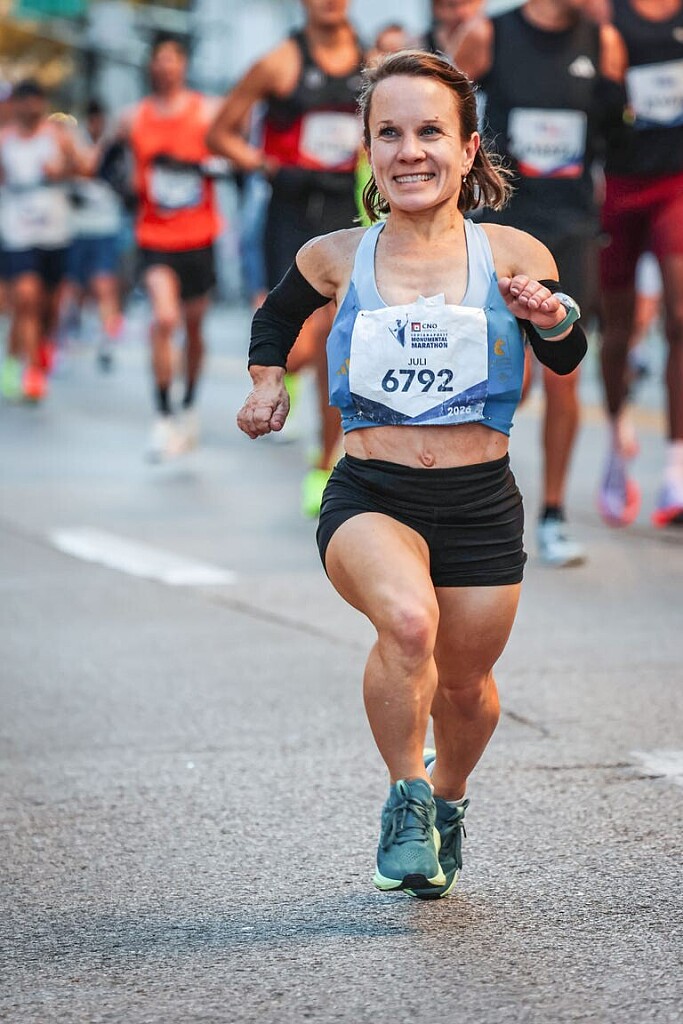
One In A Million! 3-Foot-9 Juli Windsor Runs Remarkable 3:42 Marathon, Sets Provisional American Record And Chases Boston Qualifying Dream!
At just 3 feet 9 inches tall, Juli Windsor is rewriting expectations in distance running, producing extraordinary marathon performances and demonstrating that physical limitations do not have to define the boundaries of human achievement.
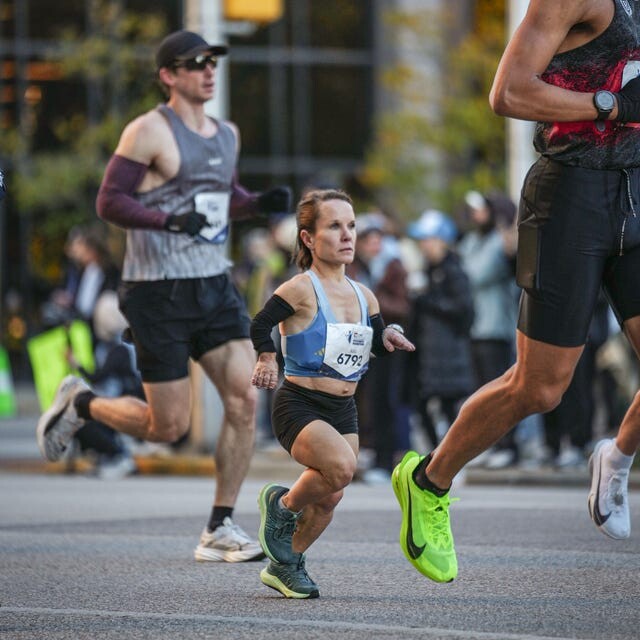
The 39-year-old American delivered another stunning performance at the Indianapolis Marathon on November 7, clocking an impressive 3:42:00 to smash her previous personal best by seven minutes. Her remarkable achievement is also provisionally recognised as a new American record in the T40 para-athletics category, which accommodates athletes with short stature.
Averaging approximately 8:28 per mile, Windsor finished among the top third of competitors in her 35–39 age group, an outstanding result that further underlines the progress she has made since returning to marathon running.
But her ambitions extend beyond personal records. Windsor is now setting her sights on an even bigger challenge: achieving the able-bodied qualifying standard for the prestigious Boston Marathon.
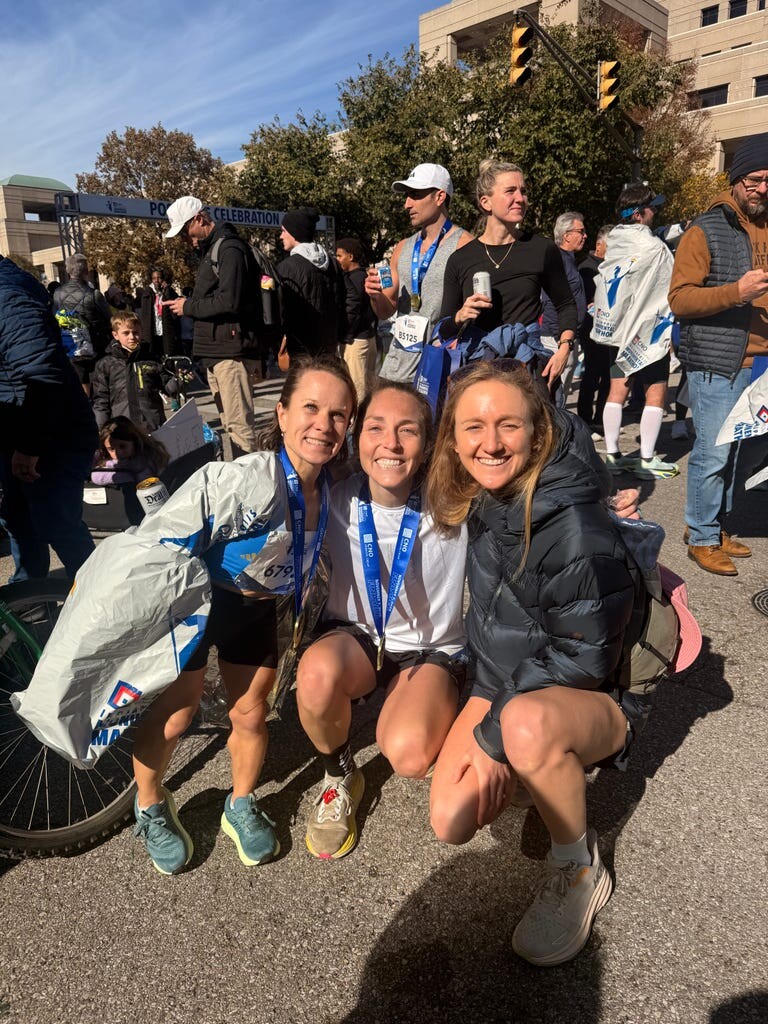
Born with acromesomelic dysplasia, an exceptionally rare form of dwarfism, Windsor has faced challenges that make her achievements in distance running even more remarkable. She has described her condition as so uncommon that, according to what she has been told, she is one in a million.
Outside athletics, she works as a physician assistant in developmental pediatrics, balancing her professional responsibilities and family life with an increasingly impressive running career.
Her journey in athletics began during middle school, when she joined the track team mainly to spend time with her friends. Initially, she had few expectations of becoming a competitive runner. However, an 800-metre race in which she defeated another competitor changed her perspective.
She soon discovered that although she might not have the explosive speed to outrun everyone over shorter distances, she possessed something equally powerful: exceptional endurance, determination and the ability to keep going.
Her philosophy became that she might not outrun her competitors, but she could outlast them.
That discovery eventually inspired her to pursue the marathon, with one particular race becoming the centre of her ambitions: the legendary Boston Marathon.
In her twenties, Windsor dreamed of becoming the first person with dwarfism to complete the prestigious event. In 2013, she came agonisingly close to experiencing that moment, but the tragic Boston Marathon bombings brought the race to an abrupt end as she approached the finish line on Boylston Street. Fortunately, she escaped physical harm, although her dream had to be postponed.
One year later, she returned to Boston and made history, completing the 2014 marathon in 4:43:26 and becoming the first person with dwarfism to finish the historic race.
It was a landmark achievement, but it would be another ten years before she returned to the marathon distance.
Following the 2014 race, Windsor stepped away from marathon competition to concentrate on raising her two children and dedicating time to her family.
However, her passion for running never disappeared.
In 2025, she felt drawn back to the marathon and entered the Spinx Marathon in Greenville, South Carolina. Her comeback was spectacular, as she clocked 4:09:51, taking more than 30 minutes off her previous marathon best.
That performance reignited her ambitions and opened the door to an even more remarkable transformation.
Windsor subsequently began working with Esther Atkins, a former professional marathoner and coach with McKirdy Trained. Atkins recognised considerable untapped potential in her new athlete and believed she could achieve much faster times.
Their partnership quickly began delivering results. At the 2026 Boston Marathon in April, Windsor produced another major breakthrough, recording 3:49:42 and taking her marathon running to an entirely new level.
Seven months later, she went even faster in Indianapolis, bringing her personal best down to 3:42:00 and provisionally establishing a new American record in her para-athletics classification.
Atkins has been particularly impressed by Windsor's willingness to embrace new training approaches, challenge her previous expectations and explore possibilities she had not always considered achievable.
For Windsor, having a coach who believes in her potential has been an important part of the journey. She explained that she is accustomed to expecting more from herself than others expect of her, making Atkins' confidence in her abilities especially meaningful.
Her journey also comes with unique challenges during competitions. At just 3 feet 9 inches tall, navigating crowded marathon courses presents a different experience from that of taller competitors.
Windsor has humorously explained that while many runners can look ahead over the shoulders of those around them, her view is often dominated by the backsides of fellow competitors. It is an amusing but very real reminder of the additional challenges she navigates while competing.
Yet, none of those obstacles has diminished her determination to keep improving.
Reflecting on her achievements, Windsor has spoken about the extraordinary capabilities of the human body, expressing amazement at how much people can accomplish when they challenge themselves and venture beyond what they previously believed possible.
Now, with a 3:42 marathon to her name, her next target is clear: continue improving and pursue the able-bodied Boston Marathon qualifying standard.
From discovering her endurance as a middle-school athlete to overcoming the disappointment of the 2013 Boston Marathon, making history in 2014, taking a decade away from the distance and returning to produce successive personal bests, Windsor has built a remarkable story of resilience.
At 39, she is not simply celebrating a personal record. She is challenging perceptions, breaking barriers in para-athletics and showing that extraordinary achievements can come in the most unexpected packages.
For Juli Windsor, the finish line is no longer just about completing a marathon. It is about discovering just how far she can go.
by Erick Cheruiyot for My Best Runs.
Login to leave a comment

Indianapolis Marathon
Now one of the 20 largest marathons in the US, the Indianapolis Monumental Marathon is the ideal fall marathon for everyone from the first time marathon runner to elite athletes. Starting and finishing at the Indiana State Capitol, the course highlights landmarks and historical neighborhoods throughout Indianapolis. Nationally recognized as flat and fast, this event has hosted Olympians, PR seekers,...
more...
Against All Odds! Amber Constant Chases History With Extraordinary 1.1 Million-Metre Climbing Challenge In 2026!
American ultrarunner Amber Constant is taking endurance to an extraordinary level, embarking on one of the most demanding vertical challenges ever attempted as she pursues a staggering 1,112,520 metres of elevation gain in a single year.
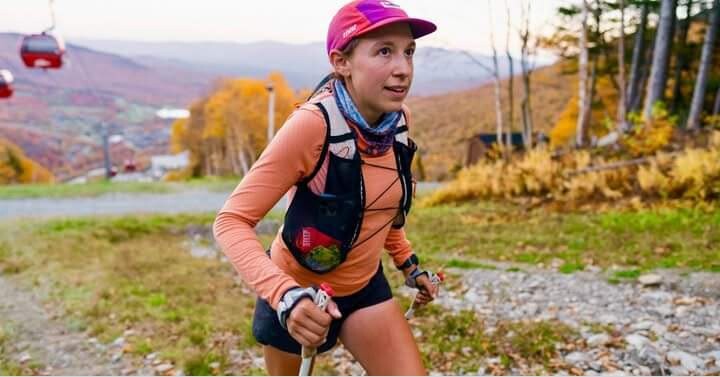
Her mission is simple in concept but almost unimaginable in execution: climb more than 1.1 million vertical metres before the end of 2026, potentially surpassing the benchmark established by Greg Cummings, who completed 1,825 ascents of Colorado's famous Manitou Incline over 365 days between 2019 and 2020.
Cummings accumulated approximately 3.65 million vertical feet, equivalent to 1,112,520 metres, setting an extraordinary standard for annual vertical climbing. Constant has taken on the challenge of matching or exceeding that remarkable achievement, beginning her journey on January 1, 2026.
To reach her ambitious target, she must average approximately 3,050 metres of elevation gain every single day, an almost unimaginable workload that demands exceptional physical conditioning, mental resilience and unwavering consistency.
Rather than relying on artificial staircases or a single climbing venue, Constant is pursuing her goal across the rugged mountain trails of New England, repeatedly tackling steep natural terrain. One of her regular routes delivers approximately 610 metres of elevation gain over just 5.9 kilometres, meaning she must complete multiple demanding climbs to accumulate her daily target.
Her biggest training week so far has approached an incredible 36,600 metres of vertical gain, demonstrating the extraordinary volume of climbing required to remain on course.

For Constant, however, the uphill journey is where the real enjoyment lies. She has developed a particular love for the relentless ascents, although she admits that descending is an entirely different experience.
"The downhills? I'll never love the downhills," she says, capturing the unusual relationship she has developed with the mountains.
Beyond the physical challenge, her daily routine is equally remarkable. Constant works full-time as a neonatal intensive care nurse, balancing the demands of a highly responsible profession with an almost relentless endurance project.
She has also embraced an unconventional lifestyle to make the challenge possible, living out of her car and frequently sleeping at Vermont trailheads to minimise driving time and maximise the hours available for climbing.
But the determination driving this extraordinary undertaking has deeper roots than the pursuit of a record.
In 2021, a serious mountain accident left Constant with a fractured hip and back injuries. A subsequent medical procedure damaged her sciatic nerve, leaving her right leg functioning at approximately half its previous capacity.
For someone whose life revolved around running and mountain adventures, the setback threatened to end her athletic ambitions.
However, Constant refused to allow the injury to define her future. She endured nearly three years of physiotherapy and rehabilitation before gradually finding her way back to running in late 2024.
Her return to the mountains was followed by another remarkable demonstration of endurance in November 2025, when she established a women's record at a 64-hour vertical backyard event, accumulating more than 23,400 metres of elevation gain.
That performance provided another indication of the determination and physical resilience she had rebuilt following years of recovery.
Now, she is taking that determination to an entirely different level.
Her 2026 challenge is also deeply personal. Constant is using the undertaking to raise funds for United Cerebral Palsy, dedicating her efforts to her brother, who lives with cerebral palsy.
Through every demanding ascent, she hopes to raise awareness and support for people living with the condition, giving her extraordinary physical undertaking a purpose beyond personal achievement.
As the year progresses, winter conditions present another formidable obstacle. Snow, ice, freezing temperatures and increasingly difficult trail conditions threaten to make an already exhausting challenge even more demanding.
Nevertheless, Constant's pursuit continues, with every climb bringing her closer to an ambition that few would dare to contemplate.
Whether she ultimately surpasses Cummings' benchmark, her journey already represents an extraordinary testament to perseverance, courage and the remarkable capacity of the human spirit.
The final achievement will still require proper documentation and independent verification before any new record can be officially recognised.
For now, Amber Constant is continuing to climb, one mountain, one ascent and one hard-earned metre at a time, chasing a place in endurance history while turning her personal journey into a powerful message of hope and determination.
by Erick Cheruiyot for My Best Runs.
Login to leave a comment

Mike Foppen Makes History! Dutch Star Smashes European 15km Best As Alex Matata And Asayech Ayichew Conquer Nijmegen!
The 2026 Zevenheuvelenloop delivered a spectacular celebration of international distance running in Nijmegen, Netherlands, with outstanding performances in both the men's and women's 15km races. While Kenya's Alex Matata and Ethiopia's Asayech Ayichew claimed impressive victories, the biggest headlines came from Dutch distance-running star Mike Foppen, who produced a historic performance on home soil.
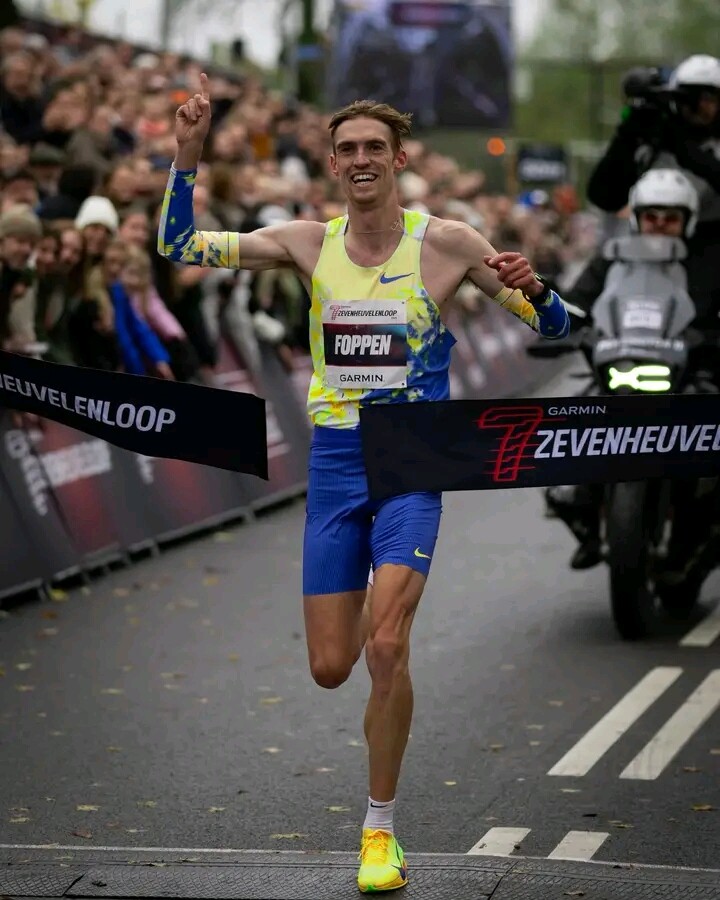
Foppen stormed to an incredible 42:10, setting a new European and Dutch best for the 15km distance. Competing in front of an enthusiastic home crowd on the challenging Seven Hills course, the Dutchman delivered a remarkable display of speed and determination, improving the previous European best of 42:29, held by Belgium's Bashir Abdi, by 19 seconds.
Although he finished fifth overall in a fiercely competitive men's race, Foppen's achievement was one of the defining moments of the event. His performance also surpassed the previous Dutch national record by a significant margin, marking a special milestone for athletics in the Netherlands.
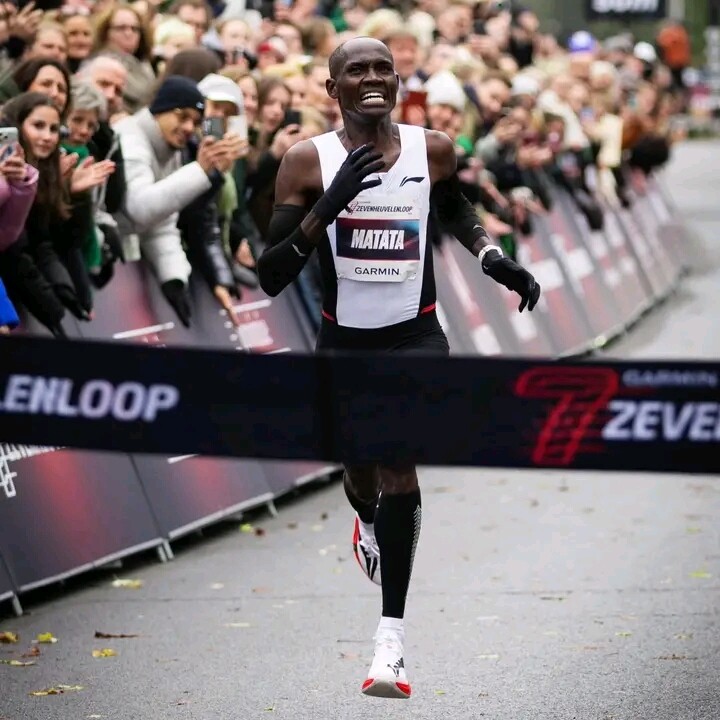
The men's race was dominated by Kenya's Alex Matata, who produced a commanding performance to cross the finish line first in 40:49. Tanzania's Benjamin Ratsim secured second place in 41:26, while his compatriot Gabriel Gerald Geay completed the podium in 42:04.
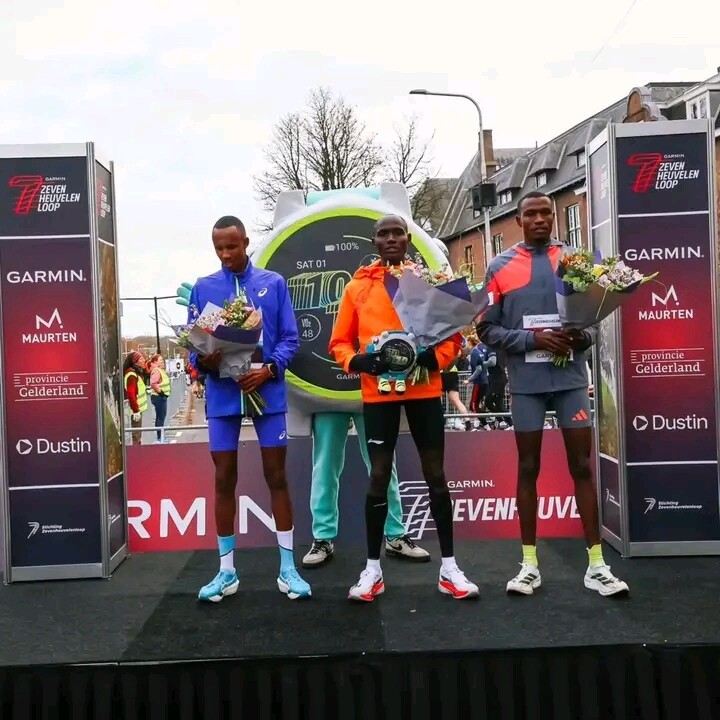
Ethiopia's Adisu Getenet narrowly missed the podium, finishing fourth in 42:05, just one second ahead of Foppen, who stopped the clock at 42:10 to rewrite the European and Dutch record books.
Rounding out the men's top 10 were Ethiopia's Jenberu Sisay in sixth with 42:15, Uganda's Dan Kibet in seventh with 42:30, Ethiopia's Ybeltal Gashahun in eighth with 42:39, Japan's Itsuki Takaishi in ninth with 42:56, and South Africa's Maxime Chaumeton in tenth with 42:58.
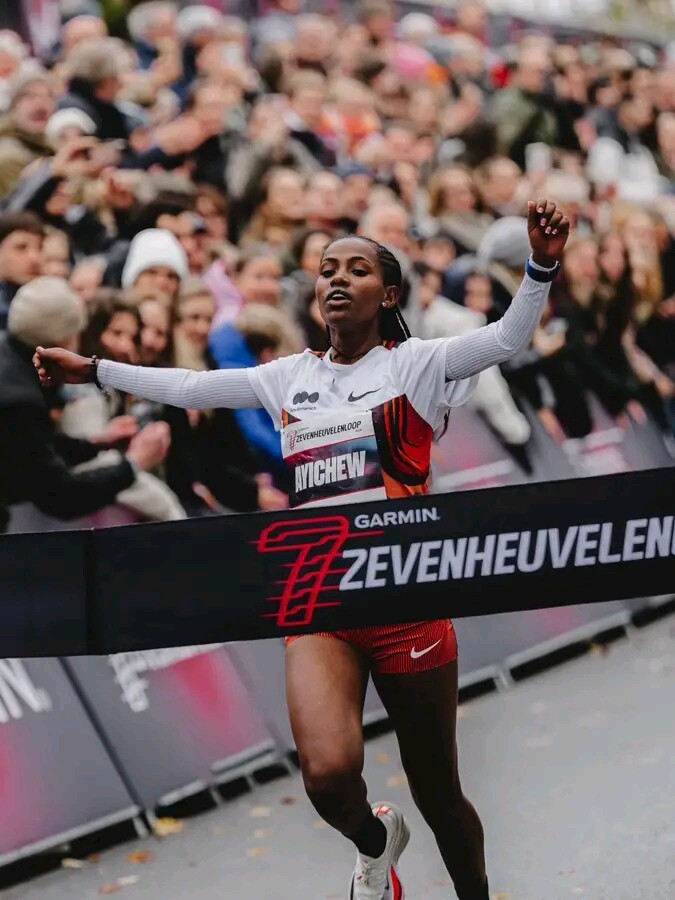
In the women's contest, Ethiopia's Asayech Ayichew demonstrated her strength and endurance to conquer the demanding 15km course, taking a convincing victory in 45:29.

Ugandan Olympic steeplechase champion Peruth Chemutai delivered an impressive performance to secure second place in 45:56, finishing just 27 seconds behind the Ethiopian winner. Fellow Ethiopian Melak Muleta completed the podium in 46:44, ensuring another strong showing for Ethiopia on the international road-running stage.
The women's race also featured a competitive battle for the remaining positions in the top 10. Home favourite Maureen Koster finished fourth in 47:33, followed by Ethiopia's Tibeb Enyew in fifth with 47:41.
Belgium's Lisa Rooms and Julie Voet placed sixth and seventh in 48:32 and 48:40, respectively, while Bahrain's Rose Chelimo secured eighth in 49:01.
Ethiopia's Maarg Tesfay finished ninth in 49:28, with Kenya's Maurine Chepkorir completing the top 10 in 49:35, recording a faster chip time of 49:32.
The Zevenheuvelenloop, renowned for its demanding undulating course and spectacular atmosphere, once again demonstrated why it remains one of Europe's most exciting road-running competitions. Bringing together some of the world's finest distance runners, the 2026 edition produced exceptional performances, national pride and a historic European-level achievement.
For the Netherlands, Foppen's remarkable 42:10 will stand out as a particularly special moment, while Matata and Ayichew deservedly celebrated victories in their respective races.
It was a memorable day in Nijmegen, with Africa's finest showcasing their strength and the home crowd witnessing a Dutch athlete make history over 15 kilometres.
by Erick Cheruiyot for My Best Runs.
Login to leave a comment

The NN Zevenheuvelenloop
The NN Zevenheuvelenloop, or Seven Hills Run, is an annual 15-kilometer road race held in Nijmegen, Netherlands. Established in 1984 as a modest event with 500 male participants, it has evolved into one of Europe's premier running events, attracting over 25,000 runners in recent years. Renowned for its picturesque and undulating course, the Zevenheuvelenloop has been the stage for multiple...
more...
Beijing 2027 World Championships: Marathoners Set for September Showdowns as Race Dates Are Confirmed
Athletes targeting the marathon titles at the 2027 World Athletics Championships in Beijing now have a clearer picture of the challenge ahead, following the release of the official competition timetable, which confirms that both races will take place in September rather than the traditional August period.
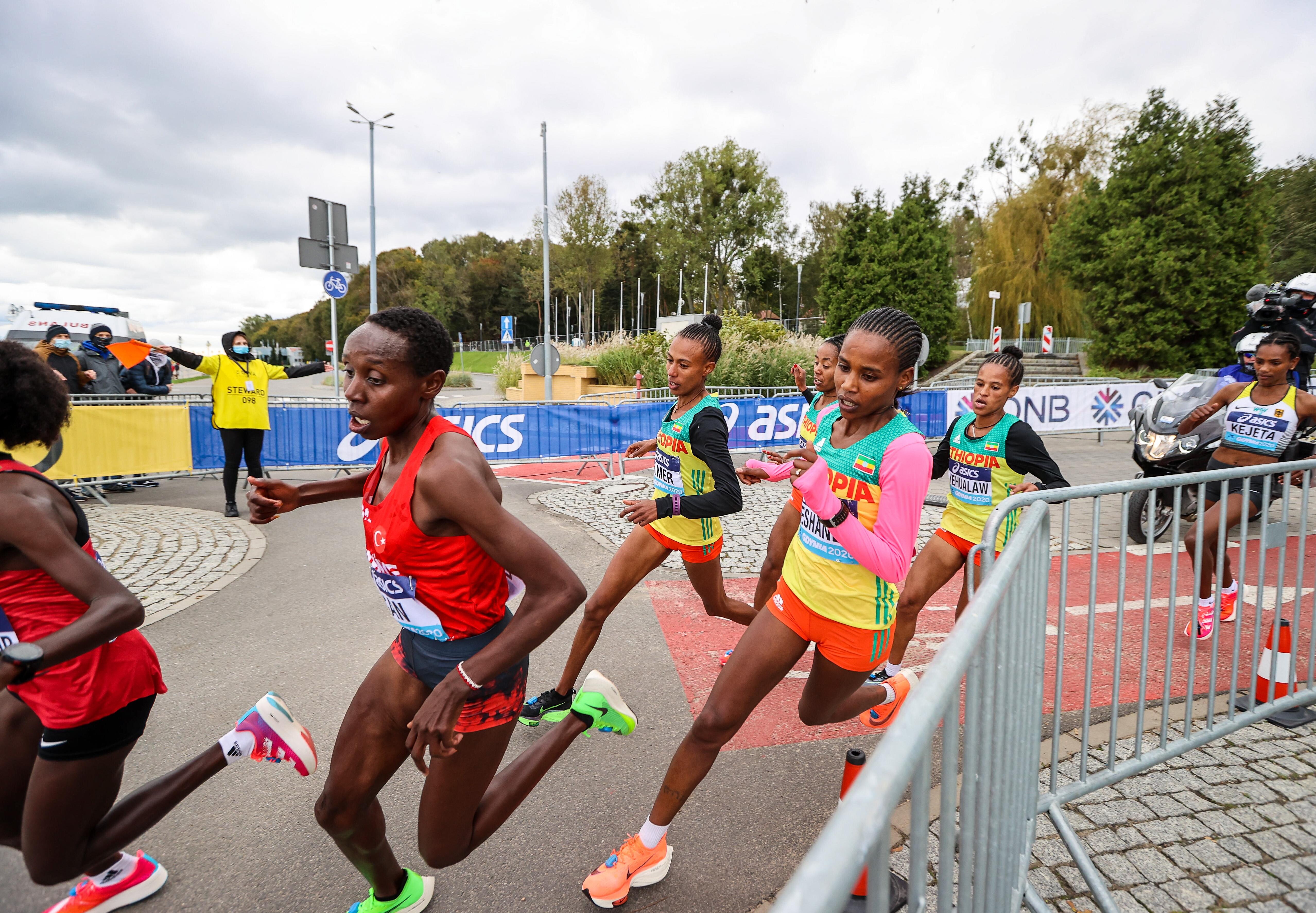
The women's marathon will open the championship's road-racing action on Sunday, September 12, the third day of the 10-day global athletics competition. The men's marathon will bring the championships to a close on Sunday, September 19, taking place on the final morning of the event.
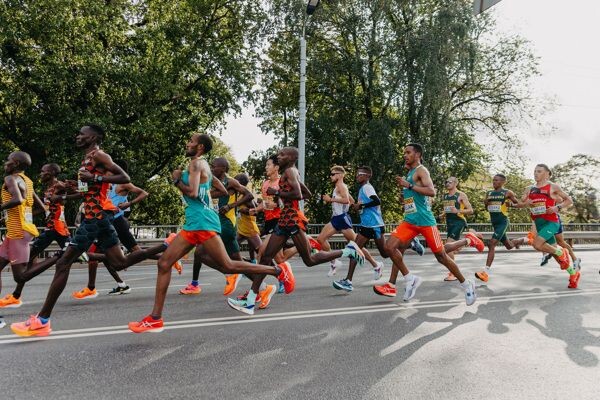
Both races are scheduled to start at 7:30 a.m. local time, giving the world's leading marathoners an early-morning opportunity to battle for global honours in the Chinese capital.
The decision to schedule the races at this hour is particularly noteworthy given the challenging weather conditions experienced at previous championships. At the 2025 World Athletics Championships in Tokyo, marathon and race-walking events were brought forward from their original 8:00 a.m. starting time to 7:30 a.m., just two days before the competition, in response to concerns over high temperatures.
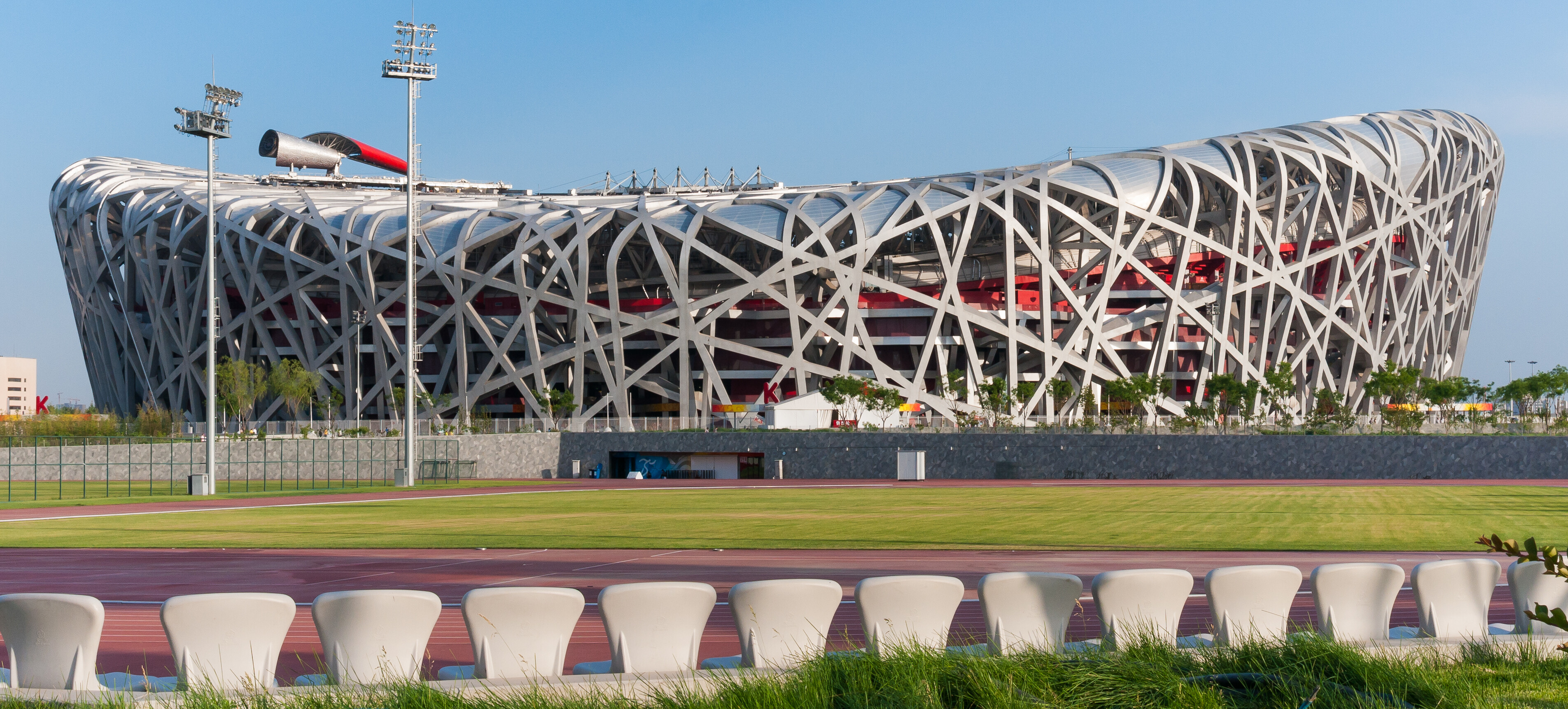
The 2027 edition will run from September 10 to 19 at Beijing's iconic National Stadium, popularly known as the Bird's Nest, which previously hosted the World Championships in 2015.
That championship produced memorable marathon performances. Eritrea's Ghirmay Ghebreslassie, then just 19 years old, stunned the field to capture the men's marathon title in 2:12:27 under hot and humid conditions. In the women's race, Ethiopia's Mare Dibaba secured gold in a dramatic finish, defeating Kenya's Helah Kiprop by just one second.
The 2027 championships will take place approximately three weeks later in the calendar than the 2015 edition, adding another dimension to preparations for athletes and their coaching teams.
For marathoners hoping to secure their places on the starting line, the qualification standards have also been established. Men must achieve 2:06:00 or faster, while women are required to run 2:23:20 or quicker. These standards must be achieved by May 2, 2027. Alternatively, athletes finishing among the top five at a World Athletics Platinum Label marathon during the qualifying period will also be eligible.
Beijing 2027 and the subsequent 2029 World Championships will represent the final two editions featuring the marathon within the traditional World Athletics Championships programme. From 2030, World Athletics intends to introduce a separate standalone World Marathon Championships, marking a significant change in the structure of global marathon competition
With the race dates now confirmed, elite marathoners have an important planning milestone as they map out their training cycles, qualifying campaigns and preparations for one of athletics' most prestigious global stages.
Although minor adjustments to the timetable remain possible before the championships begin, September 12 and 19 are the dates marathon enthusiasts should already have marked on their calendar
by Erick Cheruiyot for My Best Runs.
Login to leave a comment
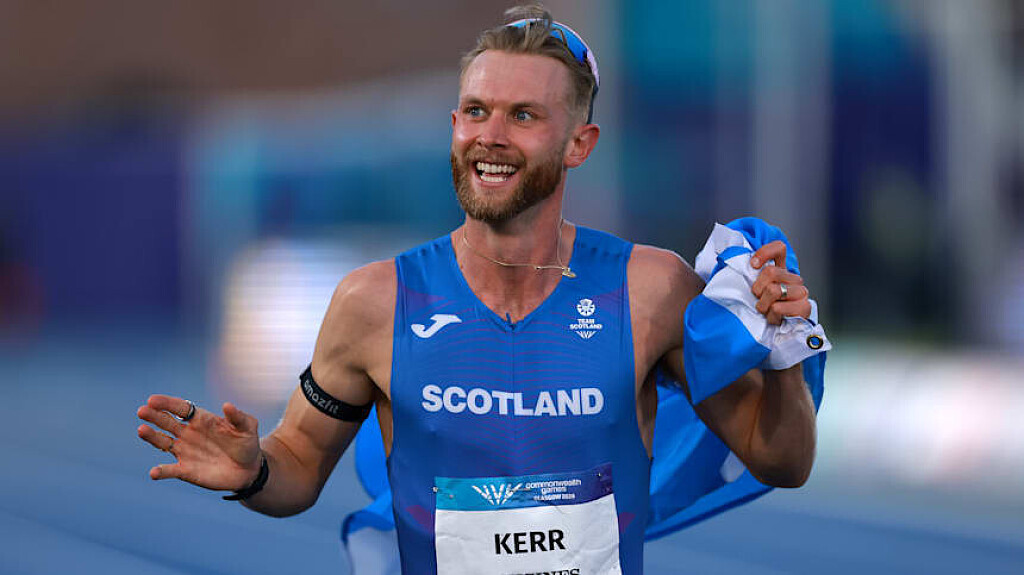
Josh Kerr Crowned Scottish Athlete of the Year for Third Time in Four Years After Remarkable 2026 Campaign
Josh Kerr has added another prestigious honour to an already outstanding 2026 season after being named Scottish Athletics’ 4J Athlete of the Year for the third time in four years.
The British middle-distance star received the recognition during Saturday night's awards ceremony in Glasgow, having previously claimed the honour in 2023 and 2024. His latest achievement further underlines his remarkable consistency and continued influence on the international athletics stage.

At 29, Kerr has enjoyed a spectacular year, delivering a series of performances that have strengthened his reputation as one of the world's leading middle-distance runners.
Among the highlights was his victory in the men's 3000m at the World Athletics Indoor Championships in Toruń, where he secured gold against a highly competitive international field
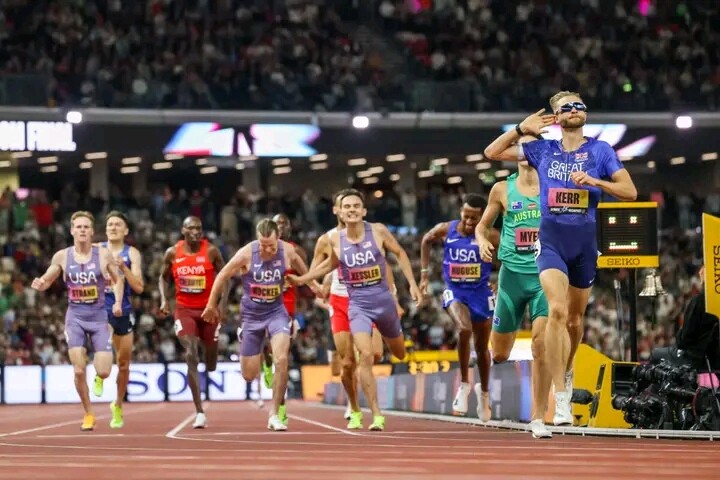
However, one of the defining moments of his season came in July when he produced a sensational performance in London, clocking 3:42.66 to establish a new world record in the mile. In the process, he erased the legendary Hicham El Guerrouj's 27-year-old record while also setting a new British 1500m record.
Kerr continued his impressive run by capturing Commonwealth Games gold in the mile in front of a home crowd in Glasgow before adding another major title to his collection with victory in the 1500m at the inaugural World Athletics Ultimate Championship in Budapest.
His achievements made a compelling case for the Scottish Athletics award, although he faced competition from mountain running specialist Jacob Adkin and cross-country standout Megan Keith, both of whom were also shortlisted.
Reflecting on the recognition, Kerr acknowledged the growing strength of Scottish athletics, noting that the standard across the sport has become so high that athletes must be performing at the very top of their disciplines to earn consideration for major awards.
He also offered an encouraging message to aspiring athletes, reminding the next generation that personal ambition should never be restricted by self-imposed limitations.
With another major season now behind him, Kerr's attention will turn towards the next chapter of his racing campaign. He is expected to return to competition in February at the prestigious Wanamaker Mile during the Millrose Games, where he will once again test himself against some of the world's finest middle-distance runners.
For Kerr, the latest award is more than just another addition to his growing collection of honours. It is recognition of a season defined by historic performances, championship victories and an unwavering commitment to excellence.
by Erick Cheruiyot for My Best Runs.
Login to leave a comment
