

Running News Daily
Running News Daily is edited by Bob Anderson and team. Send your news items to bob@mybestruns.com Advertising opportunities available.
Index to Daily Posts · Sign Up For Updates · Run The World Feed
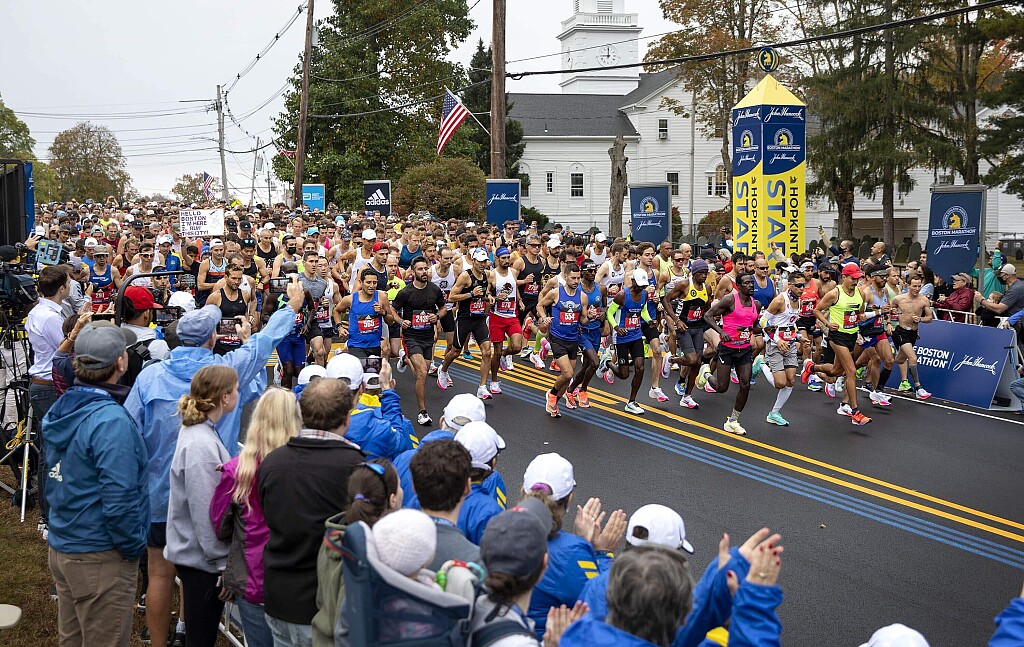


Boston Marathon Opens 2027 Registration With New Lifeline For Runners Who Miss The Cut-Off

Registration for the 2027 Boston Marathon opened today, September 14, giving thousands of runners who have achieved the official qualifying standards their chance to apply for one of the most coveted places in road racing. The registration window will remain open through Friday, September 18, at 5:00 p.m. Eastern Time.
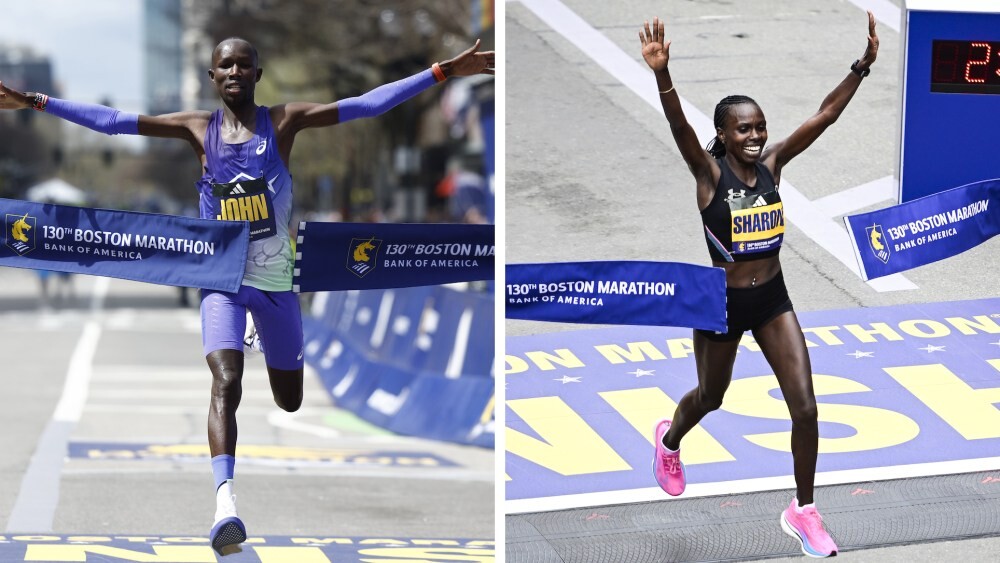
The 2027 edition of the Boston Marathon will bring a major change to the qualification process. For the first time, runners who meet their age-group qualifying standard but finish outside the eventual cut-off will have an additional opportunity to gain entry through a new Boston Qualifier Selection.
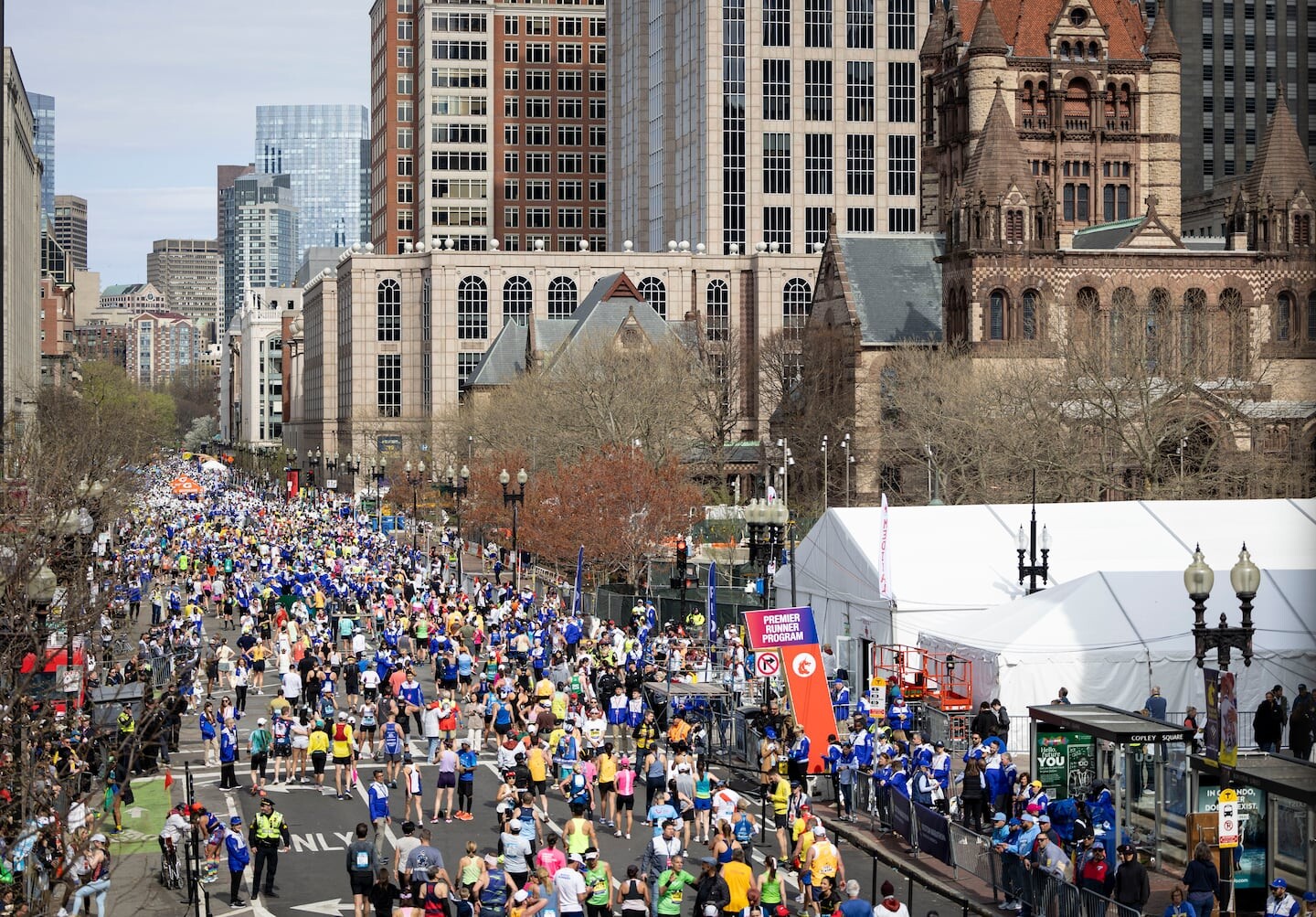
After registration closes, the Boston Athletic Association (B.A.A.) will verify performances and rank applicants according to how far they finished under their respective qualifying standards. The fastest qualifiers will be accepted first, with their performances determining the cut-off for each age and gender group.
But this time, missing that cut-off will not necessarily mean the end of the dream. Approximately 1,000 runners whose qualifying performances are not fast enough to secure automatic entry will be randomly selected through the Boston Qualifier Selection. Those athletes will automatically be included in the pool for the additional draw.
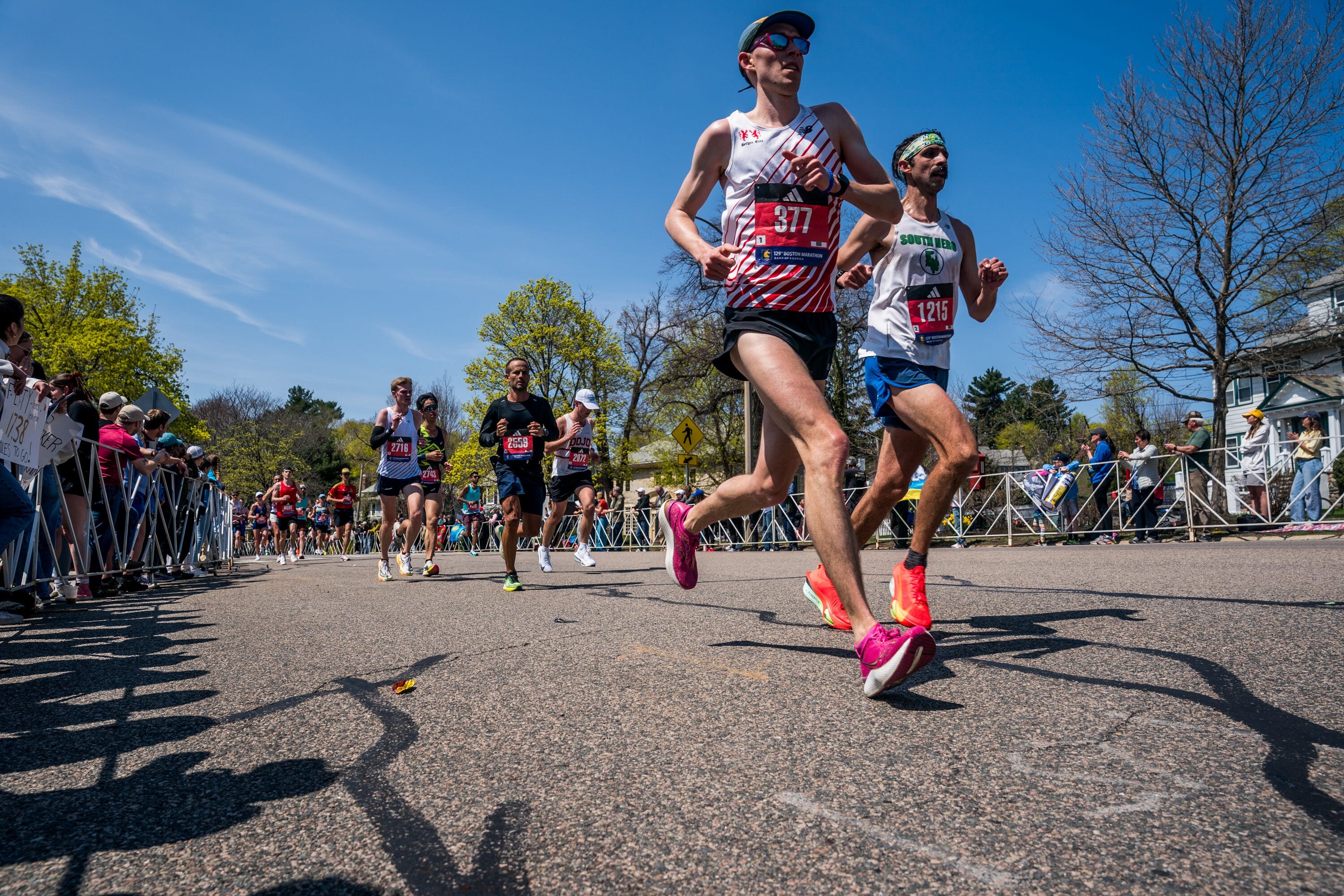
The new system comes as demand for Boston continues to outpace the number of available qualifying places. In recent years, simply achieving the published standard has increasingly failed to guarantee entry. For the 2025 Boston Marathon, 12,324 qualified applicants were not accepted, while another 8,887 missed out for the 2026 race after the qualifying field produced a cut-off of 4 minutes and 34 seconds faster than the applicable standard.
That reality has transformed Boston qualification into a race within the race. A runner may finish under the official standard and still need to be several minutes faster to secure a place, depending on the strength and size of the applicant pool.
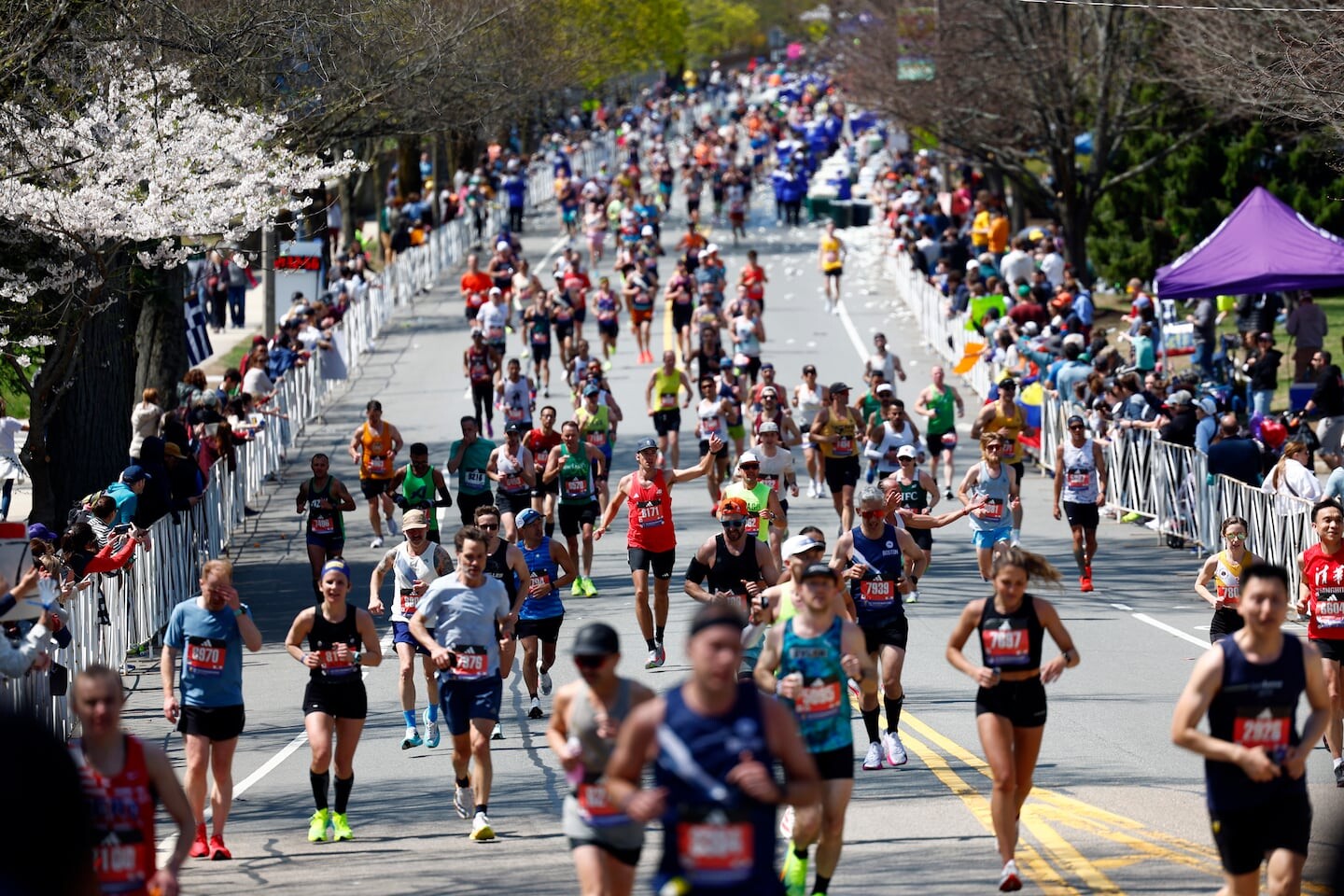
The new random-selection component therefore offers a small but significant second chance to runners who have already done what Boston asks of them: beat the qualifying standard for their age and gender. The B.A.A. says the change reflects the increasingly fast pace of marathon running and the growing global demand for places in the historic race.
There is another important change for the 2027 registration cycle, and it could have a major impact on runners choosing where to chase their qualifying times.
The B.A.A. has introduced a net-downhill adjustment for qualifying performances. Any verified qualifying time recorded on a course with a net elevation drop of at least 1,500 feet will receive an adjustment when submitted for Boston consideration. Courses with a net drop of 1,500 to 2,999 feet will receive a five-minute addition, while courses dropping 3,000 to 5,999 feet will receive a 10-minute addition. A course with a net downhill of 6,000 feet or more will not be accepted as a Boston qualifying course.
The rule means a runner's official finishing time may not necessarily be the time ultimately used by Boston for qualification purposes. For example, a 2:45:30 performance on a course with a 2,000-foot net descent would be assessed as 2:50:30 after the five-minute adjustment.
The B.A.A. says the policy is intended to account for the significant advantage provided by courses with substantial net elevation loss and to create a more consistent standard for athletes qualifying around the world.
Despite the changes, the published 2027 qualifying standards remain unchanged. Men aged 18–34 must run 2:55:00, while women and non-binary runners in the same age group must run 3:25:00. The standards gradually increase across the older age groups, with runners aged 80 and above required to run 4:50:00 for men and 5:20:00 for women and non-binary athletes.
Importantly, qualifying standards are based on a runner's age on race day, April 19, 2027, and qualifying times must be official net times from eligible certified marathon courses. Meeting the standard still does not guarantee entry because the size of the qualifying field remains limited.
For runners chasing Boston, the message is clear: running under the standard remains the first hurdle, but running significantly faster can still make the difference between receiving a bib and watching from home. The new Boston Qualifier Selection, however, gives approximately 1,000 additional qualifiers a chance that did not previously exist.
The 131st Boston Marathon, will be held on Monday, April 19, 2027. Qualifier applicants are expected to receive their acceptance or non-acceptance notifications by early October.
Boston, long regarded as one of the hardest major marathons to enter through qualification, is changing with the times. As runners get faster and the global appetite for the race continues to grow, the road to Boylston Street is becoming more competitive—but for around 1,000 runners who fall just short of the cut-off, the dream will now remain alive a little longer.
by Erick Cheruiyot for My Best Runs.
Login to leave a comment

Boston Marathon
Among the nation’s oldest athletic clubs, the B.A.A. was established in 1887, and, in 1896, more than half of the U.S. Olympic Team at the first modern games was composed of B.A.A. club members. The Olympic Games provided the inspiration for the first Boston Marathon, which culminated the B.A.A. Games on April 19, 1897. John J. McDermott emerged from a...
more...Latest Running News
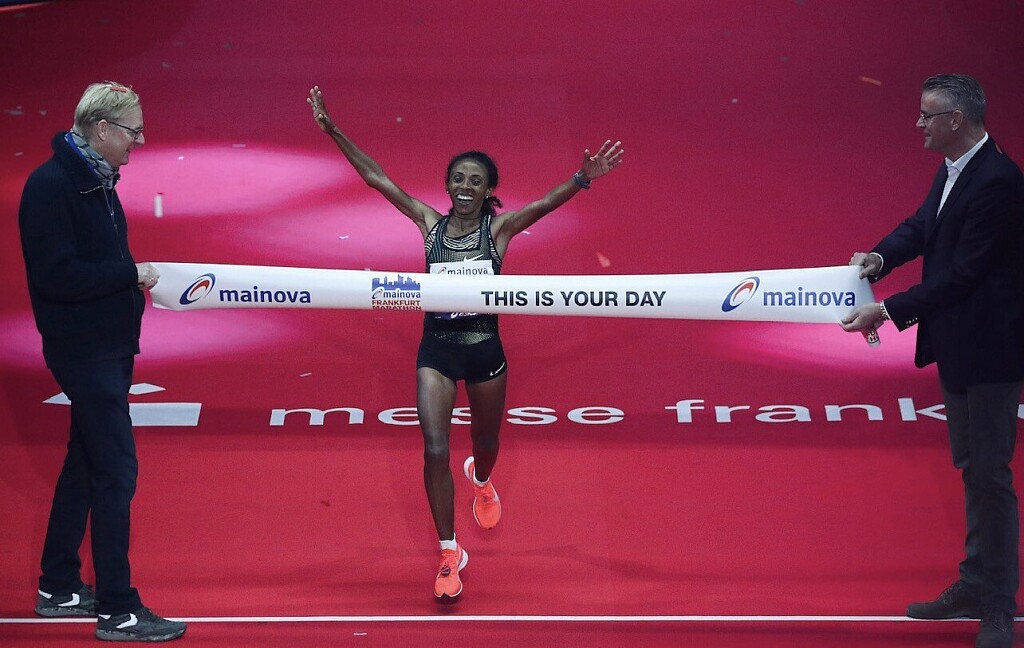
Frankfurt Assembles Fastest-Ever Men’s Field as Former Champion Meskerem Assefa Returns
The 43rd Mainova Frankfurt Marathon is set for a fast edition on October 25, with the deepest men’s field in race history and the return of 2018 women’s champion Meskerem Assefa.
For the first time, four men on the start list have personal bests under 2:05, with another four having broken 2:07. German record-holder Amanal Petros leads the field at 2:04:03, setting up a showdown featuring three of Germany’s leading marathoners.
The women’s race also promises strong competition. Five entrants have run under 2:22, making it the second-deepest women’s field in Frankfurt history by that measure, behind only the 2025 edition, which featured six.
“Overall this is surely the fastest elite field we have ever assembled for the Mainova Frankfurt Marathon. I am very pleased that the German men are playing a major role and I expect a thrilling top-class race,” said Jo Schindler, who is in his 25th year as race director.
German Stars Lead the Men’s Challenge
European champion Petros tops the entry list, but the competition is close. Ethiopia’s Andualem Belay brings a personal best of 2:04:44, followed by Germany’s Samuel Fitwi at 2:04:45 and Richard Ringer at 2:04:47.
With just 44 seconds separating the personal bests of the four fastest entrants, the race offers the prospect of a competitive battle at the front.
Kenya’s Benard Biwott, who has run 2:05:25, leads the next group of contenders. Israel’s Haimro Alame and Ethiopians Antenayehu Dagnachew and Jiregna Geleta round out the eight men with personal bests under 2:07.
Assefa Returns to Face Yimer and Saina
Meskerem Assefa’s return adds a former champion to an already strong women’s field. Her participation had been uncertain because of visa requirements, but organizers have now secured the visa needed for her trip to Germany.
The Ethiopian’s personal best of 2:20:36 makes her the third-fastest entrant, behind compatriot Zeineba Yimer at 2:18:47 and American Betsy Saina at 2:19:17.
Ethiopia’s Siranesh Yirga and Kenya’s Marion Kibor complete the group of five women who have broken 2:22.
There was disappointing news for another former champion: Ethiopia’s Buzunesh Getachew, the 2023 Frankfurt winner, has withdrawn because of injury.
German interest will also focus on Blanka Dörfel, who is scheduled to make her marathon debut.
by Race News service
Login to leave a comment

South Korean Running Influencer Yoo Ji-Won, 25, Dies After Collapsing Just 500 Metres From Seoul Half Marathon Finish
The running community is mourning the heartbreaking death of South Korean running influencer Yoo Ji-won, who passed away after collapsing during the half marathon at the 2026 Seoul Race on Sunday, October 11. The 25-year-old was approaching the final stretch of the race when tragedy struck, cutting short a life filled with ambition, talent and promise.
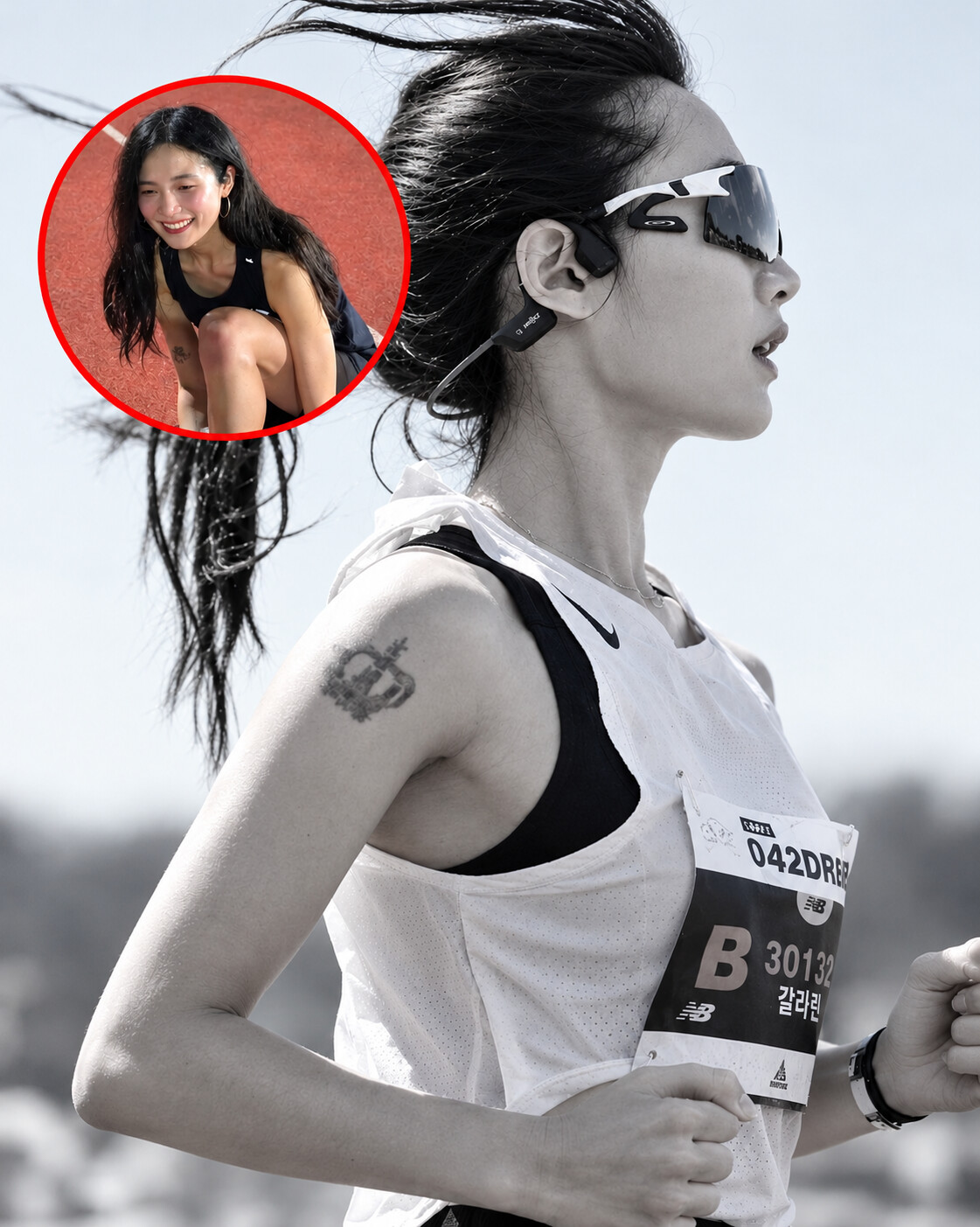
The Seoul Race, a major city-centre running event, brought approximately 12,000 participants onto the streets of downtown Seoul. For thousands of runners, the occasion was an opportunity to challenge themselves and celebrate their shared passion for the sport. However, the event ended in tragedy following the incident involving Ji-won, whose death has sent shockwaves through South Korea's running community.
According to reports, Ji-won collapsed shortly before 9 a.m. at the 20.6-kilometre mark along Cheonggyecheon-ro, approximately 500 metres from the finish line of the 21.1-kilometre race. She was reportedly running near the front of the women's half marathon field when she suddenly fell.

A race official discovered her and immediately contacted emergency services. Cardiopulmonary resuscitation (CPR) was administered at the scene before she was transported to hospital for further medical attention. Despite the emergency response, Ji-won never regained consciousness and was subsequently pronounced dead. The cause of her death has not been officially confirmed.
Her passing has left a profound sense of sorrow among runners, particularly those who admired her performances and followed her journey in the sport. The circumstances surrounding the incident have also prompted renewed reflection on athlete safety and the importance of emergency preparedness at mass-participation running events.

Within South Korea's running community, Ji-won was recognised as one of the country's fastest women competing at a purely amateur level. Despite not being a professional athlete, she had achieved impressive performances over the marathon and half marathon distances, establishing herself as a formidable recreational runner.
Her personal best in the marathon stood at an impressive 2:56, while she had recorded approximately 1:22 for the half marathon. Those performances reflected a high level of dedication, disciplined training and a strong commitment to improving her abilities on the road.
Ji-won was also known for sharing aspects of her running journey with a wider audience, helping bring attention to the ambitions and achievements of amateur athletes. Her story demonstrated that the pursuit of excellence in running extends far beyond the professional ranks, with dedicated recreational athletes continually pushing their limits and setting increasingly challenging goals.
Earlier this year, she appeared on a running-focused YouTube channel, where she discussed her ambitions for the future. Among the targets she hoped to achieve was a half marathon time of 1:19, a goal that would have represented a significant improvement on her previous performance.
That ambition makes her passing particularly heartbreaking. At just 25, she was still developing as a runner, with more milestones to pursue and new challenges ahead. Her journey reflected the determination of athletes who find fulfilment in testing their limits, celebrating progress and discovering how far their dedication can take them.
Away from running, Ji-won was pursuing a master's degree at the Korea Advanced Institute of Science and Technology (KAIST), one of South Korea's leading institutions for science and technology research. She was reportedly studying artificial intelligence semiconductors, balancing demanding academic work with her commitment to running.
Her achievements in both education and athletics painted the picture of a young woman with diverse interests and considerable potential. She had invested herself in a challenging field of research while continuing to pursue ambitious sporting goals, making her sudden death an especially painful loss for those who knew her.
The Seoul Race Organizing Committee has expressed its condolences to Ji-won's bereaved family, acknowledging the immense grief caused by the sudden tragedy.
Her death has also brought attention to the human stories behind major road races. While finish times, personal records and race-day achievements often dominate the conversation, every participant arrives at the starting line with personal ambitions, responsibilities and loved ones waiting for them. Ji-won's story is a painful reminder of the fragility of life and the importance of treating such tragedies with compassion and respect.
For those who shared the roads with her, followed her progress online or simply recognised her as an inspiration within the amateur running scene, the loss will be difficult to comprehend. The goals she had spoken about earlier this year will remain unfinished, but her dedication to running and the example she set through her achievements will not easily be forgotten.
As tributes and condolences continue to reach her loved ones, the thoughts of the wider running community remain with her family, friends, fellow students and everyone affected by this devastating loss.
by Erick Cheruiyot for My Best Runs.
Login to leave a comment
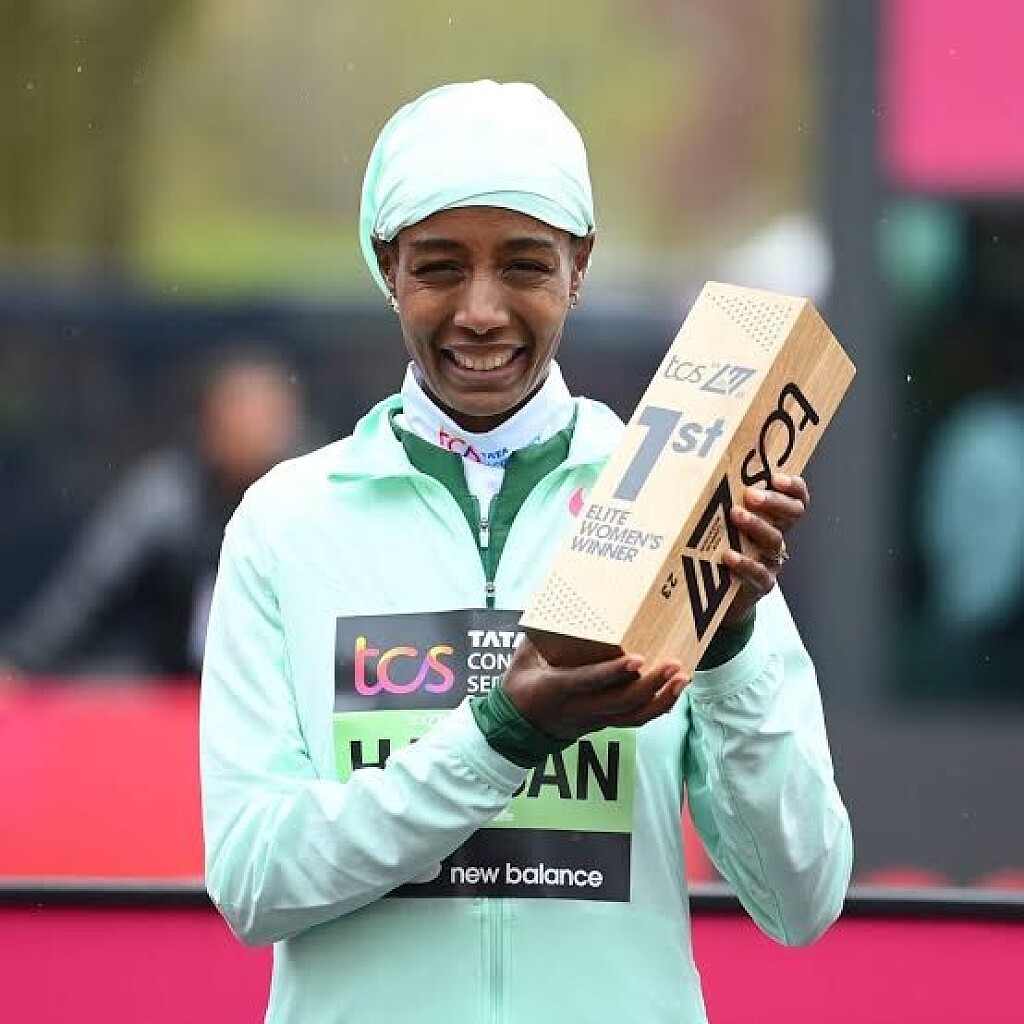
Sifan Hassan Withdraws From 2026 New York City Marathon As Illness Disrupts Her Preparation
Olympic marathon champion Sifan Hassan of the Netherlands has officially withdrawn from the 2026 TCS New York City Marathon after illness disrupted her preparations, ending hopes of seeing the versatile distance-running star return to one of the world’s most prestigious road races this autumn.
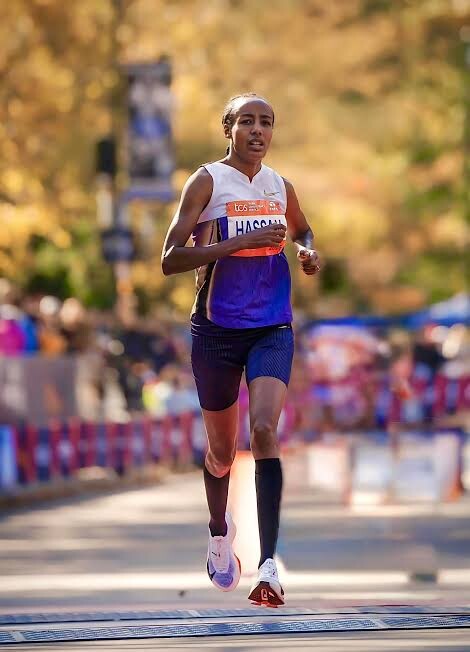
Hassan announced her decision on social media, explaining that sickness had slowed her training and left her short of the level of preparation she had hoped to achieve ahead of the November 1 race. The withdrawal is a setback for the Dutch star, who had been looking forward to returning stronger after her previous appearance in New York.
“I was so excited to come back stronger, but a sickness slowed down my training and I’m not where I wanted to be. Sometimes, things just don’t go as planned,” Hassan wrote.
Despite her disappointment, the Olympic champion also sent her best wishes to the athletes preparing to compete in New York, demonstrating her support for the wider running community even as she steps away from the competition.
Hassan, who holds a personal best of 2:13:44, ranks fifth on the women’s all-time marathon list. Her extraordinary range across track and road running has established her as one of the most versatile athletes of her generation, capable of competing at the highest level from shorter distances to the marathon.
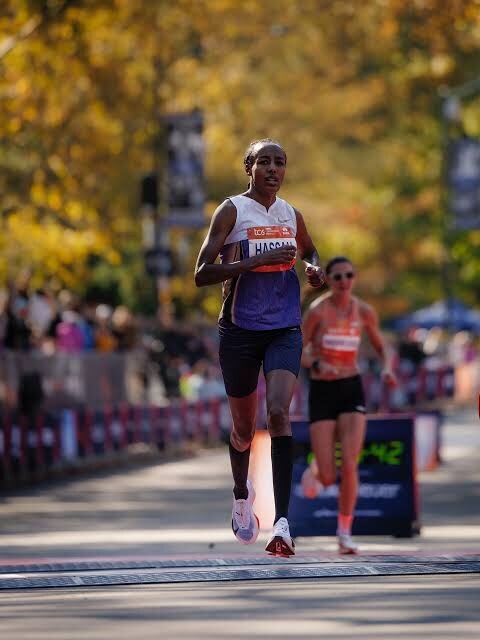
Her marathon career has already produced several memorable achievements. Hassan has won the London Marathon and Chicago Marathon, claimed victory at the Sydney Marathon, and secured Olympic marathon gold at the Paris 2024 Games. Those accomplishments underline her ability to adapt to different courses, race conditions and competitive challenges.
The withdrawal from New York follows another interruption to her 2026 campaign. Hassan previously pulled out of the London Marathon because of an Achilles injury, and the latest illness has further disrupted her plans for the season. With her training affected, stepping aside from New York allows her to prioritise her recovery rather than compete without the preparation she considers necessary.
Hassan’s absence will be a significant talking point in the build-up to the New York City Marathon, which takes runners through all five boroughs of the city before finishing in Central Park. The demanding course and deep international field regularly produce compelling racing, and her withdrawal creates an opportunity for other leading contenders to strengthen their ambitions.
Although the precise implications for the women’s elite field will depend on the final start list, the race remains an important opportunity for leading East African athletes and top American runners to challenge for victory. Without Hassan on the starting line, attention will turn to the athletes capable of taking advantage of the opportunity and delivering a memorable performance on the streets of New York.
For Hassan, however, the priority is no longer the immediate challenge of another marathon. The Dutch star has built her reputation through resilience, adaptability and a willingness to take on some of the toughest challenges in distance running. Recovering fully and returning to structured training will be essential as she considers her next competitive objectives.
At 33, Hassan already has an exceptional record that includes Olympic glory and victories at some of the world's most prestigious marathons. While her withdrawal is disappointing for fans who hoped to see her compete in New York again, it does not diminish the achievements that have made her one of the defining distance runners of her era.
The running world will now wait for news of her recovery and next racing plans. For the moment, Hassan’s message is clear: sometimes, even the best-laid preparations do not go according to plan, and knowing when to step back is part of an athlete’s journey.
The 2026 TCS New York City Marathon is scheduled for November 1. Hassan’s withdrawal removes one of the most accomplished names from the anticipated women’s field, but the race will continue to bring together elite athletes from around the world for another major contest over the five-borough course.
by Erick Cheruiyot for My Best Runs.
Login to leave a comment

TCS New York City Marathon
The first New York City Marathon, organized in 1970 by Fred Lebow and Vince Chiappetta, was held entirely in Central Park. Of 127 entrants, only 55 men finished; the sole female entrant dropped out due to illness. Winners were given inexpensive wristwatches and recycled baseball and bowling trophies. The entry fee was $1 and the total event budget...
more...
From Olympic Gold To National Icon: Letsile Tebogo’s Legacy Reaches Botswana’s Currency
Botswana’s sprint sensation Letsile Tebogo has achieved something few athletes can ever imagine: seeing his sporting legacy celebrated beyond the stadium and onto the nation’s currency.
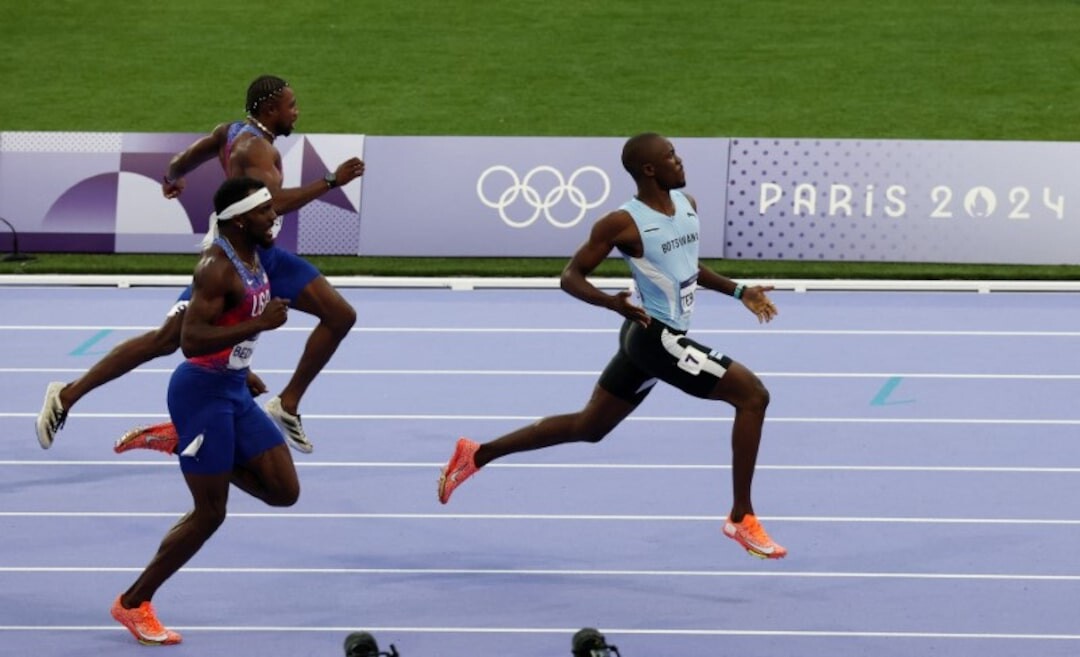
The Olympic 200m champion has been featured on Botswana’s commemorative 50-pula banknote, a powerful tribute to a young athlete whose remarkable achievements have elevated his country’s profile on the global athletics stage.
Tebogo made history at the Paris 2024 Olympic Games, storming to victory in the men’s 200 metres in an astonishing 19.46 seconds to claim Botswana’s first-ever Olympic gold medal. In doing so, he also became the first African man to win Olympic gold in the 200m, marking a landmark moment for African sprinting.
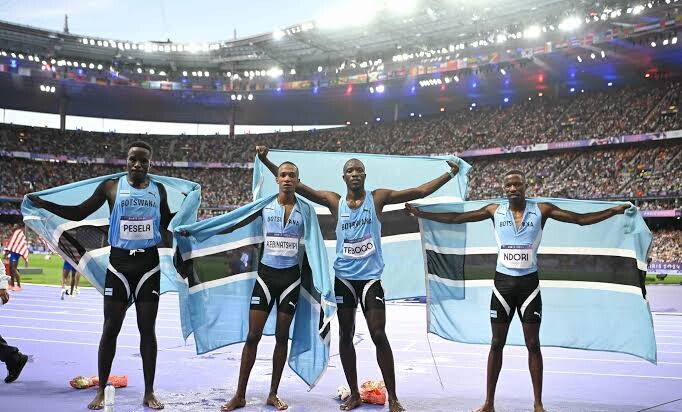
His triumph was more than a personal accomplishment. It represented a defining moment for Botswana, bringing immense national pride and demonstrating the country’s growing influence in international athletics. With his electrifying speed and composed performance on the biggest sporting stage, Tebogo established himself among the world’s leading sprinters and inspired a new generation of athletes across Africa.
The recognition of his achievements has now extended beyond the track. His appearance on Botswana’s commemorative 50-pula banknote, issued to mark the 50th anniversary of the Bank of Botswana, places his historic Olympic victory among the milestones being celebrated in the nation’s financial and cultural history. The note also recognises members of Botswana’s men’s 4×400m relay team, who secured silver at the Paris 2024 Olympics.
For a young athlete who has risen to the summit of world sprinting, the honour carries significance beyond its monetary value. It reflects the impact of sporting excellence on national identity and demonstrates how an extraordinary performance can unite a country around a shared moment of achievement.
Tebogo’s journey has also become a source of inspiration for aspiring athletes across the continent. His success shows that African sprinters can compete at the highest level and make history on the global stage. His Olympic gold medal has already secured his place in Botswana’s sporting history, while the recognition on the commemorative banknote further celebrates his contribution to the nation.
From the Olympic track to the nation’s currency, Letsile Tebogo has become a powerful symbol of Botswana’s ambition, pride and sporting progress. His remarkable 19.46-second performance in Paris will forever remain a landmark in Olympic history, while his growing legacy continues to inspire athletes and fans far beyond his homeland.
For Botswana, this is more than a tribute to a champion. It is a celebration of a historic achievement, a symbol of national pride and a reminder that one extraordinary performance can leave a lasting mark on an entire nation.
by Erick Cheruiyot for My Best Runs.
Login to leave a comment
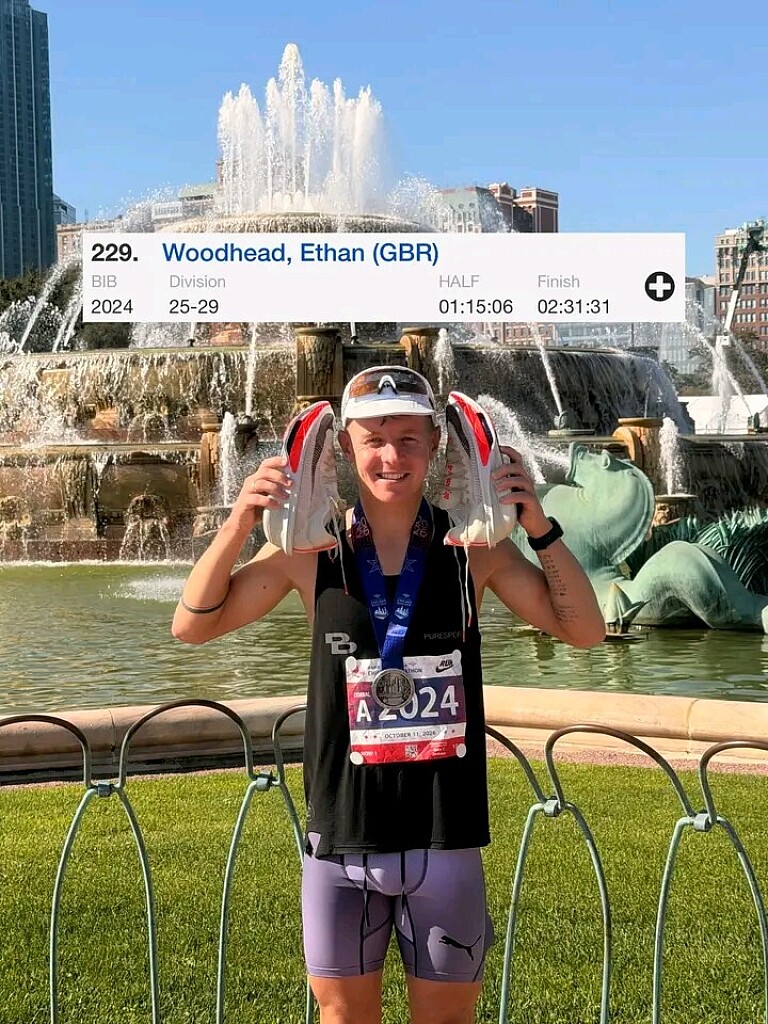
Chicago Strangers Turn Ethan Woodhead’s Marathon Into an Unforgettable Homecoming After 4,000-Mile Journey
For 24-year-old Ethan Woodhead, travelling from Guernsey in the United Kingdom to Chicago to run a marathon was already an adventure. What he did not anticipate was that thousands of kilometres from home, a city full of strangers would make him feel as though he had brought his entire support network with him.
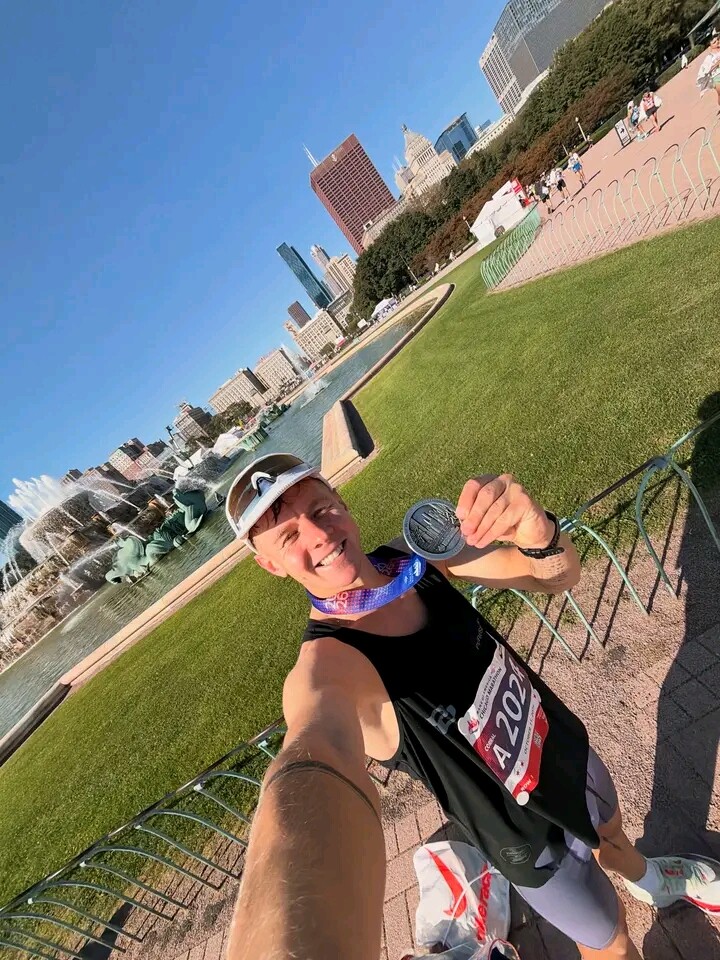
Woodhead travelled more than 6,400 kilometres (approximately 4,000 miles) to compete in the Chicago Marathon, expecting to tackle the demanding 42.195-kilometre distance without friends or family members lining the streets to cheer him on. However, thanks to a thoughtful initiative from his uncle, Phil Woodhead, his race turned into an extraordinary story of community spirit and the power of running to bring people together.
Knowing that his nephew would be running far from home, Phil took to Facebook with a simple request to Chicago spectators: keep an eye out for Ethan, wearing bib number 2024, and give him some encouragement along the course.
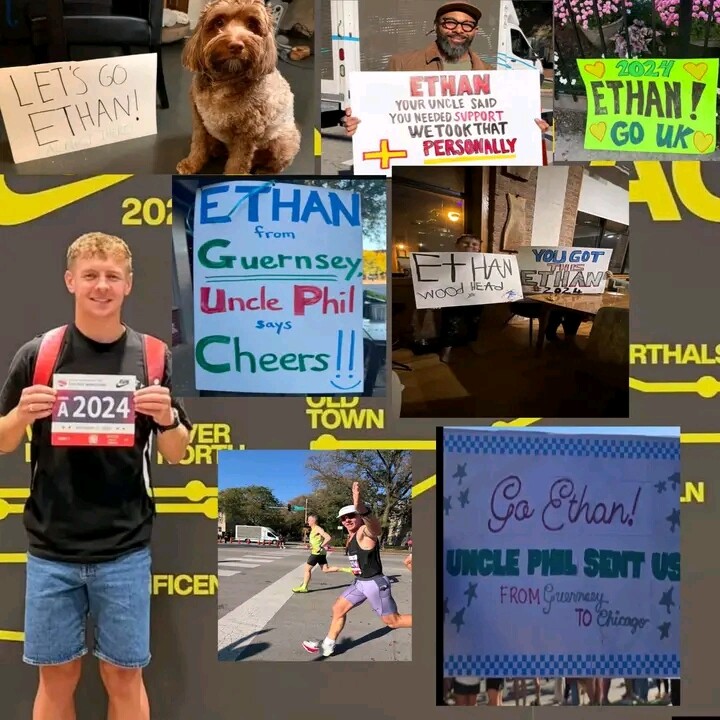
What followed was far beyond what either of them could have imagined.
The appeal quickly gained momentum online, attracting thousands of likes and hundreds of comments and shares. Runners, spectators and other members of the public responded enthusiastically, with many deciding to make the young British runner feel welcome by preparing homemade signs bearing his name.

As Ethan made his way through the streets of Chicago, he was met by enthusiastic cheers from people who had never met him but had learned about his journey through his uncle's post. Instead of experiencing the relative anonymity he had expected, he found himself being encouraged by strangers who made a special effort to recognise him and lift his spirits.
Woodhead, who had hoped to finish the marathon in approximately 2 hours and 30 minutes, could hardly have anticipated the emotional impact of the reception awaiting him along the route.
The experience left him “lost for words,” as he described the overwhelming support as a truly special experience. Hearing so many people call out his name was something he had never expected when he set off from Guernsey for the American city.
Although marathon running is often associated with personal ambition, gruelling training schedules and the determination required to reach the finish line, Ethan's experience highlighted another side of the sport: the remarkable connections that can emerge between complete strangers.
His uncle's request transformed what might have been a solitary sporting adventure into a shared celebration, demonstrating how a small act of kindness can have an extraordinary impact on someone's experience.
Chicago's spectators had no personal connection to Ethan, yet they embraced the opportunity to become part of his marathon journey. Their handmade signs and enthusiastic encouragement served as a reminder that support does not always have to come from family and friends. Sometimes, it comes from people who simply want to make someone else's day a little more special.
For Ethan, the trip was about more than running 42.195 kilometres. It became a lasting memory of discovering warmth, encouragement and a sense of belonging thousands of kilometres away from home.
His story captures the spirit of marathon running at its finest. Every participant has a personal reason for taking on the distance, but along the way, the collective energy of spectators and the generosity of fellow human beings can make the challenge even more meaningful.
One runner travelled across the Atlantic expecting to race far from his support network. Instead, Chicago welcomed him with open arms, proving that even when you arrive alone, you do not necessarily have to feel alone.
One runner. One marathon. Hundreds of strangers united by a name on a race bib. Sometimes, the most unforgettable part of a marathon is not the time on the clock, but the people who help make the journey worthwhile.
by Erick Cheruiyot for My Best Runs.
Login to leave a comment
