

Running News Daily
Running News Daily is edited by Bob Anderson and team. Send your news items to bob@mybestruns.com Advertising opportunities available.
Index to Daily Posts · Sign Up For Updates · Run The World Feed
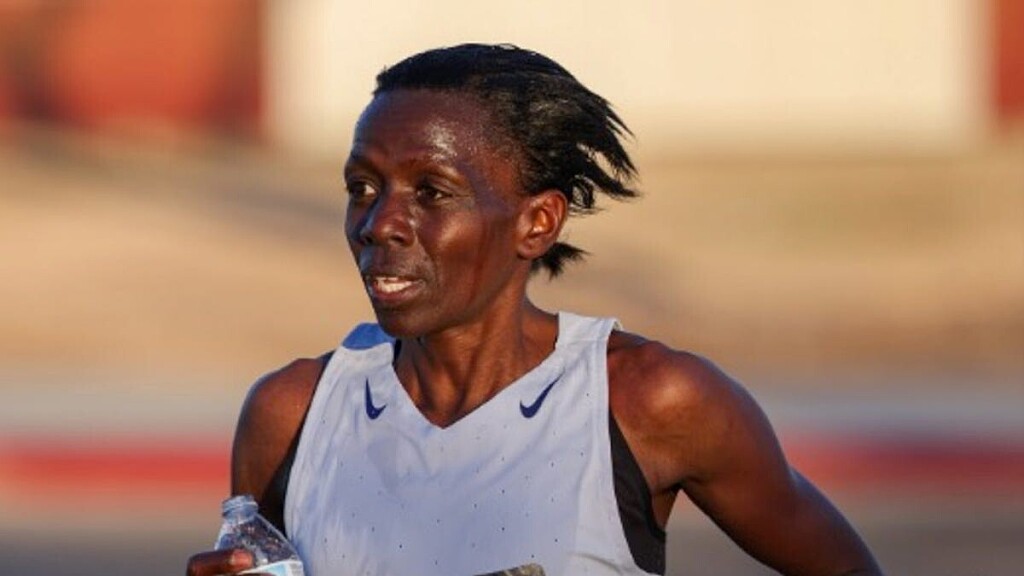


Priscah Cherono Turns Back The Clock In Sydney With A Historic Marathon Performance

At 46, Priscah Cherono showed that age is no barrier to racing with the world’s best.
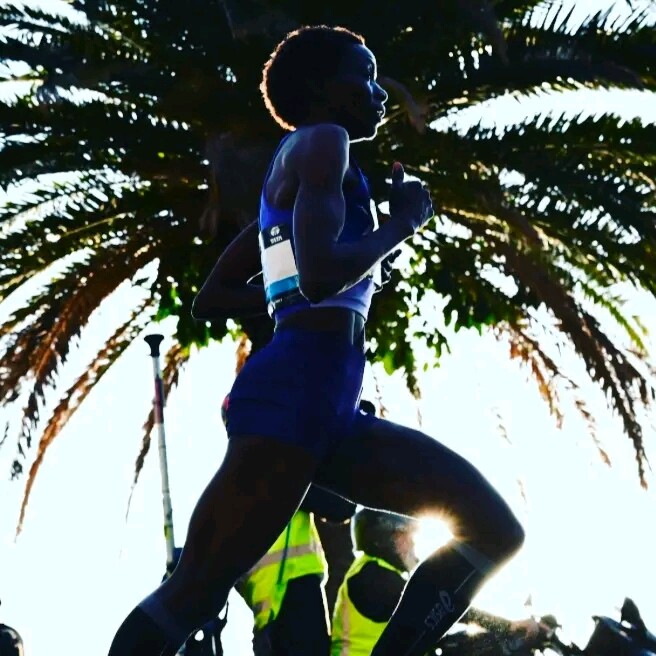
The Kenyan veteran produced a remarkable performance at the Sydney Marathon, taking the race by the horns from the early stages and, for a remarkable stretch, leading the entire professional women’s field.
Cherono moved into the lead before 5km and by 10km had opened a gap of around 16 seconds on her closest challengers. Rather than settling into the pack, she continued to dictate the pace, remaining at the front until close to the 28km mark.
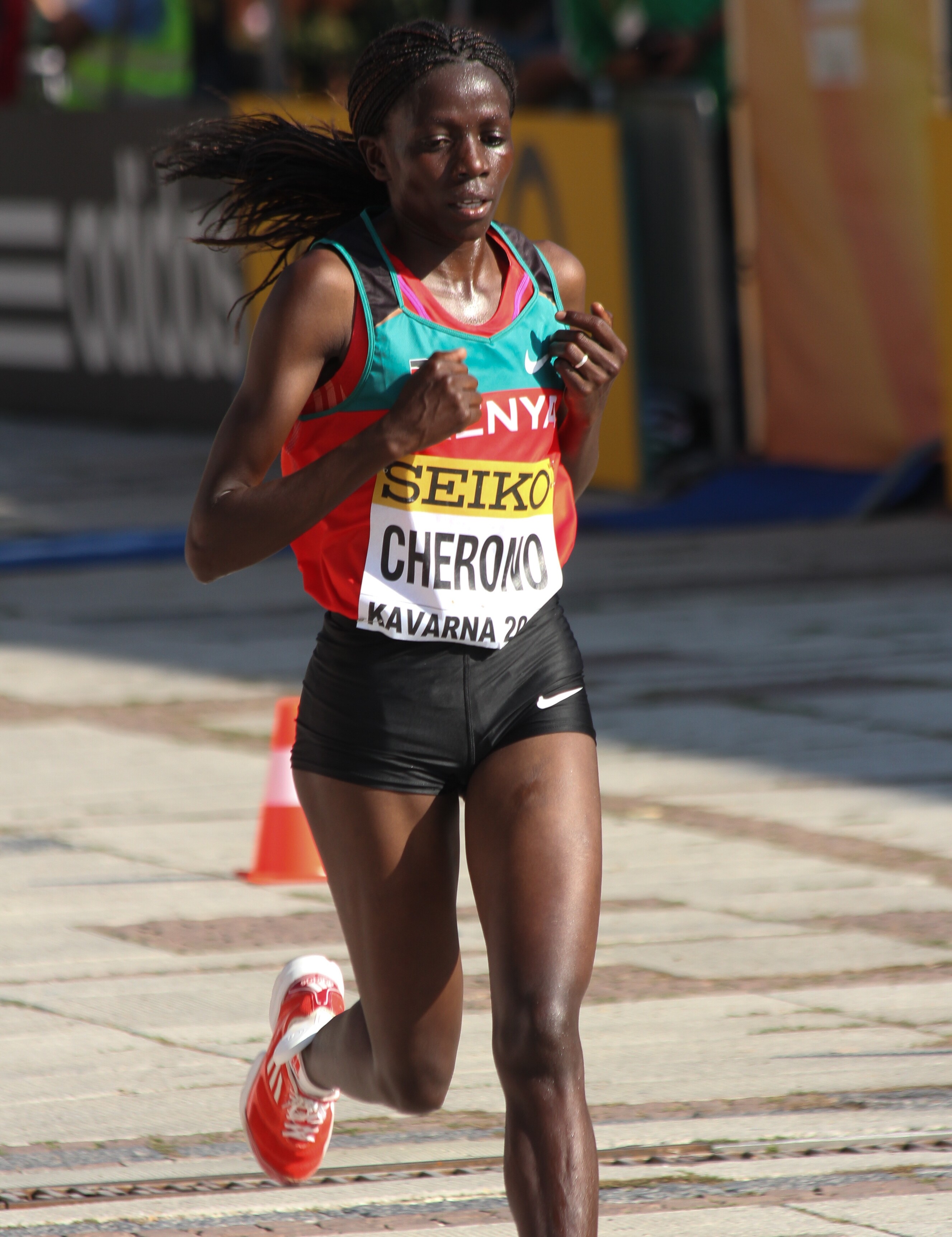
Then came the most eye-catching moment of her race.
Cherono reached halfway in 67:59, an extraordinary split that works out to roughly 5:11 per mile. It was around 36 seconds faster than her previous standalone half-marathon best, underlining just how aggressively she had approached the opening half of the race.
Her halfway split was also just seven seconds outside the masters world record for the half marathon.
Inevitably, such a demanding opening came at a cost. Cherono struggled to maintain the same rhythm after halfway, covering the second half in approximately 75:50. She eventually slipped down the standings but refused to give up, crossing the finish line in 2:23:49 for sixth place.
And that finish was historic.
Cherono’s time established a new marathon world best for women aged 46 and over, improving on the previous mark of 2:25:07, set by fellow Kenyan Edna Kiplagat last year.
But Cherono’s Sydney story is about far more than one record.
Her athletics journey stretches back three decades. In 1996, at just 16 years old, she won the Kenyan junior 5000m title. That same year, she travelled to Sydney for the World Junior Championships and finished eighth in the 5000m.
Thirty years later, she returned to the same city — this time as a 46-year-old marathoner — and found herself leading a major international marathon against a field filled with younger elite athletes.
That is what makes her performance so remarkable.
Cherono did not simply run a fast marathon for her age. She went to the front, took control of the race, attacked the pace and dared to challenge the clock before eventually paying the price for her ambition.
She may have faded in the closing kilometres, but her boldness produced something far more valuable than a conservative finish: a place in the history books.
From a teenage athlete competing in Sydney in 1996 to a record-breaking masters marathoner dominating the opening half of the Sydney Marathon three decades later, Cherono’s career has come full circle in extraordinary fashion.
The question is simple: if you were 46 and leading a major marathon at halfway on record-setting pace, would you keep pushing for greatness — or back off and protect the finish?
by Erick Cheruiyot for My Best Runs.
Login to leave a comment
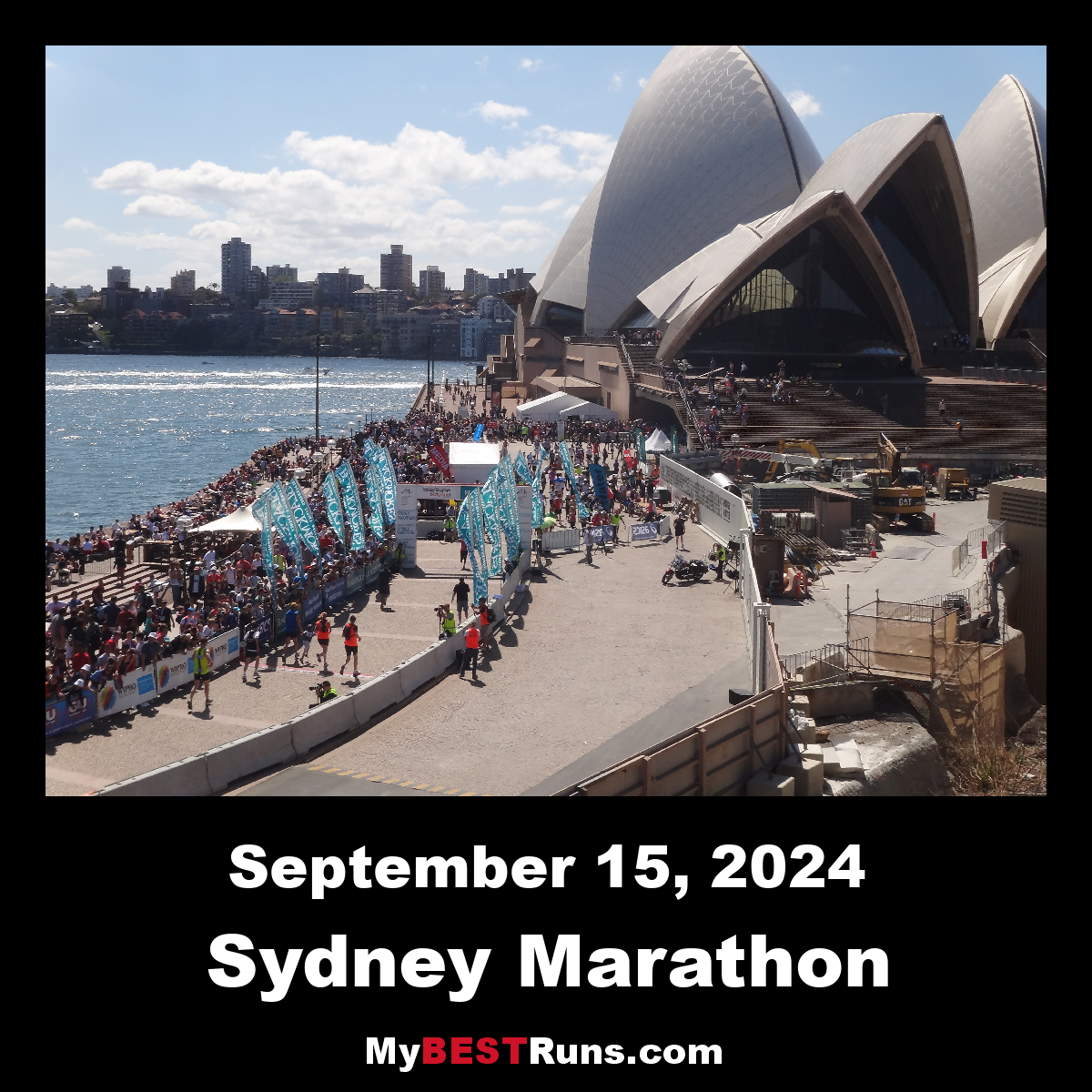
Sydney Marathon
The Sydney Marathon is a marathon held annually in Sydney, Australia. The event was first held in 2001 as a legacy of the 2000 Summer Olympics, which were held in Sydney. In addition to the marathon, a half marathon, 9 kilometres (5.6 mi) "Bridge Run", and a 3.5 kilometres (2.2 mi) "Family Fun Run" are also held under the banner...
more...Latest Running News
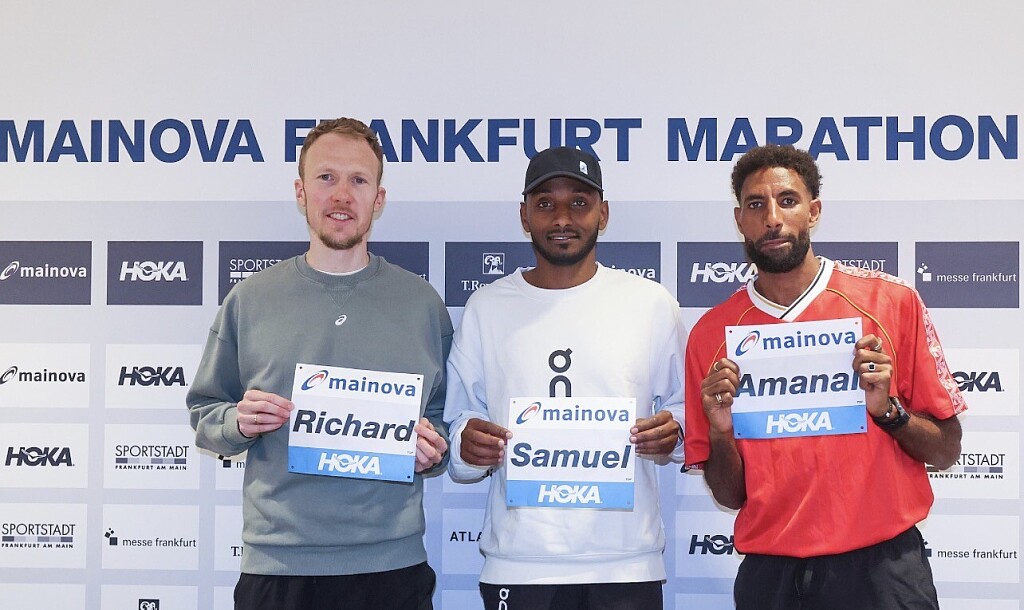
Records in Sight as Frankfurt Assembles Its Fastest Men’s Field
Petros leads Germany’s top marathoners, Zeineba Yimer targets the women’s course record, and Kenya’s Mark Kiptoo chases an age-group milestone at Sunday’s Mainova Frankfurt Marathon.
The Mainova Frankfurt Marathon could deliver a series of record performances on Sunday, October 25—if the weather cooperates.
The 43rd edition brings together the fastest men’s field in the event’s history, with German and European records potentially within reach. Both course records—2:03:42 for men and 2:17:25 for women—could come under pressure, while a promising German debut and an M50 world-best attempt add further interest.
Conditions will play a decisive role. Rain, cold and strong winds could derail ambitious pacing plans. If the weather settles, Frankfurt’s flat course could provide the setting for an exceptional day.
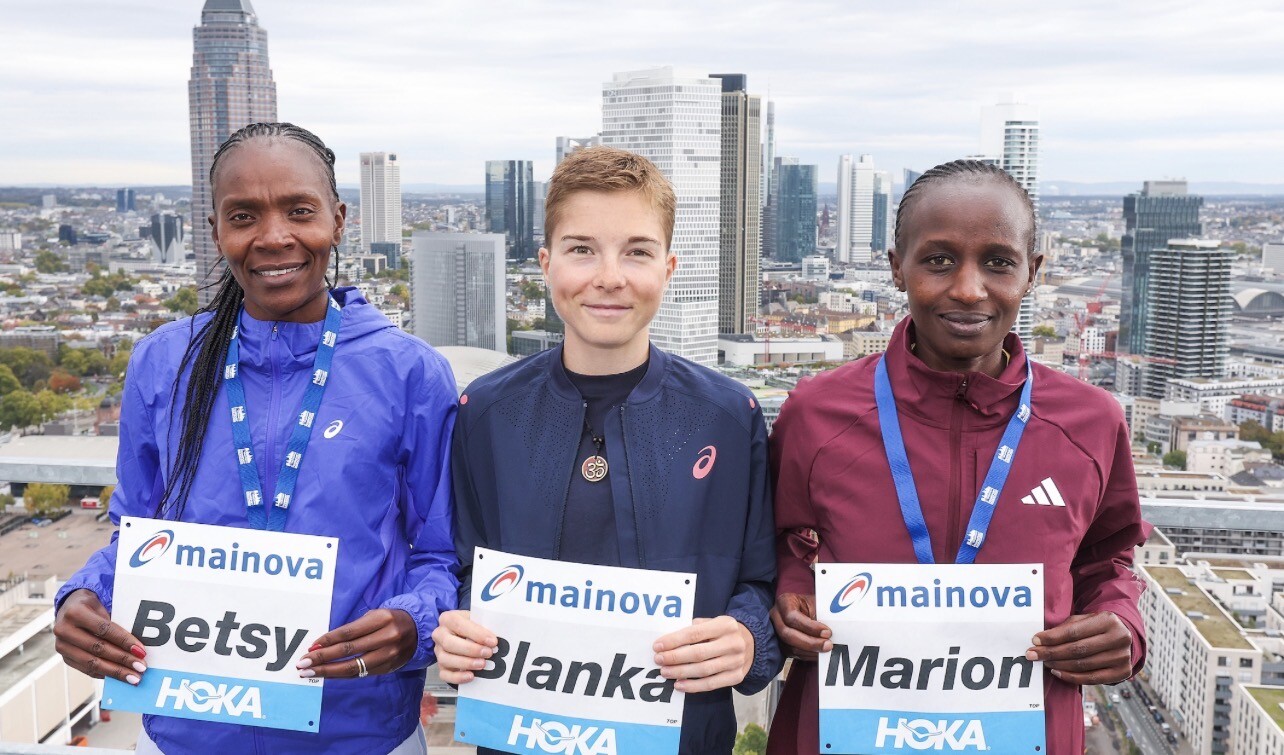
Organizers have reported a record 19,720 entries from 128 nations. The occasion also marks the final race for Jo Schindler as race director.
“We are absolutely delighted with this record number of entries. Over the past 25 years, we have taken the Mainova Frankfurt Marathon to a whole new level in every aspect,” Schindler said.
Germany’s Best Take Center Stage
Leading the men’s field is Amanal Petros, the German record-holder at 2:04:03, who won the European marathon title in Birmingham in August. He arrives with ambitions that could extend beyond his own national mark to the European record of 2:03:36.
“My training in Kenya went very well. If the weather is on my side, it could happen,” Petros said. “I have been dreaming of breaking the European record for several years now.”
A European record would also take him under Wilson Kipsang’s Frankfurt course record of 2:03:42, set in 2011.
Petros will face a strong domestic challenge from Samuel Fitwi, whose 2:04:45 runner-up finish in Hamburg in April is the fastest German performance this year.
“If the weather is good, the German record is within reach on the flat course in Frankfurt. I am well prepared and definitely want to beat my personal best,” Fitwi said.
Richard Ringer, the 2022 European marathon champion, completes the leading German trio. His record-eligible personal best is 2:05:46, although he ran 2:04:47 at Boston this spring on its non-record-eligible course.
Ringer plans a more measured approach after overcoming a muscle problem following the European Championships.
“I do not expect to be running right at the front on Sunday and will probably go with a second group,” he said.
Biwott Returns With Winning Ambition
The German contenders will have plenty of international competition.
Ethiopia’s Andualem Belay brings a personal best of 2:04:44, while Kenya’s Benard Biwottreturns to the scene of his breakthrough. Biwott won his marathon debut in Frankfurt in 2024 in 2:05:54, then improved to 2:05:25 while winning the 2025 Paris Marathon.
“My aim is to win on Sunday. I think I can achieve a time of around 2:04:00,” Biwott said.
Another Kenyan, Mark Kiptoo, could deliver one of the day’s most compelling performances. Now 50, the 2014 Frankfurt champion is targeting the M50 world best of 2:19:29, set by South Africa’s Titus Mamabolo in Durban in 1991.
Kiptoo has already made masters history in Frankfurt, running 2:07:50 here in 2018.
Yimer Targets the Women’s Course Record
Ethiopia’s Zeineba Yimer leads the women’s field with a personal best of 2:18:47, set while finishing third in Barcelona this spring
The 28-year-old is seeking a turnaround after stomach problems forced her out of the Berlin Marathon four weeks ago. Her ambitions include challenging the Frankfurt course record of 2:17:25, set by Hawi Feysa in 2024.
“Now I want to make the most of the flat course in Frankfurt and set a personal best. I have also got my sights set on the course record and want to break that mark as well,” Yimer said.
American Betsy Saina, who has run 2:19:17, returns from a maternity break and is targeting a halfway split of 70:00.
Kenya’s Marion Kibor, who improved to 2:21:12 in Hamburg this spring, also hopes to break 2:20. Ethiopia’s Meskerem Assefa, the 2018 Frankfurt champion, returns with the 2:20:36 personal best she set during that victory.
Dörfel Runs on Instinct in Marathon Debut
Germany’s Blanka Dörfel adds an intriguing debut to the women’s race.
The 24-year-old ran a half-marathon personal best of 68:08 in Mainz this spring and intends to trust her feel for the pace as she moves up to the marathon.
“I will be running without a watch and will trust my instincts,” Dörfel said.
Her half-marathon performance suggests the potential for a strong debut. The German women’s debut benchmark is 2:23:57, set by Melat Kejeta in Berlin in 2019.
by Race News Service
Login to leave a comment
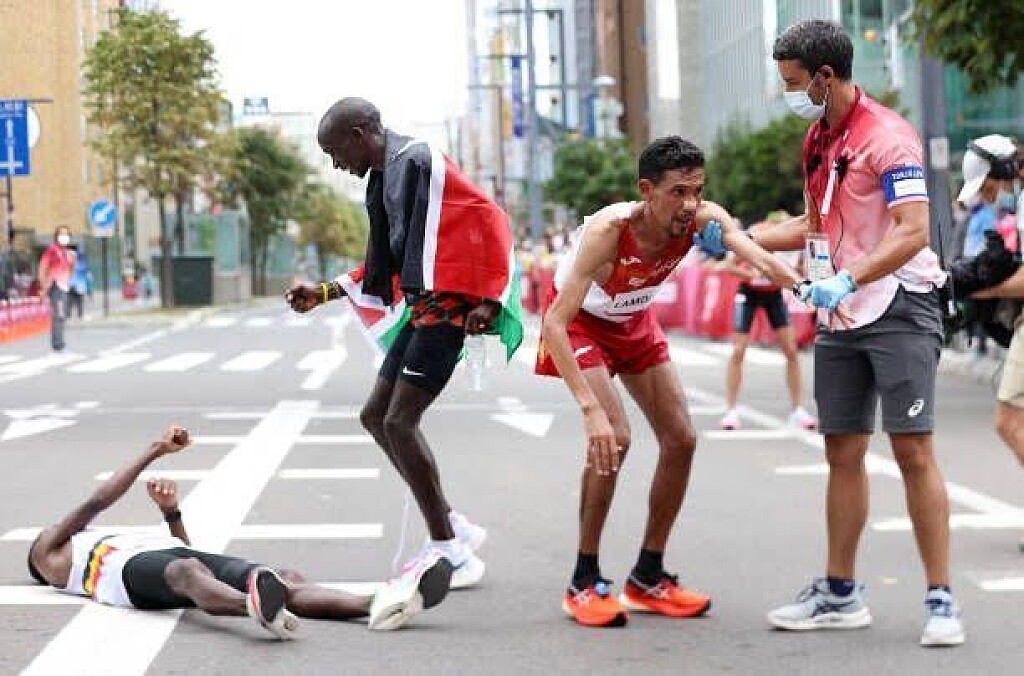
LA28 Olympic Marathon Qualification: Only 70 Runners Per Gender As World Athletics Tightens The Race To Los Angeles
The road to the Los Angeles 2028 Olympic marathon is set to become even more competitive after World Athletics introduced a tighter qualification framework that reduces the number of available places in both the men's and women's races.

Each Olympic marathon field will be limited to 70 athletes, down from 80 at Paris 2024. The reduction means 20 fewer runners across the two races, raising the stakes for elite marathoners hoping to represent their countries on the world's biggest sporting stage.
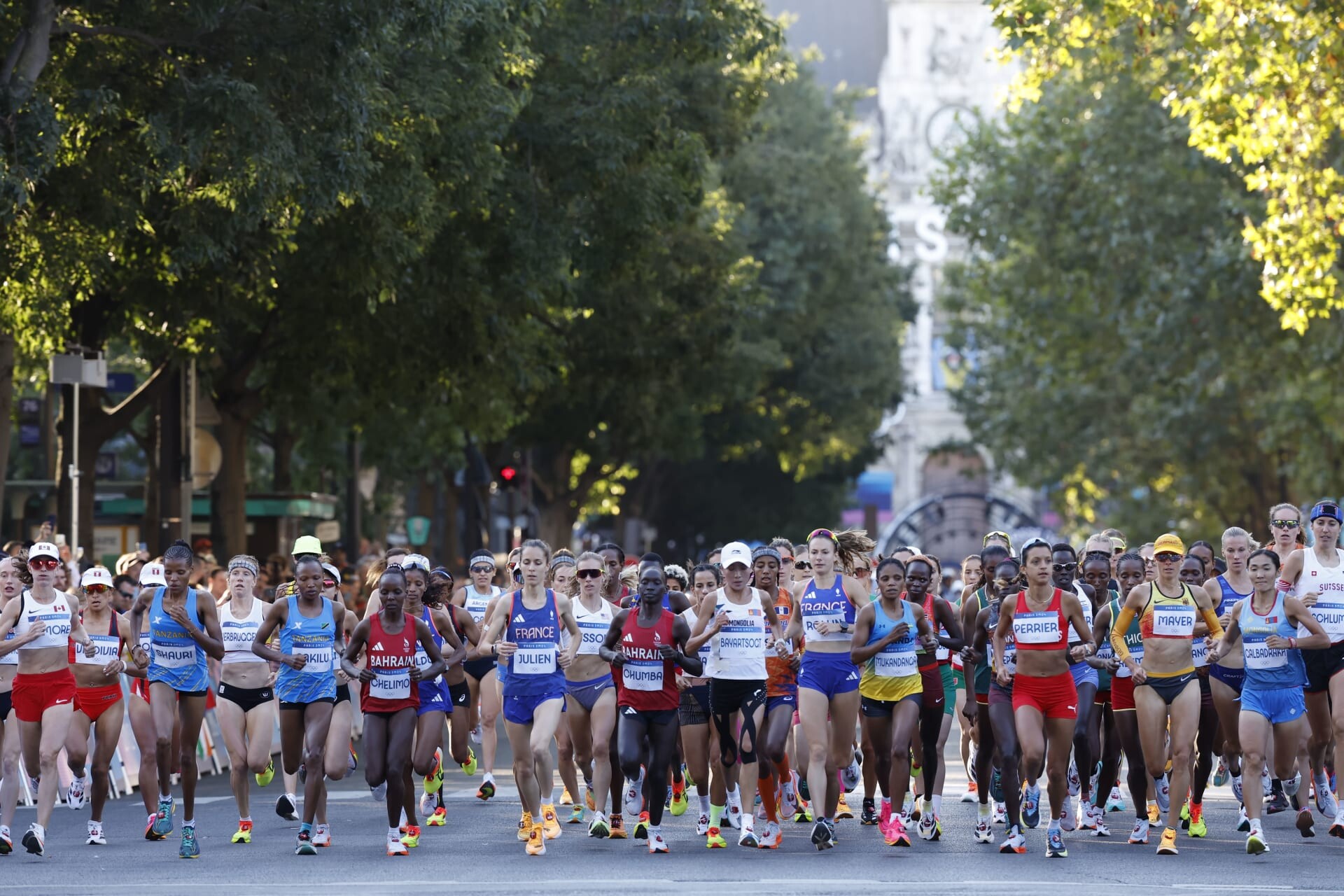
With fewer places available, athletes will need to combine outstanding performances, strategic race selection and strong world rankings to secure their Olympic dreams.
The qualification window opens on November 1, 2026, and closes on April 30, 2028. World Athletics is expected to announce the official Olympic marathon entry standards in December 2026, giving athletes a clearer picture of the performances required to qualify directly.
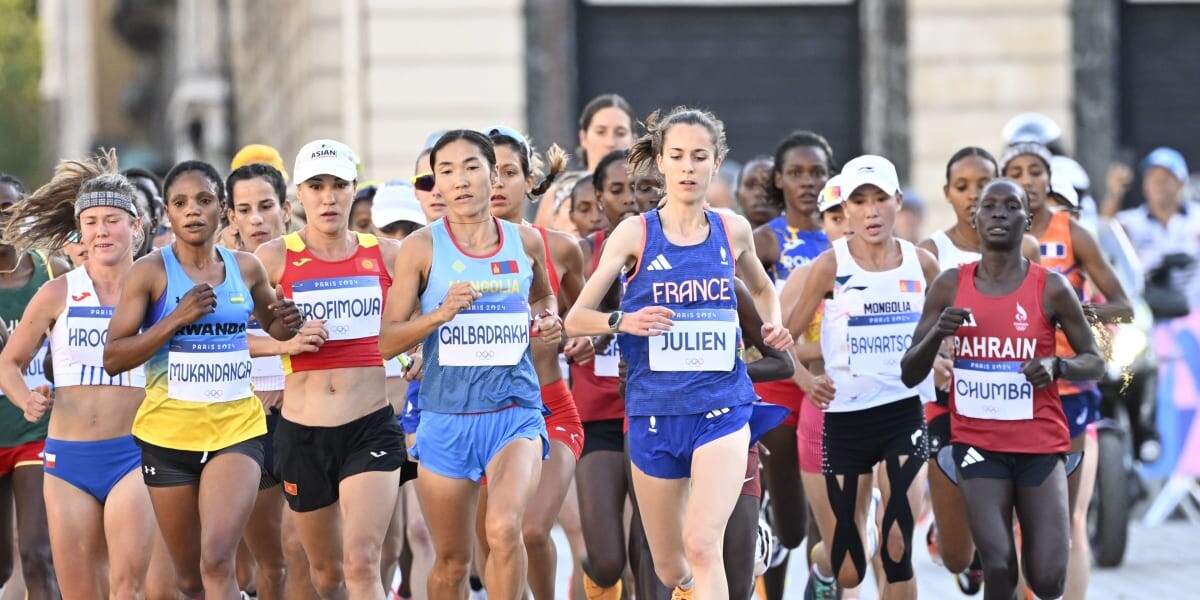
Approximately 40 percent of the 70 places in each race will be allocated through the entry-standard pathway, while the remaining 60 percent will be determined through the World Athletics rankings system. However, achieving the qualifying time will not automatically guarantee an Olympic place. If more athletes meet the entry standard than there are available places through that pathway, selection will depend on the applicable qualification rules and the number of quota places available.
Athletes will also have an alternative route through designated Platinum Label marathons. Finishing among the top five at eligible races can count towards meeting the entry standard under the qualification regulations. These prestigious events include the Boston, London, Berlin, Chicago, New York City and Tokyo marathons, providing elite runners with opportunities to strengthen their Olympic qualification prospects against world-class competition.
The qualification campaign will reach a decisive milestone on March 19, 2028, when athletes occupying the top 55 positions on the filtered quota list are set to secure their places under the published rules. That would leave the remaining 15 places in each race to be determined by the end of the qualification window on April 30, 2028.
For athletes outside the leading positions, the final weeks could prove decisive. Strong performances at major marathons, improvements in ranking points and carefully planned racing schedules may determine who makes the Olympic starting line. The smaller fields leave less room for error, particularly for runners whose qualification hopes depend on the rankings rather than a direct entry standard.
The competitiveness of the qualification process is underscored by the extraordinary depth of international marathon running. For comparison, the entry standards for the 2027 World Athletics Championships are 2:06:00 for men and 2:23:20 for women. During 2026 alone, 89 men and 82 women ran faster than those respective marks.
Although the World Championships standards differ from the Olympic entry standards yet to be announced, these performances illustrate how many athletes are already competing at an exceptionally high level. With only 70 places available in each Olympic race, runners from countries with several elite marathoners could face particularly intense domestic competition before even considering the international qualification battle.
The framework also provides a potential opportunity for eligible athletes who have not secured a place through the usual qualification routes. National Olympic Committees may be able to allocate a quota place to an otherwise unqualified athlete who records a marathon performance of 2:11:00 for men or 2:29:00 for women during the qualification period, subject to the applicable eligibility requirements and allocation rules.
This provision offers an additional pathway for countries seeking representation in the Olympic marathon. However, meeting the performance threshold does not automatically guarantee selection, as the relevant committee must follow the official qualification regulations.
Reducing the Olympic marathon fields from 80 to 70 athletes per gender represents a significant change for the world's leading distance runners. The combination of entry standards, Platinum Label marathon performances, world rankings and potential quota places creates several pathways to Los Angeles, but the reduced number of available positions will make every qualifying opportunity more valuable.
With the qualification window opening on November 1, 2026, and the official entry standards expected in December, marathoners will have nearly 18 months to build their cases for selection before the deadline on April 30, 2028.
For athletes dreaming of Olympic glory in Los Angeles, running fast will remain essential. However, choosing the right races, accumulating ranking points and delivering performances at the right time could prove equally important in a qualification campaign where every place counts.
Does the new LA28 qualification system reward the world's best marathoners, or could it disadvantage athletes from countries where opportunities to compete in major international races are limited?
by Erick Cheruiyot for My Best Runs.
Login to leave a comment
Shocking Development: Peres Jepchirchir Provisionally Suspended Over EPO Finding As Sydney Marathon Title Hangs In The Balance
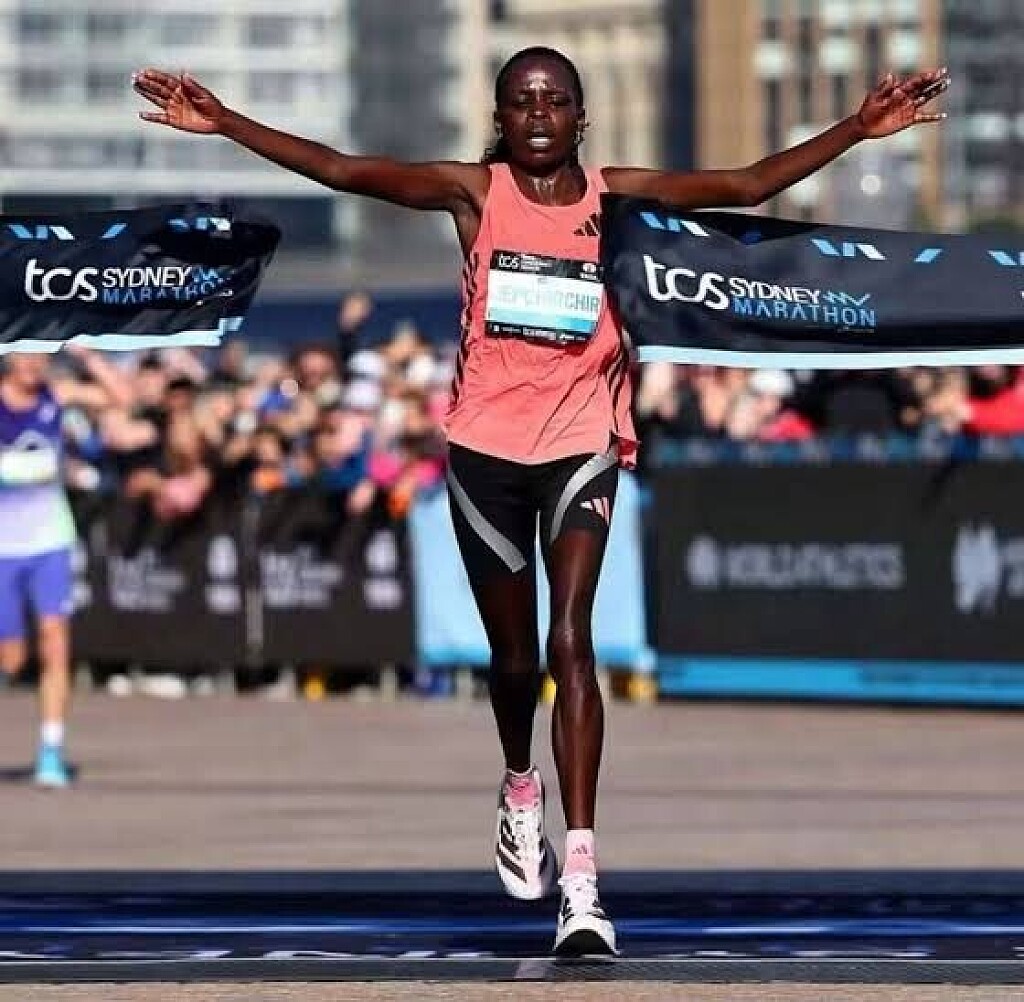
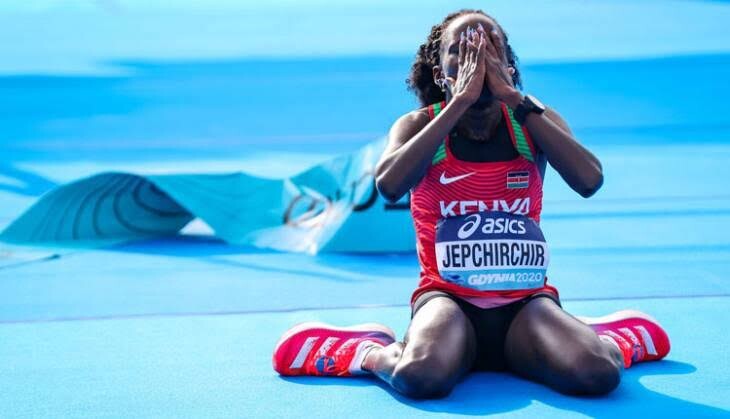
Kenyan distance running has been rocked by a major development after Peres Jepchirchir, the reigning world marathon champion and 2021 Olympic gold medallist, was provisionally suspended by the Athletics Integrity Unit (AIU) following an adverse analytical finding for erythropoietin (EPO).
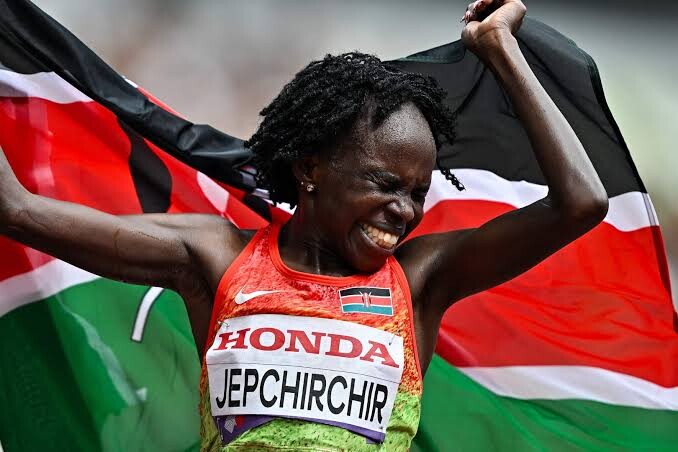
The 33-year-old reportedly tested positive for the prohibited substance in an out-of-competition sample collected in Kenya before the Sydney Marathon on August 30, 2026. The development has cast uncertainty over the future of one of the most accomplished female marathon runners of her generation, whose impressive career includes Olympic gold, a world championship title and victories at three of the sport's most prestigious marathons.
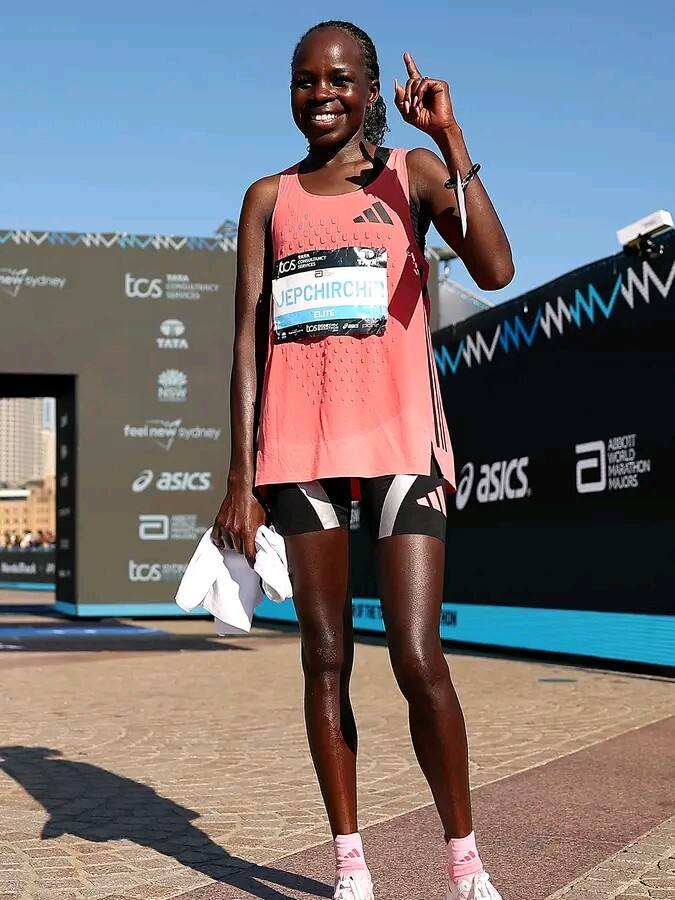
Jepchirchir returned to marathon competition in Sydney after a stress fracture forced her to withdraw from the London Marathon in April. Her comeback initially appeared to be another triumphant chapter in her career, as she stormed to victory in 2:18:31, finishing 3:40 ahead of compatriot Irine Cheptai.
However, the reported adverse analytical finding has placed that achievement under scrutiny, with the possibility that her Sydney victory could eventually be annulled depending on the outcome of the anti-doping proceedings.
Under anti-doping rules, results can be disqualified from the date of an adverse analytical finding or another applicable date determined under the regulations. If the relevant results are annulled, Jepchirchir could lose the Sydney Marathon title, which would have given her victories at four different World Marathon Majors, following her previous triumphs in New York, Boston and London.
EPO is a prohibited substance that stimulates red blood cell production, increasing the blood's capacity to transport oxygen to working muscles. Its performance-enhancing potential makes it particularly significant in endurance sports, including marathon running.
The substance is prohibited under anti-doping regulations, and a confirmed violation can carry serious consequences. Under the World Anti-Doping Code, a first violation involving a non-specified substance such as EPO generally carries a four-year period of ineligibility when the applicable conditions are met, although the final sanction depends on the circumstances of the case.
Jepchirchir's provisional suspension, however, is not a final sanction and does not itself establish that an anti-doping rule violation has been conclusively proven. The case must proceed through the relevant process, during which the athlete has the opportunity to exercise her rights under the applicable rules.
As of the information available, Jepchirchir has not commented publicly on the matter.
The Sydney Marathon has also acknowledged the seriousness of the situation while emphasising the importance of a fair process. In a statement, the event said Jepchirchir “is entitled to due process, and we will make no further comment on the case until that process has concluded.”
The case has attracted considerable attention because of Jepchirchir's standing in international athletics. She won Olympic marathon gold at the Tokyo Games in 2021 before claiming victory at the New York City Marathon later that year. In 2022, she conquered the Boston Marathon, adding another prestigious title to her growing collection.
Her success continued in 2024 when she won the London Marathon, becoming one of the few women to capture victories at New York, Boston and London. She subsequently reached another career milestone at the 2025 World Athletics Championships in Tokyo, where she won the women's marathon title by just two seconds in a dramatic finish against Ethiopia's Tigst Assefa.
Jepchirchir has also established herself among the fastest women in marathon history. Her personal best of 2:14:43 places her ninth on the all-time women's marathon list, underscoring the level of performance that has defined her career.
Beyond the immediate implications for her Sydney victory, the case could have wider consequences if an anti-doping rule violation is ultimately established. The World Marathon Majors' rules provide for lifetime exclusion from the series for athletes who receive a doping-related ban of three months or longer, meaning a sufficiently lengthy sanction could jeopardise Jepchirchir's future participation in all eight events.
For an athlete who has built her reputation through success on the sport's biggest stages, such an outcome would represent a significant setback. Nevertheless, any consequences for her results, eligibility or future participation will depend on the applicable rules and the final outcome of the proceedings.
The development also renews attention on Kenya's ongoing efforts to protect the integrity of distance running. The country has produced generations of exceptional marathon runners, but high-profile anti-doping cases continue to raise difficult questions about clean competition and the responsibility of athletes, coaches and support personnel.
For now, the focus remains on the AIU's proceedings and the evidence surrounding the reported finding. Jepchirchir's provisional suspension marks a serious moment in her career, but the distinction between an adverse analytical finding and a final ruling remains essential as the case moves forward.
Once celebrated for her Olympic triumph, world championship glory and victories in the world's most prestigious marathons, the Kenyan star now faces an uncertain period as the anti-doping process unfolds. The eventual outcome will determine whether her latest Sydney success remains part of her remarkable record or becomes one of the most consequential episodes of her career.
by Erick Cheruiyot for My Best Runs.
Login to leave a comment
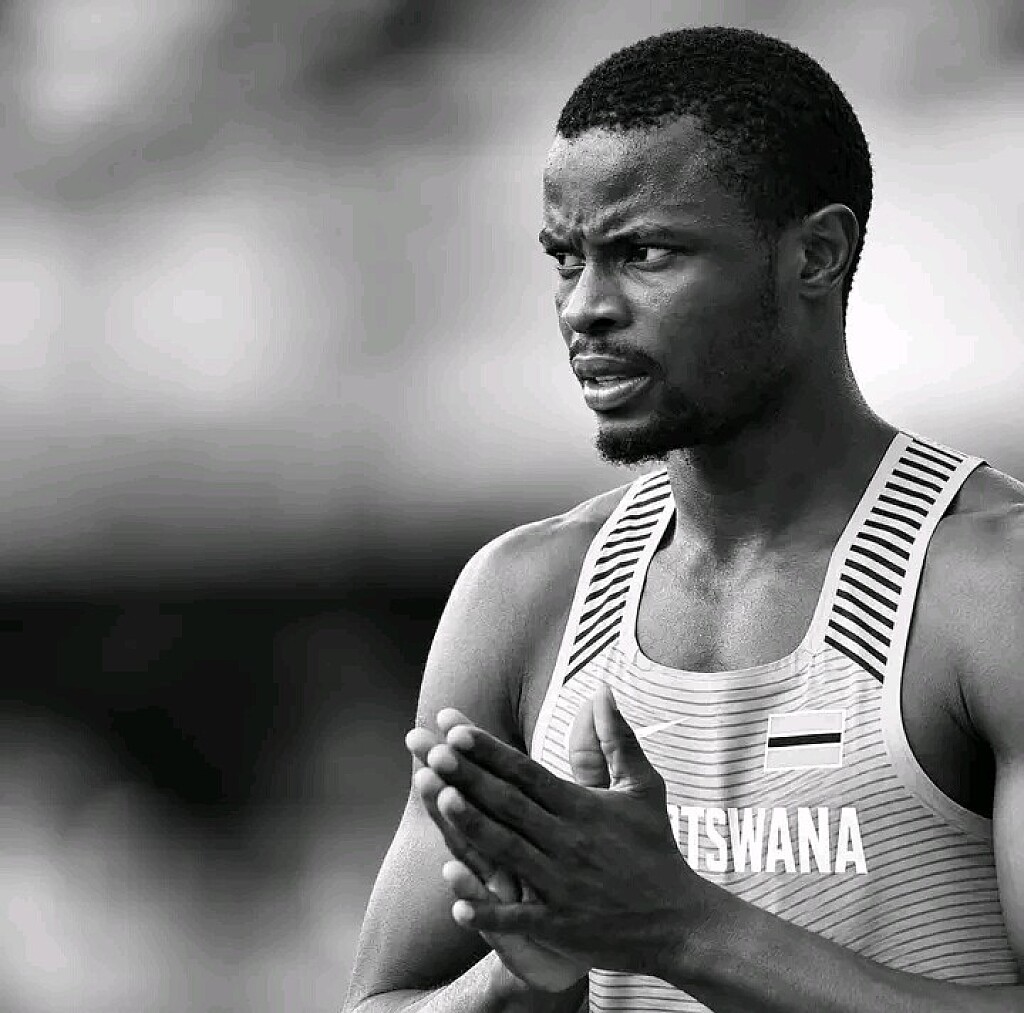
Botswana Athletics Mourns Gaone ‘Lux’ Maotoanong, Commonwealth Games Gold Medallist And Former National Team Sprinter
Botswana’s athletics community is mourning the sudden death of former national team sprinter Gaone Leaname Maotoanong, affectionately known as “Lux,” who represented his country at major international championships and played a significant role in its relay success.
The Botswana Athletics Association (BAA) announced his passing in a bereavement notice issued on October 22, 2026, paying tribute to an athlete whose dedication, talent and commitment to excellence earned him respect across the athletics fraternity. Maotoanong was born in 1991 and died in 2026.
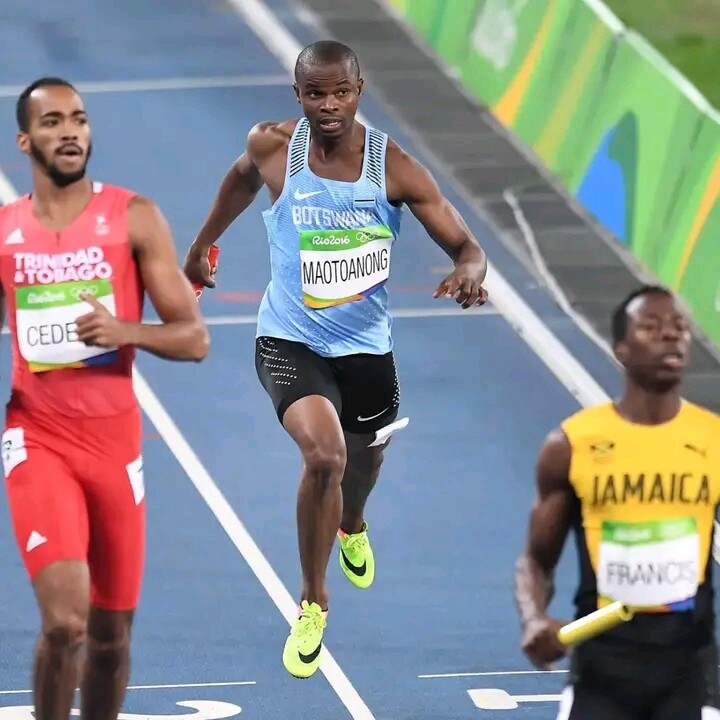
Throughout his career, Maotoanong proudly wore Botswana’s national colours on some of the biggest stages in athletics, contributing to the country’s growing reputation in the men’s 4x400m relay. His international achievements included competing at the Olympic Games, World Athletics Championships, Commonwealth Games, World Athletics Relays and continental championships.
One of the standout moments of his career came at the 2018 Commonwealth Games on the Gold Coast in Australia, where he was part of Botswana’s gold-medal-winning 4x400m relay team. The victory represented a major achievement for the southern African nation and reinforced its standing among the leading relay teams on the continent.
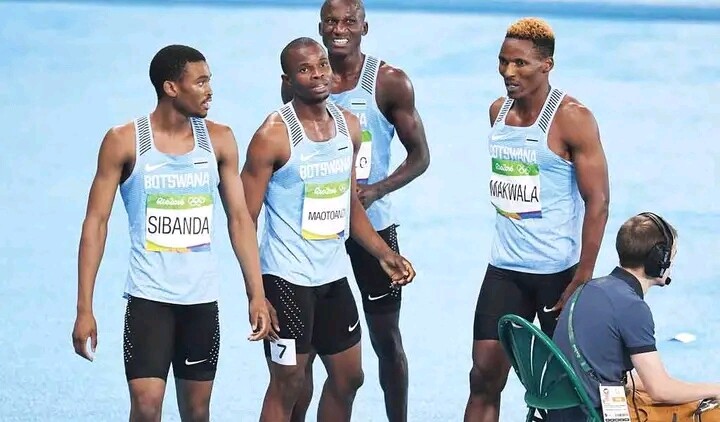
Maotoanong also represented Botswana at the 2016 Rio Olympic Games, where the national 4x400m relay team reached the final and finished fifth. He subsequently featured in the country’s relay squad at the 2019 World Athletics Championships in Doha, Qatar, having also competed at the 2015 edition in Beijing, China.
His experience on the global stage extended to the World Athletics Relays in the Bahamas in 2015 and 2017, where Botswana’s 4x400m relay teams reached the finals. These appearances reflected his place within a generation of athletes helping Botswana establish itself as a consistent presence in international relay competition.
At continental level, Maotoanong enjoyed further success, winning gold in the 4x400m relay at the African Championships in Marrakech, Morocco, in 2014 and again in Durban, South Africa, in 2016. He also helped Botswana secure silver in the relay at the 2015 African Games in Brazzaville, Republic of the Congo.
His achievements were not limited to relay racing. Maotoanong demonstrated his individual ability in the 400m by winning silver at the 2015 World University Games in Gwangju, South Korea, adding another significant accomplishment to his international career.
Beyond his appearances at major championships, he competed at the Commonwealth Games, African Games, African Championships, Diamond League meetings and numerous other international competitions, building a career defined by service to his country and commitment to athletics.
A Legacy Beyond The Track
Maotoanong’s contribution to Botswana athletics extended beyond competition. According to the BAA, he served as a member of the Botswana National Olympic Committee (BNOC) Athletes’ Commission from 2022 to 2025, where he contributed to efforts to advance athletes’ interests and welfare.
The role reflected another dimension of his involvement in sport, demonstrating a commitment to athlete representation and sports development beyond his own performances on the track.
In its tribute, the BAA remembered Maotoanong as an athlete, leader, mentor and friend whose contributions had left a lasting mark on Botswana athletics. The association also extended its condolences to his family, friends, teammates and everyone who had the privilege of knowing him.
His passing represents a profound loss for Botswana’s sporting community, particularly those who shared in the country’s relay achievements and witnessed his dedication to representing the national team. His legacy will remain part of the story of Botswana’s development as a force in African and international athletics.
As tributes emerge, Maotoanong will be remembered not only for the medals and championships he helped his country achieve, but also for his service to fellow athletes and his contribution to the wider sporting fraternity.
Funeral arrangements are expected to be communicated by the Botswana Athletics Association in due course.
Gaone “Lux” Maotoanong’s name will endure in Botswana athletics as a reminder of a career spent representing his country with pride, both on the track and in service to the athletes who followed.
by Erick Cheruiyot for My Best Runs.
Login to leave a comment
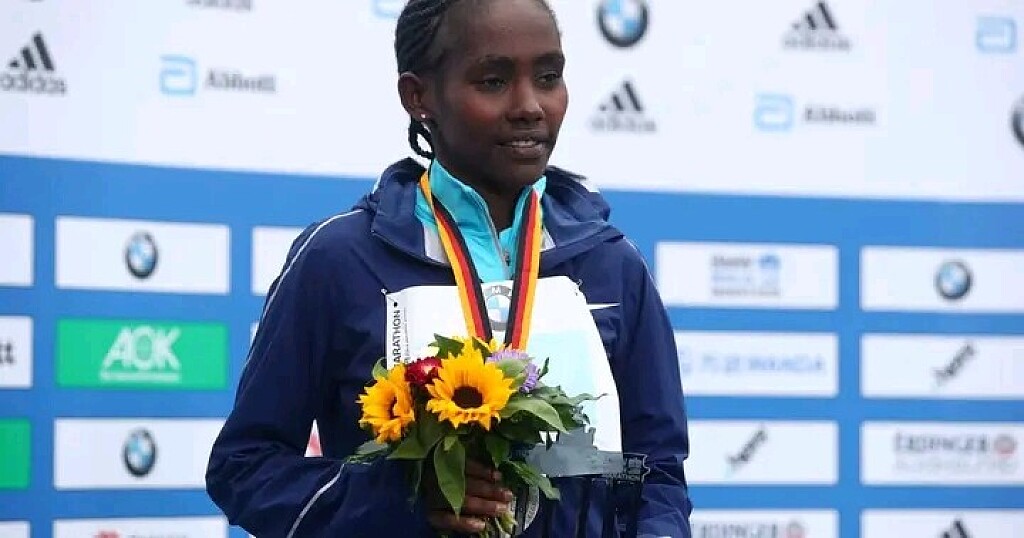
Ruti Aga Handed Six-Year Ban For Doping And Forged Medical Document In Tampering Case
Ethiopian marathon star Ruti Aga has been handed a six-year suspension by the Athletics Integrity Unit (AIU) after testing positive for methylprednisolone and being found guilty of tampering with an anti-doping investigation by submitting a forged medical document.
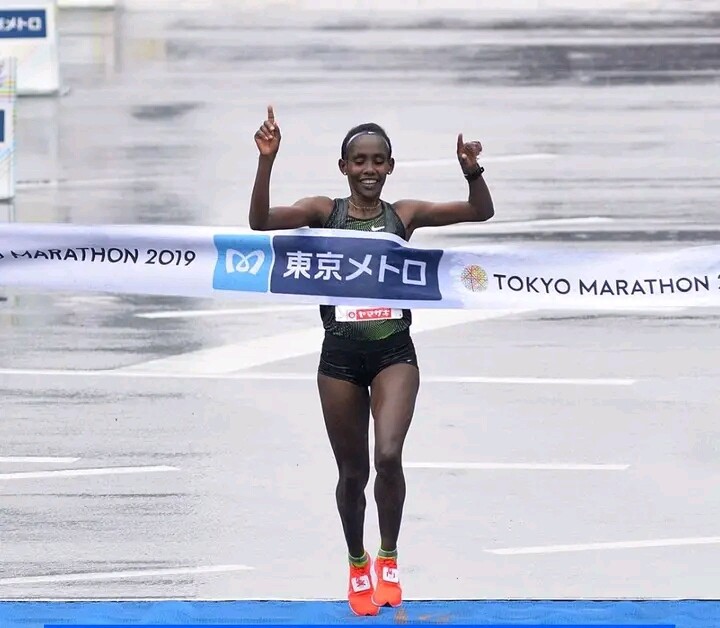
The former Tokyo Marathon champion tested positive for the prohibited substance after winning the Meishan Renshou Half Marathon in China on March 15, 2026, in a time of 1:08:04. At the time, Aga was ranked 11th in the world, reflecting her standing among the leading marathon runners internationally.
Methylprednisolone is a glucocorticoid classified under Class S9 of the World Anti-Doping Agency’s Prohibited List. It is prohibited in competition, and its detection prompted an investigation into the circumstances surrounding its use.
However, the case became considerably more serious when investigators examined Aga’s explanation for the substance’s presence in her sample. The Ethiopian athlete said she had taken the medication as part of treatment for a knee injury and submitted a prescription that she claimed had been issued by a medical clinic.
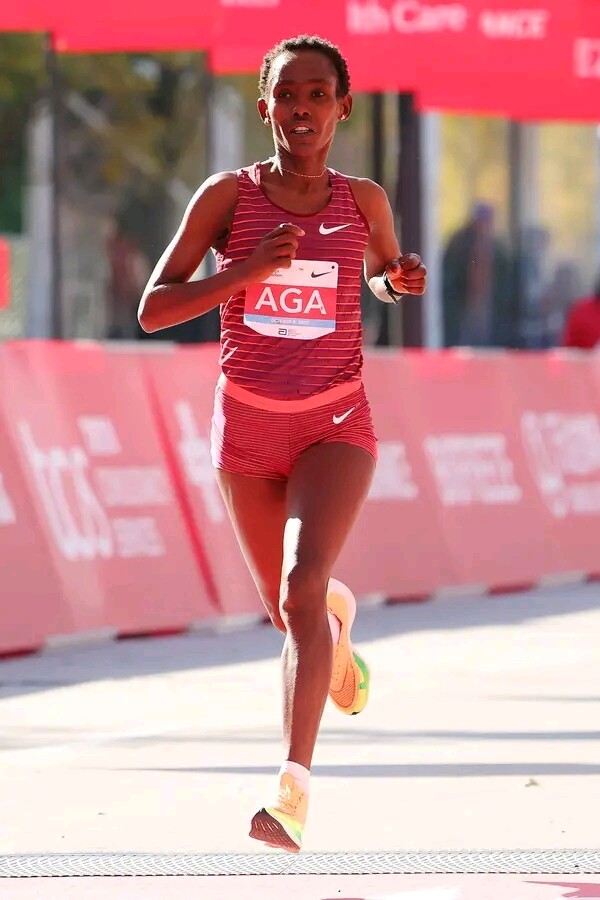
According to the AIU’s findings, the clinic named in the document did not exist. The individual identified as the prescribing doctor was a family member who was not registered to practise medicine. When questioned, the family member reportedly said they had used an old prescription pad from a former workplace.
That workplace subsequently confirmed that the individual had never worked there and that the prescription pad did not belong to the institution. The AIU, working with the Ethiopian Anti-Doping Authority, established that the medical document was forged.
The investigation also found that Aga had provided false information during an AIU interview on April 21, 2026, before submitting the disputed medical document on May 4. The findings resulted in a separate tampering charge in addition to the original anti-doping violation.
The AIU imposed a two-year suspension for the presence and use of a specified substance and a further four years for tampering with the investigation. The combined penalties resulted in a six-year ban, with Aga ineligible to compete until September 10, 2032, when she will be 38 years old.
The sanction marks a major setback for a runner whose career has included victories and podium finishes at some of the world's most prestigious road races.
Aga won the Tokyo Marathon in 2019, following a series of outstanding performances on the World Marathon Majors circuit. Between 2016 and 2019, she collected six podium finishes at the major marathons, including second-place finishes in Berlin in 2017 and 2018, second place in Tokyo in 2018, third place in Berlin in 2016 and third place in New York City in 2019.
She has not competed at a World Marathon Major since 2022, but continued to achieve success elsewhere on the international road-running circuit.
Between 2023 and 2026, Aga recorded five marathon victories across Dongying, Daegu, Xiamen and Hangzhou, including back-to-back wins at the Xiamen Marathon in 2025 and 2026. She also finished runner-up twice in Dubai and once in Sydney, maintaining a strong presence in elite marathon competition.
Her personal best of 2:18:09 further underlines the level at which she has competed throughout her career.
Despite those achievements, the six-year suspension places her future in the sport in serious doubt. If she returns when the ban expires in September 2032, Aga will be 38 and will have spent six years away from competition under the sanction.
The case also serves as a reminder that anti-doping proceedings extend beyond laboratory results. Athletes are expected to comply with anti-doping rules throughout an investigation, and attempts to mislead investigators or submit forged evidence can result in additional sanctions beyond those imposed for the original violation.
For Aga, the ruling brings a difficult chapter to a career that once saw her among the world's leading marathon runners, with her Tokyo victory and years of international success now overshadowed by one of the most consequential disciplinary cases of her career.
by Erick Cheruiyot for My Best Runs.
Login to leave a comment
