

Running News Daily
Running News Daily is edited by Bob Anderson and team. Send your news items to bob@mybestruns.com Advertising opportunities available.
Index to Daily Posts · Sign Up For Updates · Run The World Feed



Michael Roeger’s Long Road Back to the Marathon World Record — and Now Sydney Awaits

On August 30, approximately 35,000 runners will line up at Miller Street in North Sydney for the 2026 TCS Sydney Marathon. Among them will be an athlete who already owns a piece of marathon history: Michael Roeger, the Australian T46 marathon world-record holder and one of the most remarkable endurance athletes of his generation.
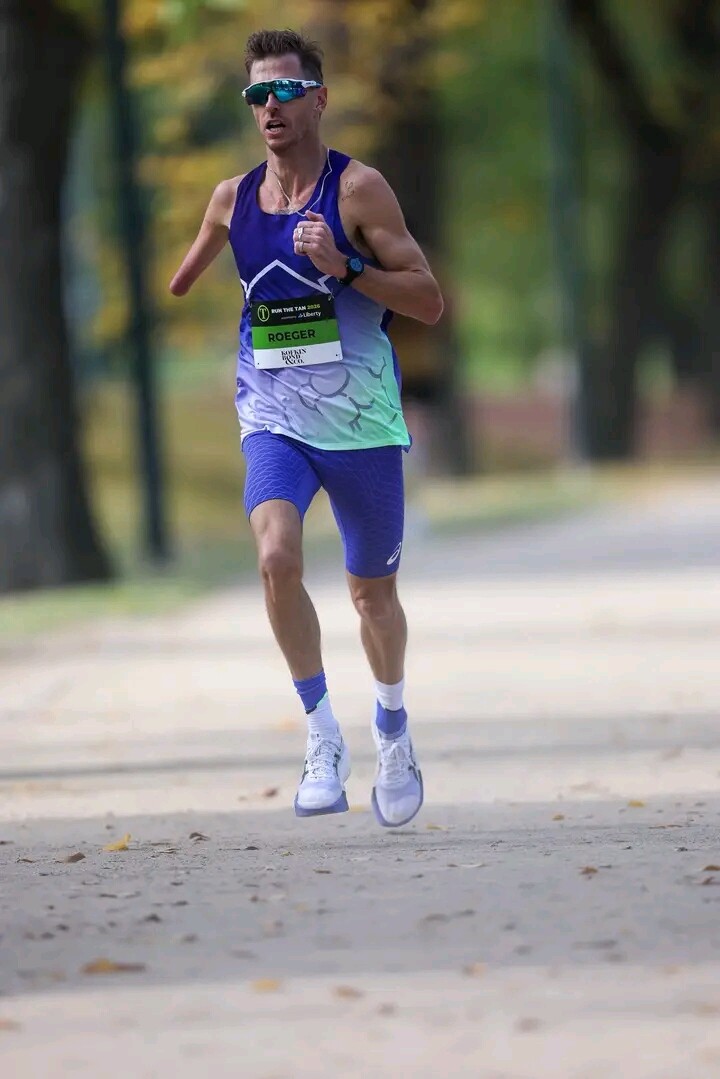
At 38, Roeger returns to the marathon with a career shaped by persistence, reinvention and an extraordinary ability to keep moving forward whenever circumstances have threatened to derail him.
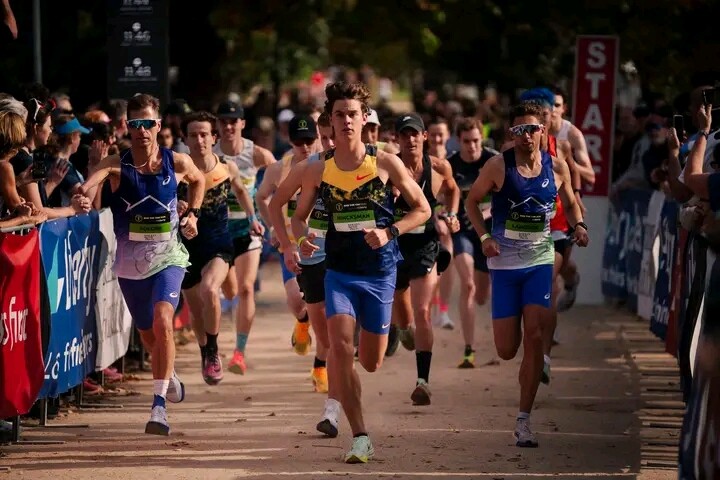
Sydney is a fitting stage for the next chapter. The marathon, now part of the Abbott World Marathon Majors, takes runners through some of the city's most recognisable landmarks, beginning in North Sydney, crossing the Harbour Bridge and eventually finishing near the Opera House. For Roeger, however, this is about far more than another marathon.
He is returning to the distance in the city where he set the fastest T46 marathon ever recorded.
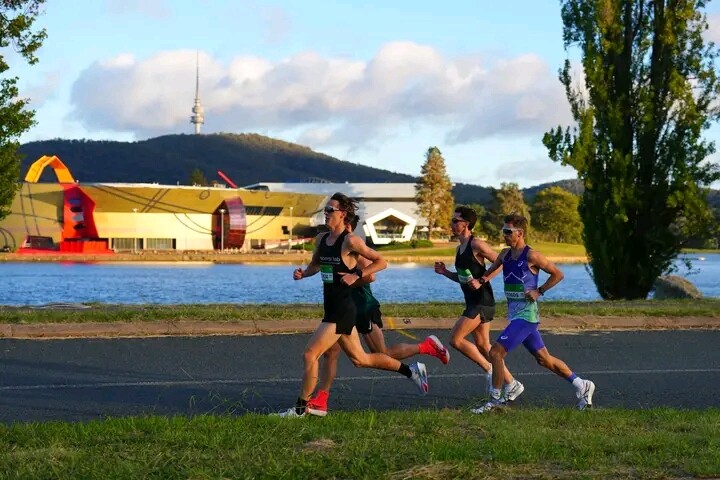
Roeger grew up in Langhorne Creek, a small South Australian community about 55 kilometres south of Adelaide. Born without the lower half of his right arm, he discovered Para athletics after Paralympian Neil Fuller visited his school when Roeger was 12.
What began as an introduction to sport eventually developed into a career spanning five Paralympic Games, world championships, major medals and multiple world records.
His T46 classification covers athletes with an arm amputation or comparable upper-limb difference. Yet describing Roeger's performances simply through his classification fails to capture the complexity of what he has achieved.
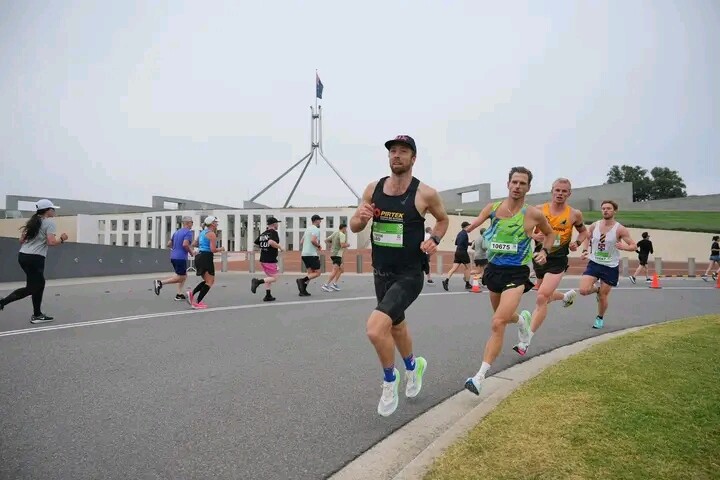
Running is an intricate coordination of the entire body. The arms contribute to balance, rhythm and control, helping the torso manage the rotational forces created by every stride. Over 42.195 kilometres, maintaining efficient movement is an enormous physical and technical challenge.
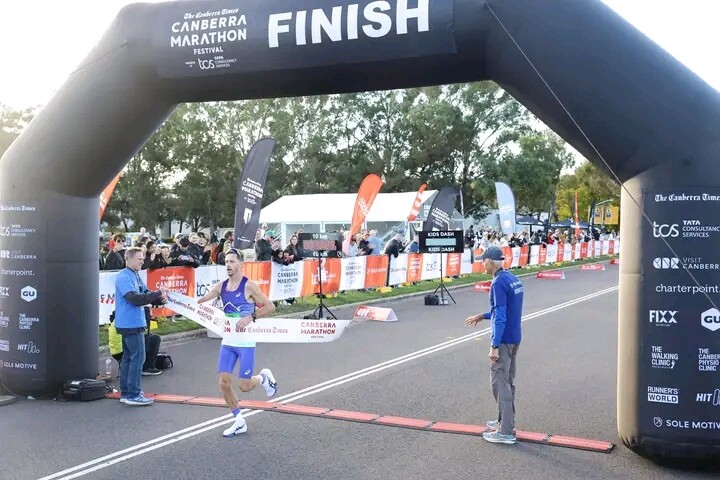
Roeger's marathon performances therefore represent much more than a number attached to a classification. They are elite endurance performances in their own right.
His transition to the marathon was remarkably rapid. Roeger made his marathon debut at the Melbourne Marathon in October 2018, running 2:23:31. The performance was faster than the existing T46 world record at the time, although it was not ratified as a world record because the race did not have the necessary status.
Six months later, he returned to the distance at the 2019 London Marathon, where the World Para Athletics Marathon Championships were staged within the race.
This time, everything came together.
Roeger won the T46 world title in 2:22:51, lowering the ratified world record and establishing himself as the world's leading marathoner in the classification. Even when cramp began to trouble him during the closing stages, he held on to become a world champion.
The progression continued.
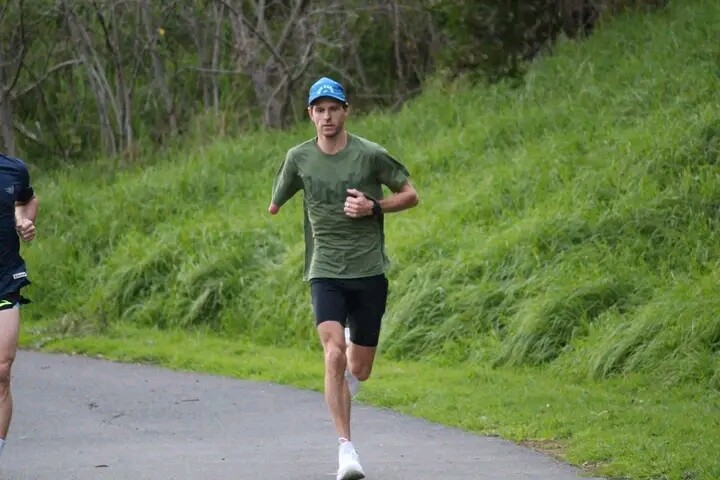
At the 2020 Chevron Houston Marathon, Roeger ran 2:19:33, becoming the first ambulant Para athlete to break the 2:20 barrier and once again lowering his own world record.
But his most significant breakthrough came back in Australia.
On April 25, 2021, Roeger lined up in Sydney for the Athletics Australia Tokyo Qualifying Marathon. He produced the fastest marathon of his career, crossing the finish line in 2:18:53.
That performance remains the T46 marathon world record.
The progression is remarkable. From 2:23:31 in Melbourne to 2:22:51 in London, 2:19:33 in Houston and finally 2:18:53 in Sydney, Roeger repeatedly moved the benchmark forward.
It was almost five minutes of improvement across four marathon performances.
But the record is only one part of the story.
Roeger's career has never followed a smooth upward trajectory. At the 2008 Beijing Paralympic Games, aged only 20, he contested the 800m, 1500m and 5000m T46 events, with seventh place in the 1500m his best finish.
Four years later in London, he arrived with genuine medal ambitions. Instead, gastrointestinal bleeding struck on the eve of the T46 800m. He still started the race but was forced to withdraw after one lap.
Rio 2016 finally delivered a Paralympic medal, with Roeger winning bronze in the 1500m. That success helped convince him to move towards the longer distances and eventually make the marathon his primary focus.
Then came another major setback.
Six weeks before the Tokyo 2020 Paralympic Games, Roeger suffered a stress fracture in his lower leg, destroying much of his preparation for the marathon. Despite the injury, he travelled to Tokyo and made the start line.
He finished sixth in 2:34:45, a time far outside the level he had demonstrated before the Games.
For most athletes, such a setback could have marked the end of the road. For Roeger, it became another chapter in a career defined by adaptation.
Before the Paris 2024 Paralympic Games, another obstacle emerged when the T46 marathon was removed from the programme. The event in which Roeger had become a world-record holder was no longer available at the Games.
His only remaining distance was the 1500m.
So he adapted once again.
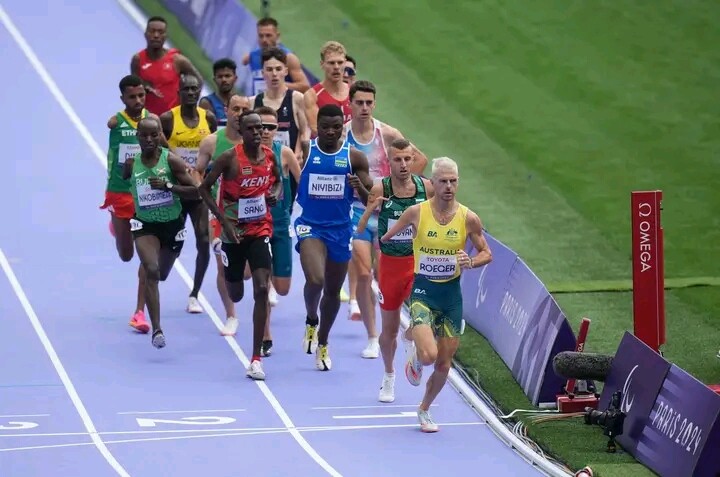
Roeger returned to the track and competed in Paris, ultimately adding another Paralympic medal to his collection with silver in the T46 1500m.
Now the marathon is calling again.
The 2026 TCS Sydney Marathon will provide a very different challenge from the flat courses on which many of the world's fastest marathon times are produced. The route begins in North Sydney, crosses the Sydney Harbour Bridge and winds through the city before finishing at the Opera House.
The course features substantial elevation changes, with approximately 313 metres of climbing across the 42.195 kilometres. It is a course that rewards strength, patience and the ability to maintain efficient form when the legs are already carrying the fatigue of a long marathon.
For Roeger, that challenge will be amplified by the quality of the field around him.
The Australian elite field includes a strong collection of domestic marathoners, while the international men's race features considerable depth, with numerous athletes holding personal bests below 2:10.
Roeger will therefore not be lining up in isolation as a Para athlete. He will be part of a major international marathon field, surrounded by runners pursuing national titles, personal bests and elite honours.
That is also central to the way he has approached his career.
Roeger has long resisted the idea that Para athletes should be viewed as fundamentally separate from their able-bodied counterparts. His philosophy has been simple: once the starting gun goes, the competition is about running.
That attitude has helped him move comfortably between Para athletics and open elite competition, and Sydney 2026 offers another opportunity to do exactly that.
His partnership with coach Dr Philo Saunders has been particularly important throughout his career, helping him develop into a world-class athlete across multiple distances.
Yet perhaps the most impressive part of Roeger's story is not any individual medal or record.
It is the number of times he has had to begin again.
From a small South Australian town to five Paralympic Games. From disappointment in Beijing and London to a medal in Rio. From the track to the marathon. From a devastating injury before Tokyo to a world-record performance. From losing his marathon event before Paris to returning to the 1500m and winning another Paralympic medal.
Every time the route has changed, Roeger has found another way forward.
Now, at 38, he is returning to the marathon once more.
And there could hardly be a more fitting destination than Sydney.
It is the city where he produced his 2:18:53 world record in 2021. Five years later, he will return to the same city carrying the experience of a career that has tested his resilience at almost every turn.
The world record is already in his name.
On August 30, Michael Roeger will have another chance to show the world what remains in the legs of the man who refused to let setbacks define the limits of his career.
by Erick Cheruiyot for My Best Runs.
Login to leave a comment

Sydney Marathon
The Sydney Marathon is a marathon held annually in Sydney, Australia. The event was first held in 2001 as a legacy of the 2000 Summer Olympics, which were held in Sydney. In addition to the marathon, a half marathon, 9 kilometres (5.6 mi) "Bridge Run", and a 3.5 kilometres (2.2 mi) "Family Fun Run" are also held under the banner...
more...Latest Running News
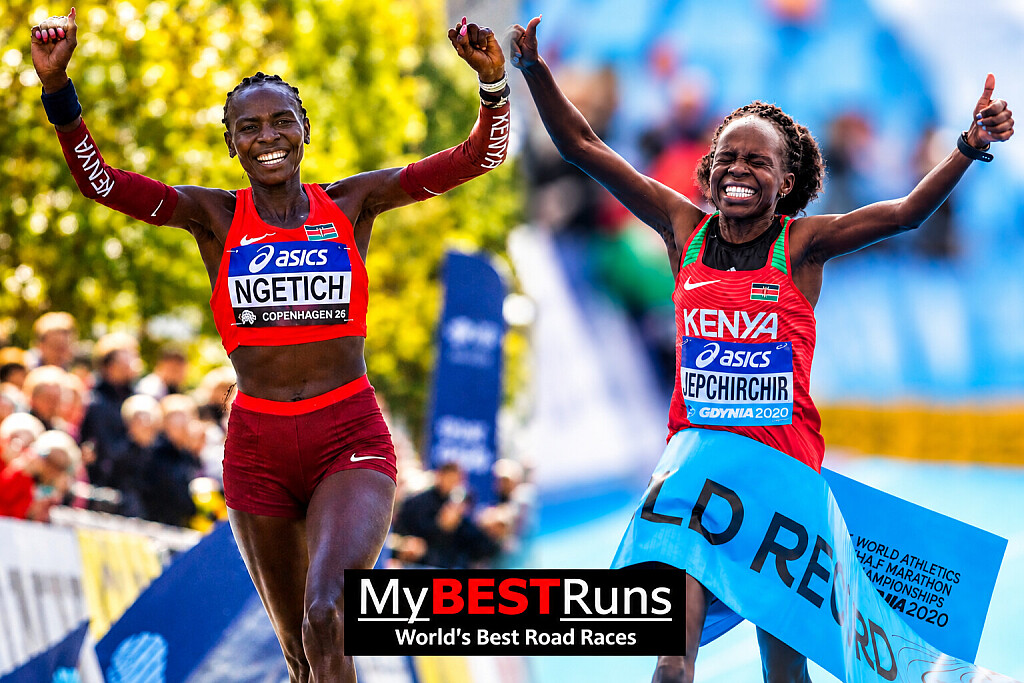
Agnes Ngetich Rewrites Peres Jepchirchir’s Record: Two Historic Half Marathons, One Second Apart
Kenya’s Agnes Jebet Ngetich has added another remarkable chapter to the country’s extraordinary half-marathon history, breaking the women-only world half-marathon record in Copenhagen on Sunday, September 20, 2026.
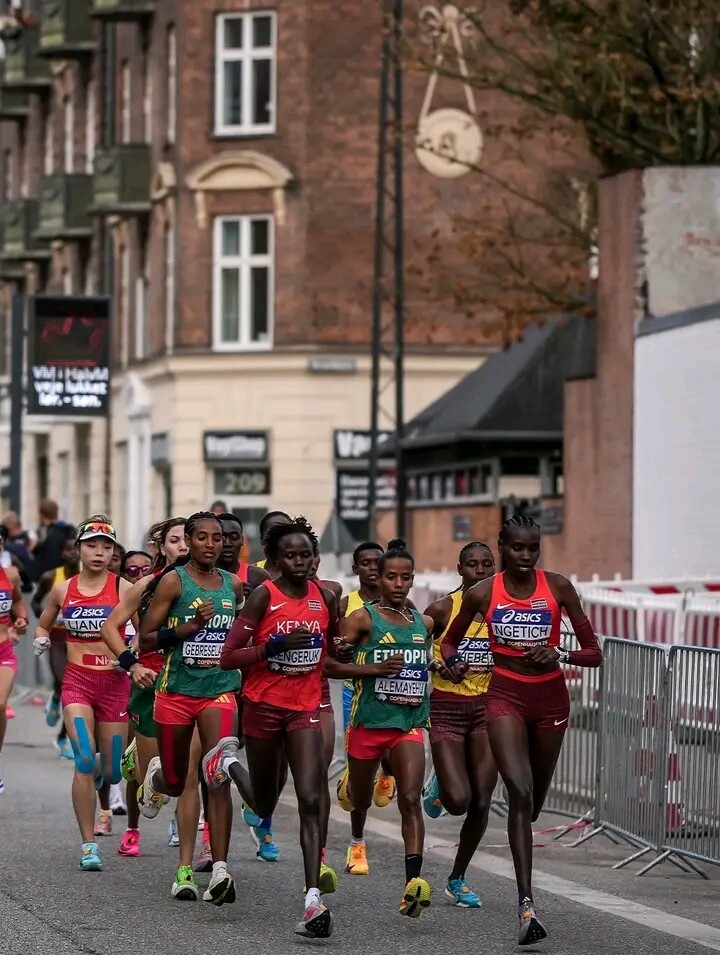
Ngetich clocked 1:05:15 to win the women’s half marathon at the World Athletics Road Running Championships, lowering the previous women-only world record of 1:05:16 set by fellow Kenyan Peres Jepchirchir in Gdynia, Poland, in 2020.
Jepchirchir originally established the record on October 17, 2020, when she won the World Athletics Half Marathon Championships in Gdynia in 1:05:16. That performance came just weeks after she had first broken the women-only record in Prague with 1:05:34 on September 5, 2020.
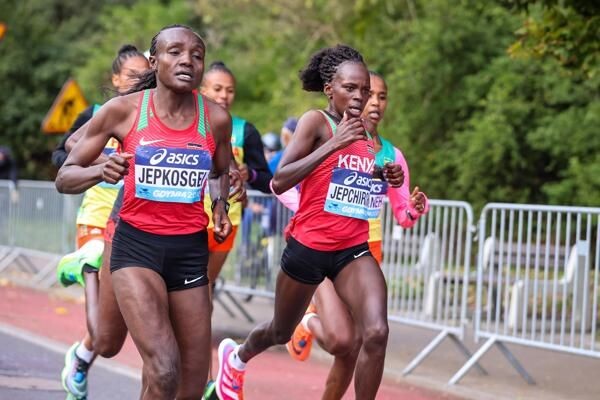
Five years later, Ngetich finally moved the mark forward—but by the narrowest possible margin.
The Copenhagen race also provides an intriguing statistical contrast between the two record-breaking performances. Their final times are separated by only one second, yet their races unfolded in noticeably different ways.
Ngetich attacked from the beginning, passing the opening 5km in 15:12. She then maintained remarkable consistency, reaching the next 5km in 15:27, followed by 15:38 and 15:39 for the subsequent 5km segments. With the final section covered in 3:19, she stopped the clock at 1:05:15.
Jepchirchir’s 2020 record followed a different rhythm. She passed the corresponding stages in 15:20, 15:27, 15:37 and 15:40, before producing a dramatically faster final section of 2:36 to complete her historic run in 1:05:16.
The split comparison highlights the contrasting ways in which the two Kenyans reached almost identical finishing times. Ngetich established her advantage early and maintained it through the middle kilometres, while Jepchirchir gradually built her race and delivered a particularly powerful closing section.
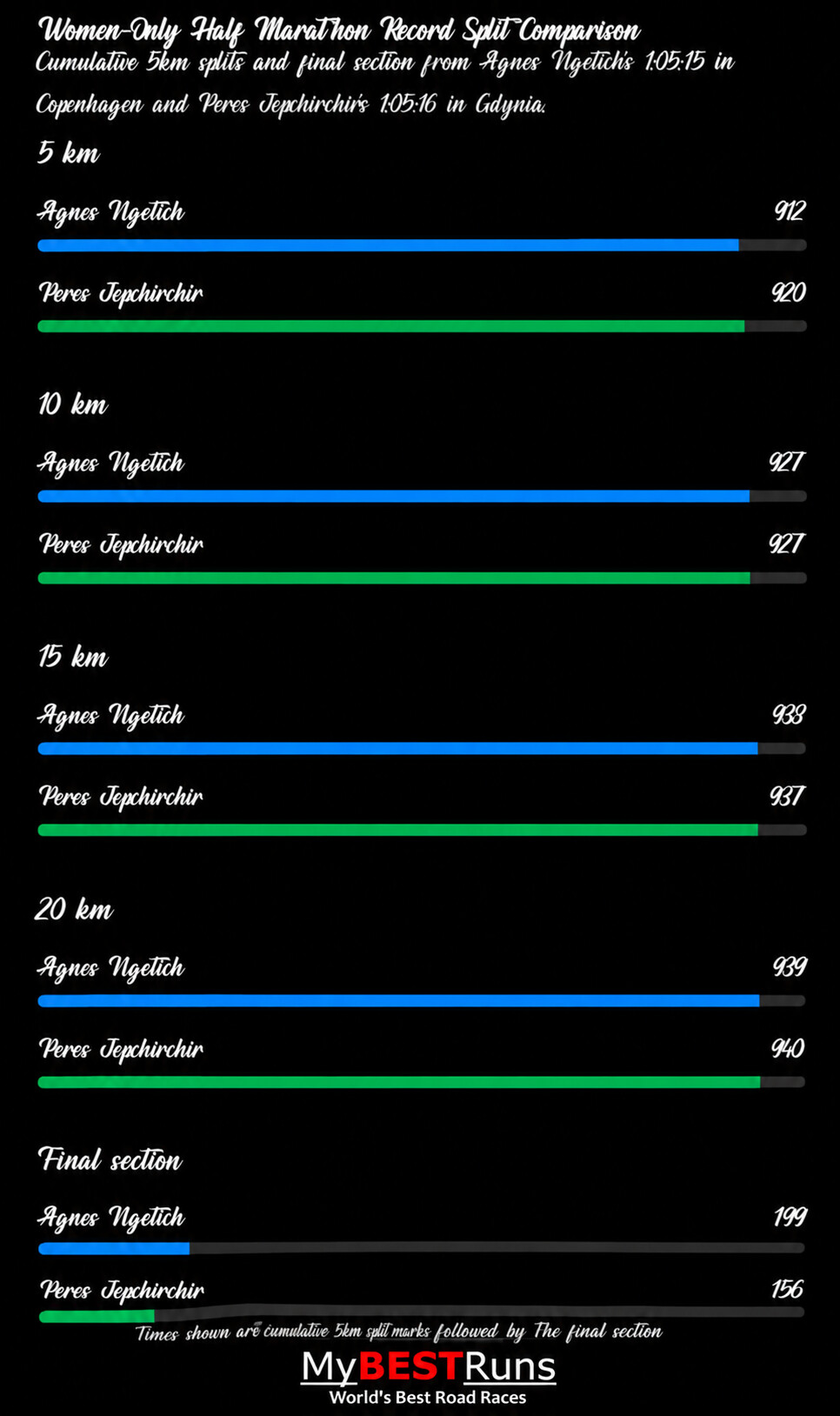
That is what makes the comparison so fascinating. Ngetich’s 1:05:15 and Jepchirchir’s 1:05:16 were produced five years apart, in different races and under different circumstances, yet the two performances sit almost perfectly together in the record books.
The split comparison is not a direct race between the two athletes, but rather a look back at how two Kenyan champions produced historic performances through contrasting pacing strategies. Ngetich’s performance was built on an exceptionally fast opening and sustained consistency, while Jepchirchir’s record was characterized by a stronger acceleration toward the finish.
For Jepchirchir, the 1:05:16 in Gdynia represented a defining moment in 2020. For Ngetich, the 1:05:15 in Copenhagen marked the moment she finally moved that record forward.
One second separates them. Five years separate the performances. Together, the two times provide a striking statistical snapshot of two historic Kenyan half-marathons.
by Erick Cheruiyot for My Best Runs.
Login to leave a comment
Women’s 800m Delivers A Season For The Ages In 2026
The women’s 800 metres has produced one of the most compelling storylines of the 2026 athletics season, with extraordinary times, fierce rivalries and a remarkable emergence that has transformed the event into one of the most closely followed races on the track.
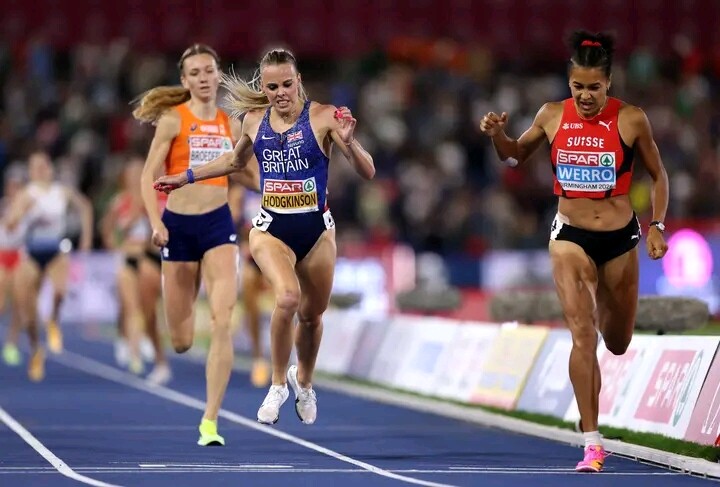
At the centre of it all has been Switzerland’s Audrey Werro, who turned an already competitive event into a breathtaking display of speed and consistency. Werro finished the outdoor season unbeaten and established herself as one of the leading forces over two laps.
Her breakthrough reached another level in Stockholm in June, when she ran 1:53.98 to become only the third woman in history to break 1:54. She later improved to 1:53.80 in Paris before producing an astonishing 1:53.70 in Zurich in August. That performance moved her to third on the all-time list, behind only Jarmila Kratochvilova and Nadezhda Olizarenko.
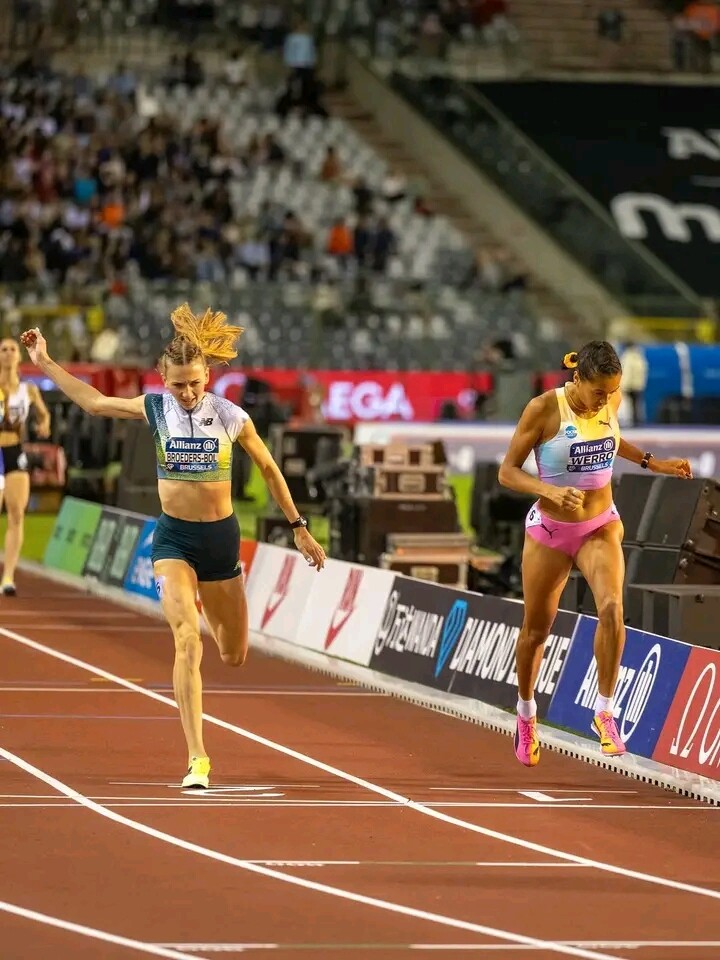
Yet Werro was not the only athlete rewriting the story of the event.
Britain’s Keely Hodgkinson began the year in spectacular fashion by breaking the world indoor 800m record with 1:54.87 in Liévin. She followed that with victory at the World Indoor Championships, winning the title in a championship record of 1:55.30.
Hodgkinson also produced one of the season’s most memorable outdoor races when she ran 1:54.33 in Stockholm, finishing behind Werro but setting a British record and recording one of the fastest 800m performances ever run by a non-winner. The two athletes pushed each other deep into territory rarely seen in the event.
Then came one of the most unexpected developments of the season: Femke Broeders-Bol’s transformation.
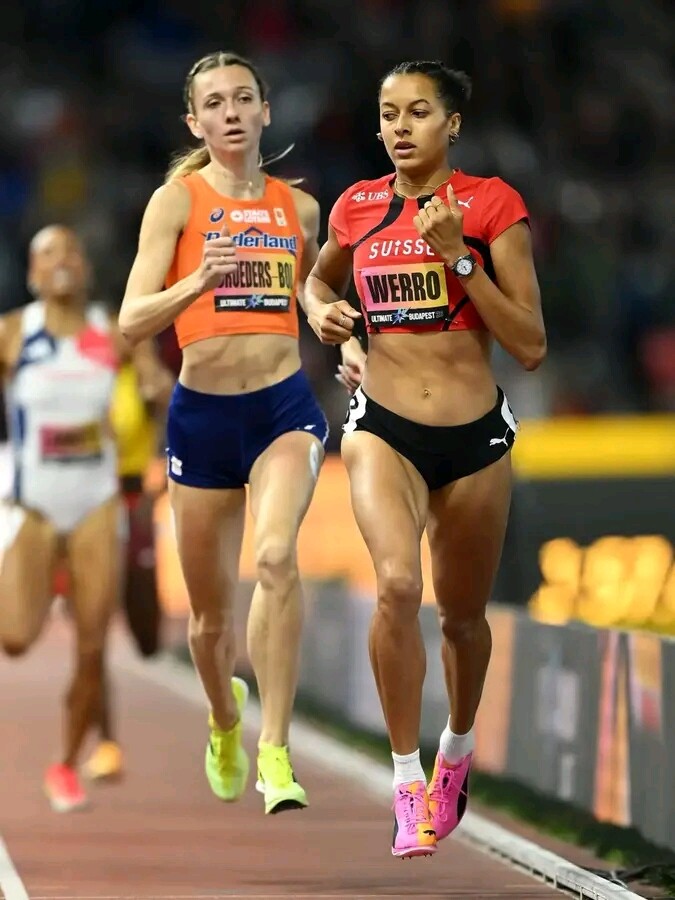
The Dutch star, already a two-time world champion in the 400m hurdles, made the switch to the 800m in 2026 and rapidly established herself among the world’s best. What initially looked like an ambitious experiment quickly became a genuine championship challenge.
Broeders-Bol ran 1:55.54 to take bronze behind Werro and Hodgkinson at the European Championships in Birmingham, matching the Dutch record. She later improved to 1:54.71 in Zurich, becoming one of the fastest women in history at the distance.
The European final provided another glimpse of just how deep the event had become. Werro won in a championship-record 1:54.81, Hodgkinson followed in 1:55.01, while Broeders-Bol took third in 1:55.54.
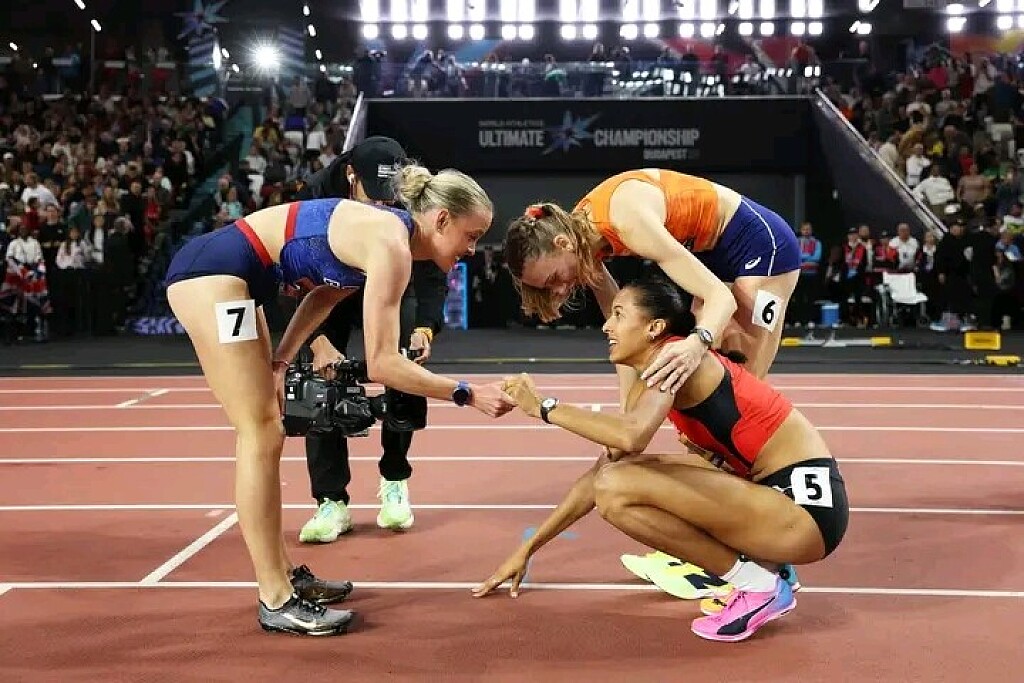
Their rivalry continued into the inaugural World Athletics Ultimate Championship in Budapest, where the three again shared the spotlight. Werro produced another controlled performance to win the final in 1:55.88, ahead of Hodgkinson in 1:56.26 and Broeders-Bol in 1:56.74.
What made the 2026 women’s 800m particularly remarkable was not simply the number of fast times, but the different storylines unfolding at the same time. Werro’s explosive rise, Hodgkinson’s record-breaking indoor campaign and championship pedigree, and Broeders-Bol’s extraordinary transition from the 400m hurdles created a three-way battle that repeatedly produced world-class racing.
And behind them was an increasingly deep field, making the event far more than a contest between three athletes. With multiple runners capable of breaking two minutes and pushing the leaders, every major championship race carried the possibility of another breakthrough.
For Werro, 2026 became the year she moved from emerging talent to a dominant outdoor force. For Hodgkinson, it was another season of record-breaking performances and championship experience. And for Broeders-Bol, it was the beginning of an entirely new chapter.
Together, they made the women’s 800m one of the defining events of the 2026 season — a year in which records fell, rivalries intensified and the two-lap race produced drama almost every time the gun went off.
by Erick Cheruiyot for My Best Runs.
Login to leave a comment
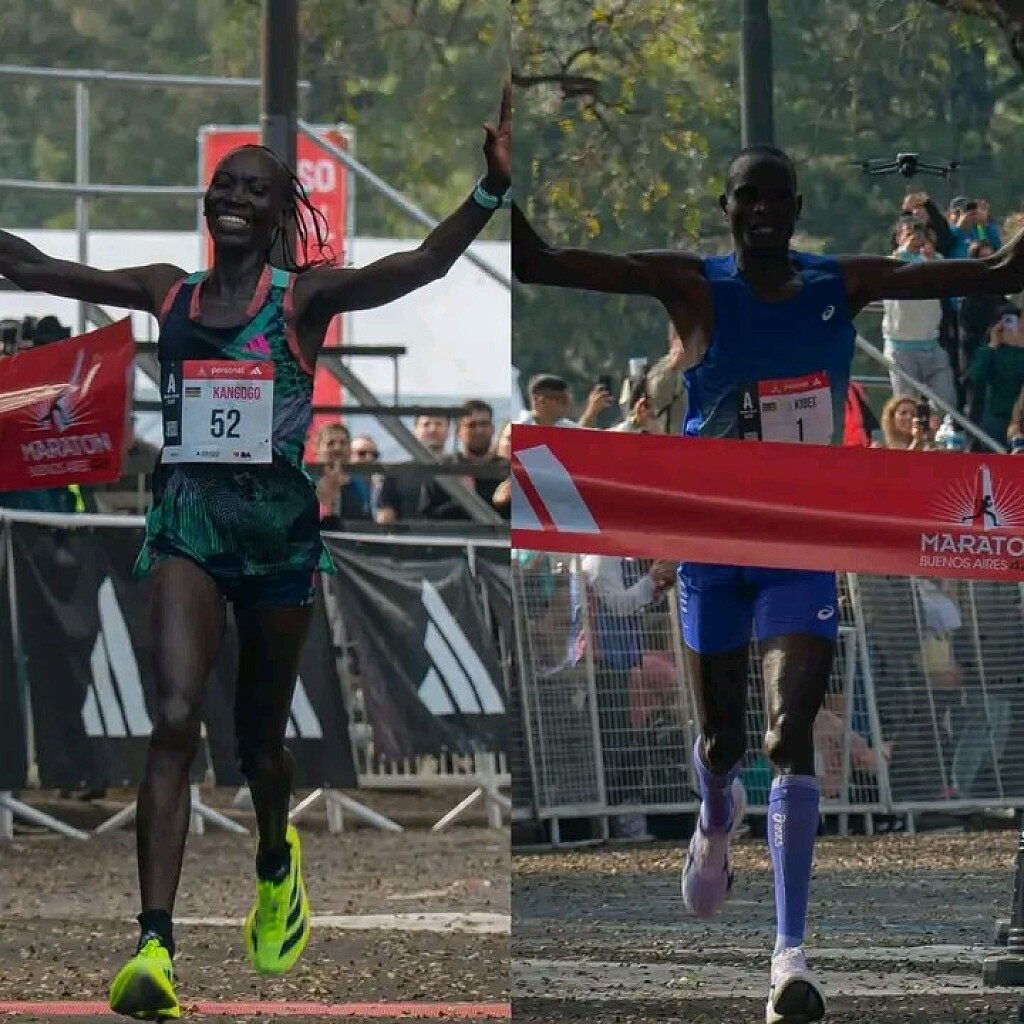
Bethwel Kibet Chumba And Rebecca Kangogo Chesir Lead Kenyan Triumph At Buenos Aires Marathon
Kenya produced a spectacular double triumph at the 2026 Buenos Aires Marathon on Sunday, September 20, dominating both the men’s and women’s races as Bethwel Kibet Chumba claimed the men’s title and Rebecca Kangogo Chesir shattered the women’s course record.
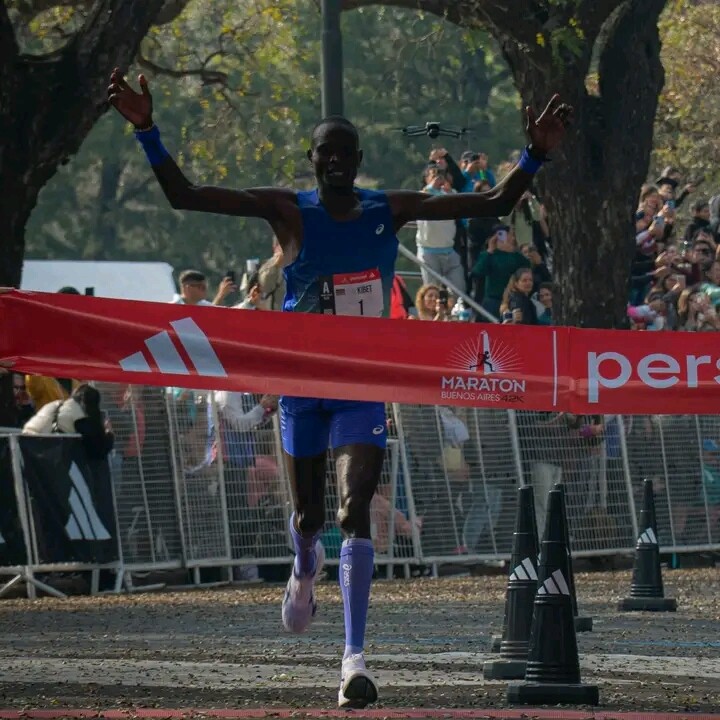
On the men’s side, Chumba delivered a commanding performance to conquer the streets of Argentina, crossing the finish line in 2:08:28 and securing a memorable victory on the home turf of football legend Diego Armando Maradona.
The race unfolded under challenging conditions, with temperatures around 18°C and humidity approaching 90 percent placing considerable demands on the runners throughout the 42.195-kilometre course.
Earlier in the race, a fierce lead group featuring four Kenyans and one Rwandan pushed the pace aggressively, reaching halfway in a remarkable 1:02:48. At that point, the pace appeared fast enough to threaten the 2:05:00 course record, but the demanding second half would prove considerably more difficult.
As the kilometres passed and the humid conditions began to take their toll, Chumba maintained his strength and composure to emerge as the strongest runner in the closing stages. He eventually secured the victory in 2:08:28.
Rwanda’s John Hakizimana produced an outstanding performance to finish second in 2:08:39, just 11 seconds behind Chumba, while Kenya’s Felix Kiptoo Kirwa completed the men’s podium in 2:10:24.
Kipkemo Kiprono followed in fourth in 2:10:49, with Vincent Kibor Raimoi fifth in 2:11:50. Ethiopia’s Embay Goitom Dimtsu finished sixth in 2:12:28, while Chile’s Ricardo Rojas was seventh in 2:14:47.
Colombia’s David Gómez González placed eighth in 2:15:23, followed by Argentina’s Ignacio Erario in 2:16:42 and compatriot Ignacio Reyes, who completed the men’s top 10 in 2:21:46.
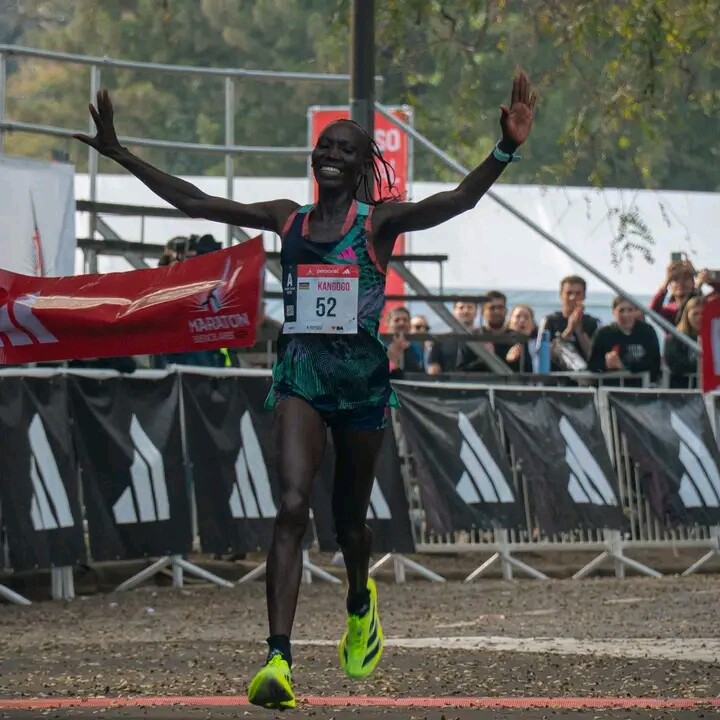
The women’s race provided another remarkable Kenyan celebration, with Rebecca Kangogo Chesir leading a clean sweep of the podium while producing the performance of the day with a new course record of 2:23:36.
Kangogo Chesir controlled the women’s race through the streets of Buenos Aires to claim victory and rewrite the course record. Her winning time was 1 minute and 16 seconds faster than the previous mark of 2:24:52, set by fellow Kenyan Rodah Jepkorir Tanui in 2023.
The victory also represented a major personal breakthrough for Kangogo Chesir. Entering the race with a personal best of 2:24:25, she improved substantially to 2:23:36, breaking the 2:24 barrier for the first time in her career.
Behind her, Tanui produced another strong performance to finish second in 2:24:49, while Emmah Cheruto Ndiwa completed the all-Kenyan podium in 2:26:55, giving Kenya gold, silver and bronze in the women’s race.
The result was particularly significant for Tanui, who returned to the Buenos Aires podium after winning the race in 2023. Her runner-up performance in 2026 was also faster than the 2:24:52 winning time she recorded three years earlier.
Ethiopia’s Sintayehu Hailemichael finished fourth in 2:29:53, followed by compatriot Agere Tamir in 2:30:19. Lomi Muleta Tefera, also from Ethiopia, placed sixth in 2:32:15.
Argentina’s Chiara Mainetti was the leading home runner in seventh place with 2:38:25. Anahi Castaño followed in 2:44:21, while Mercedes Piredda finished ninth in 2:48:11. Laura Ortegon completed the women’s top 10 in 2:50:32.
The demanding weather conditions added another layer of difficulty to both races, with the warm temperatures and exceptionally high humidity testing the endurance of the international field over the full marathon distance.
For Kenya, Buenos Aires became a celebration of distance-running strength, with Chumba taking the men’s title in 2:08:28 and Kangogo Chesir breaking the women’s course record in 2:23:36. The women’s podium sweep added another highlight, as Kenya once again demonstrated its depth on the international marathon stage.
by Erick Cheruiyot for My Best Runs.
Login to leave a comment

Buenos Aires Marathon
The Maratón of Buenos Aires is an annual marathon foot-race which takes place in Buenos Aires, Argentina, during the Southern Hemisphere's Spring, usually in October. The 21st edition of the Buenos Aires Marathon started on October 9, 2005 at 7:30 at the 9 de Julio Avenue and Córdoba Avenue in the Recoleta neighborhood, being the start also the end point. ...
more...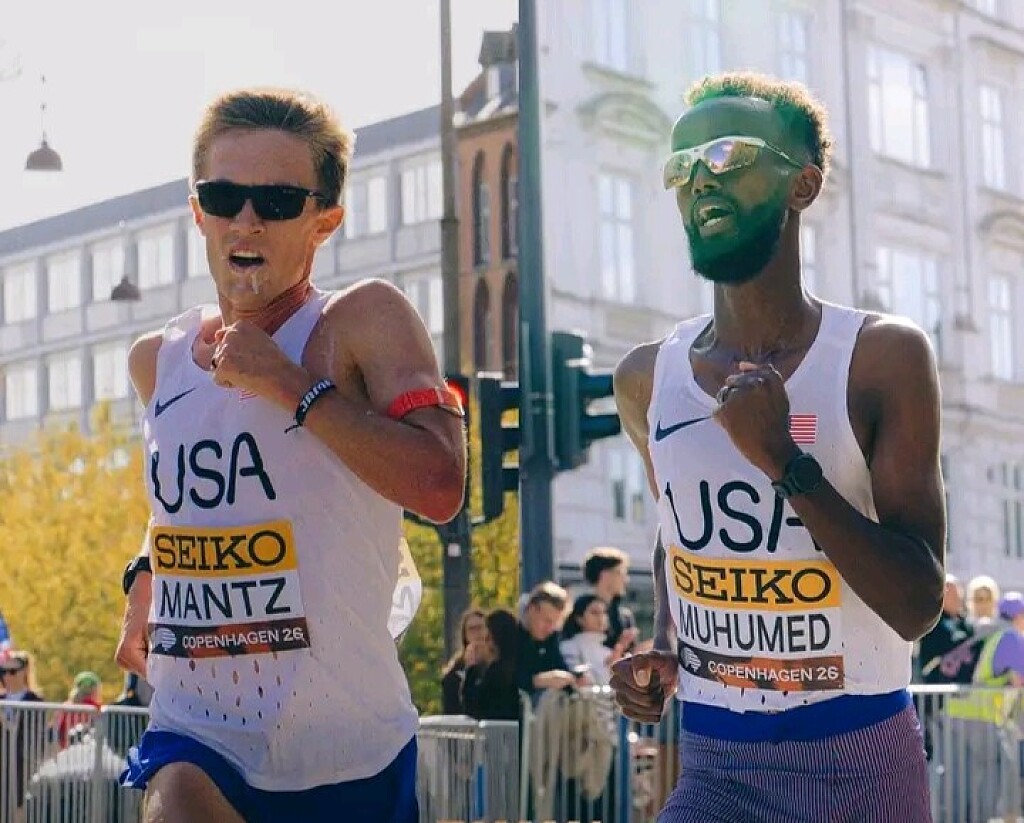
Team USA Makes History With Double Half Marathon Team Medals In Copenhagen
The United States enjoyed a remarkable day at the 2026 World Athletics Road Running Championships in Copenhagen, Denmark, securing team medals in both the men’s and women’s half marathon competitions.
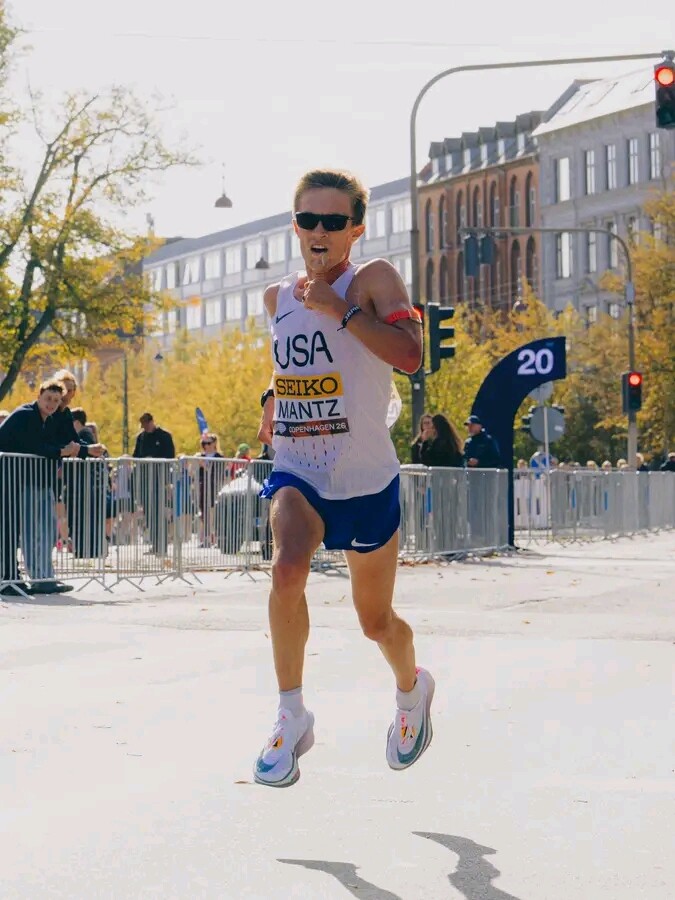
The American men claimed bronze in the team standings, while the women produced a historic performance to win silver and secure Team USA’s first-ever women’s team medal at the World Road Running Championships.
Leading the way for the American men was Conner Mantz, who finished 12th individually in 1:00:08, clocking a season’s best to spearhead the American challenge over the 21.1-kilometre distance.
For Mantz, the performance carried added significance as he continues his comeback from injury. His 1:00:08 season’s best provided a strong return to championship-level competition and an important tune-up as he prepares to take on the New York City Marathon in November.
Mantz’s performance also proved crucial to Team USA’s team medal effort, with his 12th-place finish providing the foundation for the Americans to secure bronze in the men’s standings.
Ahmed Muhumed followed closely in 13th place, crossing the finish line in 1:00:15. The performance marked a significant breakthrough for Muhumed, who lowered his previous best by 48 seconds in a major championship setting.
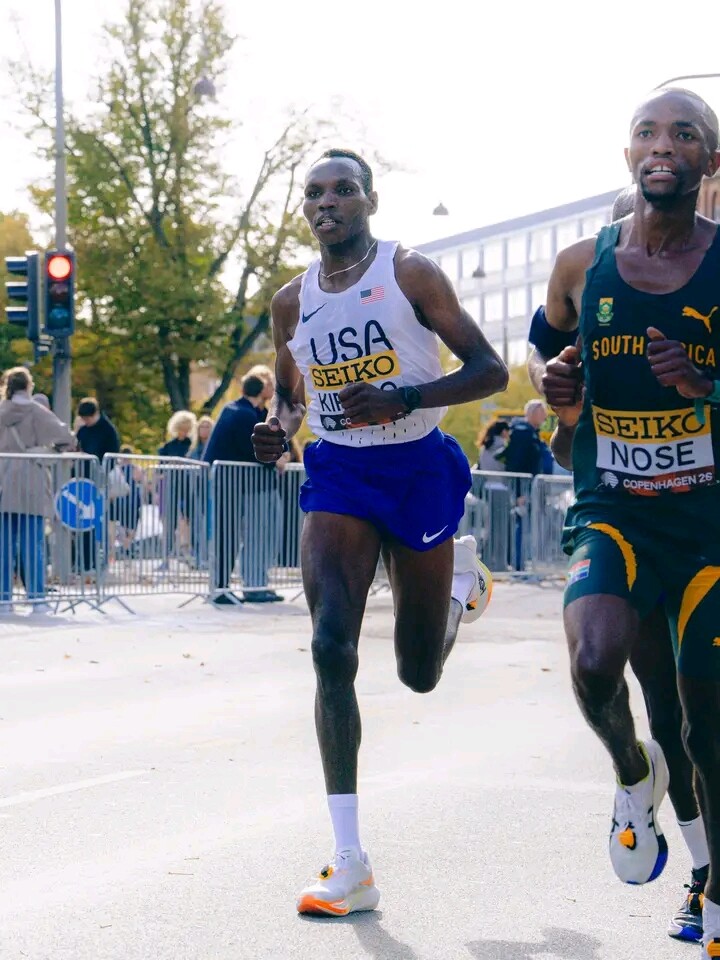
Wesley Kiptoo completed the American scoring trio, placing 23rd in 1:01:11. Kiptoo also produced a season’s best, contributing another important performance to the United States’ team effort.
The combined performances of Mantz, Muhumed and Kiptoo were enough to place the United States third in the men’s team standings, securing a hard-earned bronze medal in Copenhagen.
For Muhumed, the race was one of the biggest breakthroughs of the day, with his 1:00:15 representing a 48-second improvement on his previous best. Kiptoo’s season-best 1:01:11 further strengthened the American challenge and helped convert three individual performances into a place on the global podium.
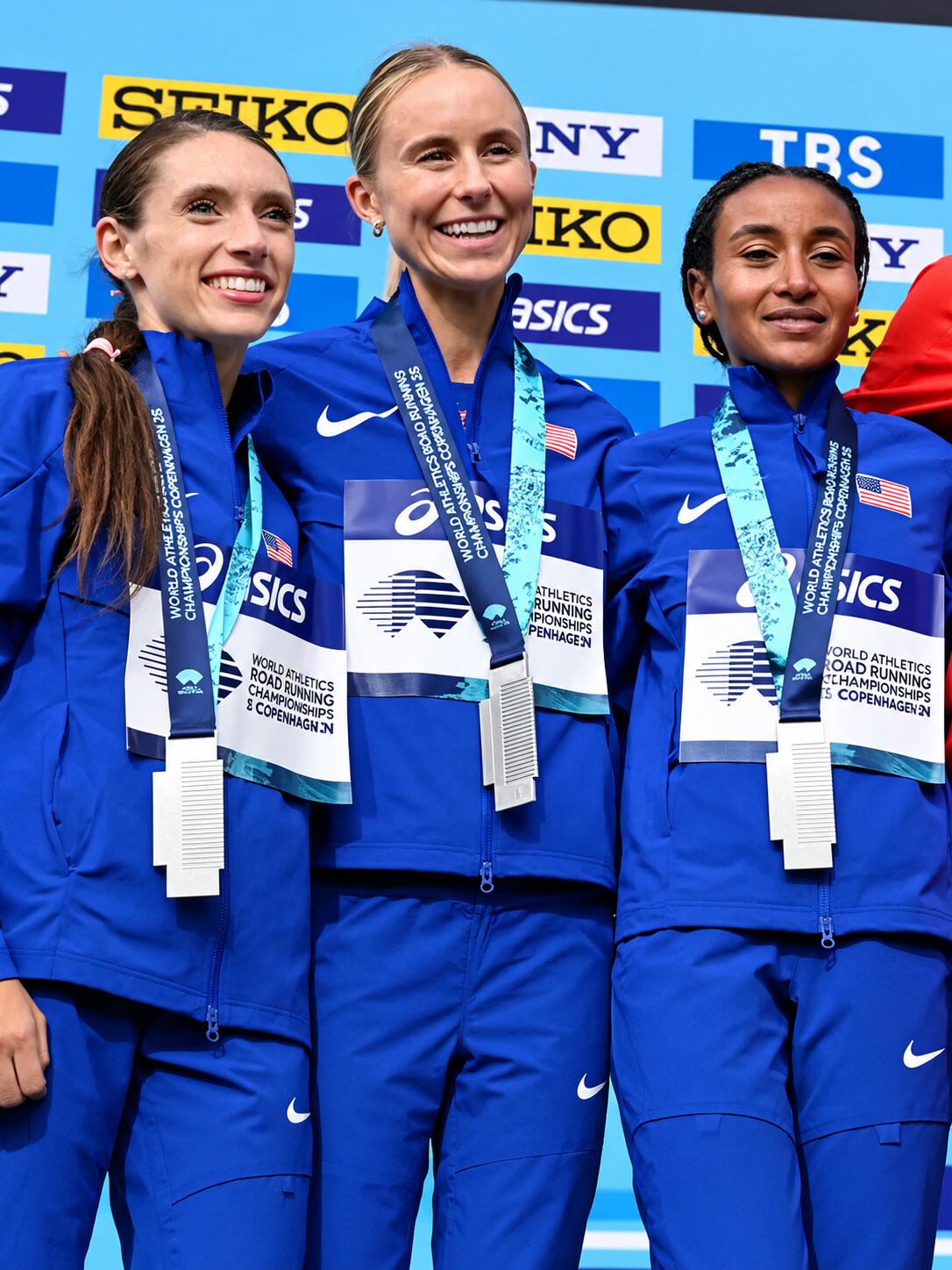
On the women’s side, Team USA made history by placing three athletes inside the top seven, earning its first-ever women’s team medal at the World Road Running Championships.
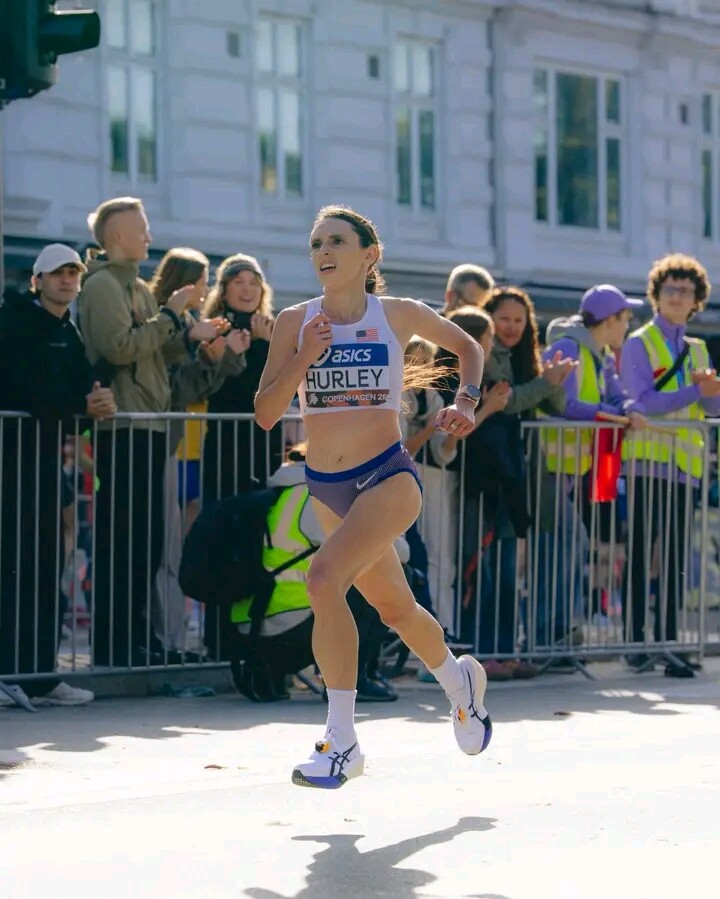
Emma Grace Hurley led the American women with a sensational fifth-place finish in 1:06:23. The performance was a huge personal best, taking more than a minute off her previous best of 1:07:35 and moving her to No. 3 on the U.S. all-time half marathon list.
Hurley also finished as the first American across the line, delivering one of the standout performances of the championship for the United States.
Weini Kelati Frezghi followed in sixth place, clocking 1:06:35 and ensuring that Team USA had two athletes inside the top six. Jessica McClain completed the scoring trio in seventh, stopping the clock at 1:06:53.
McClain’s performance represented another major breakthrough. She entered Copenhagen with a half marathon personal best of 1:08:37 but improved that mark by nearly two minutes, producing a remarkable 1:06:53 and moving to No. 6 on the U.S. all-time list.
With Hurley, Kelati Frezghi and McClain all finishing inside the top seven, the American women combined their individual performances to secure a historic team silver medal.
The achievement gave Team USA a remarkable double podium finish in the half marathon team competitions, with the men taking bronze and the women claiming silver.
Beyond the medals, Copenhagen provided a showcase of individual breakthroughs for the American distance runners. Hurley moved into the top three on the U.S. all-time list, while McClain made an equally significant leap into sixth, as Mantz added another season’s best during his return from injury.
For Mantz, the Copenhagen race now serves as an important stepping stone toward the New York City Marathon in November, giving him a competitive test and a confidence-building performance as he continues his return to top-level racing.
It was a memorable championship outing for Team USA, with strong individual performances translating into two team medals and a landmark first for the American women at the World Road Running Championships.
by Erick Cheruiyot for My Best Runs.
Login to leave a comment
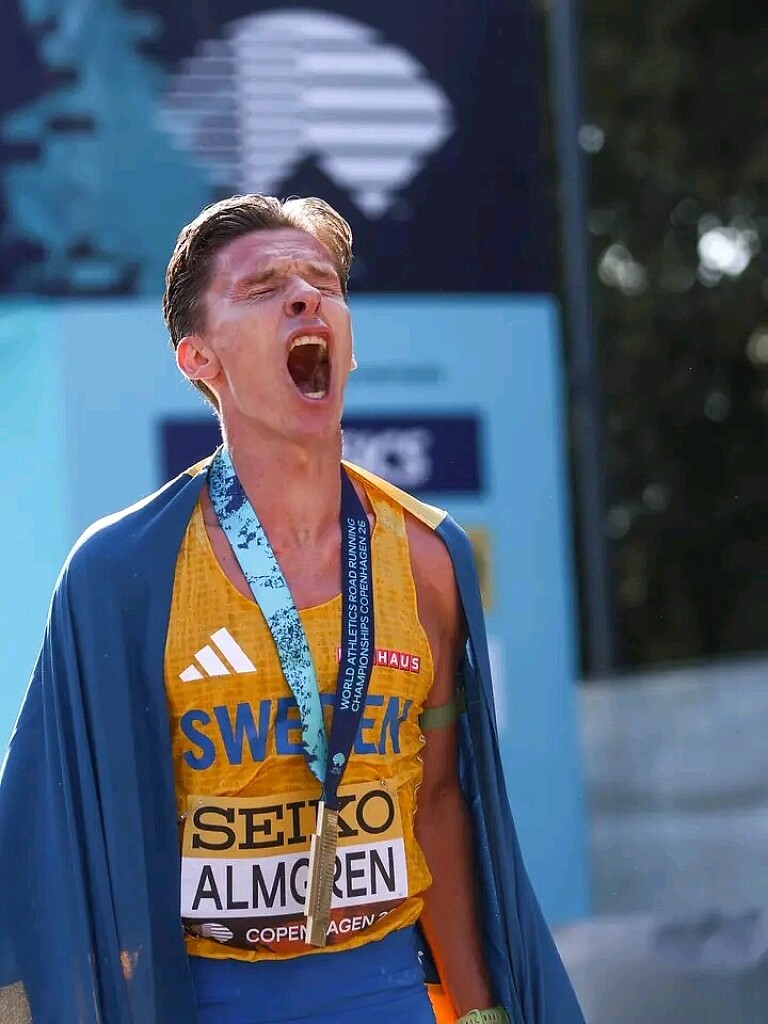
Andreas Almgren Times His Move To Perfection For World Half Marathon Gold In Copenhagen
Sweden’s Andreas Almgren produced a breathtaking finish on the streets of Copenhagen, unleashing a perfectly timed late surge to win the men’s half marathon title at the 2026 World Athletics Road Running Championships in 58:06.
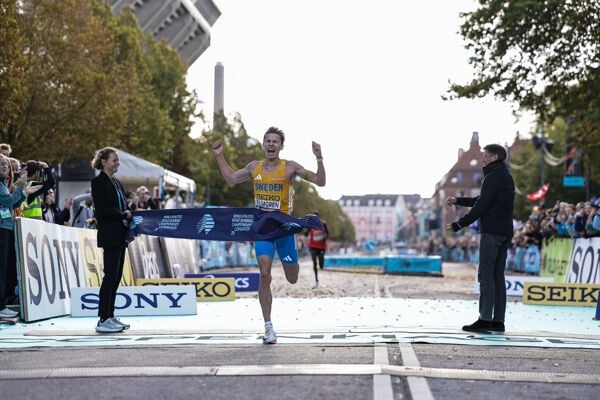
The Swedish star waited patiently through the decisive stages of the race before making his move with roughly 200 metres remaining, accelerating away from the field and producing a devastating sprint down the final straight.
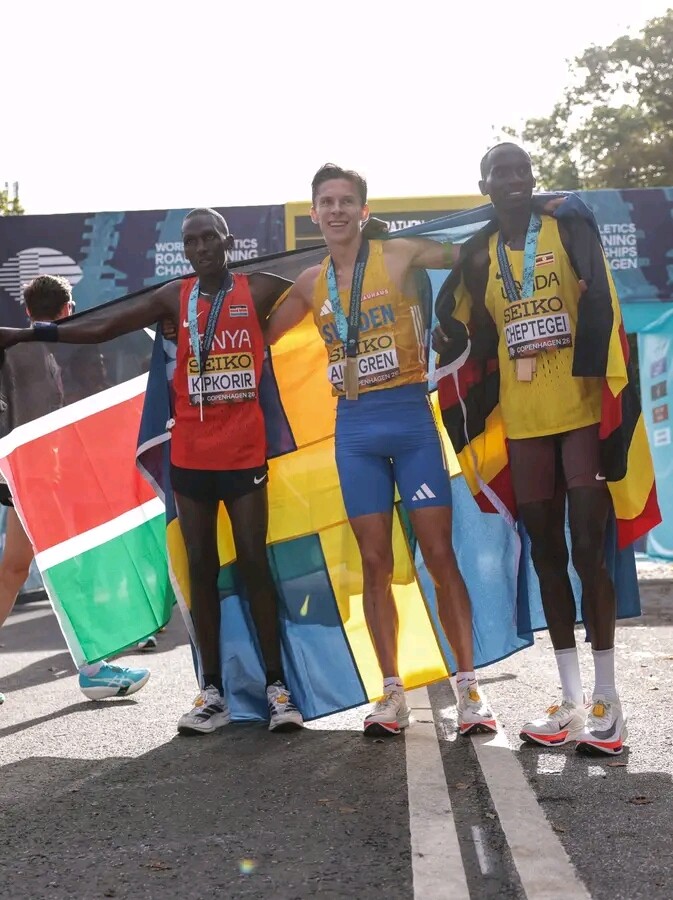
Nicholas Kipkorir had controlled much of the race, dictating the pace and keeping the leading contenders under pressure. Almgren, however, remained close throughout, carefully conserving enough energy for the moment that would ultimately decide the world title.
When the race entered its final stretch, Almgren made his move. The Swede surged hard over the final 200 metres and then outsprinted Kipkorir over the last 100 metres, powering clear to cross the line first in 58:06.
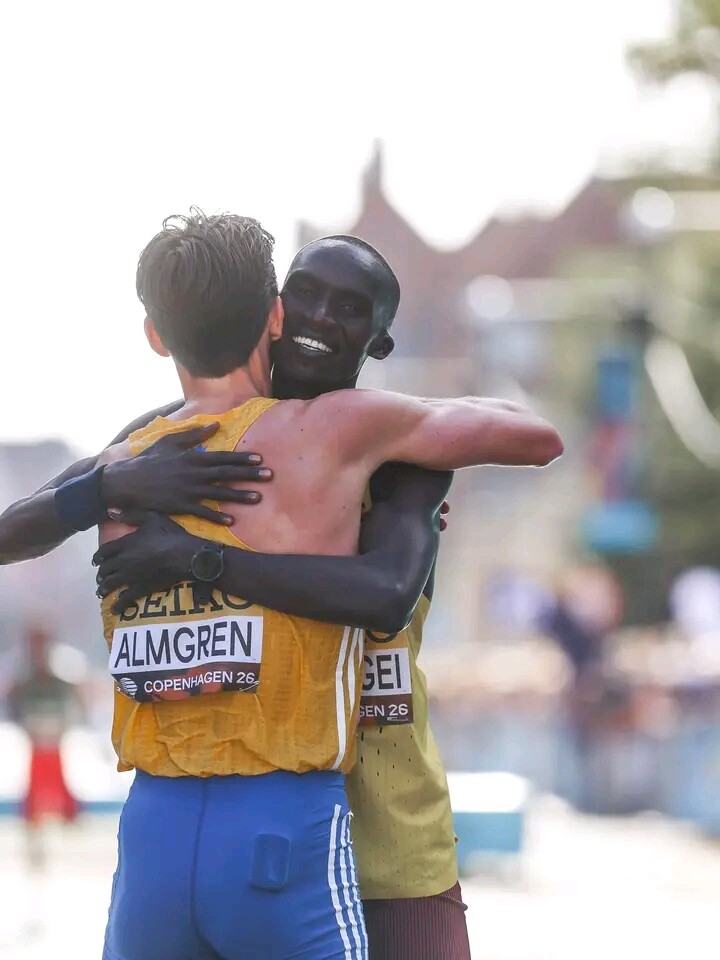
The performance was not only enough to secure the gold medal but also delivered an Area Record, adding another extraordinary achievement to Almgren’s rapidly growing list of accomplishments.
His winning time makes the victory even more significant in the history of the championships. Almgren becomes the first non-African world half marathon champion since Italy’s Stefano Baldini in 1996, ending a remarkable 30-year period in which athletes from Africa had dominated the global title.
For much of the race, Kipkorir appeared to have control, but Almgren refused to be separated from the Kenyan. His patience proved decisive as the race entered its final kilometres, allowing him to remain within striking distance before producing the acceleration that ultimately settled the contest.
Behind the leading pair, Uganda’s Joshua Cheptegei endured a gruelling battle to hold on to third position. The Olympic and world champion was pushed relentlessly in the closing stages and had to dig extremely deep to preserve his place on the podium. Despite the intense pressure from the athletes behind him, Cheptegei held firm to secure the bronze medal in a personal best of 58:26.
Ethiopia’s Tadese Worku also produced a personal best of 58:35 to finish fourth, while Kenya’s Gideon Kipkertich Rono followed in fifth in 58:57. The depth of the field was reflected by the fact that six athletes broke the 59-minute barrier, underlining the exceptional quality of the championship race.
Top 10 Men’s Half Marathon Results
1. Andreas Almgren (Sweden) — 58:06 — AR
2. Nicholas Kipkorir (Kenya) — 58:11
3. Joshua Cheptegei (Uganda) — 58:26 — PB
4. Tadese Worku (Ethiopia) — 58:35 — PB
5. Gideon Kipkertich Rono (Kenya) — 58:57
6. Hani Idriss Hersi (Djibouti) — 59:09 — NR
7. Yemaneberhan Crippa (Italy) — 59:18
8. Alex Nzioka Matata (Kenya) — 59:22
9. Daniel Simtu Ebenyo (Kenya) — 59:42 — SB
10. Othmane El Goumri (Morocco) — 59:53 — PB
The victory further strengthens Almgren’s remarkable 2026 campaign. The 58:06 performance gave the Swede an Area Record as he added the World Athletics Road Running Championships half marathon crown to his résumé, following his 10,000m triumph at the European Athletics Championships. His ability to combine sustained endurance with a devastating finishing kick once again proved decisive on the biggest stage.
For Almgren, the Copenhagen triumph also provides an intriguing glimpse ahead to his next challenge. With his New York City Marathon debut now on the horizon, the world half marathon title represents an important statement as he prepares to make the transition to the marathon. After demonstrating that he can handle the demands of championship racing over 21.1 kilometres while still possessing the speed to produce a decisive late surge, Almgren now turns his attention toward an entirely new distance.
The victory marks Almgren’s first global title, completing a remarkable transformation from European record-holder and leading continental distance runner into a world champion.
It also adds another spectacular chapter to an already outstanding 2026 season. Almgren has consistently demonstrated an exceptional combination of endurance, speed and tactical intelligence, and Copenhagen provided the perfect stage for all three qualities to come together.
With the clock showing 58:06, Almgren not only conquered the world championship field but also rewrote the European record books. His perfectly timed attack in the final 200 metres delivered Sweden a historic world road-running title and created one of the most dramatic finishes of the Copenhagen championships.
by Erick Cheruiyot for My Best Runs.
Login to leave a comment
