

Running News Daily
Top Ten Stories of the Week
5/4/2019
These are the top ten stories based on views over the last week.
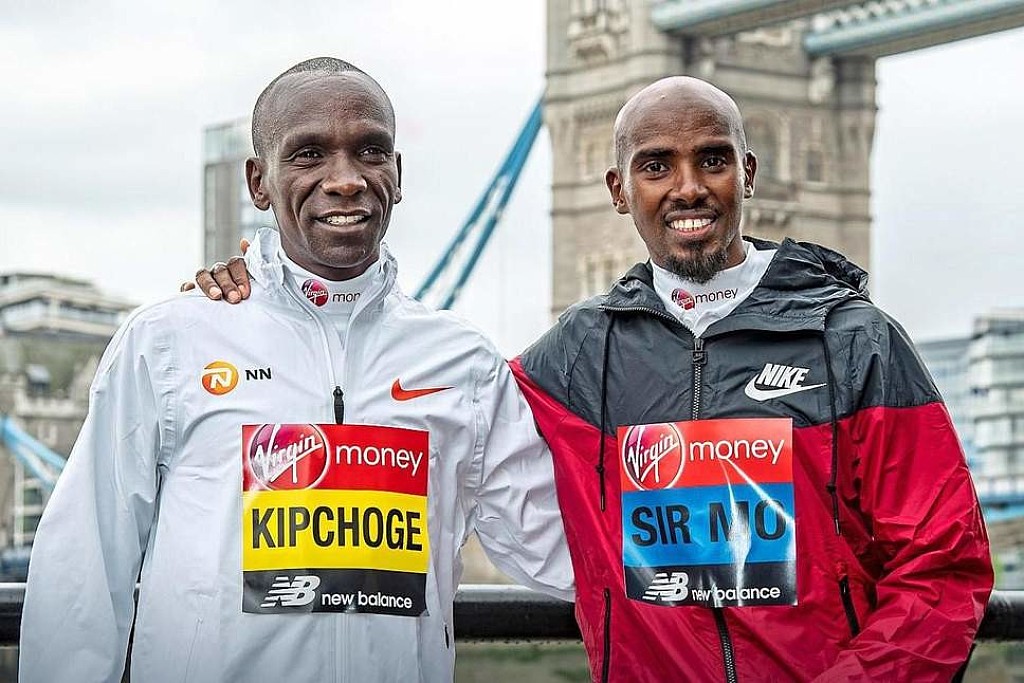


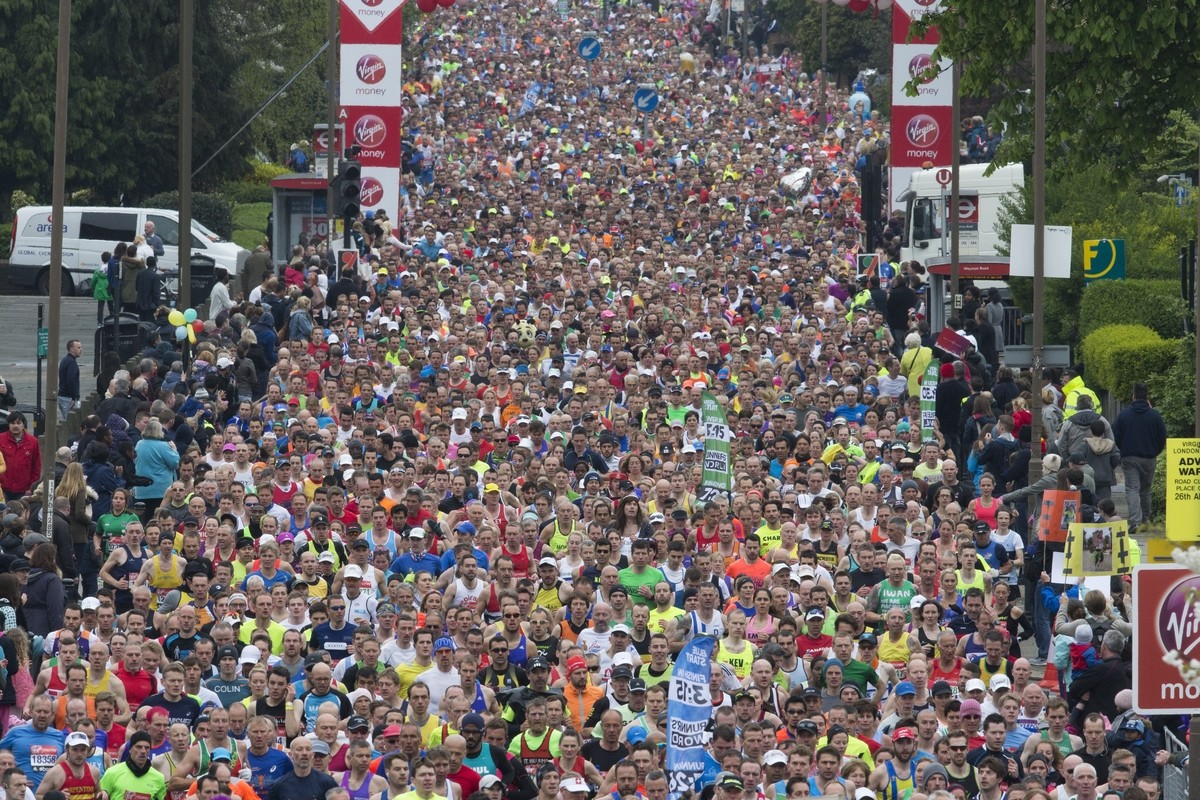
The battle at the London Marathon is going to be starting in just a few hours
Sir Mo Farah has twice competed in the London Marathon, finishing in eighth place in 2014 and in third spot in 2018.
The four-time Olympic champion will face stiff competition to win race, which will come in the form of defending champion and world record holder Eliud Kipchoge. On top of this Eliud has only been beaten once in the marathon. Wilson Kipsang beat him in Berlin as he set a world record.
Farah is well aware of the momentous task on his hands and is hoping his fellow Brits can help guide him to victory.
”All I can ask from the crowd is to give me as much information as possible, as I go through the last 10 miles in particular," he told Sky News. "If I'm leading, if I'm behind, the more information I have the easier it is.
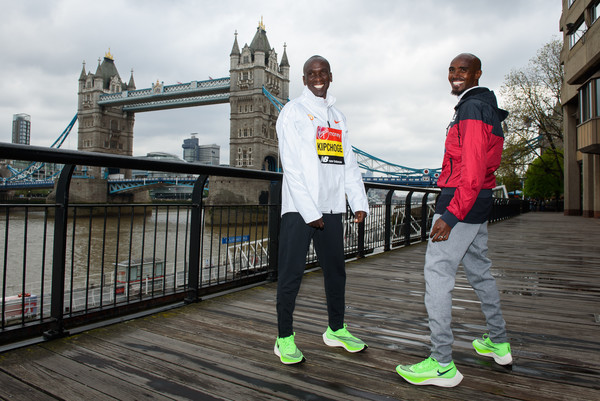
“This race means a lot to me. I finished third last year and this year I believe I can give it a little bit more."
Kenya’s Kipchoge is the favourite to win the marathon this year having set a new world record in Berlin last September.
"Eliud is a great athlete and the world record holder," Farahsaid of Kipchoge. "I'm going to go out there and give it my best."
"Racing against Eliud in London was learning the hard way - but I believe I learned a lot," Farah added when asked about last year's race.
Mo Farah and Eliud Kipchoge are two of the favourites to win the London Marathon.
"After each race, you get a bit better, that bit more experienced. I believe I could have gone a little bit faster in Chicago - 2:04-something, but I don't know.
"It's nice to be back in my home city; it's really exciting. I feel more nervous and hungry again. I'm not used to winning in the marathon, so I feel like I've got my mojo back."
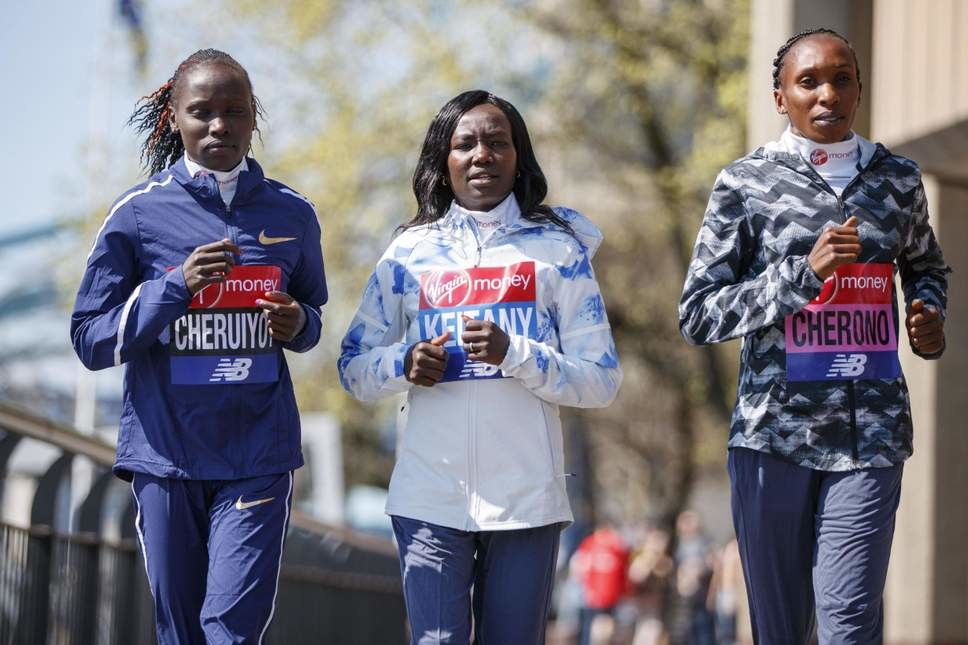
The battle in the women’s race could even be more exciting and in fact a world record could be in the makings.
It looks like the weather could be good for marathoning. Rain maybe early but the temperature should be in the mid forties. The wind might be as strong as 10mph.
In total over 40,000 participants have entered and over one billion pounds have been raised for charity since the Marathon was first run.
(04/27/19) Views: 87

Beet juice enhances athletic performance giving to the athletes an amount of nitrate in a natural food source
Runners have experimented with a broad array of aids in pursuit of a performance edge. A popular one today that seems safe and backed by solid data is the juice of beets, for the nitrates they contain.
Inorganic nitrate is added to cured and processed meats to extend their shelf life and give them their distinctive pink color. It’s also naturally found in spinach, arugula and beets. In the past decade, new evidence has suggested that the nitrate in these vegetables enhances athletic performance and may also increase cardiovascular health in old age.
The first clue came in 2007, when Swedish researchers reported that three days of sodium nitrate supplementation lowered the oxygen demand of nine cyclists and triathletes as they worked out, compared with a placebo of table salt. It also increased the blood plasma levels of nitrite, a byproduct of nitrate.
That study caught the eye of exercise physiologist Andrew Jones of the University of Exeter in England. Usually, the oxygen demand of exercise is fixed, he says, so for a short-term intervention to change that “was unusual.”

Although it wasn’t clear how nitrate was doing what it did, Jones knew that green leafy vegetables and beets were rich sources. So he conducted a study, reported in the Journal of Applied Physiology, giving eight men active in recreational sports an equivalent amount of nitrate in a natural food source like beet juice.
The volunteers consumed 500 ml (17 ounces) of beet juice every day for six days. Then, after a break of 10 days, the groups were switched around and drank another drink for an additional six days.
By the last three days of the six, nitrate concentration in the blood of those drinking beet juice was almost doubled and their systolic blood pressure (which measures the pressure in your blood vessels as your heart beats) fell by an average of 6 points. The oxygen cost — the amount of oxygen consumed — when they exercised on a stationary bicycle was reduced by 19 percent.

“When we asked them to continue to exercise to exhaustion, they were able to go longer,” recalls Jones, who co-wrote a review on dietary nitrates in the 2018 Annual Review of Nutrition.
From then on, research on beet juice, beet juice concentrates, whole beets and nitrate salts started to pour in.
Nitrate itself doesn’t do much in the body. It first has to be converted to nitric oxide, a gas with numerous physiological roles — in blood vessel dilation, muscle contraction and transmission of nerve signals, among others. People obtain that nitric oxide in two ways: either through the action of the enzyme nitric oxide synthase, which catalyzes the amino acid L-arginine to produce it, or from nitrate ingested in food.
(04/30/19) Views: 65Rodrigo Pérez Ortega
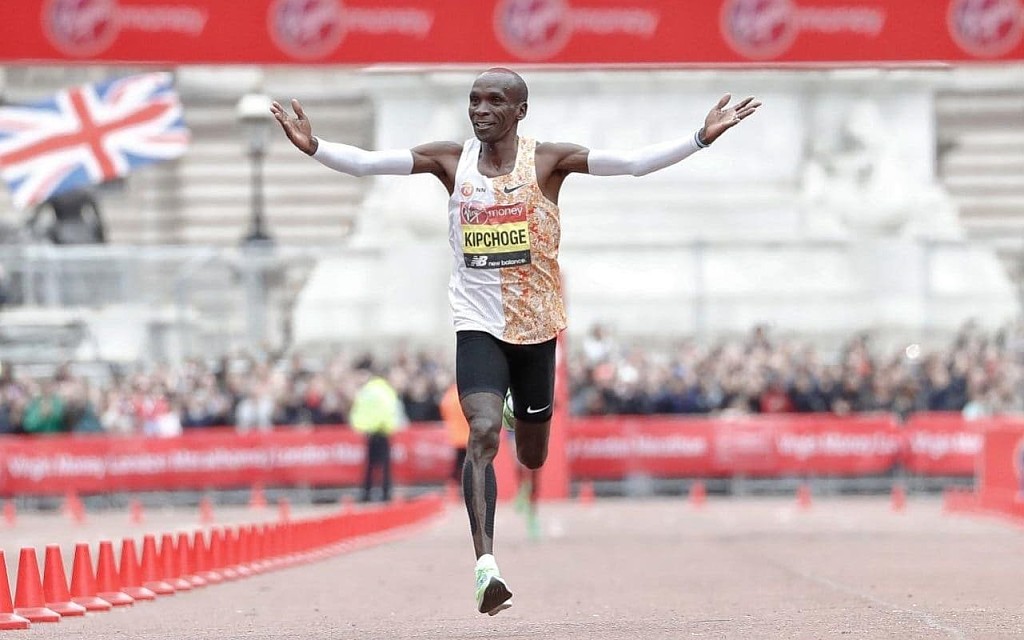
Eliud Kipchoge clocked the second fastest time in history to wins the London Marathon
Eliud Kipchoge win the men's London Marathon posting a negative split. He lead a group of several at the half marathon mark clocking 1:01:35 there. The pace quicken right away as mile 14 was clocked in 4:31.
World record holder Eliud waves to the crowd as he takes the win with a time of 2hrs 2 mins and 37sec. That’s the second fastest time in history. He said he was coming here to win but he certainly did more than this.

Second place was also under 2:03. Mosinet Gerewen from Ethiopia clocked 2:02:55 followed by Mule Wasihun also from Ethiopia, in 2:03:16. These are the three fastest times of the year.
Brigid Kosgei from Kenya won the woman’s race in 2:18:20. She smashed the field. Vivian Cheruiyot also from Kenya was second clocking 2:20:14.
(04/28/19) Views: 56

Kenya’s Bernard Kiprop Koech and Ethiopia’s Shasho Insermu among the favorites in Rock and Roll Madrid
Nearly 10,000 runners will gather in the Spanish capital to take part in the 42nd Rock ‘n’ Roll Madrid Marathon on Saturday.
Kenya’s Bernard Kiprop Koech will be one of the athletes to beat in the men’s race. The 30-year-old holds a 2:04:53 PB set in Dubai back in 2013 while his last effort over the distance came in Valencia in 2017 when he clocked 2:08:32 for ninth. More recently he lowered his 10,000m PB to 27:31:83 last November in Hachioji.
Koech will be joined by fellow Kenyan Eliud Barngetuny, who won in Madrid last year in a lifetime best of 2:10:15, the second-fastest time ever in the Spanish capital and exactly one minute shy of the course record.
Jonah Chesum, the victor in Barcelona in 2017 with a PB of 2:08:57, should also be in contention. His most recent marathon effort of 2:10:08 came in Lisbon in October. Reuben Kerio, a 2:08:12 specialist, Kiprotich Kirui (2:08:48 in Paris last year) and Kipkemoi Kisang (2:09:21) complete the large Kenyan contingent.
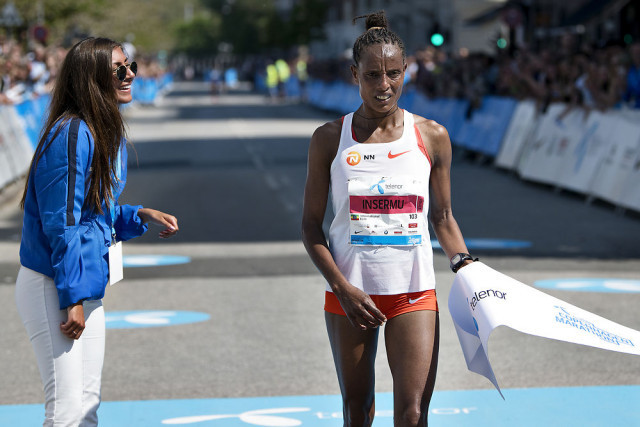
With a best of 2:04:49, Ethiopia’s 2013 world silver medallist Tadesse Tola has the fastest PB of the field, but he hasn’t run faster than 2:16 since 2015.
The Ethiopian squad also includes Seboka Dibaba, a 2:06:17 performer in 2012 whose last effort was timed at 2:14:35 in September, Sisay Jisa (2:06:27), Belete Gezu (2:10:34) and Tilahun Amsalu (2:12:19).
Javier Guerra, the fourth-place finisher at the past two European Championships, is the top Spanish entrant. His 1:03:57 clocking at the Madrid Half Marathon three weeks ago was intended as a stepping stone for Saturday’s event where he is aiming to beat his lifetime best of 2:08:36 set last year in Seville.
No woman has ever bettered 2:30 in Madrid, but that barrier – and the course record of 2:30:40 – look vulnerable ahead of Saturday’s race.
Ethiopia’s Shasho Insermu, world ranked No.40, has finished in the top two in six of her past seven marathons. Her two most recent races have produced the two fastest times of her career as she ran a huge lifetime best of 2:23:28 in Amsterdam in October and followed it with 2:27:42 earlier this year in Xiamen.
Compatriot Tinbit Weldegebril, world ranked No.79 in the marathon, is another top contender. She smashed her PB on her last visit to Spain, clocking 2:23:37 in Valencia in December.
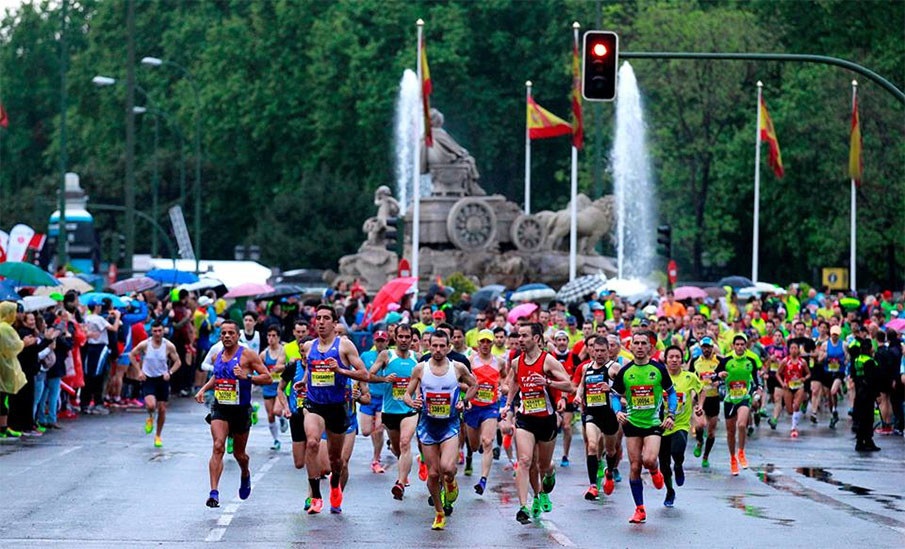
Other Ethiopians include Gebeyanesh Ayele, who clocked a 2:26:54 PB last year in Hengshui, Bechadu Bekele and Hemila Wortessa. With a best of 2:21:31, Magarsa Askale has the fastest PB of the field but that mark was set 11 years ago and she hasn’t raced since 2016.
Seville marathon winner Boulaid Kaoutar of Morocco may also be a factor if she can repeat her 2:25:35 form from last year.
Uganda’s Mercyline Chelangat will be making her marathon debut. The 21-year-old finished a creditable 12th at the 2017 World Cross Country Championships in Kampala and 11th in the 5000m at the 2018 Commonwealth Games.
Weather forecasters are predicting a sunny day with temperatures ranging between 11-13C by the time of the event and no likelihood of rain during the races.
(04/26/19) Views: 51IAAF
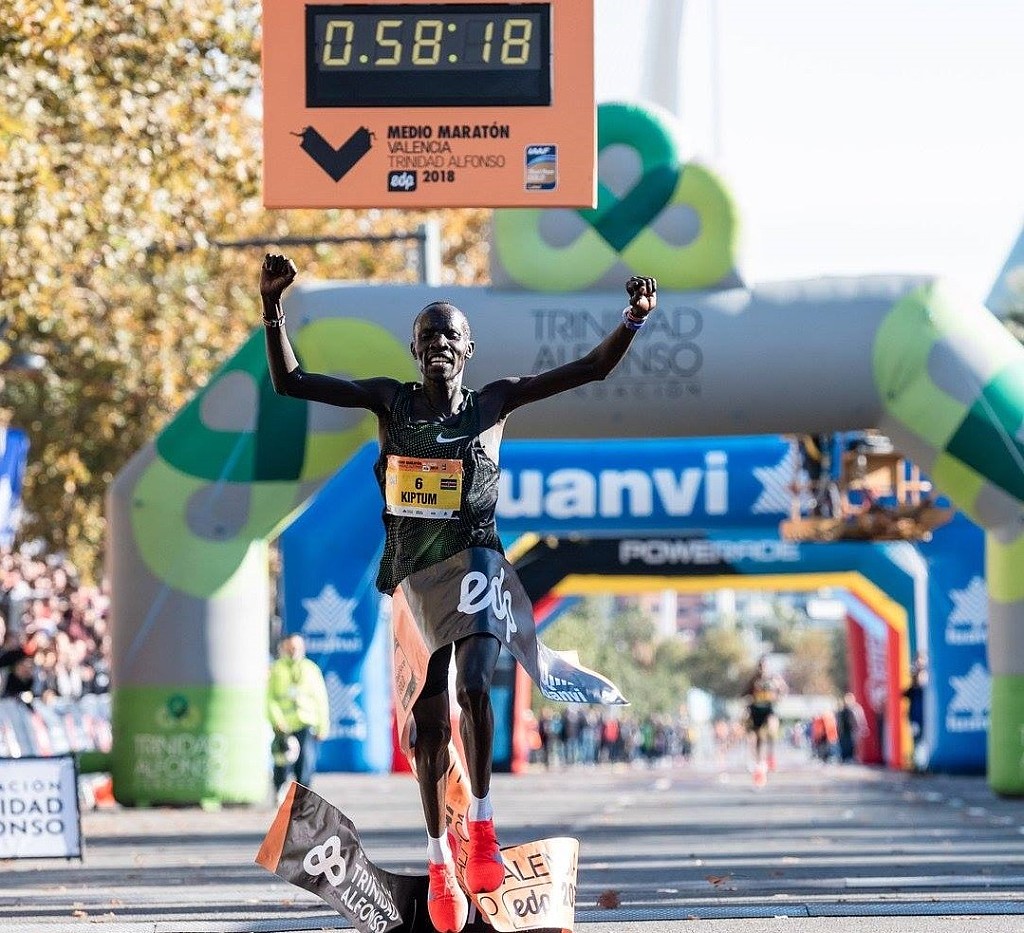
Half marathon world-record holder Kenyan Abraham Kiptum, suspended before London Marathon
Kenyan Abraham Kiptum, the half-marathon world-record holder, was provisionally suspended for a biological passport violation, the sport’s anti-doping watchdog announced two days before Kiptum was to run the London Marathon.
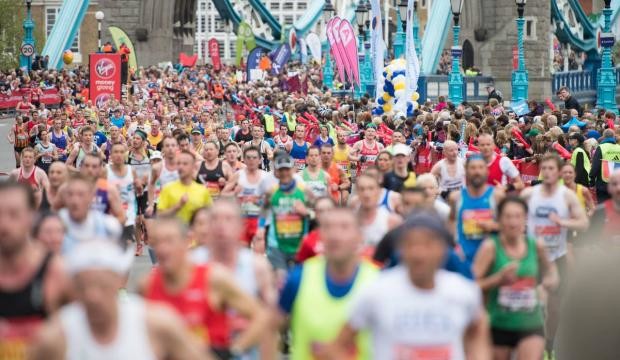
Kiptum, 29, made no mention of the case at Wednesday’s pre-race press conference in an interview with LetsRun.com. Kiptum said his goal for Sunday’s 26.2-miler was to lower his personal best of 2:05:26.
On Oct. 28, Kiptum surprisingly broke the half-marathon world record by five seconds, bringing it down to 58:18 in Valencia, Spain. He has raced marathons since 2015 and was to make his major marathon debut Sunday.
Countryman Eliud Kipchoge is the overwhelming favorite in London. Brit Mo Farah and Ethiopian Shura Kitata are the top challengers in the world’s strongest spring marathon.
(04/26/19) Views: 49
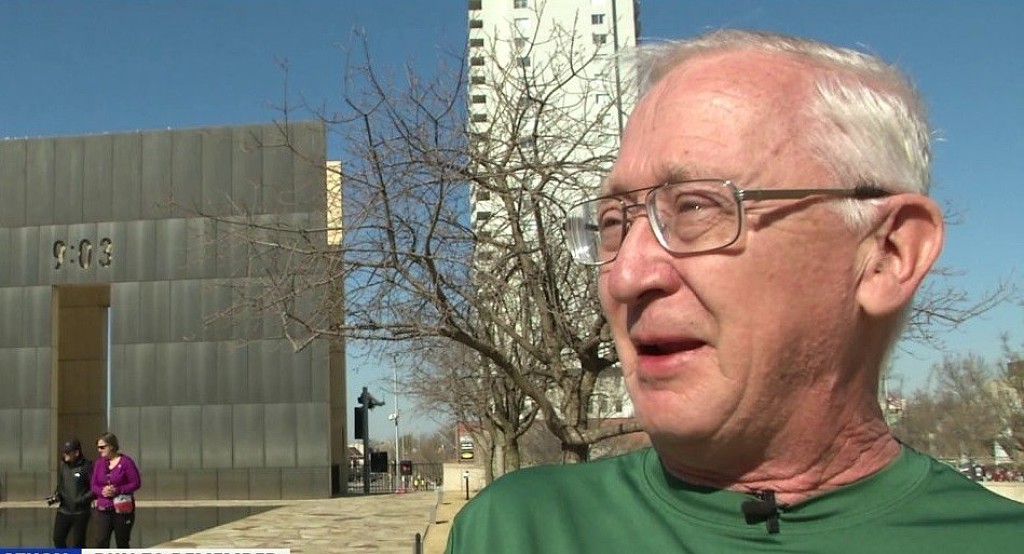
Bill Burrows a Lung cancer survivor is participating in Oklahoma Marathon
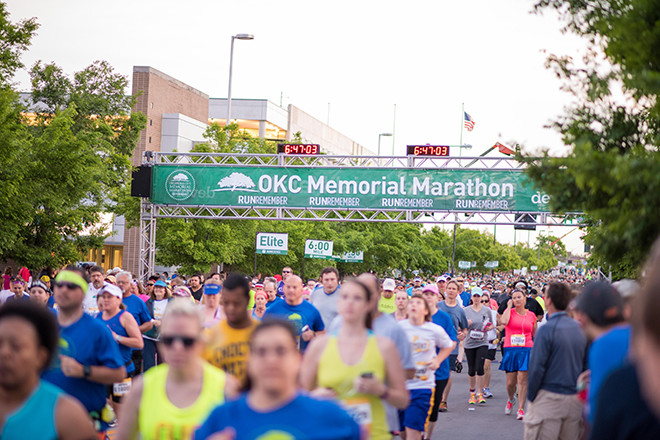
Runners come from near and far for the Oklahoma City Memorial Marathon.
Officials say all 50 states will be represented, along with 11 countries.
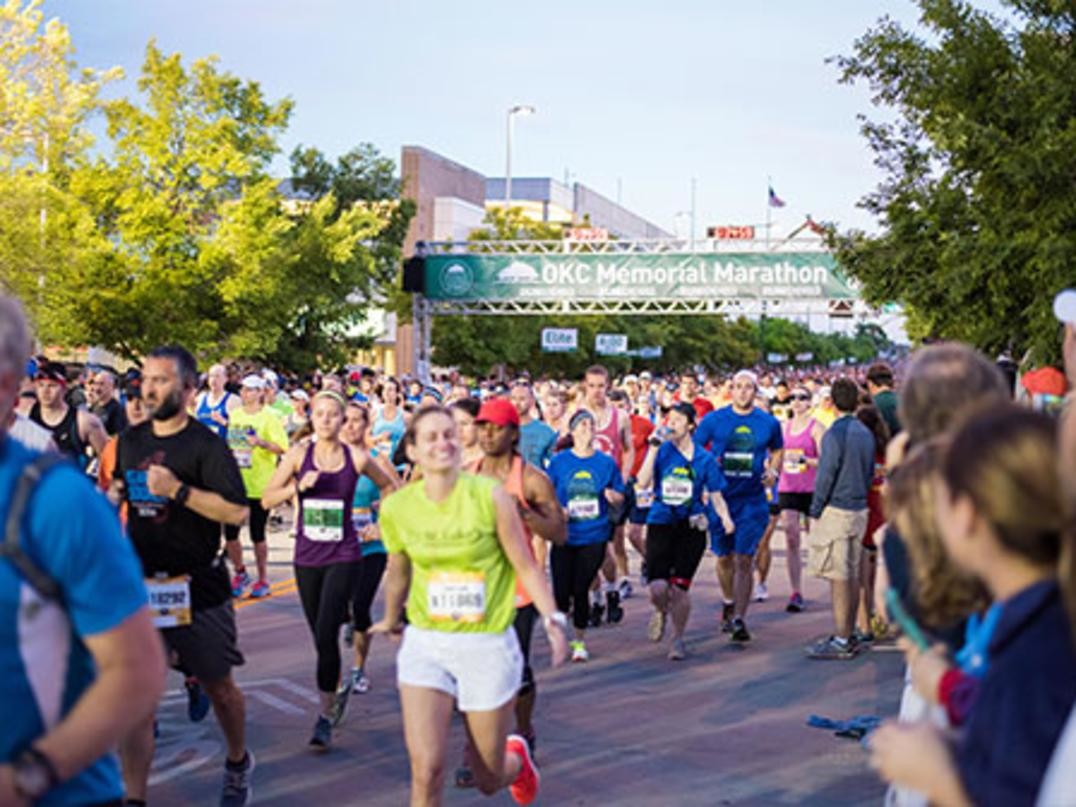
Each runner has their own reason to compete.
For one man who beat lung cancer, the finish line never looked better.
"Before I was 50, I was like anybody else - work all the time, not eat right. I smoked for 35 years," said Bill Burrows. "I got a $79 lung scan, which I didn't think I needed `cause I was in pretty good shape. And they found cancer. And I thought, 'I`m done. That's it.'"
Three weeks later, he underwent a successful surgery and is now cancer free.
"So I'm running now for people who can't run, helping people remember what happened during the bombing. You being there shows that we care about what's going on," he said.
(04/27/19) Views: 48
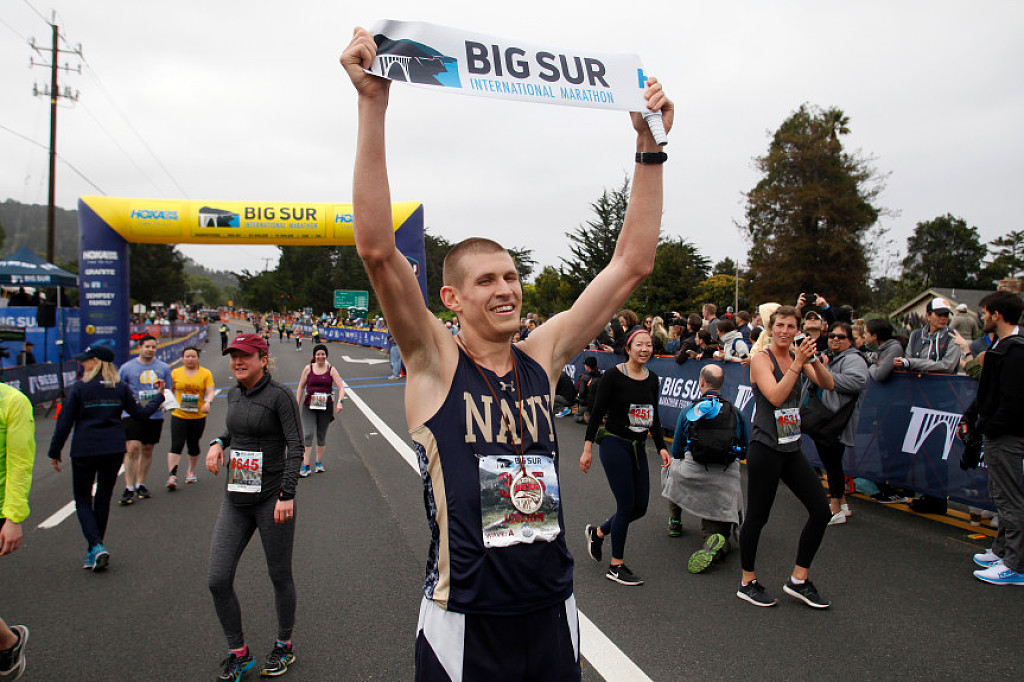
Jordan Tropf was not well known by others at the Big Sur Marathon but he took the lead from the start and pulled away to the finish
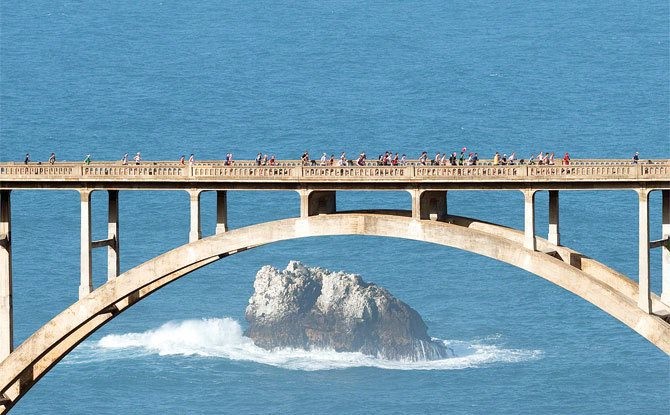
The Big Sur International Marathon had more than 4,000 runners tackle the 26.2-mile course along the Pacific Ocean on Sunday.
Jordan Tropf was the winner clocking 2:25:21.
This is the first year in a long time that a new face has won the marathon.
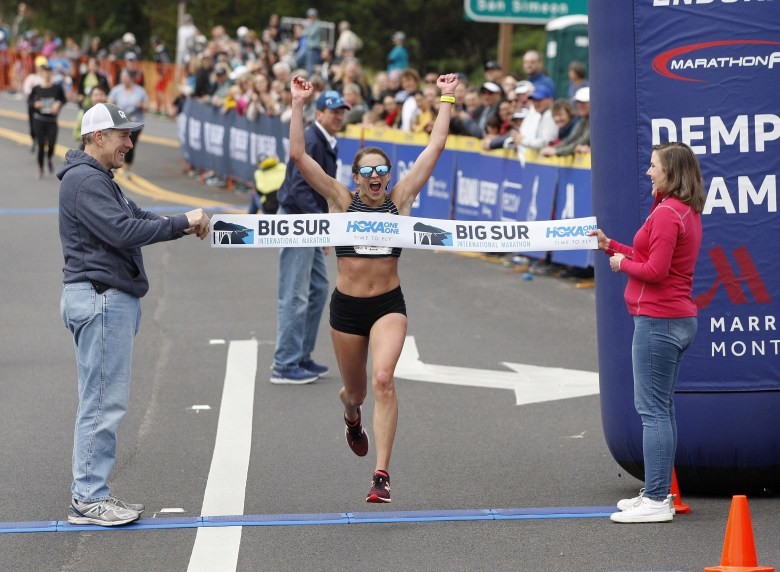
D'Ann Arthur, 31, of Redondo Beach won the women's overall division clocking 2:45:41. Arthur is in residency for orthopedic surgery in Southern California.
Tropf is a Navy doctor from Silver Springs, Maryland, who said that he set a personal record on Sunday. He was the race leader from start to finish.
Defending male champion and local favorite, Adam Roach, 33, of Pacific Grove, placed second. Michael Wardian placed fourth and was first master.
Adam and Michael have dominated the annual race the past few years, having won the last seven races between them. But Wardian told Roach before the sun came up Sunday to be aware of Jordan Tropf, who won the Baltimore Marathon in 2017.
“I didn’t know he was even in the race until Michael mentioned him on the ride out,” said Roach, a Pacific Grove resident.
Tropf wasn’t on the list of elite runners entered in the race, although he is ranked among the nation’s top 200 marthoners having run 2 hours, 27 minutes and 23 seconds at the Boston Marathon on April 15 and 2:26.45 in the Marine Corps Marathon in October.
But Roach wasn’t sure which runner Tropf was until a few miles into race. By then, the Navy doctor had become a blur ahead of him, running off with the men’s division in 2:25:22.
“I had set a goal to get under 2:30,” said the 27-year-old Tropf, who is in the Naval Academy. “I just went out and ran my race and didn’t worry about anyone else.”
D’Ann Arthur of Redondo Beach didn’t let a night out for a wedding slow her down, as she went out and won the women’s race in 2:48.40 — nearly 13 minutes faster than last year’s winning time.
Tropf set a blistering pace that caught Roach — a five-time champion at Big Sur – off guard. He led from the start and gradually extended his lead throughout the 26-mile, 385-yard majestic course.
Running a 5:32 mile pace, Tropf’s time was nearly four minutes faster than Roach’s winning time last year and over five minutes faster than Wardian’s winning time in 2017.
(04/29/19) Views: 47
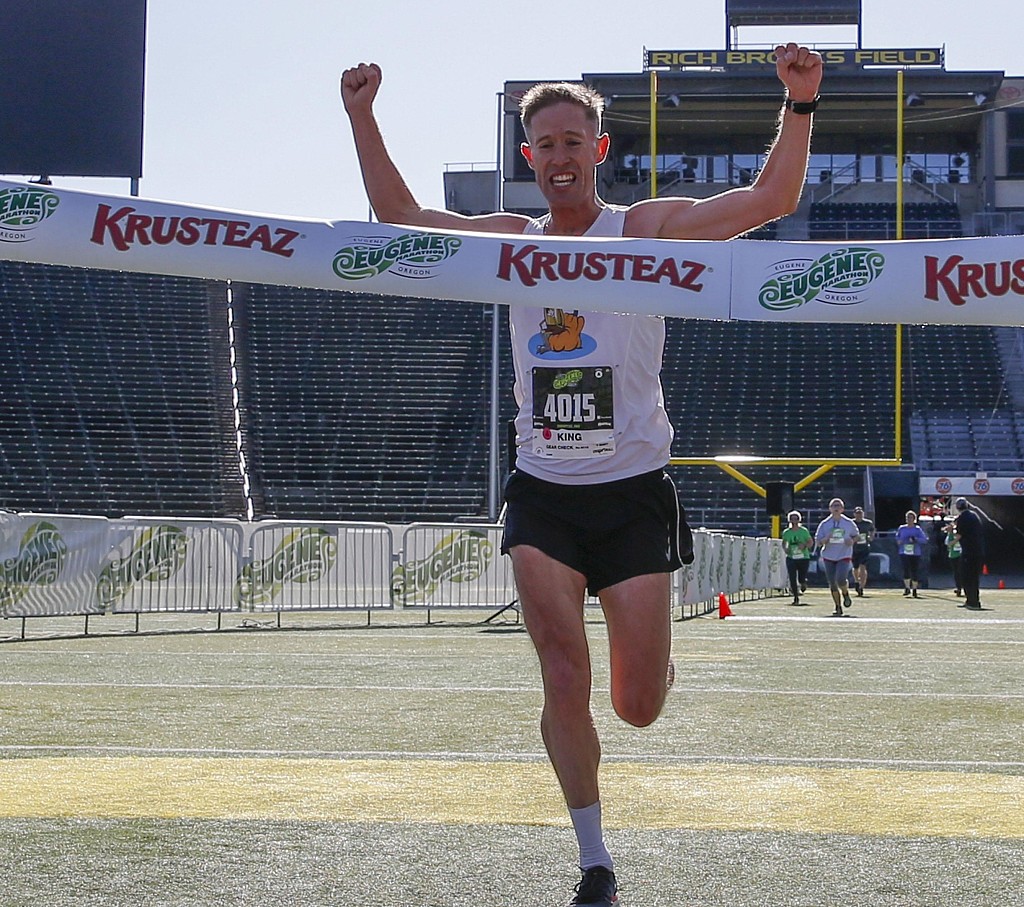
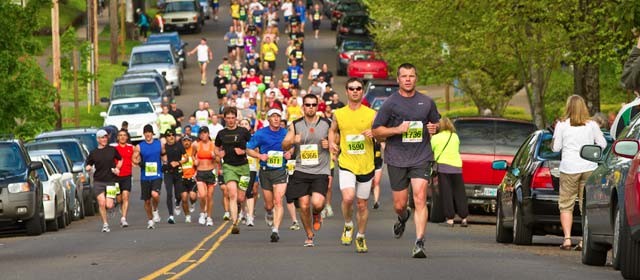
Kyle King a 29-year-old marine won the men’s race at the Eugene Marathon clocking 2:18:04
The Eugene Marathon had to alter its course to accommodate a start and finish at Autzen Stadium this year.Organizers might want to make the change permanent.
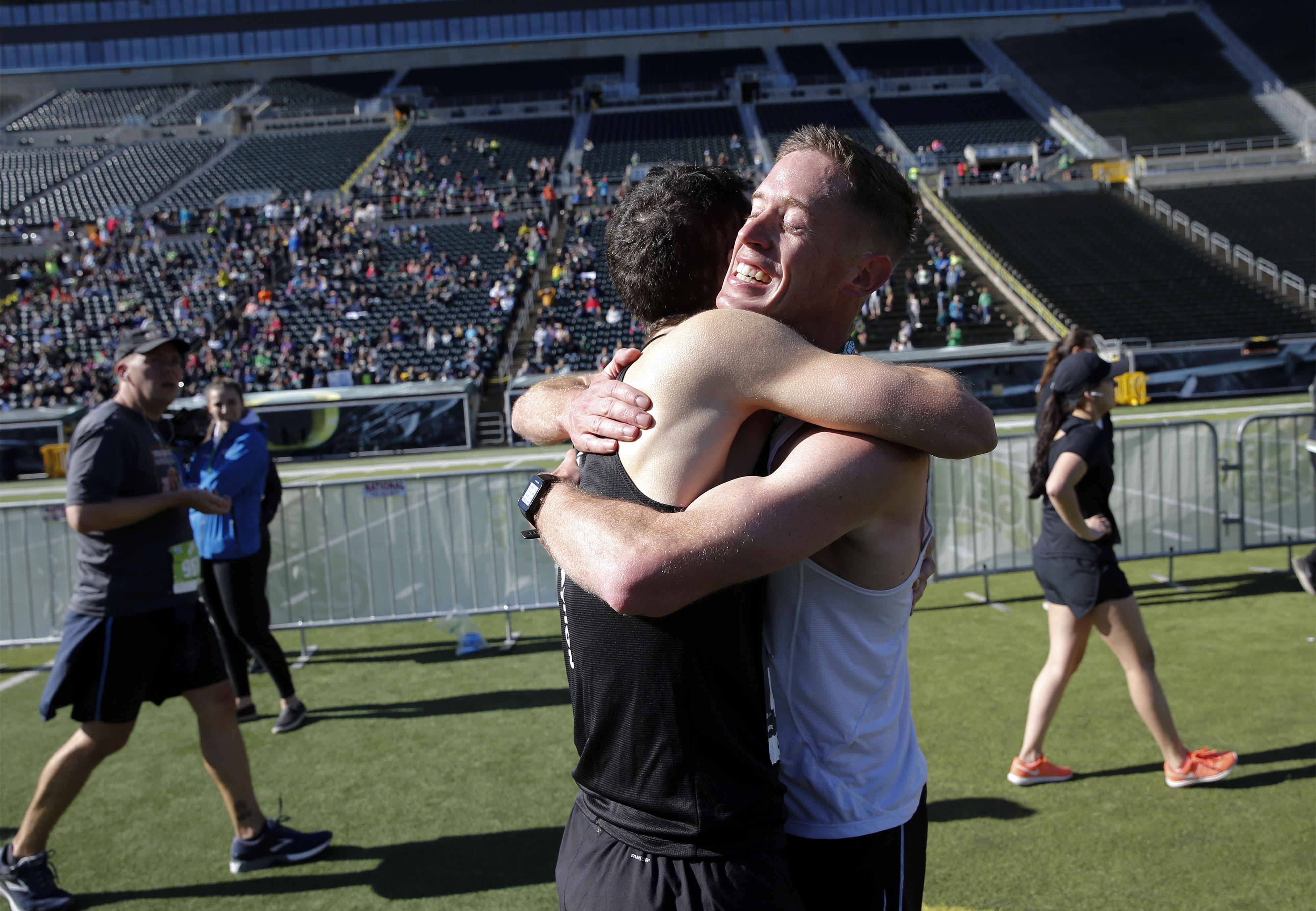
Between the men’s and women’s Eugene Marathon and Half Marathon on Sunday, there were 18 new names added to the event’s all-time top-10 lists. And on a cool, sunny morning when it seemed so many were running fast, Kyle King and Jennifer Bigham proved to be the fastest.
King, a 29-year-old marine competing in just his second marathon and first since 2014, won the men’s race in 2 hours, 18 minutes, 4 seconds. It was a 45-second victory and the third fastest time in the 13-year history of the Eugene Marathon.
It was also well below the Olympic Trials ‘B’ standard of 2:19.00 (the ‘A’ standard is 2:15:00).Bigham, a 37-year-old mother of three children under the age of 10, got her first win after running “15-20” marathons since her first in 2004. She also reached the finish line inside unchallenged in 2:41:37 — the fifth fastest finish all-time in Eugene, and also easily met the Olympic Trials ‘B’ standard of 2:45:00 (the ‘A’ standard is 2:37:00).“I’ve been trying for the Trials standard for eight years,” Bigham said.
“This is a dream come true.”It was also the only pre-race goal she set for herself. So imagine her surprise when the Pittsburgh resident found herself in the lead once the half marathoners went off in another direction.
“When they cut off, people started saying ‘You’re the first woman,’ and I was kind of shocked,” said Bigham, a steeplechaser and cross country runner during her collegiate career at Ohio State. “It gave me some confidence but it also made me say ‘Keep it cool, chill out.”
Seattle’s Claire DeVoe was second in 2:42:46 (sixth all-time), Perry Shoemaker of Vienna, VA. was third in 2:43:33 (eighth all-time) and Meaghan Nelson of Boise was fourth in 2:44:36.King, an artillery officer based at Buckley Air Force Base outside of Denver who ran distance at Eastern Washington at Oklahoma, said he didn’t know what to expect in his race after only recently beginning to train for the 26.2-mile race.
“Honestly, it went way better than expected,” King said. “I hadn’t been seriously training for like six years. I really had no idea what type of shape I was in so I guess I was in better shape than I thought.”So much so that he struggled at times to stick to his desired pace.
“I really wasn’t too experienced with the marathon so right around miles 10-13 I was chomping at the bit to start going, but I kept telling myself ‘Wait, wait, it’s too early,’” King said. “Then at mile 15 my legs just wanted to go so I opened it up a little bit.
”Second-place finisher Anthony Tomsich of Vancouver, British Columbia finished in 2:18:49 (fifth all-time), and Patrick Richie of Portland was third in 2:19:16 (seventh all-time).
Chris Hansen
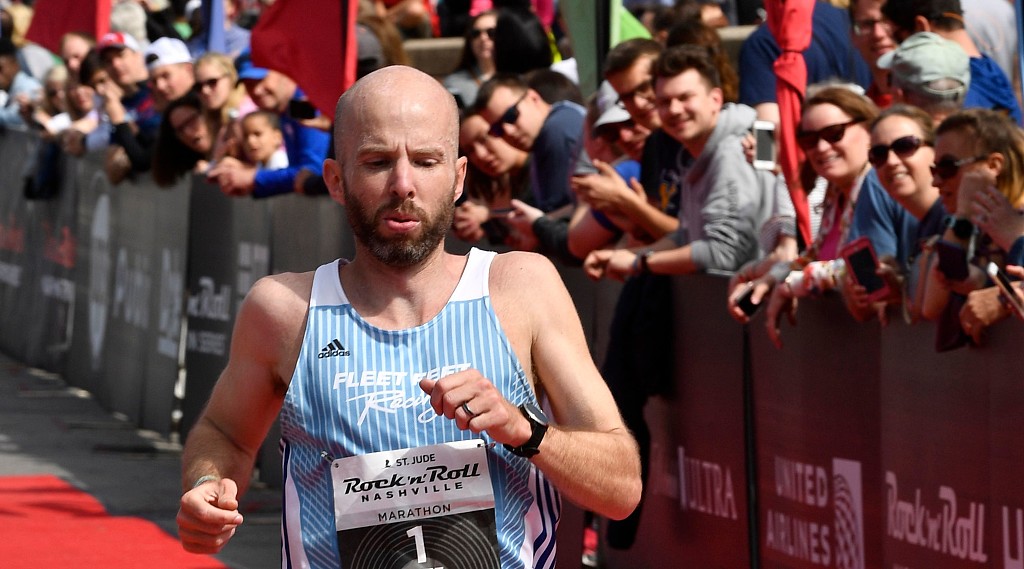
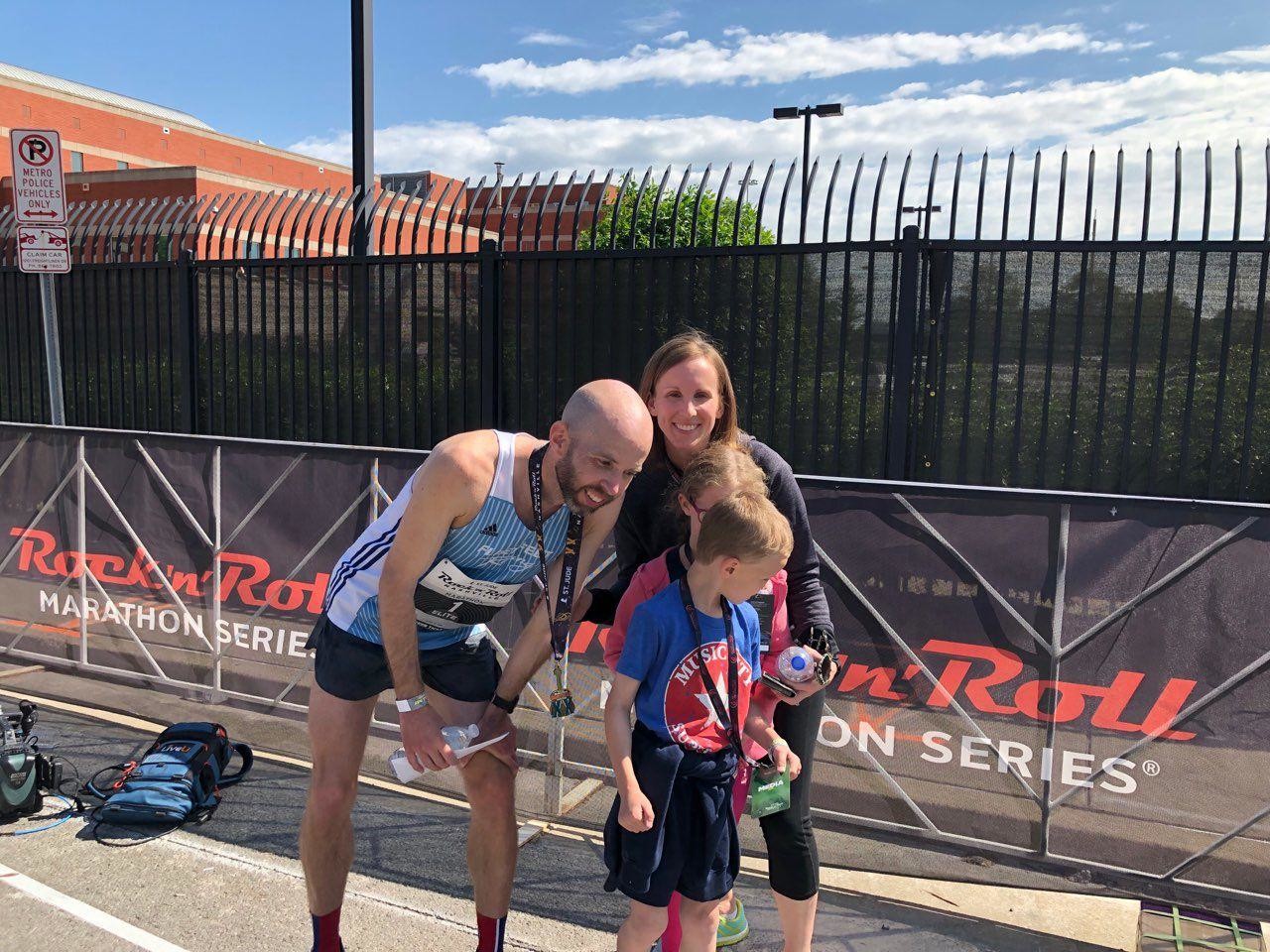
Scott Wietecha won the St. Jude Rock and Roll Marathon for the seventh time
Scott Wietecha was greeted at the finish line by his family as he won the St. Jude Rock ‘n’ Roll Marathon for the seventh straight year.
Wietecha’s wife handed him his medal after finishing the race in 2 hours, 34 minutes.
“You always want to win because people are rooting for you and it’s so much pressure,” Wietecha said after the race. “Any time I can get it done and win. I got 12 more months I can relax.”
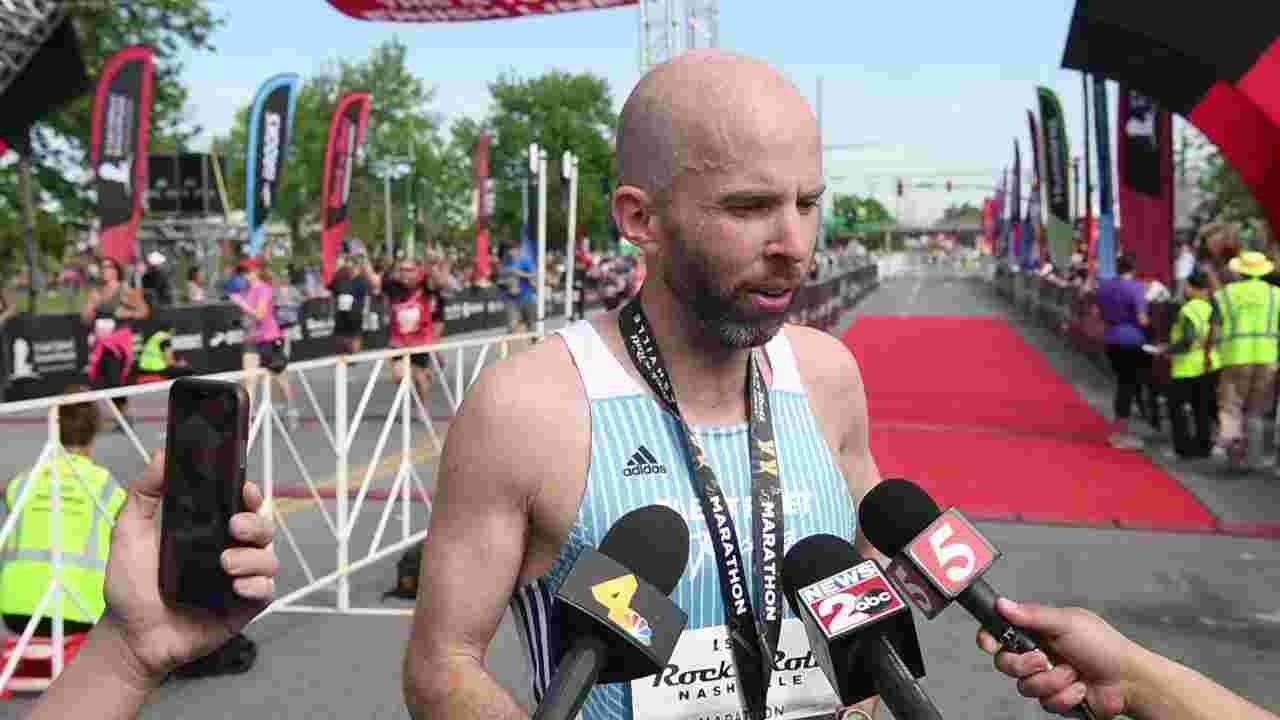
More than 30,000 people ran the race. Organizers estimate more than $2 million was raised for St. Jude Children’s Hospital.
Last year Wietecha got pushed late because he had to take a bathroom break between miles 18 and 19.
This year he chose to slow down because he thought he had a more comfortable lead than he actually did.
"Someone told me I had about a three-minute lead so I said, 'Umm, three minutes, I can kind of chill,'" Wietecha said. "And then I was feeling sorry for myself because of all the hills; I hate hills and these hills were brutal."
Not long after that Wietecha was told Wilson was closing in on him and only about 20 seconds back.
Wietecha did not panic. The slower pace had helped him regain his energy and he had plenty left for the final two miles.
(04/30/19) Views: 35
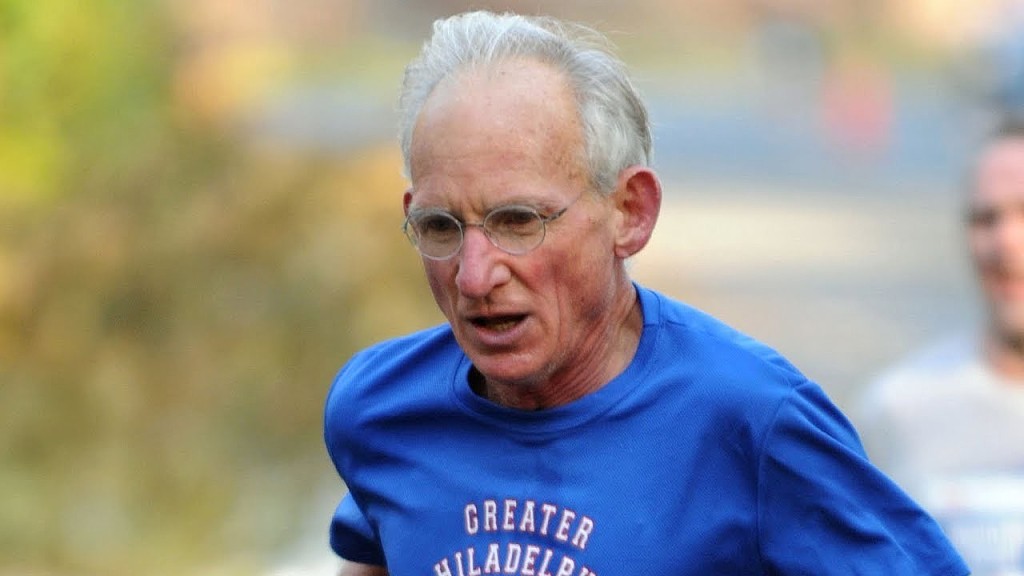
Gene Dykes, 71, is looking to break the Big Sur International Marathon record for his age group this weekend
For someone who has done two marathons 24 hours apart, two weeks between Boston and Big Sur may seem like an eternity for Gene Dykes.
Unlike others that have challenged themselves by doing the two marathons in a short time span, it’s not the reason Dykes is running in Sunday’s 34th Big Sur International Marathon.
Instead, the Philadelphia resident is calling it unfinished business from his last trip out west to run the world-renowned course.
“They took my record away when I was 65,” Dykes said. “I owned the course record in my age class for about two months. Then it was discovered on paper that someone ran faster years earlier.”
Ray Piva set the record in the 65-69 age division in 1992 at 3 hours, 10 minutes. Dykes ran 3:26.44 in 2013.
Dykes, 71, can’t get that record back. But he’s looked at the record in the 70-older division — 3:46.36 by Heinrich Gutbier in 1997. His eyes are set on rewriting the mark, adding to his mantel of record-setting accomplishments of late.
“I shouldn’t have trouble beating that mark,” said Dykes, who broke the Boston Marathon record in his age group on April 15, clocking 2 hours, 58 minutes, 50 seconds. “It’s how fast do I want to go.”
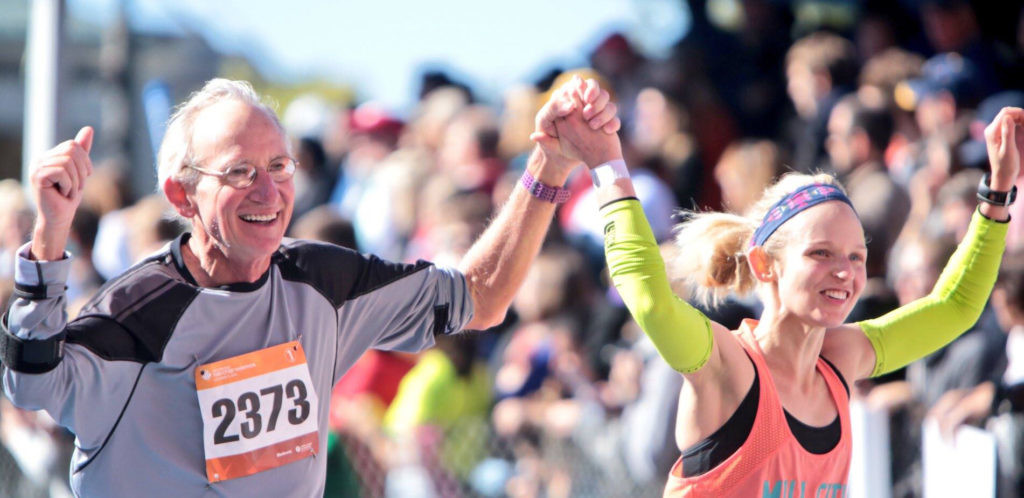
What could derail Dykes from shattering the record is he will run the race with his daughter, who is roughly 30 minutes slower than him in a marathon.
“It will depend on how long we run together,” Dykes said. “I’m going to try and get her to run a little harder in the first half. Then I’ll do a negative split the last half of the race.”
While Dykes is six years older than during his last appearance on the Monterey Peninsula, he’s gotten faster covering marathons of all kinds. Most of his personal bests have come in the last year.
“I hired a coach a few years back,” Dykes said. “I just keep dropping time. It’s more of a retirement achievement.”
This will be Dykes’ third crack at Big Sur, but the first time he’s running it after tackling Boston in the same year.
“I guess I’ve always wanted to do Boston-Big Sur,” Dykes said. “Running marathons close together is nothing new to me. It seemed like a good time to do it. Two weeks is plenty of time to recover.”
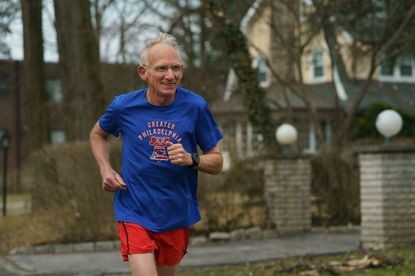
Dykes’ accomplishments as an ultra distance runner have gained nationwide attention. Last year, the Wall Street Journal labeled him “Earth’s fastest 70-year-old distance runner.”
After setting the record at Boston, men’s winner Meb Keflezighi tweeted “Special shout out to 71-year-old Gene Dykes, who ran an outstanding 2:58.50.”
For someone who didn’t run his first road race until 12 years ago, Dykes has become one of the top ultramarathon runners in his age class in the world.
“I was a jogger my whole life,” Dykes said. “I wasn’t very good in track in high school or college. I was a mediocre runner at best. So I golfed and bowled a lot. I jogged for fun.”
That is until Dykes got in with what he now jokes as a bad crowd — a group of runners, who talked him into his first road race, a half marathon in 2006.
From that point, running became an addiction. Dykes ran well enough that his time allowed him to bypass the lottery for the New York Marathon.
“I could not pass that up,” Dykes said. “So I ran my first marathon. I ended up earning a qualifying time for Boston. So I had to do that.”
By his estimation, Dykes will do 10 to 20 road races a year ranging from 200 miles to the regular 26-mile, 385-yard marathon.
“I race longer and more frequent,” Dykes said. “I’ve done five 200 milers. It’s an endurance race. The clock is running. You run when you can and sleep when you have to. I’ve done them in four days.”
Six weeks before Boston, Dykes completed a 200-mile race, a 100-mile event and two 50-mile races in 2019.
“Every year I try and stretch the boundaries,” Dykes said. “I don’t know if I can do it. So there’s only one way to find out. The hardest part is finding time to sleep. Four hours over four days isn’t much.”
Dykes comes into each race with a plan. After completing his ultra road races — totaling 400 miles — he began preparing for Boston with the mindset of breaking the record in his age division.
“I told my coach you’ve got six weeks to get me under three hours at Boston,” Dykes said
(04/27/19) Views: 32John Devine
