

Running News Daily
Top Ten Stories of the Week
7/12/2025
These are the top ten stories based on views over the last week.
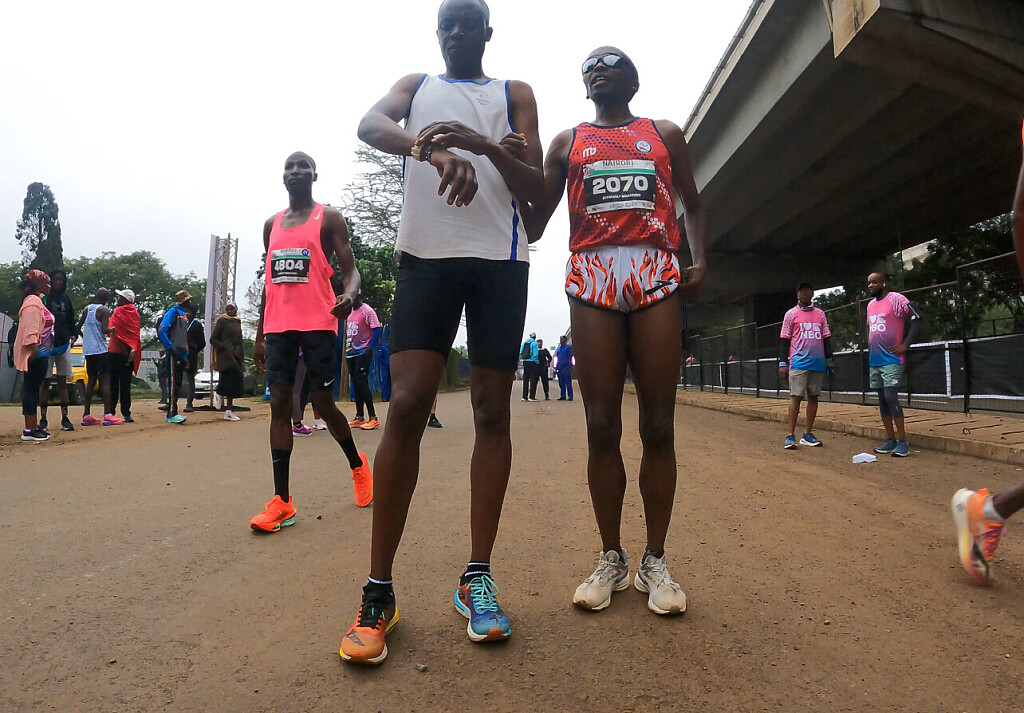


Blind Runner, Clear Vision: Wilson Bii’s Nairobi Debut Fueled by Kenya Athletics Training Academy (KATA)
In a moving display of courage and transformation, Wilson Bii, a visually impaired Paralympian and Rio 2016 bronze medalist, made his road racing debut at the 2025 Nairobi City Marathon, taking on the half marathon along the scenic Nairobi Expressway.
For the 38-year-old Kenyan, long known for his prowess on the track, this was more than just a change in terrain — it marked a bold new chapter in a journey defined by resilience and reinvention.

“This was my first time competing in a road race,” Bii said. “I’ve spent years on the track, but this year I decided to train for longer distances. I wanted to challenge myself in a new way, and I found purpose on the road.”
But the road that brought him here was far from easy. Bii had good eyesight until 2002, when a tragic road accident changed his life forever. Shattered glass from the crash severely damaged his eyes, ultimately leading to complete vision loss. Though devastated, Bii refused to give in. Instead, he redirected his focus — and chose to run under the Paralympic banner.
“I never gave up,” he said. “Running became my way forward.”
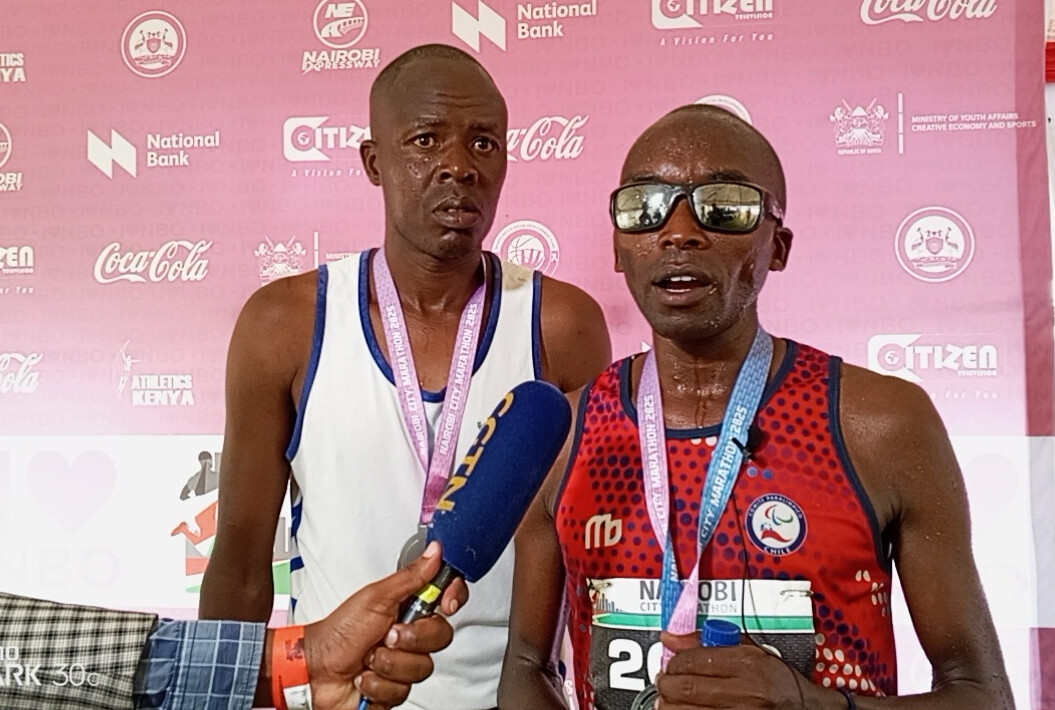
Today, Bii trains with the Kenya Athletics Training Academy (KATA), a grassroots initiative founded by Bob Anderson, the American running pioneer best known for launching Runner’s World magazine in 1966. Anderson, who helped ignite the global running boom through journalism and advocacy, now devotes his time to supporting emerging Kenyan talent.
At age 49, Anderson himself set a personal best in the half marathon (clocking 1:19:17) — an individual pursuit that reflects the very mindset he seeks to instill in others. Through KATA, he now oversees a network of 21 high-altitude training camps across Kenya, providing coaching, structure, and opportunity to athletes from underserved communities.
Bii trains at one of these camps in Sirikwa, Kuresoi North in Nakuru County — in the heart of the Rift Valley, where elevation, tradition, and grit continue to shape some of the world’s greatest endurance athletes.
Alongside his guide, Job Kiprono, Bii navigates training and racing with trust and precision.
“Kiprono has been my eyes for years. We move together, think together. We’re not just running for me — we’re running for both our families,” Bii shared.
He draws inspiration from the legacy of others. “When I saw how running changed Henry Wanyoike’s life, I knew I had to try. That’s why I came here today — to push myself and to inspire others who may feel forgotten.”
Bii now has his sights set on representing Kenya at the 2025 World Para Athletics Championships in India, after previously missing global events in Dubai and Morocco.
His guide, Kiprono, is appealing to Athletics Kenya and the National Paralympic Committee of Kenya to recognize the upcoming Belgut Road Race on July 24 as an official qualifier for para-athletes.
“If Belgut can be acknowledged, it will give athletes like Bii the opportunity we’ve waited for,” Kiprono said. “We want to earn our spot through performance, not politics.”
As Bob Anderson’s vision continues to take root across Kenya, athletes like Wilson Bii embody the mission: to empower through sport, to nurture overlooked potential, and to prove that running can restore far more than fitness — it can restore lives.
At the Nairobi City Marathon, Wilson Bii didn’t just finish a race — he reclaimed his momentum clocking 1:07:50 for the half marathon. From the wreckage of a 2002 accident to the fast-moving lanes of a 2025 half marathon, Bii now runs with a clarity of purpose. And behind him, a global legacy of running finds fertile ground in Kenya’s red soil — and in the courage of those who refuse to stop moving forward.
(07/08/25) Views: 366Robert Kibet
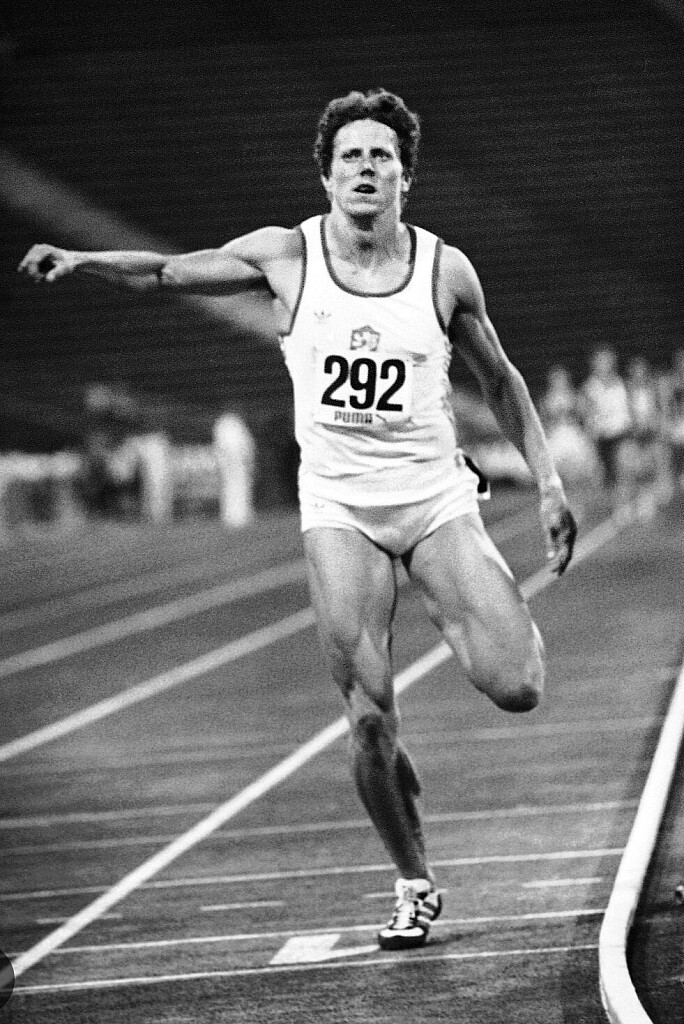
The Untouchable Record: Jarmila Kratochvílová’s 800m Mark Still Stands 42 Years Later — But Should It?
In the fast-evolving world of athletics, records are made to be broken — except, it seems, for one. On July 26, 1983, in Munich, Czechoslovakia’s Jarmila Kratochvílová ran an astonishing 1:53.28 in the women’s 800 meters. Four decades later, that time remains the oldest unbroken individual world record in track and field history.
It has withstood super spikes, altitude training, hyper-focused coaching, and the world’s most gifted middle-distance runners. Olympic champions like Caster Semenya and Athing Mu have come close, but none have truly threatened it. Which begs the question — how did a performance like this come to be? And should it still be recognized?
A Record Born in a Different Era
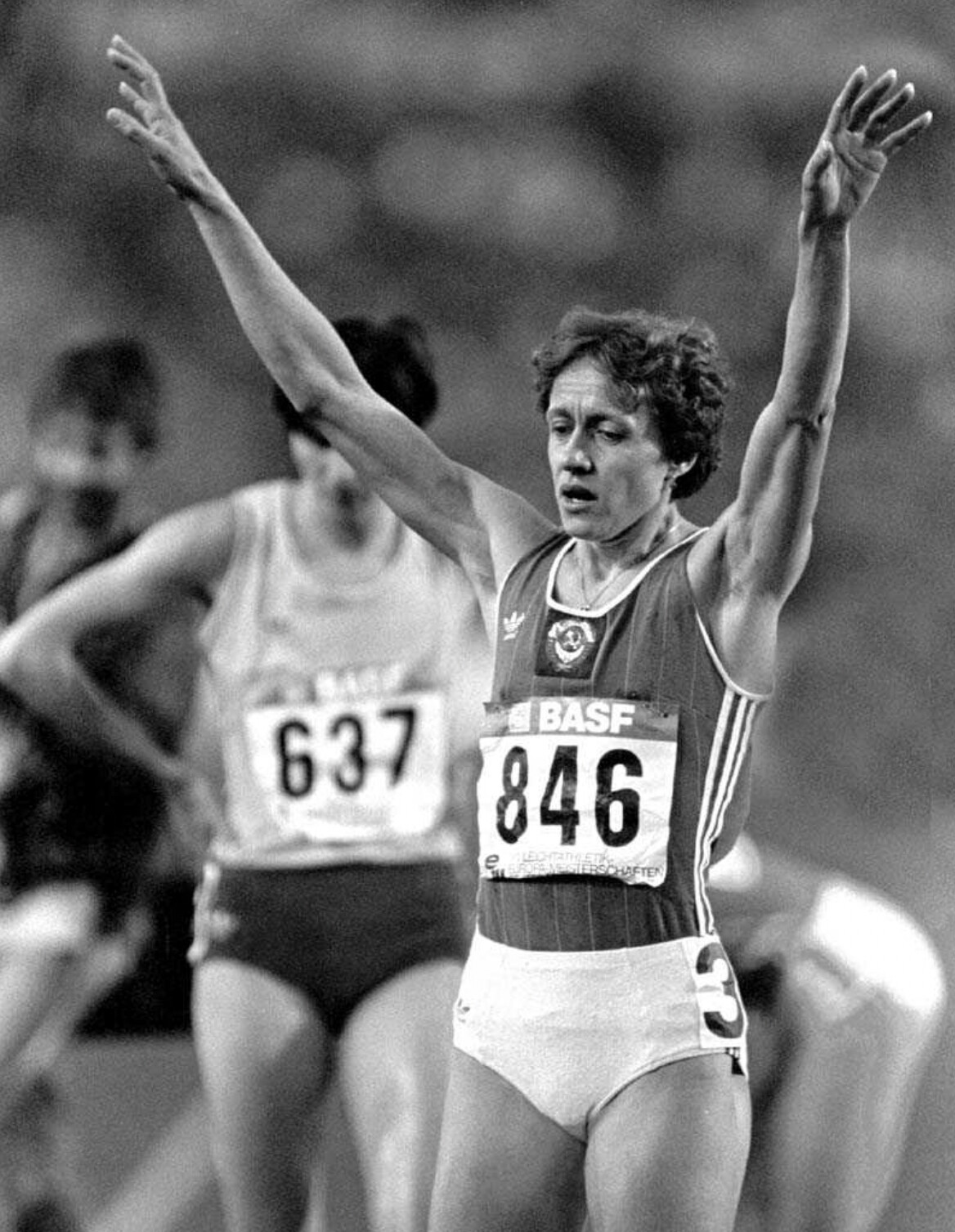
Kratochvílová’s performance came at a time when Eastern Bloc nations, including Czechoslovakia, were deep into state-sponsored sports programs. In that era, the line between elite preparation and banned enhancement was often blurred. Many athletes from that period, particularly from East Germany and the Soviet Union, have since admitted or been linked to systemic doping programs.
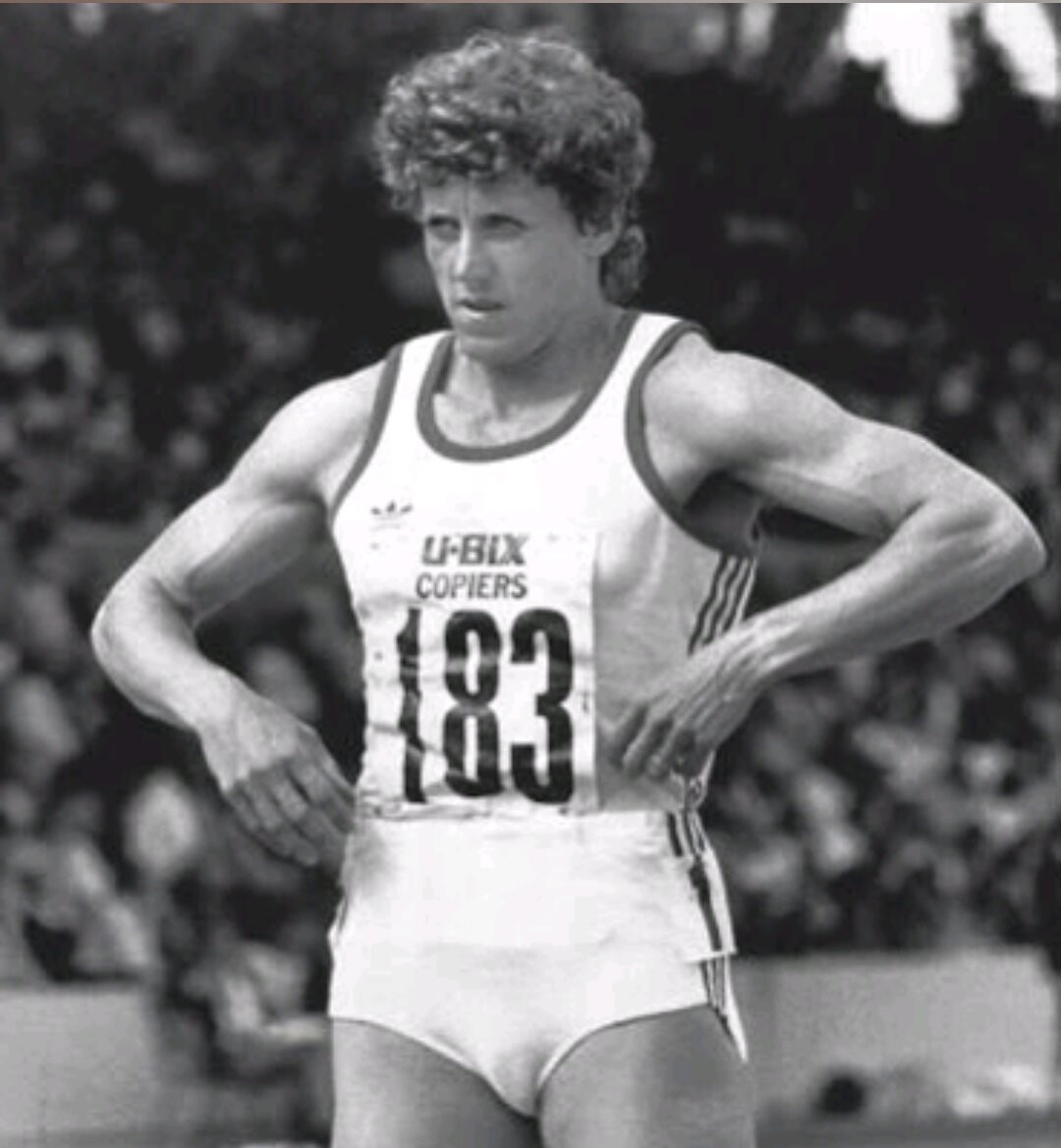
While there has been no formal proof that Kratochvílová used banned substances, the context raises suspicions. Her physical appearance — muscular, powerful, and more commonly compared to male counterparts than to female contemporaries — only added to the speculation. Combined with her unprecedented strength over both 400m and 800m distances, critics argue that the performance is not only unmatched, but possibly unnatural.
Why the Doubts Persist
• Performance Gap: Her time is still more than a second faster than most modern Olympic champions — a massive difference at the elite level.

• Era of Doping: Kratochvílová competed during a time when drug testing was primitive and records were often set under questionable conditions.
• Physique & Speculation: Her highly muscular build and deep voice led some to question if she should have been eligible to compete in the women’s category — though gender testing at the time did not flag her.
• Lack of Longevity: After 1983, Kratochvílová’s presence at major championships waned. Some suggest this could point to the unsustainable nature of her peak performance.
Arguments for Letting It Stand
Supporters of the record, including Kratochvílová herself, insist that the performance was clean and the result of hard work and unconventional training. She famously avoided standard intervals and instead focused on long sessions in heavy shoes and rugged conditions. No positive test exists, and the record has survived decades of scrutiny by World Athletics.
Moreover, some point out that breaking a record doesn’t validate its legitimacy — it simply reflects the evolution of training, equipment, and talent pools. If no one has broken it yet, perhaps it’s just one of those rare, generational performances that transcends time.
Should It Be Removed?
There have been proposals — including from World Athletics — to reset all pre-2005 records due to the lack of out-of-competition drug testing during earlier decades. The suggestion faced pushback, especially from record holders who never failed a test.
But the debate continues. Some believe Kratochvílová’s 1:53.28 represents a performance that belongs to a different set of rules — and therefore shouldn’t be part of the same record book as today’s achievements. Others see it as an enduring symbol of what the human body (with or without help) once accomplished.
Final Thought
Whether you view Jarmila Kratochvílová’s 800m world record as a miraculous outlier or a relic of a flawed system, one thing is certain: it has become the ultimate benchmark. Until someone runs faster — cleanly and unquestionably — the debate will rage on. And with every passing year, this 1983 run becomes less of a record and more of a legend.
(07/06/25) Views: 178Boris Baron
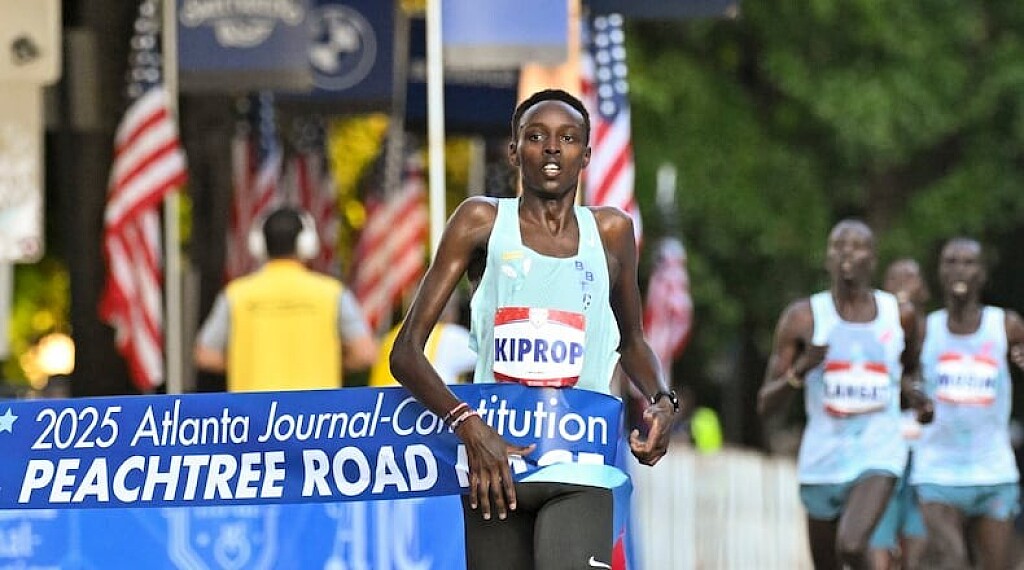
Fireworks on the Roads: Kiprop and Obiri Win 2025 AJC Peachtree 10K
ATLANTA, Georgia – July 4, 2025
The world’s largest 10K race, the AJC Peachtree Road Race, once again delivered thrilling fireworks on the Fourth of July. With tens of thousands of runners crowding Atlanta’s iconic Peachtree Street and elite athletes going head-to-head for glory, the 55th edition of the race lived up to the hype—and then some.

Men’s Race: Kiprop Leads Kenyan Sweep
In a battle that came down to seconds, Patrick Kiprop of Kenya surged ahead to claim the men’s title in 27:35, holding off a tightly packed group of countrymen. Just four seconds separated the top four finishers.
Top 5 Men’s Results
1. Patrick Kiprop (KEN) – 27:35
2. Vincent Langat (KEN) – 27:39
3. Patrick Mosin (KEN) – 27:39
4. Hillary Kipkoech (KEN) – 27:39
5. Isaia Lasoi (KEN) – 27:43
The men’s race was electric from the start, with the lead pack pushing the pace through the rolling hills of Atlanta. Kiprop’s victory continues Kenya’s dominance on the global road racing circuit and solidifies him as one to watch this season.
Women’s Race: Obiri Adds Peachtree to Her Legacy
Olympian and World Champion Hellen Obiri added another major victory to her résumé, winning the women’s elite race in 31:29. She held off a strong Ethiopian challenge led by Senayet Getachew, who finished just one second behind.
Top 5 Women’s Results
1. Hellen Obiri (KEN) – 31:29
2. Senayet Getachew (ETH) – 31:30
3. Gela Hambese Degefa (ETH) – 31:38
4. Gladys Chepkurui (KEN) – 31:48
5. Melknat Wudu (ETH) – 32:12
Obiri’s win confirms her versatility and consistency across track, cross country, and road racing. Her ability to outkick some of the world’s fastest women under warm and humid conditions impressed fans and commentators alike.
More Than a Race – A Celebration of Running
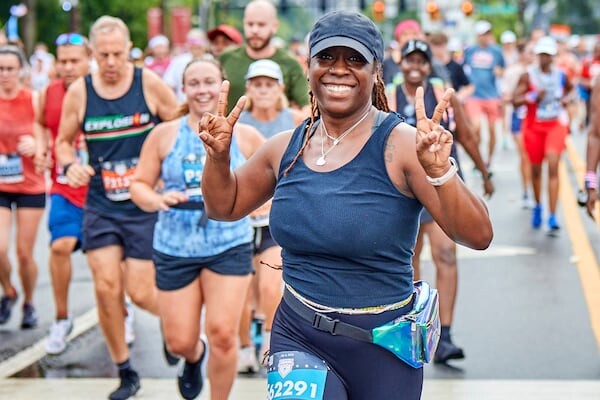
From the elite fields to everyday runners, the Peachtree 10K continues to inspire. With over 60,000 participants and countless spectators lining the 6.2-mile route, it remains the heart and soul of American road racing on Independence Day.
The event also upheld its famous tradition of rewarding the top 1,000 finishers with the coveted Peachtree finisher’s mug—a collector’s item for many. Organizers made smart adjustments to combat the early July heat, including starting the race 10 minutes earlier than usual.
A Dream Race for Many
My Best Runs founder Bob Anderson reflected, “Today's race reminds me why Peachtree is one of the most iconic 10Ks in the world. I’m starting to feel the desire to race it myself one day. Congratulations to all. Happy Fourth!”
Peachtree by the Numbers
• Founded: 1970
• Distance: 10K (6.2 miles)
• Location: Peachtree Street, Atlanta, Georgia
• Participants: ~60,000 runners annually
• Organized by: Atlanta Track Club
From world-class racing to heartfelt celebrations, the 2025 AJC Peachtree 10K showed once again why it’s a must-run event for runners across the globe.
(07/04/25) Views: 147Boris Baron

Faith Kipyegon Sets New 1500m World Record with 3:48.68 at 2025 Prefontaine Classic
Faith Kipyegon continues to redefine greatness in women’s middle-distance running. On July 5, 2025, at the Prefontaine Classic in Eugene, Oregon, the Kenyan superstar set a new world record in the 1500m, clocking 3:48.68 and breaking her own previous mark of 3:49.04 set just a year earlier.
The Hayward Field crowd witnessed another chapter in what is becoming one of the most dominant careers the sport has ever seen.
Sharpened Focus, Sharper Speed
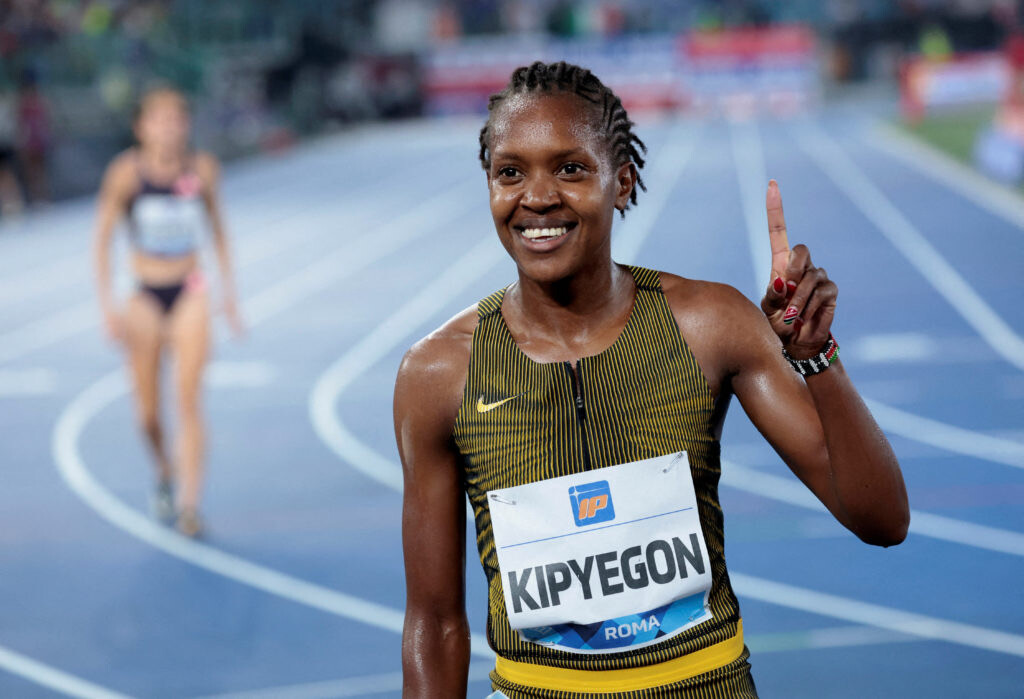
Kipyegon, already a two-time Olympic champion and multiple-time world champion, executed a flawless race. After a steady opening 800m behind the pacemaker, she began to pick up the tempo in lap three before unleashing her signature kick over the final 300 meters.
Her time of 3:48.68 now stands as the fastest women’s 1500m ever recorded — shaving more than three-tenths of a second off her previous world record from 2024.

“I knew I was in shape to do something special,” said Kipyegon after the race. “Breaking the world record again, right here in front of this crowd, is a dream come true.”
One of the Greatest Careers in Track History
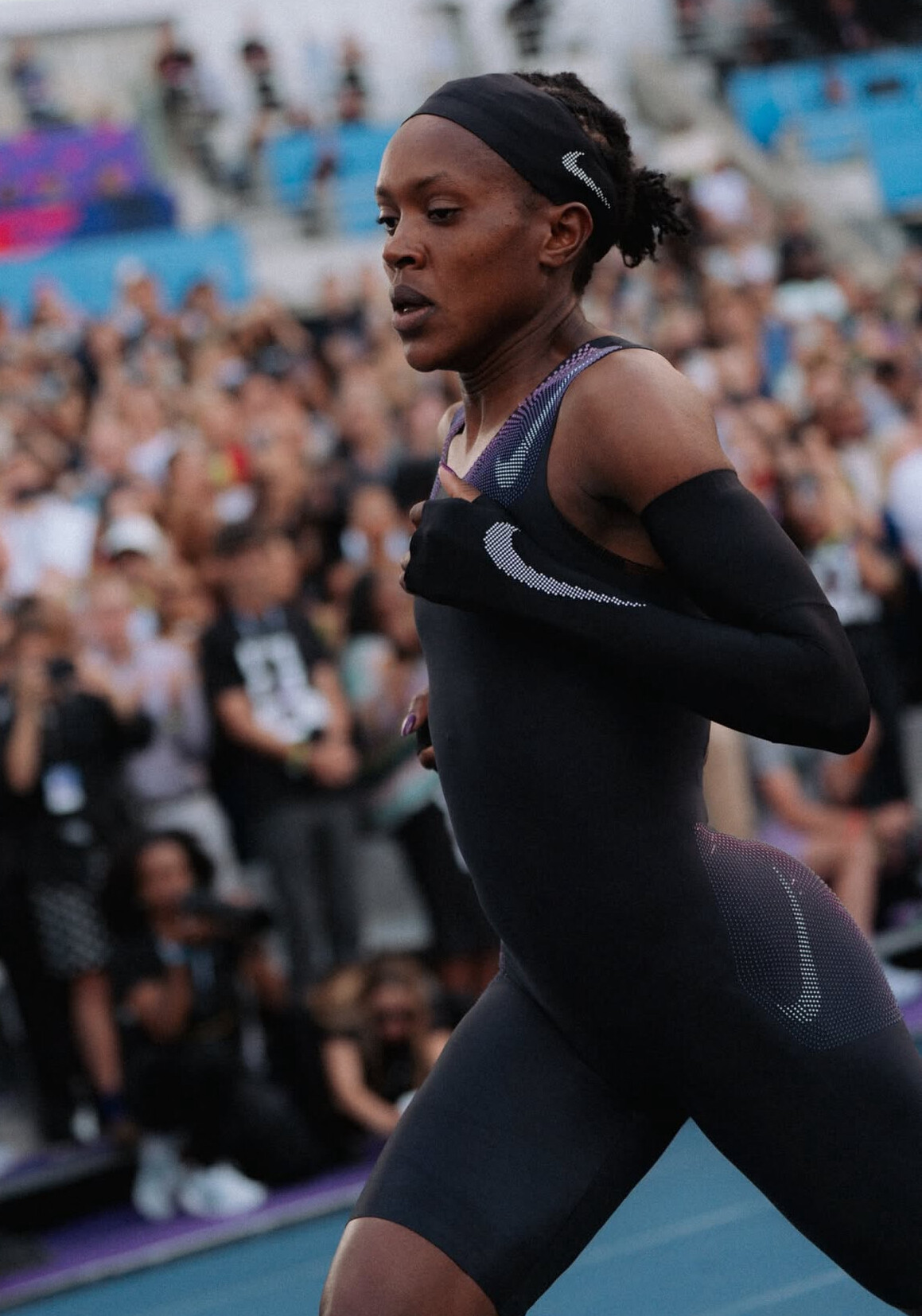
With this latest record, Kipyegon has now broken three world records in just over a year — the 1500m, mile, and 5000m — showcasing a range and consistency few have ever matched.
Her ability to dominate both the 1500m and 5000m places her in a category all her own. And after winning double gold in both events at the 2024 Paris Olympics, her legend continues to grow.
What’s coming up for Faith
With the 2026 World Championships in Tokyo looming, Kipyegon’s momentum couldn’t be stronger. She’s not just chasing titles — she’s rewriting the sport’s history.
As the only woman in history to run both sub-3:49 in the 1500m and sub-14 in the 5000m, Faith Kipyegon isn’t just winning races — she’s reshaping the limits of human performance.
(07/05/25) Views: 134Boris Baron
Grand Slam Track Series Faces Scrutiny Over Delayed Athlete Payments
The inaugural Grand Slam Track (GST) series launched with high hopes and bold promises—top-tier venues, world-class athletes, and massive prize money. But just months after its first leg in Kingston, Jamaica, the glitter is beginning to tarnish as frustration mounts over unpaid prize money and appearance fees.
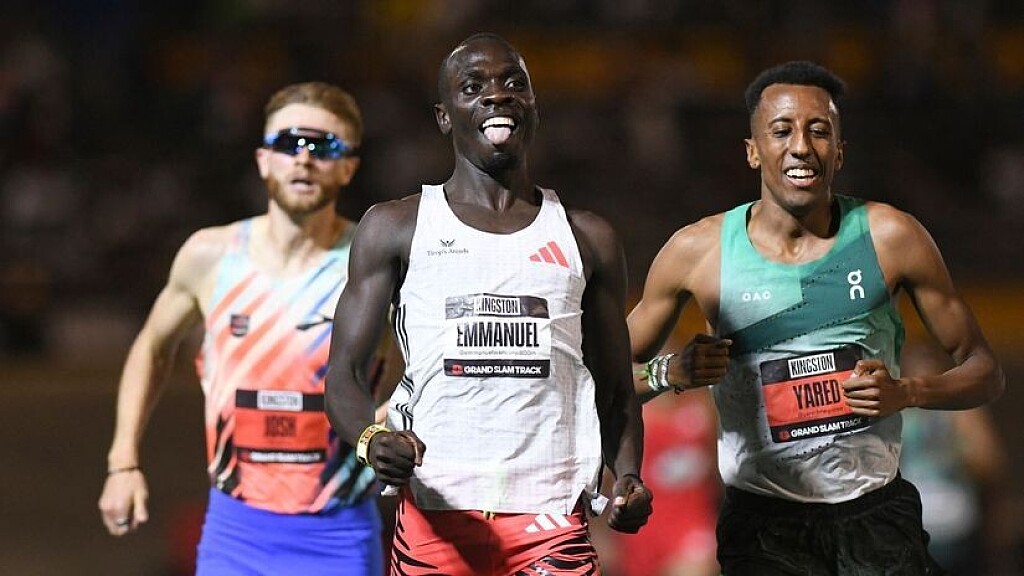
From Olympic gold medallists to world record holders, dozens of elite athletes are still waiting to be compensated for their performances. Middle-distance star Emmanuel Wanyonyi is owed $100,000 (approximately Ksh12.9 million) after topping the men’s short-distance leaderboard. American sprint sensation Gabby Thomas and 400m hurdles world record holder Sydney McLaughlin-Levrone are among others reportedly awaiting their payouts.
The issue extends beyond prize money. Appearance fees—typically paid prior to or shortly after competition—have also not been delivered. In contrast, athletes competing on the Diamond League circuit often receive payments within two to three weeks. The GST delay now stretches months, leaving agents, athletes, and federations scrambling for answers.
Organizers claim the delay is due to “economic challenges,” the same reason cited by GST founder Michael Johnson when he abruptly canceled the final series meet scheduled for Los Angeles. That announcement, made during an emergency Zoom call with athletes, raised immediate red flags about the financial health of the operation.

GST executive Kyle Merber recently attempted to ease concerns by emailing athlete representatives with a tentative payment plan. According to the message, prize money from Kingston will be paid by the end of July, with all other outstanding payments—including those for the canceled Los Angeles leg—expected by the end of September.
But skepticism remains. “It is still a bit vague,” one top agent told The Times. “If they have the money, why can’t they pay it now? For some of these athletes, we are talking hundreds of thousands of dollars.”
Reports of internal staff layoffs at GST have only added to the uncertainty.
Athlete managers and associations are now getting involved, demanding transparency and accountability. The Association of Athletics Managers recently held a meeting with Johnson to seek clarification, but sources say no firm dates or guarantees were given.
As the dust settles from what was supposed to be a revolutionary series for the sport, key questions remain unanswered:
• How much money was actually collected by GST?
• Have any athletes received their payments in full?
• What safeguards will be put in place to protect athletes moving forward?
"Big promises but I don't think GST set out to scam anyone," says Bob Anderson, " but those of us that have been around athletics for decades know that track and field is a hard sell. I hope the athletes involved will be paid but they should not count on it."
With millions promised and reputations on the line, the success—or collapse—of GST could set a precedent for future independent track series. For now, the running world waits.
(07/05/25) Views: 129Boris Baron
Big Performances at the Nairobi City Marathon — Wilson Bii and Zakariah Shine for KATA
Nairobi, Kenya — July 6, 2025
The streets of Kenya’s capital came alive this morning with the running of the Nairobi City Marathon, Half Marathon, and Expressway 10K. With elite competition, a scenic city course, and massive public support, the event once again showcased the depth of talent in the world’s running capital.

Among the standout performances were two remarkable athletes of from KATA Running Camps, continuing to make their mark on Kenya’s competitive distance running scene.
Wilson Bii Dominates Para Half Marathon

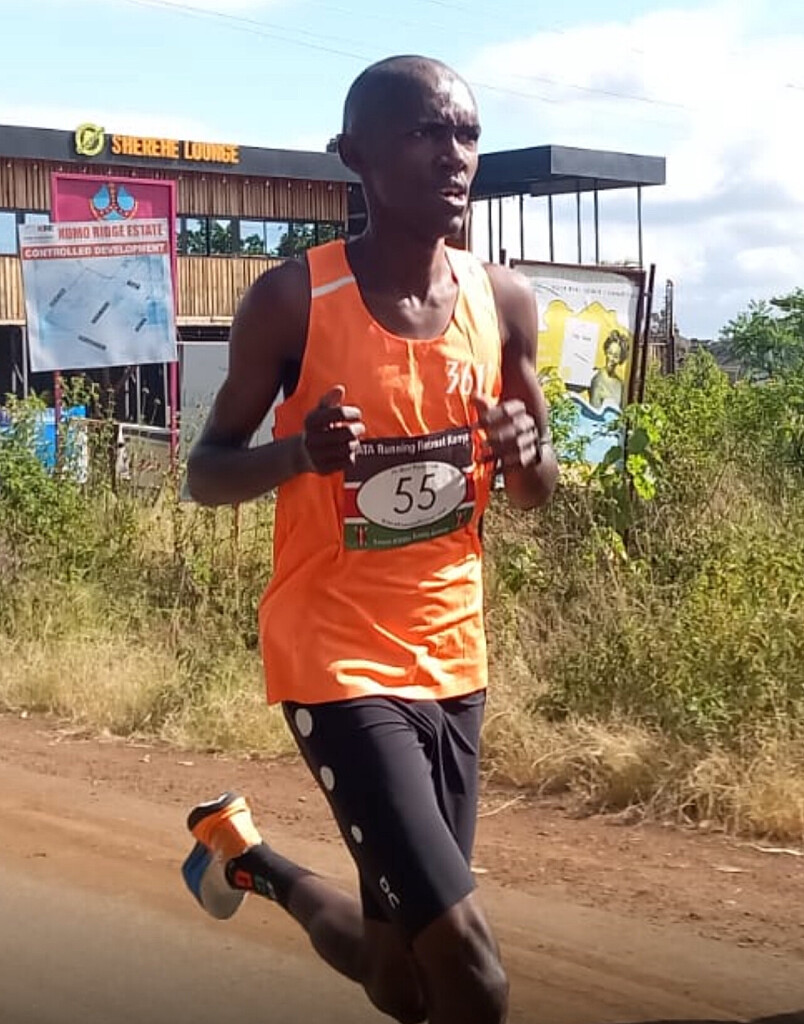
Wilson Bii (4th photo), a visually impaired runner training at a KATA Running Camp, delivered a stunning performance in the Para Half Marathon division, winning in a time of 1:07:50. Known for his resilience and smooth stride, Bii proved once again that no obstacle can hold back a champion spirit.
“We are so proud of Wilson,” said Bob Anderson, Founder of the KATA (Kenyan Athletics Training Academy) initiative. “His dedication, grit, and belief inspire all of us.”
Bii, who has represented Kenya at multiple international events, continues to sharpen his fitness under KATA’s structured training model, which combines elite coaching with holistic athlete support.
Zakariah Breaks Through in the 10K
In the Expressway 10K, Zakariah (first photo) one of KATA Thika’s earliest and most consistent athletes, put together the race of his life. He clocked a personal best of 27:00 flat, finishing third overall in a stacked elite field.
This marks a major breakthrough for the rising star, whose consistency in training over the past year is now paying off in a big way.
“Zakariah has been with us since the very beginning,” Anderson added. “He works hard every day and keeps improving. Today was a huge moment for him and for the entire KATA movement. When he first came to KATA he way running a 10k in 34 minutes. His 27 minutes today at altitude says he is ready to run faster at sea level. He was only two seconds behind the winner."
Nairobi Marathon Elevates All Levels
While elite runners headlined each race, the Nairobi City Marathon continues to grow as a celebration of endurance and unity. From full marathoners tackling 42.195 kilometers through the city to recreational 10K runners testing their limits on the Expressway, thousands took part in what is becoming one of East Africa’s most important road racing events.
KATA: A New Chapter in Kenyan Running
With more than a dozen training camps and potato farms across Kenya — and a flagship retreat in Portugal — the KATA movement is changing the narrative. It’s not just about producing fast times, but building complete athletes, nurturing character, and providing real economic sustainability.
Today’s results in Nairobi prove that the vision is working.
(07/06/25) Views: 125Boris Baron

Beatrice Chebet Smashes Women’s 5000m World Record with Historic 13:58.06 at Prefontaine Classic
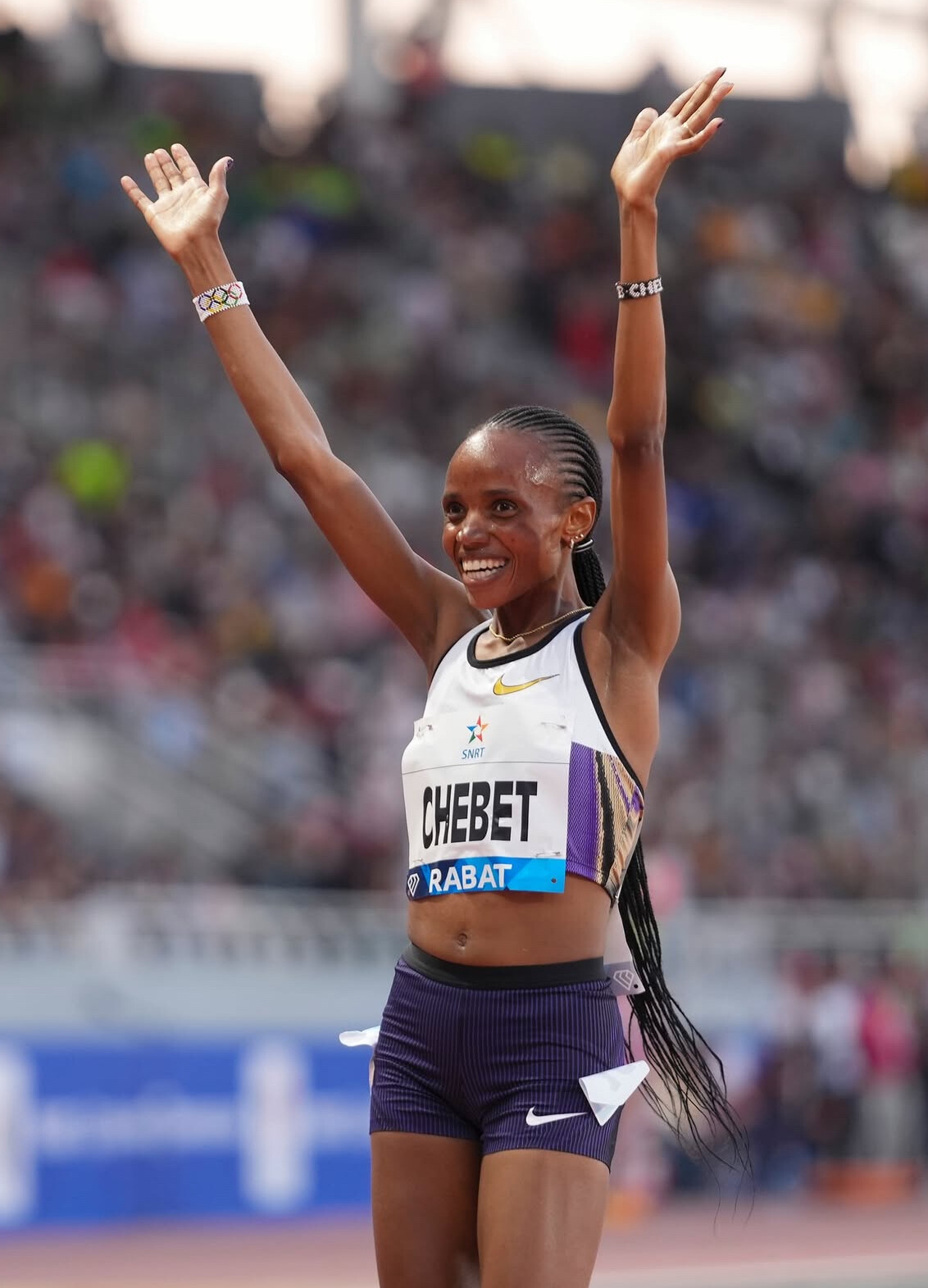
On a cool Saturday evening in Eugene, Oregon, Beatrice Chebet of Kenya made history — becoming the first woman ever to break the 14-minute barrier in the 5000m.
Chebet stormed to victory at the Prefontaine Classic on July 5, 2025, clocking an astonishing 13:58.06, obliterating the previous world record of 14:00.21 set by Ethiopia’s Letesenbet Gidey in 2020.
It was a performance that stunned the crowd at Hayward Field and sent shockwaves through the global athletics community.
Making History in Style
From the gun, the race was electric. Pushed by strong pacing and an elite field, Chebet stayed composed and patient, moving smoothly through the early kilometers. But as the laps ticked down, she surged to the front with her trademark closing speed and never looked back.
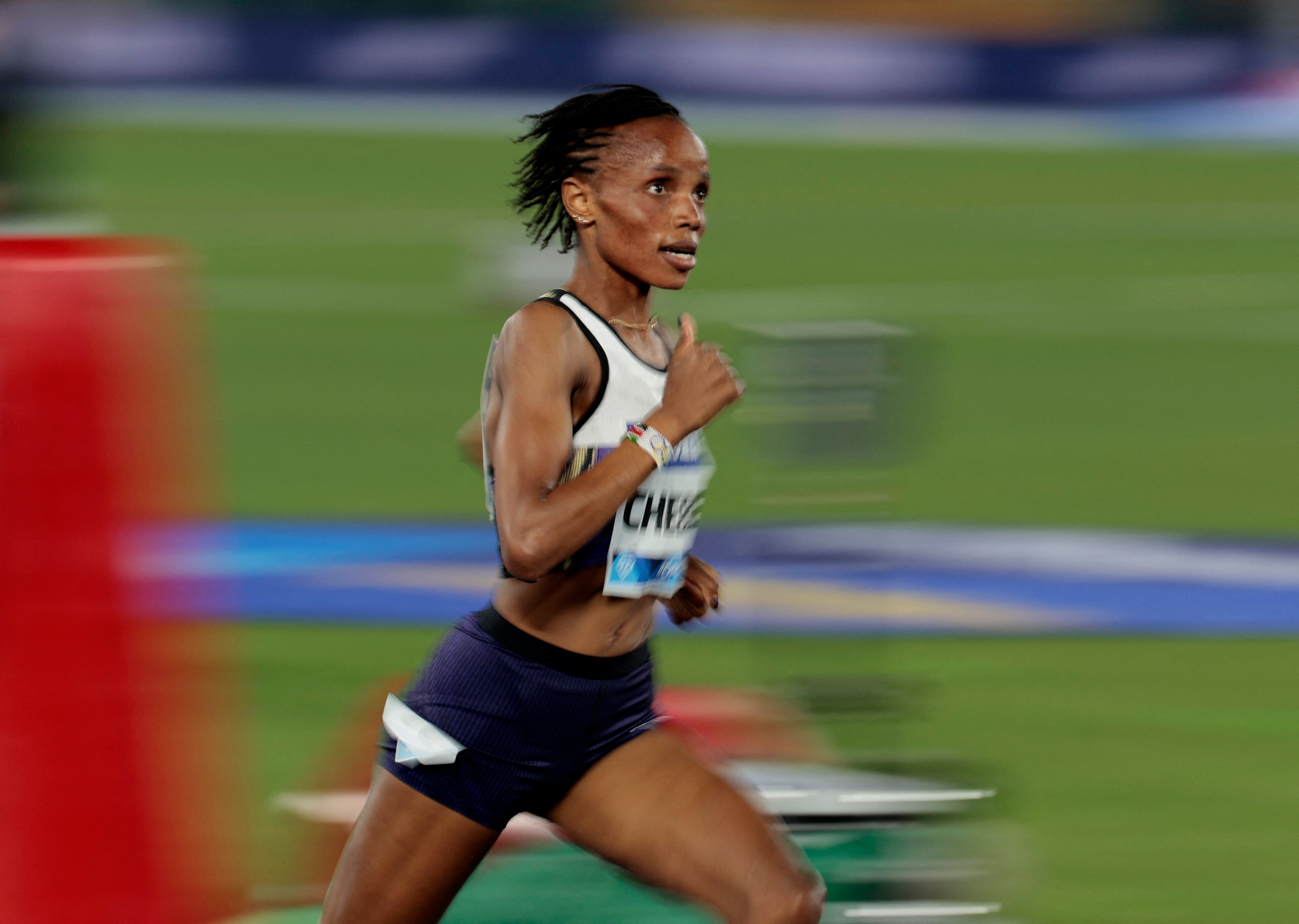
Her final time of 13:58.06 etched her name in the record books and established her as the new queen of the distance — a feat no woman in history had previously achieved.
“I knew the record was possible,” Chebet said after the race. “I trusted my training and my strength. This was for Kenya, for women, and for everyone who believes in breaking limits.”
A Star Ascending
At just 25, Beatrice Chebet has already had a career packed with accolades — World Cross Country champion, Diamond League winner, and now the fastest woman ever over 5000m.
With her Paris Olympic medal from last year and a World Championships season on the horizon, Chebet has shown that she is in the form of her life. Her historic run comes at a time when Kenyan distance running is enjoying a renaissance — especially among the women.
What’s Next for Beatrice
Chebet’s performance doesn’t just reset the record books — it redefines what’s possible in women’s distance running. The sub-14 club now exists, and she’s the founding member.
With competition heating up and eyes on the 2026 World Championships, Chebet has firmly taken the lead in the next chapter of women’s long-distance history.
(07/05/25) Views: 119Boris Baron
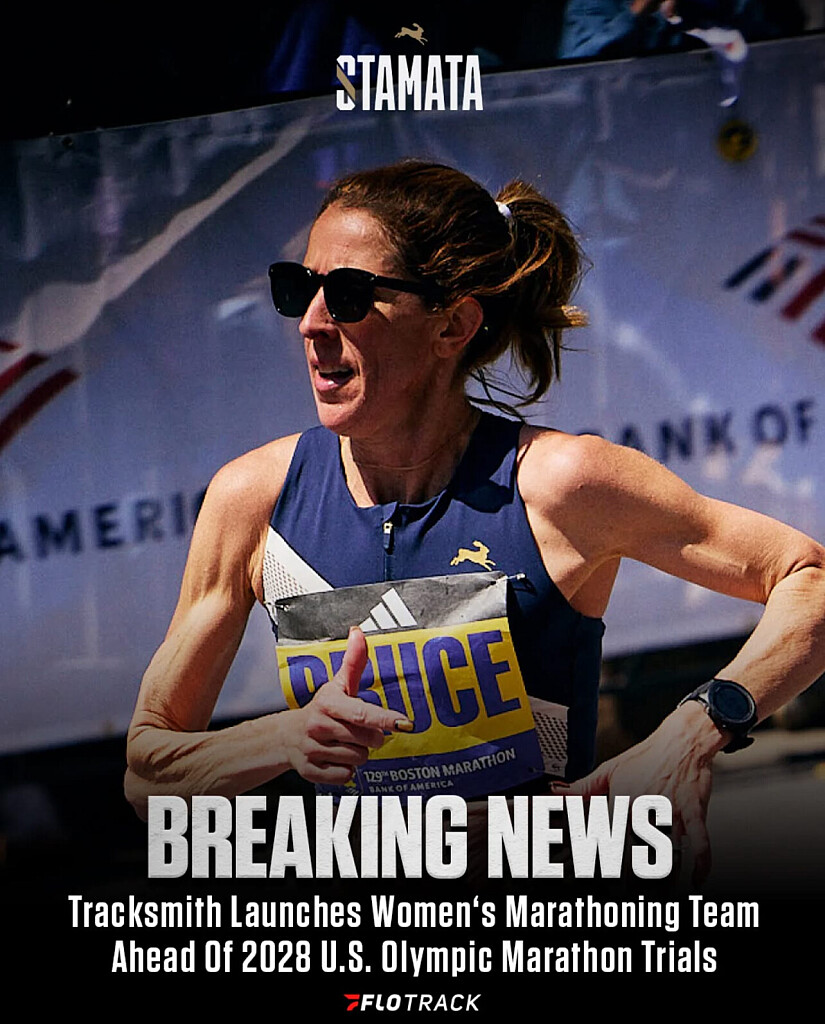
Tracksmith Launches “Stamata” — A New Women’s Marathon Team Aiming for the 2028 U.S. Olympic Trials
In a bold and inspiring move to uplift women’s distance running in the United States, Tracksmith has announced the formation of Tracksmith Stamata, a dedicated women’s marathon team. The initiative is led by elite marathoner and long-time advocate for female athletes, Stephanie Bruce, and is aimed squarely at helping women qualify for the 2028 U.S. Olympic Marathon Trials.
With a surge of momentum building in the U.S. women’s distance scene, the timing couldn’t be more ideal.
Supporting Women on the Olympic Path
The team’s mission is clear: identify and support talented women with the potential to reach the Olympic Trials, and ultimately, the Olympic Games. Named “Stamata” — Greek for “to stop,” perhaps symbolizing the end of outdated barriers and the start of something powerful — the team brings a structured, fully backed approach to marathon preparation.
Tracksmith will provide:
• Training camps
• Targeted marathon attempts
• Financial stipends
• Performance gear
• Access to sports professionals, including coaches, nutritionists, and medical experts
This comprehensive support structure is designed to level the playing field, especially for emerging or overlooked athletes who may not yet have major sponsorship deals.
California International Marathon to Host Team Debut
The California International Marathon (CIM) — long known for its fast course and Trials-qualifying potential — will be the official debut race for Tracksmith Stamata. The selection of CIM reflects the team’s pragmatic focus on real results and meaningful opportunities. In recent years, CIM has been a launchpad for many Olympic Trials qualifiers, and it’s the perfect stage for Stamata’s debut.
Stephanie Bruce at the Helm
Stephanie Bruce, who recently concluded her own professional racing career, brings not only elite experience but also deep empathy and advocacy for working mothers, aging athletes, and under-supported competitors. Her leadership signals that Stamata isn’t just a racing team — it’s a movement.
“This isn’t just about fast times. It’s about building an environment where women can thrive, be seen, and be supported in their pursuit of excellence,” Bruce said in a recent interview.
Let’s make it happen
The women’s marathon scene in the U.S. is more competitive than ever. As the road to Los Angeles 2028 heats up, initiatives like Tracksmith Stamata play a critical role in widening the access point and reinforcing the pipeline of elite female marathoners.
Whether you’re chasing a Trials standard or cheering from the sidelines, there’s no doubt: Stamata is a name to remember on the road to 2028.
(07/07/25) Views: 103Boris Baron
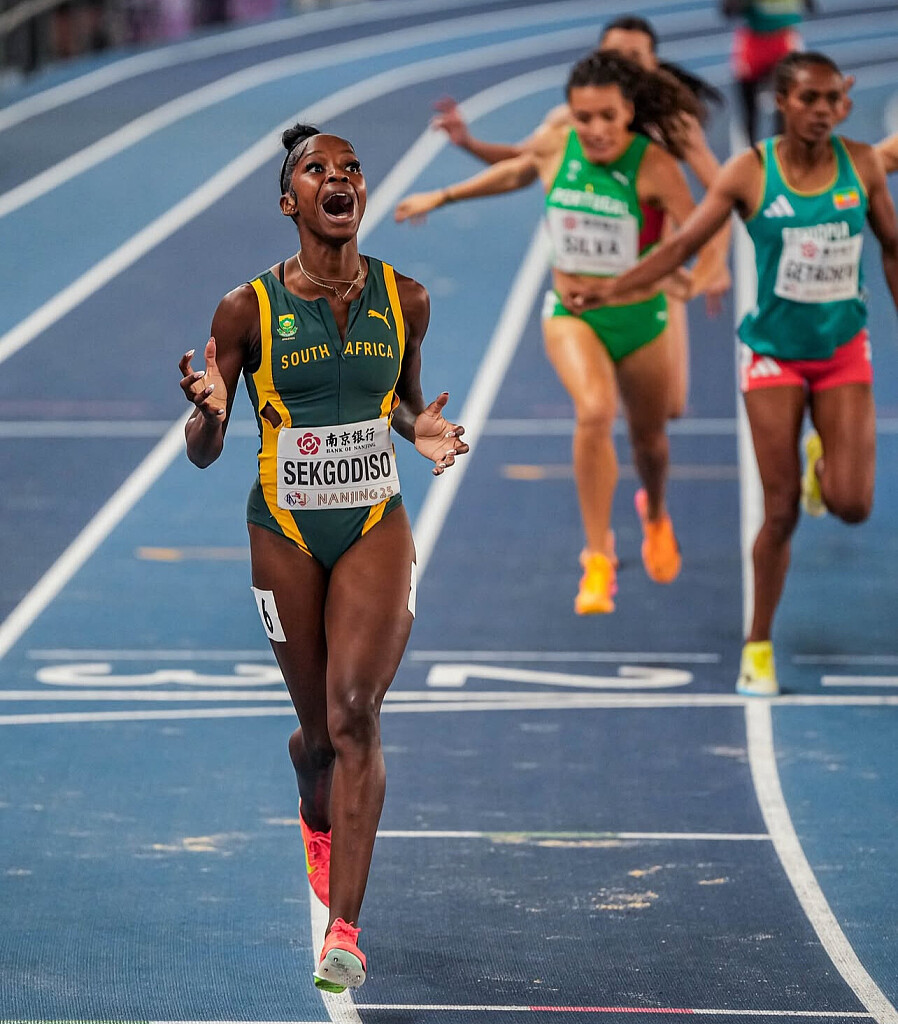
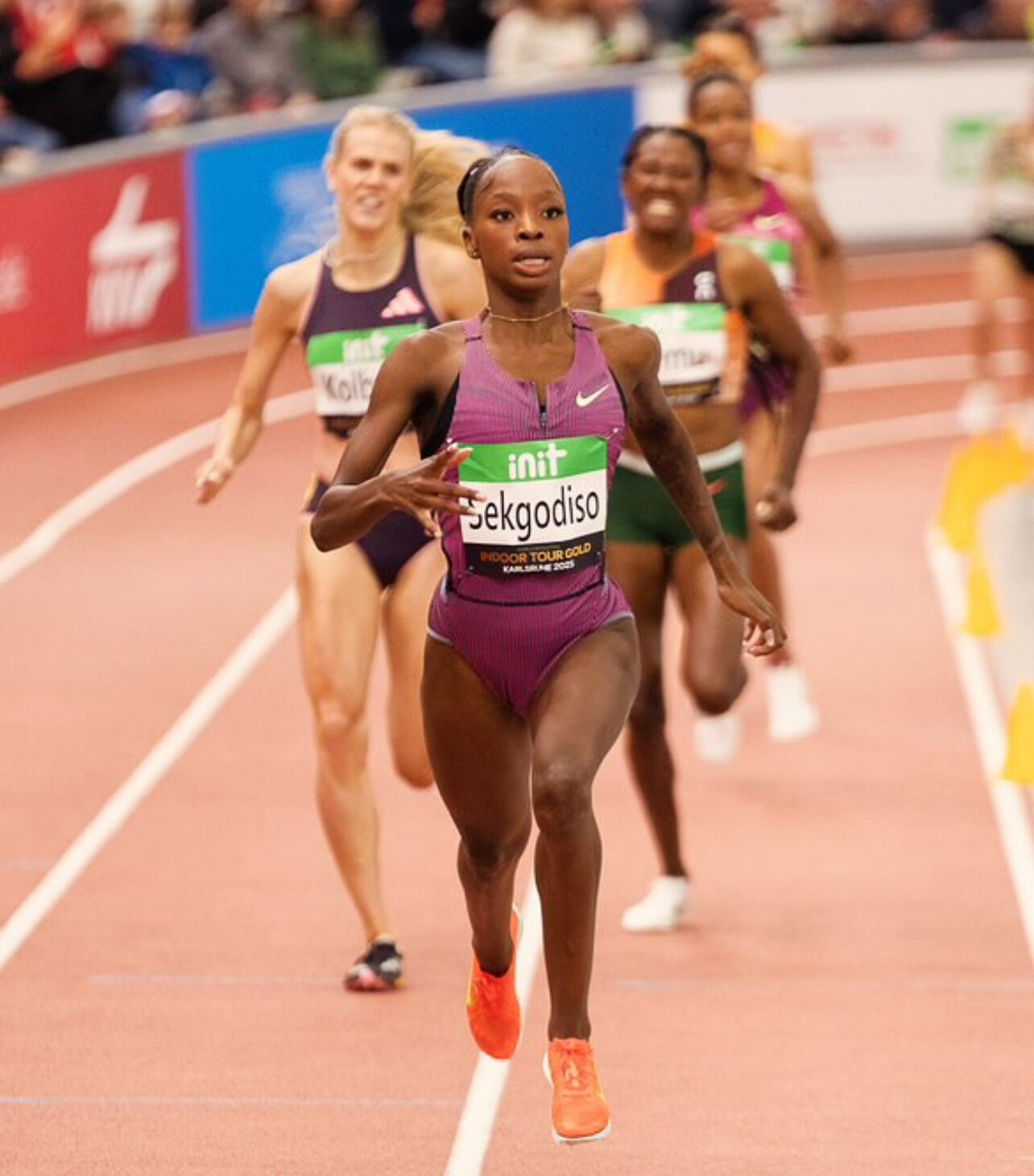
South Africa's Prudence Sekgodiso Closes in on 800m World Lead
Prudence Sekgodiso of South Africa is charging toward the top of the global women’s 800m leaderboard with a sizzling time of 1:57.16, recorded in the 2025 season. As of July 4, this places her second on the current world list—trailing only Ethiopia’s Duguma, who leads with 1:56.64.
Sekgodiso’s breakthrough has sent waves through the athletics world, as seen in a recent viral post by SuperSport celebrating her ascent. The 800m is one of the most fiercely contested events in track and field, and Sekgodiso’s consistency and fearless racing style are positioning her as a serious medal contender ahead of the Paris World Championships and potentially the Olympics.
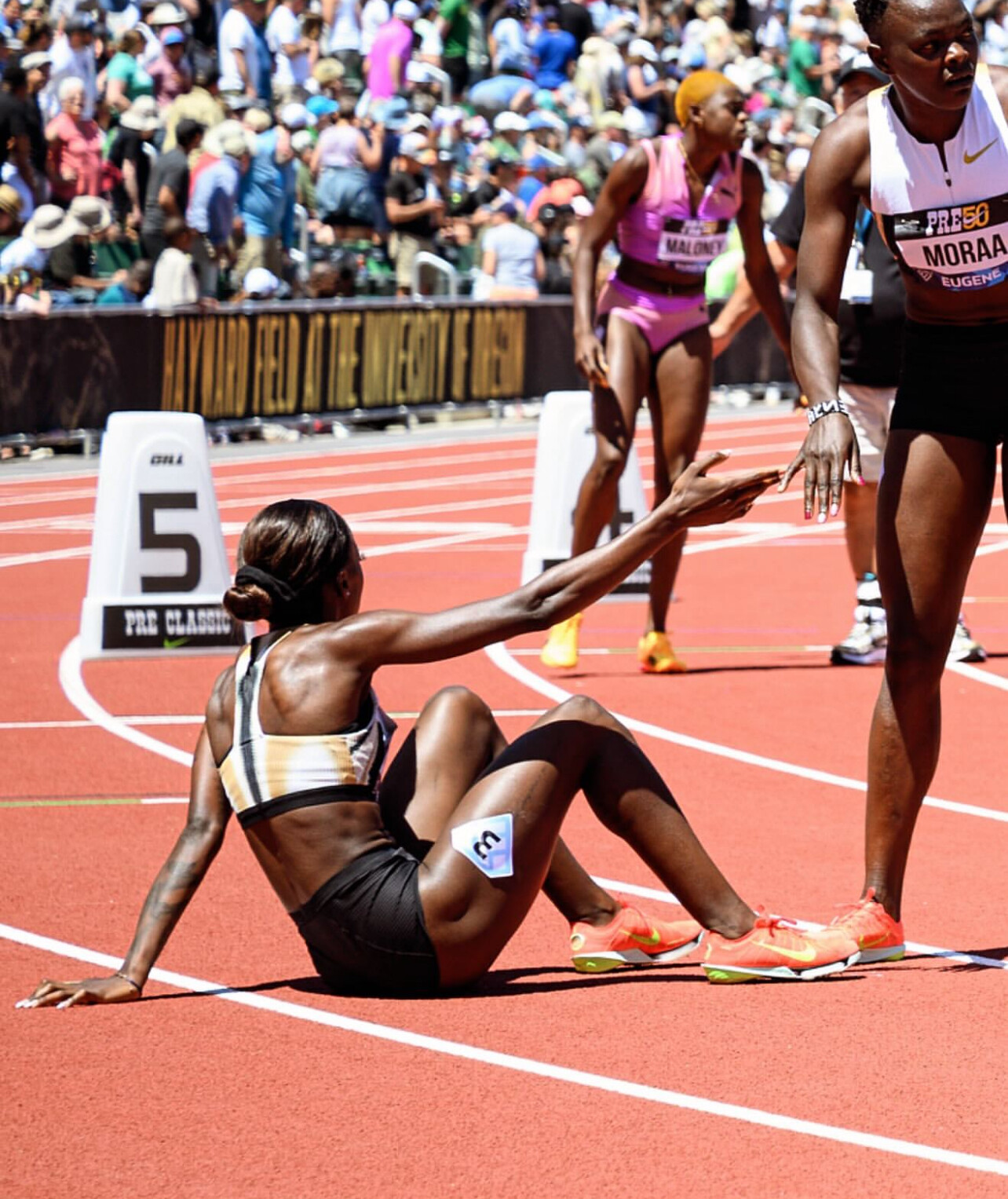
? Top 10 Women’s 800m Times in 2025 (as of July 4):
1. 1:56.64 – Duguma
2. 1:57.16 – Sekgodiso

3. 1:57.25 – Werro
4. 1:57.49 – Nowe
5. 1:57.55 – Wiley
6. 1:57.66 – Bell
7. 1:57.81 – Bourgoin
8. 1:57.83 – Billings
9. 1:57.83 – Moraa
10. 1:58.00 – Maloney
How Sekgodiso Measures Up Historically:
The women’s 800m world record still stands at 1:53.28, set by Jarmila Kratochvílová of Czechoslovakia in 1983—a mark that has stood for over 40 years and is widely considered one of the most unbreakable in athletics. Only a handful of women have ever run under 1:55, including:
• Jarmila Kratochvílová (CZE) – 1:53.28 (1983)
• Nadezhda Olizarenko (URS) – 1:53.43 (1980)
• Pamela Jelimo (KEN) – 1:54.01 (2008)
• Caster Semenya (RSA) – 1:54.25 (2018)
Prudence Sekgodiso's 1:57.16 may not yet challenge these all-time performances, but it signals her potential to enter the elite sub-1:56 territory—especially with major races still ahead this season.
South Africa’s Next Middle-Distance Icon?
Following in the footsteps of Caster Semenya, Sekgodiso has reignited South Africa’s presence in the women’s 800m. At just 22 years old, she combines speed, endurance, and confidence, and her upward trajectory is undeniable.
As she continues her climb, all eyes will be on her next race. With every lap, Prudence Sekgodiso is narrowing the gap—not just between herself and the world leader, but also between today’s stars and history’s greats.
(07/08/25) Views: 87Boris Baron
David Sharpe: From Top of the Track to the Edge of Chaos
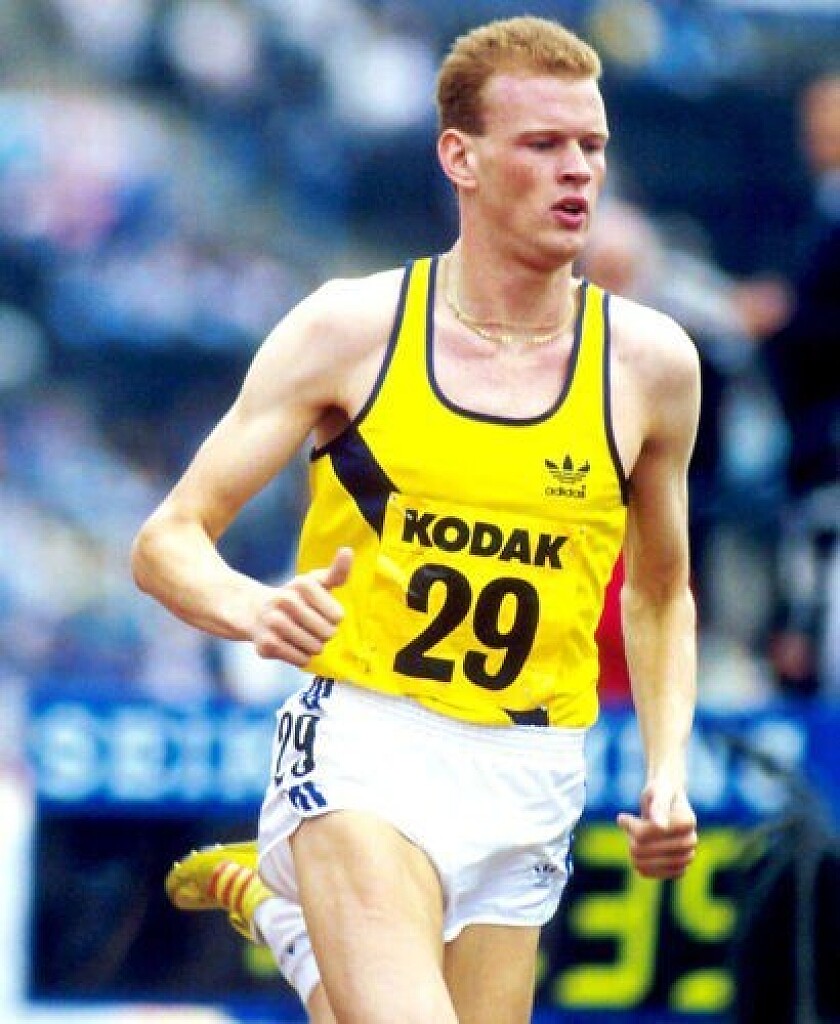
In the golden era of British middle-distance running, David Sharpe carved out his own unique lane—a fierce competitor on the track and a wild card off it. Now, the enigmatic former 800m specialist is telling all in a gripping, unfiltered memoir that pulls no punches.
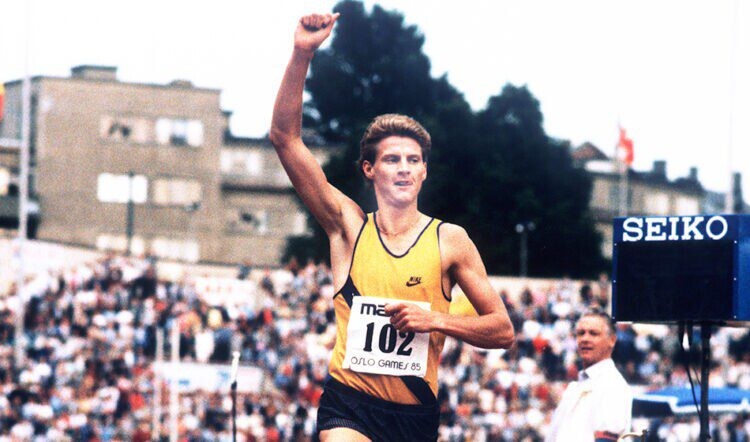
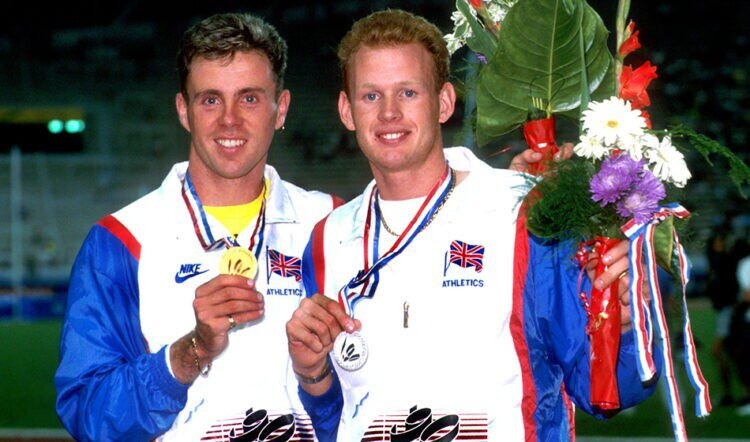
Born in Jarrow, North-East England, Sharpe rose from humble beginnings to international acclaim. His athletic résumé is impressive: World Junior Champion, European Indoor Champion, World Cup winner, and the fastest Brit over 800m in 1992 with a blistering 1:43.98. Trained alongside legends like Steve Cram and coached by the iconic Jimmy Hedley, Sharpe became known for his trademark late kick—often coming from the back to snatch victory at the line.

But if Sharpe’s racing style was unpredictable, his life outside the track was even more so.
His new tell-all book offers a no-holds-barred look at the rollercoaster journey of a man once considered one of Britain’s brightest talents. He opens up about his battles with erratic behavior, brushes with controversy, and the highs and lows of being an elite athlete in the spotlight.
Sharpe touches on topics rarely explored in athletics autobiographies—motorbiking, celebrity boxing, birdwatching, skiing, and even suicide. He speaks candidly about suspected drug use in the sport, athlete payments, bereavement, and the toll that a turbulent lifestyle can take. He also reflects on his intense relationship with coach Jimmy Hedley and expresses regret over episodes that derailed parts of his career.

Through it all, one thing becomes clear: David Sharpe was never just a runner. He was a character. A fighter. A survivor.
His story isn’t just for athletics fans—it’s a window into the mental, emotional, and cultural world of competitive running during a transformational era.
“David’s story is as entertaining as his running once was.” That tagline isn’t marketing fluff—it’s a fitting summary of a career and life that defied convention. For those who think middle-distance running is all about pace and splits, Sharpe reminds us that the real battles are often fought off the track.
Don’t miss this one.
(07/09/25) Views: 86Boris Baron
