

Running News Daily
Top Ten Stories of the Week
11/5/2022
These are the top ten stories based on views over the last week.
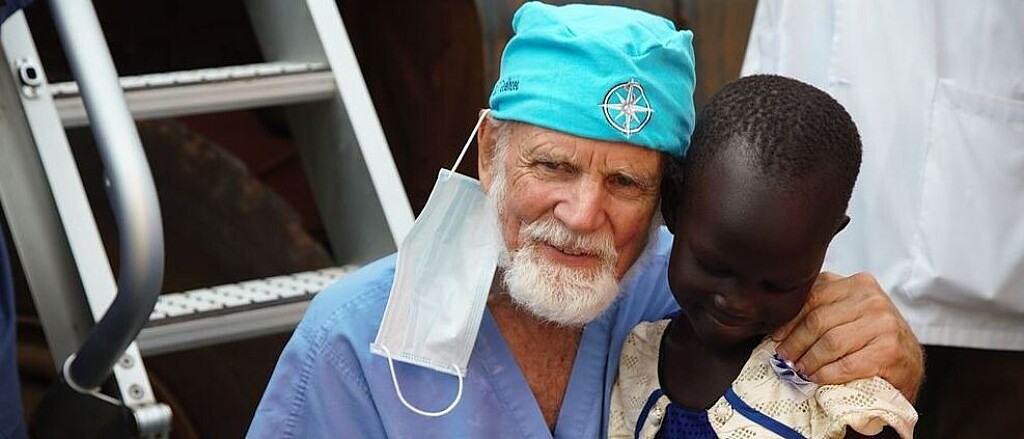


80-year-old doctor will run his 45th Marine Corps Marathon
An 80-year-old doctor is set to run his 45th Marine Corps Marathon, only missing the race twice since first competing in 1977. Dr. Glenn Geelhoed has run more than 170 marathons on all seven continents, but his true passion is saving lives through his nonprofit, Mission to Heal.
Mission to Heal brings medical supplies and training to the most remote corners of the world.
"We have done what we can to help not just to heal the folk that we see immediately by cutting and sewing, but by teaching those skills such that it continues beyond us," Geelhoed told CBS News.
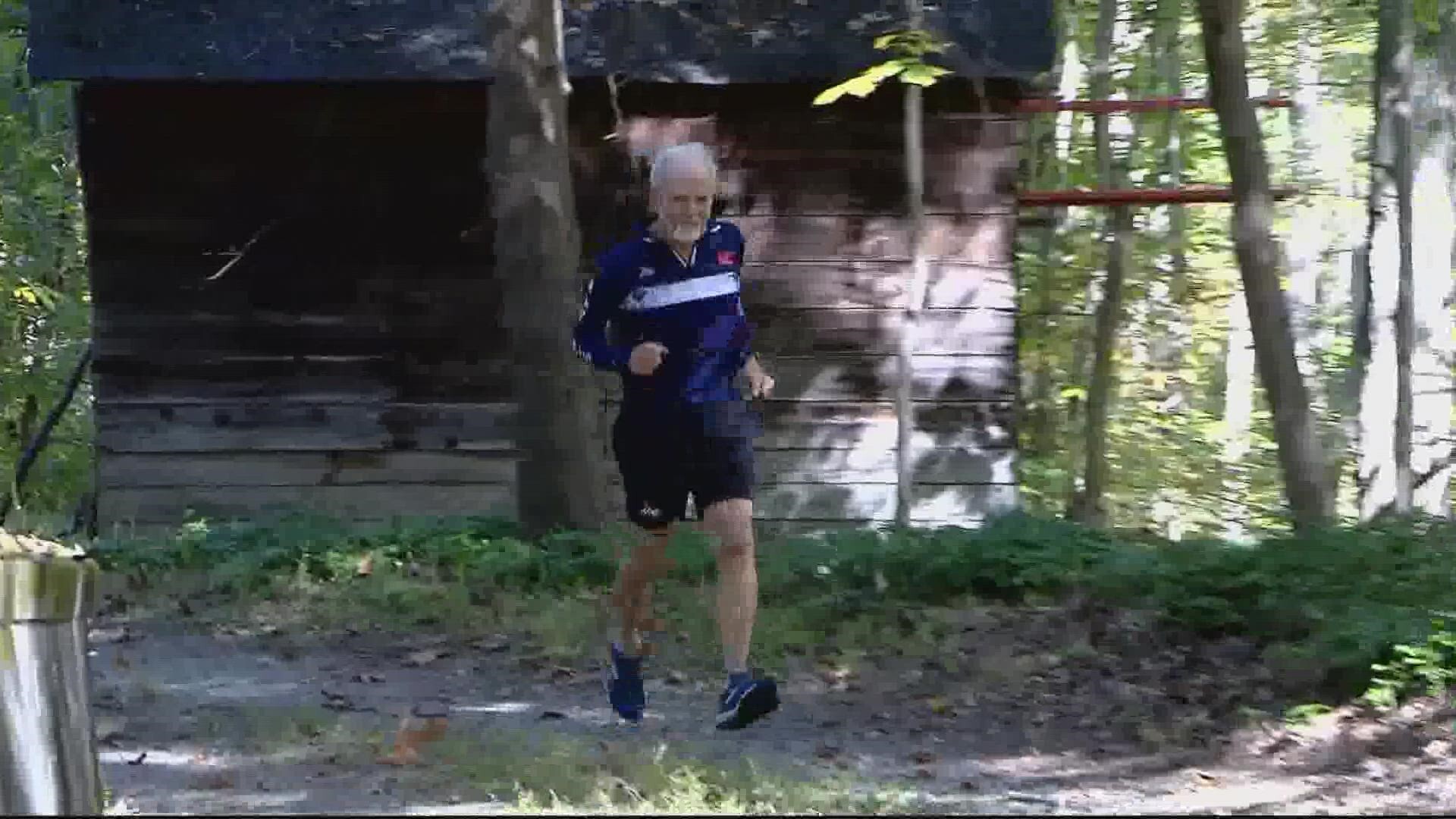
He said that his medical missions are inspired by his runs.
"The marathon is a good metaphor because it takes discipline, it takes effort, and it takes a commitment," he said. "That's what health care is."
Asked how much longer he plans on running these punishing races, Geelhoed told CBS News, "Until the next one. And the next one and the one after that."
(10/28/22) Views: 148Jan Crawford
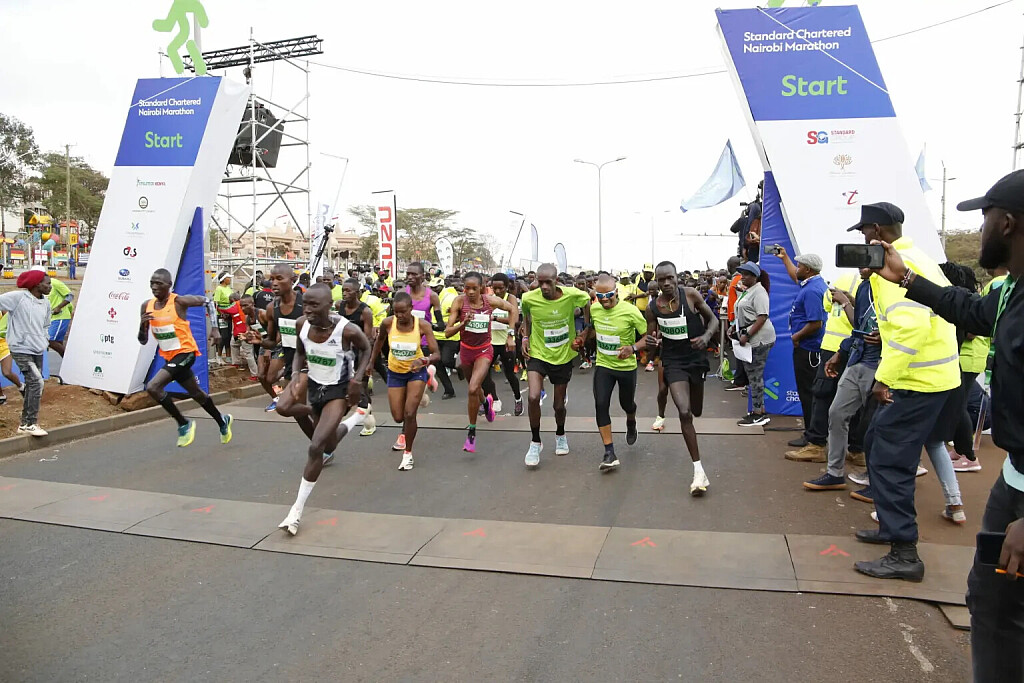
Former Roma Marathon Champion Elias Chelimo and Sheila Chepkoech won the 2022 edition of the Standard Chartered Nairobi Marathon
Elias Chelimo who finished eighth last year was in the leading pack from the start before dropping Wilfred Kirwa Kigen who was his closest rival with five kilometers to go to win the men’s 42km race in 2 hours, 10 minutes and 22 seconds.
Kirwa finished second in 2 hours 10 minutes and 50 seconds ahead of Felix Kangogo who settled for the third position in 2 hours 11 minutes and 08seconds.
Sheila Chepkoech clocked 2 hours 27 minutes and 04 seconds minutes to win the women’s title ahead of Beatrice Cheptoo who settled for silver in 2 hours 28 minutes and 42 seconds with Shyline Toroitich claiming bronze after stopping the clock after two hours, twenty-nine minutes, and thirty-six seconds.
Daniel Ebenyo Simiu won the 21-kilometre race in 1 hour and 50 seconds. Isaia Lasoi and Samuel Naibei finished second and third respectively.
The women’s Half-marathon title went to Evaline Chirchir. Nelly Jeptoo and Edith Chemjor finished second and third respectively.
Over 20,000 runners took part in this year’s event which started and ended at the Uhuru gardens here in Nairobi.
Over 200 elite athletes, 100 Persons with Disabilities (PWDs) and 20,000 recreational runners participated in the marathon.
The Marathon featured six race categories: 42km men and women, 21km men and women, 10km men and women, 21km wheelchair men and women, 5km Family Fun Run race and the Corporate Relay Challenge.
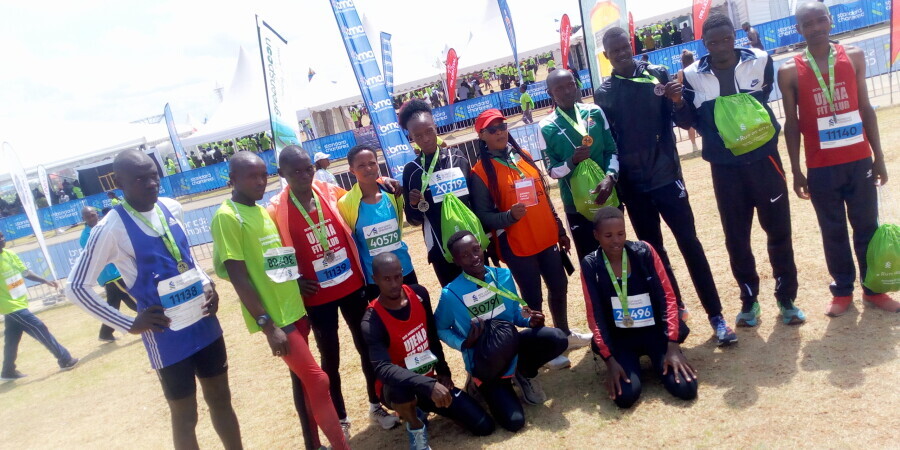
KATA Athletes posted impressive results
Kenyans Athletics Training Academy athletes from Thika posted impressive results according to head coach Joseph Ngure.
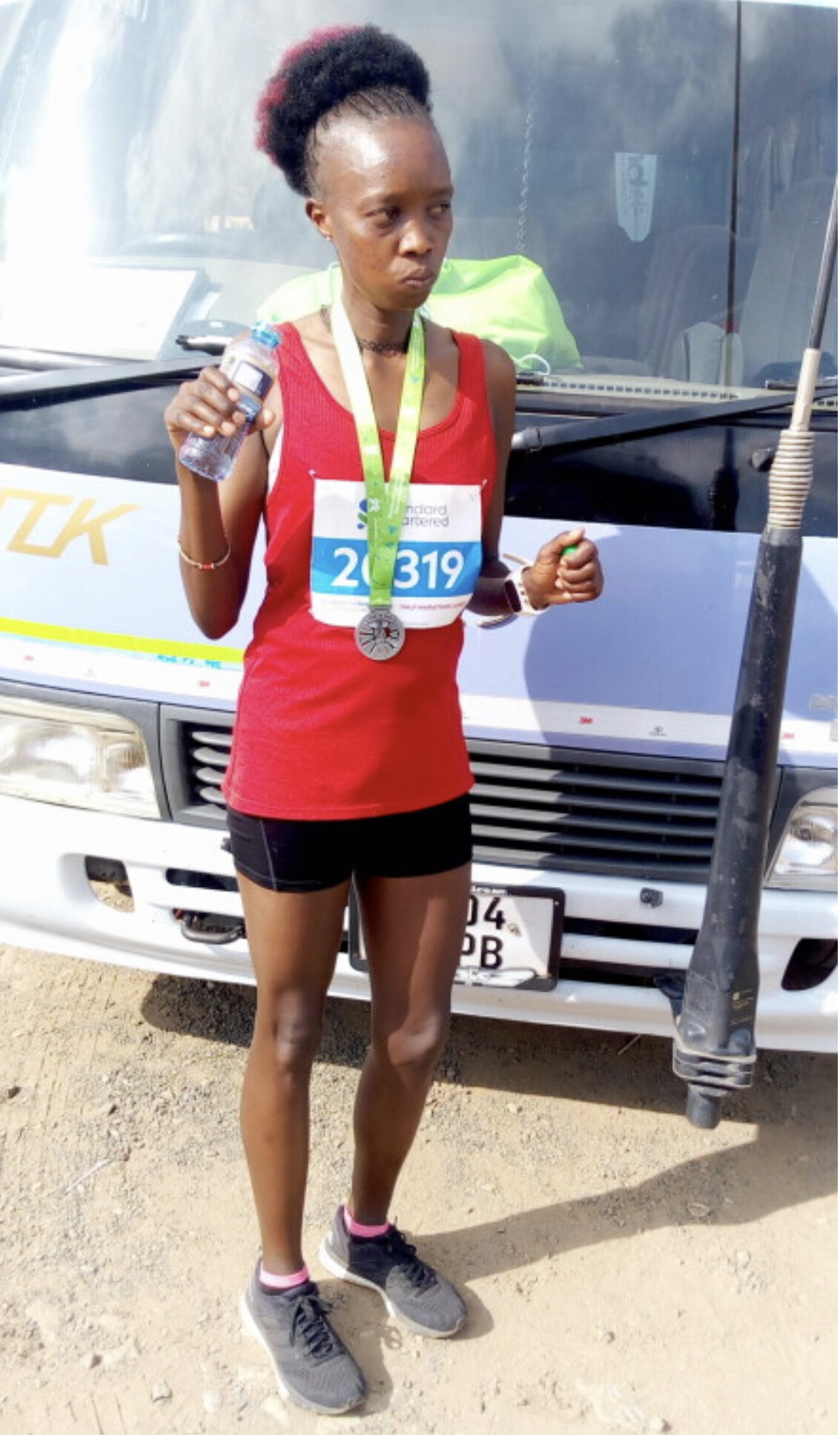
Competing in the competitive 10 and 21km, the upcoming runners used the occasion to gain experience after racing against elite athletes that included world class runners.
Zachariah Kirika and Peter Mburu were the best placed among their teammates during the event held in the outskirts of the city capital.
Peter Mburu, the winner of our October 10Km KATA time-trial, broke his half marathon record after registering 1:04.39 from his former 1:05.45 where winner, Daniel Ebenyo, timed 1:00.50. Peter came 35th in the category with 3,769 runners.
Zachariah finished 35th out of 5,914 finishers after clocking 34:08.4 against the winner’s 31:39.5 in the the long 10k. The distance was actually 11.35Km. "For a race like this I can not imagine why a 10k race would be this long," wrote Bob Anderson, KATA Director.
"The races provided positive exposure and experience for our KATA athletes," says coach Joseph.
KATA RESULTS
ATHLETE BIB EVENT TIME POSITION
Peter Mburu 11135 21Km 1:04.39 35
Evans Kiguru 11140 21Km 1:08.21 101
Anthony Mukundi 11139 21Km 1:11.23 152
Susan Njeri 20319 21Km 1:20.44 27
Zachariah Kirika 30786 11.35Km 34:08.4 35
Erick Mutuku 33605 11.35Km 34:36.8 53
Raphael Gacheru 30585 11.35Km 34:56.7 58
Boniface Mungai 30791 11.35Km 35:33.6 77
Eston Mugo 30787 11.35Km 36:13.3 89
(10/30/22) Views: 101
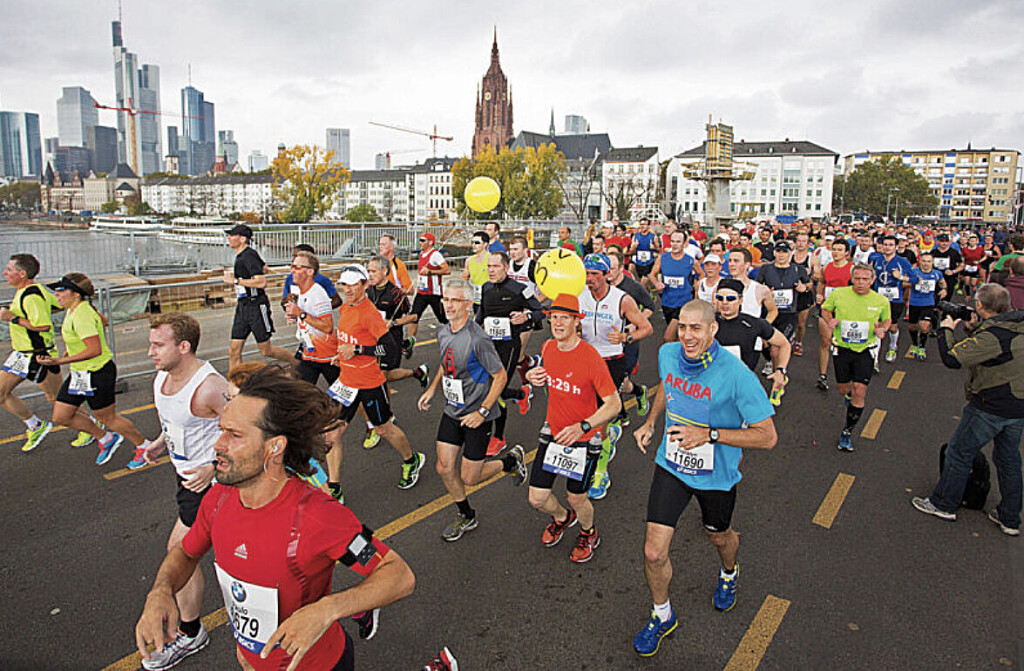
Frankfurt hopes to come back with a bang as Selly Kaptich eyes the course record
The Mainova Frankfurt Marathon is the last major German city marathon to make its comeback after a two-year break because of the Corona pandemic.
The 39th edition will be started on Sunday with a field of over 11,500 marathon runners. Including running events at shorter distances the total number of participants is expected to be over 20,000 athletes. Elite runners could bring the Mainova Frankfurt Marathon back in overdrive as they are aiming for fast times. Ethiopia’s Gebru Redahgne and Kenyan Selly Kaptich head the start lists with personal bests of 2:05:58 and 2:21:09.
Weather conditions look very good although it may become warm towards the end of the elite races. The Mainova Frankfurt Marathon is an Elite Label Road Race of World Athletics, the international athletics federation. A live stream can be accessed on the event’s website at: www.frankfurt-marathon.com , however this will not be possible in territories where there is live TV broadcast.
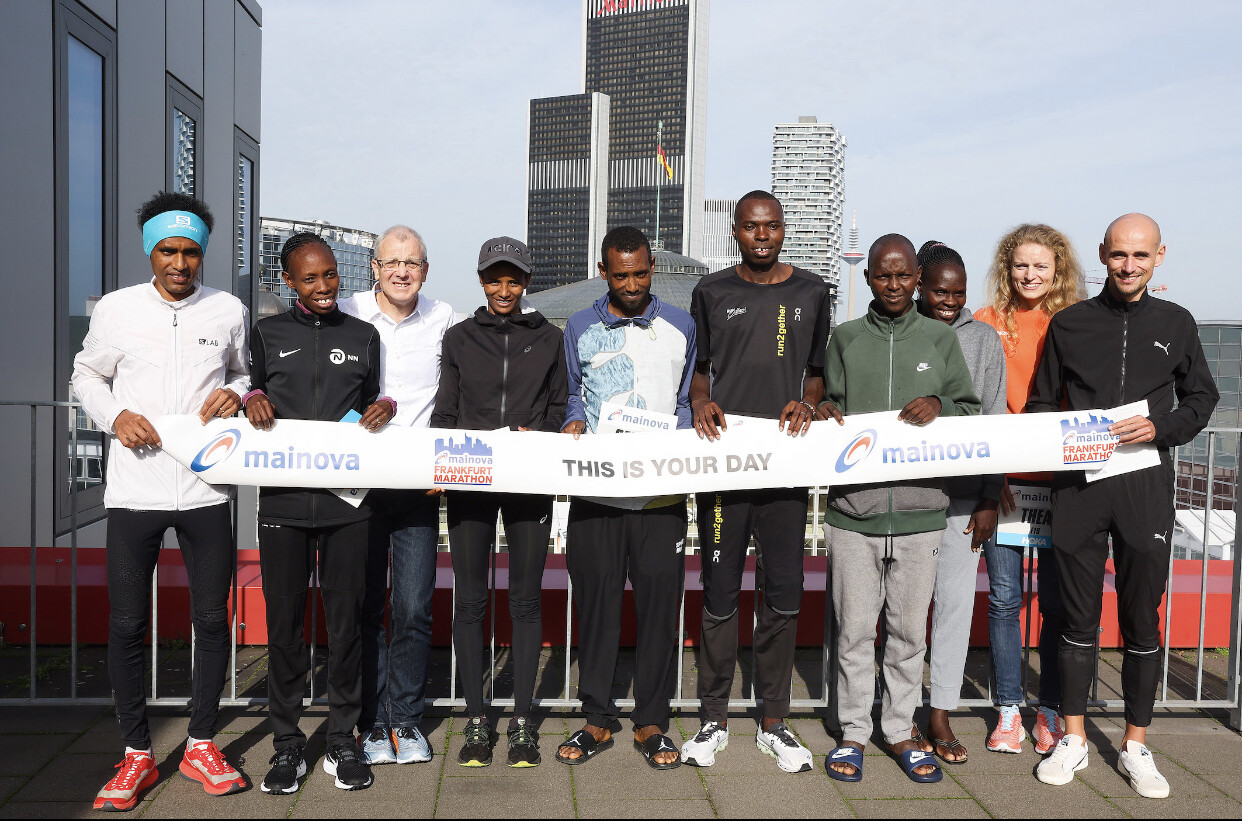
The women’s race
Back in 2019 it was a woman who produced the highlight of the Mainova Frankfurt Marathon: Kenya’s Valary Aiyabei established the course record of 2:19:10, which was the first sub 2:20time in the history of the race. It could well be the women’s race again that stands out on Sunday. Selly Kaptich is ready for a very fast race. “I am confident that I can run a sub 2:20personal best and I want to attack the course record - that is what I am here for,“ said Selly Kaptich, who heads a field of eight women with personal bests of sub 2:25.
The former track runner mentioned a half way split time target of 69:00, which caught Christoph Kopp, Frankfurt’s Elite Race Coordinator, by surprise. “We had not heard about these plans from her management. However if she really wants to go that fast we will rearrange pacemaking to support her,“ said Christoph Kopp.
Fellow-Kenyan Helah Kiprop travelled to Frankfurt with a PB of 2:21:27. The marathon silver medallist from the World Championships 2015 ran this time in Tokyo in 2016. Earlier this year she showed fine form again with a 2:24:10 victory in Copenhagen. The 37 year-old has competed in the Mainova Frankfurt Marathon back in 2014 when she was fifth with 2:27:14.
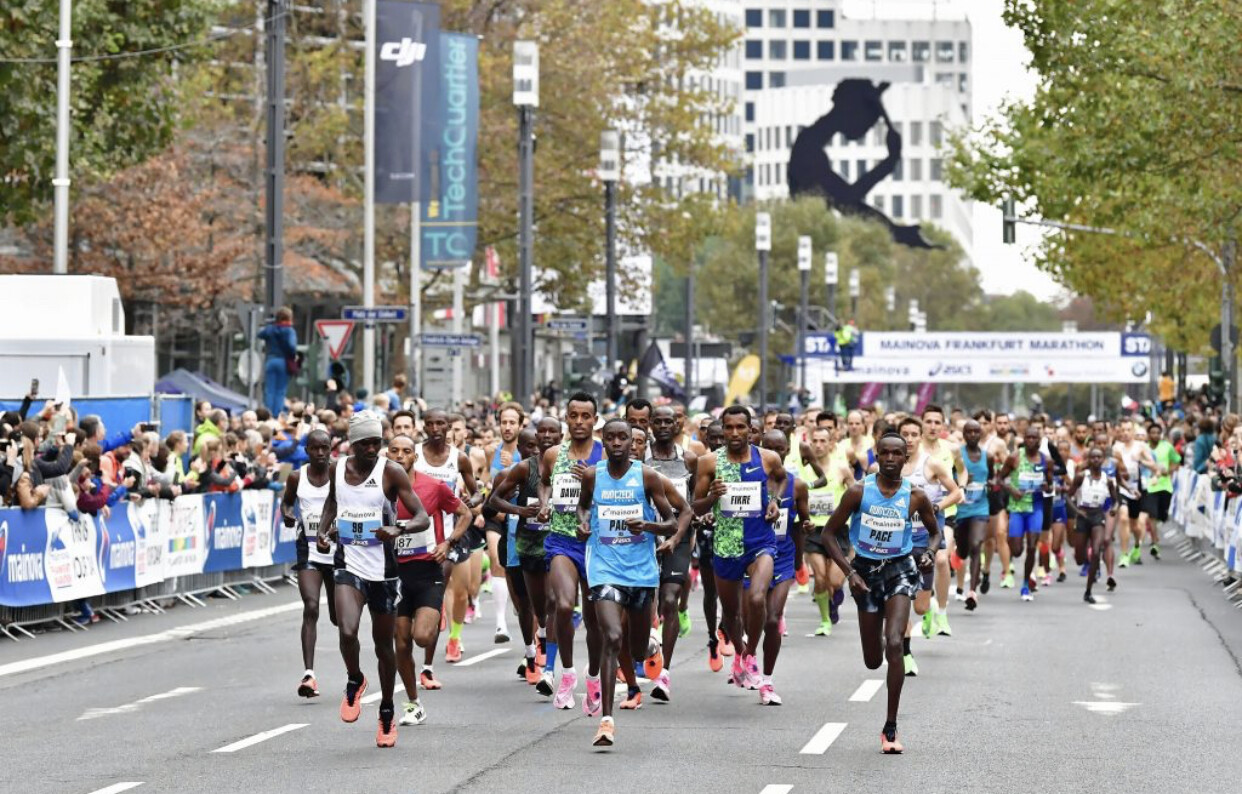
"I am happy to be back here. In 2014 I ran a PB in Frankfurt, so I hope to do it again here on Sunday,“ said Helah Kiprop.
Yoshi Chekole is the third woman in the field who has a PB of sub 2:22. The Ethiopian improved to 2:21:17 in Sevilla this February. “My goal is to run a personal best on Sunday and to finish in the best position possible,“ said Chekole, who prepared for four months for the Mainova Frankfurt Marathon and feels she is in fine form.
A runner who might be in for a surprise is Gladys Chepkurui. The Kenyan ran 2:28:55 in Paris this spring. However her PBs at 10k (30:48) and and in the half marathon (68:09) suggest that she could be able to run a time of around 2:22.
The men’s race
Gebru Redahgne is a newcomer to running at international level. The Ethiopian only competed outside his country for the first time in 2021. This spring he improved his personal best to 2:05:58 in Barcelona, the second marathon of his career. Redahgne is seeking to run even faster on the Frankfurt course which is renowned for speedy performances.
“I’ve trained well and want to break my personal best,” he said, confidently. The plan is for pacemakers to ensure the first half of the race is run in 62:45. “Gebru is not only the fastest but also the youngest on our list. It all adds up to making him the pre-race favourite. If the result is a time under 2:06, I’ll be delighted,” said Christoph Kopp.
One Kenyan is returning for his fifth attempt at winning the Frankfurt title: Martin Kosgey has deservedly earned the title of “Mr Frankfurt” with his consistently outstanding performances. He has twice finished runner-up in the Festhalle (in 2016 and 2018) and fourth on another two occasions (2017 and 2019). He ran what remains his personal best here in 2018 with 2:06:41.
“I shall definitely run in the leading group. A new personal best and also victory are possible,” said the father of three with high expectations. “Frankfurt is like a home town for me. I feel good, being here.”
His 29-year-old compatriot Charles Ndiema has a current personal best of 2:08:12, achieved this April in Vienna. His story of how he discovered the Frankfurt Marathon is unusual, but reflects the modern age: watching the race on YouTube three years ago created a long term goal for him. “I’m ready to run fast and stay at the front as long as I can,” said Ndiema.
One absentee will be the Ethiopian Betesfa Getahun, originally listed on the start list as the fastest in the men’s field with 2:05:28 but he cancelled his participation at short notice.
Germany’s Hendrik Pfeiffer intends to break his personal best of 2:10:18 and hopes to achieve a sub 2:10 time on Frankfurt’s fast course. He was a member of the German marathon team which took the silver medal in the team event at the European Championships in Munich this summer. Pfeiffer finished 24th in the individual event. Another German, Filimon Abraham, targets a sub 2:10 time as well.
He dropped out in his debut marathon in Hamburg this spring. For the two German runners the qualifying time for the 2023 World Championships of 2:09:40 could become a target as well.
Elite runners with personal bests
Men:
Gebru Redahgne ETH 2:05:58
Martin Kosgey KEN 2:06:41
Balew Yihunie Derseh ETH 2:07:22
Asefa Mengisa ETH 2:07:47
Charles Ndiema KEN 2:08:12
Brimin Misoi KEN 2:08:41
Deresa Ulfata ETH 2:08:42
Dominic Letting KEN 2:09:30
Hendrik Pfeiffer GER 2:10:18
Stephen Mugambi KEN 2:11:39
Justino da Silva BRA 2:13:31
Edson Arruda BRA 2:14:35
Justin Mahieu BEL 2:14:43
Filimon Abraham GER - - -
Linus Maruka KEN Debüt
Ashenafi Gebru ETH Debüt
Eyob Solomun ERI Debüt
Merhawi Ghebreslasie FRA Debüt
Women:
Selly Kaptich KEN 2:21:06
Yeshi Chekole ETH 2:21:17
Helah Kiprop KEN 2:21:27
Atalel Anmut Dargie ETH 2:22:21
Juliet Chekwel UGA 2:23:13
Jackline Chepngeno KEN 2:24:21
Serdana Trofimova KGZ 2:24:38
Zinash Lema ETH 2:24:55
Meseret Abebayehu Alemu ETH 2:25:18
Caroline Jepchirchir KEN 2:26:11
Laura Hottenrott GER 2:28:02
Gladys Chepkurui KEN 2:28:55
Martha Akeno KEN 2:29:00
Sofiya Yaremchuk ITA 2:29:12
Thea Heim GER 2:36:10
(10/28/22) Views: 97Race-News-Service
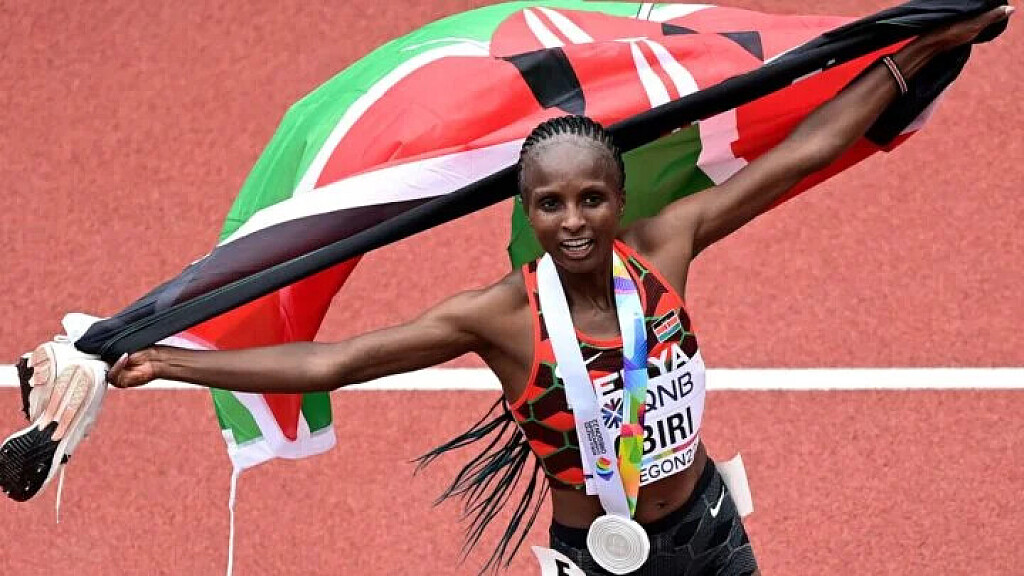
Hellen Obiri Wants To Win NYC In Her Marathon Debut
After earning a silver medal in the 10,000 meters at the World Athletics Championships in Eugene, Oregon, in July, Hellen Obiri was already looking toward the next big thing: making her 26.2-mile debut at the 2022 New York City Marathon.
Racing in New York was always her main goal for 2022, even though she made a late decision to compete on the track at the world championships. Immediately after her September 11 win at the Great North Run in northeast England, Obiri finally made her long-planned move from Ngong, Kenya to Boulder, Colorado, to start training with the On Athletics Club under three-time Olympian and coach Dathan Ritzenhein.
Obiri’s agent and former coach, Ricky Simms, worked with Ritzenhein to plan out her training for the Great North Run and the New York City Marathon as she made the move, and although she’s only been training in her new environment for nearly two months, she has proven to be adjusting nicely to the transition.
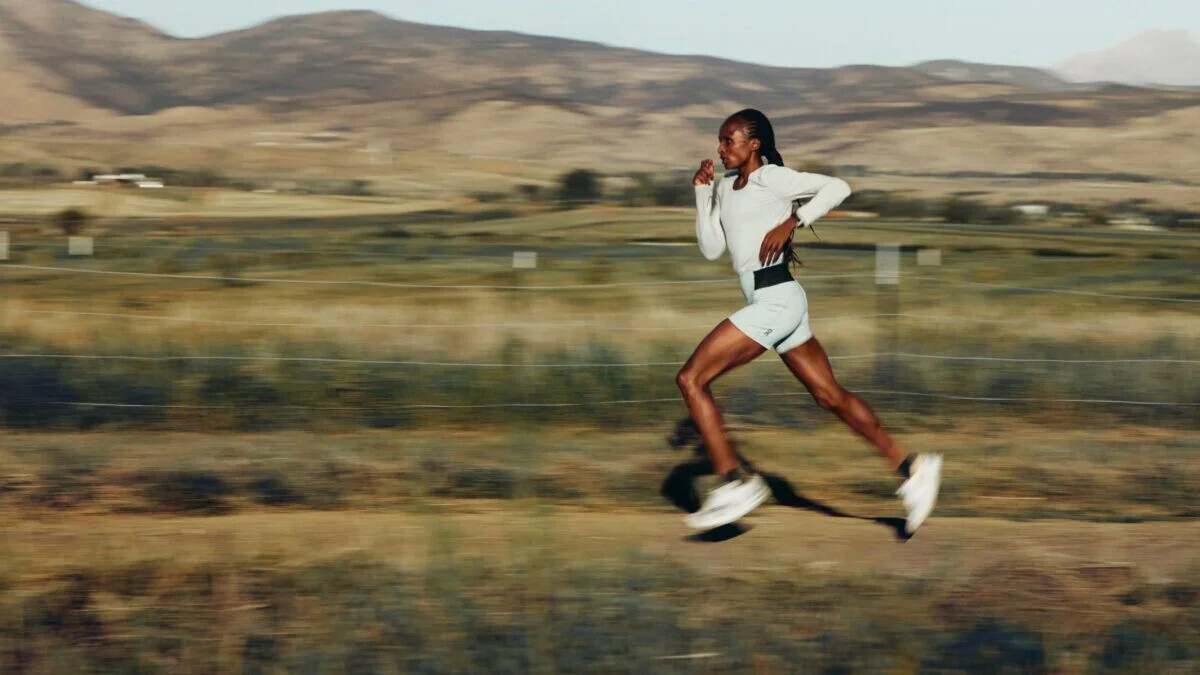
“Everyone has been very welcoming and the training environment is perfect; training is very similar to Kenya,” Obiri says. “I think it will be a good place for my daughter to grow up. The biggest challenge has been being away from my family, as I am missing them a lot. They have not been able to come as they do not yet have U.S. visas.”
So far, due to most of her teammates having been on vacation after the track season, Obiri, 32, has mainly trained with Ritzenhein, who either accompanies her on her training runs or leads her on a bike, and fellow countrywoman Edna Kiplagat, a two-time marathon world champion who has been living in Boulder for a decade and who will also be racing in New York.
“Every day, I show up and wonder how Hellen is going to amaze me that day–she is completely dialed for New York,” Ritzenhein says. “We’ve spent a lot of early mornings out there, and it’s been a great couple months of getting to know each other and trusting in this new process. It’s really amazing to me how talented and focused she is.”
A Multifaceted Athlete
Obiri is one of the only women to have won world championships in outdoor track, indoor track and cross country. Among the 11 global championship medals she’s earned, she owns two world championship gold medals in the 5,000m (2017, 2019), another from the 3,000 at the 2012 indoor world championships and one more from the 2019 world cross country championships.
But the marathon has always been waiting in the wings. Given her speed, endurance and championship pedigree, Obiri seems to have the right qualities to be ever better over the longer distance, Ritzenhein says. After several weeks training in the U.S., he’s confident the challenging terrain Obiri has gotten used to in Kenya and now the rolling dirt roads north of Boulder will translate well to New York’s undulating course.
“Coming off the world championships this summer, we knew Hellen still had the wheels. But it had been a big increase in total running volume but also the volume and intensity of the long runs and workouts,” Ritzenhein says. “We tried to do some quality sessions on hilly terrain that mimics the course, and she has handled it all very well. I am very confident she will handle the course.”
Ritzenhein noted that Obiri will also likely eventually serve as a guide for fellow 10,000-meter runner Alicia Monson, who will likely make the move to the marathon within the next few years. The 24-year-old third-year pro placed 13th in the 10,000 at both the Olympics in 2021 and the World Athletics Championships in 2022.
“[Monson’s] track times are getting close, so hopefully the training with Hellen will be a bridge to her career on the roads in years,” Ritzenhein says. “Now that the team is back, [Obiri] will do some of the easy morning runs with them, but her workouts are still so much bigger than where they are in training.”
The Marathon Distance Beckons
After her solid 1:07:05 half marathon at the Great North Run, it’s no surprise that Obiri is exuding confidence as she approaches what’s expected to be a highly competitive field for her first go at the marathon distance. It was her fifth time competing in the half-marathon distance, which she says she has grown very comfortable with. In February, she finished second in a half marathon in the United Arab Emirates in 1:04:22, which remains the No. 2 time in the world this year.
“I aim to win [in New York]—the time doesn’t matter,” Obiri says.
Obiri is one of the only women to have won world championships in outdoor track, indoor track and cross country. Among the 11 global championship medals she’s earned, she owns two world championship gold medals in the 5,000m (2017, 2019), another from the 3,000 at the 2012 indoor world championships and one more from the 2019 world cross country championships.
But the marathon has always been waiting in the wings. Given her speed, endurance and championship pedigree, Obiri seems to have the right qualities to be ever better over the longer distance.
“With Peres [Jepchirchir, the reigning 2020 Olympic and 2021 New York City Marathon champion] now out of the race, it definitely changes the landscape a little,” Ritzenhein adds. “But with multiple world championship medalists and last year’s podium finishers, it’s still such a strong field. The marathon debut should always be cautious early on, but there isn’t anything that I think [Obiri] can’t handle.”
Obiri was also eager to share her thoughts on transitioning from training and racing in shoes from Nike, her former sponsor, to the On Cloudboom Echo 3.
“The fact that I was able to transition seamlessly to the new racing shoes and feel very comfortable in them is credit to the designers and team at On,” she says. “I hope I can give them more podium finishes.”
Looking ahead after New York, Obiri plans to continue to focus on road racing in 2023, though she may still jump into some track races if she feels as though she can remain competitive. After the marathon, she’ll wind down with a return to Kenya for the holidays, followed by some winter cross country running before jumping back for marathon training for a to-be-decided spring race, Ritzenhein says.
“[Obiri] could honestly train with the men’s team for much of the long training,” he says. “She’s doing things which are really incredible, and it’s inspiring for them and me to see.”
As with many elite long-distance runners, Obiri is unsurprisingly also looking ahead to the 2024 Paris Olympics as she plans out her future schedule and sets goals for future accolades.
“I have already won the world championships, world cross country championships, world indoor championships, Commonwealth Games and African Championships,” she says. “But I only have silver medals from the Olympics, and I would love an Olympic Games gold.”
(10/31/22) Views: 95
Emilia Benton
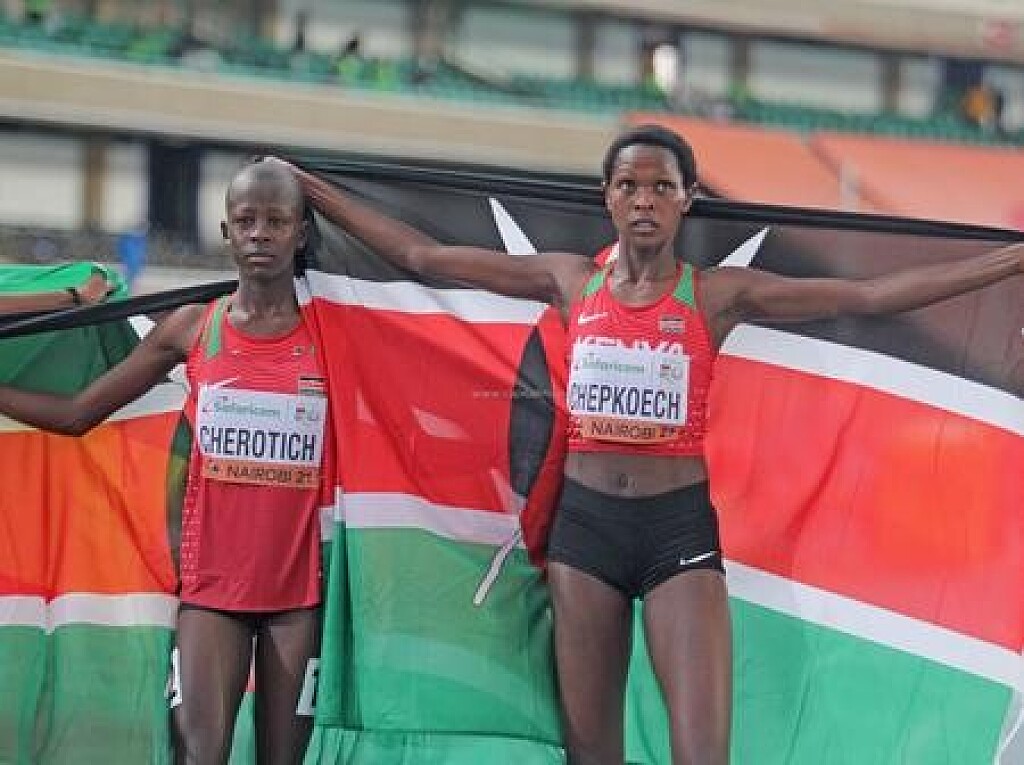
Cherotich, Chepkoech nominated for Women’s Rising Star Award
World Under-20, 3,000m SC champion Faith Cherotich and Commonwealth 3,000m SC champion Jackline Chepkoech have been nominated for this year’s Women’s Rising Star Award.
The award will recognize the best U20 athlete at the World Athletics Awards.
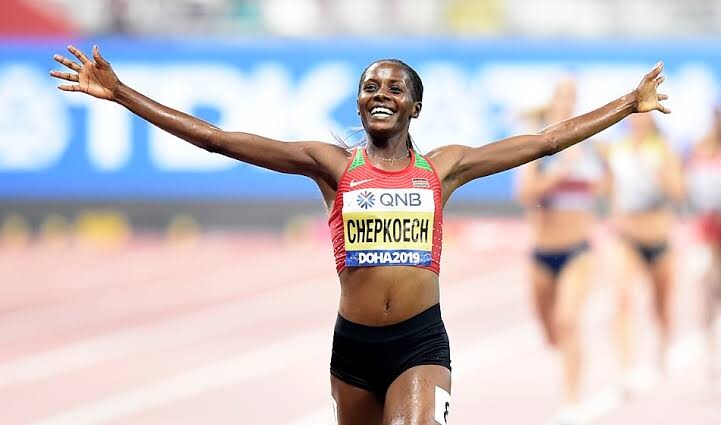
Cherotich, 18, won the World U20 Championships Trials in 9:18.25 and also placed third at the Diamond League final in Zurich in 9:06.14. Chepkoech, 19, won the Diamond League edition of Brussels in 9:02.43.
Other nominees include South Africa’s Mine De Klerk who is the World U20 shot put champion, Jamaica’s Kerrica Hill who is the World U20 100m hurdles champion and Serbia’s Adriana Vilagos who is the World U20 javelin champion.
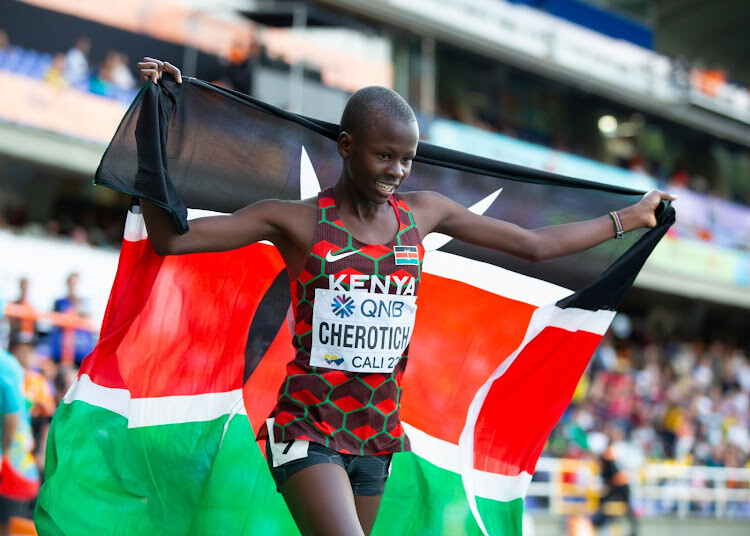
The nominations reflect the standout performances witnessed this year, at the World Under-20 Championships in Cali, the World Championships in Oregon and other events around the world.
The winner of the 2022 Women’s Rising Star Award will be selected by an international panel of experts and be announced on World Athletics’ social media platforms in early December.
The Men’s Rising Star Award nominees will be announced soon.
(11/01/22) Views: 89Abigael Wuafula
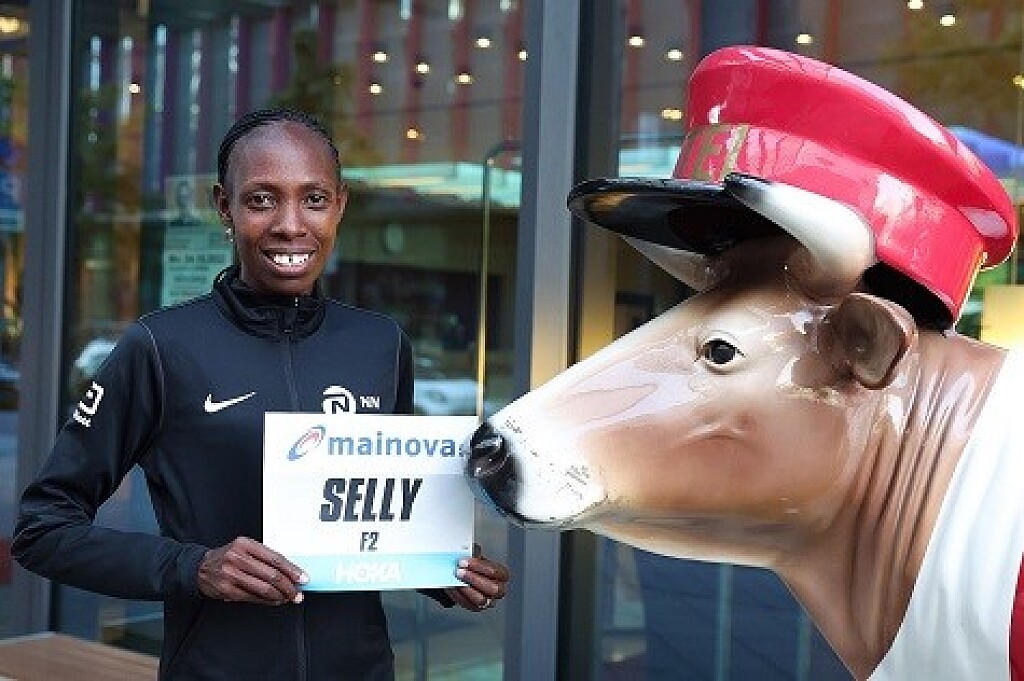
Kenyan Selly Kaptich will headline Mainova Frankfurt Marathon on Sunday
Selly Kaptich of Kenya will stand on the start line for the 39th edition of the Mainova Frankfurt Marathon as the fastest woman in the field. Her best of 2:21:09 could well be under threat on Sunday morning, given the reputation for Frankfurt’s fast course. Impressive though a reading of her career highlights is, including an early sign of talent with a gold medal for 3,000m at the World Junior Championships 21 years ago, what catches the eye is her ability to adapt to a different running and life culture in general, marked by her becoming a member of a Japanese corporate running club almost 20 years ago.
The 36-year-old has run eight marathons in her career so far with the personal best achieved in finishing third in Berlin three years ago. The year of 2019 was indeed a watershed for Kaptich as she firstly ran 2:23:53 to finish fourth in Paris, one of the prime spring marathons on the calendar, before running her best time to-date later in the year. But how far did the move to join the Kyudenko Corporate team in Japan prove of lasting value? “It was in 2006 when I received an invitation out of nowhere to go to Japan and become part of this team. They had noticed my results on the road and cross country. Culturally it was very different, both the change in culture and training.”
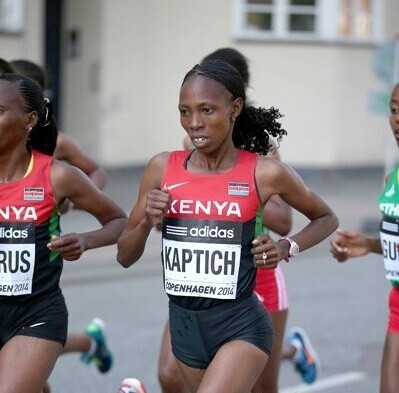
Kaptich was gradually allowed to revert to her preferred form of long runs, roaming over the roads and cross country. She reflected that her Japanese colleagues tended to mark out a stretch of road and run up and down it 20 times. But her talent was recognised from the start and both sides learned to compromise: “I learned a lot, both as a runner and as a person. I joined the others in doing office work, learned Japanese, then did some of my training “Kenyan style” but joined the others for speedwork on the track. I also wore a kimono sometimes.”
The partnership lasted 10 years, in which time Selly Kaptich became one of the stars of the Kyudenko team. The company headquarters is in the city of Fukuoka, which until 2021 hosted one of the world’s most historic and prestigious marathons. She believes the experience of adapting to such a different environment was beneficial all-round: “I think it strengthened me personally, coping with something so different at that stage in my life was not easy but I had to cope and became stronger for it.”
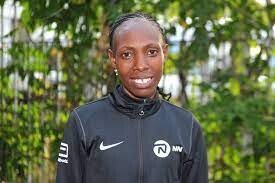
As for her prospects in the Mainova Frankfurt Marathon on Sunday, the 36-year-old Kenyan is confident she can improve on her best of 2:21:06: “Definitely, I’ve got a good chance of a PB and I’m ready for it.” Capable as she has shown herself to be in her long career, Selly Kaptich has retained her competitive hunger.
(10/29/22) Views: 88Runners Web
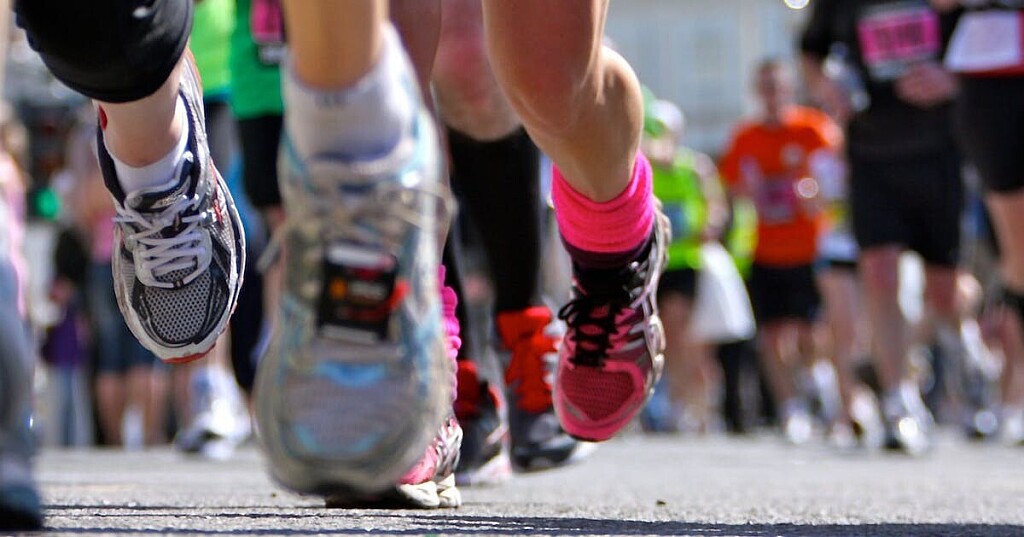
Eight things that happen to your body when you run a marathon
From losing a toenail to increased hearing power, here's what you need to know before you run towards that finishing line
On 22nd April, around 50,000 runners will pound the pavements and streets from Greenwich to the Mall in the London Marathon. It is undoubtedly the biggest fitness carnival of the year, unrivalled in its atmosphere and the sense of achievement felt by those who finish it.
Of course, it is also a physical and mental challenge like no other. And while we have all heard about the perils of getting cramp or hitting the infamous marathon wall, there are lesser known side effects that only those who have conquered the gruelling distance will know about. And as a veteran of seven marathons, I bring you the insider’s guide to the marathon body and what happens to it as you plod from one mile to the next:

You will shrink
Not good news for shorties like me, but most finishers will indeed cross the line an average two centimetres shorter than when they started. It is, thankfully, a temporary shrinkage in height caused by fluid losses between the intervertebral discs in the spine. Height is fully restored when fluid levels are replaced, usually 24 hours or so later.
Your nose might run
A study in the Journal Annals of Allergy, Asthma & Immunology found that 56 percent of people get a serious bout of the sniffles while running for long periods outdoors. The reason? They are suffering from runner’s hayfever or exercise-induced rhinitis. Experts say it is probably caused by the increased air-flow that you inhale as your breathing rate quickens, which sends your nose into mucus-producing overdrive. Very cool and dry air can make matters worse.
MORE GLOSS: Is barefoot running better for you?
You’ll have sharper hearing
Training for a marathon improves circulation to the ear, which provides a greater supply of nutrients to help preserve hearing. One study tested the hearing of 24 women and 19 men who ran long distances regularly. Scientists found a marked improvement in hearing sensitivity after they had finished running, thought to be the result of improved circulation.
You’ll be lighter (temporarily)
Runners will shed 2-5kg in weight through lost fluid during a marathon which should be replaced by initially consuming 500ml of fluid per hour during and after the race until urine returns to a pale straw colour (dark urine is a sign of concentrated electrolytes or body salts caused by dehydration), and then drinking normally in the days afterwards.
“Drinking too much during and after a marathon is a big mistake,” says Louise Sutton, sports dietitian at Leeds Metropolitan University. “It dilutes body salts to a dangerous level and can cause water toxicity or hyponatremia, a condition that could be fatal, so don’t overdo the rehydration.”
Studies in the British Journal of Sports Medicine show that more people are hospitalised every year after the London marathon because of hyponatraemia than because of dehydration. Drinking too little is very rare - stick to the guide and you should be back to normal in no time.
You’ll burn calories (but not as many as you might think)
With muscle stores of glycogen, the body’s source of fuel for activity, becoming depleted after the race, they need to be replaced by consuming 0.5g of carbohydrate for every pound of your body weight - the equivalent of a bowl of breakfast cereals and a banana or a couple of sandwiches - 2-3 hours after the finish. However, the number of calories used to run a marathon is around 2,800, lower than many people think and the race is certainly not an excuse to gorge on a calorie mountain in the days that follow.
You might lose a toenail
Given that the average runner takes 32,000 strides during a marathon, it’s not surprising that the feet take a hammering. Many runners find that the cumulative effect of months of training cause such trauma to their toenails that they blacken and fall off. Each of the marathons I have run has resulted in toenail loss (although, encouragingly, there’s always a nice shiny new one underneath). Keeping them trimmed and smooth can limit the friction within your trainers, but it is almost inevitable.
Blood vessels can be damaged
Continual hammering of tiny blood vessels in the feet results in a drop in levels of red, oxygen carrying blood cells or haemoglobin by as much as 20 grams per litre of blood. It’s important to rest in the days after marathon and consume iron rich foods like meat and green leafy vegetables to return levels to normal and prevent the risk of anaemia.
Prepare to be battle-weary
The most common injury during the race is cramp, followed by blisters and abrasions although St John’s Ambulance volunteers will be on hand to massage and tend to weary limbs. Stewards will hand out 40kg of petroleum jelly to reduce the possibility of chaffing and joggers’ nipple (which affects women as well as men and is caused by vests or bra fabric irritating the delicate area).
(10/29/22) Views: 86Peta Bee
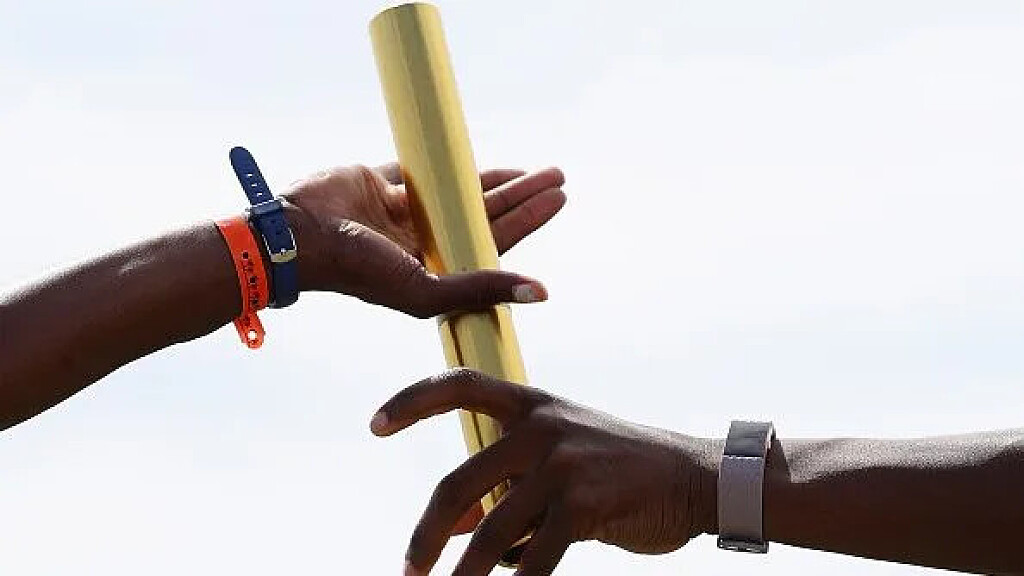
2023 World Relays track meet postponed
The next edition of the World Relays, a relays-only international track meet, have been postponed due to the coronavirus pandemic.
The 2023 World Relays, scheduled for May 13-14 in Guangzhou, China, have been pushed to April and/or May 2025 “due to the ongoing pandemic conditions,” according to World Athletics, citing the local organizing committee and the Chinese track and field federation.
World Relays, which debuted in 2014, have been held in odd years since 2015. The last edition was in Poland in May 2021.
However, a World Relays will be held in 2024 as an Olympic qualifier for the 2024 Paris Games. The host of that meet will be awarded on Nov. 30, according to World Athletics.
(10/31/22) Views: 86
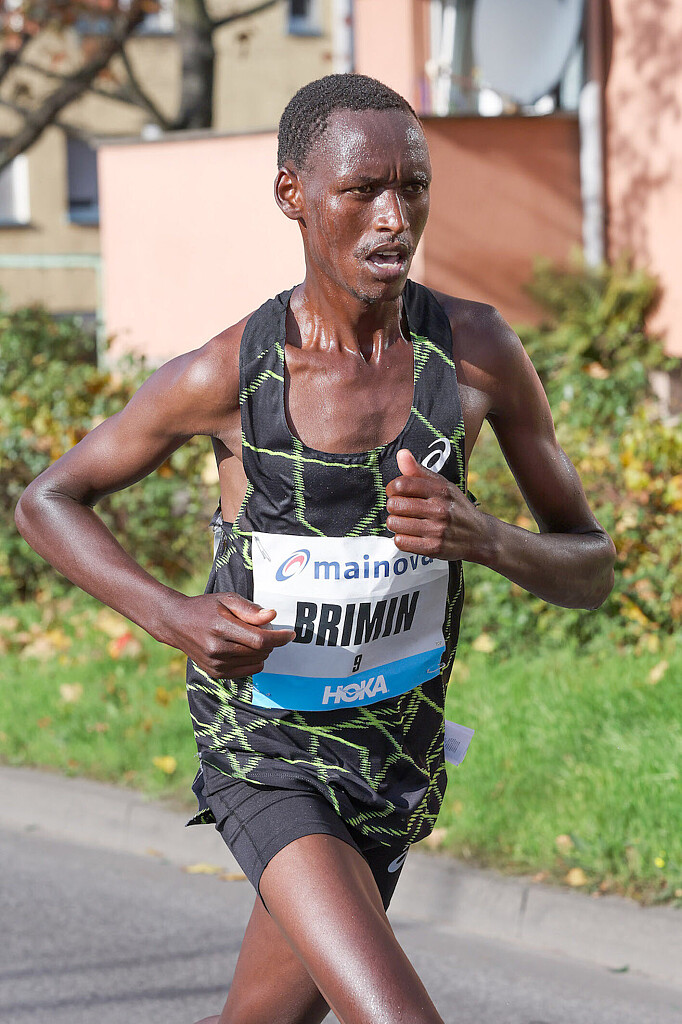
Kenyan Double thanks to Brimin Misoi and Selly Kaptich, Hendrik Pfeiffer is German star with seventh place in Frankfurt Heatwave
The Kenyan duo of Brimin Misoi and Selly Kaptich triumphed at the Mainova Frankfurt Marathon on Sunday, defying unusually high temperatures. The heatwave put a brake on what might have been a crop of personal bests on the traditionally fast course but one record was set: temperatures of around 20 degrees Celsius towards the end of the elite race made this the warmest Frankfurt Marathon in 33 years.
While the surprise winner of the men’s title, the 33-year-old Brimin Misoi, overcame the tough conditions to run a personal best of 2:06:11, his equally mature compatriot, the 37-year-old Selly Kaptich, confirmed her status as one of the pre-race favourites. Hendrik Pfeiffer raised the home fans’ spirits by finishing seventh in 2:11:28, not quite achieving his intended goal of breaking 2:10 but a highly creditable performance, given the conditions. The men’s champion Brimin Misoi clearly slowed in the last 10 kilometres as did Kaptich and Pfeiffer and almost all of the elite finishers.
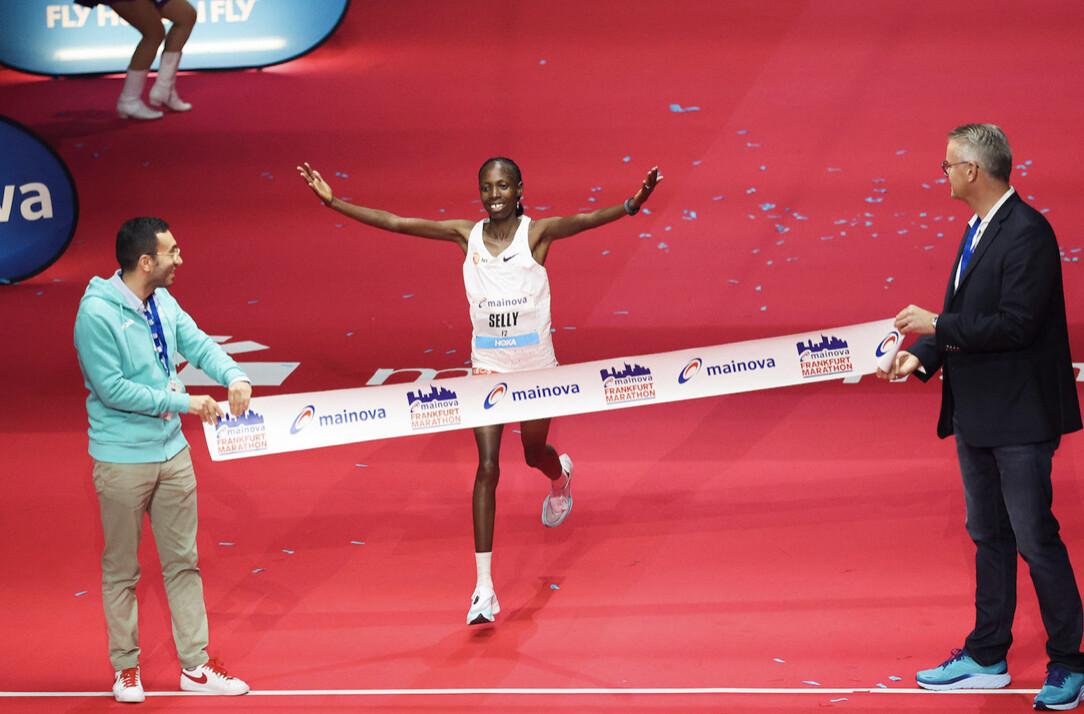
After a two-year interruption because of the Corona Pandemic, the Mainova Frankfurt Marathon returned in impressive style with a festival of running in front of thousands of appreciative fans. Taking into account events held in conjunction, 20,551 runners were entered. 11,708 took part in the marathon, confirming its position as Germany’s second biggest marathon. The Mainova Frankfurt Marathon is an Elite Label Road Race of World Athletics, the international athletics federation.
“We’ve succeeded in staging a wonderful comeback to Frankfurt’s streets and the Festhalle. We had to overcome many challenges and are very happy about today,” said Jo Schindler, race director of the Mainova Frankfurt Marathon. “The athletes had good conditions at the start. Past the half marathon mark they were going well, then it became tough, keeping going in such sunshine. Respect and hats off to every finisher. It was a good result but the race had potential for even more.”
Men’s Race
Temperatures were hardly ideal for fast times, nonetheless, the top three men finishers each set personal bests. A big group stayed together, running on a pace which would bring the leaders across the line in around 2:06. Shortly after 25 kilometres, the scenario was transformed as the Kenyans Brimin Misoi and Samwel Mailu seized the initiative.
Their rivals failed to muster a reply and suddenly a finishing time of 2:04seems possible. But the rising temperatures forced Misoi to slacken his pace from kilometre 37 although he remained unchallenged for the win as he was cheered to the roof of the Festhalle in 2:06:11. “I expected to win. My form was good. The course is outstanding, I am sure I can run faster here,” he said. His previous personal best was 2:08:41, set in May this year at altitude in Nairobi, which is always a tough event. Misoi showed that he is a true competitor by taking over two-and-a-half minutes off that time.
Samwel Mailu was a distant second but deserved the applause and was right to celebrate a brilliant marathon debut in 2:07:19. This was achieved after completing his original role as a pacemaker for Misoi and the rest of the leading group to outstanding effect. The organisers had agreed on the eve of the race to his request that he could race to the finish, once his pacing duties were done. The Ethiopian Derese Ulfata also produced a solid performance to finish third in 2:07:30, also a personal best.
The home fans also had good reason to celebrate the success of Hendrik Pfeiffer. In a controlled effort, the German finished a creditable seventh in 2:11:28, not quite the sub-2:10 he had wanted but his second fastest time ever, nonetheless. “I’m mega-happy. It was a great result and rounds off a great year for me,” said Pfeiffer, who at the European Championships in Munich in August finished 24th, helping Germany to win the silver medal in the team competition.
The women’s race
The women were on course for a sub 2:20 result and a course record until late in the race. Kenya’s Valary Aiyabei clocked the current record of 2:19:10 three years ago and this remains the only sub 2:20 result in the history of the event. Selly Kaptich, who was the fastest runner on the start list with a PB of 2:21:06, ran right behind the three pacemakers right from the start. They reached half way in 69:40 and at this stage Ethiopians Atalel Anmut Dargie and Yoshi Chekole still managed to hold on to the group. A bit further behind a second group with six runners followed in a promising split time of 70:34. Among these runners was Helah Kiprop, Kenya’s marathon silver medallist from the World Championships in 2015.
However just a few kilometers later in the race the picture changed decisively. Dargie was the first one who could not hold the pace and when the former track runner Kaptich increased the pace further at 25k (1:22:27) Chekole dropped back as well. Kaptich covered the following 5k section in a very fast 16:18 and her 30k split time of 1:38:45 then indicated that a sub 2:19 finish might be possible. But all of a sudden the Kenyan leader was in trouble as well. In the warm conditions she slowed considerably. Kaptich was not in danger of being caught because she was well ahead by over two minutes and the women behind her also slowed as well. But the course record was soon out of reach and a time of sub 2:20 became unrealistic as well.
With time of 2:23:11 Selly Kaptich ran the third fastest marathon time of her career. Behind her Helah Kiprop had moved up into second place and then finished in 2:24:40 with fellow-Kenyan Jackline Chepngeno taking third with 2:25:14. “It was a great day for me. The atmosphere was superb and I think I could break the course record if I could come back next year and if weather conditions would be cooler,“ said Selly Kaptich.
Results
Men:
1. Brimin Misoi KEN 2:06:11
2. Samwel Mailu KEN 2:07:19
3. Deresa Ulfata ETH 2:07:30
4. Balew Yihunie Derseh ETH 2:09:21
5. Martin Kosgey KEN 2:10:22
6. Bonface Kiplimo KEN 2:11:08
7. Hendrik Pfeiffer GER 2:11:28
8. Stephen Mugambi KEN 2:11:34
9. Merhawi Ghebreslasie ERI 2:12:34
10. Justino da Silva BRA 2:12:41
Women:
1. Selly Kaptich KEN 2:23:11
2. Helah Kiprop KEN 2:24:40
3. Jackline Chepngeno KEN 2:25:14
4. Sofia Yaremchuk ITA 2:25:36
5. Caroline Jepchirchir KEN 2:27:58
6. Sardana Trofimova KGZ 2:28:50
7. Meseret Alemu ETH 2:29:21
8. Martha Akeno KEN 2:36:33
9. Rebecca Lonedo ITA 2:39:54
10. Corinna Coenning GER 2:40:48
(10/30/22) Views: 83Race-News-service
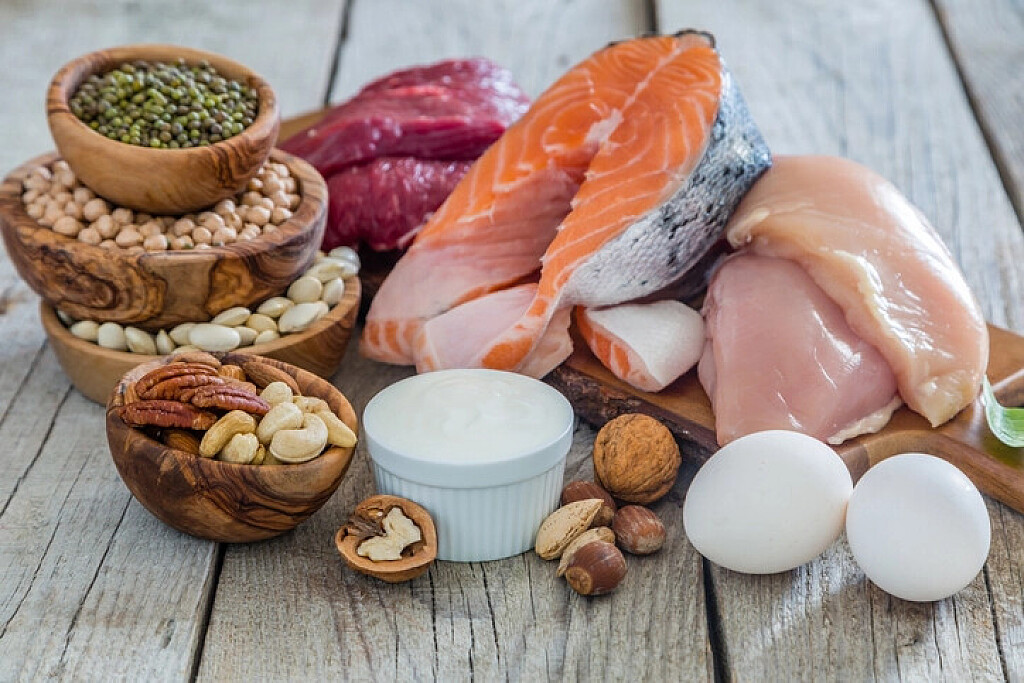
Runners: you’re probably not eating enough protein
If you’re a runner or live an active lifestyle, you’re probably underestimating how much protein you need. Registered dietician and author Pamela Nisevich Bede touts the importance of staying on top of your protein needs and intake in her book Fuel the Fire.
Olympian and half-marathon record holder Ryan Hall has said “I wish I would have eaten more protein. I bought into the whole ‘your body can only absorb twenty grams of protein in one sitting line and wasn’t recovering optimally.” After Hall began working with a nutritionist, he discovered he was deficient in protein, and adjusted his intake: a few months later, Hall ran his best marathon ever.
“Your best bet is to consume a variety of proteins from animal and plant sources throughout the day,” Bede says. She offers some suggestions on how to dial up your protein intake and improve your performance and recovery.

Protein
Proteins are formed on building blocks called amino acids, and they are essential in keeping your immune system functioning, bones and tendons strong, healthy skin, hair and nails, and more. Exercise demands support from protein, and some research suggests athletes may require at least twice the recommended daily amount. If you are not consuming enough overall calories, protein is particularly critical, because your body will use some protein for energy–reducing the amount of protein available for other tasks.

Amino acids found in protein are often called the ‘building block’ of muscles and are key for both muscle growth and for rebuilding muscles after exercise-induced breakdown. Protein can be taken in from both animal and vegetable sources; if you’re considering changing your diet to plant-based, be aware that you’ll need protein from a range of sources (eat a varied diet).
Make sure every meal includes a protein source
Double-check what you have on your plate every time you sit down to eat (or grab a snack on the go). Depending on your running mileage and general activity level, you may need more, but Bede says that in general for athletes a snack should have at least 15 grams of protein, and a meal should include at least 30 grams.
The recommended amount of protein in both Canada and the U.S. is 0.8/kg/day, which, Bede says, is “possibly enough to support health and the activities of daily living, but is definitely inadequate to support performance.” If you’re headed for a second helping of food, opt for a protein-rich choice instead of a starch–a scoop of lentils or a small chicken breast are both lean protein options.
Plan it out, and switch it up
Plan out your meals in advance if possible to make sure you’re taking in enough protein throughout the day. If you’re vegan or simply prefer plant protein, you need to make sure you have a variety throughout the day. Bede suggests vegans consider supplementing with branched-chain amino acids (BCAAs) to ensure an adequate intake.
While plant-based protein consumption needs to be done with awareness, Bede adds that “longevity studies suggest diets including higher intakes of plant-based vs. animal-based protein and fat often leads to better health outcomes.”
Protein powders for the win
If you’re having a hard time eating enough protein, Bede says that protein powders are an appropriate option to bring into your diet, and can be added to smoothies and yogurt–options are endless. Choosing a protein powder carefully is important: avoid any brand that has ‘proprietary blends’ and supplements added, and watch for extra sugars and fat. The ideal protein powder should have 20–30 grams of protein per serving.
Protein needs vary across a spectrum, Bede says, and your personal requirements (including the amount you exercise) plus the overall quality of the protein of your diet should be considered: consulting with a registered dietician to assess your personal protein needs can be a great way to jump-start proper protein fuelling.
(11/01/22) Views: 82Running Magazine
