

Running News Daily
Top Ten Stories of the Week
8/20/2022
These are the top ten stories based on views over the last week.
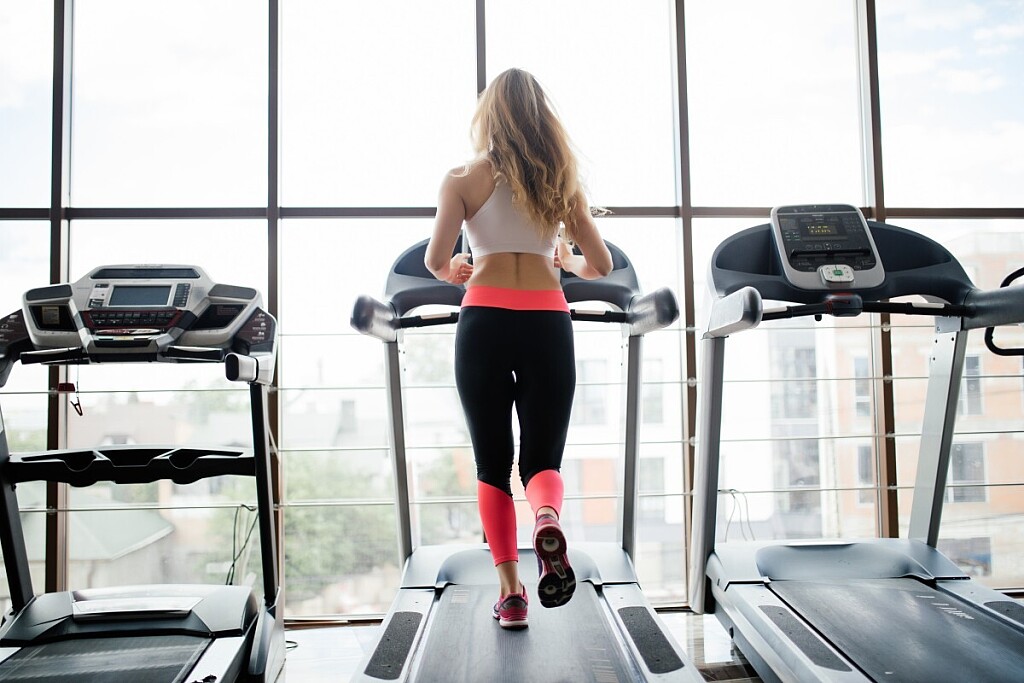


Trail or Treadmill - The Pros and Cons
Few things can compete with running outside, but there is another side to running on the treadmill.
Trail or treadmill: which one provides the best workout? The debate has been around since treadmills came onto the scene in the 1960s. There are arguments for and against each one of them, and much of it is down to personal preference, as well as the goal you are trying to achieve via each type of workout. There are genuine advantages and disadvantages for both, as we shall see.
Distractions and Entertainment
It may shock some of our readers, but for some, perhaps many people, running can be either something that has to be endured through gritted teeth, aching limbs and burning lungs, while for others it is simply boring.
Treadmill
Some treadmills come ready equipped with a TV, but even if yours doesn’t there are plenty of opportunities to take your mind off what your legs are doing, via your own phone or tablet. Catch up on the latest episodes of Netflix series like Stranger Things, browse sites like Unibet for the latest Premier League Odds with all the different modalities and categories, or even watch a live match if football is your thing.

Trail
Obviously watching something while running outside is out of the question, but there is nothing stopping you from listening to music or a podcast. That said, however, one of the huge advantages of running in the great outdoors is exactly that: the great outdoors. Who needs anything else? Admittedly, not everyone is lucky enough to have incredible scenery in their backyard, but for those who do, or even a path with some greenery, there is nothing like running outside. Fresh air in your lungs (hopefully), scenery that changes day to day, month to month, season to season. There may even be wildlife. Netflix or live Premier League can hardly compete with that.
The Surface
A treadmill provides a safe, secure and predictable environment for a workout
Treadmill
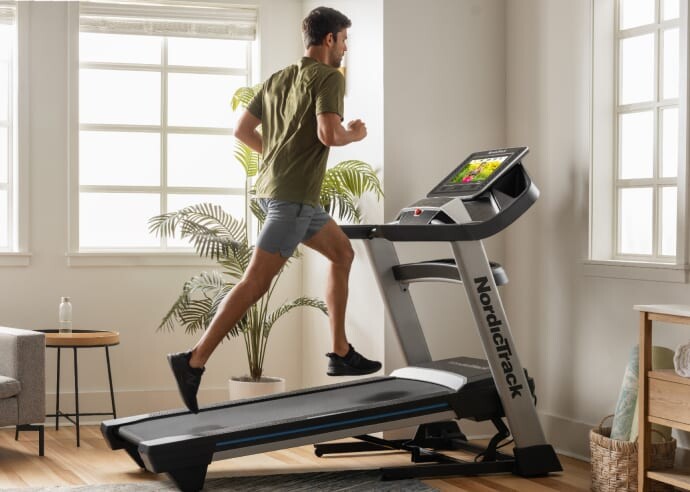
It was often assumed that the springiness of a treadmill was kinder on knees and ankles than the hard terrain you often encounter when running outdoors. That is questionable, and because of the subtle change in running style when on a treadmill, it may actually be worse for your knees. The one definite advantage of a treadmill is that the surface is even and true. There are no uneven footholes or other hazards that could cause you to fall or twist your ankle.
Trail
Many people don’t find running long distances on tarmac or other hard surfaces great for their joints. More injuries are sustained by those running outdoors than inside, almost certainly down to the rough terrain, something that is accentuated if the weather conditions are not ideal. Trail running does offer different types of surface, however, and a combination often provides a more varied workout.
The Actual Workout
Treadmill
Though there are limitations which we will cover below, the beauty of a treadmill is that you can program them with different workouts. You can choose the incline (as long as it is up), in terms of frequency and severity, something few have the chance to do with trail running. Because the surface you are running on is already moving, something that hopefully is not the case outside, you do expand a little less energy on a treadmill. Setting the treadmill to a slight incline does rectify that.
Trail
If you are using the run to train for an event, then running outside is by far the best way, as opposed to simply putting the miles into your legs. Outside gives you the chance to run on uneven surfaces, around bends and downhill, all of which use different muscles, and are not available to those in a gym.
Safety & Convenience
Many people either don’t have somewhere to run outside, or prefer not to do it, especially on their own. The gym treadmill provides a safe environment with a guaranteed climate. If you do suffer an injury during the run, it is far more convenient to simply press stop on the treadmill than limp the two miles back to the start.
(08/15/22) Views: 214

Ultramarathon man Dean Karnazes attacked by coyote during 150-mile race
Acclaimed ultrarunner and author Dean Karnazes, 59, can boast some of the wildest accomplishments in endurance sports, but a coyote attack mid-race was a first for him.
The California-based athlete has raced (and won) some of the most legendary ultras in the world, run to the South Pole, and completed 50 marathons in 50 consecutive days in 50 different states. He’s even been attacked by a shark–but never a coyote. The athlete shared his experience mid-race on Instagram on Friday, calling it “terrifying.”

Karnazes was running Headlands 150-mile Endurance Run, a race held in Sausalito, Cali. It’s an event he has returned to over the years of his lengthy career. Headlands Endurance Run hosts everything from a marathon distance trail-race to the 150-miler.
Prior to the animal attack, Karnazes shared a video to Instagram of the night lights along the Golden Gate Strait and San Francisco Bay area. “I’m running the Headlands 150-mile foot-race in Marin County, and if you’re wondering why anyone would do such a thing, maybe this view this will give you part of the answer,” Karnazes said.
Shortly afterward, a bloodied and clearly shocked Karnazes shared his coyote debacle. “I was attacked by a coyote, that was a first,” Karnazes said. “It knocked me over; I was running with poles, thankfully, and I whacked it and it ran away.”
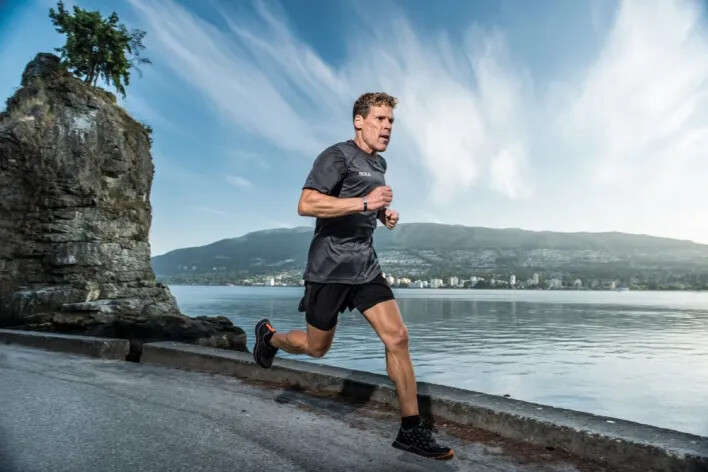
Karnazes said he wasn’t sure what he was going to do, but that he thought he had better keep going or “it might come back for me.”
Karnazes posted to his Instagram story a few hours later explaining that the coyote won the battle. With no result for his race on Ultrasignup, it appears the accomplished athlete may have had to drop out. If there’s ever a valid excuse for a DNF, a coyote attack is undoubtedly it.
(08/15/22) Views: 150Keeley Milne
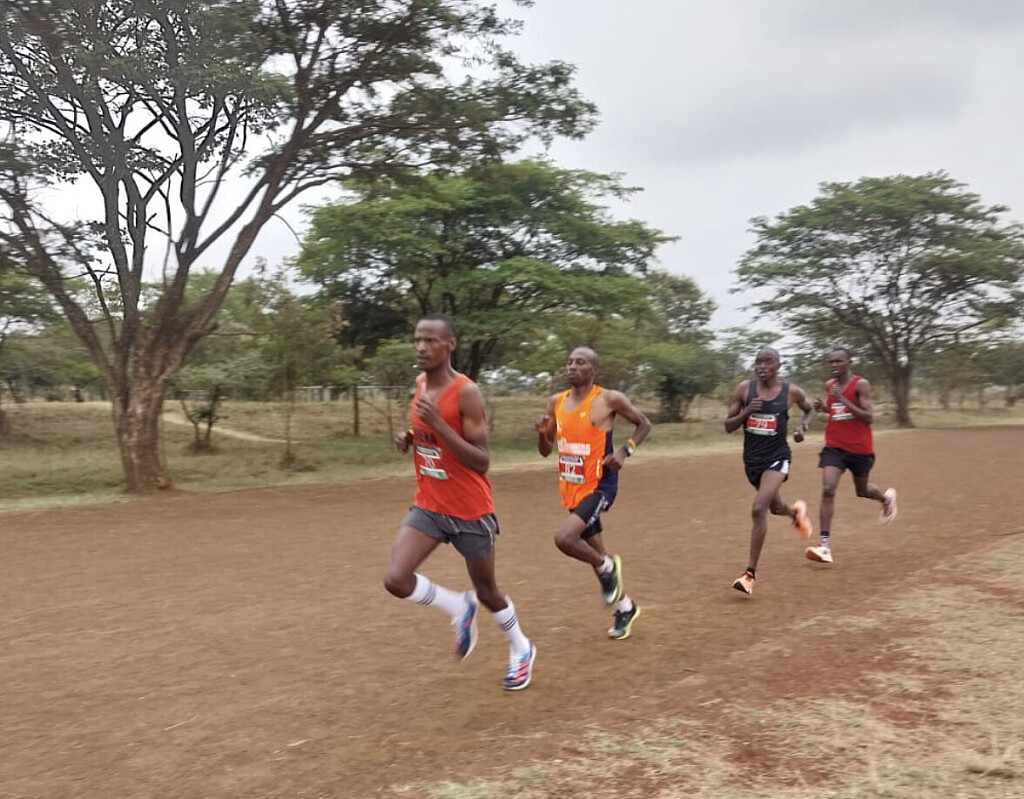
Monthly KATA Time Trial series was run on the track with good success
The August Kenyan Athletics Training Academy (KATA) Time-Trial was held on the Track in Thika Kenya for the first time toady (August 17) with Peter Mwaniki and Fredrick Kiprotich winning the 10,000m and 5,000m respectively. The 5000m was added this time around.
Running on the 400m training track at Jomo Kenyatta University of Agriculture and Technology, Mwaniki transferred his winning from the road to complete the 25 laps in 29:24.4 followed by new addition Bernard Musau who finished in 30:02.8 while seasoned Zakariah Kirika maintained the third position clocking 30:17.9.

In the shorter 5,000m, middle distant runners and upstarts got motivated to running in their preferred distance. Fredrick clocked 15:22.5 just edging out Boniface Mungai (15:23.9) with Alfred Kamande just behind clocking 16:11.9.
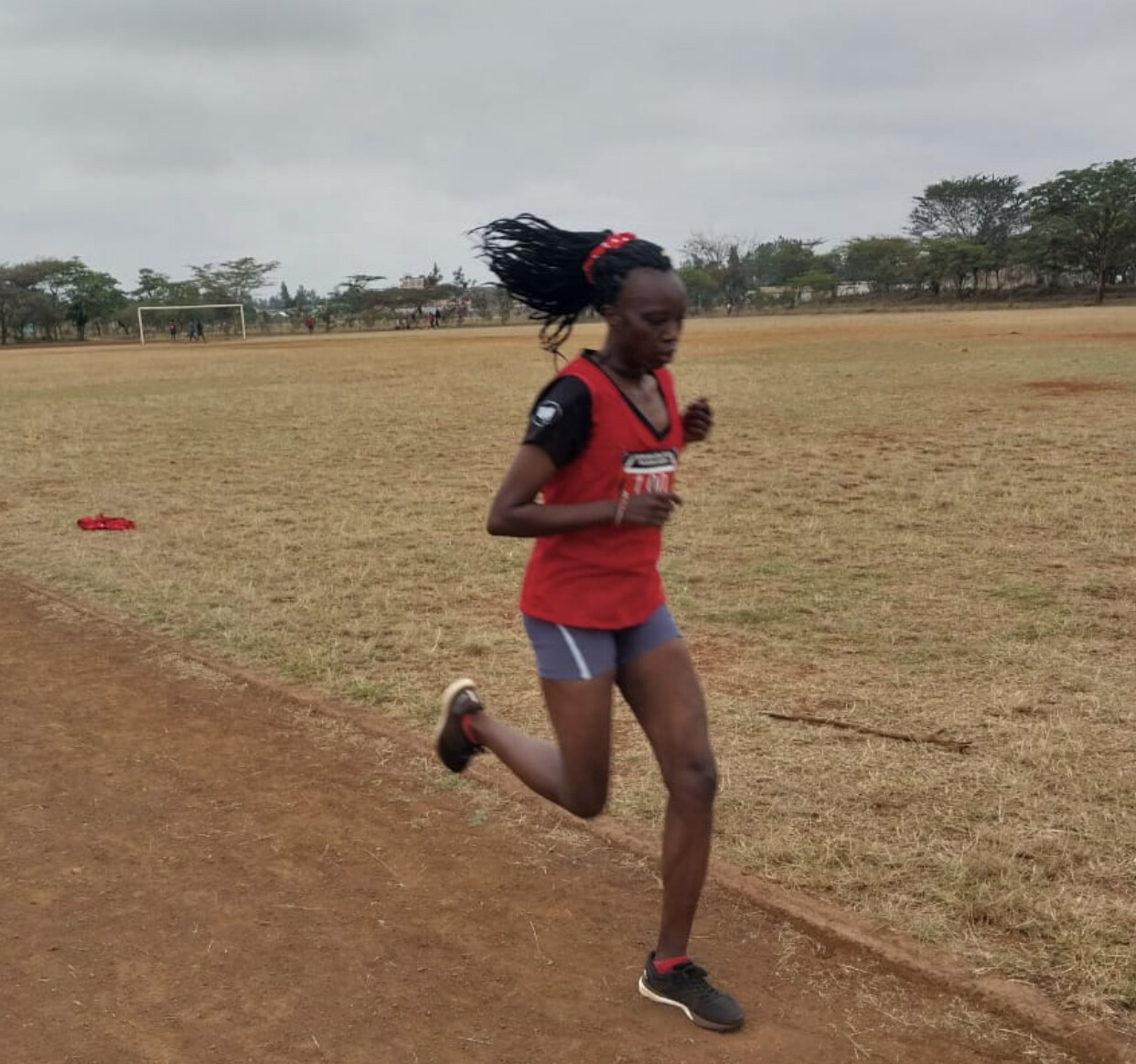
The August time-trial will now usher in the September race that will be the Second edition of the Double 15k (10k+break+5k) race as the Kenyan Athletics Training Academy marks it's first Anniversary. The September event will be held on 14th starting and finishing outside the Academy. "All runners are invited to run in the second annual KATA Double 15k," says KATA Director Bob Anderson from his office in Mountain View, California. "There were many world class times clocked a year ago."
10,000metres
1. Peter Mwaniki (bib 70) 29:24.4
2. Bernard Musau (82) 30:02.8
3. Zakariah Kirika (98) 30:17.9
4. Peter Mburu (79) 30:54.9
5. Nicholas Kitundu (72) 31:36.0
6. Evans Kiguru (85) 32:01.5
7. Anthony Wanjiru (80) 33:57.8
8. Joseph Nyota (66) 36:57.2
9. Caren Chepkemboi (76) 38:15.6
10. Susan Njeri (100) 38:58.5
5,000metres
1. Fredrick Kiprotich (500) 15:22.5
2. Boniface Mungai (77) 15:23.9
3. Alfred Kamande (67) 16:11.9
4. Gipson 17:19.8 (81) 17:19.8
5. Hannah Njeri (83) 26:02.3
(08/17/22) Views: 120Coach Joseph Ngure
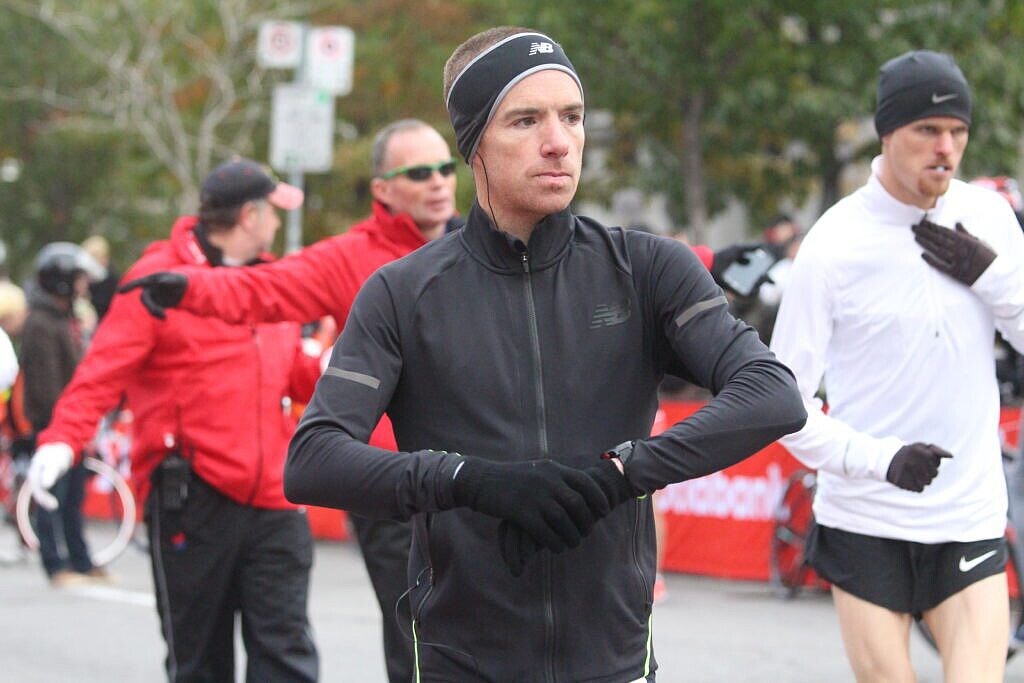
Should you warm up before your marathon?, Two-time Canadian Olympic marathoner Reid Coolsaet says a warmup is a good idea, but you don't want to overdo it
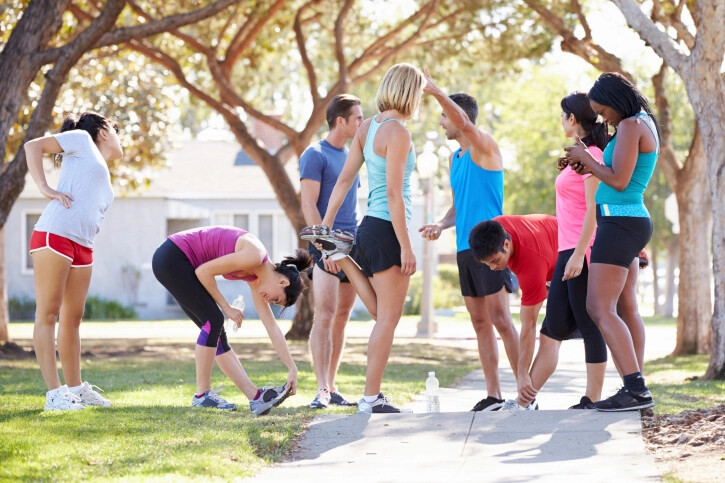
Most runners understand the purpose of warming up before a race, but should you be doing a warm up before your marathon?
The warm-up is intended to prepare your muscles for performance by increasing your core body temperature, which speeds up the supply of oxygen to your muscles. This procedure increases blood flow to the working muscles, so they are ready for the effort, and reducing the risk of injury.
A warm up requires energy, and for shorter races like 5K or 10K, running out of energy is not a concern, since the race is too short to risk running out of glycogen (stored carbohydrate). But when you’re preparing to race for three-to-four hours, it’s vital to conserve as much energy and glycogen as you can.
Two-time Canadian Olympic marathoner (2012 and 2016) and head coach of CoolsaetGo Reid Coolsaet says a warm up is a good idea, but don’t overdo it.
“You want to run enough before the race to hit your race pace off the start line,” says Coolsaet. “For most, five or 10 minutes of running and a few strides is plenty.”
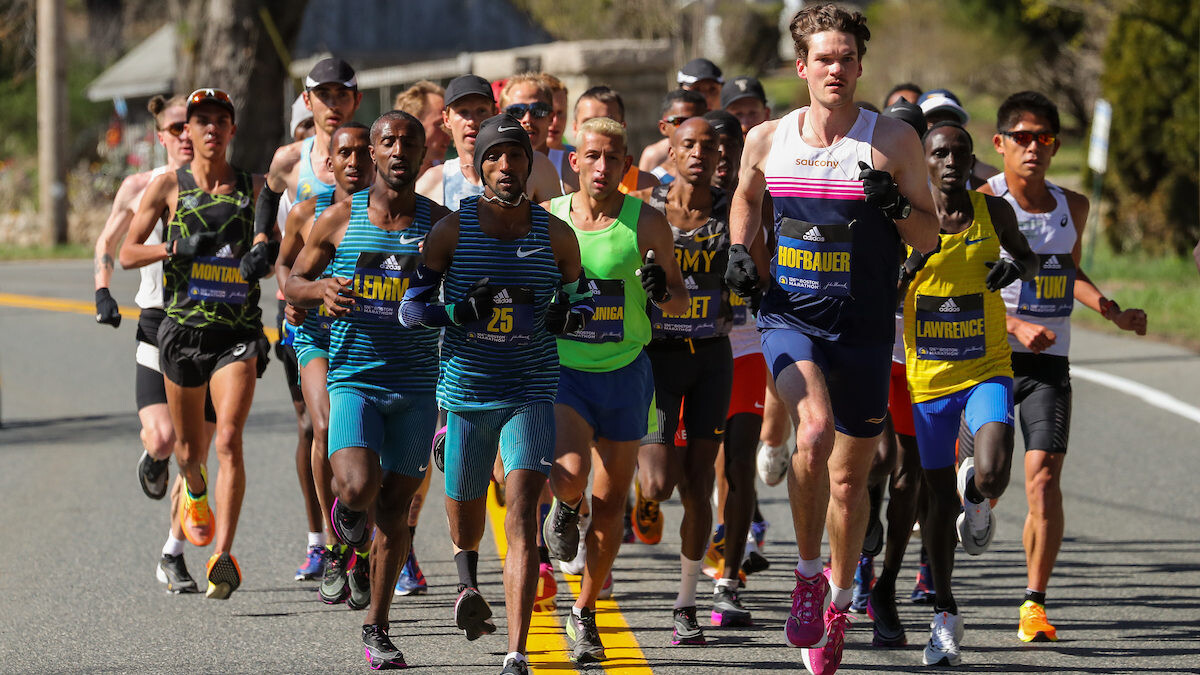
Most runners will be running at their warm-up pace for the first five or 10 minutes into the marathon as it is.
“If you go out for anything longer than 10 minutes, it is likely that you will regret that 20-minute warm up at kilometer 40.”
Another thing Coolsaet also mentioned is to leave enough time between your warm up and the start of the race to negotiate porta-potty lines. The last thing you want is to have GI issues only 10 kilometers into the race.
(08/16/22) Views: 108
Marley Dickinson
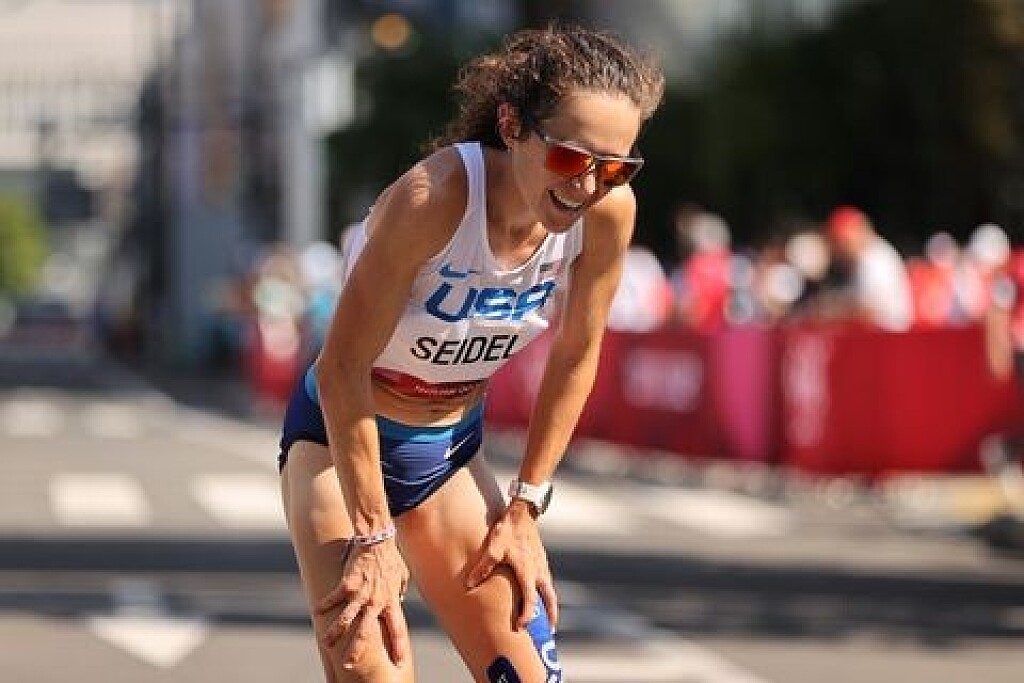
What is a stress reaction, and how can you prevent one?
Molly Seidel missed world championships because of a stress reaction; how can the rest of us stay injury-free?
Avoiding injury is the goal of every runner, and that includes preventing a season-ending (and painful) stress reaction. Olympians Molly Seidel and Gabriela DeBues-Stafford have both been sidelined this year with stress reactions; ultrarunner Gary Robbins had to pull out of his 2019 Barkley attempt due to one. So what is a stress reaction, and how can a regular runner prevent it?
Stress injuries: the basics
Readers may be more familiar with the term “stress fracture,” which is further along the stress injury spectrum. (In other words, a stress reaction may lead to a stress fracture if left untreated.) The cause of the initial reaction (and subsequent possible fracture) is usually overuse, as opposed to more serious traumatic types and of fractures from falls or other accidents.

Stress injuries are classified upon diagnosis: early (stress reaction) or late (stress fracture). A stress reaction can be considered similar to a deep bone bruise. A stress fracture is a small hairline crack in the bone.
Stress reactions are usually diagnosed through an MRI, and we see pro athletes catch their injury at this early stage because they’re more likely to have quick access to medical technology. Regular runners often don’t realize they have a serious injury until an X-ray shows a stress fracture.
Why are runners vulnerable?
Runners tend to get stress injuries in their leg bones, feet and hips due to the repetitive nature of our sport. DeBues-Stafford’s and Seidel’s stress reactions were in their sacrums (the triangular bone at the base of the spine, just above the tailbone); Robbins‘ was located at the head of his femur (thigh bone), close to the sacrum.

The pain from this injury is often barely noticeable at first, but progresses over time until you can even feel it at rest. Runners may be used to running through niggling pain and soreness and will ignore the symptoms of a stress injury until it’s past the reaction stage.
Proactive steps
Overtraining and underfuelling are major contributing factors to stress injuries.
A paper in the Journal of Orthopaedic and Sports Physical Therapy reported that while micro-damage to tissues and bones is essential to athletic improvement, stress reactions occur when the strain caused during accumulated activities is disproportionate to the body’s ability to recover.
What does that mean for the regular runner? Be mindful of nutrition, recovery and training load. Running a big marathon build, but not fuelling appropriately for your body to actually repair the incremental damage done by that build, is a recipe for disaster.
Allowing appropriate recovery time (including sleeping 8-9 hours per night) after hard sessions or training blocks and eating enough nutritious food to fuel that recovery are essential to avoiding stress injuries. (They’re also key to becoming a faster, stronger runner.)
(08/12/22) Views: 96Keeley Milne
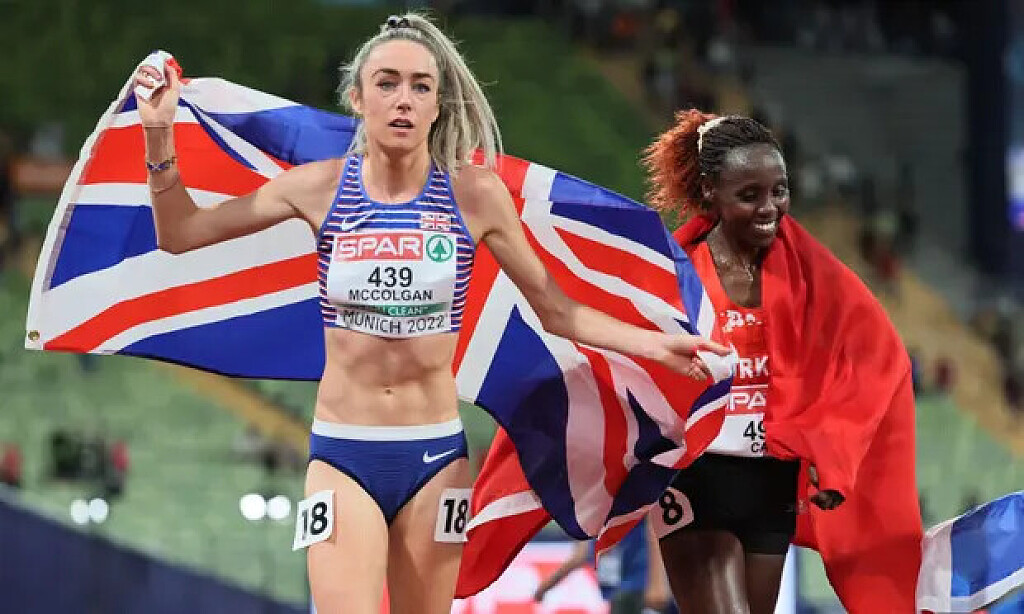
Great Britain's Eilish McColgan took women's 10,000m silver at the European Championships as Turkey's Yasemin Can claimed a superb win in Munich
Eilish McColgan, 31, won her first major title as she triumphed in the event at the Commonwealth Games 12 days ago.
Having also finished second in the 5,000m at Birmingham 2022, the Scot earned another silver as she ran clear of Israel's Lonah Chemtai Salpeter.
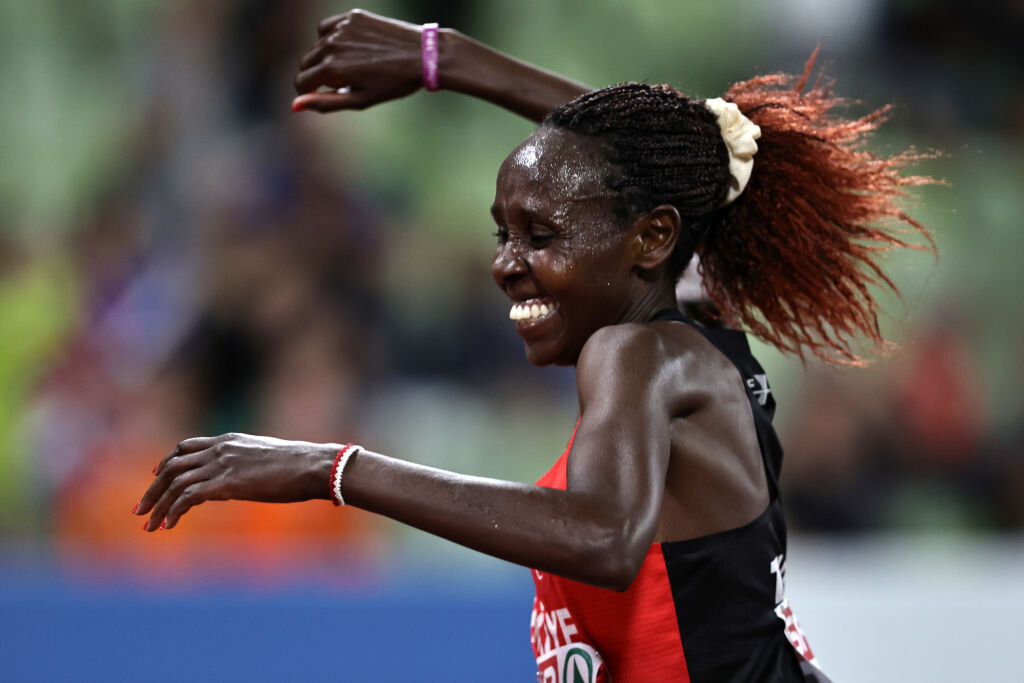
Can kicked clear with seven laps to go to win in 30:32.57.
"I'm pleased. I'm obviously disappointed, I would have loved to become European champion tonight - but tired, tired legs," McColgan told BBC Sport.
A fortnight of soaring glories continued for Eilish McColgan as she fought off her extreme post Commonwealth Games fatigue, and the attentions of a high-class field, to claim a brilliant European 10,000m silver in Munich. The 31-year-old had been so weary before this race that she had spent the day in a deep slumber. Yet fuelled by caffeine and a desire for her third medal in 12 days, she produced another performance of immense grit and steel.
In blustery conditions, McColgan applied the template that had served her so well in Birmingham, pushing to the front early and applying a cobra-like squeeze for lap after painful lap. But this time the Kenyan-born Turkish athlete Yasemin Can proved to have a powerful antidote.
With seven laps remaining Can made a decisive move, breaking away before coming home the winner. But McColgan had enough in the tank to beat Israel’s Lonah Chemtai Salpeter for silver.
“I felt very tired all this week,” McColgan admitted afterwards. “I hadn’t slept for several nights after the 10,000m in Birmingham and then I had to do it again in the 5,000m. And then all the media the following day when you’re up at the crack of dawn and on your feet all day – I’m not used to that.
“All I did today was sleep. My roommate just thought I was dead. And even though the housekeeper came in, I didn’t even hear it. I was just totally knocked out.”
However McColgan still packed a punch when it mattered. After a sedate opening kilometre, she decided enough was enough and kicked on. Soon the field was strung out and screaming. With 18 of the 25 laps remaining, only four athletes were left in contention. And while gold ultimately proved beyond her, this was another impressive performance.
“I didn’t want a last kilometre burn-up,” McColgan said. “But when the pace went up, I just didn’t quite have that zip. But it was probably to be expected. I’m not a superhuman and I have to respect that my legs were going to be tired.
“And I knew it was going to be tough with Can. I knew she was the one to beat tonight and she just was super strong. I couldn’t stay with her.”
Fellow Britons Samantha Harrison and Jessica Judd finished sixth and 10th respectively.
McColgan followed in the footsteps of her mother Liz - Commonwealth 10,000m champion in both 1986 and 1990 - as she recorded the biggest win of her career on 4 August.
In a hugely impressive season, McColgan also broke the European 10km, British half-marathon and Scottish 10,000m records earlier this year.
Though illness and injury hindered her World Championships medal aspirations in July, the 2018 European 5,000m silver medallist has returned to form emphatically - delivering one of the key moments of Birmingham 2022 as she out-kicked Kenyan Irene Cheptai in front of a packed Alexander Stadium.
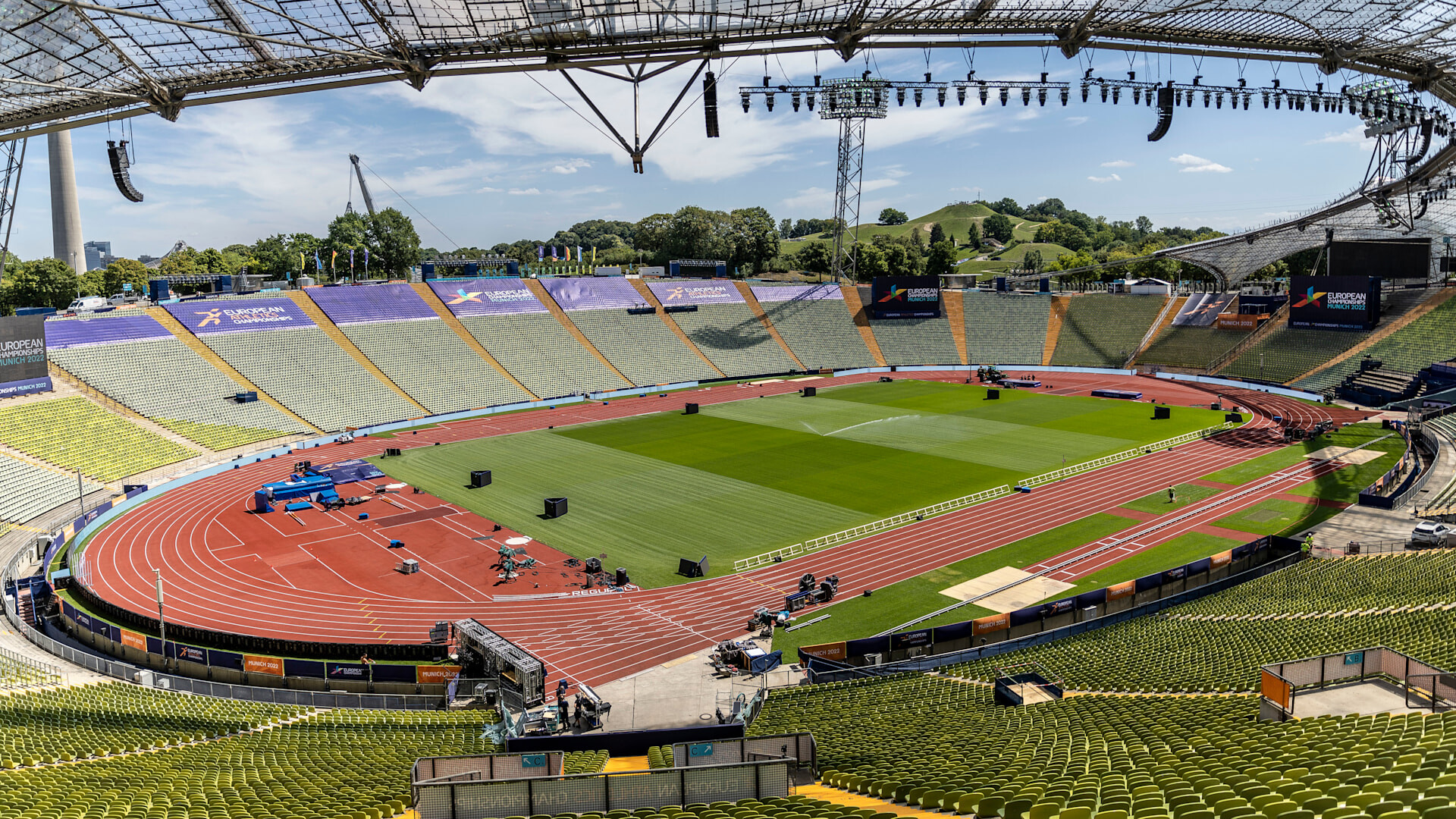
In Munich's Olympia stadion, McColgan took it upon herself to increase the pace after a relaxed opening kilometre and by halfway only Can, defending champion Salpeter and Germany's Konstanze Klosterhalfen were able to remain in touch.
But Can, champion in 2016, made her stunning bid for gold with over a quarter of the race remaining, surging away from the competition to leave McColgan and Salpeter to chase.
While they could not close the gap, McColgan was able to move clear of Salpeter on the final lap, finishing in 30:41.05.
(08/15/22) Views: 94
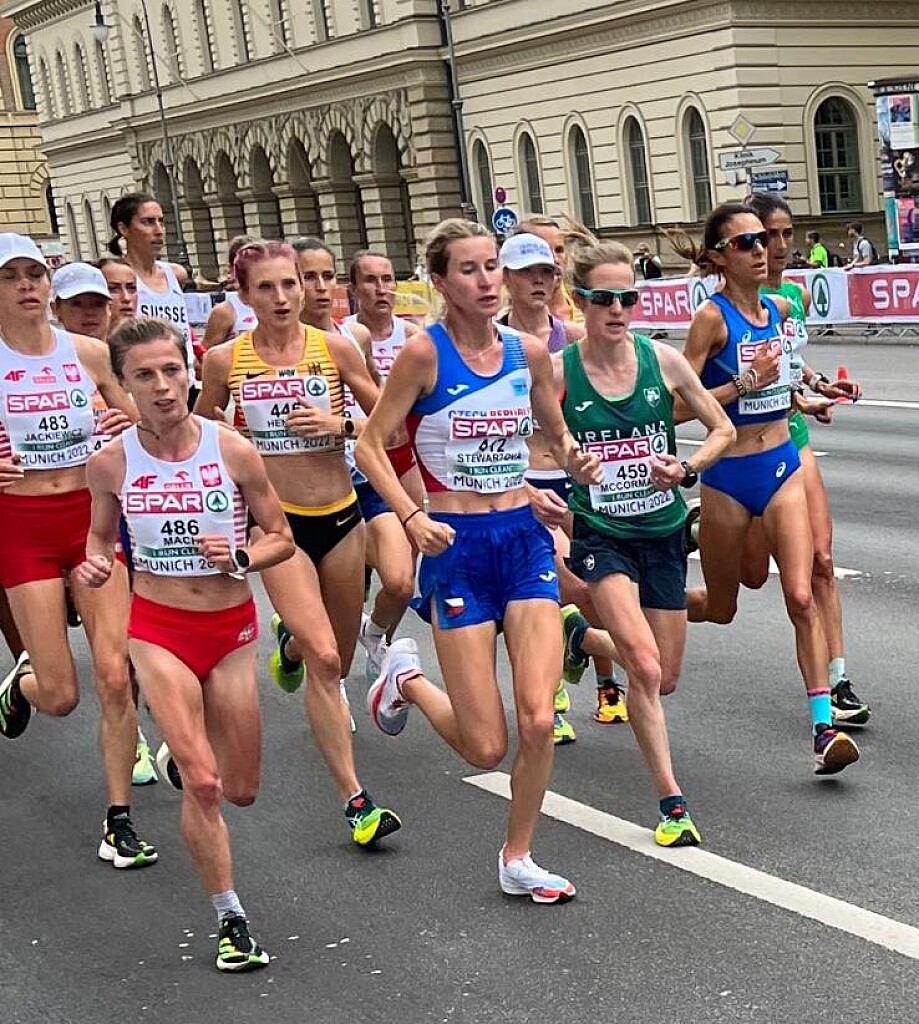
Richard Ringer and Aleksandra Lisowska take marathon thrillers
There was joy for the hosts in a dramatic finish to the men’s marathon on day one of the 2022 European Athletics Championships in Munich on Monday (15 August).
Israel's Maru Teferi looked to have a decisive lead with 200m to go, but Germany's Richard Ringer - a bronze medallist over 5000m in 2016 - showed that track speed to surge into the lead and take gold in a time of 2:10.21.
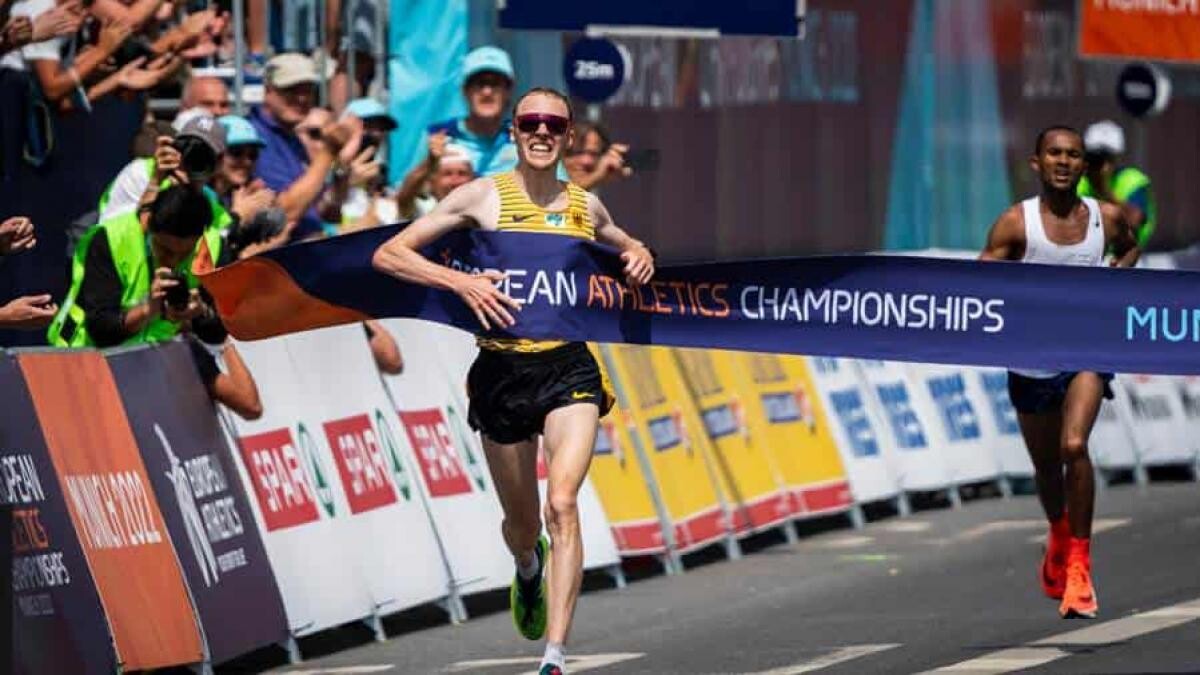
A stunned Teferi came home second ahead of fellow Ethiopian-born teammate Gashau Ayale.
Earlier, Aleksandra Lisowska took the first gold of the competition in the women's marathon.
The Pole crossed the line in 2:28:36, six seconds ahead of Matea Parlov Kostro of Croatia with Dutch runner Nienke Brinkman just denying home favourite Miriam Dattke the bronze.

Teferi appeared to have the race at his mercy with German Amanal Petros well placed for silver.
But it was all change in the home stretch as Ringer, who was 26th in the Tokyo 2020 marathon last year, sprinted to victory from the two Israelis with Petros finishing fourth.
The women’s was wide open until the last 5km when Dattke, in just her second marathon having made her debut in Seville in February, injected pace and whittled the lead group down to eight runners.
But Lisowska, 35th in the Olympic marathon last year, made an attack of her own and came clear to secure her first major career triumph.
Parlov Kostro took silver with Dattke just missing out on the medals behind Brinkman.
(08/15/22) Views: 92
Evelyn Watta
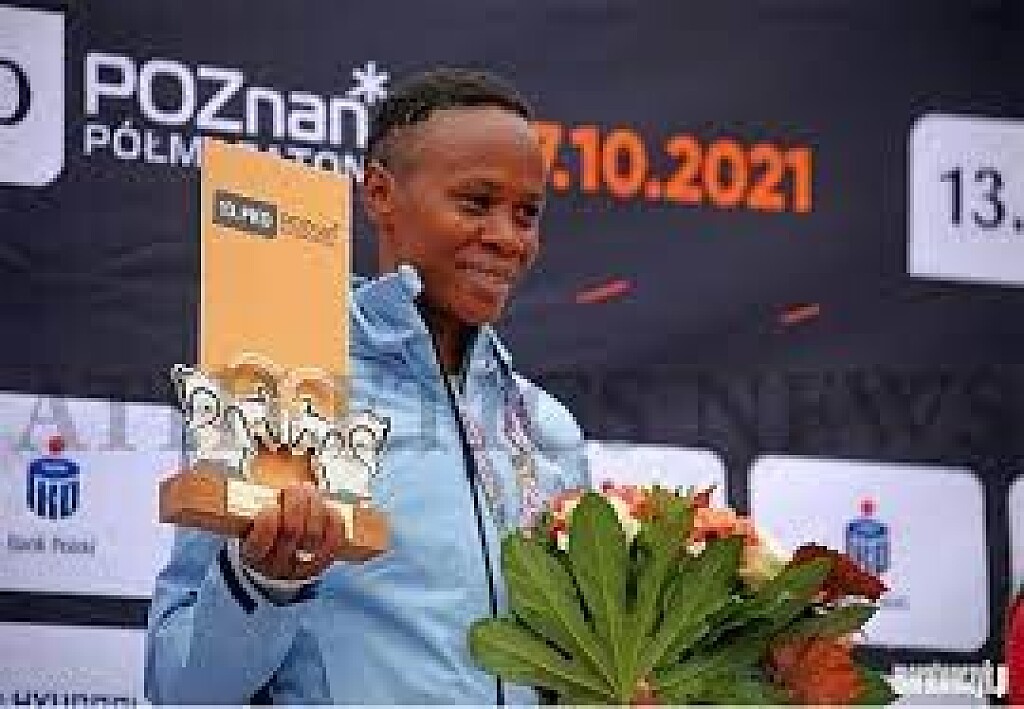
Kenyan runner Wambui banned for seven years over positive test and cover-up
Kenyan runner Tabitha Gichia Wambui has been banned from competition for seven years after testing positive for norandrosterone and tampering with the anti-doping process.
Wambui argued that she was injected with the testosterone booster at hospital where she was being treated for "a headache and general body weakness".

However, an investigation from the Anti-Doping Agency of Kenya showed that the 37-year-old did not attend the hospital on the same dates as her medical reports stated and the hospital also had no record of the outpatient number on the documents the athlete submitted.
This attempted cover-up resulted in the tampering charge, which Wambui later admitted.
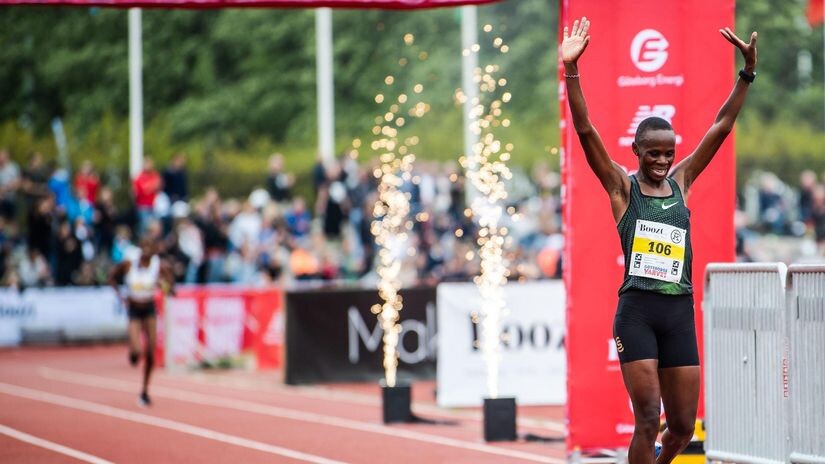
The athlete was banned for four years for the failed test and four for tampering, with one year removed from the overall sanction because Wambui was judged to have admitted the offences early and accepted the sanction.
The beginning of Wambui's ban is backdated to September 19 2021 and all of her results from that date have been disqualified, including victory at the Poznań Half Marathon in Poland on October 17 last year.
All titles, medals, points, prizes and appearance money must also be forfeited by the Kenyan from this period.
September 19 was the date that her first urine sample was taken, in-competition at the Copenhagen Half Marathon, before a second sample was collected at the race in Poland.
The following day, the WADA-accredited laboratory in Oslo reported an adverse analytical finding for norandrosterone in the first sample.
Norandrosterone is a World Anti-Doping Agency (WADA) non-specified substance as it is a product of nandrolone, an anabolic androgenic steroid.
Wambui's ban comes just a month after her compatriot Lawrence Cherono, the eighth-fastest marathon runner of all time, was banned from competing at the World Athletics Championships in the United States.
Cherono had tested positive for trimetazidine which can be used medically to prevent angina attacks.
It was also the same drug the Russian figure skater Kamila Valieva tested positive for before the Beijing 2022 Winter Olympic Games.
Kenya is one of seven Category A nations deemed by the Athletics Integrity Unit (AIU) to have the highest doping risk and threaten the overall integrity of the sport, along with Bahrain, Belarus, Ethiopia, Morocco, Nigeria and Ukraine.
There are currently 49 Kenyan athletes listed as banned in the AIU database.
(08/16/22) Views: 91Owen Lloyd
Defending Champions Set to Return to the 2022 Bank of America Chicago Marathon
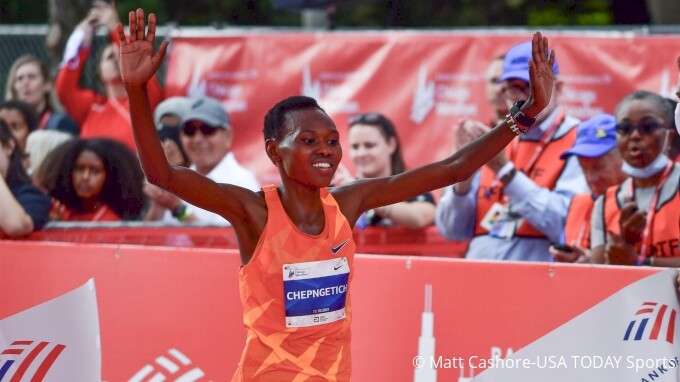
The Bank of America Chicago Marathon announced today the return of its defending champions as the event continues to build on its comeback to global racing. Ruth Chepngetich (KEN), Seifu Tura (ETH), Tatyana McFadden (USA) and Daniel Romanchuk (USA) will be at the helm of this year’s elite field with a strong contingency of the world’s best athletes vying to dethrone them. The stage will be set for a fierce competition up front, highlighting Chicago’s long tradition of record chases, fast times, and gripping finishes.
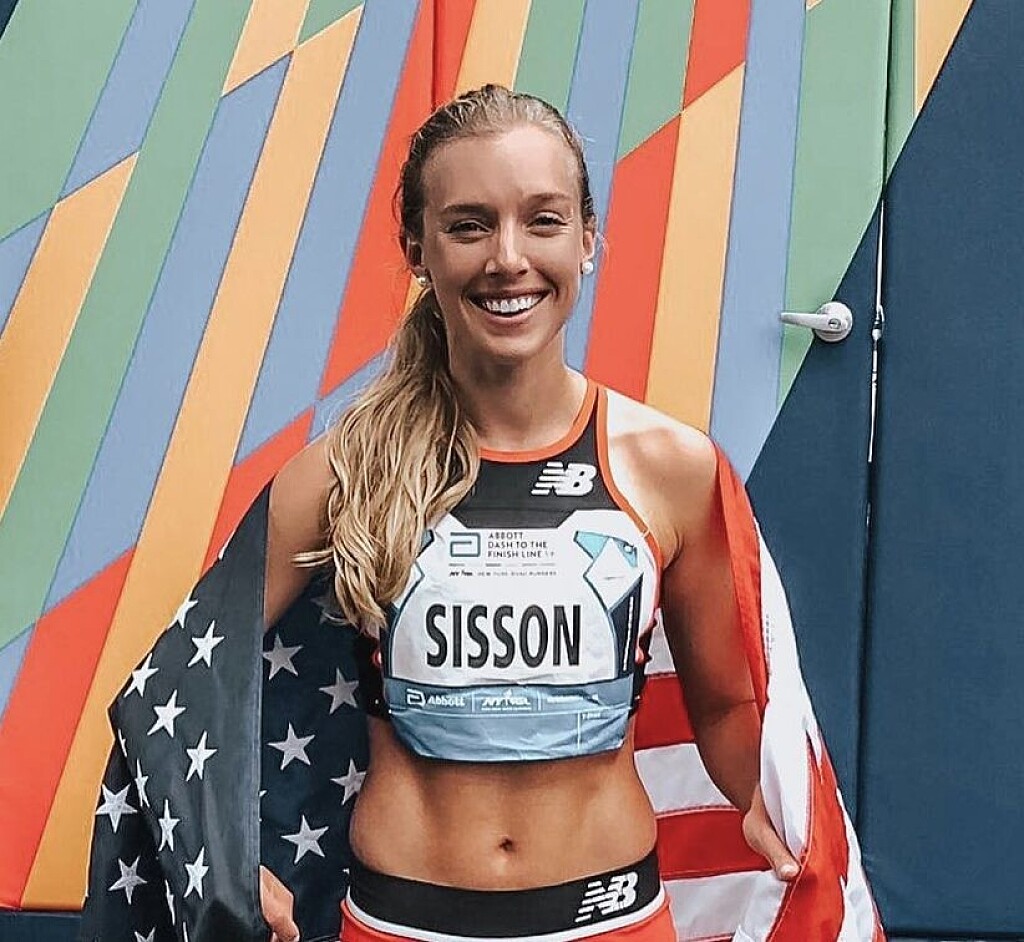
“We’re thrilled to welcome our defending champions back to Grant Park this fall,” said Carey Pinkowski, Executive Race Director of the Bank of America Chicago Marathon. “Chicago has a storied history of head-to-head competitions, world records and some of the best elite racing in marathon running. This year’s competition, which also includes American half marathon record holder Emily Sisson and American half marathon champion Conner Mantz making his debut, is going to bring much energy and enthusiasm to fans and spectators. We are ready for October 9.”
Defending Champions Return

Chepngetich, the 2019 World Marathon champion and the fourth fastest woman in the history of marathon running, started on a world record pace at the 2021 Bank of America Chicago Marathon, dropping her pacer eight miles in while racing against the clock. She decelerated over the second half of the course but had enough to take the crown in 2:22:31. Chepngetich, who is self-coached, kicked off her 2022 season with a win and a course record at the Nagoya Marathon (2:17:18). She recently dropped out the of the World Championships Women’s Marathon due to health issues but is ready to take to the streets of Chicago and defend her title.
Unlike the fast pace set by Chepngetich, Tura ran a controlled strategic race last fall in the elite men’s race, waiting until 38K to pull ahead and win the biggest race of his career so far. Tura, who holds a 2:04:29 personal best, clocked 2:06:12 to win last year. His 2022 season includes a personal best in the half marathon, 58:36, and a second place finish in the Paris Marathon. Following last year’s victory, Tura noted that he was not prepared for warm weather, but that he was “determined to fight to the very end.” Tura’s determination may make him just the fifth man in Chicago’s history to win twice in a row.
In the wheelchair competition, McFadden, whose nine titles make her the most decorated athlete in Bank of America Chicago Marathon history, returns to contend for her 10th win. McFadden boasts 20 Paralympic medals, including eight gold medals, 24 World Marathon Major wins, including four consecutive Grand Slams (first place in Boston, Chicago, New York City and London in the same year) and has broken six world records in track and field.
Romanchuk, a two-time Paralympian, completed the Bank of America Chicago Marathon hat trick with a victory last fall and returns to pursue a fourth title. Romanchuk rose to the top of road racing in 2018 and his campaign continues today. At the 2020 Paralympic Games, he took home a gold on the track and a bronze in the marathon.
Sisson and Mantz Headline Strong American Field
The Bank of America Chicago Marathon has a long history of welcoming America’s best runners across its finish line, stretching back to Joan Benoit Samuelson setting the American record en route to her victory in 1985. Khalid Khannouchi dominated at the turn of the century with four victories, including both world and American records, Deena Kastor clutched the win in 2005, and Galen Rupp stole the show in 2017. Last October saw five American men and seven American women finish in the top 10, a feat that highlights the strength of U.S. distance running. This year’s field includes several top American runners, including Emily Sisson and Conner Mantz.
Sisson, a six-time national champion and the American half marathon record holder (1:07:11), could put the American Marathon record (2:19:12) in jeopardy as she races to break the tape in Chicago. Sisson stands out as one of the most dominant American women on the track and the roads, making her Olympic debut in the 10,000m at the Tokyo Olympics and her marathon debut in 2019 in London. Sisson ran the fastest ever marathon debut by an American on a record eligible course (2:23:08), and she set an Olympic trials record in the 10,000m on the track (31:09) in 2021, breaking a record that stood for 17 years. This October marks Sisson’s first appearance in the Bank of America Chicago Marathon.
Mantz, known for his front-running style and capacity to handle pain (referred to as the “Mantz pain chamber”), made a splash on the collegiate level, winning the NCAA Division I Cross Country championships in 2020 and 2021, and earning his first U.S. title in the half marathon in 2021. Mantz’s time in the half marathon, 1:00:55, ranks him ninth on the all-time American list of half marathon performances. Mantz, an exciting newcomer to welcome to the marathon distance, could conquer the American marathon debut record, 2:07:56, set in 2019. Mantz is coached by 1994 Chicago Marathon runner-up, Ed Eyestone.
The Elite Fields
In addition to Sisson, Celestine Chepchirchir (KEN), Vivian Kiplagat (KEN) and Haven Hailu (ETH) are among some of this year’s elite women hoping to prevent a repeat victory from Chepngetich. Chepchirchir, winner of the 2019 Sanlam Cape Town Marathon, enters this year’s race fresh off a personal best, 2:20:10, set at the Seoul International Marathon. The Bank of America Chicago Marathon marks her Abbott World Marathon Major (AbbottWMM) debut. Kiplagat, winner of the 2022 Milan Marathon in a personal best, 2:20:18, ran valiantly in Chicago last year, attempting to stay on Chepngetich’s heels before fading to fifth place. Like Chepchirchir, Hailu will be making her first appearance in an AbbottWMM. Hailu made her marathon debut in 2020, set a personal best, 2:20:19, in 2021 to take third in Amsterdam, and claimed her first marathon victory in Rotterdam this past April.
Laura Thweatt (USA), Sarah Sellers (USA) and Sara Vaughn (USA) lead a strong delegation of American women. Thweatt holds a marathon personal best of 2:25:38, and finished eighth in both Chicago (2019) and New York (2021). Sellers initially turned heads in 2018 when she finished second in the Boston Marathon while running from the open field. Sellers smashed her PR to finish second at this spring’s Grandma’s Marathon in 2:25:43. Vaughn, a versatile runner who started her career on the track as a 1500m runner, made her marathon debut in 2021, winning the California International Marathon in 2:26:53. Vaughn’s time stands out as the fifth fastest debut ever by an American woman.
The women’s field also includes Diane Nukuri (USA), Ursula Sanchez (MEX), Carrie Verdon (USA) and local favorite Kristen Heckert (USA).
In the men’s competition, Tura will be chased to the line by compatriots Herpasa Negasa (ETH), Dawit Wolde (ETH), Asrar Abderehman (ETH), Ugandan Olympian Stephen Kissa and Kenyan Benson Kipruto.
Negasa had a career breakthrough in 2019 when he subtracted nearly six minutes from his marathon PR in Dubai to run 2:03:40. He comes to Chicago after a strong second place performance in Seoul, clocking 2:04:49. Wolde initially made a name for himself as a junior competitor on the track. His transition to the roads started in 2014, and he boasts a marathon personal best of 2:04:27, set in 2021 to finish third in Rotterdam. Abderehman made headlines in February when he broke the course record at the Zurich Seville Marathon, taking three minutes off his PR to run 2:04:43. Chicago marks his first appearance in an AbbottWMM.
Kissa, a 2020 Olympian in the 10,000m, stands out as an exciting athlete to watch. He brings years of track speed to the road, recently debuting in the marathon in 2:04:48. In addition to the Olympic Games, he also represented Uganda at the World Championships Half Marathon. The Chicago Marathon marks his first time racing in the United States and his first time racing in an AbbottWMM. Kipruto’s 2:05:13 personal best may not be the fastest in the field, but he has performed well at the marathon distance, winning the Boston and Prague Marathons in 2021 and finishing third in Boston this April. He also finished seventh in London in 2020 and won the Toronto Marathon in 2018.
The men’s field also includes sixth place finisher in 2021 and local elite Colin Mickow, Hiroto Fujimagari (JPN), John Korir (KEN), Frank Lara (USA) and making his debut, Patrick Tiernan (AUS).
(08/12/22) Views: 89Running USA

The Race Against Age: How to slow down the slowing down, become a faster runner in your forties and beyond
Your age doesn't have to hold you back in the sport! Here's how to rework your training so you can become a faster masters runner.
Sometimes running life begins at 40 and, as a result, you should continue to see improvements in running pace and performance. But, even if your running life began several decades prior to your fortieth birthday, you can still run faster in your forties and beyond.
Consider Kevin Castille of Nicholasville, Kentucky. In 2012 the 41-year-old set an age-group national record of 48:56 for 10 miles on the road. A couple of weeks later he broke his own age-group record for 10,000 meters on the track, running 28:53.54. That time is within four seconds of Castille’s personal best for the event, which he set when he was 32.

How did he do it and how can you mimic it? Let’s take a closer look:
TAKE MORE TIME IN BETWEEN HARD EFFORTS
In running life after 40, recovery is key and you will need more time to recover from hard workouts. Masters runners can shift their training and mindset by adapting an 8-10 day cycle of training rather than planning out a typical 7 days. The extended schedule allows for the recovery time needed but also keeps key workouts, like speed and tempo, on in regular rotation.
RUN LESS
Yes, you read that correctly. If you want to run faster after 40 you will need to take recovery seriously and you will need to implement more cross training. Your body most likely cannot endue the same 50-100 mile weeks of continuous running and instead needs to build up key muscles to support the quality runs you are doing.
Consider cycling for some of your cross training as it’s a great alternative to the pounding on your joints and has been proven beneficial to running endurance. If you have access to an ElliptiGO, even better! We already know a certain decorated, over 40 runner named Meb who has been training with an ElliptiGO for years with much success.
TRAIN SPEED DIFFERENTLY
Yes, you can still go fast and harness some speed out of those legs and lungs but you will want to incorporate strength training and hills into your “speed work” days. Add more explosive strength training days (think plyometrics) since your body can tolerate strength work better than a day at the track. And, instead of doing something like 10×400 do shorter hill sprints like 10 x 30 seconds at 4 percent incline. Lastly, keep a speed component in your training at all times, even the offseason, so you can better maintain your body’s tolerance for it.
FOCUS EVEN MORE ON FOOD
If good nutrition is already a focus (as it should be) you will need to hone your eating skills to adapt to your aging body and it’s changing nutritional needs. Nutritionist, bestselling author and runner Matt Fitzgerald has a system that ranks food types by quality as defined by their effect on body composition. The 10 types are in descending order of quality:
Vegetables
Fruits
Nuts and seeds
Fish and lean meats
Whole grains
Dairy
Refined grains
Sweets
Fatty meats
Fried foods
Fitzgerald suggests tracking how many times you eat each type of food and then use the data to move your eating habits toward mostly the top of the list. He also emphasizes that none of these food groups needs to be eliminated.
Whether you started running at 40 or are still looking to push yourself as you enter this new decade, know that you can run faster after 40 and beyond as long as your adjust your workouts and your mind to a new way of training.
(08/12/22) Views: 84Allie Burdick
