

Running News Daily
Top Ten Stories of the Week
8/13/2022
These are the top ten stories based on views over the last week.



How do you train for a marathon to ensure you make it to the finish line?
Around 17% of runners who sign up for a marathon do not finish – whether it’s because they don’t show up or don’t make it to the finish line. Falling short can devastate your pride when you set a goal as big as a marathon.
So, how do you train for a marathon to ensure you make it to the finish line?
First, you must prepare and ensure you’re in an excellent position to run a marathon. Keep reading to learn about the top considerations for marathon runners before planning their training regimen.

Evaluating Your Schedule
A marathon is a serious undertaking; it takes a lot of time and effort to get your body into shape and ready for the big day. Before you commit to running a marathon, you must take a realistic look at your schedule. Do you have time to train for the marathon?
If you have existing hobbies and interests that usually fill up your free time, you can consider placing them on pause to allocate time for your training schedule. Or, you can split your time between your training regimen and your current hobbies. Either way, it’s essential to create time for training – you won’t reach the finish line if you haven’t trained rigorously for the event.

Getting Familiar With Your Body And Health
A marathon requires discipline, but you must ensure your body is healthy enough to participate. Before signing up for the marathon, you must understand your body’s limitations. If you do not exercise regularly and have a poor diet, reaching the fitness level required to run a marathon in the set time frame could be difficult. Take a realistic look at your fitness level and whether you’re in an excellent position to train for a marathon.
Certain health conditions, such as a heart condition, could be contraindications that make you unfit to run a marathon. You should consult your doctor before signing up for a marathon and have a physical exam performed to determine whether you have any underlying conditions that could affect your ability to run a marathon. You should also ask your doctor about the best diet regimen to help you get leaner muscle, which is ideal for running.
Avoiding Large Gatherings
As your marathon race approaches, you must ensure you don’t get set back by any illness or injury. In light of the recent pandemic, it’s best to avoid large gatherings, which could be a hub for the spread of coronavirus.
If you contract coronavirus, you could be sick for up to a week, which will seriously affect your ability to train and would be detrimental to your performance on the big day. Not to mention, if you test positive for coronavirus around the marathon date, you may not even be able to participate – which would mean all your training has been for nothing.
Selecting A Gym That Suits Your Needs
Let’s get down to training. You should run outdoors to gather endurance and practice pacing. Cold weather and pavement can damage your joints. So, it’s best to train for your marathon indoors during the colder months, and you should select a gym to perform your training.
Plus, at a gym, you gain access to rollers for stretching, and you can measure your progress more accurately using the built-in features on the machines. Below are some of the best features to look for in a gym for your marathon training.
24/7 Access
You need a gym that fits your schedule. If you work late shifts, you may wish to train in the late evening after you finish work. If your gym is only open from 9-9, that may not be possible. Selecting a gym with 24/7 access will give you more opportunities to train frequently.
Gyms that provide 24/7 access can do so using hygiene-based technology. If you need to enter a code to get inside, you will be touching buttons and keys that are hubs for germs – and, as we mentioned earlier, you can’t afford to get sick and skip your training.
So, look for a gym with hygienic contactless access control that allows you to enter touchless. With a keyless building entry system, you can simply wave your hand over the reader, which will trigger communication with your mobile device to confirm your mobile credentials and gain entry. You don’t need to remember a fob or keycard – you can simply download access credentials to your mobile phone.
Amenities
You’ll need a few amenities in your gym to get your performance up to scratch. A sauna can increase your exhaustion rate by 30% and improve your run performance. Of course, you’ll also need a gym with plenty of treadmills to ensure you always have access to running equipment.
You need to run around 50 miles weekly to ensure your fitness level is up to scratch, and you must leave yourself at least 12 weeks to train. Though training is essential for a marathon, you must also ensure you’re resting and rehabilitating your body with stretching. Look for a gym with plenty of stretching equipment. You may also consider looking for a gym with yoga classes and spa facilities. You can improve your balance, flexibility, and core strength on rest days and soak your muscles in a jacuzzi to stimulate recovery.
Summary
Suppose you’re thinking of participating in a marathon – good for you! It’s a great way to reach peak fitness levels and keep your body young. However, you’ll need to take your training seriously to ensure you perform well on the big day. So, sign up for a gym, consult your doctor, make room in your schedule, and get training!
(08/05/22) Views: 133Colorado Runner
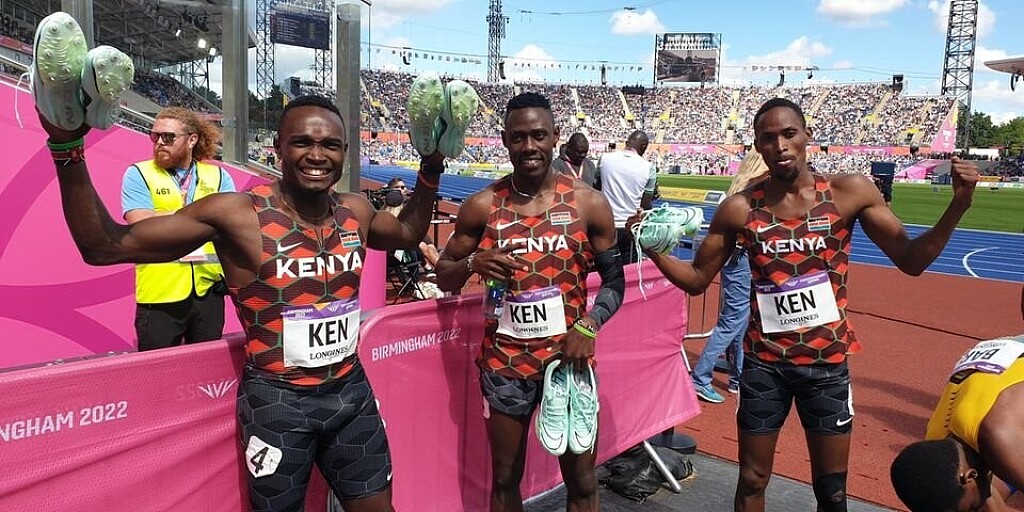
Boniface Mweresa anchors Kenya to 4x400m Commonwealth Games final
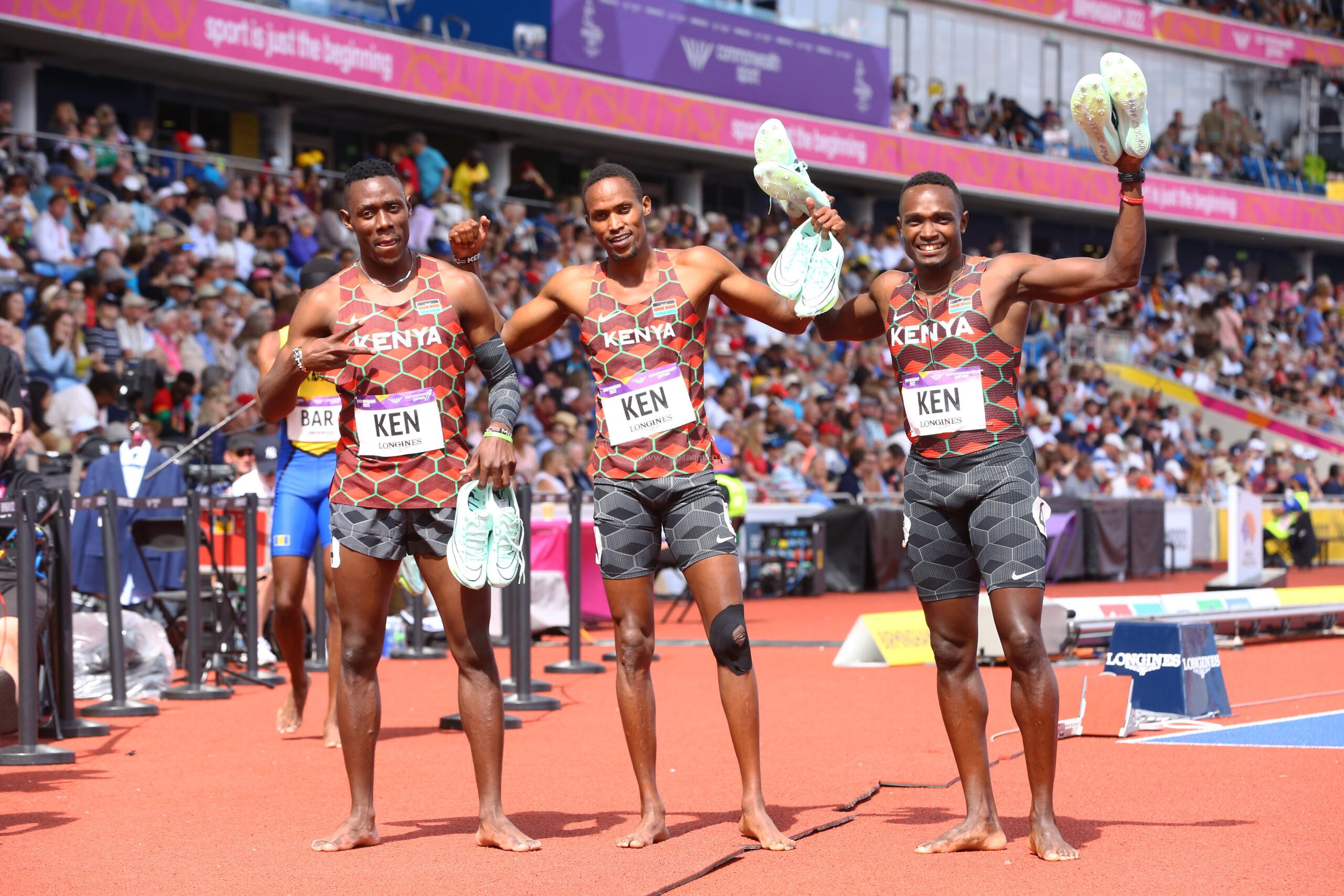
The 2015 African Games 400m silver medalist Boniface Mweresa anchored Kenya’s 4x400m to victory in their heat to storm the final in athletics at the ongoing Commonwealth Games at the Alexander Stadium.
Team Kenya head coach Julius Kirwa was forced to make changes at the last minute when Olympic and world 800m champion Emmanuel Korir, who was to compete, went missing.
Mweresa rallied from three places behind, taking down India Trinidad and Tobago to win heat two in season’s best three minutes and 06.76 seconds.
India settled second in 3:06.97 as Trinidad and Tobago came third in 3:07.22.
Defending champions Botswana won heat one in 3:05.11, beating Jamaica and Zambia to second and third places in 3:05.20 and 3:06.02 respectively.
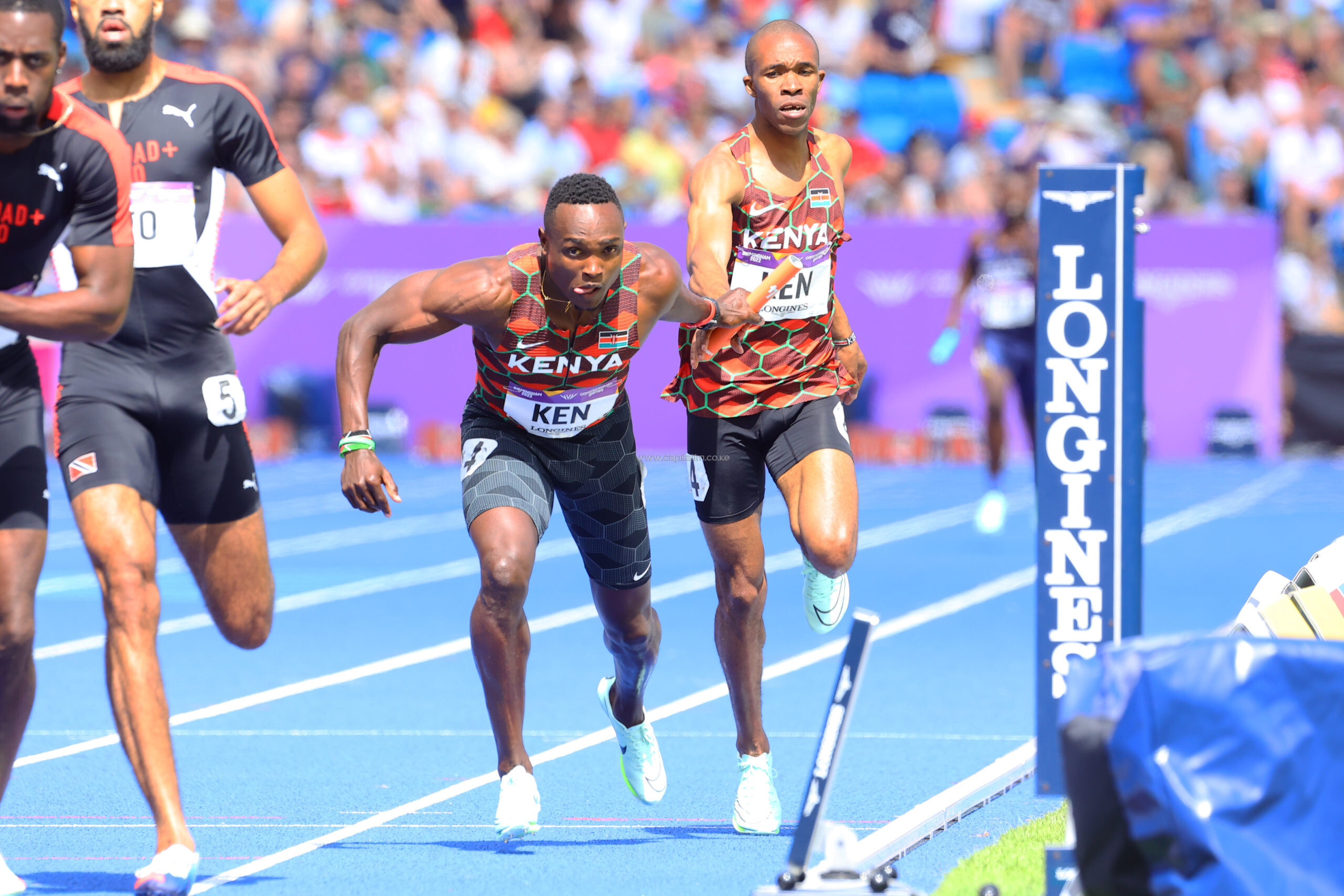
It’s Wiseman Were who was the first man on the blocks to hand over the baton to William Rayan in third place before he stepped up, handing over the baton to William Mbevi in second place.
Mbevi fell back one place in the last changeover to Mweresa, who injected in some pace to swing to the lead at the last bend before winning.
The quartet of David Kitur, Samson Kitur, Simeon Kipkemboi and Stephen Mwanzia is the last to win the 4x400m title for Kenya during the 1990 Auckland Games in New Zealand.
Kenya had won three 4x400m titles back-to-back starting with the inaugural Edinburgh Games in Scotland before the 1974 Christchurch, New Zealand and 1978 Edmonton, Canada Games.
After the 1990 exploits, Kenya has only claimed one medal from the Games since then, the silver medal from the 2010 Delhi Games, India.
“We took it easy just to put our foot in the final before planning how we shall pitch for a medal. We hope that medal will be gold,” said Rayan. “We are really prepared and ready for the final.”
Rayan said staying focused and having a settled mind will deliver victory for Kenya.
Mbevi, who fell at the exchange was wheeled out of the arena for medical attention.
"I am not in a position to tell you where Korir went. We have been looking for him but couldn't locate him," said Kirwa.
However, Korir, who won his 400m heat but got disqualified for lane infringement, is drawn in the men's 800m final at the Silesia leg of the Diamond League on Saturday in Poland.
(08/05/22) Views: 112
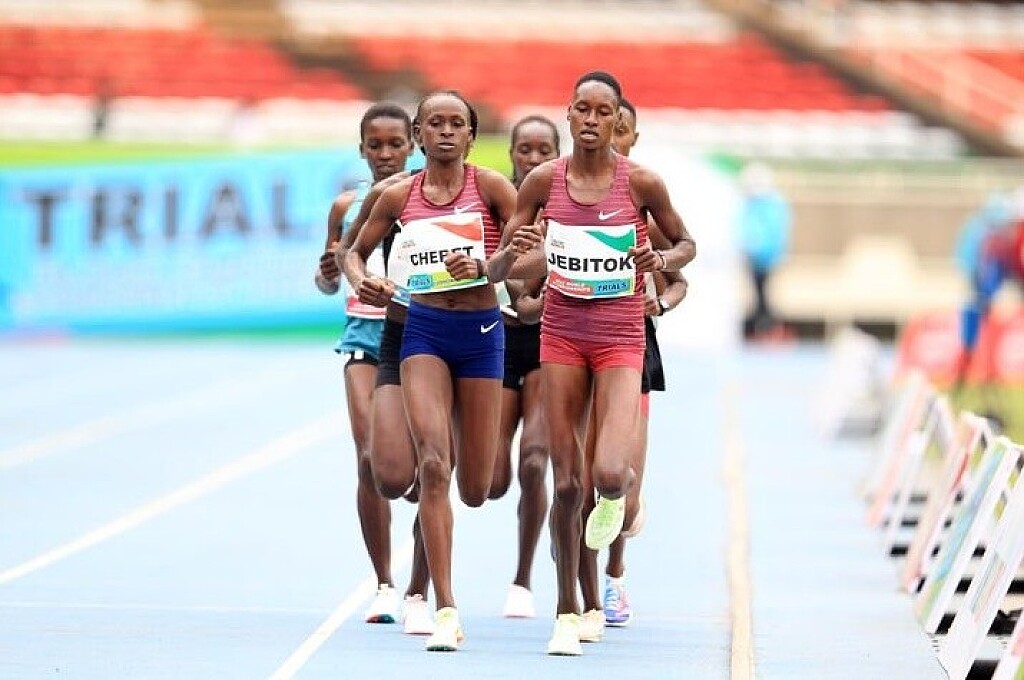
Chebet, Jebitok sail through to Commonwealth Games 1500m final
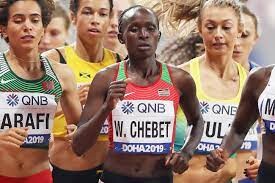
The 2018 Continental Cup 1,500 meters champion Winny Chebet and Edinah Jebitok are through to women's 1,500m final in athletics at the ongoing Commonwealth Games at the Alexander Stadium.
Both athletes finished third in their respective heats to ease through to the final due for Sunday.
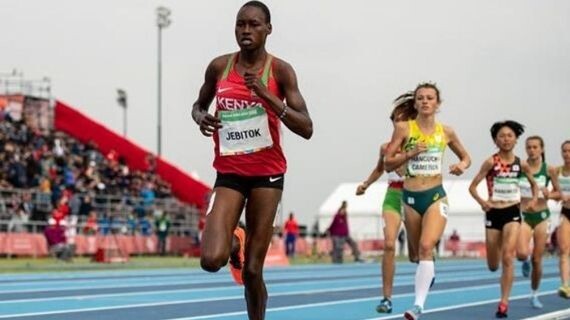
Jebitok clocked four minutes and 13.84 seconds as Ciara Mageean won the heat one in 4:13.52.
Australia Abbey Caldwell came third in 4:13.59 to also qualify.
Chebet timed 4:16.11 to finish third behind Winnie Nanyondo from Uganda and Briton Katie Snowden in 4:16.04 and 4:16.09 respectively.
(08/05/22) Views: 105Ayumba Ayodi
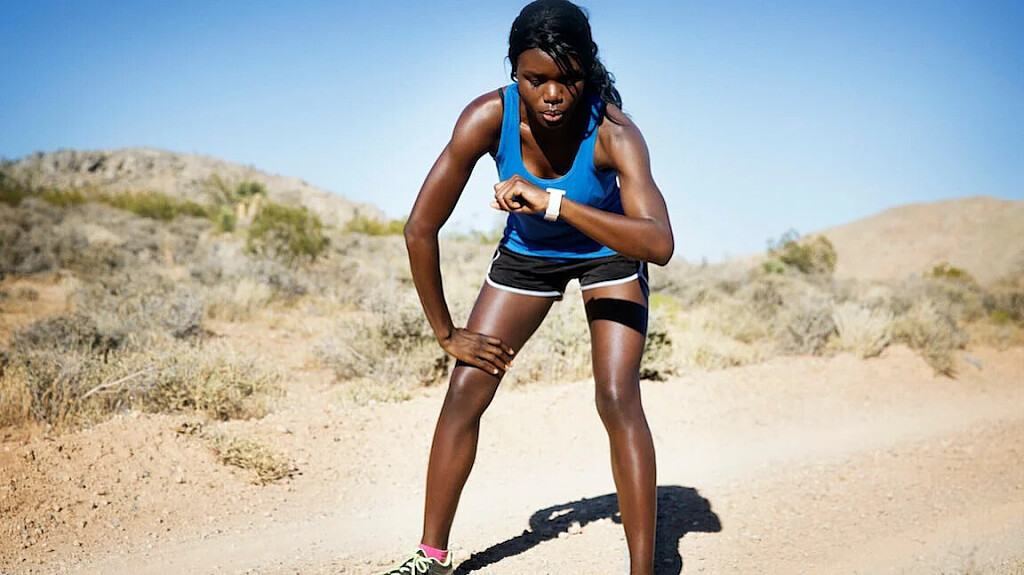
How much rest should you take between intervals?, The time of your rest between reps is just as important as the interval itself
Runners rely on interval training as one of the most effective ways to build speed and endurance. The thing about high-intensity interval training is that you can only do it for so long before you hit a wall or have to stop due to the build-up of lactic acid or fatigue in your muscles. When working out at high intensity, the active interval has to go hand and hand with the rest interval to help you get the most out of your performance.
How long should your rest be between intervals?
There are a few ways you can structure your interval workouts: You can keep the interval short with very high intensity and the rest periods long or keep the rest and interval phases roughly equal or do longer intervals with shorter rest to improve your aerobic capacity. What is the best way to structure your training? Or does it not matter?

A study published in the Journal of Strength and Conditioning looked at this issue. The researchers asked six people to run on a treadmill as fast as they could for four minutes with various rest periods between. The study found that the rest depends on your training goals and what you’re looking to improve.
Reducing the rest interval from two minutes to one minute made it difficult for the six runners to maintain the same intensity during the high-intensity intervals. Another interesting observation was that the rest interval of four minutes did not improve performance any more than the previous two-minute recovery period.
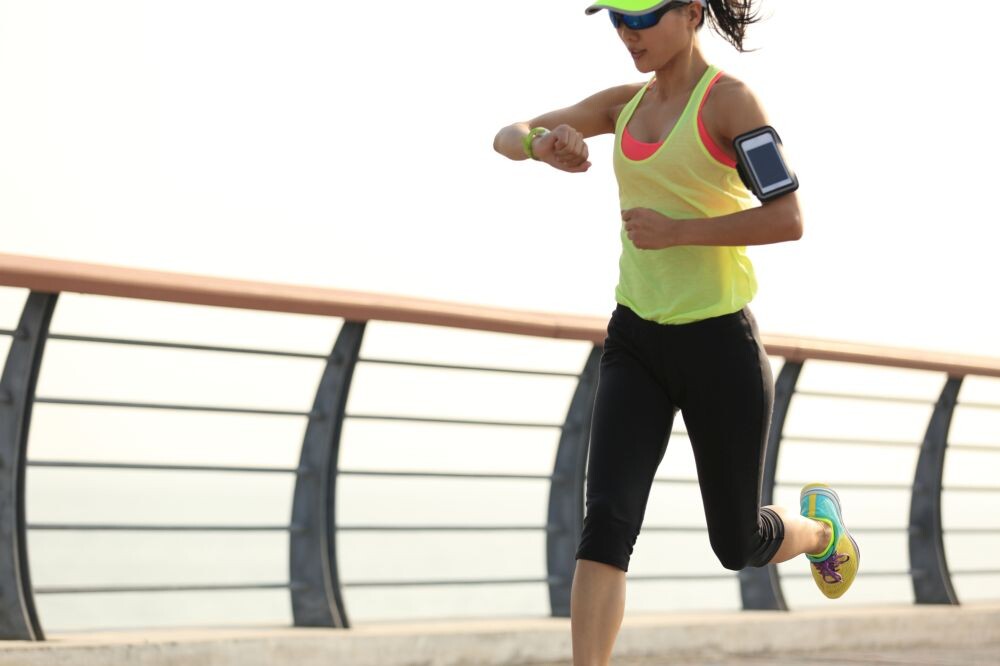
Regardless of this study, there is no single right or wrong way to structure interval training, but it does depend on what you are trying to achieve. If your goal is to improve your aerobic capacity, longer active intervals of two to five minutes and roughly equal recovery periods seem to work best.
But if you want to improve your top-end speed or anaerobic levels – 30 seconds to two minutes of rest is prescribed for those who want to run at a higher intensity for longer or faster.
(08/05/22) Views: 101Marley Dickinson
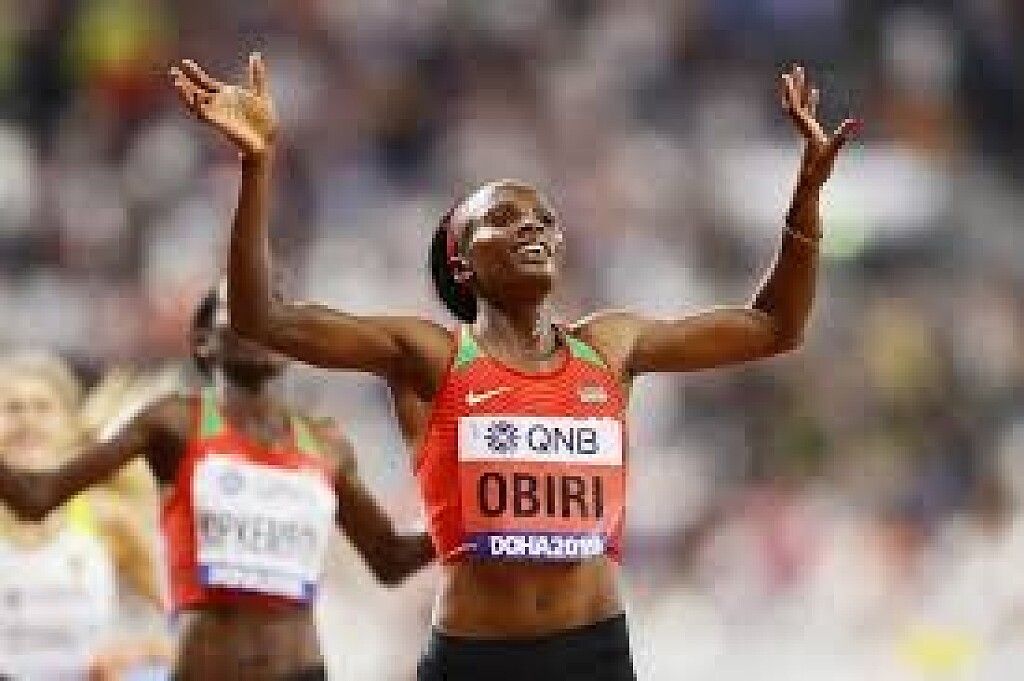
Kenya’s Hellen Obiri is moving to Colorado to pursue her marathon ambitions
When Hellen Obiri moves 14,000 kilometers from Kenya to Colorado later this year, she already knows she'll miss some of the comforts of home.
That includes Kenyan food and the country's staple of ugali -- a dense porridge made from maize flour.

"Kenyans, we like eating ugali," Obiri tells CNN Sport. "I will have to find where I'm going to make my Kenyan food over there (in the United States)."
A good ugali may hold the keys to successfully fueling the next steps of her distance-running career. Obiri, a two-time world champion over 5,000 meters, is racing her first ever marathon in New York later this year, ahead of which she will team up with a new coach and new training group in Boulder, Colorado.
It's common for distance runners to make the move from track to road racing towards the end of their careers, but less common to do so by moving halfway across the world in the way Obiri has planned.
At the start of this year, the 32-year-old joined On Athletics Club (OAC), an elite team based in Boulder and led by former distance runner Dathan Ritzenhein. She hopes to move to the US next month in advance of racing the New York City Marathon on November 6.
"We've been wanting to move to the USA for training and to live there, so for me it's not a difficult move," Obiri, who will be based outside Kenya for the first time in her career, tells CNN.
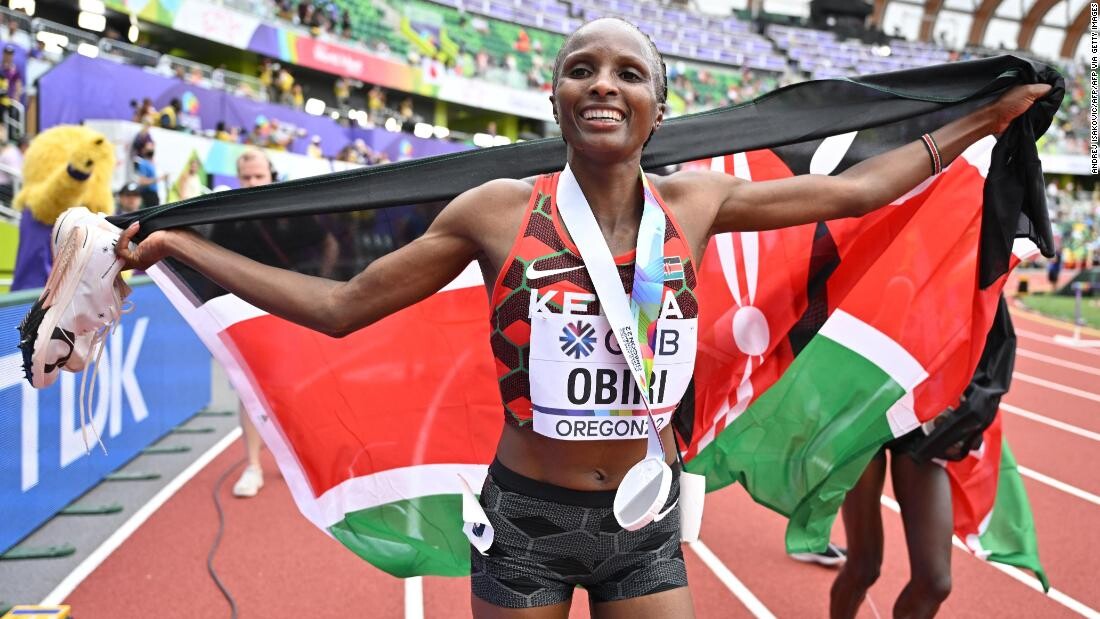
"I think as an athlete and for my family, I want to move there to acclimatize well as soon as possible ... It will take me two weeks at least to get used to it and catch up with my training.
Boulder's high-altitude, rolling trails and temperate climate make it an ideal location for distance runners. There, Obiri will join a relatively new team in OAC, which was launched by the Swiss sportswear brand On in 2020.
Under Ritzenhein's guidance, Obiri has already started her marathon program and this week increases her training load from 180 to 200 kilometers of running per week. She begins the next chapter in her career having established herself as one of the best 5,000 and 10,000-meter runners in the world over the past five years.
Just last month, she won a silver medal in the 10,000m at the World Athletics Championships -- clocking a personal best of 30 minutes and 10 seconds -- and has won 5,000m silver medals at the past two Olympic Games to go alongside her two world titles in the event.
'It showed me how strong our bodies can be,' says amputee athlete Jacky Hunt-Broersma after running 104 marathons in 104 days
Her debut in New York will be the first indicator of how Obiri's track-running pedigree translates over the 26.2 miles of the marathon.
"I can't say I'm going to target this time or this time -- it's my debut," she says. "I can't say maybe I want to do sub 2:20, 2:25 because I know the New York Marathon is a tough course, especially the second half."
Starting on Staten Island, the challenging course undulates through New York's five boroughs before finishing down Fifth Avenue and into Central Park.
"For me, I want to train well because it's my debut, and for sure, I'm looking forward to running a good race -- I'm looking forward to running my own race with no pressure and to finish well," Obiri adds.
She says she will miss racing her favorite distance of 5,000m but won't fully hang up her track spikes with the switch to marathon running.
"You can't move up to the marathon without speed," Obiri explains, adding that she hopes to stay sharp by competing in 5,000m races in Kenya next year.
The immediate focus, however, is on getting settled with her family in the US. Obiri hopes, visa-depending, that her seven-year-old daughter, Tania, will move in time to watch the race in New York.
"She's going to be so excited to go outside the country," says Obiri. "She actually watches most of my races and she's so excited about me winning some races over there.
"When I'm out at a race, she knows mommy's not around, mommy's going out there to do some work. She actually calls me and says: 'Mom, do your best and be number one.' She always wants me to be number one."
Obiri's daughter won't be the only one holding high expectations at the NYC Marathon. Kenyan athletes have dominated the event over the past decade with eight winners in the women's race since 2010, and those watching back home will be hoping Obiri can add to that legacy.
But regardless of how she performs, when she winds her way through New York's five boroughs in November, Obiri will signal the start of a new stage in her running career and a new adventure for her family.
(08/10/22) Views: 95George Ramsay
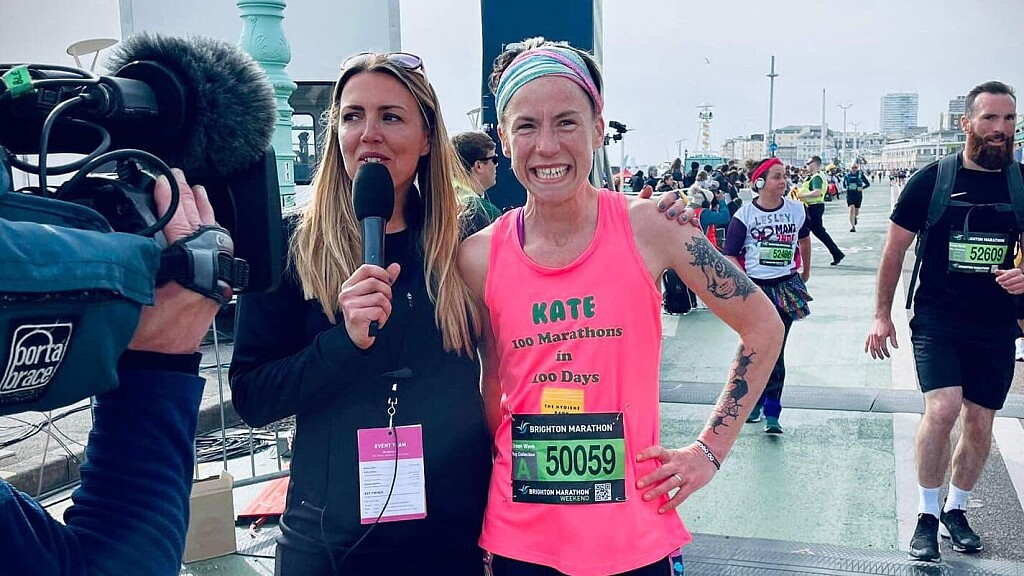
Ultra-runner Kate Jayden set astonishing marathon world record with broken knee
Kate Jayden of Derbyshire, U.K., who set the world record of 106 marathons in 106 days, completed in April 2022, has had her record verified by Guinness World Records. Although 106 straight days of running a marathon is an incredible feat in itself, Jayden revealed on her social media that she ran her last 60 marathons on a fractured knee.
Jayden began to feel discomfort in her knee after her 46th marathon, when she struggled to put weight on it and thought she had developed an injury. But the 35-year-old carried on for the last 60 marathons.
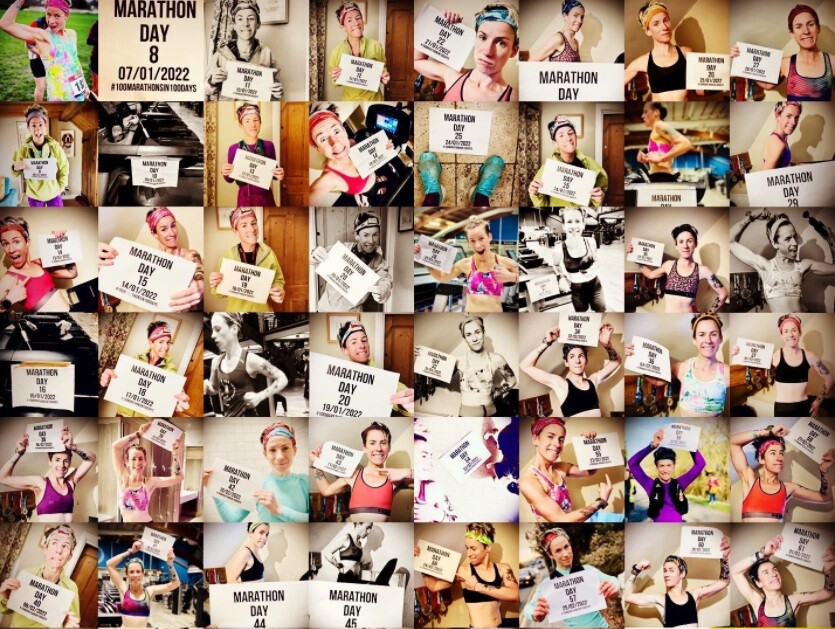
She started her challenge for charity on Dec. 31, 2021, and finished on April 15, 2022. Jayden got an MRI on her knee soon after finishing, and a scan revealed she had fractured her knee and may not be able to run again.
“I did not realize that day 106 was going to be my last long run,” Jayden told the BBC. “But if you could have planned it to be, it was an excellent way to go out.”
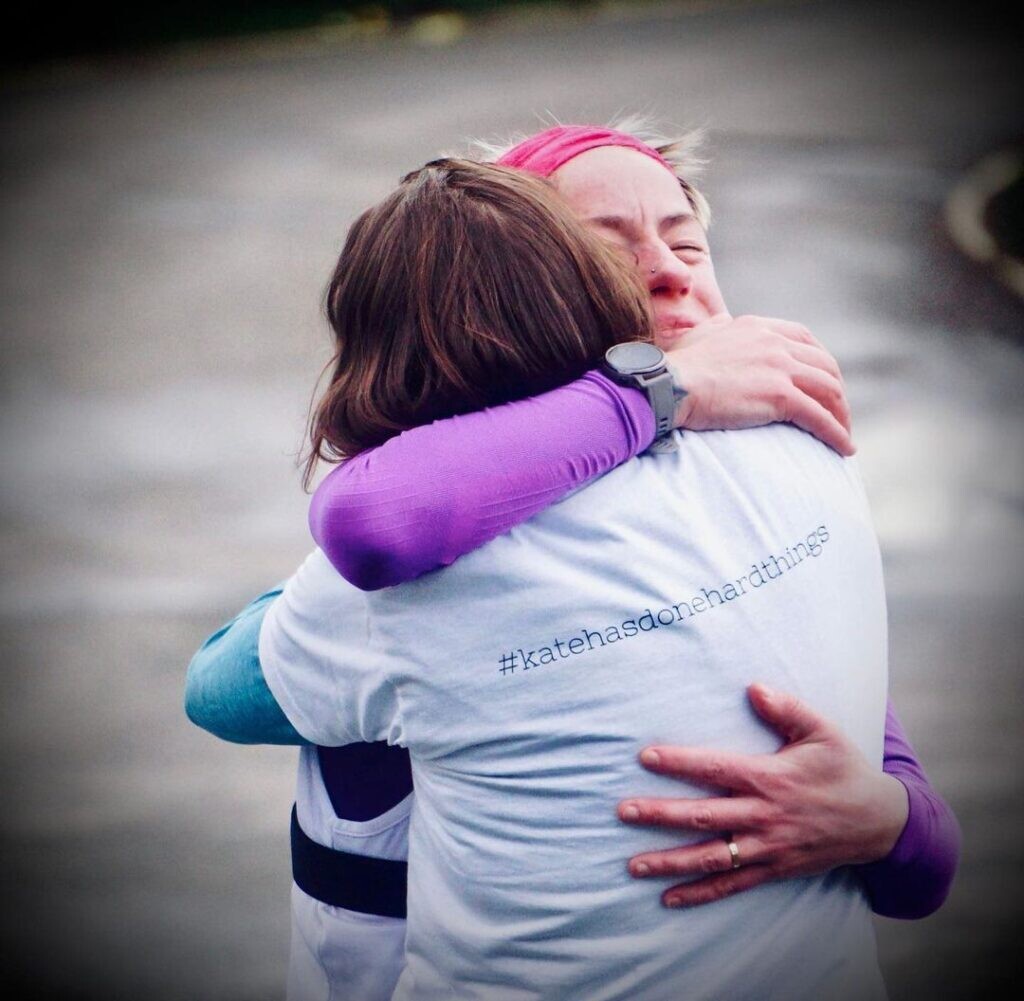
Jayden plans to have surgery on her knee and hopefully take up cycling in the future.
She initially set out to beat American runner Alyssa Clark’s record of 95 marathons in 95 days, which was set in November 2021. Several runners have since been inspired by Clark’s and Jayden’s records, and have set out on their own.
During her challenge, Jayden raised over CAD $50,000 for three charities: the Refugee Council, Trussell Trust and The Hygiene Bank.
(08/09/22) Views: 94Running Magazine
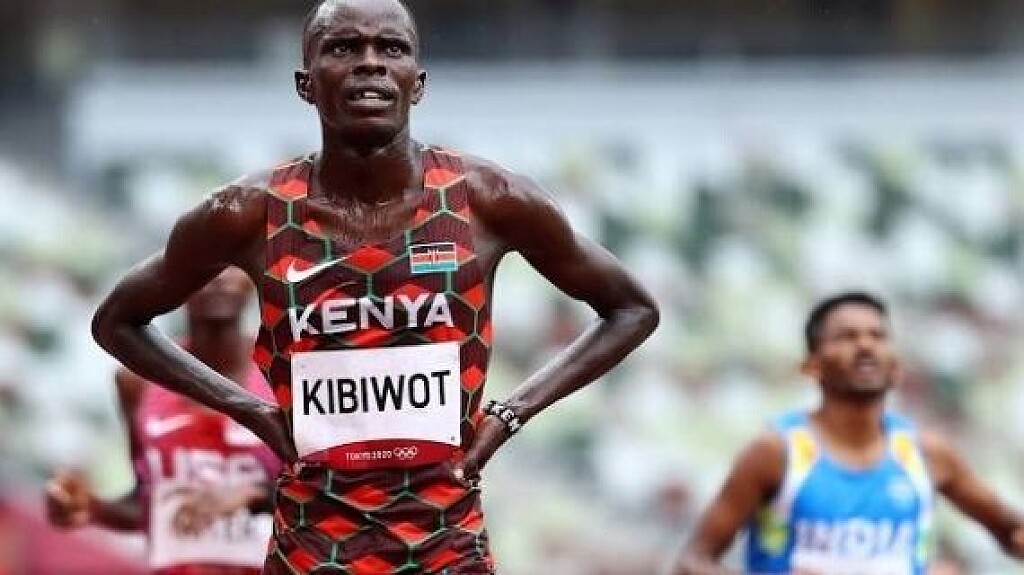
Kenya's Abraham Kibiwot digs deep to deliver Commonwealth steeplechase gold
Abraham Kibiwot was made to sweat before winning the 3,000m steeplechase gold at the ongoing Commonwealth Games at the Alexander Stadium on Saturday.
Kibiwott had to weather strong challenge from India's Avinash Mukund Sable to win in eight minutes and 11.15 seconds.
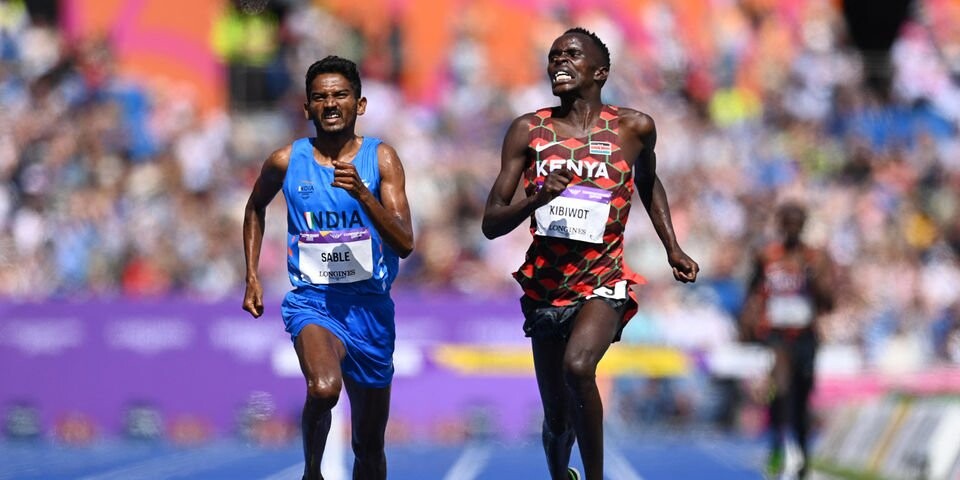
Mukund claimed silver in a Personal Best time of 8:11.20 as 2021 World Under-20 3,000m steeplechase Amos Serem grabbed bronze in 8:16.83.
Defending champion Conseslus Kipruto finished sixth in 8:34.98.
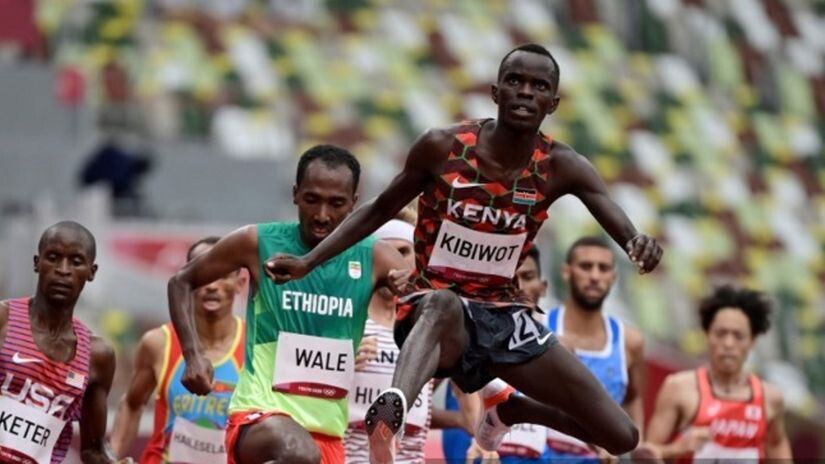
It was the third victory for Kenya at the Games with Ferdinand Omanyala (100m) and Jackline Chepkoech (3,000m steeplechase) having won gold in their respective events.
It brought to 12 the number of medals for Kenya; three gold, three silver and six bronze.
It was the first time Kenya failed to sweep all the podium places since 1998 Kuala Lumpur Games.
"I am happy to finally win after I got silver in 2018. It feels good," said Kibiwott adding that Kenya could have lost the title to the Indian if he had failed to inject in the pace.
"I know Mukund well from the World Athletics Championships in Oregon. He has beaten me once at some Diamond League race," said Kibiwott explaining that he is now at peace after the Tokyo Olympic Games and World Athletics Championships disappointment. "I won't rest until we have the Olympic and World titles back in Kenya," explained Kibiwott.
"I thank God for bronze. It was a fast race but I am happy Kibiwott's tactics worked otherwise it could have been bad. We thank God this far we have reached," said Serem.
"My lower back problem recurred midway through the race hence I couldn't push any further. I had to slow down," said Kipruto. "It's not a good performance but I am glad I finished the race. There's nothing much you can do with an injury."
(08/06/22) Views: 93Ayumba Ayodi
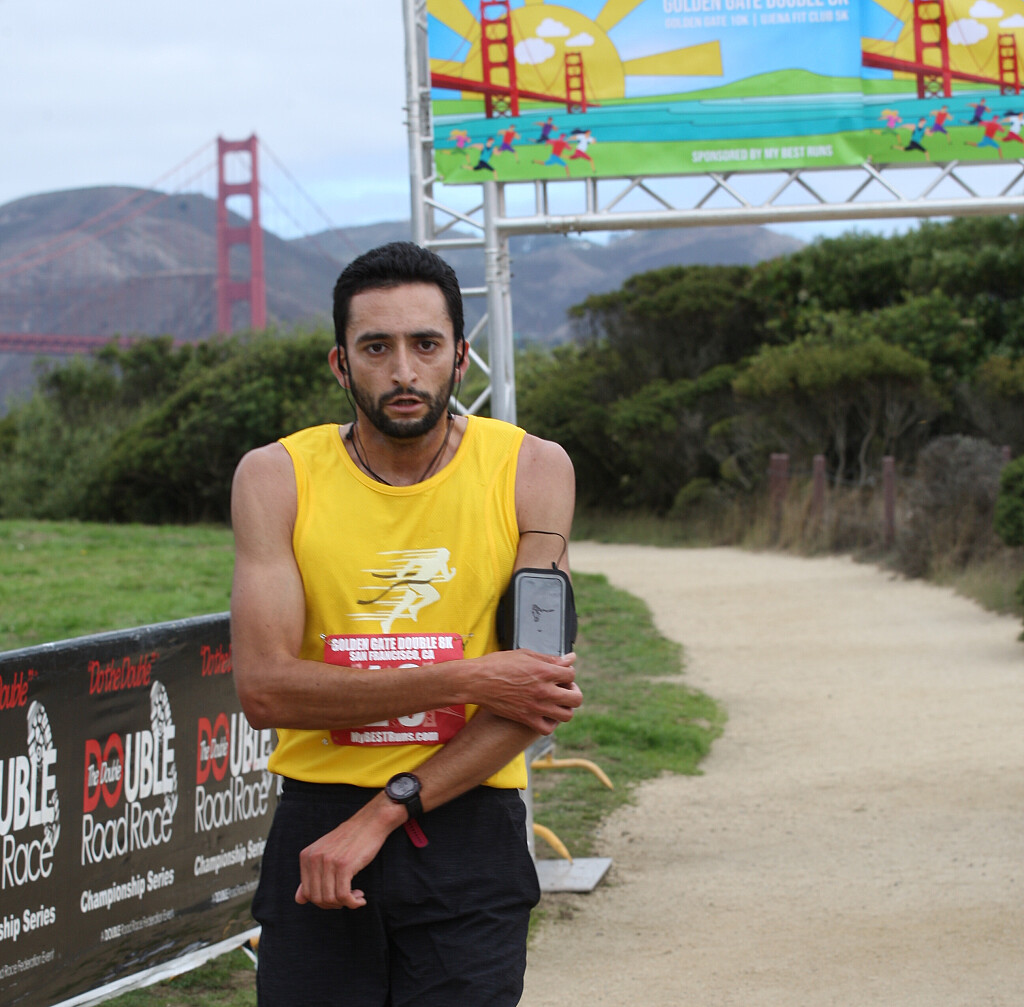
Anthony Cortes won his third official Double Racing event over the last eight months
Anthony Cortes (first photo) from Half Moon Bay, California won his third straight Double Racing event August 7 in San Francisco. He clocked 25:21 for the Double 8k.
Double racing veteran Jose Pina was just 23 seconds behind in second place. Anthony had won the 5k (15:59) and Jose did close the gap by four seconds running at 4:59/mile pace but not enough to over take Anthony. Times from the two legs of a Double are added together for scoring.
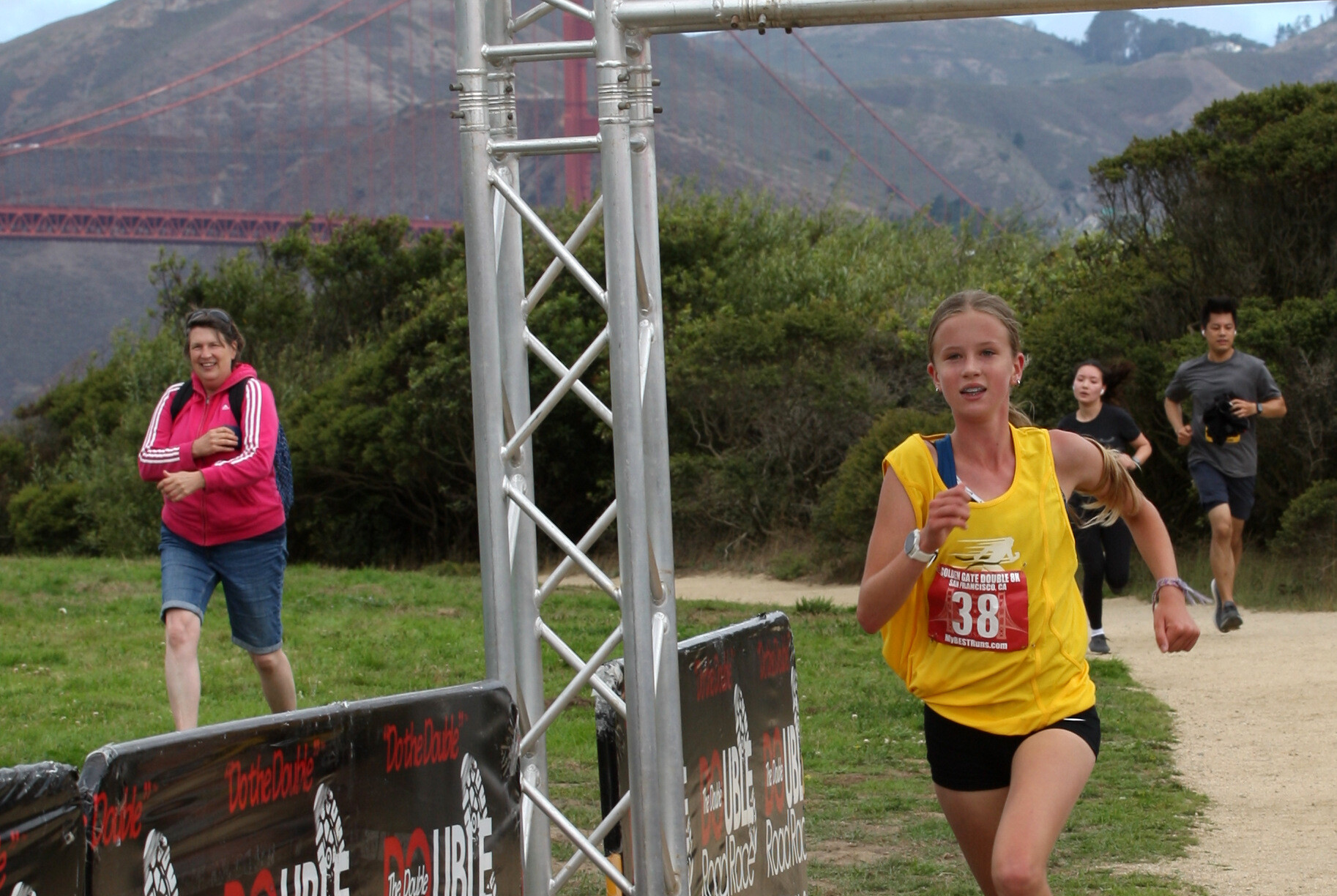
Participants in the Double 8k first ran 5k at 8:20am and then 3k at 9:35am. The runner (male and female) who wins the first leg wears the yellow jersey in the second leg so everyone knows who they need to beat in the second leg.
In the female division 14-year-old Evey Powell (second photo with her mom in red cheering her on) from England blew away the field clocking 30:31. 7th best time ever. Her 12-year-old sister won the open 5k clocking 22:05 earlier in the day.
71-year-old Sharlet Gilbert from Richmond, California clocked 44:29 to win the 70 plus division. This is the second fastest time for this divison. She set the record in 2021 clocking 43:38 on the same course.
The best time ever for the Double 8K was clocked Sept 6, 2015 in Nyahururu, Kenya. 17-year-old Eligah Kariuki from Kenya posted 23:33. Kristen Rohde (USA) holds the women's record clocking 27:34 in Palo Alto, Califonria Feb 19, 2017.

At most Double Racing events there are also open races. At this recent event there was also the Golden Gate 10k and 5k run/walk.
Nina Zarin’s from Arlington Va was the overal winner in the Golden Gate 10k clocking a blistering 35:59. First male was Noah Gonzalez clocking a solid 37:36.
18-year-old Dominic Robles won the Golden Gate 5k clocking a fine 16:54.
"What a fun morning we had in San Francisco August 7. The weather was perfect for our sold out field," said race director Bob Anderson.
This was an official Double Racing event sanctioned by the Double Road Race Federation (DRRF) which was founded in 2010 when the sport was created. Over 150 events have already been held in six countries.
There are four official Double Racing events: Double 5k (3k+break+2k), Double 8k (5k+break+2k), featured event Double 15k (10k+break+5k) and Double 21k (15k+break+6k). Stats, records and more details can be found on the website DoubleRoadRace.com
The next Double Racing events scheduled are: Palo Alto Californiua Dec 17 (Double 15k), Brisbane California (Double 15k) March 2023 and Golden Gate August 6, 2023.
"If you would like to set up an official Double Racing event get in touch," says Double Racing creator Bob Anderson.
My Best Runs is the official sponsor of the DRRF.
(08/10/22) Views: 91
How Your Mindset Can Play a Role in Injury Prevention
Sometimes, an obsession with running can raise your injury risk. Here’s how to recognize it.Research published by the Technische Universiteit Eindhoven in the Netherlands says your mindset could play a major role in reducing injury risk.
Researchers found a link between lower injury risk and the ability to detach from running, whereas an obsessively passionate mindset was linked to worse health outcomes.
The study includes a list of statements to help you figure out your psychological view on running.
As a long-distance runner, you probably aim to do everything you can to prevent injury. You build your mileage gradually in your training, plan for rest days, strength train, and change your shoes once they’ve maxed out on mileage. But do you pay attention to your mindset when it comes to preventing injuries? According to research published by the Technische Universiteit Eindhoven in the Netherlands, that could play a major role in reducing injury risk.“How you view and manage your running from a psychological perspective appears to be important for which health outcomes you’ll experience from your sport,” Luuk van Iperen, Ph.D., researcher at the Human Performance Management group at the university tells Runner’s World. “There are good practices that can affect injury risk and fatigue associated with long-distance running.”
The Role Your Mindset Plays in Injury Risk and Prevention
Looking at more than 1,000 runners included in two studies, Iperen and his fellow researchers analyzed the effectiveness on injury prevention of functional self-regulatory mechanisms. He defines this self-regulation as a blend of physical, cognitive, and emotional components. In terms of psychology, these mechanisms include the ways runners cope with the demands of the sport.
They found a link between lower injury risk and certain mindsets, including the ability to “detach” from running. Being able to detach from running means you’re able to stop being cognitively and emotionally occupied with the sport when not training.
“Being obsessively passionate seems to link to both worse management of one’s running efforts, as well as worse health outcomes,” says Iperen. “Make sure you remain flexible in your efforts.”
This doesn’t mean trying to turn off your enthusiasm for the sport, he clarifies. In the research, Iperen and his team separated passion into two categories: obsessive and harmonious. The latter is characterized by flexibility and balance with other parts of your life—such as skipping a run on your training plan if your body needs rest, or making sure you don’t miss social gatherings or time with family due to running—while obsession involves more rigidity. How can you know the difference? Control, he says.
“If you feel like you’re lacking control over your efforts, that implies you’re out of balance with your passion, and that could increase injury risk,” he noted. For example, you may skip rest days, keep running even though you feel fatigued, and increase mileage too quickly if you have a more obsessive mindset toward running and less control over your commitment to hitting every workout.
How to Know if Your Mindset is Putting You at Risk of Injury
To help runners assess their own psychological perspective, the researchers developed a test with 12 statements—available in the appendix of the full study—that asks how often runners agree with sentiments like these:
If I could, I would only engage in running.
I can’t mentally distance myself from running.
After running, I don’t shake off the physical exertion from running.
I have trouble focusing my emotions on aspects other than running.
After running, I don’t tend to put all thoughts about running aside.
Strong or frequent agreement with these statements can imply a runner may be at higher risk for the “obsessive passion” that might lead to injury and fatigue.
That doesn’t mean you’ll automatically get injured if you’re deep into the running obsession—after all, the weeks leading up to a marathon or other race can get pretty intense and focused for many runners and tend to take over the psyche—but Iperen says that taking mental breaks can be helpful for reducing your risk level. That might include simple strategies like reading a book or magazine, meditating, spending time with friends, or even working.
The Role Your Mind Plays in Dealing with Current Injuries
Using psychological strategies to prevent injury may be helpful, but what about when you’re already injured? That can create a tricky balance. You might want to keep challenging yourself and push through the pain, but you need to recognize if doing that will worsen your injury, says Clint Soppe, M.D., orthopedic surgeon and sports medicine specialist at Cedars-Sinai Kerlan-Jobe Institute in Los Angeles, and orthopedic consultant for the LA Galaxy team.
Some ways to tell if you’re overdoing it, he suggests, include pain that’s sharp instead of a dull ache, and if pain persists for more than a few minutes once you stop running.
Your mindset and your larger running strategy should include knowing when to stop yourself from running, especially if you’re experiencing pain—which Soppe says is often a sign your body is sending as a way to get you to change what you’re doing.
This is usually the case with stress fractures, for example, a common running injury, Soppe tells Runner’s World. Because these fractures happen over time due to microtrauma to the bone, your mindset needs to include awareness about how your body is feeling on each run, not just in general, he says, so you can recognize the pain and take a few days off or seek help before it becomes something that really sidelines you.
“You can definitely get into a psychological frame of mind where you ignore signs of problems and brush them off as minor aches and pains, particularly if you’ve been running for a long time,” Soppe adds. “That’s true with stress fractures, but also for any type of potential issue. You really need to pay attention to mobility throughout the body and adjust as needed, because you can’t just think your way out of injury. Your mindset should be: What is happening with my body today, and how can I support that?”
(08/06/22) Views: 88Runner’s World
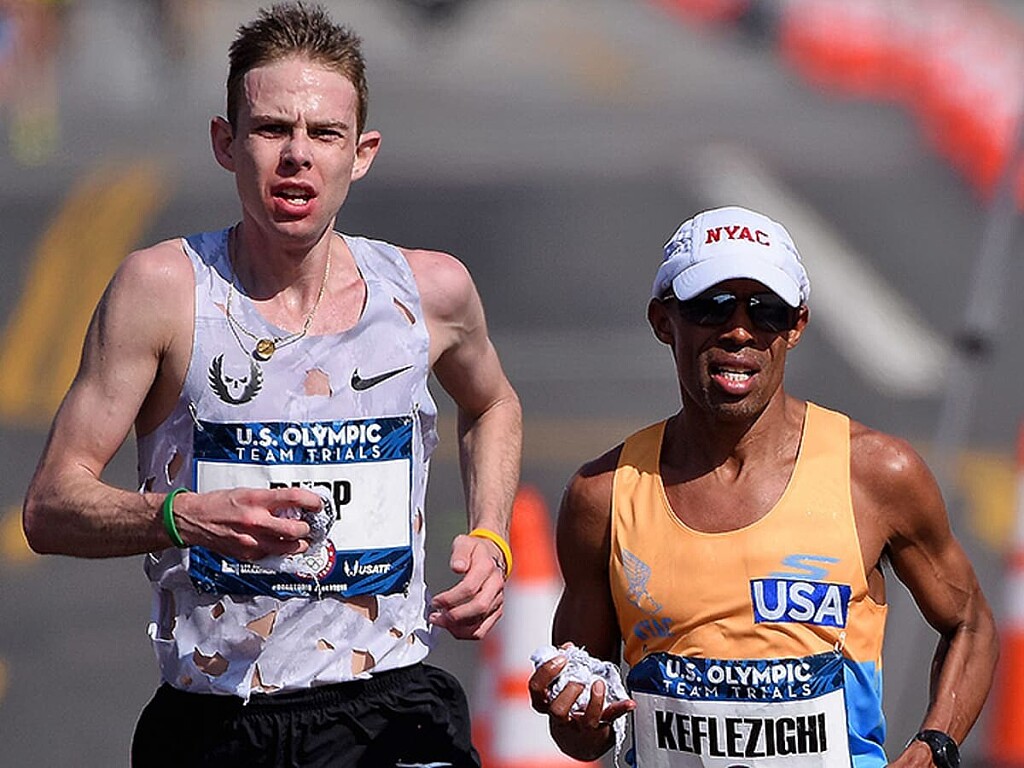
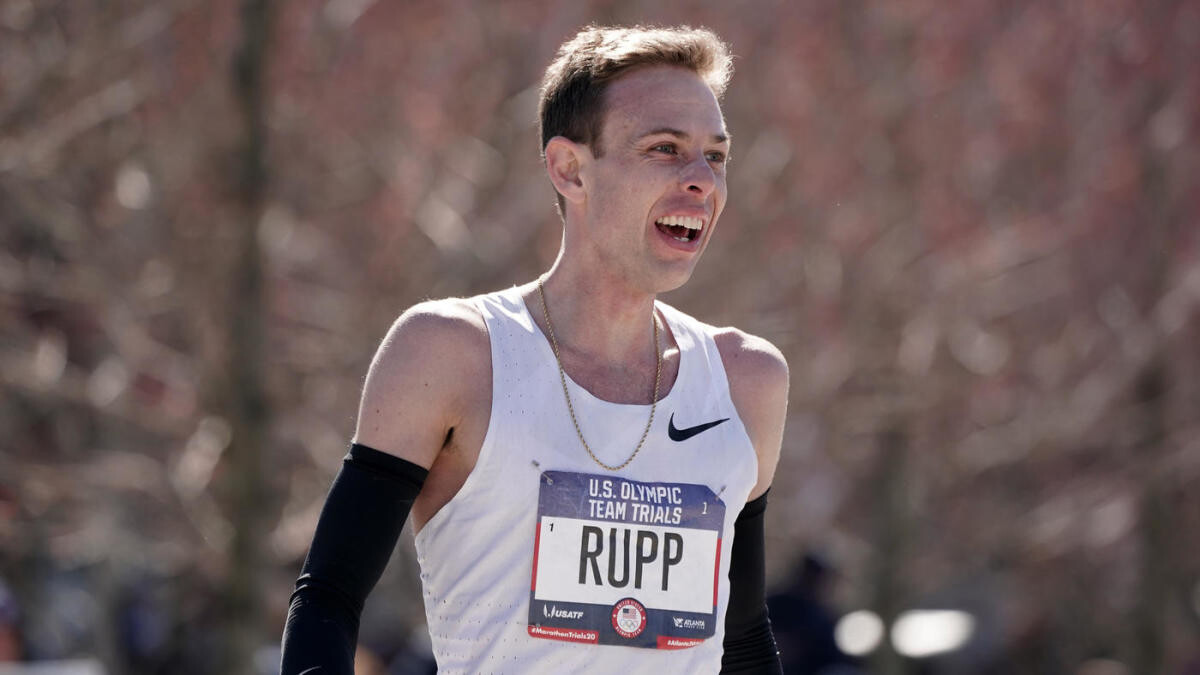
Galen Rupp will headline New York City Marathon
One of the best distance runners in U.S. history will make his debut at the 2022 TCS New York City Marathon. 2016 Olympic bronze medalist Galen Rupp will headline the men’s professional field, which is one of the strongest in recent history with 13 Olympians and six national record holders on Sunday, Nov. 6.
Rupp has competed at every Olympics since 2008, winning silver in the 10,000m in London 2012 and a bronze in the marathon in Rio 2016. He also won the 2017 Chicago Marathon and was the runner-up there last year.
“I am looking forward to making my debut in the 2022 TCS New York City Marathon,” Rupp said in a press release. “This will be my 12th marathon, so I have a lot of experience on my resume. I know a win at the TCS New York City Marathon would be right up there.”
An American man has not won the race since Meb Keflezighi in 2009.
The reigning champion, Albert Korir of Kenya, will return to defend his TCS New York City Marathon title after taking the tape last year in 2:08:22 to finish one spot better and 14 seconds faster than his runner-up performance in 2019. His victory marked his first Abbott World Marathon Majors win. Korir had previous marathon wins at Elite-label races in Houston, Ottawa, and Vienna City.
Last year’s runner-up, Morocco’s Mohammed El Aaraby, and the 2020 London Marathon champion, Ethiopia’s Shura Kitata, will join Korir and Rupp at the start line. Kenya’s Evans Chebet will also be in the mix, looking to add another world marathon title. The defending Boston Marathon champion and has top five in Berlin, London, and Tokyo, and will be making his first start in New York. Tokyo Olympic silver medalist and Dutch national record holder Abdi Nageeye will also return to New York to better his fifth-place finish in 2021.
Other international stars include Brazilian Olympian and South American marathon record-holder Daniel Do Nascimento, who was eighth at the 2022 World Athletics Championships, and Japan’s Suguru Osako, who was third at the 2018 Chicago Marathon and fourth at the 2020 Tokyo Marathon. Both will be making their TCS New York City Marathon debuts.
Five-time U.S. Olympian Abdi Abdirahman, who has six career top-10 NYC finishes to his name, will make his final start at the 2022 marathon. The 45-year-old distance runner has announced he will retire from professional competition at the end of 2022. Abdirahman finished third in the NYC marathon in 2016.
(08/09/22) Views: 85Marley Dickinson
