

Running News Daily
Top Ten Stories of the Week
3/26/2022
These are the top ten stories based on views over the last week.
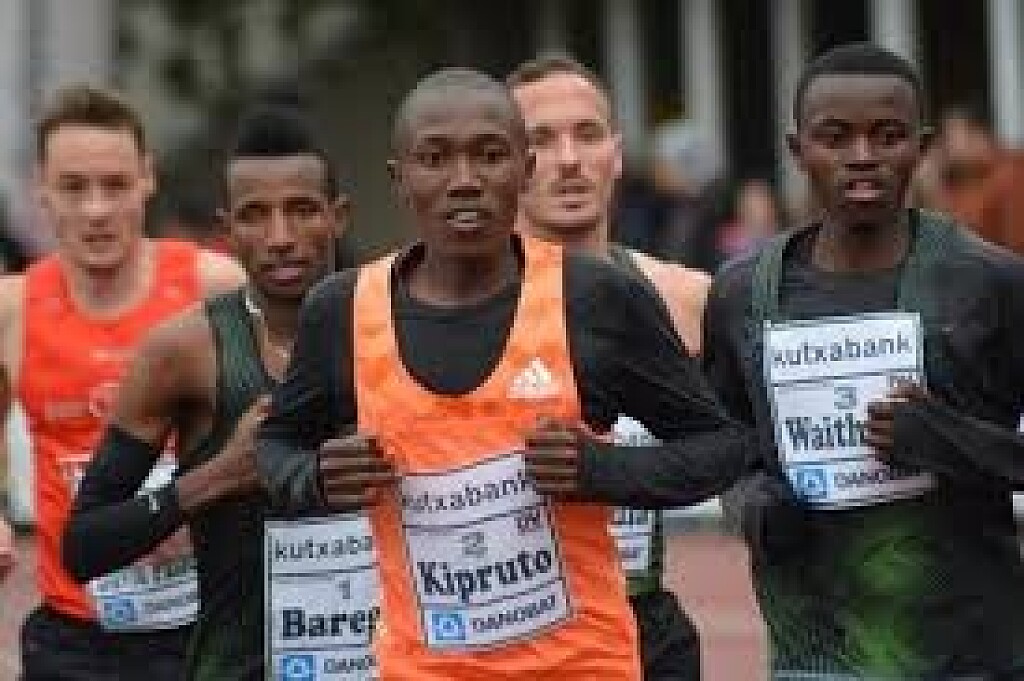


Rhonex Kipruto will lead Kenyan cast for New York Half Marathon
Rhonex Kipruto will be hoping for a bright start to the season when he lines up for the New York Half Marathon in United States of America on Sunday.
He is among elite athletes who will be battling it out for top honours in the prestigious race which has attracted a good number of entries.
The race will begin in Brooklyn at Prospect Park before taking runners across the East River via the Manhattan Bridge then head to Lower East Side, up to Midtown, through Times Square and conclude at Central Park.
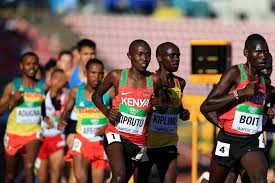
Kipruto, who has been training in Iten, Elgeyo Marakwet County will be competing against his compatriots who include Edward Cheserek who has been training in Kaptagat and Stephen Sambu who is also in the US.
The trio will face stiff competition from Ethiopians Tariku Bekele, Birhanu Dare and Ashenafi Birhana, Galen Rupp and Shadrack Kipchirchir from USA among other top athletes.
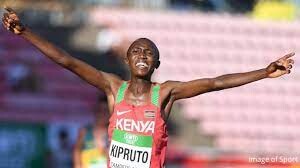
In an interview with Nation Sport, Kipruto said he has trained well and since this is his first race this season, he wants to gauge his performance as he sets his eyes on the World Championships slated for July 16-24 in Eugene, USA.
“The race will be competitive but I will be out to gauge my performance as we start another season where I’m looking forward to a better one compared to last year. I have trained well but I can’t say that my training is 100 percent,” said Kipruto.
He revealed that last year he participated in various races but this year he wants to concentrate on preparing for the World Championships thus he will reduce the number of races he will feature in.
“Last year I participated in many races and I came to realise they were not of help and that’s why I want to run few races as I prepare to make the team that will be participating in World Championships in July,” he added.
Kipruto was a late inclusion in the Tokyo Olympics team for the 10,000m race after withdrawal of Geoffrey Kamworor which led to his dismal performance where he finished ninth in 27:52.78.
In the women's category, Irene Cheptai will be joined by two-time world marathon champion Edna Kiplagat, Sharon Lokedi and Grace Kahura.
Cheptai, who is also starting her season revealed that she has been training well in Iten, Elgeyo Marakwet and she just wants to run a good race as she also sets her sights on World Championships.
“I’m going into the race to just see how I will perform and with such a good field of athletes, I will be eyeing a good race. This is part of my preparations for global events like World Championships and Commonwealth Games,” said Cheptai who finished sixth at Tokyo Olympic Games in the 10,000m after timing 30:44.00.
The Kenyan athletes will be competing against Ethiopia’s Senbere Teferi, USA’s Sara Hall, Charlotte Purdue among others.
(03/19/22) Views: 127Bernard Rotich
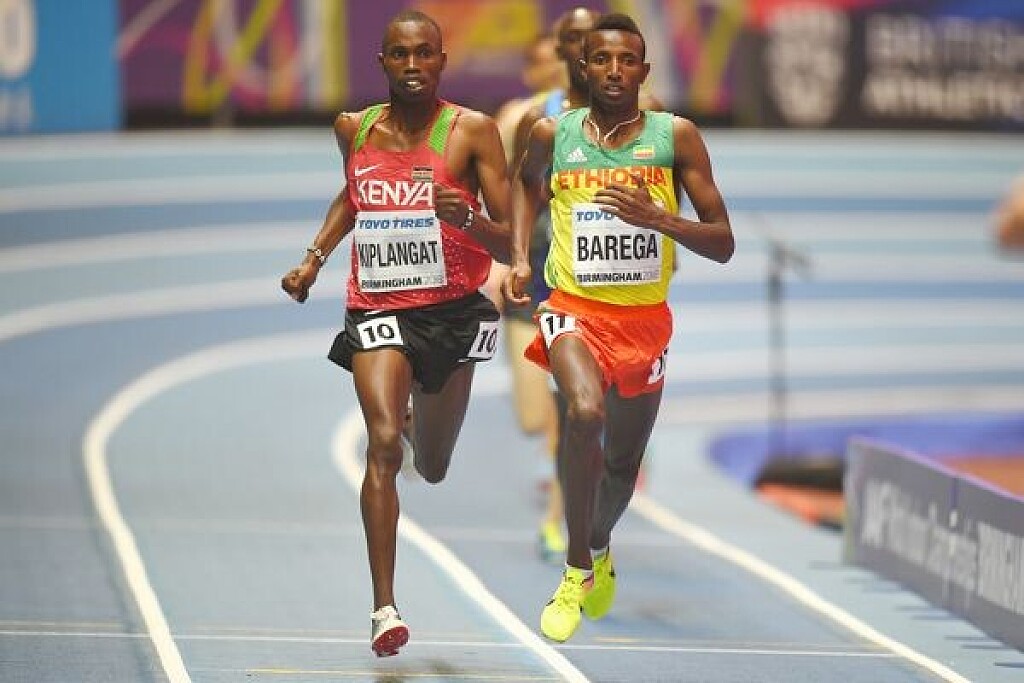
Barega upgrades to 3000m gold in Belgrade in one-two for Ethiopia
The Ethiopian domination of the men’s 3000m continued with an eighth gold and a second successive 1-2 in the event, Selemon Barega emerging victorious from a last-lap sprint with compatriot Lamecha Girma in the final morning session at the World Athletics Indoor Championships Belgrade 22.
Four years ago in Birmingham in 2018, Barega had to settle for silver behind Yomif Kejelcha but that was when he was an 18-year-old junior still learning his craft.
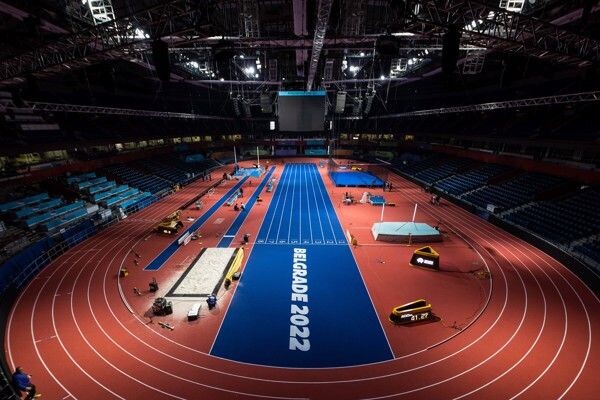
Four years on, with an Olympic 10,000m gold and world 5000m silver back home, the 22-year-old had too much strength and speed when Girma attempted to launch an attack on the back straight of the final lap, crossing the line 0.25 clear in 7:41.38.
As in the Olympic steeplechase final in Tokyo last year, and over the barriers in the 2019 world final in Doha, Girma finished in the silver position again, clocking 7:41.63, with Marc Scott timing his effort to perfection to claim Britain’s first medal in Belgrade – and their first in the event since Rob Denmark’s bronze in Seville in 1991.
It was a slow burner of a contest, Barega moving to the front after the opening lap and leading the field to 800m in 2:04.20. At that point, however, he was content to drift back as Kenyans Daniel Ebenyo and Jacob Krop assumed the lead but without ever threatening to make a decisive break.
At the bell Barega was back in front with six others still in the hunt but none of them could match him – even Girma, who had got the better of him earlier in the season in Lievin and Torun.
“We came to Belgrade aiming to make history for Ethiopia,” said Barega. “I have had a good season, so I was ready both physically and mentally to fight for gold. With Girma we discussed the possibility of helping each other make the podium. Our tactic has paid off.
“It was a tough race in which we were focused mostly on the Kenyan guys,” he added. “I decided to lead the race from the beginning because many runners in this final are 1500m specialists. I just wanted to make the pace fast and comfortable. Then I slowed down to save some energy for the finishing kick. It was a good plan and another great experience for me.”
And so the Ethiopian with the awesome range found himself emulating his celebrated compatriots Haile Gebreslassie and Kenenisa Bekele as an Olympic champion at 10,000m and a world indoor winner at 3000m
Gebrselassie, of course, also struck world indoor gold as a 1500m runner in Maebashi in 1999 – as well as taking the 3000m crown in 1997, 1999 and 2003.
The other Ethiopian 3000m golds came from Bekele in 2006, Tariku Bekele in 2008, and Kejelcha in 2016 and 2018.
Scott took the bronze in 7:42.02, 0.95 ahead of Ebenyo in fourth, with Krop in fifth, Zouhair Talbi of Morocco in sixth and Spain’s Adel Mechaal seventh.
(03/20/22) Views: 104World Athletics
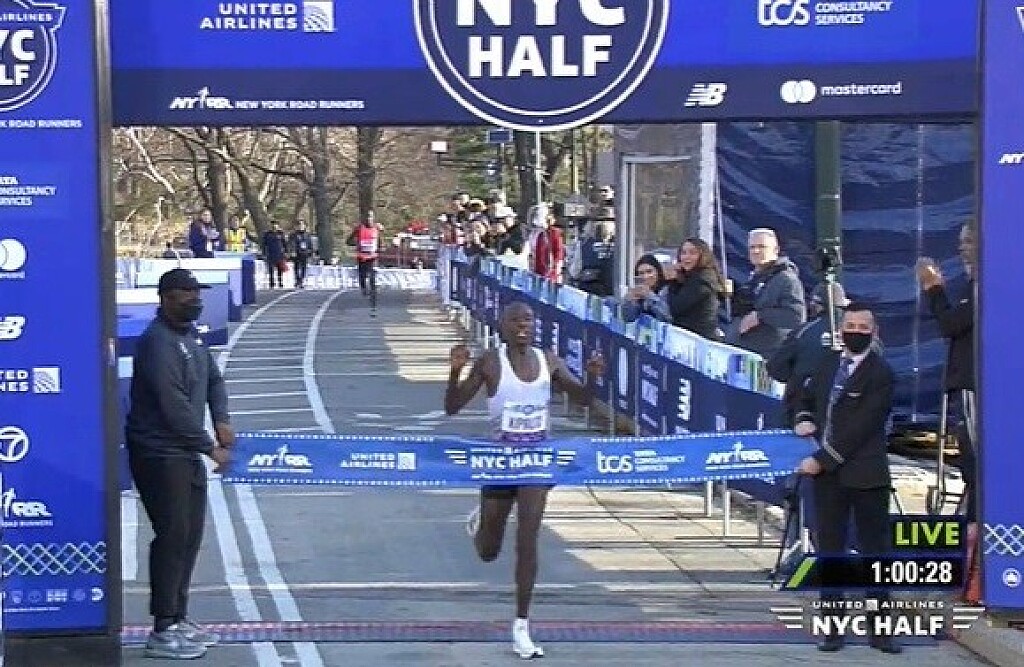
Amazing Wins and an Event Record at the 2022 United Airlines NYC Half
The United Airlines NYC Half made a spectacular return to the streets of New York City today as the first major NYRR race back at full scale since the onset of the pandemic.
This year’s event featured the strongest professional athlete field in event history, including 23 Olympians, eight Paralympians, six half-marathon national record holders, and the defending wheelchair division champions. In ideal racing conditions, the pro races played out thrillingly over 13.1 miles of New York City streets.
In the men’s wheelchair division, Daniel Romanchuk of the United States defended his title in a time of 49:22, more than two minutes faster than his winning time from 2019 and four minutes up on the rest of the field today. “I’m really happy to be back in New York racing and see the city so alive,” said Romanchuk a two-time Paralympic medalist and two-time TCS New York City Marathon winner.

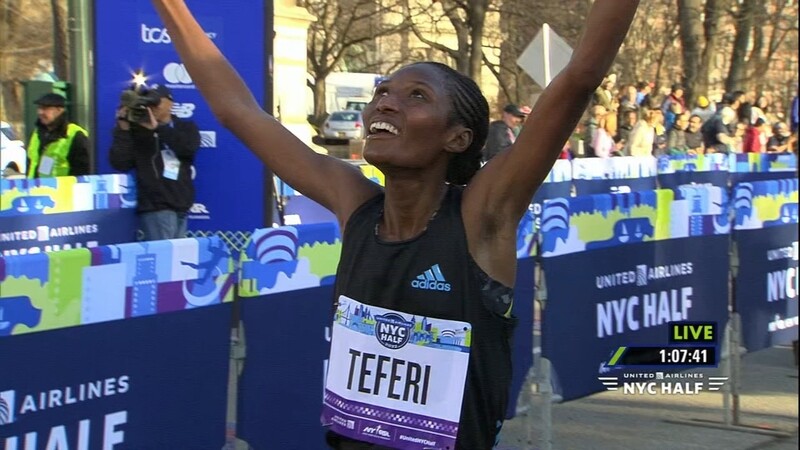
For the women open race, Senbere Teferi of Ethiopia and Irene Cheptai of Kenya pulled ahead early and ran shoulder to shoulder in Brooklyn, across the Manhattan Bridge, and through Manhattan.
Teferi prevailed in the end, setting an event record of 1:07:35 and breaking Molly Huddle’s record by six seconds. Cheptai was also under the old record in a time of 1:07:37. “I was being very careful throughout the race and watching my pace,” said Teferi through a translator. “I’m very happy to have won.” Her victory is all the more remarkable given that she briefly took a wrong turn in the race’s final 100 meters. Karoline Bjerkeli Grøvdal of Norway was third in 1:08:07.
The men’s open division saw 22-year-old Rhonex Kipruto outlast a lead pack of four runners and break the tape in 1:00:30, just over a minute off the event record of 59:24, held by Haile Gebrselassie. Edward Cheserek of Kenya was second in 1:00:37 and Teshome Mekonen of Ethiopia finished third in 1:00:40.
“I feel good because I’ve come back again to win, and my first win was in New York,” said Kipruto, referring to his 2018 victory in the Healthy Kidney 10K in Central Park. “It was not an easy win today because the course was very hilly. It was about the win, not about the time.”
Today’s events also included the return of the Times Square Kids Run at the United Airlines NYC Half for hundreds of youth ages 8–18.
(03/20/22) Views: 97
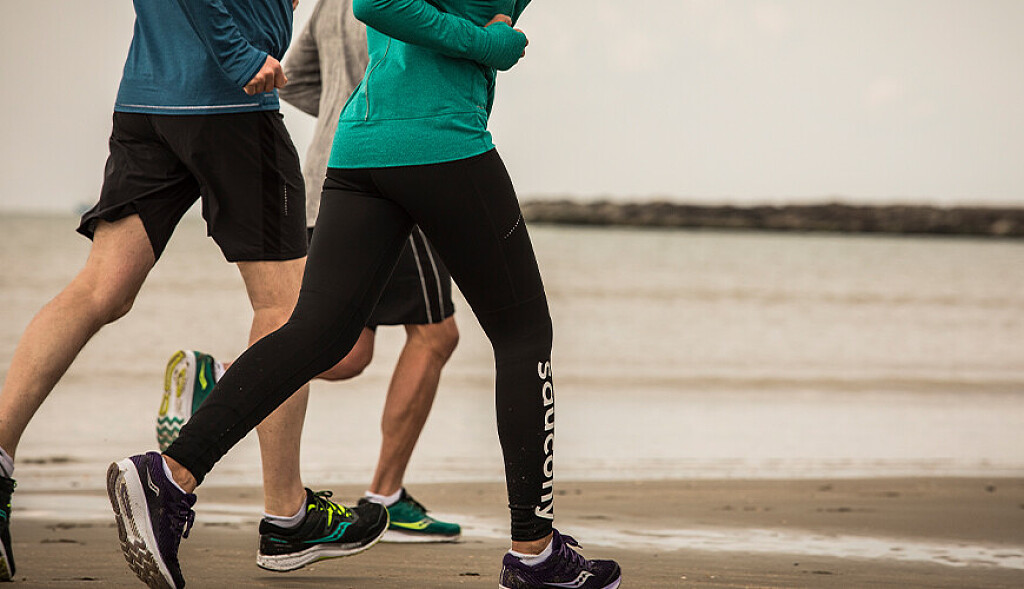
Should you jog or stand between intervals?, Runners have debated the merits of active vs. passive recovery for years, researchers have finally put the two recovery methods to the test
It’s a question runners have been arguing about for years: should you jog during your recovery between intervals, or should you take that time to rest completely? Recently, researchers tried to provide runners with an answer and came out with this age-old conclusion: it depends.
The study
The study, which was published in the European Journal of Applied Physiology, aimed to find out how well-trained runners responded to an interval workout with active (jogging) rest compared to passive (standing) rest. To do so, they had 11 well-trained male distance runners (with an average 10K PB of 35 minutes) perform two workouts of 4×2 minutes at their max speed. In one workout, the athletes recovered with two minutes of jogging rest, and in the other, they recovered with two minutes of standing rest.
During each session, the researchers monitored various performance metrics, including oxygen consumption, heart rate, blood lactate levels and the athletes’ rates of perceived exertion. There was very little difference between the two workouts for all of the measurements, except for perceived exertion. In other words, the athletes found the session in which they jogged during their recovery to be harder.
So should you jog or rest?
At first glance, this may make it seem like standing recovery is better, but it’s not quite that simple. Since this is the first study of its kind, the researchers admit it is unclear whether the results would be the same in a longer workout with more intervals.
The researchers also noted that jogging recovery may be better for beginner or intermediate runners when they’re looking to make their workout tougher, but high-performance athletes who are better at maxing out their pace during an interval session may be better off with standing rest.
Finally, the researchers don’t dive into the variability between workouts, and how the type of rest you take will likely differ depending on the type of workout you’re doing. For example, you may get more out of a broken tempo run (that’s done at a slightly lower intensity) if you jog during your rest, but during a VO2 max workout, you’re likely better off with standing rest to ensure you can do each interval at your best effort.
The bottom line
The type of rest you take will depend on your level as an athlete and what you’re trying to accomplish in a specific workout. As a runner, it’s important that you understand these two factors and how they apply to you in order to get the most out of any workout.
If you’re not sure how to determine this for yourself, consider speaking with a coach who can guide you in each workout and help you figure out what’s best for you.
(03/23/22) Views: 85Brittany Hambleton
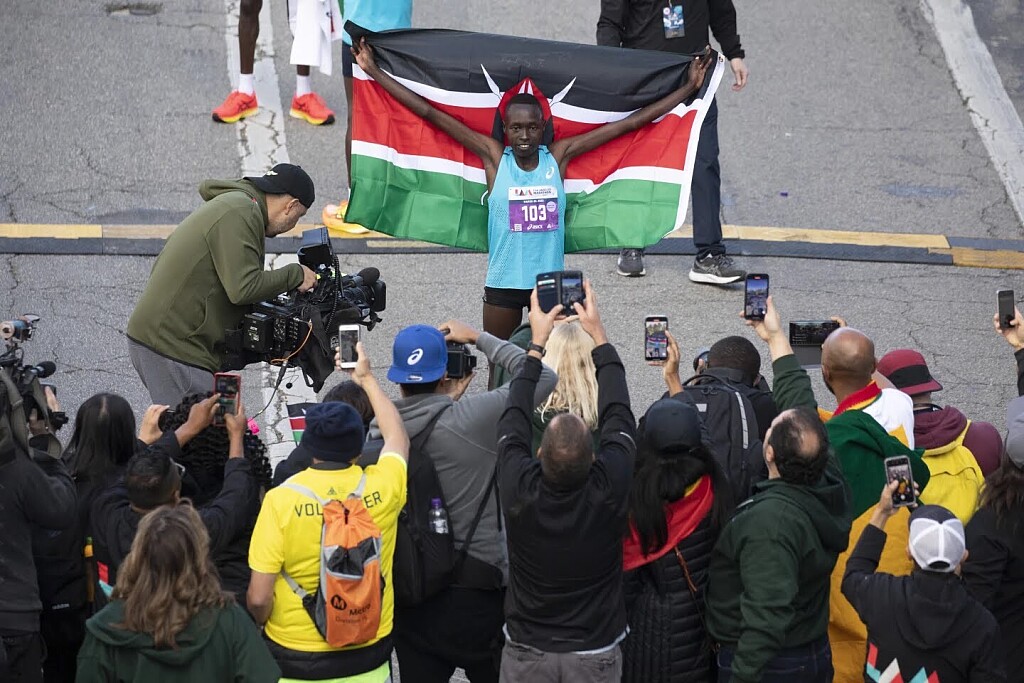
Kenya’s Korir and Meringor were the winners of the 37th Los Angeles Marathon
Delvine Meringor of Kenya emerged Sunday as women's champion of the 37th annual Los Angeles Marathon while John Korir of Kenya was the men's winner.
Meringor held off Korir’s challenge by about 8 seconds at the finish line, winning the women’s race in 2 hours, 25 minutes and 3 seconds. For the second consecutive year Korir won the men’s race in 2 hours, 9 minutes and 7 seconds. Under marathon rules, elite female runners started the race 16 minutes and five seconds ahead of the men.
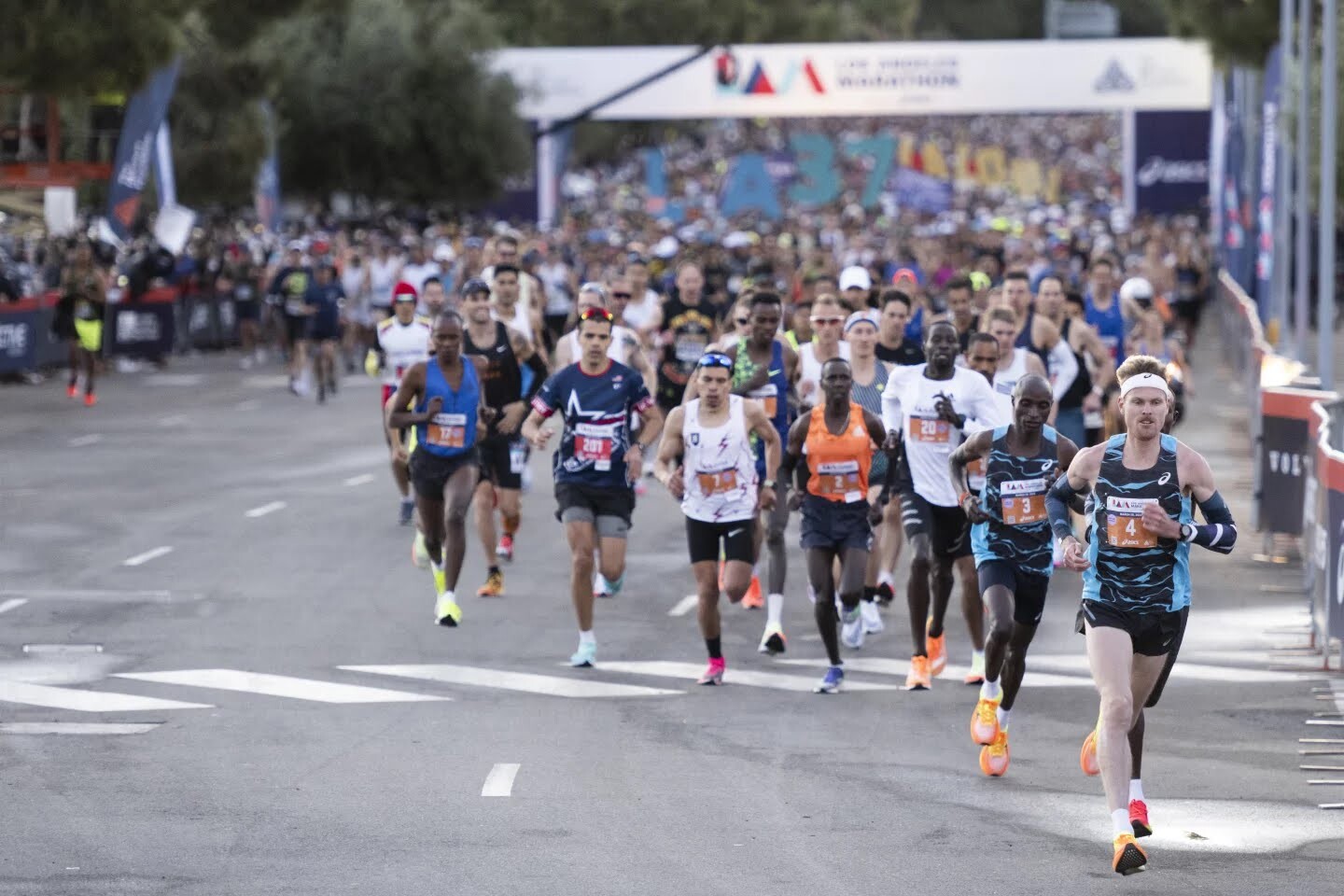
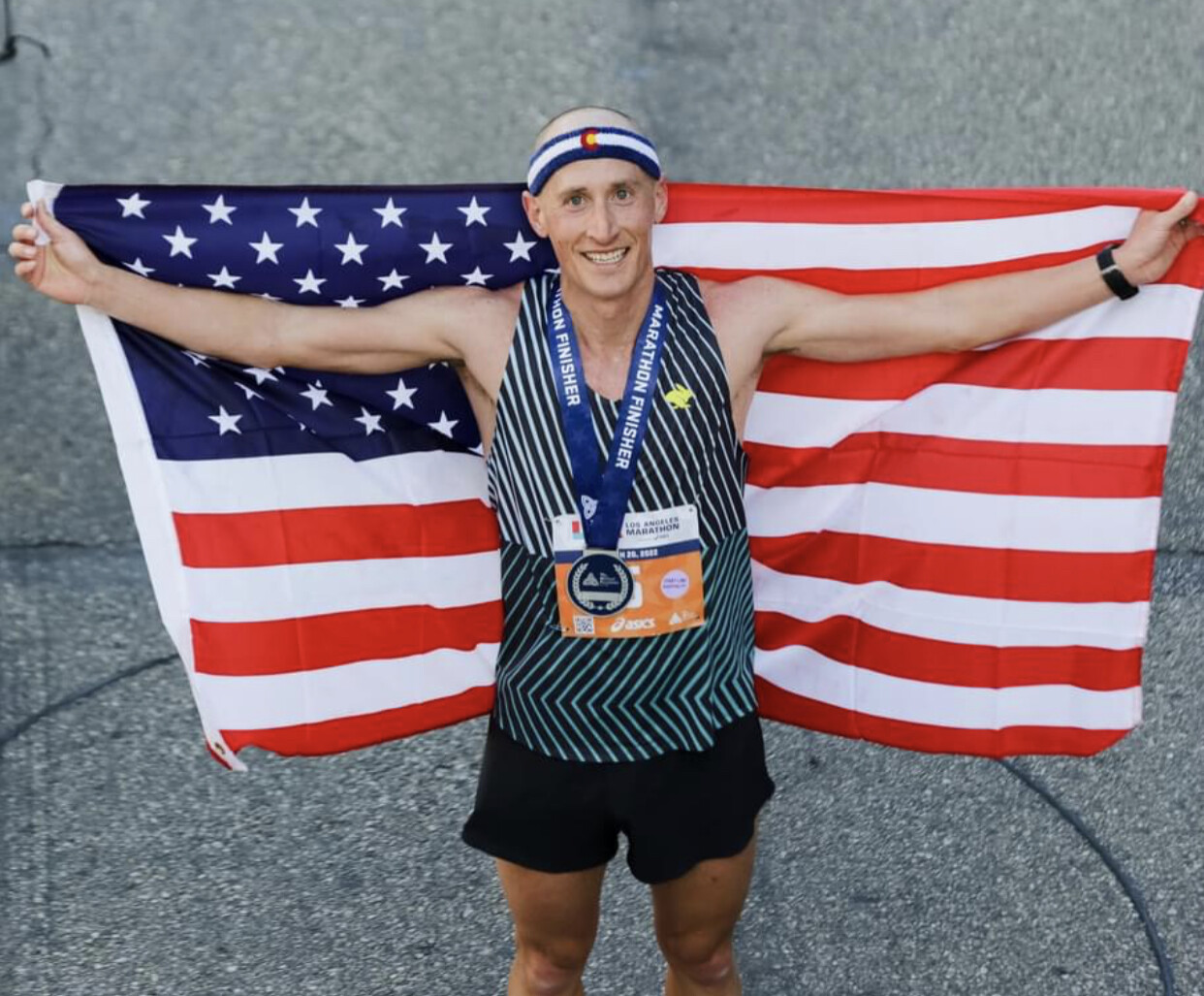
The elite athletes led the pack of an estimated 15,000 runners from around the country — and the world — covering a 26.2-mile course that spans some of the city’s most iconic neighborhoods. It was the second L.A. Marathon in four months. Last year’s race was moved from March to November because of the pandemic.
First American was Tyler McCandless in 4th place clocking 2:25:18. "4th place overall and 1st American today at the Los Angeles Marathon…and I qualified for my 4th Olympic Marathon Trials! Stoked," Tyler said.
(03/20/22) Views: 81
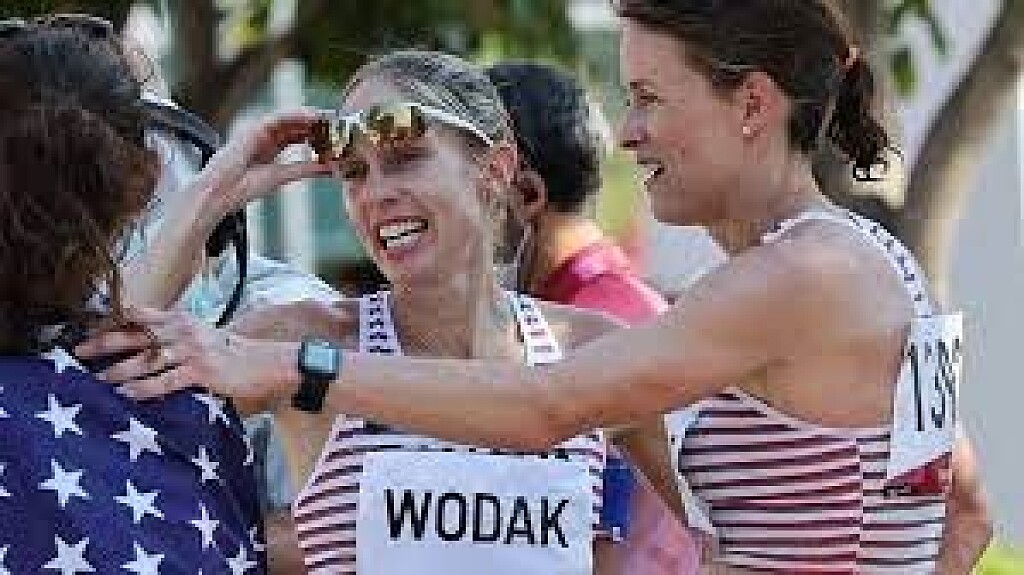
Canadian Olympians Malindi Elmore and Natasha Wodak prepare for their first Boston Marathon
Two of Canada’s best marathoners are currently training together to tackle their first Boston Marathon. Malindi Elmore and Natasha Wodak hold the two fastest times ever run by Canadian women over the marathon.
They also are the top-ever placing Canadian women in that event in a non-boycotted Olympics, finishing 9th and 13th at last summer’s Games.
St. John's native Kate Bazeley, who made her World Marathon Majors debut three months ago in Chicago, is the other Canadian participant.
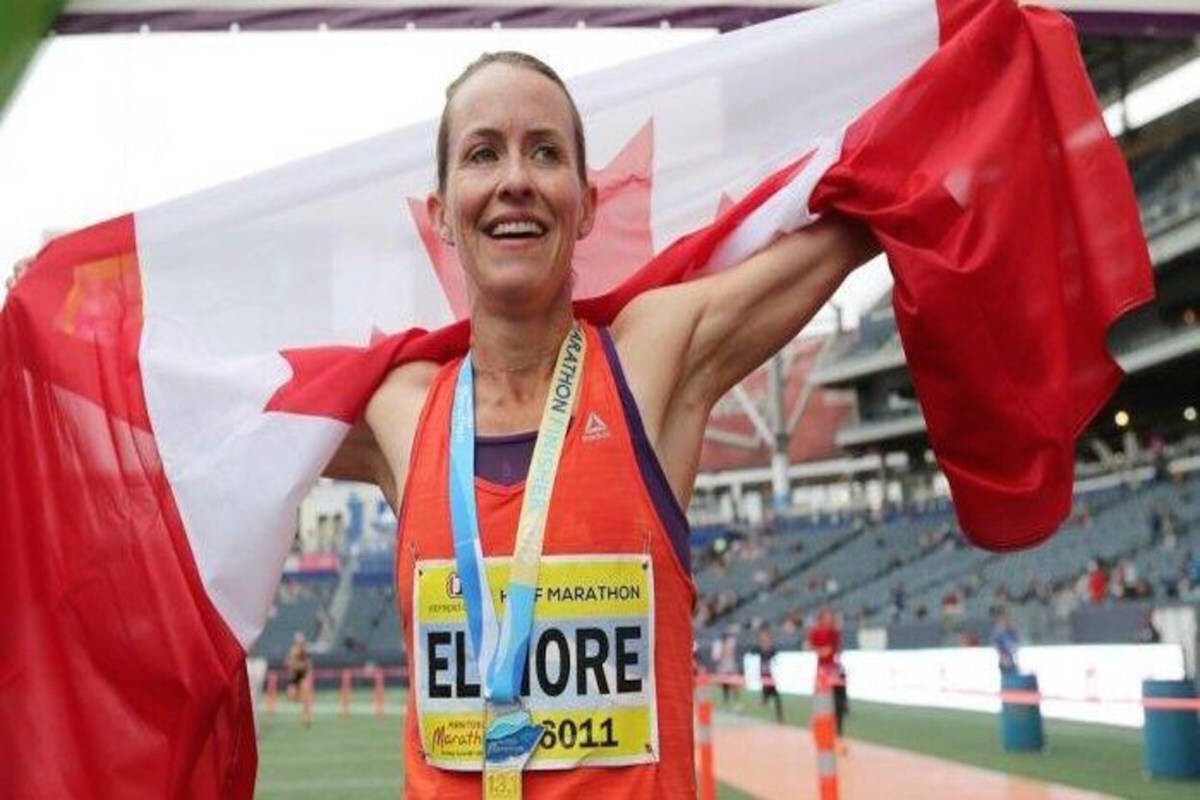
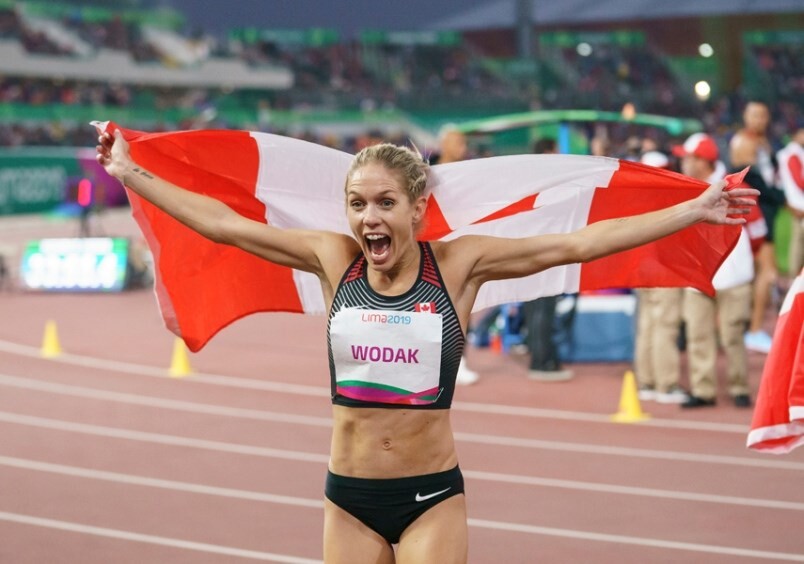
Placing 13th in two minutes 32.41 seconds went beyond Wodak's expectations for her Olympic marathon debut. The 40-year-old Vancouver resident spent "hours and hours" discussing a race plan with Elmore, 41, of Kelowna, B.C., who was confident the pair could finish inside the top eight. Elmore placed ninth in 2:30:59.
"To say I am excited to race the BOSTON MARATHON is an understatement! This field is absolutely LIT," Wodak said in a tweet. "Honoured to be on the start list with these incredible ladies. And so happy I get to do this with my pal Malindi Elmore."
Bazeley, 37, placed 16th in the elite women's field in Chicago on Oct. 10 in 2:36.46, 11 seconds short of her personal-best time.
"Really excited to be included in this bonkers field! let's see how marathon training in the winter unfolds in Newfoundland," she tweeted Tuesday.
But even these pros need some advice to conquer their Boston debuts.
(03/18/22) Views: 75Kate Van Buskirk
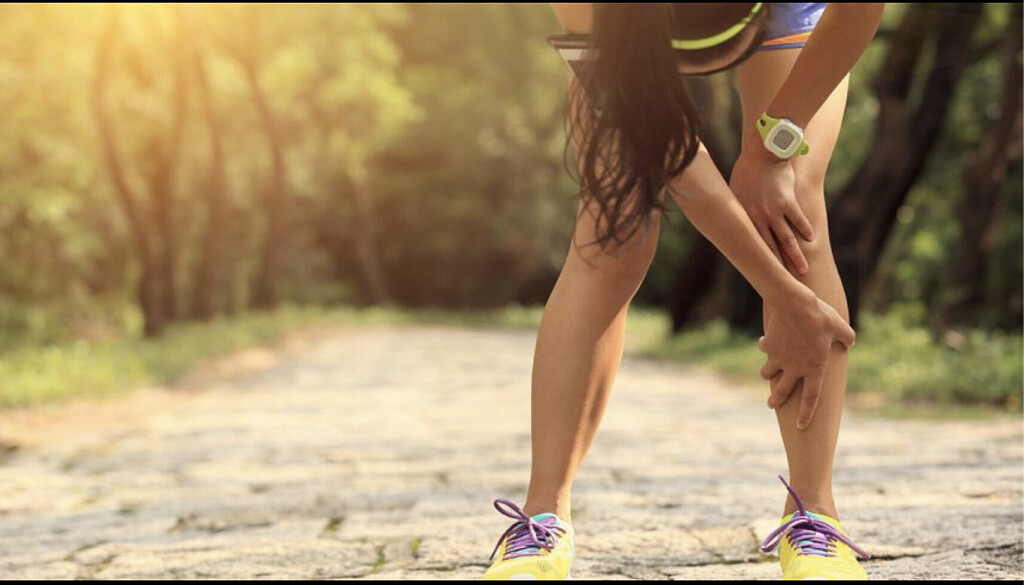
The 8 most common running injuries and why they happen
If you run consistently for long enough, there’s a good chance you’ll experience a running-related injury, and there’s also a good chance it’ll be one of these eight common problems. Whether it’s in your knees, legs, hips or feet, running injuries can be frustrating to deal with. Understanding why they happen and knowing what to look out for is the first step in preventing small niggles from becoming big problems.
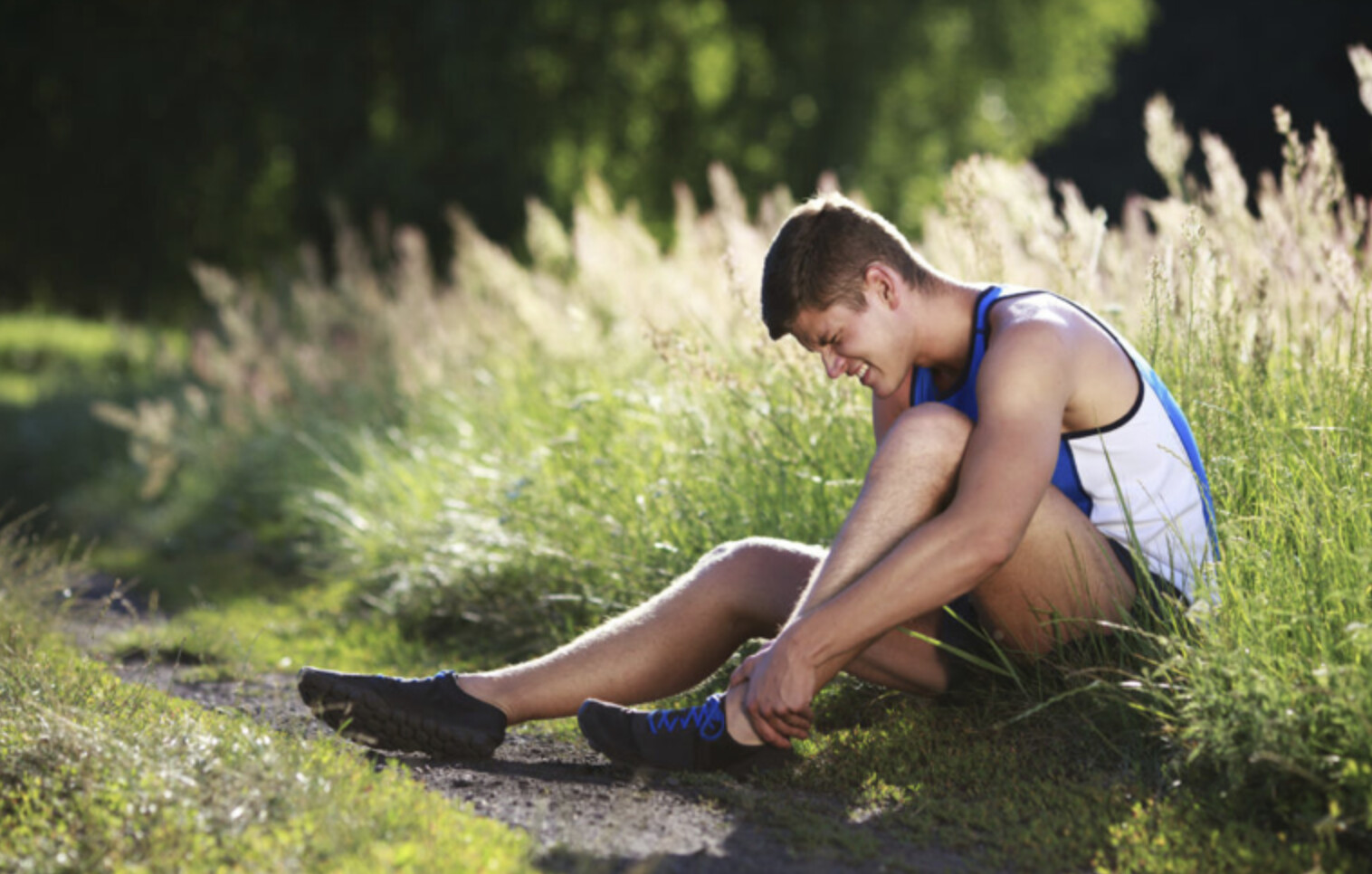
Ankle sprains
While less common for road runners, those of you who like to put in their miles on the trails are at a higher risk for ankle injuries. An ankle sprain happens when you land on the outer part of your foot and roll your ankle over. Ankle sprains range in severity and usually result in symptoms like discolouration, pain, swelling, bruising and a limited range of motion.
The trouble is, once you’ve rolled your ankle once, you become more prone to rolling it again. Once you’ve given your ankle plenty of time to heal, it will be very important to strengthen the ligaments around your ankle to prevent spraining it again. A physiotherapist will be able to provide you with an appropriate strength training plan to prevent future injuries.
Hamstring injuries
Your hamstrings play an important role in your running stride, but if they are weak, tight or tired, they’ll be more prone to injuries. Many distance runners end up with hamstring strains that appear slowly over time, caused by small, repetitive tears in the muscle tissue.
Symptoms of a hamstring strain could include a dull pan in the upper part of the back of your leg, tenderness in the back of your leg or weakness or stiffness in your hamstring. Most hamstring injuries can be fixed with rest and a strength training program.
IT band syndrome
Your iliotibial (IT) band runs from your hip to your knee. Often mistaken for a muscle, your IT band is actually made up of connective tissue that stabilizes your knee when you’re walking or running. Unlike a muscle, the IT band can’t be stretched or strengthened, but you can stretch and strengthen the muscles around it.
IT band syndrome happens when your IT band rubs against your leg bone, creating friction. In many cases, this “tightness” of the IT band is caused by weak glute muscles, abdominals or hips. Symptoms usually include a sharp pain on the outside of your leg, often just above the knee, that typically gets worse when you bend your knee.
In most cases, treatment and prevention of IT band syndrome include strengthening your glutes, abdominals and hips to take the train off of your IT band.
Stress fractures
A stress fracture is a small, hairline crack that forms in your bone from repetitive stress or impact. Common places runners may experience a stress fracture are on the top of the foot, the heel or in the lower leg. The pain from this injury is often barely noticeable at first, but progresses over time to the point that you can even feel it at rest. You also may notice swelling, bruising or tenderness in the affected area.
If you think you have a stress fracture, you’ll need to see a doctor right away, who can use an x-ray to diagnose the injury. You will have to avoid putting any pressure on the injured area for a while, since it generally takes six to eight weeks for a stress fracture to heal.
Plantar fasciitis
Plantar fasciitis is the inflammation of the thick layer of tissue on the bottom of your foot, called the plantar fascia. This tissue is heavily involved when you push off from the ground as you run, and can easily be over-stressed when you increase your mileage too quickly. Weak or tight calves can also put more stress on your plantar fascia.
Symptoms of plantar fasciitis typically include pain under your midfoot or heal (that often comes on gradually), a burning sensation on the bottom of your foot, pain that’s worse in the morning or pain after prolonged activity.
Plantar fasciitis can be difficult to get rid of, and often requires a combination of rest, massage, strength training for your lower legs and a gradual return to running is the best way to fix the problem and prevent it in the future.
Achilles tendonitis
Your Achilles is the tendon that connects your calf muscle to your heal, and can often become inflamed from repetitive activities like running. In most cases, Achilles tendonitis will flare up after you’ve increased your running volume or intensity.
It’s important to treat your Achilles right away when you begin to feel pain, because it increases your risk for rupturing your Achilles tendon, which requires surgery and months of recovery to fix. Common symptoms of Achilles tendonitis include a dull pain above your heel, swelling along the tendon, a warm feeling where your Achilles tendon is located or a limited range of motion when you try to flex your foot toward your shin.
Achilles tendonitis can be difficult to get rid of, so make sure you book an appointment with a physiotherapist to help you solve the problem.
Shin splints
Shin splints are one of the most common injuries for beginner runners, or for people who are returning to running after a layoff. Common symptoms include a dull pain on the front or inner part of your shin bone, mild swelling or tenderness in your shins and pain that gets worse as you run.
In most cases, shin splints will go away with adequate rest. To prevent them from happening, make sure you strengthen your lower legs and feet, and be careful to increase your mileage gradually to give your body time to adapt to the increased stress.
Runner’s knee
We’ve left this one to last because it is arguably the most common issue faced by runners. In fact, some studies suggest up to 50 per cent of all running injuries happen in the knees. Runner’s knee, or patellofemoral pain syndrome, generally refers to pain felt in the front of your knee or around your kneecap.
Symptoms of runner’s knee often include a dull pain in one or both knees that ranges from mild to very painful, pain that gets worse with prolonged activity or prolonged sitting and pain that worsens when doing other activities like walking up stairs, squatting or jumping.
Weakness in your hips and the muscles around your knees can put you at a greater risk for runner’s knee, so strengthening those areas can help get rid of the injury and prevent it in the future. Since knee pain can be caused by a variety of factors, you should see a physiotherapist or sports doctor to have it diagnosed, and to rule out other possible conditions.
(03/19/22) Views: 59Running Magazine
Josh Kerr hopes to make history at Hayward Field
Josh Kerr knows the history, that long line of British middle-distance greats who all but monopolised the men’s 1500m back in the 1980s. Those names – Seb Coe, Cram, Ovett, Elliott – conjure up memories of grainy footage, the kind Kerr has watched countless times on YouTube.
Now that he’s run faster than them all – his PB of 3:29.05 is behind only Mo Farah on the British all-time list – Kerr feels part of that lineage, especially after winning an Olympic bronze medal last year.
But as much as he appreciates the achievements of past generations, the 24-year-old Scot is keen to kickstart a new golden era.
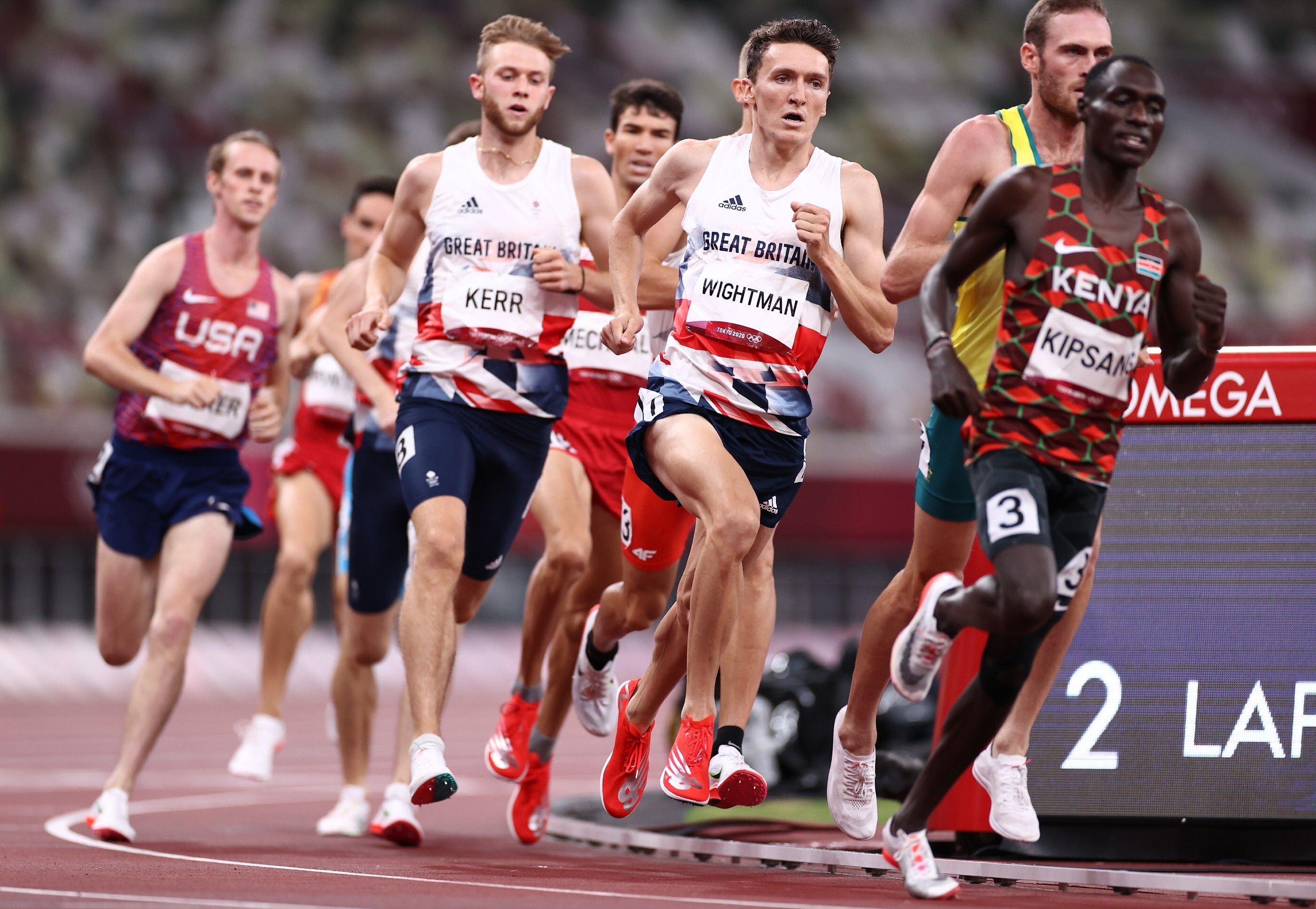
“Myself and (Jake) Wightman, we’ve run faster than all those guys but they’re not known for how fast they ran, they’re known for what medals they won and what colours they are,” says Kerr. “We hadn’t won an Olympic medal in 33 years and hopefully we’re moving back into an era people will remember as the Kerr-Wightman era. I want to leave a stamp on the 1500 and grab that British record as an extra.
“But,” he adds, “it’s mostly about medals.”
The game is changing these days. In the decade preceding the 2019 World Championships, the quickest winning time in a global 1500m final was 3:33.61, and in just two out of seven championships did the winner come home in under 3:35.
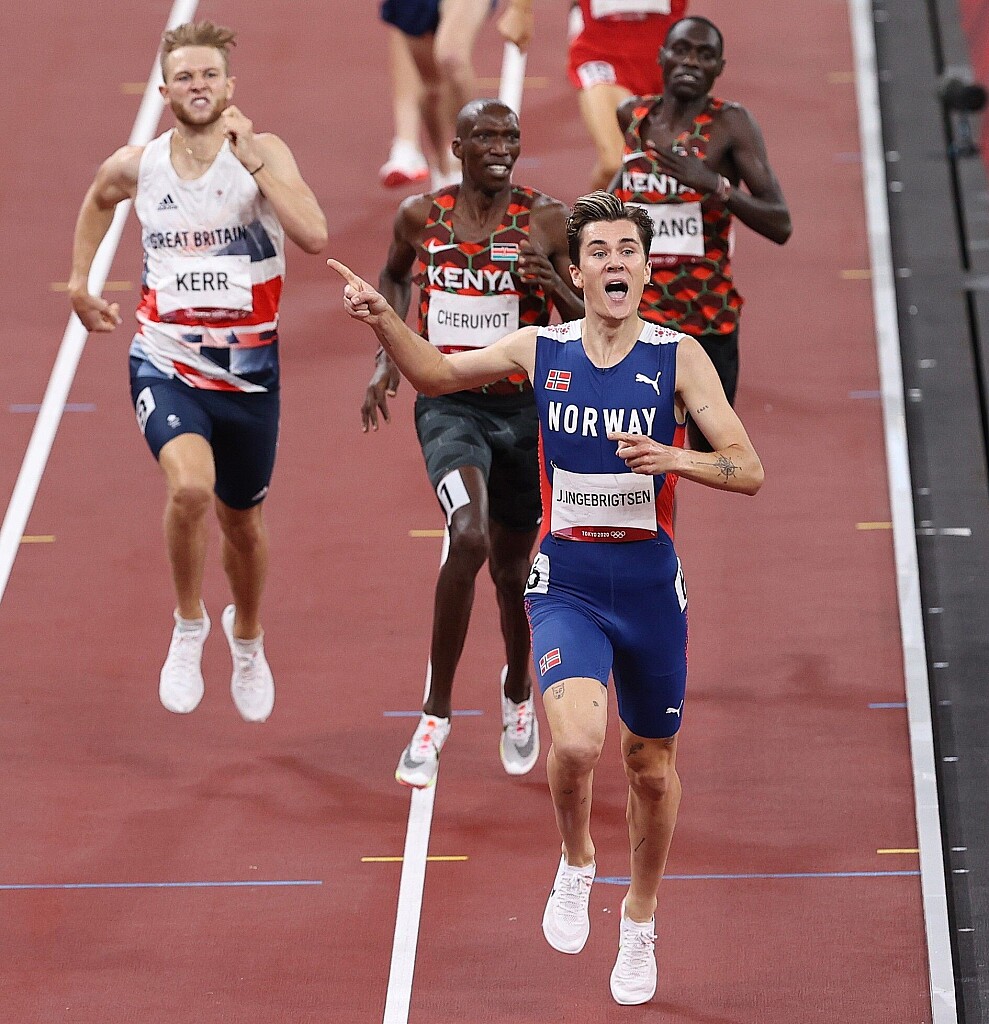
Then there was Doha, where Timothy Cheruiyot blitzed a solo 3:29.26 to take gold. Two years later in Tokyo, Jakob Ingebrigtsen outkicked and outlasted Cheruiyot to set an Olympic record of 3:28.32.
Cheruiyot is 26, Ingebrigtsen is 21. Neither is going anywhere any time soon, and both are at their best when the pace is hard from the gun, which means that when it comes to global finals, the future is almost certainly fast.
Kerr knows this, and he prepares accordingly.
“The 1500 has evolved over the last two or three years,” he says. “We have to be strong and we train like a 5km athlete. That helps, knowing I’m going to get better round by round. It’s exciting for people to watch and it’s really hard for us racing, but that’s what we’re there for: to find the best.
“I do believe the world and Olympic champions over the next three or four years will be true champions – who are the best at the distance. Jakob last year was the best and he showed that in the final and Cheruiyot was second and I was third: those are honest, clear-cut, black-and-white results, and you can’t ask for anything more.”
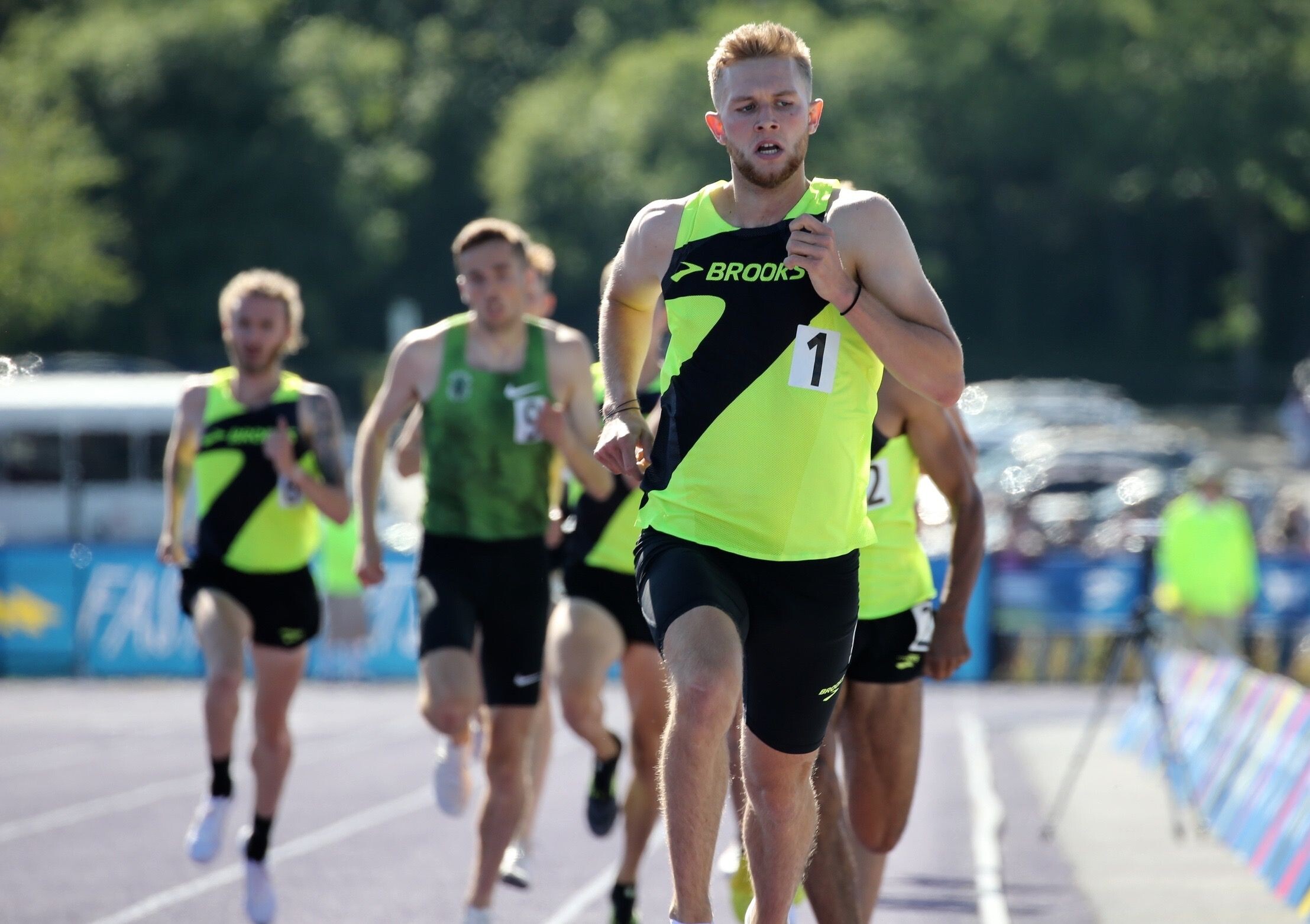
Kerr prepared for Tokyo in his typical manner, racking up 65-70 miles (104-112km) a week in training, along with two gym sessions. It’s been his approach since 2018, when he joined the Brooks Beasts in Seattle and began training with coach Danny Mackey.
Being a three-time NCAA champion for the University of New Mexico, the Scottish athlete had a wealth of options in the professional ranks. Why did he choose the Brooks Beasts? It came down to his trust in Mackey.
“I’ve had the most amazing, honest conversations with him,” says Kerr. “He knows me very well, I know him very well. He said, ‘this is the coach I am, we’re not the flashiest group but you come here, you’ll get better.’ He stayed true to that promise. I’ve got six seconds quicker since I’ve gone there.
“The training isn’t massively intense but what I do really well: my injury rate is really low and I’m able to stack a bunch of days together and it ends up being a phenomenal fitness level.”
That was exactly what Kerr carried to Tokyo, and while his 1500m PB of 3:31.55 had many underrating him at the time, his workouts convinced him he was ready to run 3:28.
“I thought, ‘you know what, the best way to run that is evenly,’” says Kerr. “I wasn’t planning on being so far at the back after the first lap but it was just so fast.”
Kerr narrowly avoided disaster in the heats, scraping through as a non-automatic qualifier, but he was far more convincing in the semifinal, finishing a close third.
After the first lap of the final, with Ingebrigtsen pouring it on from the outset, Kerr was 10th, splitting 57.3 seconds. By 800m he’d moved up to seventh. By 1200m, he was fourth, and ready to take aim at the big two out front – Ingebrigtsen and Cheruiyot – along with Abel Kipsang of Kenya. Kerr waited until the home straight before going for broke, overtaking Kipsang and finishing just 0.04 behind Cheruiyot.
“I was hoping for a better medal than the one I got,” he says now.
After the Games, he went to Albuquerque, USA, to spend time with his fiancee and a few weeks later he returned to Scotland. The last six months have been a “whirlwind”, but after a few weeks off Kerr was back into base training to prepare for better things again in 2022.
“It’s about building the motivation back up, climbing back up the hill with fitness and trying to show some better performances,” he says. “And hopefully better colour of medals.”
He had just one race set in stone for the indoor season: the Wanamaker Mile at last month's Millrose Games, a World Athletics Indoor Tour Gold event. After biding his time for seven laps, Kerr powered to the lead at the bell, but couldn’t hold off the vicious surge of longtime rival Ollie Hoare, who won in 3:50.83 with Kerr second in 3:52.27, just shy of Peter Elliott’s British record of 3:52.02.
“First one of the season is always going to be a bit rocky but I told myself I’d be aggressive, I’d push,” says Kerr. “I may have pushed a little bit too early, but I gave it my all. I like to press a little bit and see who falls apart, and it might be me. I’m not scared of anyone or any distance or any race.”
That may be Kerr’s only race of the indoor season. With an outdoor season overflowing with medal opportunities, he’s giving that his prime focus.
His main targets are the World Athletics Championships Oregon22 in July and the Commonwealth Games in Birmingham. Only after that will he make a decision on the European Championships in Munich.
“Because that’s enough for my brain to explode,” he says. “We’ll take it step by step.”
When he speaks of such championships, Kerr does so with a calm but resolute confidence that he can beat whoever he faces. It’s not surprising, given he has a habit of toppling favourites.
When he lined up in the mile at the 2017 NCAA Indoor Championships, he was a 19-year-old with a 1500m personal best of 3:41.08 – an athlete no one expected to challenge the all-conquering Ed Cheserek.
When Kerr surged past Cheserek with two laps to run, the ESPN commentator all but dismissed his chances: “That’s Josh Kerr, the New Mexico freshman, and that may just be a freshman move.”
But it wasn’t. Kerr ran Cheserek into the ground during the final lap, coming home a distant winner. He added the NCAA title outdoors that year – winning the 1500m at Hayward Field in Eugene, Oregon – and repeated his indoor win in 2018. Those successes taught him he could contend at global level.
“You have that mindset of wanting to be the champ, to go after the fastest guys,” he says. “You don’t care who anyone is, and if you have that fearless mentality you’re going to be fine in the pros. But if you always look at stats and look up to these guys, you’re going to find it hard to toe the line against them.”
Does he believe he can match Ingebrigtsen and Cheruiyot this summer?
“Yeah, definitely,” he says. “It’s quite funny, but people were saying, ‘any other Olympics you’d have won with the times,’ but they’re different races. The 1500m is exploding because of the way we’re running these races. Those guys are doing great things for the sport.”
Kerr knows those two will likely be the men to beat again in Eugene this summer. He’s not yet raced in the new-and-improved Hayward Field, but is relishing the chance to do so.
“It’s over the top,” he laughs. “It’s a phenomenal facility and I’m excited to go there and run fast. It’s built for fast times and for history to be made, and that’s what’s going to happen this year.”
He knows his sport’s history, but he also knows his own, and Kerr can extrapolate plenty from it about what might lie ahead.
“I was 37th (at the World Championships) in 2017, sixth in 2019, and third (at the Olympics) in 2021,” he says. “So in 2022 the trajectory is looking like second or first. That’s always what I’m going for. I’m always looking for progress.”
(03/21/22) Views: 59Cathal Dennehy (World Athletics)
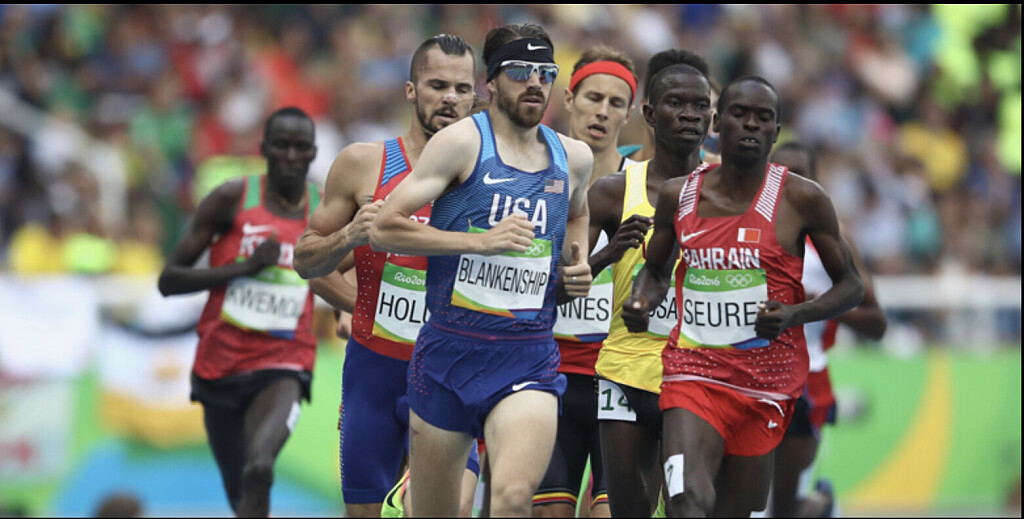
Pro Runner Ben Blankenship Believes High Mileage Is Overrated
Ben Blankenship of Oregon Track Club Elite believes there are other important ways to measure running success.
Hear me out: High mileage is overrated.
A couple months ago, I posted that on Instagram. Mostly because it’s true—I don’t think running high mileage is always the best way to reach your potential—and partially because I’m a guy who loves to stir the pot.
It definitely drummed up conversation. I received dozens of comments and messages, some defending mileage, some agreeing with me, but all coming to a similar conclusion: It depends on runners to learn what’s best for themselves.
What worked for me? I came from a low-mileage, high-intensity high school program. The Minnesota track season was only a few months long, due to weather and the popularity of winter sports. We didn’t have an indoor track season either. Outdoors we would race twice a week, go to state, and that would be it.
When I started my college career at the University of Minnesota, coach Steve Plasencia focused on longevity. He wanted us to have a long and prosperous career, even post-collegiately, so he never had us immediately reach for high mileage. Also, back in the early 2010s, not everyone had GPS watches. So when I return to my college running loops, I’m like, man, that used to feel longer than it actually is, because we never actually measured them.
When I began my professional career with the Oregon Track Club Elite in Eugene, coach Mark Rowland eased me into higher volume. Instead of getting stuck in the mentality of needing a certain amount of miles, I put the emphasis on how good my workout sessions were. It was all about being able to handle high intensity at high volume with low rest.
For example, I remember one workout when I switched between four 1,000-meter repeats on a trail, eight 400-meter repeats on the track, then back to the trail for another four 1,000-meter repeats. I only had half each rep’s time to recover. Whenever I was able to complete those types of workouts feeling strong, I knew I was in good shape.
The philosophy worked. I saw plenty of success in the 1500 meters, qualifying for the 2016 Olympics and earning a spot in the final.
After that Olympic cycle, I wanted to become a versatile athlete, able to run fast at any race distance. I already had so much quality work behind me that I thought, “What’s left to do?”
My answer at the time was more mileage. So from 2017 to 2019, I upped my weekly average from 75 to 100. I decided to test my new philosophy by chasing the 10,000-meter Olympic standard of 27:28.00, because I have a romantic view of the 10K. It’s poetry in laps.
The guys I trained with were all 100-mile-plus-week types, so I added six-mile afternoon doubles and longer cooldowns with them to prepare. I kept thinking how awesome it was to be a high-mileage runner. At the end of 2019, I got a little banged up with injuries. So to come back stronger, I doubled down on the mileage.
It worked for a while. I debuted over 10,000 meters with a 28:08.20 in August 2020. But I felt stiff, tired, and not very productive in my workout sessions—exactly the opposite of what my philosophy used to be.
Toward the end of 2020, the real injuries started. I hurt my Achilles and my plantar, and suffered a small tear in my hamstring. I eventually ended up with a stress fracture in my tibia in late spring 2021.
As a result, my buildup to the Olympic Trials wasn’t great. I had almost zero on-the-ground training; I was either in the pool or on the bike.
While I wasn’t as competitive as I had been in years past, I was amazed at my racing ability, making the semis despite not running much in my buildup. That was eye-opening. What was I doing to get my cardiovascular fitness up? What was I able to do neurologically without the pounding of running?
Now, I know that much of it has to do with how long I’ve been doing this. I have 18 years of running in me, week in and week out. That has allowed me to sit back and say, “Okay, what weaknesses do I need to focus on?” instead of worrying about an entire rounded-out training program. So I realized I don’t have to run high mileage—there are other ways to get better at running.
As a 33-year-old, my focus is to be athletic. After the Olympic Trials, I started to play basketball. I felt strong and powerful, and my range of motion was fluid and comfortable. I returned to training refreshed and ran a couple of good races.
Not everyone is built for other sports or willing to risk running to play them. I remember my parents putting hockey skates on me and my ankles just not moving that way. But one easy way to stay athletic is to prioritize fast running. A lot of runners will throw strides in after a run when their body is already tired. But I propose making them the main focus sometimes.
Get to the track, warm up for 15 to 20 minutes, put some spikes on, and prioritize moving quickly. Run efficiently and fast for 80 meters, the first 60 percent easier and the last 40 percent harder. Walk and jog the next 320 meters and do another. In total, do eight to 10. Think about using good form and pulling yourself forward off the ground. On a nice day, you can even find a turf field and kick your shoes off for some barefoot strides. Follow the same idea as before, but instead of measuring out meters, just run the diagonal across a soccer field and jog a lap for rest.
Keep in mind, this is what I’ve learned throughout the course of my career. If you’re a beginner, you might get overwhelmed by the different perspectives out there. So my main advice is to be a student of the sport. Ask yourself: Why am I running these miles? What am I getting out of the work I’m putting in? Why am I doing this type of workout, this type of run, this type of cross-training?
If it makes sense for you to run higher mileage because you’re new to running and need to build a base, then do it. What high mileage means completely depends on the person; for some 40 is a lot, for others 100 is. But if you’re suffering for the sole purpose of suffering, then you’re doing it wrong. The goal is to improve yourself. Success is more likely to come if you focus on the purpose of your miles instead of the number of miles you run.
(03/19/22) Views: 57Runner’s World

Lenny Maughan expresses solidarity with Ukraine in his latest Strava art
Lenny Maughan is using Strava to show support for Ukraine. For his latest creation, the Picasso of Stava art ran nearly 90 miles (145 km) to “draw” a sunflower, which has long been a symbol of peace for the Eastern European country.
Maughan has become widely recognized in the running world for his impressive Strava creations, including his rendition of the artist Frida Kahlo and most recently, his tiger created in honour of the Lunar New Year. These works of art often require hours of preparation and many miles of running to complete.

His sunflower run took 89.5 miles (144 km) and more than 20 hours to complete, on top of five hours of planning before setting off on his run. To make the feat even more impressive, Maughan lives in San Francisco, which is known for its hilly streets, and in total, he gained nearly 10,000 feet (3,000 m) in elevation throughout the entire run.
Runners in Canada and around the world have been using running to express their support for the people of Ukraine with the Ukraine virtual running challenge.
(03/19/22) Views: 56Running Magazine
