

Running News Daily
Running News Daily is edited by Bob Anderson and team. Send your news items to bob@mybestruns.com Advertising opportunities available.
Index to Daily Posts · Sign Up For Updates · Run The World Feed
Search Results for Kenya
Today's Running News
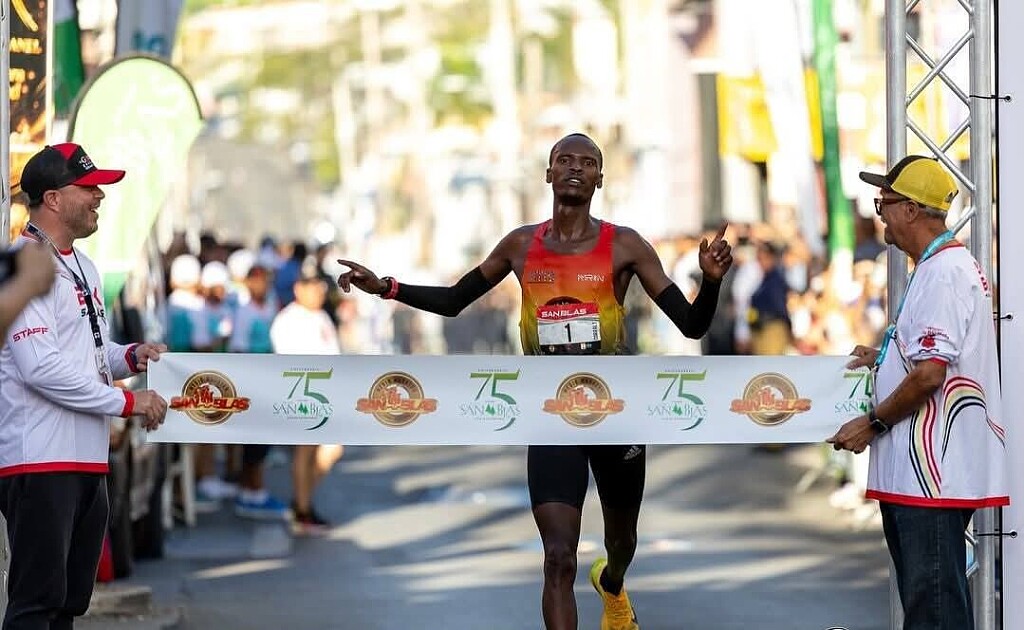


Peter Njeru Reigns Again: Back-to-Back Glory at the 2026 Medio Maratón San Blas
Coamo, Puerto Rico – March 1, 2026.
Under the warm Caribbean skies, Peter Njeru once again proved that consistency is the true measure of greatness. The Kenyan distance star delivered a composed and commanding performance to successfully defend his crown at the prestigious Medio Maratón San Blas, securing back-to-back victories and reinforcing his growing legacy on Puerto Rican soil.
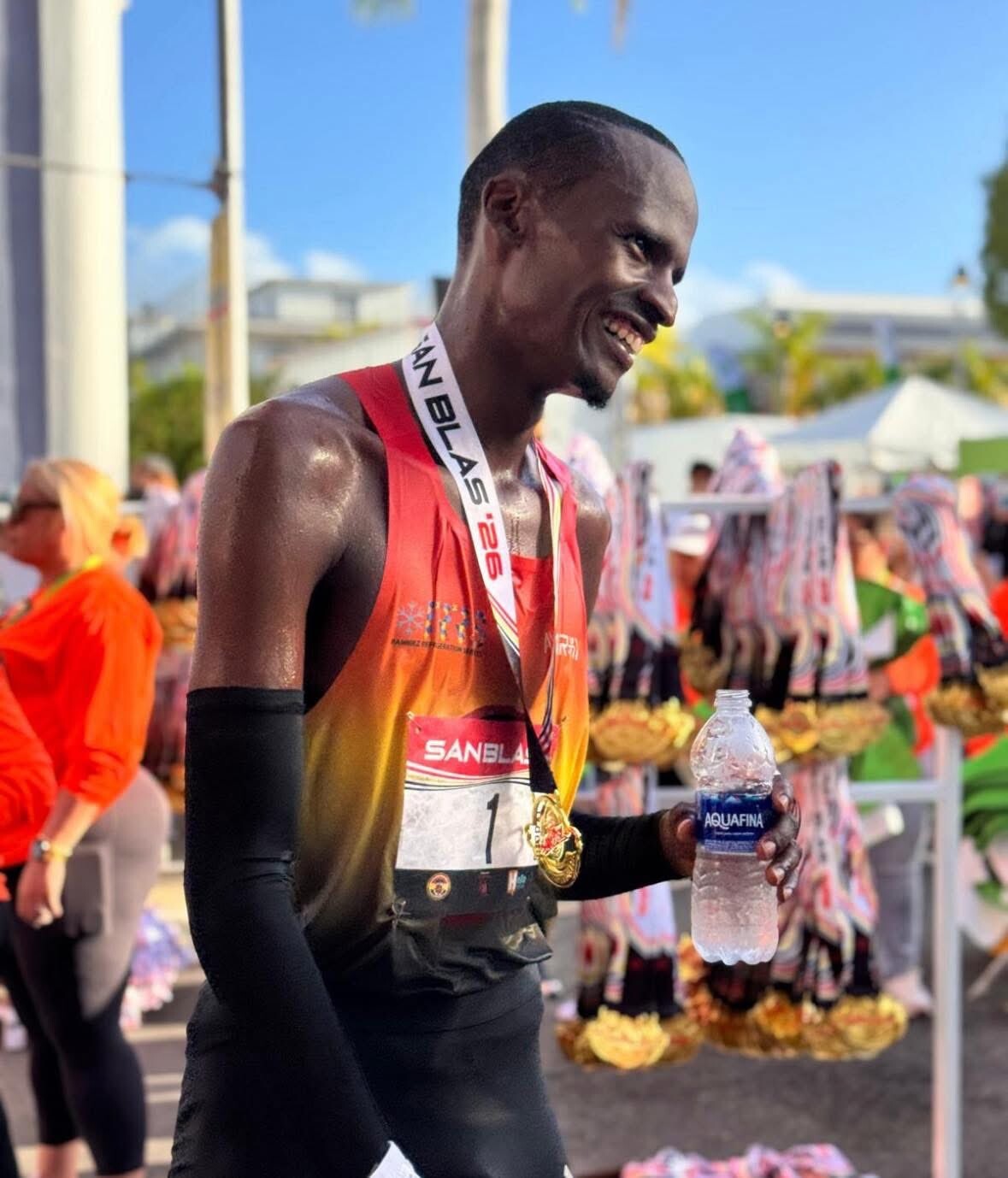
Njeru arrived in Coamo as the reigning champion after winning the 2025 edition of the race in 1:03:08 — the fastest performance recorded at San Blas in more than a decade. That breakthrough victory not only elevated his profile internationally but also established him as the man to beat in 2026.
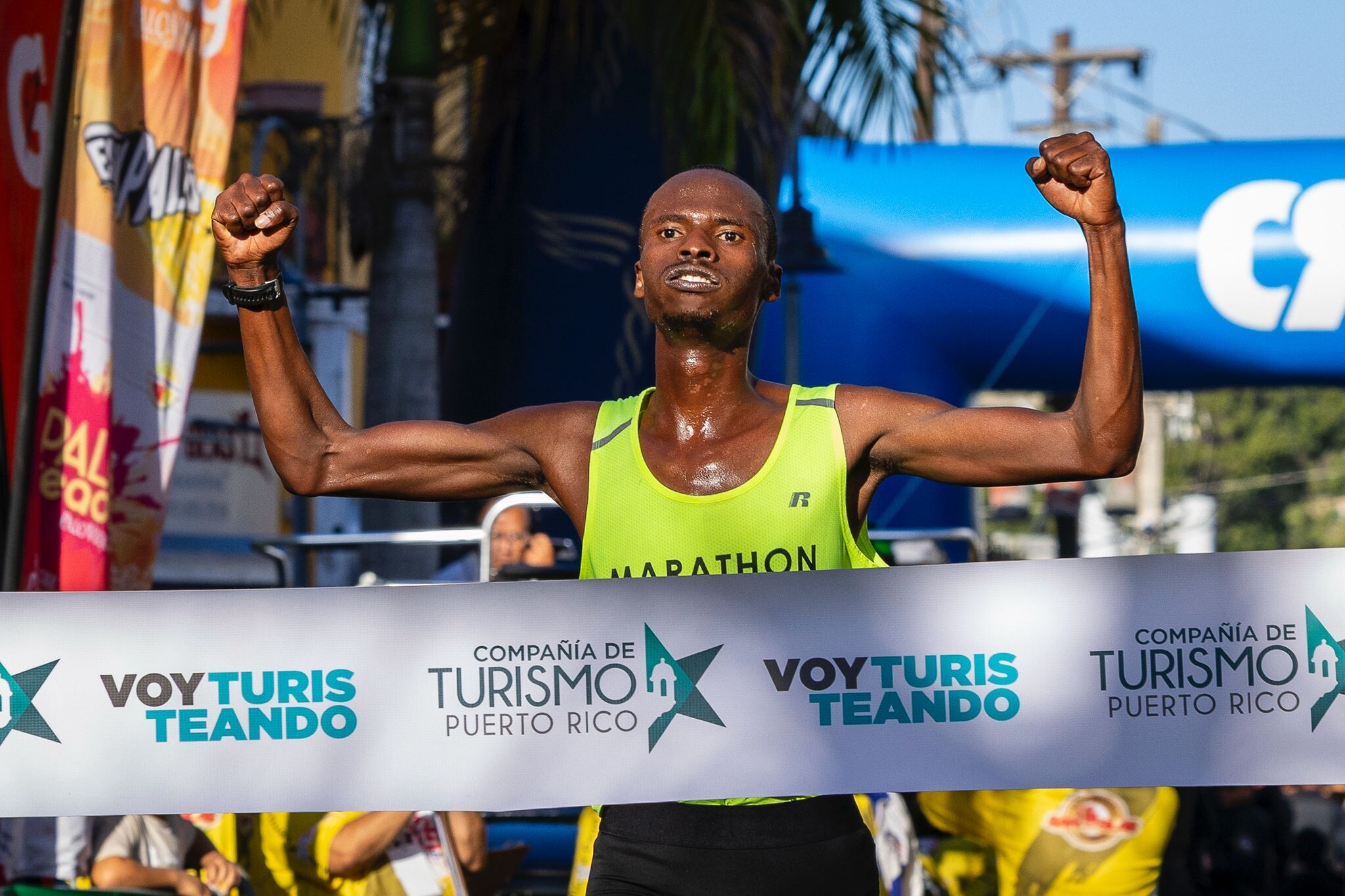
From the early kilometers of this year’s contest, the pace was uncompromising. A competitive lead pack pushed assertively across the undulating 21.1-kilometer course, testing endurance and resolve. Njeru, however, remained tactically disciplined, conserving energy while closely monitoring every move.
As the race entered its decisive phase, he gradually applied pressure. What began as a subtle increase in tempo evolved into a definitive breakaway. With smooth acceleration and unwavering focus, he separated himself from his challengers and powered toward the finish line unchallenged.
He crossed the line in 1:03:15, sealing his second consecutive San Blas crown with authority.
Ecuador’s Luis Miguel Masabanda mounted a determined effort to secure second place in 1:03:49, demonstrating resilience in the closing stretch. Fellow Kenyan Reuben Keiro claimed third in 1:04:18 after a measured and disciplined run.
Ethiopia’s Ali Abdilmana finished fourth in 1:04:41, while Kenya’s Sosten Kipchirchir rounded out the top five in 1:04:57, ensuring that the competition at the front remained intense until the final kilometers.
Top 5 Results – 2026 Medio Maratón San Blas
1. Peter Njeru (Kenya) – 1:03:15
2. Luis Miguel Masabanda (Ecuador) – 1:03:49
3. Reuben Keiro (Kenya) – 1:04:18
4. Ali Abdilmana (Ethiopia) – 1:04:41
5. Sosten Kipchirchir (Kenya) – 1:04:57
Defending a title at an event as internationally competitive and historically rich as the Medio Maratón San Blas demands more than physical strength. It requires mental discipline, race intelligence, and the courage to strike at the decisive moment. By conquering the course for the second year in succession, Njeru reaffirmed his status as one of the most dependable performers on the global road racing circuit.
As jubilant crowds celebrated another thrilling chapter of San Blas history, one truth stood clear: Peter Njeru did not merely return to Coamo — he returned to reign.
(03/01/2026) ⚡AMPby Erick Cheruiyot for My Best Runs.

San Blas Half Marathon
Join San Blas Half Marathon It is a pleasure to invite you to the annual edition of the world’s most famous half marathon, Medio Maratón San Blas, here in our beloved city of Coamo. It has been 54 years that the people of Coamo have ?proudly received thousands of visitors, especially the international and national athletes who grace this event....
more...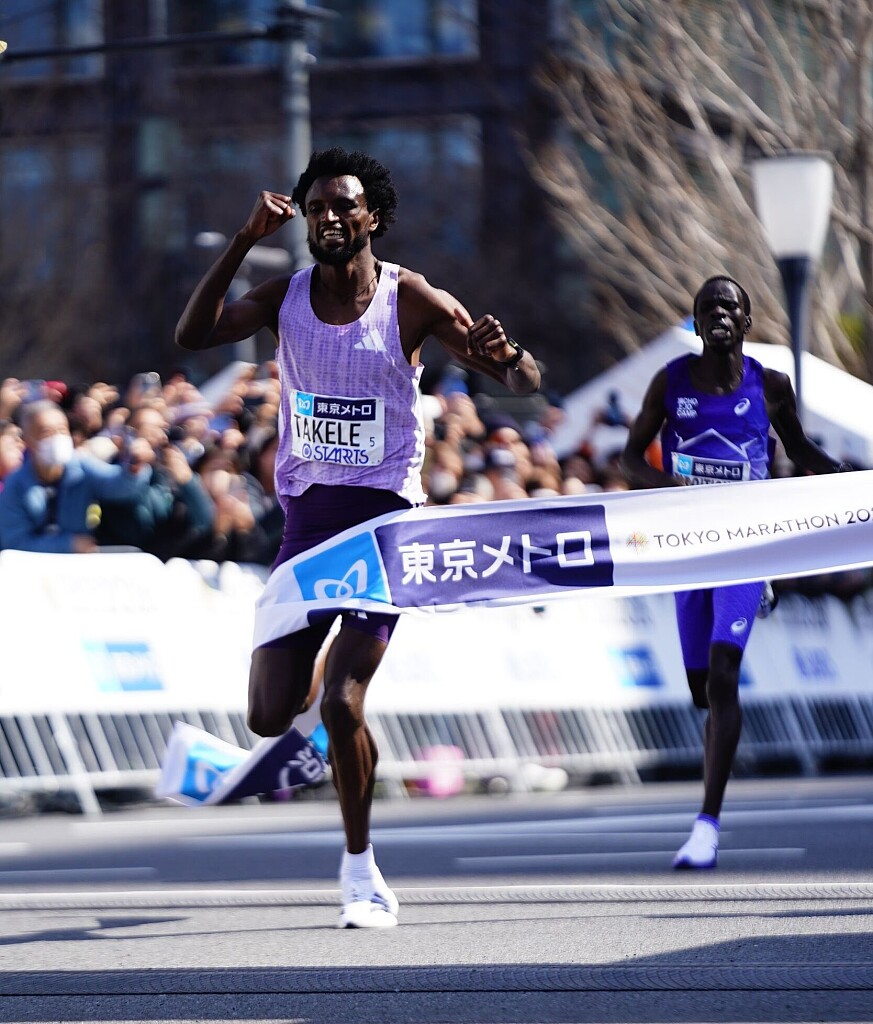
Takele Triumphs Again: A Historic Photo Finish at the 2026 Tokyo Marathon
The streets of Tokyo delivered drama of the highest order as the 2026 Tokyo Marathon men’s race unfolded into one of the most electrifying finishes in recent memory. Under clear skies and roaring crowds, Ethiopia’s Tadesse Takele etched his name deeper into history, defending his crown in breathtaking fashion and clinching victory in 2:03:37.
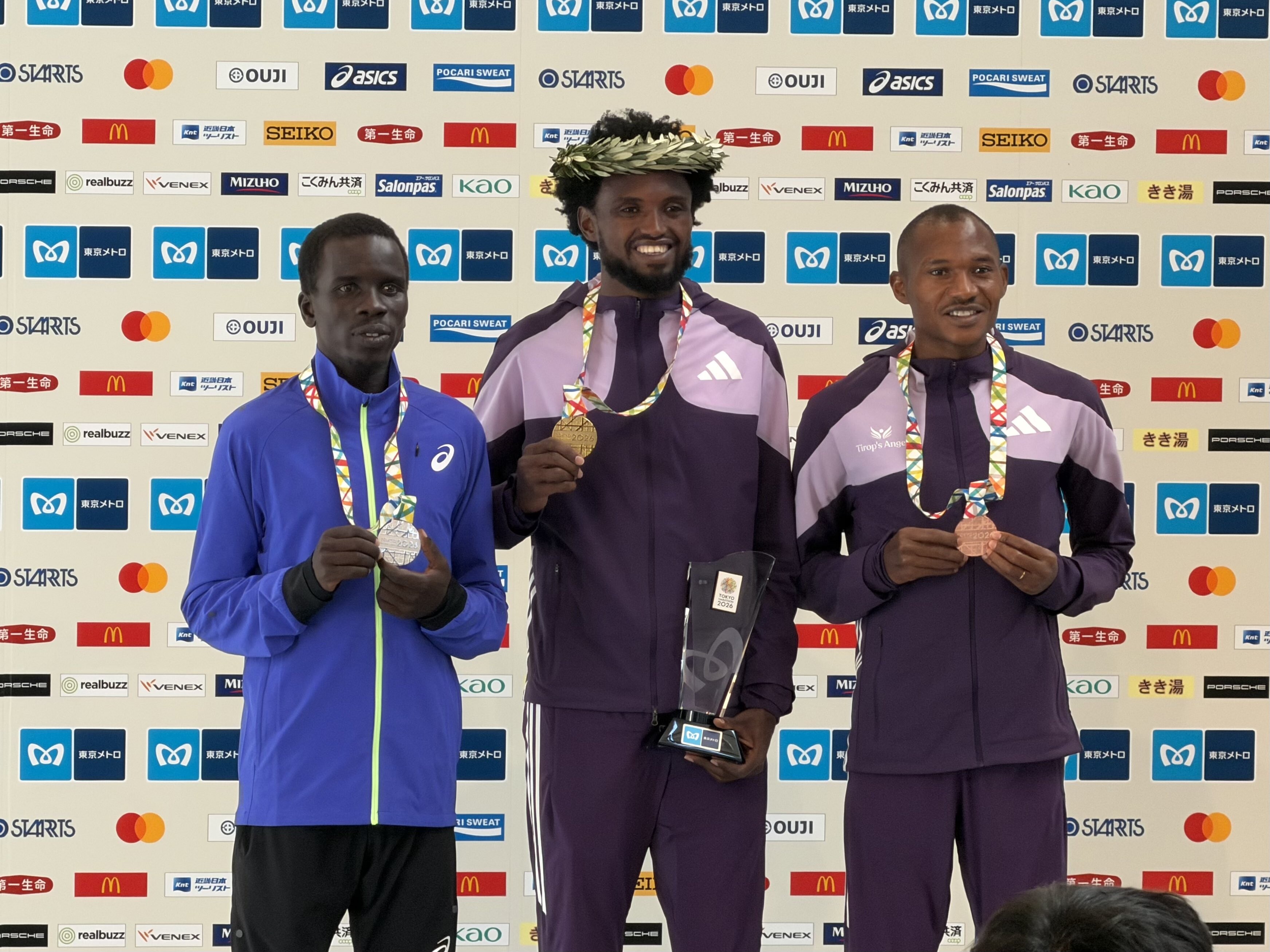
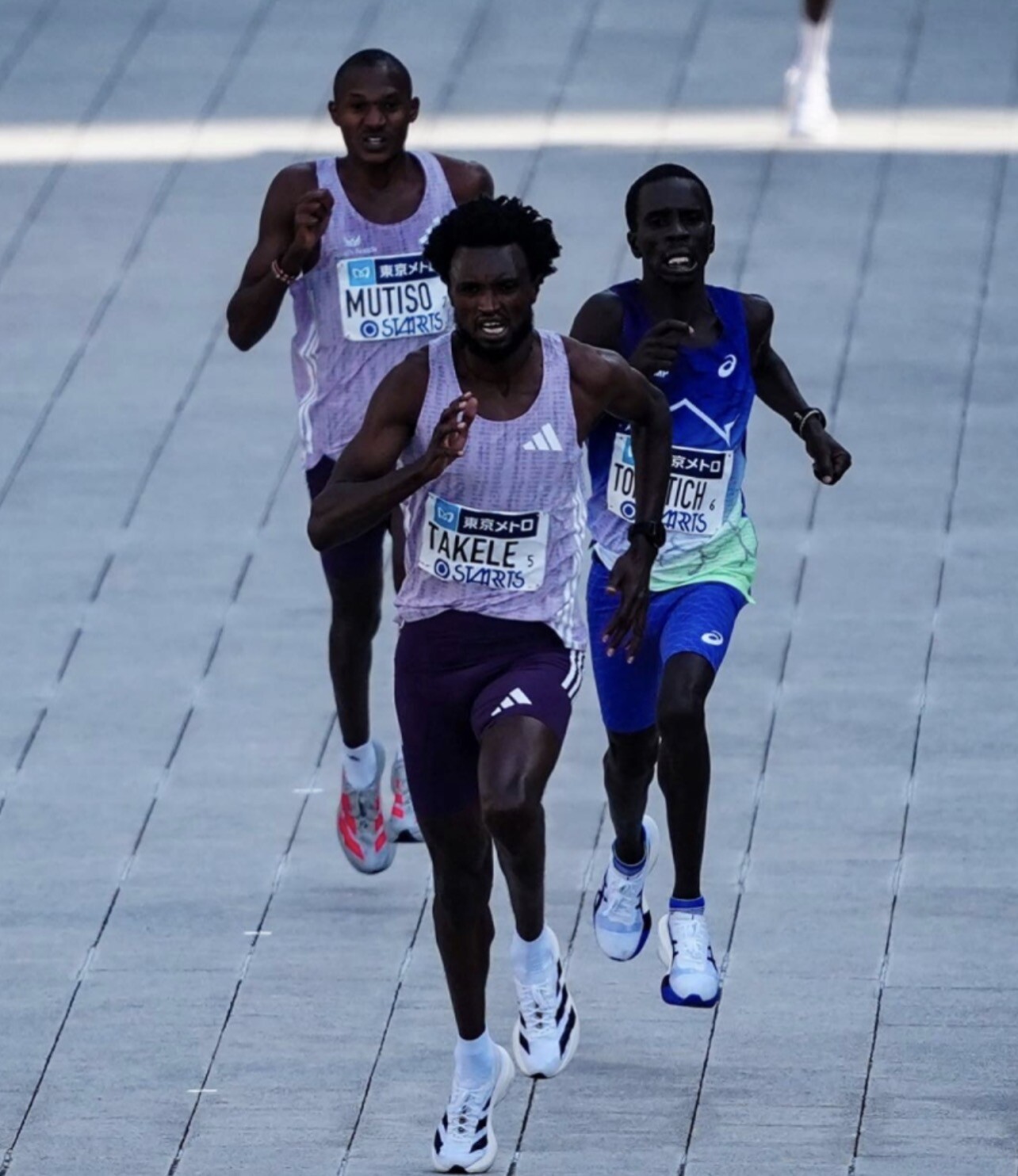
In a finish so tight it demanded a second glance, Kenya’s Geoffrey Toroitich crossed the line in the exact same time — 2:03:37 — pushing Takele to the absolute limit in a pulsating sprint down the final straight. Just a heartbeat behind them, fellow Kenyan Alexander Mutiso surged home in 2:03:38, turning the closing meters into a masterpiece of courage and endurance.
For Takele, this was not just another victory. It was confirmation of dominance — a second Tokyo title earned through patience, tactical intelligence, and a devastating finishing kick when it mattered most. He held his nerve as the leading pack thinned after 35 kilometers, responding to every surge before unleashing his final acceleration in the shadow of the finish gantry.

Behind the podium trio, Kenya’s ever-reliable Daniel Mateiko demonstrated remarkable consistency to claim fourth place in 2:03:44, keeping the pace honest throughout the decisive middle stages. Ethiopia’s Muktar Edris rounded out the top five in 2:04:07, adding depth to an already stacked elite field.
The race, part of the prestigious Abbott World Marathon Majors, once again showcased why Tokyo remains one of the fastest and most competitive marathon stages in the world. From the early controlled rhythm to the blistering final kilometers, it was a contest defined by precision pacing, strategic restraint, and fearless finishing speed.
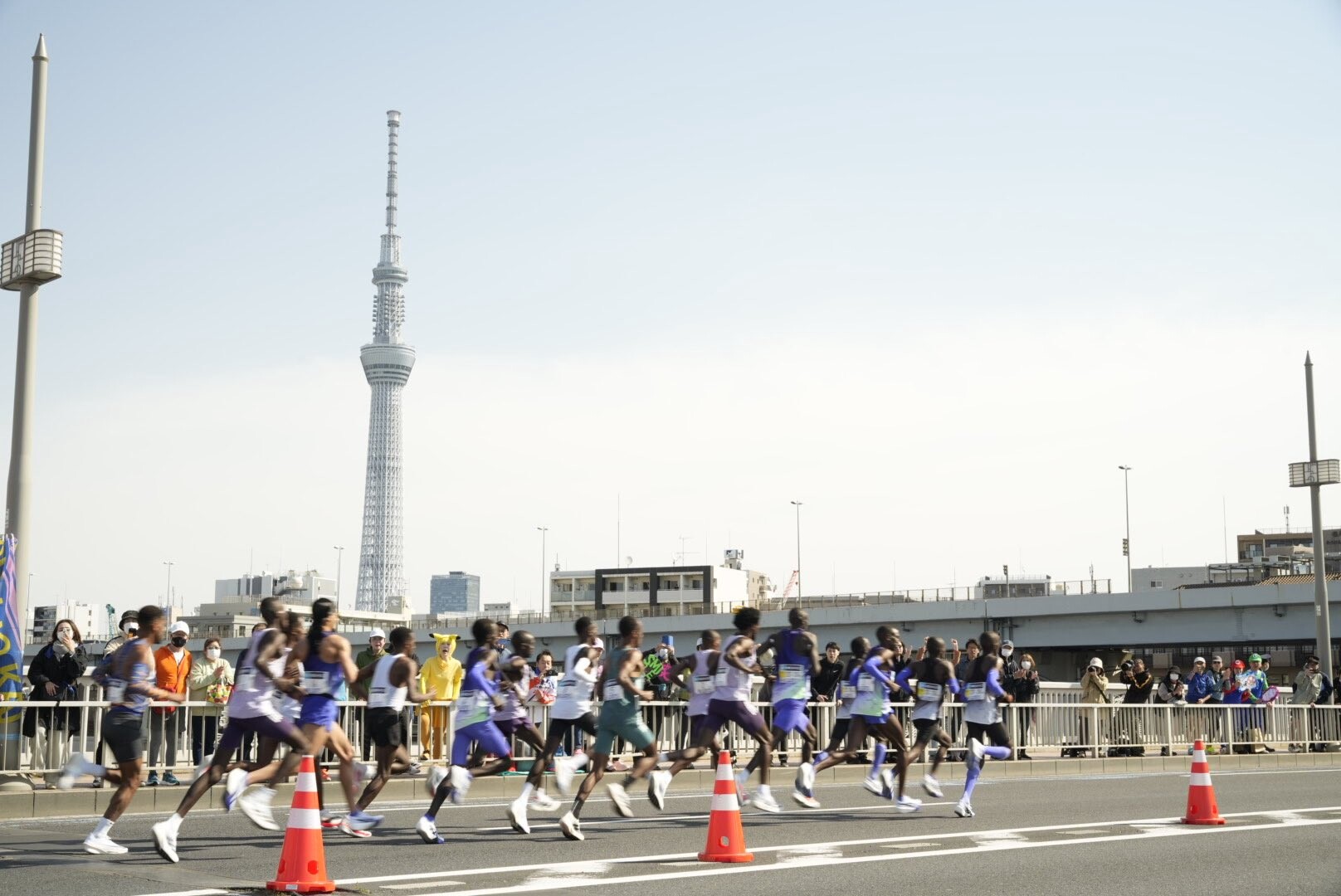
Further down the standings, strong performances came from Italy’s Iliass Aouani (2:04:26), Ethiopia’s Olympic champion Selemon Barega (2:05:00), and Japan’s national icon Suguru Osako, who delighted the home crowd with a 2:05:59 effort.
Top 10 Finishers – Tokyo Marathon 2026 (Men)
1. Tadesse Takele (ETH) – 2:03:37
2. Geoffrey Toroitich (KEN) – 2:03:37
3. Alexander Mutiso (KEN) – 2:03:38
4. Daniel Mateiko (KEN) – 2:03:44
5. Muktar Edris (ETH) – 2:04:07
6. Iliass Aouani (ITA) – 2:04:26
7. Selemon Barega (ETH) – 2:05:00
8. Seifu Tura (ETH) – 2:05:02
9. Vincent Kipkemoi Ngetich (KEN) – 2:05:21
10. Shifera Tamru (ETH) – 2:05:56
But the story of the day belonged to Takele. In a race measured in seconds and decided in strides, he proved once more that championship composure is as vital as raw speed. Tokyo witnessed not just a marathon — but a duel worthy of the sport’s grandest stage.
(02/28/2026) ⚡AMPby Erick Cheruiyot for My Best Runs.

Tokyo Marathon
The Tokyo Marathon is a world-renowned annual marathon held in Tokyo, Japan. As one of the prestigious Abbott World Marathon Majors, it attracts elite and amateur runners from around the globe. The race holds World Athletics Platinum Label status, recognizing its high competitive standards, top-tier organization, and international appeal. Sponsored by Tokyo Metro, the Tokyo Marathon has grown into one...
more...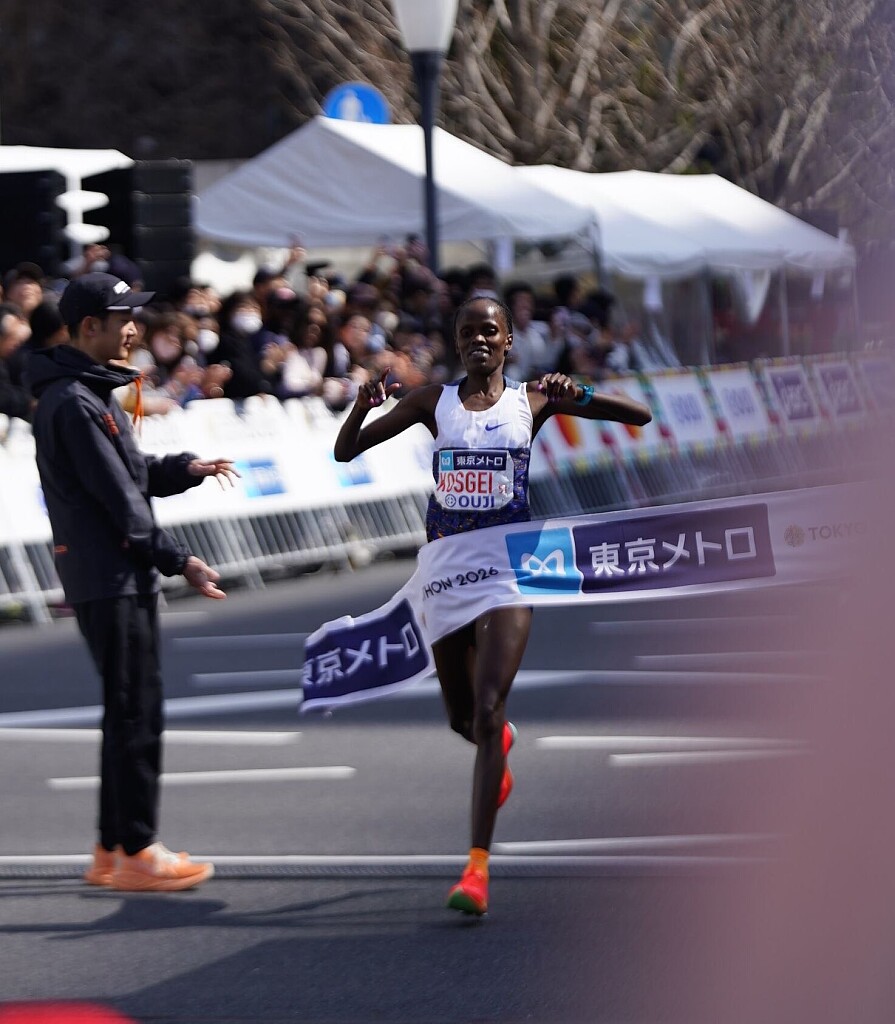
Kosgei Reigns Supreme in Tokyo as Course Record Falls in Women’s Marathon Thriller
The streets of Tokyo witnessed a masterclass in endurance and tactical brilliance as the women’s elite race at the Tokyo Marathon 2026 delivered one of the most compelling chapters in the event’s history. At the heart of it all was Kenya’s marathon queen, Brigid Kosgei, who stormed to victory in a breathtaking 2:14:29, smashing the course record and reaffirming her status among the greatest marathoners of her generation.
From the early kilometres, the pace signaled serious intent. The lead group moved with composure through Tokyo’s iconic avenues, but as the race stretched beyond the 30km mark, it became clear that Kosgei was running with something extraordinary in reserve. With controlled aggression and trademark efficiency, she gradually broke away, her stride smooth and decisive.
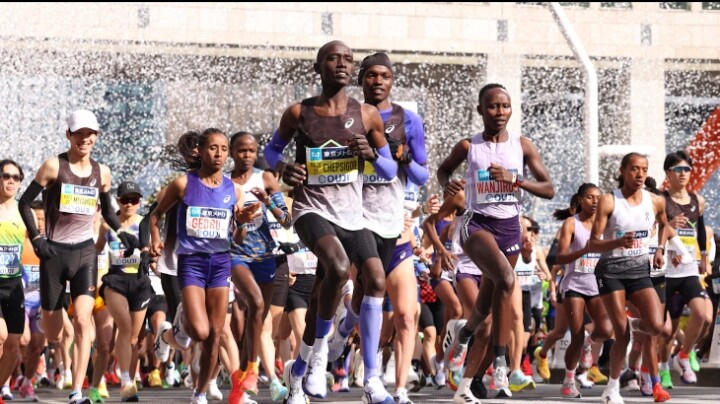
By the final stretch, the outcome was no longer in doubt. Kosgei powered through the closing kilometres to cross the line alone, arms raised in triumph, the clock confirming a new course record — a performance of authority, experience, and pure class.
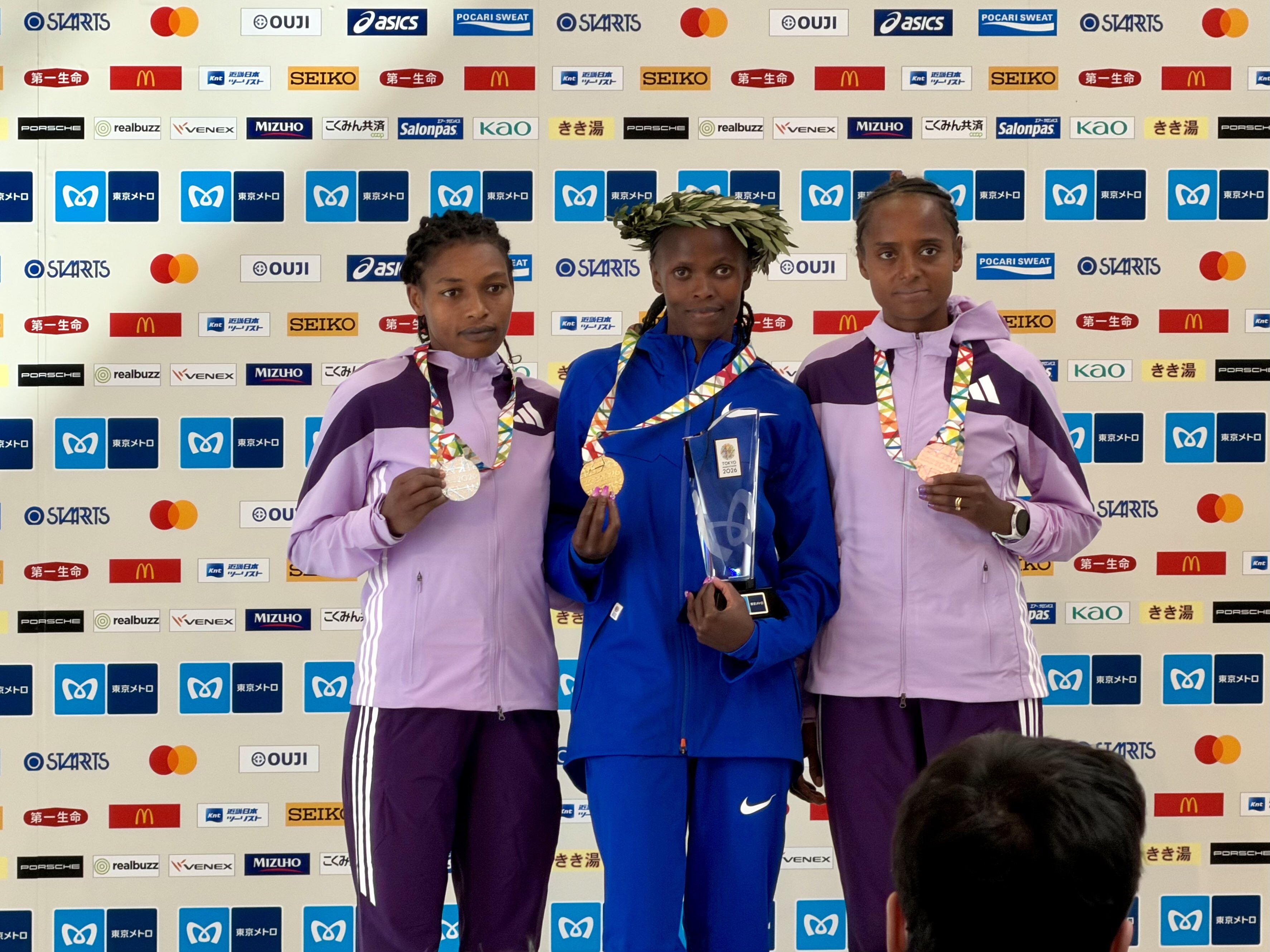
Behind her, Ethiopia’s Bertukan Welde delivered a career-defining run. Clocking 2:16:36, she secured second place with a personal best, demonstrating remarkable composure in one of the deepest fields assembled this season. Her breakthrough performance signals a powerful emergence on the global marathon stage.
The battle for the final podium spot produced the day’s most dramatic moment. Ethiopia’s Hawi Feysa and compatriot Sutume Asefa Kebede were inseparable in the closing metres. In a thrilling sprint to the line, both were credited with 2:17:39, but Feysa edged ahead by the narrowest of margins to claim third, sealing an unforgettable duel that electrified the finish area.
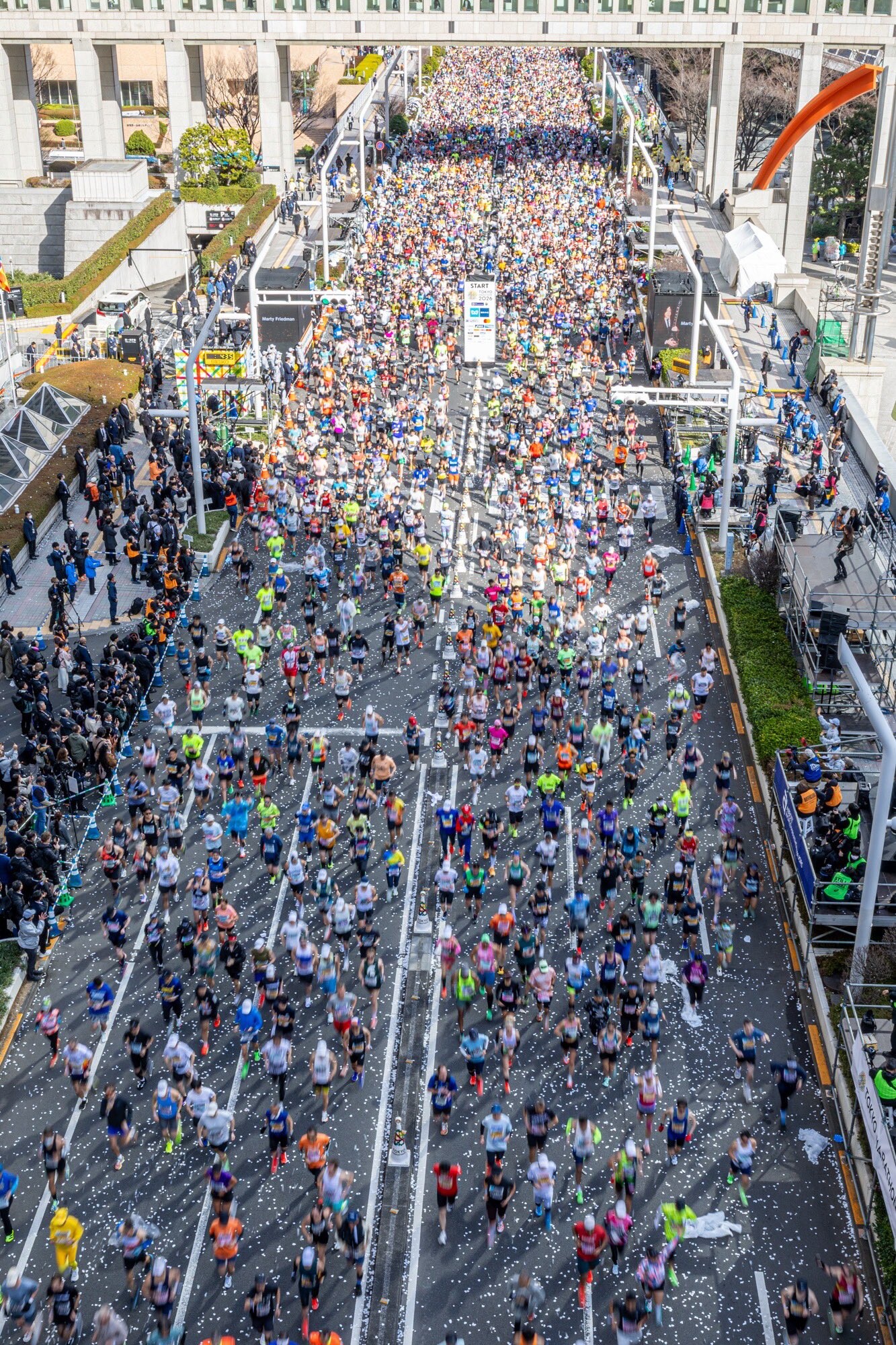
The 2026 edition once again highlighted Tokyo’s reputation as one of the premier stages in global road racing, blending fast conditions with elite depth and tactical racing of the highest order.
Top 10 Women – Official Results
1. Brigid Kosgei (KEN) – 2:14:29 (CR)
2. Bertukan Welde (ETH) – 2:16:36 (PB)
3. Hawi Feysa (ETH) – 2:17:39
4. Sutume Asefa Kebede (ETH) – 2:17:39
5. Megertu Alemu (ETH) – 2:18:50
6. Viola Cheptoo (KEN) – 2:19:05
7. Mestawut Fikir (ETH) – 2:20:00
8. Aberu Ayana (ETH) – 2:20:30
9. Pascalia Jepkogei (KEN) – 2:21:39
10. Ai Hosoda (JPN) – 2:23:39
Beyond the podium, the depth of the field reflected the continued rise of women’s marathon running across continents — from Africa to Asia, Europe to Oceania and the Americas. Every athlete in the top ranks contributed to a race defined by courage, precision, and competitive spirit.
Tokyo once again proved that when the world’s finest gather on its roads, history is never far away. And in 2026, it belonged to Brigid Kosgei — a champion rewriting records with every decisive stride.
(02/28/2026) ⚡AMPby Erick Cheruiyot for My Best Runs.
Tokyo Marathon
The Tokyo Marathon is a world-renowned annual marathon held in Tokyo, Japan. As one of the prestigious Abbott World Marathon Majors, it attracts elite and amateur runners from around the globe. The race holds World Athletics Platinum Label status, recognizing its high competitive standards, top-tier organization, and international appeal. Sponsored by Tokyo Metro, the Tokyo Marathon has grown into one...
more...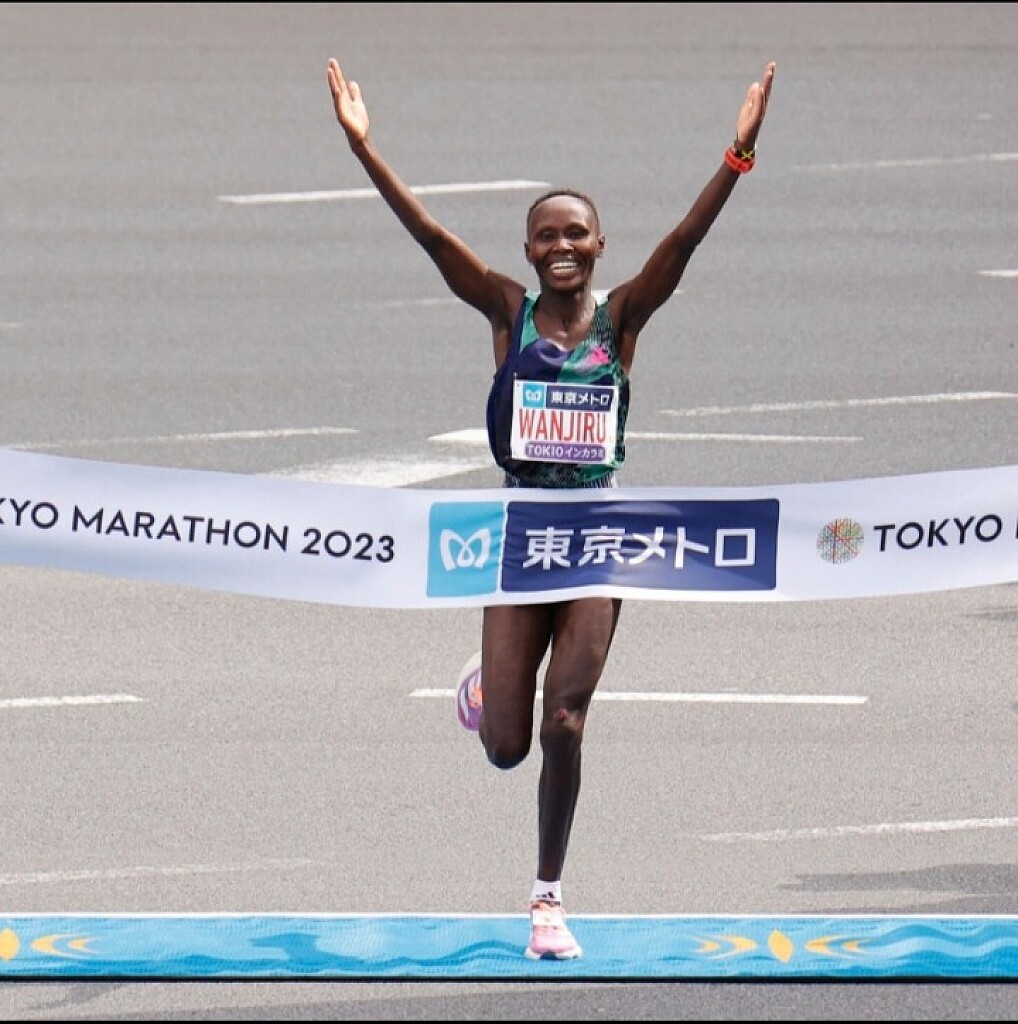
Wanjiru Returns to Tokyo: Kenya’s Marathon Queen Ready for Another Golden Chapter
She is back where memories were made and history was written.
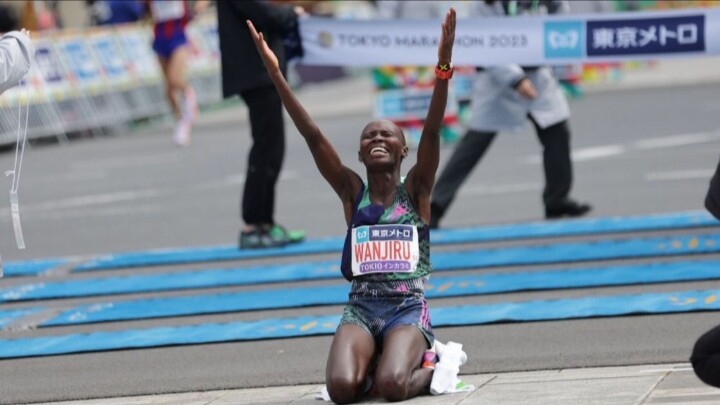
When the women’s elite field gathers in Tokyo for the Tokyo Marathon on Sunday, March 1, 2026, much of the attention will naturally settle on Rosemary Wanjiru — an athlete whose journey on these streets has already been remarkable.
Tokyo is more than just another stop on the marathon circuit for Wanjiru. In 2023, she produced a commanding performance to claim the title, controlling the race with confidence and finishing with authority. It was a breakthrough moment that elevated her standing among the world’s elite.
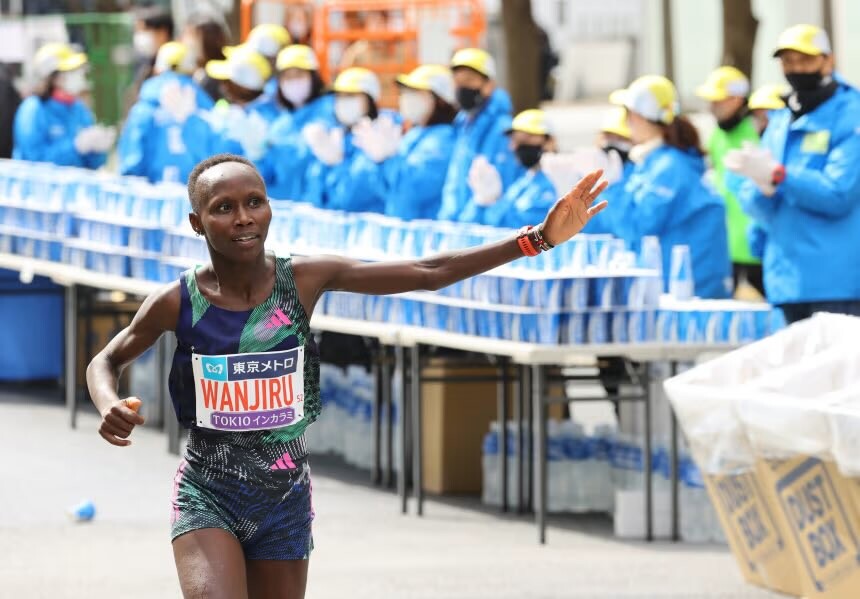
She returned to the same course and delivered even greater evidence of her progress, clocking a personal best of 2:16:14 — a time that underscored her ability to blend strength with precision pacing. On Tokyo’s fast layout, Wanjiru has consistently shown composure, patience in the early stages, and decisive strength when the race reaches its critical moments.
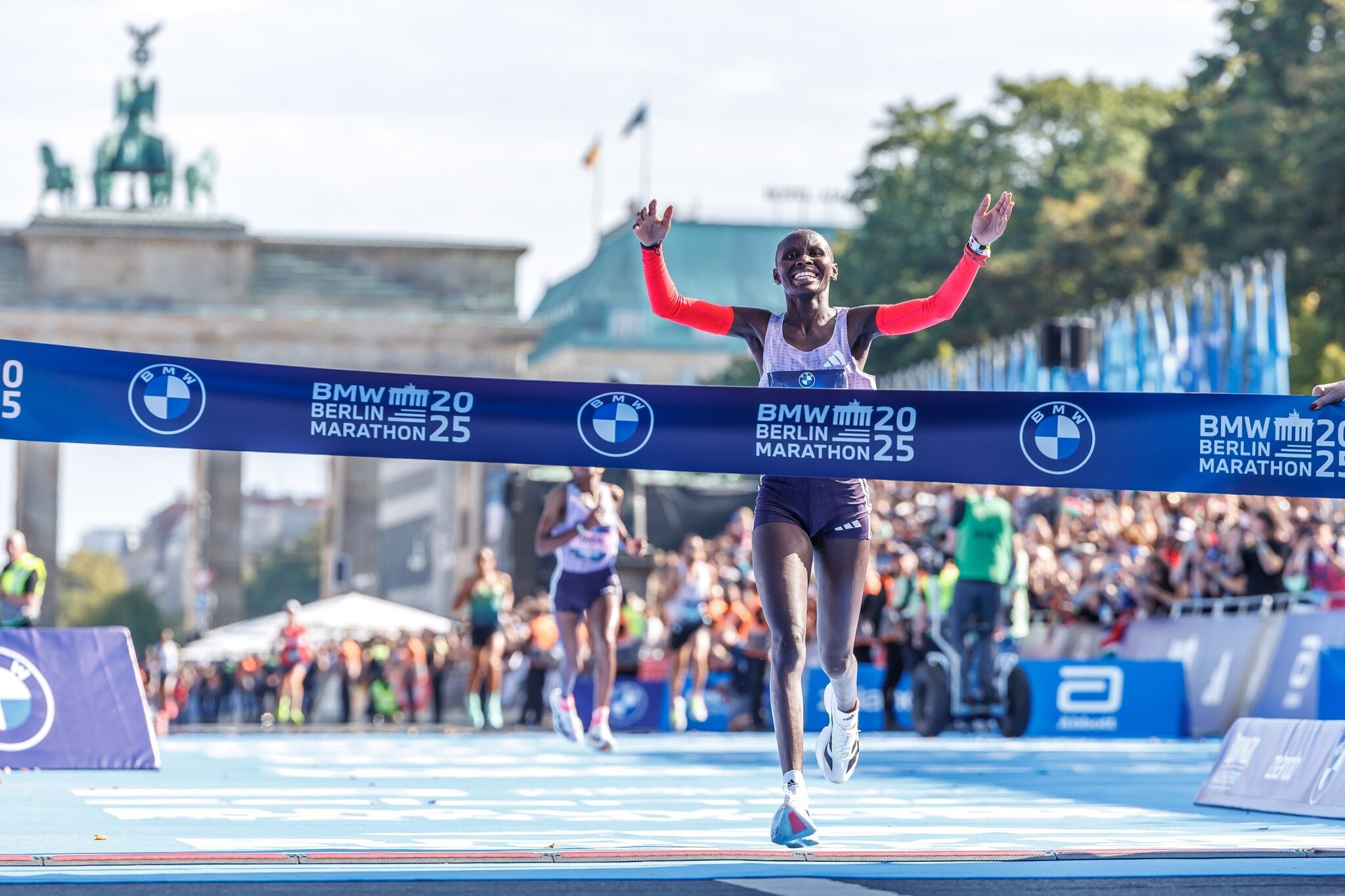
Her victory at the Berlin Marathon in 2025 added another dimension to her profile. Berlin, widely respected for its speed and depth of competition, demanded both tactical awareness and sustained aggression. Wanjiru met that challenge with maturity, reinforcing her reputation as one of the most reliable performers on the global stage.
Yet this year’s return comes within a broader competitive context. Defending champion Sutume Asefa Kebede will seek to protect her crown, while former world record holder Brigid Kosgei brings invaluable experience to the contest. The presence of such accomplished rivals ensures that Tokyo 2026 will be shaped by collective excellence rather than individual expectation.
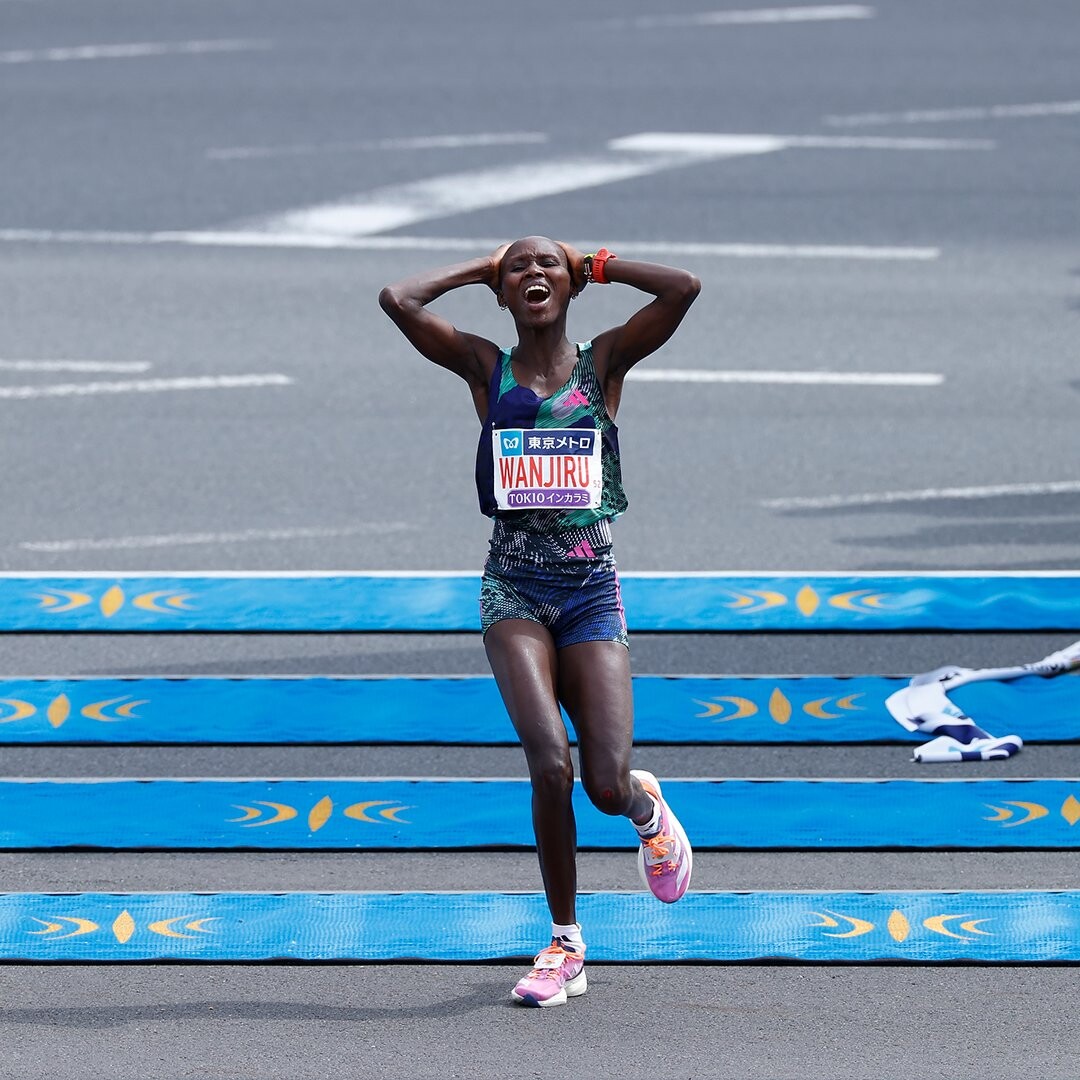
For Wanjiru, the objective is clear but measured: execute her race plan, respond to the rhythm of the field, and compete with the calm authority that has defined her recent seasons. The elite Men's and Women’s race in Tokyo will set off at 9:10 AM local time (JST). For fans following from across the world, this corresponds to earlier or later local times.
Local Time
Tokyo, Japan (JST)
9:10 AM
Sunday, Mar 1
Nairobi, Kenya (EAT)
3:10 AM
Sunday, Mar 1
As dawn breaks over Tokyo, Wanjiru will line up among the world’s best, representing Kenya’s depth in marathon running. While she is a leading contender, the race promises to be highly competitive, with multiple athletes capable of challenging for podium positions.
Tokyo 2026 is a global stage where strategy, endurance, and resilience define the winners. Rosemary Wanjiru’s return adds star power, but the race is open — and every competitor has a chance to make history.
(02/28/2026) ⚡AMPby Erick Cheruiyot for My Best Runs.
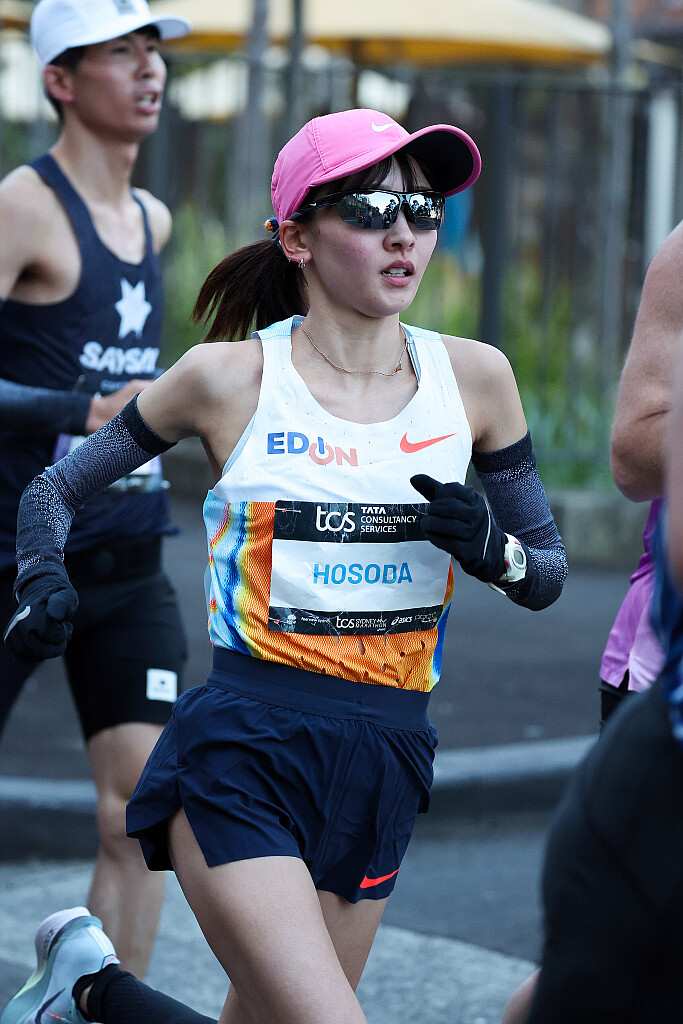
Queens of the Marathon: A Loaded Women’s Field Set to Ignite Tokyo 2026
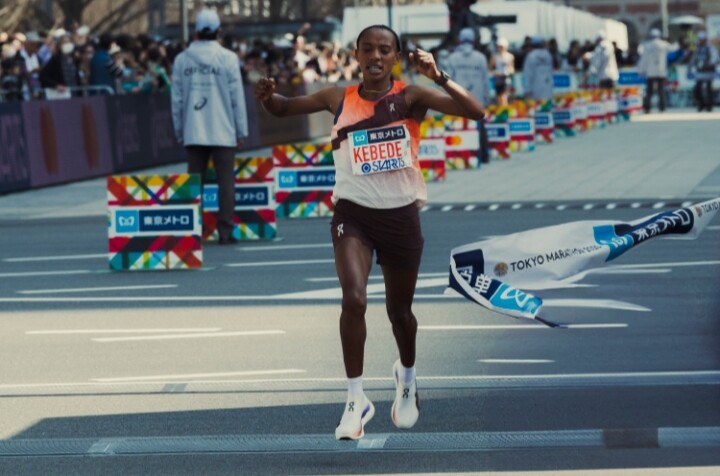
The women’s race at the 2026 Tokyo Marathon to be staged on 1st March in Tokyo, Japan is shaping up to be one of the deepest and most compelling contests in recent marathon history, blending reigning champions, global major winners, national icons, and seasoned veterans into a single high-stakes showdown. At the center of the narrative stands Ethiopia’s formidable title defender Sutume Asefa Kebede, who returns to Tokyo chasing a third consecutive victory after dominating the previous two editions and establishing herself as the course record holder.
Kebede’s authority in Tokyo has been built on tactical intelligence and relentless pace control, but her path to another triumph will be far from straightforward. Among the most dangerous challengers is compatriot Hawi Feysa, who finished third in Tokyo last year before ascending to global prominence with victory at the 2025 Chicago Marathon. Her breakthrough confirmed what many suspected — that she possesses the finishing speed and endurance to win on any major stage.
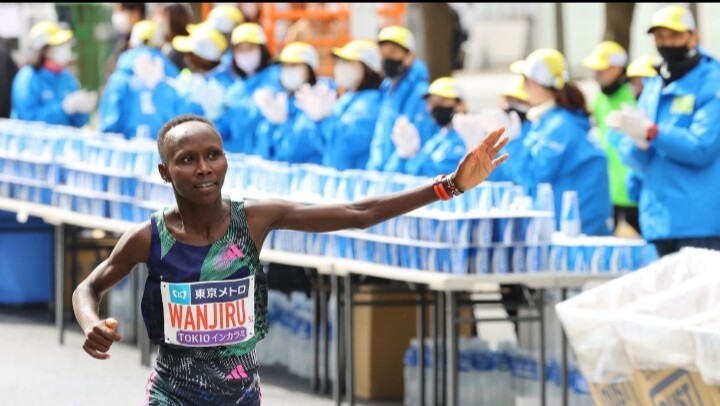
Another major threat comes from Kenya’s Rosemary Wanjiru, the 2025 Berlin Marathon champion, whose consistency at the highest level continues to make her one of the most dependable performers in elite women’s marathoning. With proven championship composure and a powerful late-race surge, Wanjiru enters Tokyo as a genuine title contender capable of disrupting Ethiopian dominance.
The depth extends even further with a wave of major champions from the past two seasons. Ethiopia’s Megertu Alemu, winner in Valencia in 2024, arrives with one of the fastest personal bests in the field, while Bertukan Welde brings confidence from her victory in Prague in 2025. Adding to the Ethiopian strength is Mestawut Fikir, who captured the Paris Marathon crown in 2024, and Waganesh Mekasha, winner of Osaka the same year — further proof of the nation’s extraordinary marathon pipeline.
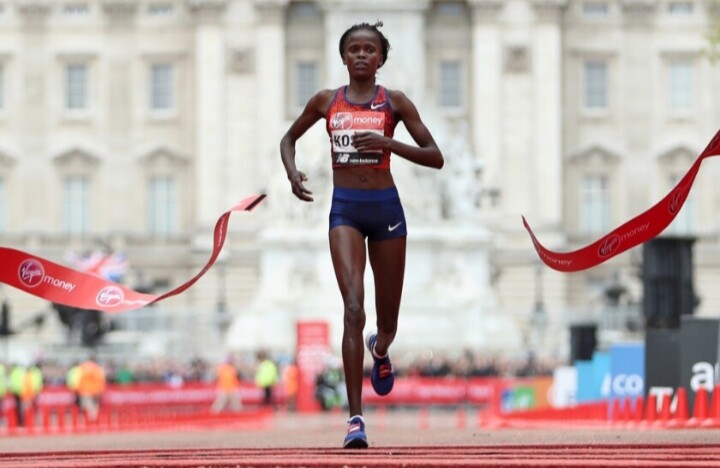
Yet perhaps the most recognizable name in the field remains Kenya’s Brigid Kosgei, the former world record holder whose 2:14:04 still ranks among the fastest performances ever recorded by a woman. Kosgei’s experience, championship pedigree, and proven ability to handle aggressive pacing make her presence alone a psychological factor for the entire field.
Japan’s hopes will largely rest on Ai Hosoda, currently the nation’s seventh-fastest woman in history. Hosoda produced a career-best 2:20:31 in Berlin in 2024 and recently announced that Tokyo will serve as her farewell race. The emotional weight of competing at home in her final marathon could provide an added dimension of motivation, especially after she secured qualification for the 2028 Olympic Trials with a strong performance in Sydney last year.
Beyond the headline names, the international depth remains impressive. Canada’s Malindi Elmore brings championship experience and resilience, while American veteran Sara Hall continues to defy expectations deep into her career. China fields a strong contingent led by Yuyu Xia, joined by Poland’s Aleksandra Brzezińska and Australia’s Vanessa Wilson, all capable of influencing the race dynamics if conditions or tactics shift.
What makes Tokyo particularly fascinating is the blend of proven speed and competitive hunger. Several athletes own personal bests under 2:18, creating the possibility of a historically fast race if pacing conditions align. But Tokyo is rarely predictable. Weather, pack strategy, and the psychological battle after 35 kilometers often determine the final outcome more than raw times on paper.
As the world turns its attention to Japan’s capital, one question dominates: can Kebede secure a historic three-peat, or will a new champion emerge from one of the strongest women’s marathon fields assembled this season?
(02/26/2026) ⚡AMPby Erick Cheruiyot for My Best Runs.
Tokyo Marathon
The Tokyo Marathon is a world-renowned annual marathon held in Tokyo, Japan. As one of the prestigious Abbott World Marathon Majors, it attracts elite and amateur runners from around the globe. The race holds World Athletics Platinum Label status, recognizing its high competitive standards, top-tier organization, and international appeal. Sponsored by Tokyo Metro, the Tokyo Marathon has grown into one...
more...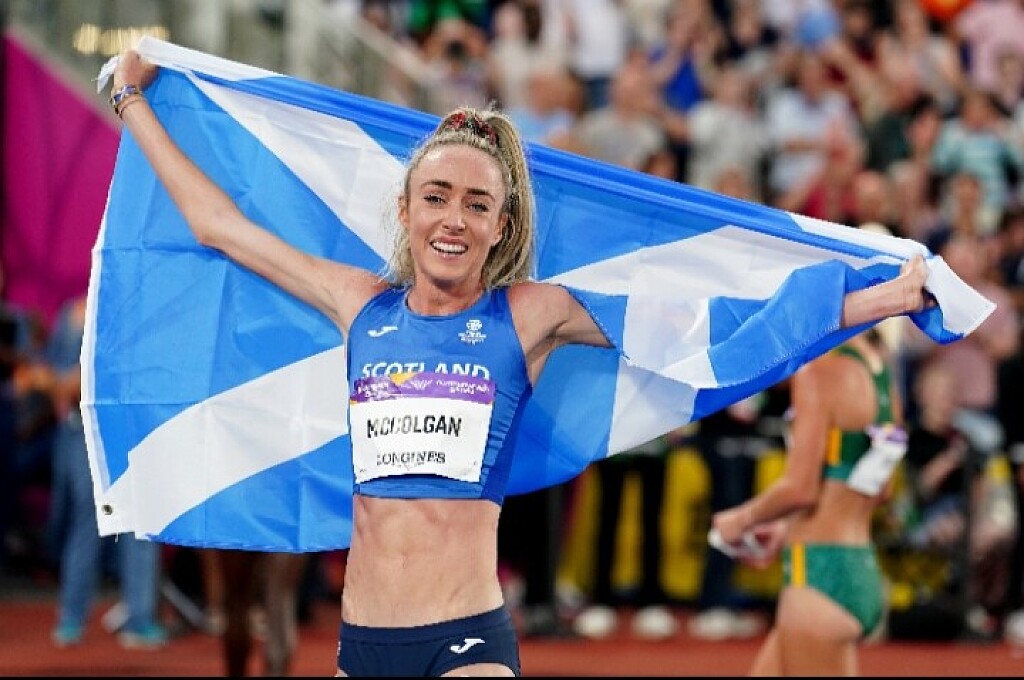
Emile Cairess and the Rise of British Marathon Belief: Chasing History in London
British marathon running is rediscovering its confidence — and Emile Cairess believes that belief may be the most powerful performance enhancer of all.
At 28, Cairess has quietly positioned himself at the forefront of a new generation of British male distance runners who are no longer content with national relevance alone. Their ambitions are global, their standards higher, and their performances increasingly competitive against the East African dominance that has long defined the marathon.
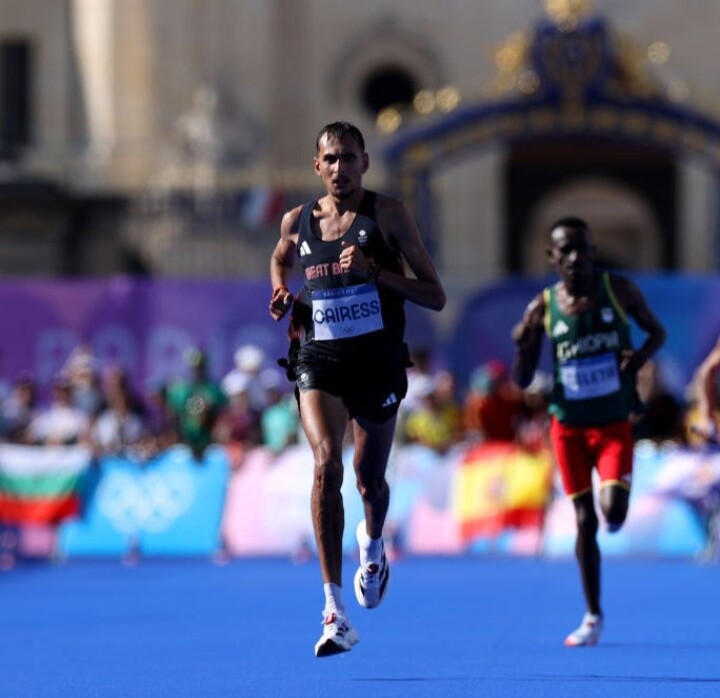
Cairess’ trajectory over the past two seasons explains why expectations are growing. His third-place finish at the 2024 London Marathon announced him as a serious contender, but it was his fourth-place performance at the Paris 2024 Olympics marathon that truly confirmed his class — the joint-best Olympic result by a British man in 40 years.
Now his focus turns toward a historic target: the long-standing British marathon record of 2:05:11 set by four-time Olympic champion Mo Farah in 2018. The mark has endured for years, but Cairess senses the psychological barrier around it beginning to weaken.
According to him, progress in elite sport often begins with proof. Once one or two athletes demonstrate what is possible, perceptions shift — and limits move.
That shift is already visible across Britain’s marathon scene.
Olympic triathlon champion Alex Yee produced a remarkable 2:06:38 in Valencia in December 2024 to become the second-fastest British marathon runner in history, briefly moving ahead of Cairess. In a detail that reflects the supportive spirit within this emerging generation, Cairess himself played a pacing role during that race.
Behind them, Mahamed Mahamed and Philip Sesemann have both recorded performances within two minutes of Farah’s national record in recent seasons, while Patrick Dever added fresh excitement with an outstanding fourth-place finish on his marathon debut in New York.
For Cairess, this collective progress is not coincidence — it is momentum.
When athletes see their peers succeeding, belief grows. Training standards rise. Confidence deepens. What once felt exceptional begins to feel attainable. He describes it as a snowball effect: success multiplying through shared inspiration.
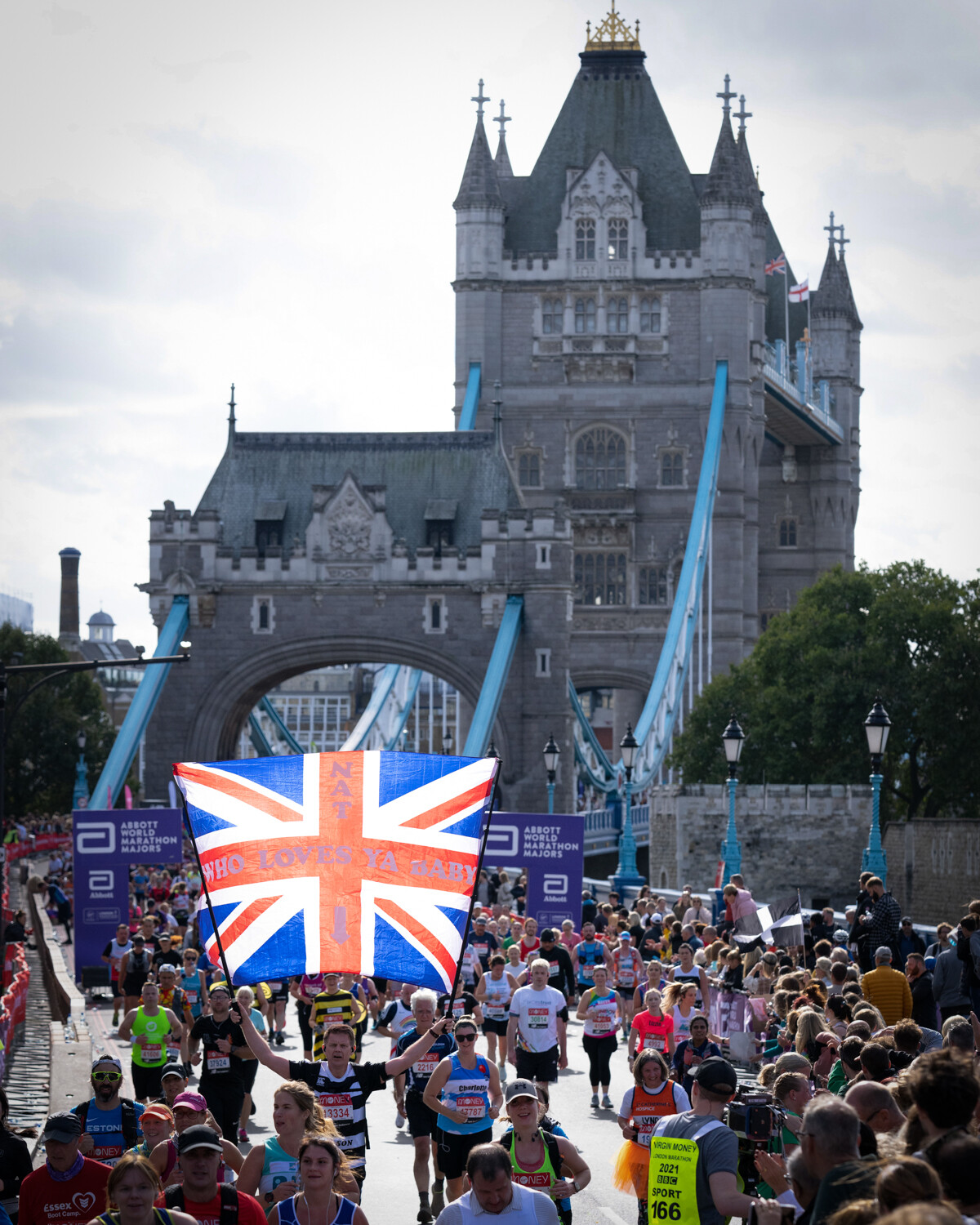
That momentum will converge on Sunday, 27 April 2025, at the TCS London Marathon, where Cairess will line up alongside Mahamed, Sesemann, and Dever. With Yee returning his primary focus to triathlon, Cairess carries the responsibility of leading the British charge — not only against the clock, but against the world’s best Kenyan and Ethiopian athletes.
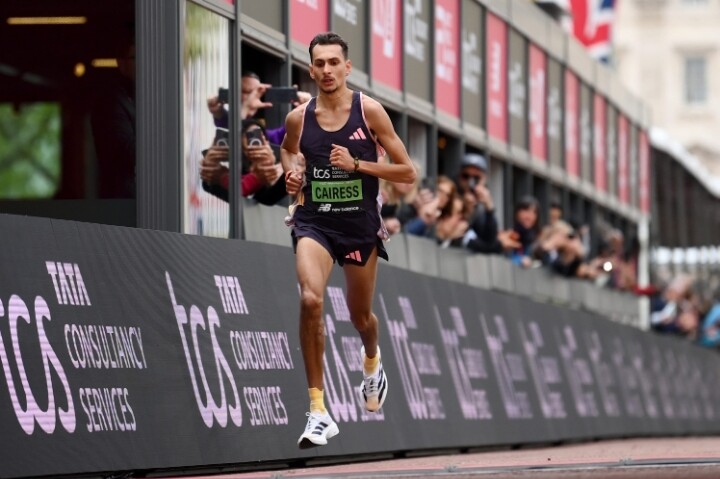
Yet his mindset remains outward-looking. National records matter, but global competitiveness matters more. His ambition is not simply to become Britain’s fastest — it is to compete fearlessly at the very highest level of marathon running.
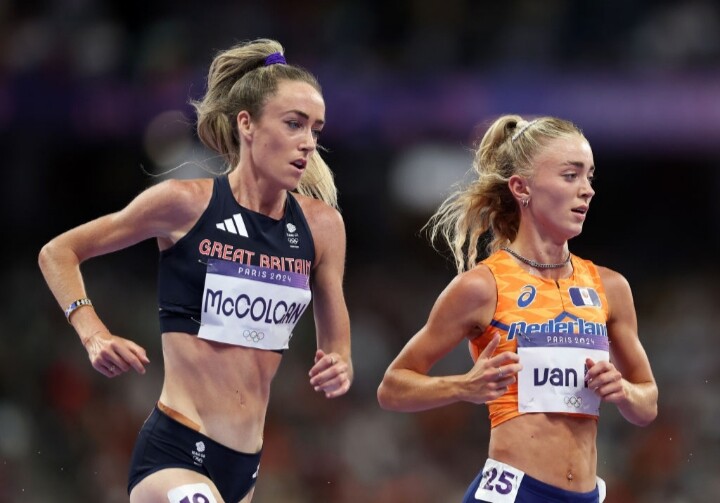
The sense of renewal extends to the women’s field as well. Eilish McColgan returns to London after an impressive marathon debut last year, where she set a Scottish record and demonstrated her potential over the distance. She joins a race featuring five of the ten fastest British women in history, highlighting the depth currently developing across British endurance running.
(02/26/2026) ⚡AMPby Erick Cheruiyot for My Best Runs.

TCS London Marathon
The London Marathon was first run on March 29, 1981 and has been held in the spring of every year since 2010. It is sponsored by Virgin Money and was founded by the former Olympic champion and journalist Chris Brasher and Welsh athlete John Disley. It is organized by Hugh Brasher (son of Chris) as Race Director and Nick Bitel...
more...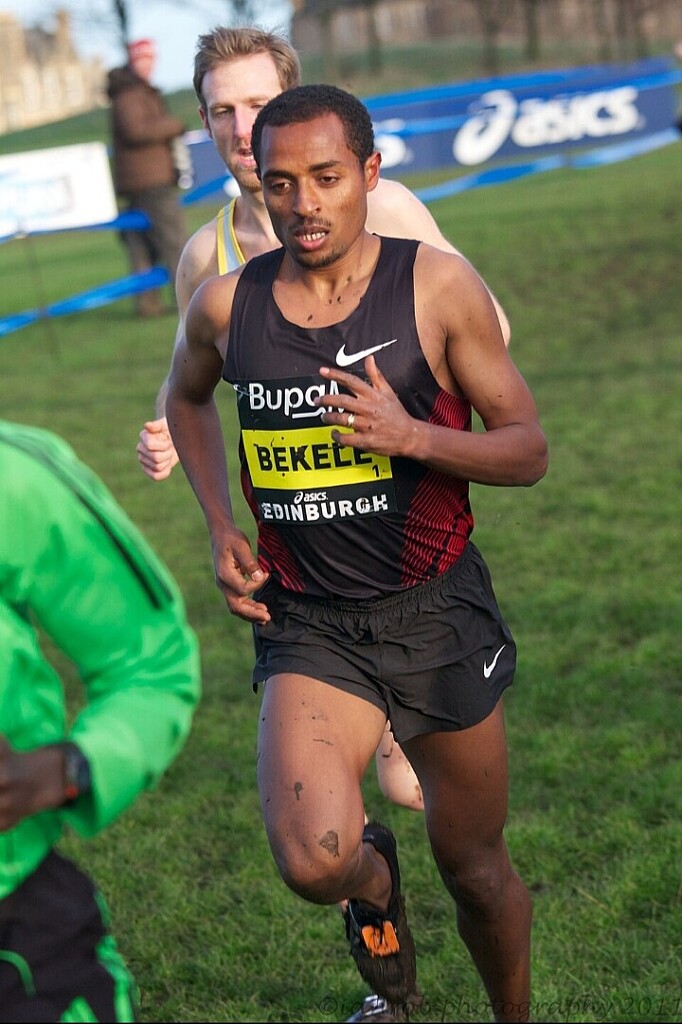
The Relentless Flame: Kenenisa Bekele and the Art of Running Beyond Limits
There are athletes who win races, and then there are rare souls whose movement feels almost like poetry — effortless yet powerful, gentle yet unstoppable. On a warm August evening in Brussels in 2001, under the honey-gold glow of stadium lights, a slender Ethiopian teenager floated across the track with a quiet certainty that something extraordinary was unfolding.
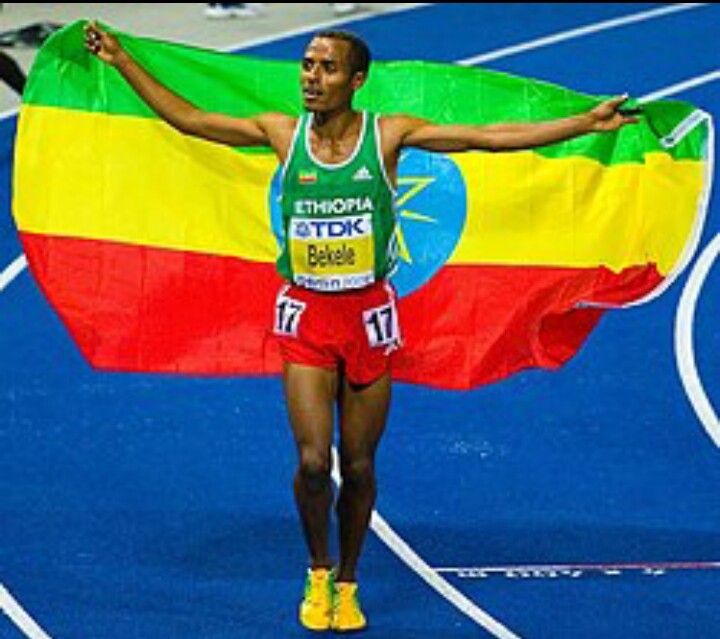
The crowd watched, curious at first, then captivated. When the clock stopped at 7:30.67 for 3000 metres at the Memorial Van Damme, applause filled the air. It was announced as a world junior record, but what lingered was not just the number — it was the feeling. The feeling of witnessing hunger wrapped in grace, ambition wrapped in innocence.
The teenager was Kenenisa Bekele, and even then, you could sense he was not chasing applause. He was chasing possibility.
For three and a half years, that junior record stood as a quiet monument to ambition before Augustine Choge eventually lowered it. Records, after all, are built to fall. Yet the resonance of Bekele’s performance lingered — the unmistakable arrival of a force that would soon redefine distance running.
Even before Brussels, his ascent had begun to take shape in unexpected corners of Europe. In the small Dutch town that hosts the Montferland Run, he collected victories in 2000 and 2001 with an almost casual authority. Fifteen kilometres through winter air and narrow streets looked less like competition and more like controlled expression. But nothing about Bekele was ever routine. Beneath the calm exterior was a furnace of ambition.
Then came the terrain where legends are forged — mud, grass, cold wind, and pain — the IAAF World Cross Country Championships. Between 2002 and 2006, Bekele achieved something so extraordinary it borders on myth: he won both the short course and long course titles every single year for five consecutive seasons. No athlete before or since has replicated such dominance. The physiological toll alone should have made it impossible — the explosive intensity of the short race followed by the grinding endurance of the long. Yet he returned each year stronger, hungrier, untouchable.
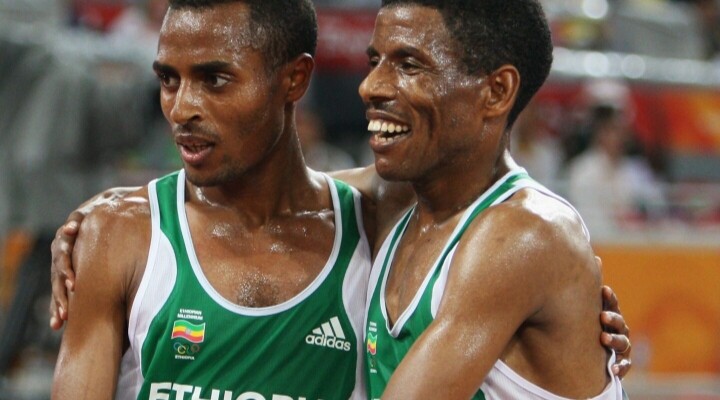
When the short course was discontinued after 2006, he stepped away briefly, then returned in 2008 to claim the long-course crown once more, almost ceremonially, as though closing a chapter he himself had authored. By then his cross-country medal collection had reached staggering proportions — nineteen in total, including eleven senior individual golds. Statistics struggled to contain the scale of his supremacy.
But numbers alone never explained the aura.
On the track, Bekele possessed an almost predatory intelligence. He would sit quietly in the pack, conserving energy with deceptive ease. Then, with laps remaining, something would ignite. At the 2003 Bislett Games in Oslo, he tracked down the Kenyan leader with chilling precision before unleashing a decisive kick to win in 12:52.26. It was not merely speed — it was timing, instinct, and psychological dominance. Rivals knew the surge was coming. They simply could not stop it.
And hovering over his rise was a rivalry that felt almost epic in scale: Bekele against Haile Gebrselassie. The reigning emperor of distance running and the fearless successor. Early encounters favored the veteran, who reminded the young challenger of the existing hierarchy. But by 2003, the balance began to shift. Bekele edged Gebrselassie over 10,000 metres in Hengelo, then continued to outperform him across major championships.
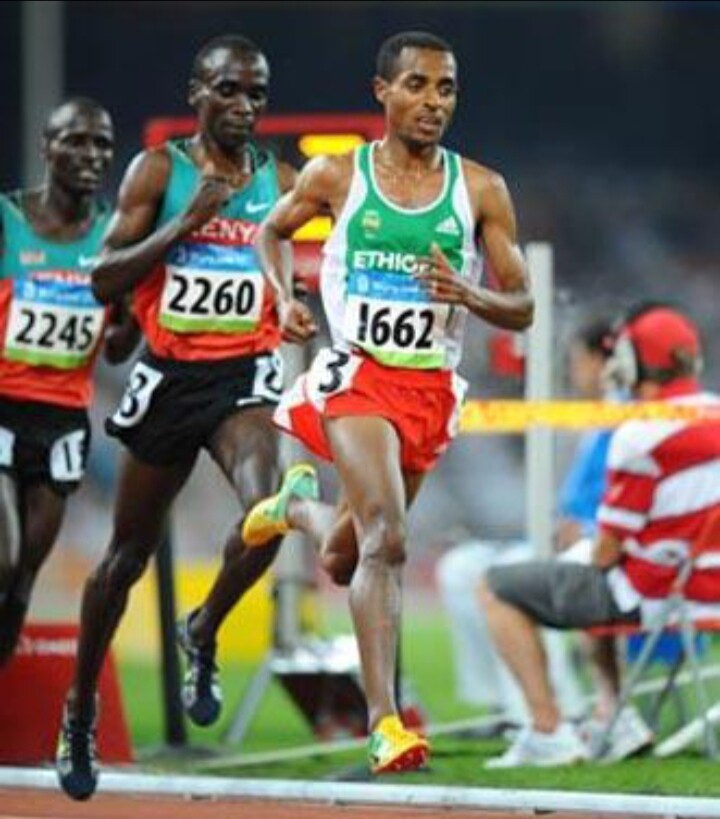
At the 2004 Athens Olympics, Bekele captured 10,000-metre gold while Gebrselassie faded to fifth. Four years later, at the 2008 Beijing Olympics, history repeated itself. The apprentice had become the standard. Even on the roads, including the Great North Run, Bekele would later finish ahead. Their rivalry was not merely competitive — it symbolised the passing of an era.
The year 2004 crystallised his dominance. Within nine astonishing days, Bekele broke the indoor 5000-metre world record, then the outdoor 5000, and finally the 10,000-metre world record — as if impatience with history itself drove him. He swept cross-country titles again, led Ethiopia to team victories, and left Athens with Olympic gold and silver. Distance running had a new gravitational centre, and it was him.
Yet life does not always move in harmony with triumph.
On January 4, 2005, a deeply personal loss entered his world during what should have been an ordinary training morning. Alem Techale — the 1500-metre World Youth Champion of 2003 — was running alongside Bekele in Ararat, a forested, hilly area on the outskirts of Addis Ababa. The two were sharing the familiar rhythm of training when she suddenly collapsed. Bekele immediately carried her to his car and rushed toward the hospital, hoping urgency might change the outcome. But on the way, she passed away. What remained was a silence that no explanation could fully fill — only memories of shared miles, shared dreams, and a companionship that had once felt limitless.
For a time, the noise of competition softened around him. But step by step, he continued — not because pain disappears, but because the human heart has a quiet way of learning to carry both love and loss together.
Because in the end, Kenenisa Bekele’s story is not simply about speed, medals, or records etched into history books. It is about the tenderness hidden inside strength. It is about a young boy who ran with wonder in his spirit, a champion who experienced both luminous joy and quiet sorrow, and a man who kept moving forward with grace. His journey reminds us that greatness is not only measured by how fast someone runs, but by how gently someone keeps going — through seasons of celebration, through moments of silence, through life itself — one faithful stride at a time.
(02/25/2026) ⚡AMPby Erick Cheruiyot for My Best Runs.
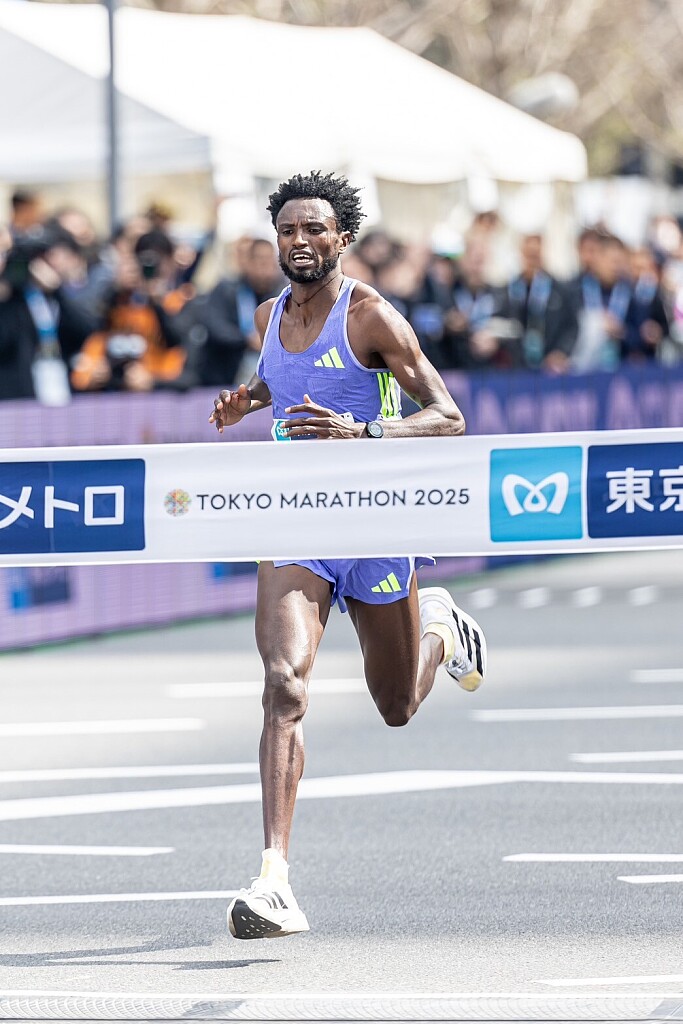
Tokyo’s Ultimate Test: A Marathon Showdown Loaded with Champions, Records, and Rising Threats
The men’s race at the Tokyo Marathon 2026 to be held on Sunday 1st March in the streets of Tokyo, Japan is shaping up to be one of the deepest and most unpredictable contests the event has witnessed in recent years. A compelling mix of returning stars, major champions, national record holders, and ambitious debutants ensures that the battle through Japan’s capital will be anything but routine. At the center of the narrative stands defending champion Tadese Takele, whose breakthrough victory last year transformed him from a promising talent into a proven major winner. Yet, defending a title in a field of this magnitude may prove even more difficult than winning it the first time.
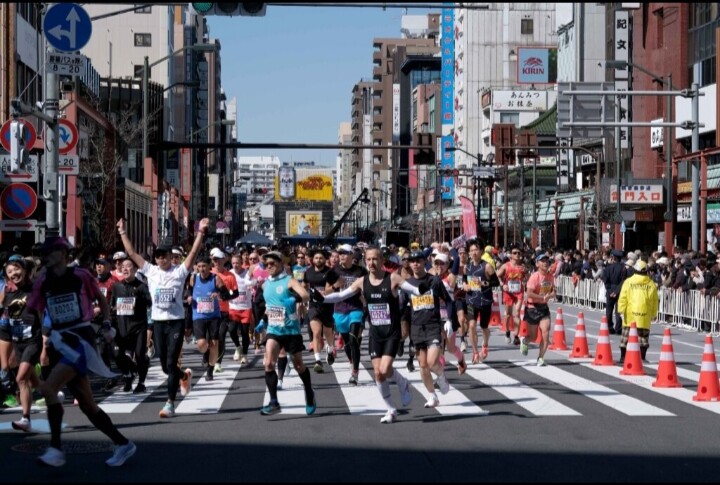
Several familiar rivals return with unfinished business. Among them is third-place finisher Vincent Kipkemoi Ngetich, alongside Geoffrey Toroitich, Suldan Hassan, and Japan’s own Tsubasa Ichiyama, all of whom cracked the top ten a year ago. Their familiarity with the course and conditions adds another tactical dimension to the race, particularly if the pace turns aggressive early.
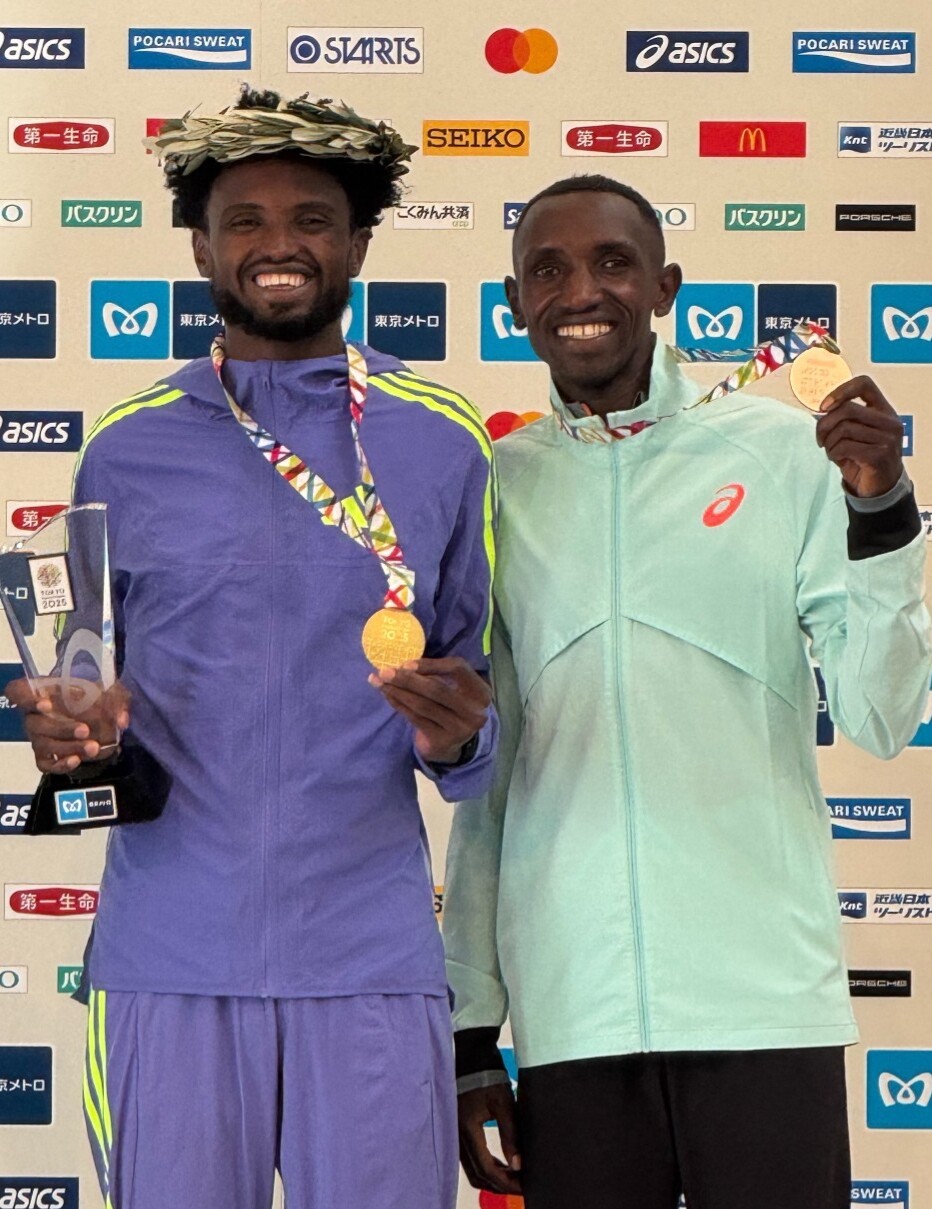
On paper, however, the fastest credentials belong to Timothy Kiplagat and Alexander Mutiso. Kiplagat, runner-up in Tokyo in 2024, owns a personal best of 2:02:55 and has already demonstrated his ability to handle the unique rhythm of this course. Mutiso arrives with the confidence of a major champion after conquering London in 2024, and his 2:03:11 lifetime best positions him squarely among the favorites. When athletes of such caliber collide, races often shift from tactical chess matches to brutal tests of endurance.
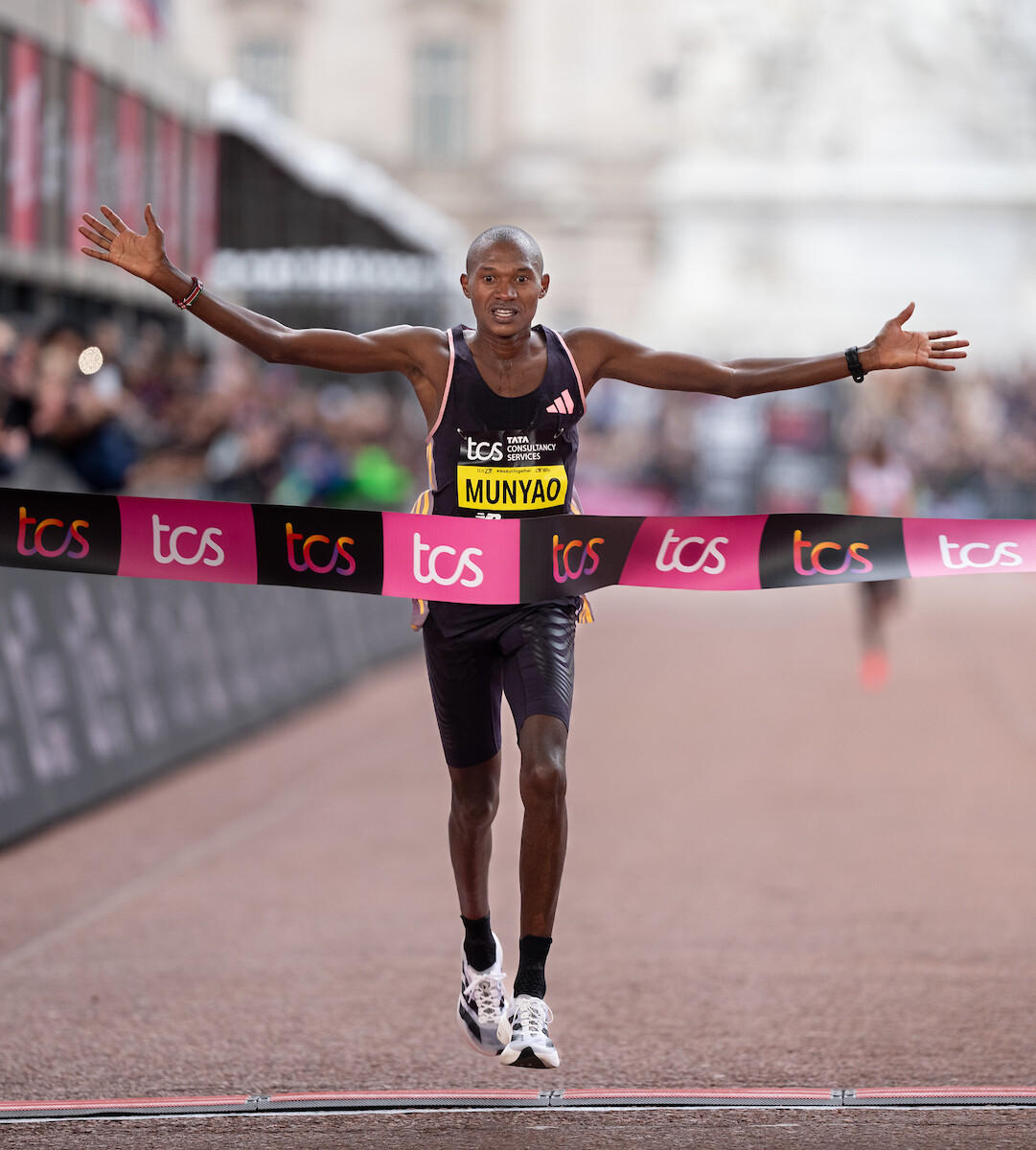
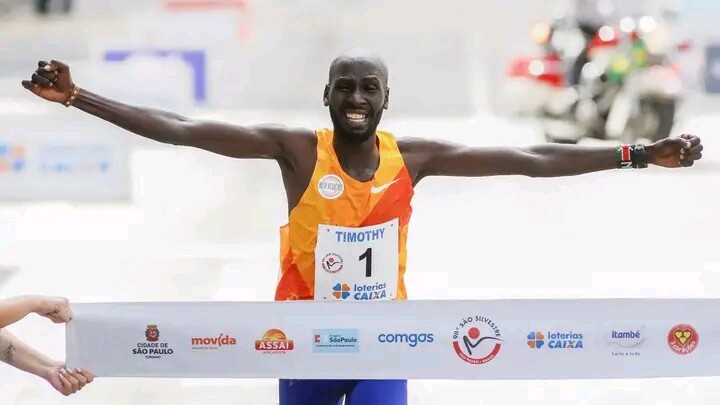
The field’s strength deepens further with global champions. Milkesa Mengesha, winner in Berlin in 2024, brings proven major-winning pedigree, while Chalu Deso returns as a former Tokyo champion eager to reclaim dominance. Olympic and world track star turned marathon force Selemon Barega adds intrigue as well, his 2:05:15 personal best hinting at untapped marathon potential that could surface dramatically on race day.
Japan’s elite contingent may be the most compelling storyline of all. National record holder Suguru Osako leads a formidable home squad that includes former record holder Kengo Suzuki, debut national record setter Ryota Kondo, and Ichiyama. Collectively, they account for four of the nine fastest Japanese marathon performances in history, reflecting the country’s remarkable progression in long-distance running. With the roar of home crowds behind them, the possibility of a historic domestic performance cannot be dismissed.

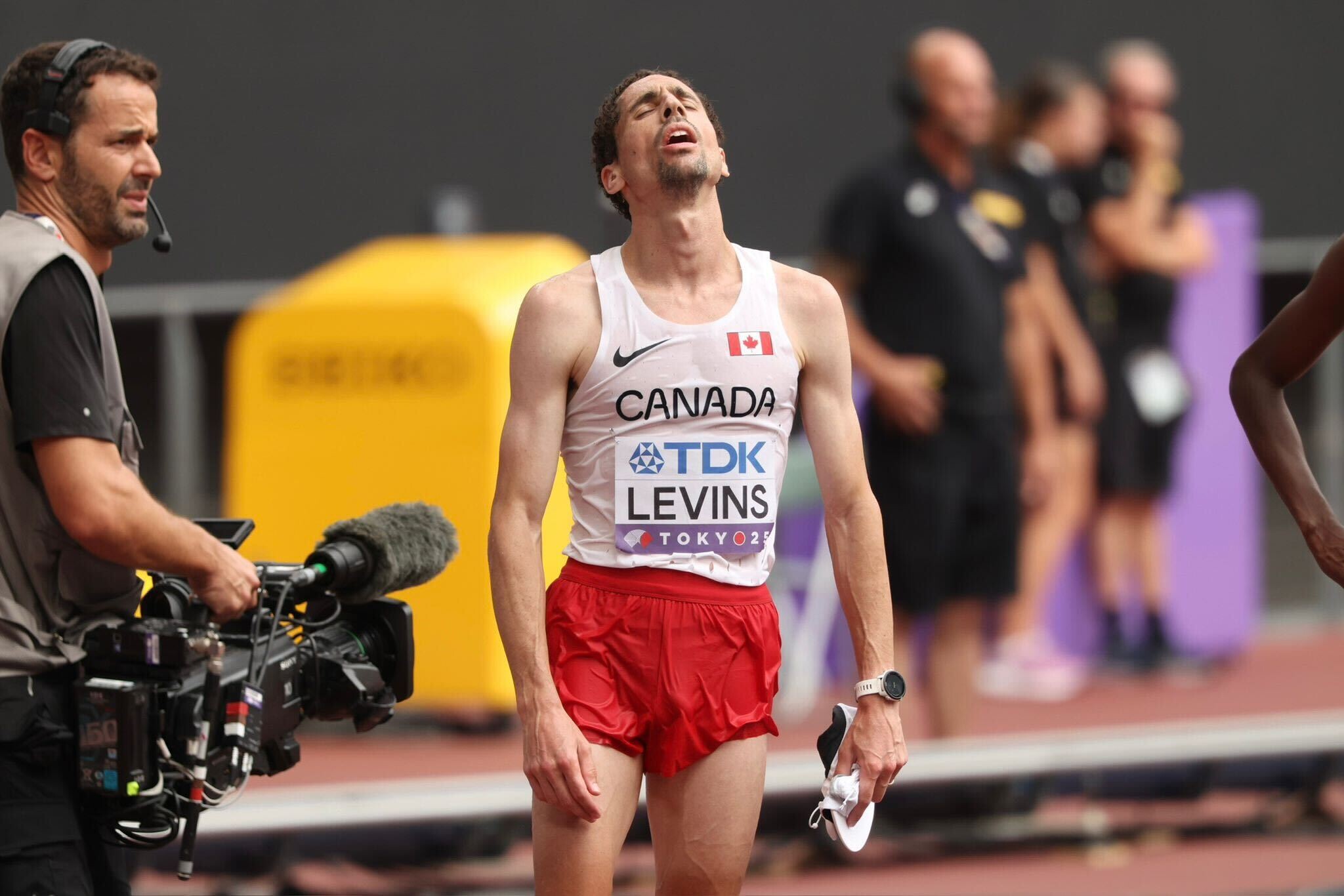
International depth extends far beyond the headline names. Canadian record holder Cam Levins adds North American firepower, while European challenges come from French record holder Morhad Amdouni and Italy’s world championship bronze medalist Iliass Aouani. Central Asia and East Asia are represented by Uzbekistan’s national record holder Shokhrukh Davlatov and China’s leading contender Peiyou Feng, while Ireland’s national record holder Fearghal Curtin adds further competitive depth.
The debut list introduces another layer of unpredictability. Japan-based Kenyan runners Richard Kimunyan and Vincent Yegon will test themselves over the classic distance for the first time, joined by promising collegiate standouts Shinsaku Kudo and Teruki Shimada. Debuts at this level often produce surprises, especially when emerging athletes seize the opportunity to challenge established hierarchies.
With elite entries clustered between 2:02 and 2:05 personal bests—including names like Dawit Wolde and Daniel Mateiko—the margin between victory and obscurity could be measured in seconds. Tokyo has a history of fast times and dramatic finishes, and 2026 promises another chapter worthy of the World Marathon Majors stage.
In a sport where preparation meets uncertainty, this race will ultimately reward not just speed, but courage—the willingness to surge when legs are heavy, to gamble when logic says wait, and to endure when the city’s long avenues seem endless. When the leaders turn toward the finish line, only one athlete will claim the crown, but the journey there may redefine the global marathon landscape.
(02/24/2026) ⚡AMPby Erick Cheruiyot for My Best Runs.
Tokyo Marathon
The Tokyo Marathon is a world-renowned annual marathon held in Tokyo, Japan. As one of the prestigious Abbott World Marathon Majors, it attracts elite and amateur runners from around the globe. The race holds World Athletics Platinum Label status, recognizing its high competitive standards, top-tier organization, and international appeal. Sponsored by Tokyo Metro, the Tokyo Marathon has grown into one...
more...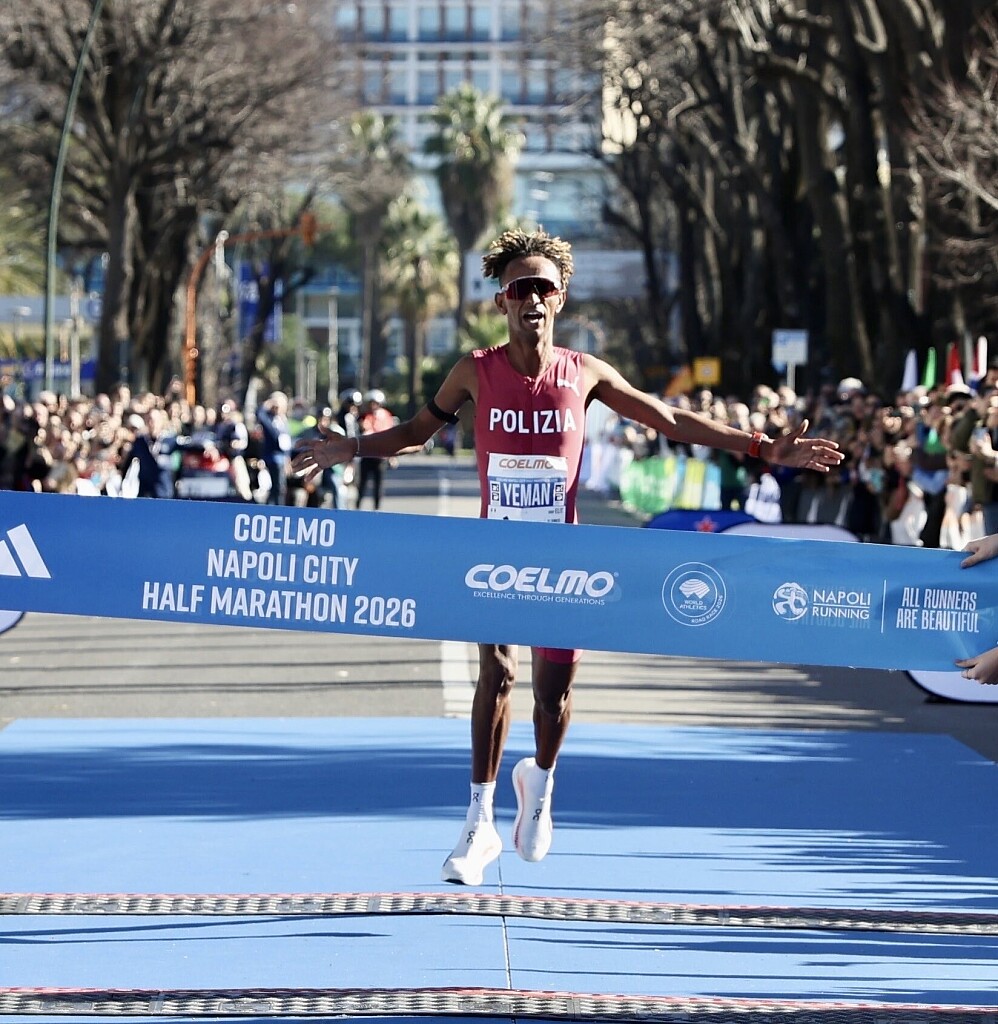
Crippa Shatters Italian Record as Napoli Half Marathon Delivers World-Class Showdown
The 2026 edition of the Napoli City Half Marathon unfolded as a celebration of elite endurance, tactical brilliance, and record-breaking ambition, with the streets of Naples providing a dramatic stage for unforgettable performances. At the center of the spectacle was Italy’s leading distance star, Yemaneberhan Crippa, who delivered the race of his life to secure victory in a remarkable 59:01.
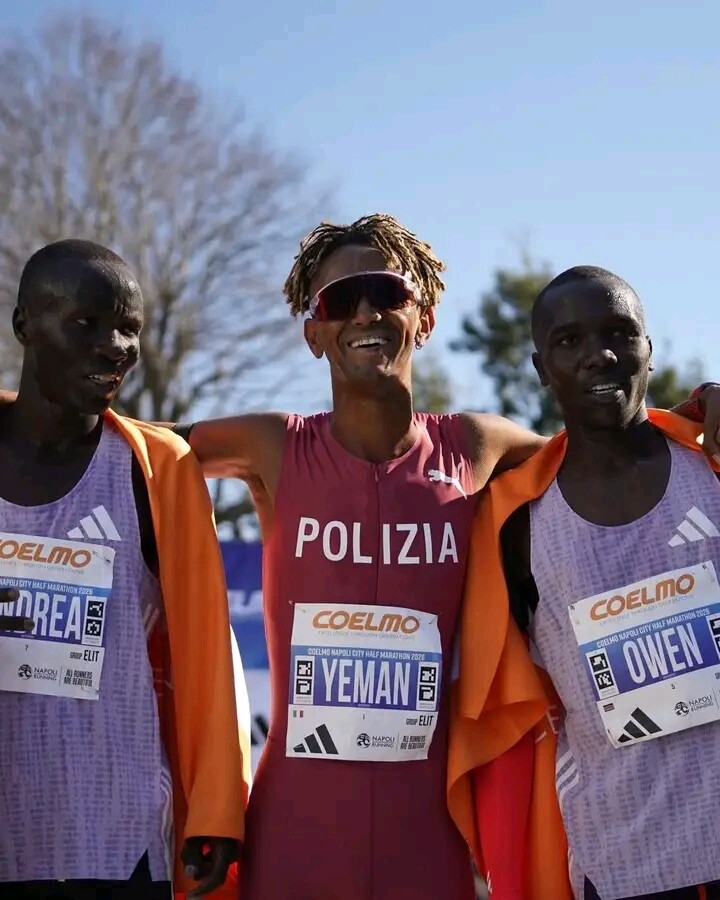
Executed with composure and authority, the performance shattered the Italian national record, improved his previous personal best of 59:26, and also erased the course record, marking one of the most significant achievements of his career. The time propelled him into second place on the European all-time rankings list, positioning him directly behind Sweden’s Andreas Almgren, whose continental mark stands at 58:41. Beyond statistics, the run confirmed Crippa’s arrival among the absolute elite of global road running.
The race developed with controlled patience through the early kilometers before a decisive increase in pace began to stretch the lead group. Once the surge came, only the strongest contenders could respond. Crippa’s relaxed mechanics, efficient cadence, and relentless forward momentum carried him clear as the closing stages approached, and the finish beneath the one-hour barrier confirmed both his dominance and his progression to a new level of performance. Strong Kenyan challengers ensured the tempo remained honest throughout, while another Italian athlete’s presence in the top five added further excitement for the home crowd.
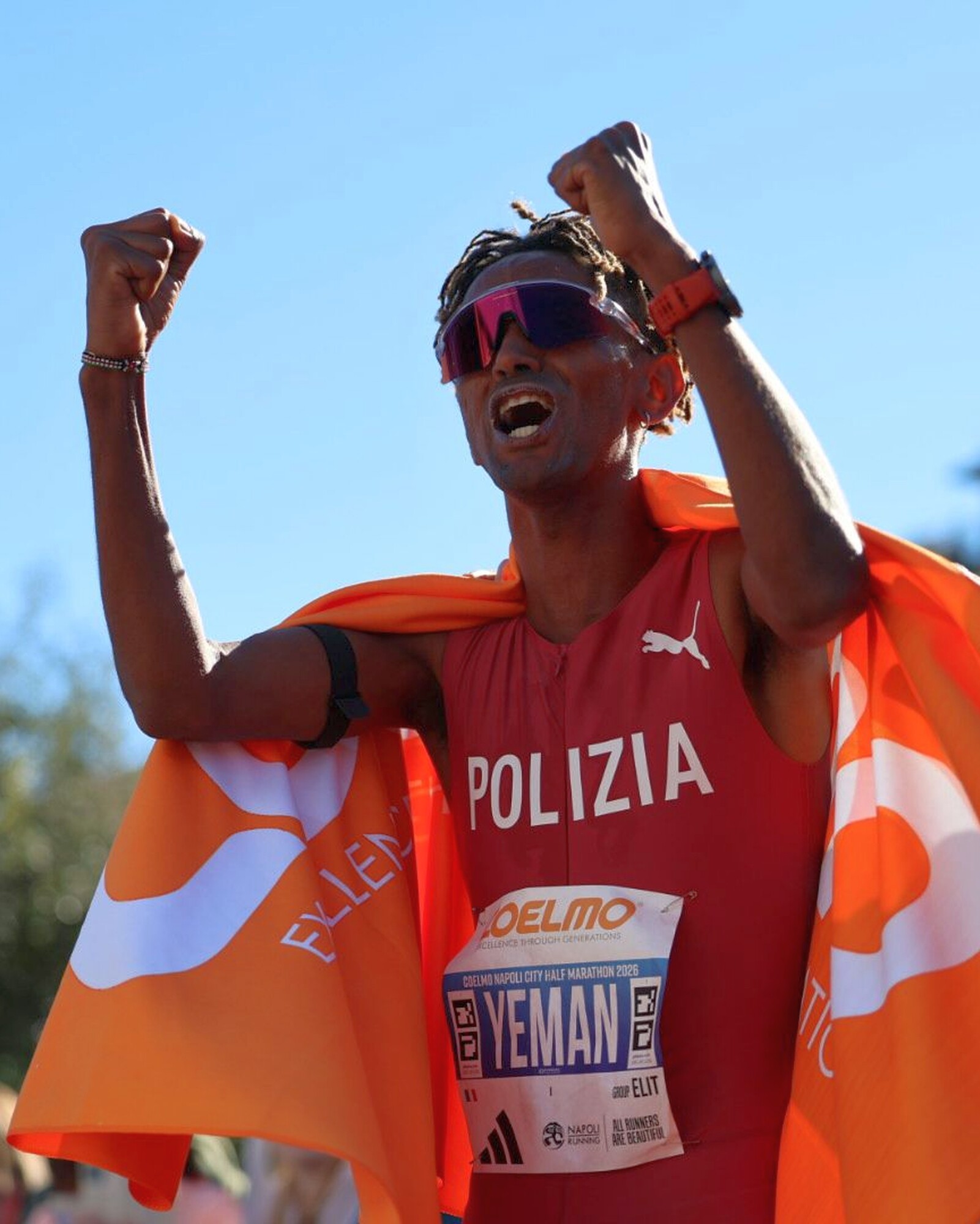
Men — Top 5
1. Yemaneberhan Crippa (Italy) — 59:01
2. Andrea Kiptoo (Kenya) — 59:27
3. Owen Korir Kapkama (Kenya) — 59:42
4. Pietro Riva (Italy) — 1:00:32
5. Kwemoi Kirui (Kenya) — 1:01:29
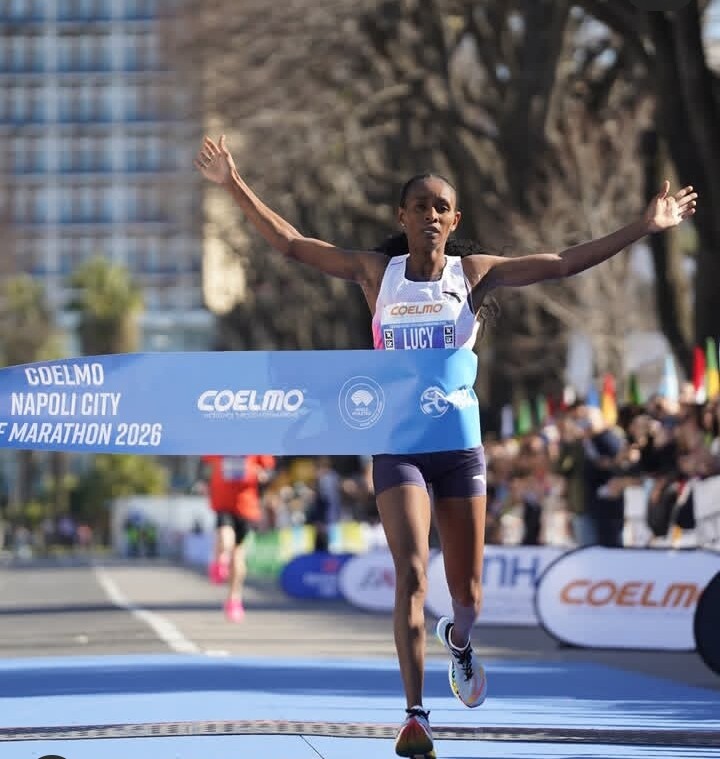
The women’s contest added its own compelling dimension to the event, unfolding as a measured tactical battle before decisive moves emerged in the latter stages. Lucy Nthenya Ndambuki demonstrated impressive strength and composure to claim victory in 1:08:48, timing her effort perfectly and maintaining control as fatigue began to impact the field. Behind her, the fight for podium places remained fiercely contested, with athletes pushing deep into their reserves over the final kilometers. The outcome once again highlighted Kenya’s enduring influence in global distance running while also showcasing the international depth assembled on the start line.
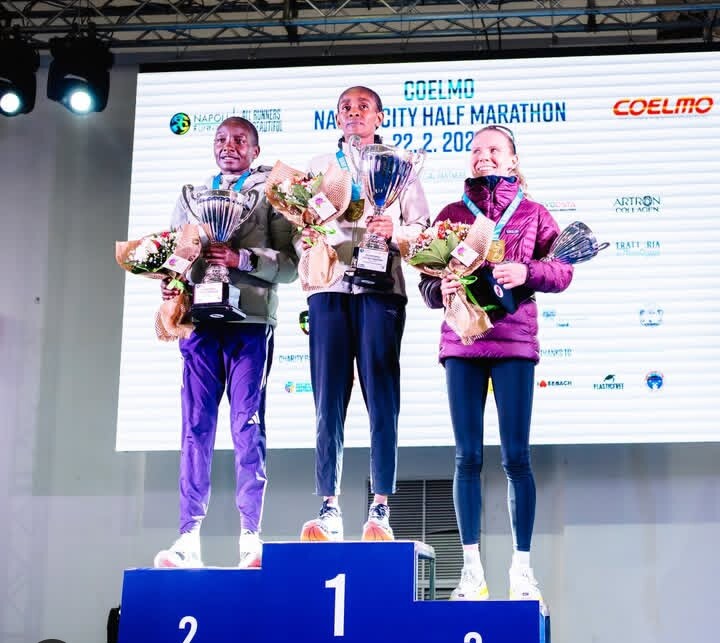
Women — Top 5
1. Lucy Nthenya Ndambuki (Kenya) — 1:08:48
2. Nelly Jeptoo (Kenya) — 1:09:26
3. Susanna Saapunki (Finland) — 1:10:35
4. Regina Cheptoo (Kenya) — 1:11:25
5. Cepova Michaela (Czech Republic) — 1:13:32
As spectators lined the Mediterranean route, the atmosphere captured the very essence of road racing — courage, suffering, precision, and triumph unfolding in real time. With a historic men’s performance that reshaped the European rankings and a fiercely contested women’s race, this year’s Napoli City Half Marathon delivered a powerful reminder that the boundaries of human endurance continue to move forward.
(02/22/2026) ⚡AMPby Erick Cheruiyot for My Best Runs.

Napoli City Half Marathon
The Napoli City Half Marathon is the most growing running event in Italy. The race, certified by IAAF / AIMS/ European Athletics, is held inoptimal conditions with an average temperature of 10 ° C. From thewaterfront to the Castel dell'Ovo, the Teatro San Carlo to the Piazzadel Plebiscito, the course will lead you through the most fascinatingareas of the city,...
more...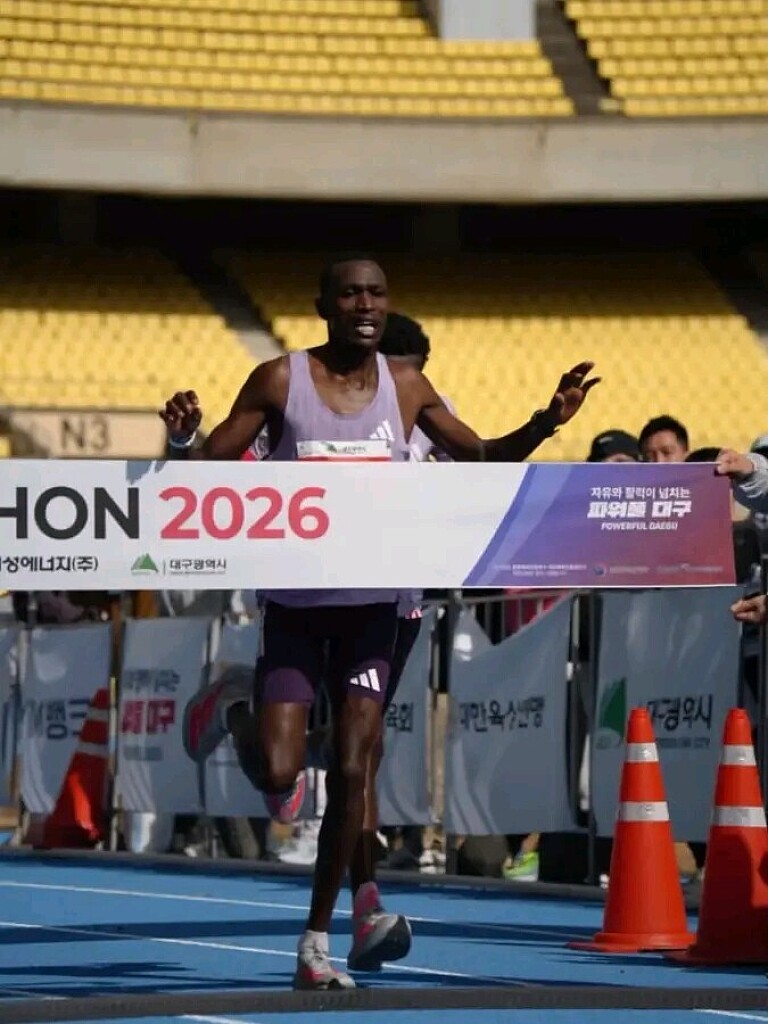
From Fall to Finish Line and Glory Retained: Kasait Rengeruk Triumphs as Geay Defends His Daegu Marathon Crown
The 2026 Daegu Marathon unfolded as a breathtaking exhibition of elite endurance, delivering a race day defined by split-second margins, fierce rivalries, and moments that blended tactical precision with raw resilience. From a razor-close men’s finish to a courageous comeback in the women’s race, Daegu once again affirmed its reputation as a stage for marathon excellence.
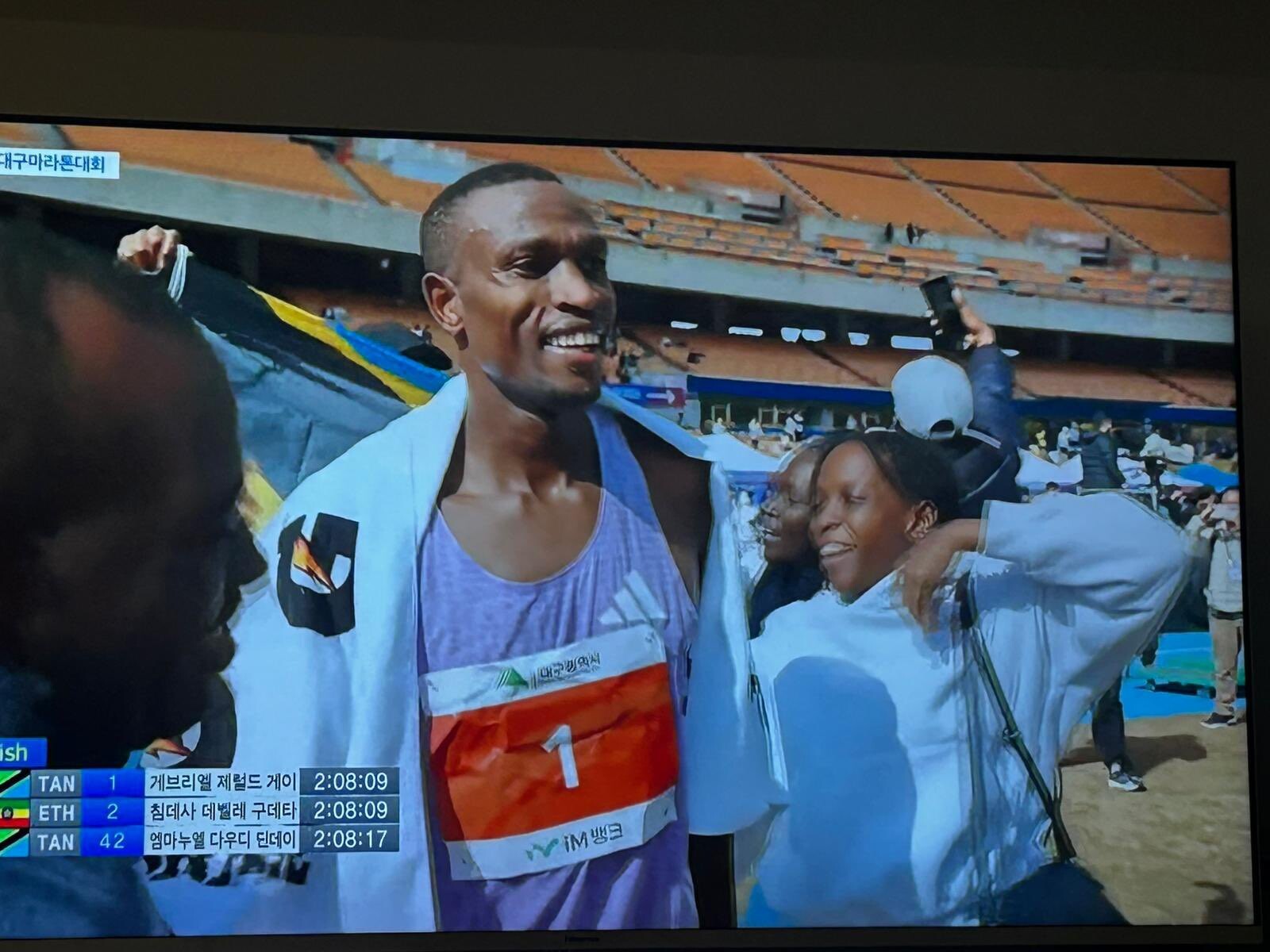
In the men’s race, Tanzania’s Gabriel Gerald Geay delivered when it mattered most, powering through the decisive stages to secure victory in 2:08:09 after 42 kilometers of disciplined pacing and tactical control. Ethiopia’s Chimdesa Debele Gudeta matched the winning time of 2:08:09 to claim second place in a fiercely contested duel that stretched all the way to the line. Close behind, Tanzania’s Josephat Gisemo completed the podium in 2:08:17, ensuring two Tanzanians stood among the top three. Eritrea’s Samsom Amare Hailemikael (2:08:40) and Ethiopia’s Gerba Beata Dibaba (2:10:04) rounded out a high-caliber top five, underscoring the international depth assembled in Daegu.

The women’s race delivered a storyline that will resonate far beyond the finishing clock. Kenya’s Lilian Kasait Rengeruk produced one of the most stirring performances of the 2026 marathon season in her debut over the classic distance. Approaching the stadium in command, she suffered a heavy fall in the closing meters — a moment that could have erased her advantage. Instead, she rose instantly, gathered herself with remarkable composure, and surged across the line in 2:19:33, breaking the coveted 2:20 barrier and sealing a dramatic triumph. Ethiopia’s Meseret Belete secured second in 2:19:52 after a relentless chase, while Kenya’s Evaline Chirchir claimed third in 2:20:49, giving Kenya two podium finishes. Ethiopia’s Khufu Tahir Dadiso (2:28:21) and Obseni Getachi Adillo (2:28:26) completed the top five.

Top 5 Men
Gabriel Gerald Geay (Tanzania) – 2:08:09
Chimdesa Debele Gudeta (Ethiopia) – 2:08:09
Josephat Gisemo (Tanzania) – 2:08:17
Samsom Amare Hailemikael (Eritrea) – 2:08:40
Gerba Beata Dibaba (Ethiopia) – 2:10:04
Top 5 Women
Lilian Kasait Rengeruk (Kenya) – 2:19:33
Meseret Belete (Ethiopia) – 2:19:52
Evaline Chirchir (Kenya) – 2:20:49
Khufu Tahir Dadiso (Ethiopia) – 2:28:21
Obseni Getachi Adillo (Ethiopia) – 2:28:26
As the echoes of celebration settled over Daegu, the 2026 edition stood out as a marathon defined not only by speed but by resolve. From a tightly contested men’s battle to a fearless recovery in the women’s race, the event once again illustrated that greatness in the marathon is forged in decisive moments — when composure, courage, and conviction converge at the finish line.
(02/21/2026) ⚡AMPby Erick Cheruiyot for My Best Runs.

Daegu International Marathon
Daegu International Marathon brings together varied groups of people with passion for running. With a sincere hope to host a meaningful event for everyone, Daegu International Marathon will amplify the love of running for all and promote a healthy life through running. On behalf of 2.6 million Daegu citizens, we welcome all of you and hope your race in Daegu...
more...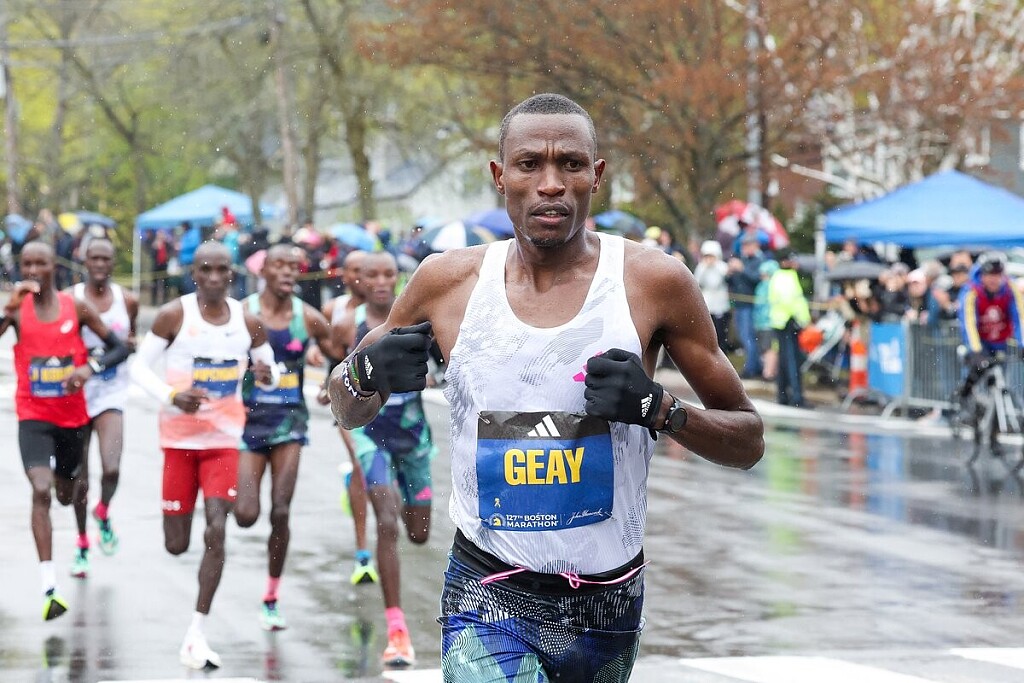
Titans on the Tarmac: Gabriel Geay Targets Back-to-Back Glory at the 2026 Daegu Marathon
The streets of Daegu are set for another spectacle of endurance and speed this Sunday, February 22, as the 2026 Daegu Marathon assembles a field rich in pedigree and ambition. At the center of it all stands Tanzania’s premier long-distance force, Gabriel Geay, who returns with one clear objective — to defend the crown he claimed in emphatic fashion last year.
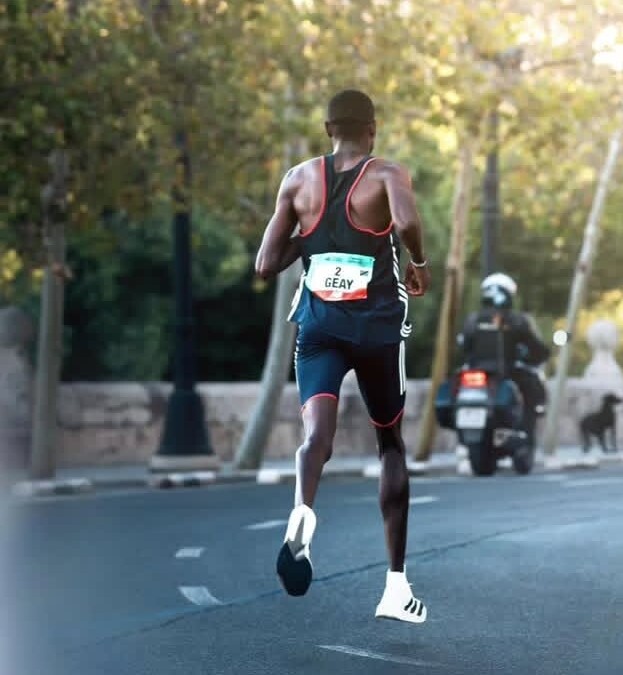
Armed with a staggering personal best of 2:03:00, Geay enters the race not merely as the reigning champion, but as the benchmark. His résumé places him among the fastest marathoners of his generation, and his efficiency over 42.195 kilometers has consistently demonstrated a rare blend of tactical intelligence and sustained aggression. Daegu’s flat and historically quick course appears tailor-made for his rhythm, yet defending a title is often a sterner challenge than winning it the first time.
Standing in his path are two formidable East African rivals eager to disrupt his reign.
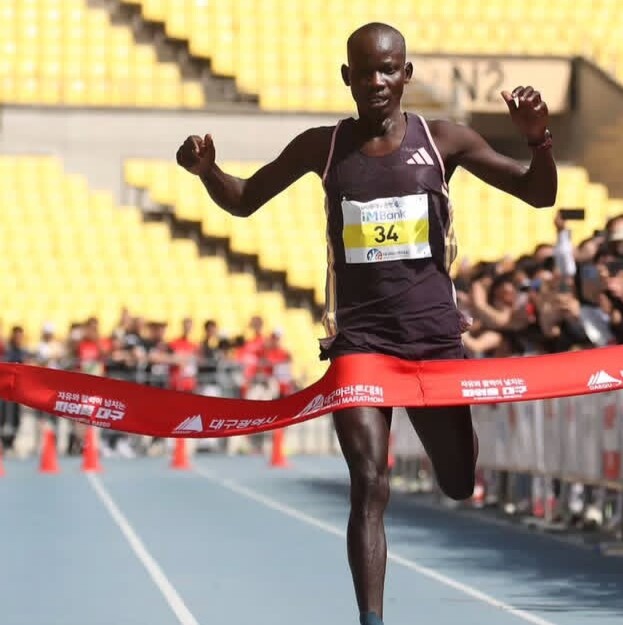
Kenya’s Stephen Kiprop arrives with a personal best of 2:07:04. Though numerically slower on paper, Kiprop represents the relentless depth of Kenyan distance running — disciplined, strategic, and capable of surging when the race begins to fracture in its decisive stages. Championships are rarely won on statistics alone, and Kiprop’s competitive maturity could transform him into a serious threat if the contest becomes tactical.
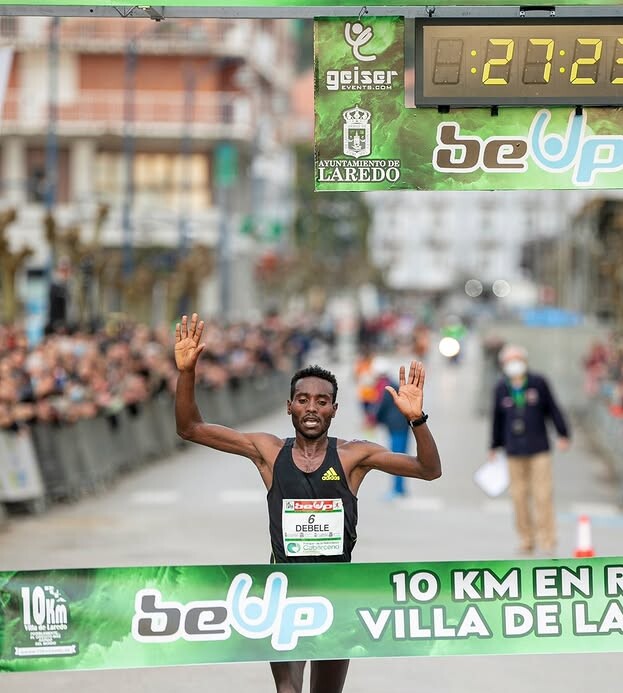
Equally dangerous is Ethiopia’s Chimdesa Debele Gudeta, whose 2:04:44 lifetime best signals genuine world-class credentials. Gudeta possesses the kind of speed endurance that can destabilize even the strongest frontrunner. Should the pace escalate early, he has the credentials to match it — and perhaps exceed it — in the unforgiving final kilometers.
The narrative unfolding in Daegu is therefore more than a title defense. It is a clash of contrasting strengths: Geay’s proven dominance, Kiprop’s calculated resilience, and Gudeta’s formidable pace capacity. With three athletes boasting elite credentials, the 2026 edition promises a contest that could be dictated by courage as much as conditioning.
As dawn breaks over South Korea on race day, one certainty prevails — the margins will be razor thin, the pace uncompromising, and the battle for supremacy fiercely contested. Whether Gabriel Geay consolidates his authority or a new champion rises, the 2026 Daegu Marathon is poised to deliver a performance worthy of the global stage.
(02/21/2026) ⚡AMPby Erick Cheruiyot for My Best Runs.
Daegu International Marathon
Daegu International Marathon brings together varied groups of people with passion for running. With a sincere hope to host a meaningful event for everyone, Daegu International Marathon will amplify the love of running for all and promote a healthy life through running. On behalf of 2.6 million Daegu citizens, we welcome all of you and hope your race in Daegu...
more...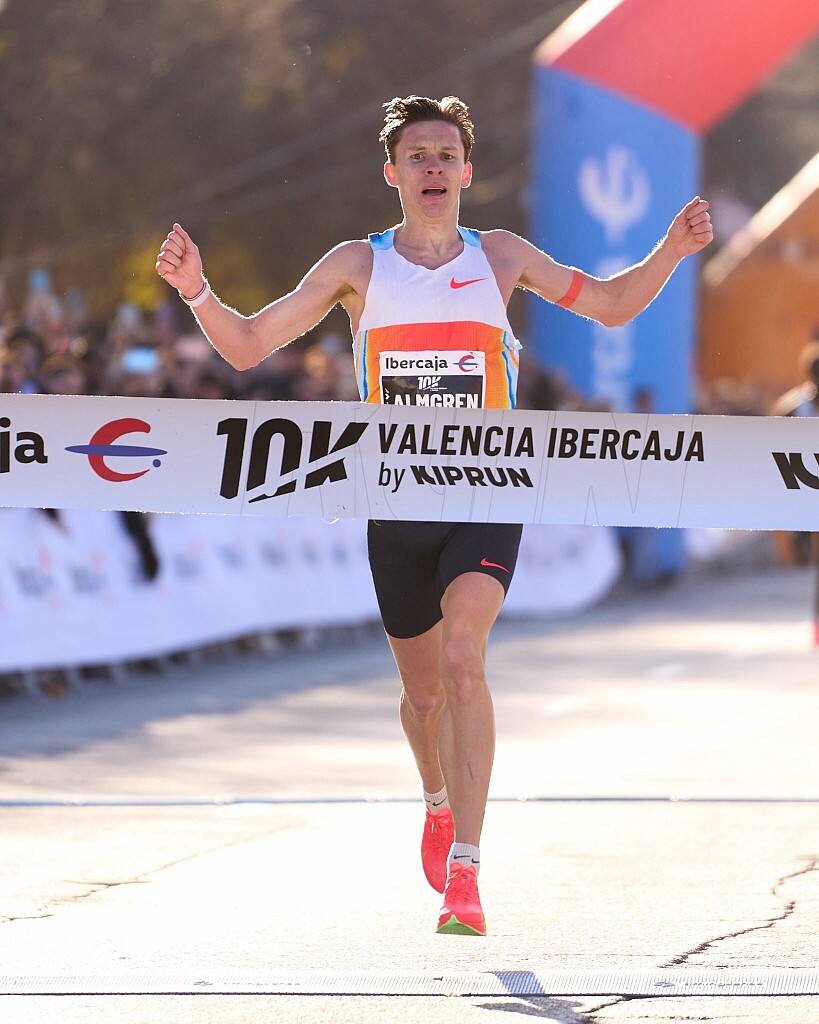
10K Facsa Castelló: Is a World Record Within Reach for Andreas Almgren?
On Sunday, February 22, 2026, the streets of Castelló, Spain, could become the stage for something extraordinary. Sweden’s distance sensation Andreas Almgren is set to attack the 10-kilometre distance once again — and this time, the target is nothing short of historic. Reports suggest he will be chasing a time under 26:40, a mark that edges dangerously close to global supremacy.

Almgren arrives in Castelló carrying the weight of momentum and the confidence of an athlete operating at the very peak of his powers. Earlier this January in Valencia, he shattered his own European 10km record, clocking a breathtaking 26:45. That performance was not an isolated flash of brilliance; it was another link in an impressive chain of continental records he has forged in recent seasons.
His résumé now reads like a masterclass in modern distance running. A blistering 12:44 for 5km. A commanding 26:45 for 10km. A superb 58:41 in the half marathon. Each mark underlines not only speed, but also remarkable strength and endurance — the rare blend required to flirt with world-record territory.
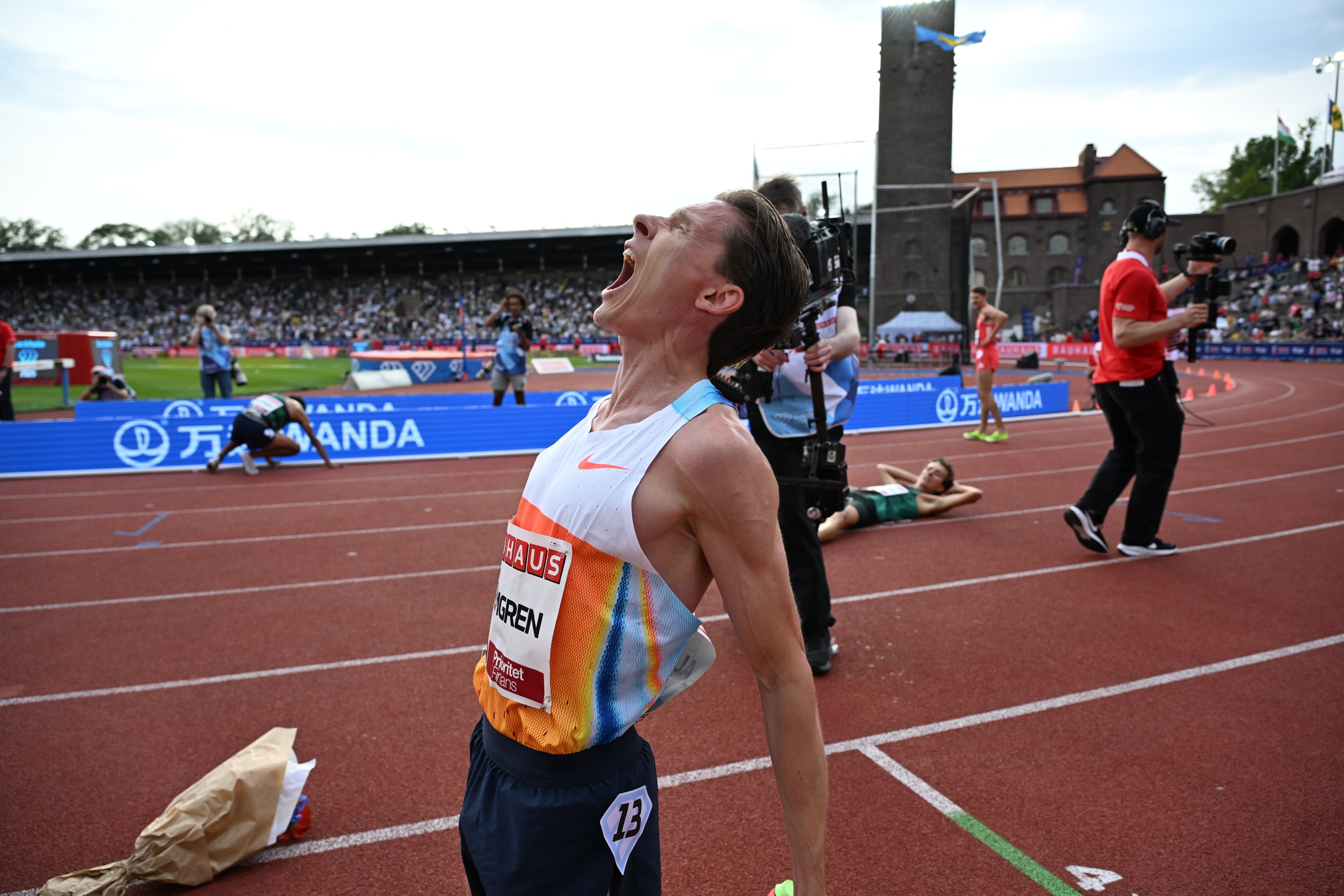
What makes Almgren especially dangerous is his fearless front-running style. He does not wait. He dictates. He stretches the field, dares others to follow, and often runs alone against the clock. Yet even for an athlete of his calibre, raw courage will not suffice on Sunday. To dip under 26:40, precision pacing will be critical. The margin for error at such velocity is razor-thin, and the assistance of disciplined pacemakers could determine whether this becomes a fast race — or a truly historic one.
Castelló is known for producing rapid times, and conditions permitting, the course may offer the perfect arena for Almgren’s bold ambitions. If the early kilometres are controlled and the rhythm sustained deep into the race, we could witness a performance that redefines European excellence and edges into global legend.
Elite contenders from Ethiopia, Kenya, France, Norway, Germany, Australia, Eritrea, Switzerland, Chile, and Ireland converge on a course engineered for velocity. With ideal winter conditions forecast and a layout designed to reward rhythm and boldness, the tempo is expected to be unrelenting from the opening stride. Tactical discipline, calibrated pacing, and uncompromising endurance will determine who survives the inevitable surge.
Elite Men’s Start List – 10K Facsa Castellón 2026
Andreas Almgren (Sweden) – 26:45 AR
Kuma Girma (Ethiopia) – 26:58
Jack Rayner (Australia) – 27:09.57
Victor Kipruto (Kenya) – 27:10
Yann Schrub (France) – 27:20
Dawit Seare Berhanyukun (Eritrea) – 27:21
Magnus Tuv Myhre (Norway) – 27:22
Dennis Mutuku (Kenya) – 27:22.89
Zerei Kbrom Mzengi (Norway) – 27:39
Morgan Le Guen (Switzerland) – 27:42
Filimon Abraham (Germany) – 27:48.82
Bereket Nega Batebo (Ethiopia) – 27:49
Carlos Díaz (Chile) – 27:58.97
Simon Boch (Germany) – 28:01
Cormac Dalton (Ireland) – 28:03
A global convergence of speed and ambition awaits in Castelló — a morning where world-class credentials meet one of Europe’s fastest 10K stages, and where the line between continental dominance and world-record territory may grow perilously thin.
World record? Perhaps. Something astonishingly close? Almost certainly.
One thing is undeniable: Andreas Almgren is not merely chasing times — he is chasing history. And on Sunday, the clock will have to be ready.
(02/21/2026) ⚡AMPby Erick Cheruiyot for My Best Runs.

10k Facsa Castello
The 10K FACSA Castelló is one of Spain’s fastest and most prestigious road races, drawing elite and amateur runners from around the world. Held in Castellón de la Plana, this race has grown exponentially, earning a reputation for its flat, high-speed course and exceptional organization. It holds a World Athletics Road Race Label, placing it among the top road races...
more...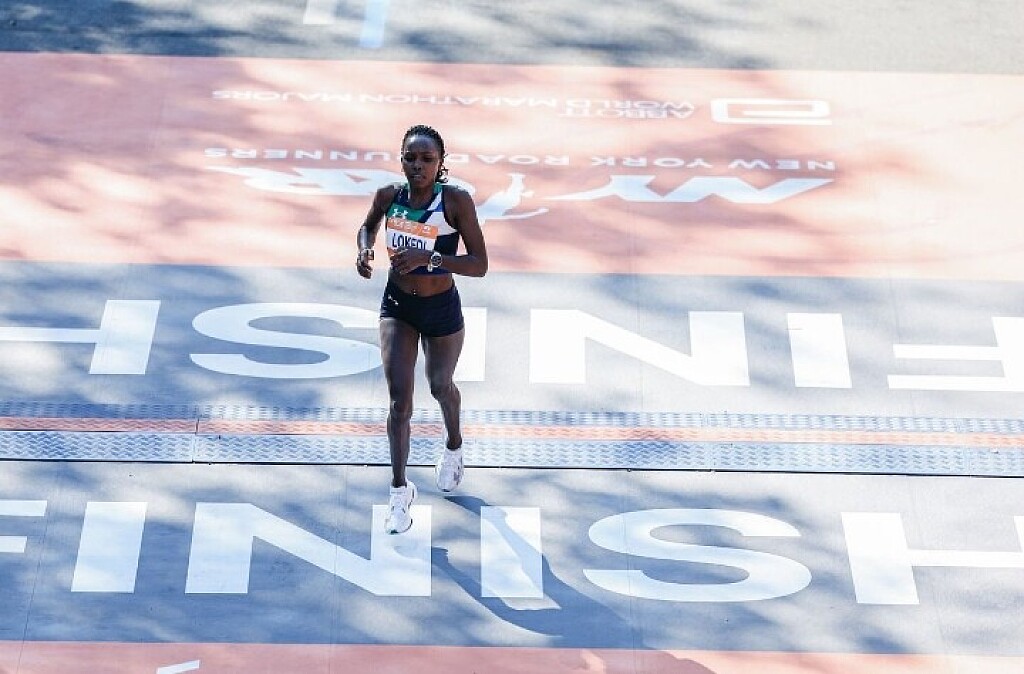
Queens of the Road: A Blockbuster Showdown Awaits at the 2026 NYC Half
There are certain race days that carry a different kind of electricity — the sense that something unforgettable is about to unfold long before the starting gun fires. The women’s field at the 2026 edition of the NYC Half is one of those rare moments. On March 15th, 2026, the world’s best distance runners will charge through the streets of the Big Apple, beginning on Center Drive in Prospect Park and racing all the way into the iconic finish in Central Park. It is a course that blends speed, scenery, and history — and this year, it will host a competition deep enough to resemble a global championship rather than a city half marathon.
From returning champions to record holders and emerging stars, the lineup brings together athletes whose careers are already intertwined with New York’s racing legacy, alongside newcomers eager to create their own defining moments. The combination of proven excellence and rising ambition sets the tone for a contest where tactics, courage, and timing could matter just as much as raw fitness.
Leading the narrative is defending champion Sharon Lokedi, returning to a city that has become a defining chapter of her career. New York has consistently brought out her best — bold racing, fearless moves, and an ability to rise when the competition is strongest. Last year’s course record victory proved she thrives under pressure, but defending a title against an even deeper field presents a completely different challenge. Champions are measured not only by how they win, but by how they respond when everyone is chasing them.
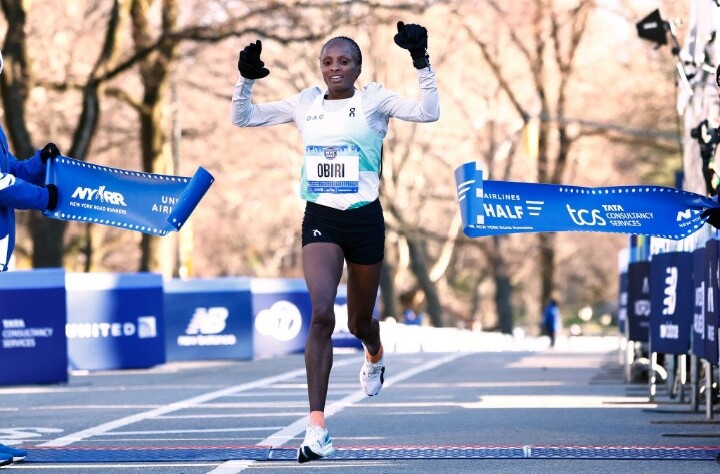
Waiting to test her once again is none other than Hellen Obiri, the reigning New York City Marathon champion and one of the most competitive racers in global distance running. Obiri doesn’t just run races — she reads them, calculates them, and then strikes when it matters most. Every meeting between her and Lokedi adds another layer to what is quickly becoming one of the sport’s most intriguing rivalries. Their battles are rarely predictable, and that uncertainty is exactly what makes this matchup so compelling.
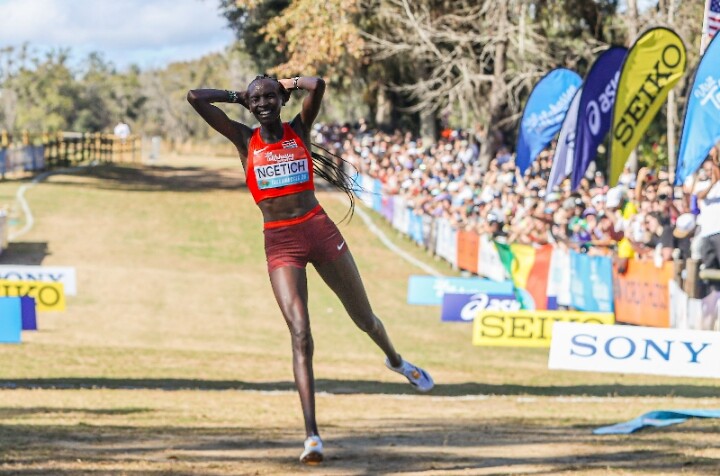
Then comes the wildcard with enormous credentials: Agnes Ngetich. Making her debut with New York Road Runners, she arrives carrying momentum that few athletes in the world can match. A world 10K record holder and the 2026 World Cross Country champion, Ngetich blends raw speed with endurance strength — a combination that can unsettle even the most experienced competitors. With one of the fastest half marathon times ever recorded, she has already proven she belongs at the very top level. Now the question becomes whether she can translate that dominance onto one of the sport’s biggest stages.
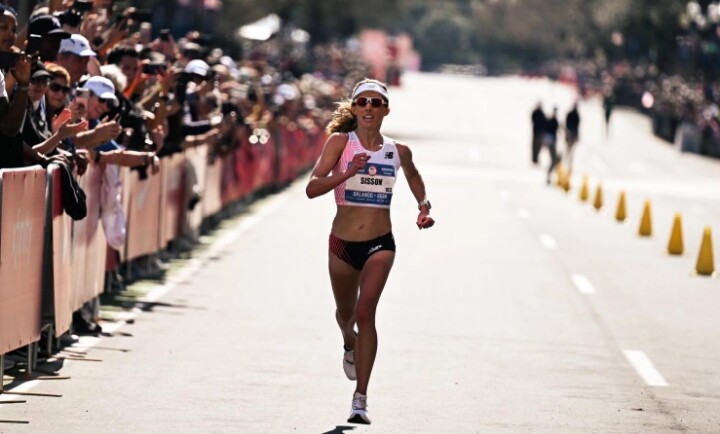
The home crowd will also have a major contender to rally behind in American star Emily Sisson, who leads a strong domestic group determined to challenge the international dominance. Known for her toughness and consistency, Sisson brings both experience and ambition into a race where positioning and patience could be just as important as speed.
What makes this year’s race special is the collective quality of the field. On paper, it resembles a global championship lineup — Olympic medalists, world champions, national record holders, and emerging forces all sharing the same start line. That depth changes the psychology of racing. No one can afford hesitation. No move goes unanswered.
The international range of athletes in this year’s race highlights just how competitive the field has become, bringing together runners from established distance-running powerhouses and emerging nations alike.
Elite Women's Field - Personal Bests and Countries
Agnes Ngetich (Kenya) — 1:03:04
Hellen Obiri (Kenya) — 1:04:22
Fantaye Belayneh (Ethiopia) — 1:04:49
Sharon Lokedi (Kenya) — 1:05:00
Konstanze Klosterhalfen (Germany) — 1:05:41
Emily Sisson (United States) — 1:06:52
Calli Hauger-Thackery (Great Britain) — 1:06:58
Natosha Rogers (United States) — 1:07:30
Annie Frisbie (United States) — 1:07:34
Amanda Vestri (United States) — 1:07:35
Dakotah Popehn (United States) — 1:07:42
Emily Durgin (United States) — 1:07:54
Diane van Es (Netherlands) — 1:08:03
Sarah Lahti (Sweden) — 1:08:19
Susanna Sullivan (United States) — 1:08:44
Emily Venters (United States) — 1:08:48
Mercy Chelangat (Kenya) — 1:08:57
Lauren Gregory (United States) — 1:09:12
Lindsay Flanagan (United States) — 1:09:17
Natasha Wodak (Canada) — 1:09:41
Stephanie Bruce (United States) — 1:09:55
Julia Paternain (Uruguay) — 1:10:16
Elena Hayday (United States) — 1:10:56
Felicia Pasadyn (United States) — 1:11:29
Erika Prieto (Mexico) — 1:15:55
Gabrielle Yatauro (United States) — 1:15:59
Alosha Southern (United States) — 1:16:40
Megan Keith (Great Britain) — Debut
As race day approaches, anticipation continues to build for what could become one of the defining women’s distance races of the season. With champions returning, rivalries intensifying, and new contenders ready to make their mark, the stage is perfectly set for drama on the streets of New York. The energy, the depth, and the unpredictability all point toward something special — the kind of competition that reminds us why elite racing captivates audiences around the world. When the gun goes off at the NYC Half, it won’t just be about times or titles, but about who is ready to rise in the moment and seize it. March 15 promises speed, courage, and unforgettable racing.
(02/19/2026) ⚡AMPby Erick Cheruiyot for My Best Runs.

United Airlines NYC Half-Marathon
The United Airlines NYC Half takes runners from around the city and the globe on a 13.1-mile tour of NYC. Led by a talent-packed roster of American and international elites, runners will stop traffic in the Big Apple this March! Runners will begin their journey on Prospect Park’s Center Drive before taking the race onto Brooklyn’s streets. For the third...
more...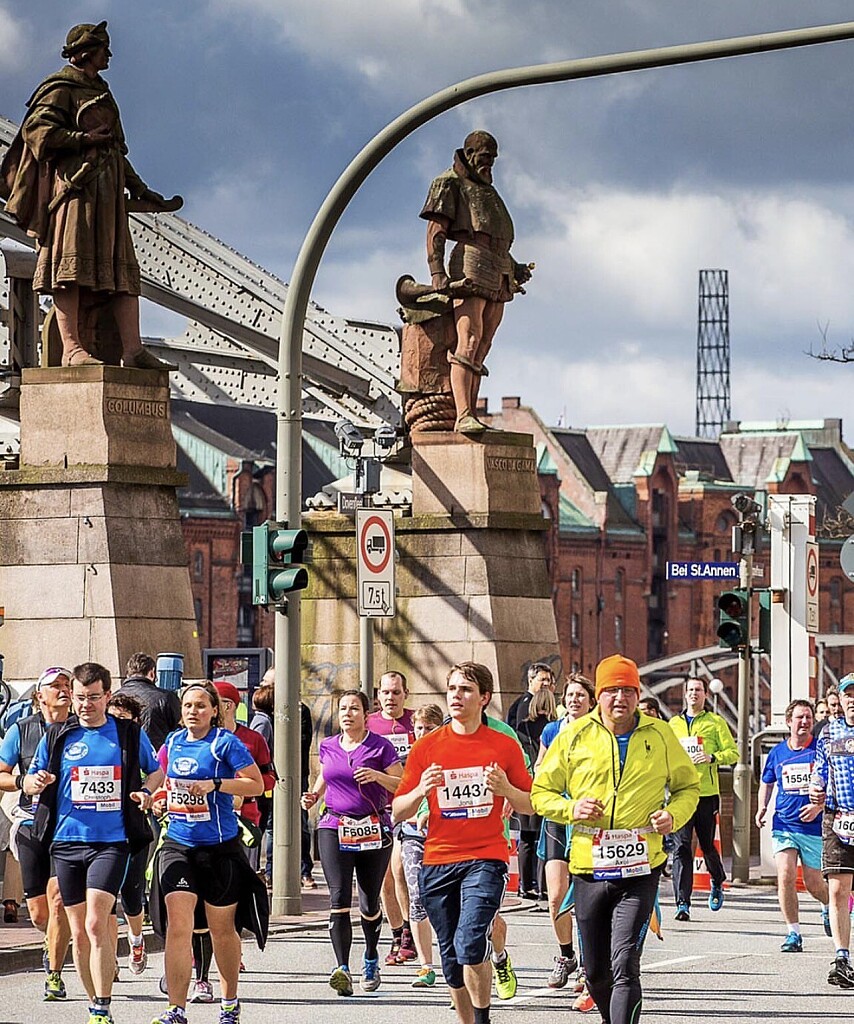
Bernard Koech Returns to Lead World Class Field at the 40th Haspa Marathon Hamburg Germany
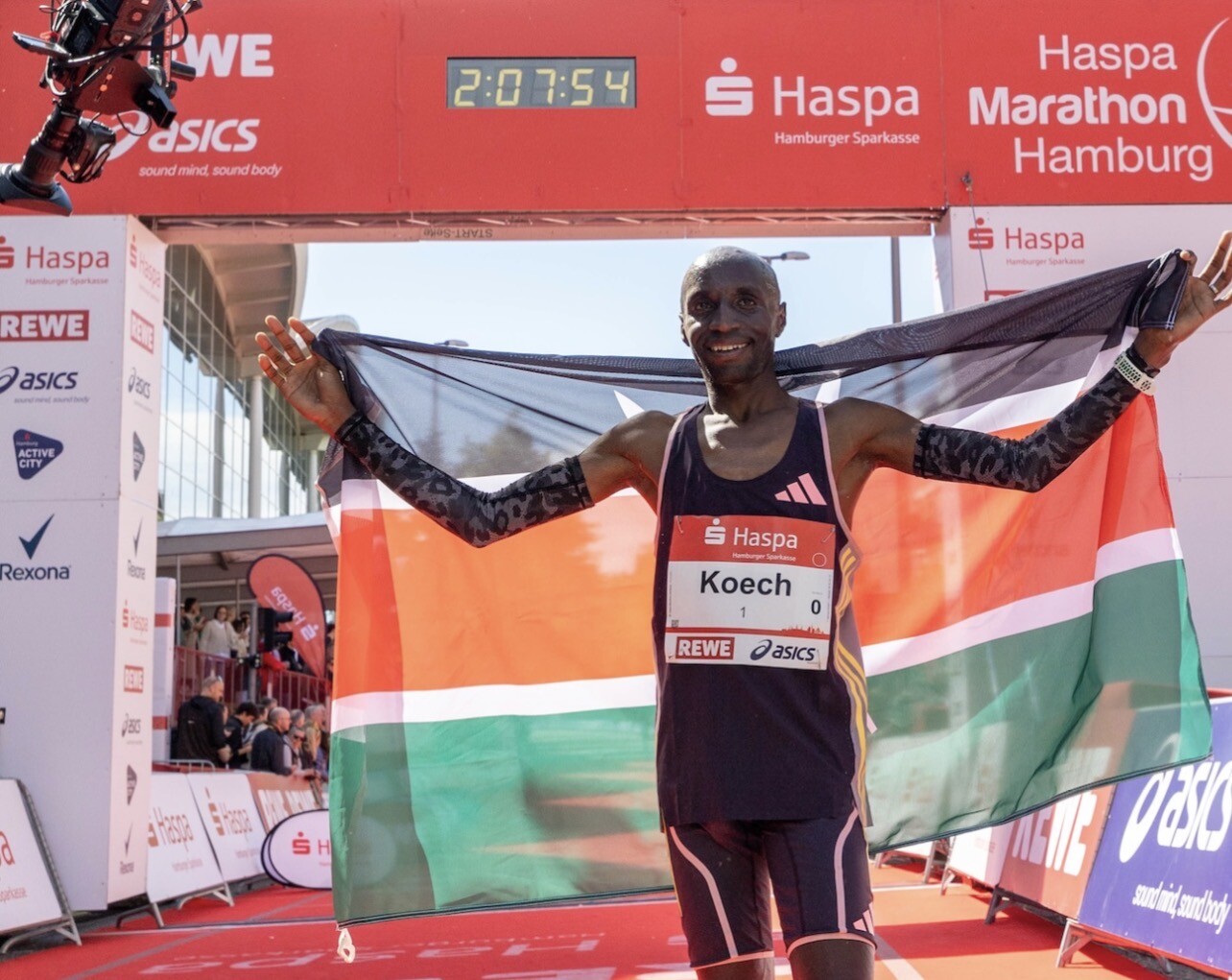
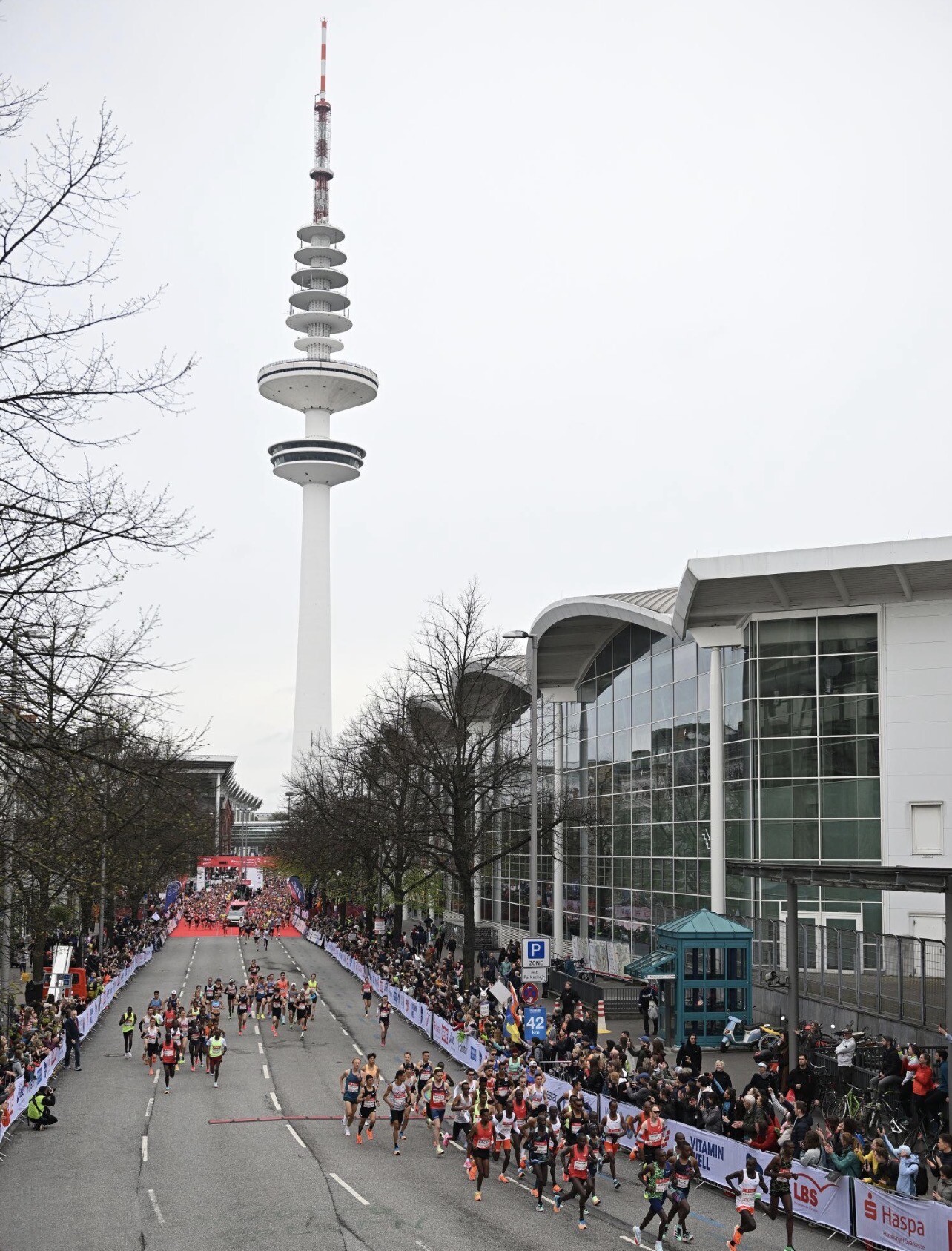
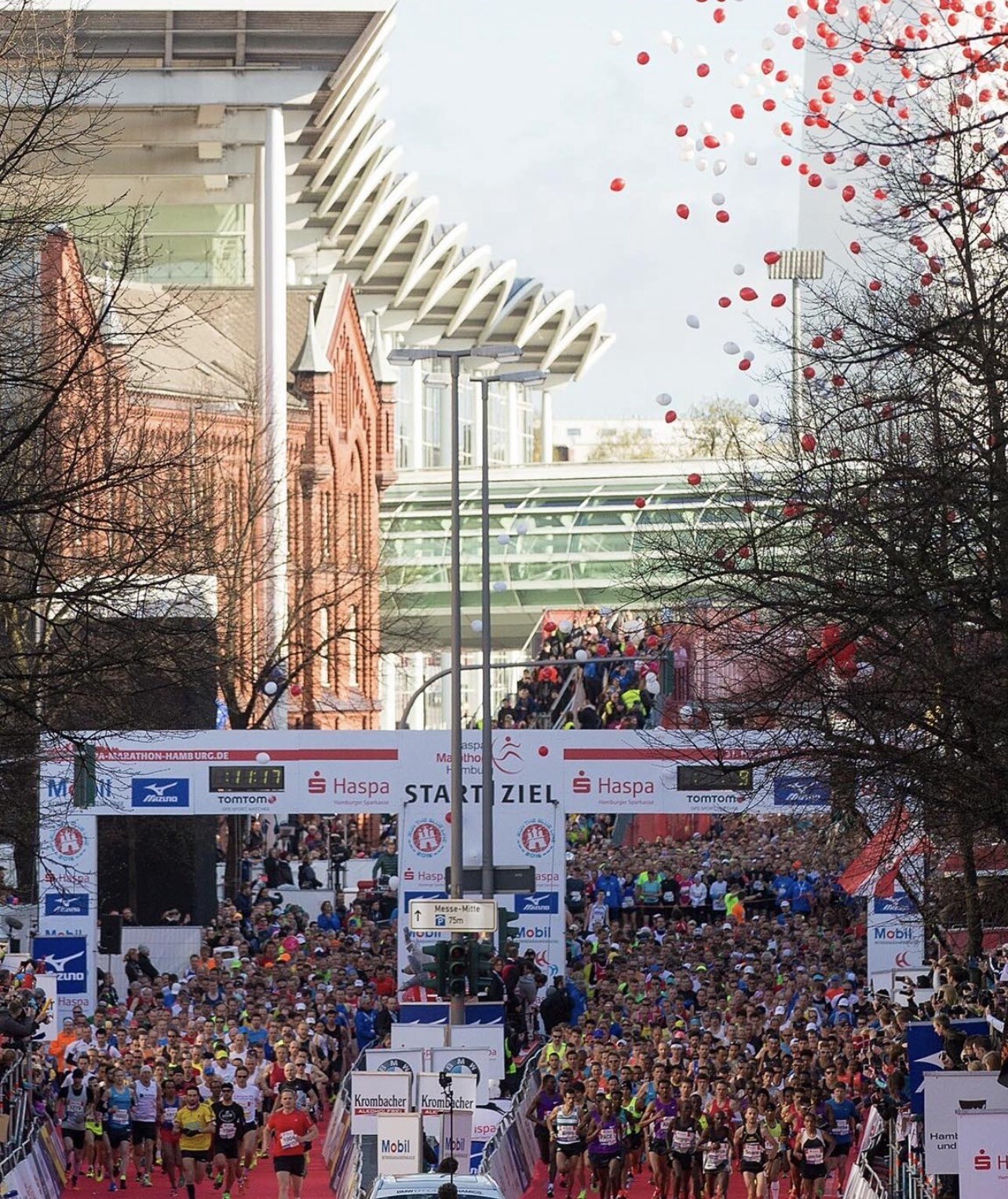
The Haspa Marathon Hamburg in Germany returns on April 26 for its 40th edition and once again the race has assembled a powerful international field. Two time champion Bernard Koech (Kenya) headlines the event and will attempt to remain unbeaten on the streets of Hamburg.
Over the past few years Hamburg has quietly become one of Europe’s fastest and most consistent marathon stages. In 2025 it surprisingly produced the strongest overall performances among Germany’s major marathons, reflecting the event’s continued rise. Organizers expect approximately 20,000 runners for this milestone edition.
Chief organizer Frank Thaleiser said he is confident the 40th running will continue that momentum and produce another high quality race.
Bernard Koech Kenya

At 38 Koech returns to a course that has brought out his very best. He won here in 2023 in 2:04:09 which equals his personal best and followed that victory with another title in 2024 in 2:04:24. Hamburg clearly suits his rhythm and strength.
Last spring he placed third at the Seoul Marathon in 2:05:50 confirming he remains a serious contender on the global stage. A third consecutive victory in Hamburg would further cement his legacy at this race.
Stephen Kissa Uganda
Stephen Kissa (Uganda) returns to the site of his breakthrough marathon performance. In 2022 he finished second by just one second in his debut clocking 2:04:48 which at the time was a Ugandan national record and remains his personal best.
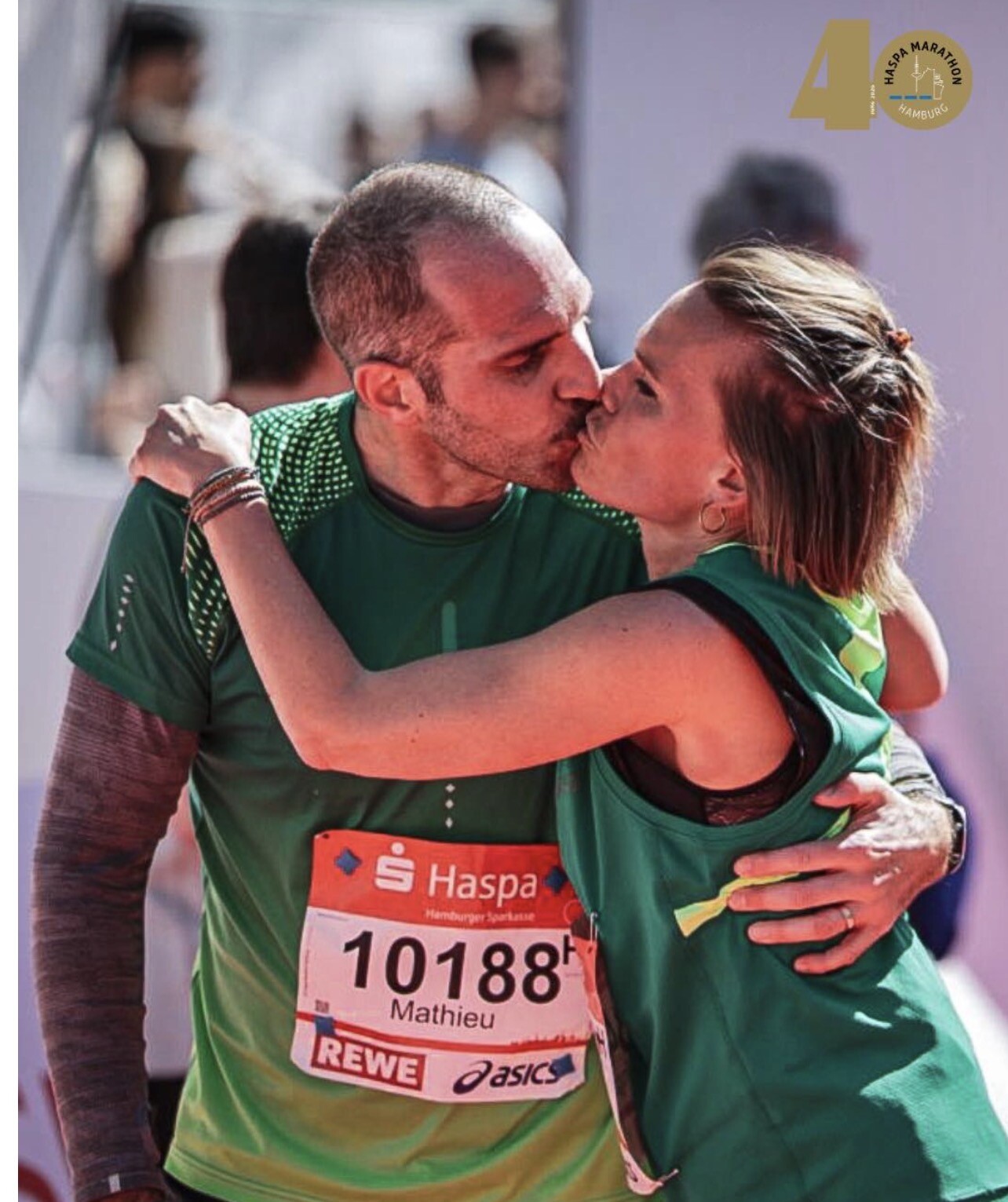
Hamburg’s flat profile and supportive crowds clearly fit Kissa’s style and he will arrive with confidence.
Abdisa Tola Ethiopia
Ethiopia’s Abdisa Tola (Ethiopia) adds further depth. The 25 year old won his marathon debut in Dubai in 2:05:42 in 2023 and ran 2:05:52 for third in Osaka last year. The younger brother of Olympic marathon champion Tamirat Tola he has both pedigree and proven speed to challenge for victory.
Samuel Fitwi Germany
Germany’s leading hope is Samuel Fitwi (Germany). He finished 15th at the Olympic Games and later broke the German national record in Valencia with 2:04:56. Although that record has since changed hands it remains his personal best and confirms his ability to compete at the highest level.
Fitwi said he is looking forward to racing the jubilee edition in Hamburg where strong local support could provide an extra lift.
Also on the elite start list are Sebastian Hendel (Germany) who improved his personal best to 2:07:33 after first breaking 2:10 in Hamburg and Aaron Bienenfeld (Germany) who will make his marathon debut after running 61:15 at the Houston Half Marathon earlier this year.
With a flat layout ideal spring conditions and a deep international field the 40th Haspa Marathon Hamburg Germany is positioned to deliver another memorable performance on April 26. A proven champion returns experienced challengers are back and emerging talent is ready to test itself on one of Europe’s fastest marathon stages.
by Race News Service

Haspa Marathon Hamburg
The HASPA MARATHON HAMBURG is Germany’s biggest spring marathon and since 1986 the first one to paint the blue line on the roads. Hamburcourse record is fast (2:05:30), the metropolitan city (1.8 million residents) lets the euphoric atmosphere spill over and carry you to the finish. Make this experience first hand and follow the Blue Line....
more...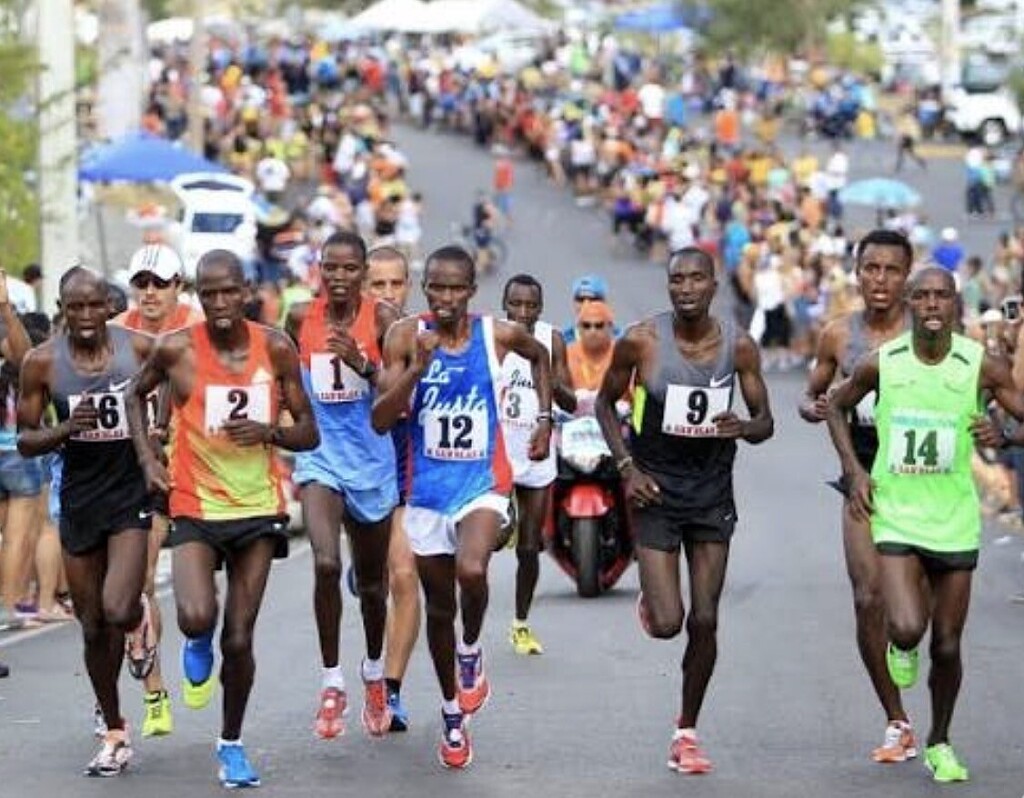
Nearly $1 Million US at Stake as Marathon Heavyweights Clash in South Korea
On Sunday, February 22, 2026, the streets of Daegu, South Korea, will host one of the richest marathons in the world. The Daegu Marathon, staged in one of Asia’s most established athletics cities, offers $200,000 USD to each of the men’s and women’s champions, placing it among the most lucrative payouts in global road racing.
The elite prize structure extends ten deep in both divisions, creating a combined international prize purse of $842,000 USD — $421,000 per gender. Prize money descends from $200,000 for first place to $7,000 for tenth, with additional domestic awards and performance bonuses further enhancing the overall package.
With nearly one million dollars in elite prize money on the line, Daegu has assembled a field worthy of the stakes.

Elite Women: Sub-2:19 Firepower

The women’s race features three Ethiopians with personal bests under 2:19, immediately signaling record-level intent.
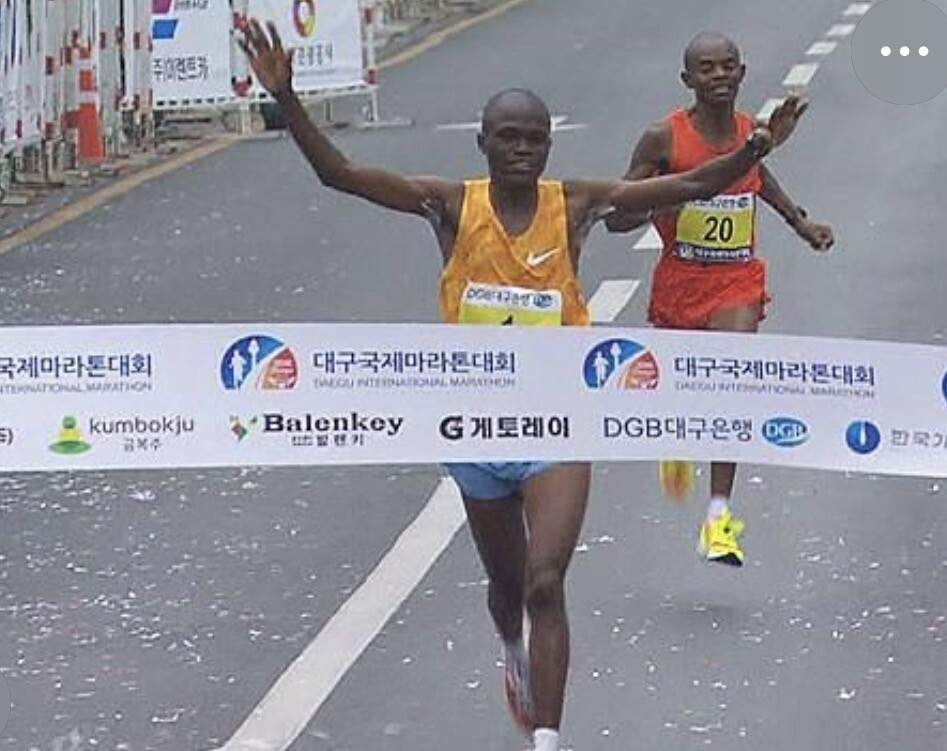
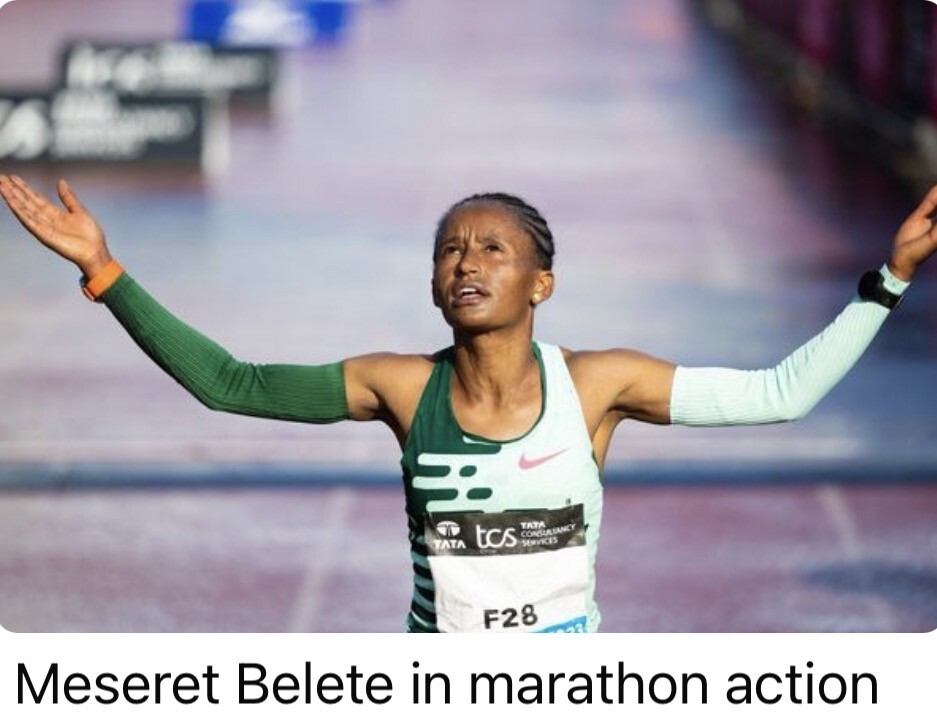
Defending champion Meseret Belete returns with a lifetime best of 2:18:21 and the confidence of past success on this course. Ruti Aga, the 2024 winner, owns the fastest PB in the field at 2:18:09 and brings extensive championship experience. Dera Dida Yami, the 2023 Dubai Marathon champion (2:18:32), strengthens Ethiopia’s tactical options on a flat, rhythm-friendly layout.
Kenya’s Lilian Kasait Rengeruk introduces intrigue. Known globally for her half-marathon speed, she presents a potential late-race threat if she manages the marathon distance conservatively through 30 kilometers. Should she remain within contact entering the final stretch, her finishing speed could prove decisive.
South Korea’s Choi Jung-yoon (PB 2:32:20) carries the hopes of the home crowd inside Daegu Stadium, where the race both begins and concludes. Her performance will be closely watched as a measure of domestic progress against the dominant East African contingent.
Men’s Elite: Proven Champions and Record Credentials
The men’s race features equal depth and experience.
Tanzania’s Gabriel Geay, defending champion and former course record holder, arrives with a 2:03:00 personal best. His strength lies in sustained high tempo, making him especially dangerous if the early pace remains controlled but honest.
Ethiopia’s Chimdesa Debele Gudeta (2:04:44) and Kenya’s Stephen Kiprop (2:07:04) round out a field capable of maintaining sub-2:05 rhythm deep into the race. Tactical discipline will likely determine whether the contest becomes a time trial or a strategic battle over the final 10 kilometers.
Domestic favorite Jeon Su-hwan (2:17:00) will seek to elevate his performance on home soil, testing himself against one of the strongest international lineups of the season.
Course, Conditions, and Championship Stakes
Daegu’s late-February climate typically delivers cool, stable conditions ideal for distance racing. The circular course, starting and finishing at Daegu Stadium, features extended straightaways and minimal elevation change — characteristics that reward even pacing and negative splits.
With $200,000 awaiting each winner and $842,000 distributed across the elite fields, the 2026 Daegu Marathon represents more than a standard tour stop. It is a high-stakes confrontation in South Korea where world-class credentials, tactical precision, and endurance will determine who leaves Daegu not only victorious — but significantly rewarded.
(02/18/2026) ⚡AMPby Robert Kibet for My Best Runs
Daegu International Marathon
Daegu International Marathon brings together varied groups of people with passion for running. With a sincere hope to host a meaningful event for everyone, Daegu International Marathon will amplify the love of running for all and promote a healthy life through running. On behalf of 2.6 million Daegu citizens, we welcome all of you and hope your race in Daegu...
more...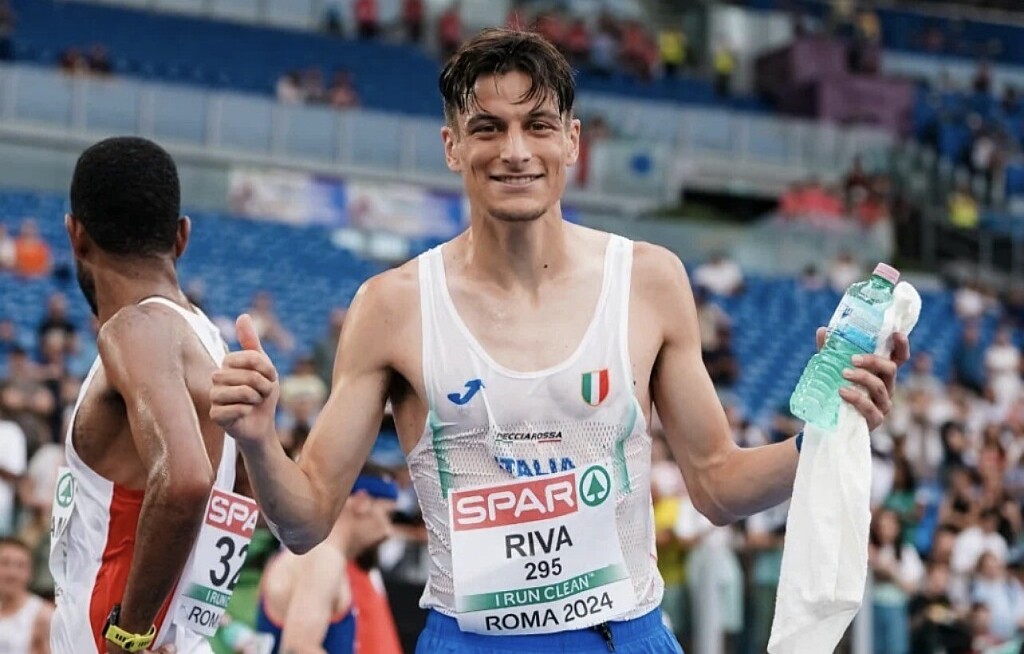
Coelmo Napoli City Half Marathon: Italian Records Under Threat in Naples Showdown
Naples prepares to host one of Europe’s most compelling early-season road races when the Coelmo Napoli City Half Marathon returns on Sunday, February 22, 2026. Both the men’s and women’s elite races carry strong potential for record-breaking performances, fueled by deep international fields and a fast, flat course designed for precision pacing. At the center of the narrative stands a compelling blend of national pride, domestic rivalry, and global competition.
Crippa and Riva Headline Men’s Record Assault
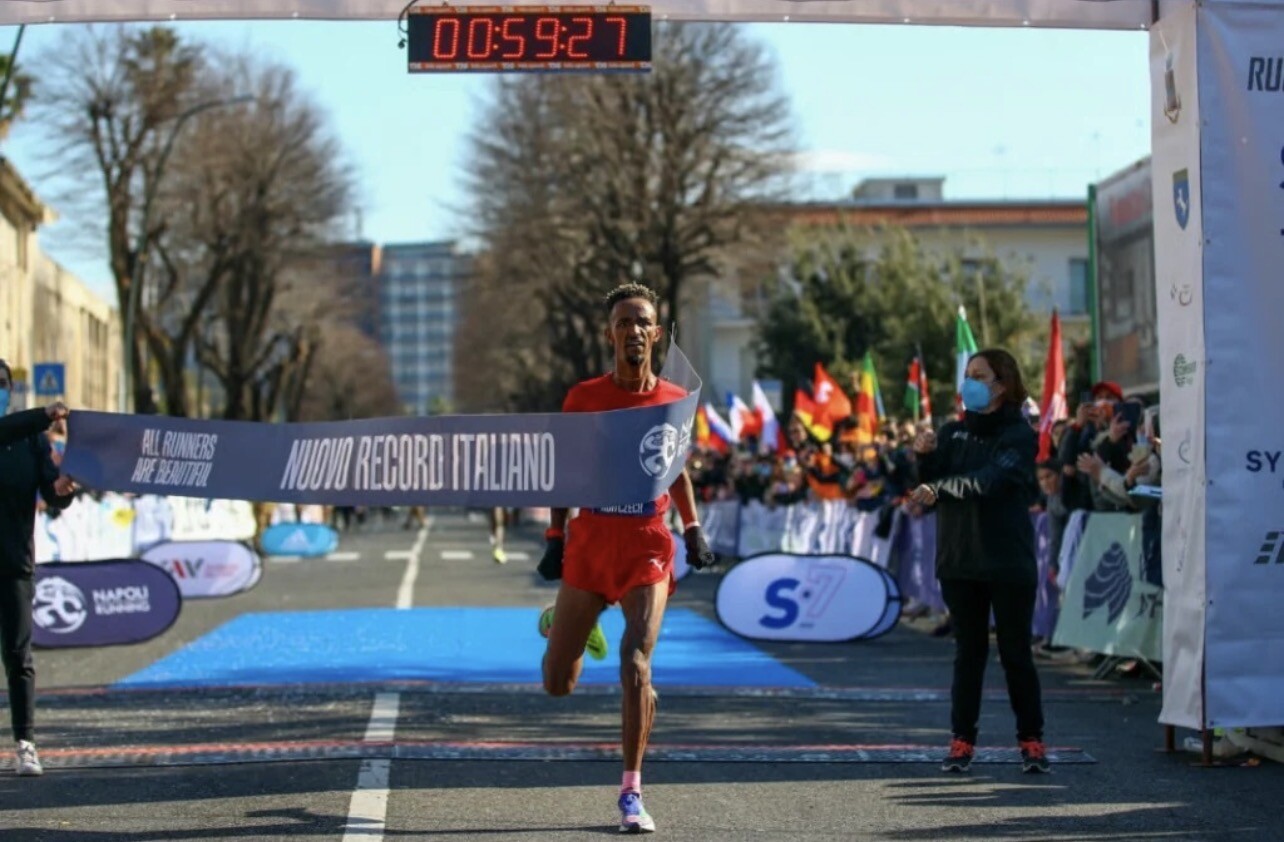
The men’s race is defined by a highly anticipated showdown between Italy’s two fastest half marathoners in history. Yeman Crippa enters as the Italian national record holder with his outstanding 59:26 performance, and he carries the added confidence of being the reigning European half marathon champion. Known for his disciplined pacing and ability to accelerate in the later stages, Crippa has consistently demonstrated the capacity to perform under pressure.
Challenging him directly is Pietro Riva, whose personal best of 59:41 places him firmly within striking distance of the national mark. Riva’s steady progression over recent seasons has narrowed the gap, and his closing speed makes him a serious threat if he remains in contention through 15 kilometers.
The international field provides both depth and pace support. Andrew Lorot brings a 59:54 personal best from Marugame, while Edward Konana Koonyo arrives with a precise 60:00 performance recorded in Gentbrugge earlier this year. Italian marathon standout Yohanes Chiappinelli and veteran Daniele Meucci, the European marathon champion, add experience and tactical intelligence to a race expected to unfold at record pace.
A 10-kilometer split near 28 minutes would signal clear intent to challenge the Italian record. Anything slower could transform the race into a tactical contest rather than a pure time trial.
Women’s Race Targets National and Course Marks
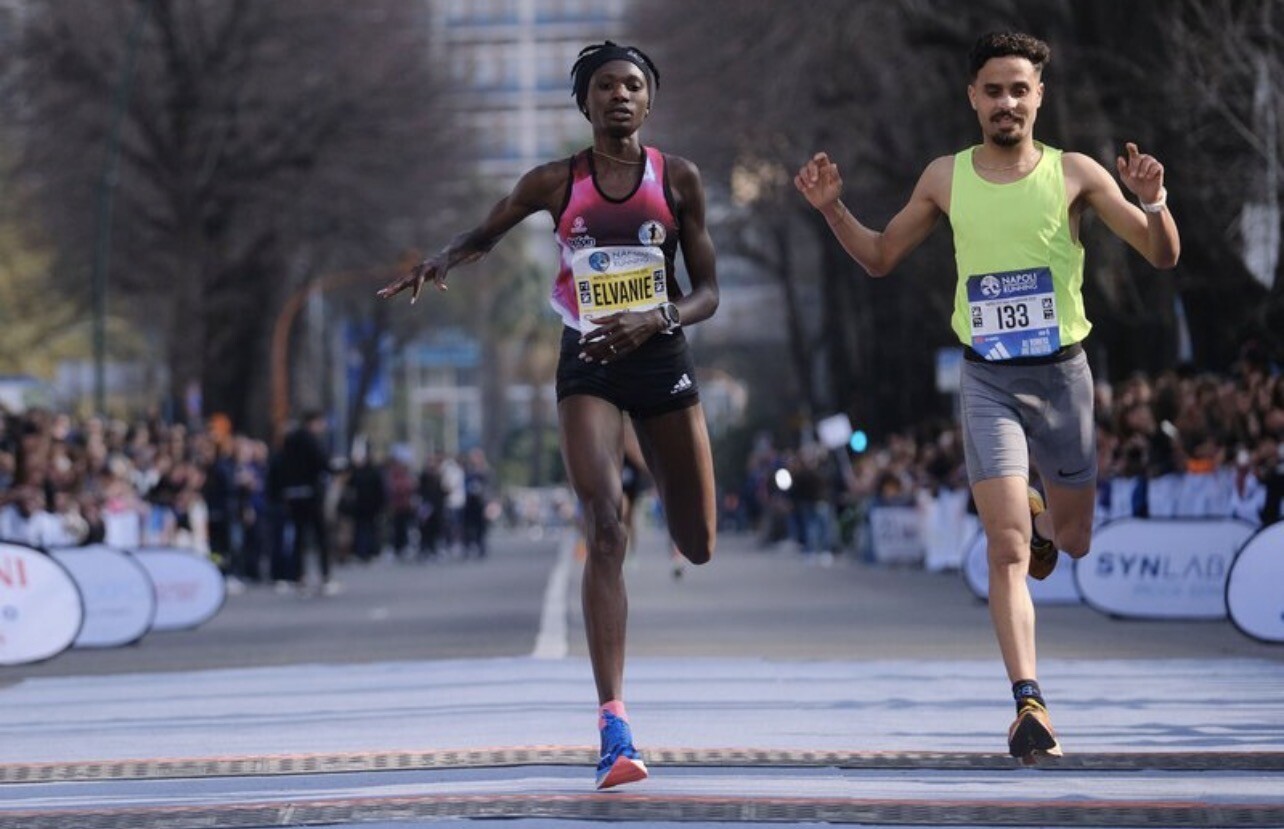
The women’s competition carries equally significant implications. Elvanie Nimbona, recently cleared to compete for Italy, will attempt to challenge the national record of 1:08:27. Her personal best of 1:09:00 places her within reach, provided pacing remains consistent and conditions remain favorable.
Kenya’s Regina Cheptoo enters with the fastest personal best in the field at 1:08:26, recorded in Rome. Her ability to sustain aggressive mid-race surges makes her one of the primary contenders for both victory and record contention.
Lucy Nthenya Ndambuki and Nelly Jeptoo strengthen the Kenyan presence, each holding personal bests under 1:10. Italian champion Sara Bottarelli and Denmark’s national marathon champion Sara Schou Kristensen add further competitive depth to a field capable of producing fast times across multiple positions.
While the course record of 1:06:47 represents a significant benchmark, the Italian national record appears particularly vulnerable if the lead group remains tightly packed through the decisive final kilometers.
Naples Course Designed for Fast Times
The race begins and ends at Mostra d’Oltremare, offering one of Europe’s most efficient half marathon circuits. The layout features minimal elevation change, wide roads, and extended straightaways that favor steady rhythm and negative splits. These characteristics have established Naples as a preferred destination for elite runners pursuing personal bests and national records.
World Athletics recognition further enhances the event’s reputation, attracting international competitors capable of elevating the level of competition.
A Race with Historic Potential
The 2026 Coelmo Napoli City Half Marathon represents more than a routine stop on the road racing calendar. It brings together Italy’s finest distance runners alongside world-class challengers in an environment engineered for fast performances. If pacing unfolds as planned and conditions cooperate, Naples may witness a defining moment in Italian distance running, with national records hanging in the balance and new milestones within reach.
(02/18/2026) ⚡AMPby Robert Kibet for My Best Runs
Napoli City Half Marathon
The Napoli City Half Marathon is the most growing running event in Italy. The race, certified by IAAF / AIMS/ European Athletics, is held inoptimal conditions with an average temperature of 10 ° C. From thewaterfront to the Castel dell'Ovo, the Teatro San Carlo to the Piazzadel Plebiscito, the course will lead you through the most fascinatingareas of the city,...
more...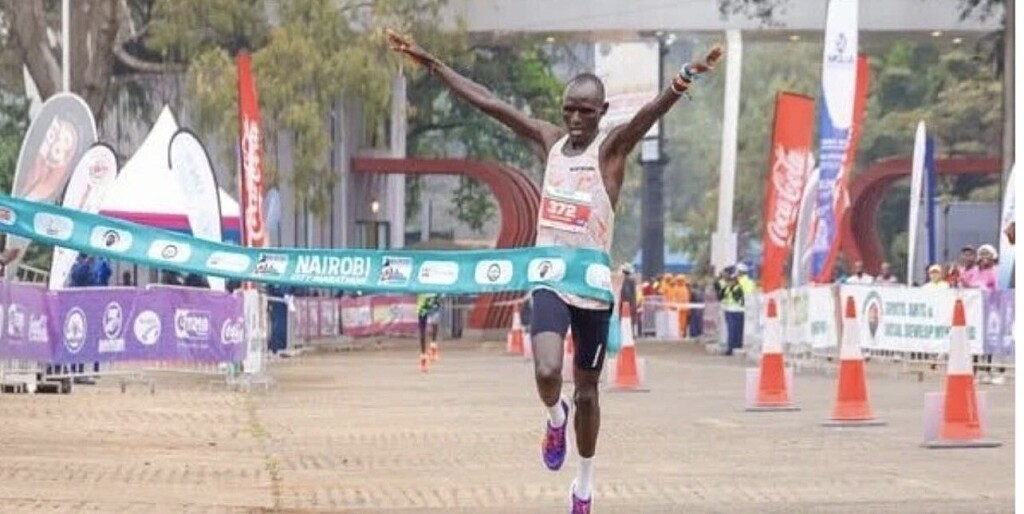
Champions Converge in Japan: Osaka Marathon 2026 Promises Speed and Breakthrough Performances
This Sunday, February 22, 2026, the Osaka Marathon will bring together one of its most competitive international fields in recent years, as champions from major city marathons across Africa and Europe converge on the fast streets of Osaka, Japan. With personal bests deep into the 2:04–2:08 range and proven championship credentials, the race is poised to deliver both tactical intrigue and potential record-level performances.
Kenya’s Benson Tunyo Murkomen (first photo), winner of the 2025 Nairobi City Marathon, enters the race as one of the key contenders. With a personal best of 2:08:36 from the Nairobi Express Marathon, Murkomen believes his preparation has elevated him to a new level.
“I have done more mileage with more speed endurance. This gives me more confidence to tackle the Osaka course,” he said.
Murkomen emphasized that his build-up has been carefully structured to balance endurance and race-day execution.
“I have done more long runs with progressive distance to build endurance. My nutrition and pacing strategies will be tailored for a fast course like Osaka.”
Coach’s Insights: Preparation, Discipline, and Podium Potential
Murkomen’s coach, Dr. Kipchumba Chelimo Byron, pointed to the combination of physical and mental conditioning as central to his athlete’s progress.
“Mental strength is one key area we have focused on after his 2:09 performance in Amsterdam. His pacing assignment in Valencia gave him the wherewithal to be disciplined, having controlled John Korir’s pace to victory in 2025.”
He added that Murkomen’s demanding training environment has been essential to his development.
“The physical training, especially endurance and speed in the gruelling hills of the Keiyo Escarpment, coupled with strong training mates, gave him the necessary impetus to tolerate the pressures generated during time trials. By checking all the boxes on these indicators, I am certain he can run sub-2:06 with a chance of a podium finish.”
A Course Built for Fast Times
The Osaka Marathon begins at the Osaka Prefectural Government Building and finishes inside Osaka Castle Park, providing a scenic and historically rich setting for elite competition. Known for its flat profile, wide roads, and minimal elevation changes, the course has become a preferred venue for athletes chasing personal bests and global recognition.
The current course record of 2:05:50 remains within reach if weather conditions cooperate and early pacing proves aggressive but controlled.
Murkomen acknowledged the role of experience in shaping his ambitions.
“Marathon training is a journey, and each marathon I participate in gives me more experience. I am looking forward to getting a new personal best in this coming marathon.”
Defending Champion and Global Contenders Raise the Stakes
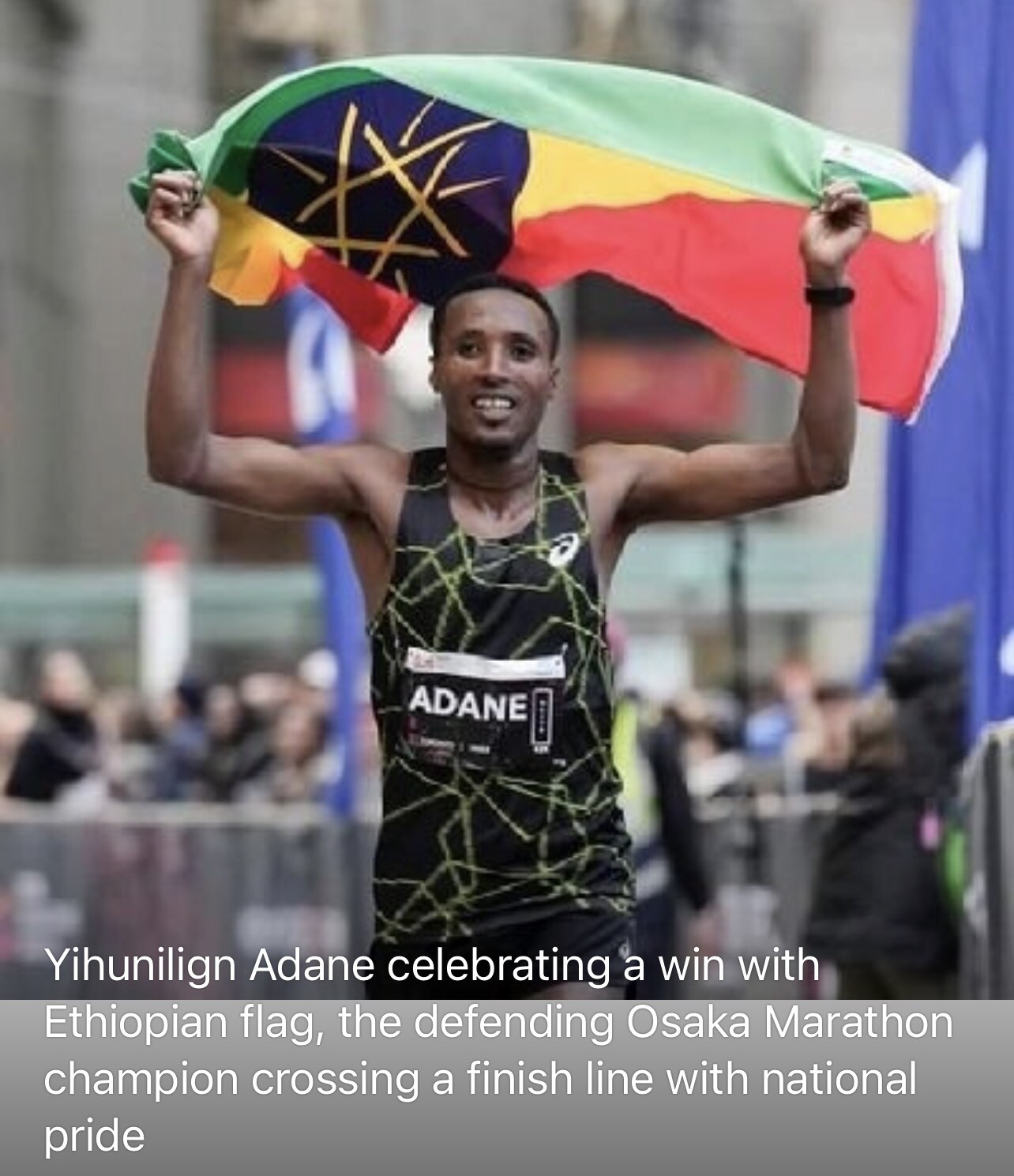
Ethiopia’s Yihunilign Adane returns as defending champion, carrying a personal best of 2:05:37 and a reputation for maintaining relentless pace through the middle stages of major marathons. His compatriot Bute Gemechu, who ran 2:04:51 in Dubai in 2025, arrives as one of the fastest entrants in the field and a serious threat for both victory and the course record.
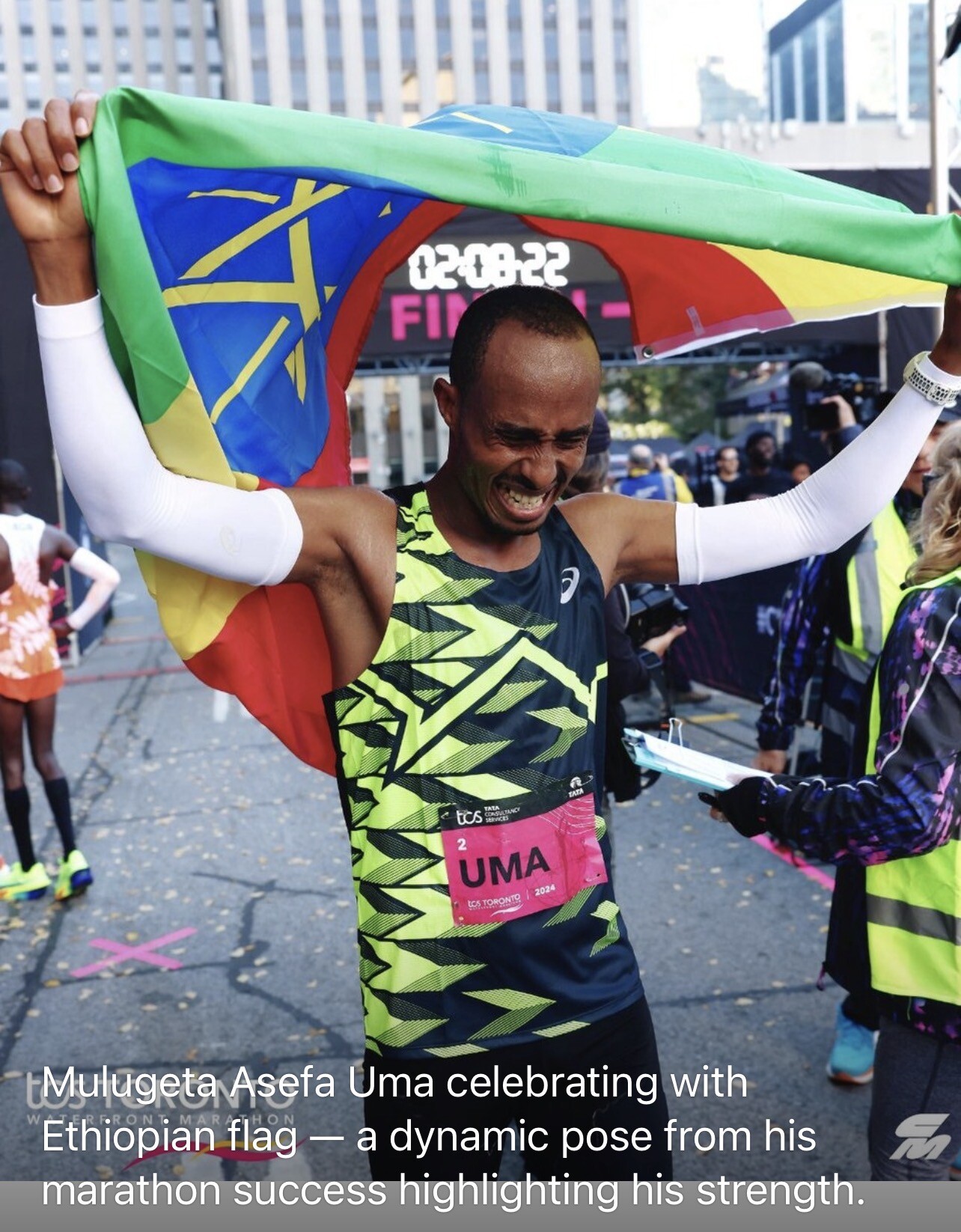
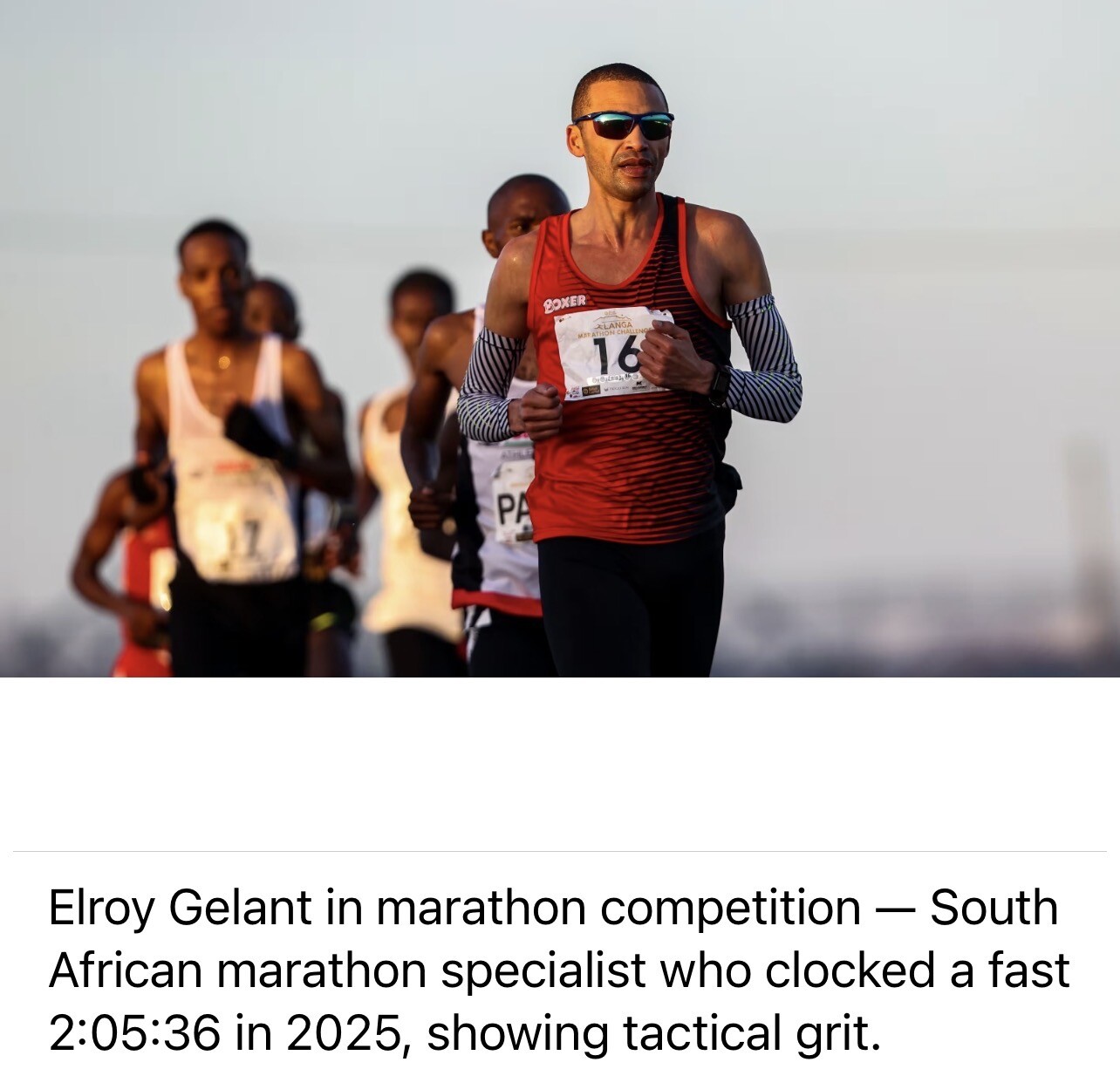
Mulugeta Asefa Uma, winner of the Paris Marathon and owner of a 2:05:33 personal best, brings championship experience and tactical awareness. South Africa’s Elroy Gelant, who ran 2:05:36 in Hamburg, combines track speed with marathon strength and is known for finishing aggressively.
Djibouti’s Ibrahim Hassan and Sweden’s Samuel Tsegay Tesfamariam add further international depth, while Ethiopia’s Afewerk Mesfin and Kenya’s Ezra Kipketer Tanui round out a field where nearly every athlete possesses the credentials to influence the race outcome.
Tactical Battles Expected on the Road to Osaka Castle
With so many accomplished athletes on the start line, early pacing is expected to be decisive. Front-runners such as Gemechu and Adane may attempt to stretch the field early, while disciplined competitors like Murkomen will aim to remain within striking distance while conserving energy for the final kilometers.
The closing stretch through Osaka Castle Park traditionally produces dramatic finishes, where speed, endurance, and tactical judgment converge in the final decisive moments.
Murkomen believes his improved speed will translate into stronger marathon performance.
“Looking at my half-marathon and 10-kilometer personal bests, the raw speed is evident. I plan to translate that into sustained efficiency over 42.2 kilometers and aim for a new personal best.”
A Race with Global Implications
With defending champions, rising stars, and experienced marathon veterans all targeting victory, the 2026 Osaka Marathon promises a compelling blend of speed, strategy, and breakthrough potential. For athletes like Murkomen, Osaka represents more than a single race—it is an opportunity to elevate their standing on the global marathon stage.
On a course designed for speed and a field built for competition, Osaka once again stands ready to deliver a performance worthy of the marathon’s enduring legacy.
(02/17/2026) ⚡AMPby Robert Kibet for My Best Runs

Osaka Marathon
In 2022 the Lake Biwa Mainichi Marathon and Osaka Marathon were held together. For 2023 the name of the marathon will be Osaka and both men and women can run the race. The original male-only competition was first held in 1946 and, having taken place every year since then, it is Japan's oldest annual marathon race. The early editions of...
more...
Three Years, Three Records: Kelati Lowered Her Own American Mark Once More
Consistency at the highest level is rare. Reinvention at the highest level is even rarer. Yet for the third consecutive year, Weini Kelati has returned to the half marathon stage and done exactly that—rewritten American history.
On Sunday, February 15, at the electrifying Barcelona Half Marathon, Kelati delivered another masterclass in precision and courage, clocking 1:06:04 to shave five seconds off her own American record. It was not just a fast race—it was a statement. A reminder that progress is built in layers, and Kelati continues to add hers with remarkable patience and poise.
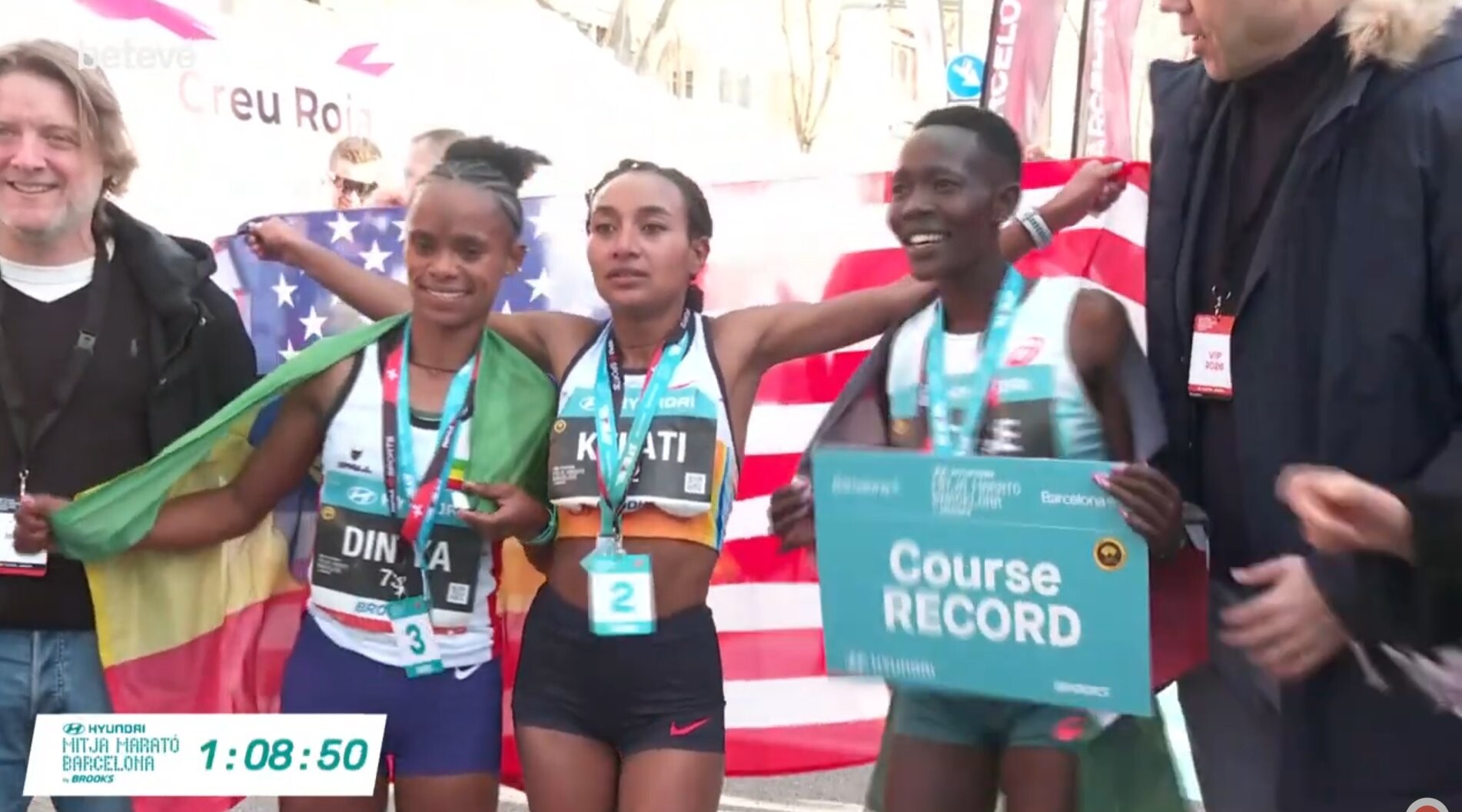
She crossed the line second overall behind Kenya’s Loice Chemnung, who surged to victory in a blistering 1:04:01, setting a new course benchmark. But while Chemnung claimed the win, Kelati once again reshaped the American record books.
From the gun, the race unfolded with clarity and intent. Kelati and Chemnung moved in tandem through the opening kilometers, slicing through Barcelona’s streets with controlled aggression. The first 5K splits—15:22 for Chemnung and 15:29 for Kelati—hinted at the decisive move that would soon follow. As the Kenyan gradually edged away, Kelati resisted the temptation to chase recklessly. Instead, she locked into her tempo, a display of tactical maturity that ultimately paid off.
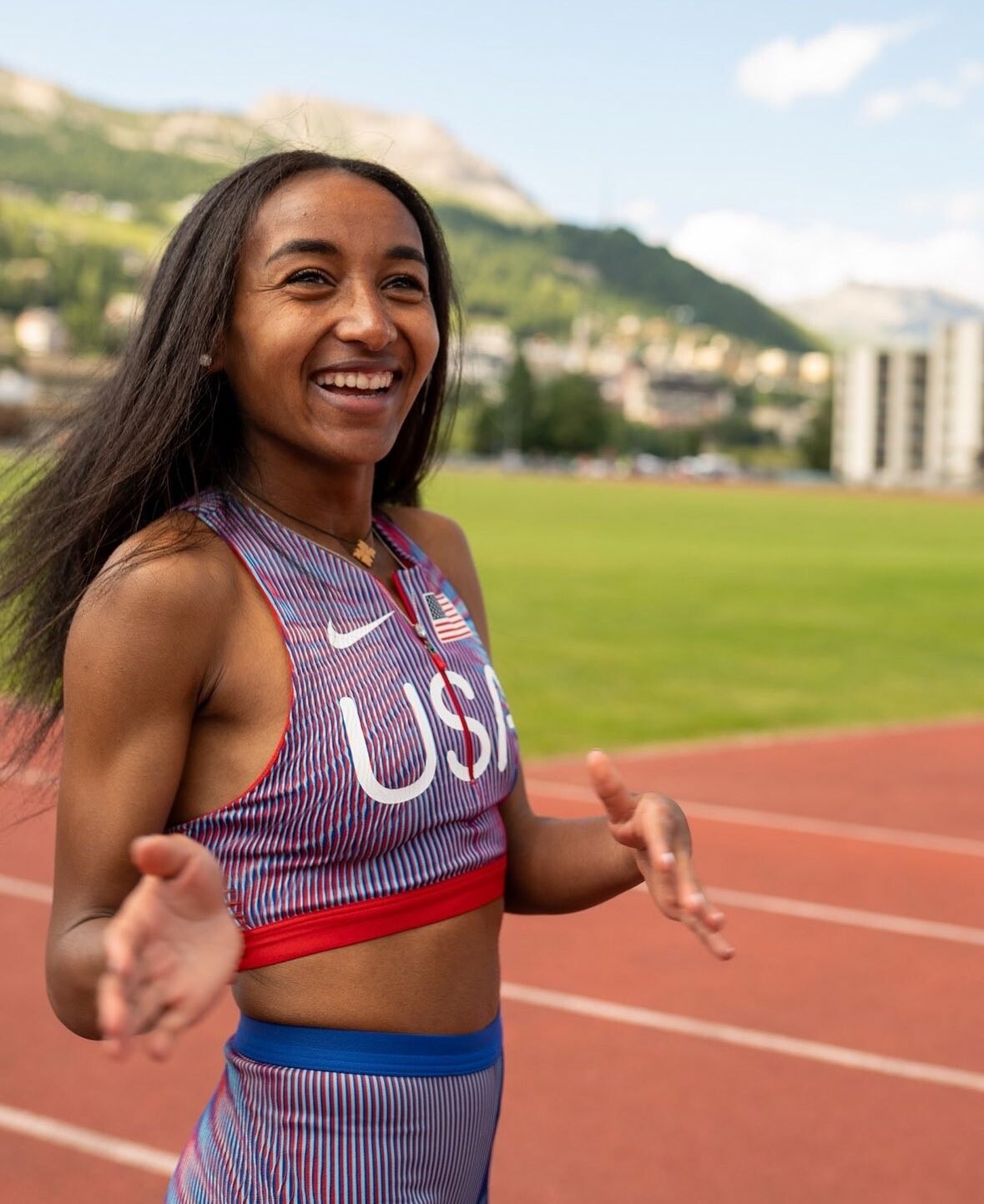
Passing 10K in 30:52 and 15K in 46:29, she maintained her rhythm all the way to Parc de la Ciutadella, where history awaited her yet again. Behind her, fellow American Taylor Roe secured fourth place in 1:06:52, adding further depth to a strong American showing.
What makes Kelati’s achievement even more remarkable is the exclusivity of the performance standard she now commands. In the entire history of U.S. women’s distance running, only four American athletes have ever broken the 1:07 barrier in the half marathon—and two of them managed the feat just once in their careers. Kelati, by contrast, has now dipped under 67 minutes three separate times. That level of repetition transforms a breakthrough into a legacy.
Her Barcelona run also carried the undertone of redemption. Only weeks earlier, she faced a difficult outing at the World Athletics Cross Country Championships, finishing 40th overall. Rather than allowing disappointment to linger, she responded with authority. Sunday’s performance was also her first appearance since signing with Nike, marking the beginning of a new professional chapter with emphatic momentum.
Three consecutive years. Three American records. Three sub-1:07 performances.
Weini Kelati is not merely improving—she is establishing a new standard of excellence, proving that true greatness is not defined by one exceptional day, but by the courage to return and raise the bar again and again.
(02/17/2026) ⚡AMPby Erick Cheruiyot for My Best Runs.

A Lean at the Line, A Record for the Nation: Seville’s Marathon Masterpiece
Seville delivered one of the most dramatic finishes of the global marathon season. The Zurich Maratón de Sevilla, held on Sunday, February 15, 2026, in Seville, Spain, produced a photo finish in the men’s race and a national record performance in the women’s competition, reaffirming its reputation as one of the fastest and most important marathons in the world.
Men’s Race: Victory decided by millimeters
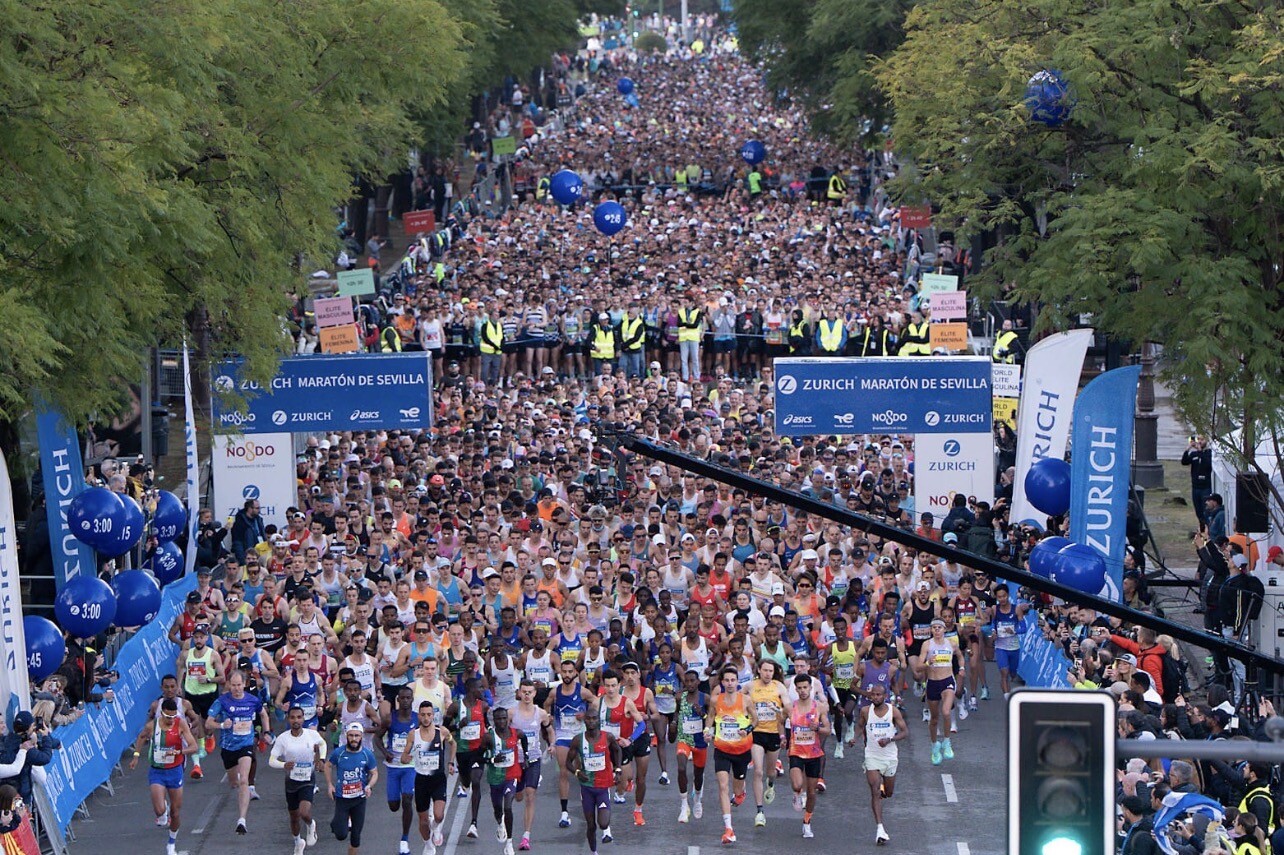
The men’s race unfolded with discipline and restraint before erupting into pure theatre over the final kilometer. Ethiopia’s Shura Kitata and Asrar Abderehman separated themselves from the field and ran stride for stride into the finishing straight, neither athlete able to break the other after more than two hours at world-class pace.
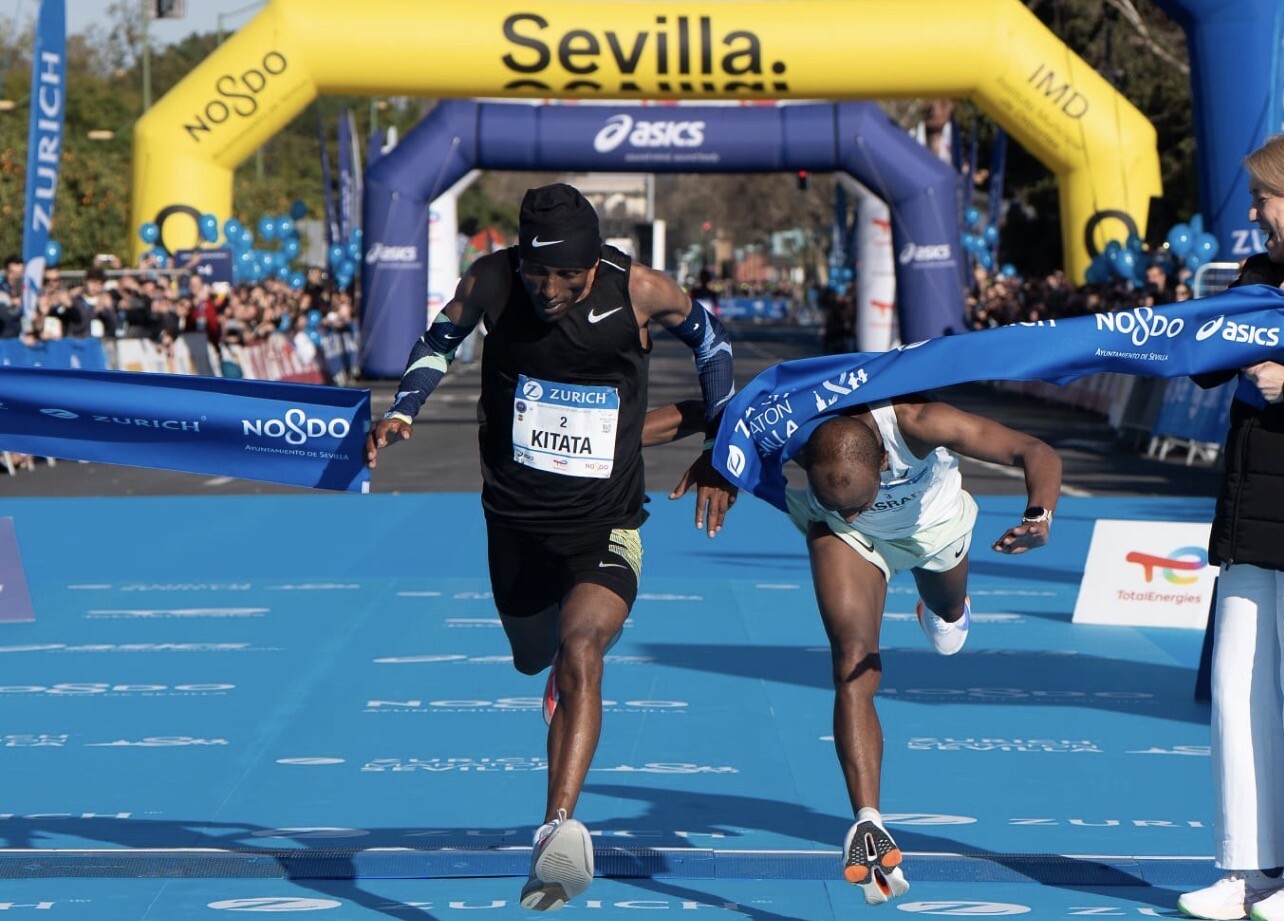
Both crossed the line in 2:03:58, forcing officials to rely on the photo finish. Kitata’s perfectly timed lean secured victory by the narrowest possible margin, giving him one of the most memorable wins of his career.
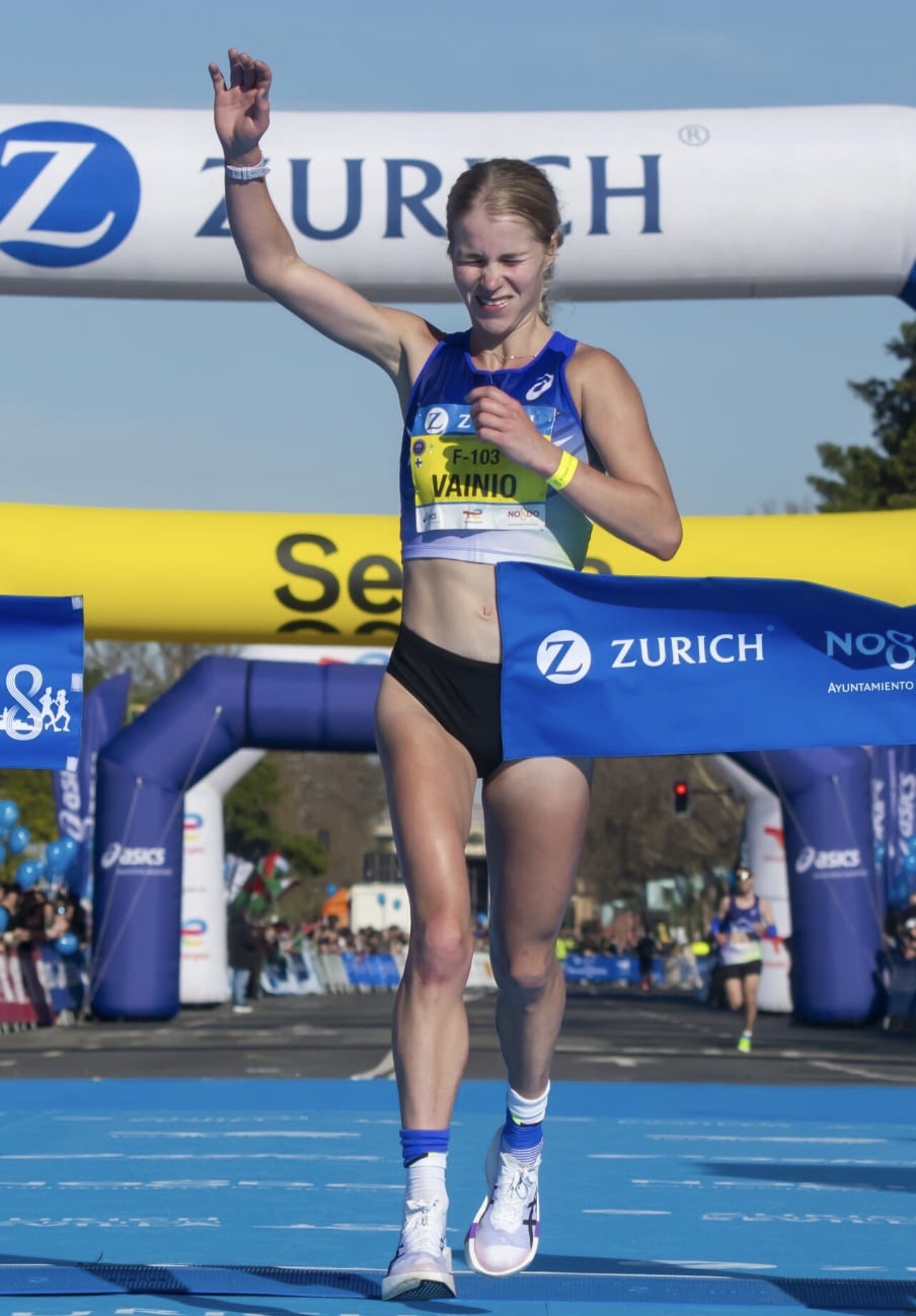
Ethiopia’s Dejene Bikila completed the podium in 2:04:15, while Kenya’s Justus Kipkorir Limo led the next wave of elite finishers in 2:04:55. The depth of the race was evident throughout the top ten, with multiple athletes producing world-class performances on Seville’s famously fast course.
Women’s Race: National record and breakthrough victory
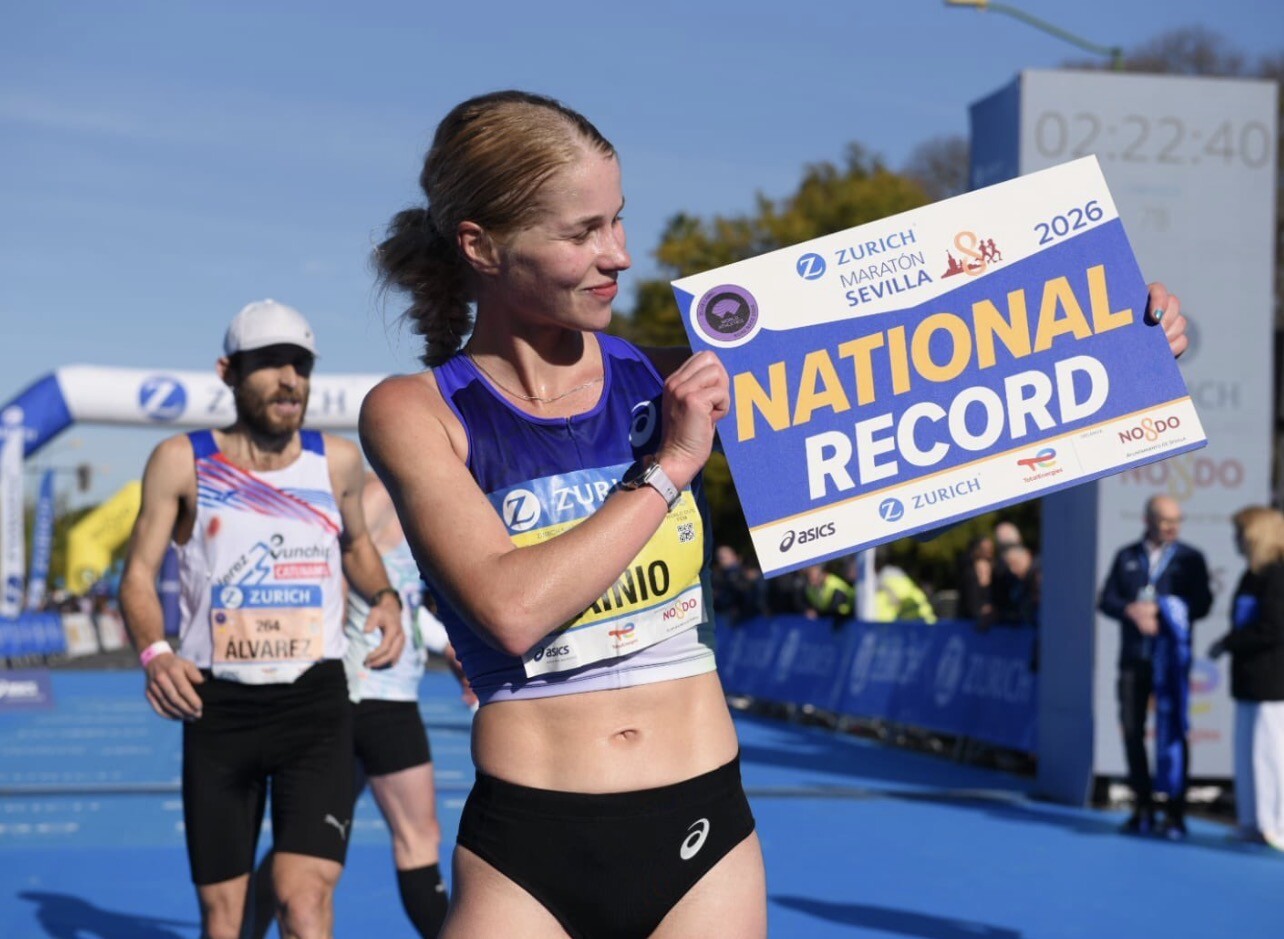
The women’s race delivered a historic moment for Finnish athletics. Alisa Vainio ran with composure and precision, gradually asserting control in the latter stages before crossing the line in 2:20:39, setting a new Finnish national marathon record.
Kenya’s Beatrice Cheserek finished second in 2:21:56, showing strength and tactical awareness, while Ethiopia’s Mulat Tekel secured third in 2:22:03, completing a highly competitive podium.
Strong international depth defined the women’s field as well, with several athletes producing career-level performances on the streets of Seville.
The February 15, 2026 running of the Zurich Maratón de Sevilla in Seville, Spain, once again demonstrated why this race is a favorite for elite athletes seeking fast times and historic performances. From a victory decided by millimeters to a national record etched into history, Seville delivered a marathon worthy of the global spotlight.
Top 10 Results
MEN
1. Shura Kitata (ETH) – 2:03:58
2. Asrar Abderehman (ETH) – 2:03:58
3. Dejene Bikila (ETH) – 2:04:15
4. Justus Kipkorir Limo (KEN) – 2:04:55
5. Tola Capital (ETH) – 2:05:12
6. Tsadad Ayana (ETH) – 2:05:28
7. Feyisa Gudisa (ETH) – 2:05:41
8. Limenih Getachew (ETH) – 2:06:03
9. Bukayawe Malede (ETH) – 2:06:17
10. Lotory Mamo (ETH) – 2:06:39
WOMEN
1. Alisa Vainio (FIN) – 2:20:39 (NR)
2. Beatrice Cheserek (KEN) – 2:21:56
3. Mulat Tekel (ETH) – 2:22:03
4. Elisa Palmero (ESP) – 2:24:15
5. Nafie Fatima (ETH) – 2:24:42
6. Jacline Chelala (KEN) – 2:25:08
7. Rebecca Lonedo (ITA) – 2:25:31
8. Rebecca Chepkwemoi (KEN) – 2:25:55
9. Tereza Hrochova (CZE) – 2:26:12
10. S. Mengsteab (ERI) – 2:26:48
(02/15/2026) ⚡AMPby Erick Cheruiyot for My Best Runs

Zurich Marathon Sevilla
This urban, flat, fast and beautiful brand new race course will drive athletes through the most beautiful monuments of the city. Zurich Maraton de Sevilla brings the unique opportunity to brake the Best personal result over the mythical distance to all the athletes, professional or age groupers, in one of the most perfect international marathon circuits. This fast marathon takes...
more...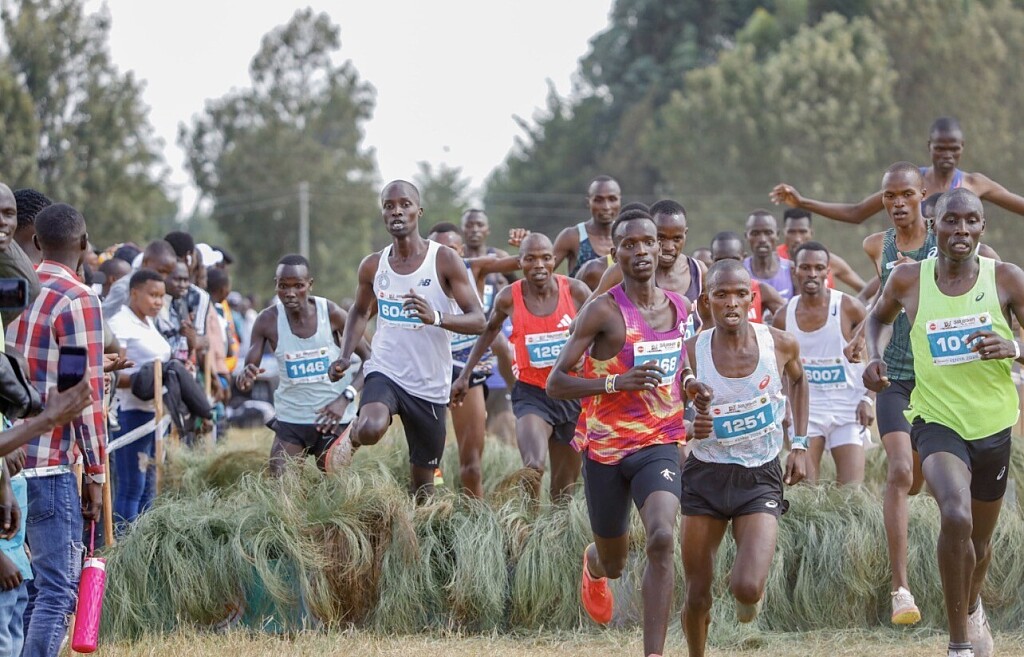
Boston Champion John Korir Wins Cross Country Debut at Sirikwa Classic, Signals Readiness for Title Defense
Boston Marathon champion John Korir stepped outside his comfort zone and delivered a powerful statement, winning his first-ever cross country race at the 5th Absa Sirikwa Classic. What began as a fitness test ahead of his Boston Marathon title defense became a decisive victory on one of Africa’s most demanding cross country courses.
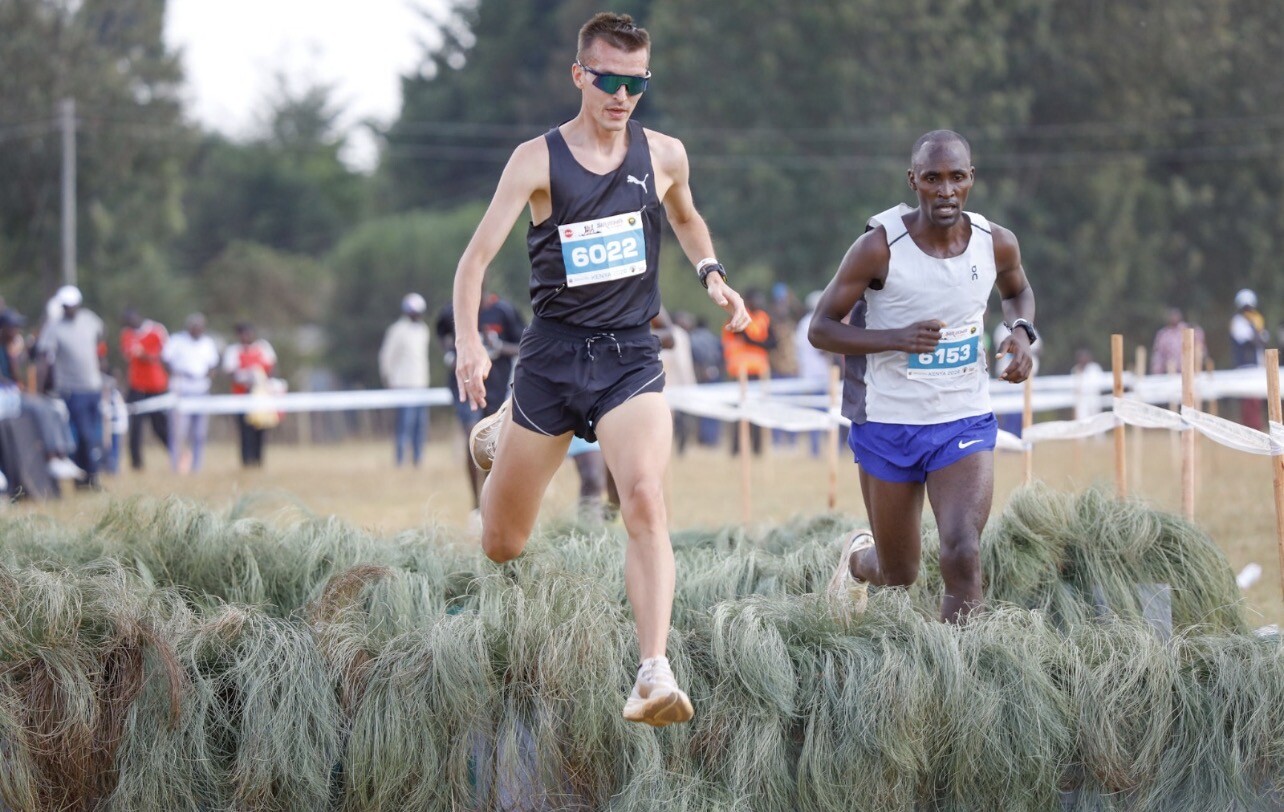
Held at Lobo Village on the outskirts of Eldoret, the World Athletics Cross Country Tour Gold event featured a rugged 10K course defined by rolling grass mounds, sharp turns, uneven footing, and warm midday temperatures approaching 25°C (77°F). The course rewards patience, strength, and tactical awareness — qualities Korir demonstrated in full.
Tactical Patience Against a Proven Champion
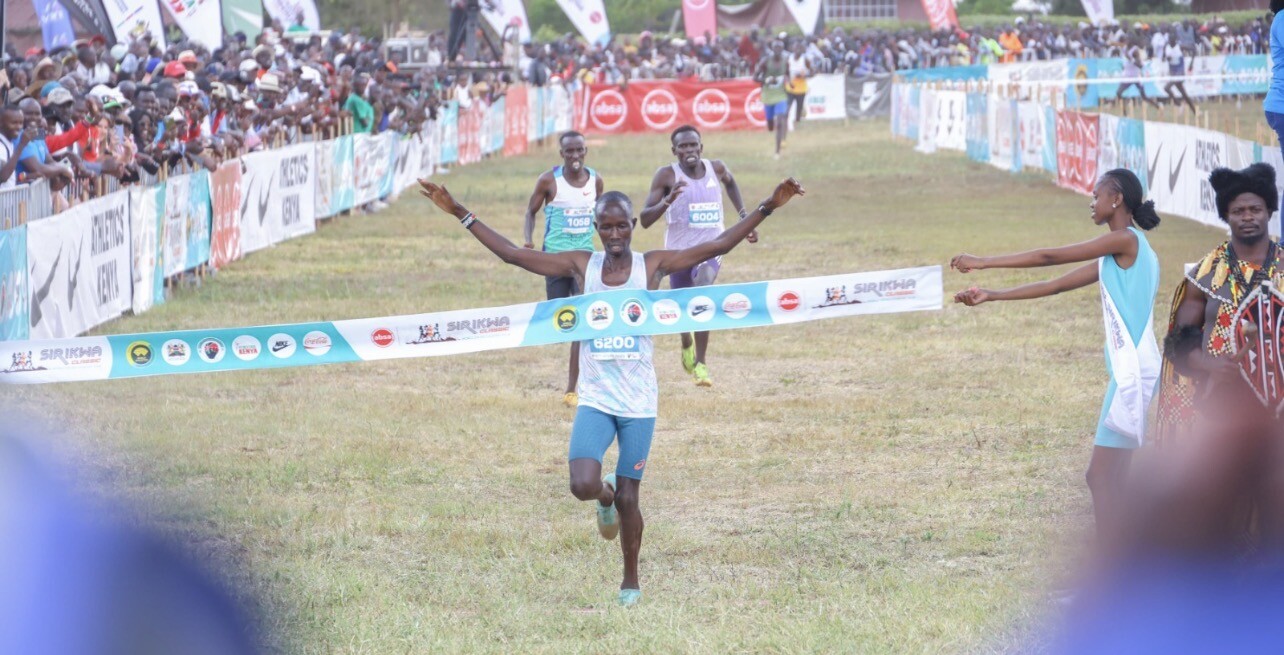
Korir entered the race with measured expectations. Known primarily for his marathon dominance, including his victory in Boston, he viewed the race as an opportunity to assess his conditioning rather than chase victory.
“I came here to see how my shape is as I prepare to defend my title in Boston,” Korir said. “I did not expect to win because cross country is very different from the marathon.”
From the start, the race developed into a compelling duel with two-time defending champion Daniel Ebenyo, one of the world’s premier cross country specialists. The pair ran shoulder-to-shoulder through the early kilometers, navigating the tight corners and punishing hills with careful precision.
Korir conserved energy, allowing Ebenyo to share pacing duties while evaluating how his marathon-trained body responded to the constant rhythm changes required in cross country racing.
“I told them if they take me to six kilometers, then my body will respond — and they would not see me again,” Korir said confidently.
The Decisive Move
Just beyond the 6K mark, Korir executed his plan
Gradually increasing his tempo, he began to separate from Ebenyo, not with a sudden sprint but with a sustained, controlled acceleration. The move reflected the strength developed through marathon training — an ability to maintain pressure over long stretches without breaking rhythm.
Ebenyo, despite his cross country experience, could not match the sustained surge. The gap widened steadily across the final kilometers as Korir powered over the hills with growing authority.
By the final kilometer, the outcome was clear. Korir maintained complete control, crossing the finish line alone to secure his first cross country victory in convincing fashion.
A Clear Signal Ahead of Boston
Korir’s victory serves as an important milestone in his preparation for the Boston Marathon, where he will seek to defend his title against one of the strongest fields in the world.
“I will go back now and sharpen my training before Boston,” Korir said. “Winning here shows me that my body is responding well.”
Beyond his own racing ambitions, Korir remains deeply invested in the future of Kenyan athletics through his Transcend Academy in Cherangany, where he mentors young runners pursuing professional careers.
Marathon Strength Meets Cross Country Toughness
Korir’s performance highlighted the crossover potential between marathon conditioning and cross country success. His patience early, decisive surge mid-race, and controlled finish demonstrated tactical maturity and physical resilience.
The Sirikwa Classic has become one of the premier cross country events globally, regularly attracting Olympic and World Championship contenders. For Korir, victory in Eldoret was not only a personal breakthrough but a clear indication that he is on track to return to Boston in peak condition.
If this performance is any indication, John Korir will arrive at the Boston Marathon not only as defending champion — but as an athlete operating at the height of his powers.
(02/15/2026) ⚡AMPby Robert Kibet for My Best Runs
Gebrhiwet’s Relentless Surge Shatters Barcelona Course Record
Records rarely fall by accident. They fall because someone decides they must.
At the 2026 Hyundai Mitja Marató Barcelona by Brooks on Sunday morning, Ethiopia’s Hagos Gebrhiwet Berhe made that decision early—and never looked back.
From the opening kilometres, it was clear this would not be a tactical affair. Gebrhiwet stormed through 10K in a blistering 27:18, a split that briefly tracked beneath world-record pace and immediately splintered one of the deepest half-marathon fields assembled this season. What had begun as a championship-caliber contest quickly became a solo exhibition.
Only Switzerland’s Dominic Lokinyomo Lobalu attempted to respond, reaching 10K in 27:43. But even at that early stage, the gap—25 seconds at such velocity—represented a decisive separation. By the halfway point, Gebrhiwet was alone, his rhythm smooth and controlled, his stride showing none of the strain typically associated with such aggression.
He passed 15K in 41:06, still moving at historic pace and nearly a full minute ahead of Lobalu, who crossed in 41:58. France’s Emmanuel Roudolff remained in contention for third at 42:12, with Kenya’s Samwel Nyamai Mailu and Ethiopia’s Hagos Eyob Gared clocking 42:32 as the battle for the remaining podium positions intensified behind the leader.
But the outcome at the front was no longer in doubt.
Barcelona’s coastal course, famous for producing fast times but often exposed to late-race winds, began to exert its influence beyond 15K. The world-record trajectory faded, but Gebrhiwet adjusted with the poise of a seasoned championship racer. His form remained composed, his cadence efficient, his effort measured with precision.
This was no longer about the global record. It was about making Barcelona history.
Gebrhiwet crossed the finish line in 58:05, smashing the course record and establishing himself as the fastest man ever to run the current Barcelona configuration. The victory margin reflected total command. Lobalu finished second in 59:25, while Roudolff secured third in 59:35. Mailu and Gared followed in identical times of 59:40 to complete the top five.
The performance was defined as much by its boldness as by the final time. An opening 10K of 27:18 is a declaration of intent. Maintaining control through 15K at 41:06 confirms conviction. Finishing in 58:05 confirms execution.
Barcelona has long been known as one of the fastest half-marathon courses in the world. On this day, it became the stage for one of the most decisive front-running performances of the modern era.
Gebrhiwet did not wait for the race to unfold.
He defined it from the start.
MEN’S TOP 10 — OFFICIAL RESULTS
1. Hagos Gebrhiwet Berhe (ETH) – 58:05 (Course Record)
2. Dominic Lokinyomo Lobalu (SUI) – 59:25
3. Emmanuel Roudolff (FRA) – 59:35
4. Samwel Nyamai Mailu (KEN) – 59:40
5. Hagos Eyob Gared (ETH) – 59:40
6. Jack Rayner (AUS) – 59:51
7. Amos Kipkemoi Bett (KEN) – 59:51
8. Zak Mahamed (GBR) – 1:00:44
9. Hassan Chahdi (FRA) – 1:01:03
10. Seare Weldezghi (ERI) – 1:01:05
(02/15/2026) ⚡AMPby Robert Kibet for My Best Runs
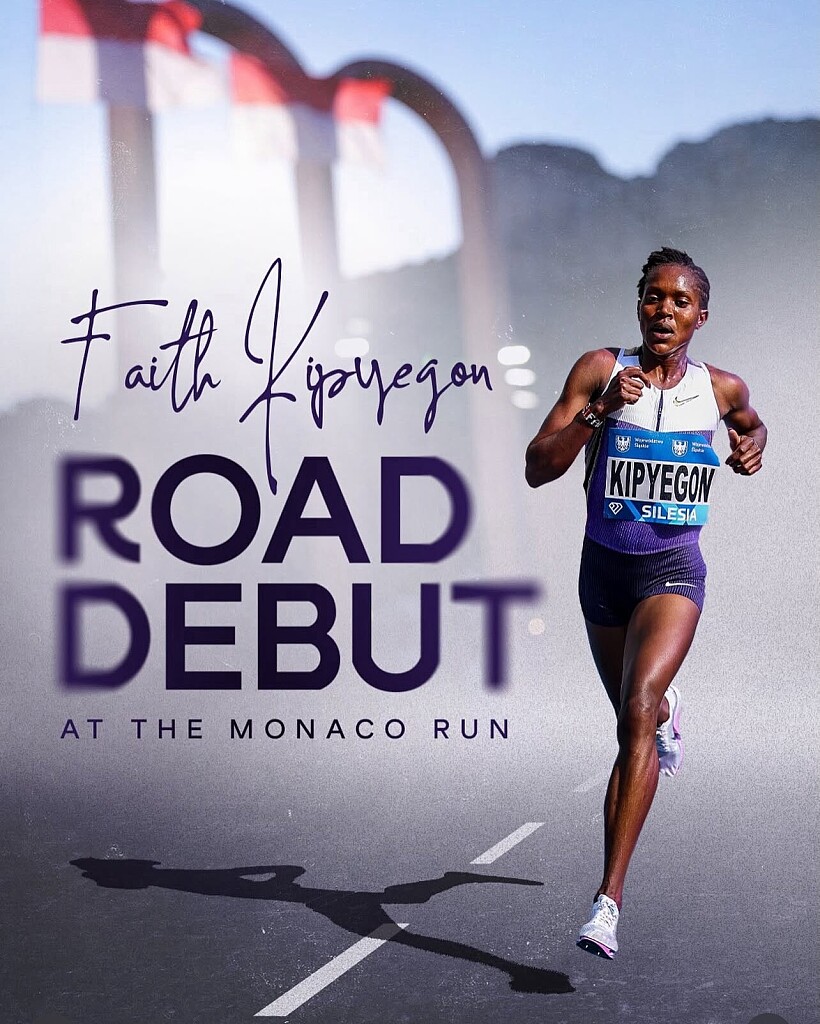
From Track Royalty to Road Warrior: Faith Kipyegon Targets 10K Debut in Monaco
Three-time Olympic champion and multiple world titleholder Faith Kipyegon is set to embrace a new frontier as she prepares for her highly anticipated 10km road debut at the Monaco Run Gramaglia in Monte Carlo.
Renowned globally as the greatest women’s 1500m runner of her generation, Kipyegon has built a legacy defined by dominance, discipline, and record-breaking brilliance. From Olympic gold medals to commanding performances on the world stage, she has mastered the track with tactical precision and unmatched finishing speed. Now, she steps away from the oval and onto the open roads for a fresh and exciting challenge.
The race will start at 9:00 AM local time along the breathtaking Mediterranean coastline, offering both a picturesque setting and a competitive field. Unlike the controlled rhythm of track racing, the 10K road distance demands adaptability, strength, and smart pacing — a different kind of battle that will test her versatility as an athlete.
This debut signals more than just participation in a new event. It reflects her fearless mindset and her constant desire to evolve. Every great champion seeks new mountains to climb, and Monaco presents the perfect stage for another defining moment.
As fans across Kenya and the world tune in, anticipation is high. Will the queen of the 1500m extend her reign onto the roads? One thing is certain — whenever Faith Kipyegon steps onto a start line, history is never far behind.
The road now calls, and the legend answers.
(02/14/2026) ⚡AMPby Erick Cheruiyot for My Best Runs.
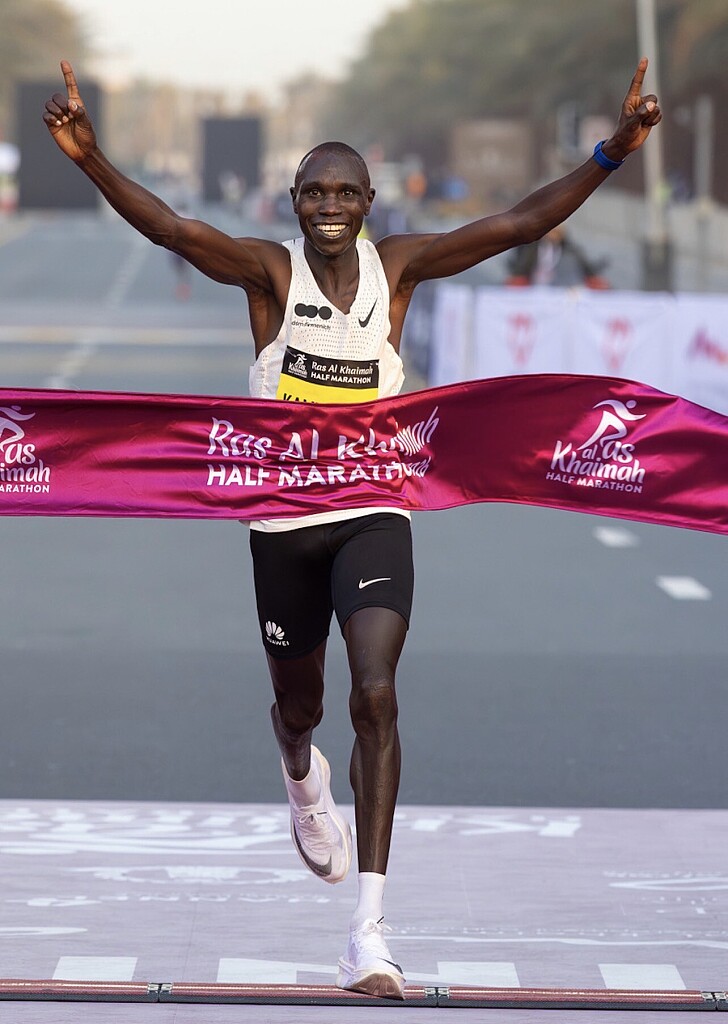
Kamworor Crushes RAK Half Marathon Commanding a 58:14 Victory
Geoffrey Kamworor proved once again that champions are defined not by setbacks, but by their response to them. Thirteen years after his breakthrough senior victory at the Ras Al Khaimah Half Marathon, the Kenyan legend returned to the same roads and delivered a masterclass performance, winning in 58:14—40 seconds faster than his winning time in 2013.
At 33, Kamworor was the oldest athlete in the elite field, yet he controlled the race with the authority of a runner in his prime. Neither the passage of time nor the devastating motorbike accident in 2020, which shattered his tibia and threatened his career, has diminished his competitive fire. Instead, his victory in Ras Al Khaimah confirmed that he remains one of the world’s most formidable distance runners.
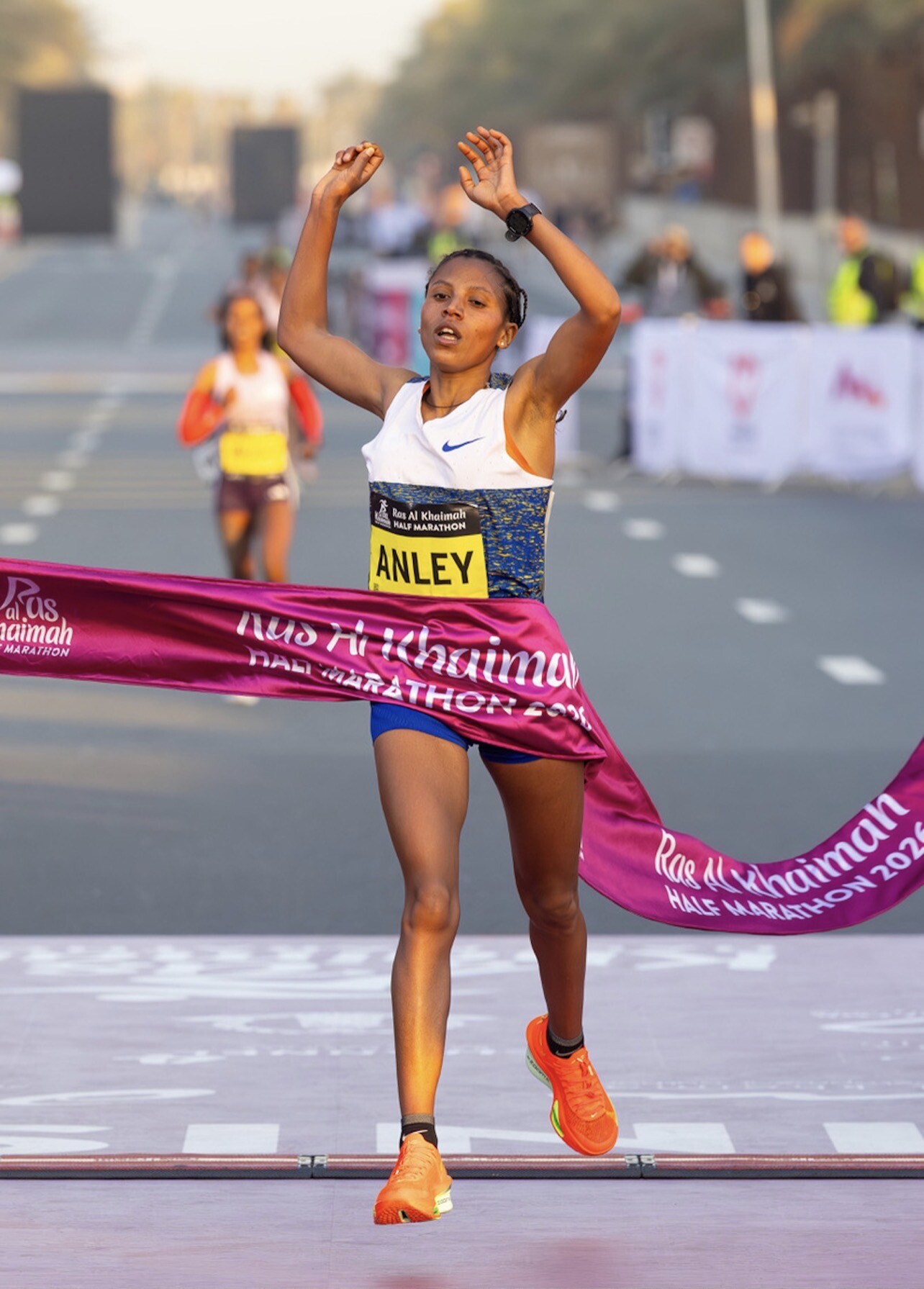
From the gun, Kamworor executed a precise and disciplined strategy, running alongside his training partner and pacemaker Edwin Kipsaisak. The opening kilometer was covered in 2:44, followed by a relentless series of splits between 2:45 and 2:49. The sustained pace quickly discouraged any serious challenges from the younger contenders, who found themselves unable to disrupt Kamworor’s rhythm.
When Kipsaisak stepped aside after 8 kilometers, the decisive move had already been made. Kamworor passed 10K in 27:42, firmly in control. His surge between 16 and 17 kilometers, clocked in a punishing 2:42, broke the race open completely. From that point, victory was never in doubt.
“Actually, I knew I was going to win around 14K,” Kamworor said afterward. “I knew I had prepared well. I came here wanting to run a fast time, and Edwin did a great job pacing. It’s great to come back and win even faster.”
Behind him, Birhanu Balew of Bahrain ran strongly to secure second place in 58:23, while Kenya’s Gideon Rono impressed in his debut at the distance, finishing third in 58:38.
Kamworor’s journey back to the top has been anything but easy. Once the dominant force in global distance running—with three consecutive World Half Marathon titles, two World Cross Country championships, and two New York City Marathon victories—his career was nearly derailed in 2020 when he was struck by a motorbike during a solo training run. The injury required multiple surgeries and a lengthy rehabilitation, keeping him away from peak form for nearly three years.
Now fully recovered, Kamworor has returned to elite competition with renewed purpose. He finished second at the London Marathon in 2023 and has his sights set firmly on the marathon once again.
“I’m satisfied that I’m fully recovered now,” he said. “It’s very satisfying to win here again. Now I will go home and prepare for London in April. It will be very tough competition, but that’s what I like. My personal best is 2:04, but I believe I can go faster.”
Looking further ahead, Kamworor has set his ultimate goal on the Olympic Marathon at the 2028 Los Angeles Games. If selected, he would be nearing 36—but history shows that experience can triumph. Portuguese legend Carlos Lopes famously won Olympic marathon gold at age 38.
Women’s Race: Anley Wins Impressive Debut
The women’s race unfolded without an official pacemaker, placing the burden of pace-setting on the athletes themselves. Tanzania’s Magdalena Shauri courageously led much of the race but paid the price in the closing kilometers.
With just two kilometers remaining, Ethiopia’s Asmarech Anley and Melknat Wudu surged past the fading leader. Anley, making her half marathon debut, showed remarkable composure to take the win in 67:22.
“I realized I could win with a kilometer to go,” Anley said. “The times would have been faster with a pacemaker, but it doesn’t matter because I won.
Wudu finished just five seconds behind in 67:27, while Shauri held on bravely for third in 67:32. Anley, the former African Junior 3000m champion on the track in 2023, indicated she plans to gain more experience at the half marathon distance before moving up to the marathon.
Results
Men
1. Geoffrey Kamworor (KEN) – 58:14
2. Birhanu Balew (BRN) – 58:23
3. Gideon Rono (KEN) – 58:38
4. Jemal Mekonen (ETH) – 58:55
5. Samwel Masai (KEN) – 58:59
6. Benjamin Ratsim (TAN) – 59:56
7. Jirata Dinki (ETH) – 59:57
8. Yismaw Dillu (ETH) – 60:05
9. Brian Kibor (KEN) – 60:07
10. Mao Ako (TAN) – 60:20
Women
1. Asmarech Anley (ETH) – 67:22
2. Melknat Wudu (ETH) – 67:27
3. Magdalena Shauri (TAN) – 67:32
4. Jesca Chelangat (KEN) – 67:33
5. Cynthia Chepkwony (KEN) – 67:35
6. Aselef Kassie (ETH) – 67:47
7. Gete Alemayehu (ETH) – 68:43
8. Margret Chacha (KEN) – 68:57
9. Emebet Kebede (ETH) – 69:11
10. Addise Cheklu (ETH) – 70:01
Kamworor’s victory was more than just another win—it was a powerful reminder that resilience, experience, and belief remain the defining traits of greatness. His return to Ras Al Khaimah was not merely a comeback. It was a statement.
(02/14/2026) ⚡AMPby Race News Service

5th ABSA Sirikwa Classic Cross Country 2026: Champions Rise Amid Lobo Village Splendor
Today, the rolling savannahs of Lobo Village, Kapseret, bore witness to another thrilling chapter in Kenyan cross country history as the 5th edition of the ABSA Sirikwa Classic Cross Country unfolded under perfect racing conditions. The air was crisp, the crowd electric, and the athletes delivered performances that will be remembered long after the final stride.
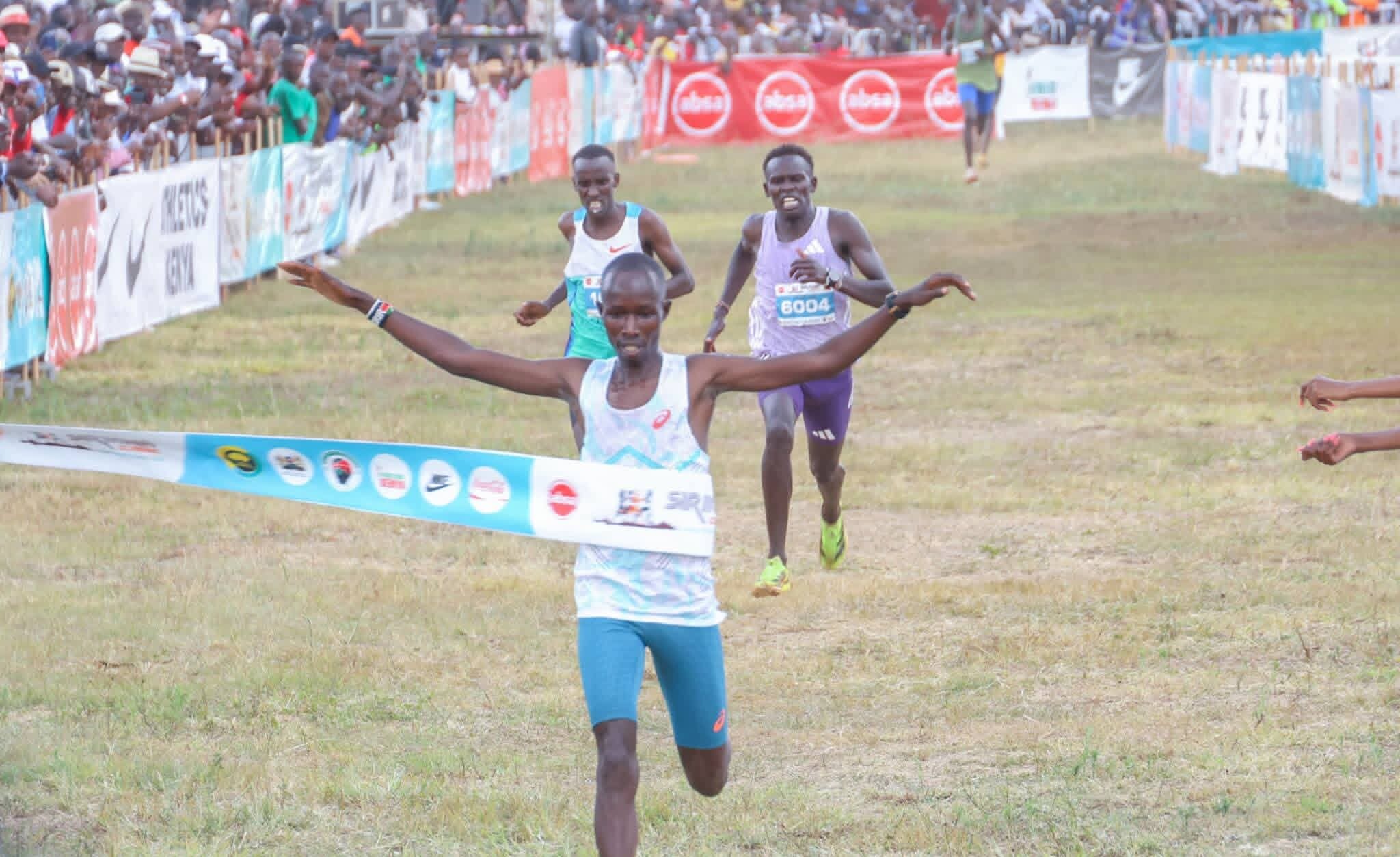

In the Senior Men’s 10km race, the spotlight shone on John Korir, whose finishing kick proved unstoppable. From the urban streets of Boston and Valencia to the grassy expanses of Uasin Gishu, Korir demonstrated the blend of endurance and tactical acumen that has become his trademark. Behind him, Amos Kiprotich claimed second place, staying in striking distance throughout, while Silas Senchura rounded out the podium in third. Defending champion Daniel Simiyu Ebenyo, despite a valiant effort, settled for fifth, proving that even legends face fierce competition in this year’s fiercely contested field.

Fresh from his thrilling victory, Korir shared an honest reflection on his performance. “I’m feeling good and I came here to see how my shape is and I’m happy,” he said. “My target is the Boston Marathon and I came here to see how my body would respond. This is my first cross country and I’ve won it and I feel good. I was not expecting to win.” Competing in his first-ever cross country race, Korir not only assessed his form but walked away with a statement victory — a clear sign that his preparations are on track. With confidence growing and momentum building, all eyes now shift to Boston, where he hopes to translate this strong showing into another memorable performance on the global stage.
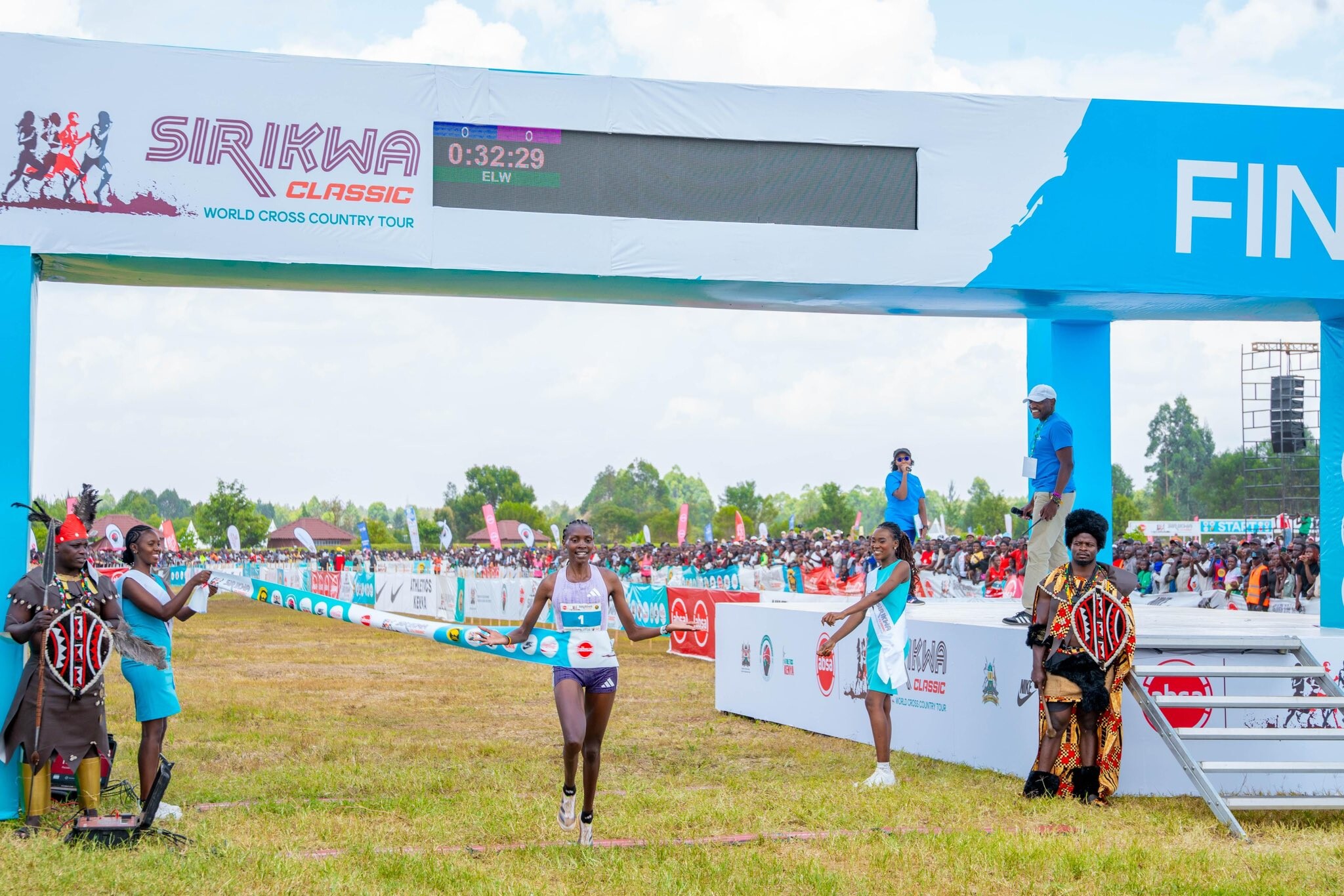
The Women’s 10km race was equally enthralling. Agnes Jebet Ngetich, the defending champion, World Cross Country Champion, and 10km world record holder, once again asserted her dominance with a composed and confident performance at the ABSA Sirikwa Classic Cross Country. Speaking after the race, Jebet reflected warmly on the familiar conditions and the crowd’s electric support. “It’s just like last time. The climate was the same and I loved the atmosphere. Everyone was cheering on me and it gave me the motivation to continue running. I was not feeling lonely because the fans were in every corner,” she said.
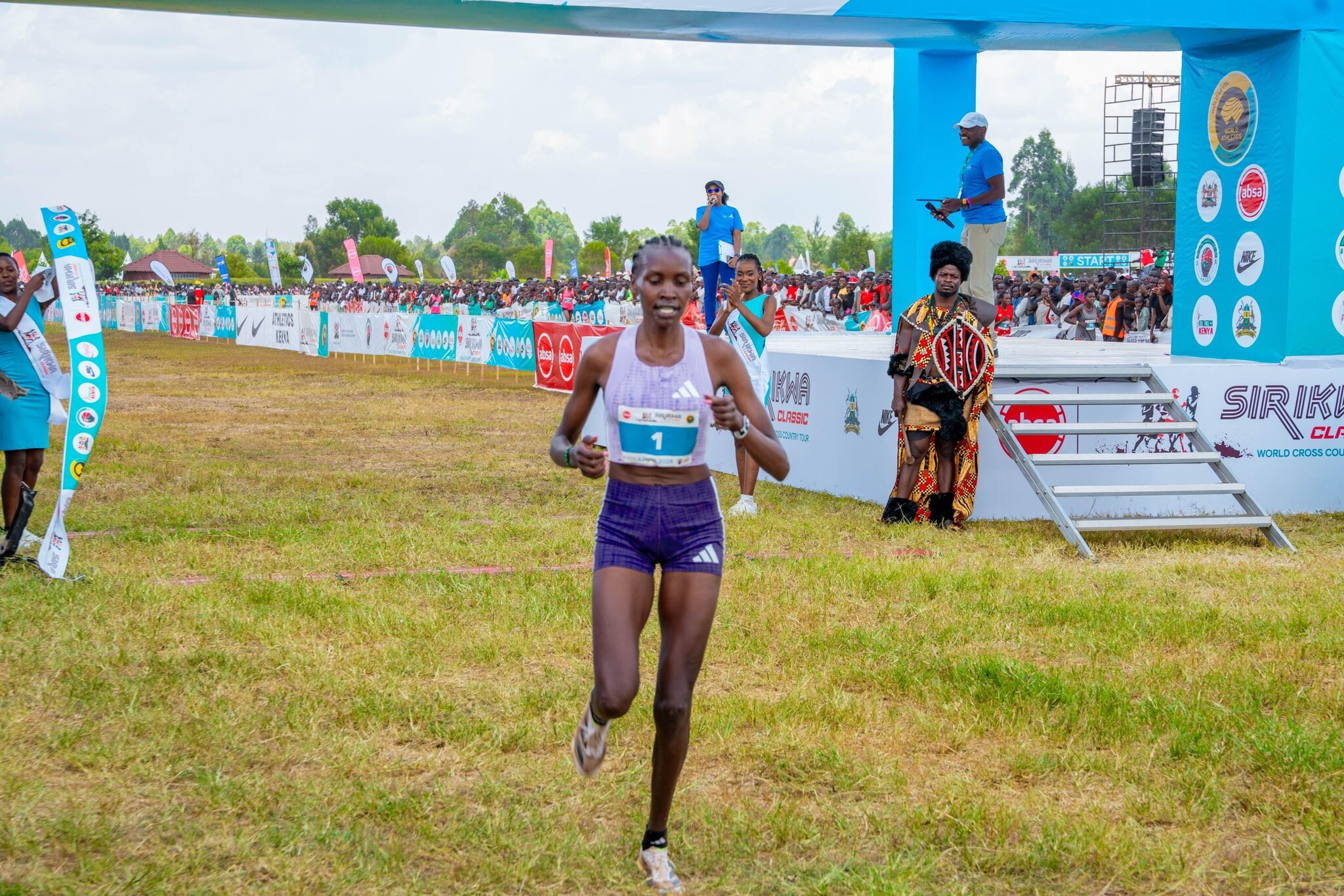

The Kenyan star also touched on her recent success at the World Cross Country Championships, admitting the medal meant a great deal to her. “I had waited for that medal for long and I appreciate that a lot. Cross country is something I’ve loved since I was young,” she added. Hot on her heels, Mercy Chepkemoi sprinted to a well-earned second place, with Catherine Manangole completing the podium in third. For now, Jebet remains open about her next steps: “I don’t have any program at the moment and will speak to my coach to know the way forward,” a statement that leaves fans eagerly anticipating what comes next for the reigning champion.

As Valentine’s Day mingled with the rhythms of the race, Lobo Village transformed into a stage of speed, grit, and passion. The love for athletics was palpable in every cheer, every gasp, and every triumphant stride across the uneven terrain. From the men’s tactical battles to the women’s commanding performance, the 5th ABSA Sirikwa Classic Cross Country offered a perfect fusion of drama, inspiration, and world-class competition.
Whether you were trackside or following online, today was a reminder of why Kenyan cross country remains a jewel in the crown of the sport: where champions are made, records are chased, and every finish line tells a story.
(02/14/2026) ⚡AMPby Erick Cheruiyot for My Best Runs.
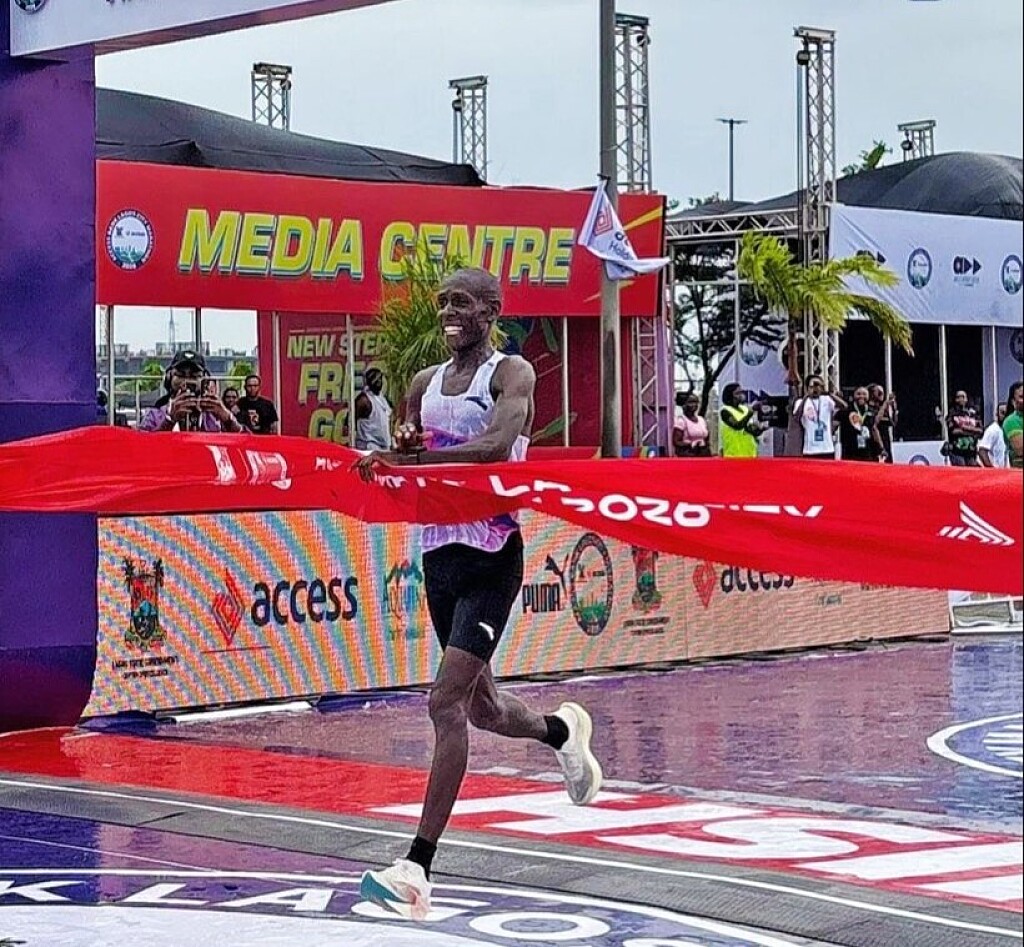
Kenya's Kering Conquers Lagos as Dinke Extends Ethiopia’s Reign at the Access Bank Marathon
The streets of Lagos pulsed with energy on Saturday morning as thousands lined the route of the 11th edition of the Access Bank Lagos City Marathon, but it was Kenya’s Ezra Kipchumba Kering who ultimately silenced the noise with a commanding performance over 42 gruelling kilometres. Running with poise and tactical precision, Kering surged to victory in 2:11:55, mastering the humid coastal conditions to etch his name into the race’s growing legacy.
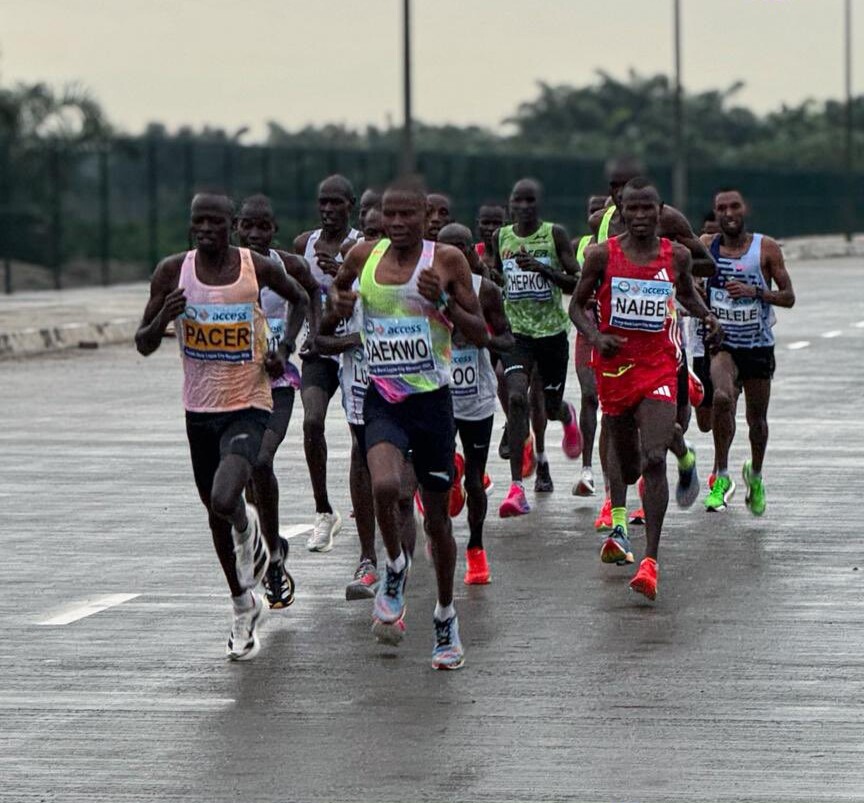
The marathon commenced at Orca Shopping Mall along Ahmadu Bello Way in Eko Atlantic City with a sharp 6:30 a.m. flag-off, the first light of dawn casting long shadows over the elite field. From the outset, the tempo was uncompromising. Kering settled into a disciplined rhythm before asserting control in the decisive stages, separating himself from the pack and striding confidently toward the finish line at Eko Atlantic, Victoria Island. His triumph reaffirmed Kenya’s enduring strength in the global marathon scene.
While the international stars dominated the podium, Nigeria celebrated its own heroics through Boyi Nyango, who emerged as the first Nigerian man across the line. Clocking 2:25:32, Nyango delivered a spirited performance that ignited home support and underscored the nation’s growing distance-running ambitions.

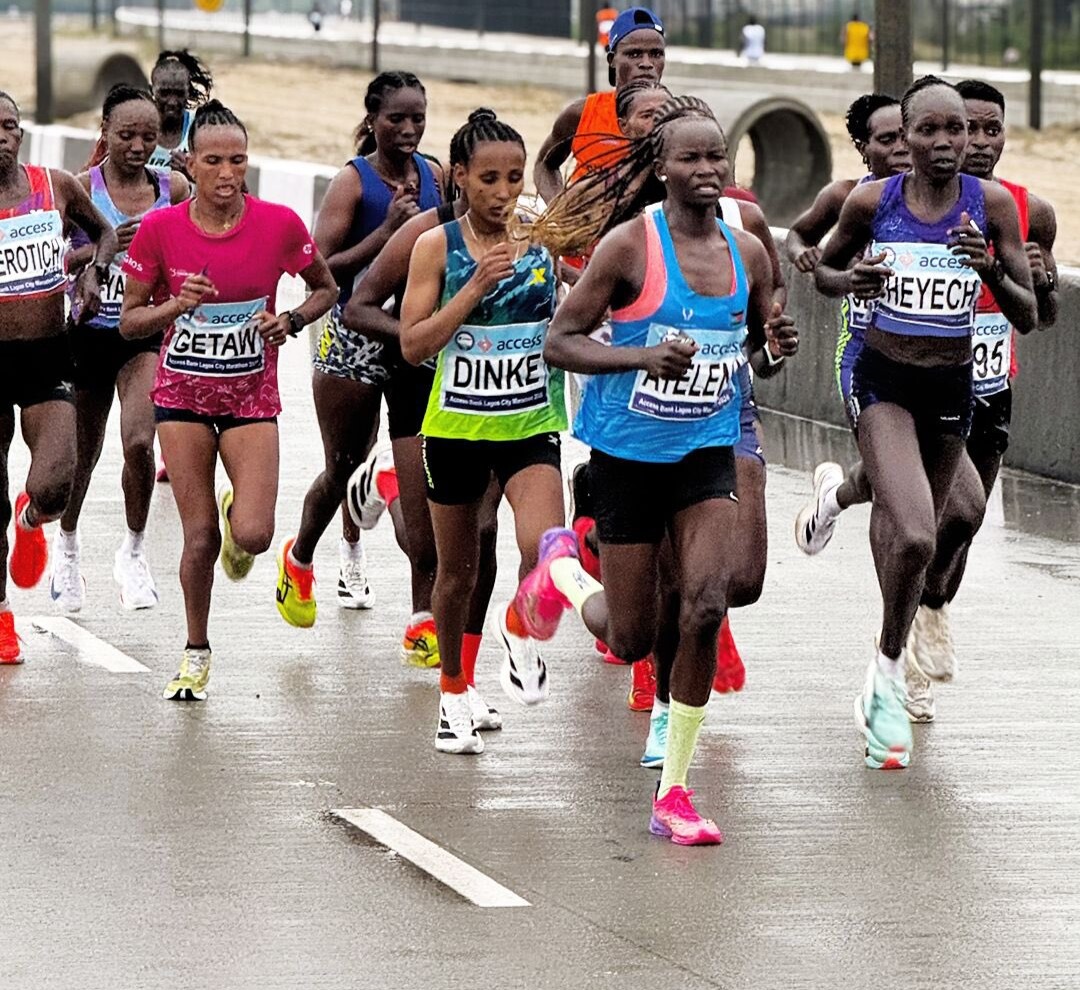
In the women’s contest, Ethiopia’s Meseret Dinke once again demonstrated why Lagos has become familiar territory. She crossed the finish line in 2:37:36, securing victory with composed authority. Her latest win not only adds another chapter to her personal success story but also extends Ethiopia’s remarkable dominance in the women’s race — now six consecutive editions claimed by Ethiopian athletes.
Dinke’s relationship with Lagos is one of sustained excellence. She previously captured the title in 2019 with a time of 2:48:02 and returned triumphantly in 2021, elevating her performance to 2:28:51. Her consistency over the years highlights both resilience and mastery of the course. Other recent Ethiopian champions have kept that tradition alive, building an unbroken chain of success that continues to define the women’s narrative in the city.
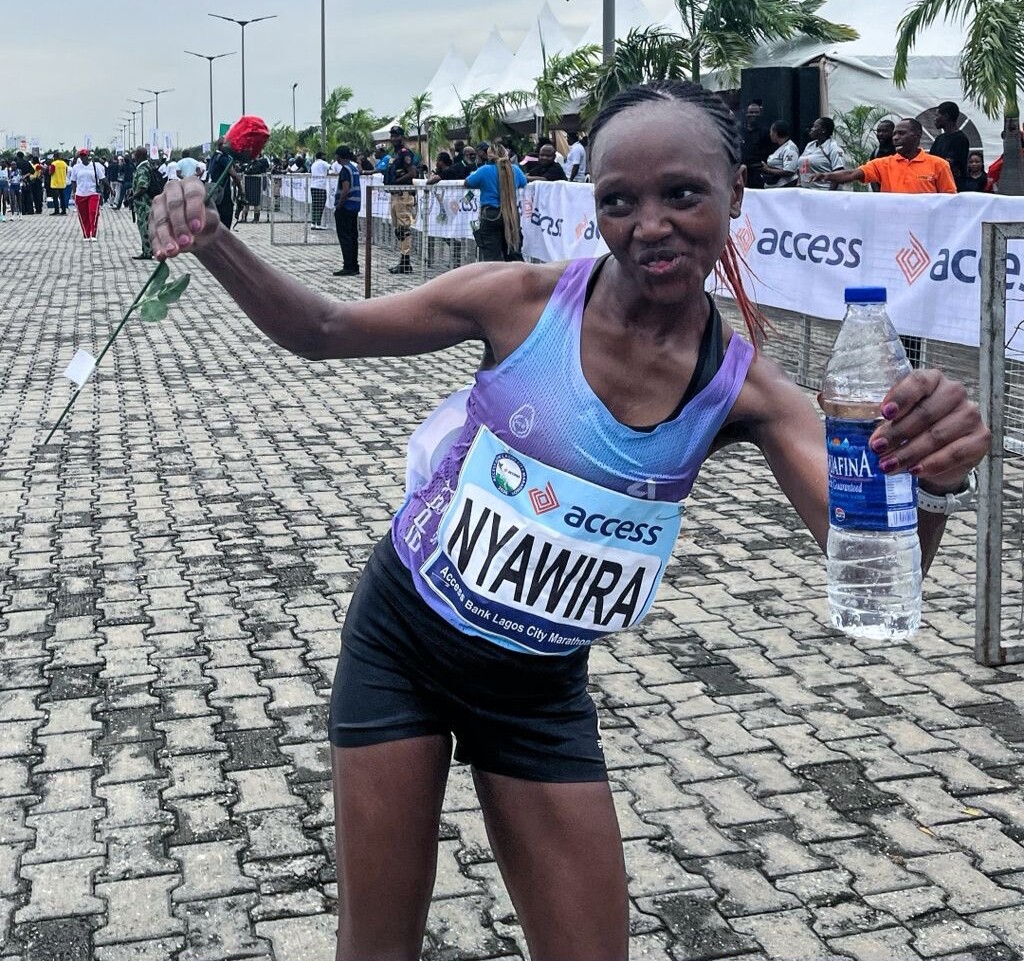
Fittingly, this year’s marathon unfolded on Valentine’s weekend, adding a poetic layer to the spectacle. While much of the world exchanged roses and heartfelt promises, Lagos embraced a different kind of romance — the fierce love for competition, the rhythm of pounding footsteps against asphalt, and the silent vows athletes make to themselves at the start line. Along the shimmering coastline of Eko Atlantic, it was not candlelight dinners that captured hearts, but courage, endurance, and the raw beauty of human determination — a reminder that passion, in its purest form, often reveals itself on the road to greatness.
(02/14/2026) ⚡AMPby Erick Cheruiyot for My Best Runs.

Access Bank Lagos City Marathon
“The IAAF and AIMS have a special interest in the Access Bank Lagos City Marathon so if you see their top officials at the third edition, don’t be surprised. Lagos is one of the few marathons in the world that got an IAAF Label after just two editions. This is a rare feat. The event had over 50,000 runners at...
more...
Kamworor Rolls Back the Years with Commanding 58:13 Triumph at the RAK Half Marathon
On the sun-splashed roads of Ras Al Khaimah in the United Arab Emirates, experience met excellence as Geoffrey Kamworor delivered a masterclass in pacing, power and poise to seize victory at the season-opening spectacle.
Thirteen years after first announcing himself as a dominant force on the global stage, the Kenyan great returned to familiar territory with a performance that blended tactical intelligence and ruthless efficiency. Clocking 58:13, Kamworor stormed through the flat, lightning-quick course with splits that reflected both discipline and daring — measured early control evolving into relentless late aggression.
From the gun, the tempo signaled intent. The lead pack stretched swiftly, but it was Kamworor’s composure that stood out. He glided across the asphalt with the assurance of a man who understands championship racing at its deepest level. Every kilometer ticked by with metronomic precision, each surge calculated, each stride purposeful.
By the closing stages, the race had transformed from a contest into a coronation. Drawing on years of championship pedigree, Kamworor shifted gears decisively, breaking the resistance of his rivals and driving home alone. The finishing clock confirmed what the eye had already witnessed — a performance of authority and historical resonance.
Both men’s and Women's races at the RAK Half Marathon delivered a breathtaking exhibition of sustained velocity and competitive fire on the flat, record-friendly roads of Ras Al Khaimah in the United Arab Emirates. It was an electrifying contest defined by depth, discipline, and world-class execution — a true celebration of global distance running excellence.
Men’s Results – Top 10
1. Geoffrey Kamworor (KEN) – 58:13
2. Birhanu Balew (BRN) – 58:21
3. Gideon Rono (KEN) – 58:36
4. Jemal Yimer (ETH) – 58:53
5. Samwel Masai (KEN) – 58:57
6. Jirata Dinki (ETH) – 59:55
7. Benjamin Ratsim (TAN) – 59:56
8. Yismaw Dillu (ETH) – 1:00:05
9. Brian Kibor (KEN) – 1:00:07
10. Mao Ako (TAN) – 1:00:20
Women’s Results – Top 10
1 Asmarech Anley (ETH) – 1:07:21
2. Melknat Wudu (ETH) – 1:07:26
3. Magdalena Shauri (TAN) – 1:07:30
4. Jesca Chelangat (KEN) – 1:07:32
5. Cynthia Chepkwony (KEN) – 1:07:34
6. Aselef Kassie (ETH) – 1:07:46
7. Gete Alemayehu (ETH) – 1:08:43
8. Margret Chacha (KEN) – 1:08:57
9. Emebet Kebede (ETH) – 1:09:11
10. Addise Cheklu (ETH) – 1:10:01
The RAK Half Marathon, long regarded as one of the fastest and most prestigious races on the global calendar, once again provided the perfect stage for brilliance. And once again, Kamworor etched his name into its rich narrative.
Elite racing. Impeccable execution. A champion reaffirmed.
As the 2026 road season gathers momentum, this victory does more than add another title to Kamworor’s résumé — it signals intent. The fire still burns, the stride still flows, and the legend continues to evolve.
Another golden chapter written. Another reminder that class, when paired with courage, is timeless.
(02/14/2026) ⚡AMPby Erick Cheruiyot for My Best Runs.
Rak Half Marathon
The Rak Al Khaimah Half Marathon is the 'world's fastest half marathon' because if you take the top 10 fastest times recorded in RAK for men (and the same for women) and find the average (for each) and then do the same with the top ten fastest recorded times across all races (you can reference the IAAF for this), the...
more...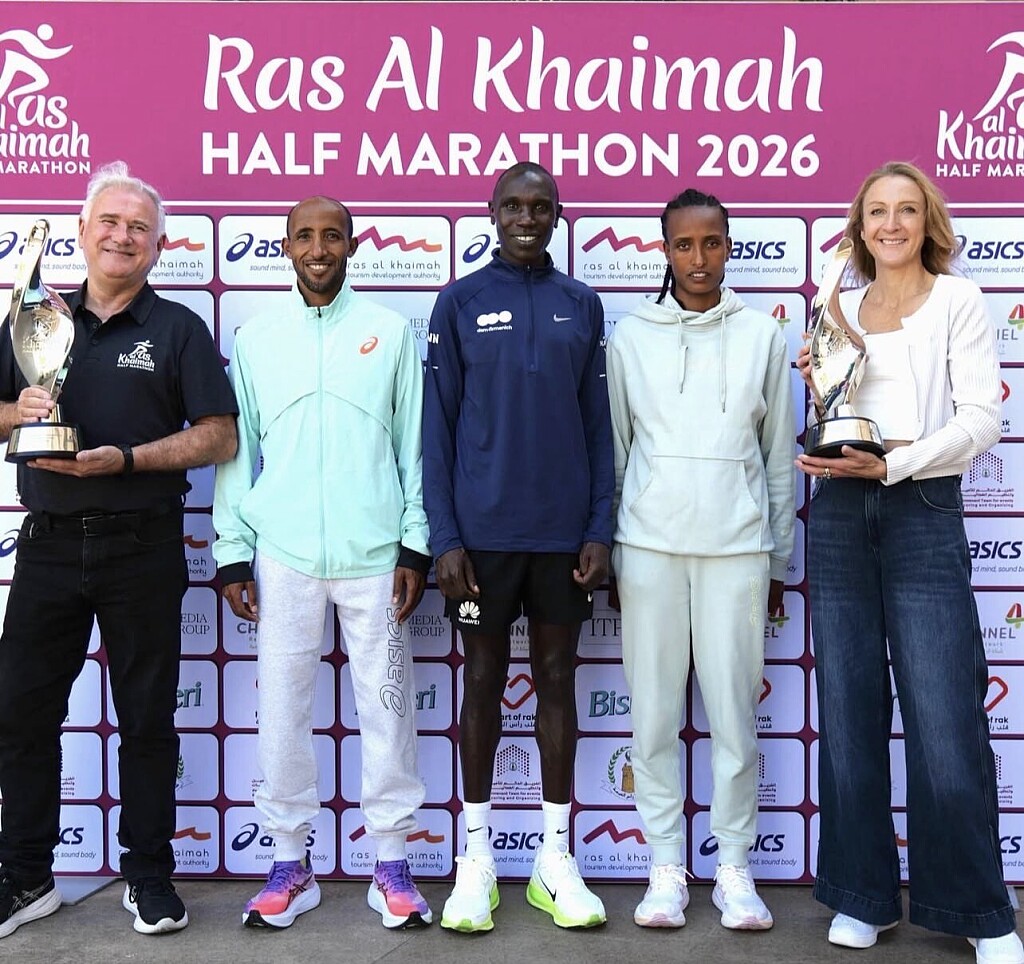
Geoffrey Kamworor Returns to Ras Al Khaimah, Chasing Redemption on the Course That Launched His Career
Thirteen years after announcing himself to the world on the roads of Ras Al Khaimah, Geoffrey Kamworor returns to the Ras Al Khaimah Half Marathon this Saturday with renewed purpose, hard-earned resilience, and the belief that his best running may still lie ahead.
Few athletes in modern distance running have endured such dramatic highs and devastating setbacks. Kamworor’s victory here in 2013 marked his first major senior triumph and began a remarkable stretch of dominance. He went on to win three consecutive World Half Marathon titles and twice captured the World Cross Country Championships, establishing himself as one of the most versatile and formidable distance runners of his generation. His half marathon world record of 58:01, set in Copenhagen in 2019, remains one of the defining performances in road racing history. He also conquered the marathon stage, winning the New York City Marathon twice with commanding authority.
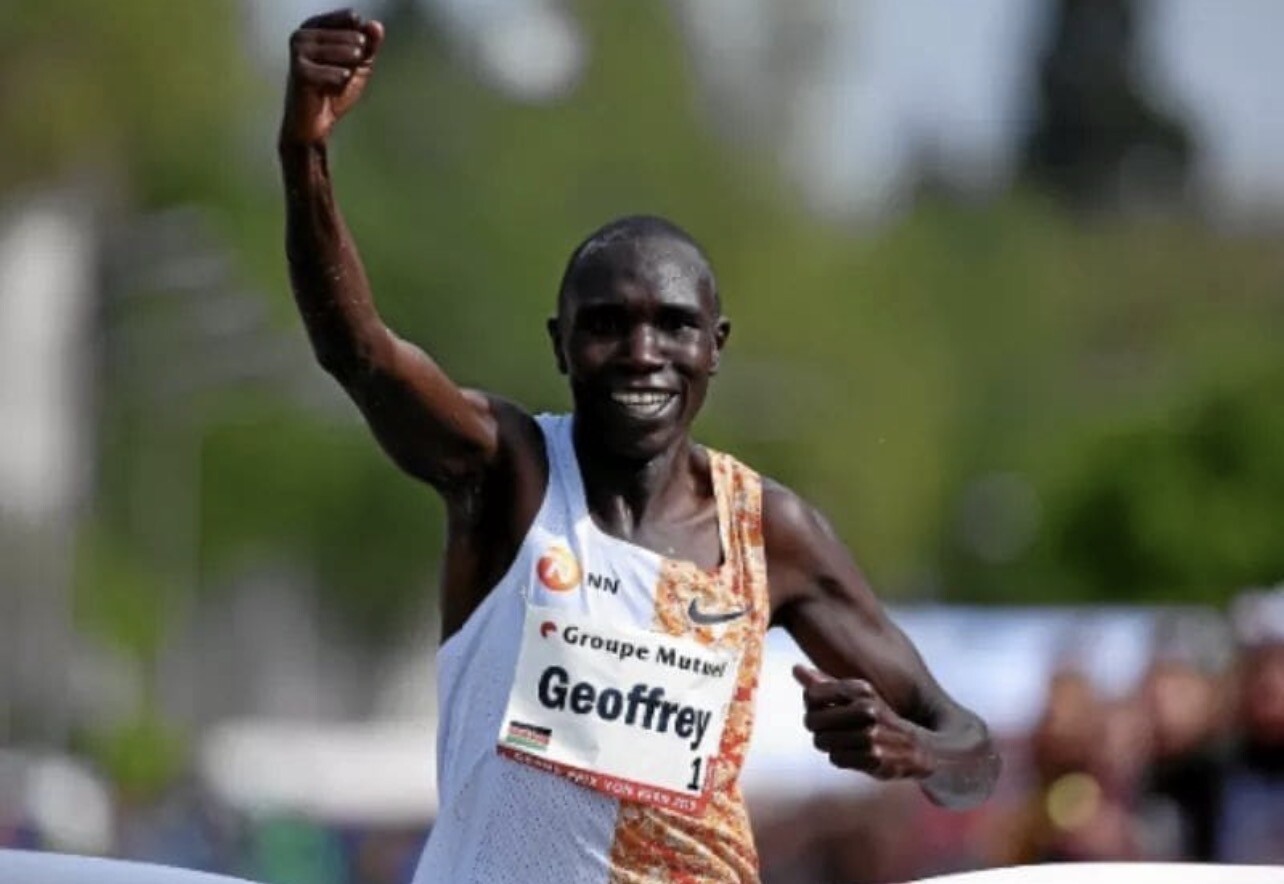
One of Kamworor’s most unforgettable moments came at the 2016 World Half Marathon Championships in Cardiff. After falling at the start and being trampled by competitors, he rose, regrouped, and delivered a stunning comeback victory.
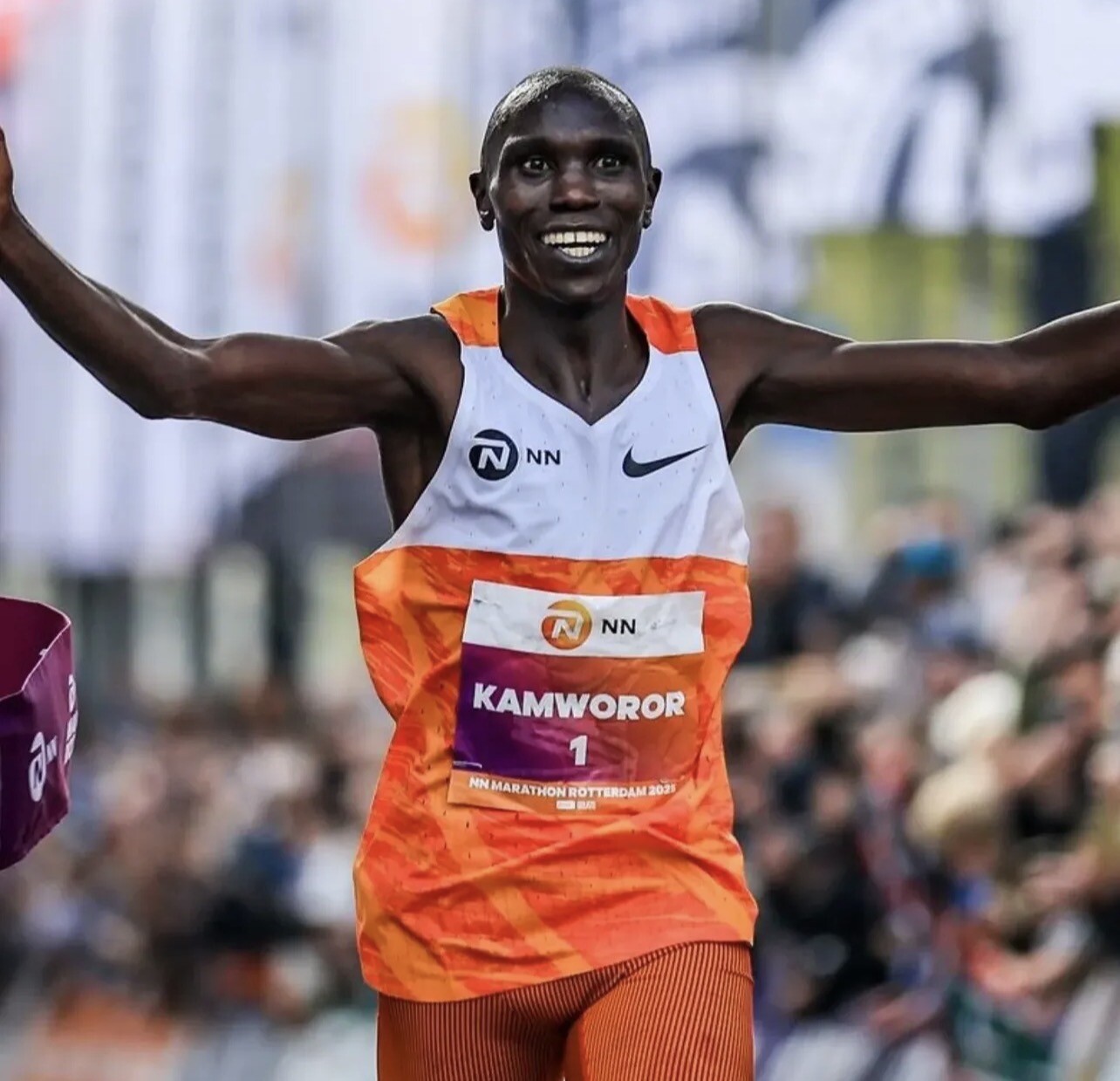
“In Cardiff, it was wet and I slipped at the start,” Kamworor recalled. “Nobody tripped me. It was hard running through the crowd, but the fall made me more determined.”
That determination would be tested even further. In 2020, during the isolation of the COVID-19 pandemic, Kamworor’s career was nearly derailed when he was struck from behind by a motorcycle while training in Eldoret.
“I fractured my tibia and couldn’t run for six months,” he said. “When I started running again, my body was still out of balance and I kept getting injured. It took me over three years to be able to run properly.”
His return has been gradual but encouraging. In 2023, Kamworor stunned observers by finishing second at the London Marathon in a personal best of 2:04:23, proving his resilience on the global stage. He followed that performance with a marathon victory in Rotterdam last year, finishing just ten seconds slower than his London breakthrough.
Now 33, Kamworor brings both experience and renewed confidence back to Ras Al Khaimah.
“I think I’m training as well as ever,” he said. “I remember this flat, fast course from when I won in 2013. I’m just grateful to be back running without problems.”
Age is no barrier for distance runners at the highest level. History offers powerful examples, including Portugal’s Carlos Lopes, who won Olympic marathon gold at 37, and Romania’s Constantina Dita, who claimed Olympic marathon victory at 38. Kamworor hopes to add his own chapter to that legacy.
Strong Rivals Await on a Fast Course
Kamworor will face formidable competition. Ethiopia’s Jemal Mekonen enters with a personal best of 58:33, while Kenya’s Brian Kibor has run 58:39. Ethiopia’s Amedework Walelegn (58:40) and several rising talents add further depth to a field built for speed.
The women’s race is equally compelling, led by Ethiopia’s Wede Kefale, who clocked 65:21 in Copenhagen last year. Kenya’s Gladys Chepkurui (65:46) and Jesca Chelangat (66:13) are among those capable of challenging for victory.
A Race Built on Speed and Records
Since its debut in 2007, the Ras Al Khaimah Half Marathon has earned global respect as one of the fastest half marathons in the world. Sammy Wanjiru’s 58:53 in the inaugural race set the tone, and the women’s race has been particularly historic. Mary Keitany (65:50), Peres Jepchirchir (64:52), and Ababel Yeshaneh (64:31) all set world records here, cementing the race’s reputation.
The flat, fast roads around Al Marjan Island once again promise ideal conditions for world-class performances.
Men’s Elite Field (Personal Bests)
• Geoffrey Kamworor (KEN) – 58:01
• Jemal Mekonen (ETH) – 58:33
• Brian Kibor (KEN) – 58:39
• Amedework Walelegn (ETH) – 58:40
• Antenayeh Dagnachew (ETH) – 59:17
• Yismaw Dillu (ETH) – 59:23
• Birhanu Balew (BRN) – 59:41
• Enos Kales (KEN) – 60:17
• Bayelign Teshager (ETH) – 60:22
• Mao Ako (TAN) – 60:28
• Benson Kiplangat (KEN) – Debut
Women’s Elite Field (Personal Bests)
• Wede Kefale (ETH) – 65:21
• Gladys Chepkurui (KEN) – 65:46
• Jesca Chelangat (KEN) – 66:13
• Magdalena Shauri (TAN) – 66:37
• Gete Alemayehu (ETH) – 66:37
• Cynthia Chepkwony (KEN) – 67:20
• Bertha Gebreslasie (ETH) – 67:26
• Orba Chemurgor (KEN) – 67:56
• Wudinesh Alemu (ETH) – 68:08
• Debash Kelali (ETH) – 68:10
• Annet Chelangat (UGA) – 68:12
• Melknat Wudu (ETH) – 68:53
A Full-Circle Moment
For Kamworor, Saturday’s race represents more than competition—it is a return to the place where his journey toward greatness began. After years of adversity, injuries, and recovery, he now stands once again on familiar ground, ready to test himself against the world’s best.
Whether he wins or not, his presence alone is a powerful reminder of the resilience that defines champions—and of the unfinished chapters still waiting to be written.
(02/13/2026) ⚡AMPby Race News Service
Rak Half Marathon
The Rak Al Khaimah Half Marathon is the 'world's fastest half marathon' because if you take the top 10 fastest times recorded in RAK for men (and the same for women) and find the average (for each) and then do the same with the top ten fastest recorded times across all races (you can reference the IAAF for this), the...
more...
World Cross Country Stars Headline High-Octane Sirikwa Classic
All roads lead to Lobo Village tomorrow, 14th February, as the fifth edition of the Absa Sirikwa Classic promises a thrilling celebration of cross country running. Set against the rugged beauty of Kenya’s high-altitude terrain, the event has steadily grown into one of the most exciting fixtures on the athletics calendar — a stage where endurance meets courage and reputations are tested on unforgiving ground.

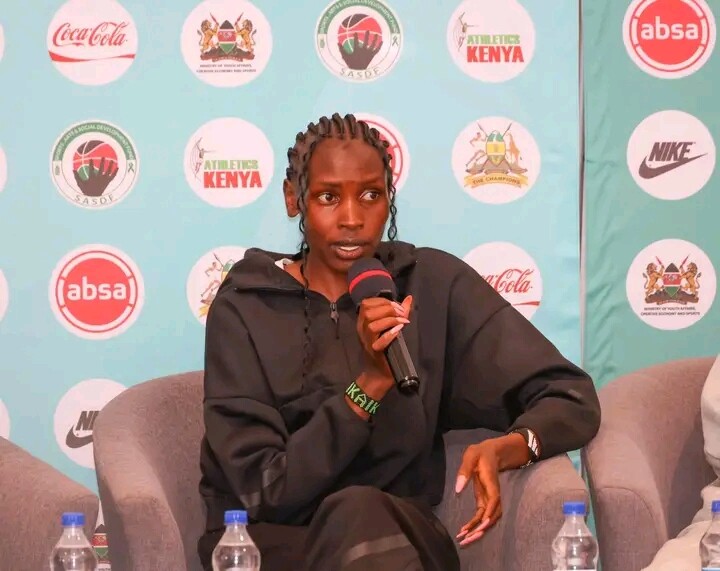
This year’s edition carries an extra spark, with two of Kenya’s finest distance stars ready to command the spotlight: Daniel Simiyu Ebenyo and Agnes Jebet Ngetich — both fresh from the intensity of the World Athletics Cross Country Championships. Having recently flown the Kenyan flag on the global stage, the duo return home sharpened by world-class competition and eager to make a powerful statement on home soil.

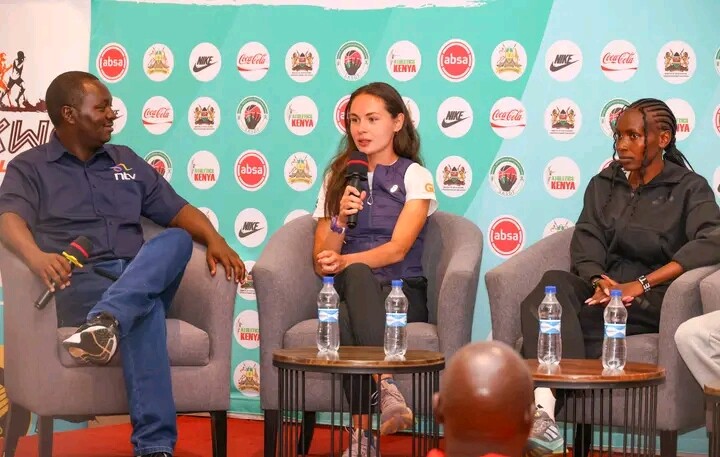
Ebenyo arrives as a man in form and on a mission. The world cross country bronze medallist is known for his fearless front-running and devastating finishing kick. The experience gained from battling the very best in the world has only fueled his hunger. On the rolling and energy-sapping stretches of Lobo Village, his tactical awareness and strength could prove decisive as he seeks to dominate from the front.
On the women’s side, Ngetich brings firepower and elegance in equal measure. The 10km world record holder has shown that her brilliance is not confined to the roads. Fresh from competing against global elites at the World Cross Country Championships, she steps into this weekend’s contest with confidence and competitive sharpness. Her relentless rhythm and smooth stride make her a formidable contender on any terrain.
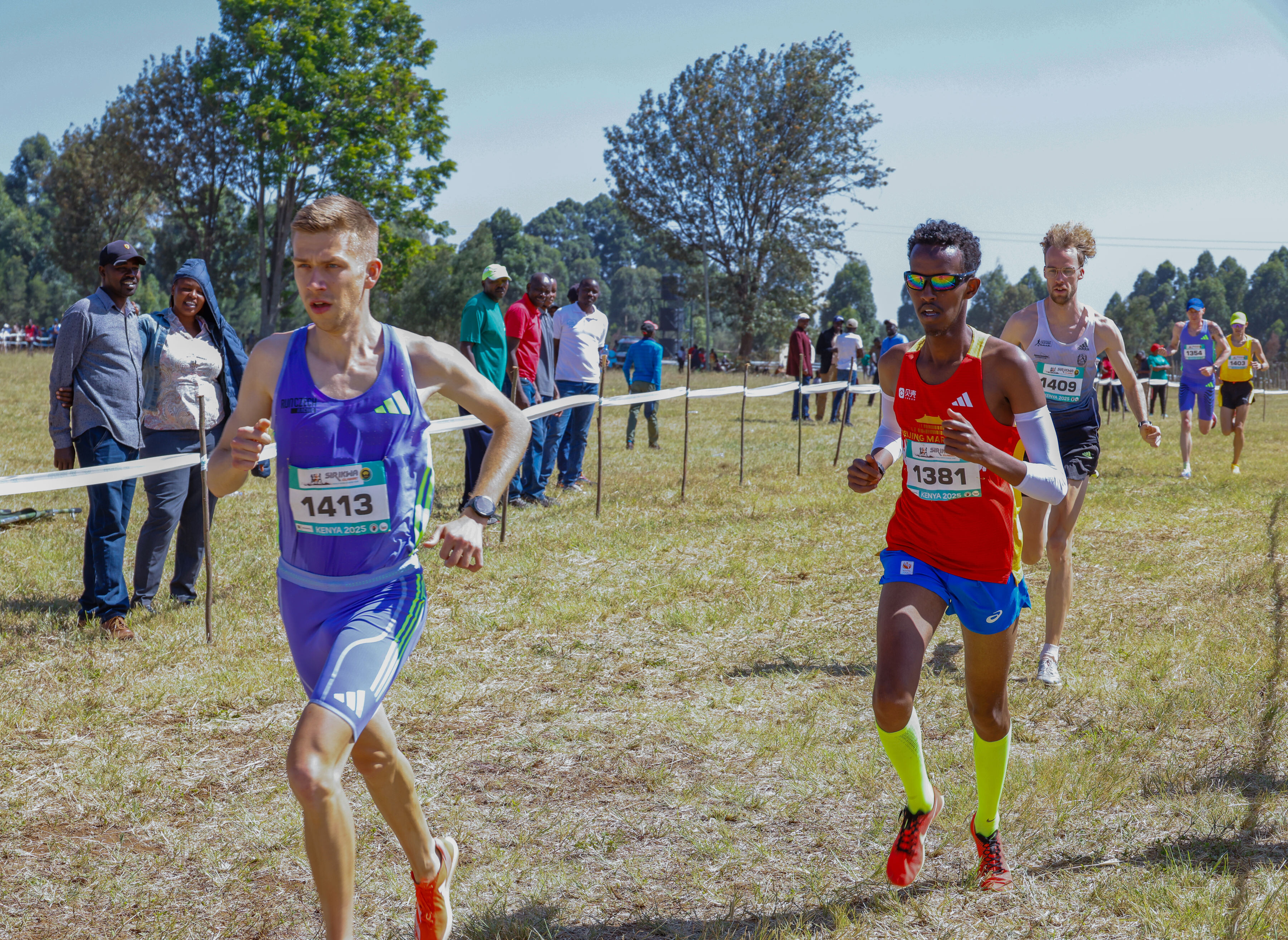
The Absa Sirikwa Classic has consistently attracted international athletes over the years, underlining its strong reputation on the global cross country circuit. The continued presence of foreign competitors adds depth and quality to the field, creating a compelling blend of local excellence and international rivalry. It reflects the event’s established stature as a meeting point for world-class talent on Kenyan soil.
The course itself remains a true test of grit: uneven patches, testing inclines, and stretches that demand both physical strength and mental resilience. Victory here is never accidental; it is earned through discipline, daring, and determination.
As Valentine’s Day dawns, the romance at Lobo Village will not be of roses and chocolates — but of spikes biting into earth, hearts pounding in rhythm, and champions pushing beyond limits. With Ebenyo and Ngetich leading the charge, the fifth Absa Sirikwa Classic is set to deliver drama, speed, and unforgettable moments.
Tomorrow, it will not just be a race. It will be a global clash of endurance and ambition on Kenyan soil.
(02/13/2026) ⚡AMPby Erick Cheruiyot for My Best Runs.
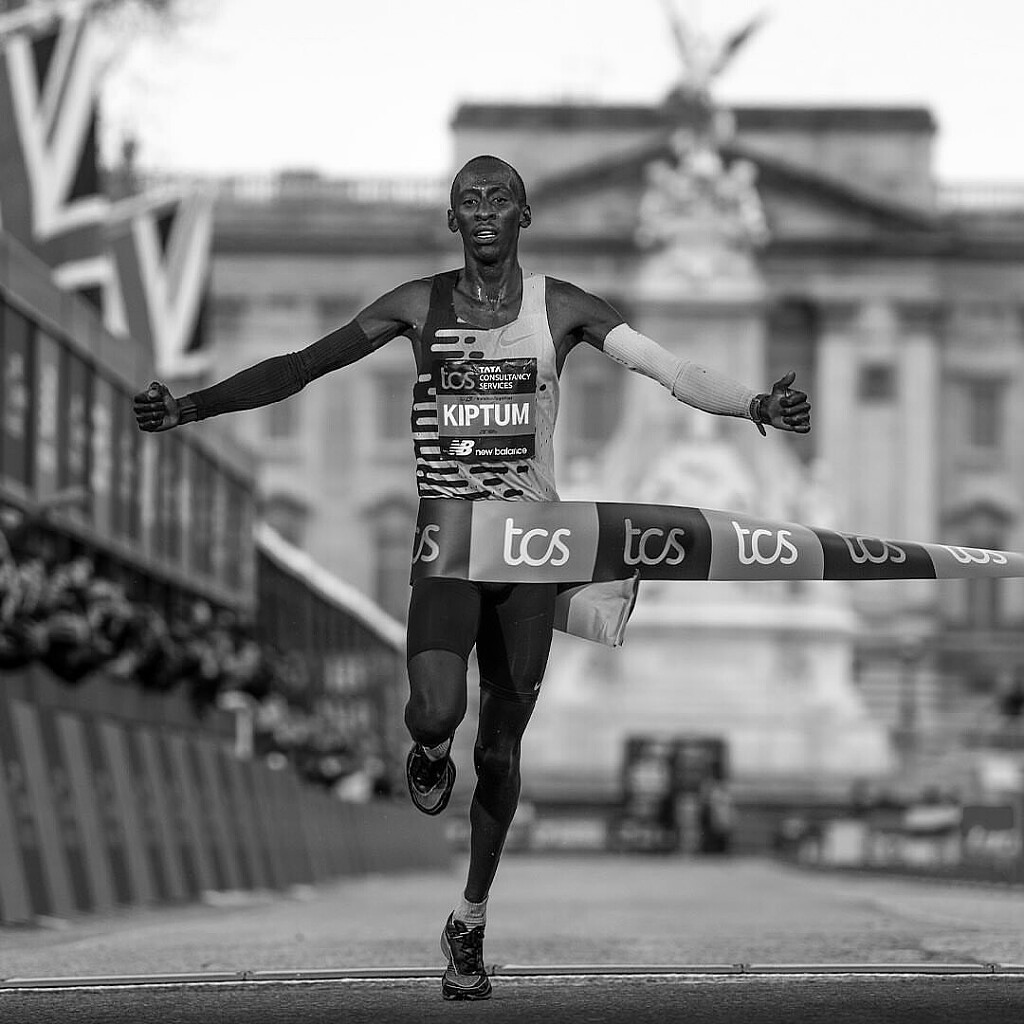
Forever in Stride: Remembering Marathon World Record Holder Kelvin Kiptum
February 11 marks a solemn anniversary in the world of athletics — a day that forever changed distance running. On this day in 2024, Kenya and the global sporting community lost one of the brightest stars the marathon had ever seen: Kelvin Kiptum Cheruiyot.
Born on December 2, 1999, in Kenya’s Rift Valley, Kiptum rose from humble beginnings to redefine the limits of human endurance. In a career that lasted less than two years at the elite marathon level, he accomplished what many athletes spend a lifetime chasing — and still fall short of achieving. By the time of his passing, he was the reigning marathon world record holder and the world’s top-ranked men’s marathon runner.
What made Kiptum extraordinary was not just his victories, but the historic fashion in which he achieved them.
He made his marathon debut in December 2022 at the Valencia Marathon — and immediately stunned the athletics world. Clocking 2:01:53, Kiptum recorded the fastest marathon debut in history at the time. He became only the third man ever to run under 2 hours and 2 minutes, delivering one of the fastest times ever seen over 42.195 kilometers. It was a statement performance — bold, fearless, and controlled.
Four months later, he returned on an even bigger stage at the 2023 London Marathon, one of the prestigious World Marathon Majors. There, Kiptum elevated his performance to another level. He crossed the finish line in 2:01:25, the second-fastest marathon time in history at that moment, missing the world record by just 16 seconds. His negative split — a faster second half — showcased rare strength and tactical brilliance.
But it was in Chicago, in October 2023, where Kiptum etched his name permanently into history.
At the 2023 Chicago Marathon, he delivered a run for the ages. Displaying unmatched endurance and rhythm, Kiptum surged away in the latter stages and stopped the clock at 2:00:35. With that performance, he shattered the marathon world record by 34 seconds. The mark was officially ratified by World Athletics on February 6, 2024 — just five days before his tragic death.
Incredibly, all three of his marathon appearances resulted in victories. Two of them came at World Marathon Majors — London and Chicago — and each of his races produced times under 2:02. As of 2026, Kiptum still holds three of the seven fastest marathon times in history, a testament to the magnitude of his brief yet monumental career.
His dominance was not only statistical — it was symbolic. Kiptum represented a new era of marathon running, pushing the sport closer to what once seemed impossible: a sub-two-hour official marathon. Many believed he was destined to become the first man to break that barrier under record-eligible conditions.
Tragically, that dream was cut short.
On February 11, 2024, Kiptum and his coach lost their lives in a car accident near Kaptagat, Kenya — a high-altitude training haven known for producing world-class distance runners. According to local authorities, he lost control of his vehicle, veered off the road, and struck a tree. He was just 24 years old.
The shock reverberated far beyond Kenya. Tributes poured in from athletes, federations, and fans worldwide. In him, the world had seen not just a champion, but a generational talent whose ceiling had not yet been reached.
Kelvin Kiptum’s story is one of brilliance compressed into a short span of time — three marathons, three victories, a world record, and a legacy that continues to inspire. Though his journey ended too soon, his strides in Valencia, London, and Chicago remain immortal in the record books.
On this day, we remember not only the times he ran, but the hope he carried — the belief that limits are meant to be challenged.
Kelvin Kiptum ran into history. And history will never forget him.
(02/11/2026) ⚡AMPby Erick Cheruiyot for My Best Runs.
Sunlit Efforts and Strong Benchmarks Mark KATA Time Trial No. 53 in Thika
The familiar tarmac course of Thika, located just adjacent to the Kenyan Athletics Training Academy – Thika, provided the stage for another purposeful morning of measured competition as KATA Time Trial No. 53 unfolded under mostly sunny and warm conditions.
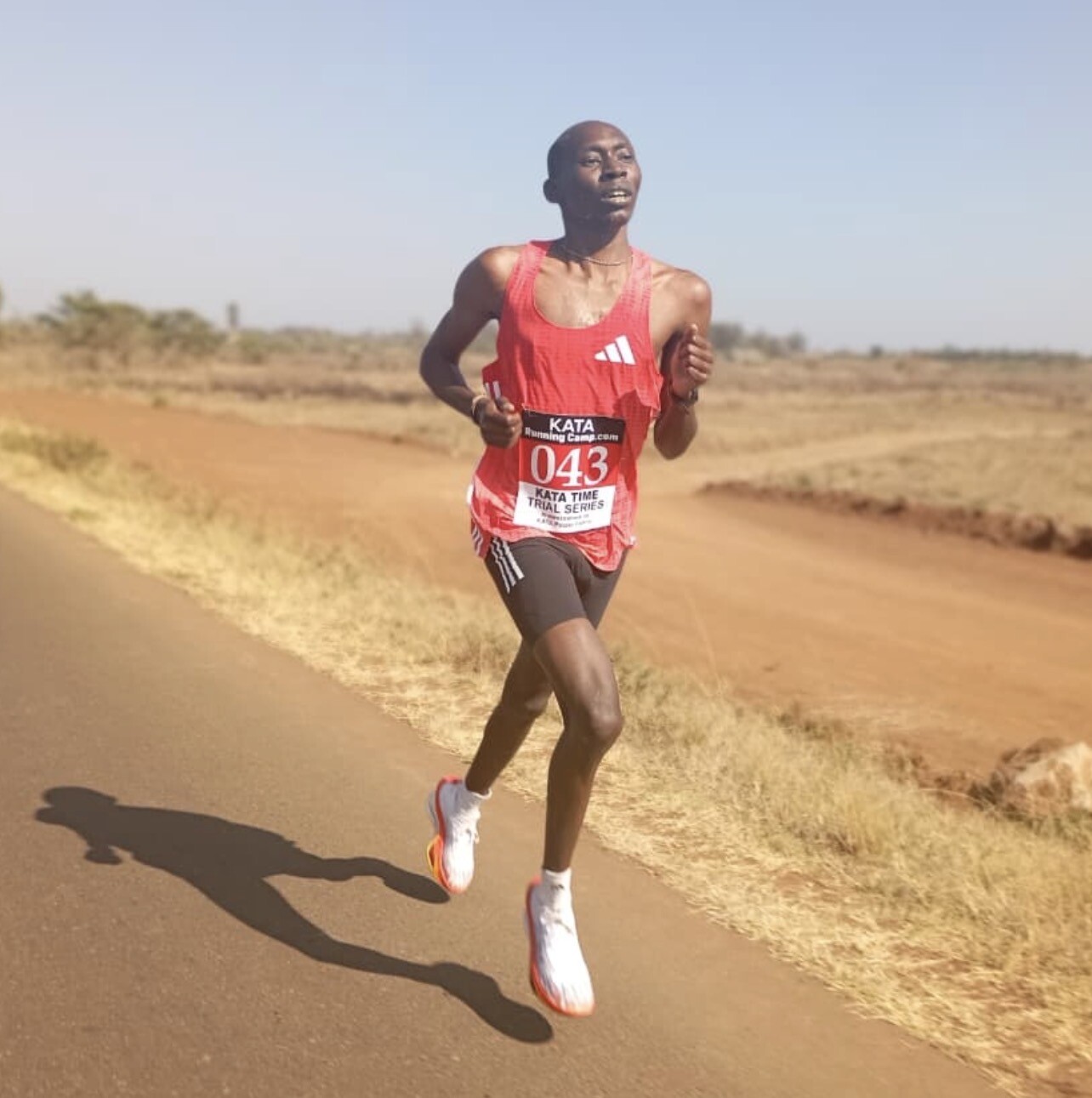
With the sun already asserting itself, the atmosphere demanded discipline from the outset. The warmth added a subtle layer of challenge, particularly over the longer distances, requiring athletes to manage their effort carefully while maintaining rhythm and composure. True to the philosophy of the KATA series, the session prioritized execution over spectacle, offering participants a clear and structured test across both the 5km and 10km distances.
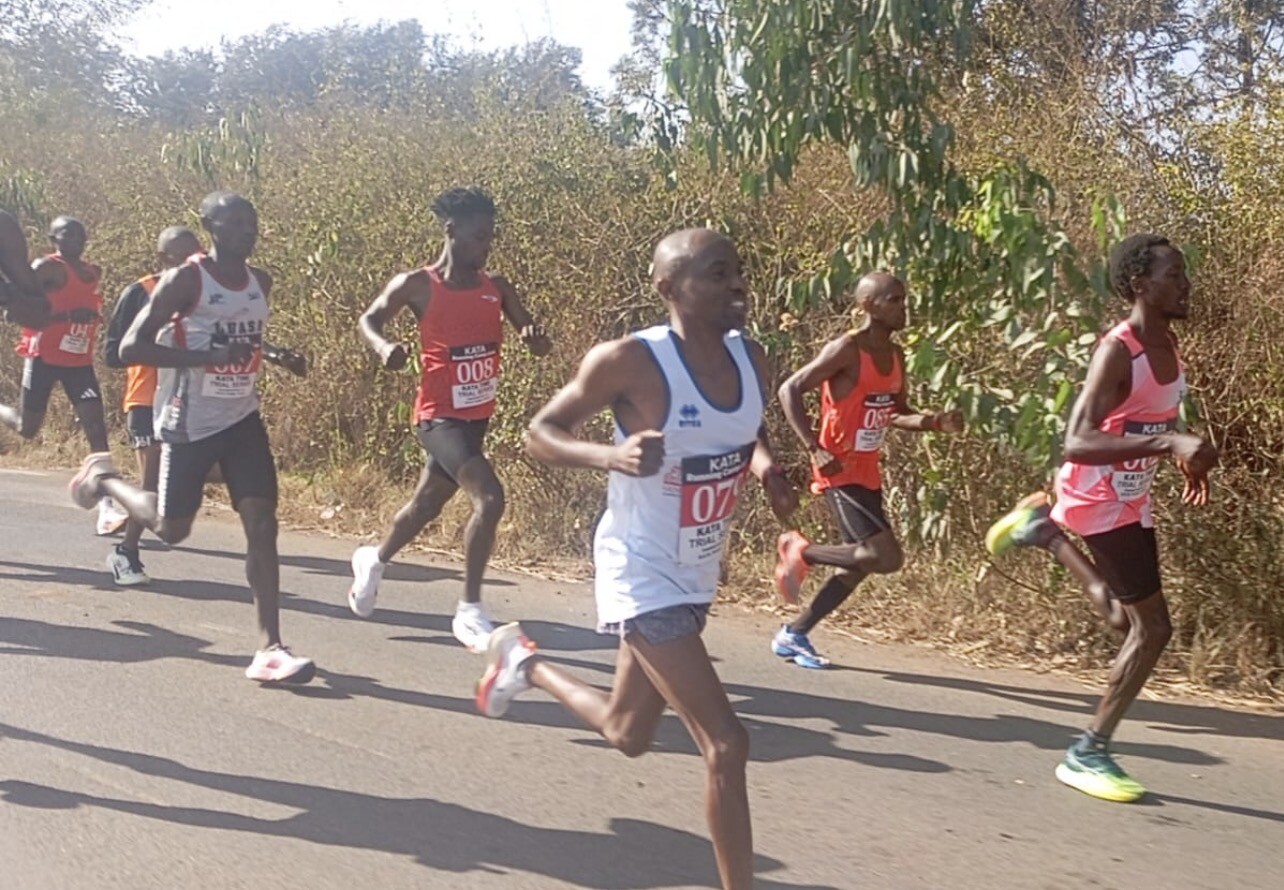
In the women’s 5km, Lucy Njeri delivered a poised and confident display, guiding the field home in 19:38 with a performance built on control and rhythm. From the opening stretch, she established a steady tempo, running with relaxed efficiency despite the rising warmth. Her stride remained fluid through the middle kilometers, and she finished strongly, underscoring both fitness and race awareness.
Behind her, Felister Mbatha clocked 23:44, showing admirable determination as she maintained her effort throughout the sunlit course, while Dolphine Shikailwa completed the distance in 30:35, demonstrating resilience and commitment. Together, the trio brought composure and quiet intensity to the morning session, turning the women’s 5km into a display of patience, strength, and steady progression rather than mere numbers on the clock.
The men’s 5km saw Dennis Musau produce one of the most balanced efforts of the morning, clocking 22:23. Running with composure and steady cadence, Musau managed the early pace effectively before sustaining his rhythm through the latter stages of the course. His performance reflected patience and control—qualities that are central to the KATA time-trial structure. Rather than chasing early speed, he maintained consistency throughout, delivering a performance that highlighted both discipline and growing confidence over the distance.
Attention then shifted to the 10km events, where endurance and race management came into sharper focus. In the women’s category. Susan Njuu delivered one of the standout performances of the day, crossing the line in 34:35. Her run combined endurance and poise, maintaining a consistent tempo from start to finish. Equally notable was Hellen Mutheu whose 34:56 marked a significant personal breakthrough. Her progression was evident in the strength she displayed over the closing kilometers, a performance that signals upward momentum. Caren Chepkemoi followed in 36:08, rounding out a competitive women’s field that handled the heat with admirable resolve.
The men’s 10km produced notable depth and competitive balance. Peter Njeru led the standings in 29:25, establishing a clear marker for the field. Levis Githinji followed closely in 29:51, with Raphael Gacheru completing the top three in 30:13.
Close margins defined the subsequent positions, as James Muriithi (30:32), Julius Maina (30:33), and Bernard Waweru (30:39) maintained strong tempo throughout. They were followed by Bonface Mungai (31:10) and Charles Wanjora (31:22), while Joel Maina (32:26) and Erick Cheruiyot (32:28) delivered steady efforts. The field was completed by Bernard Gicheha (34:15), Paul Nganga (34:16), Vincent Kiprotich (36:22), and Charles Ndirangu (37:47), each performance contributing to a competitive and well-structured session.
KATA Time Trial No. 53 ultimately reaffirmed what these sessions represent. Beyond the stopwatch and finishing order, the morning underscored growth, discipline, and the quiet pursuit of excellence. On the familiar tarmac course of Thika, every stride carried intention, every split demanded focus, and every athlete contributed to a collective standard that continues to rise. As the academy looks ahead to future editions, the message from the 53rd trial is clear — progress here is deliberate, competitive, and steadily advancing toward higher levels of performance.
Race Results
Women’s 5K
1. Lucy Njeri (18) – Bib 77 – 19:38
2. Felister Mbatha (19) – Bib 40 – 23:44
3. Dolphine Shikailwa (22) – Bib 41 – 30:35
Men’s 5K
1. Dennis Musau (50) – Bib 59 – 22:23
Women’s 10K
1. Susan Njuu (40) – Bib 62 – 34:35
2. Hellen Mutheu (29) – Bib 100 – 34:56
3. Caren Chepkemoi (24) – Bib 05 – 36:08
Men’s 10K
1. Peter Njeru (28) – Bib 82 – 29:25
2. Levis Githinji (25) – Bib 43 – 29:51
3. Raphael Gacheru (27) – Bib 08 – 30:13
4. James Muriithi (32) – Bib 07 – 30:32
5. Julius Maina (33) – Bib 70 – 30:33
6. Bernard Waweru (40) – Bib 85 – 30:39
7. Bonface Mungai (30) – Bib 02 – 31:10
8. Charles Wanjora (24) – Bib 24 – 31:22
9. Joel Maina (41) – Bib 79 – 32:26
10. Erick Cheruiyot (30) – Bib 84 – 32:28
11. Bernard Gicheha (39) – Bib 99 – 34:15
12. Paul Ng’ang’a (43) – Bib 30 – 34:16
13. Vincent Kiprotich (24) – Bib 83 – 36:22
14. Charles Ndirangu (65) – Bib 76 – 37:47
(02/11/2026) ⚡AMPby Erick Cheruiyot for My Best Runs.

KATA Time Trial Series
Welcome to the KATA Monthly Time Trial Held at the Kenyan Athletics Training Academy in Thika, Kenya, the KATA Monthly Time Trial is a unique and inclusive event designed to support runners of all levels in achieving their goals and showcasing their fitness. This event offers both 10K and 5K distances on an accurate, certified course, providing participants with...
more...
All Eyes on Thika: KATA Time Trial No. 53 Poised to Raise the Bar
The familiar tarmac course of Thika, located just adjacent to the Kenyan Athletics Training Academy – Thika, is set to come alive again on Wednesday morning, February 11, 2026, as KATA Time Trial No. 53 takes center stage. Quiet in atmosphere but demanding in execution, the upcoming edition promises another rigorous test of pacing, discipline, and mental resilience—the defining traits of the KATA time-trial culture.
Recent sessions have continued to provide a steady platform for athletes, with each trial focusing on controlled, well-executed efforts rather than outright competition. KATA time trials emphasize following training plans and assessing progress through performance. Tomorrow’s 53rd edition is expected to maintain this approach while offering athletes the opportunity to test improvements and refine their pacing.
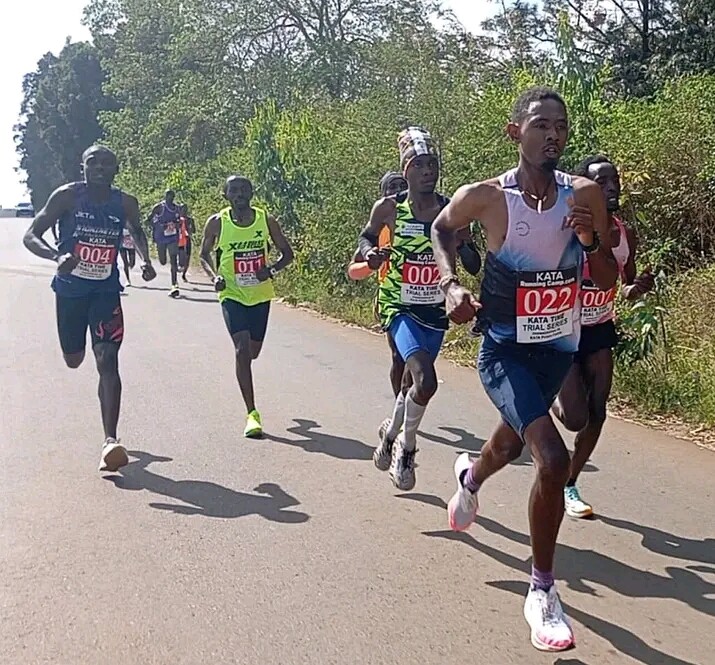
The focus on this edition is linked to both the 5km and 10km distances, which continue to serve as key indicators of development. Past trials have shown that these distances reward consistent pacing and discipline while exposing any misjudgment in strategy. Athletes are expected to approach the course with patience, maintain rhythm, and finish strongly.
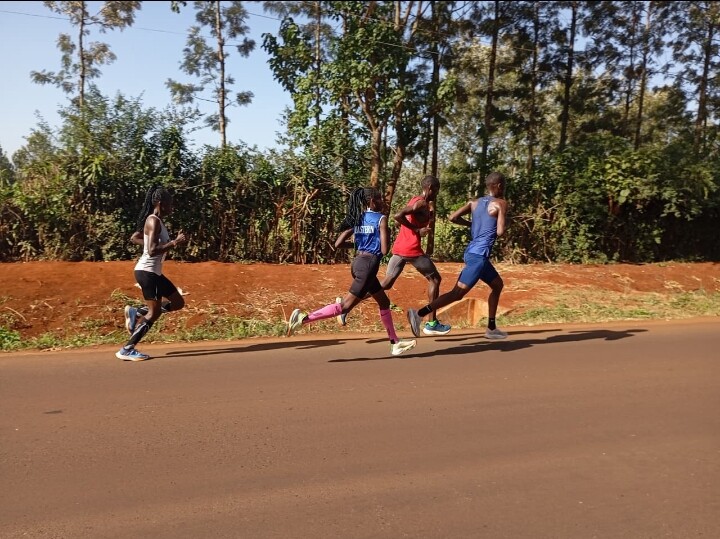
As the 53rd edition approaches, attention shifts entirely to execution. Participants will aim to refine pacing, test aerobic capacity, and address any issues identified in previous runs. The 5km offers a chance to focus on speed and efficiency, while the 10km challenges endurance, strategy, and sustained control.
Conditions in Thika are expected to favor steady, well-paced efforts, rewarding athletes who manage the early kilometers effectively and finish with strength. In the absence of pack dynamics, responsibility rests entirely on individual judgment—making performances over both the 5km and 10km as unfiltered as they are revealing.
KATA Time Trial No. 53 may once again unfold without fanfare, but its significance will extend far beyond the final stopwatch click. On the tarmac course of Thika, progress is measured by execution—and tomorrow morning, the performances will tell the story
(02/10/2026) ⚡AMPby Erick Cheruiyot for My Best Runs.
KATA Time Trial Series
Welcome to the KATA Monthly Time Trial Held at the Kenyan Athletics Training Academy in Thika, Kenya, the KATA Monthly Time Trial is a unique and inclusive event designed to support runners of all levels in achieving their goals and showcasing their fitness. This event offers both 10K and 5K distances on an accurate, certified course, providing participants with...
more...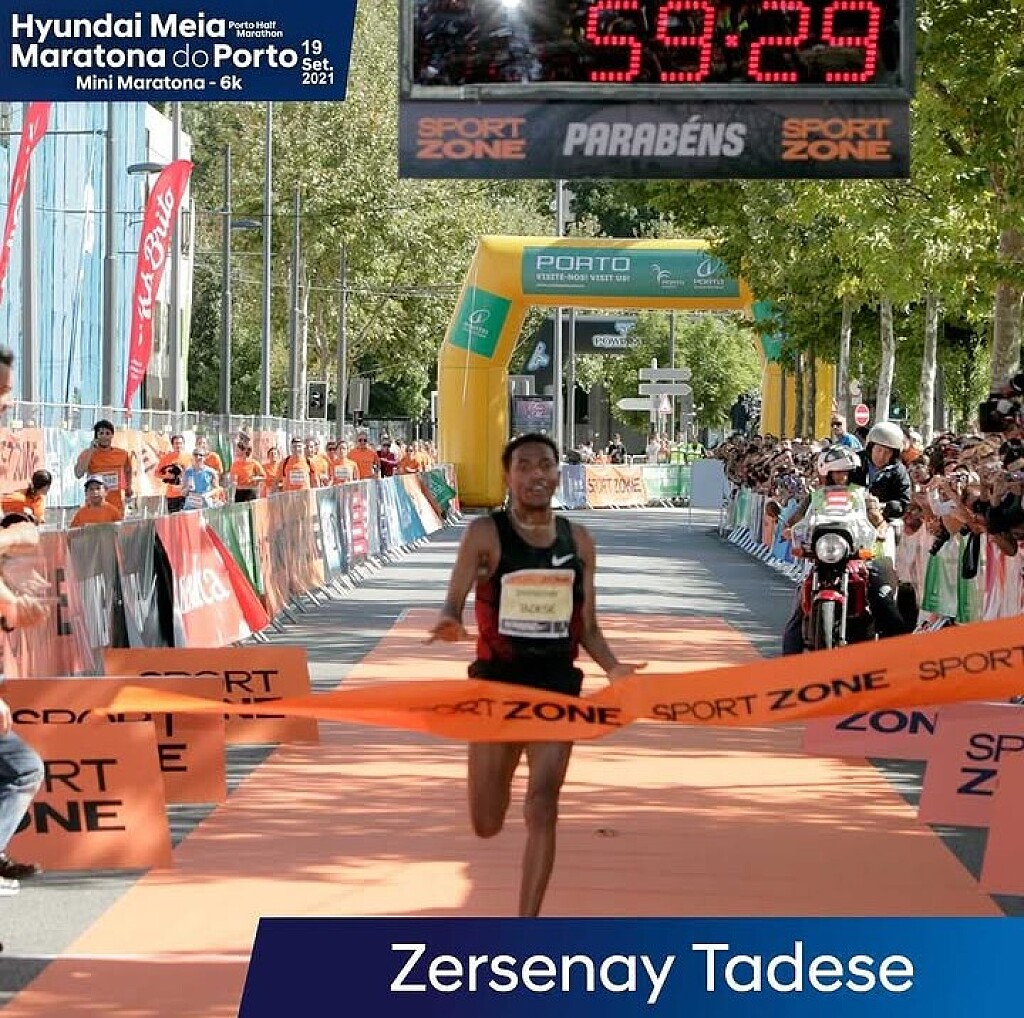
Zersenay Tadesse: The Trailblazer Who Put Eritrea on the World Distance Map
Born on 8 February 1982 in Adi Bana, Eritrea, Zersenay Tadesse rose from humble beginnings to become one of the most accomplished long-distance runners of his generation. Through consistency, resilience, and historic performances, he not only dominated the global stage but also reshaped Eritrea’s place in world athletics.
A specialist in long-distance track and road events, Tadesse built an extraordinary career highlighted by his four world titles in the half marathon, a level of dominance rarely seen in the discipline. His name entered the history books on 21 March 2010, when he produced a landmark performance at the Lisbon Half Marathon in Portugal, clocking 58:23 to break the world record by ten seconds and redefine the limits of human endurance over the distance.
Tadesse’s impact extended far beyond records. At the Athens 2004 Olympic Games in Greece, he made history by becoming the first Eritrean athlete to win an Olympic medal, earning bronze in the 10,000 metres behind Ethiopian greats Kenenisa Bekele and Sileshi Sihine. Two years later, in 2006, he achieved another national first by claiming the World Half Marathon Championship title in Hungary, securing Eritrea’s first-ever individual world championship gold.
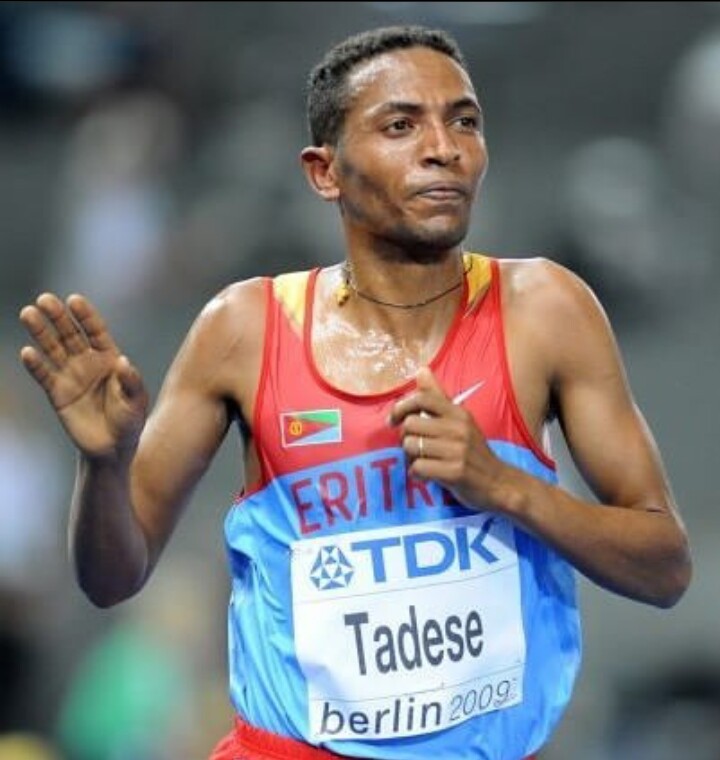
The year 2006 marked a defining chapter in his career. In April, Tadesse finished fourth at the World Cross Country Championships, playing a crucial role in Eritrea’s team silver medal alongside Yonas Kifle, Ali Abdallah, and Tesfayohannes Mesfen, narrowly beaten by Kenya. Later that year, in September, he captured gold at the inaugural IAAF World Road Running Championships over 20 kilometres, further cementing his versatility across surfaces.
December 2006 brought another iconic moment. Racing through the streets of Madrid, Spain, at the San Silvestre Vallecana, Tadesse shattered the 10-kilometre world record, stopping the clock at 26:54 and surpassing the previous mark held by Ethiopian legend Haile Gebrselassie. In 2010, he returned to the same event and claimed victory once again after a late navigation error by race leader Ayad Lamdassem of Spain, showcasing his experience and composure under pressure.
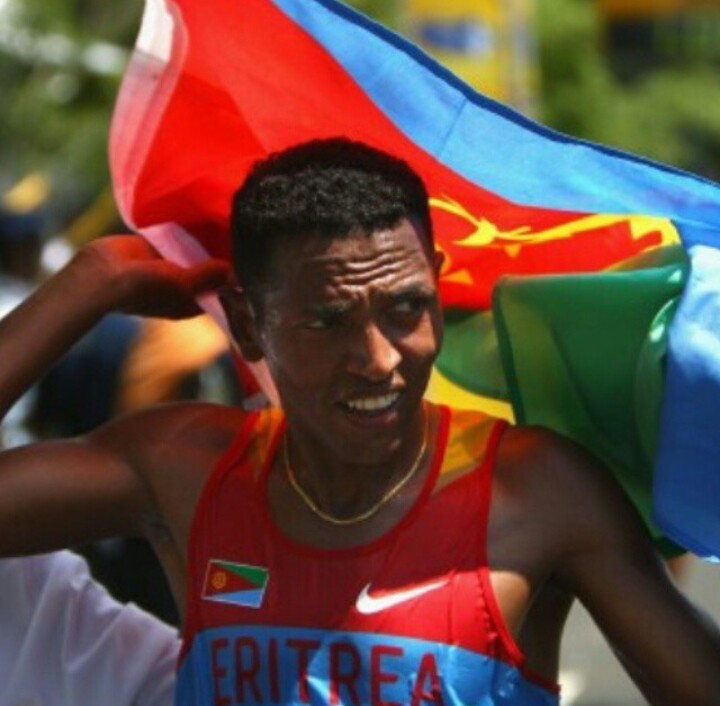
One of the crowning achievements of his career came in March 2007, when Tadesse conquered the World Cross Country Championships in Mombasa, Kenya, defeating Kenyan stars Moses Mosop and Bernard Kipyego on their home terrain in a powerful display of strength and tactical intelligence.
His medal collection reflects years of excellence at the highest level:
Olympic Games: Bronze
World Championships: Silver
World Cross Country Championships: Gold, two silvers, and four bronzes
World Half Marathon Championships: Four golds and one silver
Tadesse’s personal bests underline his remarkable range, from track to road:
3000 m – 7:39.93 | 5000 m – 12:59.27 | 10,000 m – 26:37.25 (Eritrean record) | 10 km road – 26:54 | 15 km – 42:17 | 20 km – 55:21 | Half marathon – 58:23 (world record) | Marathon – 2:08:46.
More than a champion, Zersenay Tadesse is a pioneer. He opened doors for Eritrean athletics, inspired generations, and proved that greatness can emerge from any corner of the world. His legacy is written not only in medals and records, but in the history he made for his nation.
(02/09/2026) ⚡AMPby Erick Cheruiyot for My Best Runs.
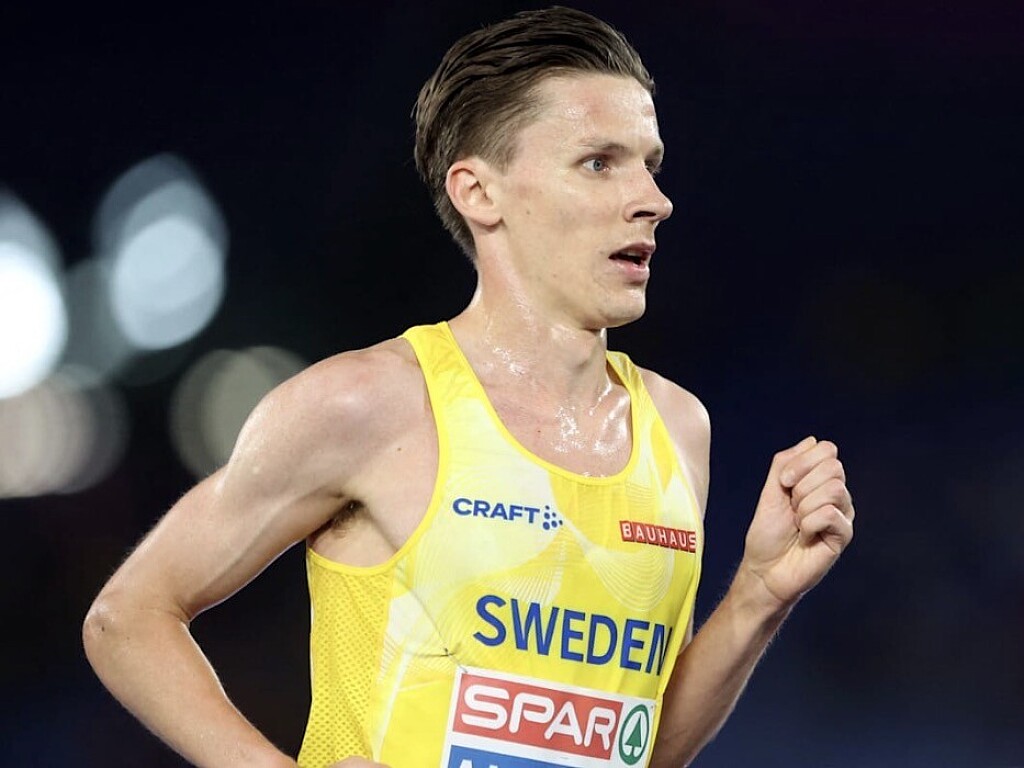
Almgren Returns to Castelló: European Record Holder Targets Another Historic Run at 10K Facsa Castelló
Few races in the world carry the reputation for pure speed that the 10K Facsa Castelló has built. Scheduled for Sunday, February 22, 2026, in Castelló, Spain, this race has become one of the premier destinations for athletes chasing fast times, personal bests, and global recognition over 10 kilometers.
Flat, fast, and perfectly organized, Castelló has earned its place among the elite road races worldwide. The course, which winds through the streets of this coastal Spanish city, offers ideal conditions for record-level performances. Over the past decade, Castelló has consistently produced some of the fastest 10K times ever recorded.
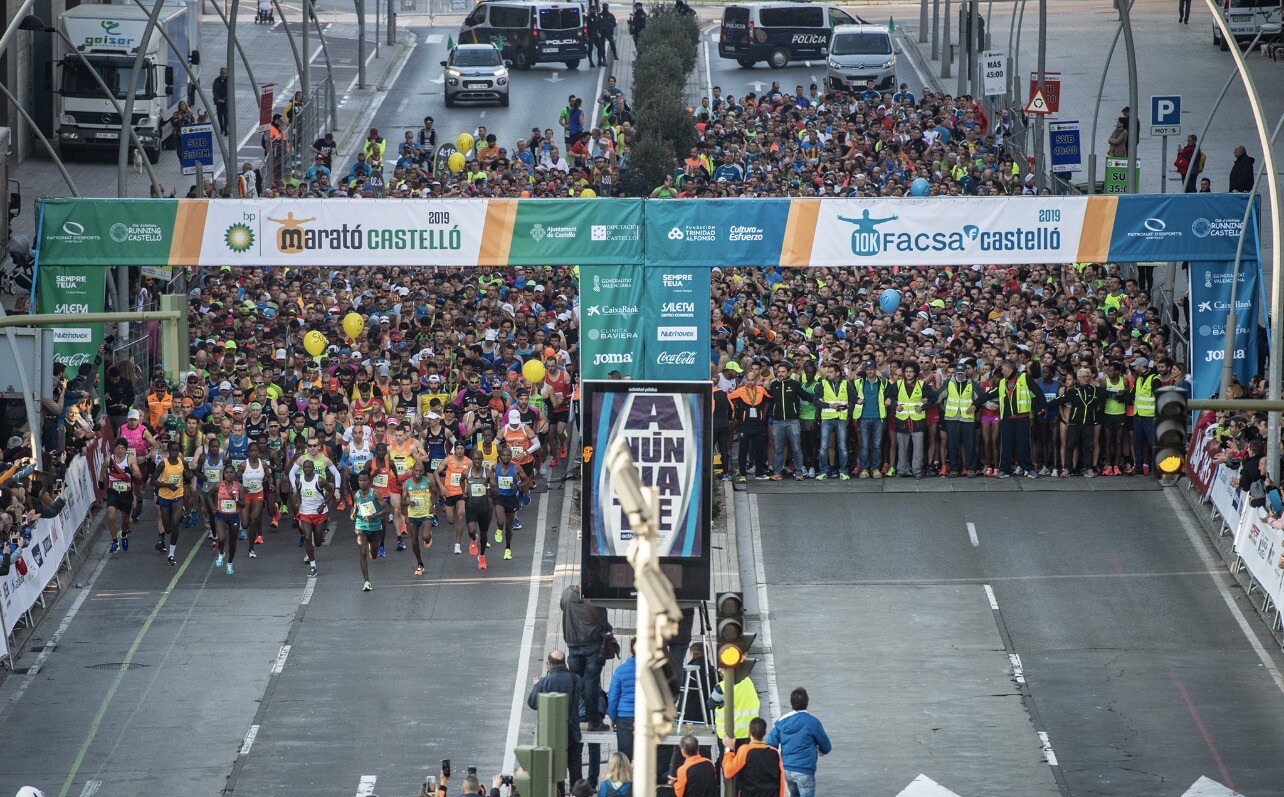
This year, the race welcomes one of Europe’s greatest distance runners at the peak of his powers. Multiple European record holder Andreas Almgren of Sweden has confirmed his return to Spanish soil, where he has produced the finest performances of his career. His presence instantly elevates the 2026 edition and positions Castelló once again as a potential stage for history.
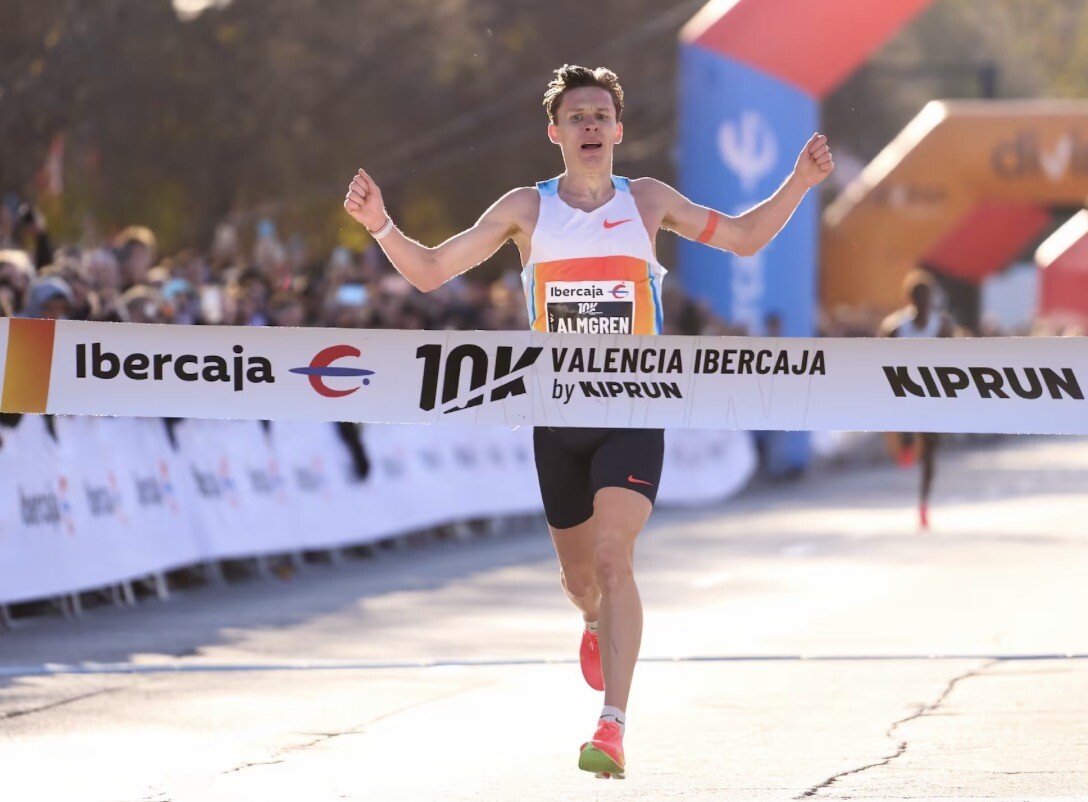
A Course Designed for Speed
The 10K Facsa Castelló course is known for its simplicity and precision. With wide roads, minimal turns, and near-sea-level elevation, it provides ideal conditions for athletes to maintain rhythm and maximize efficiency. Cool February temperatures typically create near-perfect racing conditions, allowing runners to sustain aggressive pacing from start to finish.
The race has already secured its place in history. In 2020, Kenya’s Rhonex Kipruto stunned the athletics world with a remarkable 26:24 performance, at the time the fastest 10K ever recorded, firmly establishing Castelló as one of the fastest road racing venues on the planet. Athletes arrive knowing this is a place where limits are tested—and often broken.
Almgren’s Spanish Success Story Continues
For Almgren, Spain has become synonymous with breakthrough performances. In October, he delivered one of the most significant moments in European distance running history when he clocked 58:41 in Valencia, becoming the first European athlete ever to break the 59-minute barrier for the half marathon.
He returned to Valencia again last month and produced another extraordinary performance, lowering his own European 10K record and confirming his place among the world’s elite road racers. His ability to combine endurance, efficiency, and closing speed has transformed him into one of the most dangerous competitors at any distance from 10K to the half marathon.
Now, he returns to Castelló with confidence, momentum, and the proven ability to deliver record-breaking performances on Spanish roads.
A Global Stage for Fast Times
The 10K Facsa Castelló has earned worldwide respect not only for its course but for its ability to attract elite international talent. The race has become a preferred destination for athletes targeting personal bests, national records, and global recognition.
Almgren’s participation signals both ambition and intent. His recent performances have redefined what European athletes can achieve and demonstrated that he can challenge the very best in the world.
As race day approaches, anticipation continues to build. Castelló has already witnessed history. With Andreas Almgren returning in record-breaking form, it may be ready to witness it again.
On February 22, 2026, one of the fastest courses in the world will once again test the limits of human performance—and Andreas Almgren may once again be at the center of it.
(02/09/2026) ⚡AMP
10k Facsa Castello
The 10K FACSA Castelló is one of Spain’s fastest and most prestigious road races, drawing elite and amateur runners from around the world. Held in Castellón de la Plana, this race has grown exponentially, earning a reputation for its flat, high-speed course and exceptional organization. It holds a World Athletics Road Race Label, placing it among the top road races...
more...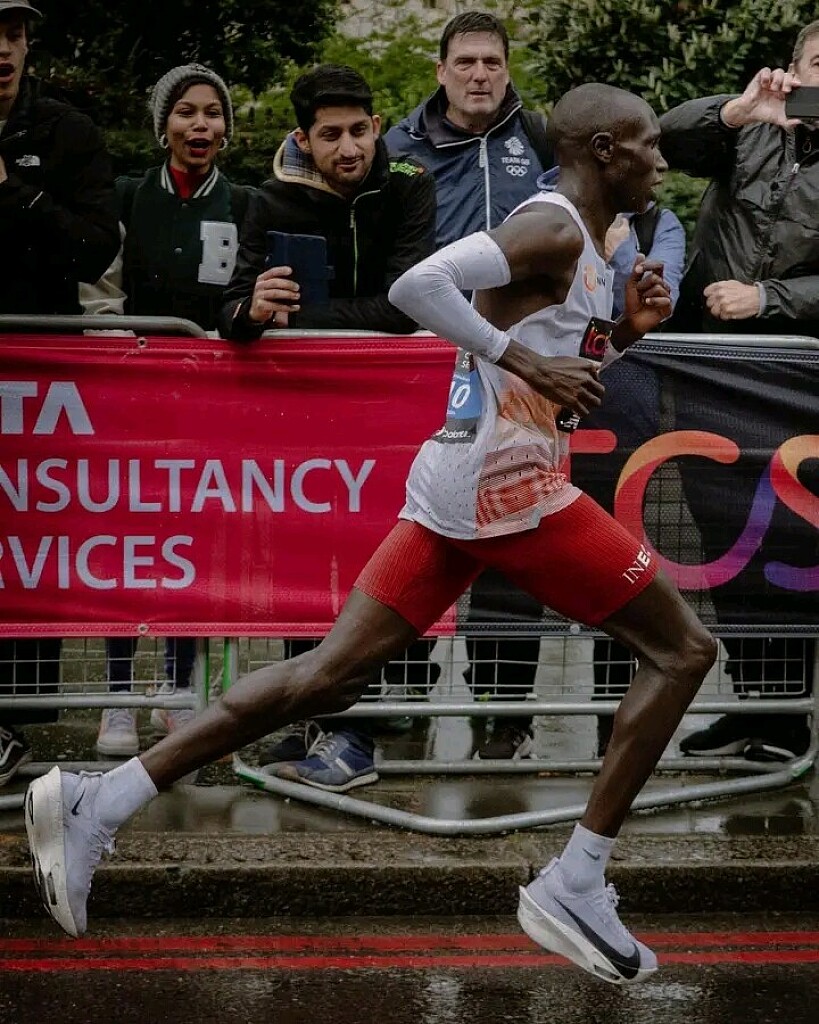
Ras Al Khaimah Awaits as Kamworor and Yeshaneh Return to the Roads That Made Them Legends
The Ras Al Khaimah Half Marathon is set to reclaim the global spotlight as two of the most accomplished distance runners of their generation prepare to headline its 19th edition on Saturday, 14 February. Kenya’s three-time world champion Geoffrey Kamworor and Ethiopia’s former women’s world record holder Ababel Yeshaneh lead a powerful elite field, returning to a race that has played a defining role in both of their careers.
For Kamworor, Ras Al Khaimah is where his rise to the very top truly began. In 2013, the then-emerging Kenyan delivered a stunning breakthrough performance, clocking 58:54 to announce himself on the world stage. More than a decade later, he returns as one of the most decorated half marathon runners in history. His achievements include three consecutive World Half Marathon titles, two World Cross Country crowns, and marathon victories at the New York City Marathon in 2017 and 2019. His 58:01 world record set in Copenhagen in 2019 still places him among the fastest men ever over 21.1 kilometers and makes him the quickest athlete on the 2026 Ras Al Khaimah start list.
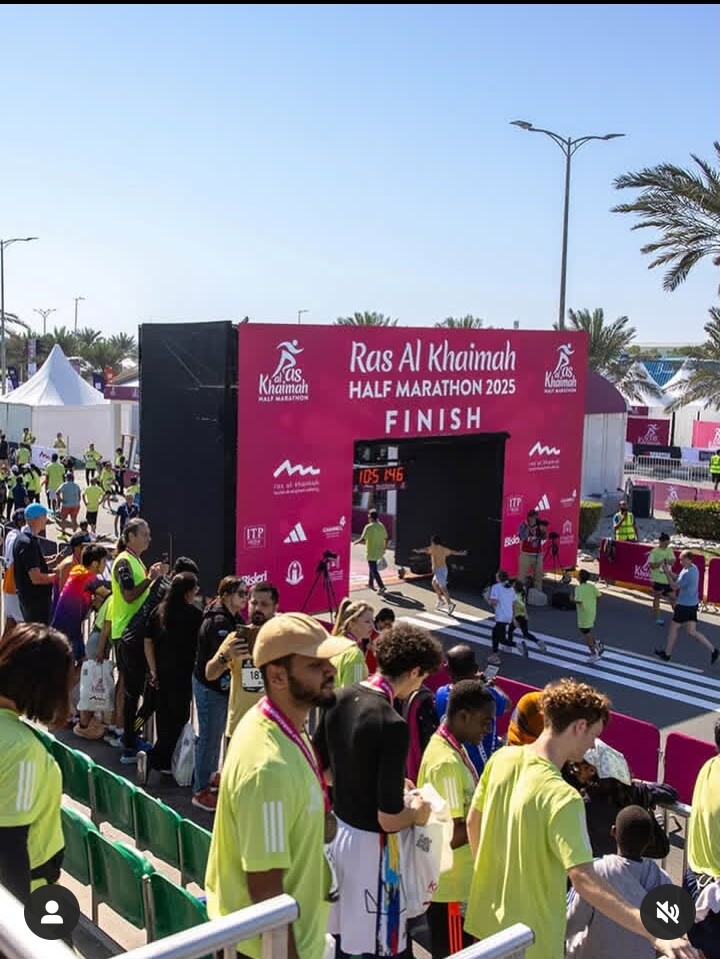
Matching that pedigree on the women’s side is Ababel Yeshaneh, whose name is forever woven into the fabric of this event. Her extraordinary run of 64:31 in 2020 did more than secure victory—it redefined what was thought possible in the women’s half marathon, lowering the world record by 20 seconds against a field of proven champions. That performance remains one of the most iconic moments in the history of the race.
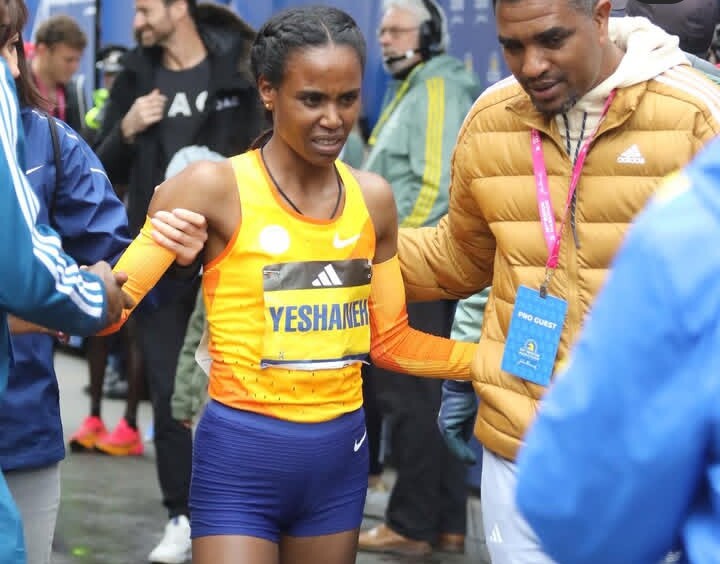
Yeshaneh’s career has been built on consistency and excellence across both track and road. She emerged internationally as a teenager before finishing ninth in the 10,000 meters at the 2013 World Championships in Moscow and competing in the Olympic 5,000 meters final in Rio in 2016. Away from the track, she has claimed half marathon victories in Istanbul and Buenos Aires and earned podium finishes at major city marathons in Boston, Chicago, and New York. Her more recent appearances in Ras Al Khaimah have added further depth to her story, from a non-finish in 2022 to a strong return in 2024, where she placed second in a fast 65:44.
Since its launch in 2007, the Ras Al Khaimah Half Marathon has grown into one of the most respected and fastest races on the global road-running calendar. Its flat, sea-level course and consistently favorable conditions have made it a magnet for the world’s best distance runners, a place where careers are launched, records are challenged, and history is often rewritten. The 2026 edition, once again staged entirely on Al Marjan Island, reinforces the event’s identity as a true proving ground for speed and excellence.
With Geoffrey Kamworor and Ababel Yeshaneh returning to the roads where defining moments of their careers were forged, the 2026 Ras Al Khaimah Half Marathon stands poised for another chapter of elite racing at its highest level. When proven champions and a course built for speed come together, the outcome is never ordinary. On these familiar shores, the world will once again watch as history, ambition, and excellence converge over 21.1 kilometers.
(02/09/2026) ⚡AMPby Erick Cheruiyot for My Best Runs.
Rak Half Marathon
The Rak Al Khaimah Half Marathon is the 'world's fastest half marathon' because if you take the top 10 fastest times recorded in RAK for men (and the same for women) and find the average (for each) and then do the same with the top ten fastest recorded times across all races (you can reference the IAAF for this), the...
more...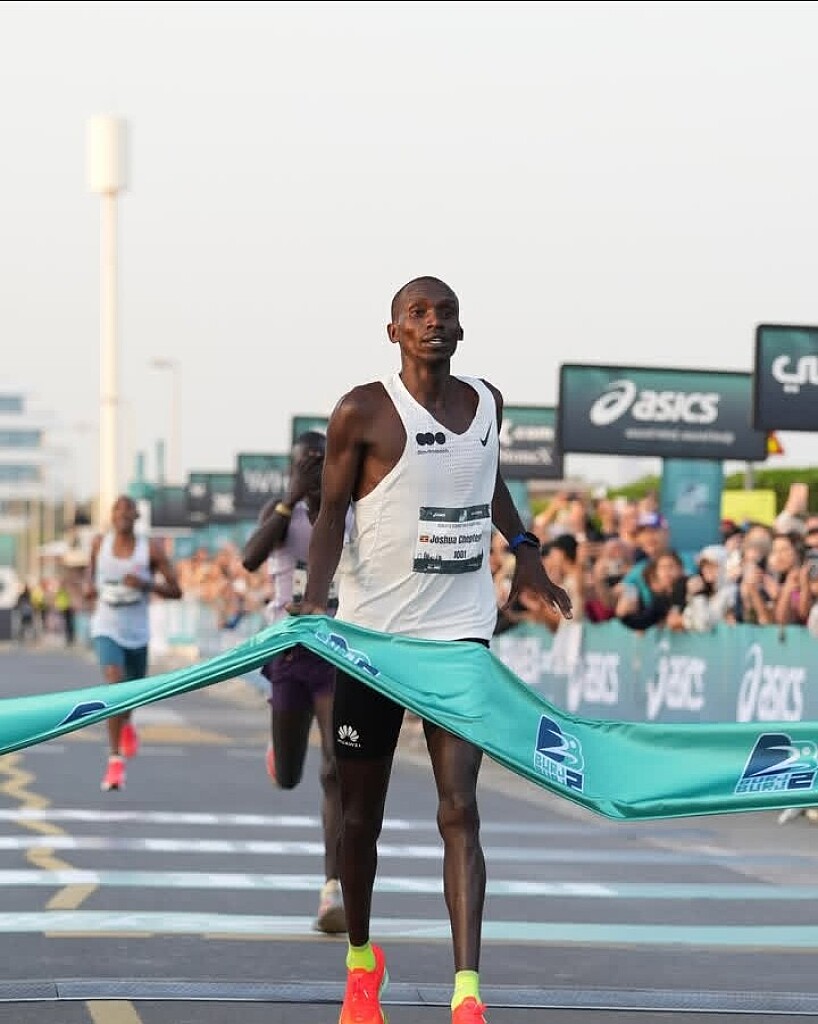
Seconds Decide, Champions Rise: Cheptegei and Cheptai Shine at a Thrilling Burj2Burj Half Marathon 2026
The Burj2Burj Half Marathon 2026 delivered a compelling showcase of elite road running, as Dubai’s iconic course provided the backdrop for high-speed racing, tactical brilliance, and photo-finish drama across both the men’s and women’s fields.
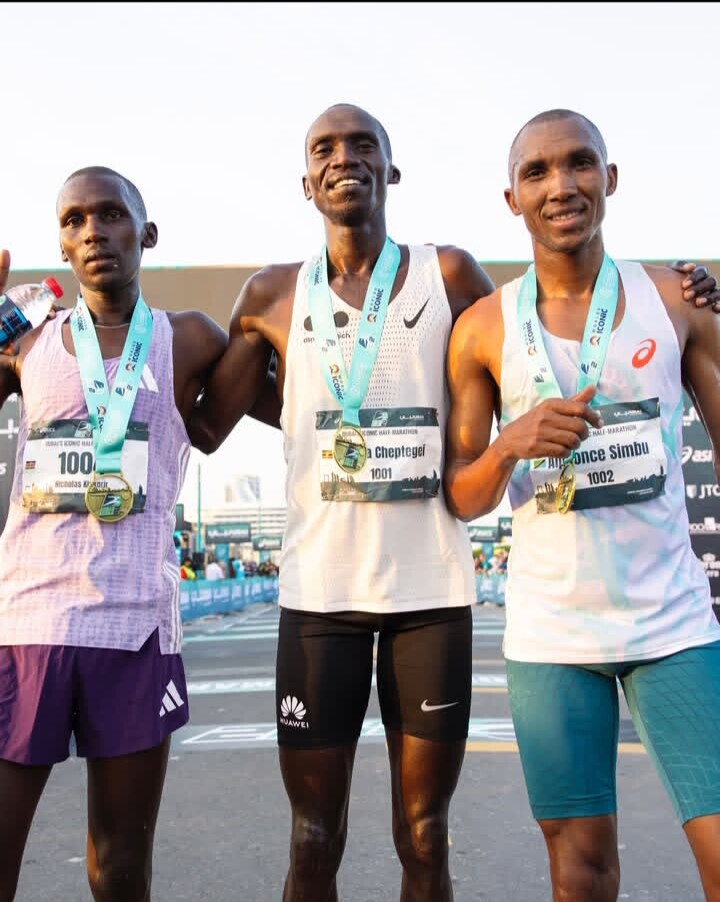
In the men’s race, Ugandan icon Joshua Cheptegei once again demonstrated his pedigree on the roads, powering to victory in 59:26 after a relentless battle over 21.1 kilometers. The Olympic champion and 5000m & 10,000m world record holder was pushed to the very limit, with Kenya’s Nicholas Kipkorir crossing the line just two seconds behind in 59:28, while Tanzania’s Alphonce Felix Simbu secured third place in 59:30. Only four seconds separated the podium finishers, reflecting the uncompromising pace and intensity from start to finish.
Kenya’s Enos Kipruto narrowly missed a place on the podium with 1:00:03, followed closely by Ethiopia’s Lulu Negera in 1:00:04, as the leading group maintained pressure throughout the fast course. Ethiopia’s Aklilu Asfaw, Germany’s Richard Ringer, Kenya’s Yonah Mateiko, and Ethiopia’s Haftu Teklu rounded out a deep and competitive top nine, while Carlos Díaz of Chile completed the top ten in 1:03:34 after a determined run against world-class opposition.
The women’s race matched the men’s contest for quality and suspense, producing a dramatic outcome decided by the narrowest of margins. Kenya’s Irene Cheptai delivered a composed and authoritative performance to claim victory in 1:06:57, demonstrating sharp tactical awareness as she stayed patient within a tightly packed lead group before asserting control in the decisive final stages.
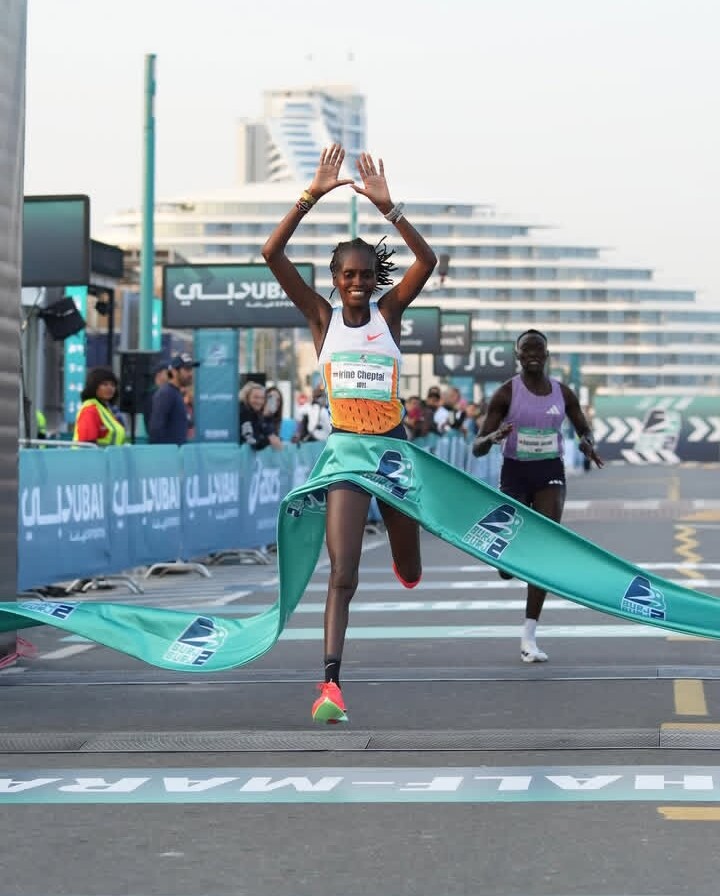
She was closely followed by compatriot Daisilah Jerono, who finished just two seconds adrift in 1:06:59, securing a Kenyan one-two, while Ethiopia’s Ftaw Zeray completed the podium in 1:07:01. As in the men’s race, only four seconds separated the top three, underlining the elite depth and competitiveness at the front of the field.
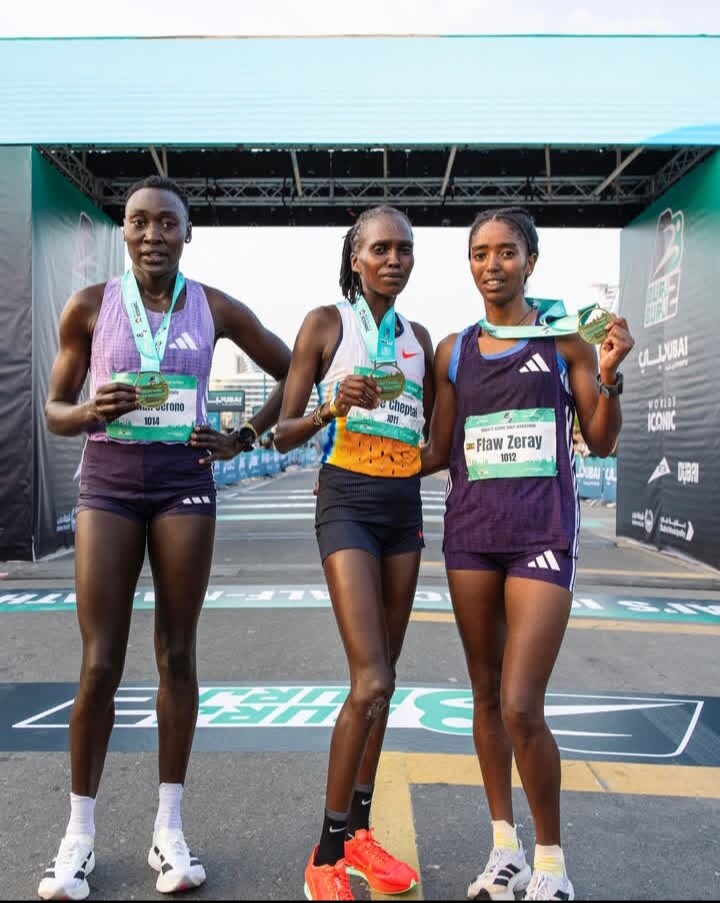
Behind the medalists, the strength of the women’s race was equally evident. Jackline Cherono reinforced Kenya’s presence with a strong fourth-place finish in 1:09:11, while Alexandra Bell of Great Britain impressed in fifth with 1:09:35. Meritxell Soler of Spain led the European contingent in sixth, followed by Ethiopia’s Seba Diba in seventh. The international top ten was completed by Mikky Keetels of the Netherlands in eighth, Tea Faber of Croatia in ninth, and Nada Ina Pauer of Austria in tenth, highlighting the global appeal of the event.
With world-class performances, deep international fields, and victories decided by seconds, the Burj2Burj Half Marathon 2026 once again stood out as a premier road-running spectacle, where precision, patience, and championship pedigree defined a memorable day of racing on the streets of Dubai.
(02/07/2026) ⚡AMPby Erick Cheruiyot for My Best Runs.

Burj 2 Burj Half Marathon Returns to Dubai with Kipkorir and Cheptai Headlining Elite Field
The Burj 2 Burj Half Marathon returns Sunday (Feb 8 in Dubai UAE, bringing a focused but highly competitive international field to one of the fastest and most visually striking courses in the Middle East. Framed by Dubai’s modern skyline and anchored by two of the city’s most iconic landmarks, the race has steadily grown into an important early-season test for elite road specialists and track stars transitioning to longer distances.
With flat terrain, predictable weather, and a reputation for honest pacing, the event offers athletes a valuable opportunity to establish form and confidence as the global road racing calendar begins to take shape.
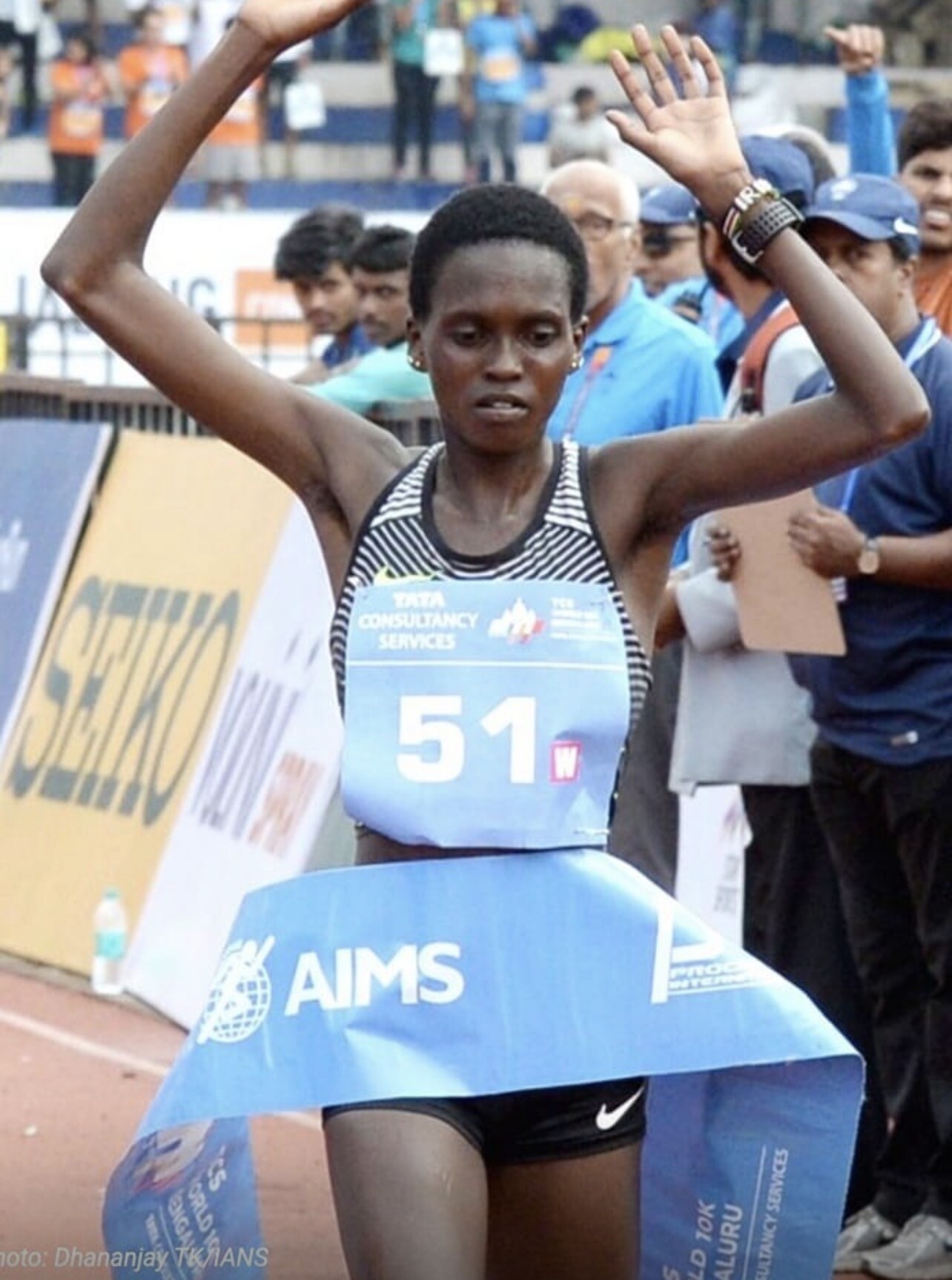
Men’s Race: Kipkorir Leads, Cheptegei Adds Star Power
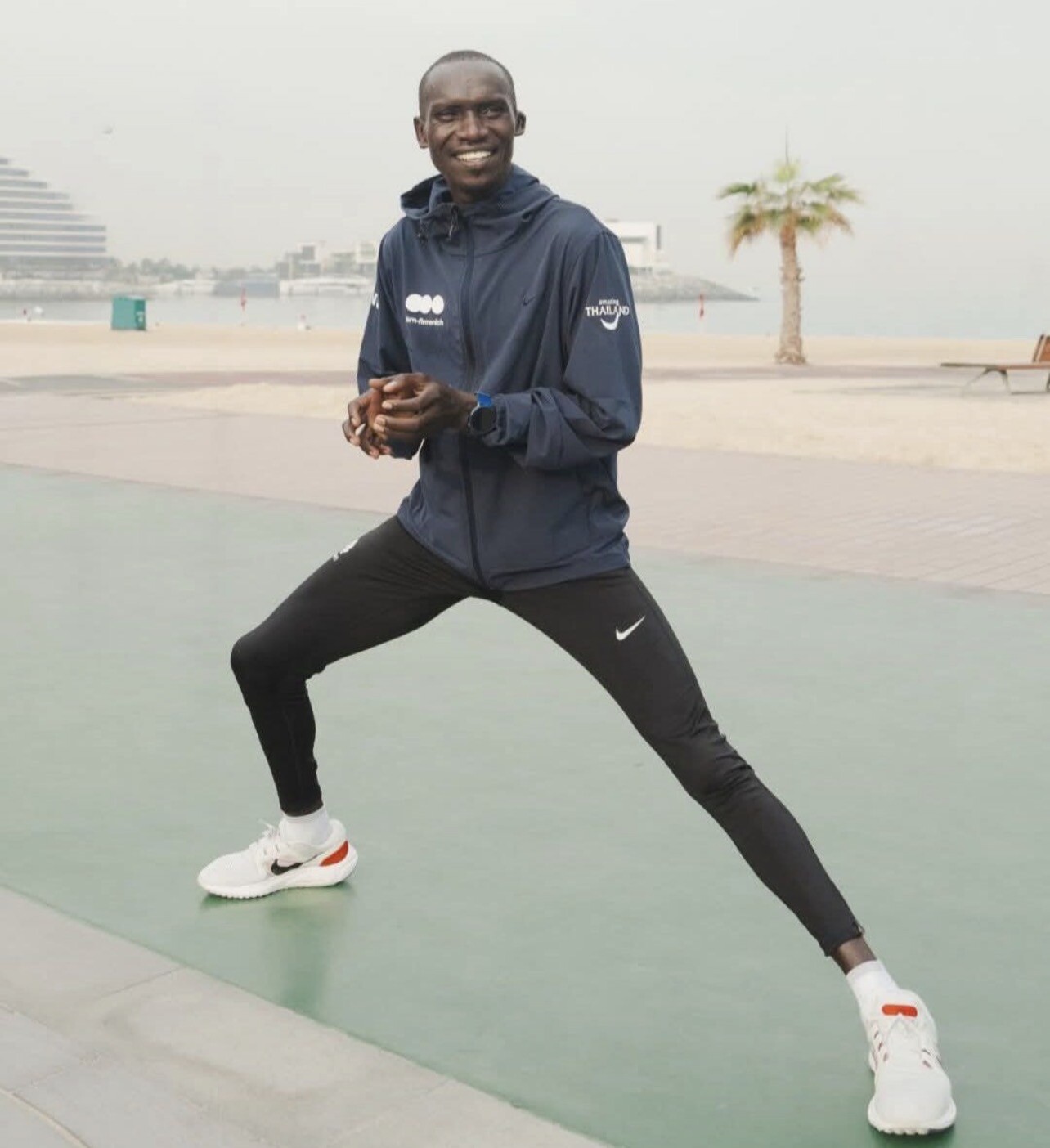
Kenya’s Nicholas Kipkorir enters as the clear favorite, carrying the fastest personal best in the field at 58:23. A proven road performer, Kipkorir has built his success on rhythm, efficiency, and the willingness to commit early. The Burj 2 Burj course traditionally rewards athletes who are prepared to take initiative, and his aggressive racing style makes him the man to watch from the gun.
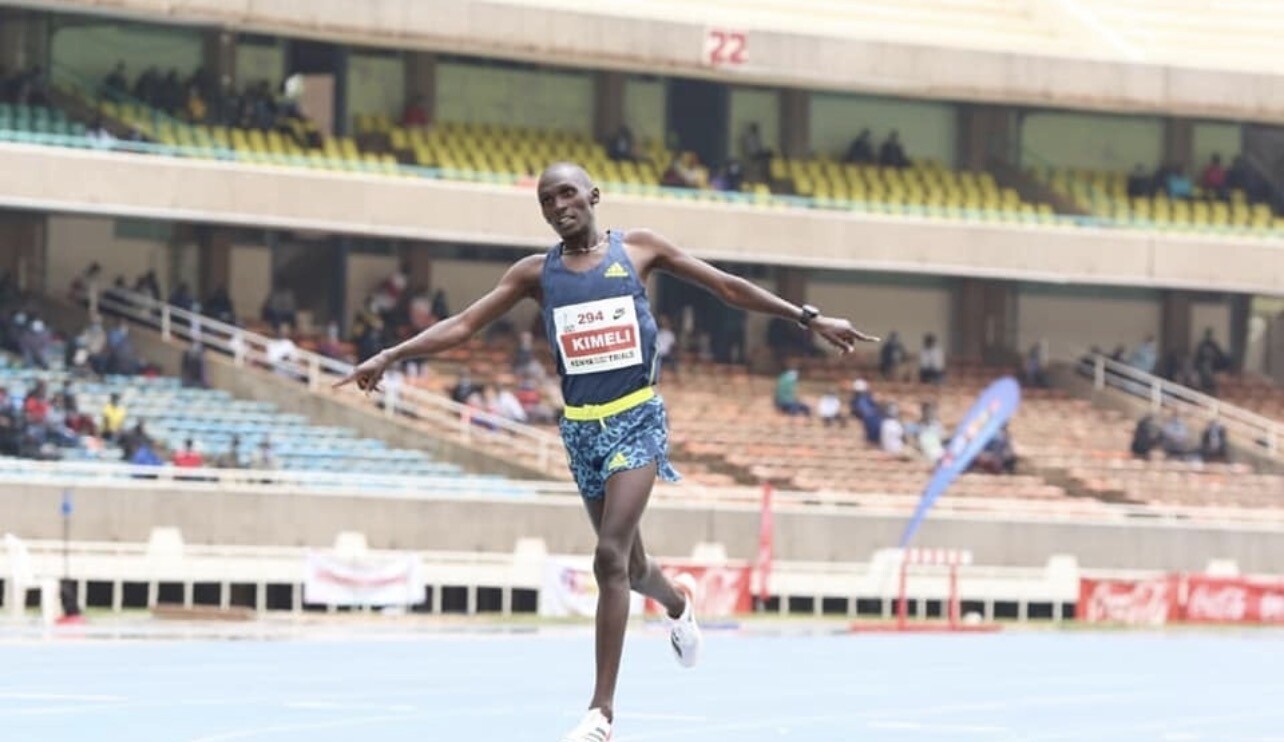
Providing the strongest challenge is Uganda’s Joshua Cheptegei, whose 59:21 personal best tells only part of his story. One of the most decorated distance runners of his generation, Cheptegei brings unmatched championship experience, including multiple world titles on the track. His continued transition to road racing has been closely followed, and Dubai presents another key opportunity to test himself against seasoned half marathon specialists. If the race becomes tactical, his finishing speed and composure could prove decisive.
Tanzania’s Alphonce Simbu, owner of a 60:03 best, adds depth and resilience to the field. Known for his strength in demanding competitions, Simbu excels in races where patience and mental toughness become critical. Kenya’s Enock Kipruto and Germany’s European marathon champion Richard Ringer, both with personal bests of 60:51, round out a men’s lineup where discipline and timing may ultimately determine the outcome.
Women’s Race: Cheptai Brings Momentum and Confidence
In the women’s race, Kenya’s Irine Cheptai stands out as the athlete to beat. Her impressive personal best of 64:53 places her at the front of the field, and she arrives with the experience and tactical awareness needed to control the race. Cheptai has demonstrated consistency across distances, and her ability to manage pace and respond under pressure makes her a formidable favorite.
Romania’s Joan Melly, with a 65:04 personal best, represents the closest challenger on paper. Melly’s strength lies in efficiency and measured racing, qualities that could allow her to remain within striking distance deep into the final kilometers.
Ethiopia’s Ftaw Zeray (66:04) brings the tradition of Ethiopian endurance excellence, while Kenya’s Jackline Cherono (67:16) adds further depth. In a field where the margins are slim, positioning and timing will likely prove decisive.
Dubai Provides the Perfect Early-Season Stage
The Burj 2 Burj Half Marathon continues to establish itself as more than just a fast race. It has become a strategic checkpoint for athletes aiming to build momentum, test fitness, and position themselves for major races later in the year.
With Nicholas Kipkorir and Irine Cheptai leading their respective fields, expectations are high. But with championship-tested competitors like Joshua Cheptegei and emerging challengers ready to seize opportunity, the outcome remains far from certain.
As the 2026 road racing season gains momentum, Dubai once again offers a stage where preparation meets opportunity—and where the next chapter of the season begins to unfold.
(02/07/2026) ⚡AMPby Robert Kibet for My Best Runs
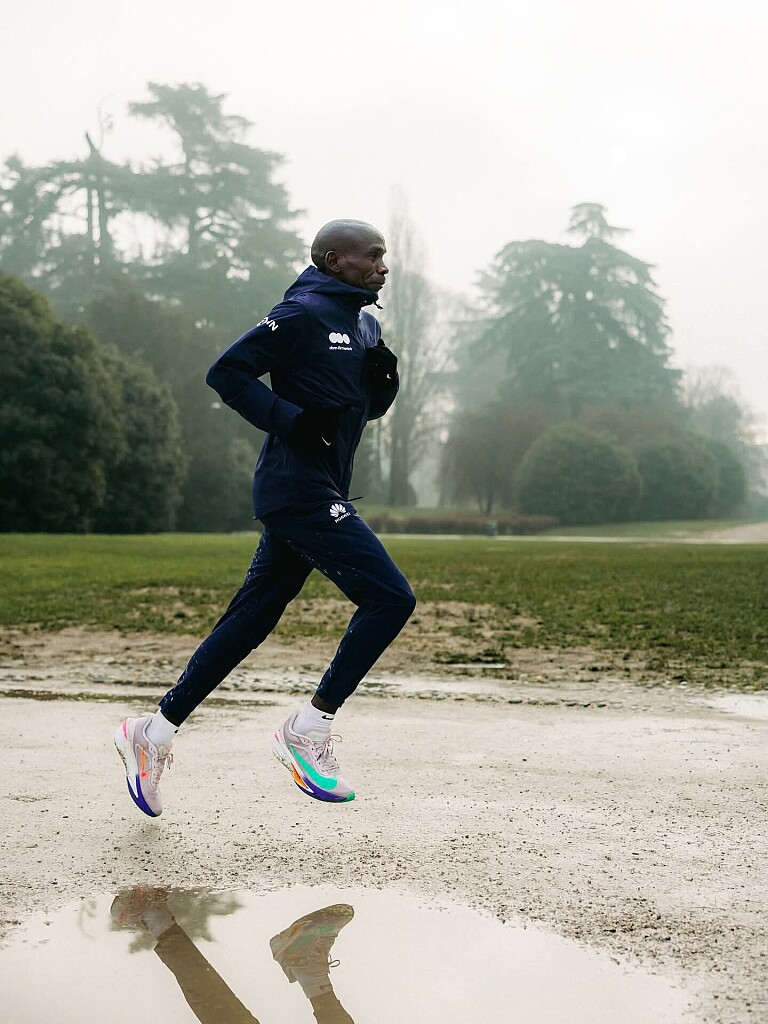
Eliud Kipchoge Arrives in Milan, Honoured as an Olympic Flagbearer at Milano Cortina 2026
Milan has welcomed one of the most respected figures in global sport. Eliud Kipchoge, Kenya’s legendary distance runner and as a former world marathon record holder, is in Italy ahead of the Milano Cortina 2026 Winter Olympic Games, where he has been selected for a prestigious ceremonial role as one of the distinguished Olympic flagbearers.
Kipchoge’s presence at the Winter Games is not linked to athletic competition, nor does it involve representing Kenya in a Winter Olympic sport. Instead, his selection was made by the International Olympic Committee (IOC) and the Milano Cortina 2026 Organising Committee in recognition of the values he represents in sport and in life — unity, peace, humility, discipline, and belief in human potential.

Globally celebrated for redefining marathon running, Kipchoge’s legacy includes Olympic titles, multiple major marathon victories, and as a former world marathon record holder. Yet his influence extends far beyond the stopwatch. His philosophy and consistent excellence have inspired athletes across generations, making him a universal symbol of sporting greatness.
At the opening ceremony at San Siro Olympic Stadium, Kipchoge will be among a select group of distinguished flagbearers chosen to carry the Olympic flag, a role that highlights his global impact and the respect he commands within the Olympic movement. His participation is symbolic — a celebration of the Olympic ideals while proudly carrying his Kenyan identity onto one of sport’s grandest stages.
As the world turns its attention to Milan, Kipchoge’s calm authority and dignity add a special resonance to the Games. When he steps forward as a flagbearer, it will mark yet another defining moment in a career built not only on extraordinary achievement, but on enduring meaning.
Once again, Eliud Kipchoge proves that true greatness is measured not just in records, but in the impact one leaves on the world.
(02/06/2026) ⚡AMPby Erick Cheruiyot for My Best Runs.
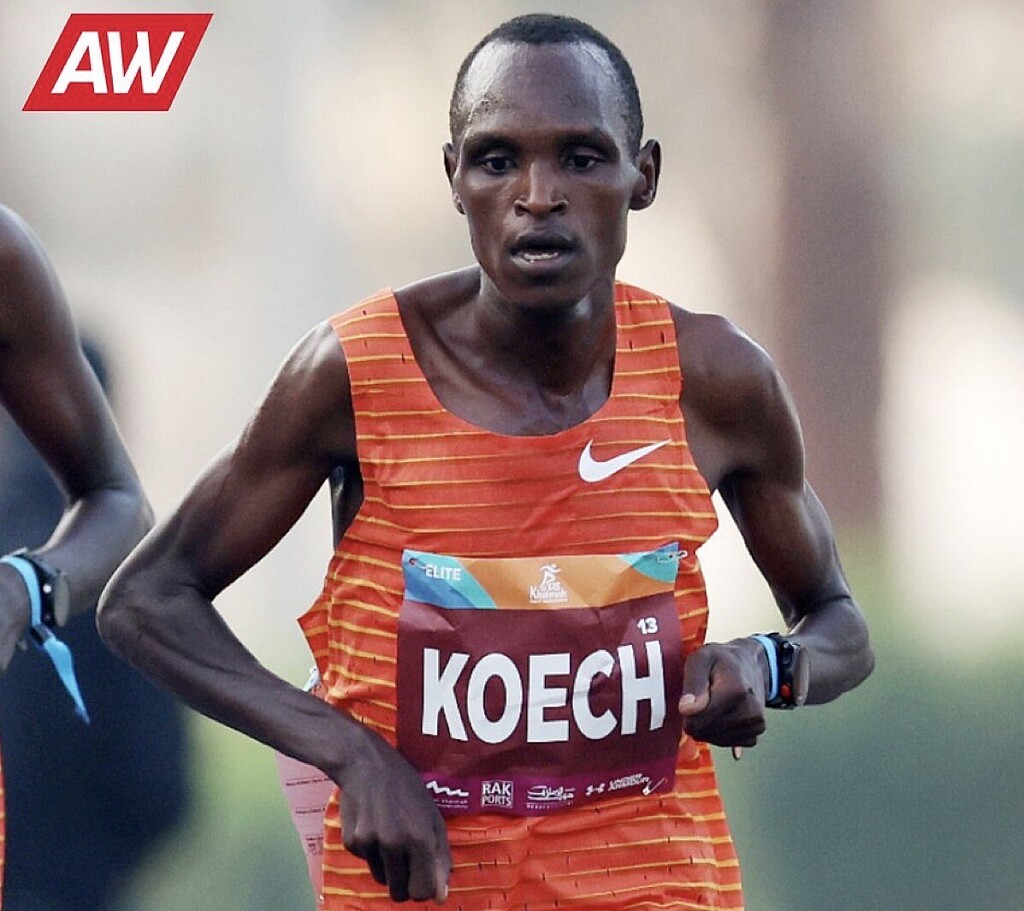
Bernard Kibet Koech Banned for Four Years as AIU Disqualifies Paris Olympic Result
Kenyan distance runner Bernard Kibet Koech has been handed a four-year ban and disqualified by the Athletics Integrity Unit (AIU) after abnormalities were detected in his Athlete Biological Passport (ABP).
The sanction takes effect from June 10, 2025, and runs through June 9, 2029. As part of the ruling, Koech’s result from the Paris 2024 Olympic Games men’s 10,000 meters—where he finished fifth—has been officially disqualified.
ABP Abnormalities Trigger Sanction
According to the AIU, the case was built on irregularities identified in Koech’s Athlete Biological Passport, a long-term monitoring system designed to track biological markers over time rather than rely on a single positive test. The ABP framework has become a central tool in modern anti-doping enforcement, particularly in endurance events, where performance-enhancing methods may not always be detected through traditional testing.
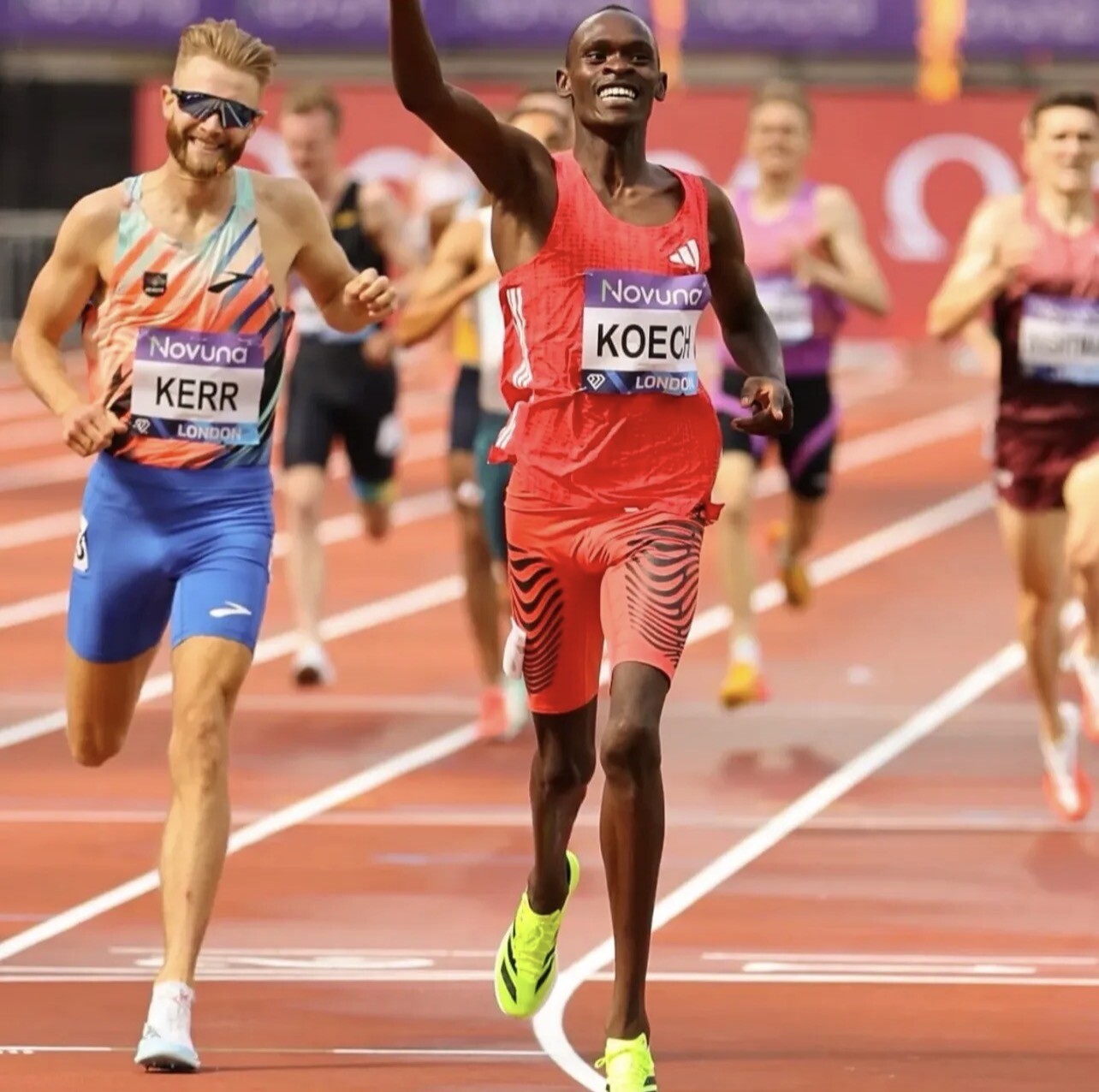
The AIU did not cite a specific prohibited substance but concluded that the longitudinal data showed patterns inconsistent with normal physiology, meeting the threshold required for a violation under World Athletics’ anti-doping rules.
Olympic Impact
Koech’s fifth-place finish in Paris had stood as one of Kenya’s strong performances in the men’s 10,000 meters at the Games. With the disqualification now confirmed, the Olympic results will be adjusted accordingly, and athletes finishing behind him are expected to move up in the official standings.
A Broader Context for Distance Running
The ruling adds to a growing list of high-profile ABP cases in distance running and underscores the continued scrutiny placed on elite endurance athletes. For World Athletics and the AIU, the emphasis remains on protecting clean competitors and maintaining confidence in championship results, particularly at the Olympic level.
For Kenya—long a global powerhouse in distance running—the case represents another reminder of the ongoing challenges facing the sport, even as the country continues to produce extraordinary talent.
What Comes Next
Koech is ineligible to compete in any World Athletics-sanctioned events during the four-year ban period. Any results recorded after June 10, 2025, are subject to annulment under anti-doping regulations.
As with all ABP-based rulings, the decision reflects a process that unfolds over time, relying on accumulated data rather than a single race or test. The AIU’s announcement brings closure to that process—and a significant rewrite of the Paris 2024 men’s 10,000-meter final.
(02/05/2026) ⚡AMPby Boris Baron
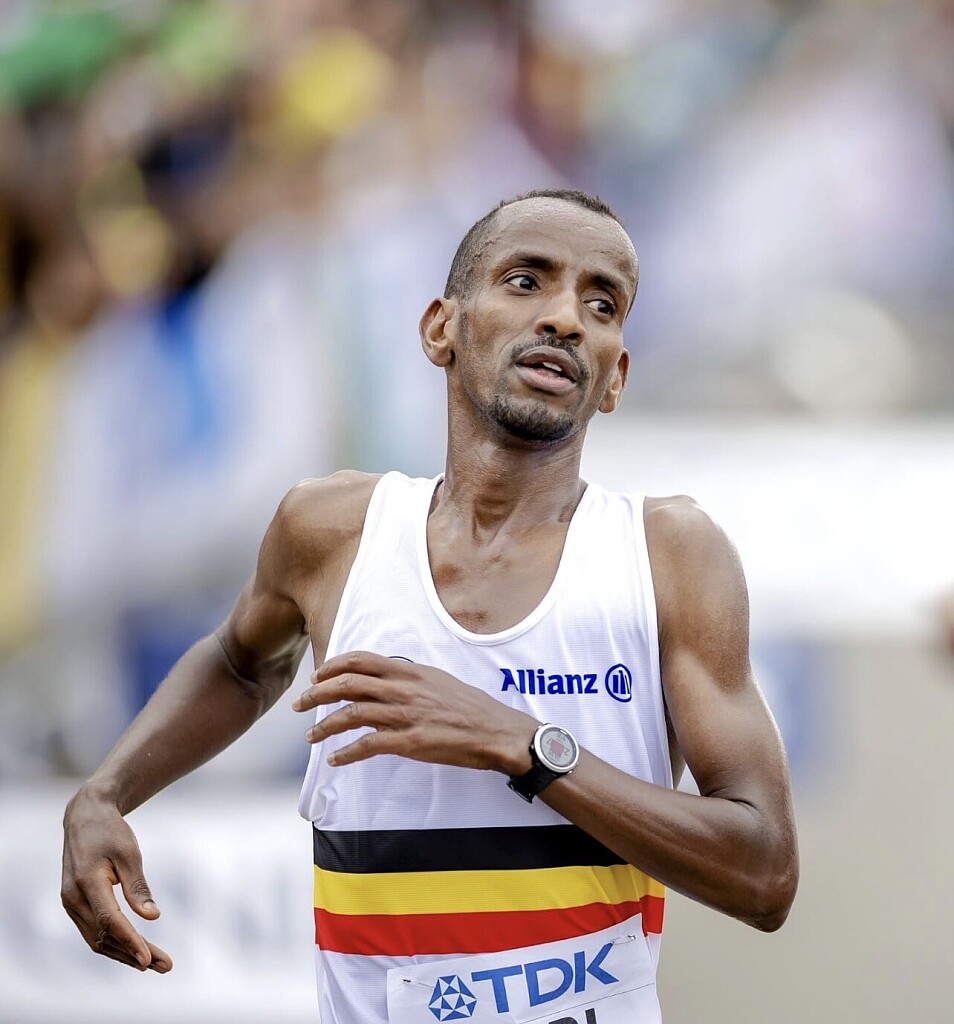
Rotterdam Ready for Speed as Elite Stars Converge for the 45th NN Rotterdam Marathon
The NN Rotterdam Marathon returns on April 12, bringing the global running spotlight back to the Netherlands and to one of the fastest, most respected courses in the sport. Now in its 45th edition, Rotterdam has built a reputation for fearless pacing, deep elite fields, and breakthrough performances — the kind of race where personal bests aren’t surprises, they’re expectations.
This year’s men’s field suggests another fast day is coming.
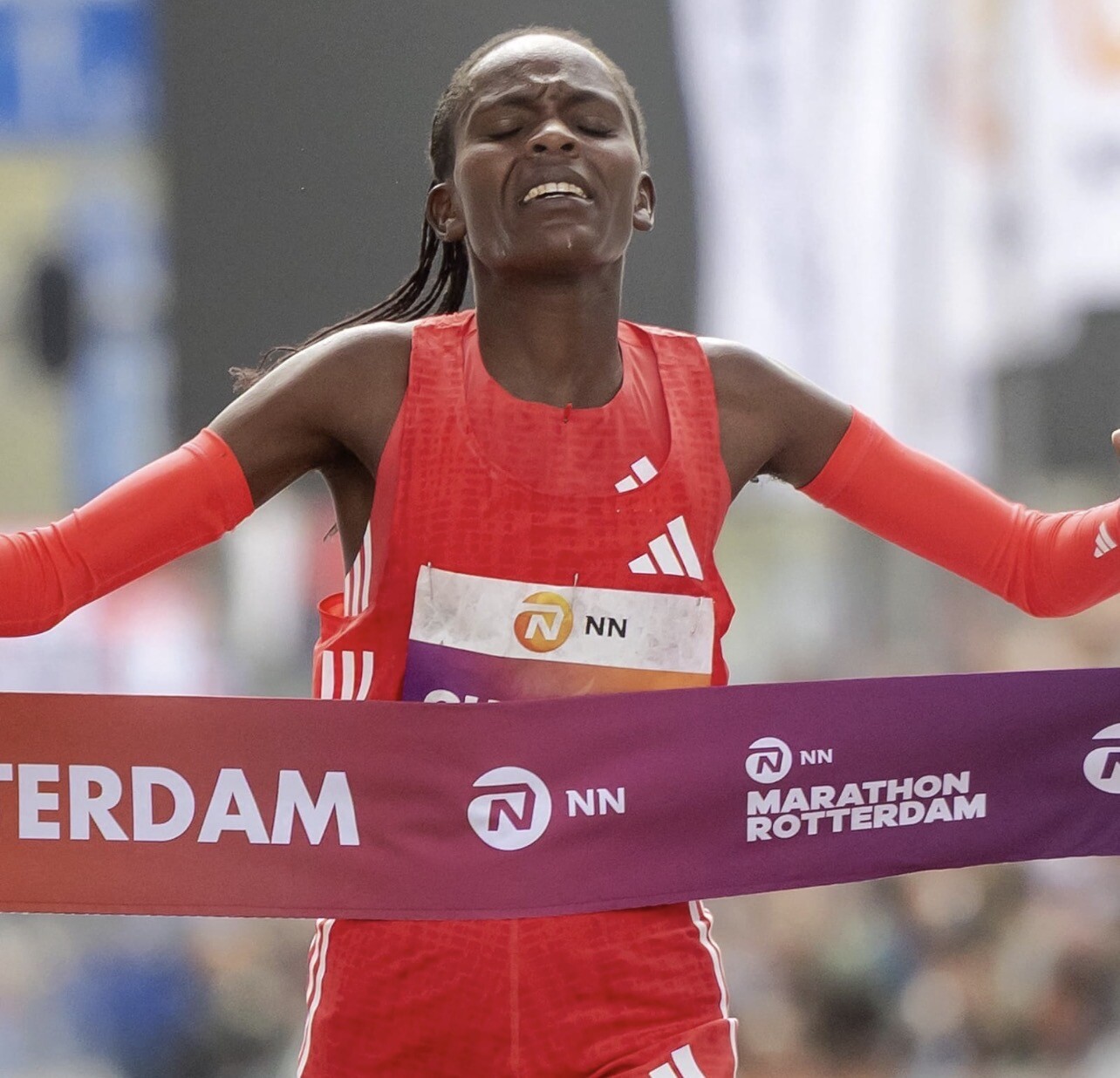
Ethiopia’s Birhanu Legese leads the charge with a personal best of 2:02:48, a time that immediately signals serious intent. When Legese lines up, the pace rarely lingers. Fellow Ethiopian Haymanot Alew (2:03:31) and Bashir Abdi (2:03:36) add both speed and experience, while Guye Adola strengthens an Ethiopian squad that looks ready to push the race from the opening kilometers.
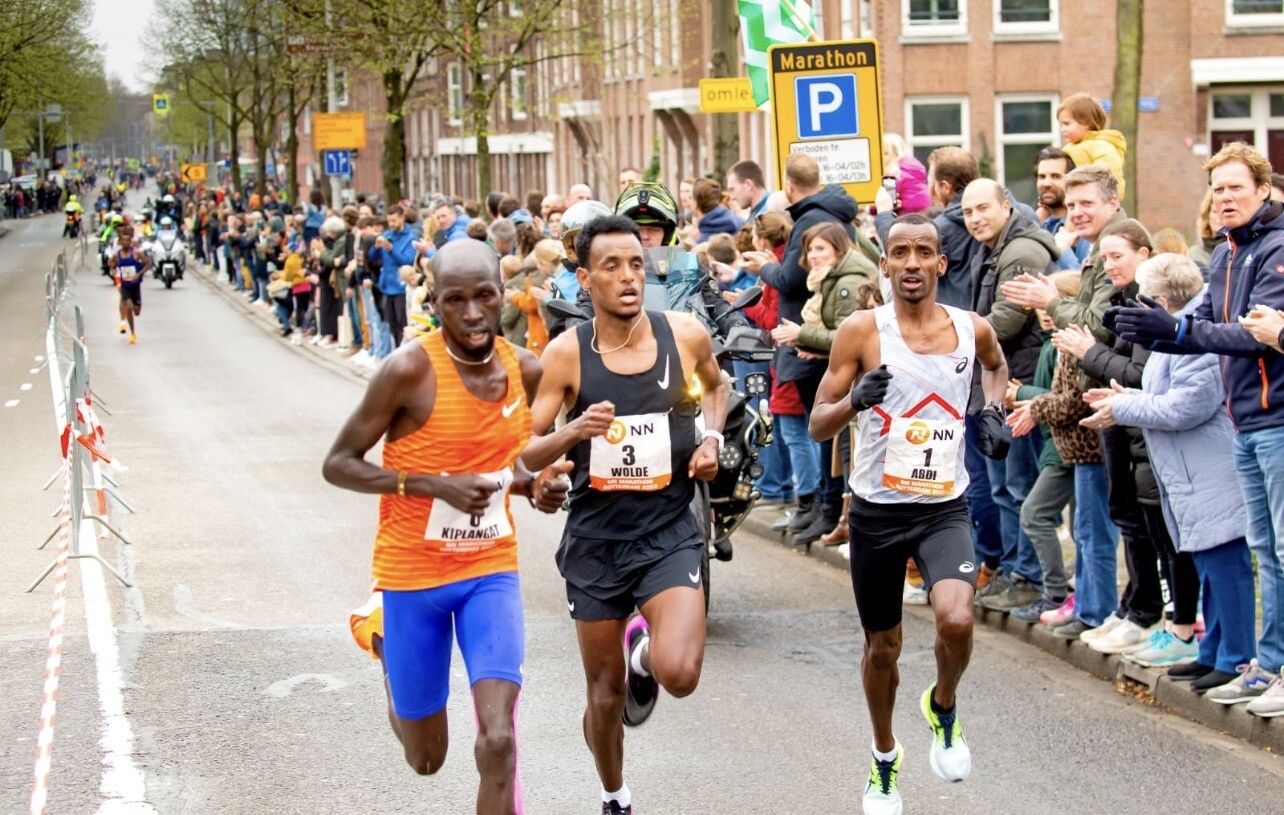
Kenya counters with depth and resilience. Erick Sang, already proven at 2:04:30, heads a group that includes Kenneth Kipkemoi, Mike Kiptum Boit, and Lameck Too — seasoned competitors known for their strength late in races when others begin to fade. Ethiopia’s Chala Regasa and Filmon Tesfu add even more firepower, while Belgium’s Koen Naert brings European savvy and big-race composure to a field loaded with proven marathoners.
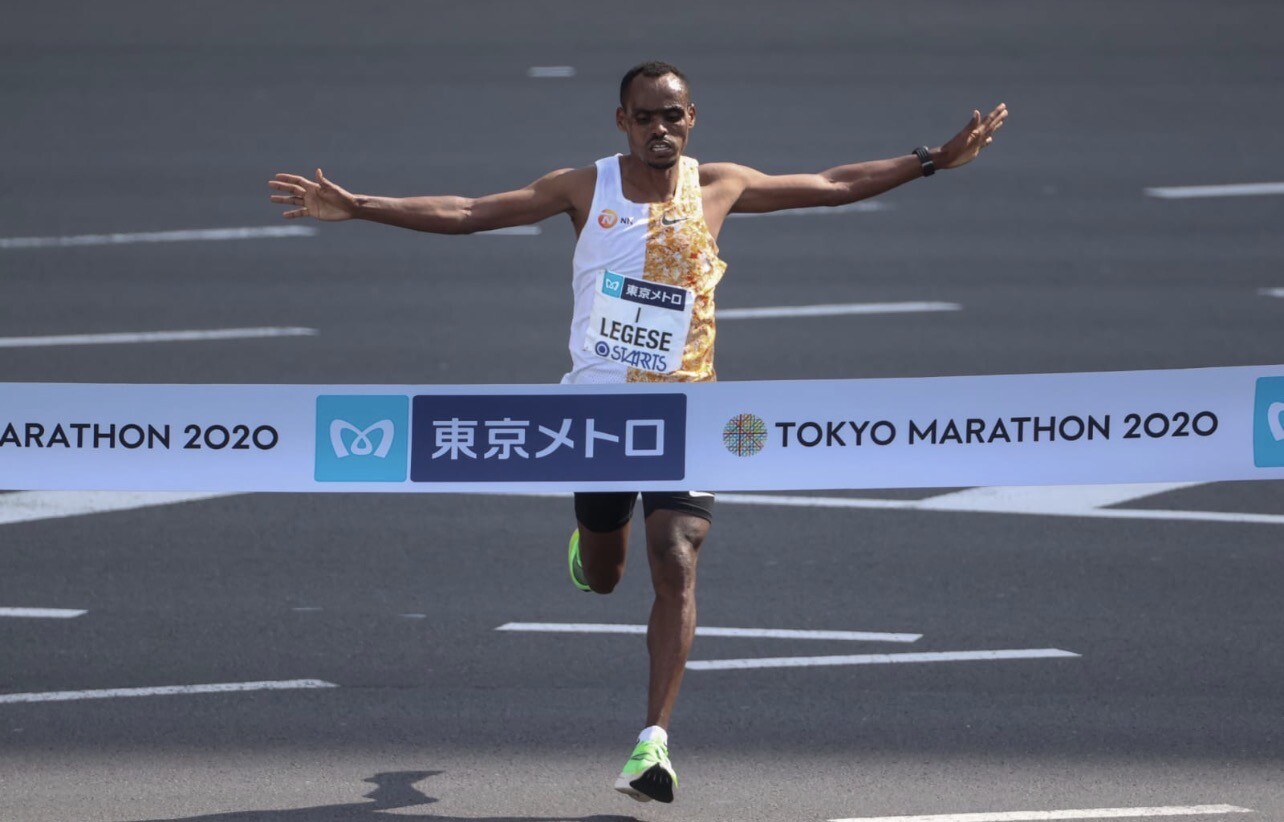
The women’s race promises just as much intrigue.
Shitaye Eshete of Ethiopia arrives as the fastest entrant on paper at 2:20:32, but she won’t have any room for comfort. Meskerem Assefa and Dolshi Tesfu are separated by only seconds in their personal bests, creating the potential for a tightly packed lead group deep into the race. Kenya’s Jackline Cherono and Aminet Ahmed bring tactical patience and finishing speed, capable of striking if the pace falters. Ethiopia’s Derartu Hailu adds further strength, while Gete Alemayehu’s marathon debut introduces an unpredictable and compelling storyline.
Rotterdam’s course has long rewarded boldness. Flat roads, wide turns, and enthusiastic crowds create the rhythm of a race built for speed. Commit early, hold steady, and the clock often delivers something special.
On April 12, expect a race run with purpose — aggressive splits, little hesitation, and athletes chasing more than just podium spots. In Rotterdam, history has a way of showing up when the gun goes off.
(02/04/2026) ⚡AMP
by Erick Cheruiyot for My Best Runs

NN Rotterdam Marathon
The marathon has been the biggest one-day sporting event in the Netherlands for many years in a row with over 35000 athletes professionals inclusive. The world's top athletes will at the start on the bustling coolsingel, alongside thousands of other runners who will also triumph,each in their own way.The marathon weekend is a wonderful blend of top sport and festival. ...
more...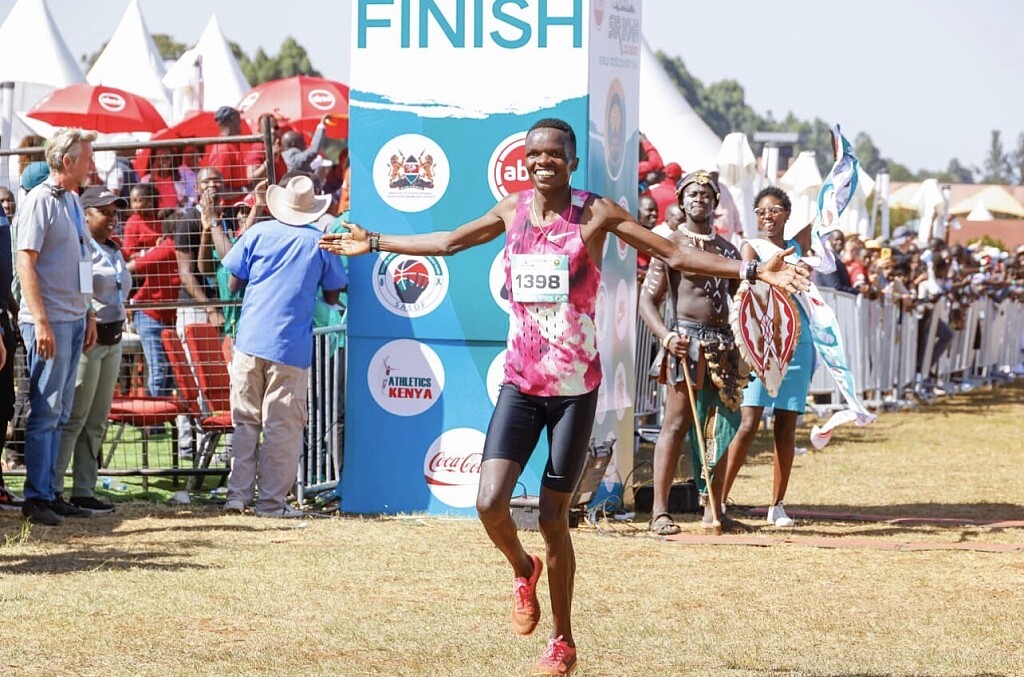
From Florida to Eldoret: World Champions Headline Valentine’s Day Showdown at the 2026 Sirikwa Classic Cross Country Tour
The global cross-country season shifts back to its spiritual home on February 14, as the rolling red-clay hills of Lobo Village in Kapseret, Eldoret, once again host one of the sport’s most anticipated stops on the calendar.
Now in its fifth edition, the Sirikwa Classic has grown from a strong regional race into a true international showcase. As a Gold Label meeting on the World Athletics Cross Country Tour, it regularly attracts Olympic finalists, world medalists, and the next wave of Kenyan stars. This year feels even bigger. Fresh off the world stage, champions arrive carrying momentum — and unfinished business.
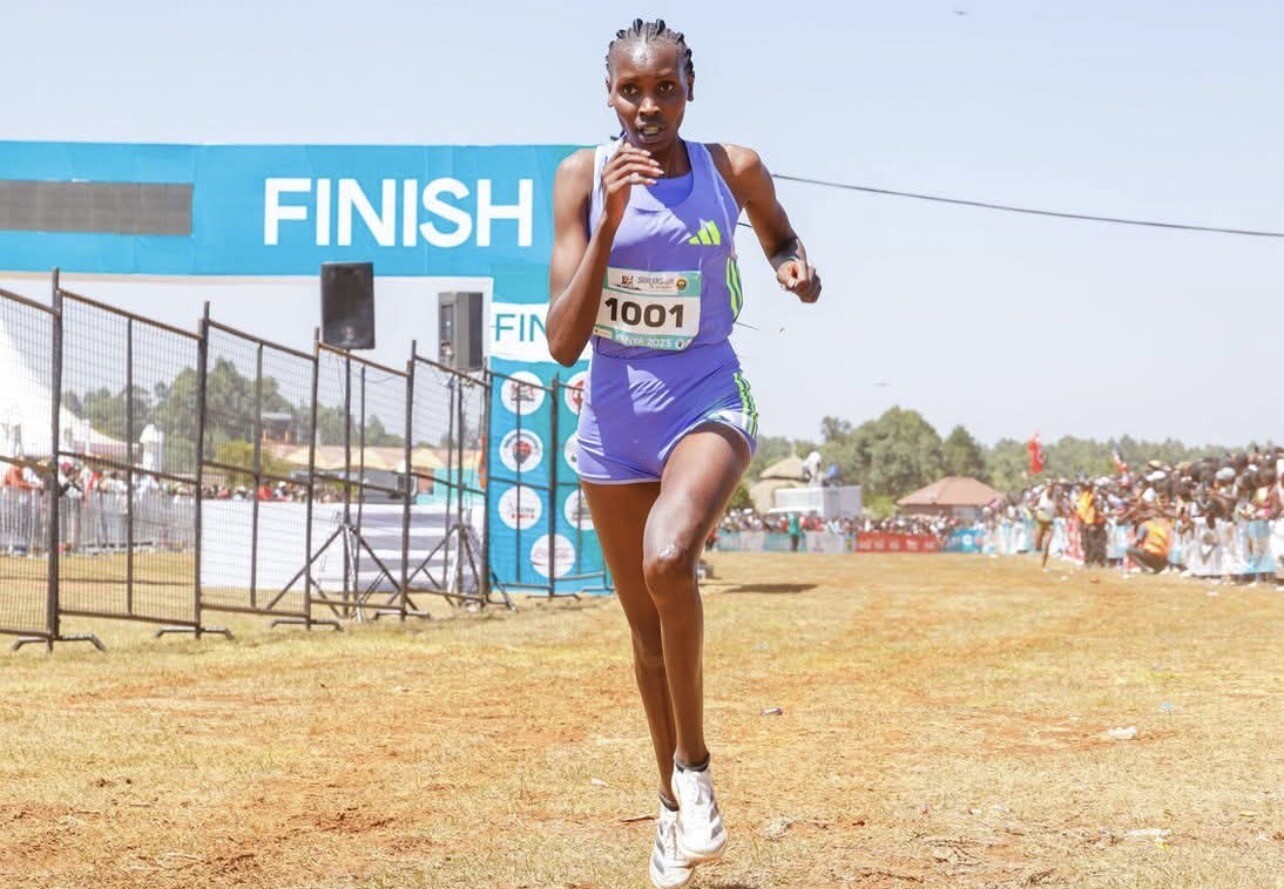
Ebenyo Chasing History
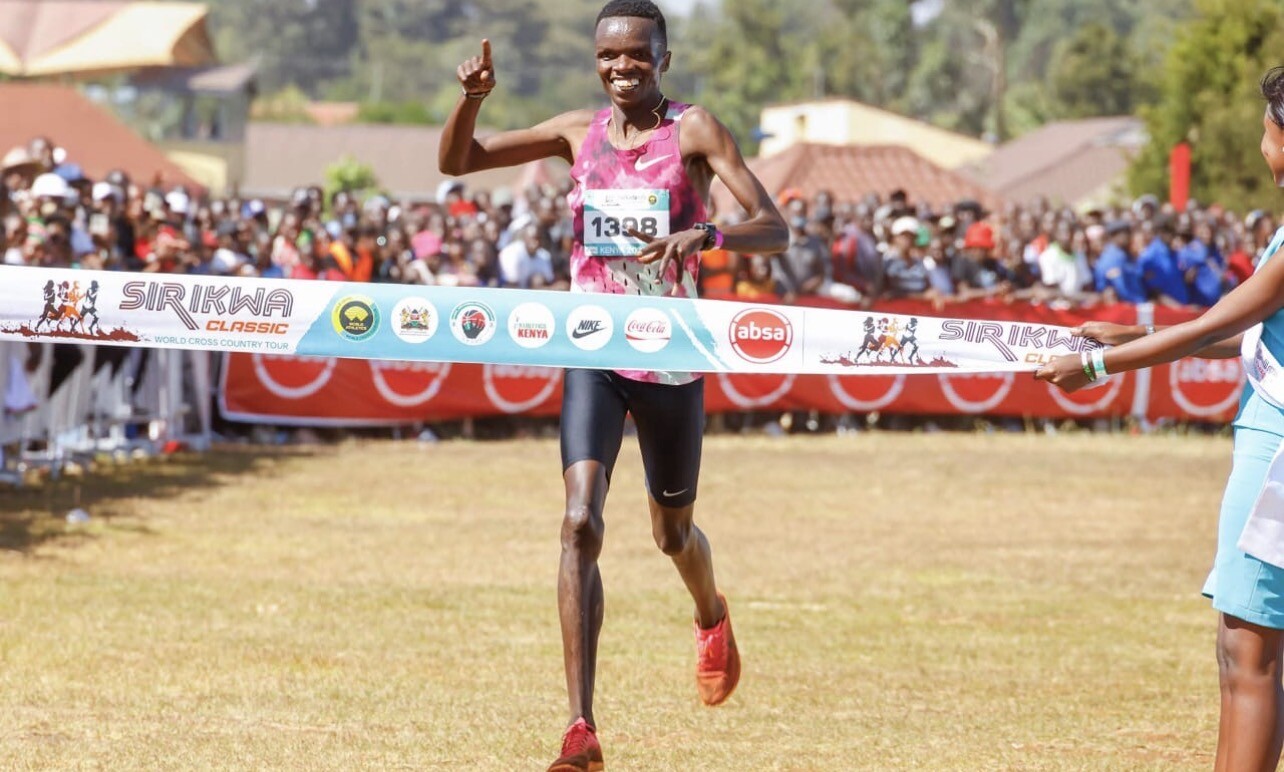
The spotlight in the senior men’s 10K falls squarely on Daniel Simiu Ebenyo.
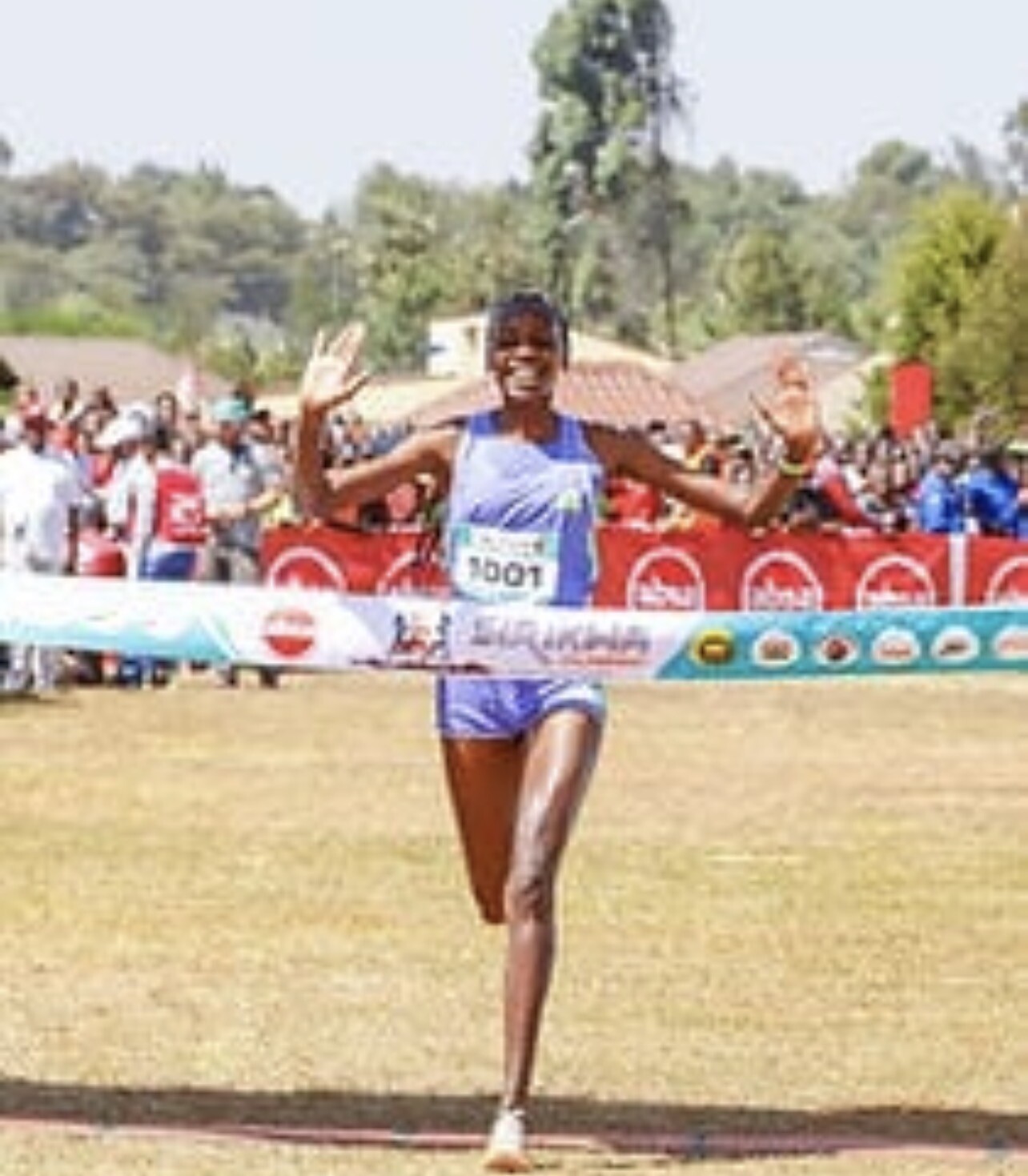
A fan favorite and proven cross-country specialist, Ebenyo returns to Eldoret aiming for something special: a third straight Sirikwa title. A hat-trick on this course would place him firmly among the event’s legends.
He comes in sharp.
Just weeks ago at the World Athletics Cross Country Championships in Tallahassee, Florida, Ebenyo battled through a demanding layout to secure an individual bronze medal — his first global cross-country podium. His 28:45 effort on a tough course confirmed what many already believed: he’s operating at another level.
But nothing comes easy in Eldoret.
Waiting are familiar rivals, including 2025 runner-up Gideon Kipkertich Rono and third-place finisher Nicholas Kipkorir. Expect an aggressive early pace and a rematch that could come down to the final climb.
Ngetich Returns as Queen of the Hills
If the men’s race promises fireworks, the women’s contest may be even more electric.
Defending champion Agnes Jebet Ngetich arrives as arguably the most dominant road and cross-country runner on the planet.
Over the past year, Ngetich has rewritten expectations. She owns the world 10K road record at 29:24 and became the first woman ever to break 30 minutes in a women-only race. Then she doubled down, capturing gold at the World Cross Country Championships in Tallahassee.
Now she returns to Eldoret wearing the target.
Challengers are lining up. Caren Chebet and Miriam Chebet, both top-ten finishers last year, will look to turn this into a tactical fight on home soil. But beating Ngetich on Kenyan terrain is a tall order. When she surges, few can respond.
The Next Generation Takes the Stage
As always, the Sirikwa Classic isn’t just about today’s stars — it’s about tomorrow’s.
The Under-20 races have quietly become talent factories, launching athletes toward global success.
In the U20 women’s 6K, nearly the entire 2025 top ten returns. Defending champion Cynthia Chepkurui renews her rivalry with Joyline Chepkemoi in what could be one of the day’s most unpredictable battles.
The U20 men’s 8K features rising names like Nehemiah Kipng’eno and Andrew Kiptoo Kiprop — young athletes studying the blueprint laid down by Ebenyo and Ngetich: dominate locally, then conquer the world.
Valentine’s Day, Kenyan Style
By the time athletes collect their bibs on February 13, the energy around Lobo Village will feel unmistakable. Coaches shouting splits, spikes crunching over dirt paths, and the thin high-altitude air carrying the buzz of expectation.
This isn’t just another meet.
It’s cross-country at its purest — hills, strength, heart, and pride.
With world medalists leading the charge and hungry juniors ready to break through, the 2026 Sirikwa Classic is shaping up to be a Valentine’s Day duel worthy of Kenya’s distance-running legacy.
Don’t blink. These races rarely wait for anyone.
(02/04/2026) ⚡AMPby Robert Kibet for My Best Runs
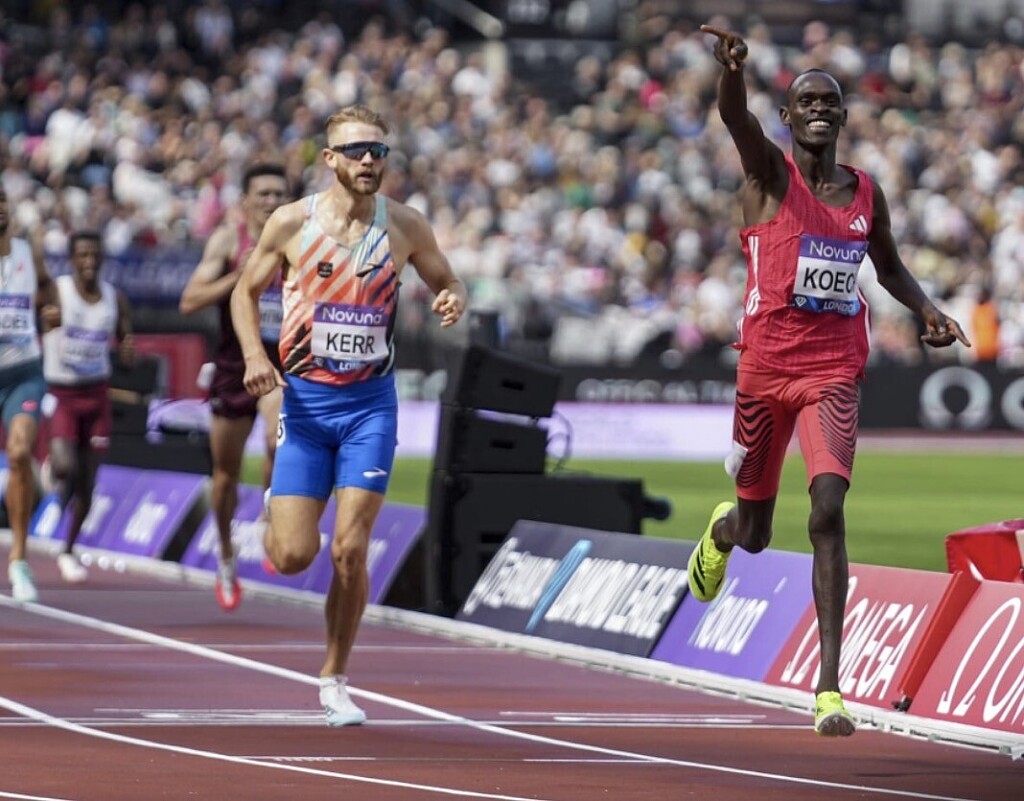
World Athletics Confirms Triple Dose of History as Three World Records Are Ratified Across Three Continents
World Athletics has officially ratified three extraordinary world records, confirming a rare and remarkable stretch of performances that unfolded across three continents in just days — a powerful reminder that the limits of human endurance and speed continue to move forward, fast.
From Boston to Paris to Sydney, the sport delivered a global showcase of excellence, youth, and precision.
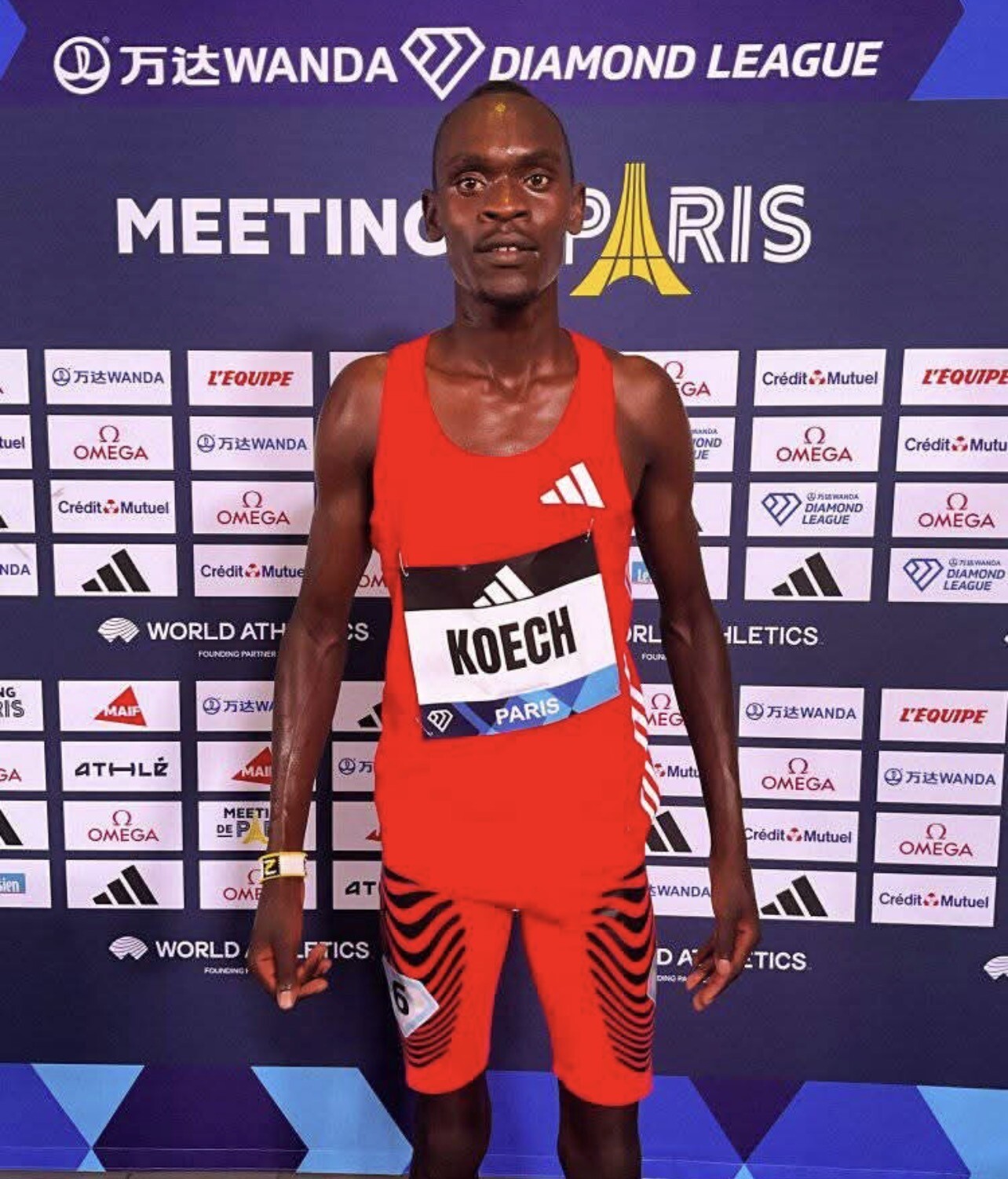
The surge began indoors in Boston.
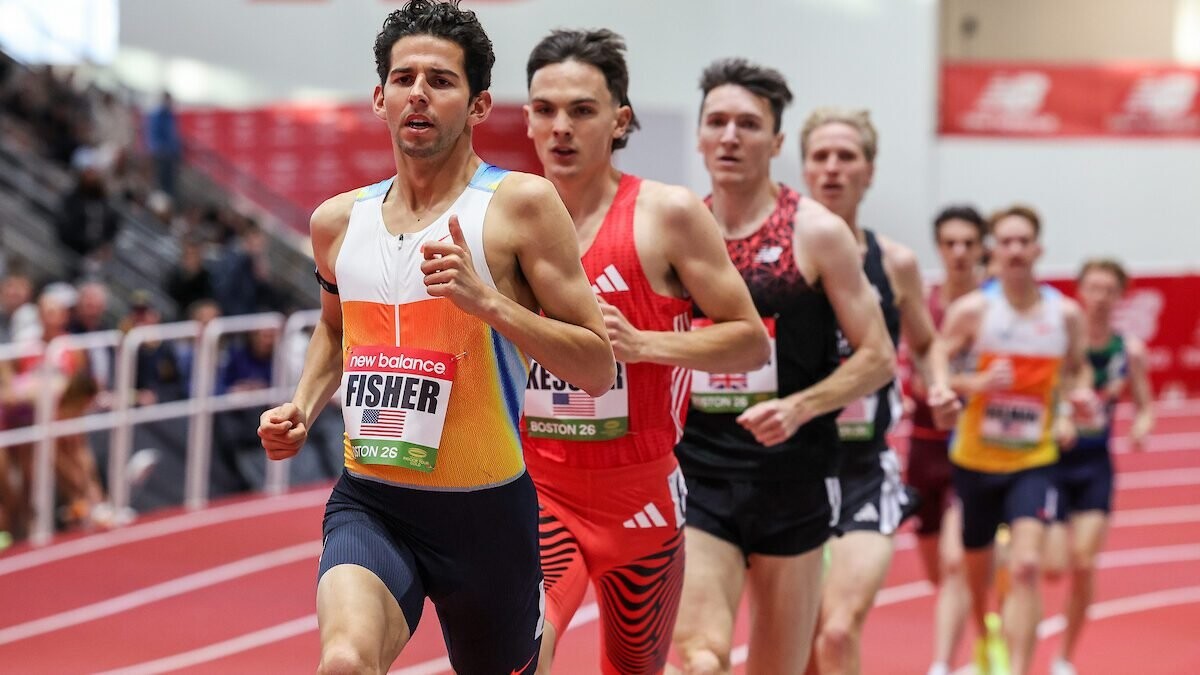
At the BU David Hemery Valentine International, American distance standout Grant Fisher produced one of the most commanding performances of the indoor season, storming to 12:44.09 for 5000 meters on the short track. The time erased a world record that had stood for more than two decades.
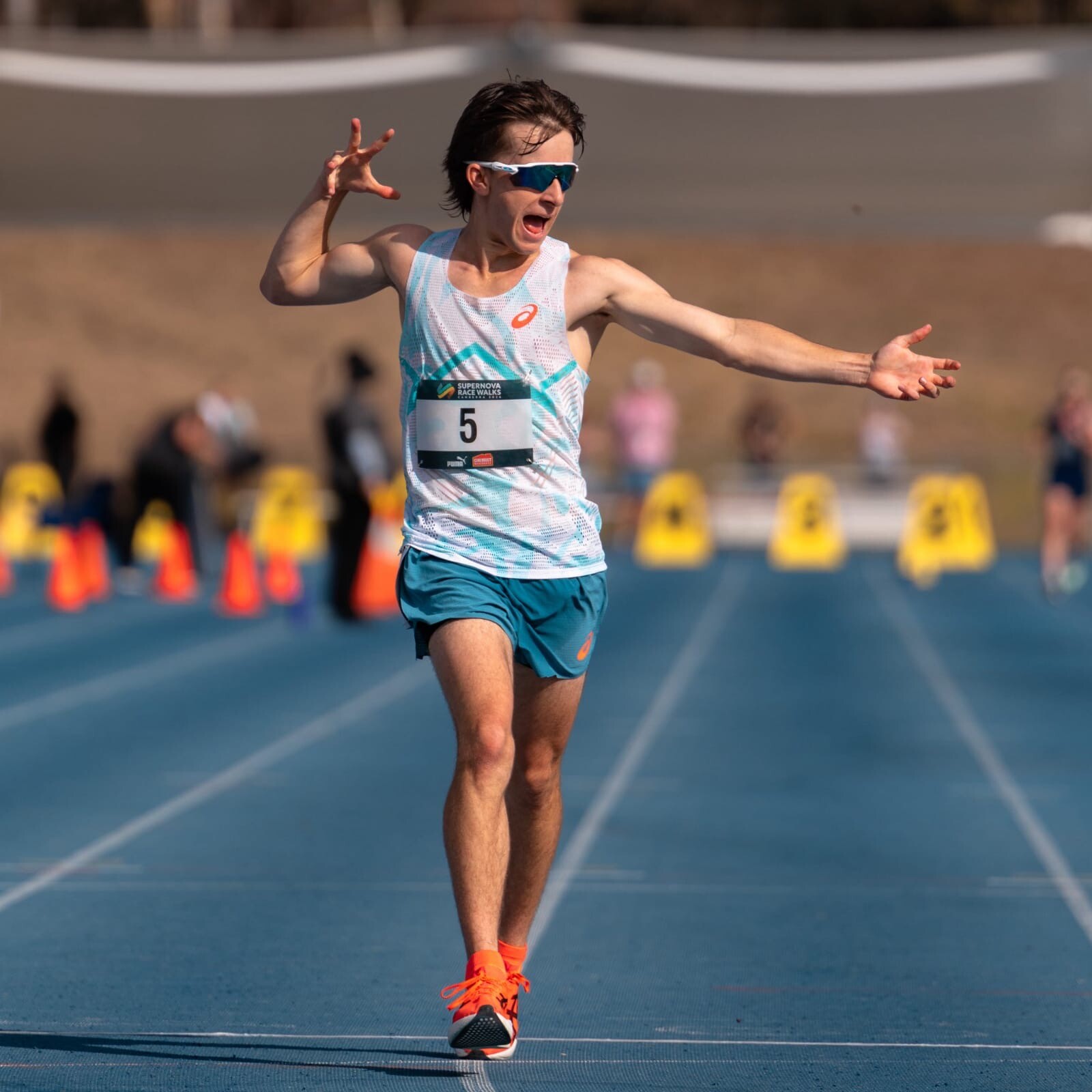
Fisher’s run was a study in rhythm and confidence. Calm through the early kilometers, he unleashed a devastating final lap that left no doubt. Coming just days after setting another world record at 3000 meters, the double breakthrough firmly establishes him as one of the defining distance runners of this generation.
Then the spotlight shifted to Paris — and to youth.
At the Meeting de Paris, Kenyan teenager Phanuel Koech announced himself on the world stage in unforgettable fashion. Though he crossed the line second in the Diamond League 1500 meters, the clock told the real story: 3:27.72.
That mark is now ratified as the men’s U20 world record.
More than an age-group milestone, it places Koech among the fastest 1500-meter runners in history — period. His composure, speed, and fearlessness against seasoned professionals signaled that Kenya’s next great middle-distance star has already arrived.
The journey concluded in Sydney, where patience and precision ruled the day.
Australia’s Isaac Beacroft, already a World U20 champion, delivered a masterclass at the NSW 10,000m Walk Championships. His time of 38:02.68 shattered a 25-year-old record in the men’s U20 10,000-meter race walk.
Race walking demands relentless discipline, perfect technique, and endurance under constant scrutiny. Beacroft handled it all with remarkable maturity, reinforcing his status as one of the brightest young talents in the discipline worldwide.
Taken together, these records represent more than just numbers on a results sheet.
They reflect the full spectrum of athletics — the raw power of distance running, the elegance of middle-distance speed, and the technical mastery of race walking. Different events, different continents, one shared message:
The next generation isn’t waiting its turn.
It’s already rewriting history.
With official ratification now complete, the marks are etched into the record books. And if this week proved anything, it’s that the sport’s future isn’t coming — it’s here.
(02/03/2026) ⚡AMPby Erick Cheruiyot for My Best Runs.
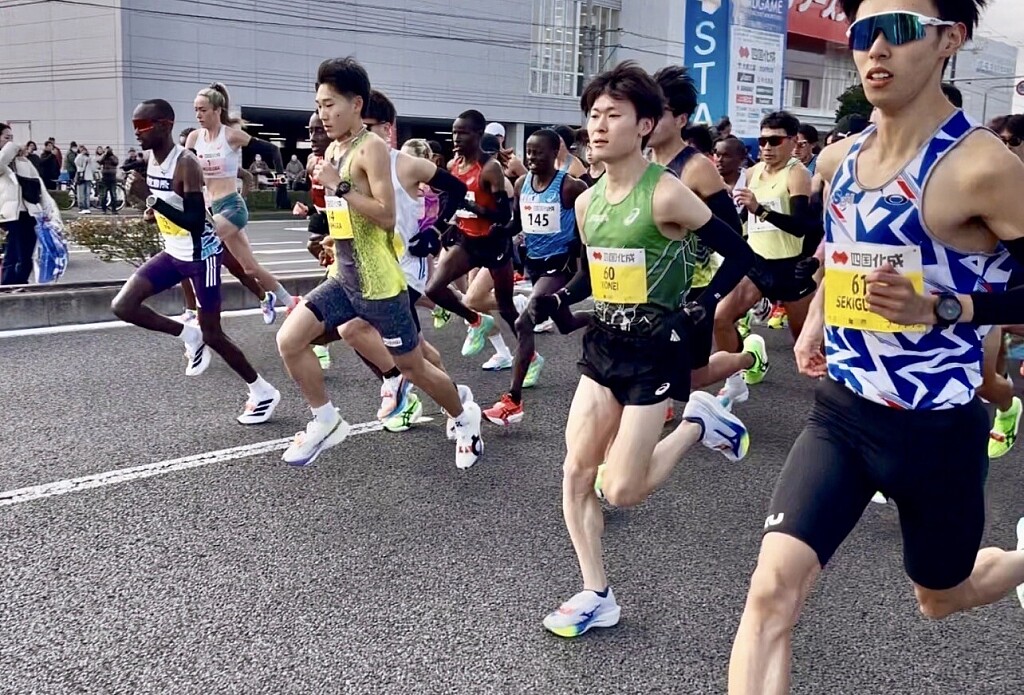
Fast Roads, Faster Ambitions: Marugame Sets the Early-Season Standard
The 78th Marugame International Half Marathon once again proved why it’s one of the fastest and most respected early-season races in the world.
On a cool winter morning in Kagawa, athletes took full advantage of the flat, quick course, turning the race into a showcase of smart pacing, sharp tactics, and pure speed. Marugame isn’t just about fitness — it’s about execution. And the athletes who got it right set the tone for the 2026 road season.
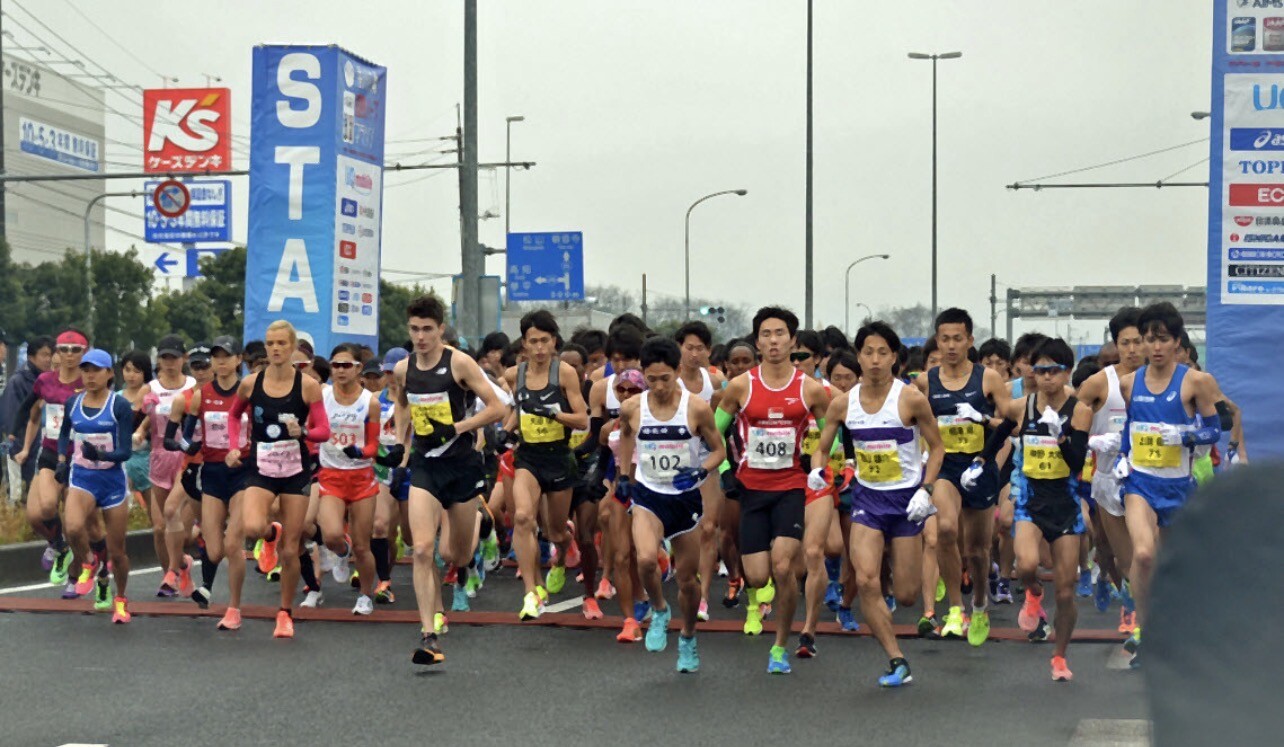
Kenya’s Richard Etir led the charge, winning the men’s race in 59:07. Known for his strength on the track at 5,000m and 10,000m, Etir ran with patience early before tightening the pace over the final kilometers. Once he moved, no one could respond.

“The conditions were perfect for a fast race,” he said. “I felt strong from the start.”
Emmanuel Moi Maru followed in 1:00:06, running a controlled, tactical race, while Uruguay’s Santiago Catrofe continued his strong transition from track to road with a 1:00:21 for third.
Japan’s depth was equally impressive. Tomoya Ogikubo (1:00:22) and Yuma Nishizawa (1:00:26) stayed close to the podium, highlighting the strength of the domestic program and giving the home crowd plenty to cheer.
The women’s race belonged to Kenya’s Dolphine Nyaboke Omare, who clocked 1:06:15. Comfortable and composed from the front, she used her experience on the course to control the pace and steadily pull away.
“It’s always special to run here,” Omare said. “You have to respect every kilometre.”
Great Britain’s Eilish McColgan finished second in 1:07:08, using the race as a stepping stone following her marathon debut year, while Susan Kamotho completed the podium in 1:07:56, reinforcing Kenya’s continued dominance in women’s distance running.
Year after year, Marugame delivers the same message: fast roads reward smart racing. For many athletes, it’s the first big statement of the season — and this year’s performances made it clear that 2026 is already shaping up to be quick.
Official Results
Men (Top 10)
1. Richard Etir (KEN) — 59:07
2. Emmanuel Moi Maru (KEN) — 1:00:06
3. Santiago Catrofe (URU) — 1:00:21
4. Tomoya Ogikubo (JPN) — 1:00:22
5. Yuma Nishizawa (JPN) — 1:00:26
6. Neo Namiki (JPN) — 1:00:29
7. Daisuke Sato (JPN) — 1:00:40
8. Sondre Nordstad Moen (NOR) — 1:00:46
9. Haruka Yamamoto (JPN) — 1:00:46
10. Takuma Ohama (JPN) — 1:00:48
Women (Top 10)
1. Dolphine Nyaboke Omare (KEN) — 1:06:15
2. Eilish McColgan (GBR) — 1:07:08
3. Susan Kamotho (KEN) — 1:07:56
4. Isobel Batt-Doyle (AUS) — 1:08:51
5. Yuka Ando (JPN) — 1:09:28
6. Kana Kobayashi (JPN) — 1:10:29
7. Hikaru Kitagawa (JPN) — 1:10:50
8. Mirai Waku (JPN) — 1:11:00
9. Ayumi Morita (JPN) — 1:11:16
10. Kaede Hagitani (JPN) — 1:11:38
(02/01/2026) ⚡AMPby Robert Kibet for My Best Runs

Kagawa Marugame Half Marathon
The Kagawa Marugame Half Marathon is an annual road running competition which takes place in early February in Marugame, Japan. It currently holds IAAF Silver Label Road Race status and the professional races attract over 1000 entries each year, and hosted by the Sankei Shimbun, Sankei Sports, Okayama Broadcasting, BS Fuji. The race in Marugame was first held in 1947...
more...
Gladys Chepngetich Breaks 13-Year Kenyan Indoor Record and Rises to No. 2 in NCAA History
Kenyan middle-distance star Gladys Chepngetich of Clemson University produced a historic performance at the 2026 John Thomas Terrier Classic, delivering a run that resonated far beyond a single race and rewrote multiple chapters of the record books.
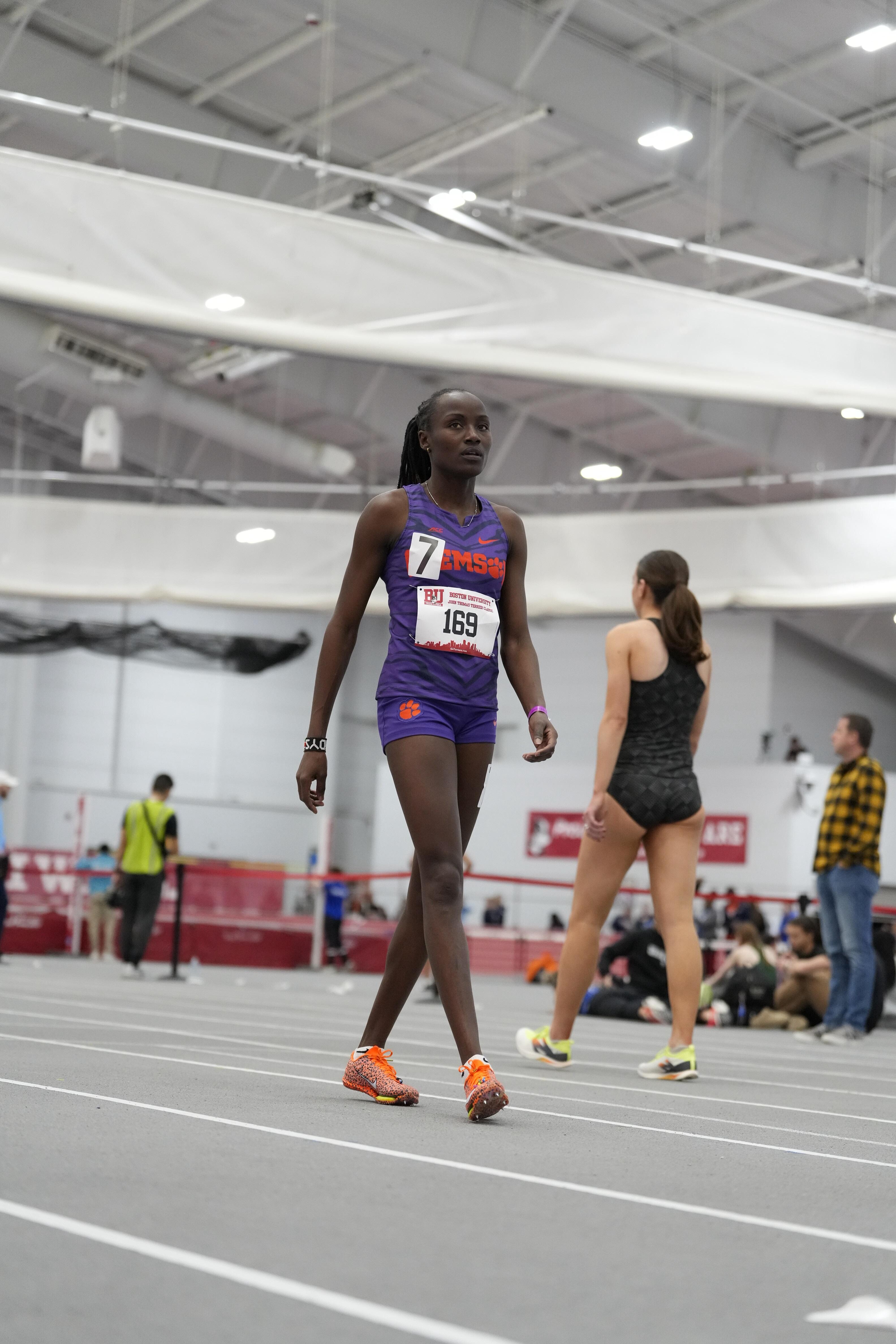
Chepngetich finished third in a blisteringly fast women’s 800 meters, stopping the clock at 1:58.81. She finished behind Britain’s Isabelle Boffey, who won the race in 1:57.43, and American standout Roisin Willis, who claimed second place in 1:57.97, in what became one of the fastest indoor 800m races ever assembled.
While the podium position reflected the depth of the field, the time itself carried historic weight. Chepngetich’s 1:58.81 shattered Kenya’s national indoor 800m record, eclipsing the long-standing mark of 1:58.83 set by Olympic champion Pamela Jelimo on March 11, 2012. The record had stood untouched for 13 years, making Chepngetich’s achievement a defining moment for Kenyan middle-distance running.
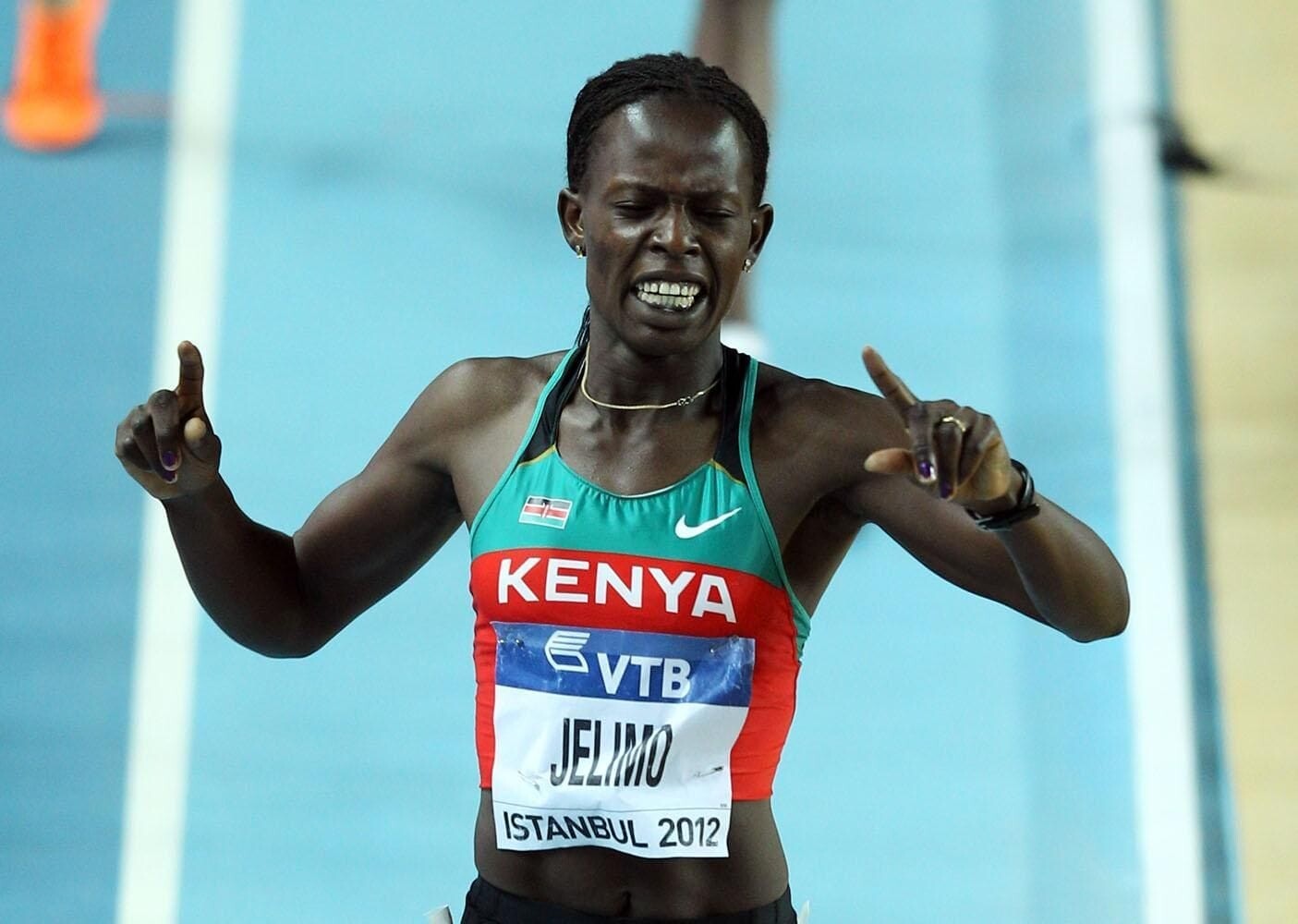
The performance also propelled her into elite collegiate company. Her time now ranks as the second-fastest indoor 800 meters in NCAA history, surpassed only by Athing Mu’s iconic 1:58.40. In a single race, Chepngetich vaulted from 24th on the NCAA all-time list to second, a dramatic rise that underscores just how exceptional the run was.
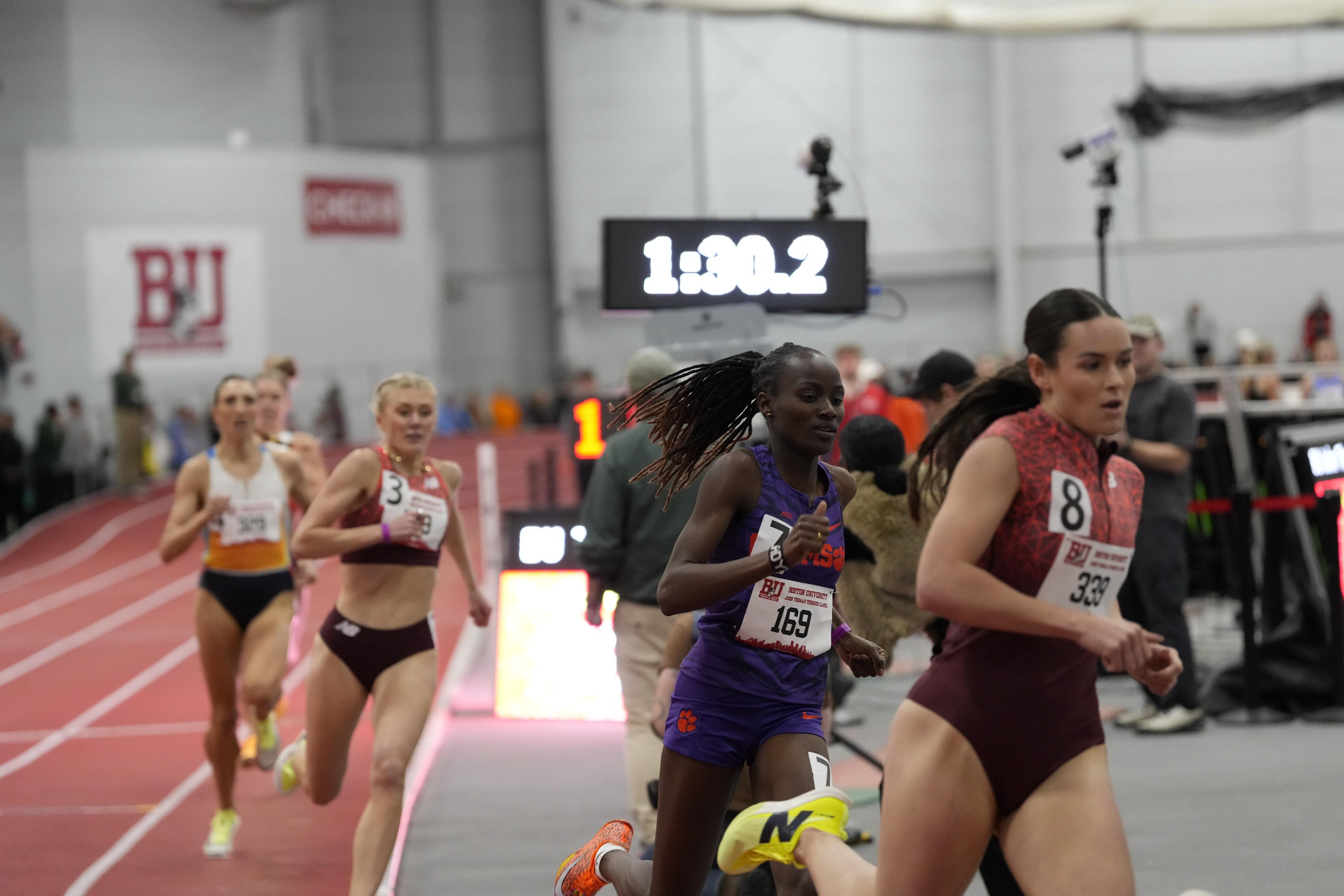
Competing on a fast indoor track against world-class opposition, the Clemson Tiger displayed tactical intelligence and composure. She stayed controlled through the early stages, responded decisively when the pace surged, and closed strongly—hallmarks of an athlete ready for the highest levels of competition.
Pamela Jelimo’s record once symbolized a golden era of Kenyan dominance in the 800 meters. By surpassing it, Chepngetich has not erased that legacy but extended it, blending Kenya’s rich middle-distance tradition with the growing influence of NCAA competition on the global stage.
With the 2026 season still unfolding, Gladys Chepngetich’s breakthrough signals more than just a record—it announces the arrival of a new force in women’s middle-distance running, one now firmly etched into both Kenyan and NCAA history.
(01/31/2026) ⚡AMPby Erick Cheruiyot for My Bestruns.
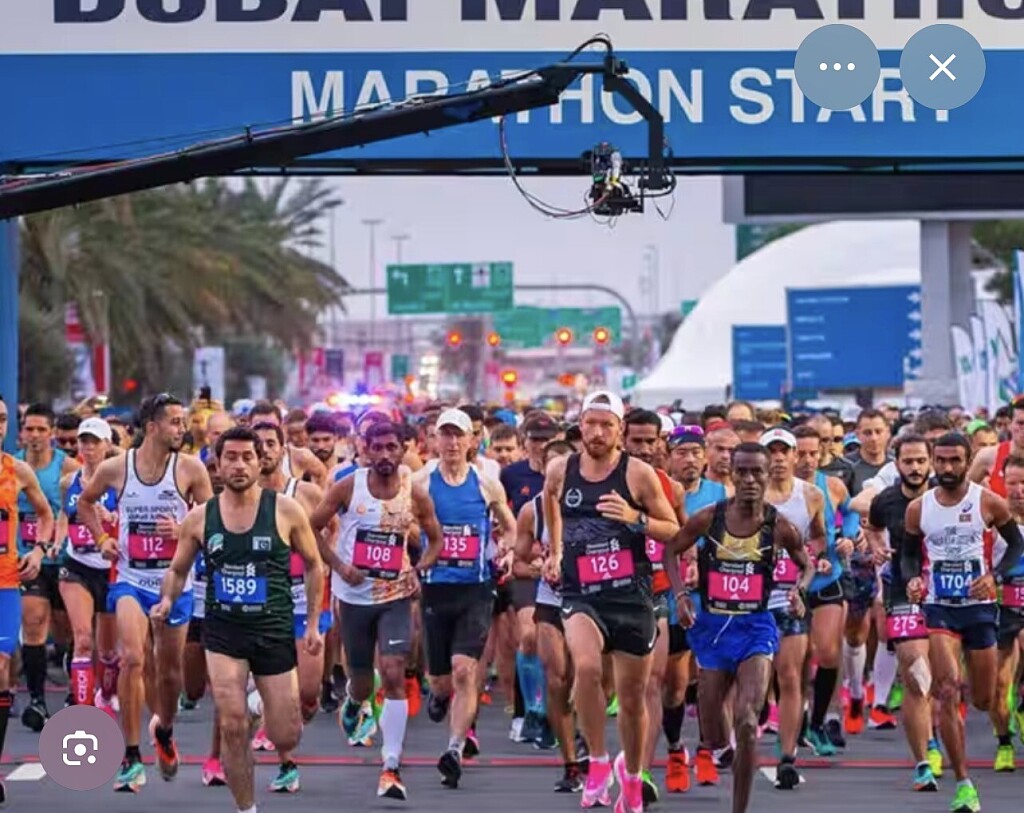
Dubai at 25: A Proven Launchpad for Ethiopian Marathon Greatness
When the Dubai Marathon made its debut at the turn of the 21st century, the city itself was still compact—just a few square kilometres around the centuries-old trading settlement of Dubai Creek. Fewer than 200 runners lined up for that first marathon, with several hundred more opting for the half-marathon.
A quarter century later, Dubai has expanded dramatically toward Abu Dhabi, its metro stretching to the edges of the desert. The marathon has grown just as impressively, now standing as one of the world’s most prominent road races, drawing thousands across the marathon, 10K, and 4K events.
In its early years, winning times were respectable but modest—around 2:10 for men and the mid-2:30s for women. That changed decisively in 2008, when race director Peter Connerton and his partner Ahmad Al Kamali brought world record holder Haile Gebrselassie to Dubai for three consecutive years. Haile’s first appearance alone lowered the course record by more than five minutes, instantly propelling Dubai into the top tier of global marathons.
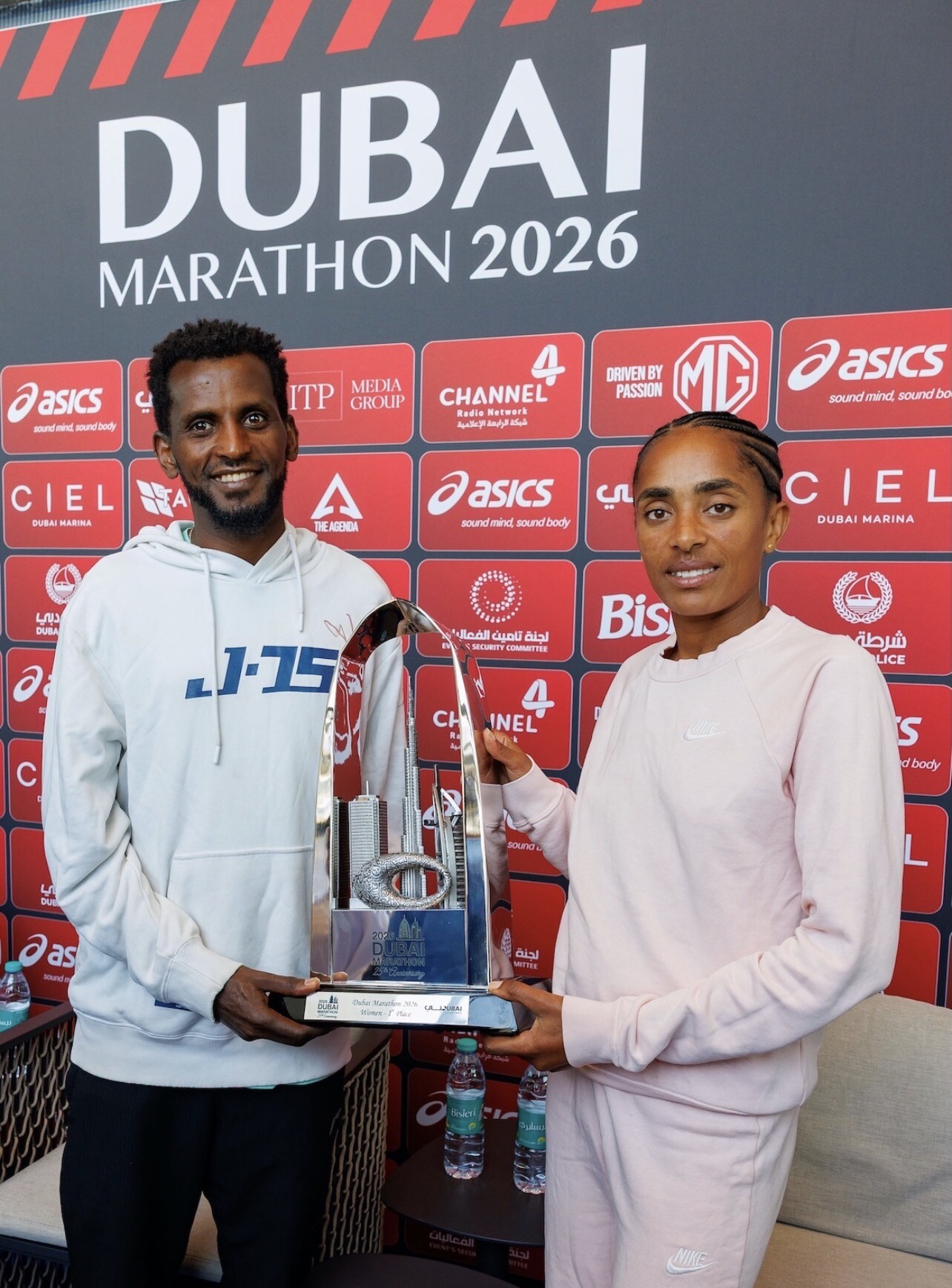
As the focus shifted toward debut runners, the race continued to redefine what was possible. In 2012, on a record-eligible course, four men finished under 2:05, ten under 2:07, and 17 under 2:10, while three women broke 2:20—achievements that came before supershoes and modern performance supplements pushed times even further.
Dubai’s reputation as a launchpad for greatness was reinforced in 2014, when 18-year-old Tsegaye Mekonnen of Ethiopia stunned the field with a debut victory in 2:04:32, an unofficial junior world record. In 2018, seven men broke 2:05 and four women dipped under 2:20—both unprecedented at the time. A year later, Ruth Chepngetich of Kenya claimed victory in 2:17:08, then the third-fastest women’s marathon ever, while Ethiopia’s Getaneh Molla won the men’s race in 2:03:34, setting a course record that still stands.
Time and again, Ethiopian runners have used Dubai’s exceptionally fast course—its total elevation change is only a few metres—as a springboard to world-class success. Remarkably, the men’s race has been won by debutants five times in a row. Two years ago, Tigist Ketema delivered another standout debut, winning the women’s race in a course-record 2:16:07, an unofficial debut world record that remains intact.
Several Dubai champions have gone on to achieve global success. Lelisa Desisa later became the 2019 Marathon World Champion, while Tamirat Tola captured Olympic gold in 2024. Dubai’s influence has also helped spark the growth of other major regional races, including the Abu Dhabi Marathon and the Ras Al Khaimah Half Marathon, now under the same management.
Sunday’s 25th-anniversary edition marks a milestone that reflects both longevity and resilience. The pandemic forced a two-year pause, but the event has re-established itself with strong prize money—$80,000 for the men’s and women’s winners—and performances that continue to rank among the world’s best.
Conditions appear ideal this year. With an earlier elite start time of 5:45 a.m., temperatures are expected to hover around a cool 16°C. Ethiopia’s Fantu Worku, who ran 2:21:57 in her Berlin debut four months ago, will welcome the change after racing in much warmer conditions. On the men’s side, Gadisa Birhanu arrives with a personal best of 2:04:59 from his 2023 Seville victory and a clear objective: contend for the win on one of the fastest marathon stages in the world.
A live stream of the Dubai Marathon will be available on race morning via the event’s official website.
Favourites with Personal Bests
Men
• Gadisa Birhanu (ETH) – 2:04:59
• Berehanu Tesgu (ETH) – 2:05:24
• Abera Kuma (ETH) – 2:05:50
• Deribe Robi (ETH) – 2:05:58
• Hailu Zewdu (ETH) – 2:06:31
• Belay Bezabeh (ETH) – 2:06:58
• Gadissa Tafa (ETH) – 2:07:02
• Gizealew Ayana (ETH) – 2:07:15
• Yasin Haji (ETH) – 2:07:45
• Nibret Melak (ETH) – Debut
• Semachw Sewnet (ERI) – Debut
Women
• Mimi Belete (BRN) – 2:21:22
• Fantu Worku (ETH) – 2:21:57
• Anchinalu Dessie (ETH) – 2:22:17
• Tigst Getnet (ETH) – 2:23:17
• Abebech Afework (ETH) – 2:23:33
• Sofia Assefa (ETH) – 2:23:33
• Zinash Mekonen (ETH) – 2:24:55
• Muliye Dekebo (ETH) – 2:25:35
• Maritu Ketema (ETH) – 2:25:55
• Tadelech Bekele (ETH) – 2:26:23
• Lemlem Hailu (ETH) – No mark
• Alemaddis Eyayu (ETH) – Debut
• Aberash Shilima (ETH) – Debut
(01/30/2026) ⚡AMPby Race News Service

Dubai Marathon
In its relatively brief history (the race was first held in 2000), the Dubai Marathon has become one of the fastest, most respected and the most lucrative marathon in the world in terms of prize money. Each year thousands of runners take to the roads in this beautiful city in the United Arab Emirates (UAE) for this extraordinary race starting...
more...
Sandals, Speed, and History: Barnabas Kiplimo Shines at the 2026 Buriram Marathon
On Saturday, January 24, 2026, the streets of Buriram, Thailand hosted one of the most eye-catching marathon performances of the season. It wasn’t just about the winning time or the podium finish—it was about how the race was won.
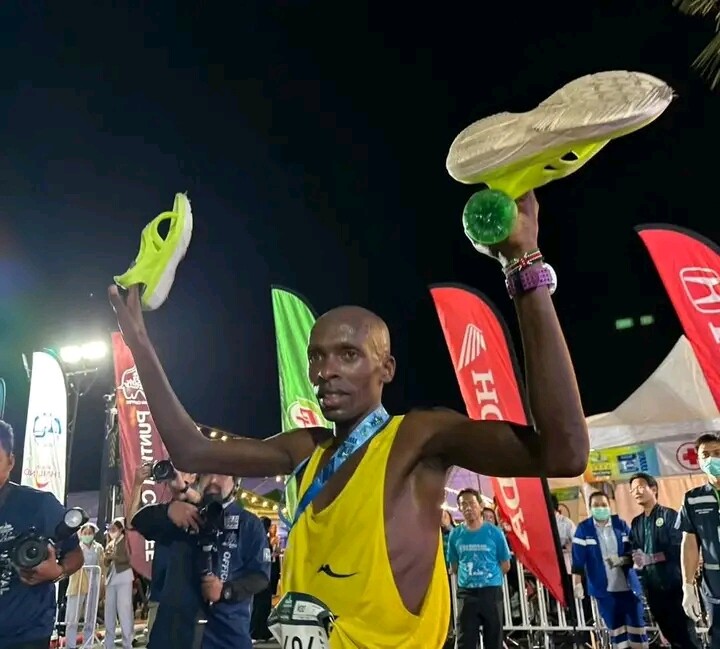
Kenyan runner Barnabas Kiplimo once again rewrote the script, storming to victory at the Buriram Marathon in a remarkable time of 2:21:16. What made the performance truly unforgettable was not only the speed, but the footwear—or rather, the lack of conventional shoes. Kiplimo crossed the finish line wearing carbon-fiber plated racing sandals, produced by Thai brand Ving Thailand, the same model that carried him to victory the previous year.
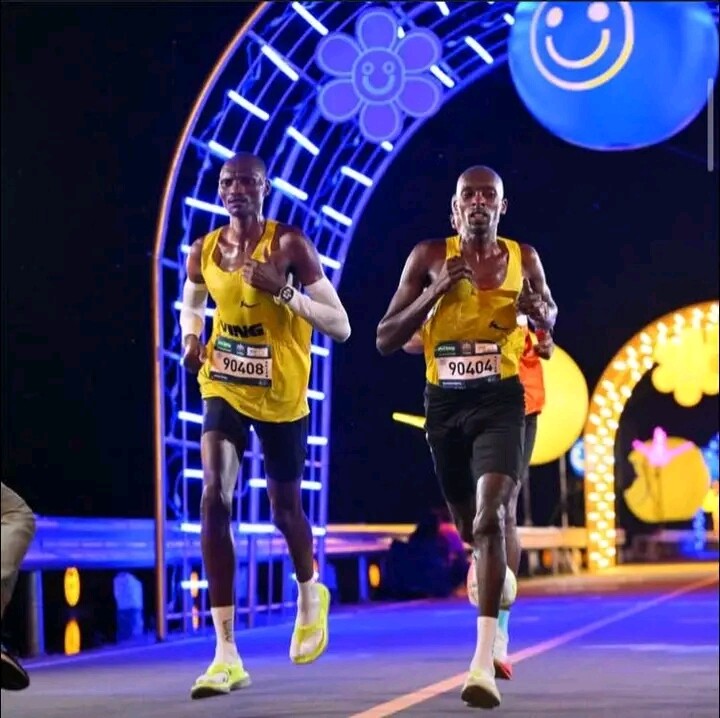
This win marked yet another milestone in Kiplimo’s unconventional rise. In 2025, he had already turned heads by winning the Khon Kaen Marathon in Thailand with an even faster time of 2:18:55, becoming the first elite marathon winner to achieve such a feat using the brand’s original sandal model. That breakthrough sparked global curiosity—and now, history has repeated itself.
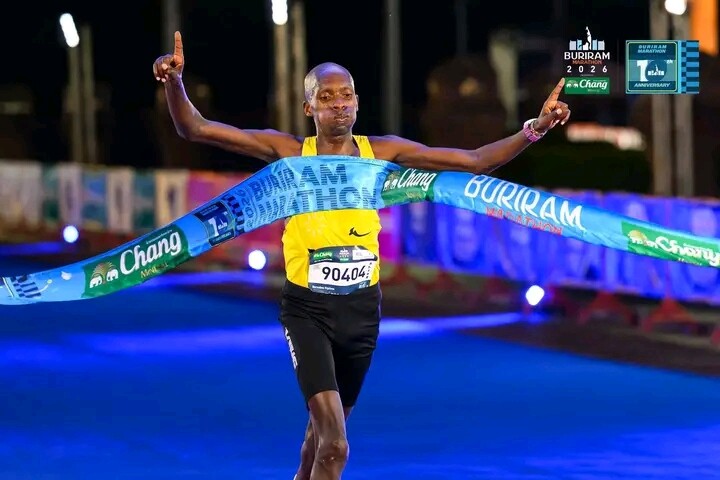
This time, Kiplimo raced in the Nirun model, Ving Thailand’s latest innovation. According to the brand, the philosophy behind Nirun is to “simplify the footwear industry” by creating what they describe as the world’s first super sandal—a minimalist design fused with modern performance technology, including a carbon-fiber plate usually reserved for elite racing shoes.
What made the Buriram Marathon even more compelling was the fact that Kiplimo was not alone in proving the concept. The third-place finisher, fellow Kenyan Julius Tarus, also competed in the performance sandals, reinforcing that this was no gimmick—it was a genuine shift in how marathon racing can be approached.
2026 Buriram Marathon – Men’s Podium
1. Barnabas Kiplimo (Kenya) – 2:21:16
2. Wendwesen Dante (Ethiopia) – 2:22:52
3. Julius Tarus (Kenya) – 2:27:34
As marathon running continues to evolve through innovation and bold experimentation, Barnabas Kiplimo’s success challenges long-held assumptions about performance footwear. In Buriram, tradition met innovation—and innovation prevailed.
From Kenya to Thailand, and from shoes to sandals, one thing is now clear: the future of marathon running may look very different from what we once imagined.
(01/30/2026) ⚡AMPby Erick Cheruiyot for My Bestruns.

Buriram Marathon
Thailand's First Gold label Marathon! Buriram Marathon is created by Mr.Newin Chidchob, the President of Buriram United and the Executive of Chang International Circuit, aiming to promote Buriram as a “Thailand’s Sport City Center.” The purposes of Buriram Marathon are to make Buriram one of the best marathon stadiums in the world, and to be a destination that the every...
more...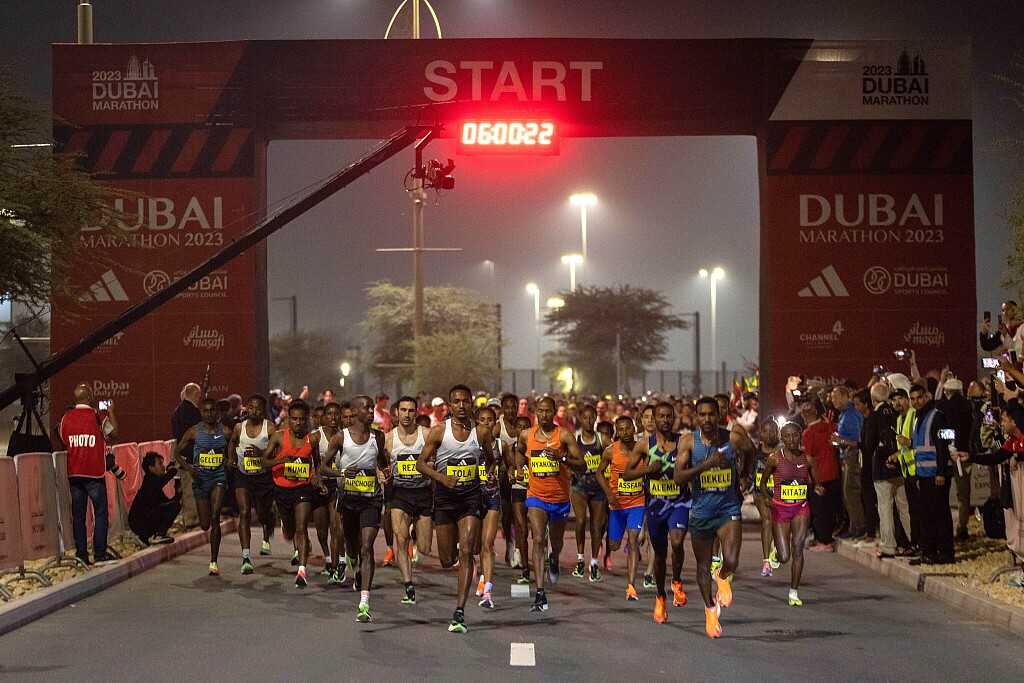
Dubai Awaits a World-Class Marathon Morning as Elite Stars Chase Speed and Glory
Dubai is set to wake up to world-class distance running on Sunday, February 1, 2026, as an outstanding elite field lines up for one of the fastest and most anticipated marathons on the global calendar. Known for its smooth roads, cool early-morning conditions, and history of exceptional performances, the Dubai Marathon once again offers the perfect stage for the world’s best to chase fast times and major victories.
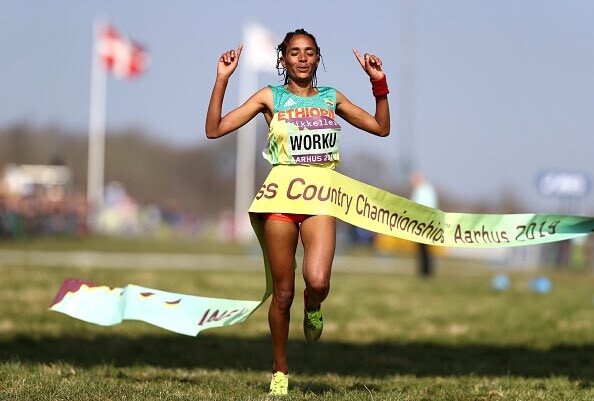
Leading the women’s race is Ethiopia’s Fantu Worku, who arrives with a personal best of 2:21:57 and the confidence of an athlete well accustomed to performing on big occasions. She will be closely challenged by compatriot Anchinalu Dessie (2:22:17), whose consistency and strength over the full distance make her a serious threat. Also in the mix are Tigist Getnet (2:23:17) and Abebech Afework (2:23:33), two experienced runners capable of turning a fast early pace into a decisive late-race move if conditions remain favorable.
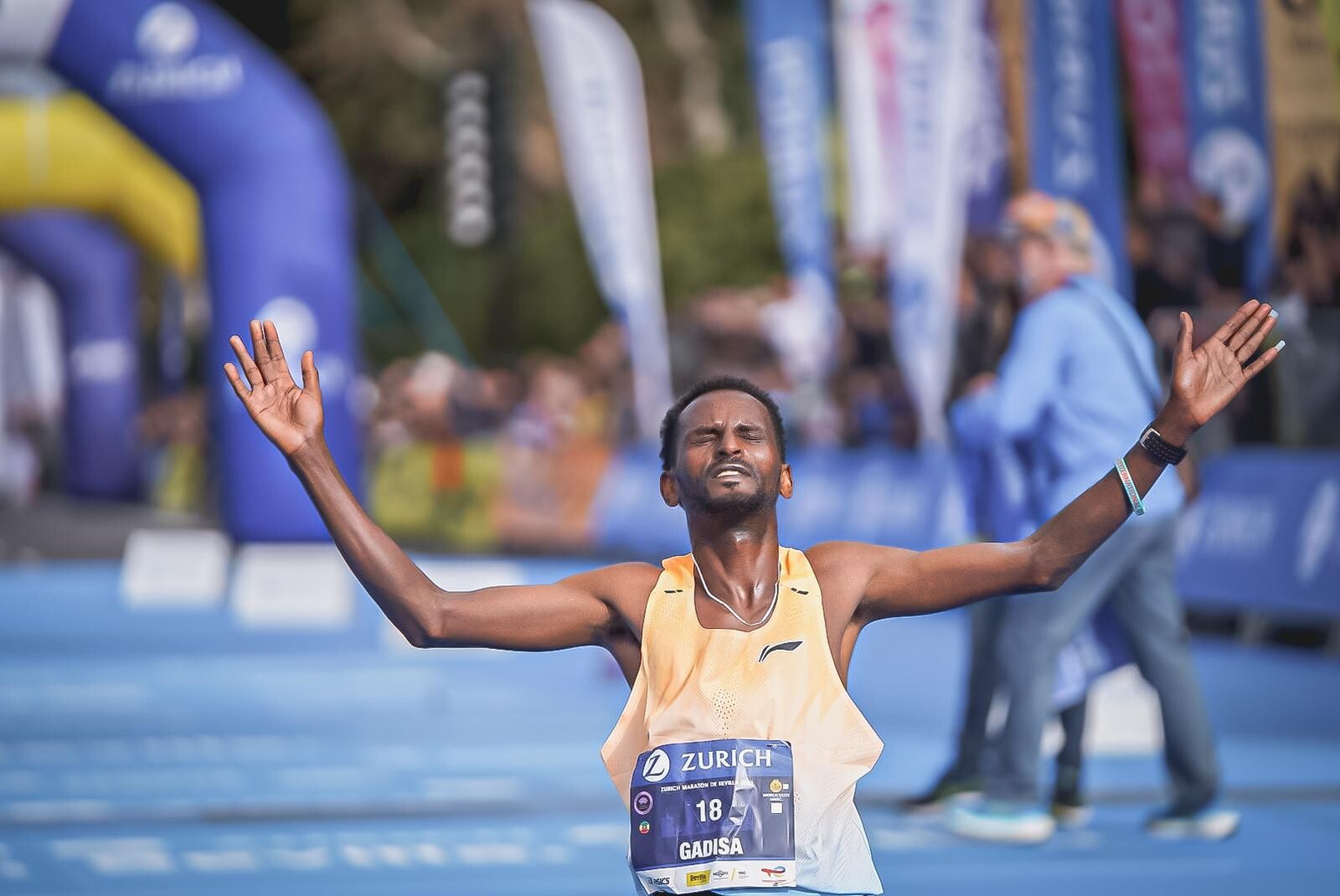
The men’s elite contest promises equal intensity and speed. Gadisa Birhanu of Ethiopia headlines the field with a formidable personal best of 2:04:59, underlining his status as one of the quickest marathoners in the world. Fellow Ethiopian Berehanu Tsegu (2:05:14) brings aggressive racing instincts, while Kenya’s Eric Kiptanui (2:05:47) adds depth and international rivalry to the field. Completing a formidable leading group is Abera Kuma (2:05:50), another athlete well positioned to capitalize if the race unfolds at a relentless tempo.
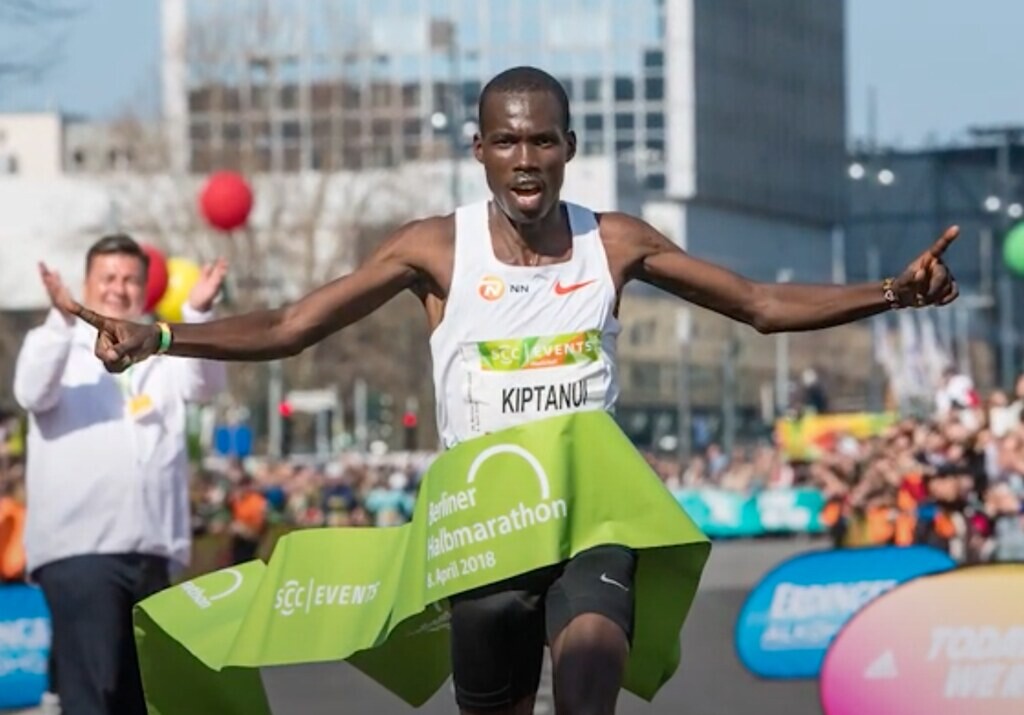
The race begins at 5:45 AM local time in Dubai, a start designed to maximize performance under cool conditions. Fans across Africa will be watching from 4:45 AM, while audiences in the United States can follow the action on Saturday evening at 5:45 PM Pacific Time, as the marathon unfolds across time zones.
With a lineup stacked with proven performers and emerging contenders, the 2026 Dubai Marathon is set to deliver a showcase of speed, endurance, and tactical racing at the highest level. As dawn breaks over the city, the world’s fastest athletes will chase excellence on the road, reaffirming Dubai’s place as a true home of elite marathon running.
(01/30/2026) ⚡AMPby Erick Cheruiyot for My Bestruns.
Dubai Marathon
In its relatively brief history (the race was first held in 2000), the Dubai Marathon has become one of the fastest, most respected and the most lucrative marathon in the world in terms of prize money. Each year thousands of runners take to the roads in this beautiful city in the United Arab Emirates (UAE) for this extraordinary race starting...
more...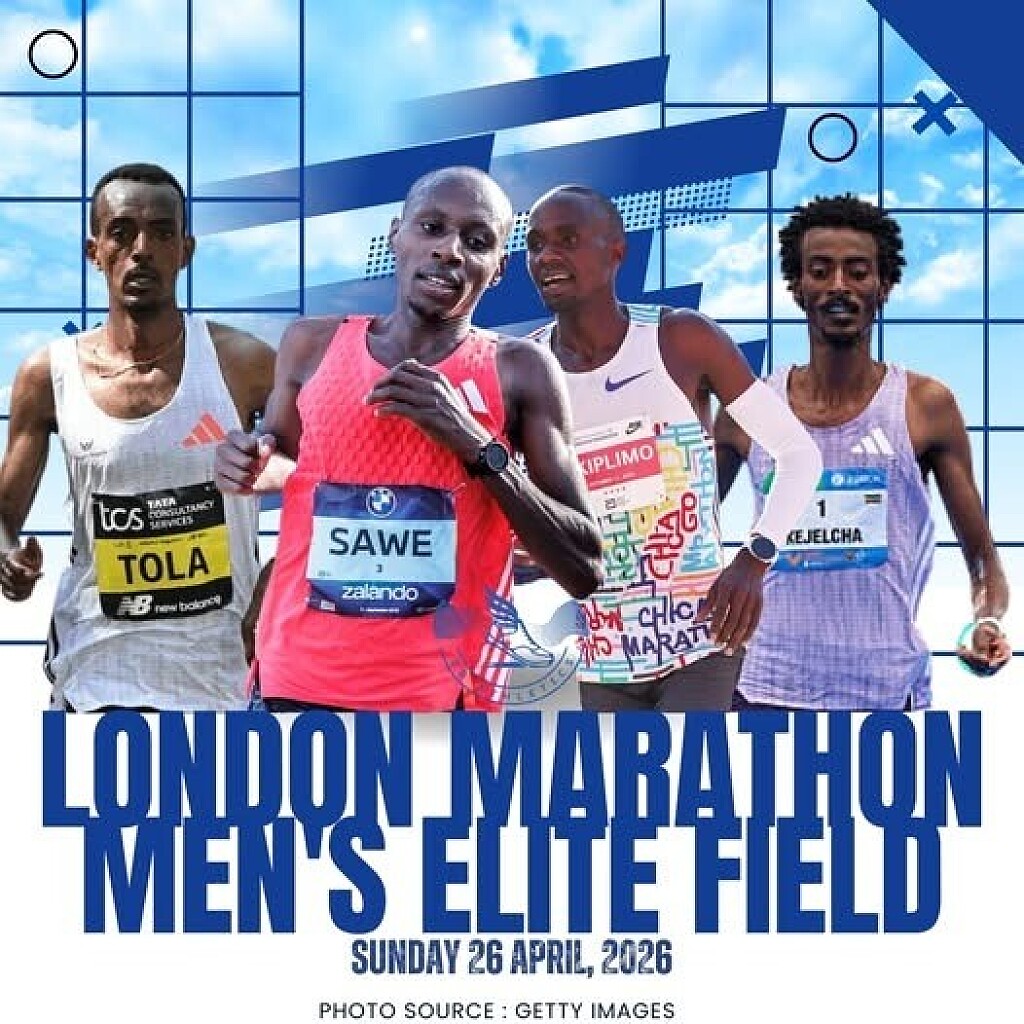
London Awaits a Blockbuster Men’s Marathon as World-Class Stars Line Up on April 26, 2026
The TCS London Marathon, set for Sunday, April 26, 2026, is already shaping up to be one of the most compelling races in the event’s rich history. The men’s elite start list reveals a field defined not just by star power at the top, but by extraordinary depth throughout—bringing together proven champions, fearless challengers, and highly anticipated debutants on one of the world’s fastest and most iconic courses.
Leading the charge is Sebastian Sawe of Kenya, the fastest man entered with a personal best of 2:02:05. Efficient, composed, and devastatingly consistent, He is the defending champion and will arrive in London as a clear contender, capable of dictating the rhythm of the race from the early miles. Close behind him on the start list is Jacob Kiplimo of Uganda (2:02:23), whose evolution into the marathon continues to fascinate the running world. Known for his strength, speed, and fearless racing style, Kiplimo’s presence adds a layer of unpredictability to an already volatile contest.
Ethiopia counters strongly through Deresa Geleta, owner of a 2:02:38 best and a runner respected for his smooth efficiency and reliability at the highest level. Adding further intrigue is Yomif Kejelcha, one of the most eagerly awaited marathon debutants in recent years. A global star on the track, Kejelcha now steps into uncharted territory, and how his speed and range translate over 42.195 kilometers will be one of the defining narratives of race day.
As the list unfolds, the depth of the field becomes impossible to ignore. Amos Kipruto of Kenya (2:03:13) brings championship pedigree and tactical intelligence, while Olympic marathon champion Tamirat Tola of Ethiopia (2:03:39) arrives with proven resilience and the ability to rise when the stakes are highest. Germany’s Amanal Petros (2:03:04), a national record holder, continues to push European marathon running forward and enters London in peak form.
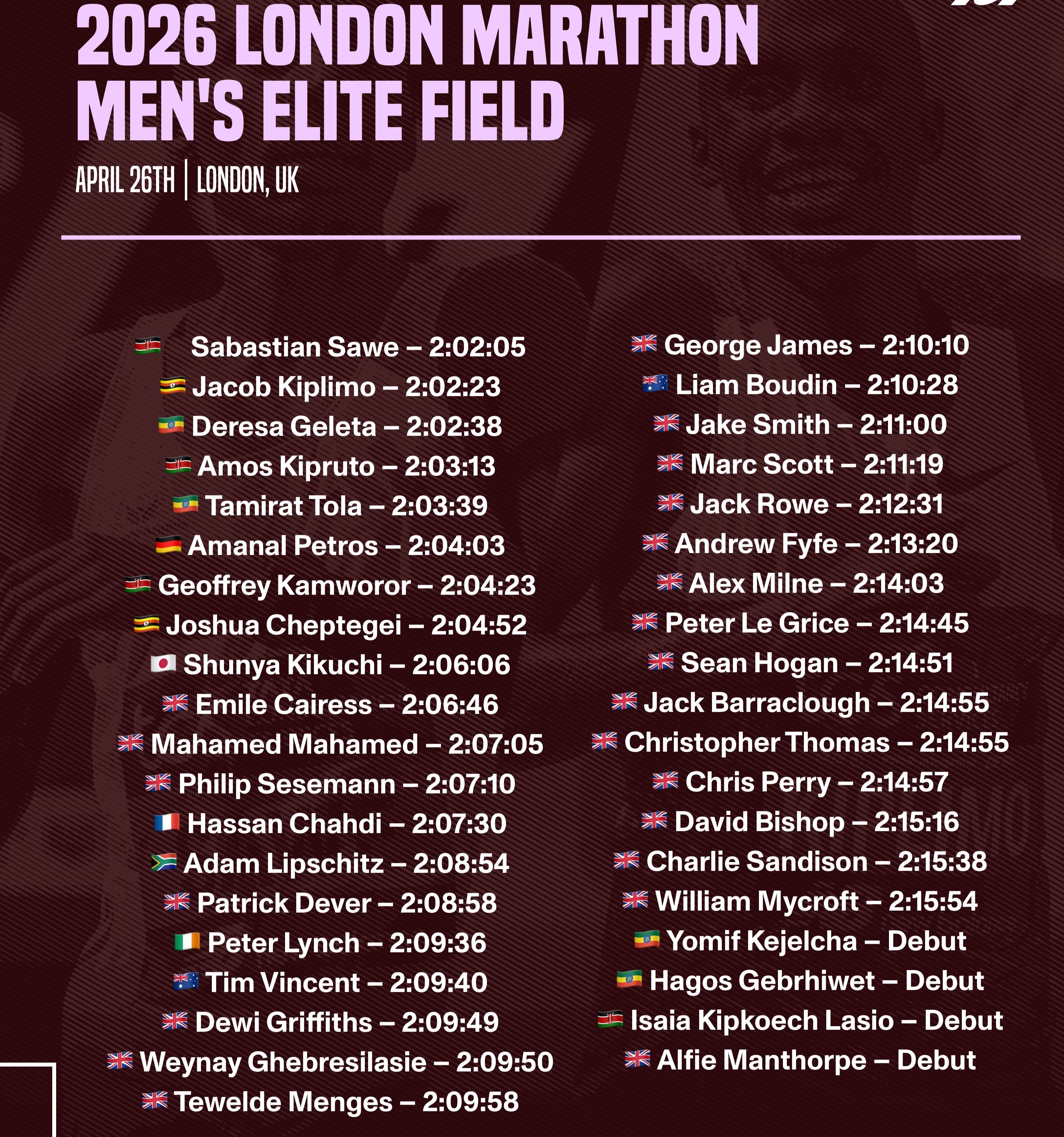
Even further down the start list, the quality remains striking. Geoffrey Kamworor of Kenya (2:04:23), a multiple-time world champion, offers experience, patience, and racing instinct that few can match. Uganda’s Joshua Cheptegei (2:04:52), one of the most decorated track athletes of his generation, continues his marathon journey with determination and growing confidence. Japan’s Shunya Kikuchi (2:06:06) represents a nation synonymous with marathon tradition, while Emile Cairess of Great Britain (2:06:46) carries home hopes, eager to make his mark on London’s global stage.
Beyond these names, the men’s elite start list continues deep, featuring more established performers and additional debutants ready to test themselves against the world’s best. This depth ensures that the 2026 race will not be won on reputation alone; it will demand patience, precision, and courage deep into the final miles.
When the gun sounds on Sunday, April 26, 2026, the TCS London Marathon will once again deliver what it promises best—a true test of endurance and excellence, where the margins are thin, the competition relentless, and the outcome anything but certain.
(01/29/2026) ⚡AMPby Erick Cheruiyot for My Bestruns.
TCS London Marathon
The London Marathon was first run on March 29, 1981 and has been held in the spring of every year since 2010. It is sponsored by Virgin Money and was founded by the former Olympic champion and journalist Chris Brasher and Welsh athlete John Disley. It is organized by Hugh Brasher (son of Chris) as Race Director and Nick Bitel...
more...
Bernard Lagat Appointed USATF General Manager of Youth Programs
Five-time Olympian and eight-time world champion Bernard Lagat has taken on a new mission—this time off the track—after being appointed General Manager of Youth Programs by USA Track & Field (USATF).
One of the most accomplished middle-distance runners in athletics history, the Kenyan-born American will now play a central role in shaping the future of the sport in the United States. In his new position, Lagat will oversee USATF’s wide-ranging youth structure, including flagship competitions such as the Junior Olympics, Youth National Championships, and U20 Championships.
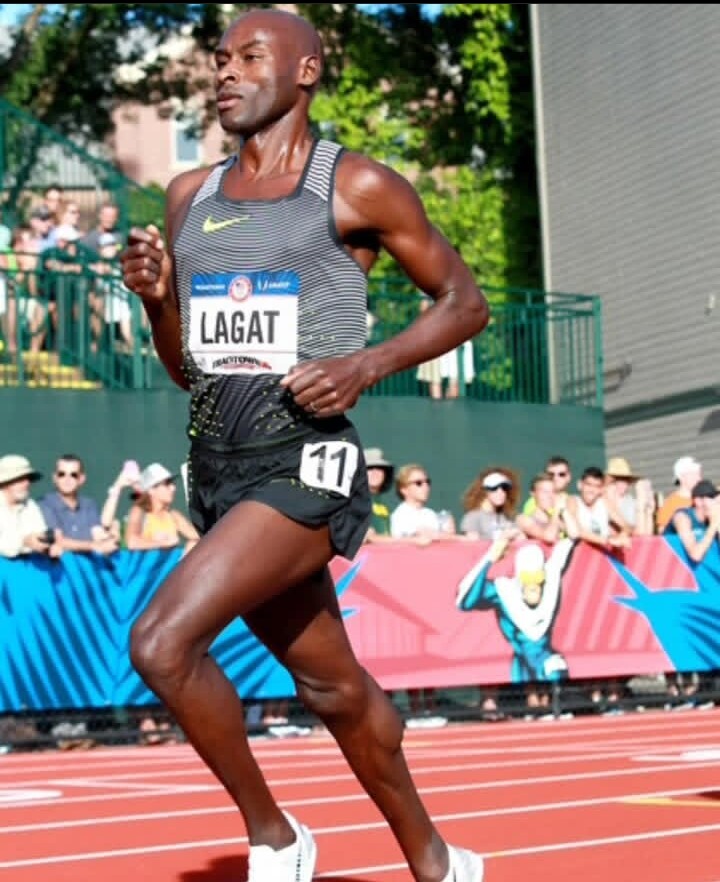
Beyond managing existing programs, Lagat has been tasked with expanding opportunities for young athletes nationwide. His mandate includes the development of new initiatives such as training camps, mentorship pathways, and long-term athlete development programs, aimed at nurturing talent both on and off the track.
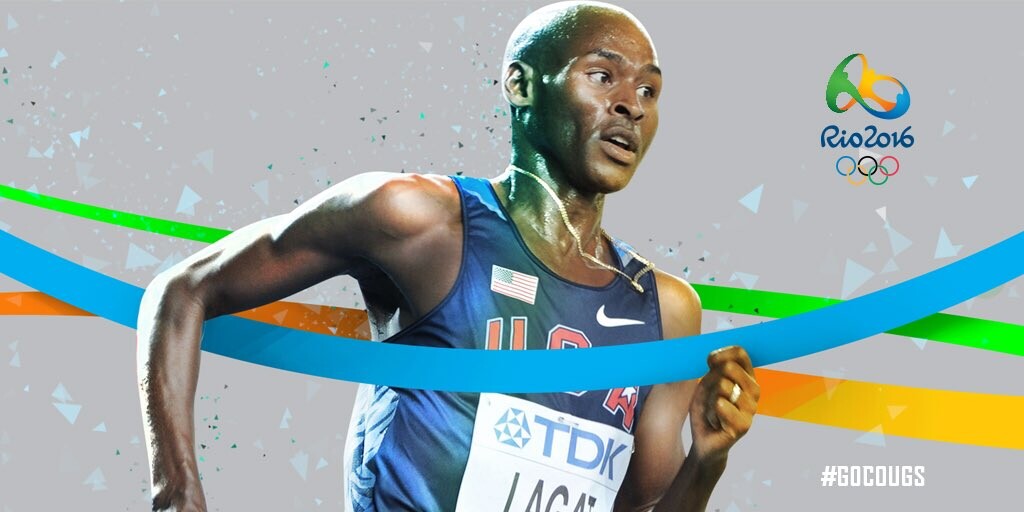
Lagat’s appointment comes with strong credentials beyond his legendary racing career. He previously served on the USATF Board of Directors, giving him valuable insight into the organization’s governance and strategic direction. His experience also extends into collegiate coaching, having worked as head cross country coach and assistant track and field coach at the University of Arizona, where he contributed to athlete development at the highest NCAA level.
Widely respected for his professionalism, longevity, and deep understanding of elite performance, Lagat now transitions into a leadership role that aligns with his passion for giving back to the sport. His influence is expected to help bridge the gap between grassroots athletics and the international stage, inspiring the next generation of American runners.
With Bernard Lagat at the helm of youth development, USATF signals a strong commitment to building a sustainable future—guided by one of the sport’s most enduring and respected figures.
(01/27/2026) ⚡AMPby Erick Cheruiyot for My Bestruns.

Faith Kipyegon Takes Her Next Victory Off the Track: Launches Dare to Dream Maternity Ward
Faith Kipyegon has spent years dazzling the world with her speed, breaking records, and redefining what it means to be a champion. Now, the Kenyan superstar is turning her focus to a different kind of finish line—one where the stakes are life itself.
The three-time Olympic 1500m champion has launched the Dare to Dream Maternity Ward in her hometown of Keringet, a project aimed at improving maternal and child healthcare in rural Kenya, where access to safe childbirth is still a challenge for many families.
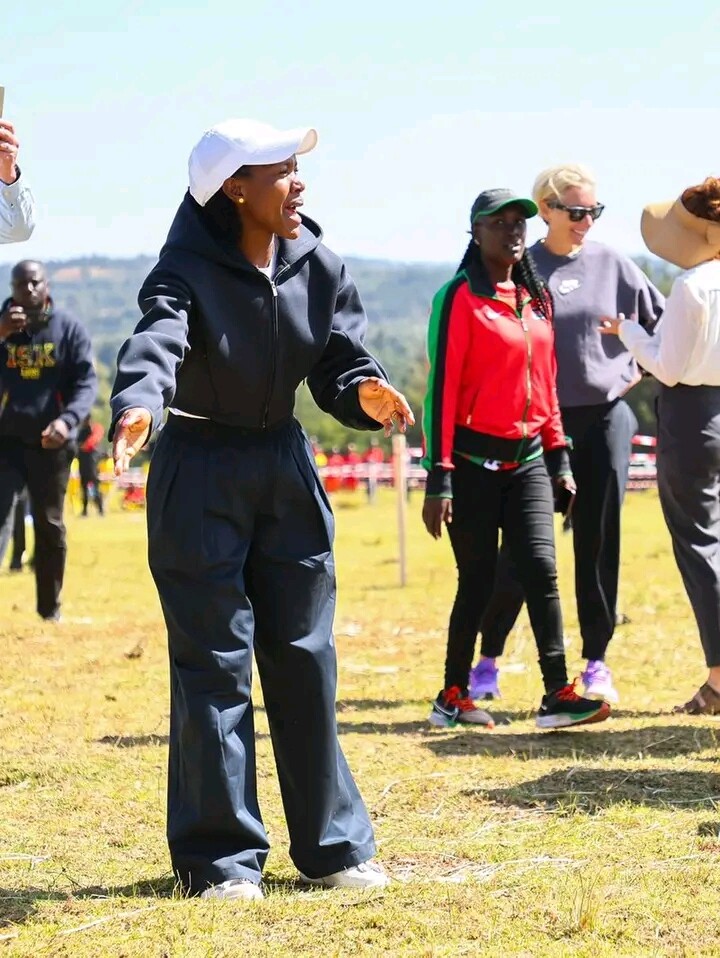
Since becoming a mother, Kipyegon has been acutely aware of the struggles women face during pregnancy and childbirth. She recalls seeing expectant mothers full of hope, only to face preventable tragedies due to limited medical support. Those experiences inspired her to act.
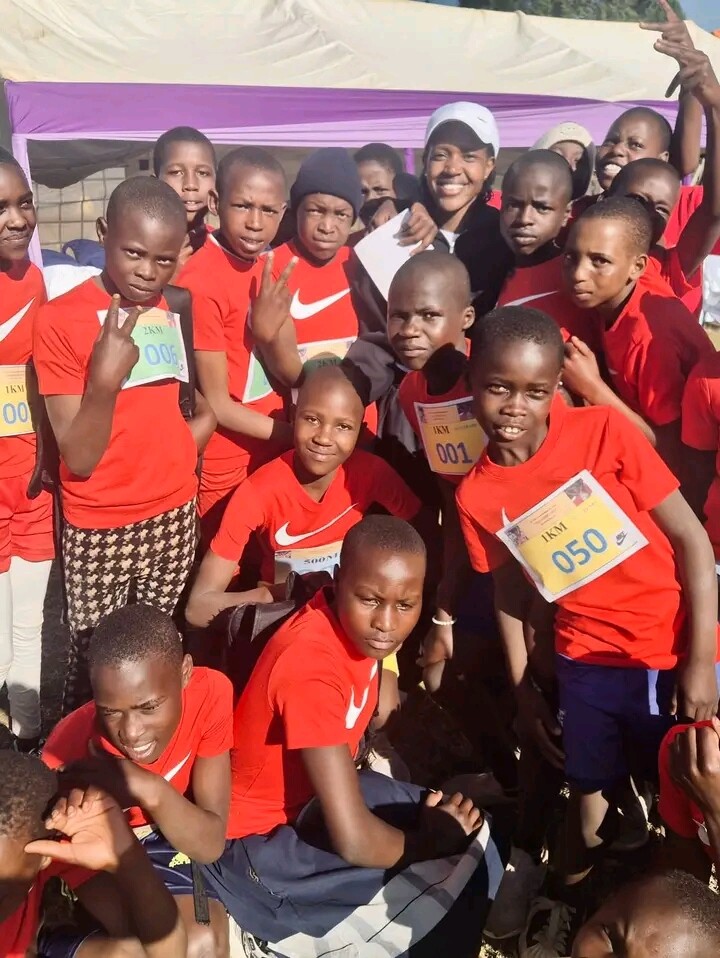
“I’m looking forward to developing this project further with the support of Nike, the Order of Malta, the Franciscan Sisters of The Immaculate Conception and the local community,” Kipyegon shared on social media, underlining the collaborative nature of this life-changing initiative.
The Dare to Dream Maternity Ward is designed to be more than just a facility; it’s a safe haven where mothers can give birth with dignity and care, and children can start life under the protection and guidance they deserve. While the wing will carry Kipyegon’s name, the project is about the women and families who will benefit from it, not personal recognition.
Faith Kipyegon’s impact has already been felt on the track, but with this project, she is creating a legacy that reaches far beyond athletics. By tackling one of Kenya’s most pressing health challenges, she is showing that true champions don’t just break records—they also lift lives.
(01/27/2026) ⚡AMPby Erick Cheruiyot for My Bestruns.
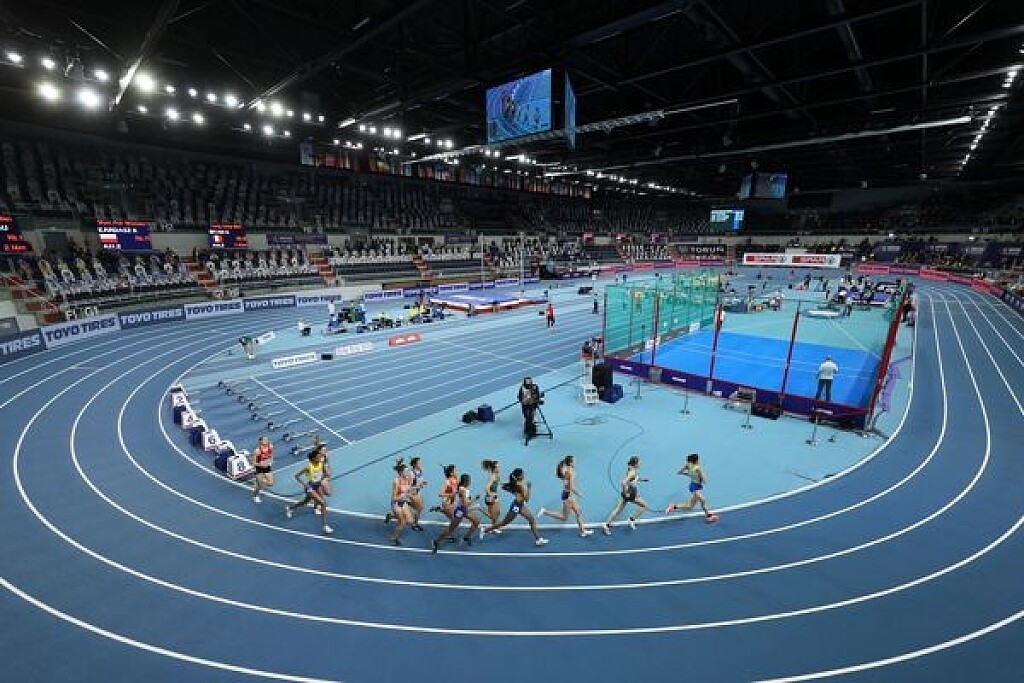
Athletics Kenya Cancels World Indoor Trials, Turns to Merit-Based Selection for Poland 2026
Athletics Kenya has officially cancelled the World Athletics Indoor Trials that were scheduled to take place in Nairobi on January 30–31, 2026, dealing a significant change to the country’s indoor season plans. The federation confirmed the decision through an official notice addressed to athletes, officials, and key stakeholders.
According to Athletics Kenya, the trials were called off due to unavoidable circumstances, making it impossible to stage the event as planned. While specific details were not disclosed, the federation emphasized that the decision was made after careful consideration, prioritising organisational, logistical, and competitive integrity concerns. The move underscores the challenges involved in hosting high-level indoor competitions and the need to ensure proper conditions for fair athlete selection.

Despite the cancellation, Athletics Kenya reassured athletes that the process of selecting Team Kenya for the upcoming global championships remains firmly on course. Instead of trials, the federation will adopt a time-based and merit-based selection system, relying on verified performances achieved during the official qualification window. Athlete monitoring will continue closely across approved competitions listed on the Athletics Kenya calendar.
The selection process will cover key indoor disciplines including 60m (men), 60m hurdles (women), 400m, 800m, 1500m, and 3000m for both men and women. Final team selection will only be confirmed after the World Athletics qualification period closes on March 8, 2026, ensuring all eligible performances are fully assessed.
Athletes have been advised to remain focused on training and competition, as strong and consistent performances during the qualification period will now play an even more decisive role in securing national team slots. The federation also pledged to issue further updates should any changes arise.
Attention now turns to the global stage, where Kenya will aim to make a strong impact at the World Athletics Indoor Championships Kujawy Pomorze 26. The championships will be held in Toruń, Poland, from March 20–22, 2026, bringing together over 2,000 athletes from approximately 150 countries for one of the biggest indoor athletics events on the calendar.
The Toruń championships will mark a historic milestone for the host nation — the second time Poland has staged a World Athletics Indoor Championships, and notably the first time the event will be hosted in the Kujawy and Pomorze Region. With elite global competition and high stakes, Team Kenya will be aiming to arrive fully prepared, despite the absence of national trials, ready to compete on one of athletics’ biggest indoor stages.
(01/26/2026) ⚡AMPby Erick Cheruiyot for My Bestruns.
