

Running News Daily
Running News Daily is edited by Bob Anderson and team. Send your news items to bob@mybestruns.com Advertising opportunities available.
Index to Daily Posts · Sign Up For Updates · Run The World Feed
Articles tagged #World Athletics Heritage Plaque
Today's Running News
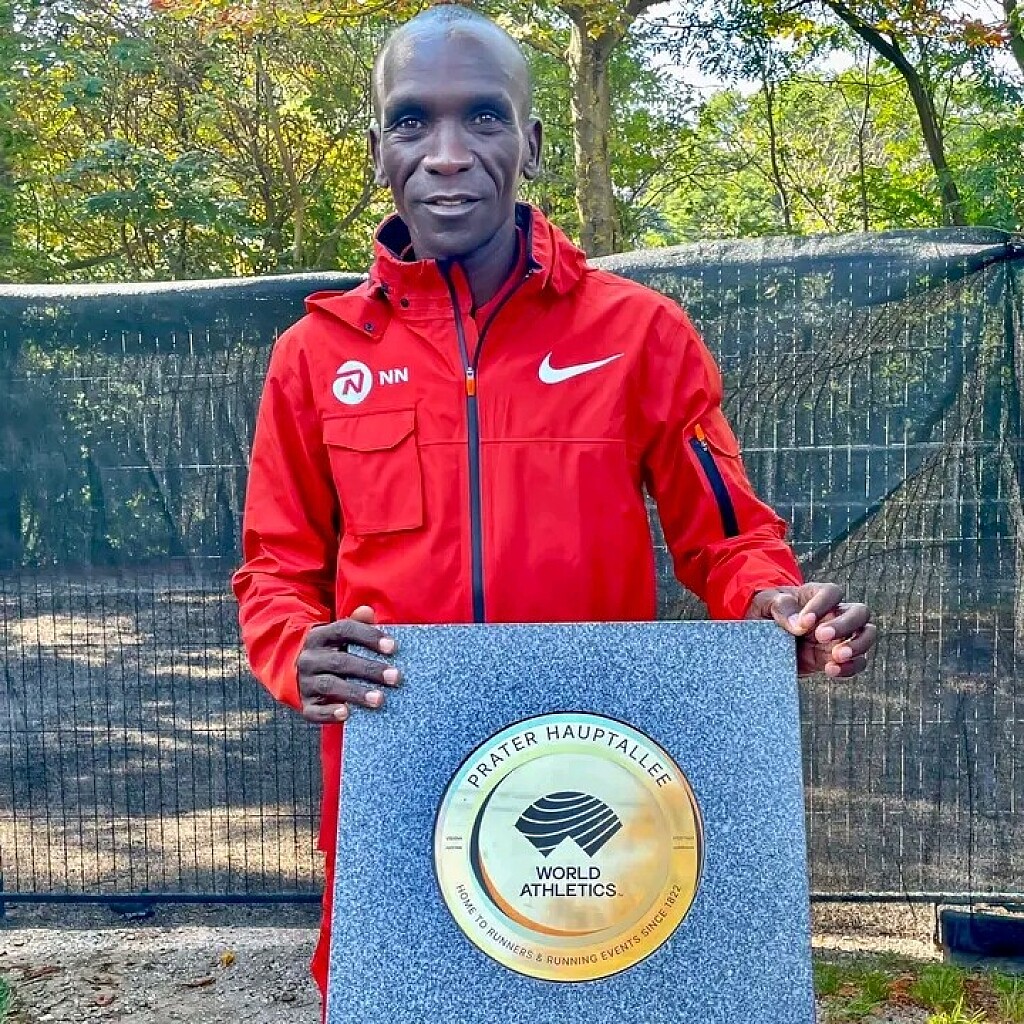


Where History Breathes: Kipchoge Returns to Vienna’s Sacred Road
In the quiet elegance of Vienna’s Prater, where chestnut trees line a road that has witnessed one of the greatest moments in human endurance, Eliud Kipchoge stood once again—this time not in motion, but in reflection. The Kenyan legend posed beside the World Athletics Heritage Plaque, a symbol that immortalizes the very ground where history was rewritten.
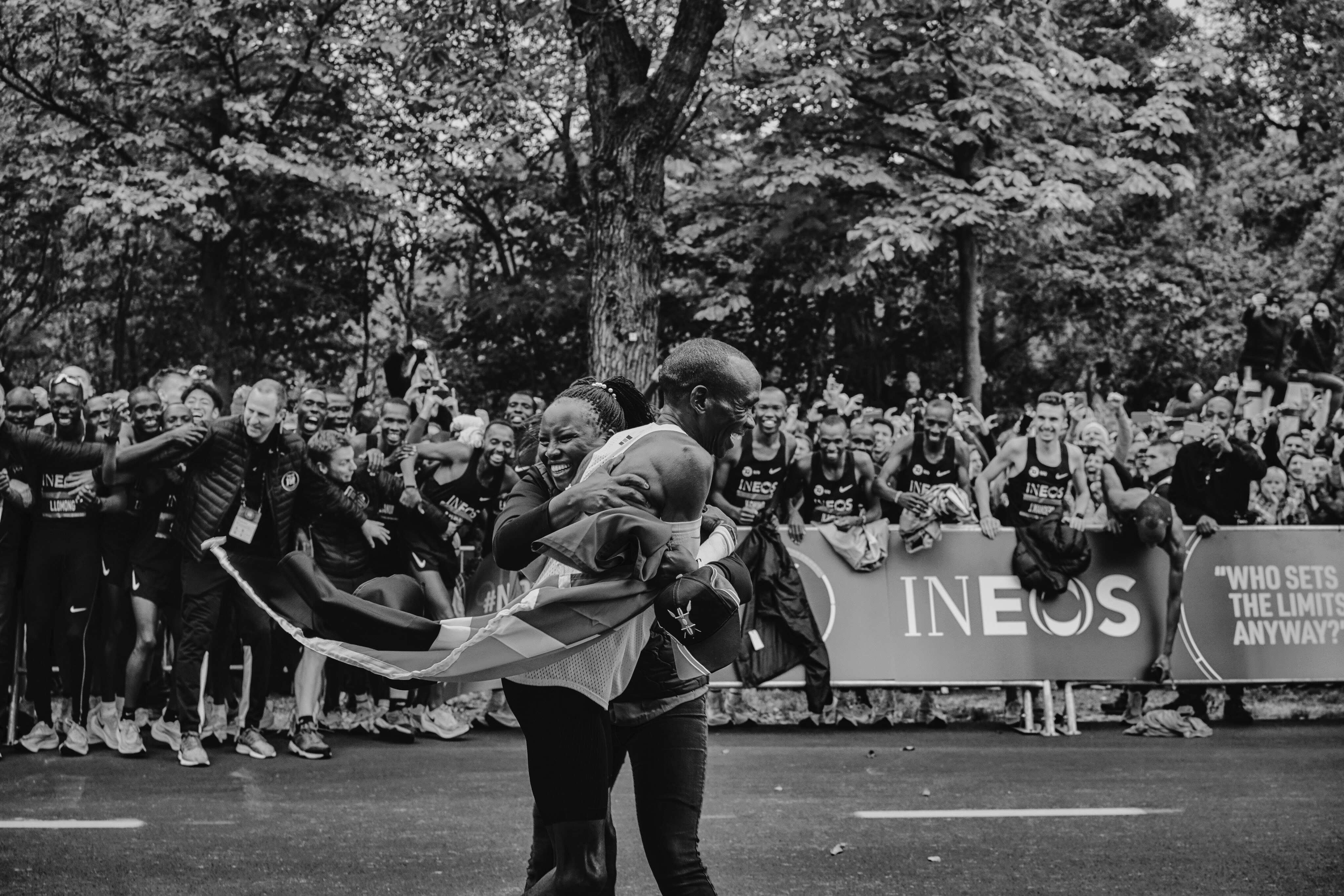
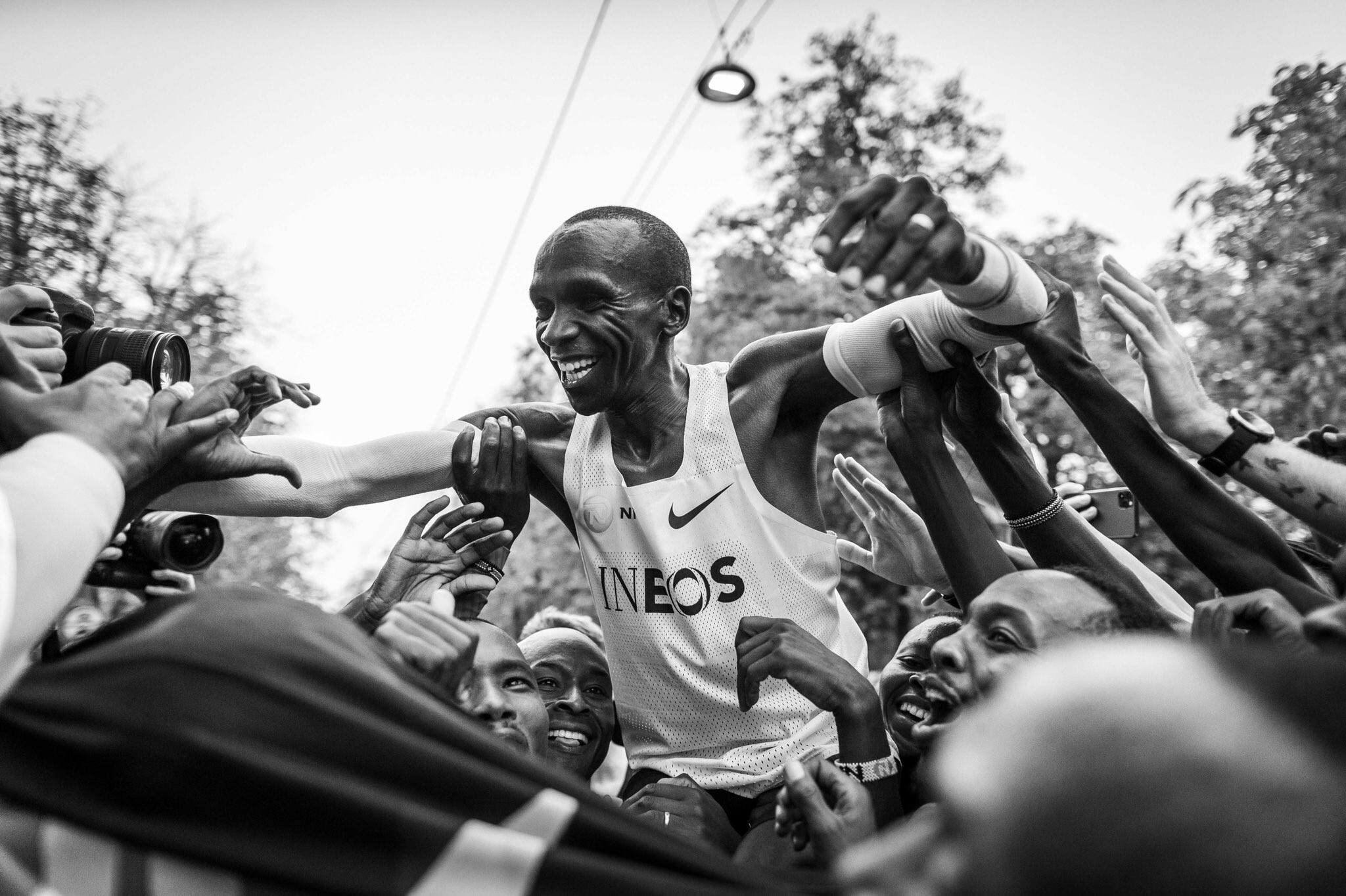
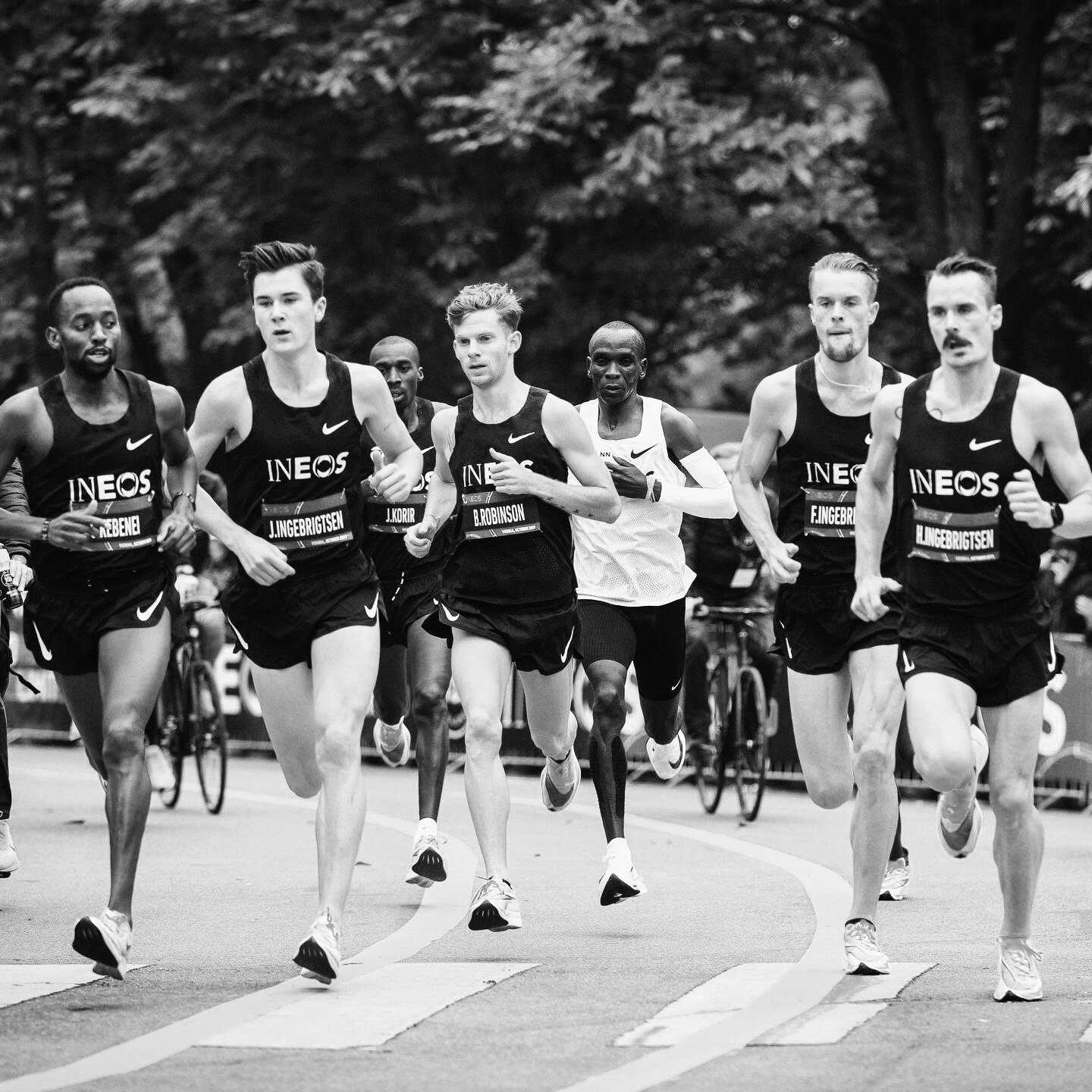
The Prater Hauptallee, a long, straight boulevard in Vienna, is no ordinary stretch of road. In 2019, it became the stage for the extraordinary during the INEOS 1:59 Challenge, when Kipchoge achieved what had long been considered beyond human limits—running a marathon in under two hours. Clocking an astonishing 1:59:40, he didn’t just break a barrier; he redefined possibility itself.
Though the performance was not ratified as an official world record due to controlled conditions, its significance transcended regulations. It was a moment that united science, precision, and human willpower in perfect harmony. The road beneath his feet that day has since been recognized as a site of global athletic importance.
In 2022, World Athletics awarded the Prater Hauptallee its prestigious Heritage Plaque, officially acknowledging it as a landmark in the history of sport. And now, years later, Kipchoge’s return to that same location feels almost poetic—a reunion between a man and the path that carried him into immortality.
There is something deeply symbolic about the image: Kipchoge, calm and composed, standing still on the very ground where he once moved faster than any human ever had over 42.195 kilometers. It is a reminder that greatness is not only about speed, but also about legacy.
For Kipchoge, whose philosophy has always centered on discipline, humility, and mental strength, the moment is less about celebration and more about reflection. “No human is limited,” he famously said—a mantra that echoed across the world after that historic run. Today, that message feels just as powerful, etched not only in memory but now in the very soil of Vienna.
As athletes and dreamers continue to chase their own limits, the Prater stands as a quiet witness—a place where the impossible was made real. And at its heart remains Kipchoge, not just as a champion, but as a symbol of what humanity can achieve when belief meets relentless pursuit.
by Erick Cheruiyot for My Best Runs.
Login to leave a comment
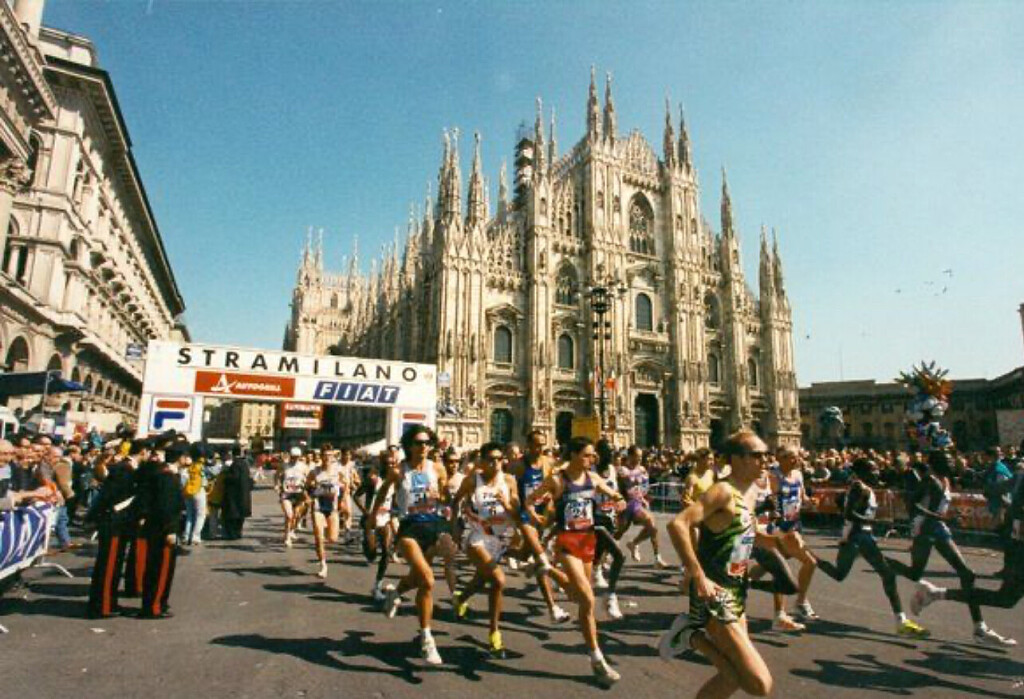
Stramilano Half Marathon Honored with World Athletics Heritage Plaque Ahead of 2025 Race
The Stramilano Half Marathon, one of Italy’s most prestigious road races, is set to celebrate its 52nd edition on Sunday, March 23, 2025. This year, the event will be marked by a historic recognition, as it has been awarded the World Athletics Heritage Plaque in the category of ‘Competition.’ This prestigious honor highlights Stramilano’s exceptional contribution to the global history of road running and its impact on the sport over the past five decades.
Stramilano’s Storied Legacy
First held in 1976, the Stramilano Half Marathon has been a stage for legendary performances, earning a reputation as the fastest course in Italy. In 1993, Moses Tanui became the first runner in history to break the one-hour barrier for the half marathon, clocking 59:47 on this very course. The event has consistently attracted the world’s best runners, many of whom have gone on to achieve global dominance in long-distance running.
Notable past champions include:
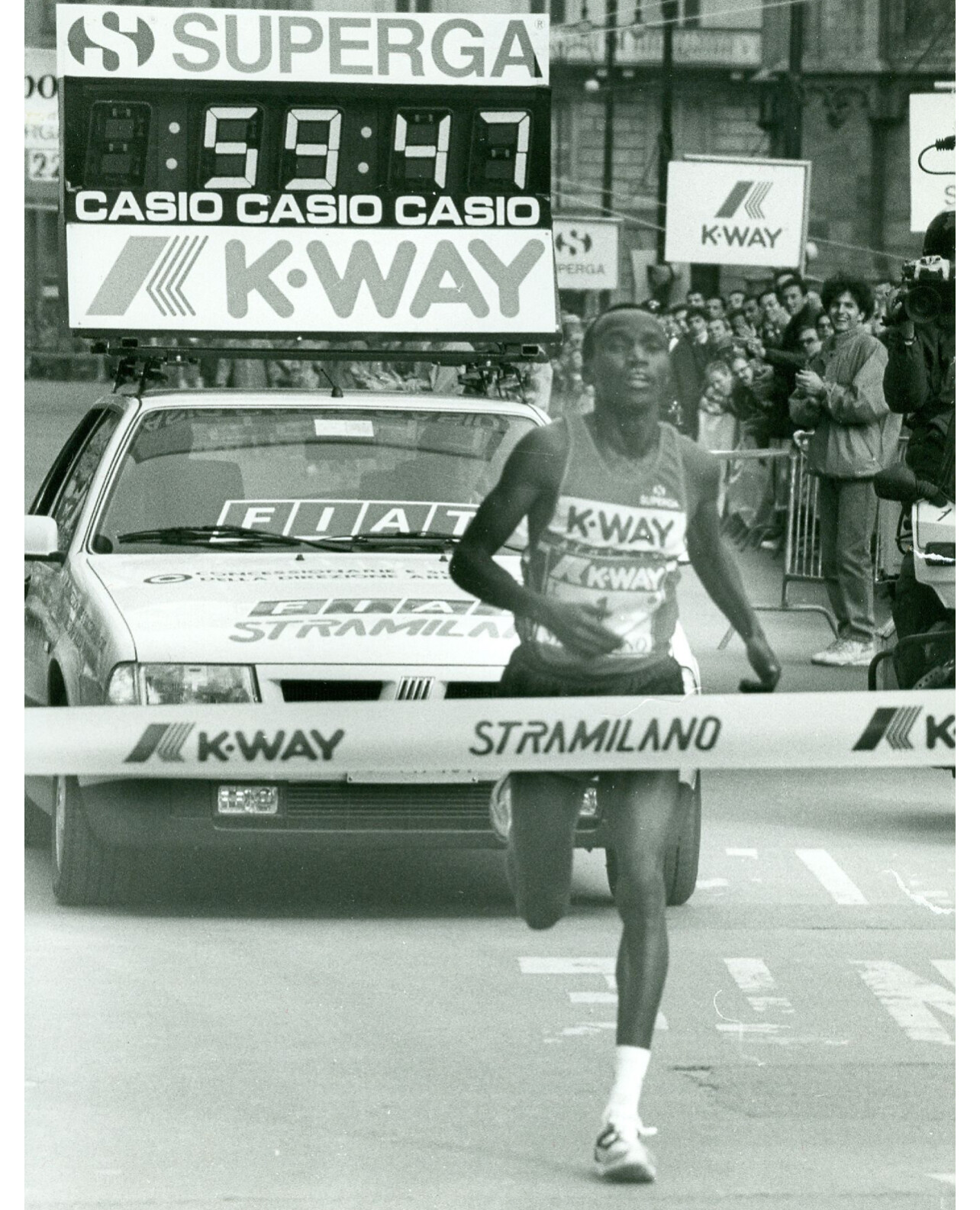
• Moses Tanui (Kenya) – First runner to break 60 minutes for the half marathon (1993)
• Paul Tergat (Kenya) – Six-time Stramilano winner (1994-1999), former half marathon world record holder (59:17, 1998)
• Grete Waitz (Norway) – Nine-time New York Marathon winner
• Rosa Mota (Portugal) – Olympic and World Marathon Champion
• Priscah Jeptoo (Kenya) – London Marathon winner and Olympic silver medalist
• Ruth Chepngetich (Kenya) – Former Half Marathon World Record Holder
• Rob de Castella (Australia) – Former Marathon World Champion
• Gelindo Bordin (Italy) – Olympic Marathon Gold Medalist
2025 Stramilano Half Marathon Details
This year’s edition will once again take runners through the iconic streets of Milan, starting at Piazza Castello and finishing inside the historic Arena Civica, an 18th-century Napoleonic stadium. The event offers different race categories to cater to runners of all levels:
• Half Marathon (21.097 km) – Competitive race featuring elite and amateur athletes
• 10 km Run – Non-competitive fun run starting from Piazza Duomo
• 5 km Run – Family-friendly race also starting from Piazza Duomo
The World Athletics Heritage Plaque will be permanently displayed at the Arena Civica, Viale Giorgio Byron, the race’s headquarters, following the conclusion of this year’s event.
by Boris Baron
Login to leave a comment

Stramilano Run Generation
All ages, all genres and all preparations’ levels: Stramilano is everyone’s race, the race for whom love sport and want to live unforgettable moments. Both if you’ve been preparing with months of traning or you just want to walk through Milano’s streets, you’re all a part of the big sports people “family” that put on a unique sunday. Like any...
more...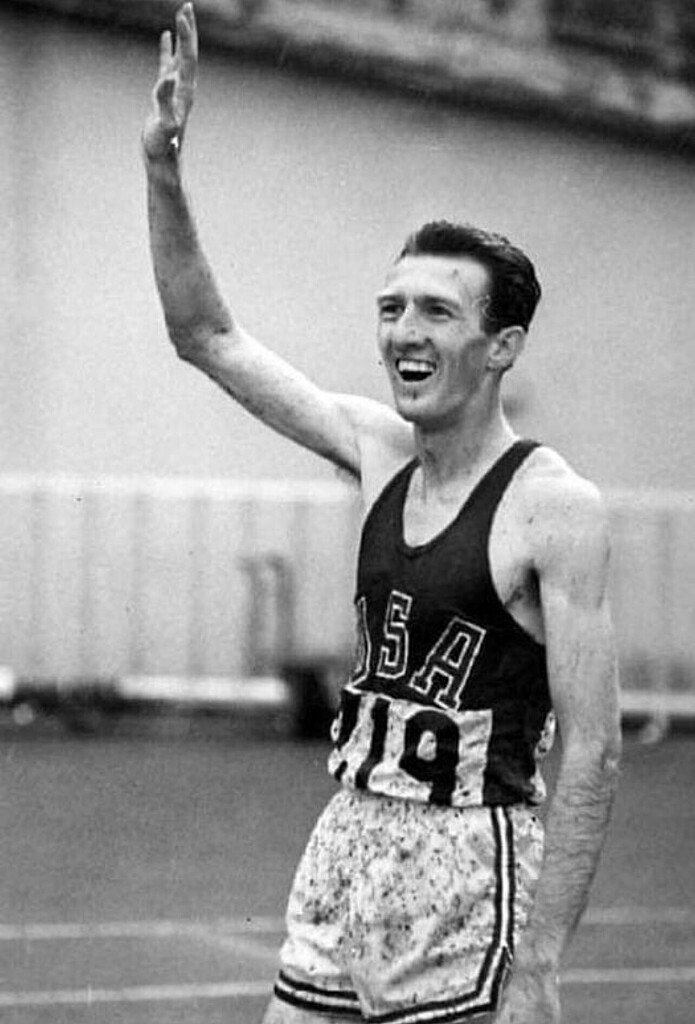
1964 Olympic 5000m champion Bob Schul has died
We are deeply saddened to hear that Bob Schul, USA’s 1964 Olympic 5000m gold medallist, died on Sunday (16) at the age of 86.
As well as his Olympic success, Schul set a world best for two miles and was a US record-holder for 5000m and three miles. He remains the only US runner to have won the Olympic 5000m title and was inducted into the USATF Hall of Fame in 1991.
Schul was born in West Milton, Ohio, on 28 September 1937 and he took up running while at school. Despite his early career being impacted by an asthmatic condition, he went on to become a 4:34 high school miler and at collegiate level he ran for Miami University in Oxford, Ohio.
He then served in the US Air Force and was introduced to Hungarian coaching great Mihaly Igloi, who was last year honoured with a World Athletics Heritage Plaque.
He spent the next few years being coached by Igloi as part of the Los Angeles Track Club, which also featured athletes such as Laszlo Tabori, Jim Beatty, Jim Grelle and Max Truex.
Schul secured his first major medal in 1963, claiming 5000m bronze at the Pan American Games. The following year, he improved the US 5000m record by seven seconds to 13:38.0 and set a world best for two miles of 8:26.3.
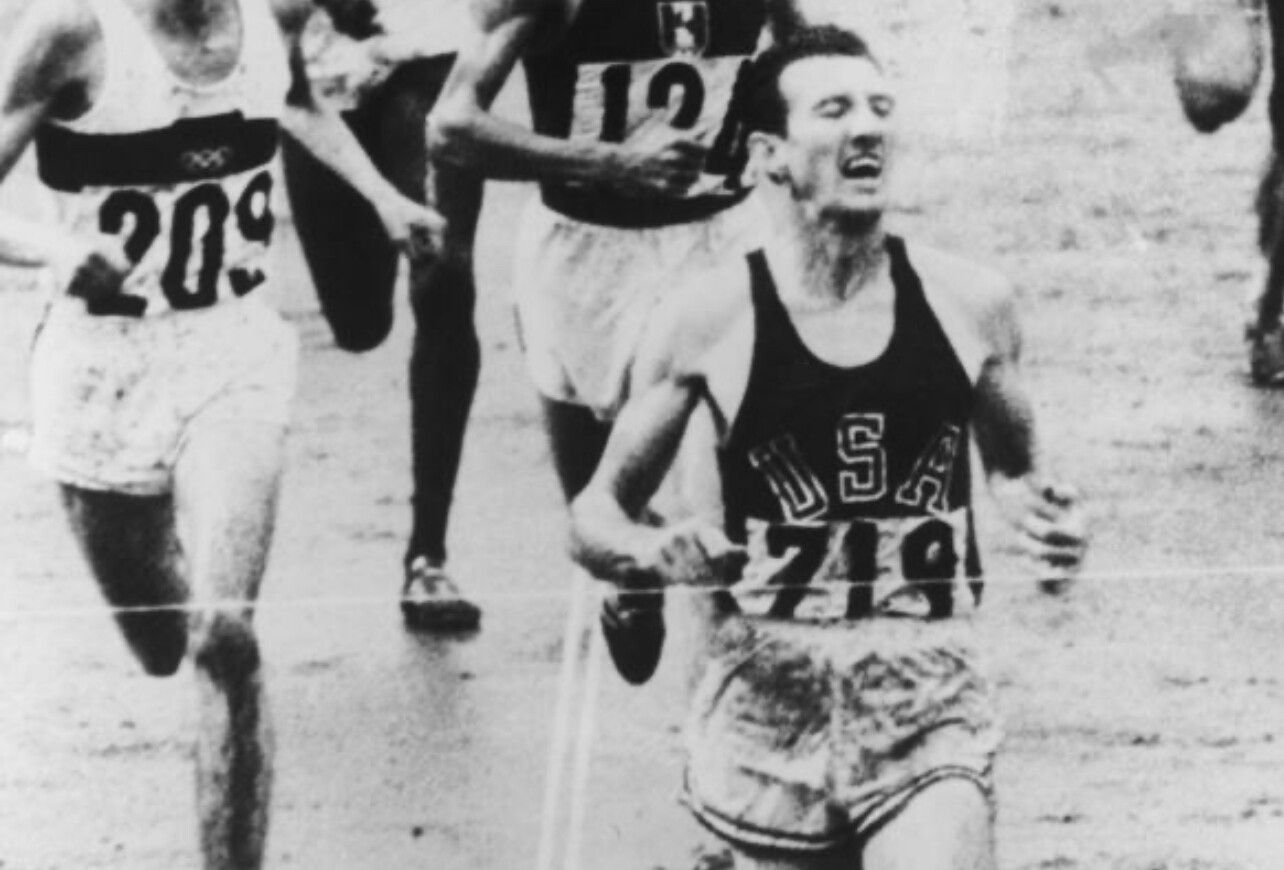
His Olympic triumph came a couple of months later. Schul went into the 5000m final in Tokyo as the world leader and with a superb sprint finish he secured top spot there, too – getting gold in 13:48.8 ahead of Harald Norpoth of Germany and USA’s Bill Dellinger.
Schul had been in fifth place at the bell, with the race led by Michel Jazy of France. Schul was boxed in but found a gap with 300 metres to go. Despite racing on a rain-soaked cinder track, Schul ran 38.7 for that final 300 metres to take him to the title. He won by 0.8 seconds.
“What comes to mind is I was ready,” he told Karen Rosen during a 2019 interview for TeamUSA.org. “My workouts were fantastic. Nobody else did the workouts I did.”
Reflecting on the race in Tokyo, he added: “When we were in the last lap, coming around the turn, everybody was still there – there were probably 10 people. I got boxed in. I couldn’t get out, so I kept moving to the right a little bit, every step I took, and I forced the guys to go wider.
“Finally, I was free, but Jazy was way out there.”
In the end, Jazy – nor any of his other competitors – could respond to Schul’s ferocious kick.
In 1965 Schul set another US record, clocking 13:10.4 for three miles, but then a knee injury took its toll.
Following his own competitive career, Schul went into coaching and continued to run in masters events.
by World Athletics
Login to leave a comment
Boston Marathon's unique running history honored with World Athletics Heritage Plaque
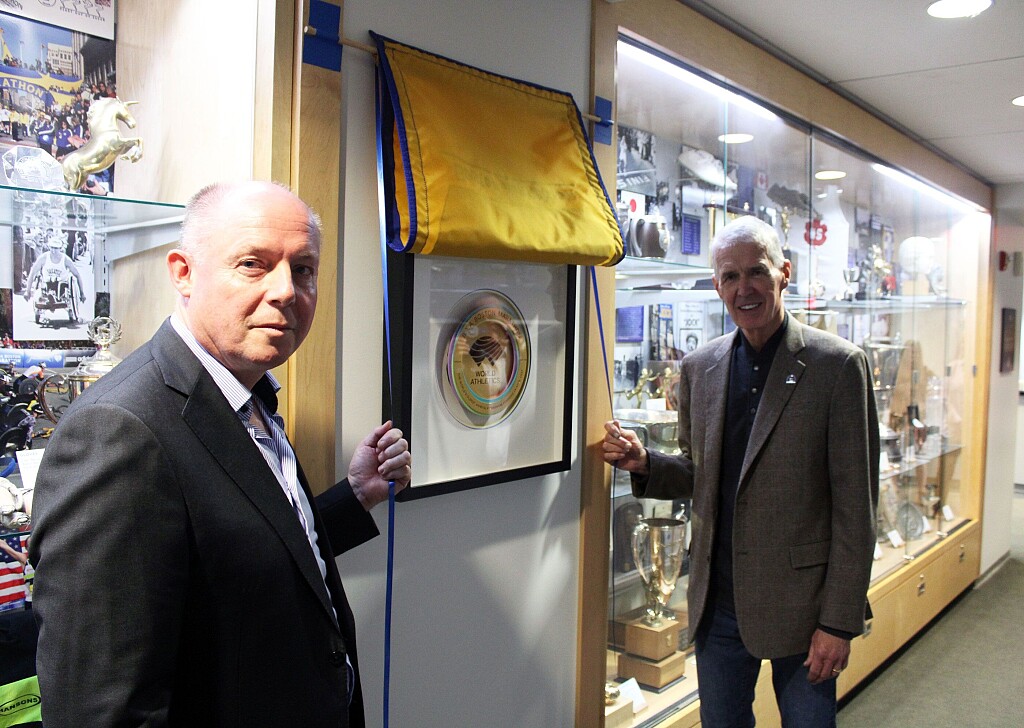
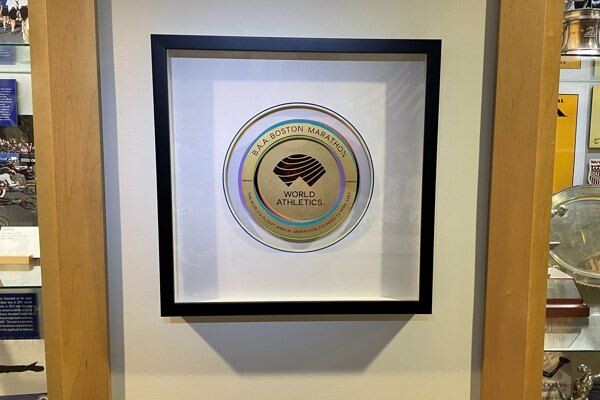
The Boston Athletic Association (B.A.A.), which organizes the B.A.A. Boston Marathon (1897), the world’s oldest annual marathon, officially unveiled the World Athletics Heritage Plaque awarded to the race in 2019.
The World Athletics Heritage Plaque is a location-based recognition, awarded for 'an outstanding contribution to the worldwide history and development of the sport of track and field athletics and of out-of-stadia athletics disciplines such as cross country, mountain, road, trail and ultra-running, and race walking'.
The official presentation of the plaque by World Athletics Heritage, which had been on hold due to the pandemic, took place in the race museum at B.A.A.’s HQ on Dartmouth Street, Boston, Massachusetts, where the plaque will be permanently displayed, and is adjacent to the finish line of the race.
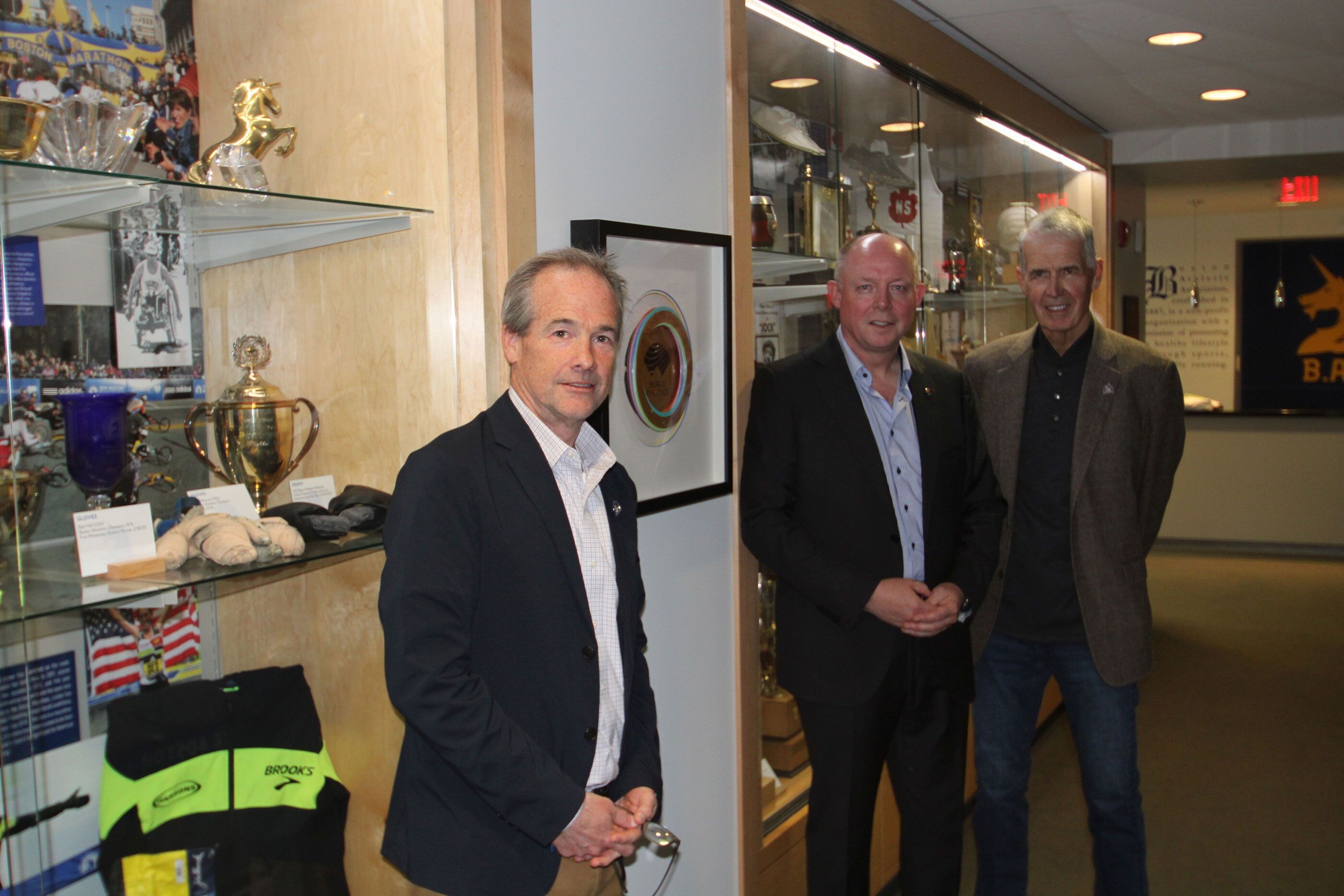
The plaque was unveiled by Thomas S. Grilk, B.A.A. President & Chief Executive Officer, and World Athletics Heritage Director Chris Turner, in the company of Jack Fleming, B.A.A. Chief Operating Officer, and fellow colleagues from the B.A.A. organization.
The tough one
Boston’s notoriously demanding course, with its final incline ‘Heartbreak Hill’ 20 miles into the race that has gone down in marathon folklore, has floored many a world beater.
Amby Burfoot, the 1968 Boston Marathon champion, confirmed on Boston.com that the challenge is also “the downhill from the top of Heartbreak Hill to Cleveland Circle. This is called ‘Cemetery Mile’ for two good reasons: Evergreen Cemetery to the runners’ right, and the way the steep downhill deadens the legs, specifically the quadriceps muscles.”
Notably, despite the stature of the race, only five Olympic champions have ever managed to win in Boston.
Four women, firstly two-time Boston victor Joan Benoit (1979, 1983), who won the 1984 Olympic title in Los Angeles, and two three-time winners in Ethiopia's Fatuma Roba (1997, 1998, 1999), the Atlanta 1996 champion; Portugal's Rosa Mota (1987, 1988, 1990), who took the Olympic title in Seoul in 1988; and Kenya's 2022 Boston winner Peres Jepchirchir, who was the Olympic victor in Tokyo.
The sole male runner so far to accomplish the rare double is Italian Gelindo Bordin (1990), the Seoul 1988 Olympic champion, who took first place in Boston two years later.
The ‘American Marathon’
The racing singlets, running shoes, medals and trophies and hundreds of pieces of historic memorabilia in the B.A.A.'s museum pay tribute to the city’s famous marathon, which was inspired by and founded a year after the running of the inaugural Olympic marathon at the 1896 Games in Athens.
The B.A.A. itself had been established 10 years before. It was one of the association’s members, John Graham, who, as USA team manager at those 1896 Games witnessed the marathon race, proposed creating a similar long distance race in Boston.
The race, originally called the American Marathon, has an annual Monday date which makes it unique among elite international marathons. The Boston Marathon has always been held on the holiday commemorating “Patriots’ Day”, which since 1969 has become officially recognized as the third Monday in April.
The B.A.A., which has a mission to promote a healthy lifestyle, especially through running, has its HQ and museum virtually located at the finish line of the marathon.
Running treasure trove
The plaque, which is mounted on a wall in its own showcase in the museum, has joined a verifiable treasure trove of distance running artefacts associated with the race’s storied history.
The B.A.A.’s collection of memorabilia and its archive is always growing. In fact, they recently received a gift of a rare finisher medallion from the 1903 Boston Marathon. The competition bib number of last week’s Boston winner Jepchirchir is the very latest acquisition.
The perpetual Champions’ Trophy, which the winners receive immediately following the Boston Marathon, and the second place award (mounted plaque) from the first B.A.A. Boston Marathon in 1897 are standout exhibits.
Poignantly, the 2013 champion's medallion won by men’s victor Lelisa Desisa of Ethiopia was gifted back to the City of Boston in the summer of 2013, shortly after the notorious bombings which occurred on marathon day that year.
The collection, which contains hundreds of artefacts and thousands of images, has recently been renamed as the Gloria G. Ratti Collection in posthumous recognition of their long-time archivist and historian. Ratti was a B.A.A. Vice President on the Board of Governors.
by World Athletics
Login to leave a comment

Boston Marathon
Among the nation’s oldest athletic clubs, the B.A.A. was established in 1887, and, in 1896, more than half of the U.S. Olympic Team at the first modern games was composed of B.A.A. club members. The Olympic Games provided the inspiration for the first Boston Marathon, which culminated the B.A.A. Games on April 19, 1897. John J. McDermott emerged from a...
more...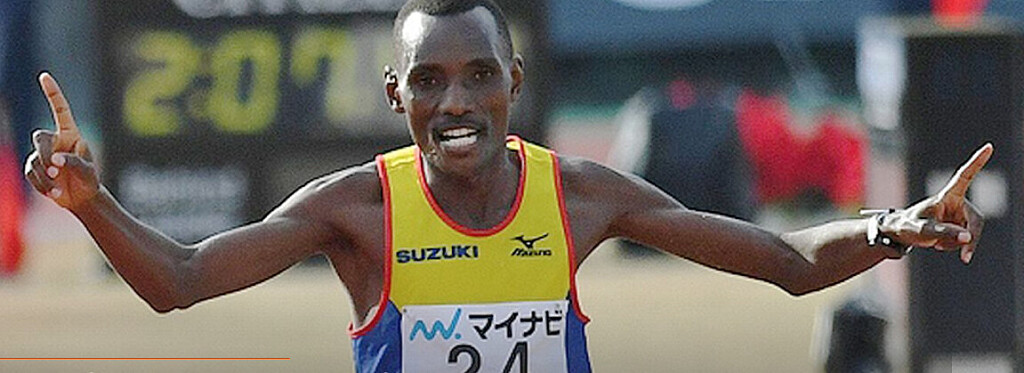
Githae wins final edition of Fukuoka Marathon
Michael Githae was victorious at the 75th and final edition of Fukuoka International Marathon on Sunday (5), winning the World Athletics Elite Label road race in 2:07:51.
Githae, who runs for Suzuki track team, improved his previous best of 2:08:17, which he set when finishing fourth at last year’s Fukuoka Marathon. Japan’s Kyohei Hosoya finished second, 25 seconds adrift of Githae.
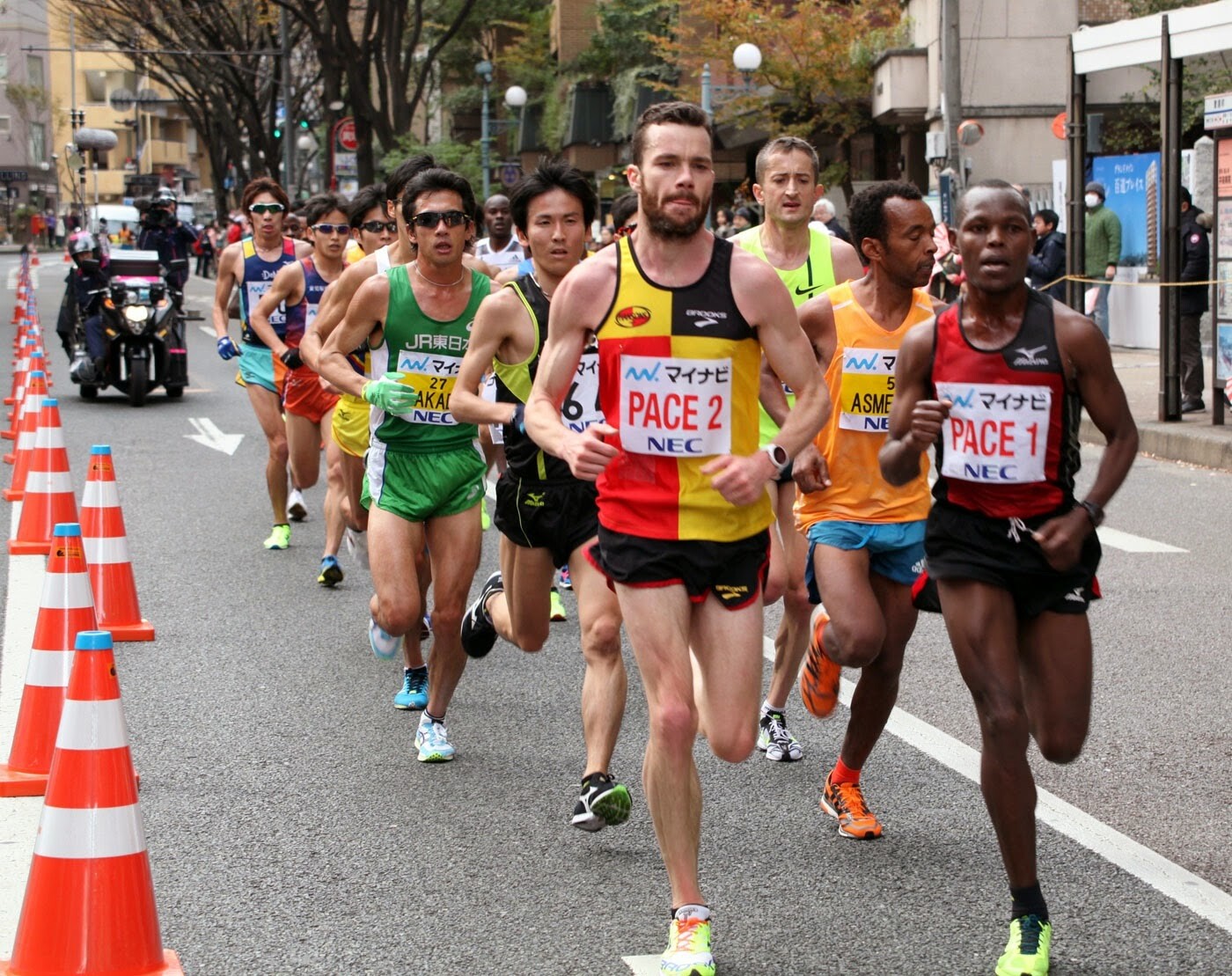
The pacers, led by 2012 Olympian Yuki Sato, directed the huge lead pack through 5km (14:47), 10km (29:39), 15km (44:30) and 20km (59:24) in what turned out to be something of a race of attrition. Yuta Shitara was one of the athletes to fall out of contention before the half-way stage; the former national marathon record-holder dropped out at 20km.
The half-way point was reached in 1:02:41, meaning an attack on the 2:05:18 course record was not out of the question. Simon Kariuki and Charles Wanjiku kept the pace going at the start of the second half, and 30km was reached in 1:29:08. But the pacemakers dropped out soon after, and the pace dramatically slowed down.
Nevertheless, the pack became strung out to almost a single file, and by 34km just Githae, James Rungaru, Hosoya and Ryu Takaku remained in contention. Soon after, Githae surged and Hosoya made a valiant effort to stay close but Githae gradually pulled away to win by 25 seconds in 2:07:51.
In third, Rungaru set a PB of 2:08:25, while fourth-placed Shohei Otsuka and Ryu Takaku and Daisuke Uekado in fifth and sixth respectively were just outside their PBs. Yuki Kawauchi, running his 12th Fukuoka Marathon, fittingly finished 12th in 2:11:33. He is planning on running the Hofu Marathon in two weeks’ time.
Looking back at Fukuoka's history
The Fukuoka International Marathon – which was awarded a World Athletics Heritage Plaque in 2019 – started in 1947 and is the second oldest marathon in Japan behind the now defunct Lake Biwa Marathon.
In its 75-year history, the world record was broken twice there – first in 1967 when Derek Clayton became the first runner to break 2:10 with 2:09:37, and then in 1981 when fellow Australian Rob de Castella ran 2:08:18.
De Castella isn’t the only global marathon champion to have contested the race over the years. Frank Shorter, the 1972 Olympic champion, notched up four consecutive Fukuoka Marathon victories between 1971 and 1974. 2000 Olympic champion Gezahegn Abera won in 1999, 2001 and 2002, while 1996 Olympic champion Josiah Thugwane won in 1997. The late Samuel Wanjiru, winner of the 2008 Olympic title, made a remarkable marathon debut in Fukuoka in 2007, winning in 2:06:39. And two-time world champion Jaoud Gharib won in 2010.
Numerous world record-holders have also competed in Fukuoka, including Haile Gebrselassie (winner in 2006), Belayneh Dinsamo (1990 winner) and Patrick Makau (2014 and 2015 champion).
Japanese runners have also enjoyed moments of victory in Fukuoka. Toshihiko Seko won four times (1978-1980 and 1983), and Takeyuki Nakayama won twice (1984 and 1987). During his 1987 run, Nakayama was on world record pace through 20km (58:37) and 35km until a heavy downpour in the closing stages slowed him down, and he eventually finished in 2:08:18.
When asked about the end of the Fukuoka Marathon, four-time winner Seko said: “It is like part of my history is being erased.”
Japan Running News, a leading authority on the sport in Japan, has produced a docu-film on the Fukuoka Marathon, entitled ‘Inside the Outside – When the World Came to Fukuoka’.
Leading results
1 Michael Githae (KEN) 2:07:512 Kyohei Hosoya (JPN) 2:08:163 James Rungaru (KEN) 2:08:254 Shohei Otsuka (JPN) 2:08:335 Ryu Takaku (JPN) 2:08:386 Daisuke Uekado (JPN) 2:08:567 Kohei Futaoka (JPN) 2:09:148 Masaya Taguchi (JPN) 2:09:359 Toshiki Sadakata (JPN) 2:10:3110 Takuma Kumagai (JPN) 2:10:4111 Ryota Komori (JPN) 2:11:3212 Yuki Kawauchi (JPN) 2:11:33
Login to leave a comment
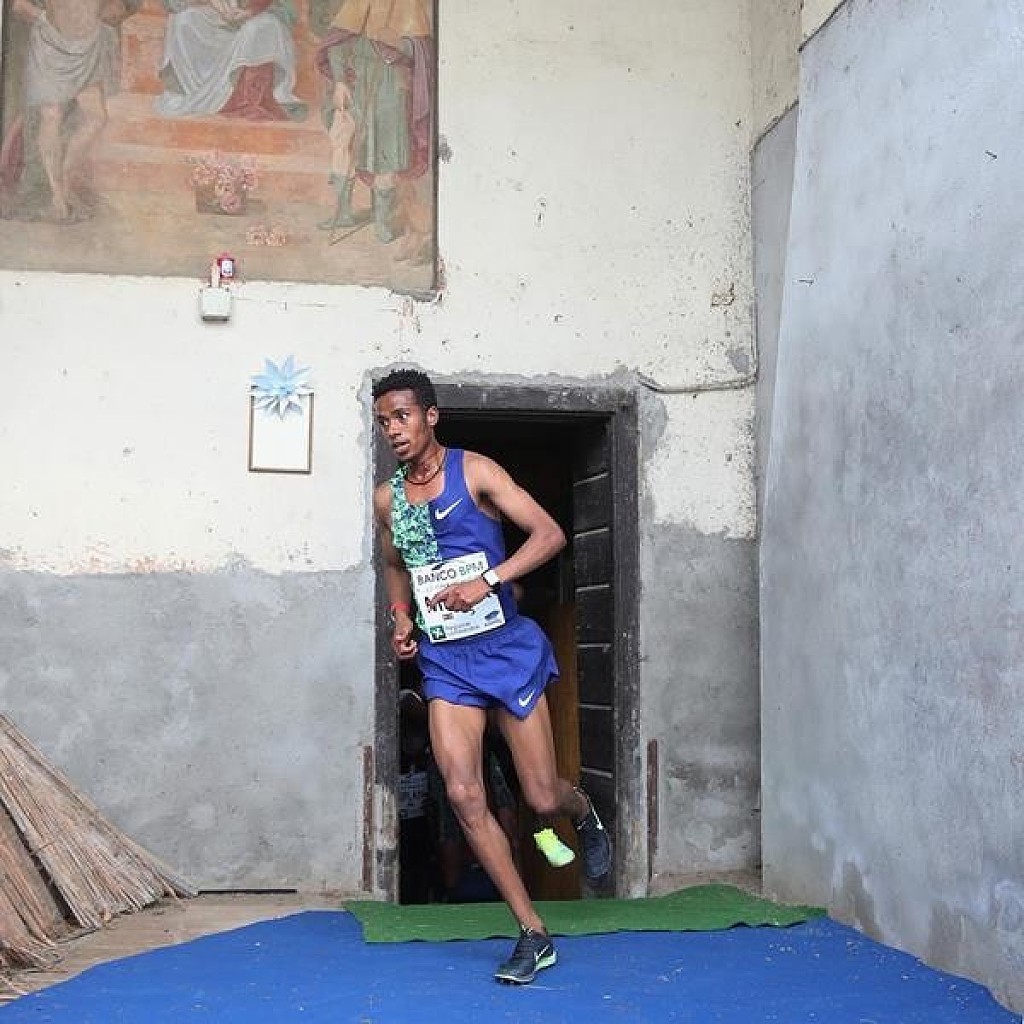
Tsehay Gemechu and Nibret Melak claimed a double win for Ethiopia at the Cinque Mulini, the second leg of the World Athletics Cross Country Permit series
Gemechu and Melak secure Ethiopian double at Cinque Mulini, it was Gemechu’s second high-profile victory in as many weeks, following her triumph last weekend at the Campaccio meeting.
The Cinque Mulini, meaning 'five mills' in Italian, boasts one of the most iconic cross-country courses in the world. Back in the 1930s, the course passed through five mills along the Olona river. The race has had to adapt over time and it is now held on a two-kilometre loop which passes through the Cozzi and Meraviglia water mills.
In 2019 the Cinque Mulini was awarded the World Athletics Heritage Plaque.
Gemechu, fellow Ethiopian Alemitu Tariku and Kenya’s Sheila Chelangat and Beatrice Chebet pulled away from Burundi’s Francine Niyomukunzi in the early stages and completed the first lap in 6:45.
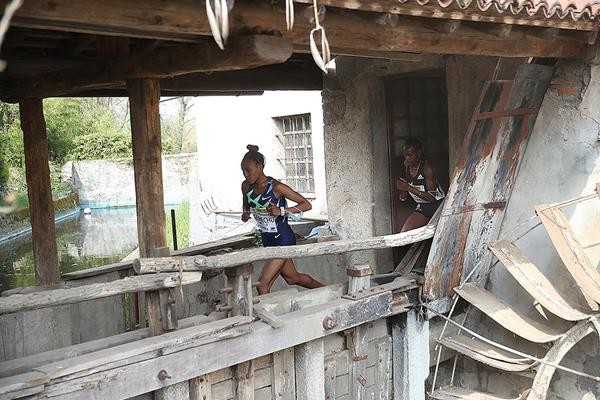
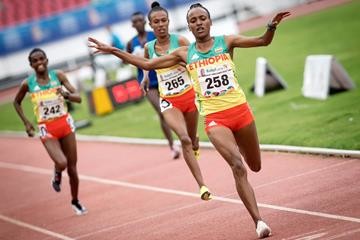
Chebet, Gemechu and Chelangat stepped up the pace on the second lap, opening up an 11-second gap on Tariku. Chelangat was the next to drift back, leaving Chebet and Gemechu to battle it out on the final lap.
Chebet led for most of the final lap, but Gemechu launched her kick in the final straight to take a three-second win in 18:53.
“I feel good,” said Gemechu, the fourth-place finisher in the 5000m at the World Athletics Championships Doha 2019. “It was a great race for me. I am happy that I won my second consecutive race. I will now return to Ethiopia to prepare for my next race over 10,000m in Hengelo.”
Melak took the honours in the 10.2km men’s race in 28:57, holding off last year’s Cinque Mulini winner Leonard Bett Kipkemoi by one second and two-time world 5000m champion Muktar Edris by two seconds in a close sprint.
Bett led a nine-man lead group that included Melak, Edris, Uganda’s Samuel Kibet and Hosea Kiplangat, Italian marathon record-holder Eyob Faniel, Marouan Razine, Yohannes Chiappinelli and Oscar Chelimo.
The lead pack was whittled down to seven runners during the second lap as Bett took the initiative, going through the second lap mark in 12:14, closely followed by Melak, Kibet, Edris, Kiplangat, Chiappinelli and Chelimo.
The pace increased on the fourth lap when Melak, Bett, Kiplangat, Edris broke away from Kibet with the leading quartet going through 8km in 23:30.
In a dramatic final sprint, Melak edged ahead of Bett to win by one second in 28:57. Edris, who won the Cinque Mulini in 2013 and 2015, finished third in 28:59, sharing the same time as Chelimo.
It was Melak’s second consecutive podium finish in the Cross Country Permit series, following his runner-up spot at the Campaccio in San Giorgio su Legnano last week.
The 21-year-old has a 5000m PB of 13:07.27, set as an U20 athlete in 2018, but it’s cross country where he excels. Earlier this year he successfully defended his senior men’s title at the Jan Meda Cross Country, which doubles as the Ethiopian Championships.
“It was a very competitive race,” said Melak. “I expected that the battle for the win would be very close, as I ran against great athletes. Cross country is the perfect build-up to the track season.”
by World Athletics
Login to leave a comment
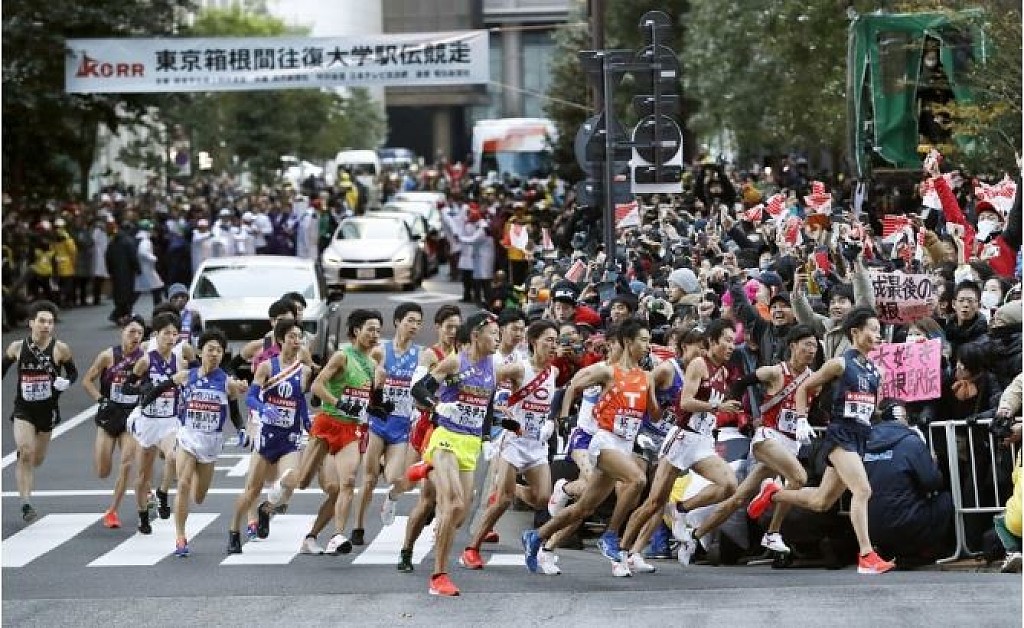
Hakone Ekiden, one of Japans most popular annual sporting events
The Melbourne Cup in horse racing is known as the race that stops the nation but, in truth, there’s an event in athletics that holds a country in a far-more-captivated grasp: the Hakone Ekiden.
This 10-leg, 217km relay in Japan has for years garnered viewing figures that defy belief, and this year’s race on January 2-3 was watched by 64.71 million people, according to Video Research Ltd. That means half the Japanese population tuned in, an audience share above that of the Superbowl in the Unites States.
This year’s broadcast, which ran for more than 12 hours across two days, hit a record high with 32.3% average of total Japanese viewership.
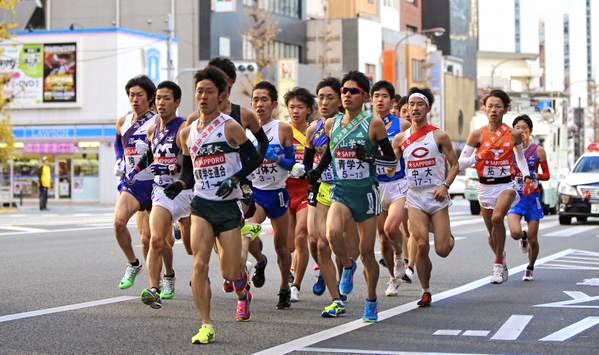
The competitors may be students, some of them not yet old enough to buy a drink, but the best are idolised like rock stars, their faces splashed across pull-out supplements in newspapers, their performances dissected on national radio and TV, their appearances mobbed with hordes of screaming fans.
Why so much hype for a long-distance relay involving university teams from one region (Kanto) of Japan? It’s best to ask those who’ve seen it – it’s the only way to believe it.
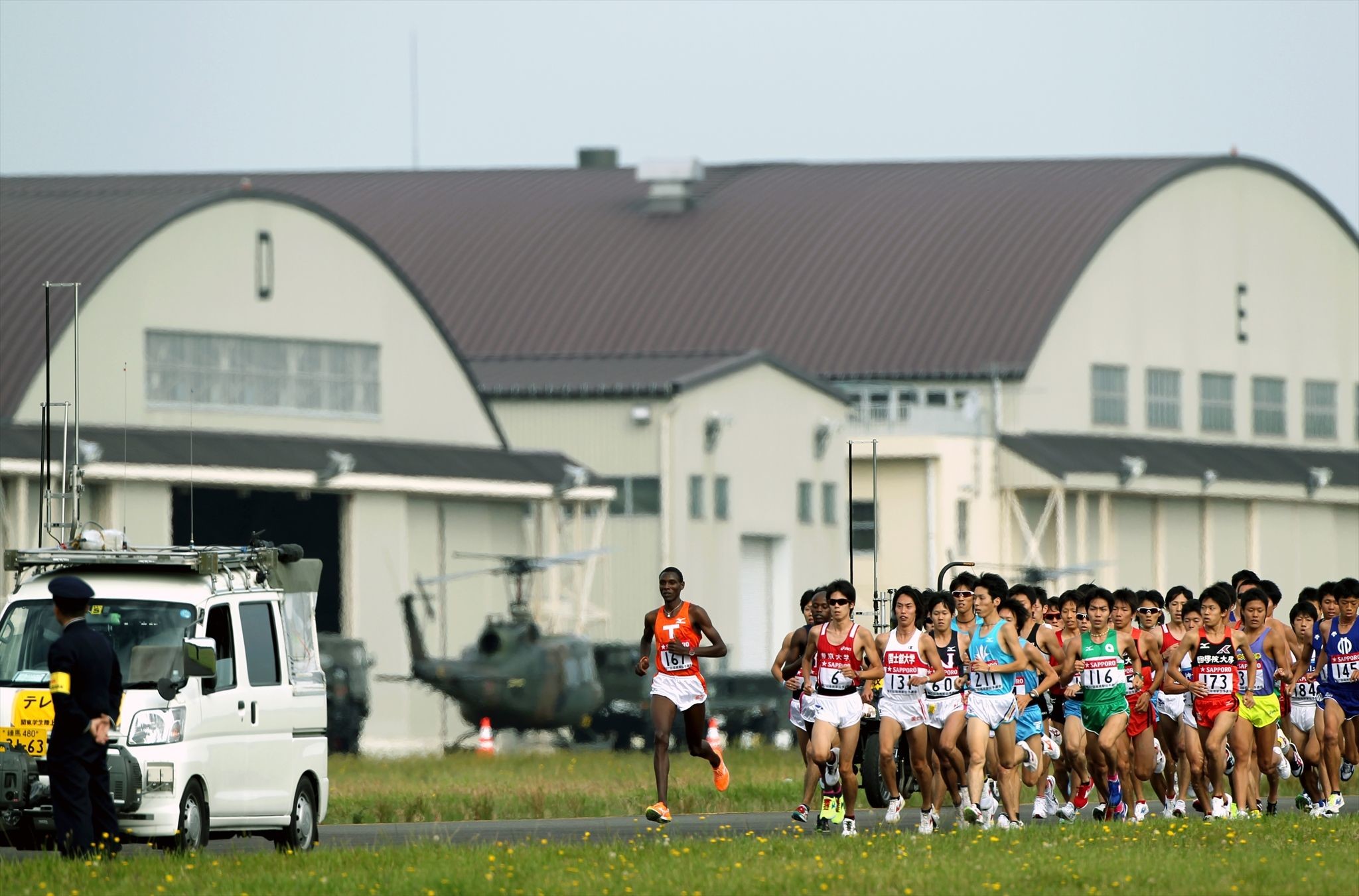
Before British author Adharanand Finn arrived in Japan in 2013, he knew Ekidens were a big deal, but he didn’t realize how big.
“I had this idea the Japanese are really into marathon running but when you get in with the serious end, their whole year is built around Ekidens,” he says. “To compete in the Hakone is bigger than the Olympics for a runner.”
Finn spent six months in Japan before writing his superb book, The Way of the Runner, and towards the end of his time there he experienced the enchanting electricity of the Hakone Ekiden.
Finn believes the media coverage is key to its popularity and to the audience’s understanding.
“Everyone is reading the background stories, the histories, the timelines and that’s what gives sport its hook. There’s this soap opera connected to it. The TV coverage is brilliant; I’ve often ranted about how terrible coverage of marathons in the UK and US is, cutting away at the wrong time, but in Japan all the stats are all over the screen. It’s so well produced that you can really follow it. A lot of people who watch are not running fans, but they cater for a wide audience.”
It’s a point echoed by Takeshi Nishimoto of Ekiden News.
“I've seen TV broadcasts of many races but Hakone is probably the best road race in the world,” he says. “The director of the broadcast came up with the idea that ‘Hakone Ekiden is a drama of each athlete’. Nippon Television (NTV) closely follows each athlete throughout the year and commentators are fed personal stories to talk about in detail. That's how it truly captivated the hearts of Japanese people.”
Brett Larner, who runs the Japan Running News website, says the Hakone Ekiden has the biggest TV audience of any sporting event in Japan and the second-highest viewership of anything, “surpassed only by Kohaku, a long music special that's broadcast on New Year’s Eve.”
Larner knows countless athletes who participated and the stories they bring back from the course strike a similar tone. “That it's like a blur,” he says. “They can't remember much due to the roar the entire way except for their ears hurting. There are thick crowds almost the entire way, with tens of thousands crowding the start and finish.”
Founded a century ago
The race dates back to 1920, and was founded by Shizo Kanakuri, an Olympic marathoner for Japan in 1912.
“The original purpose was to have college athletes compete in the half marathon to develop and identify talent who can excel in the Olympic marathon,” says Nishimoto. “However, in recent years, the number of entrance applicants of a university is directly affected by the result of the Hakone Ekiden, so universities invest in building state-of-the-art training facilities for Ekiden teams or recruiting systems offering scholarships.”
The legacy it has built over the century since its founding earned the ekiden a World Athletics Heritage Plaque in 2019.
Larner explains that the emphasis on the half marathon in Japanese distance running is most notable in the Kanto Region, given all the legs of the Hakone Ekiden are close to 20 kilometres.
“Hakone is the peak of the year, so the entire year is focused on being ready to run a half marathon at 100% come January. But the rest of the year people are running 1500m, steeple, 5000m and 10,000m, cross country, and not just the half.”
The emphasis on the distance can be a double-edged sword for young talent, according to Finn.
“It’s one reason running is so popular so it’s really good in that way, but with high school and college kids, they train really hard for the half marathon on the roads and it burns a lot of them out, physically and mentally. At 20-21, half marathon training is quite hard on them and it has this all-consuming effect.”
The day before Hakone, the New Year Ekiden takes place over 100 kilometres, a race that features the best athletes running for corporate teams in Japan. Despite the high standard it’s seen as a side-show to the collegiate event.
“Many Japanese traditionally like amateur sports more than professional sports,” says Ken Nakamura, an athletics writer and statistician. “In the early days of professional baseball, it was not held in as high esteem as college baseball, and national high school baseball tournaments held every summer are followed by even those people who do not consider themselves sports fans.”
During his many years based in Japan, Larner has witnessed an astonishing progression in standards at the Hakone Ekiden, which can only partially be explained by shoe technology.
“The sharpest growth in performance has happened since 2012, when Toyo University became the first school to break the 3:00/km barrier for average pace over the entire 217km Hakone course, (which is) no joke given the mountain stages,” he says. “Hakone has continued to grow in popularity, which has created more financial investment, which has resulted in higher performance levels, which has resulted in greater popularity.”
by World Athletics
Login to leave a comment

hakone ekiden
Hakone Ekiden, which is officially called Tokyo-Hakone Round-Trip College Ekiden Race, is one of the most prominent university ekiden (relay marathon) races of the year held between Tokyo and Hakone in Japan on 2 and 3 January. The race is telecast on Nippon Television. Only men take part in the competition, meaning there is greater investment in the men's ekiden...
more...
Three indoor American records were set Saturday at the 113th NYRR Millrose Games in front of a sold out crowd
American records fell in three events as athletes entertained a sell-out crowd at the Armory and the113th NYRR Millrose Games Saturday afternoon in Washington Heights.
Elle Purrier raised the bar in the NYRR women’s Wannamaker mile smashing the American Record in 4:16.85. At the bell, Purrier powered ahead to outpace Germany’s Konstanze Klosterhalfen at the wire and break one of the oldest American records in the books, a 4:20.5 by Mary Slaney in 1982. Her en route time at 1,500m was 4:00.23, the second-fastest time in U.S. indoor history
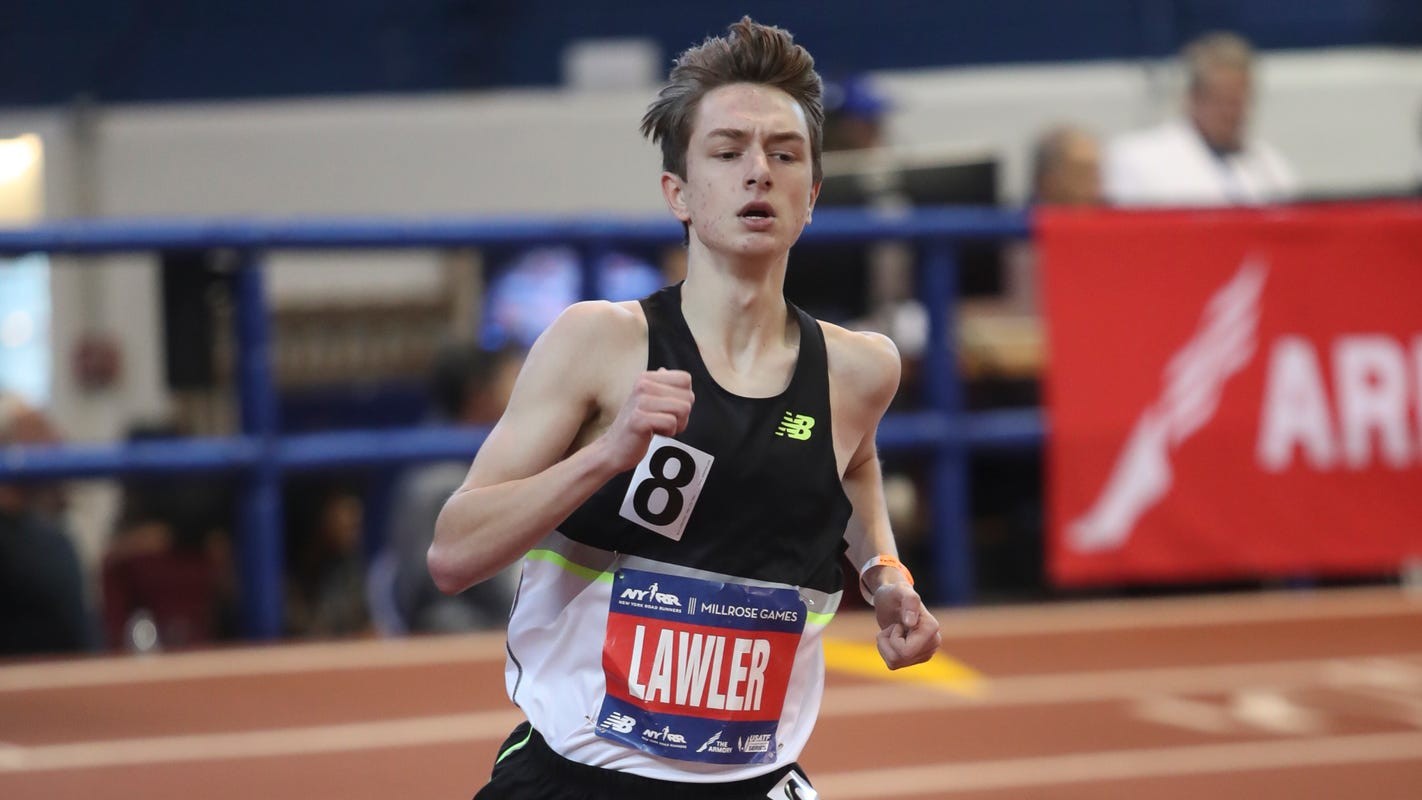
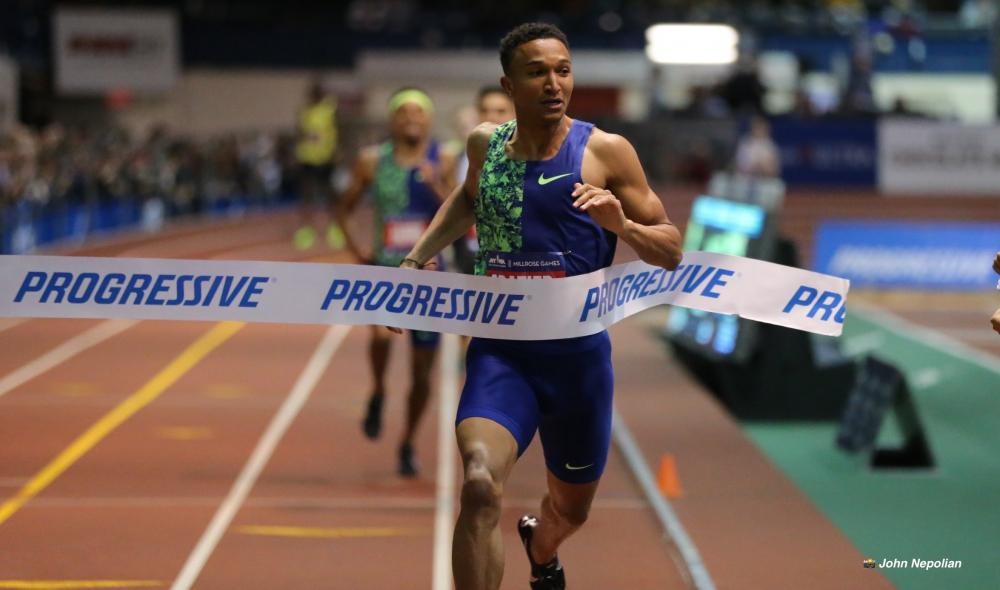
In the New York Presbyterian men’s 800 meters, Donavan Brazier added another record to his resume, crossing the line in 1:44.22 to break his own mark of 1:44.41 set here last year in finishing second. Brazier holds both the indoor and outdoor U.S. records. Ajeé Wilson put on a show in the women’s 800 meters, biding her time through 600 meters when she surged to go ahead of Jamaica’s Natoya Goule to cross the line in 1:58.29, bettering the AR of 1:58.60 she set in 2019 to win the Millrose title.
USATF CEO Max Siegel and USATF COO Renee Washington presented the World Athletics Heritage Plaque to the Armory to honor the NYRR Millrose Games’ Wanamaker Mile.
In a showdown between the reigning Olympic and World champions in the men’s shot put, Rio gold medalist Ryan Crouser blasted the sixth-best throw in American indoor history, a 22.19m/72-9.75 in round five, that gave him an almost three-foot margin of victory over Doha winner Joe Kovacs, who threw 21.34m/70-0.25.
Another world-leading performance came in the women’s pole vault, where Sandi Morris scaled 4.91m/16-1.25, a height only she and Jenn Suhr have ever bettered on the U.S. indoor all-time list.
Keni Harrison, the world record holder in the women’s 100m hurdles, won the 60m version of her specialty in 7.90, with Daniel Robertstaking the men’s race in 7.64. Coming through 200m in 20.61, 400m hurdles World Championships silver medalist
Rai Benjamin won the Jane & David Monti 300m in 32.35, making him the No. 8 all-time U.S. indoor performer. 2018 World Indoor bronze medalist Ronnie Baker won the men’s 60m in 6.54, and ‘18 USATF Indoor women’s 60m champ Javianne Olivertook the women’s dash in 7.13.
World Championships fourth-placer Wadeline Jonathan powered away from the field in the Cheryl Toussaint women’s 400m to win by more than a second in 51.93, while Team USATF steeplechaser Allie Ostranderunleashed an unbeatable kick over the final 100m of the Mike Frankfurt women’s 3,000m to win in 8:48.94.
Login to leave a comment


NYRR Millrose Games
The Pinnacle of Indoor Track & Field The NYRR Millrose Games, first held in 1908, remains the premier indoor track and field competition in the United States. The 2025 edition will once again bring the world’s top professional, collegiate, and high school athletes to New York City for a day of thrilling competition. Hosted at the New Balance Track &...
more...