

Running News Daily
Running News Daily is edited by Bob Anderson and team. Send your news items to bob@mybestruns.com Advertising opportunities available.
Index to Daily Posts · Sign Up For Updates · Run The World Feed
Articles tagged #Indianapolis Marathon
Today's Running News
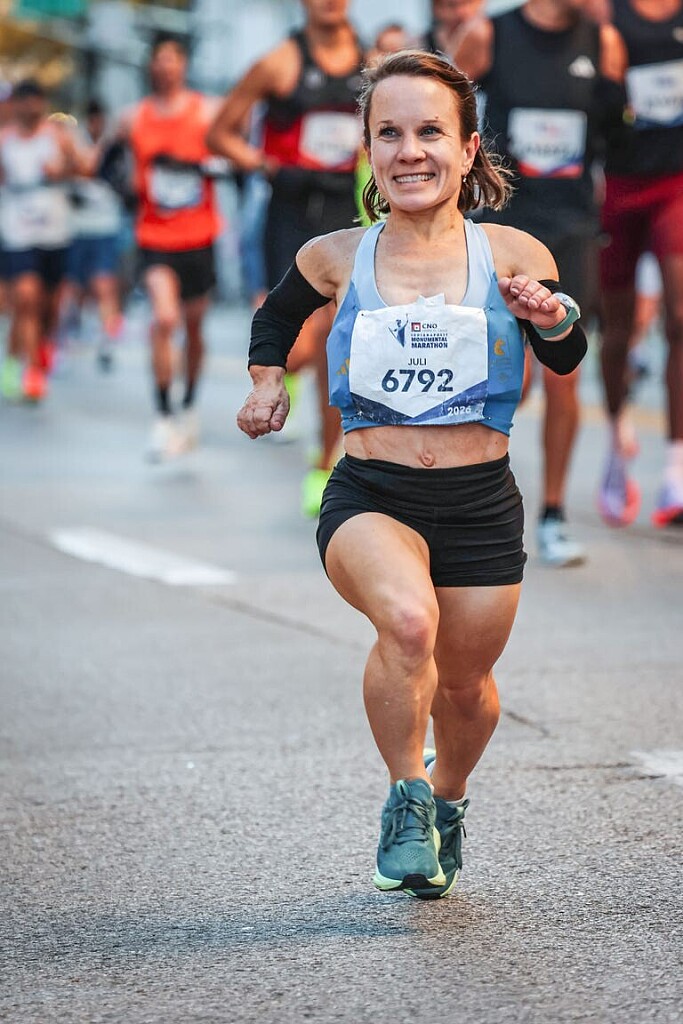


One In A Million! 3-Foot-9 Juli Windsor Runs Remarkable 3:42 Marathon, Sets Provisional American Record And Chases Boston Qualifying Dream!
At just 3 feet 9 inches tall, Juli Windsor is rewriting expectations in distance running, producing extraordinary marathon performances and demonstrating that physical limitations do not have to define the boundaries of human achievement.
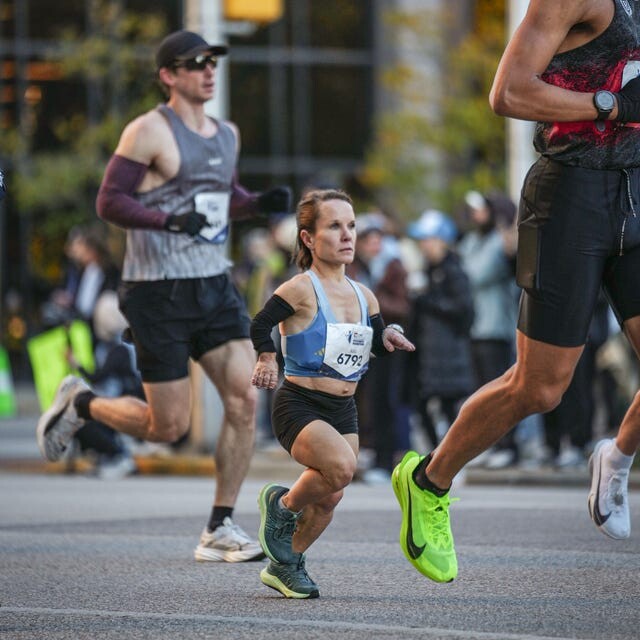
The 39-year-old American delivered another stunning performance at the Indianapolis Marathon on November 7, clocking an impressive 3:42:00 to smash her previous personal best by seven minutes. Her remarkable achievement is also provisionally recognised as a new American record in the T40 para-athletics category, which accommodates athletes with short stature.
Averaging approximately 8:28 per mile, Windsor finished among the top third of competitors in her 35–39 age group, an outstanding result that further underlines the progress she has made since returning to marathon running.
But her ambitions extend beyond personal records. Windsor is now setting her sights on an even bigger challenge: achieving the able-bodied qualifying standard for the prestigious Boston Marathon.
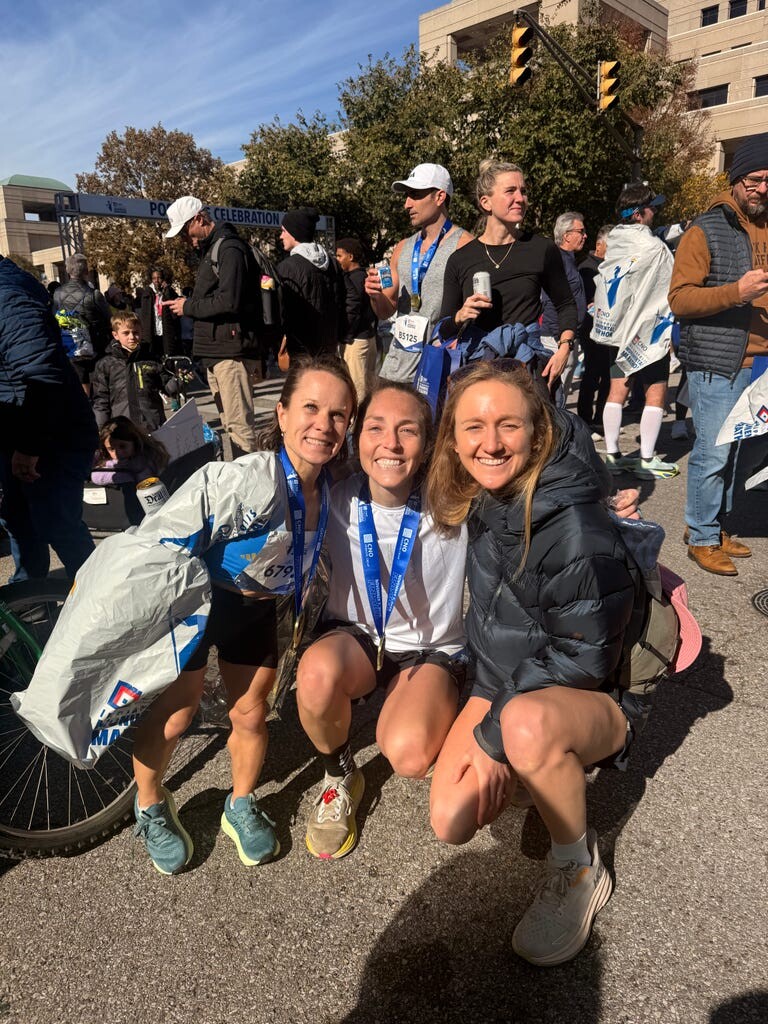
Born with acromesomelic dysplasia, an exceptionally rare form of dwarfism, Windsor has faced challenges that make her achievements in distance running even more remarkable. She has described her condition as so uncommon that, according to what she has been told, she is one in a million.
Outside athletics, she works as a physician assistant in developmental pediatrics, balancing her professional responsibilities and family life with an increasingly impressive running career.
Her journey in athletics began during middle school, when she joined the track team mainly to spend time with her friends. Initially, she had few expectations of becoming a competitive runner. However, an 800-metre race in which she defeated another competitor changed her perspective.
She soon discovered that although she might not have the explosive speed to outrun everyone over shorter distances, she possessed something equally powerful: exceptional endurance, determination and the ability to keep going.
Her philosophy became that she might not outrun her competitors, but she could outlast them.
That discovery eventually inspired her to pursue the marathon, with one particular race becoming the centre of her ambitions: the legendary Boston Marathon.
In her twenties, Windsor dreamed of becoming the first person with dwarfism to complete the prestigious event. In 2013, she came agonisingly close to experiencing that moment, but the tragic Boston Marathon bombings brought the race to an abrupt end as she approached the finish line on Boylston Street. Fortunately, she escaped physical harm, although her dream had to be postponed.
One year later, she returned to Boston and made history, completing the 2014 marathon in 4:43:26 and becoming the first person with dwarfism to finish the historic race.
It was a landmark achievement, but it would be another ten years before she returned to the marathon distance.
Following the 2014 race, Windsor stepped away from marathon competition to concentrate on raising her two children and dedicating time to her family.
However, her passion for running never disappeared.
In 2025, she felt drawn back to the marathon and entered the Spinx Marathon in Greenville, South Carolina. Her comeback was spectacular, as she clocked 4:09:51, taking more than 30 minutes off her previous marathon best.
That performance reignited her ambitions and opened the door to an even more remarkable transformation.
Windsor subsequently began working with Esther Atkins, a former professional marathoner and coach with McKirdy Trained. Atkins recognised considerable untapped potential in her new athlete and believed she could achieve much faster times.
Their partnership quickly began delivering results. At the 2026 Boston Marathon in April, Windsor produced another major breakthrough, recording 3:49:42 and taking her marathon running to an entirely new level.
Seven months later, she went even faster in Indianapolis, bringing her personal best down to 3:42:00 and provisionally establishing a new American record in her para-athletics classification.
Atkins has been particularly impressed by Windsor's willingness to embrace new training approaches, challenge her previous expectations and explore possibilities she had not always considered achievable.
For Windsor, having a coach who believes in her potential has been an important part of the journey. She explained that she is accustomed to expecting more from herself than others expect of her, making Atkins' confidence in her abilities especially meaningful.
Her journey also comes with unique challenges during competitions. At just 3 feet 9 inches tall, navigating crowded marathon courses presents a different experience from that of taller competitors.
Windsor has humorously explained that while many runners can look ahead over the shoulders of those around them, her view is often dominated by the backsides of fellow competitors. It is an amusing but very real reminder of the additional challenges she navigates while competing.
Yet, none of those obstacles has diminished her determination to keep improving.
Reflecting on her achievements, Windsor has spoken about the extraordinary capabilities of the human body, expressing amazement at how much people can accomplish when they challenge themselves and venture beyond what they previously believed possible.
Now, with a 3:42 marathon to her name, her next target is clear: continue improving and pursue the able-bodied Boston Marathon qualifying standard.
From discovering her endurance as a middle-school athlete to overcoming the disappointment of the 2013 Boston Marathon, making history in 2014, taking a decade away from the distance and returning to produce successive personal bests, Windsor has built a remarkable story of resilience.
At 39, she is not simply celebrating a personal record. She is challenging perceptions, breaking barriers in para-athletics and showing that extraordinary achievements can come in the most unexpected packages.
For Juli Windsor, the finish line is no longer just about completing a marathon. It is about discovering just how far she can go.
by Erick Cheruiyot for My Best Runs.
Login to leave a comment

Indianapolis Marathon
Now one of the 20 largest marathons in the US, the Indianapolis Monumental Marathon is the ideal fall marathon for everyone from the first time marathon runner to elite athletes. Starting and finishing at the Indiana State Capitol, the course highlights landmarks and historical neighborhoods throughout Indianapolis. Nationally recognized as flat and fast, this event has hosted Olympians, PR seekers,...
more...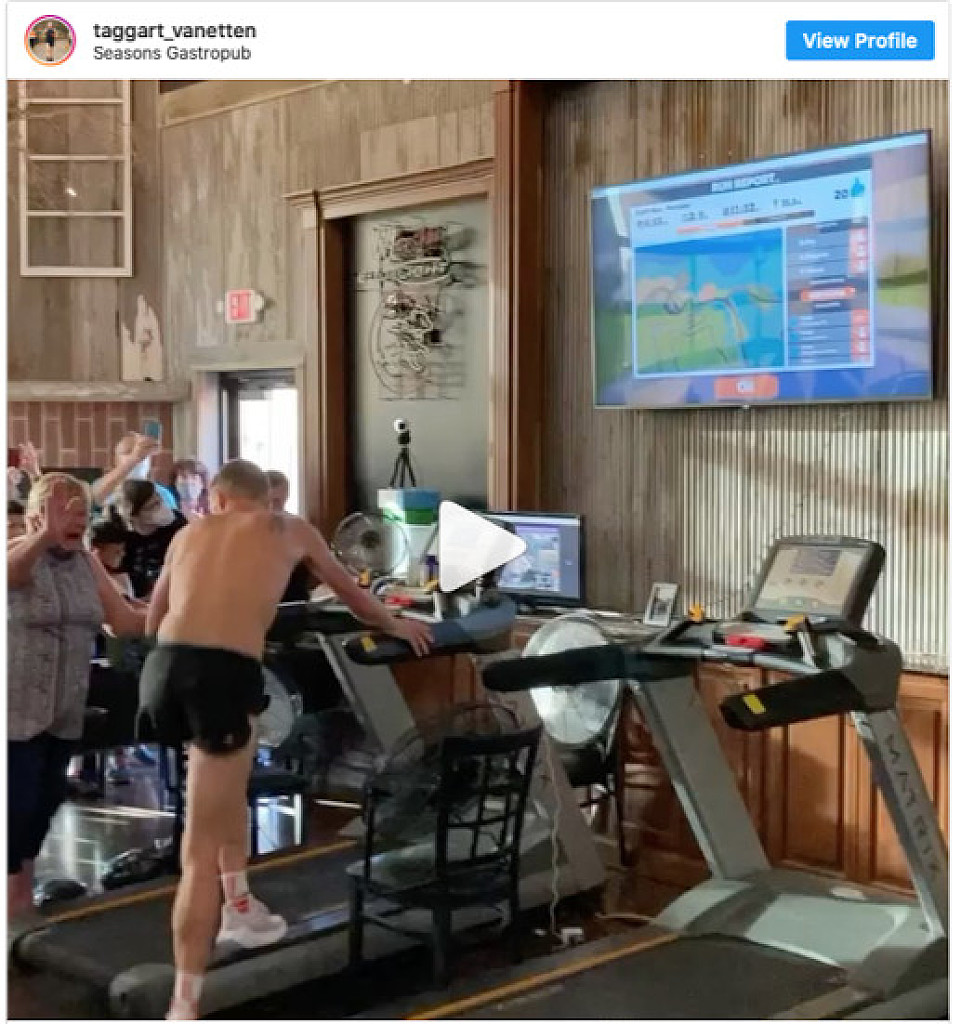
Two Treadmills Inside ... a Pub?! How This Runner Broke the 100-Mile Treadmill World Record
In his second 100-miler ever, he ran a 6:55/mile pace inside a local pub.
For the second weekend in a row, one of Zach Bitter’s 100-mile world records has fallen.
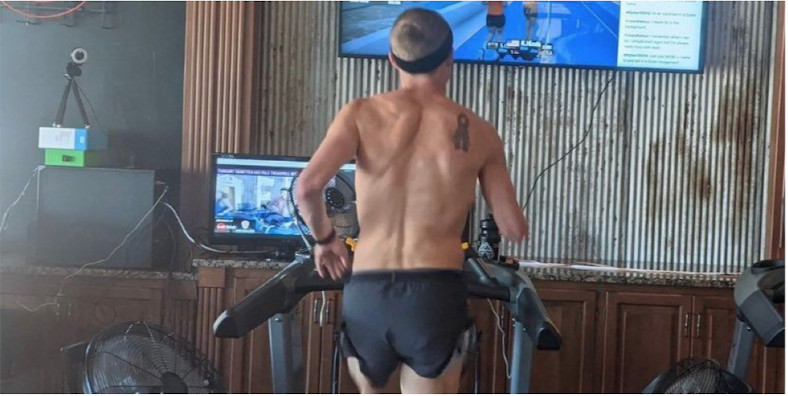
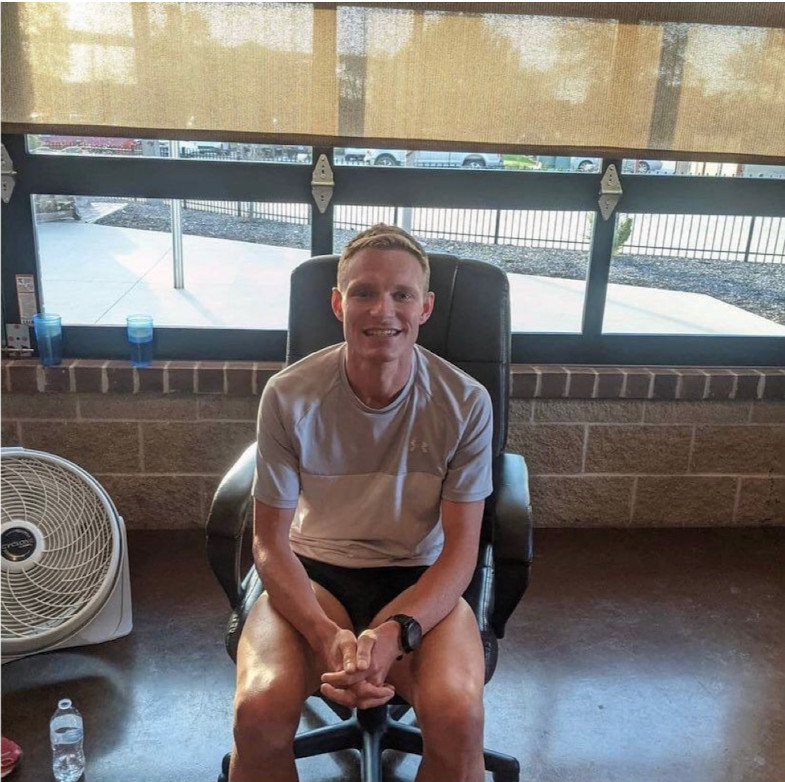
Taggart VanEtten, 25, of Morton, Illinois, smashed Bitter’s 100-mile treadmill world record with a time of 11:32:05. VanEtten’s average pace was 6:55 per mile, and he beat Bitter’s record by nearly 40 minutes.
That’s quite the accomplishment for only his second 100-mile run ever.
“I am so thankful that I am able to do this,” VanEtten told Runner’s World. “Every day, I wake up before 4 a.m. and do my first of two runs a day. ... I’m grateful to [have the time] to train, and I want to keep improving and go for the overall 100-mile world record.”
VanEtten, a PE teacher at Bartonville Grade School, is relatively new to the ultra scene. In college, he ran for Illinois Central College and competed in triathlons. But in November 2019, on only 23 miles of training a week, he ran the Indianapolis Marathon in 2:37:36. It was about 20 minutes off the men’s Olympic Marathon Trials qualifying times, so VanEtten pondered if he could run that mark with higher mileage and focused marathon training. But at that point, the 2020 Trials were less than four months away, so he decided to focus on making the 2024 Trials.
Last summer, he built his mileage all the way up to 200-mile weeks. However, he wasn’t able to put this fitness to the test with almost all marathons canceled because of the pandemic.
To fill that void, he chose an ambitious goal for November: a 100-miler.
“Well, I could sign up for this Tunnel Hill 100 miler, finish it, and never do another 100-miler again like many people say,” VanEtten said. “I had to beg the race director to let me in since there were a limited number of spots, and I was late signing up. 12:19:54 later, I crossed the finish line.”
That time is incredible for any 100-mile runner; in fact, it made him the fifth fastest American in history for the distance. It came after an intense training block where he ran three weeks on, one week off, peaking at a 258-mile week.
His newfound talent got him thinking about a new goal: What if he attempted the 100-mile treadmill record?
“I decided on January 2, when COVID-19 numbers were skyrocketing again,” he said, knowing that traveling to in-person races would still be risky. “I can’t get days off during the school year as a teacher, and I couldn’t fly anywhere, so why not train and promote this treadmill run?”
With that goal in mind, VanEtten spent every morning before school this winter and early spring on the treadmill. He completed additional runs after school and double long runs on the weekends, building up again to 200-plus mile weeks.
On May 1, he set up two treadmills, which he borrowed from a local gym, and a Zwift monitor in Seasons Gastropub, a local restaurant in Morton. There was also a space for his small supporters section, to keep him motivated for 11 hours and change.
VanEtten chose to run in the Hoka Carbon X 2 shoes, with Compress Sport pro marathon socks, Run Rabbit Fly Ease 2 shorts, and a few Amazon headbands to keep sweat out of his eyes.
Every three miles, VanEtten increased the incline to 0.5 and 1.0 for a quarter-mile each to switch up the muscles being used. Being on a treadmill for so long with the same motion can lead to problems in the legs and hips.
After smooth sailing for most of the day, VanEtten considered increasing his pace around mile 75, but he said he was luckily talked out of it by his crew. He said the building was heating up later in the day, and he could’ve paid the price.
“After that, I kept a mindset of telling myself, ‘How many times have you run 25 miles at a 7-minute pace? Or 20 miles?’’ VanEtten said. “It’s gonna hurt bad, but as long as I keep up nutrition, I should be done in three hours.”
When the final miles arrived, it became clear that VanEtten would get the record. From miles 89 to 99, his mentor and fellow local P.E. teacher ran on the treadmill beside him.
The final mile was just VanEtten. As the crowd counted down to 100, VanEtten patted his purple ribbon tattoo on his back—a tribute to his dad who passed away six years prior on April 20, 2015. The anniversary was the day before his run.
“My dad, man, he was a five-minute miler in 8th grade,” VanEtten said. “When I was in high school, he came to all of my meets and he thought I was nuts then. He passed away before I started my triathlons, but I just hope I’m making him proud. I’m working a job I love, I just bought my first house a month ago, and I’m pursuing my dream in running. I hope he’s looking down proudly.”
When he finally hit 100 miles and the record, VanEtten jumped off the treadmill and embraced his mom in an emotional hug.
“She said something to me. That I needed to finish this for my dad,” VanEtten said. “It was a moment I will never forget.”
After a brief champagne celebration and mingling with his fans, he made his way home to enjoy a shower and eat an entire medium-size pizza. He was off work Monday to recover, but was back in school on May 4 to see his students and the running team he coaches.
So, what’s next for VanEtten? He’ll race at Six Days in the Dome on June 18, chasing the overall 100-mile record of 11:14:56, which was set on April 26 by Lithuanian runner Sania Sorokin. The indoor track will be the third different surface VanEtten will run on in three 100-mile attempts.
“I’m not gonna be upset if I go out fast,” VanEtten said. “I want to go out like Steve Prefontaine at suicide pace because it’ll be a good day to die. That’s what I did at Tunnel Hill, and that’s what I want to do there. After I do that, I plan to enjoy my summer.”
by Runners World
Login to leave a comment
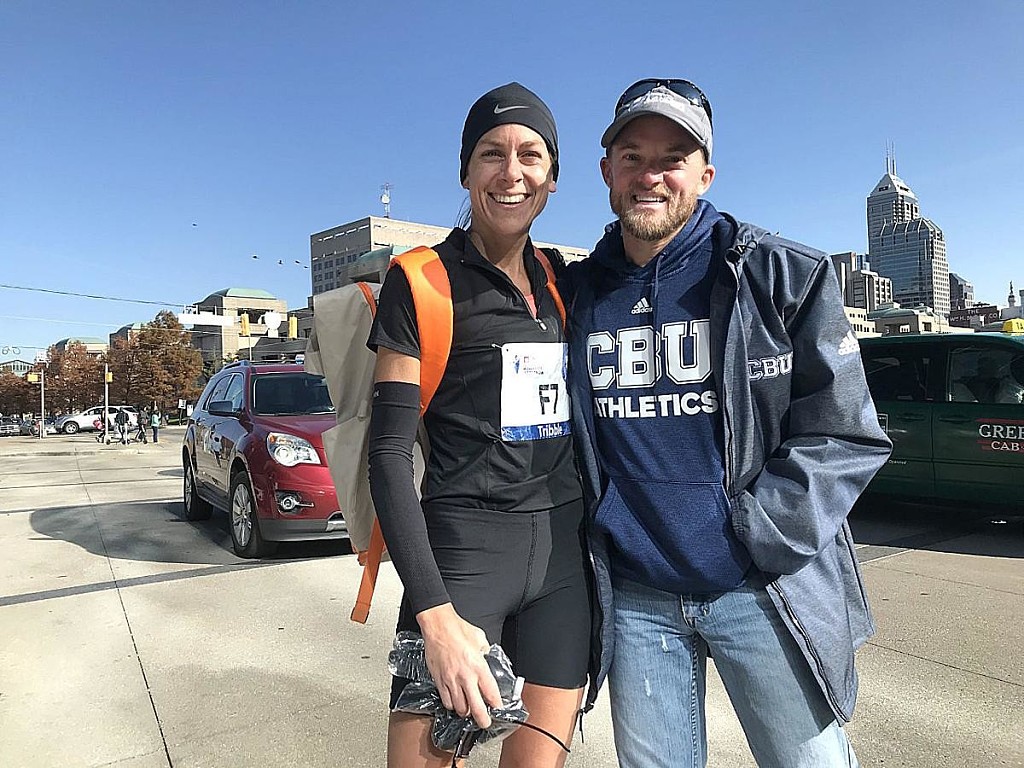
Meredith Tribble, a Davis graduated qualifies for Olympic Trials in women's marathon
Meredith Tribble sets no limits on her demanding lifestyle. Married and mother of two young children, a full-time job, involved in her church, and all with the years steadily creeping up.
There’s room in there for more, she felt, as long as the day starts a little earlier.
So before 5 o’clock most mornings, the former Davis standout heads out her front door to run in the dark. The sun will rise at some point, maybe halfway through a hard 14-mile tempo run, but she’ll be back home in time to get the rest of the family up and going.
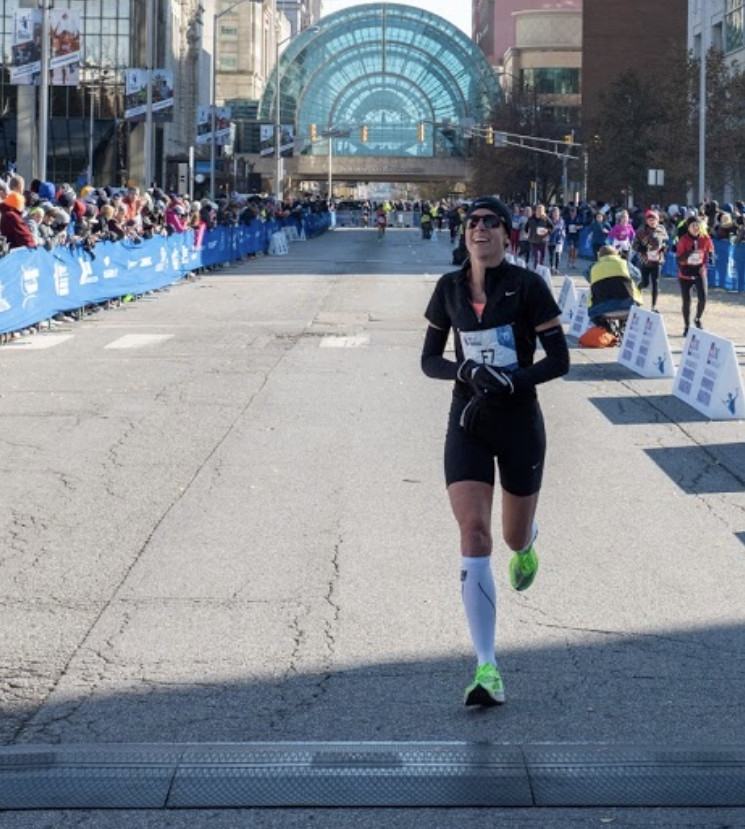
It’s out there on the trails and roads in the small hours of the day that Tribble found her purest form of joy in running. It’s worth it, she believes, to add this challenge on top of so many others because of the rewards to be found.
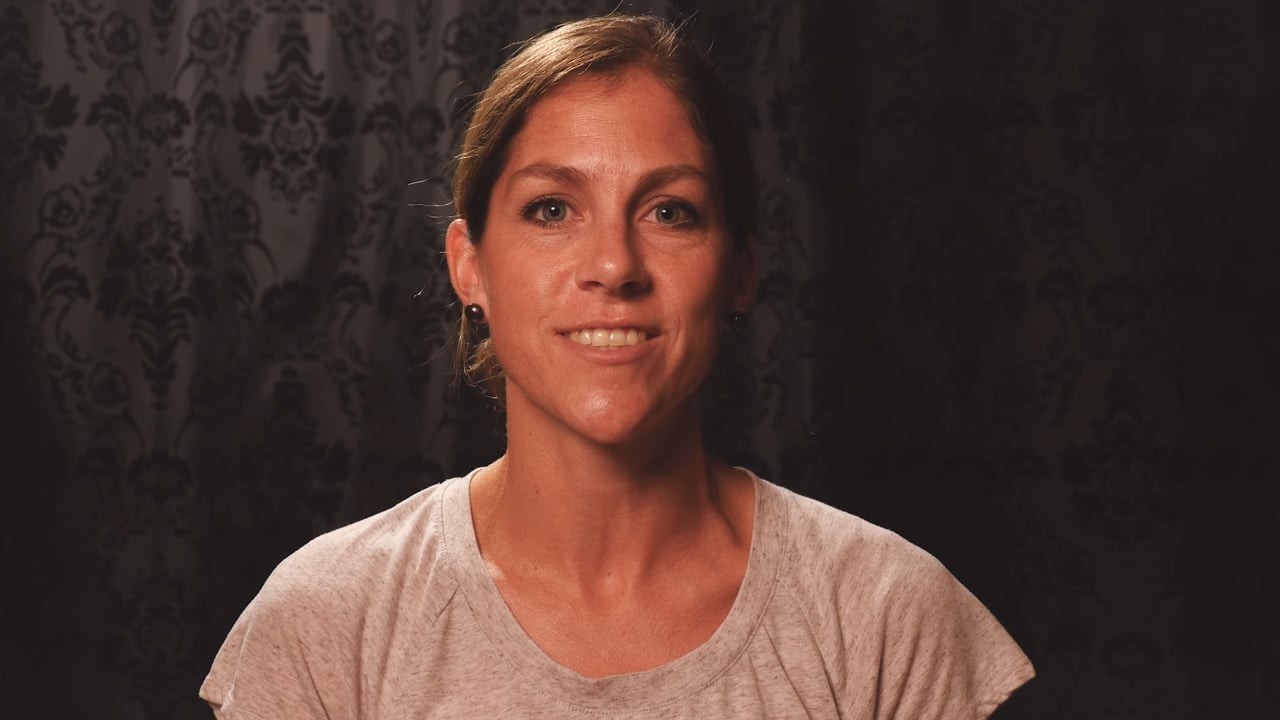
In just her third marathon last month, Tribble qualified for the U.S. Olympic Trials next year, winning her age group while placing ninth overall at the Indianapolis Marathon with a time of 2 hours, 42 minutes, 41 seconds.
“It was a goal and I’m just so proud of accomplishing it,” she said from her home in Riverside, Calif. “It wasn’t so much the time that motivated me but the drive to push myself to new limits. Just to power through physically, emotionally and mentally. It was very much a spirit-led journey.”
In her debut effort, just to test the legs at the 26.2-mile distance, Meredith ran 2:58 in early spring of 2018. That was easy enough, so she ramped up training and three months later she clocked 2:45:19, just missing the Trials standard by 19 seconds.
Meredith did, however, qualify for the USATF Marathon Championships in Sacramento in early December. Her fitness was solid, as evidenced by a 1:15 half marathon in October, but on the day of the race she backed out feeling ill. She soon discovered she was pregnant, but less than a month later she miscarried.
“Emotionally it was a very difficult time,” she said. “I had to give my body a long time to recover.”
The next step comes on Feb. 29 when Meredith will join the fastest women’s marathoners in the country in Atlanta for the U.S. Olympic Trials. At the front, this race will determine the three qualifiers for the 2020 Summer Olympics in Tokyo. For the rest, as with the men on the same day, it’s an opportunity to compete in what is essentially a national championship.
by Scott Spruill
Login to leave a comment

2028 US Olympic Trials Marathon
Most countries around the world use a selection committee to choose their Olympic Team Members, but not the USA. Prior to 1968, a series of races were used to select the USA Olympic Marathon team, but beginning in 1968 the format was changed to a single race on a single day with the top three finishers selected to be part...
more...